Slideshow · Travel
20 Landmarks Along Turkey's Mediterranean Coast Around Antalya
Antalya hosted the COP31 climate summit from November 9 to 22, 2026, bringing global delegates to Turkey's southern coast. Drawing on UNESCO heritage records, Turkey's Ministry of Culture and Tourism, and official national park data, this countdown visits 20 coastal landmarks from Belek to historic Kaleici.
By Most Viral Today
32 min agopitch:300720ea-489a-4480-a005-1e848e2283eb

Inside the Turkish Riviera Around COP31 Host City Antalya 
20. Belek 
19. Kursunlu Waterfall 
18. Manavgat Waterfall - AdvertisementSwipe or tap ▶ to continue countdown

17. Saklikent Gorge 
16. Mount Tahtali 
15. Oludeniz Lagoon 
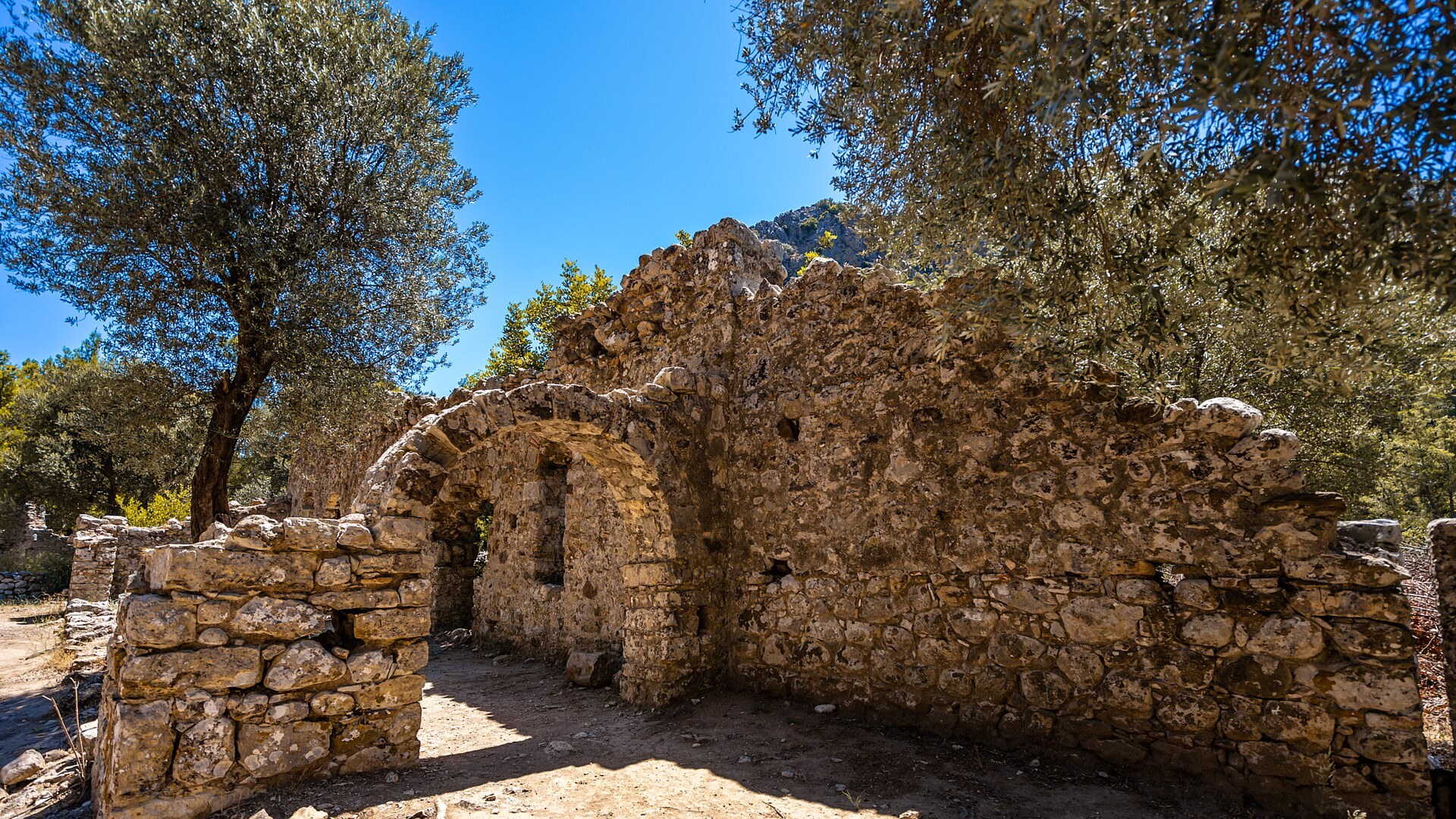
14. Olympos Ancient City - AdvertisementSwipe or tap ▶ to continue countdown

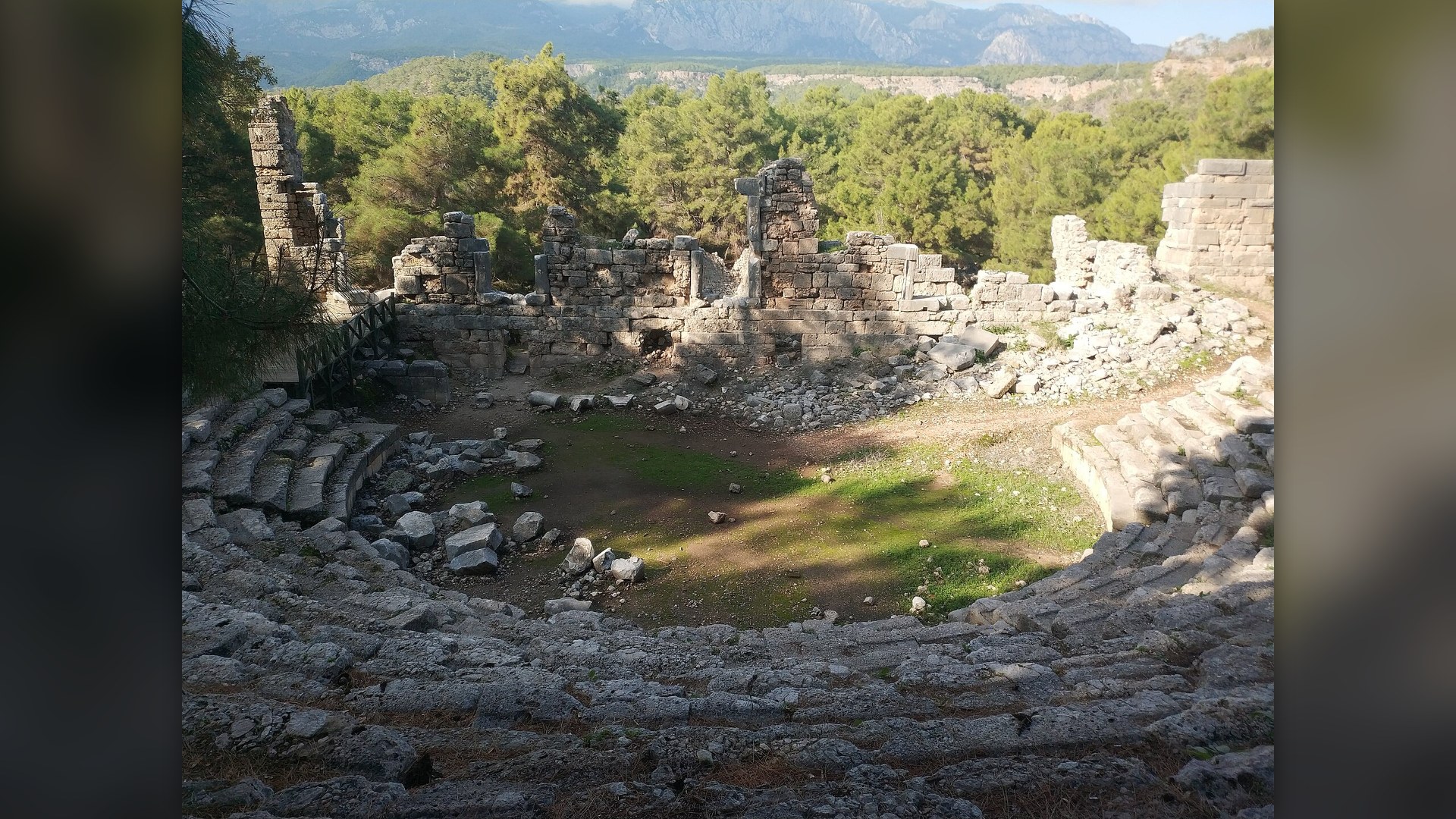
13. Phaselis Ancient City 
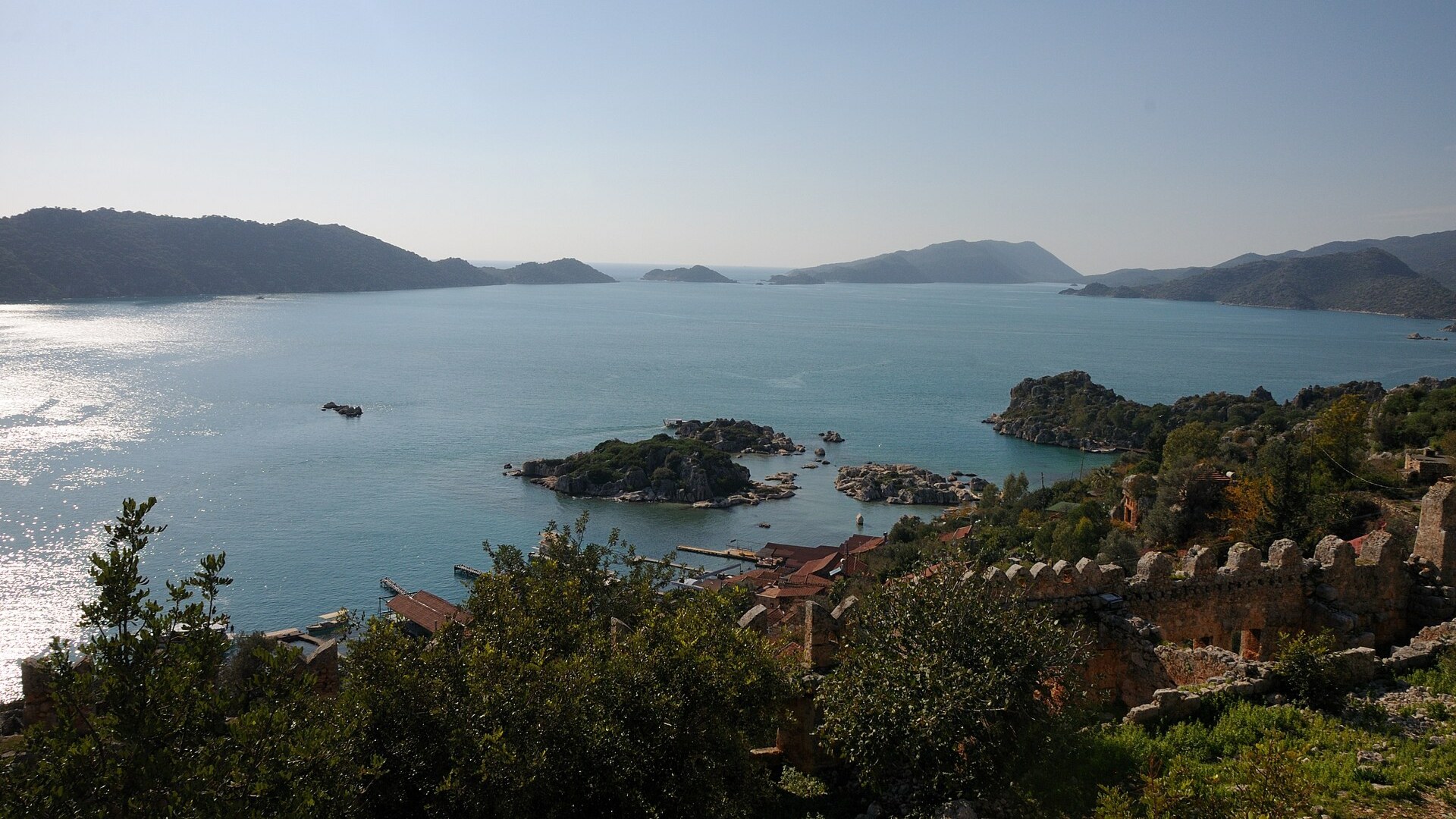
12. Kekova Sunken Ruins 
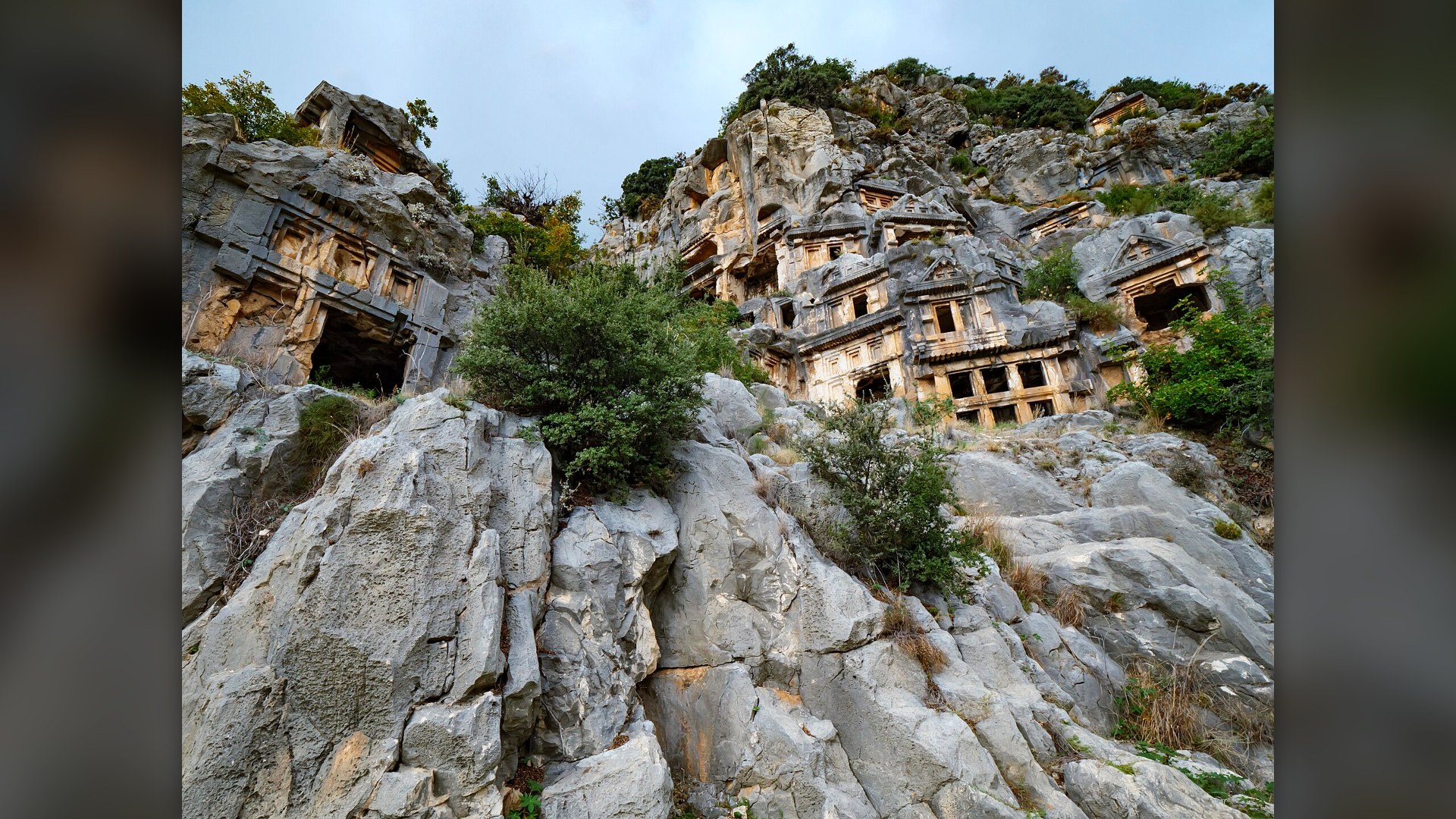
11. Myra Rock Tombs 
10. Patara Beach - AdvertisementSwipe or tap ▶ to continue countdown

9. Kaputas Beach 
8. Konyaalti Beach 
7. Alanya Castle 
6. Temple Of Apollo At Side - AdvertisementSwipe or tap ▶ to continue countdown

5. Perge Ancient City 
4. Duden Waterfalls 
3. Aspendos Roman Theatre 
2. Hadrian's Gate - AdvertisementSwipe or tap ▶ to continue countdown

1. Kaleici Old Town And Harbour - Advertisement🔥 UP NEXT IN THIS SERIES◫ 21 Slides

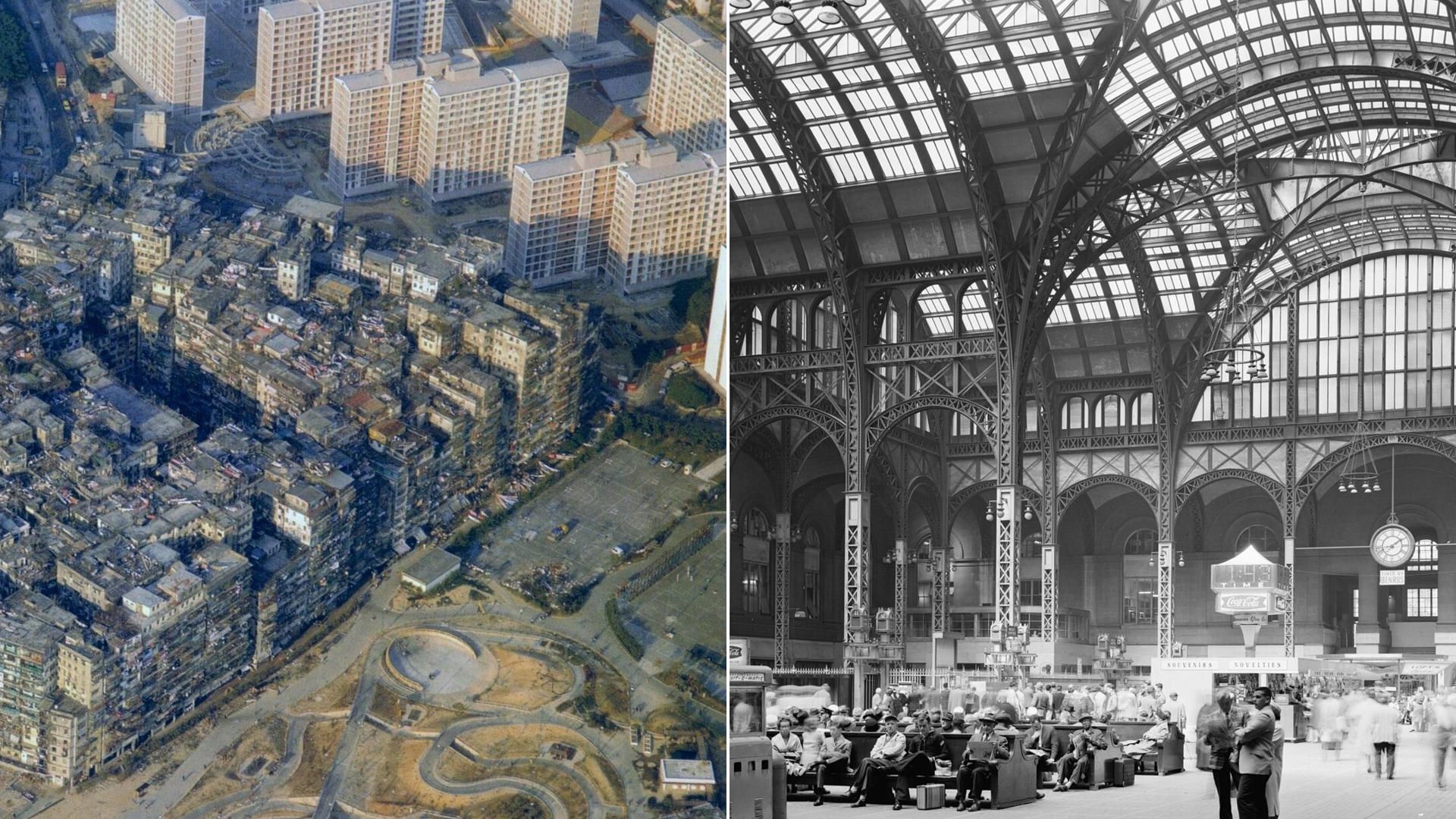
20 Famous Demolished Landmarks That People Still Miss Today
Cities often clear away beloved buildings to make room for new towers, transit hubs, or sports arenas. From grand Victorian glass halls and Art Deco resorts to classic ballparks across North America, Europe, and Asia, these 20 demolished landmarks still inspire fierce nostalgia and local preservation efforts.
World leaders and delegates left Antalya on November 22, 2026 after COP31, spotlighting Turkey's Turquoise Coast. Based on UNESCO records, Turkey's Ministry of Culture and Tourism, and local park surveys, this countdown spans 20 waterfalls, beaches, canyons, and Roman ruins around the Mediterranean city.
Swipe or tap ▶ to begin the countdown
©Wikimedia / Güney Özdamar & Wikimedia / Julian Lupyan
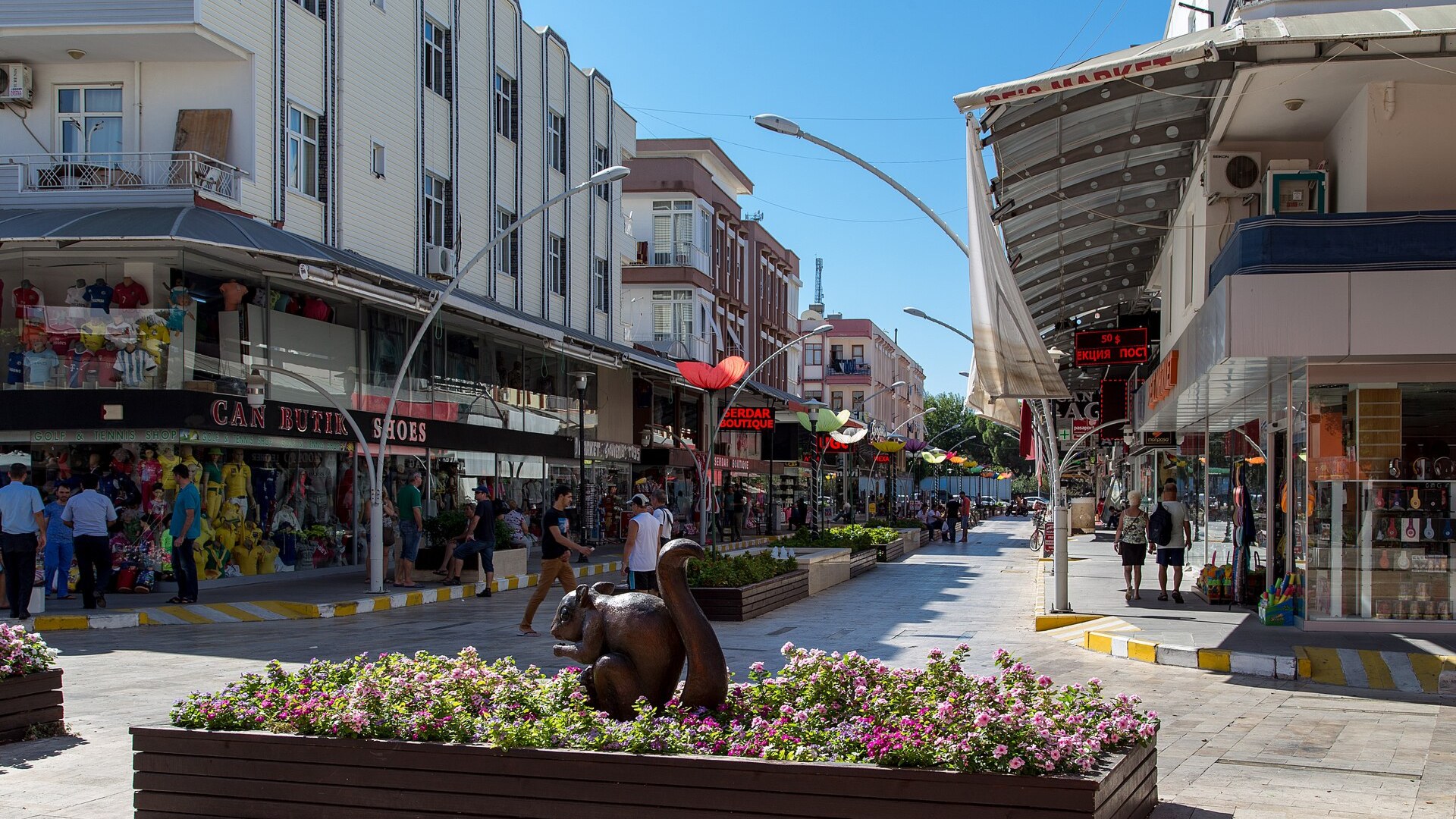
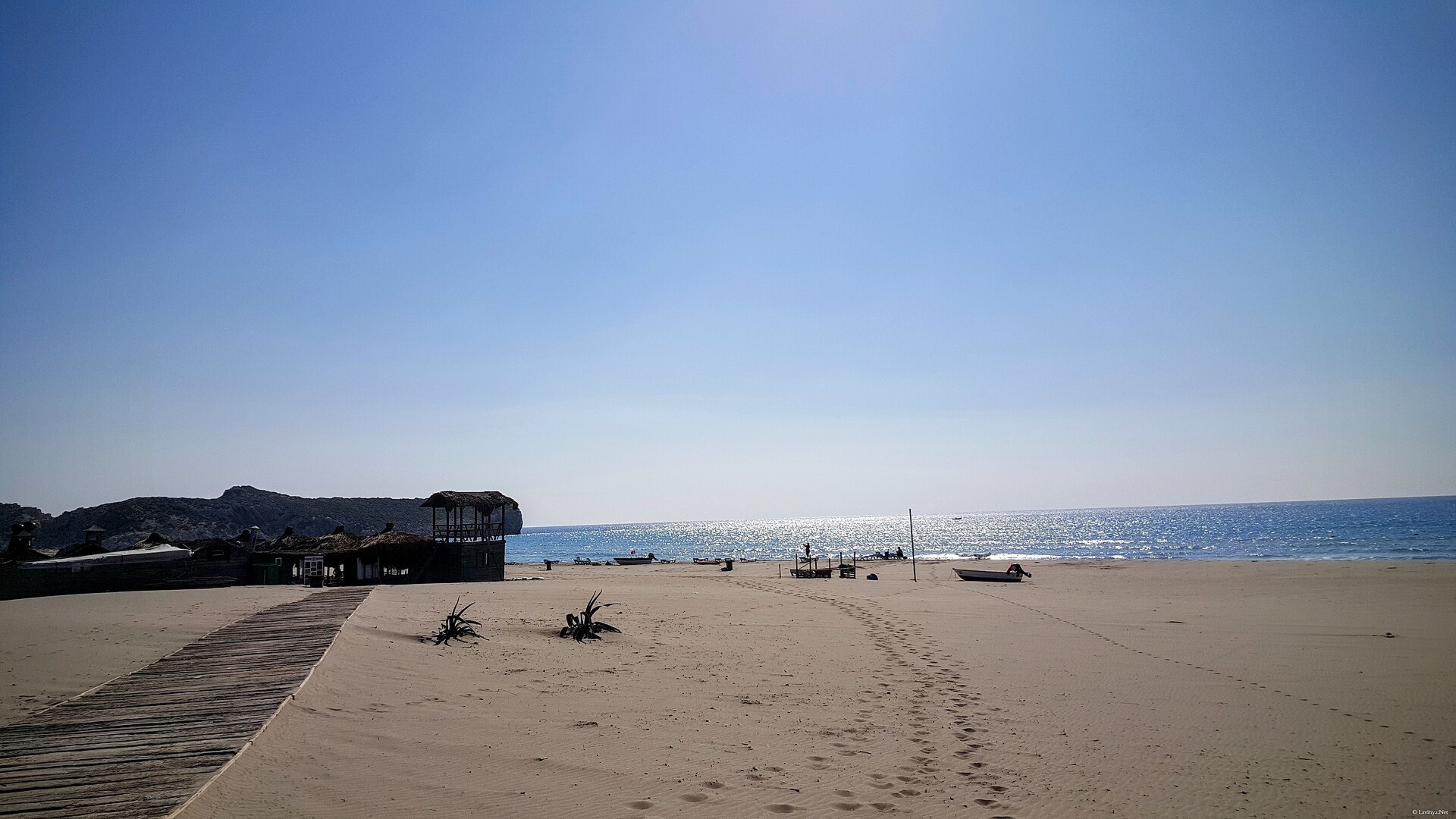
20. Belek
Sitting roughly 30 kilometers east of Antalya, Belek hosted the 2015 G20 summit and sits just down the coast from the COP31 Expo Center. Its sandy shoreline also serves as an important nesting beach for loggerhead sea turtles between May and September each year.
©Wikimedia / Eugene Yakovenko
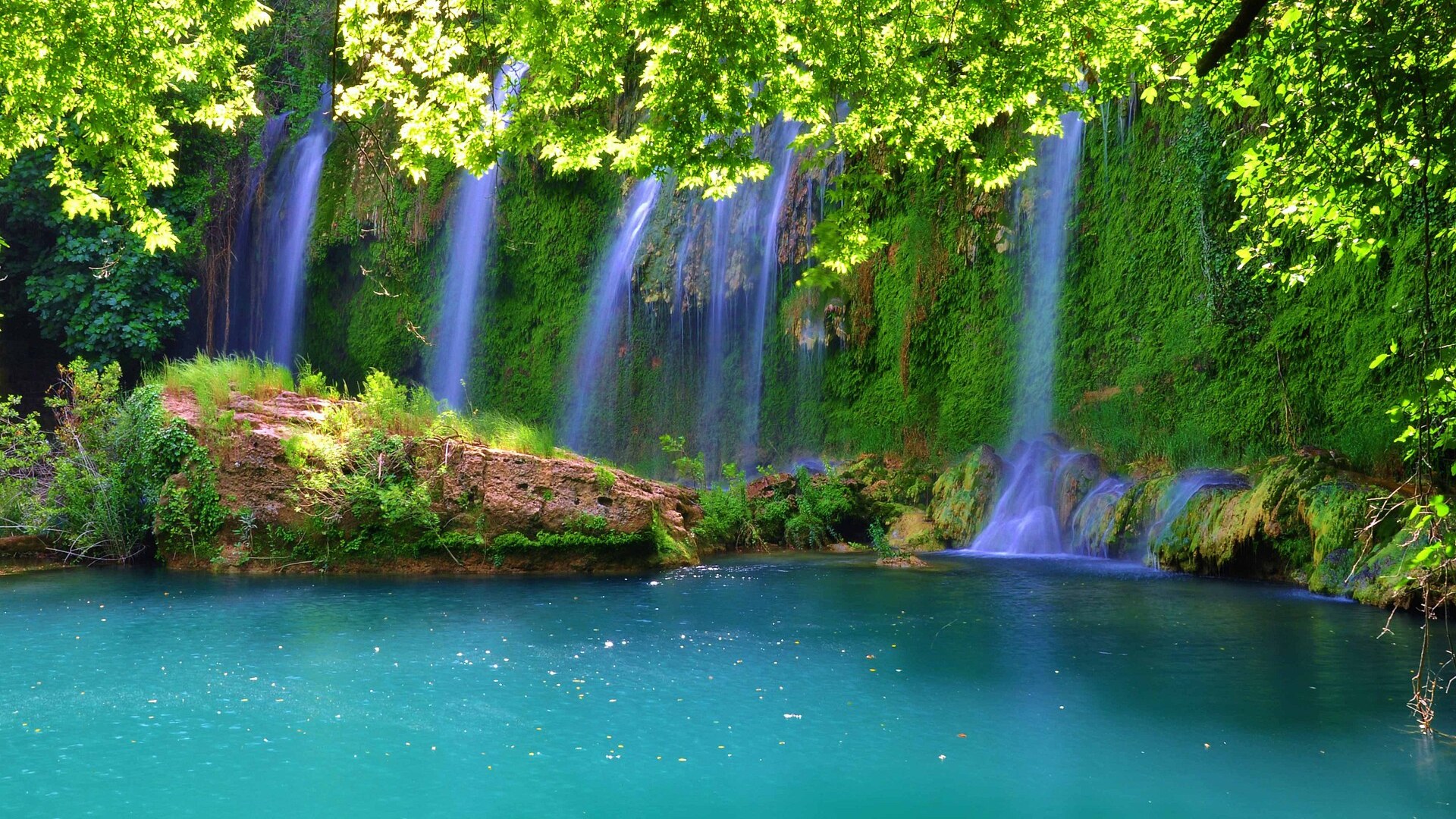
19. Kursunlu Waterfall
Protected as a nature park since 1986, Kursunlu links seven small emerald ponds along a tributary of the Aksu River. Walking trails pass an old Ottoman watermill and wooden footbridges beneath Turkish red pines, carob trees, and wild figs just inland from the coast.
©Wikimedia / Burak Küçükarslan
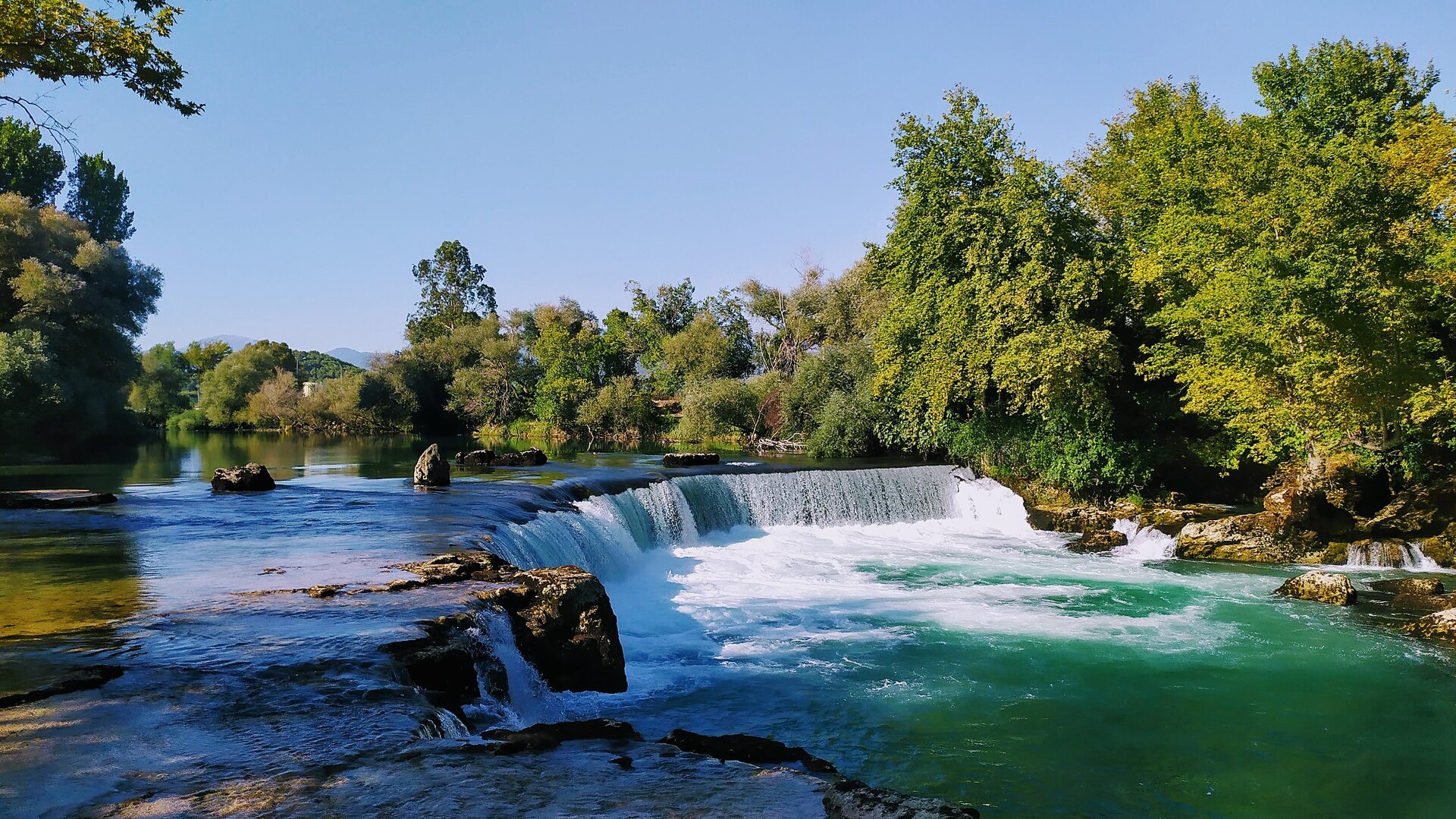
18. Manavgat Waterfall
Unlike tall cliffside falls, Manavgat drops only about three meters across a broad limestone ledge, making its high flow rate the main spectacle. Fed by karst springs in the Taurus Mountains, the river stays cool even in summer and was depicted on Turkish banknotes from 1968 to 1983.
©Wikimedia / Tevfik Teker
Advertisement
Swipe or tap ▶ to resume the countdown.
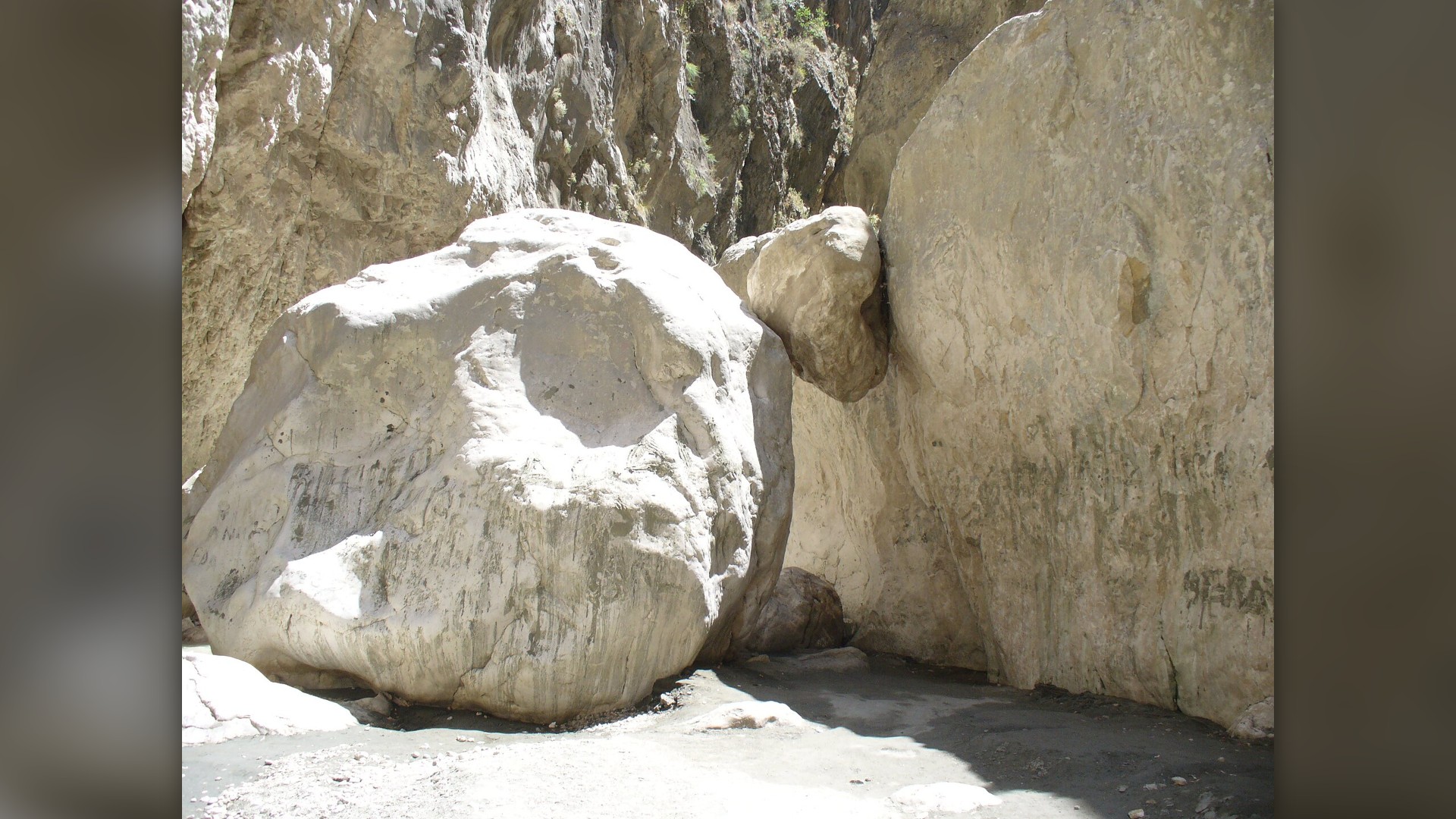
17. Saklikent Gorge
Reached by wooden boardwalks bolted above rushing spring water, Saklikent narrows until canyon walls rise up to 300 meters overhead. Visitors can walk roughly four kilometers upstream during the drier summer months after winter snowmelt subsides.
©Wikimedia / No machine-readable author provided
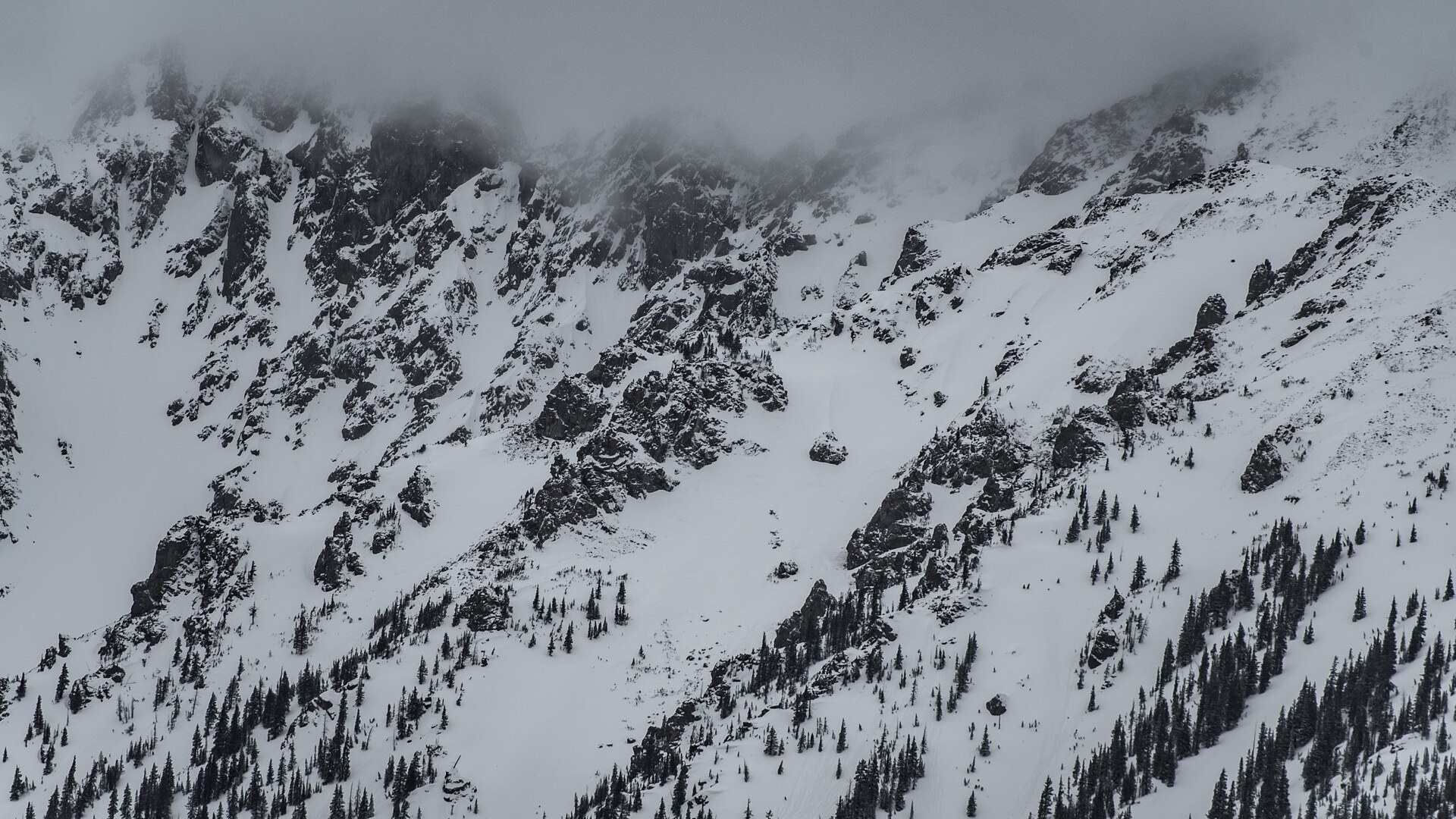
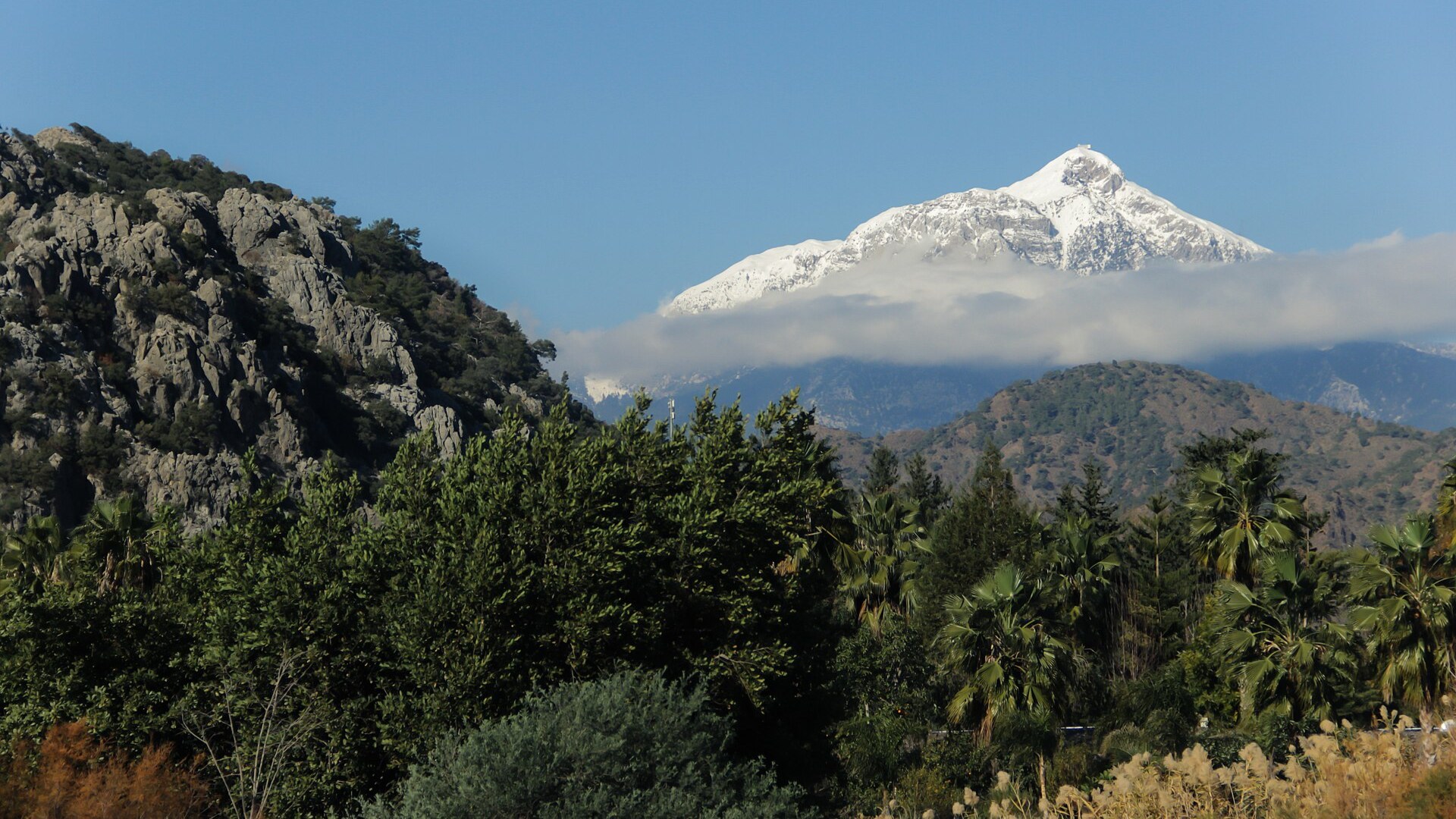
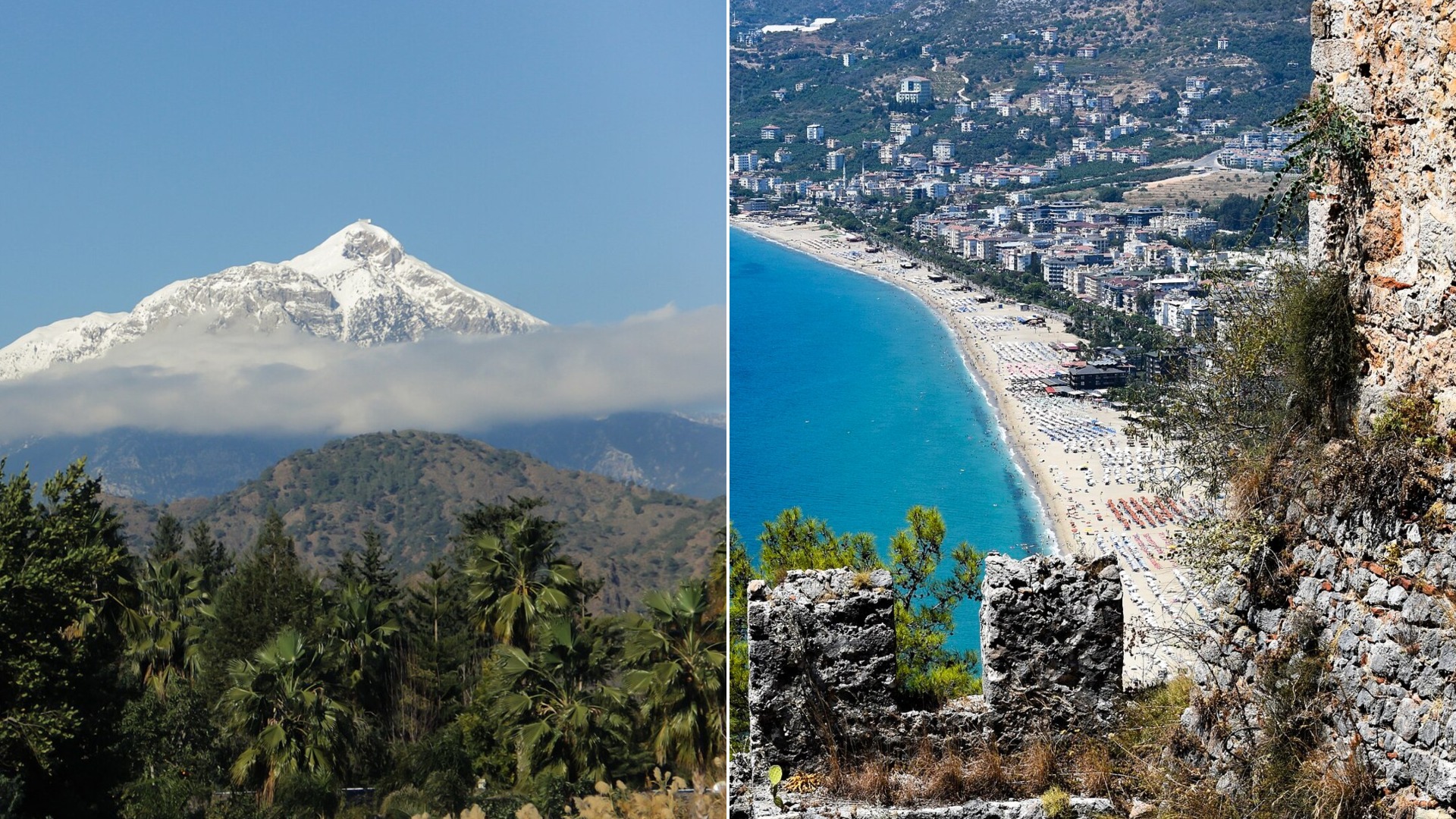
16. Mount Tahtali
Known in antiquity as Lycian Olympus, Mount Tahtali stands only kilometers from the Mediterranean shore yet holds snow into late spring. The Olympos Teleferik cable car climbs 4,359 meters of span from the coastal foothills to the summit station in around ten minutes.
©Wikimedia / Güney Özdamar
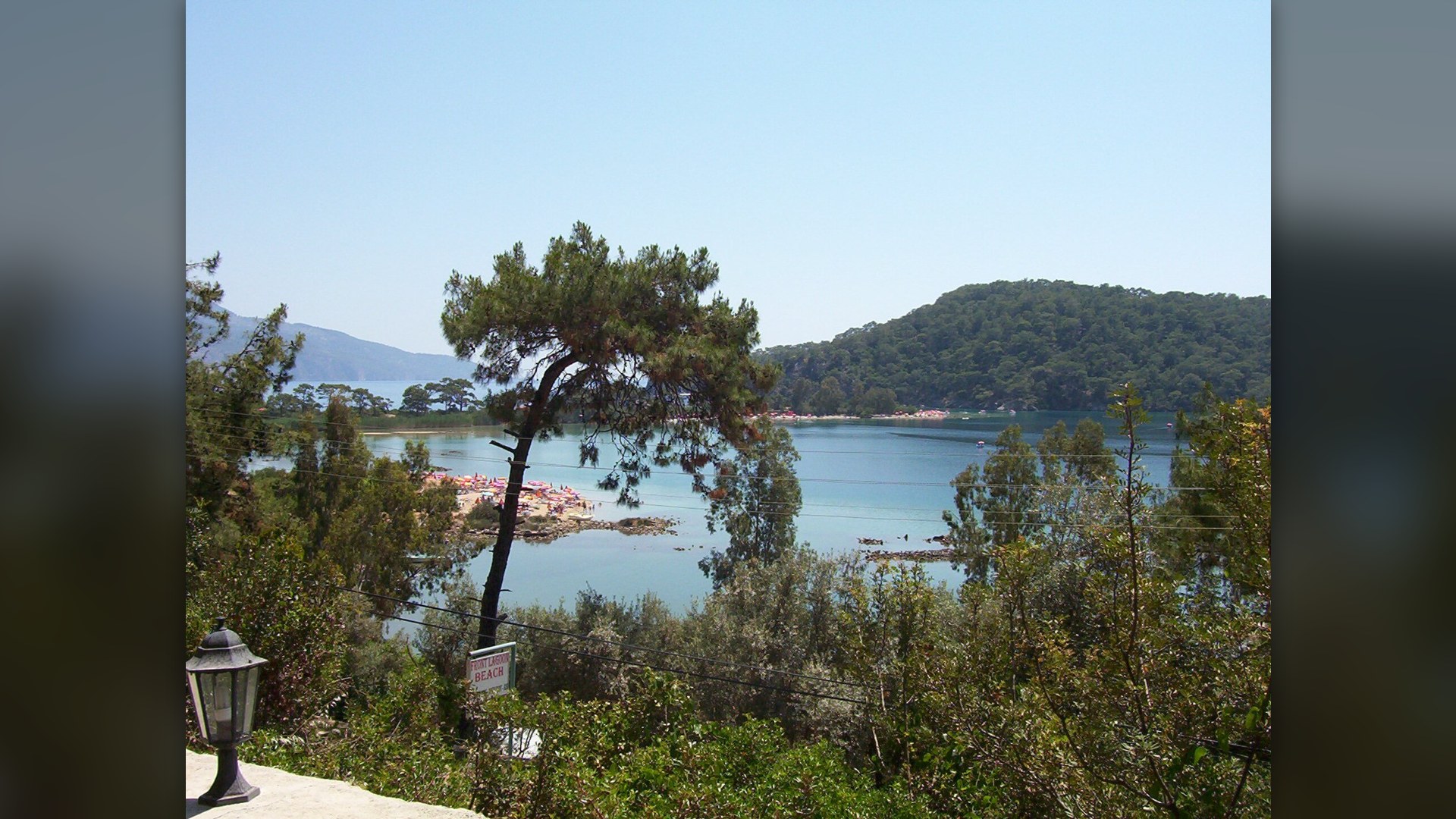
15. Oludeniz Lagoon
Protected as a national nature reserve, the calm lagoon sits behind a sweeping shingle spit below 1,969-meter Babadag mountain. Steady thermal winds off the peak have made the beach below one of the world's busiest tandem paragliding landing zones.
©Wikimedia / Jongleur100
14. Olympos Ancient City
Founded in the Hellenistic era and later allied with the Lycian League, Olympos straddles a seasonal stream just before it meets the sea. Sarcophagi, a Roman bathhouse, and stone bridge piers survive among laurel trees, a short walk from the natural gas vents of Yanartas.
©Wikimedia / Capyusuf
Advertisement
Swipe or tap ▶ to resume the countdown.
13. Phaselis Ancient City
Settled around 700 BCE by colonists from Rhodes, Phaselis grew wealthy shipping timber, olive oil, and rose essence across the eastern Mediterranean. Its paved main street still links the northern and southern bays beside a well-preserved theatre and bath complex.
©Wikimedia / Nowhere1111
12. Kekova Sunken Ruins
Strong second-century earthquakes dropped the ancient settlement of Dolchiste beneath the waterline along Kekova Island's northern shore. Placed under strict protection in 1990, the sunken ruins can only be viewed from passing boats, with swimming and diving banned over the site.
©Wikimedia / Josep M. Gracia
11. Myra Rock Tombs
Dating mainly to the fourth century BCE, the cliff tombs at Myra imitate wooden Lycian houses with carved beams, reliefs, and inscriptions. Directly below the necropolis stands a large Greco-Roman theatre reconstructed after a devastating earthquake in 141 CE.
©Wikimedia / Buğra Kaan Ersoy
10. Patara Beach
Patara's broad coastline remains free of beachfront hotels because it is a protected nesting habitat for loggerhead sea turtles. Inland behind the dunes stand the ruins of the ancient Lycian League assembly hall, a Roman triumphal arch, and a first-century lighthouse.
©Wikimedia / Esginmurat
Advertisement
Swipe or tap ▶ to resume the countdown.
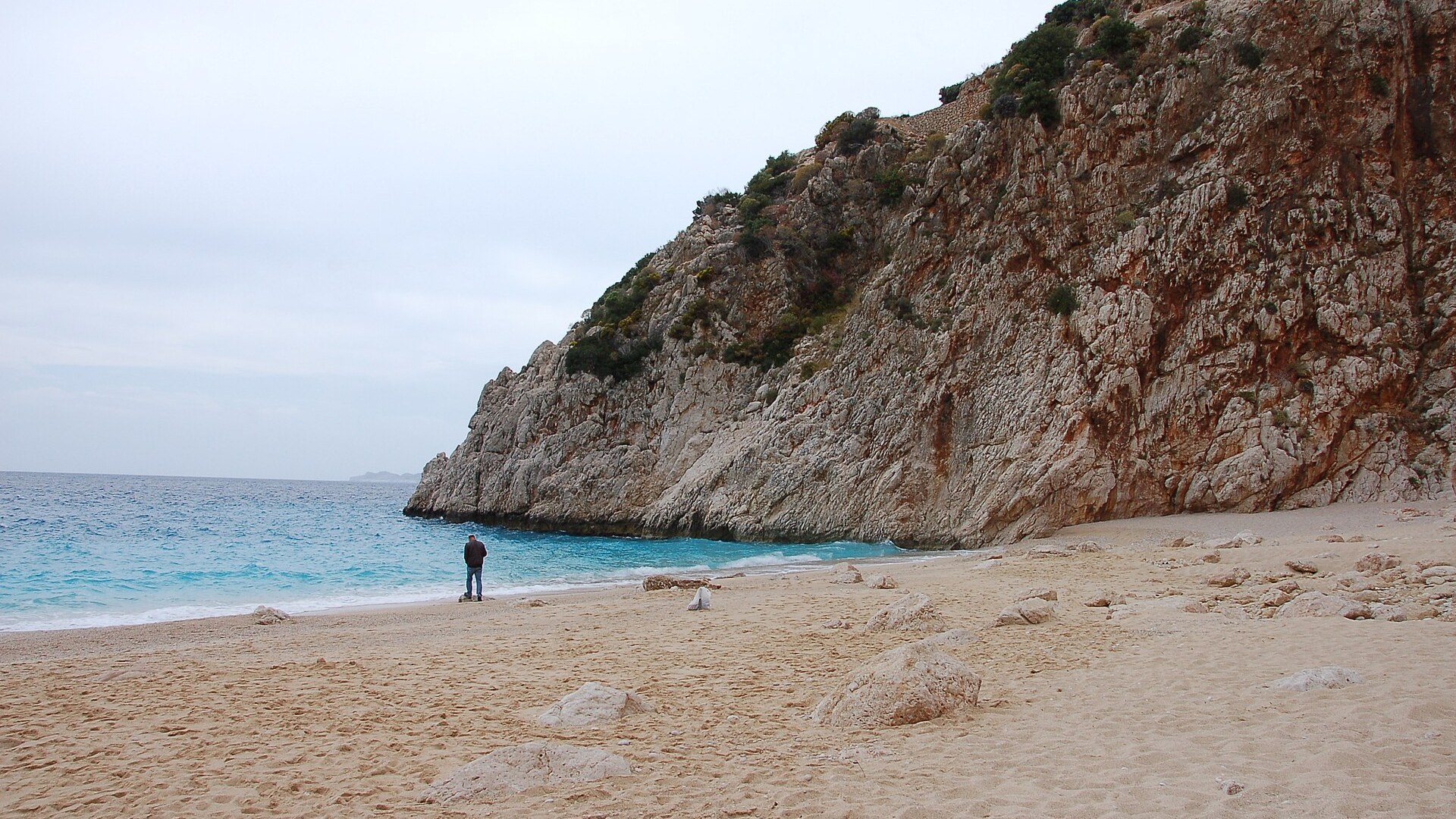
9. Kaputas Beach
Framed by sheer limestone cliffs where a dry gorge meets the Mediterranean, Kaputas gets its vivid blue and green water from cold underground springs mixing with the sea. Its small crescent of golden pebbles sits right below the D400 coastal road.
©Wikimedia / Wusel007
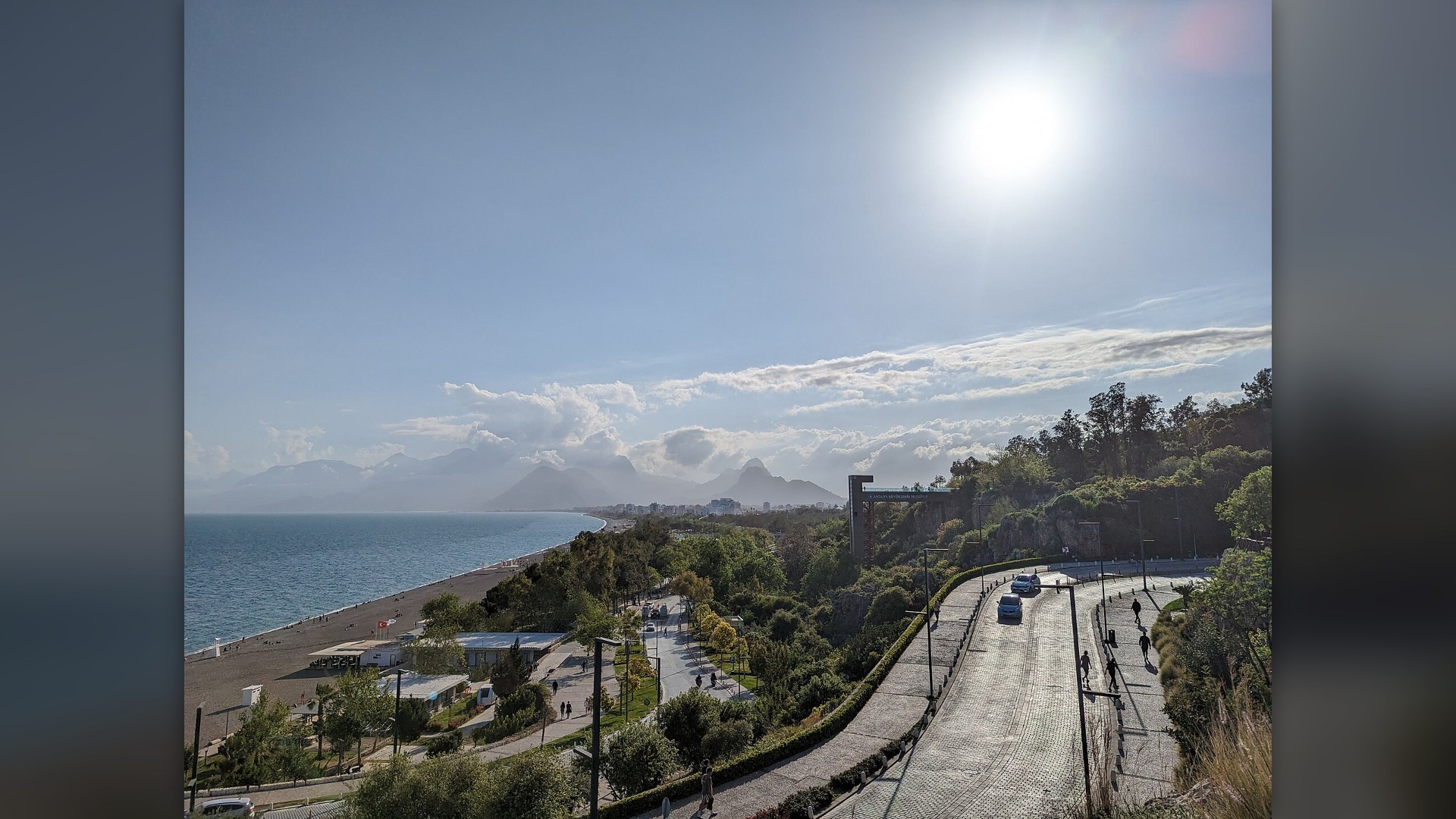
8. Konyaalti Beach
Stretching from the cliffs west of Kaleici toward the port district, Konyaalti combines pebble beaches with a long seaside promenade, parks, and bike lanes. Its eastern end sits just below the Antalya Archaeological Museum and the city's historic tram line.
©Wikimedia / FingerWiki
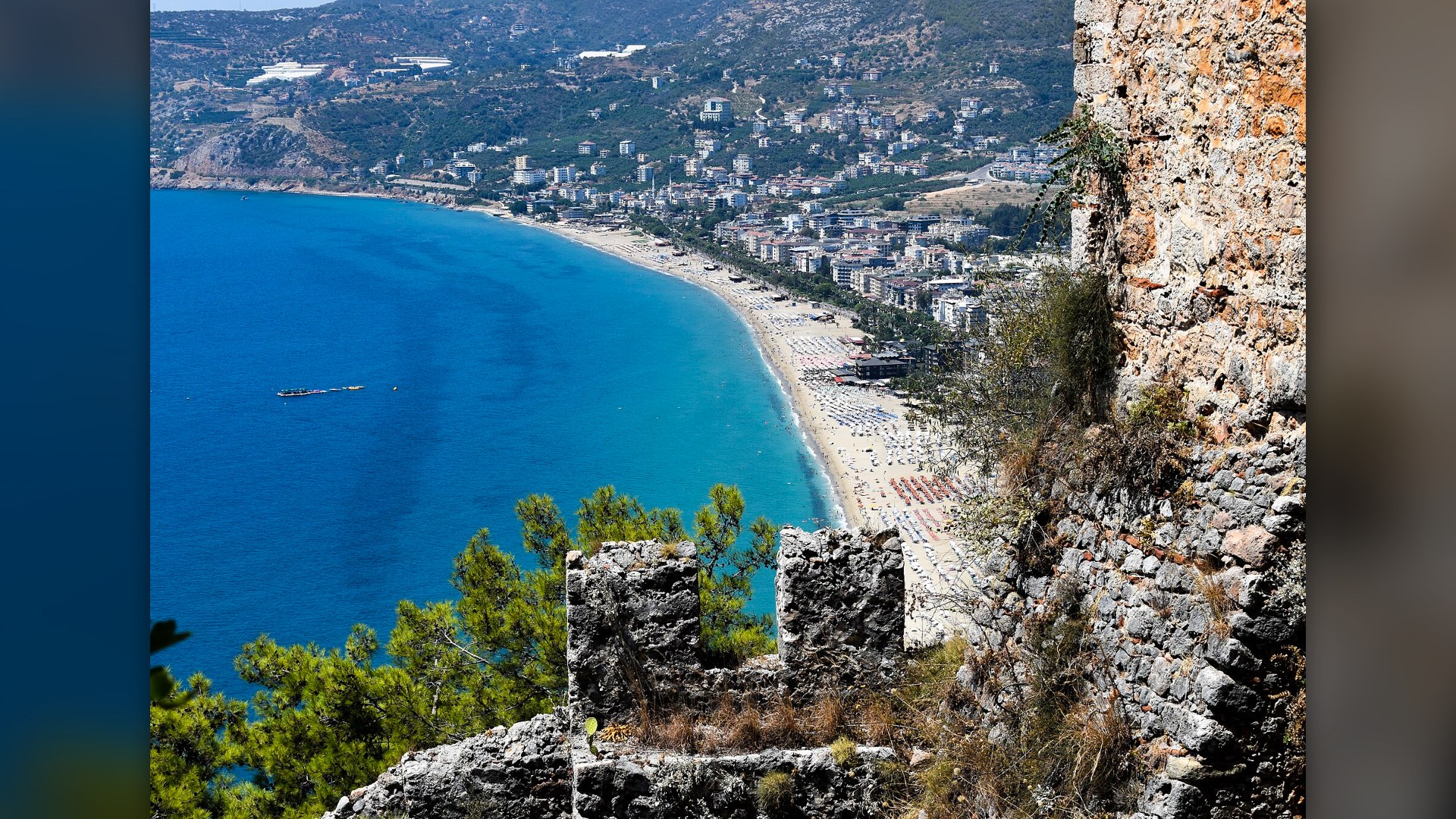
7. Alanya Castle
Surrounded on three sides by the Mediterranean Sea, Alanya Castle features more than six kilometers of stone walls and 140 towers. Sultan Alaeddin Keykubad I rebuilt the citadel after capturing the port in 1221, adding the octagonal Red Tower and coastal shipyard below.
©Wikimedia / Julian Lupyan
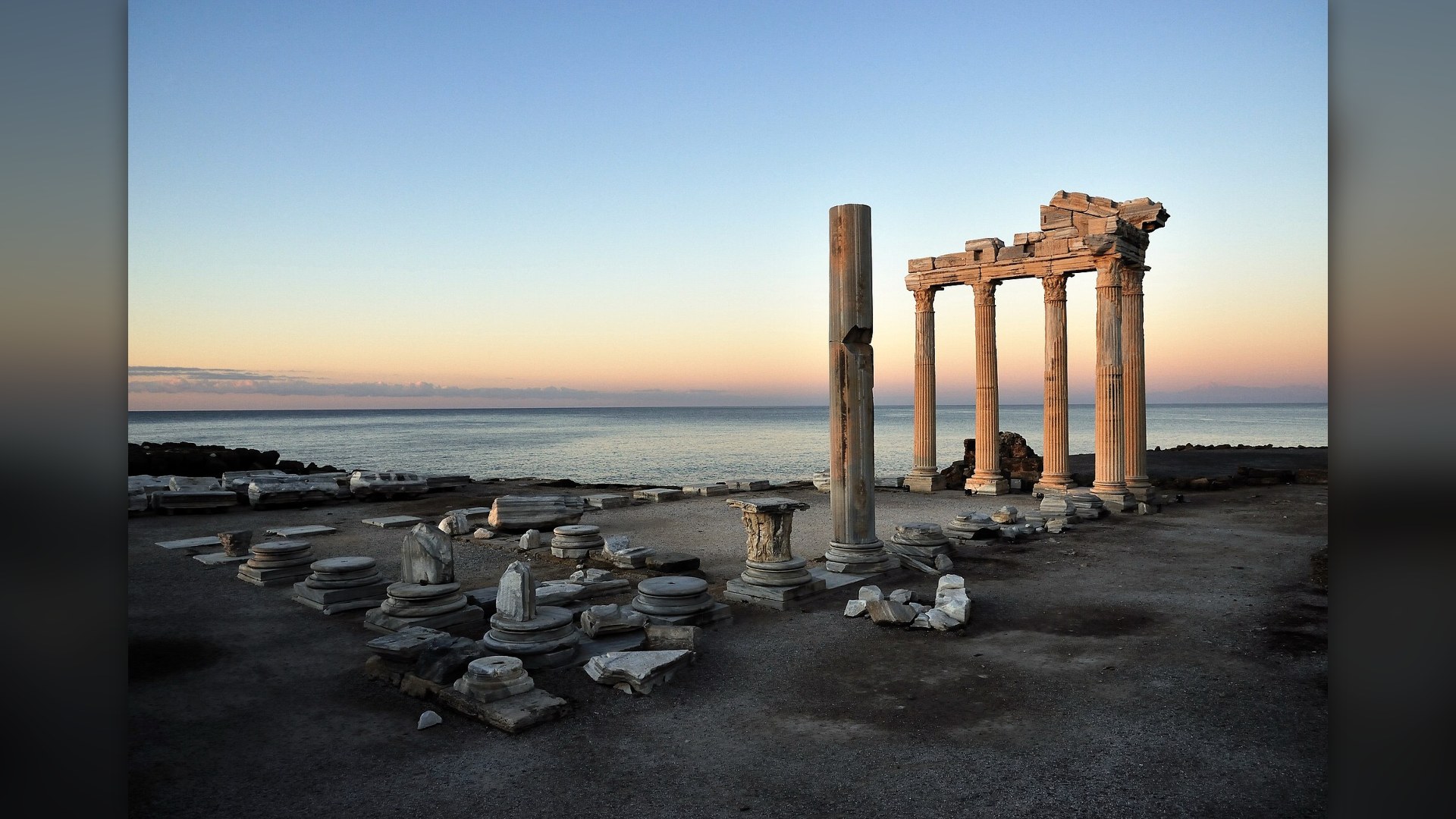
6. Temple Of Apollo At Side
Built around 150 CE near the end of Side's peninsula, the Temple of Apollo overlooked the busy Roman port alongside a neighbouring temple to Athena. Archaeologists restored the five standing columns and architrave frieze between 1984 and 1990.
©Wikimedia / Saffron Blaze
Advertisement
Swipe or tap ▶ to resume the countdown.
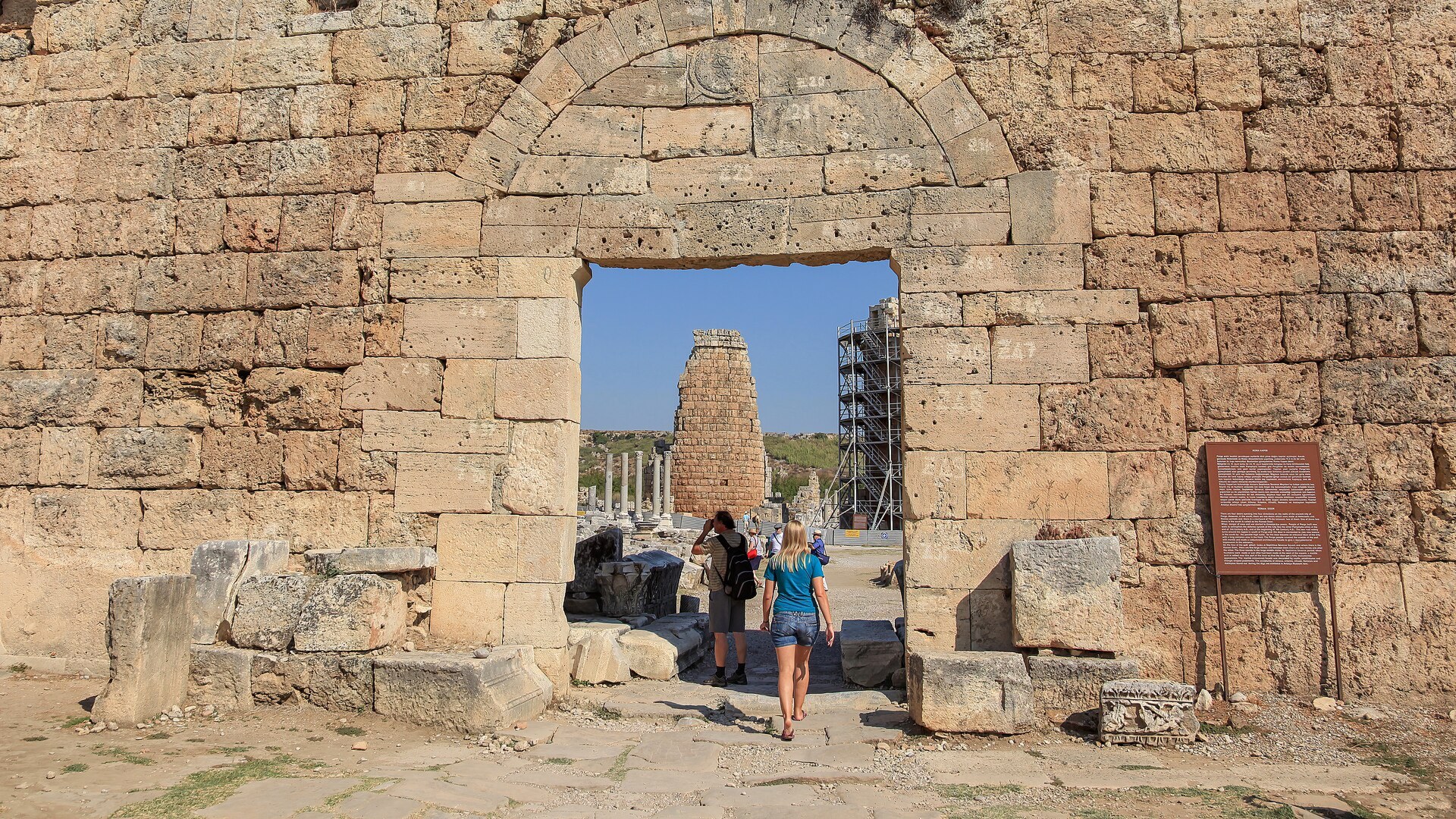
5. Perge Ancient City
Located in Aksu right near the COP31 Antalya Expo Center, Perge flourished under Hellenistic and Roman rule as Pamphylia's leading city. Its long colonnaded avenue featured a central water channel, flanked by an agora, Roman baths, and a 12,000-seat stadium.
©Wikimedia / Roy Egloff
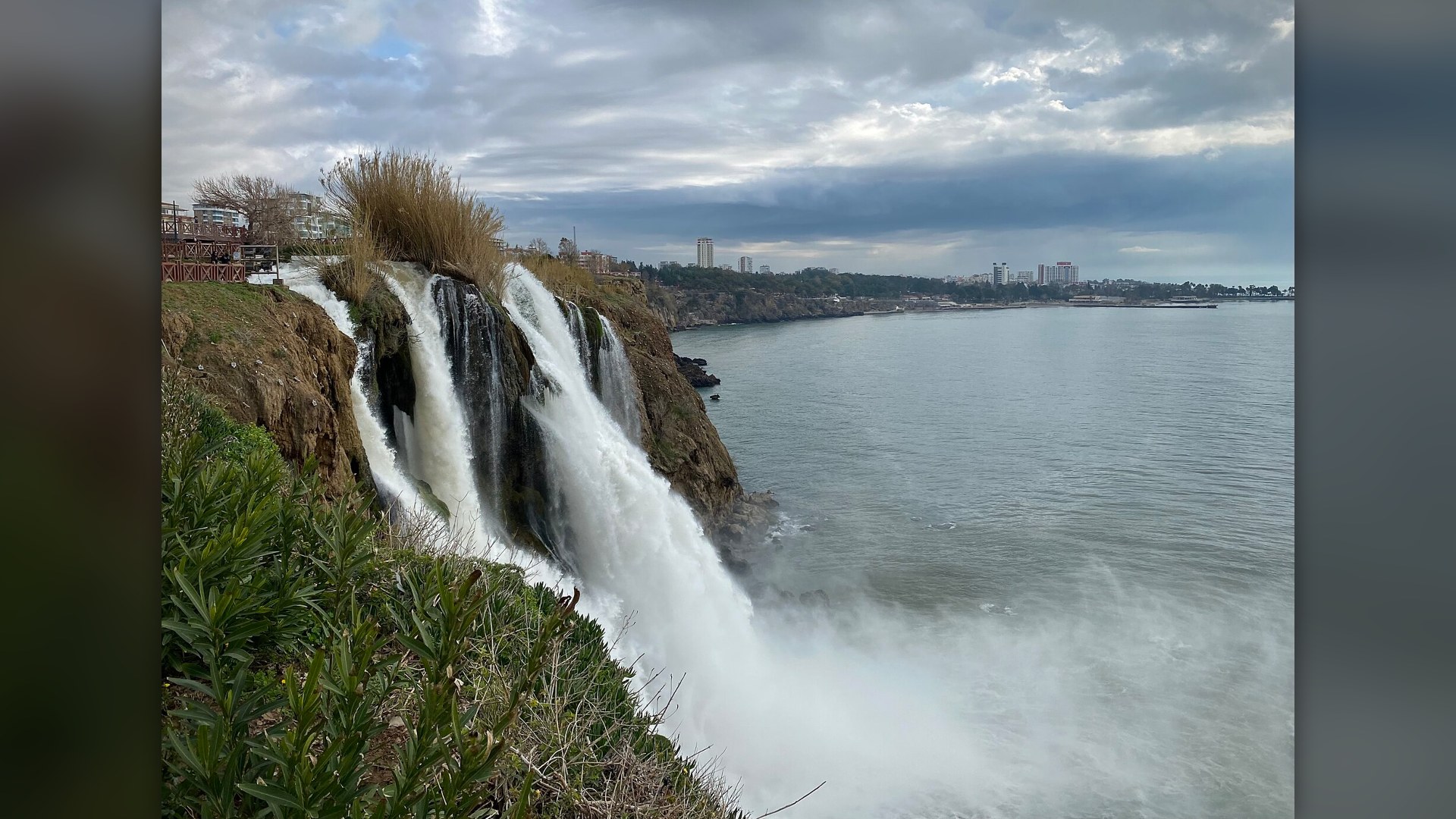
4. Duden Waterfalls
Also known as Karpuzkaldiran, the Lower Duden Waterfall plunges over Lara's coastal cliffs in a constant curtain of spray. Inland, the Upper Duden cascade falls 15 meters through lush limestone caves and tree-lined park walkways north of the city center.
©Wikimedia / Sharon Hahn Darlin
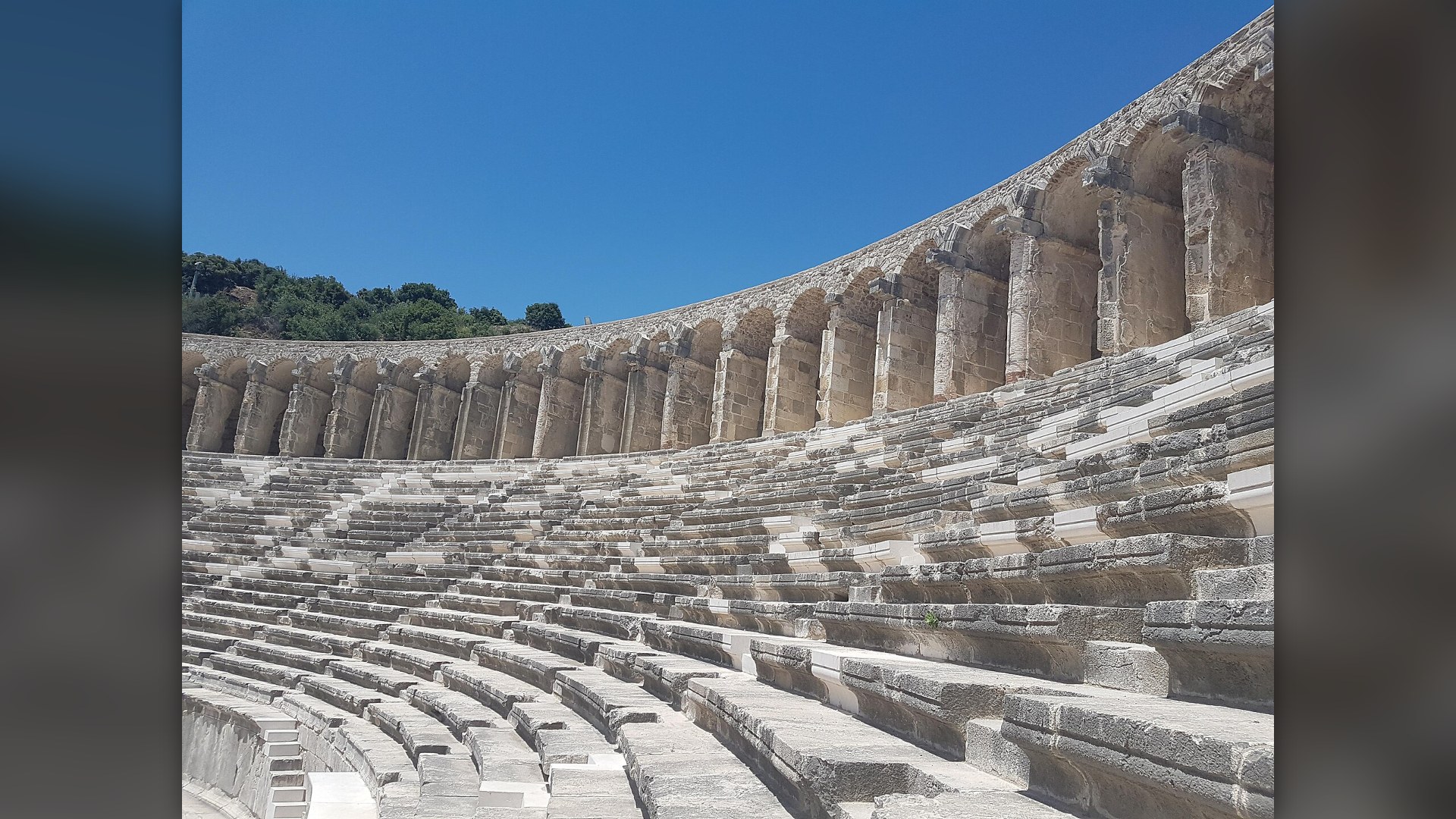
3. Aspendos Roman Theatre
Built between 161 and 180 CE under Emperor Marcus Aurelius by local architect Zenon, Aspendos could seat roughly 15,000 spectators. It survived largely intact because Seljuk rulers later used the massive stage building as a royal caravanserai.
©Wikimedia / Lee Vilenski
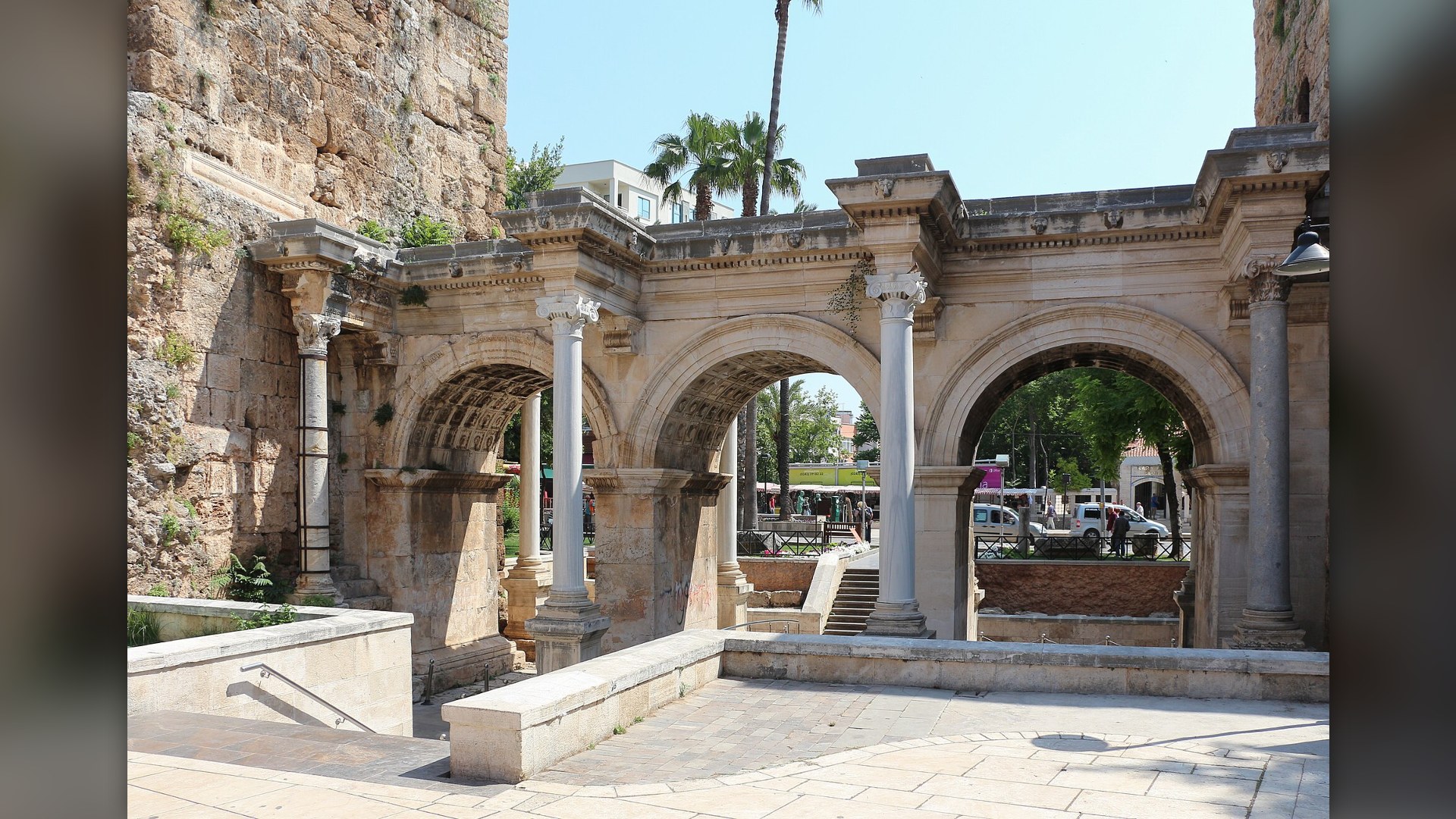
2. Hadrian's Gate
Standing about eight meters tall at the eastern entrance to Antalya's old city, Hadrian's Gate features ornate Corinthian columns and coffered stone ceilings. Later city walls sealed the arches for centuries, inadvertently preserving the Roman stonework.
©Wikimedia / Bernard Gagnon
Advertisement
Swipe or tap ▶ to resume the countdown.
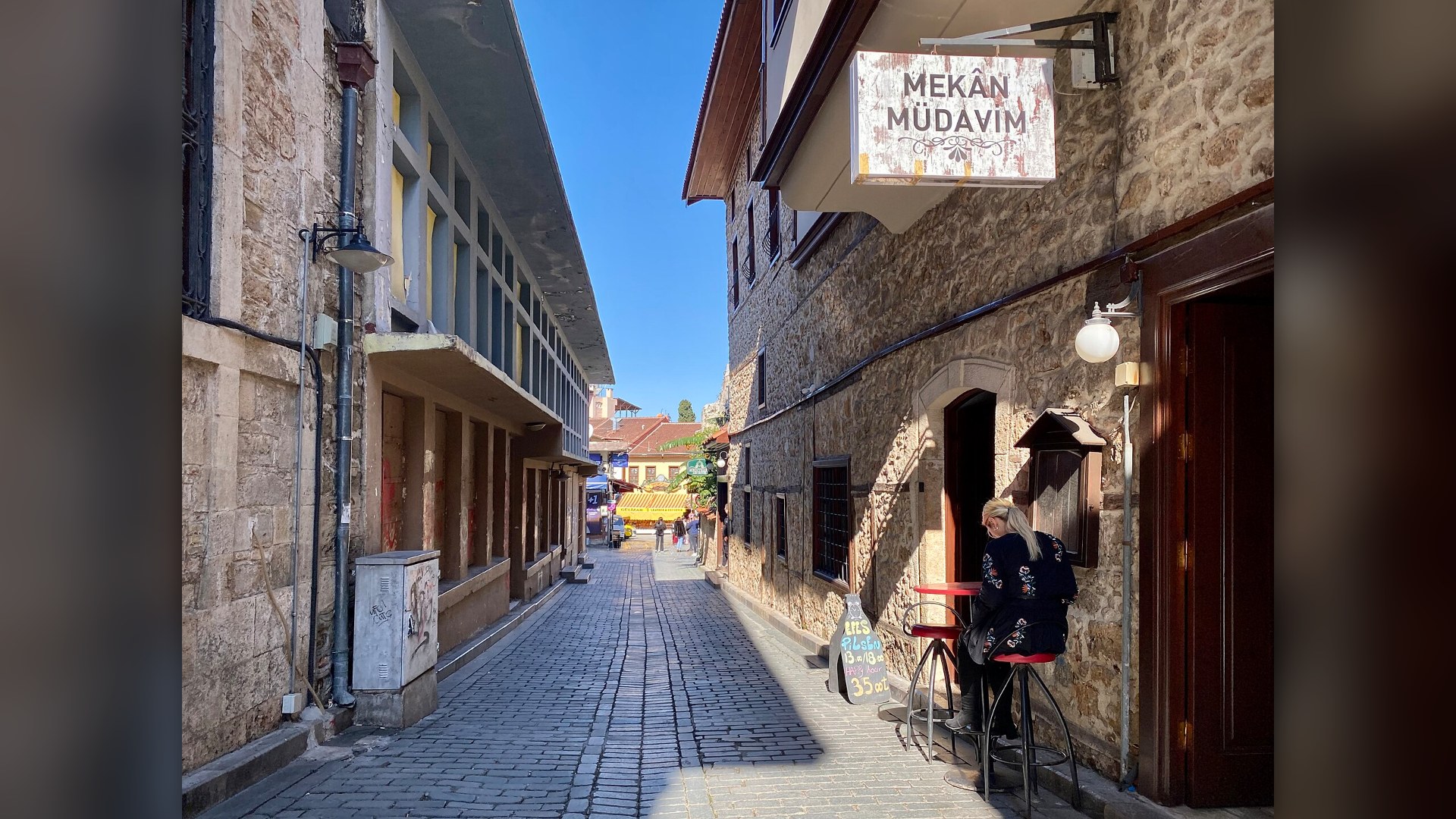
1. Kaleici Old Town And Harbour
Meaning 'Inside the Castle,' Kaleici preserves narrow stone alleys lined with restored Ottoman mansions, the 13th-century Yivli Minaret, and Roman fortifications. Its semicircular marina once anchored Hellenistic and Roman fleets and now welcomes wooden excursion boats.
©Wikimedia / Sharon Hahn Darlin
Advertisement
You've reached the end of the story. Thanks for reading!

20 Famous Demolished Landmarks That People Still Miss Today
Cities often clear away beloved buildings to make room for new towers, transit hubs, or sports arenas. From grand Victorian glass halls and Art Deco resorts to classic ballparks across North America, Europe, and Asia, these 20 demolished landmarks still inspire fierce nostalgia and local preservation efforts.
All 20 Entries in this Story
20. Belek
Sitting roughly 30 kilometers east of Antalya, Belek hosted the 2015 G20 summit and sits just down the coast from the COP31 Expo Center. Its sandy shoreline also serves as an important nesting beach for loggerhead sea turtles between May and September each year.

19. Kursunlu Waterfall
Protected as a nature park since 1986, Kursunlu links seven small emerald ponds along a tributary of the Aksu River. Walking trails pass an old Ottoman watermill and wooden footbridges beneath Turkish red pines, carob trees, and wild figs just inland from the coast.

18. Manavgat Waterfall
Unlike tall cliffside falls, Manavgat drops only about three meters across a broad limestone ledge, making its high flow rate the main spectacle. Fed by karst springs in the Taurus Mountains, the river stays cool even in summer and was depicted on Turkish banknotes from 1968 to 1983.

17. Saklikent Gorge
Reached by wooden boardwalks bolted above rushing spring water, Saklikent narrows until canyon walls rise up to 300 meters overhead. Visitors can walk roughly four kilometers upstream during the drier summer months after winter snowmelt subsides.

16. Mount Tahtali
Known in antiquity as Lycian Olympus, Mount Tahtali stands only kilometers from the Mediterranean shore yet holds snow into late spring. The Olympos Teleferik cable car climbs 4,359 meters of span from the coastal foothills to the summit station in around ten minutes.

15. Oludeniz Lagoon
Protected as a national nature reserve, the calm lagoon sits behind a sweeping shingle spit below 1,969-meter Babadag mountain. Steady thermal winds off the peak have made the beach below one of the world's busiest tandem paragliding landing zones.

14. Olympos Ancient City
Founded in the Hellenistic era and later allied with the Lycian League, Olympos straddles a seasonal stream just before it meets the sea. Sarcophagi, a Roman bathhouse, and stone bridge piers survive among laurel trees, a short walk from the natural gas vents of Yanartas.

13. Phaselis Ancient City
Settled around 700 BCE by colonists from Rhodes, Phaselis grew wealthy shipping timber, olive oil, and rose essence across the eastern Mediterranean. Its paved main street still links the northern and southern bays beside a well-preserved theatre and bath complex.

12. Kekova Sunken Ruins
Strong second-century earthquakes dropped the ancient settlement of Dolchiste beneath the waterline along Kekova Island's northern shore. Placed under strict protection in 1990, the sunken ruins can only be viewed from passing boats, with swimming and diving banned over the site.

11. Myra Rock Tombs
Dating mainly to the fourth century BCE, the cliff tombs at Myra imitate wooden Lycian houses with carved beams, reliefs, and inscriptions. Directly below the necropolis stands a large Greco-Roman theatre reconstructed after a devastating earthquake in 141 CE.

10. Patara Beach
Patara's broad coastline remains free of beachfront hotels because it is a protected nesting habitat for loggerhead sea turtles. Inland behind the dunes stand the ruins of the ancient Lycian League assembly hall, a Roman triumphal arch, and a first-century lighthouse.

9. Kaputas Beach
Framed by sheer limestone cliffs where a dry gorge meets the Mediterranean, Kaputas gets its vivid blue and green water from cold underground springs mixing with the sea. Its small crescent of golden pebbles sits right below the D400 coastal road.

8. Konyaalti Beach
Stretching from the cliffs west of Kaleici toward the port district, Konyaalti combines pebble beaches with a long seaside promenade, parks, and bike lanes. Its eastern end sits just below the Antalya Archaeological Museum and the city's historic tram line.

7. Alanya Castle
Surrounded on three sides by the Mediterranean Sea, Alanya Castle features more than six kilometers of stone walls and 140 towers. Sultan Alaeddin Keykubad I rebuilt the citadel after capturing the port in 1221, adding the octagonal Red Tower and coastal shipyard below.

6. Temple Of Apollo At Side
Built around 150 CE near the end of Side's peninsula, the Temple of Apollo overlooked the busy Roman port alongside a neighbouring temple to Athena. Archaeologists restored the five standing columns and architrave frieze between 1984 and 1990.

5. Perge Ancient City
Located in Aksu right near the COP31 Antalya Expo Center, Perge flourished under Hellenistic and Roman rule as Pamphylia's leading city. Its long colonnaded avenue featured a central water channel, flanked by an agora, Roman baths, and a 12,000-seat stadium.

4. Duden Waterfalls
Also known as Karpuzkaldiran, the Lower Duden Waterfall plunges over Lara's coastal cliffs in a constant curtain of spray. Inland, the Upper Duden cascade falls 15 meters through lush limestone caves and tree-lined park walkways north of the city center.

3. Aspendos Roman Theatre
Built between 161 and 180 CE under Emperor Marcus Aurelius by local architect Zenon, Aspendos could seat roughly 15,000 spectators. It survived largely intact because Seljuk rulers later used the massive stage building as a royal caravanserai.

2. Hadrian's Gate
Standing about eight meters tall at the eastern entrance to Antalya's old city, Hadrian's Gate features ornate Corinthian columns and coffered stone ceilings. Later city walls sealed the arches for centuries, inadvertently preserving the Roman stonework.

1. Kaleici Old Town And Harbour
Meaning 'Inside the Castle,' Kaleici preserves narrow stone alleys lined with restored Ottoman mansions, the 13th-century Yivli Minaret, and Roman fortifications. Its semicircular marina once anchored Hellenistic and Roman fleets and now welcomes wooden excursion boats.