Slideshow · Viral
20 US Vice Presidents You Probably Forgot Existed
Throughout American history, the vice presidency was often seen as an outpost where ambitious politicians faded into obscurity. While some ascended to the presidency, many served single terms and vanished from memory. This gallery revisits twenty overlooked leaders who once stood a heartbeat away from the White House.
By Most Viral Today
6 min ago

Forgotten Seconds in Command: 20 Overlooked US Vice Presidents 
20. Daniel D. Tompkins (1817 To 1825) 
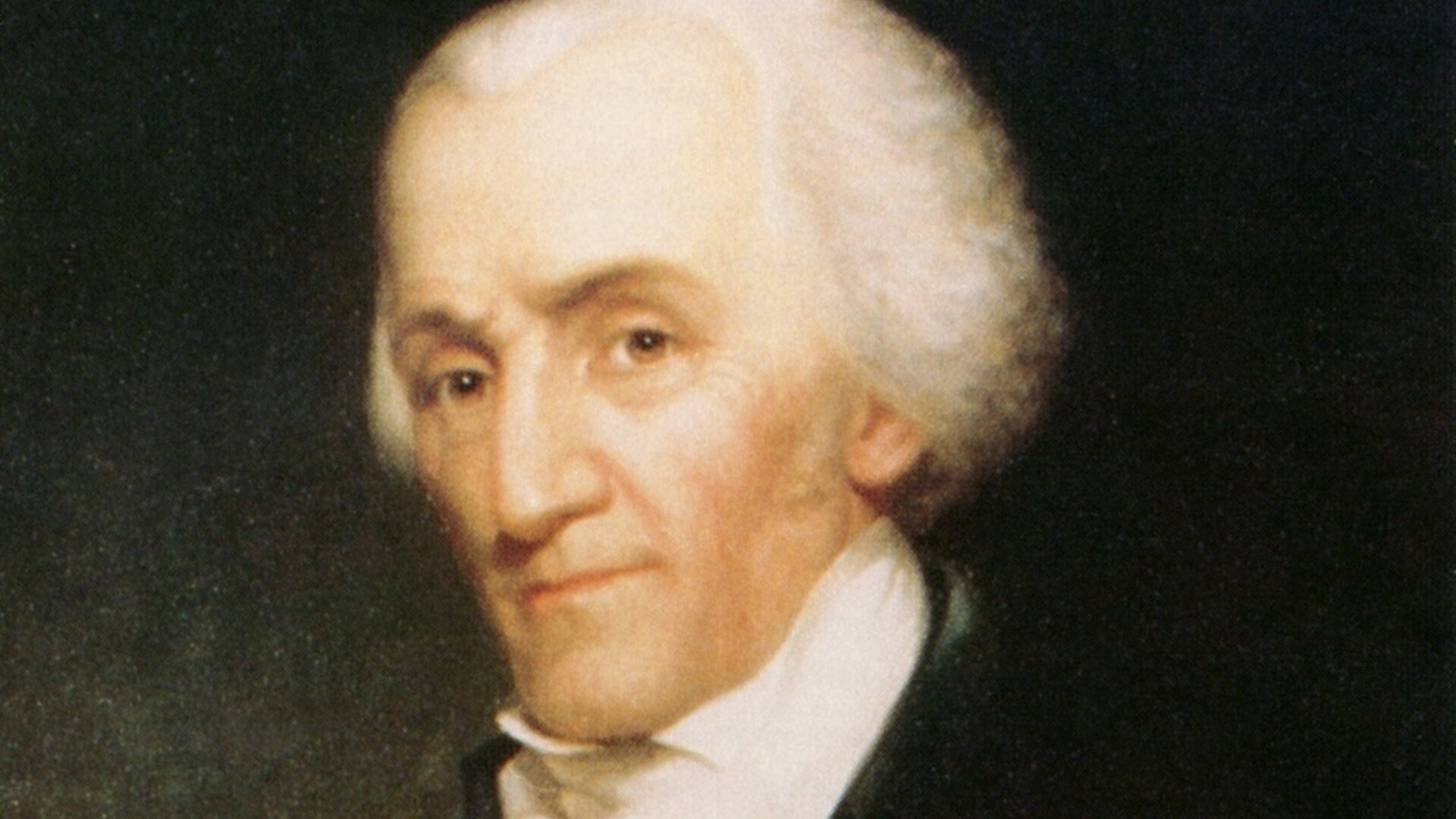
19. Elbridge Gerry (1813 To 1814) 
18. Richard Mentor Johnson (1837 To 1841) - AdvertisementSwipe or tap ▶ to continue countdown

17. George M. Dallas (1845 To 1849) 
16. William R. King (1853) 
15. John C. Breckinridge (1857 To 1861) 
14. Hannibal Hamlin (1861 To 1865) - AdvertisementSwipe or tap ▶ to continue countdown

13. Schuyler Colfax (1869 To 1873) 
12. Henry Wilson (1873 To 1875) 
11. William A. Wheeler (1877 To 1881) 
10. Levi P. Morton (1889 To 1893) - AdvertisementSwipe or tap ▶ to continue countdown

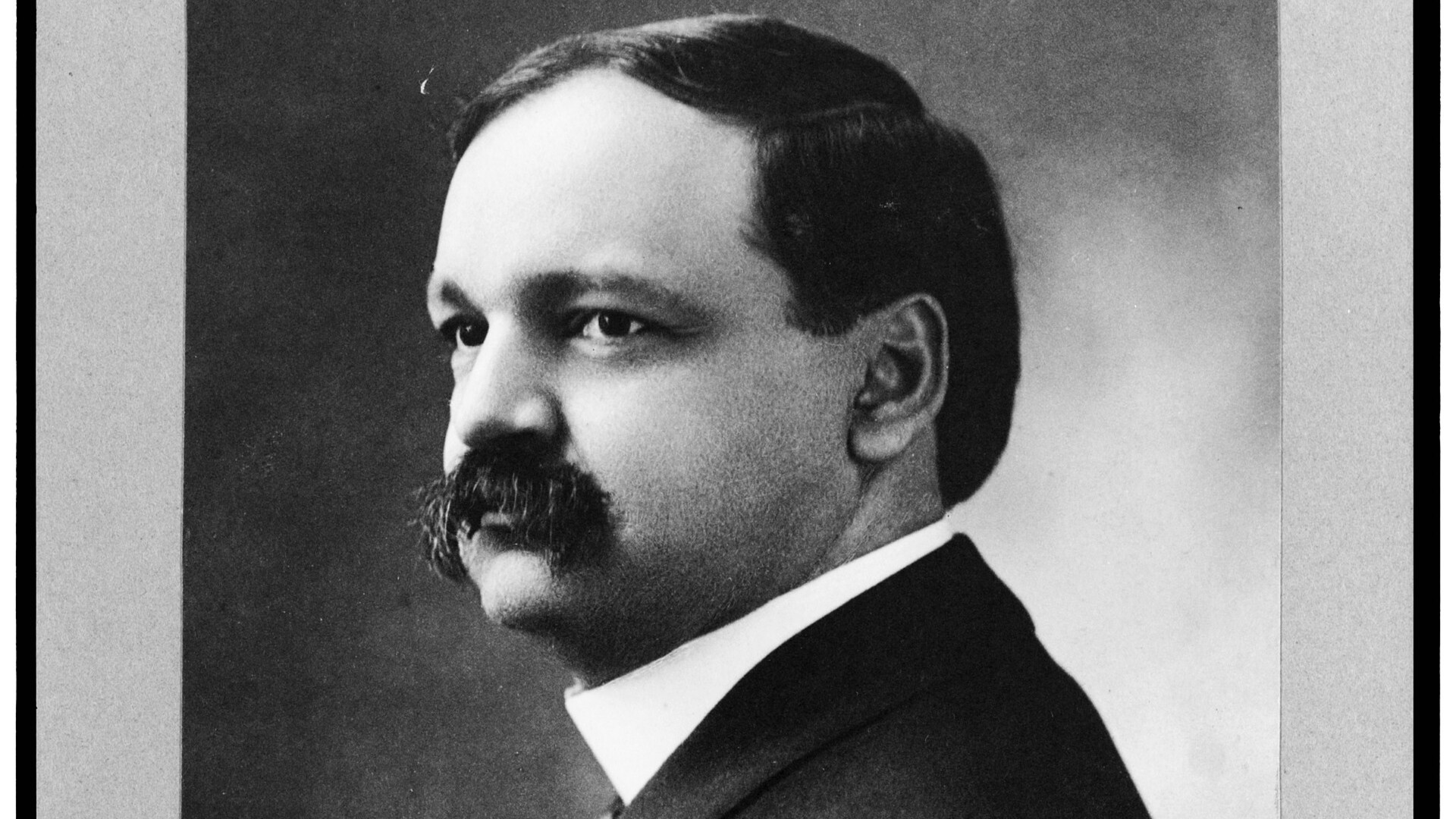
9. Adlai Stevenson I (1893 To 1897) 
8. Garret Hobart (1897 To 1899) 
7. Charles W. Fairbanks (1905 To 1909) 
6. James S. Sherman (1909 To 1912) - AdvertisementSwipe or tap ▶ to continue countdown

5. Thomas R. Marshall (1913 To 1921) 
4. Charles G. Dawes (1925 To 1929) 
3. Charles Curtis (1929 To 1933) 
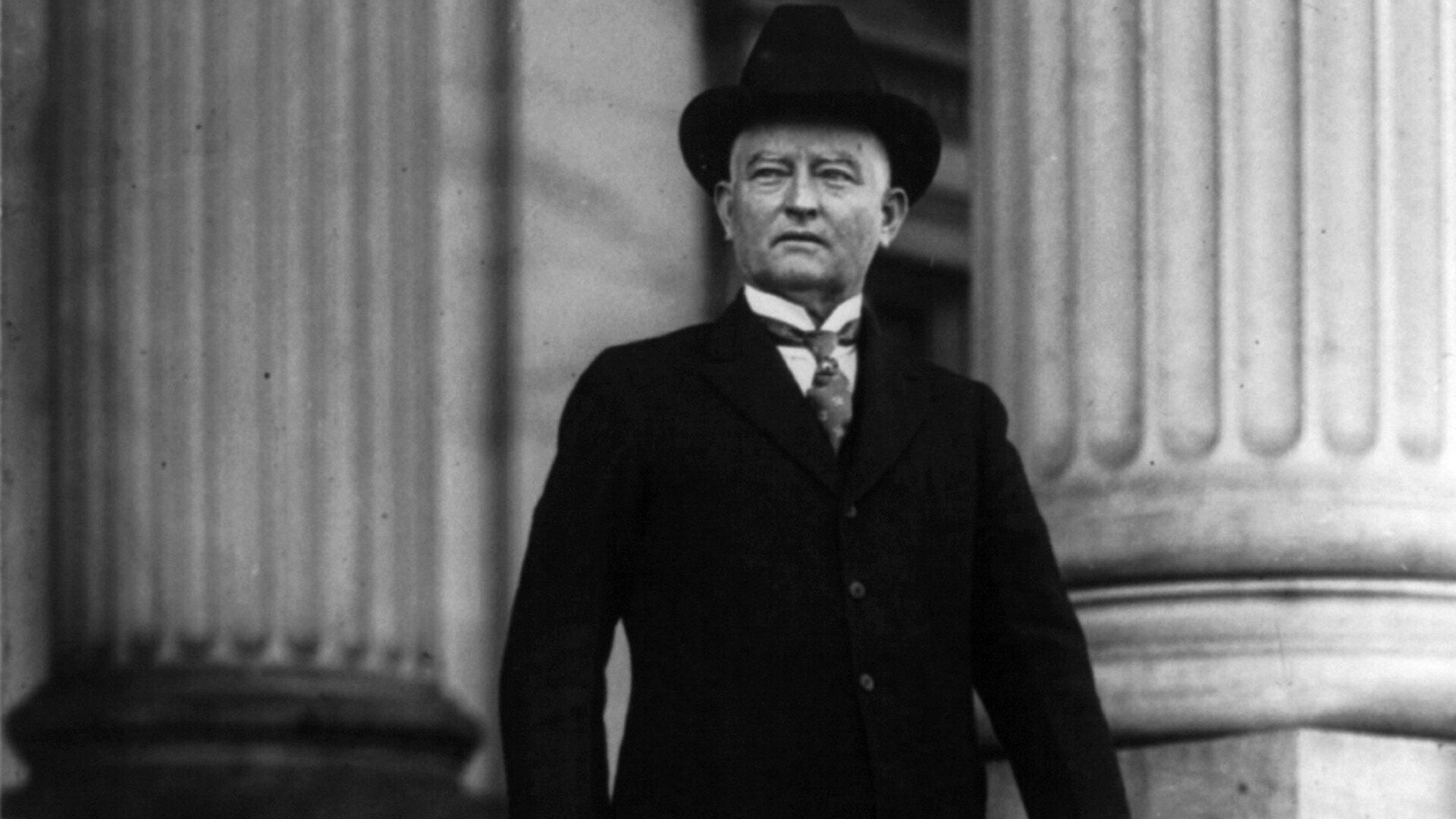
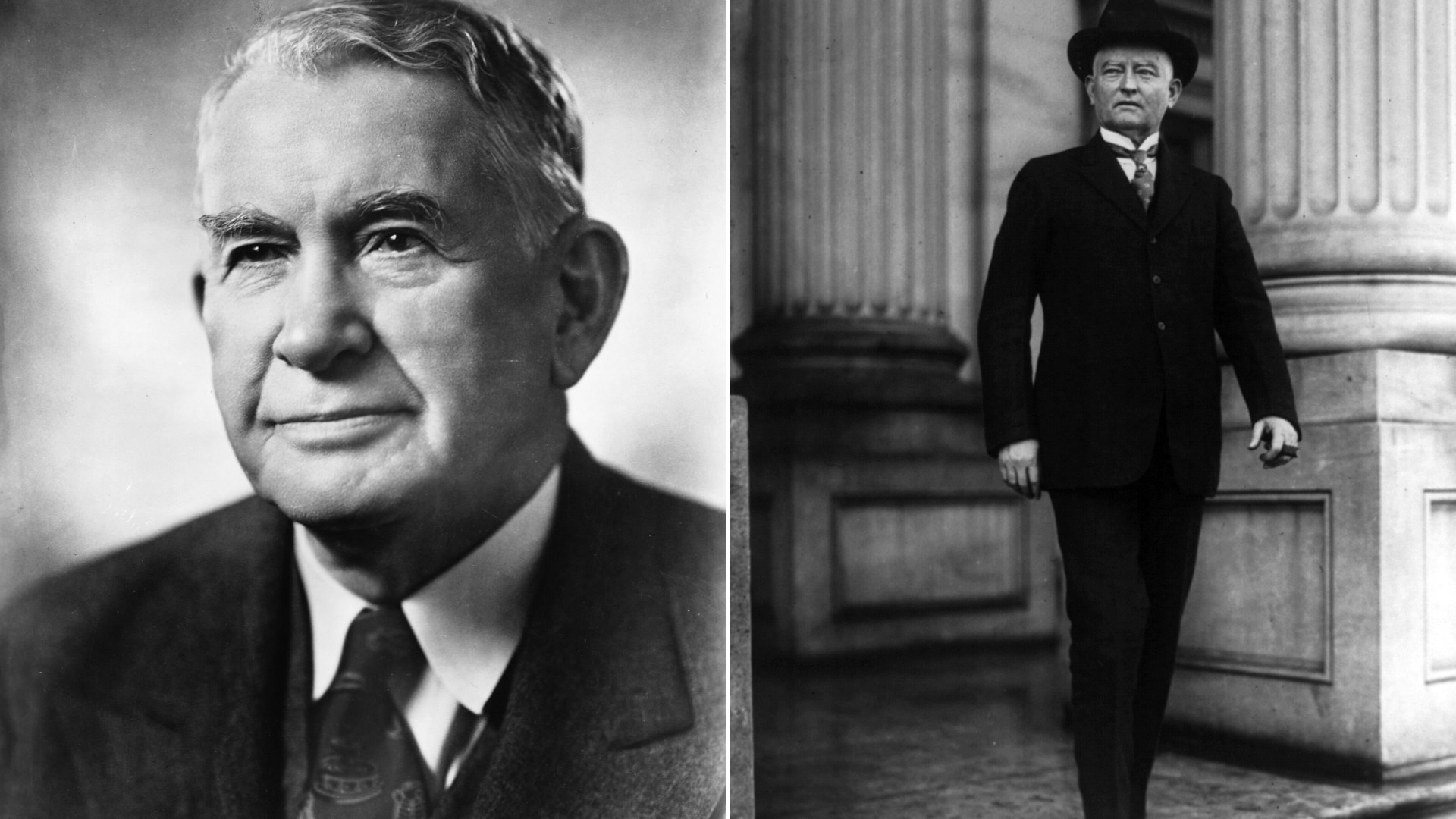
2. John Nance Garner (1933 To 1941) - AdvertisementSwipe or tap ▶ to continue countdown

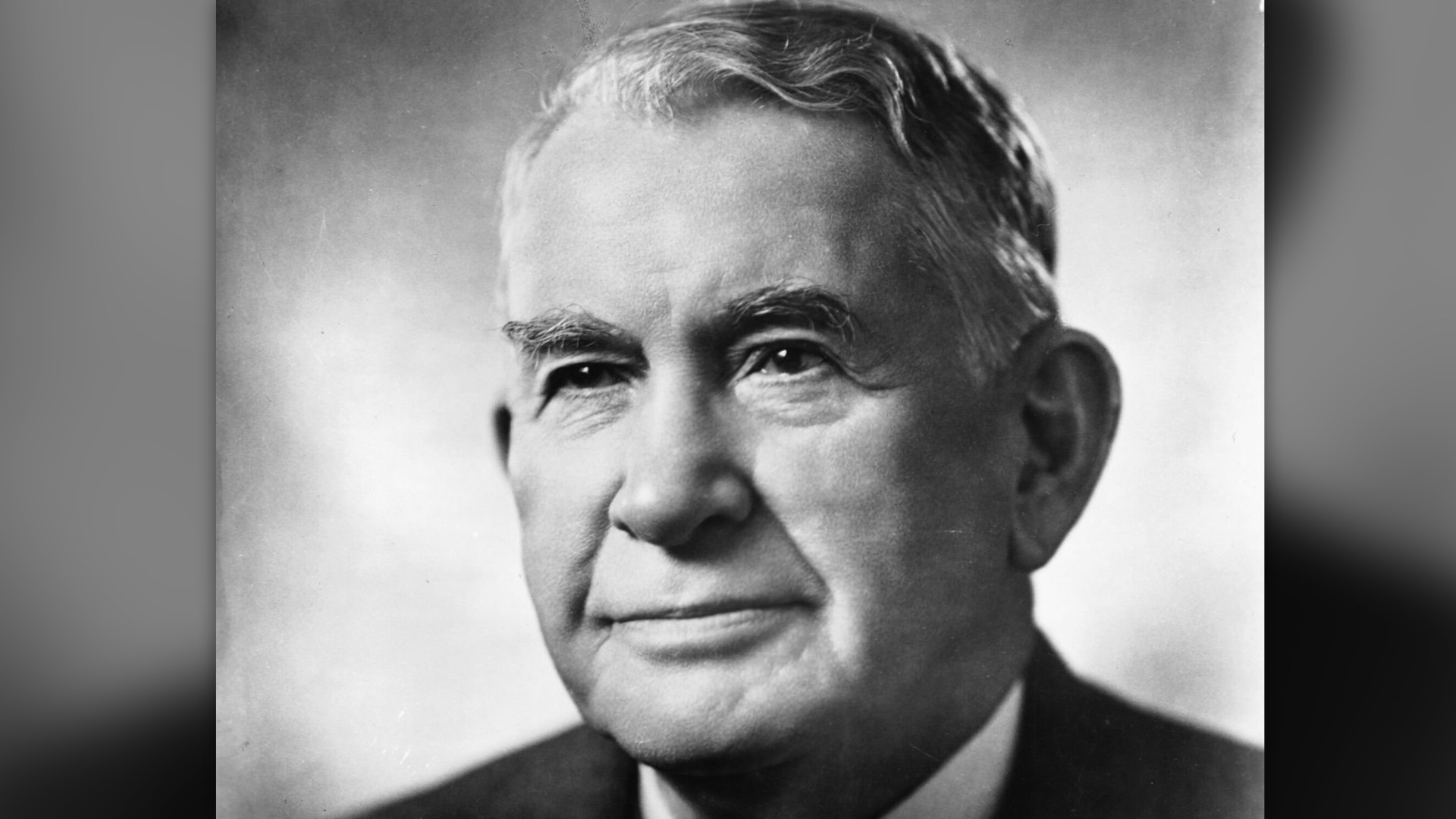
1. Alben W. Barkley (1949 To 1953) - Advertisement🔥 UP NEXT IN THIS SERIES◫ 21 Slides

20 US States Ranked by Property Crime Rate, According to FBI Data
Property crime affects millions of American households every year, encompassing offenses such as burglary, larceny-theft, and motor vehicle theft. Based on official FBI Uniform Crime Reporting statistics, property crime rates vary dramatically by state. Here are the 20 states with the highest reported rates.
The Constitution created the vice presidency in 1787, but many occupants left little lasting public footprint. Historical annals document lawmakers, diplomats, and party bosses whose tenures faded after leaving office. Sourcing draws on U.S. Senate Historical Office records and Library of Congress biographical files.
Swipe or tap ▶ to begin the countdown
©Wikimedia / Wikimedia Contributor & Wikimedia / Underwood
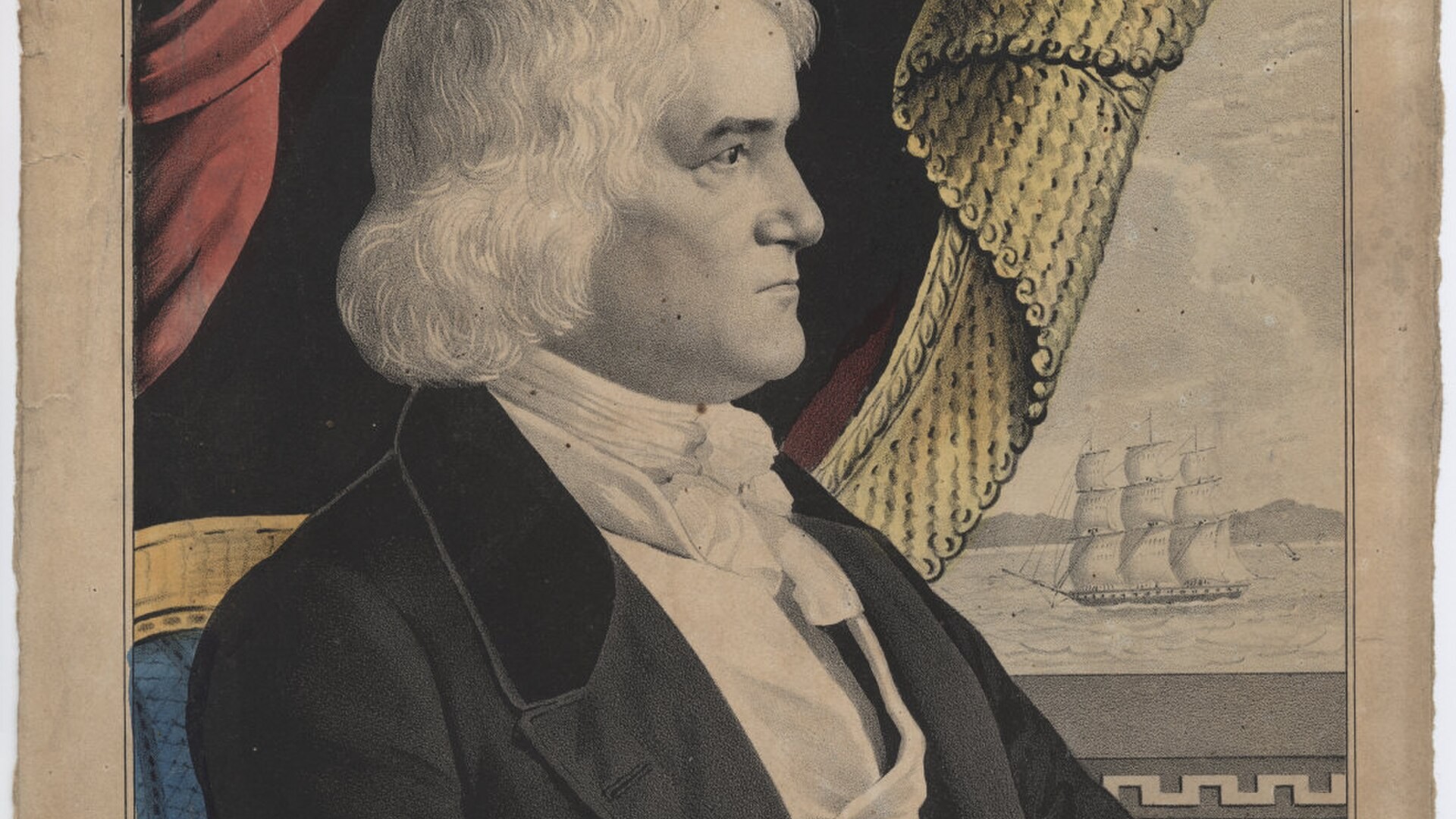
20. Daniel D. Tompkins (1817 To 1825)
Daniel D. Tompkins served as James Monroe's vice president after leading New York in the War of 1812. He spent personal funds financing military defenses, which federal auditors contested, leaving him in debt. Battling poor health, he attended few Senate sessions and died ninety days after leaving office.
©Wikimedia / Uploader Helt
19. Elbridge Gerry (1813 To 1814)
Elbridge Gerry served under James Madison during the War of 1812, having signed the Declaration of Independence. In 1812, as Massachusetts governor, he approved a partisan district map resembling a salamander, originating the term gerrymandering. He collapsed and died in Washington at age seventy while in office.
©Wikimedia / James Bogle
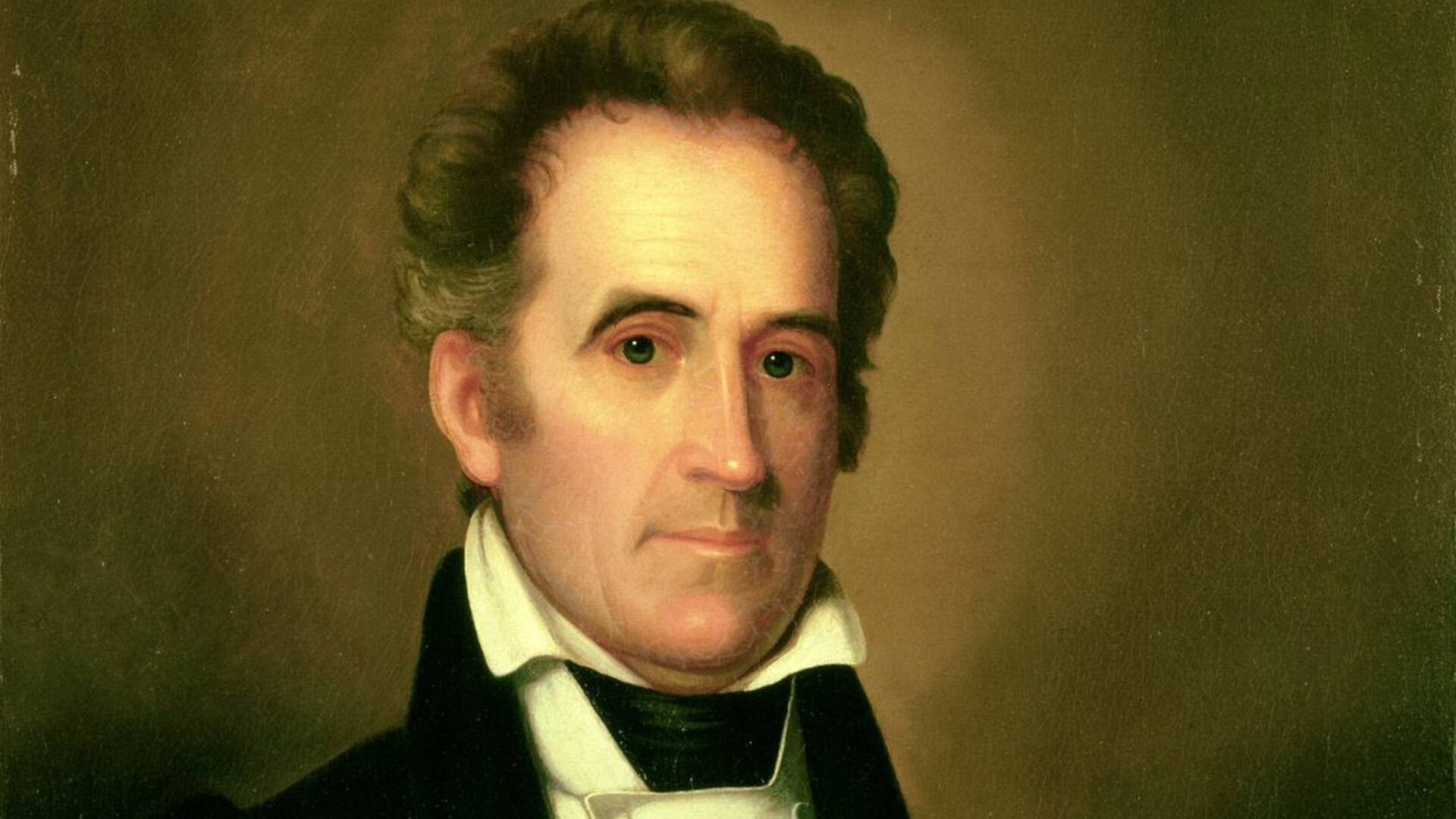
18. Richard Mentor Johnson (1837 To 1841)
Richard Mentor Johnson served under Martin Van Buren as the only vice president chosen by the United States Senate. When no candidate gained an Electoral College majority in 1836, senators confirmed him under the Twelfth Amendment. A Kentucky lawmaker, he gained national fame at the Battle of the Thames.
©Wikimedia / Rembrandt Peale
Advertisement
Swipe or tap ▶ to resume the countdown.
17. George M. Dallas (1845 To 1849)
George M. Dallas served alongside James K. Polk during the Mexican-American War and western expansion. In 1846, he broke a Senate tie to pass the Walker Tariff, alienating his home state of Pennsylvania to support presidential policy. Texas settlers honored him by naming the newly established city of Dallas after him.
©Wikimedia / Cornell University Library
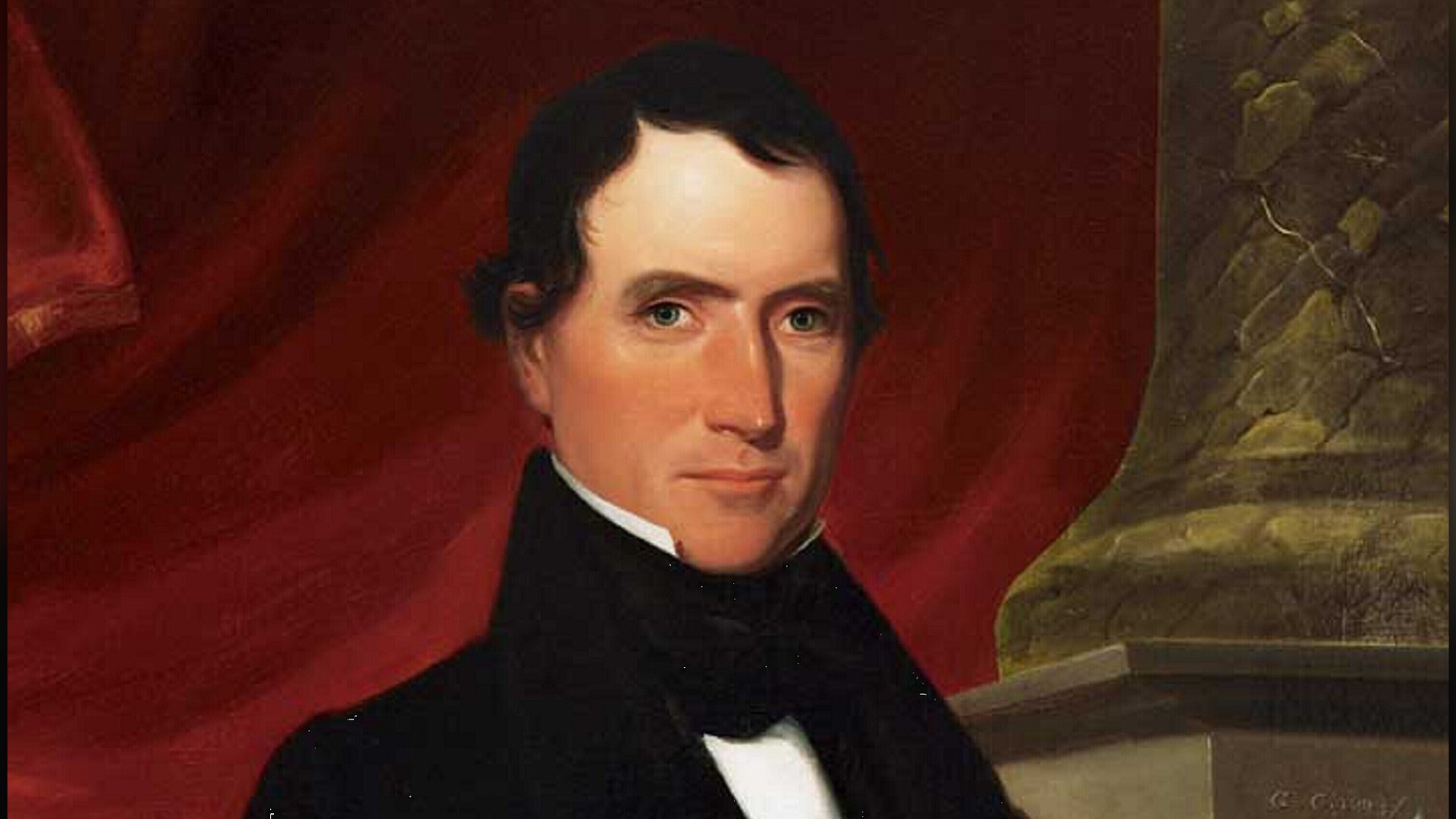
16. William R. King (1853)
William R. King holds the record for the shortest tenure of any vice president who never became president. Ill with tuberculosis, he took his oath of office near Matanzas, Cuba, by special act of Congress in March 1853. He returned to Alabama and passed away just forty-five days into his term.
©Wikimedia / George Cooke
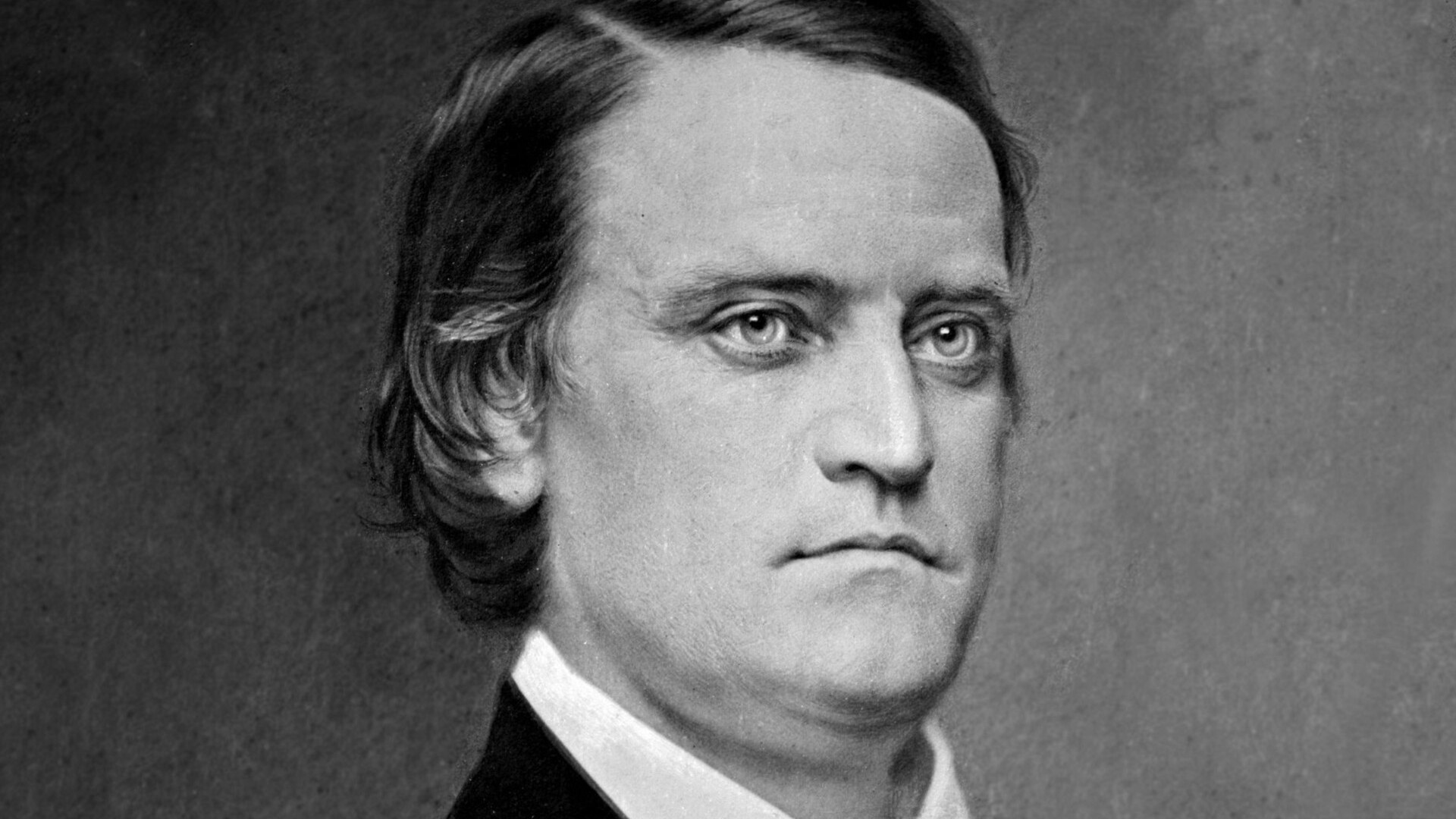
15. John C. Breckinridge (1857 To 1861)
John C. Breckinridge took office under James Buchanan at age thirty-six, remaining the youngest vice president in history. When the Civil War erupted in 1861, he joined the Confederate army as a major general and served as Confederate secretary of war. The Senate formally expelled him for treason in December 1861.
©Wikimedia / Mathew Benjamin Brady / Levin Corbin Handy
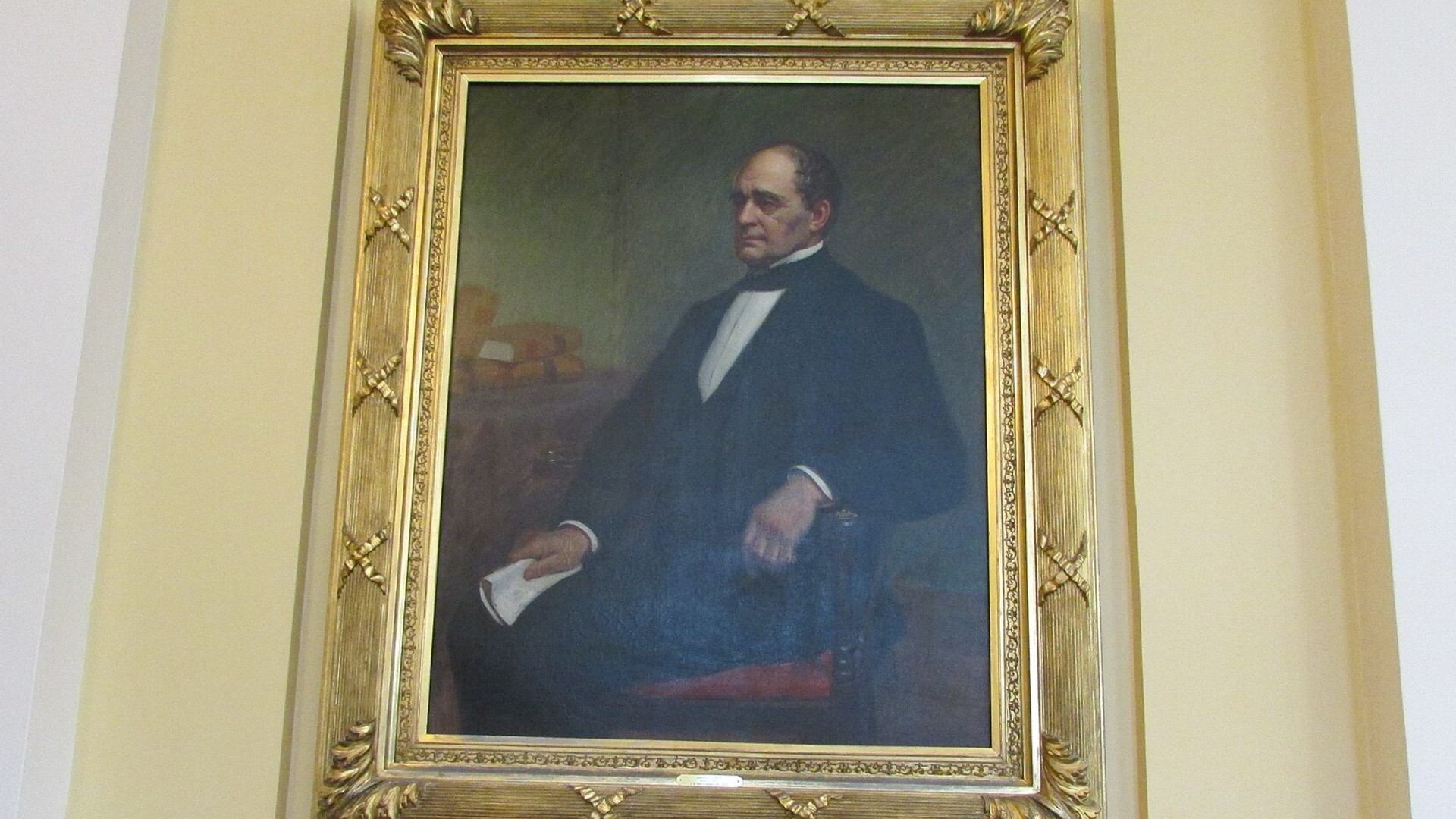
14. Hannibal Hamlin (1861 To 1865)
Hannibal Hamlin served as Abraham Lincoln's vice president during the first four years of the Civil War. A former governor and senator from Maine, he urged early emancipation and the recruitment of Black troops. Lincoln dropped him in 1864 in favor of southern Democrat Andrew Johnson to balance the ticket.
©Wikimedia / DrStew82
Advertisement
Swipe or tap ▶ to resume the countdown.
13. Schuyler Colfax (1869 To 1873)
Schuyler Colfax served under Ulysses S. Grant after spending six years as Speaker of the House during Reconstruction. Nicknamed Smiler for his genial public demeanor, his political standing collapsed when congressional inquiries linked him to the Credit Mobilier railroad scandal. Grant dropped him from the 1872 ticket.
©Wikimedia / Freeman Thorp
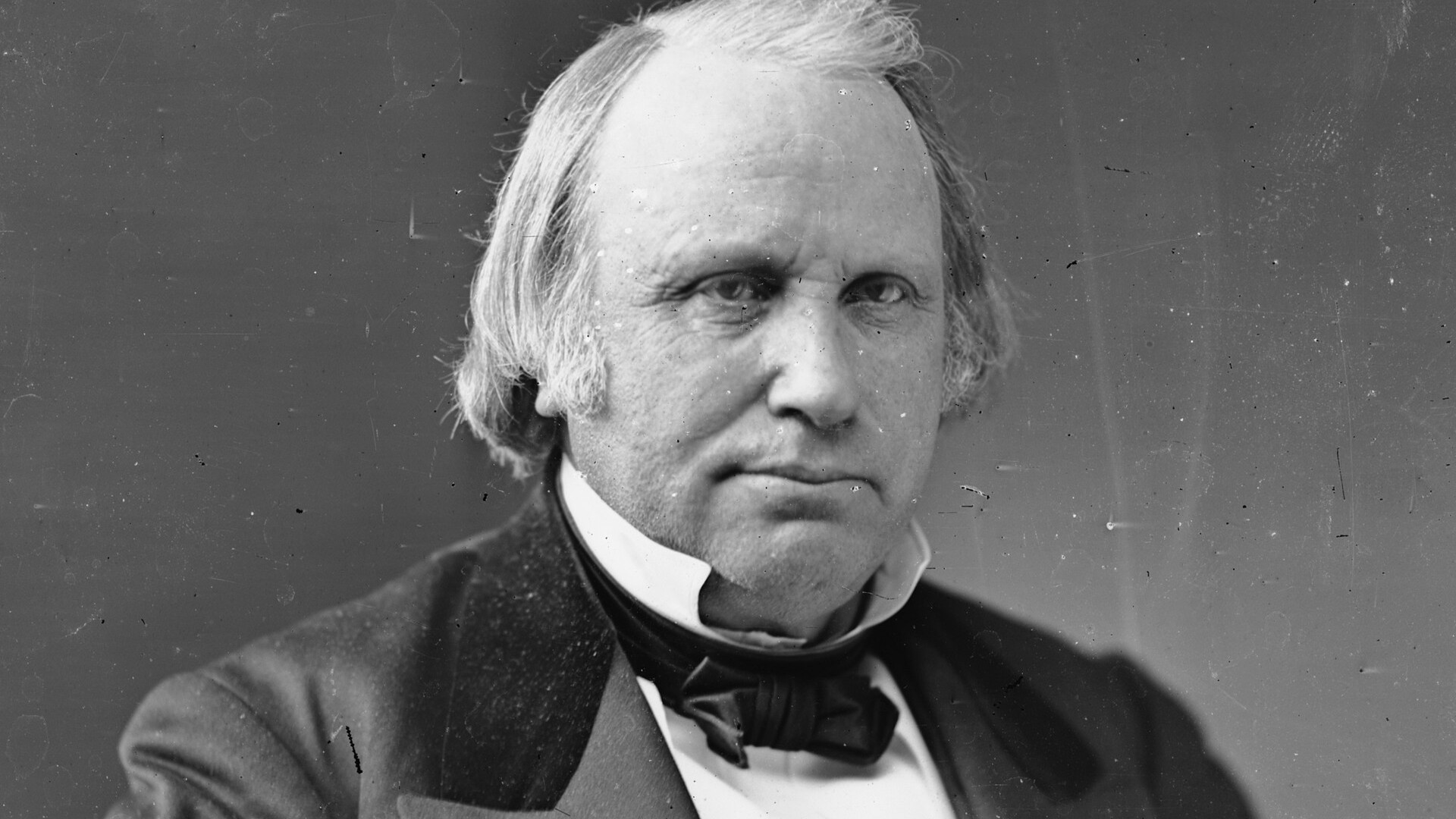
12. Henry Wilson (1873 To 1875)
Henry Wilson replaced Colfax on Grant's 1872 re-election ticket, having risen from indentured farm work to become a leader of the Radical Republicans. He authored extensive histories of the anti-slavery movement while presiding over the Senate. In November 1875, he suffered a fatal stroke in his Capitol office.
©Wikimedia / Forms part of Brady-Handy Photograph Collection
11. William A. Wheeler (1877 To 1881)
William A. Wheeler served under Rutherford B. Hayes following the disputed 1876 election. When nominated, Hayes admitted in private correspondence that he did not know who Wheeler was. A scrupulously honest lawyer from Malone, New York, he earned bipartisan respect for investigating railroad monopolies.
©Wikimedia / This image is available from the United States L
10. Levi P. Morton (1889 To 1893)
Levi P. Morton served as Benjamin Harrison's vice president after working as a Wall Street financier and United States minister to France. During his diplomatic tenure in Paris, he accepted the Statue of Liberty on behalf of the nation. He later served a single term as governor of New York after leaving Washington.
©Wikimedia / Library of Congress (Washington, DC)
Advertisement
Swipe or tap ▶ to resume the countdown.
9. Adlai Stevenson I (1893 To 1897)
Adlai Stevenson I served under Grover Cleveland during his second non-consecutive administration. A skilled diplomat among factional Democrats, he favored silver coinage policies contrasting with Cleveland's gold standard. His grandson, Adlai Stevenson II, later won two Democratic presidential nominations.
©Wikimedia / Napoleon Sarony
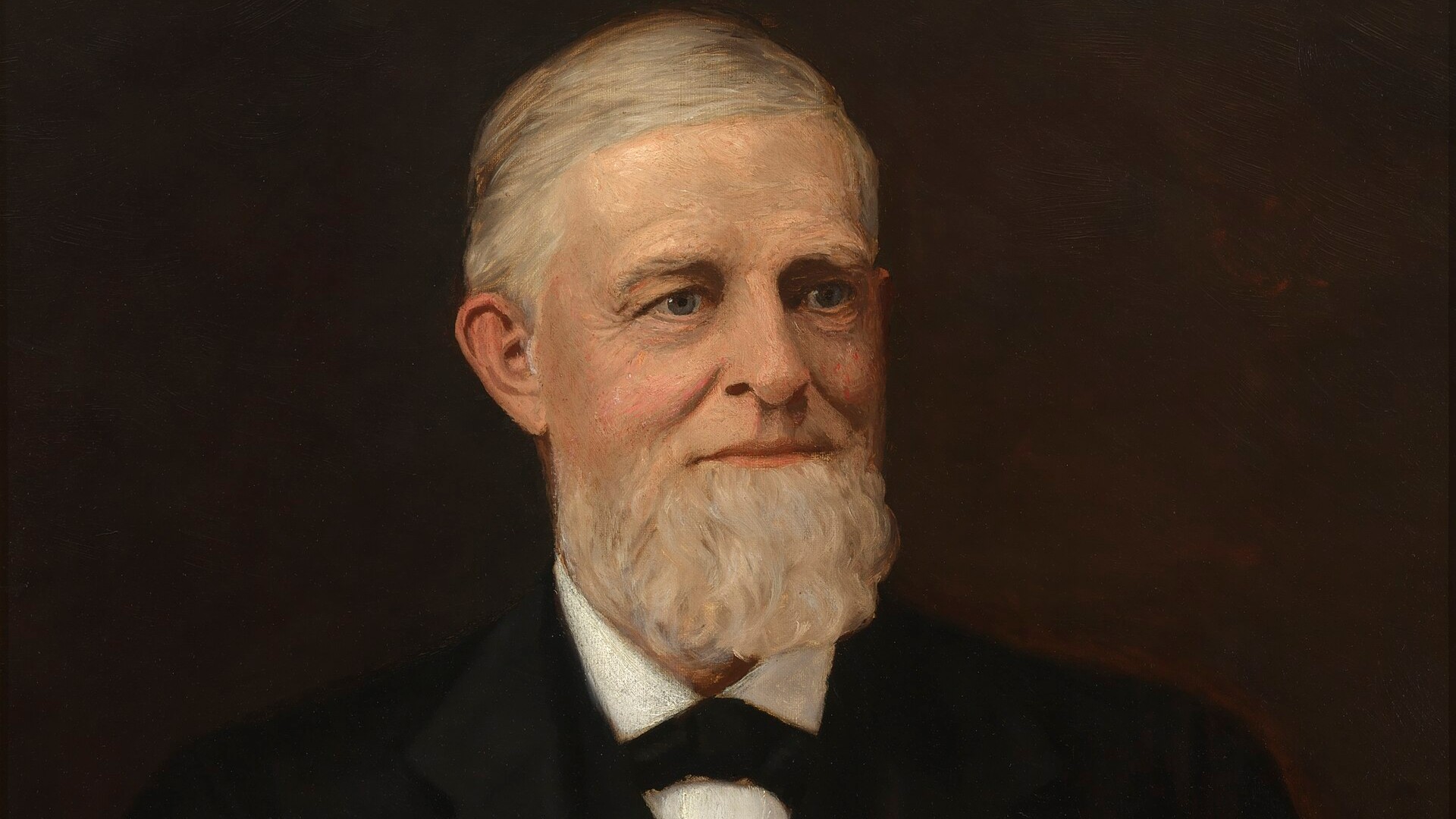
8. Garret Hobart (1897 To 1899)
Garret Hobart served under William McKinley as an influential policy confidant and Senate parliamentarian. Known as the Assistant President, he exercised unprecedented legislative sway before dying of heart failure in office in 1899. His passing forced Republicans to select Theodore Roosevelt as running mate in 1900.
©Wikimedia / Frances Benjamin Johnston
7. Charles W. Fairbanks (1905 To 1909)
Charles W. Fairbanks served under Theodore Roosevelt to reassure conservative Republicans uneasy with progressive reforms. An Indiana senator, his reserved demeanor contrasted with Roosevelt's energetic persona. Gold prospectors in Alaska named the city of Fairbanks in his honor in 1903.
©Wikimedia / Harris & Ewing Collection
6. James S. Sherman (1909 To 1912)
James S. Sherman served under William Howard Taft and gained renown as Sunny Jim for his genial parliamentary leadership. Renominated in 1912, he died of kidney disease just six days before the election, leaving Republicans without an active vice-presidential nominee. He was the seventh vice president to die in office.
©Wikimedia / Unknown artist
Advertisement
Swipe or tap ▶ to resume the countdown.
5. Thomas R. Marshall (1913 To 1921)
Thomas R. Marshall served two terms under Woodrow Wilson, famously remarking that the country needed a good five-cent cigar. When Wilson suffered a paralyzing stroke in 1919, Marshall declined to claim the presidency without clear constitutional authorization. He presided over the Senate with self-deprecating humor.
©Wikimedia / George Grantham Bain (Bain News Service, publish
4. Charles G. Dawes (1925 To 1929)
Charles G. Dawes won the 1925 Nobel Peace Prize for drafting the Dawes Plan to stabilize postwar European economies. An accomplished self-taught musician, he composed a violin melody that later became the 1958 pop hit It's All in the Game. He feuded openly with Coolidge and Senate leaders over procedural rules.
©Wikimedia / Underwood & Underwood
3. Charles Curtis (1929 To 1933)
Charles Curtis served under Herbert Hoover after spending decades as a Kansas congressman and Senate majority leader. A member of the Kaw Nation, he spent his youth on reservation land, becoming the first person of color elected vice president. He championed Native American citizenship and women's suffrage.
©Wikimedia / Miscellaneous Items in High Demand, PPOC, Librar
2. John Nance Garner (1933 To 1941)
John Nance Garner helped push early New Deal legislation through Congress after serving as Speaker of the House. He famously lamented that the vice presidency was not worth a bucket of warm spit. His growing opposition to labor policies and Roosevelt's third term led to his replacement by Henry Wallace in 1940.
©Wikimedia / Underwood & Underwood
Advertisement
Swipe or tap ▶ to resume the countdown.
1. Alben W. Barkley (1949 To 1953)
Alben W. Barkley served as Harry S. Truman's vice president after twelve years as Senate majority leader. At age seventy-one, he was the oldest vice president in history, and his grandson coined the affectionate nickname Veep. He actively joined cabinet meetings, establishing the modern executive role of the office.

©Wikimedia / Wikimedia Contributor
Advertisement
You've reached the end of the story. Thanks for reading!

20 US States Ranked by Property Crime Rate, According to FBI Data
Property crime affects millions of American households every year, encompassing offenses such as burglary, larceny-theft, and motor vehicle theft. Based on official FBI Uniform Crime Reporting statistics, property crime rates vary dramatically by state. Here are the 20 states with the highest reported rates.
All 20 Entries in this Story
#1 Daniel D. Tompkins (1817 To 1825)
Daniel D. Tompkins served as James Monroe's vice president after leading New York in the War of 1812. He spent personal funds financing military defenses, which federal auditors contested, leaving him in debt. Battling poor health, he attended few Senate sessions and died ninety days after leaving office.

#2 Elbridge Gerry (1813 To 1814)
Elbridge Gerry served under James Madison during the War of 1812, having signed the Declaration of Independence. In 1812, as Massachusetts governor, he approved a partisan district map resembling a salamander, originating the term gerrymandering. He collapsed and died in Washington at age seventy while in office.

#3 Richard Mentor Johnson (1837 To 1841)
Richard Mentor Johnson served under Martin Van Buren as the only vice president chosen by the United States Senate. When no candidate gained an Electoral College majority in 1836, senators confirmed him under the Twelfth Amendment. A Kentucky lawmaker, he gained national fame at the Battle of the Thames.

#4 George M. Dallas (1845 To 1849)
George M. Dallas served alongside James K. Polk during the Mexican-American War and western expansion. In 1846, he broke a Senate tie to pass the Walker Tariff, alienating his home state of Pennsylvania to support presidential policy. Texas settlers honored him by naming the newly established city of Dallas after him.

#5 William R. King (1853)
William R. King holds the record for the shortest tenure of any vice president who never became president. Ill with tuberculosis, he took his oath of office near Matanzas, Cuba, by special act of Congress in March 1853. He returned to Alabama and passed away just forty-five days into his term.

#6 John C. Breckinridge (1857 To 1861)
John C. Breckinridge took office under James Buchanan at age thirty-six, remaining the youngest vice president in history. When the Civil War erupted in 1861, he joined the Confederate army as a major general and served as Confederate secretary of war. The Senate formally expelled him for treason in December 1861.

#7 Hannibal Hamlin (1861 To 1865)
Hannibal Hamlin served as Abraham Lincoln's vice president during the first four years of the Civil War. A former governor and senator from Maine, he urged early emancipation and the recruitment of Black troops. Lincoln dropped him in 1864 in favor of southern Democrat Andrew Johnson to balance the ticket.

#8 Schuyler Colfax (1869 To 1873)
Schuyler Colfax served under Ulysses S. Grant after spending six years as Speaker of the House during Reconstruction. Nicknamed Smiler for his genial public demeanor, his political standing collapsed when congressional inquiries linked him to the Credit Mobilier railroad scandal. Grant dropped him from the 1872 ticket.

#9 Henry Wilson (1873 To 1875)
Henry Wilson replaced Colfax on Grant's 1872 re-election ticket, having risen from indentured farm work to become a leader of the Radical Republicans. He authored extensive histories of the anti-slavery movement while presiding over the Senate. In November 1875, he suffered a fatal stroke in his Capitol office.

#10 William A. Wheeler (1877 To 1881)
William A. Wheeler served under Rutherford B. Hayes following the disputed 1876 election. When nominated, Hayes admitted in private correspondence that he did not know who Wheeler was. A scrupulously honest lawyer from Malone, New York, he earned bipartisan respect for investigating railroad monopolies.

#11 Levi P. Morton (1889 To 1893)
Levi P. Morton served as Benjamin Harrison's vice president after working as a Wall Street financier and United States minister to France. During his diplomatic tenure in Paris, he accepted the Statue of Liberty on behalf of the nation. He later served a single term as governor of New York after leaving Washington.

#12 Adlai Stevenson I (1893 To 1897)
Adlai Stevenson I served under Grover Cleveland during his second non-consecutive administration. A skilled diplomat among factional Democrats, he favored silver coinage policies contrasting with Cleveland's gold standard. His grandson, Adlai Stevenson II, later won two Democratic presidential nominations.

#13 Garret Hobart (1897 To 1899)
Garret Hobart served under William McKinley as an influential policy confidant and Senate parliamentarian. Known as the Assistant President, he exercised unprecedented legislative sway before dying of heart failure in office in 1899. His passing forced Republicans to select Theodore Roosevelt as running mate in 1900.

#14 Charles W. Fairbanks (1905 To 1909)
Charles W. Fairbanks served under Theodore Roosevelt to reassure conservative Republicans uneasy with progressive reforms. An Indiana senator, his reserved demeanor contrasted with Roosevelt's energetic persona. Gold prospectors in Alaska named the city of Fairbanks in his honor in 1903.

#15 James S. Sherman (1909 To 1912)
James S. Sherman served under William Howard Taft and gained renown as Sunny Jim for his genial parliamentary leadership. Renominated in 1912, he died of kidney disease just six days before the election, leaving Republicans without an active vice-presidential nominee. He was the seventh vice president to die in office.

#16 Thomas R. Marshall (1913 To 1921)
Thomas R. Marshall served two terms under Woodrow Wilson, famously remarking that the country needed a good five-cent cigar. When Wilson suffered a paralyzing stroke in 1919, Marshall declined to claim the presidency without clear constitutional authorization. He presided over the Senate with self-deprecating humor.

#17 Charles G. Dawes (1925 To 1929)
Charles G. Dawes won the 1925 Nobel Peace Prize for drafting the Dawes Plan to stabilize postwar European economies. An accomplished self-taught musician, he composed a violin melody that later became the 1958 pop hit It's All in the Game. He feuded openly with Coolidge and Senate leaders over procedural rules.

#18 Charles Curtis (1929 To 1933)
Charles Curtis served under Herbert Hoover after spending decades as a Kansas congressman and Senate majority leader. A member of the Kaw Nation, he spent his youth on reservation land, becoming the first person of color elected vice president. He championed Native American citizenship and women's suffrage.

#19 John Nance Garner (1933 To 1941)
John Nance Garner helped push early New Deal legislation through Congress after serving as Speaker of the House. He famously lamented that the vice presidency was not worth a bucket of warm spit. His growing opposition to labor policies and Roosevelt's third term led to his replacement by Henry Wallace in 1940.

#20 Alben W. Barkley (1949 To 1953)
Alben W. Barkley served as Harry S. Truman's vice president after twelve years as Senate majority leader. At age seventy-one, he was the oldest vice president in history, and his grandson coined the affectionate nickname Veep. He actively joined cabinet meetings, establishing the modern executive role of the office.