Slideshow · Viral
25 Cities That Hosted UN Climate Summits From Rio to COP31
Based on UNFCCC conference records and reporting by NPR and Time, this countdown visits 25 cities that hosted UN climate summits since the 1992 Rio Earth Summit. From early framework talks to the November 2026 COP31 impasse in Antalya, see the venues and accords that shaped international climate policy.
By Most Viral Today
31 min agopitch:e1277fe8-ba4a-47a3-939a-b745ebc69a00

Which 25 Host Cities Shaped Global Climate Treaties From 1992 to 2026? 
25. Geneva, Switzerland 
24. Buenos Aires, Argentina 
23. Nairobi, Kenya - AdvertisementSwipe or tap ▶ to continue countdown

22. Cancun, Mexico 
21. Doha, Qatar 
20. Warsaw, Poland 
19. Lima, Peru - AdvertisementSwipe or tap ▶ to continue countdown

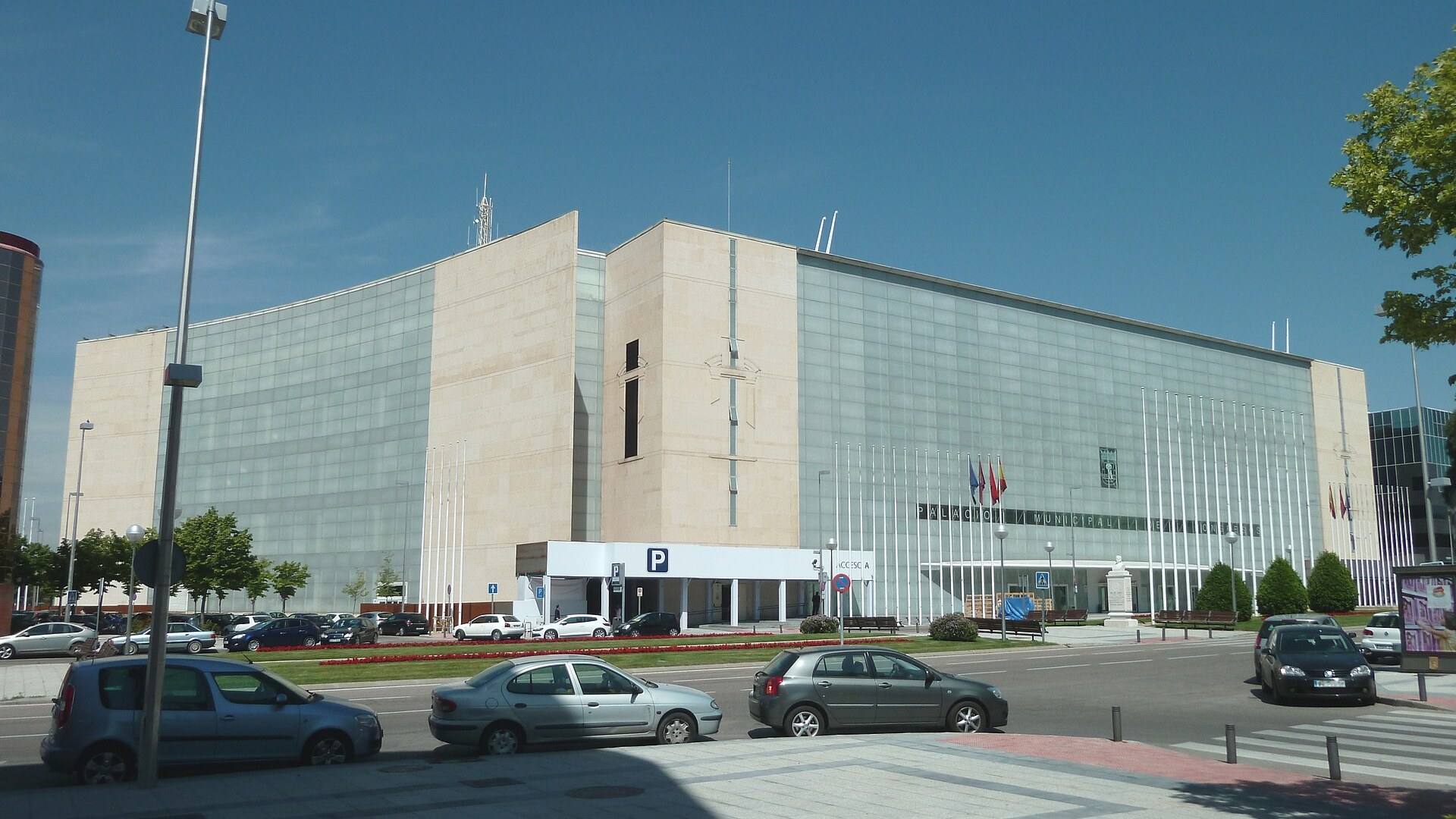
18. Madrid, Spain 
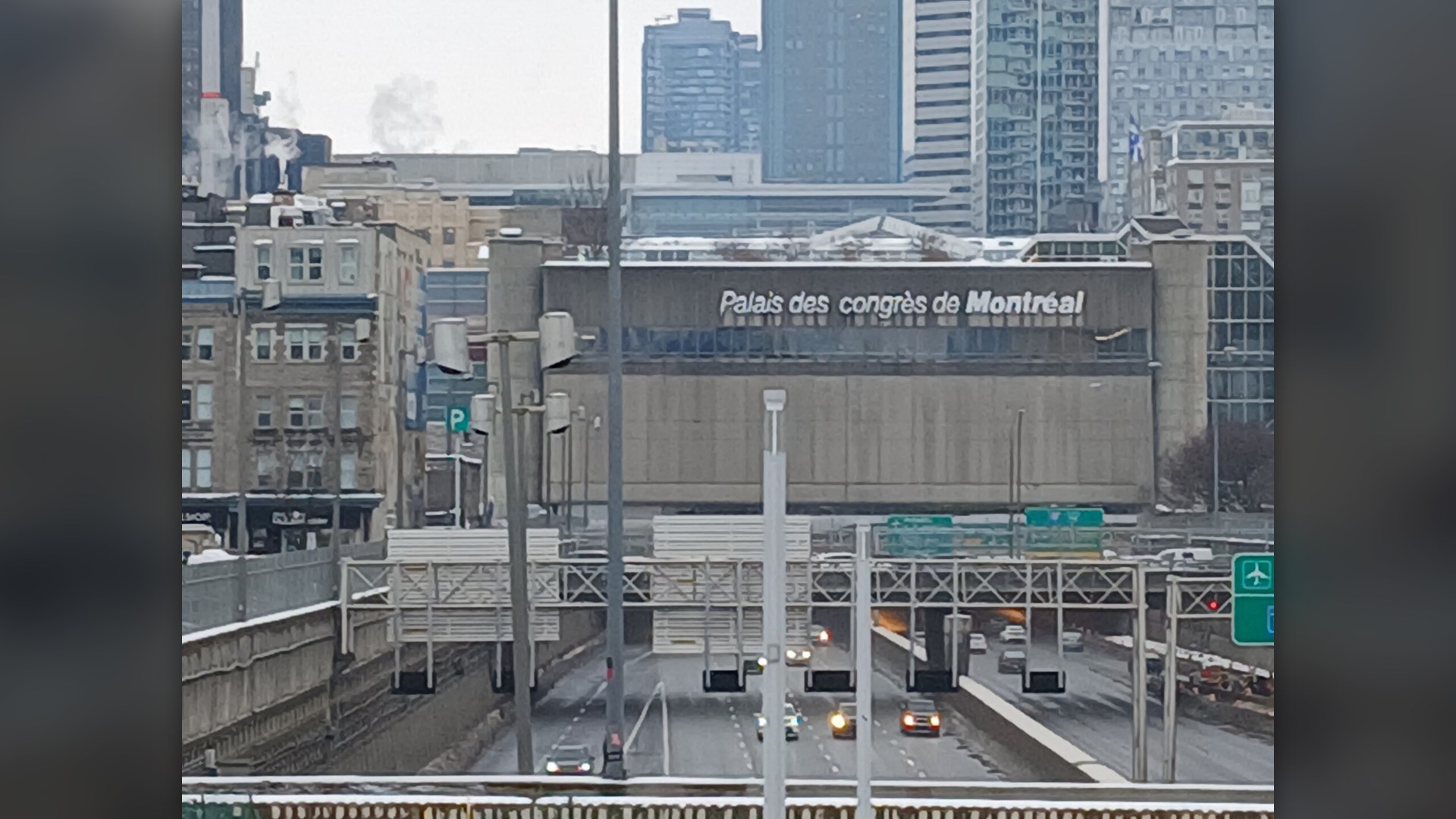
17. Montreal, Canada 
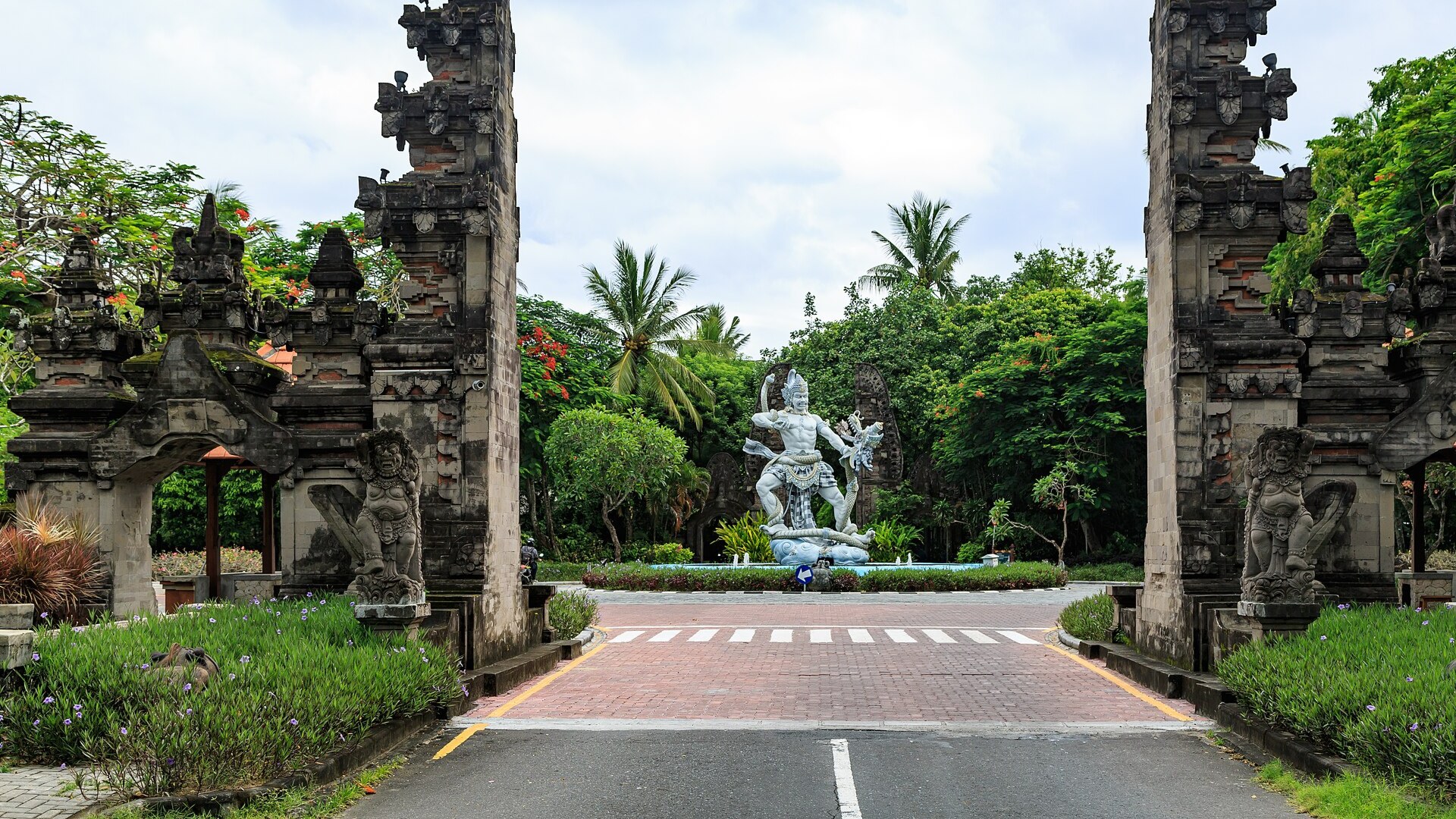
16. Bali, Indonesia 
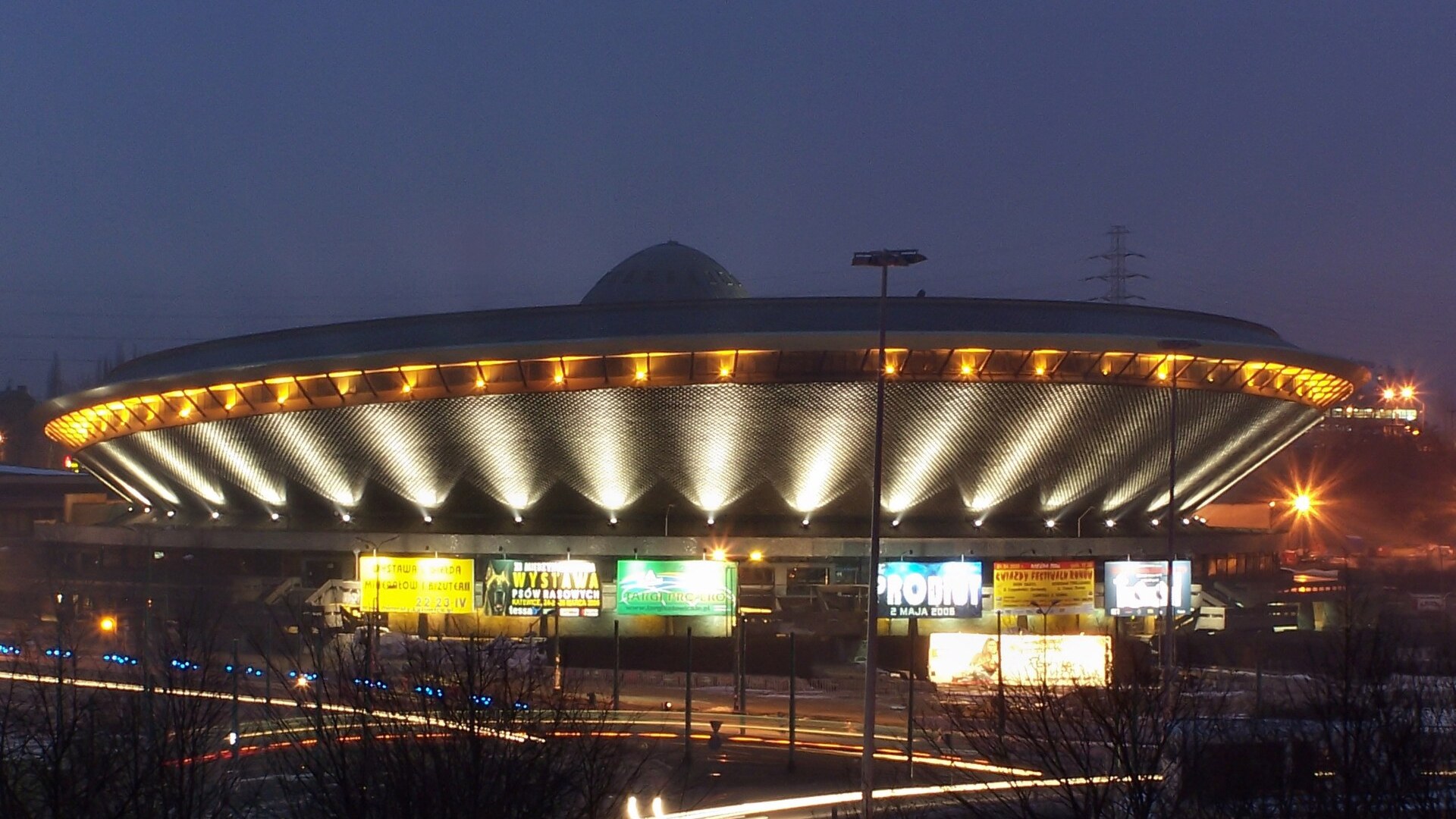
15. Katowice, Poland - AdvertisementSwipe or tap ▶ to continue countdown

14. Marrakesh, Morocco 
13. Durban, South Africa 
12. Bonn, Germany 
11. Copenhagen, Denmark - AdvertisementSwipe or tap ▶ to continue countdown

10. Berlin, Germany 
9. Sharm El-Sheikh, Egypt 
8. Glasgow, United Kingdom 
7. Baku, Azerbaijan - AdvertisementSwipe or tap ▶ to continue countdown

6. Belem, Brazil 
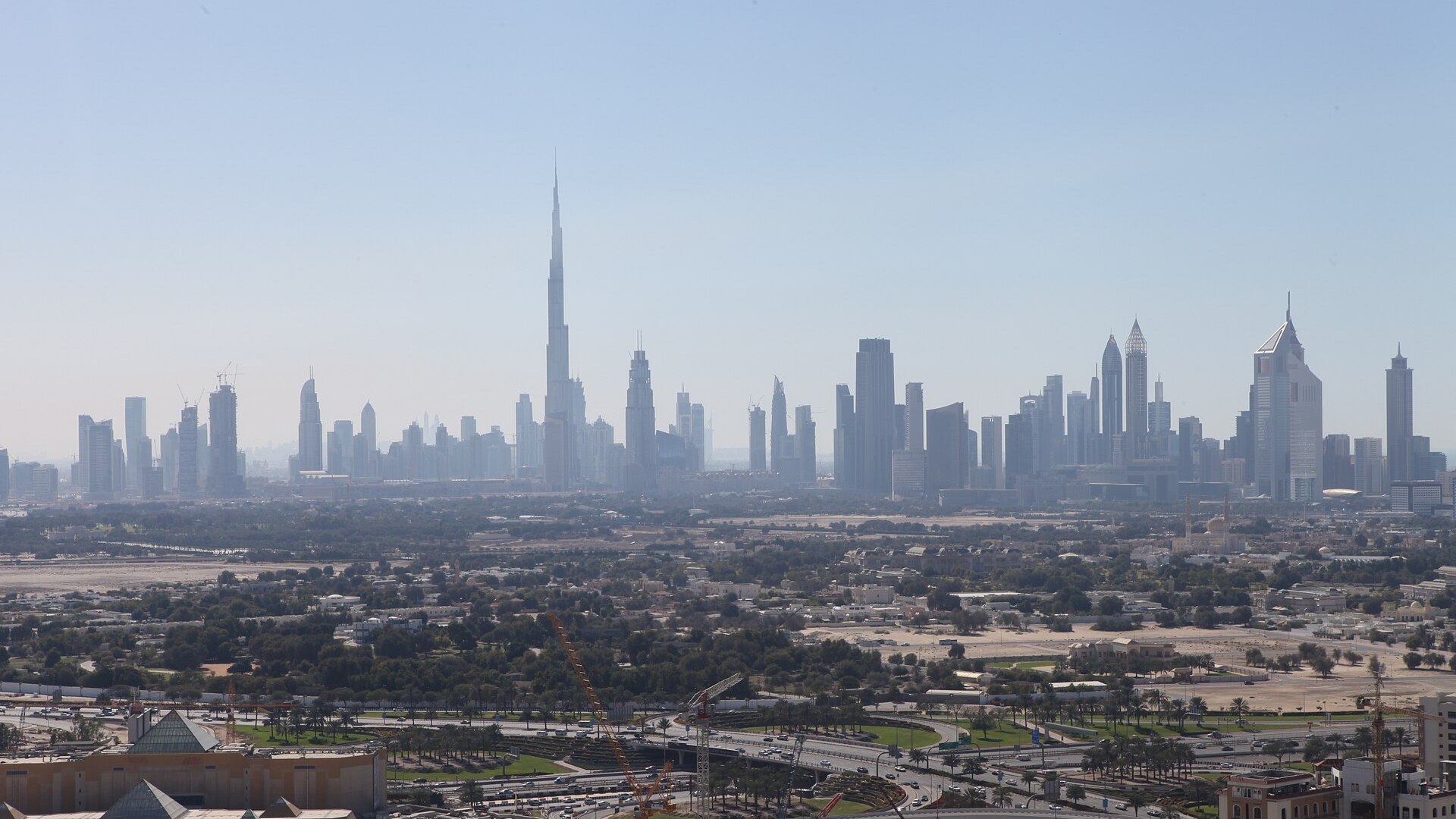
5. Dubai, United Arab Emirates 
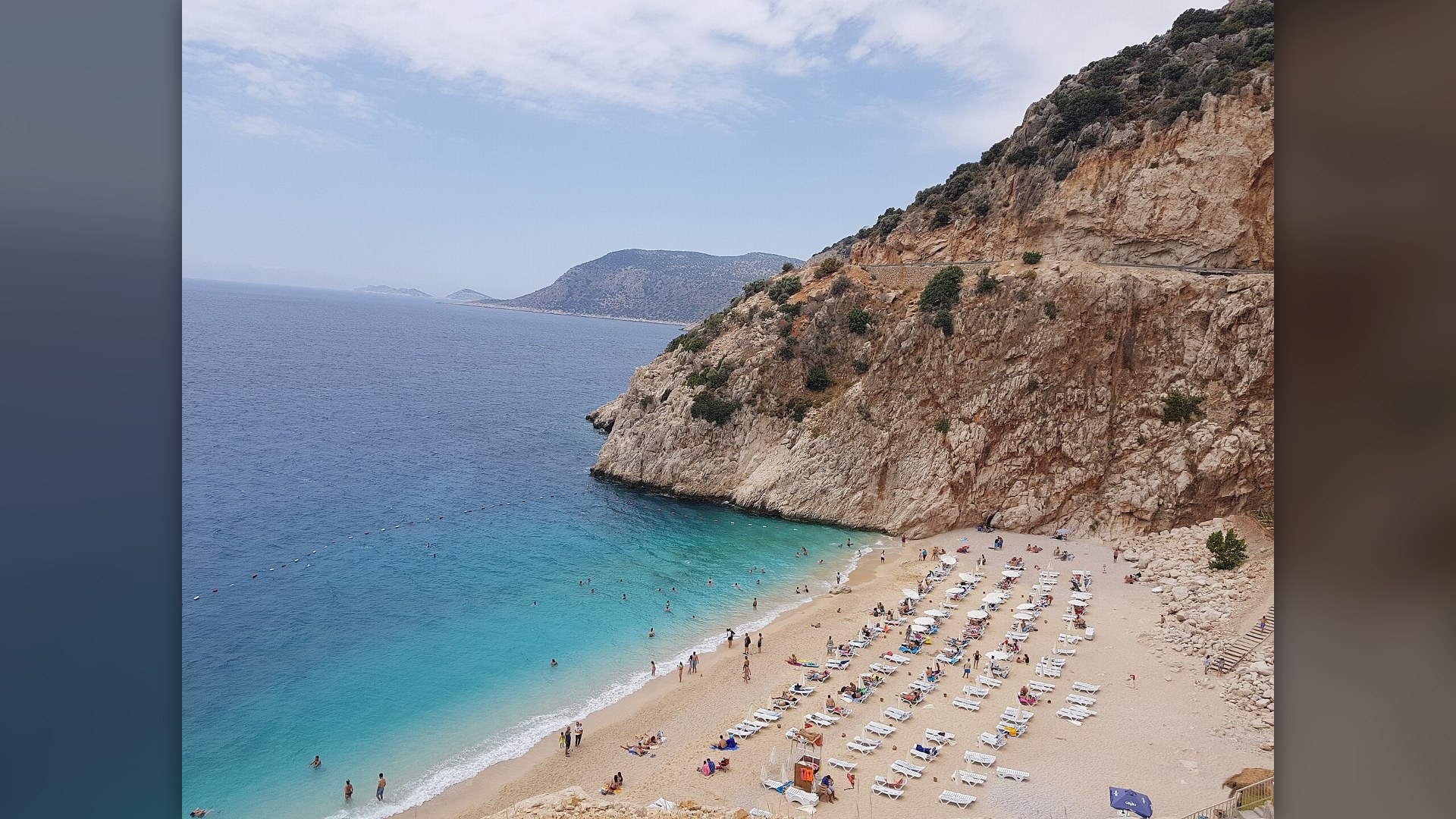
4. Antalya, Turkiye 
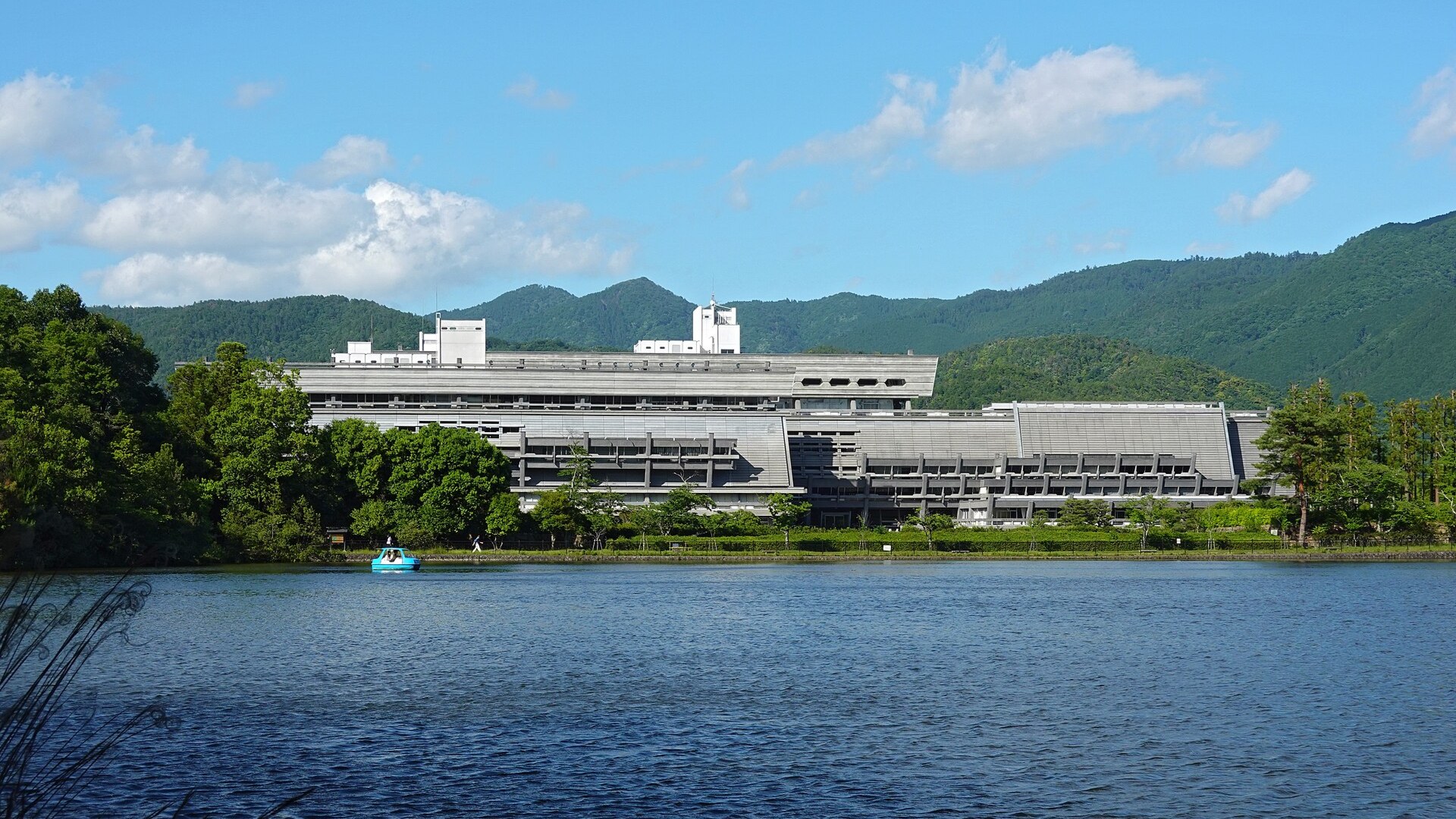
3. Kyoto, Japan - AdvertisementSwipe or tap ▶ to continue countdown

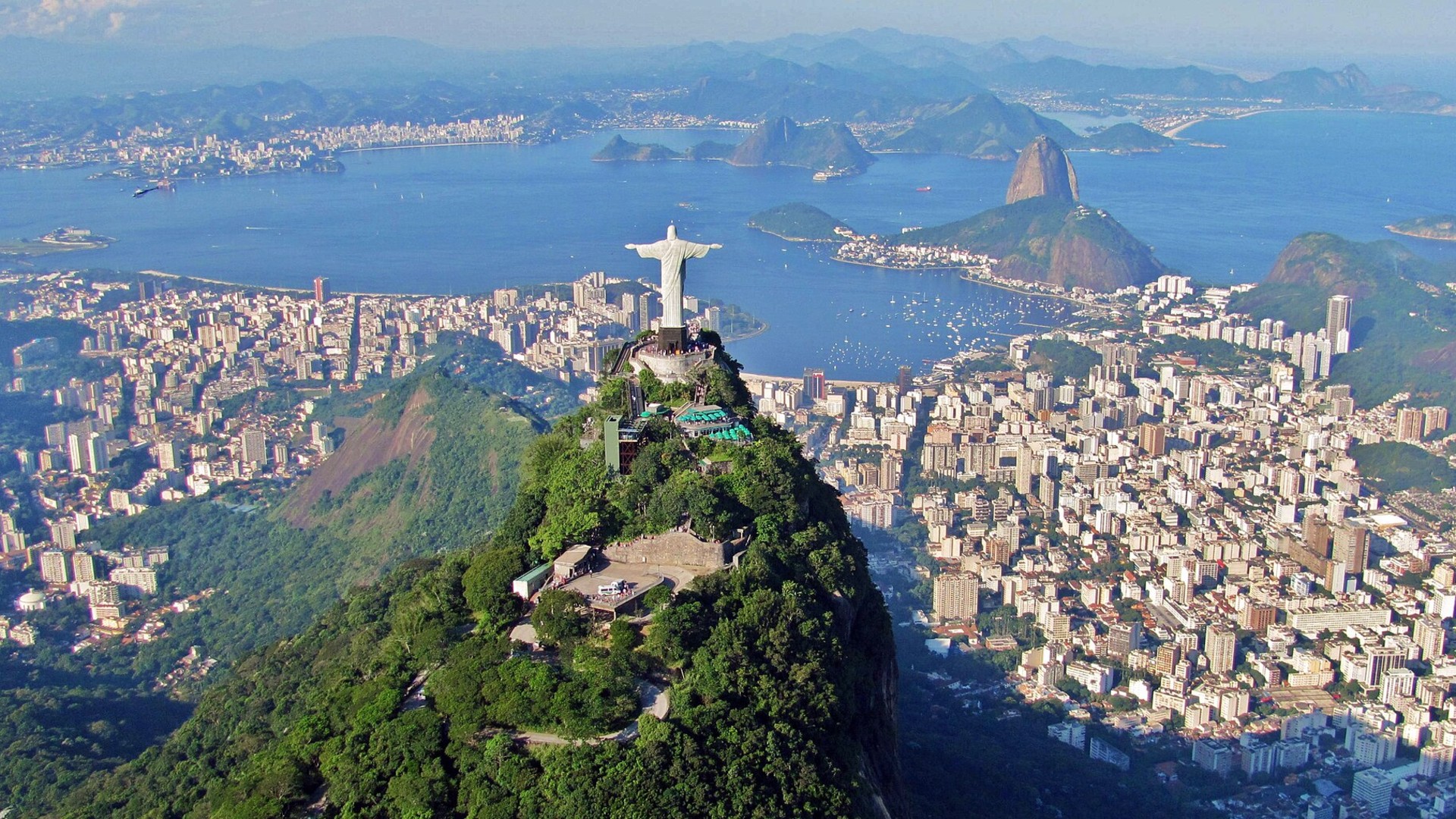
2. Rio De Janeiro, Brazil 
1. Paris, France - Advertisement🔥 UP NEXT IN THIS SERIES◫ 21 Slides

20 US Vice Presidents You Probably Forgot Existed
Throughout American history, the vice presidency was often seen as an outpost where ambitious politicians faded into obscurity. While some ascended to the presidency, many served single terms and vanished from memory. This gallery revisits twenty overlooked leaders who once stood a heartbeat away from the White House.
Based on UNFCCC conference records and reporting by NPR and Time, this countdown visits 25 cities that hosted UN climate summits since the 1992 Rio Earth Summit. From early framework talks to the November 2026 COP31 impasse in Antalya, see the venues and accords that shaped international climate policy.
Swipe or tap ▶ to begin the countdown
©Wikimedia / Basile Morin
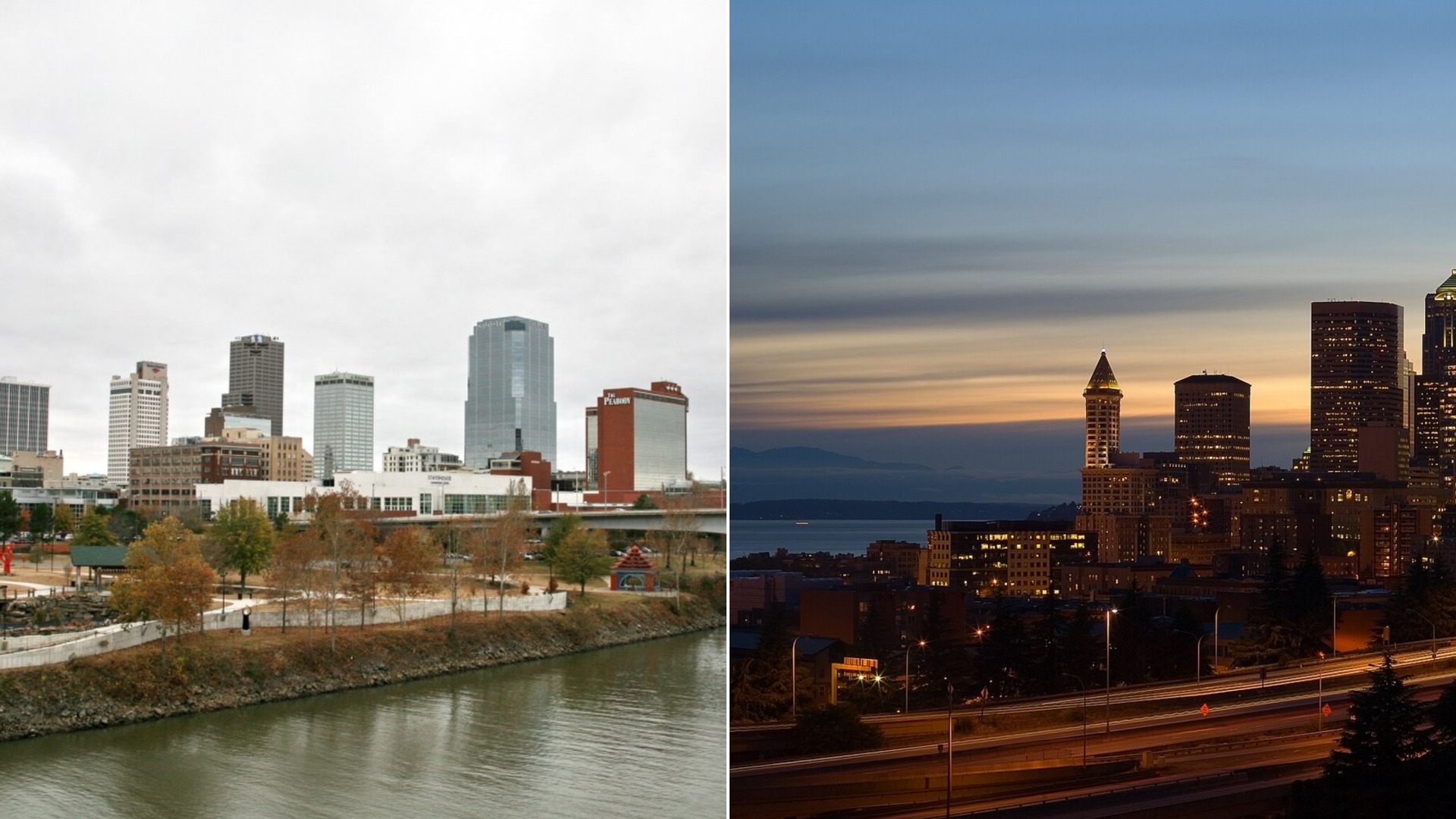
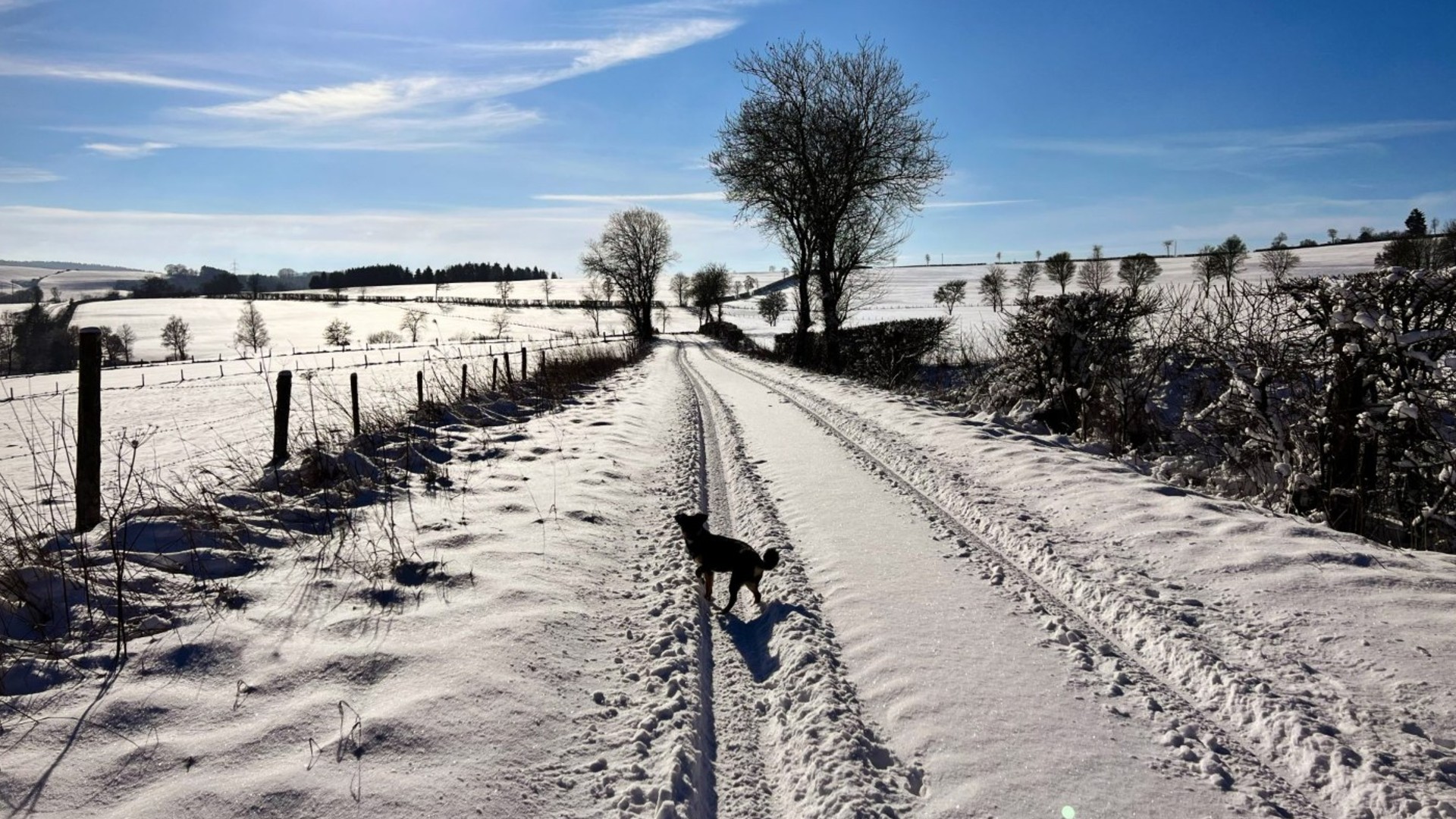
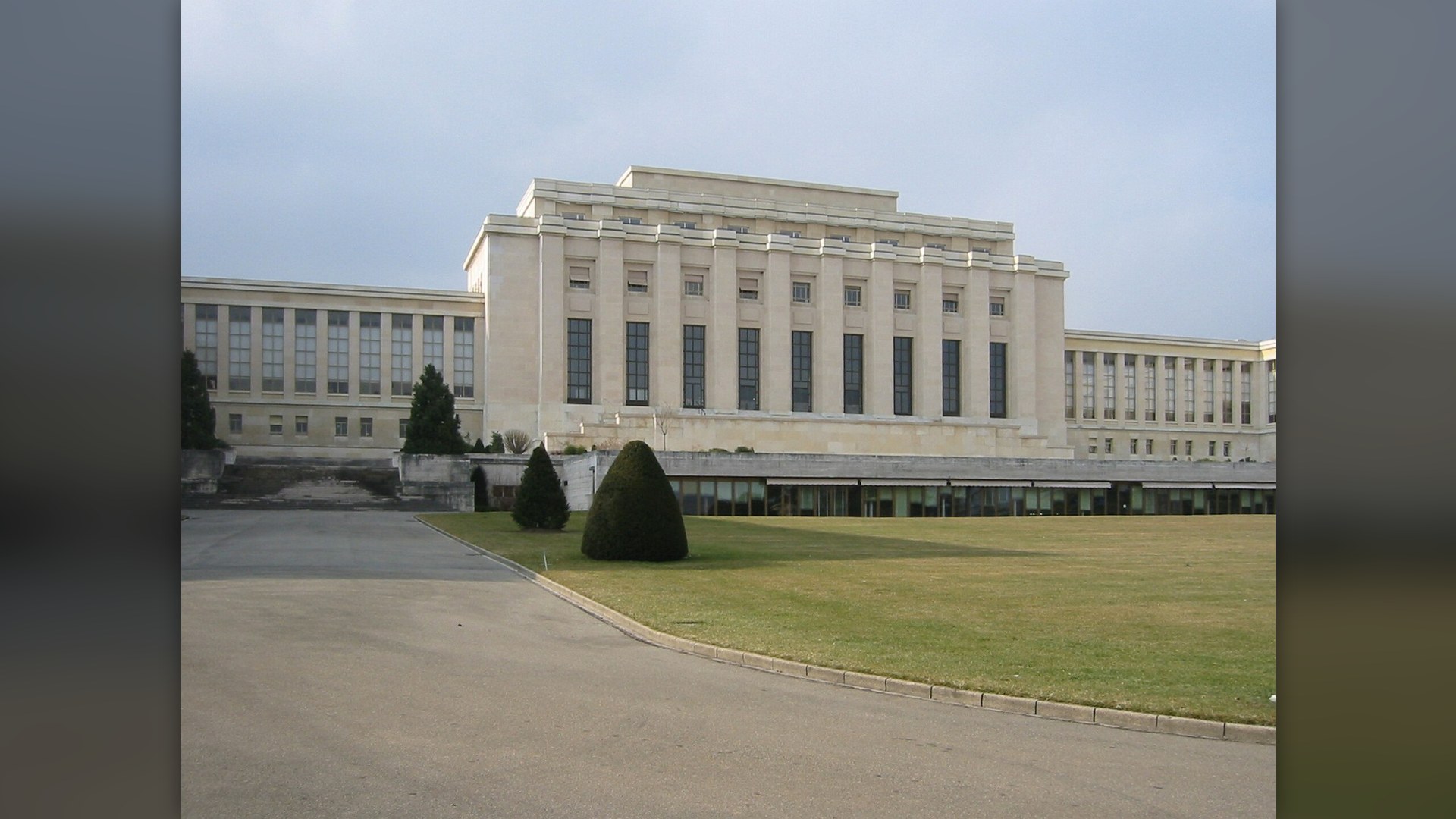
25. Geneva, Switzerland
Delegates gathered in Geneva in July 1996 for the second Conference of the Parties to the UNFCCC. The Geneva Ministerial Declaration endorsed the IPCC Second Assessment Report and called for legally binding emissions targets, paving the way for negotiations in Kyoto the following year.
©Wikimedia / Yann Forget
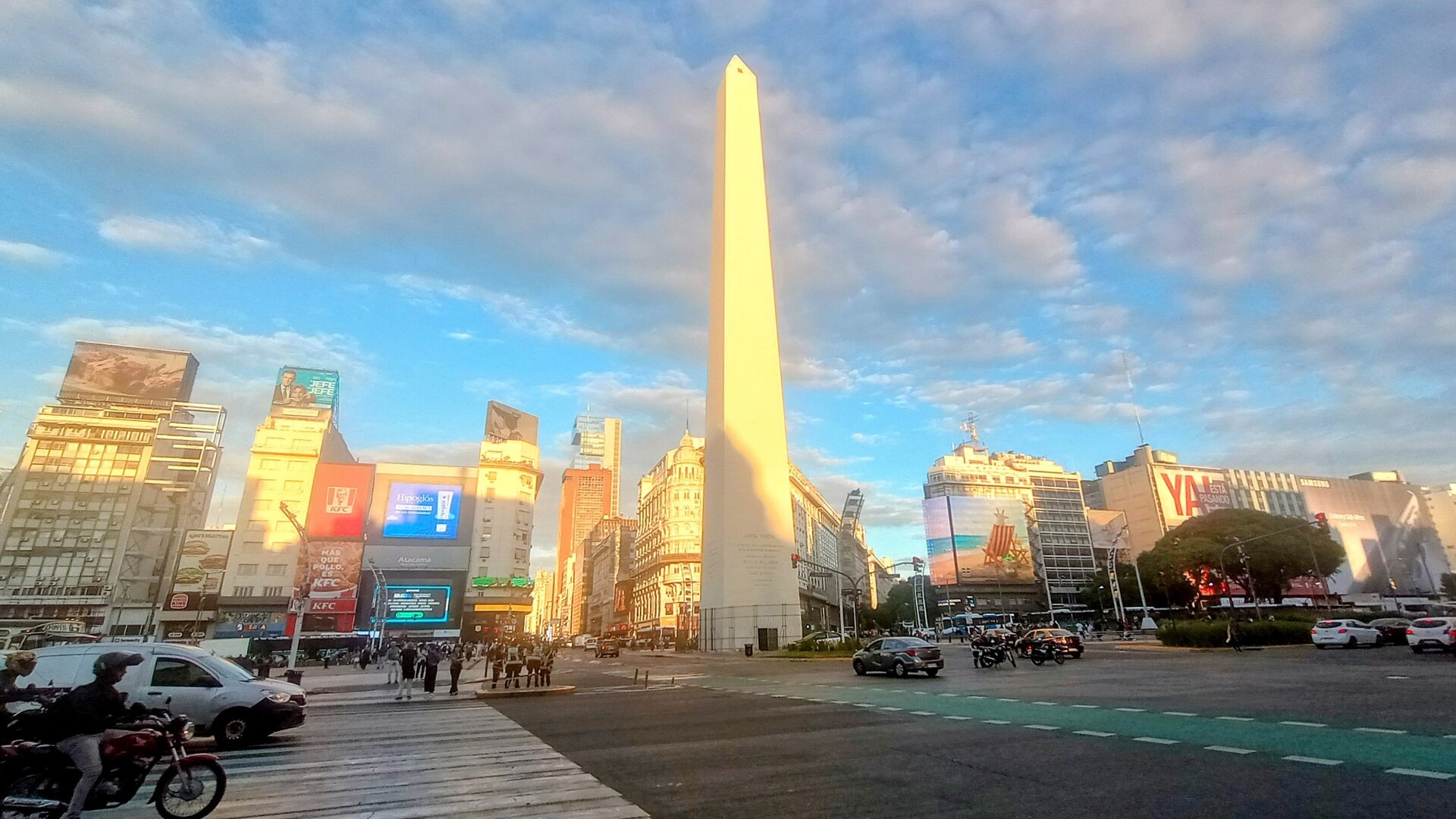
24. Buenos Aires, Argentina
In November 1998, COP4 produced the two-year Buenos Aires Plan of Action to work out rules for the Kyoto Protocol. Six years later, COP10 returned to the city in December 2004 to mark the 10th anniversary of the UNFCCC entering into force and focus on climate adaptation.
©Wikimedia / Dpalma01
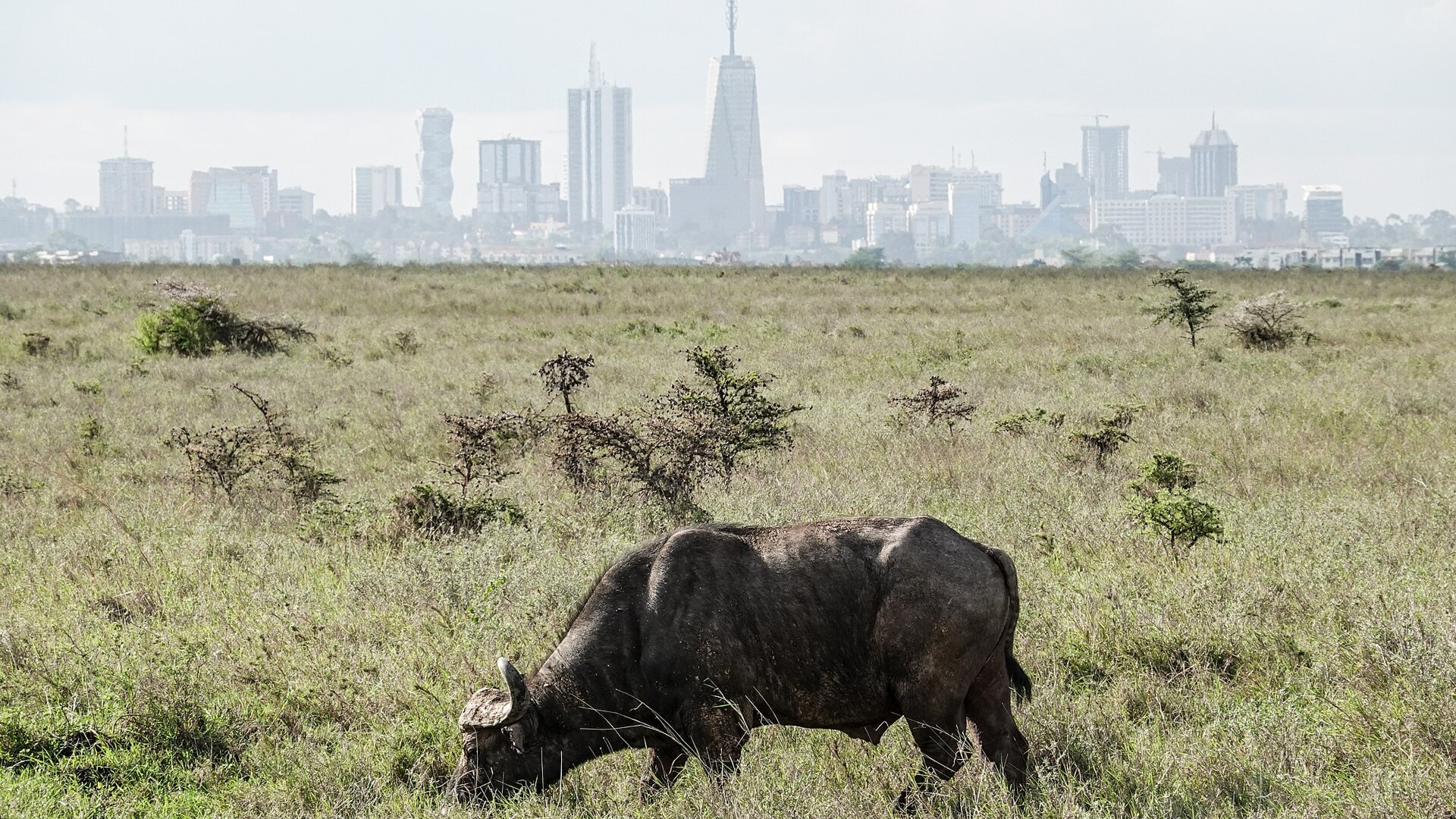
23. Nairobi, Kenya
Held at the United Nations Office at Nairobi in Gigiri, COP12 put developing countries' adaptation needs at the center of talks. Governments adopted the Nairobi Work Programme on impacts and vulnerability, helping poorer nations plan defenses against droughts and floods.
©Wikimedia / This Photo was taken by Timothy A. Gonsalves . F
Advertisement
Swipe or tap ▶ to resume the countdown.
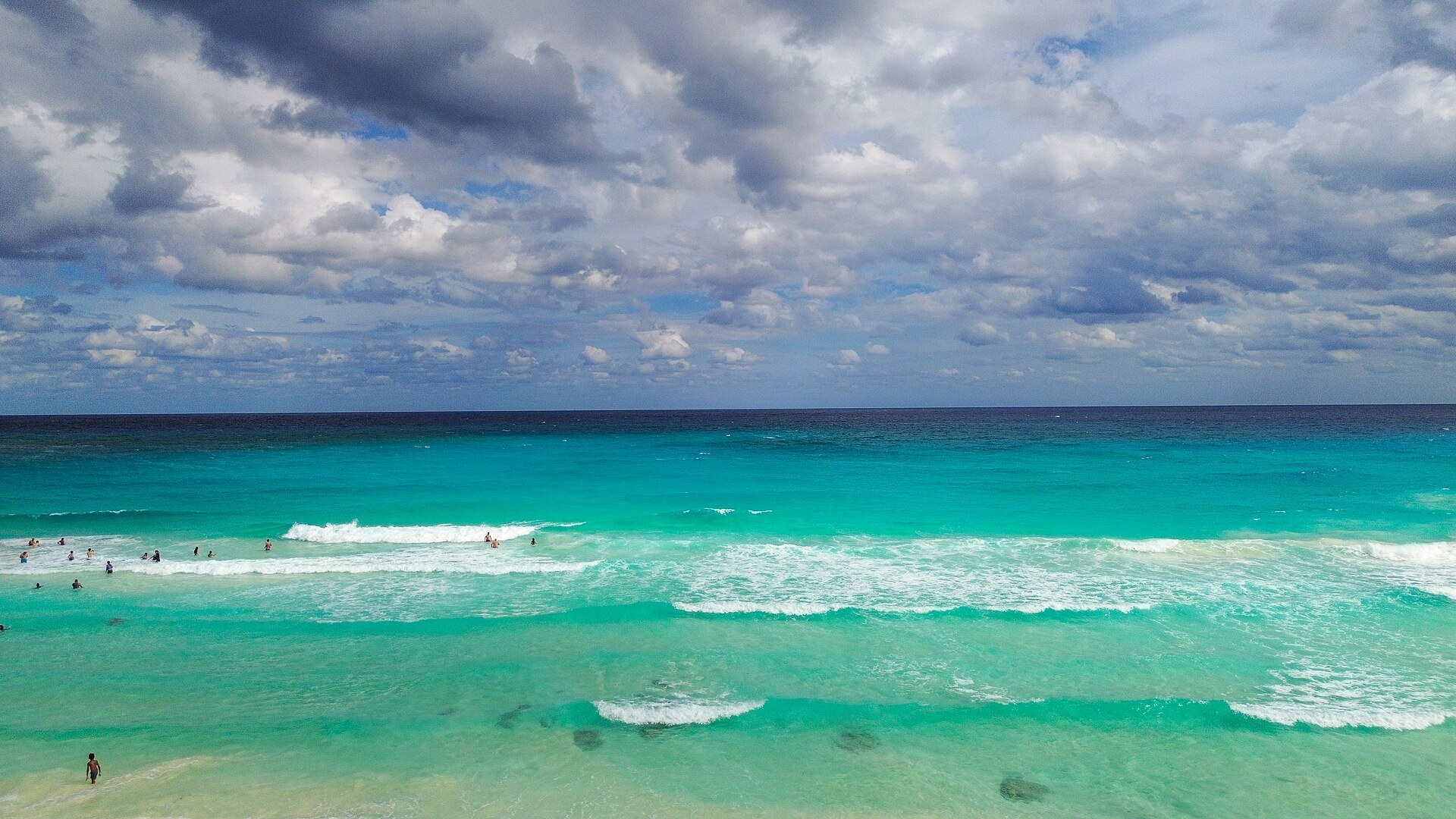
22. Cancun, Mexico
Meeting on Mexico's Caribbean coast in December 2010, negotiators pulled UN talks back from collapse through the Cancun Agreements. Countries formally anchored national emission pledges in UN records and launched the Green Climate Fund to help developing nations cut carbon.
©Wikimedia / ProtoplasmaKid
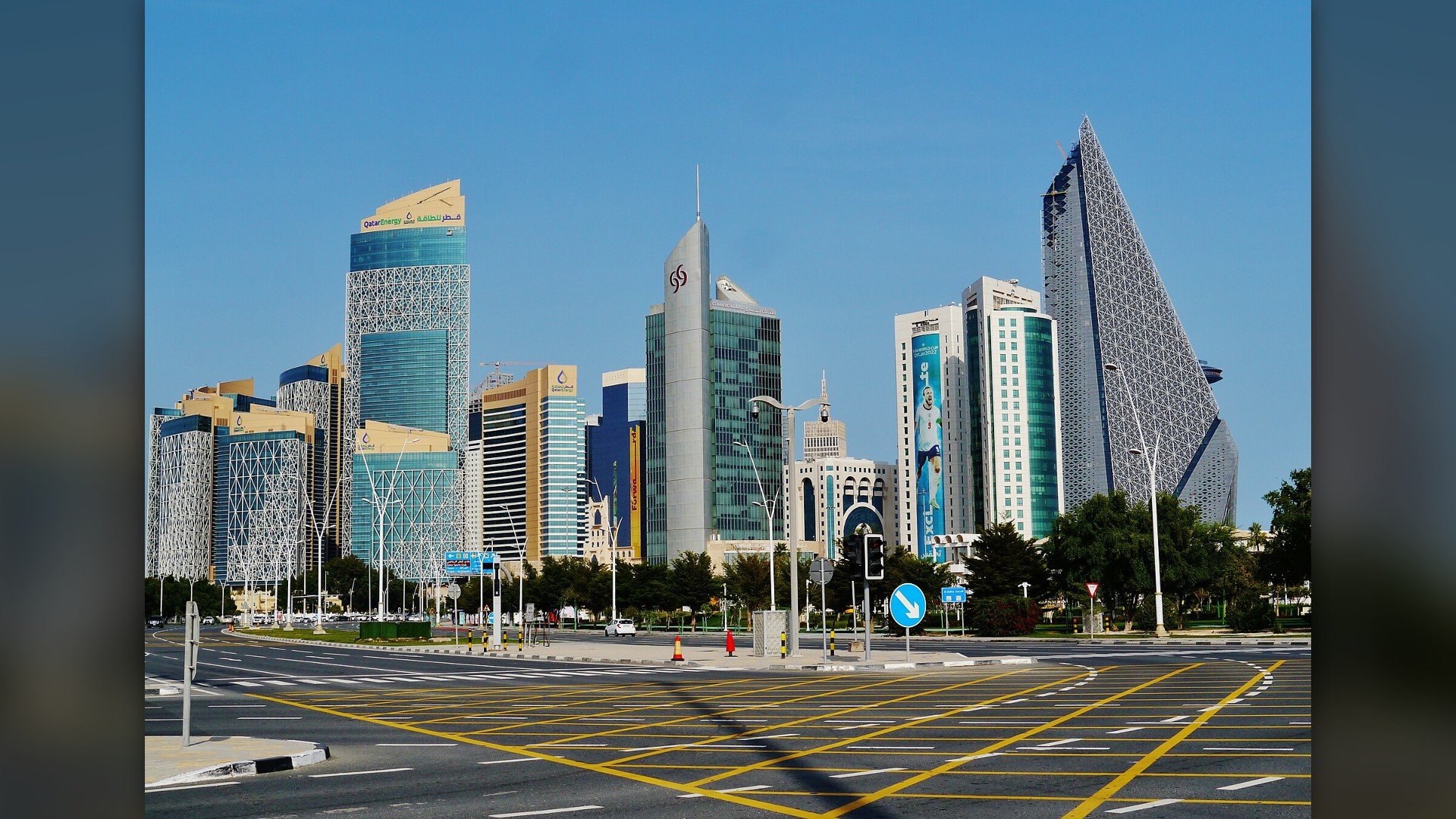
21. Doha, Qatar
Qatar became the first Gulf nation to host a COP summit in November and December 2012. Delegates adopted the Doha Amendment, extending Kyoto Protocol commitments from 2013 to 2020, while setting a 2015 deadline to negotiate a broader global agreement covering all nations.
©Wikimedia / Zairon
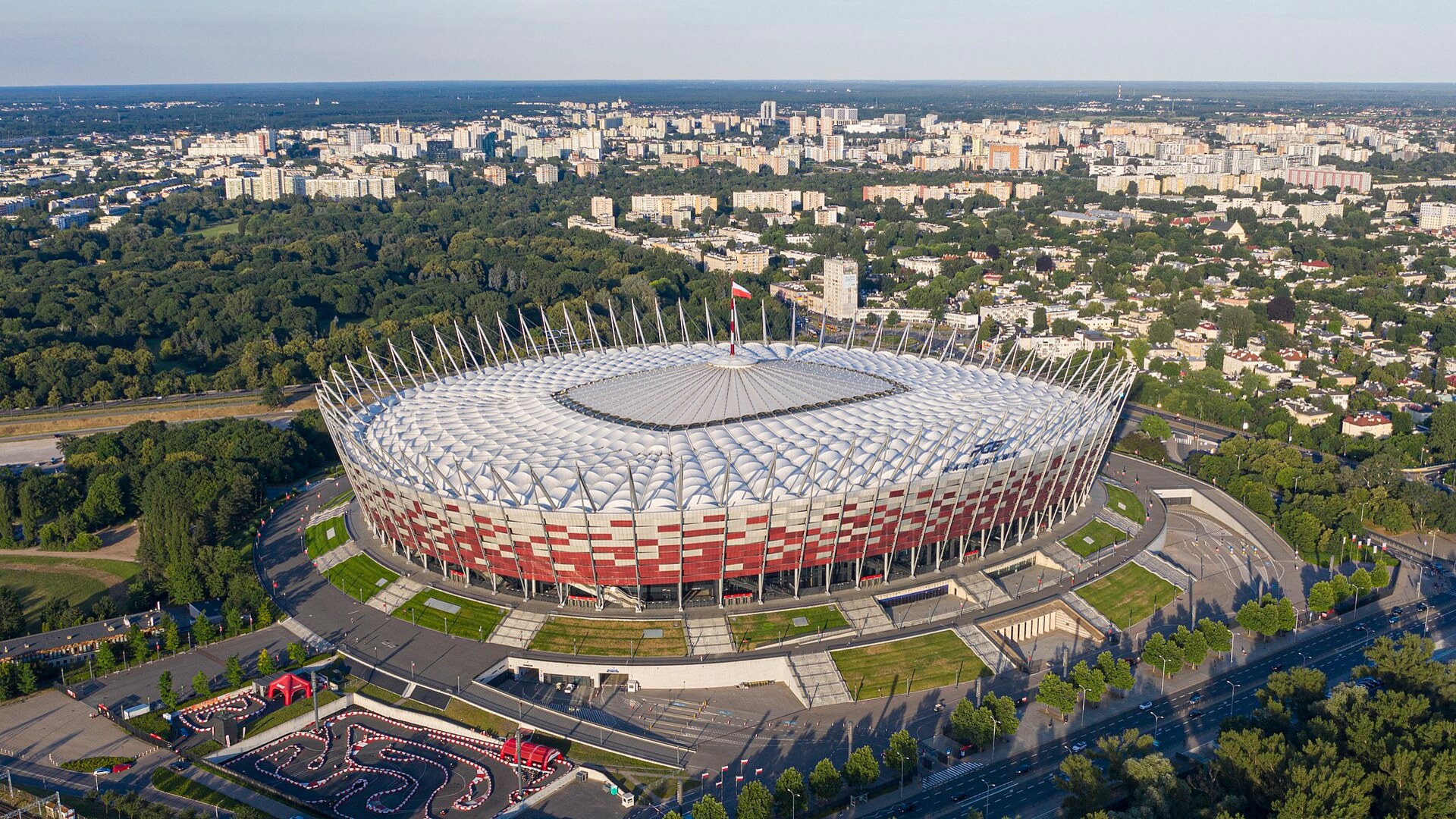
20. Warsaw, Poland
Held inside the Kazimierz Gorski National Stadium in November 2013, COP19 set the timeline for countries to submit national climate pledges ahead of Paris. Negotiators also created the Warsaw International Mechanism to address climate-driven loss and damage in vulnerable countries.
©Wikimedia / Arne Müseler
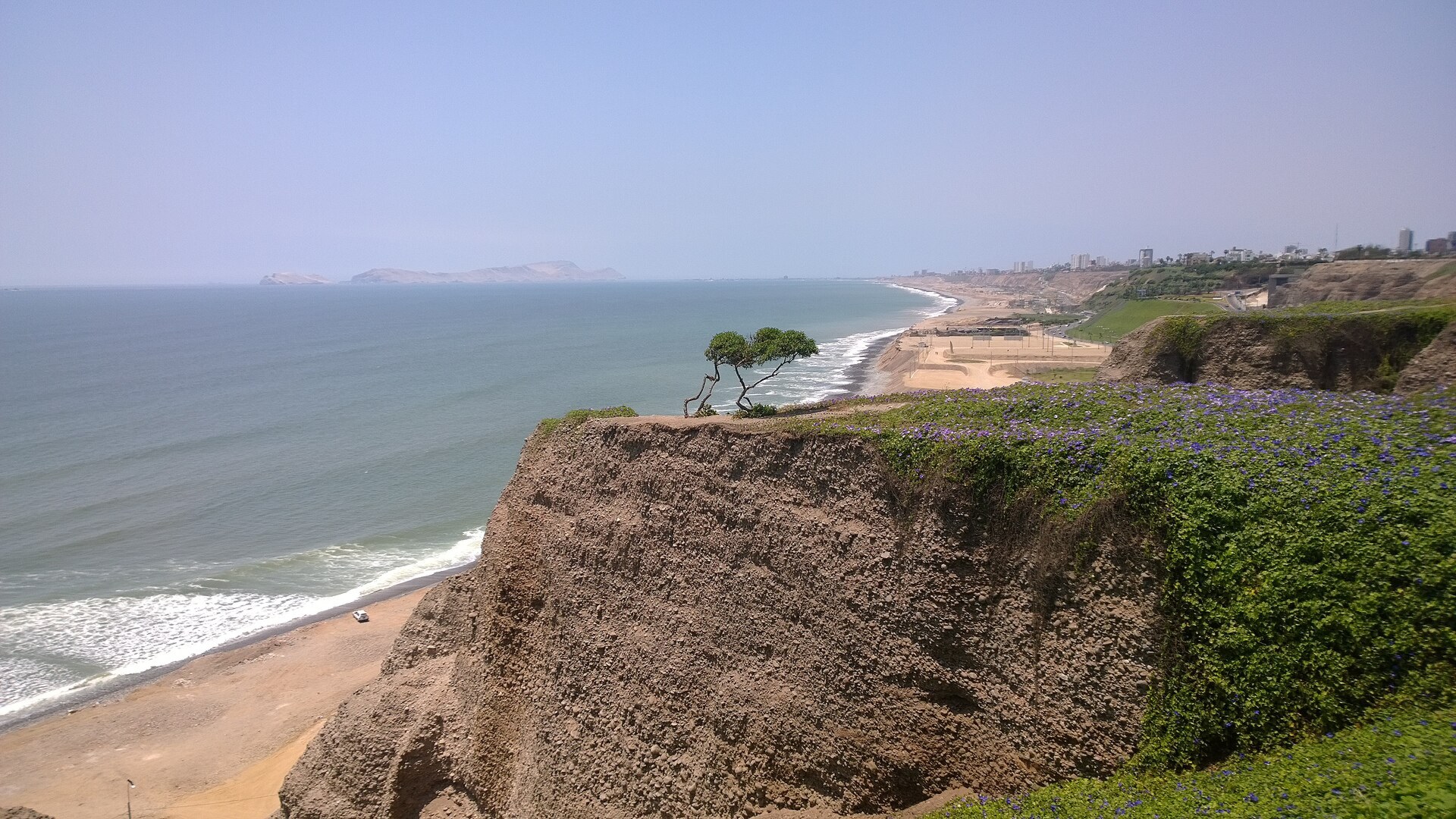
19. Lima, Peru
Meeting in Peru's coastal capital in December 2014, delegates hammered out the Lima Call for Climate Action. The decision required every country to publish its Intended Nationally Determined Contribution ahead of Paris, establishing the bottom-up pledge system still used today.
©Wikimedia / Checo890
Advertisement
Swipe or tap ▶ to resume the countdown.
18. Madrid, Spain
Originally scheduled for Santiago, COP25 moved to Madrid's IFEMA venue with just weeks to prepare while Chile kept the presidency. The marathon two-week session ended as the longest COP on record at the time, though carbon market rules remained unresolved until Glasgow.
©Wikimedia / Luis García ( Zaqarbal )
17. Montreal, Canada
Gathering at the Palais des congres de Montreal in late 2005, nations held the first Meeting of the Parties to the Kyoto Protocol after Russia's ratification brought the treaty into force. Over 10,000 participants attended to map out emissions trading and compliance rules.
©Wikimedia / Kit1210
16. Bali, Indonesia
In December 2007, delegates in Nusa Dua adopted the Bali Action Plan, launching a new two-year negotiating track meant to include both rich and developing emitters. The summit also elevated forest protection under REDD+, recognizing deforestation as a major source of emissions.
©Wikimedia / CEphoto, Uwe Aranas
15. Katowice, Poland
Meeting at the Spodek arena and International Congress Centre in December 2018, negotiators agreed on the Katowice Climate Package. Known as the Paris Rulebook, those technical guidelines set uniform standards for how countries measure, report and verify their emissions.
©Wikimedia / Lestat (Jan Mehlich)
Advertisement
Swipe or tap ▶ to resume the countdown.
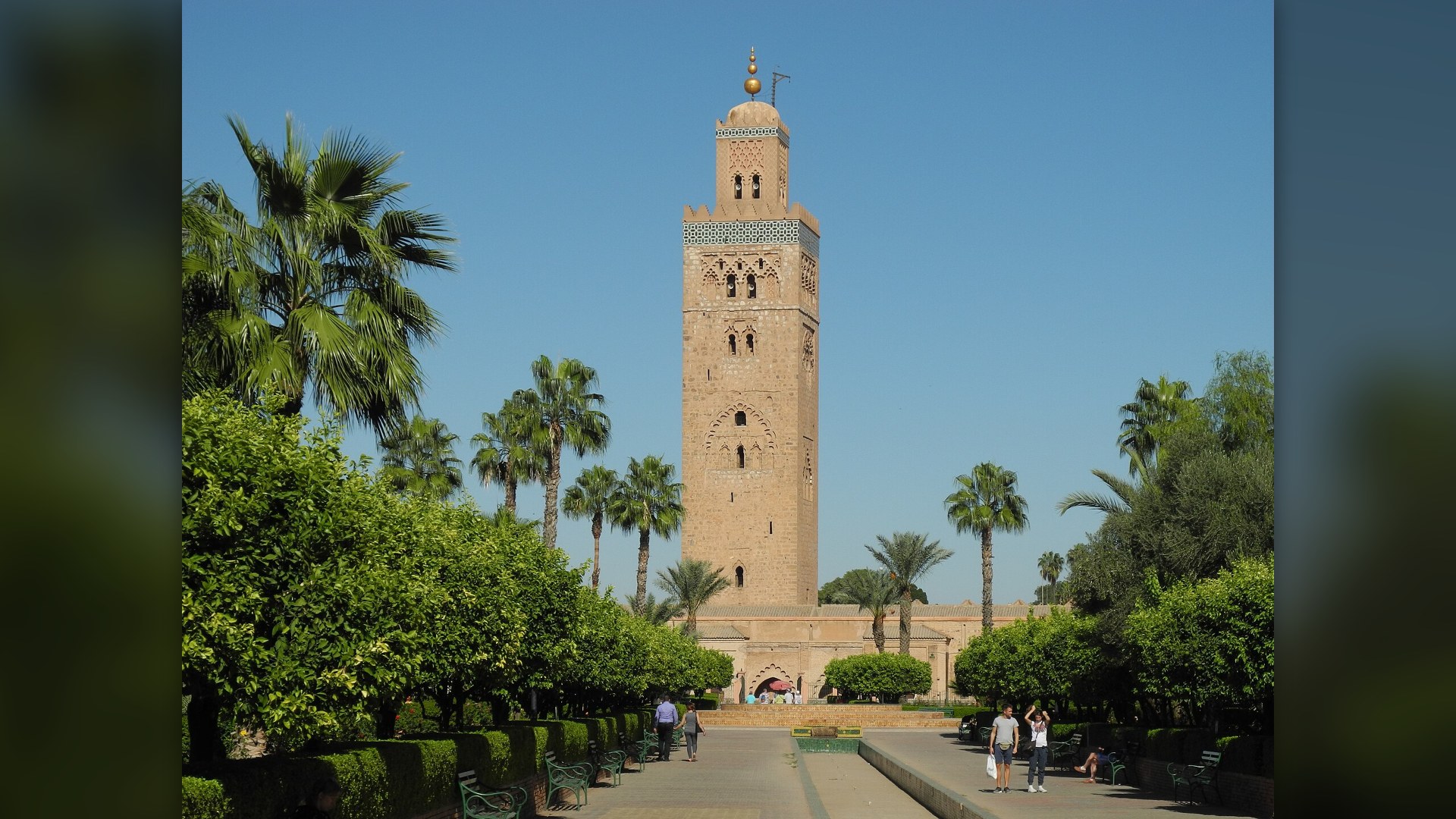
14. Marrakesh, Morocco
In 2001, COP7 produced the Marrakesh Accords, giving countries the detailed rules needed to ratify the Kyoto Protocol. Fifteen years later, COP22 returned in November 2016 just days after the Paris Agreement took legal effect, turning focus toward implementation and finance.
©Wikimedia / Baca12
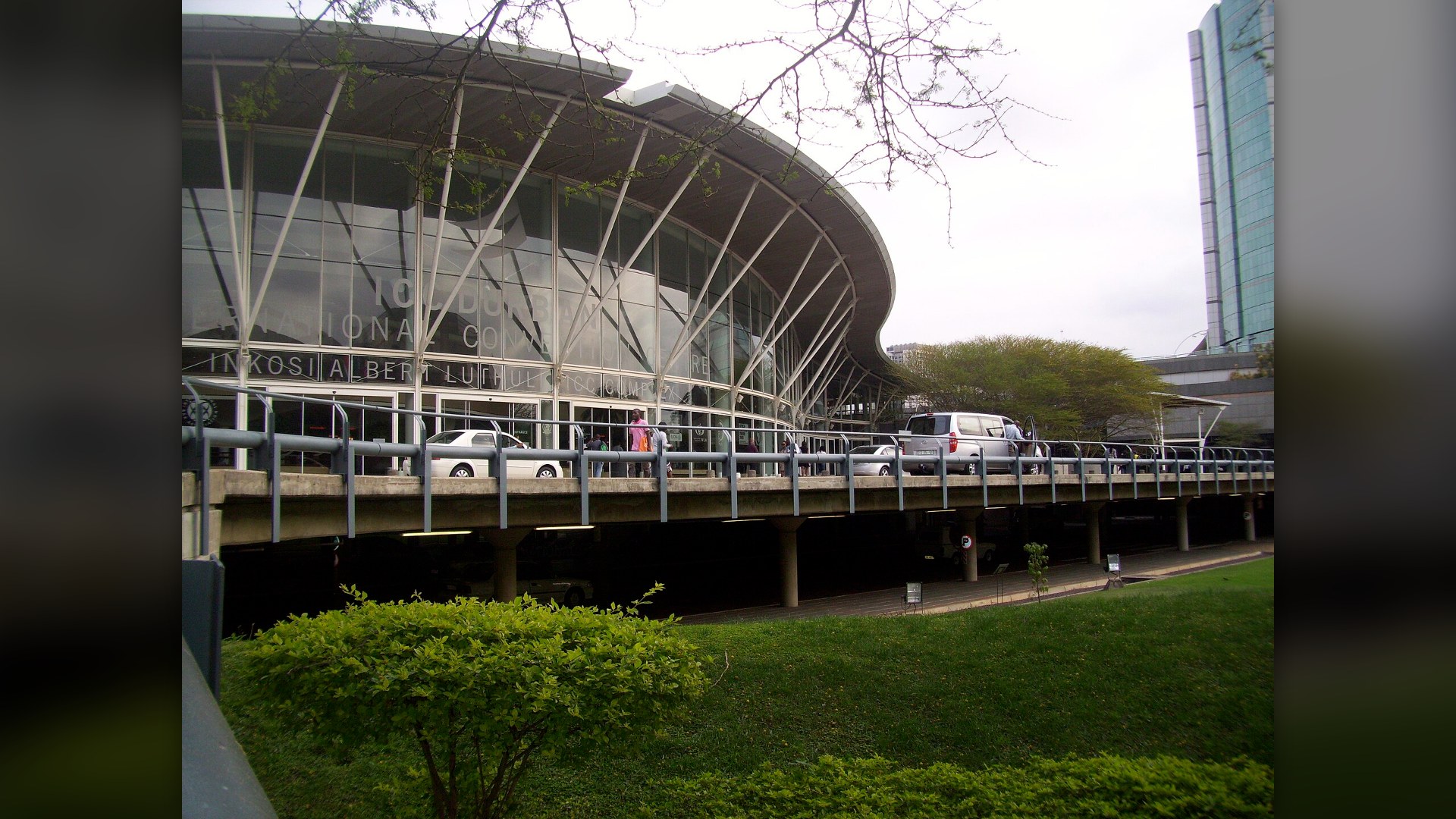
13. Durban, South Africa
At the Inkosi Albert Luthuli International Convention Centre in December 2011, nations struck a breakthrough deal after overtime talks. The Durban Platform for Enhanced Action committed all major emitters for the first time to negotiate a single post-2020 climate treaty by 2015.
©Wikimedia / Ride Your City
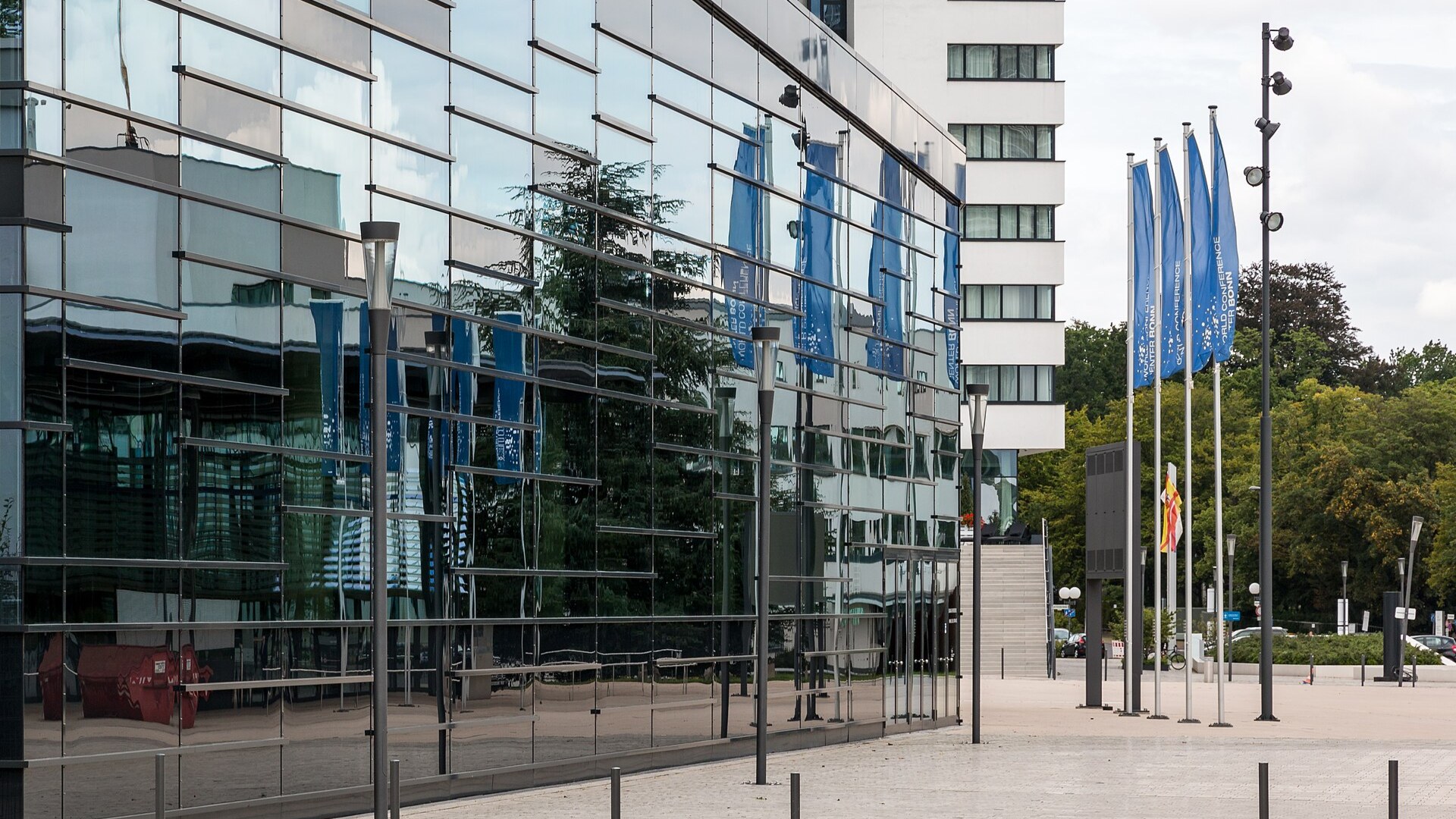
12. Bonn, Germany
Germany's former capital serves as the permanent headquarters of the UN climate secretariat and the backup venue when other regions cannot host. In November 2017, Fiji held the COP23 presidency in Bonn, making it the first Pacific island nation to lead the annual summit.
©Wikimedia / Dietmar Rabich
11. Copenhagen, Denmark
Over 40,000 delegates and protesters converged on the Bella Center in December 2009 hoping for a binding replacement to Kyoto. Although talks fell short of a formal treaty, the Copenhagen Accord set the 2C warming threshold and pledged $100 billion a year for poorer nations.
©Wikimedia / Elizabeth K. Joseph from San Francisco, United S
Advertisement
Swipe or tap ▶ to resume the countdown.
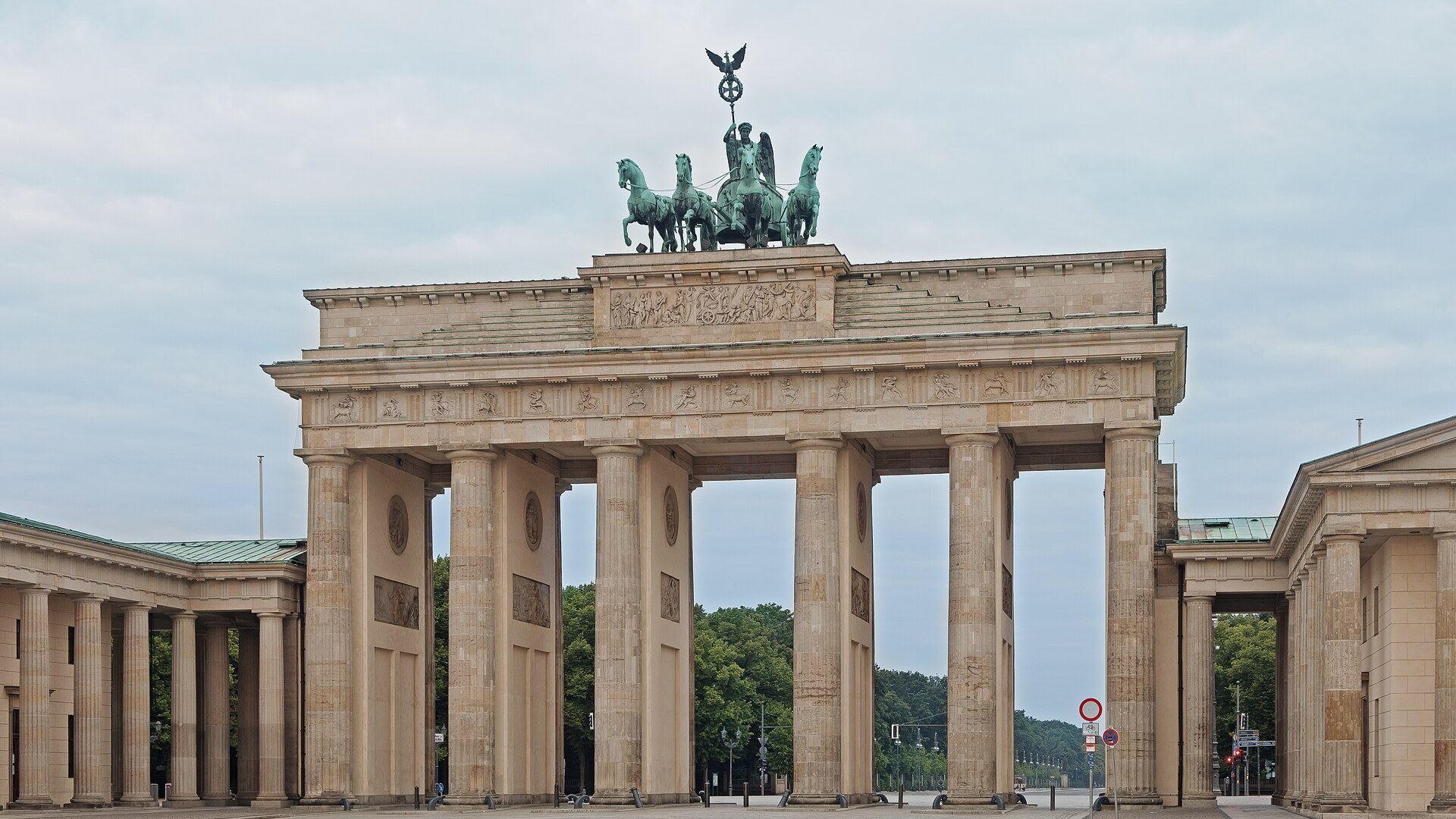
10. Berlin, Germany
Three years after Rio, diplomats met in Berlin from March 28 to April 7, 1995, for COP1, chaired by future German chancellor Angela Merkel. The resulting Berlin Mandate acknowledged that existing voluntary pledges were inadequate and kicked off talks toward a binding protocol.
©Wikimedia / Thomas Wolf , www.foto-tw.de
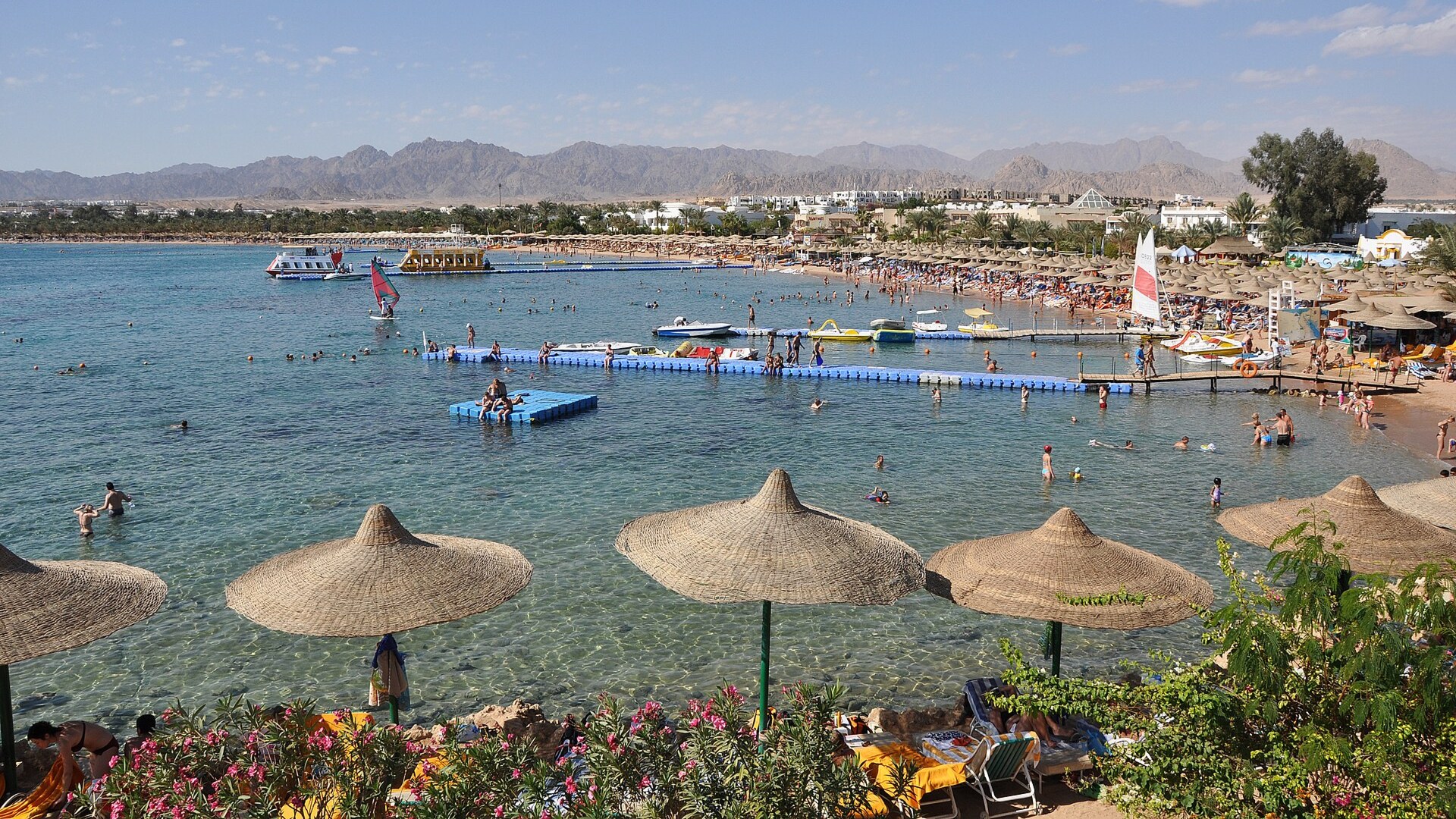
9. Sharm El-Sheikh, Egypt
After nearly three decades of demands from island and low-income nations, COP27 in November 2022 established a dedicated Loss and Damage Fund. Delegates in the Sinai resort city agreed that wealthy polluters should help vulnerable countries rebuild after climate disasters.
©Wikimedia / Marc Ryckaert
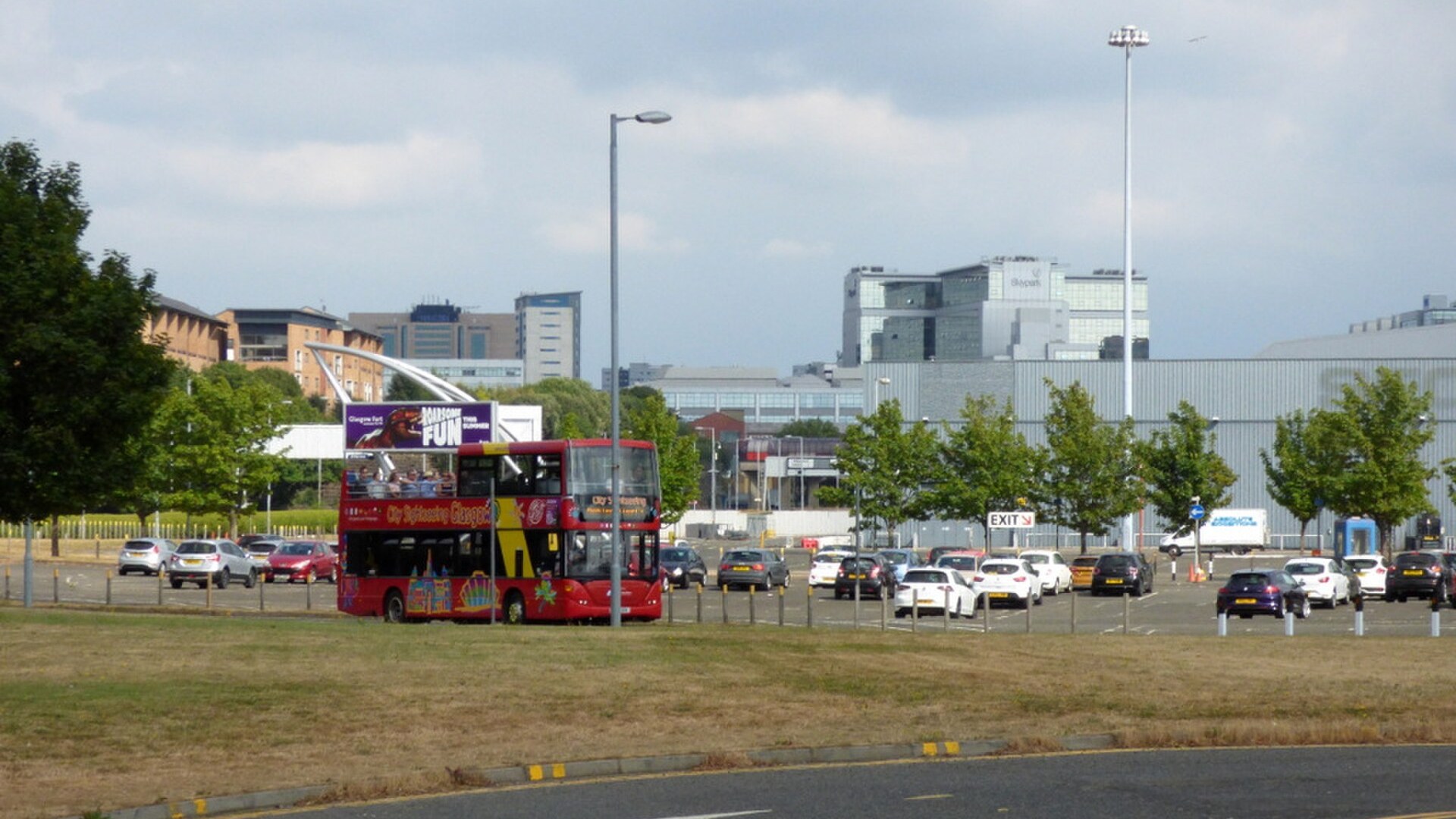
8. Glasgow, United Kingdom
Meeting at the Scottish Event Campus in November 2021, nearly 200 nations adopted the Glasgow Climate Pact. For the first time in UN climate history, the final text targeted fossil fuels directly, calling on governments to phase down unabated coal power and inefficient subsidies.
©Wikimedia / Thomas Nugent
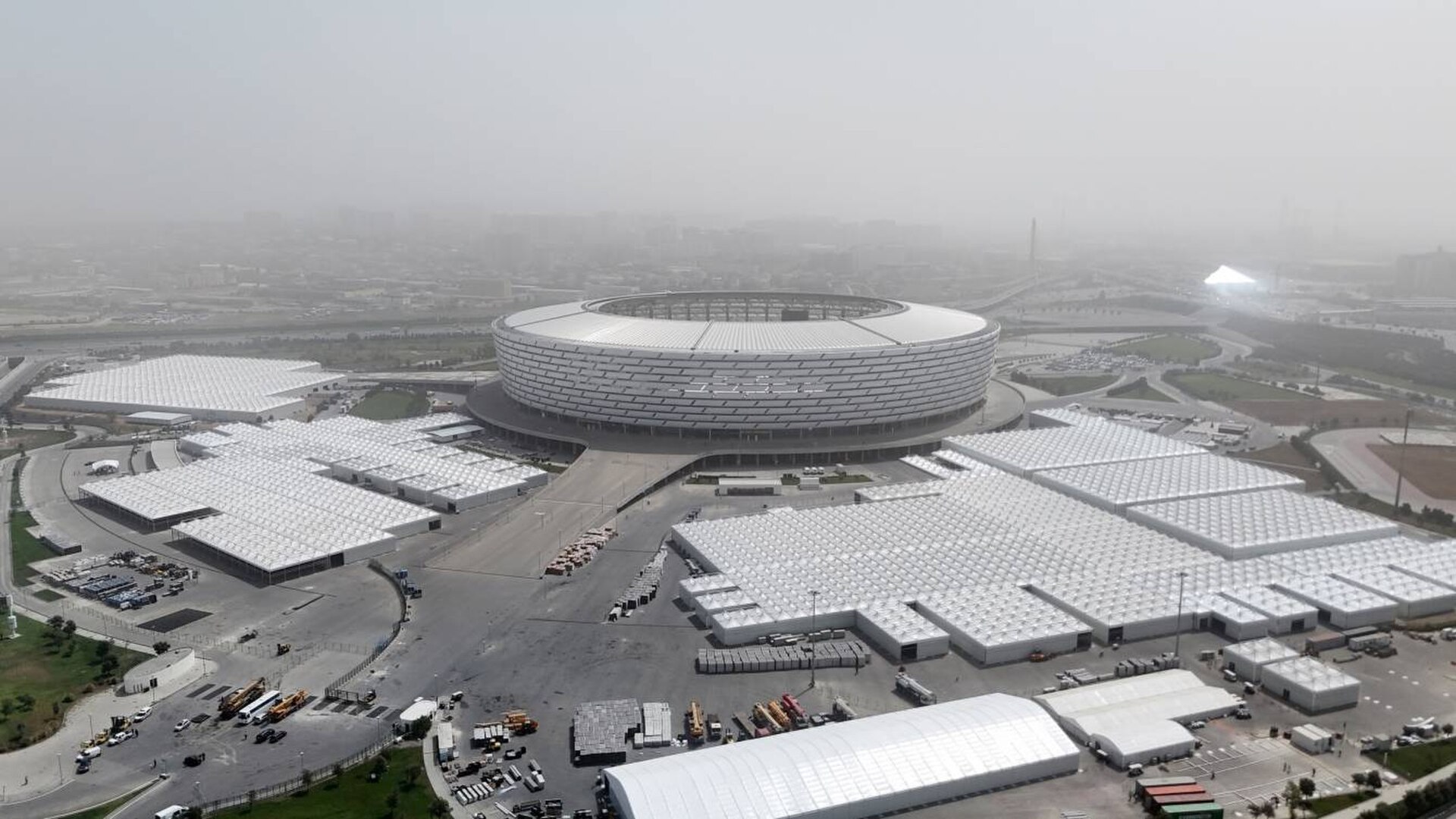
7. Baku, Azerbaijan
Centered on climate finance in November 2024, COP29 ended with wealthy nations pledging at least $300 billion a year by 2035 for developing countries. Developing nations and island states protested that the sum fell well short of the $1.3 trillion annual target they sought.
©Wikimedia / Press Service of the President of the Republic o
Advertisement
Swipe or tap ▶ to resume the countdown.
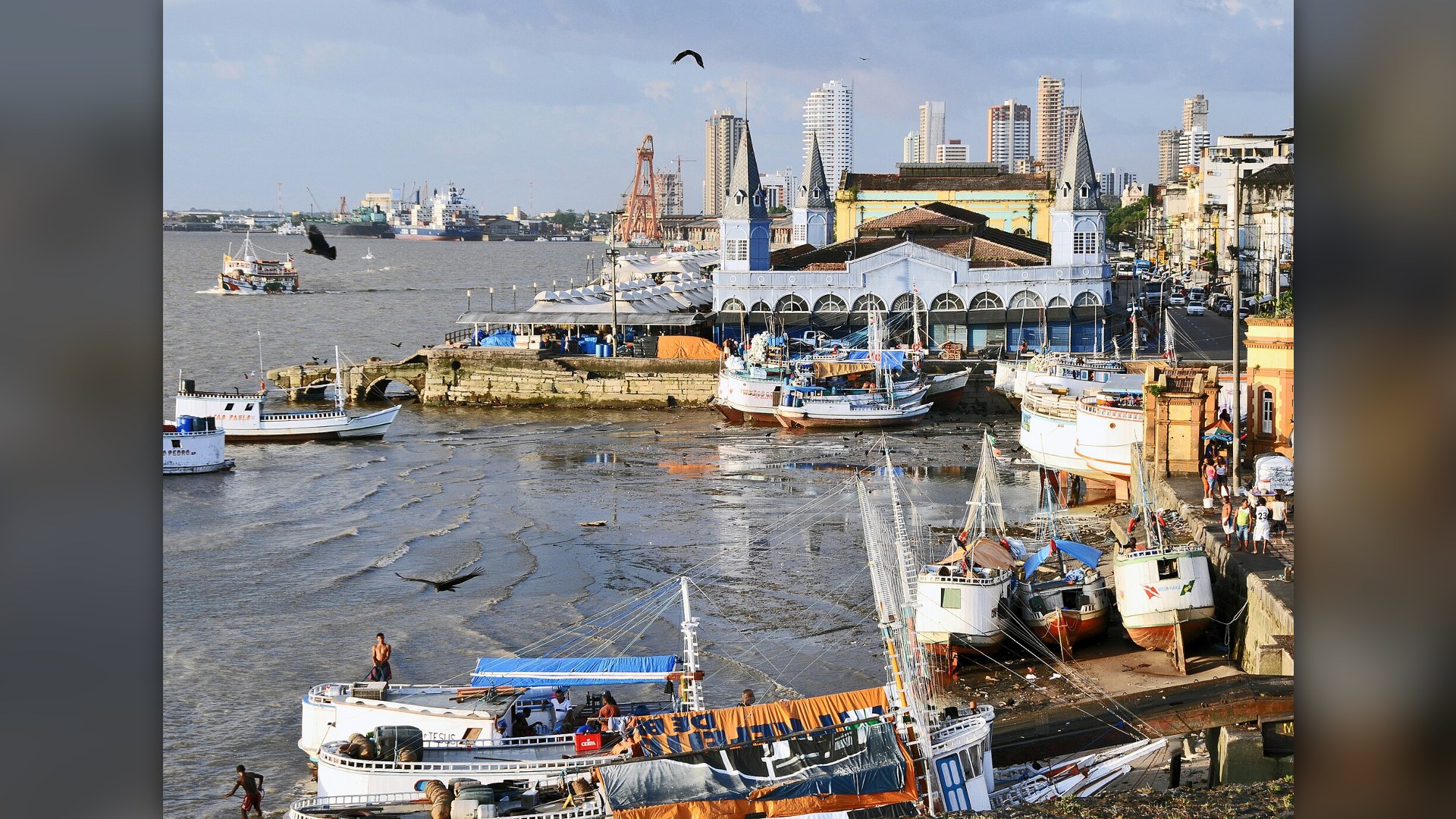
6. Belem, Brazil
Hosting COP30 in November 2025 at Parque da Cidade, Brazil brought global climate diplomats to the Amazon basin. Countries adopted the Belem Political Package to triple adaptation finance by 2035, though negotiators failed to include a binding fossil fuel phaseout roadmap.
©Wikimedia / Cayambe
5. Dubai, United Arab Emirates
Drawing more than 80,000 registered participants to Expo City Dubai in late 2023, COP28 completed the first Global Stocktake under the Paris Agreement. The final UAE Consensus urged countries to triple renewable energy capacity by 2030 and move away from fossil fuels.
©Wikimedia / Tonenight
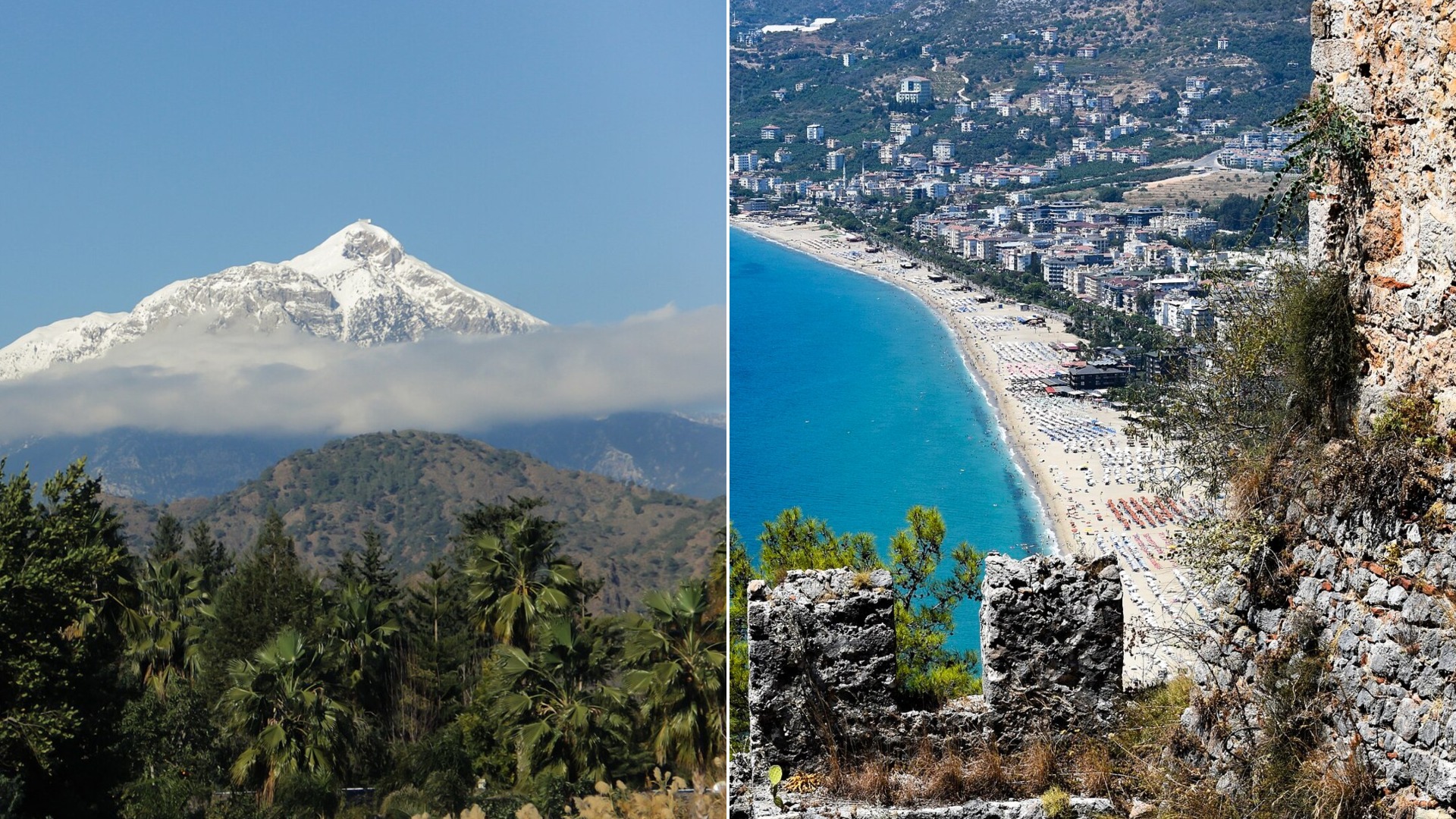
4. Antalya, Turkiye
Held at the Antalya Expo Center from November 9 to 22, 2026, COP31 paired host Turkiye with Australia leading the negotiations. Talks ran two days past deadline and collapsed without a formal cover decision as nations split over explicit fossil fuel phaseout language.
©Wikimedia / Tbakky
3. Kyoto, Japan
Negotiators at the Kyoto International Conference Center adopted the Kyoto Protocol on December 11, 1997. It was the first international treaty to set legally binding greenhouse gas reduction targets for industrialized countries, taking effect in February 2005.
©Wikimedia / 663highland
Advertisement
Swipe or tap ▶ to resume the countdown.
2. Rio De Janeiro, Brazil
Before any COP ever took place, world leaders met in Rio de Janeiro in June 1992 for the UN Earth Summit. More than 150 nations signed the United Nations Framework Convention on Climate Change there, creating the legal foundation for annual global climate summits.
©Wikimedia / Rio de Janeiro
1. Paris, France
Adopted in Le Bourget on December 12, 2015, the Paris Agreement remains the defining pact of UN climate diplomacy. Nearly every country on Earth pledged to limit global warming well below 2C above pre-industrial levels and pursue efforts to cap warming at 1.5C.
©Wikimedia / Jorge Royan
Advertisement
You've reached the end of the story. Thanks for reading!

20 US Vice Presidents You Probably Forgot Existed
Throughout American history, the vice presidency was often seen as an outpost where ambitious politicians faded into obscurity. While some ascended to the presidency, many served single terms and vanished from memory. This gallery revisits twenty overlooked leaders who once stood a heartbeat away from the White House.
All 25 Entries in this Story
25. Geneva, Switzerland
Delegates gathered in Geneva in July 1996 for the second Conference of the Parties to the UNFCCC. The Geneva Ministerial Declaration endorsed the IPCC Second Assessment Report and called for legally binding emissions targets, paving the way for negotiations in Kyoto the following year.

24. Buenos Aires, Argentina
In November 1998, COP4 produced the two-year Buenos Aires Plan of Action to work out rules for the Kyoto Protocol. Six years later, COP10 returned to the city in December 2004 to mark the 10th anniversary of the UNFCCC entering into force and focus on climate adaptation.

23. Nairobi, Kenya
Held at the United Nations Office at Nairobi in Gigiri, COP12 put developing countries' adaptation needs at the center of talks. Governments adopted the Nairobi Work Programme on impacts and vulnerability, helping poorer nations plan defenses against droughts and floods.

22. Cancun, Mexico
Meeting on Mexico's Caribbean coast in December 2010, negotiators pulled UN talks back from collapse through the Cancun Agreements. Countries formally anchored national emission pledges in UN records and launched the Green Climate Fund to help developing nations cut carbon.

21. Doha, Qatar
Qatar became the first Gulf nation to host a COP summit in November and December 2012. Delegates adopted the Doha Amendment, extending Kyoto Protocol commitments from 2013 to 2020, while setting a 2015 deadline to negotiate a broader global agreement covering all nations.

20. Warsaw, Poland
Held inside the Kazimierz Gorski National Stadium in November 2013, COP19 set the timeline for countries to submit national climate pledges ahead of Paris. Negotiators also created the Warsaw International Mechanism to address climate-driven loss and damage in vulnerable countries.

19. Lima, Peru
Meeting in Peru's coastal capital in December 2014, delegates hammered out the Lima Call for Climate Action. The decision required every country to publish its Intended Nationally Determined Contribution ahead of Paris, establishing the bottom-up pledge system still used today.

18. Madrid, Spain
Originally scheduled for Santiago, COP25 moved to Madrid's IFEMA venue with just weeks to prepare while Chile kept the presidency. The marathon two-week session ended as the longest COP on record at the time, though carbon market rules remained unresolved until Glasgow.

17. Montreal, Canada
Gathering at the Palais des congres de Montreal in late 2005, nations held the first Meeting of the Parties to the Kyoto Protocol after Russia's ratification brought the treaty into force. Over 10,000 participants attended to map out emissions trading and compliance rules.

16. Bali, Indonesia
In December 2007, delegates in Nusa Dua adopted the Bali Action Plan, launching a new two-year negotiating track meant to include both rich and developing emitters. The summit also elevated forest protection under REDD+, recognizing deforestation as a major source of emissions.

15. Katowice, Poland
Meeting at the Spodek arena and International Congress Centre in December 2018, negotiators agreed on the Katowice Climate Package. Known as the Paris Rulebook, those technical guidelines set uniform standards for how countries measure, report and verify their emissions.

14. Marrakesh, Morocco
In 2001, COP7 produced the Marrakesh Accords, giving countries the detailed rules needed to ratify the Kyoto Protocol. Fifteen years later, COP22 returned in November 2016 just days after the Paris Agreement took legal effect, turning focus toward implementation and finance.

13. Durban, South Africa
At the Inkosi Albert Luthuli International Convention Centre in December 2011, nations struck a breakthrough deal after overtime talks. The Durban Platform for Enhanced Action committed all major emitters for the first time to negotiate a single post-2020 climate treaty by 2015.

12. Bonn, Germany
Germany's former capital serves as the permanent headquarters of the UN climate secretariat and the backup venue when other regions cannot host. In November 2017, Fiji held the COP23 presidency in Bonn, making it the first Pacific island nation to lead the annual summit.

11. Copenhagen, Denmark
Over 40,000 delegates and protesters converged on the Bella Center in December 2009 hoping for a binding replacement to Kyoto. Although talks fell short of a formal treaty, the Copenhagen Accord set the 2C warming threshold and pledged $100 billion a year for poorer nations.

10. Berlin, Germany
Three years after Rio, diplomats met in Berlin from March 28 to April 7, 1995, for COP1, chaired by future German chancellor Angela Merkel. The resulting Berlin Mandate acknowledged that existing voluntary pledges were inadequate and kicked off talks toward a binding protocol.

9. Sharm El-Sheikh, Egypt
After nearly three decades of demands from island and low-income nations, COP27 in November 2022 established a dedicated Loss and Damage Fund. Delegates in the Sinai resort city agreed that wealthy polluters should help vulnerable countries rebuild after climate disasters.

8. Glasgow, United Kingdom
Meeting at the Scottish Event Campus in November 2021, nearly 200 nations adopted the Glasgow Climate Pact. For the first time in UN climate history, the final text targeted fossil fuels directly, calling on governments to phase down unabated coal power and inefficient subsidies.

7. Baku, Azerbaijan
Centered on climate finance in November 2024, COP29 ended with wealthy nations pledging at least $300 billion a year by 2035 for developing countries. Developing nations and island states protested that the sum fell well short of the $1.3 trillion annual target they sought.

6. Belem, Brazil
Hosting COP30 in November 2025 at Parque da Cidade, Brazil brought global climate diplomats to the Amazon basin. Countries adopted the Belem Political Package to triple adaptation finance by 2035, though negotiators failed to include a binding fossil fuel phaseout roadmap.

5. Dubai, United Arab Emirates
Drawing more than 80,000 registered participants to Expo City Dubai in late 2023, COP28 completed the first Global Stocktake under the Paris Agreement. The final UAE Consensus urged countries to triple renewable energy capacity by 2030 and move away from fossil fuels.

4. Antalya, Turkiye
Held at the Antalya Expo Center from November 9 to 22, 2026, COP31 paired host Turkiye with Australia leading the negotiations. Talks ran two days past deadline and collapsed without a formal cover decision as nations split over explicit fossil fuel phaseout language.

3. Kyoto, Japan
Negotiators at the Kyoto International Conference Center adopted the Kyoto Protocol on December 11, 1997. It was the first international treaty to set legally binding greenhouse gas reduction targets for industrialized countries, taking effect in February 2005.

2. Rio De Janeiro, Brazil
Before any COP ever took place, world leaders met in Rio de Janeiro in June 1992 for the UN Earth Summit. More than 150 nations signed the United Nations Framework Convention on Climate Change there, creating the legal foundation for annual global climate summits.

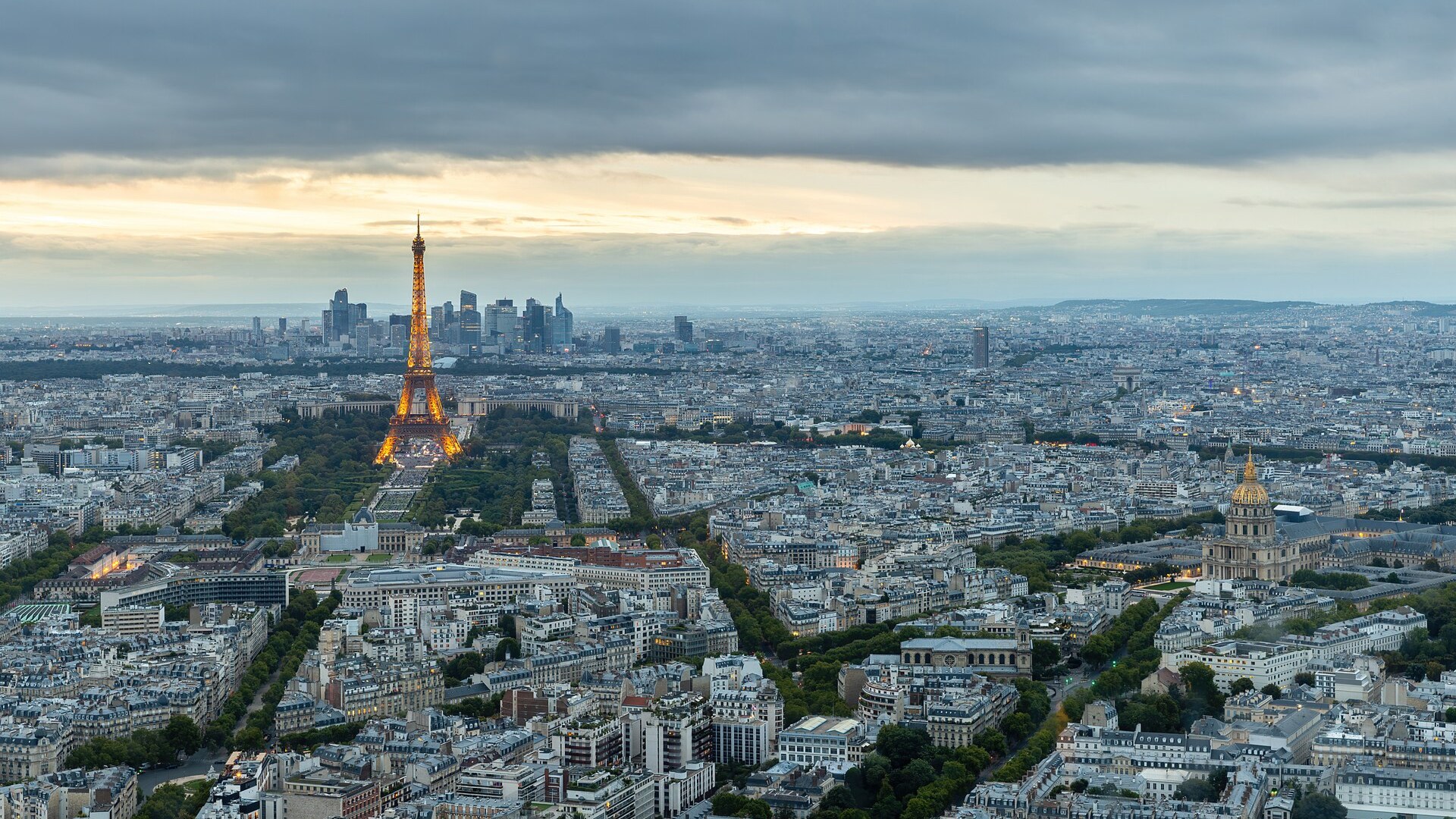
1. Paris, France
Adopted in Le Bourget on December 12, 2015, the Paris Agreement remains the defining pact of UN climate diplomacy. Nearly every country on Earth pledged to limit global warming well below 2C above pre-industrial levels and pursue efforts to cap warming at 1.5C.