Slideshow · Viral
20 Famous Concert Halls Known for Their Acoustic Design
World-class concert halls rely on geometry, dense plaster, and specialized timber to deliver clear acoustic balance. From classic shoebox halls in Europe to vineyard terraces in modern capitals, each venue shapes sound reflections. This guide examines 20 venues celebrated by acousticians and orchestra leaders.
By Most Viral Today
26 min ago

Architectural shapes, timber panels, and geometry create sonic perfection. 
20. Szczecin Philharmonic Hall 
19. DR Koncerthuset Copenhagen 
18. Harpa Concert Hall Reykjavik - AdvertisementSwipe or tap ▶ to continue countdown

17. Sala Sao Paulo 
16. Bridgewater Hall Manchester 
15. National Centre For The Performing Arts Beijing 
14. Royal Albert Hall London - AdvertisementSwipe or tap ▶ to continue countdown

13. Teatro Colon Buenos Aires 
12. Carnegie Hall New York 
11. KKL Luzern Concert Hall 
10. Tokyo Opera City Concert Hall - AdvertisementSwipe or tap ▶ to continue countdown

9. Symphony Hall Birmingham 
8. Berliner Philharmonie 
7. Sydney Opera House Concert Hall 
6. Philharmonie De Paris - AdvertisementSwipe or tap ▶ to continue countdown

5. Walt Disney Concert Hall Los Angeles 
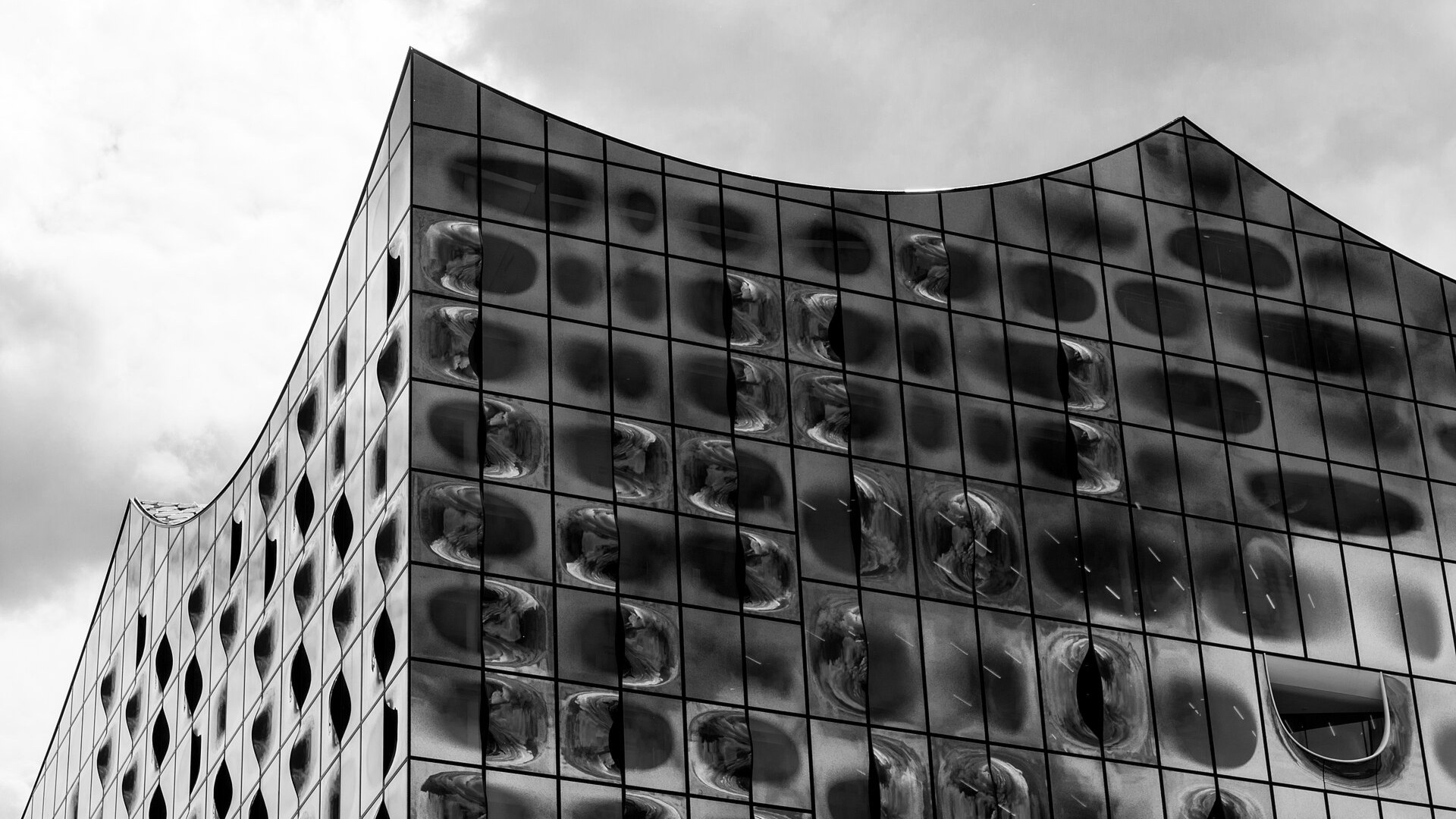
4. Elbphilharmonie Hamburg 
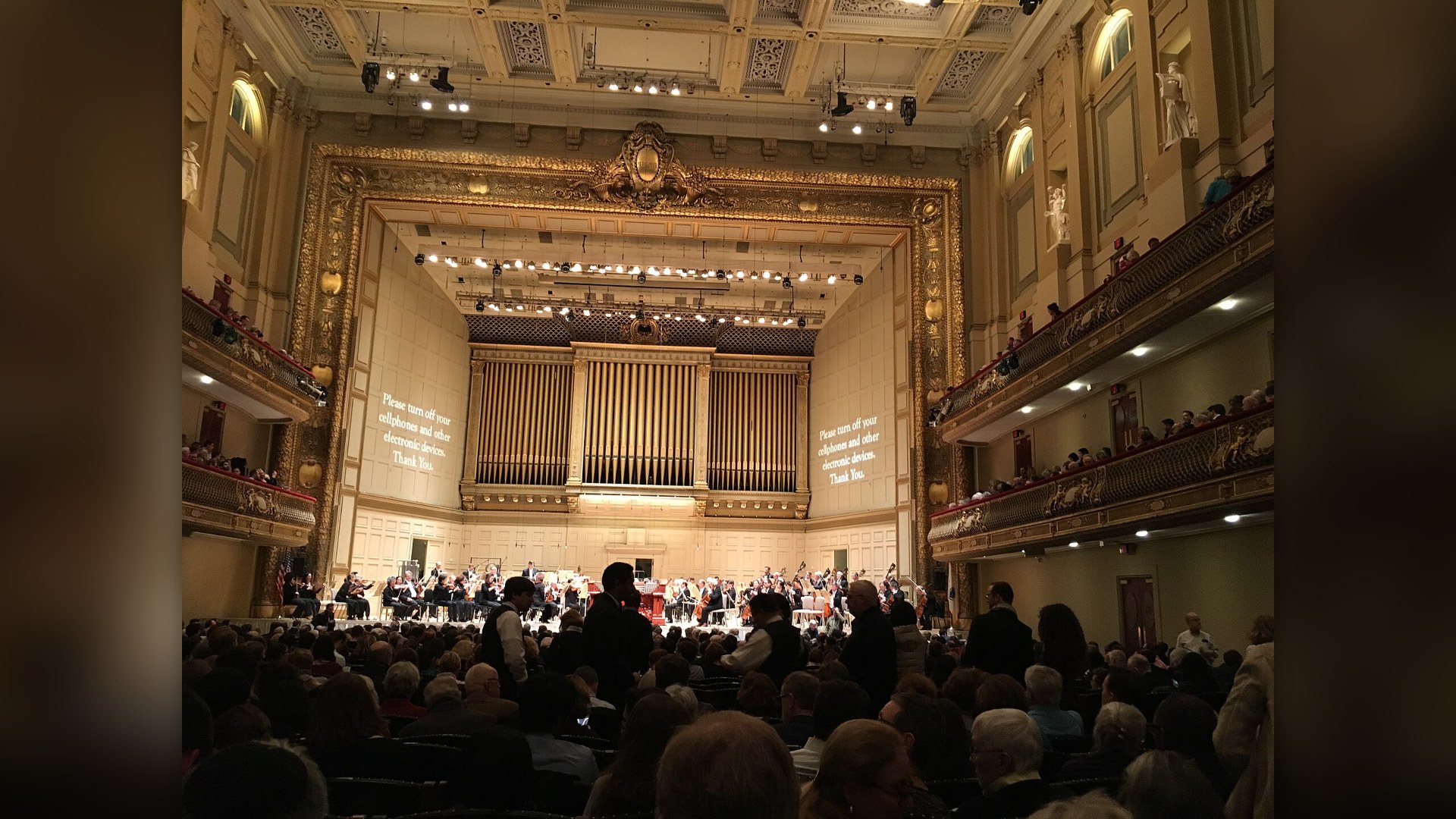
3. Boston Symphony Hall 
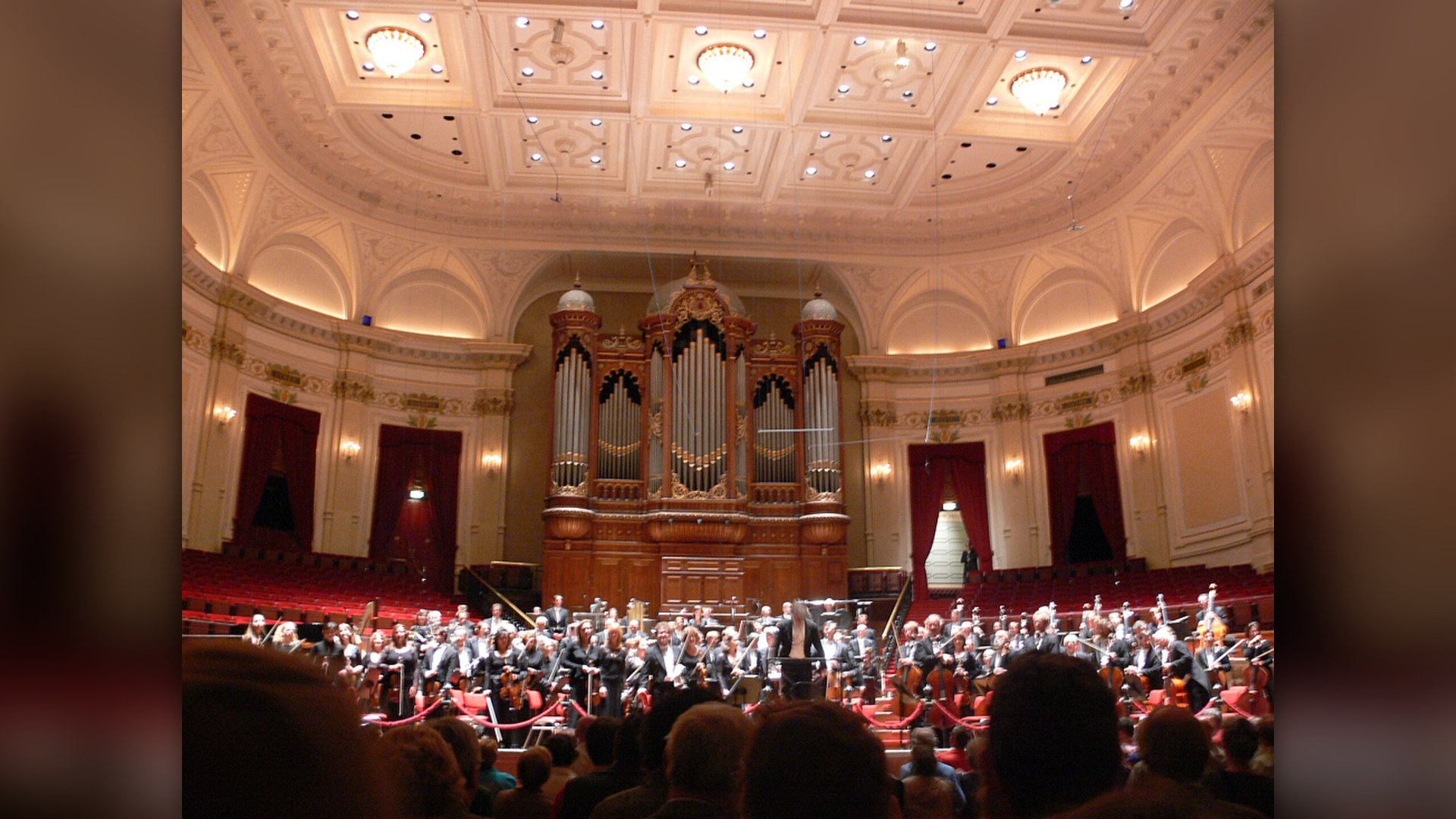
2. Royal Concertgebouw Amsterdam - AdvertisementSwipe or tap ▶ to continue countdown

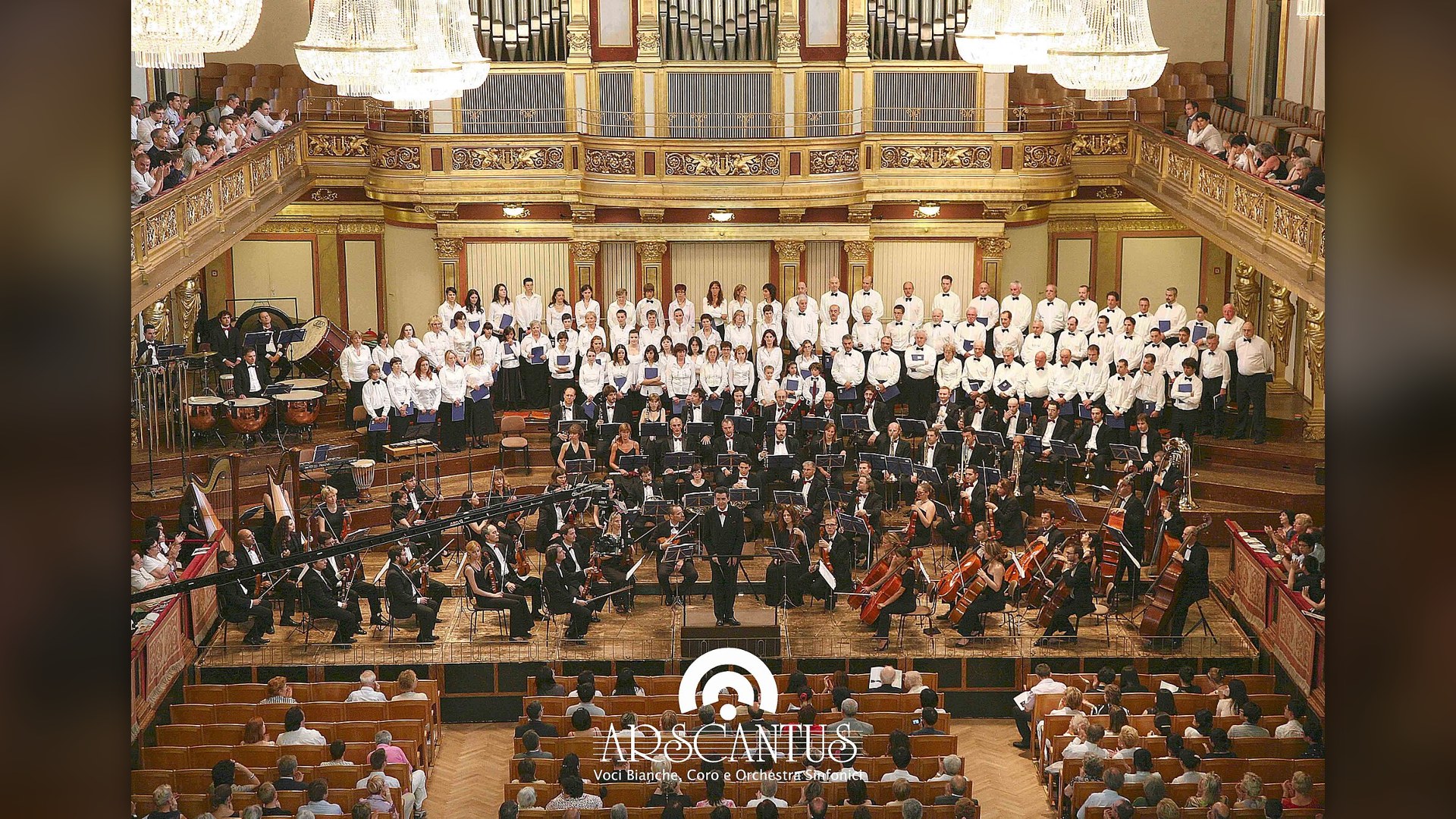
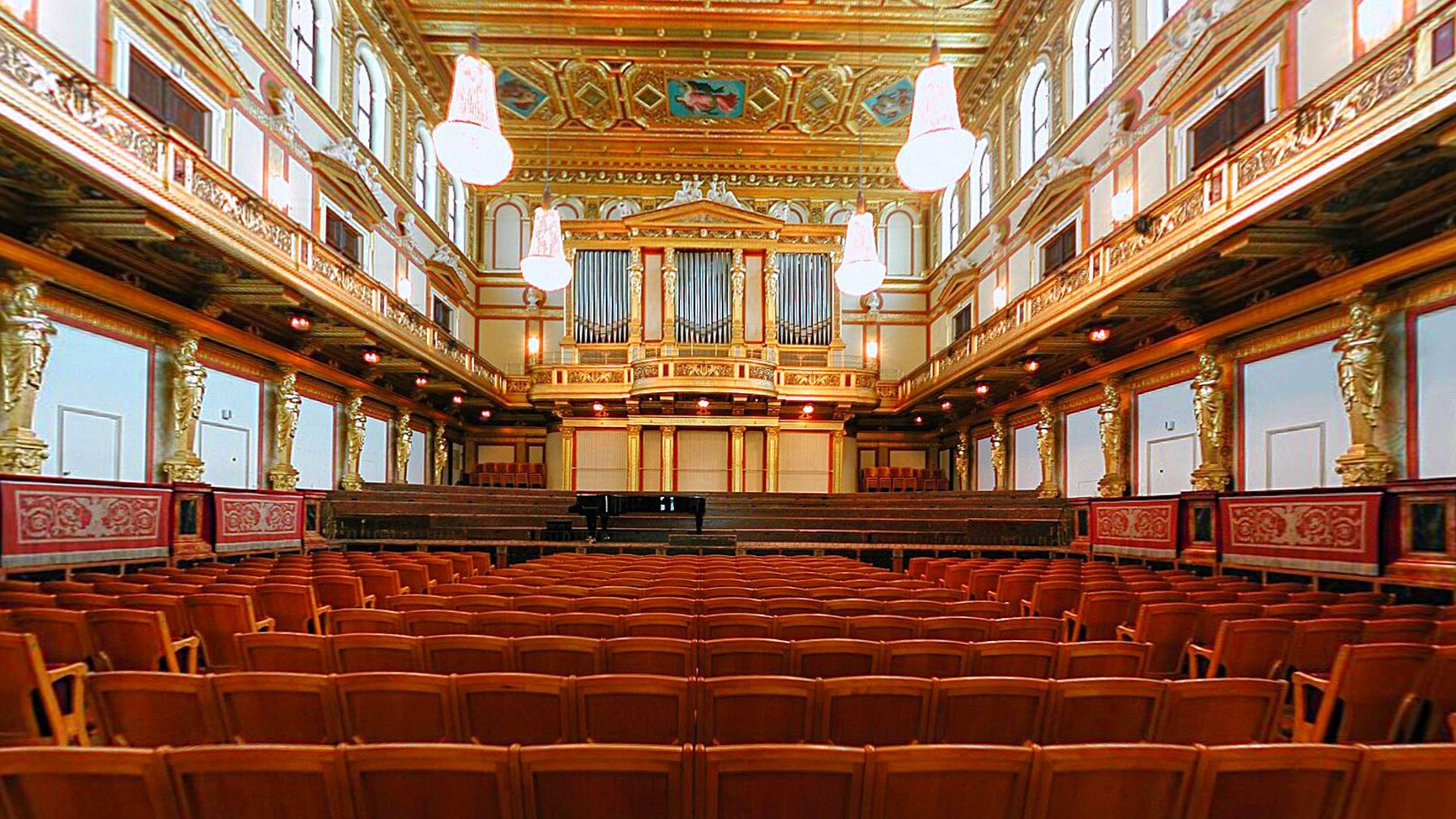
1. Vienna Musikverein Golden Hall - Advertisement🔥 UP NEXT IN THIS SERIES◫ 25 Slides

24 Famous Auction Items That Sold For Far More Than Expected
Auction rooms regularly stun experts when rare art, fossils, classic cars, and historic documents spark fierce bidding wars. Ranked from $905,000 to $450.3 million, these 24 verified sales far outpaced pre-sale estimates, based on records from Christie's, Sotheby's, Heritage Auctions, and RM Sotheby's.
Based on acoustic surveys from the Acoustical Society of America, Arup Acoustics, and Nagata Acoustics. Sound engineers measure reverberation times, timber resonance, and sound clarity across three centuries of auditorium construction to understand how specific geometry delivers superior orchestral balance.
Swipe or tap ▶ to begin the countdown
©Wikimedia / de:user:Hieke
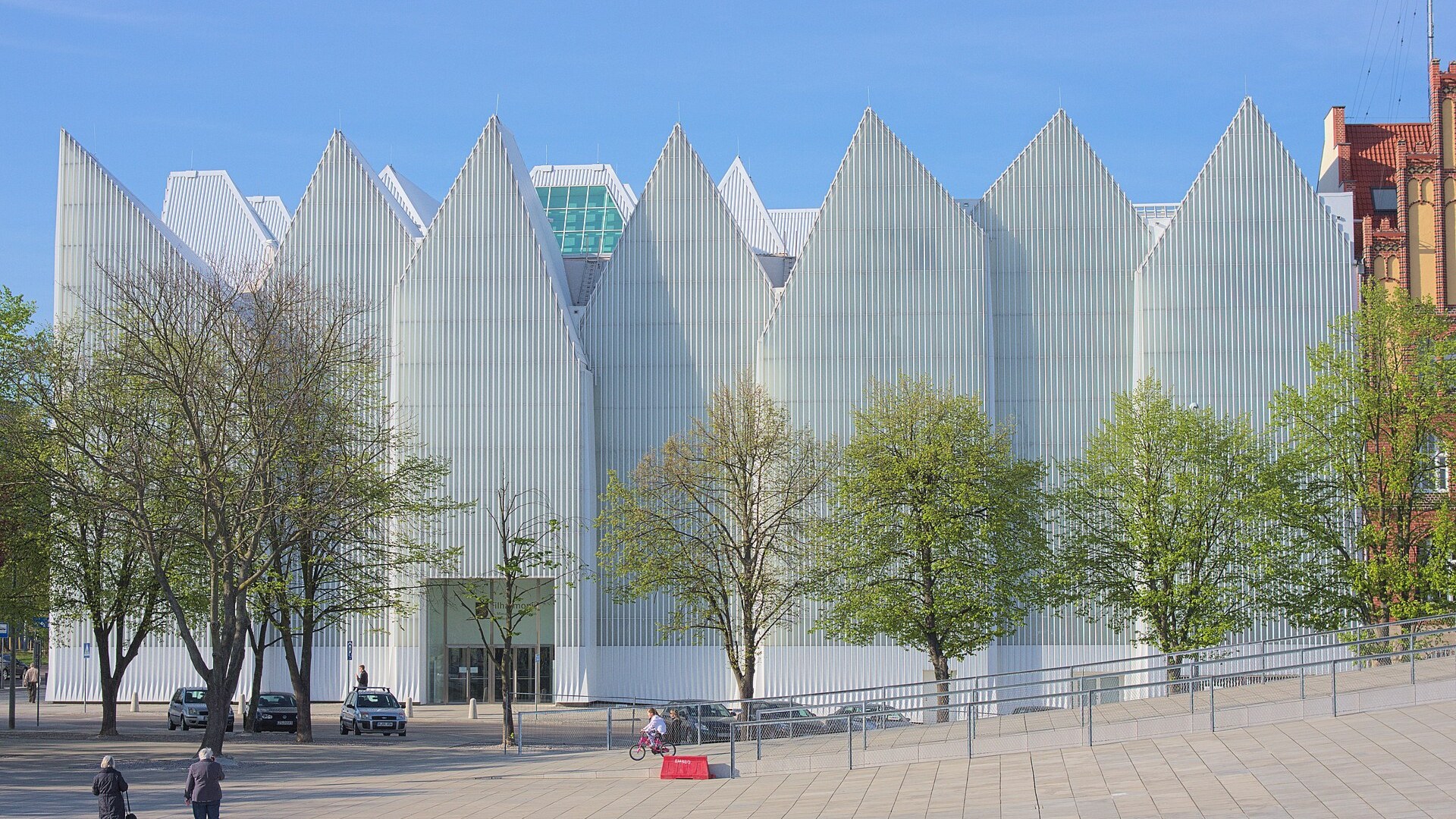
20. Szczecin Philharmonic Hall
The Mieczyslaw Karlowicz Philharmonic in Szczecin opened in 2014 featuring an auditorium lined with geometric relief panels. Acoustic engineer Higini Arau designed the ceiling with angled shapes that diffuse orchestral sound evenly across 951 seats. The hall earned the Mies van der Rohe Award.
©Wikimedia / DrKssn
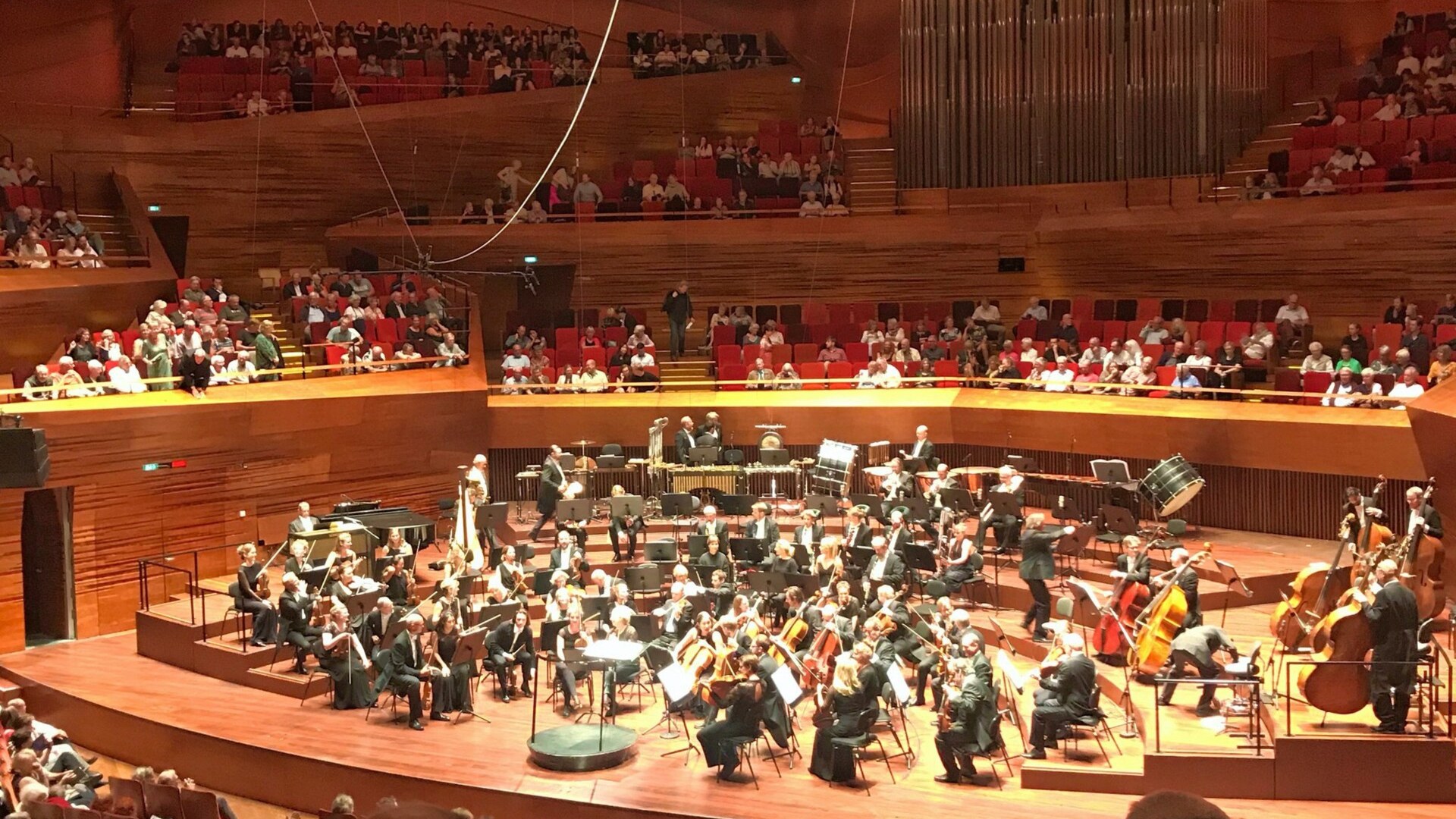
19. DR Koncerthuset Copenhagen
Copenhagen DR Koncerthuset opened in 2009 with acoustics engineered by Yasuhisa Toyota of Nagata Acoustics. The main hall suspends 1,800 seats in stepped vineyard terraces around the central orchestra stage. Curved walls clad in dark okoume timber create warm acoustic reflections.
©Wikimedia / User:Pugilist
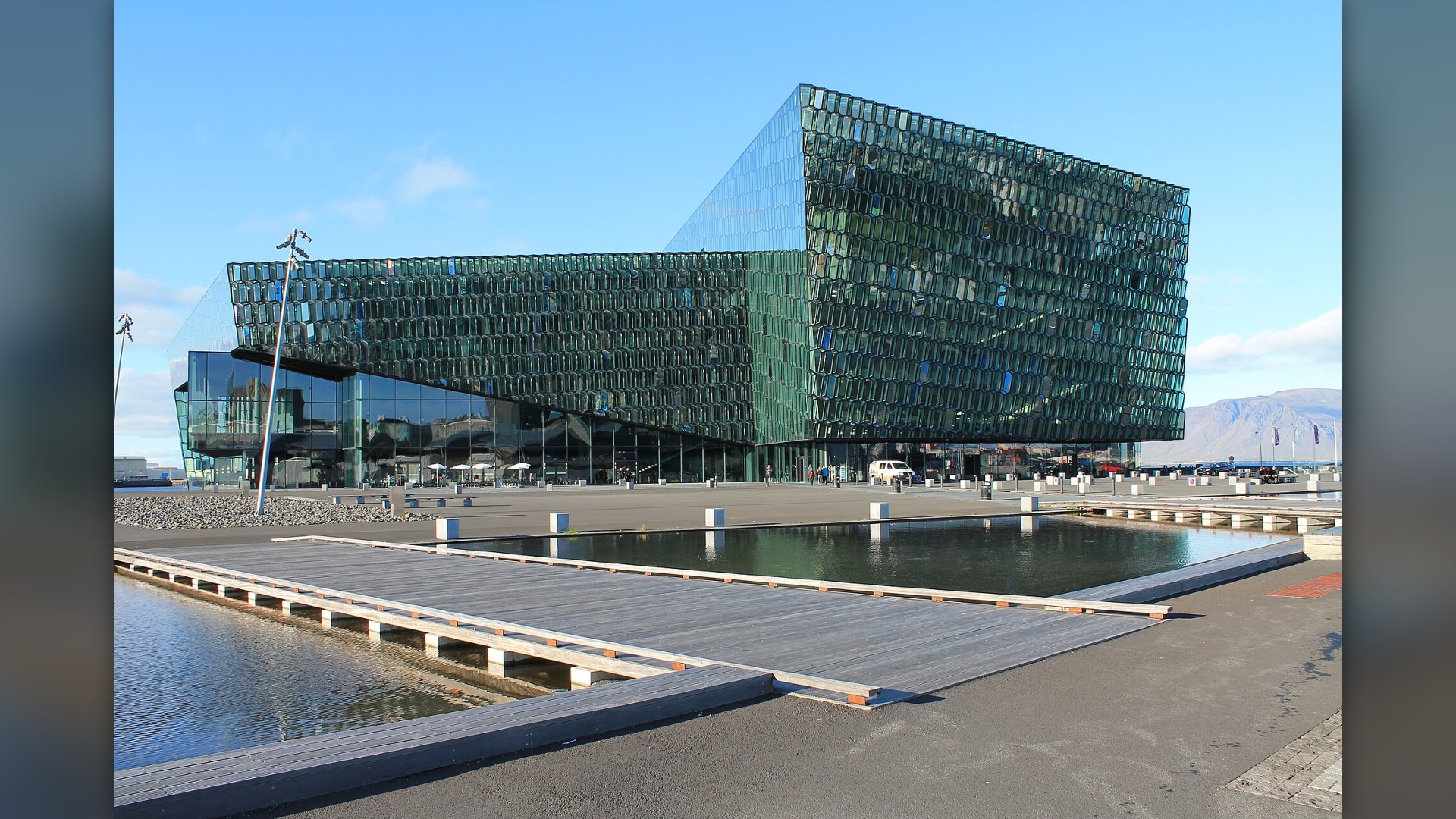
18. Harpa Concert Hall Reykjavik
Reykjavik Harpa Concert Hall opened in 2011 on the Atlantic waterfront with acoustic engineering by Artec Consultants. The main Eldborg auditorium features motorized acoustic dampers, variable fabric banners, and massive concrete reverberation chambers that adjust sound for full symphonies.
©Wikimedia / James Poulson
Advertisement
Swipe or tap ▶ to resume the countdown.
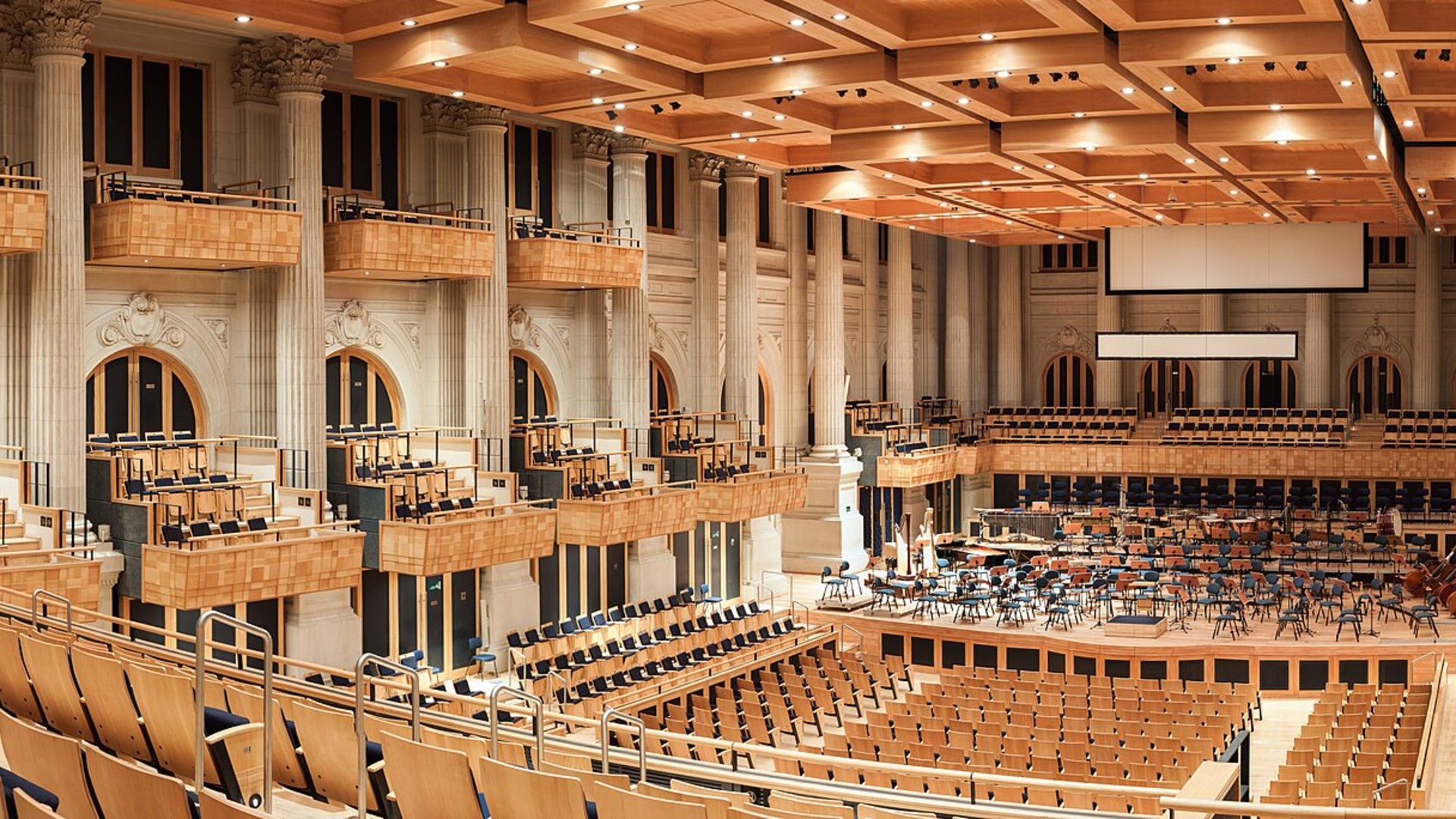
17. Sala Sao Paulo
Sala Sao Paulo opened in 1999 inside the historic Julio Prestes train station in Brazil. Acousticians installed a giant suspended ceiling divided into 30 independently motorized panels. Engineers raise or lower the ceiling between 13 and 25 metres to tailor reverberation times for any musical work.
©Wikimedia / Sala São Paulo
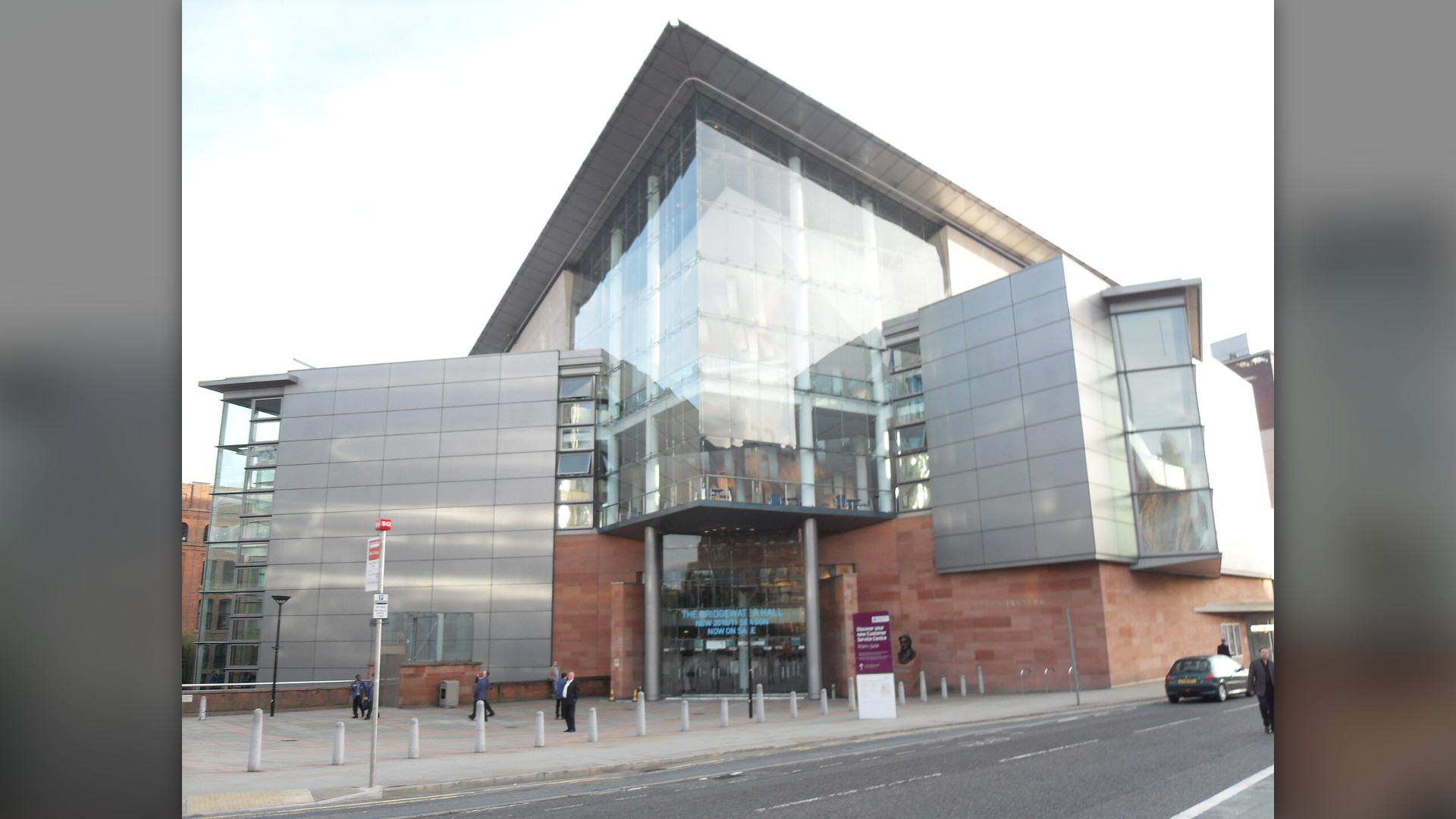
16. Bridgewater Hall Manchester
Manchester Bridgewater Hall opened in 1996 as the permanent residence for the Halle Orchestra. The entire 2,400-seat concrete superstructure floats on 265 heavy steel springs to isolate delicate performances from nearby Metrolink trams. Double-layered plasterboard ceilings preserve quiet passages.
©Wikimedia / Anthony Parkes
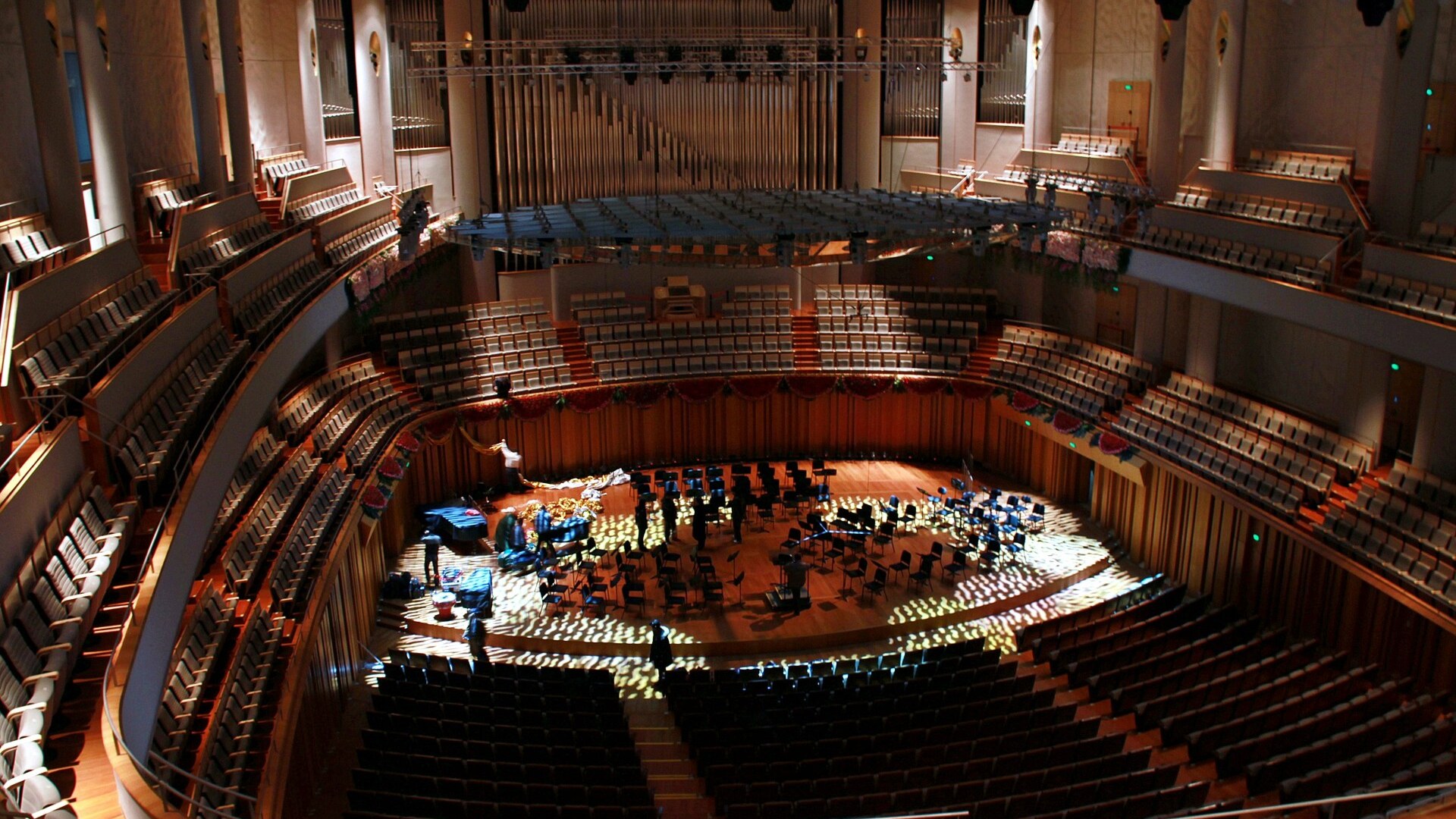
15. National Centre For The Performing Arts Beijing
Beijing National Centre for the Performing Arts opened its titanium dome in 2007. The 2,017-seat Concert Hall uses acoustic wave ceilings sculpted from dense composite plaster to spread high notes. Stage reflectors and silver-cherry timber surfaces yield a 2.1-second reverberation time.
©Wikimedia / Rolfmueller
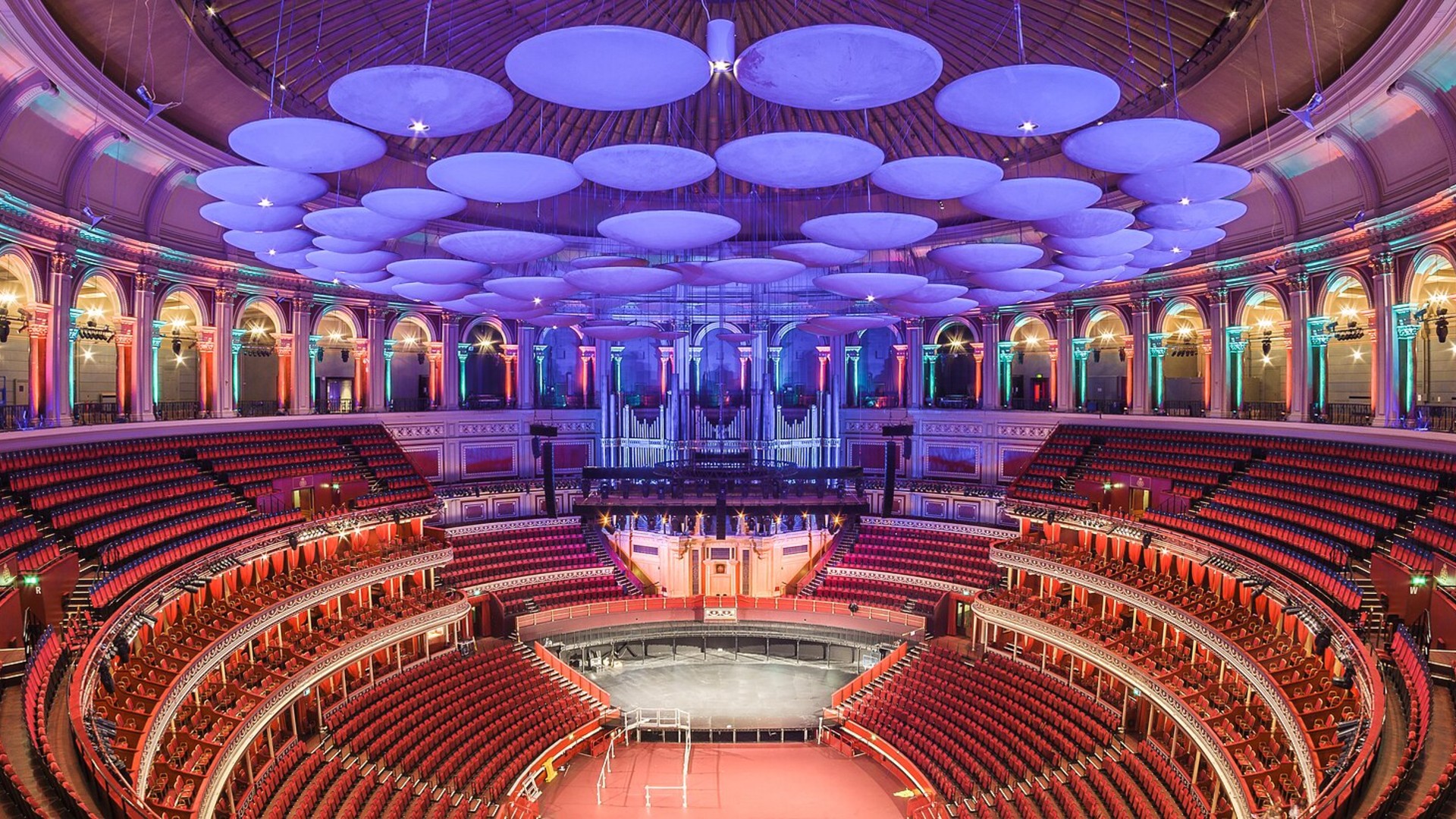
14. Royal Albert Hall London
London Royal Albert Hall opened in 1871 beneath an immense domed glass ceiling that initially produced a notorious double echo. In 1969, engineers suspended 85 fiberglass acoustic diffusers, known as acoustic mushrooms, below the ceiling. Arup Acoustics updated the array in 2004 to balance clarity.
©Wikimedia / Colin
Advertisement
Swipe or tap ▶ to resume the countdown.
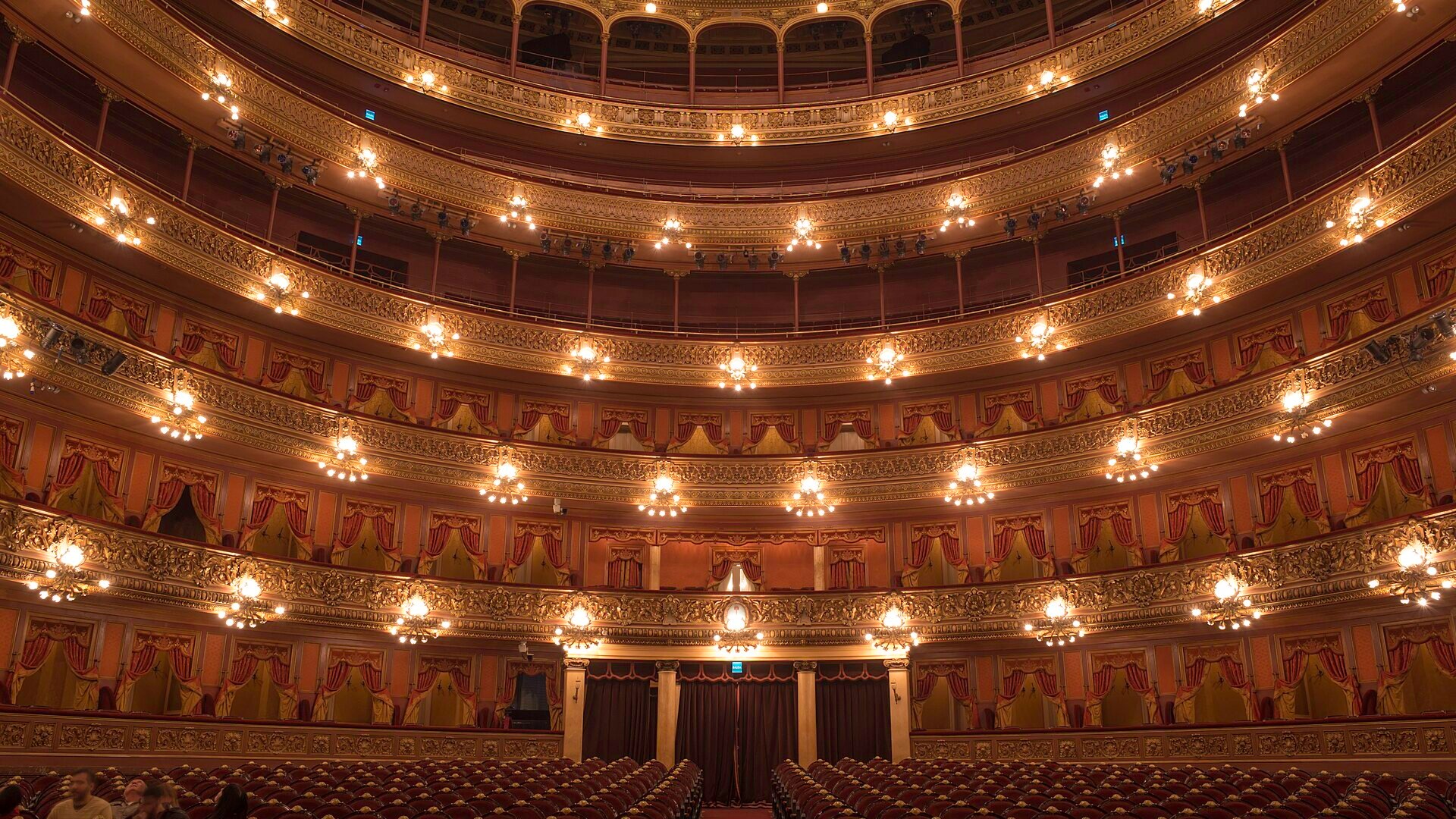
13. Teatro Colon Buenos Aires
Buenos Aires Teatro Colon opened in 1908 following designs by Francesco Tamburini and Vittorio Meano. The seven-tier horseshoe auditorium encloses over 2,400 seats with resonant wood balconies and dense fabric drapes. Acoustician Leo Beranek ranked its acoustic quality among the top five halls globally.
©Wikimedia / Jimmy Baikovicius
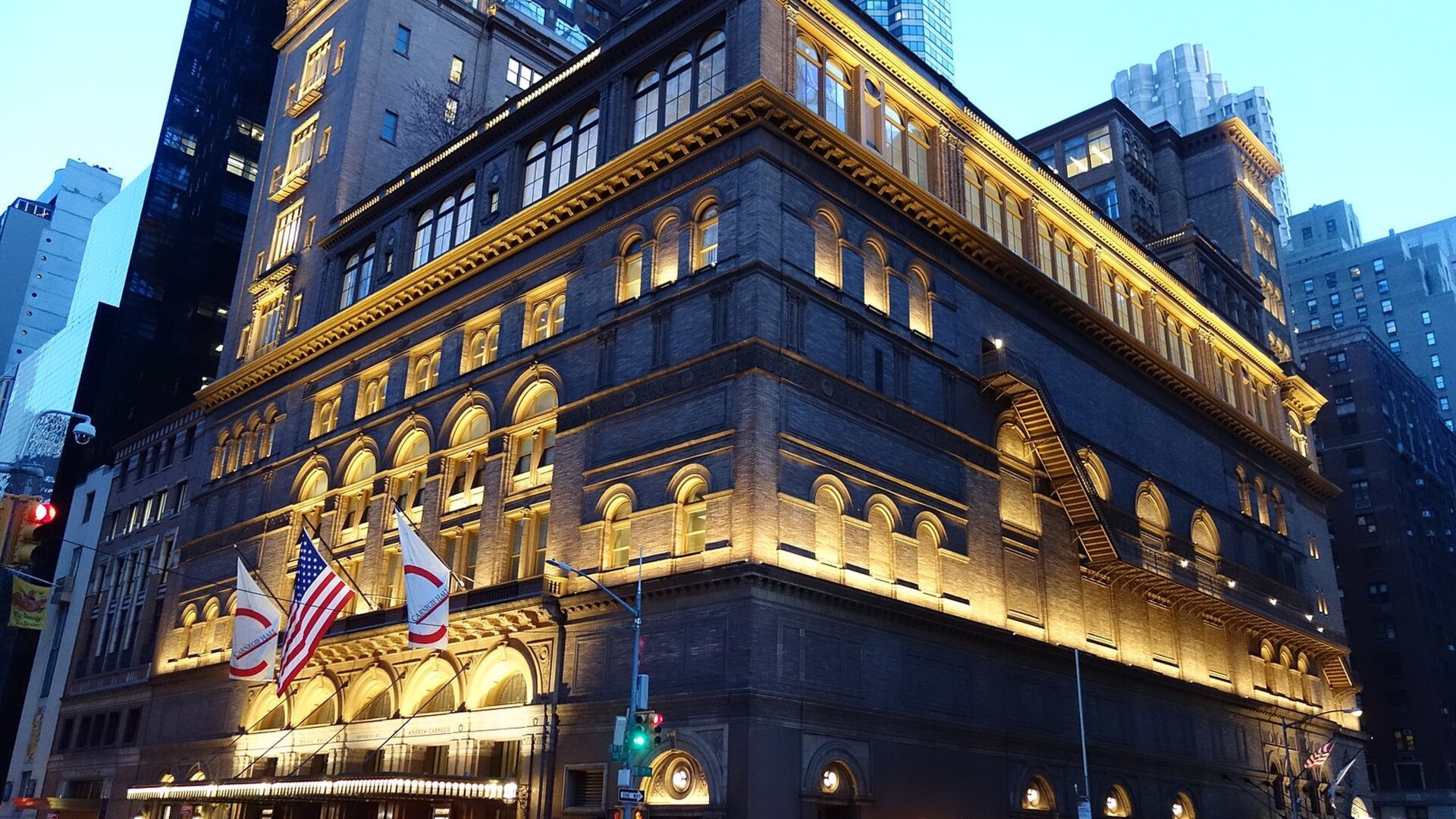
12. Carnegie Hall New York
Manhattan Carnegie Hall opened in 1891 with an auditorium conceived by architect and cellist William Burnet Tuthill. Constructed entirely of brick and masonry without structural steel, the hall prevents metallic dampening. Parabolic proscenium arches project unamplified string passages to 2,800 listeners.
©Wikimedia / Tdorante10
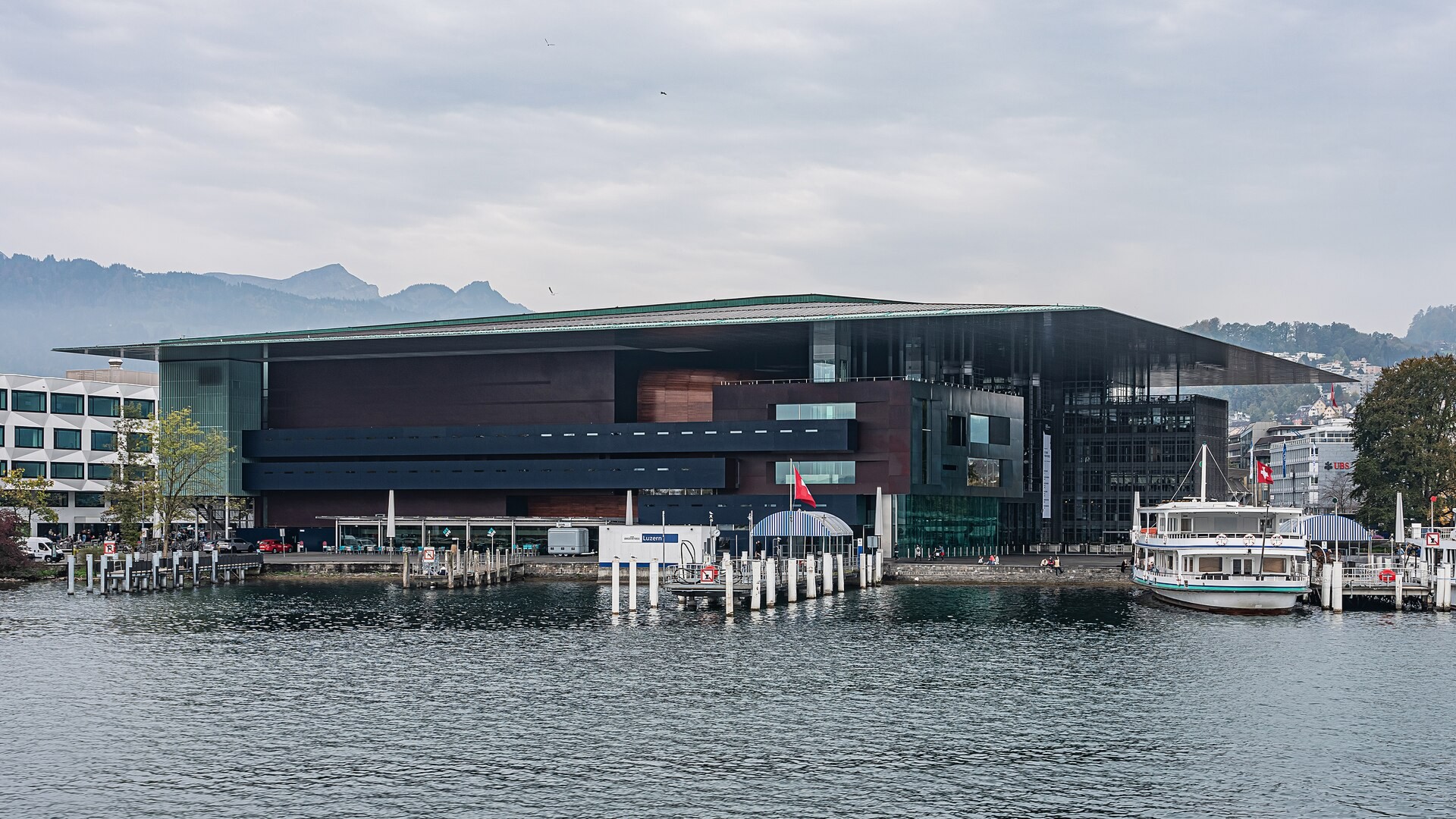
11. KKL Luzern Concert Hall
The Culture and Congress Centre Lucerne opened in 1998 along Lake Lucerne with acoustic planning by Russell Johnson of Artec. The shoebox hall features 50 motorized concrete chamber doors that expand the hall volume. An adjustable acoustic canopy suspended above the orchestra fine-tunes resonance.
©Wikimedia / A.Savin
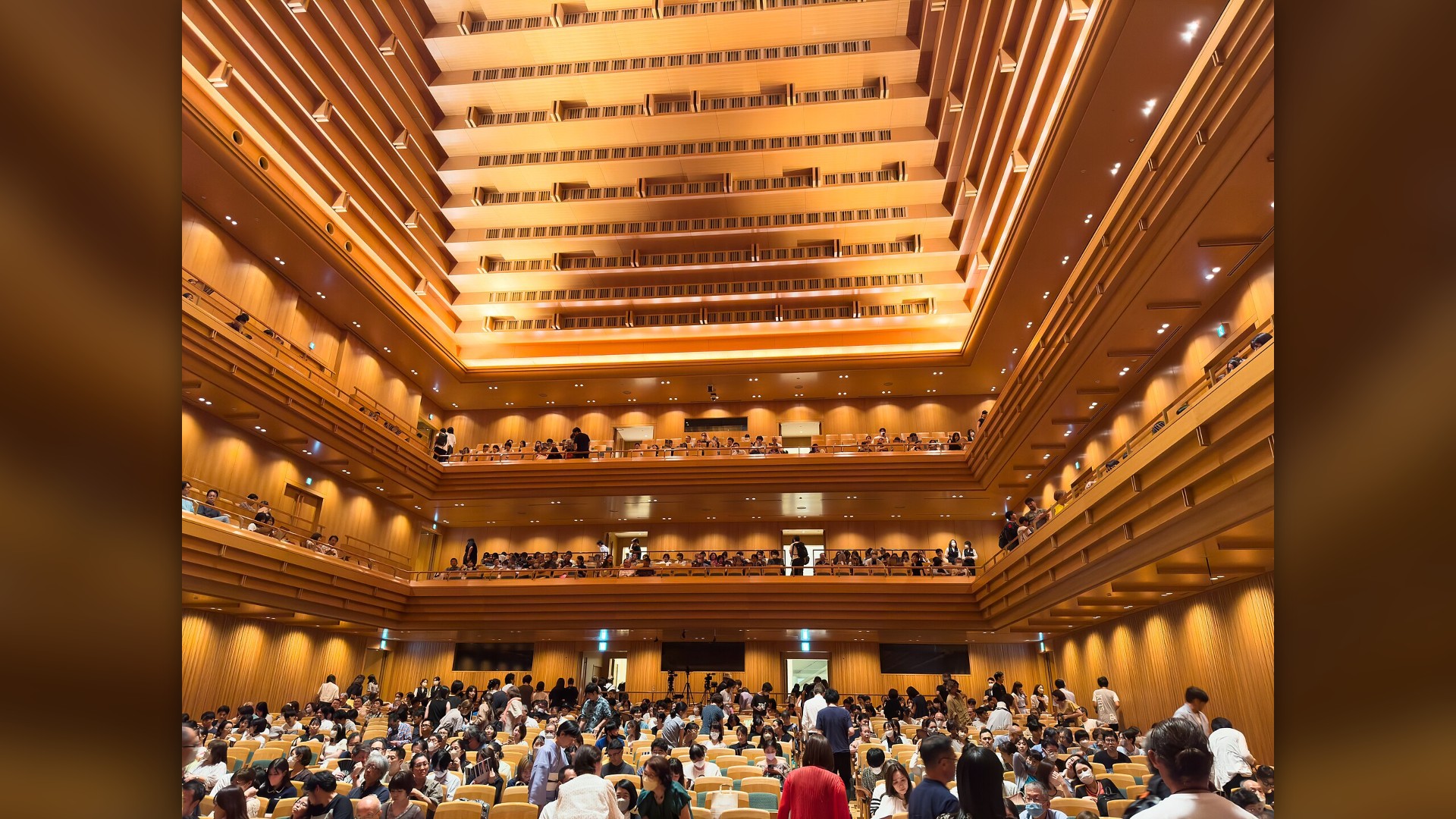
10. Tokyo Opera City Concert Hall
Tokyo Opera City Concert Hall opened in 1997 under the acoustic direction of legendary acoustician Leo Beranek. The auditorium uses a steep timber pyramid ceiling lined with carved oak grooves to scatter sound reflections. Conductor Yo-Yo Ma described its balanced presence as an acoustic masterpiece.
©Wikimedia / Dick Thomas Johnson from Tokyo, Japan
Advertisement
Swipe or tap ▶ to resume the countdown.
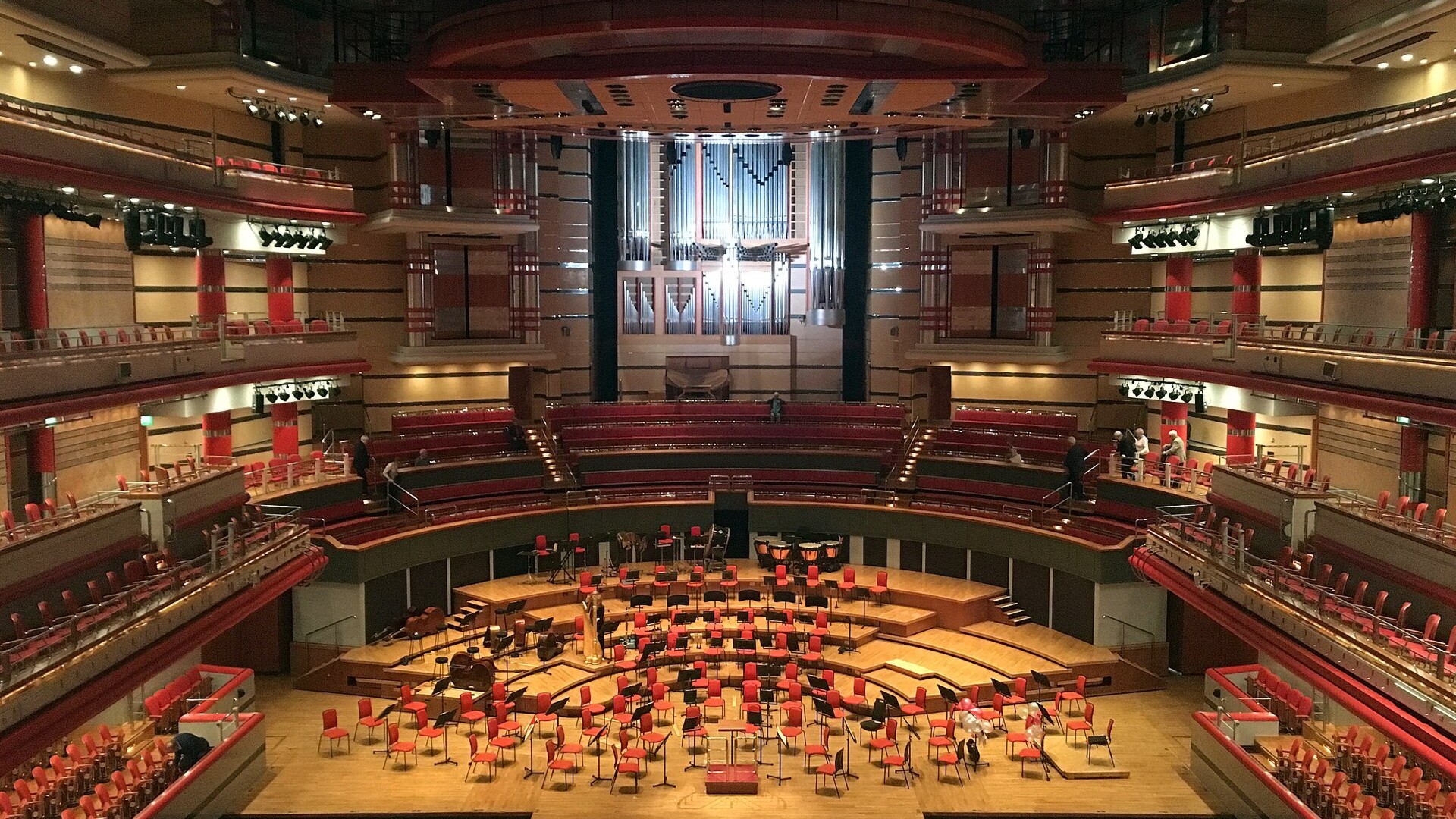
9. Symphony Hall Birmingham
Birmingham Symphony Hall opened in 1991 as the home of the City of Birmingham Symphony Orchestra. Acoustician Russell Johnson enclosed the 2,262-seat auditorium with a 12,000-cubic-metre reverberation chamber. Motorized acoustic doors and a 36-ton acoustic canopy adjust tone during live rehearsals.
©Wikimedia / Symphony Hall, Birmingham
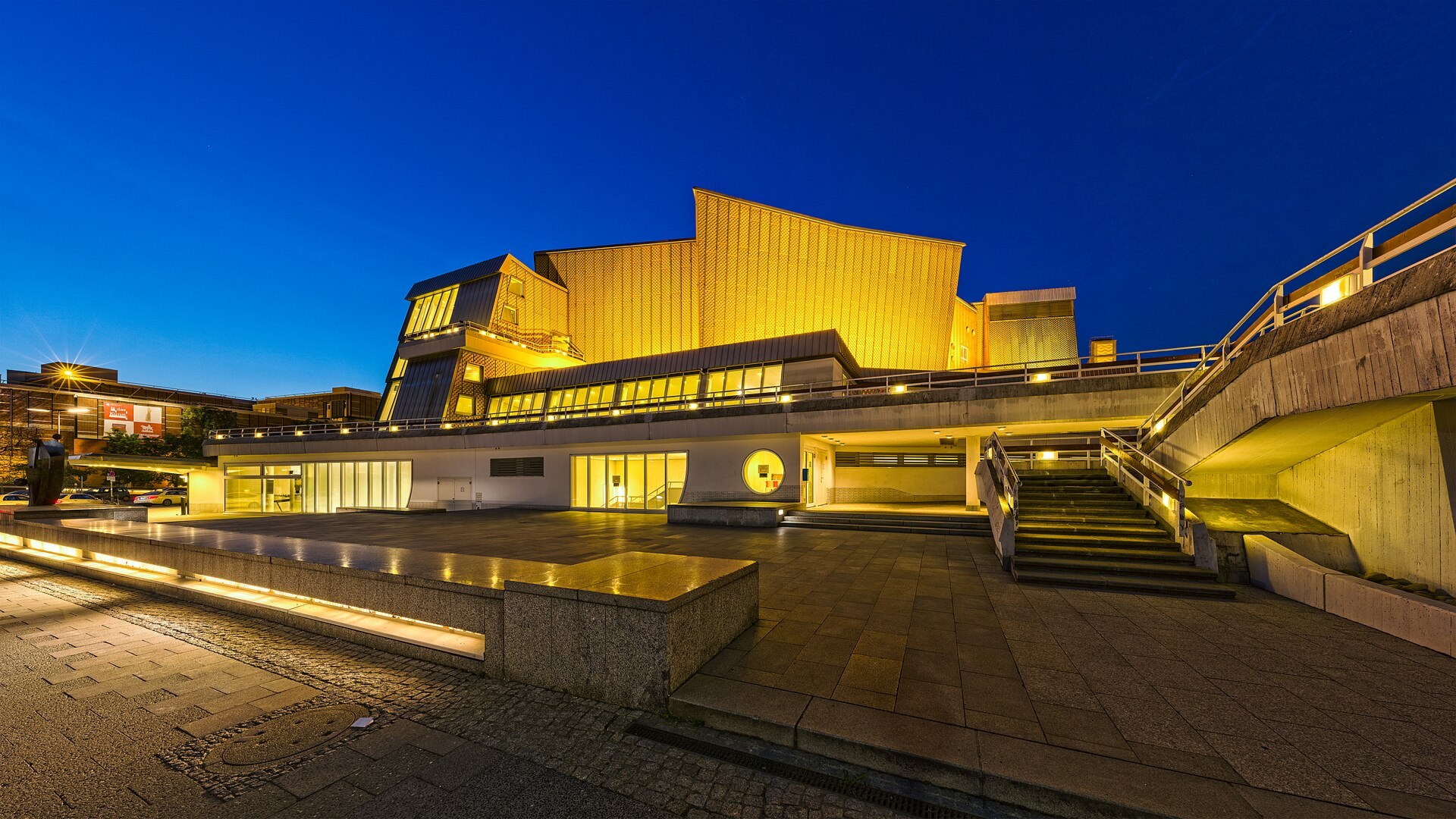
8. Berliner Philharmonie
The Berliner Philharmonie opened in 1963, introducing the world to the vineyard concert hall format developed by architect Hans Scharoun. Acoustician Lothar Cremer arranged 2,440 seats into terraced pods around a central stage. Convex ceiling panels distribute sound evenly to every elevation.
©Wikimedia / Ansgar Koreng
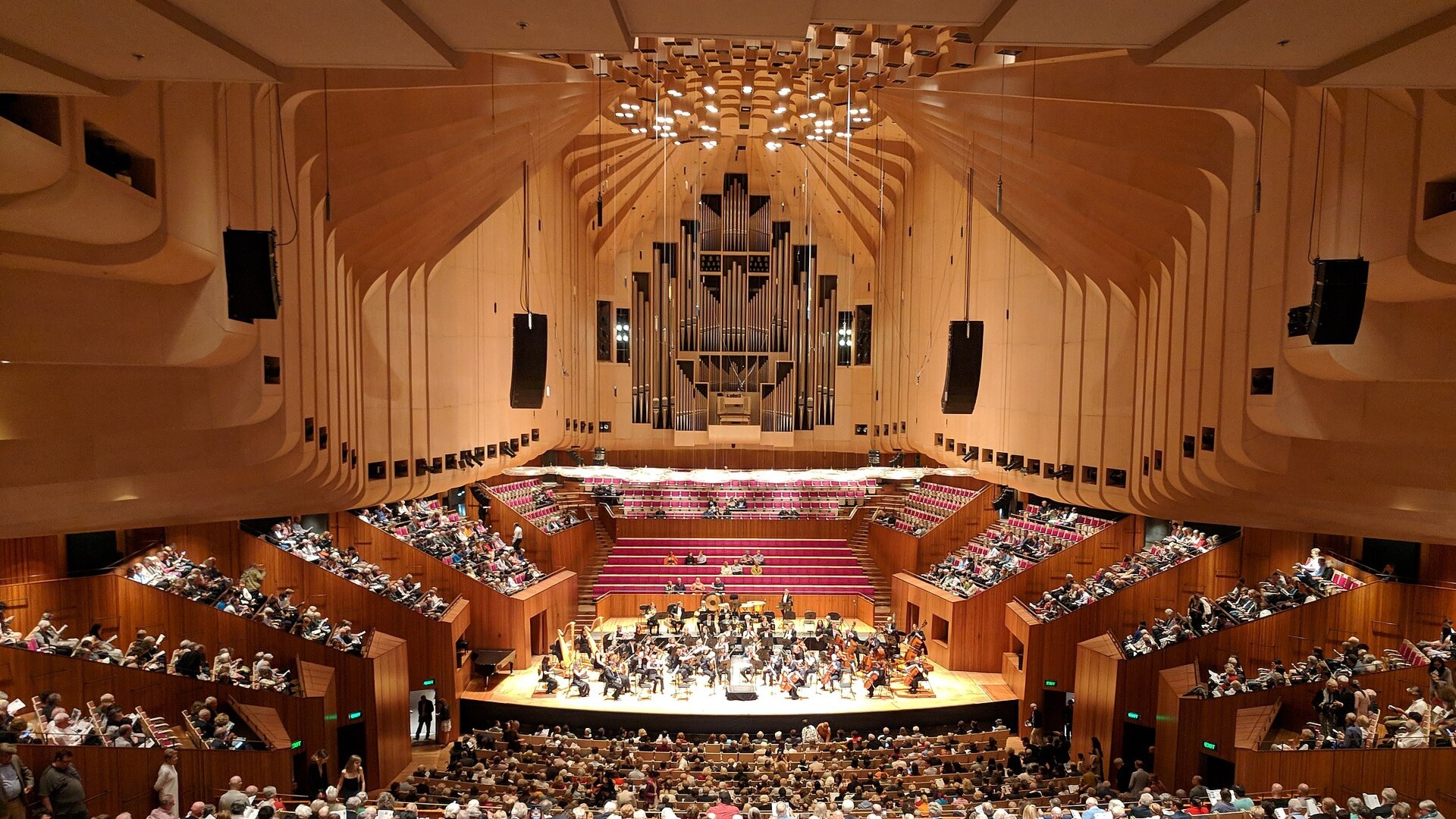
7. Sydney Opera House Concert Hall
Sydney Opera House reopened its Concert Hall in 2022 following a comprehensive acoustic transformation engineered by Müller-BBM. Specialists lowered the stage, installed sculpted Australian brush box timber petals, and hung 18 fiberglass acoustic petals. The upgrades eliminated notorious dead zones.
©Openverse / Nick-D
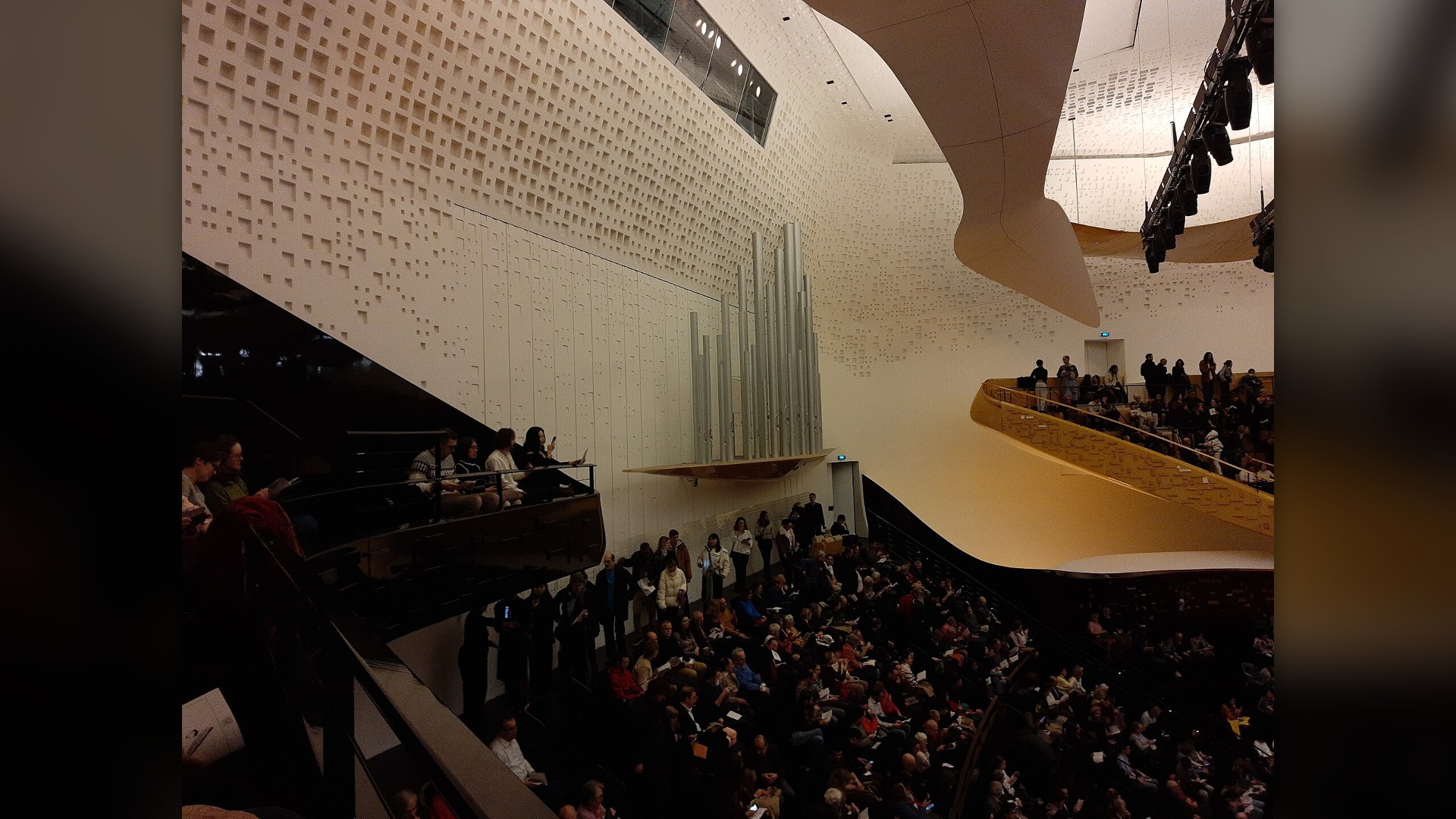
6. Philharmonie De Paris
The Grande Salle Pierre Boulez at Philharmonie de Paris opened in 2015, seating 2,400 people. Acousticians Harold Marshall and Yasuhisa Toyota devised a hybrid hall combining vineyard terraces with floating balconies. Suspended acoustic cloud reflectors ensure sound arrives within 20 milliseconds.
©Wikimedia / Gerda Arendt
Advertisement
Swipe or tap ▶ to resume the countdown.
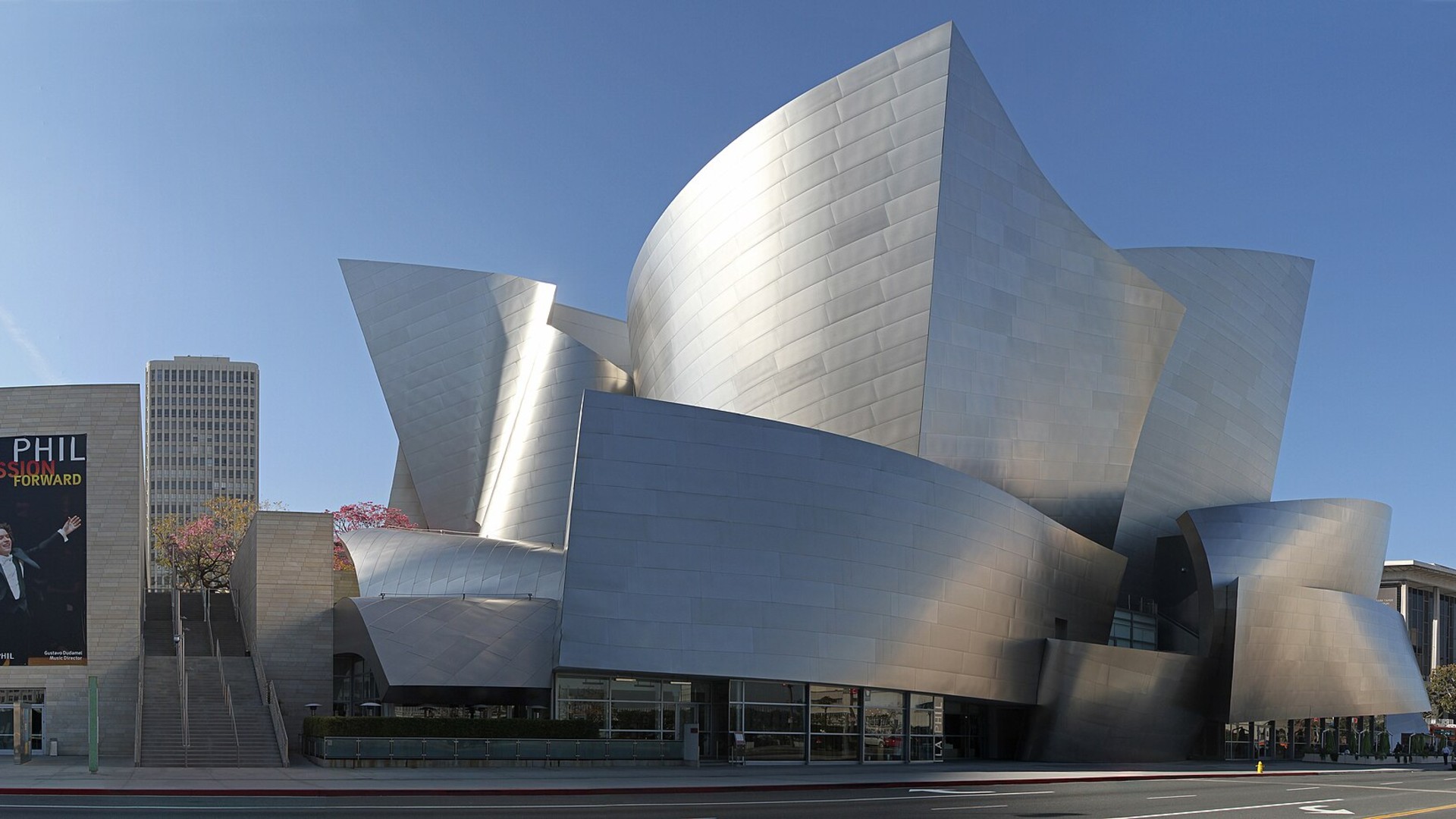
5. Walt Disney Concert Hall Los Angeles
Los Angeles Walt Disney Concert Hall opened in 2003 as the home of the Los Angeles Philharmonic. Architect Frank Gehry collaborated with Yasuhisa Toyota of Nagata Acoustics to wrap the 2,265-seat hall in curved Douglas fir. The sail-shaped ceiling panels preserve direct acoustic energy.
©Wikimedia / jjron
4. Elbphilharmonie Hamburg
Hamburg Elbphilharmonie opened in 2017 perched atop a historic warehouse on the Elbe River. Acoustician Yasuhisa Toyota developed the White Skin, an interior shell of 10,000 individually computer-milled gypsum fiber panels. Each panel contains unique indentations that scatter sound evenly to 2,100 seats.
©Wikimedia / Dietmar Rabich
3. Boston Symphony Hall
Boston Symphony Hall opened in 1900 as the world first auditorium planned through modern acoustic science. Harvard physicist Wallace Clement Sabine calculated sound absorption coefficients to establish an ideal 1.9-second reverberation rate. Its shallow coffered ceiling remains an acoustic benchmark.
©Wikimedia / ArnoldReinhold
2. Royal Concertgebouw Amsterdam
The Royal Concertgebouw in Amsterdam opened in 1888, seating 1,974 listeners in its Main Hall. Architect Adolf Leonard van Gendt applied broad shoebox dimensions without formal acoustic theories. Thick plaster moldings and heavy timber floors generate a lush 2.2-second decay prized by orchestras.
©Wikimedia / Andreas Praefcke
Advertisement
Swipe or tap ▶ to resume the countdown.
1. Vienna Musikverein Golden Hall
The Golden Hall of Vienna Musikverein opened in 1870, universally recognized as the acoustic gold standard for classical symphonies. Architect Theophil Hansen built a tall, narrow shoebox lined with hollow wooden floor cavities and gilded caryatids. Sound waves reflect into rich reverberation.

©Wikimedia / Stagvg
Advertisement
You've reached the end of the story. Thanks for reading!

24 Famous Auction Items That Sold For Far More Than Expected
Auction rooms regularly stun experts when rare art, fossils, classic cars, and historic documents spark fierce bidding wars. Ranked from $905,000 to $450.3 million, these 24 verified sales far outpaced pre-sale estimates, based on records from Christie's, Sotheby's, Heritage Auctions, and RM Sotheby's.
All 20 Entries in this Story
20. Szczecin Philharmonic Hall
The Mieczyslaw Karlowicz Philharmonic in Szczecin opened in 2014 featuring an auditorium lined with geometric relief panels. Acoustic engineer Higini Arau designed the ceiling with angled shapes that diffuse orchestral sound evenly across 951 seats. The hall earned the Mies van der Rohe Award.

19. DR Koncerthuset Copenhagen
Copenhagen DR Koncerthuset opened in 2009 with acoustics engineered by Yasuhisa Toyota of Nagata Acoustics. The main hall suspends 1,800 seats in stepped vineyard terraces around the central orchestra stage. Curved walls clad in dark okoume timber create warm acoustic reflections.

18. Harpa Concert Hall Reykjavik
Reykjavik Harpa Concert Hall opened in 2011 on the Atlantic waterfront with acoustic engineering by Artec Consultants. The main Eldborg auditorium features motorized acoustic dampers, variable fabric banners, and massive concrete reverberation chambers that adjust sound for full symphonies.

17. Sala Sao Paulo
Sala Sao Paulo opened in 1999 inside the historic Julio Prestes train station in Brazil. Acousticians installed a giant suspended ceiling divided into 30 independently motorized panels. Engineers raise or lower the ceiling between 13 and 25 metres to tailor reverberation times for any musical work.

16. Bridgewater Hall Manchester
Manchester Bridgewater Hall opened in 1996 as the permanent residence for the Halle Orchestra. The entire 2,400-seat concrete superstructure floats on 265 heavy steel springs to isolate delicate performances from nearby Metrolink trams. Double-layered plasterboard ceilings preserve quiet passages.

15. National Centre For The Performing Arts Beijing
Beijing National Centre for the Performing Arts opened its titanium dome in 2007. The 2,017-seat Concert Hall uses acoustic wave ceilings sculpted from dense composite plaster to spread high notes. Stage reflectors and silver-cherry timber surfaces yield a 2.1-second reverberation time.

14. Royal Albert Hall London
London Royal Albert Hall opened in 1871 beneath an immense domed glass ceiling that initially produced a notorious double echo. In 1969, engineers suspended 85 fiberglass acoustic diffusers, known as acoustic mushrooms, below the ceiling. Arup Acoustics updated the array in 2004 to balance clarity.

13. Teatro Colon Buenos Aires
Buenos Aires Teatro Colon opened in 1908 following designs by Francesco Tamburini and Vittorio Meano. The seven-tier horseshoe auditorium encloses over 2,400 seats with resonant wood balconies and dense fabric drapes. Acoustician Leo Beranek ranked its acoustic quality among the top five halls globally.

12. Carnegie Hall New York
Manhattan Carnegie Hall opened in 1891 with an auditorium conceived by architect and cellist William Burnet Tuthill. Constructed entirely of brick and masonry without structural steel, the hall prevents metallic dampening. Parabolic proscenium arches project unamplified string passages to 2,800 listeners.

11. KKL Luzern Concert Hall
The Culture and Congress Centre Lucerne opened in 1998 along Lake Lucerne with acoustic planning by Russell Johnson of Artec. The shoebox hall features 50 motorized concrete chamber doors that expand the hall volume. An adjustable acoustic canopy suspended above the orchestra fine-tunes resonance.

10. Tokyo Opera City Concert Hall
Tokyo Opera City Concert Hall opened in 1997 under the acoustic direction of legendary acoustician Leo Beranek. The auditorium uses a steep timber pyramid ceiling lined with carved oak grooves to scatter sound reflections. Conductor Yo-Yo Ma described its balanced presence as an acoustic masterpiece.

9. Symphony Hall Birmingham
Birmingham Symphony Hall opened in 1991 as the home of the City of Birmingham Symphony Orchestra. Acoustician Russell Johnson enclosed the 2,262-seat auditorium with a 12,000-cubic-metre reverberation chamber. Motorized acoustic doors and a 36-ton acoustic canopy adjust tone during live rehearsals.

8. Berliner Philharmonie
The Berliner Philharmonie opened in 1963, introducing the world to the vineyard concert hall format developed by architect Hans Scharoun. Acoustician Lothar Cremer arranged 2,440 seats into terraced pods around a central stage. Convex ceiling panels distribute sound evenly to every elevation.

7. Sydney Opera House Concert Hall
Sydney Opera House reopened its Concert Hall in 2022 following a comprehensive acoustic transformation engineered by Müller-BBM. Specialists lowered the stage, installed sculpted Australian brush box timber petals, and hung 18 fiberglass acoustic petals. The upgrades eliminated notorious dead zones.

6. Philharmonie De Paris
The Grande Salle Pierre Boulez at Philharmonie de Paris opened in 2015, seating 2,400 people. Acousticians Harold Marshall and Yasuhisa Toyota devised a hybrid hall combining vineyard terraces with floating balconies. Suspended acoustic cloud reflectors ensure sound arrives within 20 milliseconds.

5. Walt Disney Concert Hall Los Angeles
Los Angeles Walt Disney Concert Hall opened in 2003 as the home of the Los Angeles Philharmonic. Architect Frank Gehry collaborated with Yasuhisa Toyota of Nagata Acoustics to wrap the 2,265-seat hall in curved Douglas fir. The sail-shaped ceiling panels preserve direct acoustic energy.

4. Elbphilharmonie Hamburg
Hamburg Elbphilharmonie opened in 2017 perched atop a historic warehouse on the Elbe River. Acoustician Yasuhisa Toyota developed the White Skin, an interior shell of 10,000 individually computer-milled gypsum fiber panels. Each panel contains unique indentations that scatter sound evenly to 2,100 seats.

3. Boston Symphony Hall
Boston Symphony Hall opened in 1900 as the world first auditorium planned through modern acoustic science. Harvard physicist Wallace Clement Sabine calculated sound absorption coefficients to establish an ideal 1.9-second reverberation rate. Its shallow coffered ceiling remains an acoustic benchmark.

2. Royal Concertgebouw Amsterdam
The Royal Concertgebouw in Amsterdam opened in 1888, seating 1,974 listeners in its Main Hall. Architect Adolf Leonard van Gendt applied broad shoebox dimensions without formal acoustic theories. Thick plaster moldings and heavy timber floors generate a lush 2.2-second decay prized by orchestras.

1. Vienna Musikverein Golden Hall
The Golden Hall of Vienna Musikverein opened in 1870, universally recognized as the acoustic gold standard for classical symphonies. Architect Theophil Hansen built a tall, narrow shoebox lined with hollow wooden floor cavities and gilded caryatids. Sound waves reflect into rich reverberation.