Slideshow · Animals
20 True Hairless and Partially Hairless Cat Breeds
Discover unique hairless and low shedding cat breeds from around the globe.
By Most Viral Today
54 min ago

Hairless and Partially Hairless Cat Breeds: Nature Bare Felines 
20. Donskoy: Dominant Gene And Russian Origin 
19. Bambino: Short Legs And Wrinkled Skin 
18. Elf Cat: Curled Ears And Bare Skin - AdvertisementSwipe or tap ▶ to continue countdown

17. German Rex: Tight Wavy Down And Historic Berlin Roots 
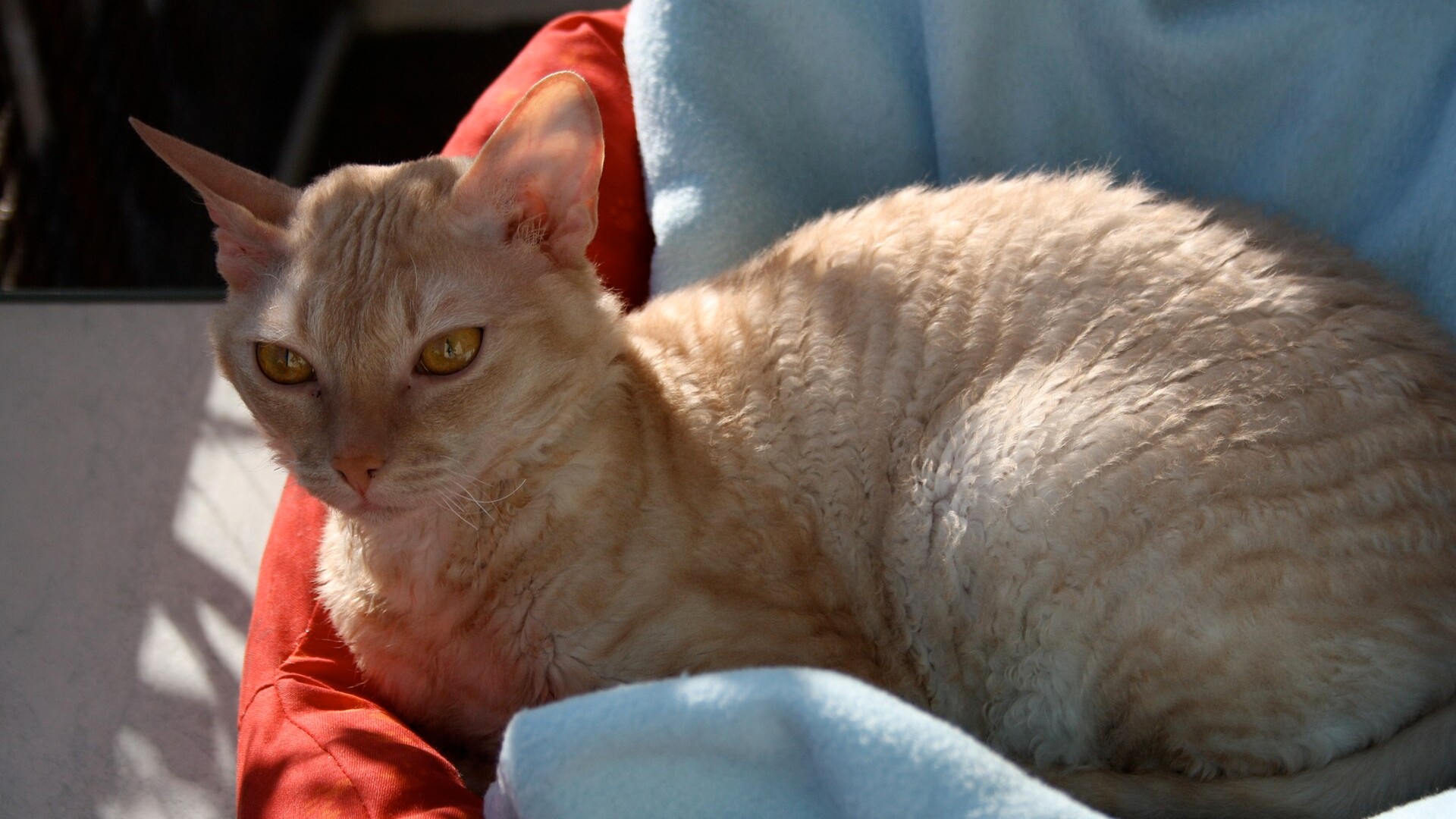
16. Ukrainian Levkoy: Inward-Folded Ears And Slender Build 
15. Minskin: Velvety Points And Miniature Size 
14. Russian Blue: Shimmering Silver Guard And Dense Undercoat - AdvertisementSwipe or tap ▶ to continue countdown

13. Lykoi: Sparse Roan Coat And Werewolf Mask 
12. Abyssinian: Fine Agouti Ticking And Sleek Minimal Shedding 
11. Mexican Hairless: Extinct Aztec Lineage And Historical Lore 
10. Cornish Rex: Tight Rippled Down And Zero Guard Hairs - AdvertisementSwipe or tap ▶ to continue countdown

9. Devon Rex: Sparse Suede Curls And Oversized Ears 
8. LaPerm: Hairless Birth And Loose Textured Waves 
7. Oriental Shorthair: Sleek Single Layer And Fine Texture 
6. Siamese: Glossy Close Coat And Zero Undercoat - AdvertisementSwipe or tap ▶ to continue countdown

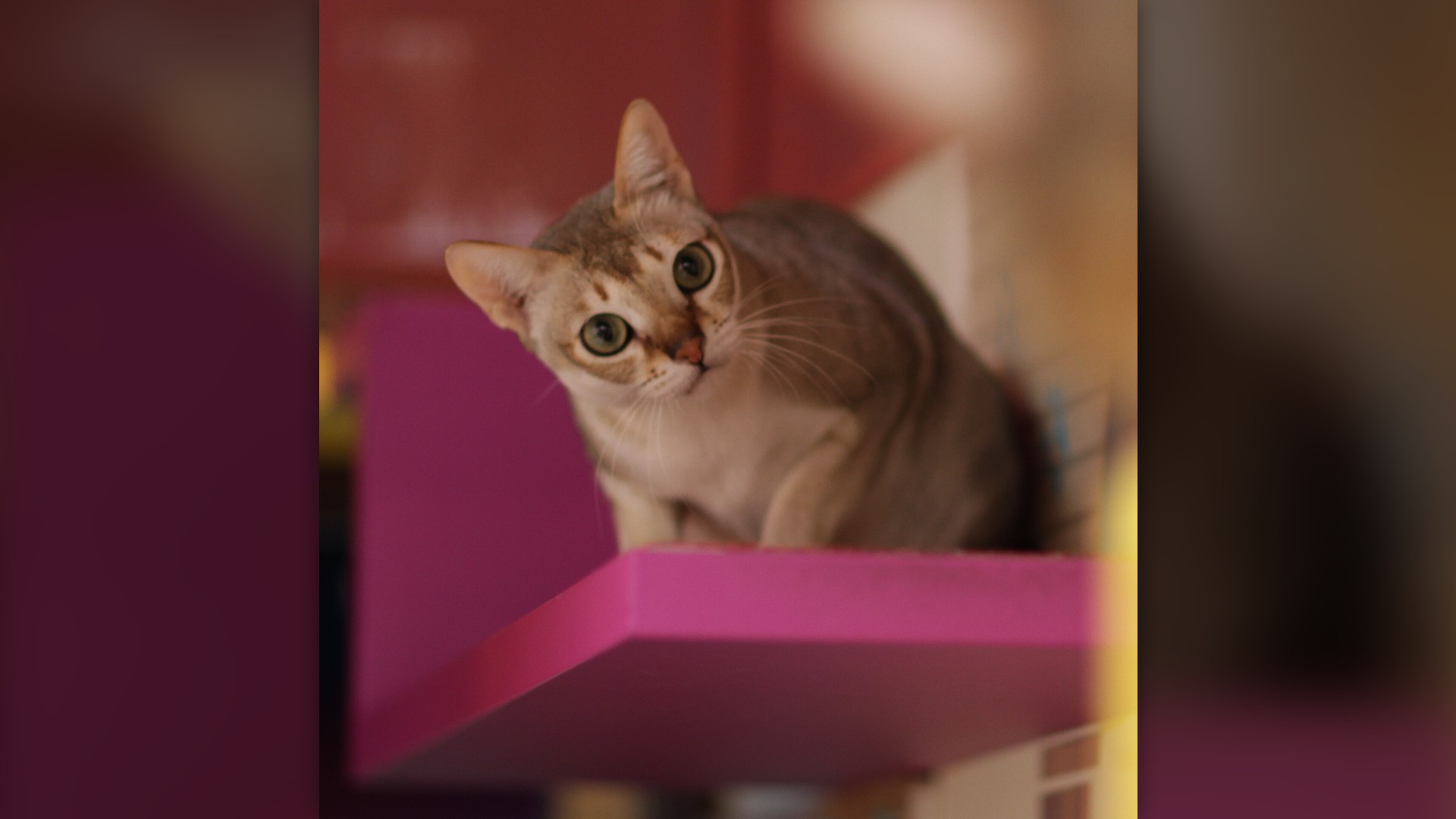
5. Singapura: Miniature Frame And Fine Silken Fur 
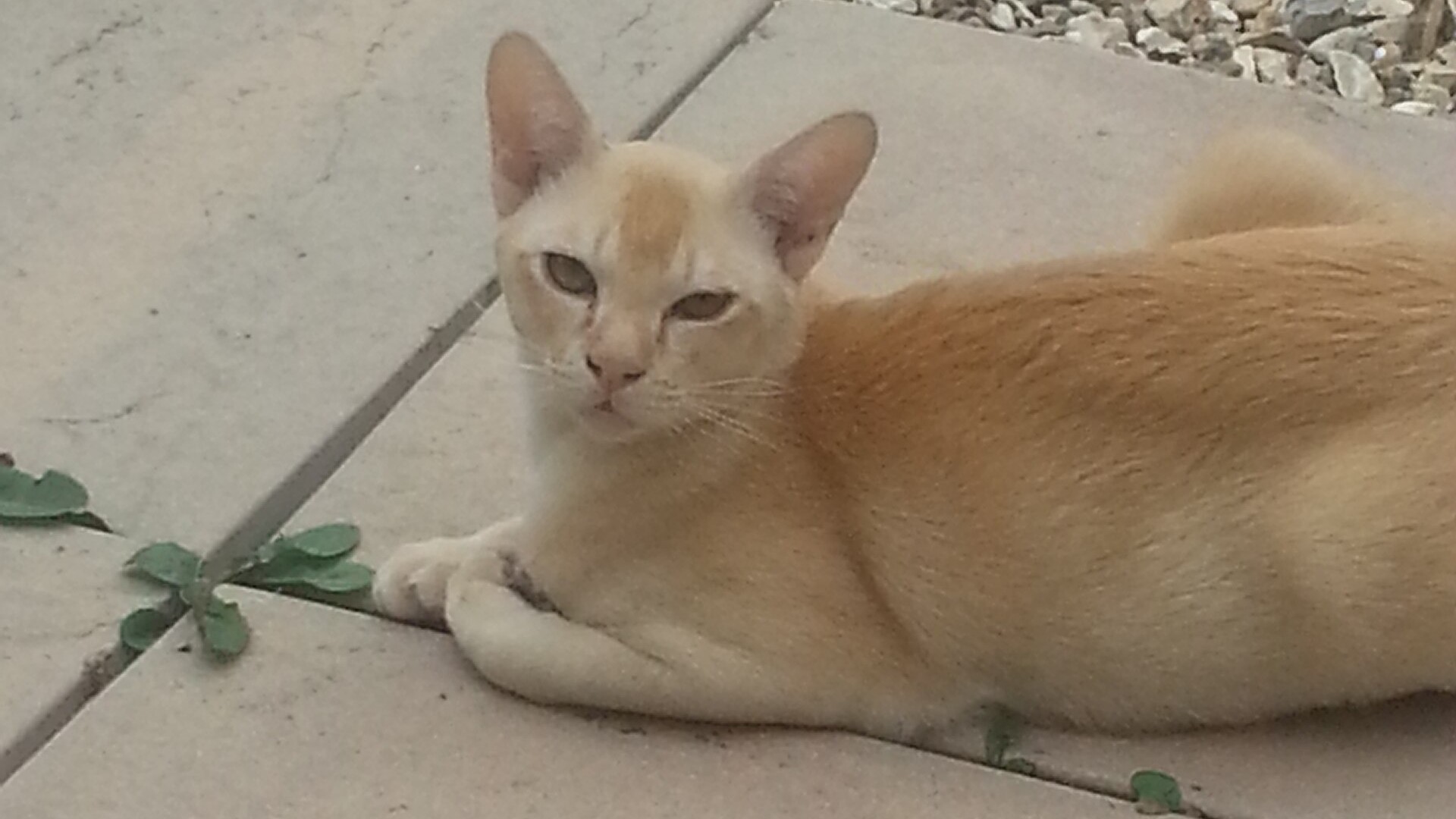
4. Burmese: Satin Texture And Minimal Grooming Needs 
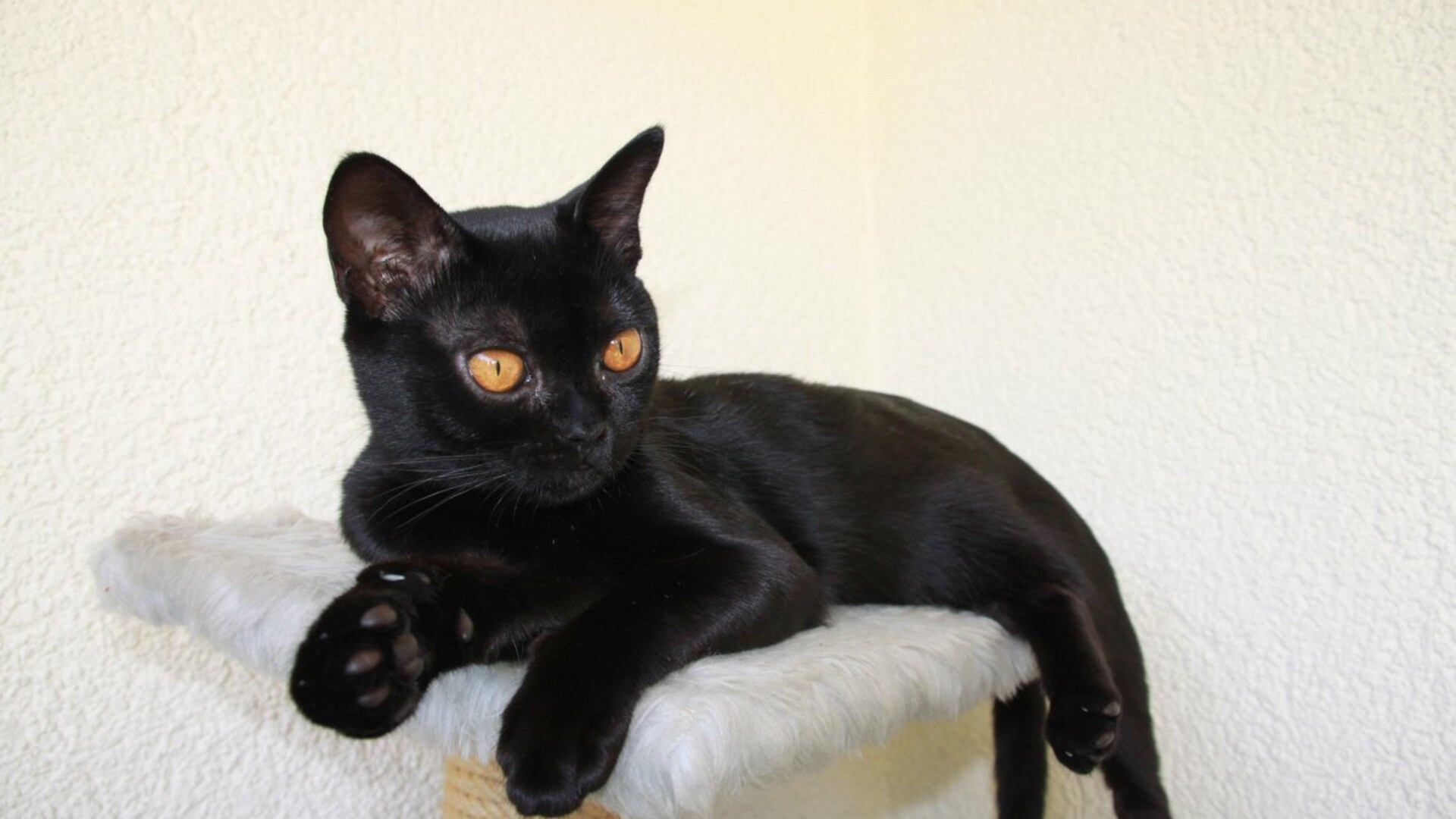
3. Bombay: Patent Leather Sheen And Low Shedding 
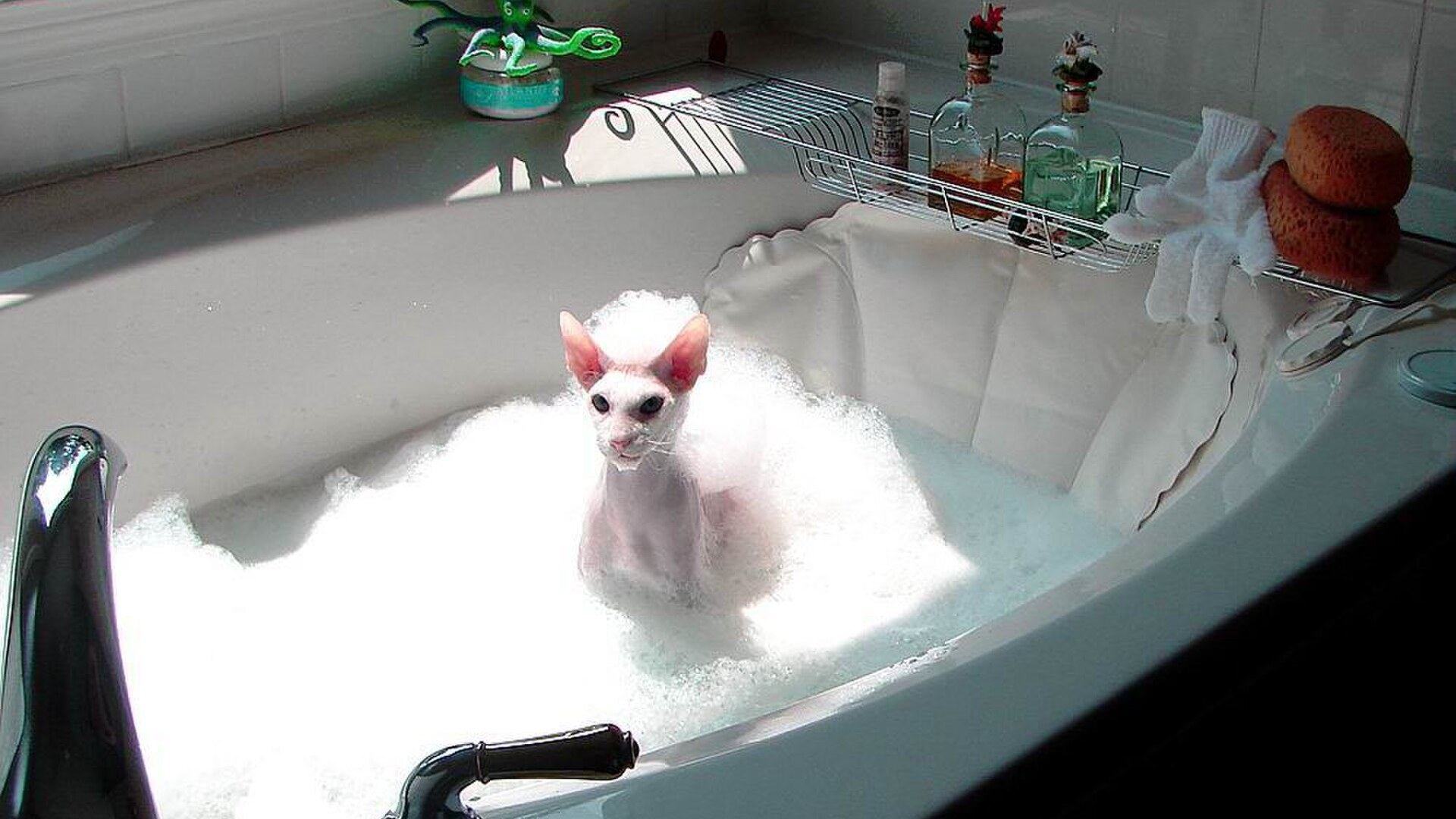
2. Peterbald: Flocked Hairless Coat And Oriental Body - AdvertisementSwipe or tap ▶ to continue countdown

1. Sphynx: Peach Fuzz Skin And Canadian Roots - Advertisement🔥 UP NEXT IN THIS SERIES◫ 21 Slides

20 Animals With Unusual Snouts, Fleshy Tentacles and Natural Snorkels
Evolutionary pressure has shaped animal snouts into astonishing survival tools across the animal kingdom. From tactile star-shaped tentacles and inflatable resonance chambers to tubular snorkels and sand-digging shovels, these 20 species demonstrate how specialized nasal anatomy helps creatures thrive in nature.
Feline registries like TICA and CFA document several distinct hairless lines alongside ultra short coated breeds. Spontaneous genetic variations alter hair follicle growth, producing smooth suede textures or light down. These twenty cats demonstrate the vast diversity of feline genetics and coat development.
Swipe or tap ▶ to begin the countdown
©Wikimedia / Dmitry Makeev
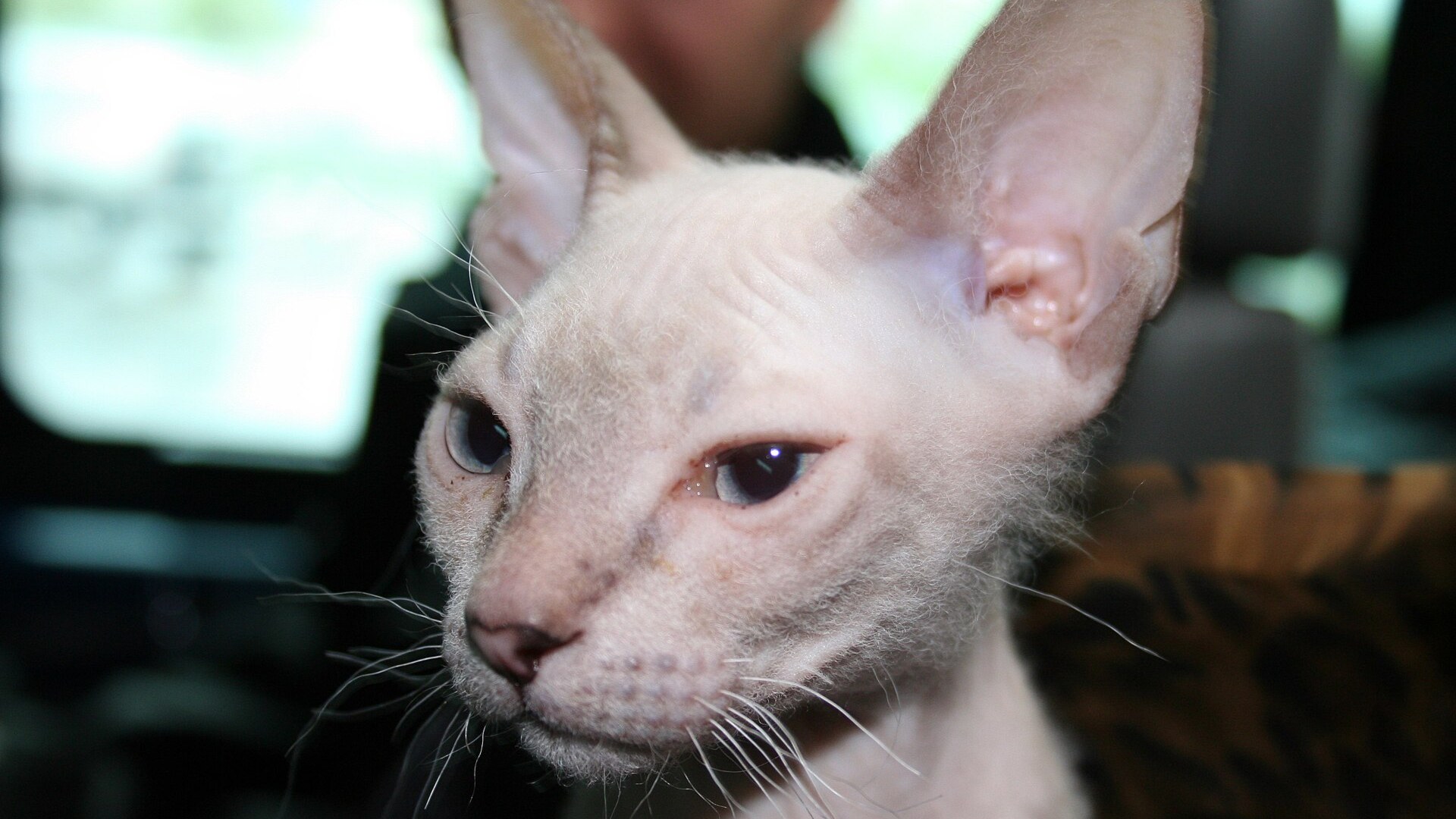
20. Donskoy: Dominant Gene And Russian Origin
Discovered in Rostov on Don in 1987, the Donskoy is genetically distinct from the Sphynx. Kittens are often born with patchy coats that drop away as they mature. Their elastic, heavily wrinkled skin feels warm to the touch and produces seasonal winter down in cooler climates.
©Wikimedia / Alex Rave
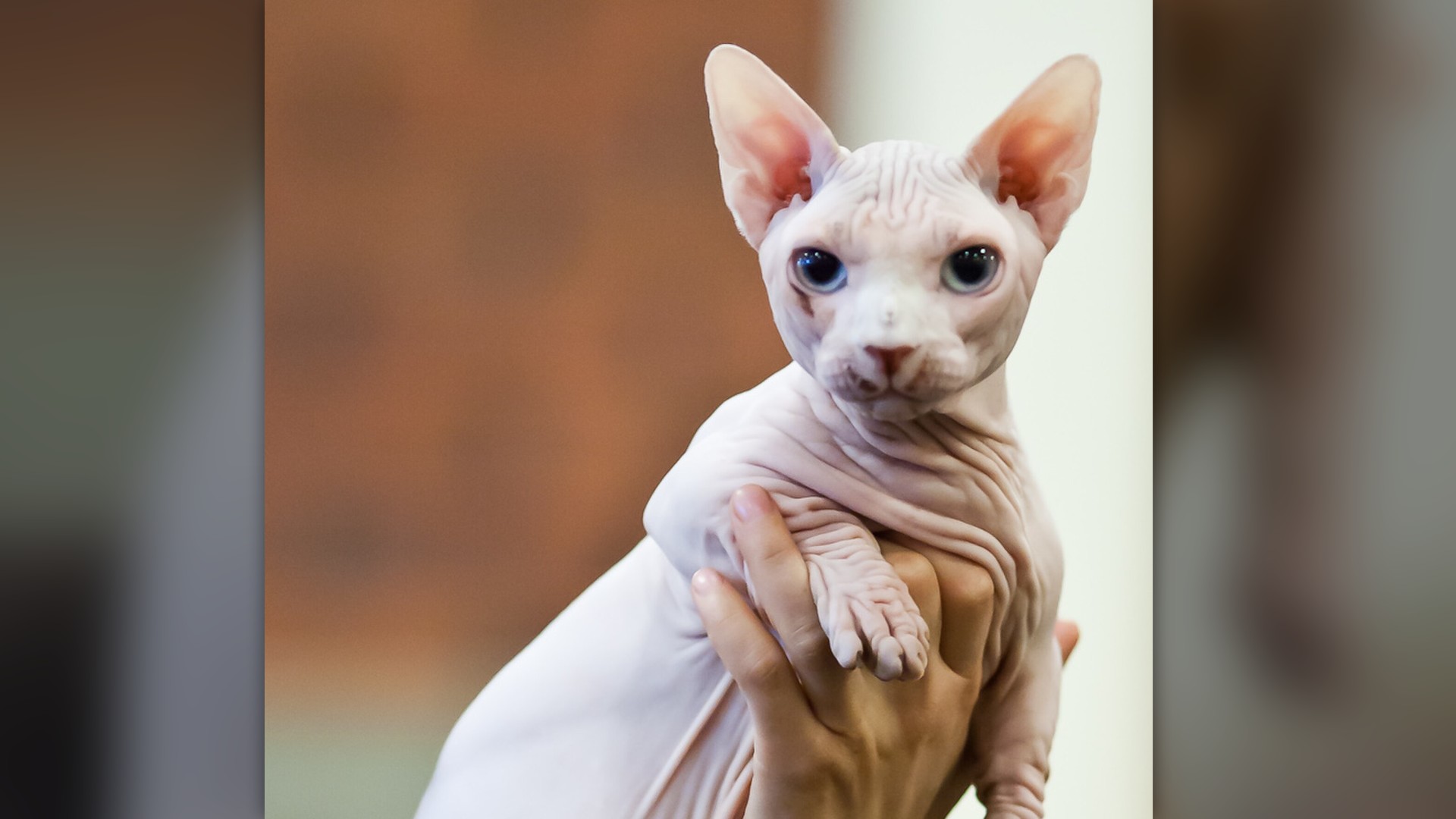
19. Bambino: Short Legs And Wrinkled Skin
Created in 2005, the Bambino combines dwarf stature with bald or fine suede skin. Weighing five to nine pounds, these compact cats navigate low perches with agility. Their exposed skin requires regular cleaning to prevent residue buildup around skin folds and paws.
©Wikimedia / Heikki Siltala
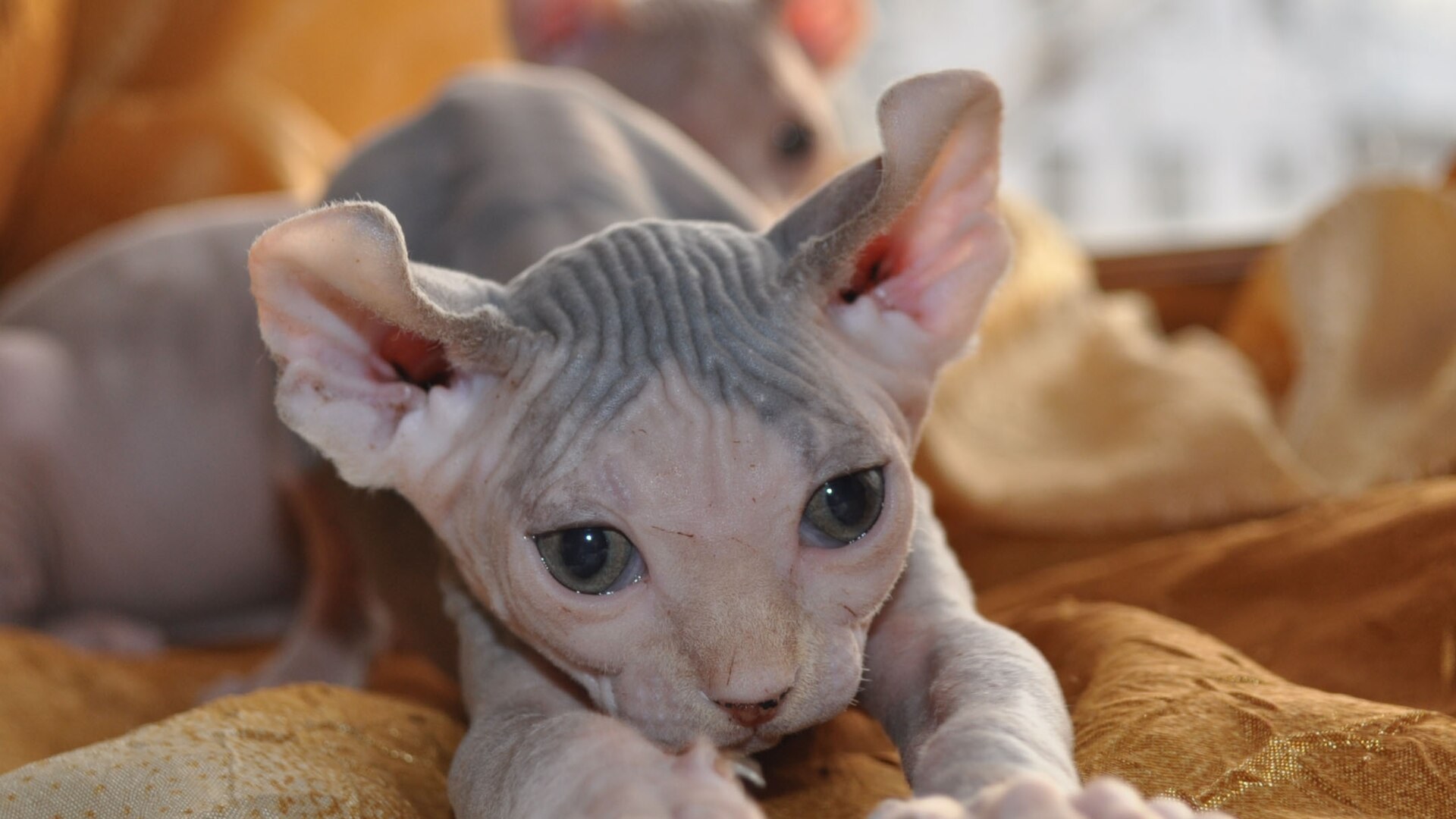
18. Elf Cat: Curled Ears And Bare Skin
Pioneered in the United States around 2004, the Elf Cat is recognized for its swept back ear tips and athletic frame. While maintaining the affectionate temperament of the Sphynx, its ears require careful weekly checks and gentle cleaning to remove debris.
©Wikimedia / Kirimiti
Advertisement
Swipe or tap ▶ to resume the countdown.
17. German Rex: Tight Wavy Down And Historic Berlin Roots
Discovered in Berlin in 1946 near the ruins of a hospital, a founding cat named Lammchen established this gentle breed. Its coat consists entirely of delicate waves that lie close to the skin with minimal shedding. These affectionate felines enjoy quiet indoor living and warm perches.
©Wikimedia / Grx-vd-huettenwerken
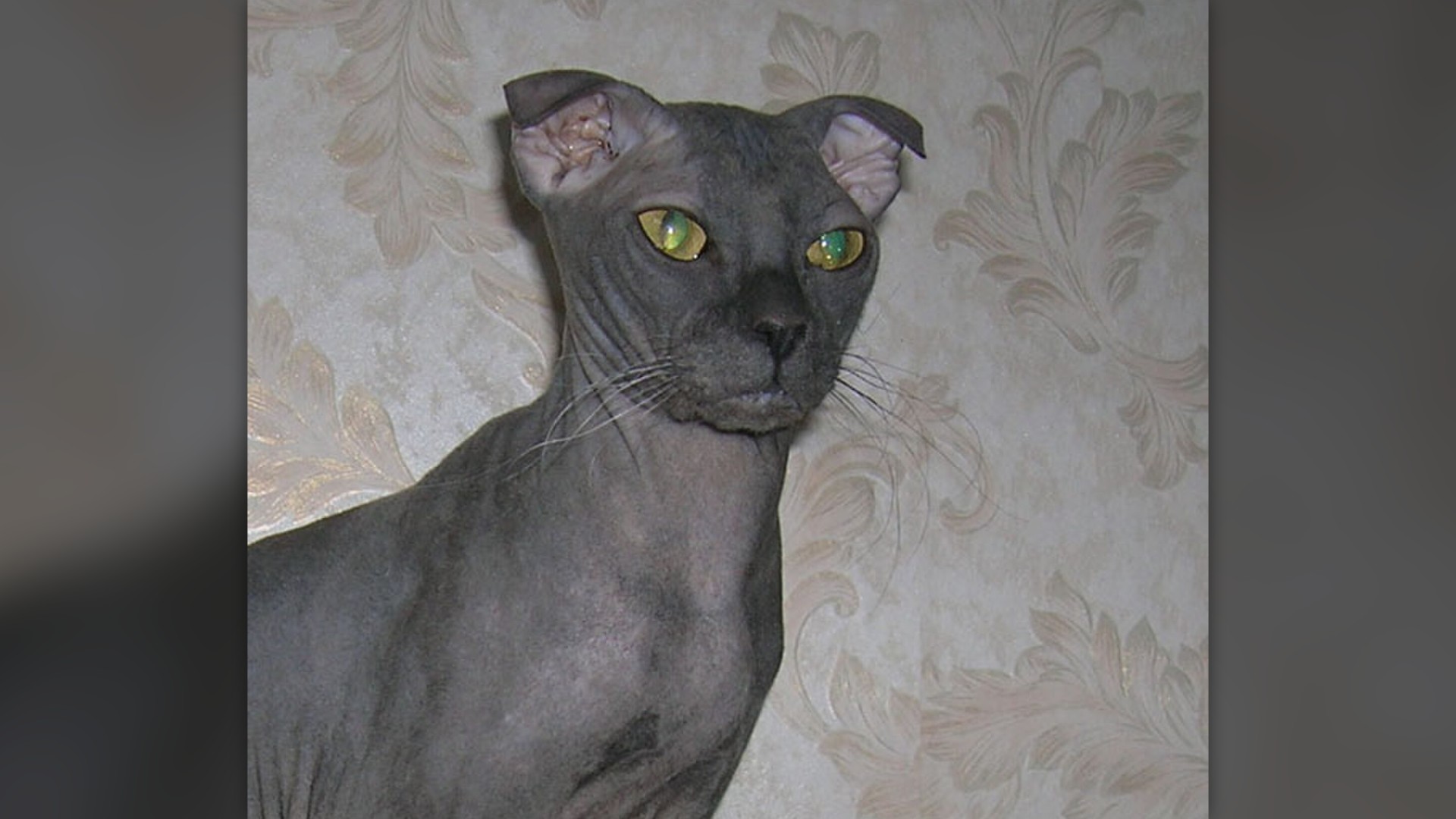
16. Ukrainian Levkoy: Inward-Folded Ears And Slender Build
Originating in 2004 from crosses between Donskoys and Scottish Folds, the Levkoy features a doglike head shape with stepped contours. Most individuals are born bald or with light velour coating. Their friendly demeanor pairs well with other household pets in indoor spaces.
©Wikimedia / Alena Ivanchuk
15. Minskin: Velvety Points And Miniature Size
Developed in Boston beginning in 1998, the Minskin incorporates Sphynx, Munchkin, Devon Rex, and Burmese ancestry. Its short legs and compact body carry soft fur points that contrast with its bare belly. These playful cats remain small throughout adulthood.
©Wikimedia / Paulmcsorley
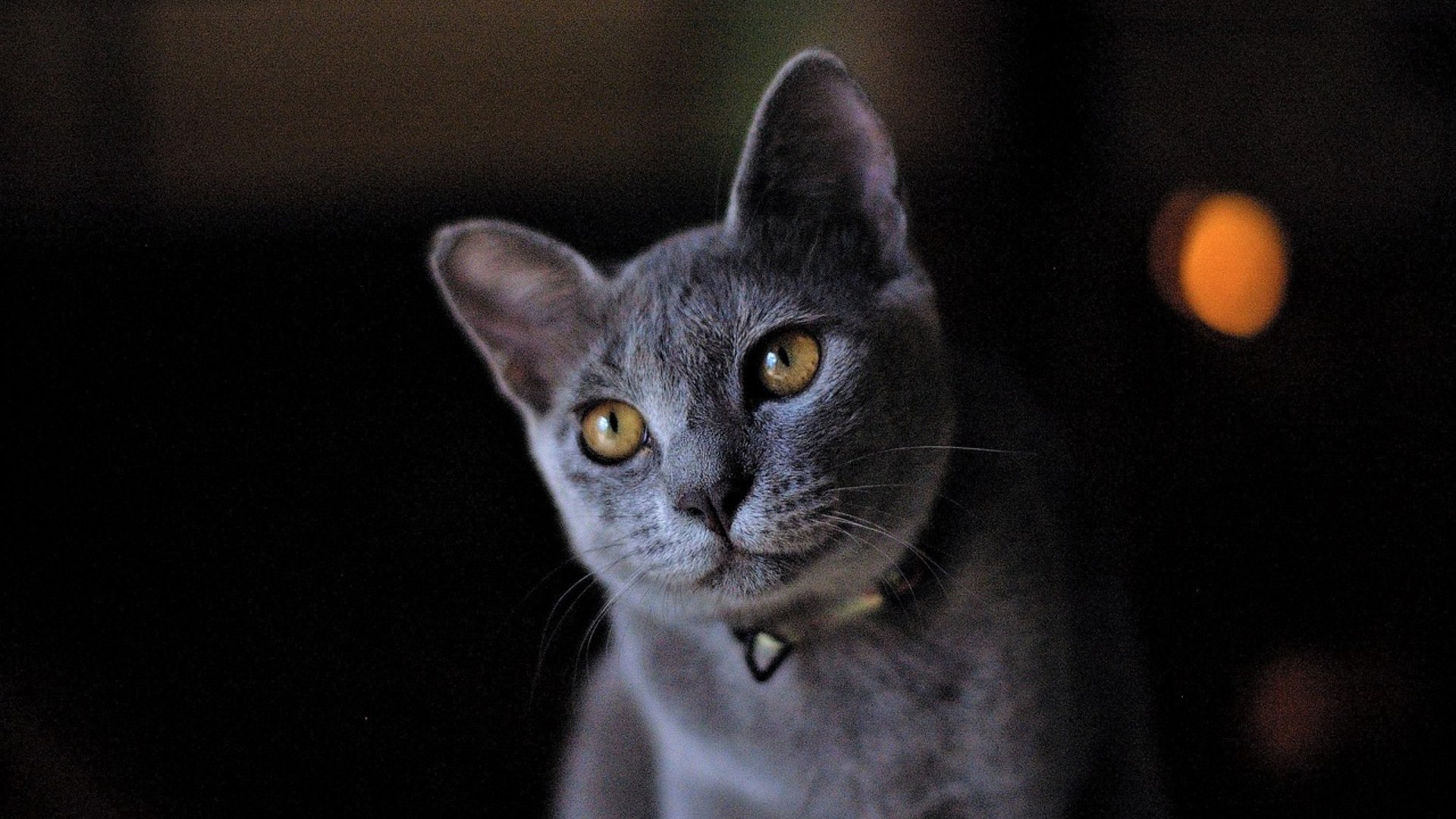
14. Russian Blue: Shimmering Silver Guard And Dense Undercoat
Originating in the port city of Arkhangelsk, this ancient natural breed features silver tipped guard hairs that catch the light. Because its dense coat traps dander close to the skin, shedding remains minimal throughout the year. They are known for their quiet loyalty and vivid emerald eyes.
©Pixabay / tasukaran
Advertisement
Swipe or tap ▶ to resume the countdown.
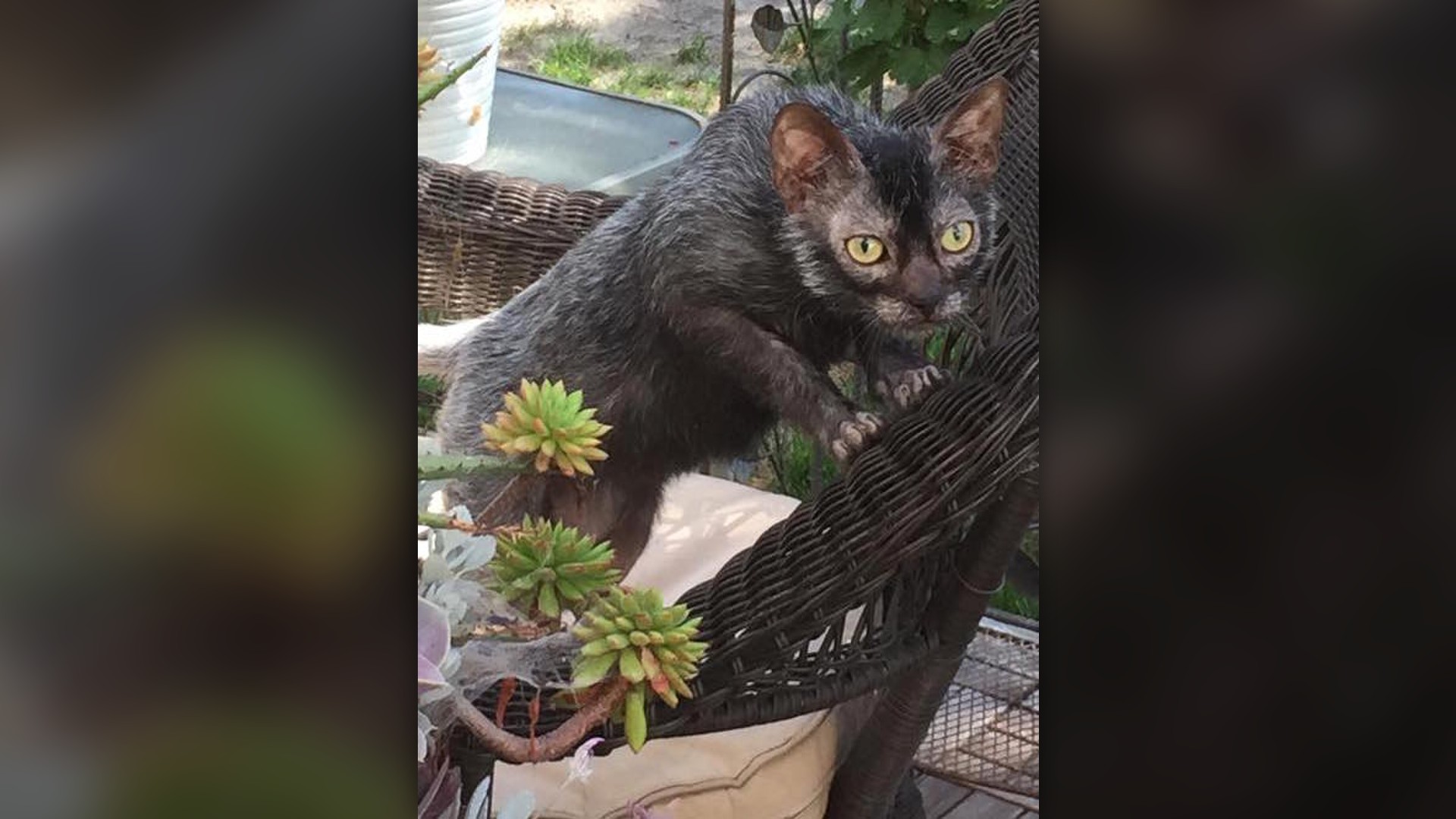
13. Lykoi: Sparse Roan Coat And Werewolf Mask
Discovered in Tennessee feral litters in 2011, the Lykoi coat comes from a natural recessive mutation that prevents some follicles from growing hair. These cats molt heavily, occasionally going almost completely bald before regrowing their coarse black and white hairs.
©Wikimedia / steptacular
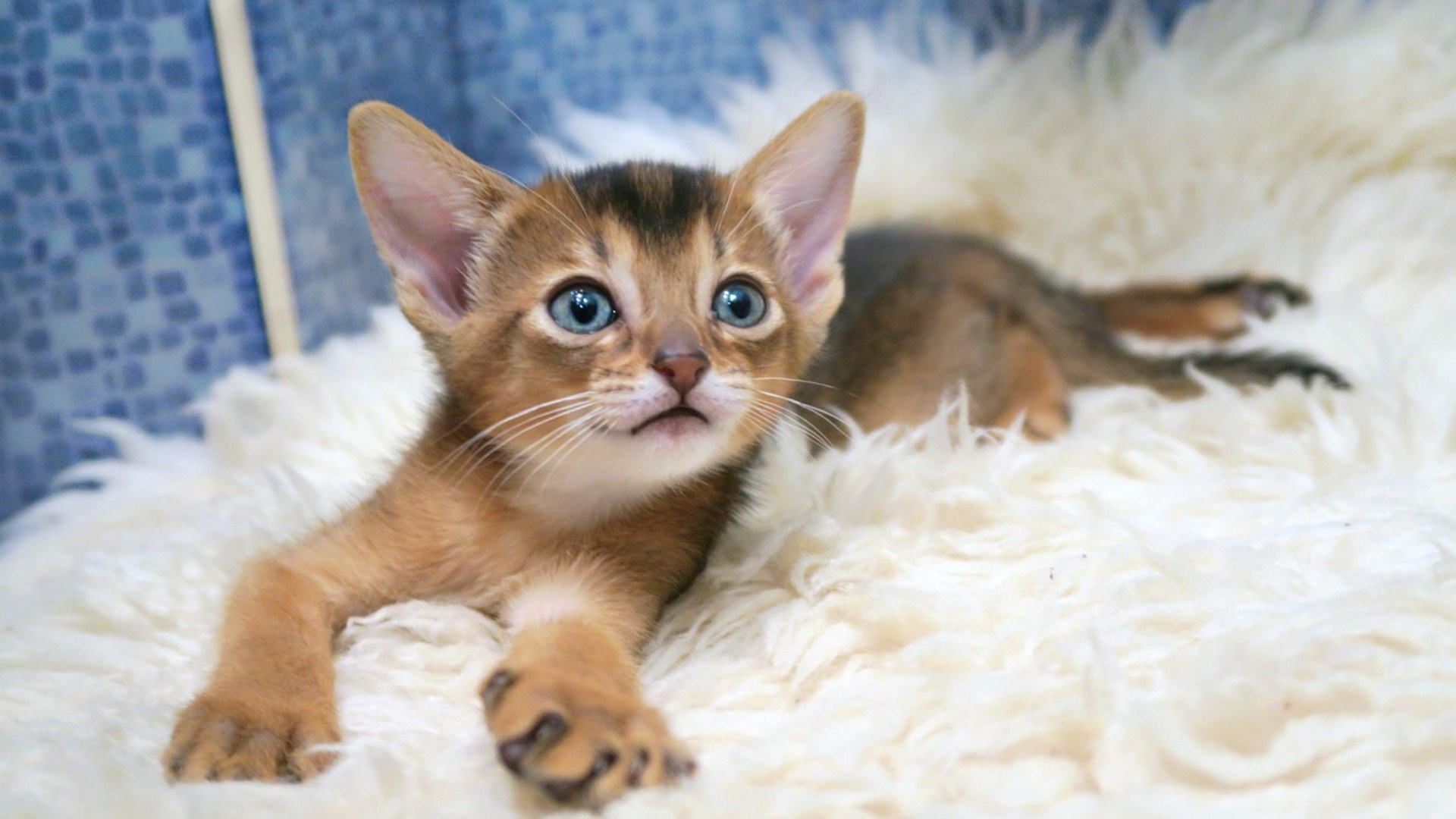
12. Abyssinian: Fine Agouti Ticking And Sleek Minimal Shedding
One of the oldest known cat breeds, the Abyssinian carries a distinctive ticked coat where each individual hair displays multiple bands of color. Its fine, glossy texture requires almost no maintenance beyond occasional gentle brushing. These energetic felines love observing homes from elevated perches.
©Pixabay / tsapenkodg
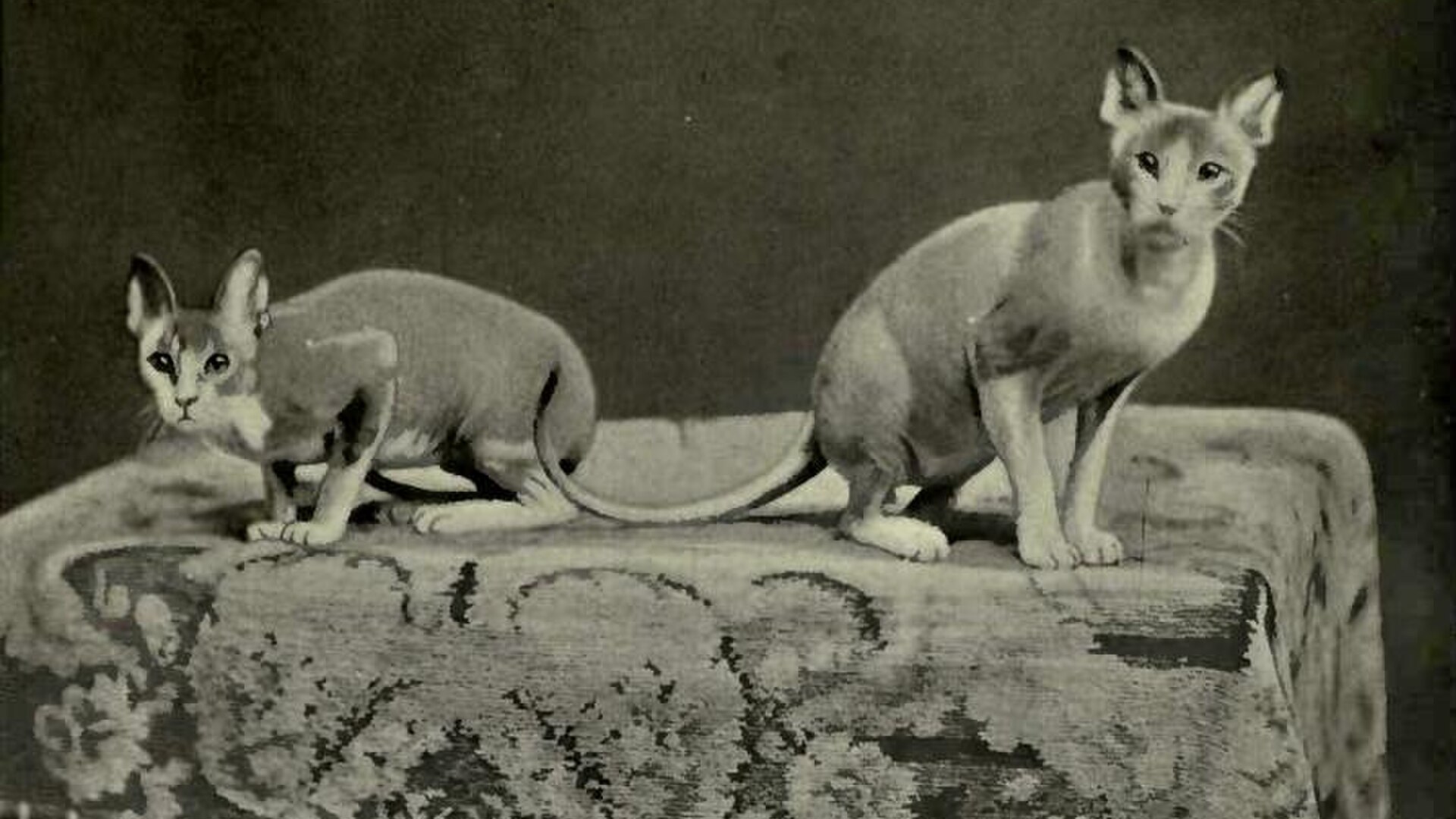
11. Mexican Hairless: Extinct Aztec Lineage And Historical Lore
Historic accounts from 1902 describe two hairless felines named Dick and Nellie, gifted by local Pueblo tribes who claimed ancestral ties to Aztec cats. The breed vanished by the mid twentieth century, leaving behind historic photographs and compelling feline folklore.
©Wikimedia / "The Book of the Cat" by Frances Simpson
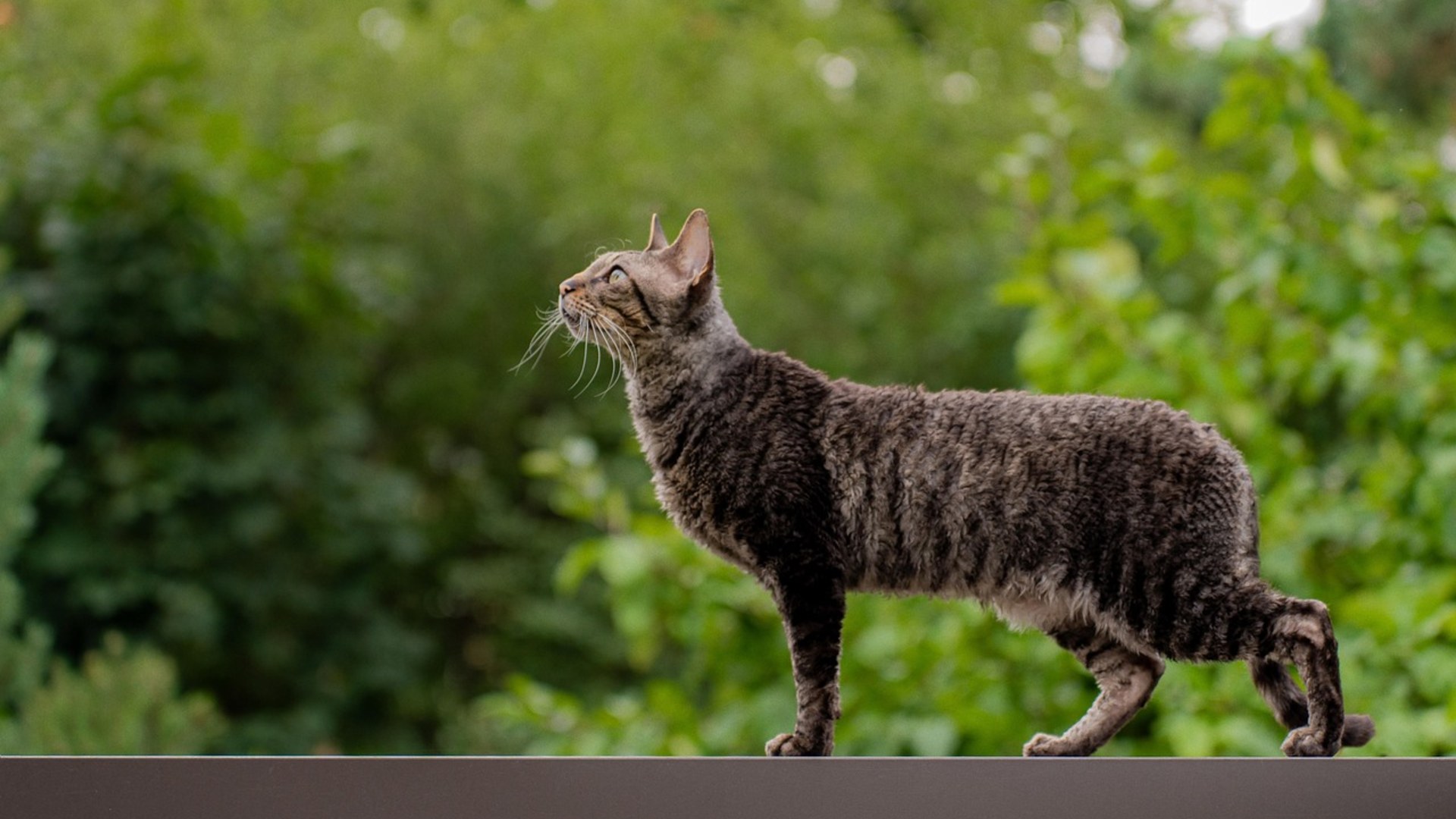
10. Cornish Rex: Tight Rippled Down And Zero Guard Hairs
Originating in Cornwall, England in 1950, this breed carries a recessive gene that eliminates outer coat layers. The remaining down fur forms neat washboard ripples across its body. Their slender, arched frame gives them remarkable jumping ability and speed.
©Pixabay / _badun
Advertisement
Swipe or tap ▶ to resume the countdown.
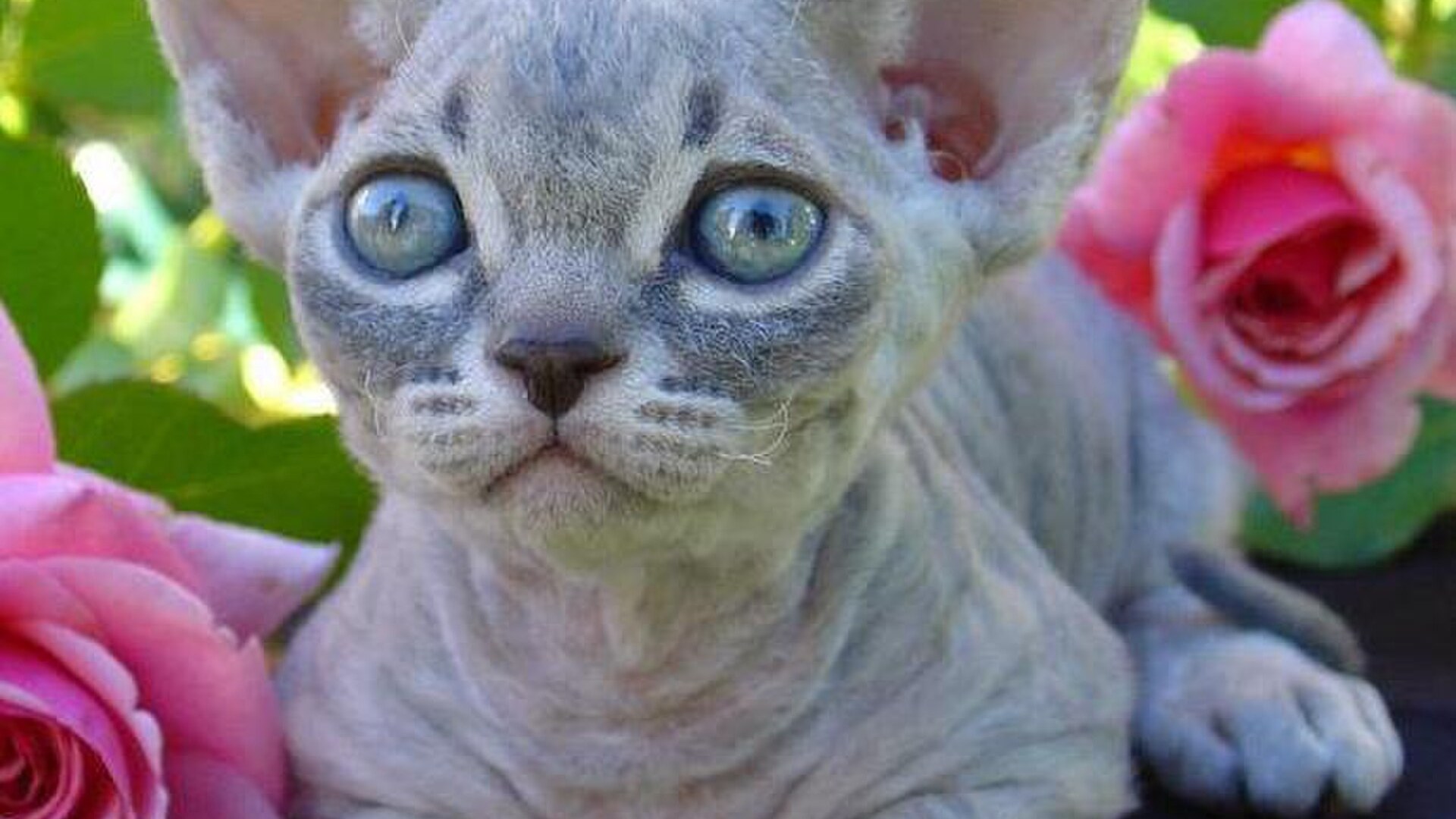
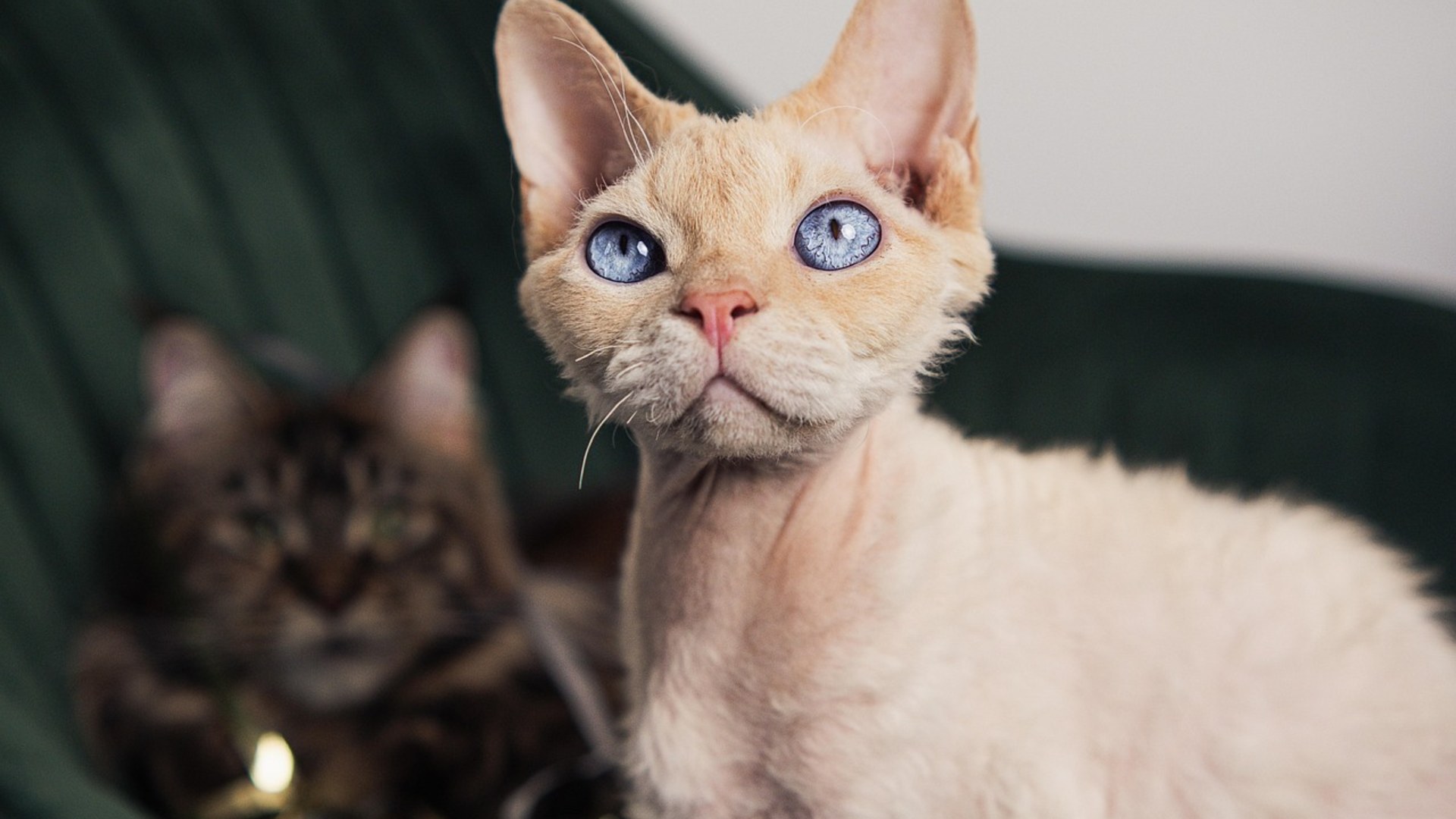
9. Devon Rex: Sparse Suede Curls And Oversized Ears
Discovered in Devon, England in 1959, the breed owes its delicate coat to a separate mutation distinct from the Cornish Rex. Its sparse curls shed very little, making it popular with tidy households. Devon Rex cats frequently seek out warm computer keyboards and sunlit rugs.
©Pixabay / miezekieze
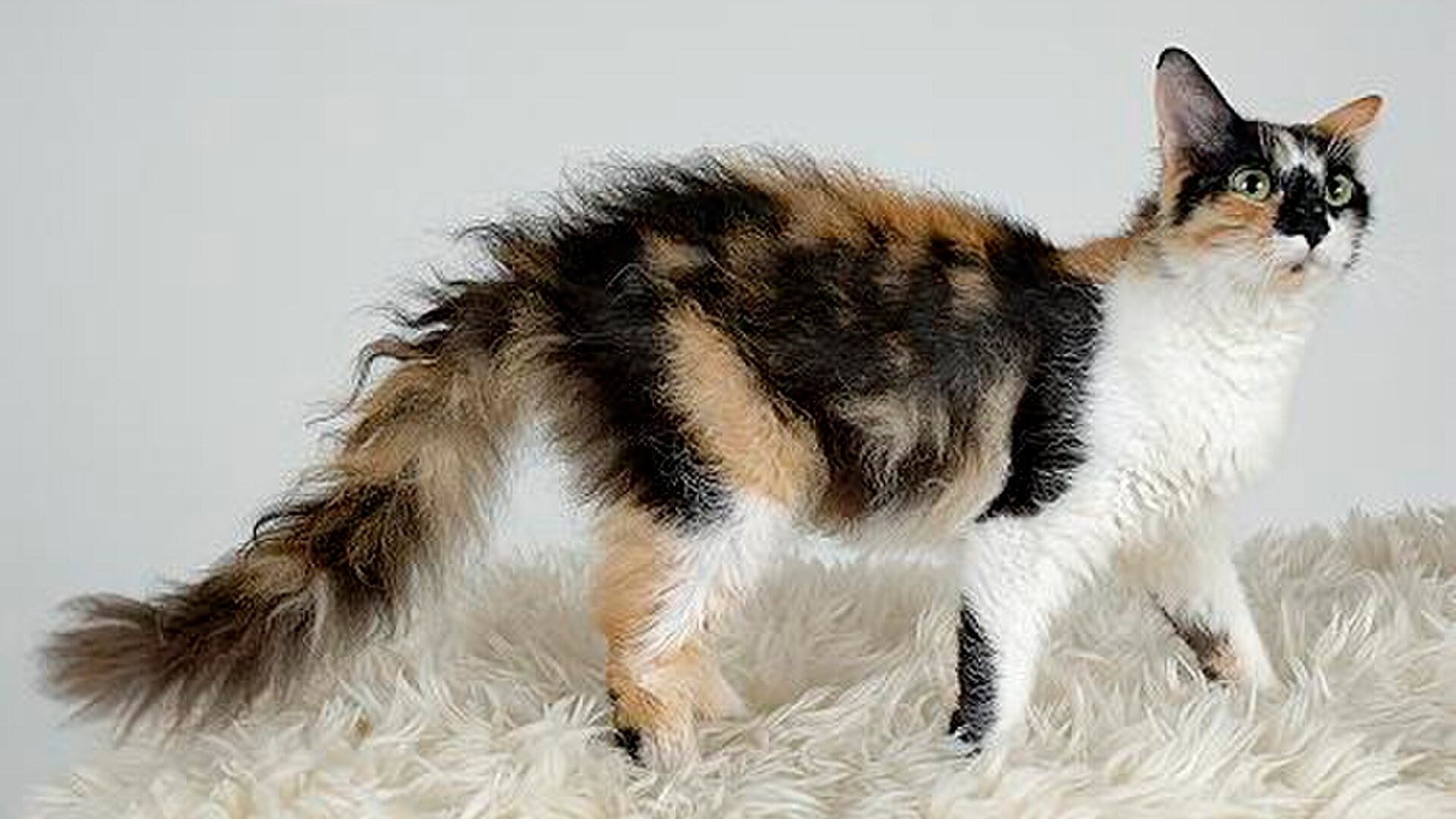
8. LaPerm: Hairless Birth And Loose Textured Waves
Discovered in an Oregon cherry orchard in 1982, the LaPerm coat is governed by a dominant gene that produces spiral ringlets. The breed sheds lightly and handles changing seasons well. Their calm, affectionate disposition makes them gentle family companions.
©Wikimedia / Bebopscrx
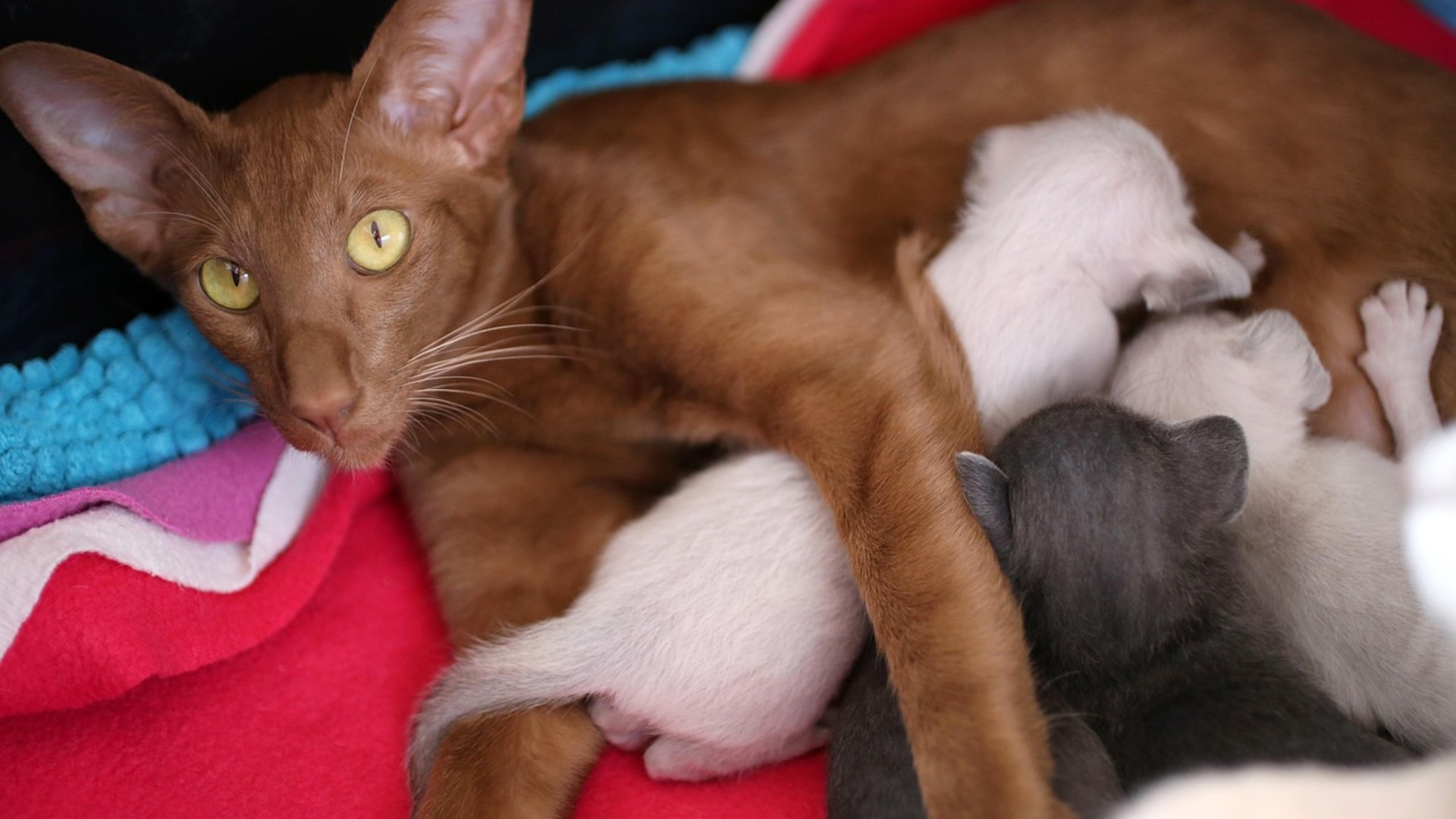
7. Oriental Shorthair: Sleek Single Layer And Fine Texture
Developed in the United Kingdom during the 1950s, the Oriental Shorthair has no insulating undercoat. Its satiny fur requires minimal grooming beyond an occasional rubdown with a damp cloth. The breed is famous for its loud vocalizations and social personality.
©Pixabay / TaniaVdB
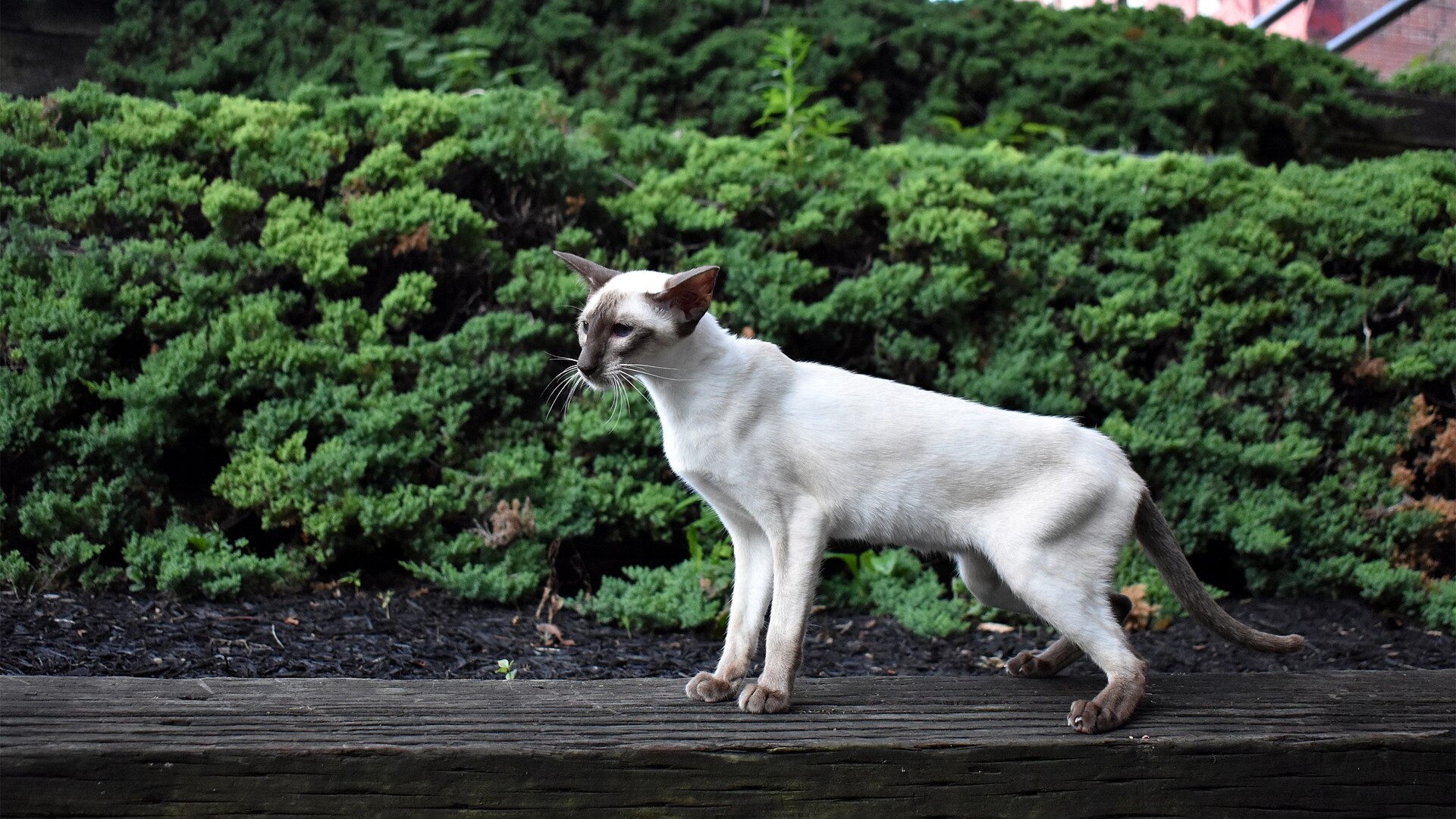
6. Siamese: Glossy Close Coat And Zero Undercoat
Hailing from ancient Thailand, the Siamese carries a temperature sensitive gene that restricts dark pigment to its cooler extremities. With virtually no undercoat, loose hairs are minimal compared to double coated breeds. They enjoy interactive games and warm spots.
©Wikimedia / Felinlove
Advertisement
Swipe or tap ▶ to resume the countdown.
5. Singapura: Miniature Frame And Fine Silken Fur
Tracing its ancestry to Singapore street cats in the 1970s, the breed weighs just four to eight pounds at maturity. Its short, silky fur lies close to the skin and sheds minimally throughout the year. These agile cats love climbing to high vantage points.
©Wikimedia / Takashi Hososhima
4. Burmese: Satin Texture And Minimal Grooming Needs
Established in the United States in the 1930s from a founding cat named Wong Mau, the Burmese is admired for its solid build and golden eyes. Its fine, short fur requires only weekly petting to stay pristine. They are deeply devoted to their human households.
©Wikimedia / User:Tuxlie
3. Bombay: Patent Leather Sheen And Low Shedding
Created by crossing black American Shorthairs with sable Burmese in the 1950s, the Bombay boasts copper eyes and a sleek coat. Its fine hairs cling tight to the skin with minimal dander dispersal. These sociable felines often follow owners from room to room.
©Wikimedia / Bombaykatze
2. Peterbald: Flocked Hairless Coat And Oriental Body
Bred in Saint Petersburg during 1994, the Peterbald features long legs, large batwing ears, and fine bone structure. Coat textures range from completely bald to fine velour, brush, or straight hair. Their active and curious nature makes them lively companions in warm homes.
©Wikimedia / Atlantiscats
Advertisement
Swipe or tap ▶ to resume the countdown.
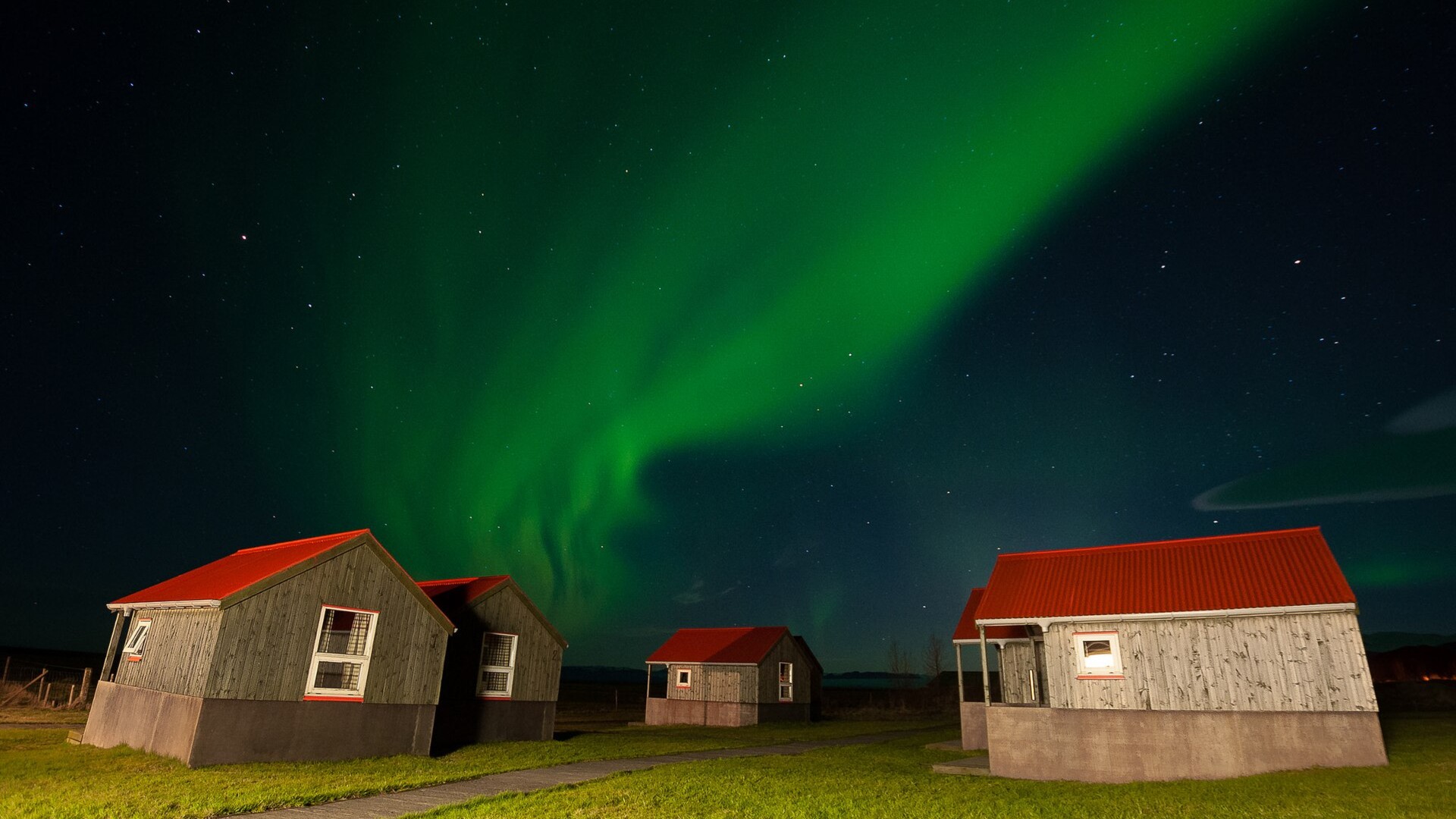
1. Sphynx: Peach Fuzz Skin And Canadian Roots
Developed in Toronto during 1966 through a natural recessive mutation, the Sphynx carries soft skin resembling a warm peach. Because they lack insulating fur, these cats burn calories quickly to maintain body temperature and require weekly sponge baths to manage natural skin oils.
©Pixabay / artellliii72
Advertisement
You've reached the end of the story. Thanks for reading!

20 Animals With Unusual Snouts, Fleshy Tentacles and Natural Snorkels
Evolutionary pressure has shaped animal snouts into astonishing survival tools across the animal kingdom. From tactile star-shaped tentacles and inflatable resonance chambers to tubular snorkels and sand-digging shovels, these 20 species demonstrate how specialized nasal anatomy helps creatures thrive in nature.
All 20 Entries in this Story
Donskoy: Dominant Gene And Russian Origin
Discovered in Rostov on Don in 1987, the Donskoy is genetically distinct from the Sphynx. Kittens are often born with patchy coats that drop away as they mature. Their elastic, heavily wrinkled skin feels warm to the touch and produces seasonal winter down in cooler climates.

Bambino: Short Legs And Wrinkled Skin
Created in 2005, the Bambino combines dwarf stature with bald or fine suede skin. Weighing five to nine pounds, these compact cats navigate low perches with agility. Their exposed skin requires regular cleaning to prevent residue buildup around skin folds and paws.

Elf Cat: Curled Ears And Bare Skin
Pioneered in the United States around 2004, the Elf Cat is recognized for its swept back ear tips and athletic frame. While maintaining the affectionate temperament of the Sphynx, its ears require careful weekly checks and gentle cleaning to remove debris.

German Rex: Tight Wavy Down And Historic Berlin Roots
Discovered in Berlin in 1946 near the ruins of a hospital, a founding cat named Lammchen established this gentle breed. Its coat consists entirely of delicate waves that lie close to the skin with minimal shedding. These affectionate felines enjoy quiet indoor living and warm perches.

Ukrainian Levkoy: Inward-Folded Ears And Slender Build
Originating in 2004 from crosses between Donskoys and Scottish Folds, the Levkoy features a doglike head shape with stepped contours. Most individuals are born bald or with light velour coating. Their friendly demeanor pairs well with other household pets in indoor spaces.

Minskin: Velvety Points And Miniature Size
Developed in Boston beginning in 1998, the Minskin incorporates Sphynx, Munchkin, Devon Rex, and Burmese ancestry. Its short legs and compact body carry soft fur points that contrast with its bare belly. These playful cats remain small throughout adulthood.

Russian Blue: Shimmering Silver Guard And Dense Undercoat
Originating in the port city of Arkhangelsk, this ancient natural breed features silver tipped guard hairs that catch the light. Because its dense coat traps dander close to the skin, shedding remains minimal throughout the year. They are known for their quiet loyalty and vivid emerald eyes.

Lykoi: Sparse Roan Coat And Werewolf Mask
Discovered in Tennessee feral litters in 2011, the Lykoi coat comes from a natural recessive mutation that prevents some follicles from growing hair. These cats molt heavily, occasionally going almost completely bald before regrowing their coarse black and white hairs.

Abyssinian: Fine Agouti Ticking And Sleek Minimal Shedding
One of the oldest known cat breeds, the Abyssinian carries a distinctive ticked coat where each individual hair displays multiple bands of color. Its fine, glossy texture requires almost no maintenance beyond occasional gentle brushing. These energetic felines love observing homes from elevated perches.

Mexican Hairless: Extinct Aztec Lineage And Historical Lore
Historic accounts from 1902 describe two hairless felines named Dick and Nellie, gifted by local Pueblo tribes who claimed ancestral ties to Aztec cats. The breed vanished by the mid twentieth century, leaving behind historic photographs and compelling feline folklore.

Cornish Rex: Tight Rippled Down And Zero Guard Hairs
Originating in Cornwall, England in 1950, this breed carries a recessive gene that eliminates outer coat layers. The remaining down fur forms neat washboard ripples across its body. Their slender, arched frame gives them remarkable jumping ability and speed.

Devon Rex: Sparse Suede Curls And Oversized Ears
Discovered in Devon, England in 1959, the breed owes its delicate coat to a separate mutation distinct from the Cornish Rex. Its sparse curls shed very little, making it popular with tidy households. Devon Rex cats frequently seek out warm computer keyboards and sunlit rugs.

LaPerm: Hairless Birth And Loose Textured Waves
Discovered in an Oregon cherry orchard in 1982, the LaPerm coat is governed by a dominant gene that produces spiral ringlets. The breed sheds lightly and handles changing seasons well. Their calm, affectionate disposition makes them gentle family companions.

Oriental Shorthair: Sleek Single Layer And Fine Texture
Developed in the United Kingdom during the 1950s, the Oriental Shorthair has no insulating undercoat. Its satiny fur requires minimal grooming beyond an occasional rubdown with a damp cloth. The breed is famous for its loud vocalizations and social personality.

Siamese: Glossy Close Coat And Zero Undercoat
Hailing from ancient Thailand, the Siamese carries a temperature sensitive gene that restricts dark pigment to its cooler extremities. With virtually no undercoat, loose hairs are minimal compared to double coated breeds. They enjoy interactive games and warm spots.

Singapura: Miniature Frame And Fine Silken Fur
Tracing its ancestry to Singapore street cats in the 1970s, the breed weighs just four to eight pounds at maturity. Its short, silky fur lies close to the skin and sheds minimally throughout the year. These agile cats love climbing to high vantage points.

Burmese: Satin Texture And Minimal Grooming Needs
Established in the United States in the 1930s from a founding cat named Wong Mau, the Burmese is admired for its solid build and golden eyes. Its fine, short fur requires only weekly petting to stay pristine. They are deeply devoted to their human households.

Bombay: Patent Leather Sheen And Low Shedding
Created by crossing black American Shorthairs with sable Burmese in the 1950s, the Bombay boasts copper eyes and a sleek coat. Its fine hairs cling tight to the skin with minimal dander dispersal. These sociable felines often follow owners from room to room.

Peterbald: Flocked Hairless Coat And Oriental Body
Bred in Saint Petersburg during 1994, the Peterbald features long legs, large batwing ears, and fine bone structure. Coat textures range from completely bald to fine velour, brush, or straight hair. Their active and curious nature makes them lively companions in warm homes.

Sphynx: Peach Fuzz Skin And Canadian Roots
Developed in Toronto during 1966 through a natural recessive mutation, the Sphynx carries soft skin resembling a warm peach. Because they lack insulating fur, these cats burn calories quickly to maintain body temperature and require weekly sponge baths to manage natural skin oils.