Slideshow · Money
20 Psychological Tactics Retailers Use on Black Friday
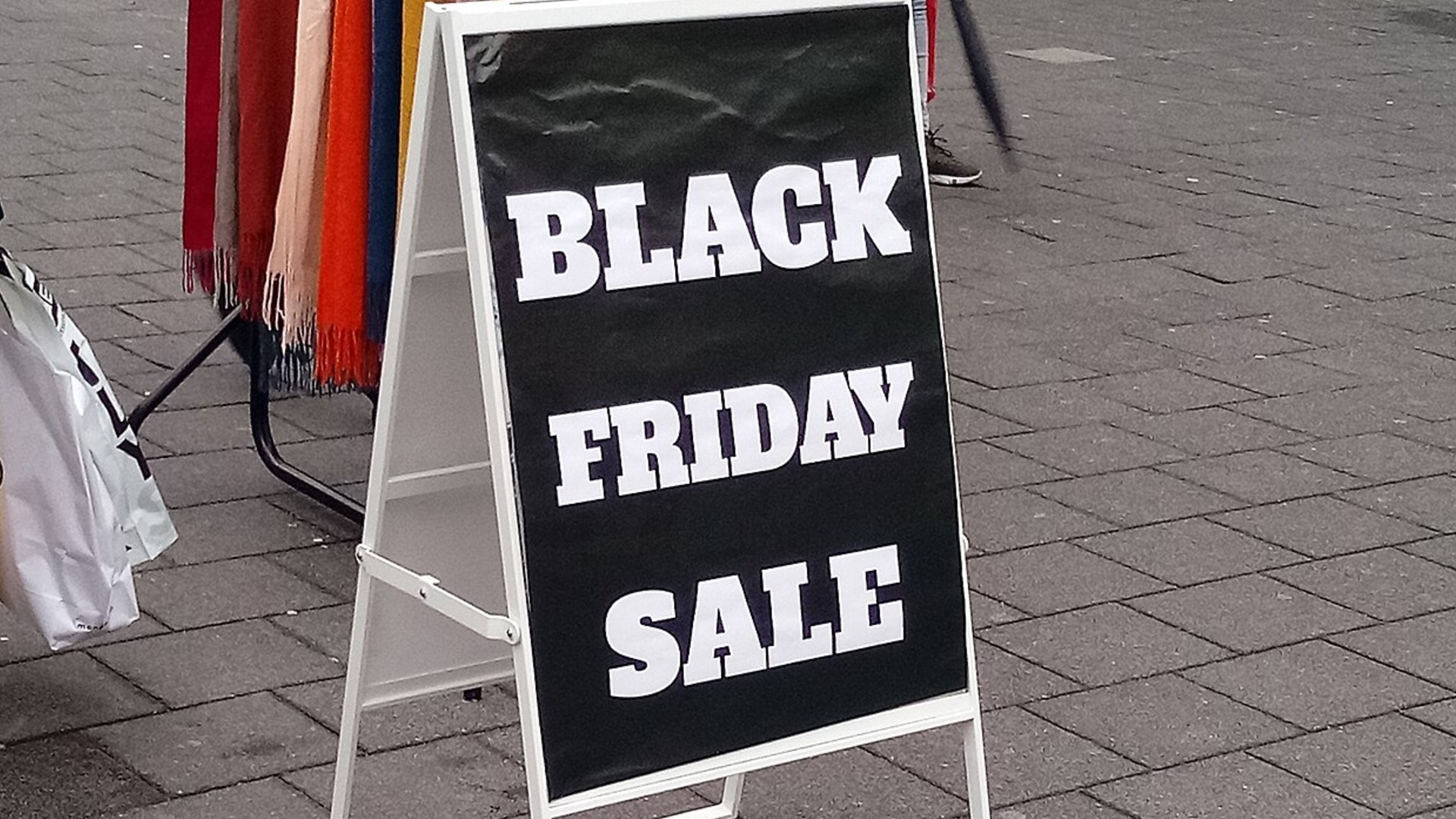
Black Friday relies on cognitive biases and retail architecture to steer consumer choices. Research from Harvard Business Review, the American Psychological Association, and watchdog Which? shows stores deploy subtle sensory and pricing levers. Here is how modern retailers influence your shopping decisions.
By Most Viral Today
16 min ago

How Retail Stores Quietly Control Your Spending Habits Every November 
20. Eyeline Product Placement 
19. Slow Background Tempo 
18. Oversized Shopping Carts - AdvertisementSwipe or tap ▶ to continue countdown

17. Charm Pricing 
16. Tiered Spending Thresholds 
15. Free Gifts With Purchase 
14. Olfactory Scent Priming - AdvertisementSwipe or tap ▶ to continue countdown

13. Warm Red Color Triggers 
12. Pre-Holiday Price Anchoring 
11. The Decoy Effect 
10. Loss Leader Doorbusters - AdvertisementSwipe or tap ▶ to continue countdown

9. Framing Effect Disguises 
8. Bundle Distortions 
7. The Gruen Transfer 
6. Phantom Reference Markdowns - AdvertisementSwipe or tap ▶ to continue countdown

5. Gamified Flash Sales 
4. Sunk Cost Exploitation 
3. Countdown Urgency Timers 
2. The Endowment Touch Effect - AdvertisementSwipe or tap ▶ to continue countdown

1. Artificial Scarcity Panic - Advertisement🔥 UP NEXT IN THIS SERIES◫ 21 Slides

20 Richest Members of the British Royal Family, Ranked
Explore the fortunes and holdings of the richest British royals.
Black Friday relies on cognitive biases and retail architecture to steer consumer choices. Research from Harvard Business Review, the American Psychological Association, and watchdog Which? shows stores deploy subtle sensory and pricing levers. Here is how modern retailers influence your shopping decisions.
Swipe or tap ▶ to begin the countdown
©Wikimedia / Donald Trung Quoc Don (Chữ Hán: 徵國單)
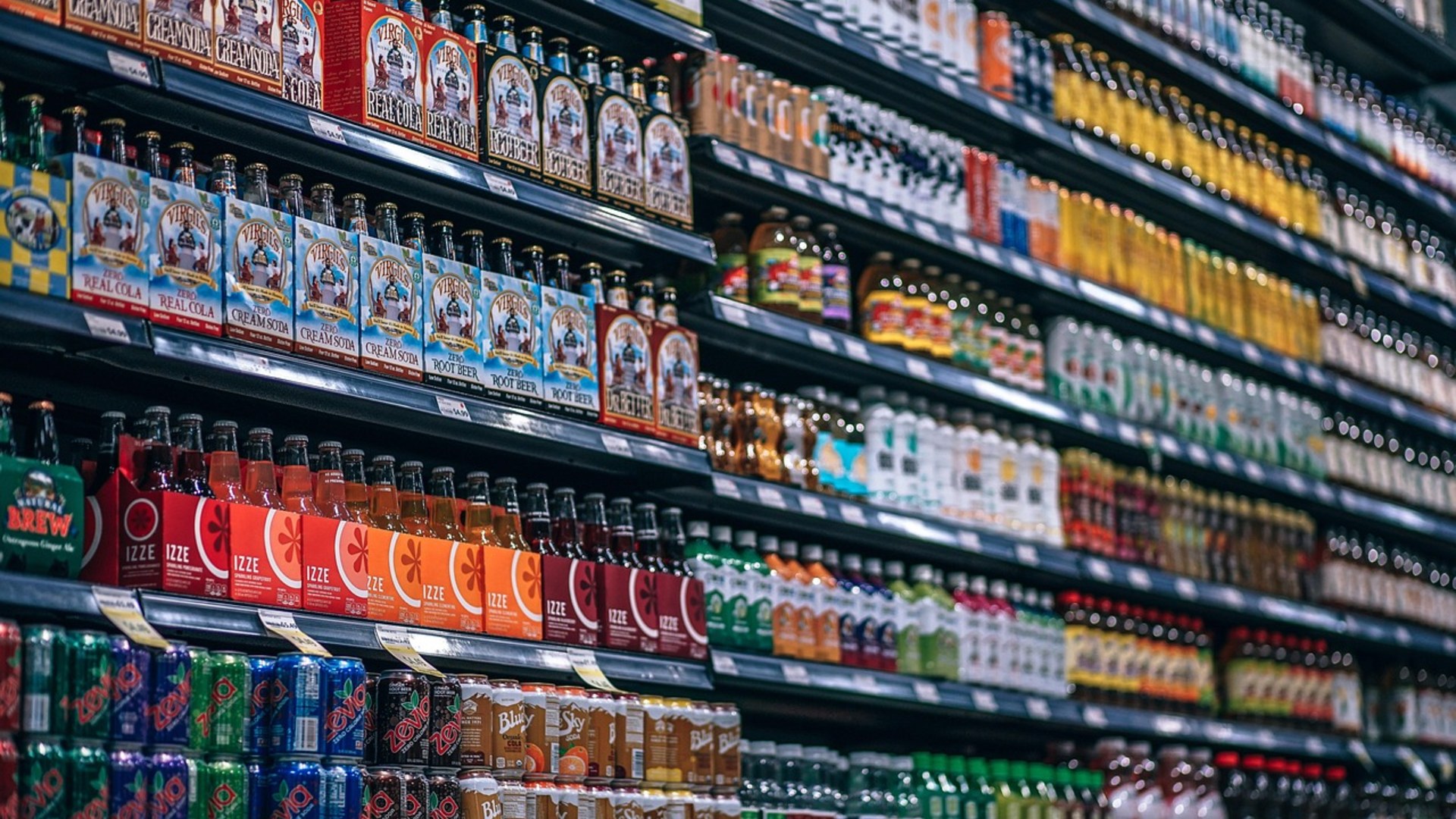
20. Eyeline Product Placement
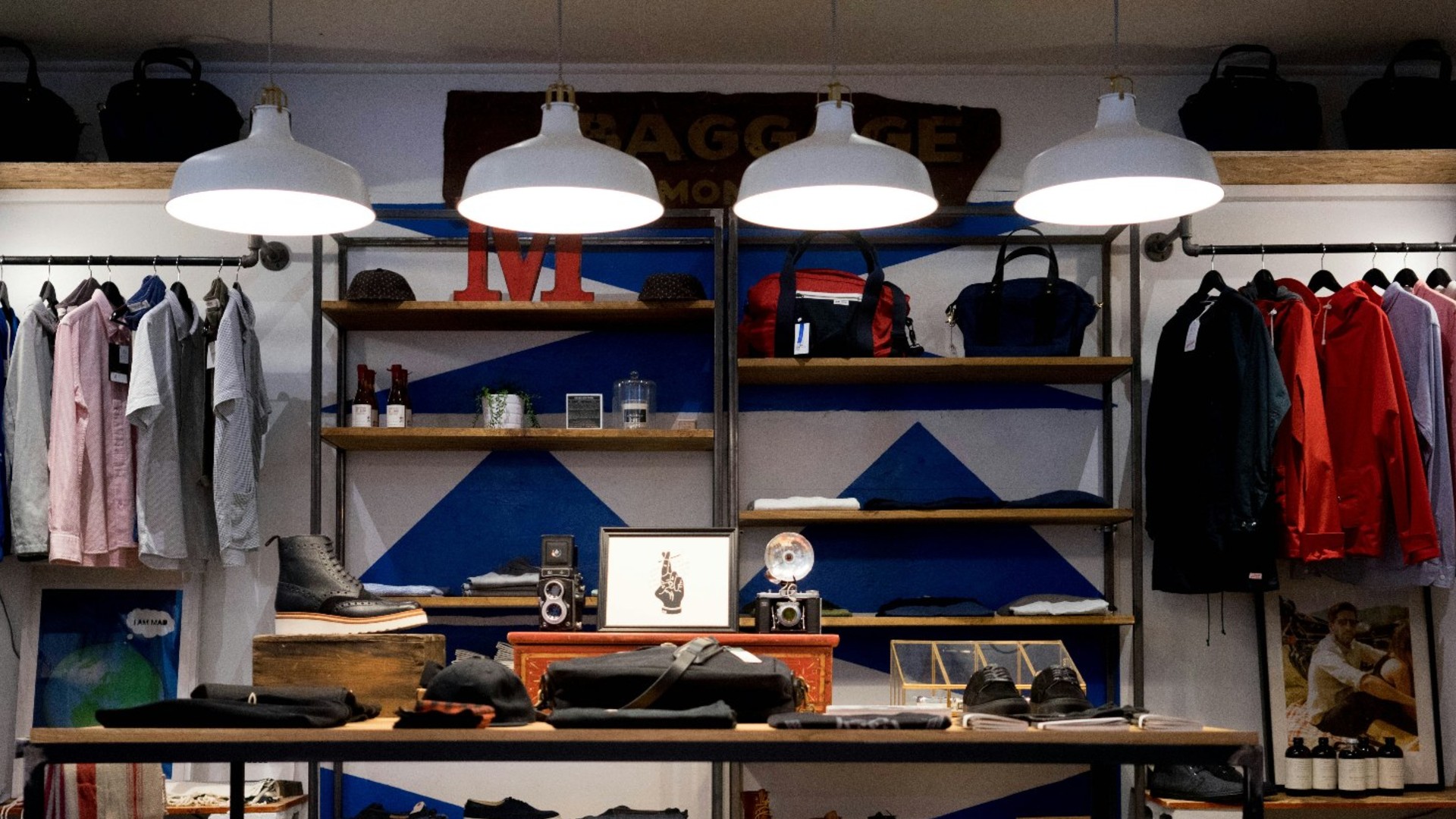
Stores place high-margin items between four and five feet off the ground, a zone retail planners call the buy level. Shoppers rarely look at bottom shelves during crowded sales events. Placing promotional stock at eye level increases item visibility and lifts sales by up to 35 percent.
©Pixabay / igorovsyannykov
19. Slow Background Tempo
Retailers broadcast slow acoustic tracks in department stores to unconsciously reduce walking speed. Academic research by marketing professor Ronald Milliman proved slow tempos increase overall in-store dwell time. Longer shopping trips expose customers to more sale displays, raising average spending.
© Photo by Clark Street Mercantile on Unsplash
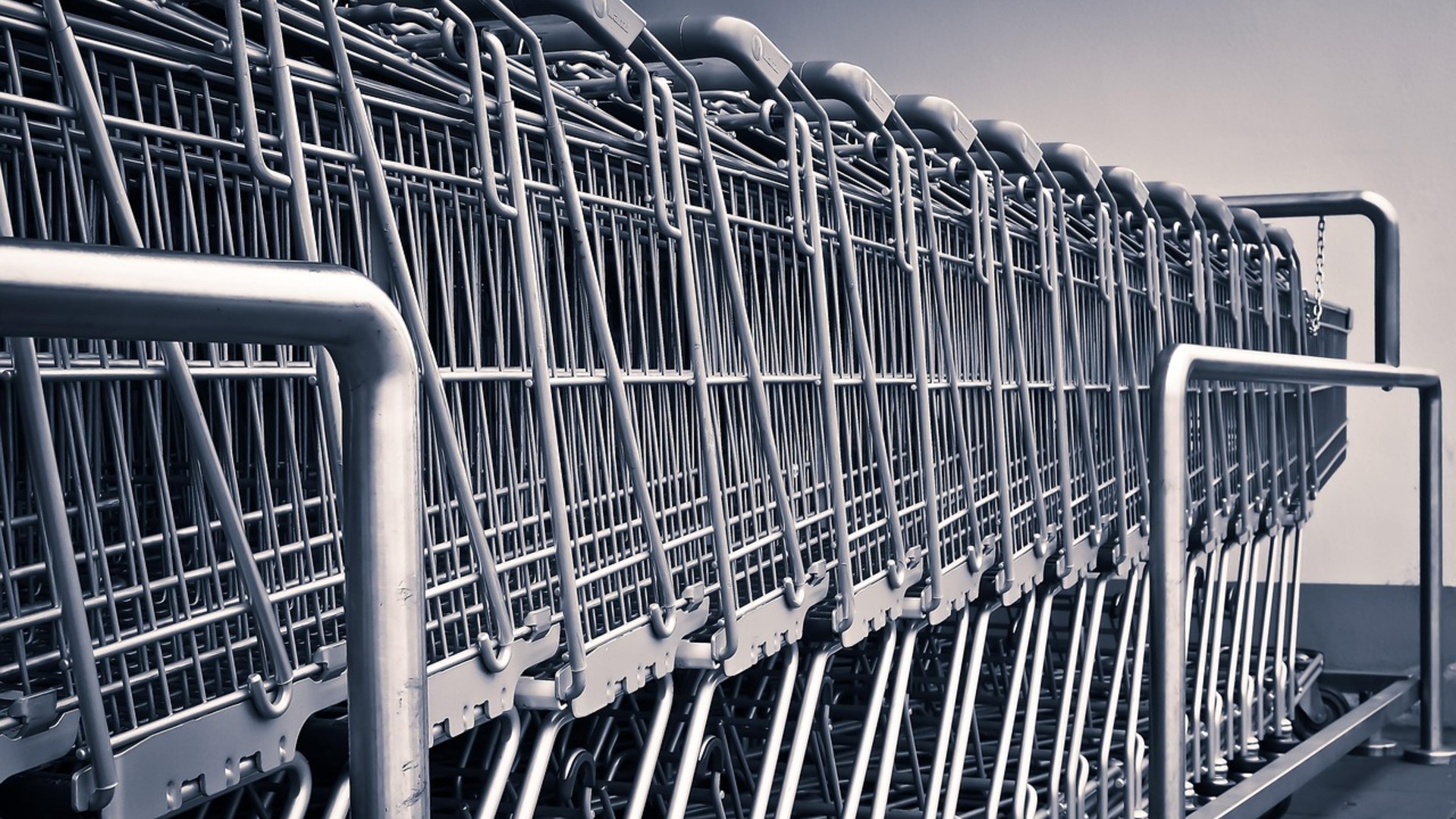
18. Oversized Shopping Carts
Supermarkets and electronics chains provide extra-wide shopping carts at entrance doors during holiday events. Marketing consultant Martin Lindstrom tracked shopper volume and discovered doubling basket size led shoppers to purchase 19 percent more merchandise simply because a half-full cart feels sparse.
©Pixabay / 652234
Advertisement
Swipe or tap ▶ to resume the countdown.
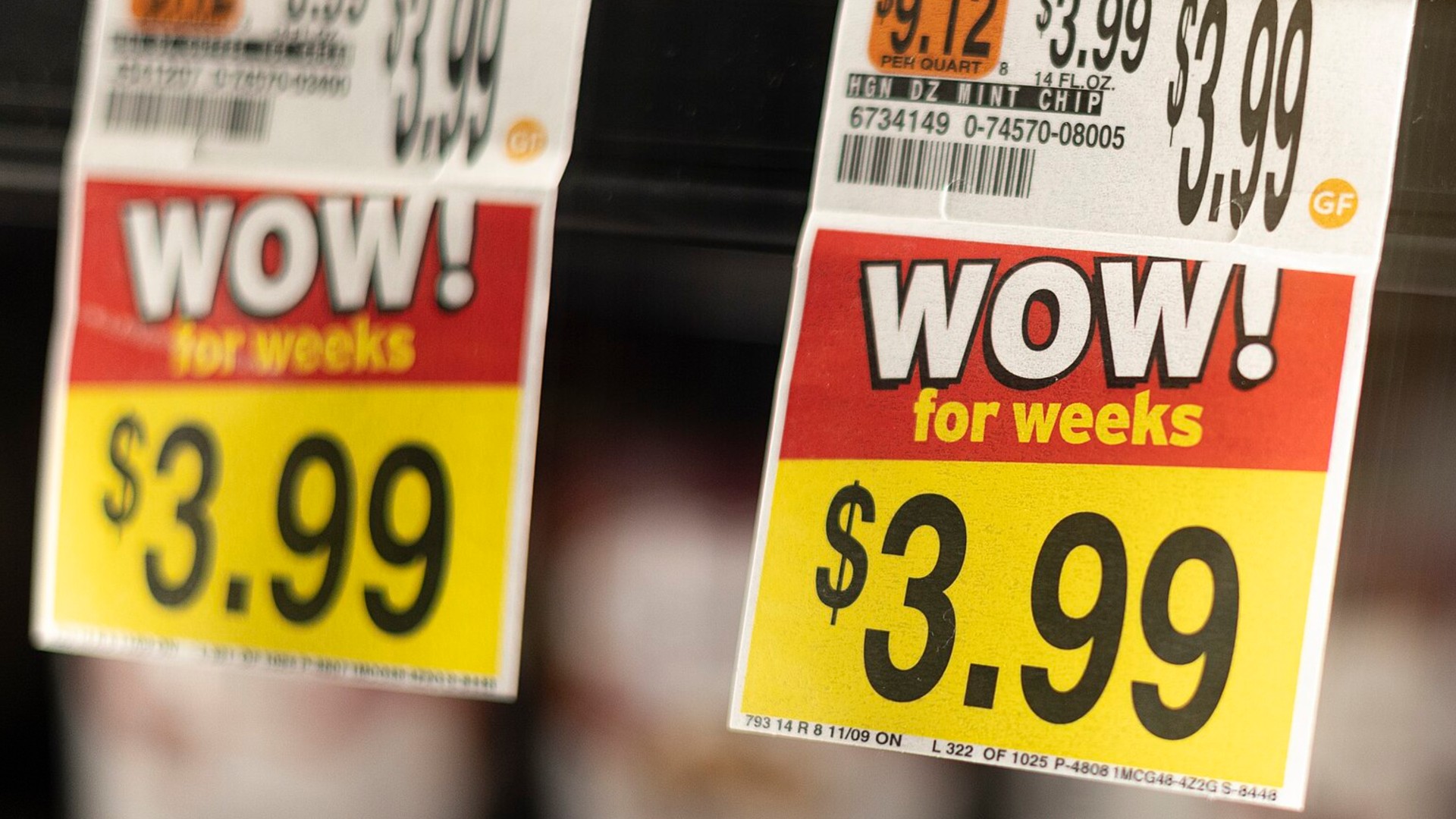
17. Charm Pricing
Pricing a television at $199.99 instead of $200 exploits the left-digit effect. Because human brains read numbers from left to right, consumers mentally register the leading digit first and perceive a substantial price bracket drop. MIT and Chicago Booth research found this tactic boosts demand by 8 percent.
©Wikimedia / Tessa Bury
16. Tiered Spending Thresholds
Retailers frequently offer promotions like spend $100 to save $20. When a shopper cart sits at $85, the consumer perceives the remaining $15 as free money rather than an added cost. Behavioral studies show customers routinely add $30 of unnecessary accessories to unlock an arbitrary nominal discount tier.
©Pixabay / viarami
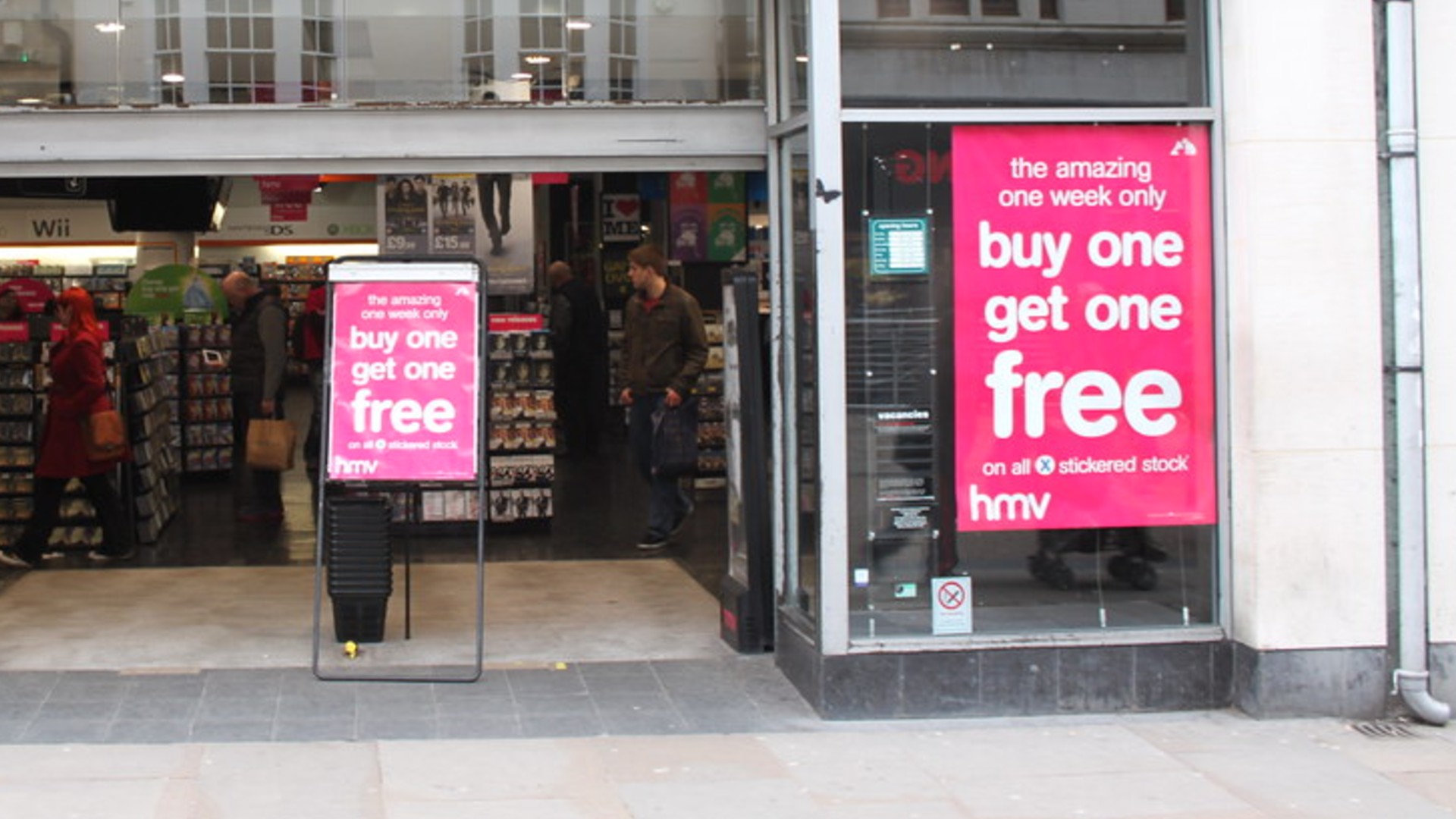
15. Free Gifts With Purchase
Offering a free canvas tote or sample kit with a purchase triggers the zero price effect documented by behavioral economist Dan Ariely. Consumers value free items far beyond their actual retail cost. The emotional lift of getting something for nothing overrides standard rational price comparisons.
©Openverse / tejvanphotos
14. Olfactory Scent Priming
Stores pump signature scents such as spiced cinnamon, vanilla, and cedarwood into air vents during November promotions. Research published in the Journal of Marketing reveals pleasant ambient scents lift customer mood and product evaluations. Relaxed consumers spend more total time examining store shelves.
©Pixabay / monicore
Advertisement
Swipe or tap ▶ to resume the countdown.
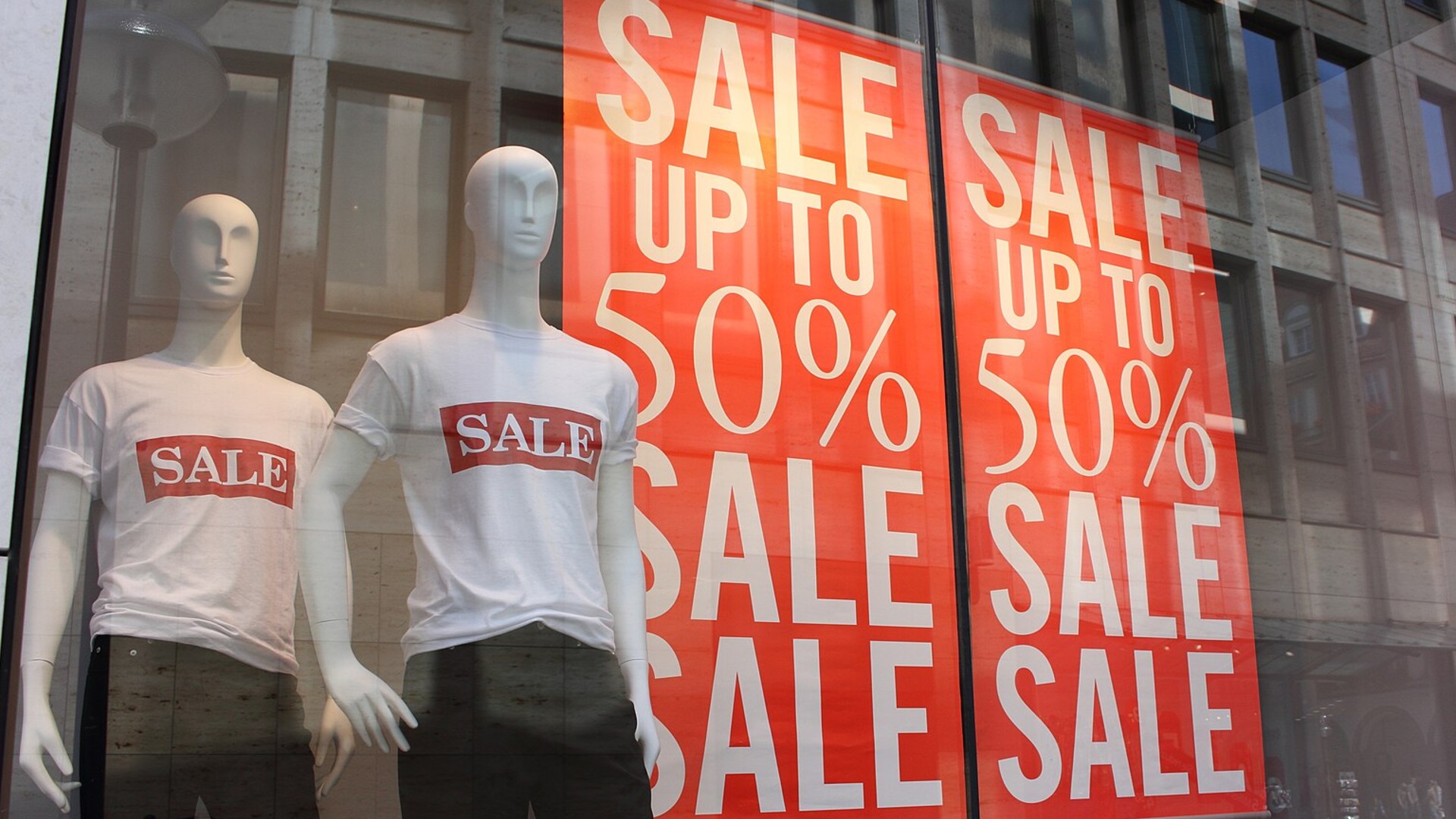
13. Warm Red Color Triggers
Clearance banners and sale tags almost universally feature bright red backgrounds. In color psychology, red stimulates physiological arousal, increasing heart rate and prompt physical reaction. Retailers use red accents to discourage contemplative price comparison and accelerate hasty checkout decisions.
©Wikimedia / Henning Schlottmann ( User:H-stt )
12. Pre-Holiday Price Anchoring
Under the anchoring bias first mapped by Daniel Kahneman and Amos Tversky, shoppers judge value relative to the first figure presented. Retailers display original list prices prominently next to current sale tags. Even if the anchor was rarely charged in prior months, it makes the new price appear deeply discounted.
©Pixabay / ClickerHappy
11. The Decoy Effect
When selling electronics, retailers often display three choices: a basic model for $150, an advanced model for $240, and an elite model for $250. The middle option acts as an asymmetric decoy. Its pricing makes the most expensive option seem like superior value, nudging buyers toward the top price point.
©Pixabay / ArtisticOperations
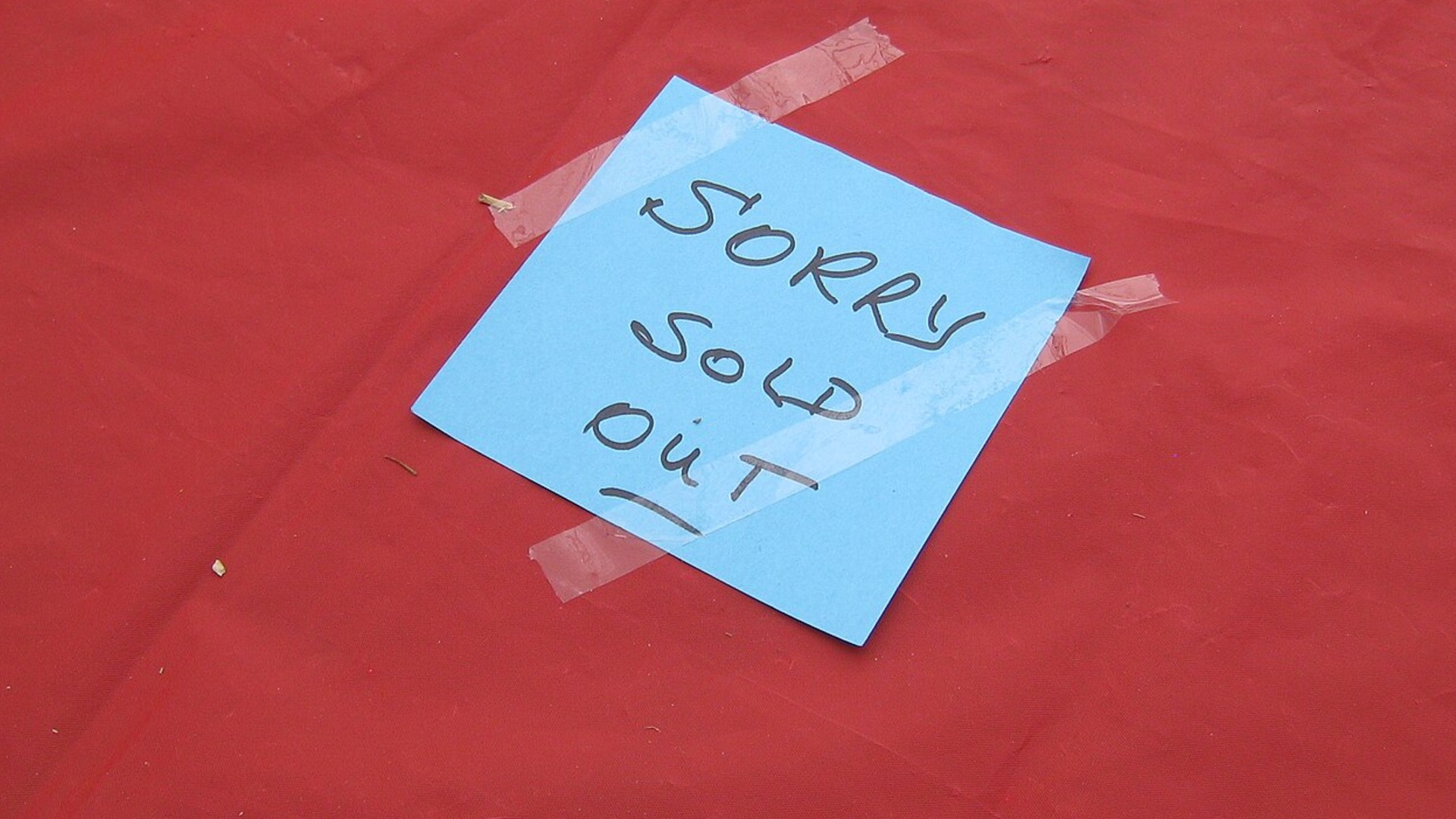
10. Loss Leader Doorbusters
Retailers heavily advertise a tiny inventory of laptops or TVs sold at an outright loss. These doorbusters pull crowds through the entrance at dawn. Once inside, consumers discover the lead deal has sold out, but they buy other profitable items because they have already committed time and travel to the visit.
©Wikimedia / Mack Male from Edmonton, AB, Canada
Advertisement
Swipe or tap ▶ to resume the countdown.
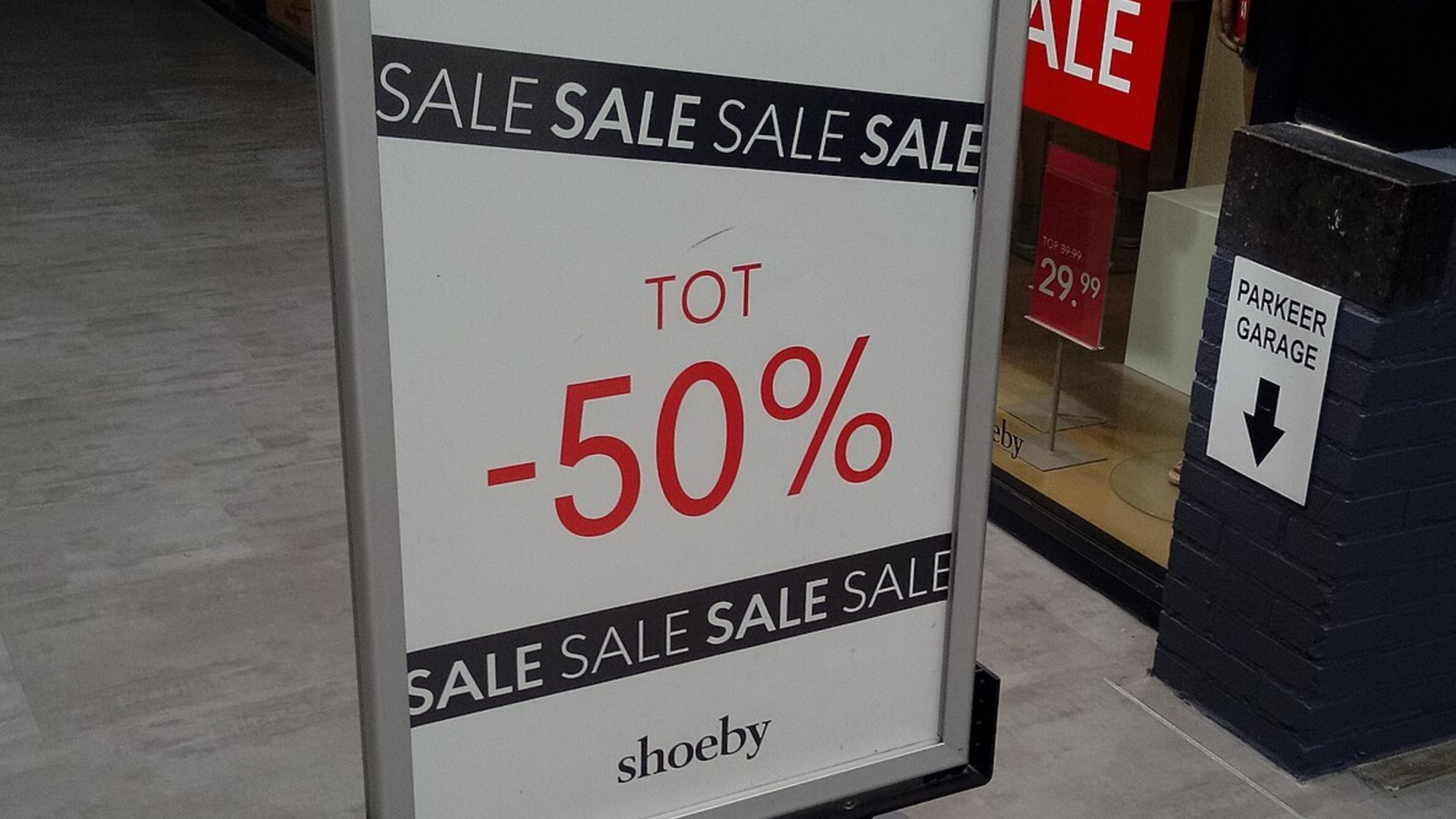
9. Framing Effect Disguises
Psychological research demonstrates that presenting a deal as 50 percent more product sells far better than offering 33 percent off, even though the mathematical savings are identical. Retailers craft promotional copy around words like bonus and gift to reframe regular commercial transactions as generous prizes.
©Wikimedia / Donald Trung Quoc Don (Chữ Hán: 徵國單) - Wikimedia
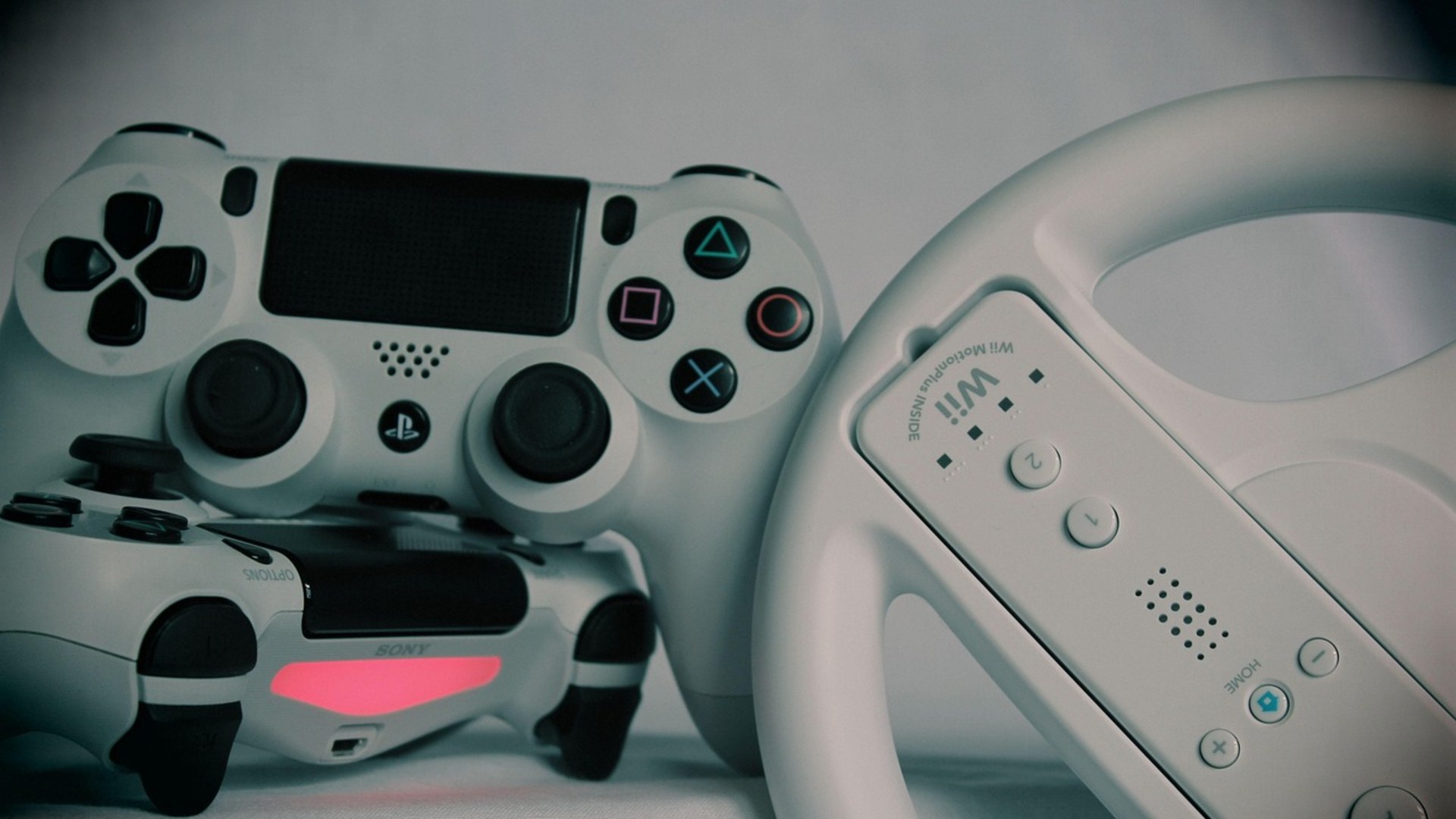
8. Bundle Distortions
Retailers often package video game consoles with cables, games, and extra controllers at a single price point. Economist Richard Thaler established that bundled prices confuse mental accounting. Buyers struggle to calculate individual component costs, allowing sellers to mask inflated prices on cheap cables.
©Pixabay / Romy_Deckel
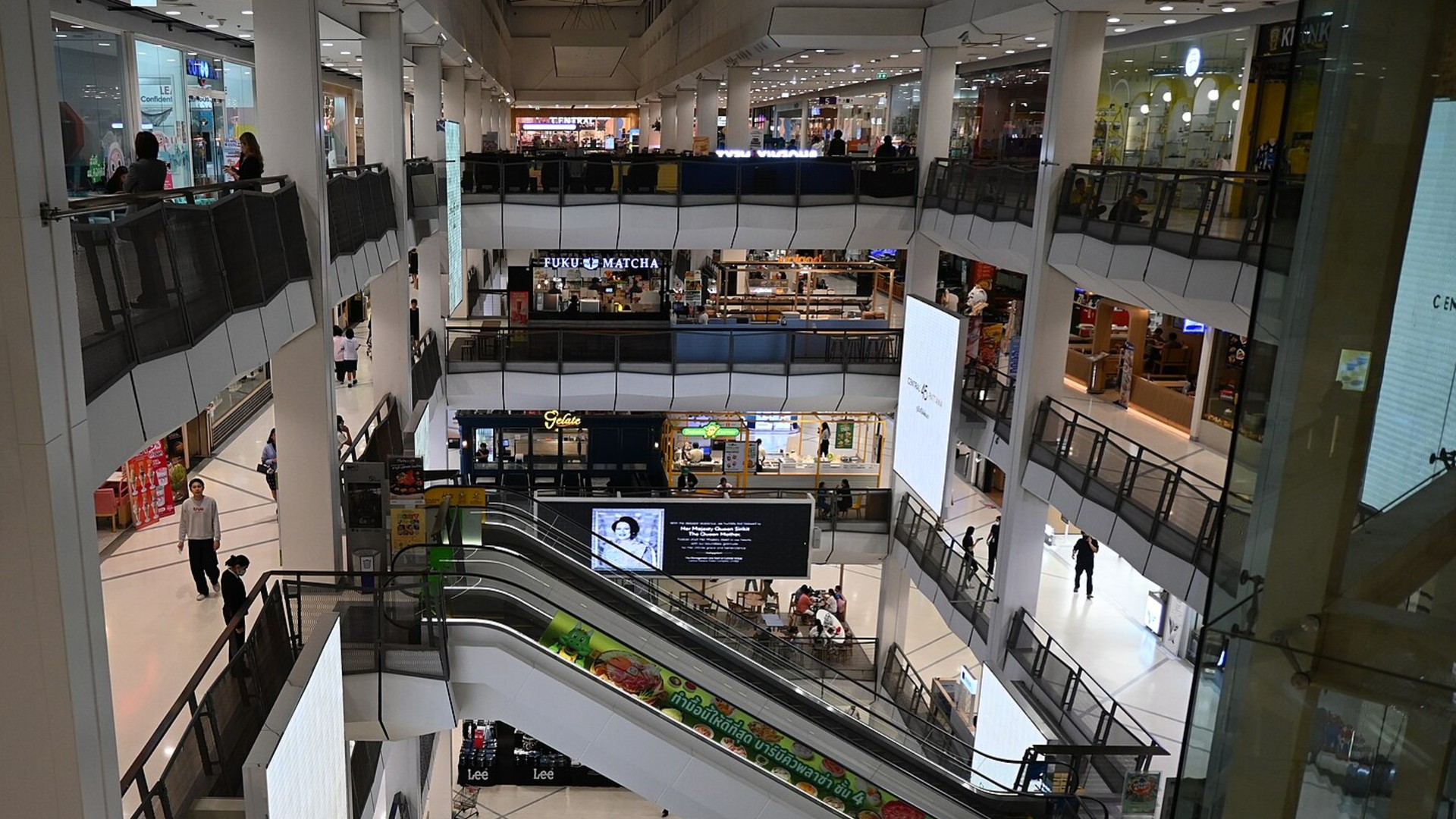
7. The Gruen Transfer
Architect Victor Gruen designed store layouts that intentionally disorient visitors with winding paths and missing clocks. Disorientation slows critical evaluation and shifts the mind into passive browsing. Black Friday shoppers wandering through central displays pick up unplanned impulse items along the way.
©Wikimedia / PattayaPatrol
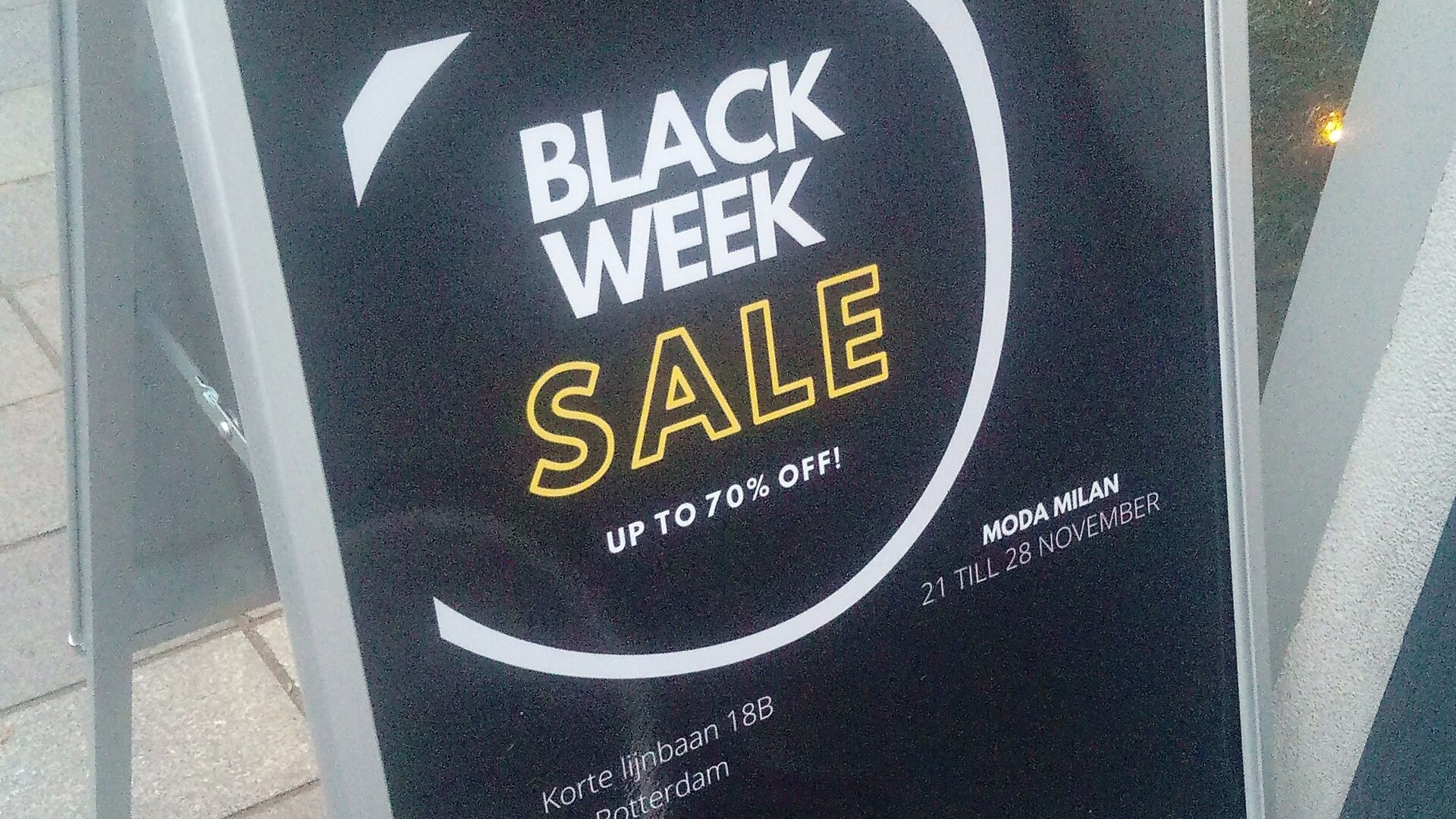
6. Phantom Reference Markdowns
Investigations by consumer watchdog Which? found that 85 percent of Black Friday items were cheaper or identical in price in the months before the sale. Stores sometimes raise prices in early autumn before marking them down in November, presenting artificial discounts that violate consumer expectations.
©Wikimedia / Donald Trung Quoc Don (Chữ Hán: 徵國單)
Advertisement
Swipe or tap ▶ to resume the countdown.
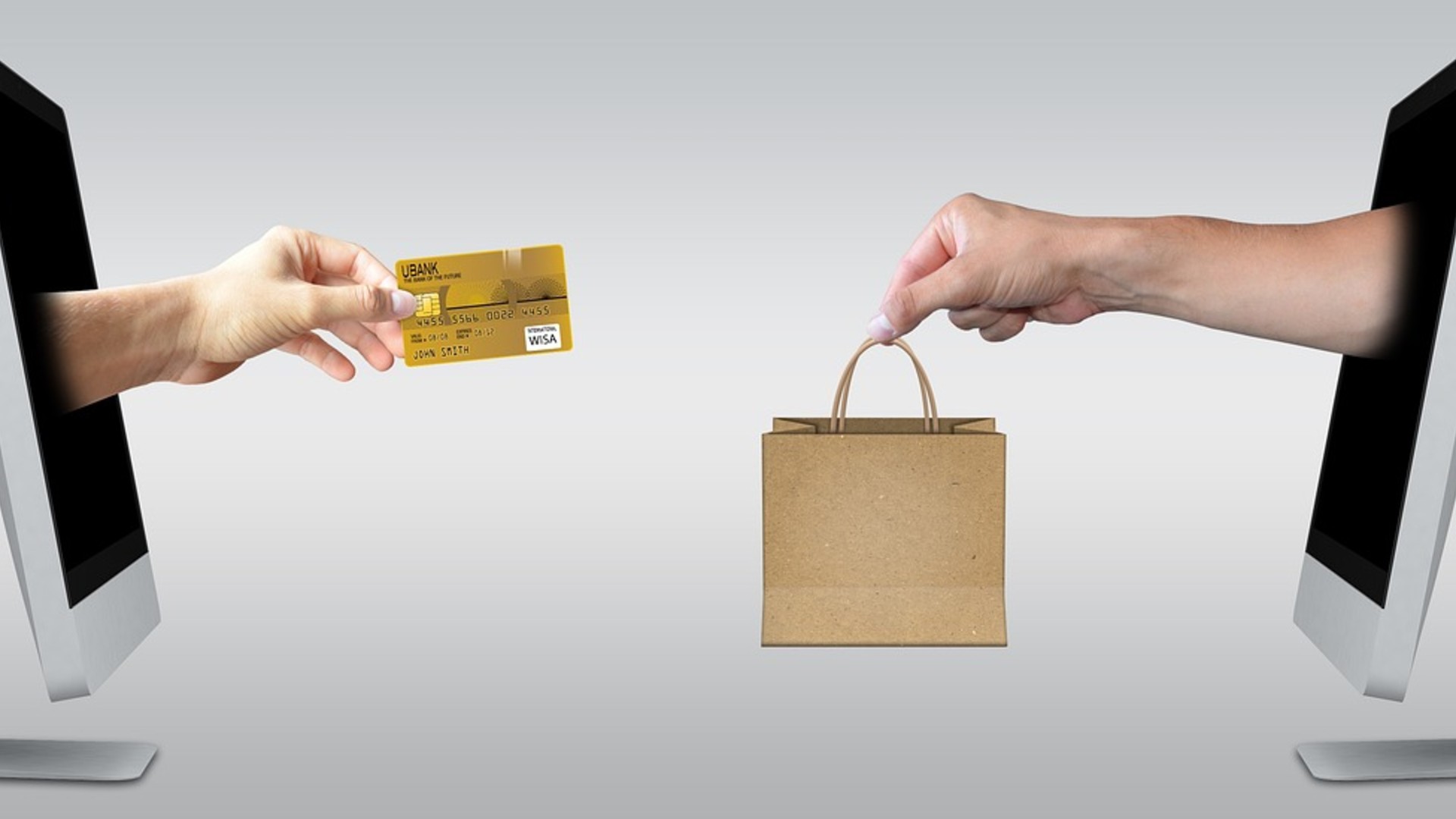
5. Gamified Flash Sales
Online retailers use progress bars and instant claim windows for limited promotions. Neuroimaging research shows time-limited competitive deals trigger dopamine surges associated with hunting and rivalry. Shoppers race to claim deals before others, bypassing careful rational evaluation of the product.
©Pixabay / Mediamodifier
4. Sunk Cost Exploitation
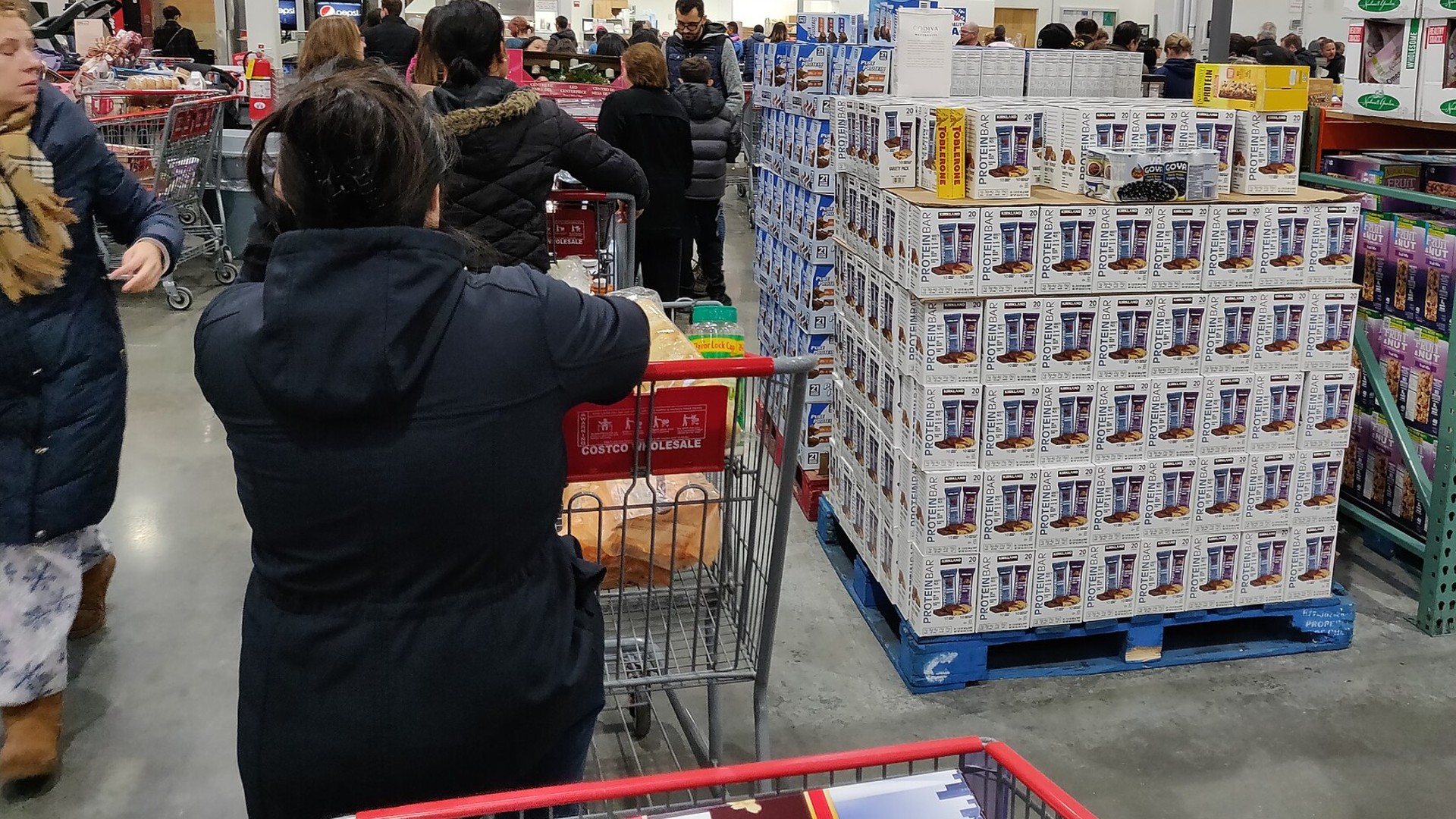
When shoppers wait thirty minutes in an physical line or digital queue, the sunk cost fallacy takes over. Customers feel that leaving empty-handed wastes their invested time. To justify the prolonged wait, buyers remain in line and often purchase additional checkout counter accessories at the last minute.
©Wikimedia / Kurt Kaiser
3. Countdown Urgency Timers
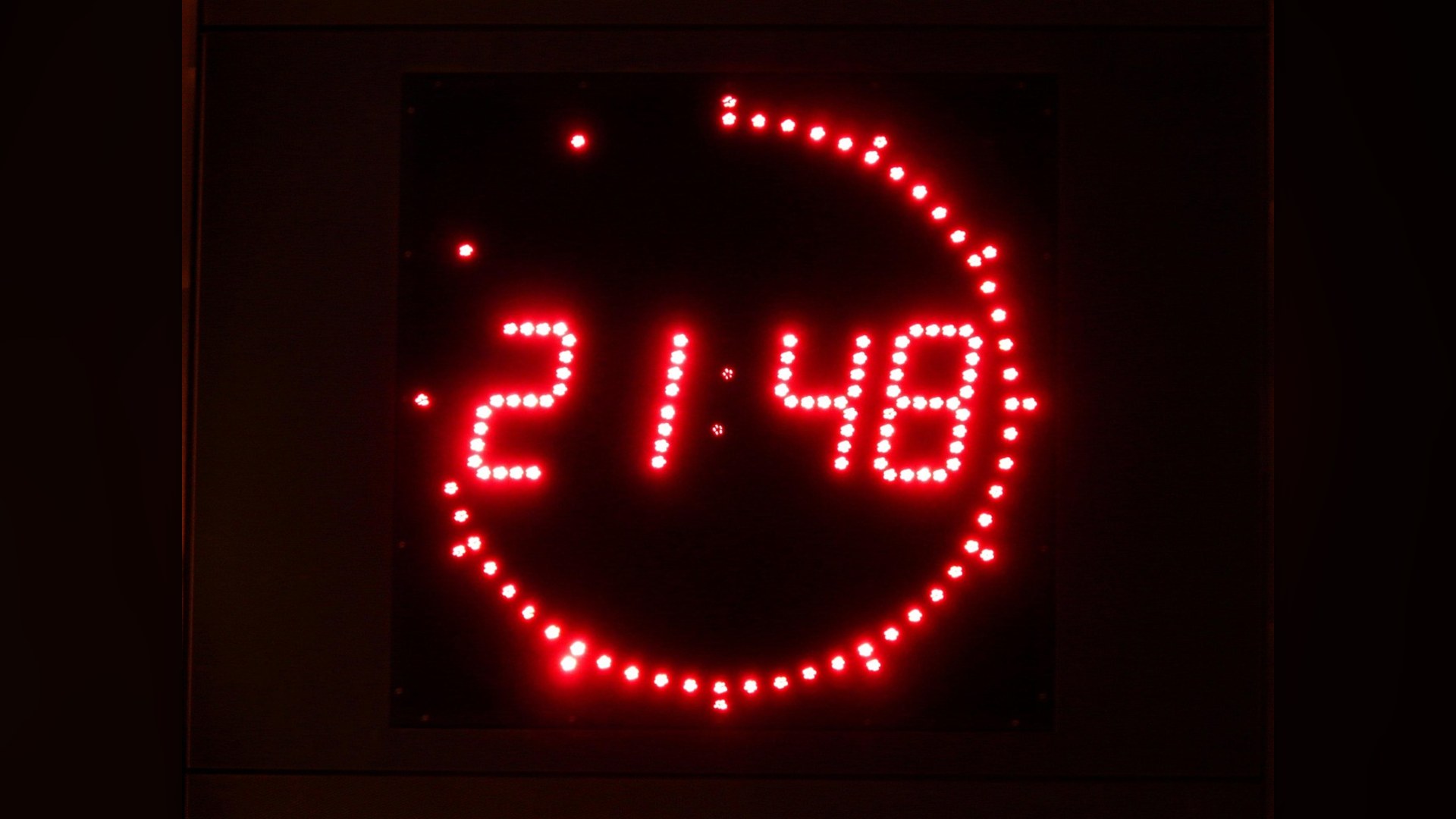
Flashing digital clocks with ticking seconds create acute perceived urgency on retail checkout pages. The American Psychological Association notes that acute time limits restrict cognitive bandwidth. Consumers abandon price verification across competing stores and finalize impulse orders before the timer hits zero.
©Pixabay / Hans
2. The Endowment Touch Effect
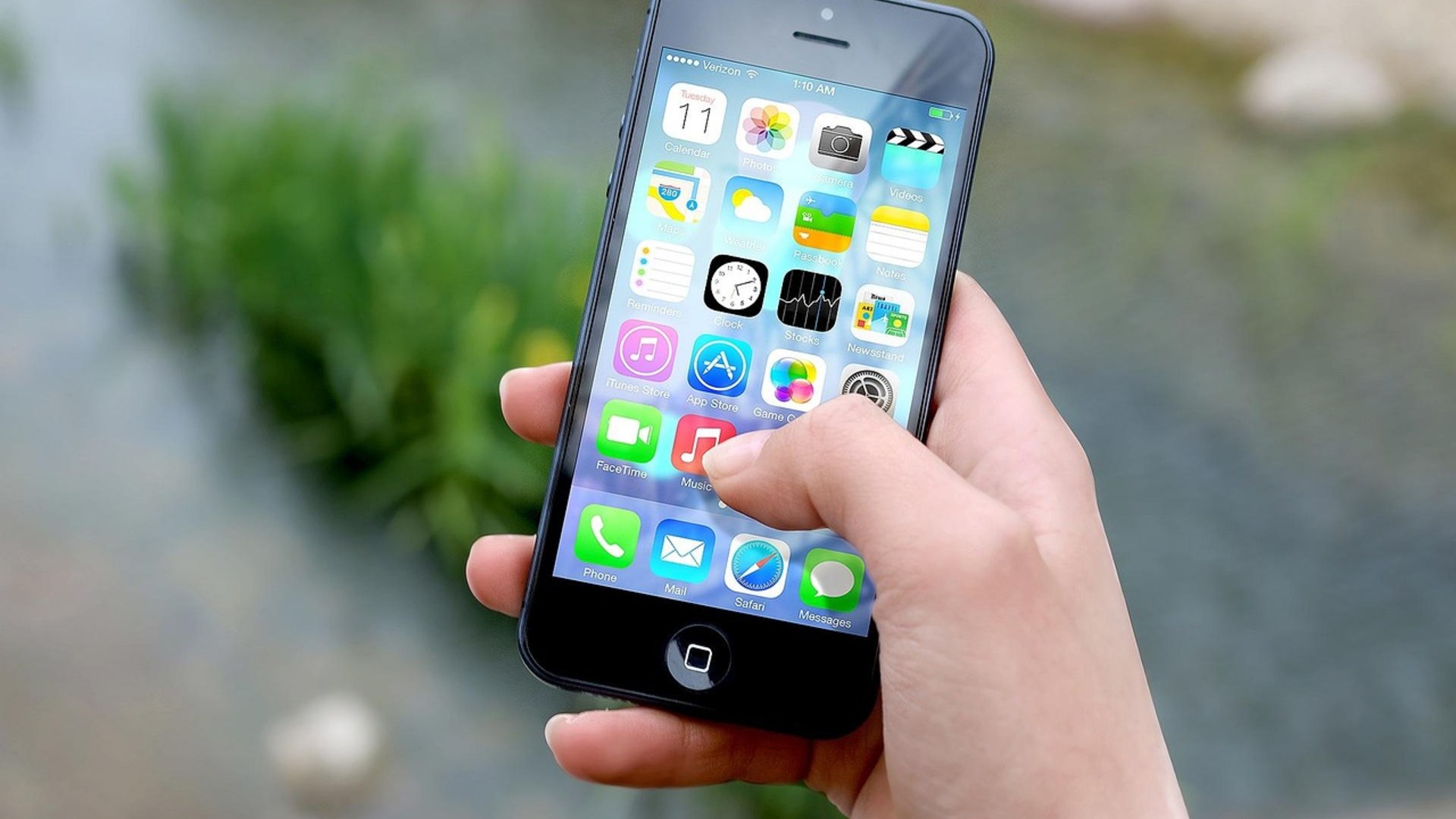
Electronics stores remove protective glass and place unlocked phones, tablets, and headphones directly in reach. Once a customer touches and tests a gadget, the psychological endowment effect takes hold. People value objects they hold more intensely, making it emotionally painful to put the device back on display.
©Pixabay / JESHOOTS-com
Advertisement
Swipe or tap ▶ to resume the countdown.
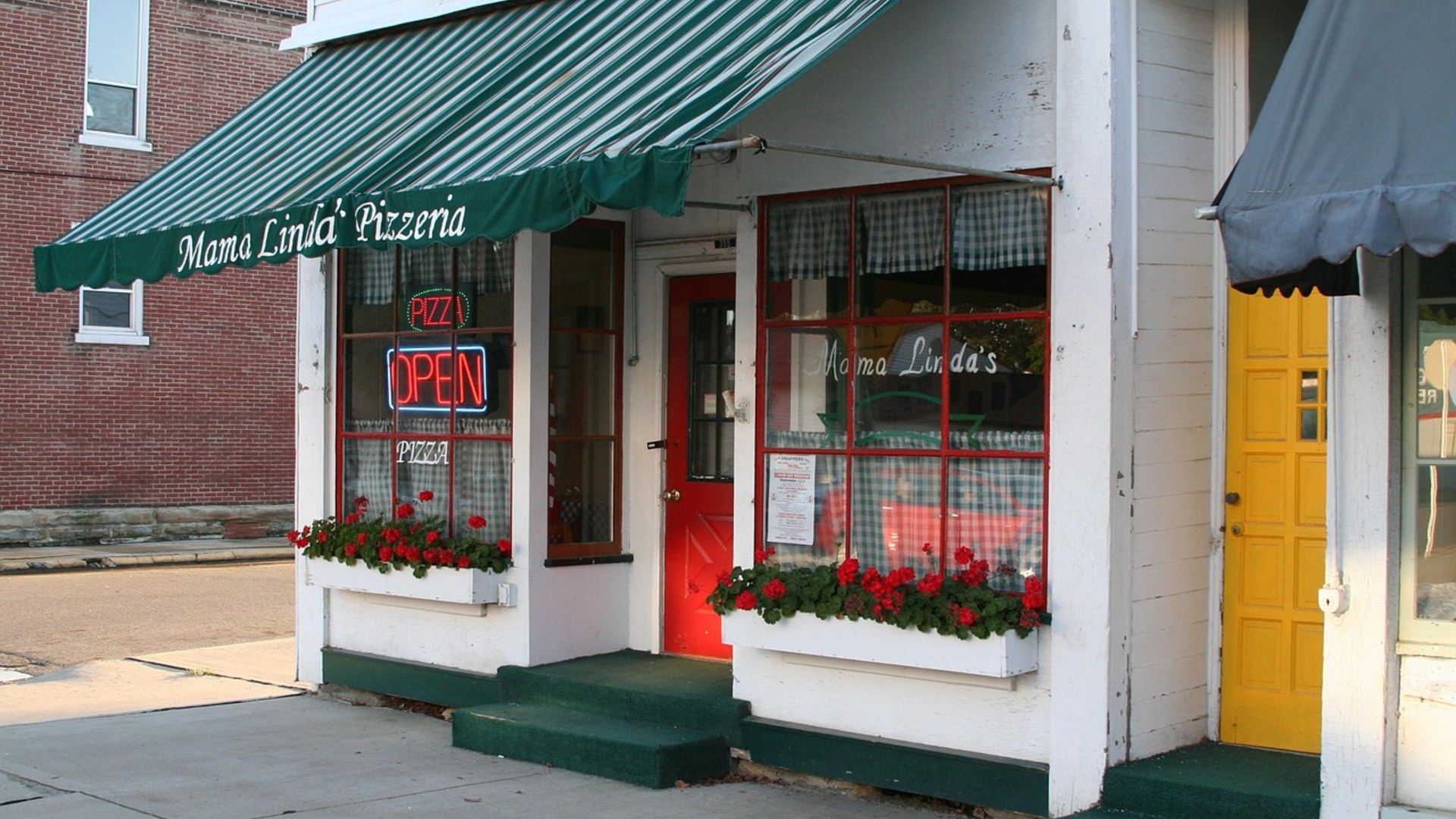
1. Artificial Scarcity Panic
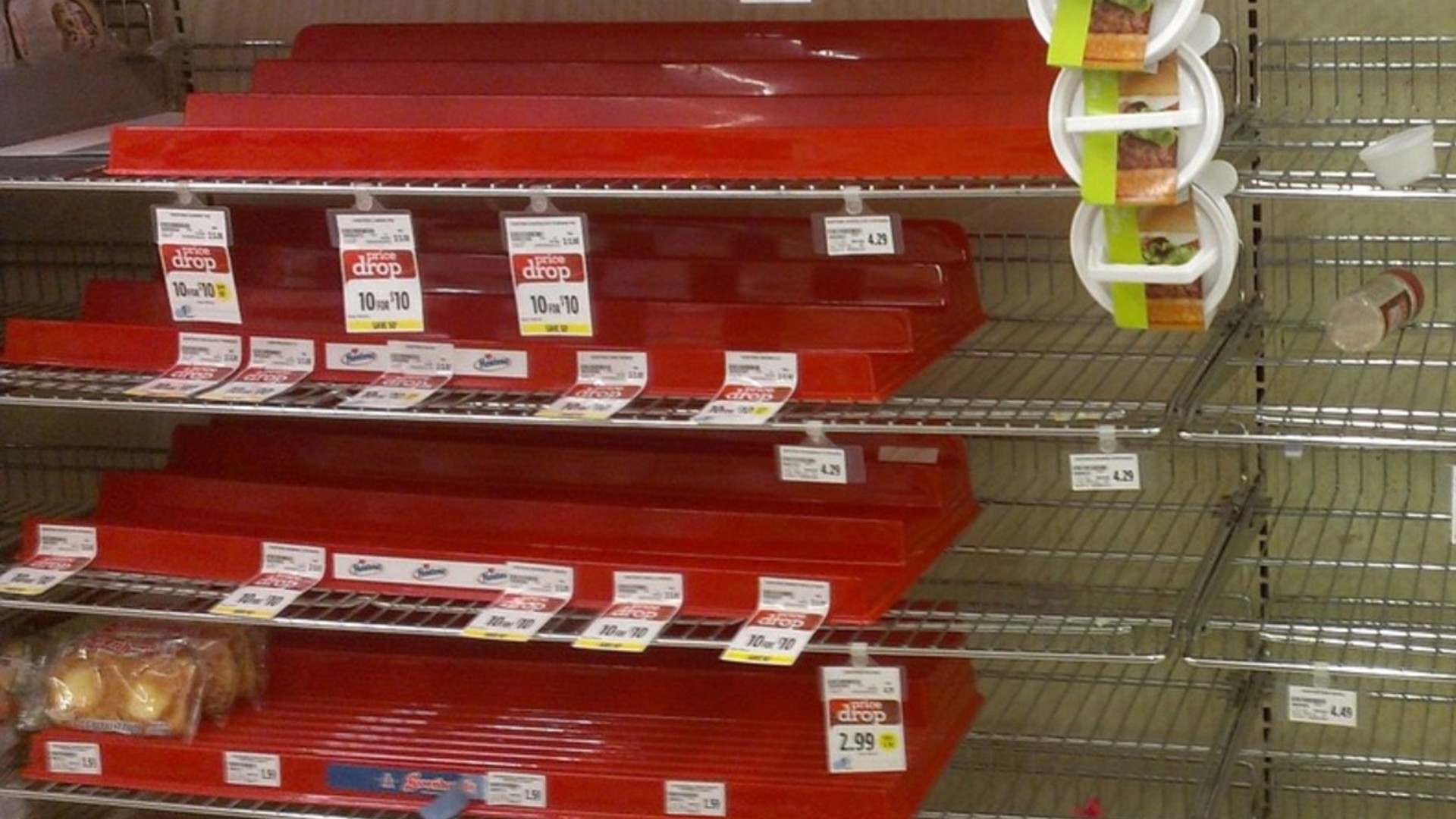
Labels declaring only two units left or twenty shoppers viewing this item weaponize loss aversion. Psychologists find that the perceived pain of missing an opportunity is twice as powerful as the joy of equivalent gain. Scarcity cues manufacture immediate panic, driving customers to complete impulse purchases.
©Pixabay / jbarsky0
Advertisement
You've reached the end of the story. Thanks for reading!

20 Richest Members of the British Royal Family, Ranked
Explore the fortunes and holdings of the richest British royals.
All 20 Entries in this Story
20. Eyeline Product Placement
Stores place high-margin items between four and five feet off the ground, a zone retail planners call the buy level. Shoppers rarely look at bottom shelves during crowded sales events. Placing promotional stock at eye level increases item visibility and lifts sales by up to 35 percent.

19. Slow Background Tempo
Retailers broadcast slow acoustic tracks in department stores to unconsciously reduce walking speed. Academic research by marketing professor Ronald Milliman proved slow tempos increase overall in-store dwell time. Longer shopping trips expose customers to more sale displays, raising average spending.

18. Oversized Shopping Carts
Supermarkets and electronics chains provide extra-wide shopping carts at entrance doors during holiday events. Marketing consultant Martin Lindstrom tracked shopper volume and discovered doubling basket size led shoppers to purchase 19 percent more merchandise simply because a half-full cart feels sparse.

17. Charm Pricing
Pricing a television at $199.99 instead of $200 exploits the left-digit effect. Because human brains read numbers from left to right, consumers mentally register the leading digit first and perceive a substantial price bracket drop. MIT and Chicago Booth research found this tactic boosts demand by 8 percent.

16. Tiered Spending Thresholds
Retailers frequently offer promotions like spend $100 to save $20. When a shopper cart sits at $85, the consumer perceives the remaining $15 as free money rather than an added cost. Behavioral studies show customers routinely add $30 of unnecessary accessories to unlock an arbitrary nominal discount tier.

15. Free Gifts With Purchase
Offering a free canvas tote or sample kit with a purchase triggers the zero price effect documented by behavioral economist Dan Ariely. Consumers value free items far beyond their actual retail cost. The emotional lift of getting something for nothing overrides standard rational price comparisons.

14. Olfactory Scent Priming
Stores pump signature scents such as spiced cinnamon, vanilla, and cedarwood into air vents during November promotions. Research published in the Journal of Marketing reveals pleasant ambient scents lift customer mood and product evaluations. Relaxed consumers spend more total time examining store shelves.

13. Warm Red Color Triggers
Clearance banners and sale tags almost universally feature bright red backgrounds. In color psychology, red stimulates physiological arousal, increasing heart rate and prompt physical reaction. Retailers use red accents to discourage contemplative price comparison and accelerate hasty checkout decisions.

12. Pre-Holiday Price Anchoring
Under the anchoring bias first mapped by Daniel Kahneman and Amos Tversky, shoppers judge value relative to the first figure presented. Retailers display original list prices prominently next to current sale tags. Even if the anchor was rarely charged in prior months, it makes the new price appear deeply discounted.

11. The Decoy Effect
When selling electronics, retailers often display three choices: a basic model for $150, an advanced model for $240, and an elite model for $250. The middle option acts as an asymmetric decoy. Its pricing makes the most expensive option seem like superior value, nudging buyers toward the top price point.

10. Loss Leader Doorbusters
Retailers heavily advertise a tiny inventory of laptops or TVs sold at an outright loss. These doorbusters pull crowds through the entrance at dawn. Once inside, consumers discover the lead deal has sold out, but they buy other profitable items because they have already committed time and travel to the visit.

9. Framing Effect Disguises
Psychological research demonstrates that presenting a deal as 50 percent more product sells far better than offering 33 percent off, even though the mathematical savings are identical. Retailers craft promotional copy around words like bonus and gift to reframe regular commercial transactions as generous prizes.

8. Bundle Distortions
Retailers often package video game consoles with cables, games, and extra controllers at a single price point. Economist Richard Thaler established that bundled prices confuse mental accounting. Buyers struggle to calculate individual component costs, allowing sellers to mask inflated prices on cheap cables.

7. The Gruen Transfer
Architect Victor Gruen designed store layouts that intentionally disorient visitors with winding paths and missing clocks. Disorientation slows critical evaluation and shifts the mind into passive browsing. Black Friday shoppers wandering through central displays pick up unplanned impulse items along the way.

6. Phantom Reference Markdowns
Investigations by consumer watchdog Which? found that 85 percent of Black Friday items were cheaper or identical in price in the months before the sale. Stores sometimes raise prices in early autumn before marking them down in November, presenting artificial discounts that violate consumer expectations.

5. Gamified Flash Sales
Online retailers use progress bars and instant claim windows for limited promotions. Neuroimaging research shows time-limited competitive deals trigger dopamine surges associated with hunting and rivalry. Shoppers race to claim deals before others, bypassing careful rational evaluation of the product.

4. Sunk Cost Exploitation
When shoppers wait thirty minutes in an physical line or digital queue, the sunk cost fallacy takes over. Customers feel that leaving empty-handed wastes their invested time. To justify the prolonged wait, buyers remain in line and often purchase additional checkout counter accessories at the last minute.

3. Countdown Urgency Timers
Flashing digital clocks with ticking seconds create acute perceived urgency on retail checkout pages. The American Psychological Association notes that acute time limits restrict cognitive bandwidth. Consumers abandon price verification across competing stores and finalize impulse orders before the timer hits zero.

2. The Endowment Touch Effect
Electronics stores remove protective glass and place unlocked phones, tablets, and headphones directly in reach. Once a customer touches and tests a gadget, the psychological endowment effect takes hold. People value objects they hold more intensely, making it emotionally painful to put the device back on display.

1. Artificial Scarcity Panic
Labels declaring only two units left or twenty shoppers viewing this item weaponize loss aversion. Psychologists find that the perceived pain of missing an opportunity is twice as powerful as the joy of equivalent gain. Scarcity cues manufacture immediate panic, driving customers to complete impulse purchases.