Slideshow · Viral
20 US Cities With the Largest Urban Tree Canopies
Urban tree canopies deliver critical climate resilience, cool metropolitan neighborhoods, and purify city air. Spanning from lush southern river valleys to Pacific conifer forests, these twenty American cities lead the nation in protecting extensive municipal tree cover across public parks and neighborhood streets.
By Most Viral Today
11 min ago

20 Leafiest American Cities Shaded by Massive Urban Tree Canopies 
20. Atlanta, Georgia 
19. Nashville, Tennessee 
18. Charlotte, North Carolina - AdvertisementSwipe or tap ▶ to continue countdown

17. Tallahassee, Florida 
16. Gainesville, Florida 
15. Raleigh, North Carolina 
14. Durham, North Carolina - AdvertisementSwipe or tap ▶ to continue countdown

13. Chattanooga, Tennessee 
12. Cincinnati, Ohio 
11. Savannah, Georgia 
10. Richmond, Virginia - AdvertisementSwipe or tap ▶ to continue countdown

9. Knoxville, Tennessee 
8. Pittsburgh, Pennsylvania 
7. Greensboro, North Carolina 
6. Louisville, Kentucky - AdvertisementSwipe or tap ▶ to continue countdown

5. Washington, D.C. 
4. Little Rock, Arkansas 
3. Tampa, Florida 
2. Austin, Texas - AdvertisementSwipe or tap ▶ to continue countdown

1. Portland, Oregon - Advertisement🔥 UP NEXT IN THIS SERIES◫ 21 Slides

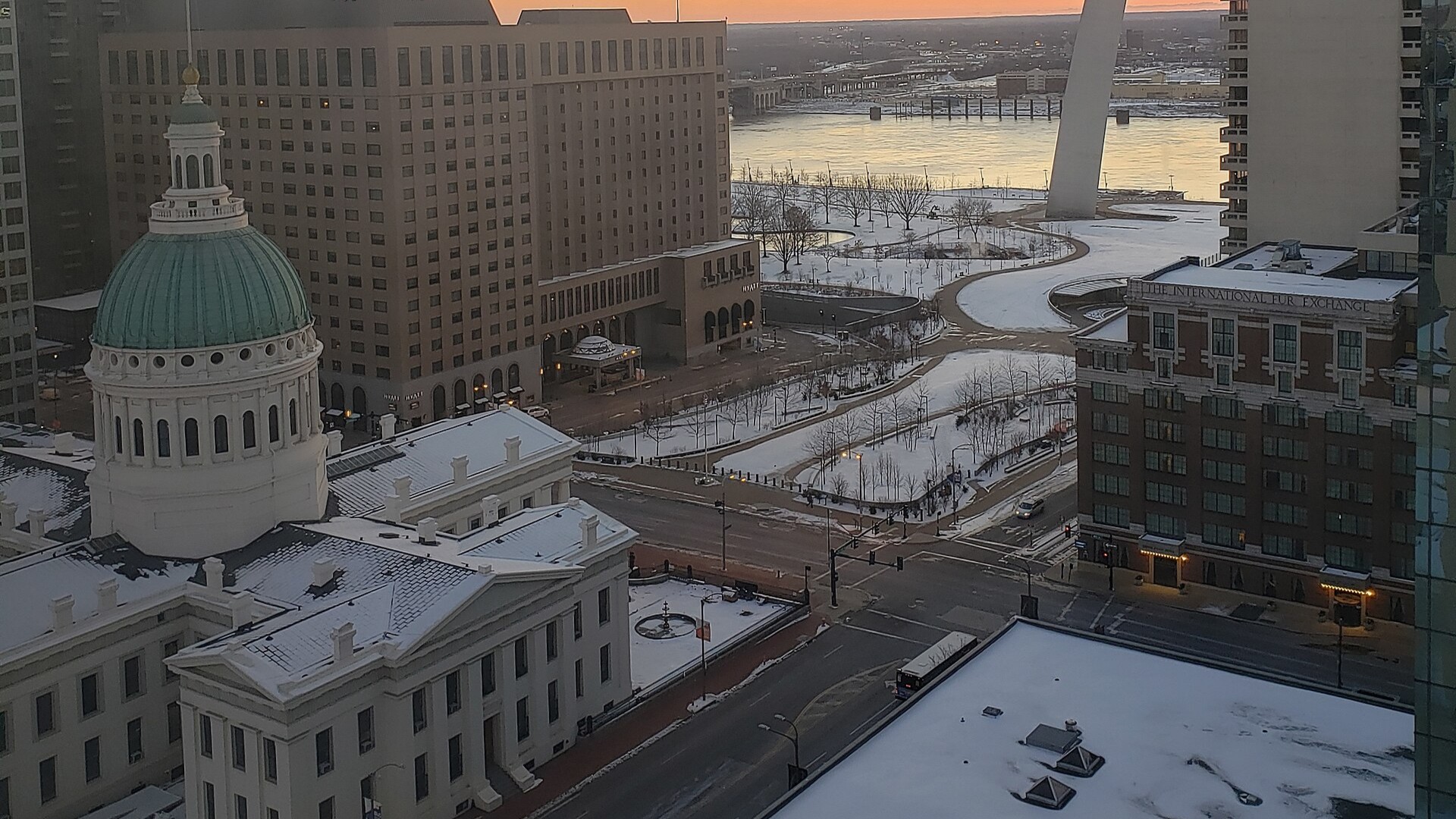
20 Photos of St. Louis Under Snow, From the Arch to Forest Park
Winter storms turn St. Louis into a quiet study in brick, limestone and steel. These 20 scenes span the Gateway Arch, the Old Courthouse, Forest Park, Tower Grove Park, Carondelet Park and Washington University. Based on National Park Service, Missouri History Museum and National Weather Service archival records.
Thriving urban forests shade millions of city residents, lower summer temperatures, and capture atmospheric stormwater runoff across the United States. Based on municipal urban forestry assessments, the American Forests Tree Equity Score database, and peer-reviewed spatial surveys from the US Forest Service.
Swipe or tap ▶ to begin the countdown
©Wikimedia / Thomson200
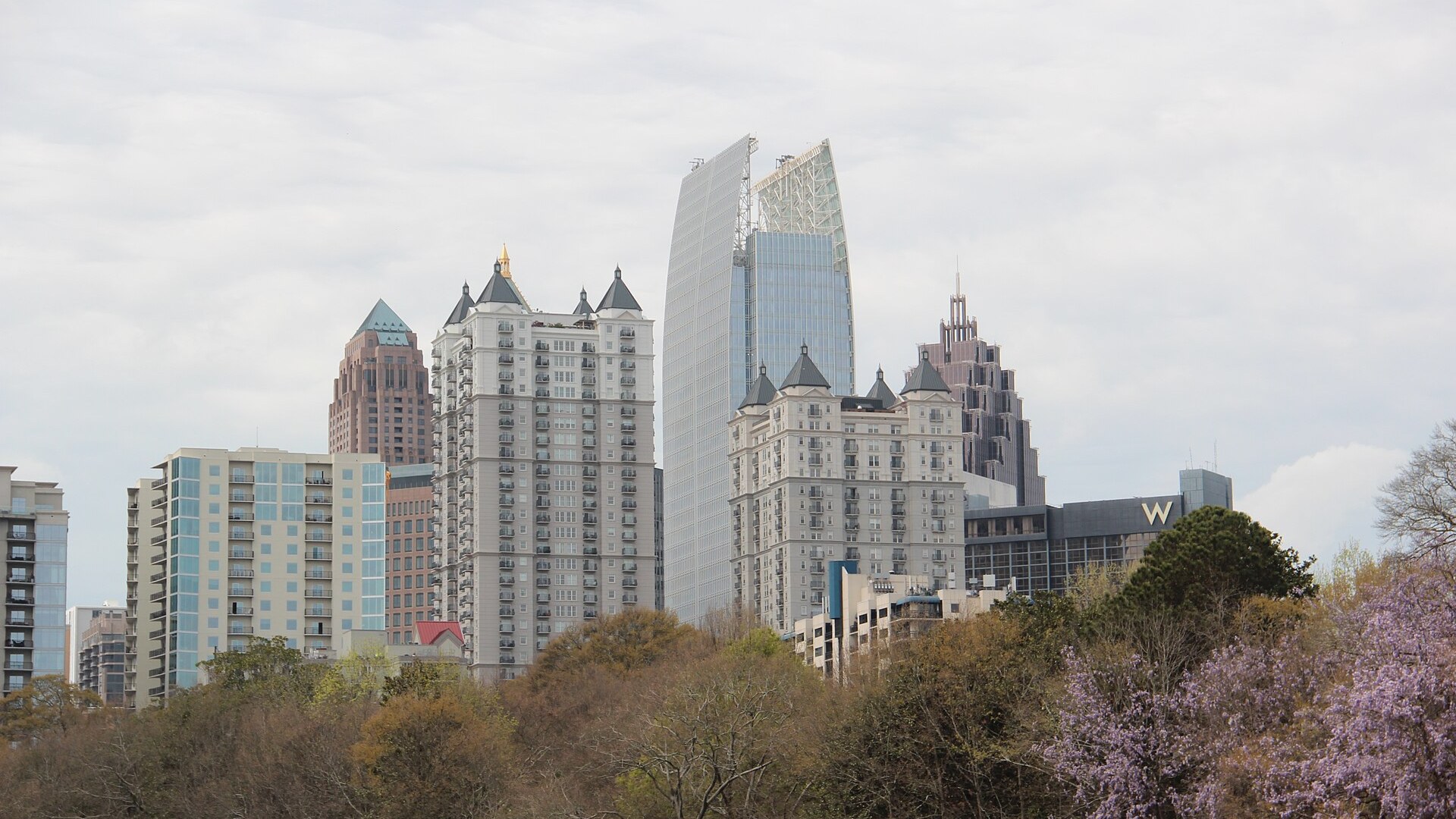
20. Atlanta, Georgia
Atlanta preserves one of the densest urban forests of any major American metropolitan area, covering roughly forty-eight percent of the city. Supported by the Trees Atlanta initiative, the city maintains thousands of mature white oaks, tulip poplars, and sweetgums across residential neighborhoods and public parks.
©Wikimedia / Shawn M. Kent
19. Nashville, Tennessee
Benefiting from its unified countywide boundary, Nashville sustains approximately fifty-three percent tree canopy coverage across Davidson County. The city urban forestry division prioritizes native hickory and oak groves along the Cumberland River greenway, combating regional summer heat islands.
©Wikimedia / Altairisfar
18. Charlotte, North Carolina
Known as the Queen City, Charlotte features a protected forty-seven percent urban tree canopy celebrated for towering willow oaks planted a century ago. Neighborhoods like Myers Park and Dilworth feature continuous street-level canopies, supported by municipal tree protection ordinances.
©Wikimedia / James Willamor
Advertisement
Swipe or tap ▶ to resume the countdown.
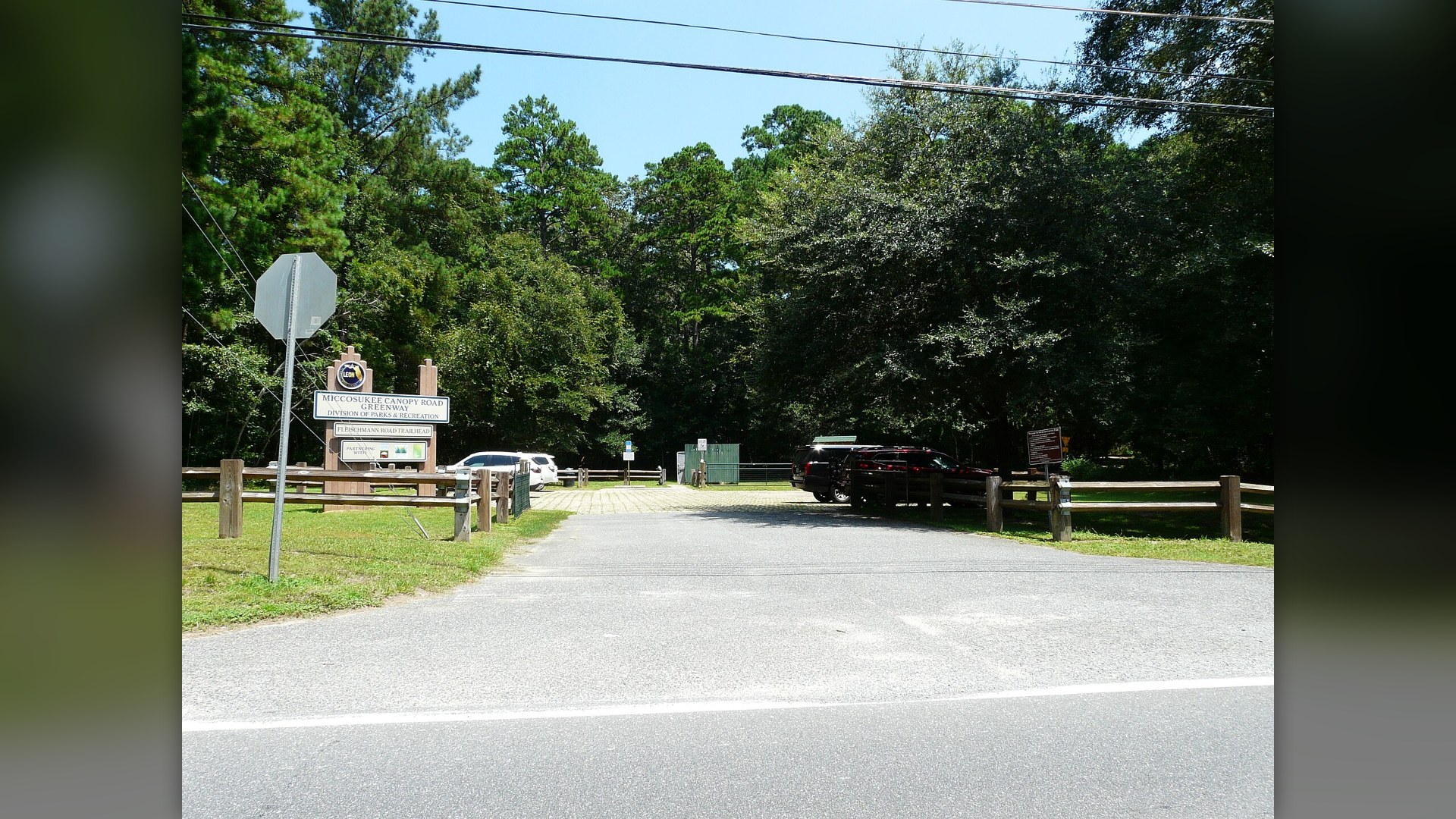
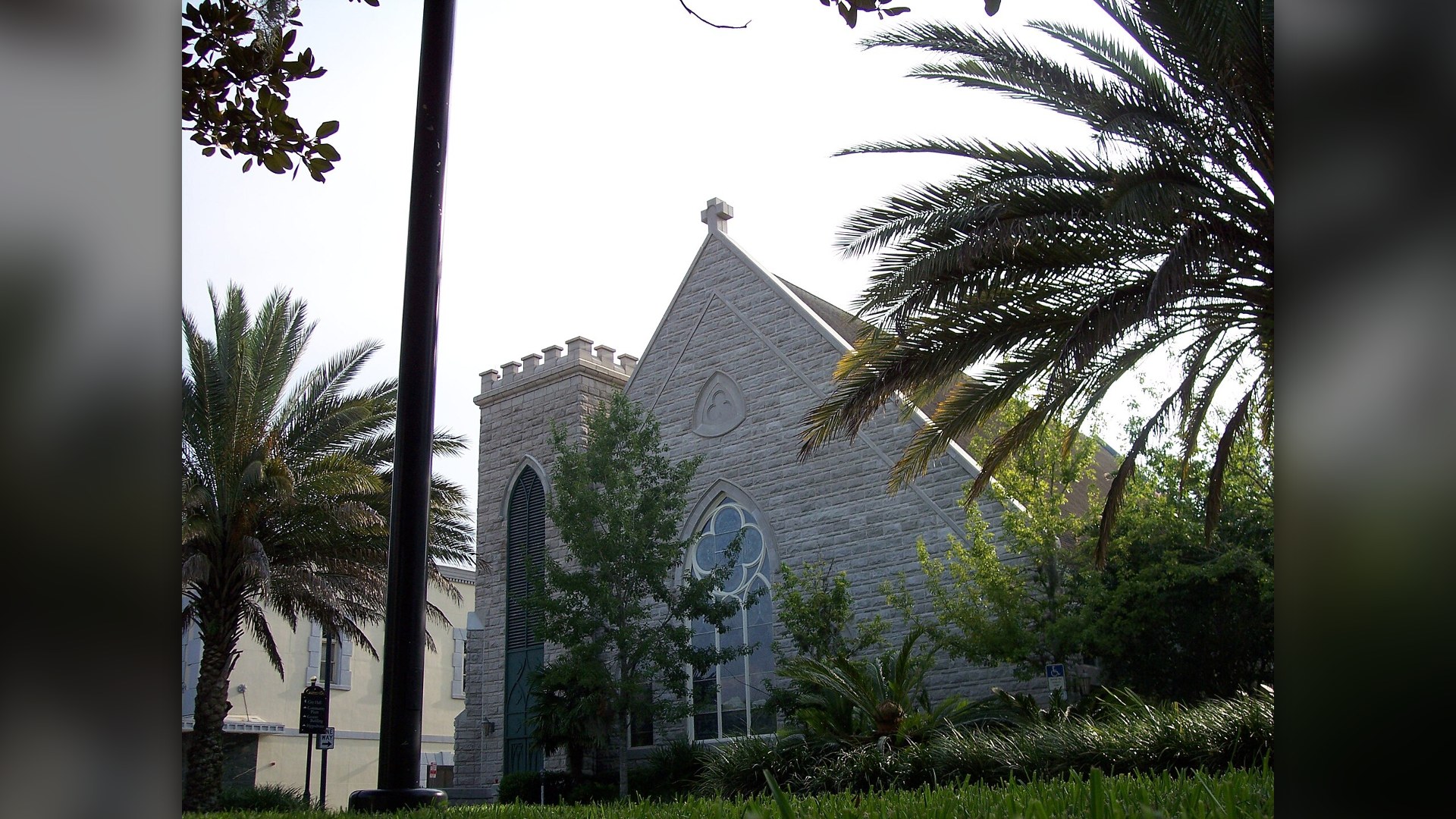
17. Tallahassee, Florida
Florida capital city stands among the leafiest municipal areas in the country, tracking fifty-five percent tree canopy cover. Tallahassee preserves nine designated canopy roads where ancient southern live oaks draped with Spanish moss form natural Gothic tunnels over historic transit thoroughfares.
©Wikimedia / The Bushranger
16. Gainesville, Florida
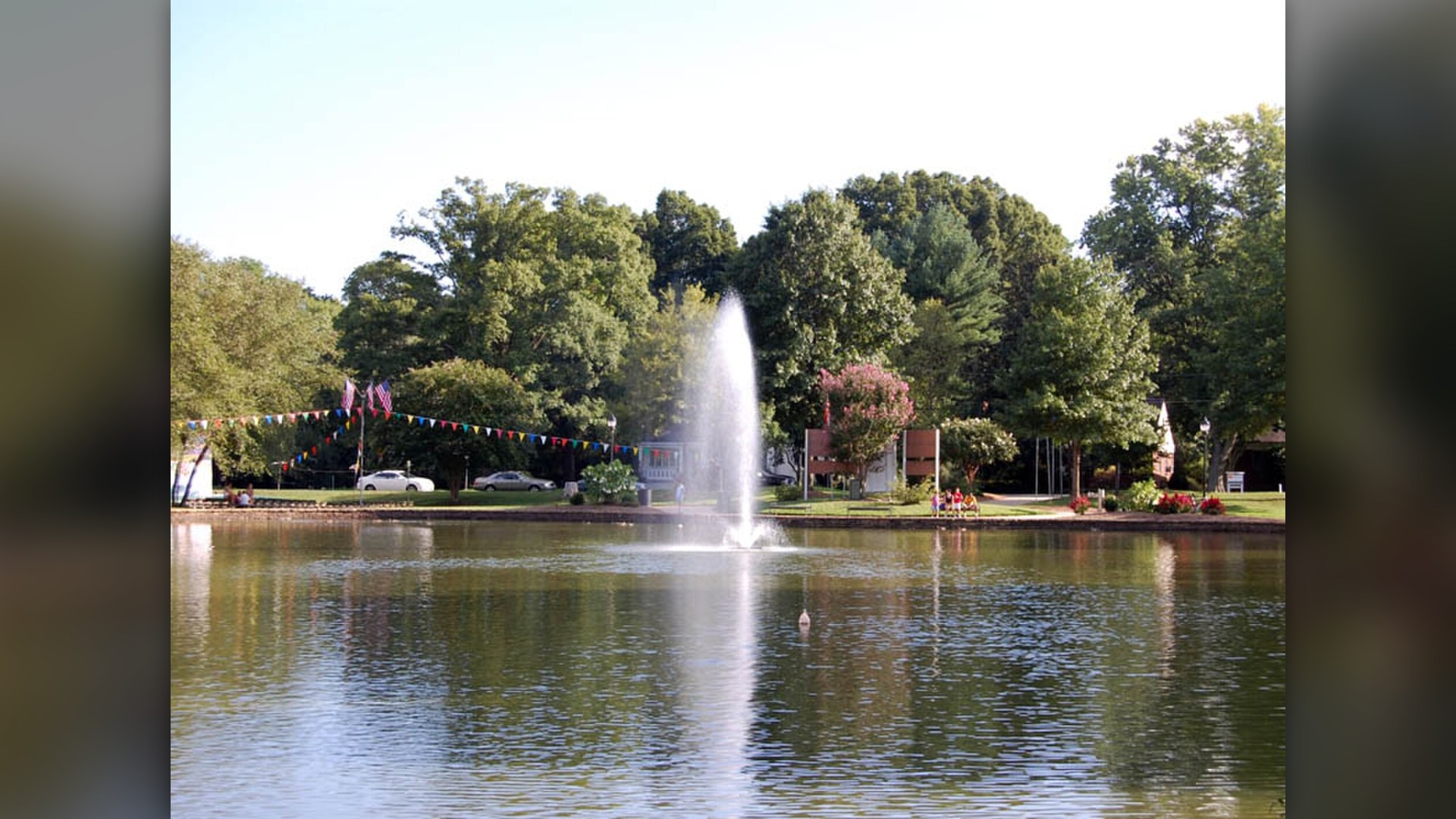
Home to the University of Florida, Gainesville maintains nearly forty-nine percent tree canopy coverage across its municipal borders. The city urban forestry department implements strict tree removal mitigation rules, preserving diverse stands of loblolly pines, southern magnolias, and laurel oaks.
©Wikimedia / KlipschFan
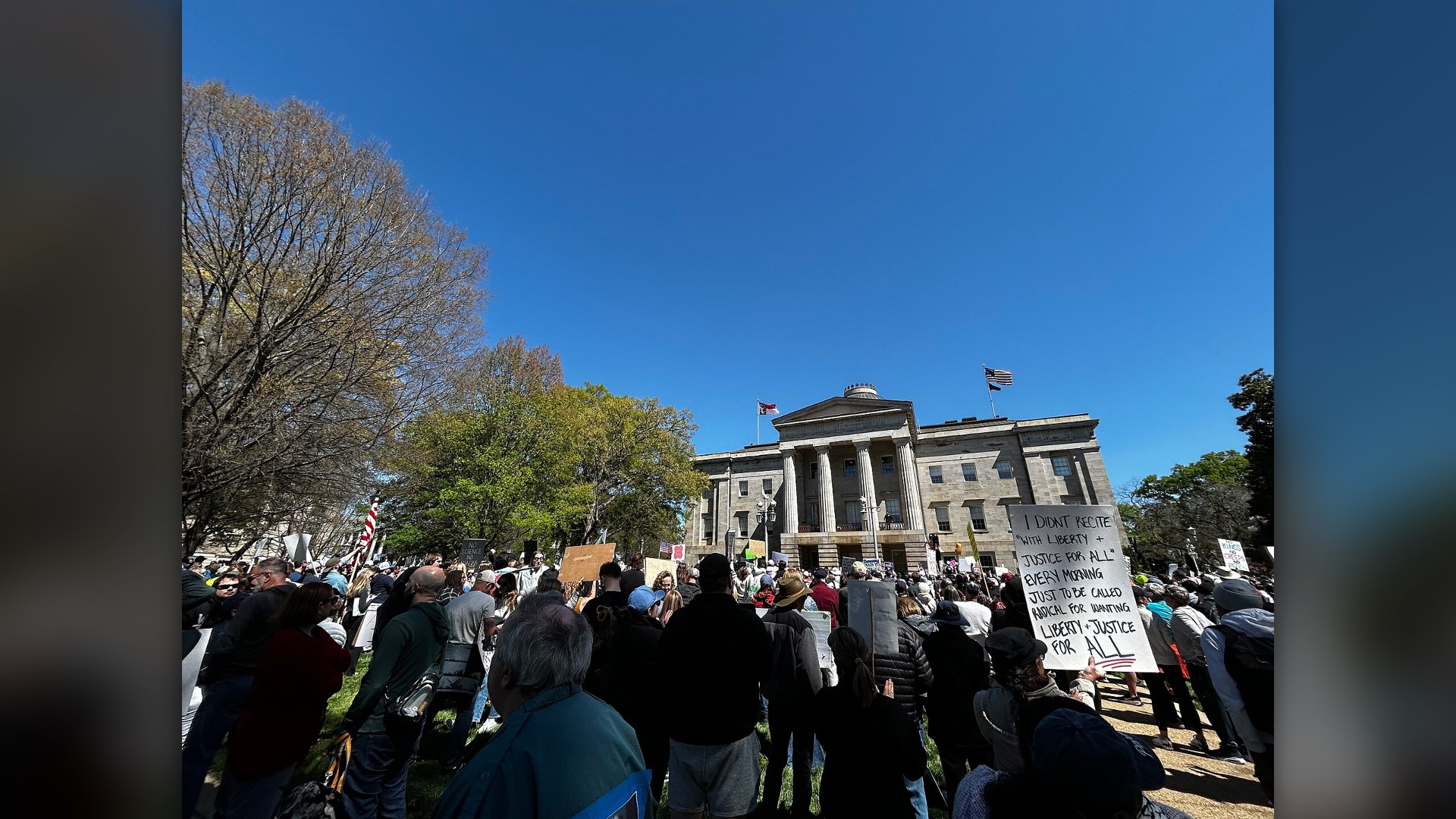
15. Raleigh, North Carolina
Earning its historic title as the City of Oaks, Raleigh preserves a forty-six percent tree canopy across its rolling Piedmont terrain. Municipal greenway networks connect William B. Umstead State Park with downtown neighborhoods, establishing protected wildlife corridors through native pine-hardwood forests.
©Wikimedia / chucka_nc
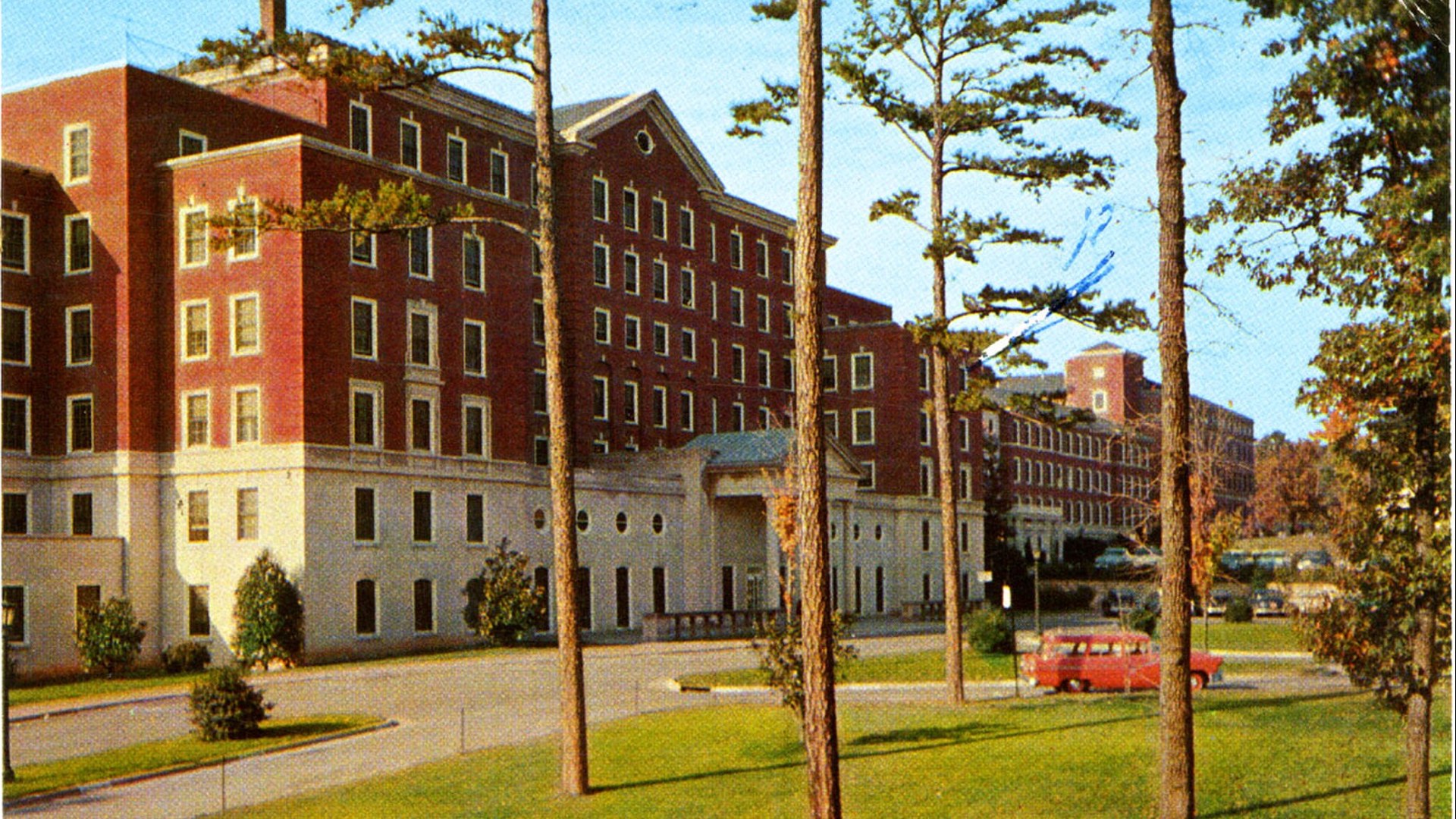
14. Durham, North Carolina
Durham sustains a fifty-one percent tree canopy, bolstered by the seven-thousand-acre Duke Forest situated directly within city boundaries. Municipal master plans emphasize planting native hardwoods along urban creeks, stabilizing urban watersheds and reducing metropolitan stormwater runoff.
©Wikimedia / UNC Libraries Commons
Advertisement
Swipe or tap ▶ to resume the countdown.
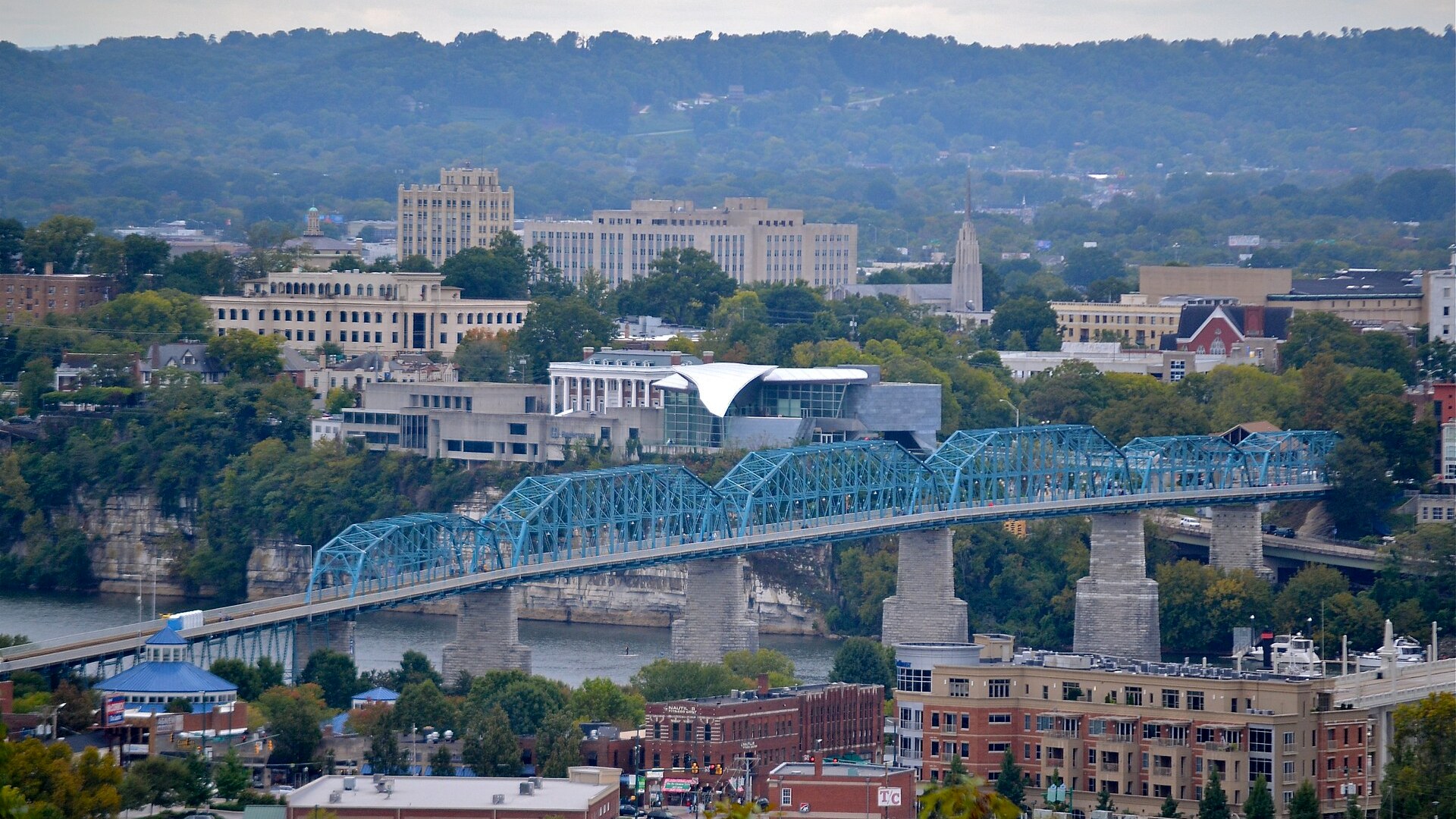
13. Chattanooga, Tennessee
located along the Tennessee River gorge, Chattanooga preserves a fifty percent canopy cover that ascends steep surrounding ridge slopes. Municipal forestry programs cultivate extensive native redbuds, sugar maples, and dogwoods, enhancing public recreational parklands along the riverfront.
©Wikimedia / Imilious
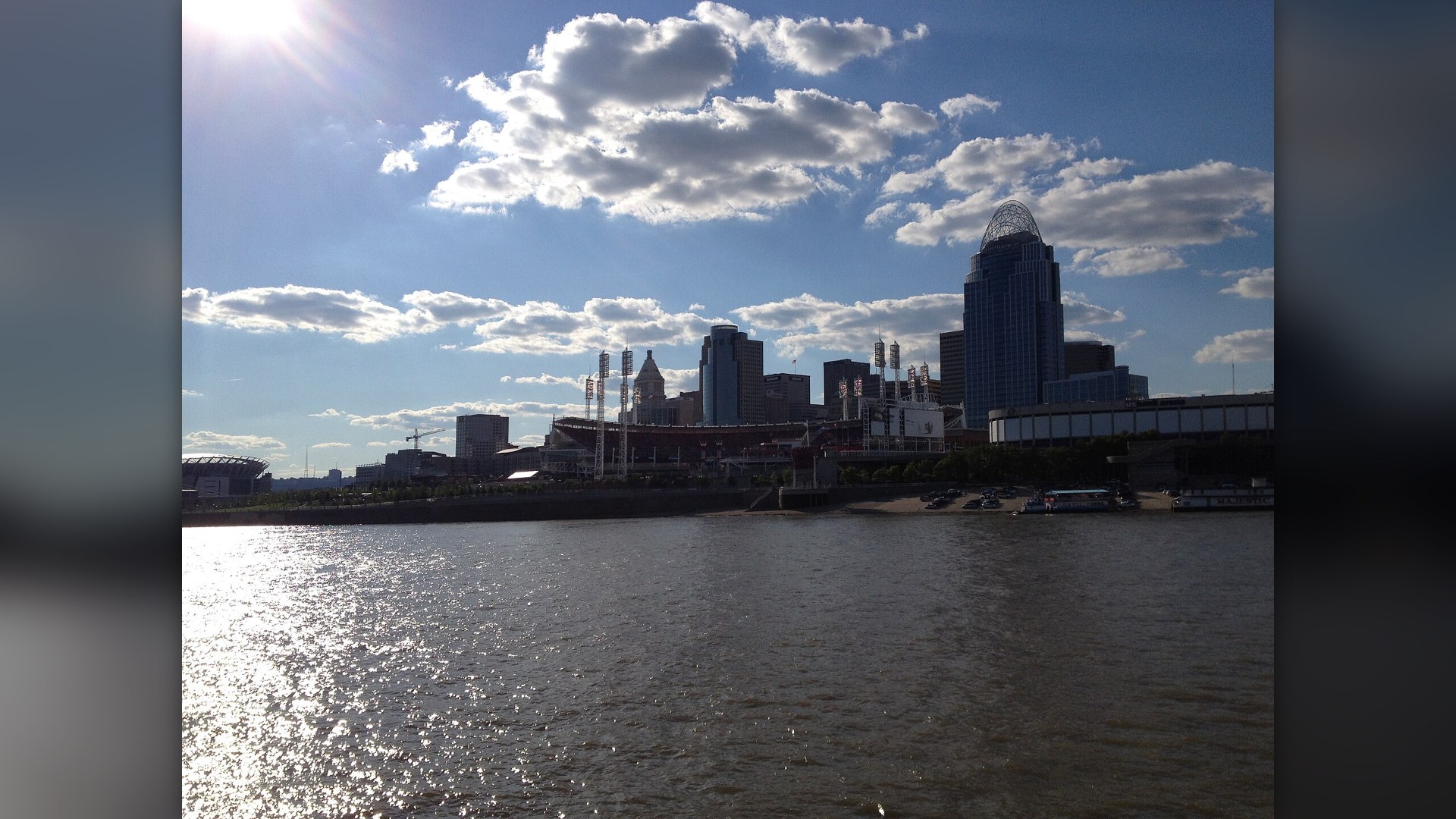
12. Cincinnati, Ohio
Cincinnati maintains forty-three percent canopy coverage across its winding Ohio River hill country. Large municipal green spaces like Mount Airy Forest, among the nation largest urban reforestation projects, provide dense shelter with over fifty native deciduous hardwood species.
©Wikimedia / Packer1028
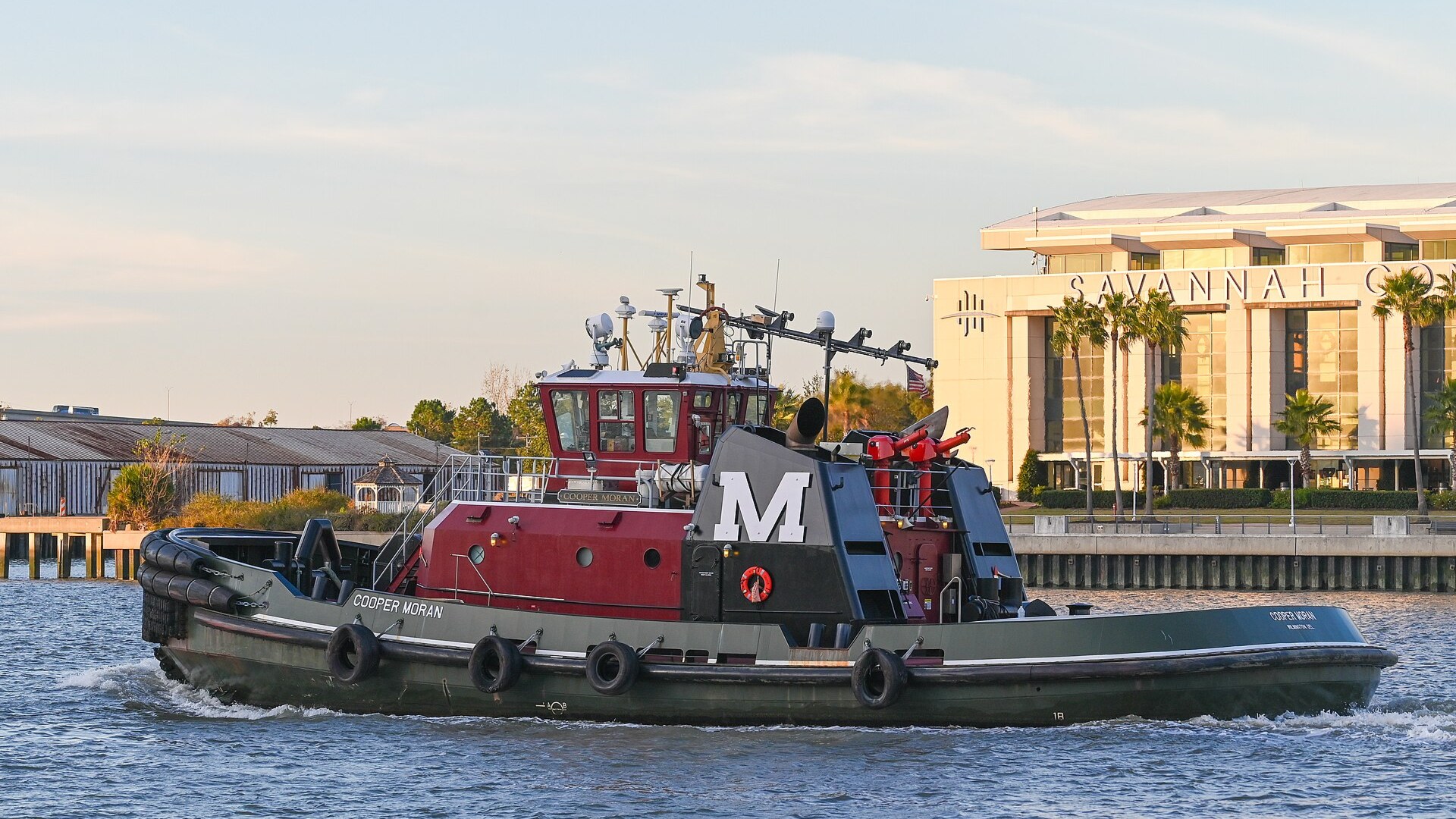
11. Savannah, Georgia
Savannah renowned city layout incorporates twenty-two historic squares shaded by sprawling southern live oaks and flowering dogwoods. City arborists oversee a forty-four percent canopy density, managing ancient trees that shield coastal pedestrians from extreme subtropical heat.
©Wikimedia / Gordon Leggett
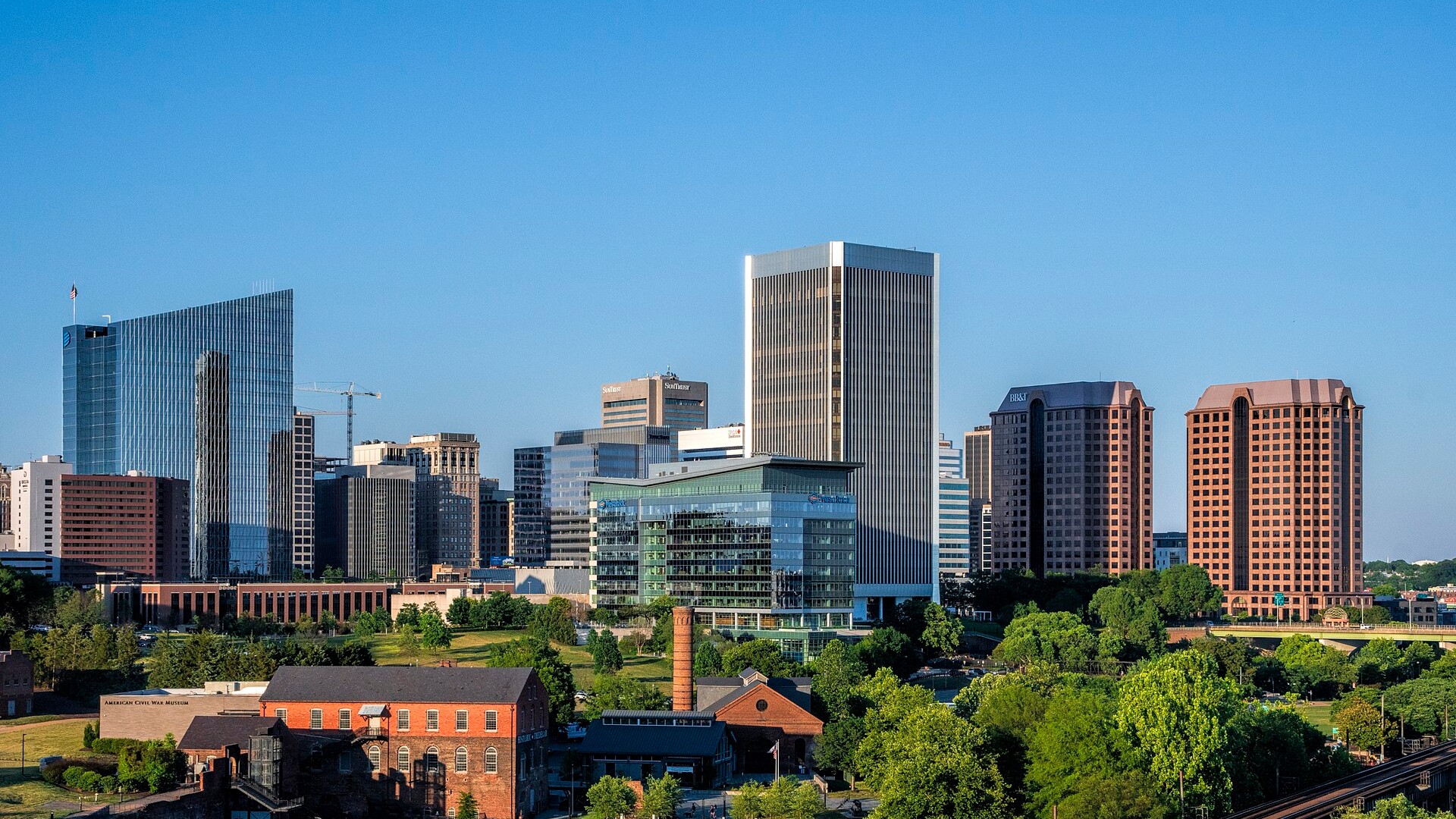
10. Richmond, Virginia
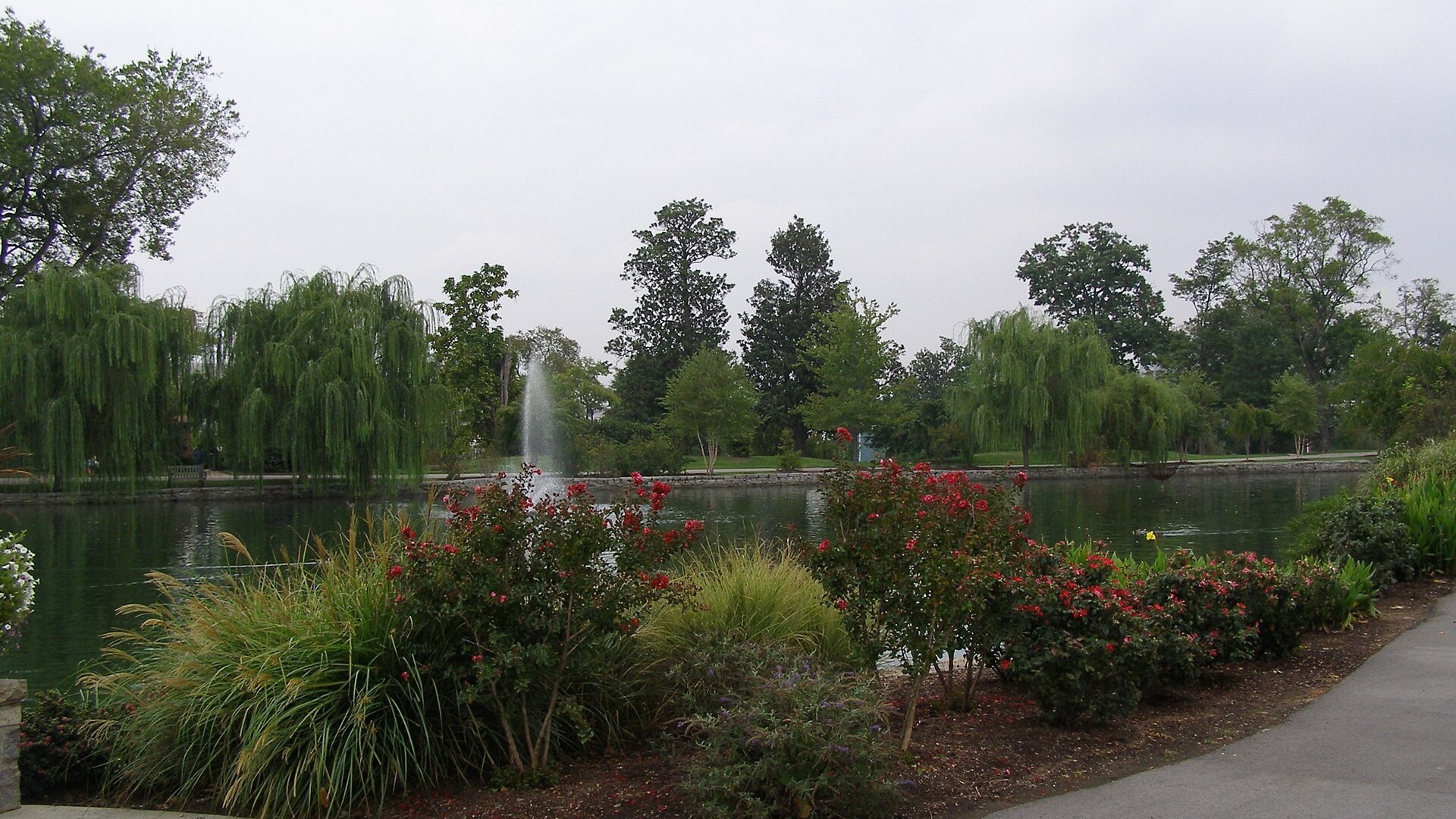
Richmond features forty-two percent tree cover, highlighted by the sprawling James River Park System that runs directly through the urban core. Protected stands of river birch, sycamores, and Virginia pines preserve water quality and provide continuous urban recreation canopies.
©Wikimedia / Richmond, Virginia
Advertisement
Swipe or tap ▶ to resume the countdown.
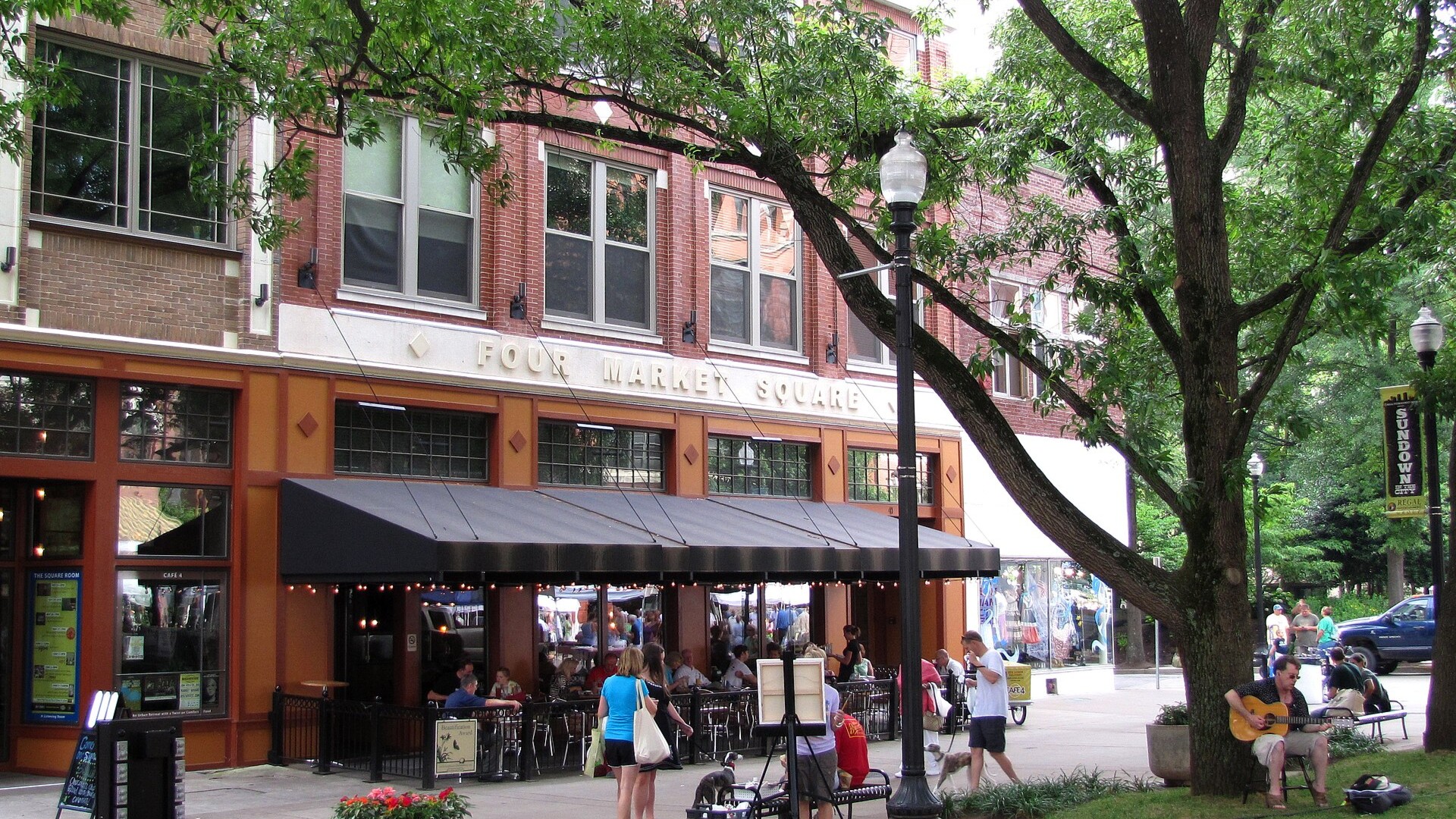
9. Knoxville, Tennessee
Knoxville preserves forty percent canopy cover across an innovative urban wilderness encompassing over one thousand acres within city limits. Steep limestone bluffs and riverbanks feature dense stands of eastern hemlock, chestnut oak, and hickory, filtering regional air currents.
©Wikimedia / Knoxville, Tennessee
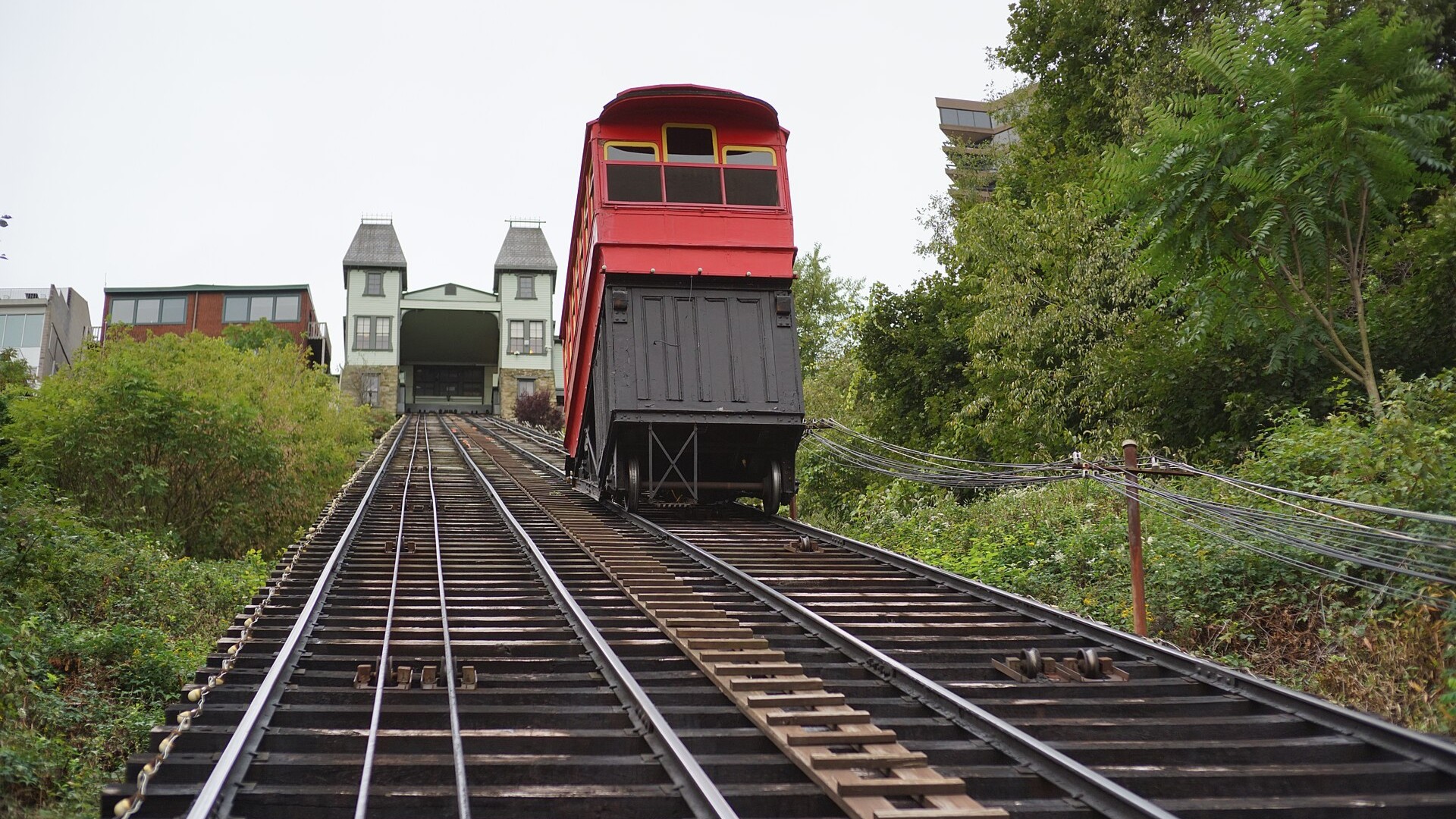
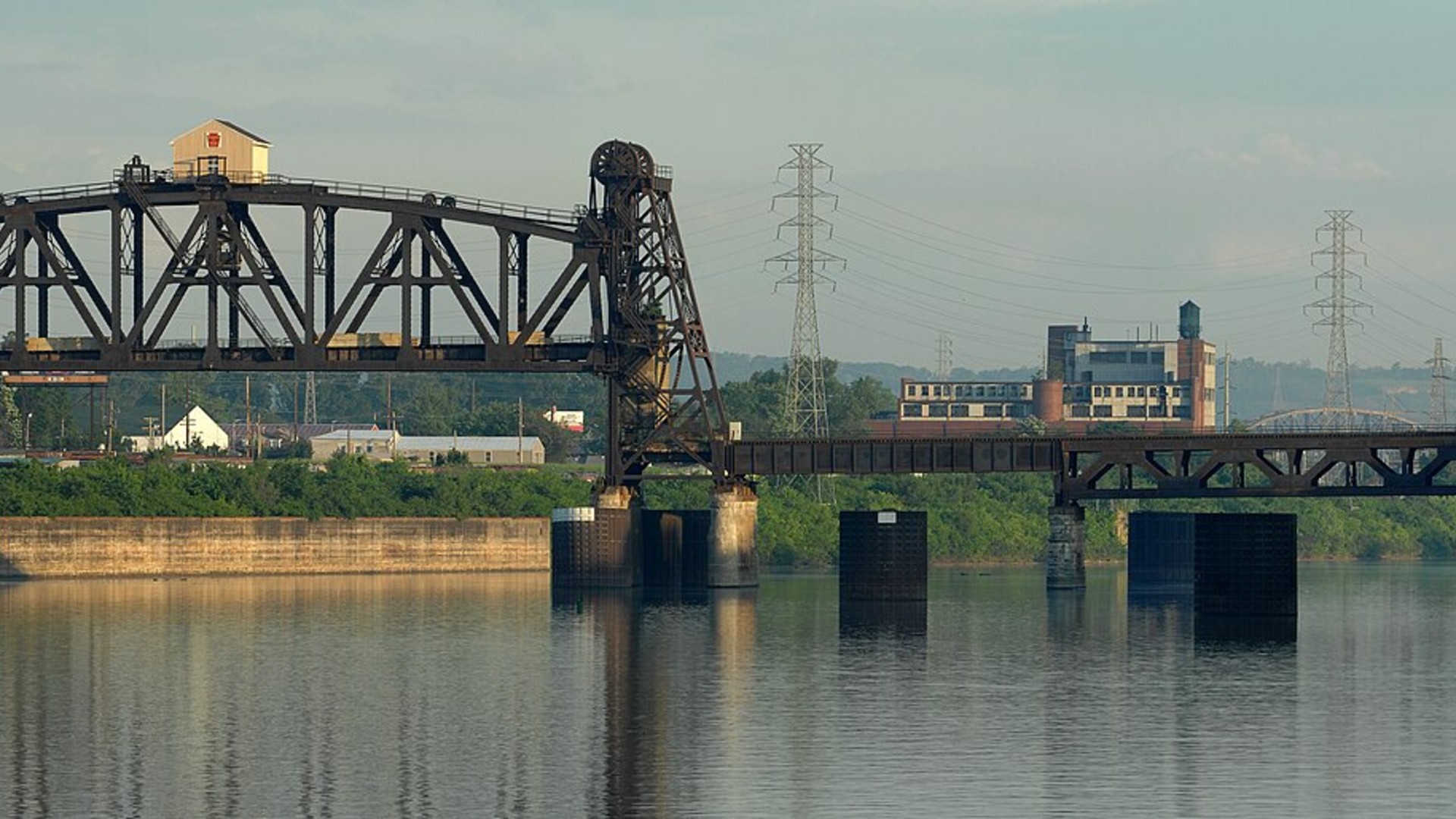
8. Pittsburgh, Pennsylvania
Pittsburgh rugged Appalachian terrain supports forty-two percent municipal canopy coverage across historic hillside reserves and municipal parks. Large regional parks like Schenley and Frick protect dense secondary hardwood forests, preventing hillside soil erosion along major river bluffs.
©Wikimedia / Pittsburgh
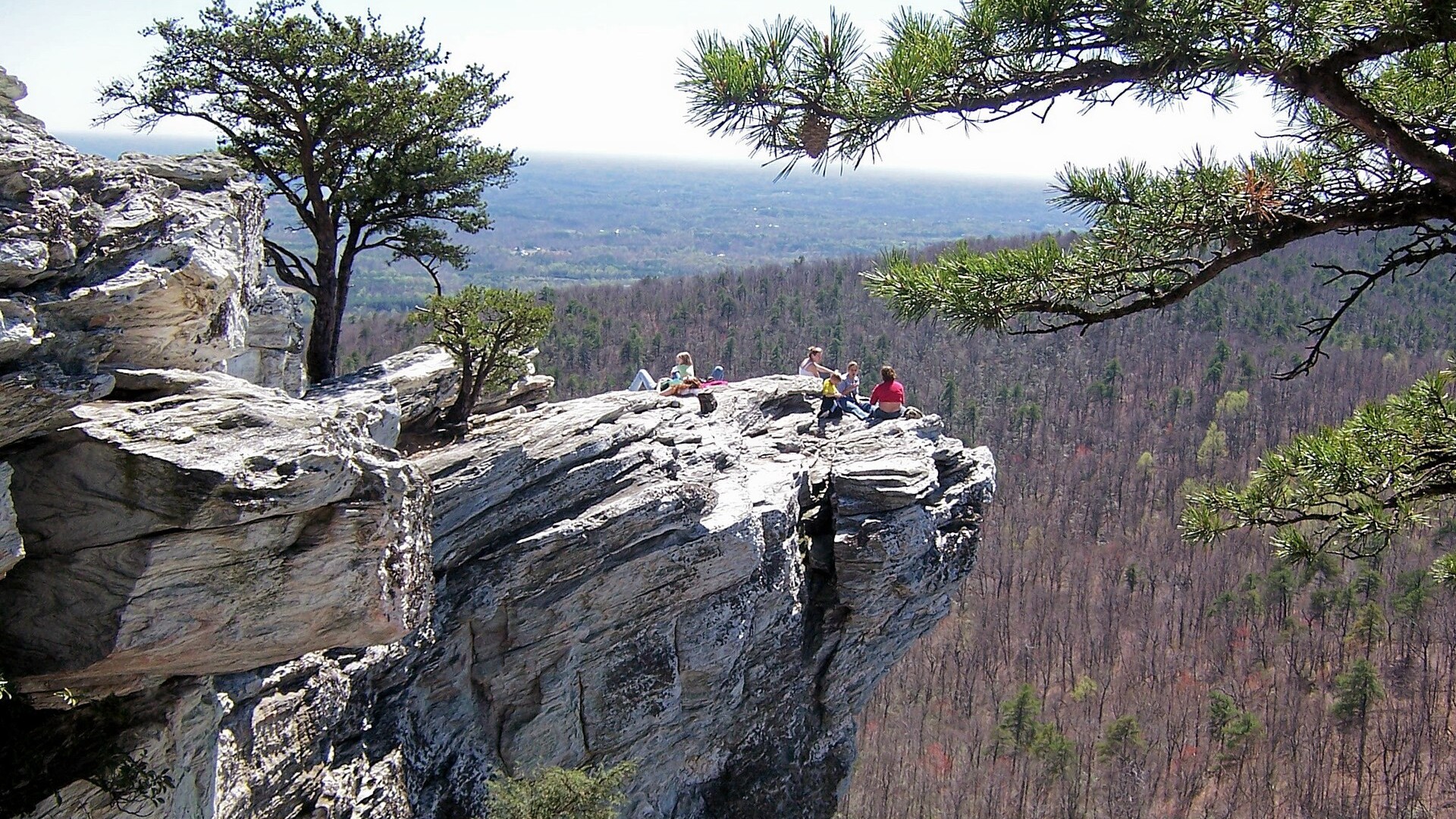
7. Greensboro, North Carolina
Greensboro preserves forty-two percent urban tree cover across its Piedmont stream basins. Supported by the Greensboro Beautiful civic foundation, the city maintains extensive public botanical gardens, neighborhood street trees, and protected wetlands dominated by native tupelo and maple.
©Wikimedia / Jacalyn Engler from Greensboro, United States
6. Louisville, Kentucky
Louisville maintains thirty-seven percent tree canopy coverage across its metropolitan boundaries, anchored by eighteen parks designed by Frederick Law Olmsted. The city launched an aggressive master tree plan to combat urban heat, planting thousands of shade trees in priority neighborhoods.
©Wikimedia / Adjoajo
Advertisement
Swipe or tap ▶ to resume the countdown.
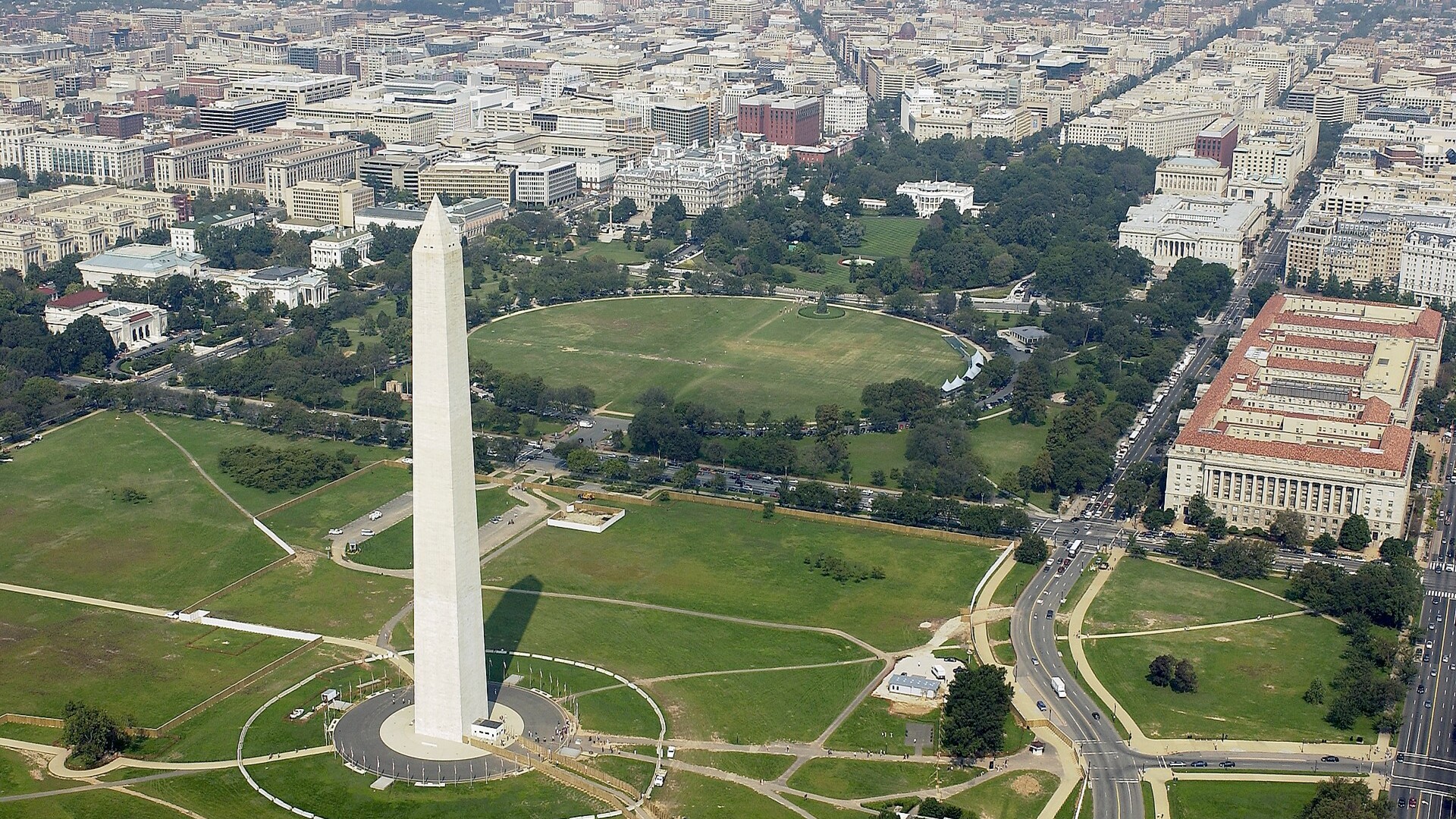
5. Washington, D.C.
The federal capital tracks thirty-seven percent canopy cover, led by the expansive woodland corridor of Rock Creek Park. Washington enforces a strict Heritage Tree Law protecting trees with circumferences exceeding one hundred inches, expanding public canopies across all eight city wards.
©Wikimedia / U.S. Air Force Tech. Sgt. Andy Dunaway
4. Little Rock, Arkansas
Situated along the Arkansas River, Little Rock protects thirty-eight percent tree canopy coverage extending into Pinnacle Mountain State Park. The city manages mature stands of shortleaf pine, sweetgum, and post oak that shade scenic public walking trails and historic residential districts.
©Wikimedia / Office of French Hill, United States
3. Tampa, Florida
Despite rapid coastal development, Tampa sustains thirty percent urban canopy cover through pioneering tree protection ordinances enacted decades ago. Grand live oaks shade historic residential streets in Hyde Park, while expansive mangroves stabilize sensitive coastal bay shorelines.
©Wikimedia / daneshjai
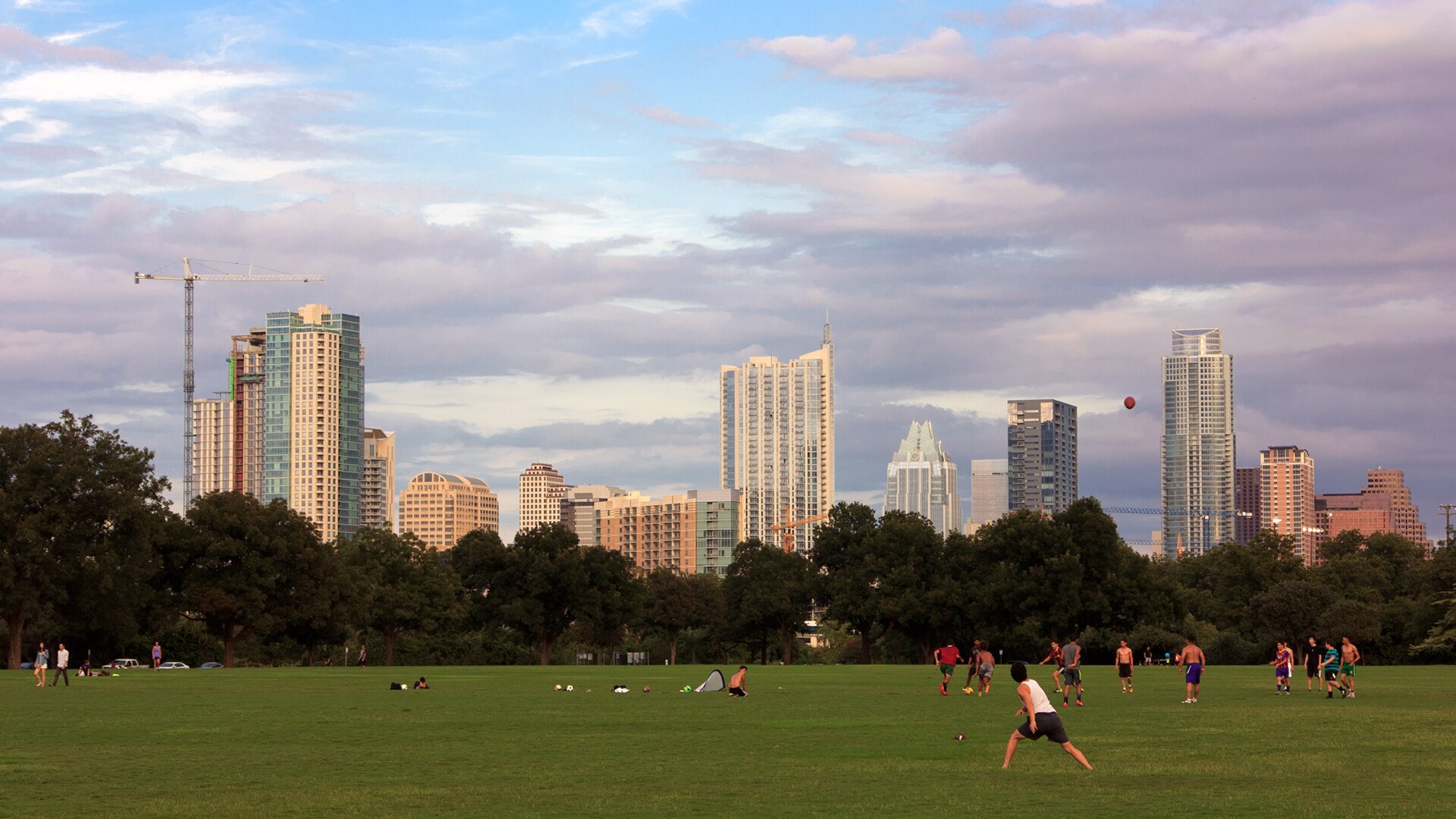
2. Austin, Texas
Austin sustains thirty-six percent urban canopy coverage across its municipal borders, anchored by the greenbelt surrounding Barton Creek. City arborists safeguard thousands of heritage live oaks and cedar elms, which provide vital shade during extended south-central Texas summer heatwaves.
©Wikimedia / Mwyzykowski0821
Advertisement
Swipe or tap ▶ to resume the countdown.
1. Portland, Oregon
Portland maintains thirty-one percent urban tree canopy coverage, highlighted by Forest Park, one of the largest municipal reserves in North America. Towering Douglas firs, western red cedars, and bigleaf maples form a massive temperate rainforest canopy right next to downtown.

©Wikimedia / Joe Schneid, Louisville, Kentucky
Advertisement
You've reached the end of the story. Thanks for reading!

20 Photos of St. Louis Under Snow, From the Arch to Forest Park
Winter storms turn St. Louis into a quiet study in brick, limestone and steel. These 20 scenes span the Gateway Arch, the Old Courthouse, Forest Park, Tower Grove Park, Carondelet Park and Washington University. Based on National Park Service, Missouri History Museum and National Weather Service archival records.
All 20 Entries in this Story
20. Atlanta, Georgia
Atlanta preserves one of the densest urban forests of any major American metropolitan area, covering roughly forty-eight percent of the city. Supported by the Trees Atlanta initiative, the city maintains thousands of mature white oaks, tulip poplars, and sweetgums across residential neighborhoods and public parks.

19. Nashville, Tennessee
Benefiting from its unified countywide boundary, Nashville sustains approximately fifty-three percent tree canopy coverage across Davidson County. The city urban forestry division prioritizes native hickory and oak groves along the Cumberland River greenway, combating regional summer heat islands.

18. Charlotte, North Carolina
Known as the Queen City, Charlotte features a protected forty-seven percent urban tree canopy celebrated for towering willow oaks planted a century ago. Neighborhoods like Myers Park and Dilworth feature continuous street-level canopies, supported by municipal tree protection ordinances.

17. Tallahassee, Florida
Florida capital city stands among the leafiest municipal areas in the country, tracking fifty-five percent tree canopy cover. Tallahassee preserves nine designated canopy roads where ancient southern live oaks draped with Spanish moss form natural Gothic tunnels over historic transit thoroughfares.

16. Gainesville, Florida
Home to the University of Florida, Gainesville maintains nearly forty-nine percent tree canopy coverage across its municipal borders. The city urban forestry department implements strict tree removal mitigation rules, preserving diverse stands of loblolly pines, southern magnolias, and laurel oaks.

15. Raleigh, North Carolina
Earning its historic title as the City of Oaks, Raleigh preserves a forty-six percent tree canopy across its rolling Piedmont terrain. Municipal greenway networks connect William B. Umstead State Park with downtown neighborhoods, establishing protected wildlife corridors through native pine-hardwood forests.

14. Durham, North Carolina
Durham sustains a fifty-one percent tree canopy, bolstered by the seven-thousand-acre Duke Forest situated directly within city boundaries. Municipal master plans emphasize planting native hardwoods along urban creeks, stabilizing urban watersheds and reducing metropolitan stormwater runoff.

13. Chattanooga, Tennessee
located along the Tennessee River gorge, Chattanooga preserves a fifty percent canopy cover that ascends steep surrounding ridge slopes. Municipal forestry programs cultivate extensive native redbuds, sugar maples, and dogwoods, enhancing public recreational parklands along the riverfront.

12. Cincinnati, Ohio
Cincinnati maintains forty-three percent canopy coverage across its winding Ohio River hill country. Large municipal green spaces like Mount Airy Forest, among the nation largest urban reforestation projects, provide dense shelter with over fifty native deciduous hardwood species.

11. Savannah, Georgia
Savannah renowned city layout incorporates twenty-two historic squares shaded by sprawling southern live oaks and flowering dogwoods. City arborists oversee a forty-four percent canopy density, managing ancient trees that shield coastal pedestrians from extreme subtropical heat.

10. Richmond, Virginia
Richmond features forty-two percent tree cover, highlighted by the sprawling James River Park System that runs directly through the urban core. Protected stands of river birch, sycamores, and Virginia pines preserve water quality and provide continuous urban recreation canopies.

9. Knoxville, Tennessee
Knoxville preserves forty percent canopy cover across an innovative urban wilderness encompassing over one thousand acres within city limits. Steep limestone bluffs and riverbanks feature dense stands of eastern hemlock, chestnut oak, and hickory, filtering regional air currents.

8. Pittsburgh, Pennsylvania
Pittsburgh rugged Appalachian terrain supports forty-two percent municipal canopy coverage across historic hillside reserves and municipal parks. Large regional parks like Schenley and Frick protect dense secondary hardwood forests, preventing hillside soil erosion along major river bluffs.

7. Greensboro, North Carolina
Greensboro preserves forty-two percent urban tree cover across its Piedmont stream basins. Supported by the Greensboro Beautiful civic foundation, the city maintains extensive public botanical gardens, neighborhood street trees, and protected wetlands dominated by native tupelo and maple.

6. Louisville, Kentucky
Louisville maintains thirty-seven percent tree canopy coverage across its metropolitan boundaries, anchored by eighteen parks designed by Frederick Law Olmsted. The city launched an aggressive master tree plan to combat urban heat, planting thousands of shade trees in priority neighborhoods.

5. Washington, D.C.
The federal capital tracks thirty-seven percent canopy cover, led by the expansive woodland corridor of Rock Creek Park. Washington enforces a strict Heritage Tree Law protecting trees with circumferences exceeding one hundred inches, expanding public canopies across all eight city wards.

4. Little Rock, Arkansas
Situated along the Arkansas River, Little Rock protects thirty-eight percent tree canopy coverage extending into Pinnacle Mountain State Park. The city manages mature stands of shortleaf pine, sweetgum, and post oak that shade scenic public walking trails and historic residential districts.

3. Tampa, Florida
Despite rapid coastal development, Tampa sustains thirty percent urban canopy cover through pioneering tree protection ordinances enacted decades ago. Grand live oaks shade historic residential streets in Hyde Park, while expansive mangroves stabilize sensitive coastal bay shorelines.

2. Austin, Texas
Austin sustains thirty-six percent urban canopy coverage across its municipal borders, anchored by the greenbelt surrounding Barton Creek. City arborists safeguard thousands of heritage live oaks and cedar elms, which provide vital shade during extended south-central Texas summer heatwaves.

1. Portland, Oregon
Portland maintains thirty-one percent urban tree canopy coverage, highlighted by Forest Park, one of the largest municipal reserves in North America. Towering Douglas firs, western red cedars, and bigleaf maples form a massive temperate rainforest canopy right next to downtown.