Slideshow · Viral
20 Defining Moments in Xi Jinping's Rise to Power
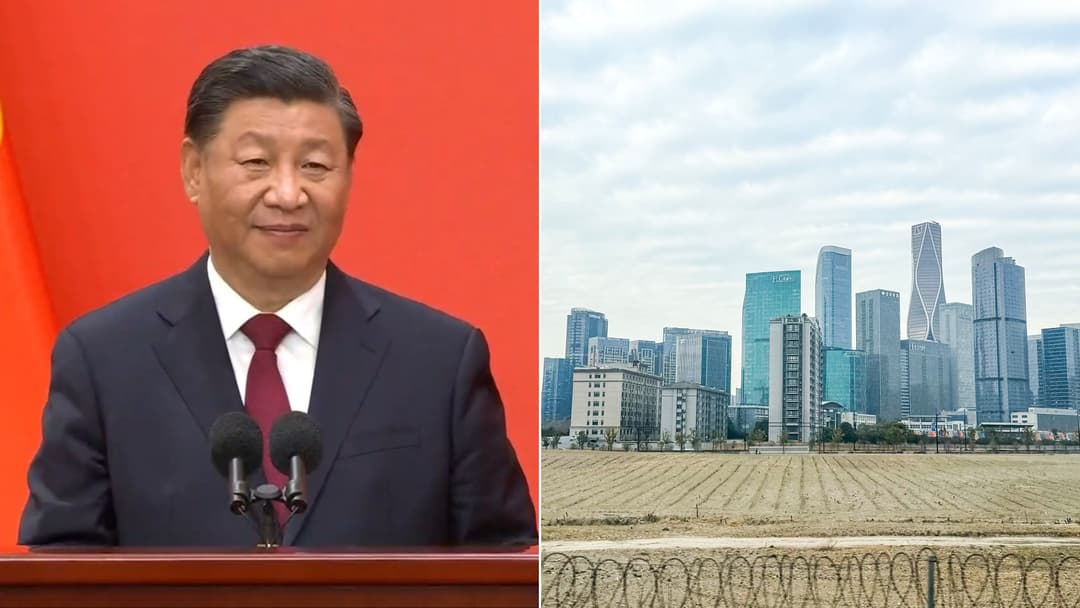
From rural cave dwellings in Shaanxi to the pinnacle of global power, explore the political life and enduring influence of China's General Secretary Xi Jinping.
By Most Viral Today
1 hour ago

China's Paramount Contemporary Leader 
20. Historic Third Term 
19. The Moscow Partnership 
18. Managing Washington Relations - AdvertisementSwipe or tap ▶ to continue countdown

17. Military Modernization 
16. The Belt And Road Initiative 
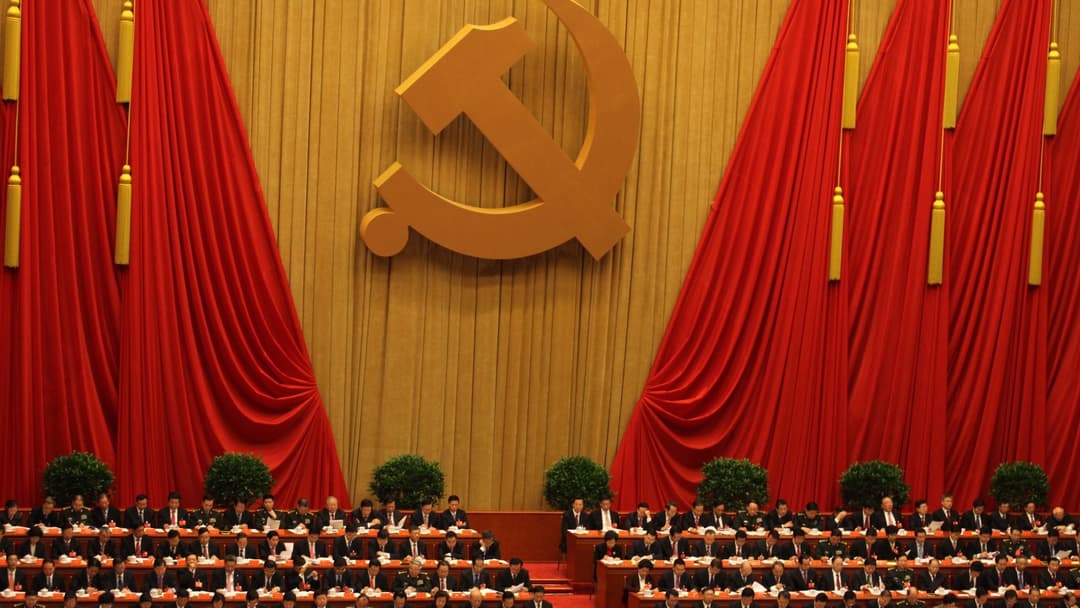
15. Abolishing Presidential Term Limits 
14. Ideology Enshrined In The Charter - AdvertisementSwipe or tap ▶ to continue countdown

13. The Tigers And Flies Drive 
12. Taking The Helm In 2012 
11. Elevation To The Inner Circle 
10. Restoring Order In Shanghai - AdvertisementSwipe or tap ▶ to continue countdown

9. Zhejiang Economic Proving Ground 
8. Marriage To Peng Liyuan 
7. Coastal Governance In Fujian 
6. Military Apprenticeship - AdvertisementSwipe or tap ▶ to continue countdown

5. Tsinghua University Education 
4. Gaining Party Entry 
3. Seven Years In Liangjiahe 
2. Cultural Revolution Turmoil - AdvertisementSwipe or tap ▶ to continue countdown

1. Princeling Heritage - Advertisement🔥 UP NEXT IN THIS SERIES◫ 21 Slides

20 World Leaders and Political Figures Facing Major Challenges in 2027
High Stakes, Fragile Coalitions, and Rising Tensions Define the Road to 2027
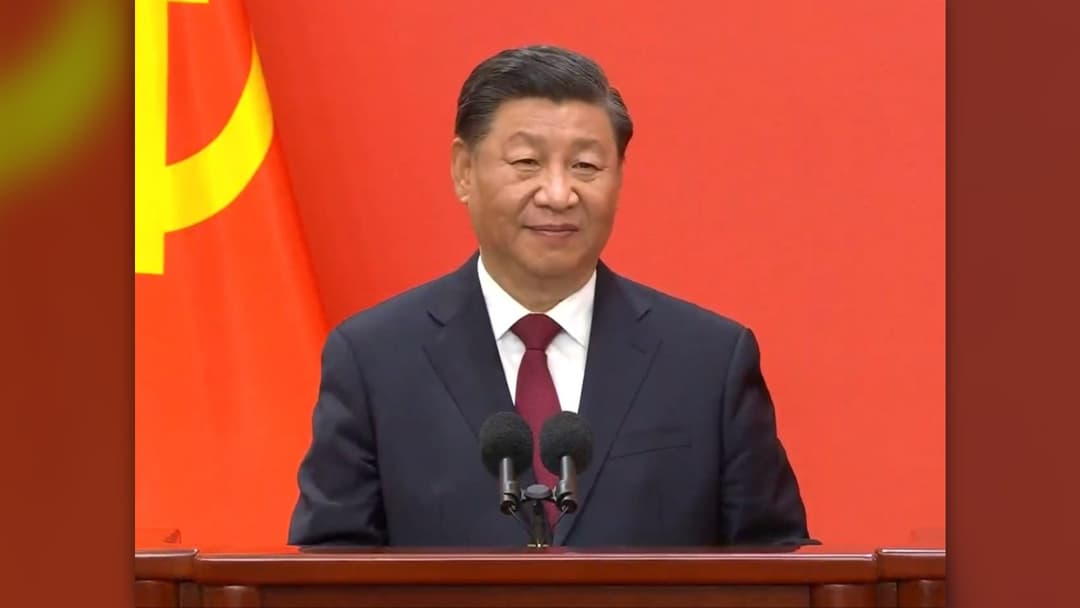
From rural cave dwellings in Shaanxi to the pinnacle of global power, explore the political life and enduring influence of China's General Secretary Xi Jinping.
Swipe or tap ▶ to begin the countdown
©Wikimedia / China News Service & Wikimedia / Windmemories
20. Historic Third Term
In October 2022, Xi was confirmed for an unprecedented third five-year term as party general secretary, breaking decades of leadership succession norms. The congress selected an allied Politburo Standing Committee, firmly cementing his central authority.
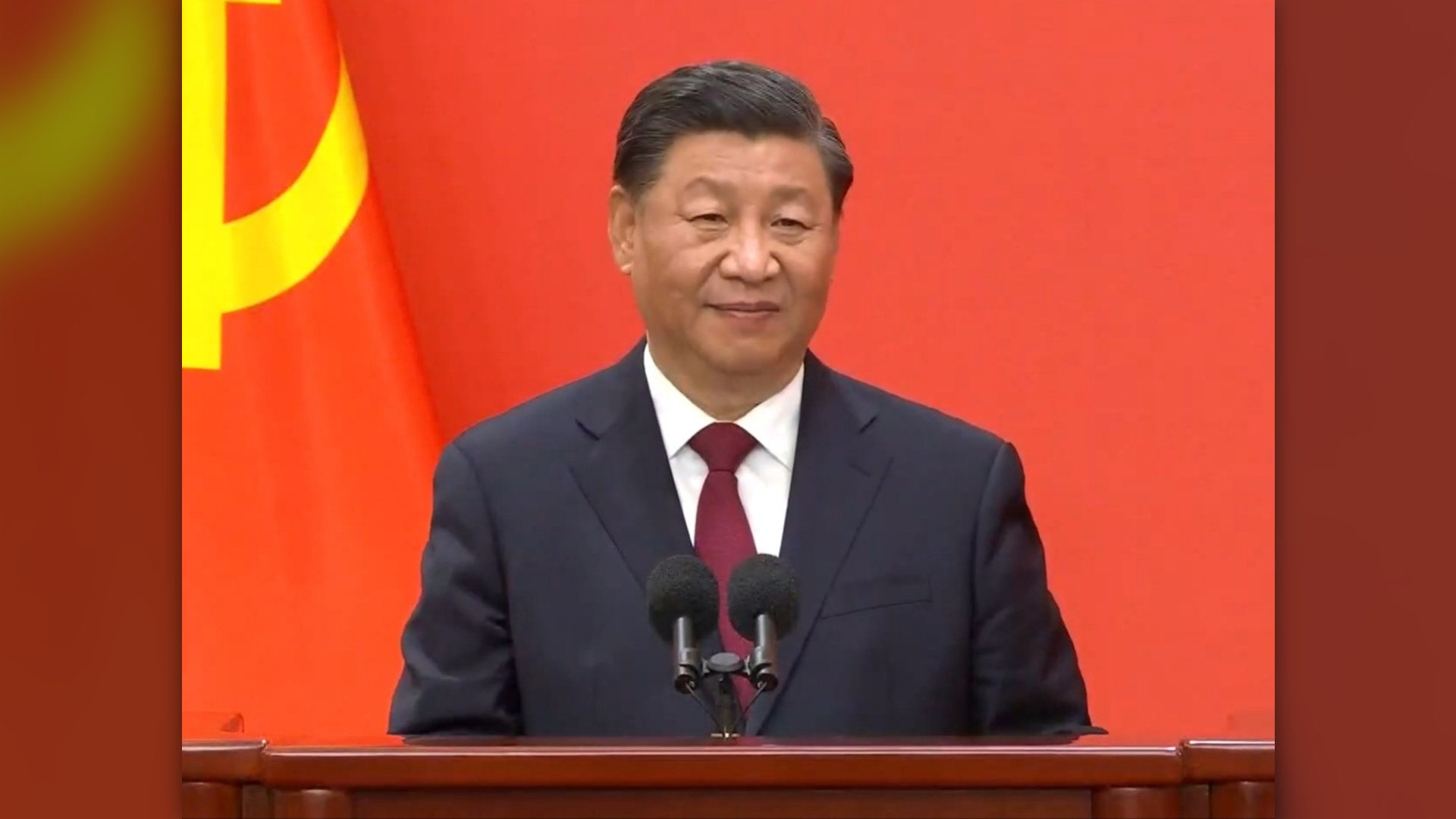
©Wikimedia / China News Service
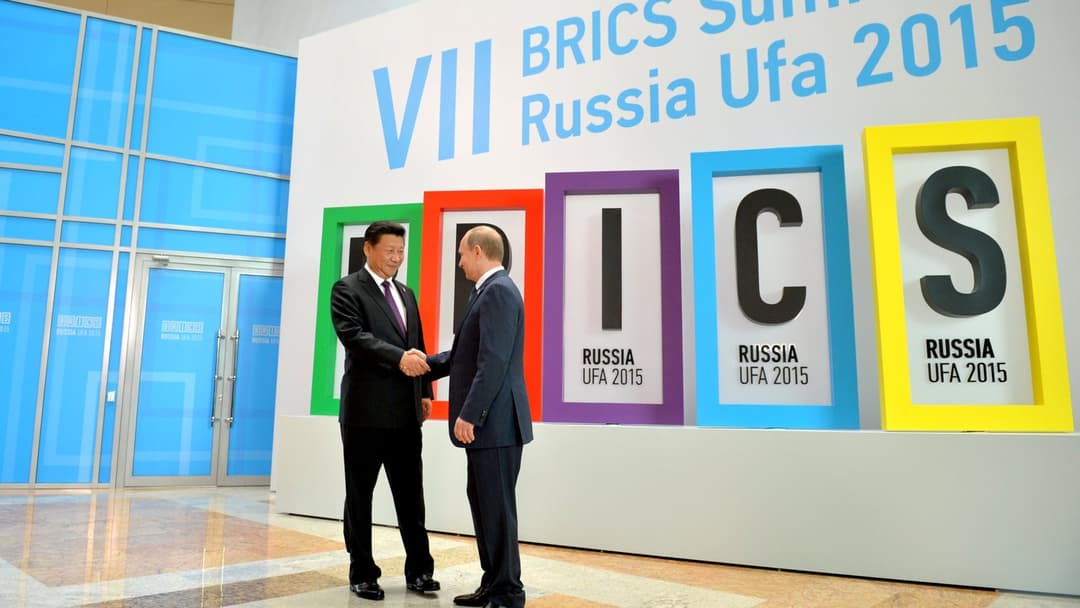
19. The Moscow Partnership
Xi and Russian President Vladimir Putin have held more than forty bilateral summits, declaring an enduring partnership in early 2022. Shared diplomatic positions, cross-border gas pipelines, and expanded mutual trade have reinforced relations between the two neighbors.
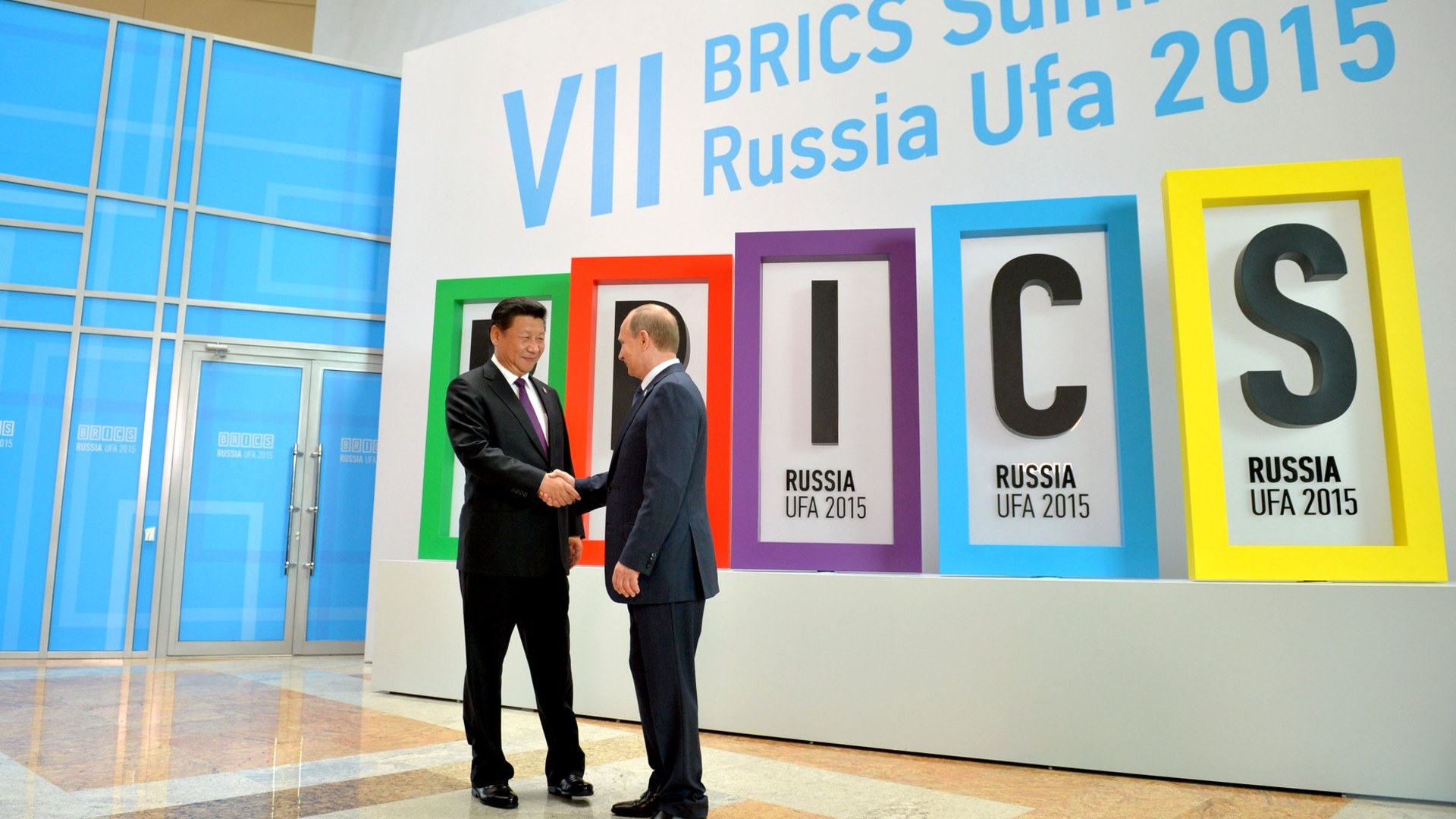
©Wikimedia / Kremlin Press Service
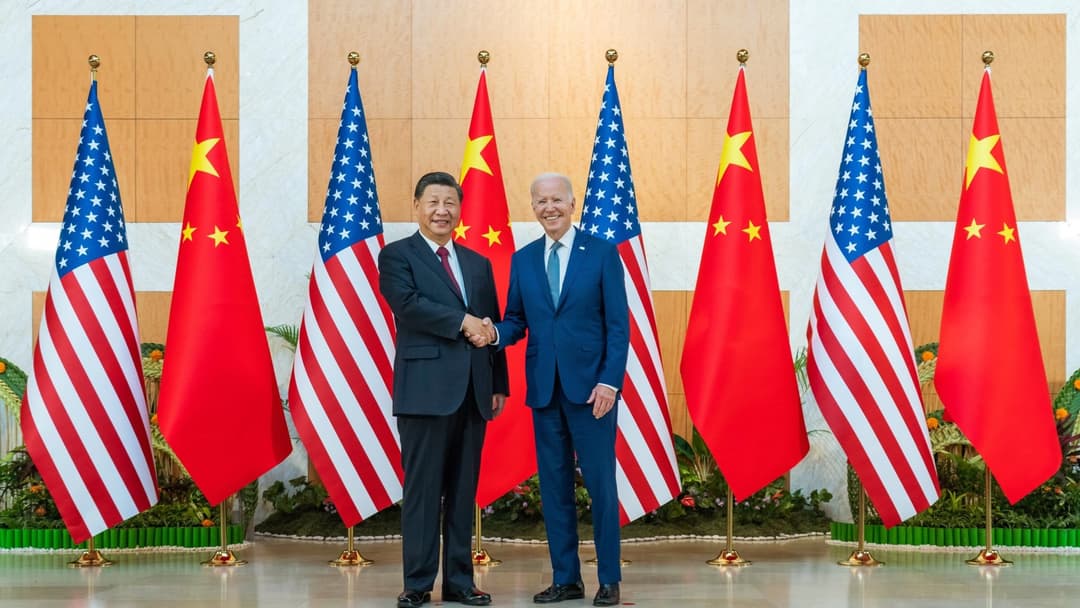
18. Managing Washington Relations
Xi's tenure has overseen shifting relations with the United States across four presidential administrations. Bilateral engagements have navigated tariff negotiations, semiconductor restrictions, and regular heads of state meetings at international forums.
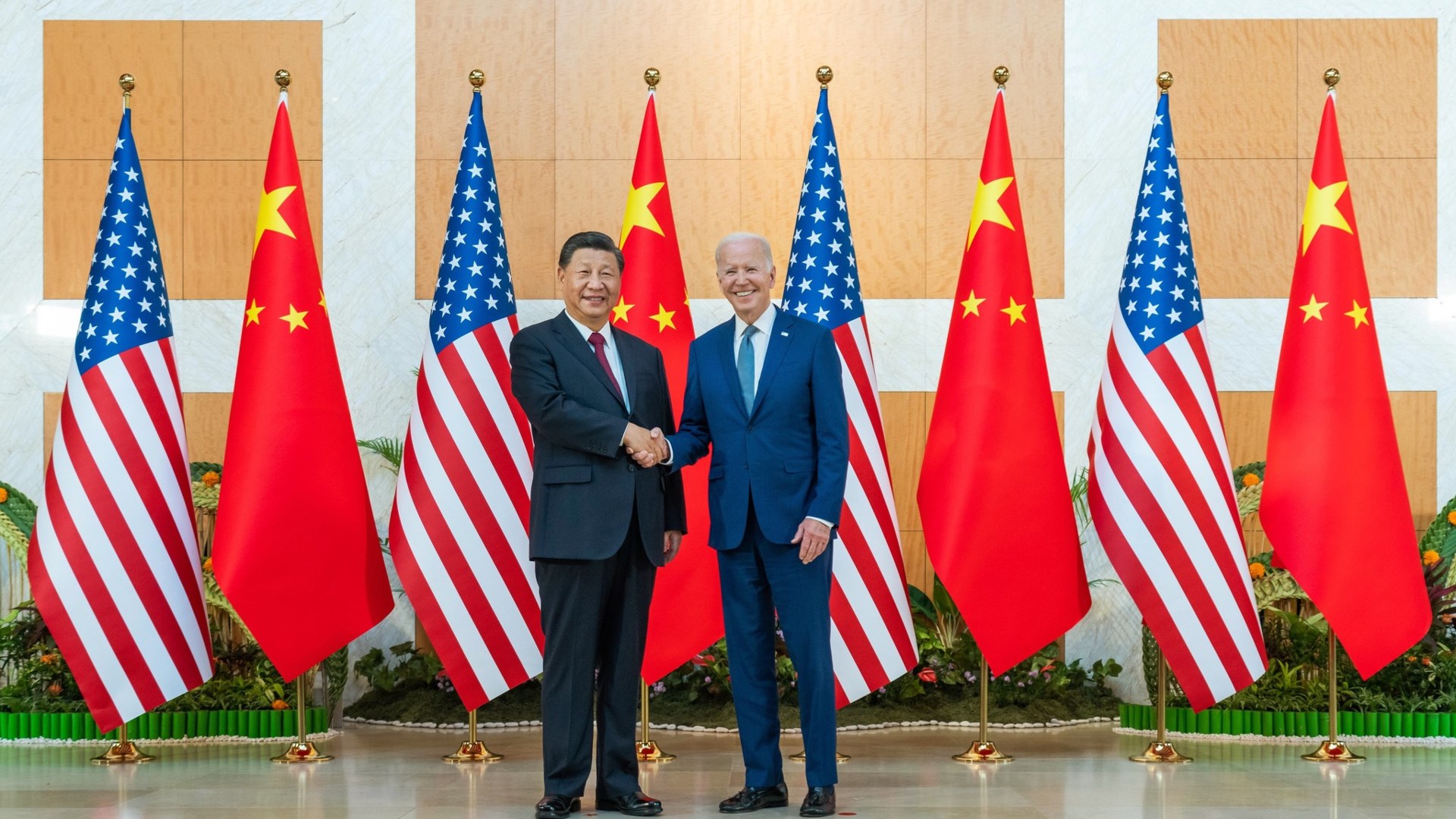
©Wikimedia / White House
Advertisement
Swipe or tap ▶ to resume the countdown.
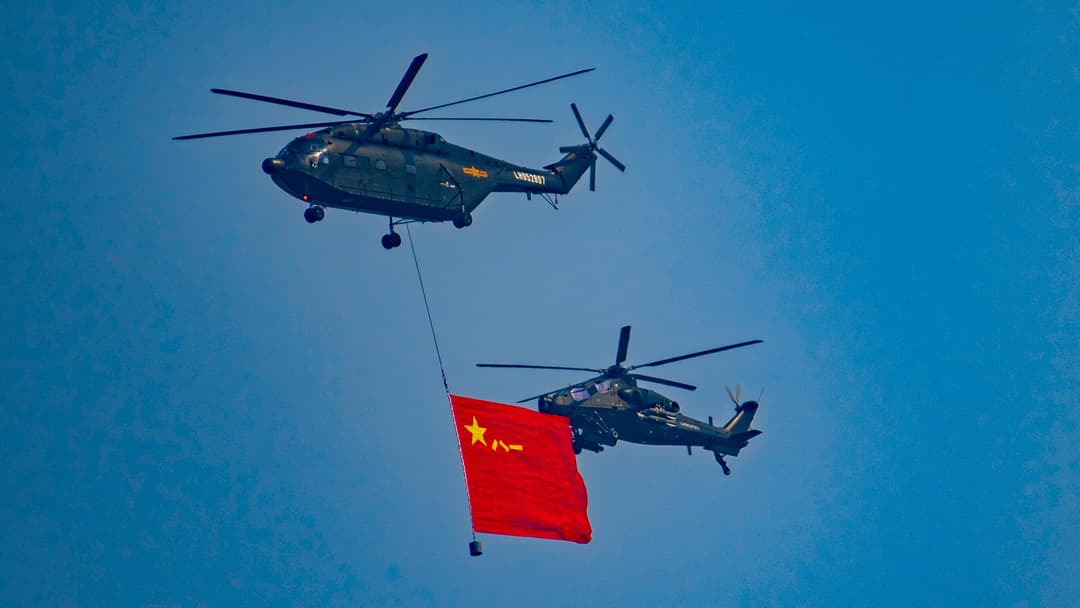
17. Military Modernization
Under Xi's direction, the People's Liberation Army underwent historic structural reorganizations into five joint theater commands. The military overhaul prioritized aircraft carriers, stealth fighters, and advanced missile defense systems to secure regional power.
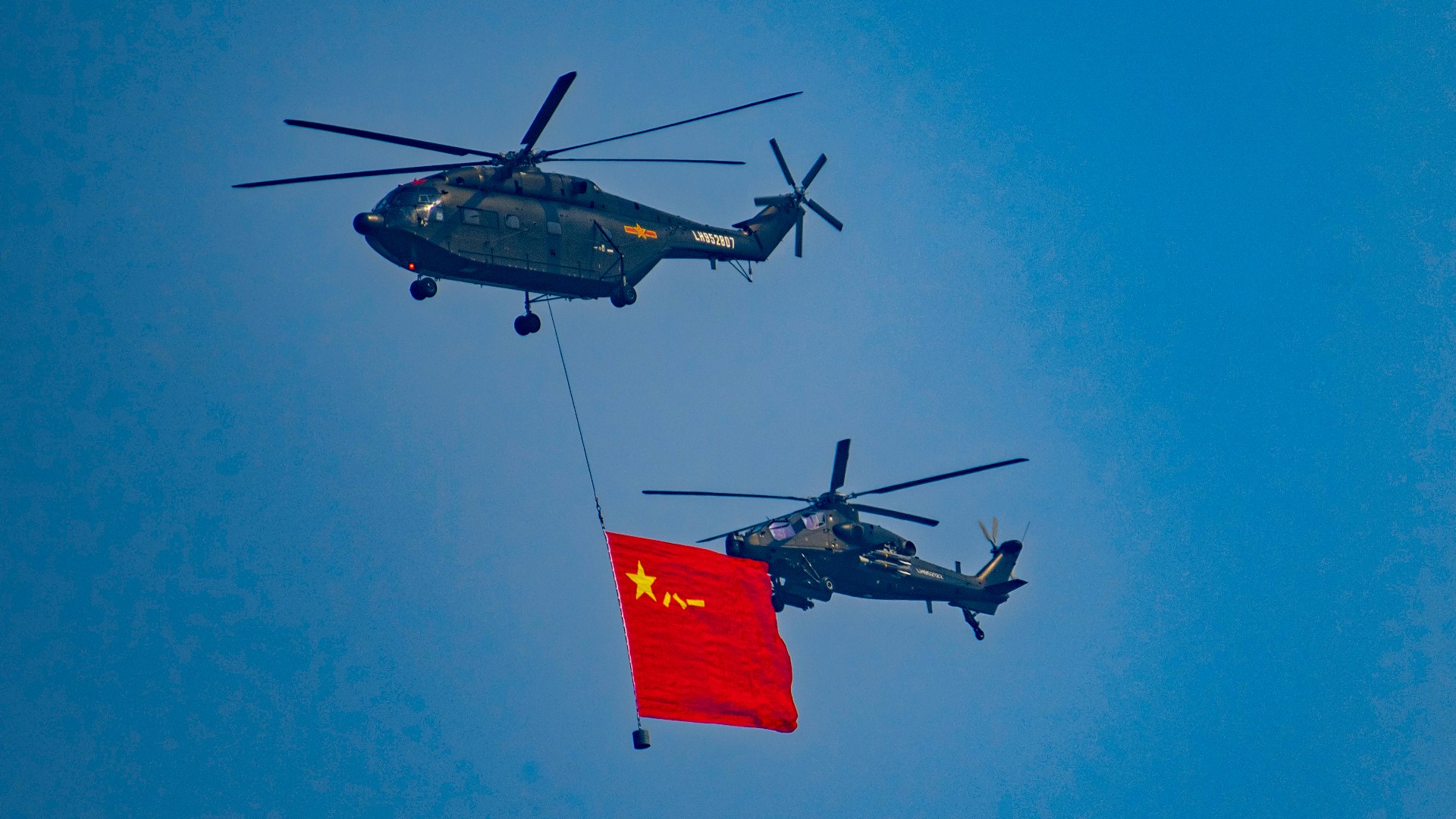
©Wikimedia / N509FZ
16. The Belt And Road Initiative
Unveiled in 2013, the Belt and Road Initiative directed hundreds of billions of dollars into overseas roads, railways, energy plants, and deepwater terminals. The sweeping development plan extended China's economic reach across more than one hundred nations.
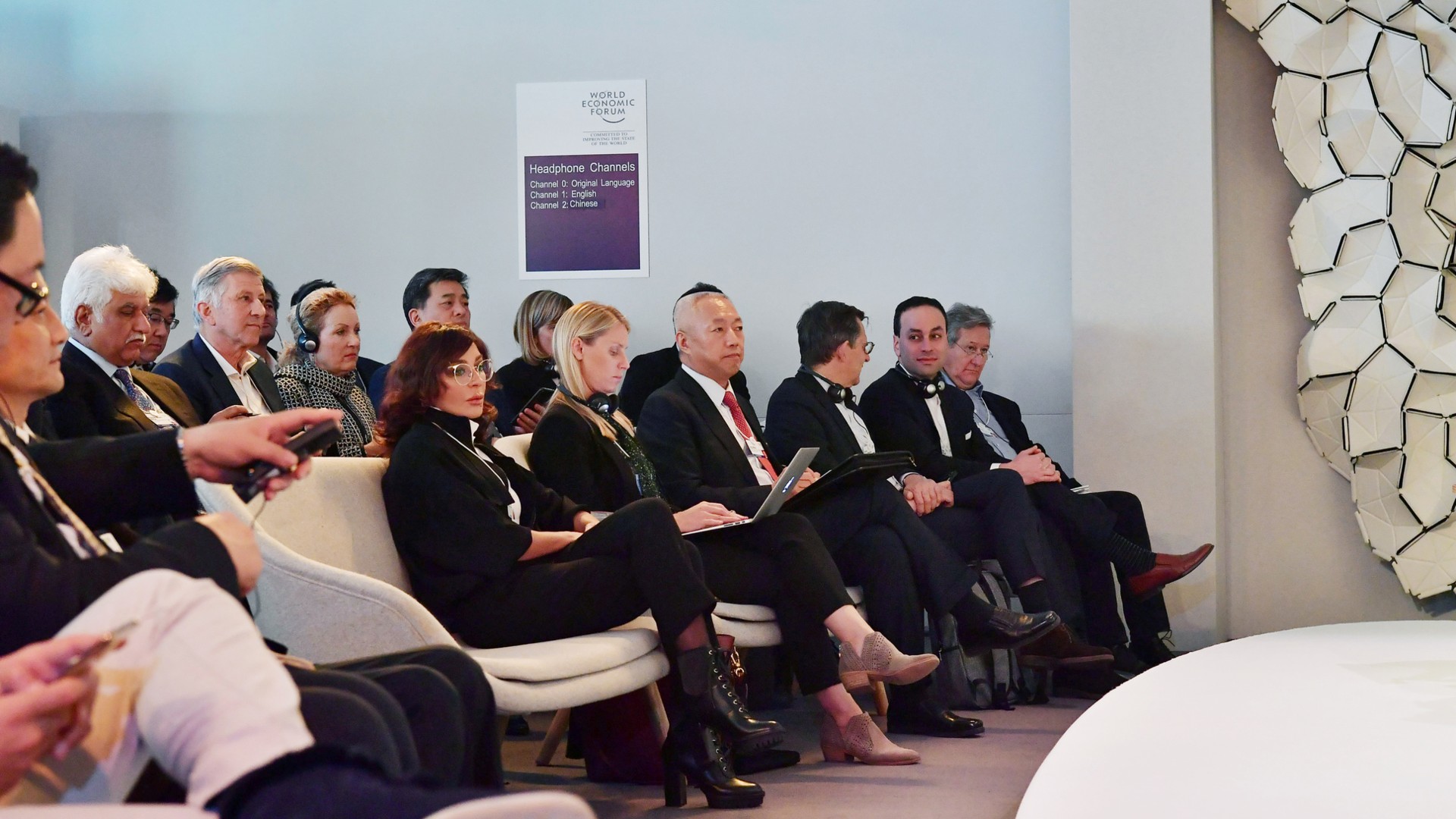
©Wikimedia / Press Service of the President of the
15. Abolishing Presidential Term Limits
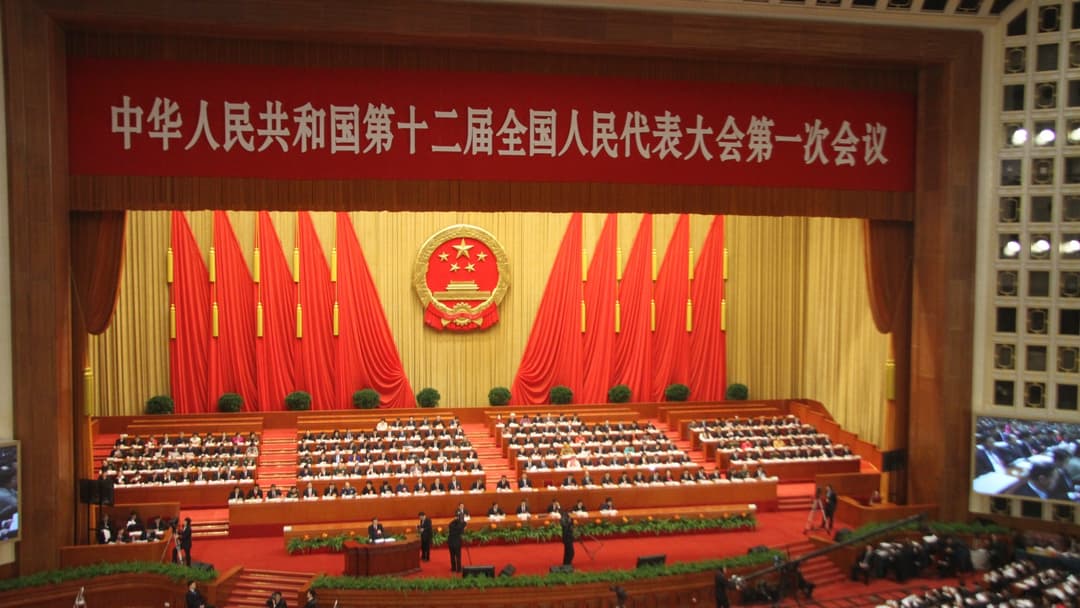
In March 2018, China's National People's Congress passed constitutional amendments that eliminated the two-term limitation on the presidency. The legislative measure cleared the way for Xi to remain head of state beyond the traditional ten-year window.
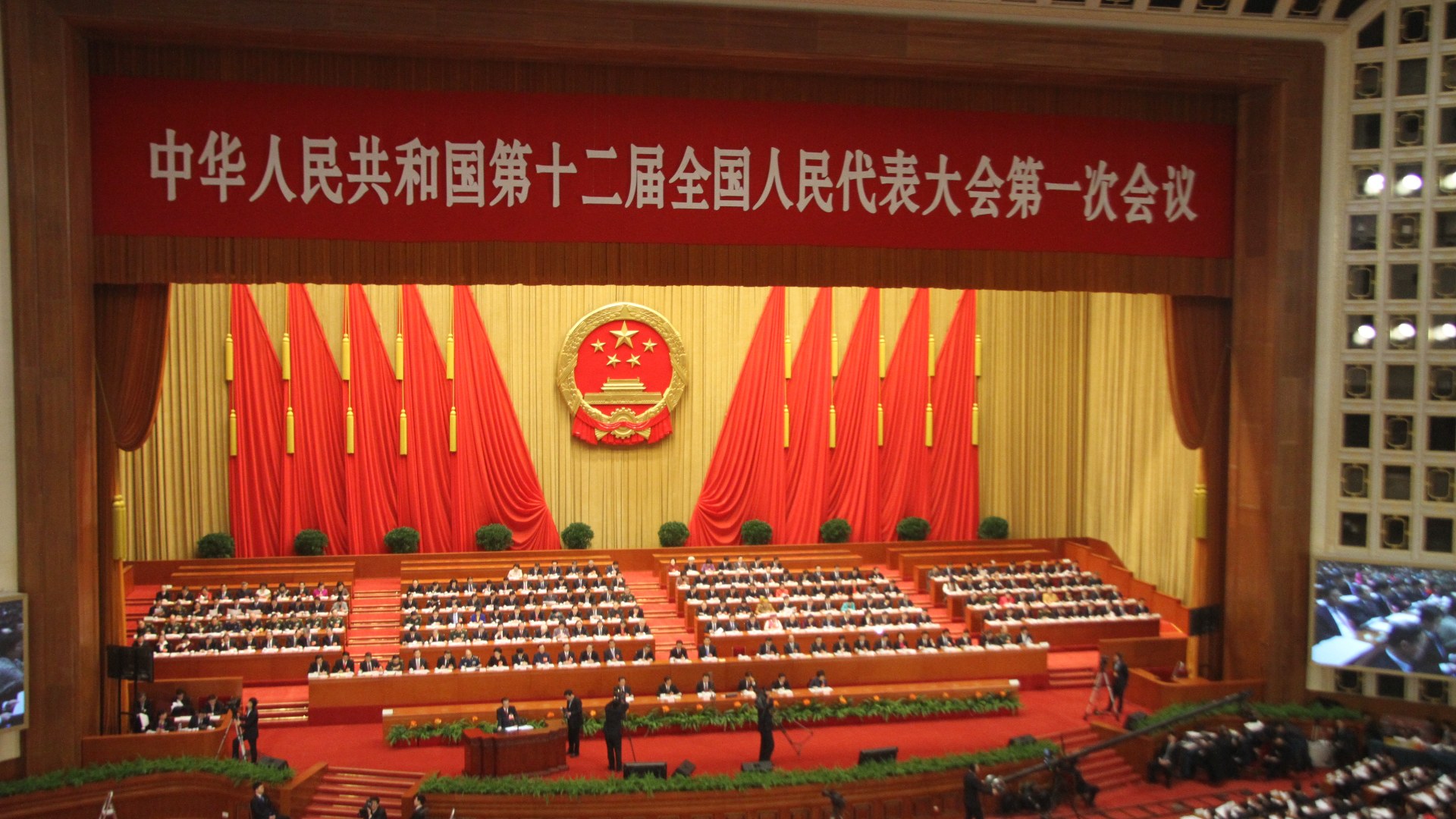
©Wikimedia / Dong Fang
14. Ideology Enshrined In The Charter
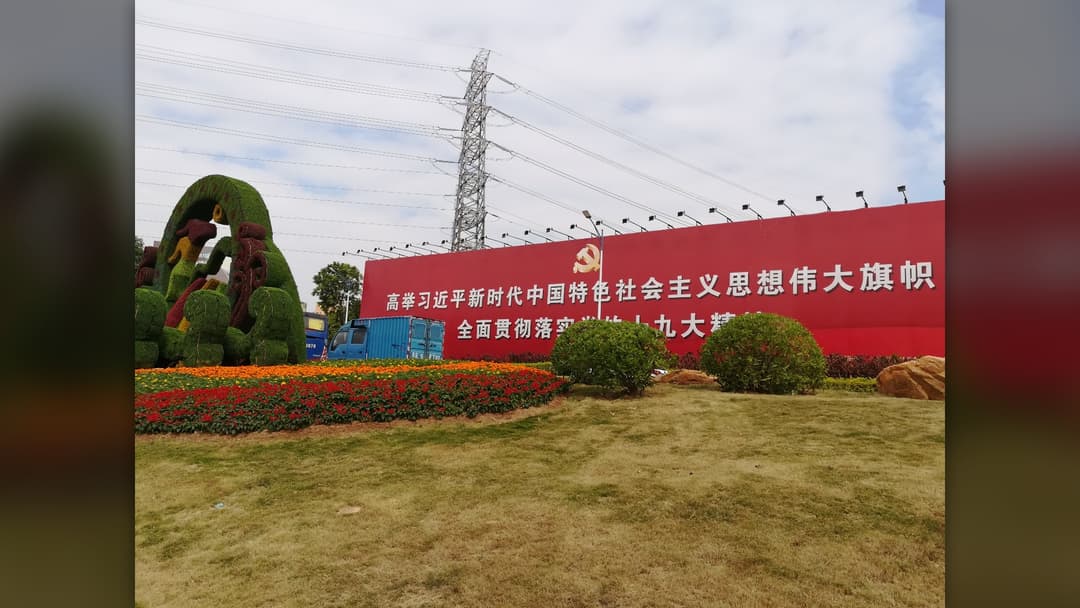
In October 2017, the 19th Party Congress voted unanimously to enshrine Xi Jinping Thought into the Communist Party constitution. This elevated his political standing to the same level held by Mao Zedong and Deng Xiaoping.
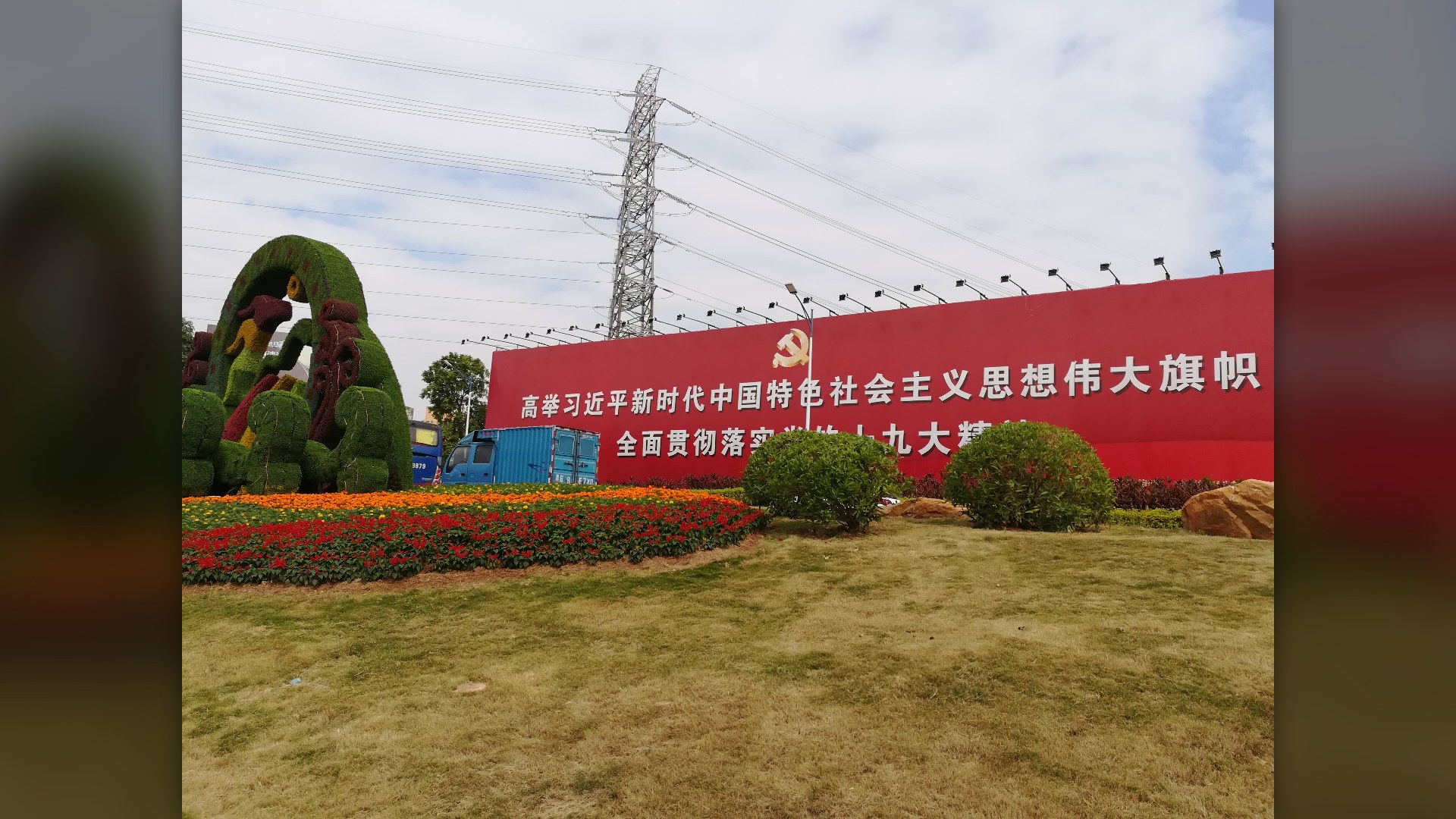
©Wikimedia / Huangdan2060
Advertisement
Swipe or tap ▶ to resume the countdown.
13. The Tigers And Flies Drive
Xi quickly launched an intensive anti-corruption campaign targeting both high-ranking officials and lower-level cadres. Led by the Central Commission for Discipline Inspection, the initiative investigated more than four million party members over a decade.
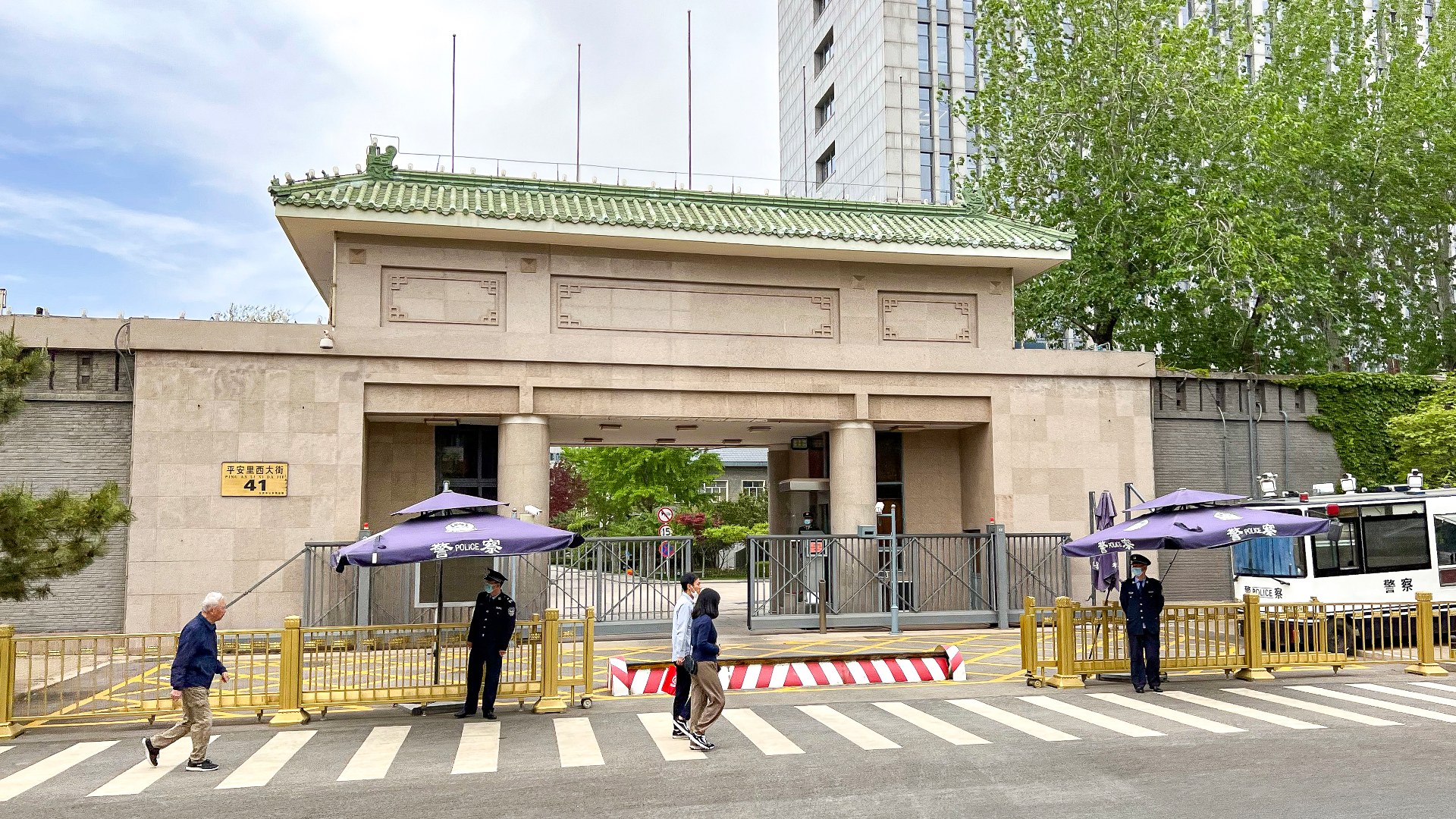
©Wikimedia / N509FZ
12. Taking The Helm In 2012
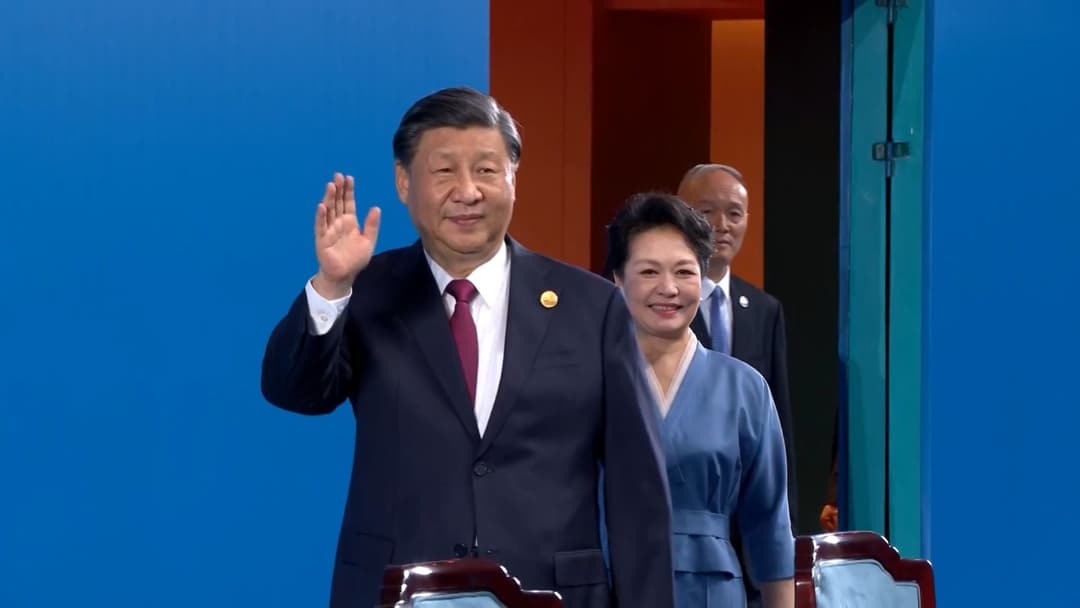
At the 18th Party Congress in November 2012, Hu Jintao stepped down, and Xi was elected General Secretary and Chairman of the Central Military Commission. In March 2013, the National People's Congress officially elected him President of China.
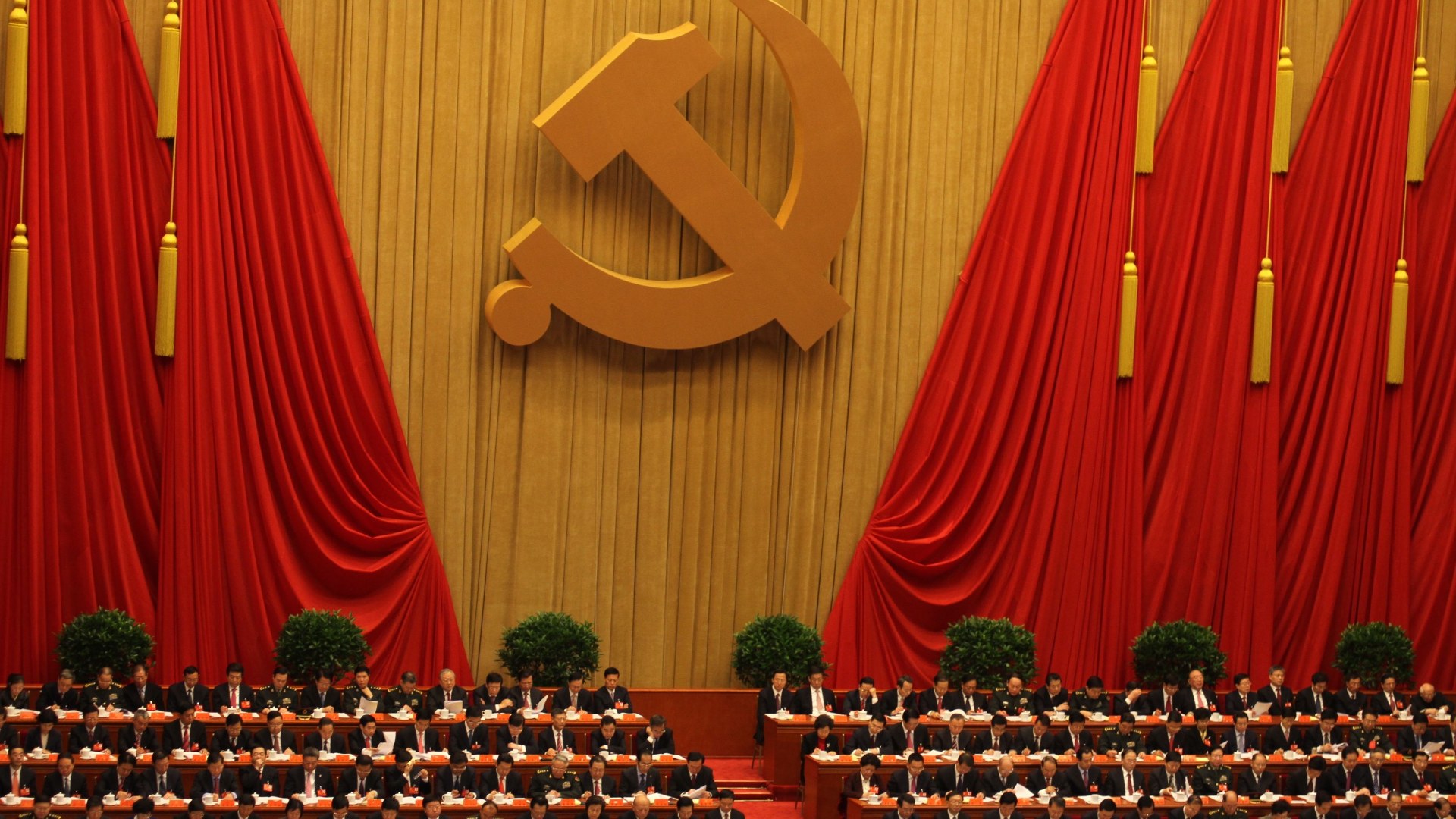
©Wikimedia / Dong Fang
11. Elevation To The Inner Circle
At the 17th Party Congress in October 2007, Xi was promoted directly to the nine-member Politburo Standing Committee. He was subsequently appointed Vice President in 2008 and placed in charge of preparations for the Beijing Olympic Games.
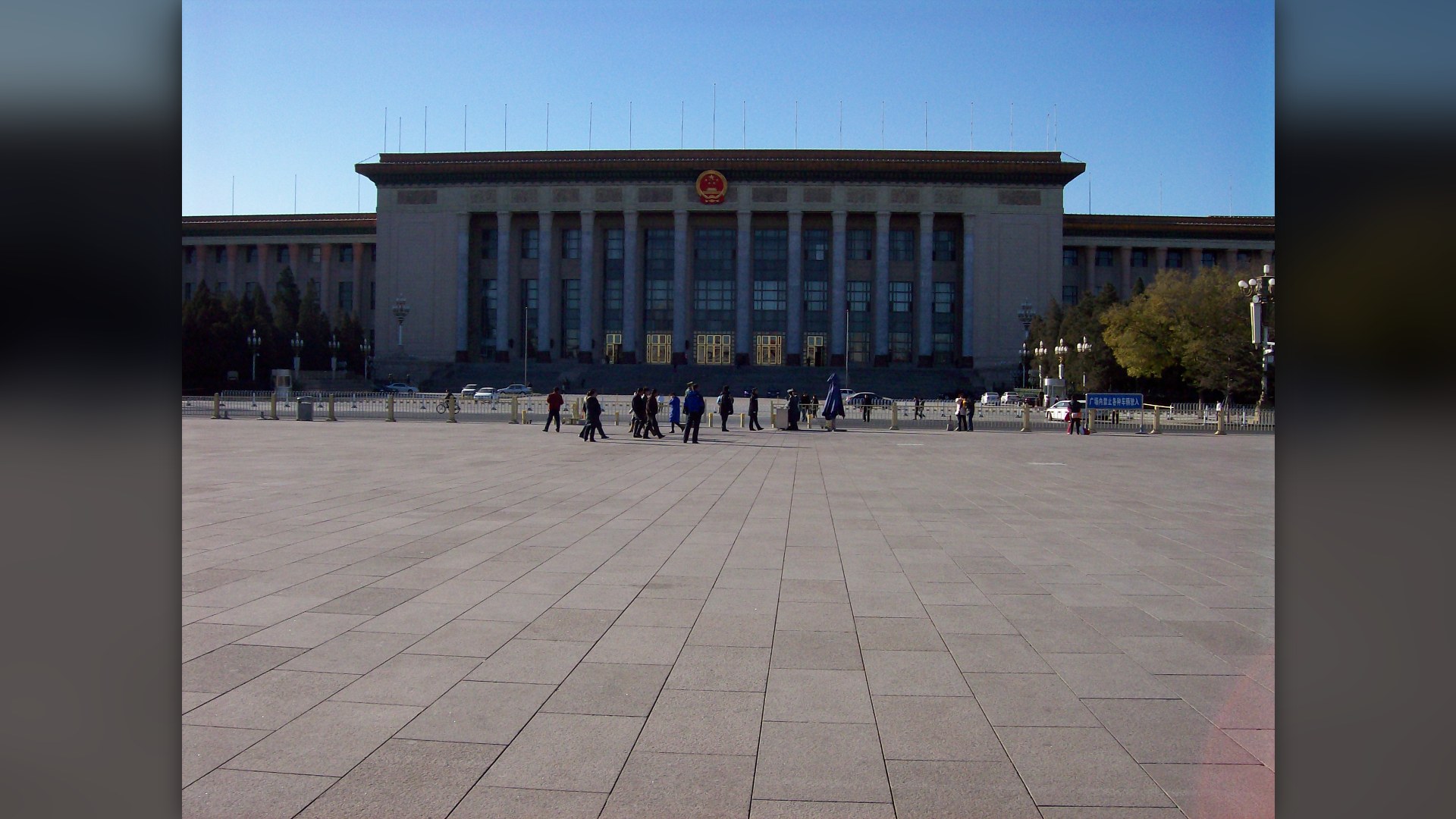
©Wikimedia / Philip Nalangan
10. Restoring Order In Shanghai
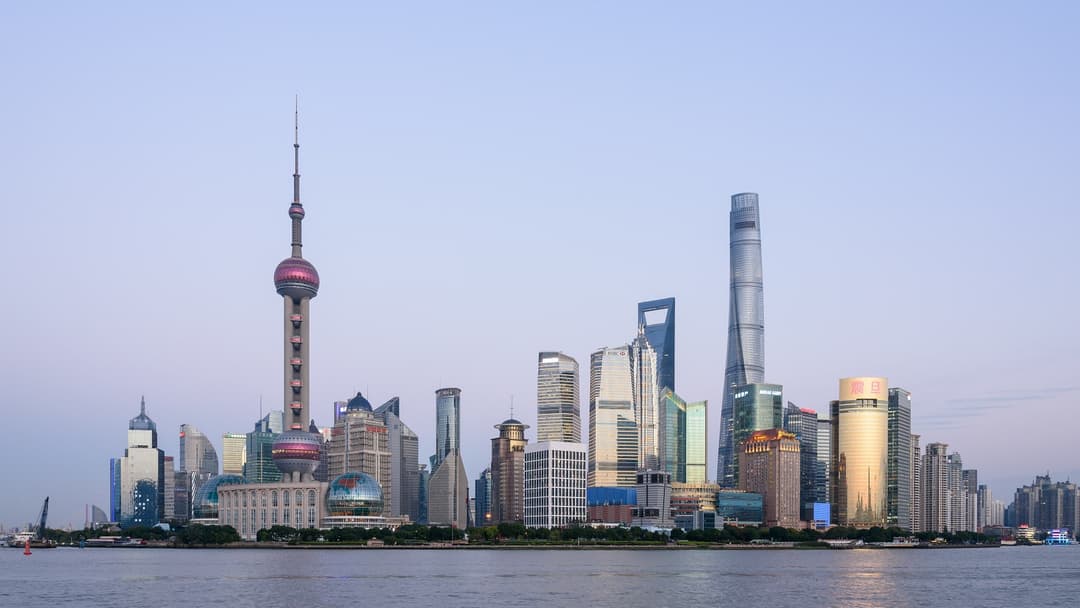
In March 2007, Xi was named party secretary of Shanghai after his predecessor was dismissed over a massive pension fund fraud case. He successfully stabilized the municipal administration and oversaw initial planning for the 2010 World Expo.
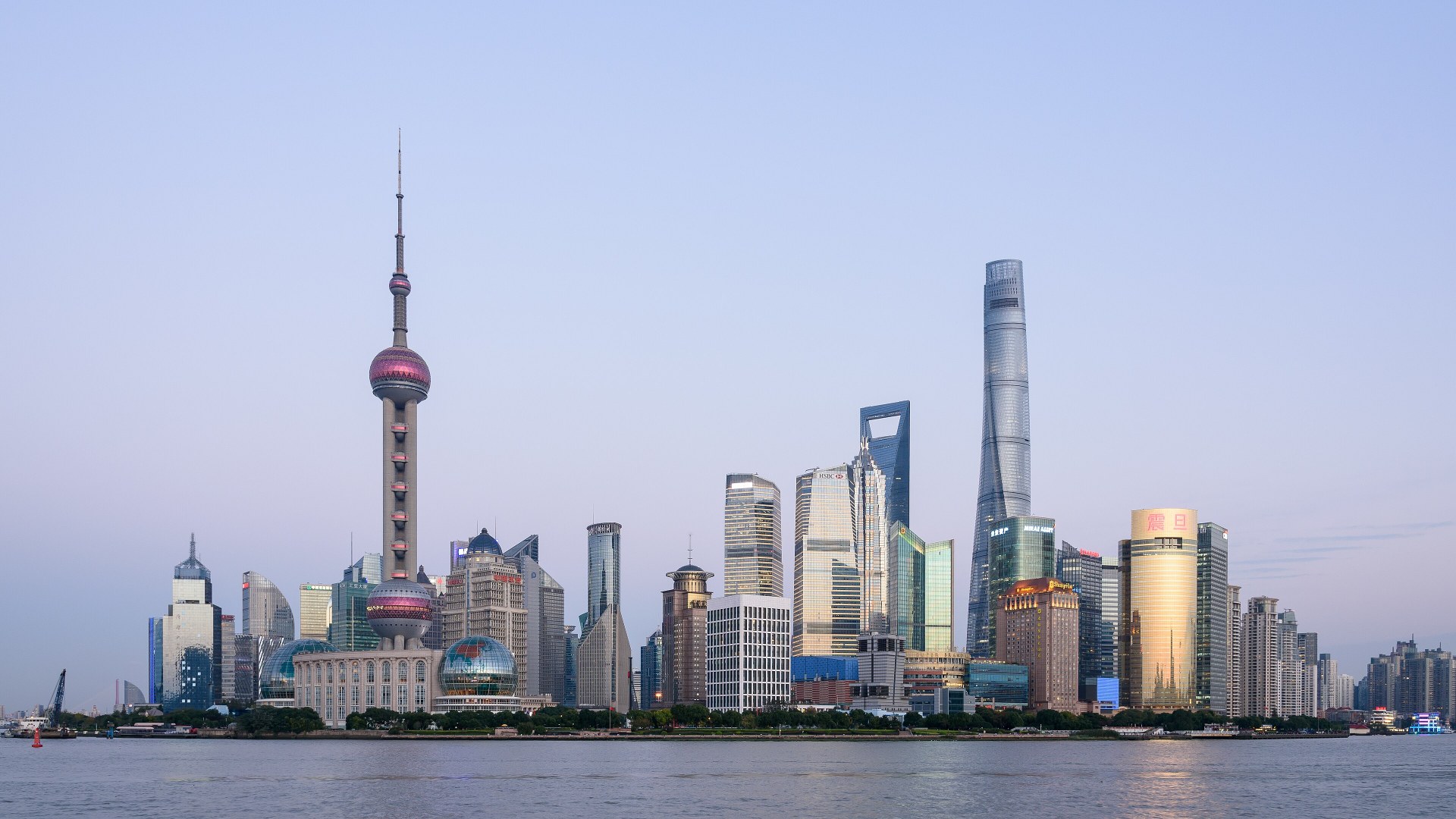
©Wikimedia / King of Hearts
Advertisement
Swipe or tap ▶ to resume the countdown.
9. Zhejiang Economic Proving Ground
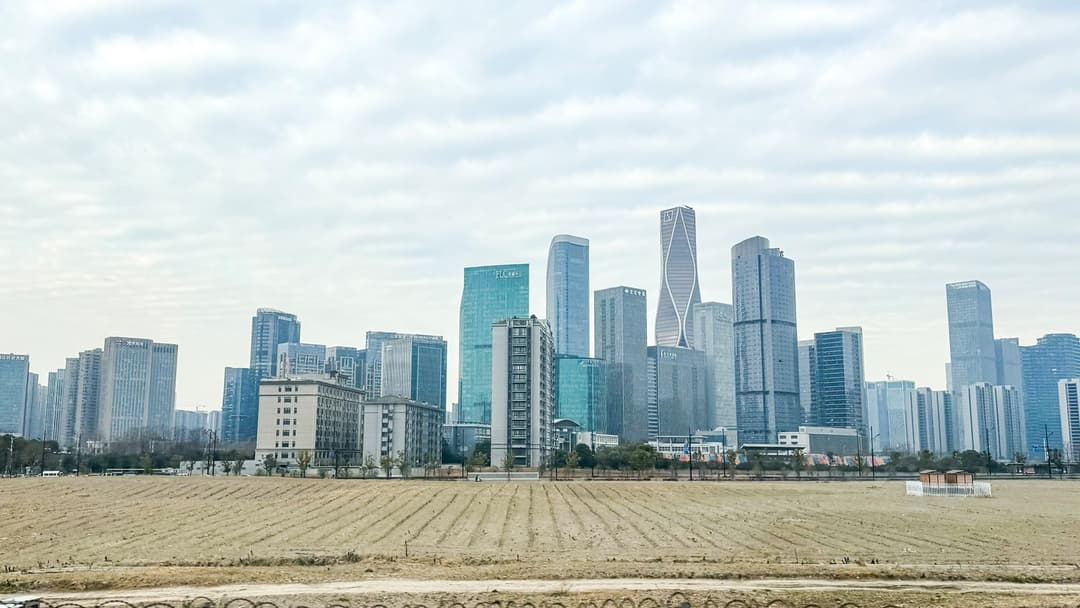
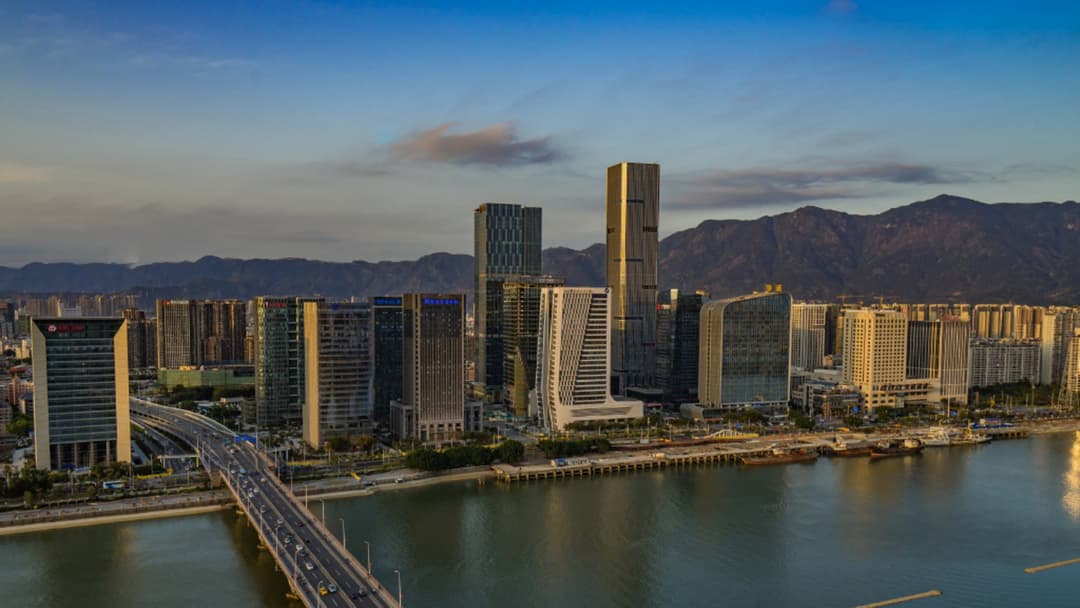
As party secretary of Zhejiang from 2002 to 2007, Xi promoted private enterprise and technological modernization while strengthening environmental standards. His successful provincial leadership solidified his reputation as an effective manager.
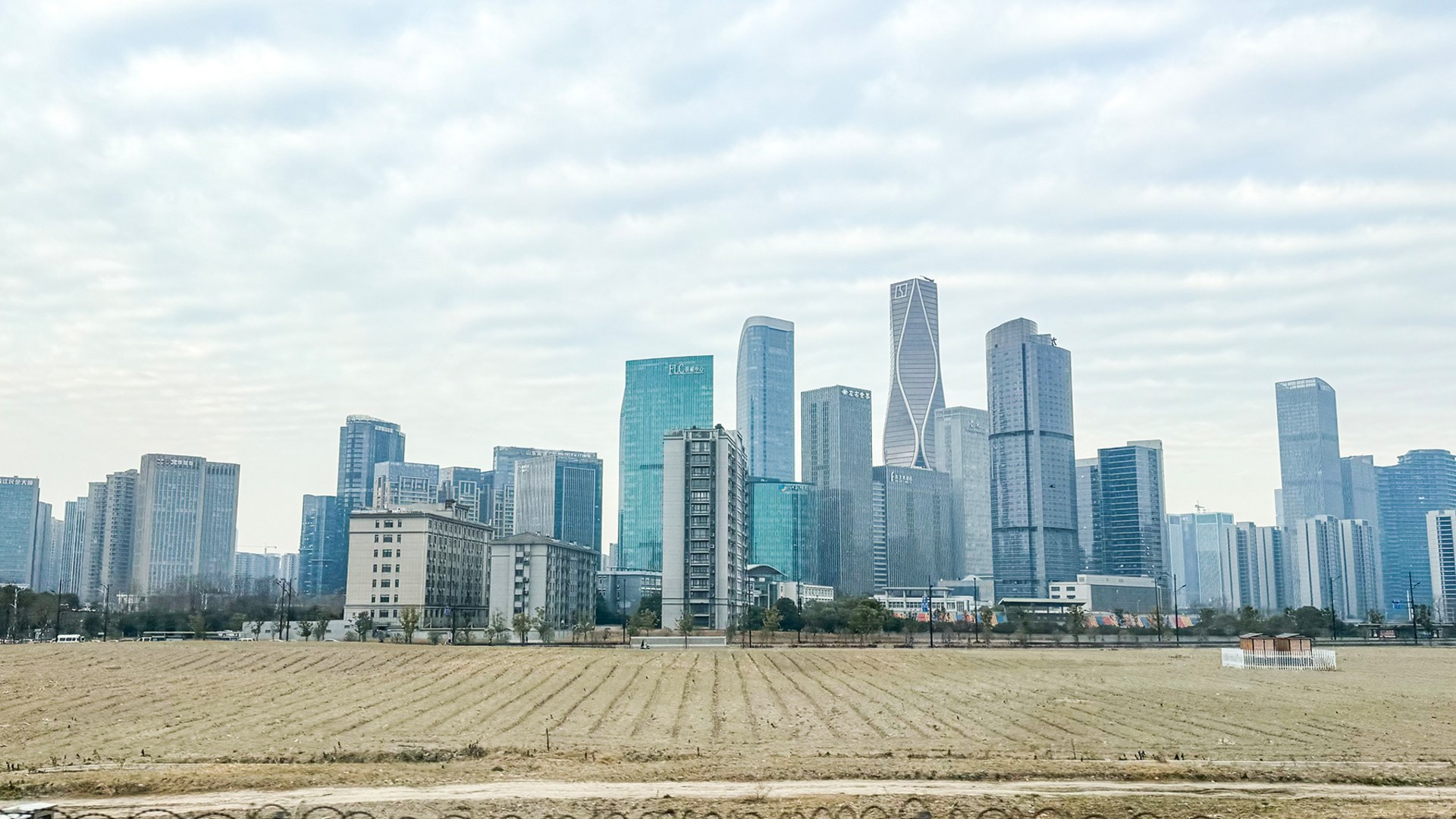
©Wikimedia / Windmemories
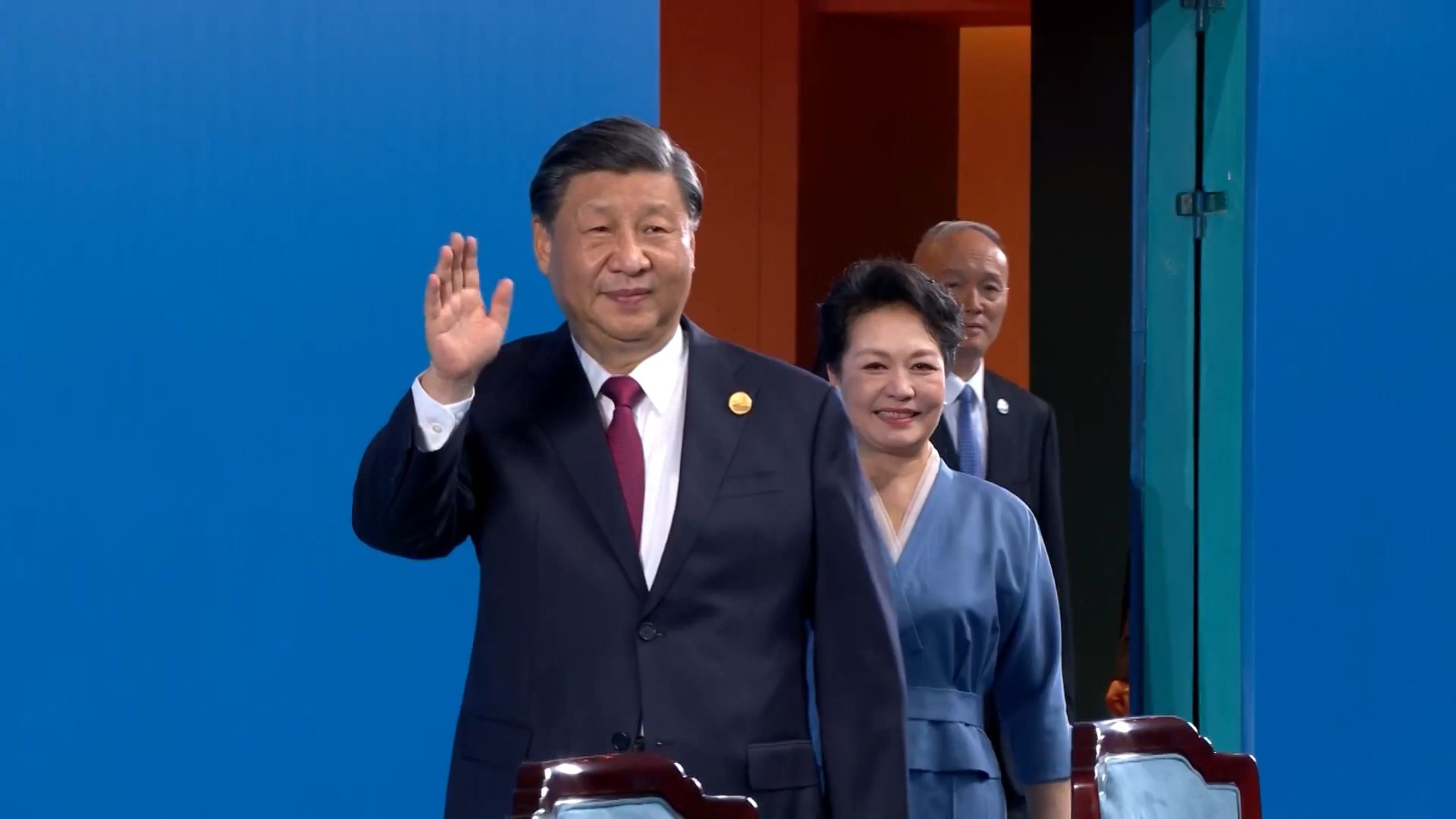
8. Marriage To Peng Liyuan
In 1987, Xi married Peng Liyuan, a renowned folk singer and major general in the military song and dance troupe. Her widespread celebrity elevated Xi's public profile long before he rose to supreme national office.
©Wikimedia / FISU
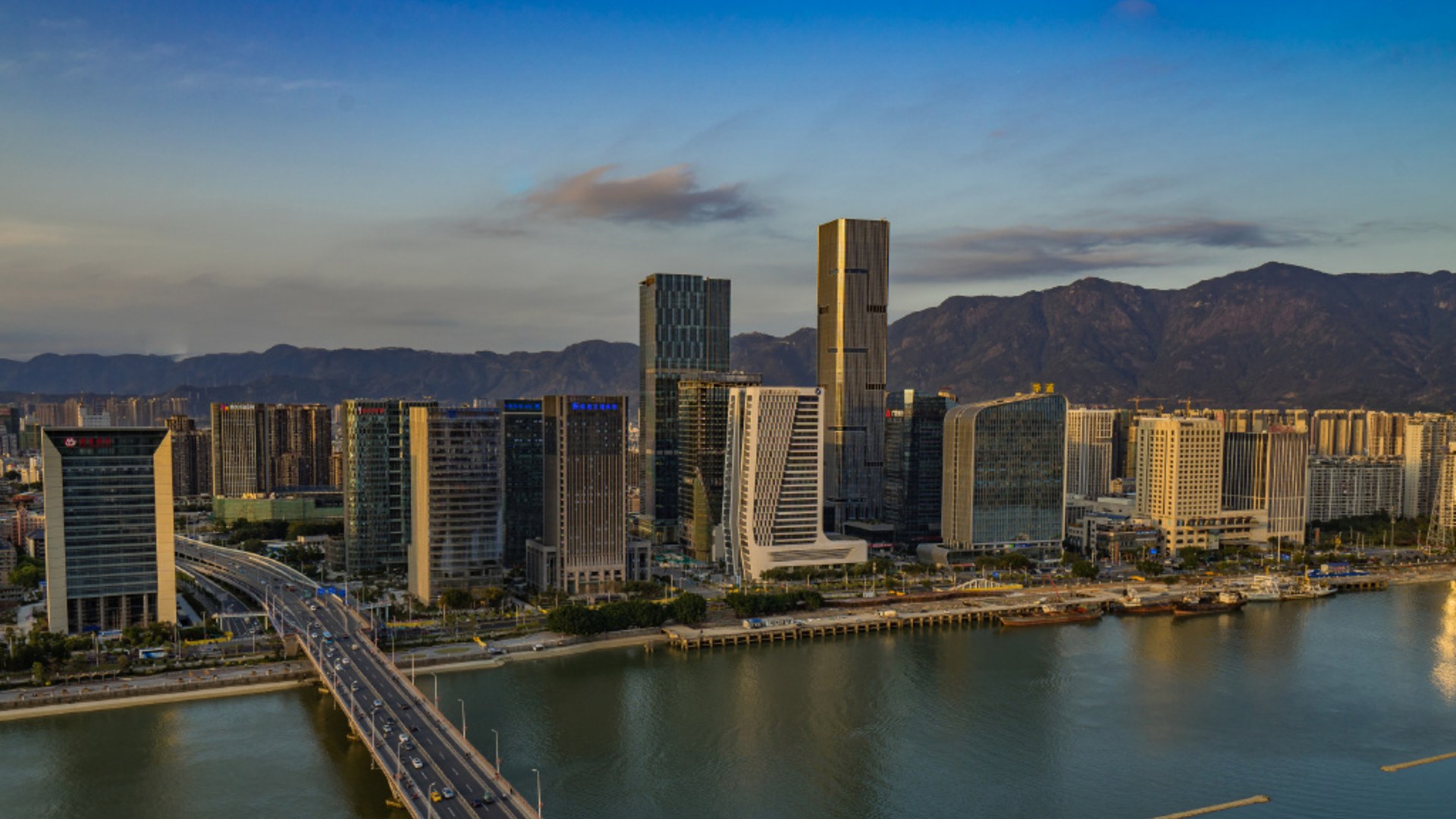
7. Coastal Governance In Fujian
Starting in 1985, Xi spent seventeen years in Fujian province, serving as party chief in Ningde and Fuzhou before becoming provincial governor. The position required managing rapid industrial growth and courting investment from across the Taiwan Strait.
©Wikimedia / Listwiseafford
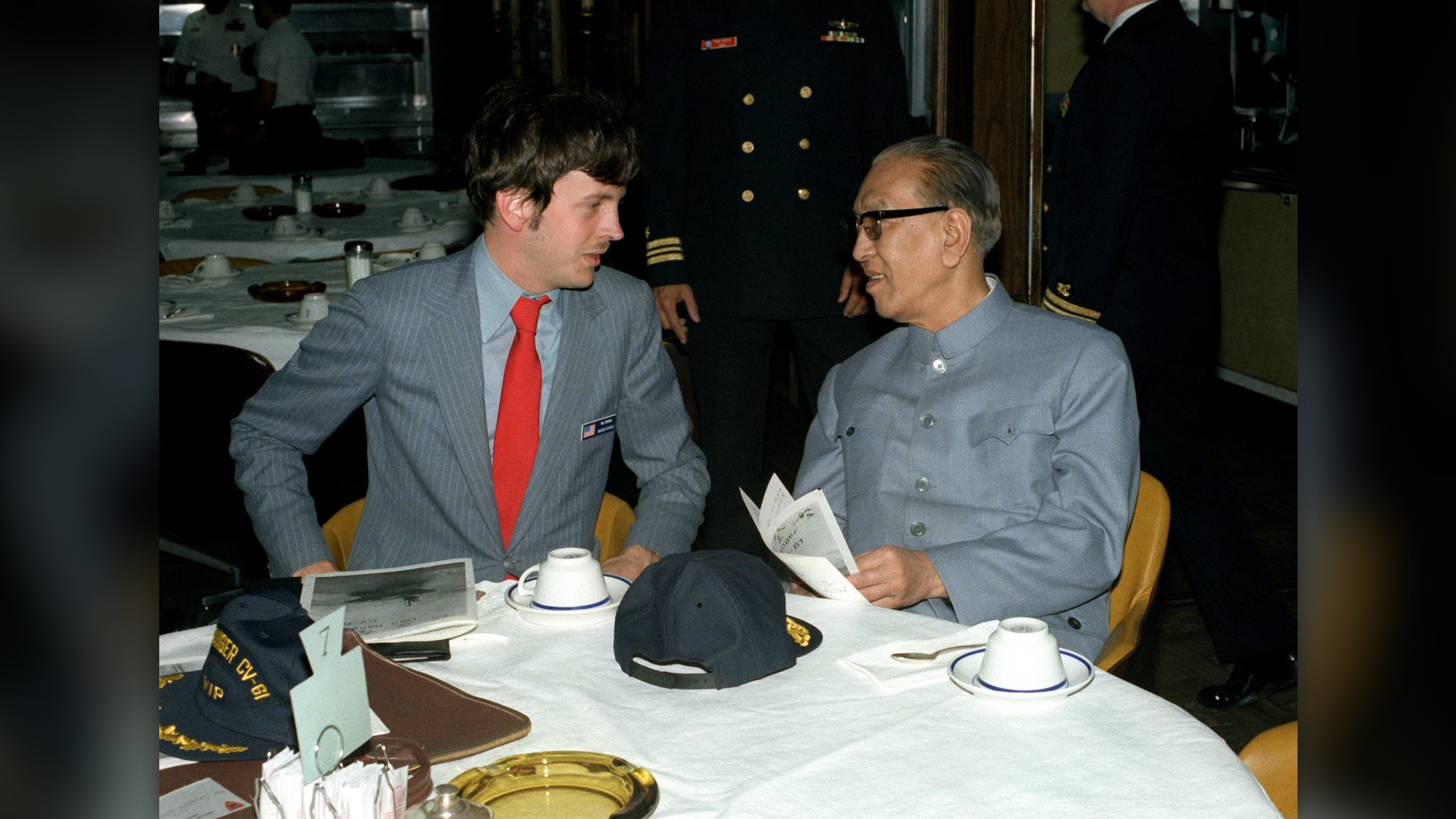
6. Military Apprenticeship
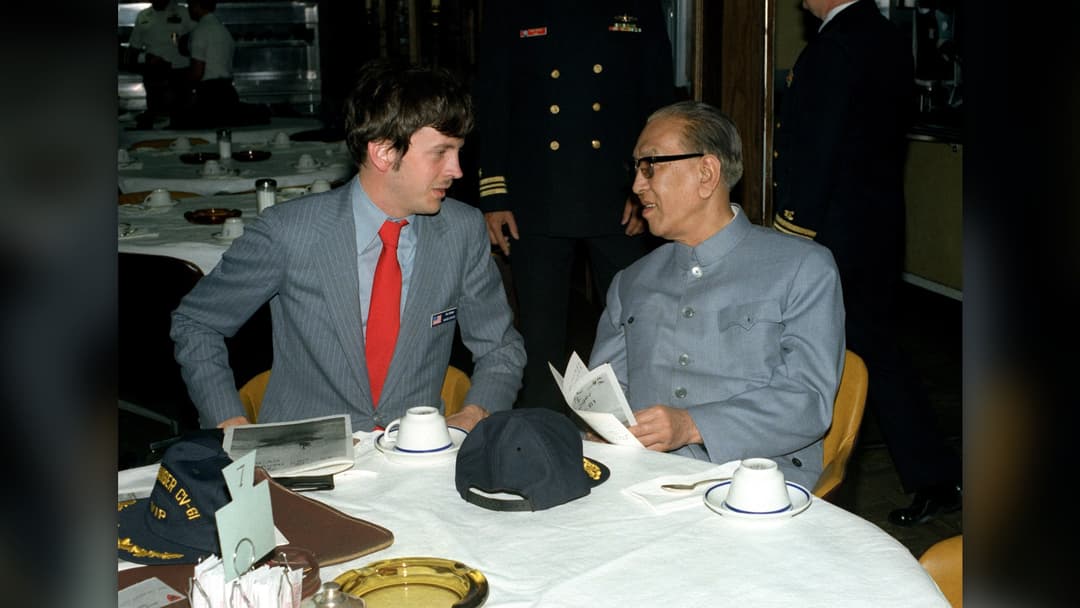
From 1979 to 1982, Xi served as personal secretary to Geng Biao, who headed the Central Military Commission General Office. This civilian staff posting provided him with direct insight into armed forces administration and defense politics.
©Wikimedia / US National Archives
Advertisement
Swipe or tap ▶ to resume the countdown.
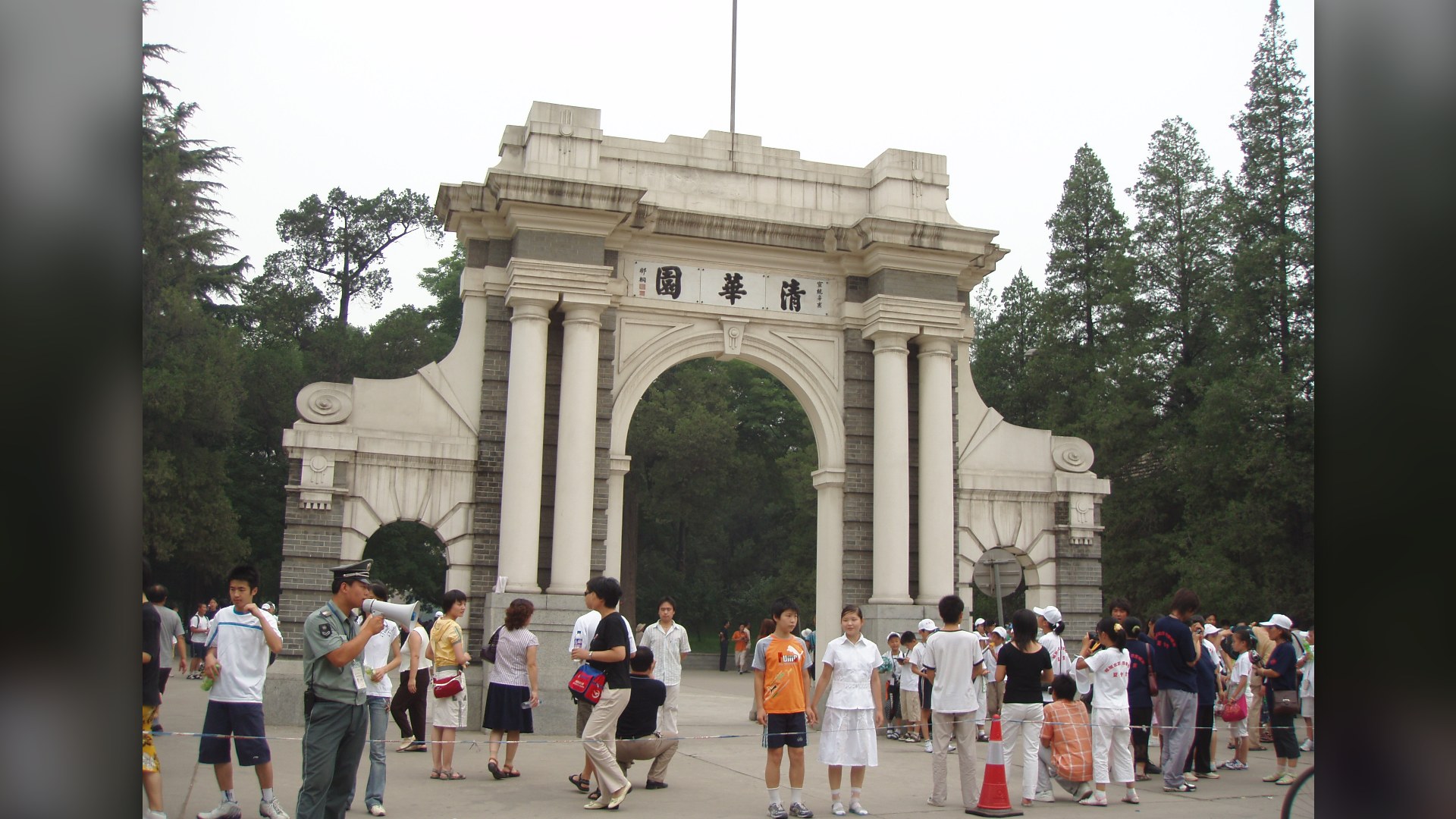
5. Tsinghua University Education
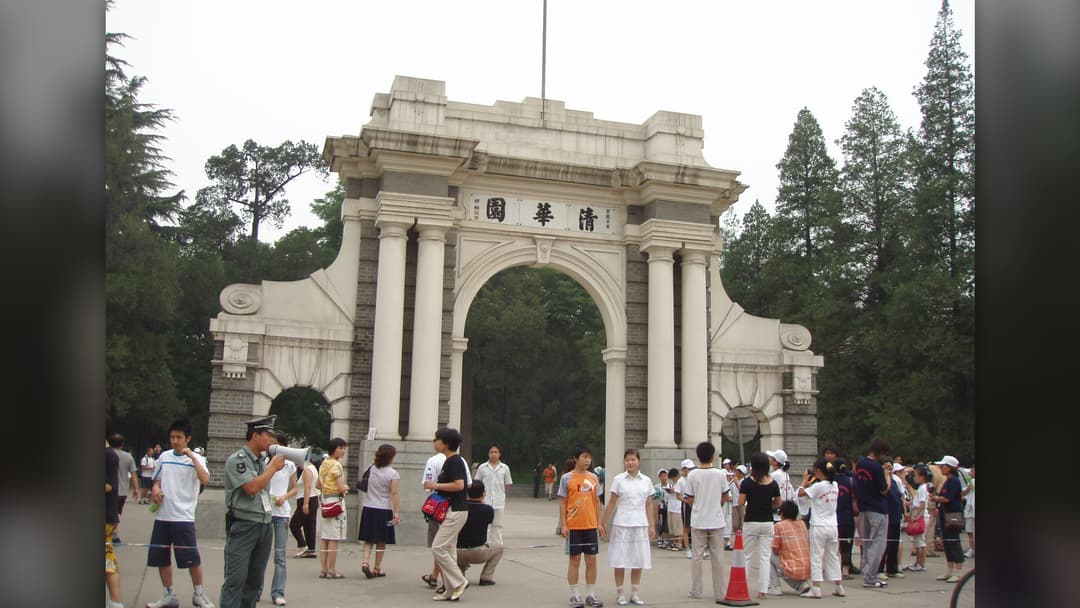
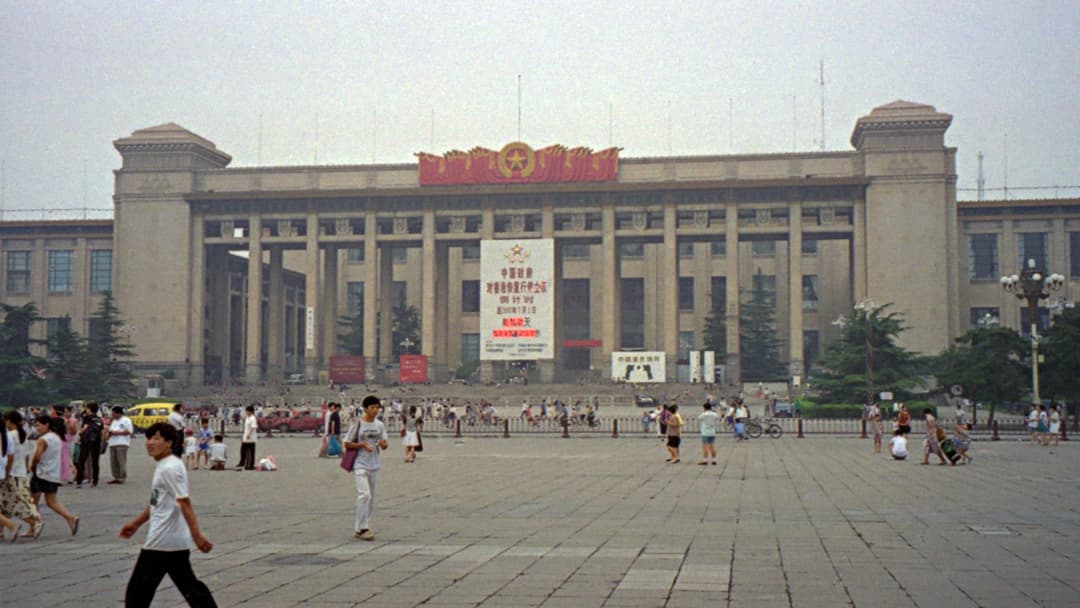
In 1975, Xi secured admission to Tsinghua University in Beijing to study organic synthesis and chemical engineering. After graduating in 1979, he later earned a doctorate in Marxist theory and ideological education from the same institution.
©Wikimedia / Dquai
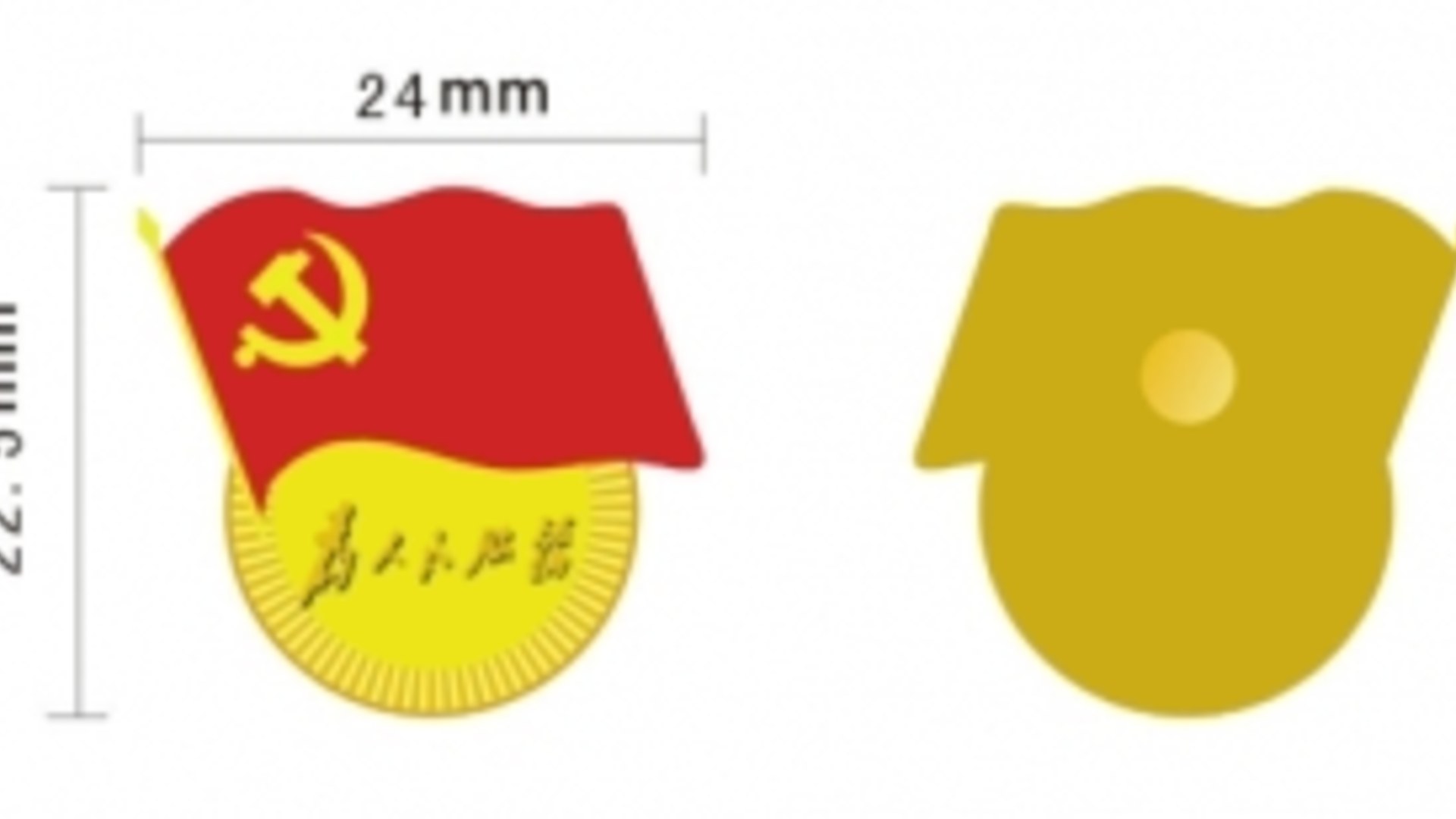
4. Gaining Party Entry
Because of his father's disgraced political status, Xi's applications to join the Communist Youth League and the Chinese Communist Party were rejected multiple times. Through persistent loyalty, he was finally admitted to the party in 1974.
©Wikimedia / CPC Organization Dept
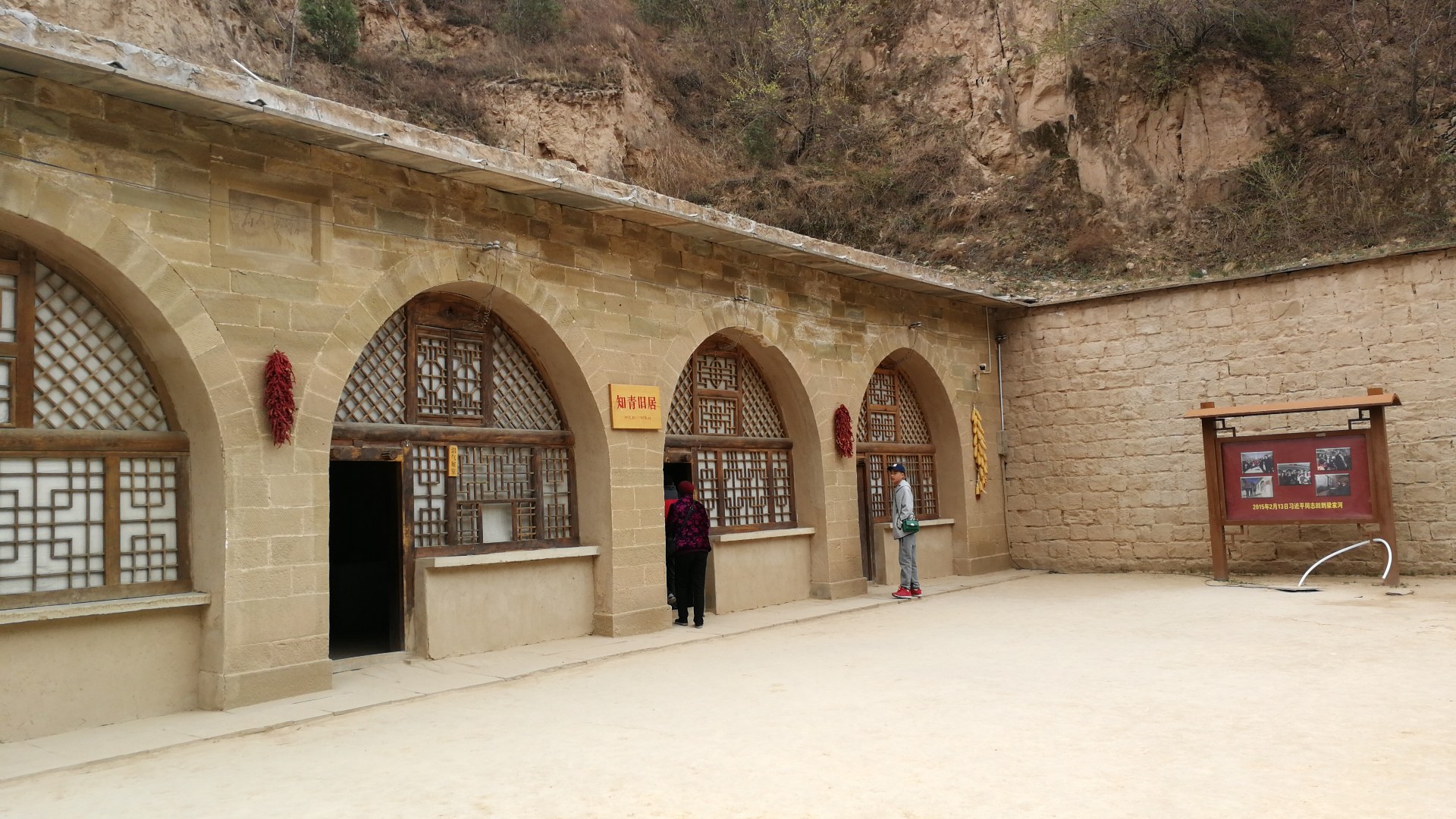
3. Seven Years In Liangjiahe
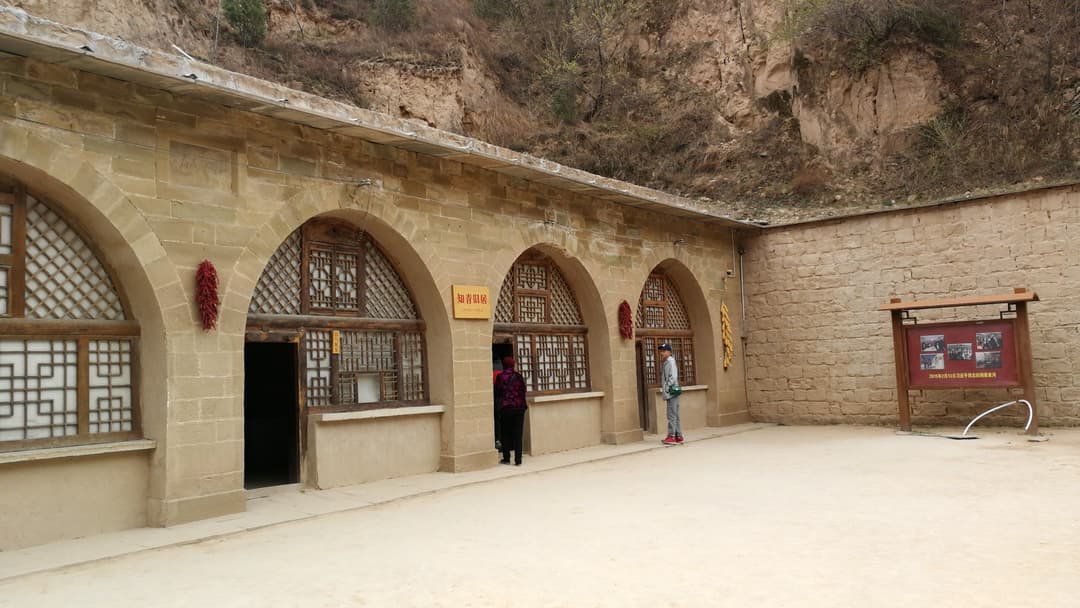
At age fifteen, Xi arrived in Liangjiahe village in Shaanxi province under the Down to the Countryside Movement. He spent seven years living in loess cave dwellings, hauling manure and digging irrigation ditches alongside local farmers.
©Wikimedia / Liuxingy
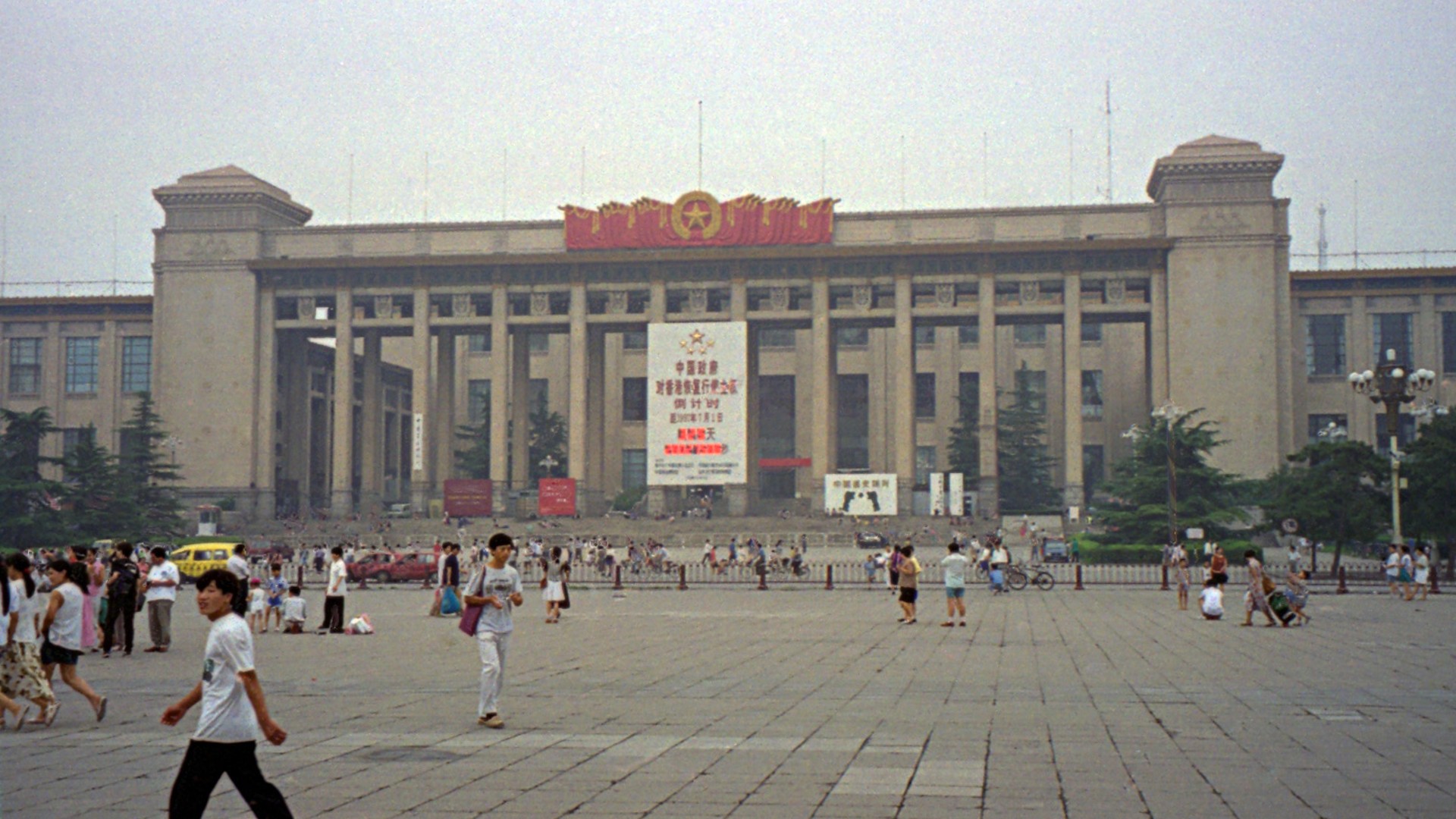
2. Cultural Revolution Turmoil
In 1962, Xi's father was stripped of his official posts and imprisoned during internal party purges. When the Cultural Revolution erupted in 1966, the family residence was ransacked, and adolescent Xi was detained before being sent away.
©Wikimedia / Dan Lundberg
Advertisement
Swipe or tap ▶ to resume the countdown.
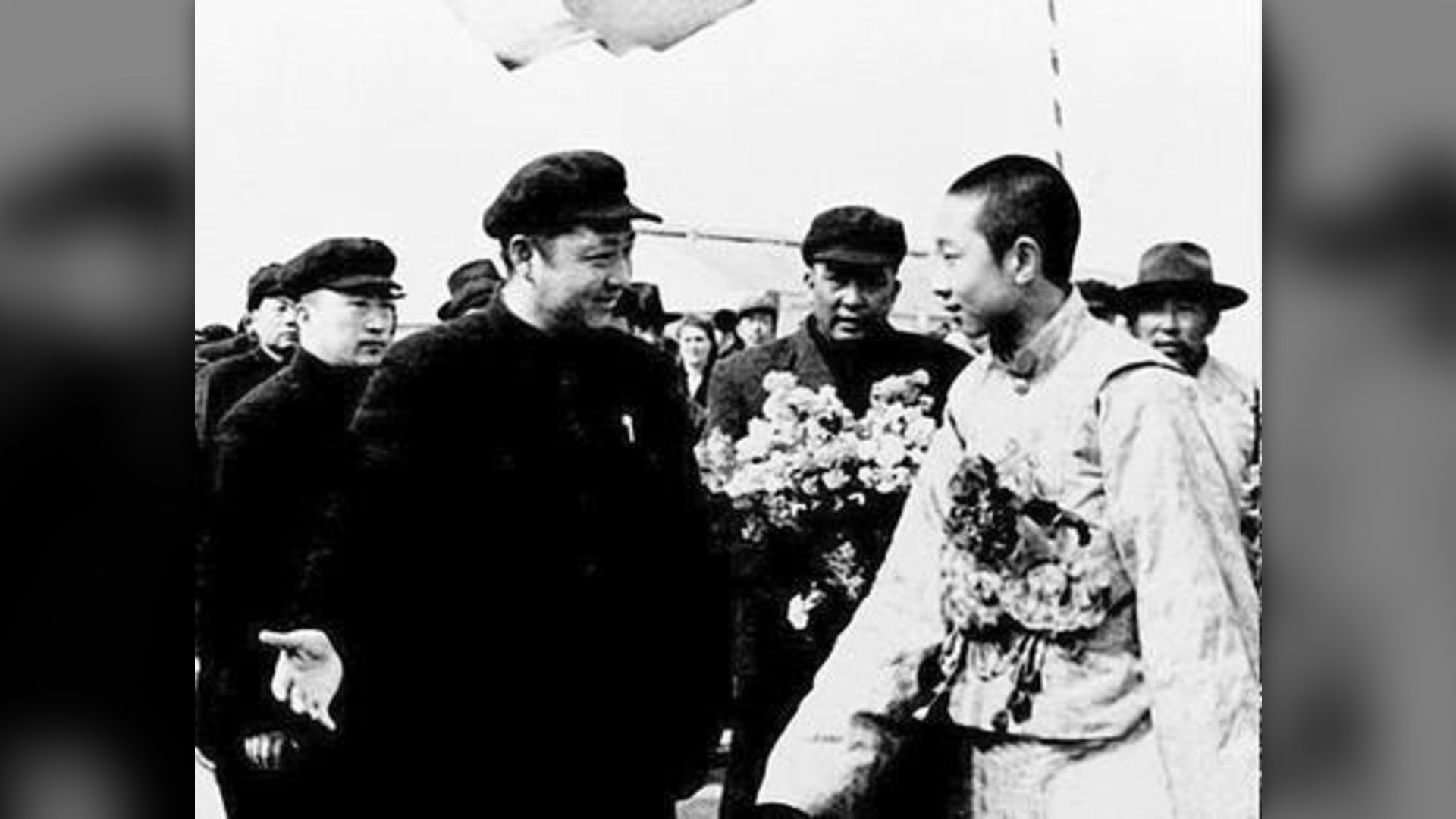
1. Princeling Heritage
Xi Jinping was born in Beijing in June 1953 as the son of Xi Zhongxun, a veteran Communist revolutionary and vice premier. His early years inside party compounds gave him elite political connections and an enduring sense of party mission.
©Wikimedia / Xinhua
Advertisement
You've reached the end of the story. Thanks for reading!

20 World Leaders and Political Figures Facing Major Challenges in 2027
High Stakes, Fragile Coalitions, and Rising Tensions Define the Road to 2027
All 20 Entries in this Story
20. Historic Third Term
In October 2022, Xi was confirmed for an unprecedented third five-year term as party general secretary, breaking decades of leadership succession norms. The congress selected an allied Politburo Standing Committee, firmly cementing his central authority.

19. The Moscow Partnership
Xi and Russian President Vladimir Putin have held more than forty bilateral summits, declaring an enduring partnership in early 2022. Shared diplomatic positions, cross-border gas pipelines, and expanded mutual trade have reinforced relations between the two neighbors.

18. Managing Washington Relations
Xi's tenure has overseen shifting relations with the United States across four presidential administrations. Bilateral engagements have navigated tariff negotiations, semiconductor restrictions, and regular heads of state meetings at international forums.

17. Military Modernization
Under Xi's direction, the People's Liberation Army underwent historic structural reorganizations into five joint theater commands. The military overhaul prioritized aircraft carriers, stealth fighters, and advanced missile defense systems to secure regional power.

16. The Belt And Road Initiative
Unveiled in 2013, the Belt and Road Initiative directed hundreds of billions of dollars into overseas roads, railways, energy plants, and deepwater terminals. The sweeping development plan extended China's economic reach across more than one hundred nations.

15. Abolishing Presidential Term Limits
In March 2018, China's National People's Congress passed constitutional amendments that eliminated the two-term limitation on the presidency. The legislative measure cleared the way for Xi to remain head of state beyond the traditional ten-year window.

14. Ideology Enshrined In The Charter
In October 2017, the 19th Party Congress voted unanimously to enshrine Xi Jinping Thought into the Communist Party constitution. This elevated his political standing to the same level held by Mao Zedong and Deng Xiaoping.

13. The Tigers And Flies Drive
Xi quickly launched an intensive anti-corruption campaign targeting both high-ranking officials and lower-level cadres. Led by the Central Commission for Discipline Inspection, the initiative investigated more than four million party members over a decade.

12. Taking The Helm In 2012
At the 18th Party Congress in November 2012, Hu Jintao stepped down, and Xi was elected General Secretary and Chairman of the Central Military Commission. In March 2013, the National People's Congress officially elected him President of China.

11. Elevation To The Inner Circle
At the 17th Party Congress in October 2007, Xi was promoted directly to the nine-member Politburo Standing Committee. He was subsequently appointed Vice President in 2008 and placed in charge of preparations for the Beijing Olympic Games.

10. Restoring Order In Shanghai
In March 2007, Xi was named party secretary of Shanghai after his predecessor was dismissed over a massive pension fund fraud case. He successfully stabilized the municipal administration and oversaw initial planning for the 2010 World Expo.

9. Zhejiang Economic Proving Ground
As party secretary of Zhejiang from 2002 to 2007, Xi promoted private enterprise and technological modernization while strengthening environmental standards. His successful provincial leadership solidified his reputation as an effective manager.

8. Marriage To Peng Liyuan
In 1987, Xi married Peng Liyuan, a renowned folk singer and major general in the military song and dance troupe. Her widespread celebrity elevated Xi's public profile long before he rose to supreme national office.

7. Coastal Governance In Fujian
Starting in 1985, Xi spent seventeen years in Fujian province, serving as party chief in Ningde and Fuzhou before becoming provincial governor. The position required managing rapid industrial growth and courting investment from across the Taiwan Strait.

6. Military Apprenticeship
From 1979 to 1982, Xi served as personal secretary to Geng Biao, who headed the Central Military Commission General Office. This civilian staff posting provided him with direct insight into armed forces administration and defense politics.

5. Tsinghua University Education
In 1975, Xi secured admission to Tsinghua University in Beijing to study organic synthesis and chemical engineering. After graduating in 1979, he later earned a doctorate in Marxist theory and ideological education from the same institution.

4. Gaining Party Entry
Because of his father's disgraced political status, Xi's applications to join the Communist Youth League and the Chinese Communist Party were rejected multiple times. Through persistent loyalty, he was finally admitted to the party in 1974.

3. Seven Years In Liangjiahe
At age fifteen, Xi arrived in Liangjiahe village in Shaanxi province under the Down to the Countryside Movement. He spent seven years living in loess cave dwellings, hauling manure and digging irrigation ditches alongside local farmers.

2. Cultural Revolution Turmoil
In 1962, Xi's father was stripped of his official posts and imprisoned during internal party purges. When the Cultural Revolution erupted in 1966, the family residence was ransacked, and adolescent Xi was detained before being sent away.

1. Princeling Heritage
Xi Jinping was born in Beijing in June 1953 as the son of Xi Zhongxun, a veteran Communist revolutionary and vice premier. His early years inside party compounds gave him elite political connections and an enduring sense of party mission.