Slideshow · Viral
20 Ways to Survive a Proper Power Blackout
How would you survive if the lights went out for days?
By Most Viral Today
54 min ago

How would you survive if the lights went out for days? 
20. Have A Camp Stove 
19. Stock First Aid Kits 
18. Water Reserves - AdvertisementSwipe or tap ▶ to continue countdown

17. Battery Radio 
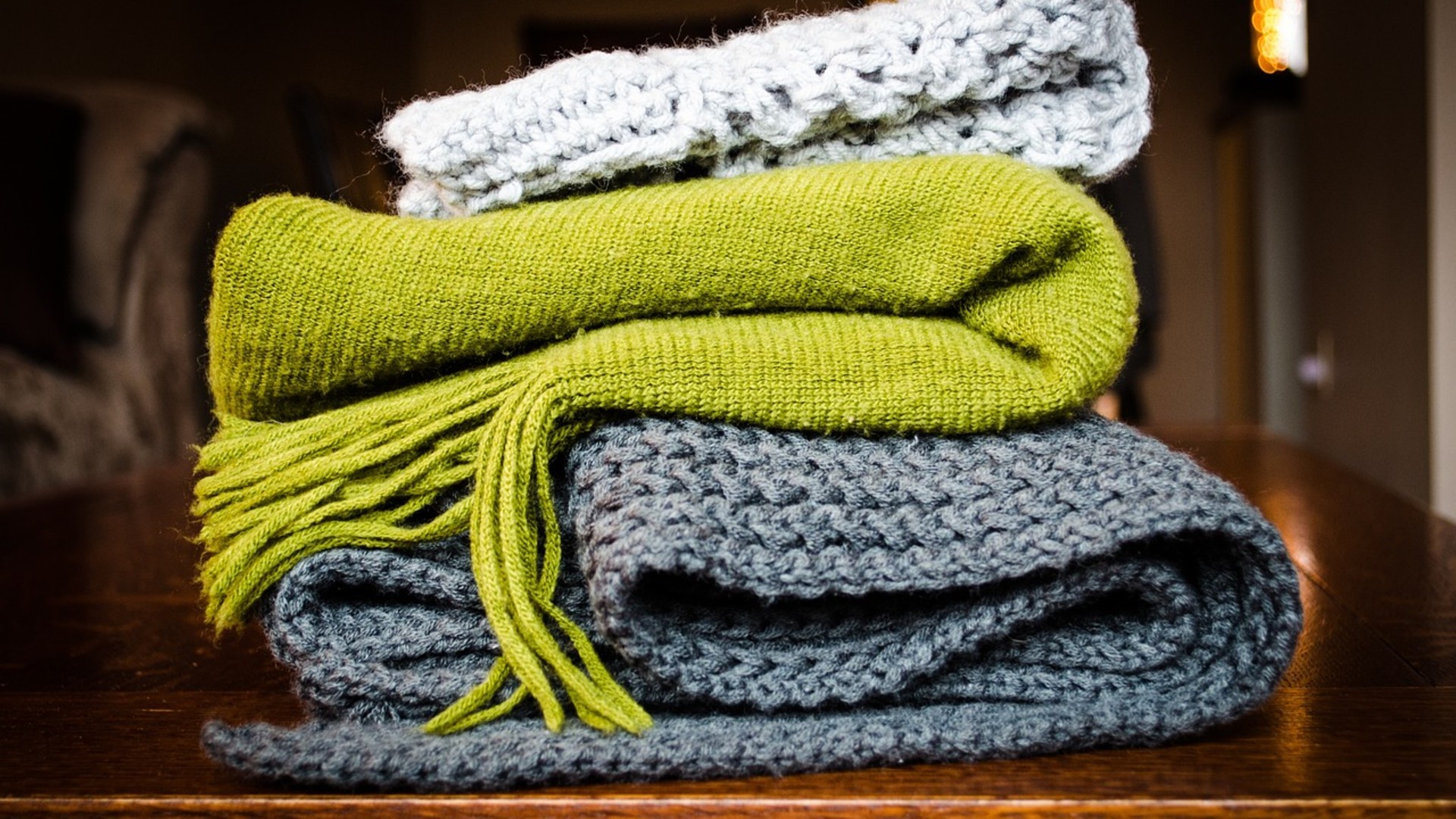
16. Wool Blankets 
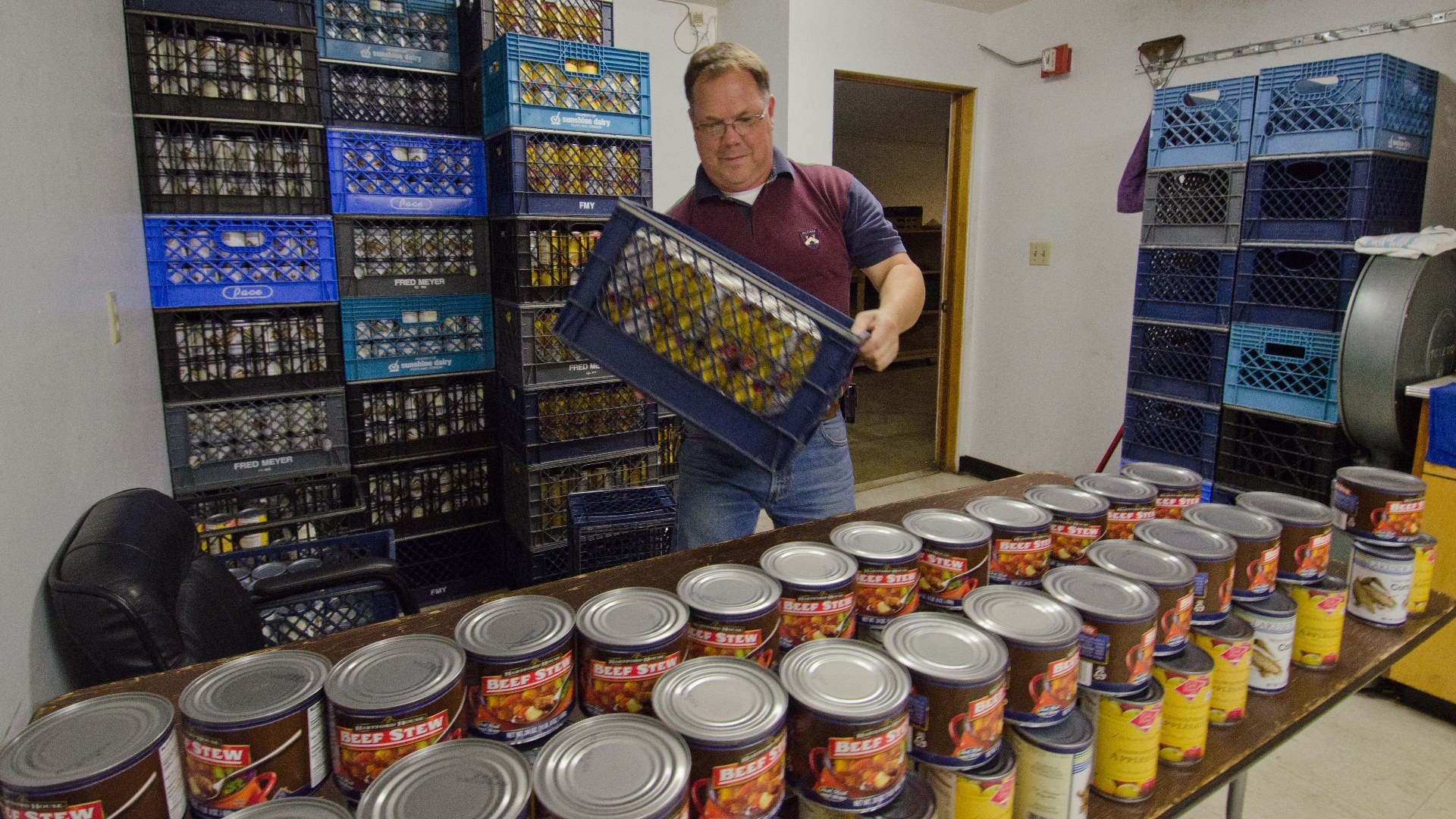
15. Canned Goods Pantry 
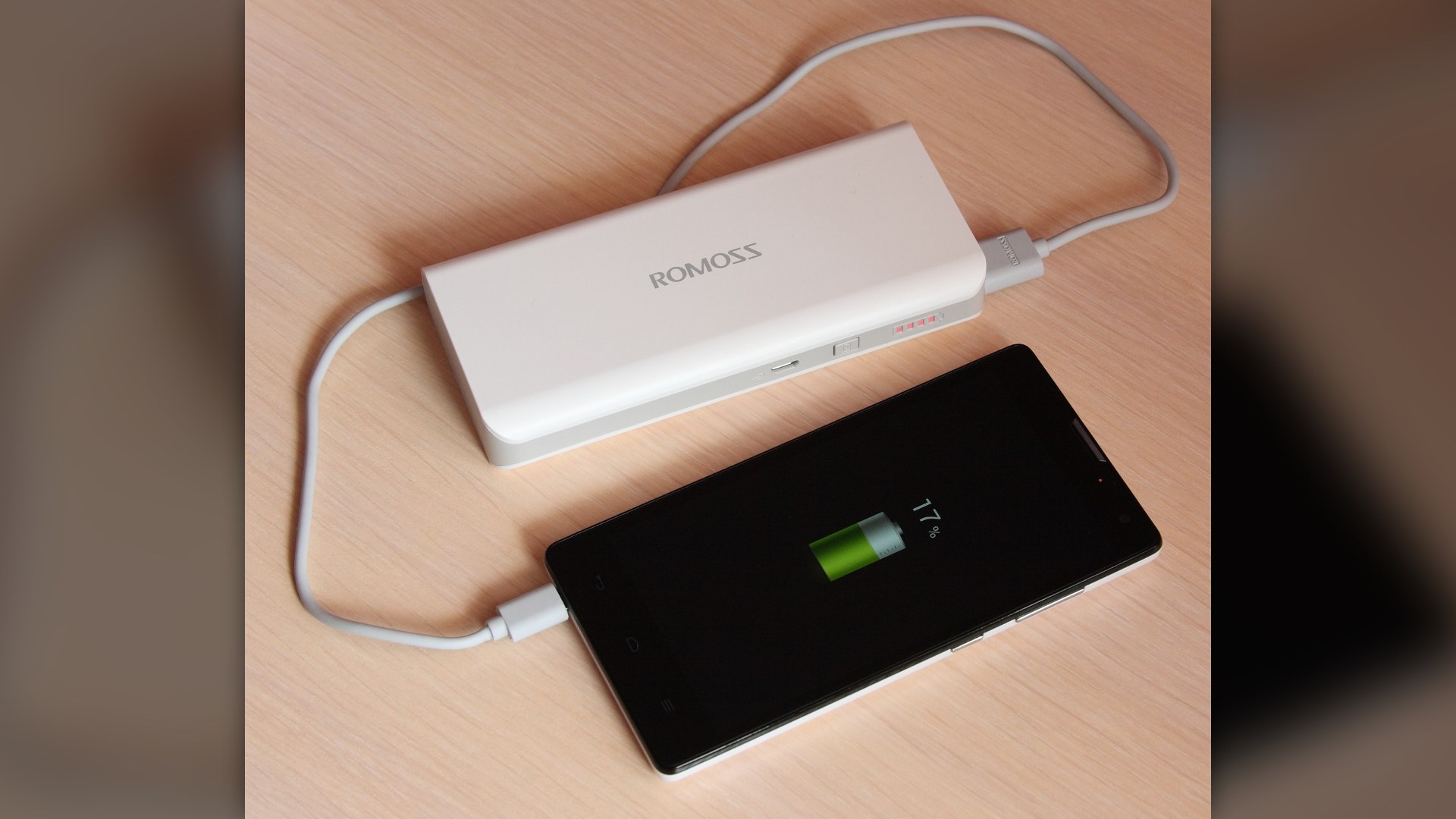
14. Portable Power Banks - AdvertisementSwipe or tap ▶ to continue countdown

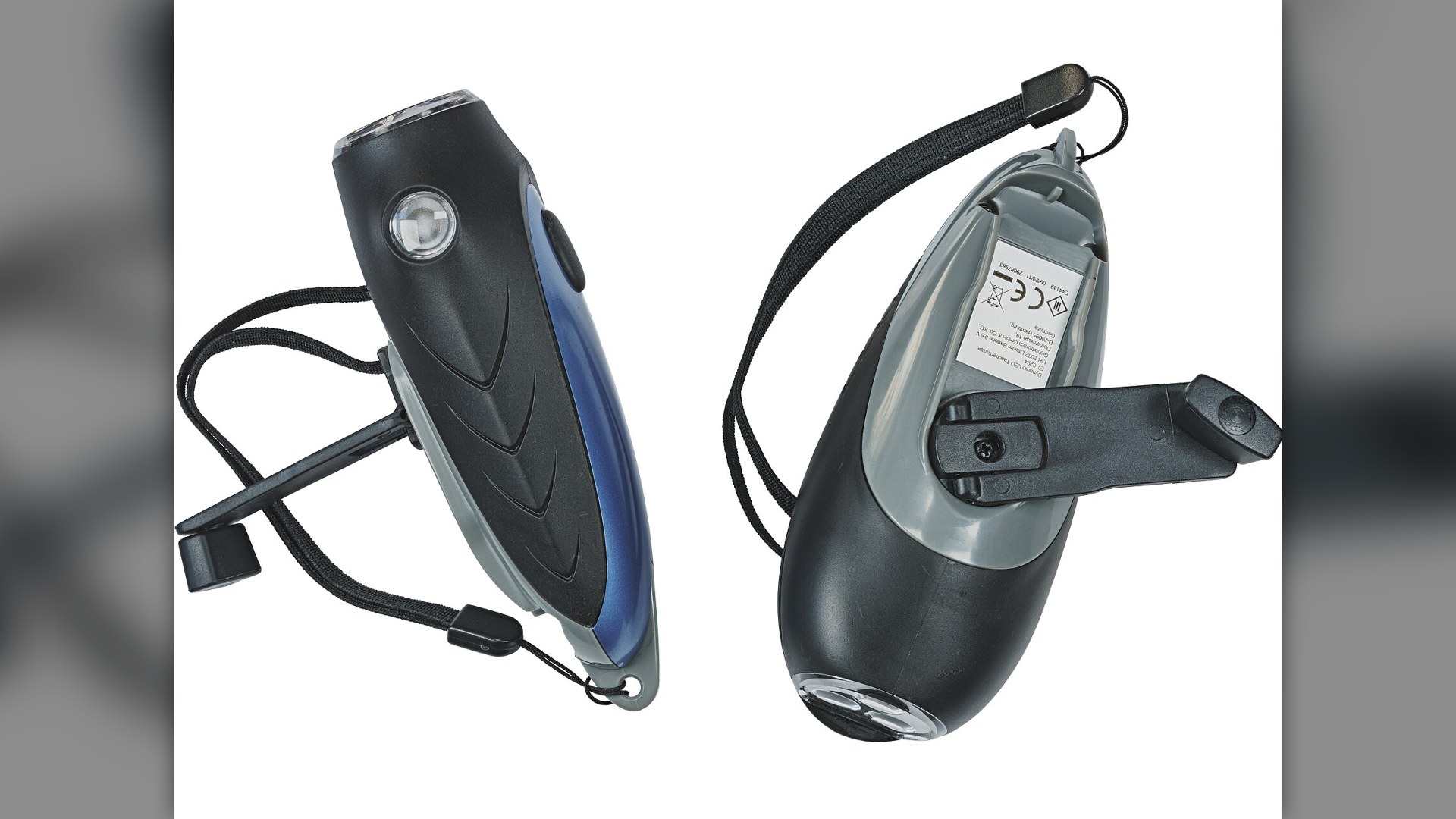
13. Hand-Crank Lights 
12. Safety Whistles 
11. Multi-Tools 
10. Thermal Sleeping Bags - AdvertisementSwipe or tap ▶ to continue countdown

9. Duct Tape Fixes 
8. Portable Solar Panels 
7. Waterproof Matches 
6. Work Gloves - AdvertisementSwipe or tap ▶ to continue countdown

5. High-Energy Snacks 
4. Winter Gear Set 
3. Fire Extinguisher 
2. Glow Markers - AdvertisementSwipe or tap ▶ to continue countdown

1. Preparedness Plan - Advertisement🔥 UP NEXT IN THIS SERIES◫ 22 Slides

21 Steps in the US Presidential Line of Succession Explained
When a sitting United States president dies, federal law and the Constitution trigger an instant chain of legal procedures. The Vice President takes power immediately under the 25th Amendment, while military command codes shift without delay. This guide details every legal mandate governing presidential succession.
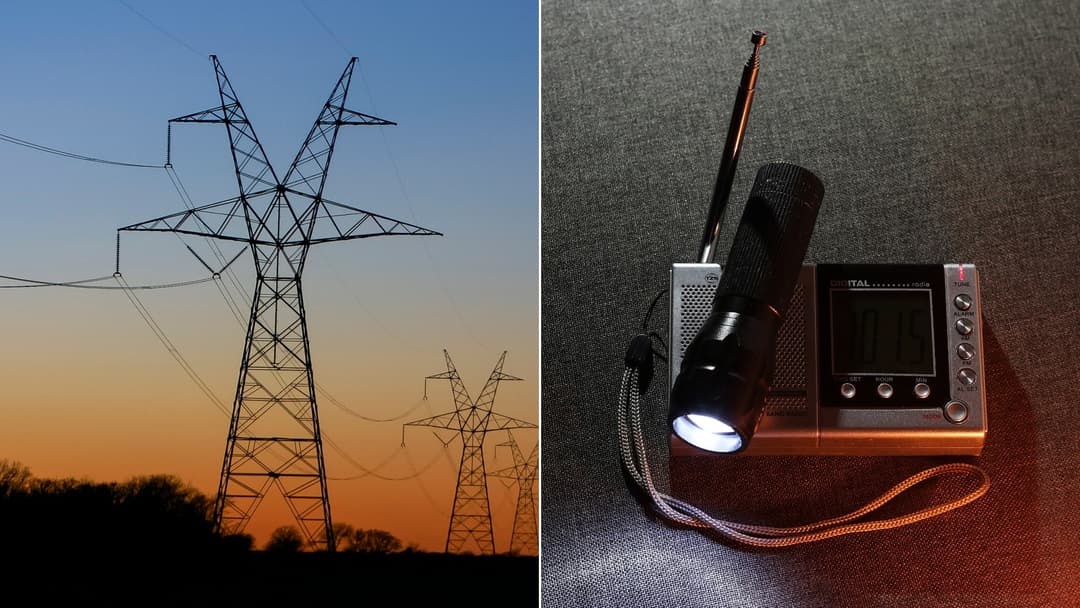
A major power blackout can plunge your home into total darkness within seconds. Preparedness is key to safety, and knowing how to navigate those first few hours will make a world of difference. Here are 20 essential ways to survive a proper blackout and stay safe.
Swipe or tap ▶ to begin the countdown
©Wikimedia / Matthew T Rader & George Chernilevsky
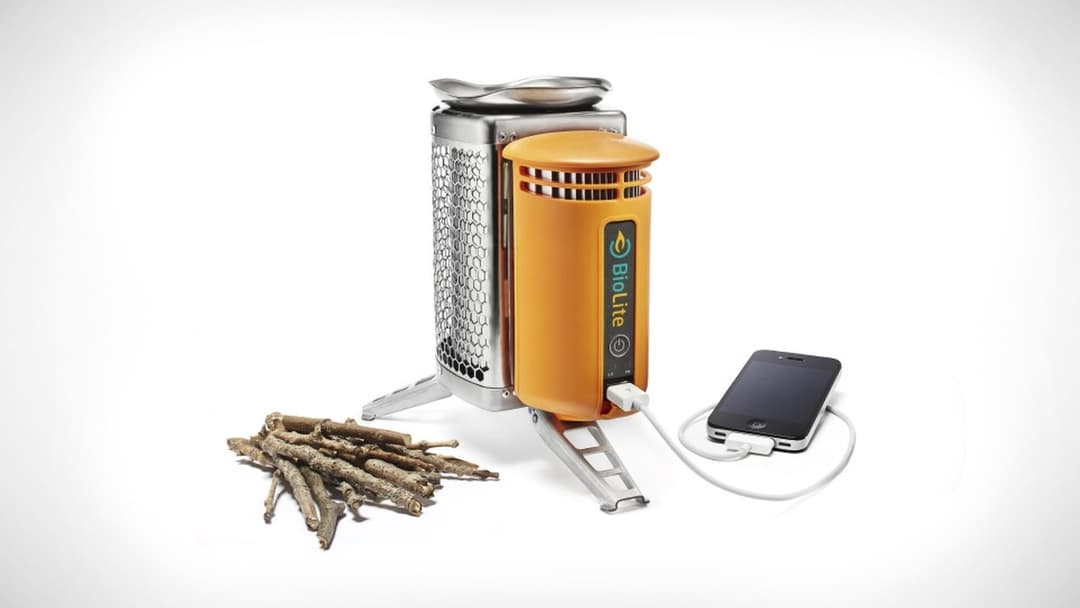
20. Have A Camp Stove
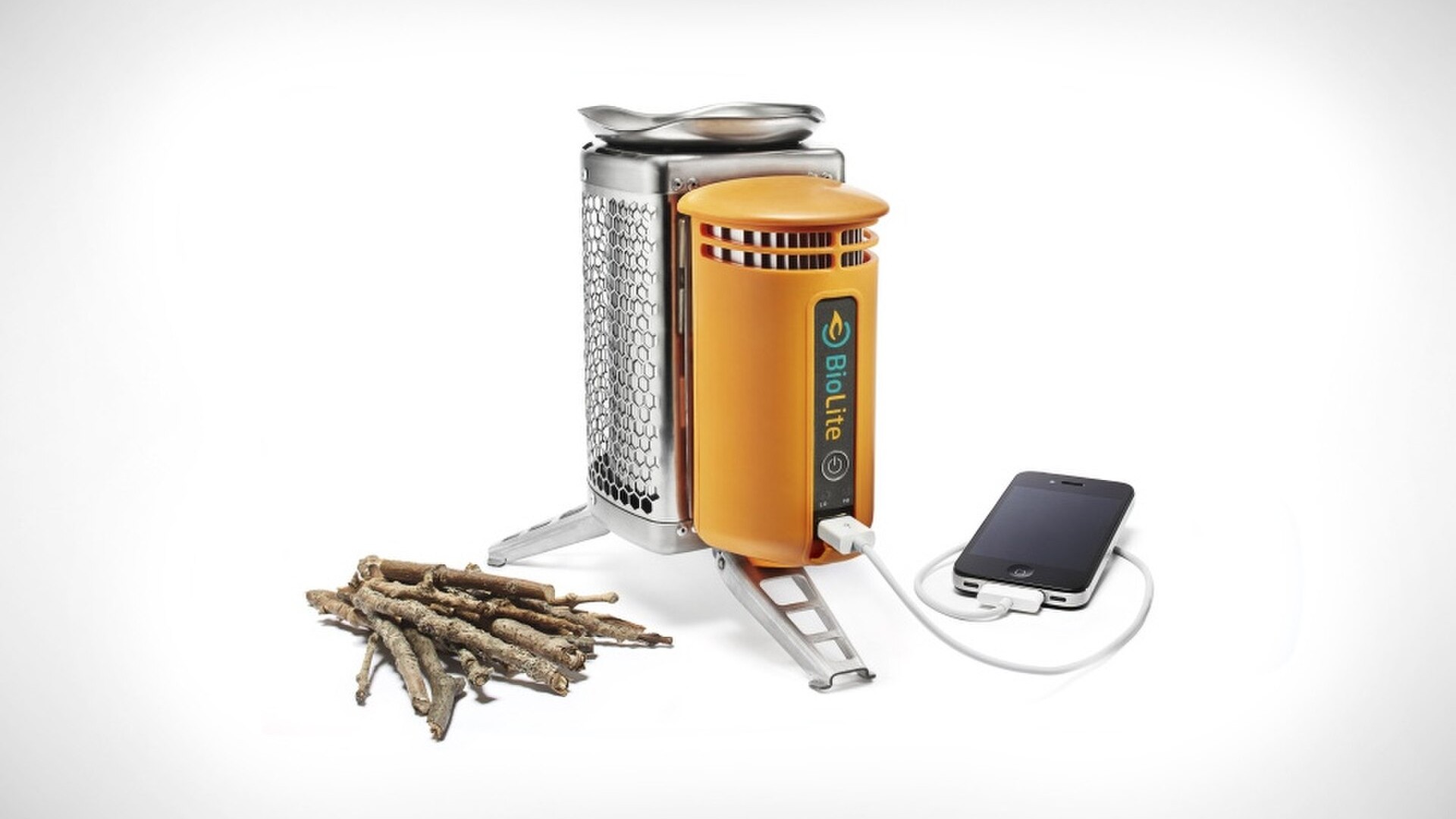
Electric stoves won't work when the grid goes down. Keep a camping stove and extra fuel in your emergency kit so you can still boil water and prepare simple meals safely while the power is off.
©Wikimedia / BioLite
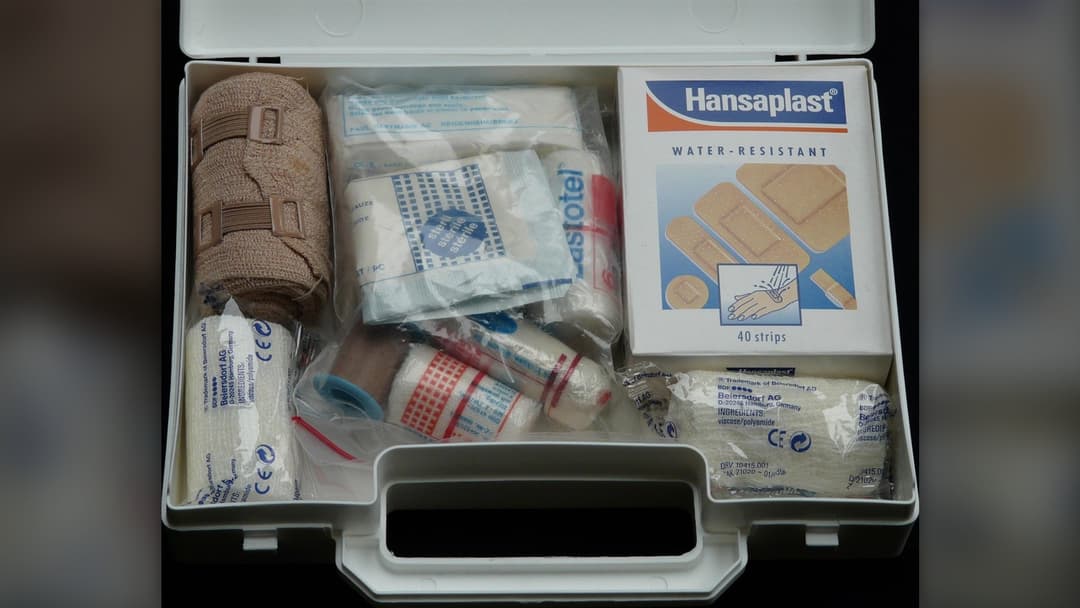
19. Stock First Aid Kits
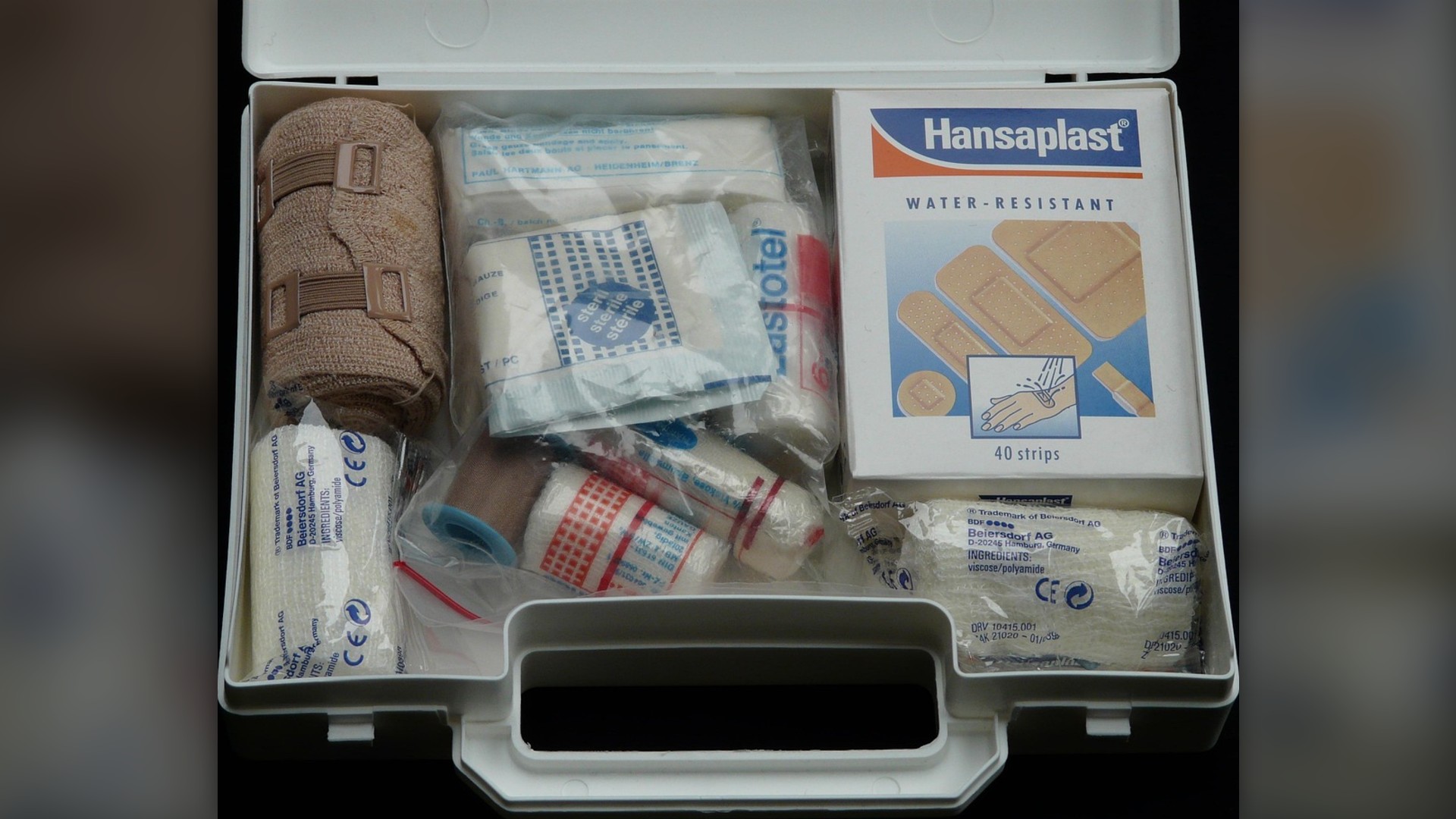
Accidents happen easily in the dark. A well-stocked first aid kit with bandages, antiseptic, and essential medications is a non-negotiable part of your emergency preparation. Ensure you know where it's stored.
©Pixabay / Hans
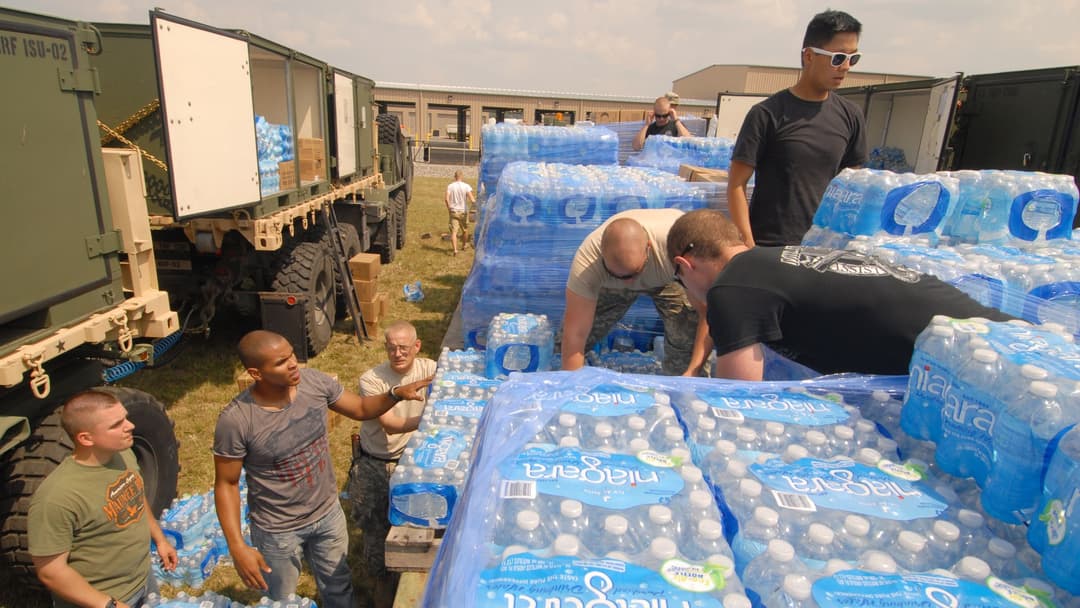
18. Water Reserves
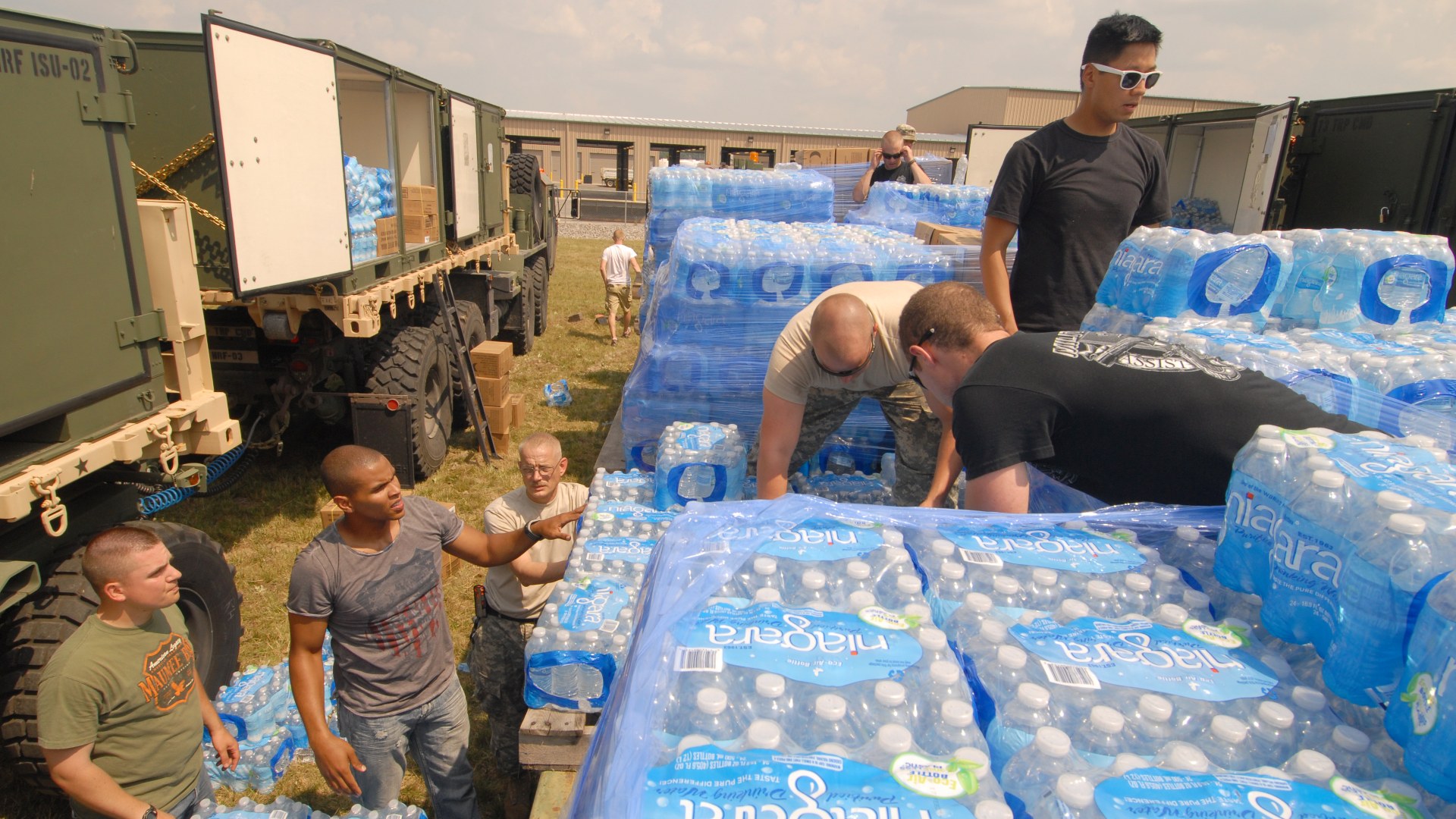
If your water relies on an electric pump, power outages stop your supply. Store at least one gallon of drinking water per person daily. Fill your bathtub as an early precaution to ensure you have water for flushing.
©Wikimedia / Master Sgt. Beth Holliker
Advertisement
Swipe or tap ▶ to resume the countdown.
17. Battery Radio
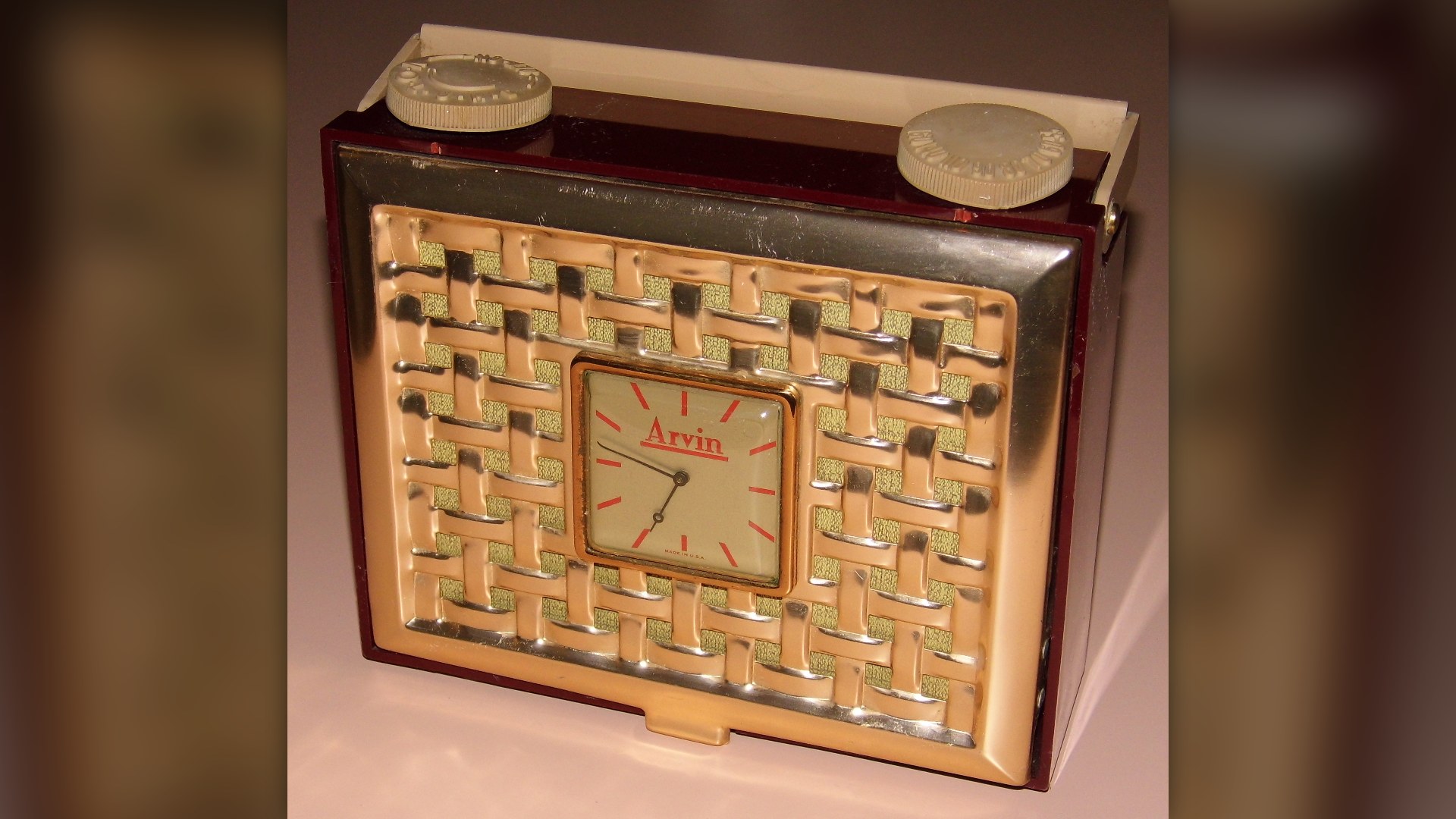
When cell towers lose power, a battery-powered radio is your only link to emergency broadcasts and weather updates. Keep spare batteries handy or opt for a hand-crank model for reliability.
©Wikimedia / Joe Haupt from USA
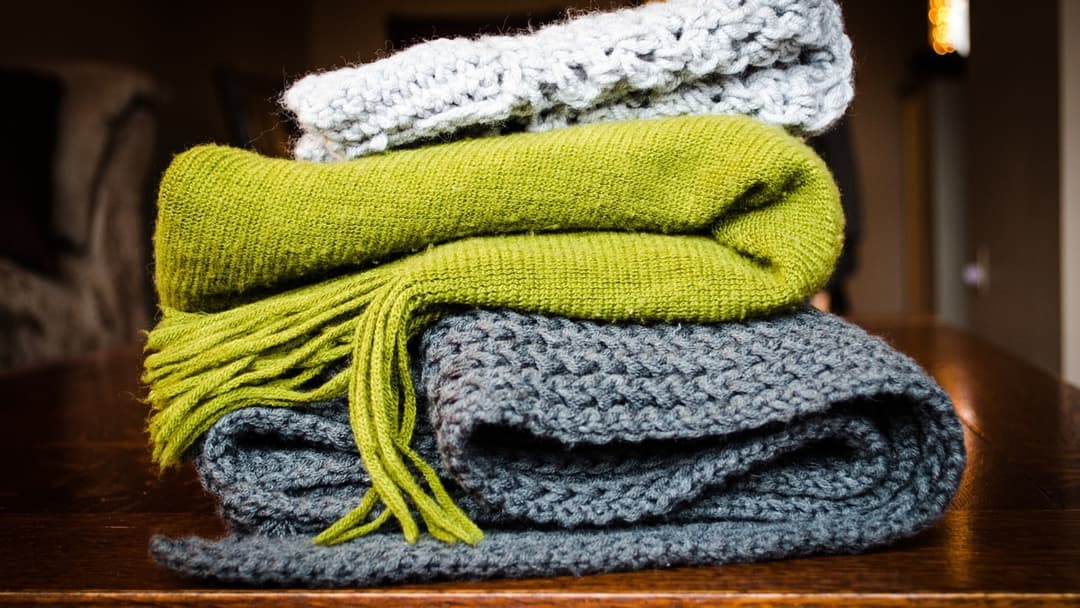
16. Wool Blankets
Without heating, your home temperature will drop rapidly in winter. Wool blankets retain heat better than any other material, providing crucial insulation. Layering is the most efficient way to maintain your body temperature.
©Pixabay / StockSnap
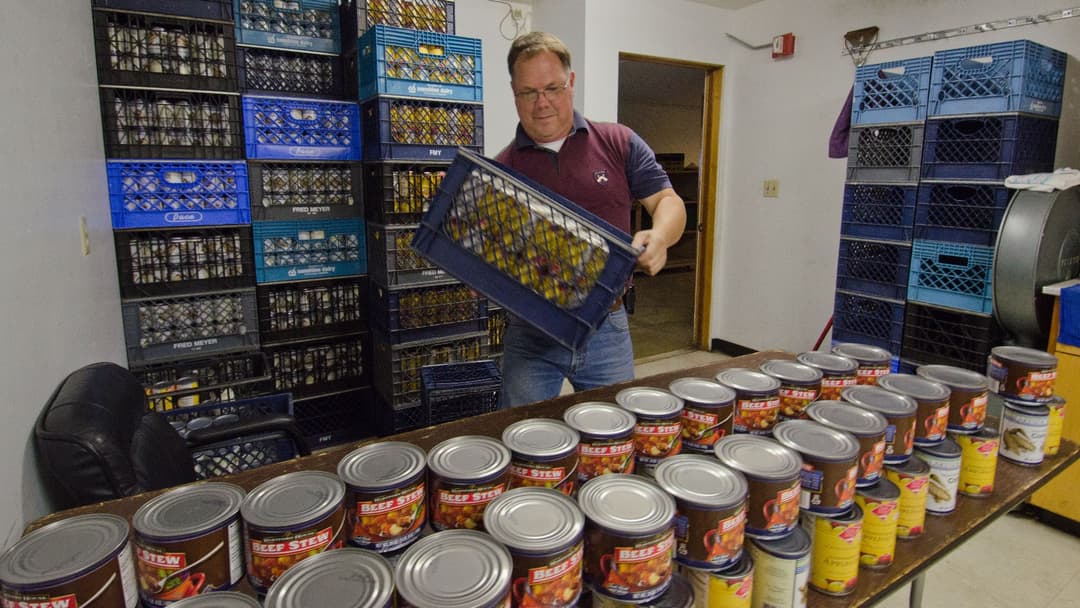
15. Canned Goods Pantry
Non-perishable food like canned soup, vegetables, and beans provides easy nutrition without cooking. Focus on items that you already eat regularly and rotate them to keep your supplies fresh and ready for an emergency.
©Wikimedia / USDAgov
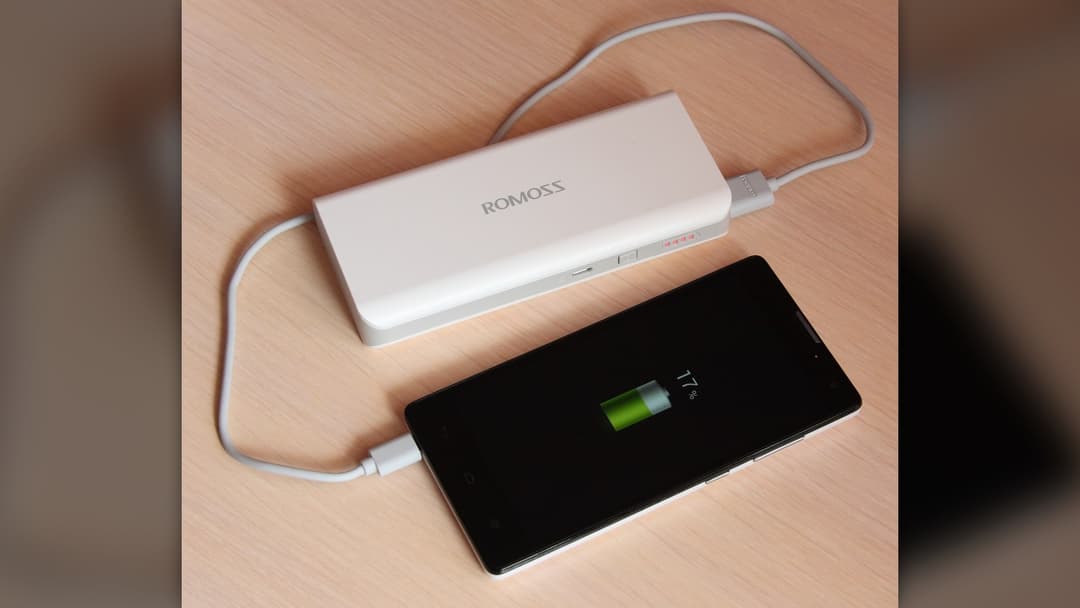
14. Portable Power Banks
Keep power banks fully charged to maintain communication during the outage. Avoid using your phone for anything non-essential to save the battery and extend the time you can stay connected to loved ones and updates.
©Wikimedia / Ilya Plekhanov
Advertisement
Swipe or tap ▶ to resume the countdown.
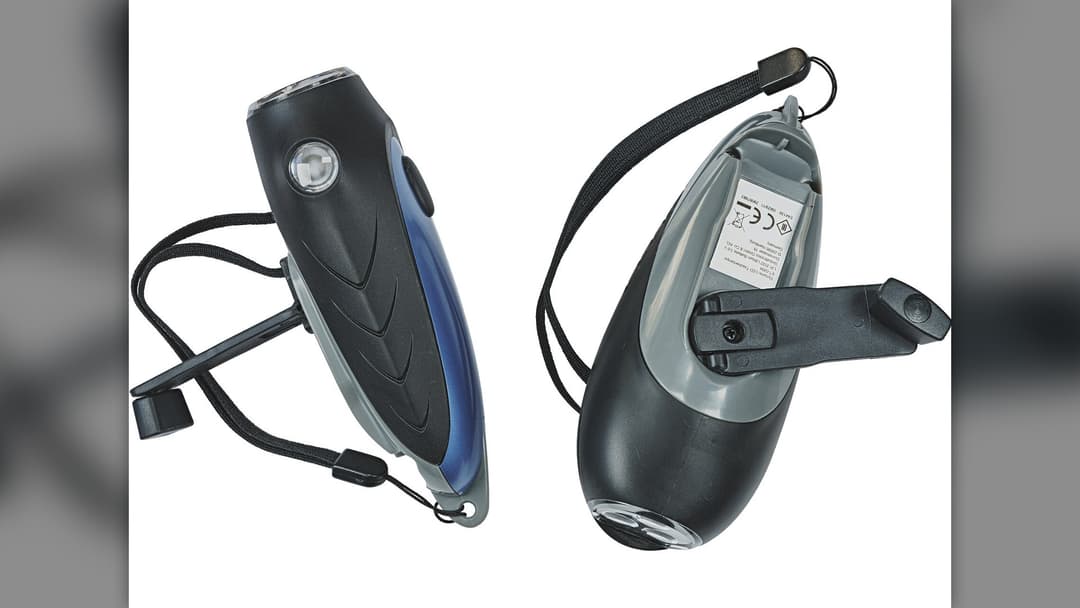
13. Hand-Crank Lights
Never rely on candles, as they are massive fire hazards during an outage. Hand-crank flashlights provide endless light without needing batteries, making them a safe and reliable choice for dark nights.
©Wikimedia / Franz van Duns
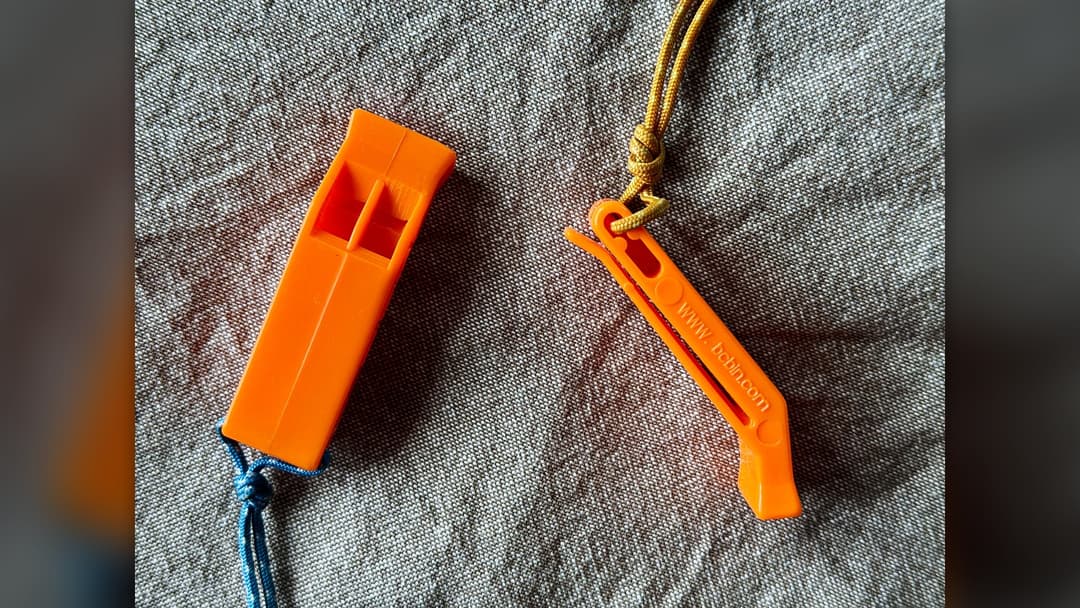
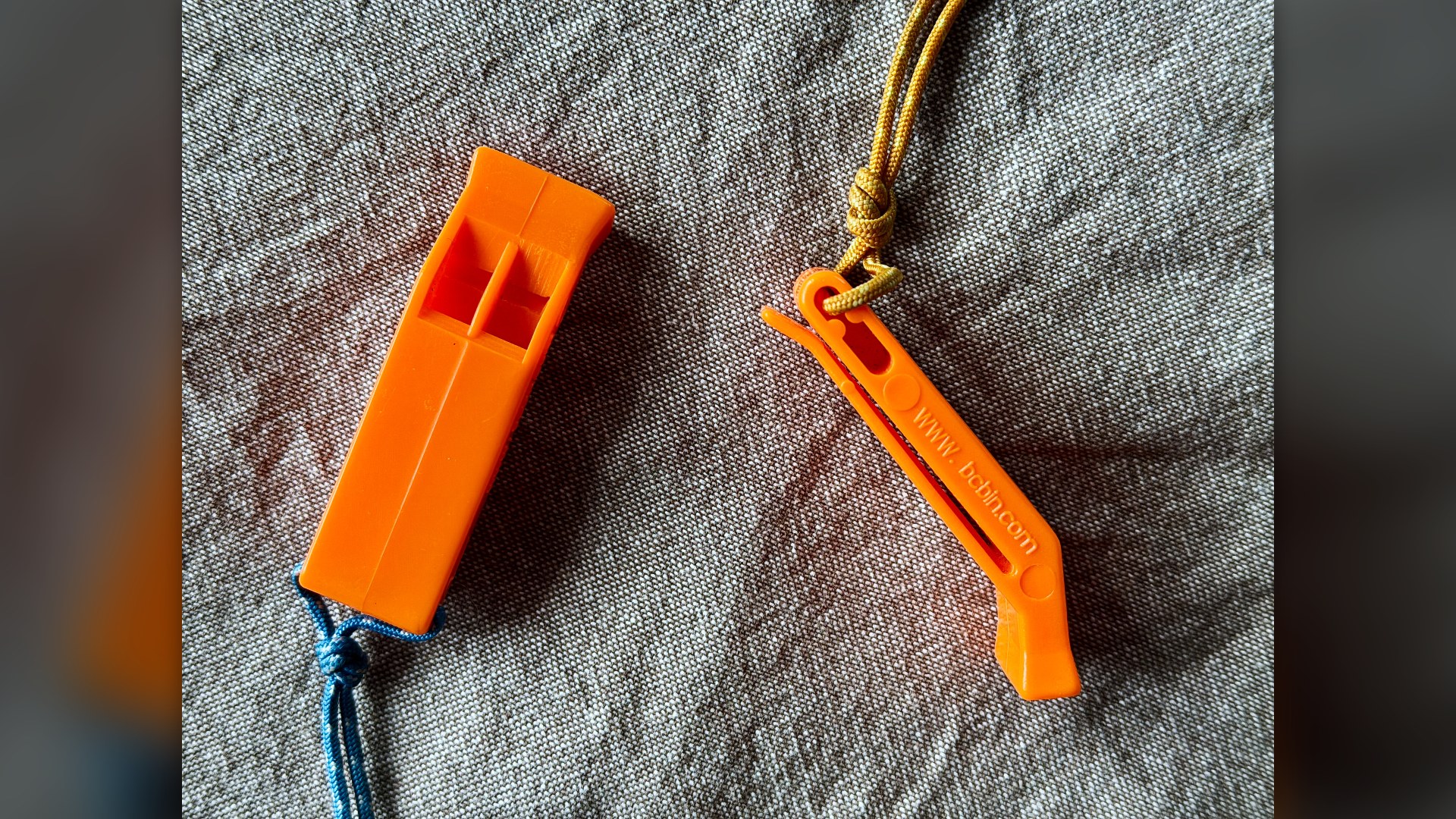
12. Safety Whistles
If you get trapped or need immediate help, a loud whistle can be heard over long distances. They require no batteries and are a simple yet effective tool to alert neighbors or rescuers to your location.
©Wikimedia / Olgierd Rudak
11. Multi-Tools
A multi-tool is a compact kit featuring blades, pliers, and screwdrivers. You’ll need it for basic repairs, opening stubborn cans, or handling unexpected hardware issues that arise when the lights go out.

©Wikimedia / Lucasbosch
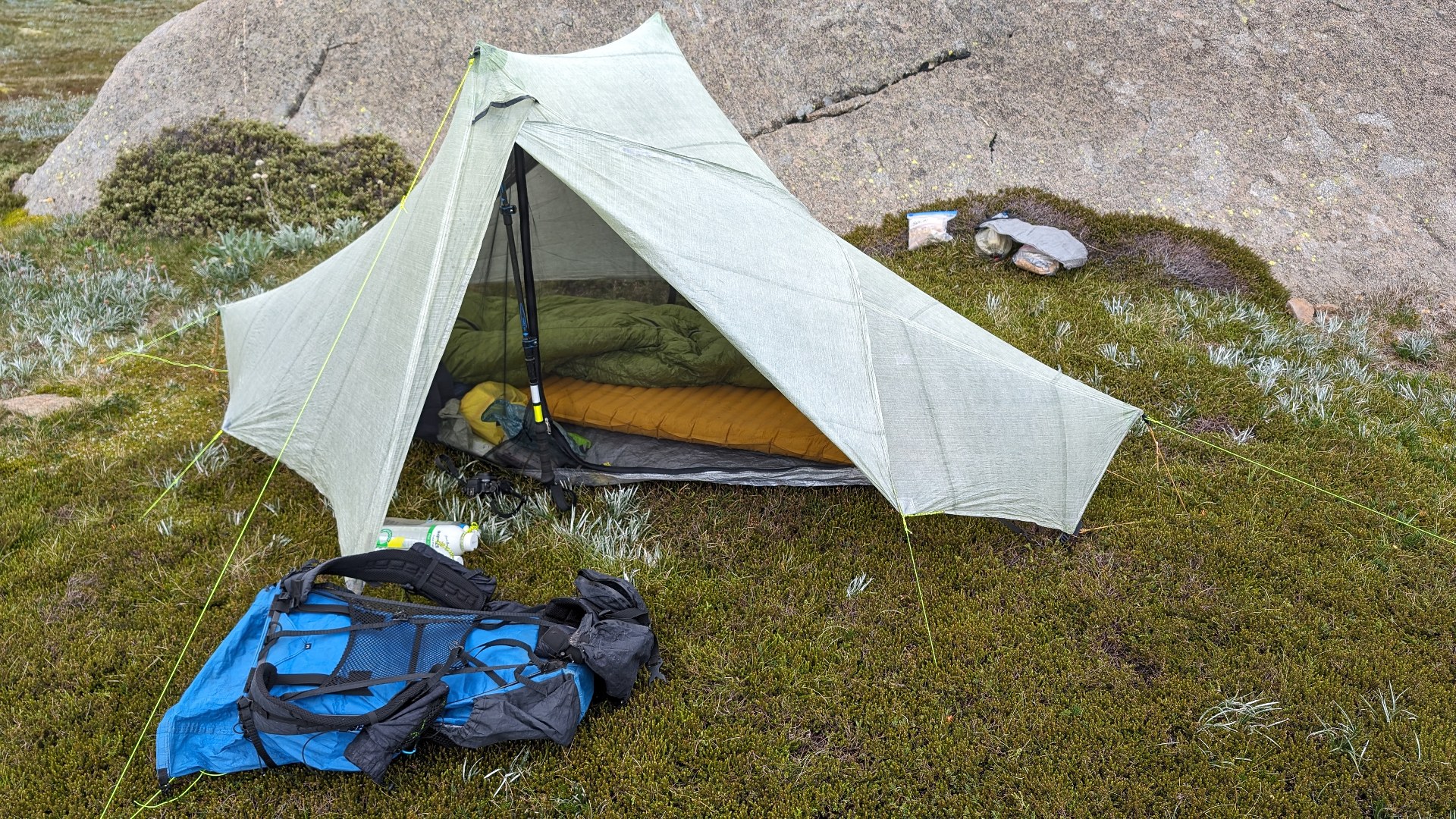
10. Thermal Sleeping Bags
During winter outages, thermal sleeping bags are life-savers. They trap your body heat far more efficiently than standard blankets, allowing you to stay warm through the night even when indoor temperatures plummet.
©Wikimedia / Steve Bittinger
Advertisement
Swipe or tap ▶ to resume the countdown.
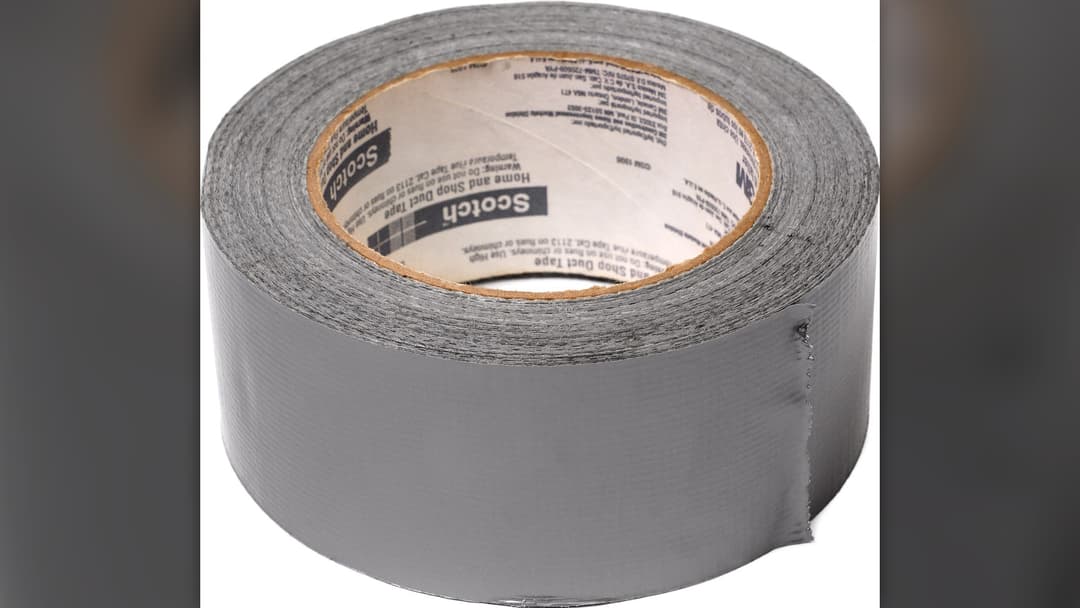
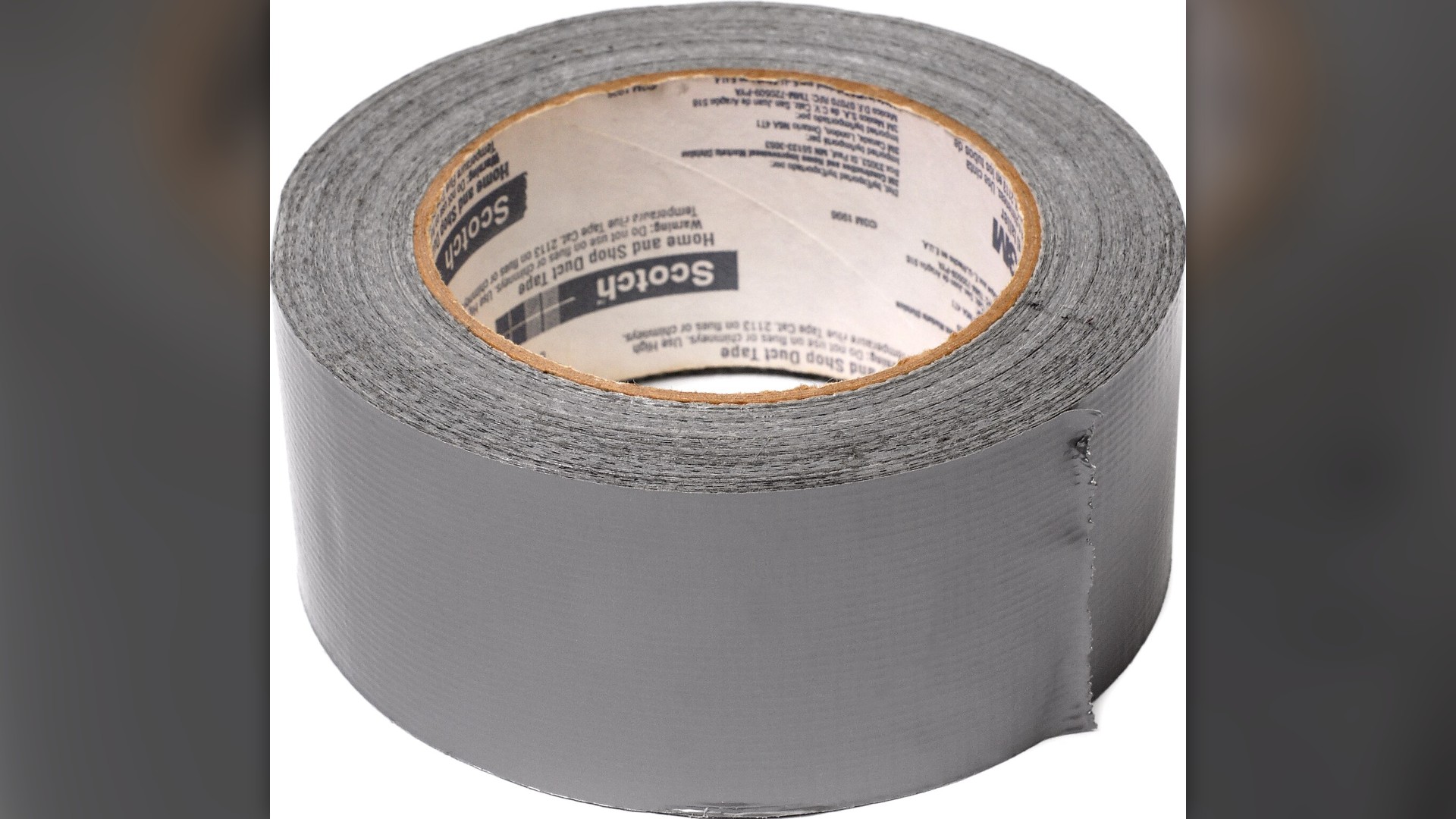
9. Duct Tape Fixes
Duct tape is the ultimate emergency repair item. From patching holes in blankets and insulating window gaps to temporary plumbing repairs, this versatile tape handles jobs that require an instant, strong hold.
©Wikimedia / Duct tape
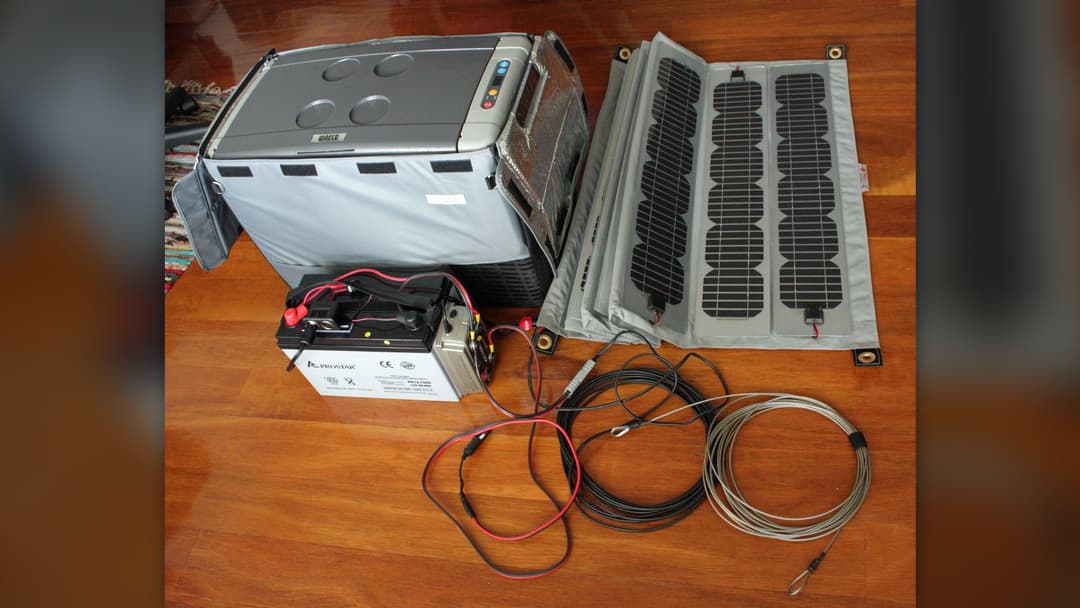
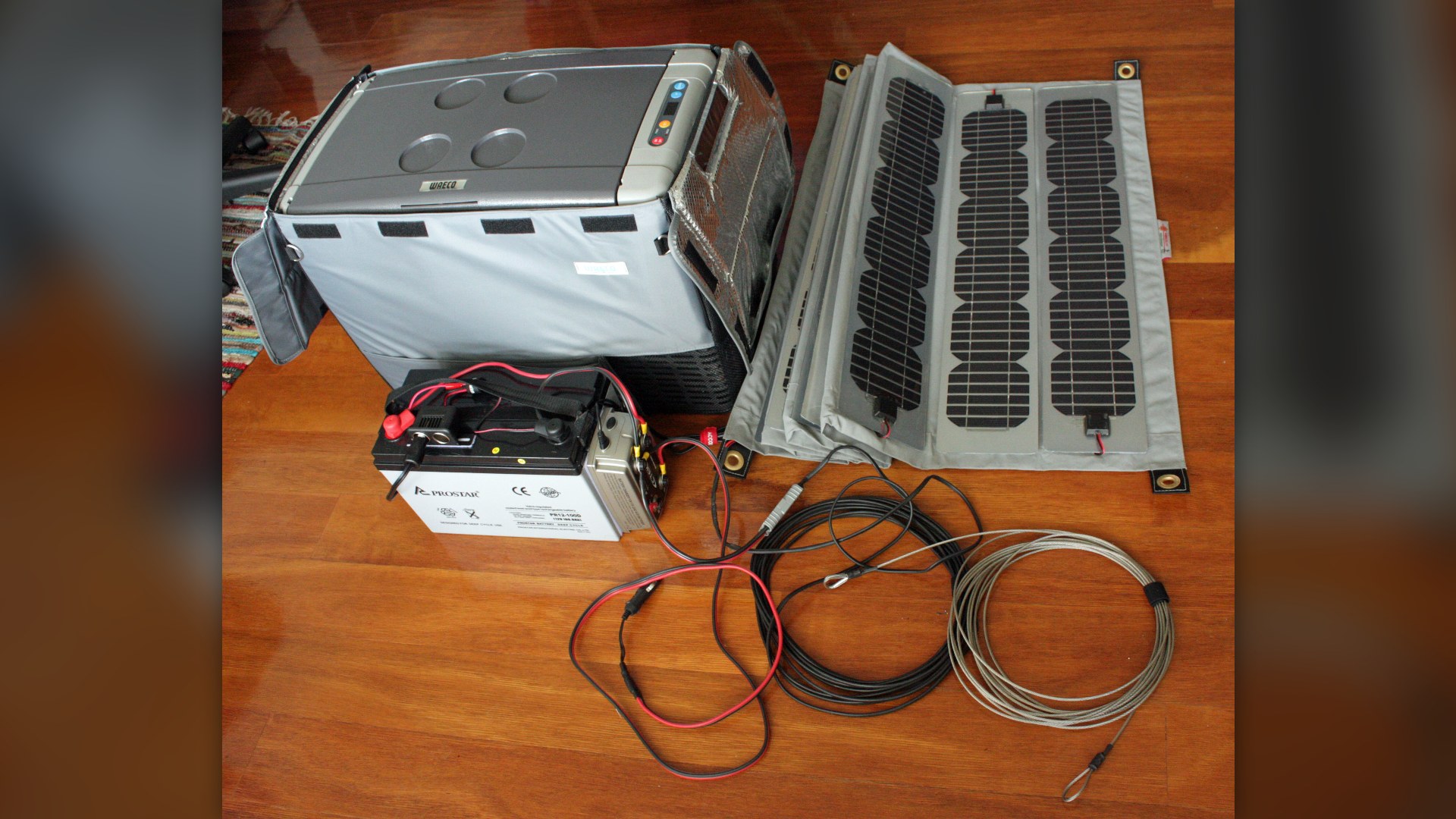
8. Portable Solar Panels
In long-term outages, solar panels can keep your electronics running. Even smaller foldable units are enough to charge phones or flashlights, ensuring you don't run out of power when the grid remains dark.
©Wikimedia / Stephan Ridgway from Brisbane, Australia
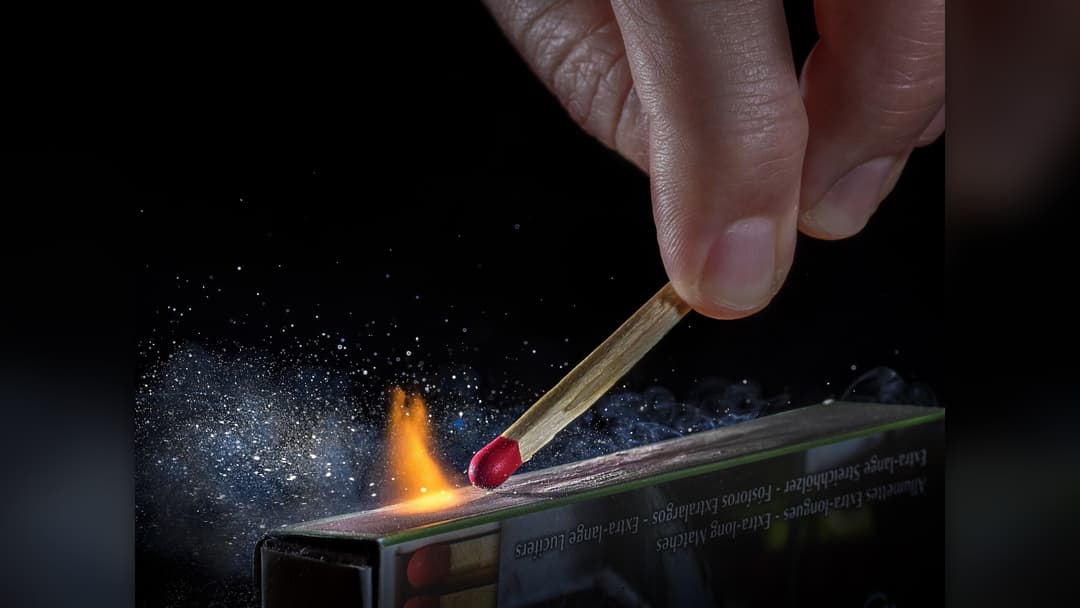
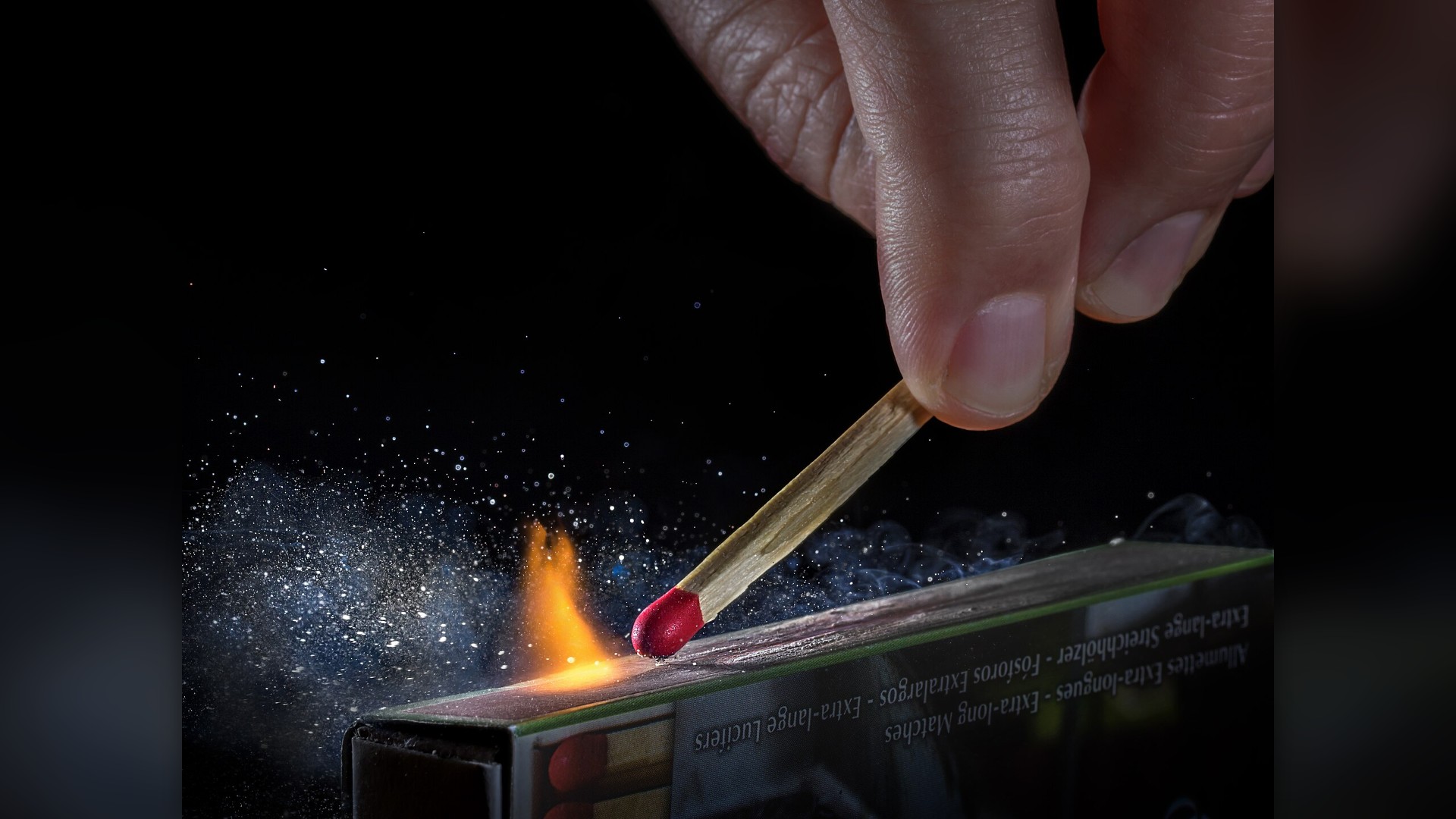
7. Waterproof Matches
Fire is crucial for warmth and cooking. Waterproof matches work even in damp conditions, making them a safer, more dependable choice than lighters, which often fail or run out of fuel quickly.
©Wikimedia / Yann SEGALEN
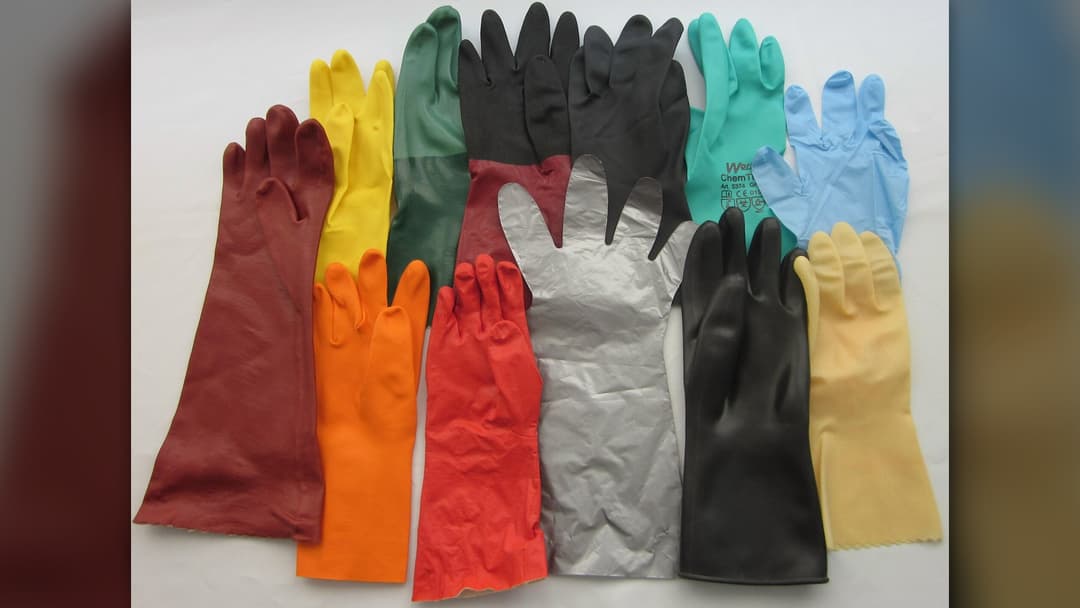
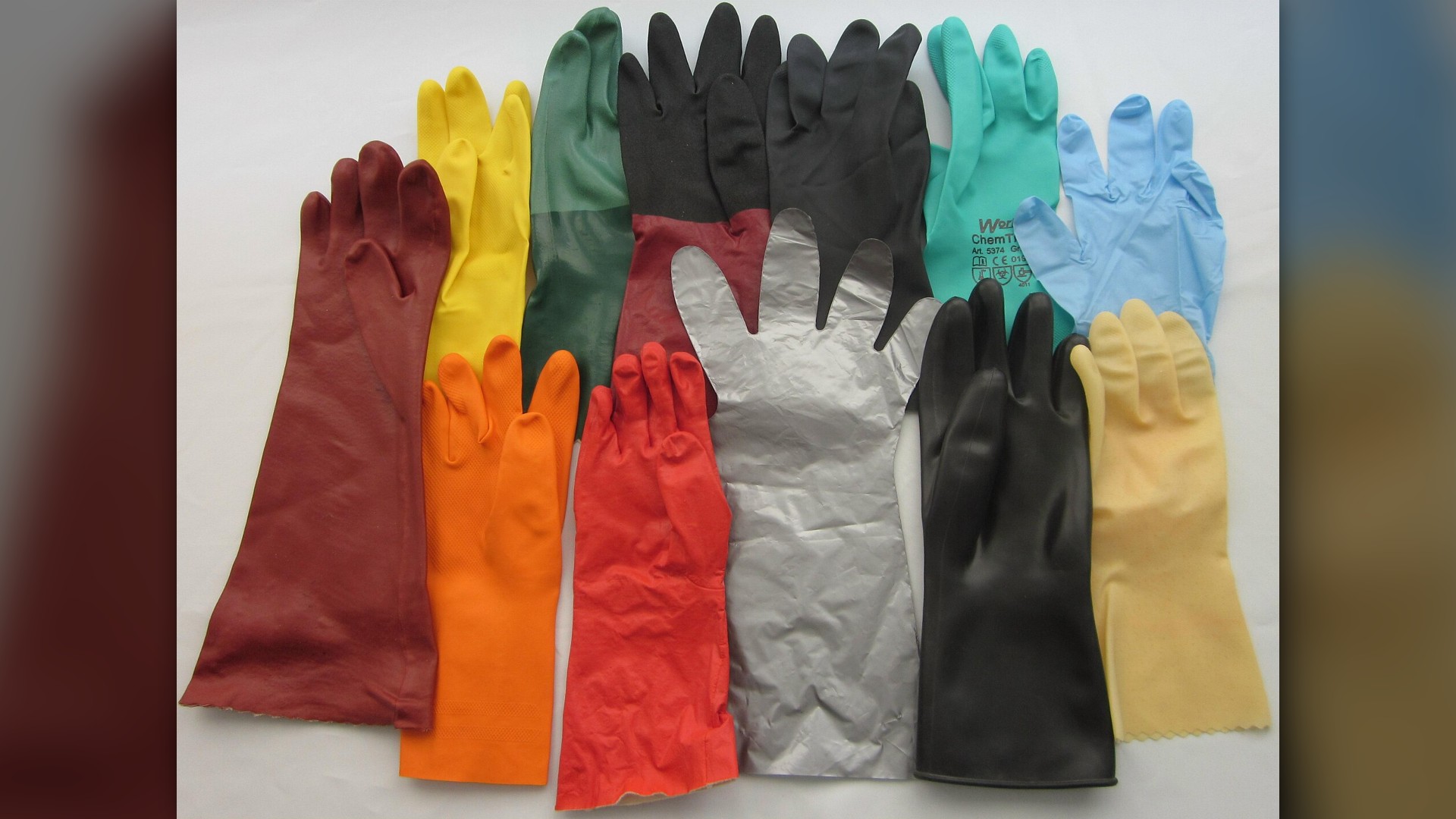
6. Work Gloves
Darkness increases the risk of injuries while clearing debris or working in cold environments. Durable, heavy-duty work gloves protect your hands from cuts and abrasions during repairs or when handling equipment.
©Wikimedia / Work-psa
Advertisement
Swipe or tap ▶ to resume the countdown.
5. High-Energy Snacks
Keep high-energy snacks like nuts, dried fruit, and protein bars available. They provide quick fuel without needing any preparation, making them ideal for managing energy levels during high-stress situations.

©Wikimedia / formulatehealth
4. Winter Gear Set
Maintaining body heat is vital in cold outages. A set of winter hats and insulated gloves will help you retain warmth while moving around the house, preventing hypothermia in unheated rooms.

©Pixabay / Surprising_Media
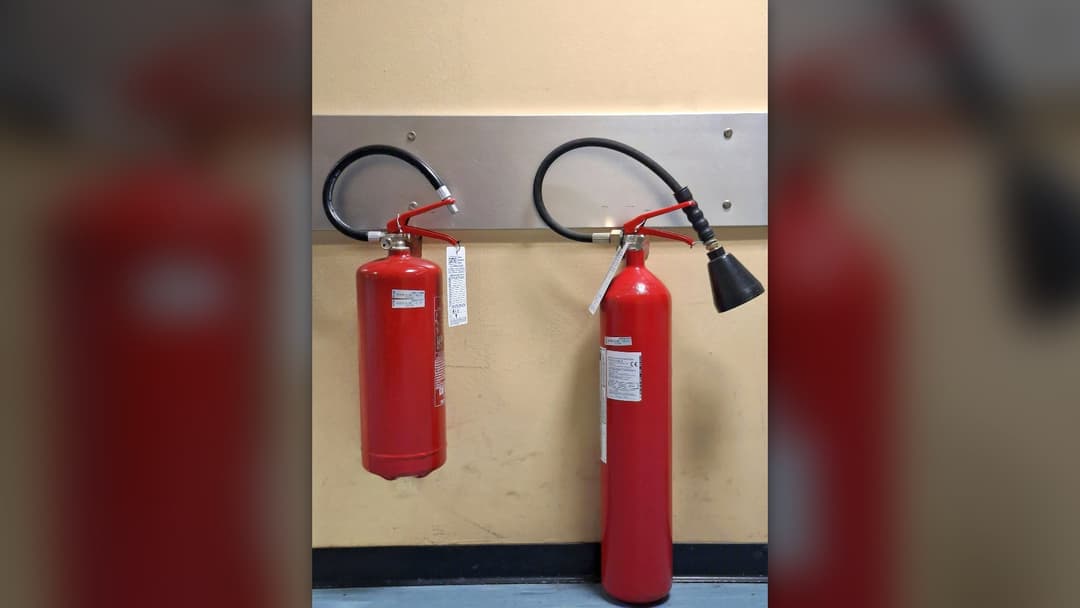
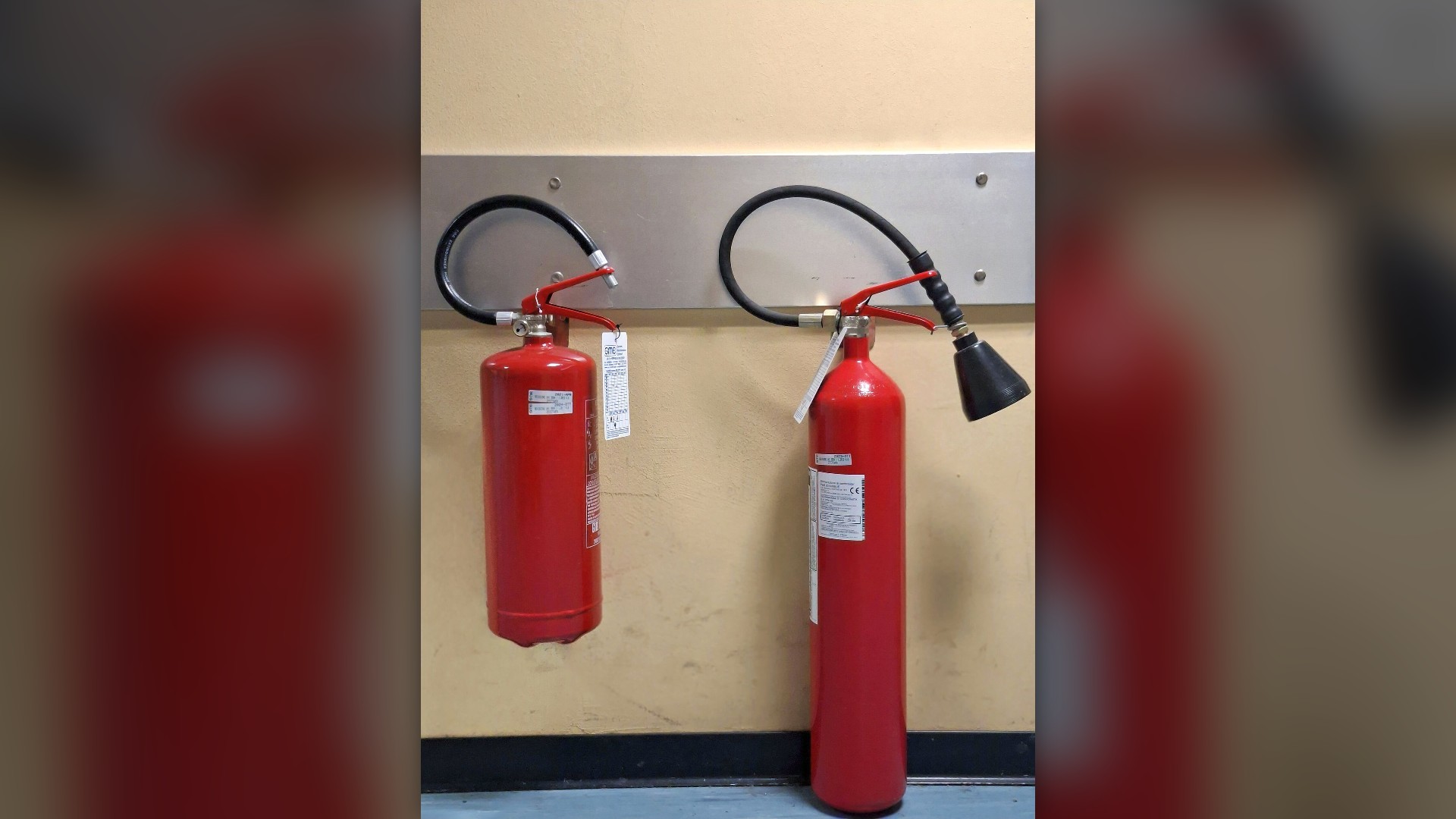
3. Fire Extinguisher
Emergency lighting and heating methods increase the risk of accidental fires. Always have a fully charged fire extinguisher accessible to quickly contain any small fires before they spiral out of control.
©Wikimedia / Anna.Massini
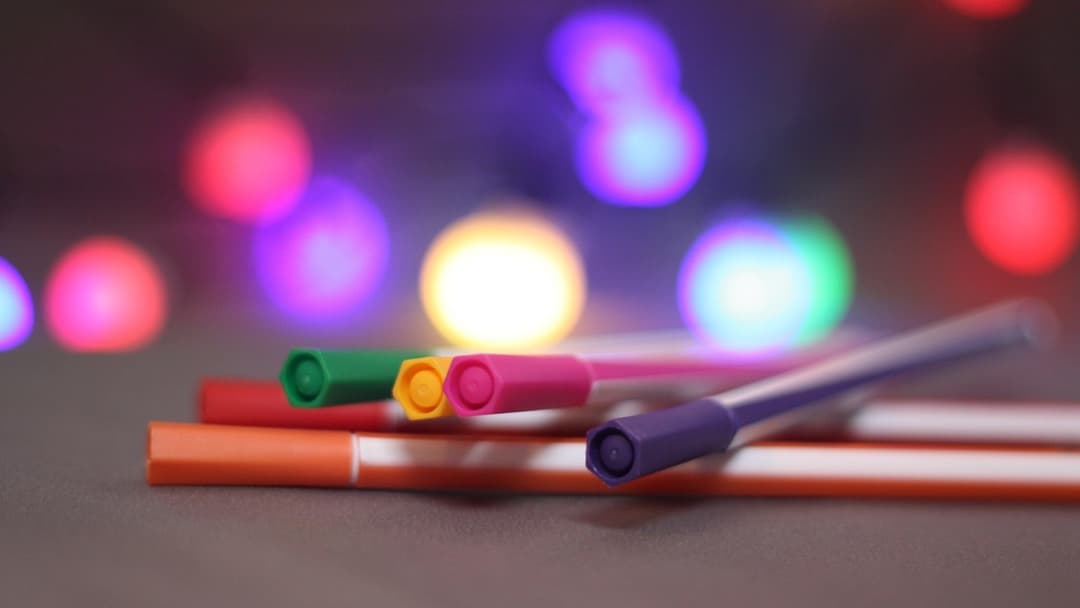
2. Glow Markers
Mark key paths, stairs, and emergency exits with glow markers. They are invaluable for safe navigation during a total blackout, helping you and your family exit your home quickly if an emergency occurs.
©Pixabay / Memoryloon
Advertisement
Swipe or tap ▶ to resume the countdown.
1. Preparedness Plan
Surviving a blackout is a team effort. Create a clear preparedness plan with your family, detailing meeting spots and emergency contacts. Discussing these steps ahead of time eliminates panic when the lights go out.

©Pixabay / StartupStockPhotos
Advertisement
You've reached the end of the story. Thanks for reading!

21 Steps in the US Presidential Line of Succession Explained
When a sitting United States president dies, federal law and the Constitution trigger an instant chain of legal procedures. The Vice President takes power immediately under the 25th Amendment, while military command codes shift without delay. This guide details every legal mandate governing presidential succession.
All 20 Entries in this Story
1. Have A Camp Stove
Electric stoves won't work when the grid goes down. Keep a camping stove and extra fuel in your emergency kit so you can still boil water and prepare simple meals safely while the power is off.

2. Stock First Aid Kits
Accidents happen easily in the dark. A well-stocked first aid kit with bandages, antiseptic, and essential medications is a non-negotiable part of your emergency preparation. Ensure you know where it's stored.

3. Water Reserves
If your water relies on an electric pump, power outages stop your supply. Store at least one gallon of drinking water per person daily. Fill your bathtub as an early precaution to ensure you have water for flushing.

4. Battery Radio
When cell towers lose power, a battery-powered radio is your only link to emergency broadcasts and weather updates. Keep spare batteries handy or opt for a hand-crank model for reliability.

5. Wool Blankets
Without heating, your home temperature will drop rapidly in winter. Wool blankets retain heat better than any other material, providing crucial insulation. Layering is the most efficient way to maintain your body temperature.

6. Canned Goods Pantry
Non-perishable food like canned soup, vegetables, and beans provides easy nutrition without cooking. Focus on items that you already eat regularly and rotate them to keep your supplies fresh and ready for an emergency.

7. Portable Power Banks
Keep power banks fully charged to maintain communication during the outage. Avoid using your phone for anything non-essential to save the battery and extend the time you can stay connected to loved ones and updates.

8. Hand-Crank Lights
Never rely on candles, as they are massive fire hazards during an outage. Hand-crank flashlights provide endless light without needing batteries, making them a safe and reliable choice for dark nights.

9. Safety Whistles
If you get trapped or need immediate help, a loud whistle can be heard over long distances. They require no batteries and are a simple yet effective tool to alert neighbors or rescuers to your location.

10. Multi-Tools
A multi-tool is a compact kit featuring blades, pliers, and screwdrivers. You’ll need it for basic repairs, opening stubborn cans, or handling unexpected hardware issues that arise when the lights go out.

11. Thermal Sleeping Bags
During winter outages, thermal sleeping bags are life-savers. They trap your body heat far more efficiently than standard blankets, allowing you to stay warm through the night even when indoor temperatures plummet.

12. Duct Tape Fixes
Duct tape is the ultimate emergency repair item. From patching holes in blankets and insulating window gaps to temporary plumbing repairs, this versatile tape handles jobs that require an instant, strong hold.

13. Portable Solar Panels
In long-term outages, solar panels can keep your electronics running. Even smaller foldable units are enough to charge phones or flashlights, ensuring you don't run out of power when the grid remains dark.

14. Waterproof Matches
Fire is crucial for warmth and cooking. Waterproof matches work even in damp conditions, making them a safer, more dependable choice than lighters, which often fail or run out of fuel quickly.

15. Work Gloves
Darkness increases the risk of injuries while clearing debris or working in cold environments. Durable, heavy-duty work gloves protect your hands from cuts and abrasions during repairs or when handling equipment.

16. High-Energy Snacks
Keep high-energy snacks like nuts, dried fruit, and protein bars available. They provide quick fuel without needing any preparation, making them ideal for managing energy levels during high-stress situations.

17. Winter Gear Set
Maintaining body heat is vital in cold outages. A set of winter hats and insulated gloves will help you retain warmth while moving around the house, preventing hypothermia in unheated rooms.

18. Fire Extinguisher
Emergency lighting and heating methods increase the risk of accidental fires. Always have a fully charged fire extinguisher accessible to quickly contain any small fires before they spiral out of control.

19. Glow Markers
Mark key paths, stairs, and emergency exits with glow markers. They are invaluable for safe navigation during a total blackout, helping you and your family exit your home quickly if an emergency occurs.

20. Preparedness Plan
Surviving a blackout is a team effort. Create a clear preparedness plan with your family, detailing meeting spots and emergency contacts. Discussing these steps ahead of time eliminates panic when the lights go out.