Slideshow · Animals
21 Rarest Wolves on Earth and Their Natural Habitats
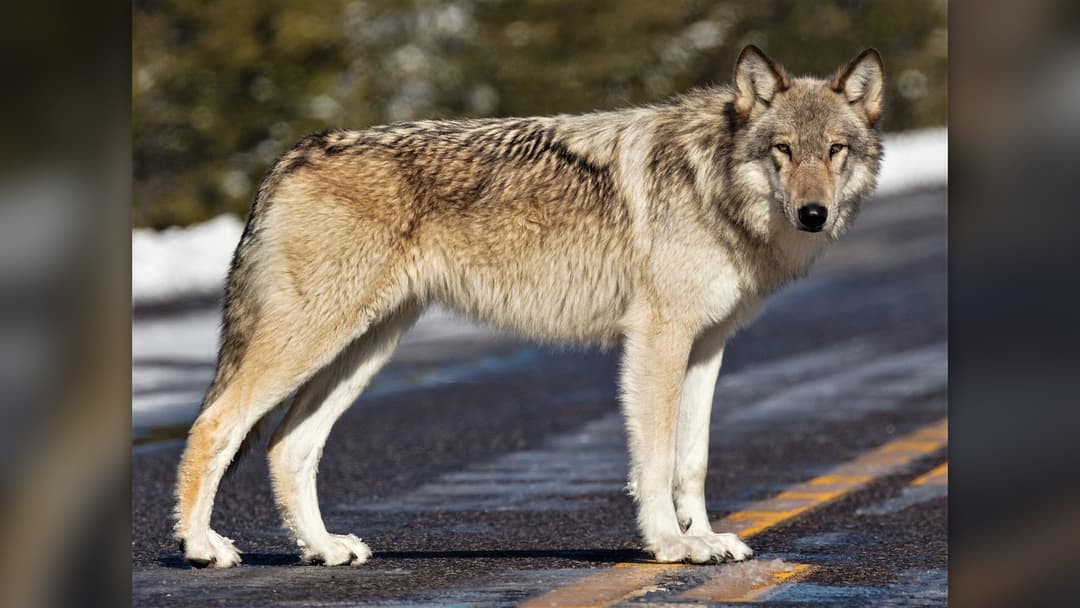
From high-altitude Himalayan ridges to sun-baked Arabian deserts and remote North Carolina wetlands, these twenty-one rare wolf populations fight for survival. Discover their native wilderness habitats, real population figures, and the vital conservation programs fighting to protect their wild bloodlines.
By Most Viral Today
33 min ago

Cover Slide: Rarest Wolves 
21. Northwestern Wolf 
20. Great Plains Wolf 
19. Mongolian Wolf - AdvertisementSwipe or tap ▶ to continue countdown

18. Steppe Wolf 
17. Carpathian Wolf 
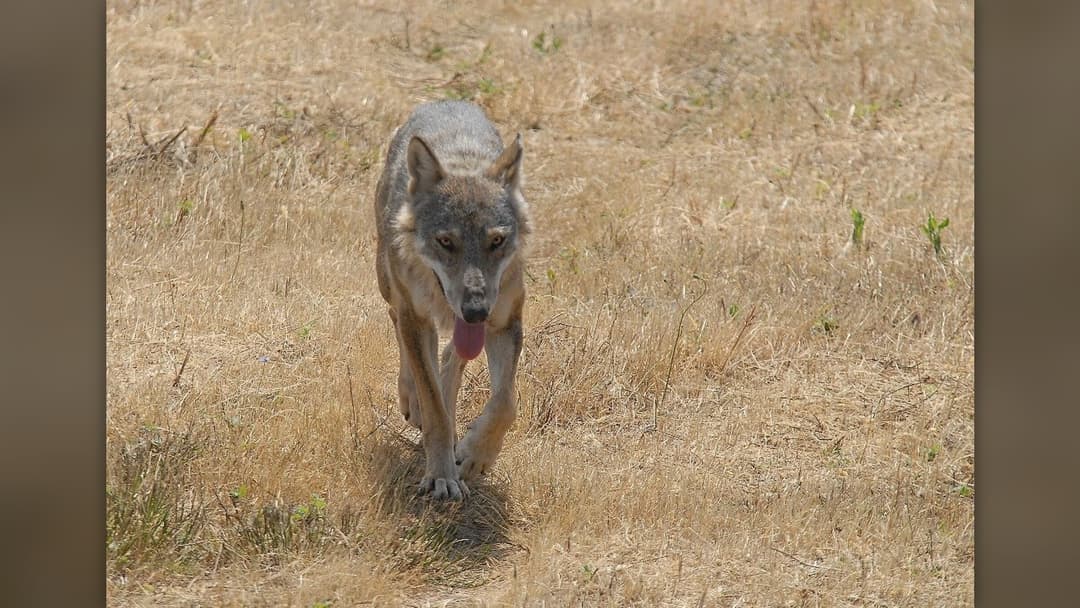
16. Dinaric Wolf 
15. Tibetan Wolf - AdvertisementSwipe or tap ▶ to continue countdown

14. Arctic Wolf 
13. Vancouver Island Wolf 
12. Italian Wolf 
11. Iberian Wolf - AdvertisementSwipe or tap ▶ to continue countdown

10. Indian Wolf 
9. Himalayan Wolf 
8. Arabian Wolf 
7. Alexander Archipelago Wolf - AdvertisementSwipe or tap ▶ to continue countdown

6. Scandinavian Wolf 
5. Eastern Wolf 
4. Ethiopian Wolf 
3. Mexican Wolf - AdvertisementSwipe or tap ▶ to continue countdown

2. Greenland Wolf 
1. Red Wolf - Advertisement🔥 UP NEXT IN THIS SERIES◫ 22 Slides

21 Animals That Once Lived in the U.S. and Have Since Disappeared
North American forests, plains, and coasts once held billions of wild animals that shaped the land for centuries. Market hunting, trapping, and habitat loss erased these 21 unique species between the nineteenth and twenty-first centuries. Here is the true chronological record of America vanished wildlife heritage.
This gallery documents twenty-one threatened wolf subspecies across remote mountain, desert, and polar habitats. Population data and conservation records come from the International Union for Conservation of Nature, US Fish and Wildlife Service reports, and the Ethiopian Wolf Conservation Programme.
Swipe or tap ▶ to begin the countdown
©Wikimedia / Isiwal & Uploader Luigi97~commonswiki
21. Northwestern Wolf
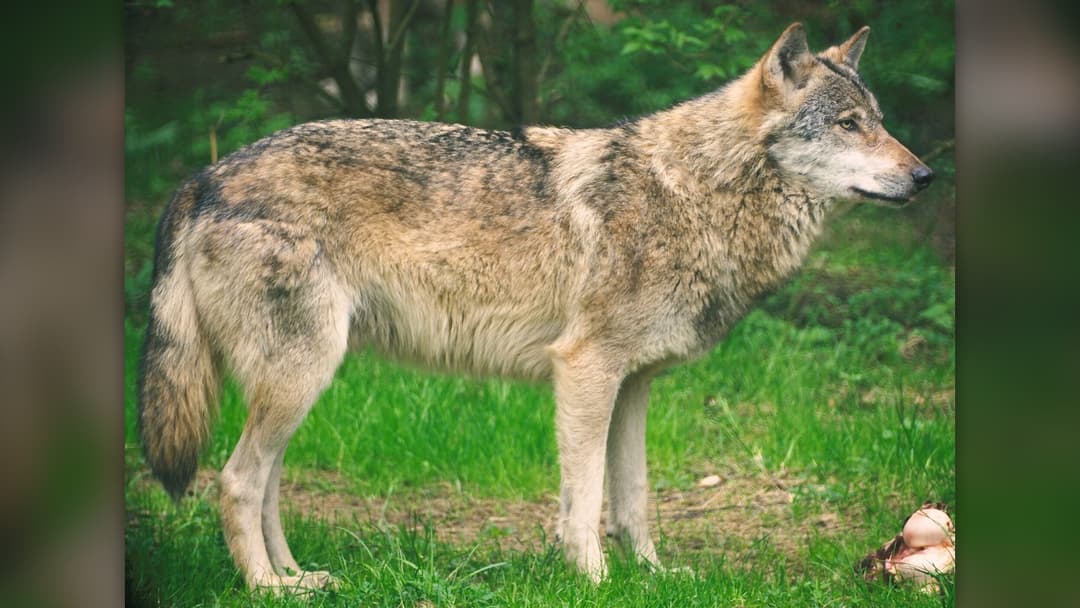
Roaming the Yukon, Northwest Territories, and interior Alaska, the Northwestern wolf ranks among the largest wild canids, with males reaching 60 kilograms. Packs hunt moose, caribou, and bison across immense subarctic river basins and protected wilderness corridors like Denali National Park.
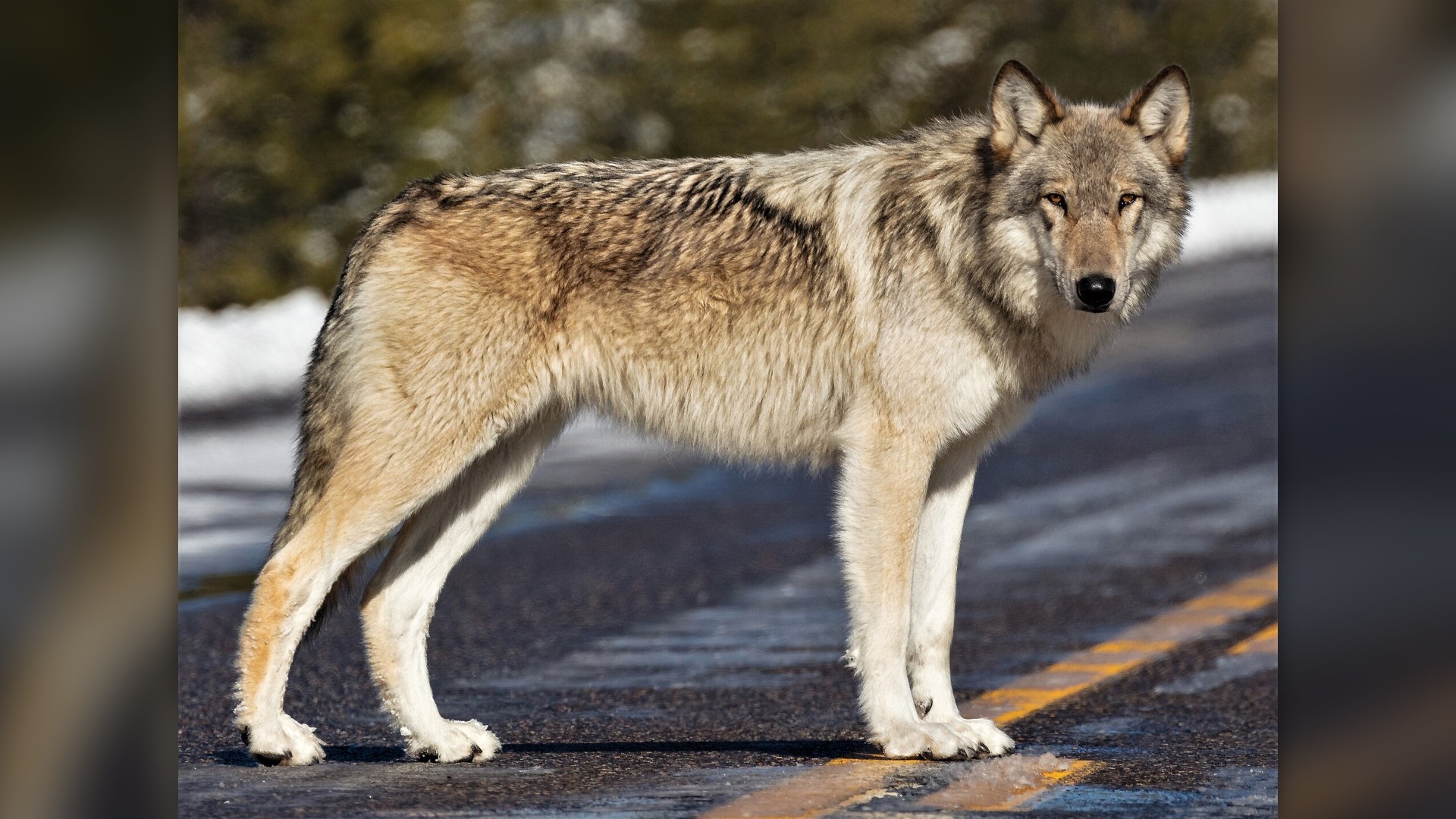
©Wikimedia / Northwestern wolf
20. Great Plains Wolf
Over 4000 Great Plains wolves occupy the mixed pine and hardwood forests of northern Minnesota, Wisconsin, and Michigan's Upper Peninsula. Isle Royale National Park in Lake Superior features an isolated island pack studied by researchers since 1958 for predator-prey dynamics with moose.
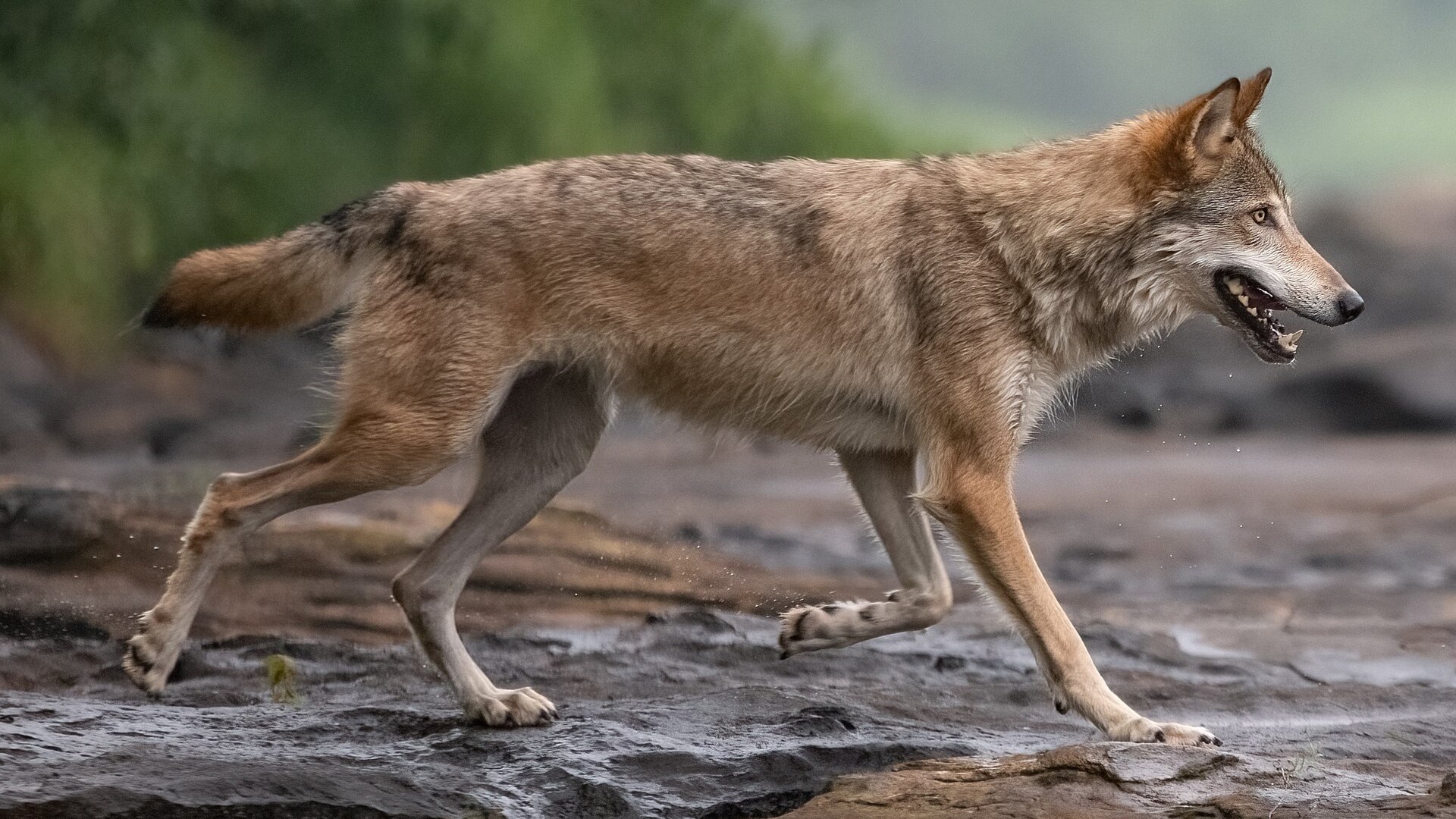
©Wikimedia / Born-Hiker
19. Mongolian Wolf
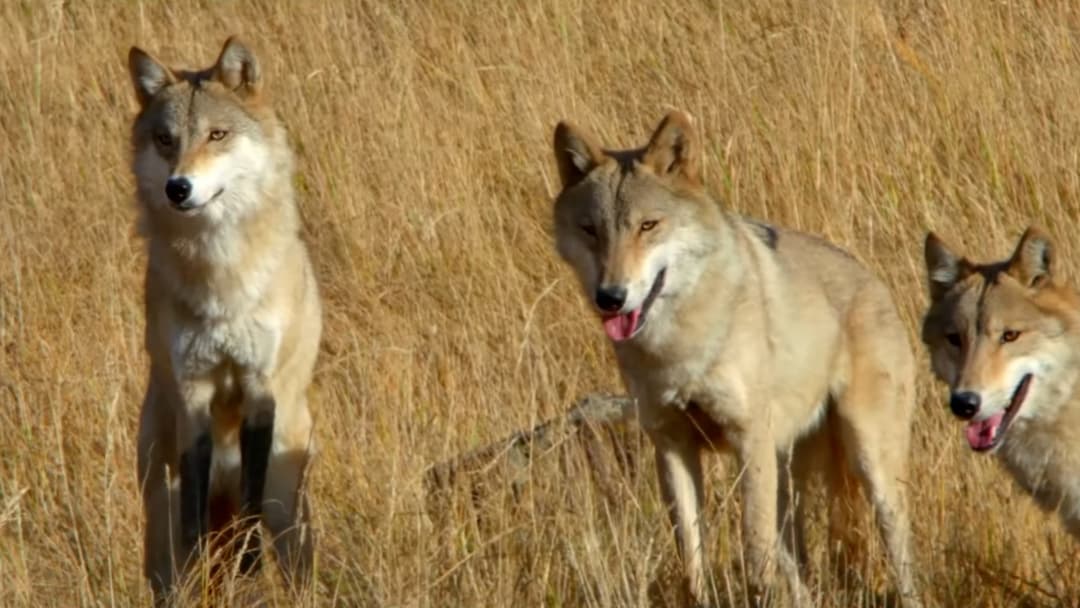
Ranging from the Altai Mountains to the edge of the Gobi Desert, Mongolian wolves inhabit treeless steppes and rocky foothills. Packs hunt argali sheep, ibex, and Mongolian gazelles over immense home ranges. Traditional hunting pressure and retaliatory kills by nomads keep regional densities low.
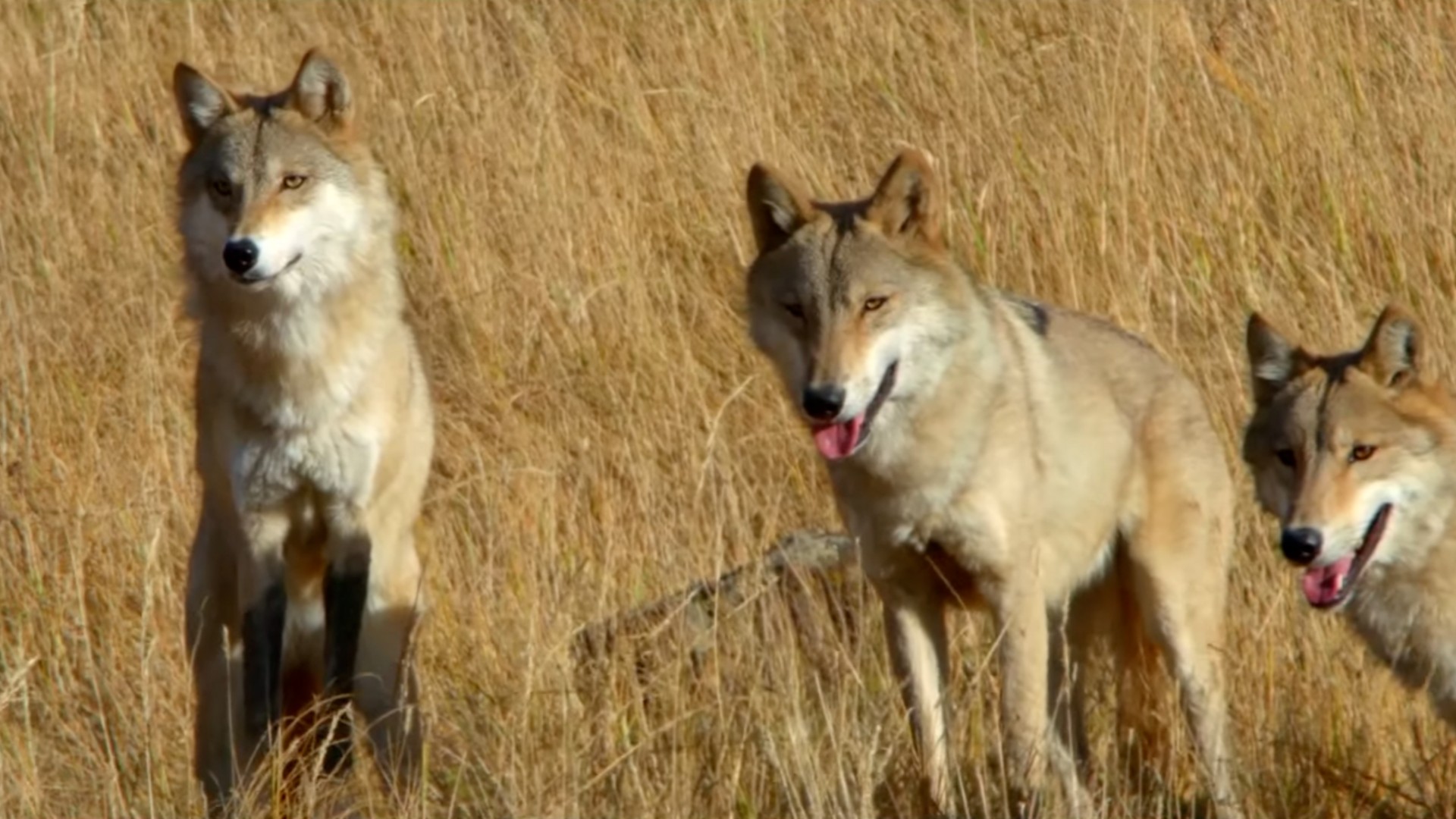
©Wikimedia / Mongolian wolf
Advertisement
Swipe or tap ▶ to resume the countdown.
18. Steppe Wolf
Found across the arid grasslands and semi-desert scrub of southern Russia and western Kazakhstan, the steppe wolf has shorter, coarser fur than timber wolves. Packs follow migrating saiga antelope herds across dry clay depressions and waterless sand plains near the Caspian Sea.
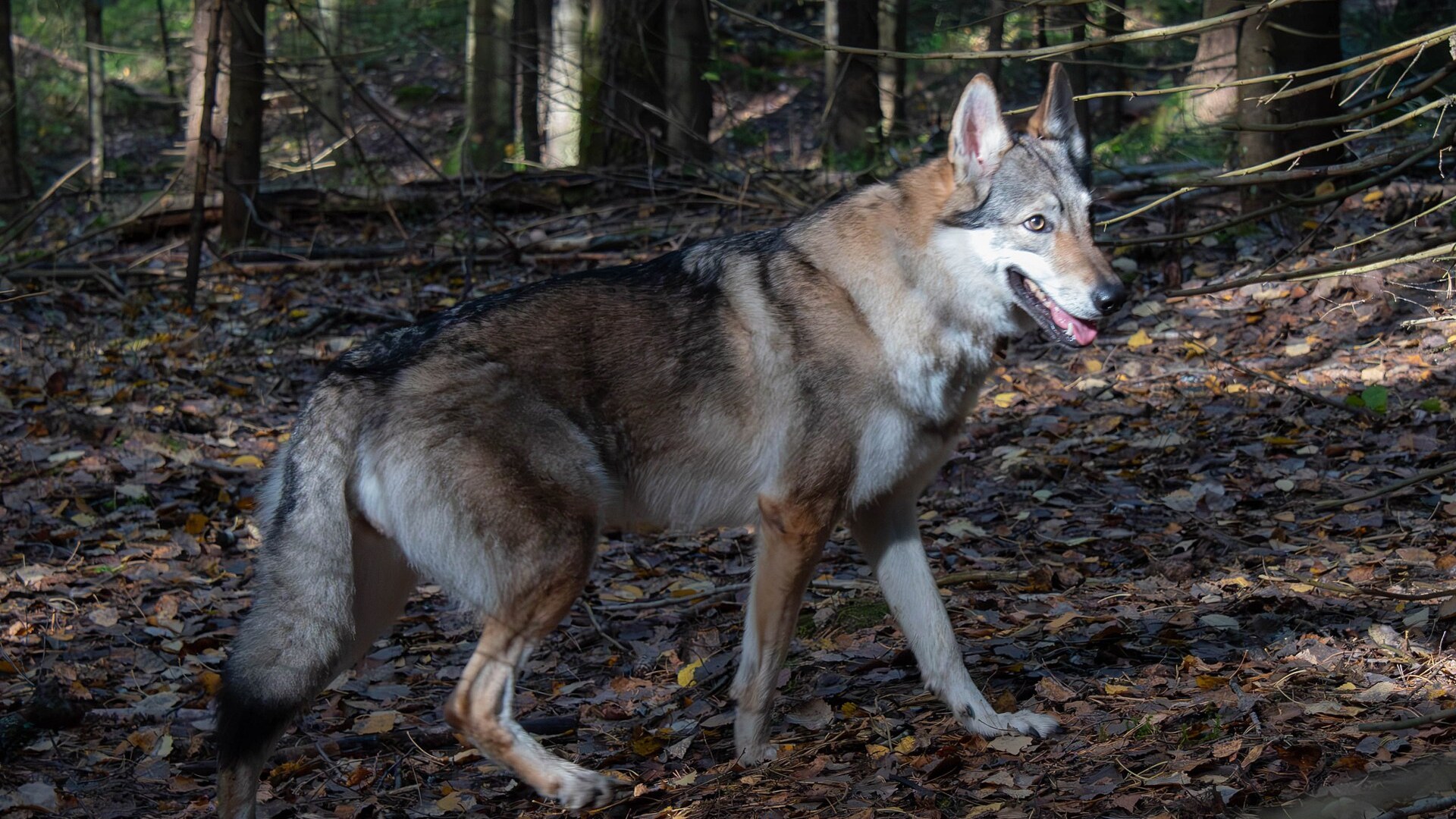
©Wikimedia / Deinogalerian
17. Carpathian Wolf
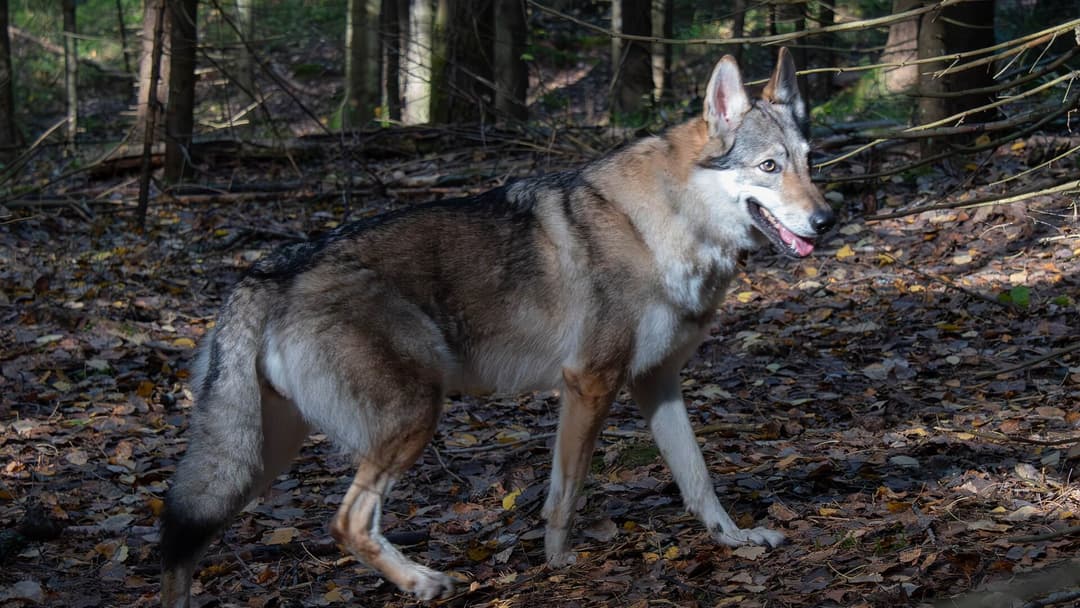
The Carpathian mountain arc in Romania, Slovakia, and Poland protects roughly 4000 wolves, representing one of Europe's largest continuous populations. These packs thrive in rugged mountain gorges, hunting red deer and wild boar alongside brown bears and Eurasian lynx.
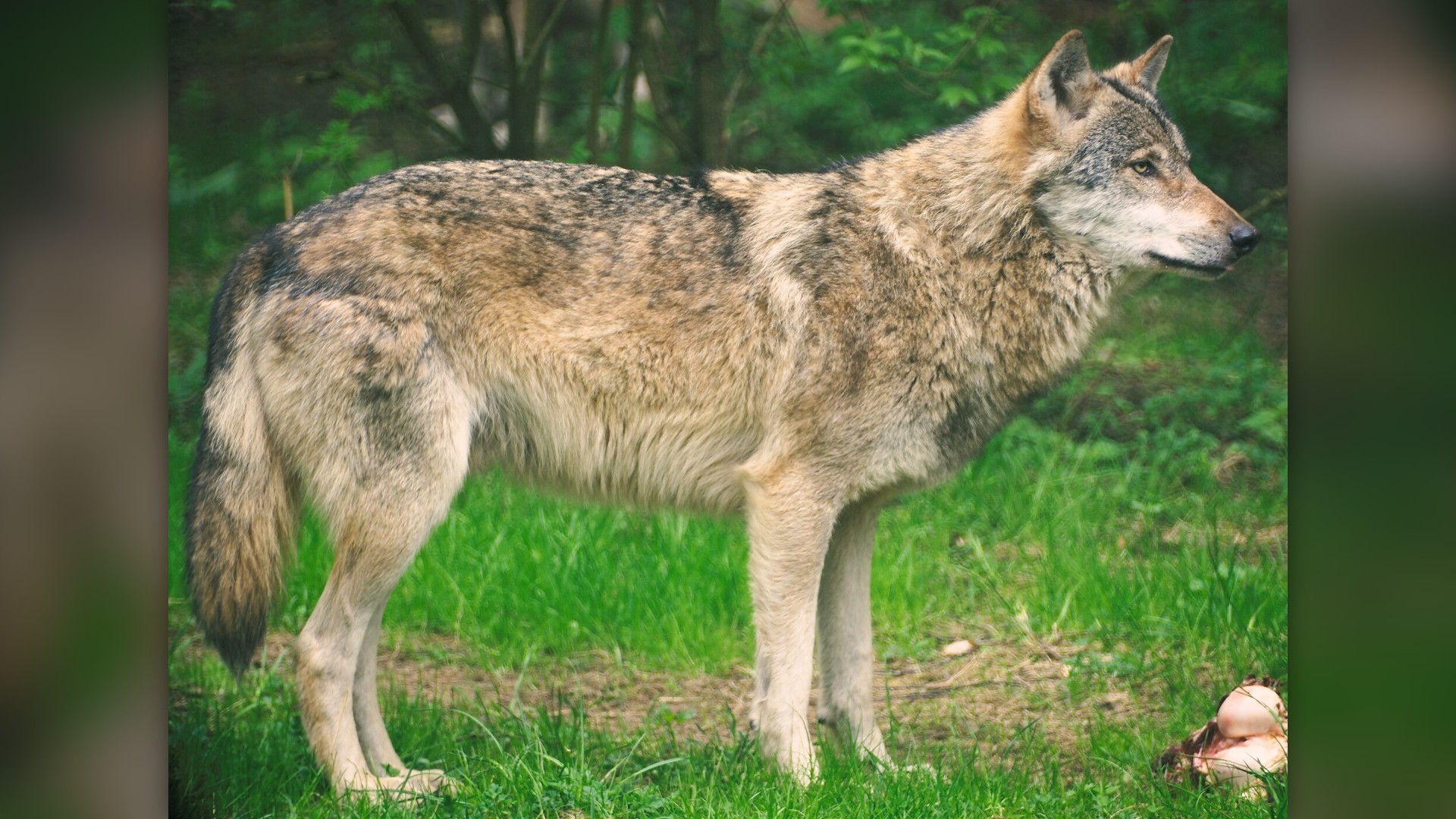
©Wikimedia / Torsten Behrens from Tarbek - Segeberg
16. Dinaric Wolf
The limestone karst ridges and dense beech woods of Croatia, Slovenia, and Bosnia host roughly 4000 Dinaric-Balkan wolves. Packs in Risnjak National Park cross international borders into the Slovenian Alps. Highway development and illegal poaching remain constant conservation challenges.
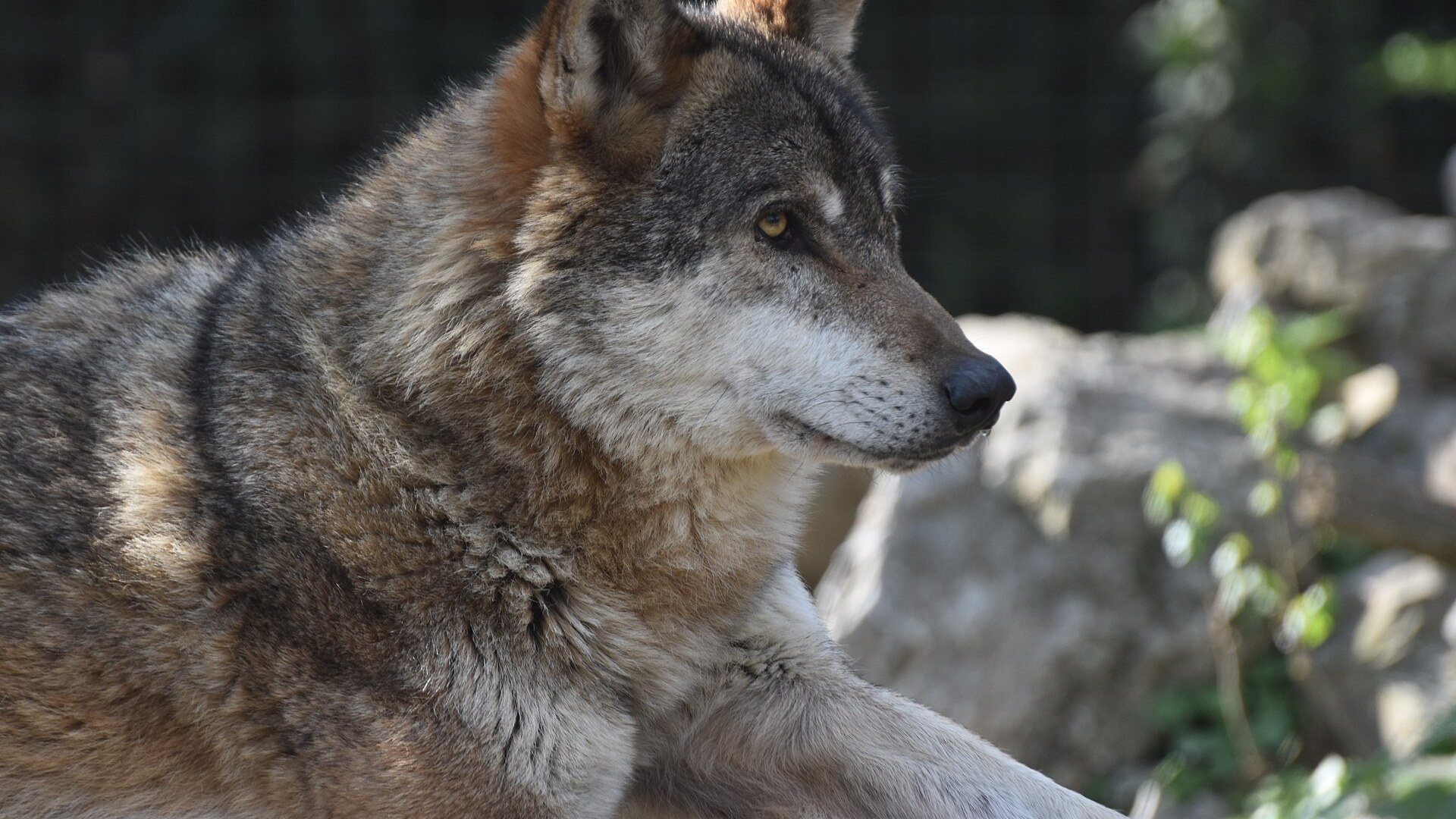
©Wikimedia / Miroslav.vajdic
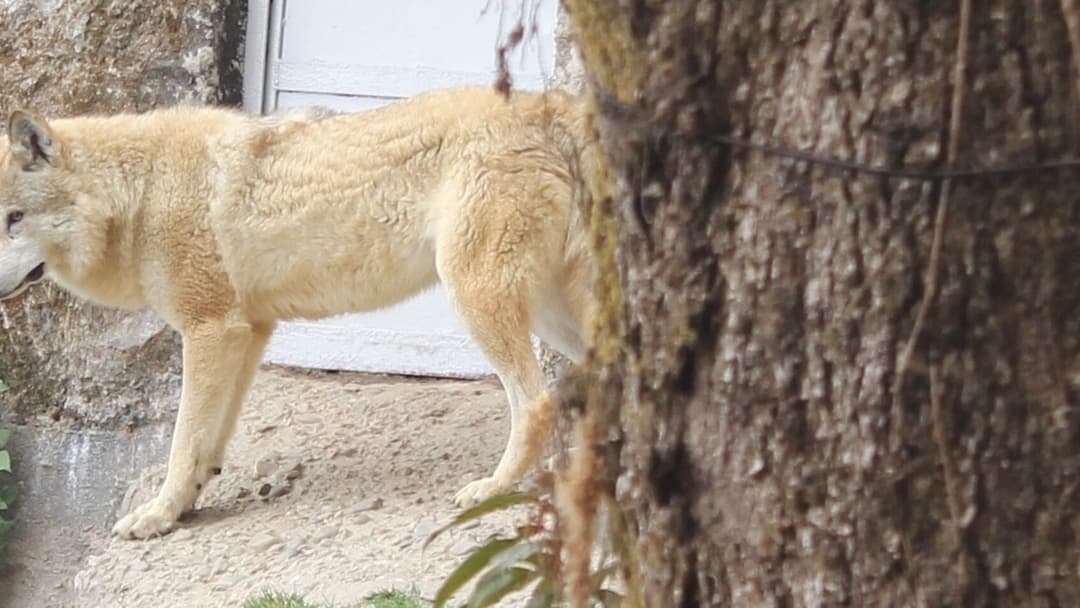
15. Tibetan Wolf
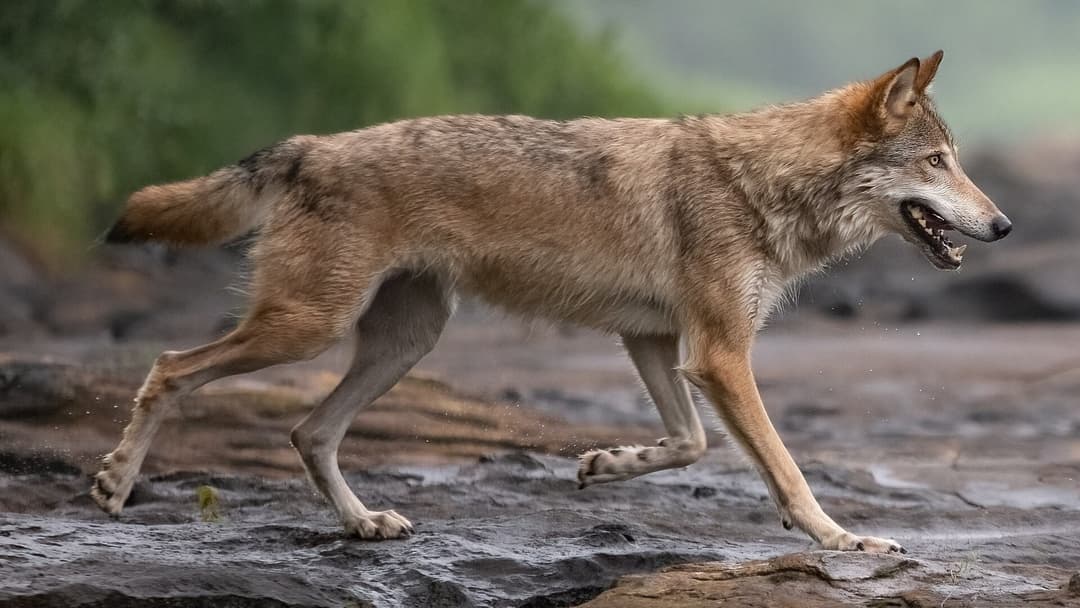
Inhabiting the windswept grasslands of Qinghai province and the northern Tibetan plateau, these thick-furred wolves hunt marmots, plateau pikas, and Tibetan gazelles. Pastoralist fences built across the steppe now hinder traditional pack hunting movements and increase retaliatory trapping.
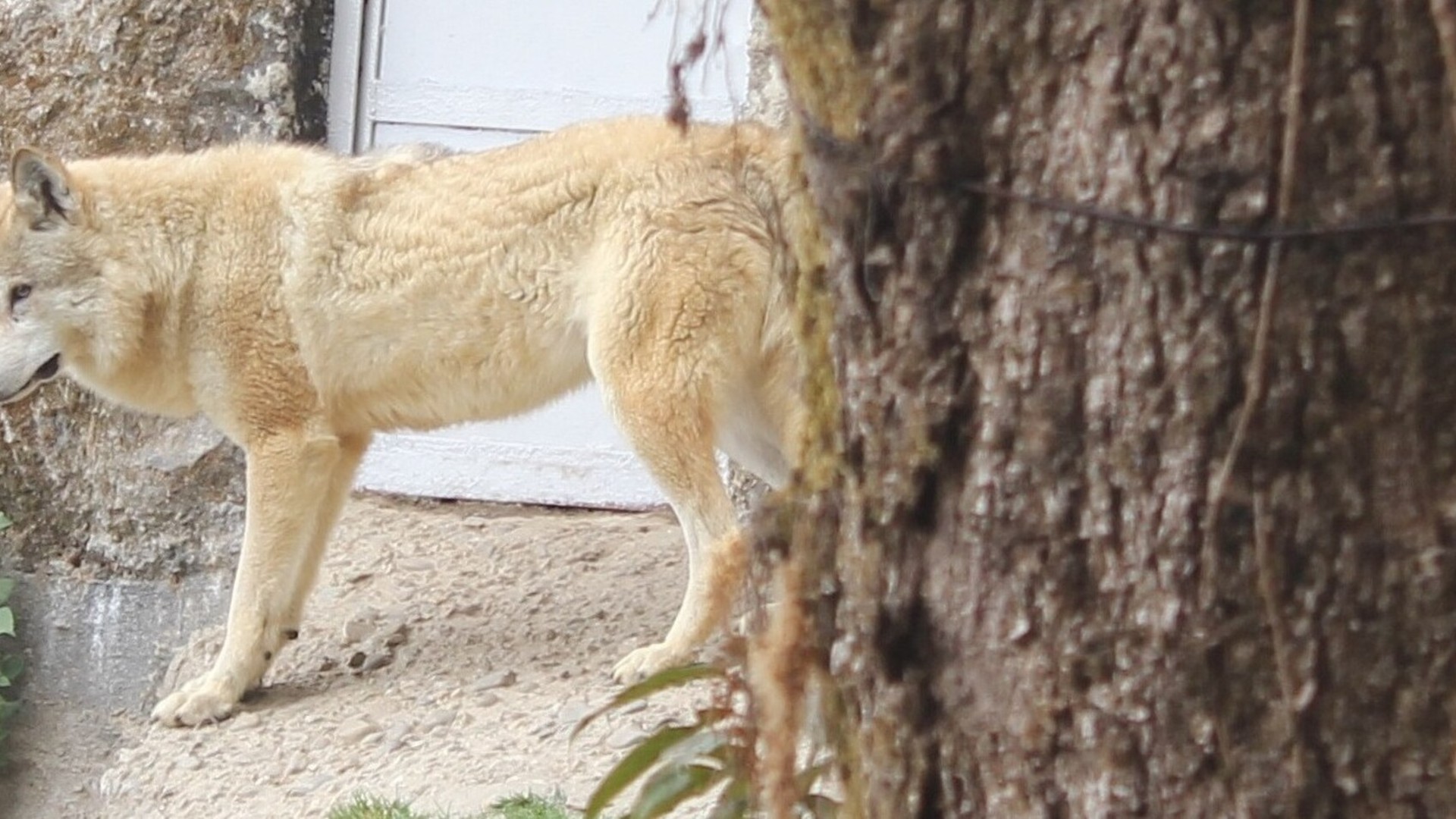
©Wikimedia / Ankit Kadam
Advertisement
Swipe or tap ▶ to resume the countdown.
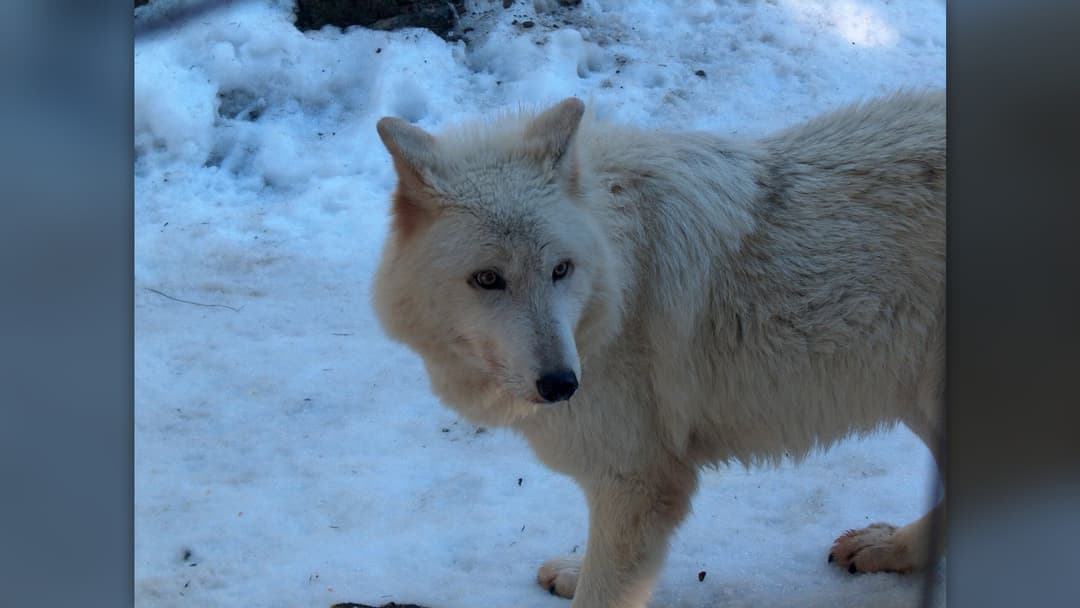
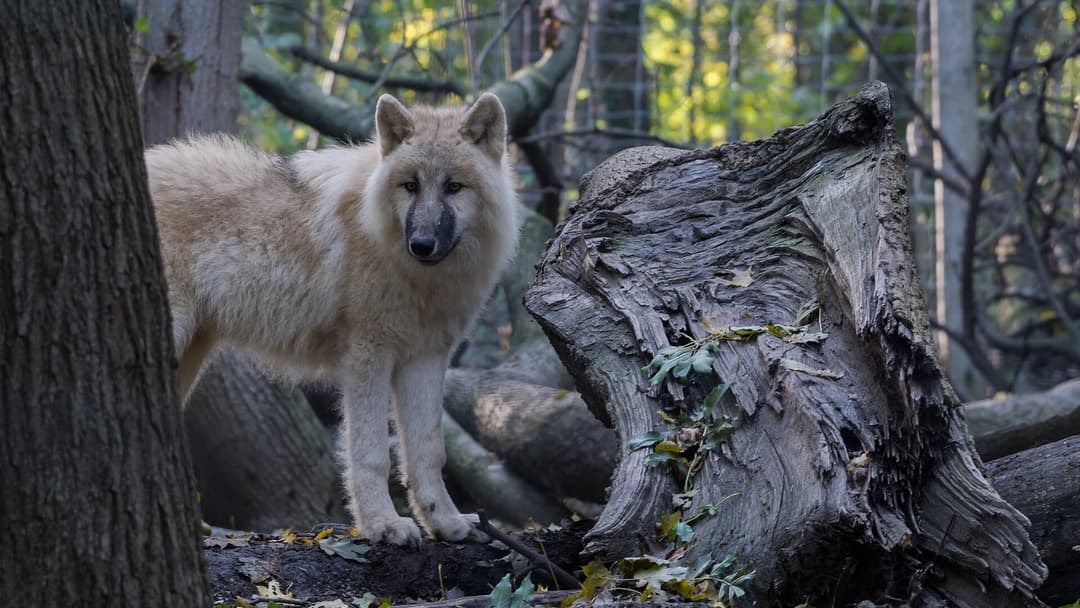
14. Arctic Wolf
Arctic wolves roam the frozen tundra of northern Canada and Greenland, enduring five months of total winter darkness. Unbroken pack territories can span 2500 square kilometres. Because human hunters rarely visit these remote frozen islands, the wolves show little natural fear of scientists.
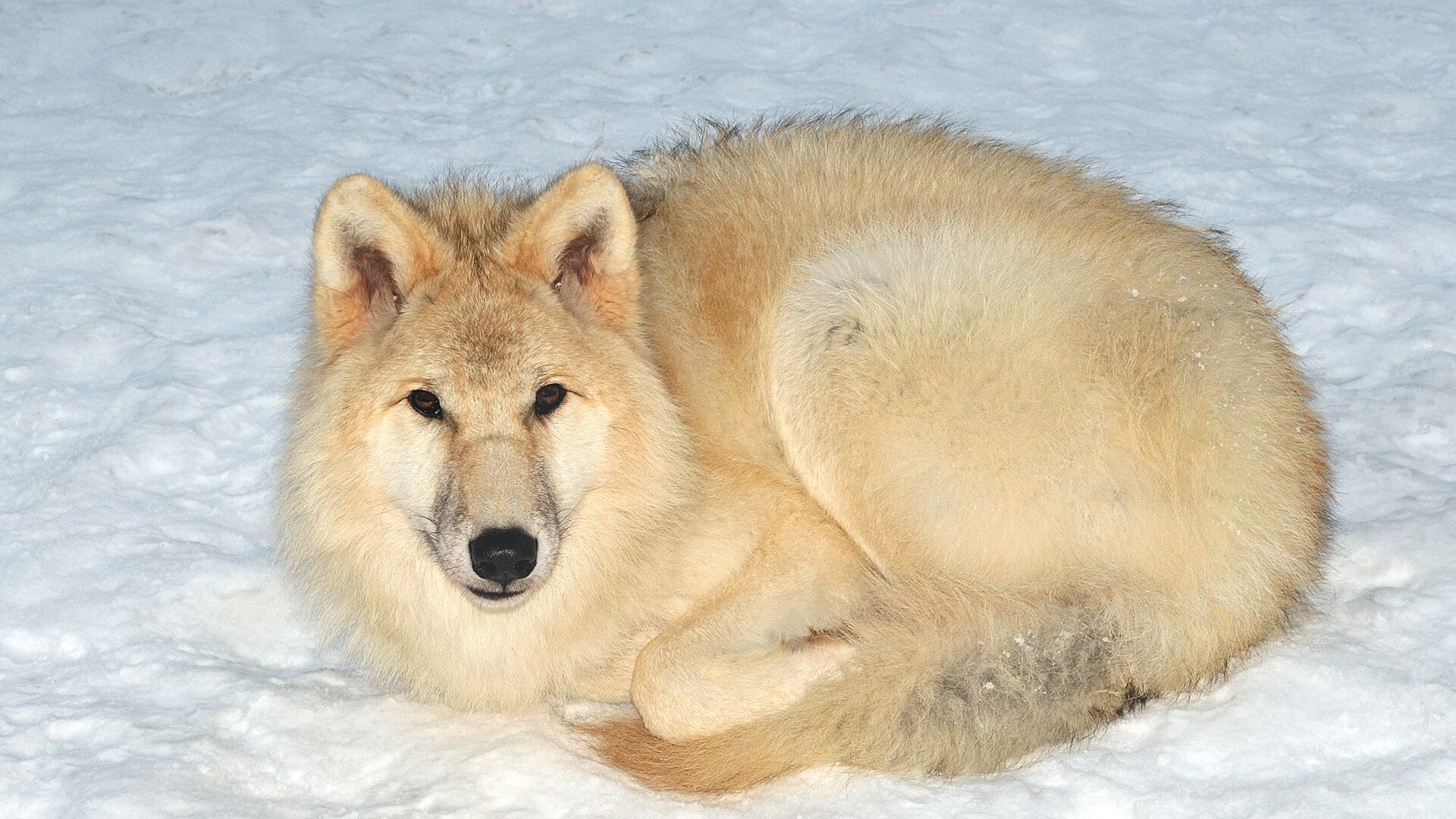
©Wikimedia / Michael Gäbler
13. Vancouver Island Wolf
Inhabiting the old-growth temperate rainforests of Vancouver Island in British Columbia, this coastal grey wolf subspecies numbers roughly 200 to 350 animals. Packs swim between rocky islands to hunt harbour seals, river otters, and black-tailed deer along the rugged shoreline.
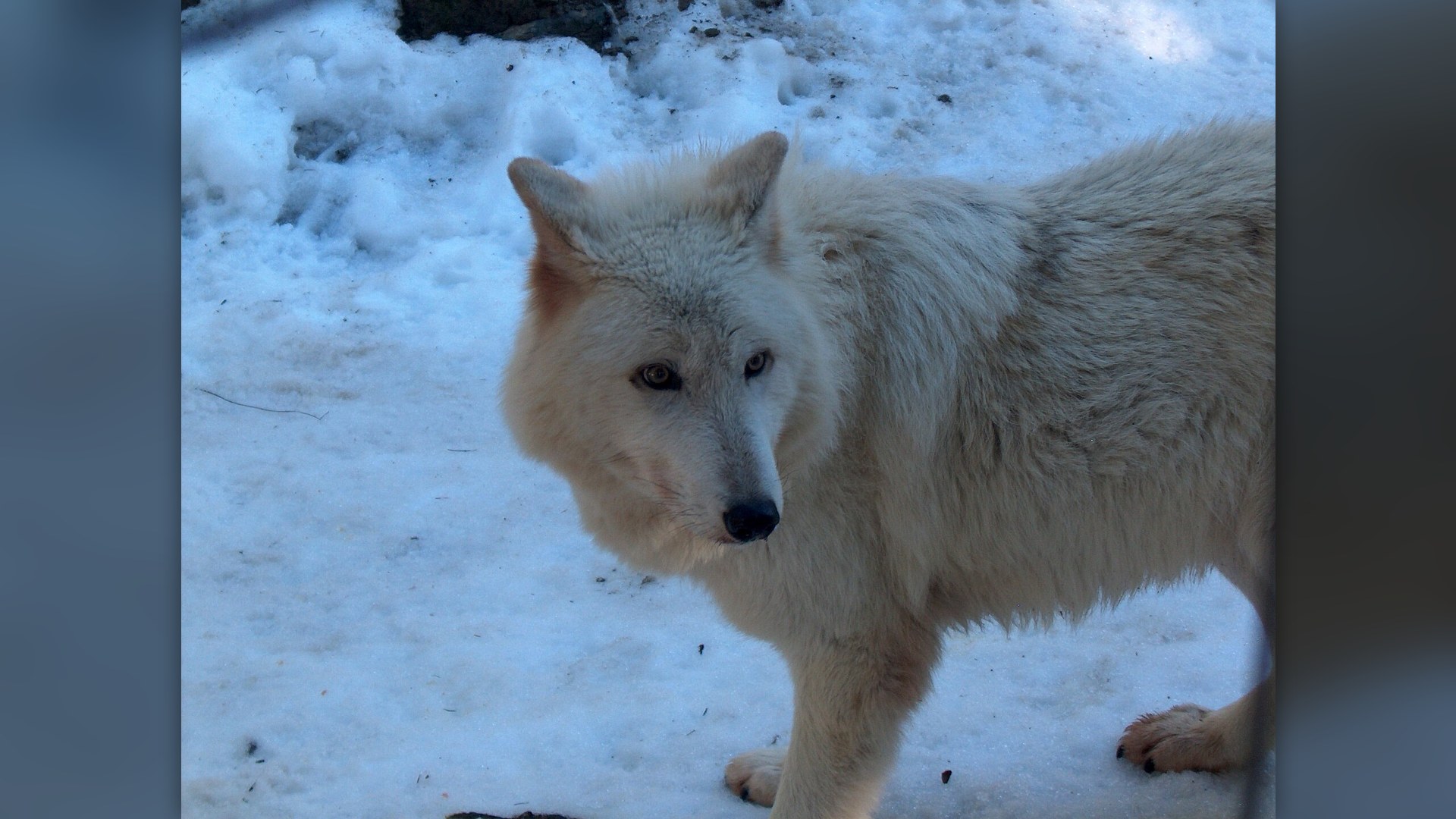
©Wikimedia / Doublebackslash
12. Italian Wolf
After plunging to roughly 100 individuals in the early 1970s, Italian wolves staged an historic recovery under strict national protection. Today over 3300 wolves occupy the Apennine Mountains and the Western Alps. They hunt wild ungulates in dense chestnut and beech forests across national park reserves.
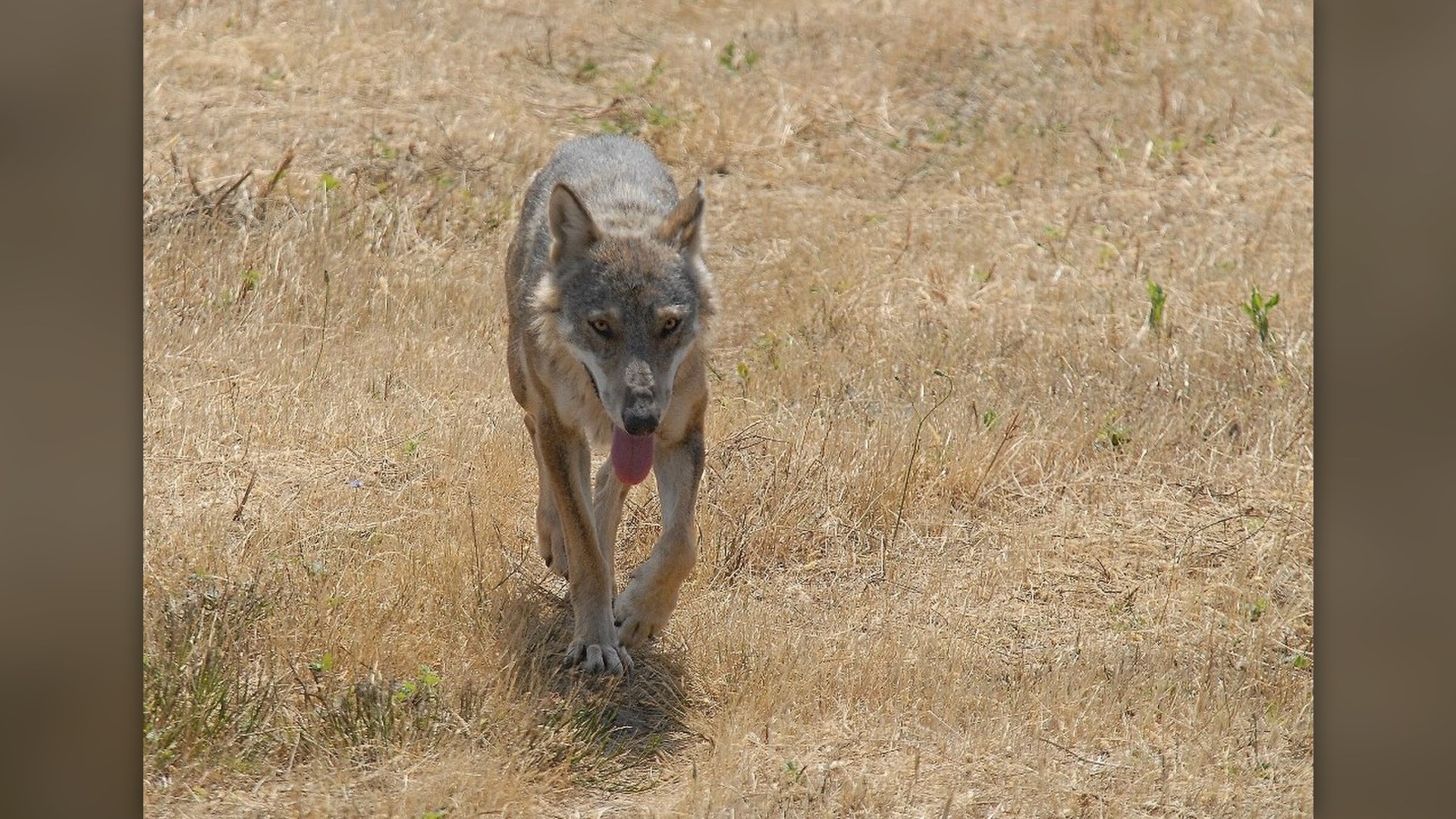
©Wikimedia / Uploader Luigi97~commonswiki
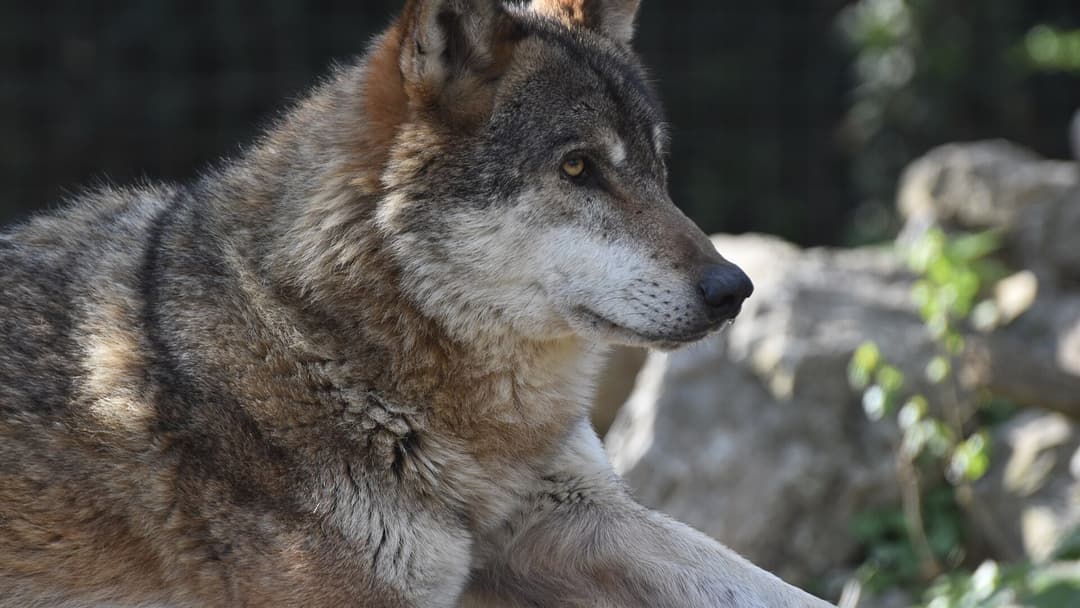
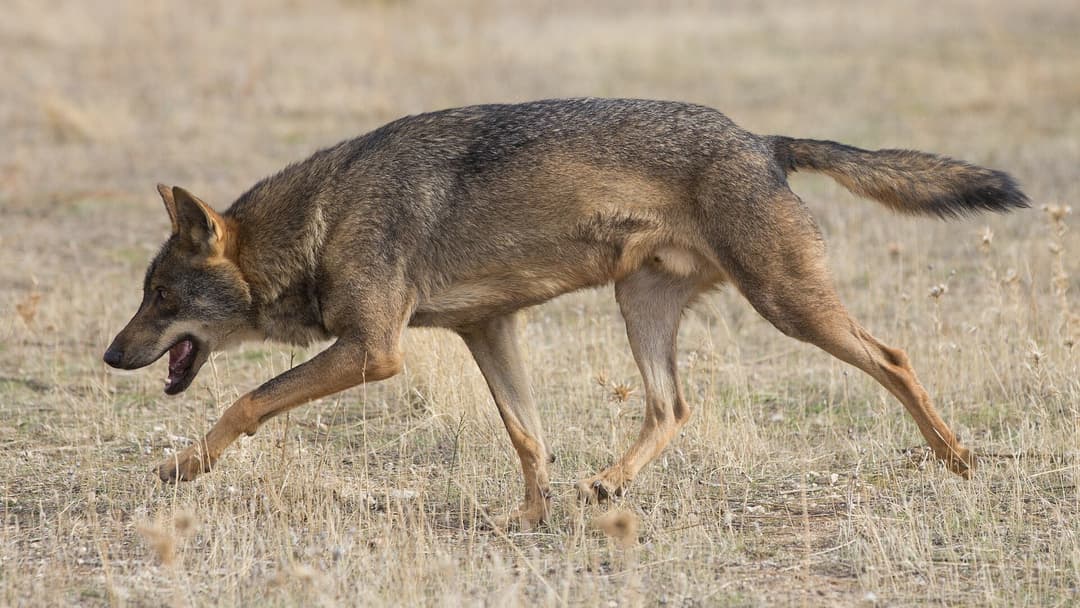
11. Iberian Wolf
Spain and Portugal hold an estimated 2000 to 2500 Iberian wolves, with strongholds in the Sierra de la Culebra and Cantabrian Mountains. Recognised by dark stripes along their forelegs, these packs hunt roe deer and wild boar while facing periodic conflicts with livestock ranchers.
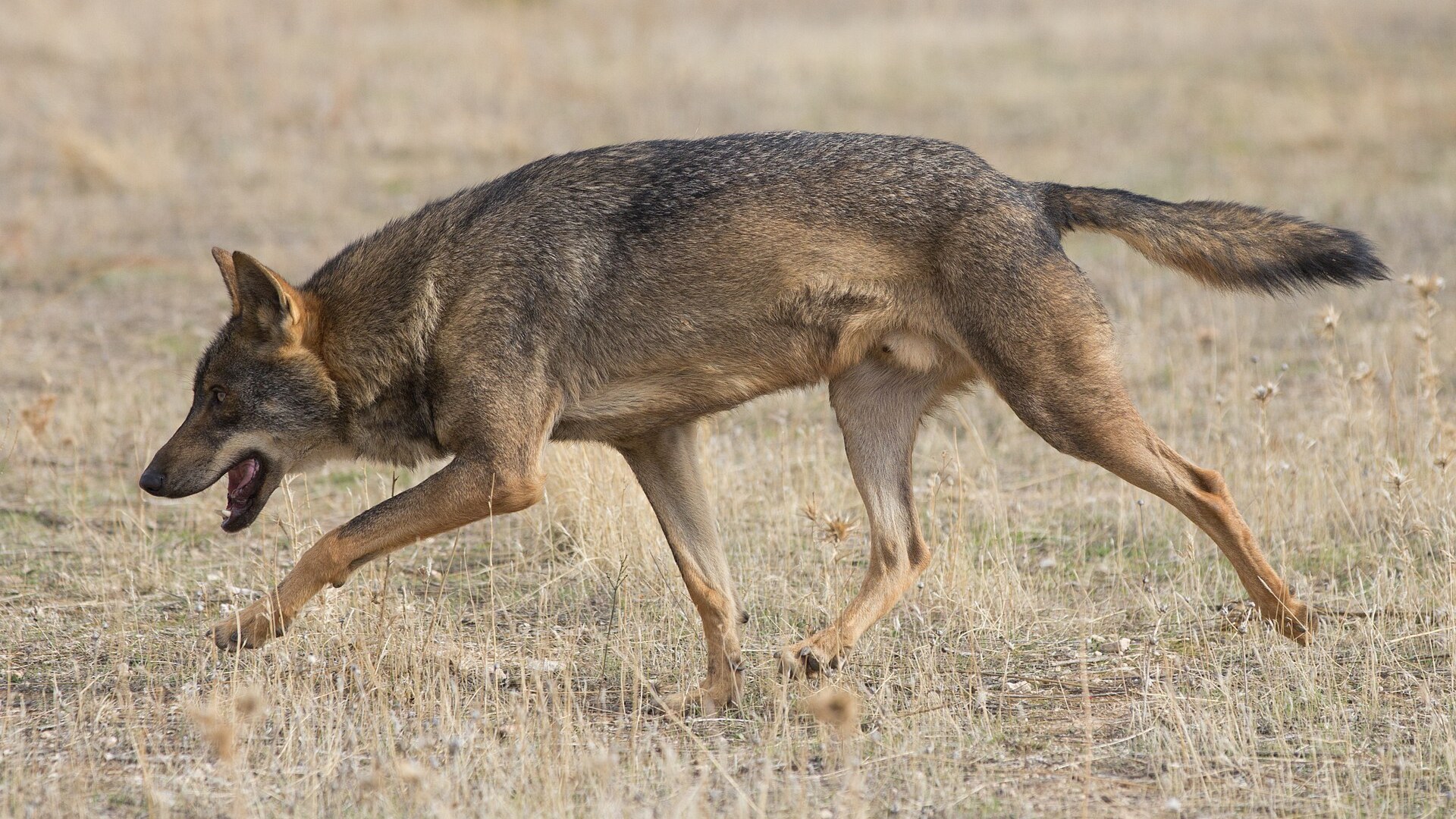
©Wikimedia / Carlos Delgado
Advertisement
Swipe or tap ▶ to resume the countdown.
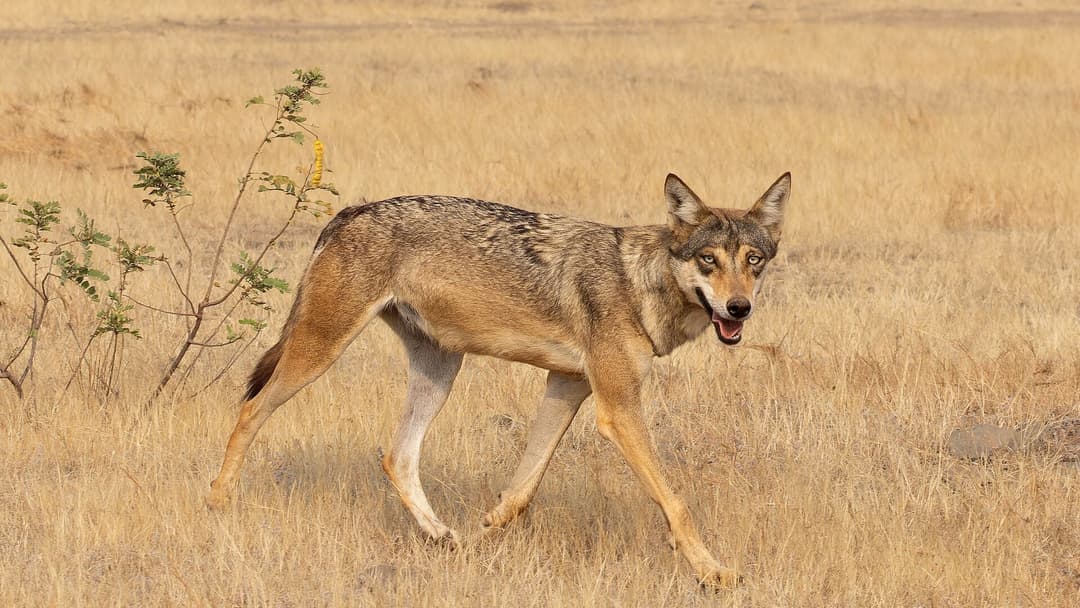
10. Indian Wolf
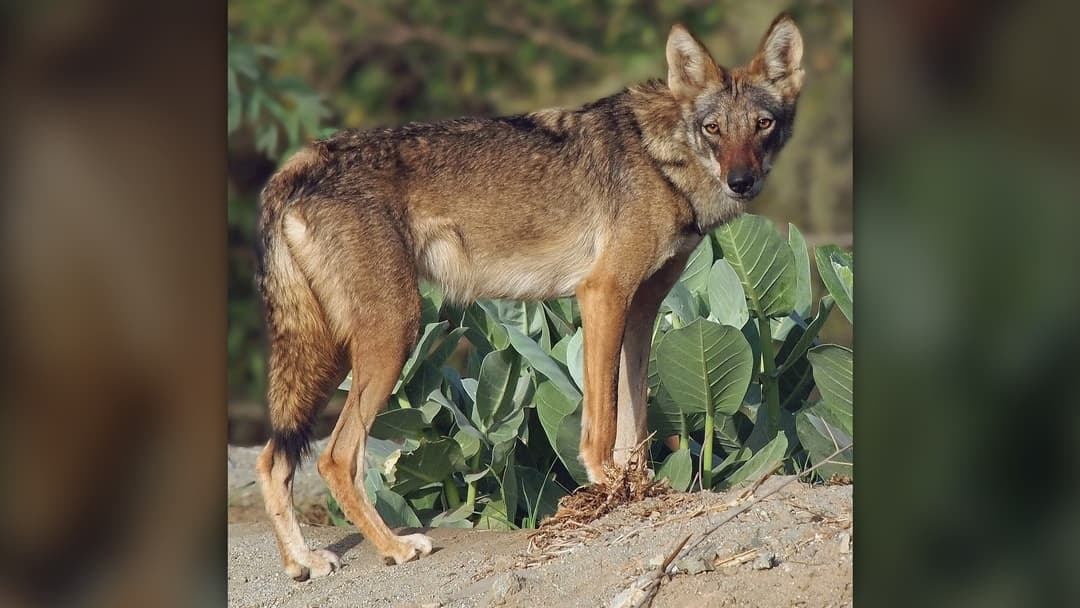
Roughly 2000 to 3000 Indian wolves inhabit the open plains, grasslands, and thorny scrub tracts of western and central India. They prey on blackbuck and chinkara gazelles across Gujarat and Maharashtra. Human settlements and agricultural conversion have fragmented more than 80 percent of their habitat.
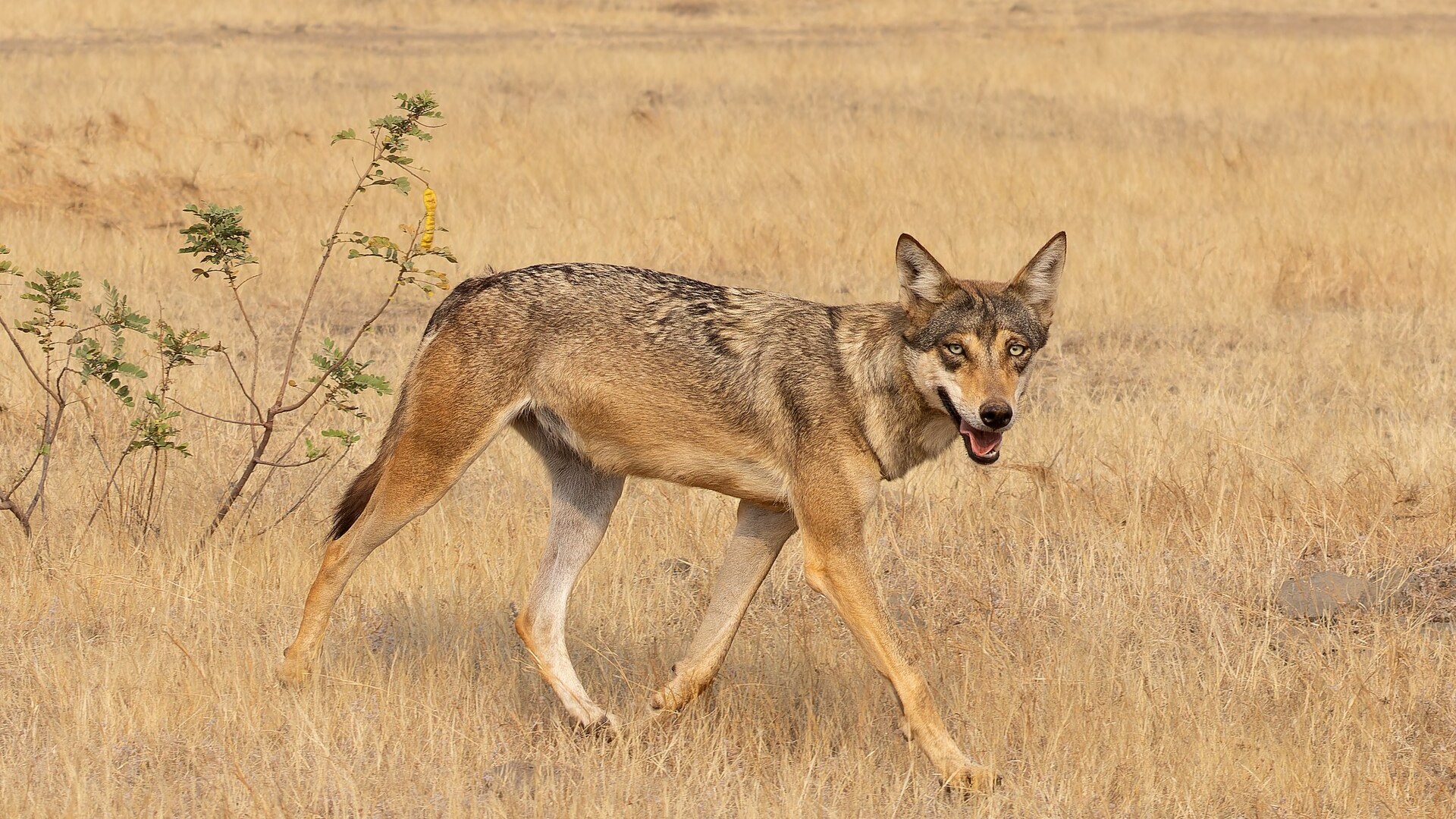
©Wikimedia / Tisha Mukherjee
9. Himalayan Wolf
Living at elevations between 3000 and 5500 metres across the Tibetan Plateau and Ladakh, this ancient lineage carries genetic adaptations for low oxygen levels. Fewer than 2000 mature wolves remain in the wild. They share territory with snow leopards and hunt blue sheep across barren rocky ridges.
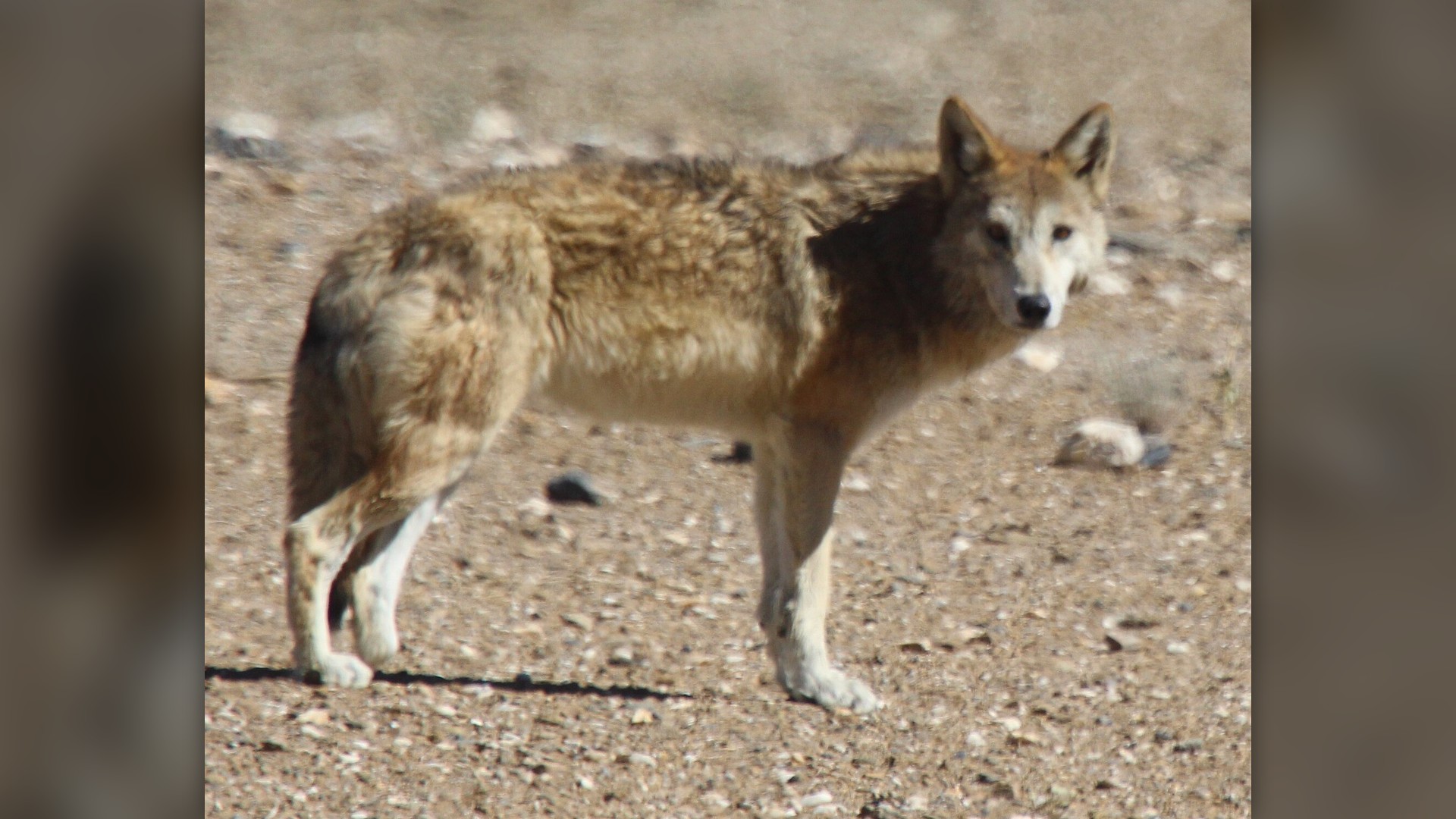
©Wikimedia / Himalayan wolf
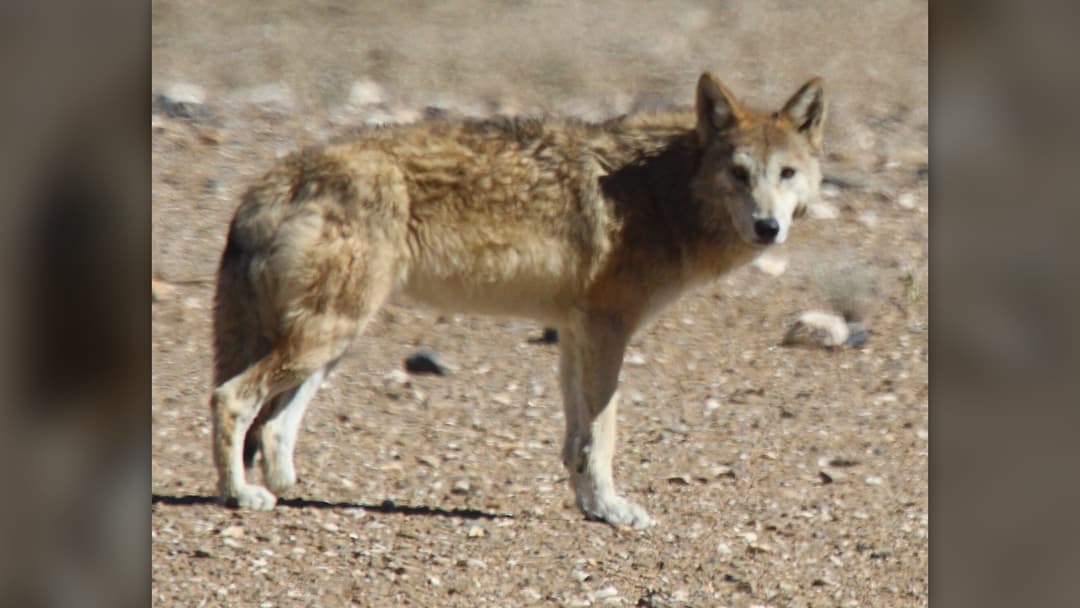
8. Arabian Wolf
Between 1000 and 1500 Arabian wolves remain scattered across Saudi Arabia, Oman, Yemen, and the Negev Desert in Israel. Standing just 65 centimetres tall, these light-coloured desert canids have large ears that disperse body heat. Persecution by goat herders has driven packs into remote rocky wadis.
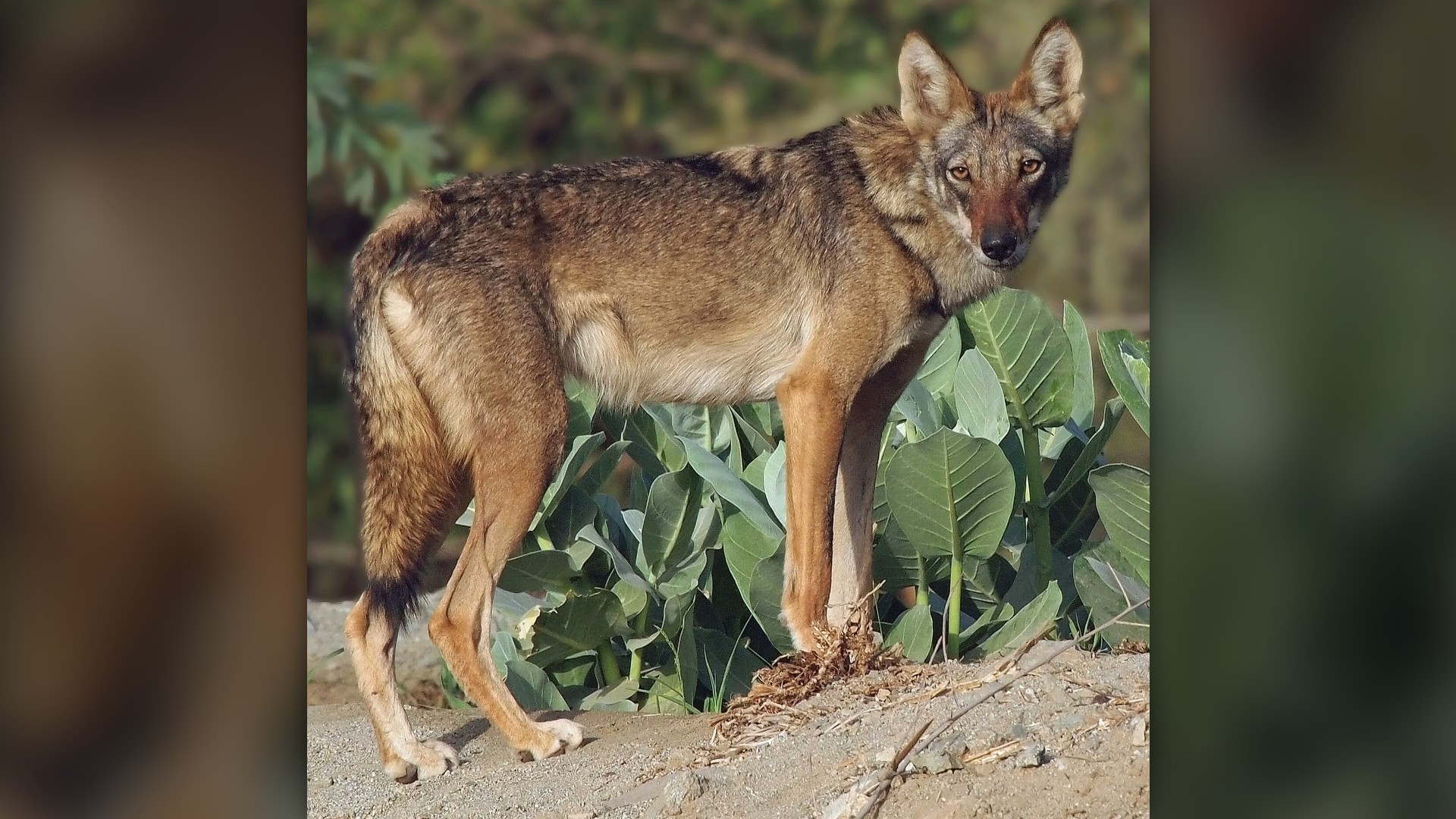
©Wikimedia / Arabian wolf
7. Alexander Archipelago Wolf
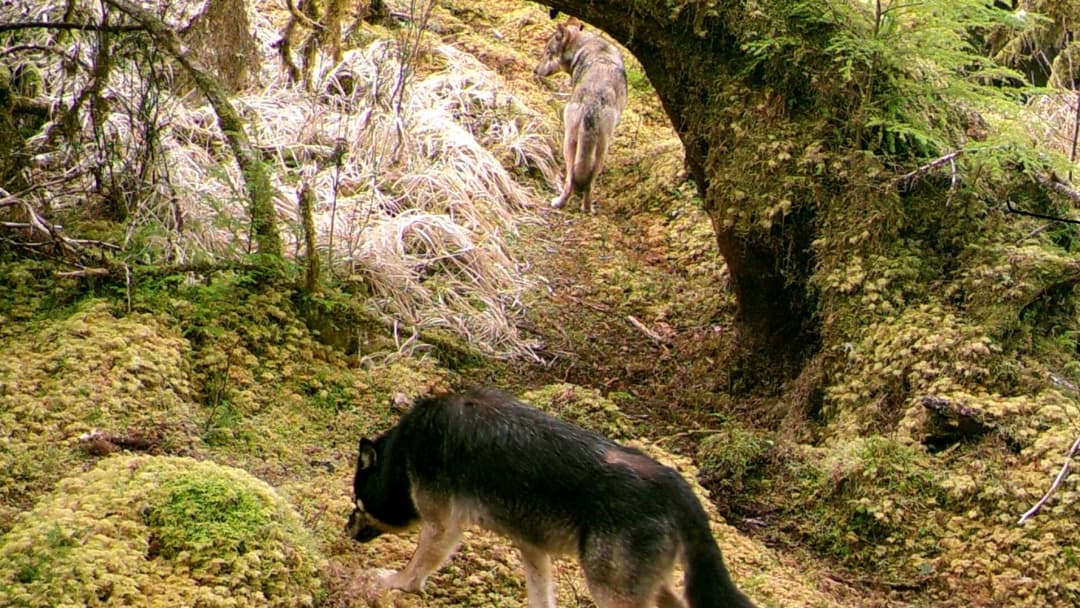
Between 800 and 1000 of these small, dark wolves live throughout the islands of the Tongass National Forest in Southeast Alaska. Prince of Wales Island hosts an isolated population that feeds heavily on Sitka black-tailed deer and spawning Pacific salmon in coastal river estuaries.
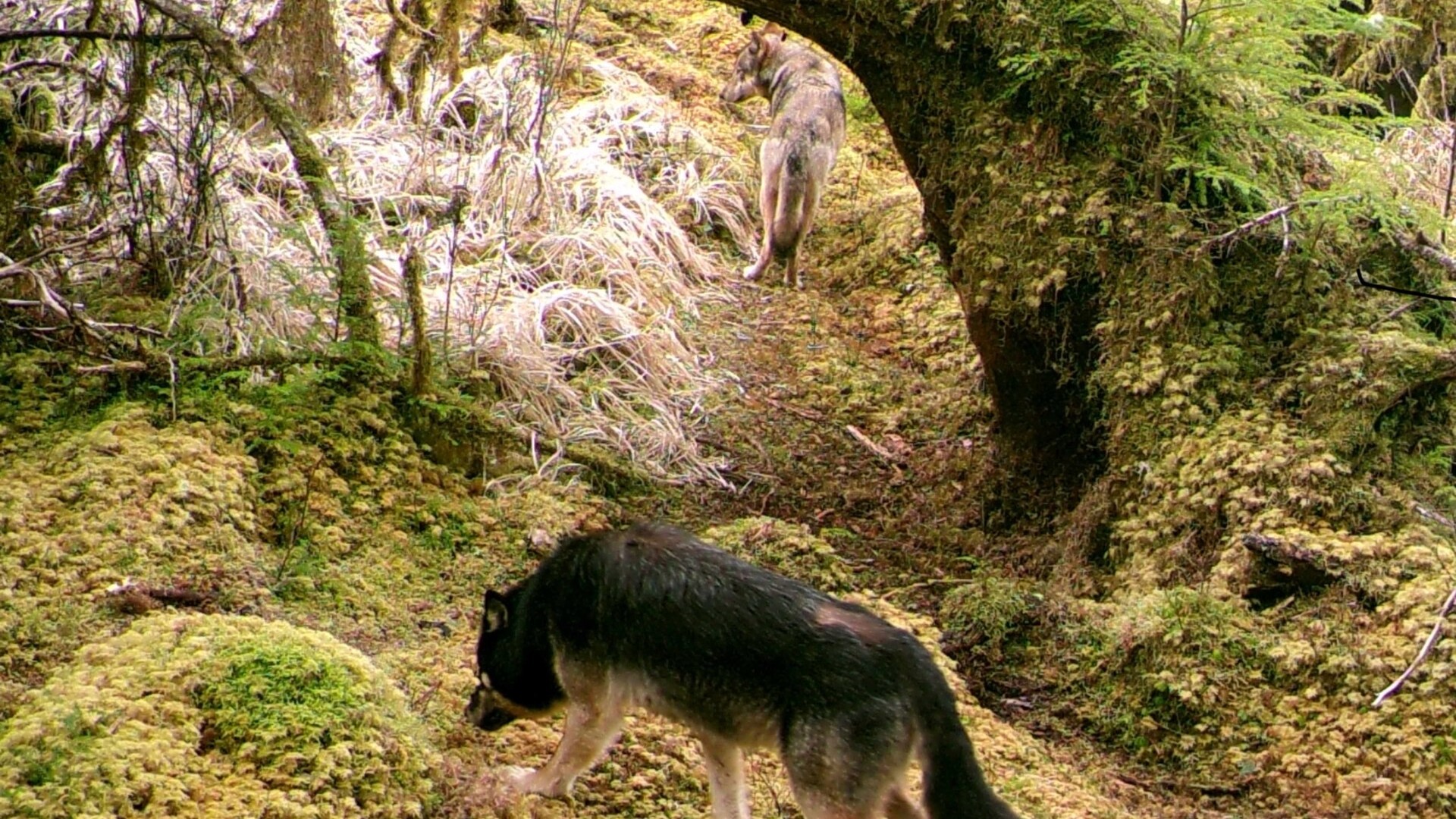
©Wikimedia / US Forest Service
Advertisement
Swipe or tap ▶ to resume the countdown.
6. Scandinavian Wolf
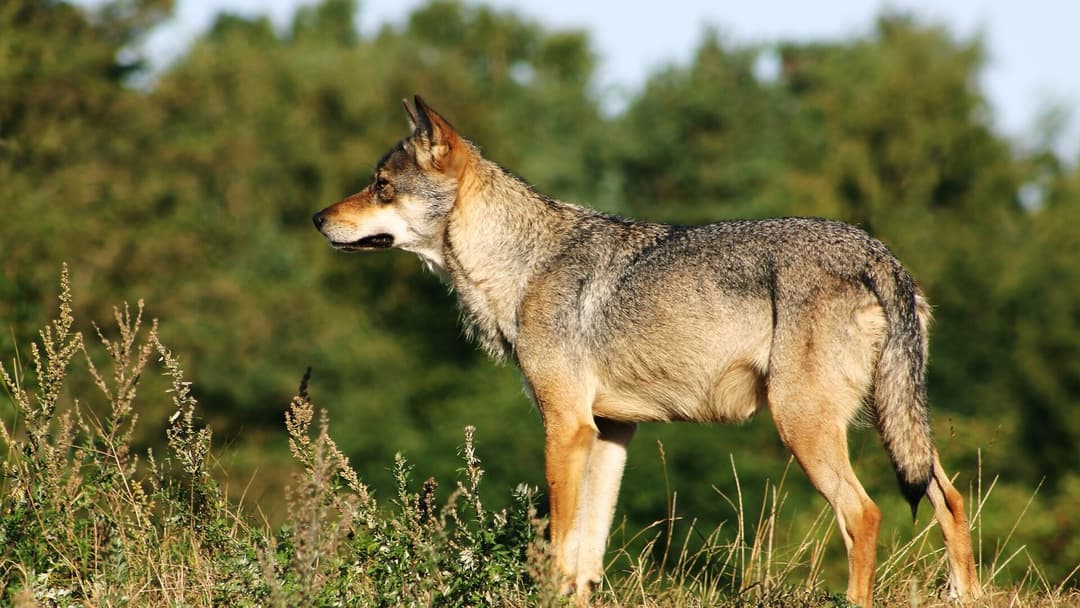
Around 450 wolves inhabit the boreal forests of central Sweden and southeastern Norway. Every living wolf in this region descends from just five founding animals that migrated from Finland during the 1980s and 1990s. Inbreeding depression poses severe ongoing risks to pup survival rates.
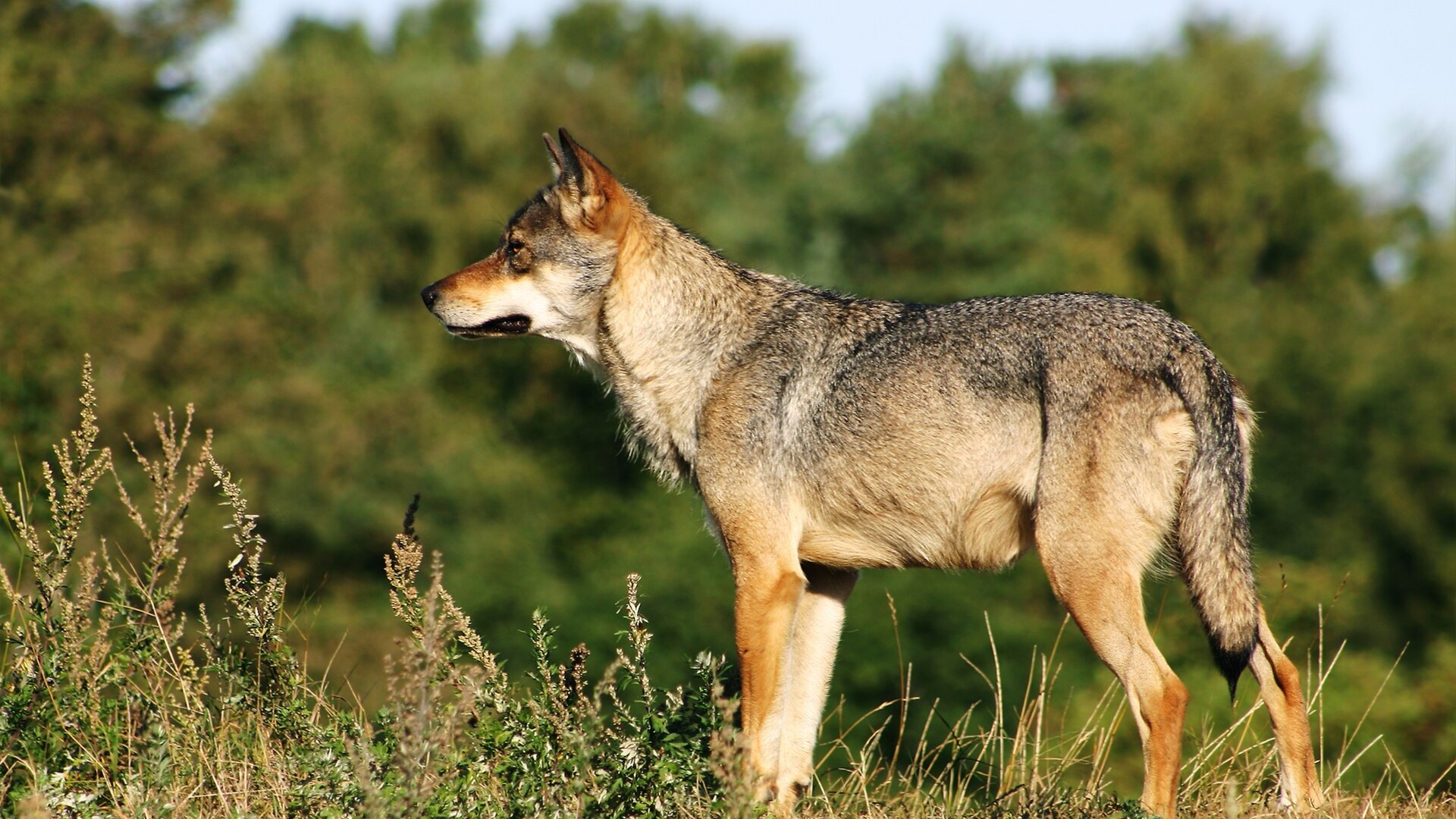
©Wikimedia / Malene Thyssen
5. Eastern Wolf
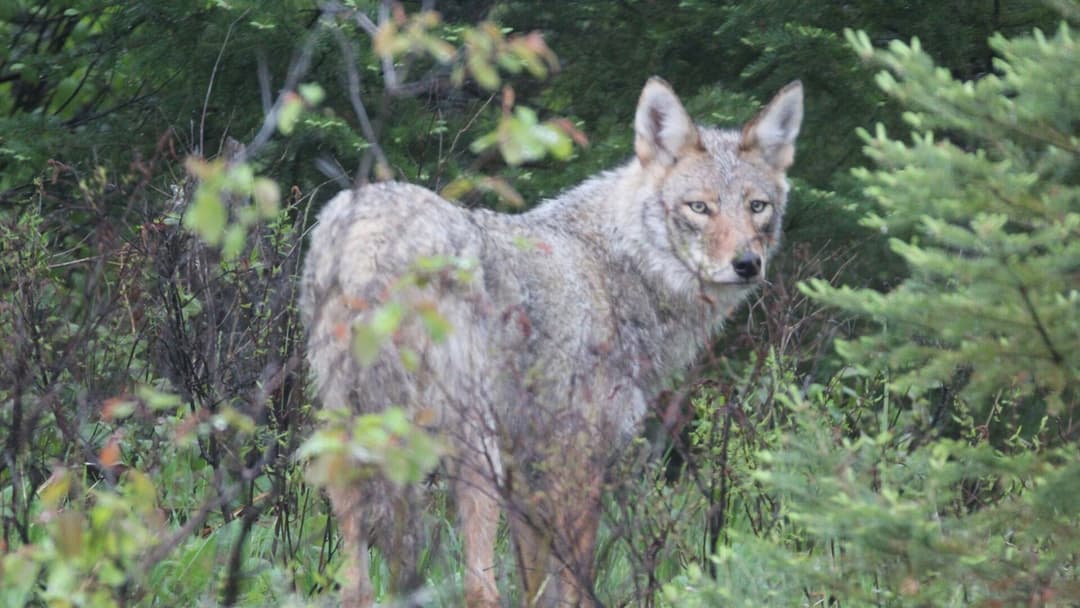
Roughly 500 mature eastern wolves survive in central Ontario, with the core population protected inside Algonquin Provincial Park. Genetic isolation and historical hybridization with coyotes threaten the species. The Committee on the Status of Endangered Wildlife in Canada listed this wolf as threatened.
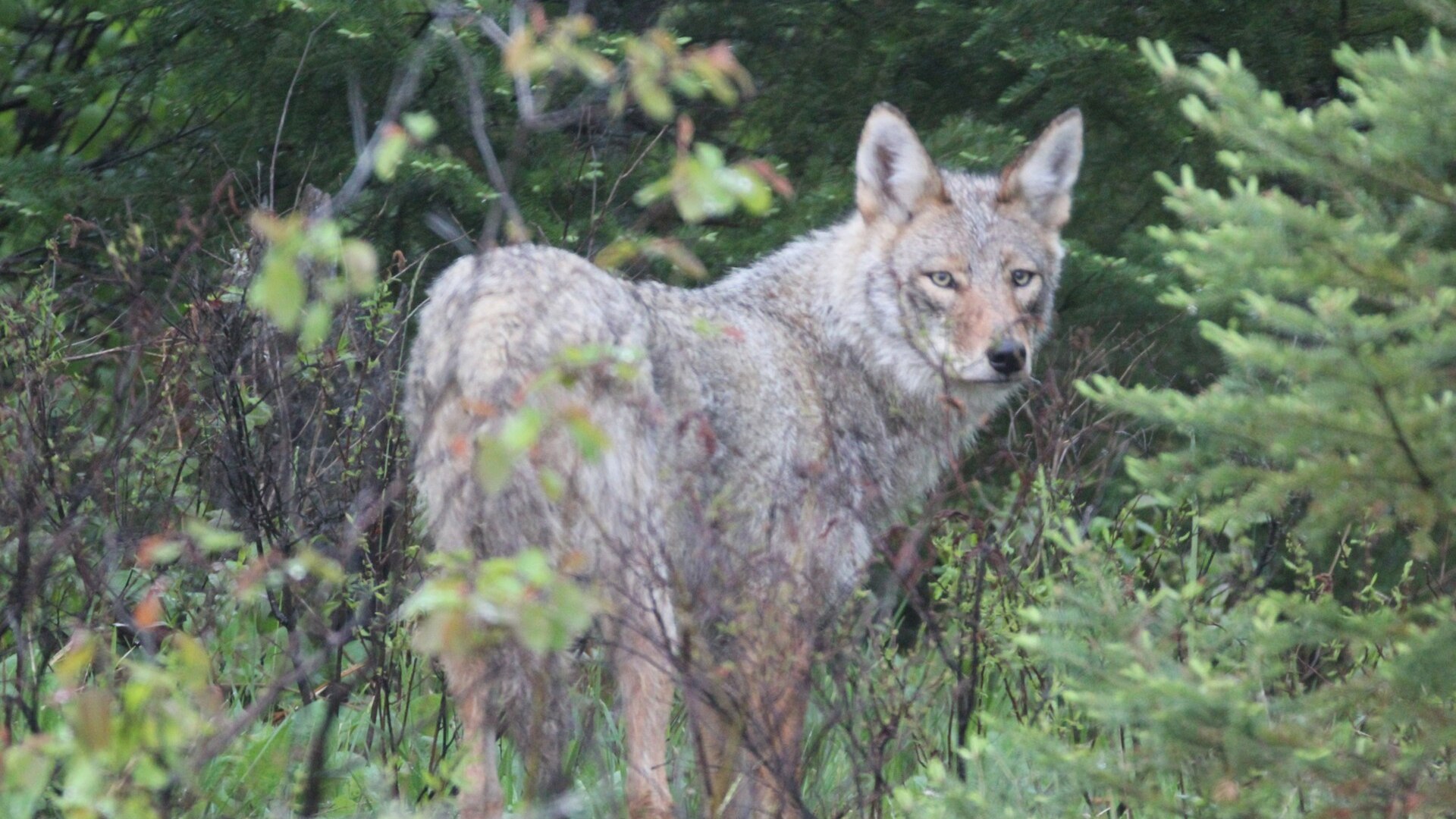
©Wikimedia / Quinten Wiegersma
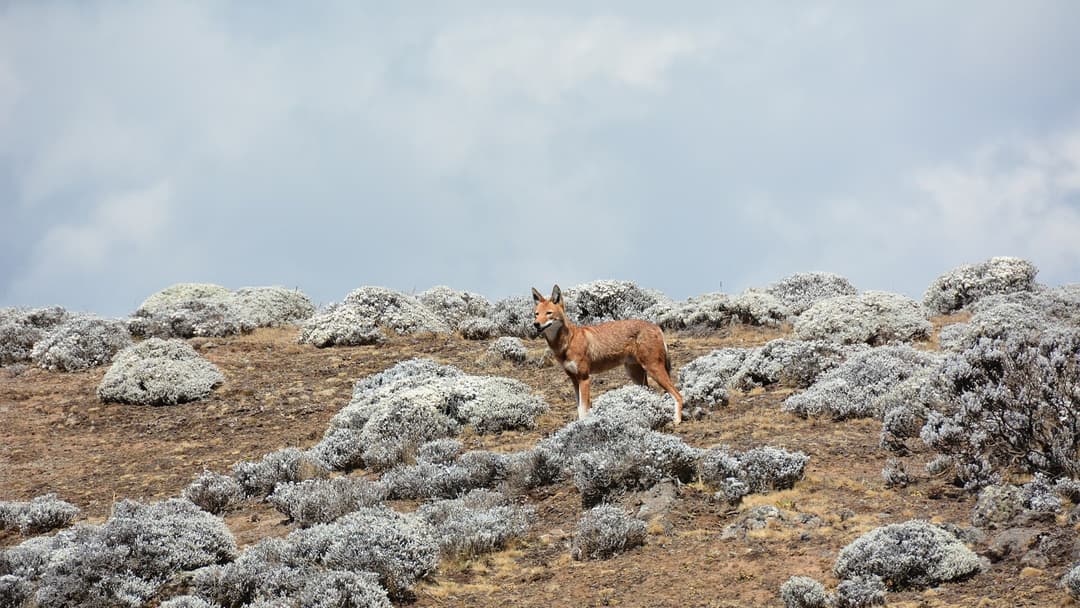
4. Ethiopian Wolf
Africa's only wolf species numbers fewer than 500 adults across isolated afroalpine grasslands above 3000 metres. The Bale Mountains National Park hosts more than half the global total. These slender canids hunt giant mole-rats and face lethal rabies outbreaks spread by domestic shepherd dogs.
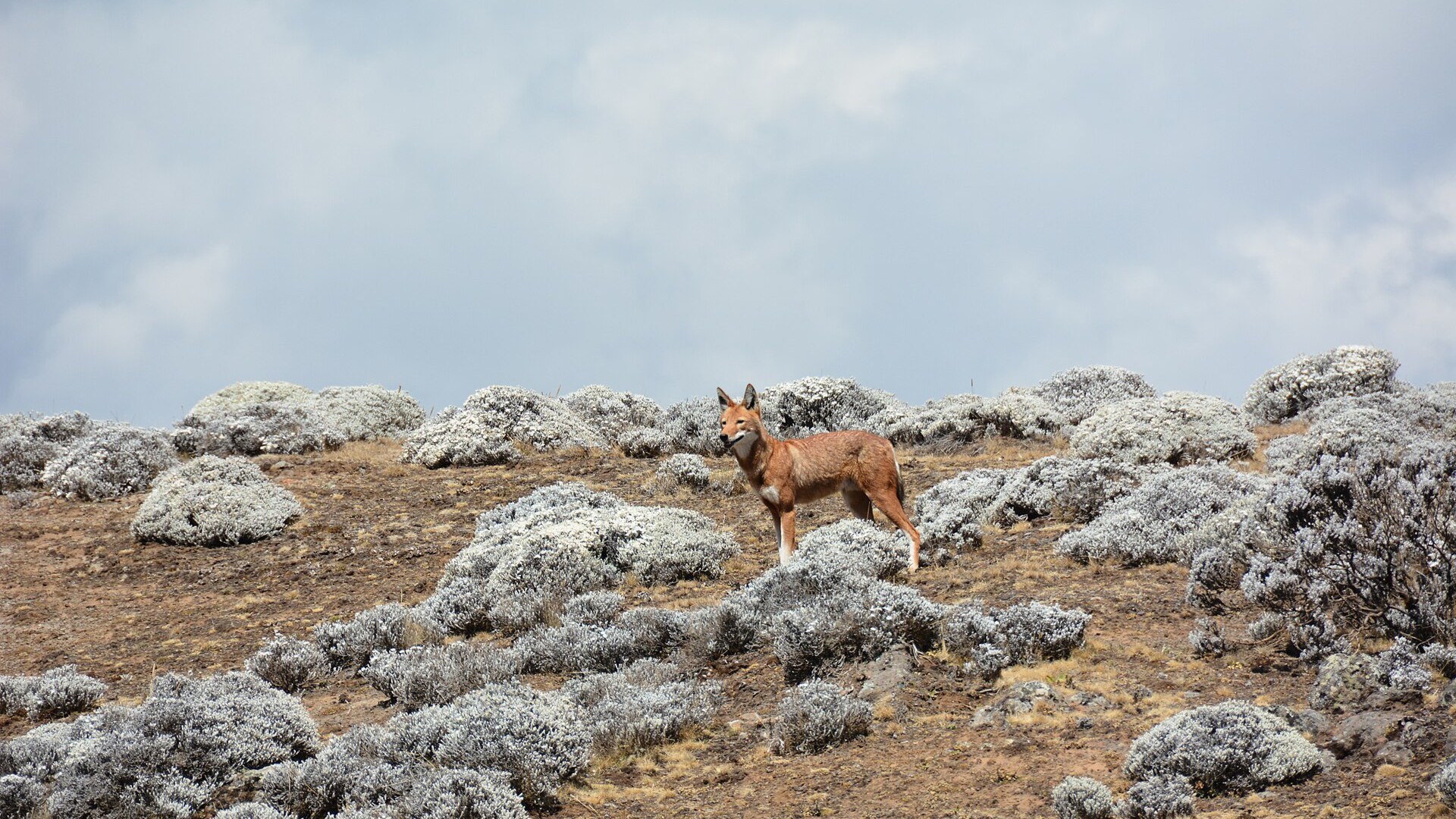
©Wikimedia / Laika ac
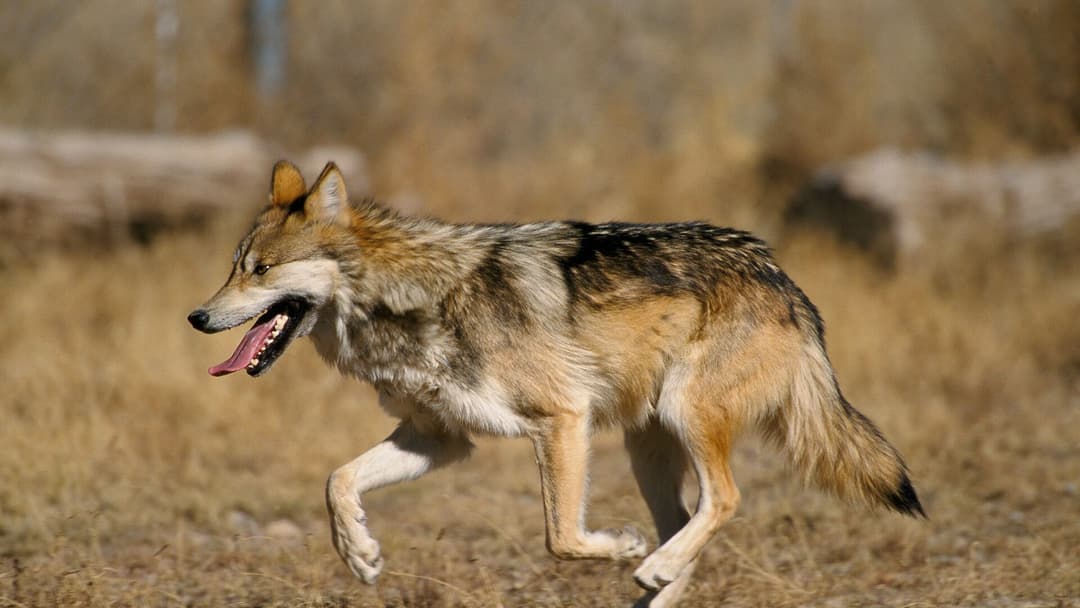
3. Mexican Wolf
Known as El Lobo, this desert and pine-oak specialist was wiped out in the wild by 1980. Intensive cross-border reintroduction efforts expanded the wild population to roughly 257 wolves across Arizona and New Mexico by 2024. Recovery teams monitor packs across the Apache and Gila National Forests.
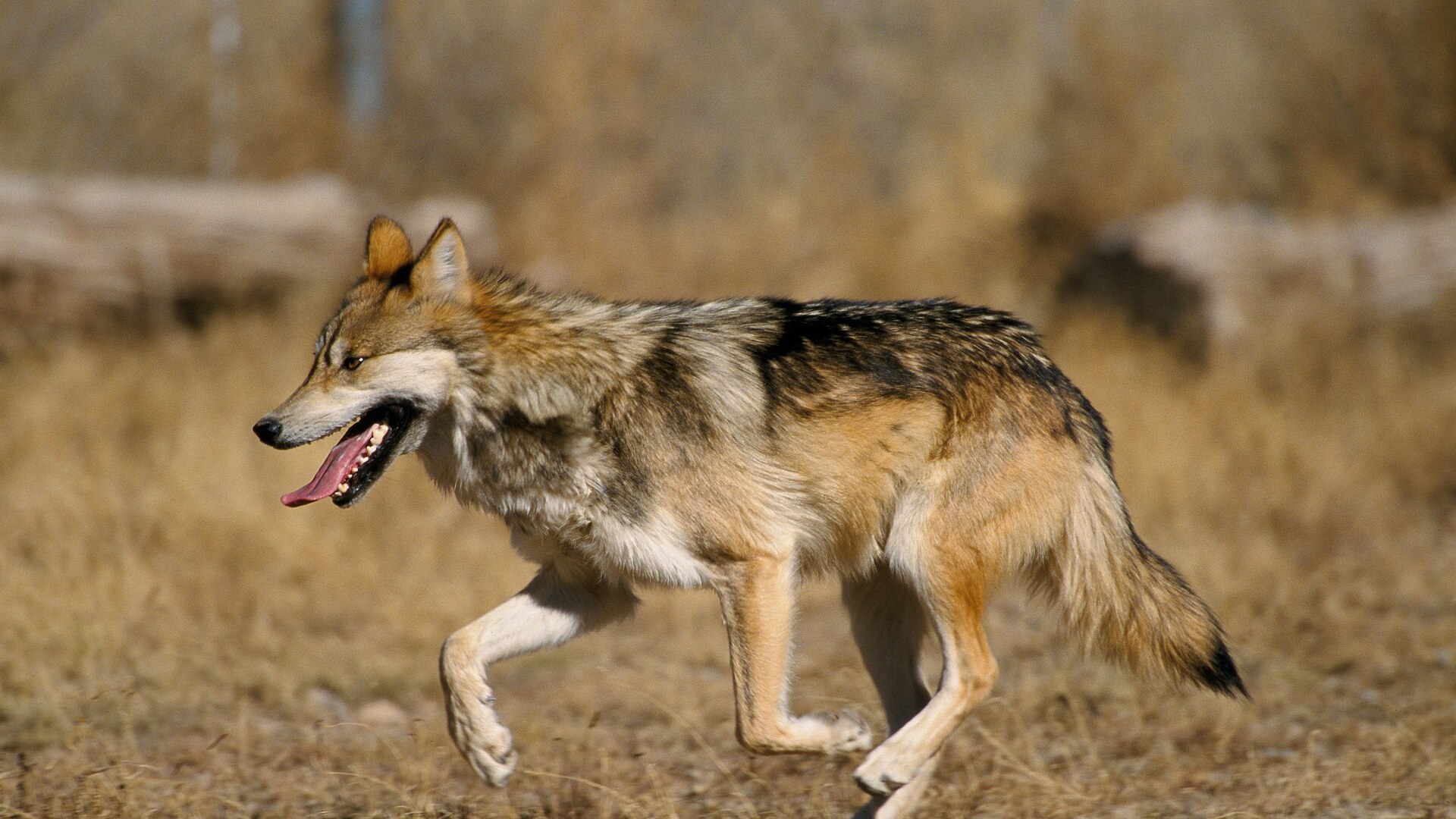
©Wikimedia / Jim Clark
Advertisement
Swipe or tap ▶ to resume the countdown.
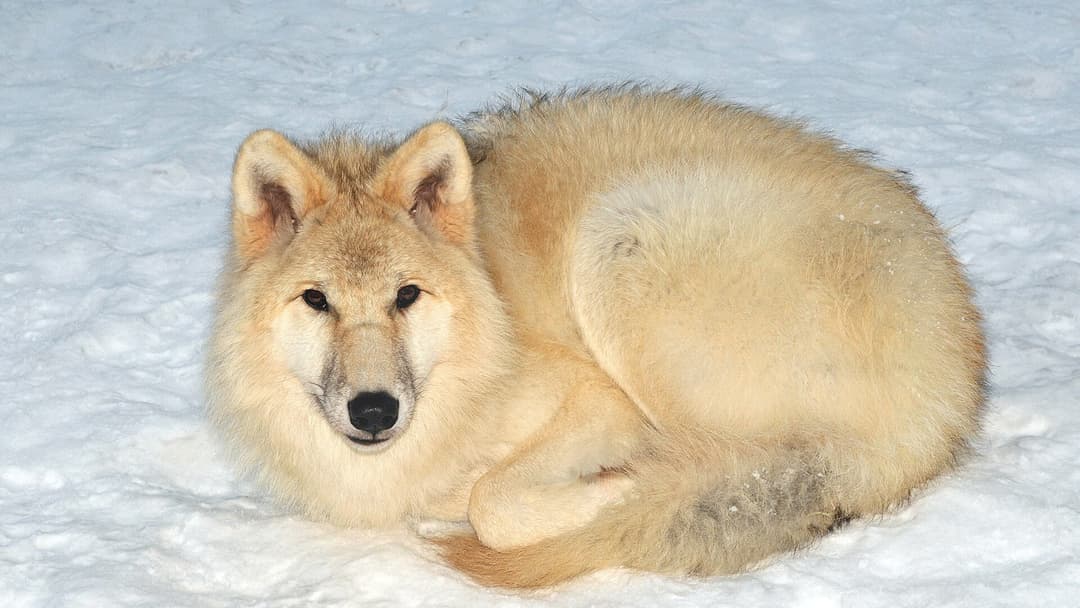
2. Greenland Wolf
Fewer than 200 Greenland wolves live in the high-Arctic wastes of North and Northeast Greenland National Park. This pale subspecies survives in brutal sub-zero polar winters by hunting muskoxen and Arctic hares across snowbound gravel plains. Pack densities stay exceptionally low due to scarce prey resources.
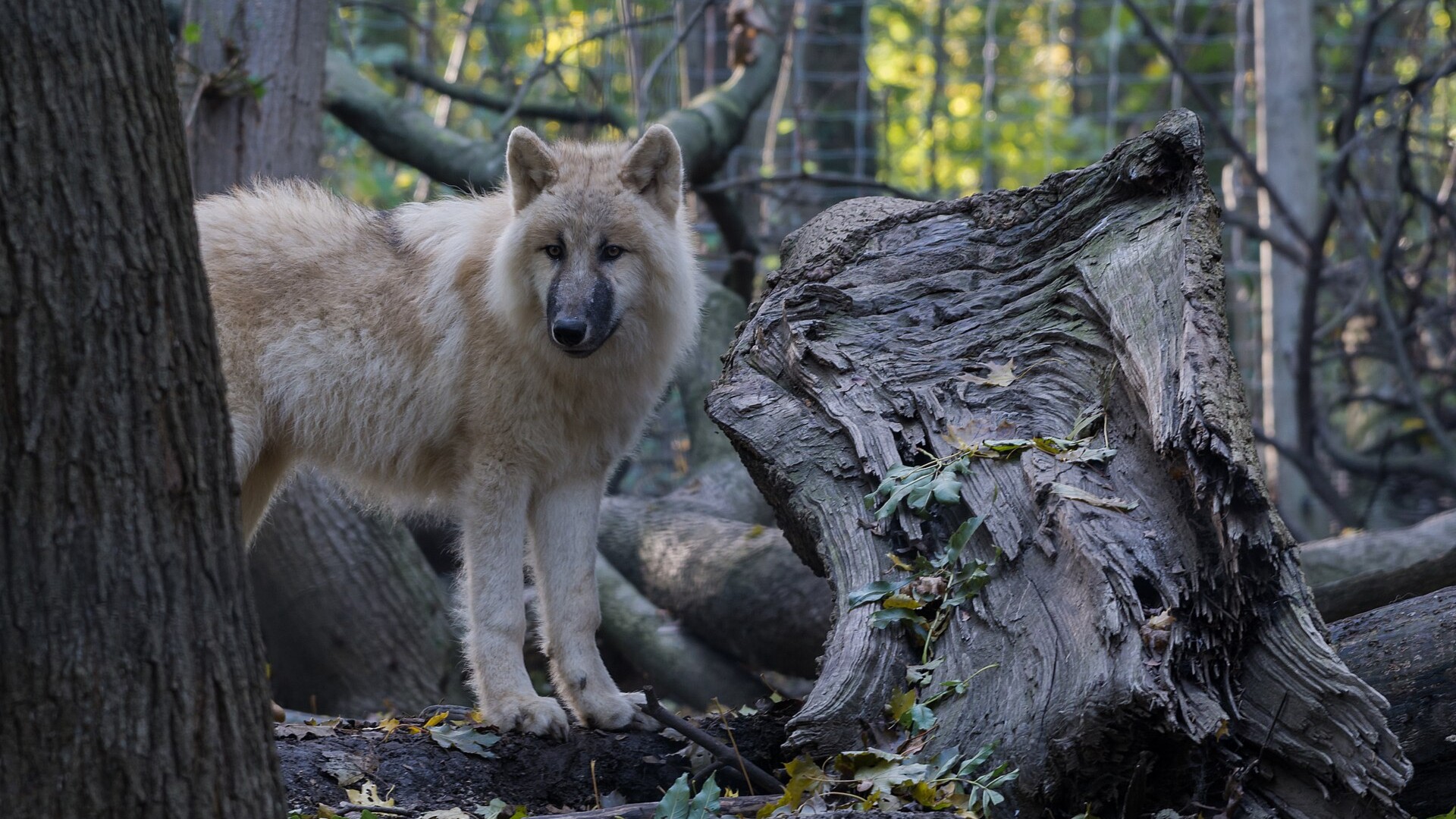
©Wikimedia / Isiwal
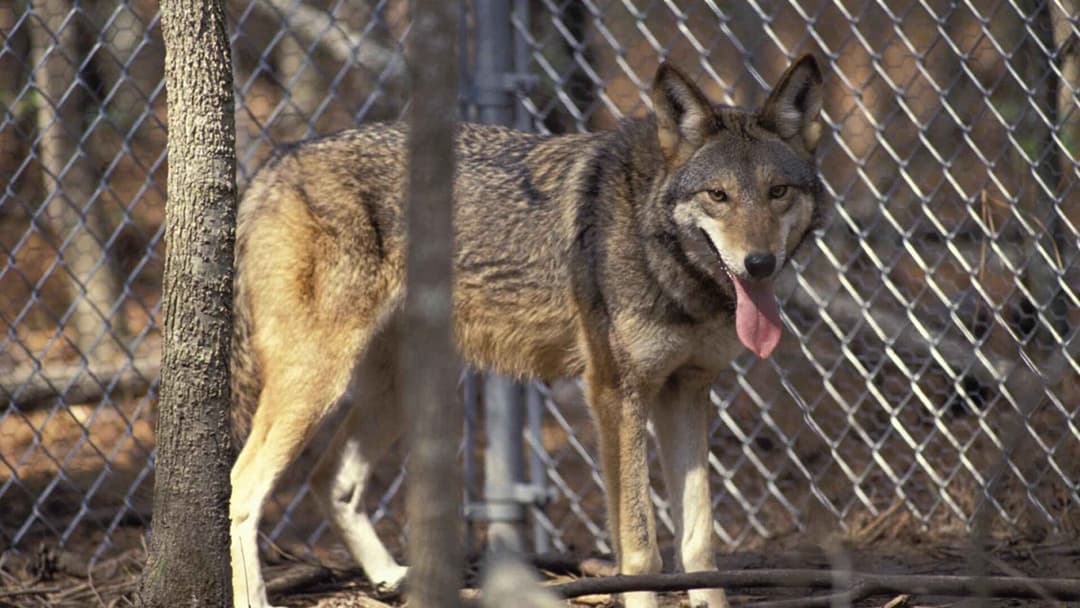
1. Red Wolf
The red wolf remains the most endangered canid in North America, with roughly 20 to 25 wild individuals roaming the Alligator River National Wildlife Refuge. Captive breeding facilities hold another 270 wolves. US Fish and Wildlife Service biologists reintroduced red wolves here in 1987 to preserve the lineage.
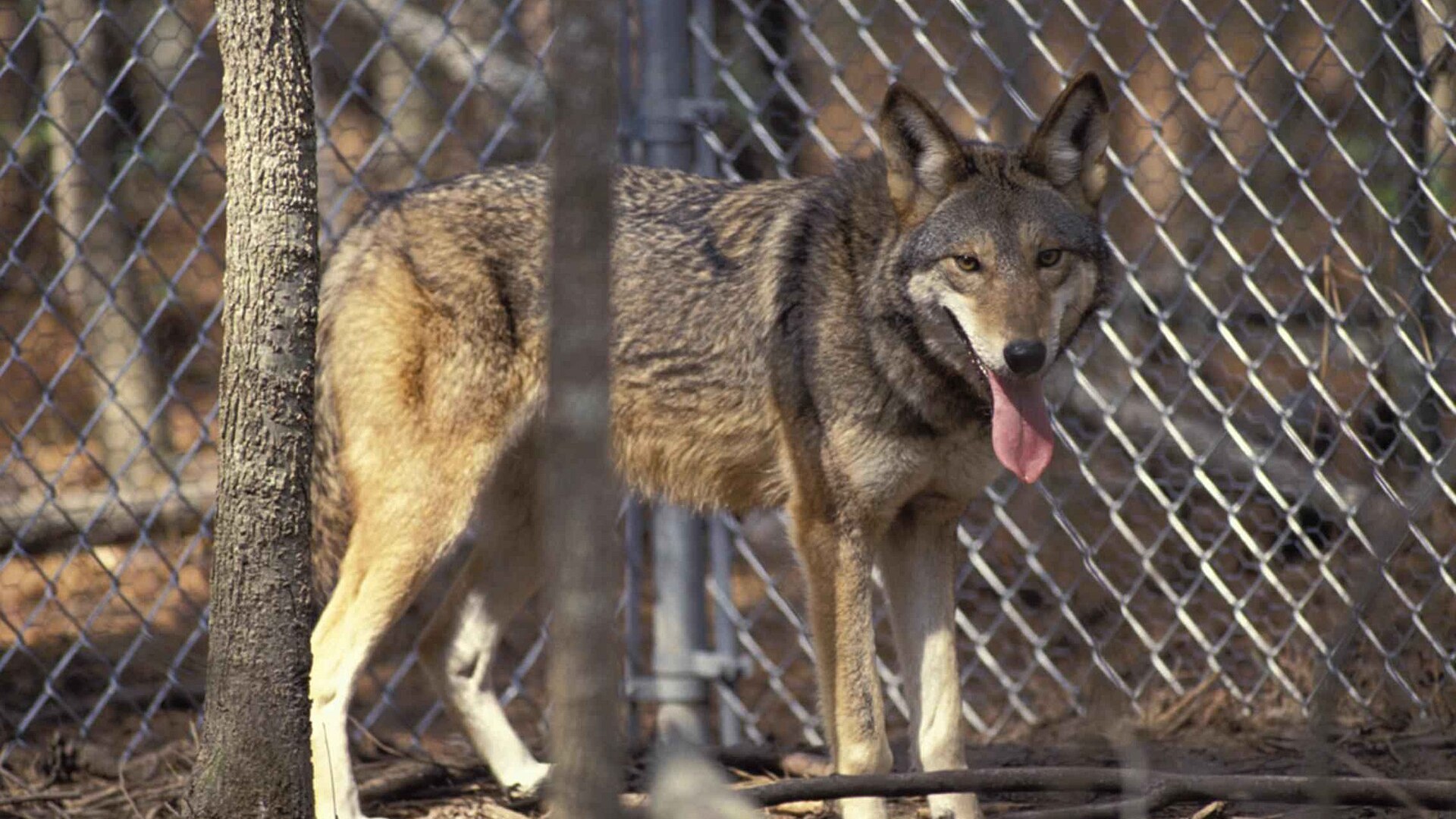
©Wikimedia / Hollingsworth John and Karen, U.S. Fish and Wild
Advertisement
You've reached the end of the story. Thanks for reading!

21 Animals That Once Lived in the U.S. and Have Since Disappeared
North American forests, plains, and coasts once held billions of wild animals that shaped the land for centuries. Market hunting, trapping, and habitat loss erased these 21 unique species between the nineteenth and twenty-first centuries. Here is the true chronological record of America vanished wildlife heritage.
All 21 Entries in this Story
21. Northwestern Wolf
Roaming the Yukon, Northwest Territories, and interior Alaska, the Northwestern wolf ranks among the largest wild canids, with males reaching 60 kilograms. Packs hunt moose, caribou, and bison across immense subarctic river basins and protected wilderness corridors like Denali National Park.

20. Great Plains Wolf
Over 4000 Great Plains wolves occupy the mixed pine and hardwood forests of northern Minnesota, Wisconsin, and Michigan's Upper Peninsula. Isle Royale National Park in Lake Superior features an isolated island pack studied by researchers since 1958 for predator-prey dynamics with moose.

19. Mongolian Wolf
Ranging from the Altai Mountains to the edge of the Gobi Desert, Mongolian wolves inhabit treeless steppes and rocky foothills. Packs hunt argali sheep, ibex, and Mongolian gazelles over immense home ranges. Traditional hunting pressure and retaliatory kills by nomads keep regional densities low.

18. Steppe Wolf
Found across the arid grasslands and semi-desert scrub of southern Russia and western Kazakhstan, the steppe wolf has shorter, coarser fur than timber wolves. Packs follow migrating saiga antelope herds across dry clay depressions and waterless sand plains near the Caspian Sea.

17. Carpathian Wolf
The Carpathian mountain arc in Romania, Slovakia, and Poland protects roughly 4000 wolves, representing one of Europe's largest continuous populations. These packs thrive in rugged mountain gorges, hunting red deer and wild boar alongside brown bears and Eurasian lynx.

16. Dinaric Wolf
The limestone karst ridges and dense beech woods of Croatia, Slovenia, and Bosnia host roughly 4000 Dinaric-Balkan wolves. Packs in Risnjak National Park cross international borders into the Slovenian Alps. Highway development and illegal poaching remain constant conservation challenges.

15. Tibetan Wolf
Inhabiting the windswept grasslands of Qinghai province and the northern Tibetan plateau, these thick-furred wolves hunt marmots, plateau pikas, and Tibetan gazelles. Pastoralist fences built across the steppe now hinder traditional pack hunting movements and increase retaliatory trapping.

14. Arctic Wolf
Arctic wolves roam the frozen tundra of northern Canada and Greenland, enduring five months of total winter darkness. Unbroken pack territories can span 2500 square kilometres. Because human hunters rarely visit these remote frozen islands, the wolves show little natural fear of scientists.

13. Vancouver Island Wolf
Inhabiting the old-growth temperate rainforests of Vancouver Island in British Columbia, this coastal grey wolf subspecies numbers roughly 200 to 350 animals. Packs swim between rocky islands to hunt harbour seals, river otters, and black-tailed deer along the rugged shoreline.

12. Italian Wolf
After plunging to roughly 100 individuals in the early 1970s, Italian wolves staged an historic recovery under strict national protection. Today over 3300 wolves occupy the Apennine Mountains and the Western Alps. They hunt wild ungulates in dense chestnut and beech forests across national park reserves.

11. Iberian Wolf
Spain and Portugal hold an estimated 2000 to 2500 Iberian wolves, with strongholds in the Sierra de la Culebra and Cantabrian Mountains. Recognised by dark stripes along their forelegs, these packs hunt roe deer and wild boar while facing periodic conflicts with livestock ranchers.

10. Indian Wolf
Roughly 2000 to 3000 Indian wolves inhabit the open plains, grasslands, and thorny scrub tracts of western and central India. They prey on blackbuck and chinkara gazelles across Gujarat and Maharashtra. Human settlements and agricultural conversion have fragmented more than 80 percent of their habitat.

9. Himalayan Wolf
Living at elevations between 3000 and 5500 metres across the Tibetan Plateau and Ladakh, this ancient lineage carries genetic adaptations for low oxygen levels. Fewer than 2000 mature wolves remain in the wild. They share territory with snow leopards and hunt blue sheep across barren rocky ridges.

8. Arabian Wolf
Between 1000 and 1500 Arabian wolves remain scattered across Saudi Arabia, Oman, Yemen, and the Negev Desert in Israel. Standing just 65 centimetres tall, these light-coloured desert canids have large ears that disperse body heat. Persecution by goat herders has driven packs into remote rocky wadis.

7. Alexander Archipelago Wolf
Between 800 and 1000 of these small, dark wolves live throughout the islands of the Tongass National Forest in Southeast Alaska. Prince of Wales Island hosts an isolated population that feeds heavily on Sitka black-tailed deer and spawning Pacific salmon in coastal river estuaries.

6. Scandinavian Wolf
Around 450 wolves inhabit the boreal forests of central Sweden and southeastern Norway. Every living wolf in this region descends from just five founding animals that migrated from Finland during the 1980s and 1990s. Inbreeding depression poses severe ongoing risks to pup survival rates.

5. Eastern Wolf
Roughly 500 mature eastern wolves survive in central Ontario, with the core population protected inside Algonquin Provincial Park. Genetic isolation and historical hybridization with coyotes threaten the species. The Committee on the Status of Endangered Wildlife in Canada listed this wolf as threatened.

4. Ethiopian Wolf
Africa's only wolf species numbers fewer than 500 adults across isolated afroalpine grasslands above 3000 metres. The Bale Mountains National Park hosts more than half the global total. These slender canids hunt giant mole-rats and face lethal rabies outbreaks spread by domestic shepherd dogs.

3. Mexican Wolf
Known as El Lobo, this desert and pine-oak specialist was wiped out in the wild by 1980. Intensive cross-border reintroduction efforts expanded the wild population to roughly 257 wolves across Arizona and New Mexico by 2024. Recovery teams monitor packs across the Apache and Gila National Forests.

2. Greenland Wolf
Fewer than 200 Greenland wolves live in the high-Arctic wastes of North and Northeast Greenland National Park. This pale subspecies survives in brutal sub-zero polar winters by hunting muskoxen and Arctic hares across snowbound gravel plains. Pack densities stay exceptionally low due to scarce prey resources.

1. Red Wolf
The red wolf remains the most endangered canid in North America, with roughly 20 to 25 wild individuals roaming the Alligator River National Wildlife Refuge. Captive breeding facilities hold another 270 wolves. US Fish and Wildlife Service biologists reintroduced red wolves here in 1987 to preserve the lineage.