Slideshow · Lifestyle
21 Flowers Believed to Symbolize Spiritual Protection
For centuries, cultures around the world have associated specific flowers with guardian angels, heavenly guidance, and spiritual defense. Based on botanical folklore archives, historical records from the Royal Botanic Gardens, Kew, and traditional European herbals documenting celestial plant symbolism.
By Most Viral Today
22 min ago

Botanical Symbols Believed to Invite Heavenly Guardians 
21. Lily Of The Valley (Convallaria Majalis) 
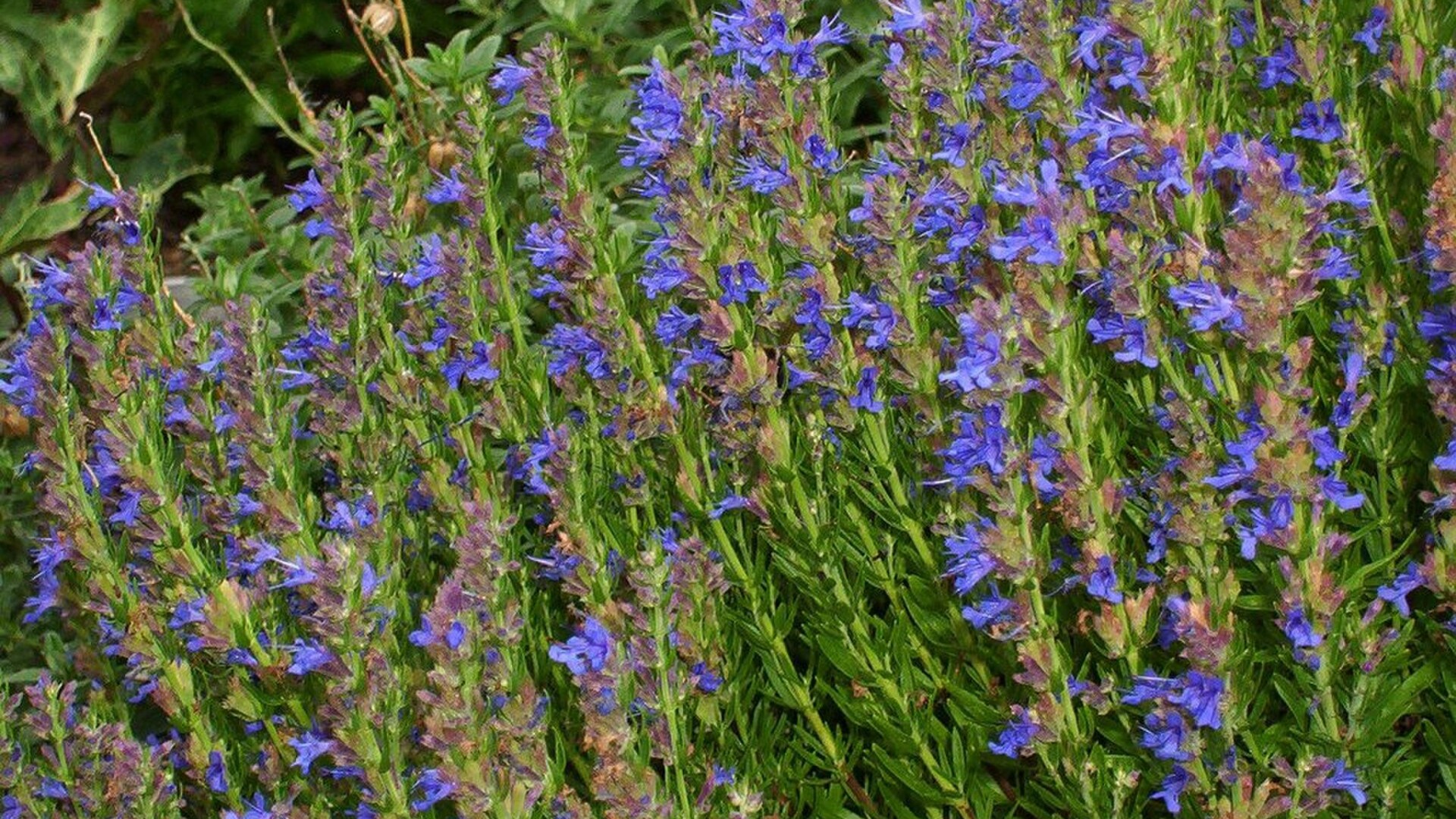
20. Hyssop (Hyssopus Officinalis) 
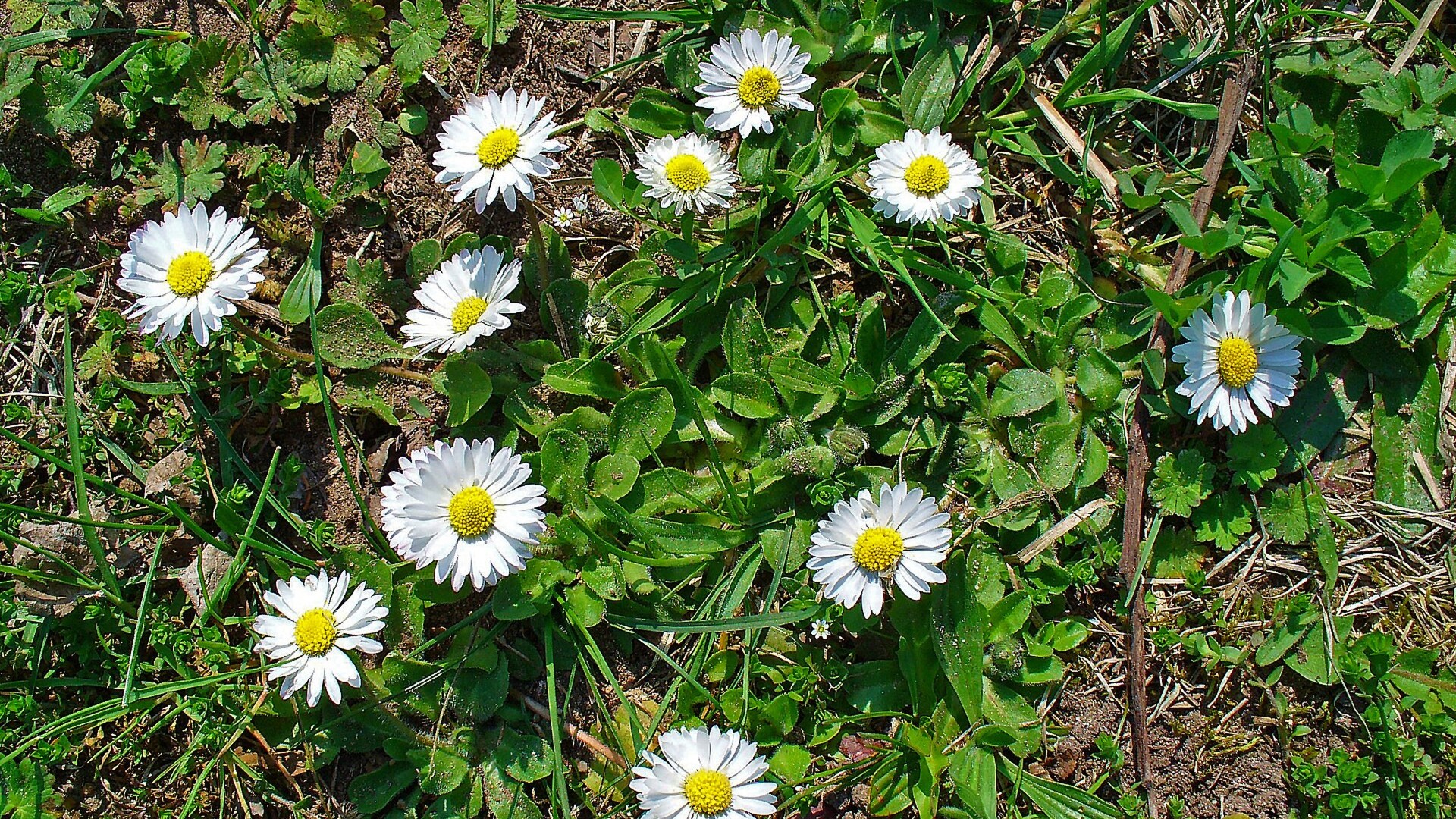
19. Daisy (Bellis Perennis) - AdvertisementSwipe or tap ▶ to continue countdown

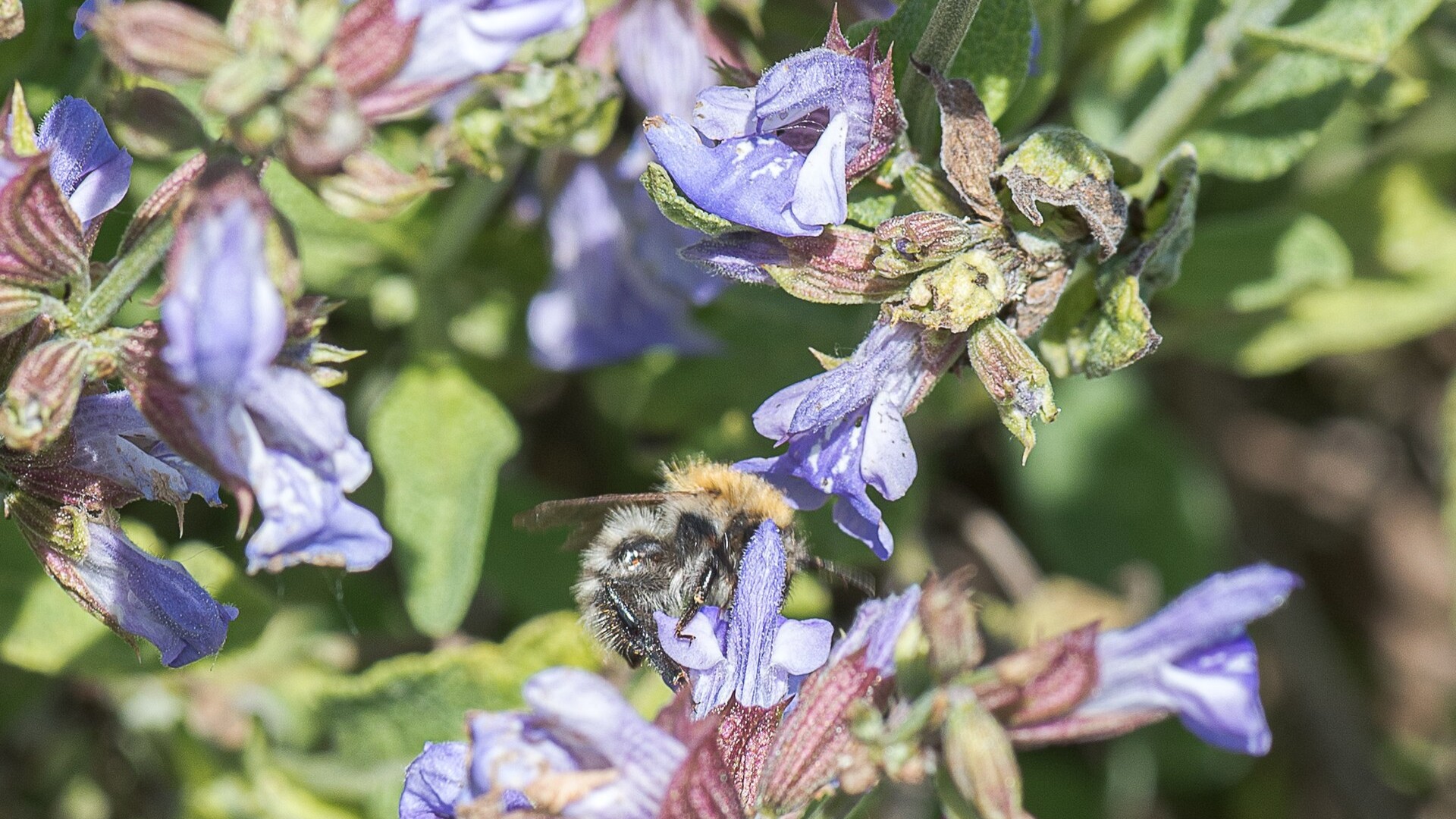
18. Sage (Salvia Officinalis) 
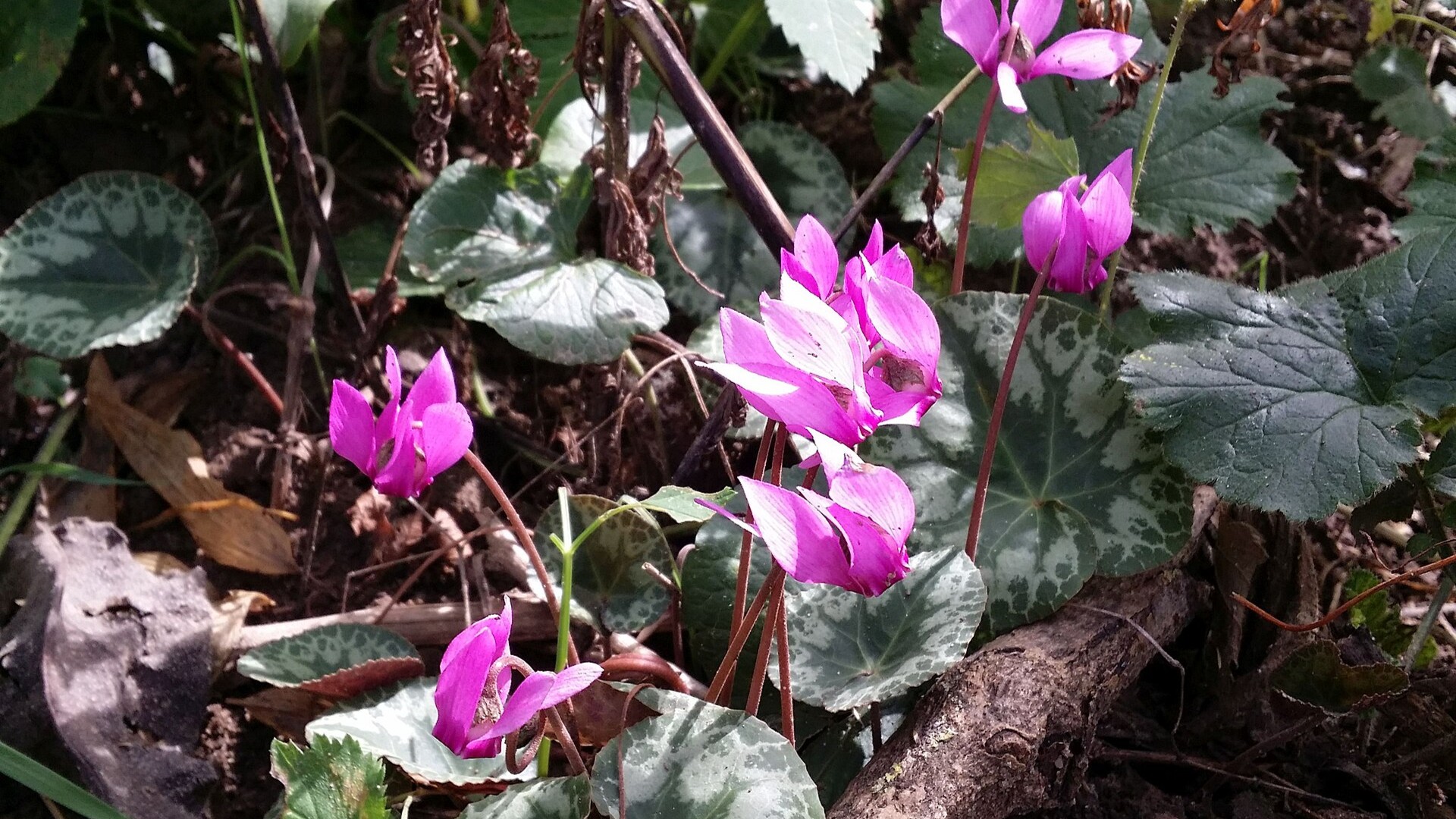
17. Cyclamen (Cyclamen Hederifolium) 
16. Yarrow (Achillea Millefolium) 
15. Jasmine (Jasminum Officinale) - AdvertisementSwipe or tap ▶ to continue countdown

14. Chamomile (Matricaria Chamomilla) 
13. Hawthorn (Crataegus Monogyna) 
12. Vervain (Verbena Officinalis) 
11. Elderflower (Sambucus Nigra) - AdvertisementSwipe or tap ▶ to continue countdown

10. Peony (Paeonia) 
9. Marigold (Calendula Officinalis) 
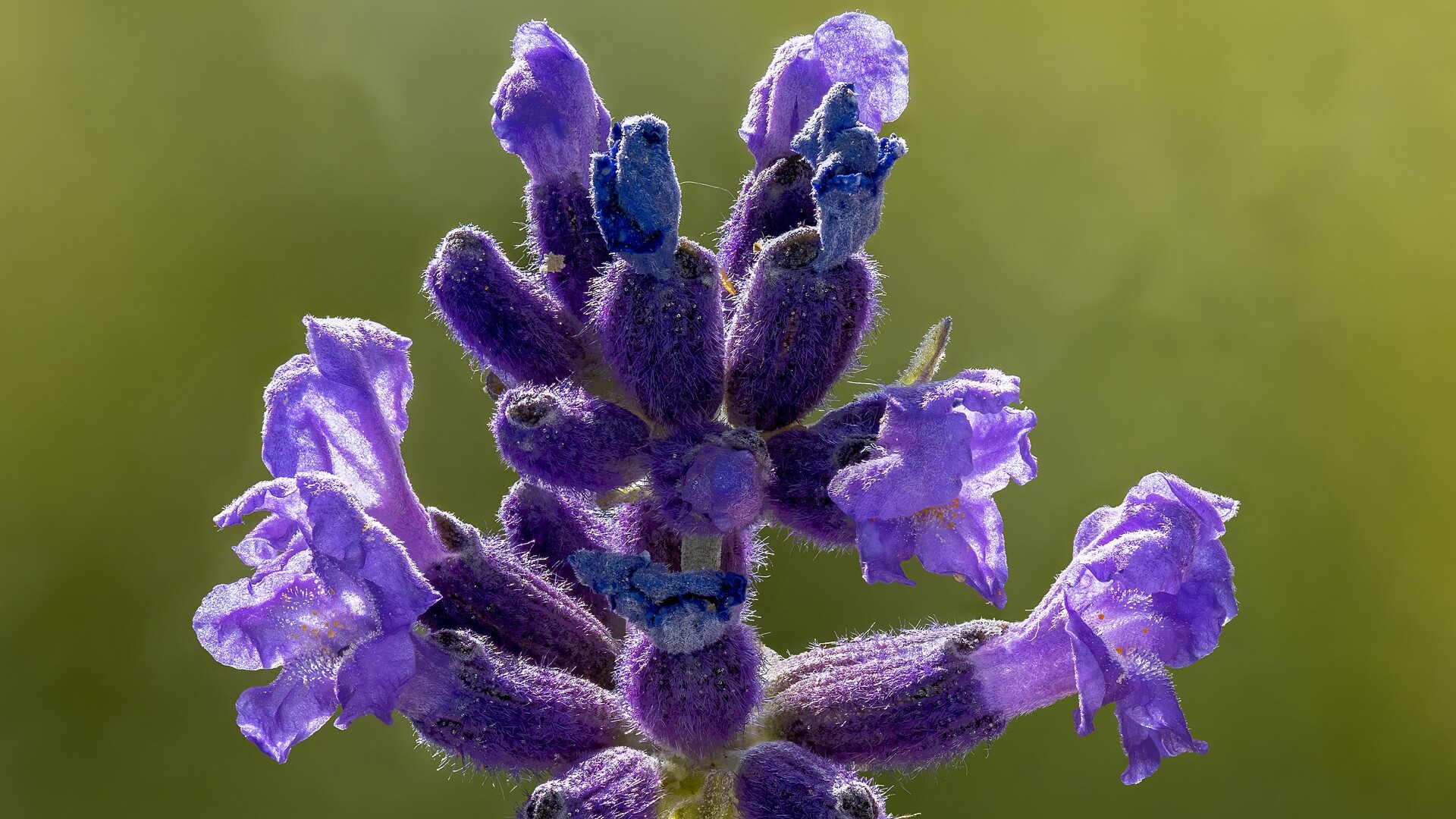
8. Lavender (Lavandula Angustifolia) 
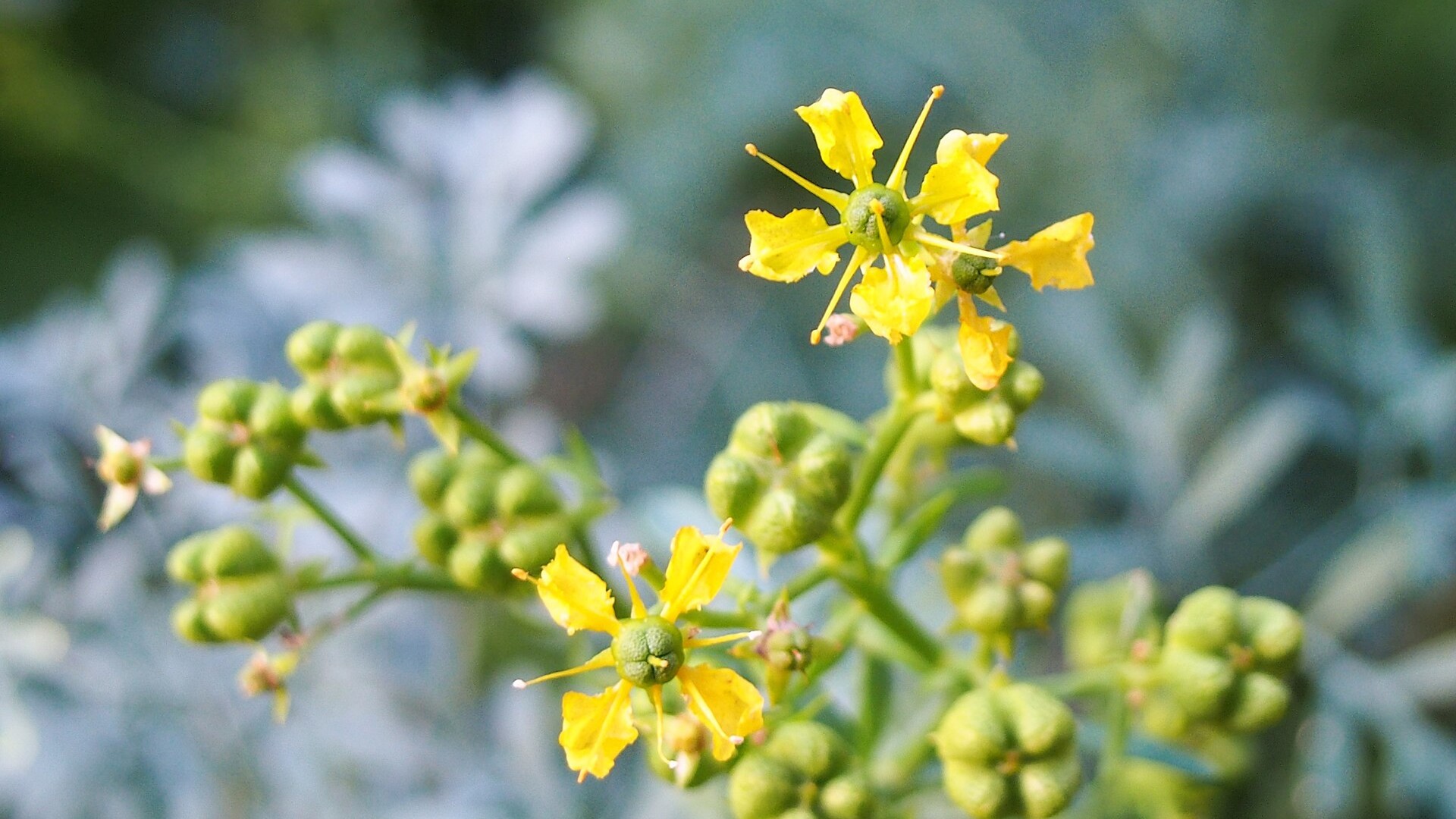
7. Rue (Ruta Graveolens) - AdvertisementSwipe or tap ▶ to continue countdown

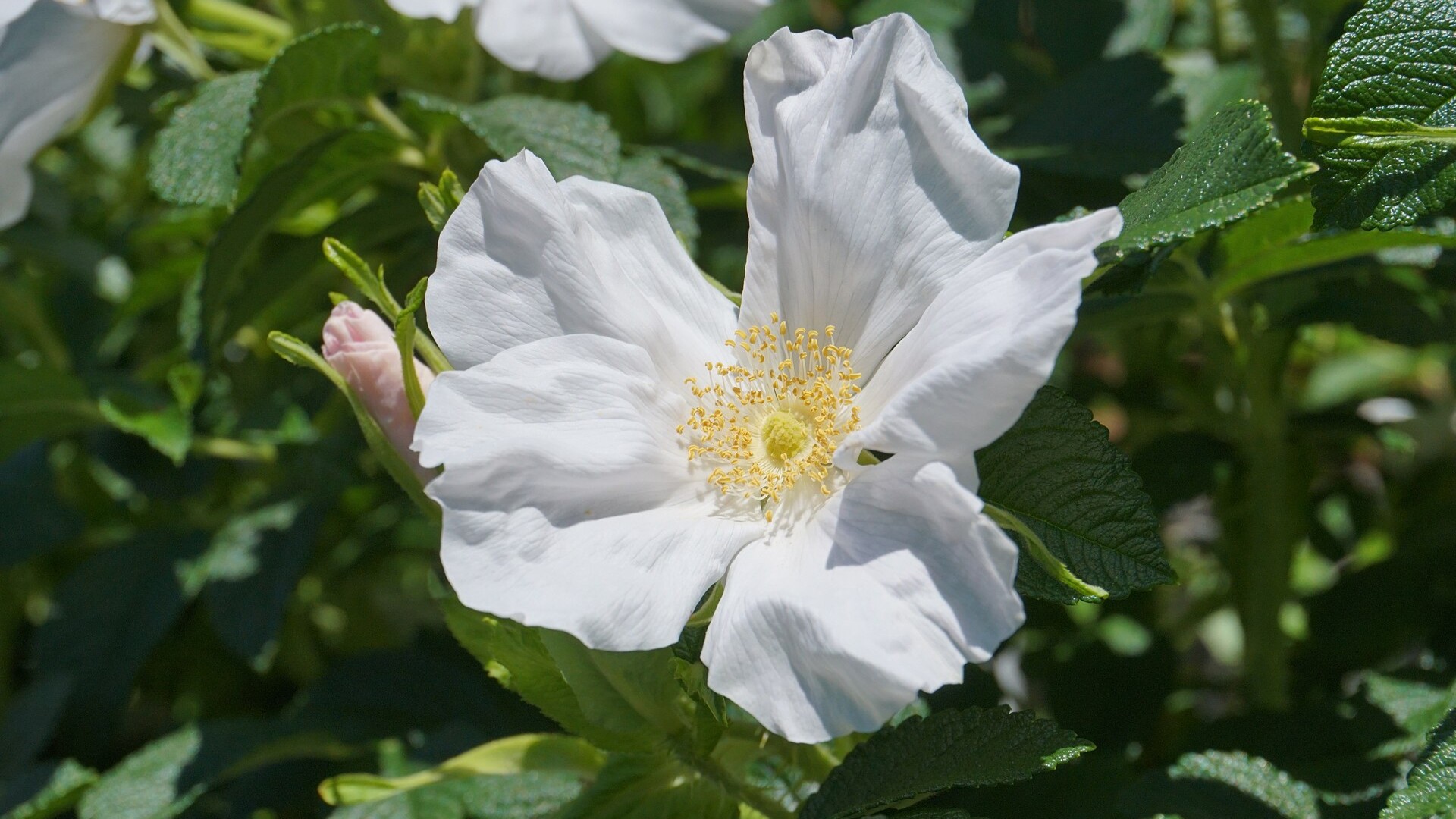
6. White Rose (Rosa Alba) 
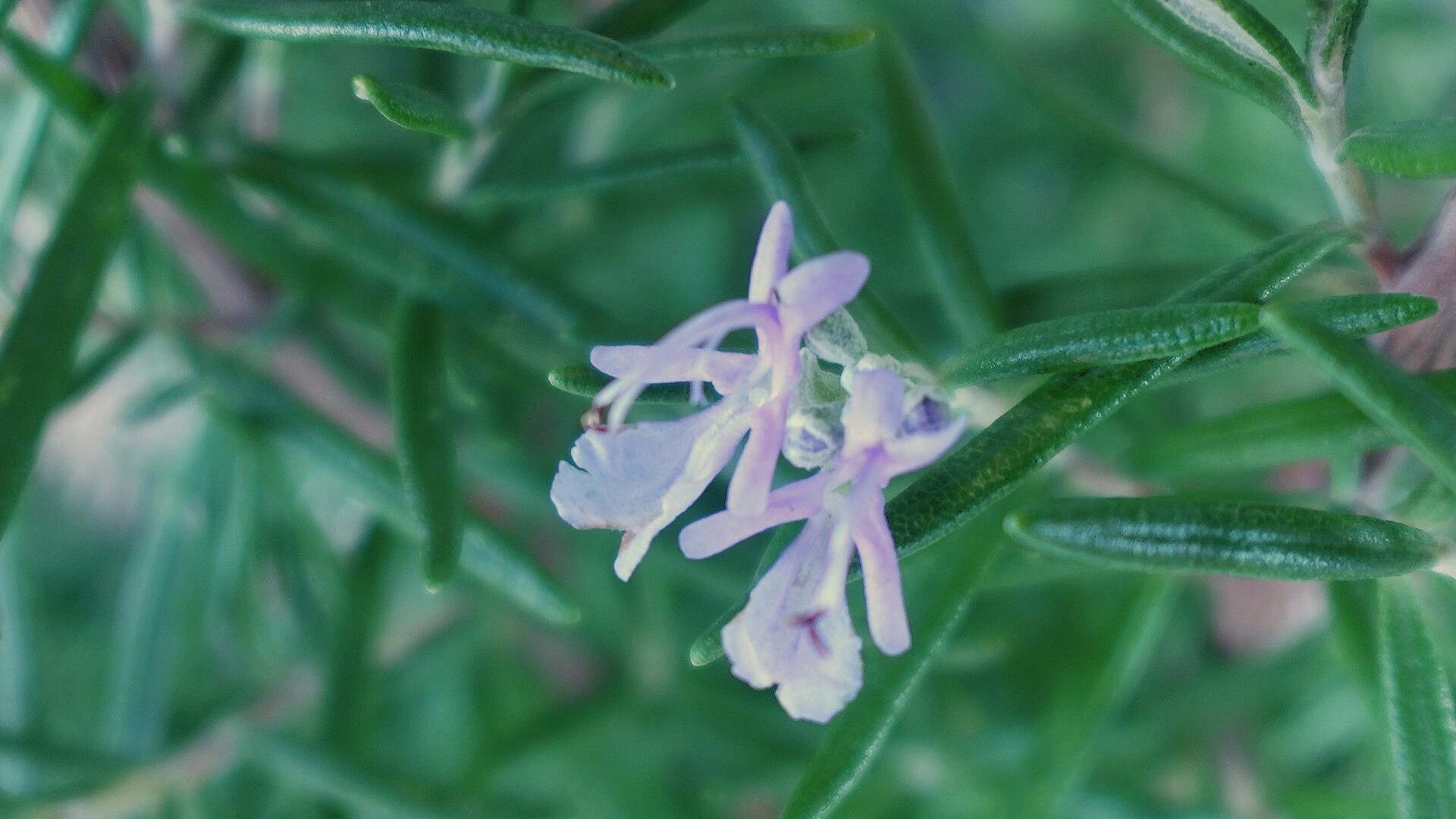
5. Rosemary (Salvia Rosmarinus) 
4. Angel's Trumpet (Brugmansia) 
3. Saint John's Wort (Hypericum Perforatum) - AdvertisementSwipe or tap ▶ to continue countdown

2. Madonna Lily (Lilium Candidum) 
1. Angelica (Angelica Archangelica) - Advertisement🔥 UP NEXT IN THIS SERIES◫ 21 Slides

20 Foods and Exercises That May Help Curb Sugar Cravings
Sudden sugar cravings often stem from rapid blood glucose dips, elevated stress, or fatigue. By pairing nutrient-dense foods rich in healthy fats, protein, and soluble fiber with targeted physical exercises, you can effectively curb appetite, stabilize metabolism, and regain steady daily energy without deprivation.
For centuries, cultures around the world have associated specific flowers with guardian angels, heavenly guidance, and spiritual defense. Based on botanical folklore archives, historical records from the Royal Botanic Gardens, Kew, and traditional European herbals documenting celestial plant symbolism.
Swipe or tap ▶ to begin the countdown
©Pixabay / stux
21. Lily Of The Valley (Convallaria Majalis)
Known in Christian lore as Mary's tears or Our Lady's tears, these nodding white woodland bells symbolize the return of spiritual clarity and peace. Folklore held that the sweet scent lifted depressive sorrow, welcoming gentle angelic presence and renewing hope in hearts burdened by heavy trials.
©USFWS / USFWSmidwest
20. Hyssop (Hyssopus Officinalis)
Frequently cited in the Psalms as a supreme tool of purification, hyssop features upright spires of vivid violet flowers. Priests and villagers sprinkled holy water with hyssop branches to consecrate sacred spaces, trusting its cleansing power to invite divine guardians and banish contamination.
©Wikimedia / peganum from Henfield, England
19. Daisy (Bellis Perennis)
The humble common daisy opens wide at sunrise and folds inward at sunset, earning its traditional moniker of day's eye. Associated with childhood innocence and angelic guardianship, English folklore held that placing daisies near sleeping children invited gentle angels to watch through the night.
©Wikimedia / H. Zell
Advertisement
Swipe or tap ▶ to resume the countdown.
18. Sage (Salvia Officinalis)
With a botanical title derived from the Latin word salvare, meaning to heal or save, sage has long been revered as a universal protector. Medieval proverbs claimed that no household could come to ruin if garden sage flourished, while smoldering dried bundles cleared spaces of lingering heaviness.
©Wikimedia / Flocci Nivis
17. Cyclamen (Cyclamen Hederifolium)
Featuring delicate upturned blossoms that resemble folded angelic wings, cyclamen was widely cultivated in Mediterranean cottage gardens. Folklore regarded the plant as a loyal domestic sentinel, trusting its distinctive heart-shaped leaves and bright petals to protect love and family unity.
©Wikimedia / Cyclamen
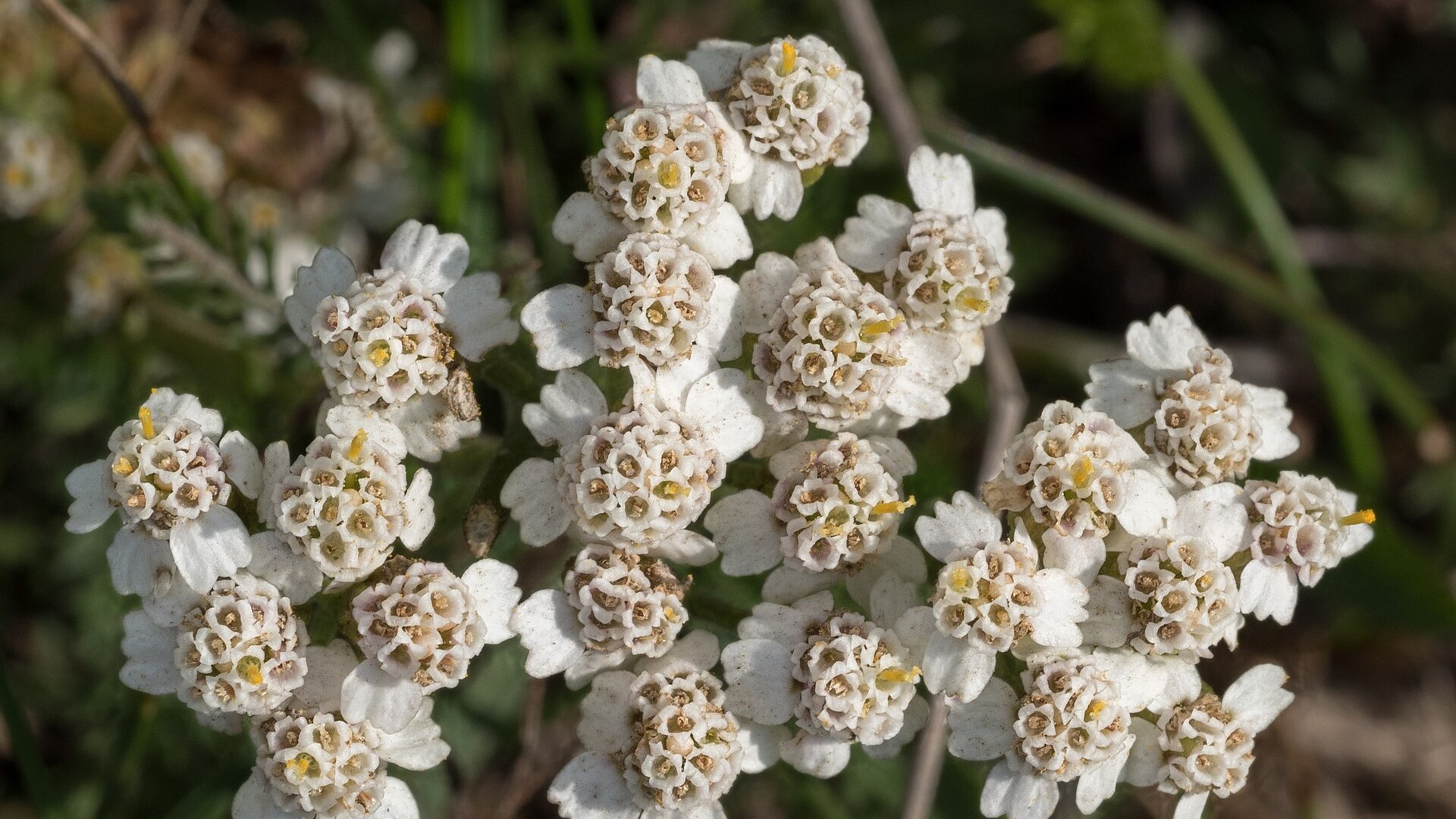
16. Yarrow (Achillea Millefolium)
Named after Greek hero Achilles, who legend says used it to heal wounded soldiers, yarrow has centuries of defensive folklore. Villagers hung dried bunches of its feathery white umbels above nursery cradles and hearthstones, believing it provided an invisible shield against spite and misfortune.
©Wikimedia / Rhododendrites
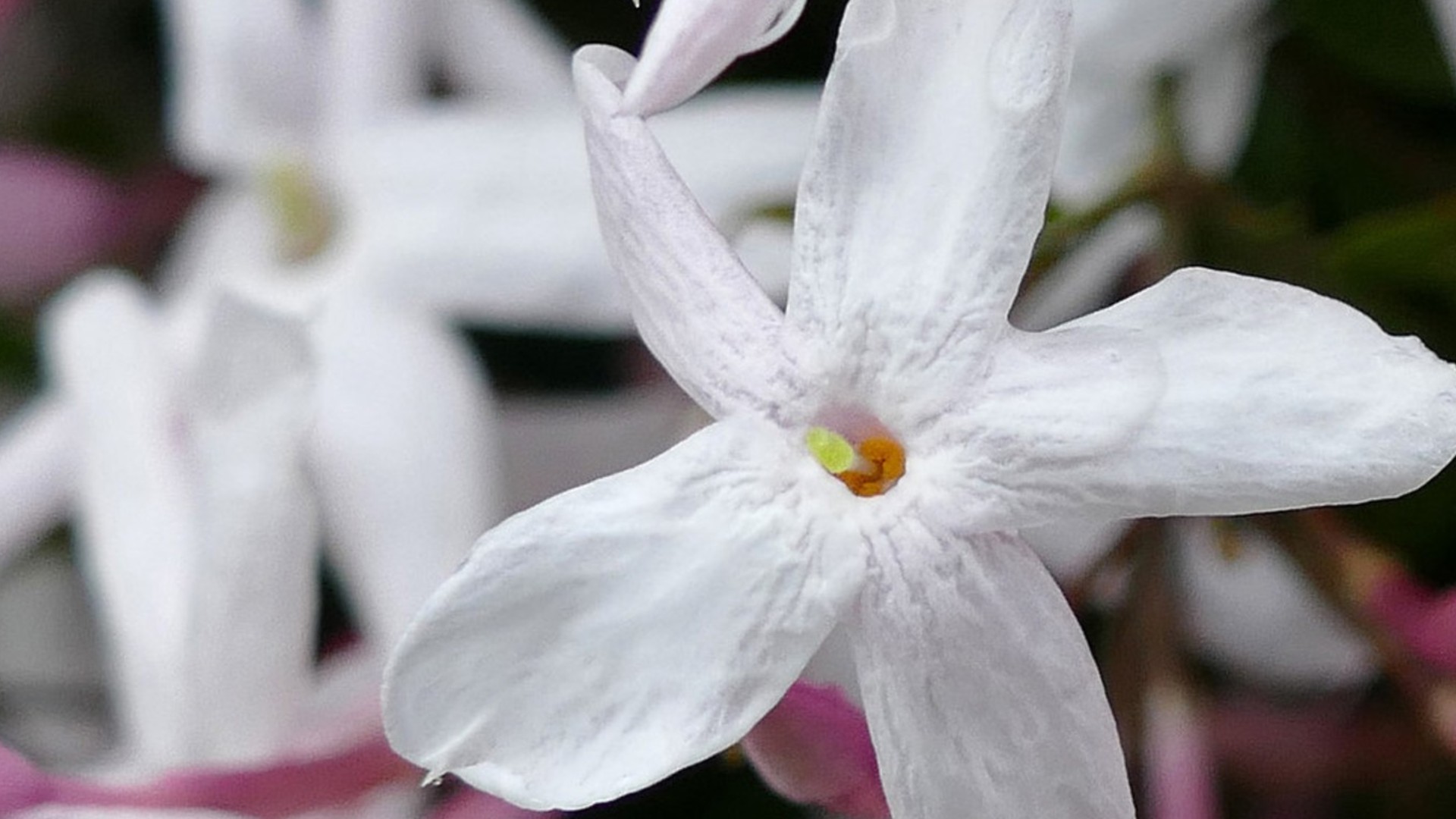
15. Jasmine (Jasminum Officinale)
With five-pointed petals reminiscent of heavenly stars, jasmine is celebrated across eastern and western traditions as a symbol of celestial benevolence. Its sweet perfume, which intensifies after dark, was believed to clear negative energy and create a peaceful aura guarded by unseen angels.
©Openverse / Surely Shirly
Advertisement
Swipe or tap ▶ to resume the countdown.
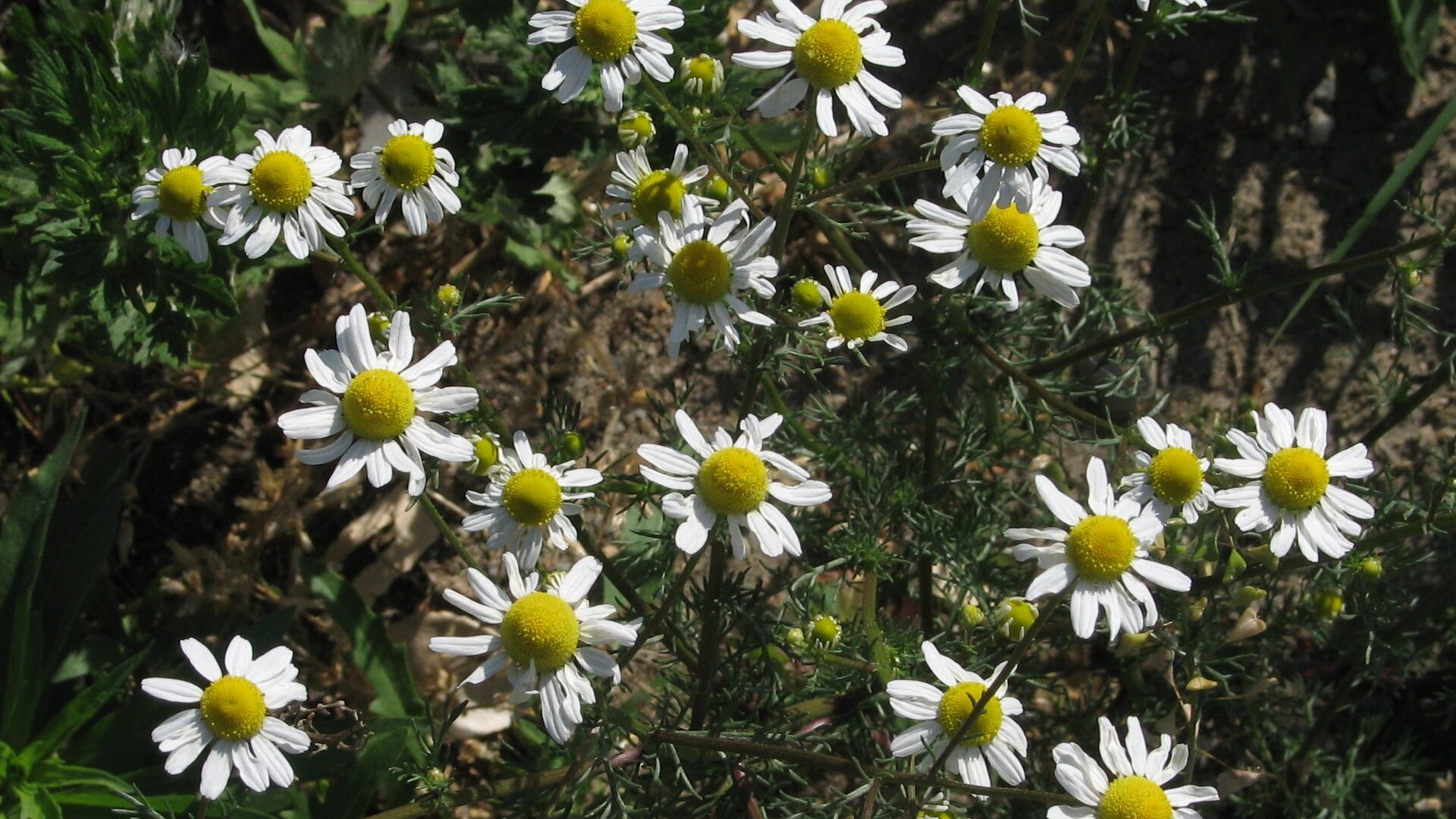
14. Chamomile (Matricaria Chamomilla)
Cherished by ancient herbalists as the plant's physician because it restored ailing neighboring flowers, chamomile embodies quiet spiritual protection. Traditional households brewed its gentle petals into calming infusions to dissolve nervous fears and bring angelic peace to troubled minds.
©Wikimedia / Robert Flogaus-Faust
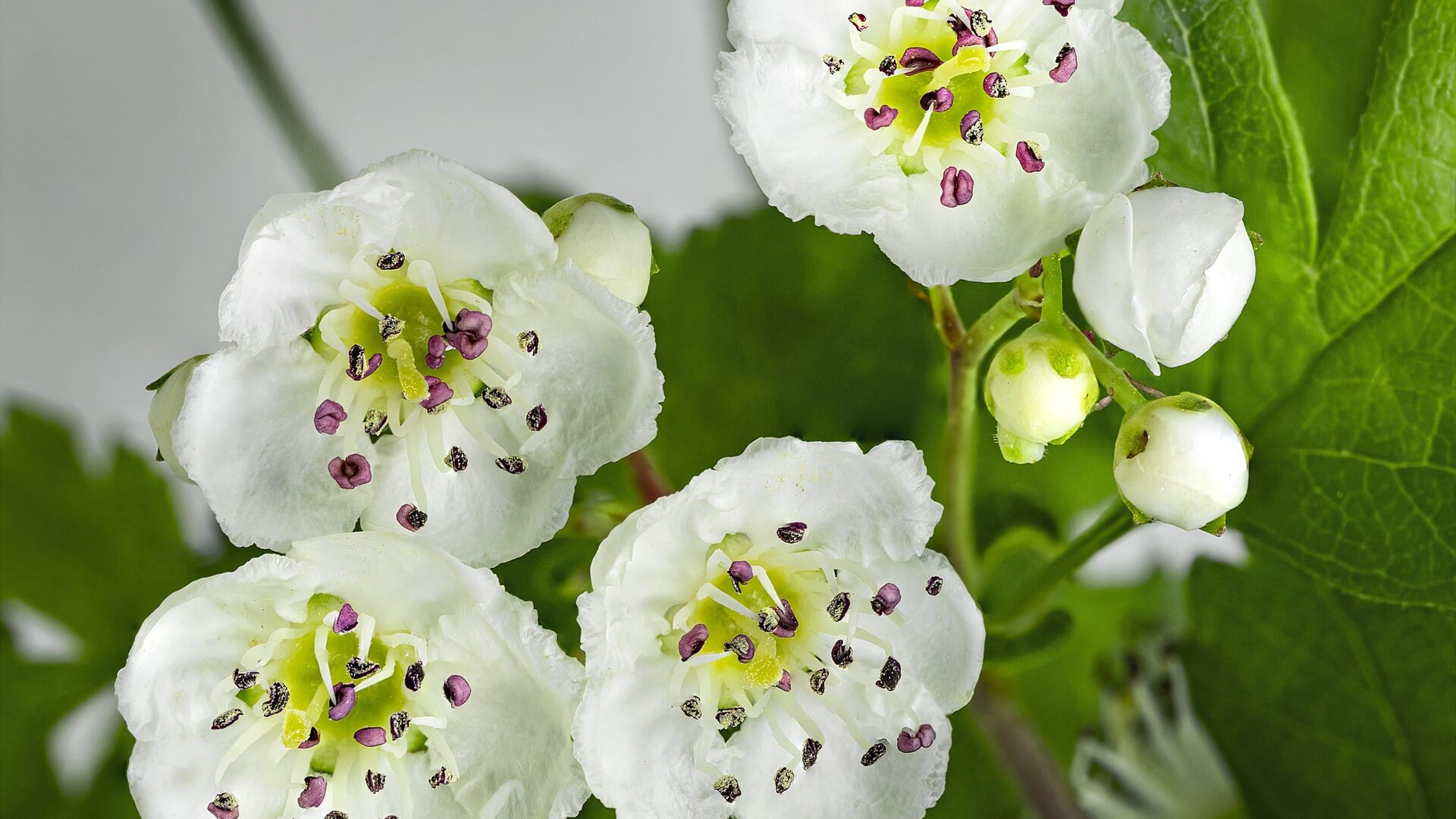
13. Hawthorn (Crataegus Monogyna)
Adorning ancient hedgerows with snowy spring blossoms and protective thorns, hawthorn was revered as a barrier against malevolent wanderers. Folklore associated its boughs with divine warding, believing the tree formed an impenetrable threshold through which destructive spirits could never pass.
©Wikimedia / Didier Descouens
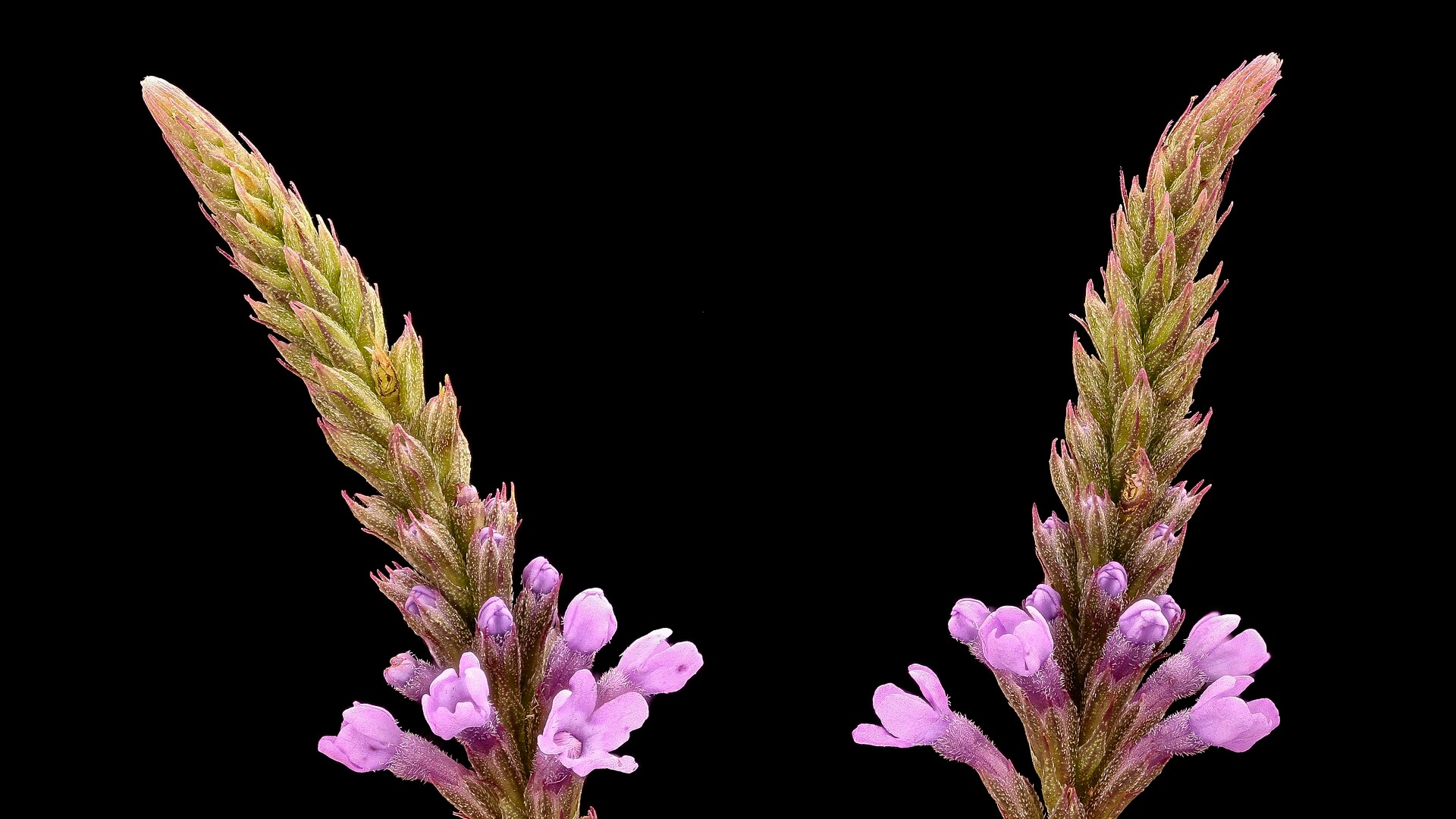
12. Vervain (Verbena Officinalis)
Known across Celtic, Roman, and Christian traditions as a premier defensive botanical, vervain was worn as a personal amulet to ward off deceit. Medieval texts described using fresh sprigs to sprinkle holy water, ensuring celestial protectors watched closely over homes and holy gatherings.
©USGS / USGS Bee Inventory and Monitoring Lab from
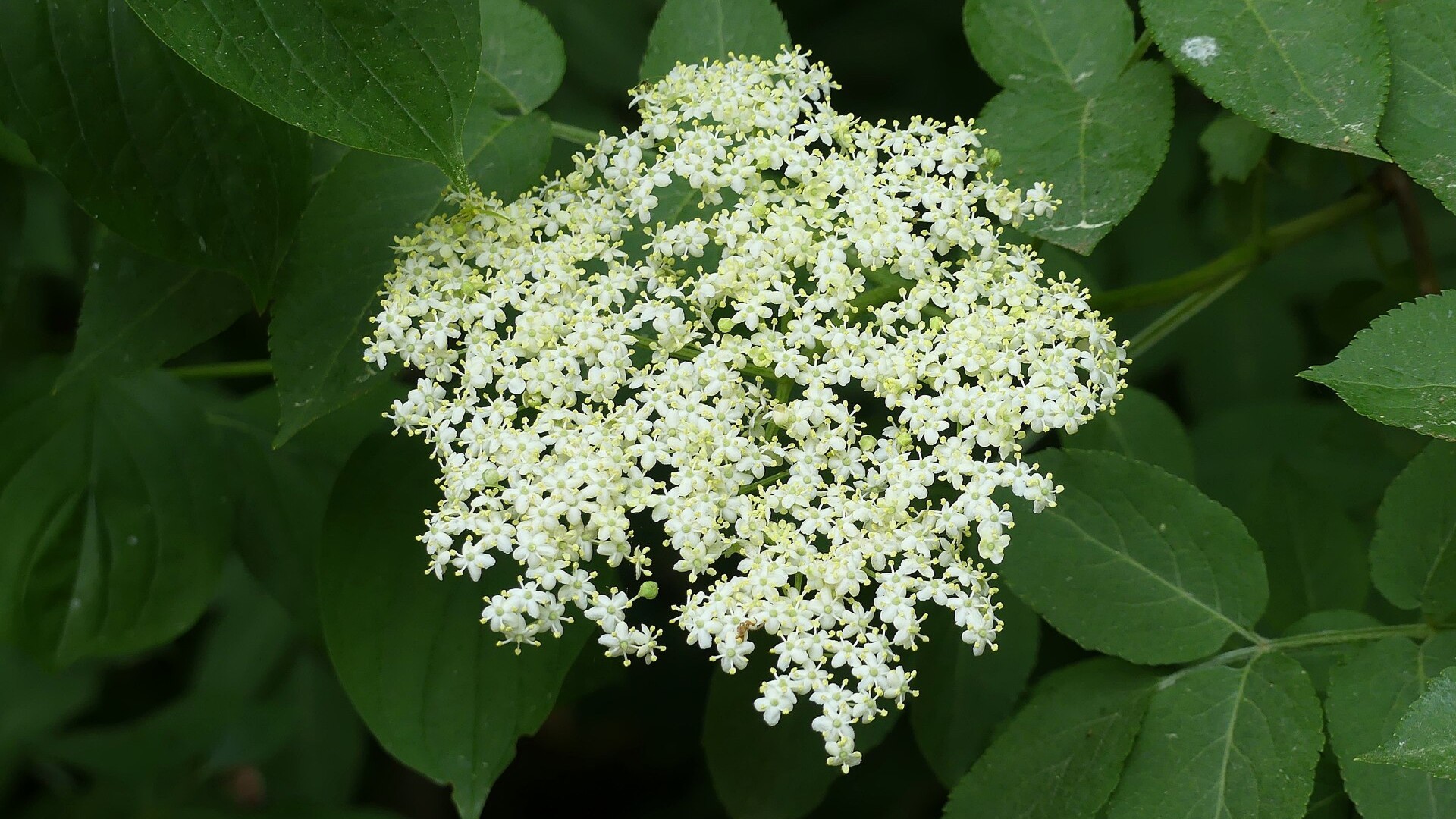
11. Elderflower (Sambucus Nigra)
Centuries of European village lore revered the flowering elder tree as home to benevolent guardian energies. Planting an elder near home dwellings was believed to invite spiritual watchers who guarded roofs from lightning strikes, illnesses, and harmful spirits that wander through the night.
©Wikimedia / Bärbel Miemietz
Advertisement
Swipe or tap ▶ to resume the countdown.
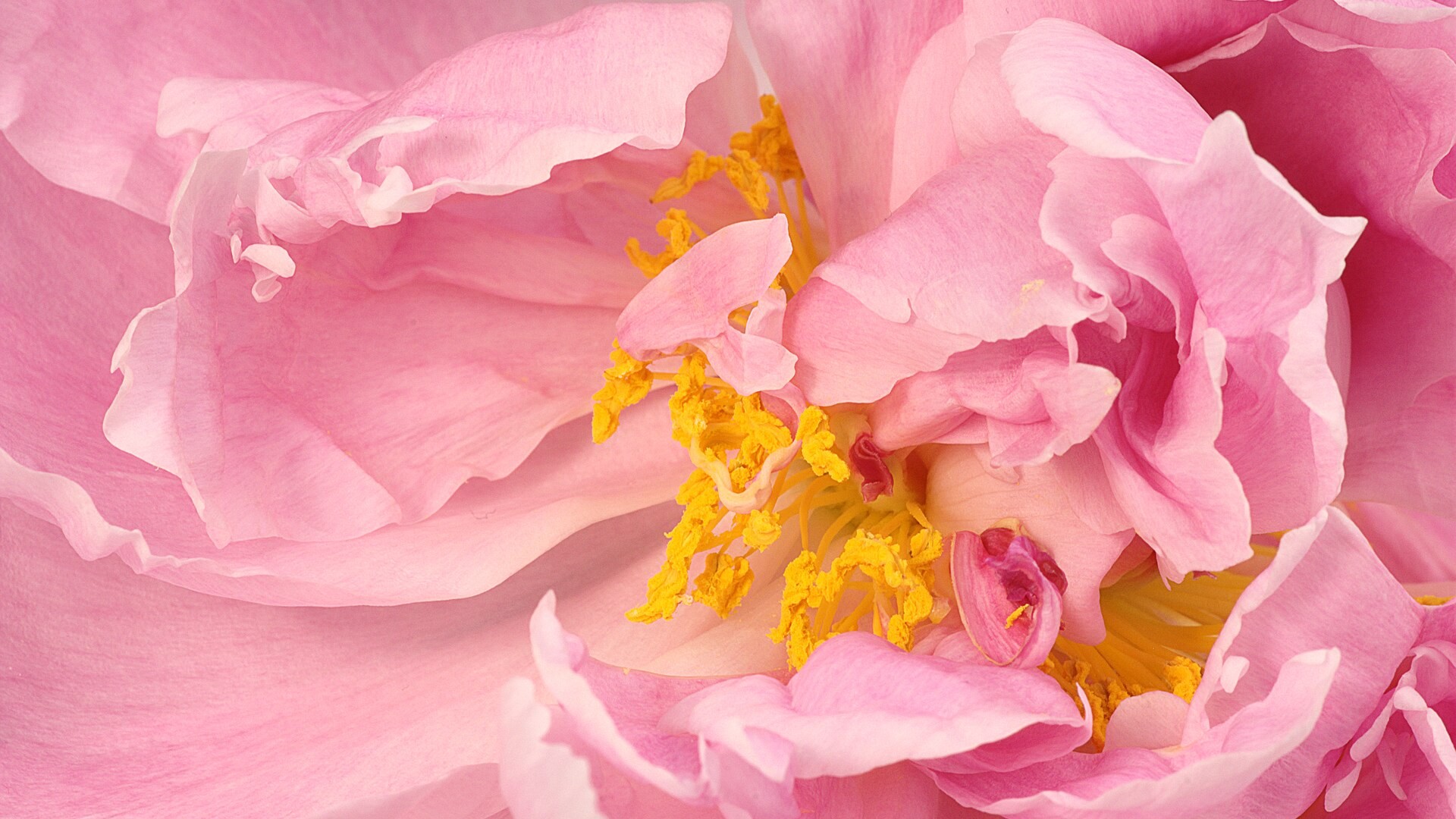
10. Peony (Paeonia)
Named for the mythological physician who tended wounded gods, the lush peony has held protective stature in both European herbals and Eastern traditions. Folk beliefs held that keeping peonies near home entrances repelled bad dreams, shielding sleeping families under gentle, fragrant custody.
©Wikimedia / Simon Koopmann
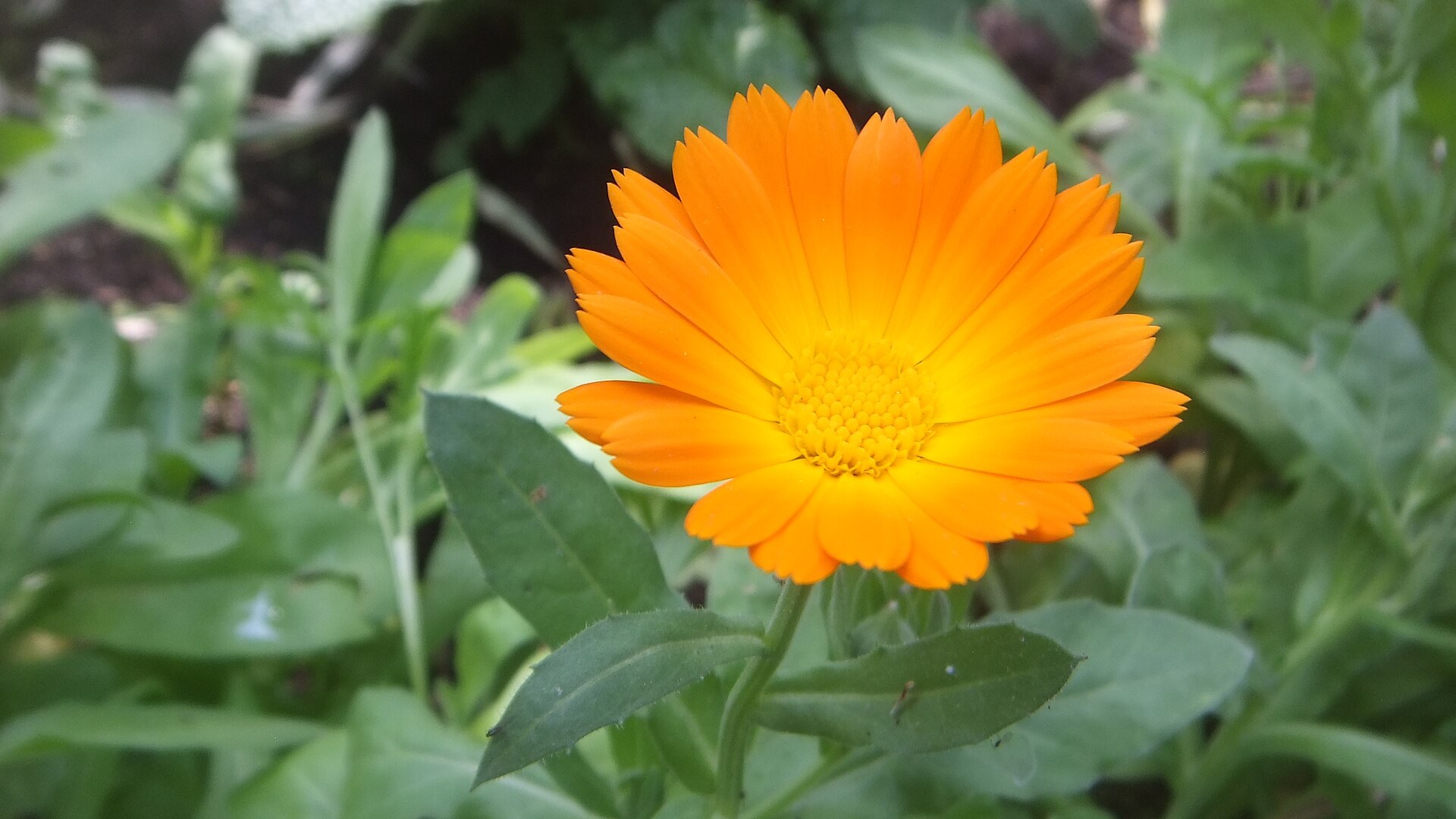
9. Marigold (Calendula Officinalis)
Originating as Mary's Gold in tribute to the Virgin Mary, the vibrant orange blossom tracks the sun across the sky. Herbal traditions considered its golden radiance an earthly reflection of angelic warmth, placing potted blooms on windowsills to block negative intentions and welcome good fortune.
©Wikimedia / YubKooka
8. Lavender (Lavandula Angustifolia)
Prized for its calming aroma and purple spikes, lavender has long been tied to divine serenity and defensive cleansing. Folk medicine held that its scent invited benevolent spirits while driving out tension, allowing guardian angels to bring quiet comfort and rest to exhausted households.
©Wikimedia / Ermell
7. Rue (Ruta Graveolens)
Referred to by Shakespeare and ancient botanists as the herb of grace, rue was dipped in holy water to bless worshippers and dispel dark forces. Monks valued its aromatic foliage for its cleansing potency, believing that planting it along garden perimeter paths repelled unseen harmful elements.
©Wikimedia / Agnieszka Kwiecień, Nova
Advertisement
Swipe or tap ▶ to resume the countdown.
6. White Rose (Rosa Alba)
Throughout centuries of sacred art, white roses have represented untainted celestial grace and the quiet shield of angelic sentinels. Medieval monastic gardens cultivated them near chapels to inspire contemplation, trusting their gentle fragrance to preserve sacred spaces from earthly discord.
©Wikimedia / 掬茶
5. Rosemary (Salvia Rosmarinus)
Believed in Christian lore to have sheltered Mary and the infant Jesus during their journey to Egypt, rosemary transformed its flowers into heavenly blue. European households traditionally tucked sprigs under pillows and hung wreaths above doorways to banish nightmares and welcome protective peace.
©Wikimedia / JArribasphoto
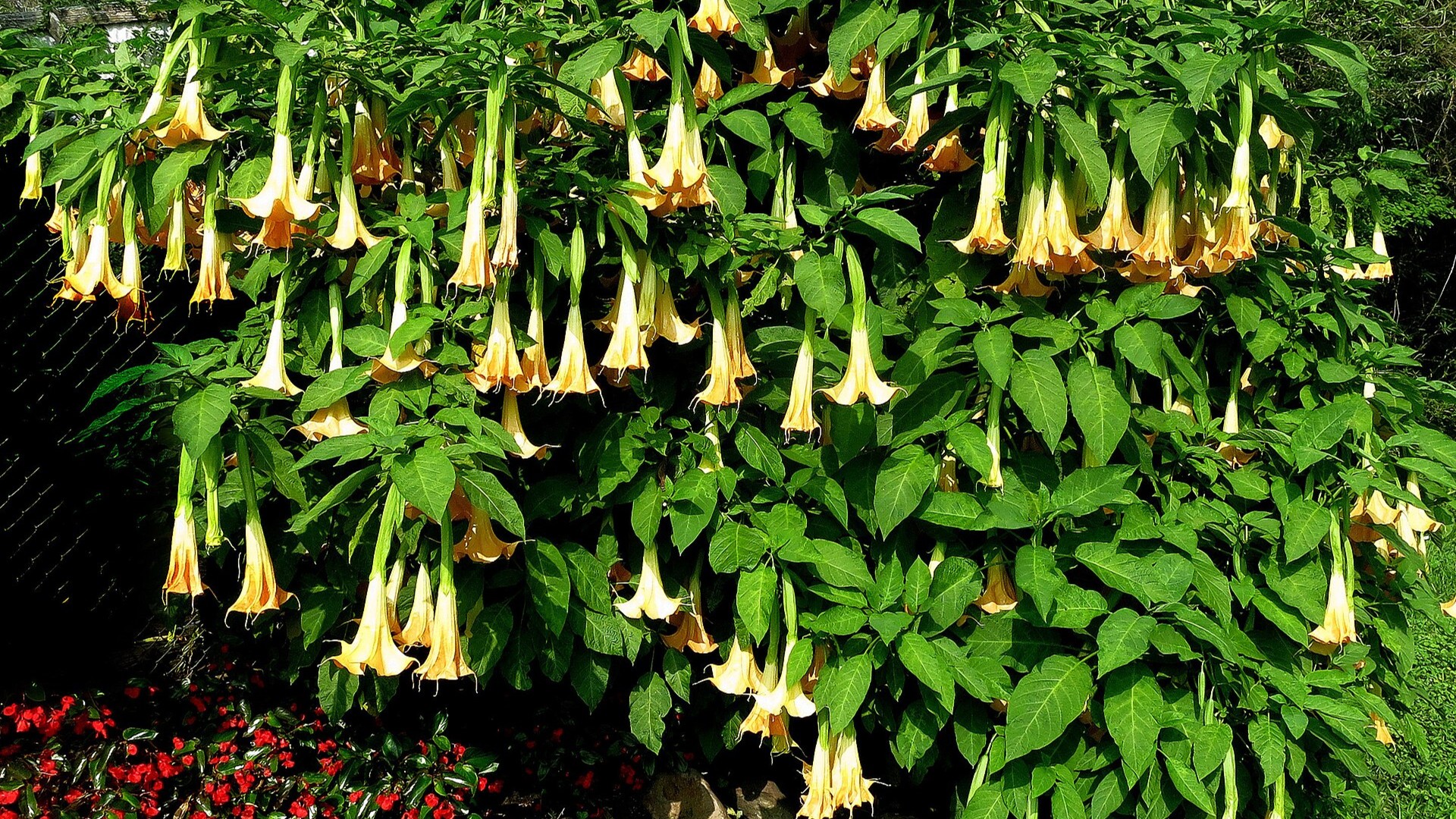
4. Angel's Trumpet (Brugmansia)
Named for its dramatic pendulous bells that mirror the horn carried by herald angels, this striking plant has captivated observers across South America and beyond. Folk traditions view its fragrant evening blooms as physical reminders of watching guardians sounding silent protection over family homes.
©Wikimedia / Jim Evans
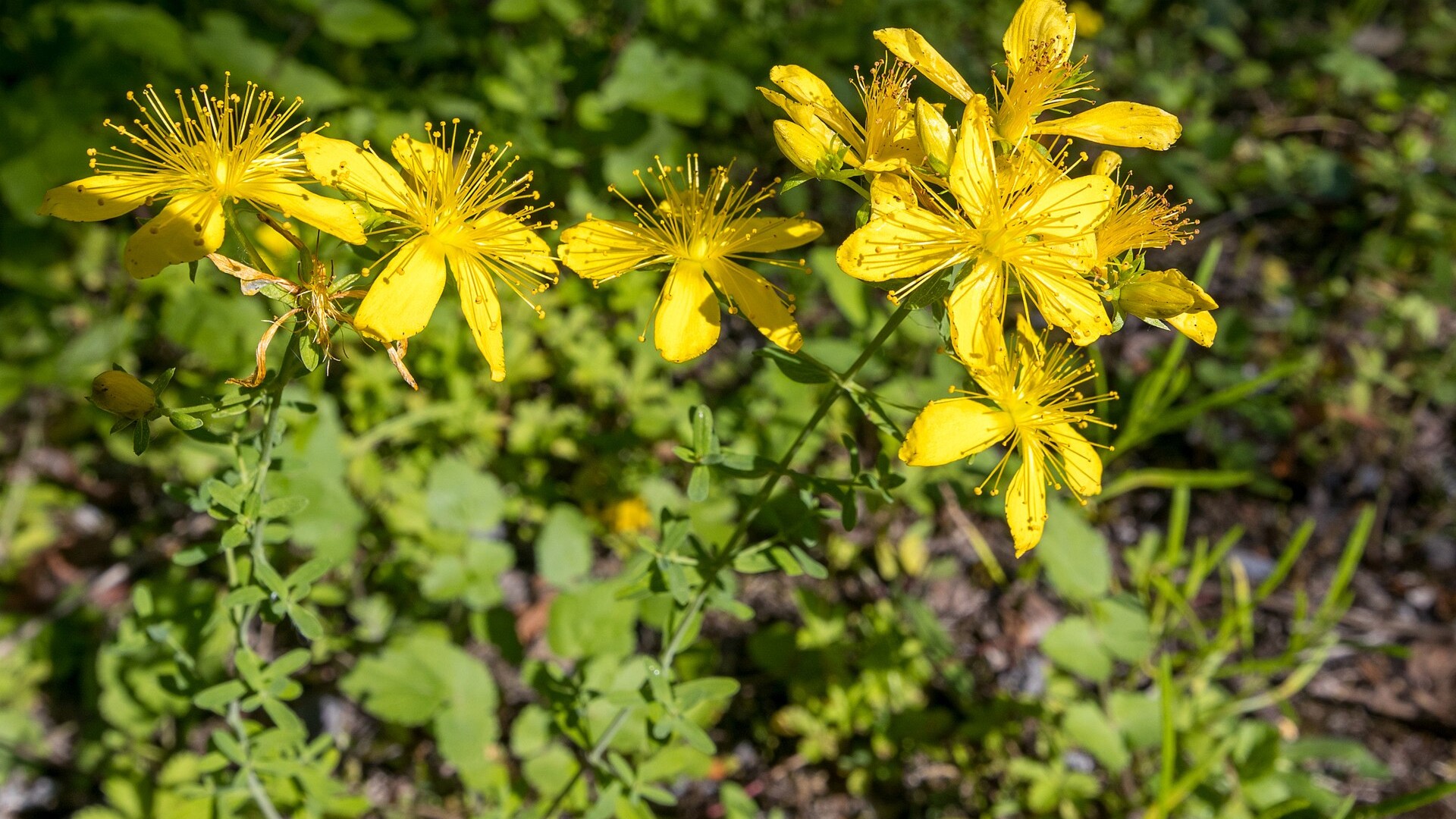
3. Saint John's Wort (Hypericum Perforatum)
Known historically as fuga daemonum, this bright golden wildflower was gathered on the eve of Saint John to shield households from negative spirits. Its radiant yellow petals and translucent perforations were considered miniature windows through which heavenly light could enter and dispel shadows.
©Wikimedia / JackyM59
Advertisement
Swipe or tap ▶ to resume the countdown.
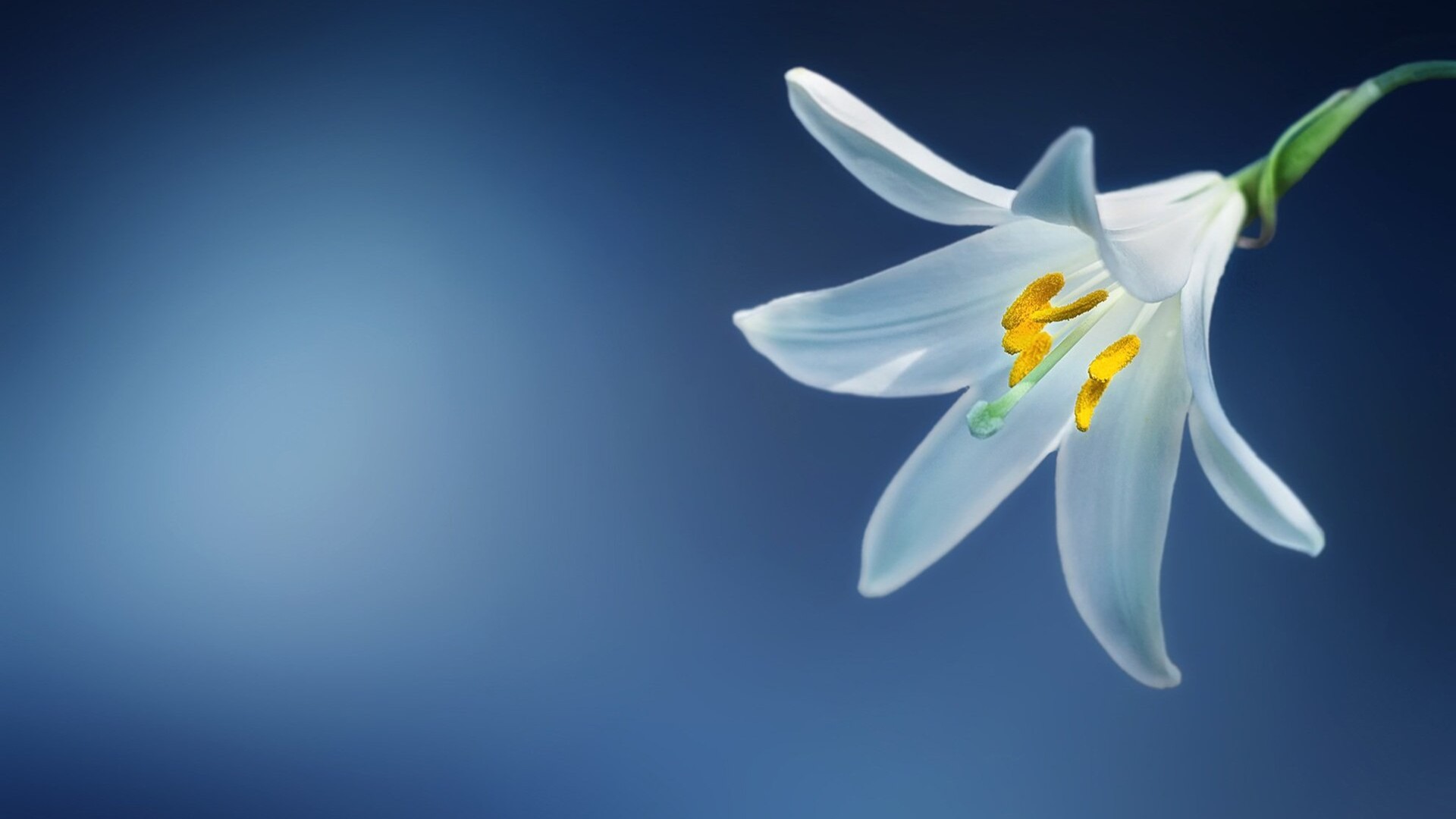
2. Madonna Lily (Lilium Candidum)
In classical art and sacred tradition, Archangel Gabriel often holds a white Madonna lily while appearing to Mary. The pure white petals symbolize divine light and spiritual armor, while centuries of religious painting placed the blossom alongside celestial guardians as a symbol of defense.
©Wikimedia / Bessi
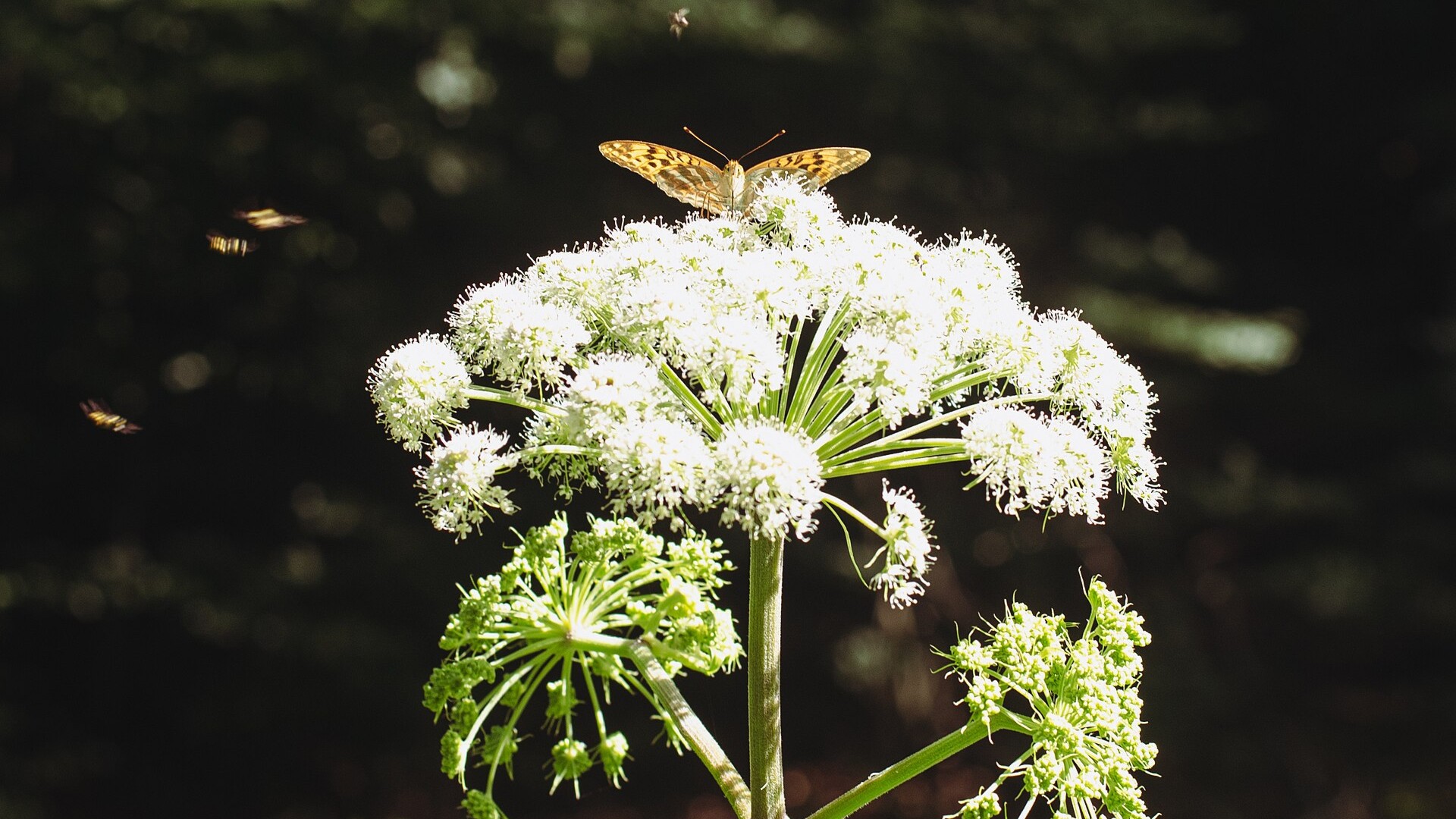
1. Angelica (Angelica Archangelica)
According to ancient European folklore, an archangel appeared to a medieval monk during a terrible plague, revealing that this aromatic plant possessed healing and warding virtues. Traditional herbalists hung dried angelica over doorways to safeguard homes against dark energies and uninvited forces.

©Wikimedia / Flocci Nivis
Advertisement
You've reached the end of the story. Thanks for reading!

20 Foods and Exercises That May Help Curb Sugar Cravings
Sudden sugar cravings often stem from rapid blood glucose dips, elevated stress, or fatigue. By pairing nutrient-dense foods rich in healthy fats, protein, and soluble fiber with targeted physical exercises, you can effectively curb appetite, stabilize metabolism, and regain steady daily energy without deprivation.
All 21 Entries in this Story
21. Lily Of The Valley (Convallaria Majalis)
Known in Christian lore as Mary's tears or Our Lady's tears, these nodding white woodland bells symbolize the return of spiritual clarity and peace. Folklore held that the sweet scent lifted depressive sorrow, welcoming gentle angelic presence and renewing hope in hearts burdened by heavy trials.

20. Hyssop (Hyssopus Officinalis)
Frequently cited in the Psalms as a supreme tool of purification, hyssop features upright spires of vivid violet flowers. Priests and villagers sprinkled holy water with hyssop branches to consecrate sacred spaces, trusting its cleansing power to invite divine guardians and banish contamination.

19. Daisy (Bellis Perennis)
The humble common daisy opens wide at sunrise and folds inward at sunset, earning its traditional moniker of day's eye. Associated with childhood innocence and angelic guardianship, English folklore held that placing daisies near sleeping children invited gentle angels to watch through the night.

18. Sage (Salvia Officinalis)
With a botanical title derived from the Latin word salvare, meaning to heal or save, sage has long been revered as a universal protector. Medieval proverbs claimed that no household could come to ruin if garden sage flourished, while smoldering dried bundles cleared spaces of lingering heaviness.

17. Cyclamen (Cyclamen Hederifolium)
Featuring delicate upturned blossoms that resemble folded angelic wings, cyclamen was widely cultivated in Mediterranean cottage gardens. Folklore regarded the plant as a loyal domestic sentinel, trusting its distinctive heart-shaped leaves and bright petals to protect love and family unity.

16. Yarrow (Achillea Millefolium)
Named after Greek hero Achilles, who legend says used it to heal wounded soldiers, yarrow has centuries of defensive folklore. Villagers hung dried bunches of its feathery white umbels above nursery cradles and hearthstones, believing it provided an invisible shield against spite and misfortune.

15. Jasmine (Jasminum Officinale)
With five-pointed petals reminiscent of heavenly stars, jasmine is celebrated across eastern and western traditions as a symbol of celestial benevolence. Its sweet perfume, which intensifies after dark, was believed to clear negative energy and create a peaceful aura guarded by unseen angels.

14. Chamomile (Matricaria Chamomilla)
Cherished by ancient herbalists as the plant's physician because it restored ailing neighboring flowers, chamomile embodies quiet spiritual protection. Traditional households brewed its gentle petals into calming infusions to dissolve nervous fears and bring angelic peace to troubled minds.

13. Hawthorn (Crataegus Monogyna)
Adorning ancient hedgerows with snowy spring blossoms and protective thorns, hawthorn was revered as a barrier against malevolent wanderers. Folklore associated its boughs with divine warding, believing the tree formed an impenetrable threshold through which destructive spirits could never pass.

12. Vervain (Verbena Officinalis)
Known across Celtic, Roman, and Christian traditions as a premier defensive botanical, vervain was worn as a personal amulet to ward off deceit. Medieval texts described using fresh sprigs to sprinkle holy water, ensuring celestial protectors watched closely over homes and holy gatherings.

11. Elderflower (Sambucus Nigra)
Centuries of European village lore revered the flowering elder tree as home to benevolent guardian energies. Planting an elder near home dwellings was believed to invite spiritual watchers who guarded roofs from lightning strikes, illnesses, and harmful spirits that wander through the night.

10. Peony (Paeonia)
Named for the mythological physician who tended wounded gods, the lush peony has held protective stature in both European herbals and Eastern traditions. Folk beliefs held that keeping peonies near home entrances repelled bad dreams, shielding sleeping families under gentle, fragrant custody.

9. Marigold (Calendula Officinalis)
Originating as Mary's Gold in tribute to the Virgin Mary, the vibrant orange blossom tracks the sun across the sky. Herbal traditions considered its golden radiance an earthly reflection of angelic warmth, placing potted blooms on windowsills to block negative intentions and welcome good fortune.

8. Lavender (Lavandula Angustifolia)
Prized for its calming aroma and purple spikes, lavender has long been tied to divine serenity and defensive cleansing. Folk medicine held that its scent invited benevolent spirits while driving out tension, allowing guardian angels to bring quiet comfort and rest to exhausted households.

7. Rue (Ruta Graveolens)
Referred to by Shakespeare and ancient botanists as the herb of grace, rue was dipped in holy water to bless worshippers and dispel dark forces. Monks valued its aromatic foliage for its cleansing potency, believing that planting it along garden perimeter paths repelled unseen harmful elements.

6. White Rose (Rosa Alba)
Throughout centuries of sacred art, white roses have represented untainted celestial grace and the quiet shield of angelic sentinels. Medieval monastic gardens cultivated them near chapels to inspire contemplation, trusting their gentle fragrance to preserve sacred spaces from earthly discord.

5. Rosemary (Salvia Rosmarinus)
Believed in Christian lore to have sheltered Mary and the infant Jesus during their journey to Egypt, rosemary transformed its flowers into heavenly blue. European households traditionally tucked sprigs under pillows and hung wreaths above doorways to banish nightmares and welcome protective peace.

4. Angel's Trumpet (Brugmansia)
Named for its dramatic pendulous bells that mirror the horn carried by herald angels, this striking plant has captivated observers across South America and beyond. Folk traditions view its fragrant evening blooms as physical reminders of watching guardians sounding silent protection over family homes.

3. Saint John's Wort (Hypericum Perforatum)
Known historically as fuga daemonum, this bright golden wildflower was gathered on the eve of Saint John to shield households from negative spirits. Its radiant yellow petals and translucent perforations were considered miniature windows through which heavenly light could enter and dispel shadows.

2. Madonna Lily (Lilium Candidum)
In classical art and sacred tradition, Archangel Gabriel often holds a white Madonna lily while appearing to Mary. The pure white petals symbolize divine light and spiritual armor, while centuries of religious painting placed the blossom alongside celestial guardians as a symbol of defense.

1. Angelica (Angelica Archangelica)
According to ancient European folklore, an archangel appeared to a medieval monk during a terrible plague, revealing that this aromatic plant possessed healing and warding virtues. Traditional herbalists hung dried angelica over doorways to safeguard homes against dark energies and uninvited forces.