Slideshow · Lifestyle
20 Easy Houseplants for Beginners to Keep Alive
Starting an indoor garden does not require expert skills or strict schedules. Ranked by drought tolerance and lighting flexibility, these twenty hardy houseplants easily survive beginner oversights. Sourced from the Royal Horticultural Society, Missouri Botanical Garden, and university horticultural extension trials.
By Most Viral Today
10 min ago

20 Foolproof Houseplants That Practically Thrive on Neglect 
20. Nerve Plant (Fittonia Albivenis) 
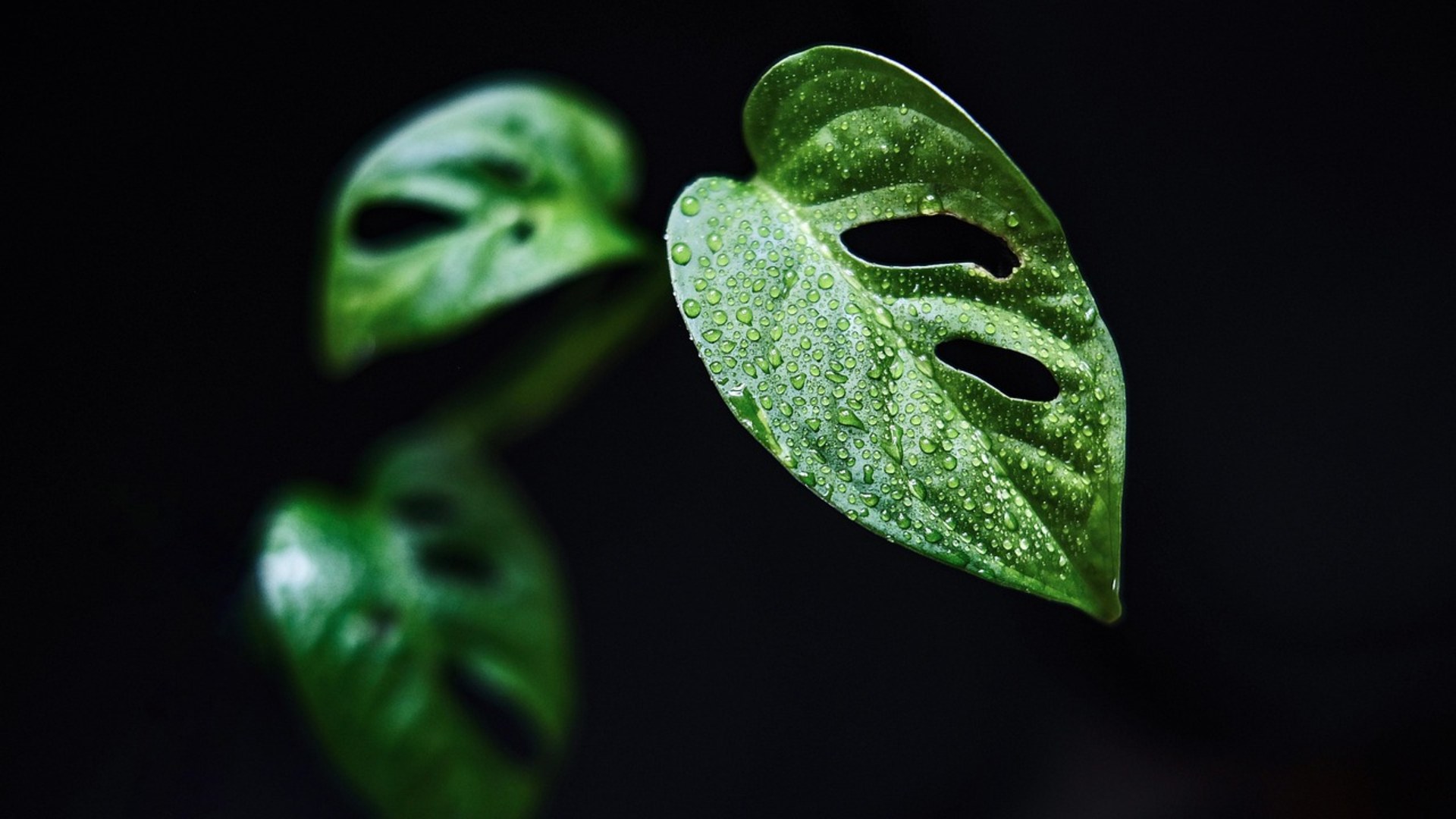
19. Swiss Cheese Vine (Monstera Adansonii) 
18. Arrowhead Vine (Syngonium Podophyllum) - AdvertisementSwipe or tap ▶ to continue countdown

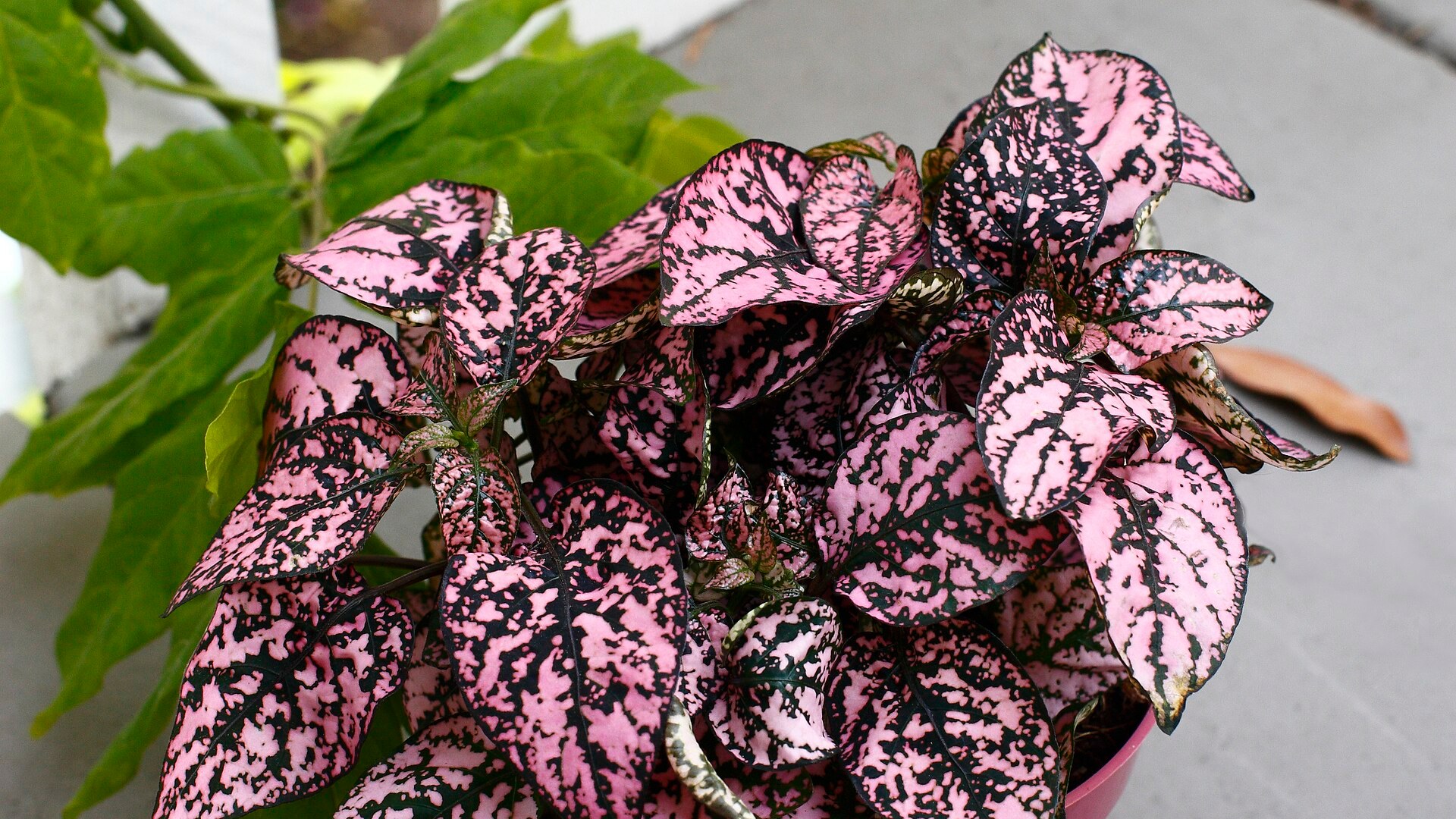
17. Polka Dot Plant (Hypoestes Phyllostachya) 
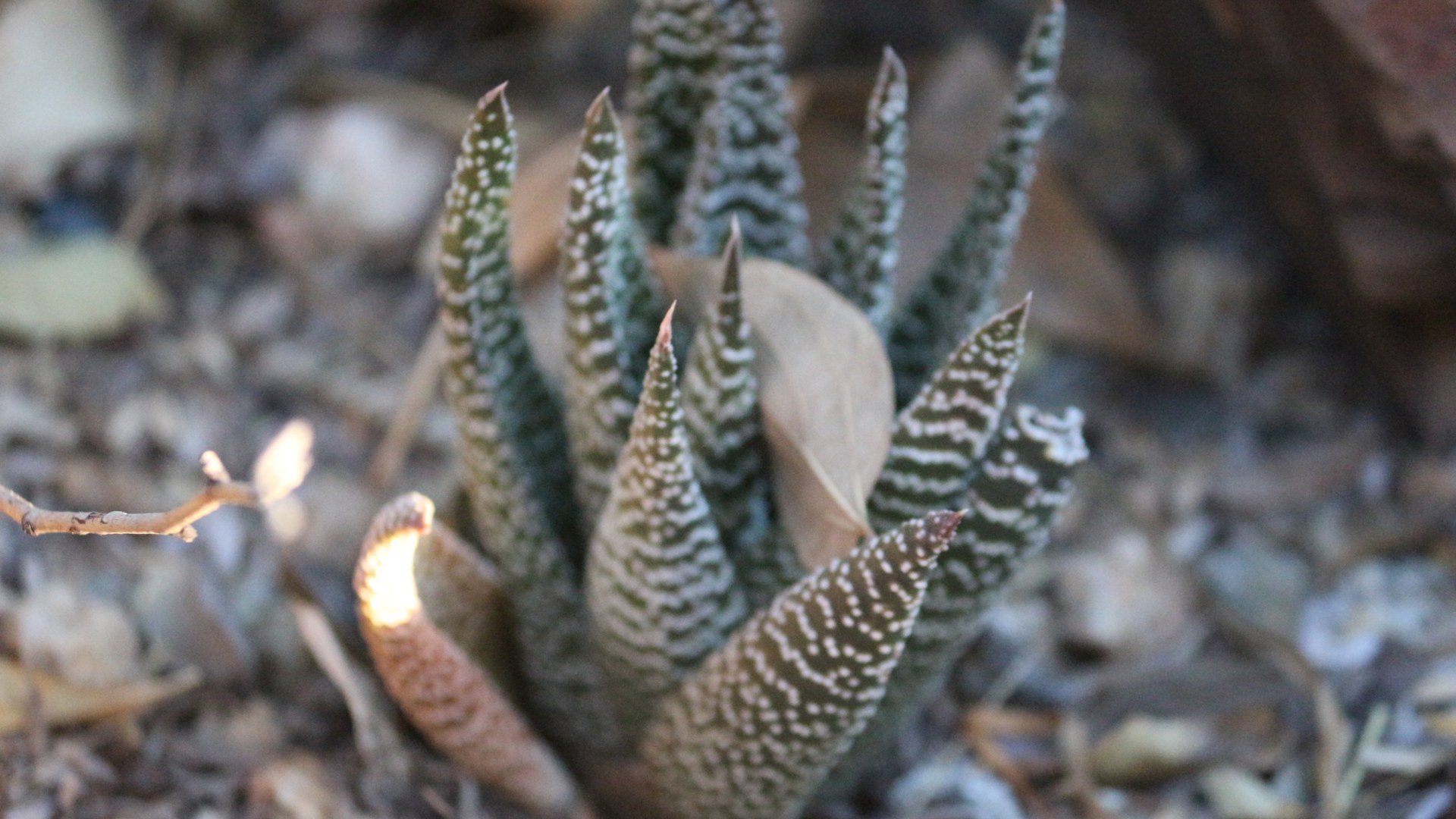
16. Zebra Haworthia (Haworthiopsis Fasciata) 
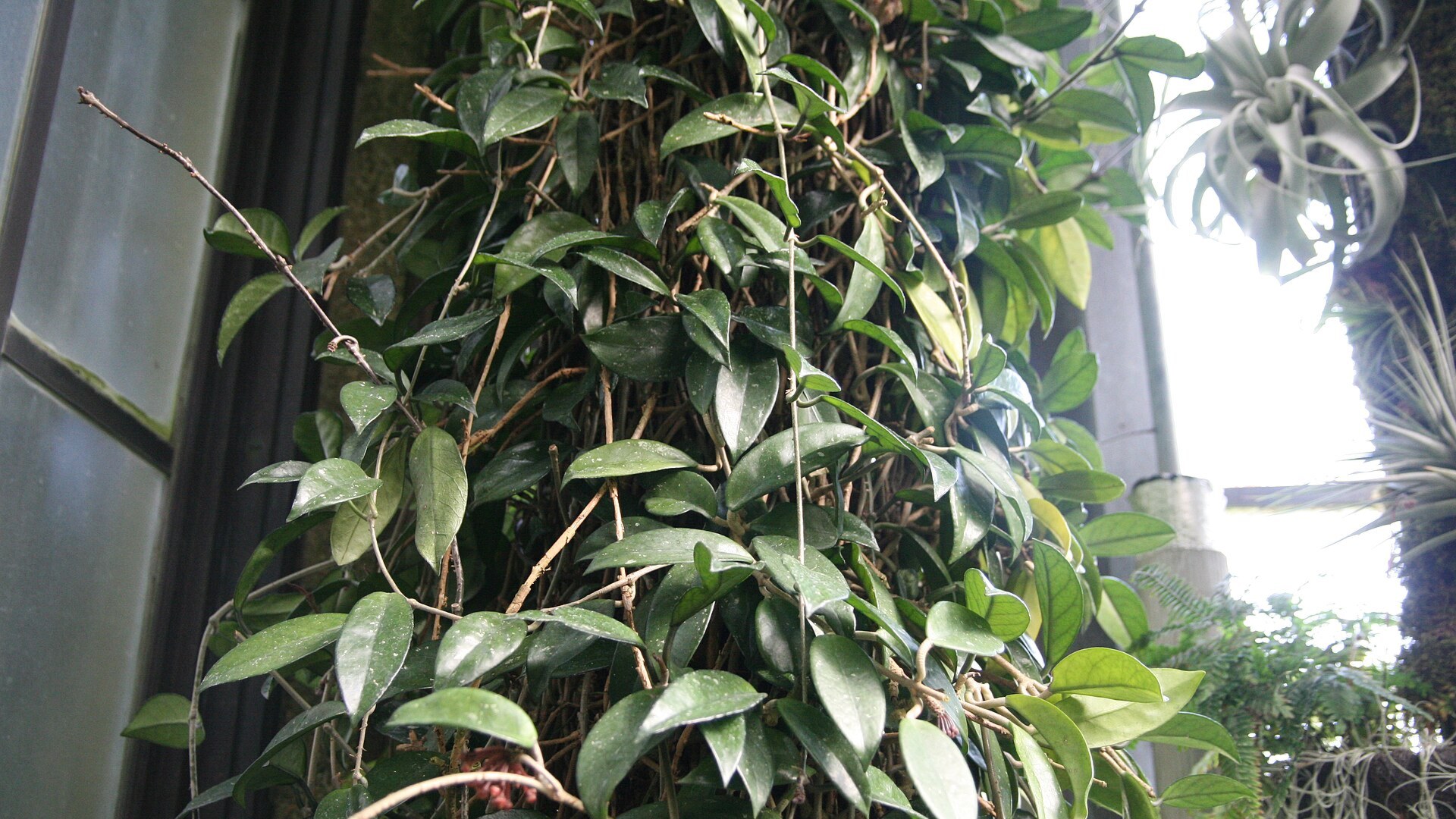
15. Wax Plant (Hoya Carnosa) 
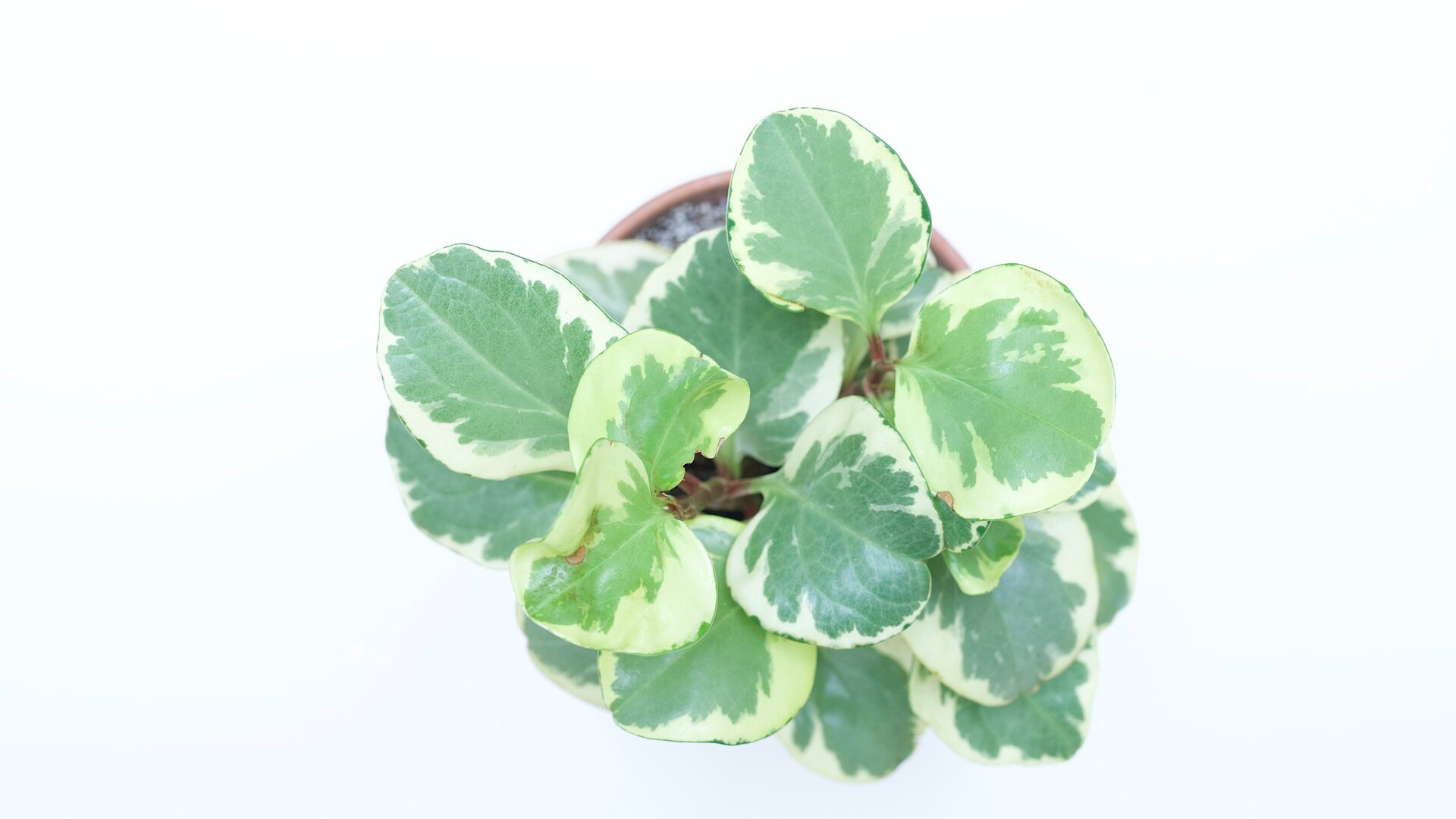
14. Baby Rubber Plant (Peperomia Obtusifolia) - AdvertisementSwipe or tap ▶ to continue countdown

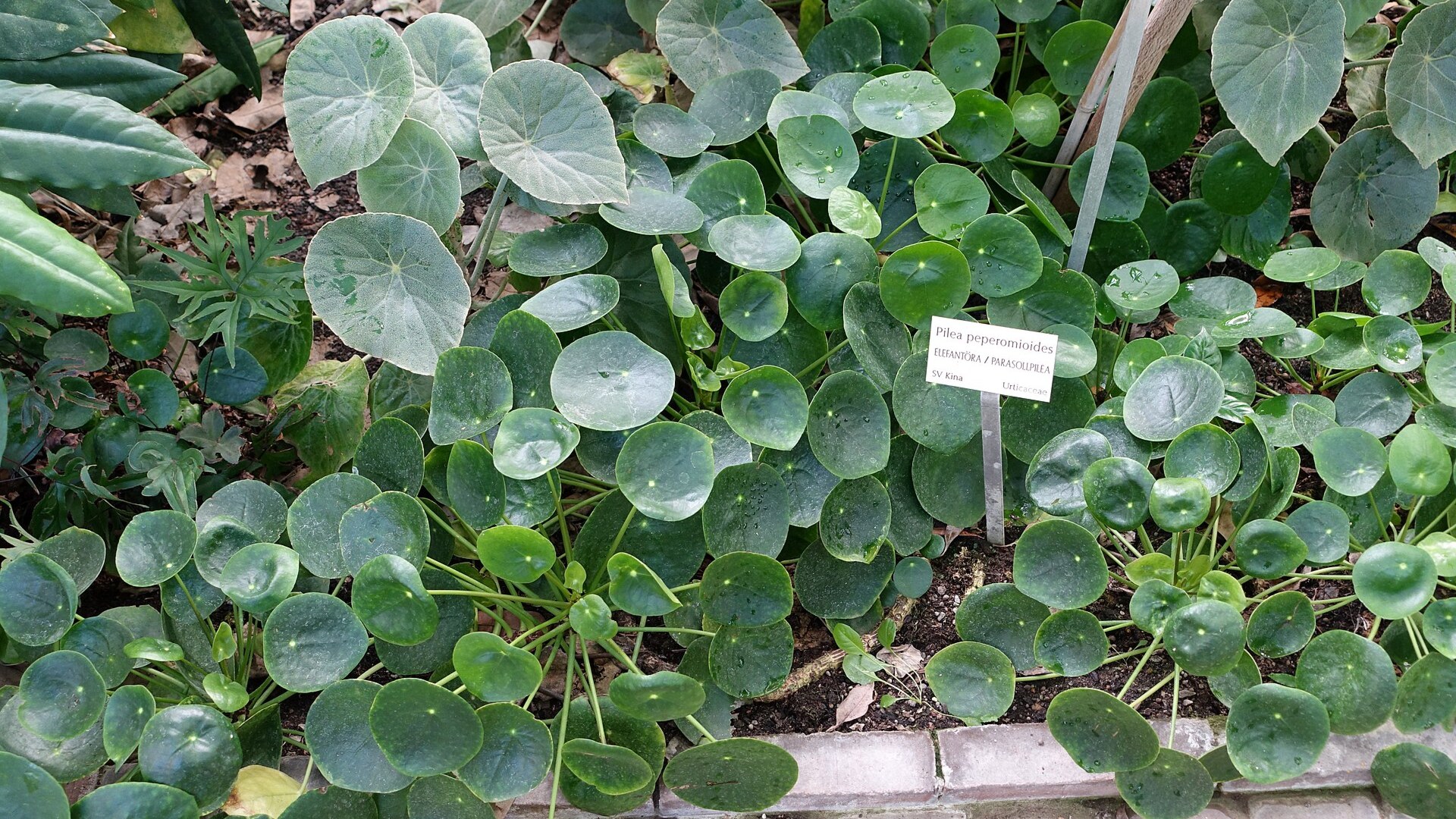
13. Chinese Money Plant (Pilea Peperomioides) 
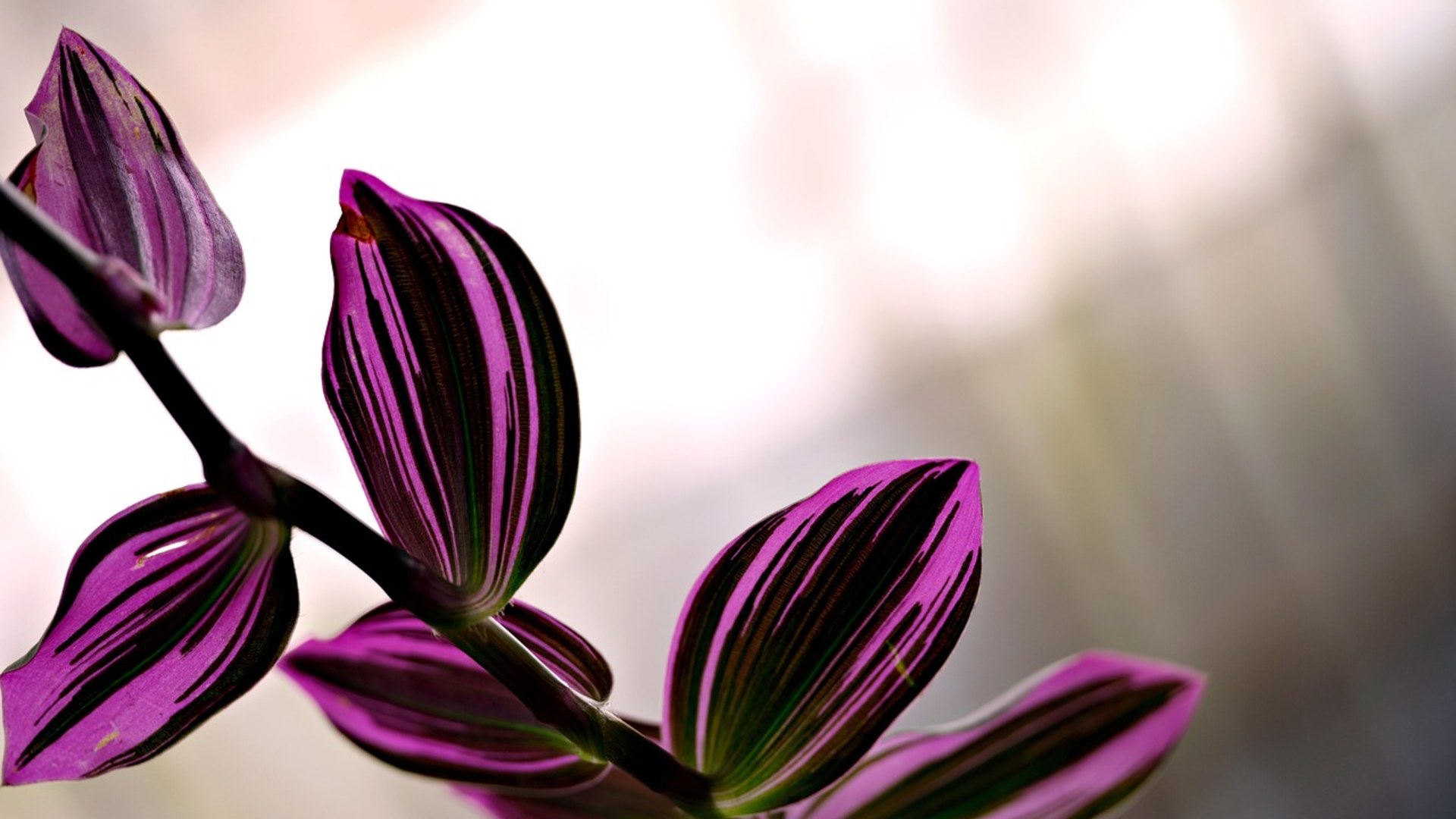
12. Inch Plant (Tradescantia Zebrina) 
11. Holiday Cactus (Schlumbergera Buckleyi) 
10. Satin Pothos (Scindapsus Pictus) - AdvertisementSwipe or tap ▶ to continue countdown

9. Burro's Tail (Sedum Morganianum) 
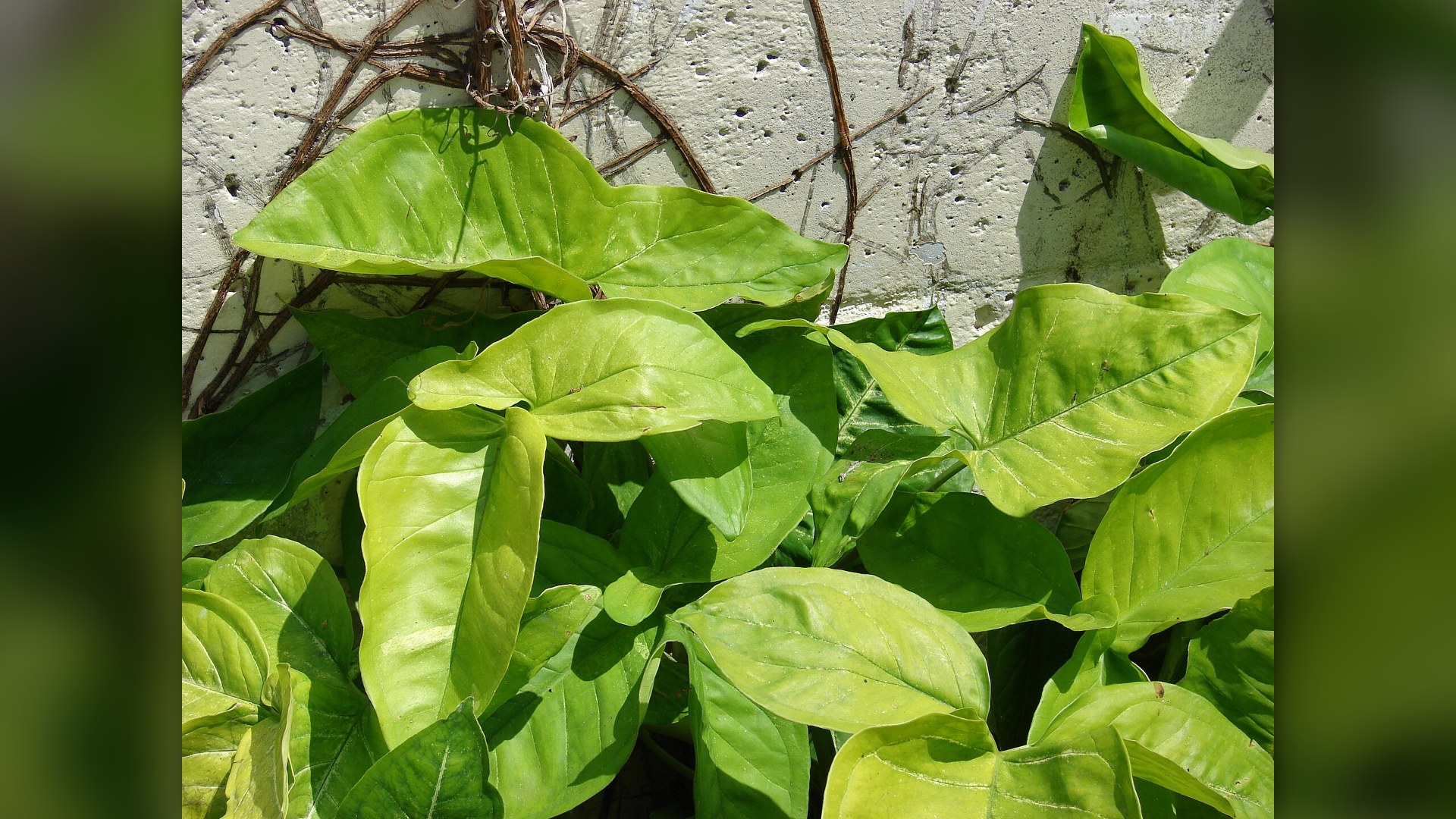
8. Air Plant (Tillandsia Xerographica) 
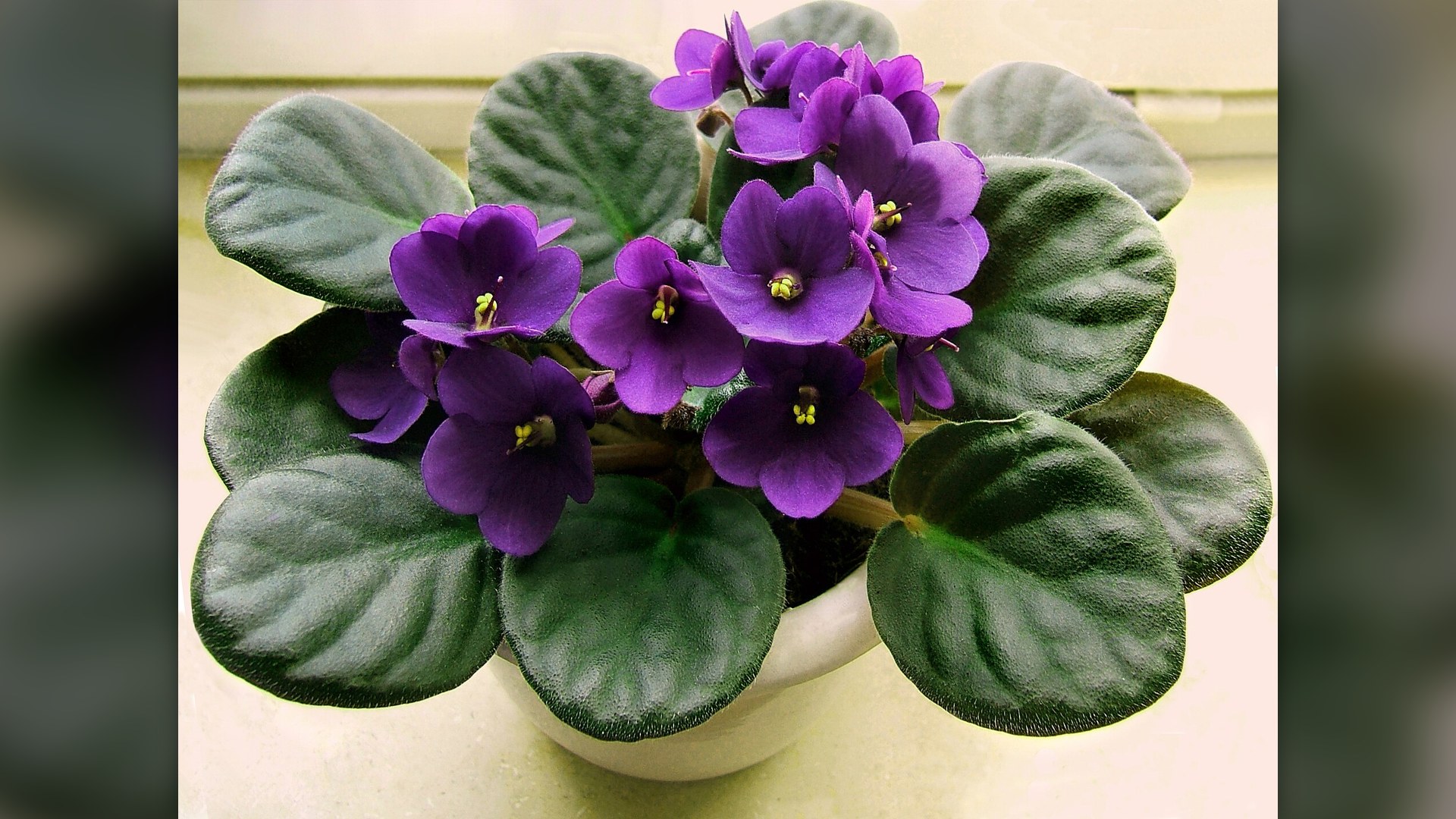
7. African Violet (Saintpaulia Ionantha) 
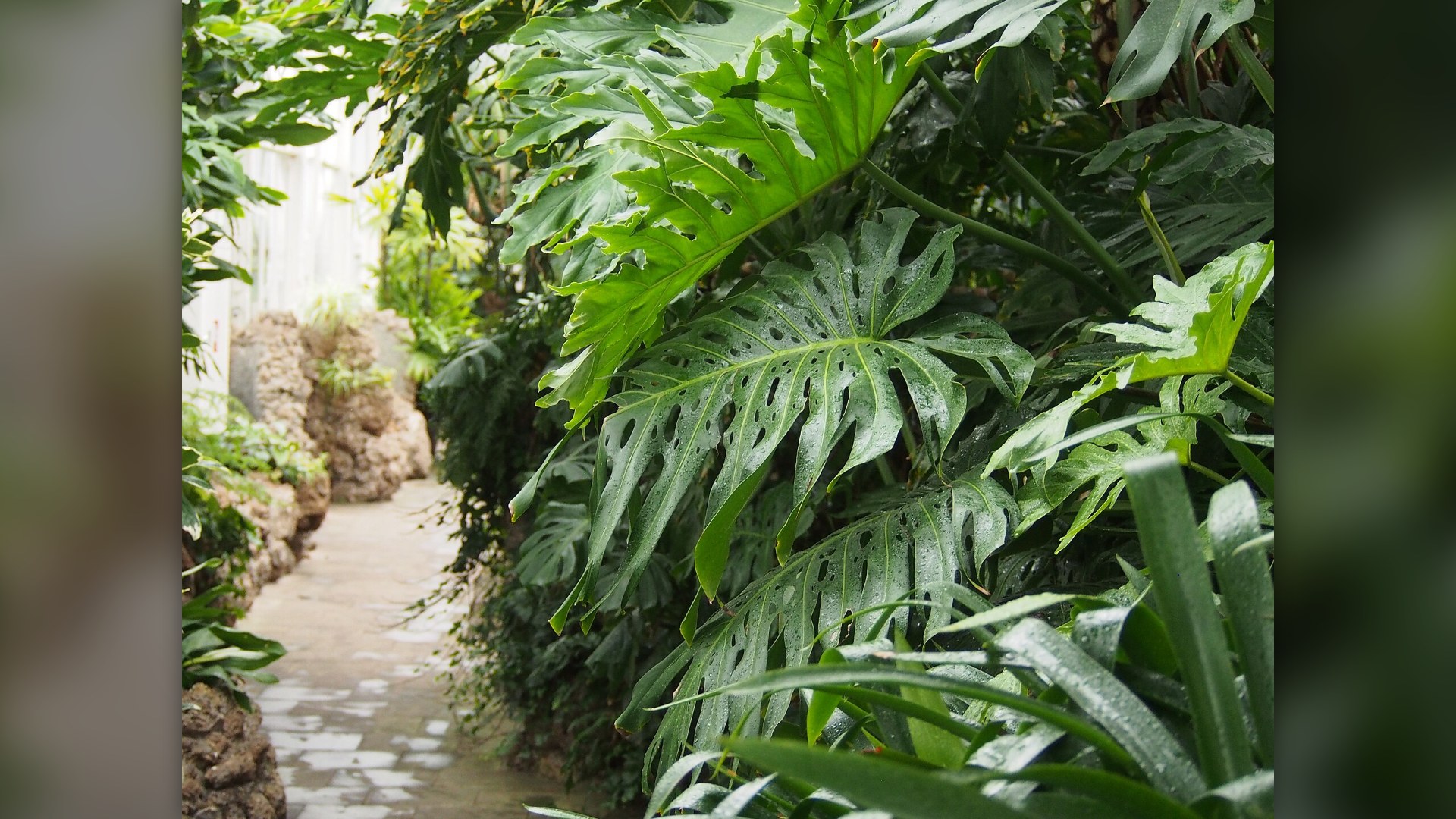
6. Swiss Cheese Plant (Monstera Deliciosa) - AdvertisementSwipe or tap ▶ to continue countdown

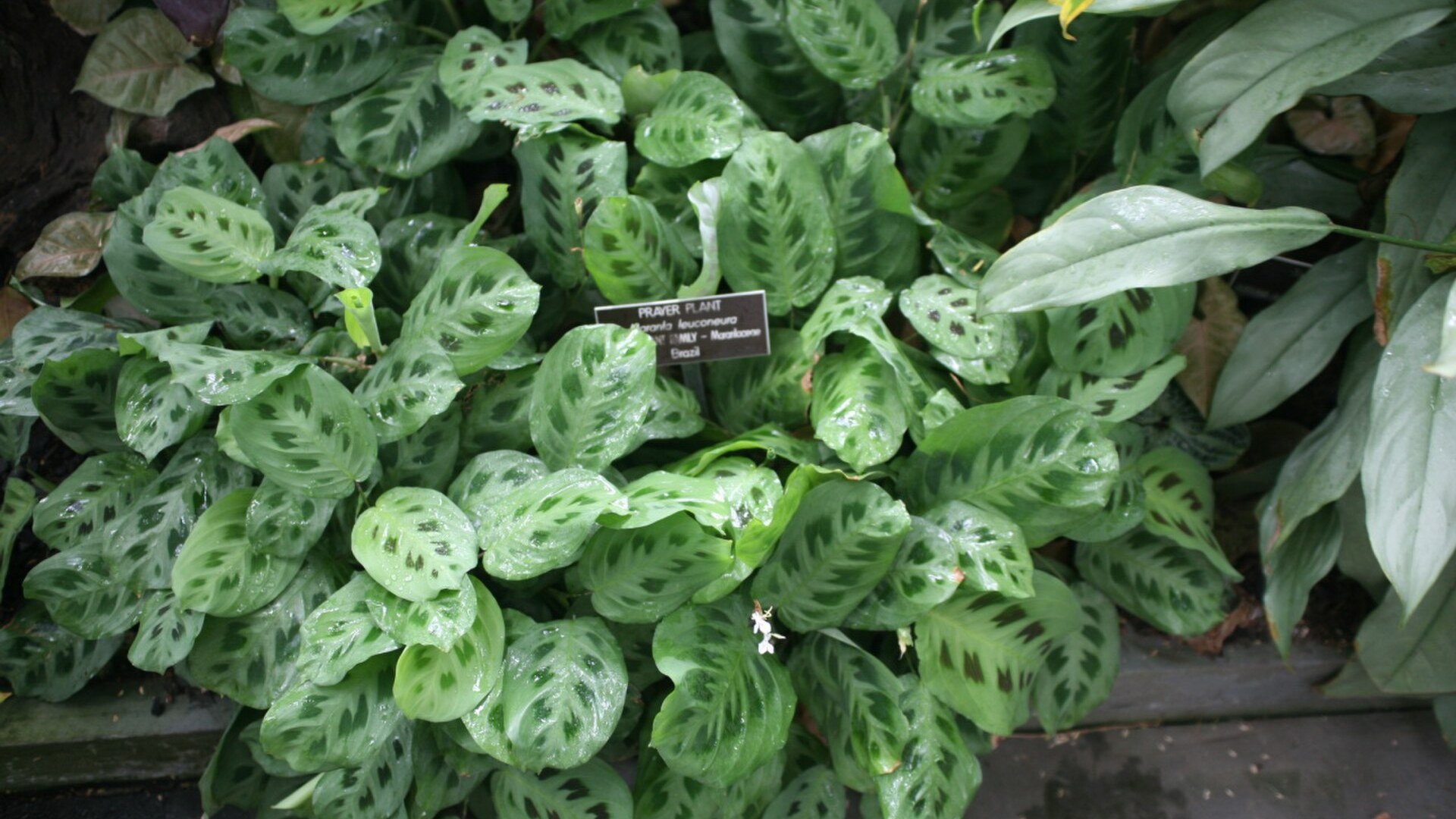
5. Prayer Plant (Maranta Leuconeura) 
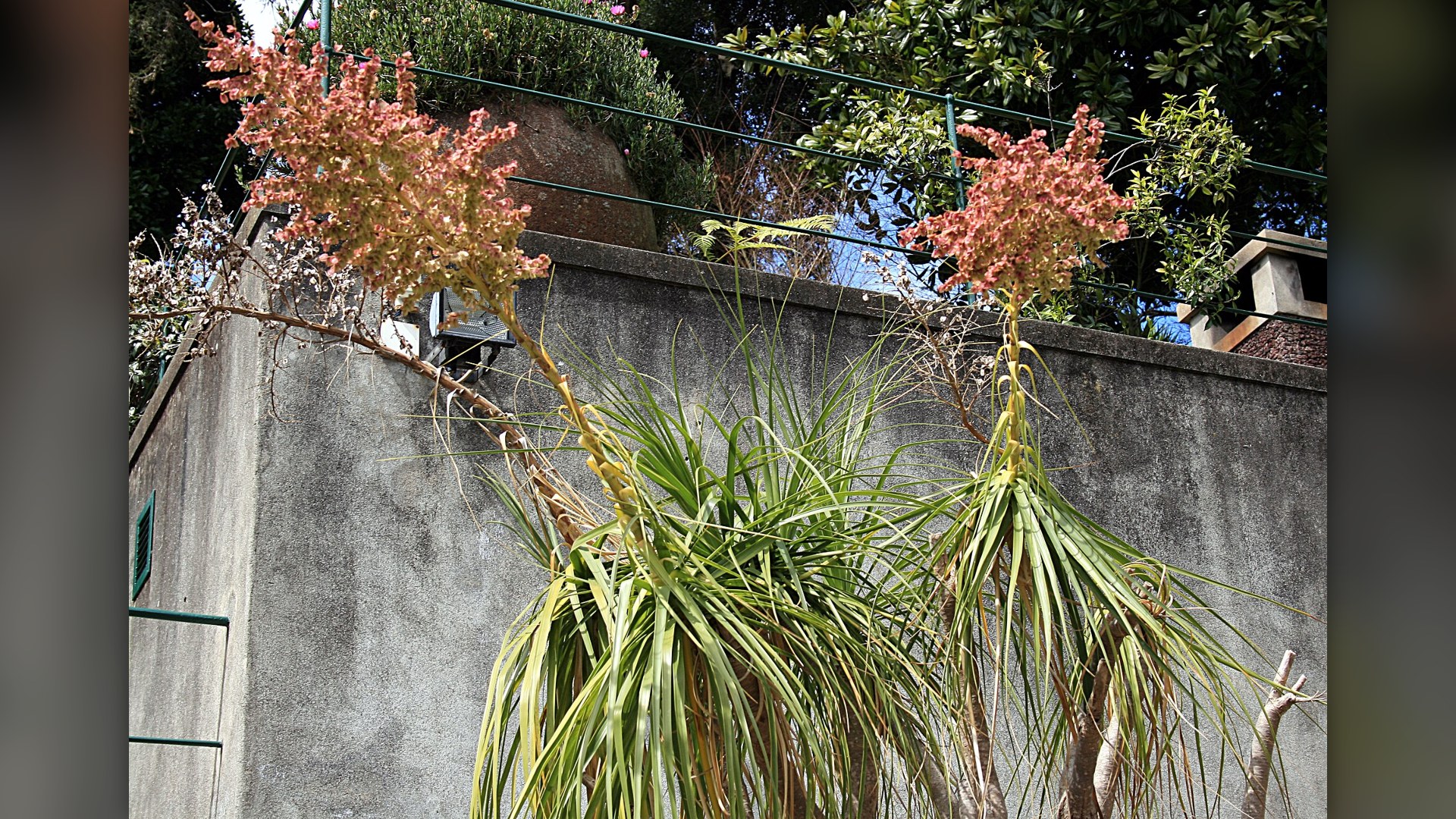
4. Ponytail Palm (Beaucarnea Recurvata) 
3. Cast Iron Plant (Aspidistra Elatior) 
2. ZZ Plant (Zamioculcas Zamiifolia) - AdvertisementSwipe or tap ▶ to continue countdown

1. Snake Plant (Dracaena Trifasciata) - Advertisement🔥 UP NEXT IN THIS SERIES◫ 21 Slides

20 Ford Mustang Generations, Ranked From Worst To Best
Across seven distinct generations and sixty years of continuous production, the Ford Mustang defined the American pony car. We rank every generation and its defining performance eras from the darkest days of the 1970s fuel crisis to modern track supercars, culminating in the undisputed golden era of muscle.
Starting an indoor garden does not require expert skills or strict schedules. Ranked by drought tolerance and lighting flexibility, these twenty hardy houseplants easily survive beginner oversights. Sourced from the Royal Horticultural Society, Missouri Botanical Garden, and university horticultural extension trials.
Swipe or tap ▶ to begin the countdown
©Wikimedia / W.carter
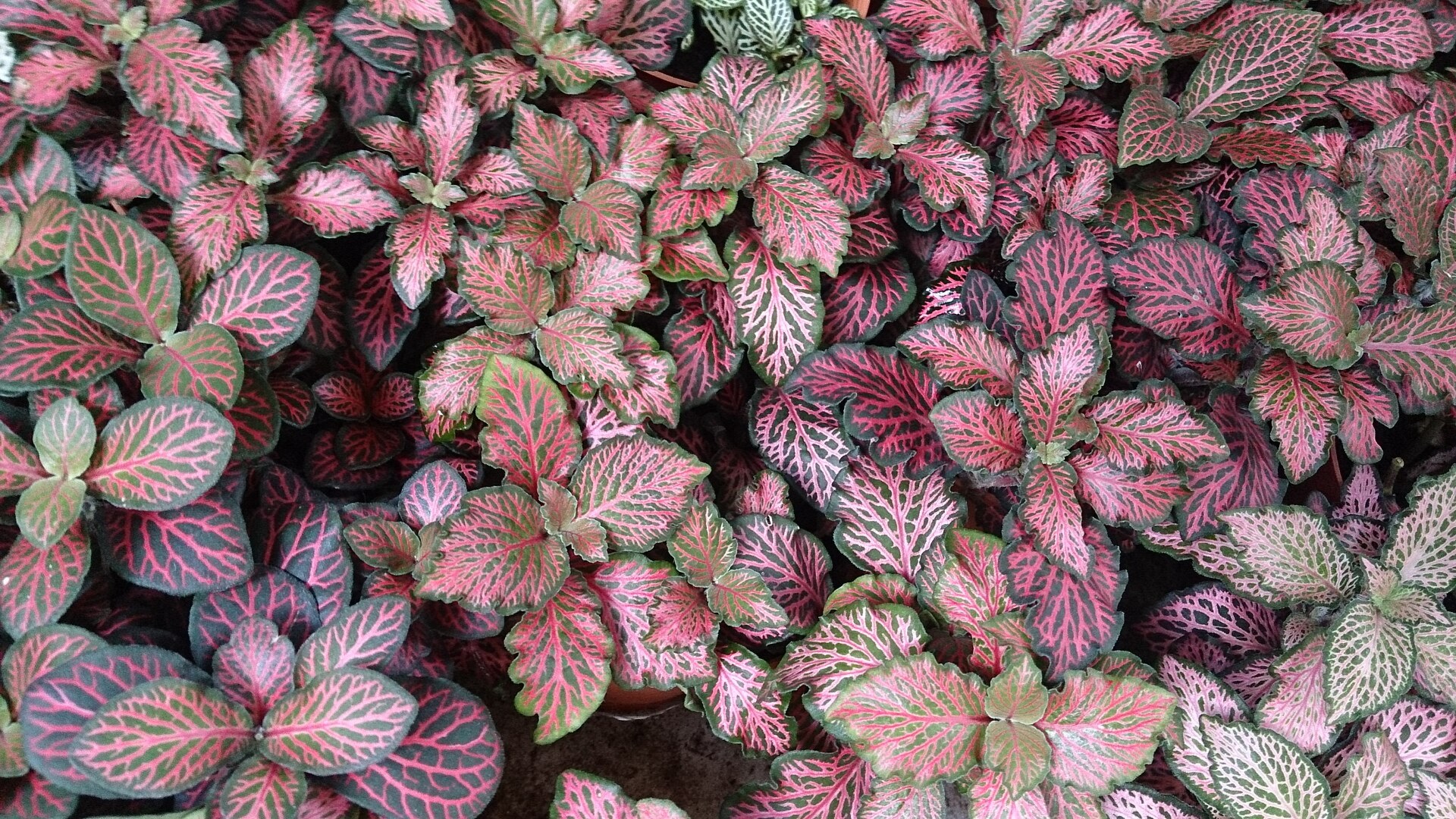
20. Nerve Plant (Fittonia Albivenis)
Fittonia acts as a visual moisture gauge for beginners because its leaves collapse when thirsty and revive quickly after a drink. Native to South American rainforests, it prefers indirect light and steady humidity, making it an ideal terrarium and desk specimen.
©Wikimedia / Mokkie
19. Swiss Cheese Vine (Monstera Adansonii)
Featuring natural leaf windows that resist heavy tropical rains in the wild, Monstera adansonii adapts well to domestic life. It handles moderate ambient humidity, thrives under medium indirect sunlight, and tolerates short dry spells before curling its leaves.
©Pixabay / mirkostoedter
18. Arrowhead Vine (Syngonium Podophyllum)
Syngonium podophyllum produces spade-shaped leaves that turn lobed as the vine matures. Horticultural testing from the University of Florida confirms it withstands erratic watering, fluorescent office lighting, and dry indoor heating without shedding foliage.
©Wikimedia / Forest & Kim Starr
Advertisement
Swipe or tap ▶ to resume the countdown.
17. Polka Dot Plant (Hypoestes Phyllostachya)
Hypoestes phyllostachya provides bright indoor foliage with pink, red, or white speckles. It grows vigorously in standard potting soil and bounces back promptly if watering is delayed by several days. Simple pinch pruning keeps the plant dense and upright.
©Wikimedia / Sanjay Acharya
16. Zebra Haworthia (Haworthiopsis Fasciata)
Endemic to South Africa, zebra haworthia forms tight upright rosettes that store water inside thick succulent tissues. It tolerates weeks of complete drought, requires bright indirect light, and never outgrows small window shelves, making it foolproof for novices.
©Openverse / Kyle Campbell
15. Wax Plant (Hoya Carnosa)
Hoya carnosa features waxy foliage that retains moisture for two to three weeks between waterings. Its durable semi-woody vines produce porcelain-like fragrant flower clusters under bright filtered light and tolerate dry indoor air far better than most tropicals.
©Wikimedia / Photo by David J. Stang
14. Baby Rubber Plant (Peperomia Obtusifolia)
Peperomia obtusifolia is a compact perennial with thick, glossy foliage that functions like a succulent. University extension data notes that it tolerates low humidity, needs watering only when soil dries completely, and thrives under artificial office lighting.
©Wikimedia / Karl Thomas Moore
Advertisement
Swipe or tap ▶ to resume the countdown.
13. Chinese Money Plant (Pilea Peperomioides)
Pilea peperomioides became popular across Europe after Norwegian missionaries shared cuttings in the 1940s. Its circular leaves sit on arching stems that rotate toward daylight. It requires water only once topsoil dries and sprouts rooted offsets in the pot.
©Wikimedia / Daderot
12. Inch Plant (Tradescantia Zebrina)
Tradescantia zebrina features vivid purple foliage banded with reflective silver stripes. It survives on irregular watering routines and roots readily from simple stem cuttings dropped into water. The plant grows quickly in hanging baskets and bright corners.
©Pixabay / ignartonosbg
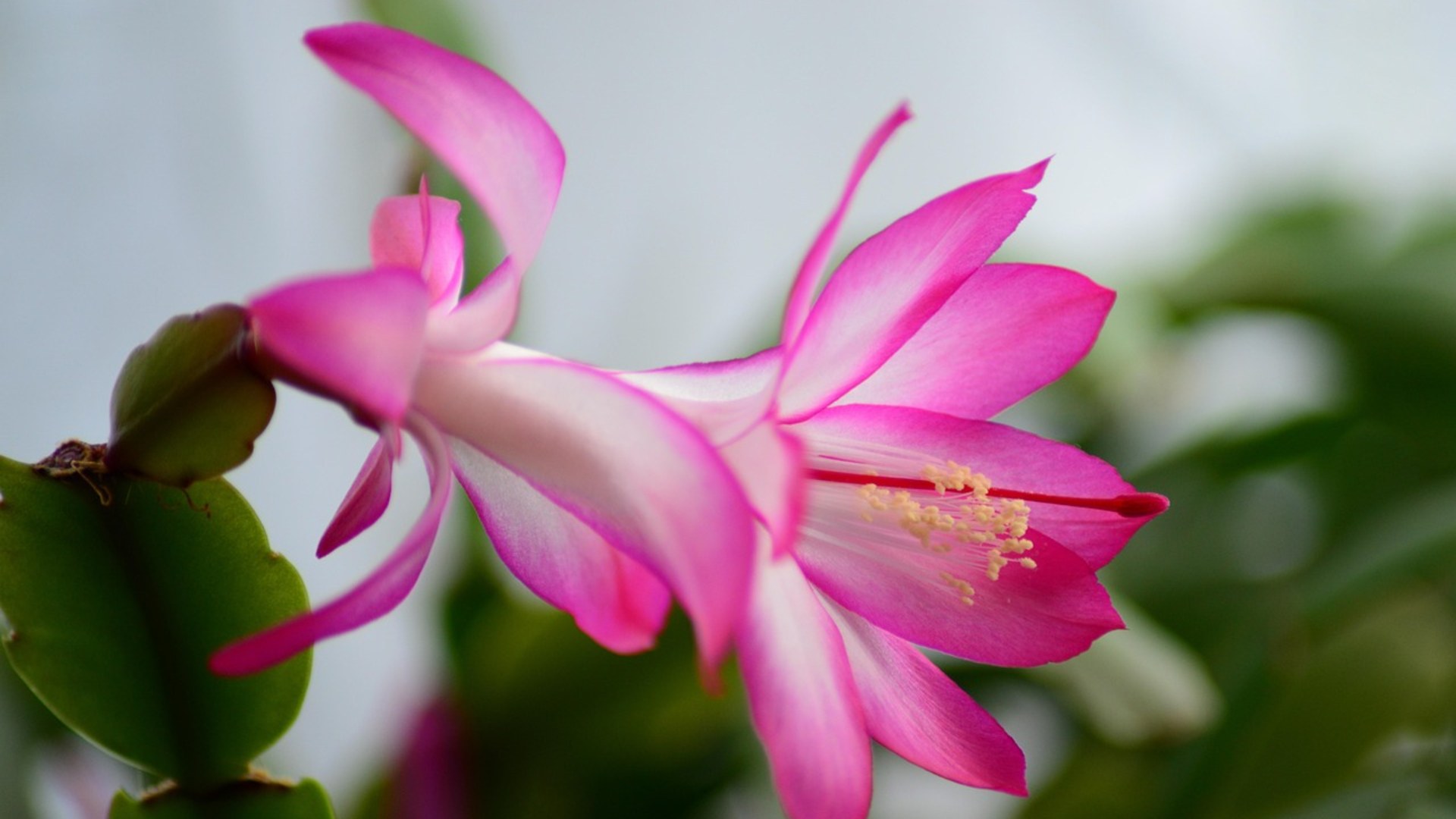
11. Holiday Cactus (Schlumbergera Buckleyi)
Unlike desert cacti, Schlumbergera buckleyi originates in Brazilian coastal rainforests and prefers cool, bright spots away from direct noon sun. It stores moisture inside flattened stem segments, surviving missed waterings while flowering reliably each December.
©Pixabay / PollyDot
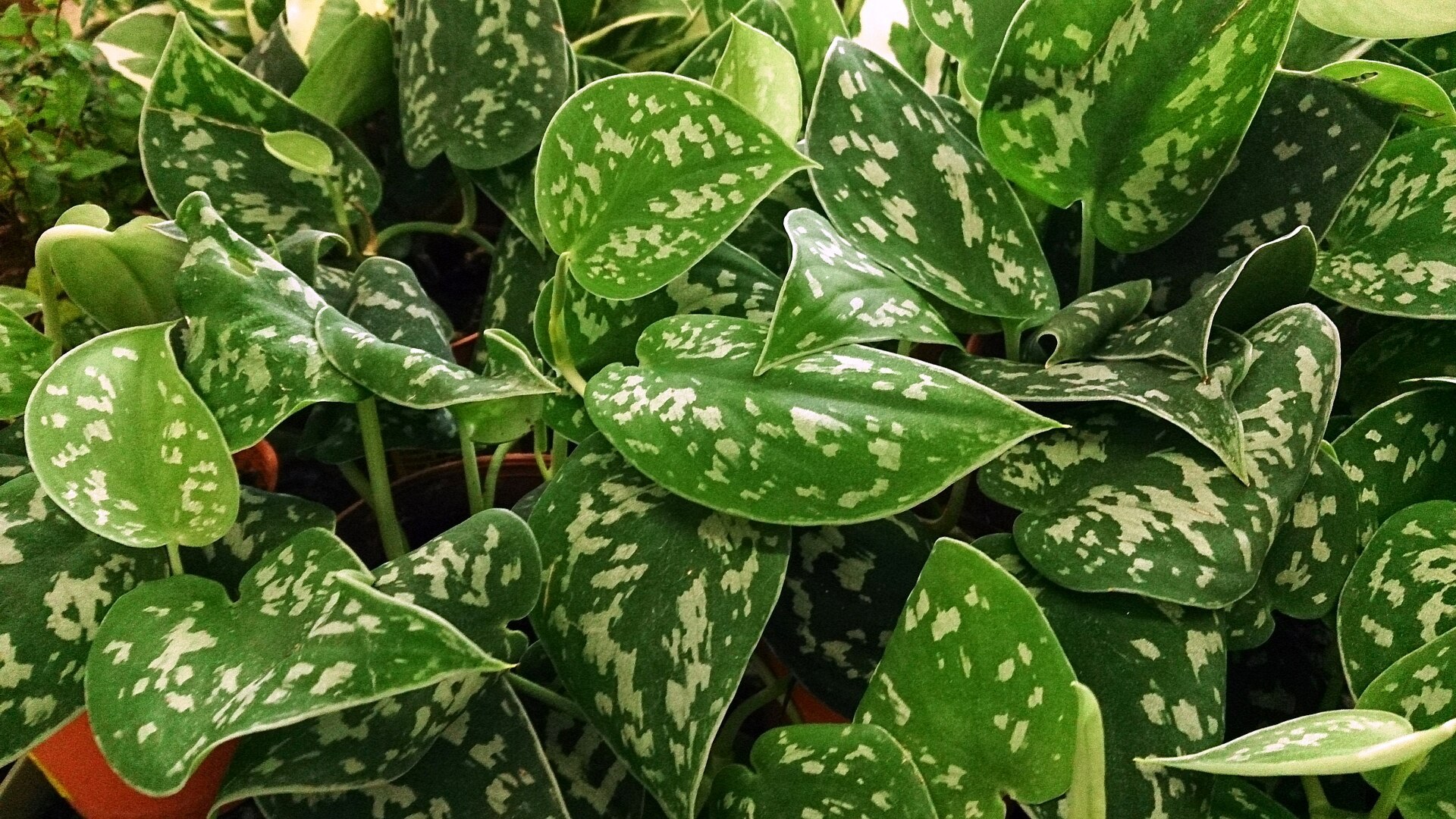
10. Satin Pothos (Scindapsus Pictus)
Scindapsus pictus produces thick, velvet-textured leaves dusted with silver flecks. Unlike fragile tropicals, its leaves curl tightly when dry, offering an unmissable visual reminder to add water. It tolerates shaded apartments and sparse watering with no fuss.
©Wikimedia / Mokkie
Advertisement
Swipe or tap ▶ to resume the countdown.
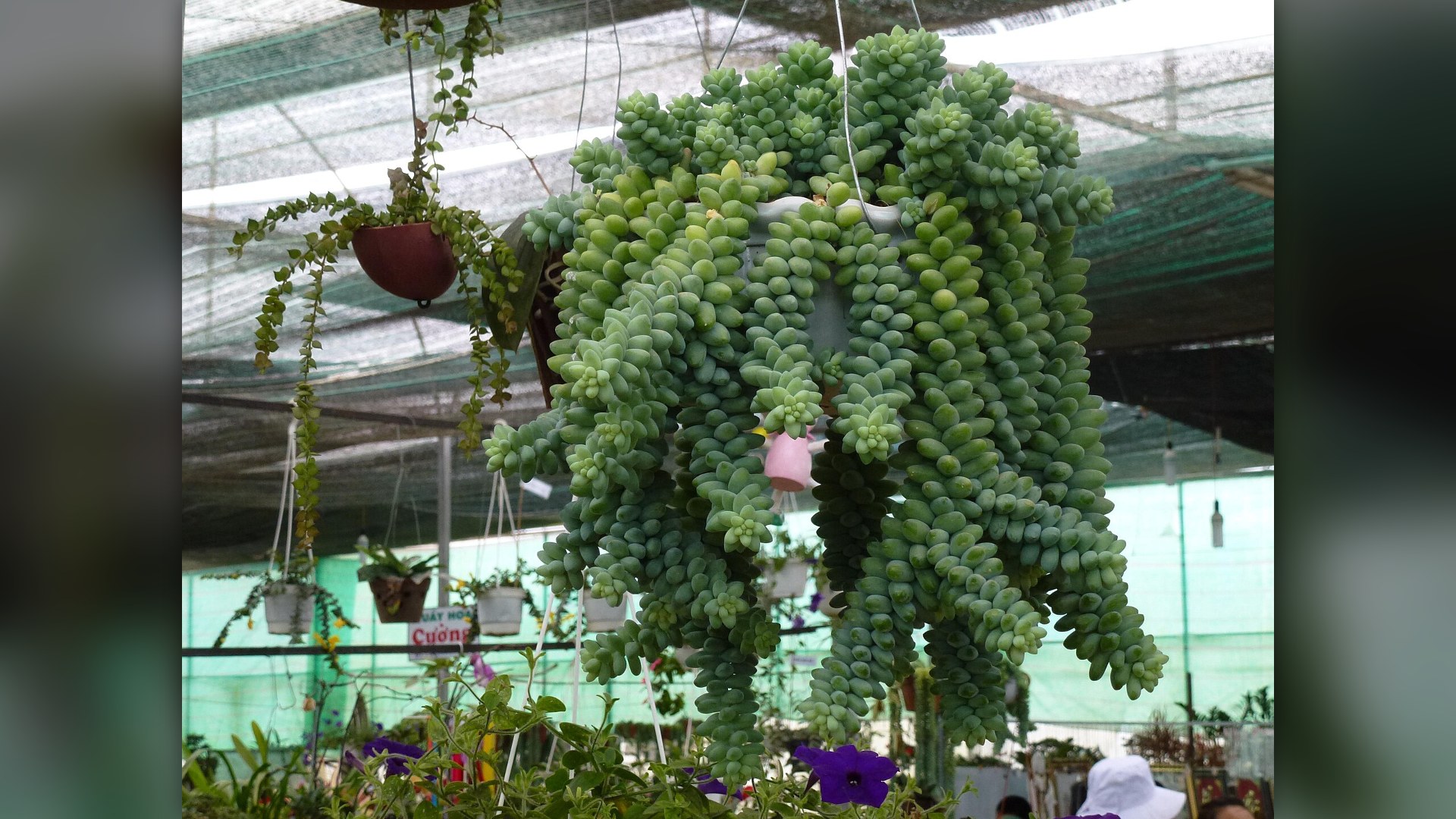
9. Burro's Tail (Sedum Morganianum)
Sedum morganianum produces heavy cascading stems packed with plump blue-green leaves that hold extensive water reserves. It requires watering only once a month during winter, handles direct sunlight effortlessly, and thrives when left undisturbed in hanging pots.
©Wikimedia / Hungda
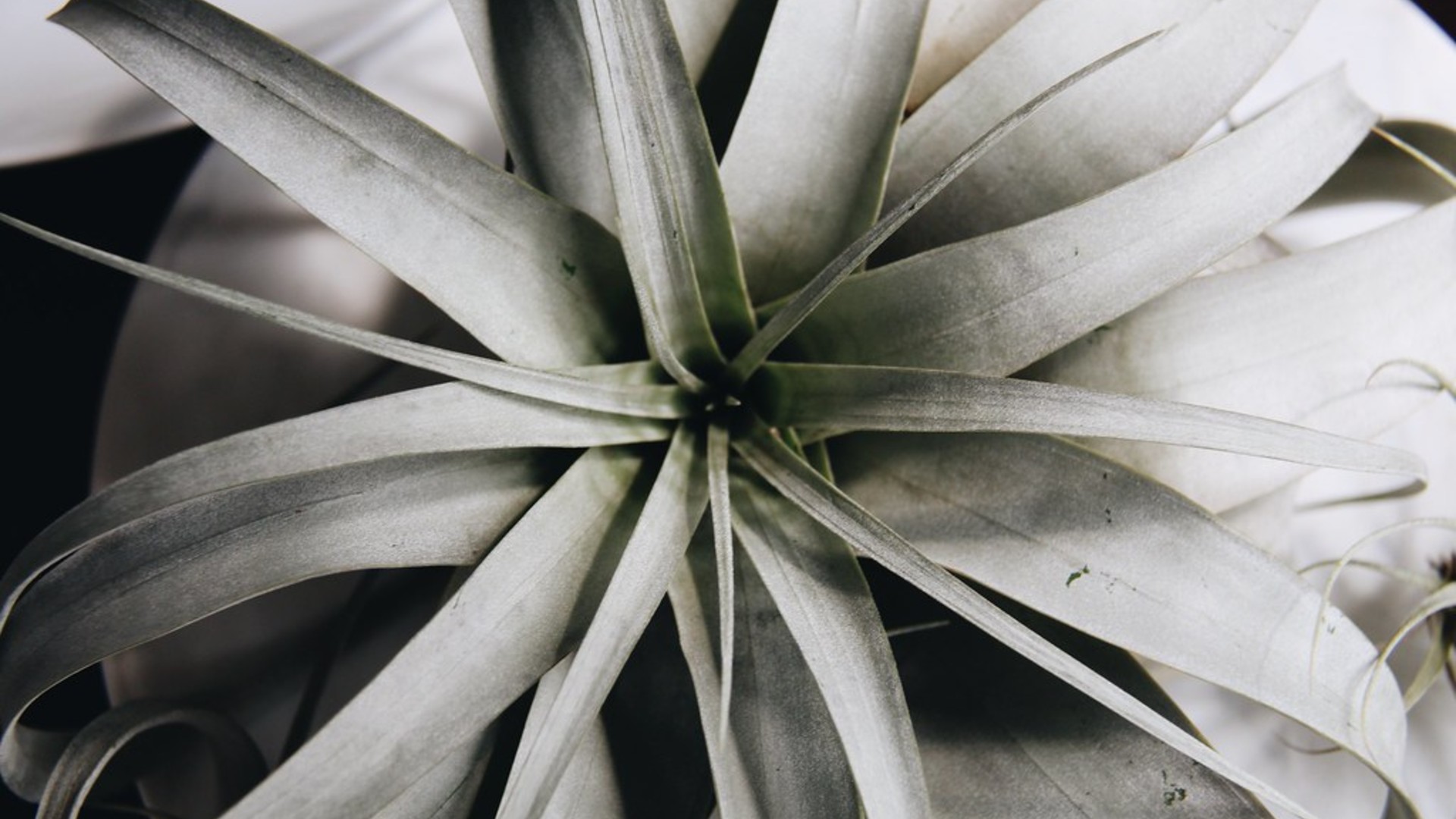
8. Air Plant (Tillandsia Xerographica)
Tillandsia xerographica requires no soil or potting mix, absorbing moisture and ambient nutrients through silvery leaf scales called trichomes. A twenty-minute bath in water every two weeks keeps this architectural rosette healthy on bookshelves and desktop bowls.
©Openverse / Home For The Harvest
7. African Violet (Saintpaulia Ionantha)
Saintpaulia ionantha remains a beloved windowsill staple because it flowers nearly year-round indoors under ordinary fluorescent or eastern morning light. Beginners succeed by watering from below into the saucer, preventing leaf spots while keeping soil evenly moist.
©Wikimedia / Wildfeuer
6. Swiss Cheese Plant (Monstera Deliciosa)
Monstera deliciosa is renowned for its large split leaves that give rooms a tropical look. Clemson Extension research shows it tolerates varied light levels and recovers quickly from underwatering. Wipe leaves occasionally to remove dust and maintain vigor.
©Wikimedia / Agnieszka Kwiecień, Nova
Advertisement
Swipe or tap ▶ to resume the countdown.
5. Prayer Plant (Maranta Leuconeura)
Maranta leuconeura folds its oval variegated leaves together at sunset, resembling hands folded in prayer. It thrives in medium light and normal room temperatures between 18 and 24 degrees Celsius, needing water only when the top centimetre of potting mix feels dry.
©Wikimedia / Cliff from Arlington, Virginia, USA
4. Ponytail Palm (Beaucarnea Recurvata)
Beaucarnea recurvata is not a true palm but an evergreen desert succulent related to agaves. Its bulbous caudex trunk stores moisture for up to two months, allowing it to withstand long vacations and dry winter heating with zero leaf drop or cosmetic damage.
©Wikimedia / Hedwig Storch
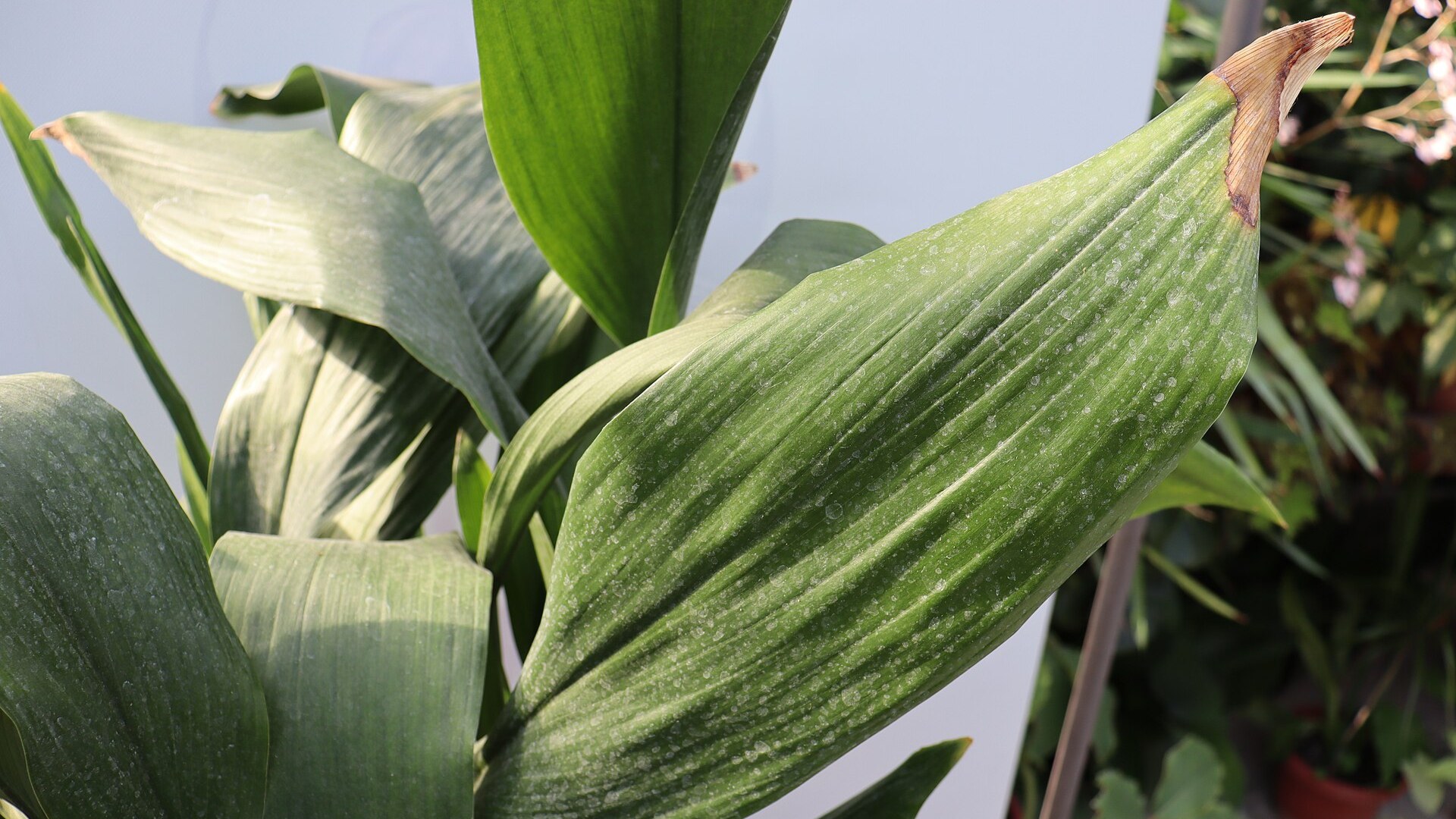
3. Cast Iron Plant (Aspidistra Elatior)
Aspidistra elatior earned its cast iron nickname during the Victorian era by thriving in drafty rooms lit only by soot-filled gas lamps. It endures deep shade, poor soil, and irregular hydration, standing among the most forgiving indoor green plants in cultivation.
©Wikimedia / Dandarmkd
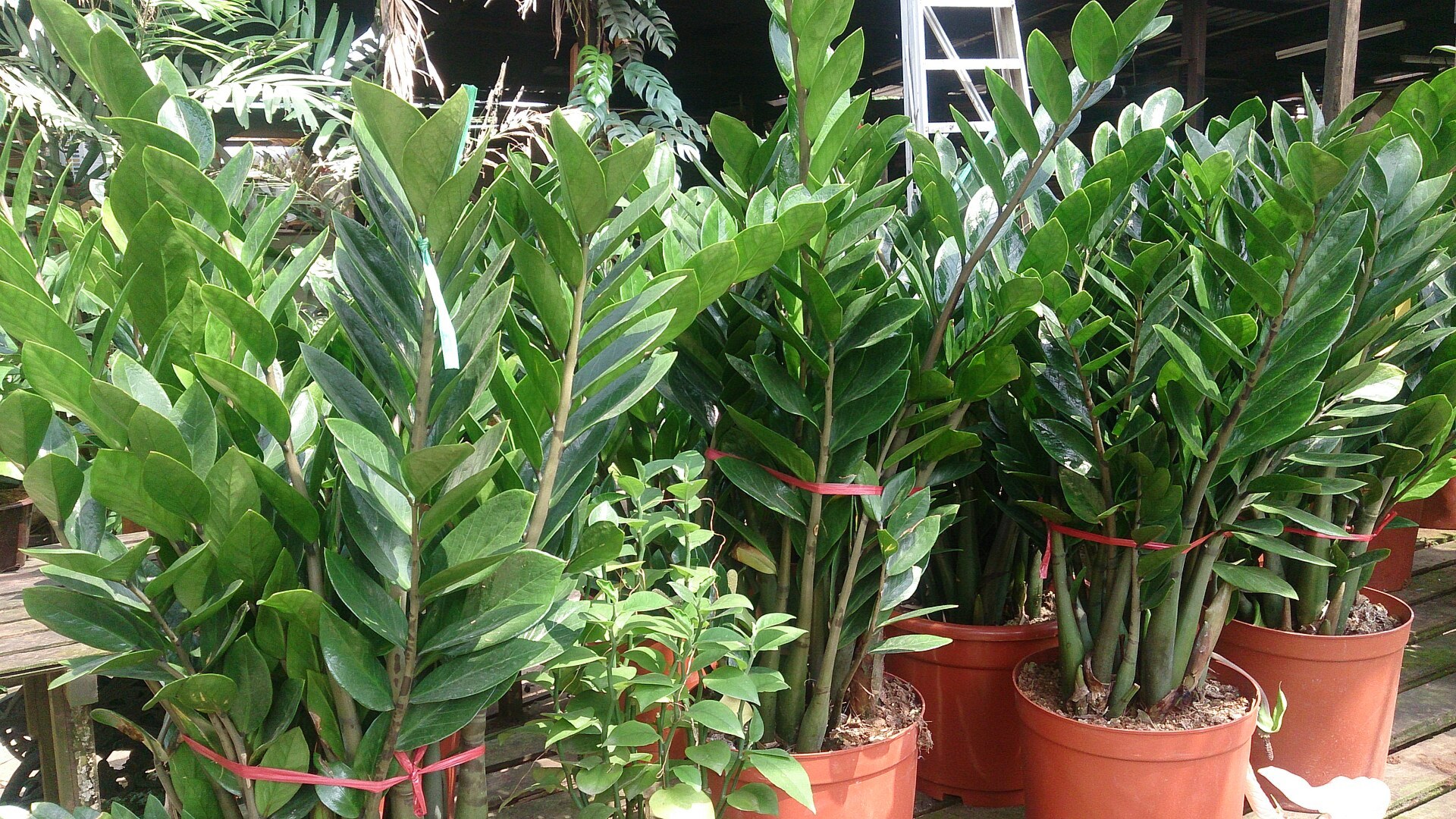
2. ZZ Plant (Zamioculcas Zamiifolia)
Native to seasonally dry grasslands of eastern Africa, Zamioculcas zamiifolia tolerates deep shade, fluorescent light, and dry household air. Its subterranean rhizomes hold water so efficiently that it requires watering only once every three to four weeks.
©Wikimedia / Mokkie
Advertisement
Swipe or tap ▶ to resume the countdown.
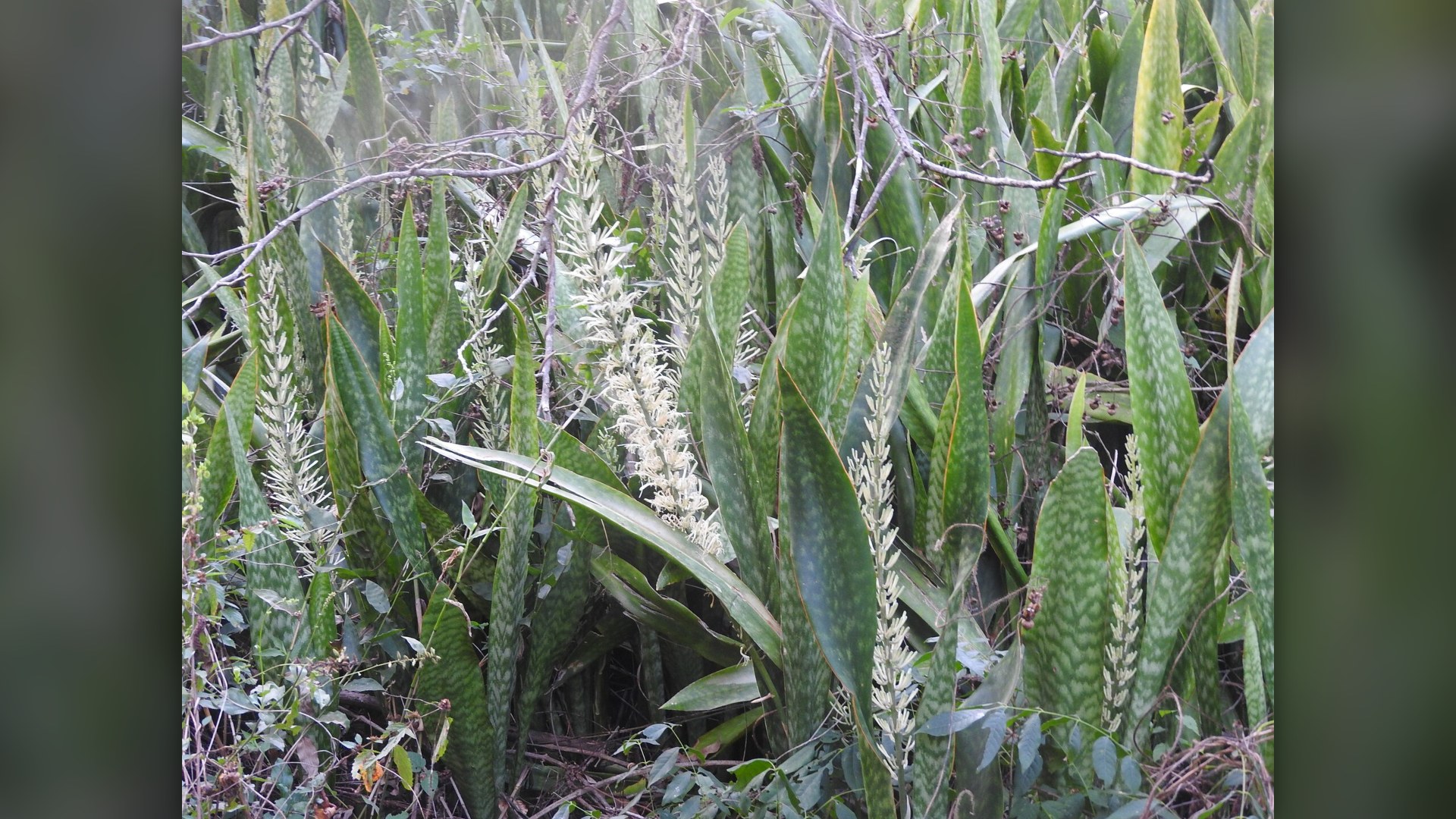
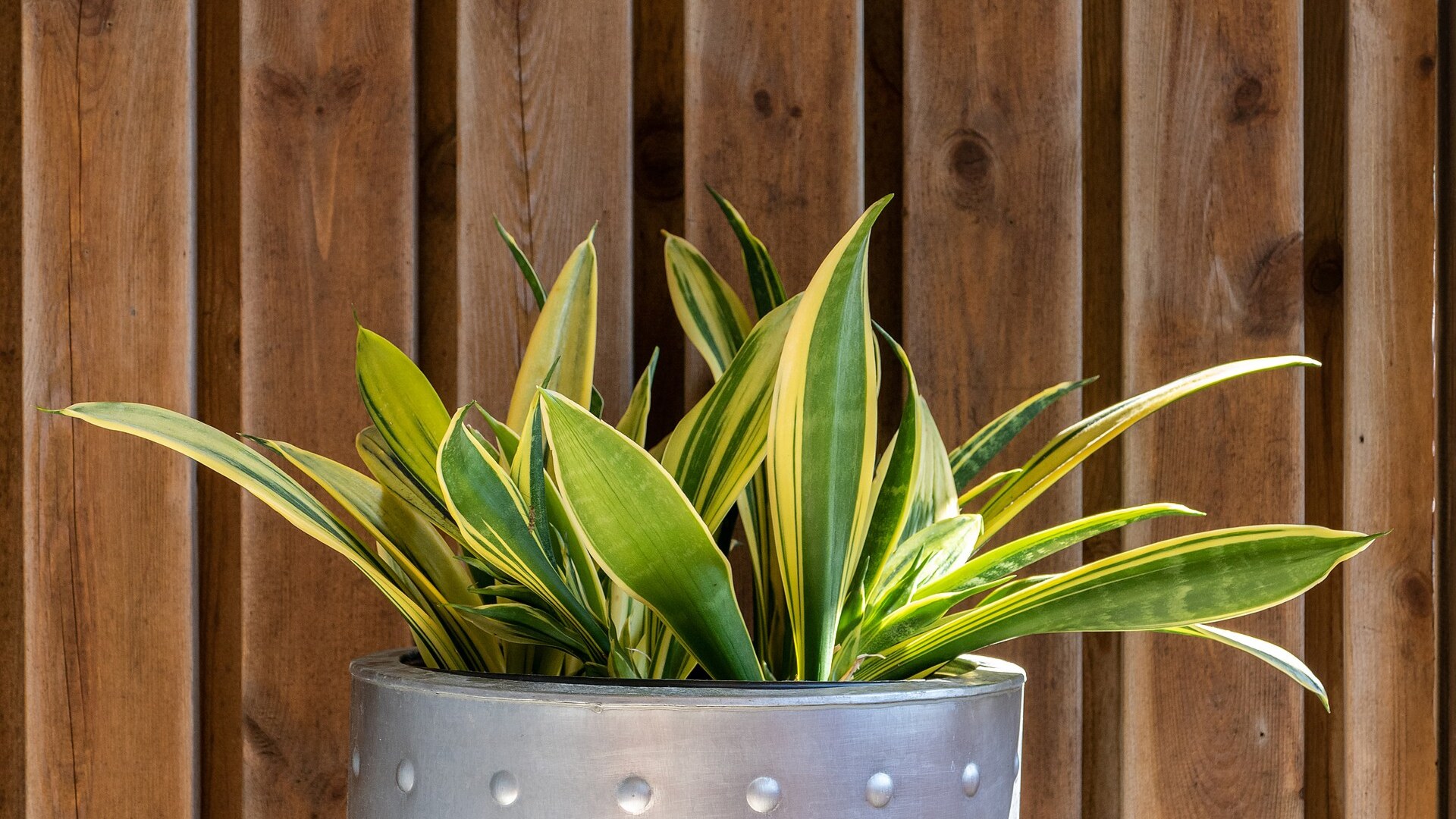
1. Snake Plant (Dracaena Trifasciata)
Dracaena trifasciata tops the resilience ranking because it withstands nearly every common houseplant mistake except drowning in water. It tolerates weeks of neglect in dark corners, handles direct sun, and performs nighttime photosynthesis to conserve moisture.

©Wikimedia / Juan Cruzado Cortés
Advertisement
You've reached the end of the story. Thanks for reading!

20 Ford Mustang Generations, Ranked From Worst To Best
Across seven distinct generations and sixty years of continuous production, the Ford Mustang defined the American pony car. We rank every generation and its defining performance eras from the darkest days of the 1970s fuel crisis to modern track supercars, culminating in the undisputed golden era of muscle.
All 20 Entries in this Story
Nerve Plant (Fittonia Albivenis)
Fittonia acts as a visual moisture gauge for beginners because its leaves collapse when thirsty and revive quickly after a drink. Native to South American rainforests, it prefers indirect light and steady humidity, making it an ideal terrarium and desk specimen.

Swiss Cheese Vine (Monstera Adansonii)
Featuring natural leaf windows that resist heavy tropical rains in the wild, Monstera adansonii adapts well to domestic life. It handles moderate ambient humidity, thrives under medium indirect sunlight, and tolerates short dry spells before curling its leaves.

Arrowhead Vine (Syngonium Podophyllum)
Syngonium podophyllum produces spade-shaped leaves that turn lobed as the vine matures. Horticultural testing from the University of Florida confirms it withstands erratic watering, fluorescent office lighting, and dry indoor heating without shedding foliage.

Polka Dot Plant (Hypoestes Phyllostachya)
Hypoestes phyllostachya provides bright indoor foliage with pink, red, or white speckles. It grows vigorously in standard potting soil and bounces back promptly if watering is delayed by several days. Simple pinch pruning keeps the plant dense and upright.

Zebra Haworthia (Haworthiopsis Fasciata)
Endemic to South Africa, zebra haworthia forms tight upright rosettes that store water inside thick succulent tissues. It tolerates weeks of complete drought, requires bright indirect light, and never outgrows small window shelves, making it foolproof for novices.

Wax Plant (Hoya Carnosa)
Hoya carnosa features waxy foliage that retains moisture for two to three weeks between waterings. Its durable semi-woody vines produce porcelain-like fragrant flower clusters under bright filtered light and tolerate dry indoor air far better than most tropicals.

Baby Rubber Plant (Peperomia Obtusifolia)
Peperomia obtusifolia is a compact perennial with thick, glossy foliage that functions like a succulent. University extension data notes that it tolerates low humidity, needs watering only when soil dries completely, and thrives under artificial office lighting.

Chinese Money Plant (Pilea Peperomioides)
Pilea peperomioides became popular across Europe after Norwegian missionaries shared cuttings in the 1940s. Its circular leaves sit on arching stems that rotate toward daylight. It requires water only once topsoil dries and sprouts rooted offsets in the pot.

Inch Plant (Tradescantia Zebrina)
Tradescantia zebrina features vivid purple foliage banded with reflective silver stripes. It survives on irregular watering routines and roots readily from simple stem cuttings dropped into water. The plant grows quickly in hanging baskets and bright corners.

Holiday Cactus (Schlumbergera Buckleyi)
Unlike desert cacti, Schlumbergera buckleyi originates in Brazilian coastal rainforests and prefers cool, bright spots away from direct noon sun. It stores moisture inside flattened stem segments, surviving missed waterings while flowering reliably each December.

Satin Pothos (Scindapsus Pictus)
Scindapsus pictus produces thick, velvet-textured leaves dusted with silver flecks. Unlike fragile tropicals, its leaves curl tightly when dry, offering an unmissable visual reminder to add water. It tolerates shaded apartments and sparse watering with no fuss.

Burro's Tail (Sedum Morganianum)
Sedum morganianum produces heavy cascading stems packed with plump blue-green leaves that hold extensive water reserves. It requires watering only once a month during winter, handles direct sunlight effortlessly, and thrives when left undisturbed in hanging pots.

Air Plant (Tillandsia Xerographica)
Tillandsia xerographica requires no soil or potting mix, absorbing moisture and ambient nutrients through silvery leaf scales called trichomes. A twenty-minute bath in water every two weeks keeps this architectural rosette healthy on bookshelves and desktop bowls.

African Violet (Saintpaulia Ionantha)
Saintpaulia ionantha remains a beloved windowsill staple because it flowers nearly year-round indoors under ordinary fluorescent or eastern morning light. Beginners succeed by watering from below into the saucer, preventing leaf spots while keeping soil evenly moist.

Swiss Cheese Plant (Monstera Deliciosa)
Monstera deliciosa is renowned for its large split leaves that give rooms a tropical look. Clemson Extension research shows it tolerates varied light levels and recovers quickly from underwatering. Wipe leaves occasionally to remove dust and maintain vigor.

Prayer Plant (Maranta Leuconeura)
Maranta leuconeura folds its oval variegated leaves together at sunset, resembling hands folded in prayer. It thrives in medium light and normal room temperatures between 18 and 24 degrees Celsius, needing water only when the top centimetre of potting mix feels dry.

Ponytail Palm (Beaucarnea Recurvata)
Beaucarnea recurvata is not a true palm but an evergreen desert succulent related to agaves. Its bulbous caudex trunk stores moisture for up to two months, allowing it to withstand long vacations and dry winter heating with zero leaf drop or cosmetic damage.

Cast Iron Plant (Aspidistra Elatior)
Aspidistra elatior earned its cast iron nickname during the Victorian era by thriving in drafty rooms lit only by soot-filled gas lamps. It endures deep shade, poor soil, and irregular hydration, standing among the most forgiving indoor green plants in cultivation.

ZZ Plant (Zamioculcas Zamiifolia)
Native to seasonally dry grasslands of eastern Africa, Zamioculcas zamiifolia tolerates deep shade, fluorescent light, and dry household air. Its subterranean rhizomes hold water so efficiently that it requires watering only once every three to four weeks.

Snake Plant (Dracaena Trifasciata)
Dracaena trifasciata tops the resilience ranking because it withstands nearly every common houseplant mistake except drowning in water. It tolerates weeks of neglect in dark corners, handles direct sun, and performs nighttime photosynthesis to conserve moisture.