Slideshow · Lifestyle
20 Common Thanksgiving Dinner Mistakes to Avoid According to Chefs
Professional chefs warn that small preparation missteps ruin holiday feasts during Thanksgiving dinner. This countdown ranks the top twenty culinary errors, from gummy potatoes to dry poultry, alongside practical kitchen fixes. Based on published guides from Food Network, Americas Test Kitchen, and Serious Eats.
By Most Viral Today
2 hours ago

Holiday Cooking Blunders That Top Culinary Experts Urge You to Avoid 
20. Skipping Fresh Herbs In Stuffing And Side Dishes 
19. Crowding Vegetables On A Single Roasting Sheet 
18. Serving Dinner On Chilled Or Room-Temperature Plates - AdvertisementSwipe or tap ▶ to continue countdown

17. Pouring Cold Milk And Butter Into Hot Mashed Potatoes 
16. Tossing Out Rich Turkey Pan Drippings 
15. Overworking Cold Butter Into Pastry Pie Dough 
14. Leaving All Food Prep And Chopping For Morning Delivery - AdvertisementSwipe or tap ▶ to continue countdown

13. Pureeing Boiled Potatoes In A Food Processor 
12. Relying On Bland Canned Broth For Holiday Gravy 
11. Trusting The Factory Pop-Up Poultry Timer 
10. Basting The Turkey Repeatedly Throughout Roasting - AdvertisementSwipe or tap ▶ to continue countdown

9. Stuffing Raw Bread Mixture Inside The Turkey Cavity 
8. Skipping A Rimmed Baking Sheet Under Fruit Pies 
7. Roasting The Turkey While Meat Is Still Refrigerator Cold 
6. Dumping Flour Directly Into Warm Roasting Juices - AdvertisementSwipe or tap ▶ to continue countdown

5. Under-Salting Potato Cooking Water And Vegetable Sides 
4. Thawing A Frozen Turkey On The Warm Kitchen Counter 
3. Cooking Turkey Without A Calibrated Digital Thermometer 
2. Carving The Roasted Turkey Immediately From The Oven - AdvertisementSwipe or tap ▶ to continue countdown

1. Roasting The Entire Turkey Whole Without Dry-Brining - Advertisement🔥 UP NEXT IN THIS SERIES◫ 21 Slides

20 Foods and Exercises That May Help Curb Sugar Cravings
Sudden sugar cravings often stem from rapid blood glucose dips, elevated stress, or fatigue. By pairing nutrient-dense foods rich in healthy fats, protein, and soluble fiber with targeted physical exercises, you can effectively curb appetite, stabilize metabolism, and regain steady daily energy without deprivation.
Professional chefs warn that small preparation missteps ruin holiday feasts during Thanksgiving dinner. This countdown ranks the top twenty culinary errors, from gummy potatoes to dry poultry, alongside practical kitchen fixes. Based on published guides from Food Network, Americas Test Kitchen, and Serious Eats.
Swipe or tap ▶ to begin the countdown
©Pixabay / MOHANN
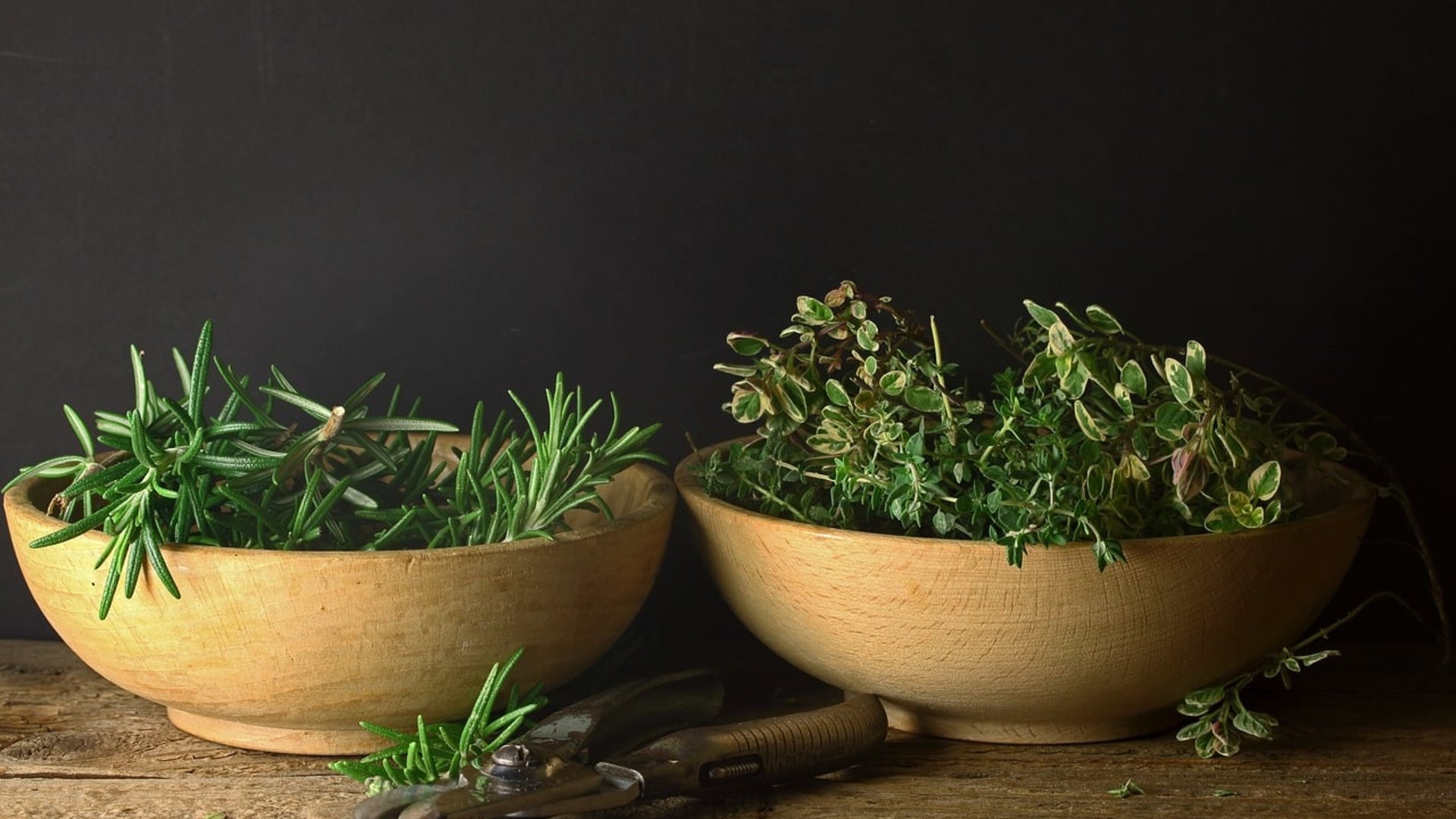
20. Skipping Fresh Herbs In Stuffing And Side Dishes
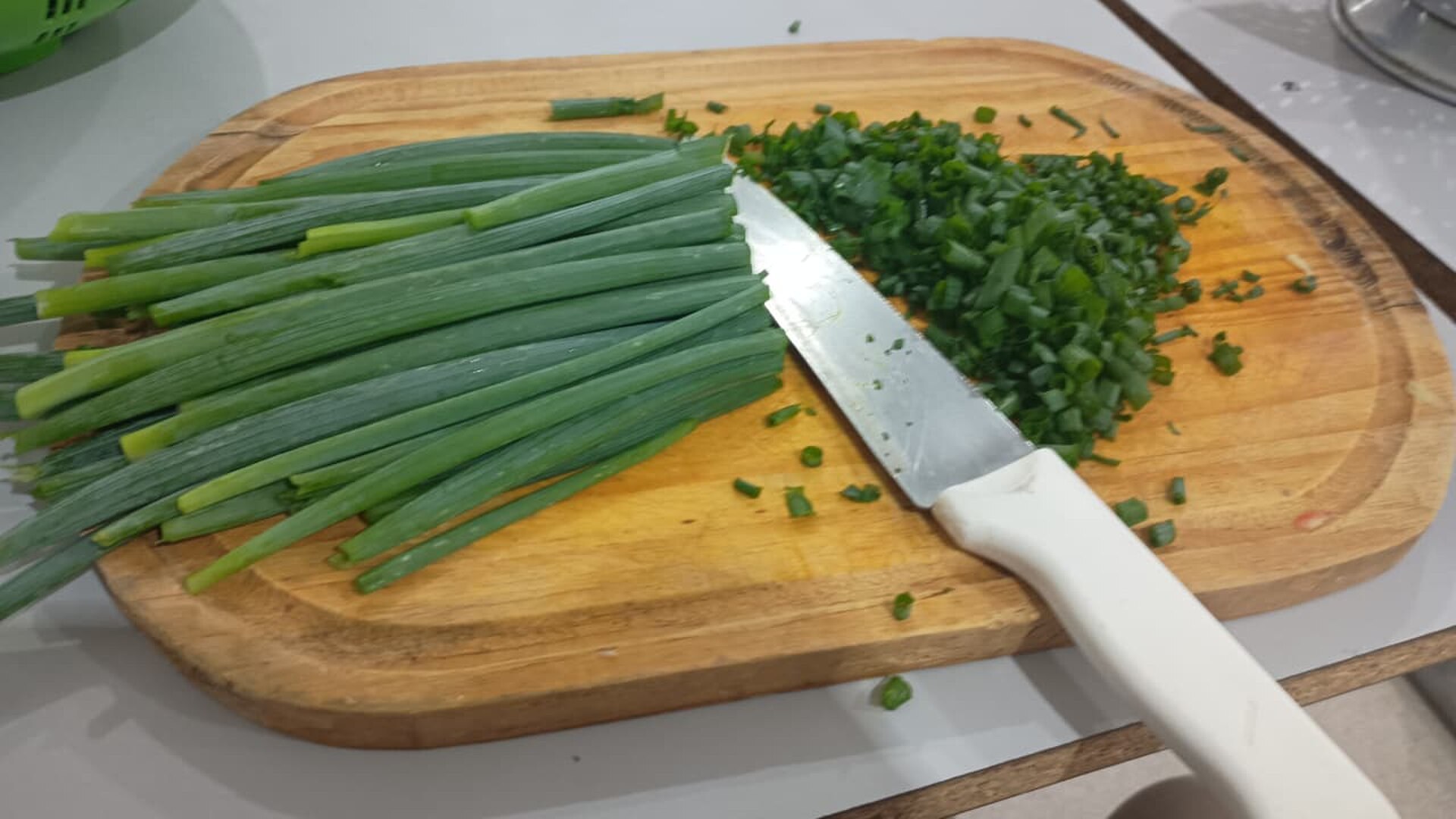
Commercial poultry seasoning blends lose essential oils after sitting in pantries for months. Chefs recommend minced fresh rosemary, sage, and thyme folded in during the final simmer. Fresh herbs provide bright aromatics that cut through heavy butter and rich starches across the plate.
©Pixabay / Bluesnap
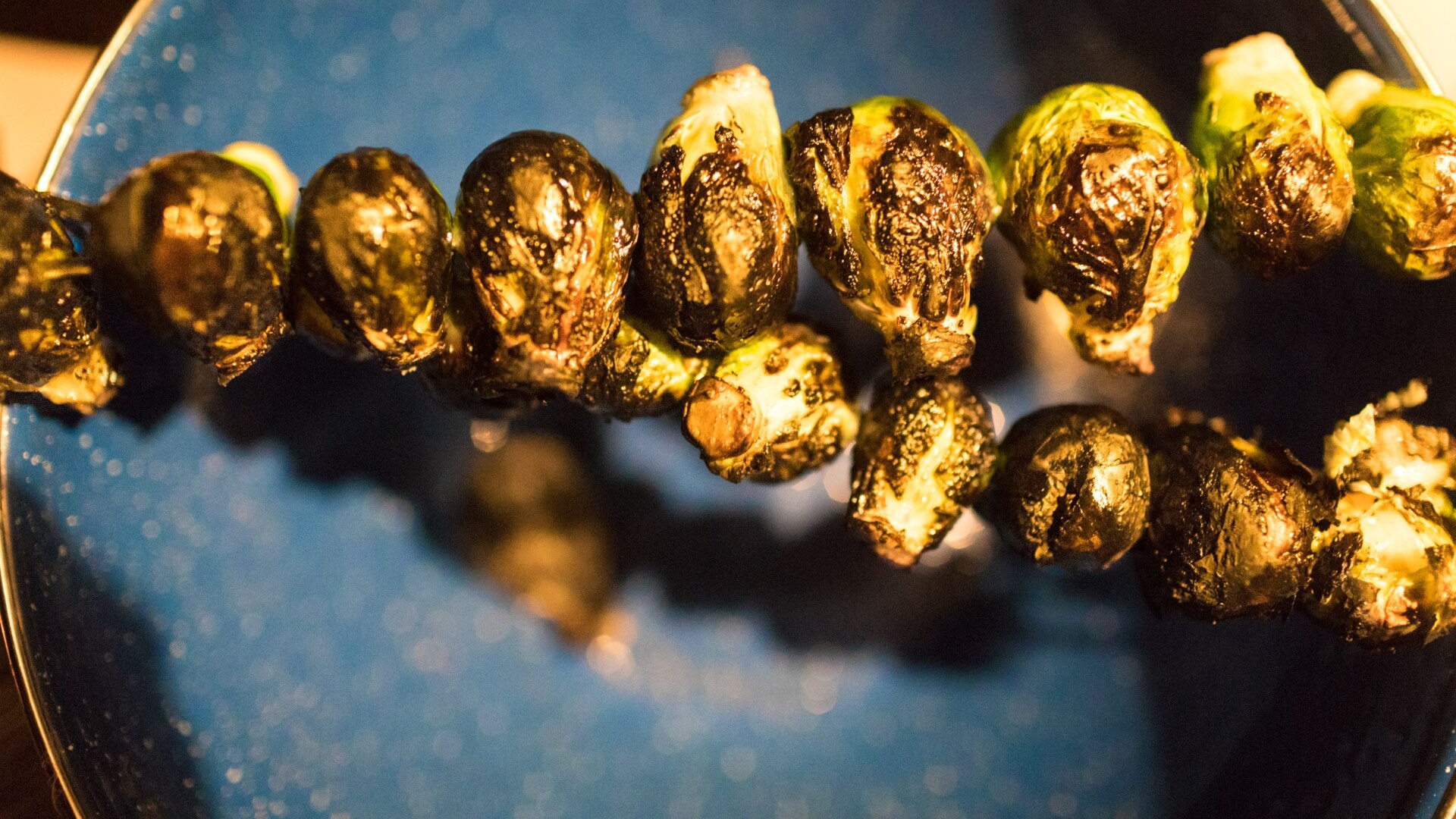
19. Crowding Vegetables On A Single Roasting Sheet
Roasting root vegetables requires high dry heat and open surface space. When Brussels sprouts and carrots overlap on one sheet pan, trapped moisture causes limp sogginess. Chefs separate vegetables across two rimmed baking sheets to develop crisp edges and deep caramelization.
©Wikimedia / spurekar
18. Serving Dinner On Chilled Or Room-Temperature Plates
Warm turkey slices and hot gravy lose surface heat within seconds on cold ceramic surfaces. Top culinary hosts keep serving platters in a low oven set to 150 degrees Fahrenheit. Stacking warm dishes right before serving ensures every course stays hot throughout the family meal.
©Wikimedia / Paulo O
Advertisement
Swipe or tap ▶ to resume the countdown.
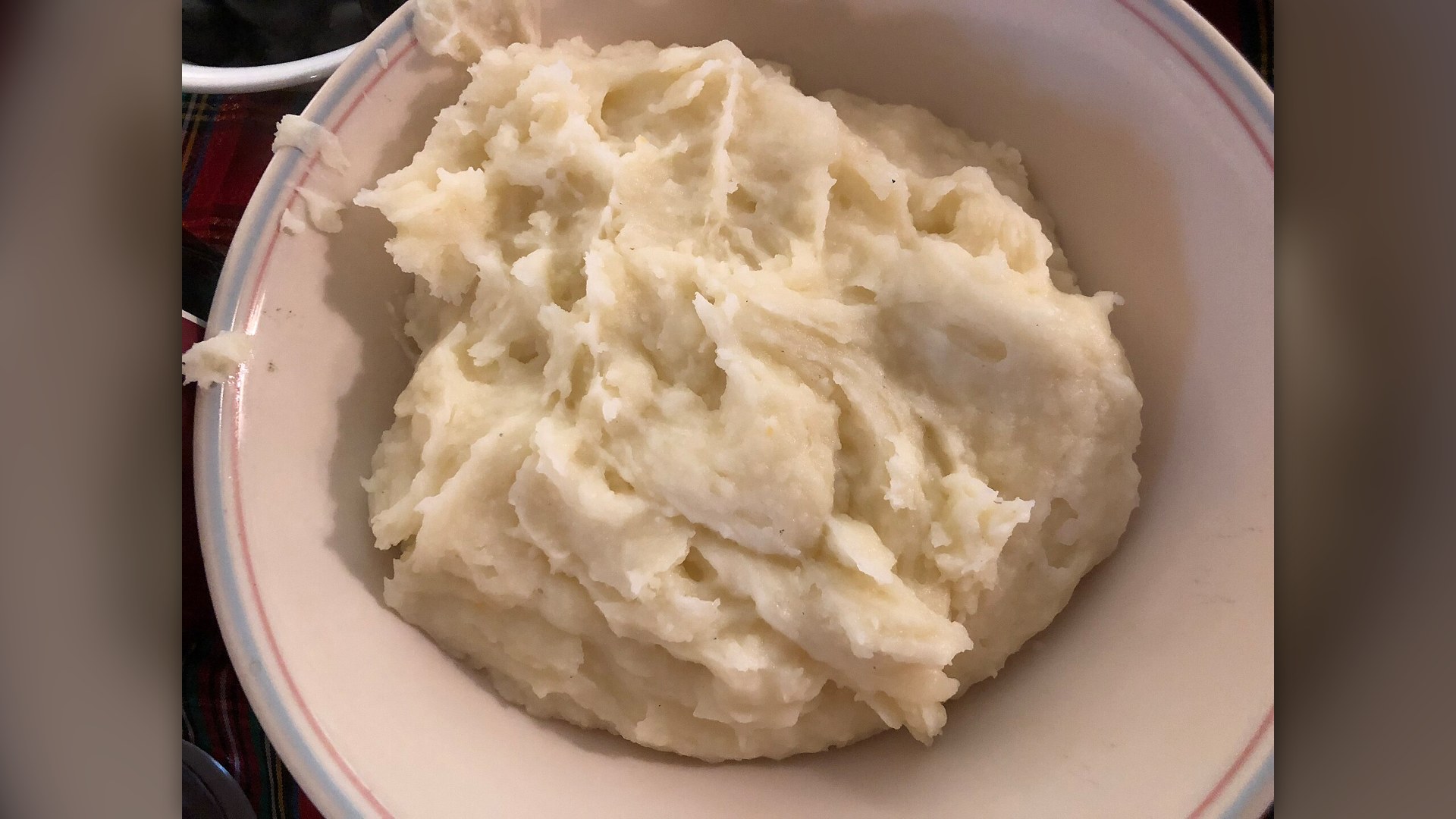
17. Pouring Cold Milk And Butter Into Hot Mashed Potatoes
Dumping cold milk or butter into steamed potatoes drops the batch temperature and produces a greasy texture. Heating cream and melting unsalted butter together in a small saucepan allows hot starch cells to absorb fats smoothly, yielding silky and uniform mashed potatoes.
©Wikimedia / Famartin
16. Tossing Out Rich Turkey Pan Drippings
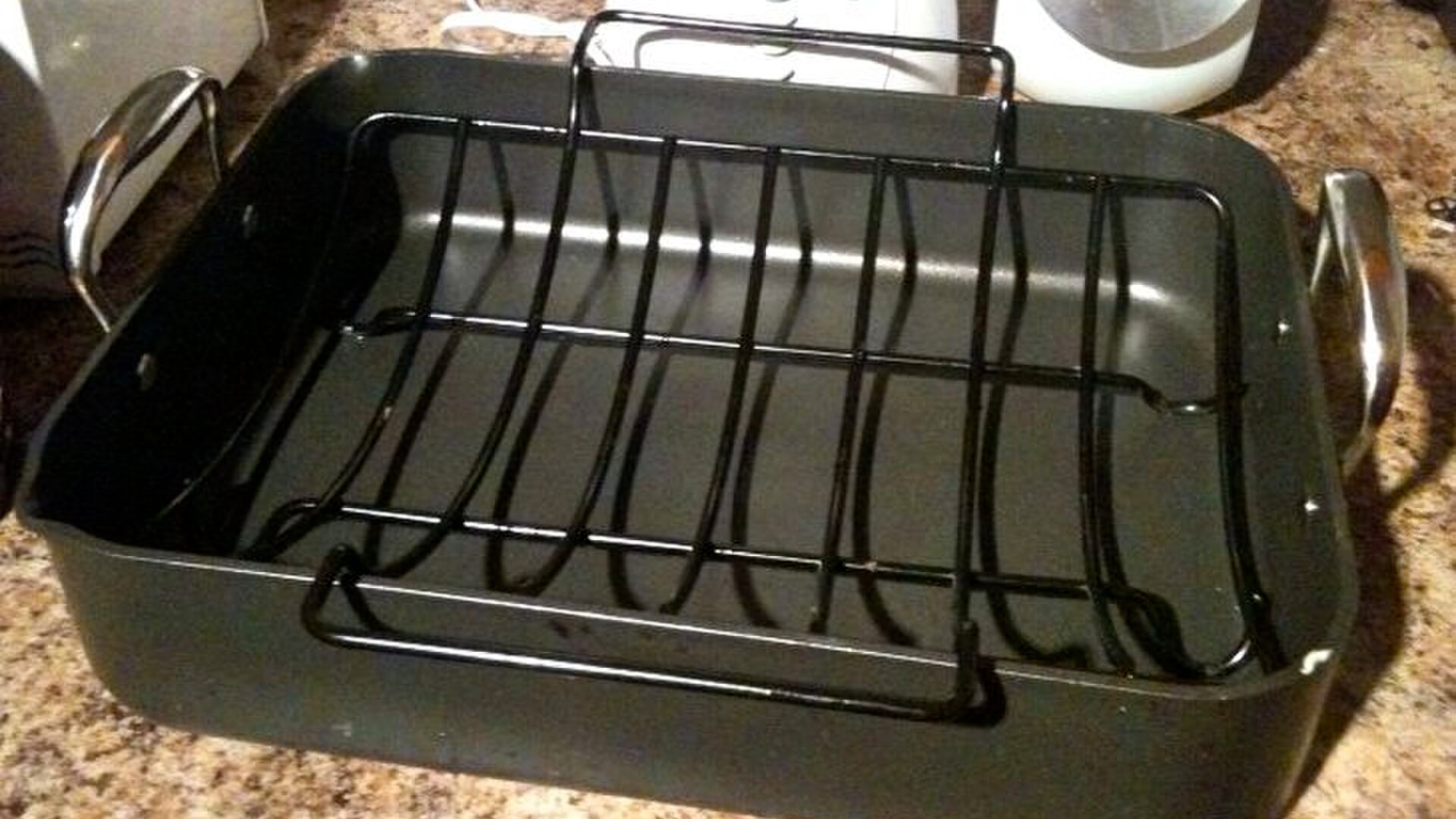
Scraping roasted turkey drippings from the bottom of the roasting pan provides the true base for holiday gravy. Home cooks often throw away pan fond out of cleanup convenience. Deglazing the roasting pan with dry white wine or warm poultry broth unlocks concentrated savory flavor.
©Wikimedia / OttawaAC
15. Overworking Cold Butter Into Pastry Pie Dough
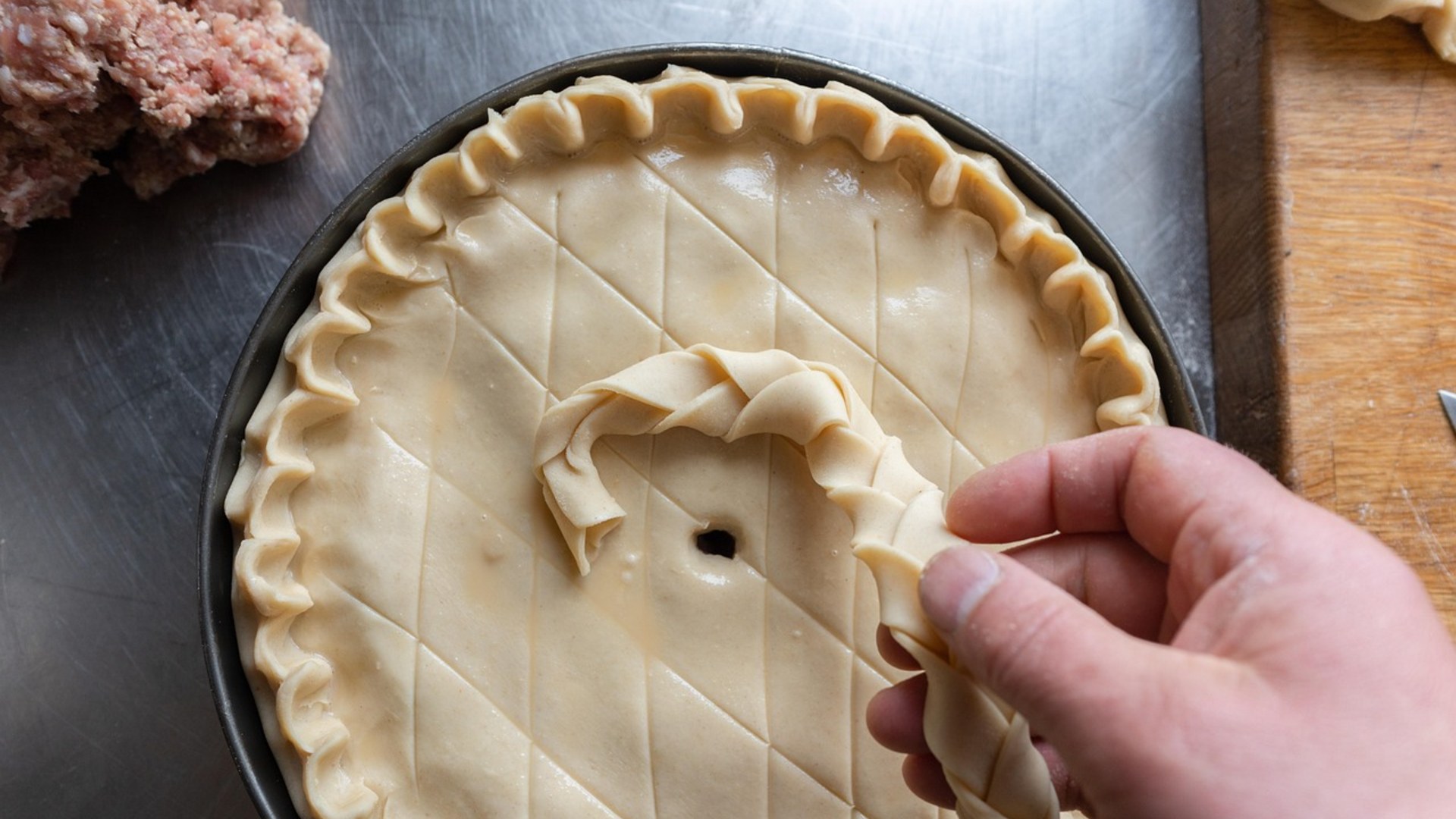
Flaky pie crust depends on visible pea-sized chunks of cold butter distributed through flour. Over-mixing the dough warms the fat and creates dense, tough crusts. Pastry chefs recommend chilling all butter and water thoroughly, gently folding dough just until it holds together.
©Pixabay / SylwesterL
14. Leaving All Food Prep And Chopping For Morning Delivery
Thanksgiving morning chaos often stems from simple scheduling neglect. Chefs chop onions, celery, and herbs up to two days ahead and store them in sealed containers. Pre-measuring ingredients and baking pies on Wednesday frees oven space and eases cooking day pressure.
©Wikimedia / Sarah5252
Advertisement
Swipe or tap ▶ to resume the countdown.
13. Pureeing Boiled Potatoes In A Food Processor
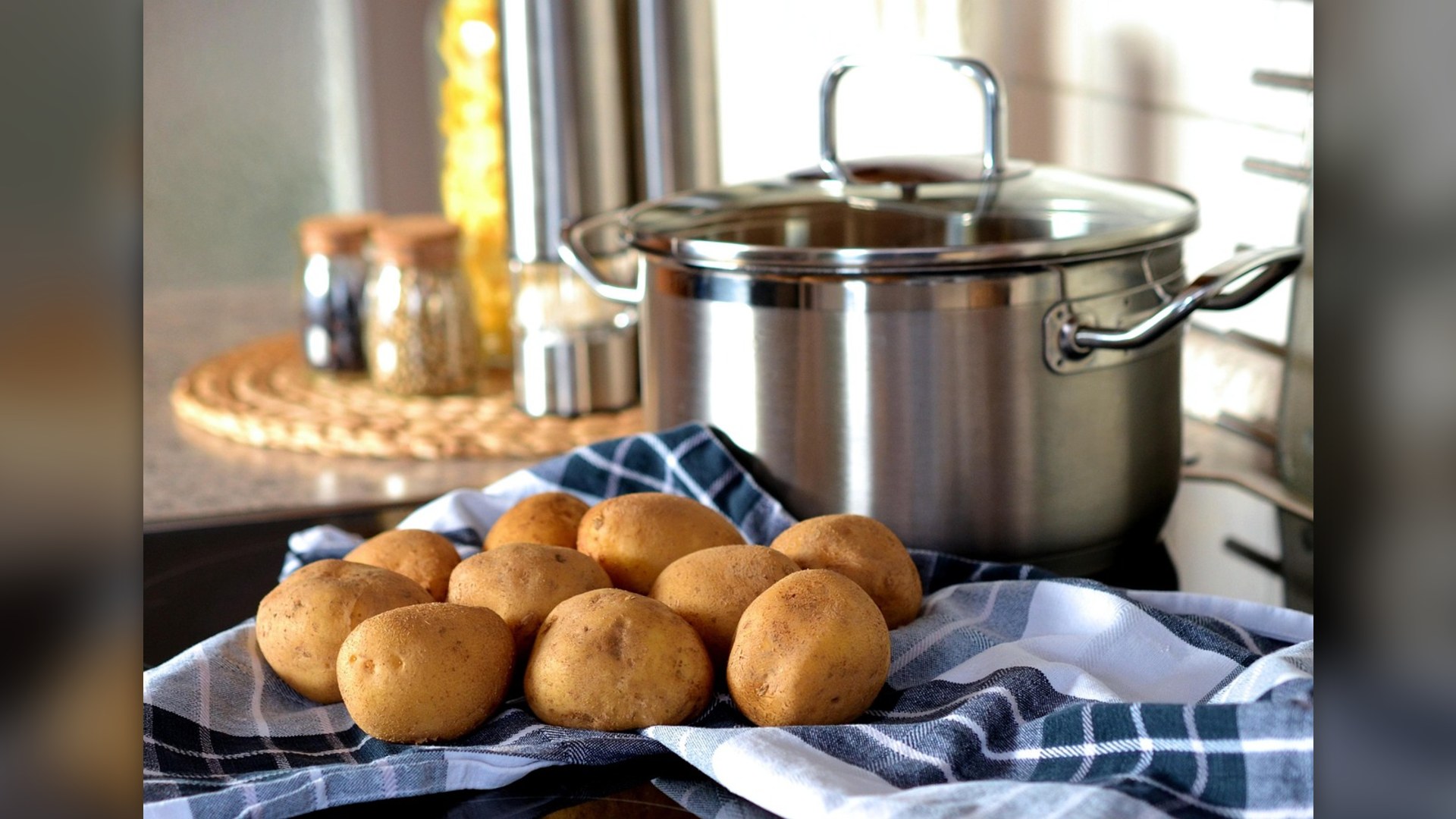
Using food processors or immersion blenders tears potato starch granules apart, releasing amylose molecules that form an inedible paste. Chefs use a manual potato ricer or food mill. These tools gently separate solids without shearing cells, resulting in pillowy texture.
©Pixabay / congerdesign
12. Relying On Bland Canned Broth For Holiday Gravy
Commercial sodium-heavy broths lack the natural collagen that gives holiday gravy body and sheen. Simmering turkey giblets and neck with carrots and celery creates a superior stock. Adding unflavored gelatin powder to store broth offers a fast, restaurant-quality alternative.
©Pixabay / guvo59
11. Trusting The Factory Pop-Up Poultry Timer
Pre-inserted plastic timers operate via internal springs set to release at 180 degrees Fahrenheit. By the time the spring triggers, white breast meat has shed its moisture and turned stringy. Kitchen experts recommend discarding these devices and using calibrated digital probes.
©Wikimedia / Wildhomme
10. Basting The Turkey Repeatedly Throughout Roasting
Opening the oven every twenty minutes drops the internal temperature by up to fifty degrees, prolonging cook times. Pouring cooking juices over the bird also moistens the skin, ruining crispness. Chefs recommend brushing butter once and leaving the oven door closed until finished.
©Wikimedia / TheKohser
Advertisement
Swipe or tap ▶ to resume the countdown.
9. Stuffing Raw Bread Mixture Inside The Turkey Cavity
For raw stuffing inside a bird cavity to reach the safe 165-degree mark, surrounding breast meat must cook well past 185 degrees. This habit creates dangerously dry meat or bacteria risks. Food safety inspectors advise baking dressing in a separate greased casserole dish.
©Wikimedia / Roundhere44
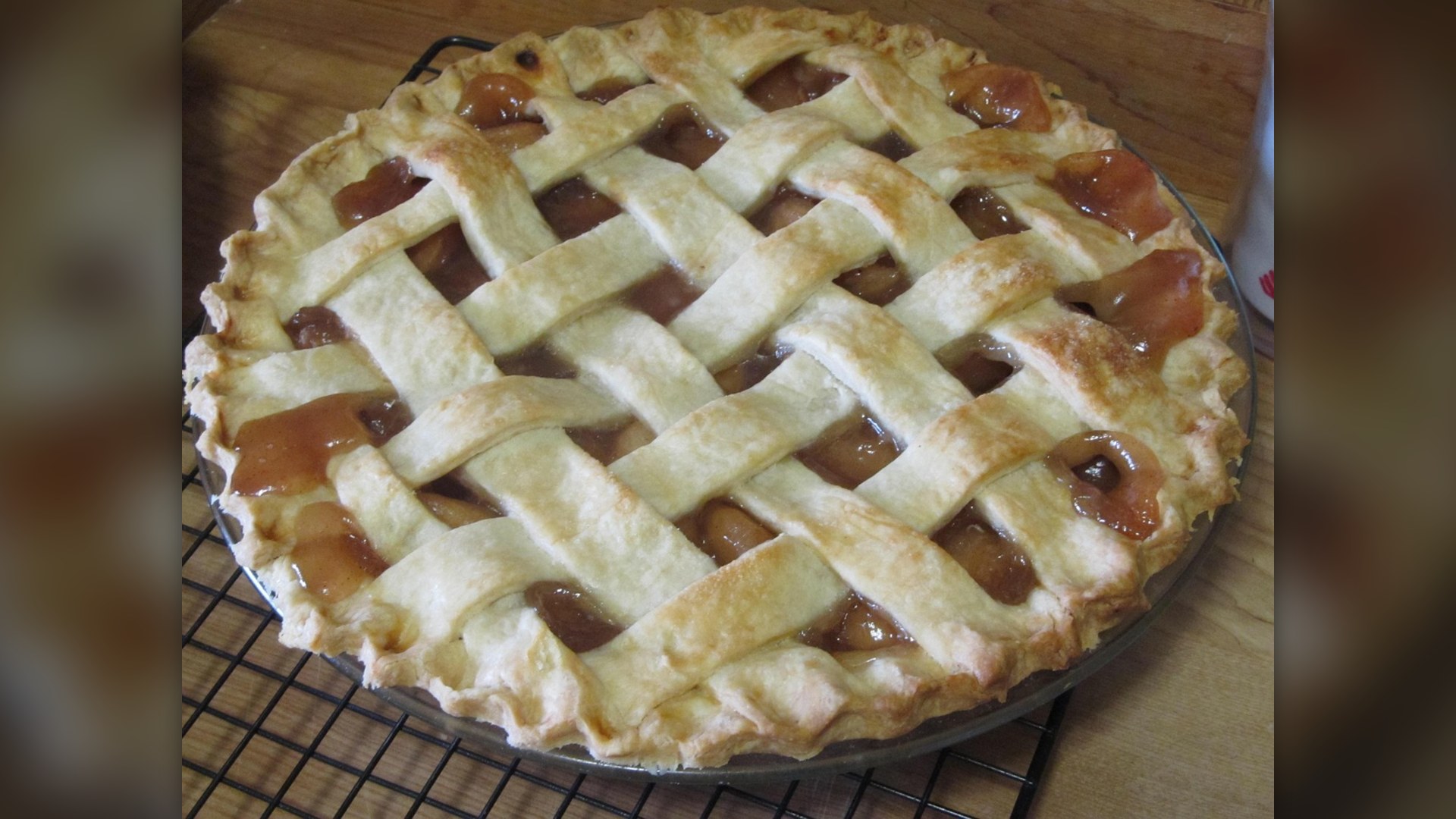
8. Skipping A Rimmed Baking Sheet Under Fruit Pies
Apple and berry pies naturally release sticky syrups as fillings bubble at peak heat. Allowing pie juices to drip directly onto oven decks creates pungent smoke throughout the kitchen. Placing a foil-lined baking sheet on the rack below catches drips and conducts bottom heat.
©Pixabay / andreahamilton264
7. Roasting The Turkey While Meat Is Still Refrigerator Cold
Placing a forty-degree bird into a hot oven causes outer breast meat to overcook before inner thighs reach safe temperatures. Professional cooks rest whole turkeys at cool room temperature for sixty minutes before roasting. Tempering meat encourages uniform heat penetration.
©Pixabay / photowoods
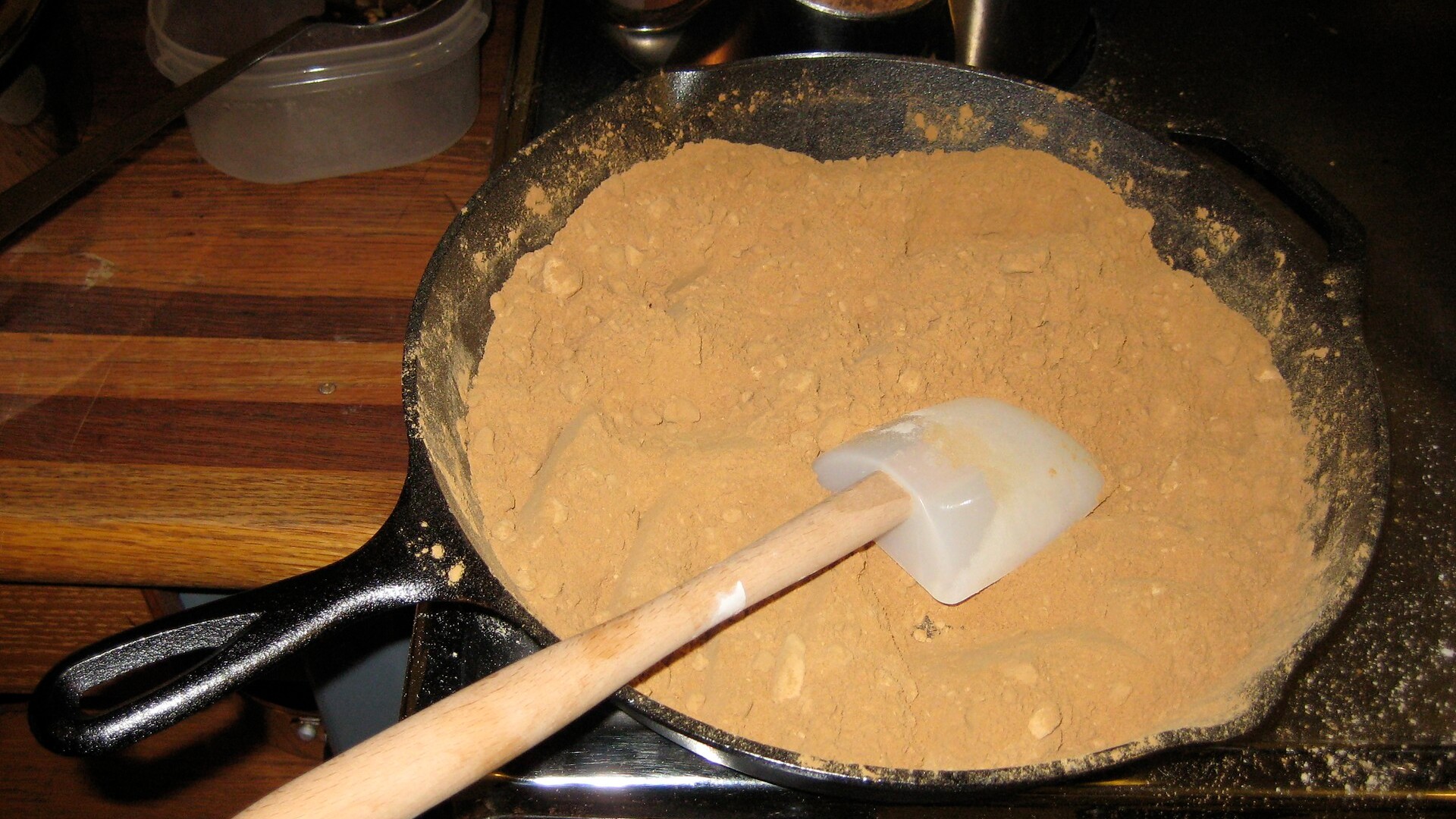
6. Dumping Flour Directly Into Warm Roasting Juices
Adding raw flour directly to hot pan juices coats starch granules in grease before they disperse, forming stubborn lumps. Chefs prepare a cooked flour roux or dissolve cornstarch into cool water first. Whisking slurry into simmering liquid creates glossy, clump-free gravy.
©Wikimedia / JaseMan
Advertisement
Swipe or tap ▶ to resume the countdown.
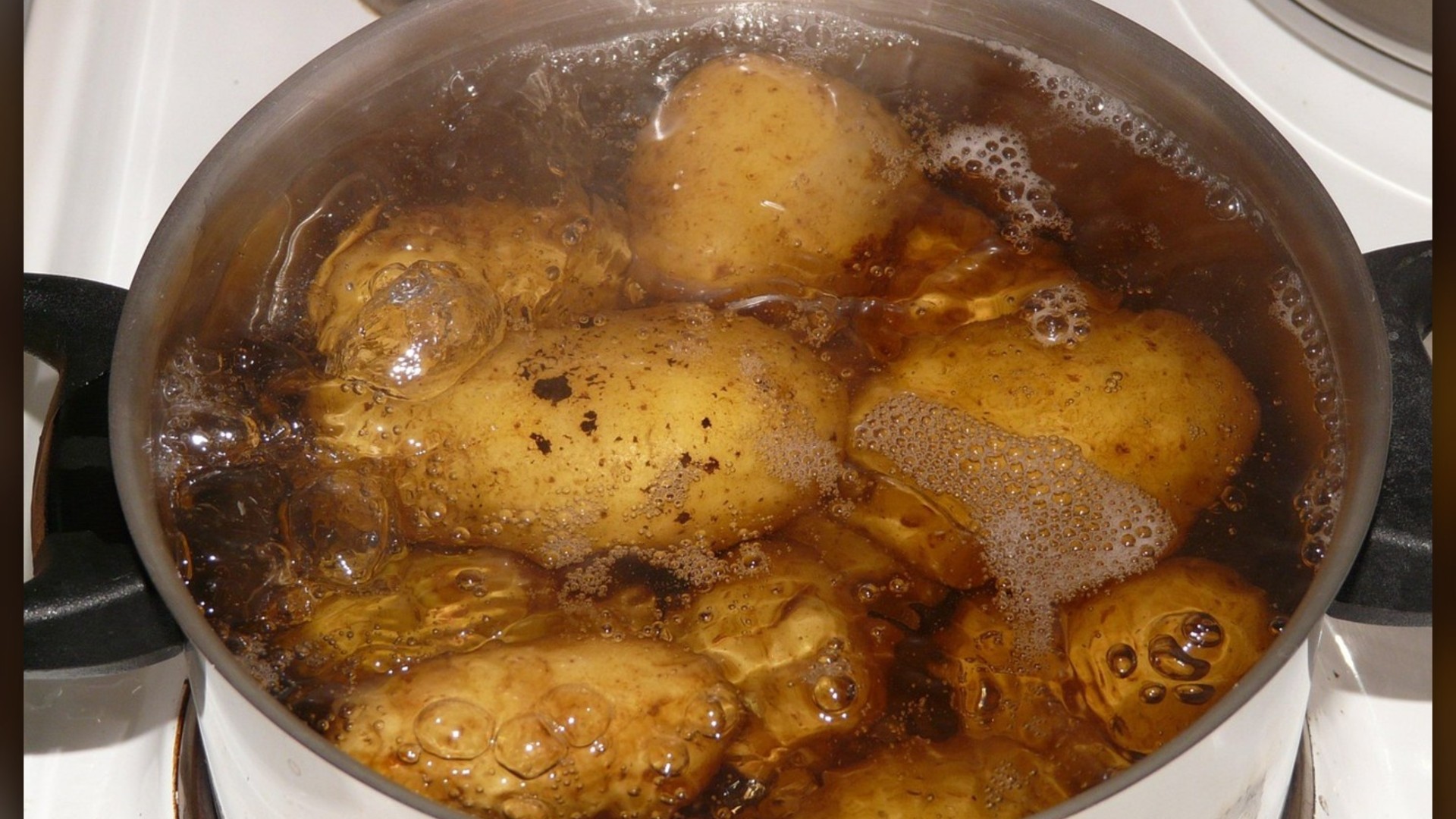
5. Under-Salting Potato Cooking Water And Vegetable Sides
Potatoes only absorb salt while their cell structures expand during boiling. Salting potatoes after cooking leaves flavors flat, requiring excessive butter to compensate. Chefs add two tablespoons of coarse kosher salt per gallon of boiling water for balanced savory flavor.
©Pixabay / Hans
4. Thawing A Frozen Turkey On The Warm Kitchen Counter
Leaving a frozen bird at room temperature creates an outer danger zone where foodborne bacteria multiply while core meat remains solid ice. Safe thawing requires twenty-four hours in the refrigerator for every four pounds of poultry, keeping food beneath forty degrees.
©Wikimedia / Unknown artist
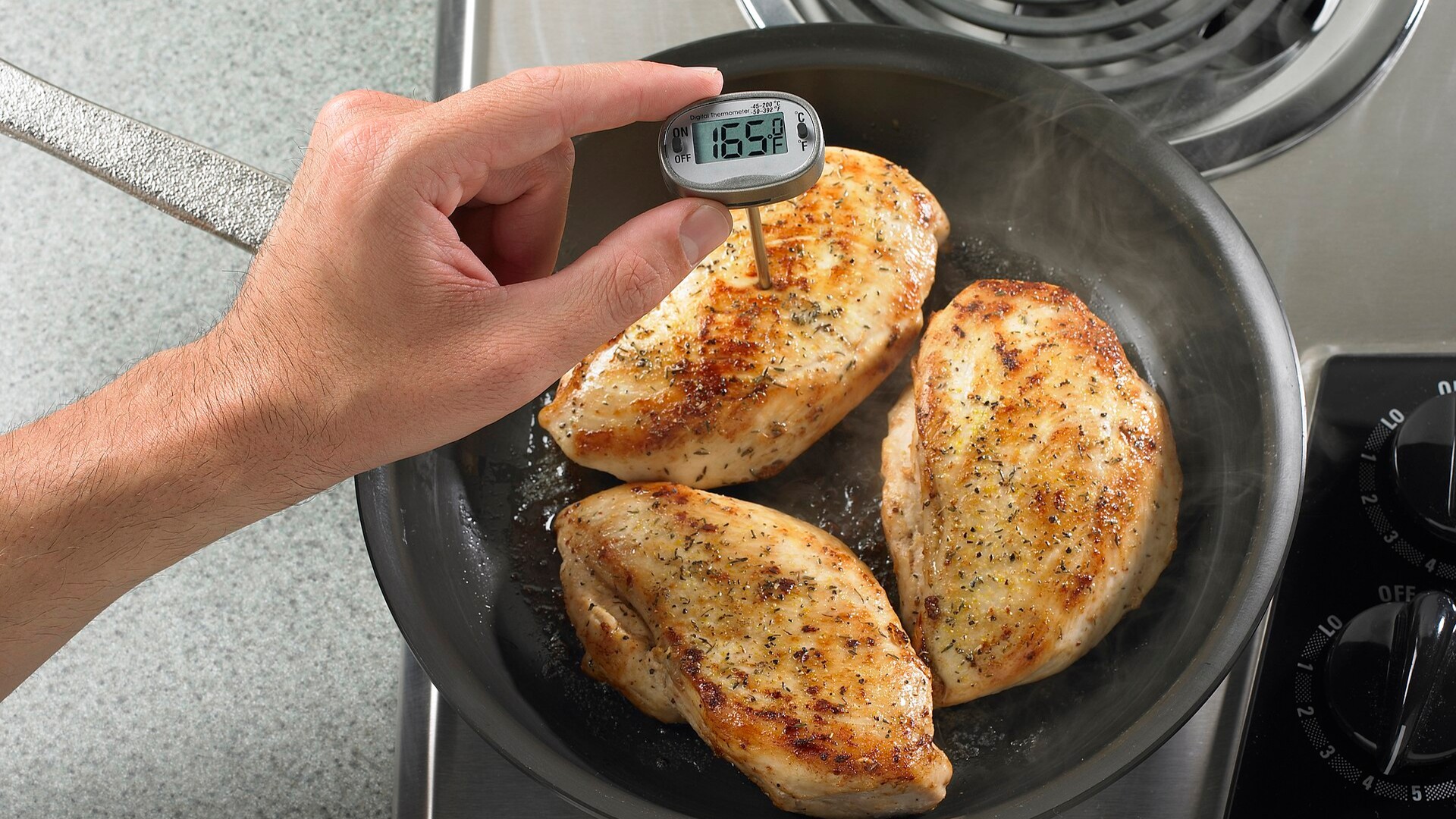
3. Cooking Turkey Without A Calibrated Digital Thermometer
Cooking time charts serve as broad estimates because oven temperatures and bird shapes vary. Guessing readiness by cutting into muscle drains clear juices and dries the flesh. Instant-read digital thermometers placed in the deepest thigh meat guarantee precision doneness.
©Wikimedia / USDAgov
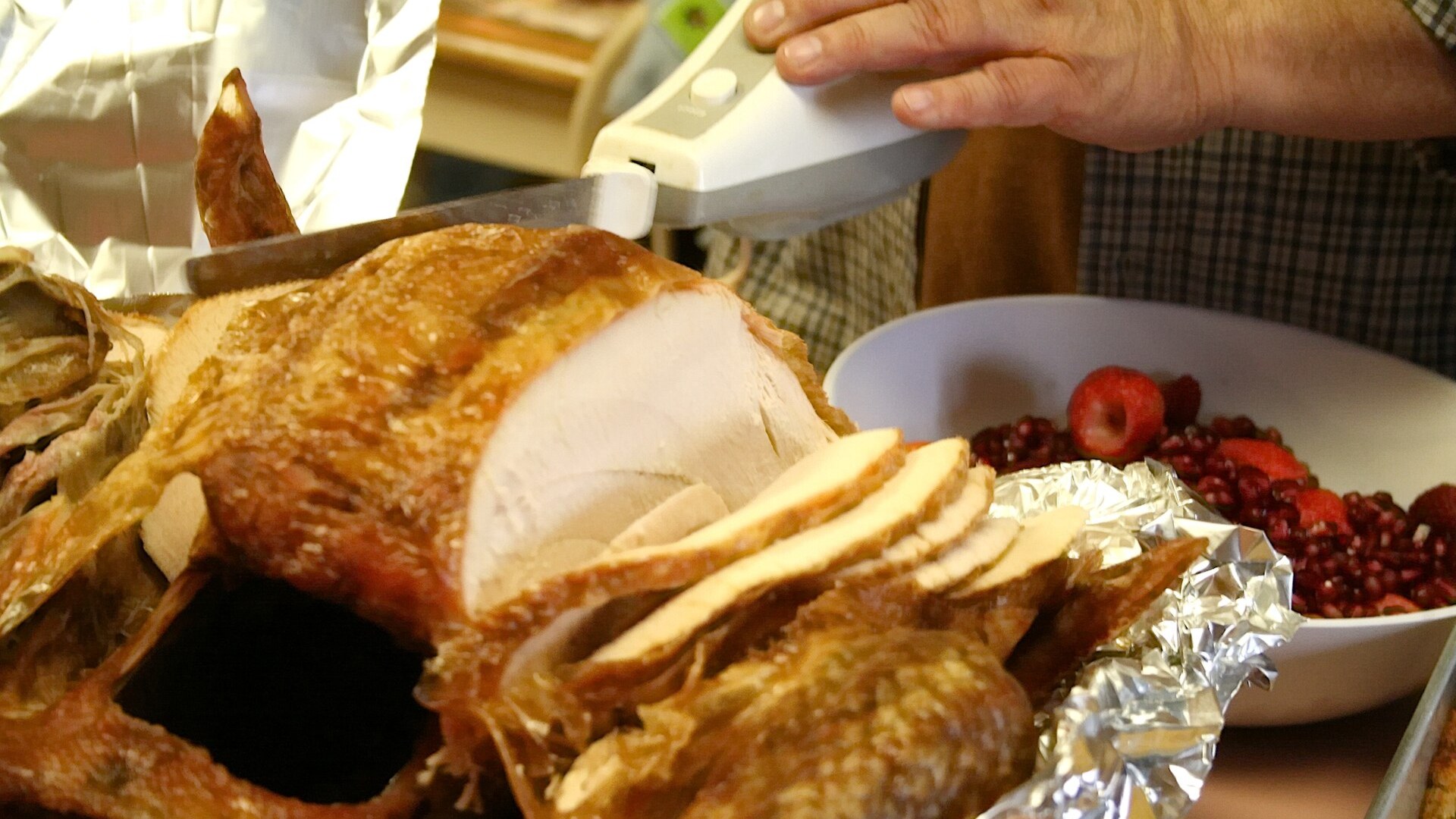
2. Carving The Roasted Turkey Immediately From The Oven
Hot muscle fibers remain tightly contracted straight out of the oven. Slicing immediately forces flavorful juices onto the cutting board, leaving the carved meat dry. Resting the roasted bird uncovered for thirty to forty minutes allows internal juices to redistribute evenly.
©Wikimedia / theogeo
Advertisement
Swipe or tap ▶ to resume the countdown.
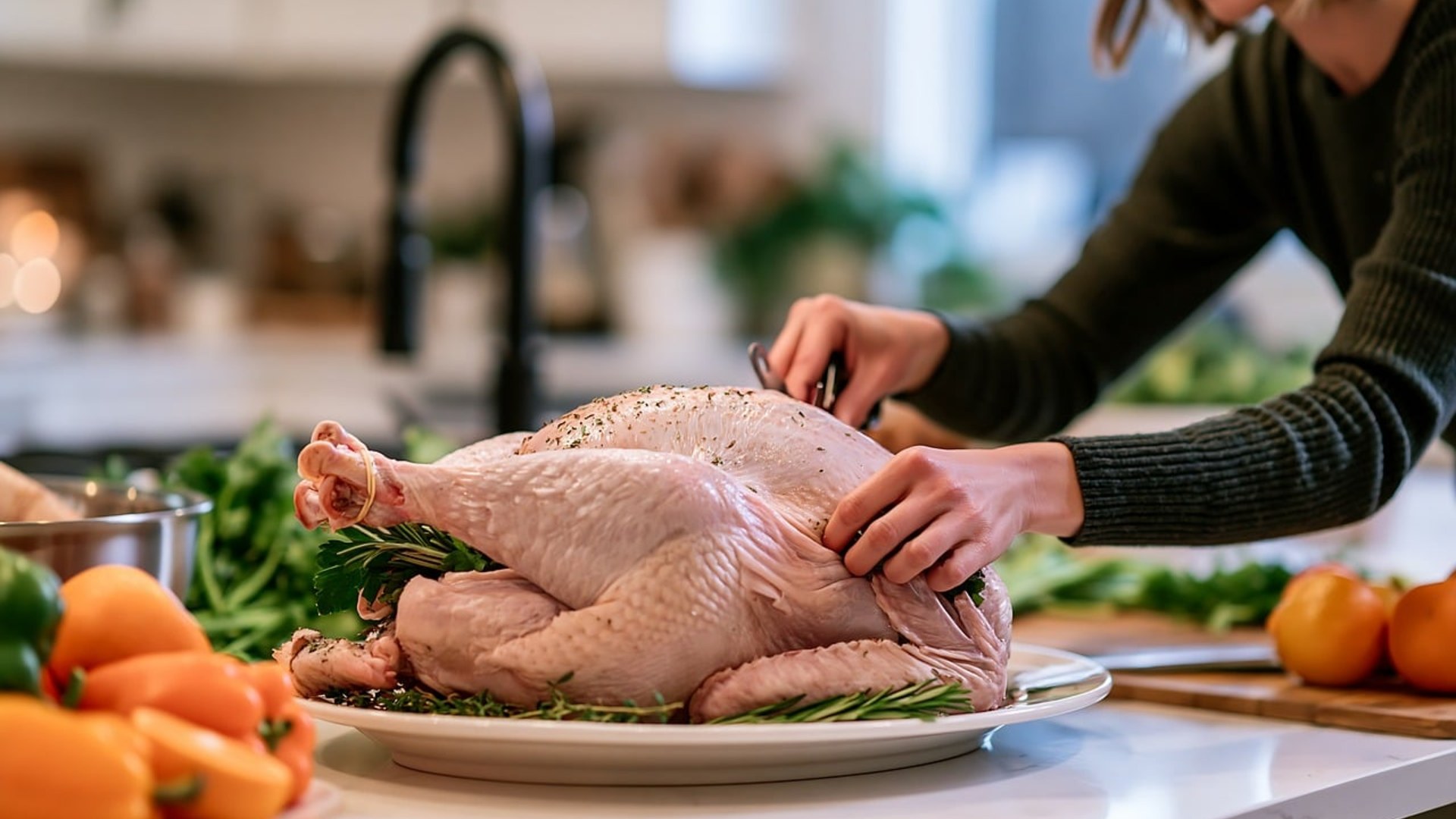
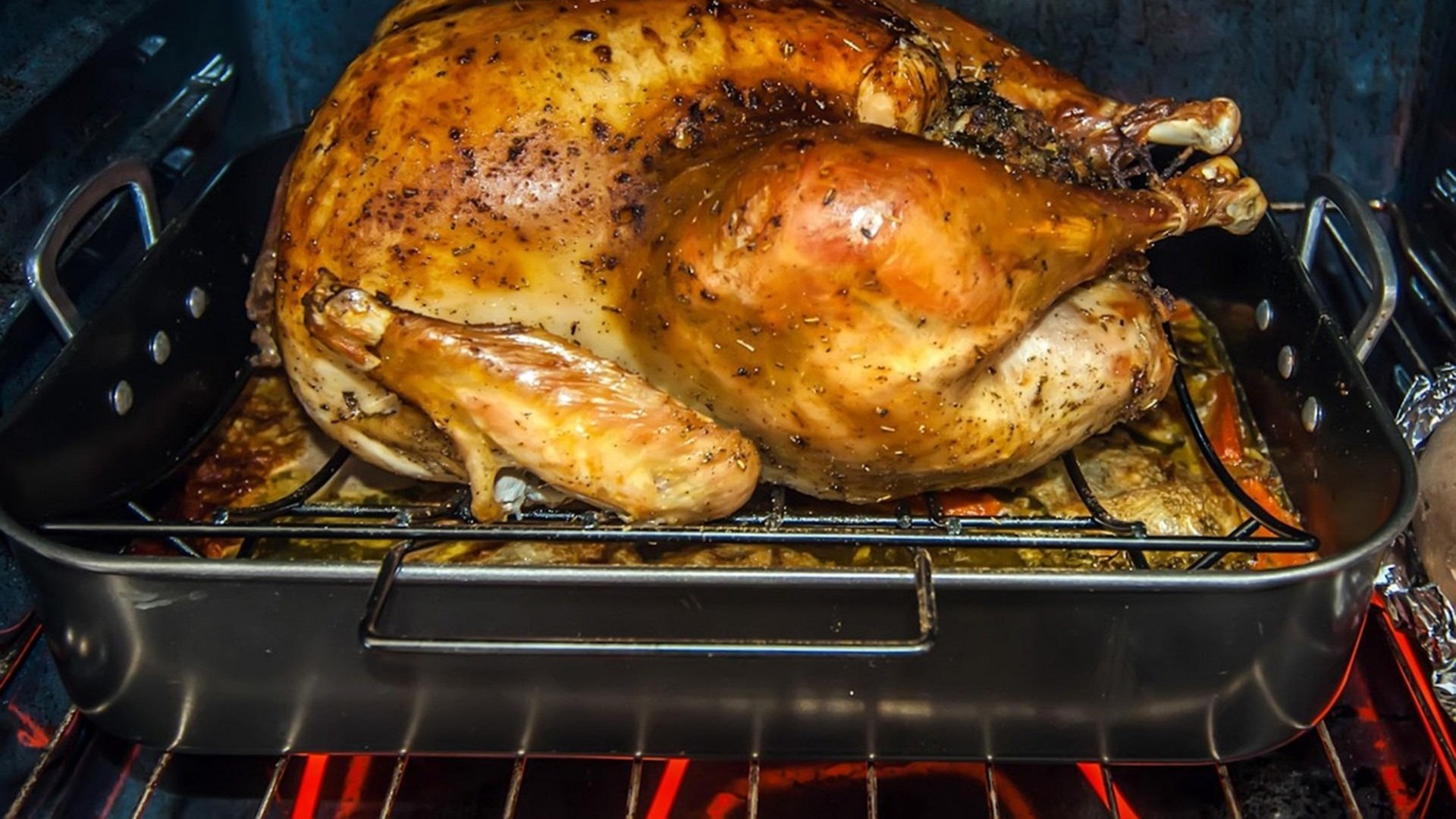
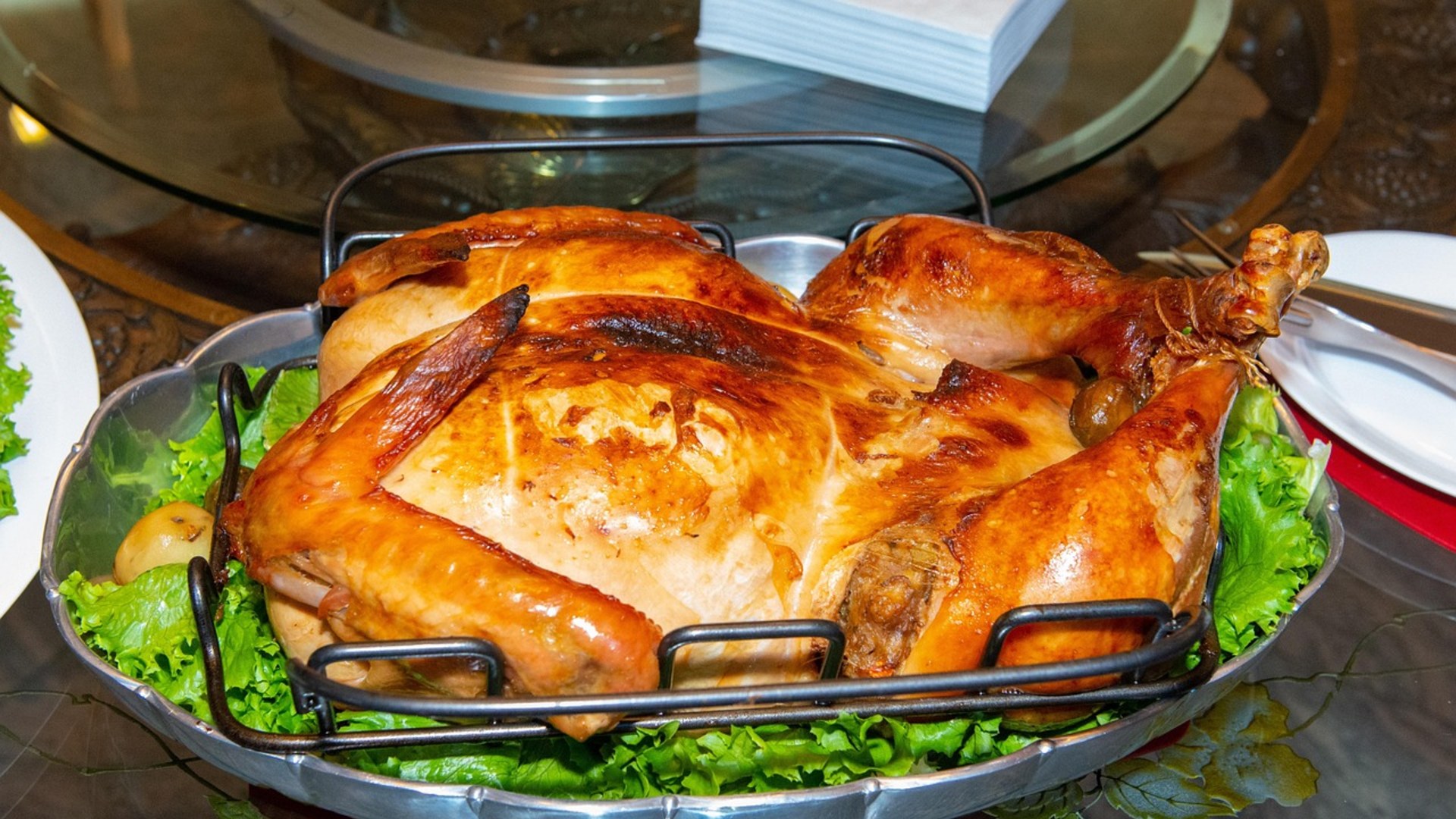
1. Roasting The Entire Turkey Whole Without Dry-Brining
Turkeys contain tender white breast meat that dries at 165 degrees and tough dark thigh meat requiring 175 degrees. Roasting a whole unseasoned bird sacrifices breast tenderness. Chefs dry-brine with kosher salt for forty-eight hours or spatchcock the bird for even browning.

©Pixabay / PublicDomainPictures
Advertisement
You've reached the end of the story. Thanks for reading!

20 Foods and Exercises That May Help Curb Sugar Cravings
Sudden sugar cravings often stem from rapid blood glucose dips, elevated stress, or fatigue. By pairing nutrient-dense foods rich in healthy fats, protein, and soluble fiber with targeted physical exercises, you can effectively curb appetite, stabilize metabolism, and regain steady daily energy without deprivation.
All 20 Entries in this Story
20. Skipping Fresh Herbs In Stuffing And Side Dishes
Commercial poultry seasoning blends lose essential oils after sitting in pantries for months. Chefs recommend minced fresh rosemary, sage, and thyme folded in during the final simmer. Fresh herbs provide bright aromatics that cut through heavy butter and rich starches across the plate.

19. Crowding Vegetables On A Single Roasting Sheet
Roasting root vegetables requires high dry heat and open surface space. When Brussels sprouts and carrots overlap on one sheet pan, trapped moisture causes limp sogginess. Chefs separate vegetables across two rimmed baking sheets to develop crisp edges and deep caramelization.

18. Serving Dinner On Chilled Or Room-Temperature Plates
Warm turkey slices and hot gravy lose surface heat within seconds on cold ceramic surfaces. Top culinary hosts keep serving platters in a low oven set to 150 degrees Fahrenheit. Stacking warm dishes right before serving ensures every course stays hot throughout the family meal.

17. Pouring Cold Milk And Butter Into Hot Mashed Potatoes
Dumping cold milk or butter into steamed potatoes drops the batch temperature and produces a greasy texture. Heating cream and melting unsalted butter together in a small saucepan allows hot starch cells to absorb fats smoothly, yielding silky and uniform mashed potatoes.

16. Tossing Out Rich Turkey Pan Drippings
Scraping roasted turkey drippings from the bottom of the roasting pan provides the true base for holiday gravy. Home cooks often throw away pan fond out of cleanup convenience. Deglazing the roasting pan with dry white wine or warm poultry broth unlocks concentrated savory flavor.

15. Overworking Cold Butter Into Pastry Pie Dough
Flaky pie crust depends on visible pea-sized chunks of cold butter distributed through flour. Over-mixing the dough warms the fat and creates dense, tough crusts. Pastry chefs recommend chilling all butter and water thoroughly, gently folding dough just until it holds together.

14. Leaving All Food Prep And Chopping For Morning Delivery
Thanksgiving morning chaos often stems from simple scheduling neglect. Chefs chop onions, celery, and herbs up to two days ahead and store them in sealed containers. Pre-measuring ingredients and baking pies on Wednesday frees oven space and eases cooking day pressure.

13. Pureeing Boiled Potatoes In A Food Processor
Using food processors or immersion blenders tears potato starch granules apart, releasing amylose molecules that form an inedible paste. Chefs use a manual potato ricer or food mill. These tools gently separate solids without shearing cells, resulting in pillowy texture.

12. Relying On Bland Canned Broth For Holiday Gravy
Commercial sodium-heavy broths lack the natural collagen that gives holiday gravy body and sheen. Simmering turkey giblets and neck with carrots and celery creates a superior stock. Adding unflavored gelatin powder to store broth offers a fast, restaurant-quality alternative.

11. Trusting The Factory Pop-Up Poultry Timer
Pre-inserted plastic timers operate via internal springs set to release at 180 degrees Fahrenheit. By the time the spring triggers, white breast meat has shed its moisture and turned stringy. Kitchen experts recommend discarding these devices and using calibrated digital probes.

10. Basting The Turkey Repeatedly Throughout Roasting
Opening the oven every twenty minutes drops the internal temperature by up to fifty degrees, prolonging cook times. Pouring cooking juices over the bird also moistens the skin, ruining crispness. Chefs recommend brushing butter once and leaving the oven door closed until finished.

9. Stuffing Raw Bread Mixture Inside The Turkey Cavity
For raw stuffing inside a bird cavity to reach the safe 165-degree mark, surrounding breast meat must cook well past 185 degrees. This habit creates dangerously dry meat or bacteria risks. Food safety inspectors advise baking dressing in a separate greased casserole dish.

8. Skipping A Rimmed Baking Sheet Under Fruit Pies
Apple and berry pies naturally release sticky syrups as fillings bubble at peak heat. Allowing pie juices to drip directly onto oven decks creates pungent smoke throughout the kitchen. Placing a foil-lined baking sheet on the rack below catches drips and conducts bottom heat.

7. Roasting The Turkey While Meat Is Still Refrigerator Cold
Placing a forty-degree bird into a hot oven causes outer breast meat to overcook before inner thighs reach safe temperatures. Professional cooks rest whole turkeys at cool room temperature for sixty minutes before roasting. Tempering meat encourages uniform heat penetration.

6. Dumping Flour Directly Into Warm Roasting Juices
Adding raw flour directly to hot pan juices coats starch granules in grease before they disperse, forming stubborn lumps. Chefs prepare a cooked flour roux or dissolve cornstarch into cool water first. Whisking slurry into simmering liquid creates glossy, clump-free gravy.

5. Under-Salting Potato Cooking Water And Vegetable Sides
Potatoes only absorb salt while their cell structures expand during boiling. Salting potatoes after cooking leaves flavors flat, requiring excessive butter to compensate. Chefs add two tablespoons of coarse kosher salt per gallon of boiling water for balanced savory flavor.

4. Thawing A Frozen Turkey On The Warm Kitchen Counter
Leaving a frozen bird at room temperature creates an outer danger zone where foodborne bacteria multiply while core meat remains solid ice. Safe thawing requires twenty-four hours in the refrigerator for every four pounds of poultry, keeping food beneath forty degrees.

3. Cooking Turkey Without A Calibrated Digital Thermometer
Cooking time charts serve as broad estimates because oven temperatures and bird shapes vary. Guessing readiness by cutting into muscle drains clear juices and dries the flesh. Instant-read digital thermometers placed in the deepest thigh meat guarantee precision doneness.

2. Carving The Roasted Turkey Immediately From The Oven
Hot muscle fibers remain tightly contracted straight out of the oven. Slicing immediately forces flavorful juices onto the cutting board, leaving the carved meat dry. Resting the roasted bird uncovered for thirty to forty minutes allows internal juices to redistribute evenly.

1. Roasting The Entire Turkey Whole Without Dry-Brining
Turkeys contain tender white breast meat that dries at 165 degrees and tough dark thigh meat requiring 175 degrees. Roasting a whole unseasoned bird sacrifices breast tenderness. Chefs dry-brine with kosher salt for forty-eight hours or spatchcock the bird for even browning.