Slideshow · Health
20 Habits and Foods That Improve Gut Health
A balanced microbiome supports digestion, immune defense, and mental well-being. This guide alternates between ten nutrient-dense foods and ten evidence-based lifestyle habits designed to nourish beneficial gut bacteria, based on clinical research from Harvard Health, Mayo Clinic, and the National Institutes of Health.
By Most Viral Today
1 hour ago

Cover: 10 Foods and 10 Habits for Gut Health 
20. Food: Plain Greek Yogurt 
19. Habit: Prioritize 7 To 8 Hours Of Sleep 
18. Food: Fermented Kimchi - AdvertisementSwipe or tap ▶ to continue countdown

17. Habit: Drink Plenty Of Water Daily 
16. Food: Whole Rolled Oats 
15. Habit: Chew Food Thoroughly And Slowly 
14. Food: Fermented Milk Kefir - AdvertisementSwipe or tap ▶ to continue countdown

13. Habit: Engage In Moderate Daily Exercise 
12. Food: Raw Garlic And Onions 
11. Habit: Practice Daily Stress Reduction 
10. Food: Traditional Raw Sauerkraut - AdvertisementSwipe or tap ▶ to continue countdown

9. Habit: Aim For 30 Diverse Plants Weekly 
8. Food: Chia And Ground Flaxseeds 
7. Habit: Limit Artificial Sweeteners 
6. Food: Polyphenol-Rich Green Tea - AdvertisementSwipe or tap ▶ to continue countdown

5. Habit: Maintain Consistent Meal Timing 
4. Food: Lentils And Chickpeas 
3. Habit: Avoid Unnecessary Antibiotic Use 
2. Food: High-Flavanol Dark Chocolate - AdvertisementSwipe or tap ▶ to continue countdown

1. Habit: Spend Time In Natural Environments - Advertisement🔥 UP NEXT IN THIS SERIES◫ 23 Slides

22 Popular Foods That Look Healthy Until You Check the Label
Based on nutrition data from USDA FoodData Central, the American Heart Association, and Harvard T.H. Chan School of Public Health, these 22 everyday foods often carry health claims on the front of the box. Behind the marketing, added sugar, sodium, saturated fat, or lost fiber tell a very different story.
A balanced microbiome supports digestion, immune defense, and mental well-being. This guide alternates between ten nutrient-dense foods and ten evidence-based lifestyle habits designed to nourish beneficial gut bacteria, based on clinical research from Harvard Health, Mayo Clinic, and the National Institutes of Health.
Swipe or tap ▶ to begin the countdown
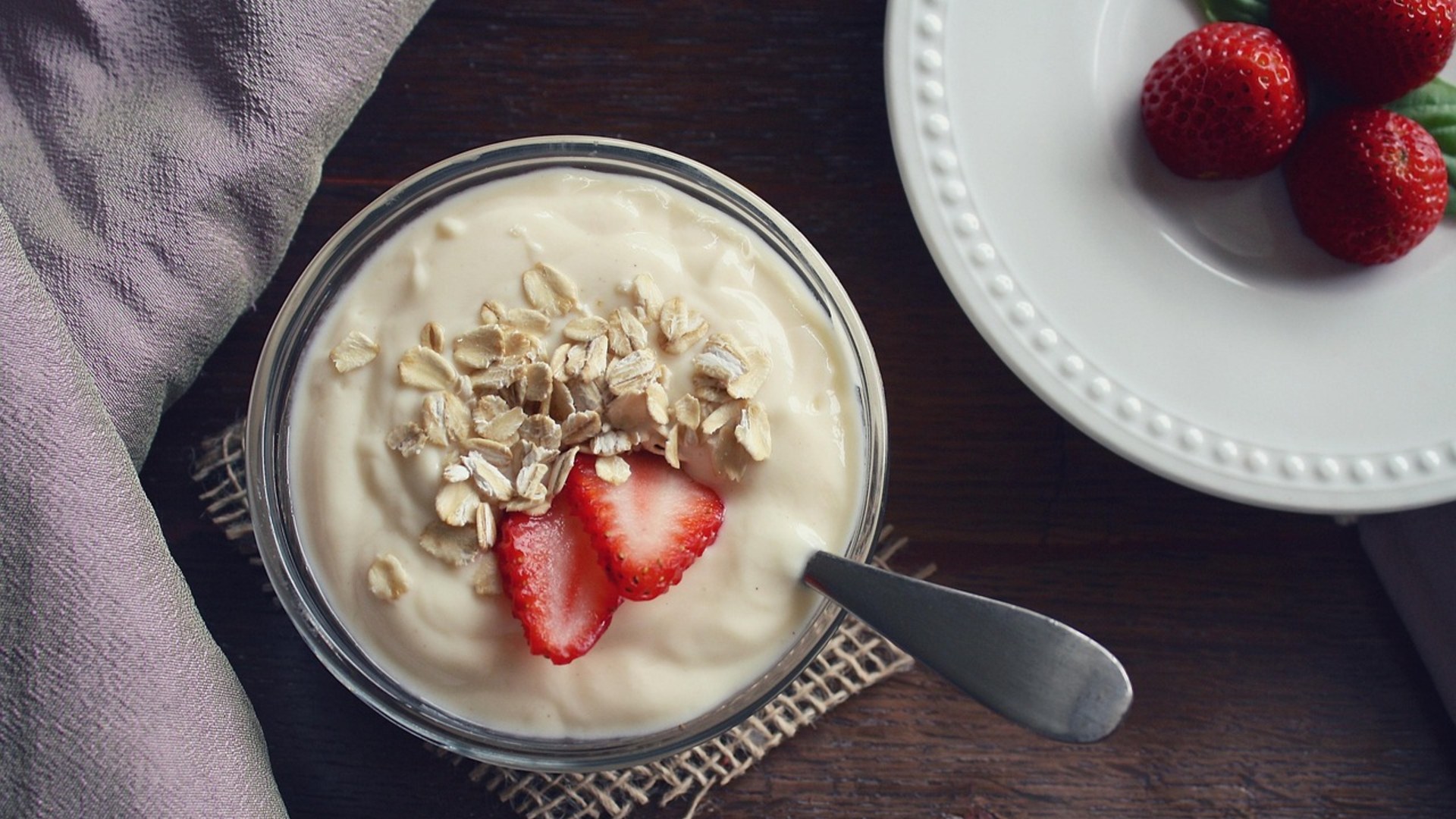
©Pixabay / dbreen
20. Food: Plain Greek Yogurt
Traditional fermented yogurt contains active strains of Lactobacillus and Bifidobacterium that survive stomach acid. Clinical trials show regular intake reinforces the intestinal barrier and eases lactose breakdown. Always choose unsweetened varieties to avoid feeding harmful microbes with added sugars.
©Pixabay / ponce_photography
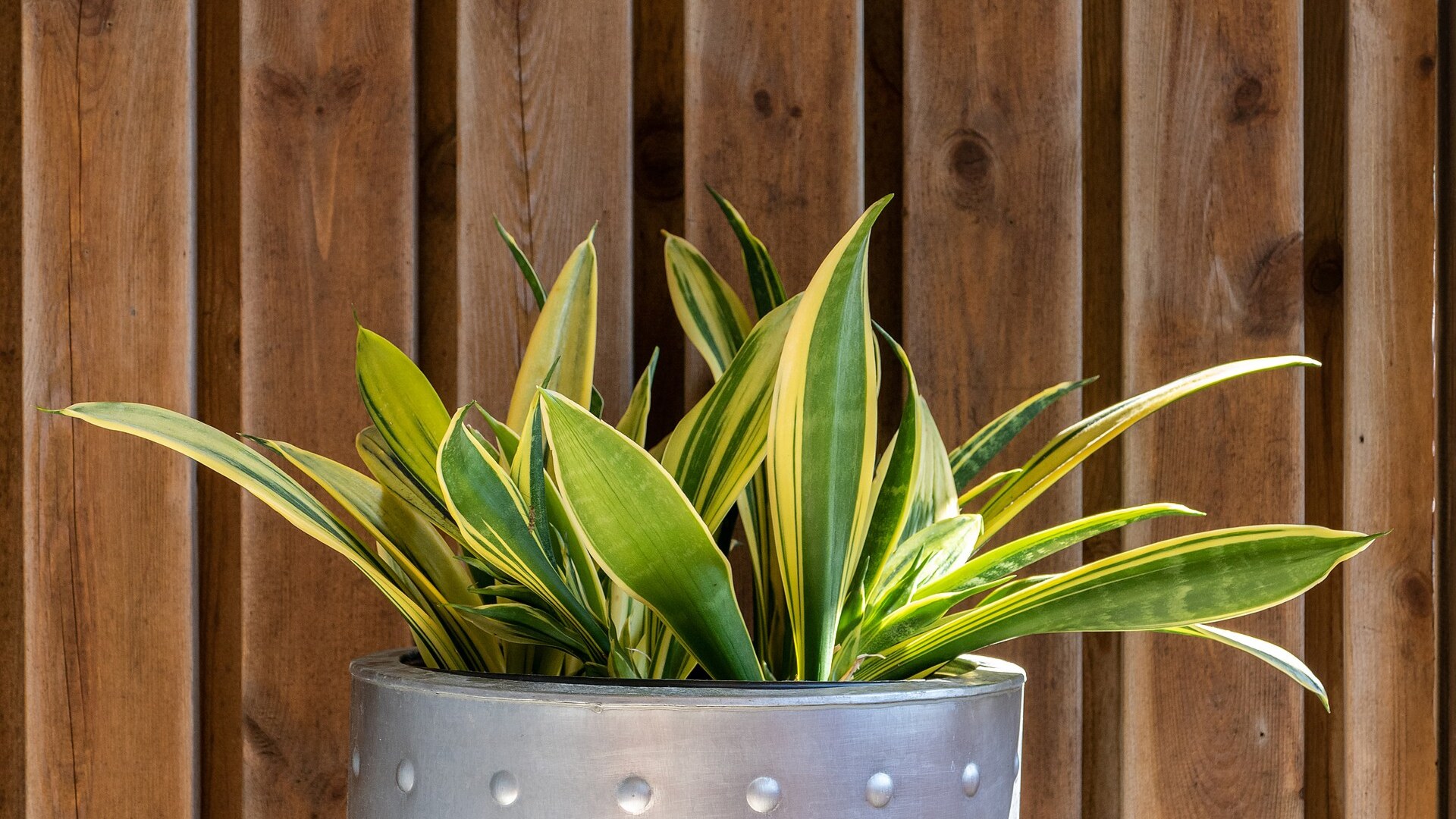
19. Habit: Prioritize 7 To 8 Hours Of Sleep
Your gut microbiome follows a natural circadian clock that relies on regular sleep cycles. Sleep deprivation disrupts intestinal barrier function, causing systemic inflammation and reducing bacterial diversity. Maintaining consistent bedtimes allows microbial communities to regenerate efficiently.
©Pixabay / Claudio_Scott
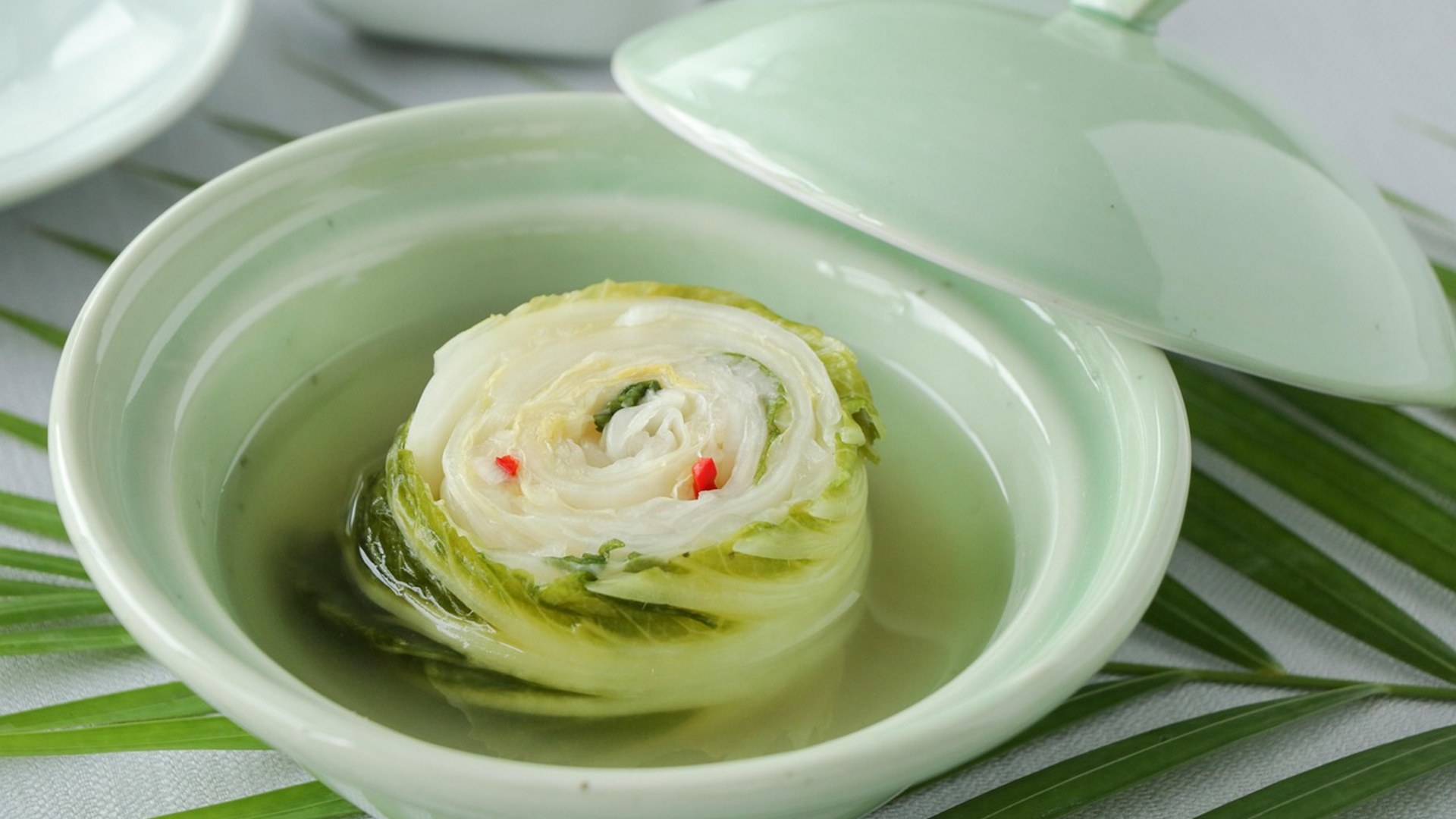
18. Food: Fermented Kimchi
Kimchi is made by fermenting Napa cabbage with garlic, ginger, and chili peppers, yielding billions of beneficial lactic acid microbes. Research published in Cell found that fermented foods increase overall microbiome diversity while lowering inflammatory markers like interleukin-6.
©Pixabay / touchngo
Advertisement
Swipe or tap ▶ to resume the countdown.
17. Habit: Drink Plenty Of Water Daily
Water is essential for breaking down solid foods and allowing optimal nutrient absorption through the bowel lining. Adequate fluid intake prevents mucosal drying and softens stools, preventing constipation. It also encourages the proliferation of beneficial mucosal microbes like Faecalibacterium.
©Pixabay / congerdesign
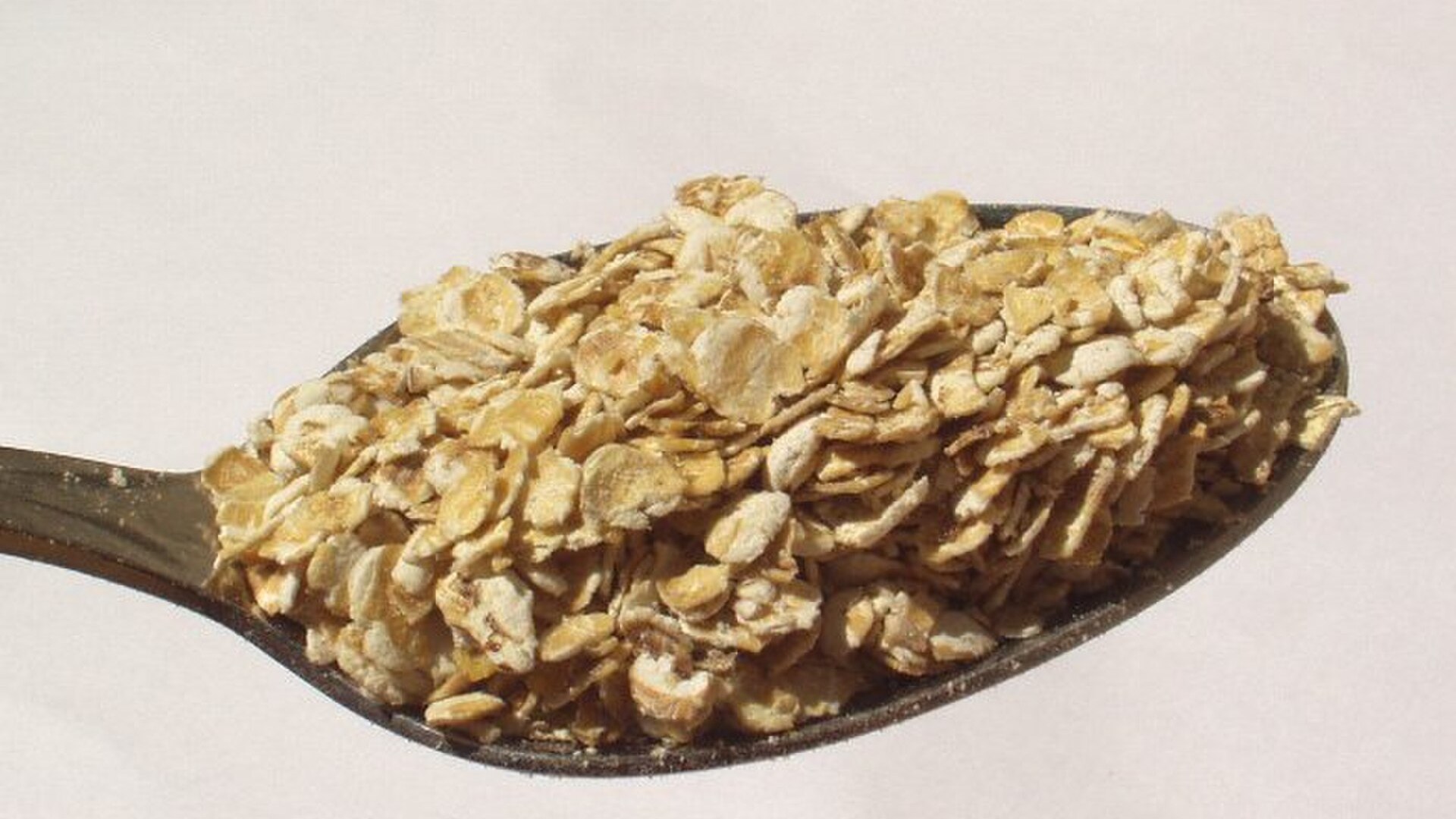
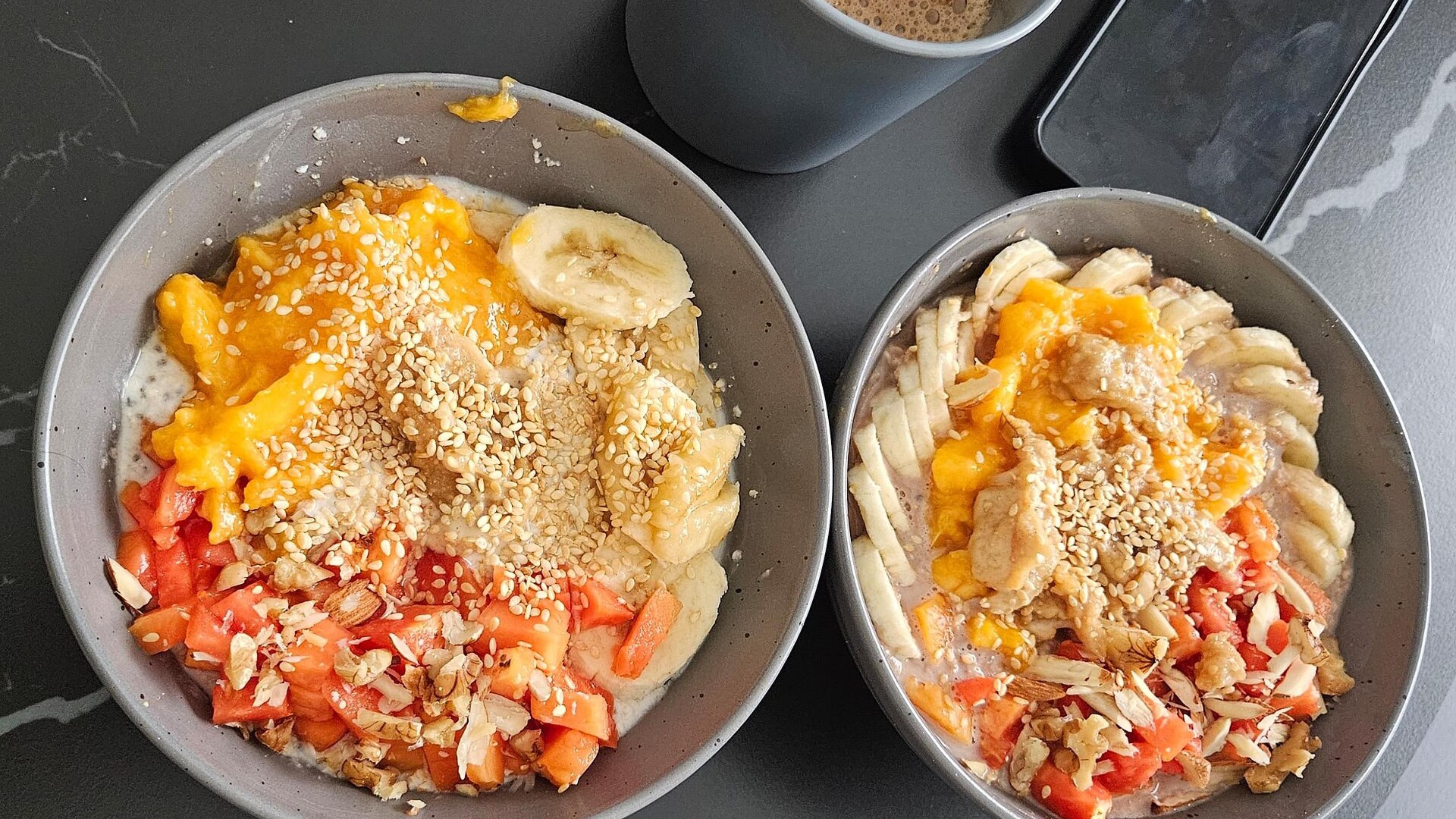
16. Food: Whole Rolled Oats
Oats are packed with soluble beta-glucan fibers that resist human digestion and reach the large intestine intact. Beneficial gut microbes ferment these fibers into butyrate, a vital short-chain fatty acid that fuels colon cells. Starting your morning with whole oats supports steady digestion.
©Wikimedia / en:user:Hankwang
15. Habit: Chew Food Thoroughly And Slowly
Digestion begins in the mouth, where salivary amylase starts breaking down starches before swallowing. Chewing each bite 20 to 30 times eases the workload on your stomach and small intestine, preventing bloating and gas. Mindful eating also signals satiety hormones to prevent overeating.
©Pixabay / hellotimothytyndale
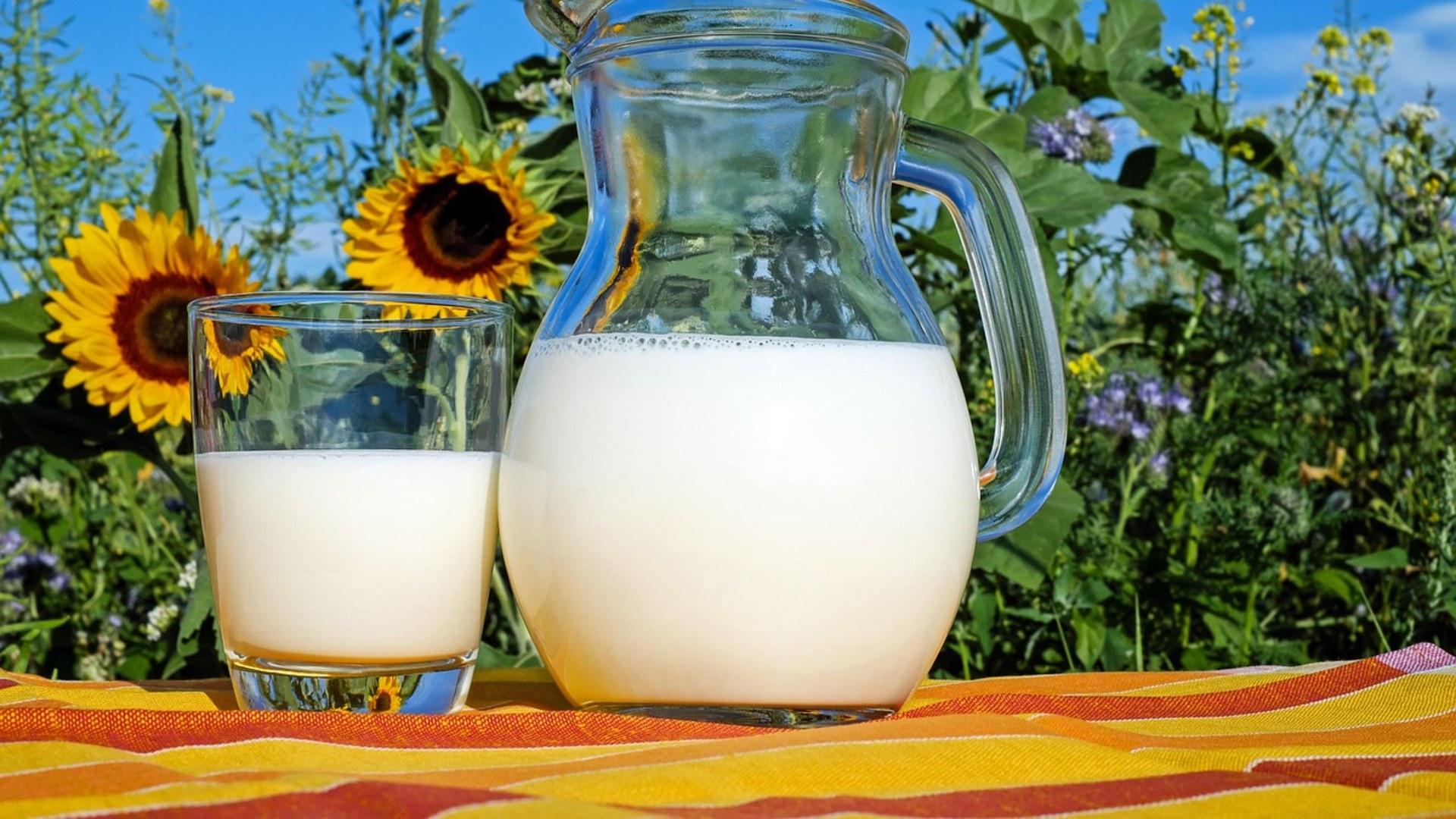
14. Food: Fermented Milk Kefir
Kefir is produced by fermenting milk with gelatinous colonies of yeasts and bacteria known as kefir grains. Containing over thirty distinct microbial strains, kefir colonizes the intestinal tract more aggressively than standard yogurt. Studies link regular kefir consumption to improved lactose tolerance.
©Pixabay / Couleur
Advertisement
Swipe or tap ▶ to resume the countdown.
13. Habit: Engage In Moderate Daily Exercise
Aerobic workouts like brisk walking, cycling, or swimming stimulate the contraction of intestinal muscles. Studies from the American Gut Project show that regular exercisers possess significantly higher levels of butyrate-producing bacteria, which strengthens the gut wall against inflammation.
©Pixabay / Fotorech
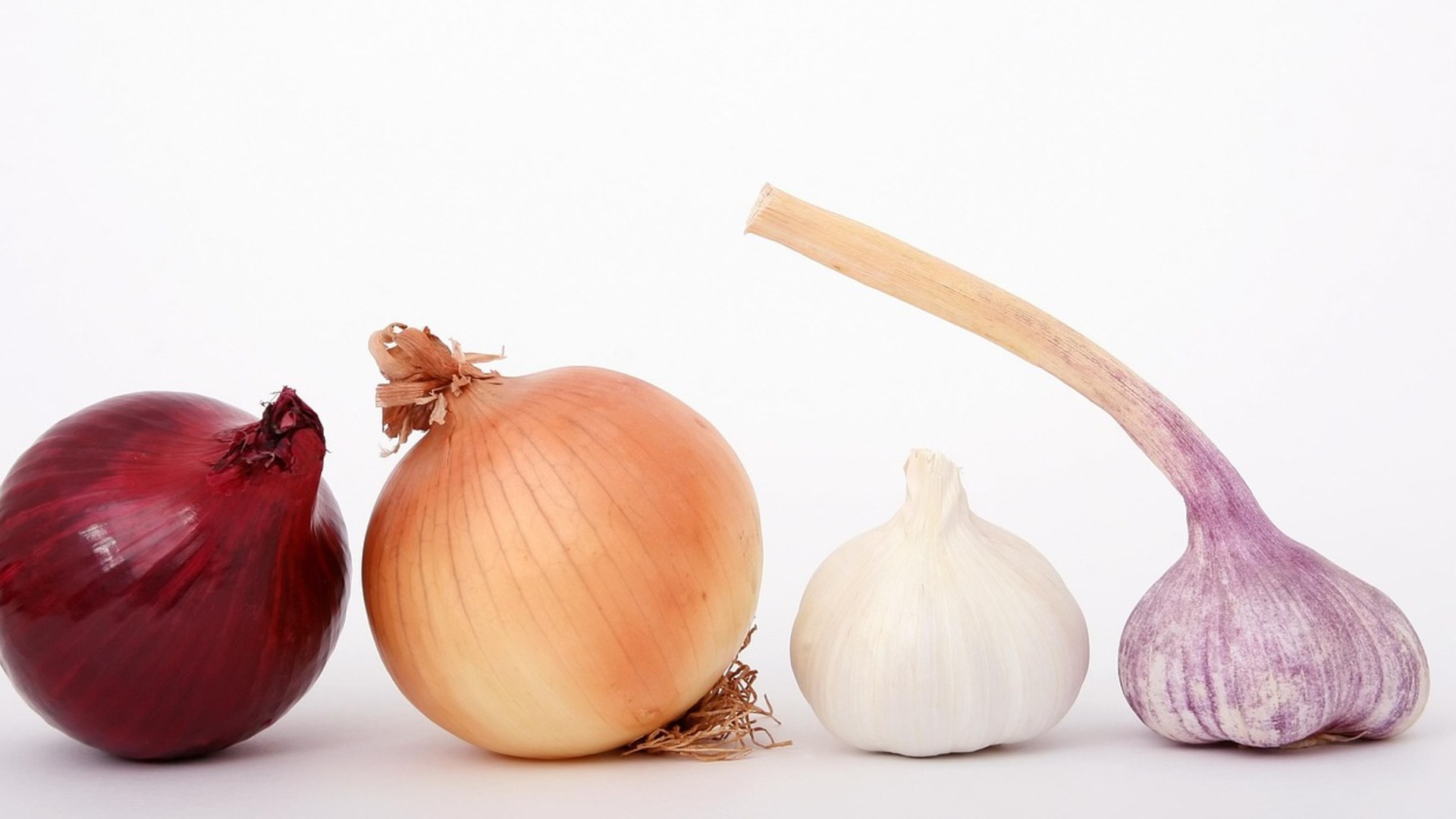
12. Food: Raw Garlic And Onions
Garlic and onions are among the richest dietary sources of inulin, a non-digestible prebiotic carbohydrate. Inulin selectively promotes the growth of Bifidobacteria while inhibiting pathogenic bacteria in the colon. Consuming alliums raw or lightly cooked preserves their delicate bioactive fibers.
©Pixabay / Shutterbug26
11. Habit: Practice Daily Stress Reduction
The brain and gut communicate constantly through the vagus nerve in the gut-brain axis. Chronic stress prompts cortisol release, which slows gastric motility and weakens the mucosal barrier. Incorporating meditation, yoga, or deep diaphragmatic breathing calms this nerve pathway daily.
©Pixabay / Pexels
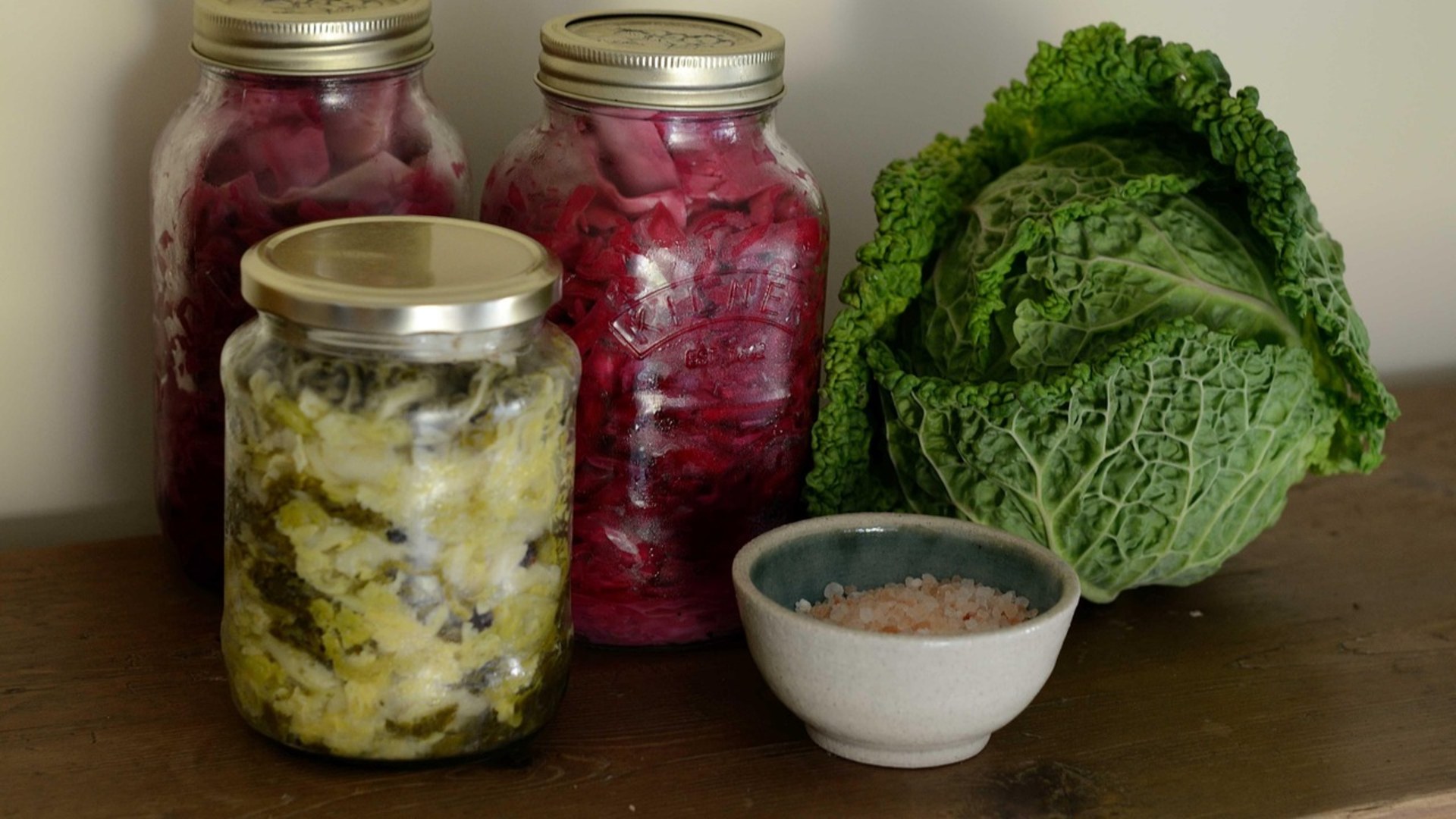
10. Food: Traditional Raw Sauerkraut
Fermenting shredded cabbage produces tangy sauerkraut rich in live probiotic microbes and organic acids. It also provides dietary fiber and glucosinolates, compounds that support cellular defense in the intestinal tract. Make sure to buy refrigerated, unpasteurized jars to ensure living cultures.
©Pixabay / edwina_mc
Advertisement
Swipe or tap ▶ to resume the countdown.
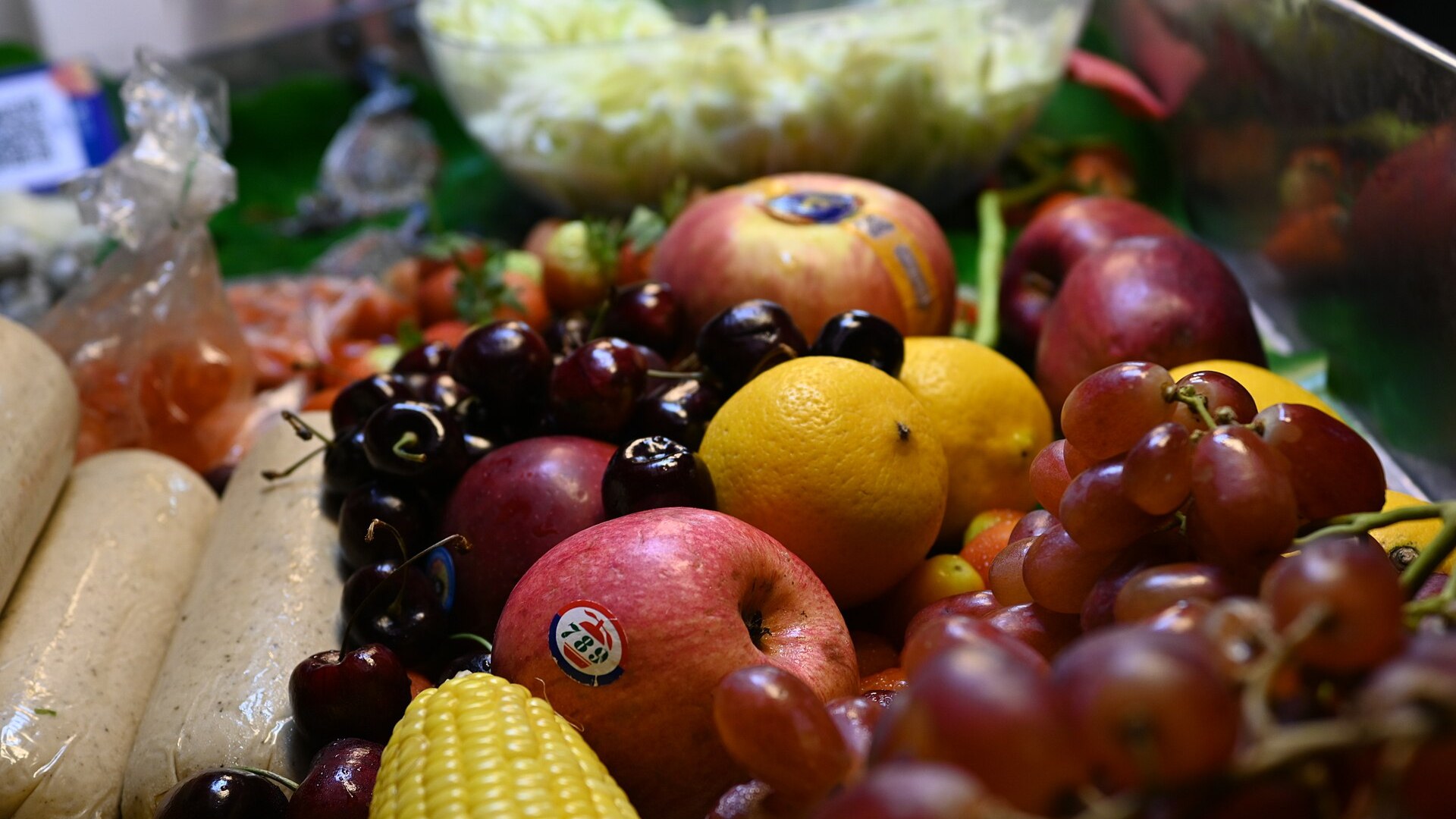
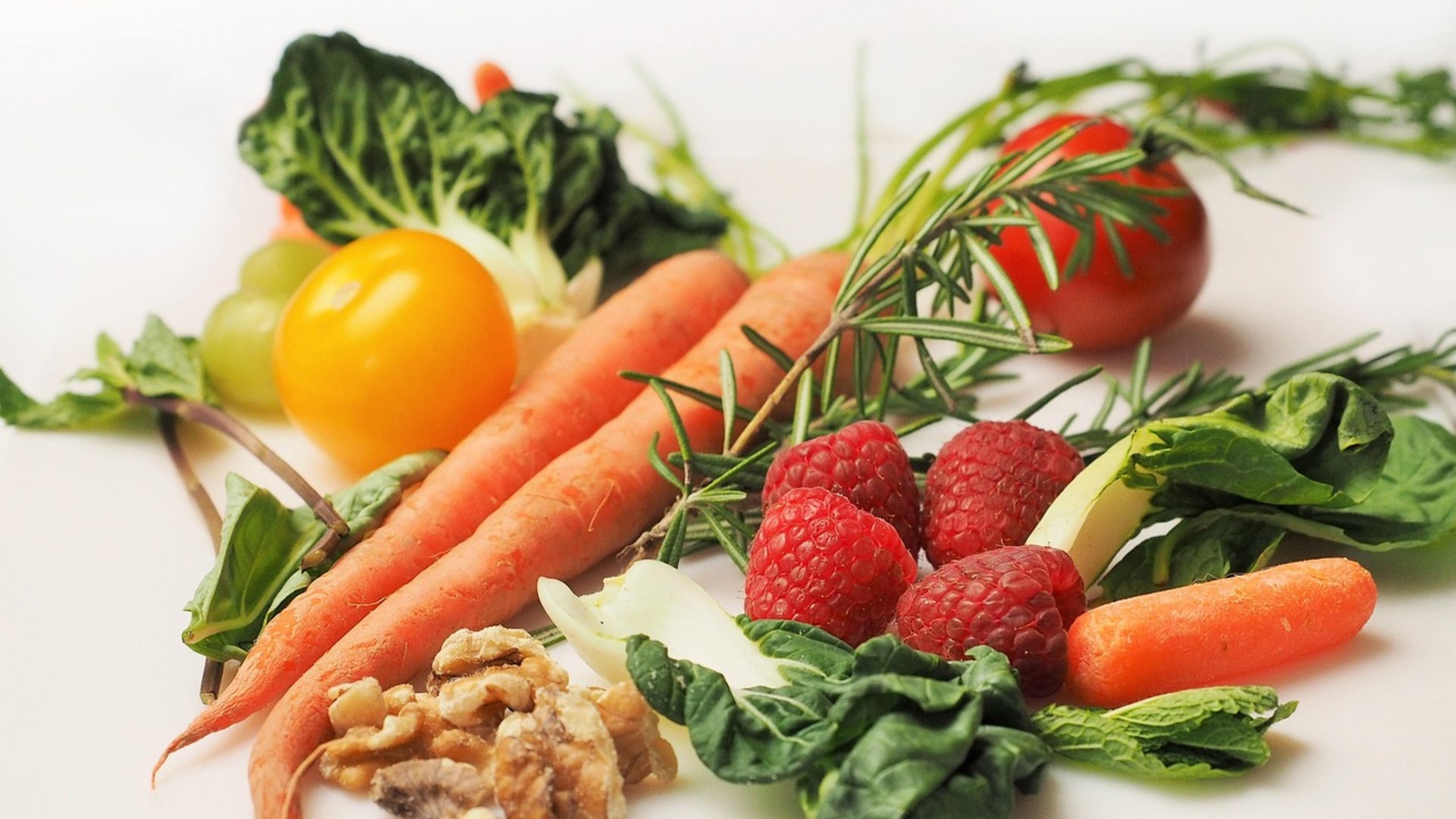
9. Habit: Aim For 30 Diverse Plants Weekly
Research from the American Gut Project demonstrates that individuals eating more than thirty different plants per week have vastly more diverse microbiomes. Plants supply varied fiber structures and polyphenols that cater to specialized bacteria. Rotating vegetables, grains, nuts, and seeds achieves this goal.
©Wikimedia / PattayaPatrol
8. Food: Chia And Ground Flaxseeds
Chia and ground flaxseeds contain high concentrations of mucilage, a soluble gel-forming fiber that cushions the gut lining. This fiber slows sugar absorption and produces short-chain fatty acids upon microbial fermentation. Just two tablespoons daily delivers abundant plant omega-3 fatty acids.
©Wikimedia / Sannidhishetty
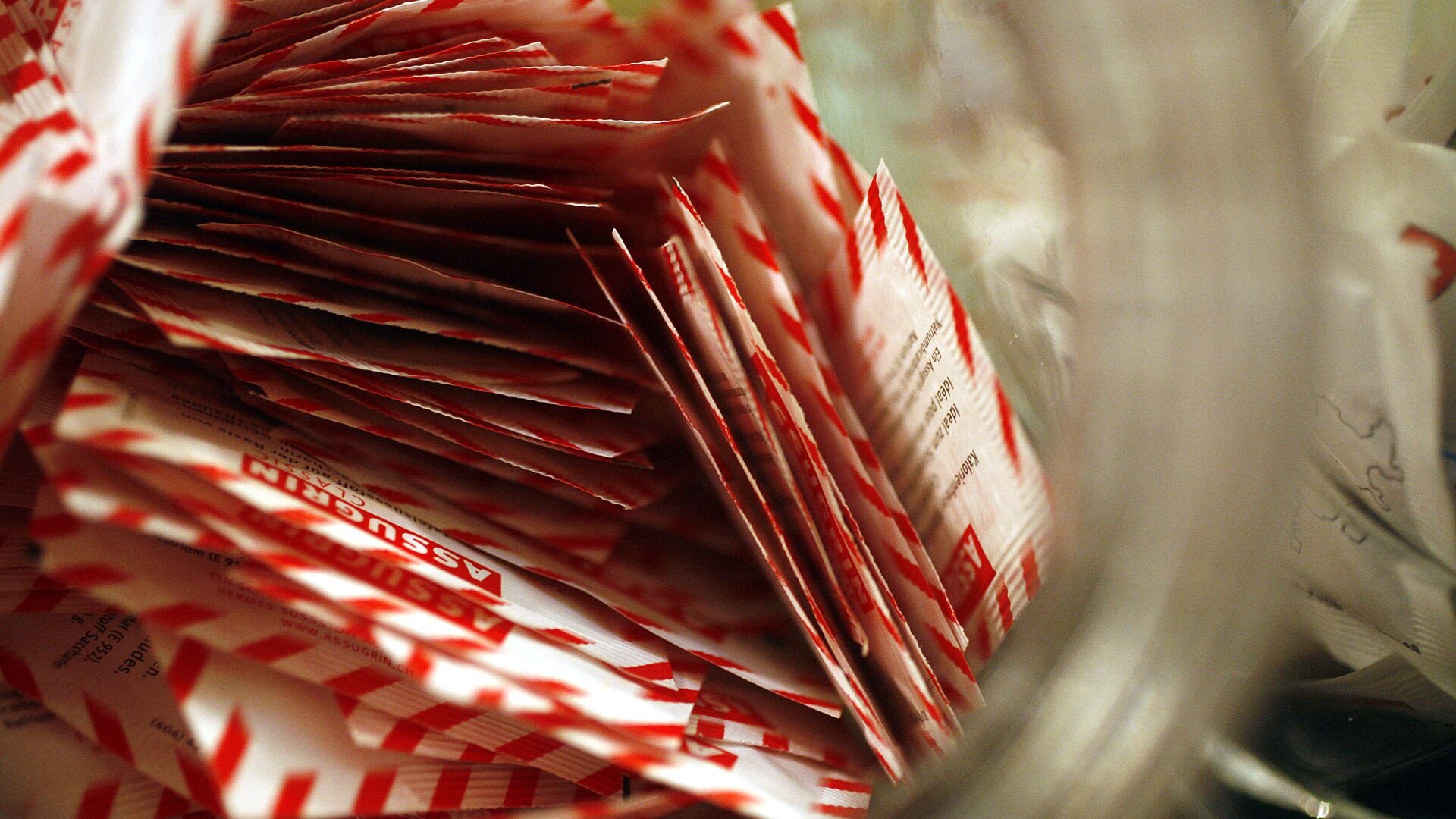
7. Habit: Limit Artificial Sweeteners
Non-nutritive sweeteners such as saccharin and sucralose are not fully absorbed by the small intestine and encounter gut flora directly. Studies published in Nature indicate that high consumption of specific artificial sweeteners can alter microbial balance, potentially impairing metabolic control.
©Wikimedia / Rama
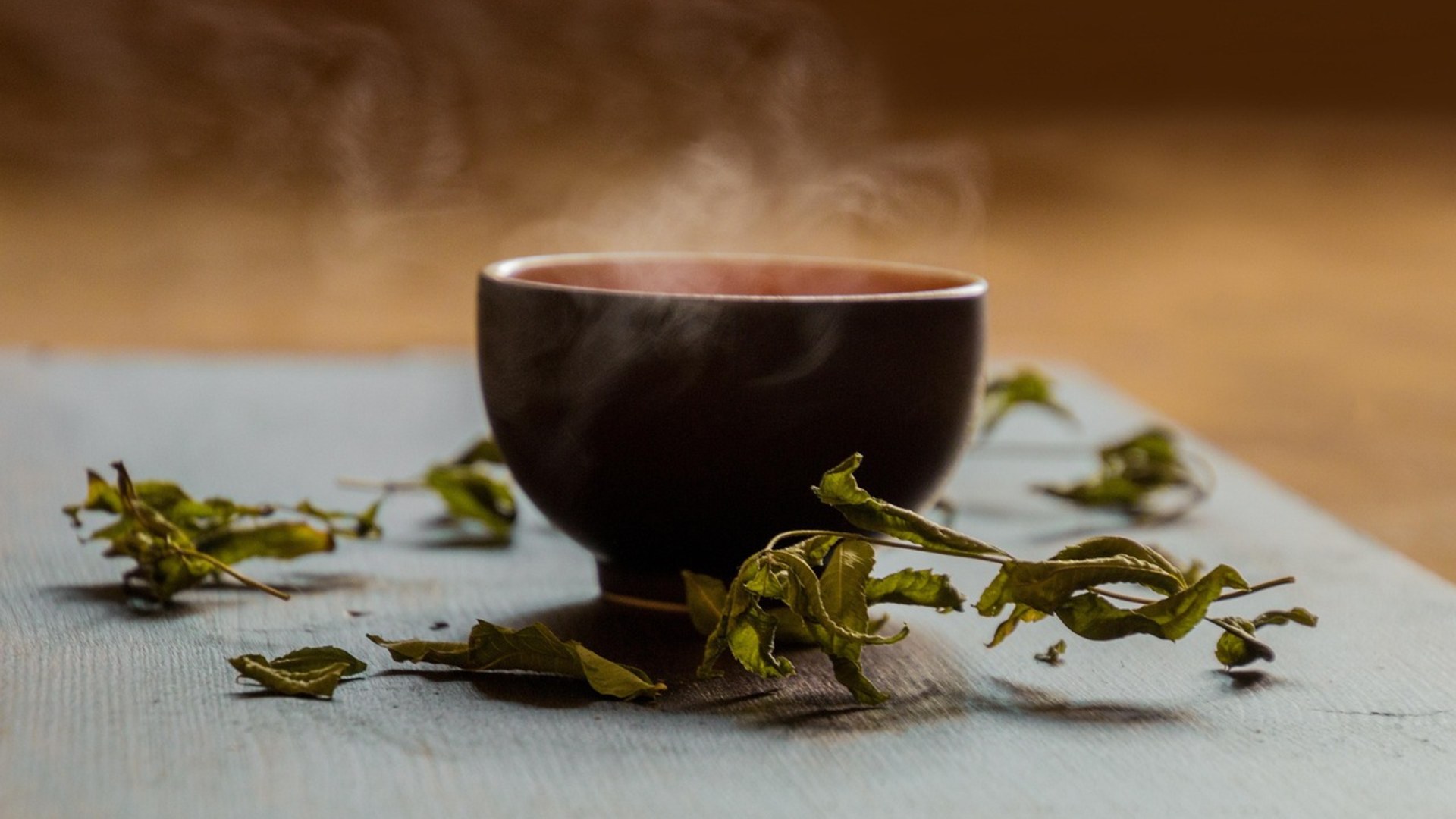
6. Food: Polyphenol-Rich Green Tea
Green tea is packed with epigallocatechin gallate and plant polyphenols that resist upper digestive absorption. In the colon, these compounds act like prebiotics, stimulating the growth of beneficial Bifidobacteria and suppressing harmful microbes. Drinking two cups daily provides gentle gut protection.
©Pixabay / TeeFarm
Advertisement
Swipe or tap ▶ to resume the countdown.
5. Habit: Maintain Consistent Meal Timing
The migrating motor complex is an electrical cleansing wave that sweeps undigested food and bacteria through the intestines between meals. Constant grazing prevents this cleaning cycle from activating, encouraging small intestinal bacterial overgrowth. Spacing meals three to four hours apart keeps transit clean.
©Pixabay / congerdesign
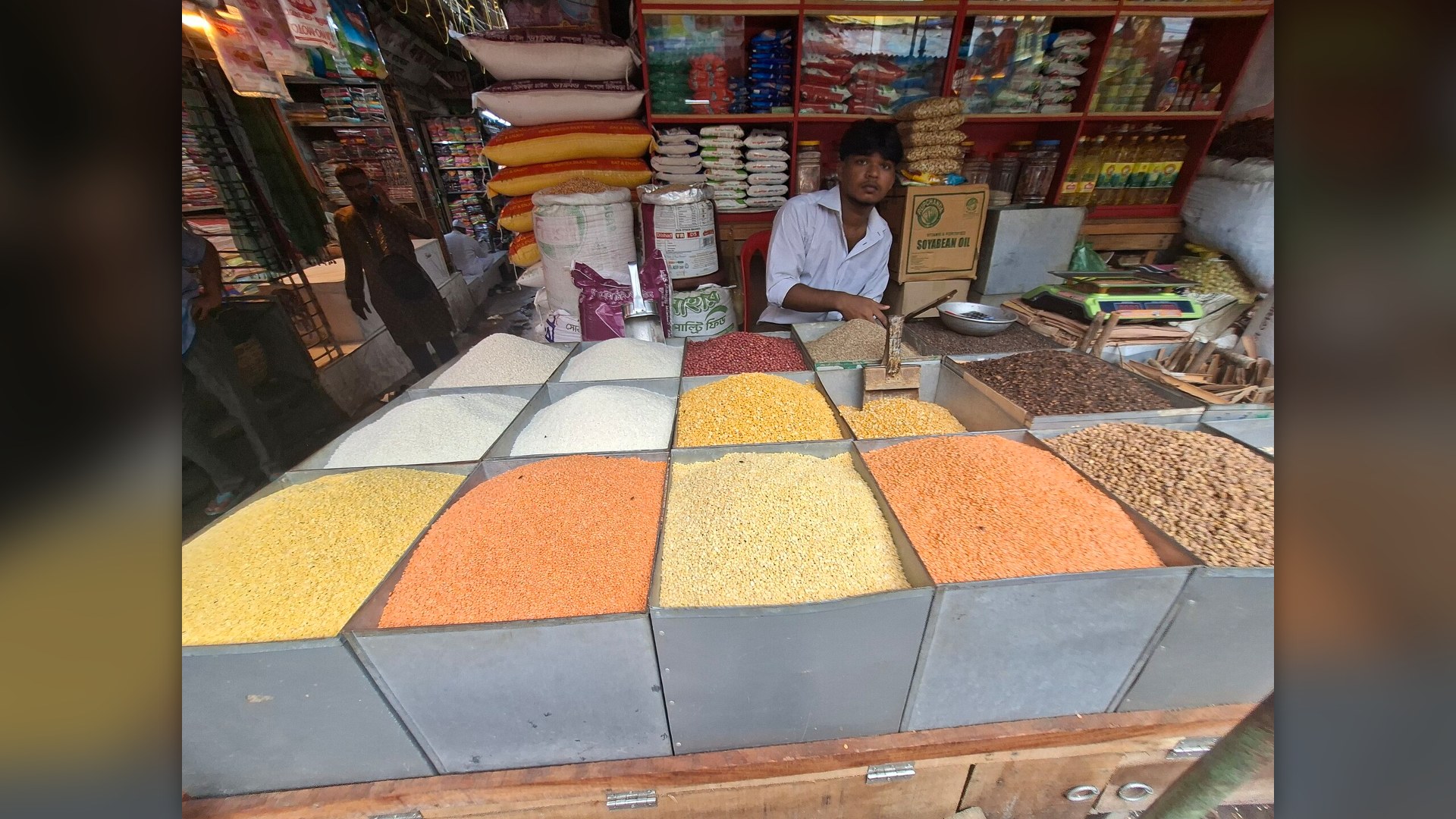
4. Food: Lentils And Chickpeas
Legumes are exceptional sources of resistant starch, a carbohydrate fraction that evades enzymatic breakdown in the stomach. When fermented in the colon, legumes generate significant volumes of propionate and butyrate, reducing intestinal inflammation. Gradually increasing portions helps avoid excess gas.
©Wikimedia / User:TanvirSdq
3. Habit: Avoid Unnecessary Antibiotic Use
Broad-spectrum antibiotics eliminate helpful commensal bacteria alongside pathogens, often triggering prolonged microbial dysbiosis. Research shows that certain beneficial species can take months or years to fully recover after a course. Always consult healthcare professionals before starting medications.
©Pixabay / stevepb
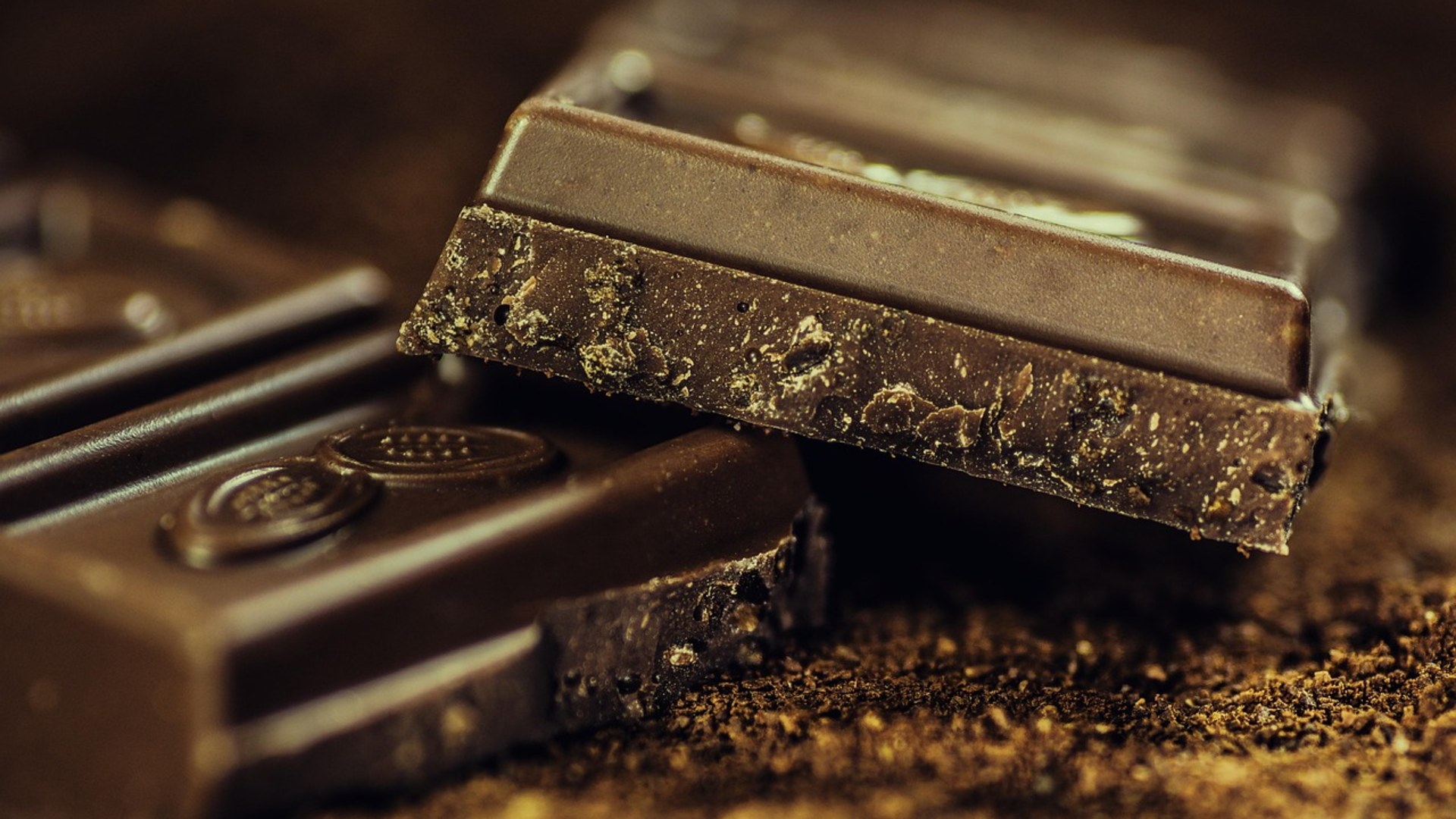
2. Food: High-Flavanol Dark Chocolate
Dark chocolate with at least seventy percent cocoa solids provides dense polyphenol compounds that human enzymes cannot digest. Gut bacteria metabolize these cocoa flavanols into bioavailable anti-inflammatory molecules. A small daily square fosters friendly lactobacilli and bifidobacteria populations.
©Pixabay / AlexanderStein
Advertisement
Swipe or tap ▶ to resume the countdown.
1. Habit: Spend Time In Natural Environments
Spending time in forests, gardens, and green spaces exposes the immune system and skin to diverse environmental microbiota. Studies on nature immersion show that touching soil and breathing forest air boosts natural killer cells and enhances internal microbial resilience. Strive for weekly nature walks.

©Pixabay / StockSnap
Advertisement
You've reached the end of the story. Thanks for reading!

22 Popular Foods That Look Healthy Until You Check the Label
Based on nutrition data from USDA FoodData Central, the American Heart Association, and Harvard T.H. Chan School of Public Health, these 22 everyday foods often carry health claims on the front of the box. Behind the marketing, added sugar, sodium, saturated fat, or lost fiber tell a very different story.
All 20 Entries in this Story
Food: Plain Greek Yogurt
Traditional fermented yogurt contains active strains of Lactobacillus and Bifidobacterium that survive stomach acid. Clinical trials show regular intake reinforces the intestinal barrier and eases lactose breakdown. Always choose unsweetened varieties to avoid feeding harmful microbes with added sugars.

Habit: Prioritize 7 To 8 Hours Of Sleep
Your gut microbiome follows a natural circadian clock that relies on regular sleep cycles. Sleep deprivation disrupts intestinal barrier function, causing systemic inflammation and reducing bacterial diversity. Maintaining consistent bedtimes allows microbial communities to regenerate efficiently.

Food: Fermented Kimchi
Kimchi is made by fermenting Napa cabbage with garlic, ginger, and chili peppers, yielding billions of beneficial lactic acid microbes. Research published in Cell found that fermented foods increase overall microbiome diversity while lowering inflammatory markers like interleukin-6.

Habit: Drink Plenty Of Water Daily
Water is essential for breaking down solid foods and allowing optimal nutrient absorption through the bowel lining. Adequate fluid intake prevents mucosal drying and softens stools, preventing constipation. It also encourages the proliferation of beneficial mucosal microbes like Faecalibacterium.

Food: Whole Rolled Oats
Oats are packed with soluble beta-glucan fibers that resist human digestion and reach the large intestine intact. Beneficial gut microbes ferment these fibers into butyrate, a vital short-chain fatty acid that fuels colon cells. Starting your morning with whole oats supports steady digestion.

Habit: Chew Food Thoroughly And Slowly
Digestion begins in the mouth, where salivary amylase starts breaking down starches before swallowing. Chewing each bite 20 to 30 times eases the workload on your stomach and small intestine, preventing bloating and gas. Mindful eating also signals satiety hormones to prevent overeating.

Food: Fermented Milk Kefir
Kefir is produced by fermenting milk with gelatinous colonies of yeasts and bacteria known as kefir grains. Containing over thirty distinct microbial strains, kefir colonizes the intestinal tract more aggressively than standard yogurt. Studies link regular kefir consumption to improved lactose tolerance.

Habit: Engage In Moderate Daily Exercise
Aerobic workouts like brisk walking, cycling, or swimming stimulate the contraction of intestinal muscles. Studies from the American Gut Project show that regular exercisers possess significantly higher levels of butyrate-producing bacteria, which strengthens the gut wall against inflammation.

Food: Raw Garlic And Onions
Garlic and onions are among the richest dietary sources of inulin, a non-digestible prebiotic carbohydrate. Inulin selectively promotes the growth of Bifidobacteria while inhibiting pathogenic bacteria in the colon. Consuming alliums raw or lightly cooked preserves their delicate bioactive fibers.

Habit: Practice Daily Stress Reduction
The brain and gut communicate constantly through the vagus nerve in the gut-brain axis. Chronic stress prompts cortisol release, which slows gastric motility and weakens the mucosal barrier. Incorporating meditation, yoga, or deep diaphragmatic breathing calms this nerve pathway daily.

Food: Traditional Raw Sauerkraut
Fermenting shredded cabbage produces tangy sauerkraut rich in live probiotic microbes and organic acids. It also provides dietary fiber and glucosinolates, compounds that support cellular defense in the intestinal tract. Make sure to buy refrigerated, unpasteurized jars to ensure living cultures.

Habit: Aim For 30 Diverse Plants Weekly
Research from the American Gut Project demonstrates that individuals eating more than thirty different plants per week have vastly more diverse microbiomes. Plants supply varied fiber structures and polyphenols that cater to specialized bacteria. Rotating vegetables, grains, nuts, and seeds achieves this goal.

Food: Chia And Ground Flaxseeds
Chia and ground flaxseeds contain high concentrations of mucilage, a soluble gel-forming fiber that cushions the gut lining. This fiber slows sugar absorption and produces short-chain fatty acids upon microbial fermentation. Just two tablespoons daily delivers abundant plant omega-3 fatty acids.

Habit: Limit Artificial Sweeteners
Non-nutritive sweeteners such as saccharin and sucralose are not fully absorbed by the small intestine and encounter gut flora directly. Studies published in Nature indicate that high consumption of specific artificial sweeteners can alter microbial balance, potentially impairing metabolic control.

Food: Polyphenol-Rich Green Tea
Green tea is packed with epigallocatechin gallate and plant polyphenols that resist upper digestive absorption. In the colon, these compounds act like prebiotics, stimulating the growth of beneficial Bifidobacteria and suppressing harmful microbes. Drinking two cups daily provides gentle gut protection.

Habit: Maintain Consistent Meal Timing
The migrating motor complex is an electrical cleansing wave that sweeps undigested food and bacteria through the intestines between meals. Constant grazing prevents this cleaning cycle from activating, encouraging small intestinal bacterial overgrowth. Spacing meals three to four hours apart keeps transit clean.

Food: Lentils And Chickpeas
Legumes are exceptional sources of resistant starch, a carbohydrate fraction that evades enzymatic breakdown in the stomach. When fermented in the colon, legumes generate significant volumes of propionate and butyrate, reducing intestinal inflammation. Gradually increasing portions helps avoid excess gas.

Habit: Avoid Unnecessary Antibiotic Use
Broad-spectrum antibiotics eliminate helpful commensal bacteria alongside pathogens, often triggering prolonged microbial dysbiosis. Research shows that certain beneficial species can take months or years to fully recover after a course. Always consult healthcare professionals before starting medications.

Food: High-Flavanol Dark Chocolate
Dark chocolate with at least seventy percent cocoa solids provides dense polyphenol compounds that human enzymes cannot digest. Gut bacteria metabolize these cocoa flavanols into bioavailable anti-inflammatory molecules. A small daily square fosters friendly lactobacilli and bifidobacteria populations.

Habit: Spend Time In Natural Environments
Spending time in forests, gardens, and green spaces exposes the immune system and skin to diverse environmental microbiota. Studies on nature immersion show that touching soil and breathing forest air boosts natural killer cells and enhances internal microbial resilience. Strive for weekly nature walks.