Slideshow · News
21 Heavily Guarded US Presidents in History
From early commanders who walked city streets alone to modern motorcades shielded by armored limousines and counter-sniper units, executive security transformed across two centuries. This ranking traces 20 presidents in ascending order of protection, highlighting the pivotal threats and reforms that forged the detail.
By Most Viral Today
47 min ago

How presidential security evolved from open doors to fortress armor 
21. Theodore Roosevelt 
20. William Howard Taft 
19. Woodrow Wilson - AdvertisementSwipe or tap ▶ to continue countdown

18. Warren G. Harding 
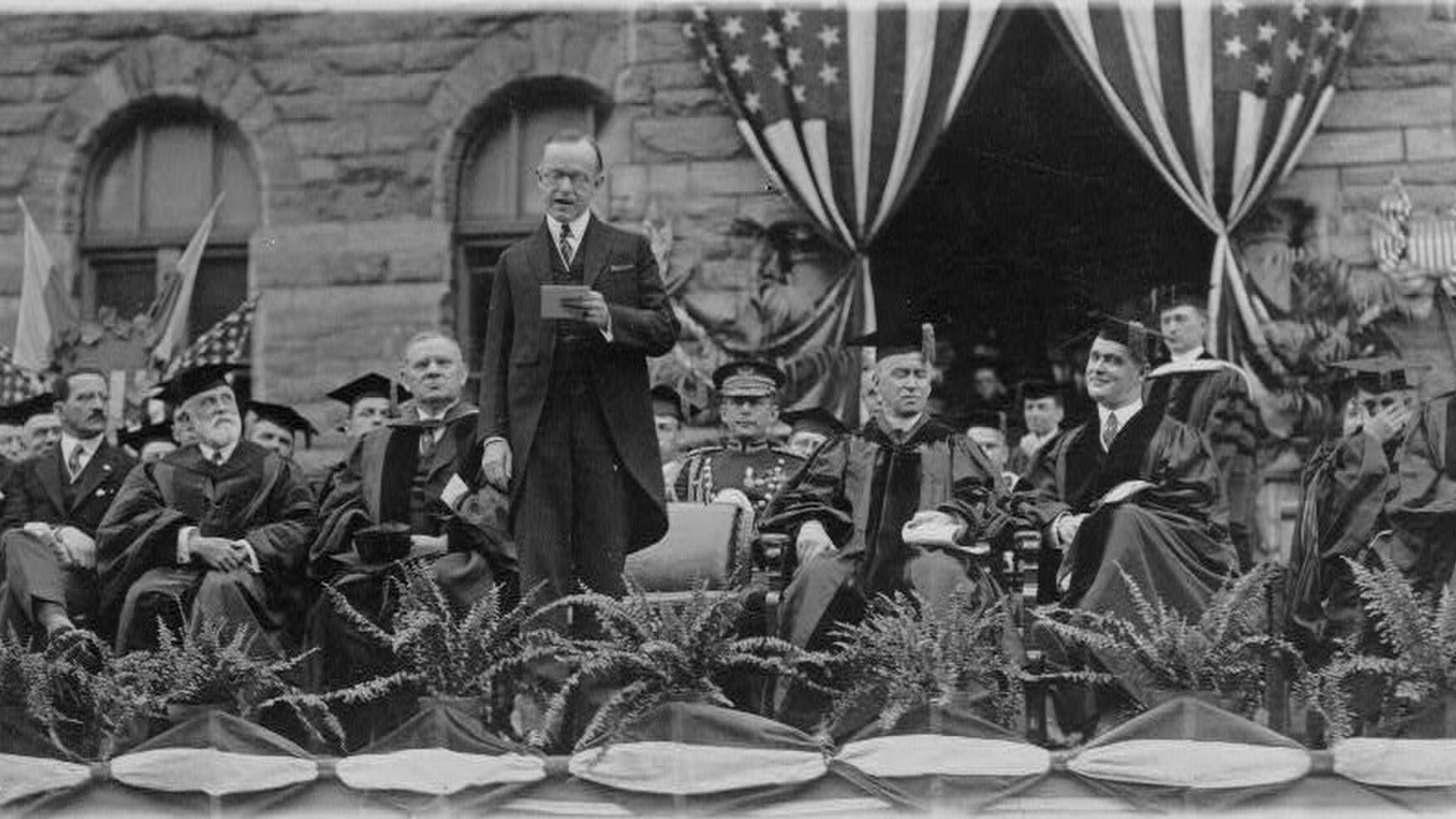
17. Calvin Coolidge 
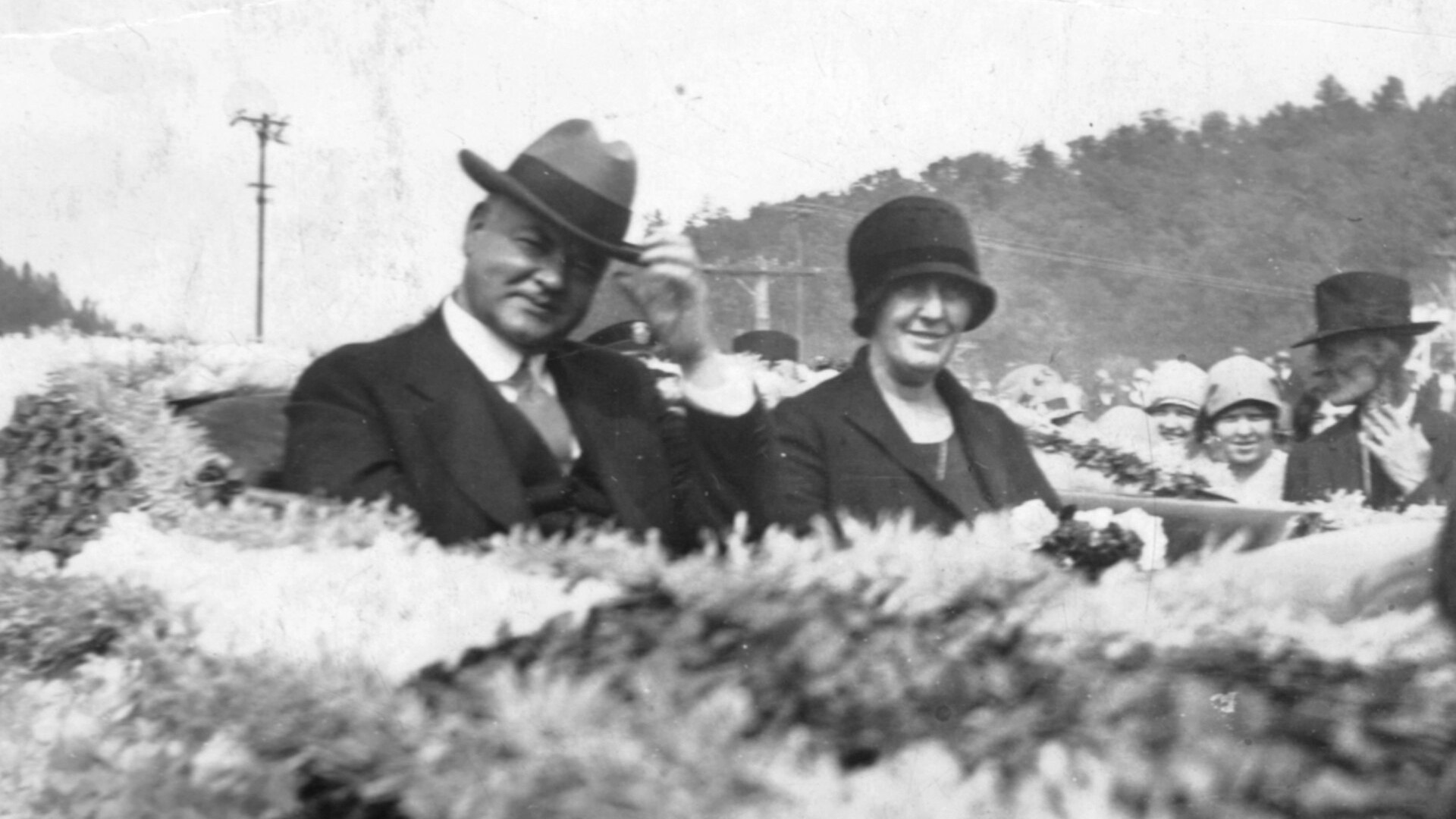
16. Herbert Hoover 
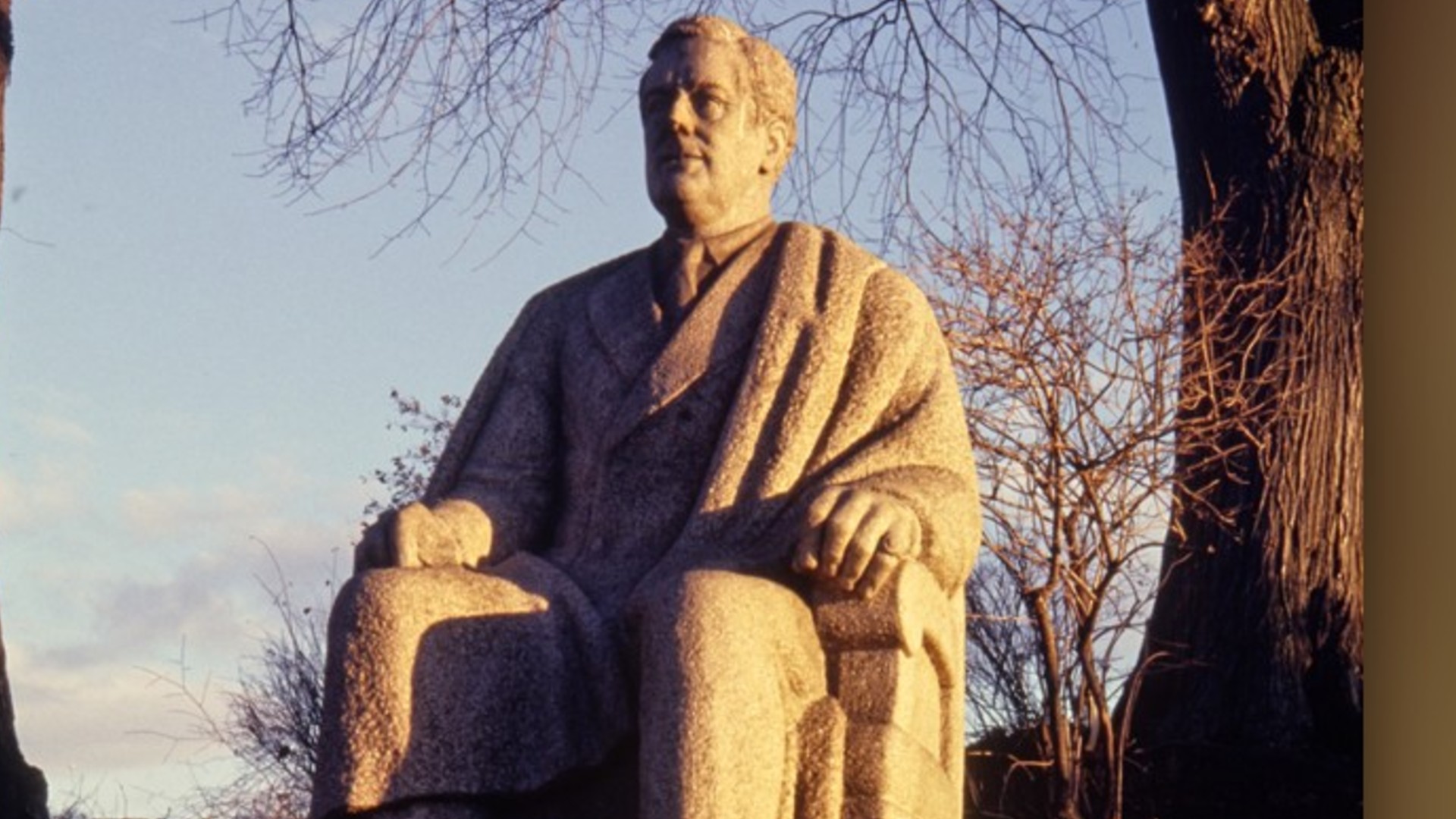
15. Franklin D. Roosevelt - AdvertisementSwipe or tap ▶ to continue countdown

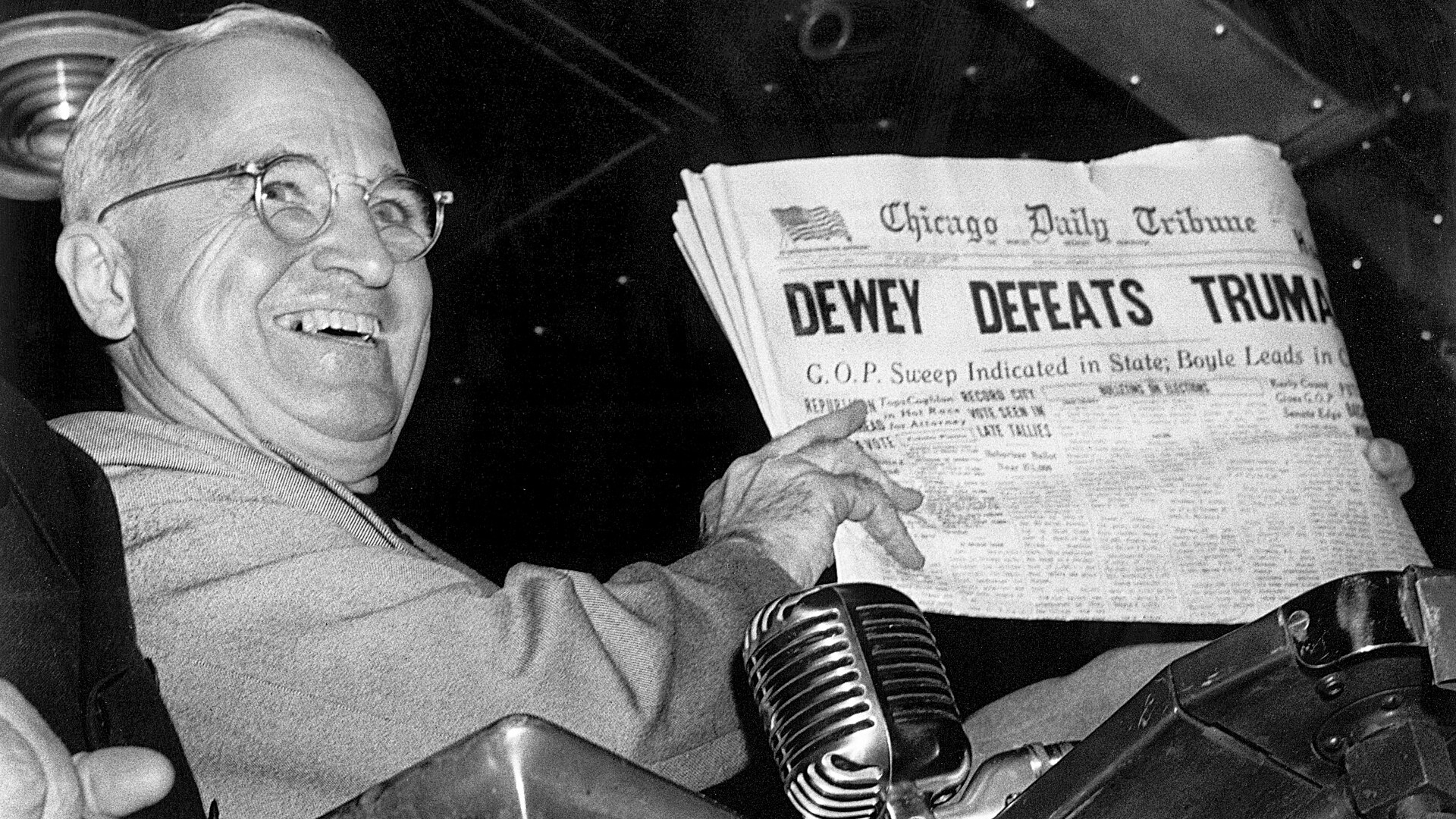
14. Harry S. Truman 
13. Dwight D. Eisenhower 
12. John F. Kennedy 
11. Lyndon B. Johnson - AdvertisementSwipe or tap ▶ to continue countdown

10. Richard Nixon 
9. Gerald Ford 
8. Jimmy Carter 
7. Ronald Reagan - AdvertisementSwipe or tap ▶ to continue countdown

6. George H.W. Bush 
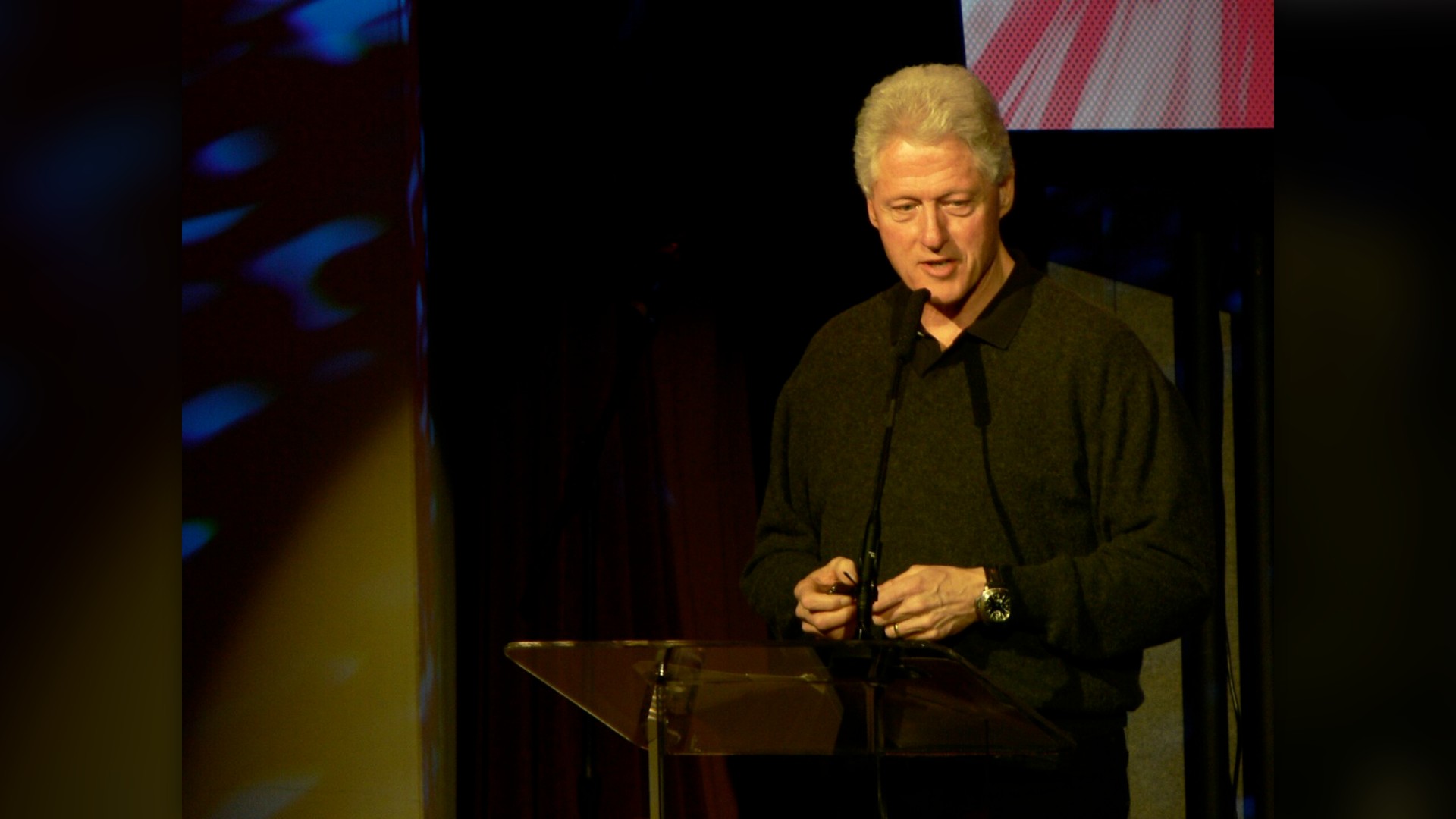
5. Bill Clinton 
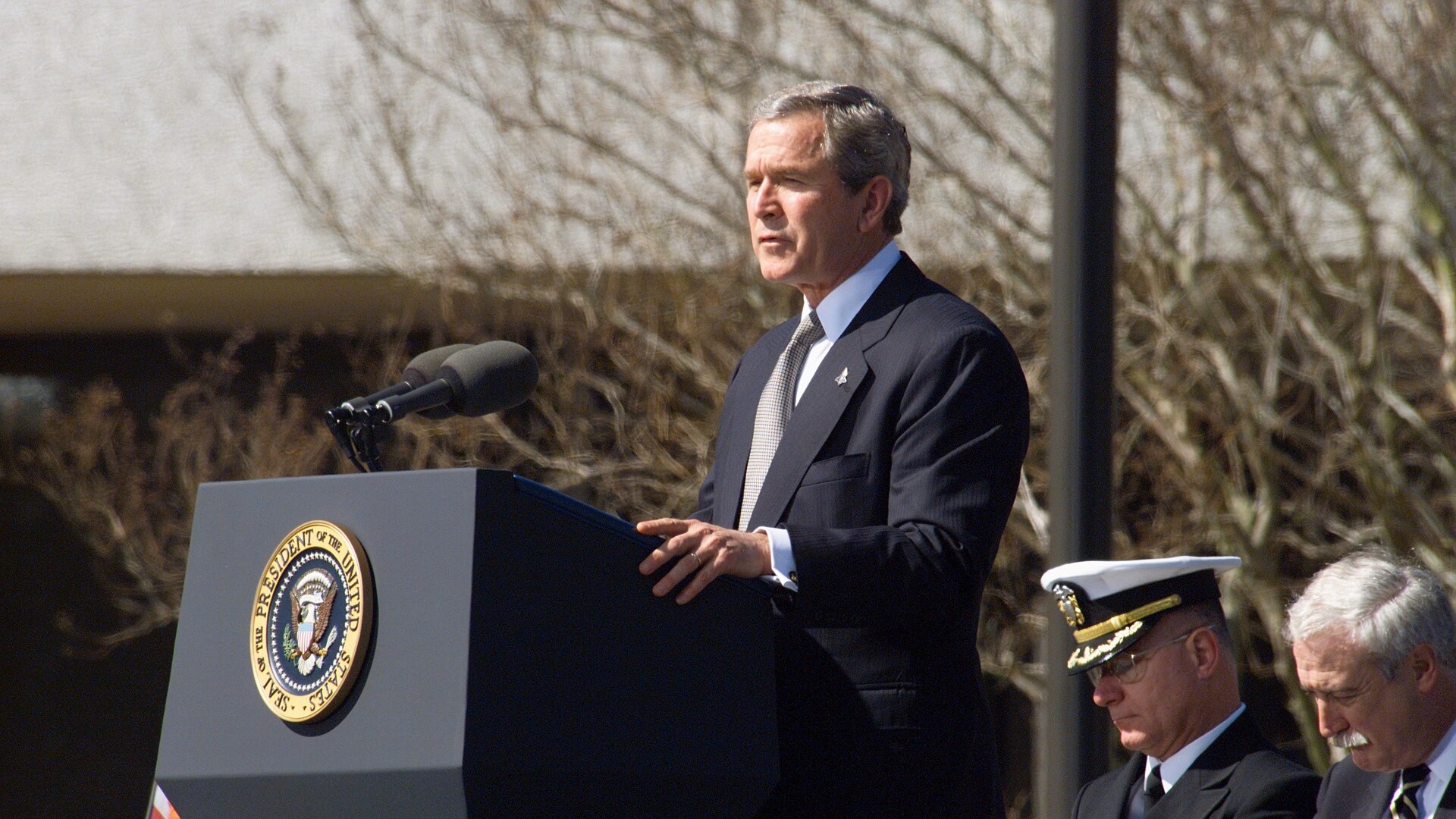
4. George W. Bush 
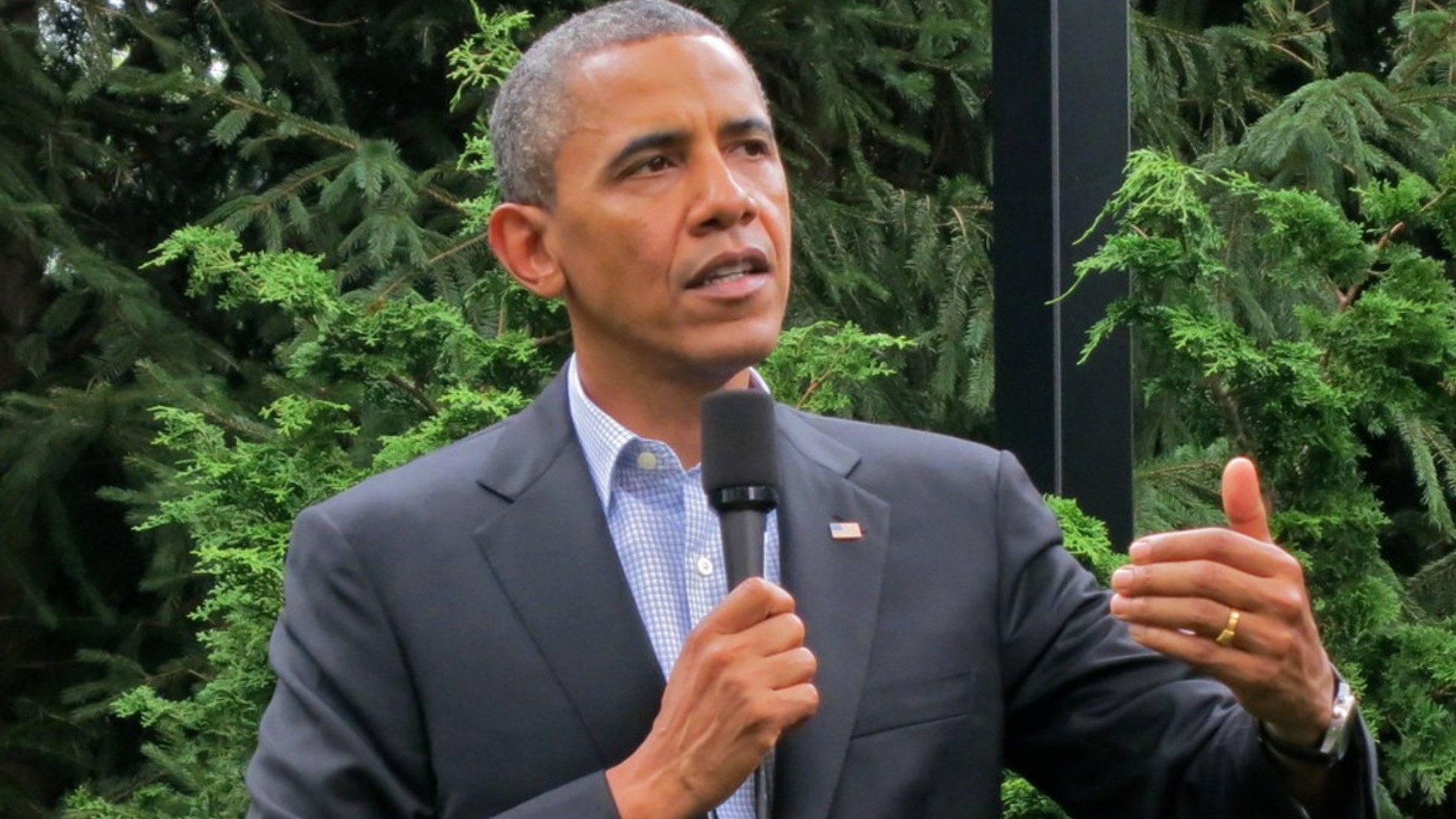
3. Barack Obama - AdvertisementSwipe or tap ▶ to continue countdown

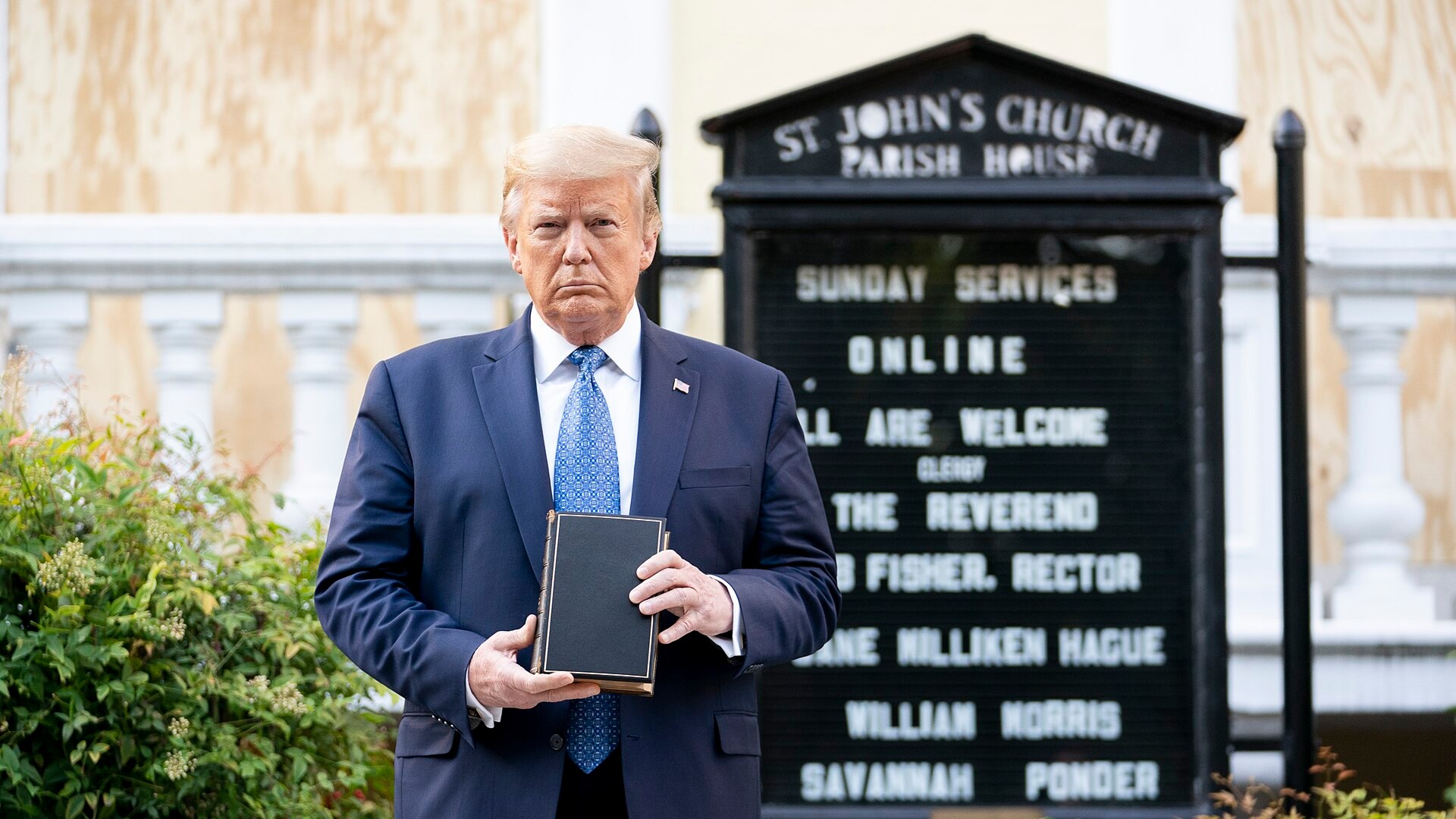
2. Donald Trump 
1. Joe Biden - Advertisement🔥 UP NEXT IN THIS SERIES◫ 21 Slides

20 Famous Kidnapping Cases in American History
Kidnappings throughout American history have altered police practices, transformed federal statutes, and spurred groundbreaking public safety networks. These twenty high-profile cases captivated the nation, exposed vulnerabilities in family security, and prompted lasting legislative reforms in the United States.
Presidential protection grew from two Treasury operatives in 1902 to a multi-billion dollar protective apparatus today. This ranking follows 20 commanders-in-chief in ascending order of defensive scale. Based on records from the US Secret Service, the White House Historical Association and the National Archives.
Swipe or tap ▶ to begin the countdown
©Wikimedia / United States Department of Homeland Security
21. Theodore Roosevelt
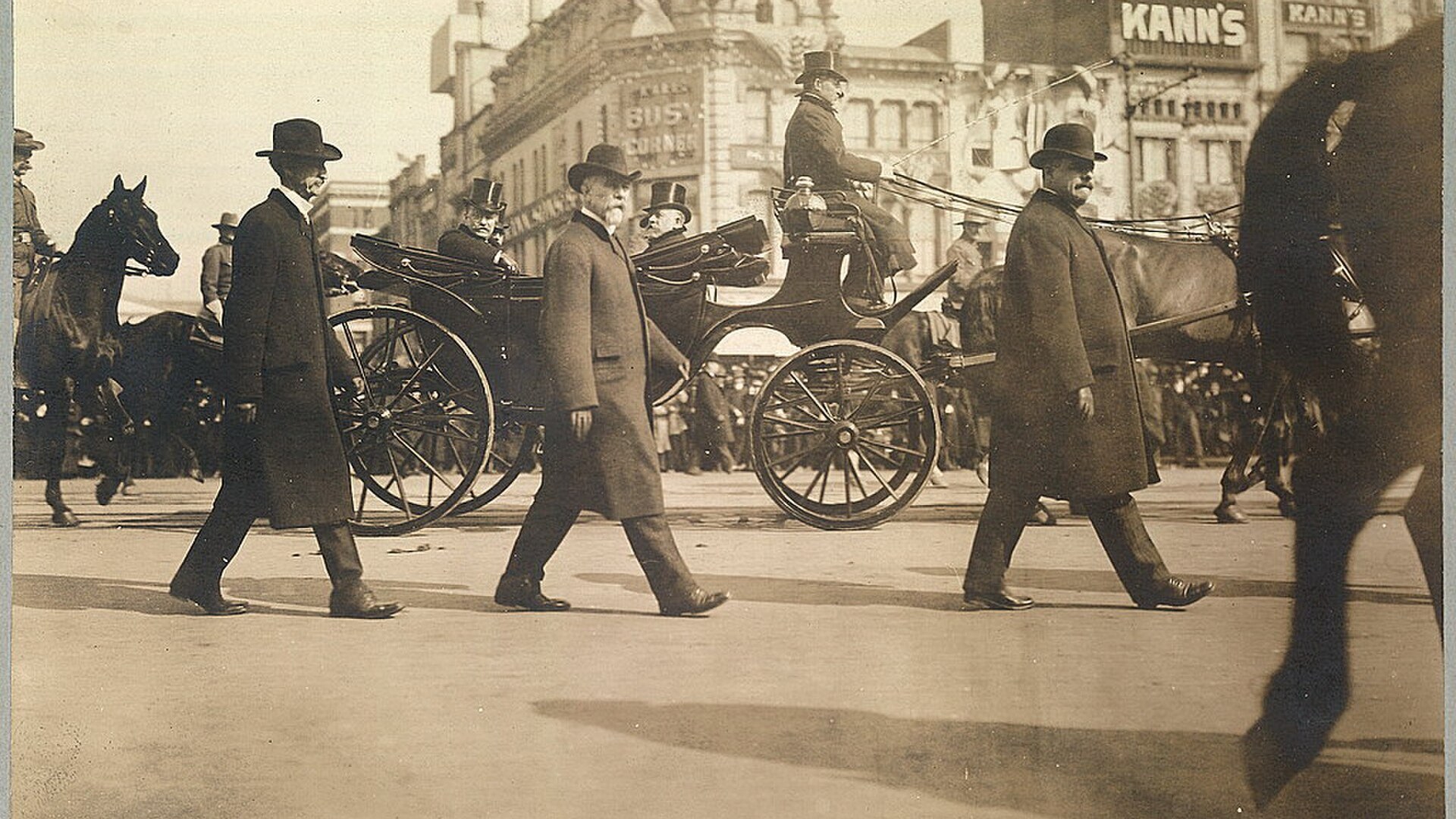
After William McKinley was assassinated in Buffalo in 1901, Congress funded executive protection. The Secret Service assigned two operatives to guard Theodore Roosevelt full-time in 1902. Operatives initially accompanied his horse carriages on bicycles and streetcars before formal motorcades existed.
©Wikimedia / George Grantham Bain Collection
20. William Howard Taft
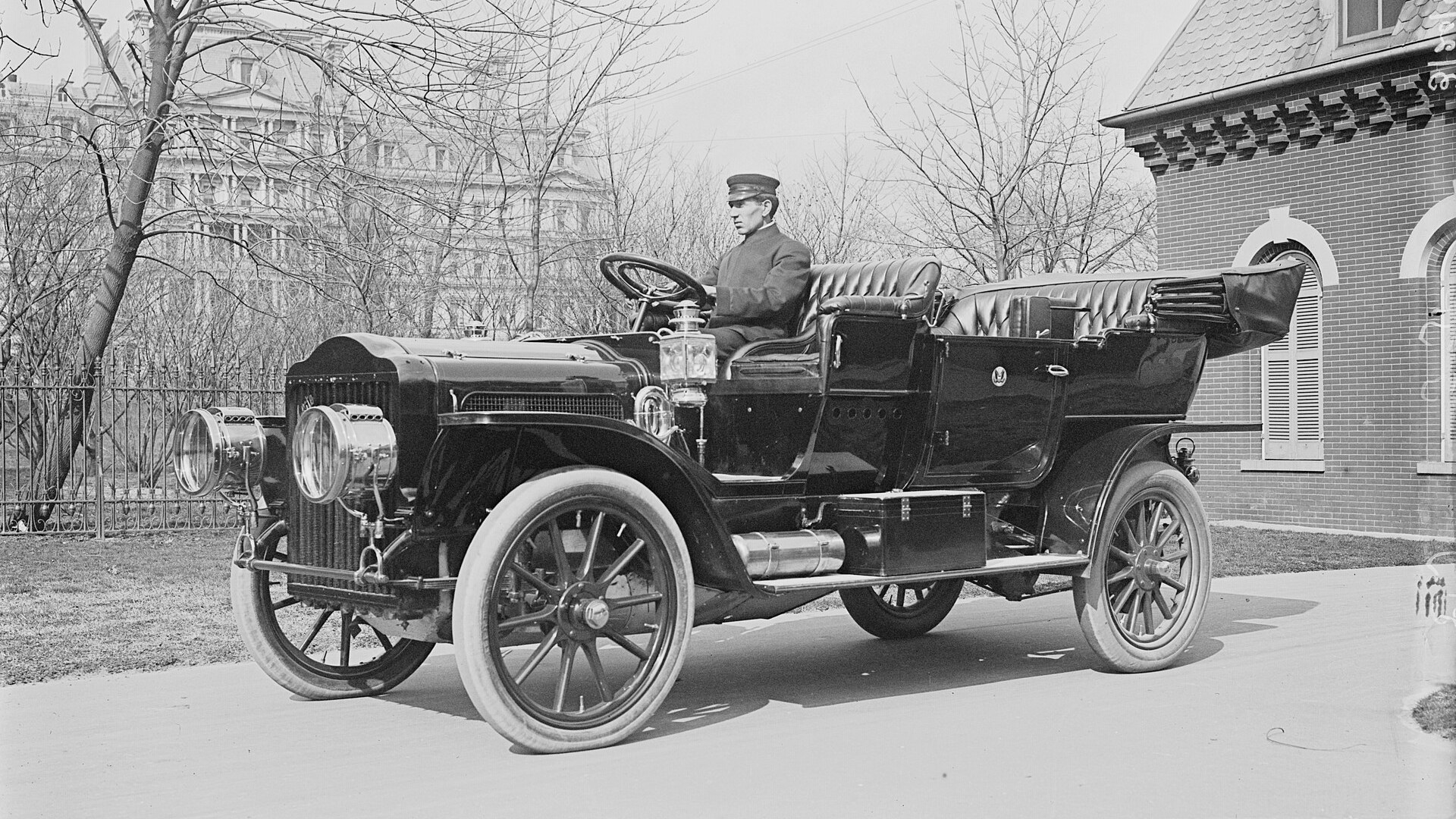
William Howard Taft embraced automobiles in 1909, prompting the Secret Service to replace horse carriages with motorized escorts. Congress expanded the presidential protection detail to ten full-time agents. Agents trained specifically to secure open touring cars during public appearances across Washington.
©Wikimedia / Unnamed photographer in employ of Bain News Serv
19. Woodrow Wilson
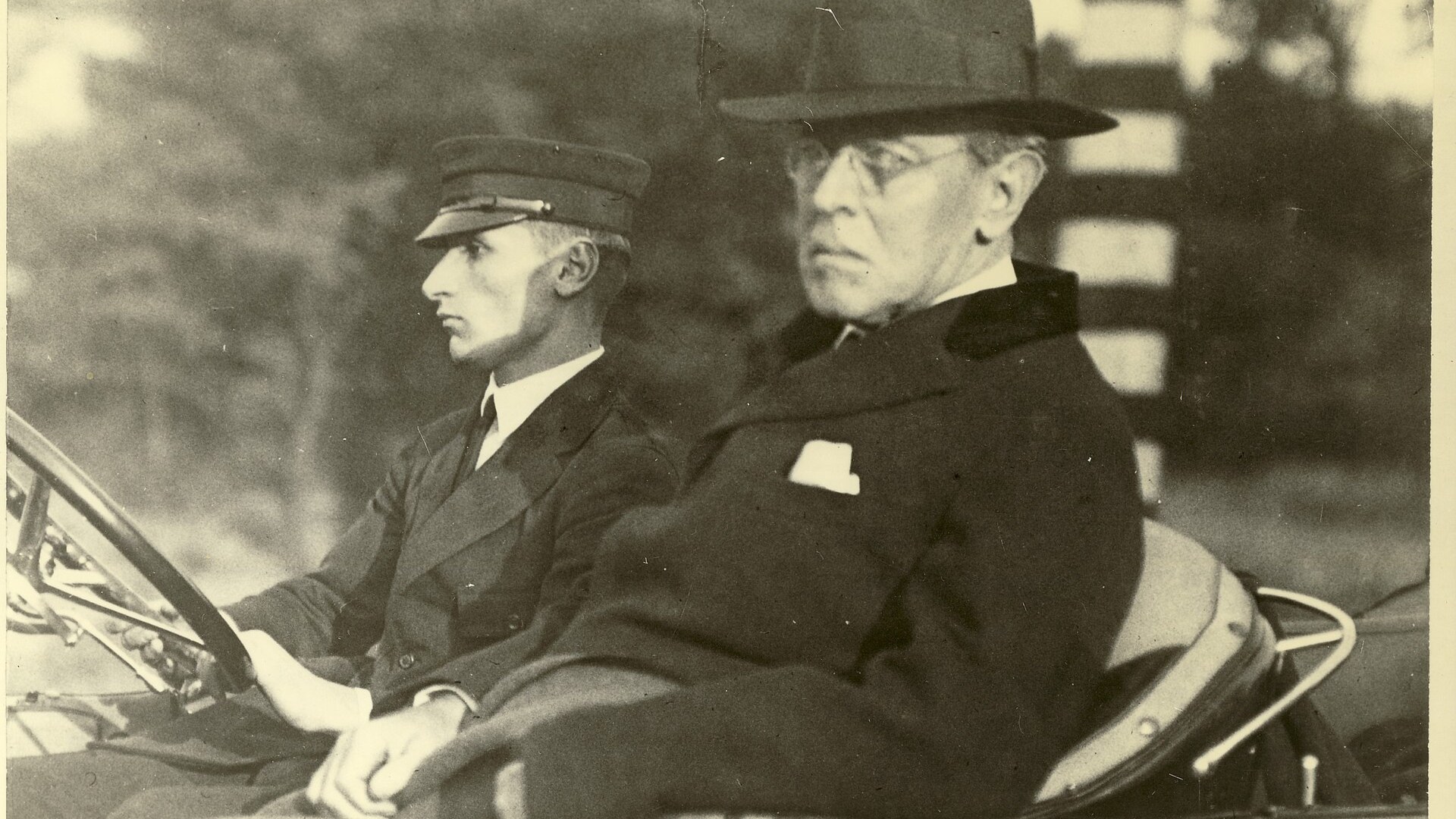
Congress passed the Sundry Civil Expenses Act in 1913, officially codifying permanent Secret Service protection for the sitting president. As international tensions rose before World War I, security details guarded Woodrow Wilson around the clock, both at the White House and during his historic 1919 European tour.
©Wikimedia / Woodrow Wilson Presidential Library Archives fro
Advertisement
Swipe or tap ▶ to resume the countdown.
18. Warren G. Harding
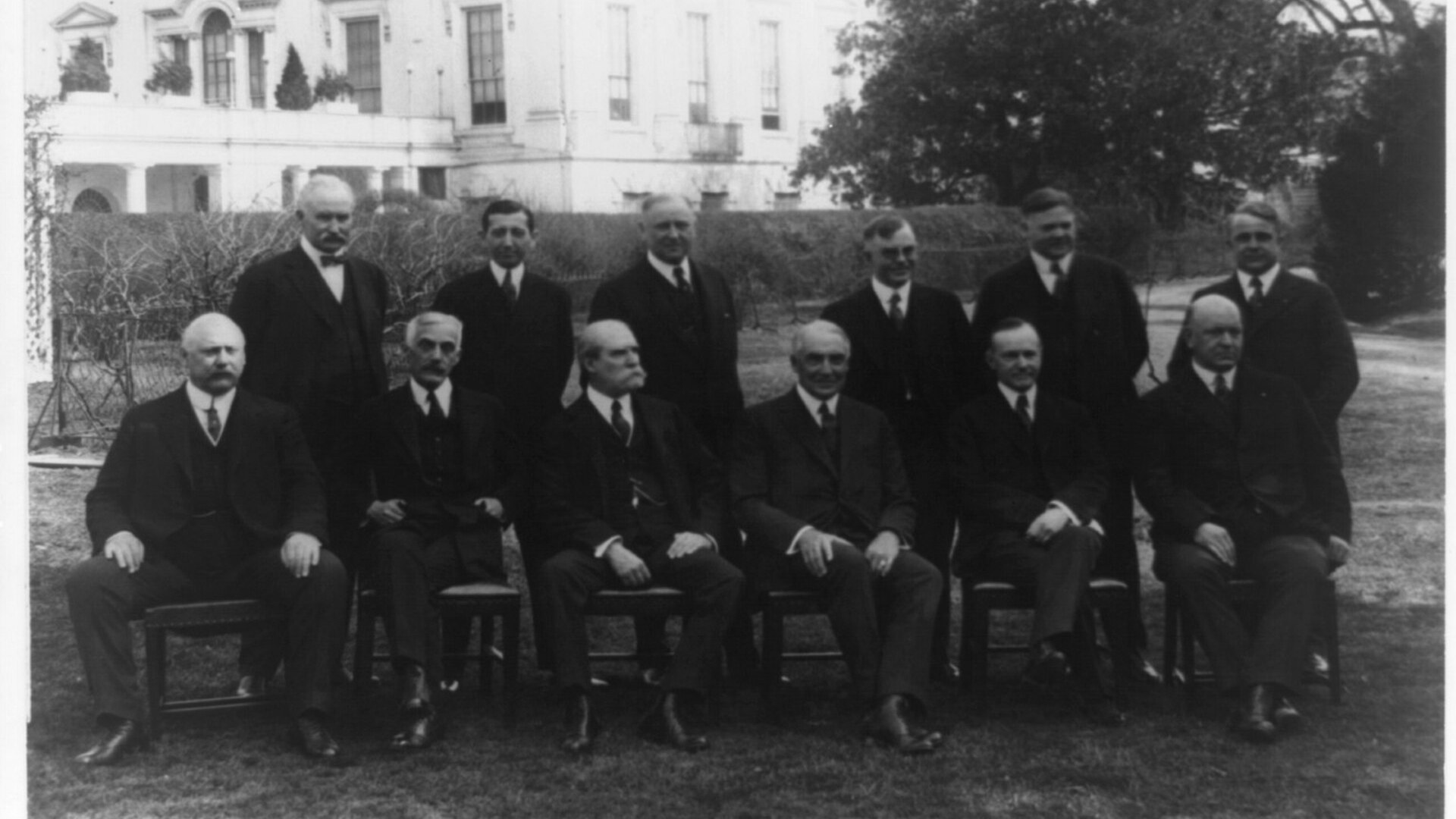
In 1922, Warren G. Harding supported legislation creating the White House Police Force to secure the mansion grounds and gates. This specialized unit relieved military guards and local police of domestic perimeter duty. It allowed Secret Service agents to focus entirely on close personal protection.
©Wikimedia / National Photo Company Collection
17. Calvin Coolidge
Calvin Coolidge spent extensive summer months in the Black Hills of South Dakota and upstate New York during the 1920s. The Secret Service instituted advance security surveys to inspect lodges, establish telegraph perimeters, and vet local staff before the president arrived outside the capital.
©Wikimedia / National Photo Company Collection
16. Herbert Hoover
In 1930, Congress placed the White House Police Force directly under the supervision of the Secret Service Director. Herbert Hoover established a fishing retreat at Rapidan Camp in Virginia, which required armed patrols, perimeter fencing, and specialized mountain motorcade security during the Great Depression.
©Wikimedia / National Archives and Records Administration. Of
15. Franklin D. Roosevelt
After surviving a 1933 shooting in Miami, Franklin D. Roosevelt traveled in armored cars, including an impounded vehicle modified for bullet resistance. During World War II, security constructed bomb shelters below the Treasury Building and fitted his custom train car, the Ferdinand Magellan, with heavy steel plates.
©Europeana / Oslo Museum, Johannessen, Erik Bjørn
Advertisement
Swipe or tap ▶ to resume the countdown.
14. Harry S. Truman
In November 1950, two gunmen attacked Blair House while Harry S. Truman stayed there during White House renovations. Officer Leslie Coffelt died defending the residence. In response, Congress enacted Public Law 82-79 in 1951, permanently mandating Secret Service protection for the president and first family.
©Wikimedia / Byron H. Rollins
13. Dwight D. Eisenhower
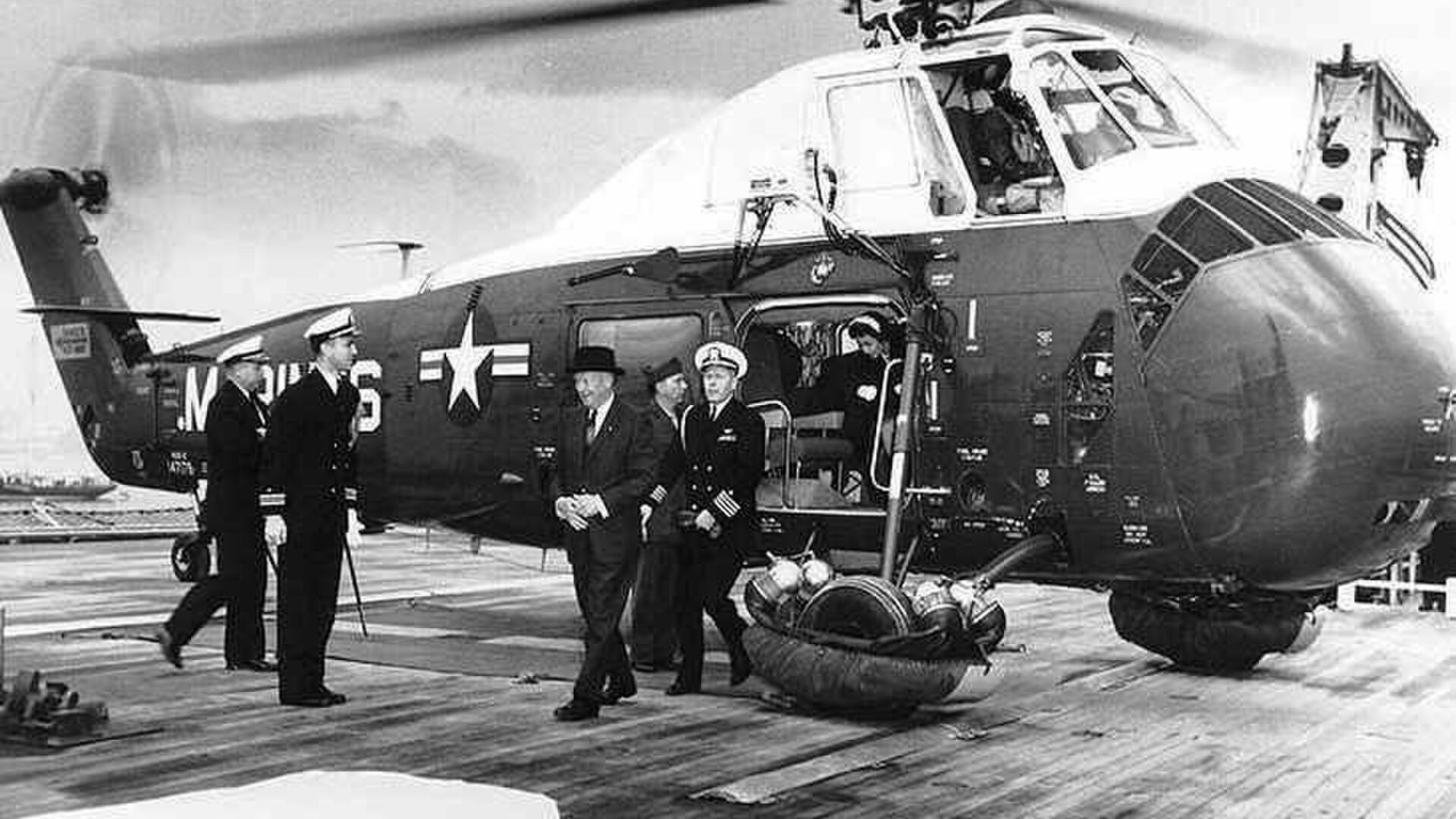
Dwight D. Eisenhower became the first president to fly in helicopters for executive transport in 1957, establishing the Marine One detachment. Secret Service procedures adapted to the Cold War by establishing secure flight corridors, military escort squadrons, and the Raven Rock mountain bunker for relocation drills.
©Wikimedia / Naval History and Heritage Command
12. John F. Kennedy
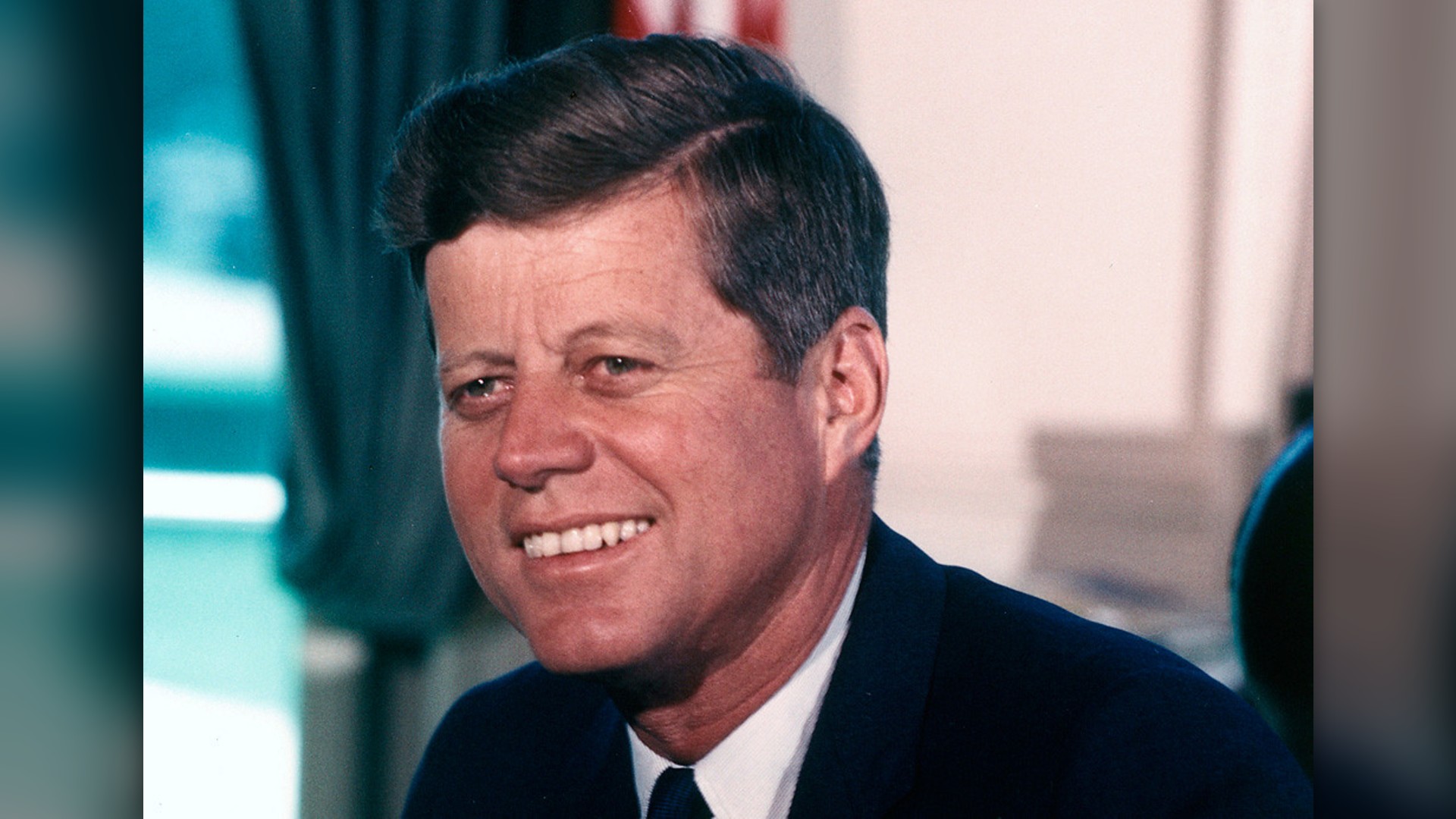
The assassination of John F. Kennedy in Dallas on November 22, 1963, marked the most consequential turning point in protective history. It permanently eliminated open-air presidential motorcades. The Warren Commission spurred massive budget increases, advanced radio networks, and systematic crowd surveillance.
©Openverse / U.S. Embassy New Delhi
11. Lyndon B. Johnson
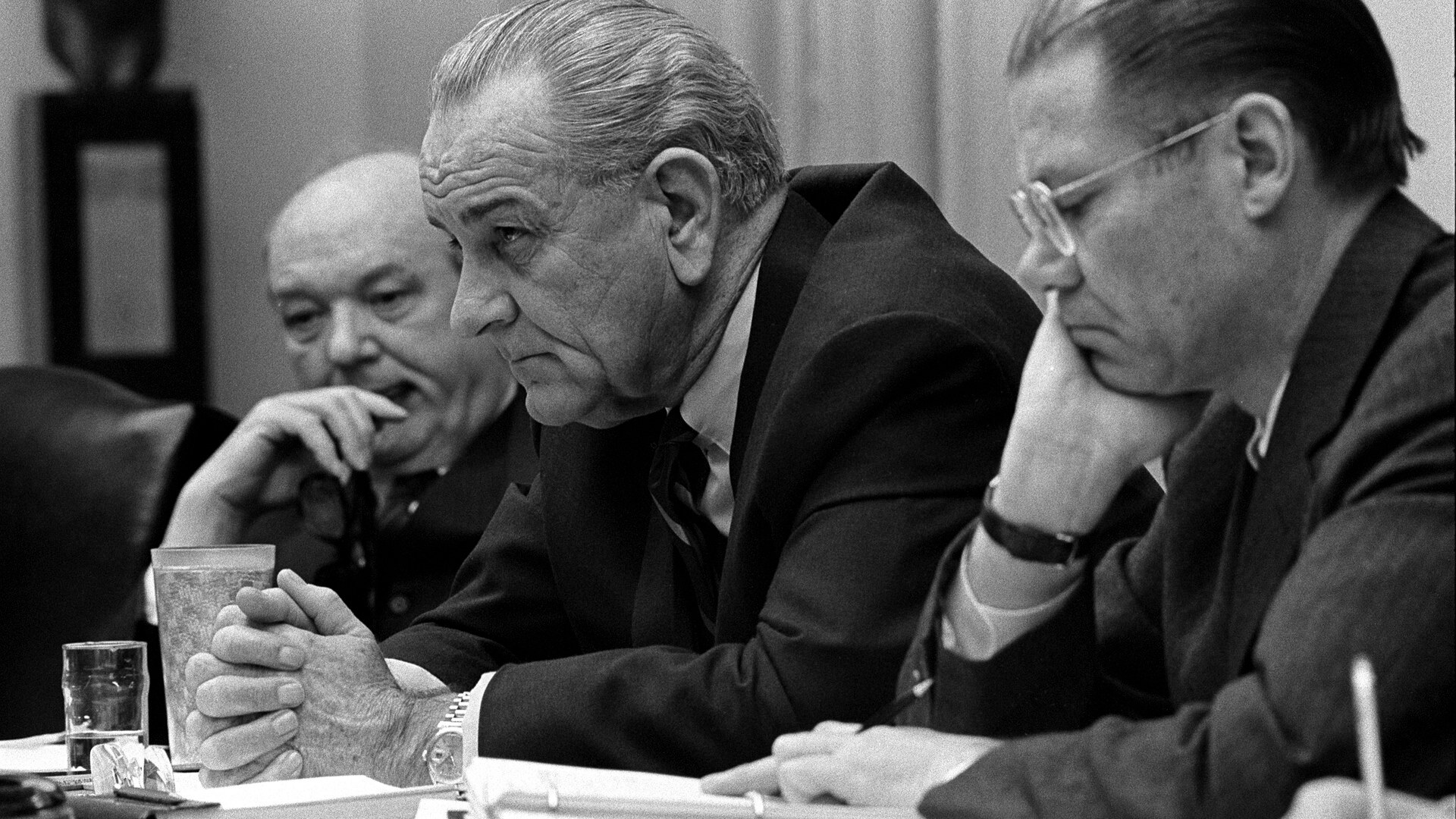
Lyndon B. Johnson rode in heavily fortified limousines fitted with titanium armor and bulletproof glass canopies. Following the 1968 assassination of Robert F. Kennedy, Congress directed the Secret Service to protect major presidential candidates and nominees, expanding agent personnel by hundreds.
©Wikimedia / Yoichi Okamoto
Advertisement
Swipe or tap ▶ to resume the countdown.
10. Richard Nixon
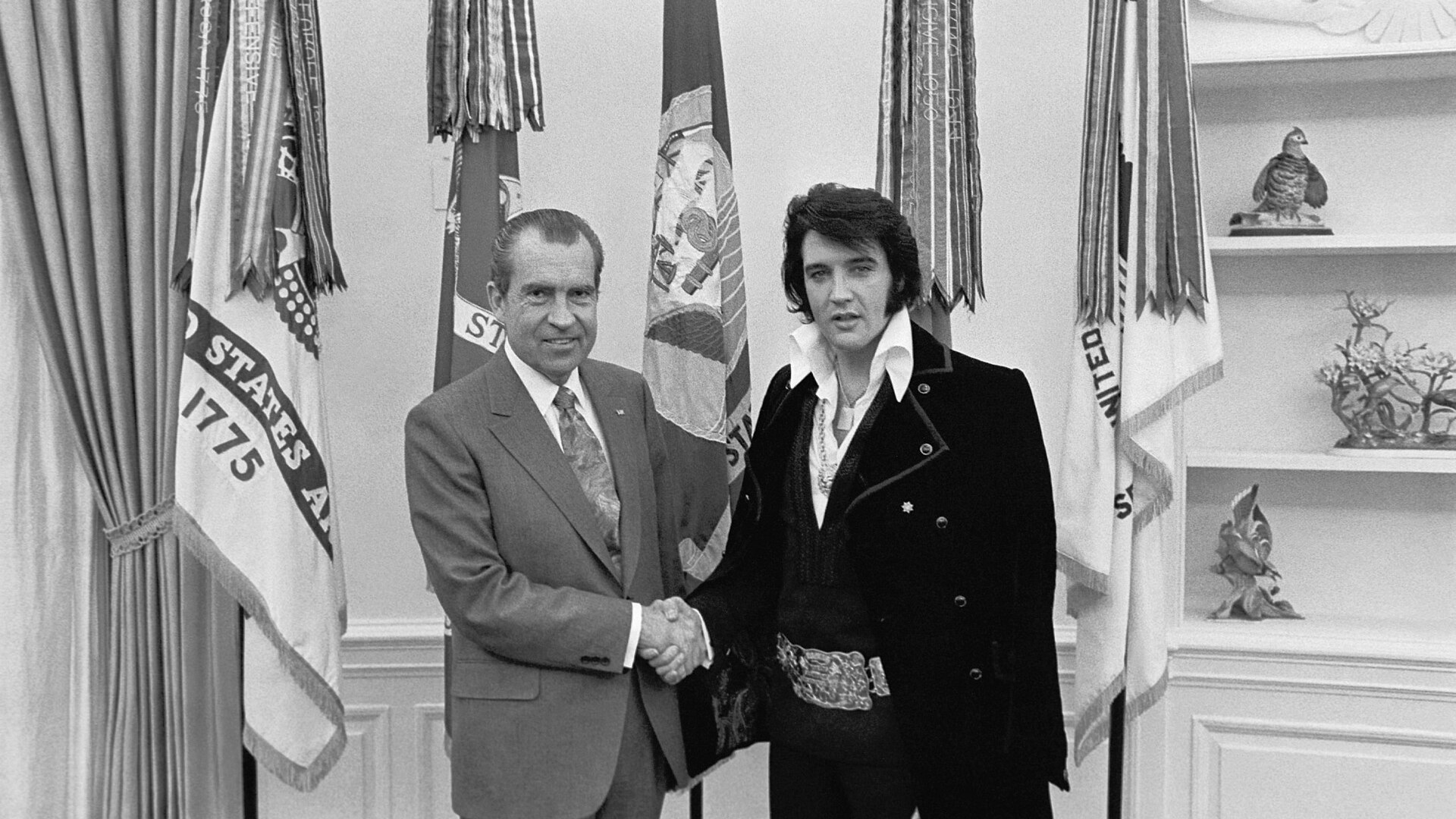
Richard Nixon oversaw the expansion of the Executive Protective Service in 1970 to secure foreign embassies across Washington. High-security measures were installed at his private homes in Key Biscayne and San Clemente, including razor-wire barriers, helicopter pads, and armed Coast Guard perimeter vessels.
©Wikimedia / Ollie Atkins, chief White House photographer at
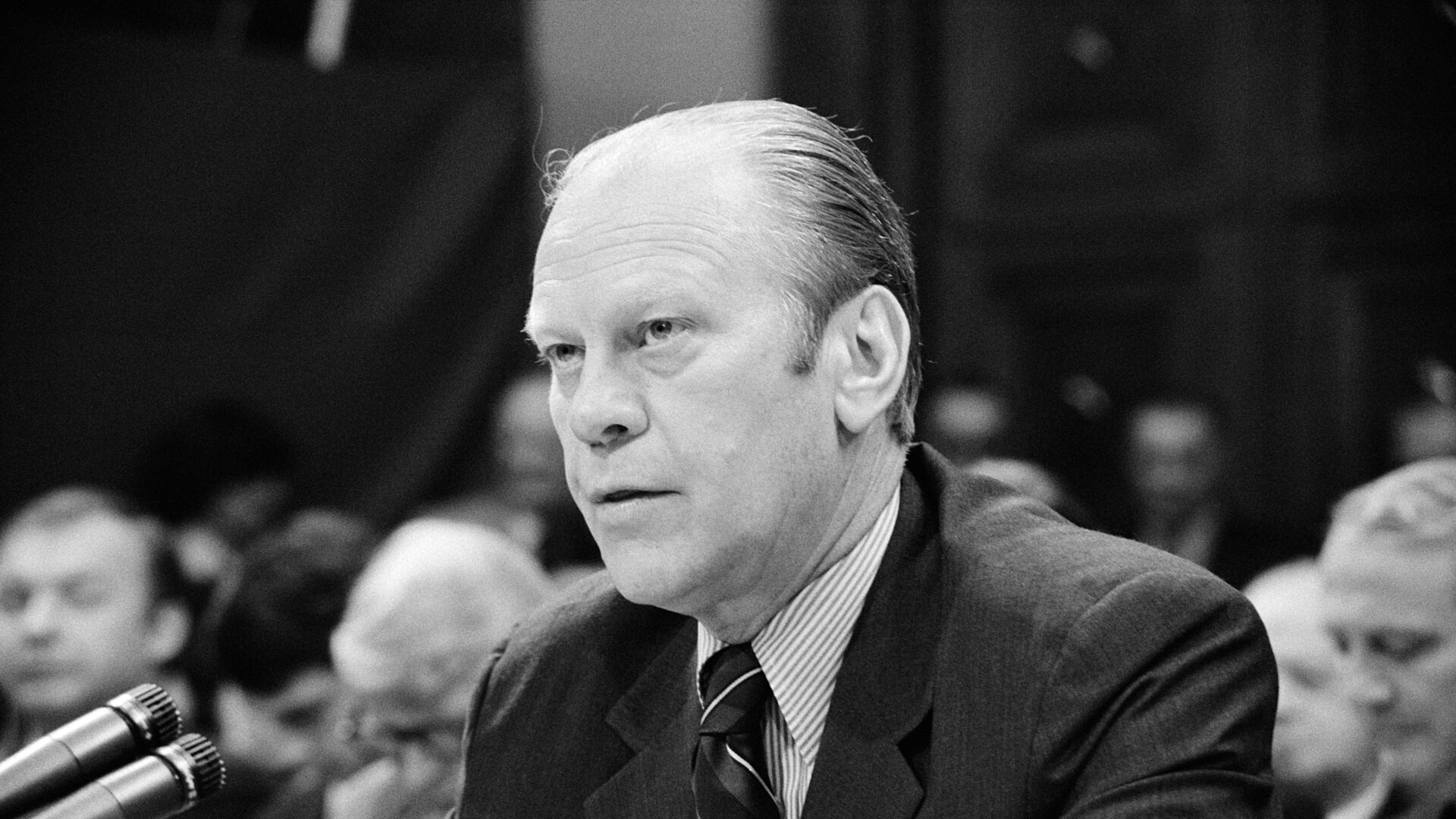
9. Gerald Ford
Gerald Ford survived assassination attempts by Lynette Fromme and Sara Jane Moore in California within seventeen days in September 1975. The Secret Service responded by mandating Kevlar protective trench coats for agents, enlarging spectator buffer zones, and deploying armored motorcade staging at every public stop.
©Wikimedia / Thomas J. O'Halloran, photographer
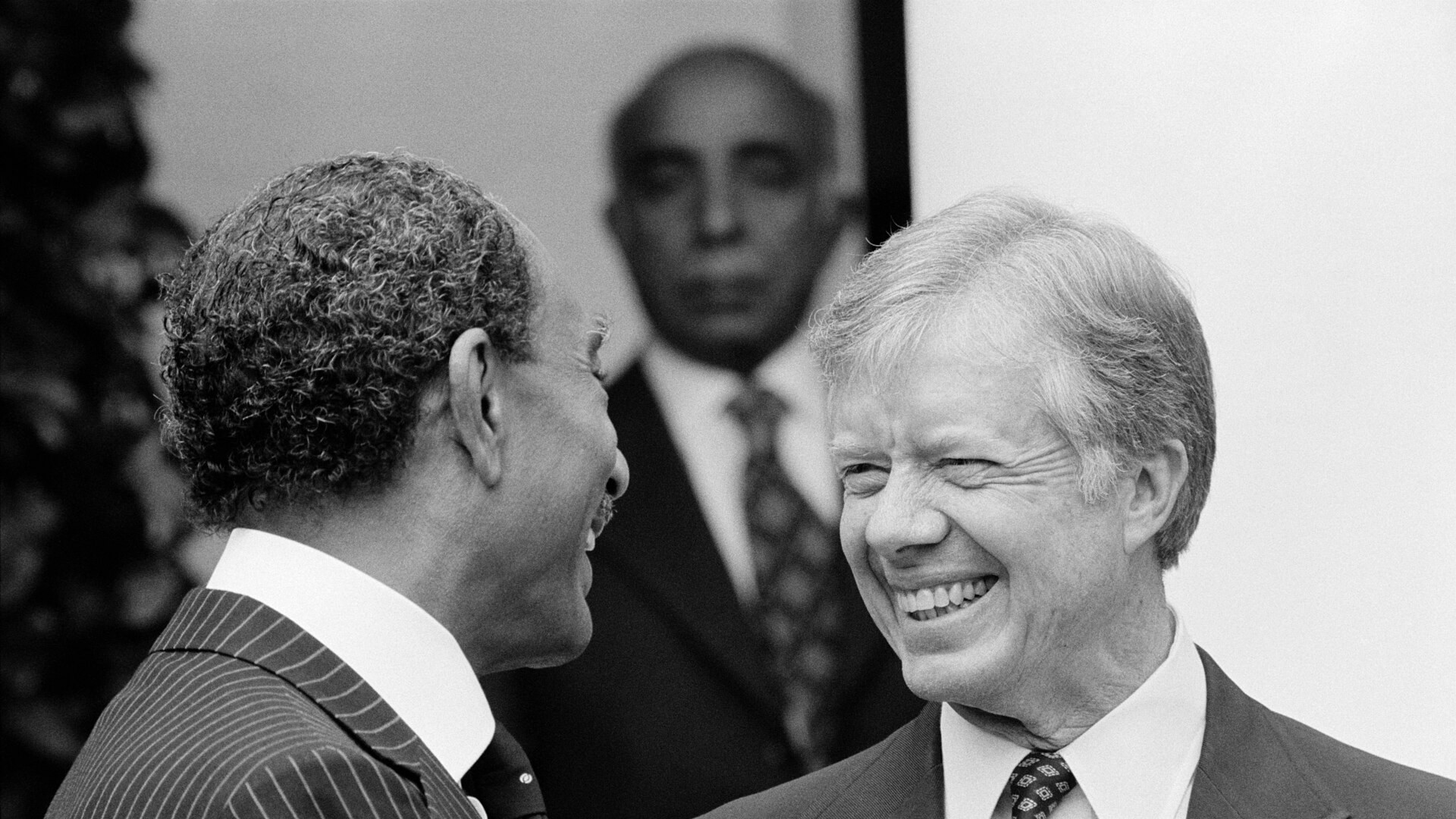
8. Jimmy Carter
Jimmy Carter famously walked down Pennsylvania Avenue during his 1977 inaugural parade, flanked by walking agents. As global threats shifted, the Secret Service fortified the White House gates with automated crash barriers, permanent metal detection screening pavilions, and elevated rooftop observation posts.
©Wikimedia / Leffler, Warren K., photographer or
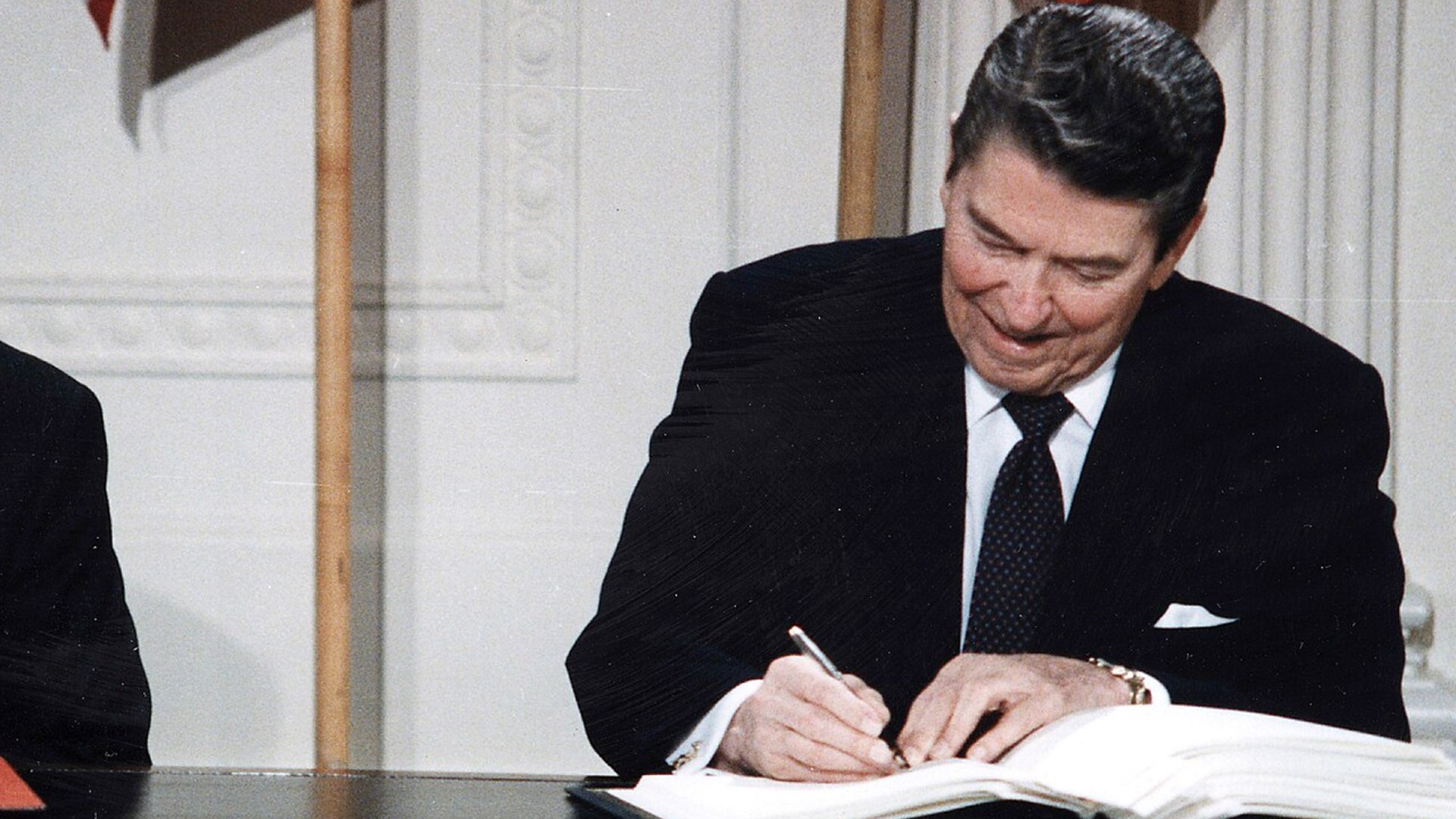
7. Ronald Reagan
After John Hinckley Jr. shot Ronald Reagan outside the Washington Hilton in March 1981, protective doctrines shifted permanently. Magnetometers became mandatory for every public attendee. The agency formed the elite Counter Assault Team (CAT), equipped with automatic rifles to suppress ambushes within seconds.
©Wikimedia / White House Photographic Office
Advertisement
Swipe or tap ▶ to resume the countdown.
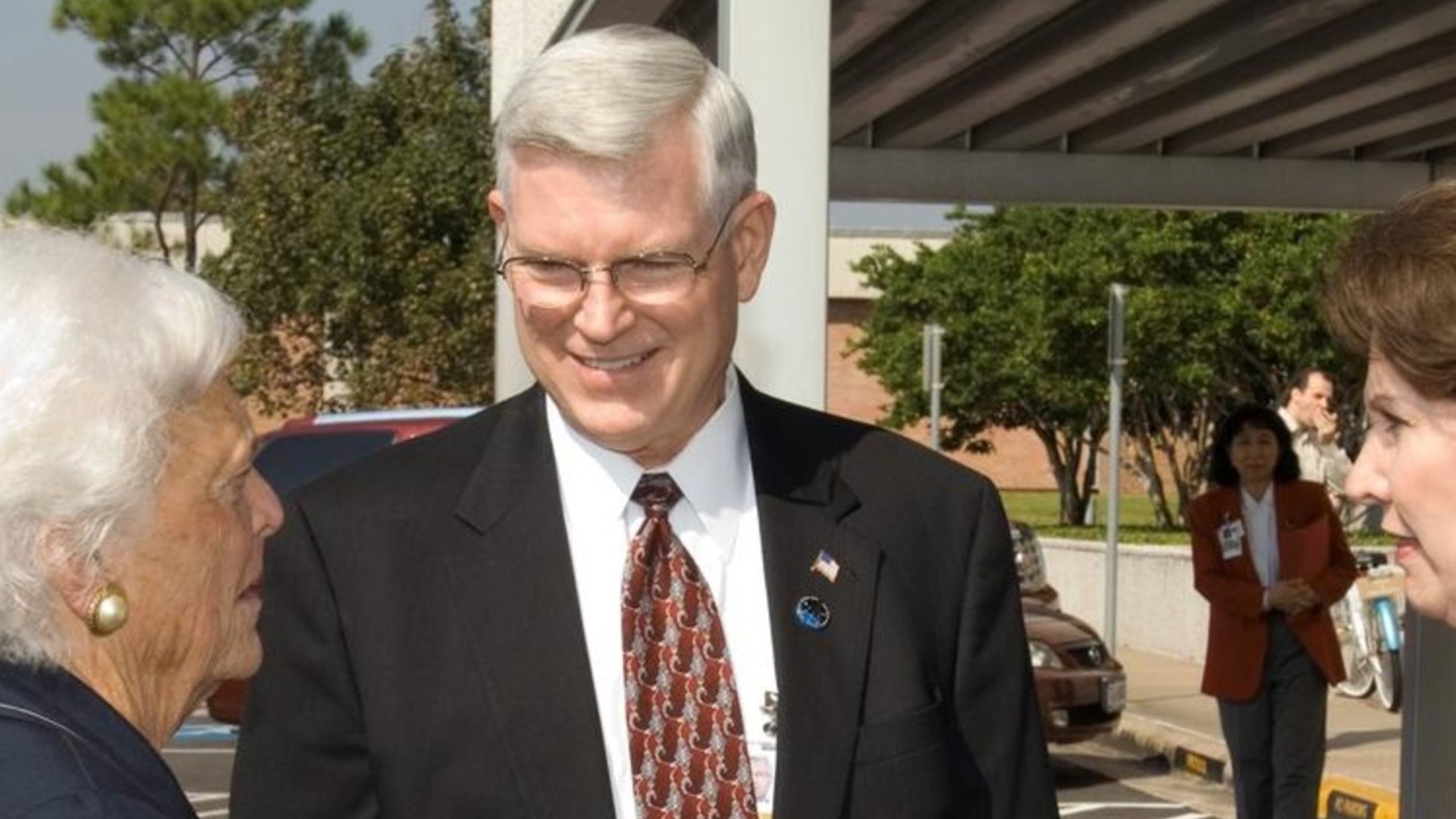
6. George H.W. Bush
During the Gulf War in 1991, foreign threat levels prompted round-the-clock combat air patrols and anti-aircraft coverage over Camp David. The Secret Service collaborated with the Navy and Coast Guard to establish high-speed boat patrols and radar exclusion zones around the Bush estate in Kennebunkport, Maine.
©NASA / DeHoyos
5. Bill Clinton
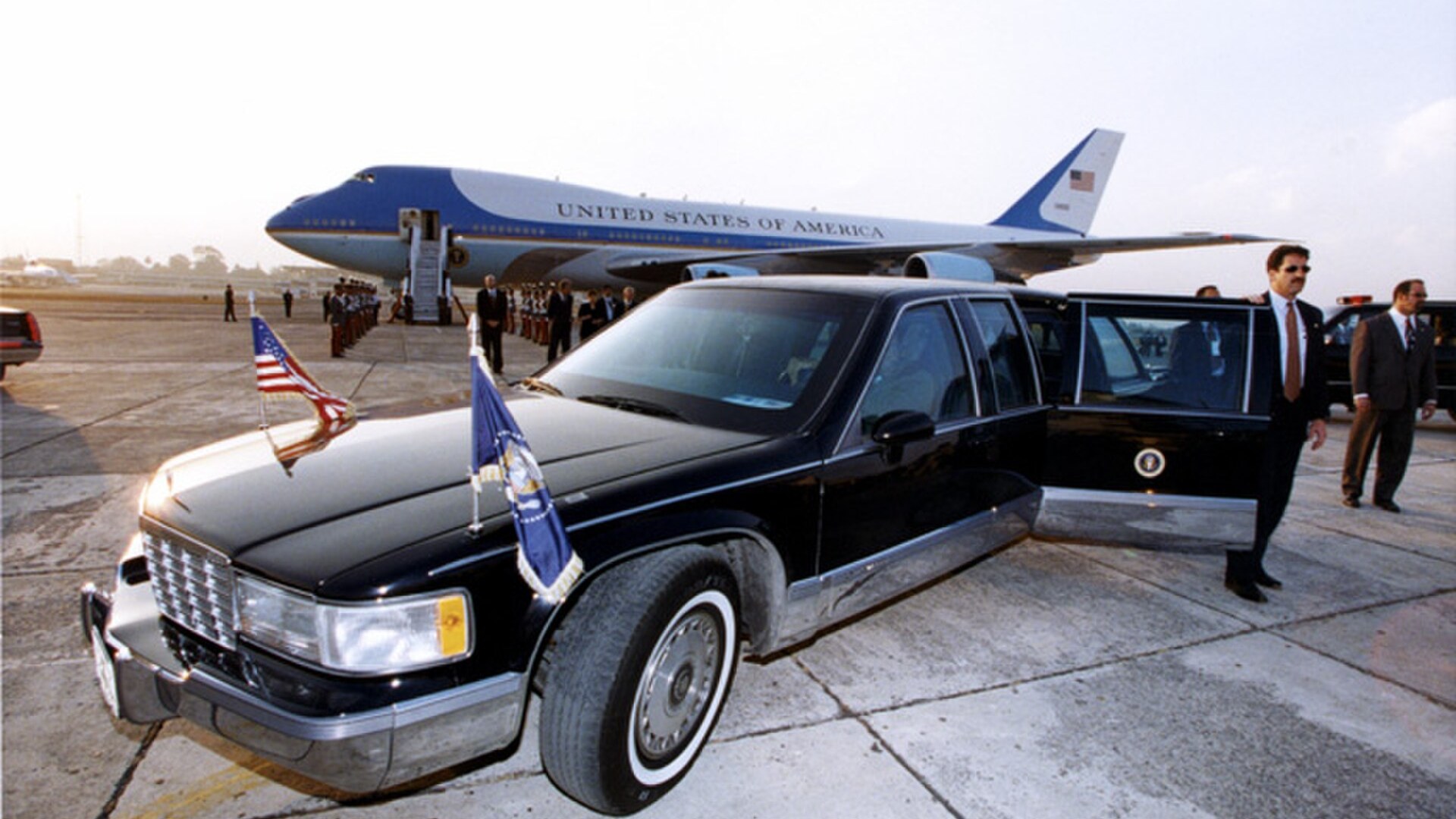
In May 1995, following the Oklahoma City bombing and an unauthorized plane crash on the South Lawn, Bill Clinton closed Pennsylvania Avenue to vehicular traffic. The Secret Service introduced custom Cadillac Fleetwood limousines featuring hermetically sealed cabins and run-flat tires to withstand major attacks.
©Wikimedia / advencap
4. George W. Bush
The September 11 attacks transformed executive protection into a homeland defense mission. George W. Bush traveled under permanent fighter jet escorts, surface-to-air missile rings, and encrypted biometric staging. The Secret Service transferred into the newly established Department of Homeland Security in 2003.
©ESA / European Space Agency
3. Barack Obama
Facing unprecedented threat volumes upon taking office in 2009, Barack Obama traveled inside an eight-inch armored limousine nicknamed The Beast. The vehicle carried onboard blood supplies, sealed oxygen systems, and night-vision optics. Counter-sniper teams and electronic warfare jammers traveled in every motorcade.
©Openverse / jurvetson
Advertisement
Swipe or tap ▶ to resume the countdown.
2. Donald Trump
Donald Trump traveled with large motorcades and multi-agency tactical details to secure private resorts and arenas. Following the July 2024 assassination attempt in Butler, Pennsylvania, the Secret Service mandated bulletproof glass enclosures and unmanned aerial surveillance systems for all outdoor campaign events.
©Wikimedia / The White House from Washington, DC
1. Joe Biden
Joe Biden relies on an annual Secret Service protective budget exceeding three billion dollars across domestic and overseas travels. Operations integrate counter-drone radar umbrellas, armed helicopter air support, tactical assault units, and hardened White House fencing completed to defeat physical breaches.
©Wikimedia / Daniel Schwen
Advertisement
You've reached the end of the story. Thanks for reading!

20 Famous Kidnapping Cases in American History
Kidnappings throughout American history have altered police practices, transformed federal statutes, and spurred groundbreaking public safety networks. These twenty high-profile cases captivated the nation, exposed vulnerabilities in family security, and prompted lasting legislative reforms in the United States.
All 21 Entries in this Story
1. Theodore Roosevelt
After William McKinley was assassinated in Buffalo in 1901, Congress funded executive protection. The Secret Service assigned two operatives to guard Theodore Roosevelt full-time in 1902. Operatives initially accompanied his horse carriages on bicycles and streetcars before formal motorcades existed.

2. William Howard Taft
William Howard Taft embraced automobiles in 1909, prompting the Secret Service to replace horse carriages with motorized escorts. Congress expanded the presidential protection detail to ten full-time agents. Agents trained specifically to secure open touring cars during public appearances across Washington.

3. Woodrow Wilson
Congress passed the Sundry Civil Expenses Act in 1913, officially codifying permanent Secret Service protection for the sitting president. As international tensions rose before World War I, security details guarded Woodrow Wilson around the clock, both at the White House and during his historic 1919 European tour.

4. Warren G. Harding
In 1922, Warren G. Harding supported legislation creating the White House Police Force to secure the mansion grounds and gates. This specialized unit relieved military guards and local police of domestic perimeter duty. It allowed Secret Service agents to focus entirely on close personal protection.

5. Calvin Coolidge
Calvin Coolidge spent extensive summer months in the Black Hills of South Dakota and upstate New York during the 1920s. The Secret Service instituted advance security surveys to inspect lodges, establish telegraph perimeters, and vet local staff before the president arrived outside the capital.

6. Herbert Hoover
In 1930, Congress placed the White House Police Force directly under the supervision of the Secret Service Director. Herbert Hoover established a fishing retreat at Rapidan Camp in Virginia, which required armed patrols, perimeter fencing, and specialized mountain motorcade security during the Great Depression.

7. Franklin D. Roosevelt
After surviving a 1933 shooting in Miami, Franklin D. Roosevelt traveled in armored cars, including an impounded vehicle modified for bullet resistance. During World War II, security constructed bomb shelters below the Treasury Building and fitted his custom train car, the Ferdinand Magellan, with heavy steel plates.

8. Harry S. Truman
In November 1950, two gunmen attacked Blair House while Harry S. Truman stayed there during White House renovations. Officer Leslie Coffelt died defending the residence. In response, Congress enacted Public Law 82-79 in 1951, permanently mandating Secret Service protection for the president and first family.

9. Dwight D. Eisenhower
Dwight D. Eisenhower became the first president to fly in helicopters for executive transport in 1957, establishing the Marine One detachment. Secret Service procedures adapted to the Cold War by establishing secure flight corridors, military escort squadrons, and the Raven Rock mountain bunker for relocation drills.

10. John F. Kennedy
The assassination of John F. Kennedy in Dallas on November 22, 1963, marked the most consequential turning point in protective history. It permanently eliminated open-air presidential motorcades. The Warren Commission spurred massive budget increases, advanced radio networks, and systematic crowd surveillance.

11. Lyndon B. Johnson
Lyndon B. Johnson rode in heavily fortified limousines fitted with titanium armor and bulletproof glass canopies. Following the 1968 assassination of Robert F. Kennedy, Congress directed the Secret Service to protect major presidential candidates and nominees, expanding agent personnel by hundreds.

12. Richard Nixon
Richard Nixon oversaw the expansion of the Executive Protective Service in 1970 to secure foreign embassies across Washington. High-security measures were installed at his private homes in Key Biscayne and San Clemente, including razor-wire barriers, helicopter pads, and armed Coast Guard perimeter vessels.

13. Gerald Ford
Gerald Ford survived assassination attempts by Lynette Fromme and Sara Jane Moore in California within seventeen days in September 1975. The Secret Service responded by mandating Kevlar protective trench coats for agents, enlarging spectator buffer zones, and deploying armored motorcade staging at every public stop.

14. Jimmy Carter
Jimmy Carter famously walked down Pennsylvania Avenue during his 1977 inaugural parade, flanked by walking agents. As global threats shifted, the Secret Service fortified the White House gates with automated crash barriers, permanent metal detection screening pavilions, and elevated rooftop observation posts.

15. Ronald Reagan
After John Hinckley Jr. shot Ronald Reagan outside the Washington Hilton in March 1981, protective doctrines shifted permanently. Magnetometers became mandatory for every public attendee. The agency formed the elite Counter Assault Team (CAT), equipped with automatic rifles to suppress ambushes within seconds.

16. George H.W. Bush
During the Gulf War in 1991, foreign threat levels prompted round-the-clock combat air patrols and anti-aircraft coverage over Camp David. The Secret Service collaborated with the Navy and Coast Guard to establish high-speed boat patrols and radar exclusion zones around the Bush estate in Kennebunkport, Maine.

17. Bill Clinton
In May 1995, following the Oklahoma City bombing and an unauthorized plane crash on the South Lawn, Bill Clinton closed Pennsylvania Avenue to vehicular traffic. The Secret Service introduced custom Cadillac Fleetwood limousines featuring hermetically sealed cabins and run-flat tires to withstand major attacks.

18. George W. Bush
The September 11 attacks transformed executive protection into a homeland defense mission. George W. Bush traveled under permanent fighter jet escorts, surface-to-air missile rings, and encrypted biometric staging. The Secret Service transferred into the newly established Department of Homeland Security in 2003.

19. Barack Obama
Facing unprecedented threat volumes upon taking office in 2009, Barack Obama traveled inside an eight-inch armored limousine nicknamed The Beast. The vehicle carried onboard blood supplies, sealed oxygen systems, and night-vision optics. Counter-sniper teams and electronic warfare jammers traveled in every motorcade.

20. Donald Trump
Donald Trump traveled with large motorcades and multi-agency tactical details to secure private resorts and arenas. Following the July 2024 assassination attempt in Butler, Pennsylvania, the Secret Service mandated bulletproof glass enclosures and unmanned aerial surveillance systems for all outdoor campaign events.

21. Joe Biden
Joe Biden relies on an annual Secret Service protective budget exceeding three billion dollars across domestic and overseas travels. Operations integrate counter-drone radar umbrellas, armed helicopter air support, tactical assault units, and hardened White House fencing completed to defeat physical breaches.