Slideshow · Viral
20 Ambitious Megastructures Around the World That Were Never Completed
From soaring Soviet towers to abandoned skyscraper shells, these ambitious megastructures were never completed before work stopped. Economic crises, wars, and engineering limits left behind fascinating relics. Based on reporting by Reuters, BBC News, and Architectural Digest on these colossal unfinished builds.
By Most Viral Today
1 hour ago

Towering Megastructures and Grand Visions Left Forever Frozen in Time 
20. Tour Hassan 
19. Boldt Castle 
18. National Monument Of Scotland - AdvertisementSwipe or tap ▶ to continue countdown

17. Alai Minar 
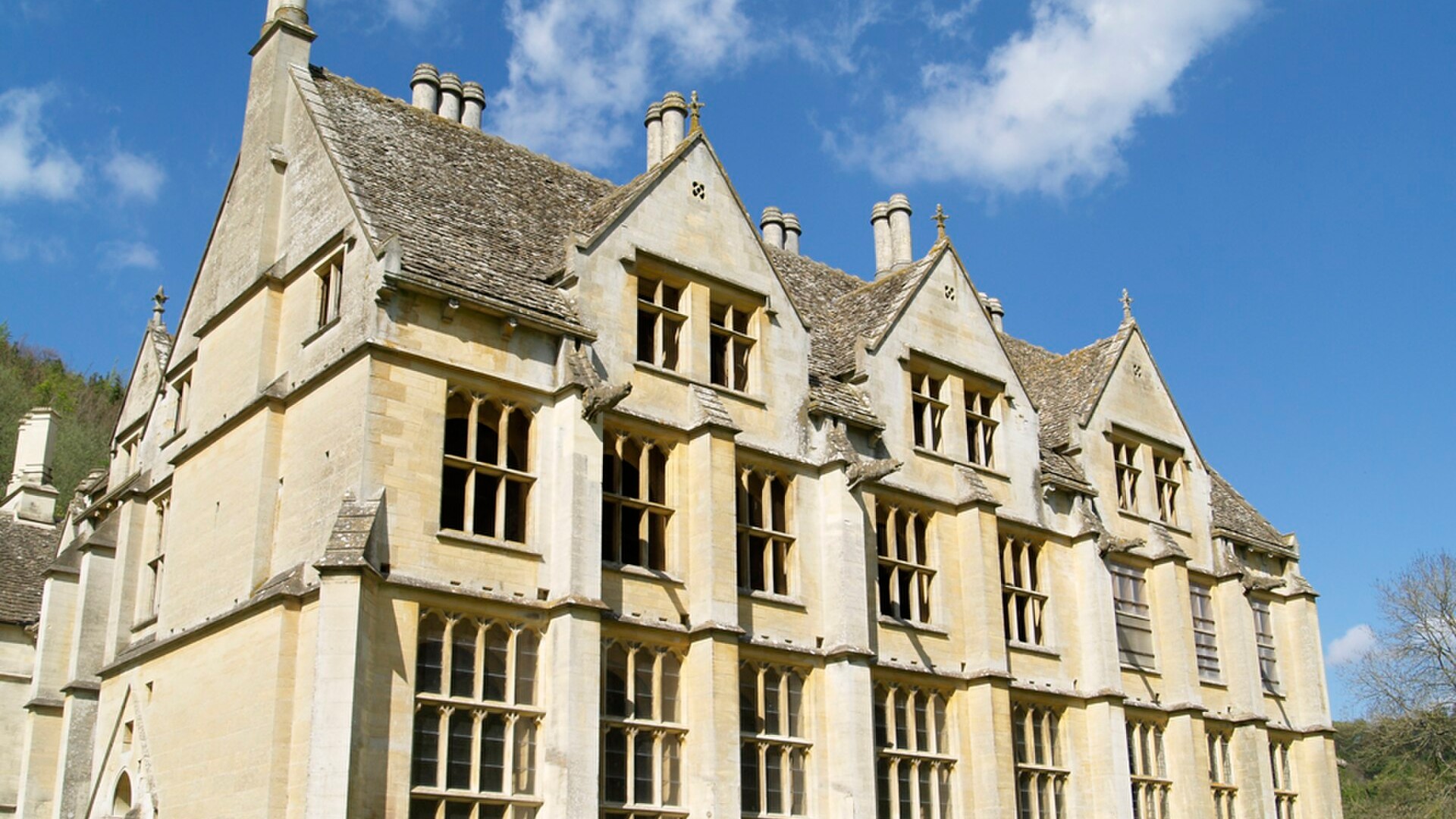
16. Woodchester Mansion 
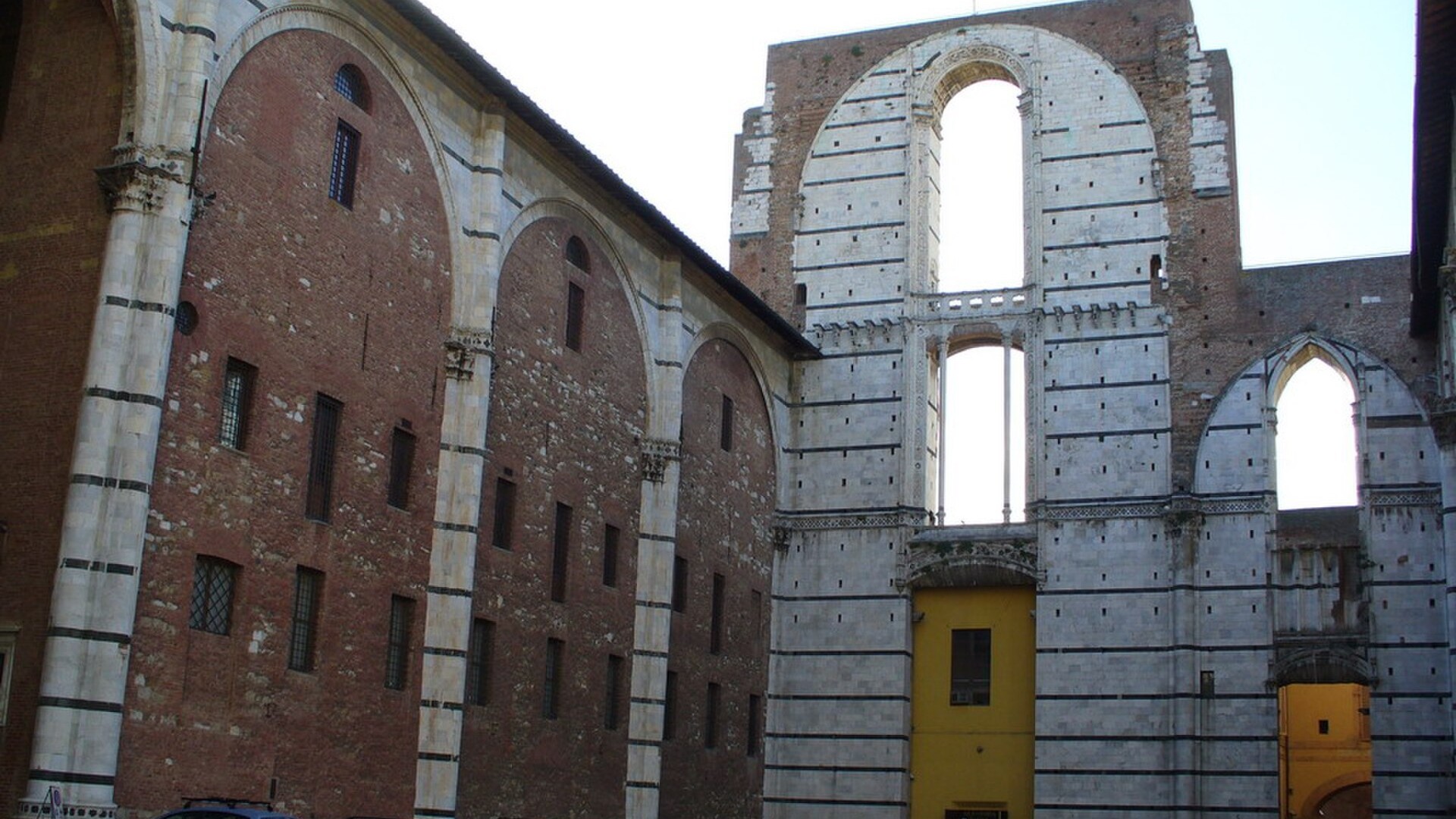
15. Siena Cathedral Expansion 
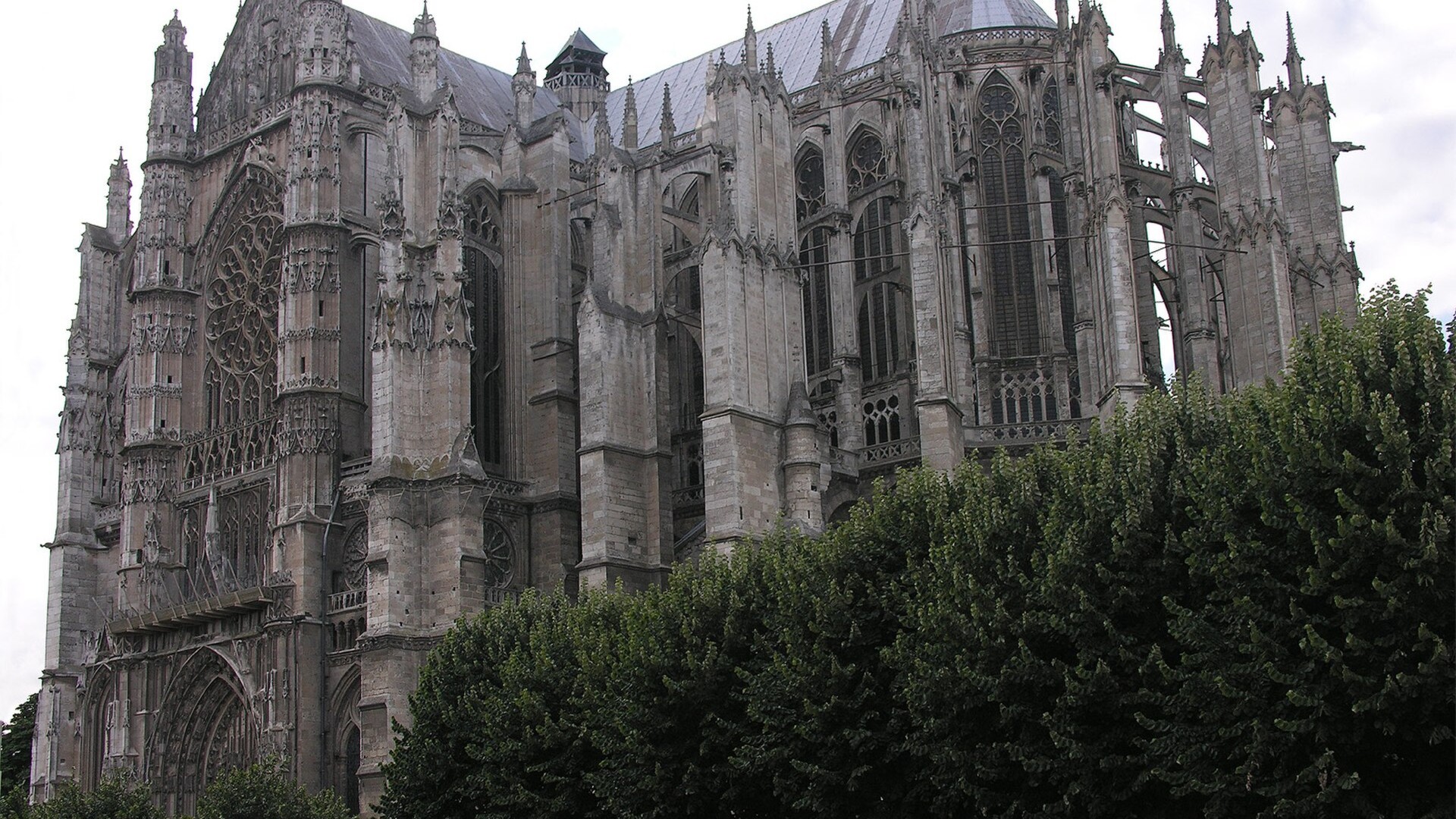
14. Beauvais Cathedral - AdvertisementSwipe or tap ▶ to continue countdown

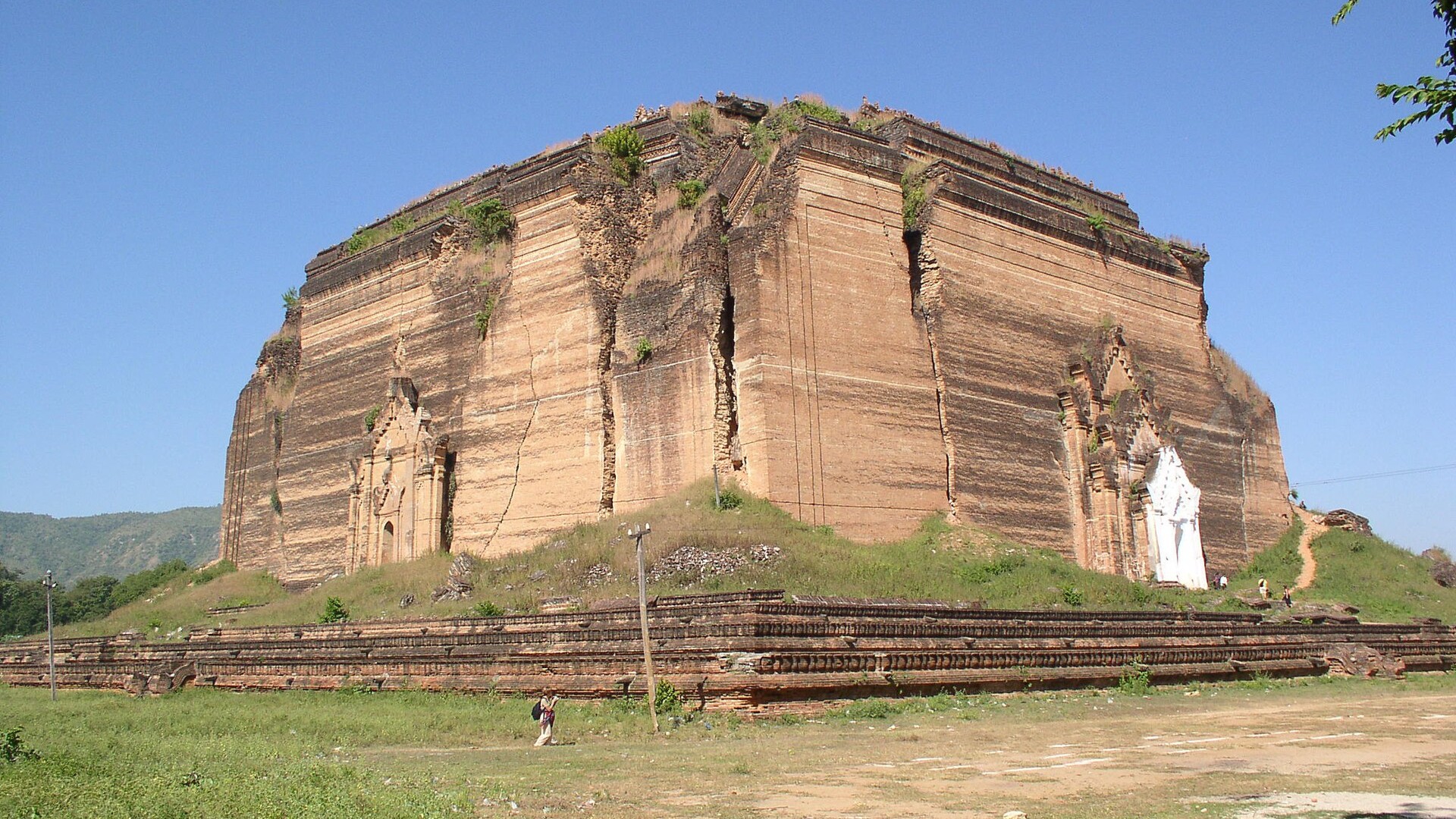
13. Mingun Pahtodawgyi 
12. Neuschwanstein Castle 
11. Plaza Rakyat 
10. Sathorn Unique Tower - AdvertisementSwipe or tap ▶ to continue countdown

9. Chicago Spire 
8. Cathedral Of St. John The Divine 
7. Torre De David 
6. Goldin Finance 117 - AdvertisementSwipe or tap ▶ to continue countdown

5. Volkshalle 
4. Jeddah Tower 
3. Ryugyong Hotel 
2. Palace Of The Soviets - AdvertisementSwipe or tap ▶ to continue countdown

1. Sagrada Família - Advertisement🔥 UP NEXT IN THIS SERIES◫ 21 Slides

20 Most Powerful Navies in the World, Ranked
Control of the global oceans shapes international trade, security alliances, and military power. From stealth submarines and guided missile destroyers to nuclear powered aircraft carriers, naval capabilities require massive investment. Here are the twenty most formidable navies across the globe, ranked by strength.
From soaring Soviet towers to abandoned skyscraper shells, these ambitious megastructures were never completed before work stopped. Economic crises, wars, and engineering limits left behind fascinating relics. Based on reporting by Reuters, BBC News, and Architectural Digest on these colossal unfinished builds.
Swipe or tap ▶ to begin the countdown
©Wikimedia / Year of the dragon
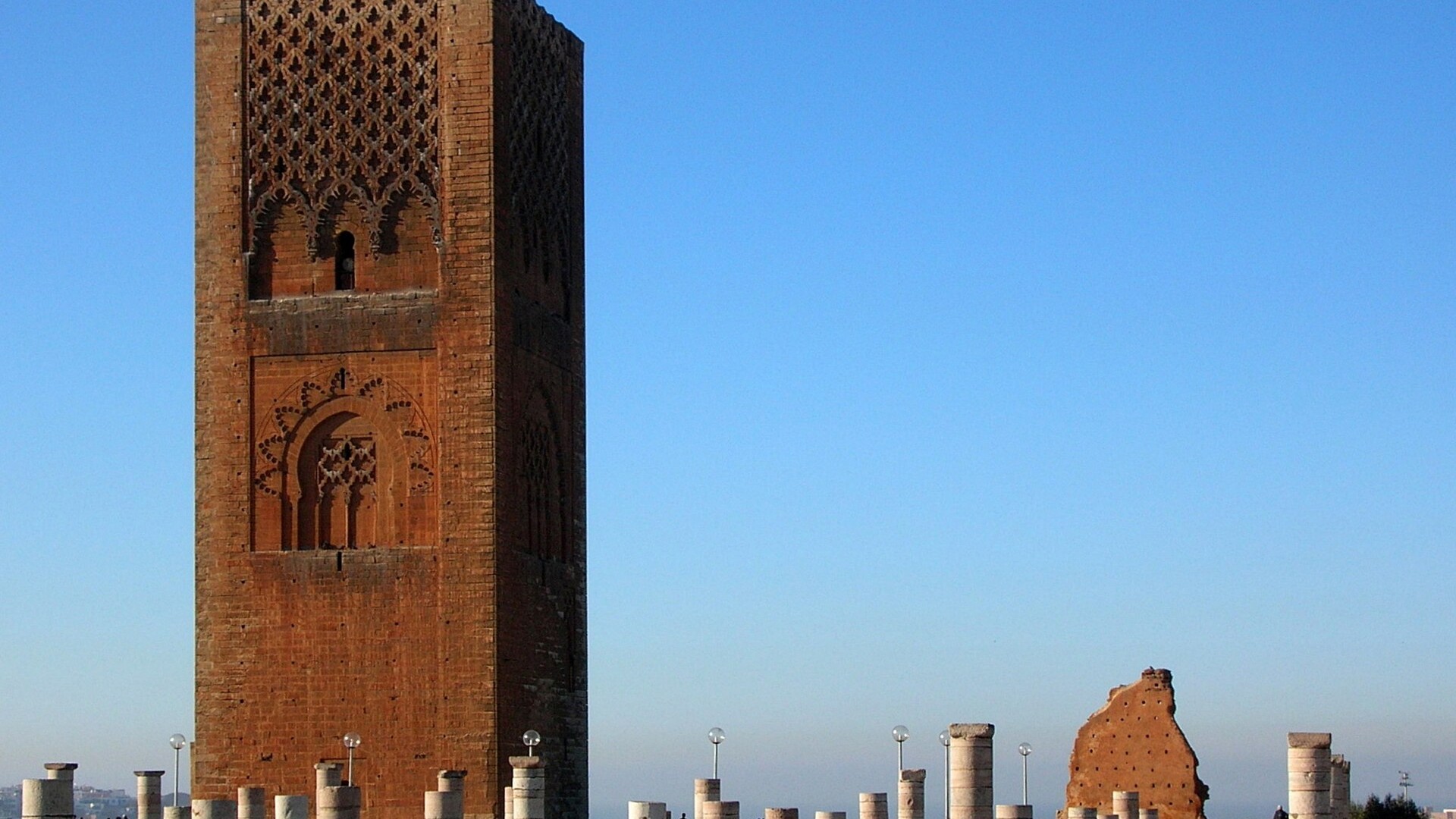
20. Tour Hassan
Sultan Yacoub al-Mansour launched construction in 1195, intending to build the largest mosque in the Islamic world. Work stopped upon his death in 1199, leaving the minaret at 44 meters instead of its planned 86 meters. Today, 348 stone columns still surround the tower.
©Wikimedia / Bernard Gagnon
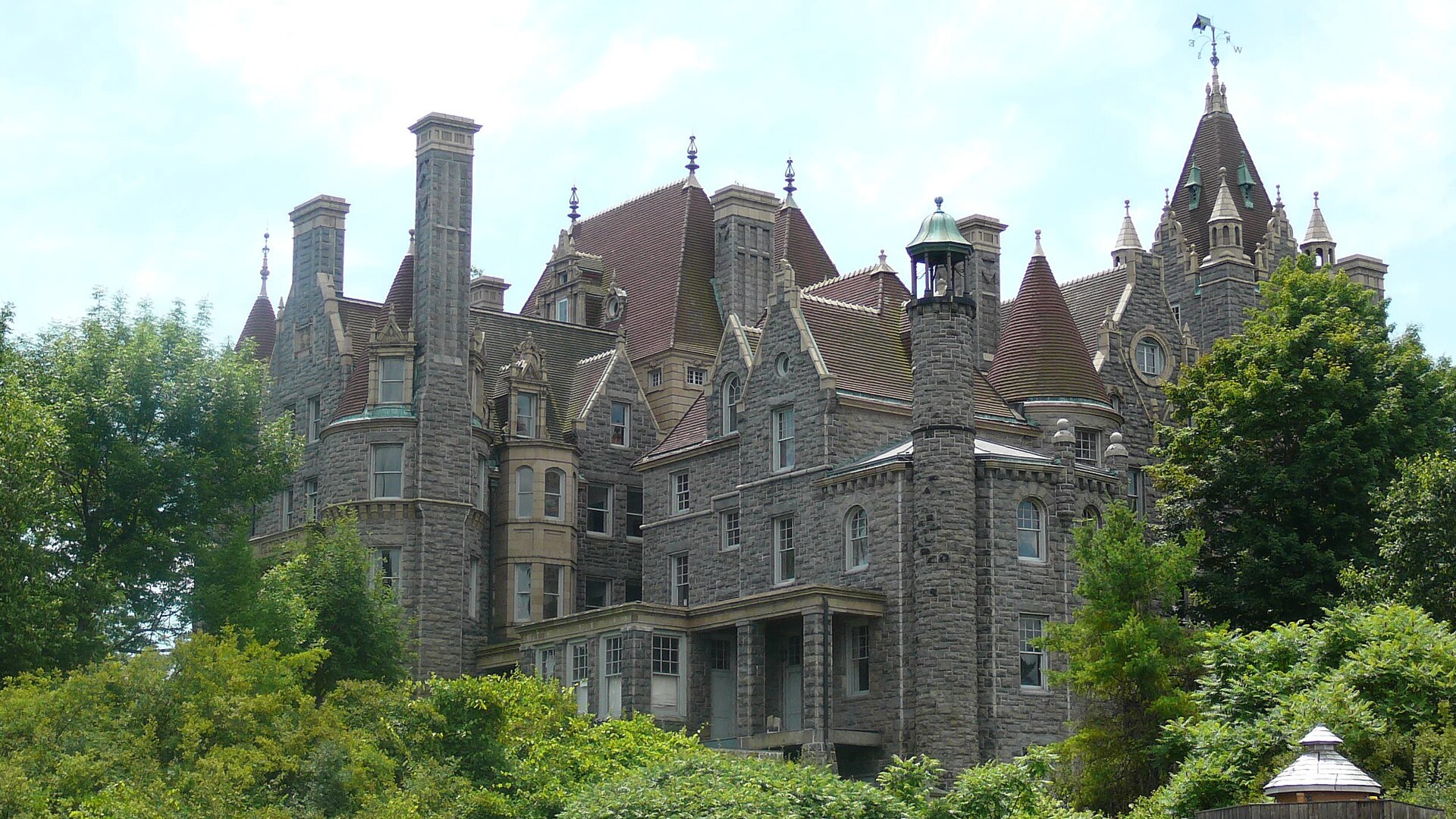
19. Boldt Castle
Hotel magnate George Boldt commissioned the 120-room estate as a summer gift for his wife Louise. When Louise died suddenly in January 1904, Boldt telegraphed workers to drop their tools immediately. He never set foot on the island again, leaving the mansion open to the elements.
©Wikimedia / Fhard555
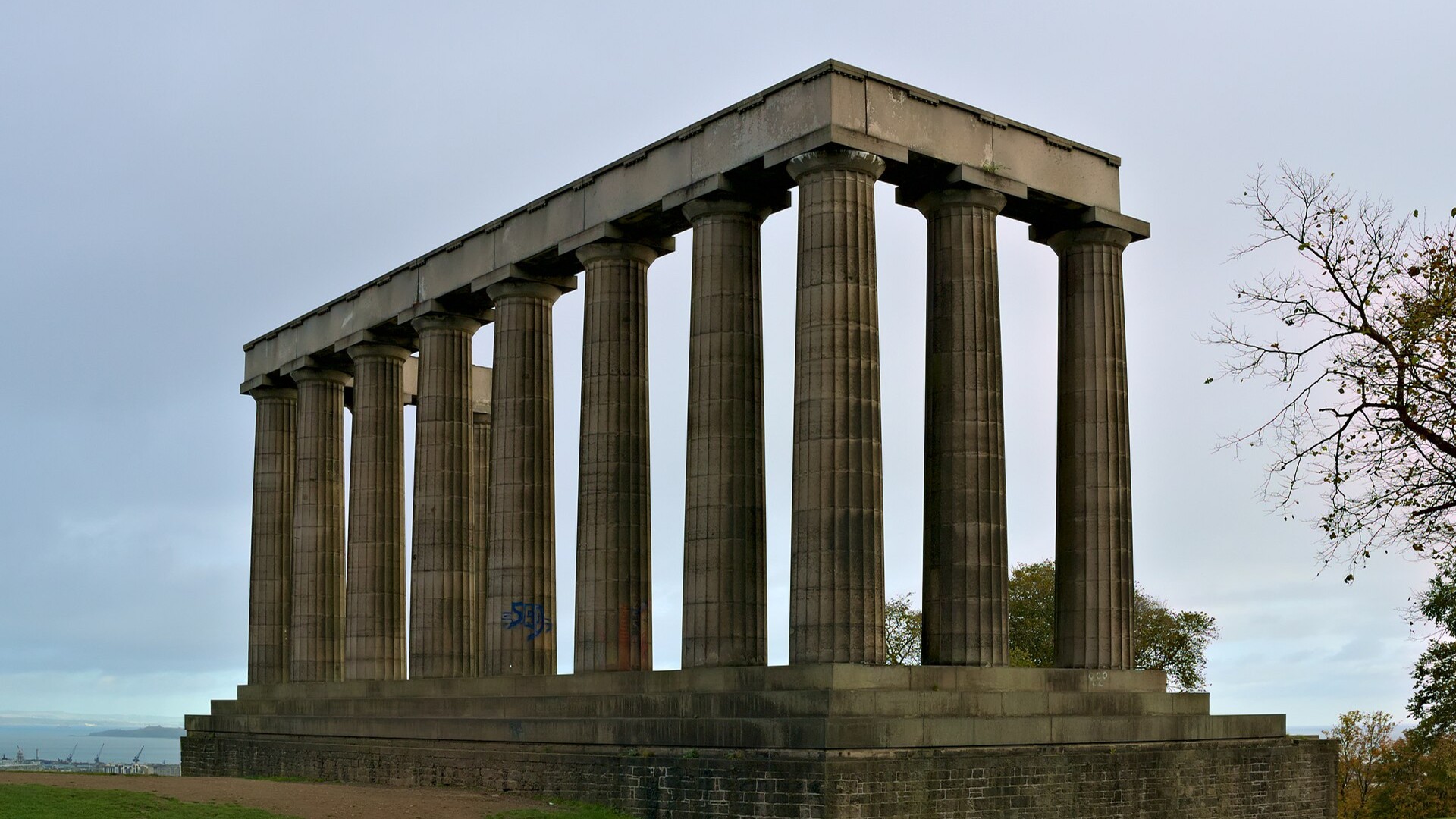
18. National Monument Of Scotland
Designed by William Henry Playfair and Charles Robert Cockerell, the Calton Hill memorial honored Scots who died in the Napoleonic Wars. Construction began in 1826 with a budget of 42,000 pounds, but only 12 columns were erected before money expired, earning it the nickname Edinburgh's Folly.
©Wikimedia / Daniel Kraft
Advertisement
Swipe or tap ▶ to resume the countdown.
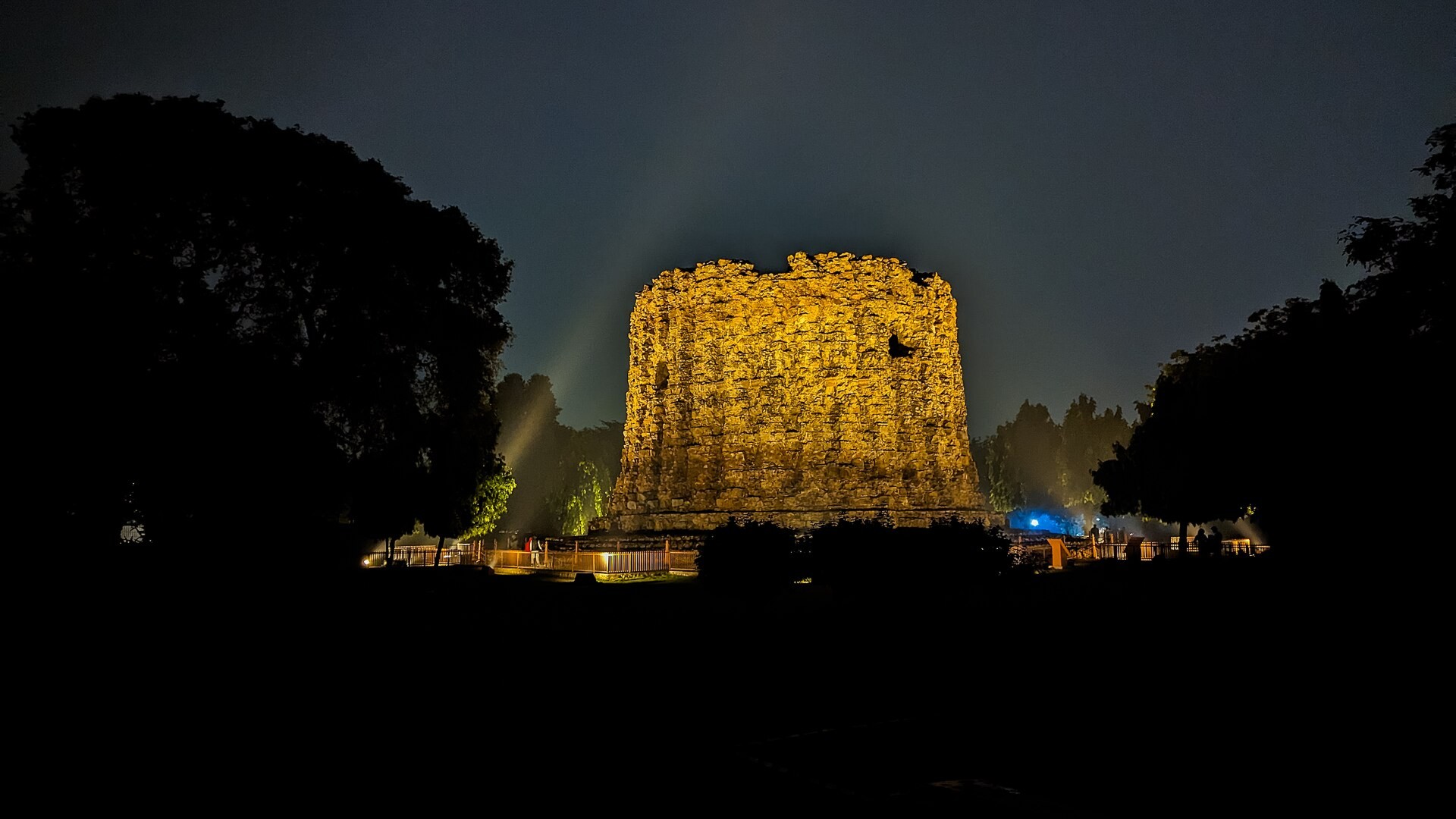
17. Alai Minar
Sultan Alauddin Khalji began building the massive victory tower in 1311 following successful Deccan campaigns. Khalji died in 1316 after completing only the first 24-meter tier of red sandstone rubble. None of his successors attempted to continue the wildly ambitious project.
©Wikimedia / Sourabh.biswas003
16. Woodchester Mansion
Wealthy Catholic convert William Leigh began the Gloucestershire estate in 1858, employing master stonemasons to carve elaborate limestone ceilings. Leigh ran out of money in 1873, and craftsmen dropped tools overnight. The roofless house remains preserved with bare beams and unfinished stone.
©Wikimedia / Matthew Lister Ttamhew
15. Siena Cathedral Expansion
Sienese leaders voted in 1339 to build the Duomo Nuovo, a grand addition intended to dwarf Saint Peter's Basilica in Rome. The catastrophic arrival of the bubonic plague in 1348 killed over half the city's population. Work ceased permanently, leaving outer arcade walls that now house an open-air museum.
©Wikimedia / jeffwarder
14. Beauvais Cathedral
Master builders aimed to reach record heights, raising choir vaults to 48 meters in 1272. Structural failures, choir collapses, and the fall of its 153-meter tower in 1573 drained local resources. The project ran out of money, leaving only the transept and choir connected to an older 10th-century church.
©Wikimedia / James Mitchell
Advertisement
Swipe or tap ▶ to resume the countdown.
13. Mingun Pahtodawgyi
King Bodawpaya started construction along the Irrawaddy River in 1790, aiming for a height of 152 meters. Work halted in 1819 following a prophecy that the kingdom would fall upon its completion. An 1839 earthquake cracked the 50-meter base, creating one of the largest brick piles on Earth.
©Wikimedia / Mingun Pahtodawgyi
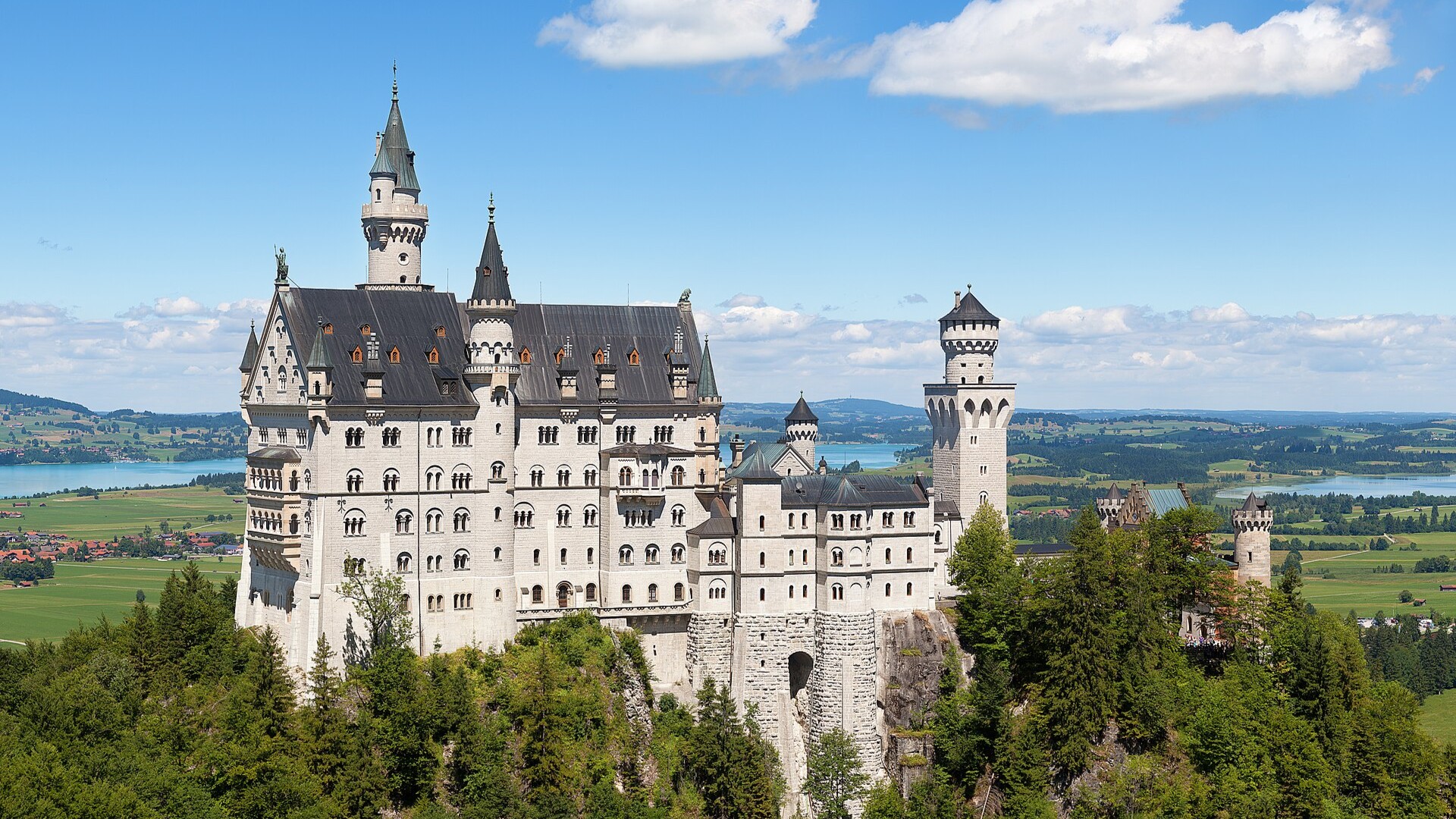
12. Neuschwanstein Castle
King Ludwig II envisioned the Romanesque Revival fortress as a grand private retreat with over 200 opulent rooms. When Ludwig died mysteriously in 1886, construction halted permanently with only 14 finished interiors. The majestic central keep and chapel were never built.
©Wikimedia / Thomas Wolf ,
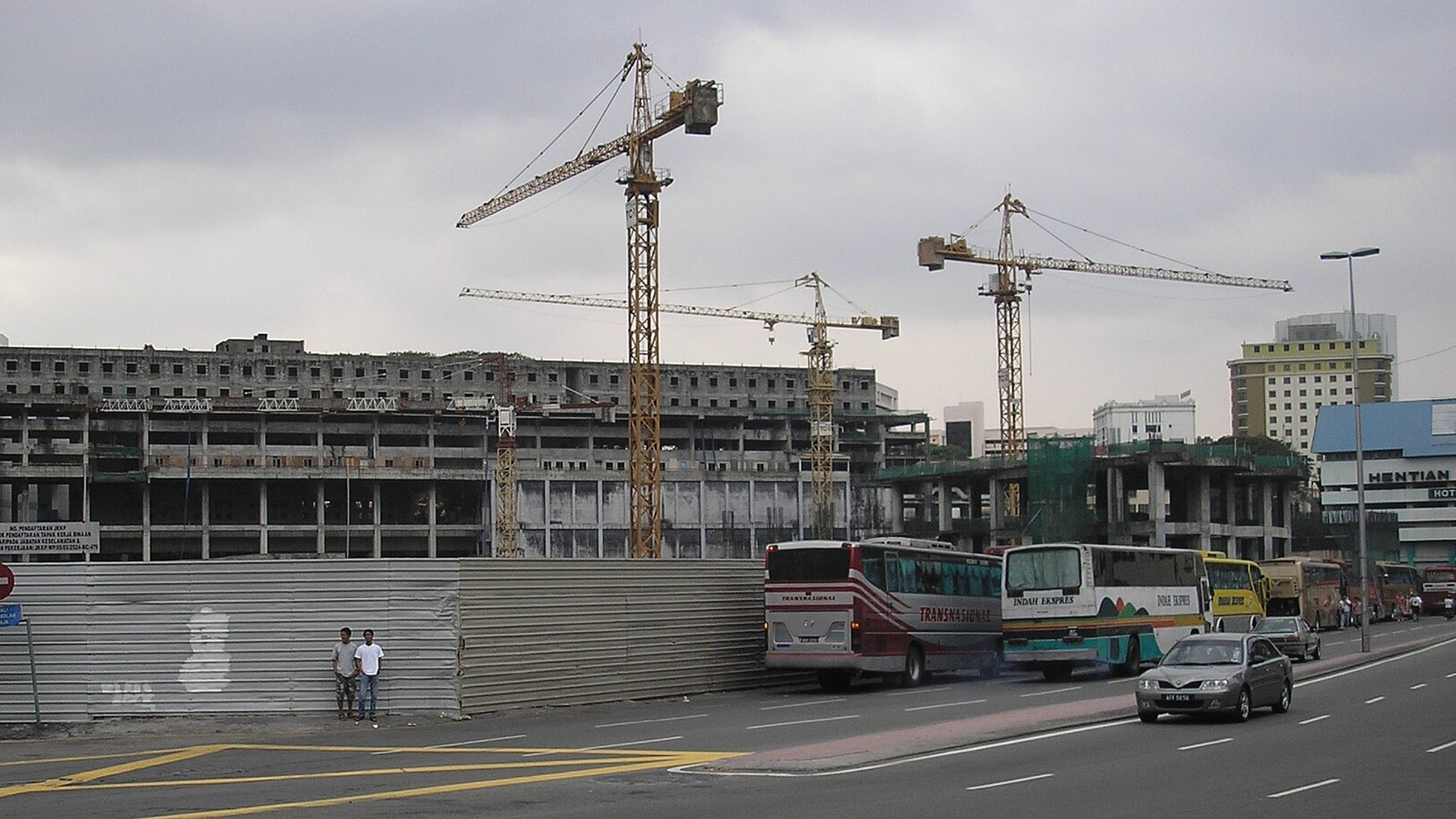
11. Plaza Rakyat
The mixed development planned a 79-story skyscraper, hotel, shopping complex, and central bus terminal across central Kuala Lumpur. The 1997 Asian financial crisis halted construction after workers completed the concrete foundation and lower levels, leaving an abandoned concrete skeleton for decades.
©Wikimedia / User:Two hundred percent
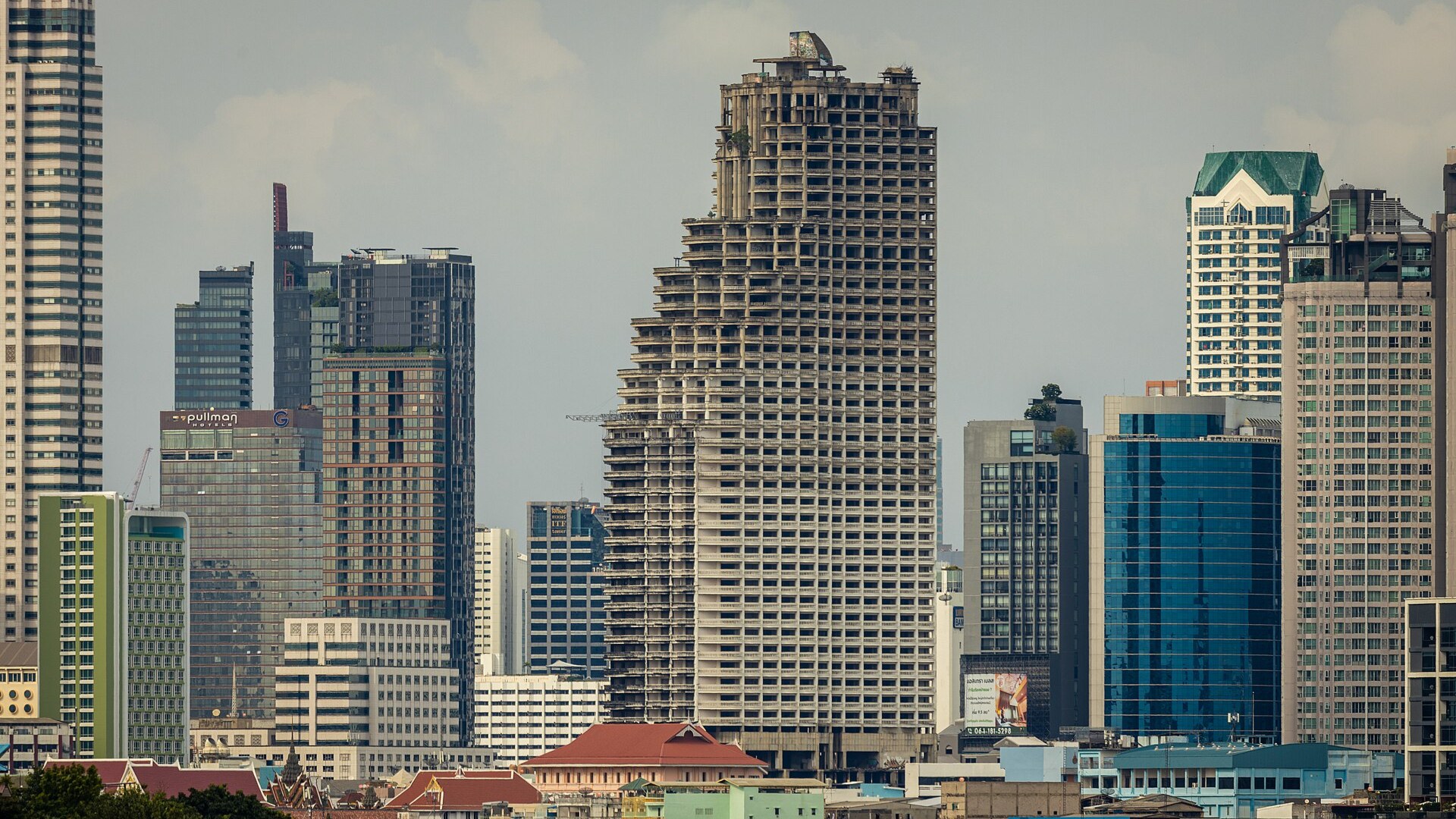
10. Sathorn Unique Tower
Prominent architect Rangsan Torsuwan designed the neoclassical tower with grand balconies overlooking the Chao Phraya River. The 1997 Asian financial crisis wiped out financing when the 185-meter tower was roughly 80 percent complete. It remains an abandoned concrete monument across the Bangkok skyline.
©Wikimedia / This Photo was taken by Supanut Arunoprayote . F
Advertisement
Swipe or tap ▶ to resume the countdown.
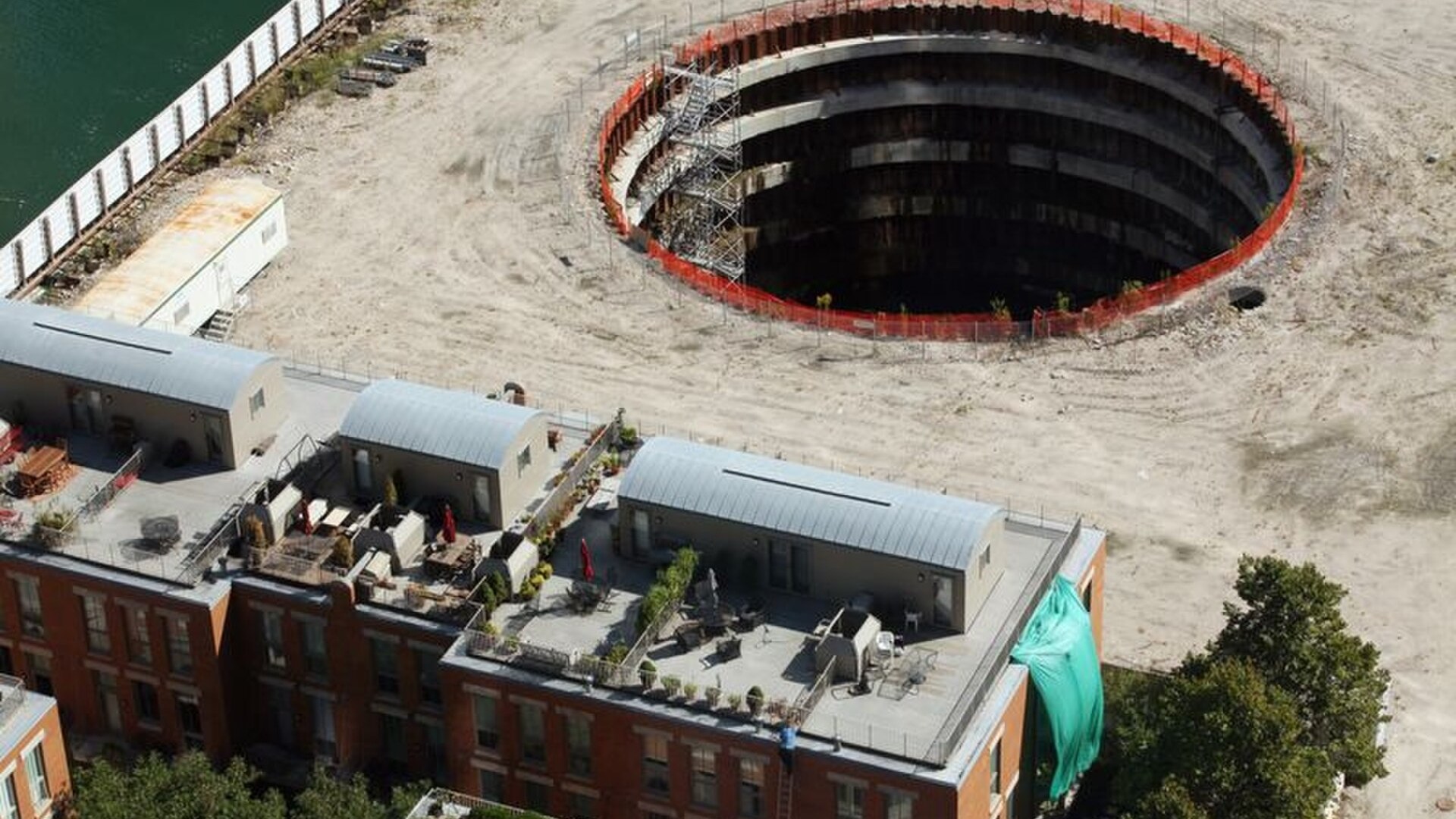
9. Chicago Spire
Spanish architect Santiago Calatrava designed the 150-story twisting residential tower to become the tallest skyscraper in the Western Hemisphere. The 2008 global financial crisis forced developer Garrett Kelleher to halt work, leaving behind a 110-foot-wide circular coffer hole in the downtown ground.
©Wikimedia / 準建築人手札網站 Forgemind ArchiMedia from Taichung, Tai
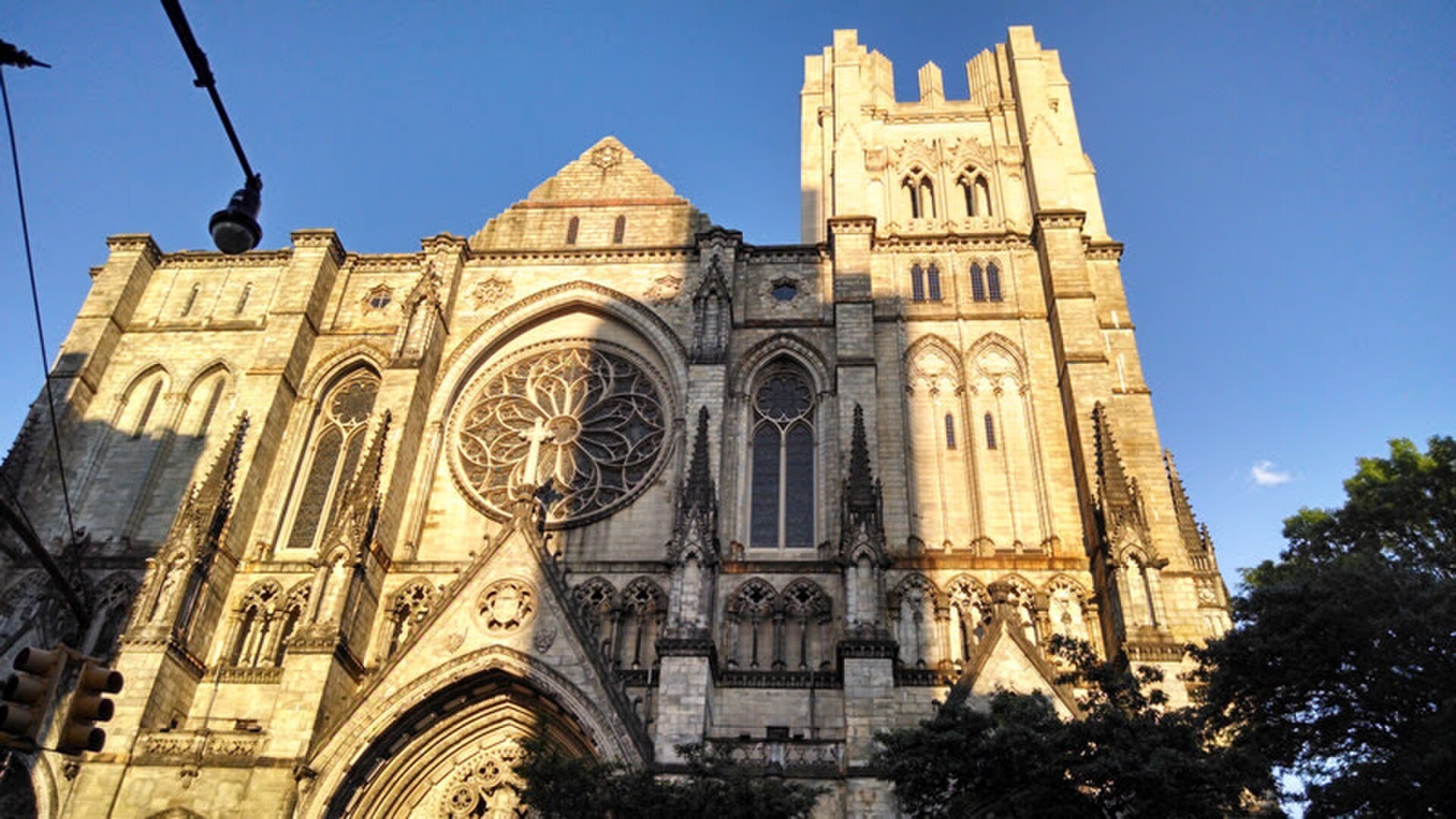
8. Cathedral Of St. John The Divine
Construction of the Manhattan cathedral began in 1892, switching styles from Romanesque to Gothic under architect Ralph Adams Cram. World wars, financial shortages, and a destructive 2001 fire repeatedly slowed construction. Despite hosting active services, only two-thirds of the massive cathedral stands finished.
©Wikimedia / PortableNYCTours
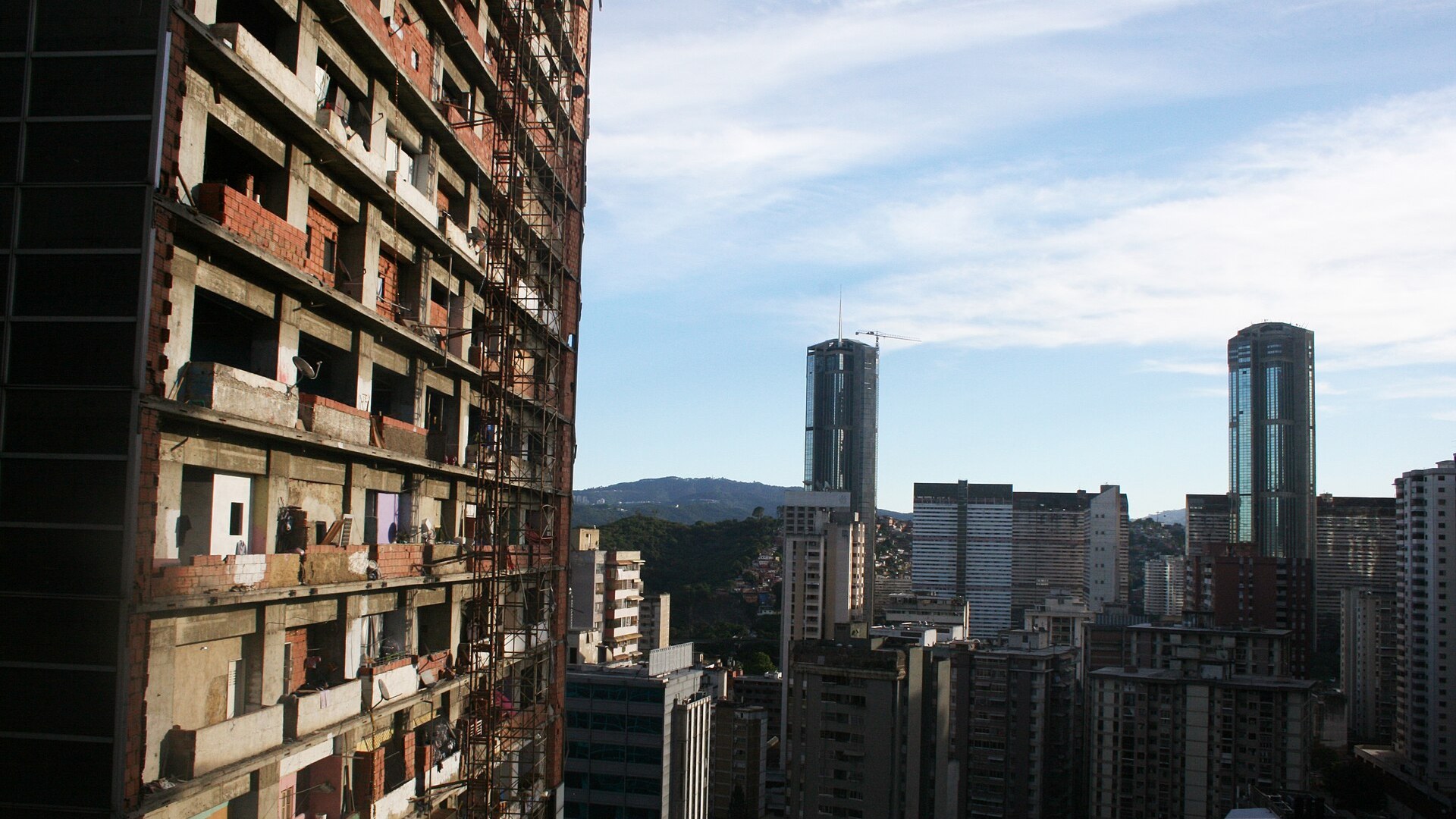
7. Torre De David
Originally named Centro Financiero Confinanzas, the tower was commissioned by banker David Brillembourg in 1990. Construction froze in 1994 following the Venezuelan banking collapse and Brillembourg's death. Thousands of residents later occupied the unfinished 190-meter skyscraper, forming a vertical community.
©Wikimedia / Saúl Briceño
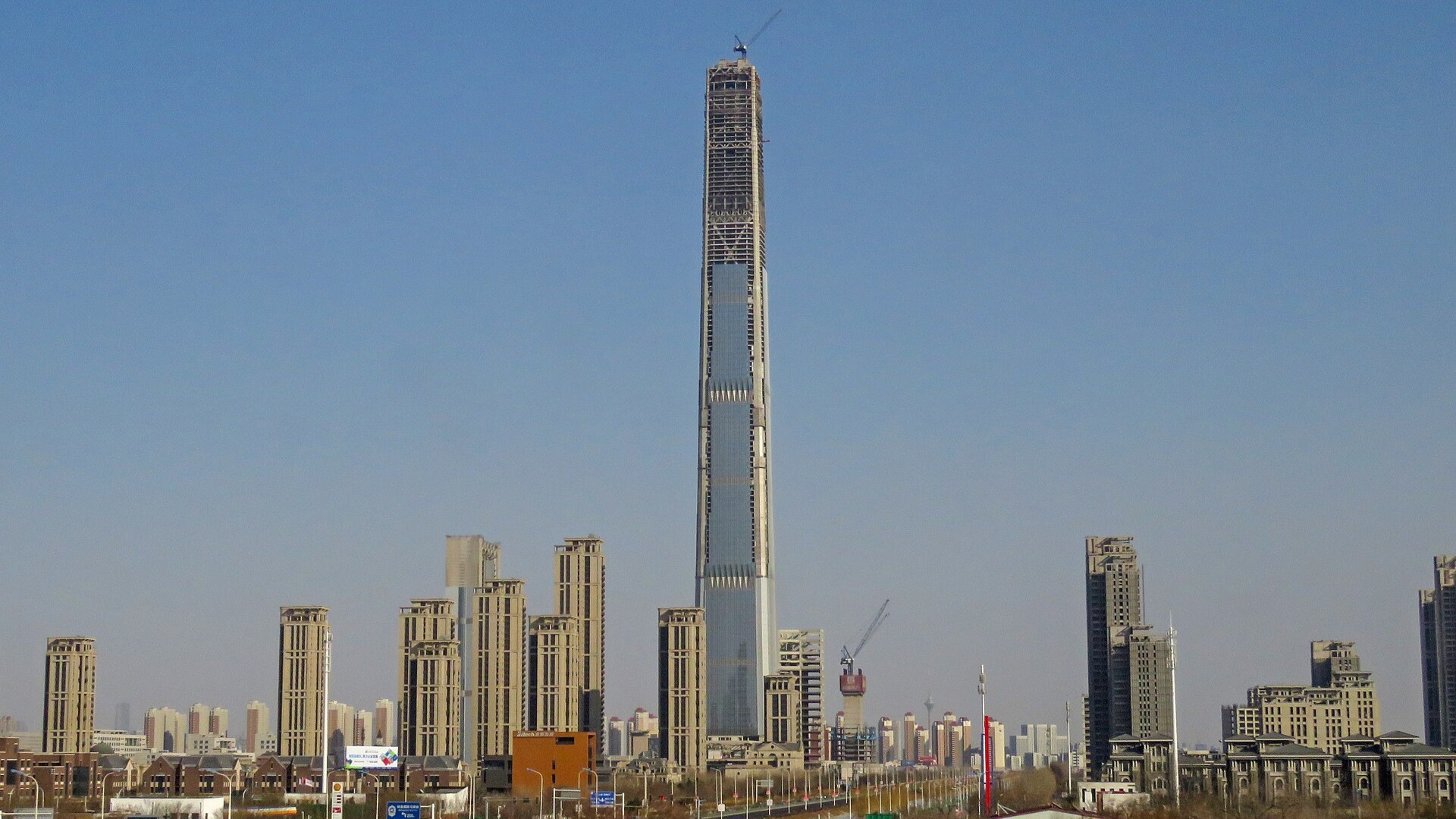
6. Goldin Finance 117
Construction on the 128-story tower began in 2008, featuring a structural frame topped with a distinctive diamond observation pavilion. Developer Goldin Properties halted work in 2015 after China's stock market crash dried up capital. It holds the Guinness World Record for the tallest unoccupied building.
©Openverse / N509FZ
Advertisement
Swipe or tap ▶ to resume the countdown.
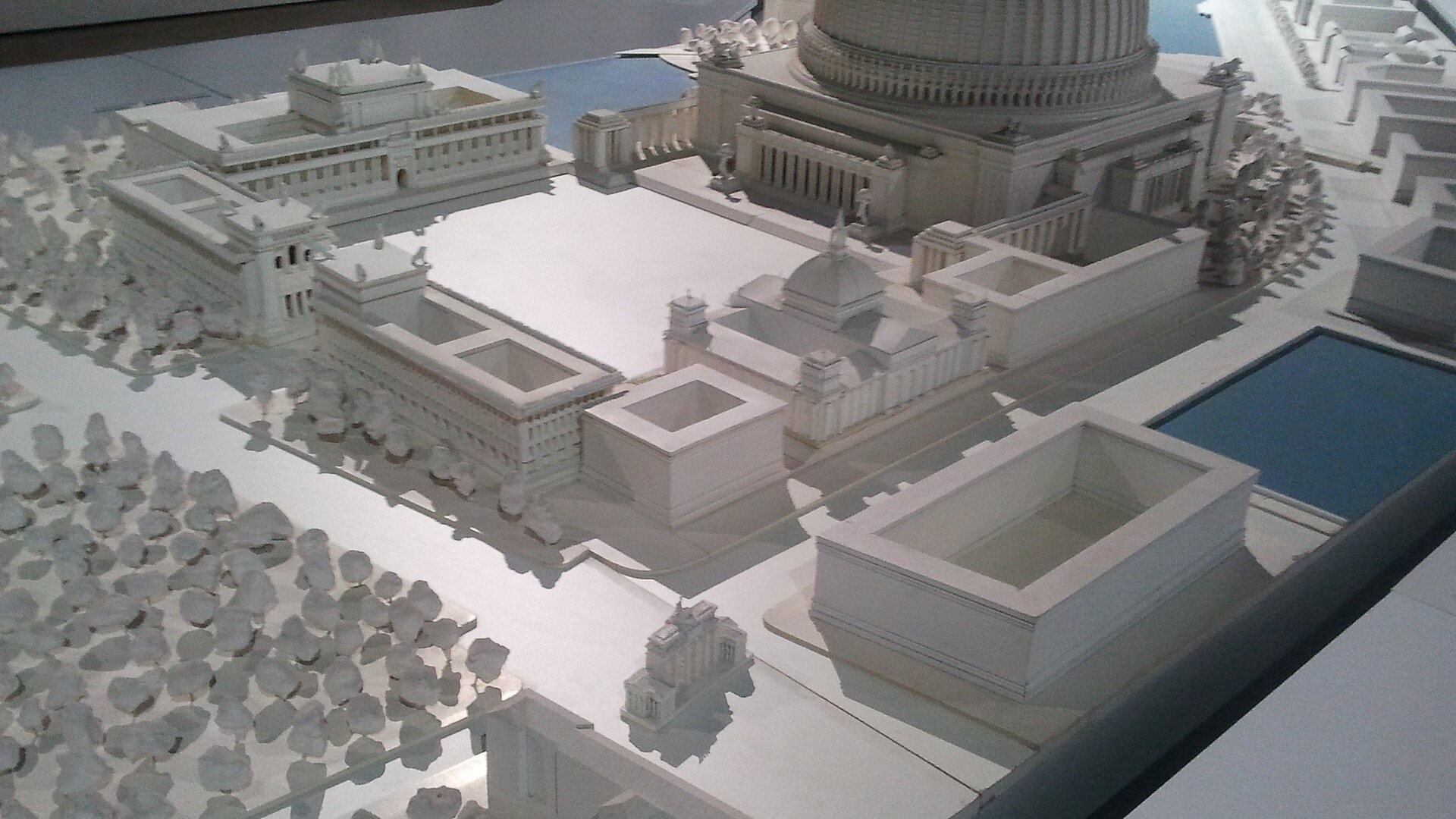
5. Volkshalle
Architect Albert Speer designed the colossal 290-meter dome to hold 180,000 people under Adolf Hitler's vision for Berlin. Construction never progressed beyond site clearances and soil load-bearing tests before World War II stopped work. Marshy Berlin soil would likely have caused the massive dome to sink.
©Wikimedia / KaterBegemot
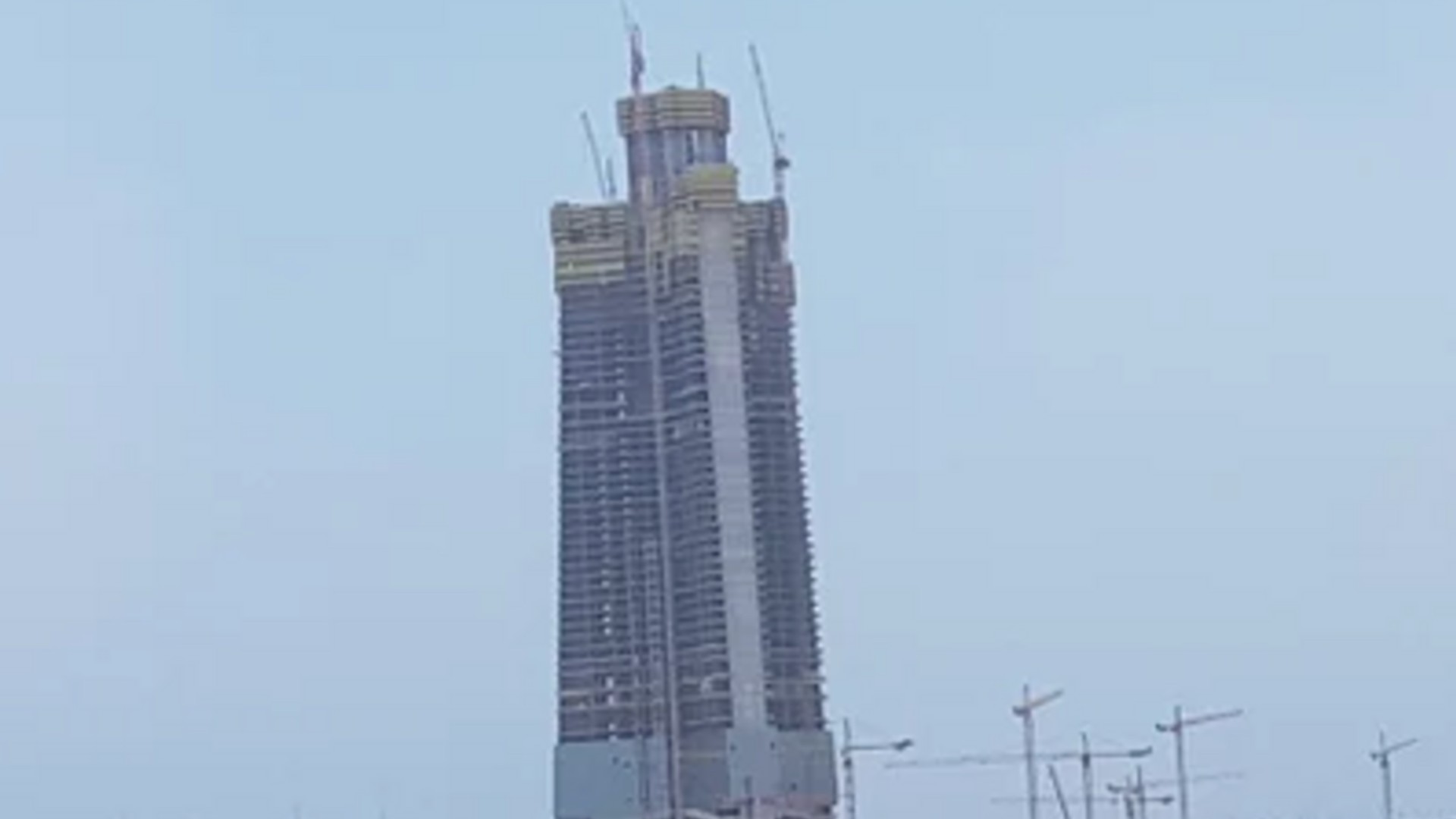
4. Jeddah Tower
Adrian Smith designed the mega-tall tower in Saudi Arabia to reach at least 1,000 meters and surpass the Burj Khalifa. Work stopped in 2018 at the 63rd floor following domestic anti-corruption arrests of major project backers. Kingdom Holding officially revived construction contracts with new builders in 2024.
©Wikimedia / SkyscraperCity
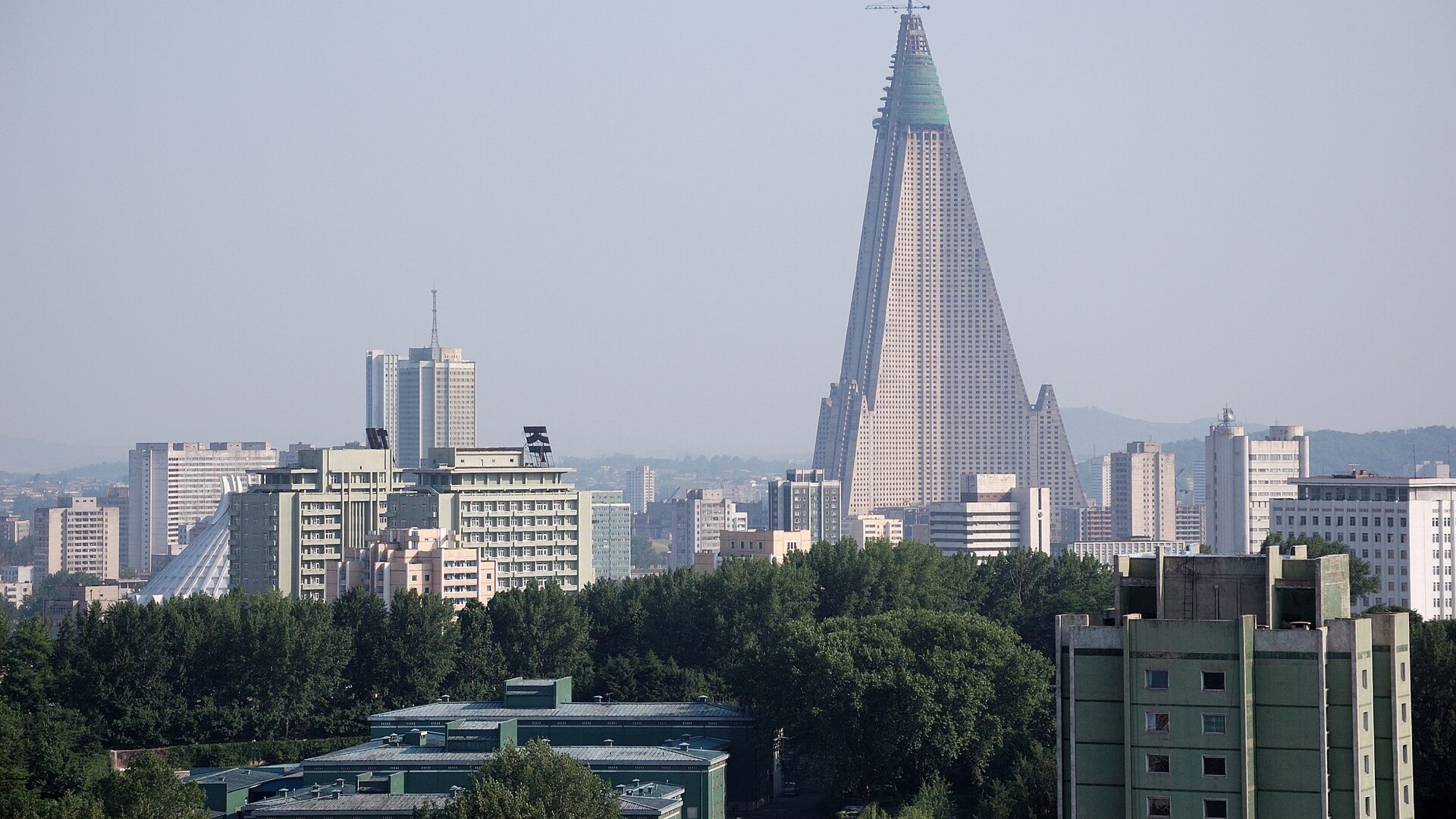
3. Ryugyong Hotel
North Korea began building the 330-meter pyramid tower in 1987 to rival South Korea's hotel achievements. Work ground to a halt in 1992 following the collapse of the Soviet Union and subsequent economic famines. Exterior glass panels were added in 2011, but the interior remains completely hollow and unopened.
©Wikimedia / (stephan)
2. Palace Of The Soviets
Soviet authorities demolished the Cathedral of Christ the Saviour in 1931 to make way for the world's tallest structure. Boris Iofan's tiered design included a 100-meter statue atop the tower. When Nazi forces invaded in 1941, the steel frame was dismantled for railway bridges and anti-tank fortifications.
©Openverse / Travelpleb
Advertisement
Swipe or tap ▶ to resume the countdown.
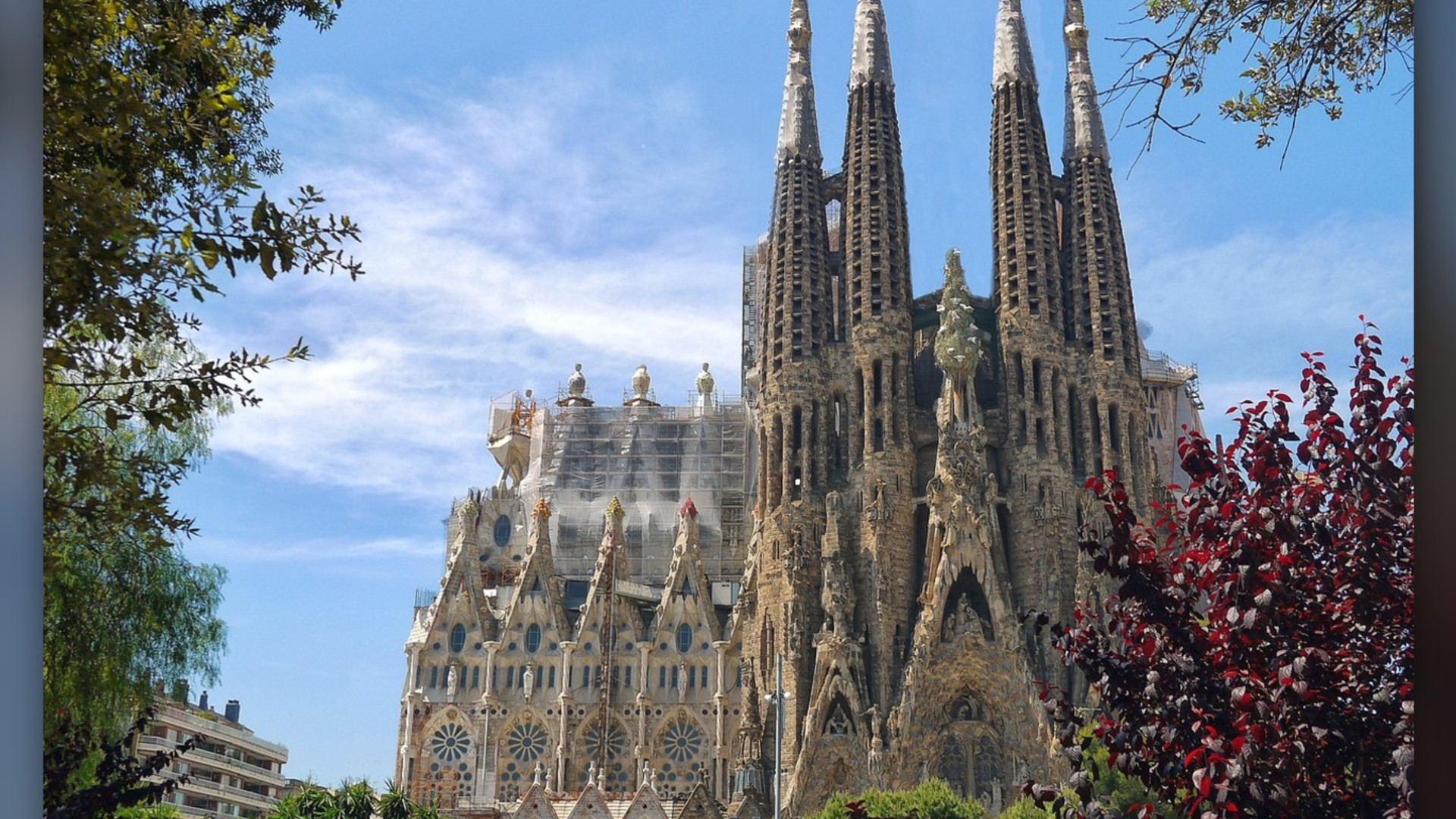
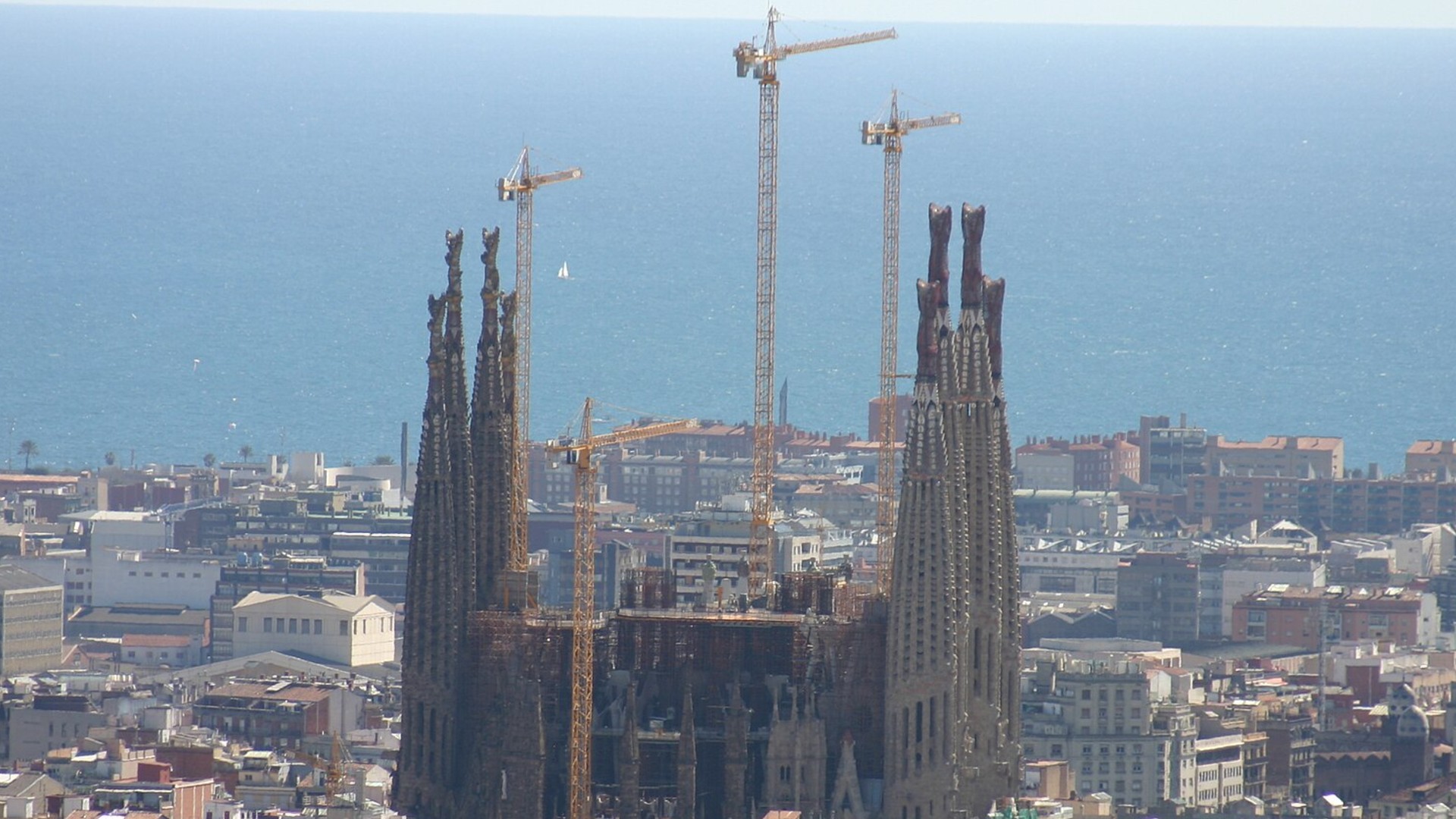
1. Sagrada Família
Work began on the Catalan landmark in 1882, with Antoni Gaudí dedicating over four decades to its intricate organic design. The project survived Gaudí's death in 1926, the Spanish Civil War, and funding gaps financed solely by private donations. The final towers are currently scheduled for completion in the 2030s.
©Pixabay / Patrice_Audet
Advertisement
You've reached the end of the story. Thanks for reading!

20 Most Powerful Navies in the World, Ranked
Control of the global oceans shapes international trade, security alliances, and military power. From stealth submarines and guided missile destroyers to nuclear powered aircraft carriers, naval capabilities require massive investment. Here are the twenty most formidable navies across the globe, ranked by strength.
All 20 Entries in this Story
20. Tour Hassan
Sultan Yacoub al-Mansour launched construction in 1195, intending to build the largest mosque in the Islamic world. Work stopped upon his death in 1199, leaving the minaret at 44 meters instead of its planned 86 meters. Today, 348 stone columns still surround the tower.

19. Boldt Castle
Hotel magnate George Boldt commissioned the 120-room estate as a summer gift for his wife Louise. When Louise died suddenly in January 1904, Boldt telegraphed workers to drop their tools immediately. He never set foot on the island again, leaving the mansion open to the elements.

18. National Monument Of Scotland
Designed by William Henry Playfair and Charles Robert Cockerell, the Calton Hill memorial honored Scots who died in the Napoleonic Wars. Construction began in 1826 with a budget of 42,000 pounds, but only 12 columns were erected before money expired, earning it the nickname Edinburgh's Folly.

17. Alai Minar
Sultan Alauddin Khalji began building the massive victory tower in 1311 following successful Deccan campaigns. Khalji died in 1316 after completing only the first 24-meter tier of red sandstone rubble. None of his successors attempted to continue the wildly ambitious project.

16. Woodchester Mansion
Wealthy Catholic convert William Leigh began the Gloucestershire estate in 1858, employing master stonemasons to carve elaborate limestone ceilings. Leigh ran out of money in 1873, and craftsmen dropped tools overnight. The roofless house remains preserved with bare beams and unfinished stone.

15. Siena Cathedral Expansion
Sienese leaders voted in 1339 to build the Duomo Nuovo, a grand addition intended to dwarf Saint Peter's Basilica in Rome. The catastrophic arrival of the bubonic plague in 1348 killed over half the city's population. Work ceased permanently, leaving outer arcade walls that now house an open-air museum.

14. Beauvais Cathedral
Master builders aimed to reach record heights, raising choir vaults to 48 meters in 1272. Structural failures, choir collapses, and the fall of its 153-meter tower in 1573 drained local resources. The project ran out of money, leaving only the transept and choir connected to an older 10th-century church.

13. Mingun Pahtodawgyi
King Bodawpaya started construction along the Irrawaddy River in 1790, aiming for a height of 152 meters. Work halted in 1819 following a prophecy that the kingdom would fall upon its completion. An 1839 earthquake cracked the 50-meter base, creating one of the largest brick piles on Earth.

12. Neuschwanstein Castle
King Ludwig II envisioned the Romanesque Revival fortress as a grand private retreat with over 200 opulent rooms. When Ludwig died mysteriously in 1886, construction halted permanently with only 14 finished interiors. The majestic central keep and chapel were never built.

11. Plaza Rakyat
The mixed development planned a 79-story skyscraper, hotel, shopping complex, and central bus terminal across central Kuala Lumpur. The 1997 Asian financial crisis halted construction after workers completed the concrete foundation and lower levels, leaving an abandoned concrete skeleton for decades.

10. Sathorn Unique Tower
Prominent architect Rangsan Torsuwan designed the neoclassical tower with grand balconies overlooking the Chao Phraya River. The 1997 Asian financial crisis wiped out financing when the 185-meter tower was roughly 80 percent complete. It remains an abandoned concrete monument across the Bangkok skyline.

9. Chicago Spire
Spanish architect Santiago Calatrava designed the 150-story twisting residential tower to become the tallest skyscraper in the Western Hemisphere. The 2008 global financial crisis forced developer Garrett Kelleher to halt work, leaving behind a 110-foot-wide circular coffer hole in the downtown ground.

8. Cathedral Of St. John The Divine
Construction of the Manhattan cathedral began in 1892, switching styles from Romanesque to Gothic under architect Ralph Adams Cram. World wars, financial shortages, and a destructive 2001 fire repeatedly slowed construction. Despite hosting active services, only two-thirds of the massive cathedral stands finished.

7. Torre De David
Originally named Centro Financiero Confinanzas, the tower was commissioned by banker David Brillembourg in 1990. Construction froze in 1994 following the Venezuelan banking collapse and Brillembourg's death. Thousands of residents later occupied the unfinished 190-meter skyscraper, forming a vertical community.

6. Goldin Finance 117
Construction on the 128-story tower began in 2008, featuring a structural frame topped with a distinctive diamond observation pavilion. Developer Goldin Properties halted work in 2015 after China's stock market crash dried up capital. It holds the Guinness World Record for the tallest unoccupied building.

5. Volkshalle
Architect Albert Speer designed the colossal 290-meter dome to hold 180,000 people under Adolf Hitler's vision for Berlin. Construction never progressed beyond site clearances and soil load-bearing tests before World War II stopped work. Marshy Berlin soil would likely have caused the massive dome to sink.

4. Jeddah Tower
Adrian Smith designed the mega-tall tower in Saudi Arabia to reach at least 1,000 meters and surpass the Burj Khalifa. Work stopped in 2018 at the 63rd floor following domestic anti-corruption arrests of major project backers. Kingdom Holding officially revived construction contracts with new builders in 2024.

3. Ryugyong Hotel
North Korea began building the 330-meter pyramid tower in 1987 to rival South Korea's hotel achievements. Work ground to a halt in 1992 following the collapse of the Soviet Union and subsequent economic famines. Exterior glass panels were added in 2011, but the interior remains completely hollow and unopened.

2. Palace Of The Soviets
Soviet authorities demolished the Cathedral of Christ the Saviour in 1931 to make way for the world's tallest structure. Boris Iofan's tiered design included a 100-meter statue atop the tower. When Nazi forces invaded in 1941, the steel frame was dismantled for railway bridges and anti-tank fortifications.

1. Sagrada Família
Work began on the Catalan landmark in 1882, with Antoni Gaudí dedicating over four decades to its intricate organic design. The project survived Gaudí's death in 1926, the Spanish Civil War, and funding gaps financed solely by private donations. The final towers are currently scheduled for completion in the 2030s.