Slideshow · Animals
21 Wild Animals That Use Tools to Find Food
Wild animals across seven continents manipulate natural objects to hunt and gather meals. Documented field studies by Oxford University, the Smithsonian, and the Max Planck Institute reveal birds, primates, and marine life using stones, lures, and twigs. Discover the cleverest foraging tool users in the animal kingdom.
By Most Viral Today
51 min ago

Watch how wild predators use stones, bait, and twigs to hunt. 
21. Mugger Crocodile 
20. Brown-Headed Nuthatch 
19. Burrowing Owl - AdvertisementSwipe or tap ▶ to continue countdown

18. Black Heron 
17. Striated Heron 
16. Blackspot Tuskfish 
15. Kea Parrot - AdvertisementSwipe or tap ▶ to continue countdown

14. Western Lowland Gorilla 
13. Asian Elephant 
12. Long-Tailed Macaque 
11. Archerfish - AdvertisementSwipe or tap ▶ to continue countdown

10. Goffin's Cockatoo 
9. Bornean Orangutan 
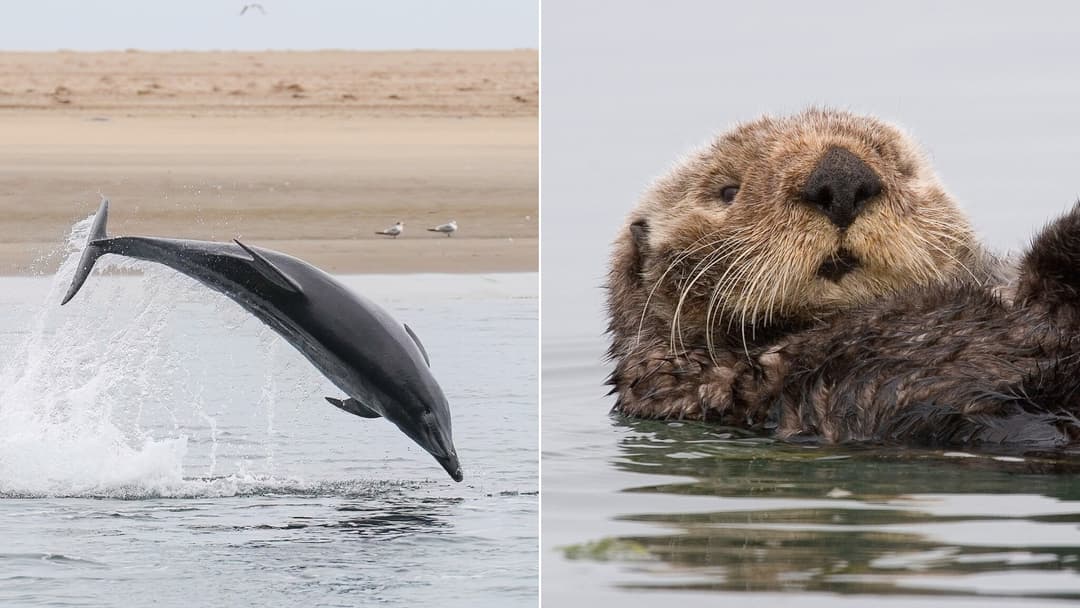
8. Bottlenose Dolphin 
7. Egyptian Vulture - AdvertisementSwipe or tap ▶ to continue countdown

6. Green Heron 
5. Woodpecker Finch 
4. Veined Octopus 
3. Bearded Capuchin - AdvertisementSwipe or tap ▶ to continue countdown

2. Sea Otter 
1. New Caledonian Crow - Advertisement🔥 UP NEXT IN THIS SERIES◫ 20 Slides

19 Animals with the Longest Lifespans on Earth
While most mammals measure life in decades, select creatures survive for centuries through slow metabolisms and continuous cell repair. Based on research published in Science and reports by NOAA and National Geographic, here are 19 animal species verified to achieve the longest lifespans on the planet.
Animal tool use was once thought unique to humanity, but field research has recorded dozens of wild species manipulating objects to secure food. Based on peer-reviewed field studies published by Nature, Science, BBC Wildlife, and National Geographic, here are twenty-one wild creatures that use tools to forage.
Swipe or tap ▶ to begin the countdown
©Wikimedia / Giles Laurent & Mike Baird from Morro Bay, USA (
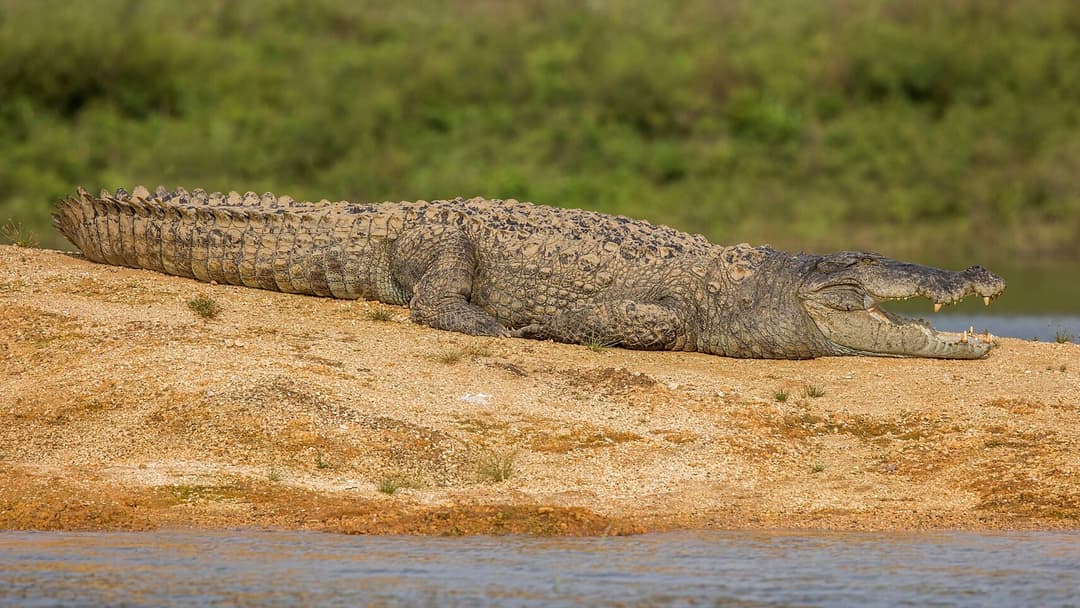
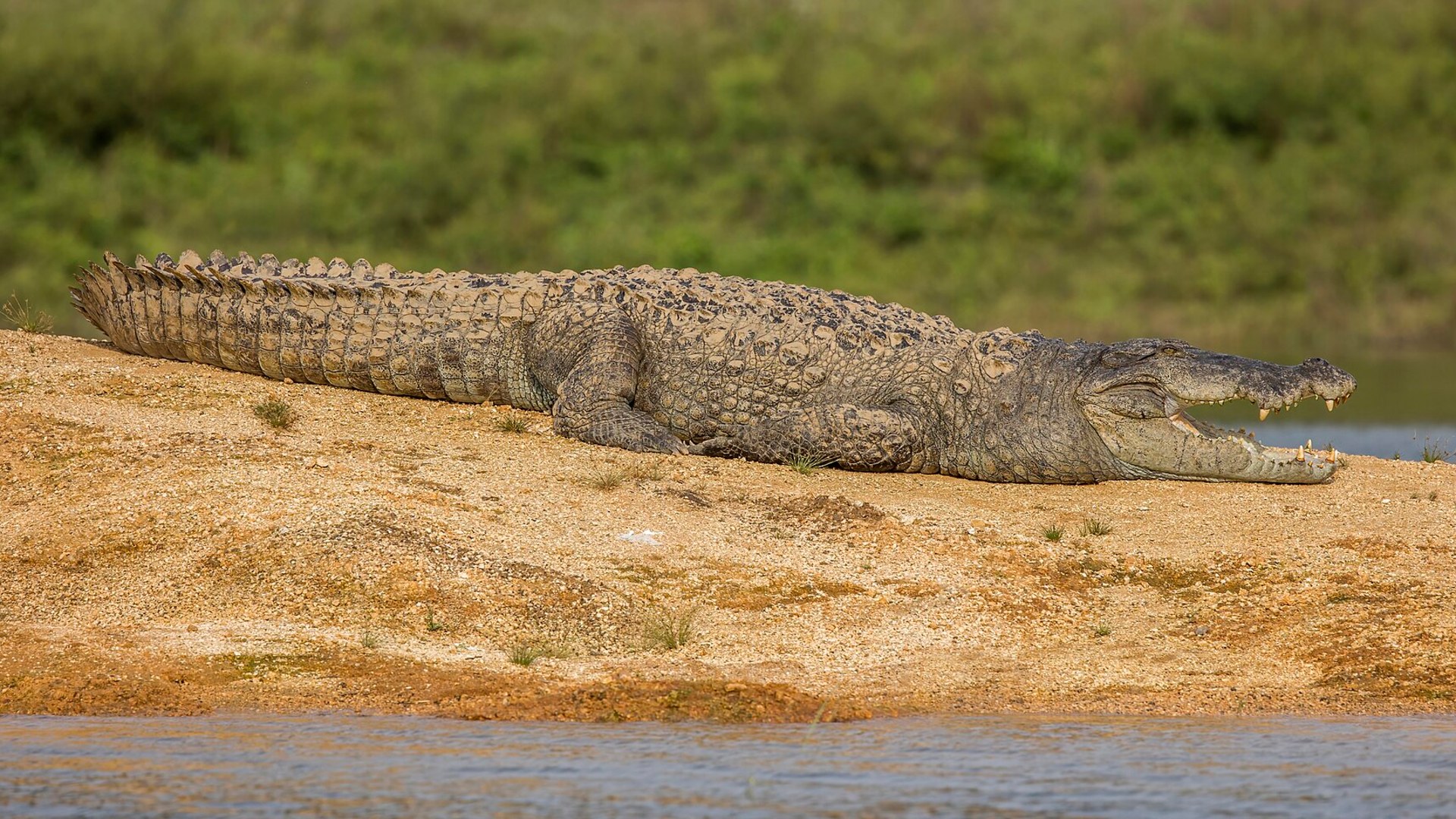
21. Mugger Crocodile
Documented in India in 2013, mugger crocodiles collect dry twigs during the peak nest-building season of egrets. Floating motionless near shorelines, they wait for wading birds to grab the twigs before snapping their jaws shut. It marked the first verified case of tool use in reptiles.
©Wikimedia / Charles J. Sharp
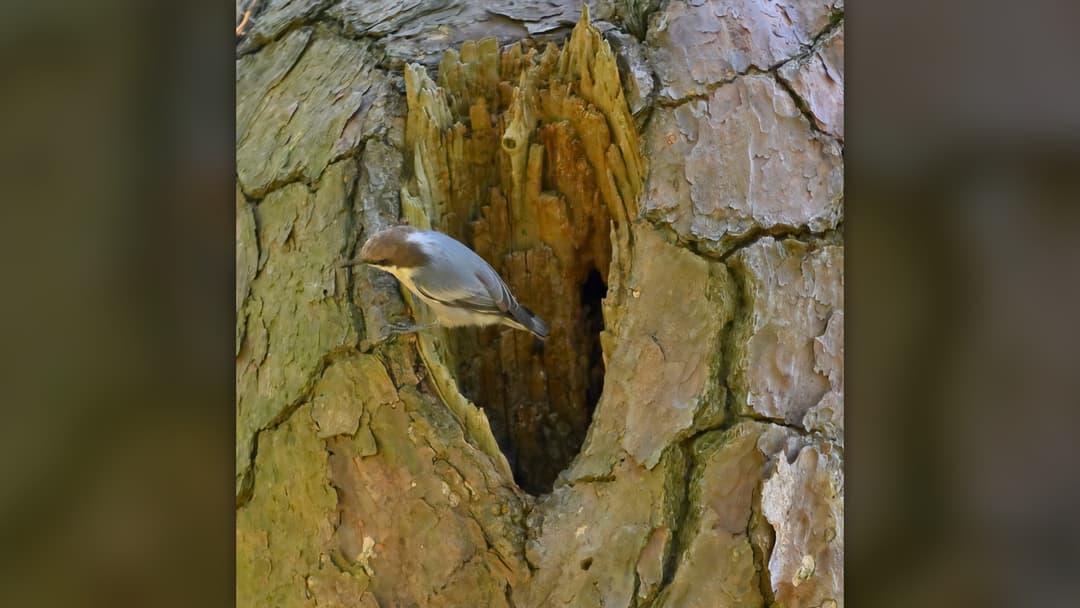
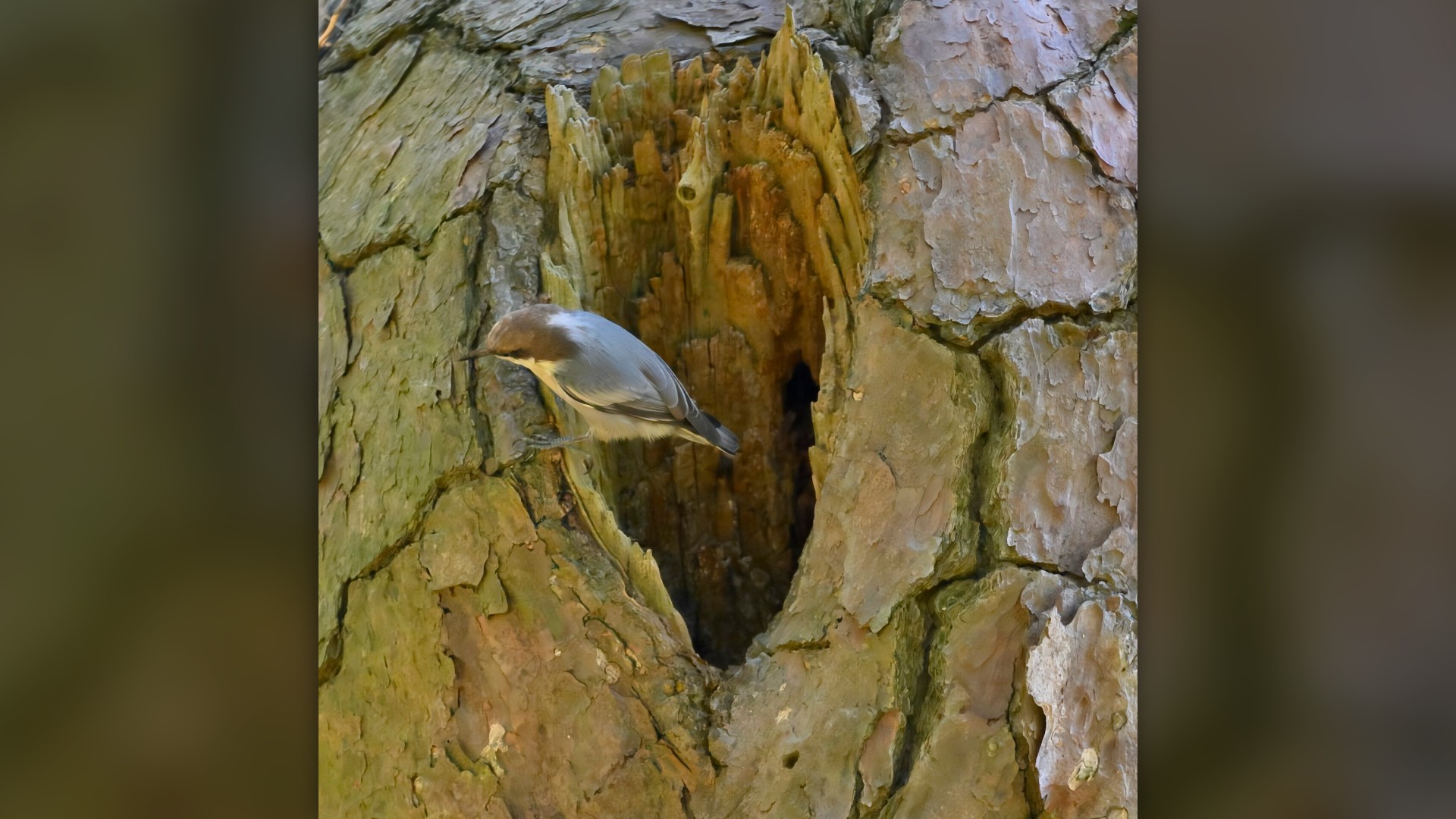
20. Brown-Headed Nuthatch
Native to pine forests in the southeastern United States, this small songbird selects sturdy pieces of bark to use as wedges. Holding the tool in its beak, it pries away stubborn bark scales to expose beetle larvae. Roughly one in twenty individuals actively uses tools in the wild.
©Wikimedia / lwolfartist
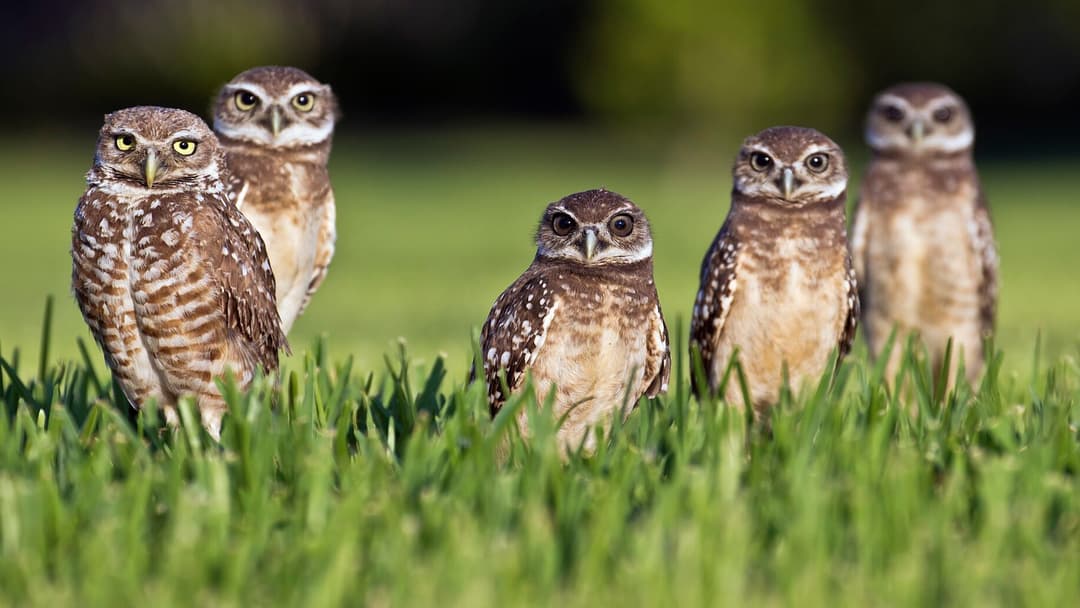
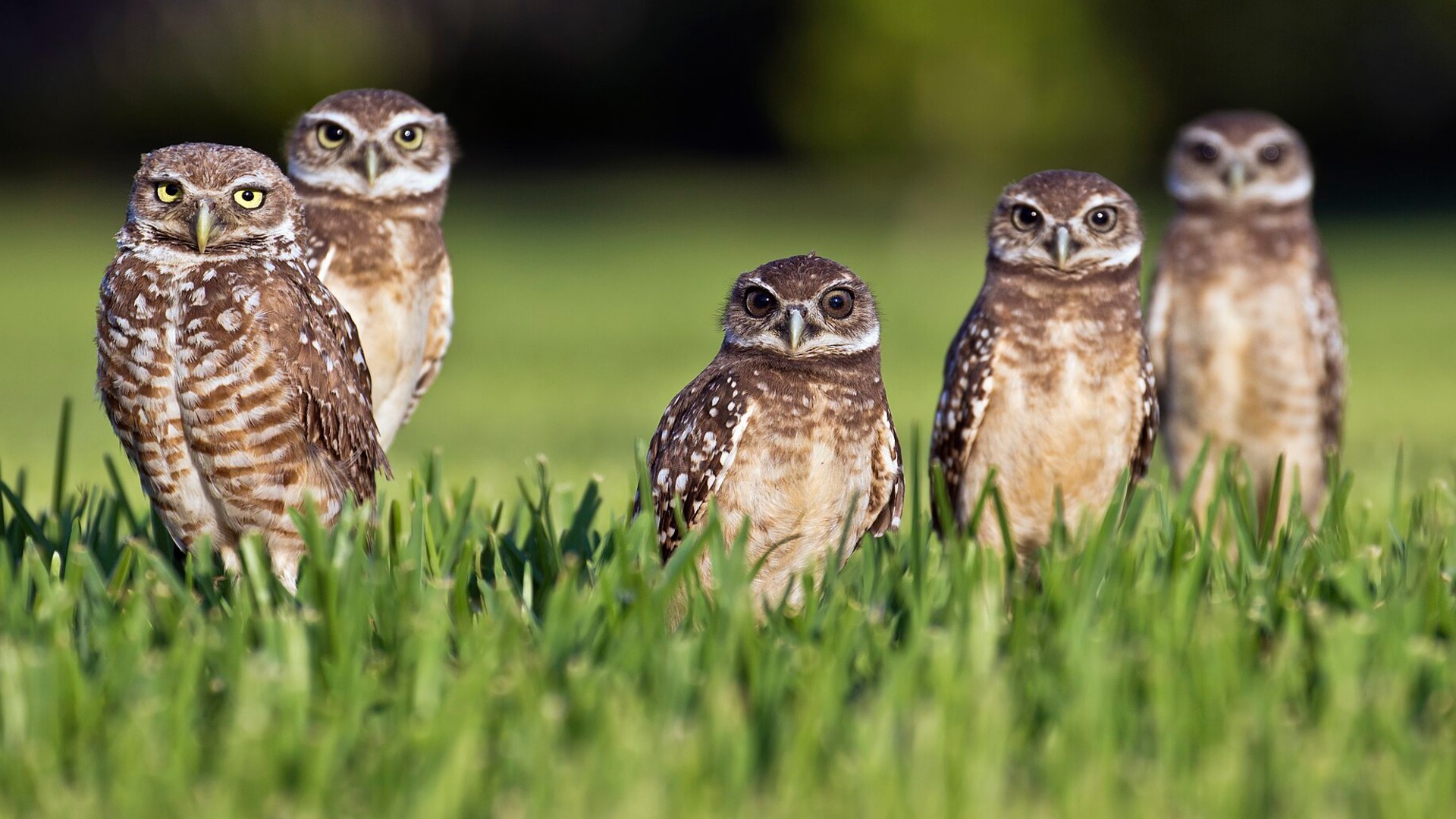
19. Burrowing Owl
Field research across Florida pastures shows burrowing owls collect cattle manure and arrange it around their tunnel mouths. The manure acts as bait, drawing hundreds of dung beetles directly to the burrow. Owls with baited entrances consume ten times more beetles than those without.
©Wikimedia / travelwayoflife
Advertisement
Swipe or tap ▶ to resume the countdown.
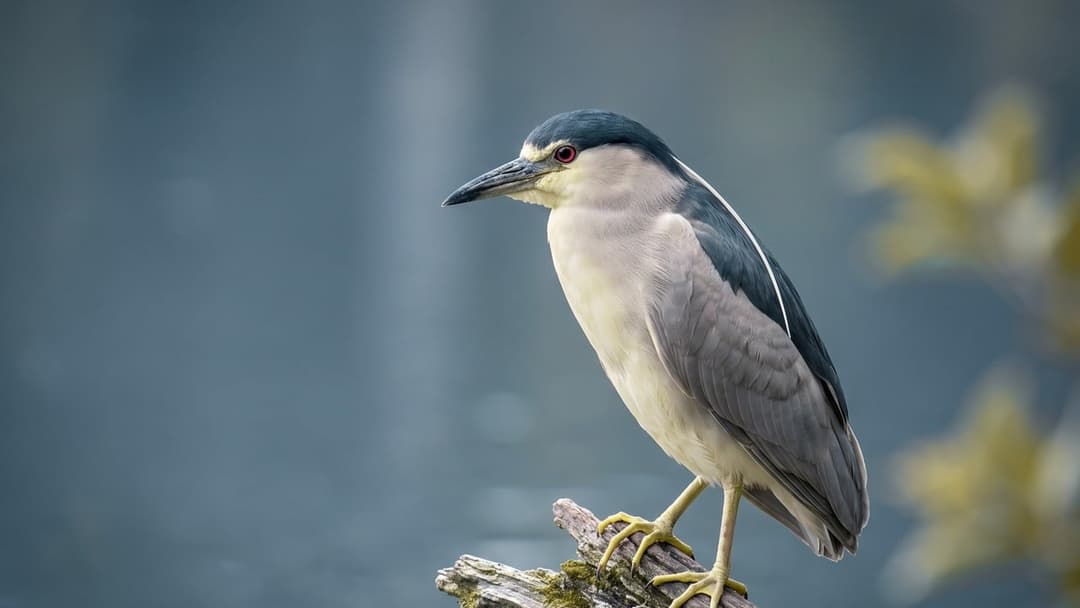
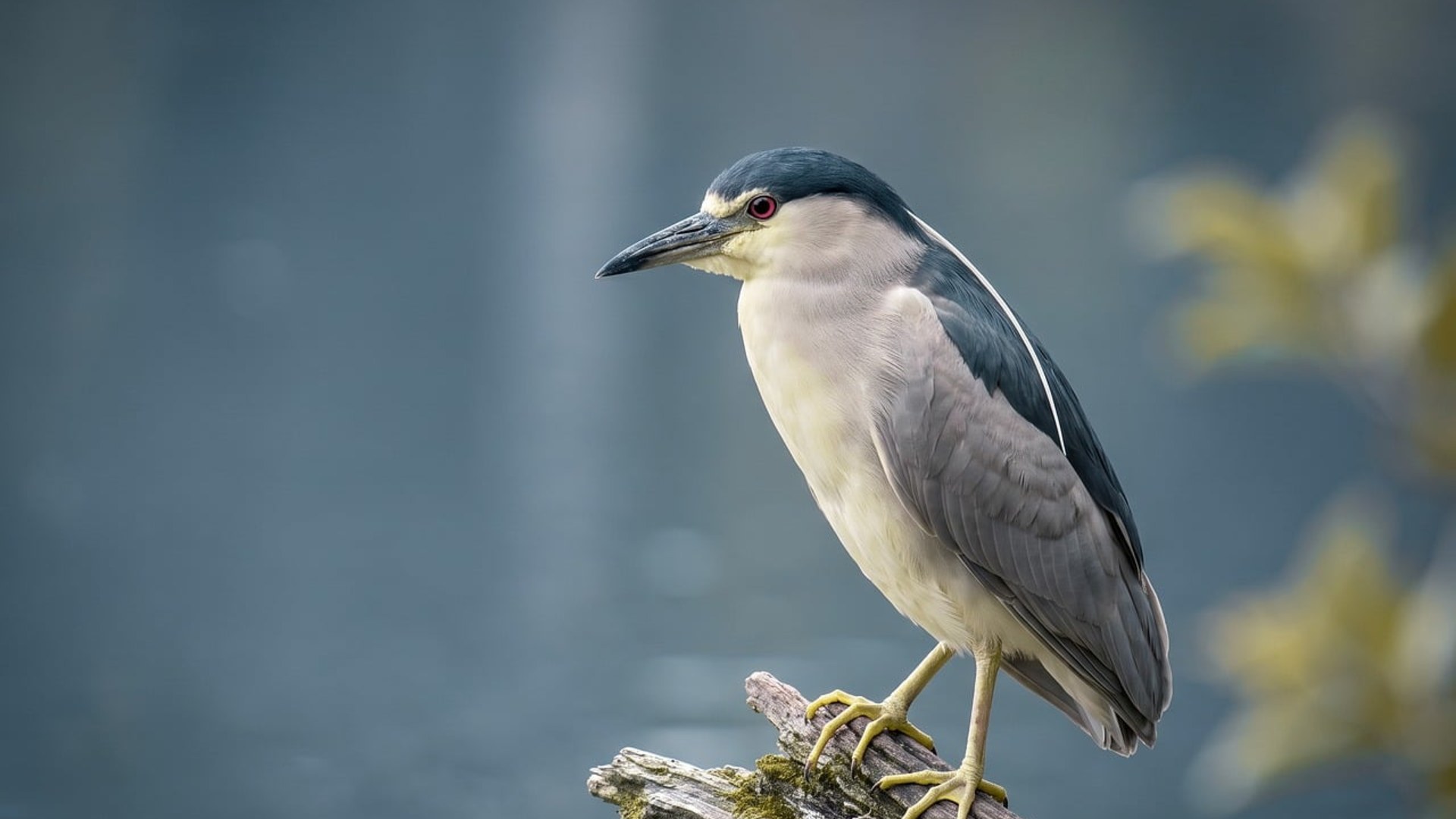
18. Black Heron
Common across sub-Saharan Africa, the black heron uses canopy feeding to hunt in wetlands. By wrapping its flight feathers forward into a tight sunshade, it eliminates water reflection and tricks small fish into seeking shelter beneath the artificial cover before striking.
©Wikimedia / Derek Keats from Johannesburg, South Africa
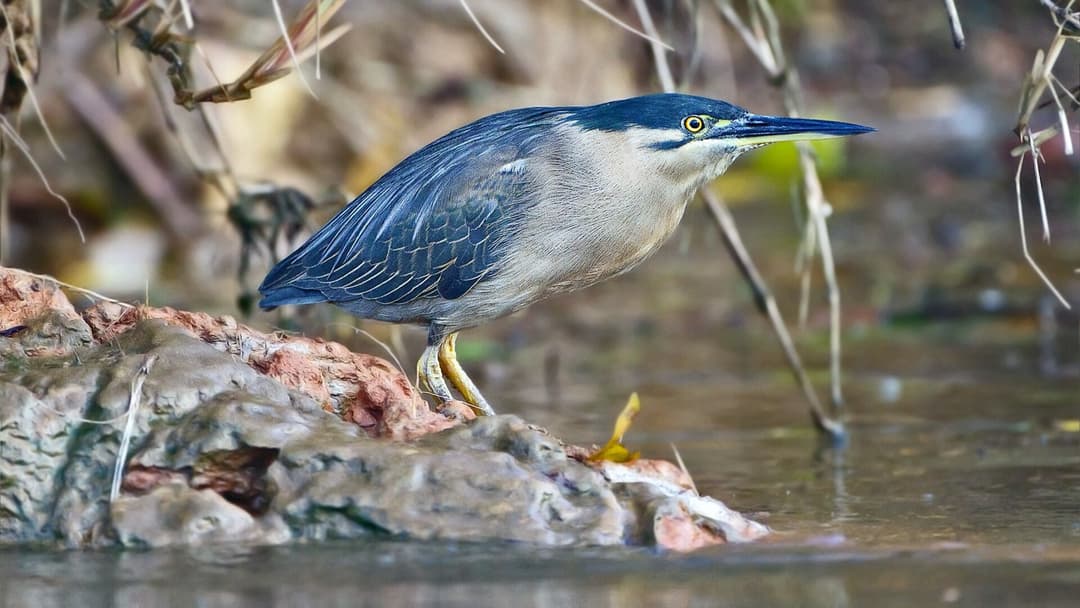
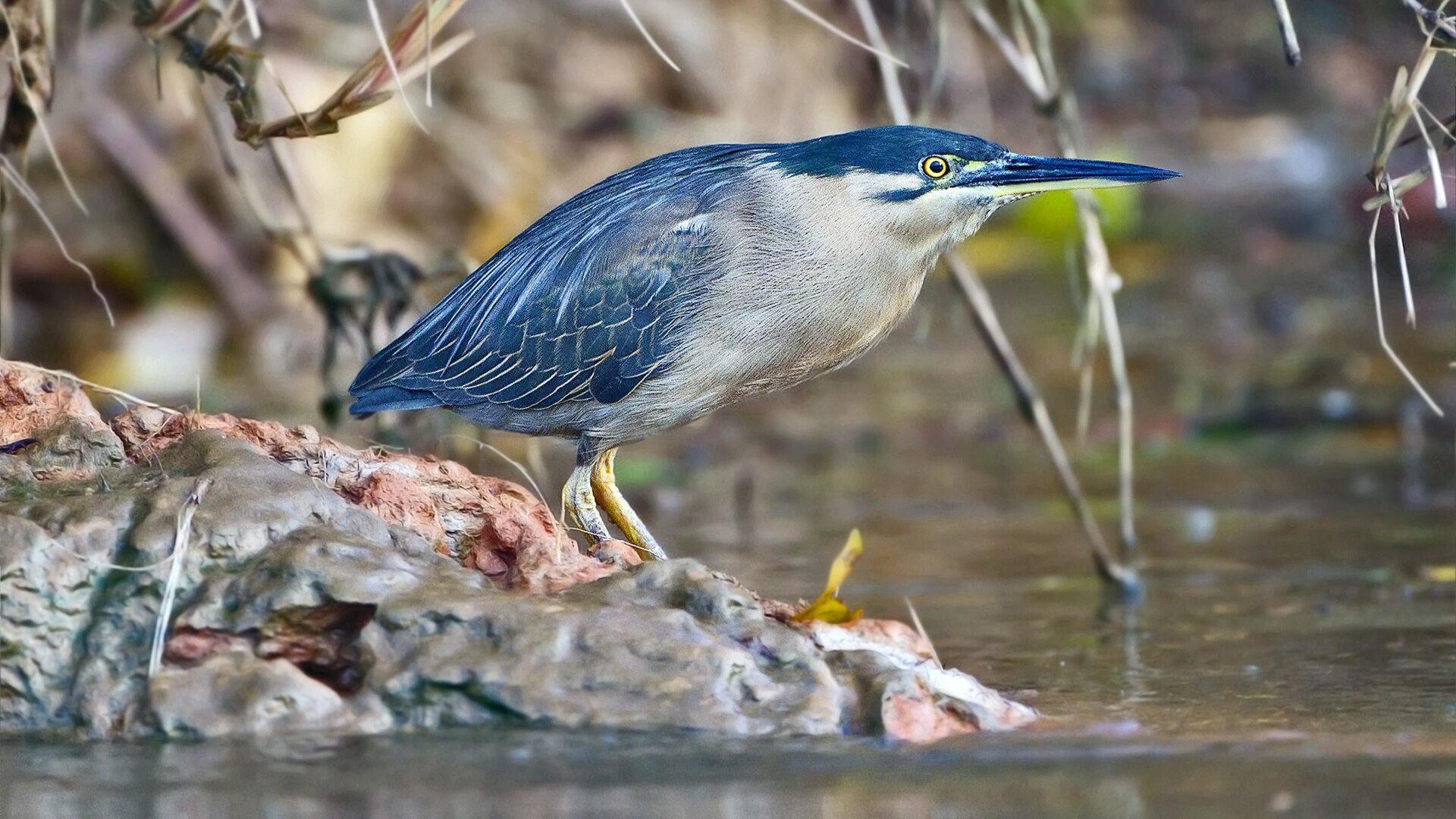
17. Striated Heron
Observed along South American and Asian riverbanks, the striated heron practices active bait fishing. It carefully floats small insects or plant fragments on the surface and adjusts their position with its bill. When curious fish rise to investigate the decoy, the heron catches them.
©Wikimedia / JJ Harrison ( )
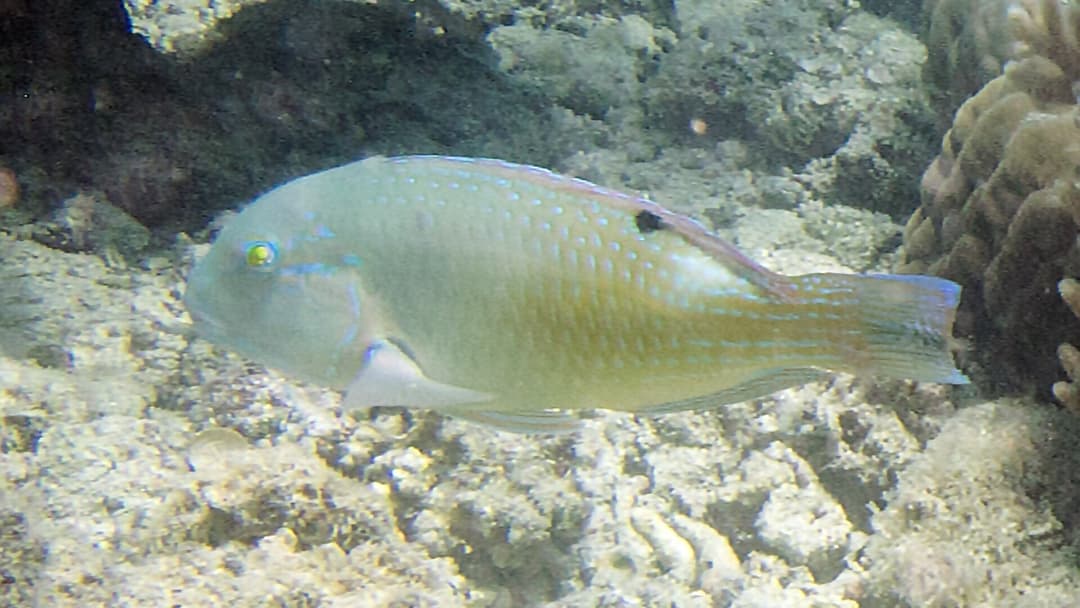
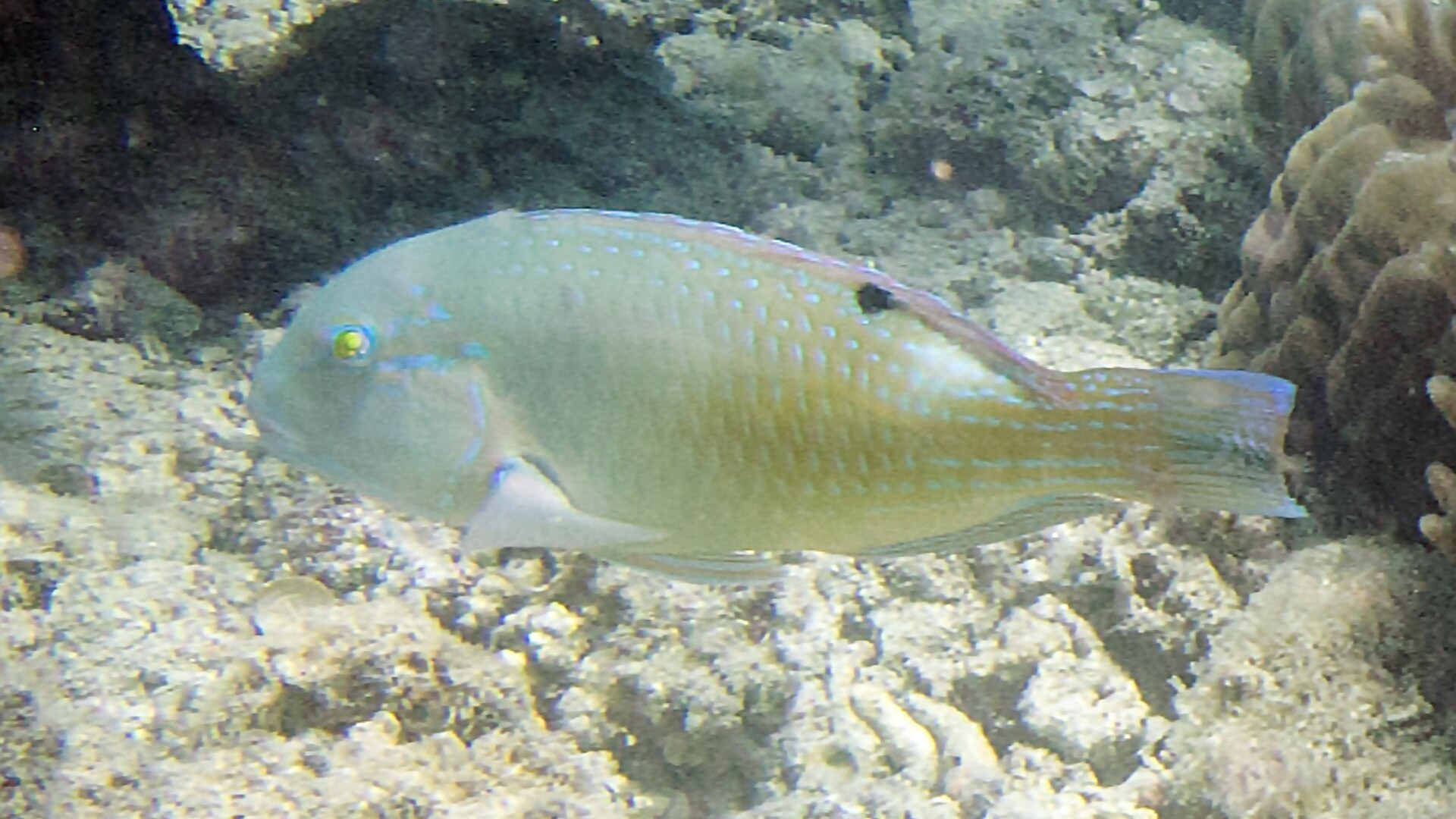
16. Blackspot Tuskfish
Filmed on Australia Great Barrier Reef in 2011, the blackspot tuskfish digs bivalves from the sand with water jets. It swims to a favored coral head and uses rapid head flicks to batter the shell against the rock until the valve shatters, revealing the meat inside.
©Wikimedia / Paul Asman and Jill Lenoble
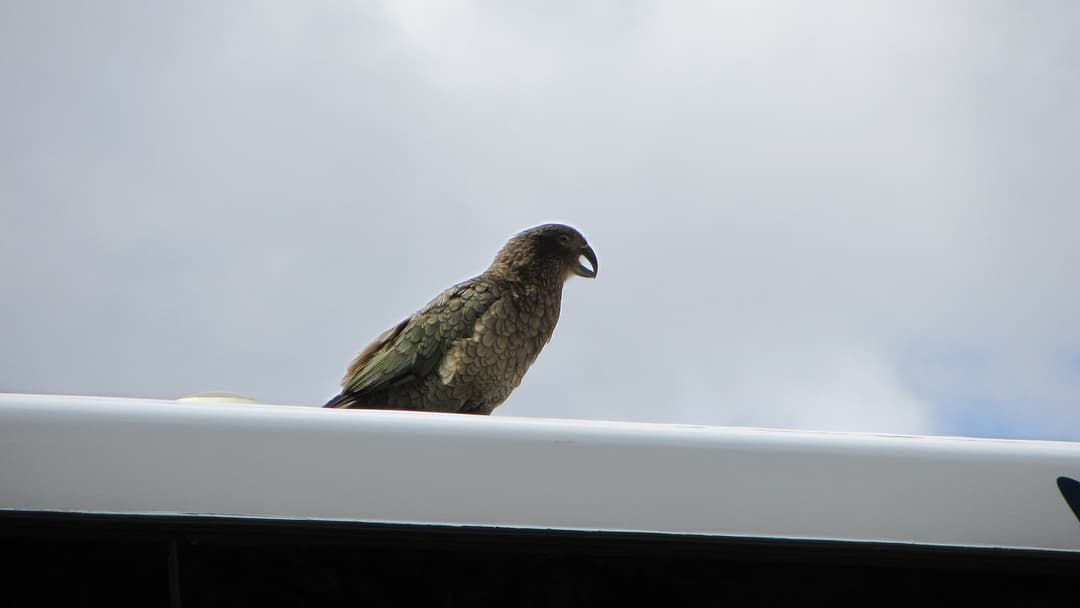
15. Kea Parrot
Dwelling in the Southern Alps of New Zealand, kea parrots demonstrate extraordinary causal reasoning. Wild birds manipulate sticks to spring stoat traps safely and roll stones onto levers to retrieve butter and meat bait. They frequently work in pairs to open heavy bins.
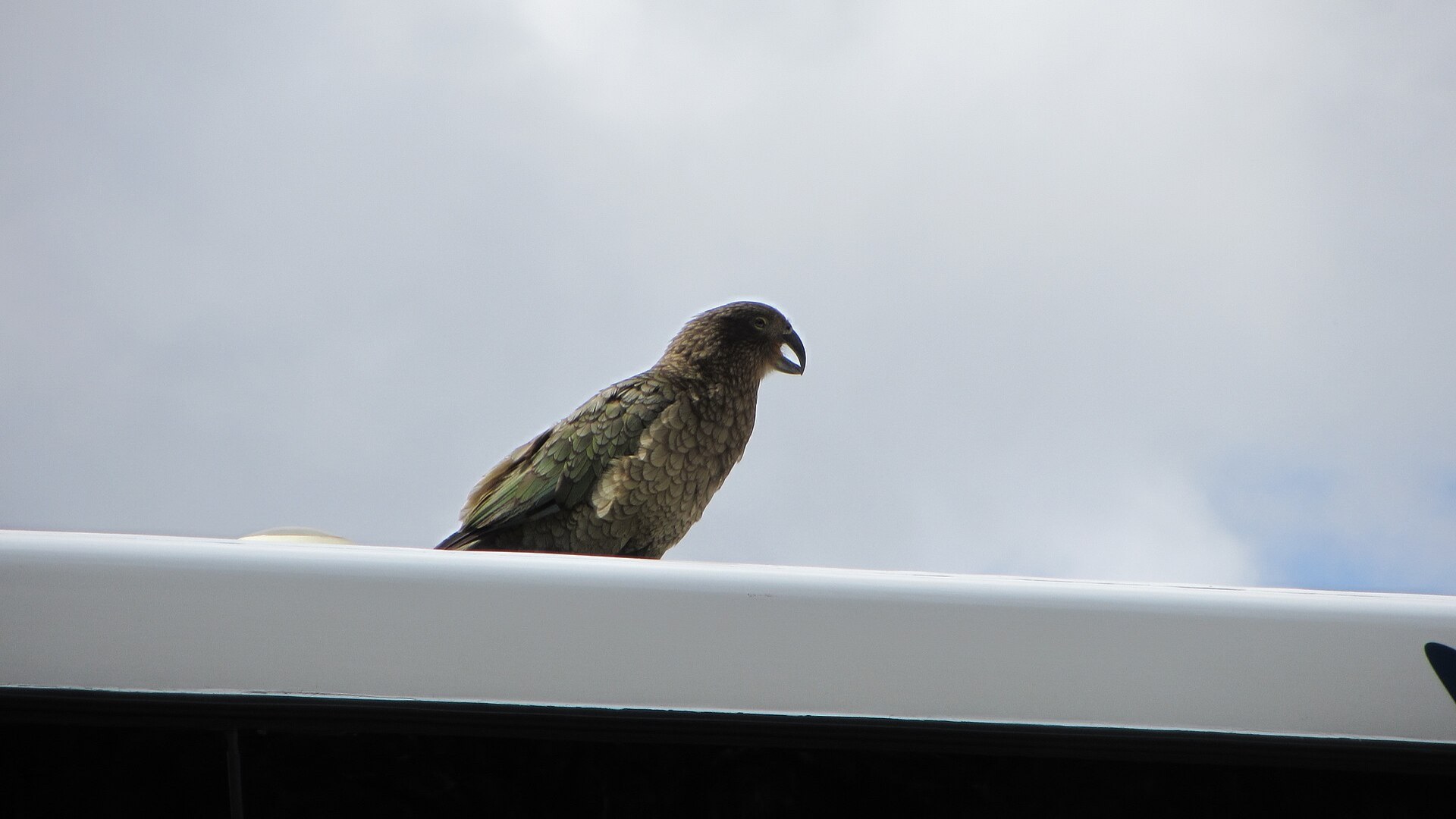
©Wikimedia / Robert Linsdell from St. Andrews, Canada
Advertisement
Swipe or tap ▶ to resume the countdown.
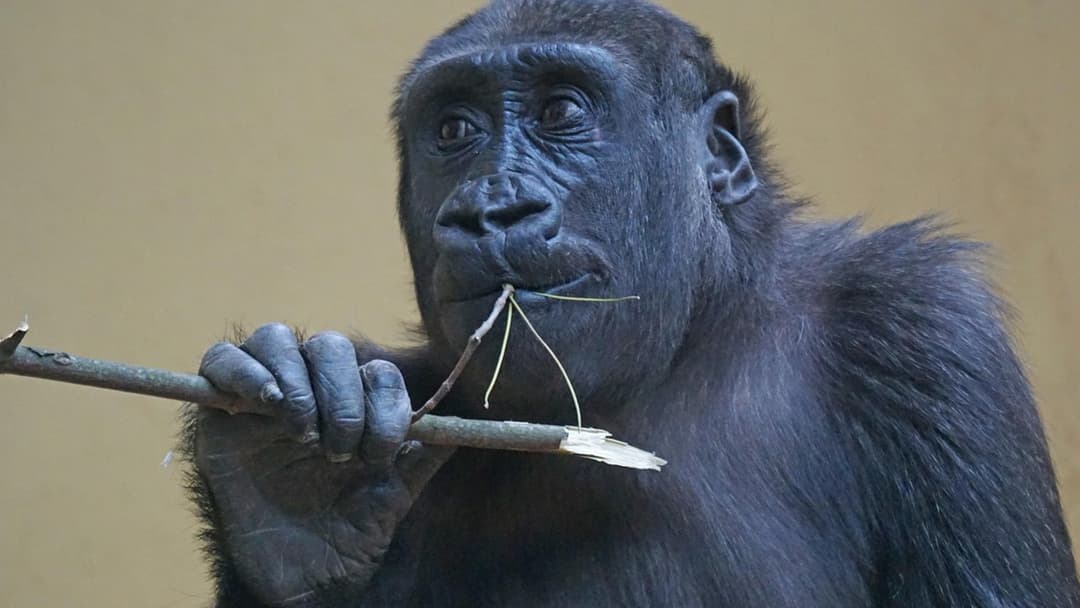
14. Western Lowland Gorilla
In the Republic of Congo Nouabale-Ndoki National Park, researchers first documented wild gorillas using tools in 2005. Females carry sturdy sticks into swamp clearings to gauge pool depth and construct makeshift bridges over deep mud to reach edible aquatic herbs.
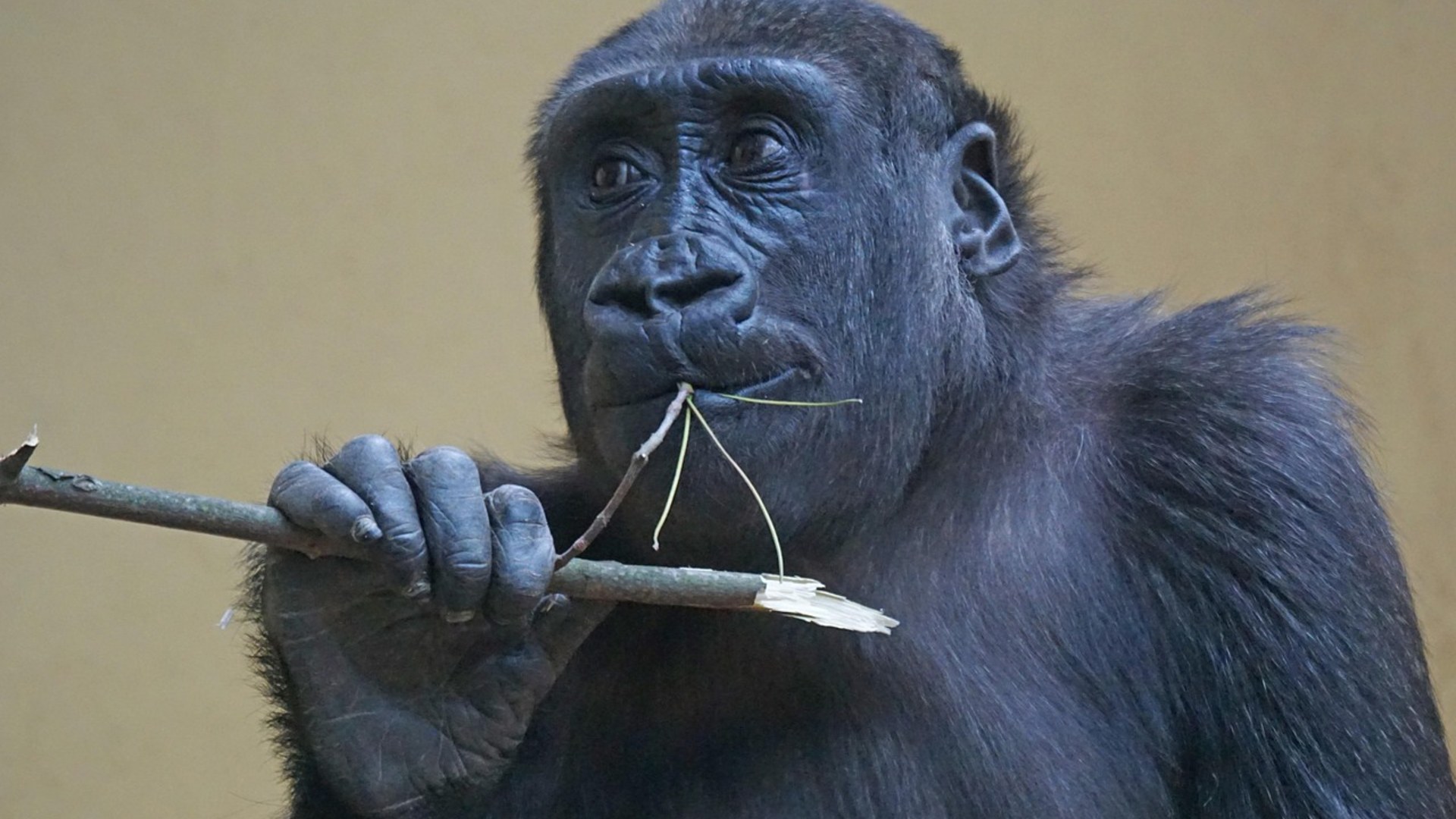
©Wikimedia / Jackhynes
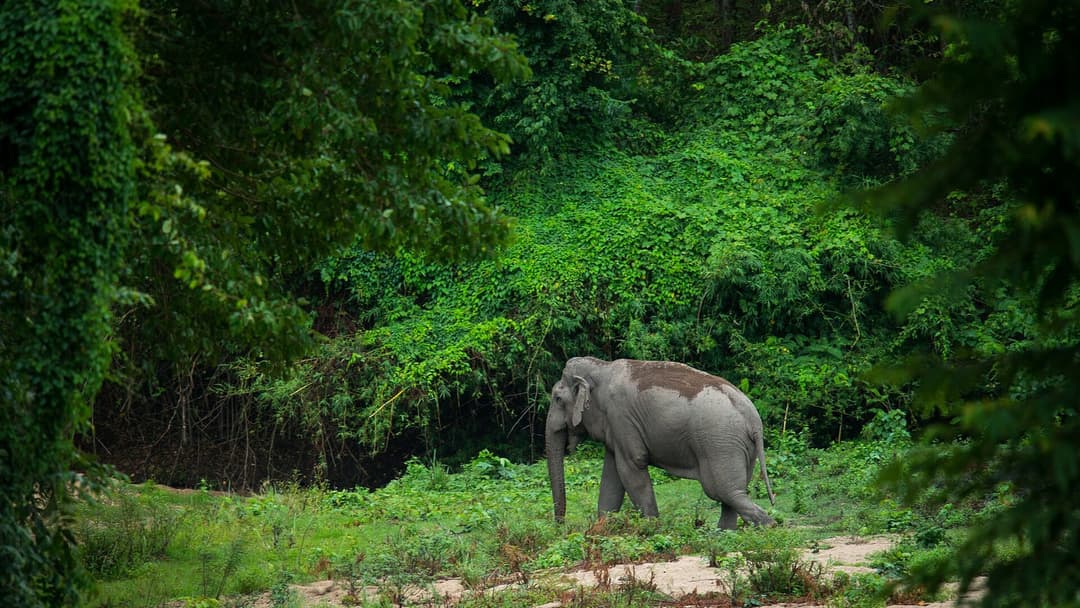
13. Asian Elephant
Asian elephants in India and Thailand deliberately alter branches by stripping side shoots to construct optimal flyswatters. They also roll balls of chewed bark to plug small water holes in dry riverbeds, preventing evaporation and preserving clean drinking supplies for later use.
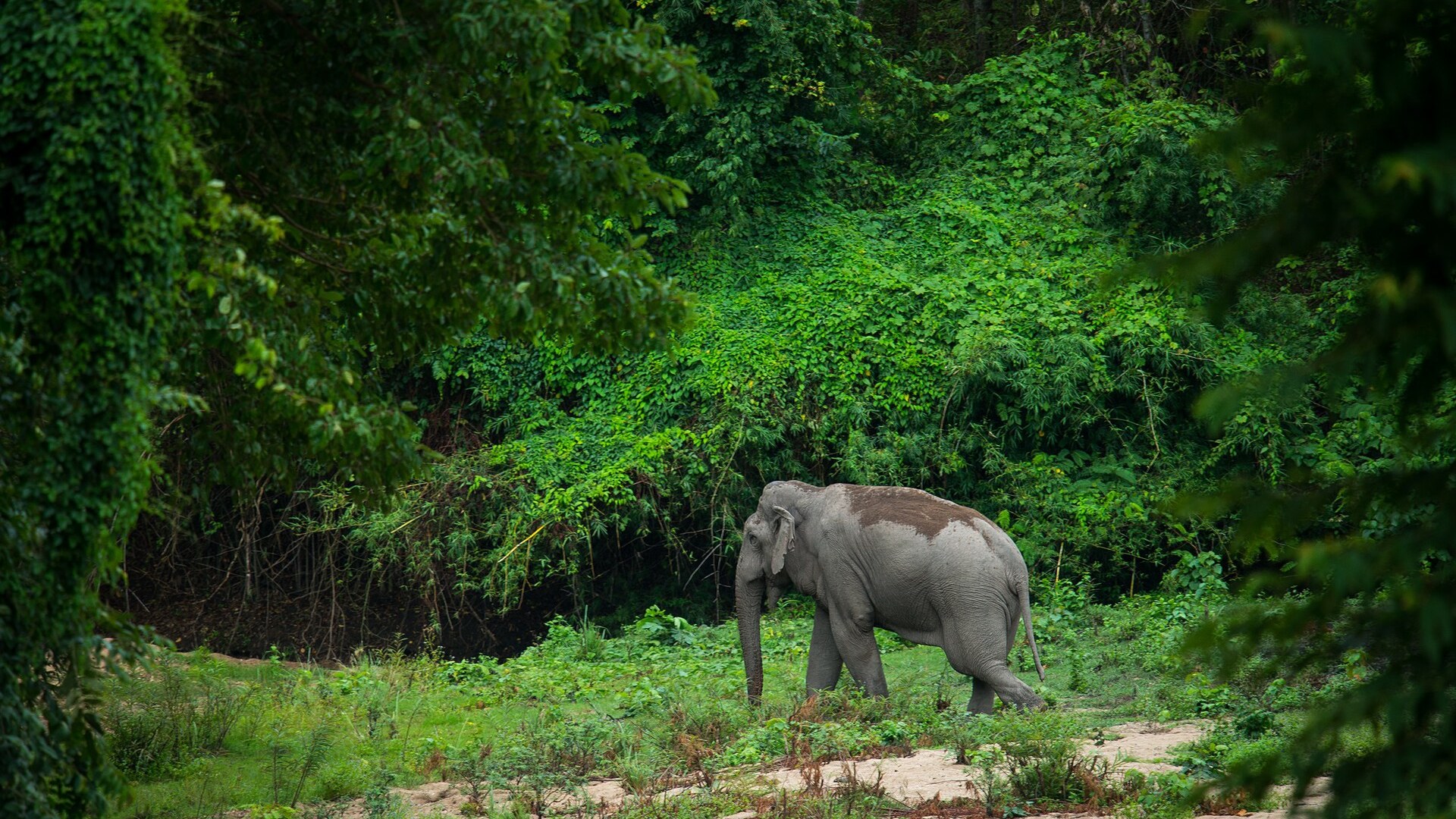
©Wikimedia / Basile Morin
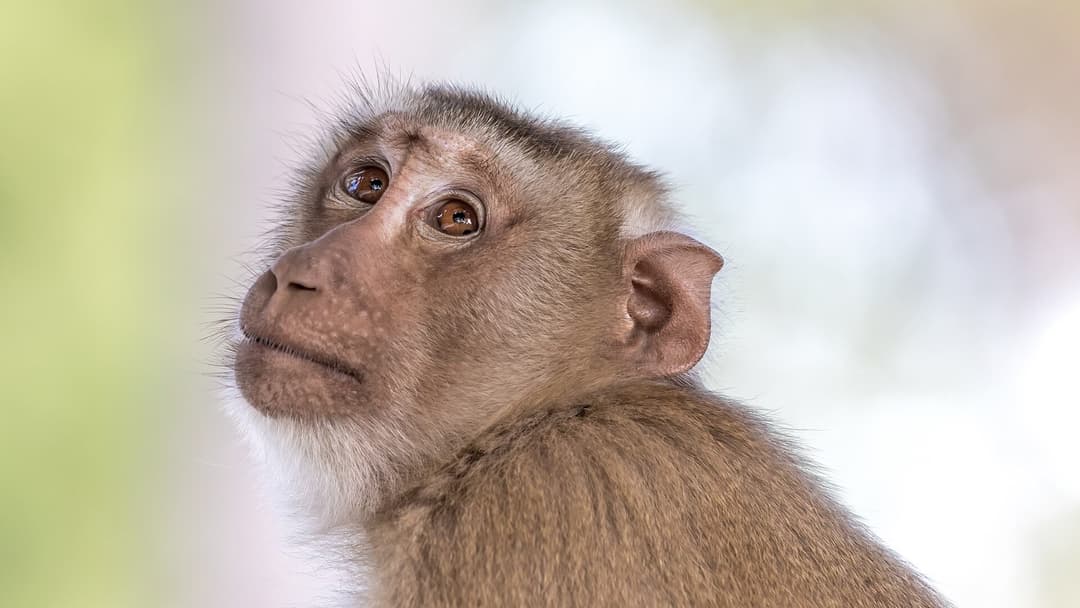
12. Long-Tailed Macaque
Along the coasts of Thailand and Myanmar, long-tailed macaques use stone tools for coastal foraging. They select heavy flat stones as anvils and pointed rocks as hammers to crack rock oysters and sea snails. Archaeologists note their discarded stone tools form distinct shell middens.
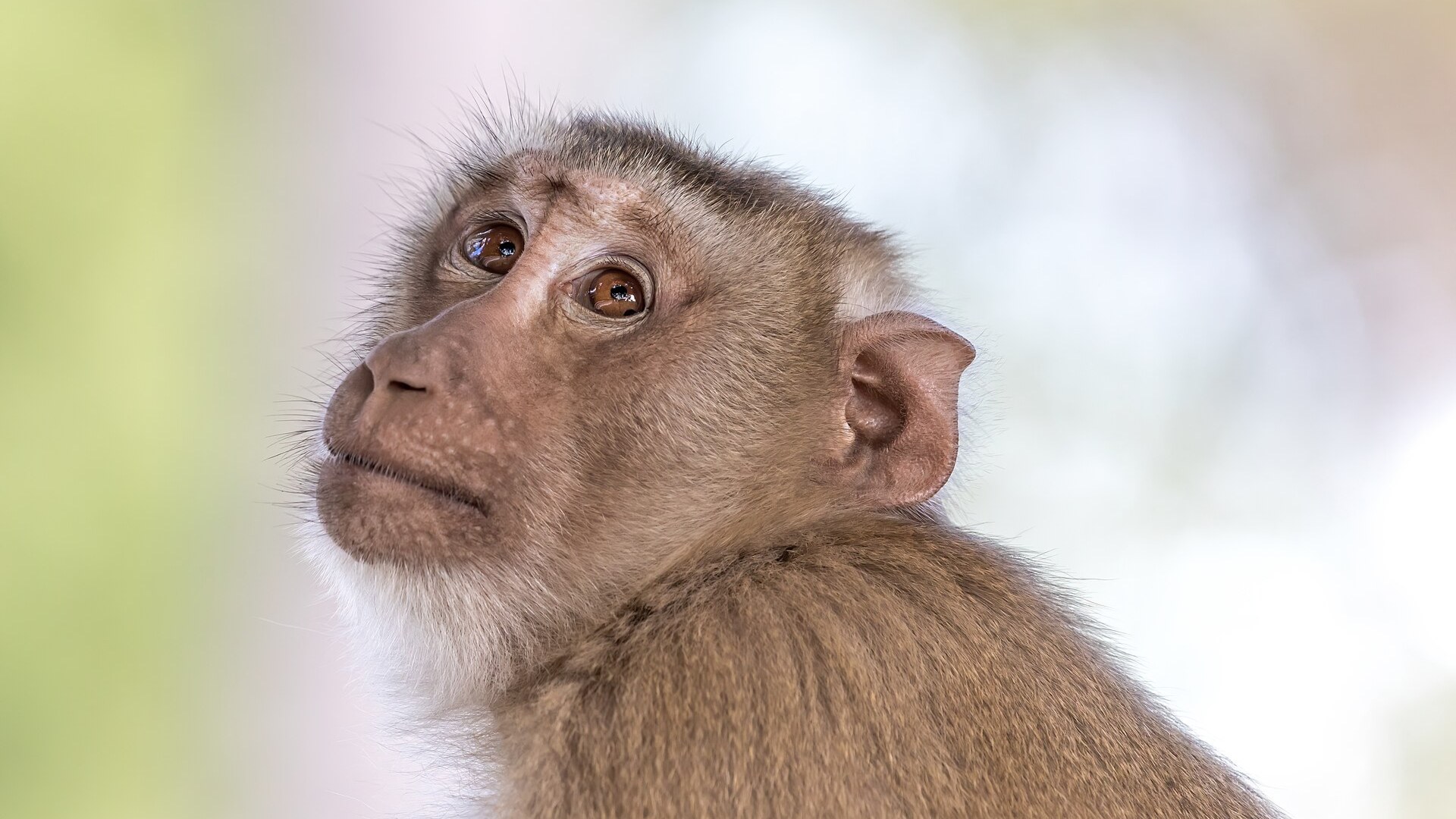
©Wikimedia / Basile Morin
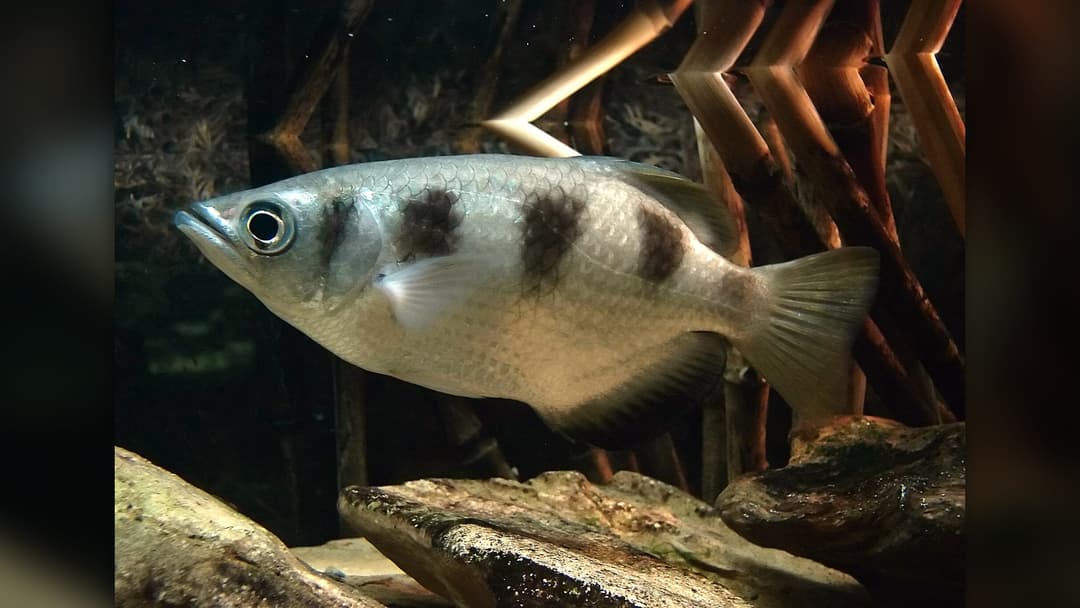
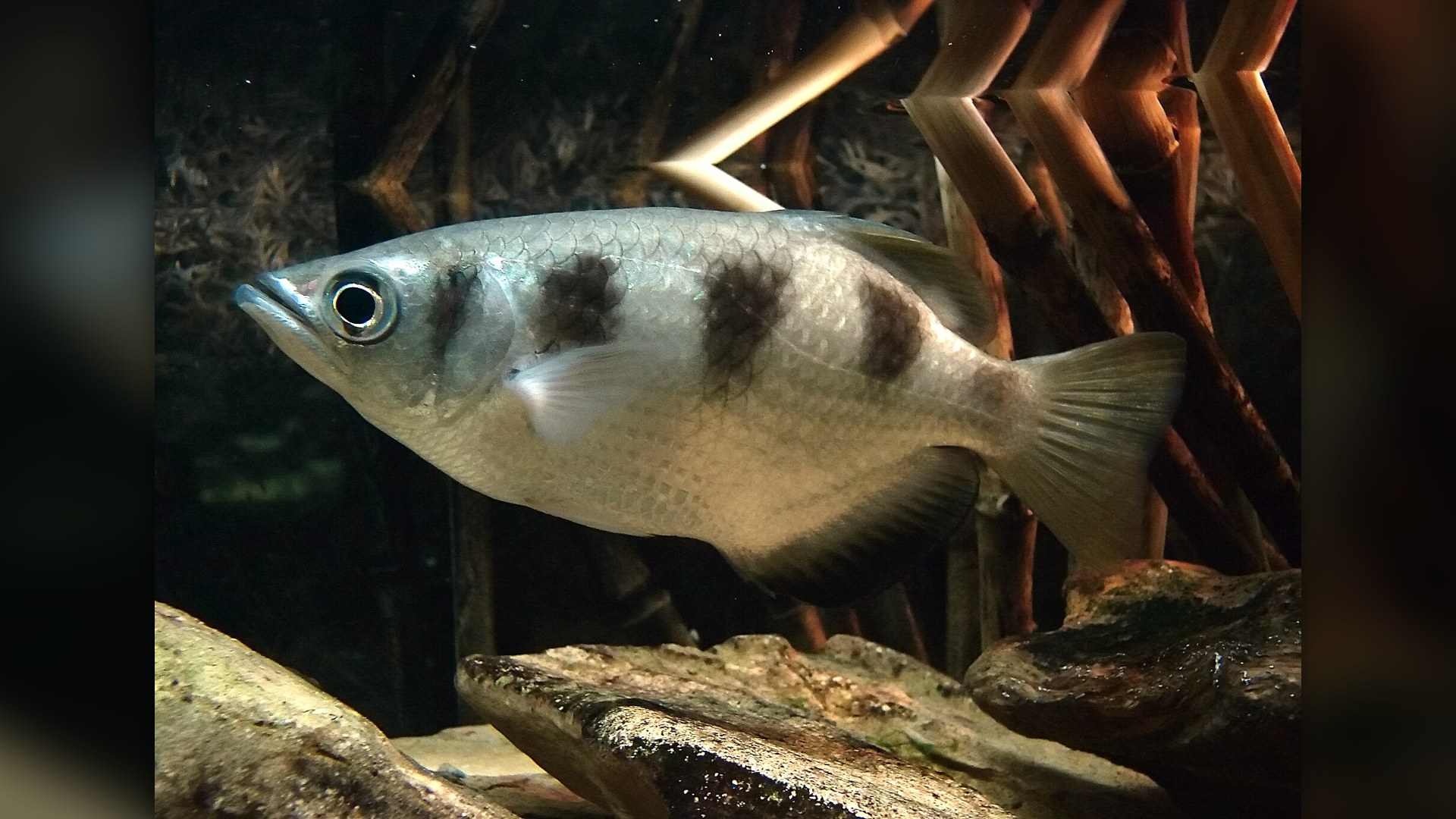
11. Archerfish
Native to Southeast Asian mangroves, the archerfish presses its tongue against the roof of its mouth to form a firing barrel. By snapping its gill covers shut, it fires water droplets up to two meters with precise compensation for light refraction, knocking spiders and flies into the water.
©Wikimedia / Chrumps
Advertisement
Swipe or tap ▶ to resume the countdown.
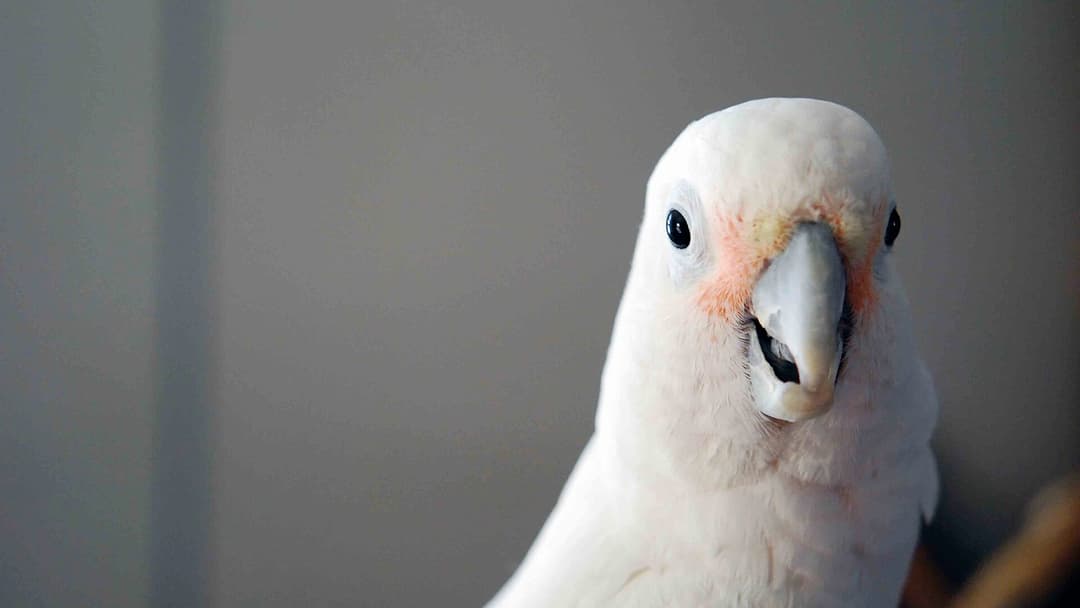
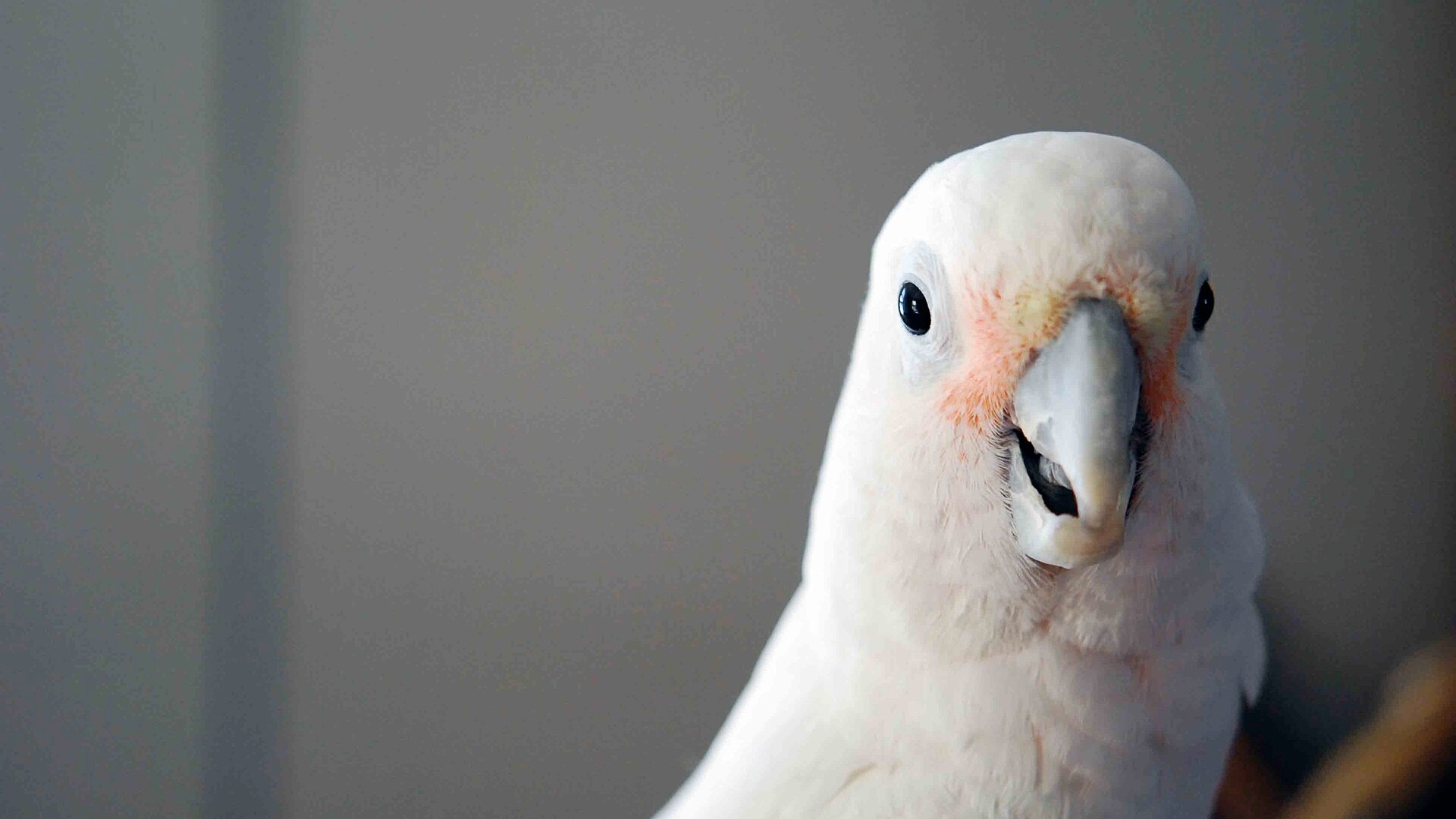
10. Goffin's Cockatoo
Native to the Tanimbar Islands of Indonesia, wild Goffin cockatoos craft up to three distinct wooden tools to eat sea mangoes. They carve a sturdy wedge to split the fruit husk, a sharp piercer to crack the inner seed coat, and a flat spoon to scoop out the nutritious flesh.
©Wikimedia / Lee from Washington State, USA
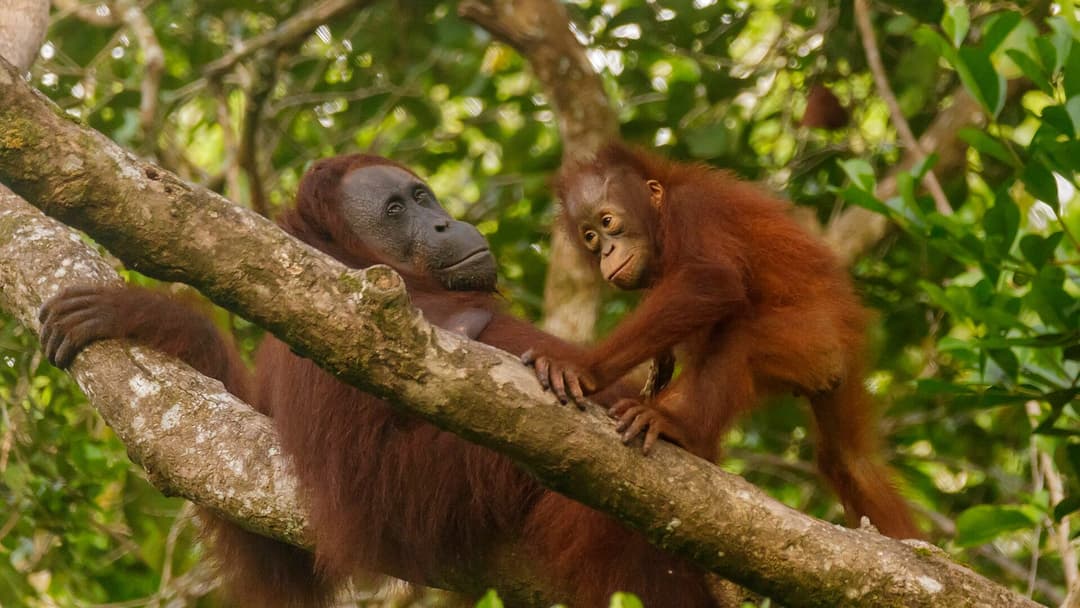
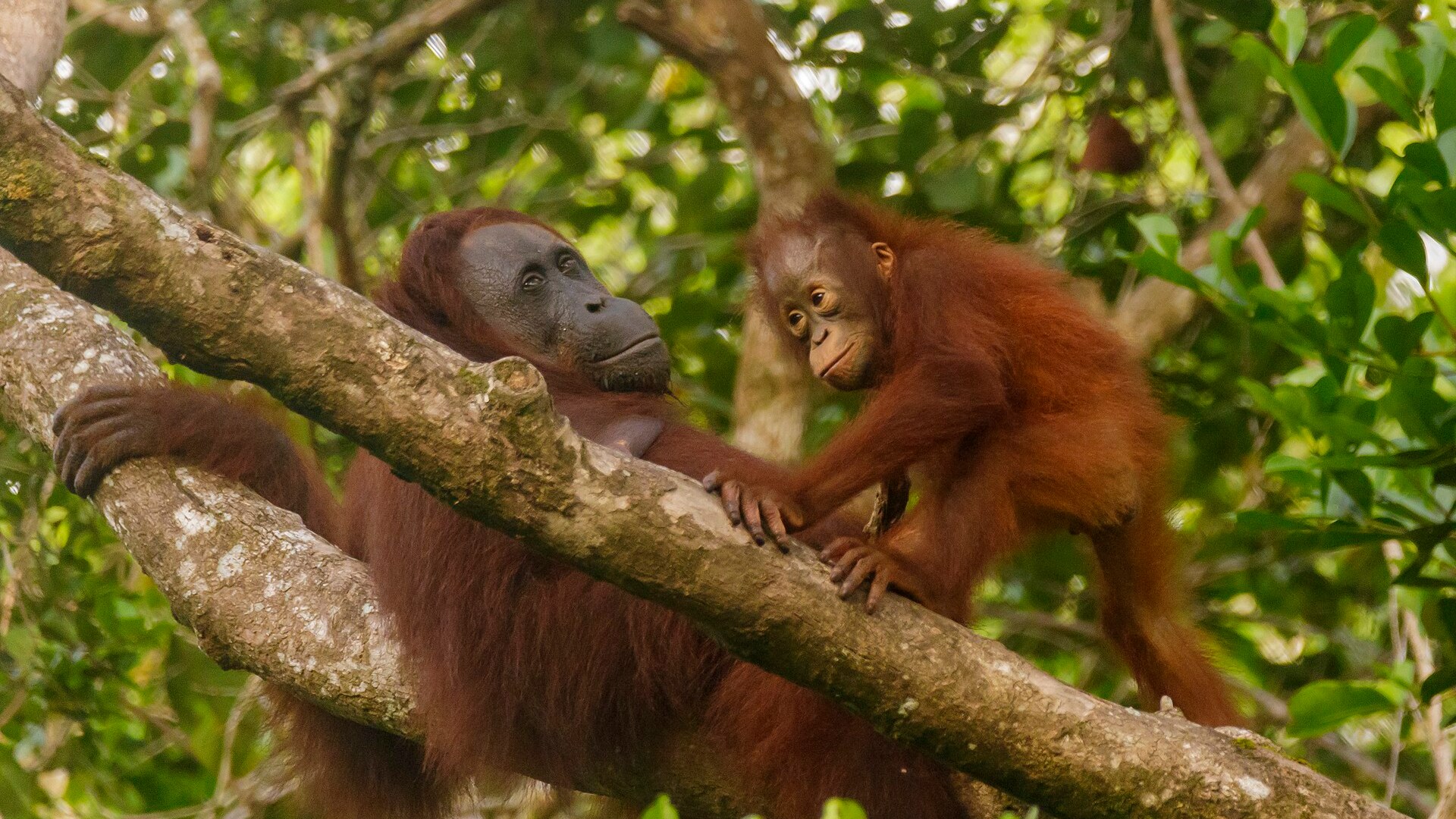
9. Bornean Orangutan
In the peat swamps of Borneo, wild orangutans select straight sticks, strip the bark with their teeth, and insert them into tree hollows to extract stingless bee honey. Along rivers, individuals have been observed using wooden poles to spear catfish trapped in shallow pools.
©Wikimedia / Thomas Fuhrmann
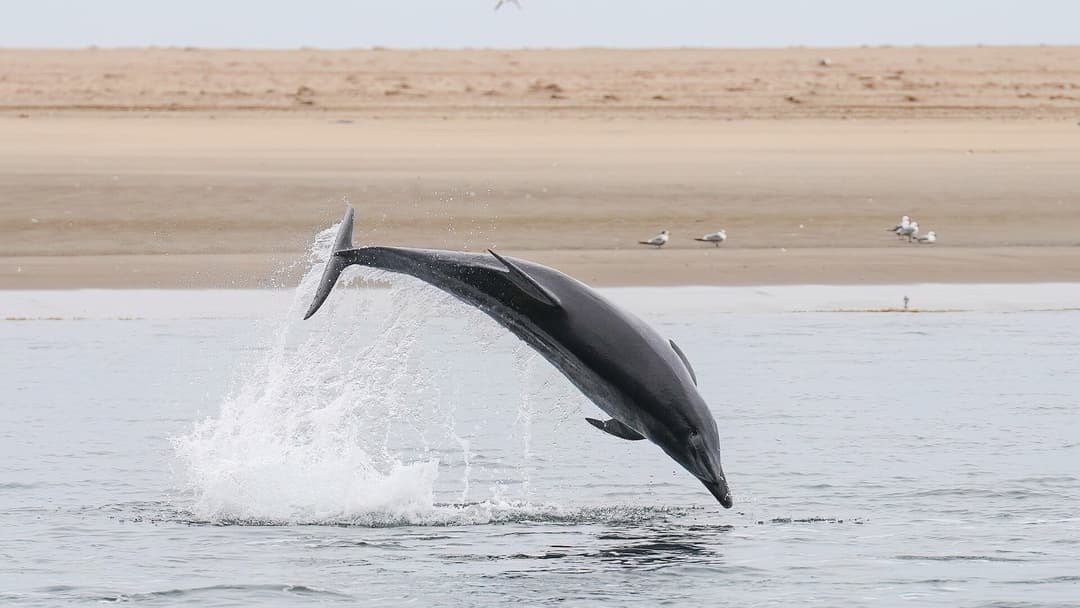
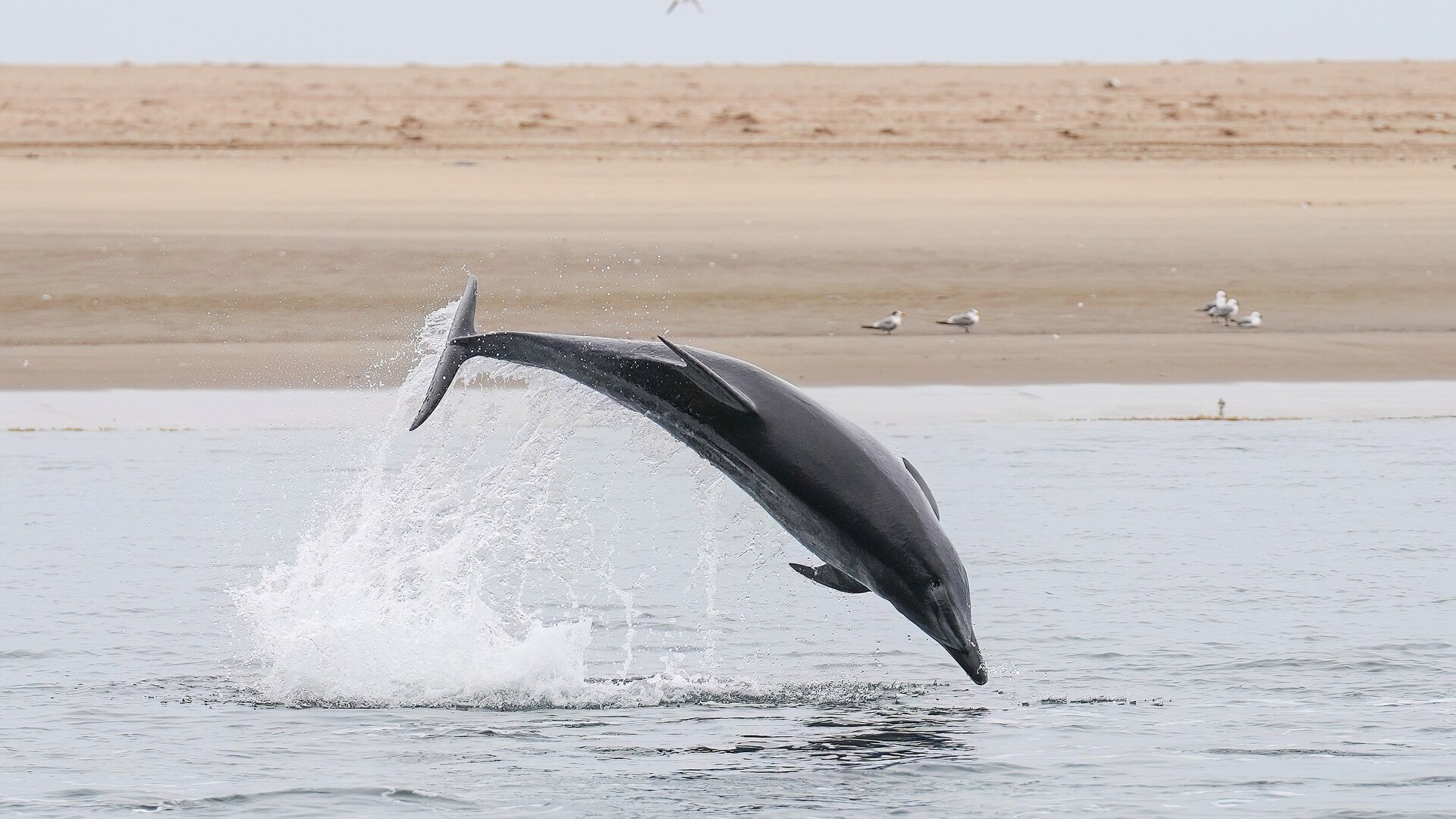
8. Bottlenose Dolphin
In Shark Bay, Western Australia, a group of bottlenose dolphins detaches conical basket sponges and wears them over their rostra. The sponge shields their sensitive skin from sharp coral and stingray spines while digging through sandy substrate to flush out barred sandperch.
©Wikimedia / Giles Laurent
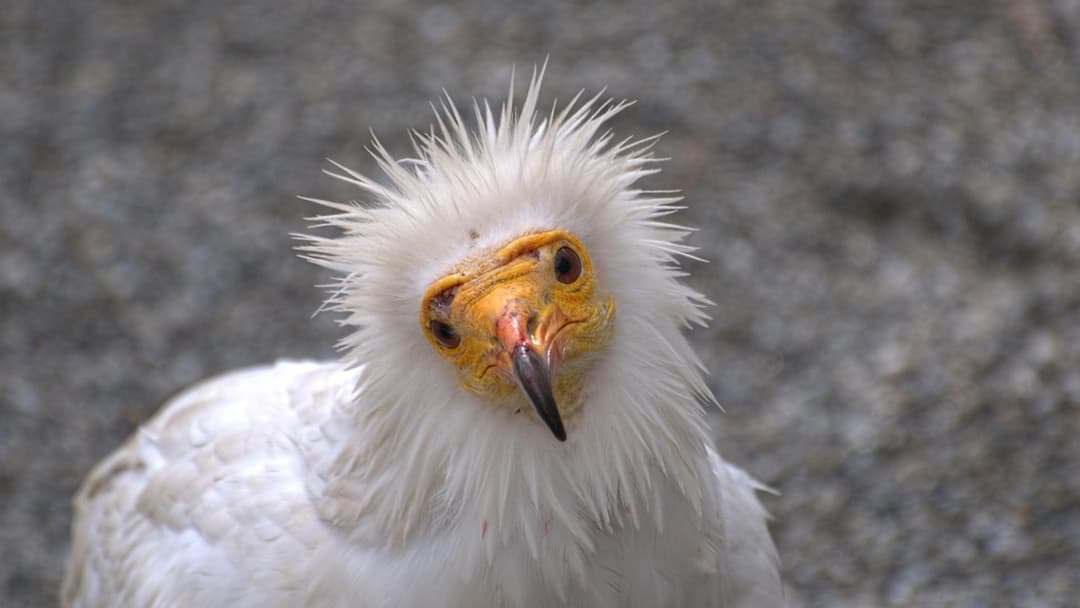
7. Egyptian Vulture
In East African savannas, Egyptian vultures search for smooth stones weighing up to one pound to crack thick ostrich shells. Standing over the egg, the bird raises the stone high in its bill and hurls it forcefully downward, repeating the strike until the egg fractures.
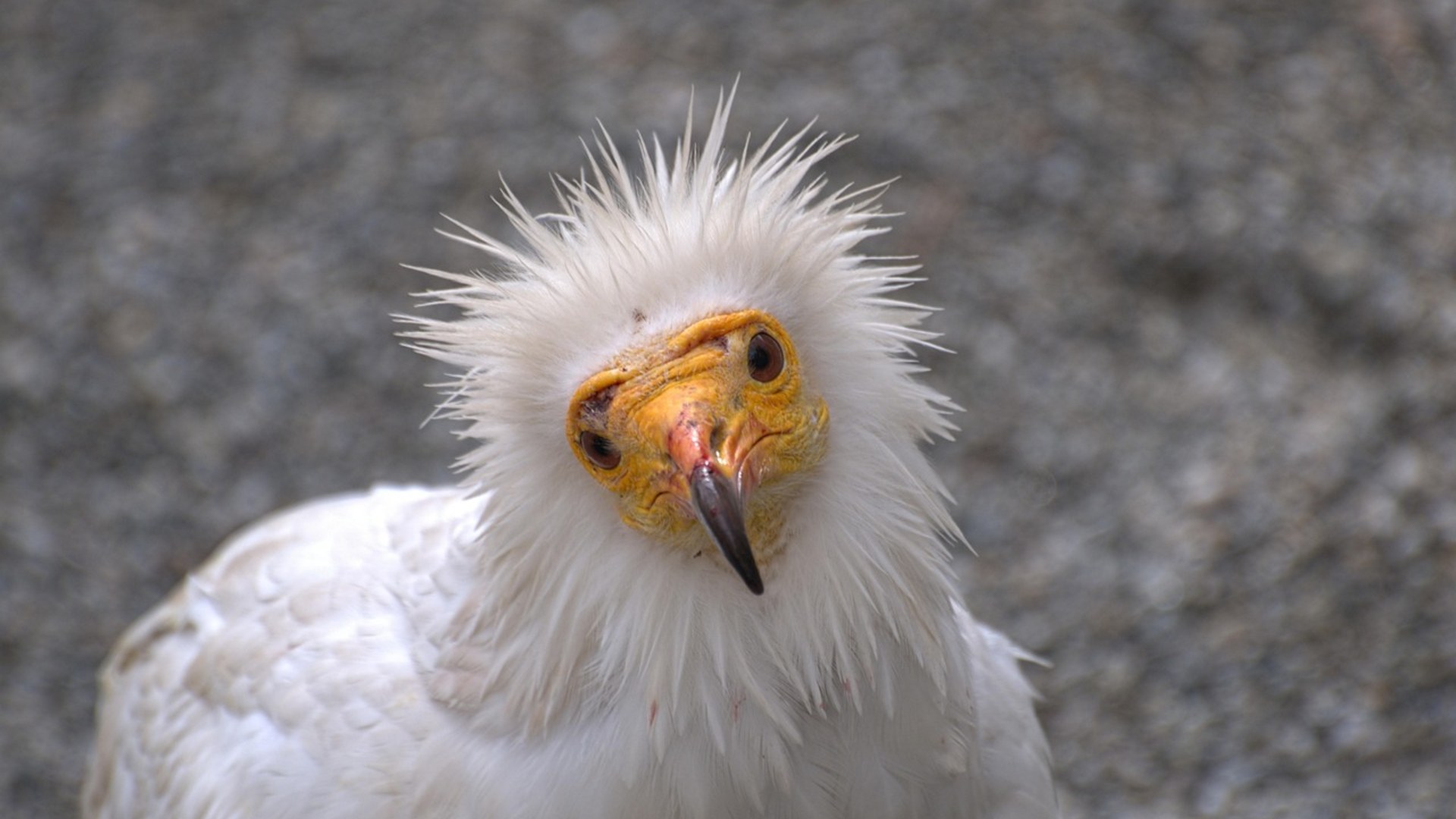
©Wikimedia / MediAtta
Advertisement
Swipe or tap ▶ to resume the countdown.
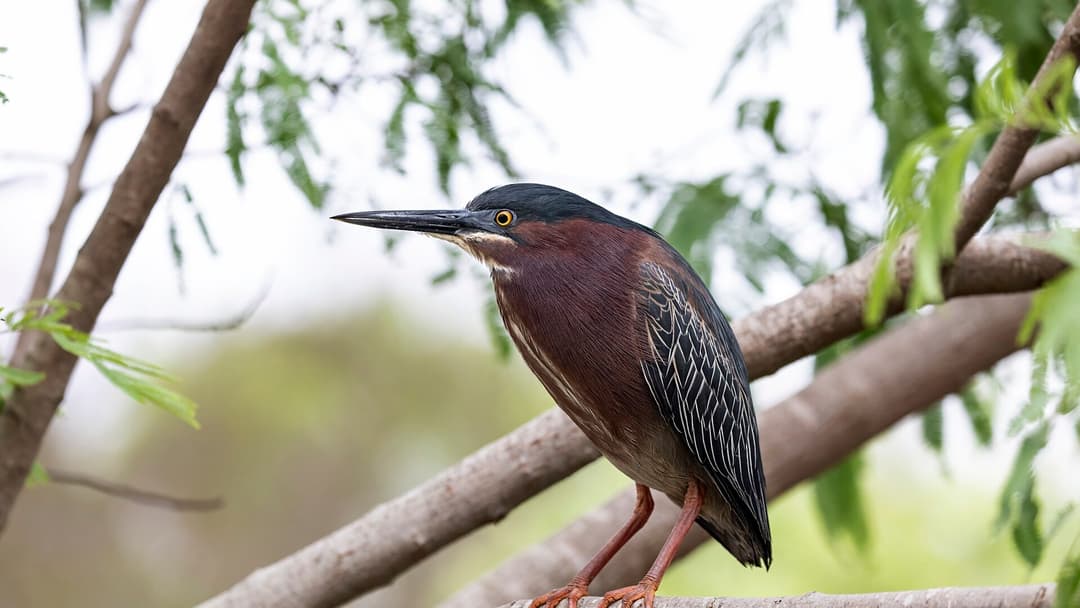
6. Green Heron
Found across North and Central American wetlands, the green heron is a master of bait fishing. It places small objects like live insects, berries, or discarded bread onto the water surface, nudging them to keep them floating until minnows surface, prompting a lightning strike.
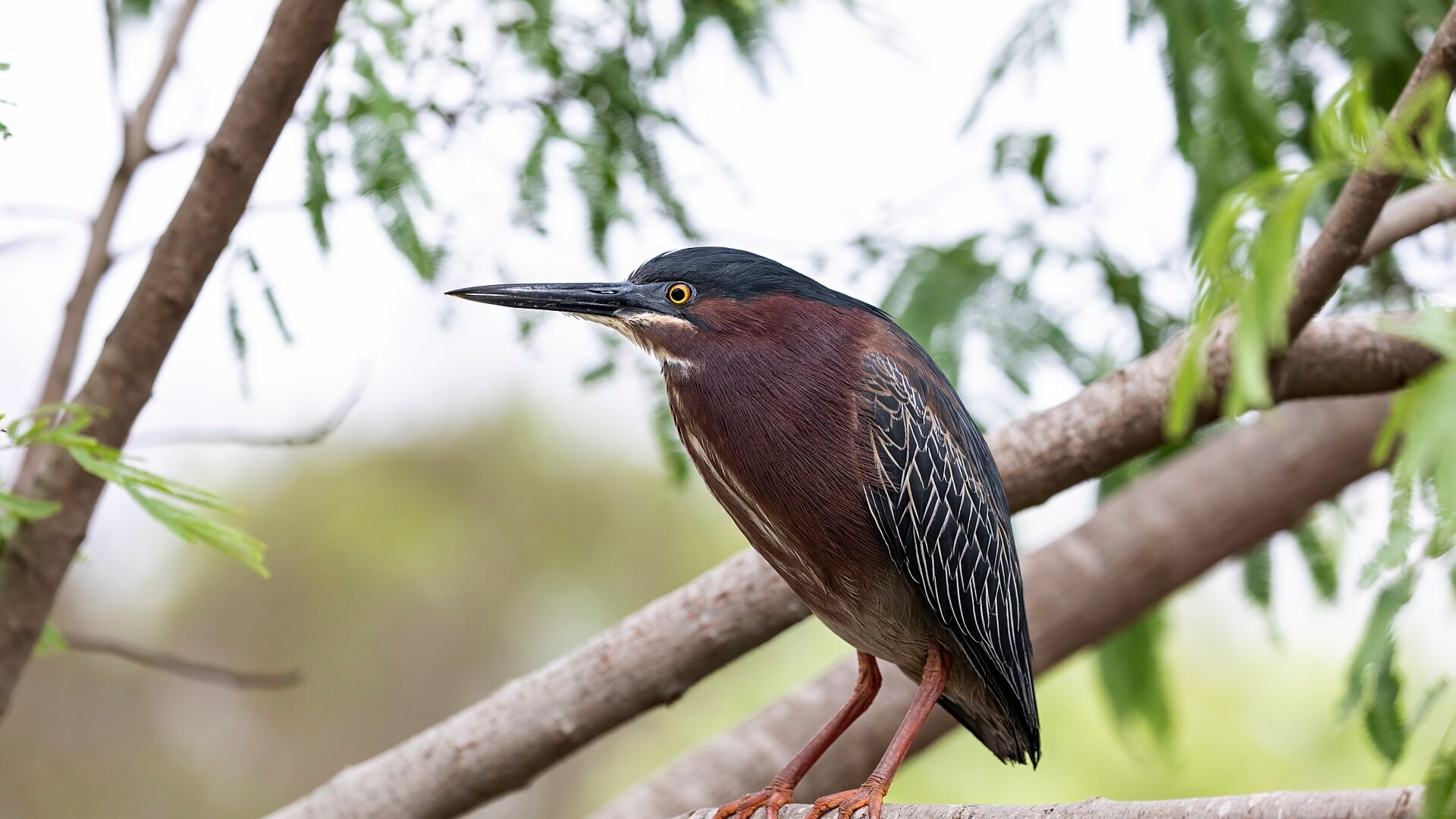
©Wikimedia / Chuck Homler d/b/a Focus On Wildlife
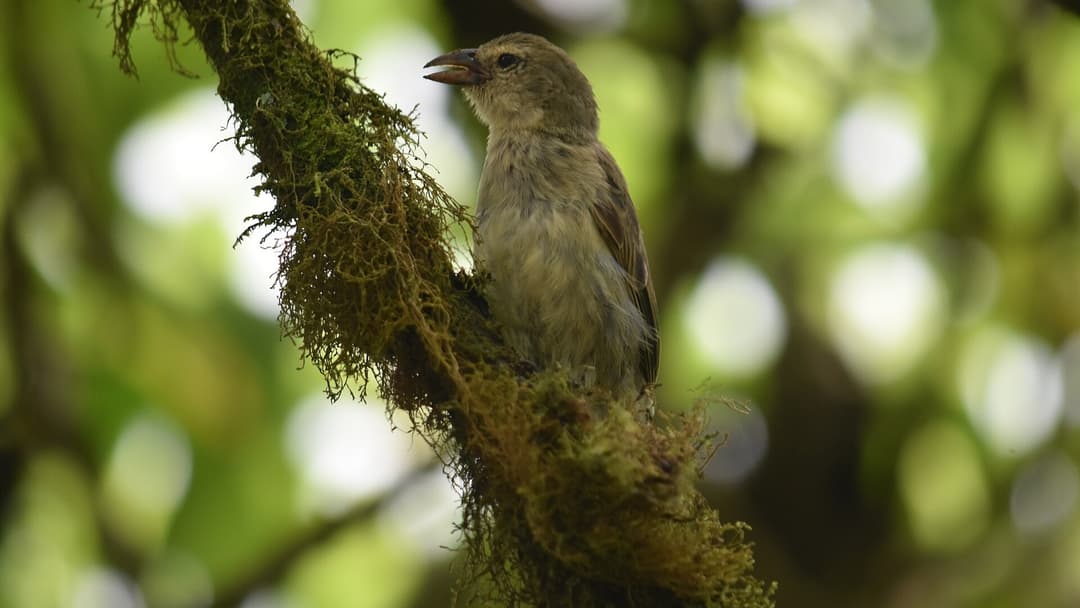
5. Woodpecker Finch
Endemic to the Galapagos Islands, this small finch lacks the long tongue of traditional woodpeckers. To reach wood-boring beetle larvae, it snaps cactus spines to length and probes deep crevices, skewering soft grubs. It frequently carries its favorite spine between foraging spots.
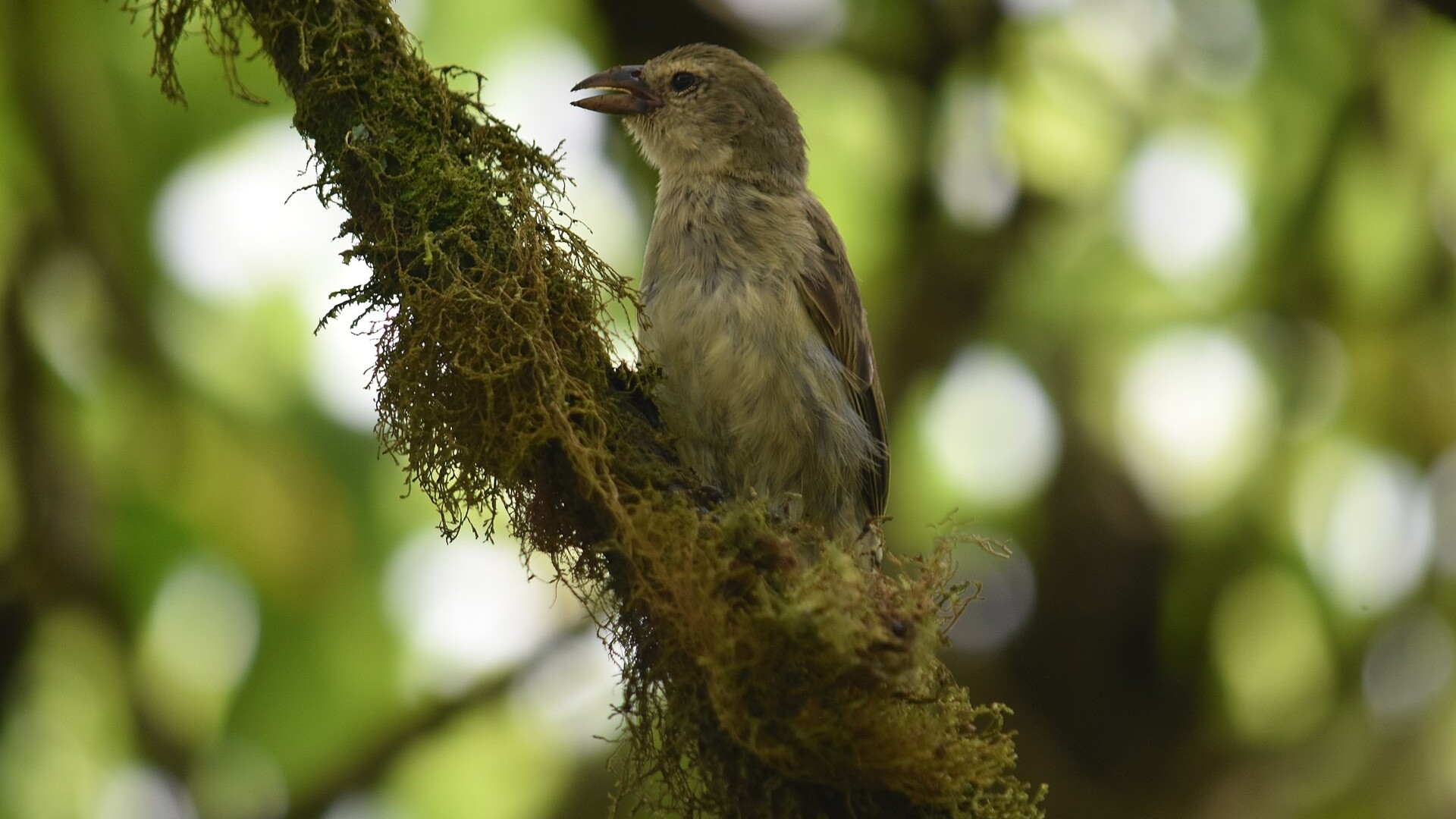
©Wikimedia / Andrew Katsis
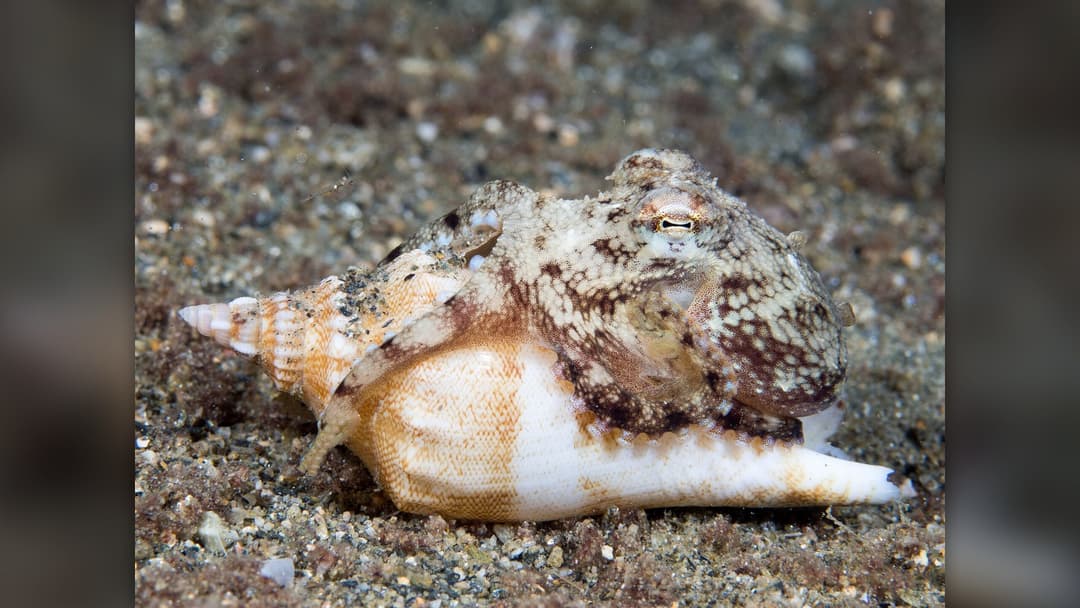
4. Veined Octopus
In the coastal waters of Indonesia, the veined octopus excavates discarded coconut halves and bivalve shells from sandy bottoms. Stacking two matching halves beneath its arms, it stilt-walks across the open ocean floor, assembling them into a sphere to ambush passing crabs.
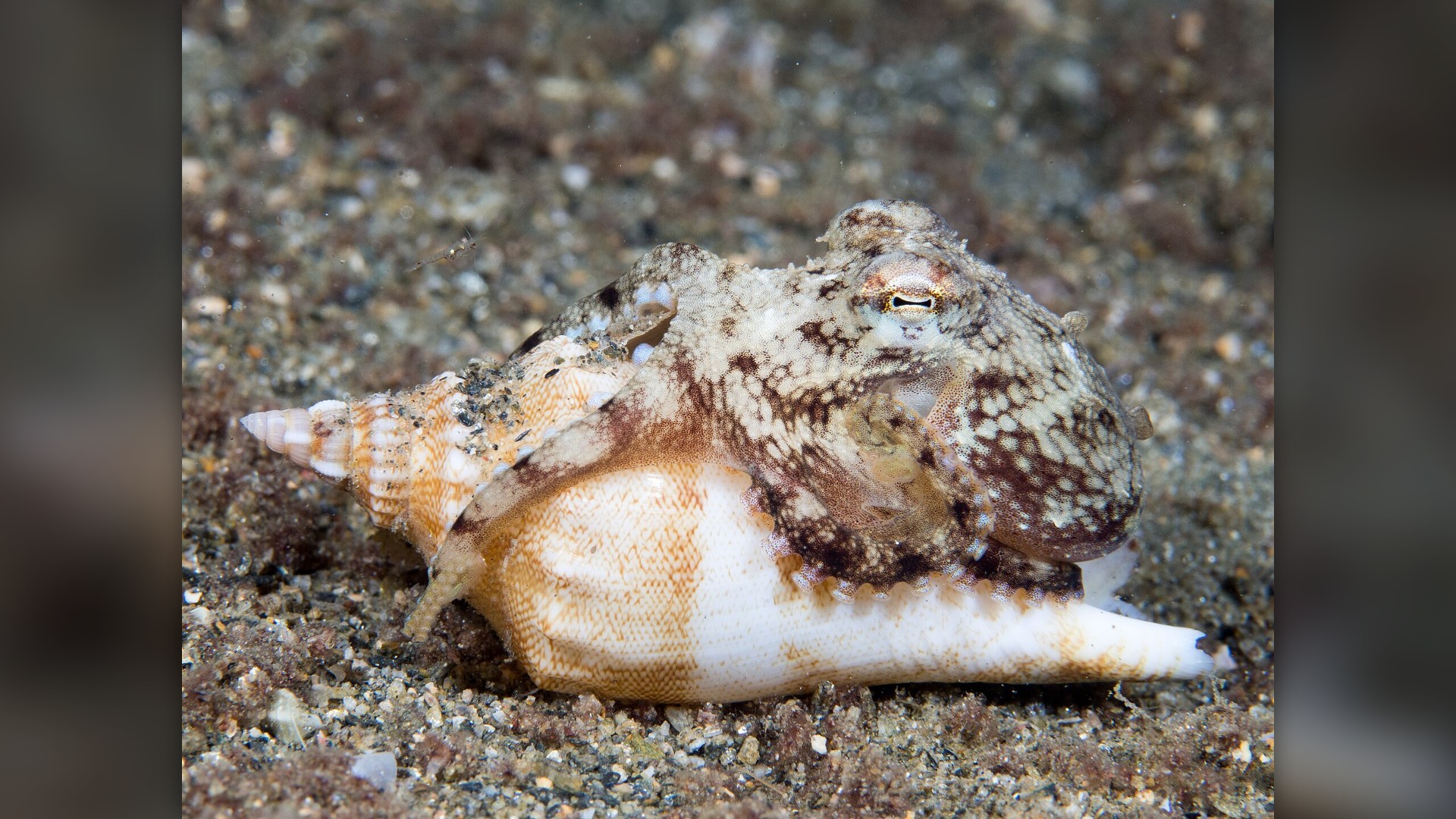
©Wikimedia / Rickard Zerpe
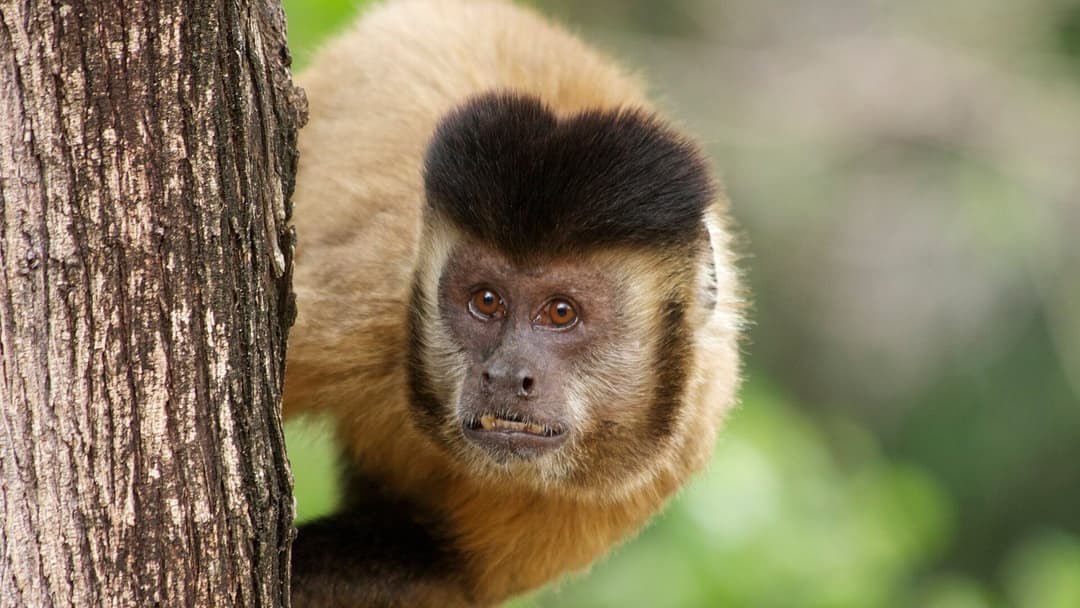
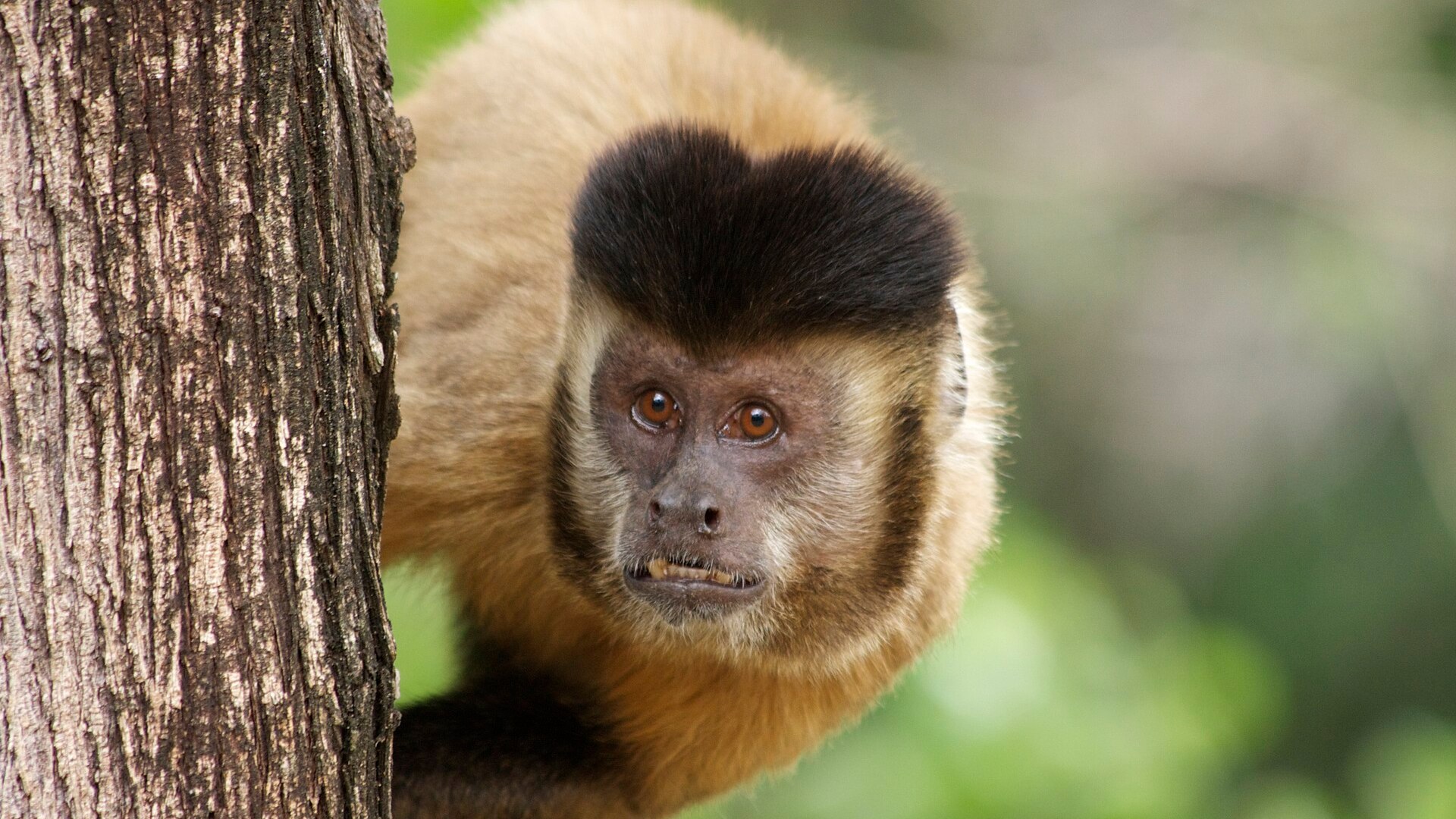
3. Bearded Capuchin
In Brazil Serra da Capivara National Park, wild bearded capuchins have used stone tools for at least 3,000 years. Monkeys place hard palm nuts into pitted sandstone anvils and strike them with heavy quartzite river stones, using bipedal stances to generate maximum striking force.
©Wikimedia / Tiago Falótico
Advertisement
Swipe or tap ▶ to resume the countdown.
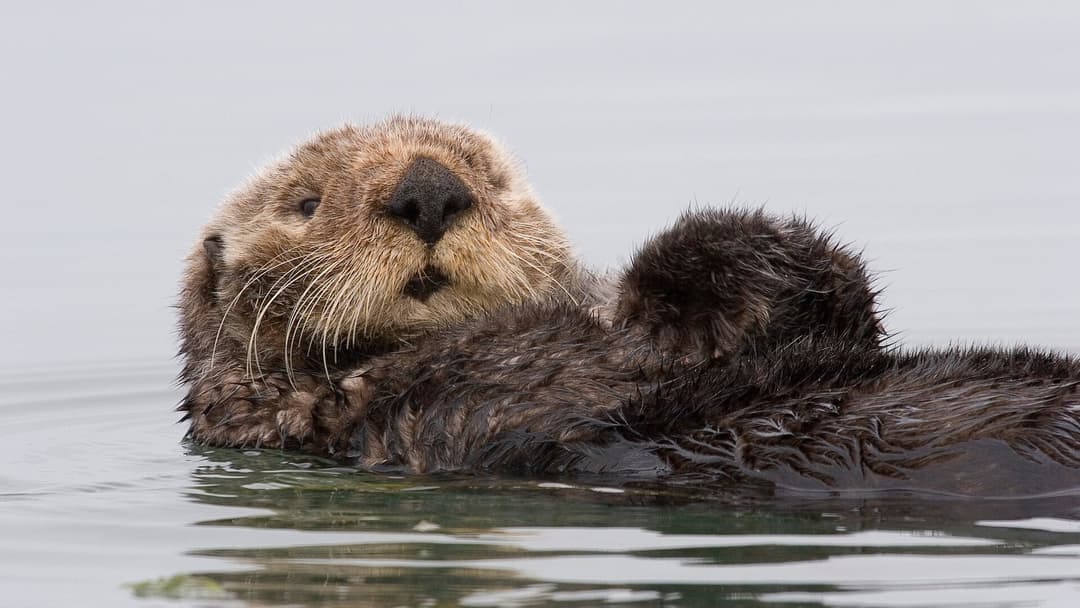
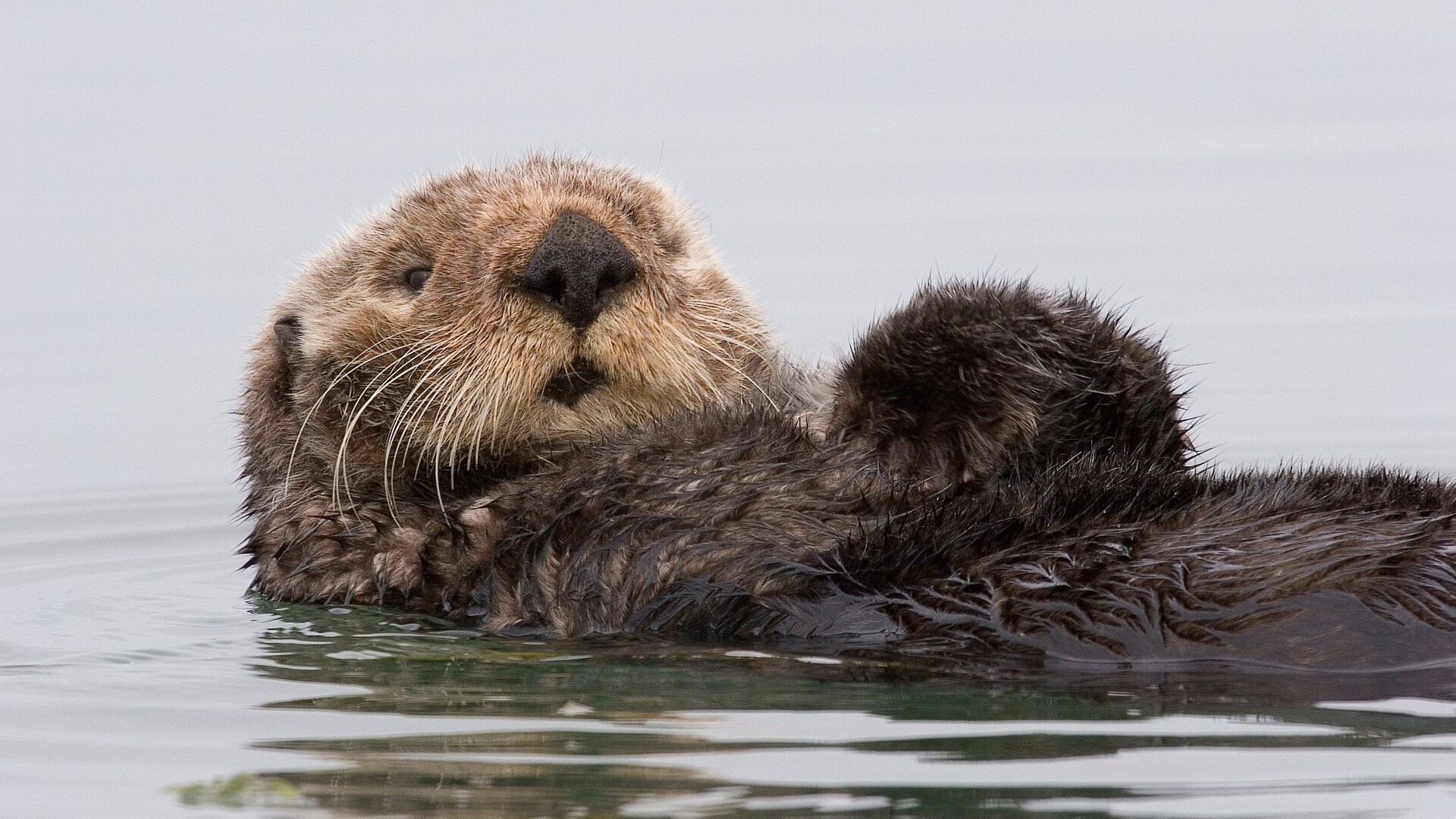
2. Sea Otter
Along the Pacific coast of North America, sea otters dive up to thirty meters to retrieve hard-shelled molluscs and flat rocks. Floating on their backs, they rest the stone anvil on their chests and strike shells against it up to forty times in fifteen seconds to reach the meat.
©Wikimedia / Mike Baird from Morro Bay, USA ( bairdphotos.com
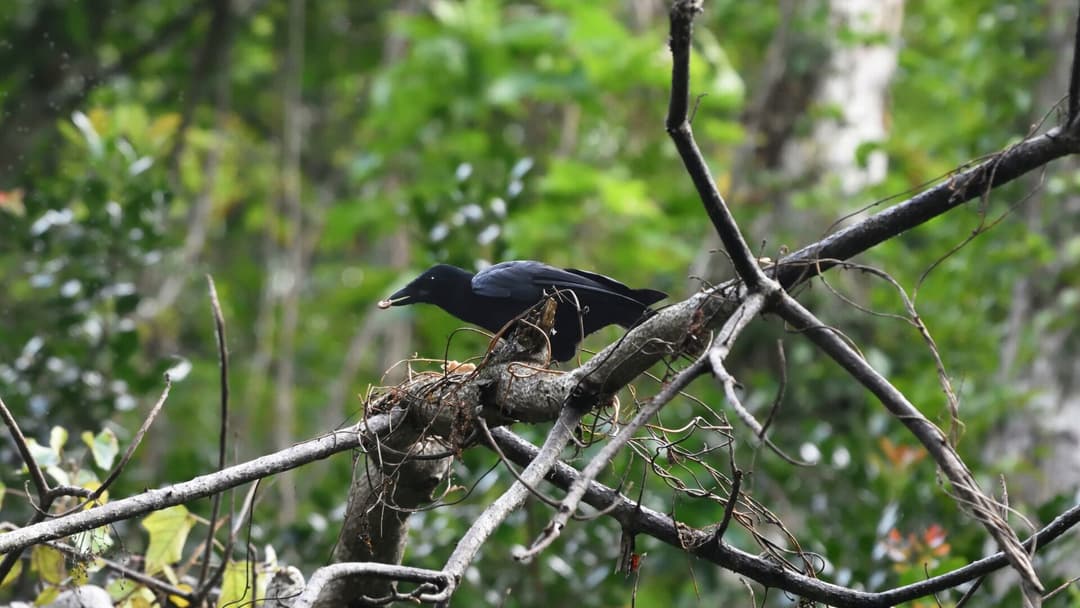
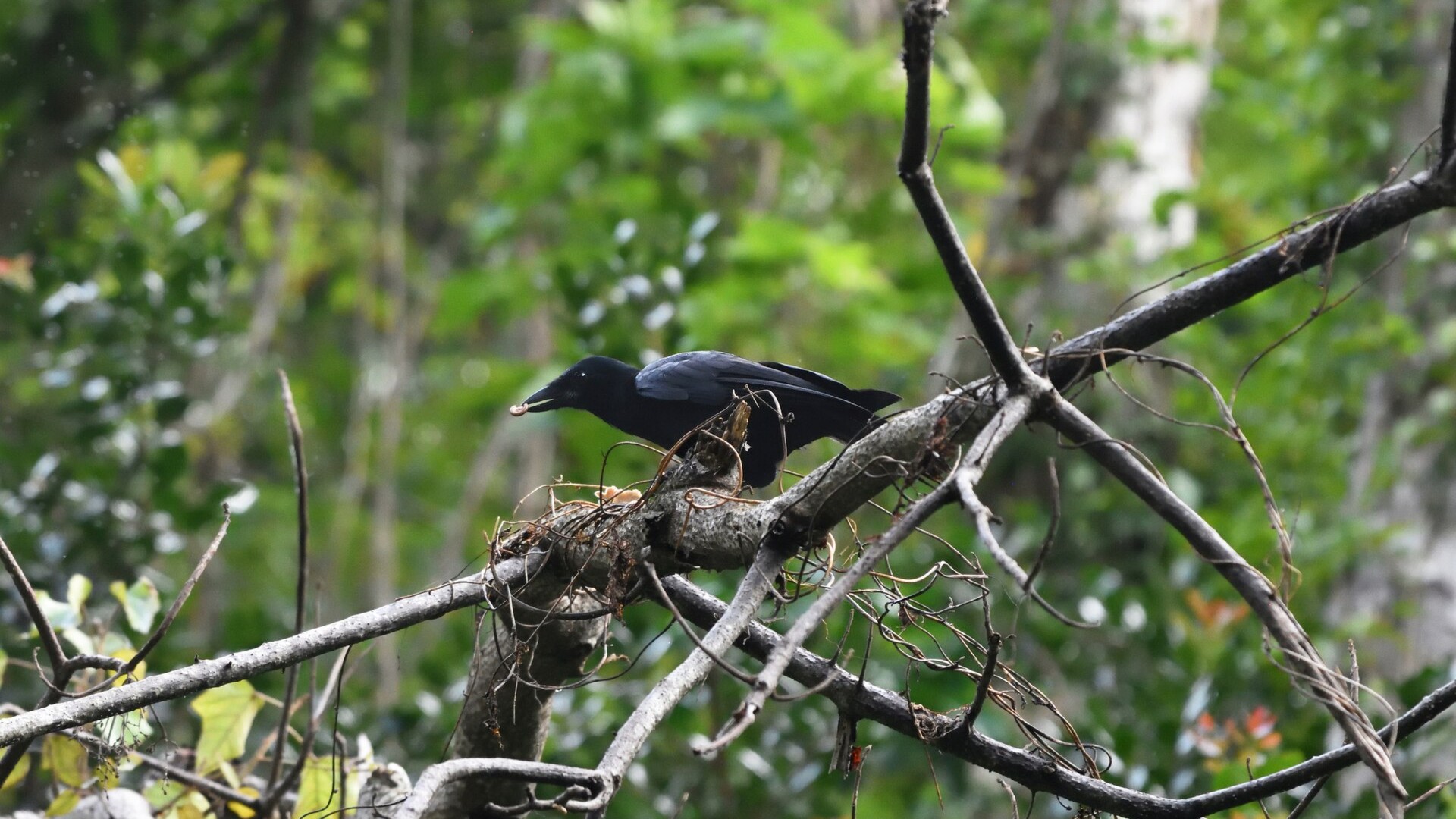
1. New Caledonian Crow
Living on South Pacific islands, New Caledonian crows are renowned for manufacturing complex foraging implements. They snip stepped serrated blades from tough pandanus leaves and strip forked twigs into hooked probes, using them to tease wood-boring beetle larvae out of fallen logs.
©Wikimedia / Yi-Kai Tea
Advertisement
You've reached the end of the story. Thanks for reading!

19 Animals with the Longest Lifespans on Earth
While most mammals measure life in decades, select creatures survive for centuries through slow metabolisms and continuous cell repair. Based on research published in Science and reports by NOAA and National Geographic, here are 19 animal species verified to achieve the longest lifespans on the planet.
All 21 Entries in this Story
21. Mugger Crocodile
Documented in India in 2013, mugger crocodiles collect dry twigs during the peak nest-building season of egrets. Floating motionless near shorelines, they wait for wading birds to grab the twigs before snapping their jaws shut. It marked the first verified case of tool use in reptiles.

20. Brown-Headed Nuthatch
Native to pine forests in the southeastern United States, this small songbird selects sturdy pieces of bark to use as wedges. Holding the tool in its beak, it pries away stubborn bark scales to expose beetle larvae. Roughly one in twenty individuals actively uses tools in the wild.

19. Burrowing Owl
Field research across Florida pastures shows burrowing owls collect cattle manure and arrange it around their tunnel mouths. The manure acts as bait, drawing hundreds of dung beetles directly to the burrow. Owls with baited entrances consume ten times more beetles than those without.

18. Black Heron
Common across sub-Saharan Africa, the black heron uses canopy feeding to hunt in wetlands. By wrapping its flight feathers forward into a tight sunshade, it eliminates water reflection and tricks small fish into seeking shelter beneath the artificial cover before striking.

17. Striated Heron
Observed along South American and Asian riverbanks, the striated heron practices active bait fishing. It carefully floats small insects or plant fragments on the surface and adjusts their position with its bill. When curious fish rise to investigate the decoy, the heron catches them.

16. Blackspot Tuskfish
Filmed on Australia Great Barrier Reef in 2011, the blackspot tuskfish digs bivalves from the sand with water jets. It swims to a favored coral head and uses rapid head flicks to batter the shell against the rock until the valve shatters, revealing the meat inside.

15. Kea Parrot
Dwelling in the Southern Alps of New Zealand, kea parrots demonstrate extraordinary causal reasoning. Wild birds manipulate sticks to spring stoat traps safely and roll stones onto levers to retrieve butter and meat bait. They frequently work in pairs to open heavy bins.

14. Western Lowland Gorilla
In the Republic of Congo Nouabale-Ndoki National Park, researchers first documented wild gorillas using tools in 2005. Females carry sturdy sticks into swamp clearings to gauge pool depth and construct makeshift bridges over deep mud to reach edible aquatic herbs.

13. Asian Elephant
Asian elephants in India and Thailand deliberately alter branches by stripping side shoots to construct optimal flyswatters. They also roll balls of chewed bark to plug small water holes in dry riverbeds, preventing evaporation and preserving clean drinking supplies for later use.

12. Long-Tailed Macaque
Along the coasts of Thailand and Myanmar, long-tailed macaques use stone tools for coastal foraging. They select heavy flat stones as anvils and pointed rocks as hammers to crack rock oysters and sea snails. Archaeologists note their discarded stone tools form distinct shell middens.

11. Archerfish
Native to Southeast Asian mangroves, the archerfish presses its tongue against the roof of its mouth to form a firing barrel. By snapping its gill covers shut, it fires water droplets up to two meters with precise compensation for light refraction, knocking spiders and flies into the water.

10. Goffin's Cockatoo
Native to the Tanimbar Islands of Indonesia, wild Goffin cockatoos craft up to three distinct wooden tools to eat sea mangoes. They carve a sturdy wedge to split the fruit husk, a sharp piercer to crack the inner seed coat, and a flat spoon to scoop out the nutritious flesh.

9. Bornean Orangutan
In the peat swamps of Borneo, wild orangutans select straight sticks, strip the bark with their teeth, and insert them into tree hollows to extract stingless bee honey. Along rivers, individuals have been observed using wooden poles to spear catfish trapped in shallow pools.

8. Bottlenose Dolphin
In Shark Bay, Western Australia, a group of bottlenose dolphins detaches conical basket sponges and wears them over their rostra. The sponge shields their sensitive skin from sharp coral and stingray spines while digging through sandy substrate to flush out barred sandperch.

7. Egyptian Vulture
In East African savannas, Egyptian vultures search for smooth stones weighing up to one pound to crack thick ostrich shells. Standing over the egg, the bird raises the stone high in its bill and hurls it forcefully downward, repeating the strike until the egg fractures.

6. Green Heron
Found across North and Central American wetlands, the green heron is a master of bait fishing. It places small objects like live insects, berries, or discarded bread onto the water surface, nudging them to keep them floating until minnows surface, prompting a lightning strike.

5. Woodpecker Finch
Endemic to the Galapagos Islands, this small finch lacks the long tongue of traditional woodpeckers. To reach wood-boring beetle larvae, it snaps cactus spines to length and probes deep crevices, skewering soft grubs. It frequently carries its favorite spine between foraging spots.

4. Veined Octopus
In the coastal waters of Indonesia, the veined octopus excavates discarded coconut halves and bivalve shells from sandy bottoms. Stacking two matching halves beneath its arms, it stilt-walks across the open ocean floor, assembling them into a sphere to ambush passing crabs.

3. Bearded Capuchin
In Brazil Serra da Capivara National Park, wild bearded capuchins have used stone tools for at least 3,000 years. Monkeys place hard palm nuts into pitted sandstone anvils and strike them with heavy quartzite river stones, using bipedal stances to generate maximum striking force.

2. Sea Otter
Along the Pacific coast of North America, sea otters dive up to thirty meters to retrieve hard-shelled molluscs and flat rocks. Floating on their backs, they rest the stone anvil on their chests and strike shells against it up to forty times in fifteen seconds to reach the meat.

1. New Caledonian Crow
Living on South Pacific islands, New Caledonian crows are renowned for manufacturing complex foraging implements. They snip stepped serrated blades from tough pandanus leaves and strip forked twigs into hooked probes, using them to tease wood-boring beetle larvae out of fallen logs.