Slideshow · Health
22 Affordable Everyday Habits Linked to Living a Longer Life
Long-term population studies from the CDC, World Health Organization, National Institute on Aging, and Harvard T.H. Chan School of Public Health point to small daily choices that support longevity. From pantry staples to brief outdoor movement, these 22 low-cost habits rank from helpful to most impactful.

By Most Viral Today
25 min agopitch:6f5285f7-cd59-494d-b4bc-c43d8080b68d

How Free Daily Routines Support Healthy Aging Around the World 
22. Daily Dental Flossing 
21. Morning Sunlight Exposure 
20. Keeping A Consistent Sleep Schedule - AdvertisementSwipe or tap ▶ to continue countdown

19. Stretching For Daily Joint Mobility 
18. Reading Physical Books Every Day 
17. Brewing Unsweetened Green Tea 
16. Drinking Black Coffee In Moderation - AdvertisementSwipe or tap ▶ to continue countdown

15. Staying Hydrated With Plain Water 
14. Cooking With Extra Virgin Olive Oil 
13. Adding Beans And Lentils To Meals 
12. Snacking On Walnuts And Almonds - AdvertisementSwipe or tap ▶ to continue countdown

11. Eating Fresh Berries Every Week 
10. Filling Plates With Leafy Greens 
9. Starting Mornings With Whole Oats 
8. Tending A Home Vegetable Garden - AdvertisementSwipe or tap ▶ to continue countdown

7. Volunteering In Your Local Community 
6. Sharing Meals With Family And Friends 
5. Cycling For Short Daily Errands 
4. Taking The Stairs Every Day - AdvertisementSwipe or tap ▶ to continue countdown

3. Bodyweight Strength Exercises At Home 
2. Spending Time In Green Parks 
1. Taking A Brisk Daily Walk - Advertisement🔥 UP NEXT IN THIS SERIES◫ 26 Slides

25 Stores With the Highest Black Friday Discounts Ranked
Annual consumer data from WalletHub and retail analysts reveals massive differences in holiday markdowns across the United States. While some chains advertise modest price cuts, others slash prices by more than fifty percent. Here are twenty-five major retail stores ranked by their average Black Friday discounts.
Long-term population studies from the CDC, World Health Organization, National Institute on Aging, and Harvard T.H. Chan School of Public Health point to small daily choices that support longevity. From pantry staples to brief outdoor movement, these 22 low-cost habits rank from helpful to most impactful.

Swipe or tap ▶ to begin the countdown
©Wikimedia / Shixart1985
22. Daily Dental Flossing
The American Dental Association recommends cleaning between teeth once daily to remove plaque and food debris along the gumline. Research published in periodontal journals links untreated gum inflammation with higher markers of systemic cardiovascular stress. A standard spool costs only a few dollars and lasts months.
©Wikimedia / No machine-readable author provided
21. Morning Sunlight Exposure
Natural morning daylight signals the brain to suppress melatonin and set daily circadian timing. National Institute of General Medical Sciences guidance notes that steady circadian rhythms support hormone balance and daytime alertness. Ten minutes outdoors costs nothing.
©Pixabay / jplenio
20. Keeping A Consistent Sleep Schedule
The CDC recommends that adults get at least seven hours of sleep per night on a regular schedule. Studies tracked by the National Heart, Lung, and Blood Institute associate irregular sleep timing with elevated blood pressure and impaired glucose regulation. Keeping steady hours requires zero paid gear.
©Pixabay / cuncon
Advertisement
Swipe or tap ▶ to resume the countdown.
19. Stretching For Daily Joint Mobility
The National Institute on Aging includes flexibility exercises alongside endurance and strength as core pillars of healthy aging. Regular stretching keeps tendons pliable around major joints such as hips, shoulders, and ankles, making everyday reaching and bending safer. Five minutes on a floor rug is enough.
©Wikimedia / Shixart1985
18. Reading Physical Books Every Day
A Yale School of Public Health study following adults over 12 years found that people who read books regularly lived longer on average than non-readers. Reading challenges vocabulary and working memory without bright screen glare late at night. Public libraries lend print books and audiobooks free of charge.
©Pixabay / kaboompics
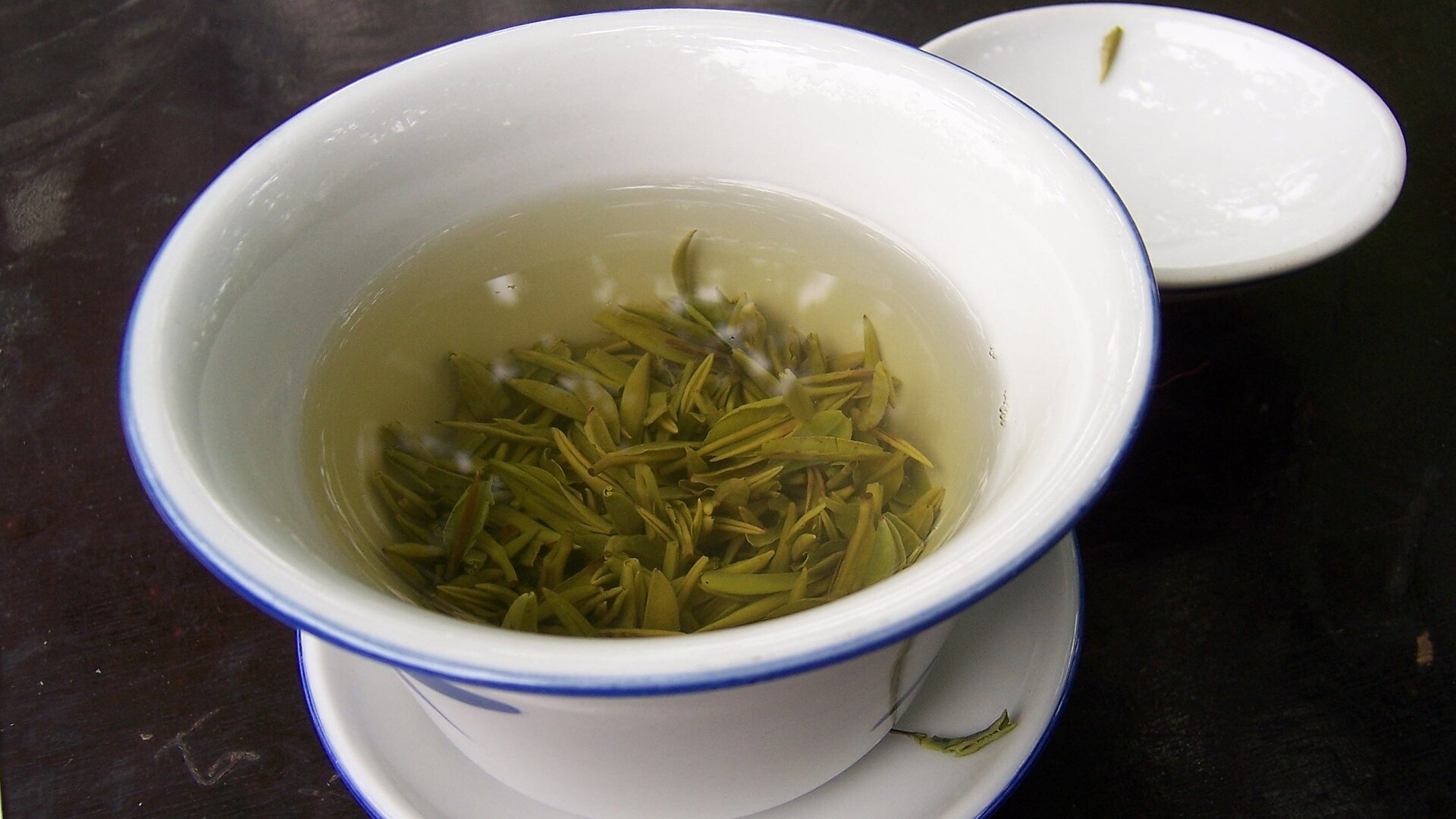
17. Brewing Unsweetened Green Tea
Green tea leaves contain catechins, a group of plant antioxidants studied for vascular and metabolic effects. Large cohort studies in Japan observed lower cardiovascular mortality among adults drinking several cups of unsweetened green tea daily. Loose leaves or tea bags cost pennies per mug.
©Wikimedia / McKay Savage from London, UK
16. Drinking Black Coffee In Moderation
Harvard T.H. Chan School of Public Health reviews report that two to four daily cups of coffee correlate with lower risk of type 2 diabetes and heart disease. Skipping heavy syrups and whipped cream keeps calories minimal while preserving chlorogenic acids. Brewing drip coffee at home costs under a quarter.
©Pixabay / acekreations
Advertisement
Swipe or tap ▶ to resume the countdown.
15. Staying Hydrated With Plain Water
National Academies guidance notes that adequate fluid intake supports temperature control, joint lubrication, and kidney filtration. Replacing one daily sugar-sweetened soda with plain water trims roughly 150 calories and lowers added sugar load. Municipal tap water costs fractions of a cent per glass.
©Pixabay / NickyPe
14. Cooking With Extra Virgin Olive Oil
Harvard researchers analyzing long-term US health cohorts found that people using over half a tablespoon of olive oil daily had lower cardiovascular mortality. Monounsaturated oleic acid and natural polyphenols help protect blood vessel function when used instead of butter or margarine. A small drizzle goes far.
©Pixabay / Van3ssa_
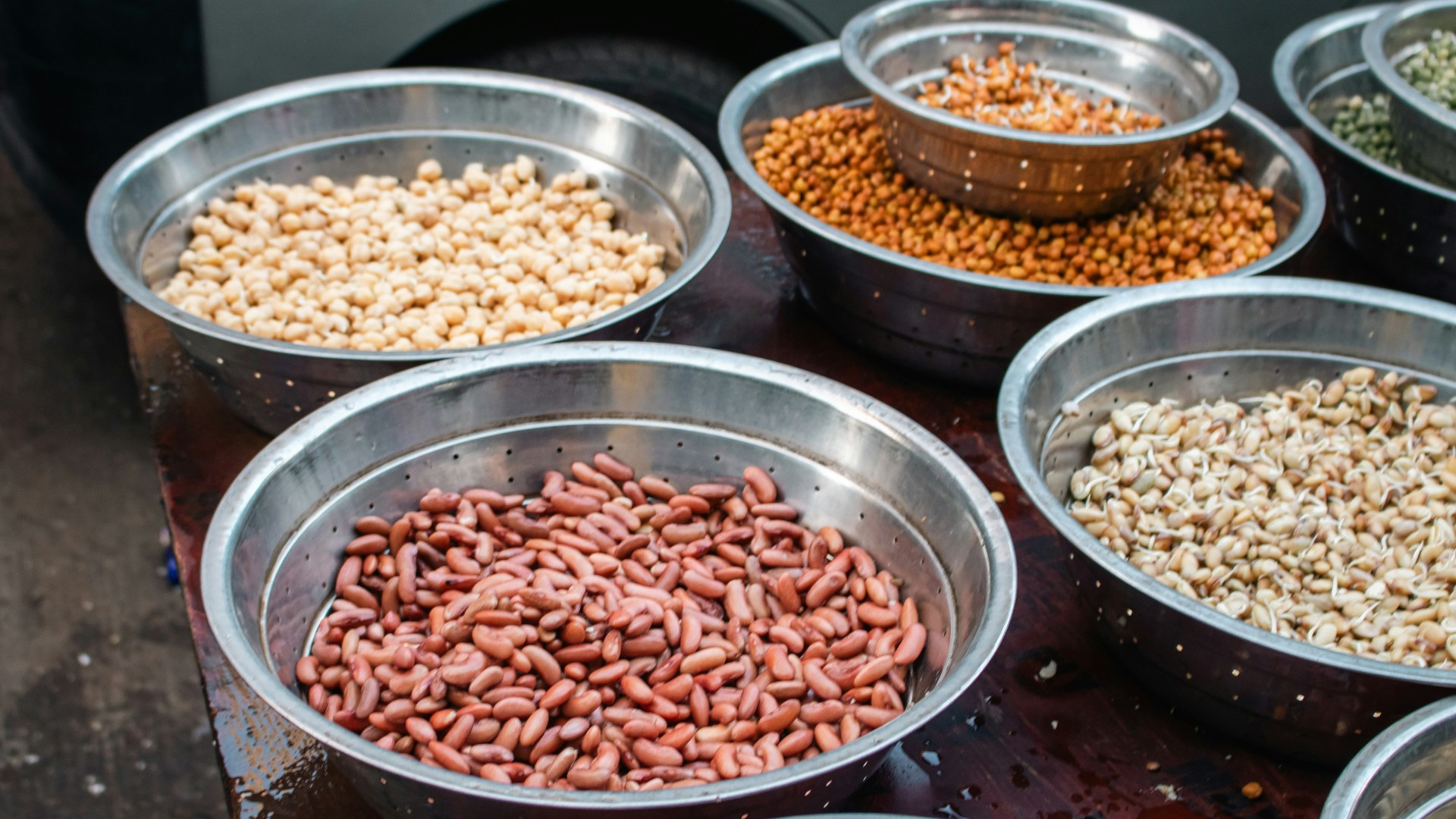
13. Adding Beans And Lentils To Meals
Dietary Guidelines for Americans highlight beans, peas, and lentils for delivering dietary fiber and folate without saturated fat. Observational research across long-lived populations in Greece, Costa Rica, and Japan shows legumes appear in meals almost daily. Dry lentils cook quickly and cost pennies per cup.
© Photo by Zoshua Colah on Unsplash
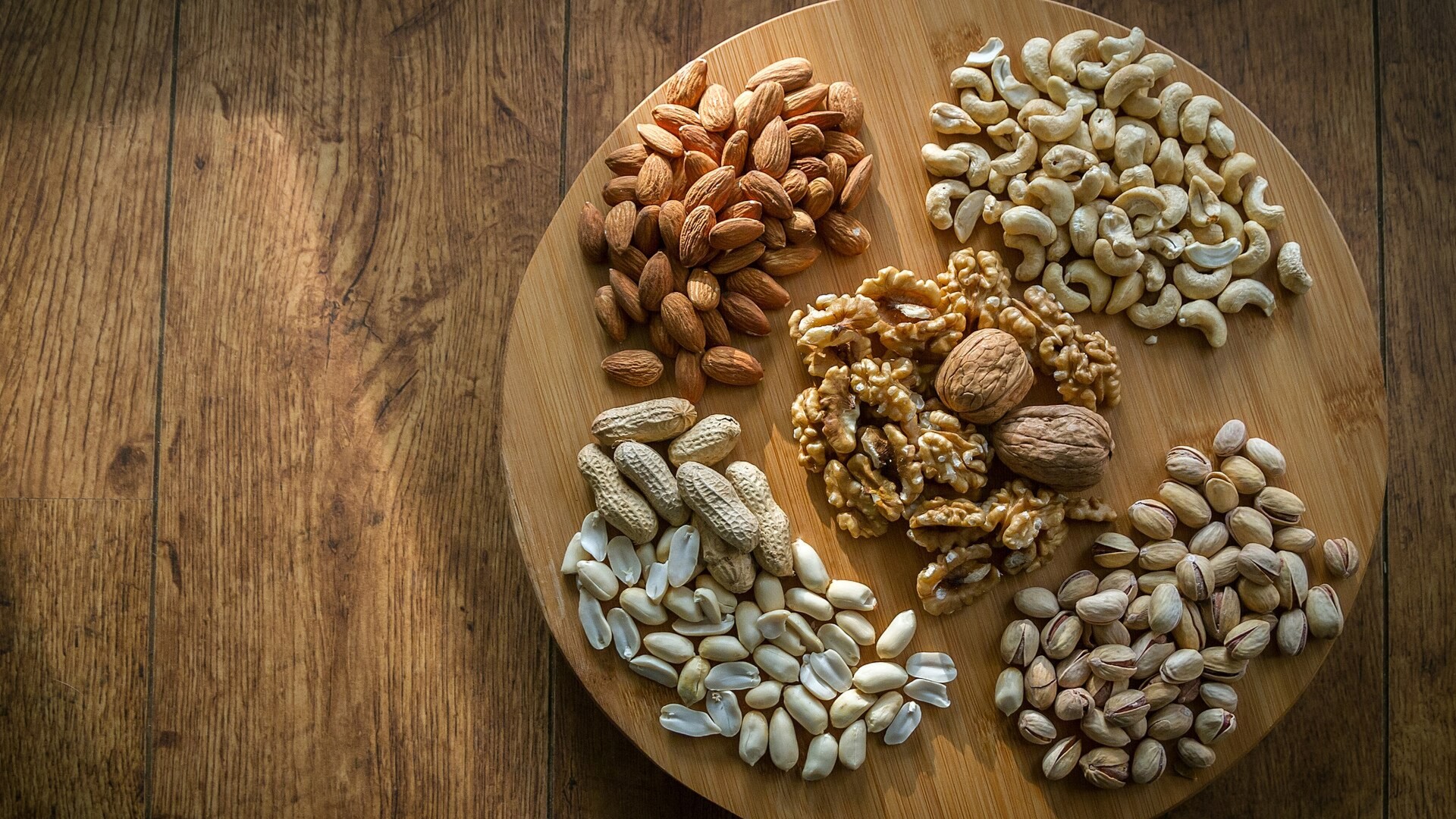
12. Snacking On Walnuts And Almonds
American Heart Association guidance recognizes unsalted nuts as a heart-smart swap for processed snacks. In large Harvard cohort analyses, people eating a one-ounce serving of nuts several times weekly showed lower rates of fatal heart disease. Buying bulk raw walnuts or almonds keeps each serving affordable.
©Wikimedia / piviso.com
Advertisement
Swipe or tap ▶ to resume the countdown.
11. Eating Fresh Berries Every Week
USDA nutrition data show berries deliver high vitamin C and fiber with relatively little natural sugar. Researchers at Rush University and Harvard have tracked slower rates of cognitive decline among older adults eating berries twice weekly or more. Frozen berries retain nutrients and cost less out of season.
©Pixabay / sweetlouise
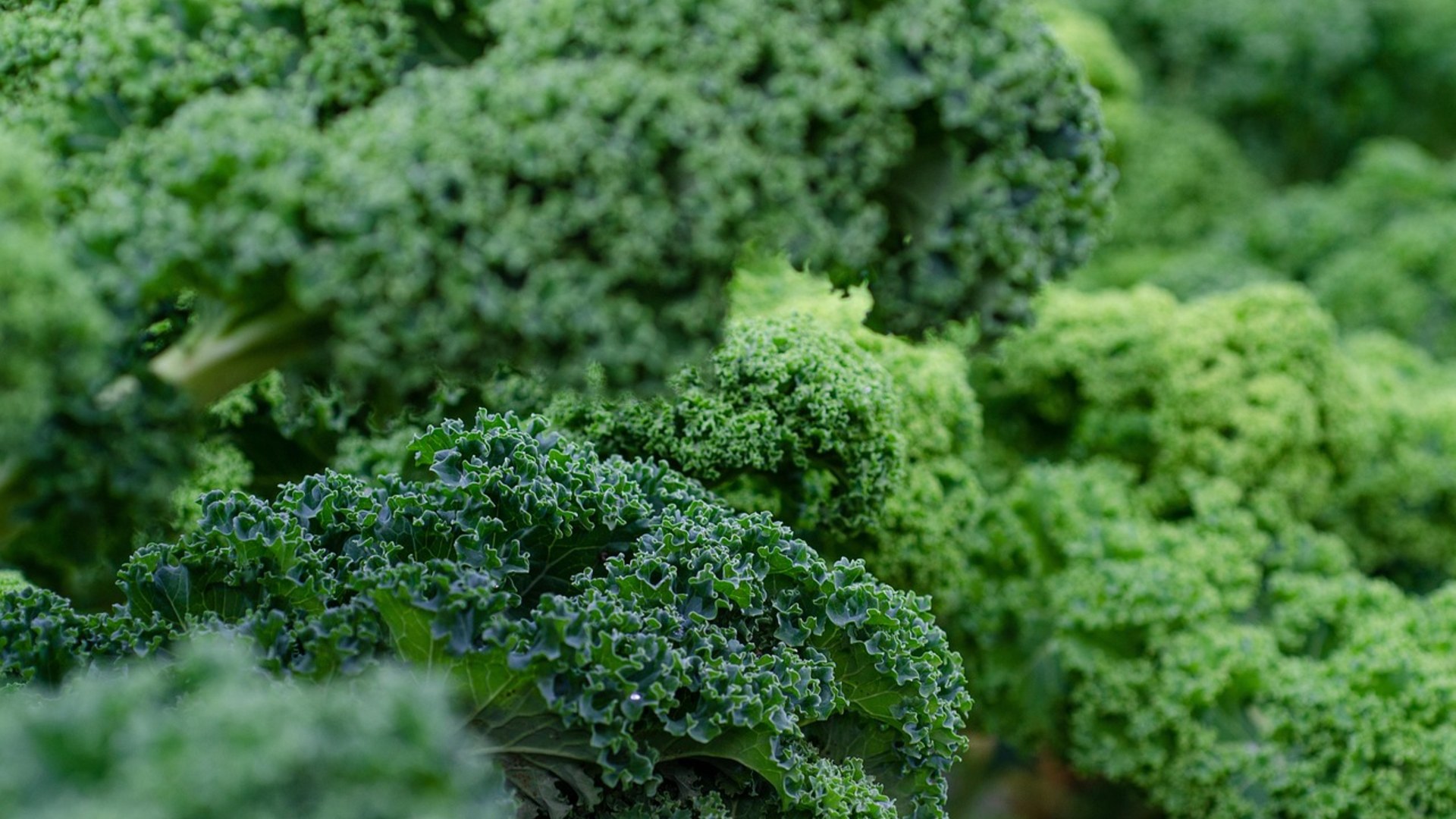
10. Filling Plates With Leafy Greens
Dark leafy vegetables provide potassium and dietary nitrates that help blood vessels relax. A study in the journal Neurology linked roughly one daily serving of leafy greens to slower age-related memory decline over five years. A bag of spinach or bunch of kale adds nutrition to soups, eggs, or salads cheaply.
©Pixabay / Kathas_Fotos
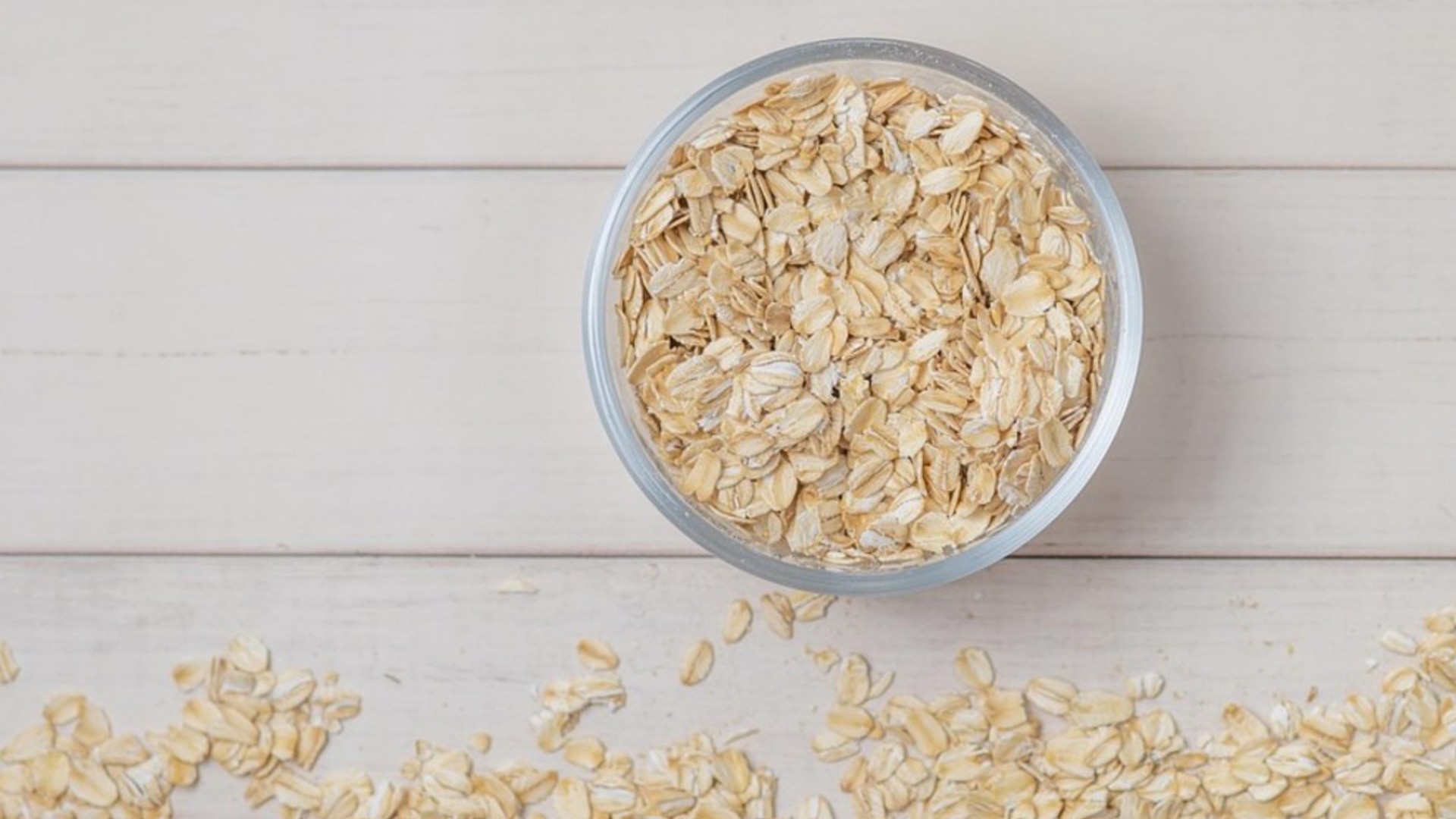
9. Starting Mornings With Whole Oats
FDA-recognized health claims note that three grams of oat beta-glucan soluble fiber per day can help lower LDL cholesterol as part of a balanced diet. Steady morning digestion also avoids sharp blood-sugar spikes before lunch. Plain rolled oats in bulk canisters cost less than twenty cents per bowl.
©Pixabay / DariaHurst34
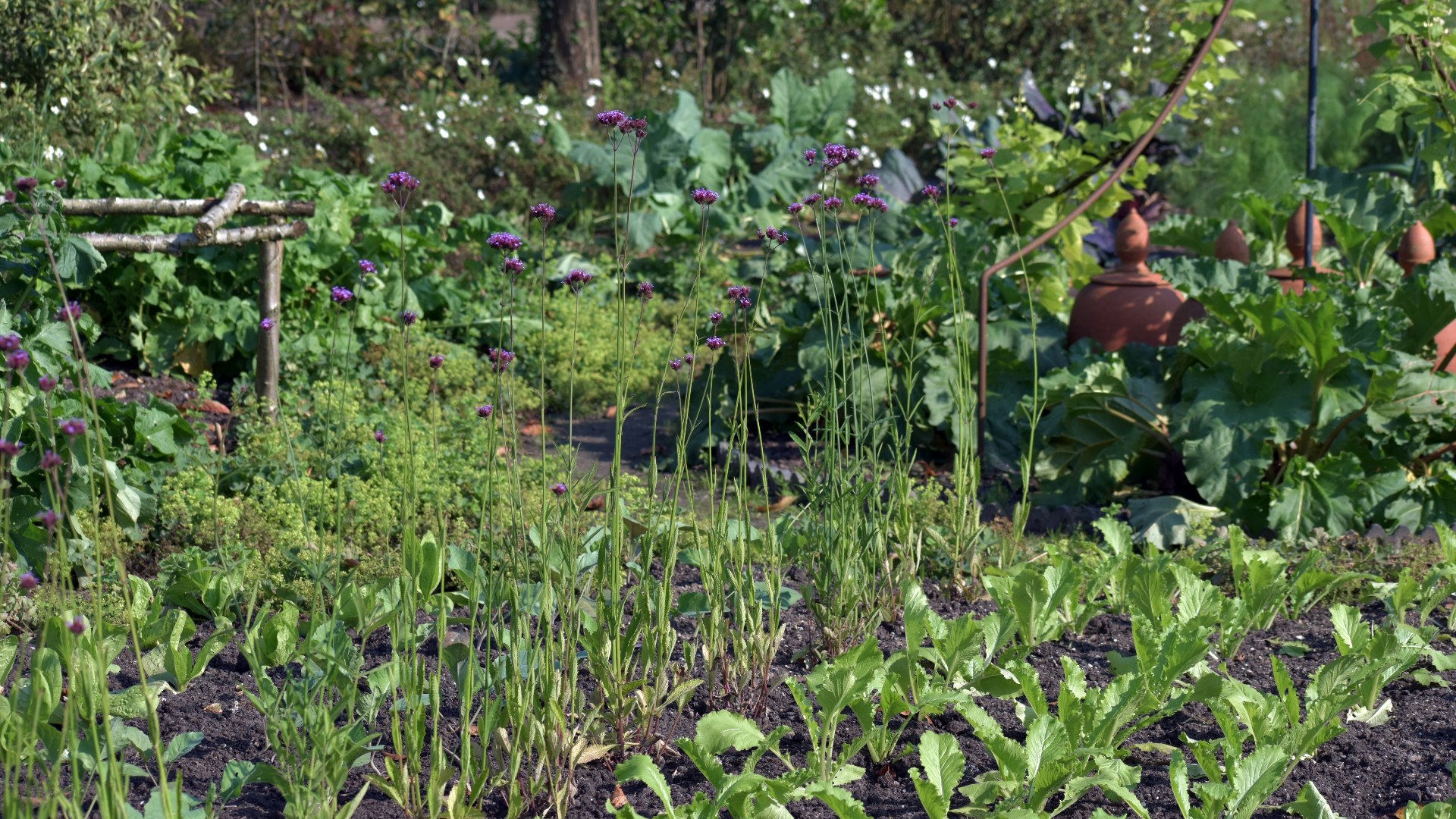
8. Tending A Home Vegetable Garden
CDC physical activity guidelines count heavy gardening such as digging and raking toward weekly moderate exercise goals. Studies published in the Journal of Public Health also report lower stress hormones and better mood among regular gardeners. Even window boxes or shared community plots yield herbs and greens.
© Photo by Ries Bosch on Unsplash
Advertisement
Swipe or tap ▶ to resume the countdown.
7. Volunteering In Your Local Community
Research supported by the National Institute on Aging associates regular volunteering with lower rates of hypertension and stronger mental well-being. Giving time at a food bank, shelter, or school creates structured social contact each week. Community service costs nothing while strengthening local ties.
©Wikimedia / USDAgov
6. Sharing Meals With Family And Friends
A U.S. Surgeon General advisory warns that chronic social isolation carries health risks comparable to smoking up to 15 cigarettes daily. Eating together slows down meal pace and strengthens emotional support networks across all ages. Hosting a simple potluck at home keeps everyone fed on a tight budget.
©Wikimedia / PattayaPatrol
5. Cycling For Short Daily Errands
A University of Glasgow study of over 260,000 commuters published in The BMJ found bicycle commuting was linked to sharply lower cardiovascular and all-cause mortality. Pedal power turns routine errands into steady aerobic training without gym fees. Maintaining a basic used bicycle saves money on gas and parking.
©Wikimedia / Cycling
4. Taking The Stairs Every Day
Research presented by the European Society of Cardiology found that regular stair climbers showed lower risk of dying from heart disease than peers using elevators. Climbing even a few flights a day trains balance, quadriceps strength, and lung capacity in minutes. Every public building offers free access.
©Pixabay / Surprising_Media
Advertisement
Swipe or tap ▶ to resume the countdown.
3. Bodyweight Strength Exercises At Home
WHO and CDC guidelines advise adults to do muscle-strengthening activities at least two days per week alongside cardio. Preserving skeletal muscle protects balance, bone strength, and resting metabolism into later decades. Exercises using only body weight work in any living room or park at zero cost.
© Photo by Fortune Vieyra on Unsplash
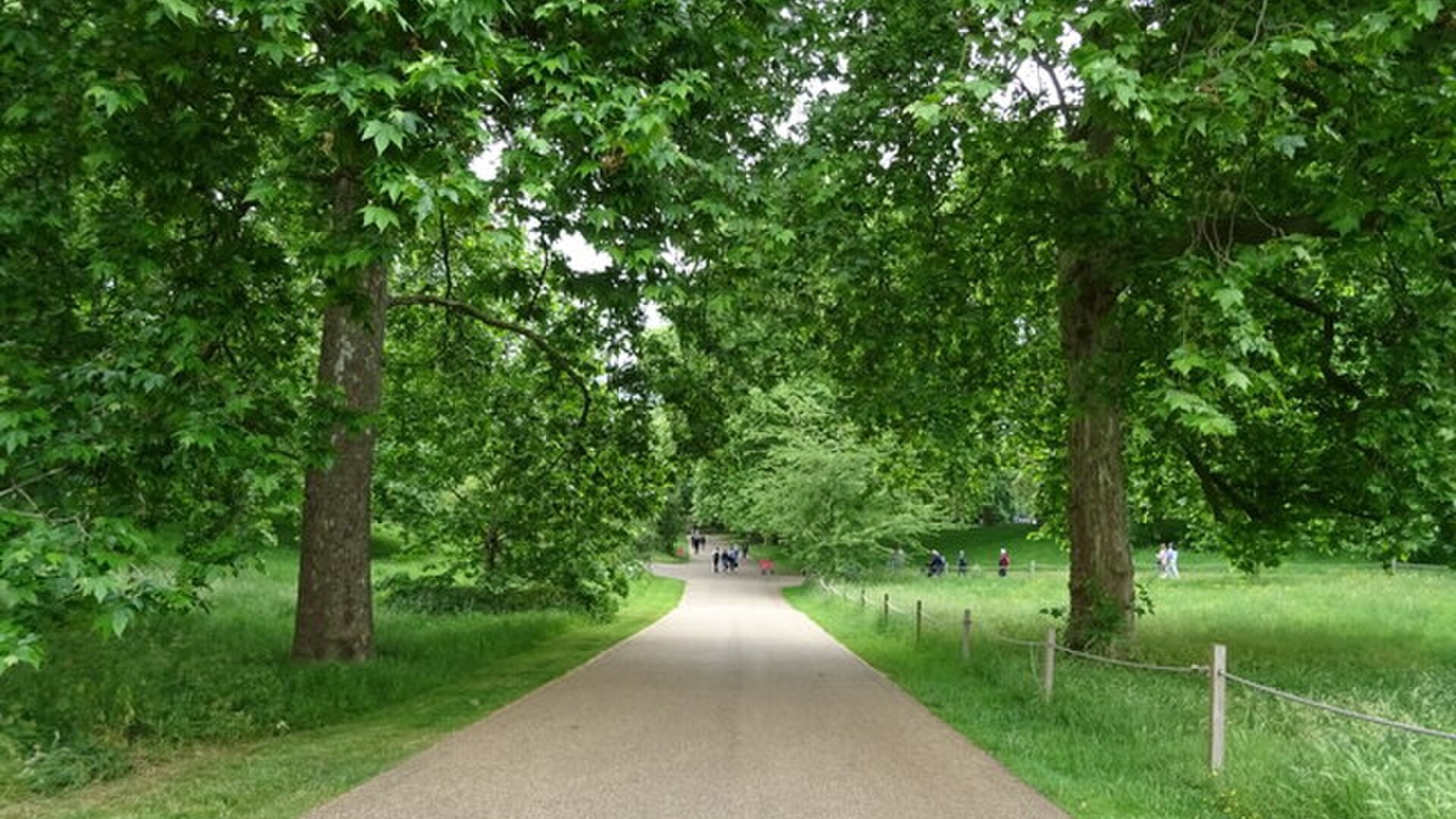
2. Spending Time In Green Parks
A University of Exeter study of nearly 20,000 people in Scientific Reports found that spending at least 120 minutes weekly in nature boosted self-reported health. Green canopies lower urban heat, filter air, and calm stress responses without needing a vacation. City parks and neighborhood trails are free to enter.
©Wikimedia / JThomas
1. Taking A Brisk Daily Walk
CDC and American Heart Association guidelines highlight 150 minutes of moderate weekly activity, easily met with brisk daily walking. Large step-count studies in JAMA show strong reductions in premature mortality starting well below 10,000 steps per day. All it requires is a supportive pair of walking shoes.

©Pixabay / MabelAmber
Advertisement
You've reached the end of the story. Thanks for reading!

25 Stores With the Highest Black Friday Discounts Ranked
Annual consumer data from WalletHub and retail analysts reveals massive differences in holiday markdowns across the United States. While some chains advertise modest price cuts, others slash prices by more than fifty percent. Here are twenty-five major retail stores ranked by their average Black Friday discounts.
All 22 Entries in this Story
22. Daily Dental Flossing
The American Dental Association recommends cleaning between teeth once daily to remove plaque and food debris along the gumline. Research published in periodontal journals links untreated gum inflammation with higher markers of systemic cardiovascular stress. A standard spool costs only a few dollars and lasts months.

21. Morning Sunlight Exposure
Natural morning daylight signals the brain to suppress melatonin and set daily circadian timing. National Institute of General Medical Sciences guidance notes that steady circadian rhythms support hormone balance and daytime alertness. Ten minutes outdoors costs nothing.

20. Keeping A Consistent Sleep Schedule
The CDC recommends that adults get at least seven hours of sleep per night on a regular schedule. Studies tracked by the National Heart, Lung, and Blood Institute associate irregular sleep timing with elevated blood pressure and impaired glucose regulation. Keeping steady hours requires zero paid gear.

19. Stretching For Daily Joint Mobility
The National Institute on Aging includes flexibility exercises alongside endurance and strength as core pillars of healthy aging. Regular stretching keeps tendons pliable around major joints such as hips, shoulders, and ankles, making everyday reaching and bending safer. Five minutes on a floor rug is enough.

18. Reading Physical Books Every Day
A Yale School of Public Health study following adults over 12 years found that people who read books regularly lived longer on average than non-readers. Reading challenges vocabulary and working memory without bright screen glare late at night. Public libraries lend print books and audiobooks free of charge.

17. Brewing Unsweetened Green Tea
Green tea leaves contain catechins, a group of plant antioxidants studied for vascular and metabolic effects. Large cohort studies in Japan observed lower cardiovascular mortality among adults drinking several cups of unsweetened green tea daily. Loose leaves or tea bags cost pennies per mug.

16. Drinking Black Coffee In Moderation
Harvard T.H. Chan School of Public Health reviews report that two to four daily cups of coffee correlate with lower risk of type 2 diabetes and heart disease. Skipping heavy syrups and whipped cream keeps calories minimal while preserving chlorogenic acids. Brewing drip coffee at home costs under a quarter.

15. Staying Hydrated With Plain Water
National Academies guidance notes that adequate fluid intake supports temperature control, joint lubrication, and kidney filtration. Replacing one daily sugar-sweetened soda with plain water trims roughly 150 calories and lowers added sugar load. Municipal tap water costs fractions of a cent per glass.

14. Cooking With Extra Virgin Olive Oil
Harvard researchers analyzing long-term US health cohorts found that people using over half a tablespoon of olive oil daily had lower cardiovascular mortality. Monounsaturated oleic acid and natural polyphenols help protect blood vessel function when used instead of butter or margarine. A small drizzle goes far.

13. Adding Beans And Lentils To Meals
Dietary Guidelines for Americans highlight beans, peas, and lentils for delivering dietary fiber and folate without saturated fat. Observational research across long-lived populations in Greece, Costa Rica, and Japan shows legumes appear in meals almost daily. Dry lentils cook quickly and cost pennies per cup.

12. Snacking On Walnuts And Almonds
American Heart Association guidance recognizes unsalted nuts as a heart-smart swap for processed snacks. In large Harvard cohort analyses, people eating a one-ounce serving of nuts several times weekly showed lower rates of fatal heart disease. Buying bulk raw walnuts or almonds keeps each serving affordable.

11. Eating Fresh Berries Every Week
USDA nutrition data show berries deliver high vitamin C and fiber with relatively little natural sugar. Researchers at Rush University and Harvard have tracked slower rates of cognitive decline among older adults eating berries twice weekly or more. Frozen berries retain nutrients and cost less out of season.

10. Filling Plates With Leafy Greens
Dark leafy vegetables provide potassium and dietary nitrates that help blood vessels relax. A study in the journal Neurology linked roughly one daily serving of leafy greens to slower age-related memory decline over five years. A bag of spinach or bunch of kale adds nutrition to soups, eggs, or salads cheaply.

9. Starting Mornings With Whole Oats
FDA-recognized health claims note that three grams of oat beta-glucan soluble fiber per day can help lower LDL cholesterol as part of a balanced diet. Steady morning digestion also avoids sharp blood-sugar spikes before lunch. Plain rolled oats in bulk canisters cost less than twenty cents per bowl.

8. Tending A Home Vegetable Garden
CDC physical activity guidelines count heavy gardening such as digging and raking toward weekly moderate exercise goals. Studies published in the Journal of Public Health also report lower stress hormones and better mood among regular gardeners. Even window boxes or shared community plots yield herbs and greens.

7. Volunteering In Your Local Community
Research supported by the National Institute on Aging associates regular volunteering with lower rates of hypertension and stronger mental well-being. Giving time at a food bank, shelter, or school creates structured social contact each week. Community service costs nothing while strengthening local ties.

6. Sharing Meals With Family And Friends
A U.S. Surgeon General advisory warns that chronic social isolation carries health risks comparable to smoking up to 15 cigarettes daily. Eating together slows down meal pace and strengthens emotional support networks across all ages. Hosting a simple potluck at home keeps everyone fed on a tight budget.

5. Cycling For Short Daily Errands
A University of Glasgow study of over 260,000 commuters published in The BMJ found bicycle commuting was linked to sharply lower cardiovascular and all-cause mortality. Pedal power turns routine errands into steady aerobic training without gym fees. Maintaining a basic used bicycle saves money on gas and parking.

4. Taking The Stairs Every Day
Research presented by the European Society of Cardiology found that regular stair climbers showed lower risk of dying from heart disease than peers using elevators. Climbing even a few flights a day trains balance, quadriceps strength, and lung capacity in minutes. Every public building offers free access.

3. Bodyweight Strength Exercises At Home
WHO and CDC guidelines advise adults to do muscle-strengthening activities at least two days per week alongside cardio. Preserving skeletal muscle protects balance, bone strength, and resting metabolism into later decades. Exercises using only body weight work in any living room or park at zero cost.

2. Spending Time In Green Parks
A University of Exeter study of nearly 20,000 people in Scientific Reports found that spending at least 120 minutes weekly in nature boosted self-reported health. Green canopies lower urban heat, filter air, and calm stress responses without needing a vacation. City parks and neighborhood trails are free to enter.

1. Taking A Brisk Daily Walk
CDC and American Heart Association guidelines highlight 150 minutes of moderate weekly activity, easily met with brisk daily walking. Large step-count studies in JAMA show strong reductions in premature mortality starting well below 10,000 steps per day. All it requires is a supportive pair of walking shoes.