Slideshow · Health
25 Things That May Happen When You Eat Cheese Every Day
Cheese is among the most widely consumed fermented foods, offering vital calcium, complete protein, and vitamins alongside saturated fat and sodium. Medical research reveals complex bodily responses when eaten daily. This guide details eleven benefits, nine side effects, and doctor-approved daily portions by age group.




















All 25 Entries in this Story
1. Stronger Bones: Essential Calcium And Protein
Cheese provides dense concentrations of bioavailable calcium and phosphorus, two primary minerals required for skeletal remodeling. Studies published by the National Institutes of Health confirm that consuming dairy protein alongside calcium helps preserve bone mass and reduce osteoporosis risks in later life.
2. Better Tooth Protection: Saliva Stimulation And Acid Buffer
Chewing cheese raises mouth pH and stimulates protective saliva flow, countering harmful bacterial acids after meals. Casein proteins and calcium phosphate in cheese adhere directly to dental enamel, creating a protective barrier against cavities and microscopic acid erosion throughout the day.
3. Muscle Maintenance: Complete High-Quality Dairy Protein
Dairy proteins such as whey and casein found in cheese contain all nine essential amino acids necessary for muscle repair. Research from the American Journal of Clinical Nutrition demonstrates that regular intake of complete animal protein supports muscle preservation and physical strength during aging.
4. Longer-Lasting Fullness: Satiety From Protein And Fat
Pairing protein with natural milk fat delays gastric emptying, promoting sustained feelings of satiety after eating. Nutritionists note that adding a modest portion of hard cheese to snacks prevents sharp hunger spikes, which can help individuals manage overall daily calorie intake without deprivation.
5. More Steady Energy: Blood Sugar Stabilization
When consumed alongside whole grains or fruit, the protein and fat content in cheese moderates postprandial glucose absorption. Clinical trials show that combining dairy with carbohydrates produces a flatter glycemic response, helping prevent mid-afternoon energy crashes and reactive hypoglycemia.
6. Higher Vitamin B12 Intake: Nerve Function And Red Blood Cells
Vitamin B12 is an essential nutrient found naturally in animal products that supports cellular metabolism and neurological health. A single ounce of Swiss or cheddar cheese supplies around twenty percent of the recommended daily value, making it a valuable nutrient source for lacto-vegetarians.
7. Vitamin A And Zinc Boost: Vision And Immune Defense
Whole-milk cheeses contain preformed vitamin A alongside highly absorbable zinc, which play active roles in maintaining mucosal barriers. The Cleveland Clinic highlights that adequate zinc intake supports white blood cell maturation and wound healing, while vitamin A protects ocular tissue.
8. Vitamin K2 Support: Calcium Routing To Skeletal Tissue
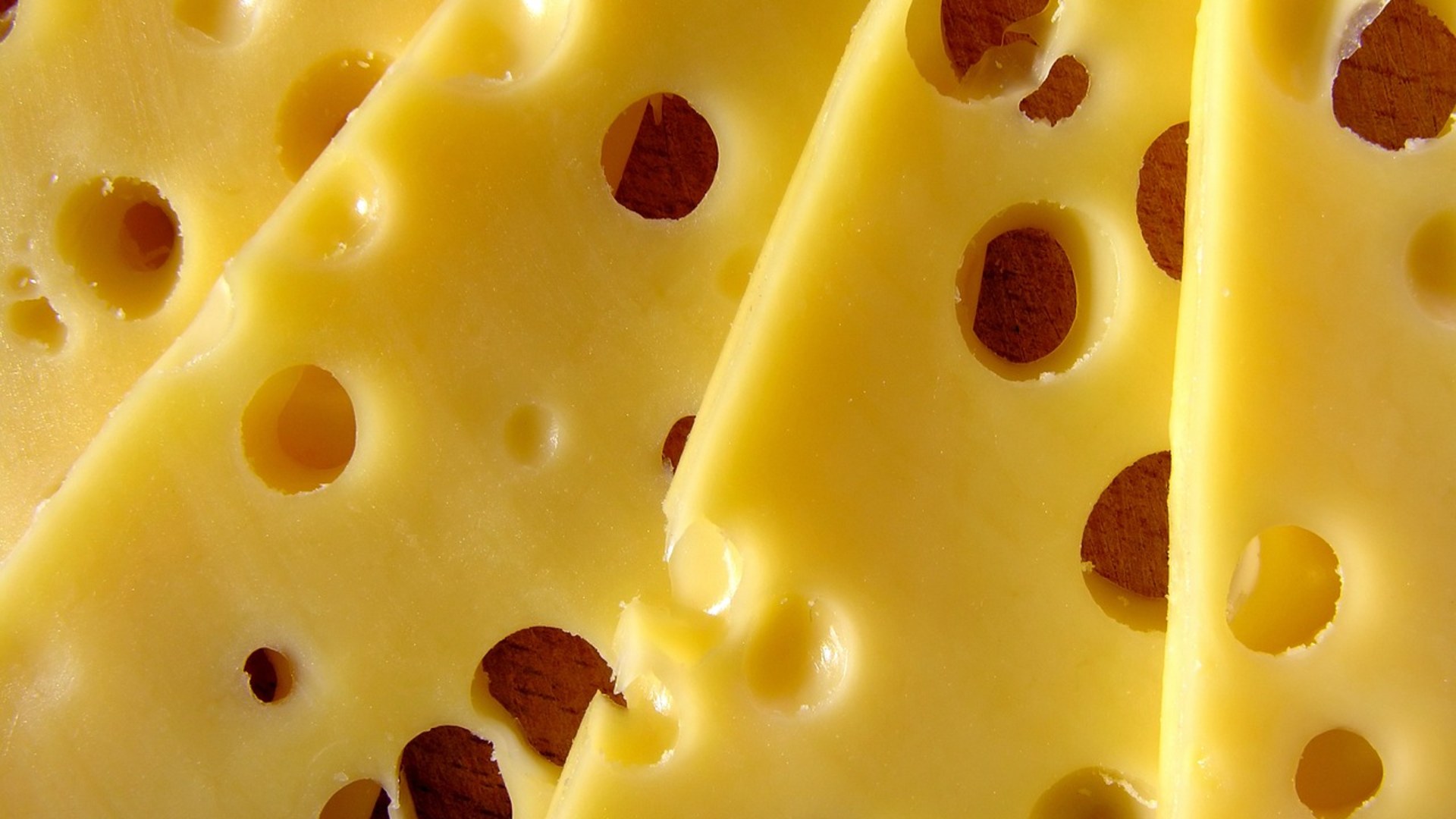
Bacterial fermentation in aged varieties like Gouda and cheddar generates menaquinone, also known as vitamin K2. Cardiologists and bone specialists emphasize that vitamin K2 activates osteocalcin to bind calcium into bone matrix, helping prevent abnormal mineral deposition inside coronary arteries.
9. Gut Microbiome Diversity: Probiotics From Aged Cheeses
Traditional fermented cheeses like raw cheddar, Gouda, and probiotic cottage cheese host robust colonies of lactic acid bacteria. Microbiome research indicates that these dairy probiotics survive stomach acid, contributing beneficial microbial diversity and short-chain fatty acids to the lower colon.
10. Favorable Heart Associations: The Dairy Matrix Effect
The unique dairy food matrix binds saturated fats with calcium and membrane proteins, reducing intestinal fat absorption. Landmark epidemiological studies in the European Journal of Nutrition show that eating one ounce of cheese daily is associated with neutral or slightly lower cardiovascular risk.
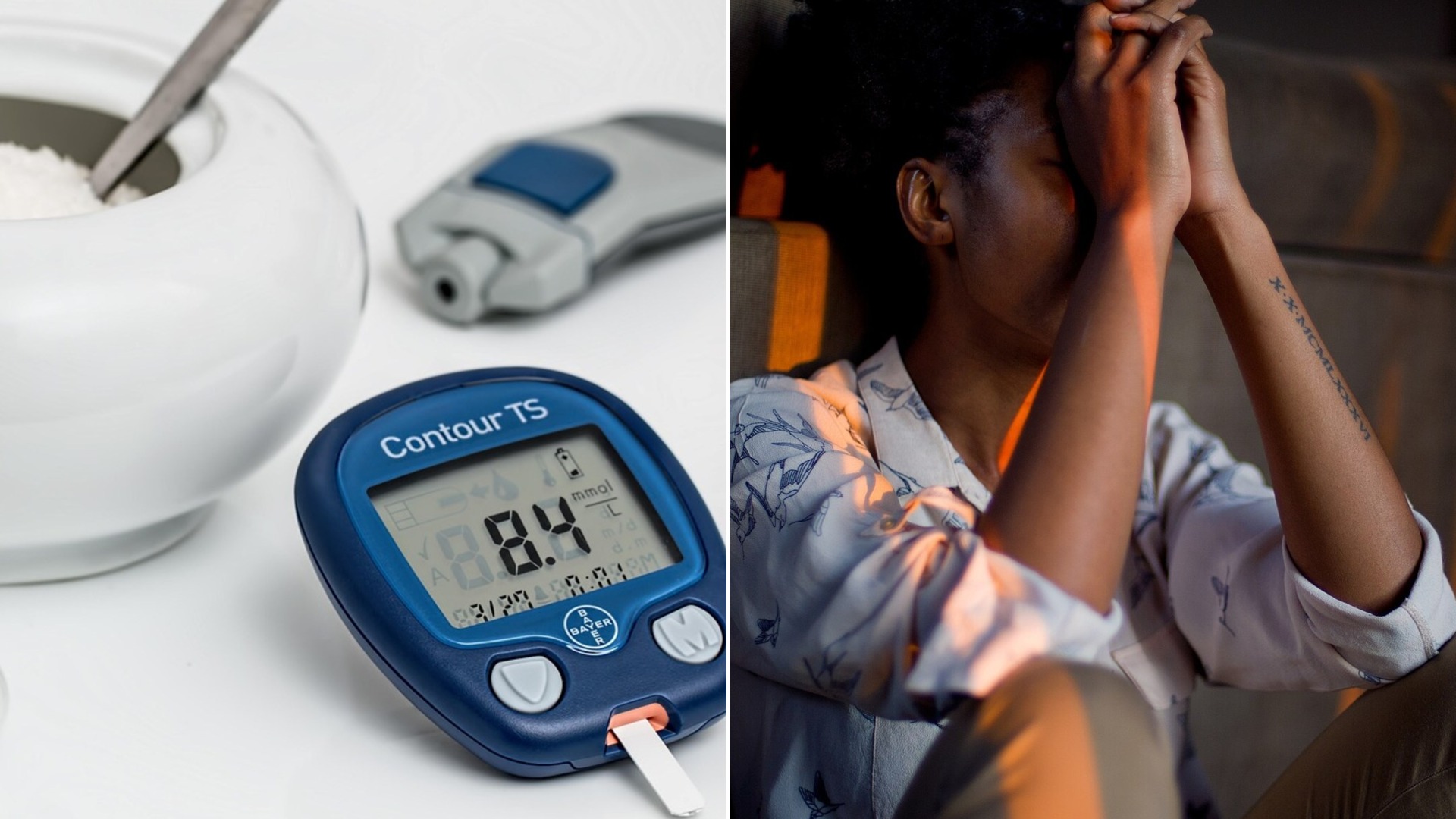
11. Lower Type 2 Diabetes Risk: Fermented Dairy Benefits
Large prospective cohort studies across Europe indicate that regular consumption of fermented dairy correlates with reduced incidence of type 2 diabetes. Scientists attribute this protective correlation to branched-chain fatty acids and improved insulin sensitivity triggered by dairy fermentation.
12. Saturated Fat Intake: Potential LDL Cholesterol Elevation
Full-fat cheeses contain significant levels of palmitic and myristic saturated fatty acids. For individuals sensitive to dietary fats or managing familial hypercholesterolemia, excessive daily portions can increase circulating LDL cholesterol, warranting moderation or selection of reduced-fat types.
13. Increased Sodium Load: Elevated Blood Pressure Risks
Salt is essential in cheesemaking to control moisture and microbial growth, but it drives up sodium content. Varieties such as feta, Roquefort, and American singles contain hundreds of milligrams of sodium per ounce, which can exacerbate fluid retention and arterial hypertension in salt-sensitive adults.
14. Gradual Weight Gain: High Caloric Density
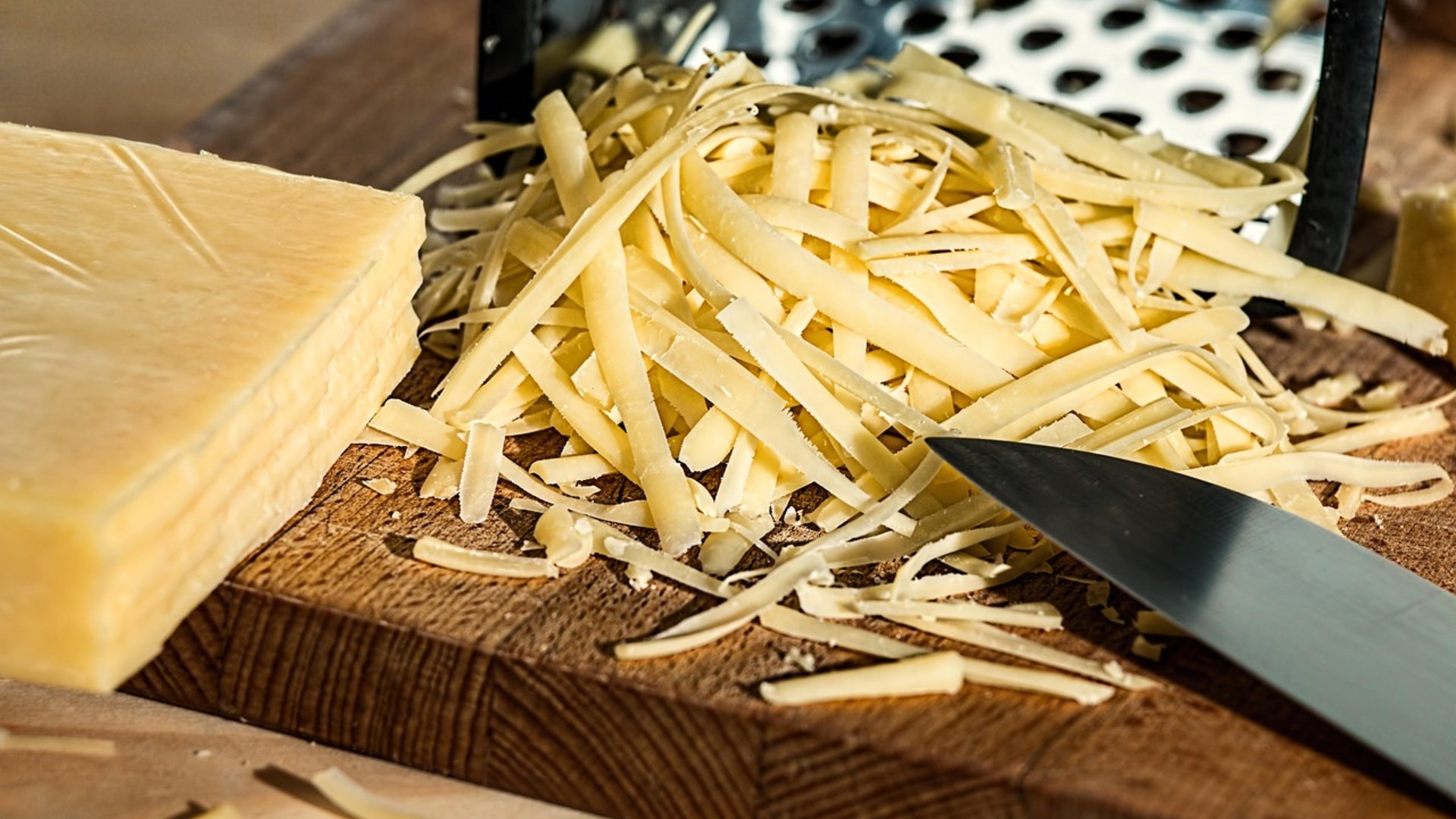
Cheese is an exceptionally calorie-dense food, delivering between eighty-five and one hundred twenty calories per small ounce. Without careful portion control, adding liberal handfuls of shredded cheese or extra slices to daily meals can quietly create a persistent calorie surplus that leads to weight gain.
15. Bloating And Gas: Lactose Sensitivity Issues
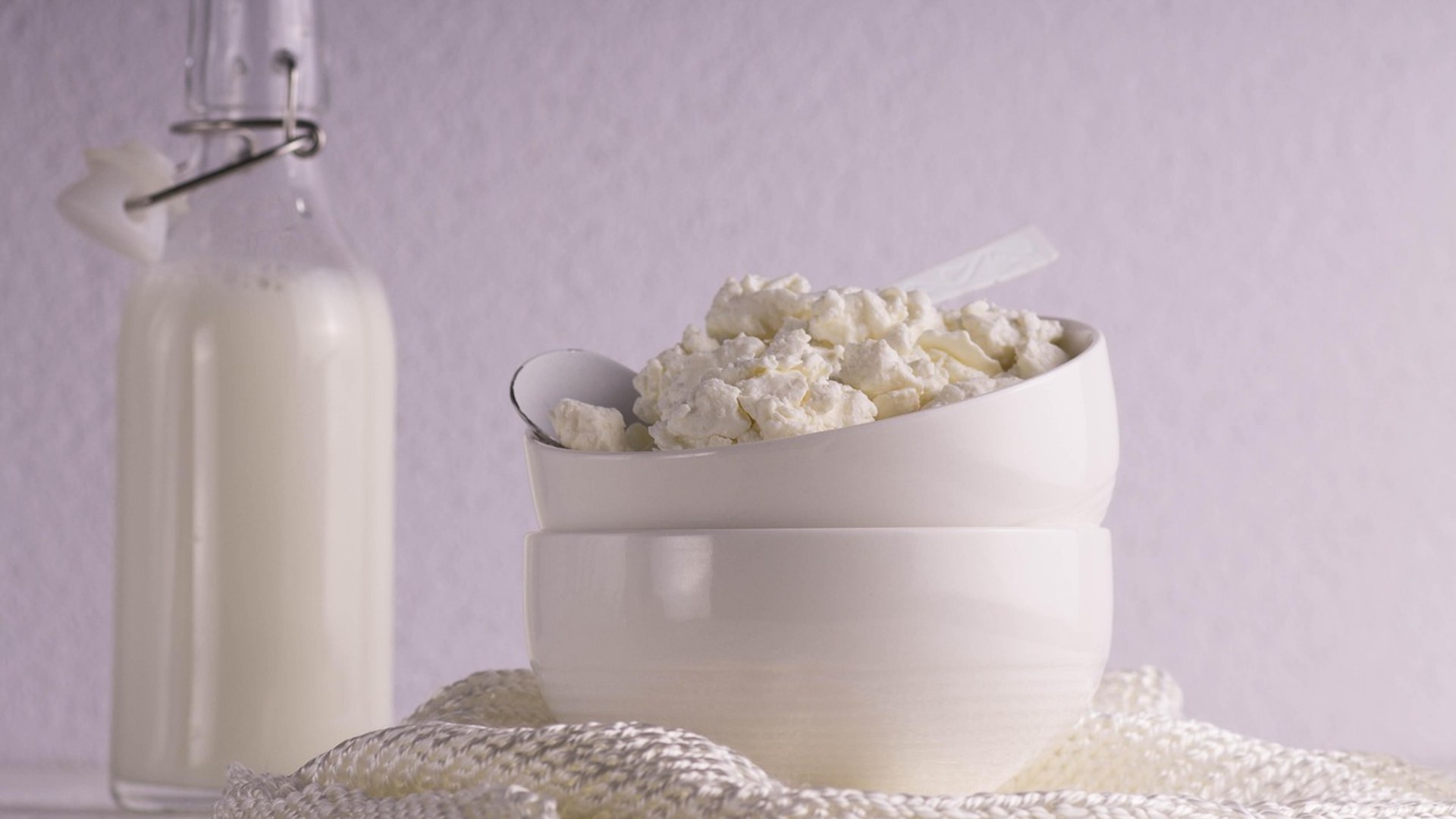
Fresh unripened cheeses like ricotta, mozzarella, and cottage cheese retain whey that carries lactose sugars. Individuals with low lactase enzyme production experience bacterial fermentation in the colon, leading to abdominal cramps, gas, and discomfort unless choosing aged hard varieties.
16. Sluggish Bowel Movements: Low Dietary Fiber
Dairy products lack dietary fiber, which is critical for healthy stool volume and regular peristalsis. When cheese displaces fiber-rich legumes, vegetables, and whole grains in a daily diet, gastrointestinal transit slows considerably, often leading to chronic constipation and sluggish digestion.
17. Acid Reflux And Heartburn: Esophageal Sphincter Relaxation
High-fat foods stimulate the release of cholecystokinin, a digestive hormone that causes the lower esophageal sphincter to relax. Gastroenterologists warn that eating rich, melted cheese late in the evening delays gastric emptying, allowing acidic stomach contents to splash upward into the esophagus.
18. Headaches And Flushing: Dietary Tyramine Sensitivity
As cheese ages, protein breakdown produces tyramine, an amino acid derivative that impacts vascular tone. People taking monoamine oxidase inhibitors or those prone to classical migraines can develop throbbing headaches and facial flushing after consuming aged Parmesan, Stilton, or sharp cheddar.
19. Acne Breakouts: Hormonal And Insulin Pathways
Dairy consumption stimulates insulin and insulin-like growth factor one, signaling oil glands to increase sebum secretion. Clinical dermatological studies suggest that susceptible teenagers and young adults experience more frequent inflammatory acne flares when consuming substantial dairy every day.
20. Foodborne Illness Risk: Unpasteurized Soft Cheese Hazards
Soft raw milk cheeses such as unpasteurized Brie, Camembert, and queso fresco carry elevated risks of Listeria monocytogenes. The Food and Drug Administration advises pregnant women and immunocompromised individuals to avoid unpasteurized dairy due to severe risks of systemic bacterial infection.
21. Toddlers (1 To 3 Years): Half An Ounce Daily
Toddlers require concentrated minerals to support rapid skeletal growth and motor development. Pediatricians recommend offering one or two small dice-sized cubes of mild pasteurized cheese alongside meals, ensuring low-sodium options to avoid overloading young kidneys while fostering healthy palate variety.
22. Children (4 To 8 Years): One Ounce Daily
Children between four and eight years need approximately two and a half dairy cup-equivalents every day. Serving two dice-sized cubes or half a slice of cheddar provides accessible calcium and protein that easily complements school lunches, helping build peak bone mass during active primary school years.
23. Teens (9 To 18 Years): One To 1.5 Ounces Daily
Adolescence represents the most critical window for accumulating lifetime bone mineral density. Nutrition guidelines suggest three daily dairy servings, where one thick slice or three cubes of cheese provides essential calcium, zinc, and protein to support adolescent growth spurts and athletic training.
24. Adults (19 To 50 Years): One To 1.5 Ounces Daily
For adults aged nineteen to fifty, one to one and a half ounces matches the intake level associated with optimal health benefits in clinical trials. This modest serving supplies roughly three hundred milligrams of calcium while keeping saturated fat and sodium safely within recommended cardiovascular limits.
25. Older Adults (51+ Years): 1 To 1.5 Ounces Daily
Nutritional requirements for calcium and protein increase after age fifty to combat progressive sarcopenia and osteoporosis. Geriatric dietitians advise choosing lower-sodium cheeses like Swiss or part-skim mozzarella to protect bone density and muscle mass while supporting healthy arterial blood pressure.