Slideshow · Health
20 Winter Illnesses That Commonly Rise in December, According to Doctors
December brings a sharp climb in respiratory illnesses, bacterial infections, and cold-weather emergencies across hospital networks. Packed indoor gatherings, falling temperatures, and dry mucous membranes leave bodies vulnerable. Here are 20 conditions doctors treat most during the holiday peak season.






All 20 Entries in this Story
1. Seasonal Influenza
Influenza A and B viruses mutate through antigenic drift, attacking respiratory epithelium with sudden high fevers, myalgia, and prostration. CDC FluView surveillance confirms December represents the steepest upward slope of annual influenza activity, generating hundreds of thousands of clinic visits nationwide.
2. Respiratory Syncytial Virus
RSV inflames microscopic bronchioles and plugs small infant airways with cellular debris and dense mucus. CDC surveillance records December as the peak initiation window for national RSV hospitalizations, leading to intensive care admissions in infants under six months and severe exacerbations in frail seniors.
3. Human Metapneumovirus
Discovered in 2001, human metapneumovirus causes bronchiolitis and pneumonia clinically indistinguishable from RSV. National Respiratory and Enteric Virus Surveillance figures indicate hMPV test positivity rises sharply in December, filling pediatric wards and causing prolonged wheezing in immunocompromised patients.
4. COVID-19
Sublineages of SARS-CoV-2 spread efficiently in poorly ventilated winter spaces, driving hospitalizations upward across December. CDC wastewater monitoring consistently detects sharp viral concentration surges starting in early December, prompting updated booster campaigns and targeted clinical antiviral use.
5. Norovirus
Norovirus requires as few as 18 viral particles to establish acute gastric infection, resisting alcohol hand sanitizers and surviving on surfaces for weeks. CDC CaliciNet data records outbreaks doubling between late November and December as family banquets and communal buffets facilitate rapid foodborne spread.
6. Bacterial Pneumonia
Streptococcus pneumoniae exploits damaged epithelial linings following viral infections, filling pulmonary alveoli with inflammatory exudate and purulent fluid. British Thoracic Society clinical audits demonstrate community-acquired pneumonia admissions double in December, carrying heightened risks for older adults.
7. Strep Throat
Group A Streptococcus pyogenes causes intense pharyngeal erythema, palatal petechiae, and tonsillar exudates without viral cough. CDC surveillance logs December case spikes as classroom and family holiday gatherings accelerate aerosolized droplet transmission, requiring rapid antigen tests to guide antibiotic care.
8. Acute Bronchitis
Rhinoviruses and coronaviruses inflame bronchial airways, triggering productive coughs that persist for two to three weeks. Mayo Clinic data indicates acute bronchitis accounts for roughly 10 percent of all outpatient winter visits, with clinical presentations jumping steeply during early December cold snaps.
9. Acute Otitis Media
Upper respiratory congestion blocks pediatric eustachian tubes, creating negative middle ear pressure that pulls nasopharyngeal secretions into the tympanic cavity. The American Academy of Pediatrics reports middle ear infections peak between December and February, requiring targeted analgesia or amoxicillin.
10. Acute Viral Sinusitis
Viral infections inflame the ostiomeatal complex, trapping mucus inside maxillary and frontal sinus cavities. Johns Hopkins Medicine clinicians observe presentations climbing in December as upper respiratory viruses impair ciliary clearance, producing facial pressure, nasal obstruction, and persistent headaches.
11. Rotavirus Gastroenteritis
Rotavirus infects enterocytes in the small intestine, leading to watery diarrhea and severe dehydration in unvaccinated toddlers. Despite routine childhood vaccination, CDC surveillance networks track distinct winter transmission waves beginning in December, as indoor childcare cohorts share toys and feeding areas.
12. Croup
Human parainfluenza type 1 inflames the larynx and subglottic trachea, generating a distinctive seal-like barking cough and inspiratory stridor in toddlers. Pediatric emergency rooms observe midnight admissions climbing every December, requiring single-dose oral dexamethasone to calm acute upper airway edema.
13. Carbon Monoxide Poisoning
Incomplete combustion from aging furnaces, kerosene heaters, and blocked chimneys sends carbon monoxide binding to hemoglobin 200 times faster than oxygen. The Consumer Product Safety Commission records over 400 annual deaths, with emergency department visits clustering heavily between December and January.
14. Accidental Hypothermia
Core body temperature drops below 95 degrees Fahrenheit when environmental heat loss exceeds metabolic production. CDC surveillance shows December hypothermia admissions surge among elderly individuals with inadequate home heating, as shivering reflexes fail and mental confusion prevents calls for assistance.
15. Cold Urticaria
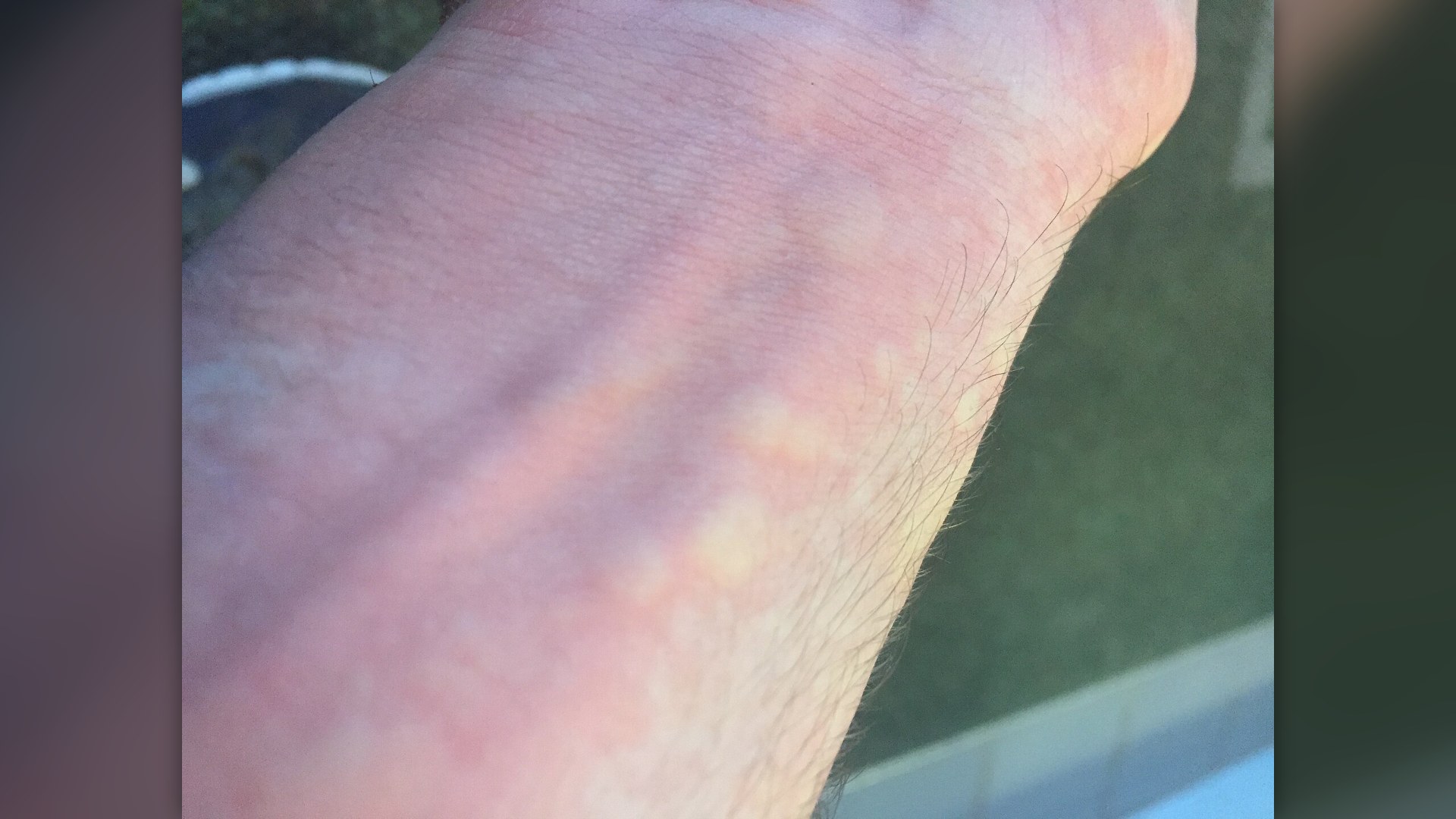
Sudden skin exposure to icy winds or chilled rain prompts mast cells to degranulate, creating large pruritic wheals across exposed skin. Cleveland Clinic dermatologists see diagnostic ice cube challenges peak in December. Severe systemic cases can drop blood pressure if large surface areas are exposed.
16. Dry Eye Syndrome
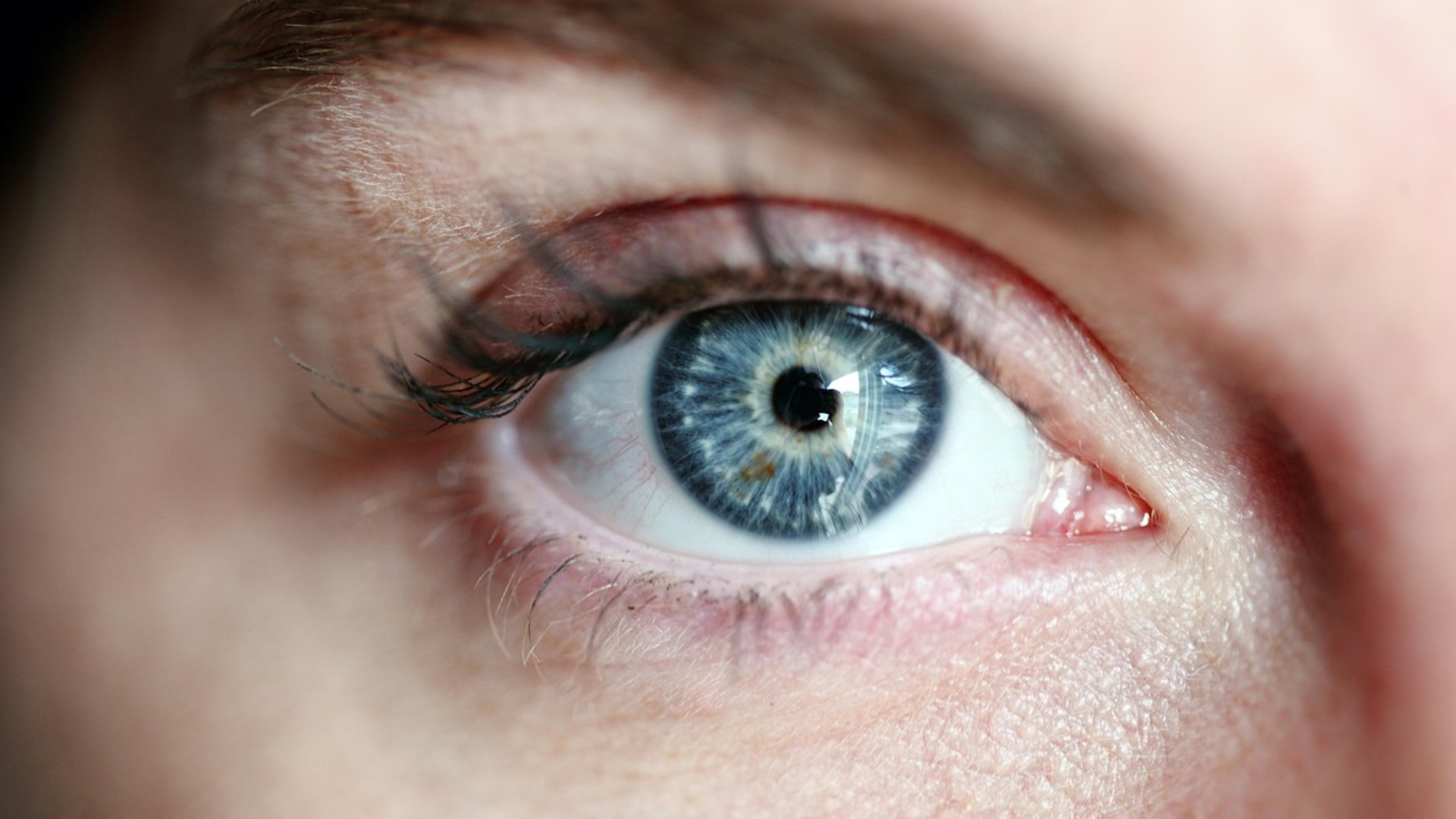
Forced-air residential heating drives indoor relative humidity below 20 percent in December, accelerating tear film evaporation. The American Academy of Ophthalmology records clinical dry eye visits doubling during early winter as desiccated corneal surfaces produce stinging, reflex tearing, and blurred vision.
17. Winter Asthma Exacerbation
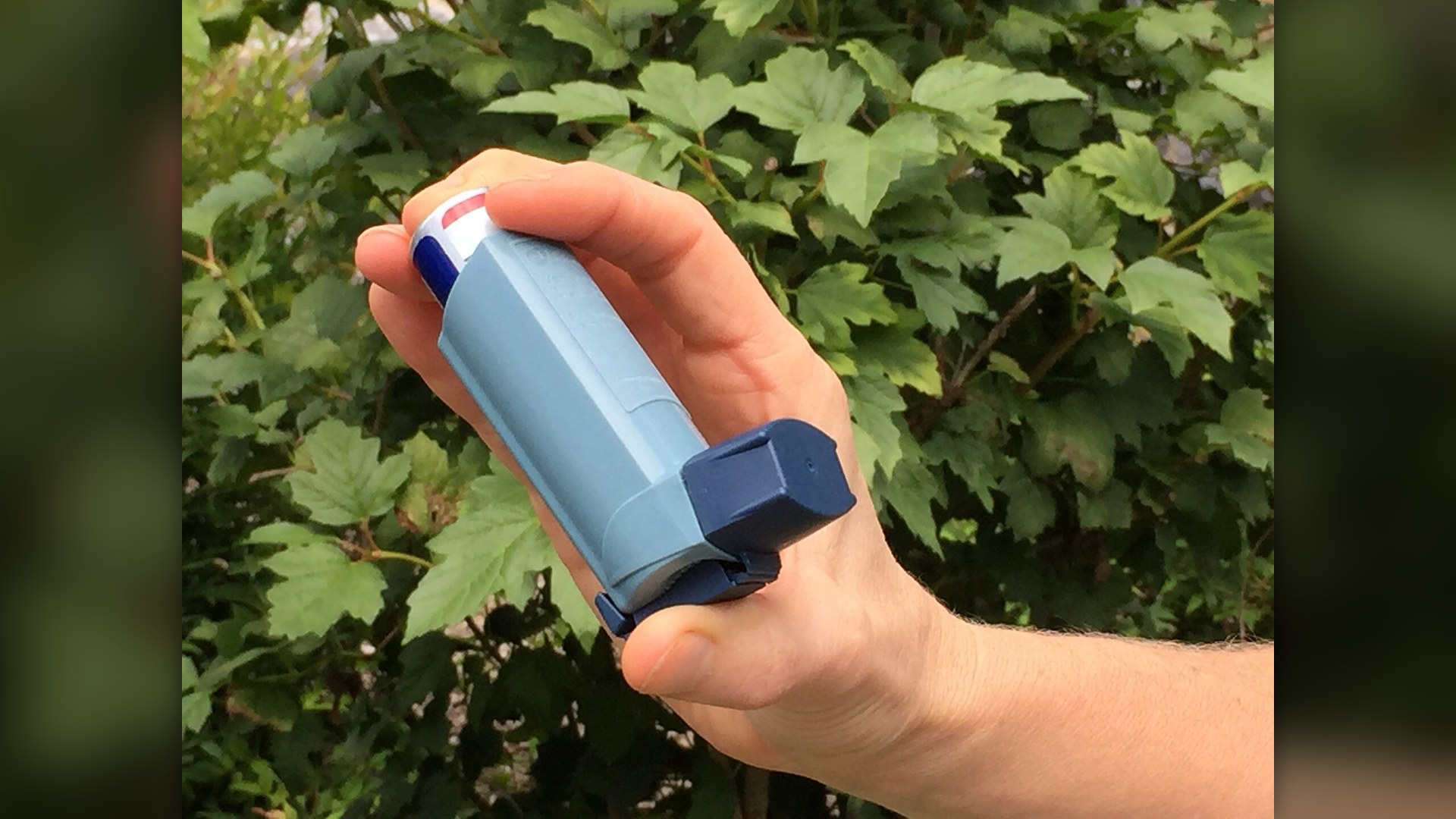
Breathing frigid outdoor air cools airway mucosa, causing mast cells to release histamine and narrow bronchial passages within minutes. The American Lung Association documents emergency nebulizer treatments climbing 25 percent in December, compounded by indoor dust mites and pet dander during holiday visits.
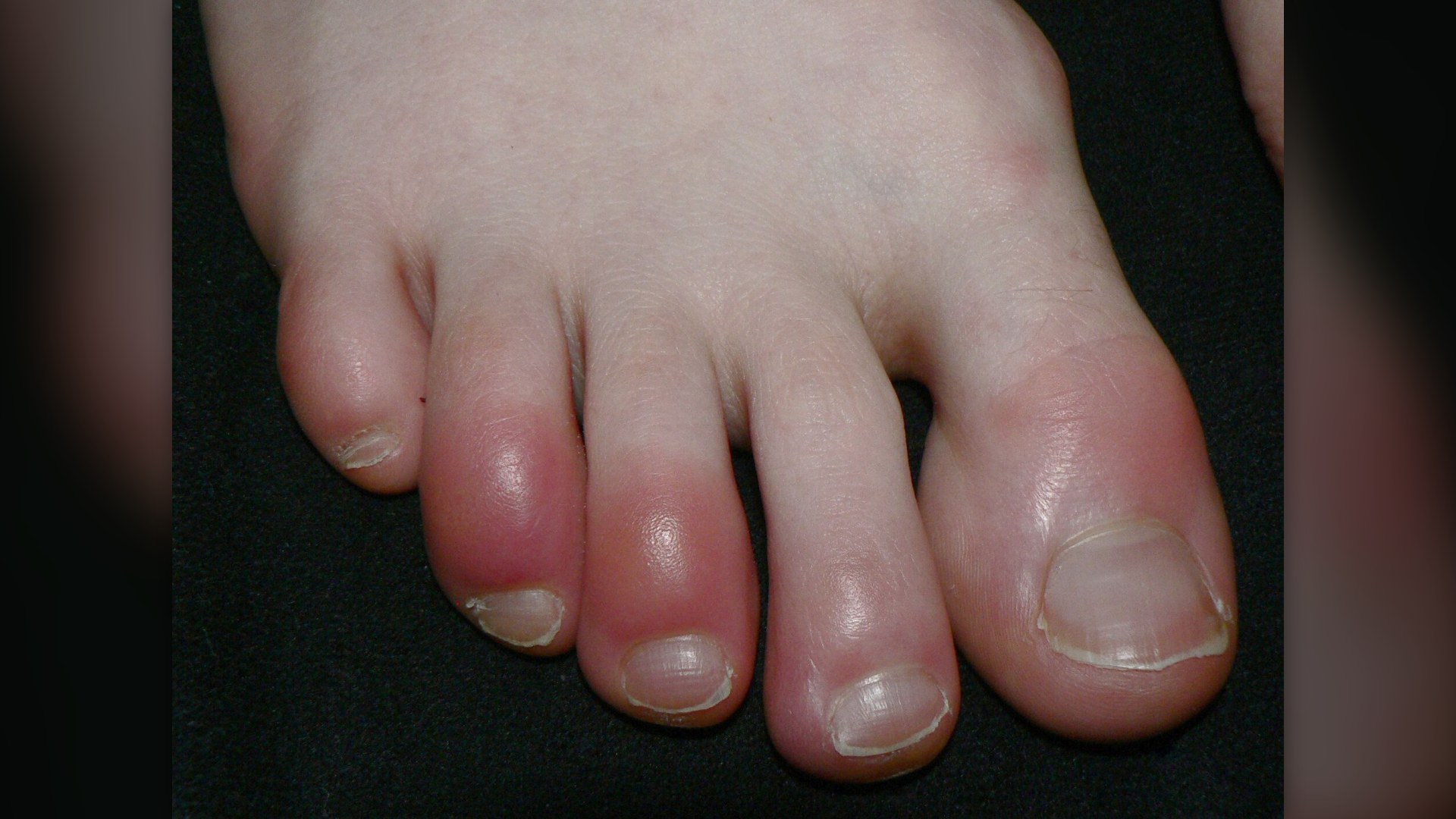
18. Chilblains
Chilblains, or pernio, occur when chilled capillary beds rewarm too rapidly, causing localized vascular leakage and pruritic erythema. Podiatrists treat widespread cases across December when patients place freezing feet directly against heaters. Lesions persist for two to three weeks without treatment.
19. Seasonal Affective Disorder
December features the shortest daylight hours of the calendar year, disrupting melatonin production and serotonin transporter binding. The National Institute of Mental Health reports depressive episodes peak around the winter solstice, affecting roughly 5 percent of adults in northern latitudes.
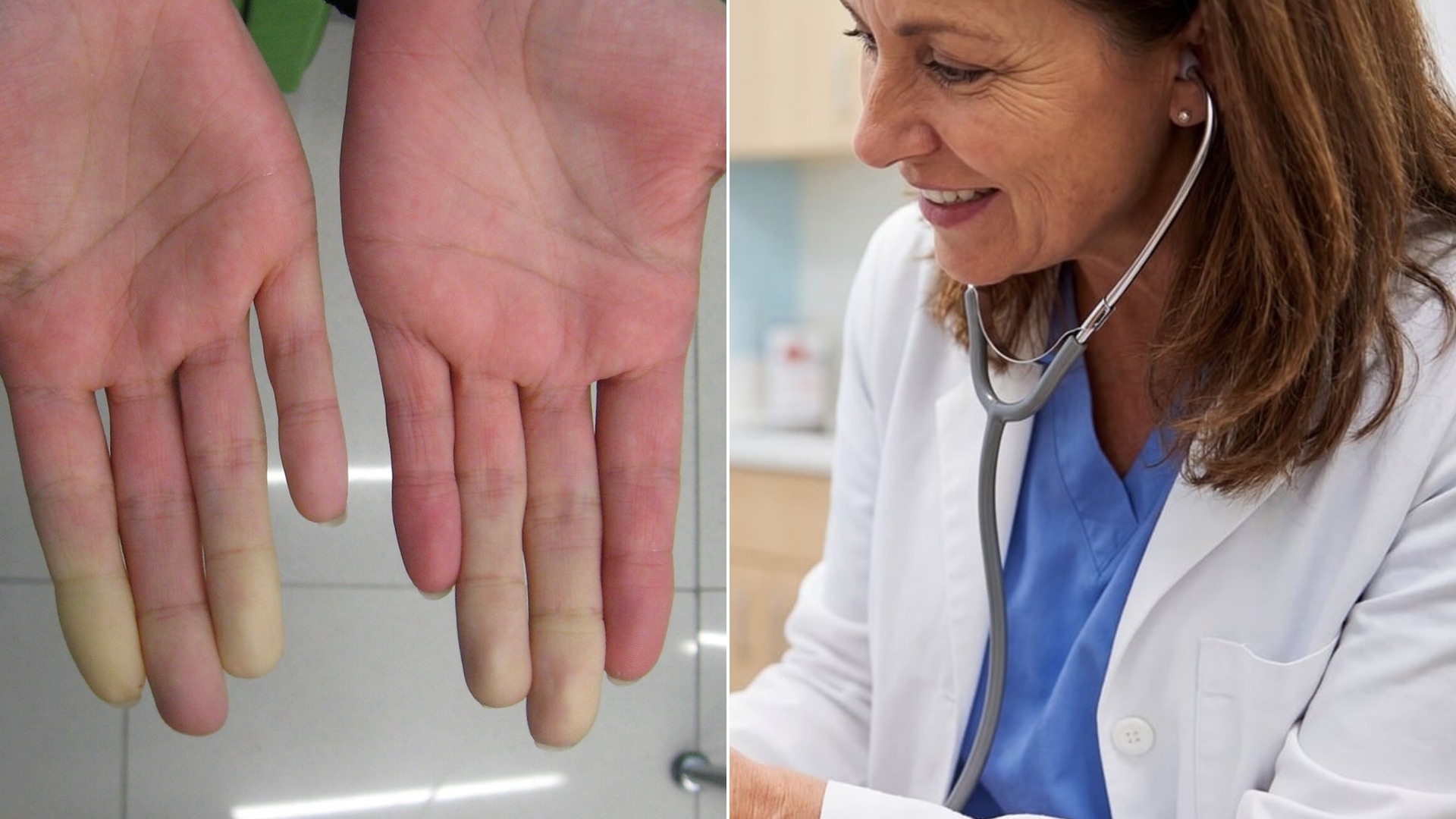
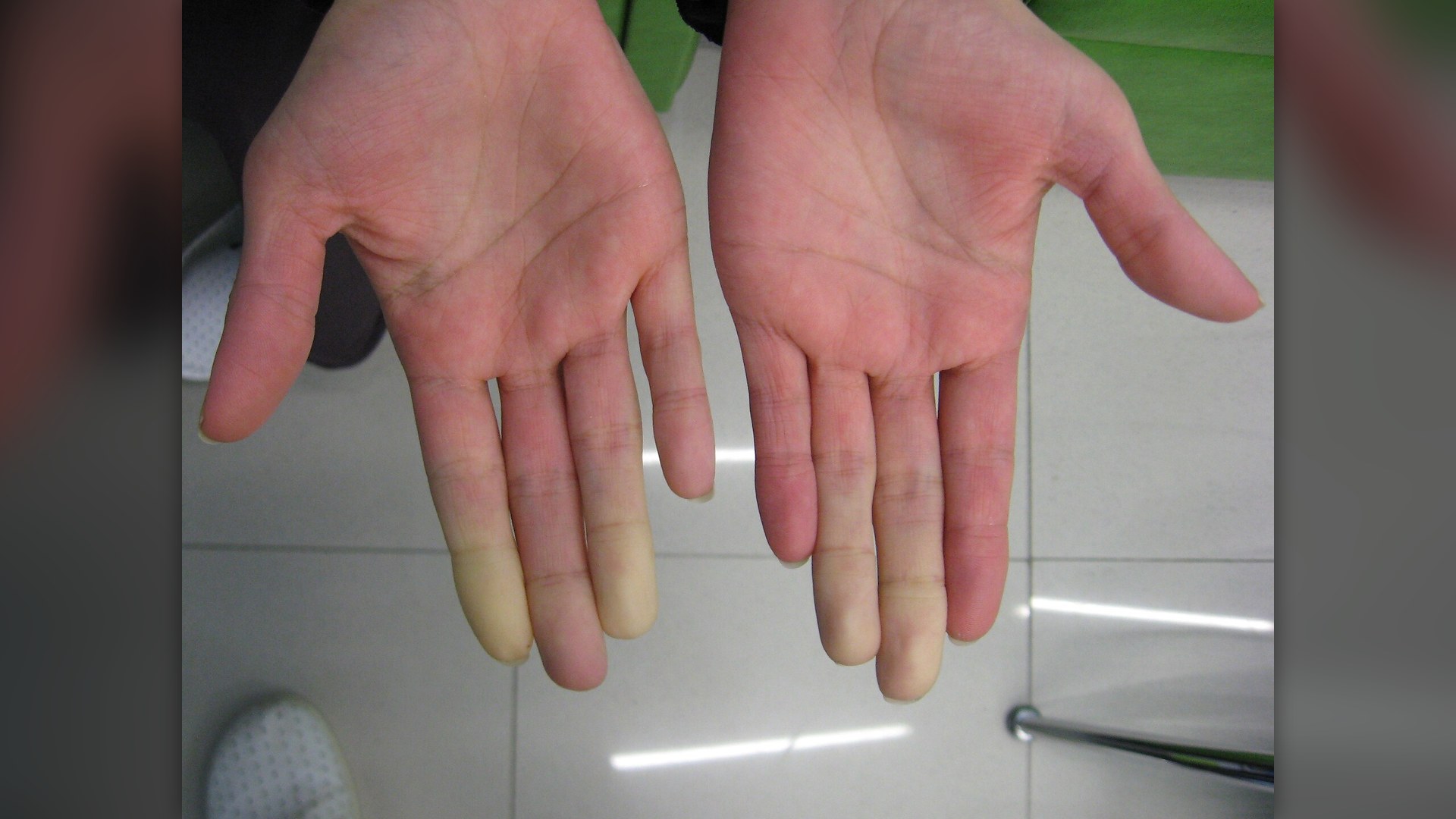
20. Raynaud's Phenomenon
Cold exposure triggers intense vasospasms in small dermal arteries, cutting blood flow to digits within seconds. Primary episodes cause fingers to turn stark white then cyanotic blue before painful rewarming. The Mayo Clinic notes symptoms peak every December as outdoor temperatures drop below freezing.