Slideshow · Animals
22 Classic Foods and Drinks With Surprising True Origin Stories
Menus and dinner table trivia repeat false origin tales about everyday staples, from fortune cookies to Buffalo wings. Drawing on historical archives, the Oxford Companion to Food, Smithsonian records and museum collections, this countdown traces 22 iconic foods and drinks back to the kitchens that created them.
By Most Viral Today
18 min agoradar-lead:834e9691-a050-441d-b9d7-59d90e17b047

22 Food Origins Most Menus Get Wrong 
22. Hawaiian Pizza 
21. German Chocolate Cake 
20. Worcestershire Sauce - AdvertisementSwipe or tap ▶ to continue countdown

19. Caesar Salad 
18. Nachos 
17. General Tso's Chicken 
16. Chicken Tikka Masala - AdvertisementSwipe or tap ▶ to continue countdown

15. Baked Alaska 
14. Eggs Benedict 
13. Chimichanga 
12. Buffalo Wings - AdvertisementSwipe or tap ▶ to continue countdown

11. Chocolate Chip Cookie 
10. Margarita 
9. Margherita Pizza 
8. Tiramisu - AdvertisementSwipe or tap ▶ to continue countdown

7. Croissant 
6. Pad Thai 
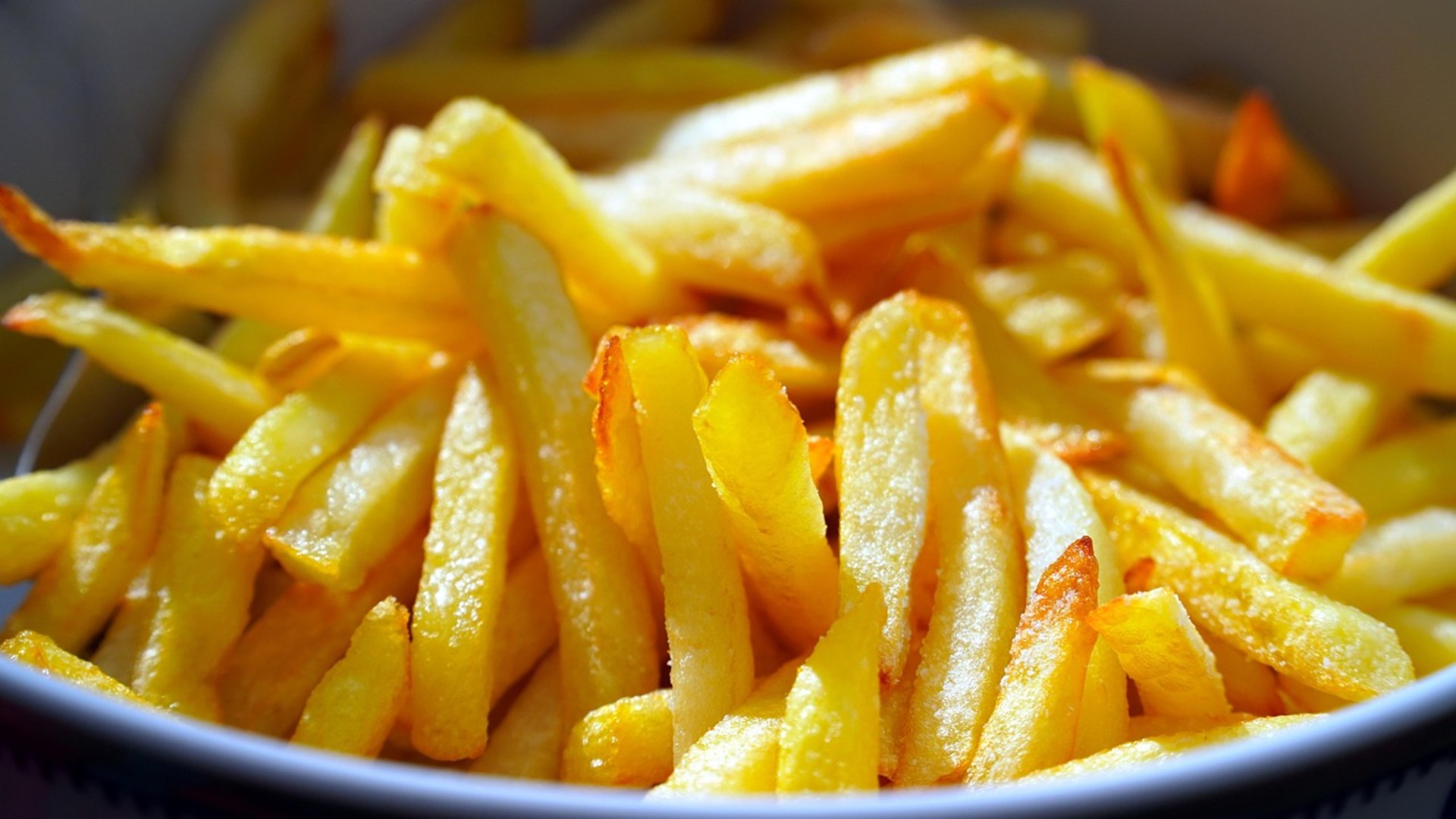
5. French Fries 
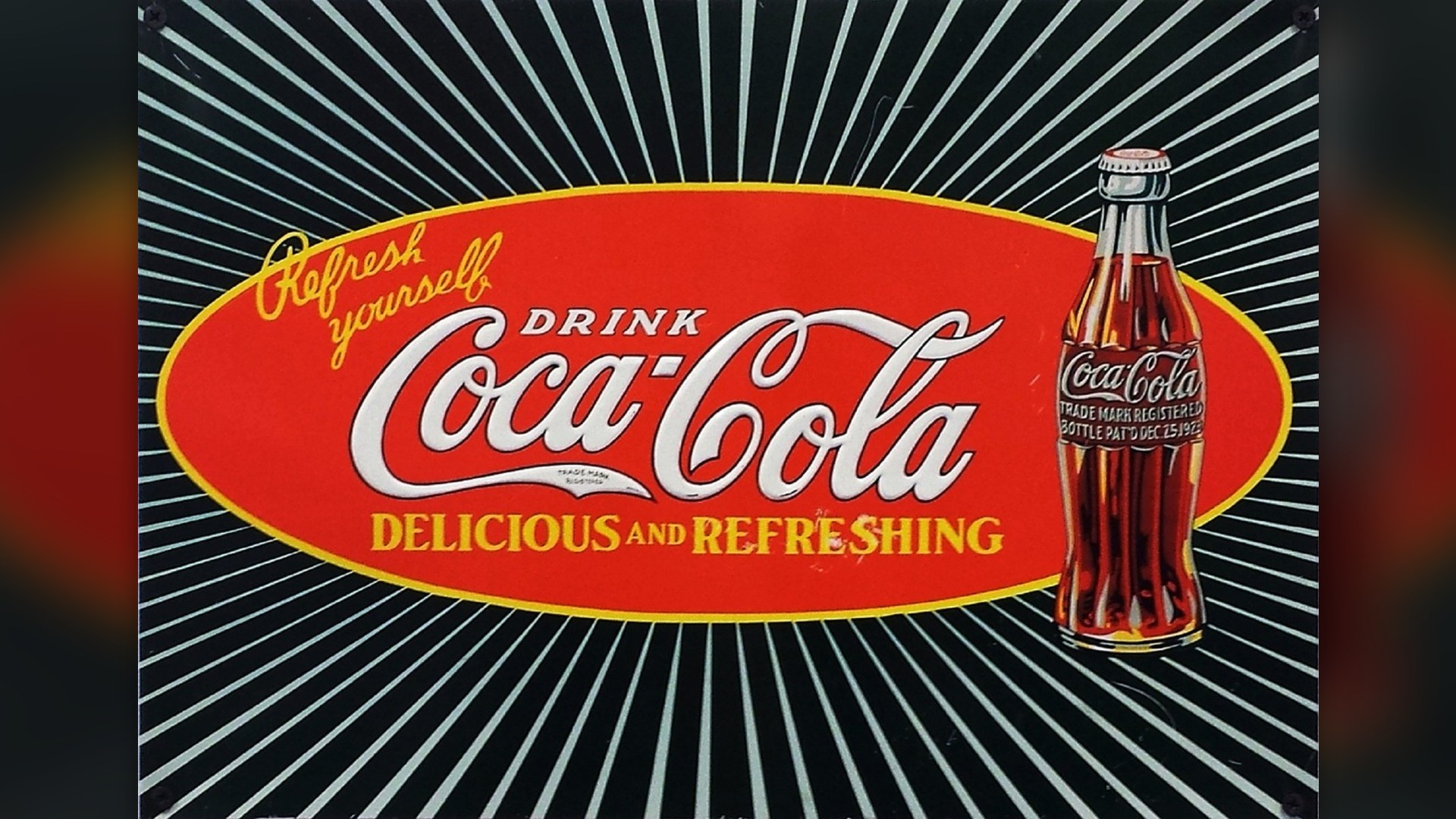
4. Coca-Cola - AdvertisementSwipe or tap ▶ to continue countdown

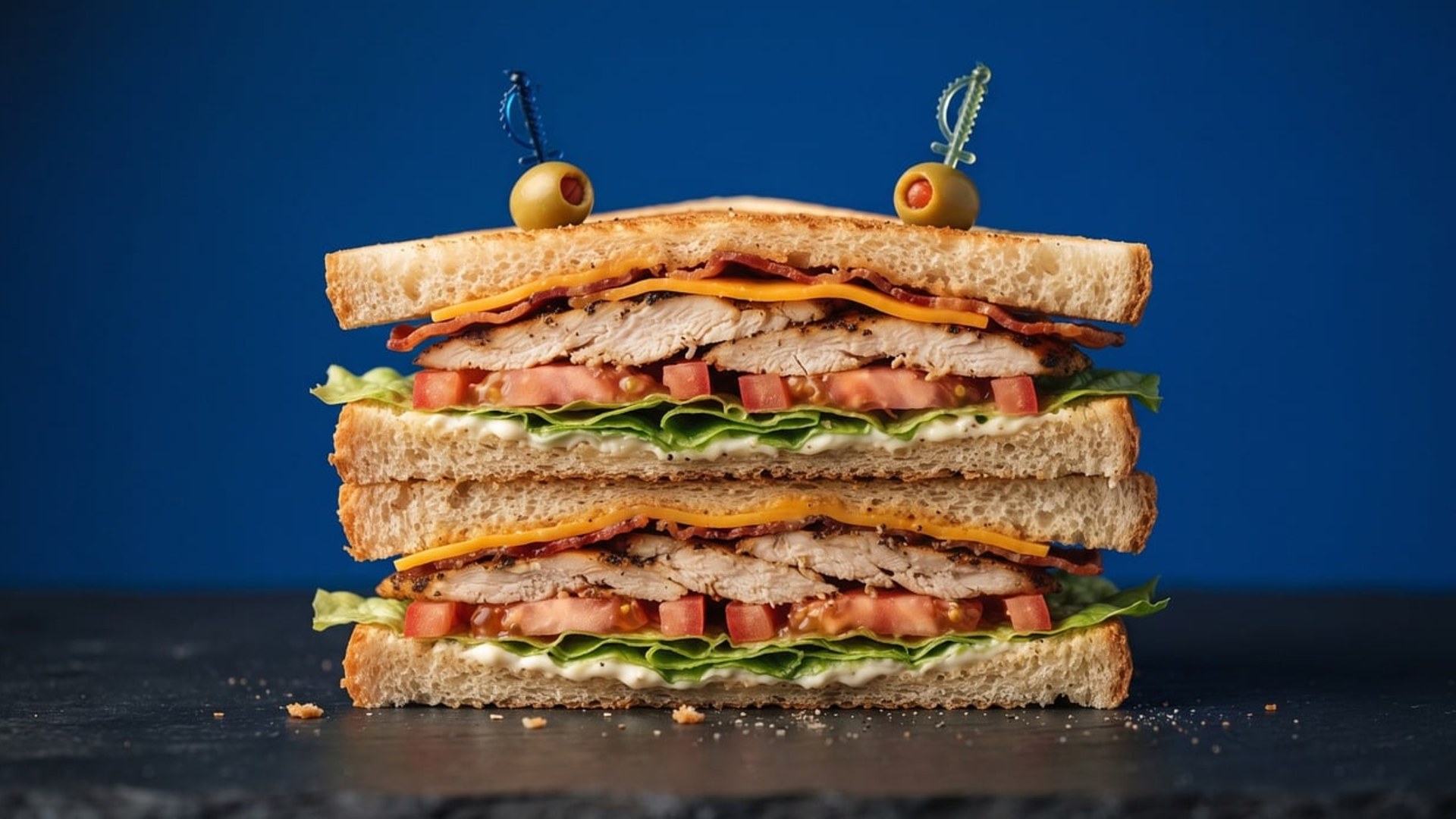
3. Sandwich 
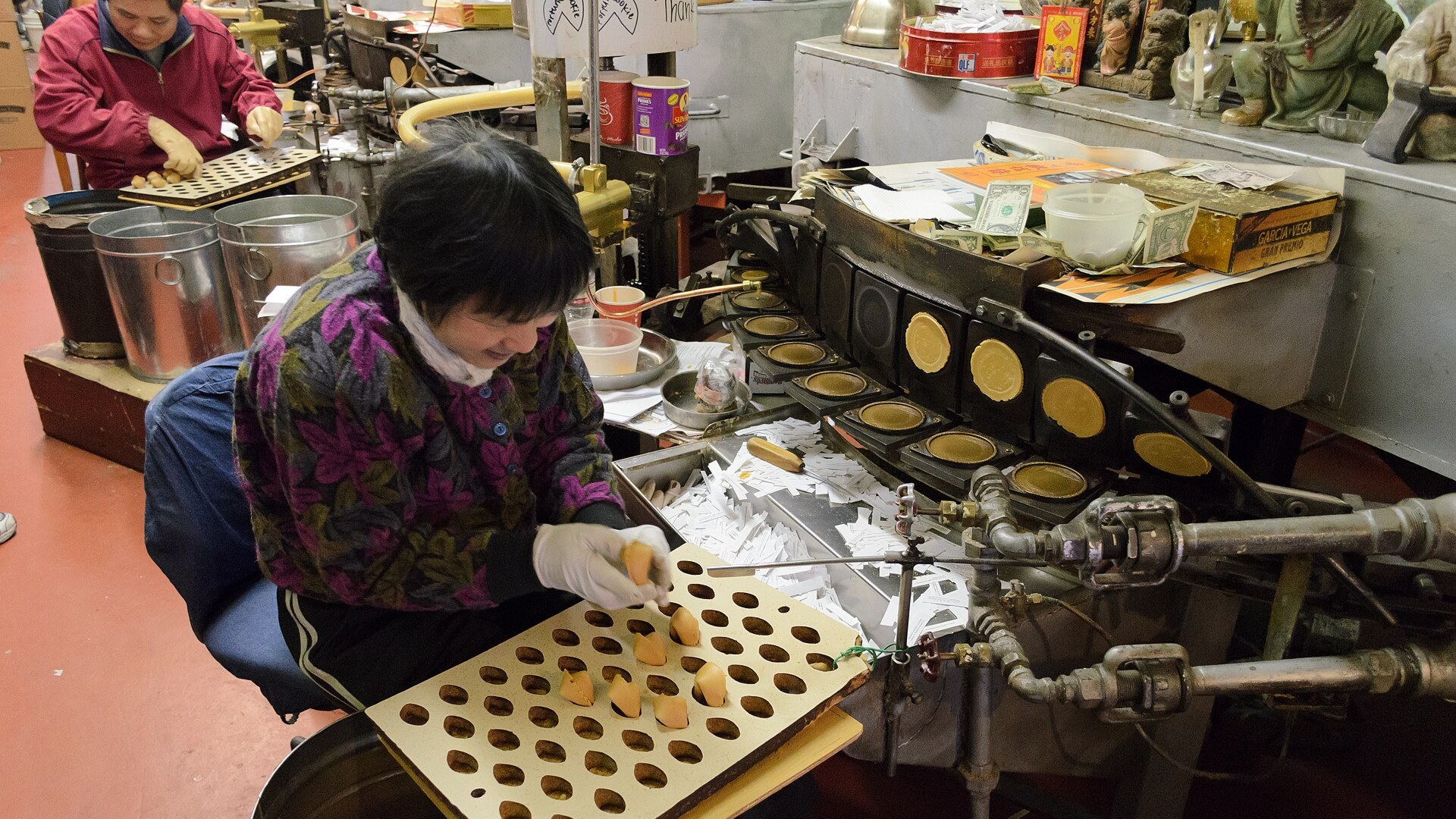
2. Fortune Cookie 
1. Champagne - Advertisement🔥 UP NEXT IN THIS SERIES◫ 22 Slides

How Long Do Hippos Live? 20 Other Facts About Hippos
From sixty-year lifespans to whale cousins, discover secrets of river giants
Menus and dinner table trivia repeat false origin tales about everyday staples, from fortune cookies to Buffalo wings. Drawing on historical archives, the Oxford Companion to Food, Smithsonian records and museum collections, this countdown traces 22 iconic foods and drinks back to the kitchens that created them.
Swipe or tap ▶ to begin the countdown
©Pixabay / hannahlouise123
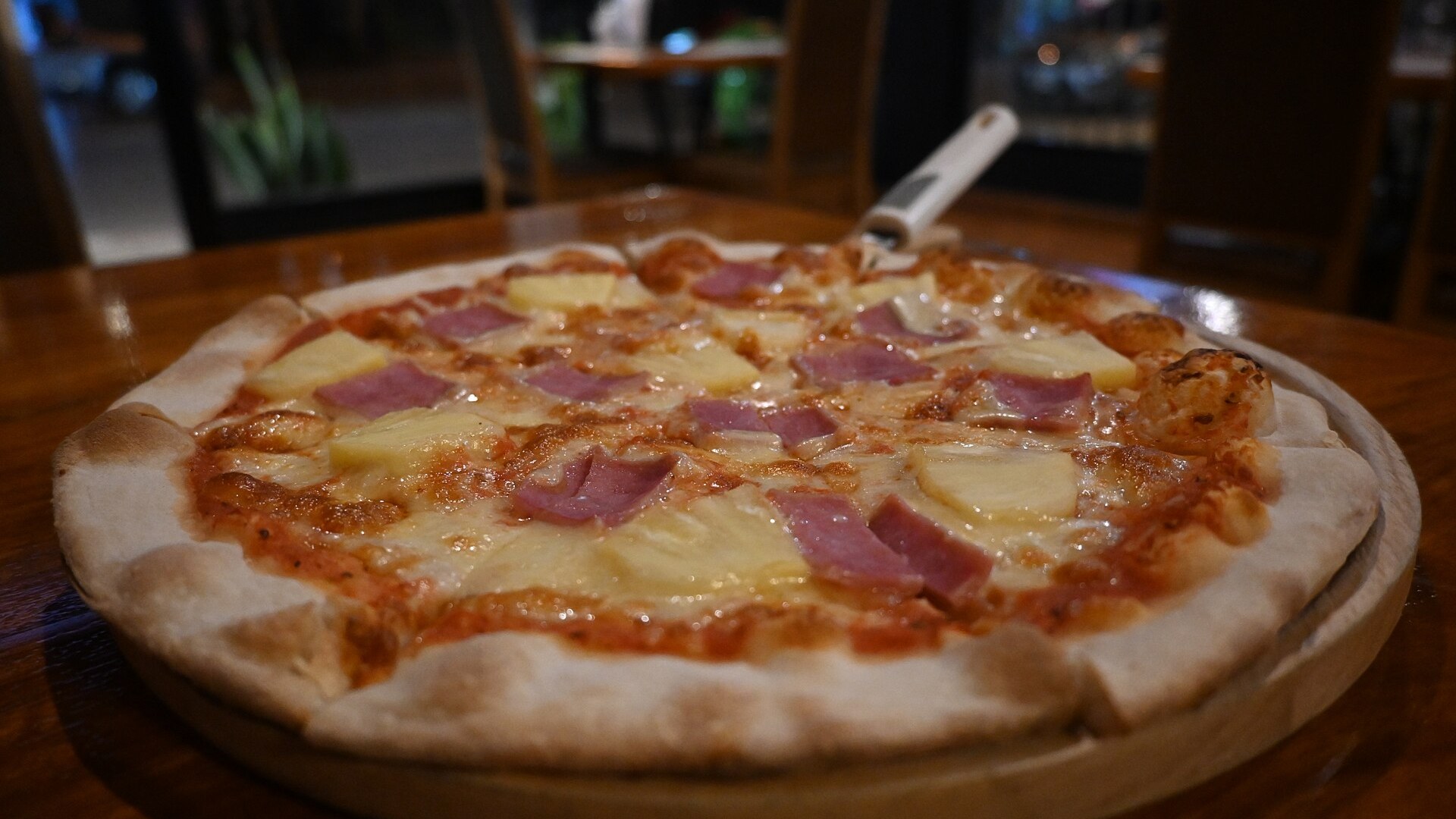
22. Hawaiian Pizza
Greek immigrant Sam Panopoulos invented the pie at his Satellite Restaurant in Chatham, Ontario, after experimenting with canned fruit. He named the topping combination after the Hawaiian brand printed on the pineapple tin sitting in his kitchen.
©Wikimedia / PattayaPatrol
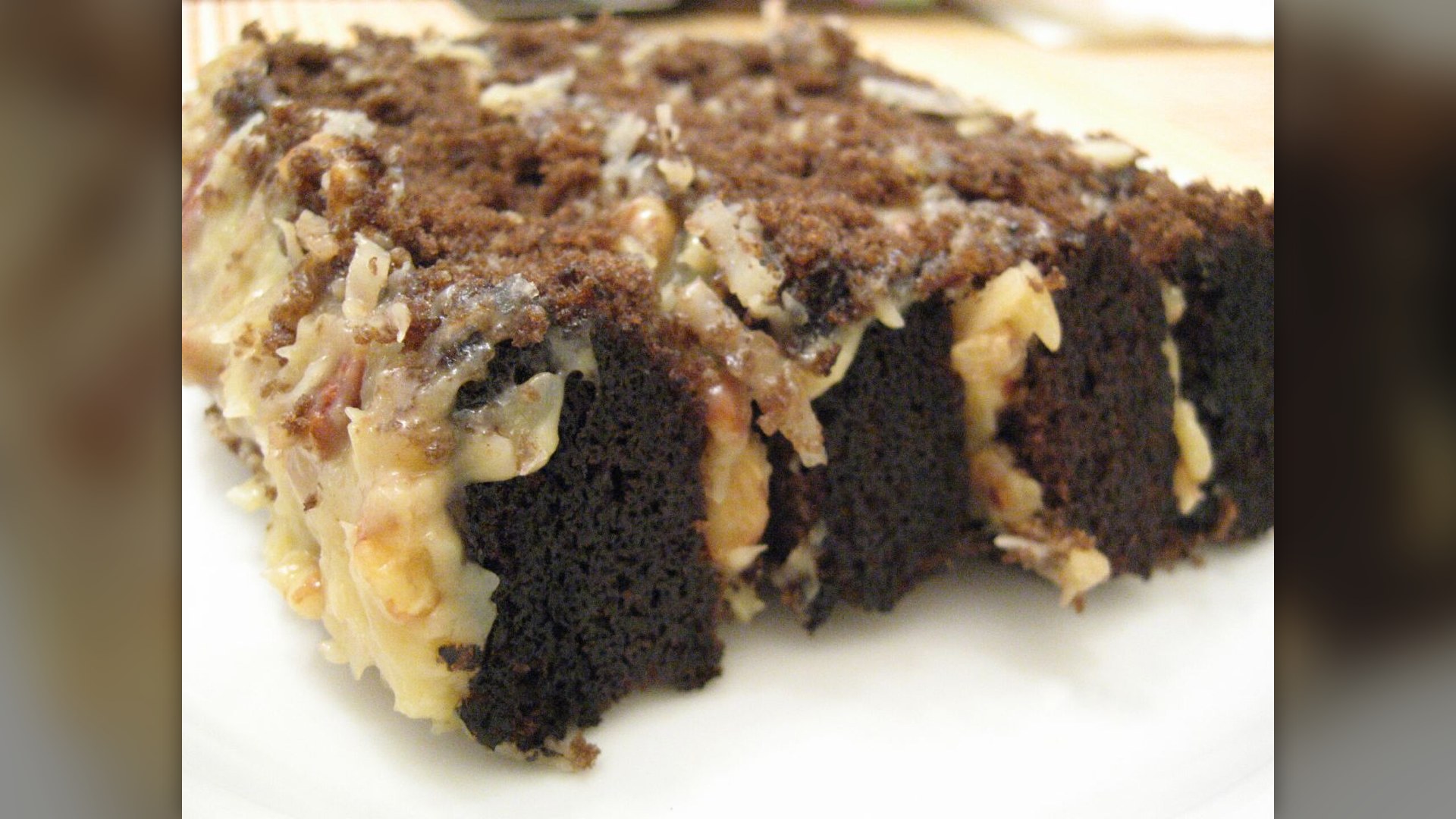
21. German Chocolate Cake
In 1852, English-born baker Samuel German developed a sweet dark baking chocolate bar for Baker's Chocolate Company in Massachusetts. More than a century later, a 1957 Dallas Morning News recipe popularized the dessert as German's Chocolate Cake.
©Wikimedia / Kimberly Vardeman
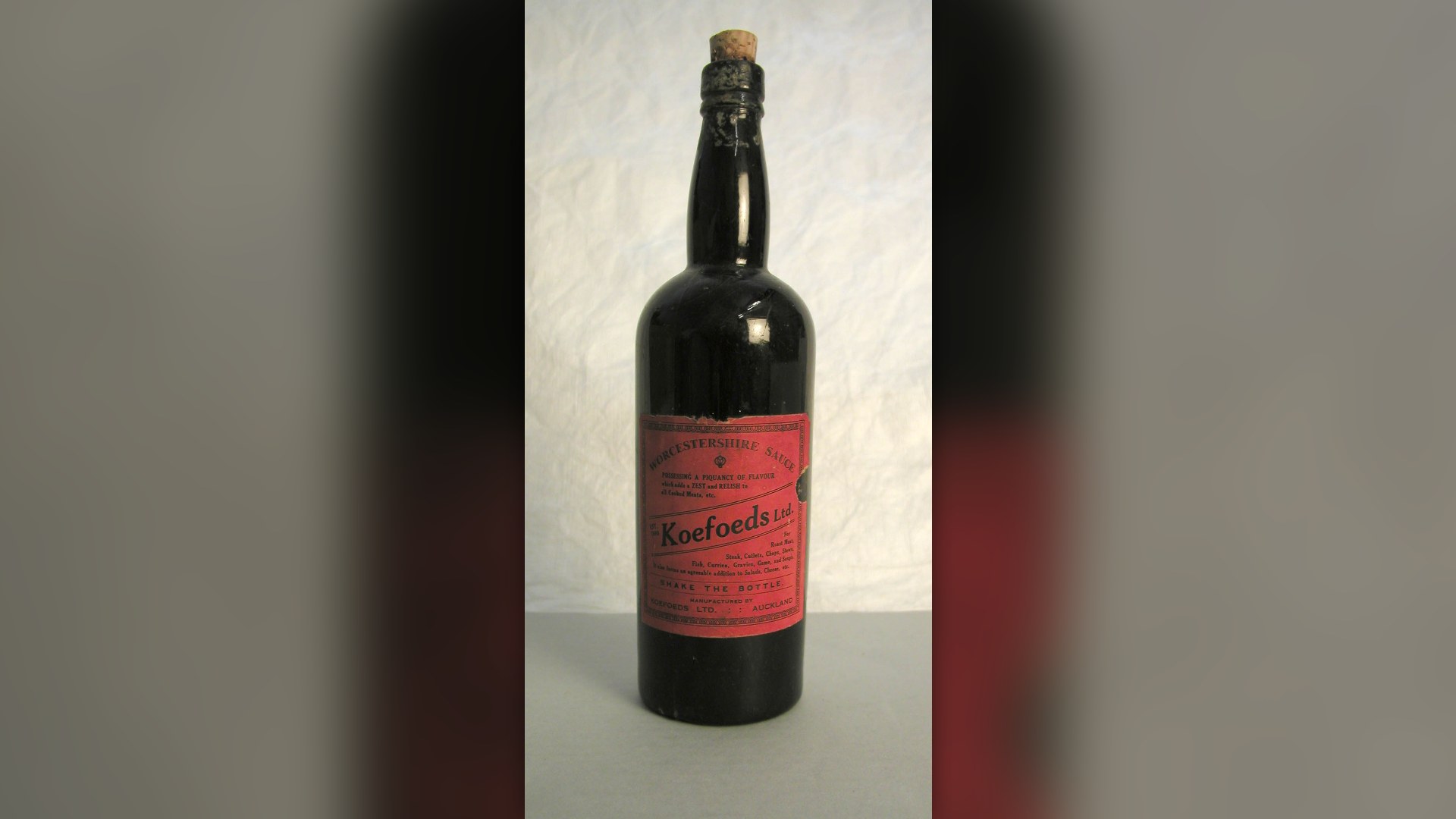
20. Worcestershire Sauce
In the 1830s, Worcester chemists John Wheeley Lea and William Henry Perrins mixed anchovies, tamarind and spices for retired governor Lord Marcus Sandys. The first batch tasted terrible, so they left the jars in a cellar and found an aged sauce years later.
©Wikimedia / H L Koefoed
Advertisement
Swipe or tap ▶ to resume the countdown.
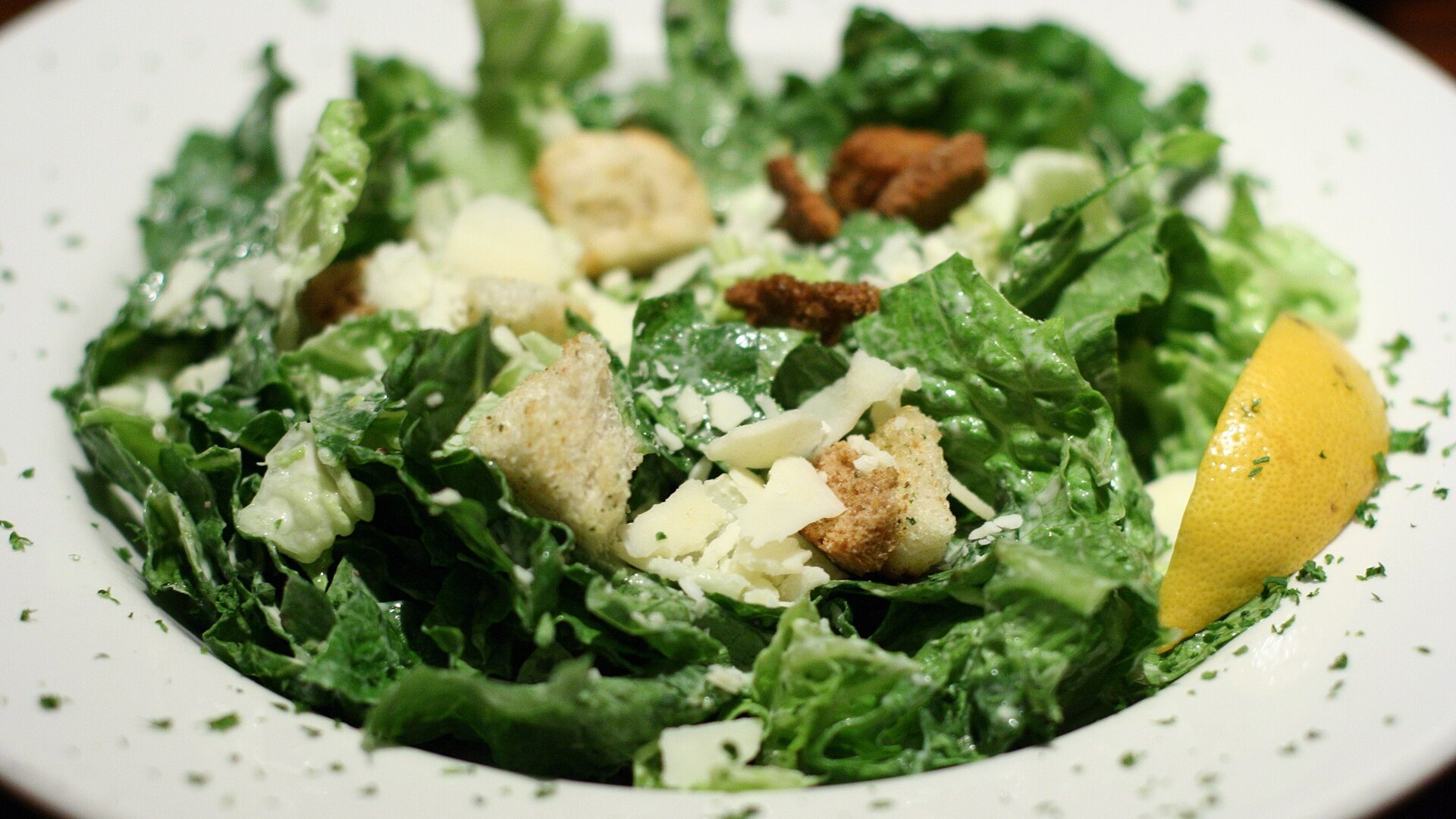
19. Caesar Salad
Italian-born restaurateur Caesar Cardini created the salad tableside at his Tijuana restaurant when Prohibition-era American diners overwhelmed his kitchen. Short on supplies, he tossed romaine leaves with olive oil, egg, Parmesan and garlic.
©Wikimedia / Geoff Peters from Vancouver, BC, Canada
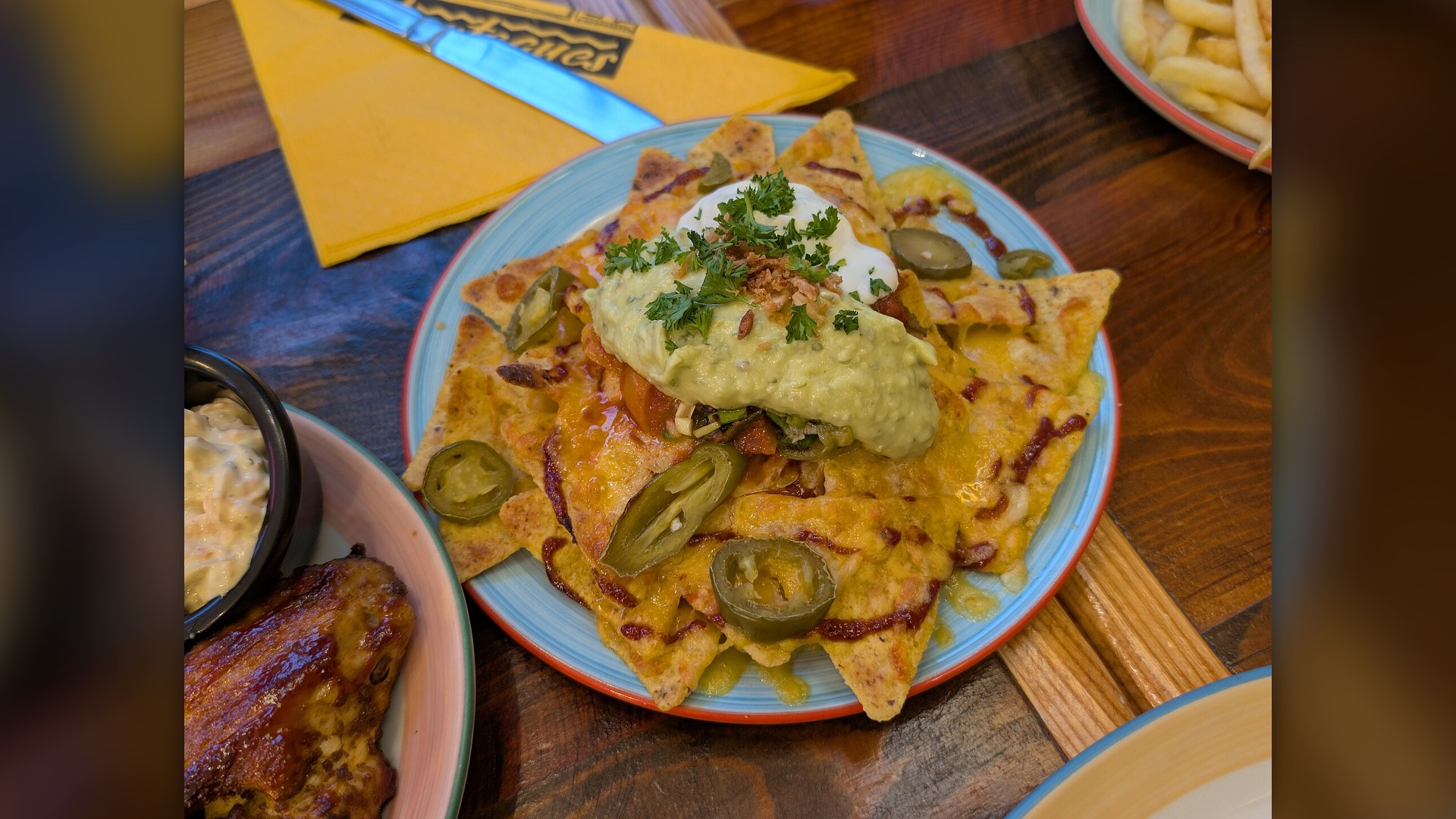
18. Nachos
In 1943, maitre d' Ignacio "Nacho" Anaya improvised the dish at the Victory Club in Piedras Negras, Mexico, for a group of U.S. military wives visiting from Texas. With the cook gone, he fried tortilla triangles and melted cheese with pickled jalapenos.
©Wikimedia / Andy Li
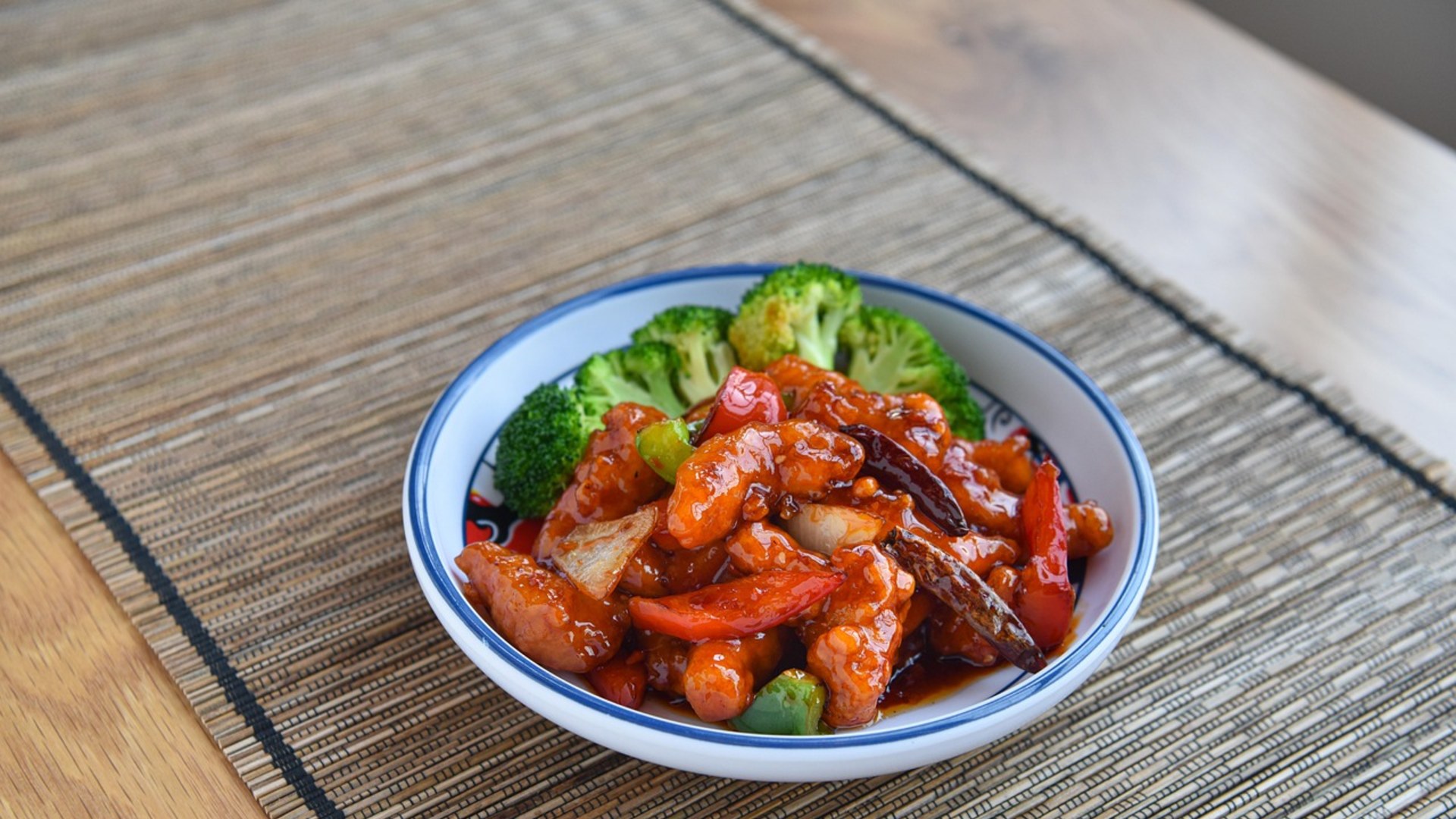
17. General Tso's Chicken
Chef Peng Chang-kuei fled Hunan for Taipei and invented the stir-fry in the 1950s, naming it after Qing dynasty general Zuo Zongtang. His original version was savory and spicy, while New York restaurateurs added sugar and batter in the 1970s.
©Pixabay / Sunday133
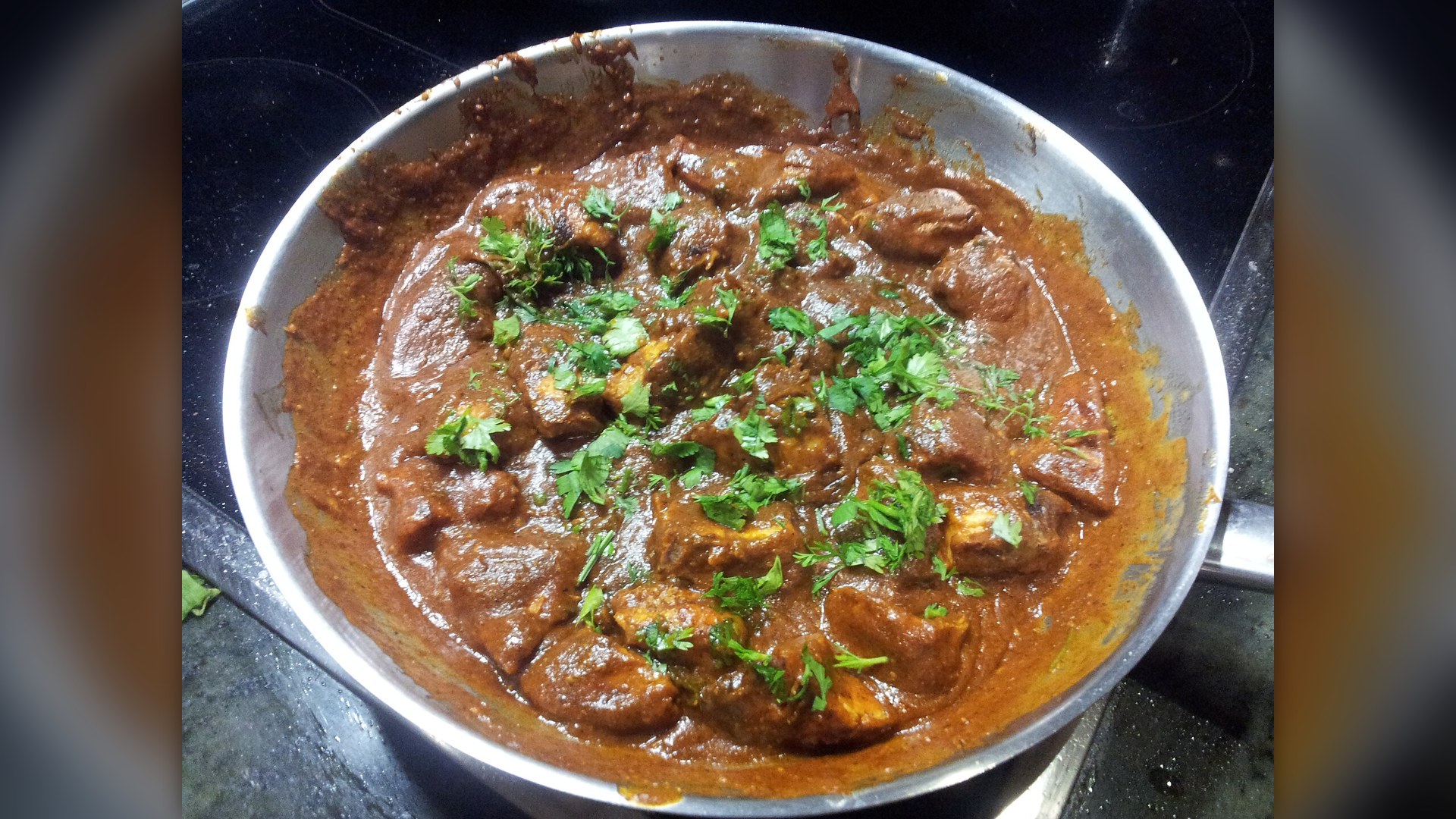
16. Chicken Tikka Masala
Rather than coming from royal Mughal kitchens, the dish grew out of 1970s British curry houses. Glasgow chef Ali Ahmed Aslam of Shish Mahal is widely credited with adding spiced tomato soup and cream to dry roasted chicken tikka for local diners.
©Wikimedia / Rezwalker
Advertisement
Swipe or tap ▶ to resume the countdown.
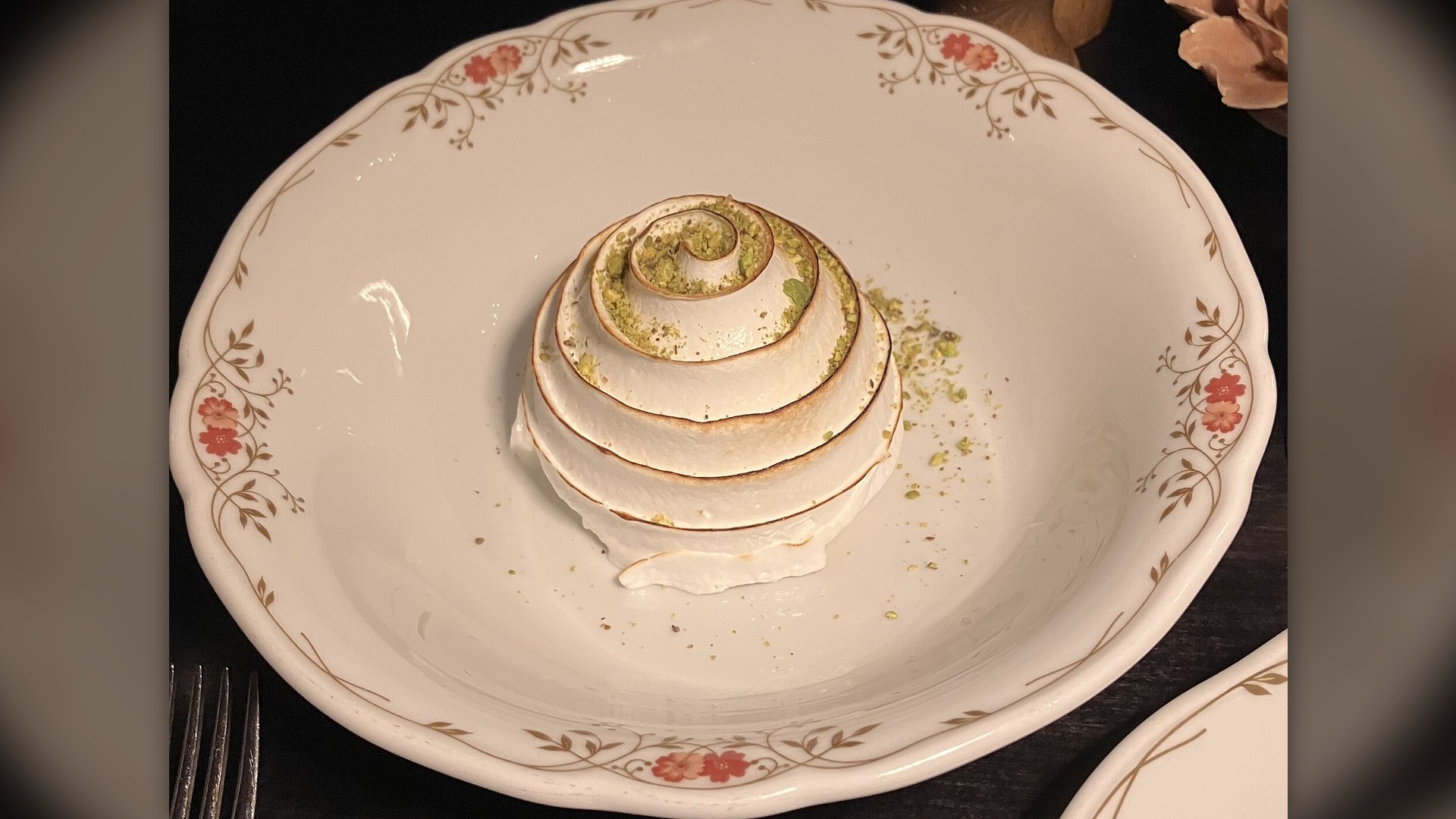
15. Baked Alaska
Building on French omelette norvegienne techniques, Delmonico's chef Charles Ranhofer created a dessert called "Alaska, Florida" in 1867 to mark the U.S. purchase of Alaska. Newspaper writers and later cookbooks shortened the name to Baked Alaska.
©Wikimedia / Gogerr
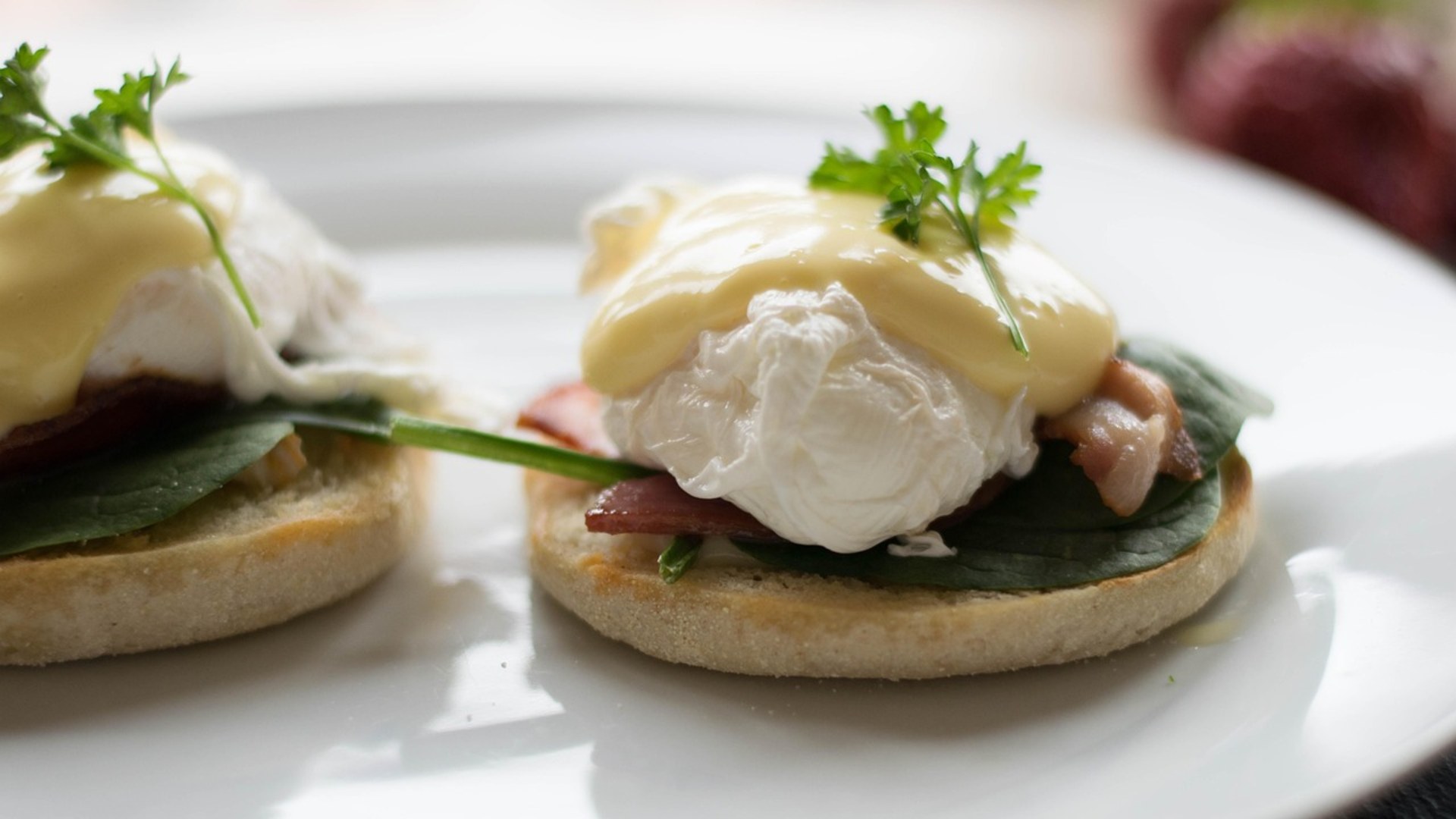
14. Eggs Benedict
Wall Street broker Lemuel Benedict told The New Yorker he ordered buttered toast, poached eggs, bacon and hollandaise at the Waldorf Hotel in 1894 as a morning cure. Delmonico's also claimed the dish was created for regular patrons Mr. and Mrs. LeGrand Benedict.
©Pixabay / Jacques2017
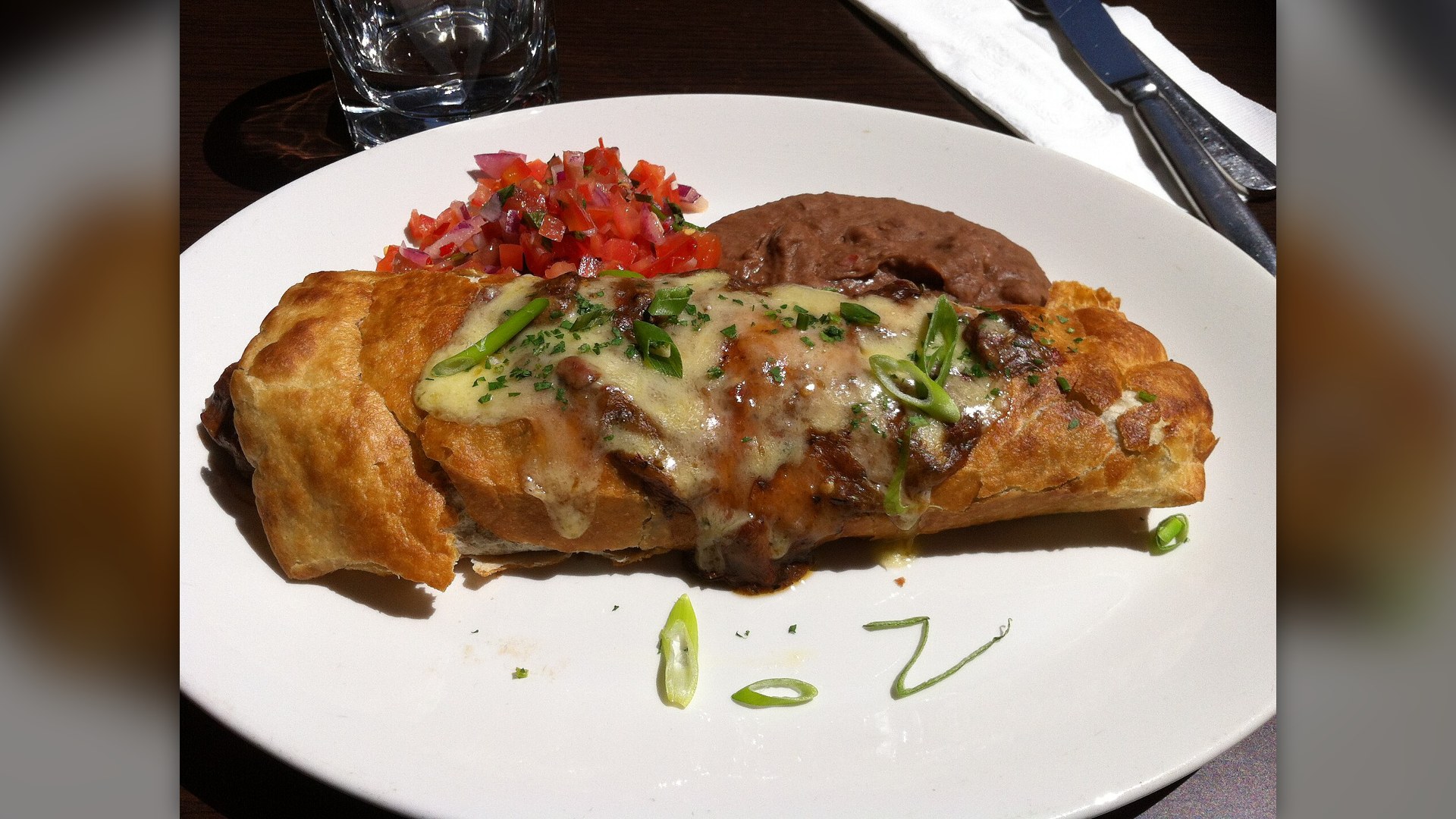
13. Chimichanga
Both El Charro Cafe in Tucson and Macayo's in Phoenix link the dish to a burrito dropped into hot oil in the early-to-mid 20th century. Monica Flin of El Charro said she shouted "chimichanga" as a mild Spanish substitute for a stronger curse word.
©Wikimedia / Dainsleaf
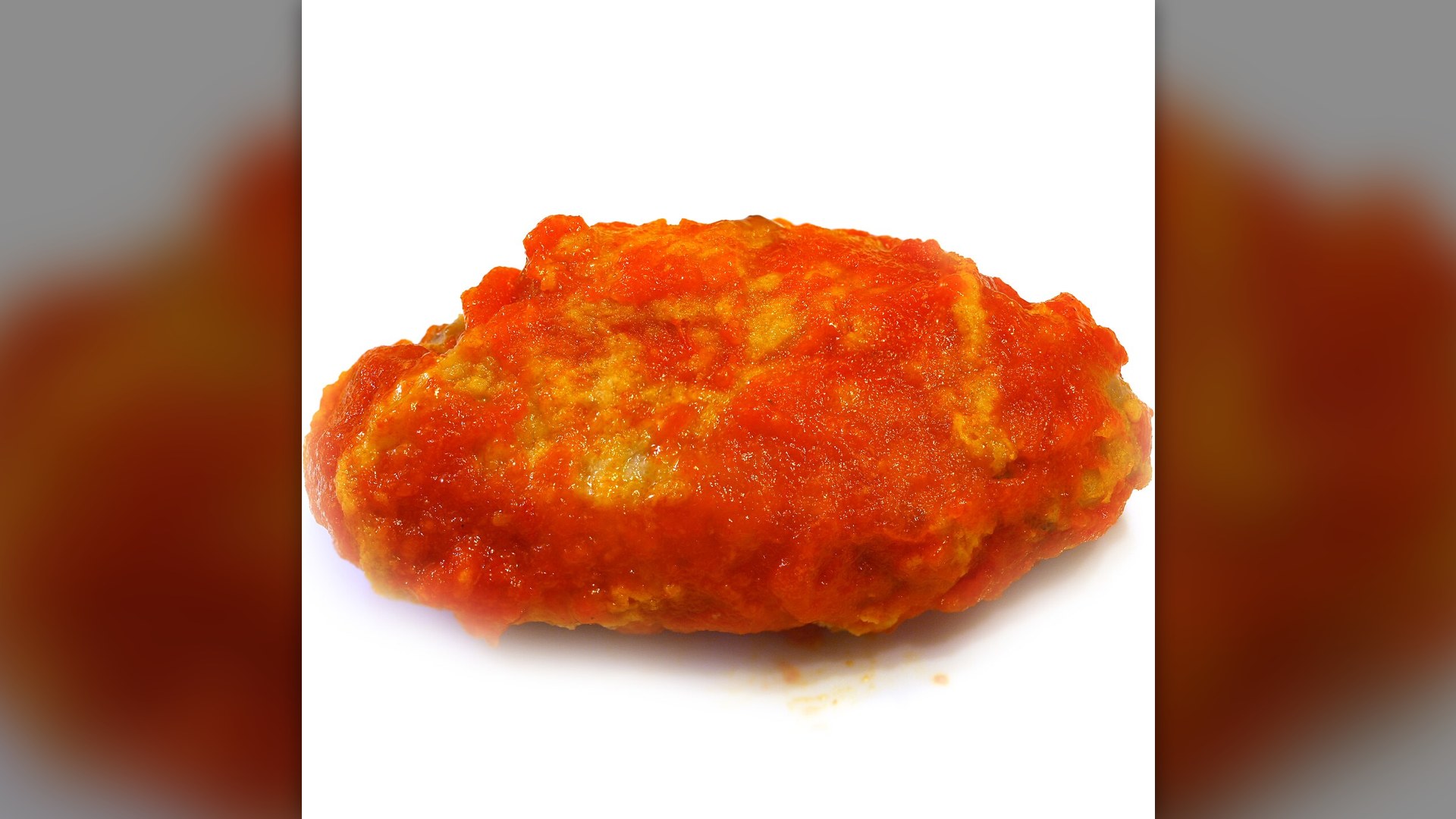
12. Buffalo Wings
Co-owner Teressa Bellissimo invented the dish at Buffalo's Anchor Bar when her son Dominic brought hungry friends in late at night. Instead of using leftover chicken wings for soup stock, she deep-fried them and tossed them in cayenne hot sauce and butter.
©Wikimedia / Calgary Reviews from Calgary, Canada
Advertisement
Swipe or tap ▶ to resume the countdown.
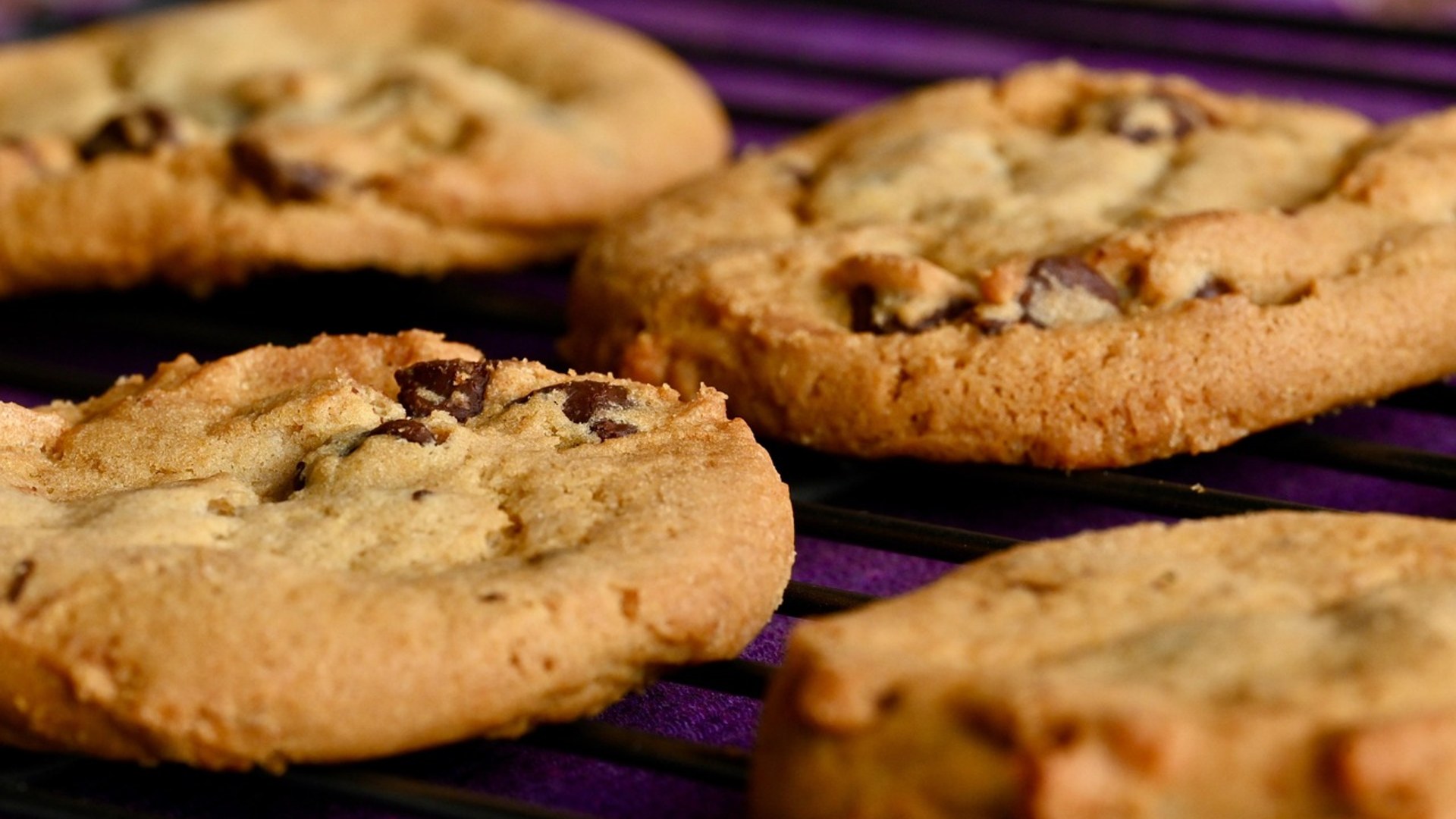
11. Chocolate Chip Cookie
Contrary to the myth that she ran out of baking chocolate, Massachusetts innkeeper Ruth Graves Wakefield chopped a Nestle semi-sweet bar into butter dough on purpose to create a new treat. Nestle later printed her recipe on every package in exchange for chocolate.
©Pixabay / dmarr515
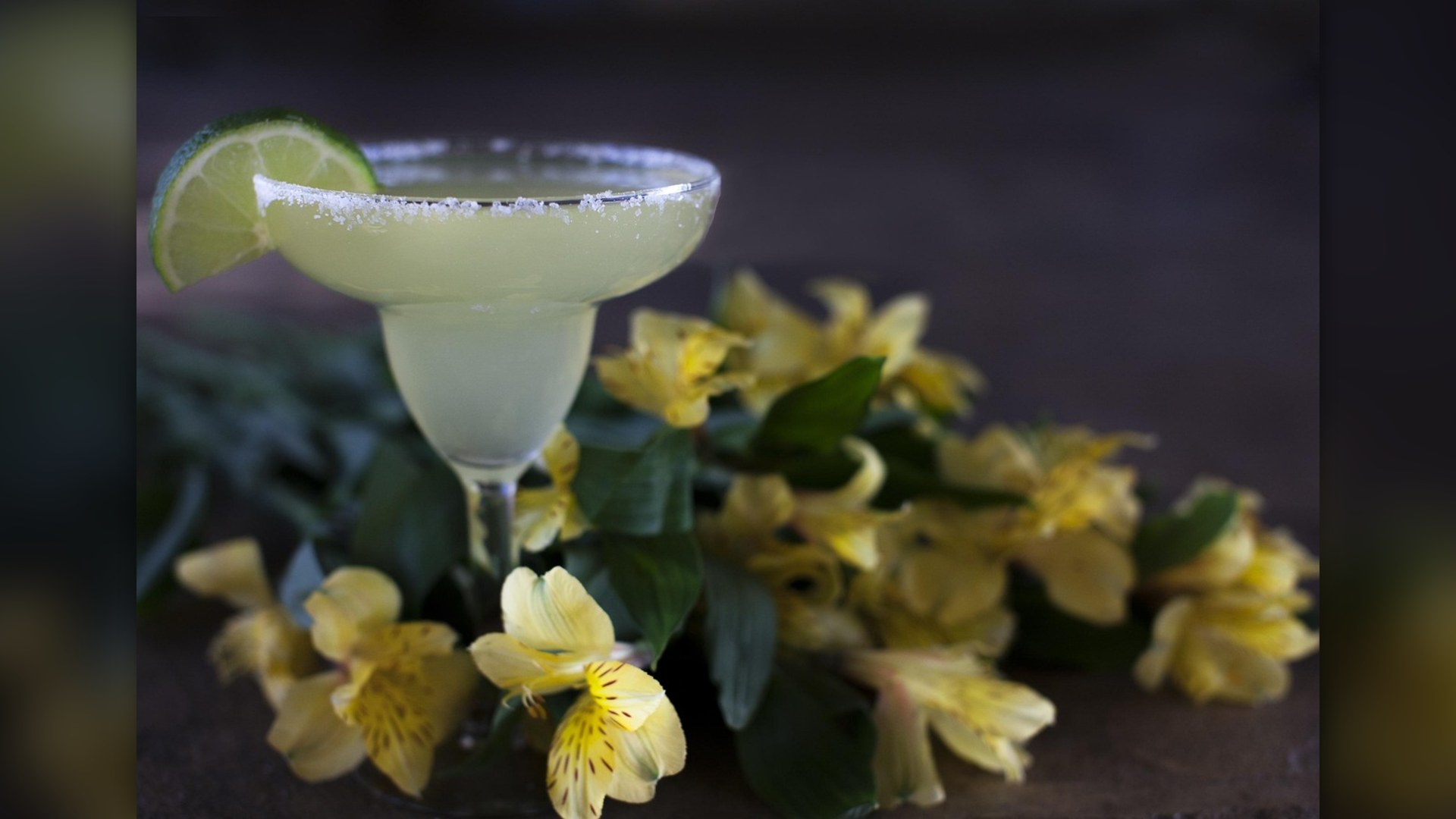
10. Margarita
Several bartenders in Tijuana, Ensenada and Ciudad Juarez claimed credit in the 1930s and 1940s, yet the name tells the real story. "Margarita" is Spanish for daisy, and early recipes simply swapped tequila into the classic 19th-century Daisy cocktail.
©Pixabay / 378322
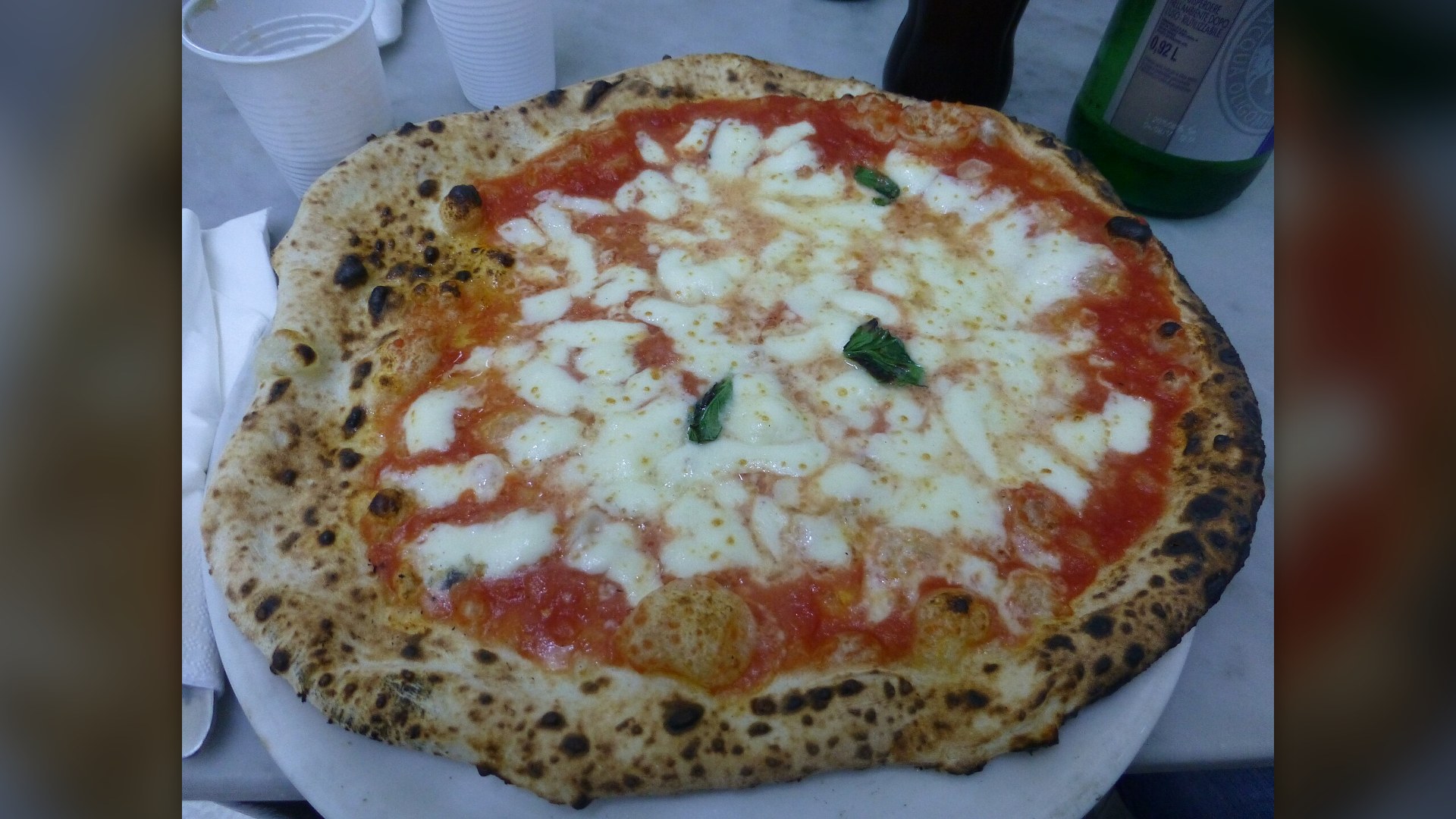
9. Margherita Pizza
While Naples pizzaiolo Raffaele Esposito famously served a tomato, mozzarella and basil pie to Queen Margherita of Savoy in 1889, food historians note identical toppings appeared in Neapolitan cookbooks decades earlier. The royal visit simply fixed the name.
©Wikimedia / Kos88
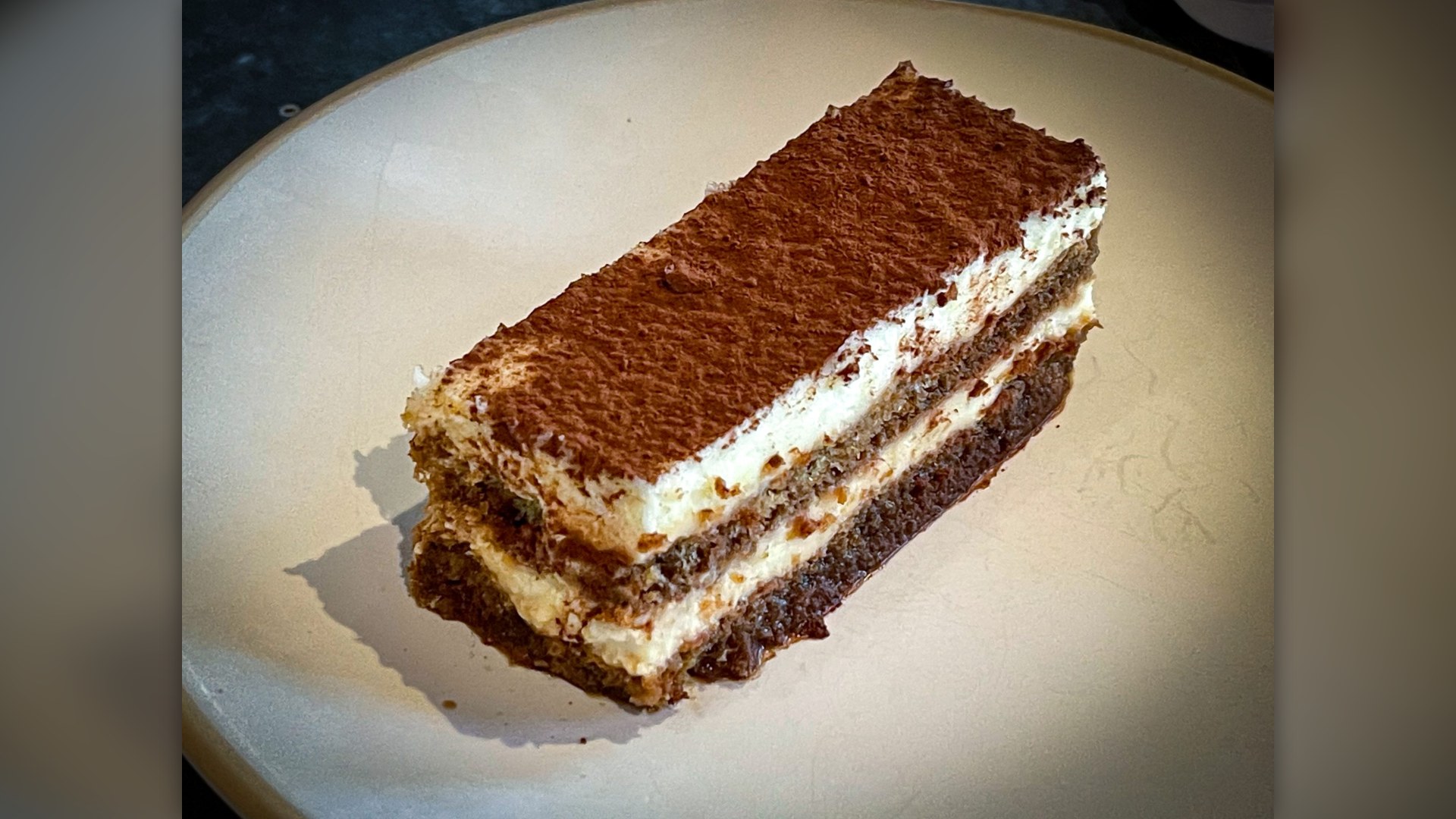
8. Tiramisu
No Italian cookbook mentions tiramisu before the 1970s. Pastry chef Roberto Linguanotto and owner Alba Campeol popularized the modern mascarpone and coffee-soaked ladyfinger version at Le Beccherie in Treviso, though nearby Friuli restaurants also claim roots.
©Openverse / ChrisEdwardsCE
Advertisement
Swipe or tap ▶ to resume the countdown.
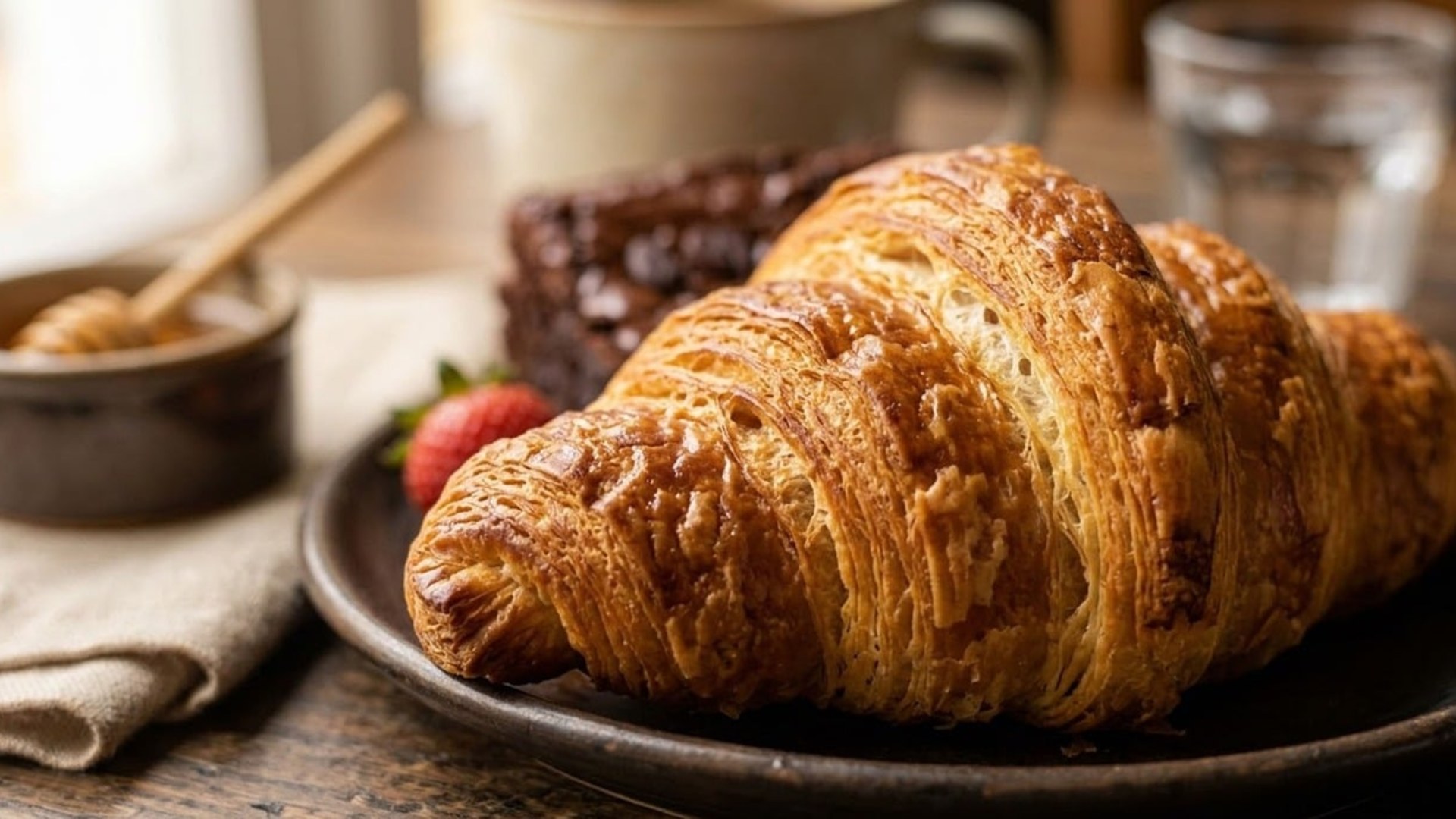
7. Croissant
Crescent-shaped kipferl rolls were baked in Austria for centuries before retired artillery officer August Zang opened his Boulangerie Viennoise in Paris around 1838. French bakers adopted the shape and swapped brioche dough for flaky laminated pastry after 1900.
©Pixabay / HenryLesnussa
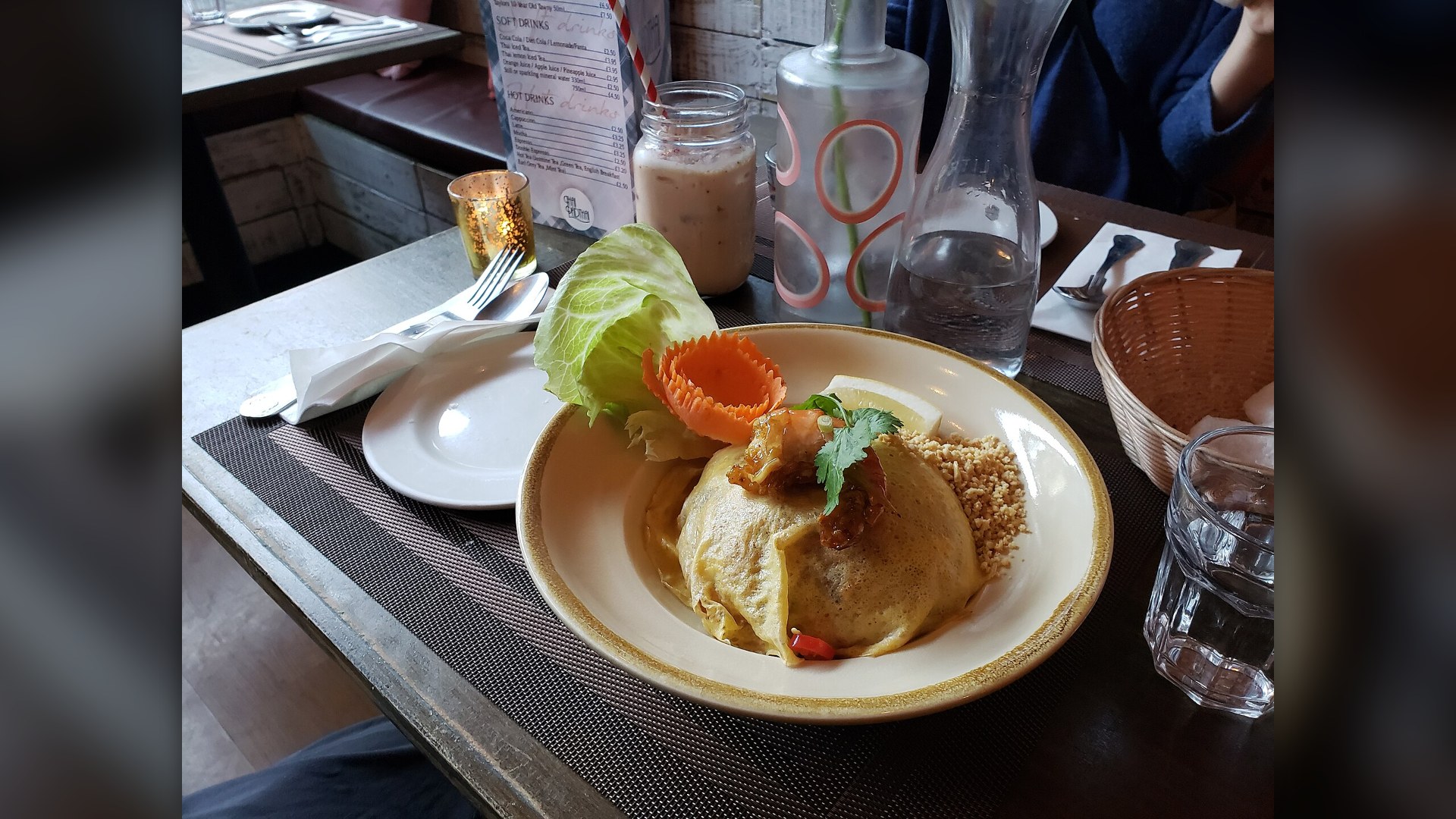
6. Pad Thai
Prime Minister Plaek Phibunsongkhram championed the stir-fried rice noodle dish around World War II to forge a shared national cuisine and stretch rice supplies. The government even distributed standardized recipes and cart designs to street vendors.
©Wikimedia / Andy Li
5. French Fries
Belgian food historian Pierre Leclercq debunked the tale of 17th-century Namur villagers frying potatoes during a frozen river winter, noting potatoes arrived there around 1735. Early fried potato strips, called pommes Pont-Neuf, were sold on Paris bridges by 1789.
©Pixabay / matthiasboeckel
4. Coca-Cola
After Atlanta passed temperance restrictions in 1885, pharmacist John Stith Pemberton reformulated his coca-infused wine into a syrup mixed with carbonated water at Jacobs' Pharmacy. Early ads marketed the drink as an invigorating brain tonic for headaches.
©Pixabay / DWilliam
Advertisement
Swipe or tap ▶ to resume the countdown.
3. Sandwich
People placed meat between flatbreads for centuries before 1762, when John Montagu, the 4th Earl of Sandwich, ordered cold roast beef between slices of toast in London. According to contemporary accounts, he ate it so he could keep playing cards or working.
©Pixabay / tehzeebkazmii
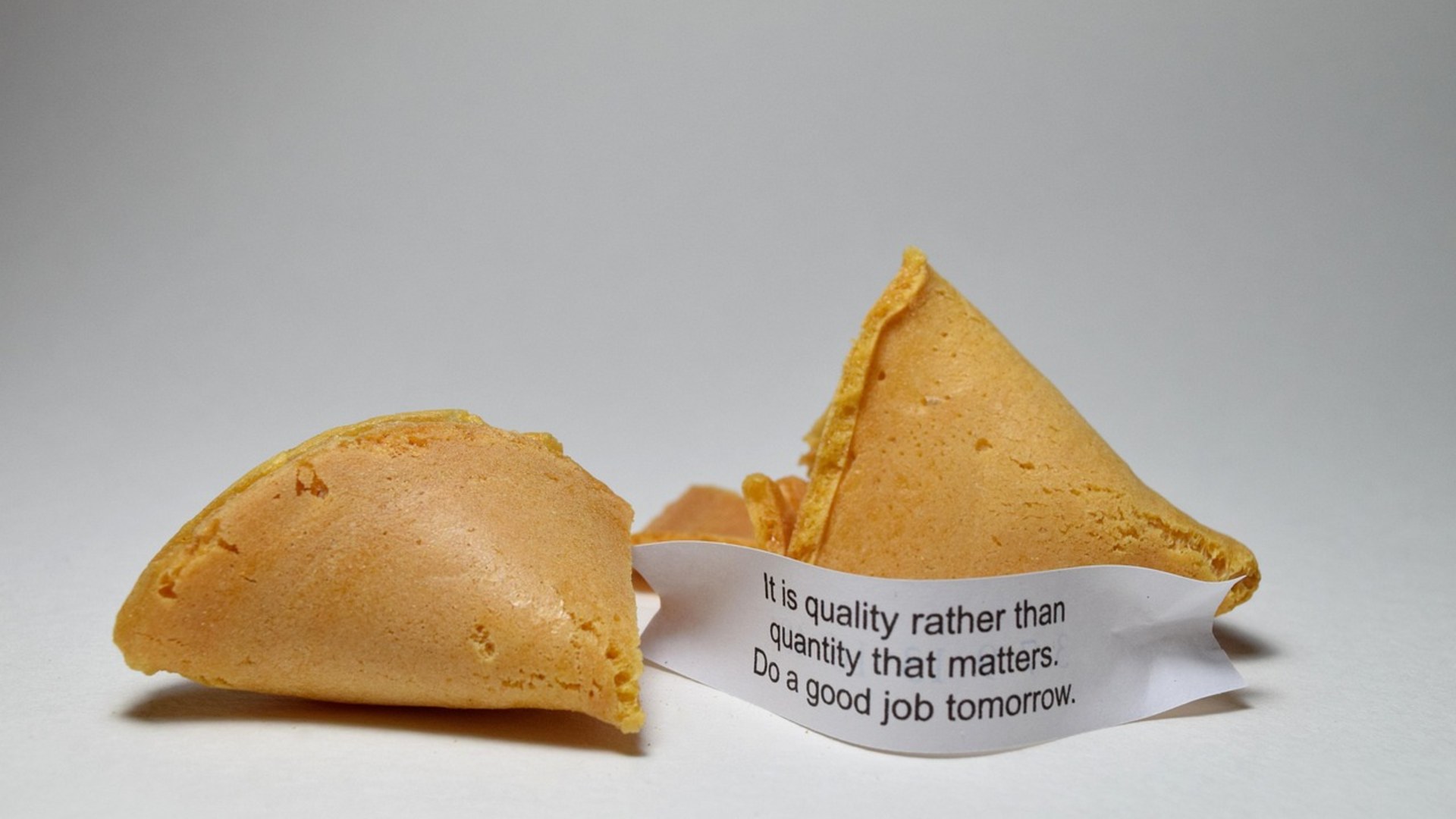
2. Fortune Cookie
Japanese immigrants in California adapted traditional tsujiura senbei crackers in the early 1900s, using sweet vanilla batter instead of savory miso. Makoto Hagiwara served them at San Francisco's Japanese Tea Garden before Chinese restaurants adopted them.
©Wikimedia / King of Hearts
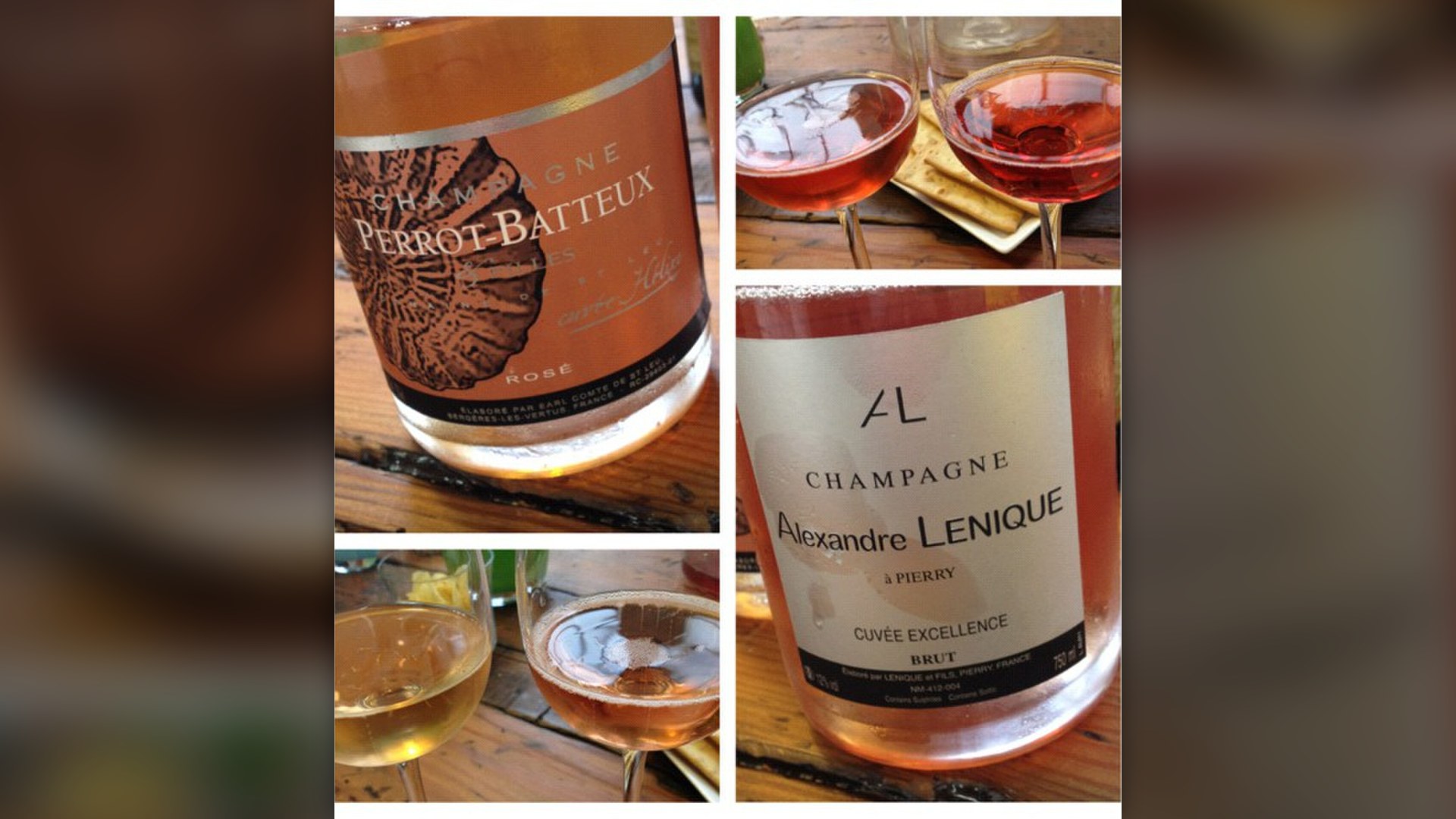
1. Champagne
Contrary to legend, Benedictine monk Dom Perignon tried to prevent secondary fermentation because bursting bottles ruined Abbey cellars. In 1662, English physician Christopher Merret documented adding sugar to wine to create fizz before Champagne makers embraced the sparkle.
©Wikimedia / Jameson Fink
Advertisement
You've reached the end of the story. Thanks for reading!

How Long Do Hippos Live? 20 Other Facts About Hippos
From sixty-year lifespans to whale cousins, discover secrets of river giants
All 22 Entries in this Story
22. Hawaiian Pizza
Greek immigrant Sam Panopoulos invented the pie at his Satellite Restaurant in Chatham, Ontario, after experimenting with canned fruit. He named the topping combination after the Hawaiian brand printed on the pineapple tin sitting in his kitchen.

21. German Chocolate Cake
In 1852, English-born baker Samuel German developed a sweet dark baking chocolate bar for Baker's Chocolate Company in Massachusetts. More than a century later, a 1957 Dallas Morning News recipe popularized the dessert as German's Chocolate Cake.

20. Worcestershire Sauce
In the 1830s, Worcester chemists John Wheeley Lea and William Henry Perrins mixed anchovies, tamarind and spices for retired governor Lord Marcus Sandys. The first batch tasted terrible, so they left the jars in a cellar and found an aged sauce years later.

19. Caesar Salad
Italian-born restaurateur Caesar Cardini created the salad tableside at his Tijuana restaurant when Prohibition-era American diners overwhelmed his kitchen. Short on supplies, he tossed romaine leaves with olive oil, egg, Parmesan and garlic.

18. Nachos
In 1943, maitre d' Ignacio "Nacho" Anaya improvised the dish at the Victory Club in Piedras Negras, Mexico, for a group of U.S. military wives visiting from Texas. With the cook gone, he fried tortilla triangles and melted cheese with pickled jalapenos.

17. General Tso's Chicken
Chef Peng Chang-kuei fled Hunan for Taipei and invented the stir-fry in the 1950s, naming it after Qing dynasty general Zuo Zongtang. His original version was savory and spicy, while New York restaurateurs added sugar and batter in the 1970s.

16. Chicken Tikka Masala
Rather than coming from royal Mughal kitchens, the dish grew out of 1970s British curry houses. Glasgow chef Ali Ahmed Aslam of Shish Mahal is widely credited with adding spiced tomato soup and cream to dry roasted chicken tikka for local diners.

15. Baked Alaska
Building on French omelette norvegienne techniques, Delmonico's chef Charles Ranhofer created a dessert called "Alaska, Florida" in 1867 to mark the U.S. purchase of Alaska. Newspaper writers and later cookbooks shortened the name to Baked Alaska.

14. Eggs Benedict
Wall Street broker Lemuel Benedict told The New Yorker he ordered buttered toast, poached eggs, bacon and hollandaise at the Waldorf Hotel in 1894 as a morning cure. Delmonico's also claimed the dish was created for regular patrons Mr. and Mrs. LeGrand Benedict.

13. Chimichanga
Both El Charro Cafe in Tucson and Macayo's in Phoenix link the dish to a burrito dropped into hot oil in the early-to-mid 20th century. Monica Flin of El Charro said she shouted "chimichanga" as a mild Spanish substitute for a stronger curse word.

12. Buffalo Wings
Co-owner Teressa Bellissimo invented the dish at Buffalo's Anchor Bar when her son Dominic brought hungry friends in late at night. Instead of using leftover chicken wings for soup stock, she deep-fried them and tossed them in cayenne hot sauce and butter.

11. Chocolate Chip Cookie
Contrary to the myth that she ran out of baking chocolate, Massachusetts innkeeper Ruth Graves Wakefield chopped a Nestle semi-sweet bar into butter dough on purpose to create a new treat. Nestle later printed her recipe on every package in exchange for chocolate.

10. Margarita
Several bartenders in Tijuana, Ensenada and Ciudad Juarez claimed credit in the 1930s and 1940s, yet the name tells the real story. "Margarita" is Spanish for daisy, and early recipes simply swapped tequila into the classic 19th-century Daisy cocktail.

9. Margherita Pizza
While Naples pizzaiolo Raffaele Esposito famously served a tomato, mozzarella and basil pie to Queen Margherita of Savoy in 1889, food historians note identical toppings appeared in Neapolitan cookbooks decades earlier. The royal visit simply fixed the name.

8. Tiramisu
No Italian cookbook mentions tiramisu before the 1970s. Pastry chef Roberto Linguanotto and owner Alba Campeol popularized the modern mascarpone and coffee-soaked ladyfinger version at Le Beccherie in Treviso, though nearby Friuli restaurants also claim roots.

7. Croissant
Crescent-shaped kipferl rolls were baked in Austria for centuries before retired artillery officer August Zang opened his Boulangerie Viennoise in Paris around 1838. French bakers adopted the shape and swapped brioche dough for flaky laminated pastry after 1900.

6. Pad Thai
Prime Minister Plaek Phibunsongkhram championed the stir-fried rice noodle dish around World War II to forge a shared national cuisine and stretch rice supplies. The government even distributed standardized recipes and cart designs to street vendors.

5. French Fries
Belgian food historian Pierre Leclercq debunked the tale of 17th-century Namur villagers frying potatoes during a frozen river winter, noting potatoes arrived there around 1735. Early fried potato strips, called pommes Pont-Neuf, were sold on Paris bridges by 1789.

4. Coca-Cola
After Atlanta passed temperance restrictions in 1885, pharmacist John Stith Pemberton reformulated his coca-infused wine into a syrup mixed with carbonated water at Jacobs' Pharmacy. Early ads marketed the drink as an invigorating brain tonic for headaches.

3. Sandwich
People placed meat between flatbreads for centuries before 1762, when John Montagu, the 4th Earl of Sandwich, ordered cold roast beef between slices of toast in London. According to contemporary accounts, he ate it so he could keep playing cards or working.

2. Fortune Cookie
Japanese immigrants in California adapted traditional tsujiura senbei crackers in the early 1900s, using sweet vanilla batter instead of savory miso. Makoto Hagiwara served them at San Francisco's Japanese Tea Garden before Chinese restaurants adopted them.

1. Champagne
Contrary to legend, Benedictine monk Dom Perignon tried to prevent secondary fermentation because bursting bottles ruined Abbey cellars. In 1662, English physician Christopher Merret documented adding sugar to wine to create fizz before Champagne makers embraced the sparkle.