Slideshow · Science
20 National Park Myths Rangers Hear That Are Actually False
Visitors bring plenty of legends to America's national parks, from geyser schedules and cave names to bear safety and desert rocks. Based on National Park Service records, U.S. Geological Survey studies, and Smithsonian research, these 20 repeated park myths separate viral folklore from verified natural science.
By Most Viral Today
1 hour agoradar-lead:signal:a7fffcce-2db4-421f-b54f-767e230fdedb

Park folklore spreads fast, but rangers and geologists tell a different story. 
20. Bryce Canyon Is Not A True Canyon 
19. Hoh Rain Forest Is Far From Tropical 
18. Mesa Verde Residents Did Not Vanish - AdvertisementSwipe or tap ▶ to continue countdown

17. Zion Flash Floods Strike Under Clear Skies 
16. Cadillac Mountain First Sunrise Is Seasonal 
15. Carlsbad Caverns Formed From Below 
14. Joshua Trees Are Not Cacti Or Palms - AdvertisementSwipe or tap ▶ to continue countdown

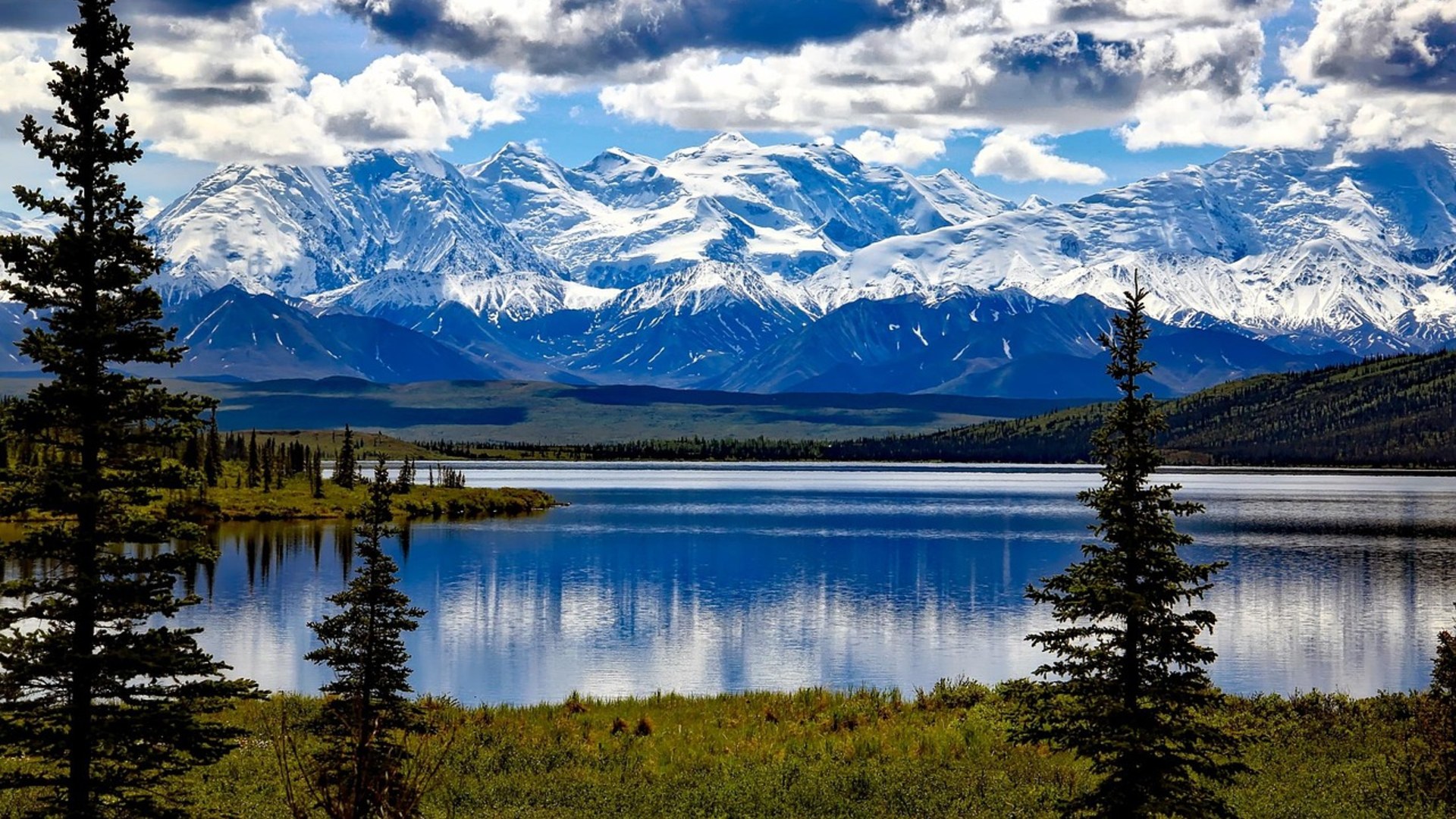
13. Denali Beats Everest Only One Way 
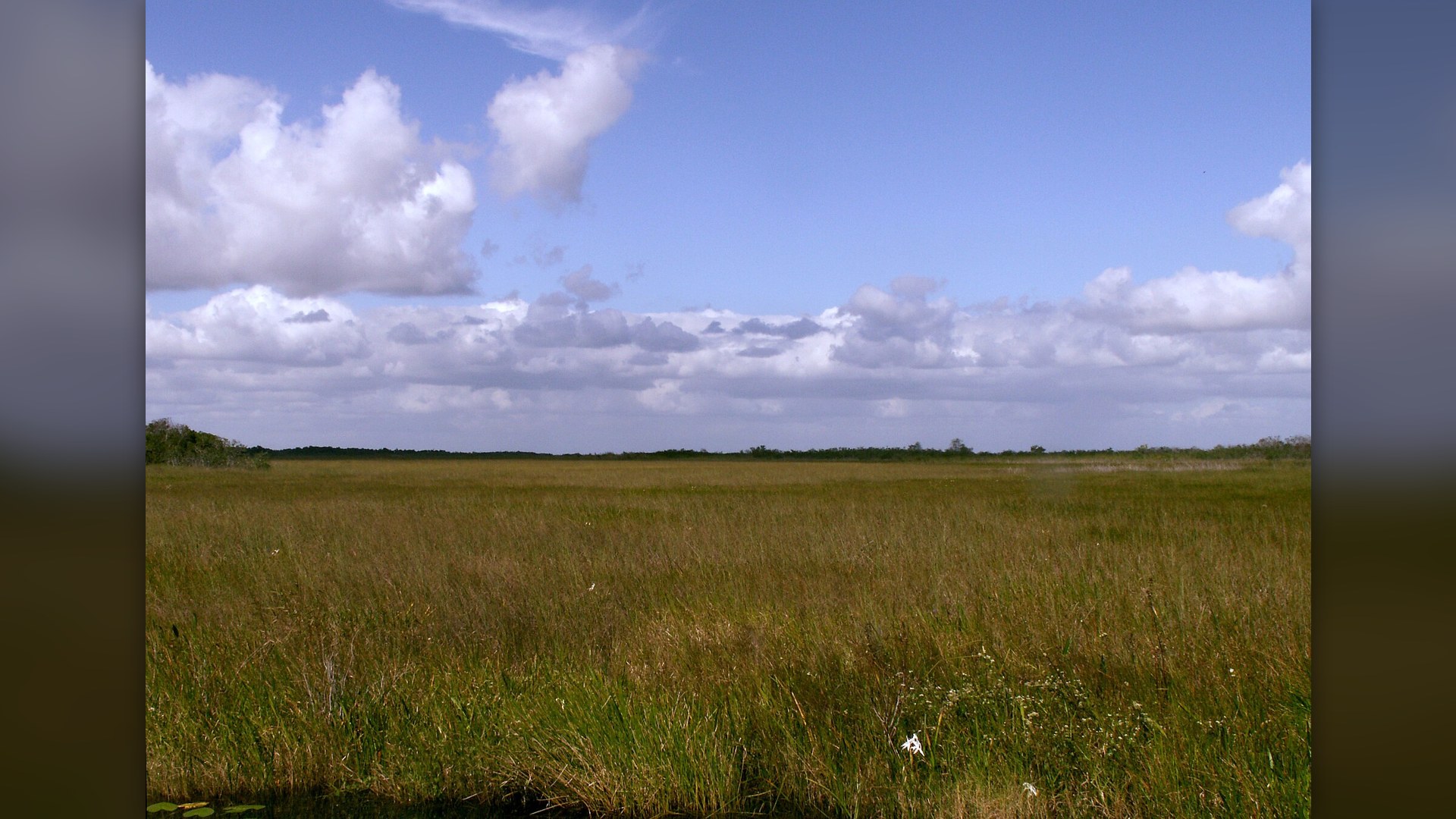
12. Everglades Is A Slow-Moving River 
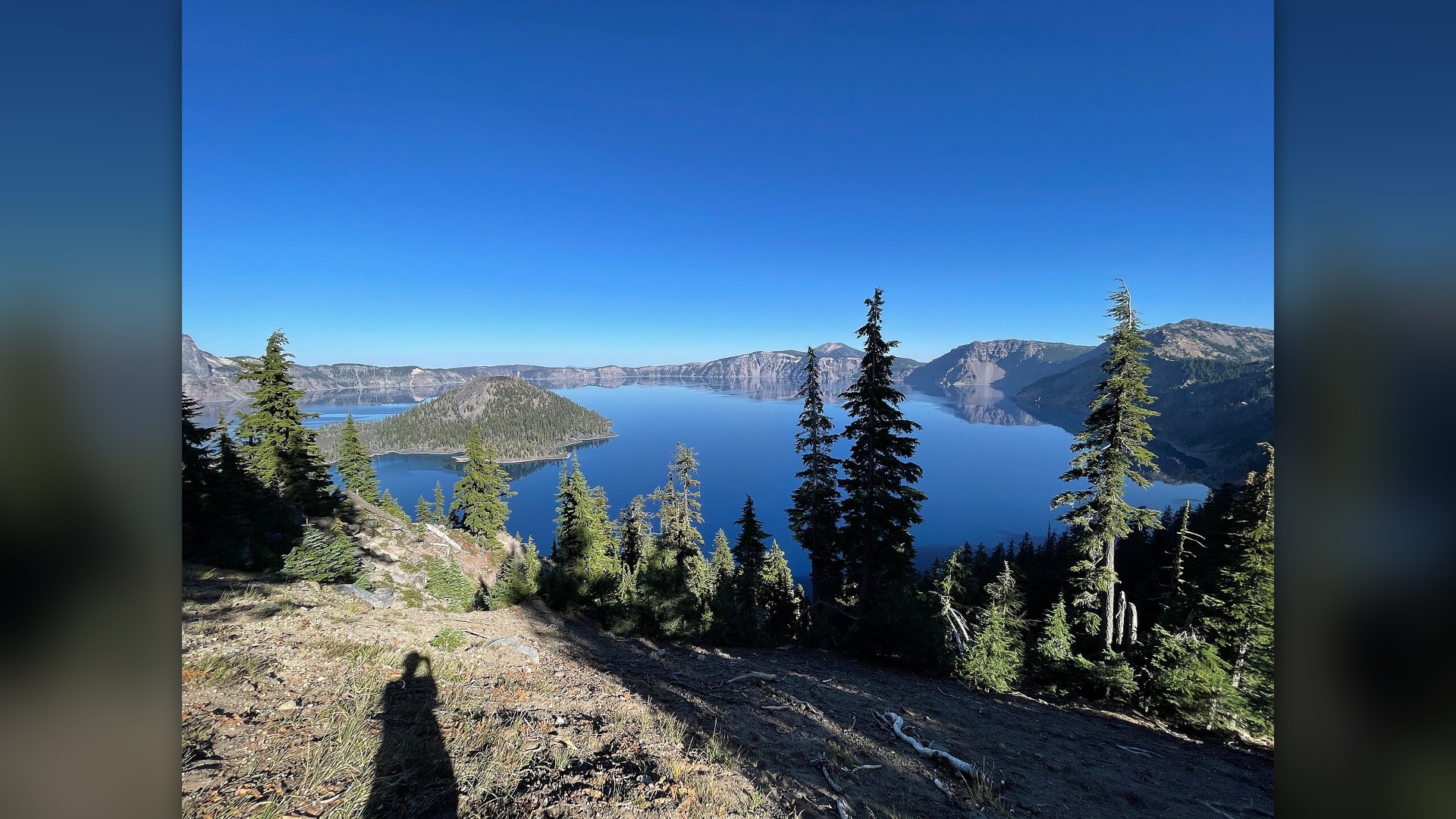
11. Crater Lake Was Not Made By A Meteor 
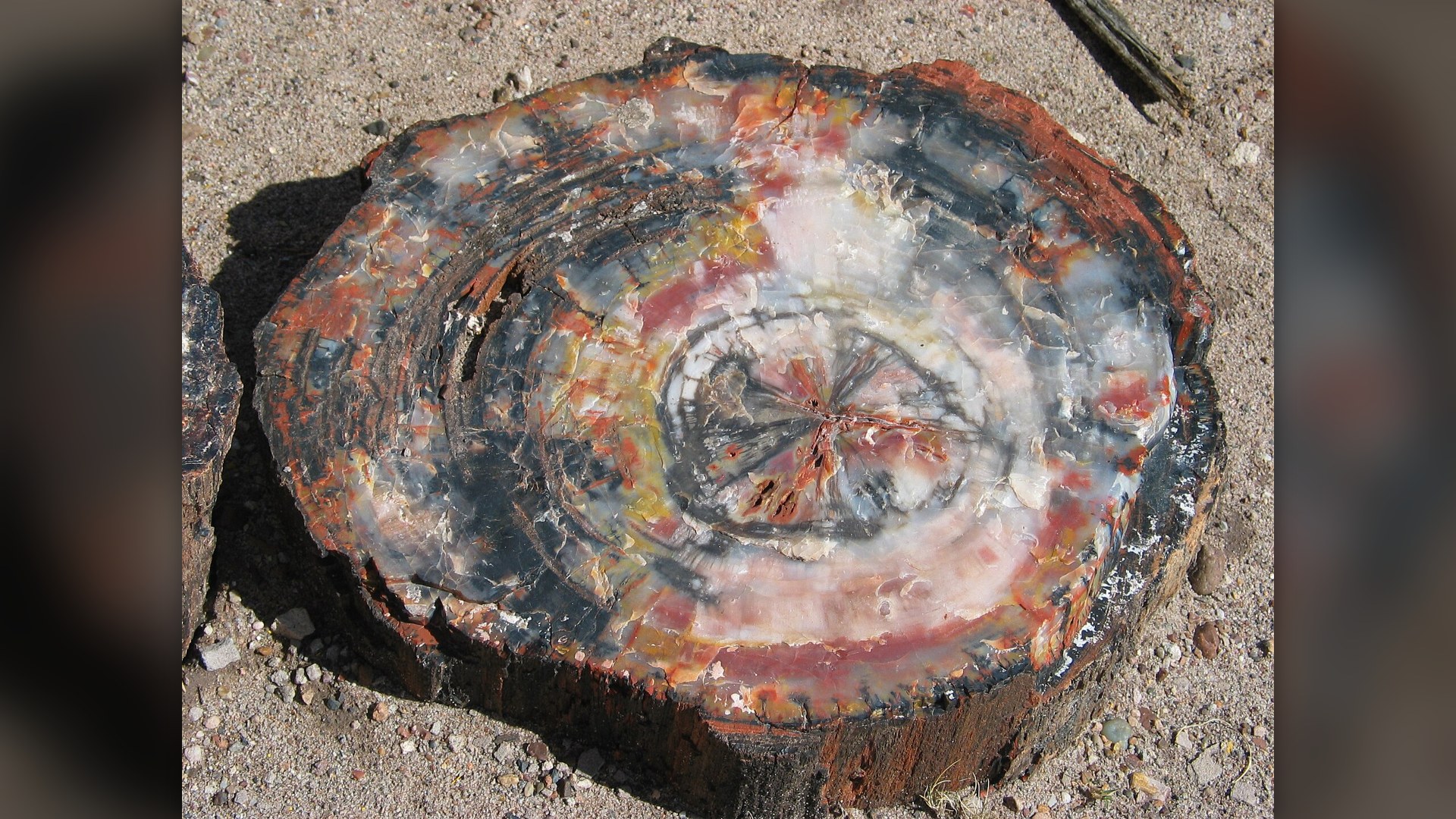
10. Petrified Wood Is Quartz, Not Wood - AdvertisementSwipe or tap ▶ to continue countdown

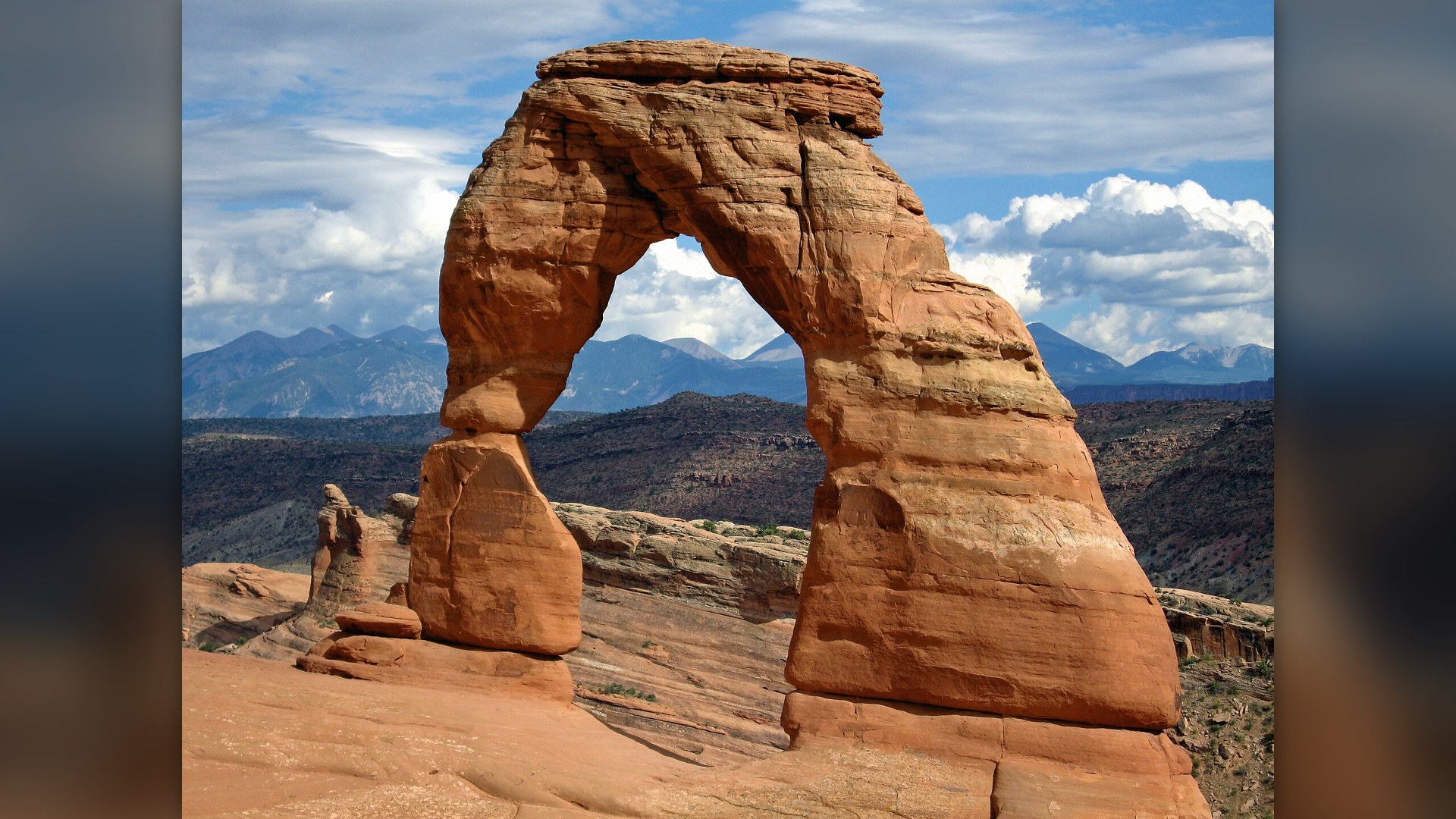
9. Delicate Arch Was Not Carved By A River 
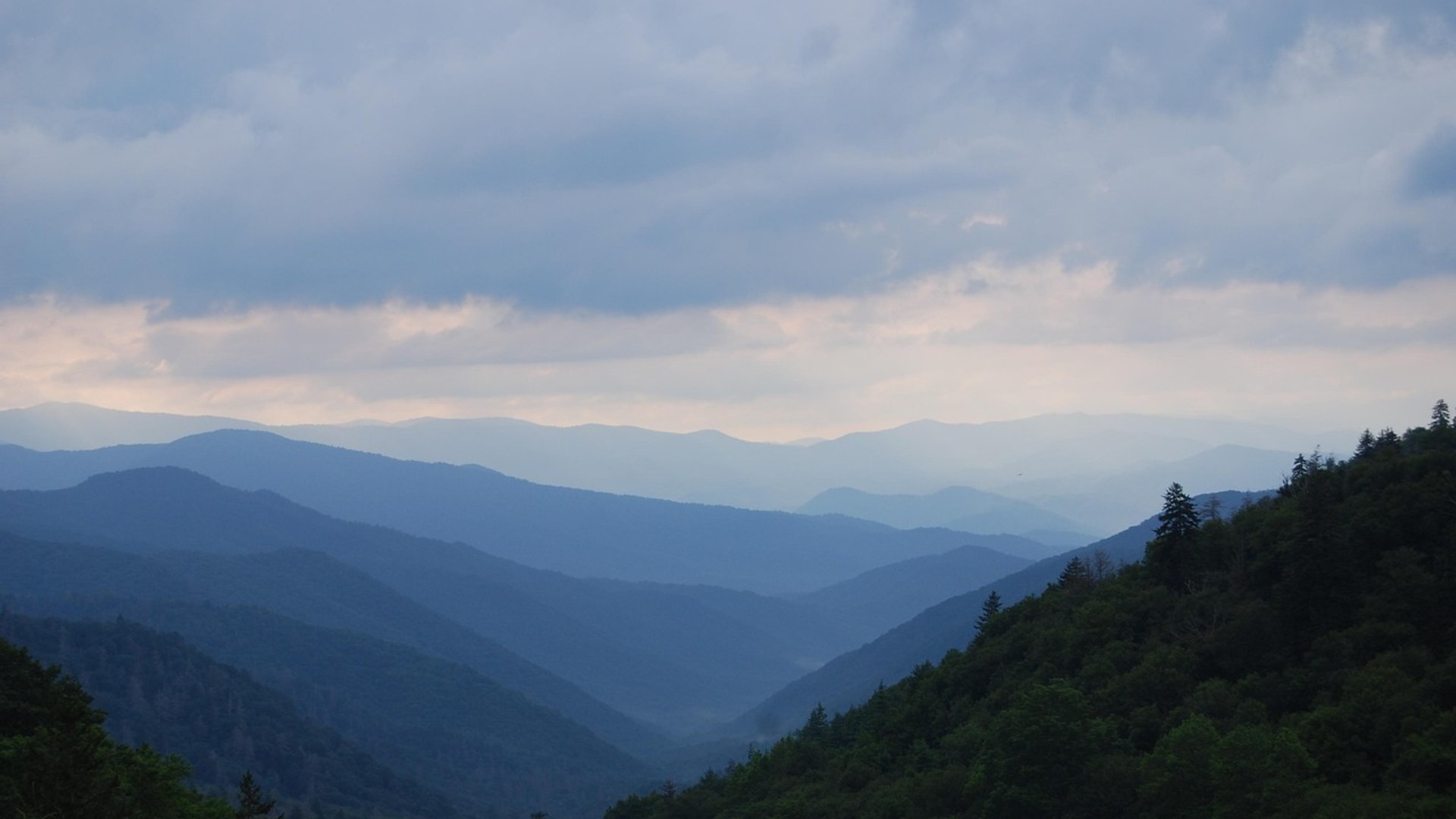
8. Smoky Mountains Haze Comes From Plants 
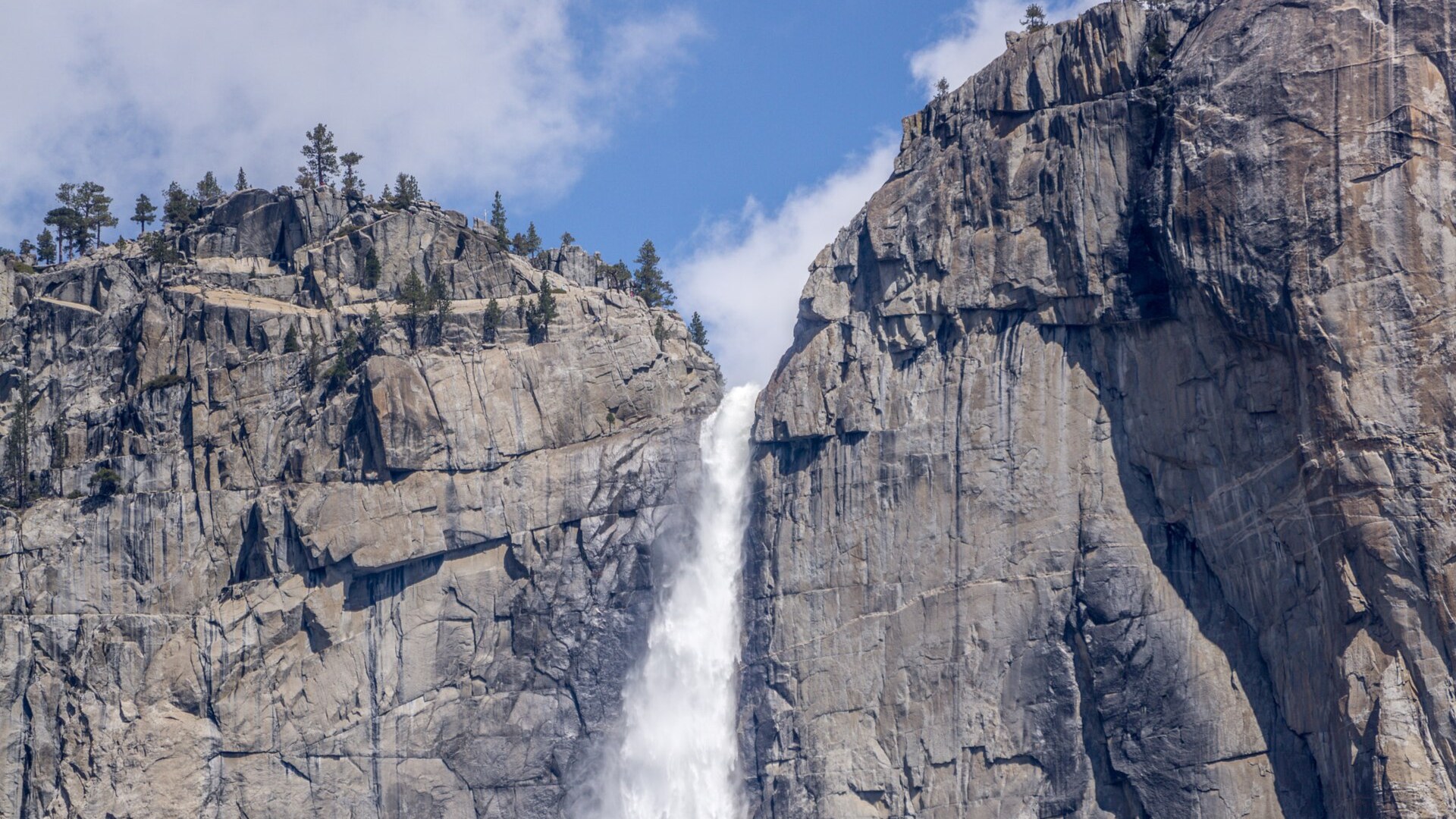
7. Yosemite Firefall Is Sunlight, Not Lava 
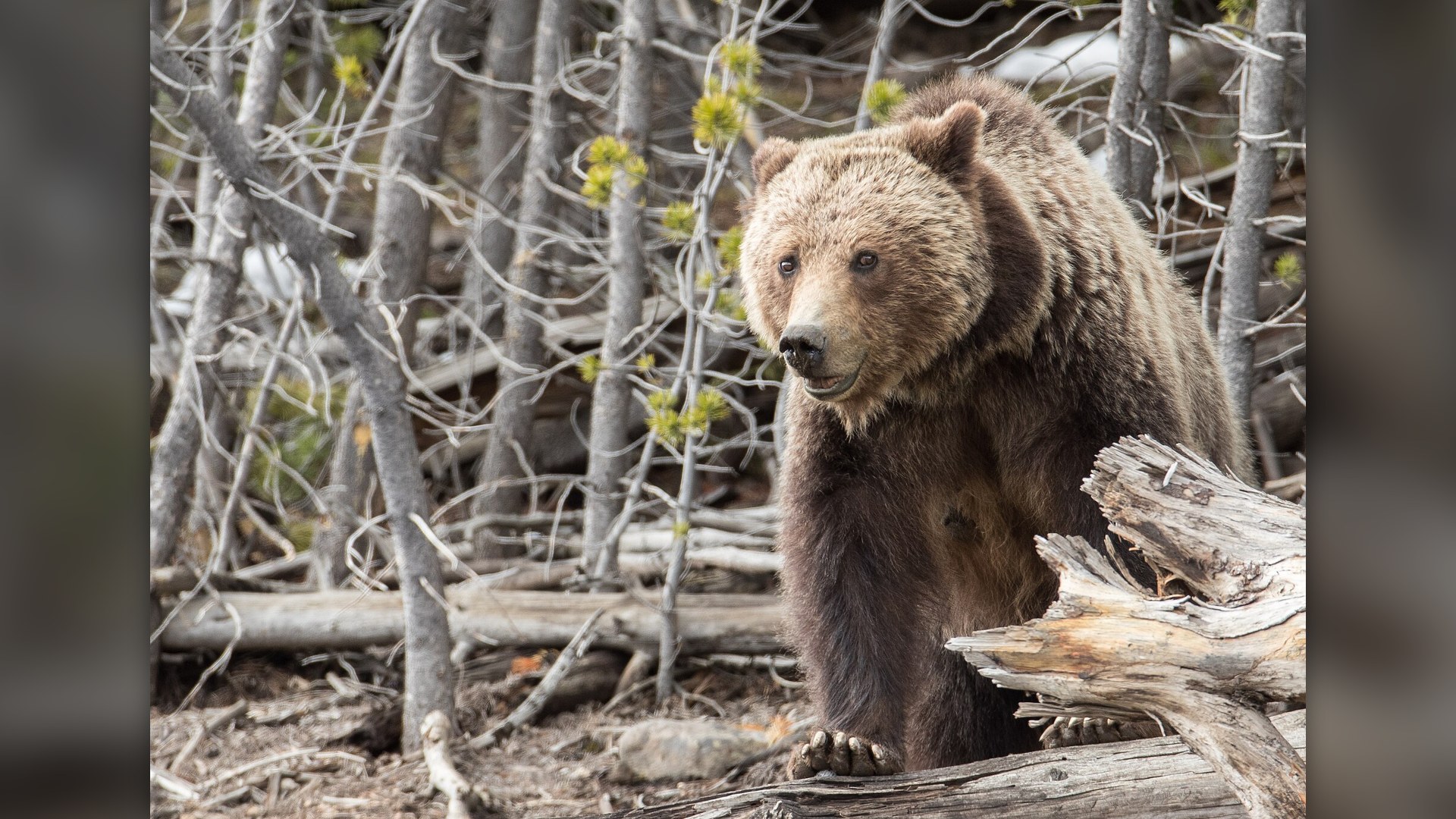
6. Playing Dead Fails Against Black Bears - AdvertisementSwipe or tap ▶ to continue countdown

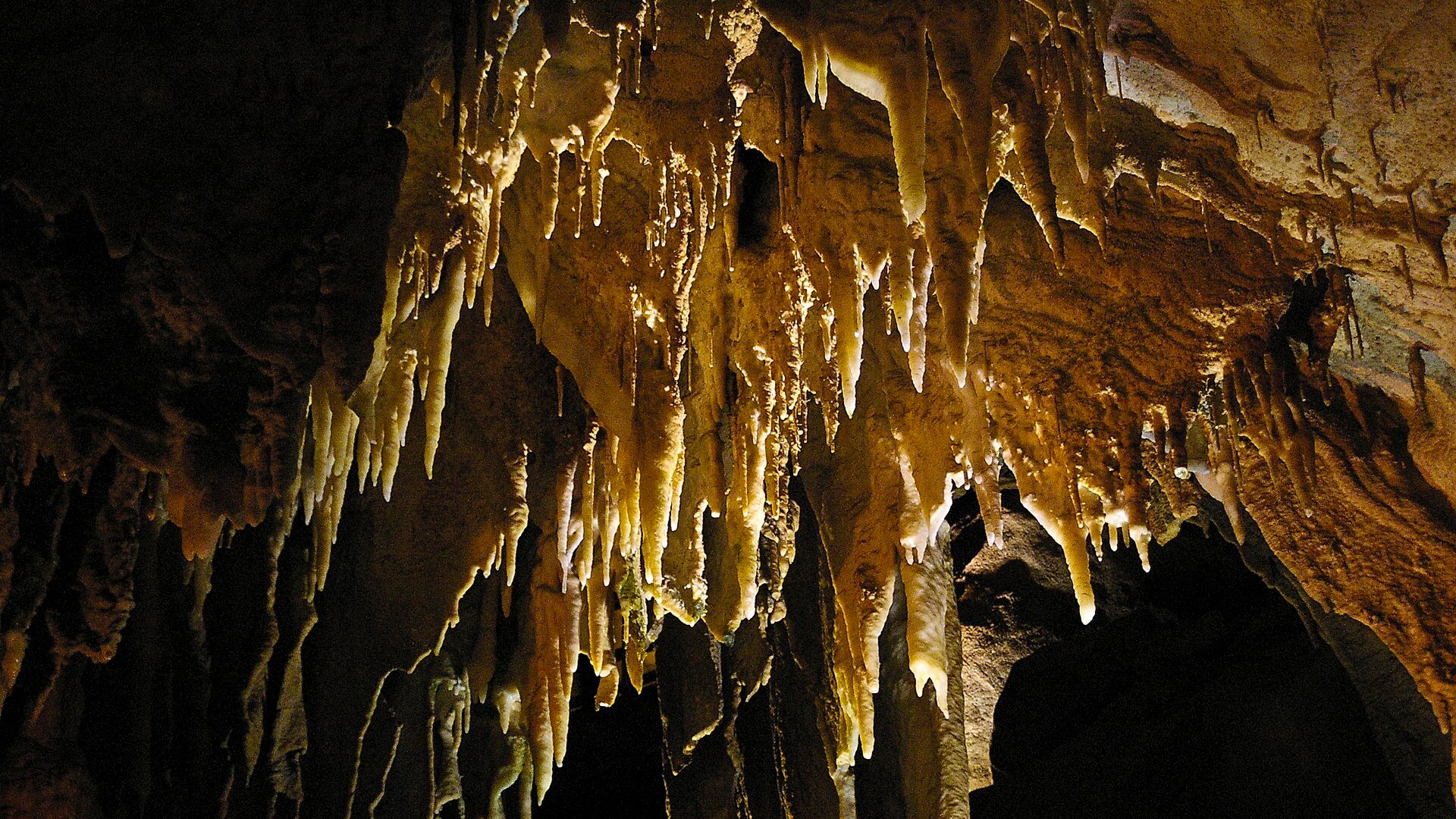
5. Mammoth Cave Has No Woolly Mammoths 
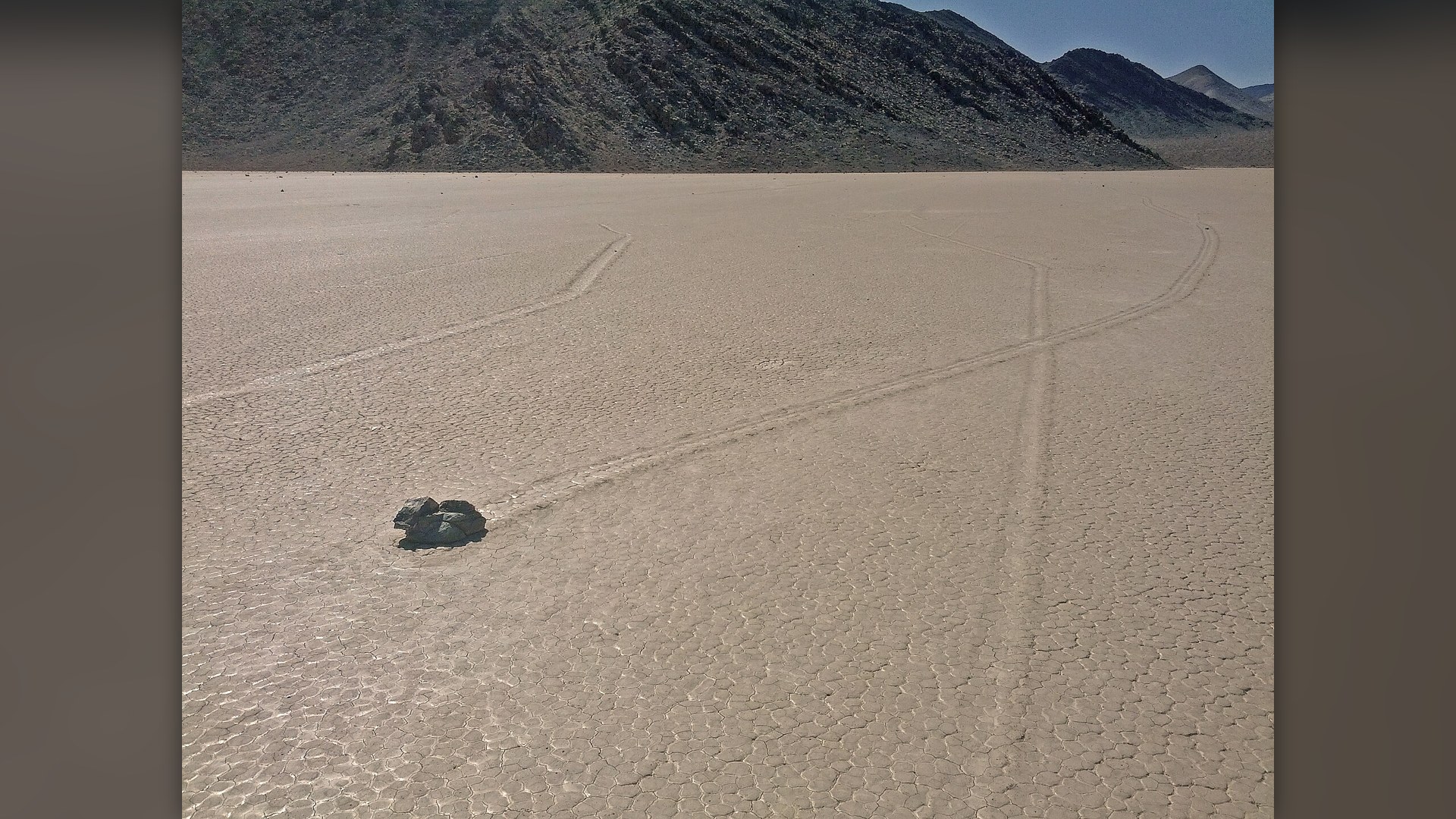
4. Racetrack Playa Stones Move On Thin Ice 
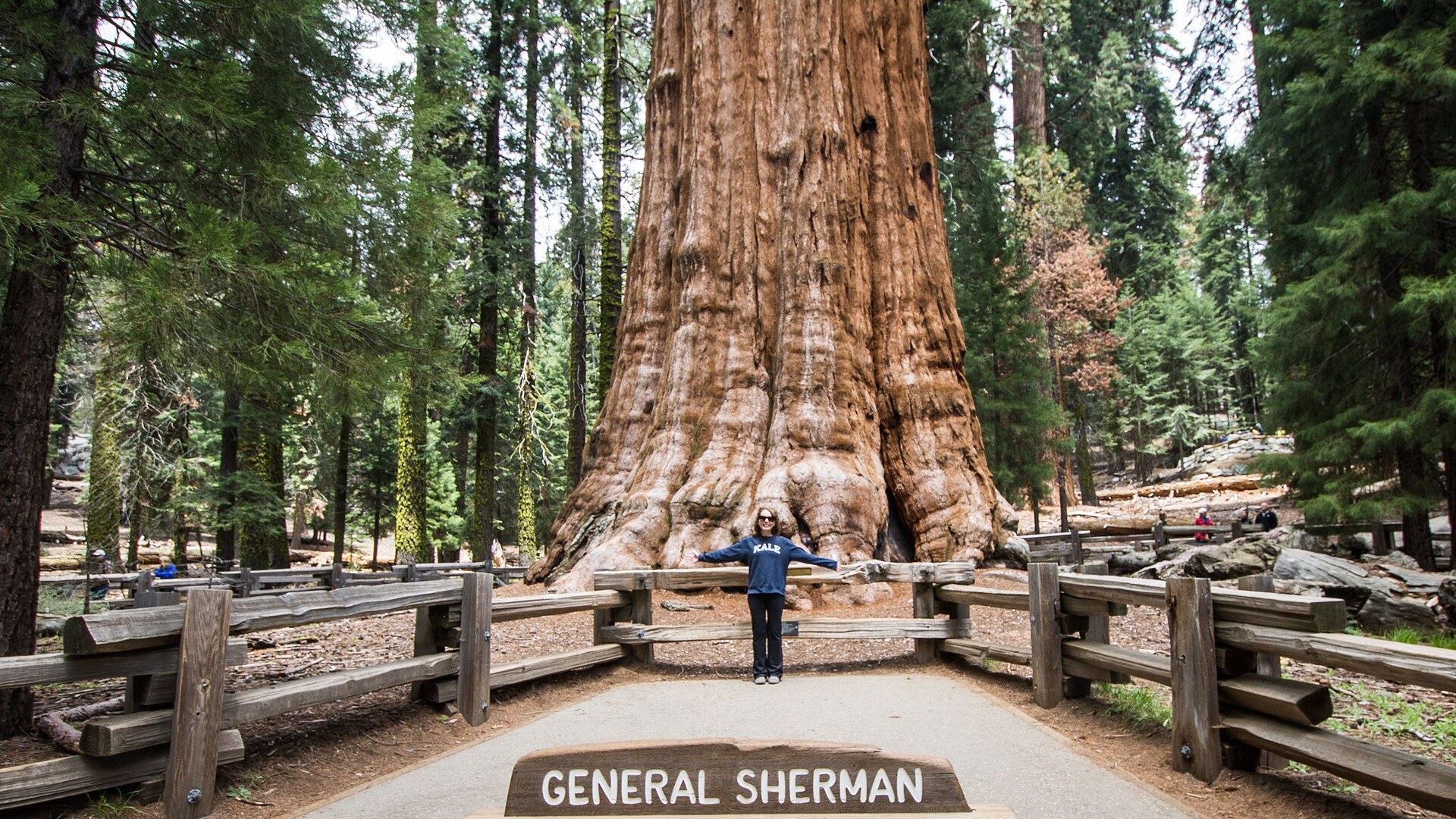
3. General Sherman Is Largest, Not Tallest 
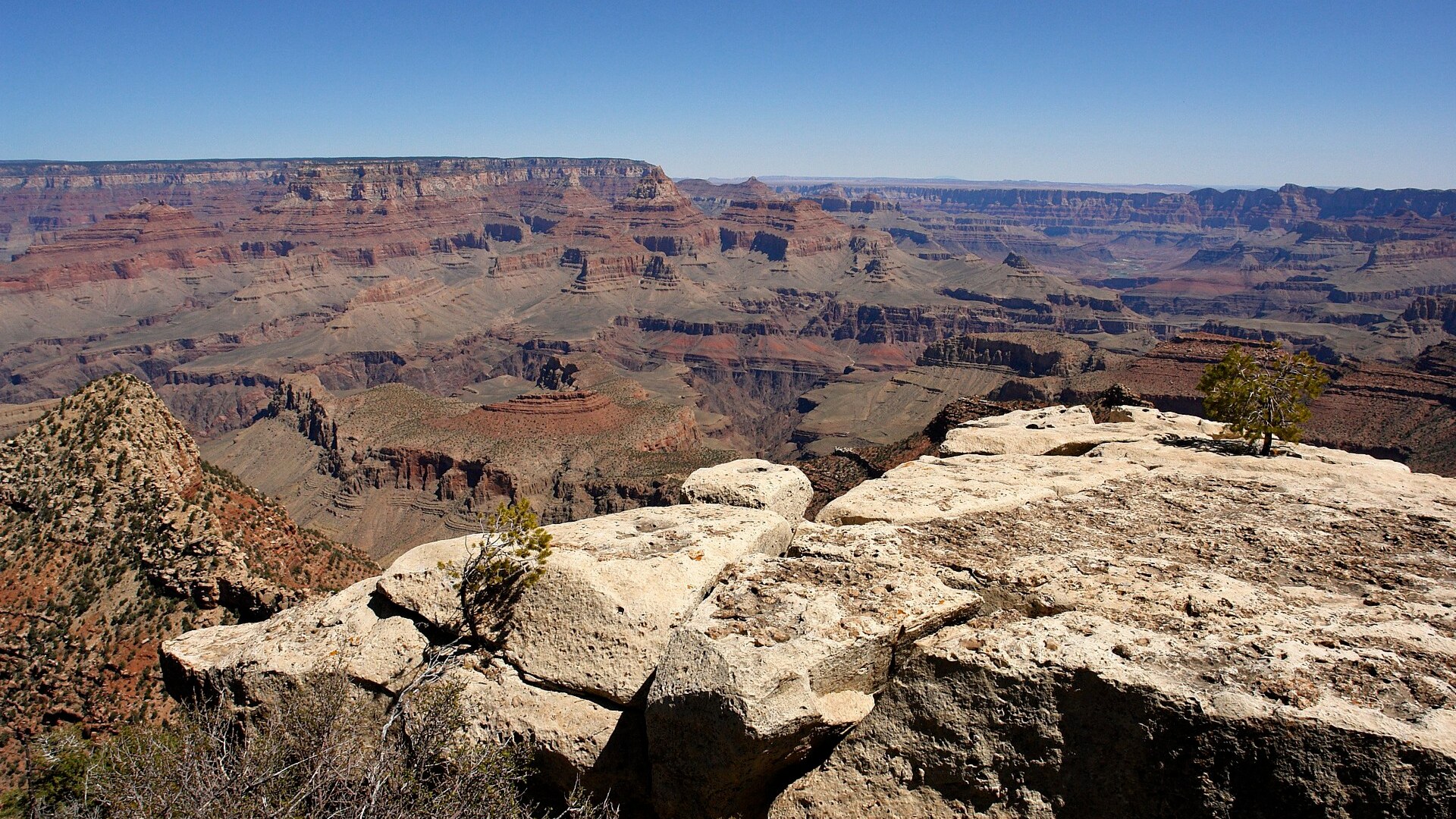
2. Grand Canyon Is Not The Deepest On Earth - AdvertisementSwipe or tap ▶ to continue countdown

1. Old Faithful Does Not Erupt Hourly - Advertisement🔥 UP NEXT IN THIS SERIES◫ 21 Slides

20 Iconic Dinosaurs You Can Identify From a Single Museum Photo
Museum fossil halls preserve skeletons whose horns, crests, plates and skulls stand out at a glance. This countdown ranks 20 iconic dinosaurs from number 20 down to number 1, drawing on museum records from the Smithsonian, Field Museum, Natural History Museum London and American Museum of Natural History.
Visitors bring plenty of legends to America's national parks, from geyser schedules and cave names to bear safety and desert rocks. Based on National Park Service records, U.S. Geological Survey studies, and Smithsonian research, these 20 repeated park myths separate viral folklore from verified natural science.
Swipe or tap ▶ to begin the countdown
©Wikimedia / Niagara66 & Wikimedia / NPS, Jim Peaco
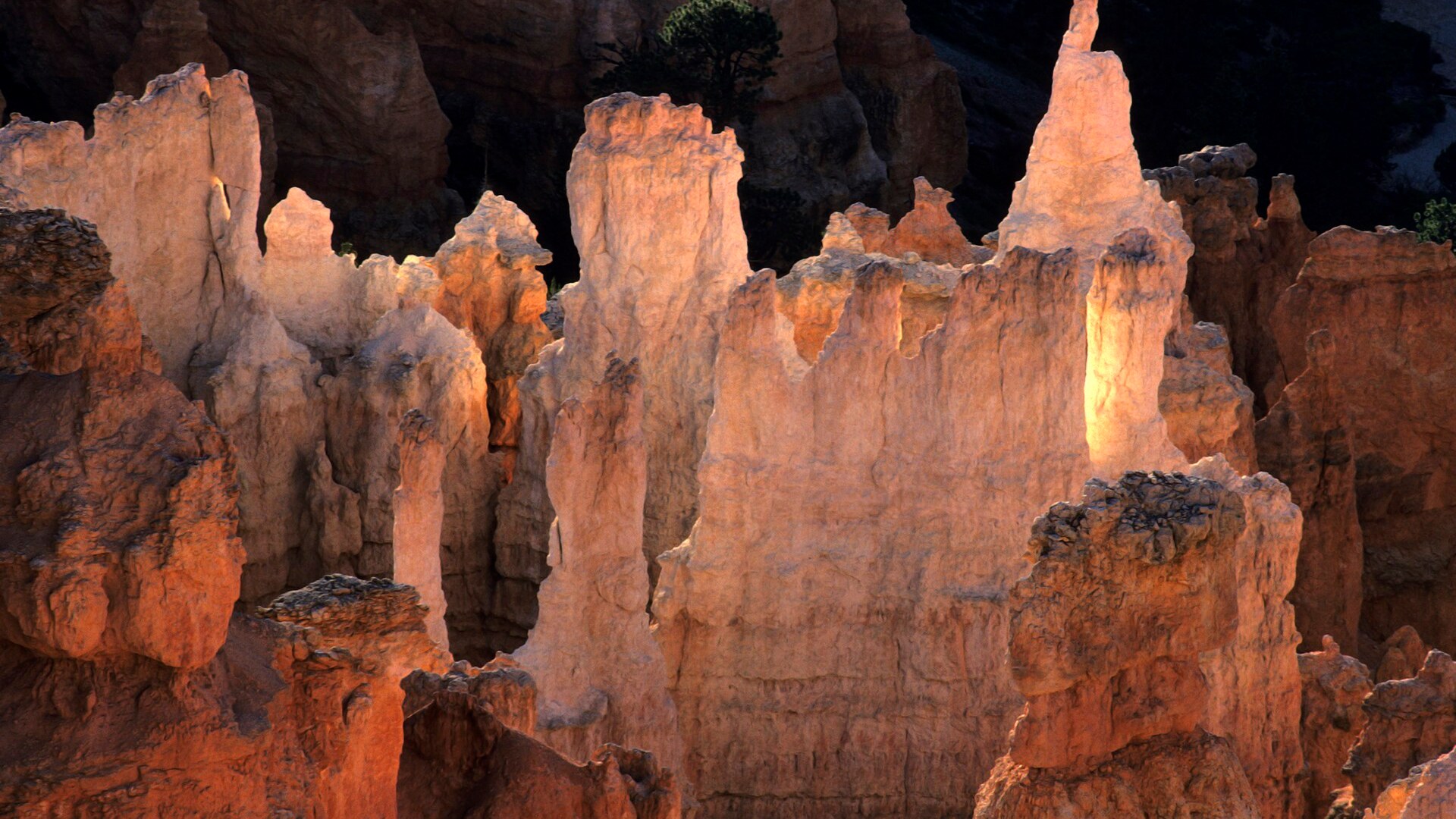
20. Bryce Canyon Is Not A True Canyon
Water never carved Bryce Canyon National Park in Utah. Instead, rainwater and snowmelt seep into limestone cracks on the Paunsaugunt Plateau and freeze roughly 200 nights each year. That repeated ice expansion wedges rock apart to sculpt thousands of tall hoodoos.
©Wikimedia / Michael Gäbler
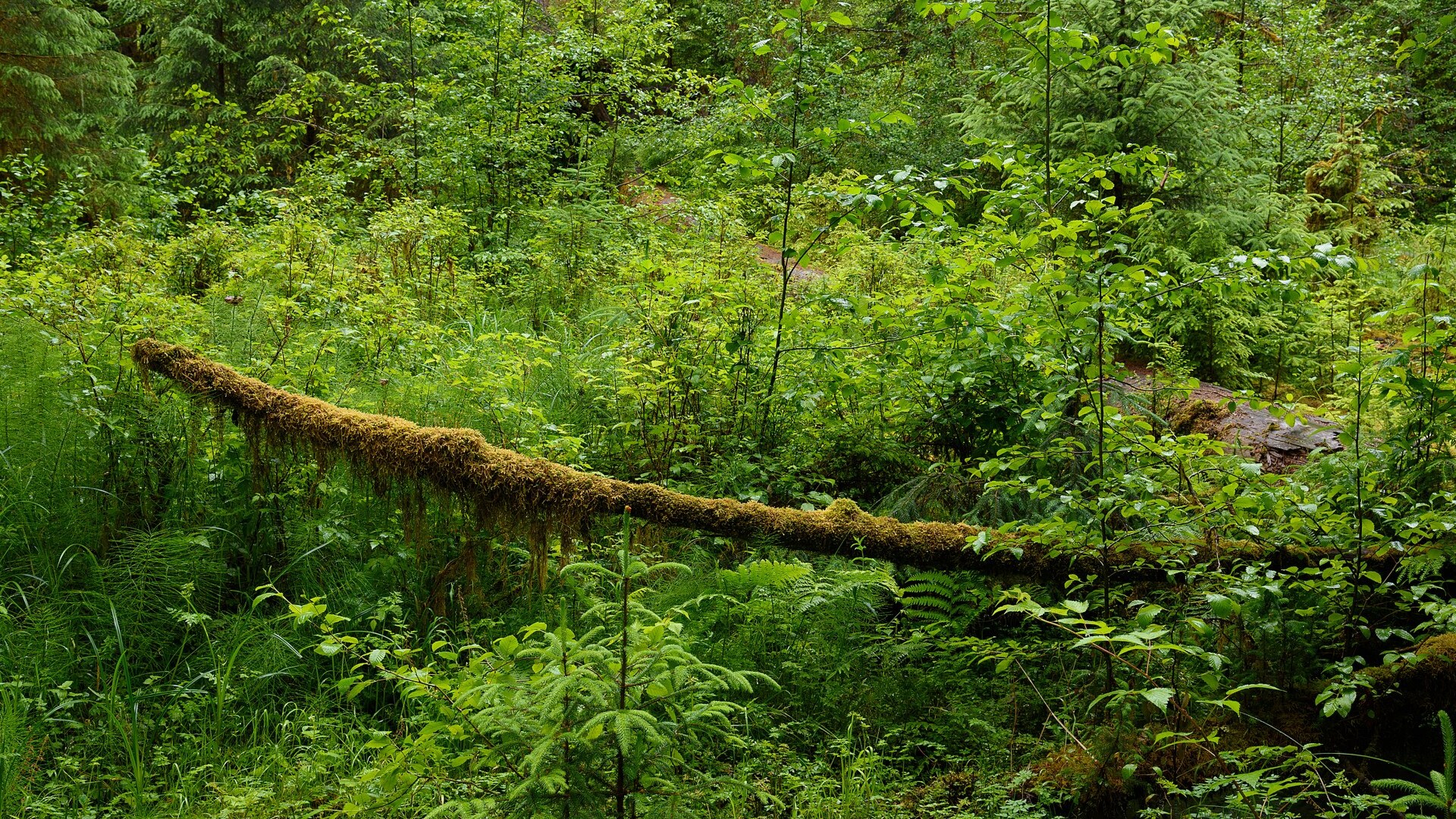
19. Hoh Rain Forest Is Far From Tropical
Located in Olympic National Park, the Hoh is one of the largest temperate rainforests in the United States. Pacific storms hit the Olympic Mountains and drop around 140 inches of rain annually. Cool summers and mild winters help Sitka spruce and bigleaf maples grow moss canopies.
©Wikimedia / King of Hearts
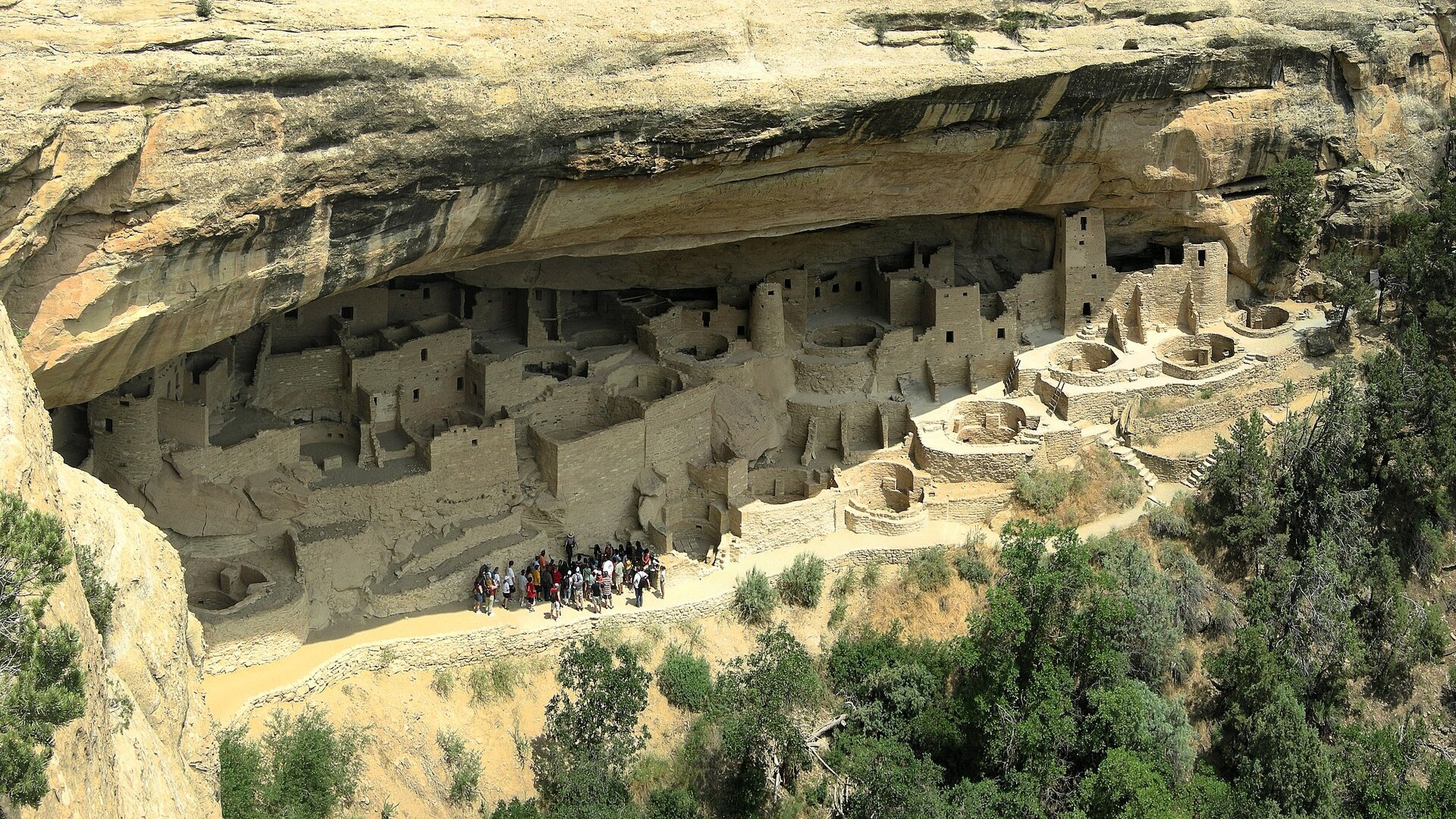
18. Mesa Verde Residents Did Not Vanish
Tree-ring dating at Mesa Verde National Park shows families built Cliff Palace in the late 1190s and lived there until the late 1200s. Severe multi-decade droughts and social shifts pushed communities to migrate south toward the Rio Grande valley and modern Arizona pueblos.
©Wikimedia / Tobi 87
Advertisement
Swipe or tap ▶ to resume the countdown.
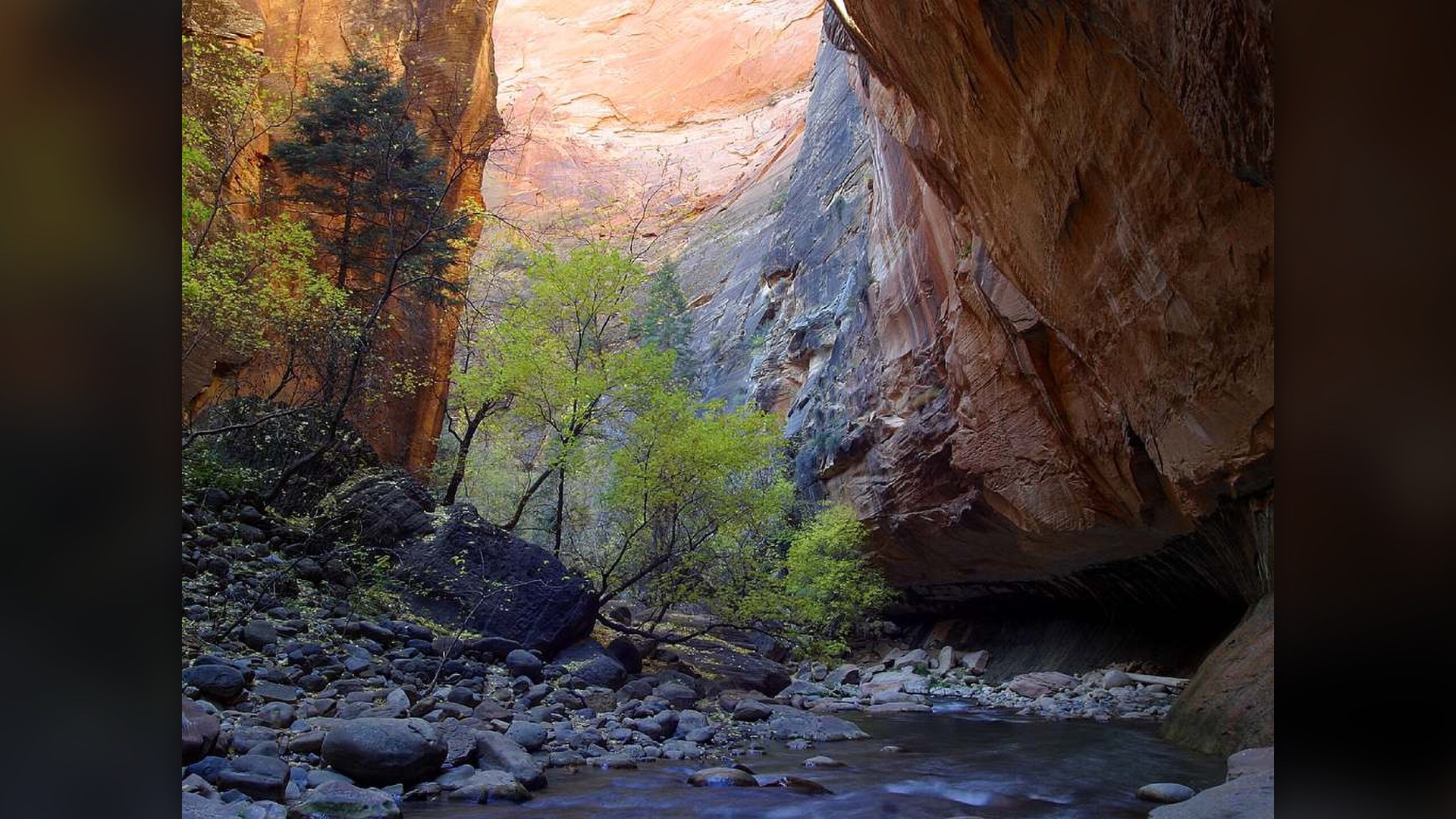
17. Zion Flash Floods Strike Under Clear Skies
The Virgin River drains a huge watershed across southern Utah before squeezing through Zion National Park's narrow slot canyon. Heavy rainfall miles away can turn calm ankle-deep water into a sudden, debris-filled wall of floodwater within minutes. Rangers issue daily flash-flood ratings.
©Wikimedia / Jon Sullivan
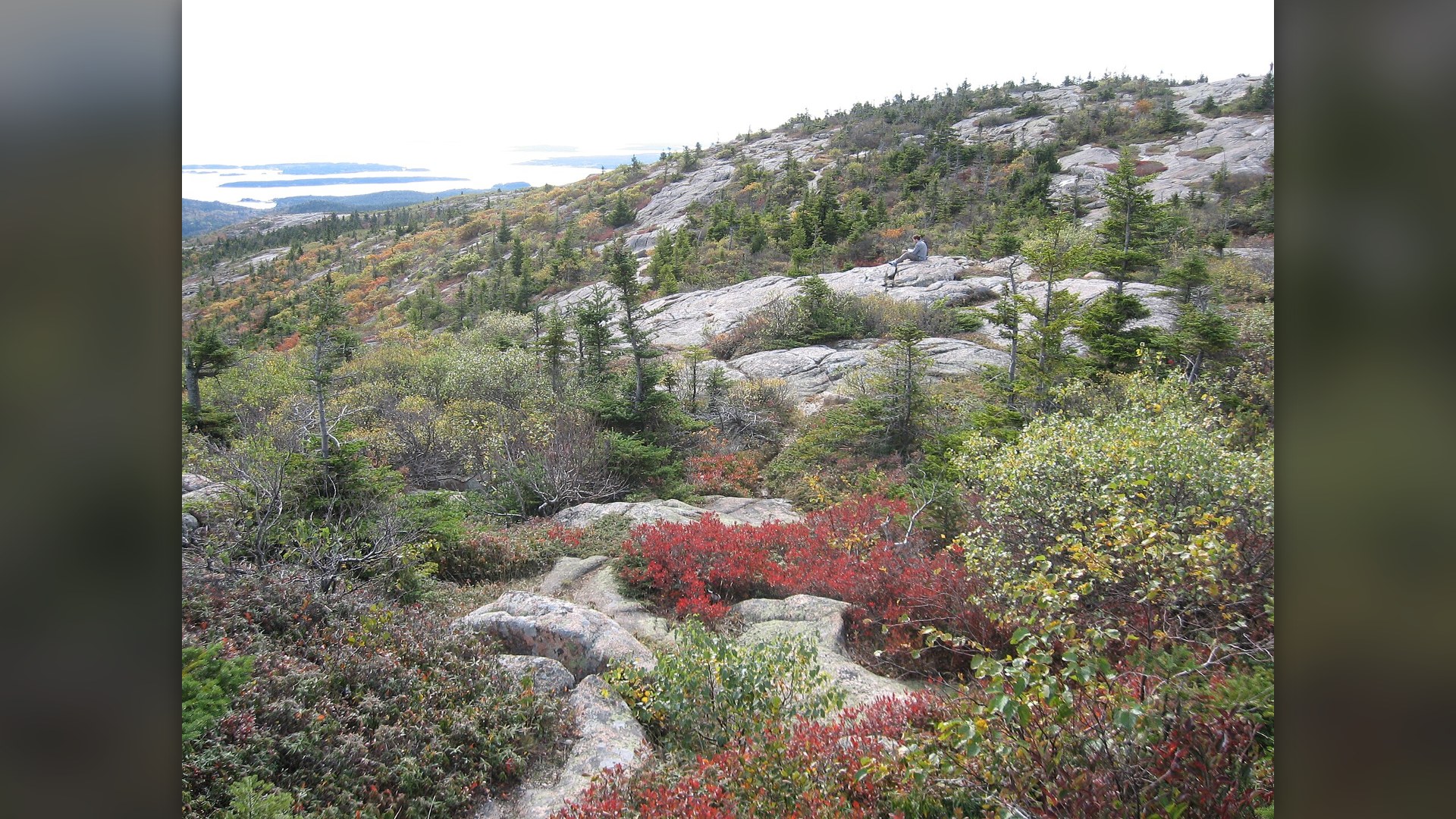
16. Cadillac Mountain First Sunrise Is Seasonal
Because Earth tilts on its axis, the angle of sunrise shifts north and south along the Atlantic coast across the seasons. Acadia National Park's highest peak sees the nation's first sunbeams roughly from October through early March. From spring to early autumn, northern Maine peaks catch dawn first.
©Wikimedia / Erin McDaniel ( Erinmcd )
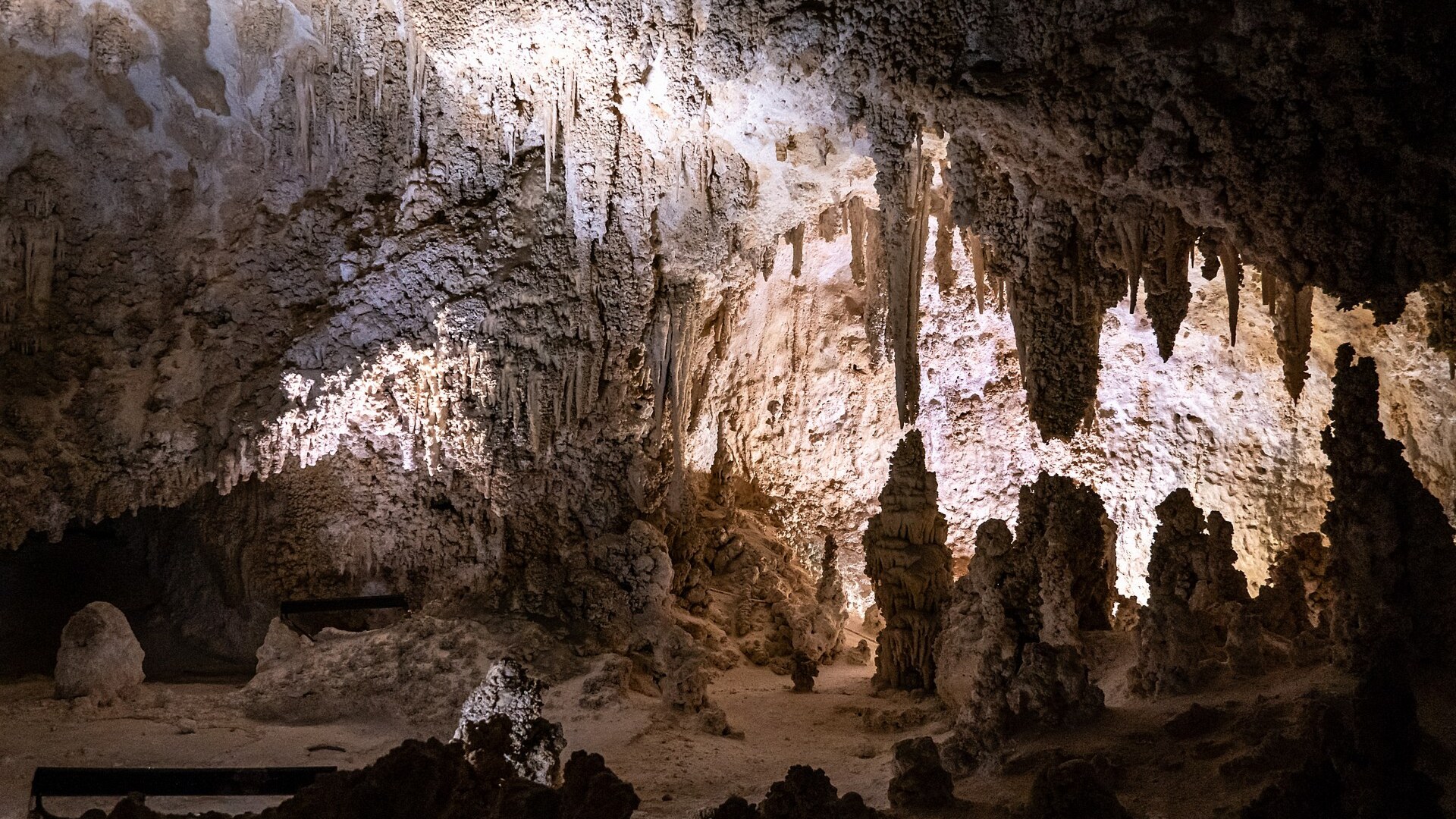
15. Carlsbad Caverns Formed From Below
Most limestone caves form when weakly acidic rainwater trickles down from the surface. Carlsbad Caverns National Park took shape differently millions of years ago when hydrogen sulfide gas rose from deep oil and gas deposits. Mixing with oxygen-rich groundwater, it formed sulfuric acid that hollowed huge rooms.
©Wikimedia / dconvertini
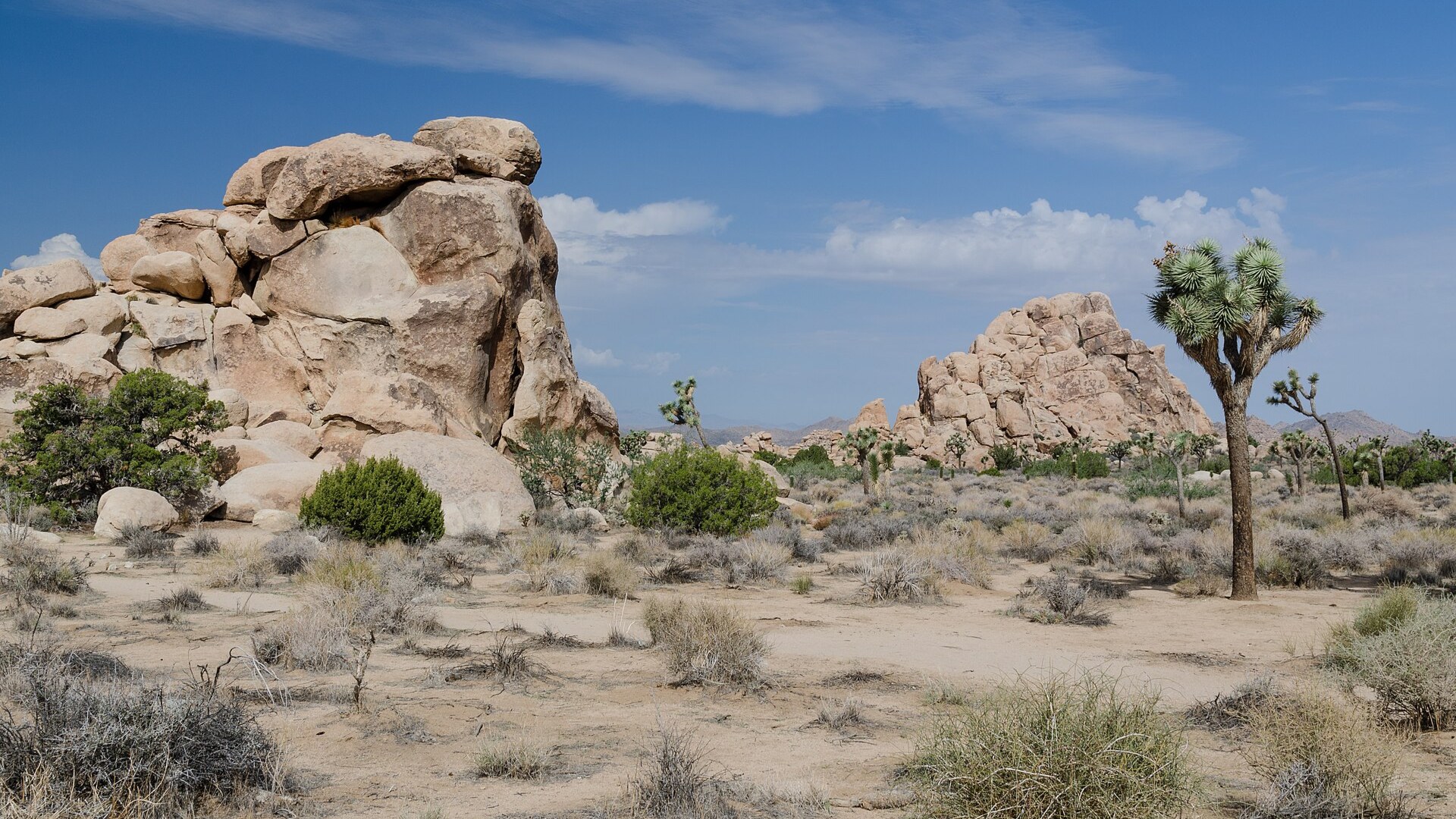
14. Joshua Trees Are Not Cacti Or Palms
Known scientifically as Yucca brevifolia, the iconic plant of California's Mojave Desert is a monocot related to agaves, not a cactus or true palm. Each tree grows slowly without true wood rings and relies on a single partner, the tiny yucca moth, to pollinate its creamy spring blossoms.
©Wikimedia / Tuxyso
Advertisement
Swipe or tap ▶ to resume the countdown.
13. Denali Beats Everest Only One Way
Rising 20,310 feet above sea level in Alaska, Denali climbs roughly 18,000 feet from its surrounding plateau, the tallest base-to-peak rise on dry land. Still, Mauna Kea on the Island of Hawaii stretches more than 33,000 feet from its base on the Pacific Ocean floor to its volcanic summit.
©Pixabay / 12019
12. Everglades Is A Slow-Moving River
Author Marjory Stoneman Douglas named the Everglades a river of grass because freshwater creeps southward from Lake Okeechobee across a 60-mile-wide sawgrass sheet toward Florida Bay. South Florida is also the only habitat on Earth where wild American alligators and American crocodiles live together.
©Wikimedia / Moni3
11. Crater Lake Was Not Made By A Meteor
Around 7,700 years ago, a massive volcanic eruption emptied the magma chamber beneath Mount Mazama in Oregon and caused the mountain peak to collapse inward. Rain and snowmelt filled that basin over centuries to form Crater Lake, which plunges 1,949 feet as the deepest lake in the United States.
©Wikimedia / Vulturesong
10. Petrified Wood Is Quartz, Not Wood
More than 200 million years ago during the Late Triassic, fallen conifer trees washed into river floodplains and sank under volcanic ash. Groundwater rich in dissolved silica seeped into the buried logs and replaced every organic cell with quartz crystals. Removing even tiny chips violates federal law.
©Wikimedia / Daniel Schwen
Advertisement
Swipe or tap ▶ to resume the countdown.
9. Delicate Arch Was Not Carved By A River
Geologists distinguish arches from bridges by what sculpted them. In Arches National Park, shifting underground salt beds cracked sandstone into narrow vertical fins. Rainwater, frost wedging, and wind eroded weaker layers at the center until Delicate Arch stood 52 feet tall above its slickrock bowl.
©Wikimedia / Thomas Schoch
8. Smoky Mountains Haze Comes From Plants
Dense forests across North Carolina and Tennessee release millions of tons of natural organic gases called terpenes and isoprene every year. Those plant vapors mix with sunlight and water droplets in the humid Appalachian air, scattering blue wavelengths and creating the signature smoky haze.
©Pixabay / cjgrider2923
7. Yosemite Firefall Is Sunlight, Not Lava
For roughly two weeks in mid-February, clear sunset rays hit Horsetail Fall on El Capitan's eastern cliff at a precise angle, turning the snowmelt cascade bright orange. Visitors often confuse it with the historic Glacier Point Firefall, a nightly display of glowing embers that ended in 1968.
©Wikimedia / Uwe Nassal
6. Playing Dead Fails Against Black Bears
National Park Service bear safety advice depends entirely on the species involved. Playing dead on your stomach helps signal you are no threat to a defensive grizzly bear. If an American black bear attacks, rangers advise fighting back with rocks, sticks, and fists because those attacks are often predatory.
©Wikimedia / NPS/Jim Peaco
Advertisement
Swipe or tap ▶ to resume the countdown.
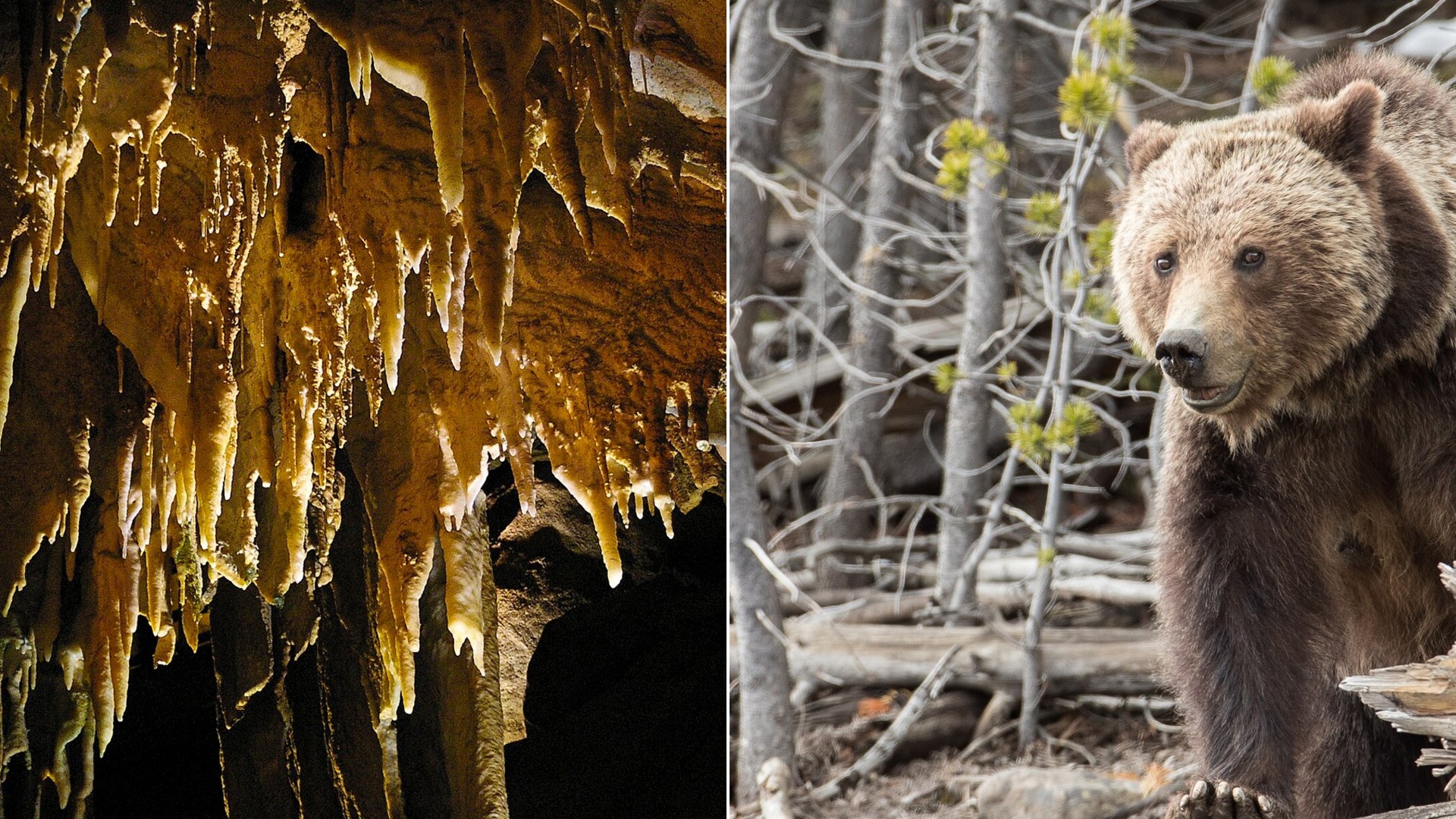
5. Mammoth Cave Has No Woolly Mammoths
Early explorers in the late 1700s used the word mammoth simply to mean gigantic when describing the sprawling Kentucky caverns. Surveyors have mapped more than 426 miles of underground passages inside Mammoth Cave National Park, making it the world's longest cave system without a single mammoth bone.
©Wikimedia / Niagara66
4. Racetrack Playa Stones Move On Thin Ice
For decades, visitors blamed magnetic fields or gale-force winds for rocks leaving long tracks on Racetrack Playa. In 2013 and 2014, researchers used GPS trackers and time-lapse cameras to catch winter pond water freezing into thin ice panes that break up at sunrise and shove 700-pound boulders across mud.
©Wikimedia / Gregory "Slobirdr" Smith
3. General Sherman Is Largest, Not Tallest
Standing in California's Sequoia National Park, General Sherman packs roughly 52,500 cubic feet of wood into its massive trunk, making it Earth's largest single-stem tree by volume. Yet the coast redwood Hyperion rises taller at over 380 feet, and bristlecone pines live more than twice Sherman's 2,200 years.
©Wikimedia / m01229 from USA
2. Grand Canyon Is Not The Deepest On Earth
At its deepest point, the Grand Canyon drops 6,093 feet from rim to the Colorado River. In North America alone, Hells Canyon along the Idaho and Oregon border reaches roughly 8,000 feet deep. Across the globe, the Yarlung Tsangpo Grand Canyon and Nepal's Kali Gandaki Gorge plunge more than twice as far.
©Wikimedia / Alex Proimos from Sydney, Australia
Advertisement
Swipe or tap ▶ to resume the countdown.
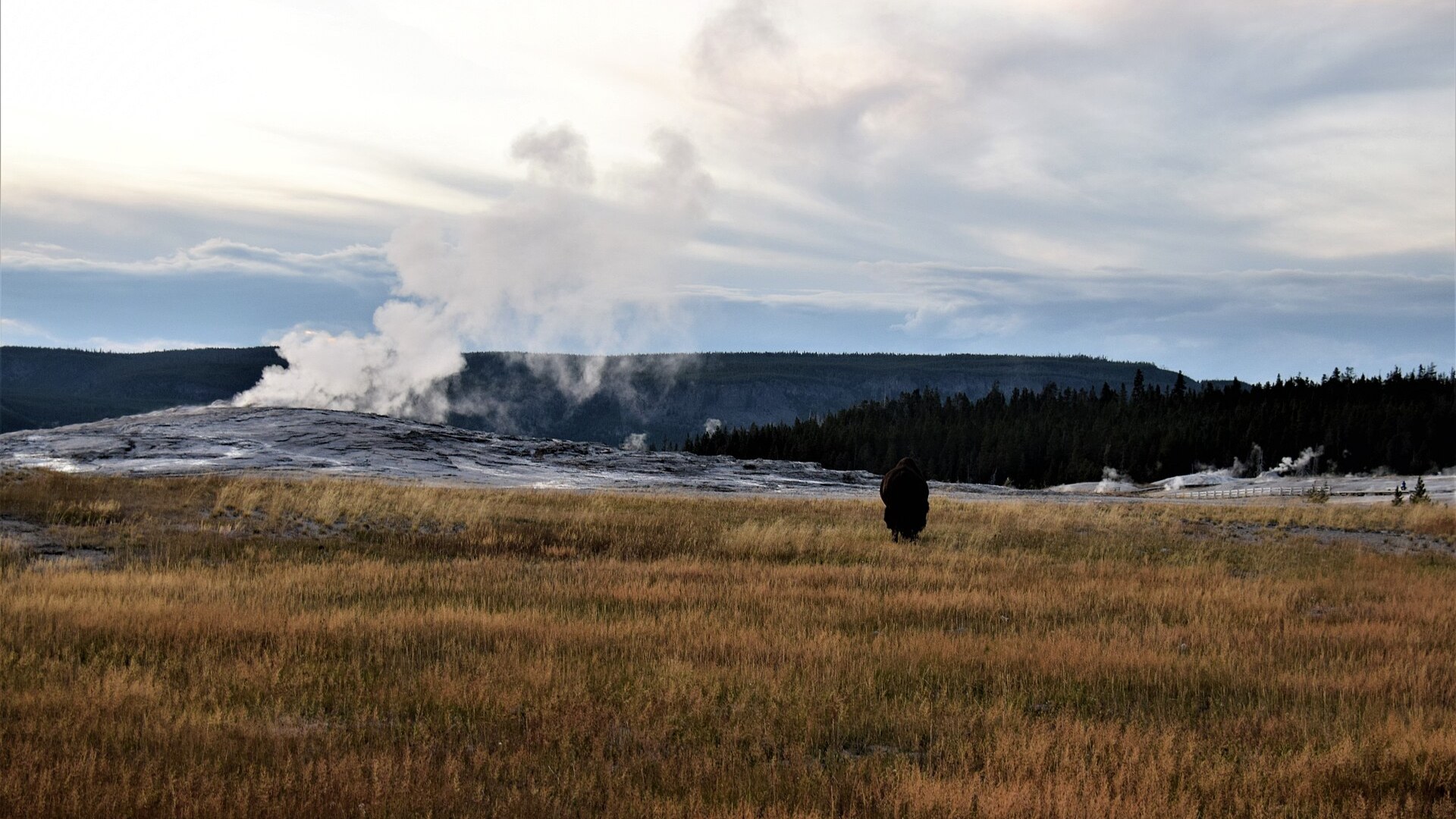
1. Old Faithful Does Not Erupt Hourly
Old Faithful gets its name for predictability rather than a strict hourly clock. According to the National Park Service, intervals between eruptions stretch anywhere from 60 to 110 minutes. Rangers forecast each blast within a 10-minute window by timing how long the previous water column lasted.

©Wikimedia / John Manard
Advertisement
You've reached the end of the story. Thanks for reading!

20 Iconic Dinosaurs You Can Identify From a Single Museum Photo
Museum fossil halls preserve skeletons whose horns, crests, plates and skulls stand out at a glance. This countdown ranks 20 iconic dinosaurs from number 20 down to number 1, drawing on museum records from the Smithsonian, Field Museum, Natural History Museum London and American Museum of Natural History.
All 20 Entries in this Story
20. Bryce Canyon Is Not A True Canyon
Water never carved Bryce Canyon National Park in Utah. Instead, rainwater and snowmelt seep into limestone cracks on the Paunsaugunt Plateau and freeze roughly 200 nights each year. That repeated ice expansion wedges rock apart to sculpt thousands of tall hoodoos.

19. Hoh Rain Forest Is Far From Tropical
Located in Olympic National Park, the Hoh is one of the largest temperate rainforests in the United States. Pacific storms hit the Olympic Mountains and drop around 140 inches of rain annually. Cool summers and mild winters help Sitka spruce and bigleaf maples grow moss canopies.

18. Mesa Verde Residents Did Not Vanish
Tree-ring dating at Mesa Verde National Park shows families built Cliff Palace in the late 1190s and lived there until the late 1200s. Severe multi-decade droughts and social shifts pushed communities to migrate south toward the Rio Grande valley and modern Arizona pueblos.

17. Zion Flash Floods Strike Under Clear Skies
The Virgin River drains a huge watershed across southern Utah before squeezing through Zion National Park's narrow slot canyon. Heavy rainfall miles away can turn calm ankle-deep water into a sudden, debris-filled wall of floodwater within minutes. Rangers issue daily flash-flood ratings.

16. Cadillac Mountain First Sunrise Is Seasonal
Because Earth tilts on its axis, the angle of sunrise shifts north and south along the Atlantic coast across the seasons. Acadia National Park's highest peak sees the nation's first sunbeams roughly from October through early March. From spring to early autumn, northern Maine peaks catch dawn first.

15. Carlsbad Caverns Formed From Below
Most limestone caves form when weakly acidic rainwater trickles down from the surface. Carlsbad Caverns National Park took shape differently millions of years ago when hydrogen sulfide gas rose from deep oil and gas deposits. Mixing with oxygen-rich groundwater, it formed sulfuric acid that hollowed huge rooms.

14. Joshua Trees Are Not Cacti Or Palms
Known scientifically as Yucca brevifolia, the iconic plant of California's Mojave Desert is a monocot related to agaves, not a cactus or true palm. Each tree grows slowly without true wood rings and relies on a single partner, the tiny yucca moth, to pollinate its creamy spring blossoms.

13. Denali Beats Everest Only One Way
Rising 20,310 feet above sea level in Alaska, Denali climbs roughly 18,000 feet from its surrounding plateau, the tallest base-to-peak rise on dry land. Still, Mauna Kea on the Island of Hawaii stretches more than 33,000 feet from its base on the Pacific Ocean floor to its volcanic summit.

12. Everglades Is A Slow-Moving River
Author Marjory Stoneman Douglas named the Everglades a river of grass because freshwater creeps southward from Lake Okeechobee across a 60-mile-wide sawgrass sheet toward Florida Bay. South Florida is also the only habitat on Earth where wild American alligators and American crocodiles live together.

11. Crater Lake Was Not Made By A Meteor
Around 7,700 years ago, a massive volcanic eruption emptied the magma chamber beneath Mount Mazama in Oregon and caused the mountain peak to collapse inward. Rain and snowmelt filled that basin over centuries to form Crater Lake, which plunges 1,949 feet as the deepest lake in the United States.

10. Petrified Wood Is Quartz, Not Wood
More than 200 million years ago during the Late Triassic, fallen conifer trees washed into river floodplains and sank under volcanic ash. Groundwater rich in dissolved silica seeped into the buried logs and replaced every organic cell with quartz crystals. Removing even tiny chips violates federal law.

9. Delicate Arch Was Not Carved By A River
Geologists distinguish arches from bridges by what sculpted them. In Arches National Park, shifting underground salt beds cracked sandstone into narrow vertical fins. Rainwater, frost wedging, and wind eroded weaker layers at the center until Delicate Arch stood 52 feet tall above its slickrock bowl.

8. Smoky Mountains Haze Comes From Plants
Dense forests across North Carolina and Tennessee release millions of tons of natural organic gases called terpenes and isoprene every year. Those plant vapors mix with sunlight and water droplets in the humid Appalachian air, scattering blue wavelengths and creating the signature smoky haze.

7. Yosemite Firefall Is Sunlight, Not Lava
For roughly two weeks in mid-February, clear sunset rays hit Horsetail Fall on El Capitan's eastern cliff at a precise angle, turning the snowmelt cascade bright orange. Visitors often confuse it with the historic Glacier Point Firefall, a nightly display of glowing embers that ended in 1968.

6. Playing Dead Fails Against Black Bears
National Park Service bear safety advice depends entirely on the species involved. Playing dead on your stomach helps signal you are no threat to a defensive grizzly bear. If an American black bear attacks, rangers advise fighting back with rocks, sticks, and fists because those attacks are often predatory.

5. Mammoth Cave Has No Woolly Mammoths
Early explorers in the late 1700s used the word mammoth simply to mean gigantic when describing the sprawling Kentucky caverns. Surveyors have mapped more than 426 miles of underground passages inside Mammoth Cave National Park, making it the world's longest cave system without a single mammoth bone.

4. Racetrack Playa Stones Move On Thin Ice
For decades, visitors blamed magnetic fields or gale-force winds for rocks leaving long tracks on Racetrack Playa. In 2013 and 2014, researchers used GPS trackers and time-lapse cameras to catch winter pond water freezing into thin ice panes that break up at sunrise and shove 700-pound boulders across mud.

3. General Sherman Is Largest, Not Tallest
Standing in California's Sequoia National Park, General Sherman packs roughly 52,500 cubic feet of wood into its massive trunk, making it Earth's largest single-stem tree by volume. Yet the coast redwood Hyperion rises taller at over 380 feet, and bristlecone pines live more than twice Sherman's 2,200 years.

2. Grand Canyon Is Not The Deepest On Earth
At its deepest point, the Grand Canyon drops 6,093 feet from rim to the Colorado River. In North America alone, Hells Canyon along the Idaho and Oregon border reaches roughly 8,000 feet deep. Across the globe, the Yarlung Tsangpo Grand Canyon and Nepal's Kali Gandaki Gorge plunge more than twice as far.

1. Old Faithful Does Not Erupt Hourly
Old Faithful gets its name for predictability rather than a strict hourly clock. According to the National Park Service, intervals between eruptions stretch anywhere from 60 to 110 minutes. Rangers forecast each blast within a 10-minute window by timing how long the previous water column lasted.