Slideshow · Lifestyle
22 Foods and Drinks the British Royal Family Will Never Eat
From palace banquets to overseas diplomatic tours, the monarchy observes rigid culinary restrictions. This guide reveals twenty-two foods and drinks the British royal family will never eat, uncovering royal chef memoirs, state dinner etiquette, health safety protocols, and ethical bans decreed across palace dining.
By Most Viral Today
55 min ago

Cover: Foods the Royal Family Will Never Eat 
22. Bread Crusts 
21. Square-Cut Sandwiches 
20. Whole Uncut Apples And Pears - AdvertisementSwipe or tap ▶ to continue countdown

19. Evening Potatoes And Starch 
18. Messy Long Pasta 
17. Inedible Plate Garnishes 
16. Heavy Flour-Roux Sauces - AdvertisementSwipe or tap ▶ to continue countdown

15. Fiery Hot Chillies 
14. Fresh Garlic 
13. Raw Onions 
12. Commercial Sugary Sodas - AdvertisementSwipe or tap ▶ to continue countdown

11. Ultra-Processed Ready Meals 
10. Takeaway Fast Food 
9. Out Of-Season Berries 
8. Black Pudding And Offal - AdvertisementSwipe or tap ▶ to continue countdown

7. Unpasteurized Milk And Dairy 
6. Rare Red Meat 
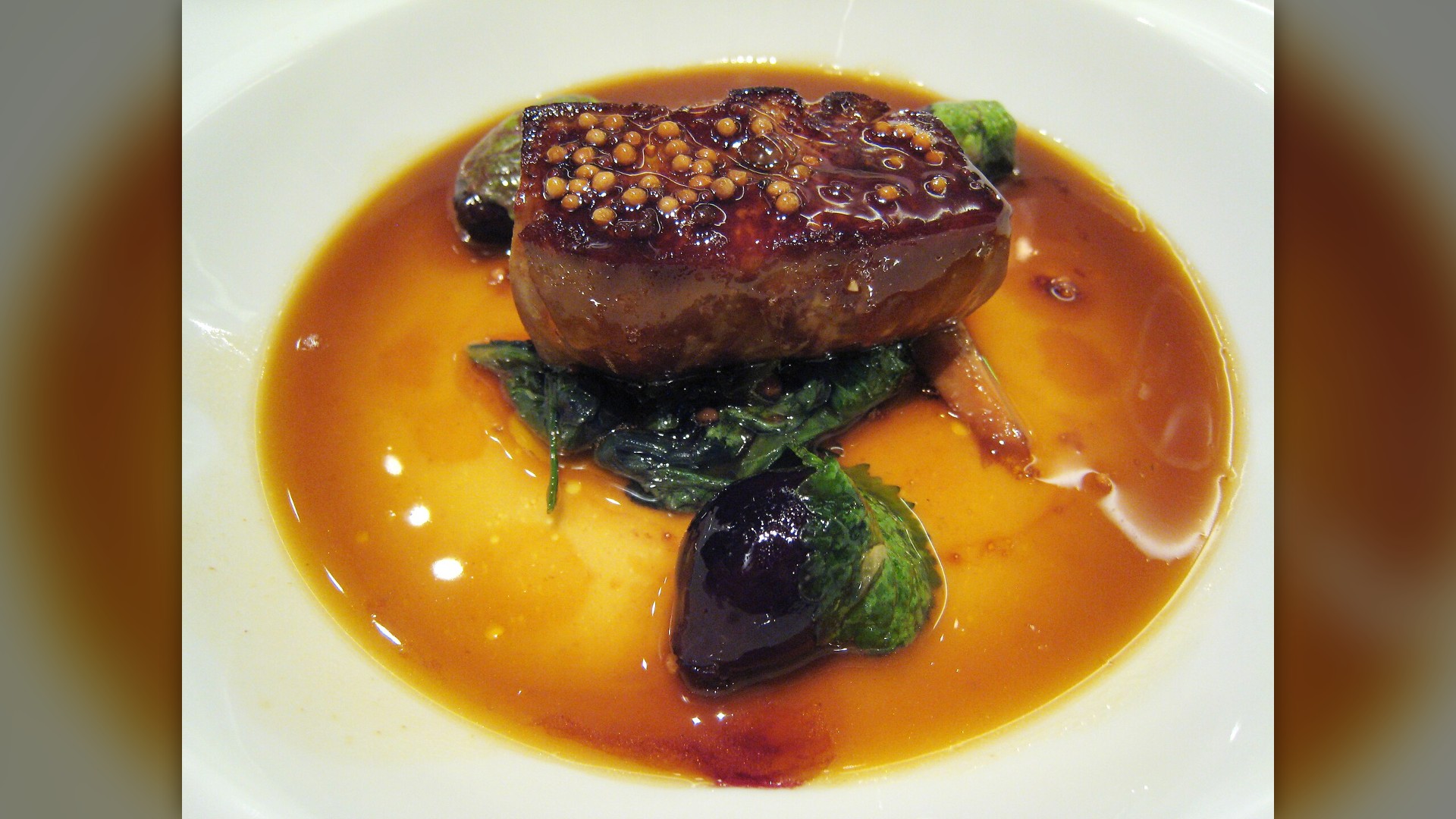
5. Foie Gras 
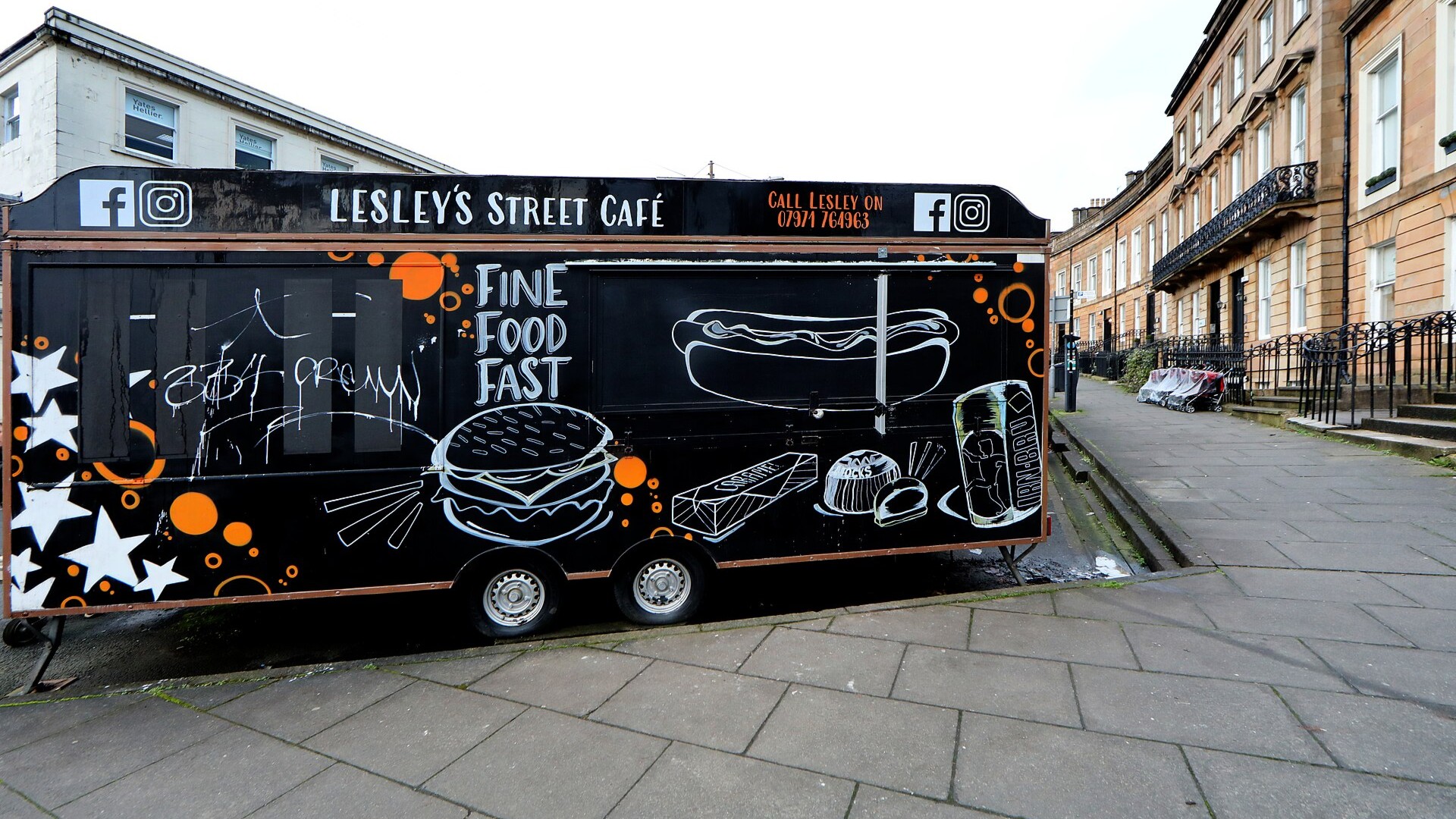
4. Unvetted Street Food - AdvertisementSwipe or tap ▶ to continue countdown

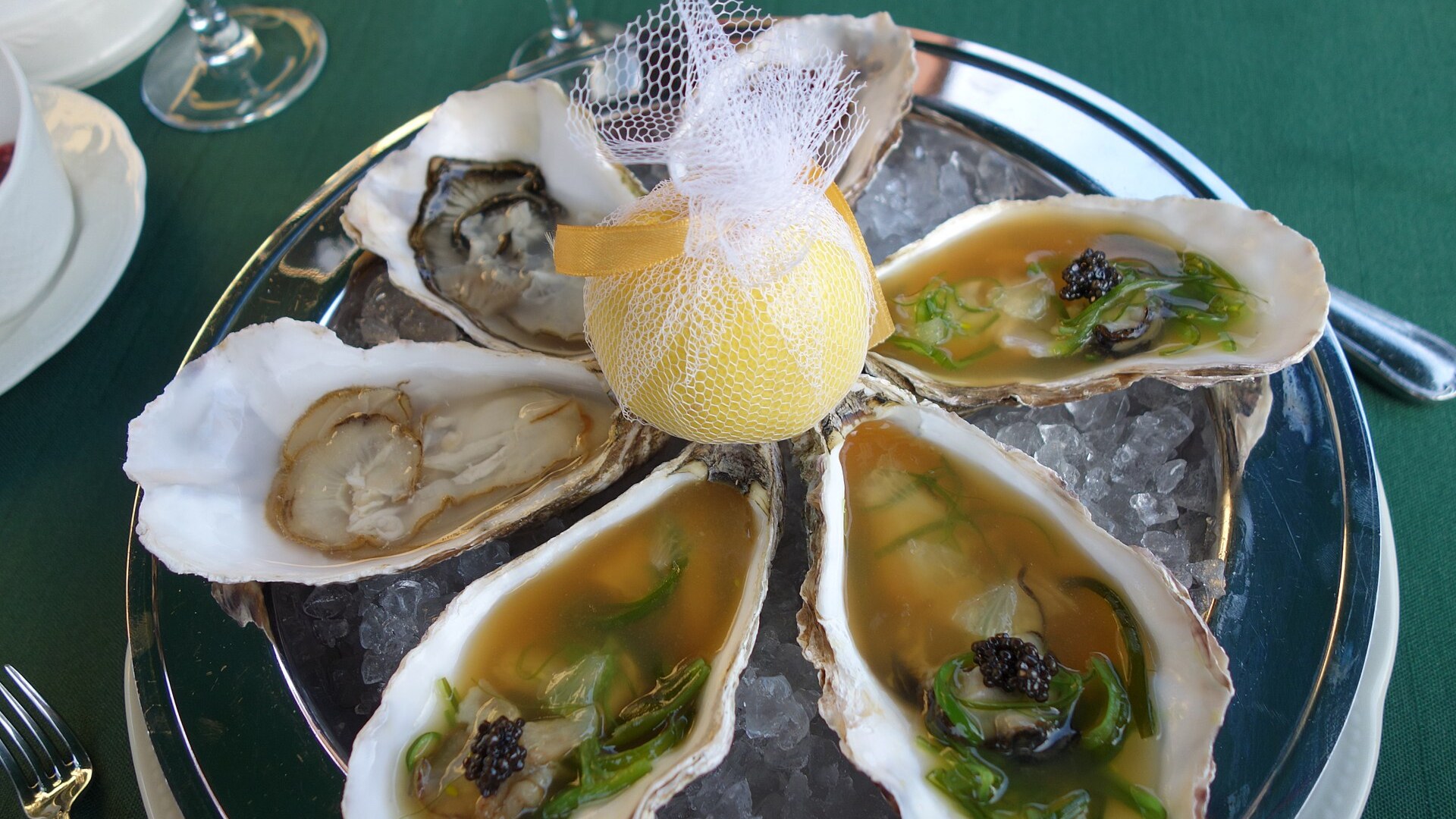
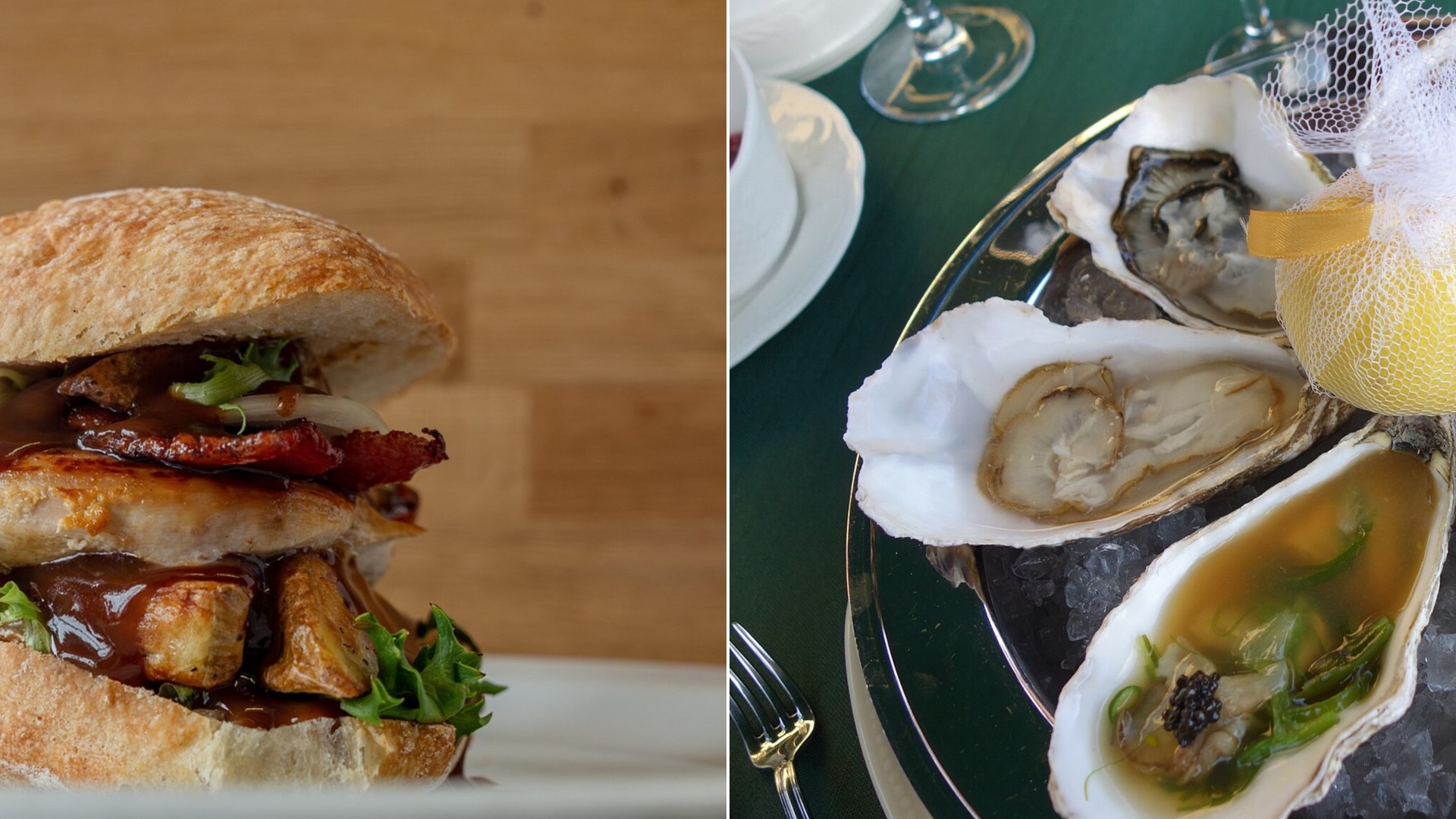
3. Raw Shellfish And Oysters 
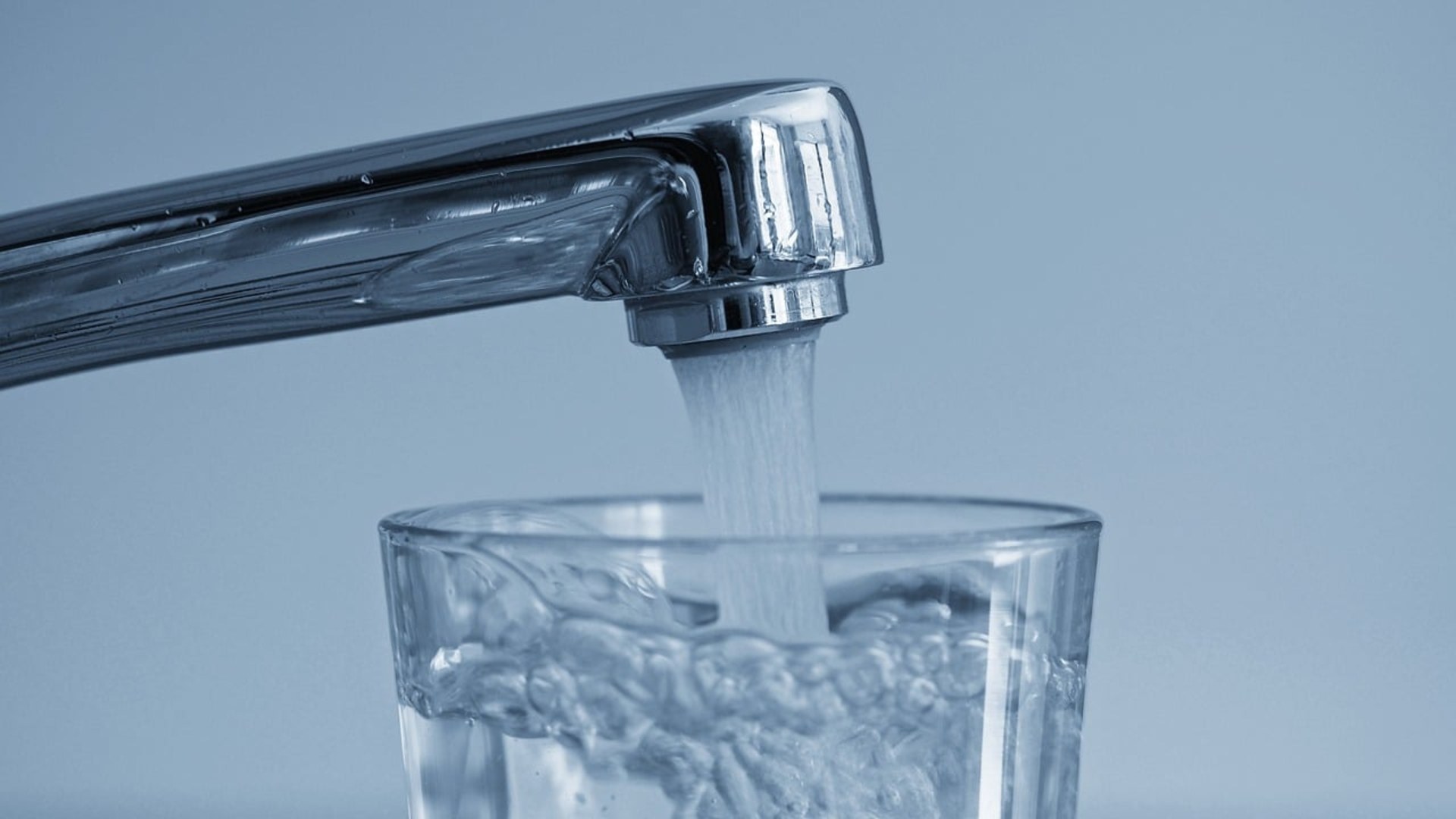
2. Tap Water Abroad 
1. Unverified Open Drinks - Advertisement🔥 UP NEXT IN THIS SERIES◫ 23 Slides

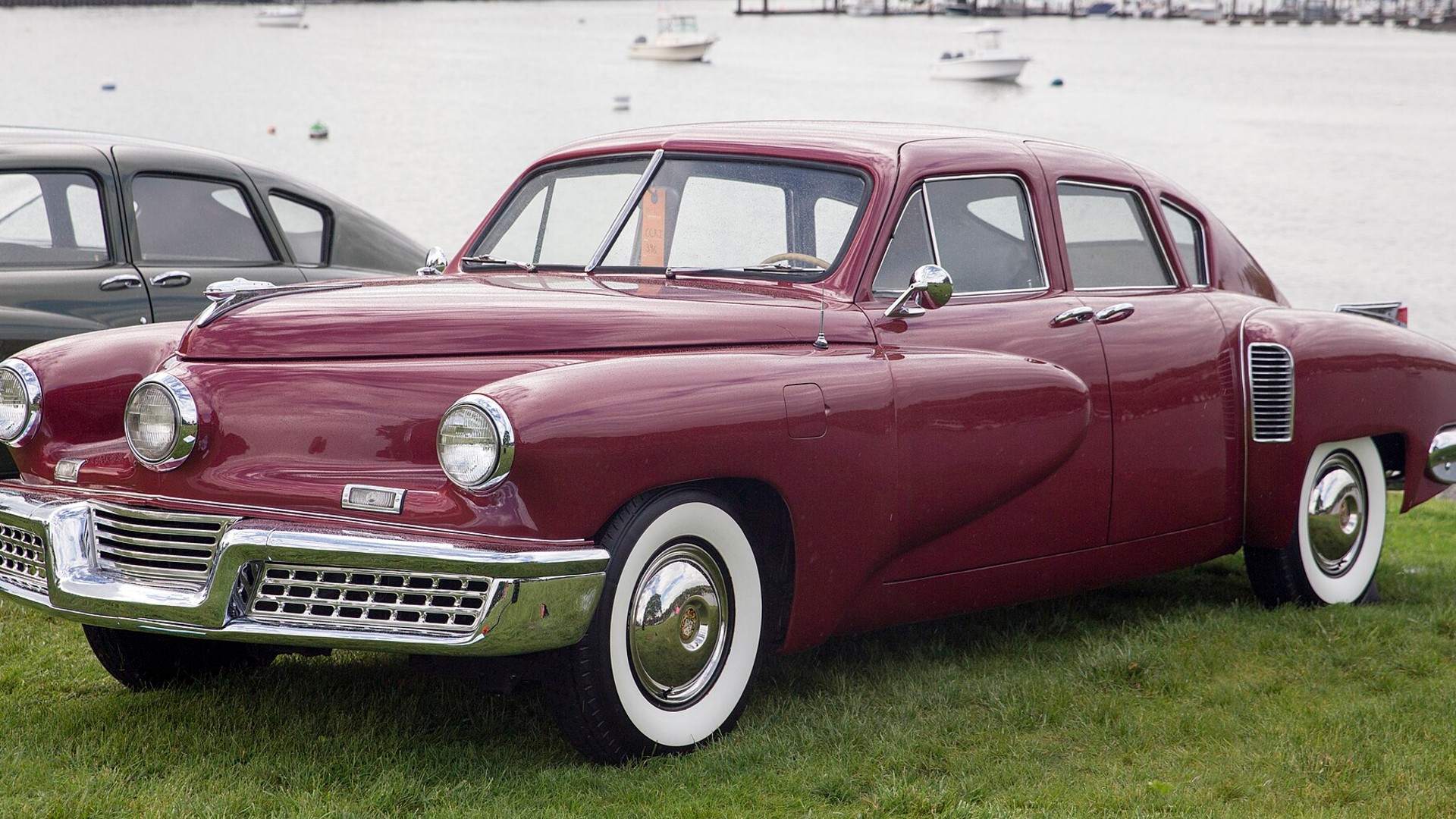
22 Used Cars Built to Keep Running Well Past 100,000 Miles
Buying a high-mileage used vehicle takes careful shopping, yet certain engines and chassis regularly pass 100,000 miles with routine care. Ranked from #22 to #1 using Consumer Reports, iSeeCars longevity data and automaker service records, these 22 models earned lasting reputations on the road.
Historical records, royal household guidelines, and insider accounts from former royal chefs Darren McGrady and Carolyn Robb detail the strict culinary codes enforced across Buckingham Palace, Sandringham, and Balmoral. Independent reporting by the BBC and The Telegraph corroborates these formal dining prohibitions.
Swipe or tap ▶ to begin the countdown
©Pixabay / SylwesterL & Wikimedia / Lord Mountbatten
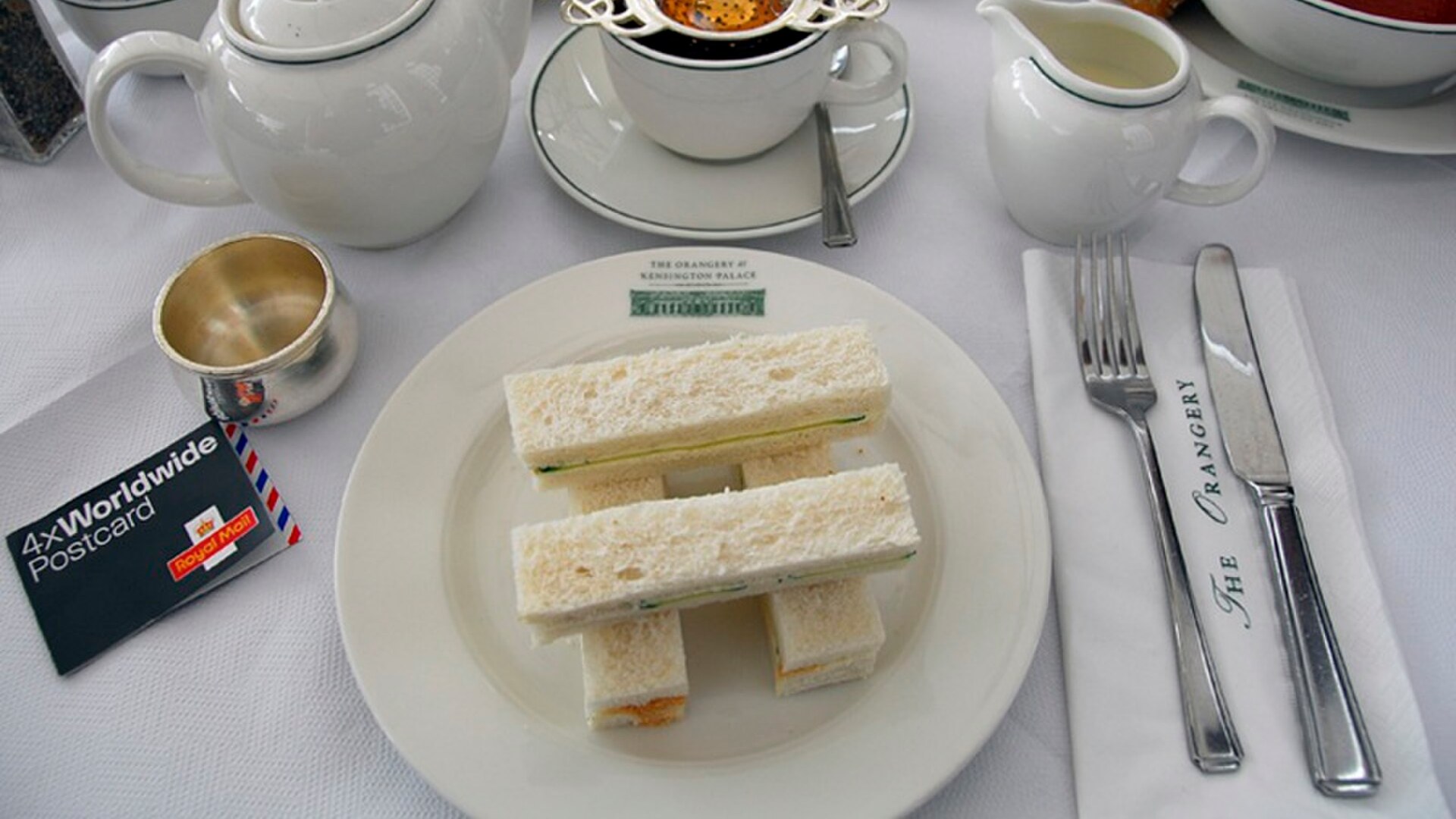
22. Bread Crusts
Former royal chef Darren McGrady revealed that Queen Elizabeth II was never served sandwich crusts at afternoon tea. Kitchen staff always sliced the crusts off cucumber and smoked salmon sandwiches, ensuring delicate finger foods were tender and easy to consume without messy crumbs during formal royal receptions.
©Wikimedia / Bit Boy from Los Angeles, California, USA
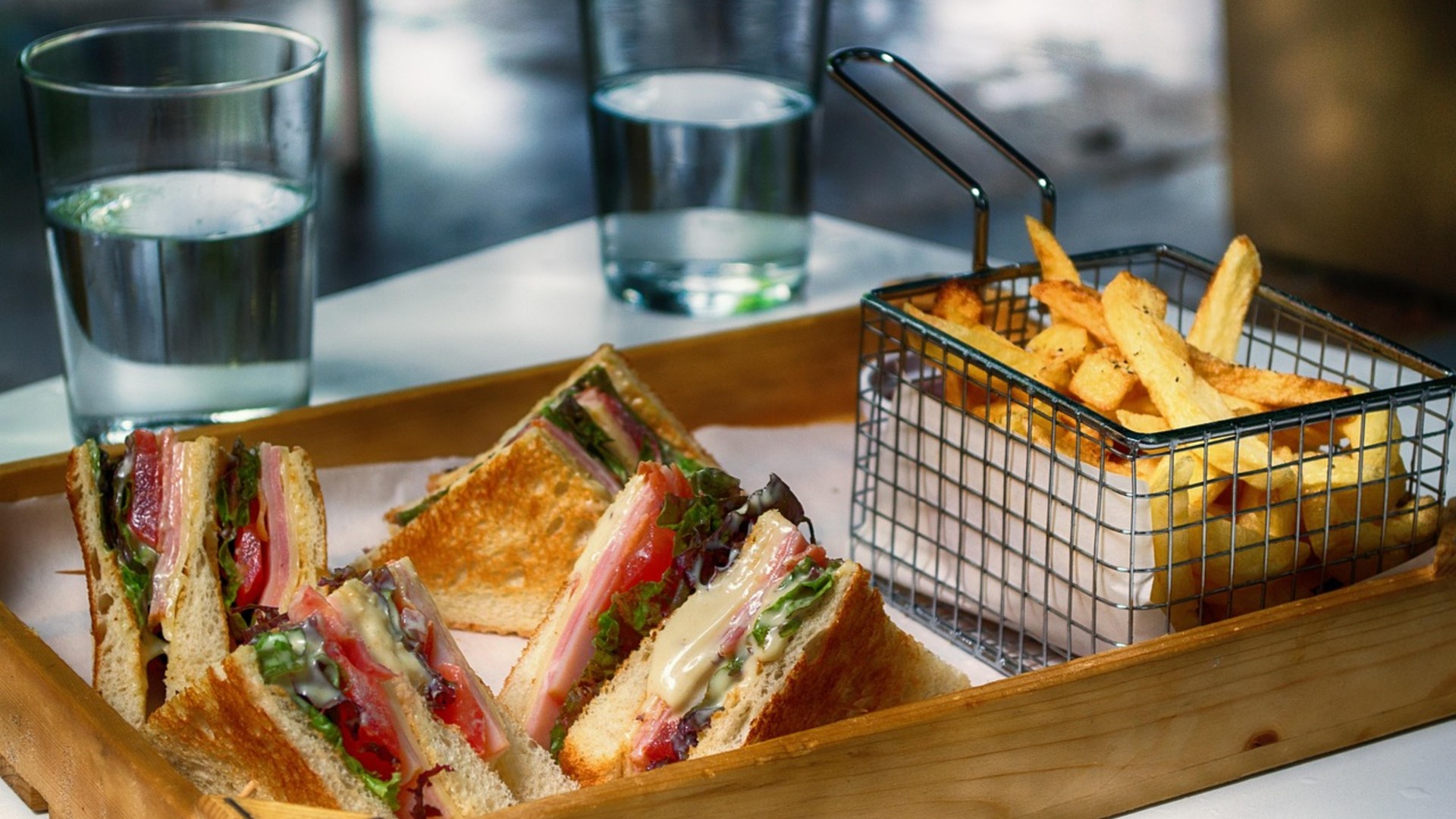
21. Square-Cut Sandwiches
Royal tea sandwiches are never sliced into four-cornered squares. An ancient royal superstition, reportedly observed since Prince Albert and Queen Victoria, held that square-cut food resembled a coffin and invited misfortune. Royal chefs meticulously round off corners or cut sandwiches into smooth oblong finger shapes.
©Pixabay / DanielaElenaTentis
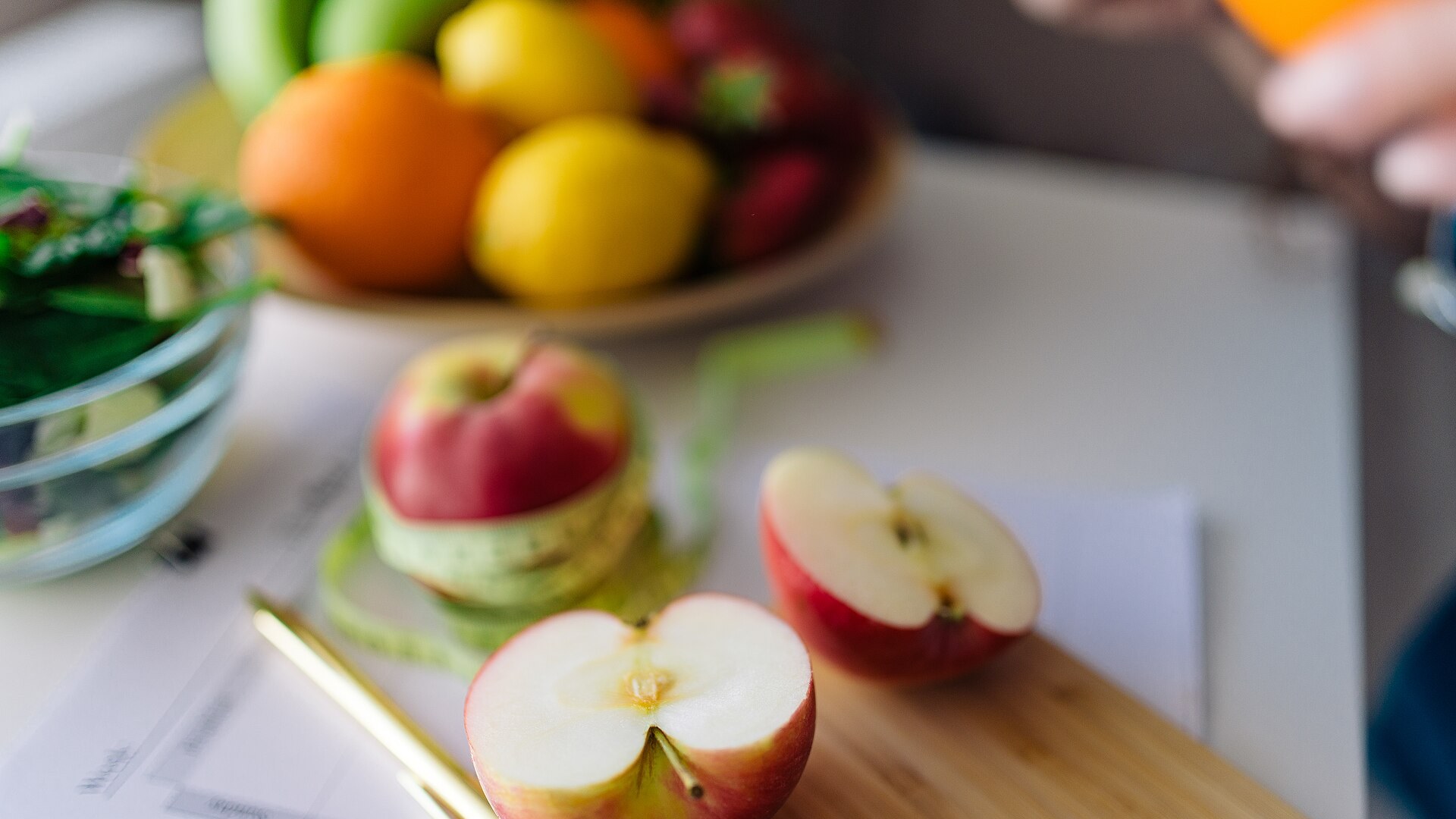
20. Whole Uncut Apples And Pears
Senior members of the royal family never bite directly into a whole apple or pear. Royal dining etiquette requires raw tree fruits to be peeled, cored, and segmented into bite-sized portions in the pantry or at the table using dessert cutlery, avoiding ungraceful biting motions during public banquets and formal meals.
©Wikimedia / Shixart1985
Advertisement
Swipe or tap ▶ to resume the countdown.
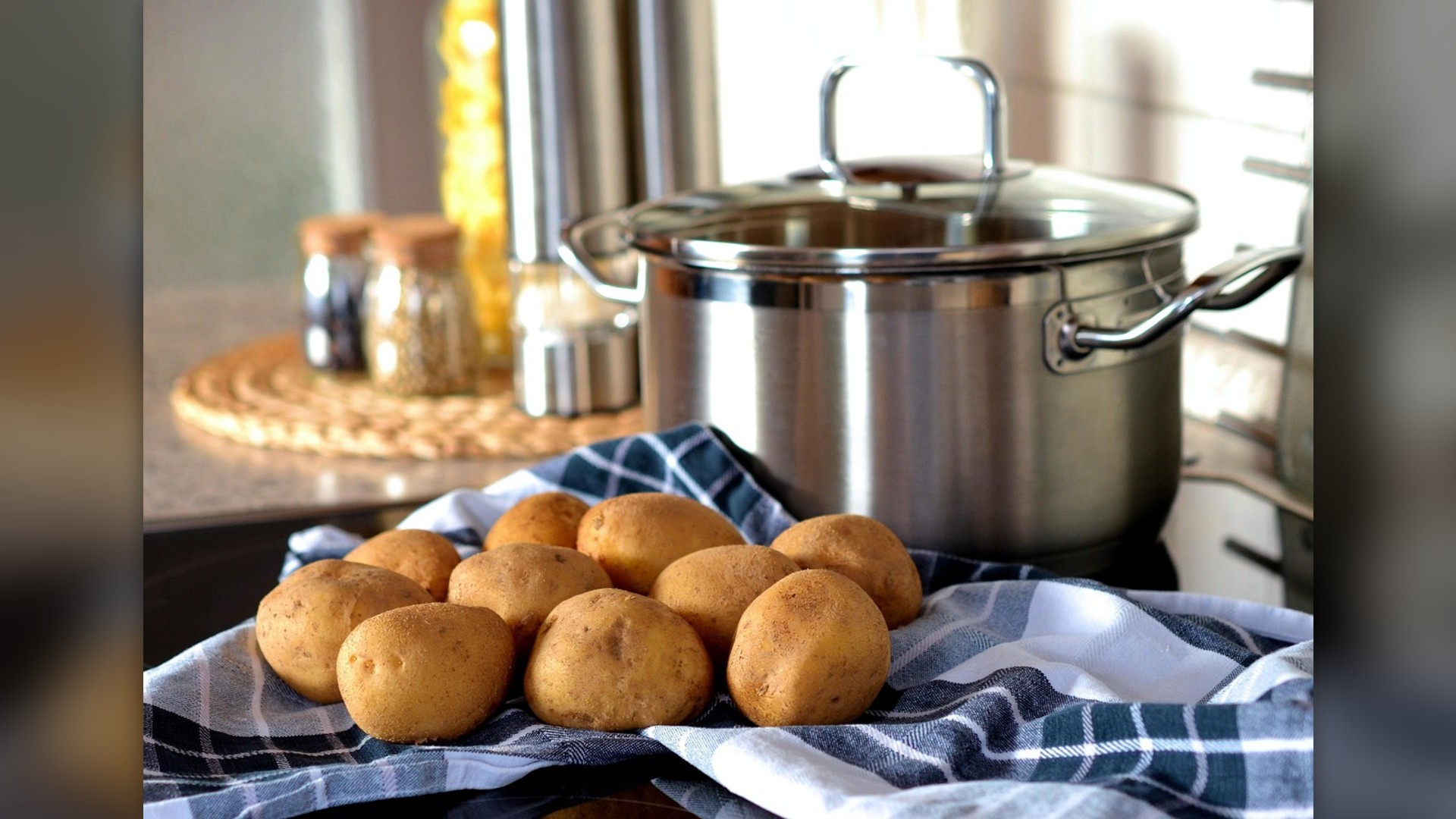
19. Evening Potatoes And Starch
Queen Elizabeth II strictly followed a no-starch rule for evening dinners when dining alone. Buckingham Palace chefs were instructed to omit potatoes, pasta, and rice from evening menus. Her dinner plates instead featured lean grilled protein, such as Scottish salmon or Dover sole, paired with fresh garden vegetables.
©Pixabay / congerdesign
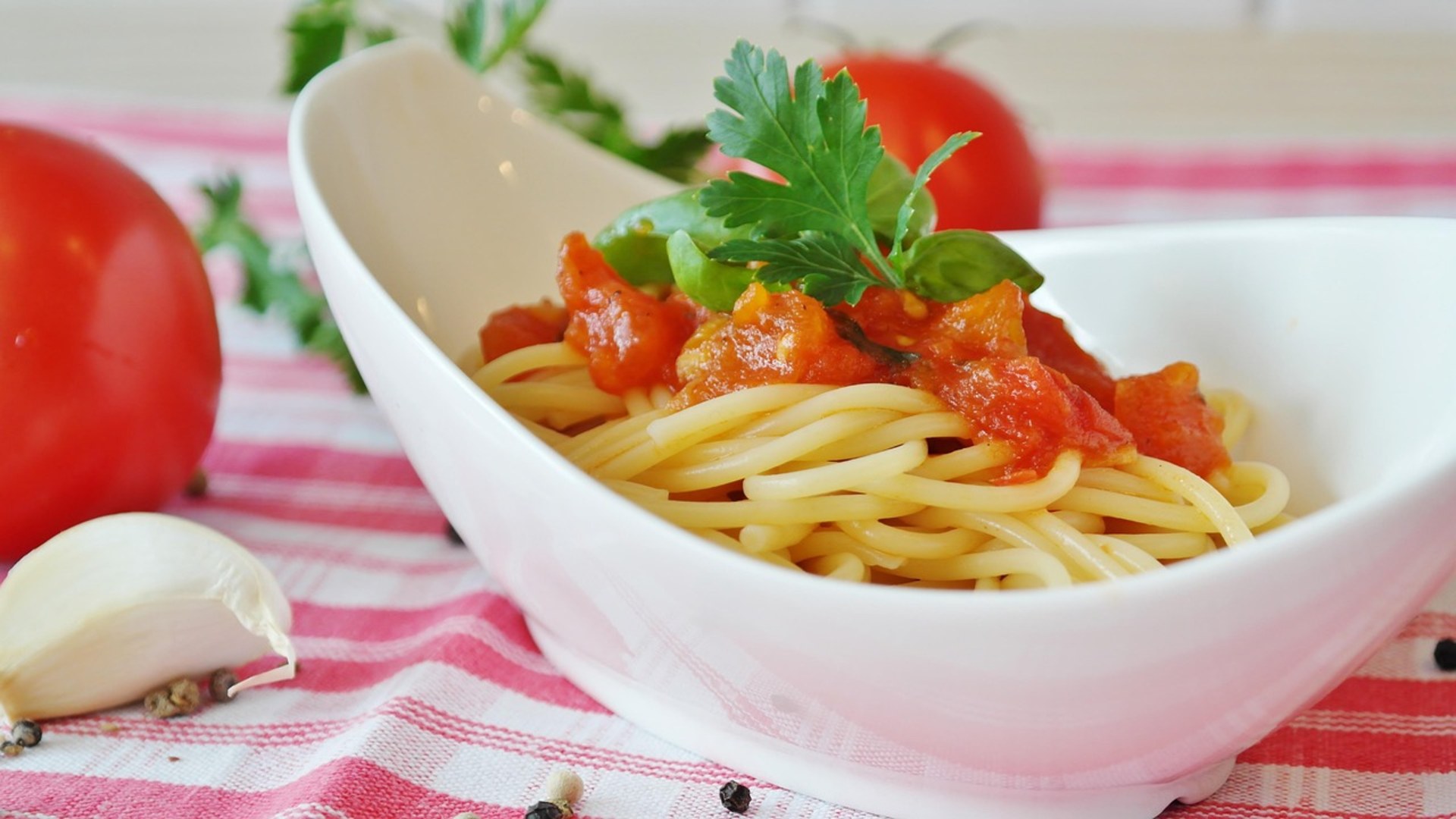
18. Messy Long Pasta
Long pasta varieties like spaghetti and tagliatelle are excluded from official state banquets. Royal protocol aims to prevent awkward slurping, sauce splattering, and accidental stains on ceremonial attire. When pasta is served at private palace meals, chefs prepare compact shapes like penne or small ravioli.
©Pixabay / RitaE
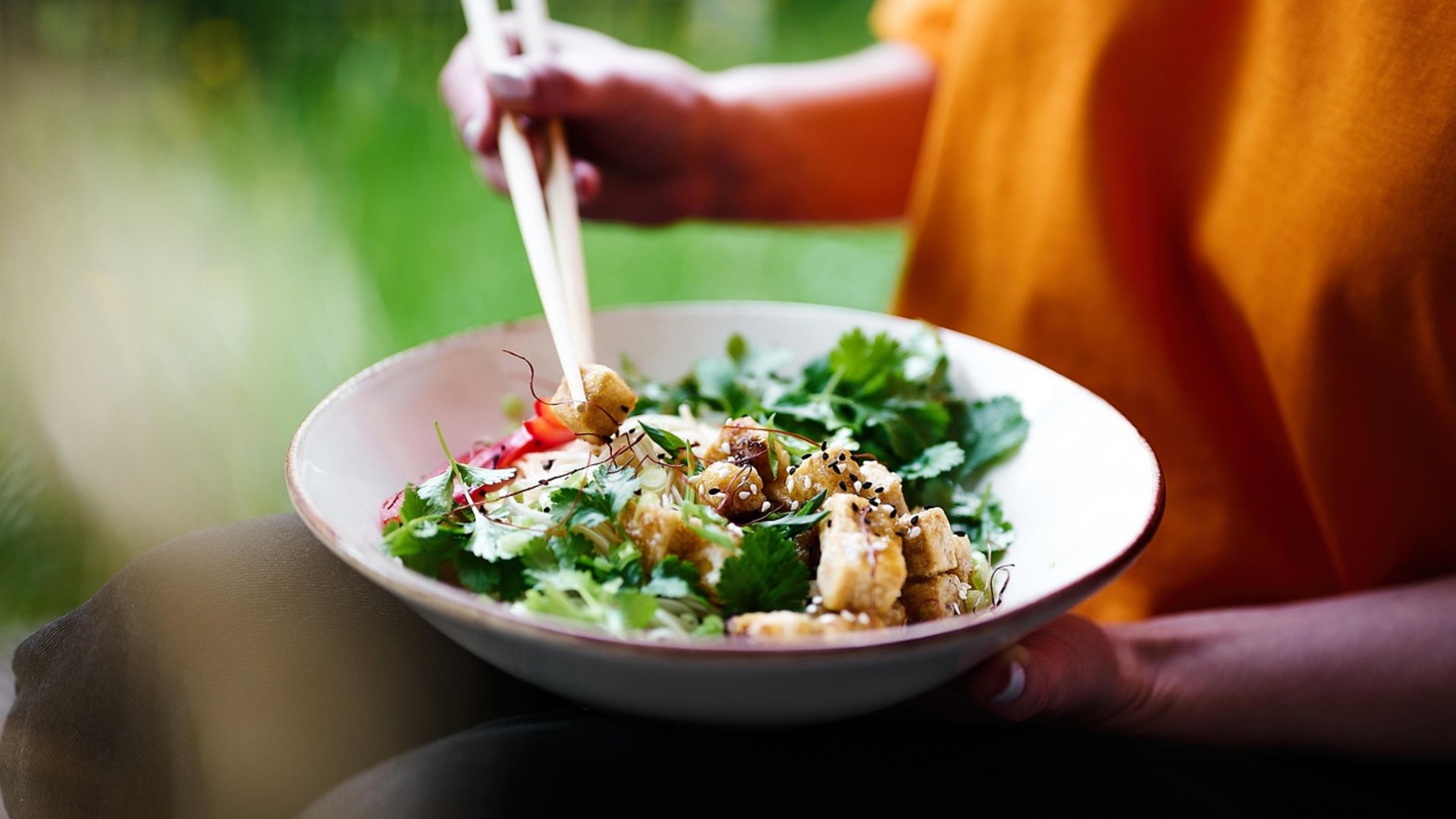
17. Inedible Plate Garnishes
Buckingham Palace kitchen standards dictate that non-edible decorations and raw kale frills must never appear on dinner plates. Queen Elizabeth II insisted that every item on royal china be completely edible. Palace chefs use fresh chopped herbs that enhance flavor rather than meaningless decorative plate clutter.
©Pixabay / joannawielgosz
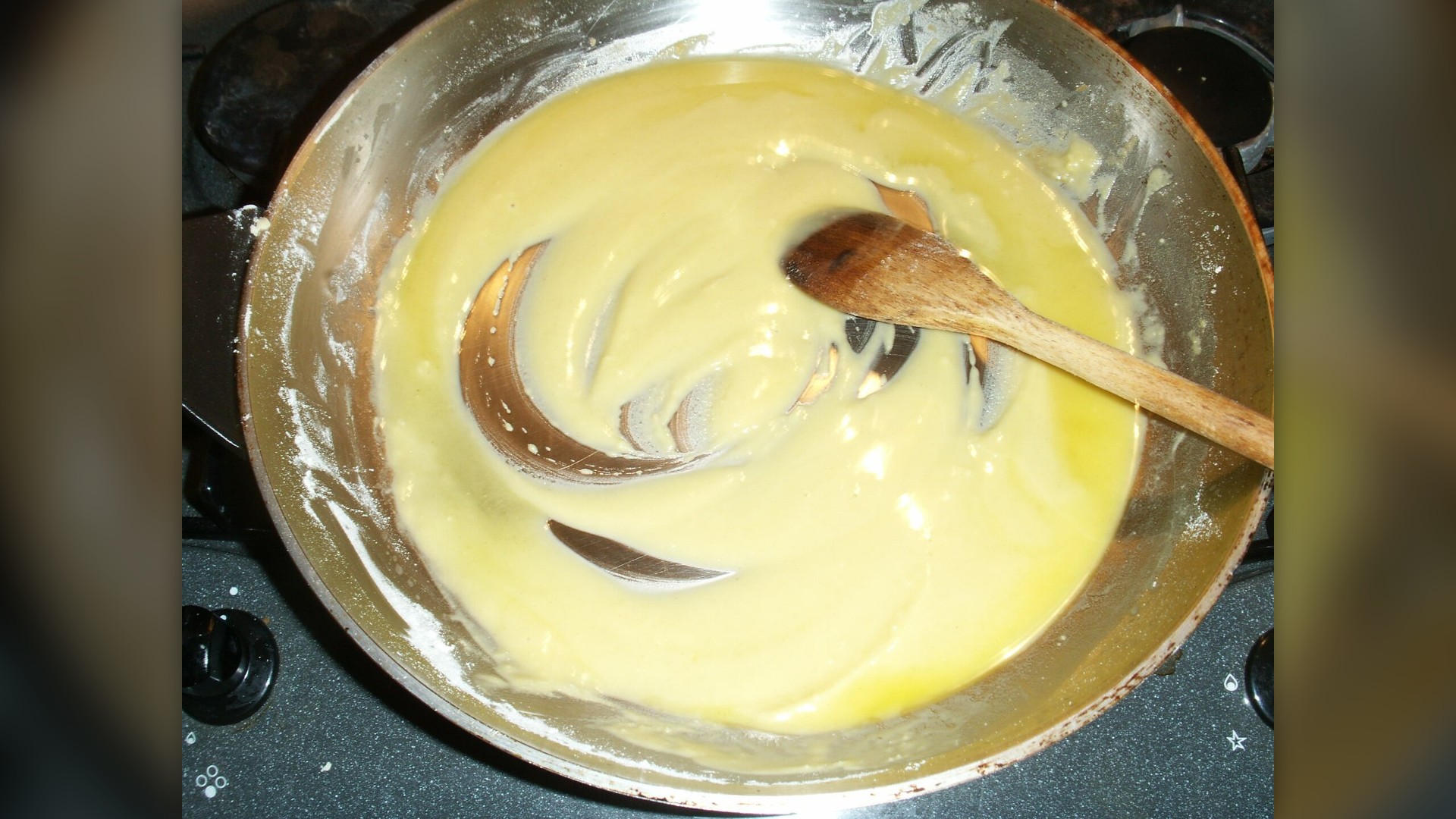
16. Heavy Flour-Roux Sauces
British royal menus have shifted away from heavy French culinary techniques involving flour roux, rich cornstarch, and heavy cream. Royal chefs focus on light pan jus, reduced broths, and fresh herb emulsions, keeping meals healthy and easily digestible during demanding royal reception schedules.
©Wikimedia / Roger469
Advertisement
Swipe or tap ▶ to resume the countdown.
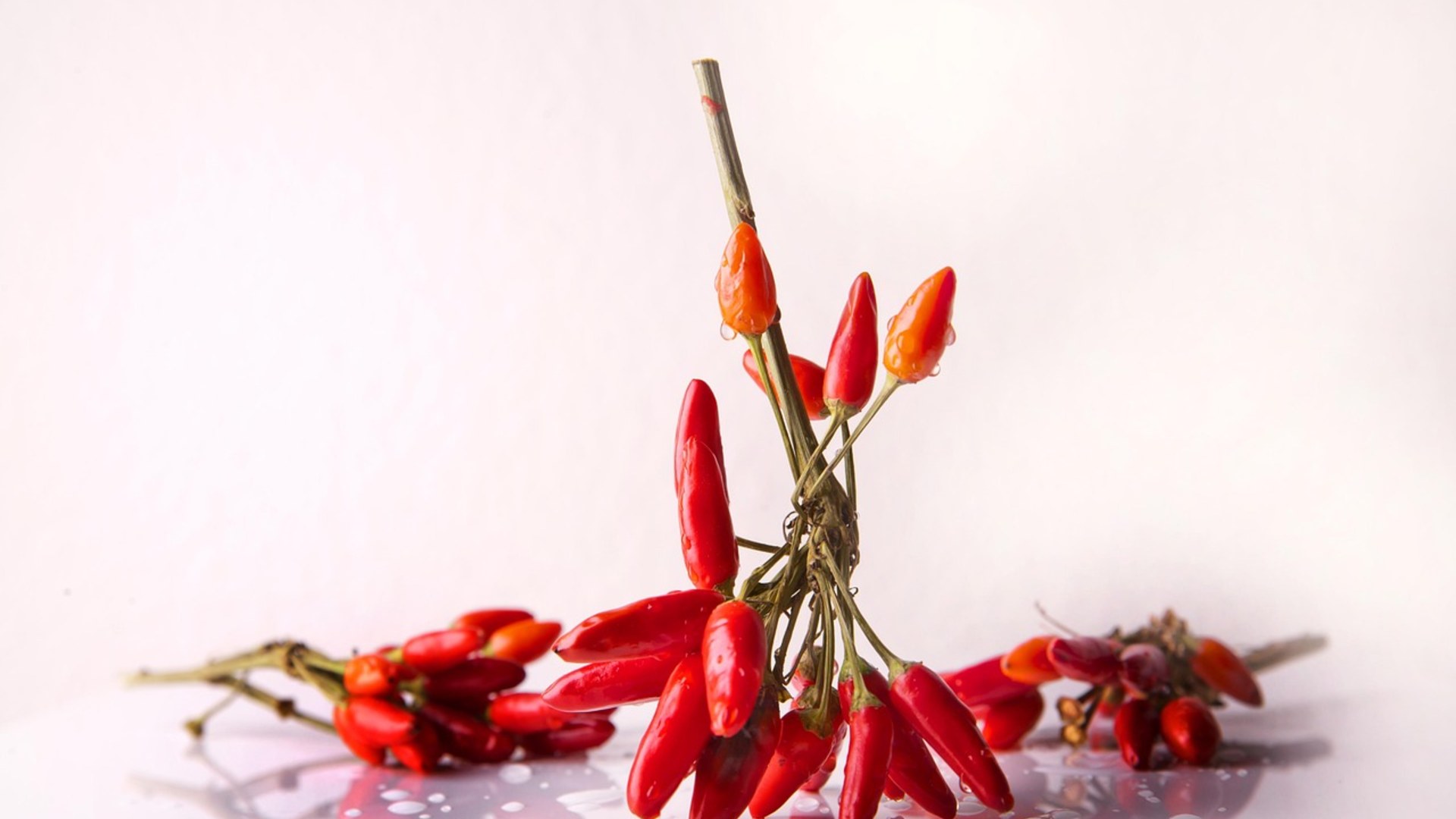
15. Fiery Hot Chillies
Extremely spicy curries and fiery chilli marinades are strictly avoided on formal royal banquet menus. Palace organizers ensure dishes remain mild and balanced to avoid stomach irritation, sudden sweating, or red facial flushing when monarchs converse closely with visiting foreign heads of state.
©Pixabay / Sponchia
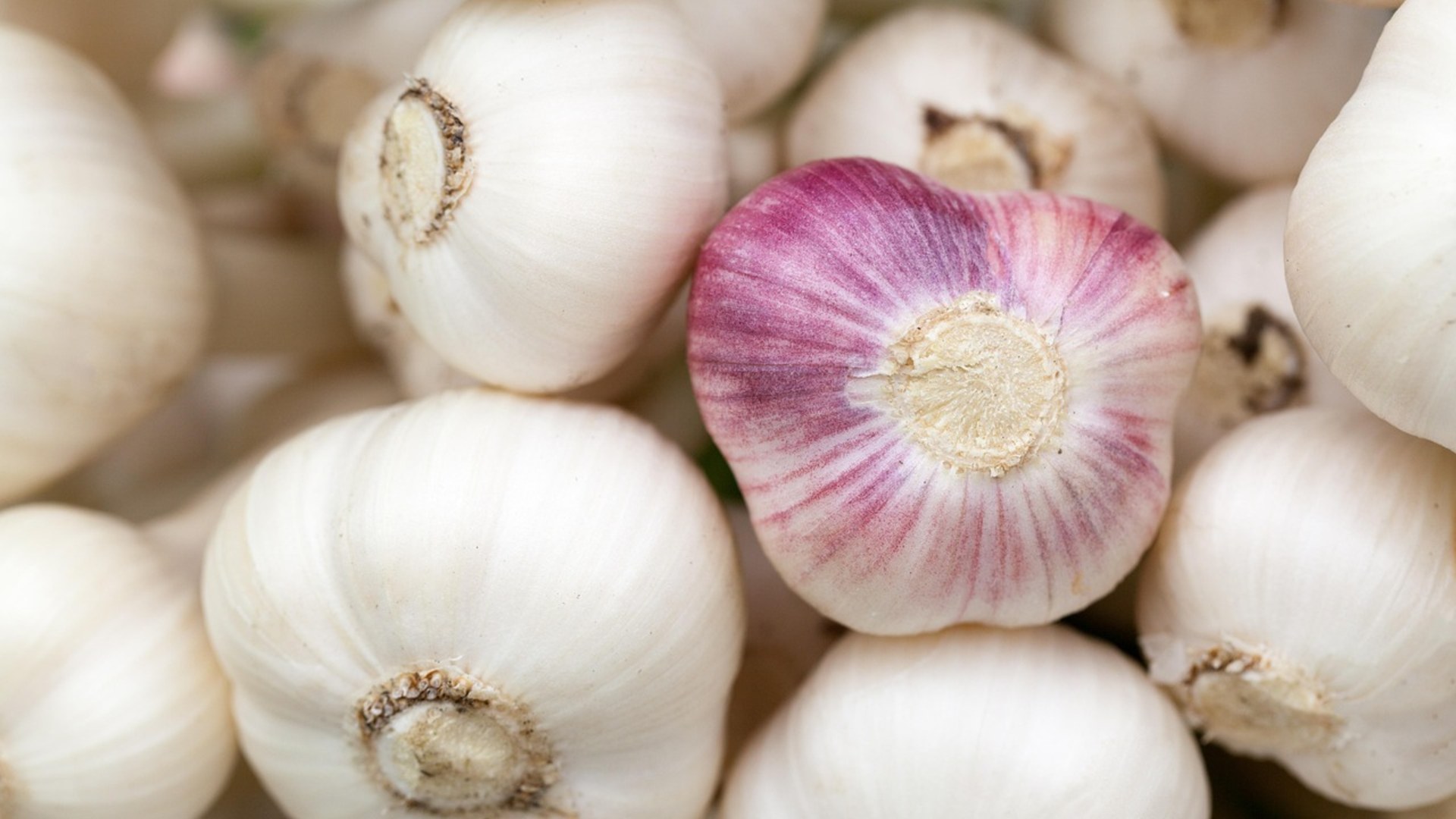
14. Fresh Garlic
Garlic is outlawed in Buckingham Palace kitchens and royal banquet menus. Both Queen Elizabeth II and Queen Camilla upheld this strict culinary ban. With royals conducting back-to-back public walkabouts and close diplomatic conversations, eliminating strong, lingering breath odor is an essential protocol requirement.
©Pixabay / PublicDomainPictures
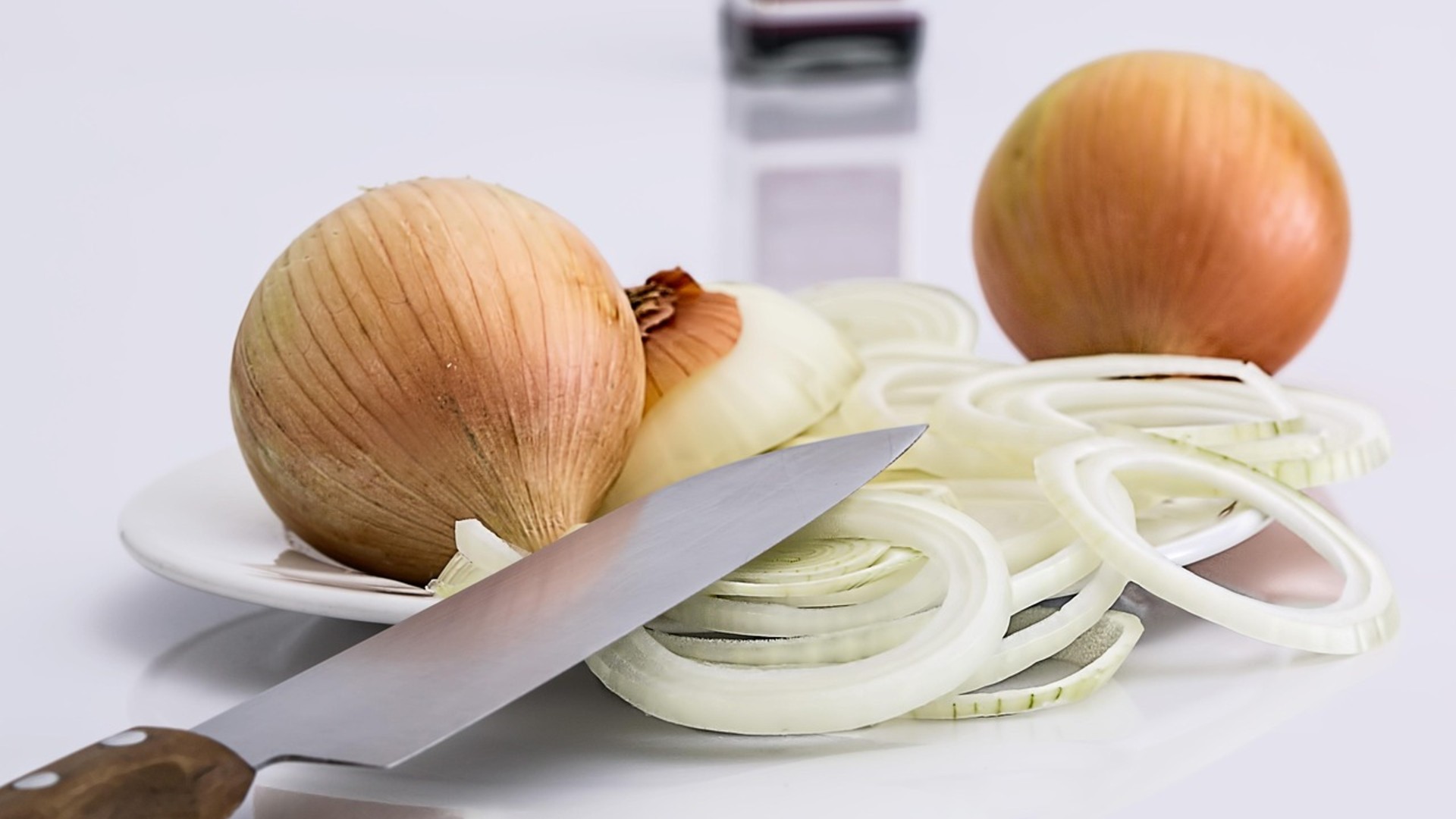
13. Raw Onions
Much like garlic, raw onions are banned from official palace meals, dressings, and banquet sauces. Royal chefs use cooked onions only in minute, caramelized quantities where pungency is neutralized. Raw slices that leave lingering aftertastes are forbidden across all royal reception platters.
©Pixabay / stevepb
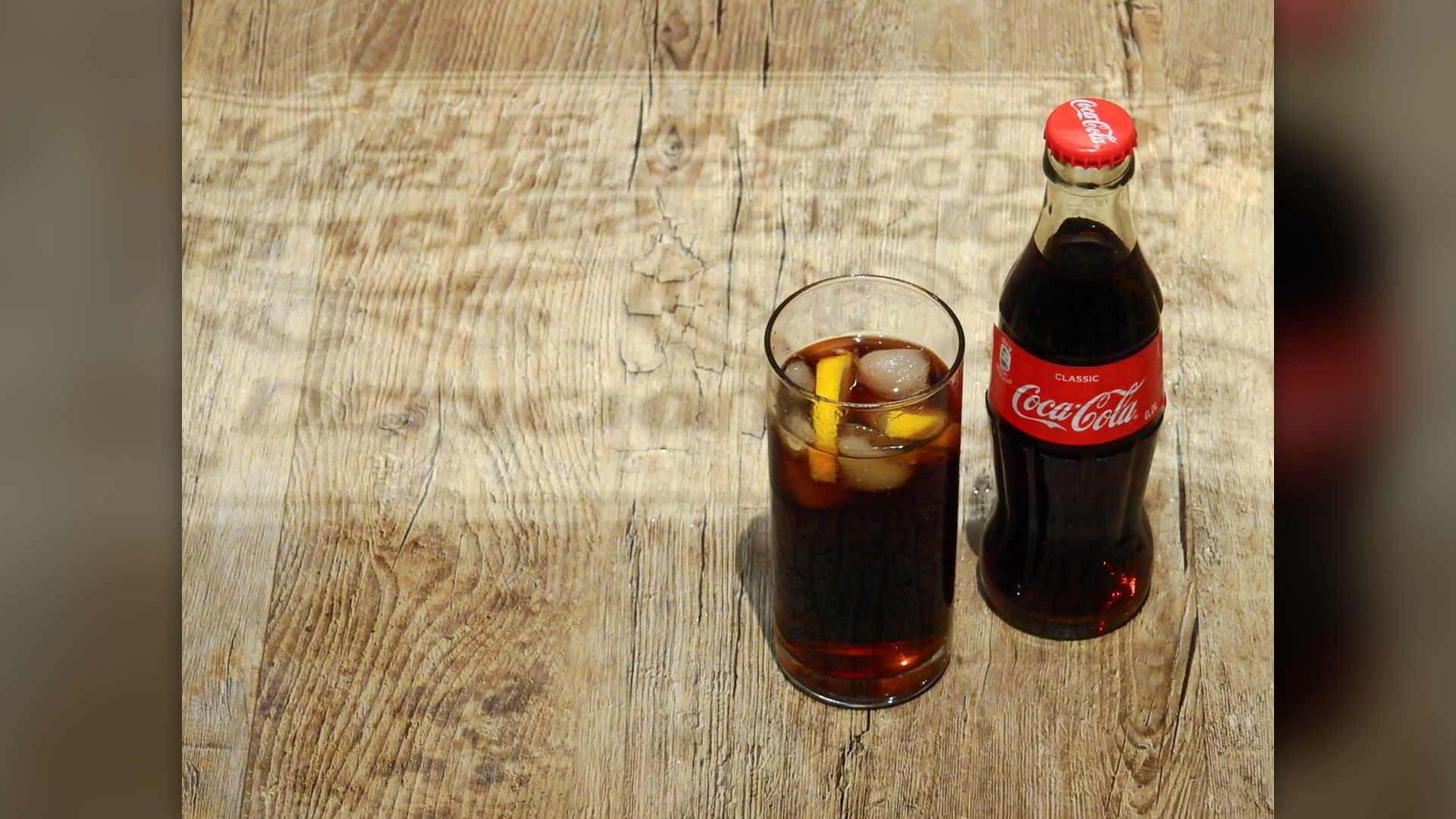
12. Commercial Sugary Sodas
Canned sugary commercial sodas are absent from royal banquet halls and formal reception tables. Senior royals opt for sparkling mineral water, iced teas, or traditional estate fruit cordials. Sandringham apple juice and freshly squeezed lemonades serve as the standard non-alcoholic choices.
©Pixabay / Bru-nO
Advertisement
Swipe or tap ▶ to resume the countdown.
11. Ultra-Processed Ready Meals
Pre-packaged microwave meals, frozen dinners, and ultra-processed foods are banned from royal residences. Former staff confirm all royal food is cooked entirely from scratch using organic ingredients harvested from royal estates, including Sandringham fruit and organic vegetables grown at Highgrove House.
©Pixabay / SylwesterL
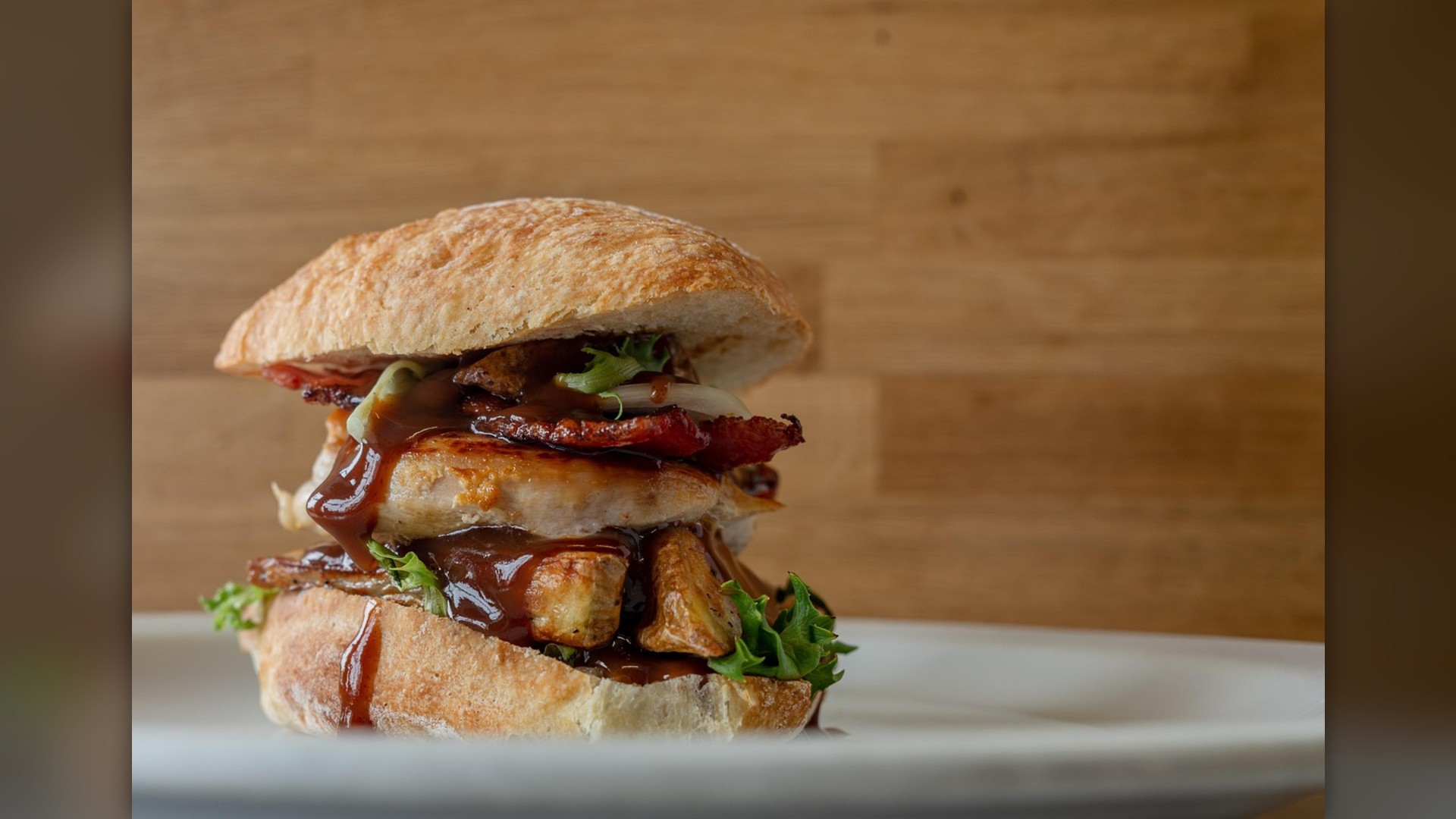
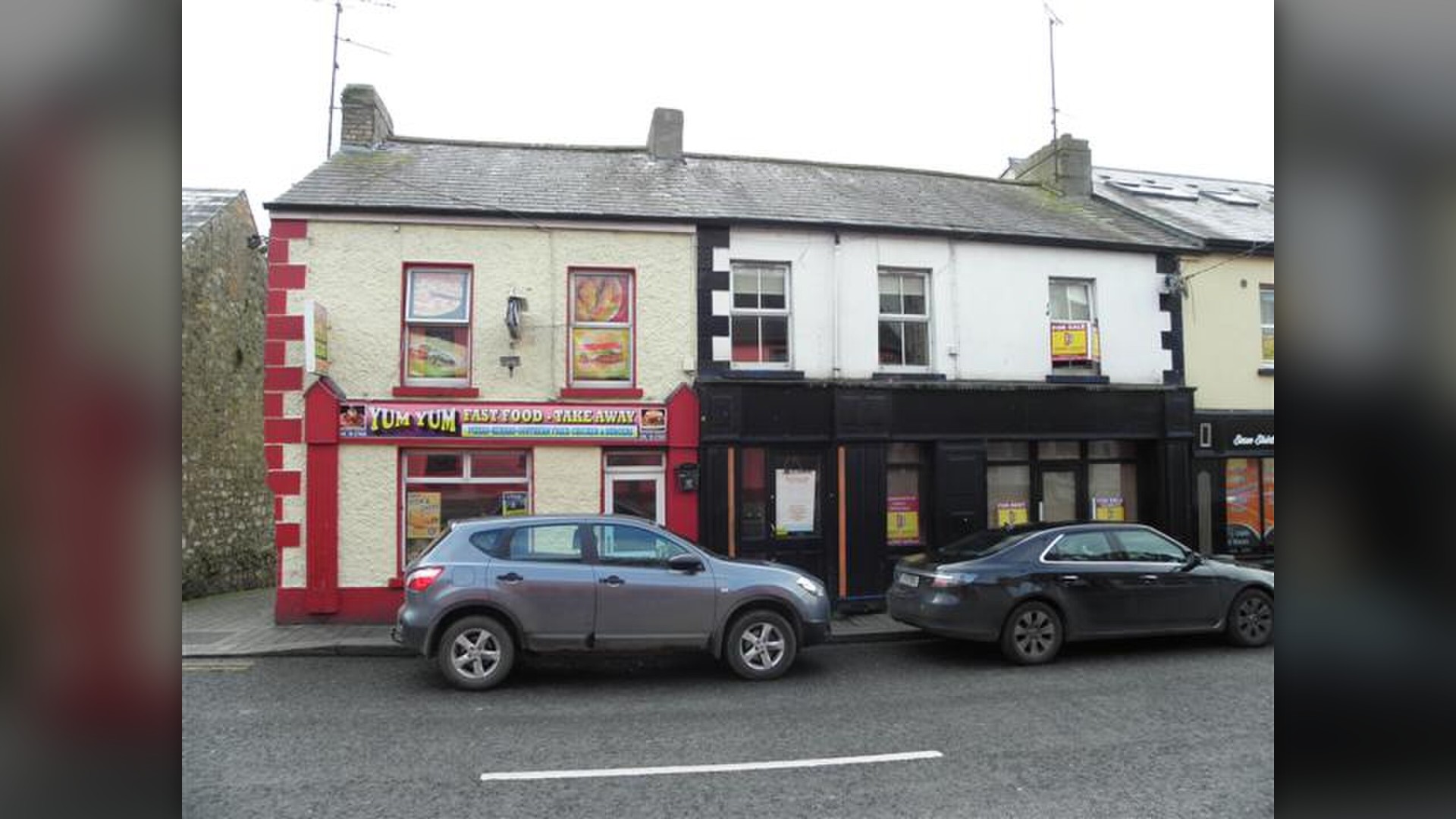
10. Takeaway Fast Food
Commercial fast food chains and greasy takeout cartons are excluded from royal dining tables. While Prince William and Prince Harry were occasionally taken to burger shops by Princess Diana during their youth, adult royal protocol mandates that private palace chefs prepare fresh homemade gourmet burgers without buns.
©Wikimedia / Kenneth Allen
9. Out Of-Season Berries
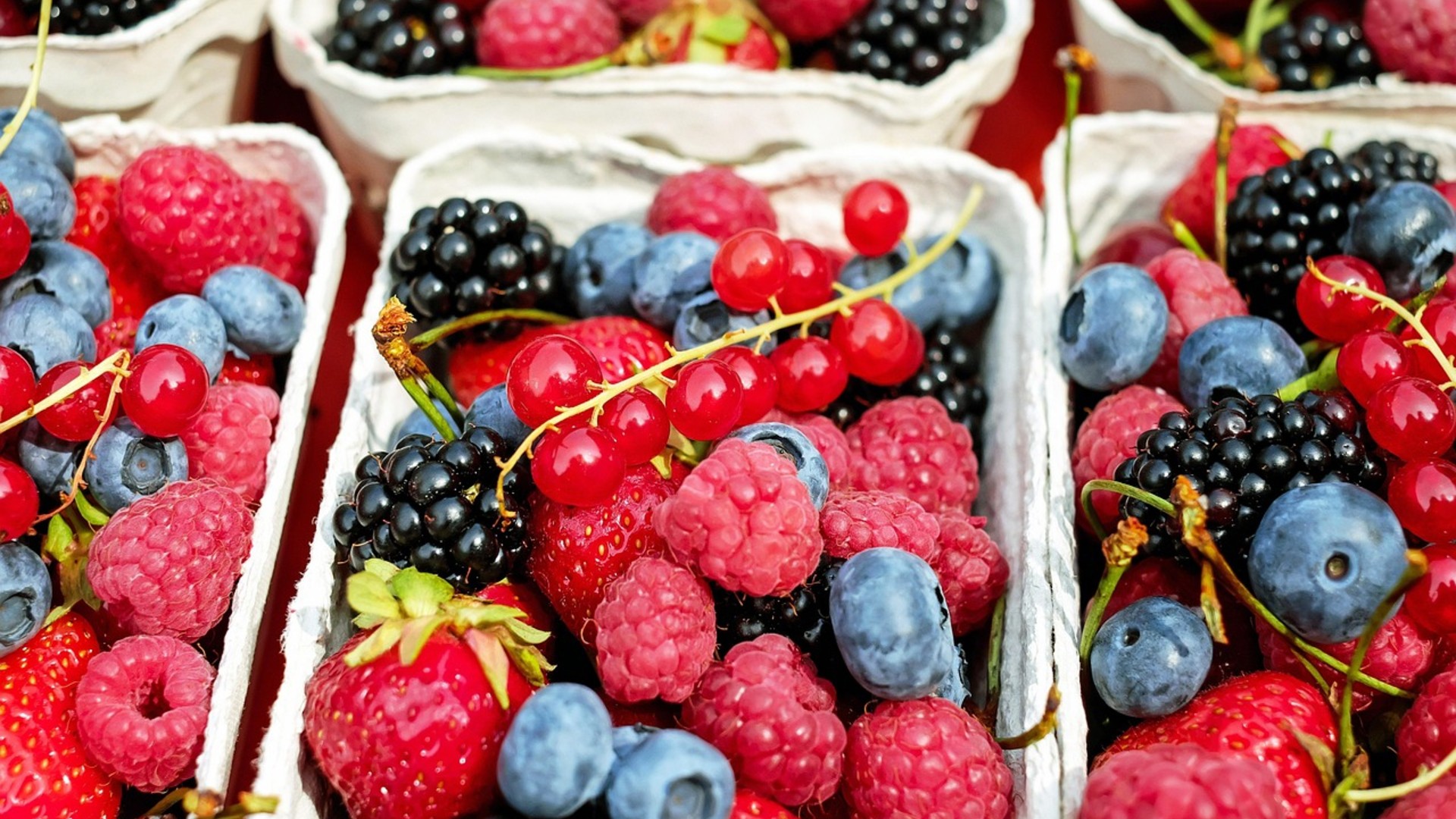
Queen Elizabeth II refused to eat out-of-season fruits and berries, viewing air-freighted winter strawberries as inferior and wasteful. Buckingham Palace served British berries exclusively during peak summer months, especially from June harvests. Eating local, in-season produce remains a firm royal household tradition.
©Pixabay / Couleur
8. Black Pudding And Offal
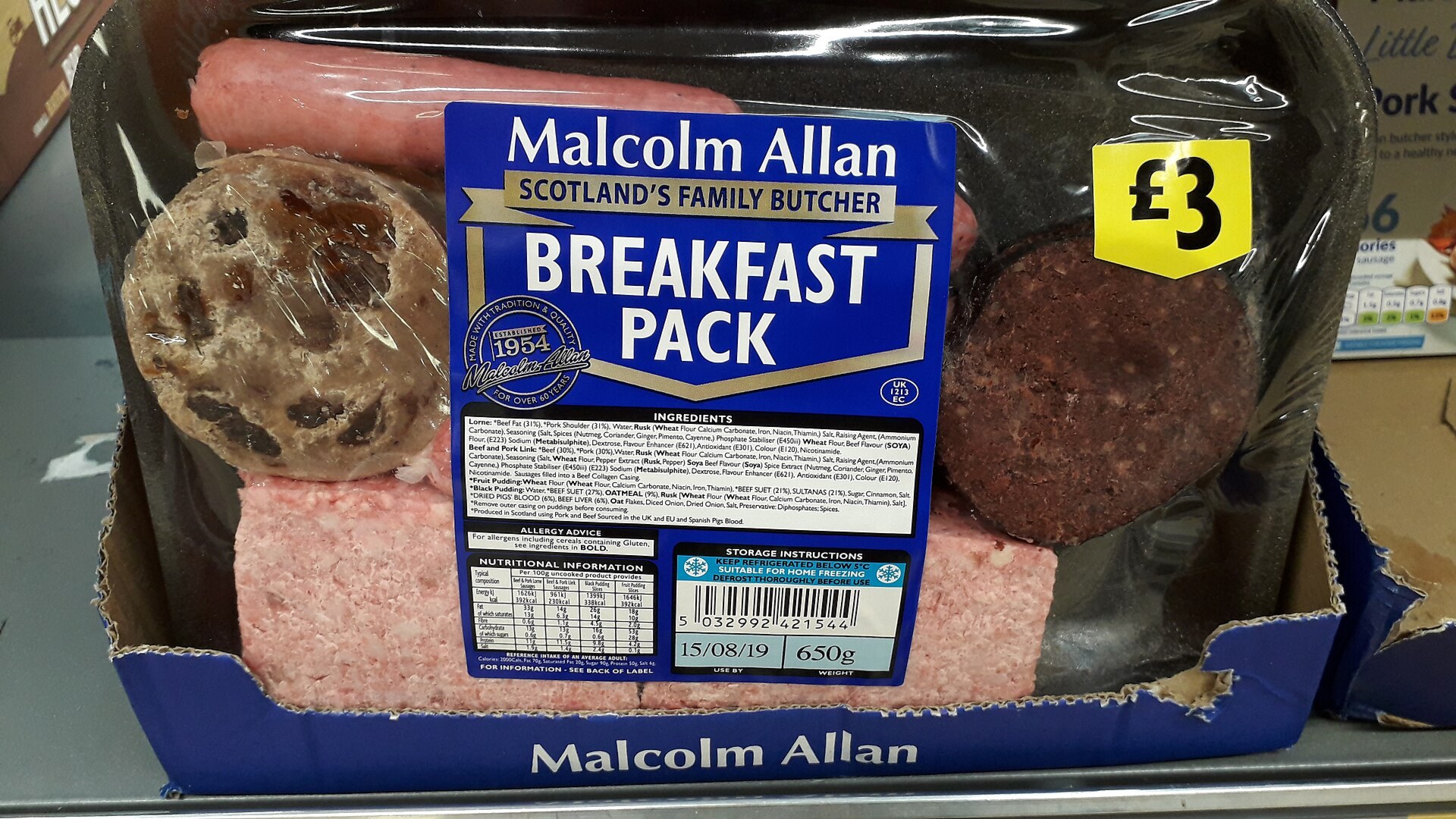
Traditional blood sausages, kidneys, and organ meats are absent from royal banquet menus and diplomatic dinners. While King Charles III appreciates traditional farm produce, formal protocol excludes offal from state tables to avoid alienating international guests with divisive textures and flavors.
©Wikimedia / Mutt Lunker
Advertisement
Swipe or tap ▶ to resume the countdown.
7. Unpasteurized Milk And Dairy
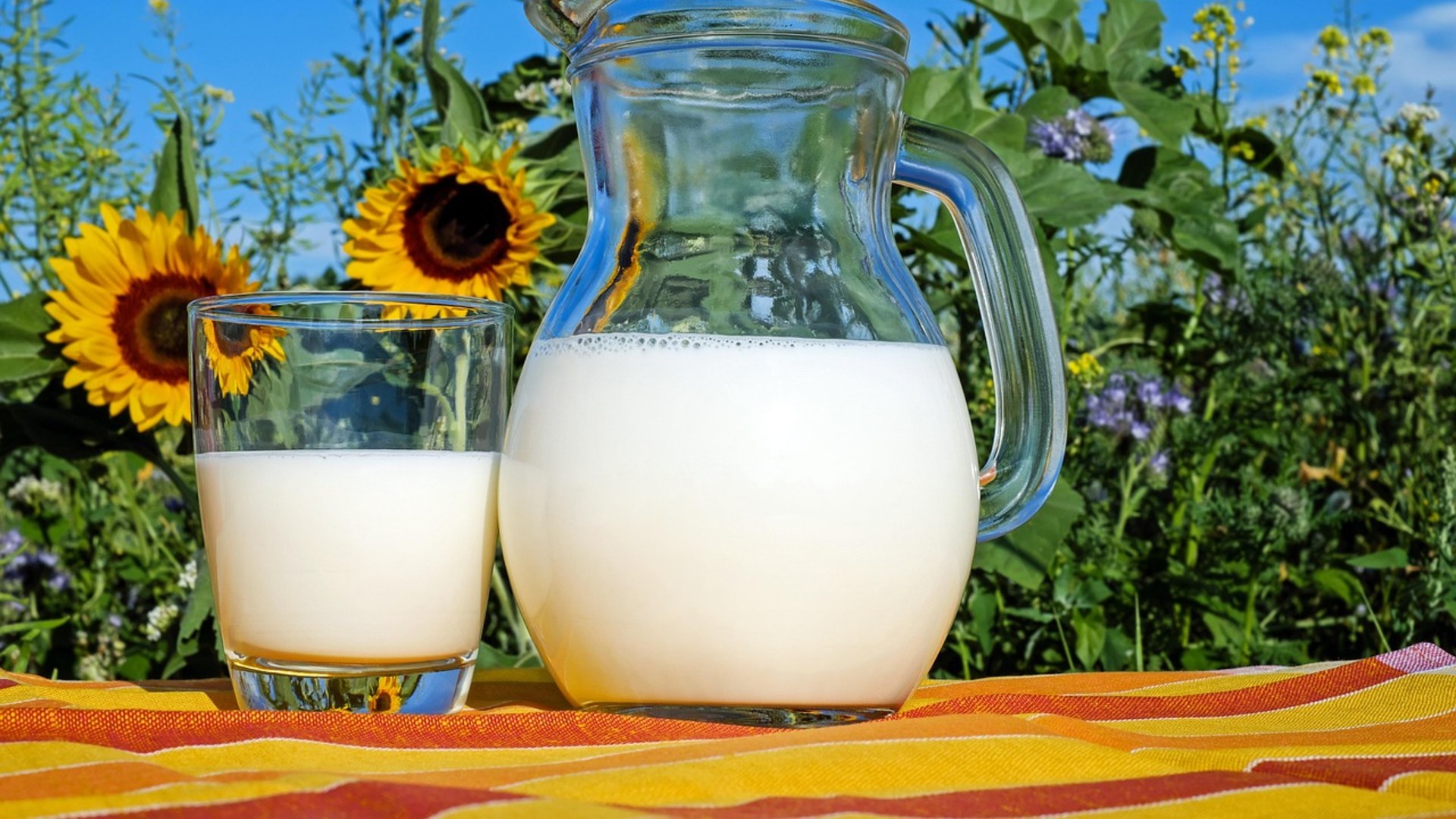
Unpasteurized raw milk and uninspected artisanal soft cheeses are prohibited in Buckingham Palace kitchens. Royal medical advisors mandate strict food safety precautions to prevent bacterial infections like listeria, salmonella, and E. coli, ensuring working monarchs maintain continuous health for public royal duties.
©Pixabay / Couleur
6. Rare Red Meat
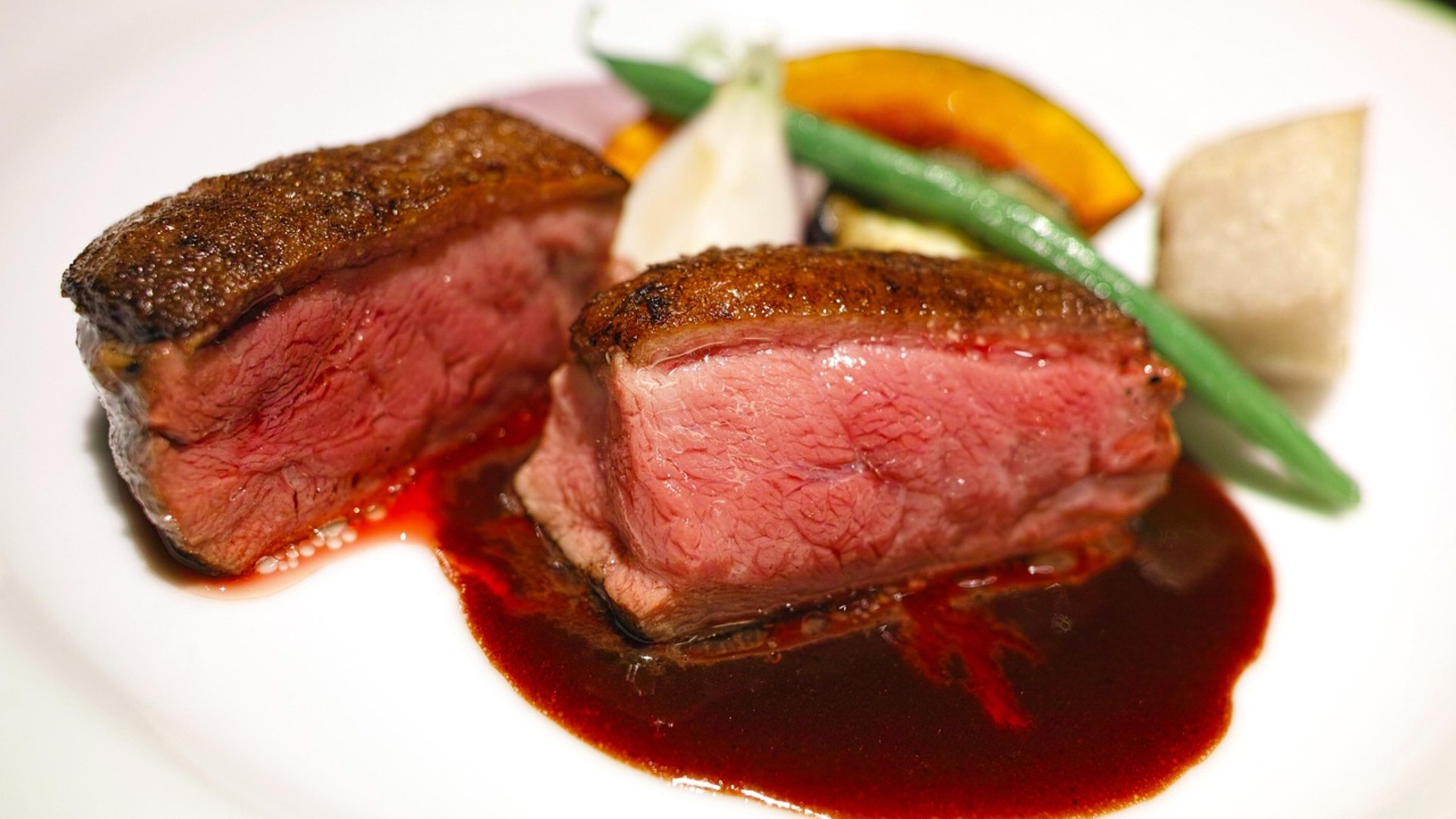
Steak tartare, blue steaks, and rare red meats are banned from royal dinner services. Palace chefs prepare beef roasts and tenderloins to medium-well or well-done consistency. Royal physicians instituted this requirement to eliminate risks of foodborne bacteria, parasites, and food poisoning.
©Pixabay / takedahrs
5. Foie Gras
King Charles III enacted a complete, formal ban on foie gras across all royal residences and palace kitchens. A dedicated advocate for animal welfare, the King prohibited the luxury delicacy due to the cruel practice of force-feeding ducks and geese. The official ban covers Buckingham Palace, Windsor, and Balmoral.
©Wikimedia / Foie gras
4. Unvetted Street Food
Senior royals traveling on overseas state visits are advised by royal protection officers to avoid open-air street stalls and unverified food carts. While monarchs may politely sample pre-screened items during controlled cultural visits, casual roadside dining is restricted to prevent acute travelers diarrhea.
©Wikimedia / Andy Waddington
Advertisement
Swipe or tap ▶ to resume the countdown.
3. Raw Shellfish And Oysters
Raw oysters, clams, and mussels are strictly avoided by British royals during official engagements and tours. Shellfish carry high risks of norovirus, Vibrio bacteria, and severe food poisoning. The longstanding rule protects senior royals from illness that could derail packed diplomatic itineraries.
©Wikimedia / Lord Mountbatten
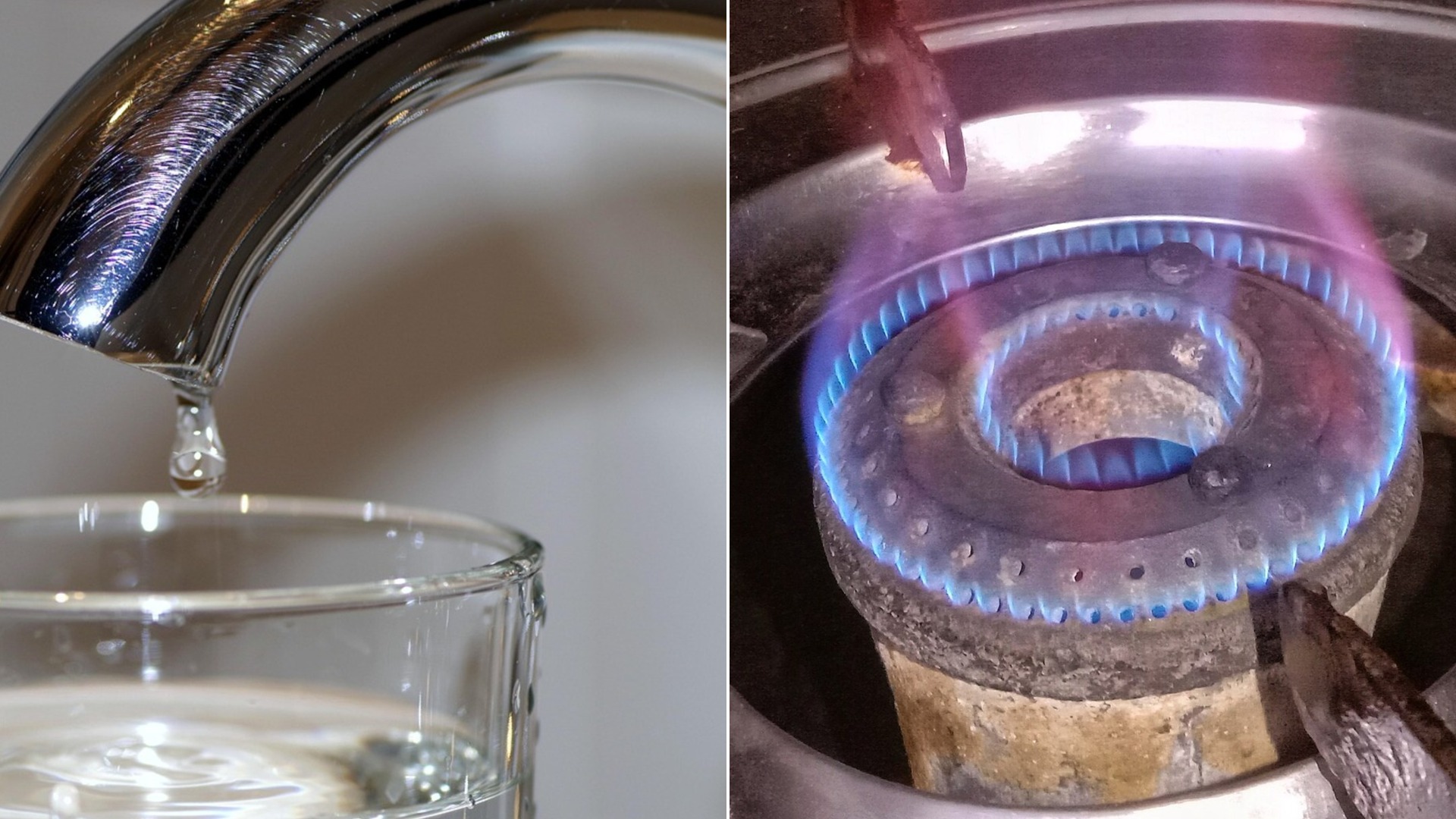
2. Tap Water Abroad
Royal medical protocol strictly forbids members of the royal family from consuming local tap water while touring abroad. Royals drink only commercially sealed bottled water or boiled beverages like English breakfast tea. This non-negotiable rule prevents waterborne parasites and microbial bugs during foreign missions.
©Pixabay / Ralf1403
1. Unverified Open Drinks
Senior royals attending large public receptions never accept open beverages from strangers or unmonitored trays. Royal protection officers enforce strict security controls, requiring drinks to be poured directly in front of the royal or provided by vetted personal aides to eliminate contamination or poisoning threats.

©Pixabay / Pixabay Contributor
Advertisement
You've reached the end of the story. Thanks for reading!

22 Used Cars Built to Keep Running Well Past 100,000 Miles
Buying a high-mileage used vehicle takes careful shopping, yet certain engines and chassis regularly pass 100,000 miles with routine care. Ranked from #22 to #1 using Consumer Reports, iSeeCars longevity data and automaker service records, these 22 models earned lasting reputations on the road.
All 22 Entries in this Story
1. Bread Crusts
Former royal chef Darren McGrady revealed that Queen Elizabeth II was never served sandwich crusts at afternoon tea. Kitchen staff always sliced the crusts off cucumber and smoked salmon sandwiches, ensuring delicate finger foods were tender and easy to consume without messy crumbs during formal royal receptions.

2. Square-Cut Sandwiches
Royal tea sandwiches are never sliced into four-cornered squares. An ancient royal superstition, reportedly observed since Prince Albert and Queen Victoria, held that square-cut food resembled a coffin and invited misfortune. Royal chefs meticulously round off corners or cut sandwiches into smooth oblong finger shapes.

3. Whole Uncut Apples And Pears
Senior members of the royal family never bite directly into a whole apple or pear. Royal dining etiquette requires raw tree fruits to be peeled, cored, and segmented into bite-sized portions in the pantry or at the table using dessert cutlery, avoiding ungraceful biting motions during public banquets and formal meals.

4. Evening Potatoes And Starch
Queen Elizabeth II strictly followed a no-starch rule for evening dinners when dining alone. Buckingham Palace chefs were instructed to omit potatoes, pasta, and rice from evening menus. Her dinner plates instead featured lean grilled protein, such as Scottish salmon or Dover sole, paired with fresh garden vegetables.

5. Messy Long Pasta
Long pasta varieties like spaghetti and tagliatelle are excluded from official state banquets. Royal protocol aims to prevent awkward slurping, sauce splattering, and accidental stains on ceremonial attire. When pasta is served at private palace meals, chefs prepare compact shapes like penne or small ravioli.

6. Inedible Plate Garnishes
Buckingham Palace kitchen standards dictate that non-edible decorations and raw kale frills must never appear on dinner plates. Queen Elizabeth II insisted that every item on royal china be completely edible. Palace chefs use fresh chopped herbs that enhance flavor rather than meaningless decorative plate clutter.

7. Heavy Flour-Roux Sauces
British royal menus have shifted away from heavy French culinary techniques involving flour roux, rich cornstarch, and heavy cream. Royal chefs focus on light pan jus, reduced broths, and fresh herb emulsions, keeping meals healthy and easily digestible during demanding royal reception schedules.

8. Fiery Hot Chillies
Extremely spicy curries and fiery chilli marinades are strictly avoided on formal royal banquet menus. Palace organizers ensure dishes remain mild and balanced to avoid stomach irritation, sudden sweating, or red facial flushing when monarchs converse closely with visiting foreign heads of state.

9. Fresh Garlic
Garlic is outlawed in Buckingham Palace kitchens and royal banquet menus. Both Queen Elizabeth II and Queen Camilla upheld this strict culinary ban. With royals conducting back-to-back public walkabouts and close diplomatic conversations, eliminating strong, lingering breath odor is an essential protocol requirement.

10. Raw Onions
Much like garlic, raw onions are banned from official palace meals, dressings, and banquet sauces. Royal chefs use cooked onions only in minute, caramelized quantities where pungency is neutralized. Raw slices that leave lingering aftertastes are forbidden across all royal reception platters.

11. Commercial Sugary Sodas
Canned sugary commercial sodas are absent from royal banquet halls and formal reception tables. Senior royals opt for sparkling mineral water, iced teas, or traditional estate fruit cordials. Sandringham apple juice and freshly squeezed lemonades serve as the standard non-alcoholic choices.

12. Ultra-Processed Ready Meals
Pre-packaged microwave meals, frozen dinners, and ultra-processed foods are banned from royal residences. Former staff confirm all royal food is cooked entirely from scratch using organic ingredients harvested from royal estates, including Sandringham fruit and organic vegetables grown at Highgrove House.

13. Takeaway Fast Food
Commercial fast food chains and greasy takeout cartons are excluded from royal dining tables. While Prince William and Prince Harry were occasionally taken to burger shops by Princess Diana during their youth, adult royal protocol mandates that private palace chefs prepare fresh homemade gourmet burgers without buns.

14. Out Of-Season Berries
Queen Elizabeth II refused to eat out-of-season fruits and berries, viewing air-freighted winter strawberries as inferior and wasteful. Buckingham Palace served British berries exclusively during peak summer months, especially from June harvests. Eating local, in-season produce remains a firm royal household tradition.

15. Black Pudding And Offal
Traditional blood sausages, kidneys, and organ meats are absent from royal banquet menus and diplomatic dinners. While King Charles III appreciates traditional farm produce, formal protocol excludes offal from state tables to avoid alienating international guests with divisive textures and flavors.

16. Unpasteurized Milk And Dairy
Unpasteurized raw milk and uninspected artisanal soft cheeses are prohibited in Buckingham Palace kitchens. Royal medical advisors mandate strict food safety precautions to prevent bacterial infections like listeria, salmonella, and E. coli, ensuring working monarchs maintain continuous health for public royal duties.

17. Rare Red Meat
Steak tartare, blue steaks, and rare red meats are banned from royal dinner services. Palace chefs prepare beef roasts and tenderloins to medium-well or well-done consistency. Royal physicians instituted this requirement to eliminate risks of foodborne bacteria, parasites, and food poisoning.

18. Foie Gras
King Charles III enacted a complete, formal ban on foie gras across all royal residences and palace kitchens. A dedicated advocate for animal welfare, the King prohibited the luxury delicacy due to the cruel practice of force-feeding ducks and geese. The official ban covers Buckingham Palace, Windsor, and Balmoral.

19. Unvetted Street Food
Senior royals traveling on overseas state visits are advised by royal protection officers to avoid open-air street stalls and unverified food carts. While monarchs may politely sample pre-screened items during controlled cultural visits, casual roadside dining is restricted to prevent acute travelers diarrhea.

20. Raw Shellfish And Oysters
Raw oysters, clams, and mussels are strictly avoided by British royals during official engagements and tours. Shellfish carry high risks of norovirus, Vibrio bacteria, and severe food poisoning. The longstanding rule protects senior royals from illness that could derail packed diplomatic itineraries.

21. Tap Water Abroad
Royal medical protocol strictly forbids members of the royal family from consuming local tap water while touring abroad. Royals drink only commercially sealed bottled water or boiled beverages like English breakfast tea. This non-negotiable rule prevents waterborne parasites and microbial bugs during foreign missions.

22. Unverified Open Drinks
Senior royals attending large public receptions never accept open beverages from strangers or unmonitored trays. Royal protection officers enforce strict security controls, requiring drinks to be poured directly in front of the royal or provided by vetted personal aides to eliminate contamination or poisoning threats.