Slideshow · Viral
22 Production Cars That Became Instant Classics From Day One
From post-war European grand tourers to analog Japanese sports coupes, certain production cars sparked waiting lists and collector demand from launch day. Counting down from 22 to 1, this gallery draws on manufacturer archives, FIA homologation records and automotive press reporting by Car and Driver and Hagerty.
By Most Viral Today
57 min agopitch:3bf444cc-3c45-4f88-8fd6-bb9486ac7a17

Twenty Two Landmark Models That Earned Classic Status The Moment They Debuted 
22. 1981 DeLorean DMC-12 
21. 1976 Volkswagen Golf GTI 
20. 1992 Dodge Viper RT/10 - AdvertisementSwipe or tap ▶ to continue countdown

19. 1989 Mazda MX-5 Miata 
18. 1980 Audi Quattro 
17. 1999 Nissan Skyline GT-R (R34) 
16. 2010 Lexus LFA - AdvertisementSwipe or tap ▶ to continue countdown

15. 1955 Citroen DS 
14. 2005 Ford GT 
13. 2004 Porsche Carrera GT 
12. 1986 BMW M3 (E30) - AdvertisementSwipe or tap ▶ to continue countdown

11. 1990 Honda NSX 
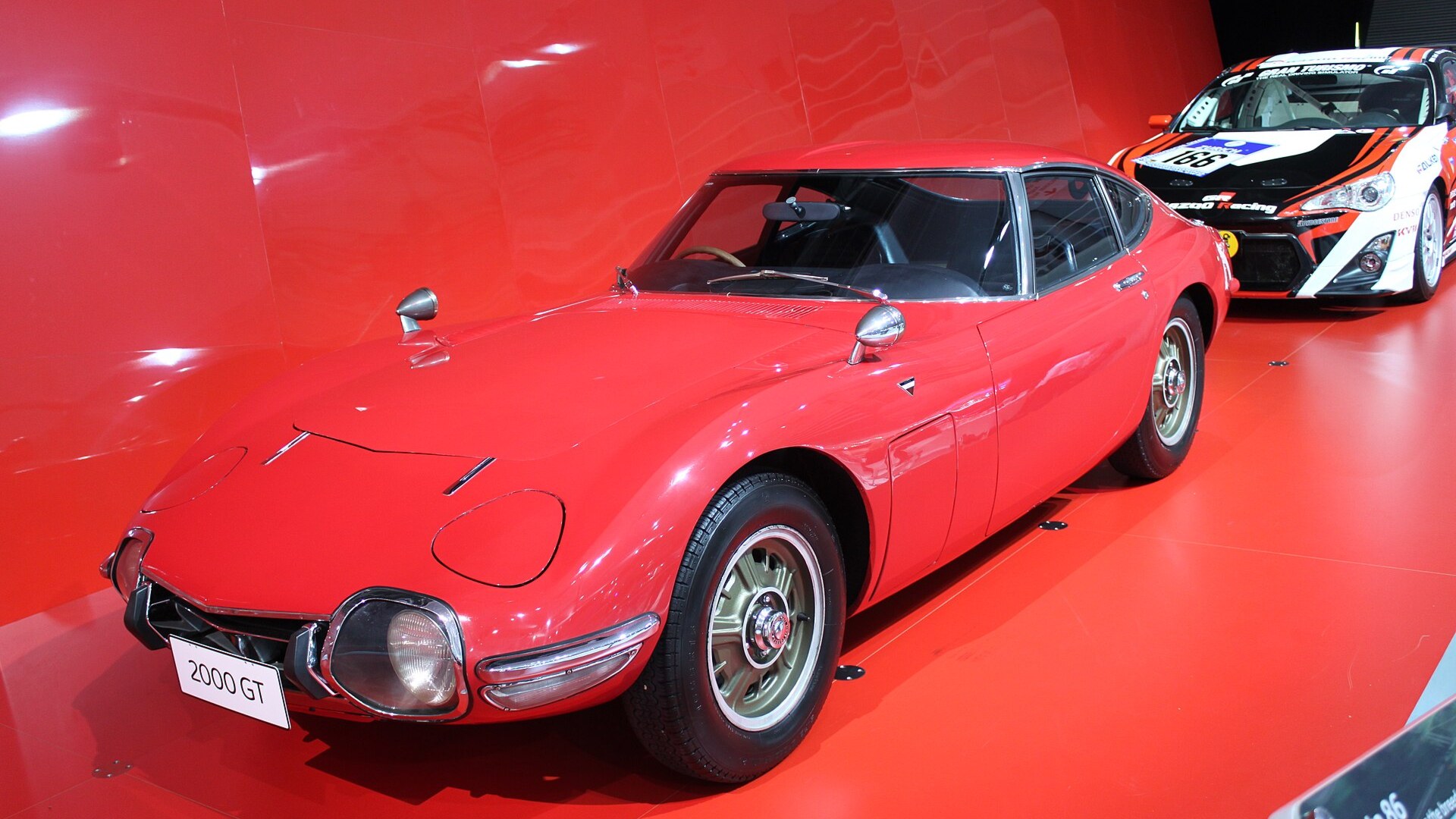
10. 1967 Toyota 2000GT 
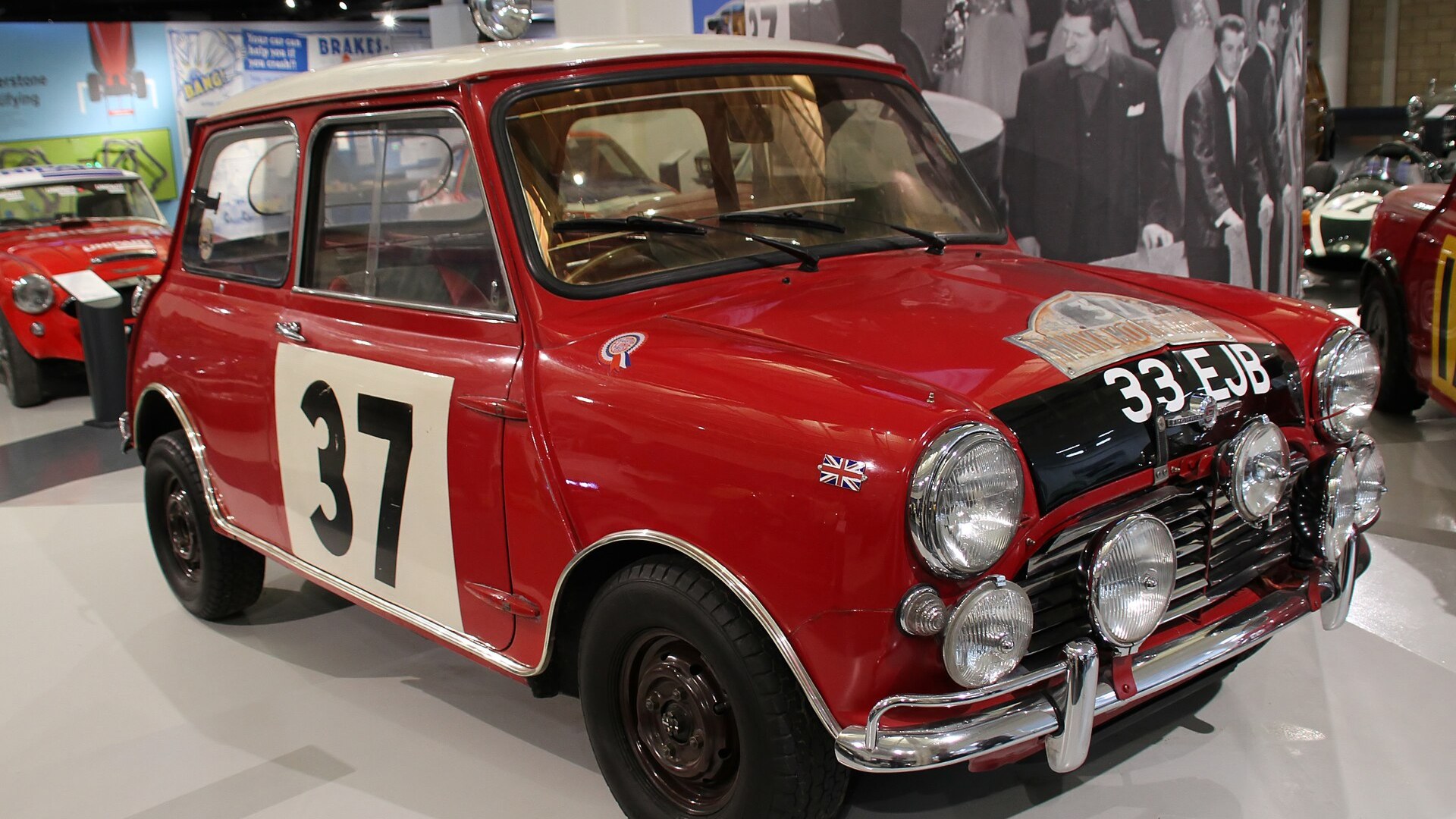
9. 1963 Morris Mini Cooper S 
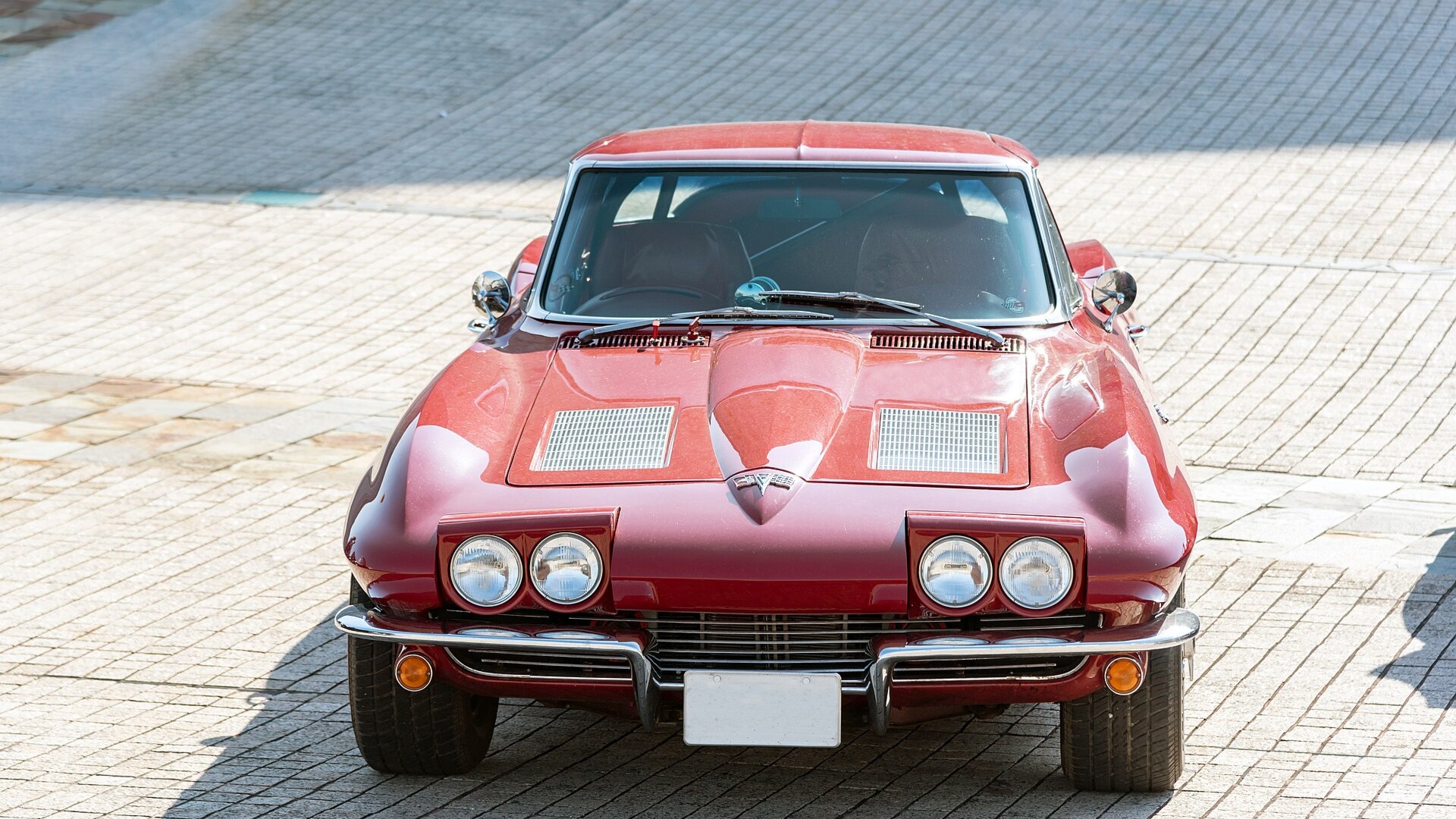
8. 1963 Chevrolet Corvette Sting Ray - AdvertisementSwipe or tap ▶ to continue countdown

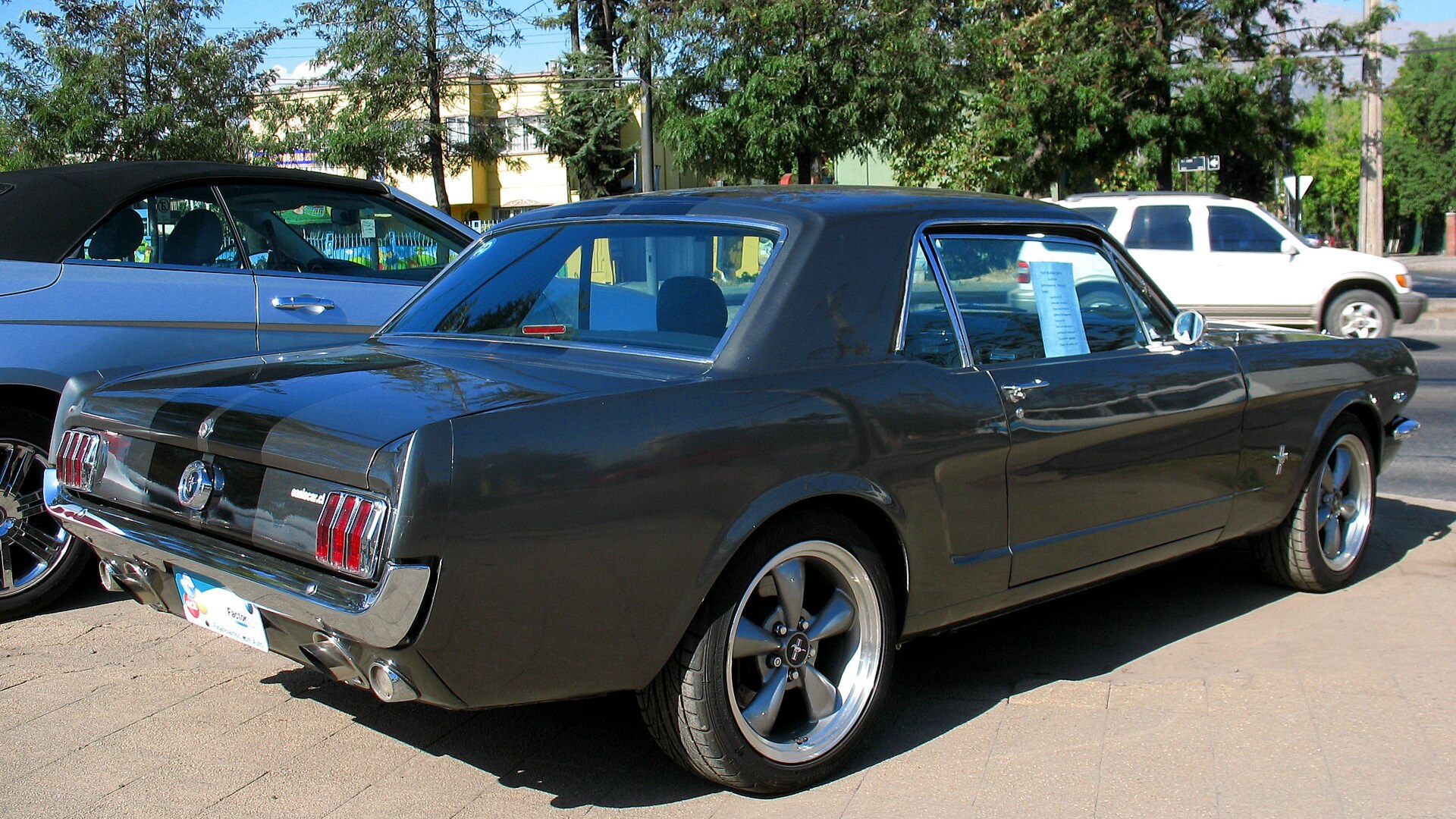
7. 1964 Ford Mustang 
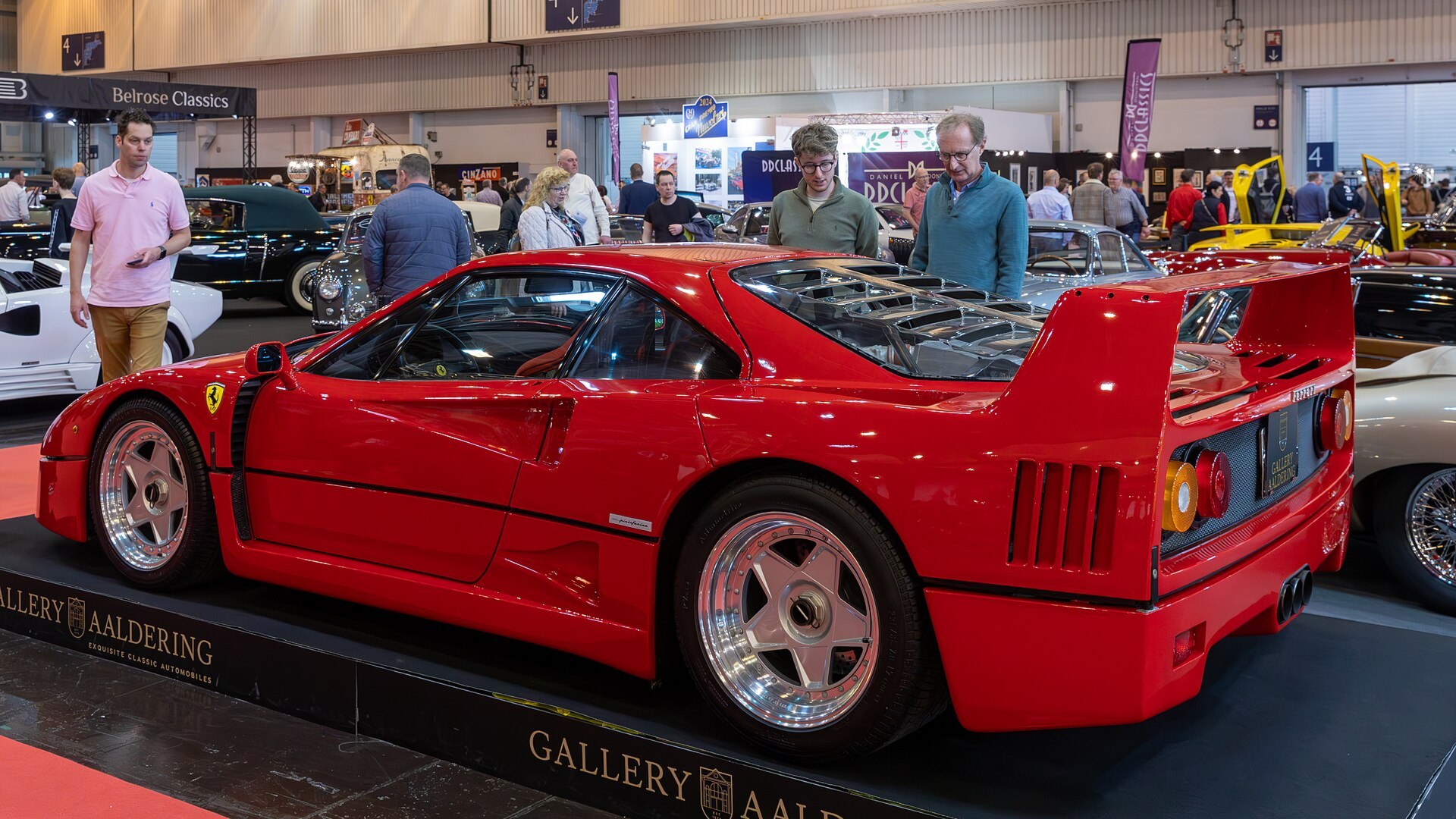
6. 1987 Ferrari F40 
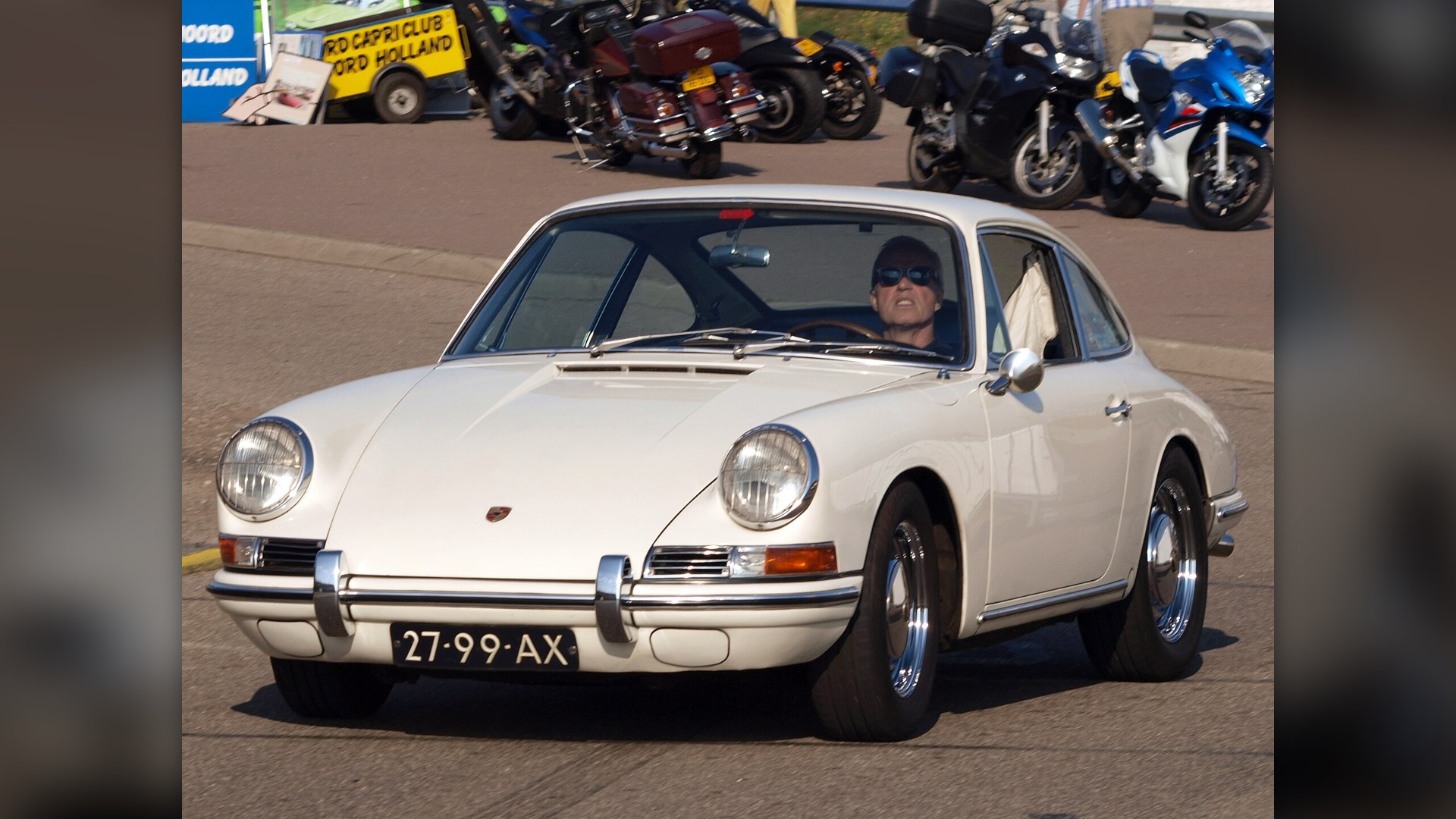
5. 1964 Porsche 911 
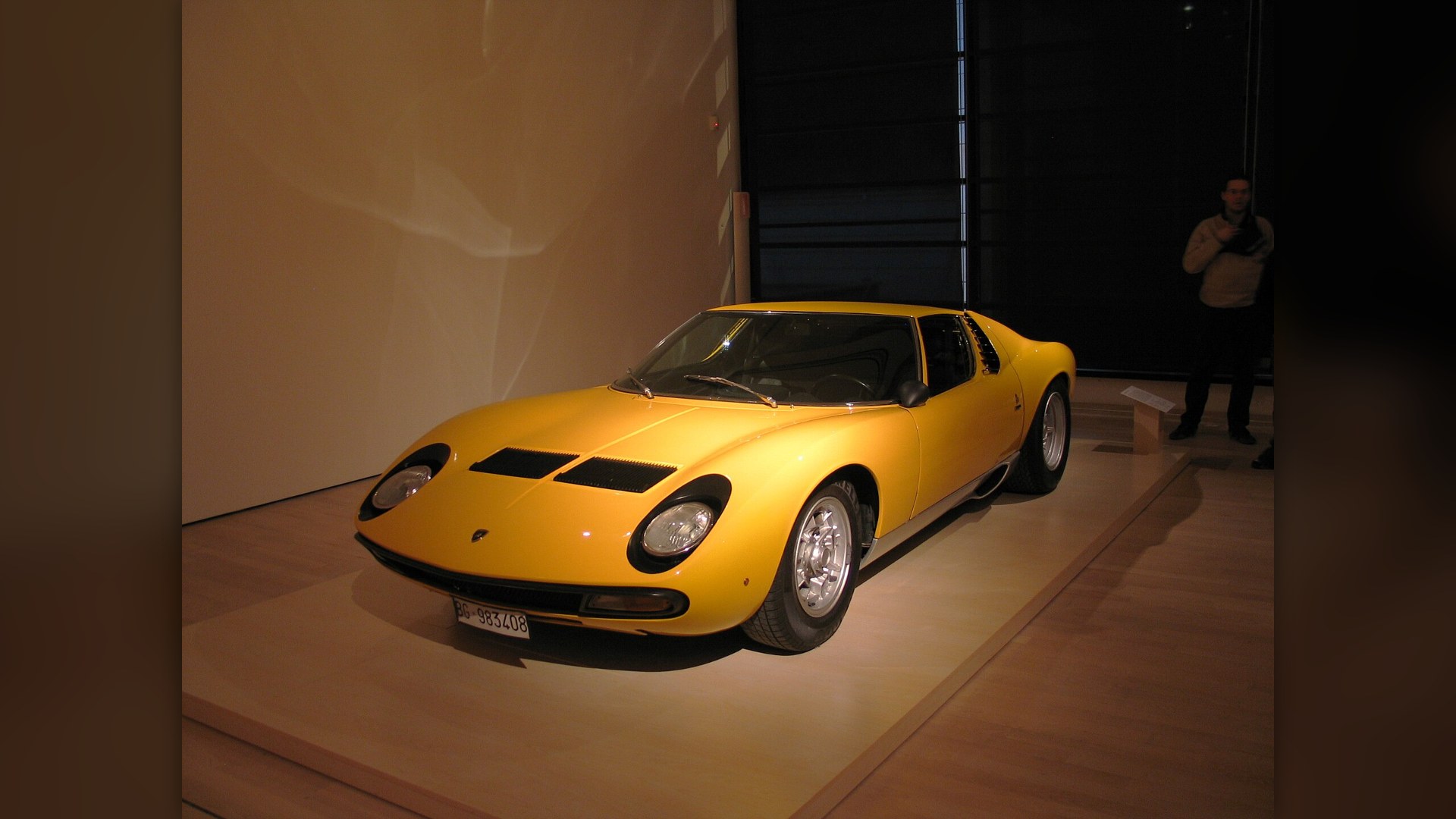
4. 1966 Lamborghini Miura - AdvertisementSwipe or tap ▶ to continue countdown

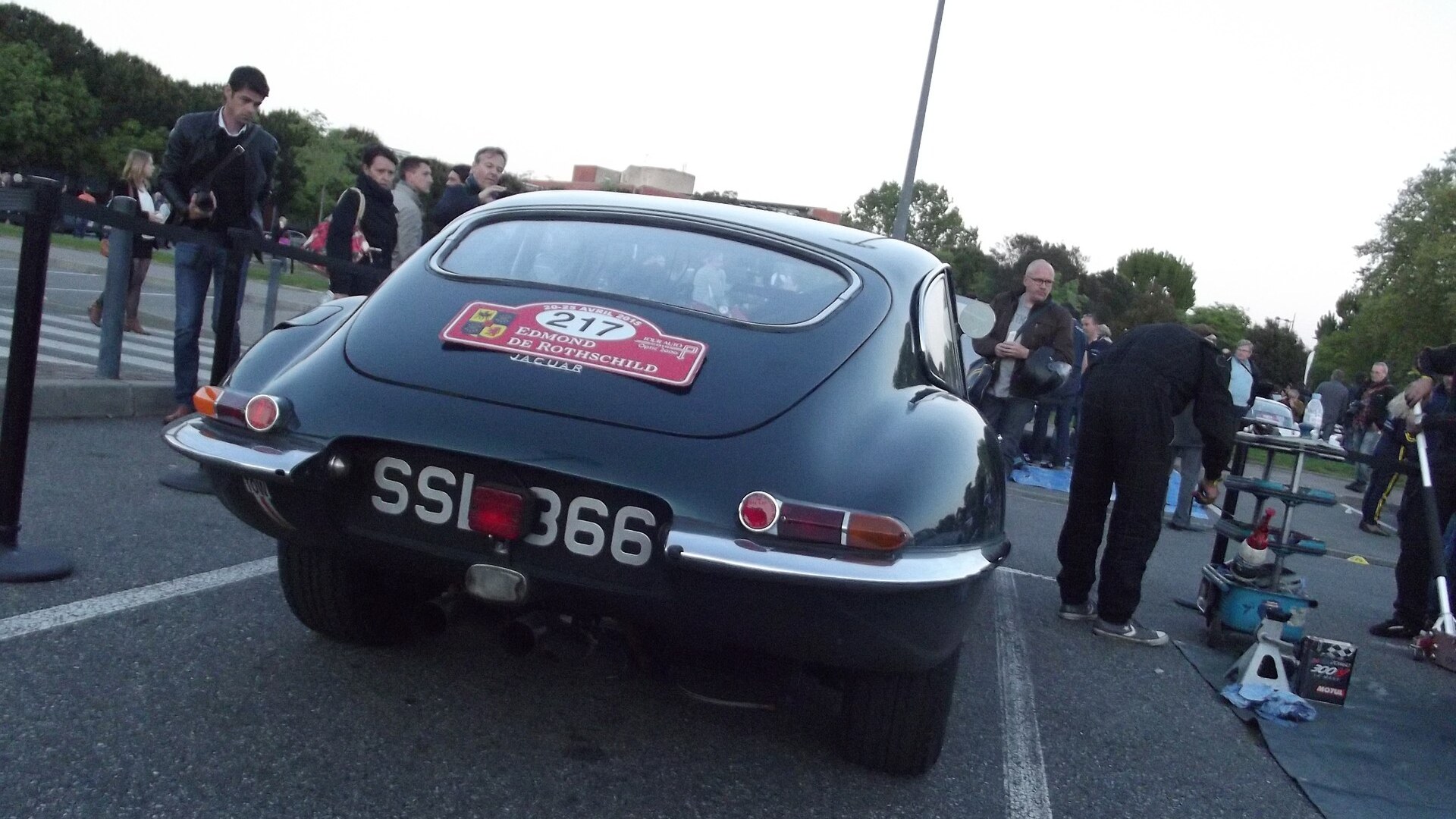
3. 1961 Jaguar E-Type 
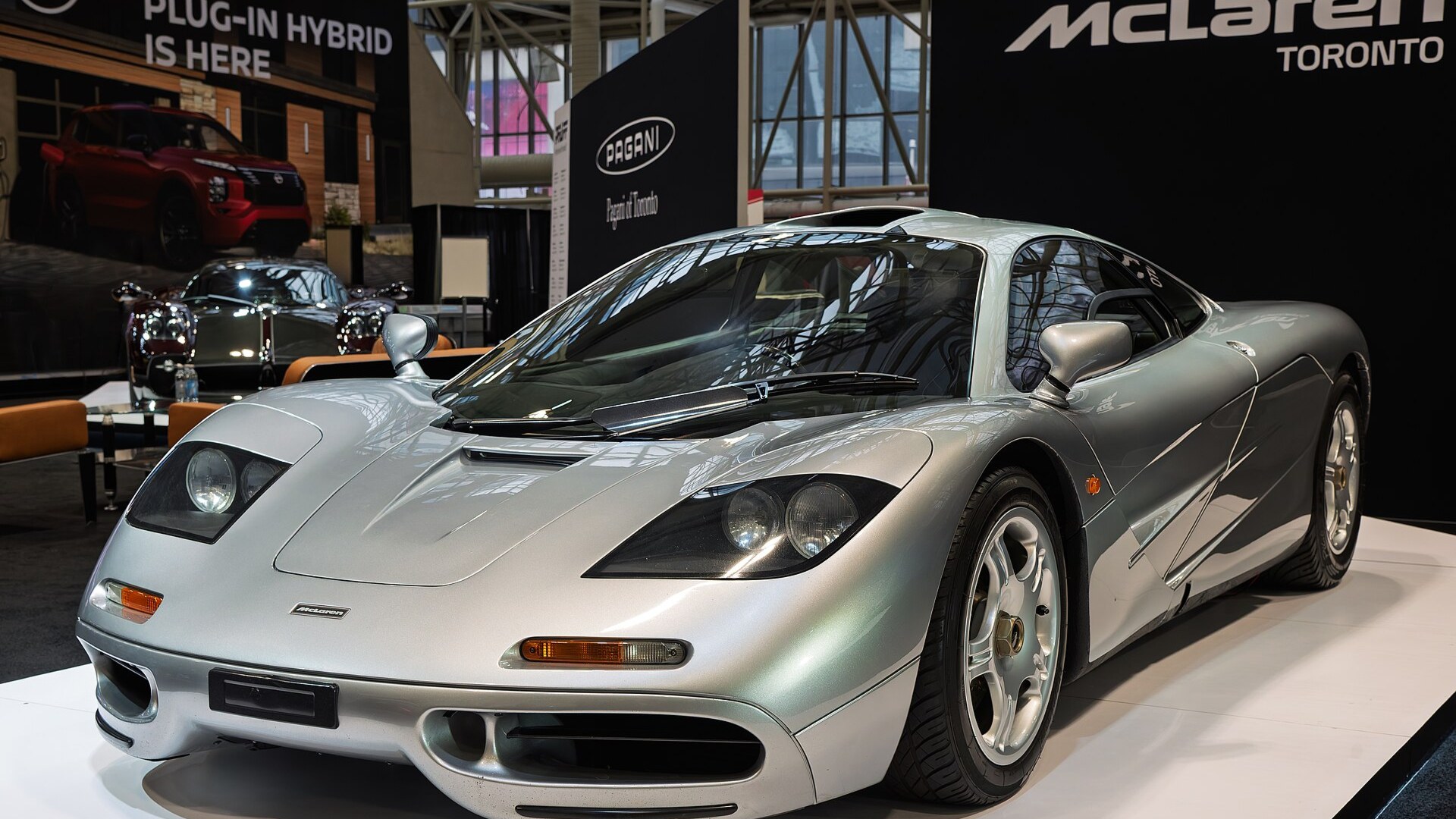
2. 1992 McLaren F1 
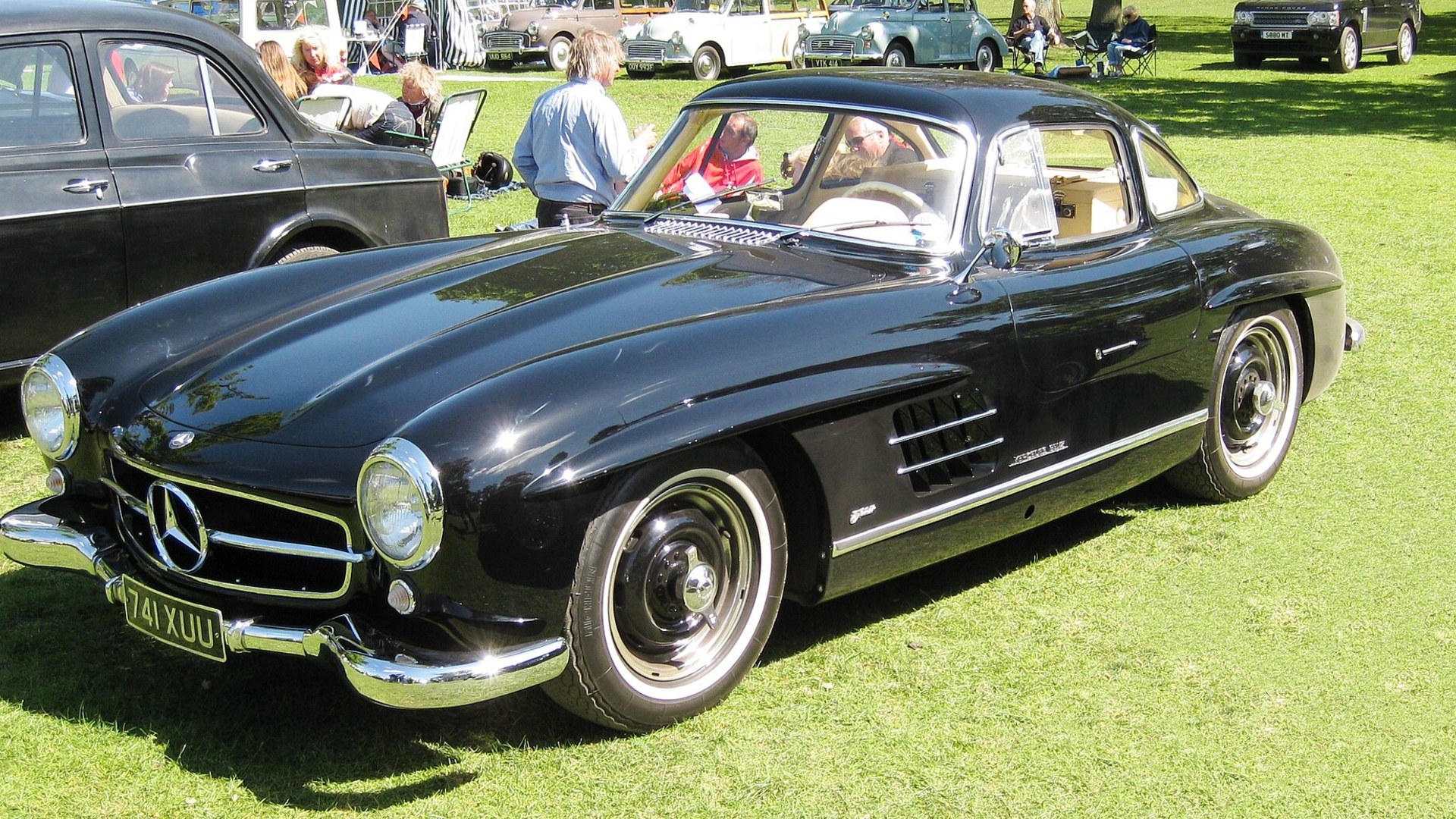
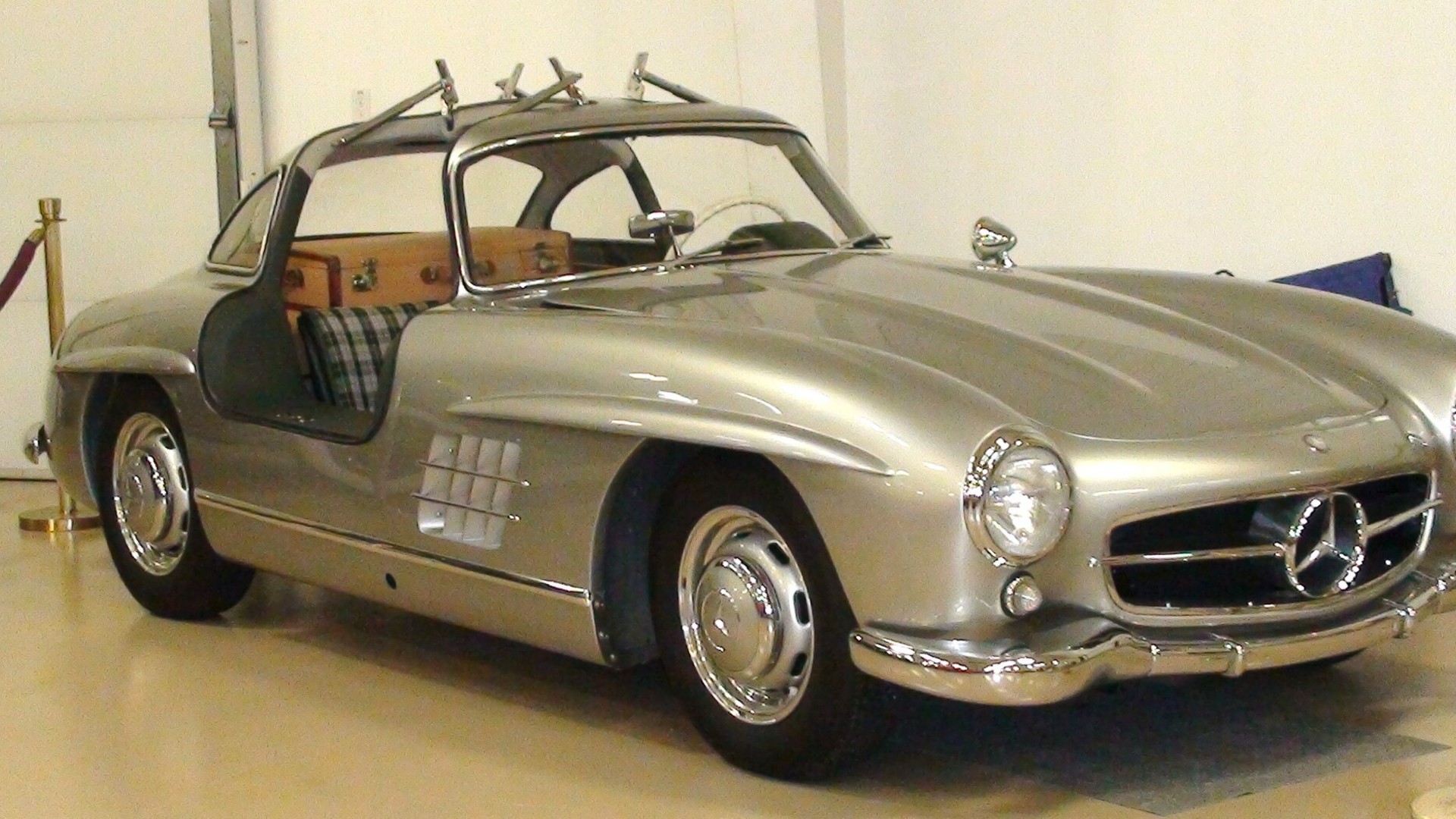
1. 1954 Mercedes-Benz 300SL Gullwing - Advertisement🔥 UP NEXT IN THIS SERIES◫ 21 Slides

20 Most Reliable Car Brands, Ranked by Owner Surveys
Every year, thousands of verified motorists report real mechanical issues with their vehicles. Ranked using verified driver feedback from the 2026 J.D. Power U.S. Vehicle Dependability Study, this countdown reveals how twenty major automakers stack up for lasting build quality after three years on the road.
Most collector cars earn appreciation decades after production ends, yet a rare group drew instant acclaim at their motor show debuts. Using factory records, museum documentation and reporting from Car and Driver, MotorTrend and Hagerty, we count down 22 road cars that defined their eras from day one.
Swipe or tap ▶ to begin the countdown
©Wikimedia / Tino Rossini from Toronto, Canada
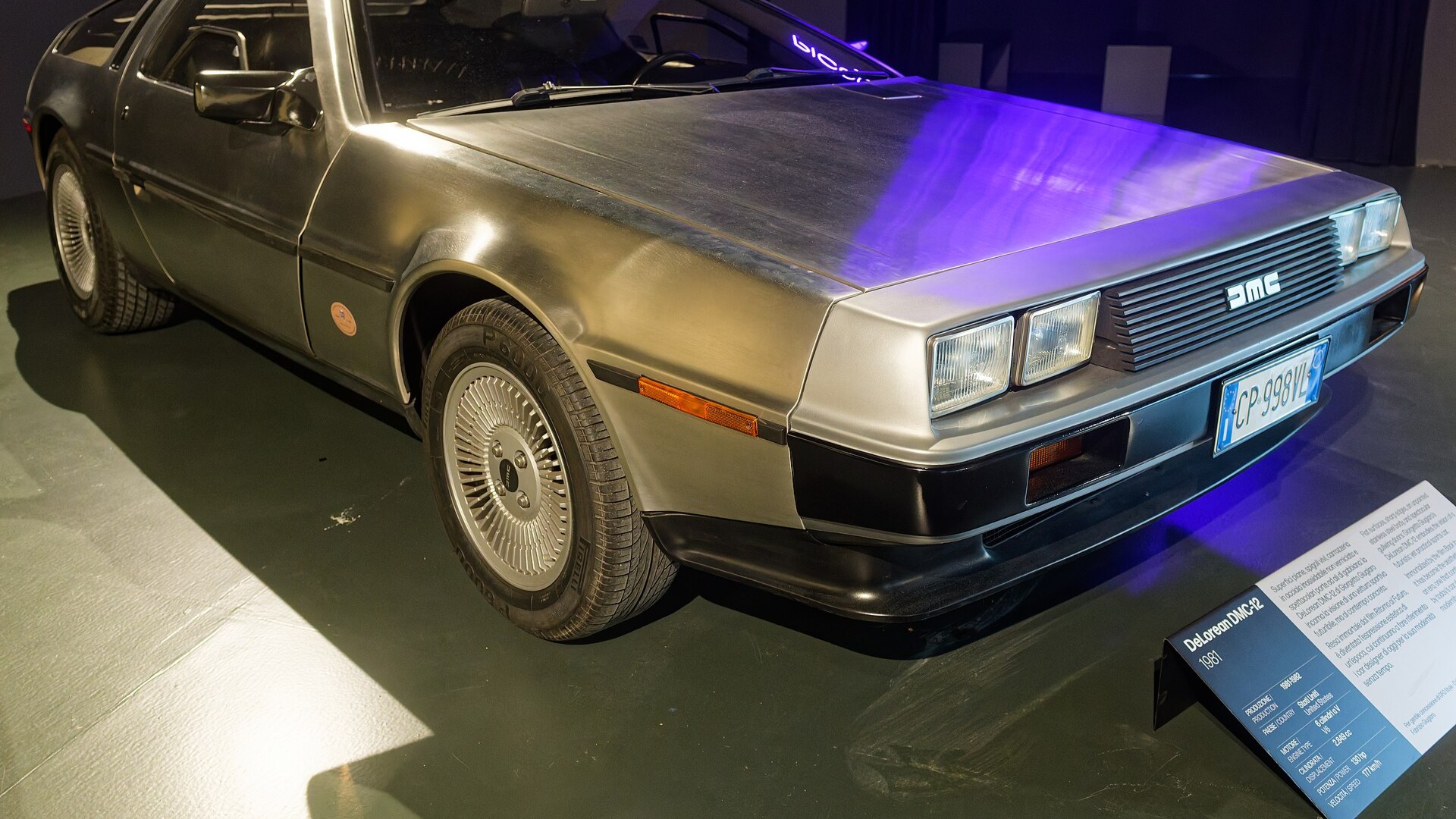
22. 1981 DeLorean DMC-12
Built in Dunmurry, Northern Ireland, the DMC-12 paired brushed 304 stainless steel body panels with gullwing doors and a 2.85-liter PRV V6 engine. Roughly 9,000 cars left the factory between 1981 and 1982, and its selection as the Back to the Future time machine in 1985 sealed its pop-culture status.
©Wikimedia / Marie-Lan Taÿ Pamart
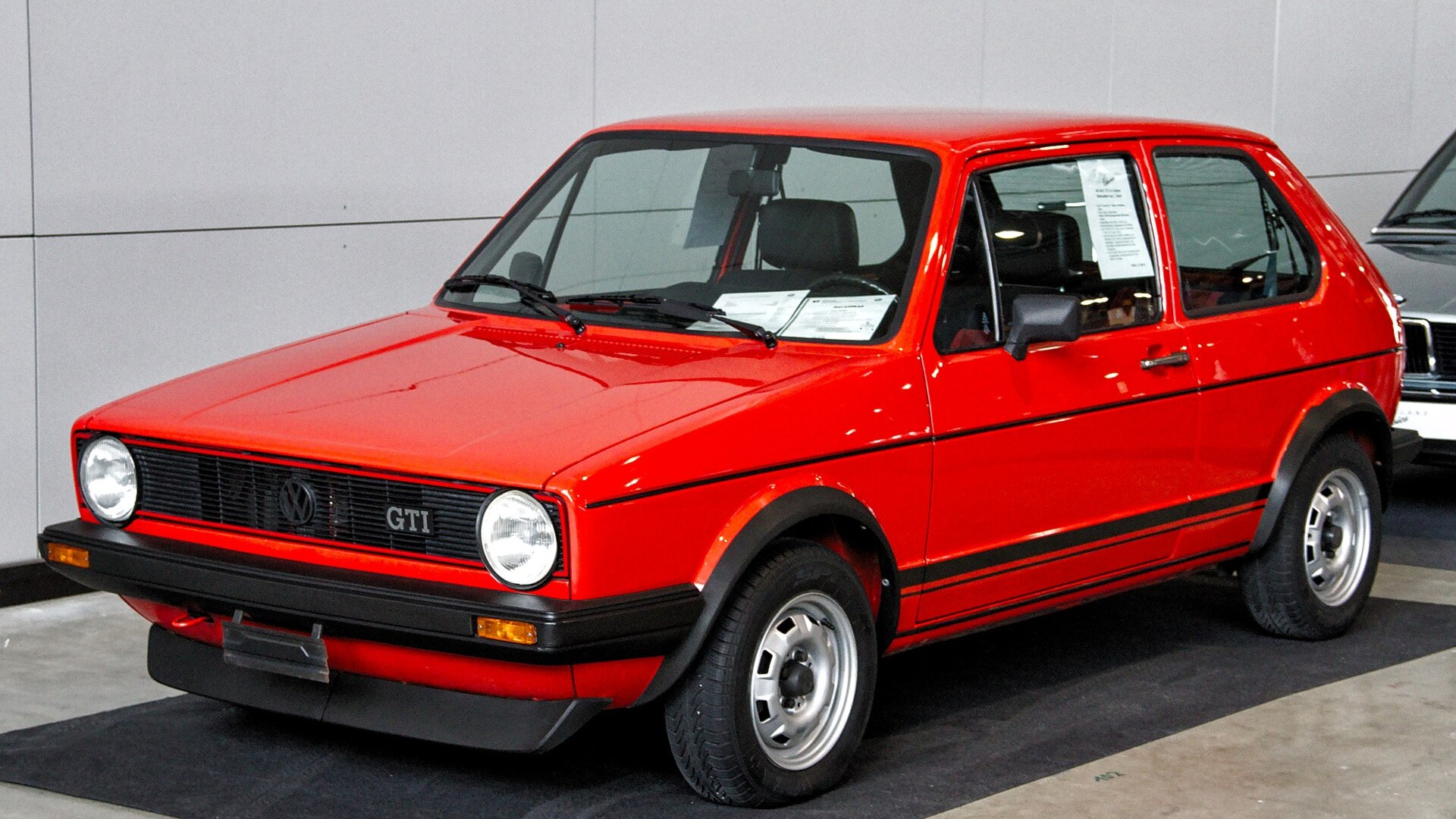
21. 1976 Volkswagen Golf GTI
Engineered as an after-hours project in Wolfsburg, the original 1976 Golf GTI weighed around 810 kilograms and packed a 110-horsepower fuel-injected 1.6-liter inline-four. With tartan seats and a golf-ball shift knob, demand blew past initial projections to reach over 460,000 Mk1 GTIs.
©Wikimedia / Alexander Migl
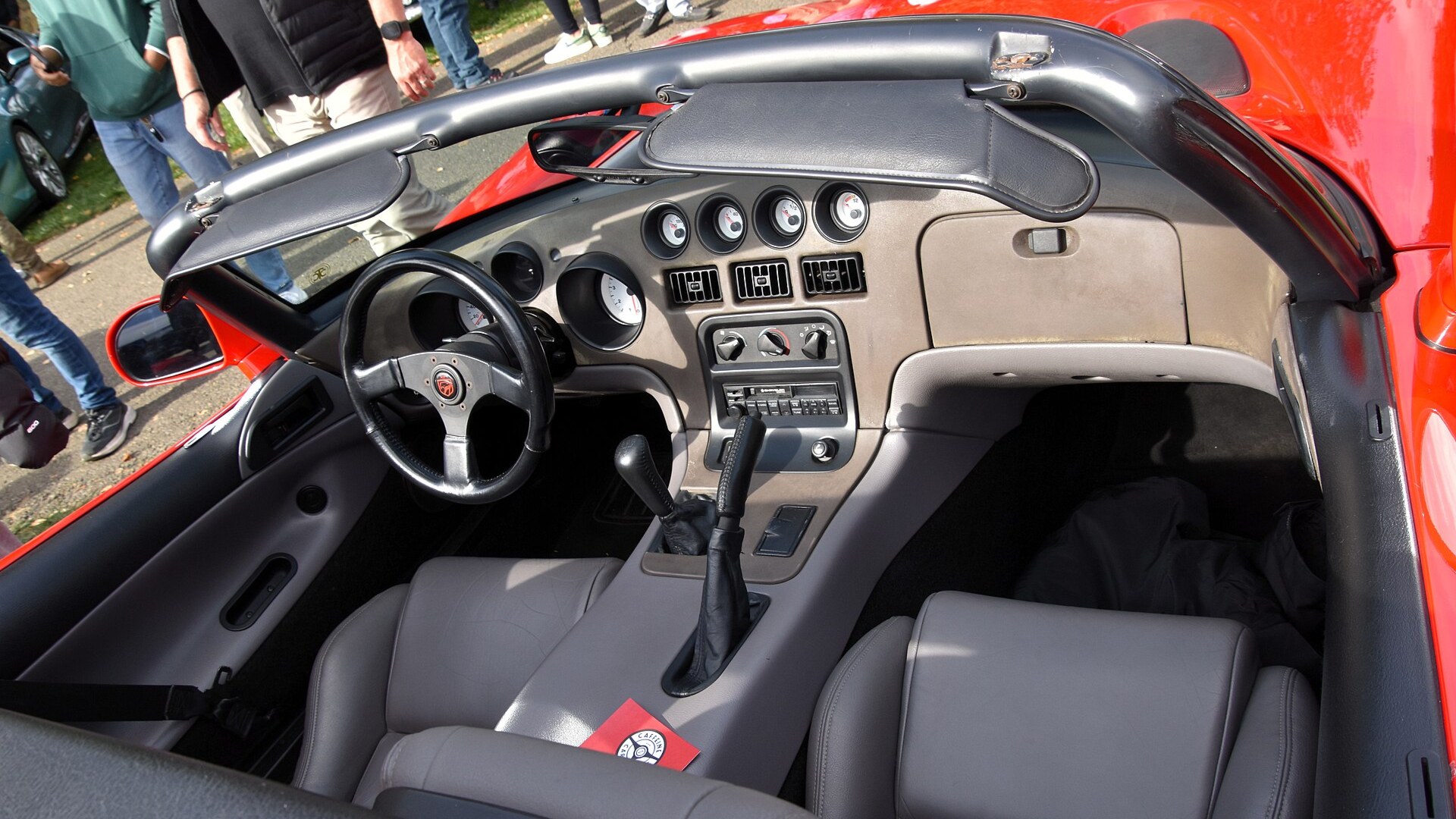
20. 1992 Dodge Viper RT/10
Developed in under three years after its 1989 Detroit Auto Show concept drew overwhelming mail, the 1992 Viper RT/10 put 400 horsepower in a bare-knuckle two-seater. Carroll Shelby advised on early development, and Dodge skipped exterior door handles and roll-up glass on the first run.
©Wikimedia / Charles from Port Chester, New York
Advertisement
Swipe or tap ▶ to resume the countdown.
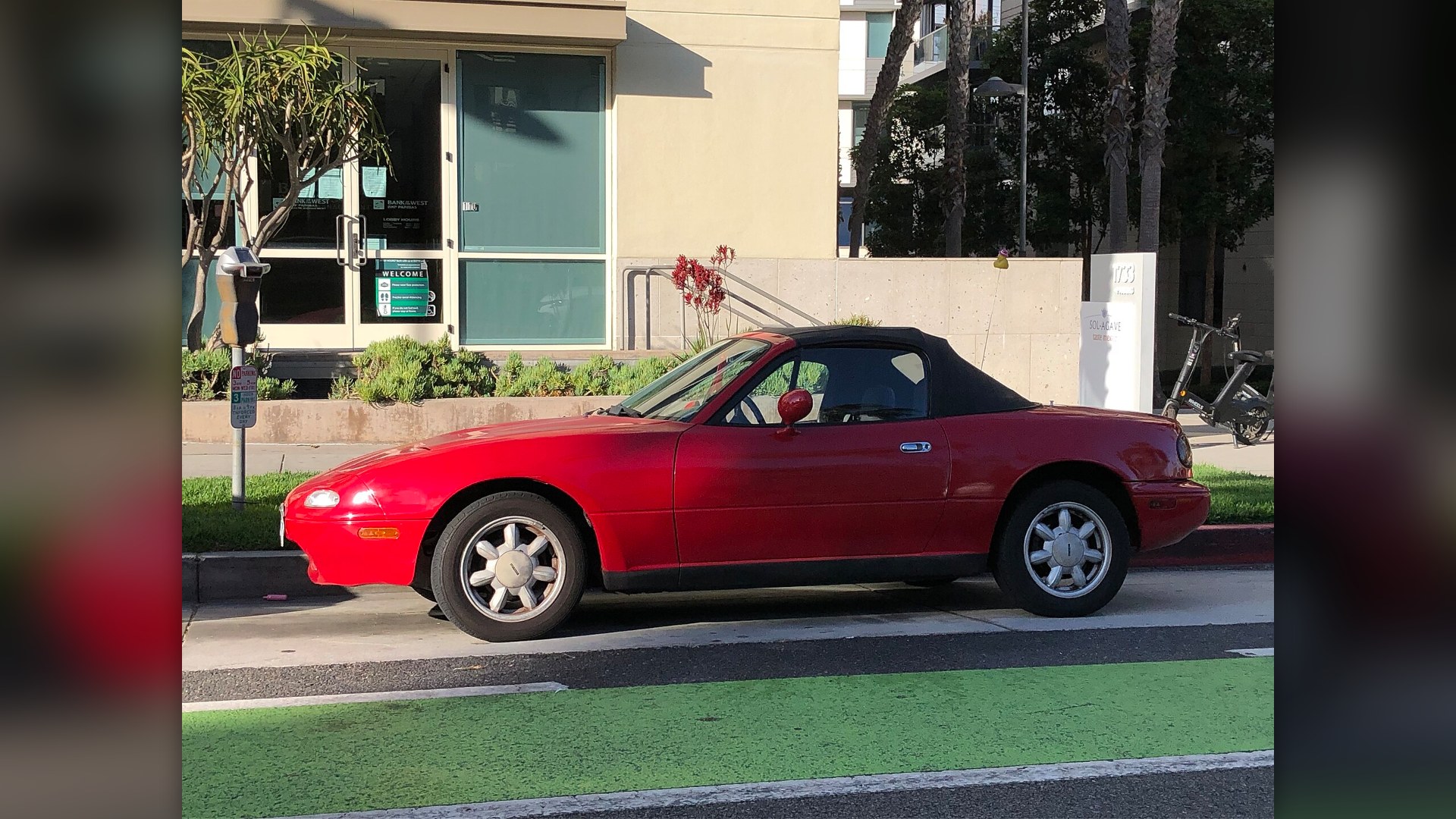
19. 1989 Mazda MX-5 Miata
Unveiled at the 1989 Chicago Auto Show, the first-generation NA Miata weighed under 2,200 pounds and featured pop-up headlights and near 50/50 weight balance. Buyers waited months and paid dealer markups, and Mazda went on to pass one million MX-5 units built by 2016.
©Wikimedia / LouieRBLX
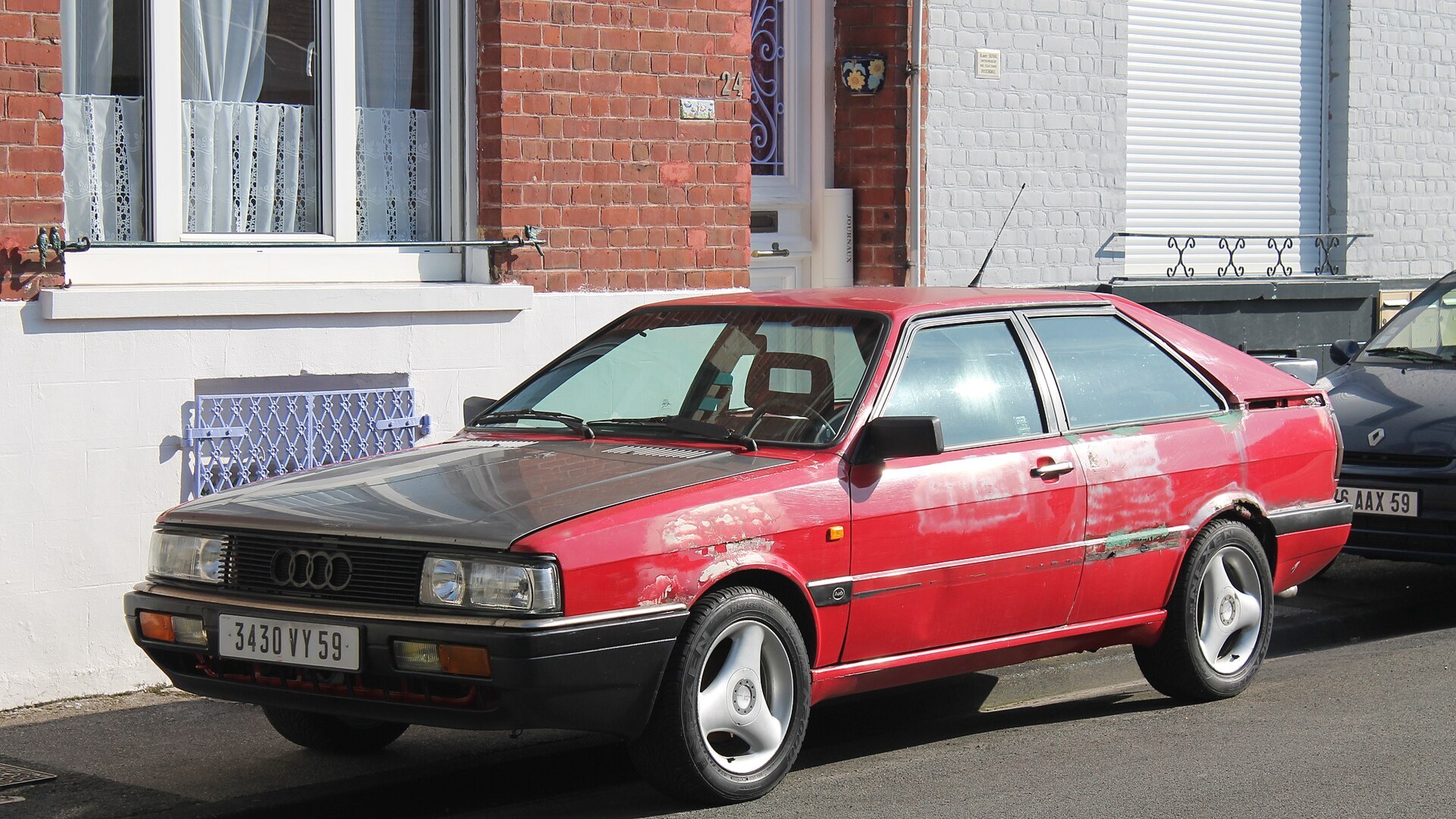
18. 1980 Audi Quattro
Introduced at the 1980 Geneva Motor Show, the original Ur-Quattro combined a turbocharged 2.1-liter five-cylinder engine with permanent four-wheel drive. Homologation rules pushed Audi into Group B rallying, where Hannu Mikkola and Michele Mouton made the Quattro system famous worldwide.
©Wikimedia / Charlie from United Kingdom
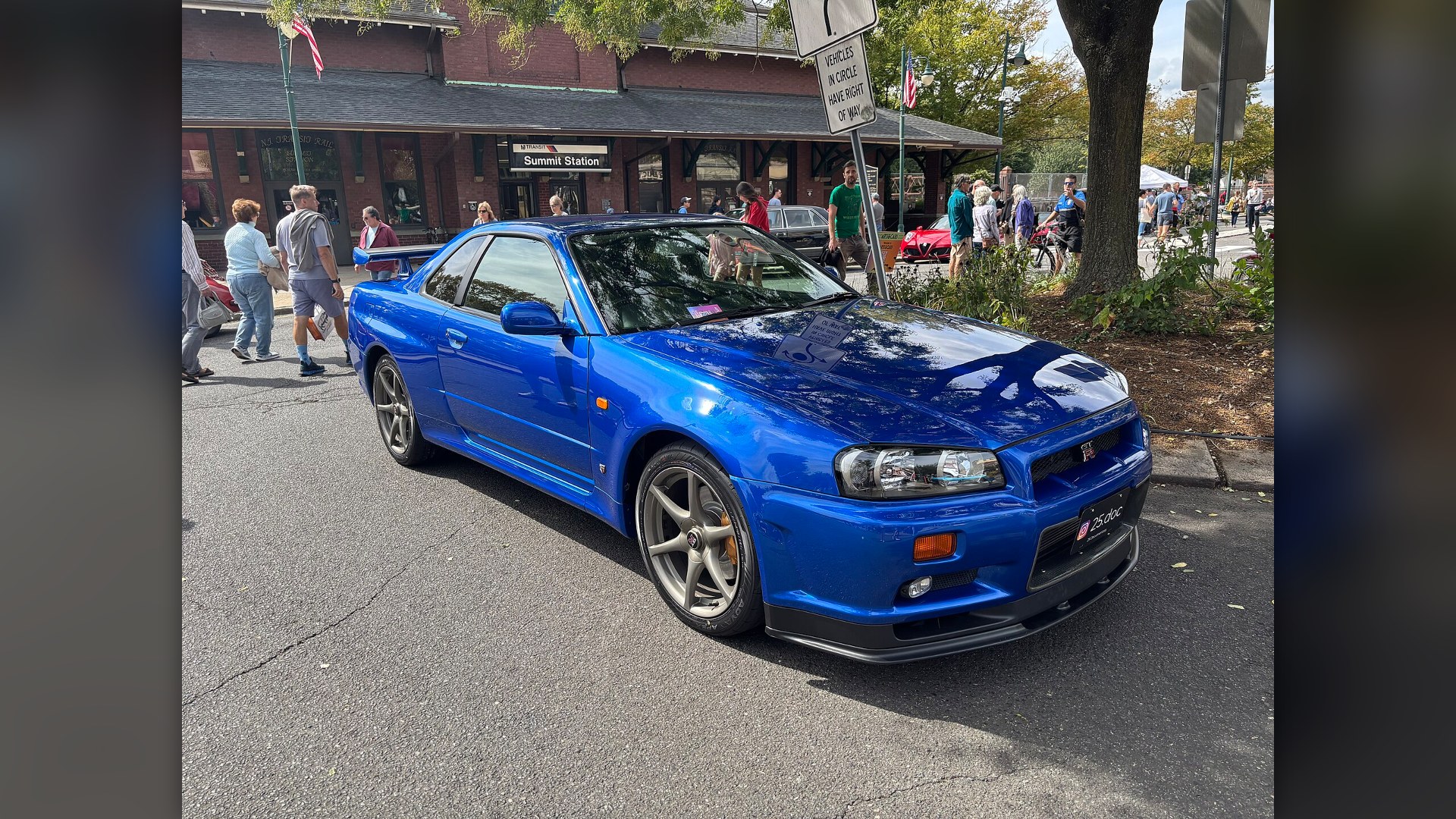
17. 1999 Nissan Skyline GT-R (R34)
Sold exclusively in right-hand drive between 1999 and 2002, the R34 GT-R refined Nissan's RB26DETT engine and ATTESA E-TS Pro all-wheel-drive system. Its center-console LCD showed live boost and G-force telemetry, and fewer than 12,000 R34 GT-R coupes were ever built.
©Wikimedia / 2000chevymontecarlo
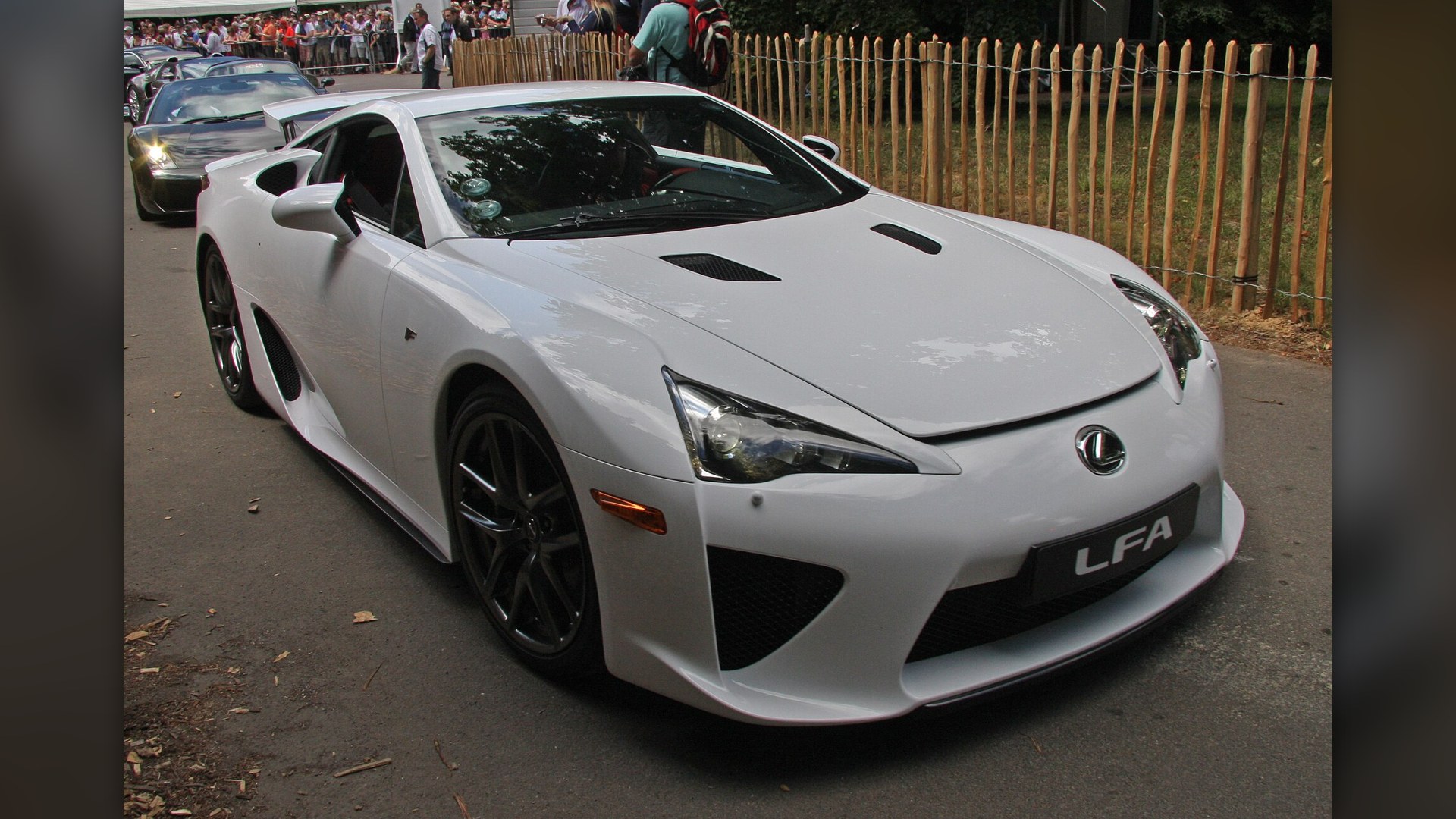
16. 2010 Lexus LFA
Limited to 500 numbered cars, the 2010 Lexus LFA used a carbon-fiber-reinforced polymer monocoque and a 4.8-liter V10 co-developed with Yamaha. Its engine revved from idle to its 9,000-rpm redline in 0.6 seconds, forcing Lexus to fit a digital tachometer because analog needles lagged.
©Wikimedia / Brian Snelson
Advertisement
Swipe or tap ▶ to resume the countdown.
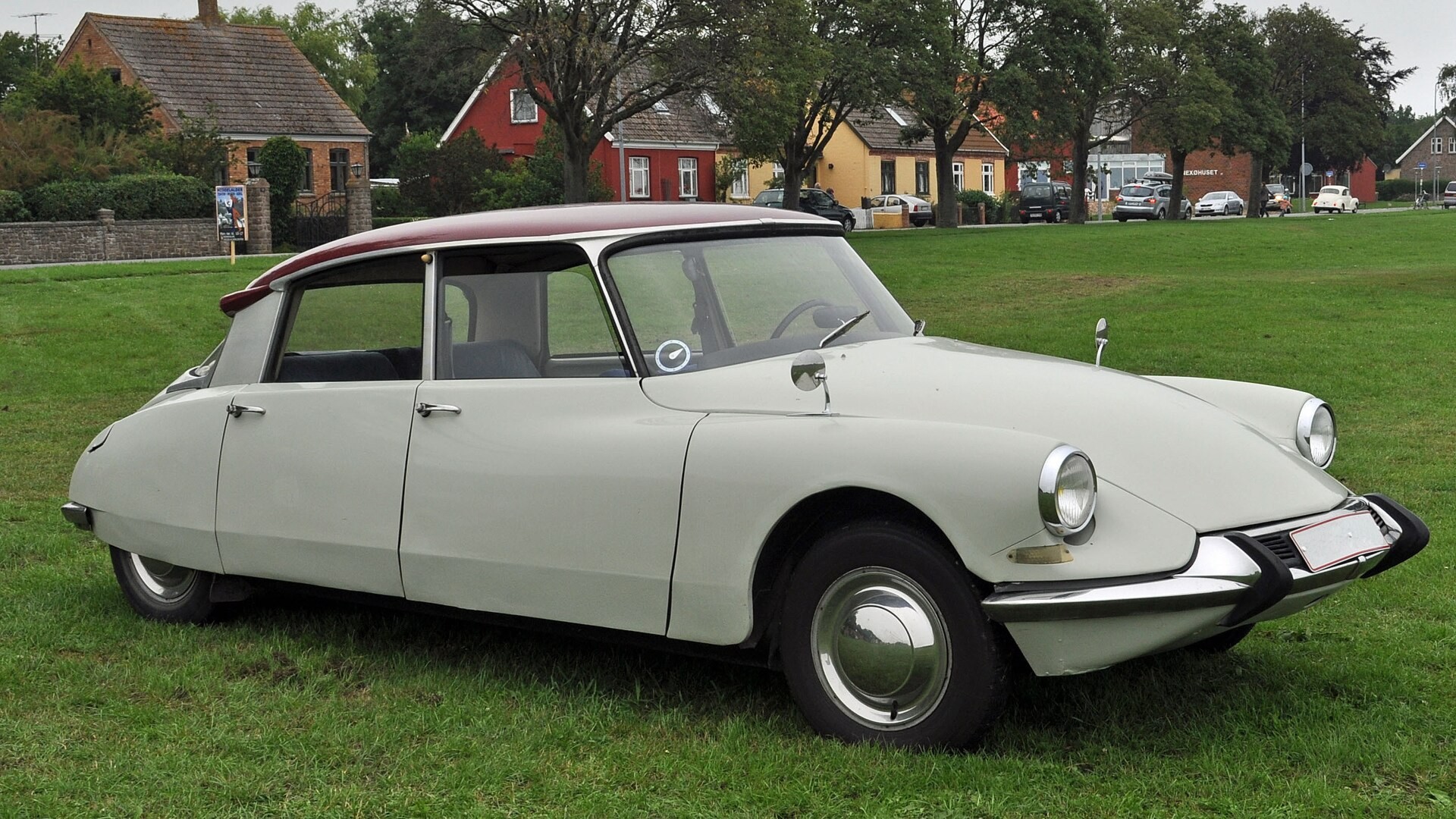
15. 1955 Citroen DS
When Citroen unveiled the Flaminio Bertoni-styled DS at the October 1955 Paris Motor Show, orders reached 743 in the first 45 minutes. Self-leveling hydropneumatic suspension, front disc brakes and a fiberglass roof made rivals look decades older overnight.
©Wikimedia / Citroën DS
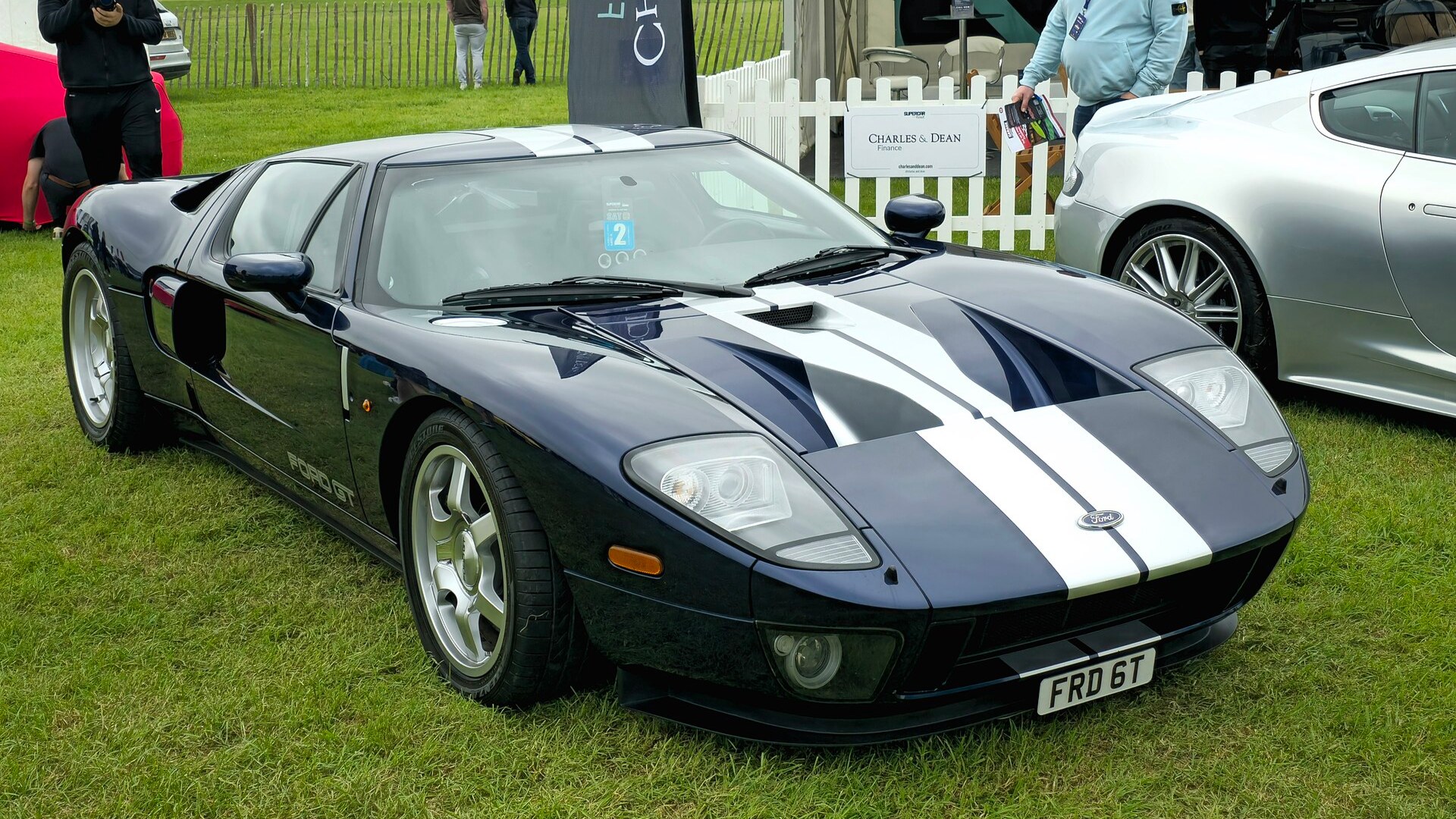
14. 2005 Ford GT
Built for Ford's centennial era, the 2005 Ford GT kept the low 44-inch silhouette of the original GT40 while scaling dimensions slightly for modern drivers. Its 550-horsepower 5.4-liter supercharged V8 hit 205 mph, and Ford built just 4,038 examples over two model years.
©Wikimedia / Calreyn88
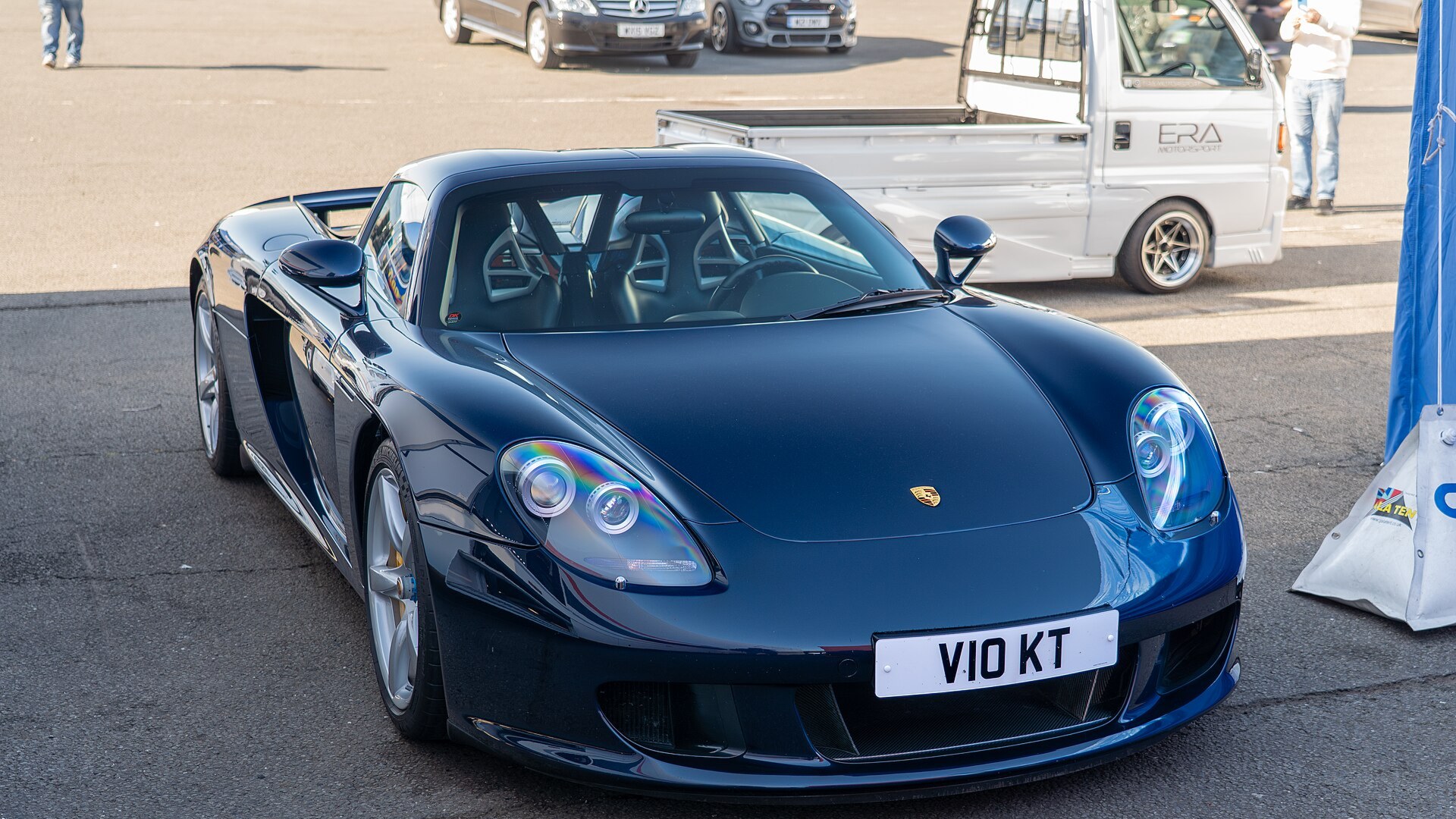
13. 2004 Porsche Carrera GT
Powered by a 5.7-liter naturally aspirated V10 producing 605 horsepower, the 2004 Carrera GT paired a beechwood shift knob with a ceramic composite clutch. Porsche assembled 1,270 cars in Leipzig, and the model quickly became one of the last analog V10 hypercars.
©Wikimedia / MrWalkr
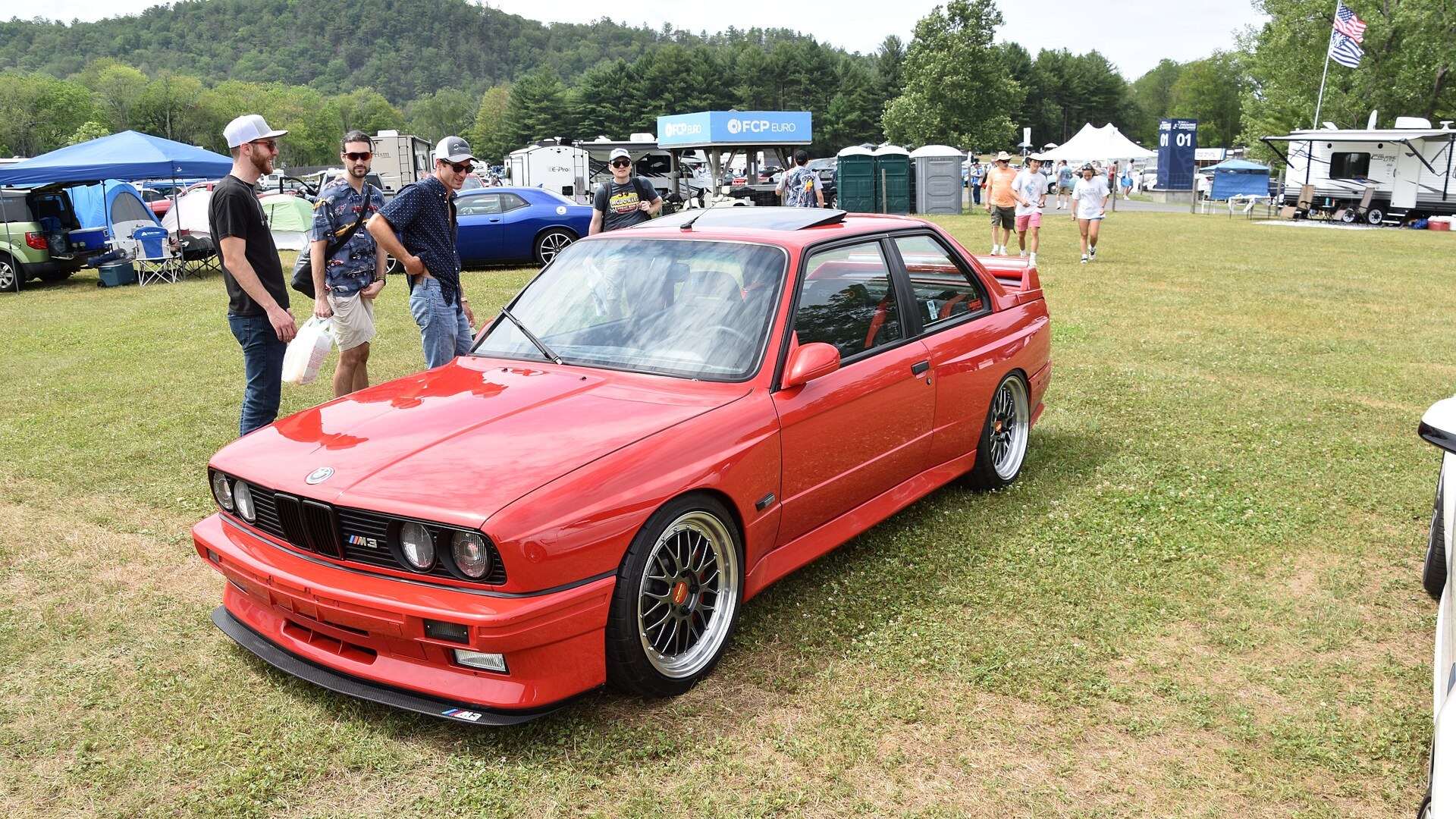
12. 1986 BMW M3 (E30)
BMW needed 5,000 road cars to homologate the E30 M3 for Group A racing, and buyers snapped up 17,970 by the end of production in 1991. Its 2.3-liter S14 inline-four, widened track and C-pillar aerodynamic redesign helped it dominate European and DTM touring car championships.
©Wikimedia / Charles from Port Chester, New York
Advertisement
Swipe or tap ▶ to resume the countdown.
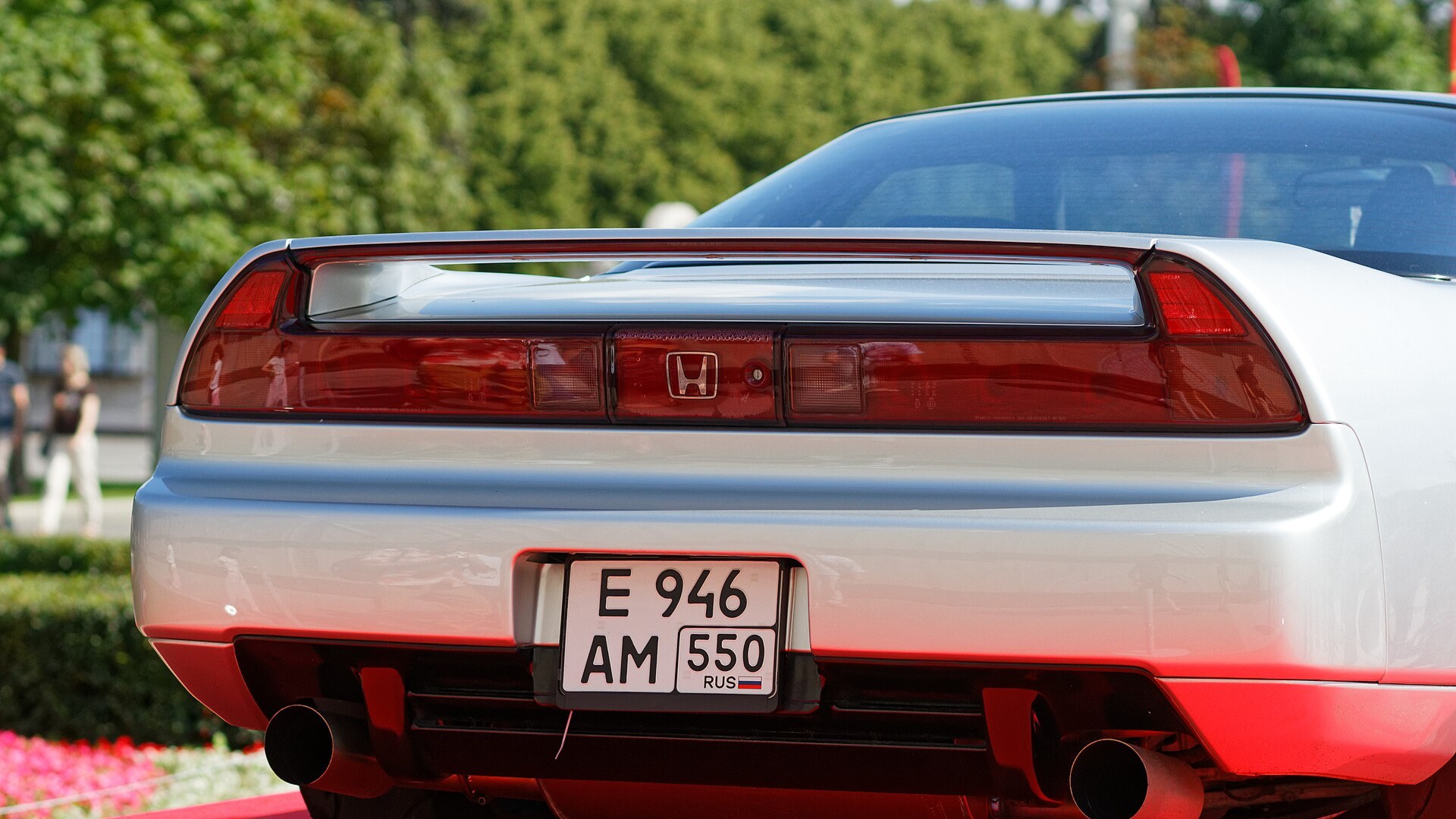
11. 1990 Honda NSX
Sold as an Acura in North America, the 1990 NSX introduced an all-aluminum monocoque body and titanium connecting rods in a 3.0-liter VTEC V6. Formula One champion Ayrton Senna tested prototypes at Suzuka, pushing engineers to stiffen the chassis for sharper track response.
©Wikimedia / Retired electrician
10. 1967 Toyota 2000GT
Co-developed with Yamaha and built in just 351 units between 1967 and 1970, the Toyota 2000GT featured rosewood trim, pop-up headlamps and four-wheel disc brakes. Two bespoke open-top conversions appeared in the 1967 film You Only Live Twice, giving Toyota global prestige.
©Wikimedia / Jeremy from Sydney, Australia
9. 1963 Morris Mini Cooper S
Upgraded from Alec Issigonis's compact front-drive layout with a 1,071-cc engine and front disc brakes, the 1963 Cooper S punched far above its weight. Paddy Hopkirk drove a 1964 works car to outright victory at the Monte Carlo Rally, sealing Mini's motorsport legend.
©Wikimedia / Tony Hisgett
8. 1963 Chevrolet Corvette Sting Ray
Bill Mitchell and Larry Shinoda sculpted the C2 Corvette around a razor-sharp crease, hidden headlights and independent rear suspension. General Motors dropped the split-window fastback divider for 1964 due to visibility complaints, ensuring the 1963 coupe became a lifelong collectible.
©Wikimedia / Avaldia
Advertisement
Swipe or tap ▶ to resume the countdown.
7. 1964 Ford Mustang
Unveiled at the New York World's Fair on April 17, 1964, the Mustang let buyers customize everything from inline-six economy to a 289-cubic-inch V8. Dealers recorded 22,000 orders on the first day, launching the pony car segment and selling one million units inside two years.
©Wikimedia / RL GNZLZ from Chile
6. 1987 Ferrari F40
Built to celebrate Ferrari's 40th anniversary in 1987, the Pininfarina-bodied F40 used Kevlar, carbon fiber and Nomex panels over a twin-turbo 2.9-liter V8. Rated at 471 horsepower, it became the first road-legal production car to break the 200-mph barrier.
©Wikimedia / Matti Blume
5. 1964 Porsche 911
Originally shown as the 901 in 1963 before Peugeot claimed rights to three-digit names with a zero in the middle, the 911 entered production in 1964. Its air-cooled 2.0-liter flat-six and 2+2 fastback profile proved so enduring that Porsche still builds around that silhouette today.
©Wikimedia / AlfvanBeem
4. 1966 Lamborghini Miura
When Lamborghini displayed the bare Miura chassis in Turin in 1965 and the finished coupe at Geneva in 1966, buyers flocked to the radical mid-engine layout. Its 3.9-liter transverse V12 and eyelash headlamps set the template for exotic sports cars for decades.
©Wikimedia / Davide Oliva from Italy
Advertisement
Swipe or tap ▶ to resume the countdown.
3. 1961 Jaguar E-Type
Styled by aerodynamicist Malcolm Sayer, the E-Type combined a 3.8-liter straight-six, four-wheel disc brakes and independent rear suspension at half the price of Italian rivals. Jaguar's Norman Dewis famously drove a coupe overnight from Coventry to Geneva for the 1961 press launch.
©Wikimedia / Handelsgeselschaft
2. 1992 McLaren F1
Gordon Murray designed the 1992 McLaren F1 around a carbon-fiber monocoque, a three-seat cockpit and a BMW 6.1-liter V12 making 618 horsepower. With just 106 total cars built across road and race specs, it hit 240.1 mph at Ehra-Lessien in 1998, setting a world record for production cars.
©Wikimedia / Mustang Joe
1. 1954 Mercedes-Benz 300SL Gullwing
Born after U.S. importer Max Hoffman urged Stuttgart to build a road-going version of its 1952 W194 racer, the 1954 300SL used a tubular spaceframe chassis whose high sills required roof-hinged gullwing doors. Direct Bosch fuel injection made it the fastest production car of its era.

©Wikimedia / Charles01
Advertisement
You've reached the end of the story. Thanks for reading!

20 Most Reliable Car Brands, Ranked by Owner Surveys
Every year, thousands of verified motorists report real mechanical issues with their vehicles. Ranked using verified driver feedback from the 2026 J.D. Power U.S. Vehicle Dependability Study, this countdown reveals how twenty major automakers stack up for lasting build quality after three years on the road.
All 22 Entries in this Story
#22. 1981 DeLorean DMC-12
Built in Dunmurry, Northern Ireland, the DMC-12 paired brushed 304 stainless steel body panels with gullwing doors and a 2.85-liter PRV V6 engine. Roughly 9,000 cars left the factory between 1981 and 1982, and its selection as the Back to the Future time machine in 1985 sealed its pop-culture status.

#21. 1976 Volkswagen Golf GTI
Engineered as an after-hours project in Wolfsburg, the original 1976 Golf GTI weighed around 810 kilograms and packed a 110-horsepower fuel-injected 1.6-liter inline-four. With tartan seats and a golf-ball shift knob, demand blew past initial projections to reach over 460,000 Mk1 GTIs.

#20. 1992 Dodge Viper RT/10
Developed in under three years after its 1989 Detroit Auto Show concept drew overwhelming mail, the 1992 Viper RT/10 put 400 horsepower in a bare-knuckle two-seater. Carroll Shelby advised on early development, and Dodge skipped exterior door handles and roll-up glass on the first run.

#19. 1989 Mazda MX-5 Miata
Unveiled at the 1989 Chicago Auto Show, the first-generation NA Miata weighed under 2,200 pounds and featured pop-up headlights and near 50/50 weight balance. Buyers waited months and paid dealer markups, and Mazda went on to pass one million MX-5 units built by 2016.

#18. 1980 Audi Quattro
Introduced at the 1980 Geneva Motor Show, the original Ur-Quattro combined a turbocharged 2.1-liter five-cylinder engine with permanent four-wheel drive. Homologation rules pushed Audi into Group B rallying, where Hannu Mikkola and Michele Mouton made the Quattro system famous worldwide.

#17. 1999 Nissan Skyline GT-R (R34)
Sold exclusively in right-hand drive between 1999 and 2002, the R34 GT-R refined Nissan's RB26DETT engine and ATTESA E-TS Pro all-wheel-drive system. Its center-console LCD showed live boost and G-force telemetry, and fewer than 12,000 R34 GT-R coupes were ever built.

#16. 2010 Lexus LFA
Limited to 500 numbered cars, the 2010 Lexus LFA used a carbon-fiber-reinforced polymer monocoque and a 4.8-liter V10 co-developed with Yamaha. Its engine revved from idle to its 9,000-rpm redline in 0.6 seconds, forcing Lexus to fit a digital tachometer because analog needles lagged.

#15. 1955 Citroen DS
When Citroen unveiled the Flaminio Bertoni-styled DS at the October 1955 Paris Motor Show, orders reached 743 in the first 45 minutes. Self-leveling hydropneumatic suspension, front disc brakes and a fiberglass roof made rivals look decades older overnight.

#14. 2005 Ford GT
Built for Ford's centennial era, the 2005 Ford GT kept the low 44-inch silhouette of the original GT40 while scaling dimensions slightly for modern drivers. Its 550-horsepower 5.4-liter supercharged V8 hit 205 mph, and Ford built just 4,038 examples over two model years.

#13. 2004 Porsche Carrera GT
Powered by a 5.7-liter naturally aspirated V10 producing 605 horsepower, the 2004 Carrera GT paired a beechwood shift knob with a ceramic composite clutch. Porsche assembled 1,270 cars in Leipzig, and the model quickly became one of the last analog V10 hypercars.

#12. 1986 BMW M3 (E30)
BMW needed 5,000 road cars to homologate the E30 M3 for Group A racing, and buyers snapped up 17,970 by the end of production in 1991. Its 2.3-liter S14 inline-four, widened track and C-pillar aerodynamic redesign helped it dominate European and DTM touring car championships.

#11. 1990 Honda NSX
Sold as an Acura in North America, the 1990 NSX introduced an all-aluminum monocoque body and titanium connecting rods in a 3.0-liter VTEC V6. Formula One champion Ayrton Senna tested prototypes at Suzuka, pushing engineers to stiffen the chassis for sharper track response.

#10. 1967 Toyota 2000GT
Co-developed with Yamaha and built in just 351 units between 1967 and 1970, the Toyota 2000GT featured rosewood trim, pop-up headlamps and four-wheel disc brakes. Two bespoke open-top conversions appeared in the 1967 film You Only Live Twice, giving Toyota global prestige.

#9. 1963 Morris Mini Cooper S
Upgraded from Alec Issigonis's compact front-drive layout with a 1,071-cc engine and front disc brakes, the 1963 Cooper S punched far above its weight. Paddy Hopkirk drove a 1964 works car to outright victory at the Monte Carlo Rally, sealing Mini's motorsport legend.

#8. 1963 Chevrolet Corvette Sting Ray
Bill Mitchell and Larry Shinoda sculpted the C2 Corvette around a razor-sharp crease, hidden headlights and independent rear suspension. General Motors dropped the split-window fastback divider for 1964 due to visibility complaints, ensuring the 1963 coupe became a lifelong collectible.

#7. 1964 Ford Mustang
Unveiled at the New York World's Fair on April 17, 1964, the Mustang let buyers customize everything from inline-six economy to a 289-cubic-inch V8. Dealers recorded 22,000 orders on the first day, launching the pony car segment and selling one million units inside two years.

#6. 1987 Ferrari F40
Built to celebrate Ferrari's 40th anniversary in 1987, the Pininfarina-bodied F40 used Kevlar, carbon fiber and Nomex panels over a twin-turbo 2.9-liter V8. Rated at 471 horsepower, it became the first road-legal production car to break the 200-mph barrier.

#5. 1964 Porsche 911
Originally shown as the 901 in 1963 before Peugeot claimed rights to three-digit names with a zero in the middle, the 911 entered production in 1964. Its air-cooled 2.0-liter flat-six and 2+2 fastback profile proved so enduring that Porsche still builds around that silhouette today.

#4. 1966 Lamborghini Miura
When Lamborghini displayed the bare Miura chassis in Turin in 1965 and the finished coupe at Geneva in 1966, buyers flocked to the radical mid-engine layout. Its 3.9-liter transverse V12 and eyelash headlamps set the template for exotic sports cars for decades.

#3. 1961 Jaguar E-Type
Styled by aerodynamicist Malcolm Sayer, the E-Type combined a 3.8-liter straight-six, four-wheel disc brakes and independent rear suspension at half the price of Italian rivals. Jaguar's Norman Dewis famously drove a coupe overnight from Coventry to Geneva for the 1961 press launch.

#2. 1992 McLaren F1
Gordon Murray designed the 1992 McLaren F1 around a carbon-fiber monocoque, a three-seat cockpit and a BMW 6.1-liter V12 making 618 horsepower. With just 106 total cars built across road and race specs, it hit 240.1 mph at Ehra-Lessien in 1998, setting a world record for production cars.

#1. 1954 Mercedes-Benz 300SL Gullwing
Born after U.S. importer Max Hoffman urged Stuttgart to build a road-going version of its 1952 W194 racer, the 1954 300SL used a tubular spaceframe chassis whose high sills required roof-hinged gullwing doors. Direct Bosch fuel injection made it the fastest production car of its era.