Slideshow · Animals
25 Animals Historically Associated With the Devil
From medieval folklore to ancient demonology, explore twenty-five animals historically tied to dark symbolism, ranked in ascending order.
By Most Viral Today
16 min ago

Twenty-Five Animals Associated With The Devil 
25. Eurasian Magpie 
24. Deaths-Head Hawkmoth 
23. Black Ground Beetle - AdvertisementSwipe or tap ▶ to continue countdown

22. Least Weasel 
21. European Hare 
20. Black Widow Spider 
19. Emperor Scorpion - AdvertisementSwipe or tap ▶ to continue countdown

18. Wild Boar And Swine 
17. Domestic Rooster 
16. Griffon Vulture 
15. Fruit Bat - AdvertisementSwipe or tap ▶ to continue countdown

14. Blue Bottle Blowfly 
13. Spotted Hyena 
12. Phantom Black Dog 
11. Eurasian Gray Wolf - AdvertisementSwipe or tap ▶ to continue countdown

10. Common Frog 
9. Common Toad 
8. Western Barn Owl 
7. Carrion Crow - AdvertisementSwipe or tap ▶ to continue countdown

6. Northern Common Raven 
5. Spanish Fighting Bull 
4. Domestic Black Cat 
3. Bighorn Sheep Ram - AdvertisementSwipe or tap ▶ to continue countdown

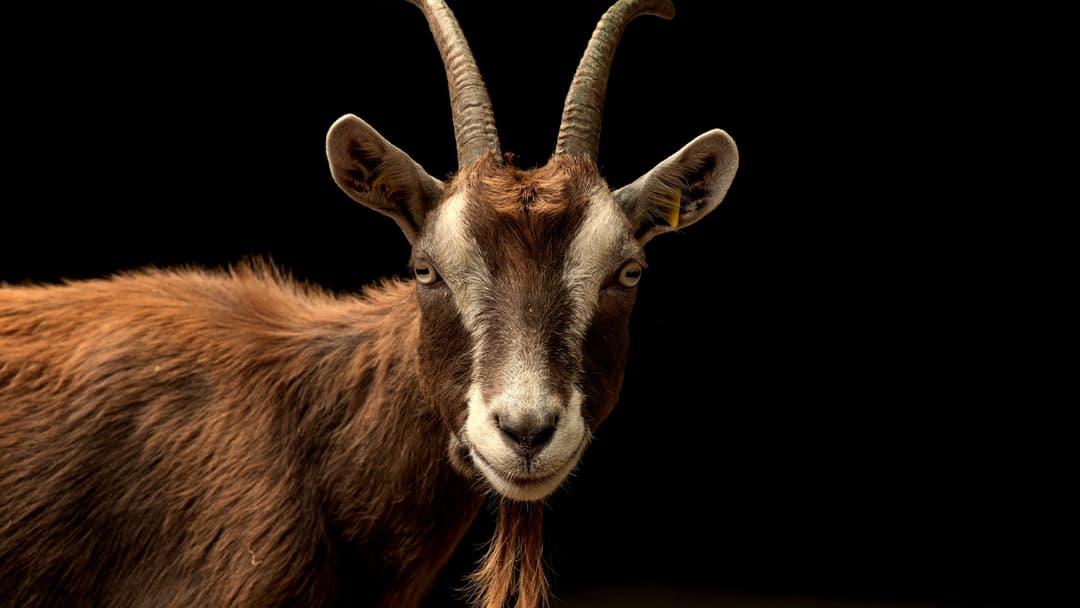
2. Horned Billy Goat 
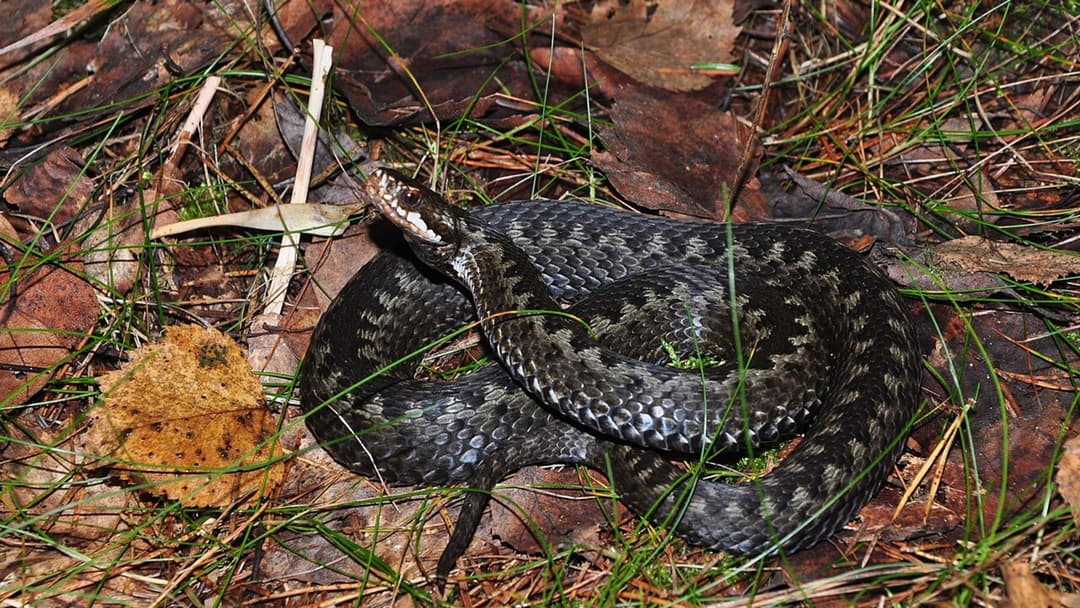
1. European Adder Serpent - Advertisement🔥 UP NEXT IN THIS SERIES◫ 26 Slides

25 Baby Animals That Depend on Their Mothers to Survive
In the animal kingdom, survival is often impossible without maternal care. From seal pups that nurse for only a few days to young orangutans and orcas that rely on their mothers for years or decades, maternal devotion takes remarkable forms. Arranged in ascending order of dependency duration, here are 25 young animals that rely on their mothers.
From medieval witchcraft lore and folk superstitions to ancient demonology and sacred scripture, explore twenty-five creatures historically linked to the devil, ranked in ascending order.
Swipe or tap ▶ to begin the countdown
©Unsplash / Peter Neumann & Wikimedia / Pavel Kirillov from
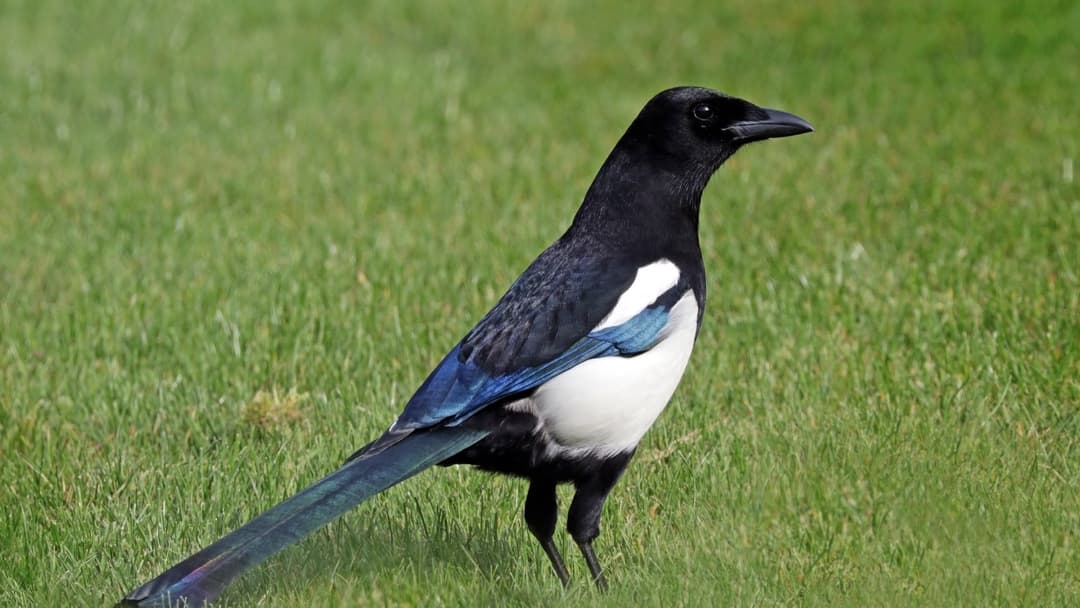
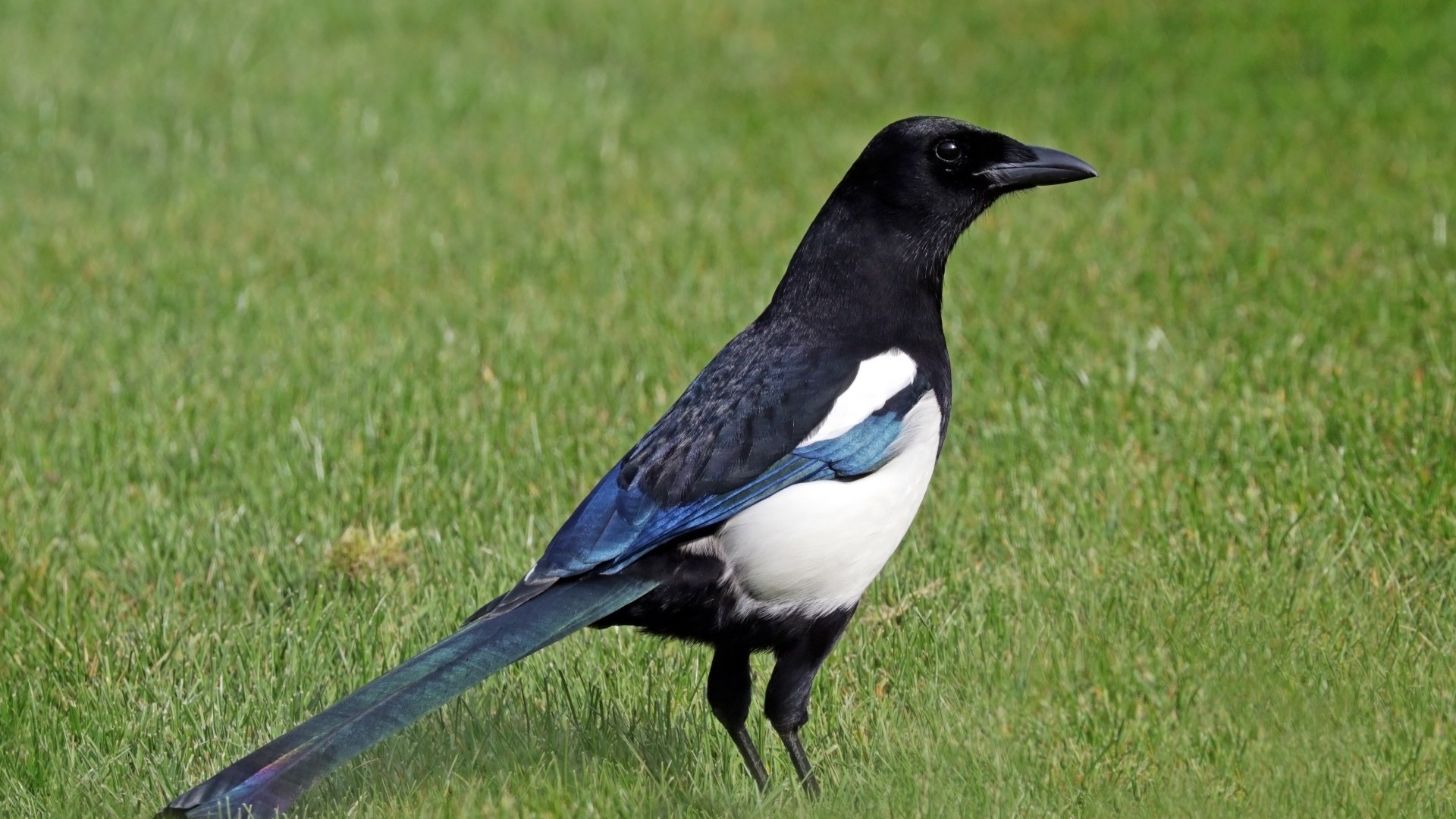
25. Eurasian Magpie
In British and European folklore, the magpie was long treated with suspicion. Medieval tales alleged that it refused to enter Noah's ark during the Great Flood, preferring to perch outside, and whispered that it carried a single drop of the devil's blood concealed beneath its tongue.
©Wikimedia Commons / Charles J. Sharp
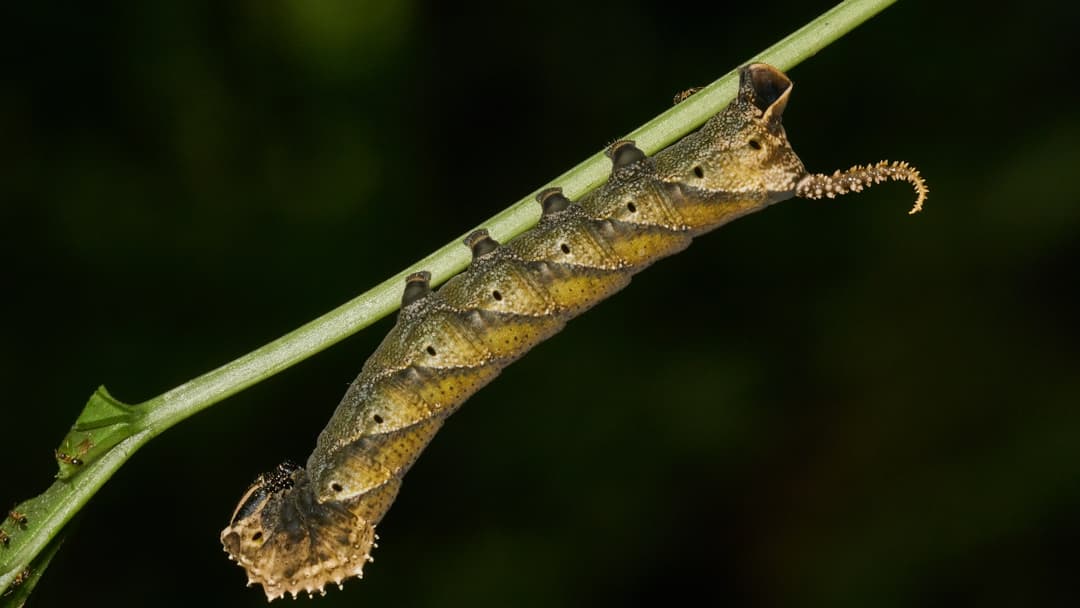
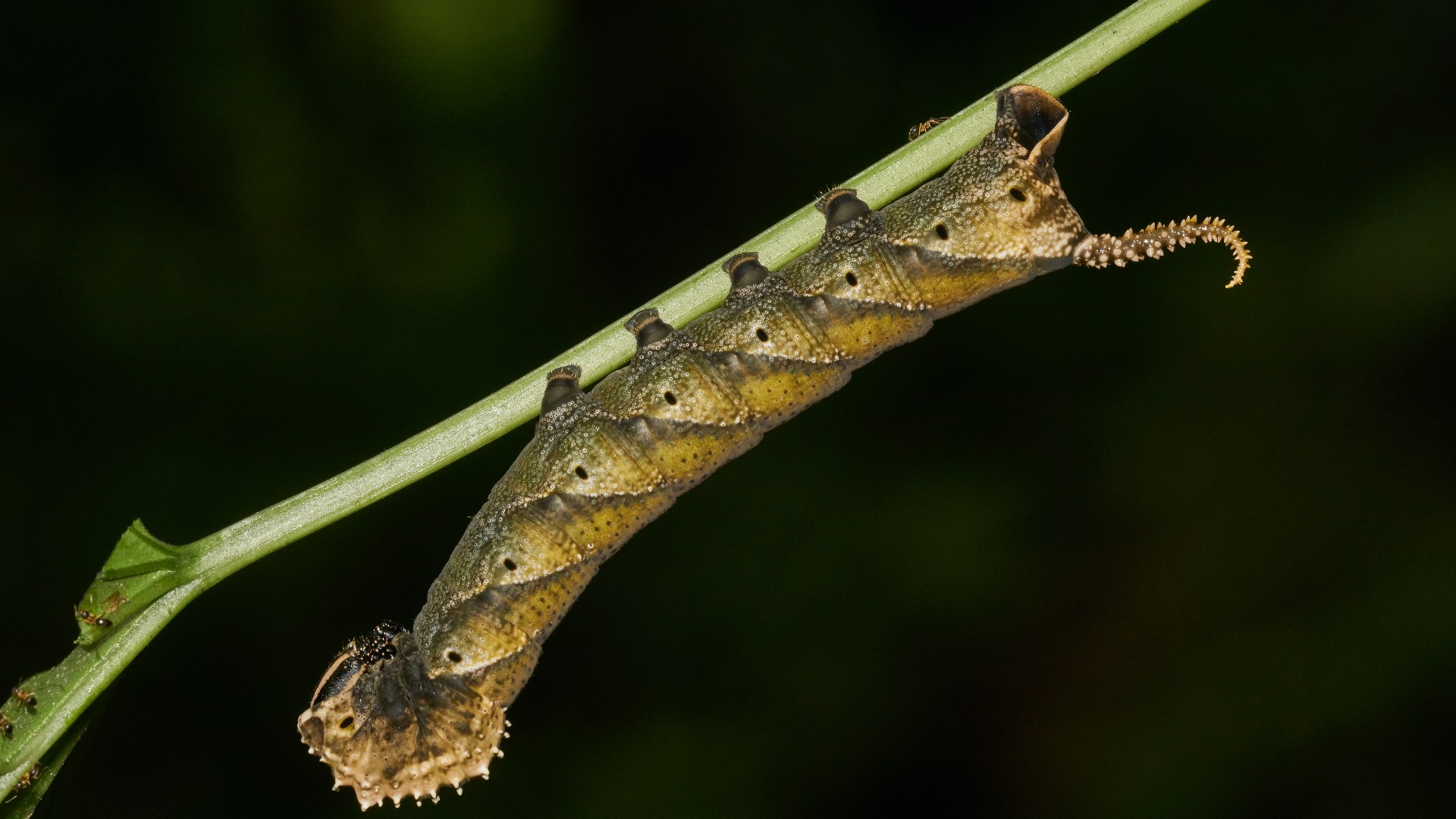
24. Deaths-Head Hawkmoth
Distinguished by a yellow skull-like pattern on its thorax and an unusual audible squeak, the death's-head hawkmoth was viewed in European folklore as an emissary of dark sorcery. Folk beliefs held that its nocturnal fluttering inside a home signaled misfortune or demonic presence.
©Wikimedia Commons / Jeevan Jose
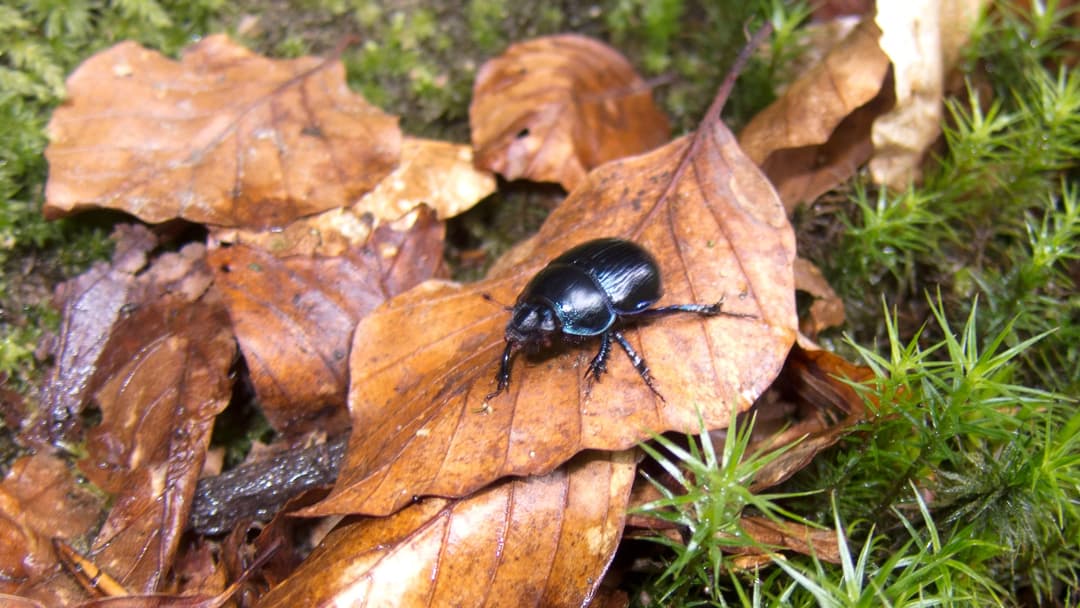
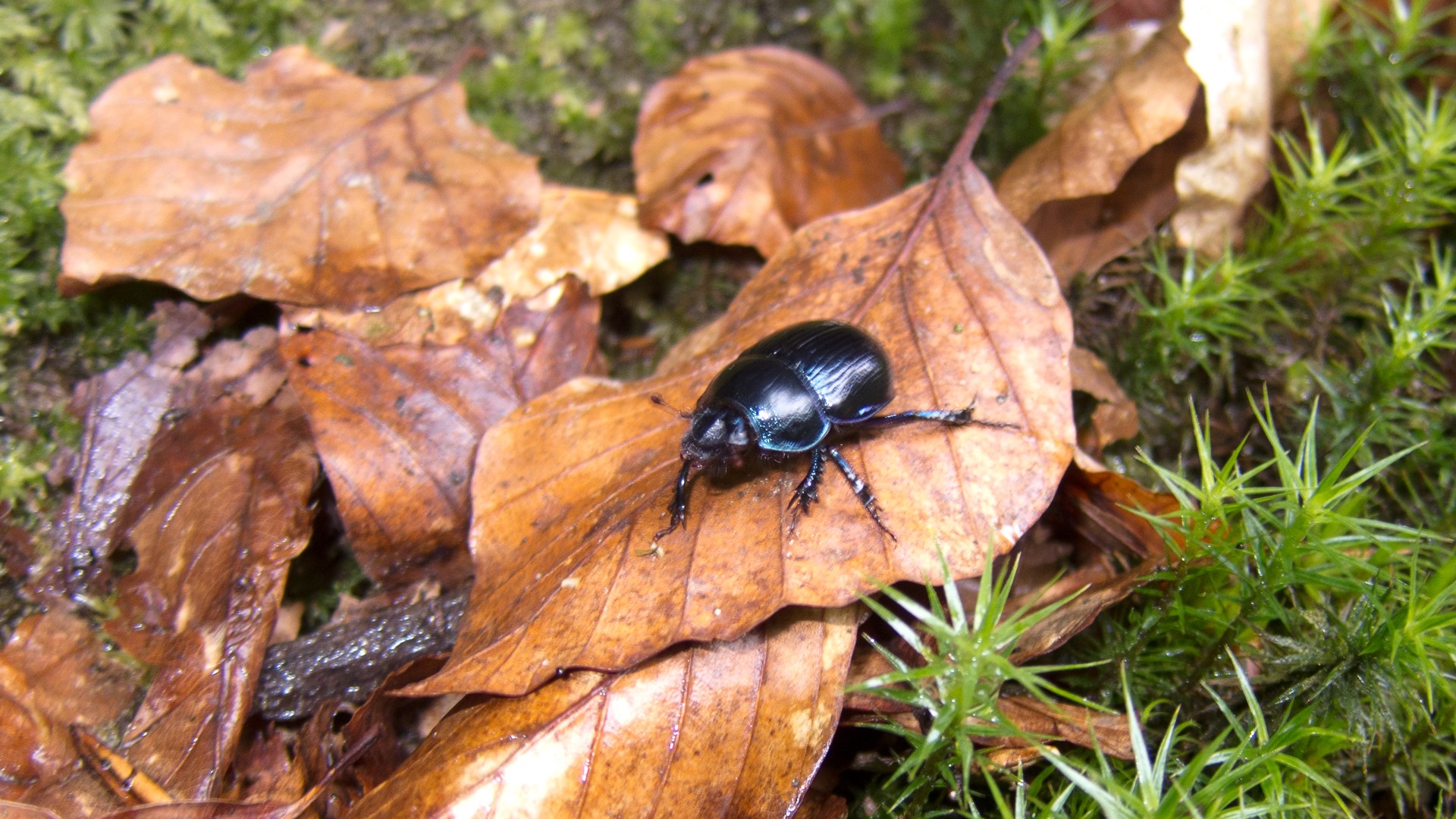
23. Black Ground Beetle
Crawling through damp cellars, graveyards, and decomposing wood, dark beetles such as the churchyard beetle and violet ground beetle became symbols of bodily decay. Medieval bestiaries frequently associated these subterranean crawlers with demonic pests born of rot.
©Wikimedia / Thomas Quine
Advertisement
Swipe or tap ▶ to resume the countdown.
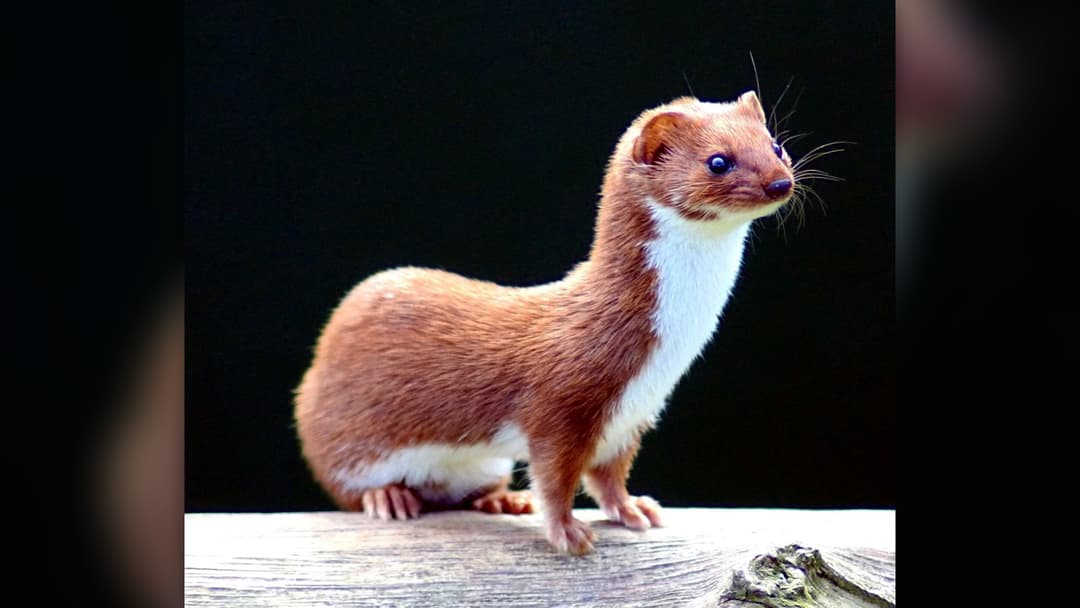
22. Least Weasel
Early Christian bestiaries portrayed the weasel as an emblem of hypocrisy and spiritual corruption. Ancient folktales claimed the animal could shapeshift into human form or serve as an agile familiar for witches seeking to poison village livestock unnoticed.
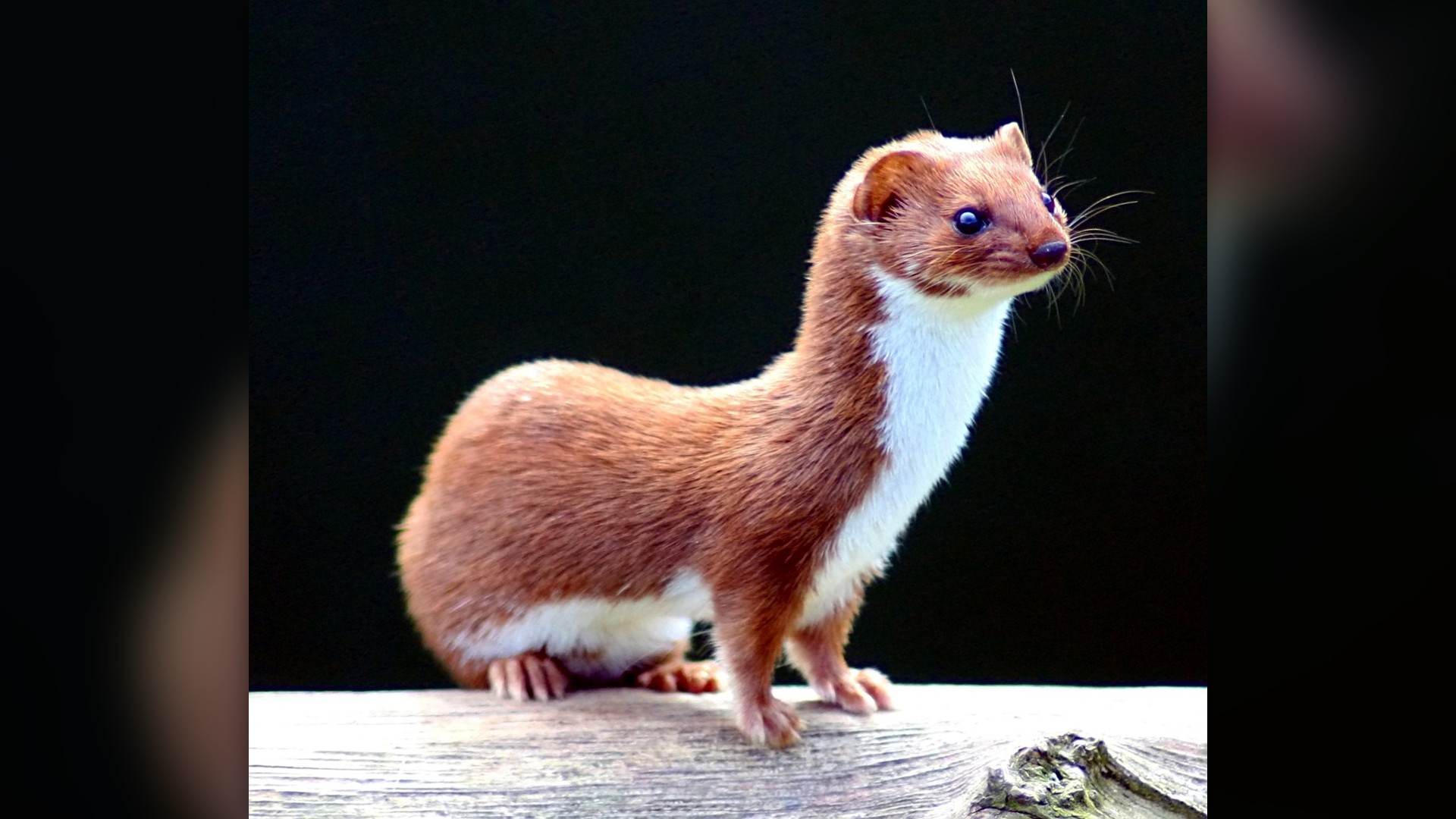
©Wikimedia / Least weasel
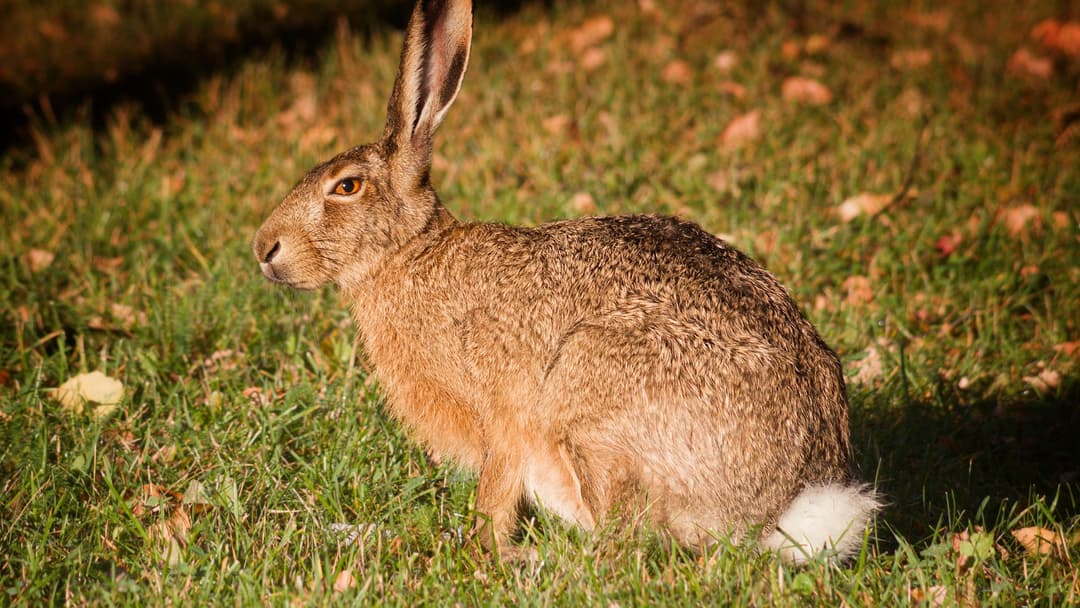
21. European Hare
Across Britain and Scandinavia, folklore strongly linked the solitary nocturnal hare with dark sorcery. Suspected witches were frequently accused of transforming into wild hares to cross fields undetected, and encountering a hare on a morning journey was considered a dreadful omen.
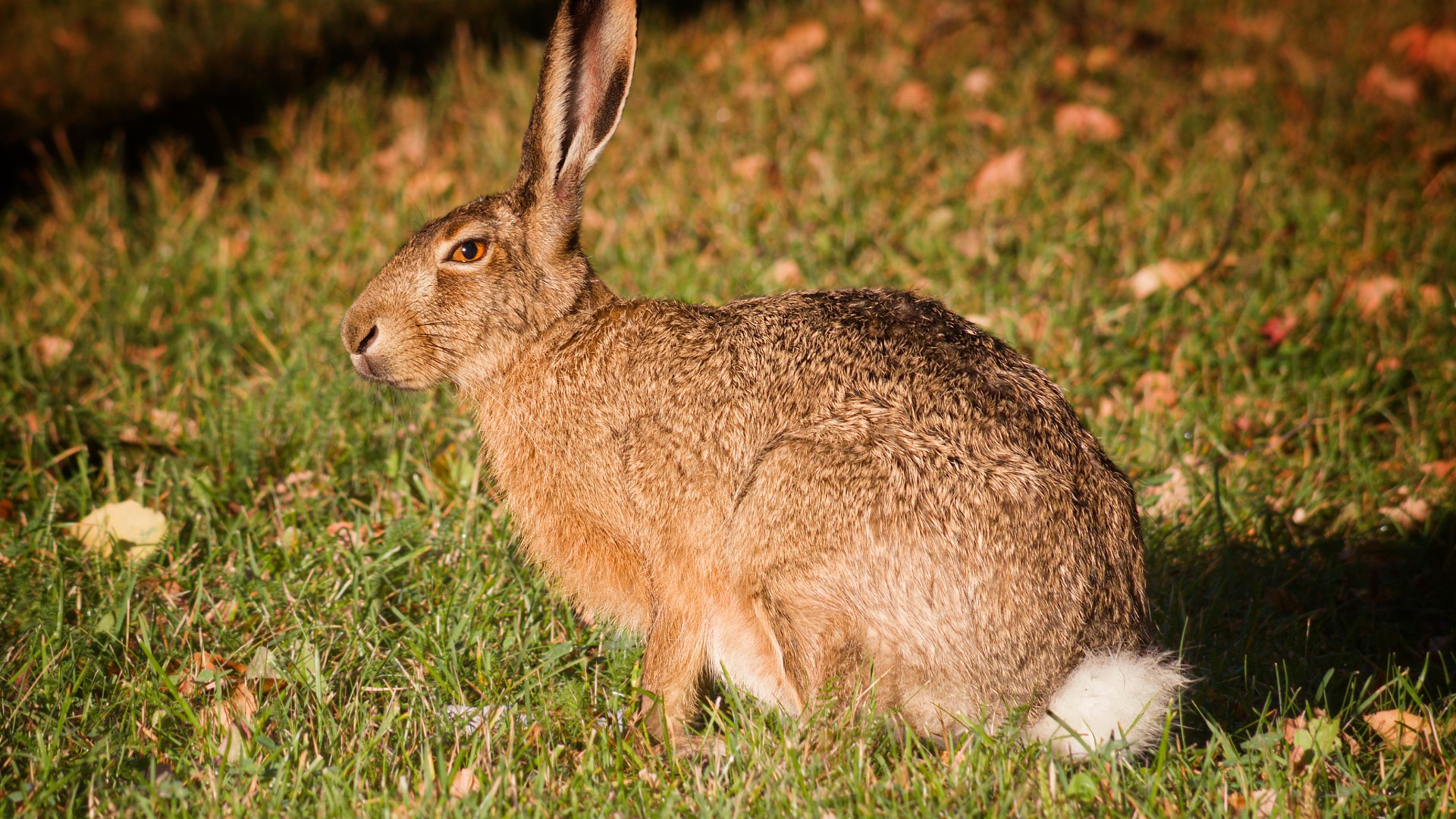
©Wikimedia / European hare
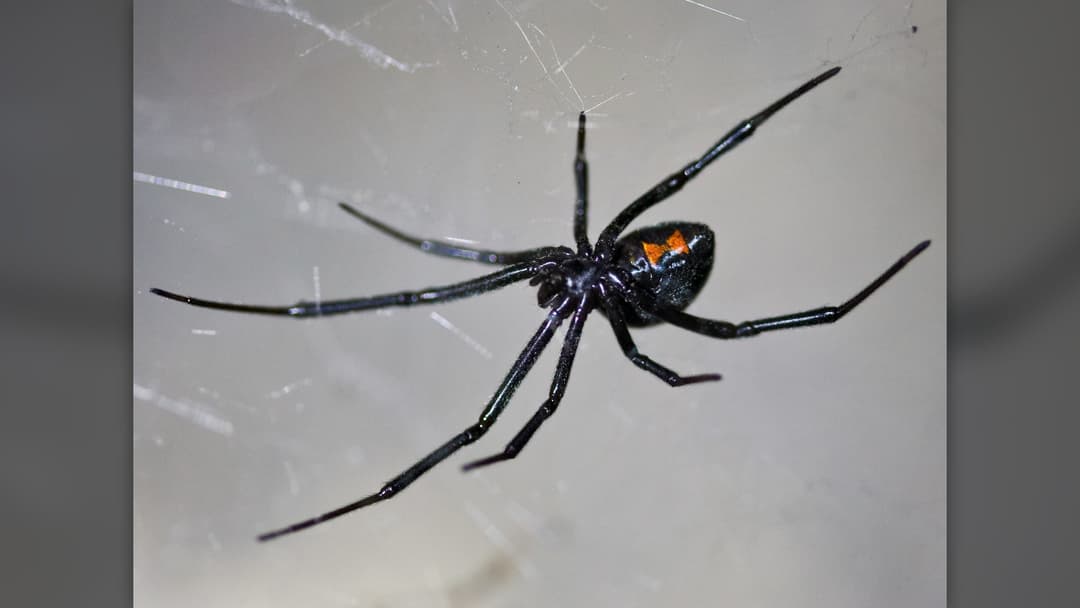
20. Black Widow Spider
In Christian allegorical art, the spider's delicate web was frequently likened to the deceptive snares set by Satan to entrap careless souls. Their potent venom and preference for dark, neglected ruins reinforced their folkloric connection to witchcraft and malevolent spirits.
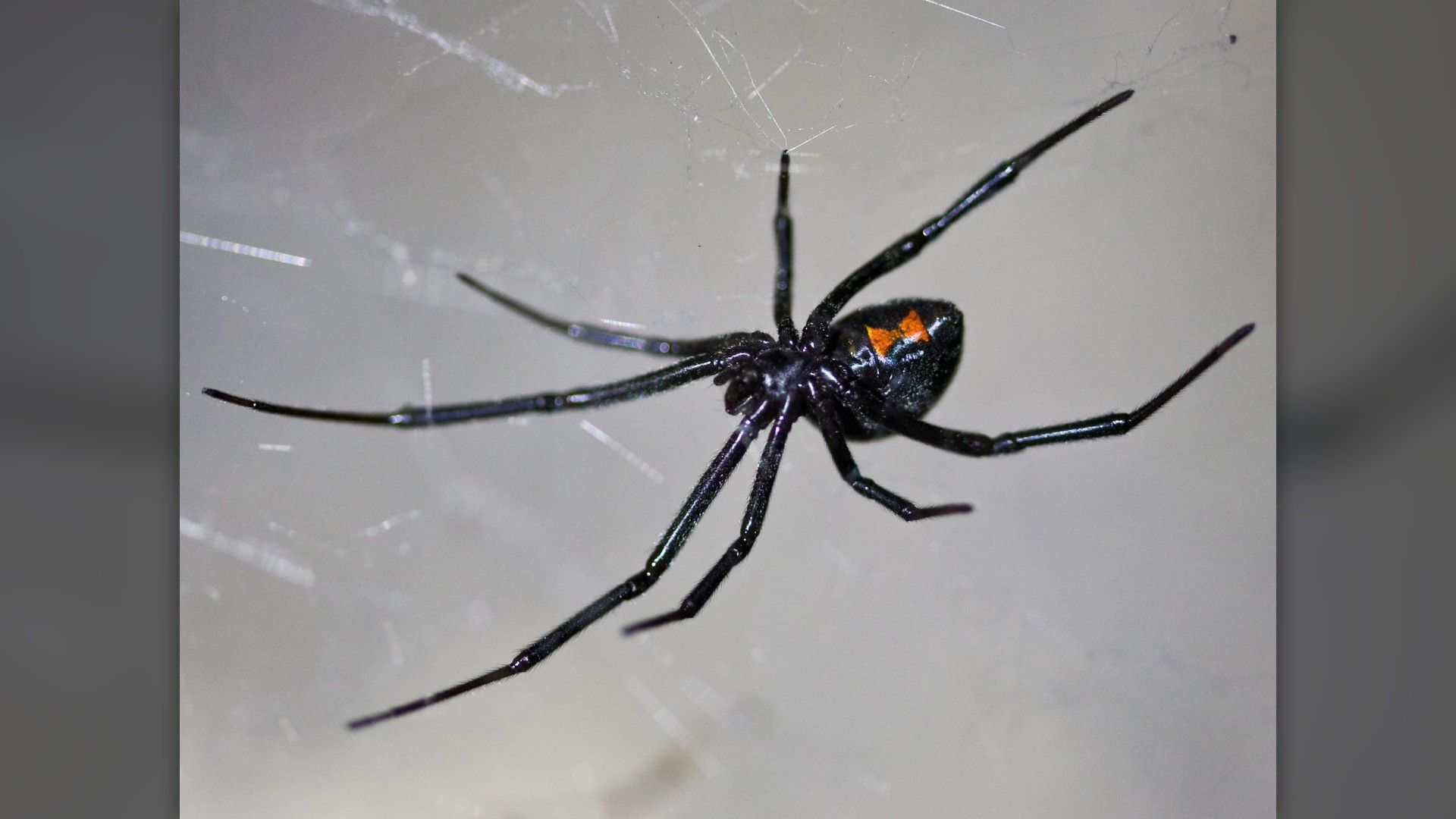
©Wikimedia / Latrodectus
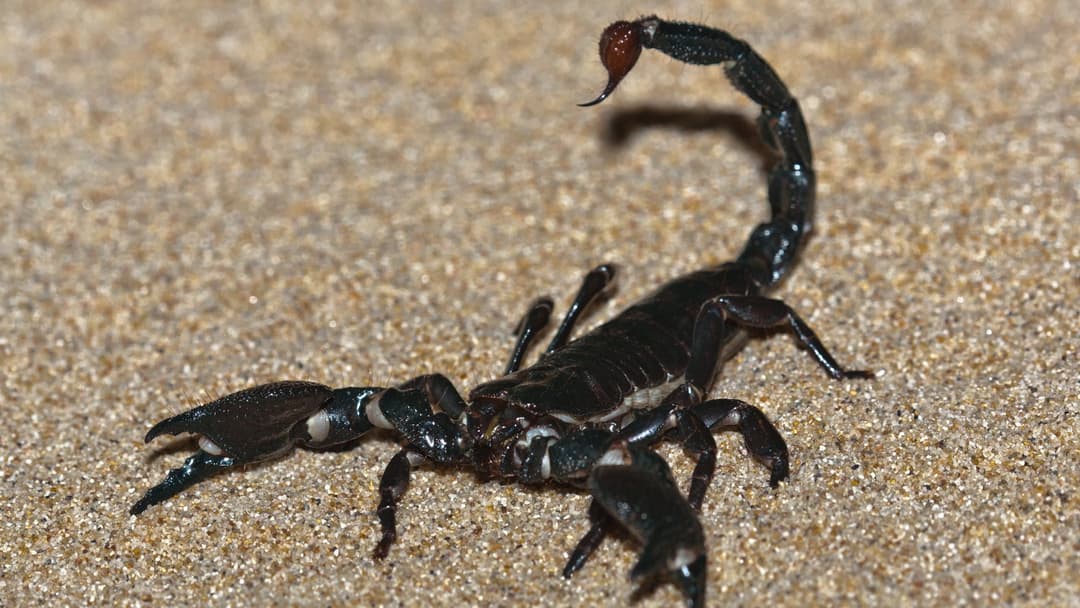
19. Emperor Scorpion
The Book of Revelation vividly depicts demonic tormentors possessing the stinging tails of scorpions, while the Gospel of Luke speaks of giving disciples authority to tread on serpents and scorpions. Their sudden strike and agonizing sting made them enduring symbols of demonic wrath.
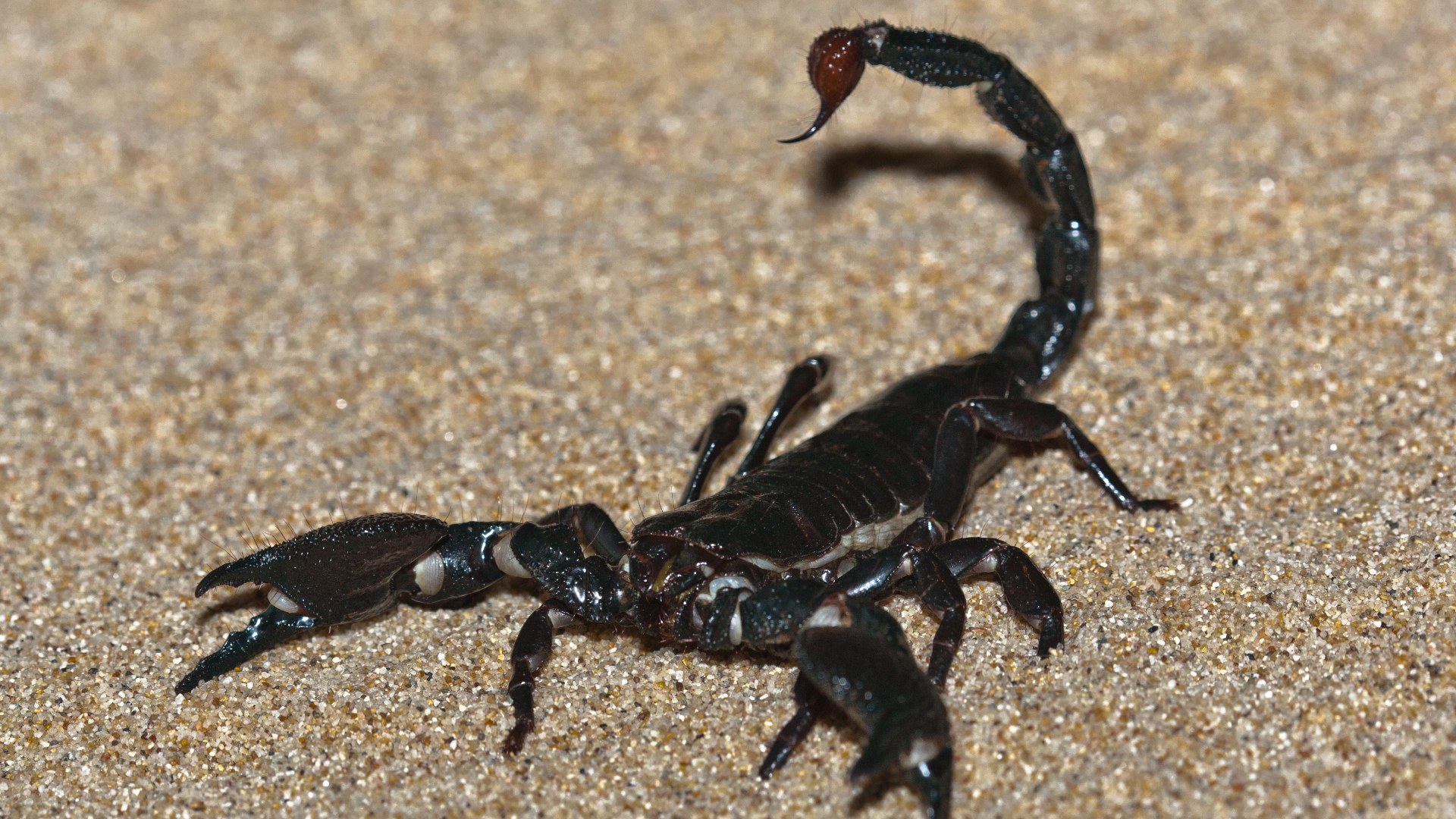
©Wikimedia Commons / Mike Baird
Advertisement
Swipe or tap ▶ to resume the countdown.
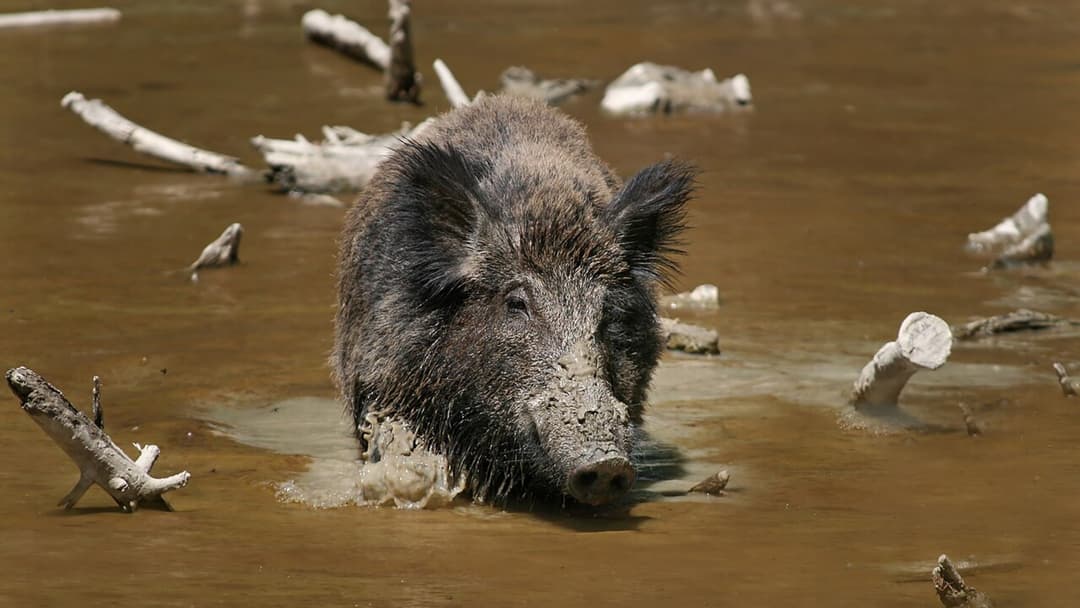
18. Wild Boar And Swine
In the New Testament, the demon Legion begged Christ to let them enter a herd of pigs, which promptly rushed down a steep bank into the sea. This famous biblical passage cemented swine in medieval Christian thought as vessels uniquely susceptible to demonic possession and filth.
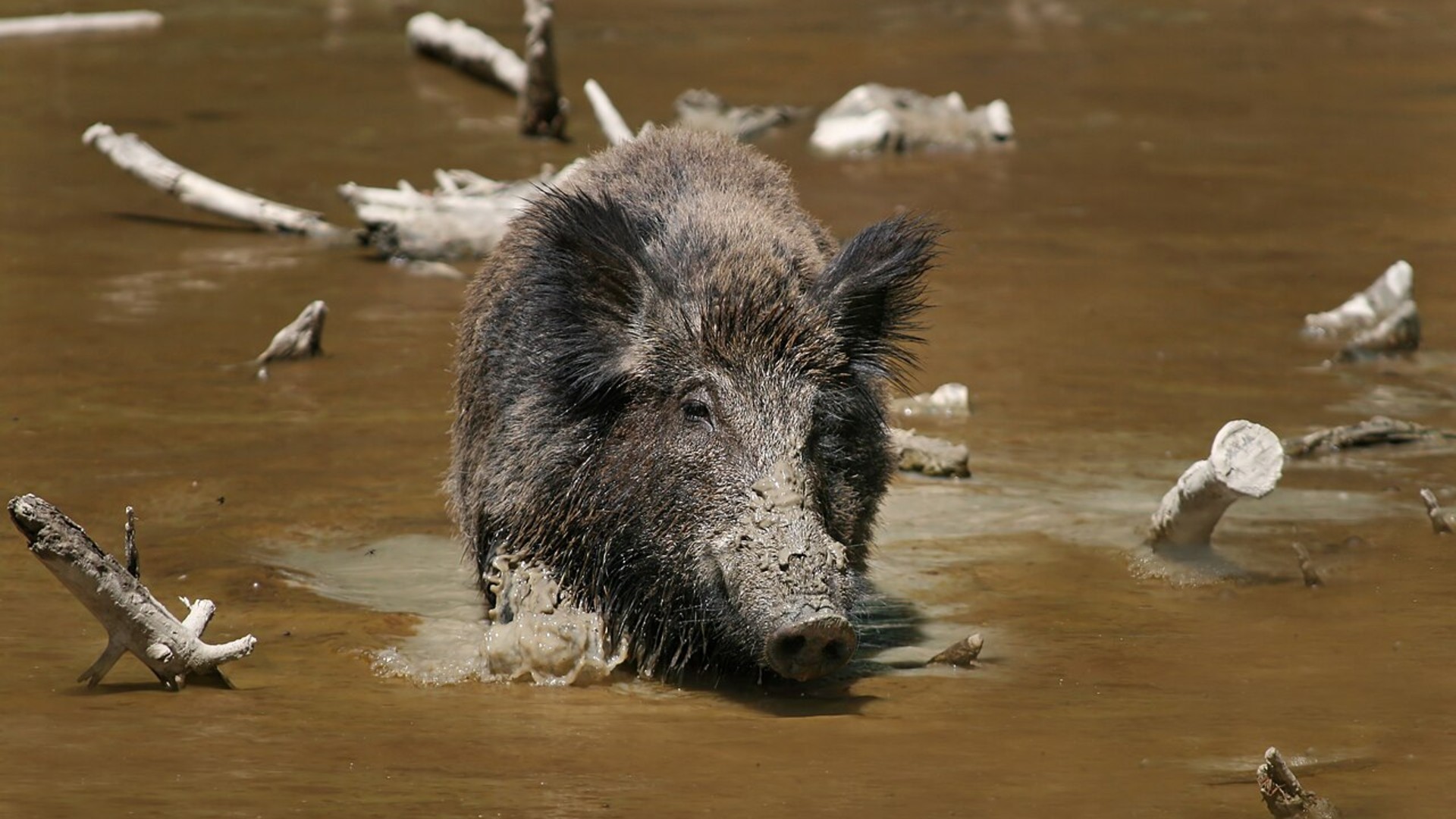
©Wikimedia / Richard Bartz, Munich Makro Freak
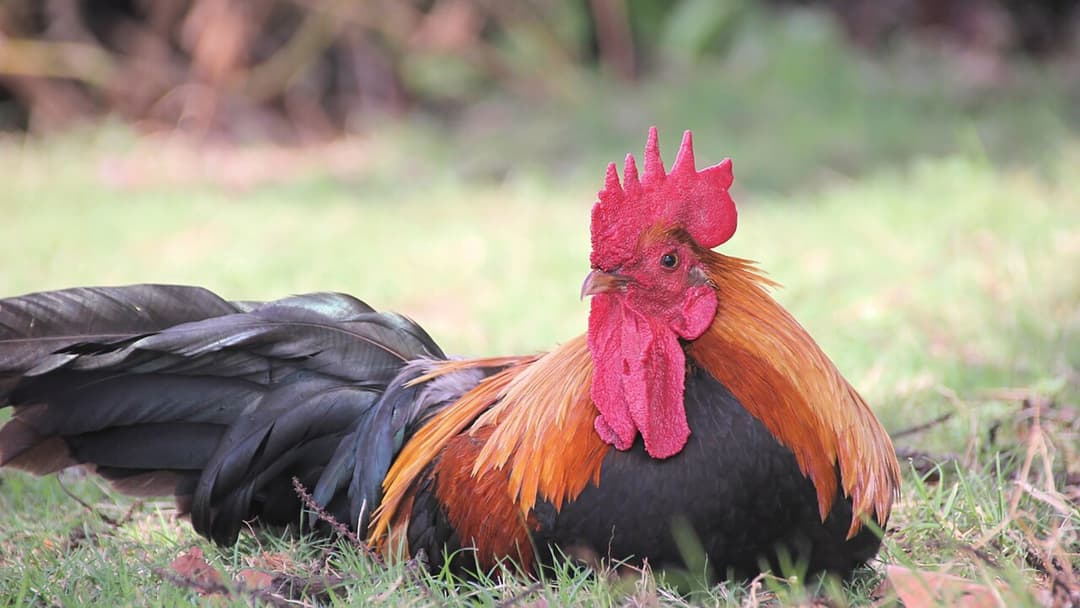
17. Domestic Rooster
While a crowing rooster symbolized the dawn of Christ, a jet-black rooster was viewed with intense suspicion. Medieval folklore held that an aged cock could lay a rounded egg that, if incubated by a toad, would hatch into the venomous basilisk, a creature of demonic origin.
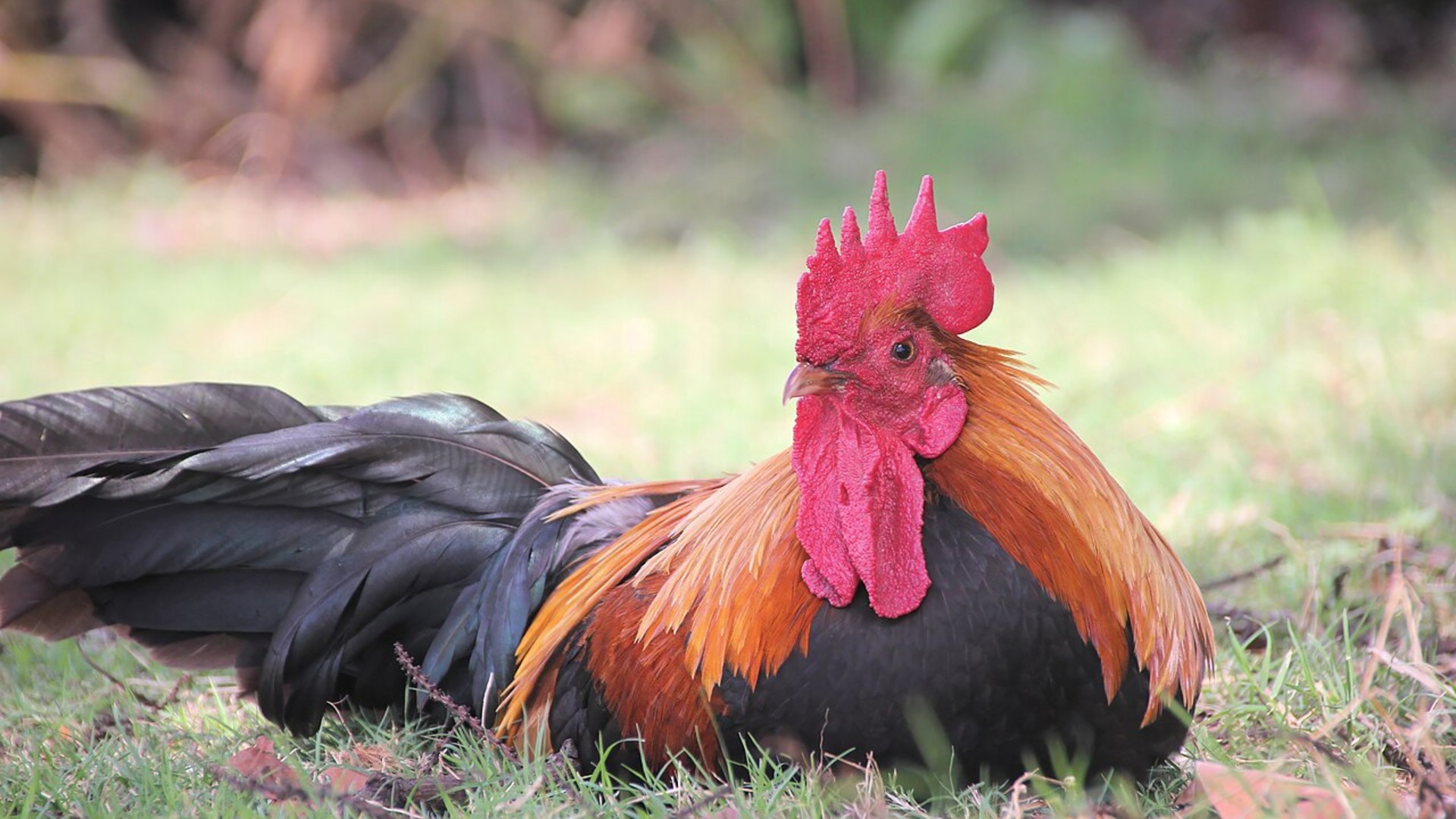
©Wikimedia / ImagePerson
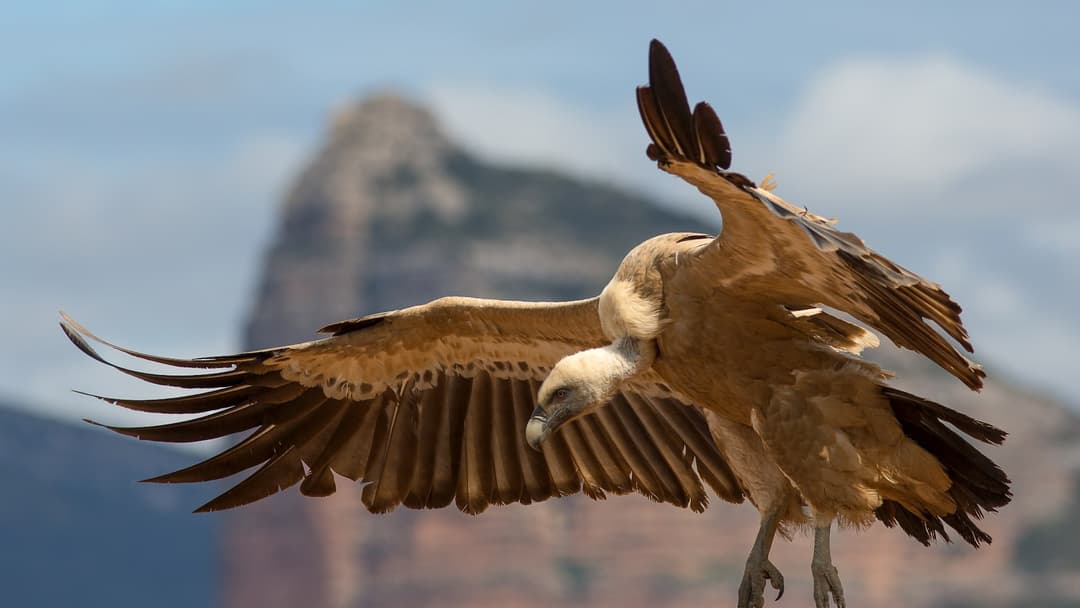
16. Griffon Vulture
Feeding exclusively on decaying carrion in arid wildernesses, vultures were associated in ancient Mediterranean and biblical texts with uncleanness, desolation, and spiritual devastation. Medieval moralists saw their appetite for rotting flesh as an allegory for demonic scavengers.
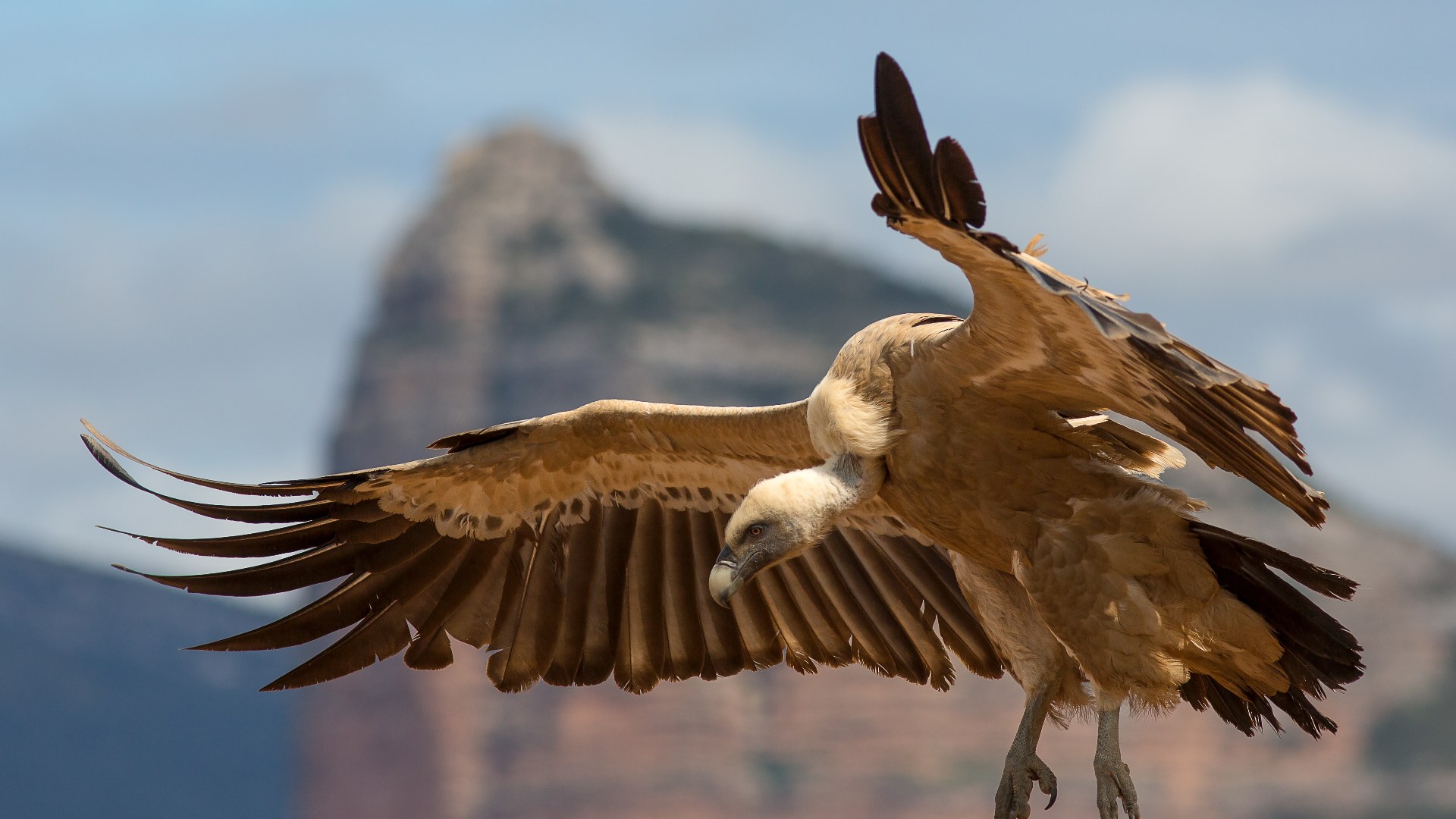
©Wikimedia Commons / Pierre Dalous
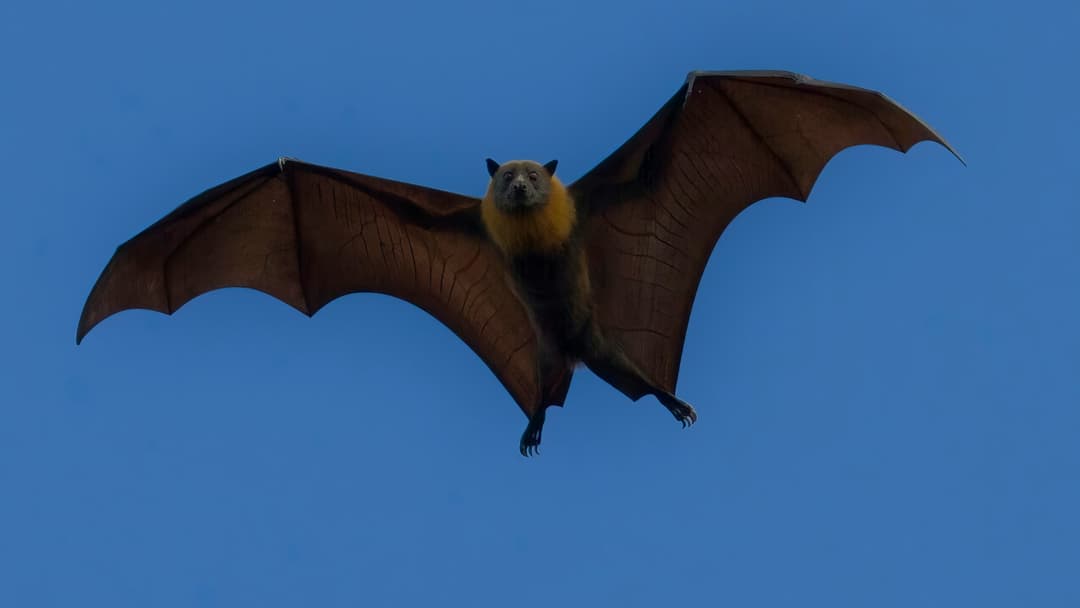
15. Fruit Bat
While holy angels were consistently depicted in Western art with feathered avian wings, painters from Giotto to Michelangelo adorned Satan and his demons with the membranous, clawed wings of bats. Emerging only in darkness, the creature became an enduring visual shorthand for hell.
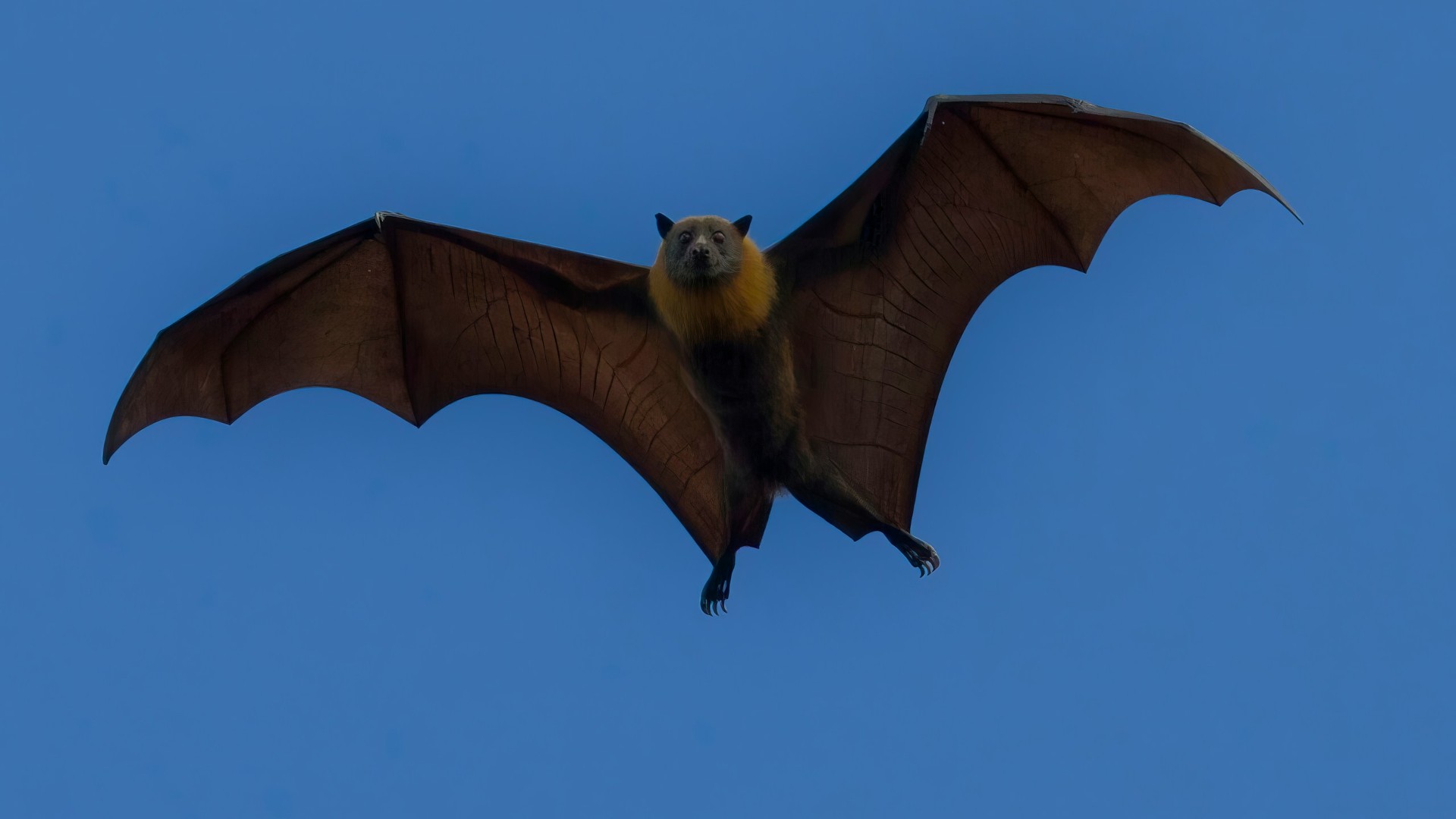
© Photo by John Torcasio on Unsplash
Advertisement
Swipe or tap ▶ to resume the countdown.
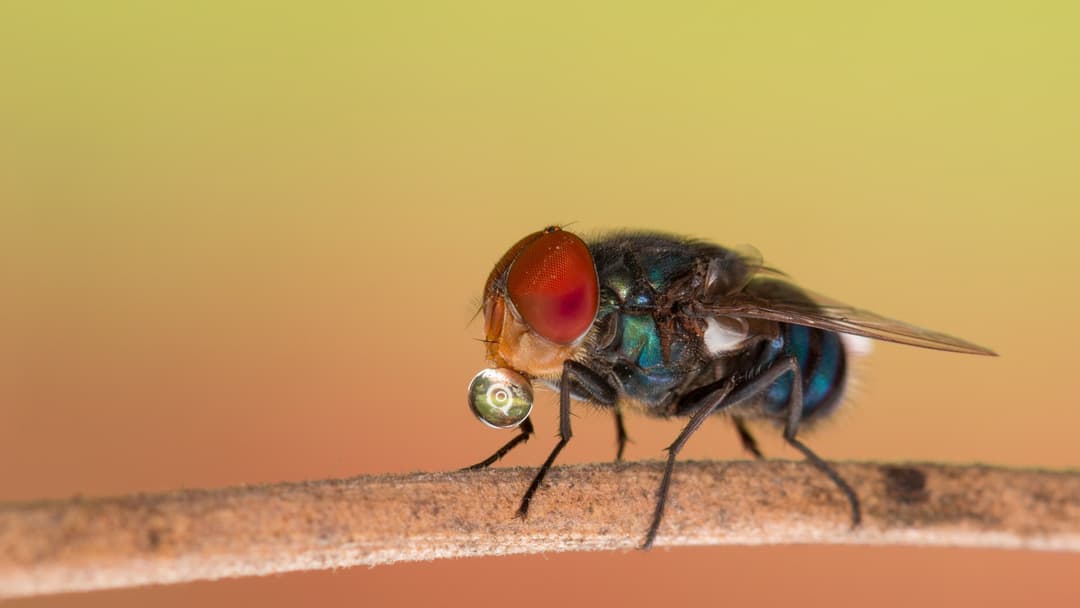
14. Blue Bottle Blowfly
The Philistine god Baal-Zebub, adapted into Jewish and Christian demonology as Beelzebub, translates directly to Lord of the Flies. Swarming over rotting matter and spreading sickness, the common blowfly was regarded as a tiny manifestation of demonic corruption and decay.
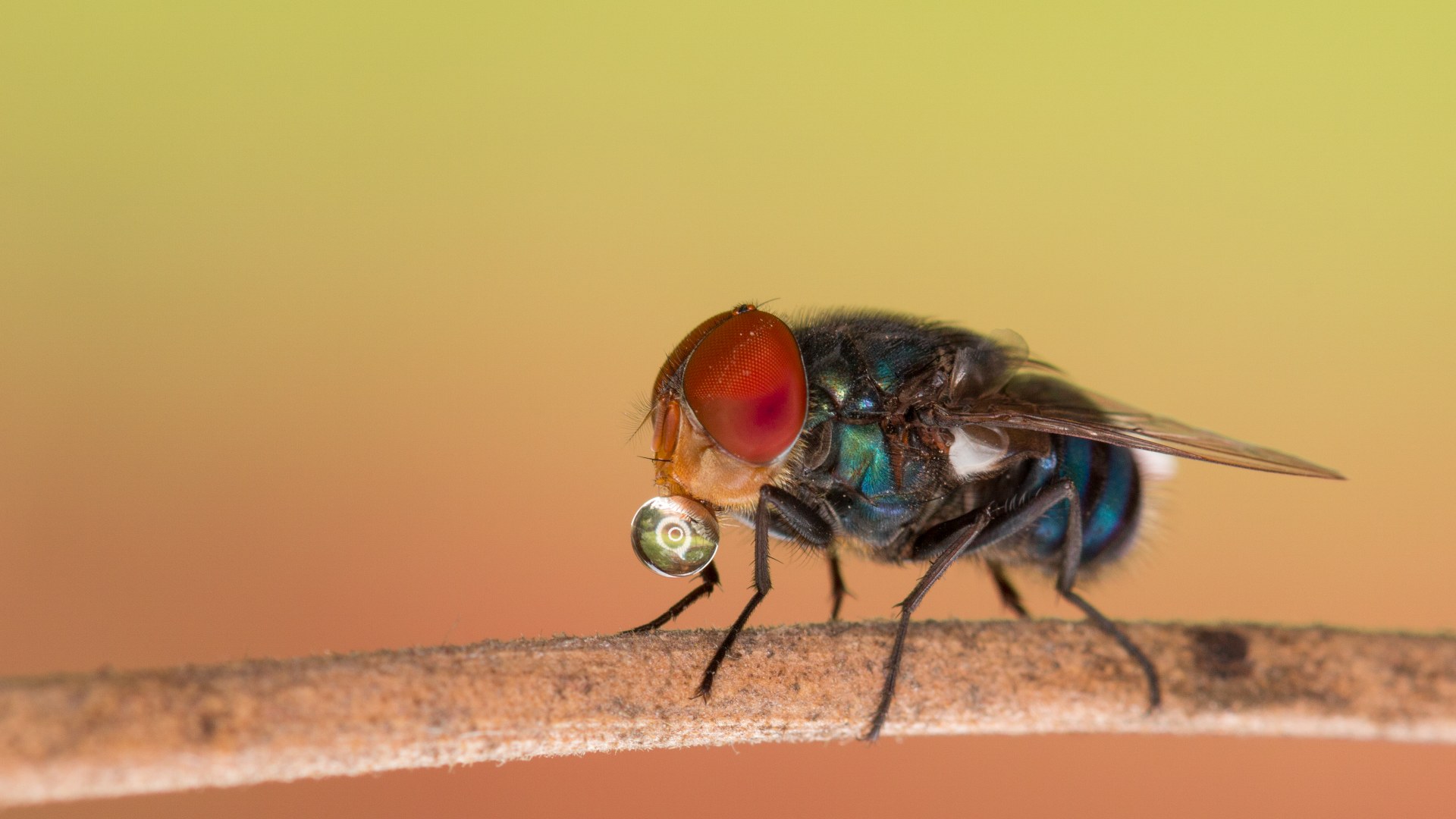
©Wikimedia Commons / Azim Khan Ronnie
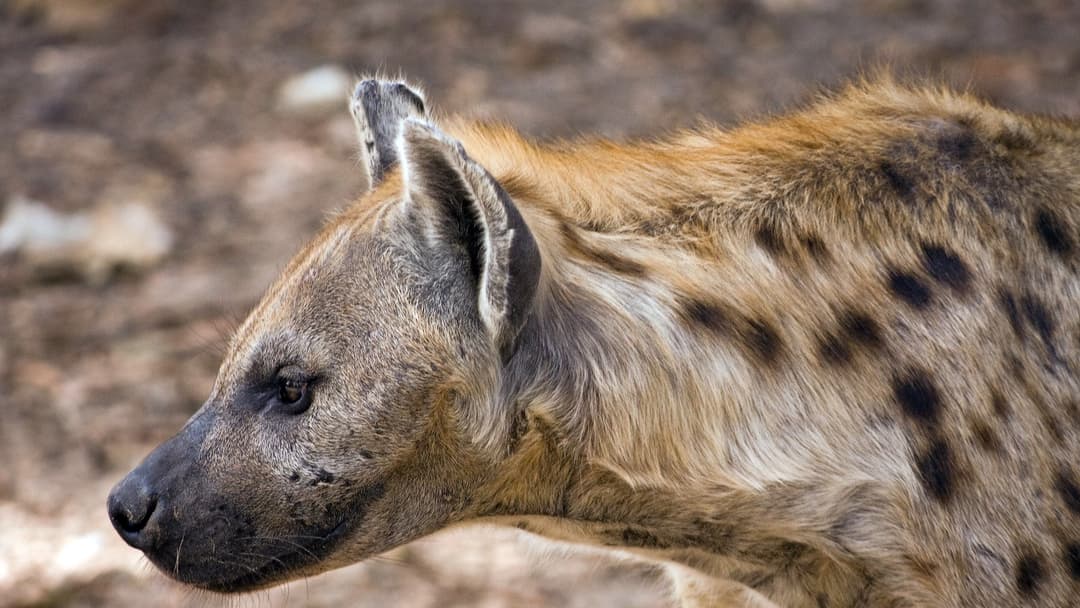
13. Spotted Hyena
Medieval scholars described the hyena as an animal of dual nature, capable of altering its gender and mimicking the voices of human mourners to ambush gravediggers. Early theological commentaries treated these bizarre claims as direct allegories for Satan's deceitful seductions.
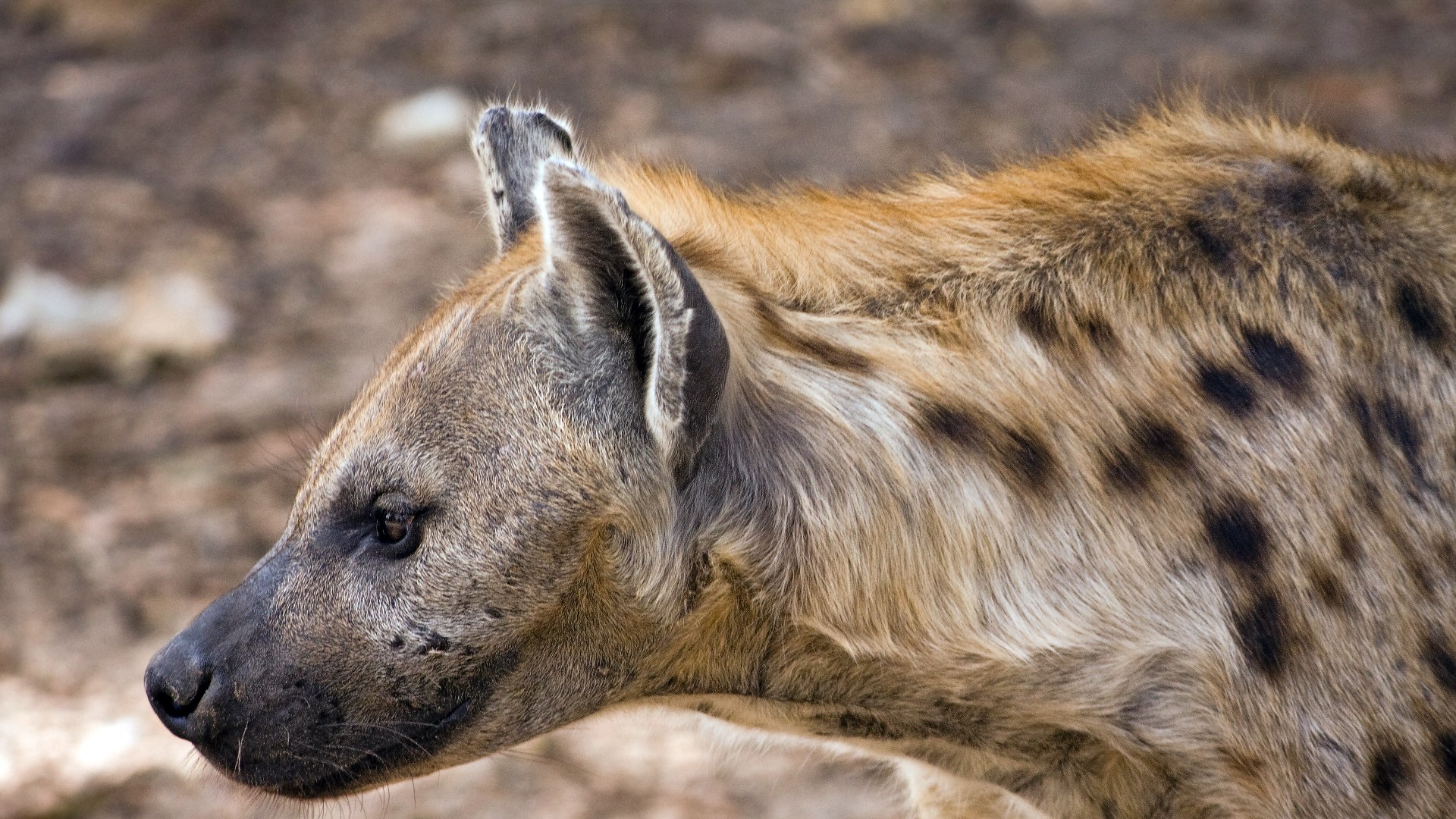
©Wikimedia Commons / Ikiwaner
12. Phantom Black Dog
British folklore is filled with terrifying legends of phantom black dogs, such as Black Shuck and the Barghest, which patrolled desolate crossroads and churchyards. In German legend, Mephistopheles famously appeared to Faust in the guise of a wandering black poodle.

©Wikimedia Commons / Shixart1985
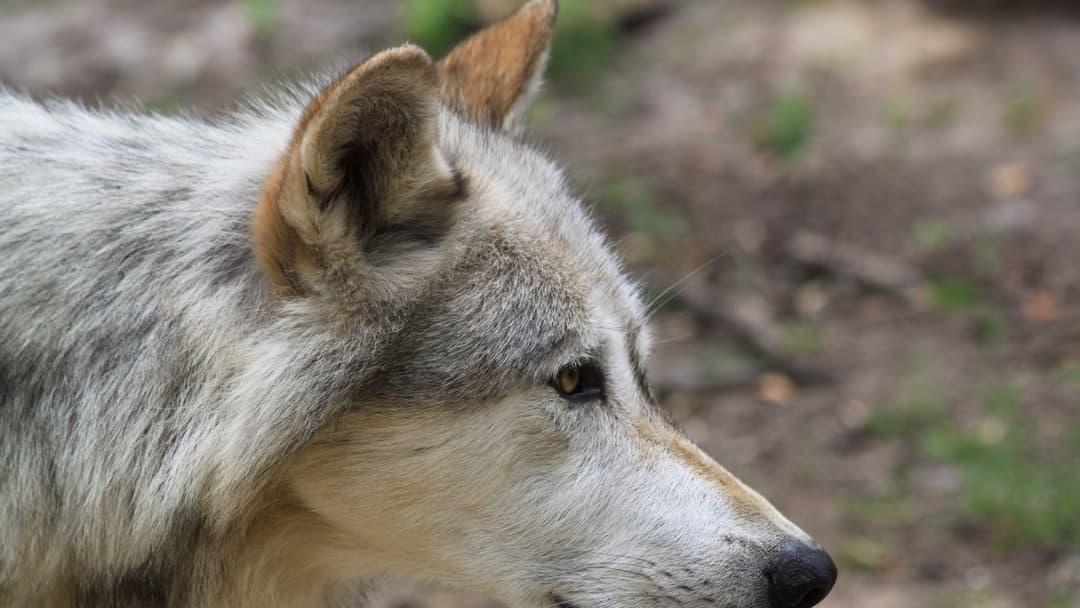
11. Eurasian Gray Wolf
Scripture frequently employs the wolf as the ultimate adversary of the Good Shepherd, preying upon innocent flocks in darkness. During the European witch trials, dozens of individuals were prosecuted for alleged demonic lycanthropy, claiming Satan granted them wolf pelts to kill.
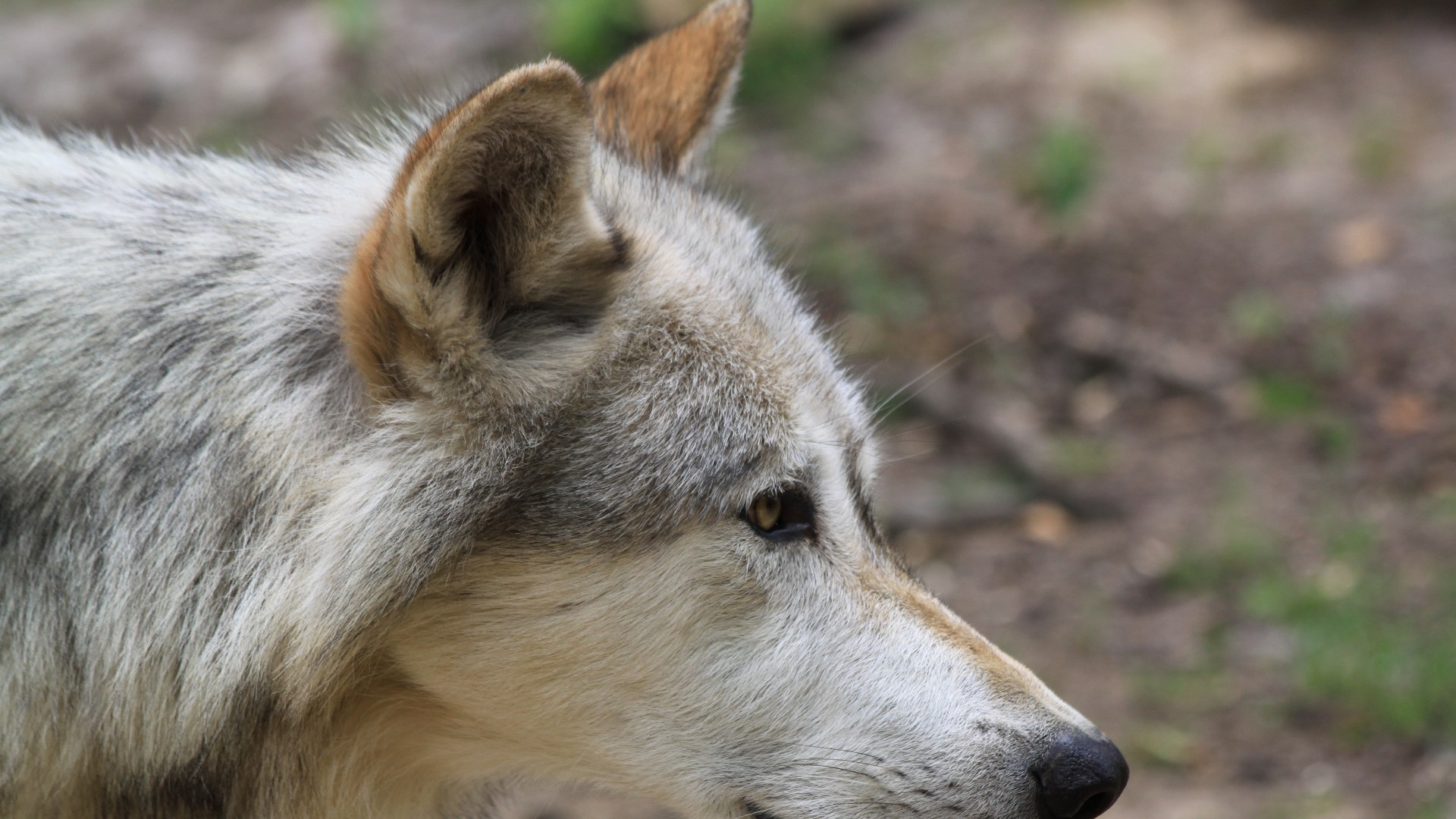
©Wikimedia Commons / Mariofan13
Advertisement
Swipe or tap ▶ to resume the countdown.
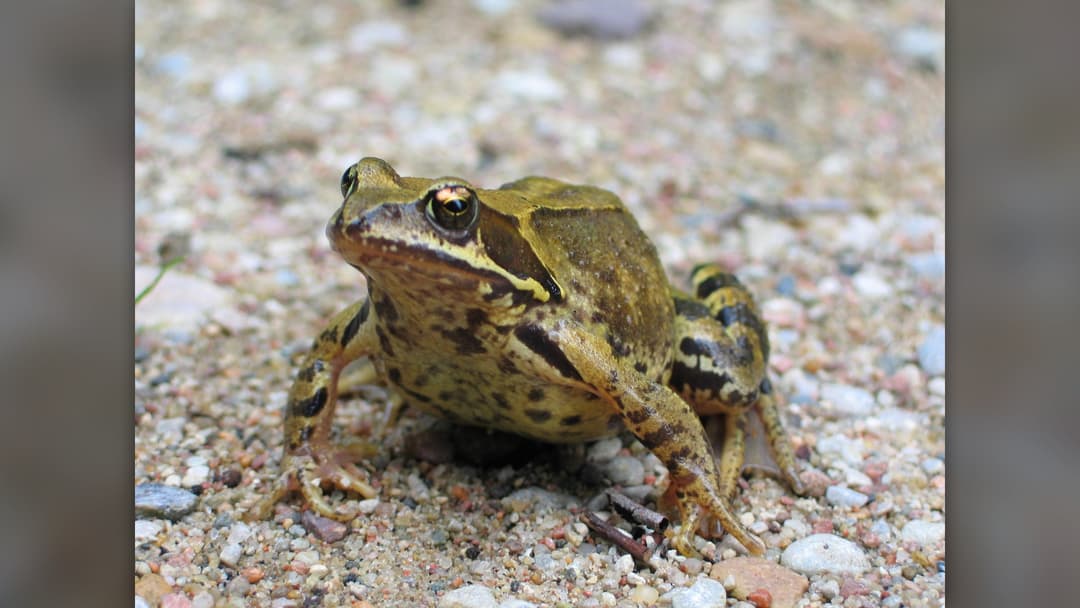
10. Common Frog
In the biblical Book of Revelation, three unclean spirits resembling frogs issue from the mouths of the dragon, the beast, and the false prophet to assemble armies for the final battle. Frogs were also sent as a divine plague upon ancient Egypt, linking them to dark forces.
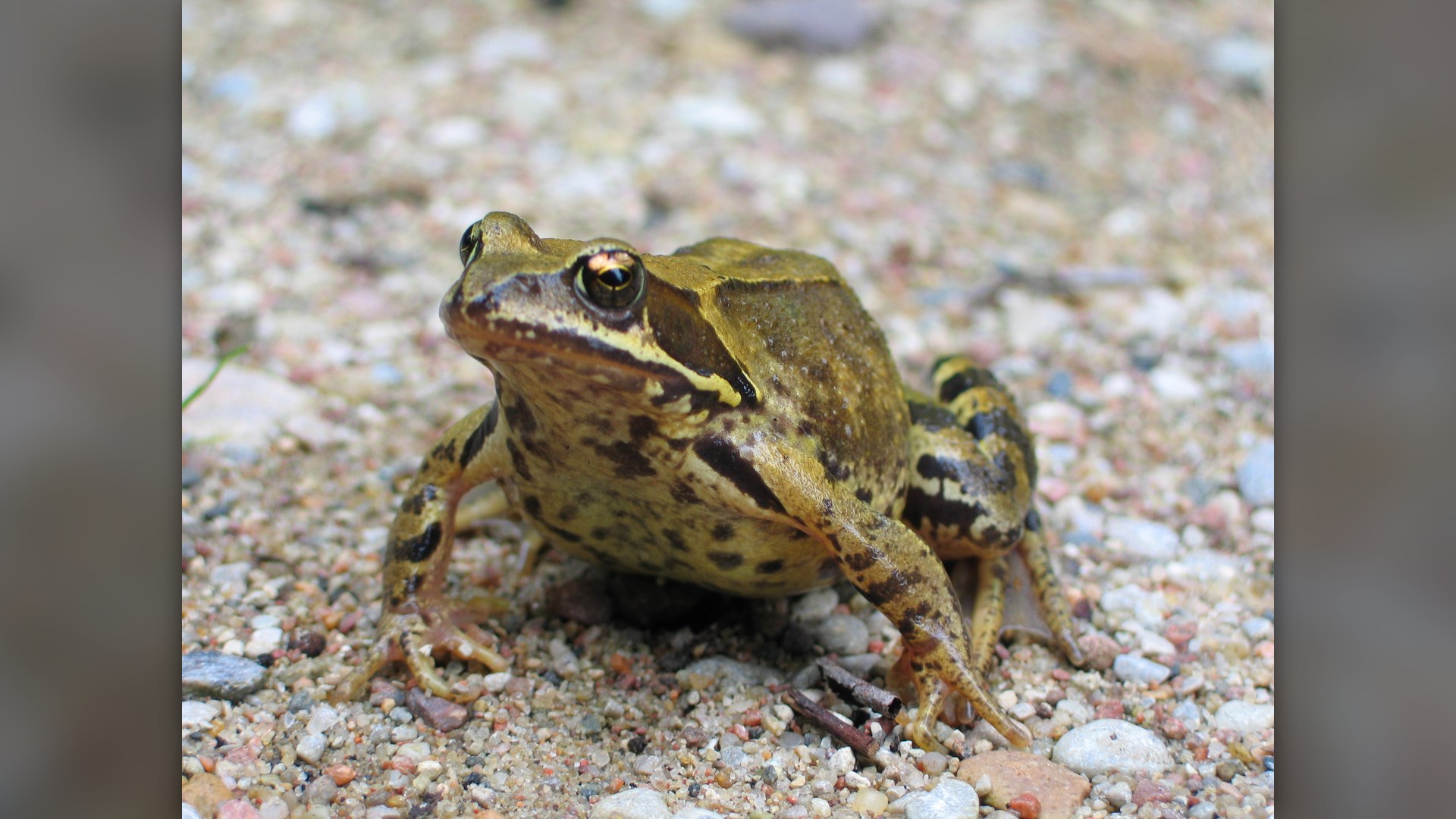
©Wikimedia Commons / Monika Betley
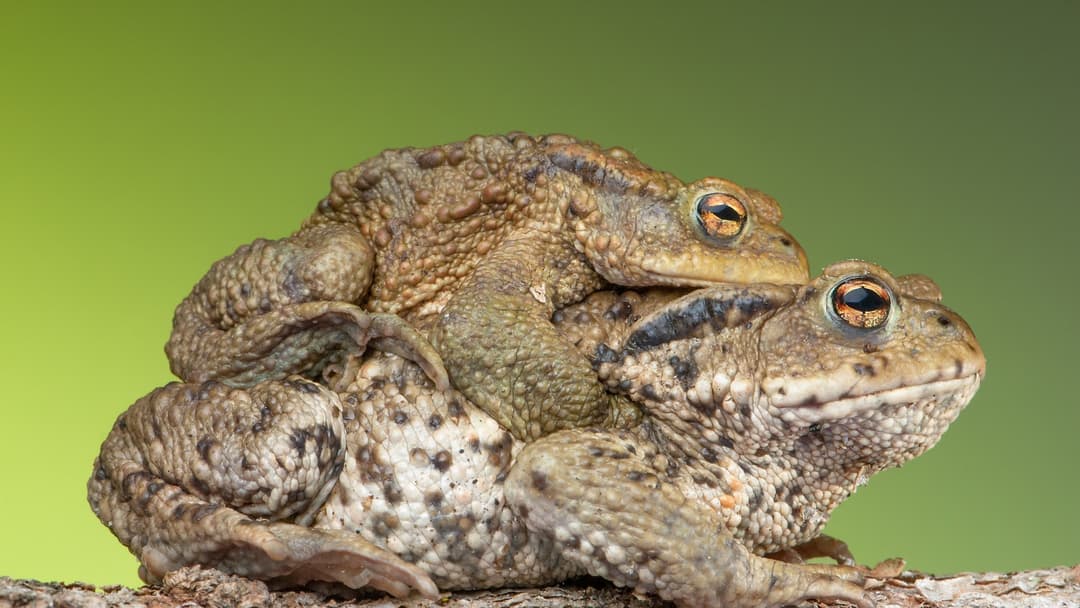
9. Common Toad
Unlike harmless pond frogs, the terrestrial common toad was viewed as an intimate accomplice of Satan in early modern Europe. Inquisitors claimed witches kept toads as familiars, baptizing them in salt and feeding them holy bread to produce lethal magical toxins.
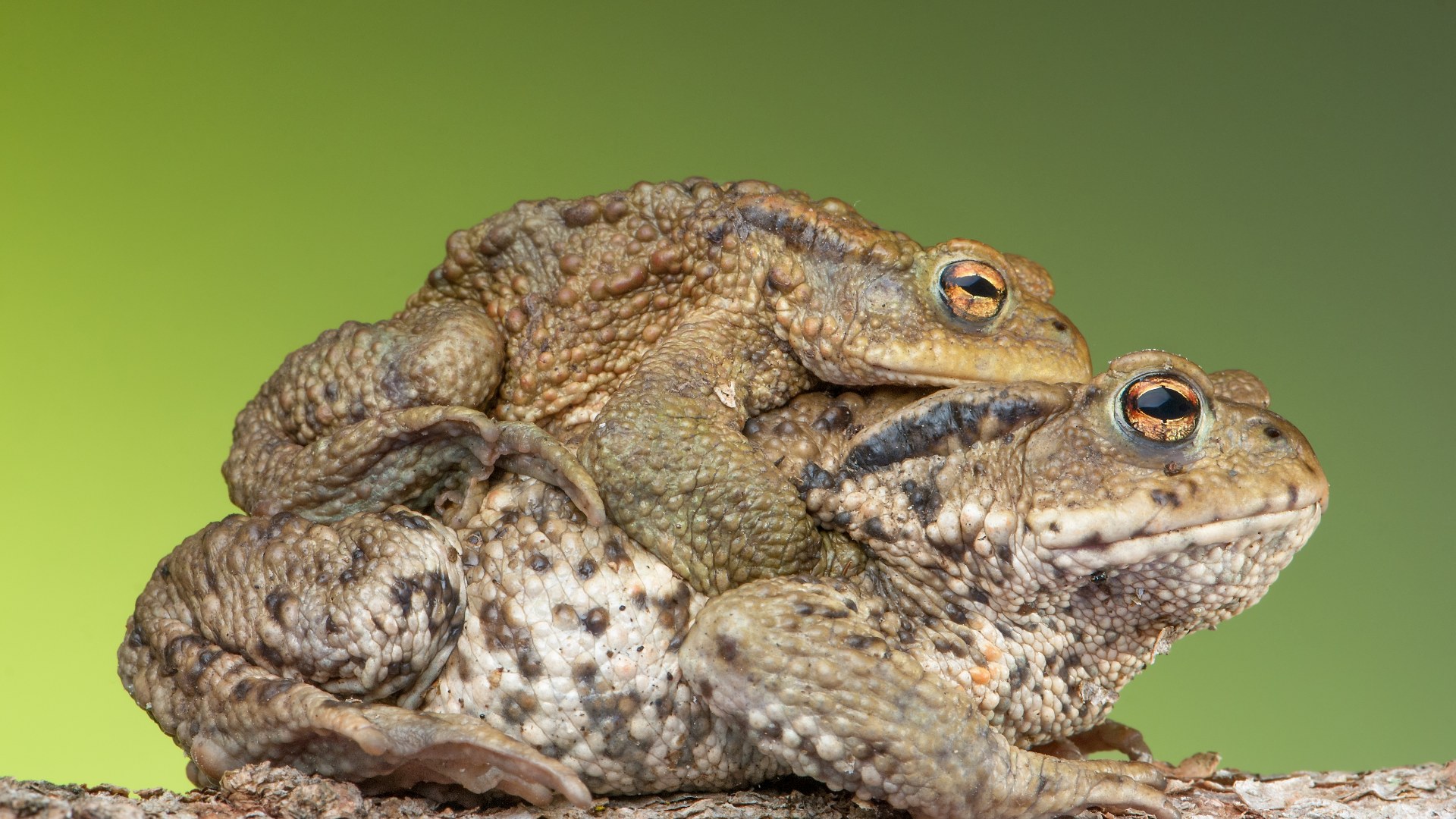
©Wikimedia Commons / Bernie (Wilder Kaiser)
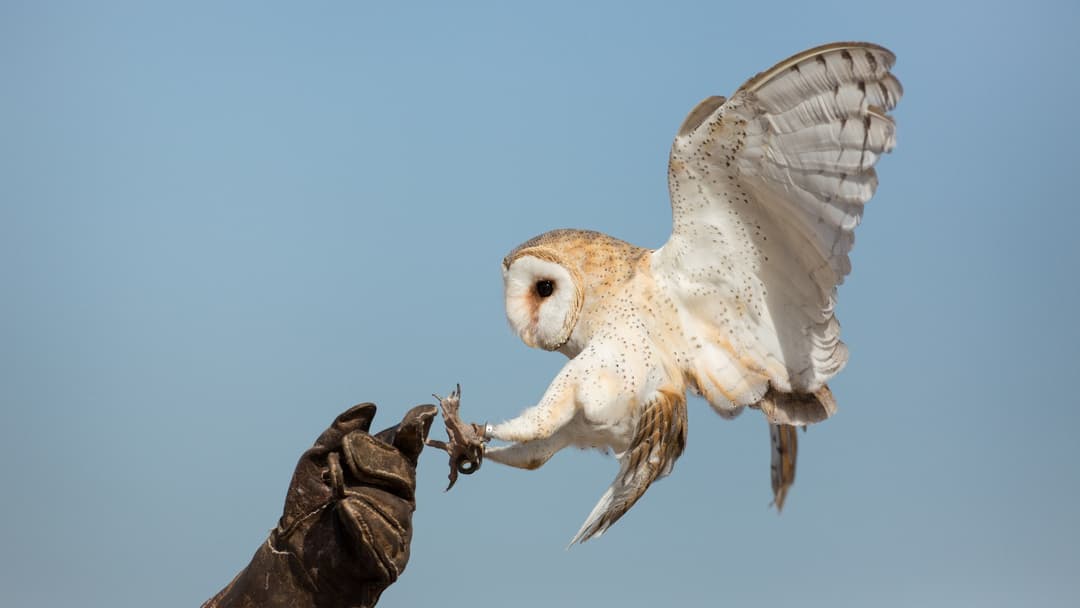
8. Western Barn Owl
In classical mythology and Hebrew scripture, owls were birds of ruins and desolate wilderness, closely connected to nocturnal demons like Lilith. In medieval Europe, the piercing screech of a barn owl outside a window was dreaded as a warning of impending death or demonic interference.
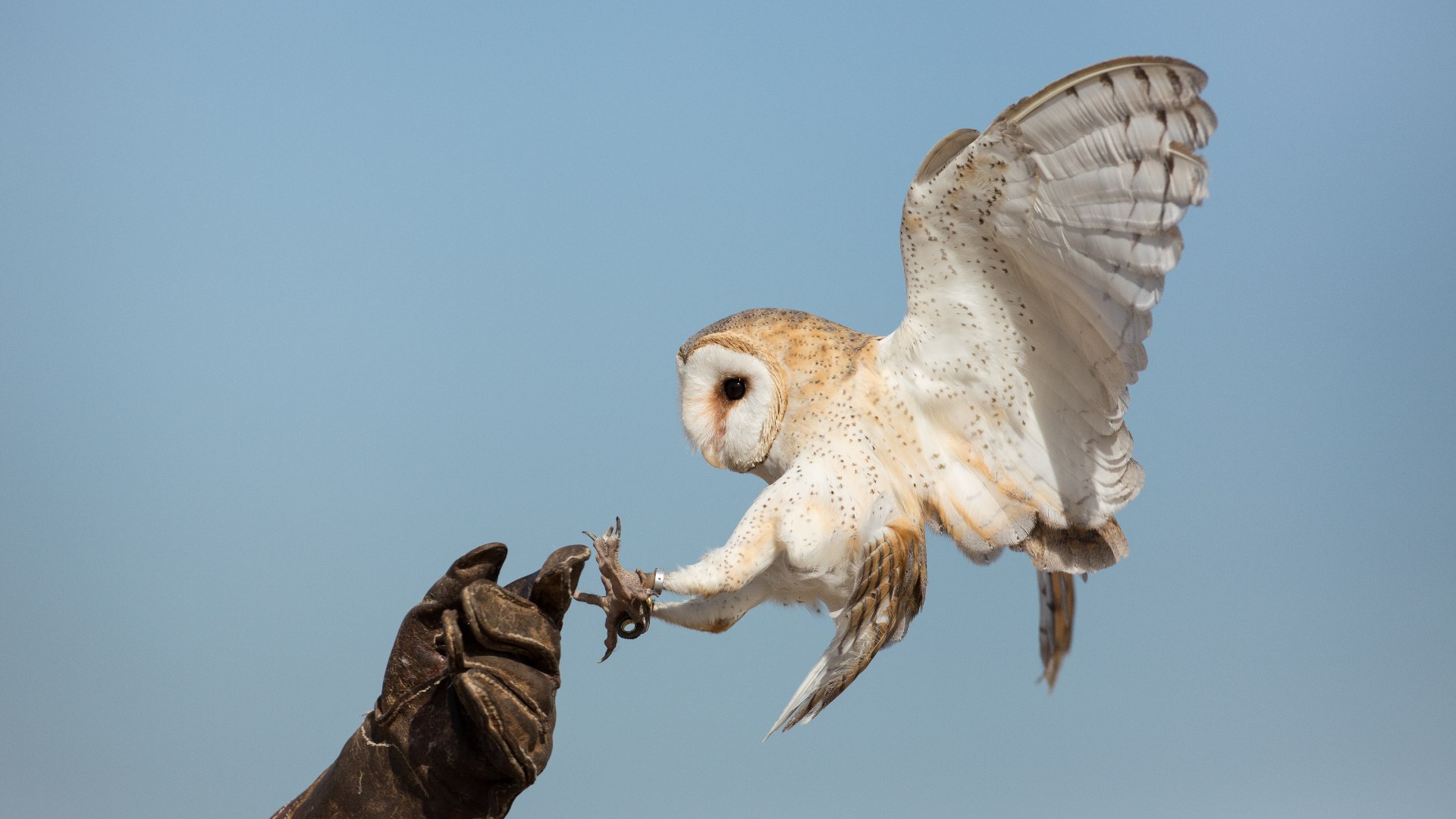
©Wikimedia Commons / Carlos Delgado
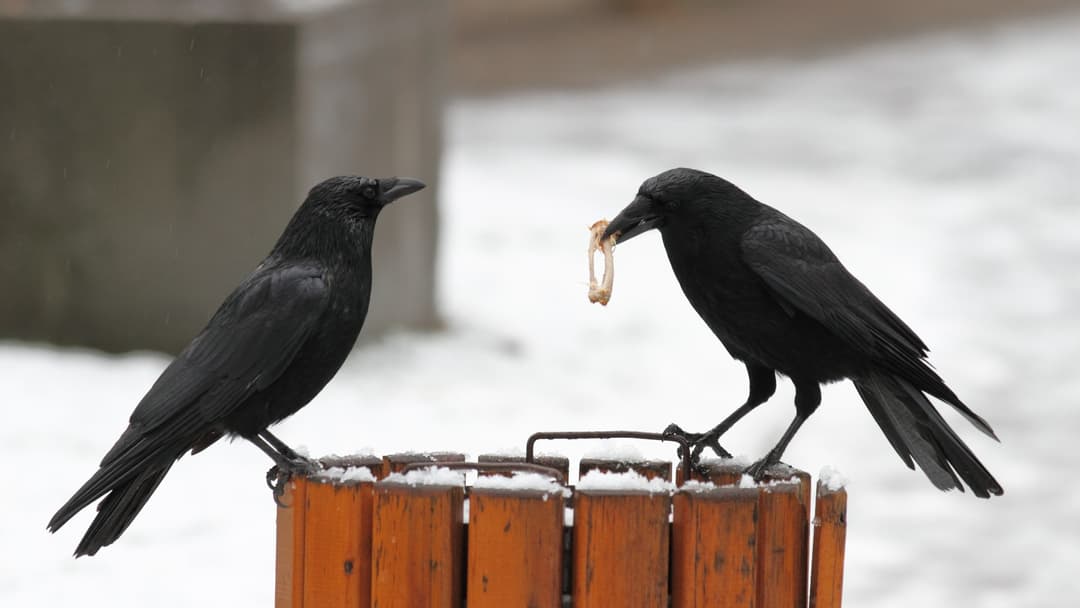
7. Carrion Crow
Crows have long maintained a sinister reputation due to their habit of scavenging on medieval battlefields and public gibbets. Their jet-black plumage, harsh cawing, and intelligence led folk cultures to believe they whispered secrets to sorcerers and did the bidding of the underworld.
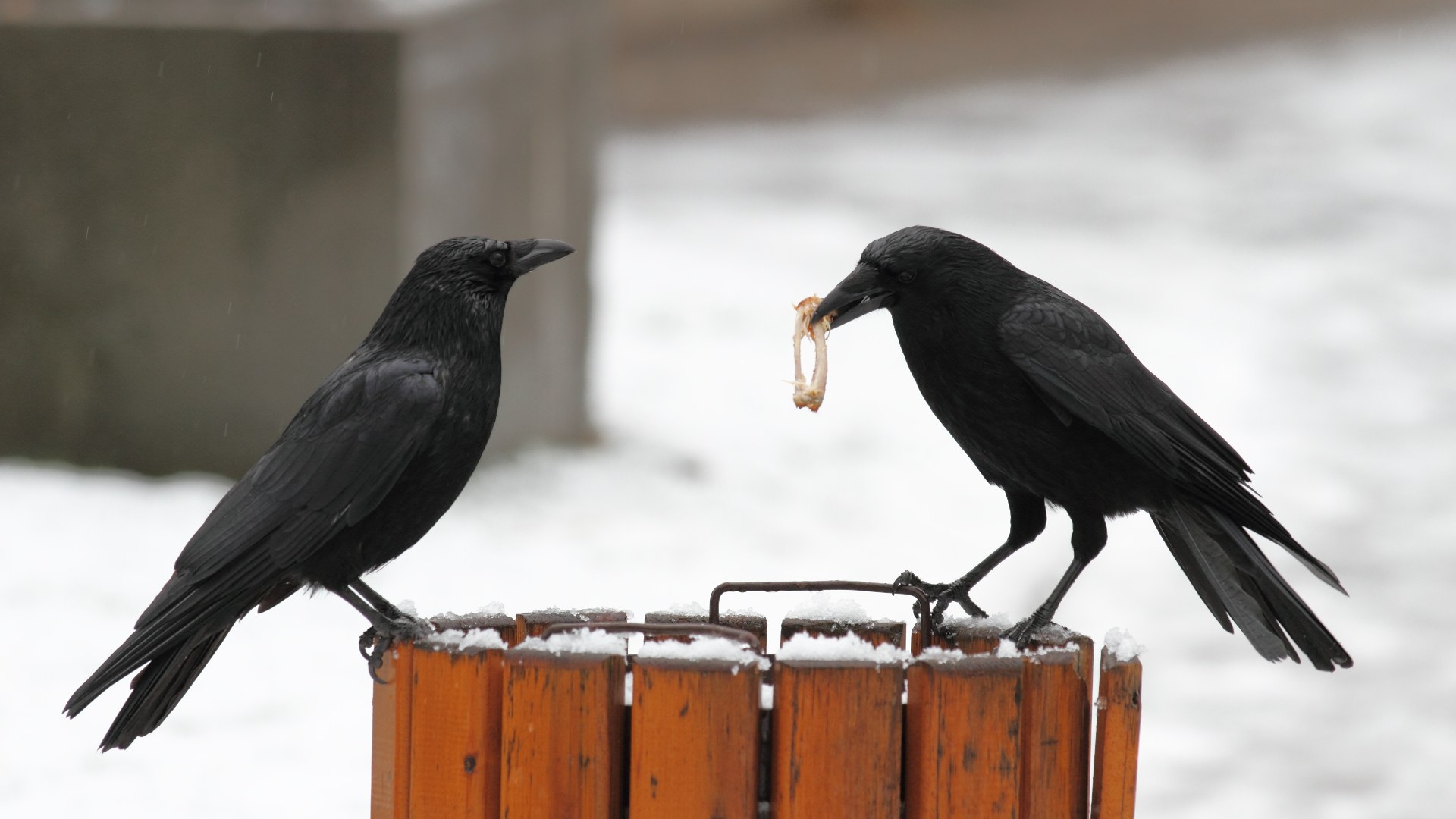
©Wikimedia Commons / PierreSelim
Advertisement
Swipe or tap ▶ to resume the countdown.
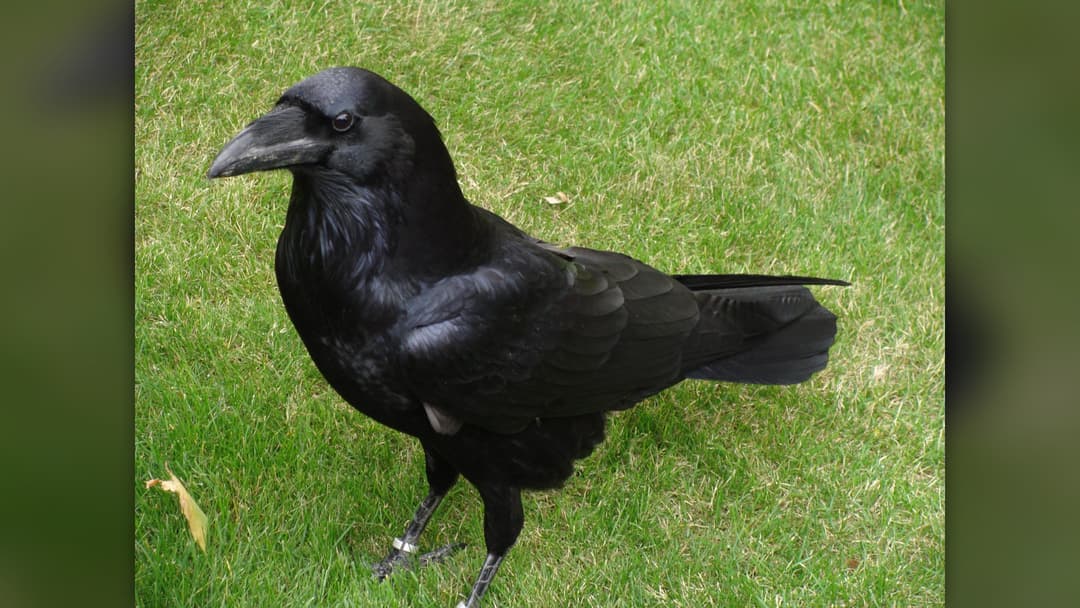
6. Northern Common Raven
In Judeo-Christian tradition, the raven was deemed unclean after failing to return directly to Noah's ark. In Norse and Celtic paganism, ravens served war deities, which early Christian missionaries swiftly demonized into symbols of impending damnation and messengers of the devil.
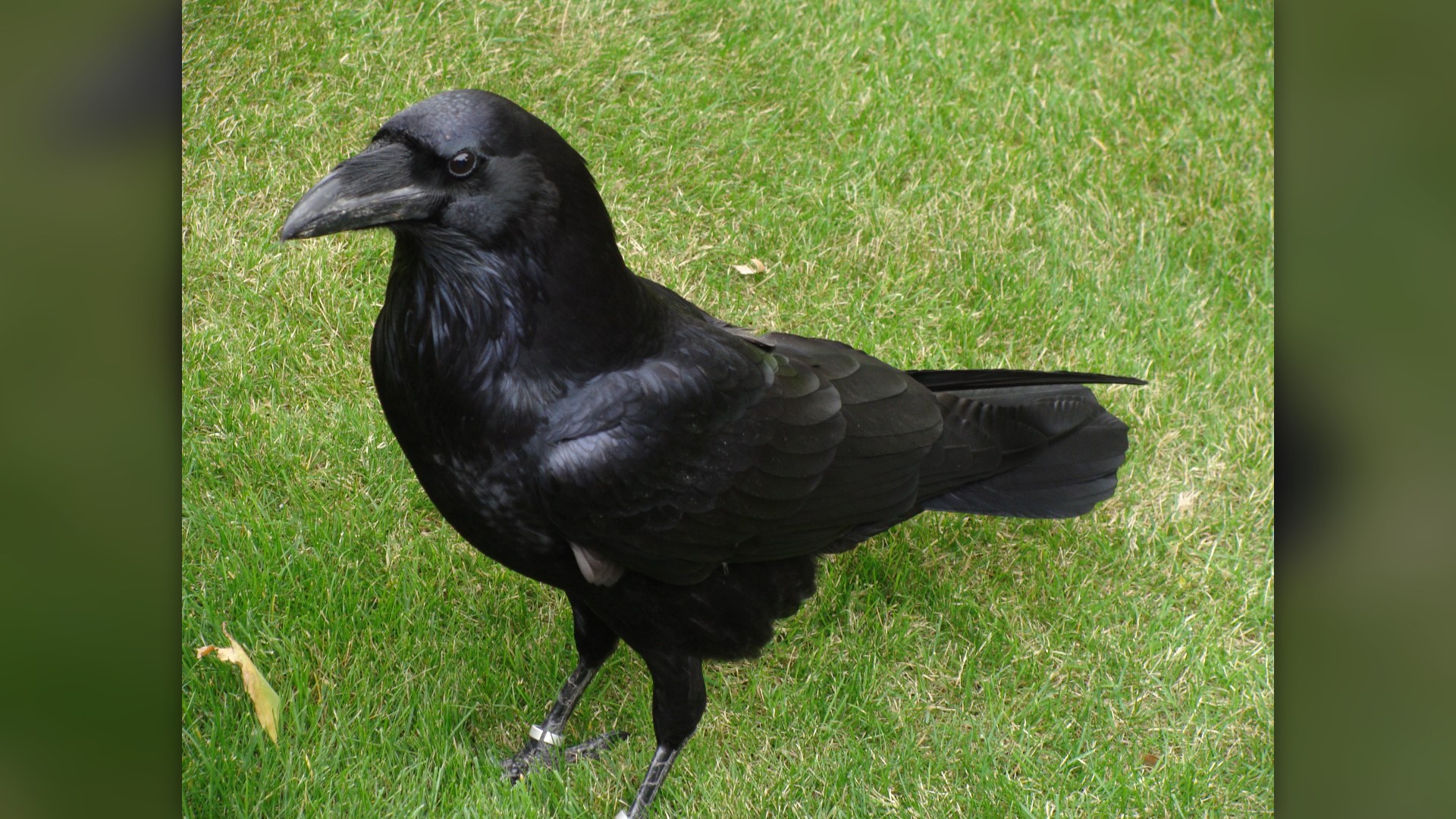
©Wikimedia Commons / Fernando Losada Rodríguez
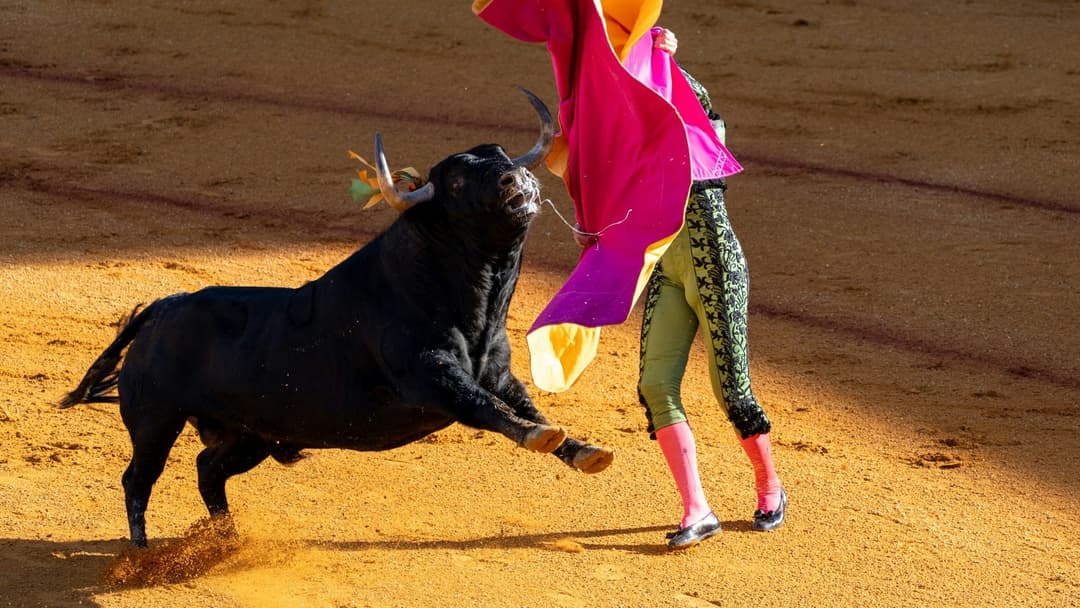
5. Spanish Fighting Bull
Ancient Near Eastern fertility cults frequently worshipped bull deities, which biblical prophets fiercely condemned as idolatrous demons. In Christian demonology, powerful demons such as Moloch and Belial were often depicted with the furious horned head of a charging black bull.
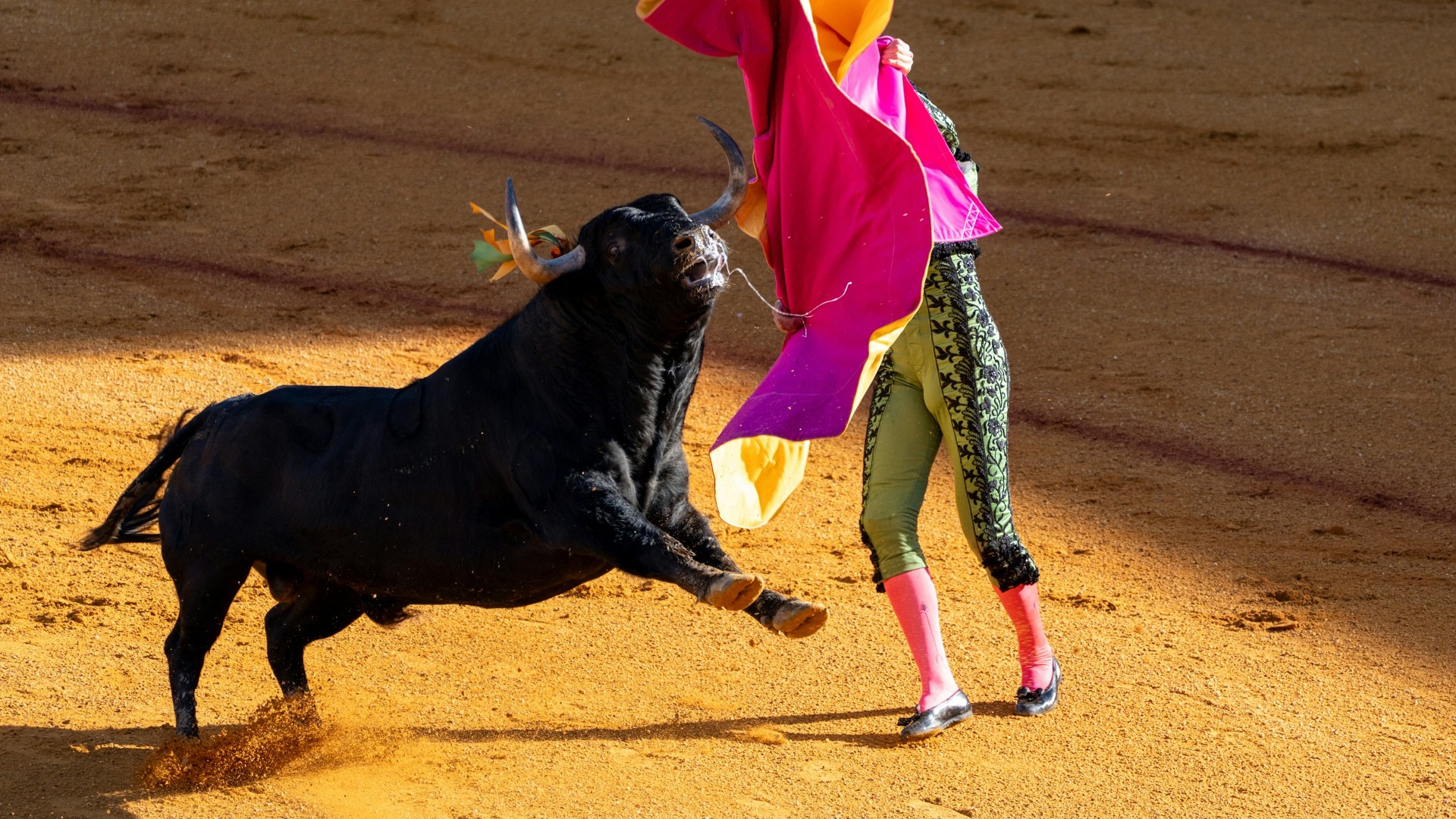
© Photo by Paul Kenny McGrath on Unsplash
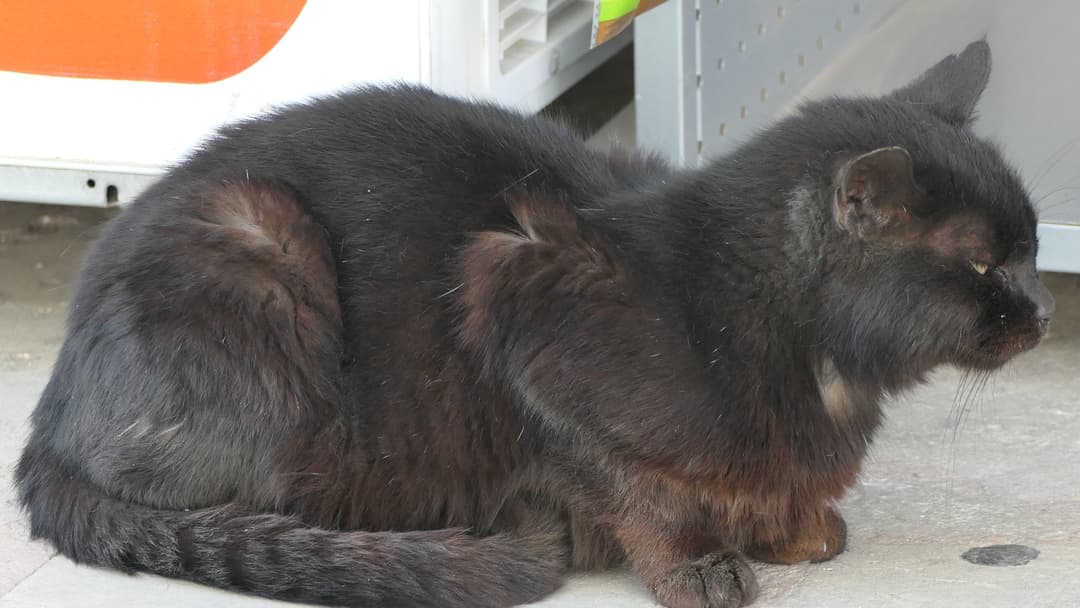
4. Domestic Black Cat
In his 1233 papal bull Vox in Rama, Pope Gregory IX formally declared that black cats were incarnations of Satan used in nocturnal heretical rituals. This sparked centuries of mass feline slaughter across Europe and cemented the black cat as the preeminent symbol of demonic witchcraft.
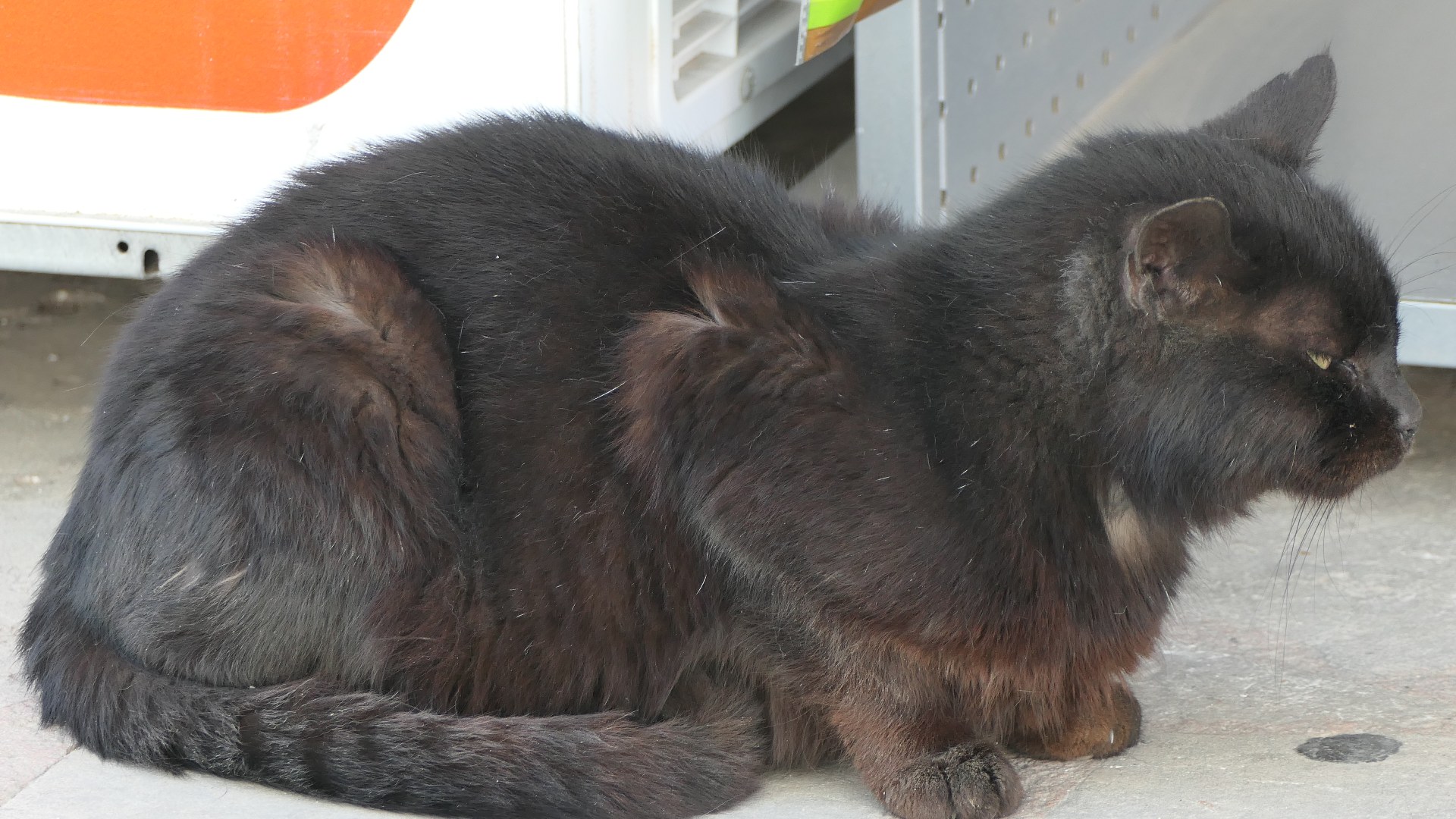
©Wikimedia Commons / Petro Stelte
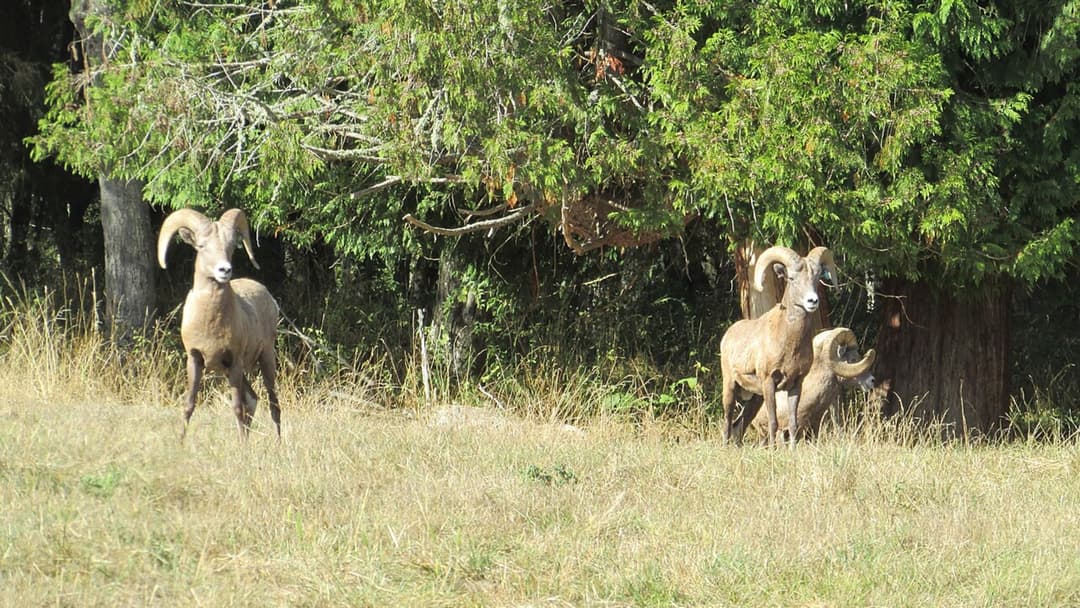
3. Bighorn Sheep Ram
With thick curling horns framing a triangular skull, the ram was revered in ancient Egyptian and Greco-Roman sacrificial cults. Christian iconography inverted these sacred pagan associations, turning the ram's horned visage into a symbol of pride, stubborn rebellion, and demonic power.
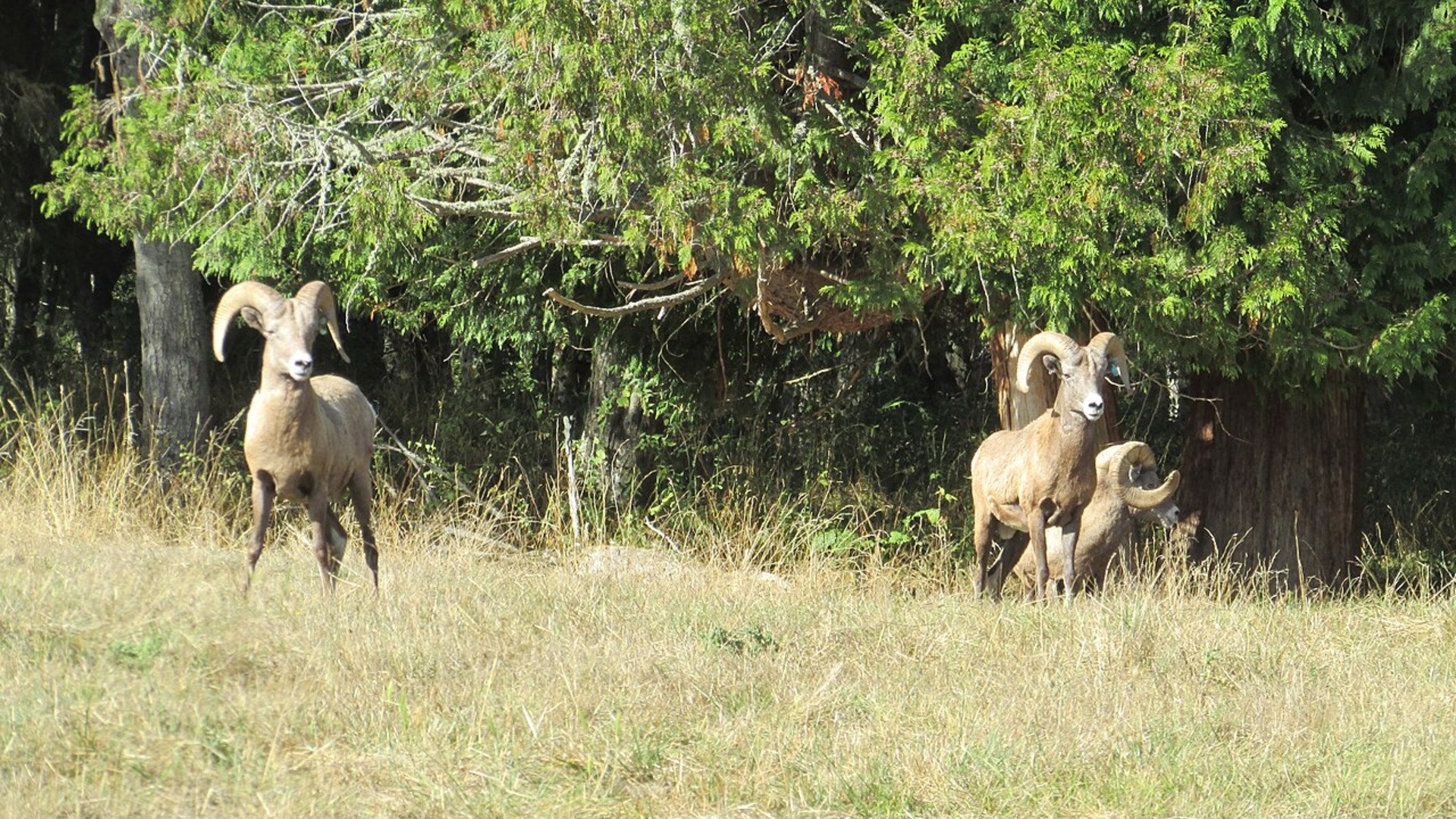
©Wikimedia / Chris Light
Advertisement
Swipe or tap ▶ to resume the countdown.
2. Horned Billy Goat
From the biblical separation of sheep and goats at the Last Judgment to the goat of Mendes and Baphomet, the horned he-goat is the premier physical embodiment of Satan. Medieval folklore claimed the devil personally presided over nocturnal witches' sabbaths in the form of a black goat.
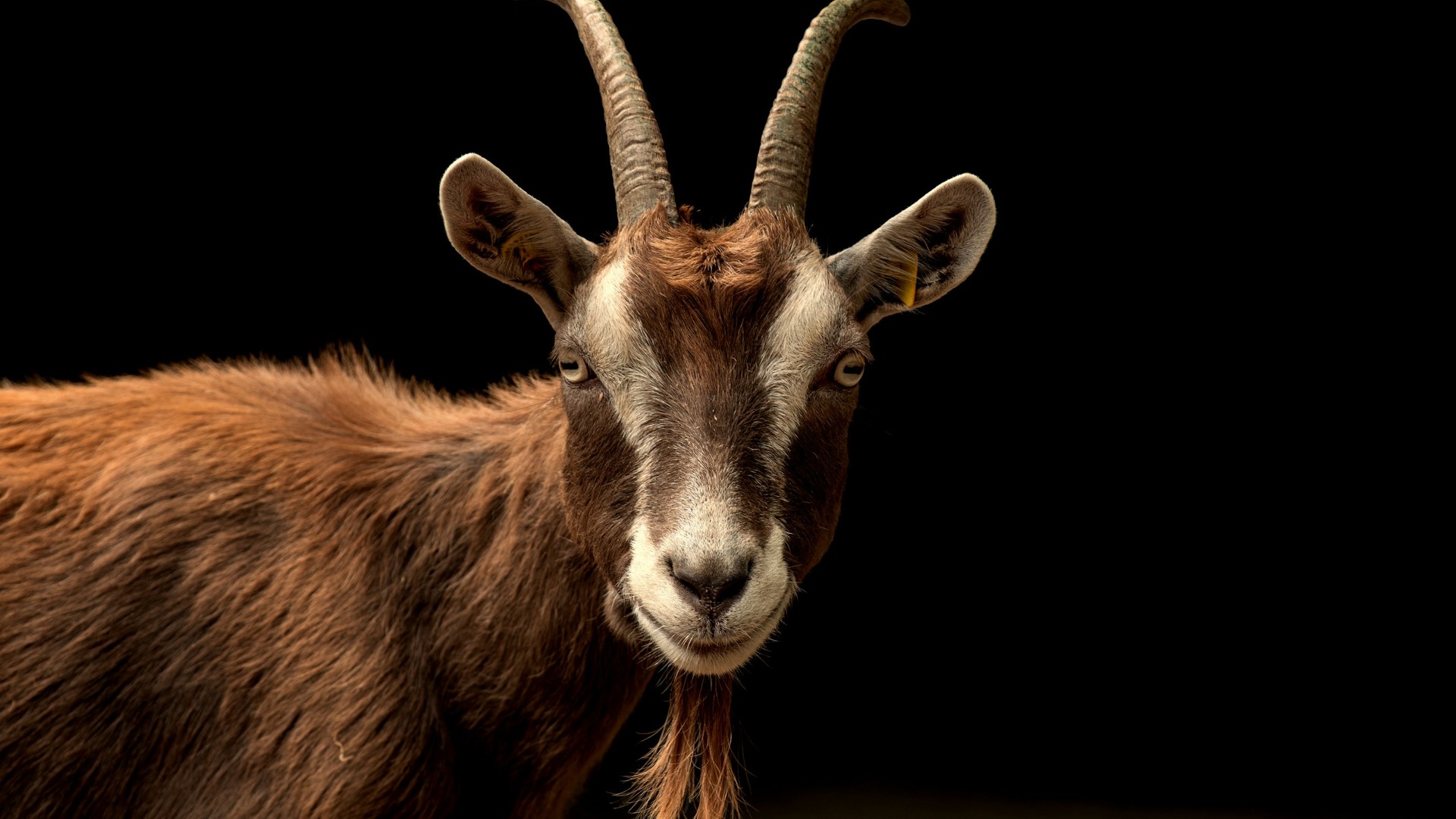
© Photo by Peter Neumann on Unsplash
1. European Adder Serpent
No creature is more thoroughly synonymous with the devil than the serpent. In Genesis, Satan assumes the form of a serpent to deceive Eve, bringing about the fall of man. The Book of Revelation identifies the ultimate evil as that ancient serpent called the devil and Satan, deceiving the whole world.
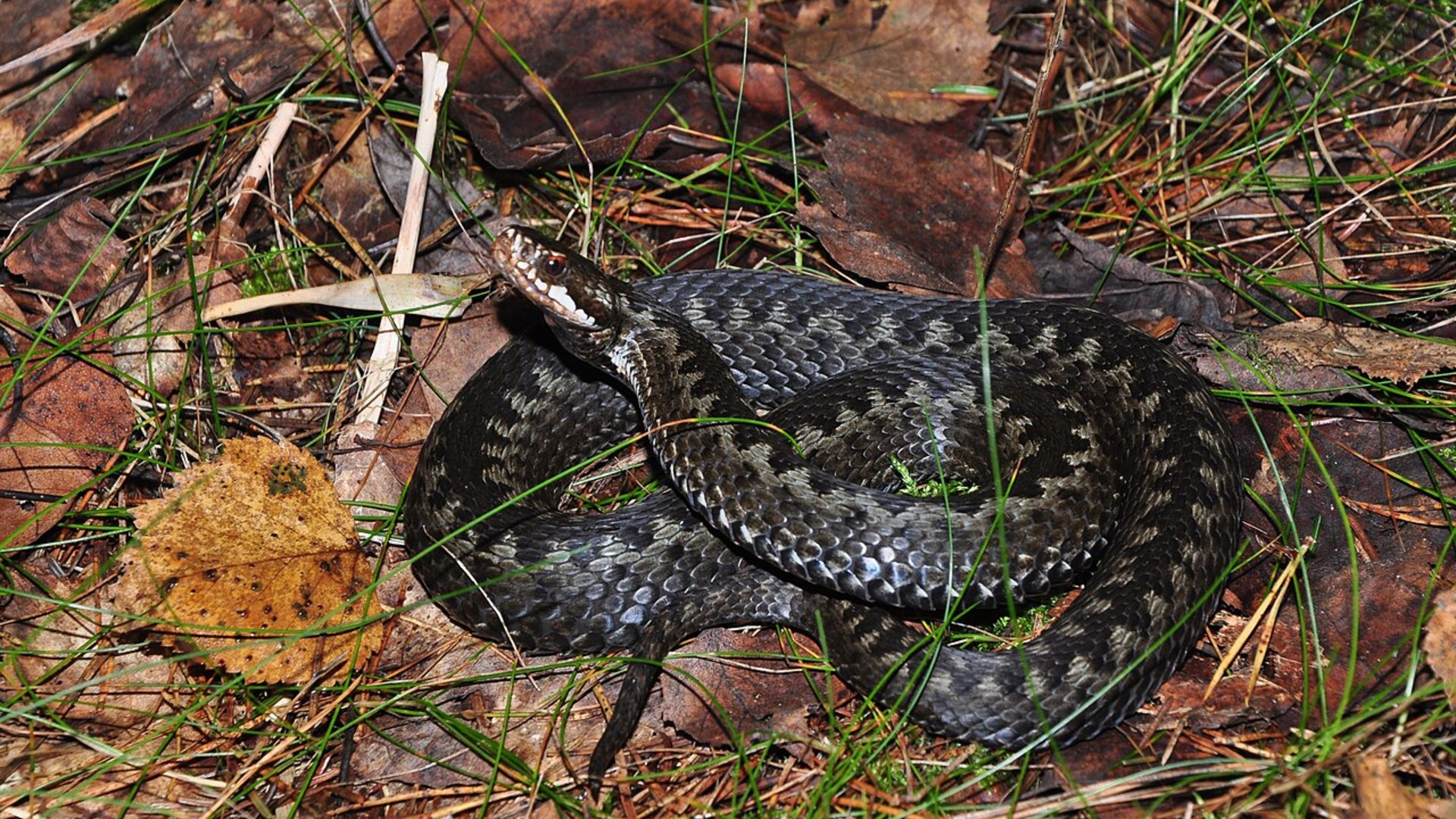
©Wikimedia / Pavel Kirillov from St.Petersburg, Russia
Advertisement
You've reached the end of the story. Thanks for reading!

25 Baby Animals That Depend on Their Mothers to Survive
In the animal kingdom, survival is often impossible without maternal care. From seal pups that nurse for only a few days to young orangutans and orcas that rely on their mothers for years or decades, maternal devotion takes remarkable forms. Arranged in ascending order of dependency duration, here are 25 young animals that rely on their mothers.
All 25 Entries in this Story
25. Eurasian Magpie
In British and European folklore, the magpie was long treated with suspicion. Medieval tales alleged that it refused to enter Noah's ark during the Great Flood, preferring to perch outside, and whispered that it carried a single drop of the devil's blood concealed beneath its tongue.

24. Deaths-Head Hawkmoth
Distinguished by a yellow skull-like pattern on its thorax and an unusual audible squeak, the death's-head hawkmoth was viewed in European folklore as an emissary of dark sorcery. Folk beliefs held that its nocturnal fluttering inside a home signaled misfortune or demonic presence.

23. Black Ground Beetle
Crawling through damp cellars, graveyards, and decomposing wood, dark beetles such as the churchyard beetle and violet ground beetle became symbols of bodily decay. Medieval bestiaries frequently associated these subterranean crawlers with demonic pests born of rot.

22. Least Weasel
Early Christian bestiaries portrayed the weasel as an emblem of hypocrisy and spiritual corruption. Ancient folktales claimed the animal could shapeshift into human form or serve as an agile familiar for witches seeking to poison village livestock unnoticed.

21. European Hare
Across Britain and Scandinavia, folklore strongly linked the solitary nocturnal hare with dark sorcery. Suspected witches were frequently accused of transforming into wild hares to cross fields undetected, and encountering a hare on a morning journey was considered a dreadful omen.

20. Black Widow Spider
In Christian allegorical art, the spider's delicate web was frequently likened to the deceptive snares set by Satan to entrap careless souls. Their potent venom and preference for dark, neglected ruins reinforced their folkloric connection to witchcraft and malevolent spirits.

19. Emperor Scorpion
The Book of Revelation vividly depicts demonic tormentors possessing the stinging tails of scorpions, while the Gospel of Luke speaks of giving disciples authority to tread on serpents and scorpions. Their sudden strike and agonizing sting made them enduring symbols of demonic wrath.

18. Wild Boar And Swine
In the New Testament, the demon Legion begged Christ to let them enter a herd of pigs, which promptly rushed down a steep bank into the sea. This famous biblical passage cemented swine in medieval Christian thought as vessels uniquely susceptible to demonic possession and filth.

17. Domestic Rooster
While a crowing rooster symbolized the dawn of Christ, a jet-black rooster was viewed with intense suspicion. Medieval folklore held that an aged cock could lay a rounded egg that, if incubated by a toad, would hatch into the venomous basilisk, a creature of demonic origin.

16. Griffon Vulture
Feeding exclusively on decaying carrion in arid wildernesses, vultures were associated in ancient Mediterranean and biblical texts with uncleanness, desolation, and spiritual devastation. Medieval moralists saw their appetite for rotting flesh as an allegory for demonic scavengers.

15. Fruit Bat
While holy angels were consistently depicted in Western art with feathered avian wings, painters from Giotto to Michelangelo adorned Satan and his demons with the membranous, clawed wings of bats. Emerging only in darkness, the creature became an enduring visual shorthand for hell.

14. Blue Bottle Blowfly
The Philistine god Baal-Zebub, adapted into Jewish and Christian demonology as Beelzebub, translates directly to Lord of the Flies. Swarming over rotting matter and spreading sickness, the common blowfly was regarded as a tiny manifestation of demonic corruption and decay.

13. Spotted Hyena
Medieval scholars described the hyena as an animal of dual nature, capable of altering its gender and mimicking the voices of human mourners to ambush gravediggers. Early theological commentaries treated these bizarre claims as direct allegories for Satan's deceitful seductions.

12. Phantom Black Dog
British folklore is filled with terrifying legends of phantom black dogs, such as Black Shuck and the Barghest, which patrolled desolate crossroads and churchyards. In German legend, Mephistopheles famously appeared to Faust in the guise of a wandering black poodle.

11. Eurasian Gray Wolf
Scripture frequently employs the wolf as the ultimate adversary of the Good Shepherd, preying upon innocent flocks in darkness. During the European witch trials, dozens of individuals were prosecuted for alleged demonic lycanthropy, claiming Satan granted them wolf pelts to kill.

10. Common Frog
In the biblical Book of Revelation, three unclean spirits resembling frogs issue from the mouths of the dragon, the beast, and the false prophet to assemble armies for the final battle. Frogs were also sent as a divine plague upon ancient Egypt, linking them to dark forces.

9. Common Toad
Unlike harmless pond frogs, the terrestrial common toad was viewed as an intimate accomplice of Satan in early modern Europe. Inquisitors claimed witches kept toads as familiars, baptizing them in salt and feeding them holy bread to produce lethal magical toxins.

8. Western Barn Owl
In classical mythology and Hebrew scripture, owls were birds of ruins and desolate wilderness, closely connected to nocturnal demons like Lilith. In medieval Europe, the piercing screech of a barn owl outside a window was dreaded as a warning of impending death or demonic interference.

7. Carrion Crow
Crows have long maintained a sinister reputation due to their habit of scavenging on medieval battlefields and public gibbets. Their jet-black plumage, harsh cawing, and intelligence led folk cultures to believe they whispered secrets to sorcerers and did the bidding of the underworld.

6. Northern Common Raven
In Judeo-Christian tradition, the raven was deemed unclean after failing to return directly to Noah's ark. In Norse and Celtic paganism, ravens served war deities, which early Christian missionaries swiftly demonized into symbols of impending damnation and messengers of the devil.

5. Spanish Fighting Bull
Ancient Near Eastern fertility cults frequently worshipped bull deities, which biblical prophets fiercely condemned as idolatrous demons. In Christian demonology, powerful demons such as Moloch and Belial were often depicted with the furious horned head of a charging black bull.

4. Domestic Black Cat
In his 1233 papal bull Vox in Rama, Pope Gregory IX formally declared that black cats were incarnations of Satan used in nocturnal heretical rituals. This sparked centuries of mass feline slaughter across Europe and cemented the black cat as the preeminent symbol of demonic witchcraft.

3. Bighorn Sheep Ram
With thick curling horns framing a triangular skull, the ram was revered in ancient Egyptian and Greco-Roman sacrificial cults. Christian iconography inverted these sacred pagan associations, turning the ram's horned visage into a symbol of pride, stubborn rebellion, and demonic power.

2. Horned Billy Goat
From the biblical separation of sheep and goats at the Last Judgment to the goat of Mendes and Baphomet, the horned he-goat is the premier physical embodiment of Satan. Medieval folklore claimed the devil personally presided over nocturnal witches' sabbaths in the form of a black goat.

1. European Adder Serpent
No creature is more thoroughly synonymous with the devil than the serpent. In Genesis, Satan assumes the form of a serpent to deceive Eve, bringing about the fall of man. The Book of Revelation identifies the ultimate evil as that ancient serpent called the devil and Satan, deceiving the whole world.