Slideshow · Travel
25 Critical Details Travelers Should Know About Airline Disruptions
From faulty software updates and crew scheduling collapses to federal ground stops and tarmac limits, air travel disruptions leave millions stranded each year. Knowing Department of Transportation refund rules, carrier obligations, and rebooking secrets can turn an airport disaster into a manageable delay.
By Most Viral Today
11 min ago

Airline System Disruptions Guide 
25. Automatic Cash Refunds For Delays 
24. The Strict Tarmac Delay Limit 
23. Crew Duty Time Expirations - AdvertisementSwipe or tap ▶ to continue countdown

22. The July 2024 CrowdStrike Crash 
21. Outdated Crew Scheduling Systems 
20. The Nationwide NOTAM Outage 
19. Cascading Hub Disruptions - AdvertisementSwipe or tap ▶ to continue countdown

18. Controllable Delay Commitments 
17. Competitor Airline Rebooking 
16. Guaranteed Baggage Fee Returns 
15. Federal Baggage Compensation Caps - AdvertisementSwipe or tap ▶ to continue countdown

14. European Union EU261 Cash Claims 
13. Post-Brexit UK261 Compensation 
12. Involuntary Cabin Downgrades 
11. Credit Card Delay Reimbursements - AdvertisementSwipe or tap ▶ to continue countdown

10. Preemptive Weather Travel Waivers 
9. Bypassing Domestic Phone Queues 
8. Tracking Inbound Aircraft Tails 
7. ATC Ground Delay Programs - AdvertisementSwipe or tap ▶ to continue countdown

6. The Flat Tire Standby Custom 
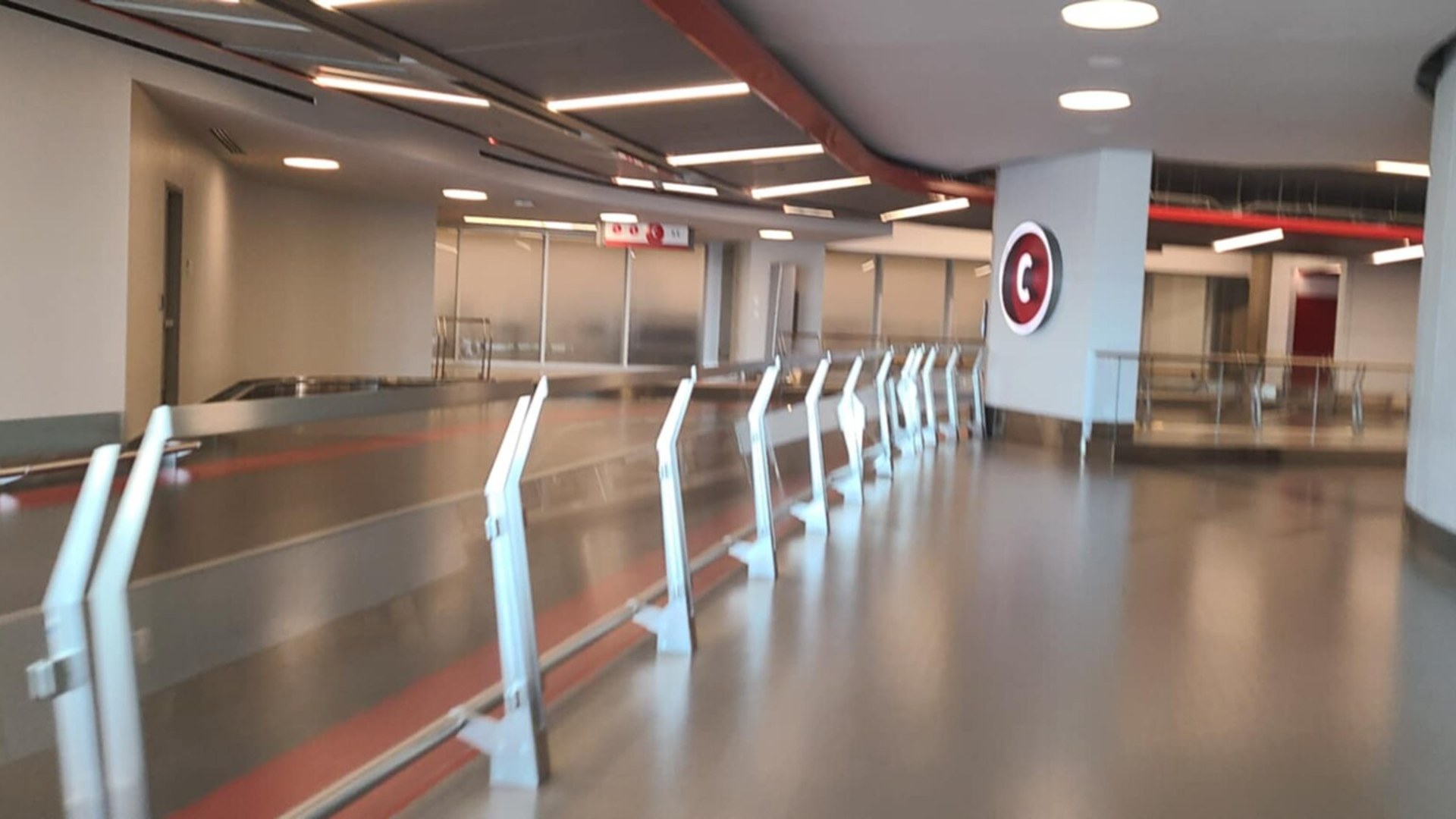
5. Gate Congestion Gridlock 
4. Flawed Automated Rebooking 
3. Minor Travel Ground Stops - AdvertisementSwipe or tap ▶ to continue countdown

2. Operational Dispatch Triage 
1. The Contract Of Carriage - Advertisement🔥 UP NEXT IN THIS SERIES◫ 21 Slides

20 Most Overrated US States to Visit and Live, Ranked
Every state promotes scenic vistas and cultural charm, yet reality often clashes with marketing hype. Steep prices, massive crowds, punishing humidity, and gridlock traffic leave many travelers and new residents underwhelmed. Here is how twenty high-profile American states compare based on visitor data and cost.
Major airline operational failures disrupt travel worldwide. This guide breaks down legal protections, technical root causes, and rebooking tactics. Based on regulations from the US Department of Transportation and Federal Aviation Administration, with reporting from Reuters, the Associated Press, and CNBC.
Swipe or tap ▶ to begin the countdown
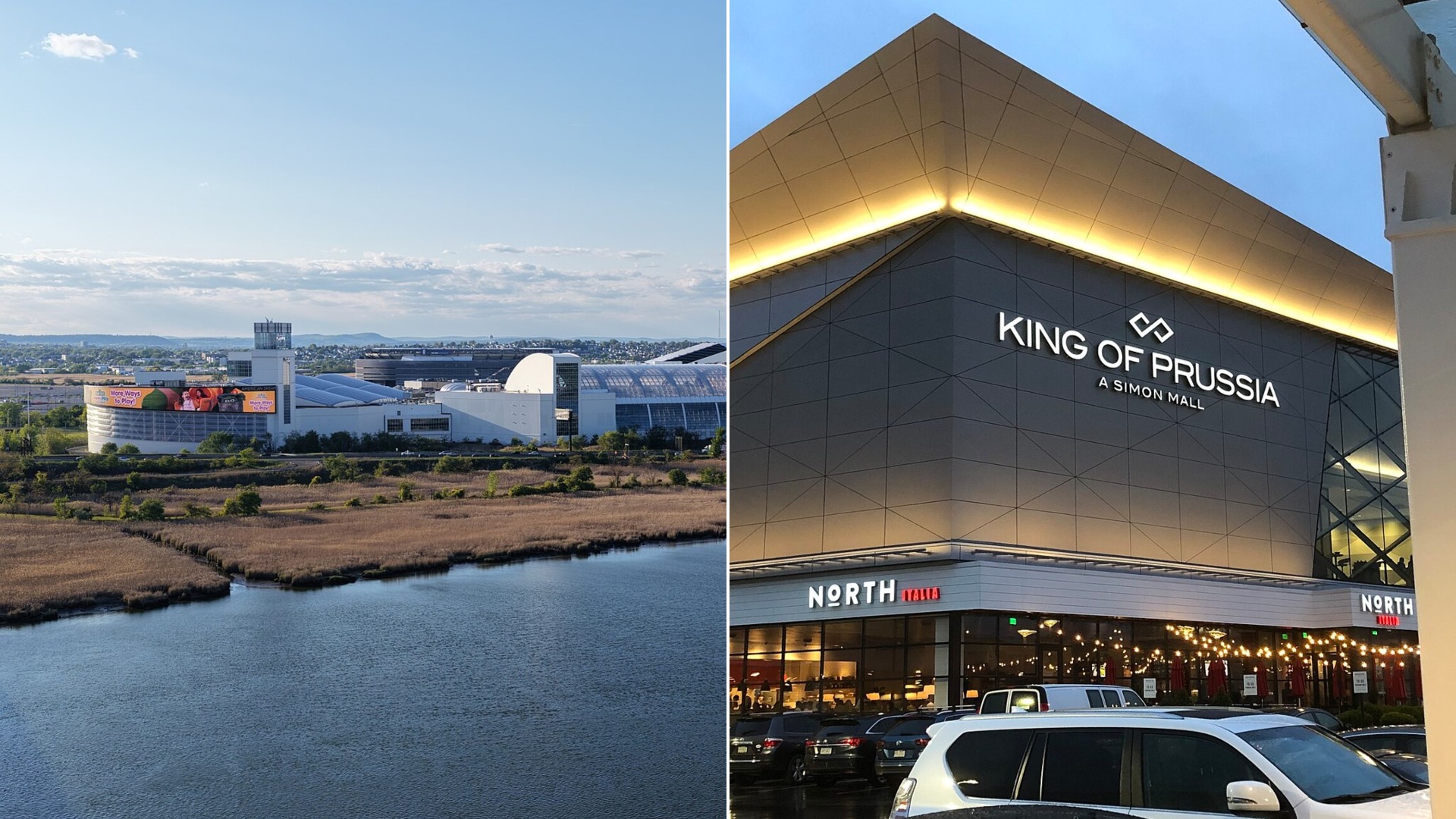
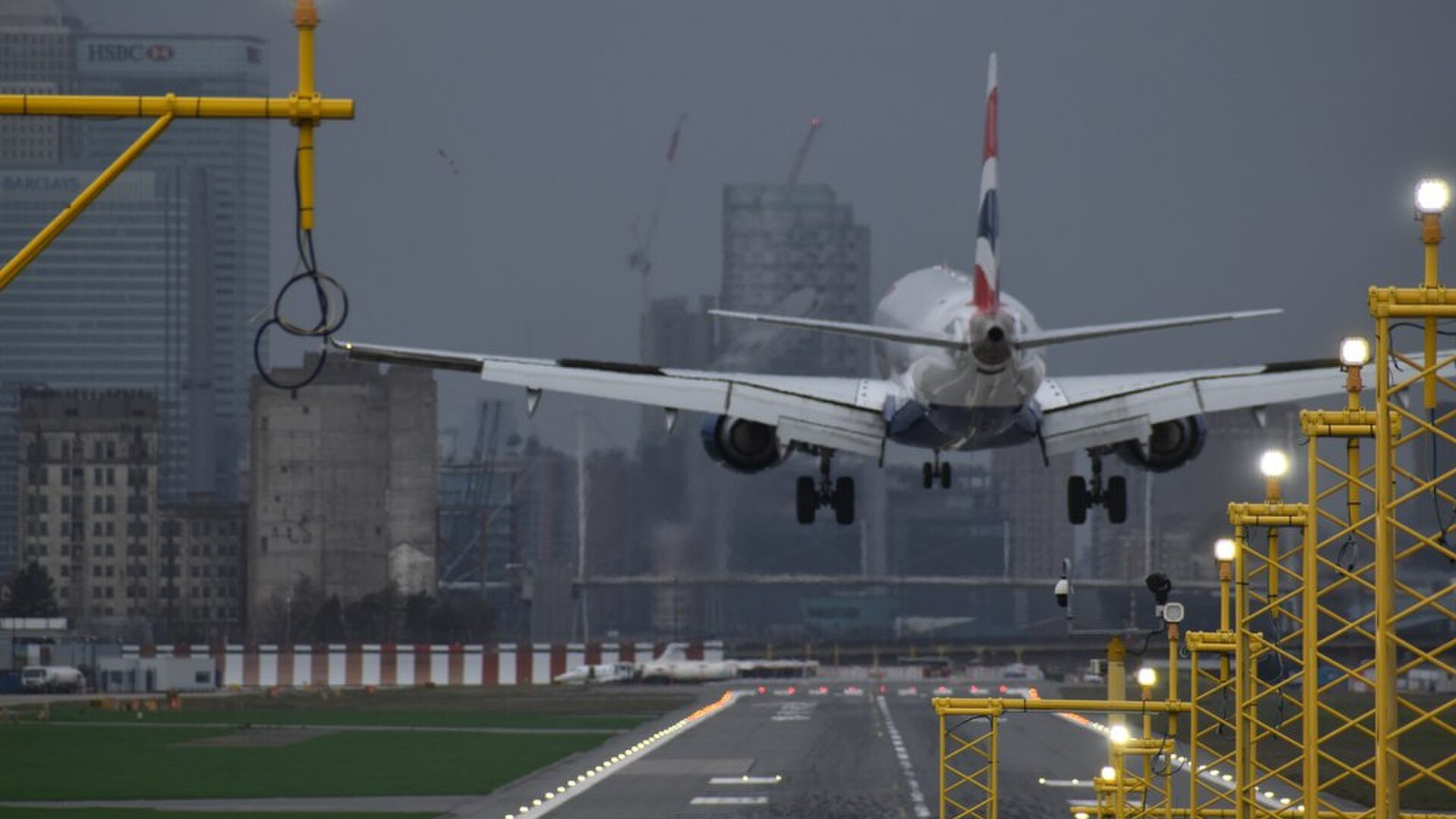
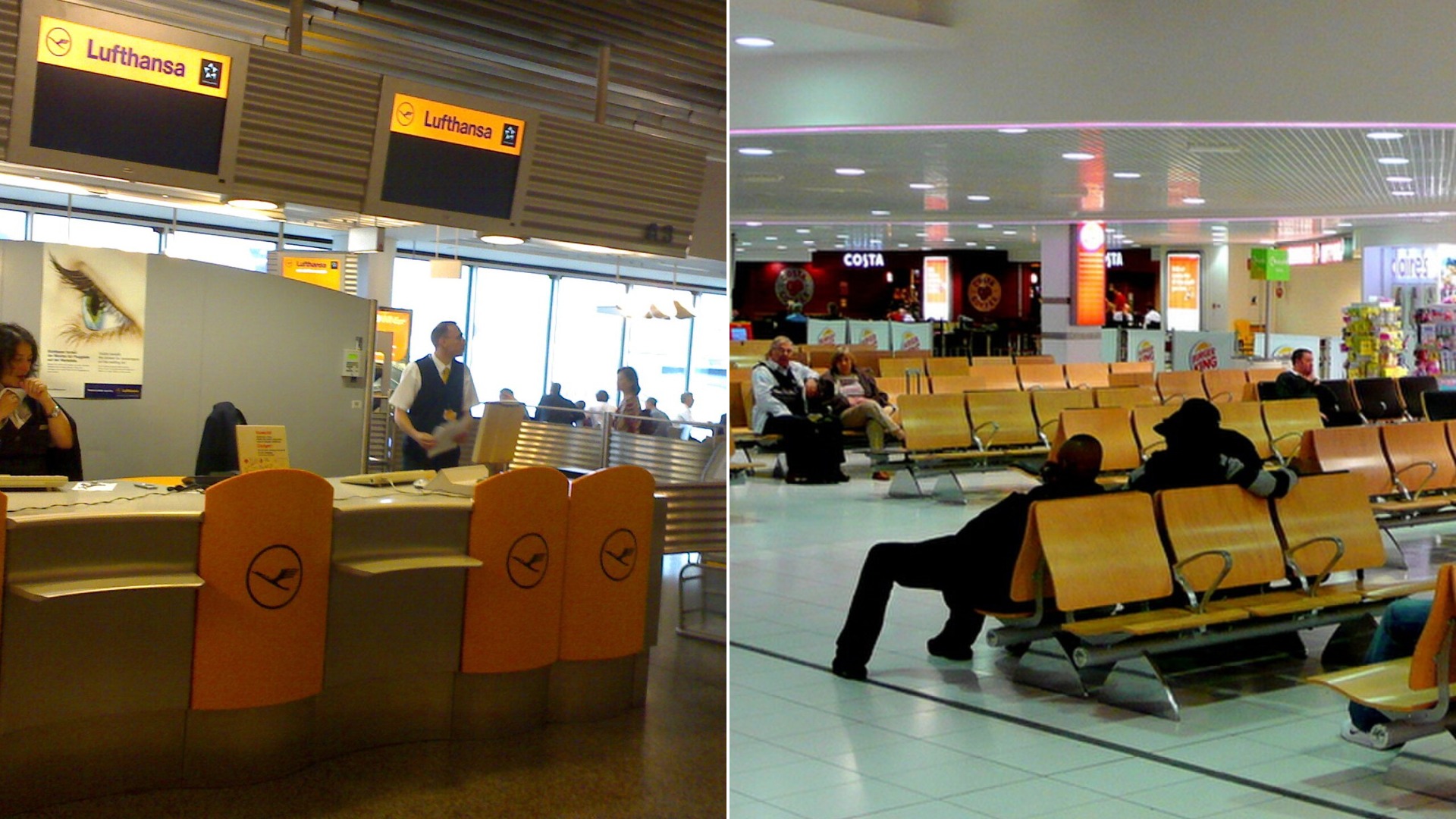
©Wikimedia / Saptarshi Pal & Wikimedia / Jonathan Billinger
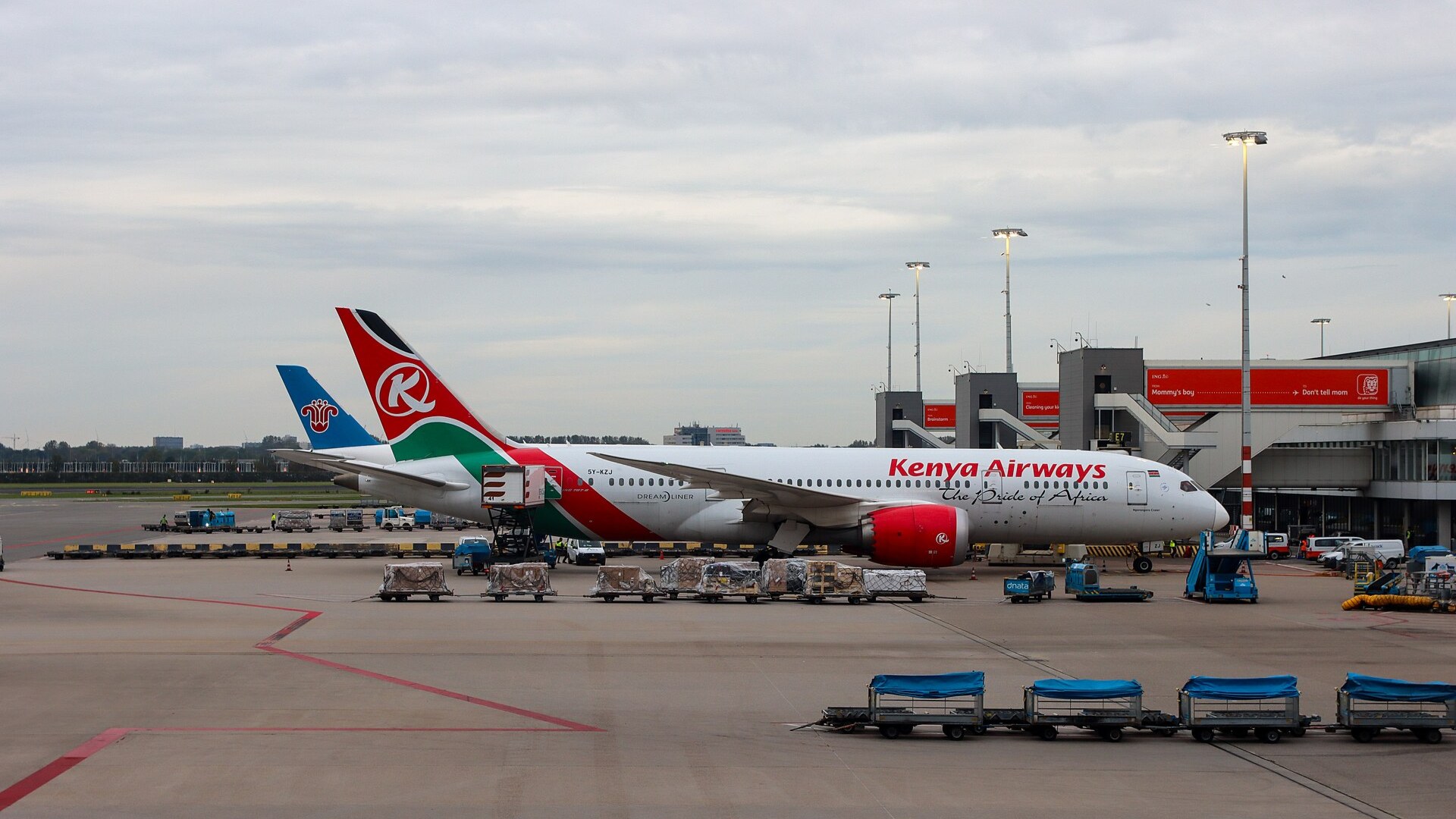
25. Automatic Cash Refunds For Delays
Under DOT Rule 14 CFR Part 260, airlines must issue automatic cash refunds if a domestic flight is delayed by three hours or an international flight by six hours. The refund must reach credit cards within seven business days. Passengers do not have to accept unwanted vouchers.
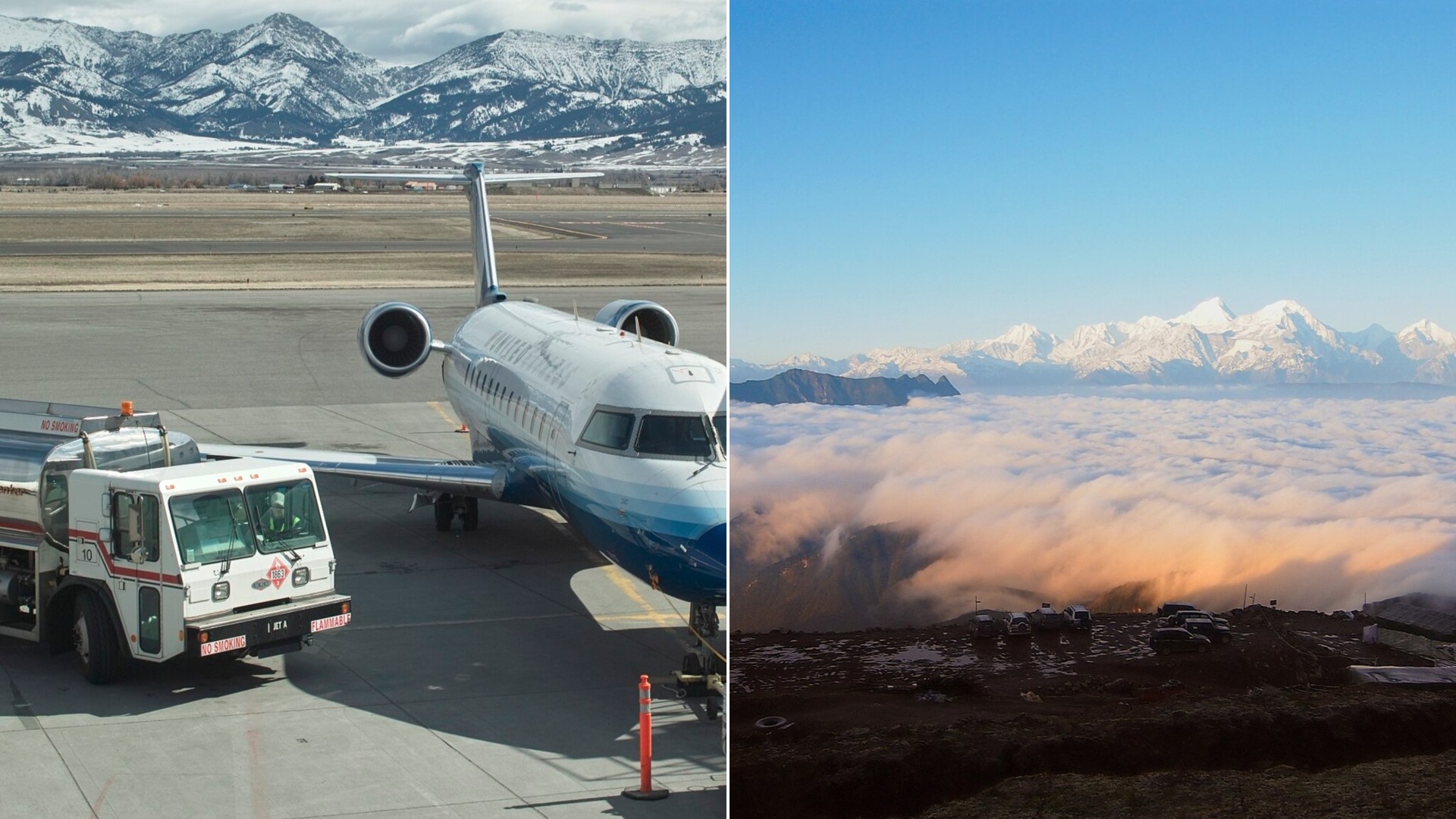
©Wikimedia / Meutnake Ah ManHO
24. The Strict Tarmac Delay Limit
DOT federal regulations require US carriers to provide passengers the option to deplane before reaching three hours on domestic tarmac delays, or four hours for international flights. Flight crews must supply water and snacks within two hours, as well as working lavatories and medical care.
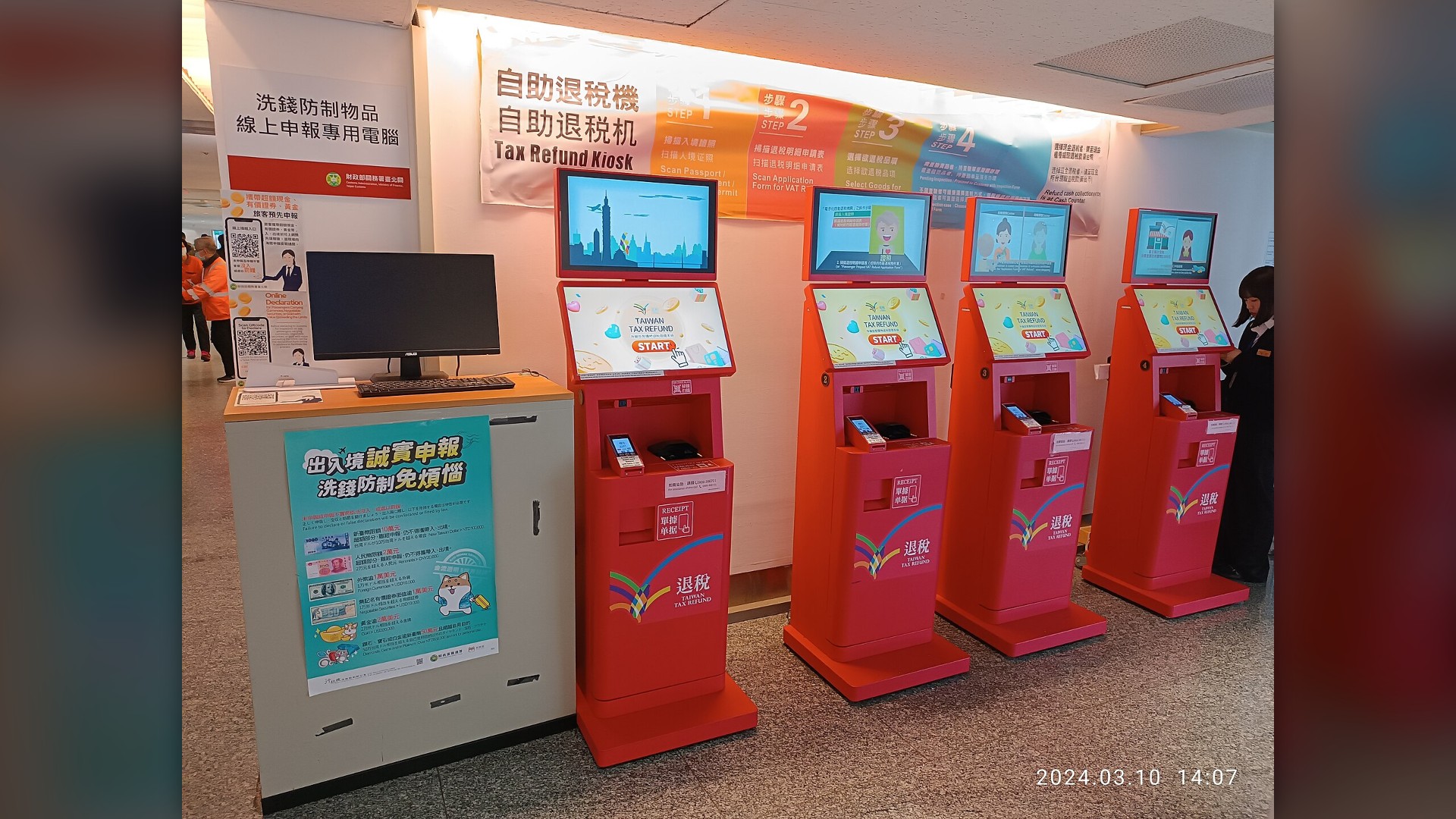
©Wikimedia / APK
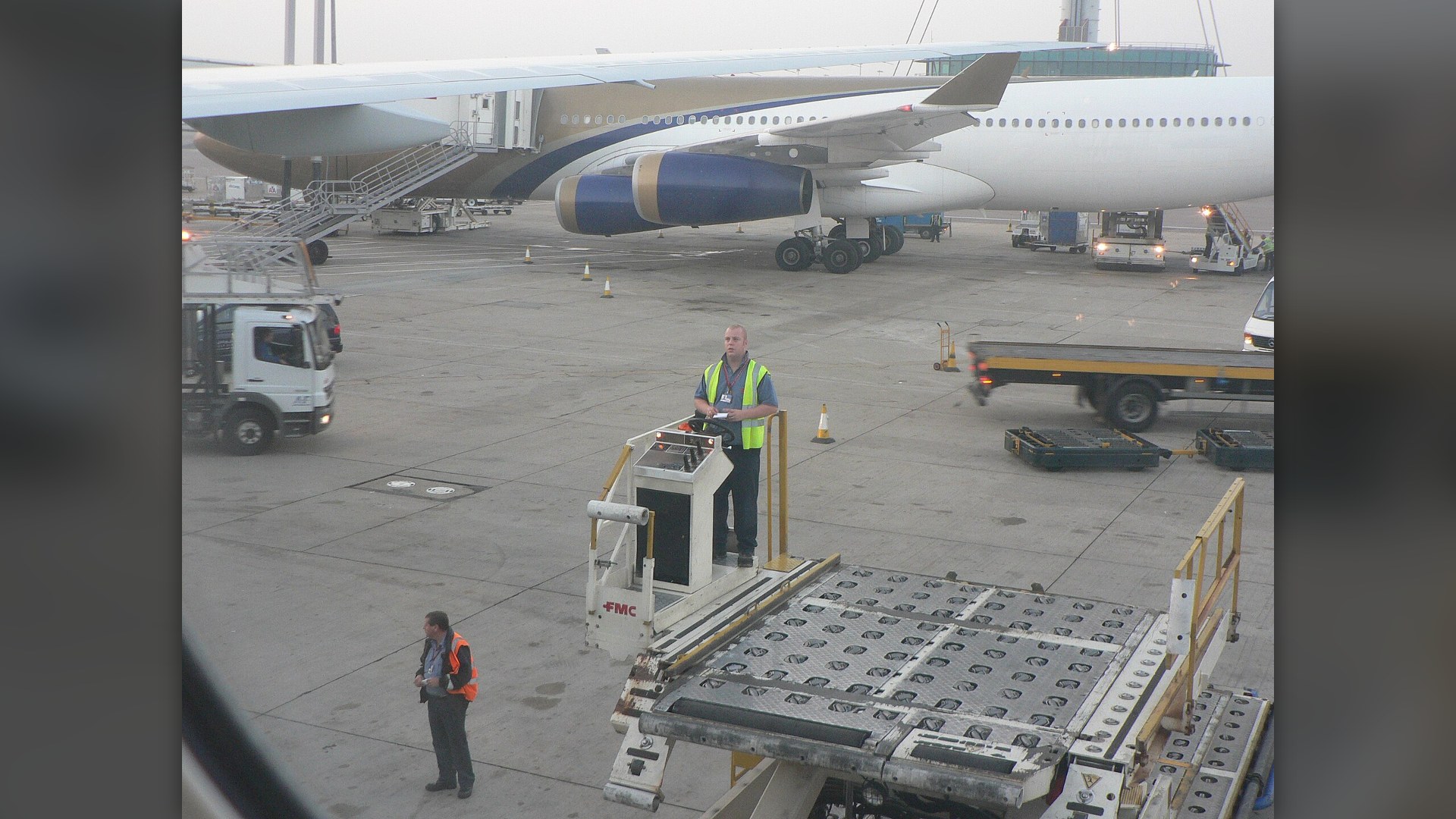
23. Crew Duty Time Expirations
Under FAA Part 121 regulations, commercial pilots face mandatory flight duty period limits, typically nine to fourteen hours depending on start time and segments. Once a crew times out, federal law forbids them from operating the aircraft, even if weather clears and the plane is fueled.
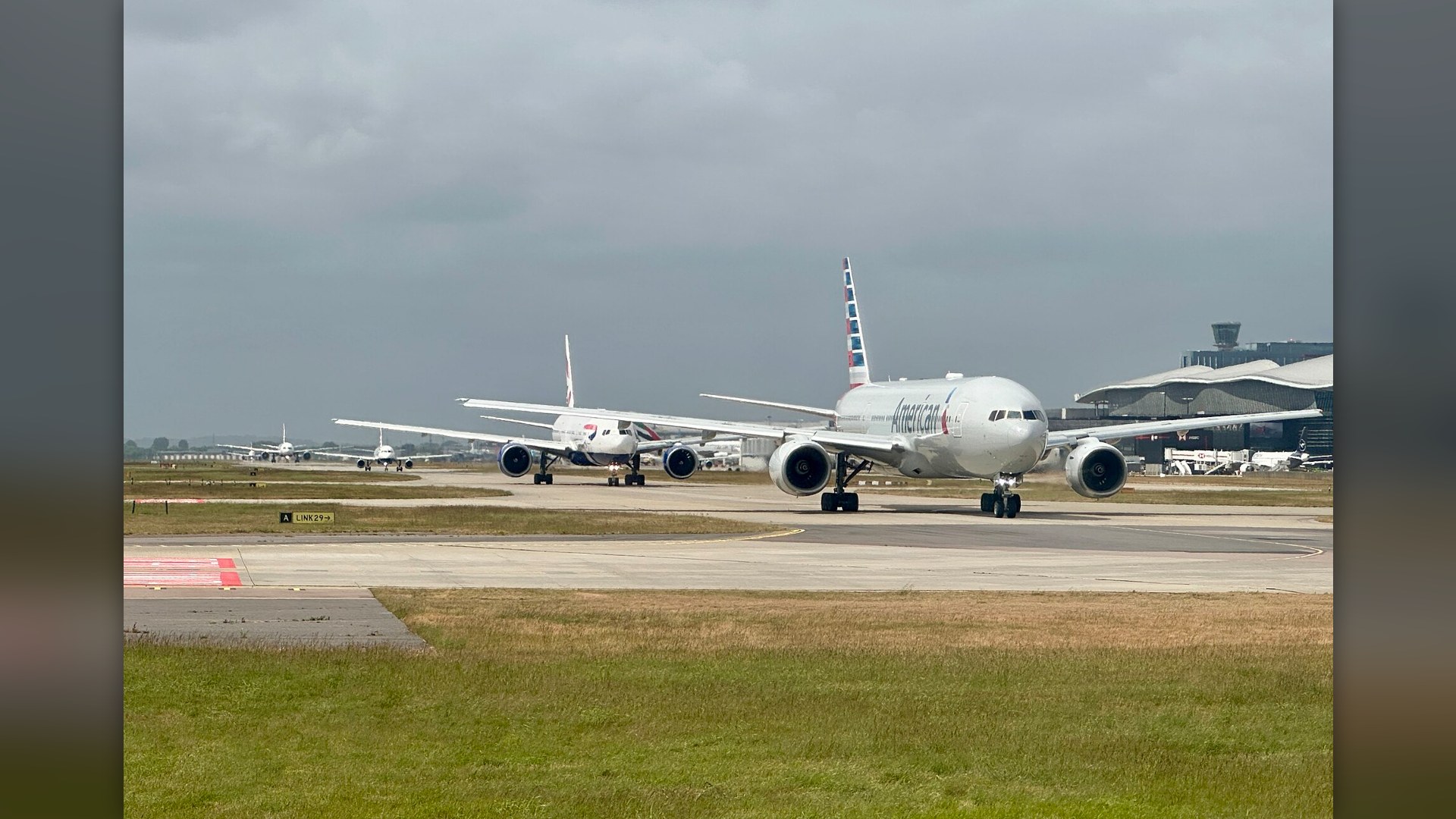
©Wikimedia / U.S. Navy photo by Senior Chief Mass Communicati
Advertisement
Swipe or tap ▶ to resume the countdown.
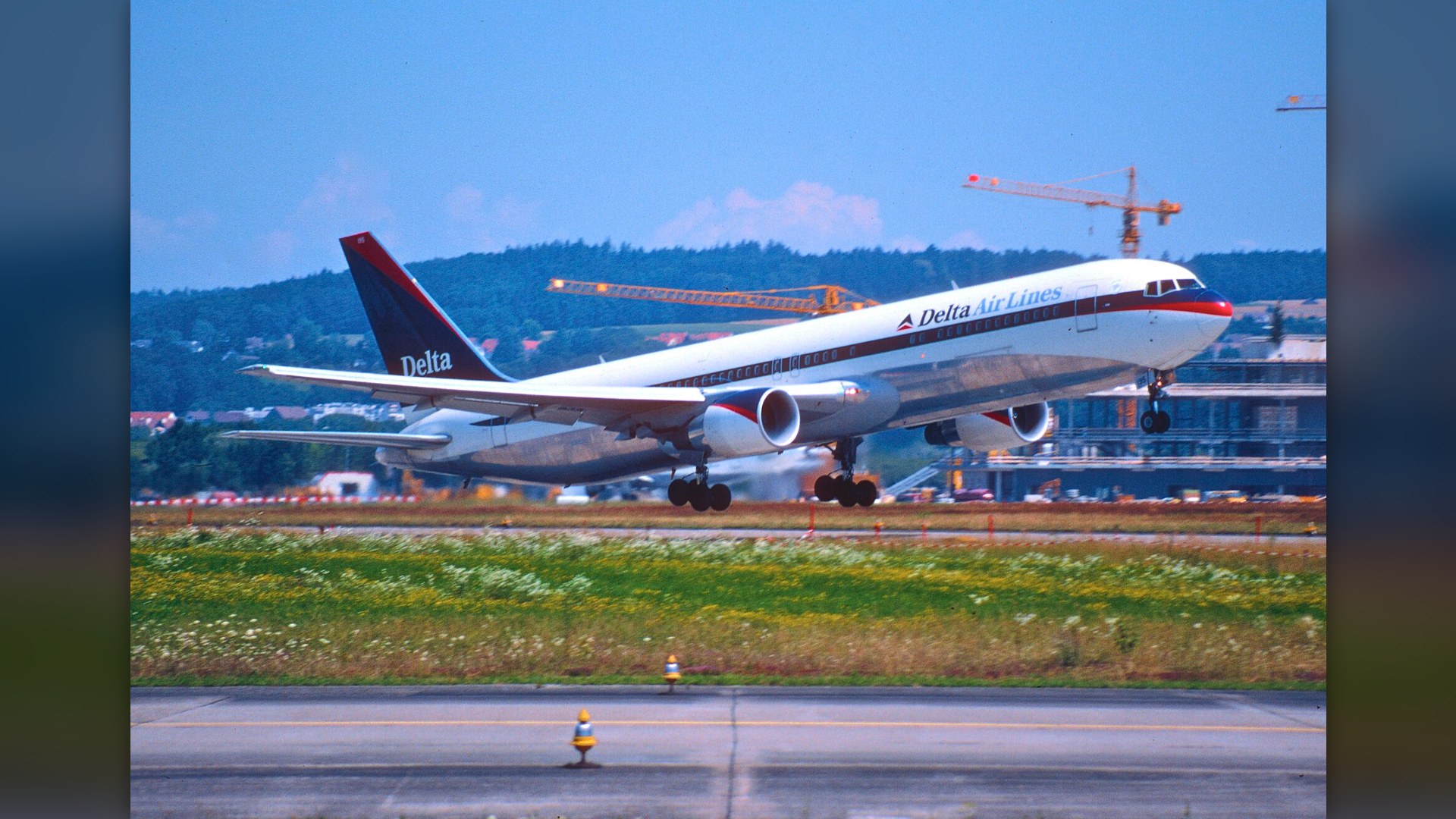
22. The July 2024 CrowdStrike Crash
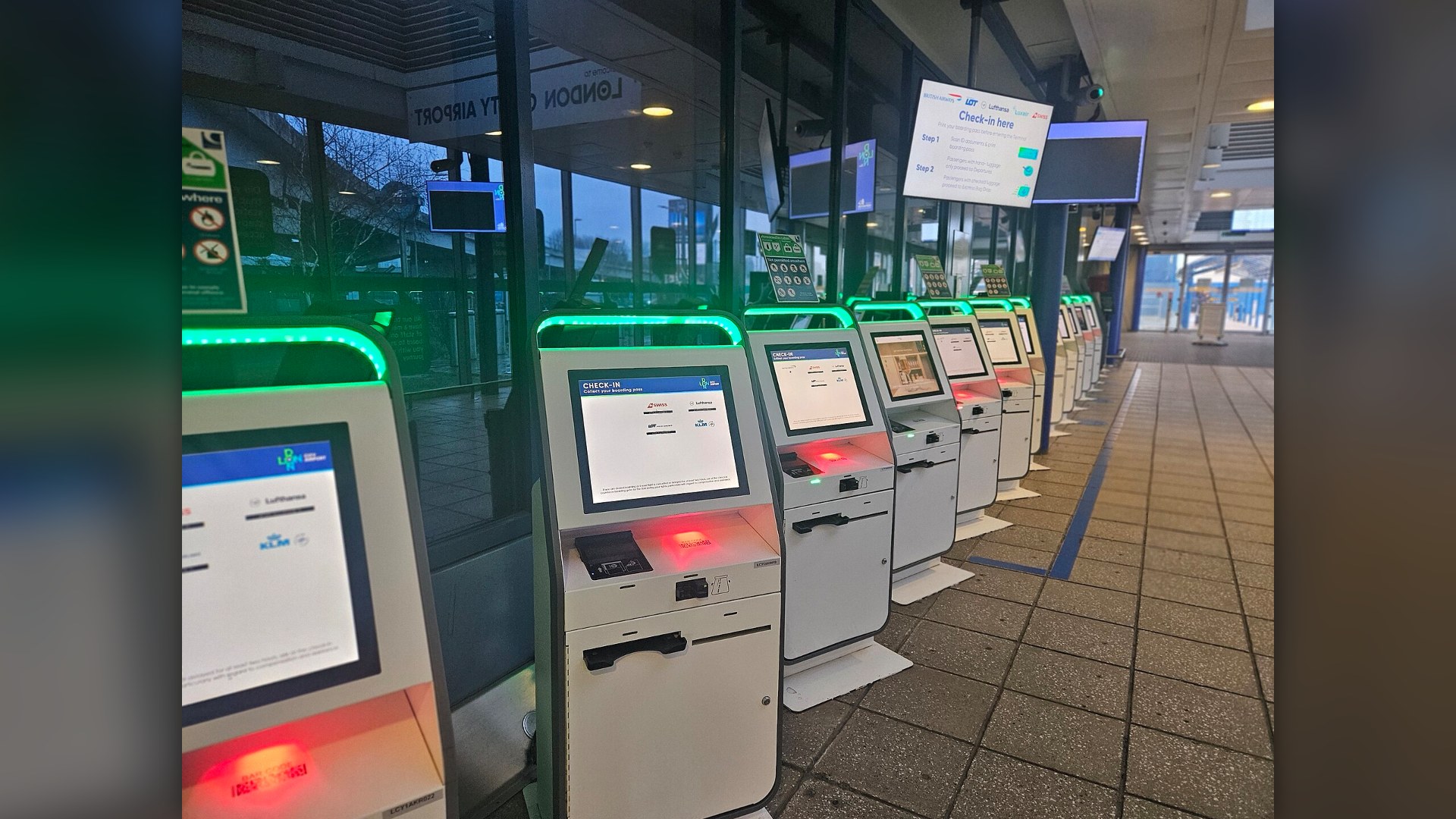
On July 19, 2024, a faulty CrowdStrike Falcon sensor update triggered blue-screen crashes on 8.5 million Microsoft Windows machines worldwide. Delta Air Lines was hit hardest, taking five days and canceling over 5,500 flights because internal crew-tracking computers failed to reboot.
©Wikimedia / Aero Icarus from Zürich, Switzerland
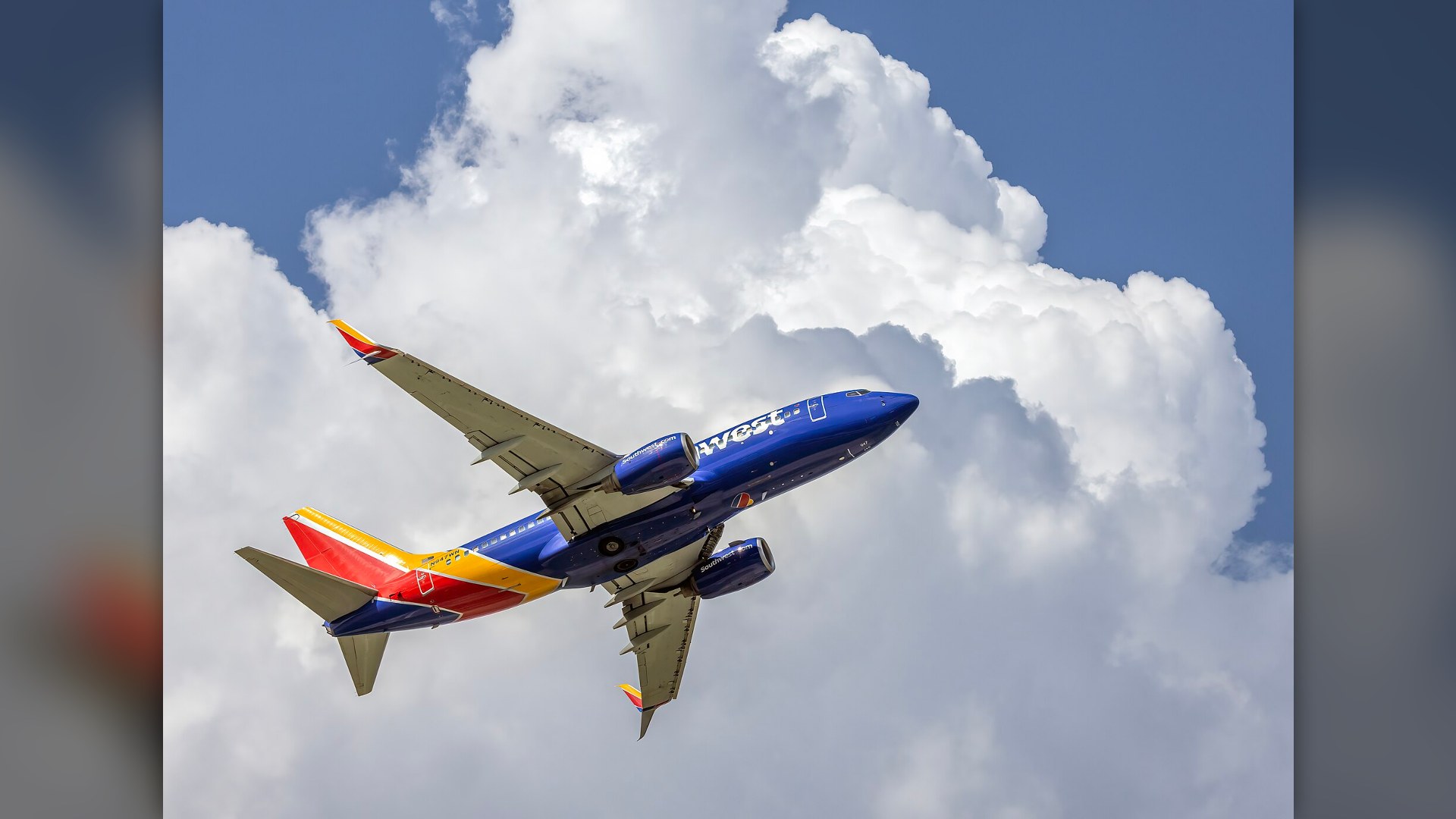
21. Outdated Crew Scheduling Systems
In December 2022, Southwest Airlines canceled nearly 17,000 flights over ten days. While winter storm Elliott started the delays, Southwest's internal SkySolver scheduling engine could not locate stranded pilots, forcing crew schedulers to manually process assignments by telephone.
©Wikimedia / Acroterion
20. The Nationwide NOTAM Outage
On January 11, 2023, the FAA ordered its first nationwide ground stop since September 2001 after the Notice to Air Missions system crashed. Contractors accidentally deleted critical database files during scheduled maintenance, preventing pilots from receiving mandatory safety advisories.
©Wikimedia / User:Toyotaboy95
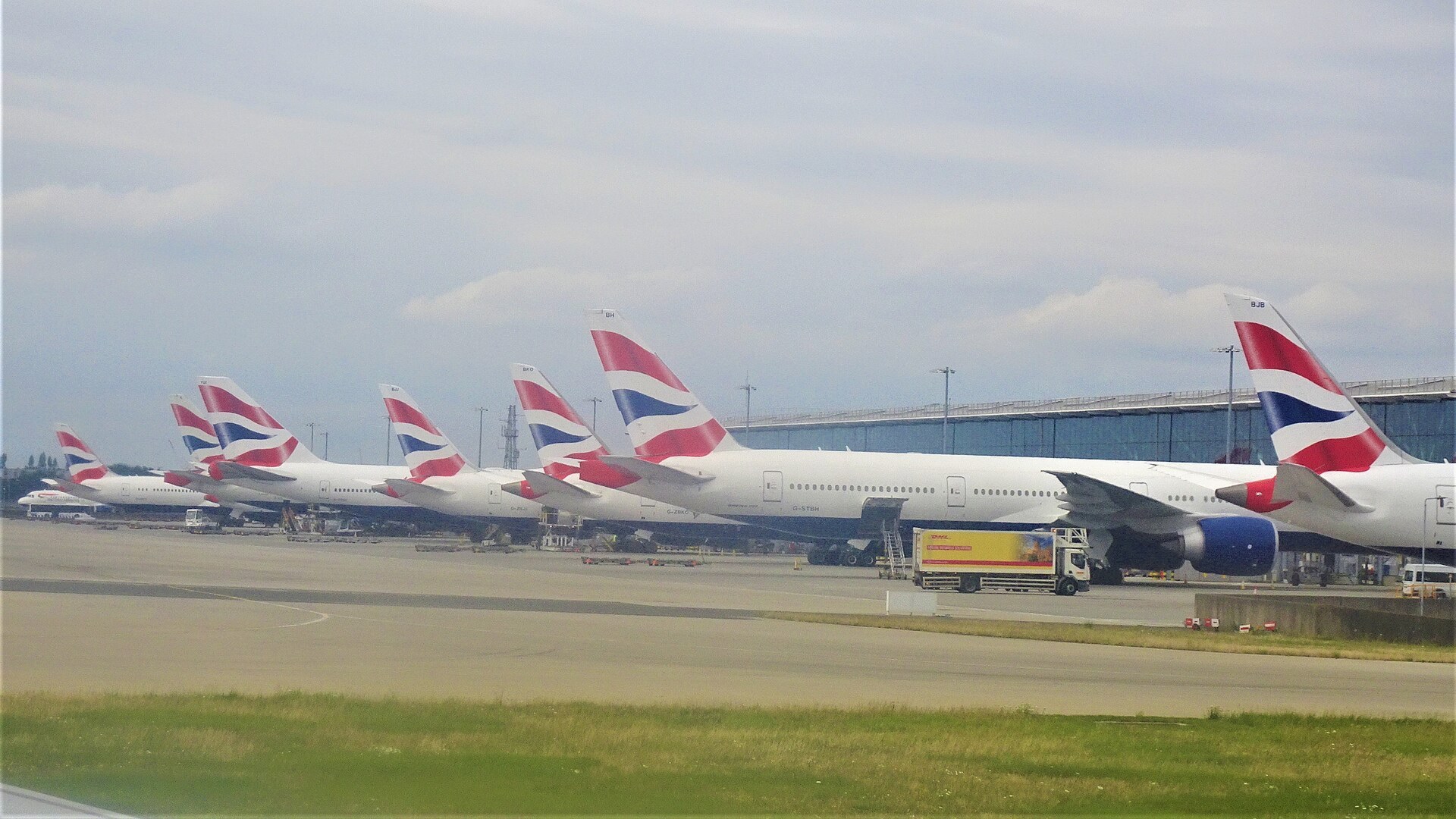
19. Cascading Hub Disruptions
Major airlines route aircraft and crews through central hub hubs such as Atlanta, Chicago, and Dallas. When a ground stop halts operations in Dallas, the Boeing 737 scheduled to operate Miami to Boston gets trapped, causing cancellations across airports that never experienced bad weather.
©Wikimedia / David Martin
Advertisement
Swipe or tap ▶ to resume the countdown.
18. Controllable Delay Commitments
The DOT Customer Service Dashboard documents commitments from all ten major US airlines. Carriers classify mechanical breakdowns, IT crashes, and crew shortages as controllable, which entitles stranded passengers to meal vouchers and hotel rooms. Weather events remain non-compensable.
©Wikimedia / Yuriy kosygin
17. Competitor Airline Rebooking
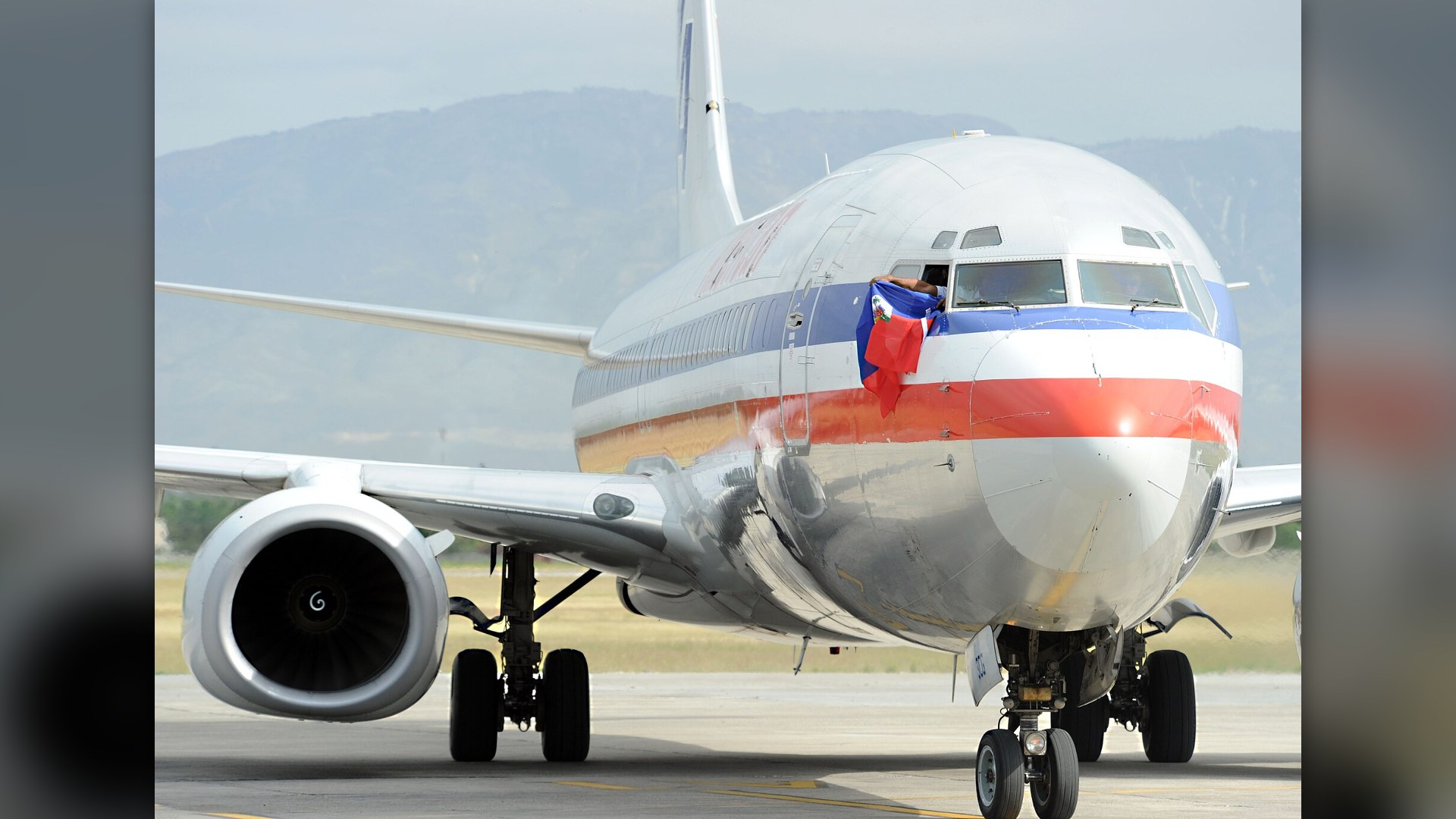
While airlines historically honored Rule 240 to shift delayed passengers to competitors, modern policies vary. Legacy carriers like American, Delta, and United maintain interline agreements and can endorse tickets to rivals during severe operational meltdowns if a passenger asks directly.
©Wikimedia / 4300streetcar
16. Guaranteed Baggage Fee Returns
Federal rules enacted in 2024 mandate automatic fee refunds when checked bags do not arrive on time. For domestic routes, the airline must return baggage fees if luggage is delayed by twelve hours or more. For international flights, the refund threshold applies between fifteen and thirty hours.
©Wikimedia / Harrison Keely
15. Federal Baggage Compensation Caps
Under DOT regulations, the domestic baggage liability limit sits at 3,800 dollars per passenger for lost or damaged luggage. For international journeys, the Montreal Convention governs claims, setting maximum carrier liability at 1,288 Special Drawing Rights, roughly 1,700 US dollars.
©Wikimedia / Can Pac Swire
Advertisement
Swipe or tap ▶ to resume the countdown.
14. European Union EU261 Cash Claims
Regulation EC 261/2004 awards travelers between 250 and 600 euros for flight delays over three hours or cancellations, unless extraordinary circumstances occurred. The rule covers all flights departing EU airports, plus EU-carrier flights arriving from non-EU origins such as the United States.
©Wikimedia / Photograph by Mike Peel ( www.mikepeel.net )
13. Post-Brexit UK261 Compensation
Following departure from the European Union, the United Kingdom wrote passenger rights into domestic law under UK Regulation 261. Passengers departing British airports or flying on UK carriers qualify for up to 520 British pounds for flight delays exceeding three hours under airline control.
©Wikimedia / Sidowpknbkhihj
12. Involuntary Cabin Downgrades
When mechanical faults force airlines to swap a widebody jet for a smaller plane, business and first-class travelers may be downgraded to economy. Under DOT rules, carriers must promptly refund the full fare difference between the paid ticket and the lower class of service actually flown.
©Pixabay / JoshuaWoroniecki
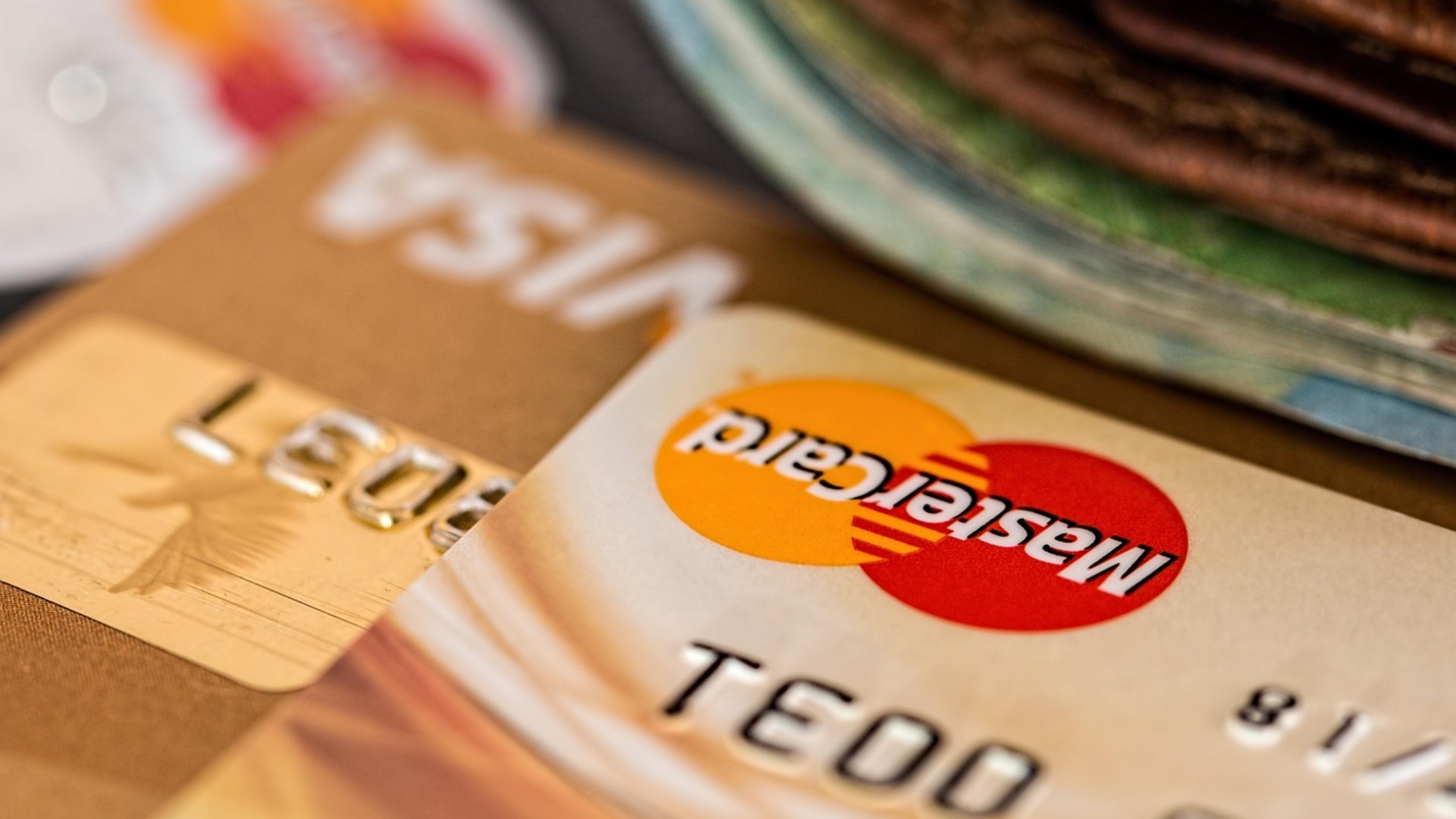
11. Credit Card Delay Reimbursements
When airlines refuse hotel vouchers because weather caused the cancellation, credit card trip protection can step in. Premium travel cards typically reimburse between 500 and 1,000 dollars for reasonable expenses, including lodging and food, once delays exceed six to twelve hours.
©Pixabay / stevepb
Advertisement
Swipe or tap ▶ to resume the countdown.
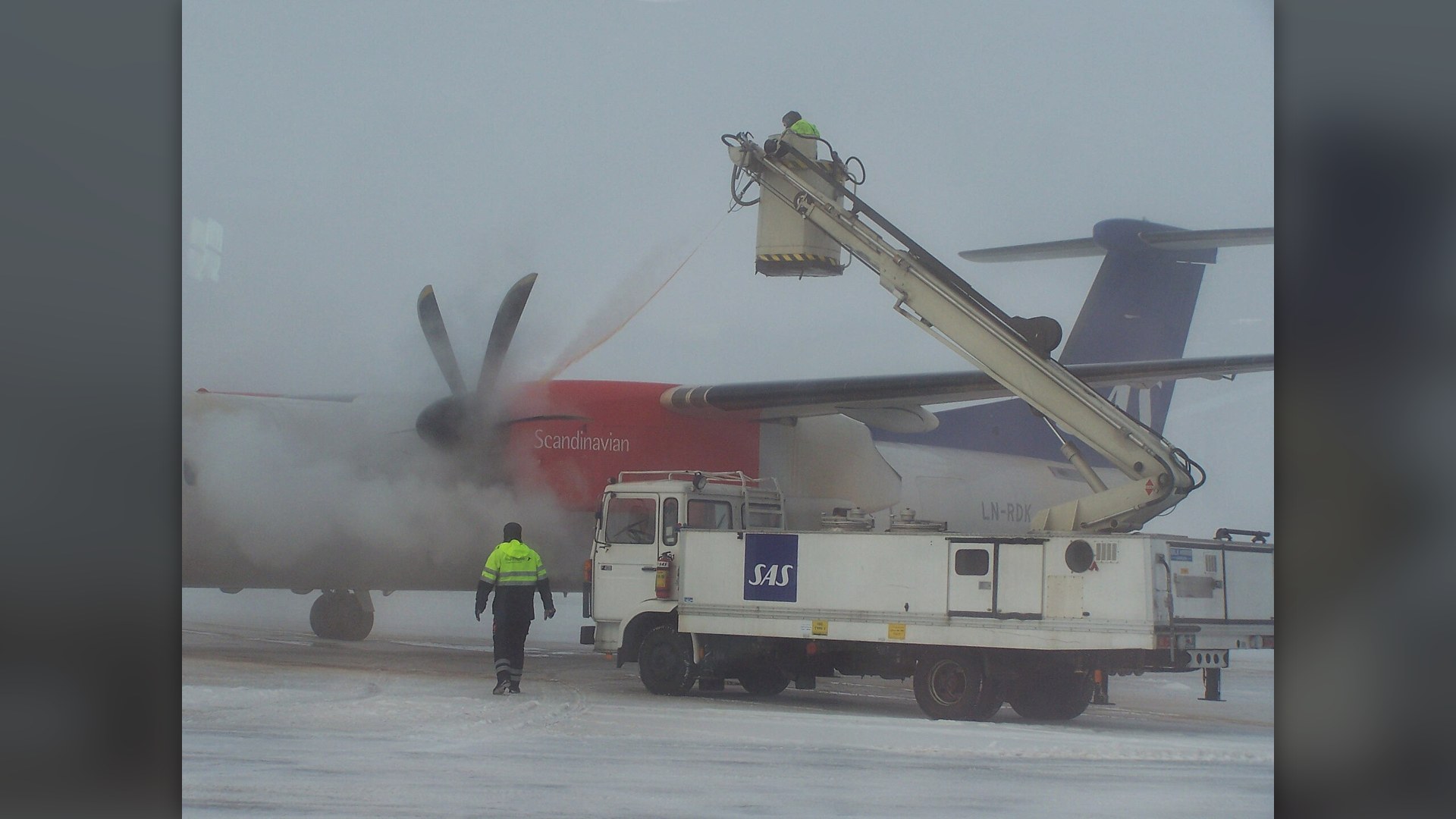
10. Preemptive Weather Travel Waivers
Before blizzards or hurricanes strike, carriers issue operational waivers for specific airports. These waivers let ticket holders change departure dates or reroute through different hubs without paying fare differences or change fees, allowing travelers to leave before the system stalls.
©Wikimedia / Sendelbach ( talk )
9. Bypassing Domestic Phone Queues
When domestic telephone queues surge past four hours during a nationwide ground stop, travelers can dial an airline's English-speaking desks in Australia, Japan, or the United Kingdom. These overseas desks share the same reservation database and often answer calls with negligible hold times.
©Wikimedia / AITFFan1
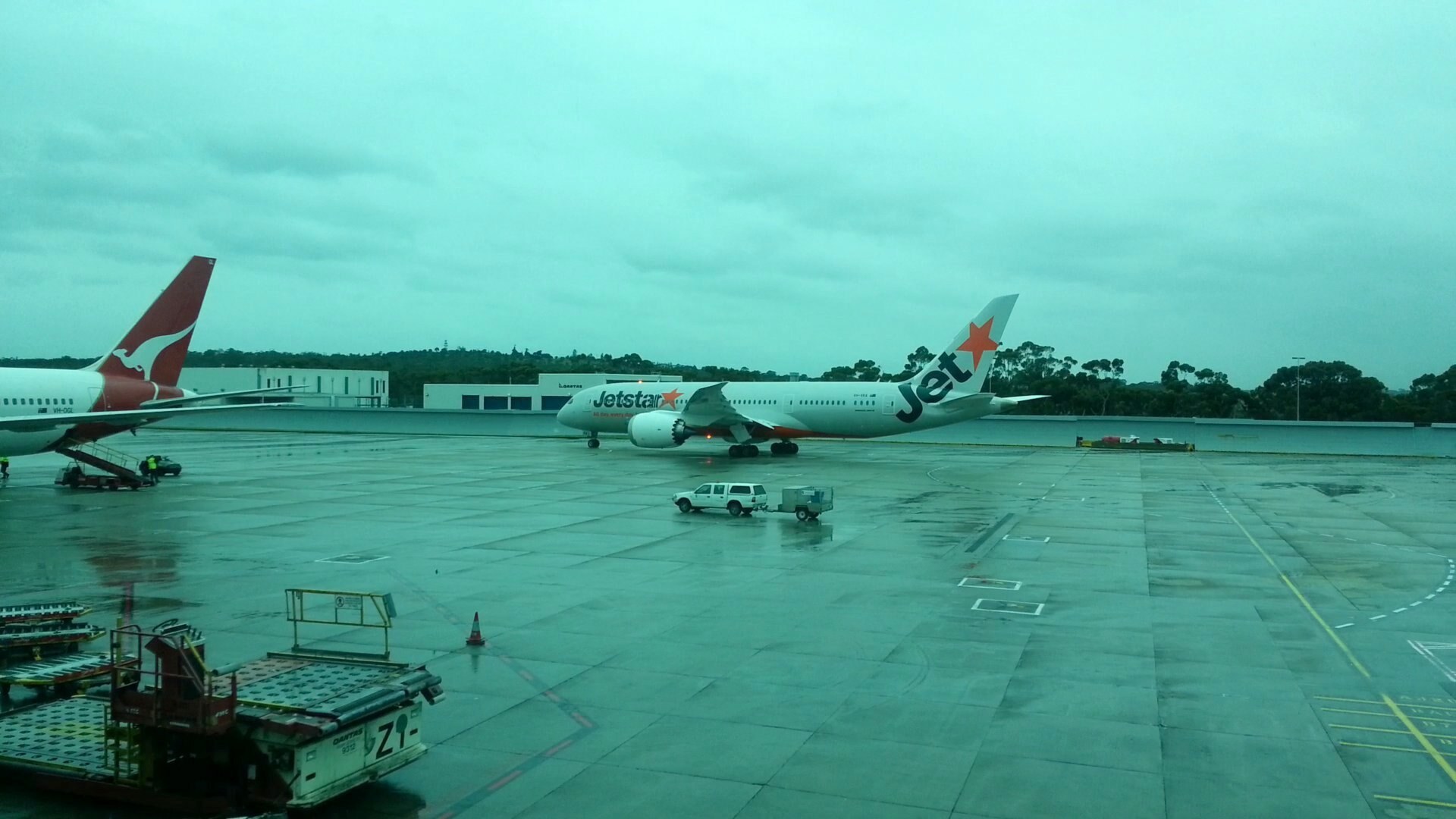
8. Tracking Inbound Aircraft Tails
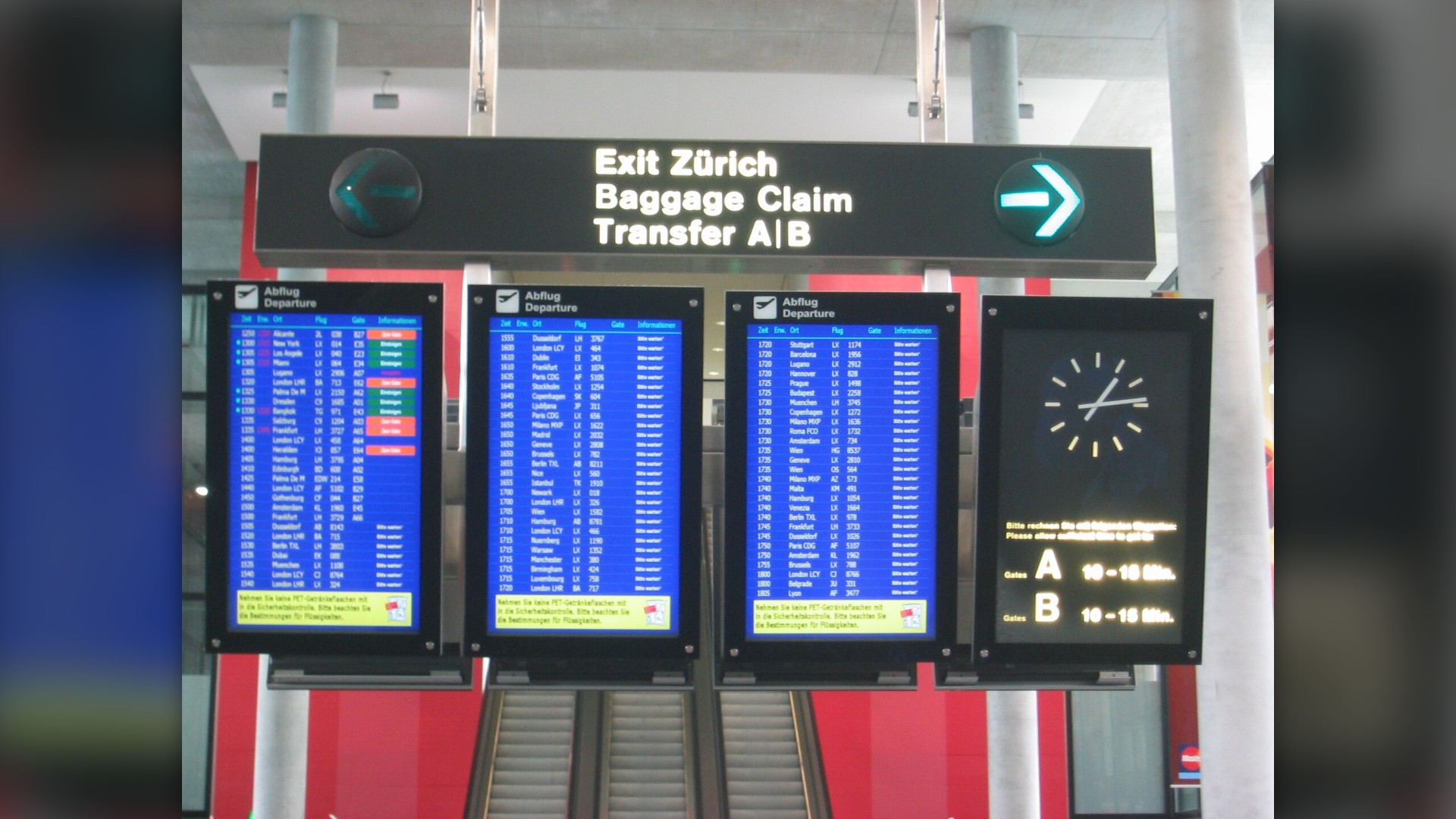
Airport departure monitors often display on-time status even when the incoming aircraft is stranded three states away. Using flight-tracking applications to search the specific tail registration number tells travelers whether their assigned plane has departed its previous airport.
©Wikimedia / Jetstar Airways from Melbourne, Australia
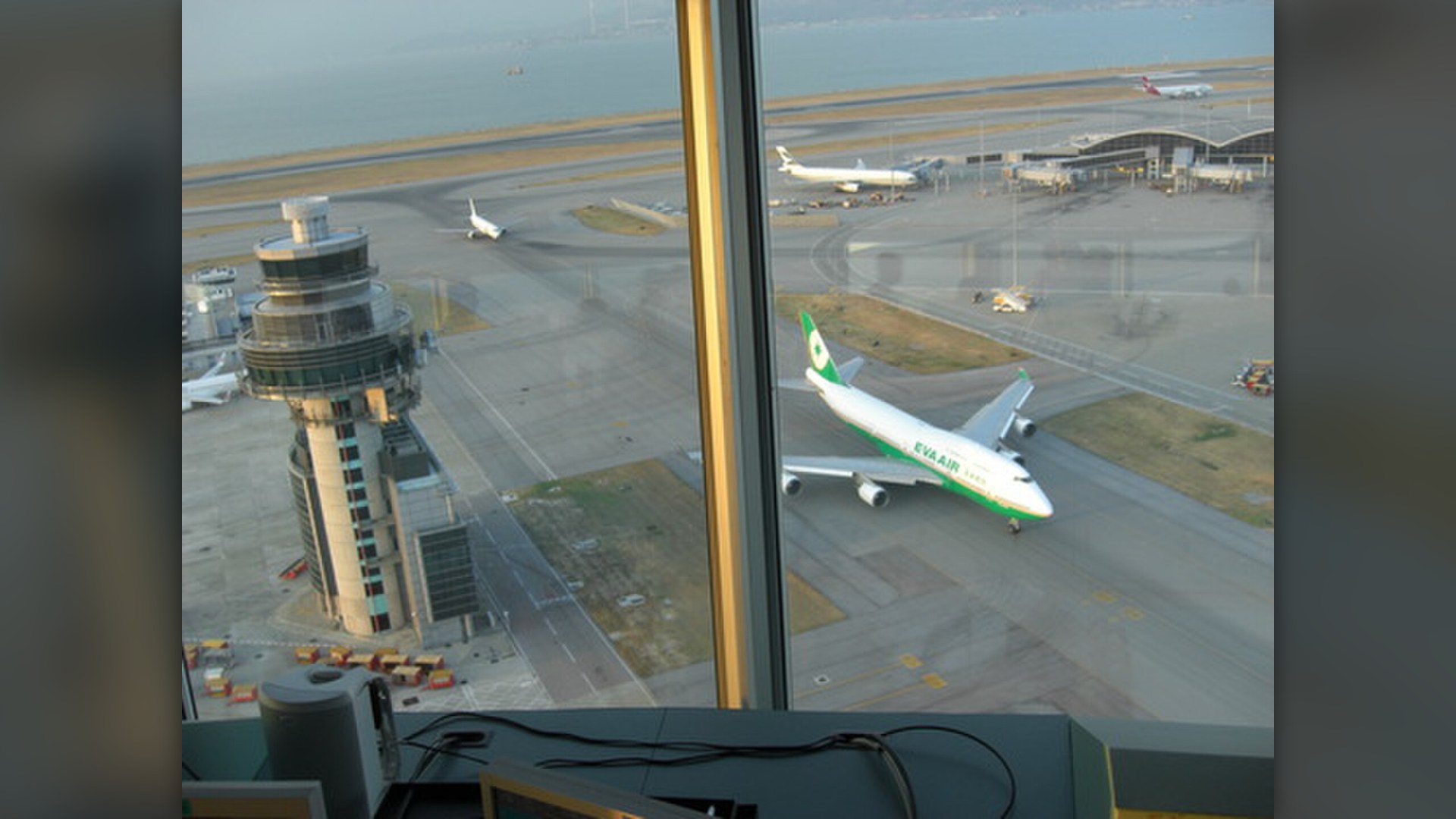
7. ATC Ground Delay Programs
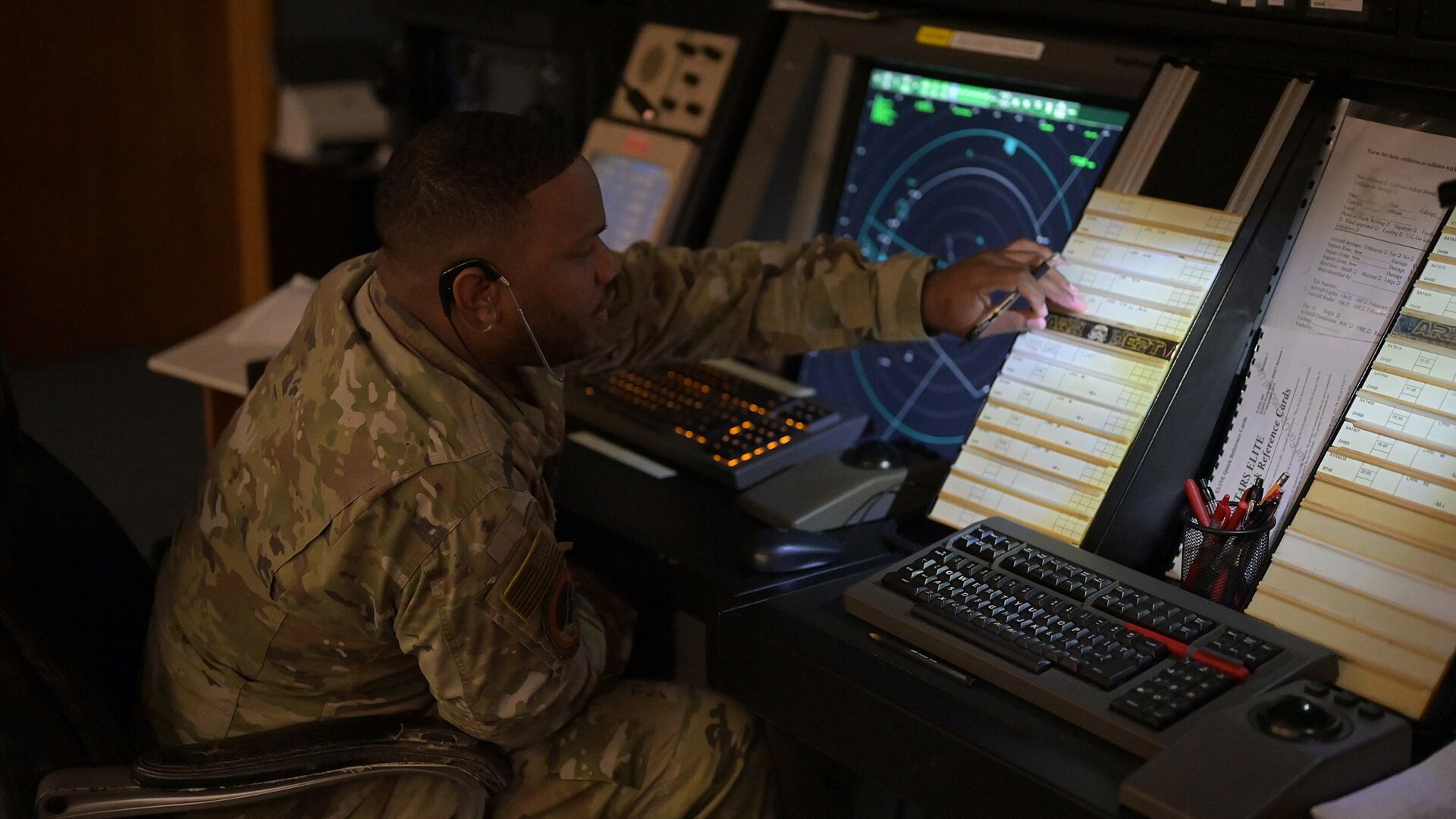
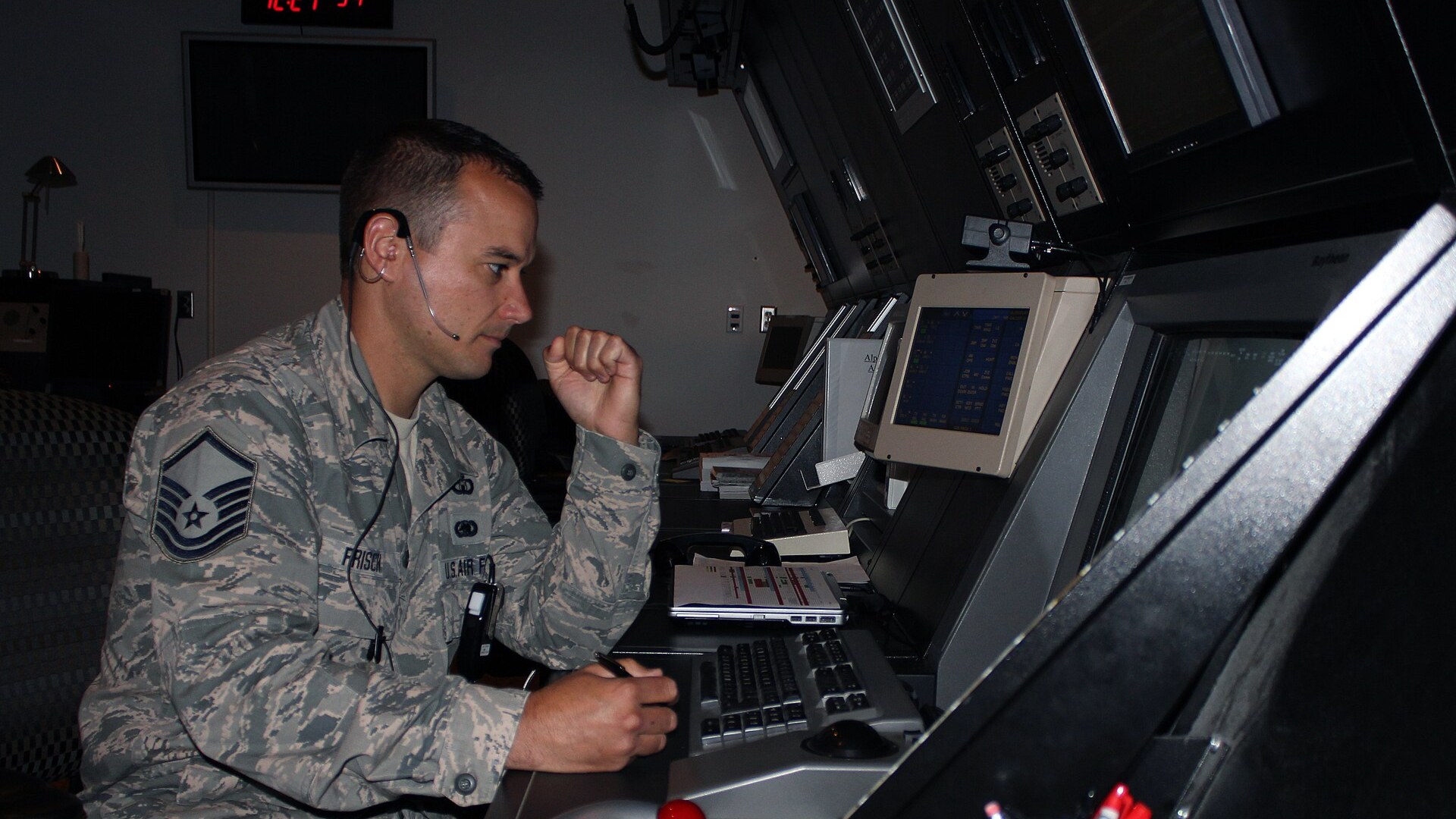
The FAA Air Traffic Control System Command Center implements Ground Delay Programs (GDP) to regulate arrivals into congested airports. Flights bound for affected hubs receive assigned departure slots called Expect Departure Clearance Times, holding planes at origin gates across the country.
©Wikimedia / Senior Airman John Wright
Advertisement
Swipe or tap ▶ to resume the countdown.
6. The Flat Tire Standby Custom
While not written into federal statutes, major US airlines maintain internal flat tire rules. If a passenger arrives at the airport counter within two hours of their scheduled departure time due to traffic or transit issues, agents routinely place them on standby for the next flight for free.
©Wikimedia / DaveLevy
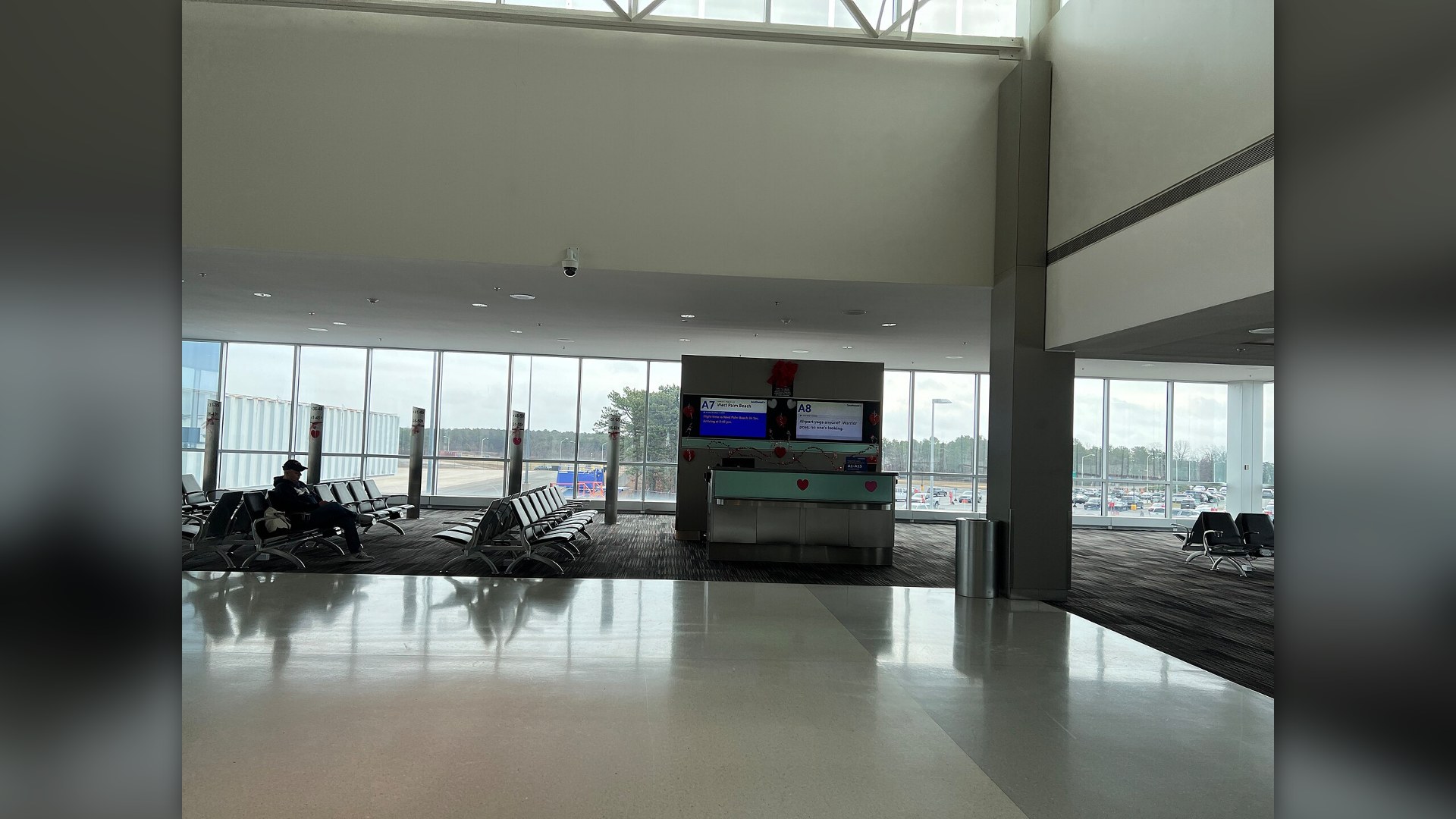
5. Gate Congestion Gridlock
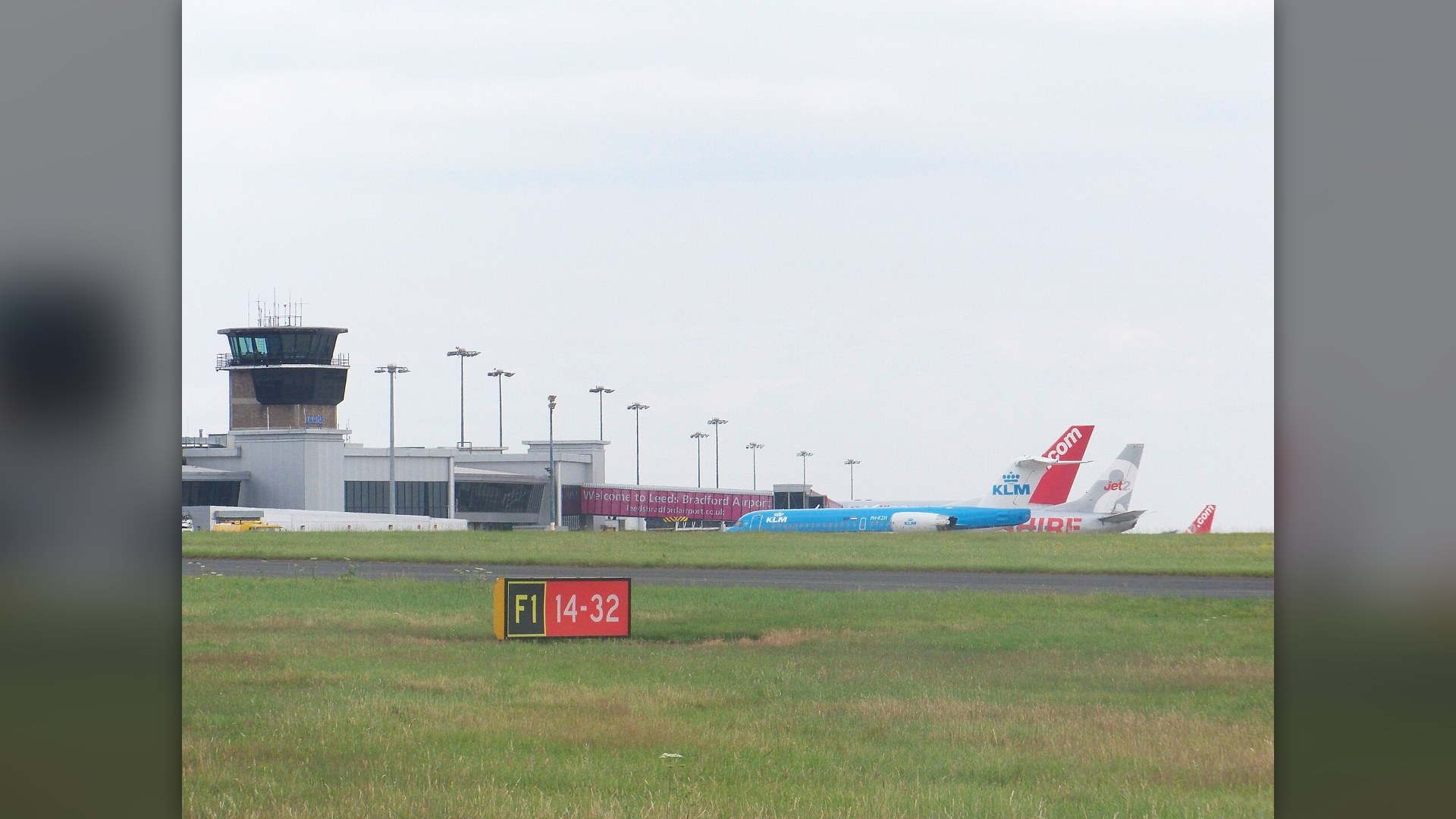
Even after a smooth touchdown, arriving flights frequently halt on taxiways because departing planes cannot push back. Ground crew shortages, delayed baggage loading, and computer glitches at regional hubs leave gates blocked, trapping landed passengers just yards from the terminal.
©Wikimedia / Mtaylor848
4. Flawed Automated Rebooking
Following massive system cancellations, automated rebooking algorithms automatically assign flyers to new itineraries. These computer systems frequently generate thirty-hour journeys with three layovers. Travelers should review alternative direct routings and request manual agent adjustments.
©Wikimedia / Gürkan Sengün
3. Minor Travel Ground Stops
When operational networks deteriorate, carriers frequently pause acceptance of unaccompanied minors. Airlines will refuse to board children traveling alone on connecting itineraries if severe weather or IT outages threaten overnight stranding at intermediate hubs with closed lounges.
©Wikimedia / Silver Dovelet
Advertisement
Swipe or tap ▶ to resume the countdown.
2. Operational Dispatch Triage
During wide-scale meltdowns, airline Network Operations Centers practice operational triage. Dispatchers prioritize widebody international flights that generate heavy revenue and carry hundreds of connecting passengers, while canceling short-hop regional feeder routes operated by regional partners.
©Wikimedia / Tech. Sgt. Daniel Heaton
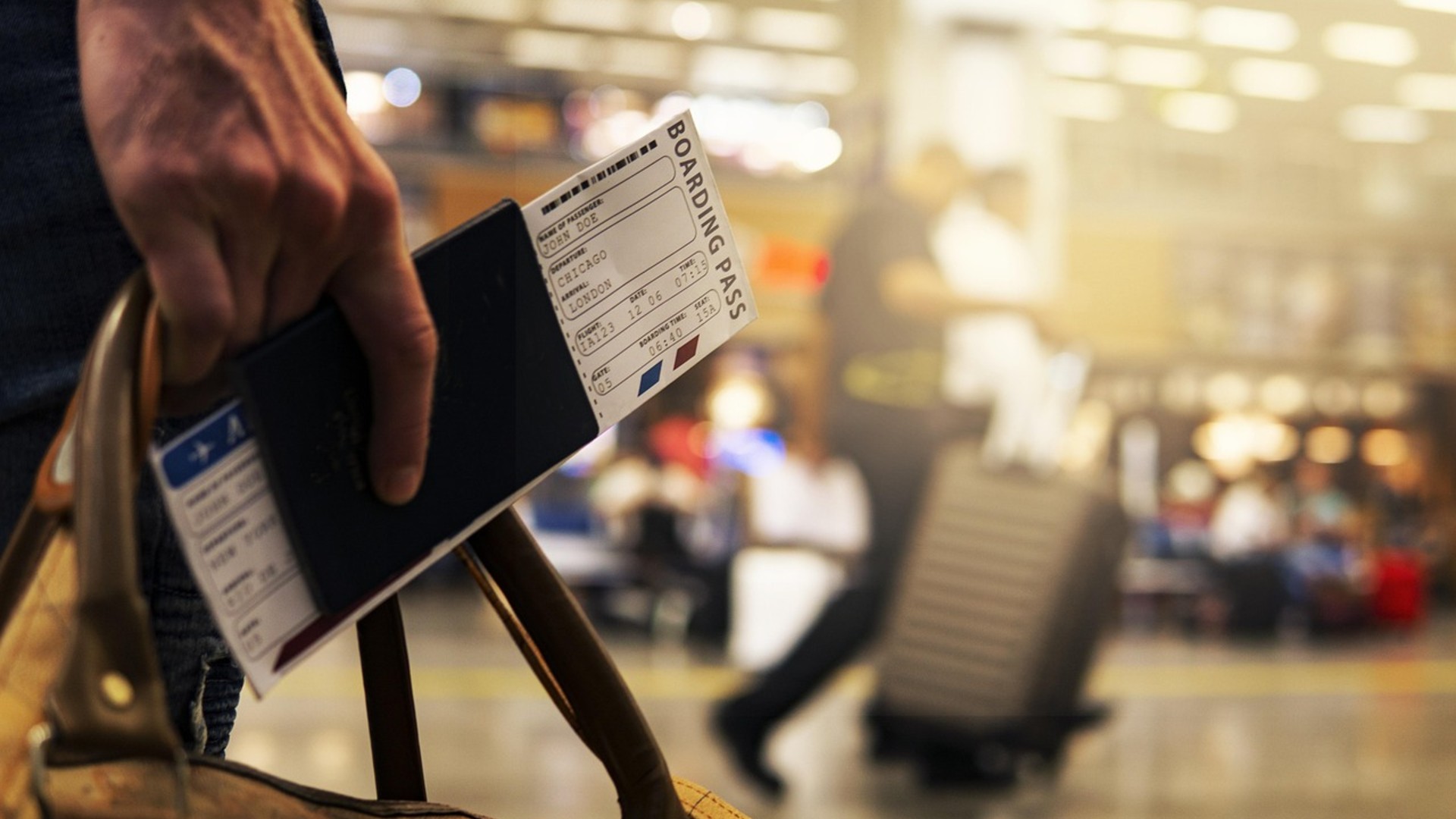
1. The Contract Of Carriage
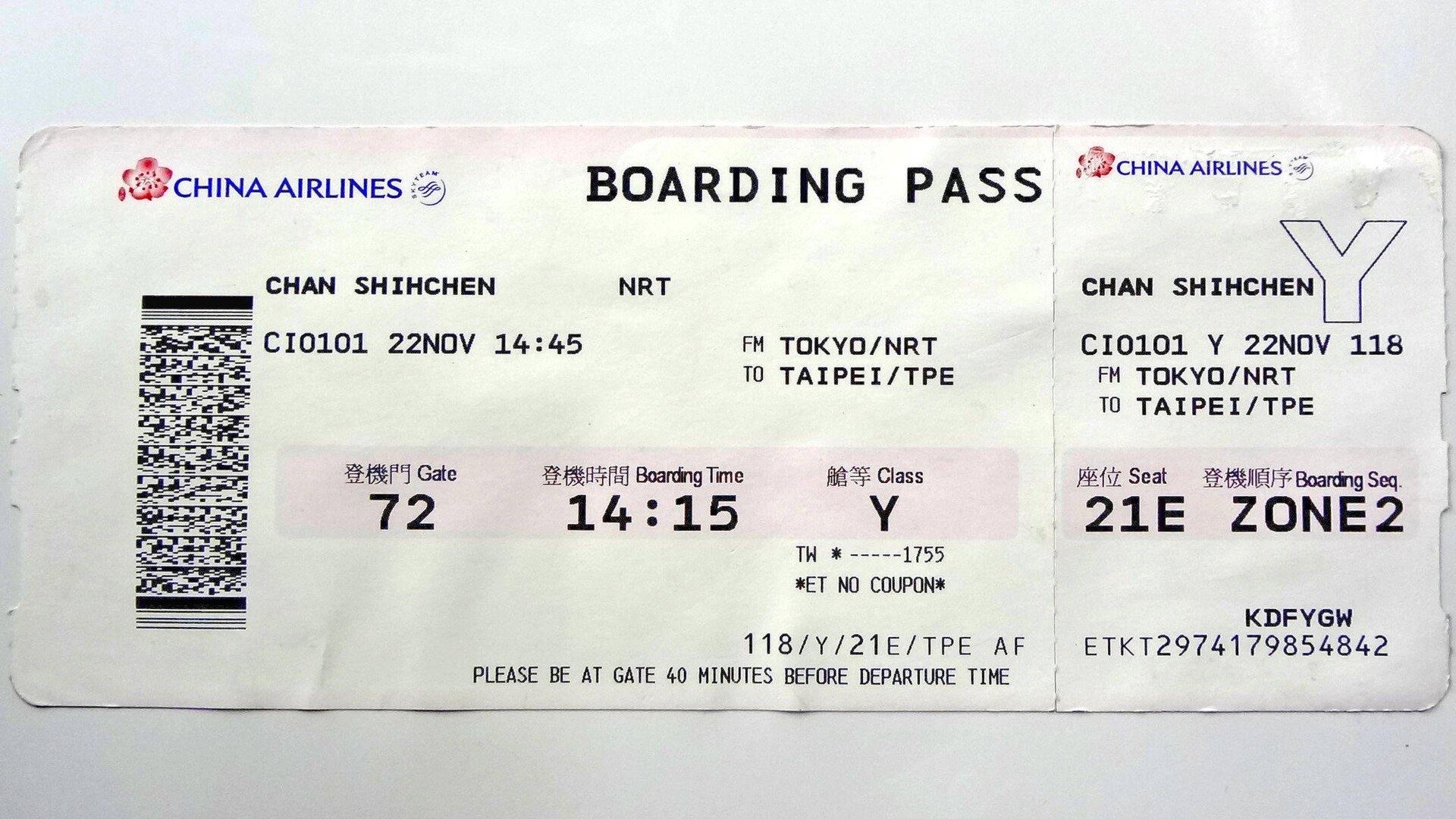
When purchasing an airline ticket, travelers legally agree to the carrier's Contract of Carriage. This document outlines airline obligations regarding schedule changes, force majeure events, and baggage liability, serving as the legal basis for formal claims filed with the Department of Transportation.

©Wikimedia / Solomon203
Advertisement
You've reached the end of the story. Thanks for reading!

20 Most Overrated US States to Visit and Live, Ranked
Every state promotes scenic vistas and cultural charm, yet reality often clashes with marketing hype. Steep prices, massive crowds, punishing humidity, and gridlock traffic leave many travelers and new residents underwhelmed. Here is how twenty high-profile American states compare based on visitor data and cost.
All 25 Entries in this Story
Automatic Cash Refunds For Delays
Under DOT Rule 14 CFR Part 260, airlines must issue automatic cash refunds if a domestic flight is delayed by three hours or an international flight by six hours. The refund must reach credit cards within seven business days. Passengers do not have to accept unwanted vouchers.

The Strict Tarmac Delay Limit
DOT federal regulations require US carriers to provide passengers the option to deplane before reaching three hours on domestic tarmac delays, or four hours for international flights. Flight crews must supply water and snacks within two hours, as well as working lavatories and medical care.

Crew Duty Time Expirations
Under FAA Part 121 regulations, commercial pilots face mandatory flight duty period limits, typically nine to fourteen hours depending on start time and segments. Once a crew times out, federal law forbids them from operating the aircraft, even if weather clears and the plane is fueled.

The July 2024 CrowdStrike Crash
On July 19, 2024, a faulty CrowdStrike Falcon sensor update triggered blue-screen crashes on 8.5 million Microsoft Windows machines worldwide. Delta Air Lines was hit hardest, taking five days and canceling over 5,500 flights because internal crew-tracking computers failed to reboot.

Outdated Crew Scheduling Systems
In December 2022, Southwest Airlines canceled nearly 17,000 flights over ten days. While winter storm Elliott started the delays, Southwest's internal SkySolver scheduling engine could not locate stranded pilots, forcing crew schedulers to manually process assignments by telephone.

The Nationwide NOTAM Outage
On January 11, 2023, the FAA ordered its first nationwide ground stop since September 2001 after the Notice to Air Missions system crashed. Contractors accidentally deleted critical database files during scheduled maintenance, preventing pilots from receiving mandatory safety advisories.

Cascading Hub Disruptions
Major airlines route aircraft and crews through central hub hubs such as Atlanta, Chicago, and Dallas. When a ground stop halts operations in Dallas, the Boeing 737 scheduled to operate Miami to Boston gets trapped, causing cancellations across airports that never experienced bad weather.

Controllable Delay Commitments
The DOT Customer Service Dashboard documents commitments from all ten major US airlines. Carriers classify mechanical breakdowns, IT crashes, and crew shortages as controllable, which entitles stranded passengers to meal vouchers and hotel rooms. Weather events remain non-compensable.

Competitor Airline Rebooking
While airlines historically honored Rule 240 to shift delayed passengers to competitors, modern policies vary. Legacy carriers like American, Delta, and United maintain interline agreements and can endorse tickets to rivals during severe operational meltdowns if a passenger asks directly.

Guaranteed Baggage Fee Returns
Federal rules enacted in 2024 mandate automatic fee refunds when checked bags do not arrive on time. For domestic routes, the airline must return baggage fees if luggage is delayed by twelve hours or more. For international flights, the refund threshold applies between fifteen and thirty hours.

Federal Baggage Compensation Caps
Under DOT regulations, the domestic baggage liability limit sits at 3,800 dollars per passenger for lost or damaged luggage. For international journeys, the Montreal Convention governs claims, setting maximum carrier liability at 1,288 Special Drawing Rights, roughly 1,700 US dollars.

European Union EU261 Cash Claims
Regulation EC 261/2004 awards travelers between 250 and 600 euros for flight delays over three hours or cancellations, unless extraordinary circumstances occurred. The rule covers all flights departing EU airports, plus EU-carrier flights arriving from non-EU origins such as the United States.

Post-Brexit UK261 Compensation
Following departure from the European Union, the United Kingdom wrote passenger rights into domestic law under UK Regulation 261. Passengers departing British airports or flying on UK carriers qualify for up to 520 British pounds for flight delays exceeding three hours under airline control.

Involuntary Cabin Downgrades
When mechanical faults force airlines to swap a widebody jet for a smaller plane, business and first-class travelers may be downgraded to economy. Under DOT rules, carriers must promptly refund the full fare difference between the paid ticket and the lower class of service actually flown.

Credit Card Delay Reimbursements
When airlines refuse hotel vouchers because weather caused the cancellation, credit card trip protection can step in. Premium travel cards typically reimburse between 500 and 1,000 dollars for reasonable expenses, including lodging and food, once delays exceed six to twelve hours.

Preemptive Weather Travel Waivers
Before blizzards or hurricanes strike, carriers issue operational waivers for specific airports. These waivers let ticket holders change departure dates or reroute through different hubs without paying fare differences or change fees, allowing travelers to leave before the system stalls.

Bypassing Domestic Phone Queues
When domestic telephone queues surge past four hours during a nationwide ground stop, travelers can dial an airline's English-speaking desks in Australia, Japan, or the United Kingdom. These overseas desks share the same reservation database and often answer calls with negligible hold times.

Tracking Inbound Aircraft Tails
Airport departure monitors often display on-time status even when the incoming aircraft is stranded three states away. Using flight-tracking applications to search the specific tail registration number tells travelers whether their assigned plane has departed its previous airport.

ATC Ground Delay Programs
The FAA Air Traffic Control System Command Center implements Ground Delay Programs (GDP) to regulate arrivals into congested airports. Flights bound for affected hubs receive assigned departure slots called Expect Departure Clearance Times, holding planes at origin gates across the country.

The Flat Tire Standby Custom
While not written into federal statutes, major US airlines maintain internal flat tire rules. If a passenger arrives at the airport counter within two hours of their scheduled departure time due to traffic or transit issues, agents routinely place them on standby for the next flight for free.

Gate Congestion Gridlock
Even after a smooth touchdown, arriving flights frequently halt on taxiways because departing planes cannot push back. Ground crew shortages, delayed baggage loading, and computer glitches at regional hubs leave gates blocked, trapping landed passengers just yards from the terminal.

Flawed Automated Rebooking
Following massive system cancellations, automated rebooking algorithms automatically assign flyers to new itineraries. These computer systems frequently generate thirty-hour journeys with three layovers. Travelers should review alternative direct routings and request manual agent adjustments.

Minor Travel Ground Stops
When operational networks deteriorate, carriers frequently pause acceptance of unaccompanied minors. Airlines will refuse to board children traveling alone on connecting itineraries if severe weather or IT outages threaten overnight stranding at intermediate hubs with closed lounges.

Operational Dispatch Triage
During wide-scale meltdowns, airline Network Operations Centers practice operational triage. Dispatchers prioritize widebody international flights that generate heavy revenue and carry hundreds of connecting passengers, while canceling short-hop regional feeder routes operated by regional partners.

The Contract Of Carriage
When purchasing an airline ticket, travelers legally agree to the carrier's Contract of Carriage. This document outlines airline obligations regarding schedule changes, force majeure events, and baggage liability, serving as the legal basis for formal claims filed with the Department of Transportation.