Slideshow · Animals
25 Fish With Remarkable and Unusual Body Designs
From abyssal predators with glowing lures to masterfully camouflaged reef dwellers, these fish showcase evolutionary body designs that redefine aquatic survival. Discover twenty-five astonishing adapt
By Most Viral Today
3 Nov 2026

Fish With Remarkable Body Designs 
25. Sarcastic Fringehead 
24. Banded Archerfish 
23. Whitemargin Stargazer - AdvertisementSwipe or tap ▶ to continue countdown

22. Atlantic Mudskipper 
21. Deep-Sea Hatchetfish 
20. Reef Stonefish 
19. Live Sharksucker - AdvertisementSwipe or tap ▶ to continue countdown

18. Tripodfish 
17. Giant Oarfish 
16. Tasselled Wobbegong 
15. Spot-Fin Porcupinefish - AdvertisementSwipe or tap ▶ to continue countdown

14. Green Humphead Parrotfish 
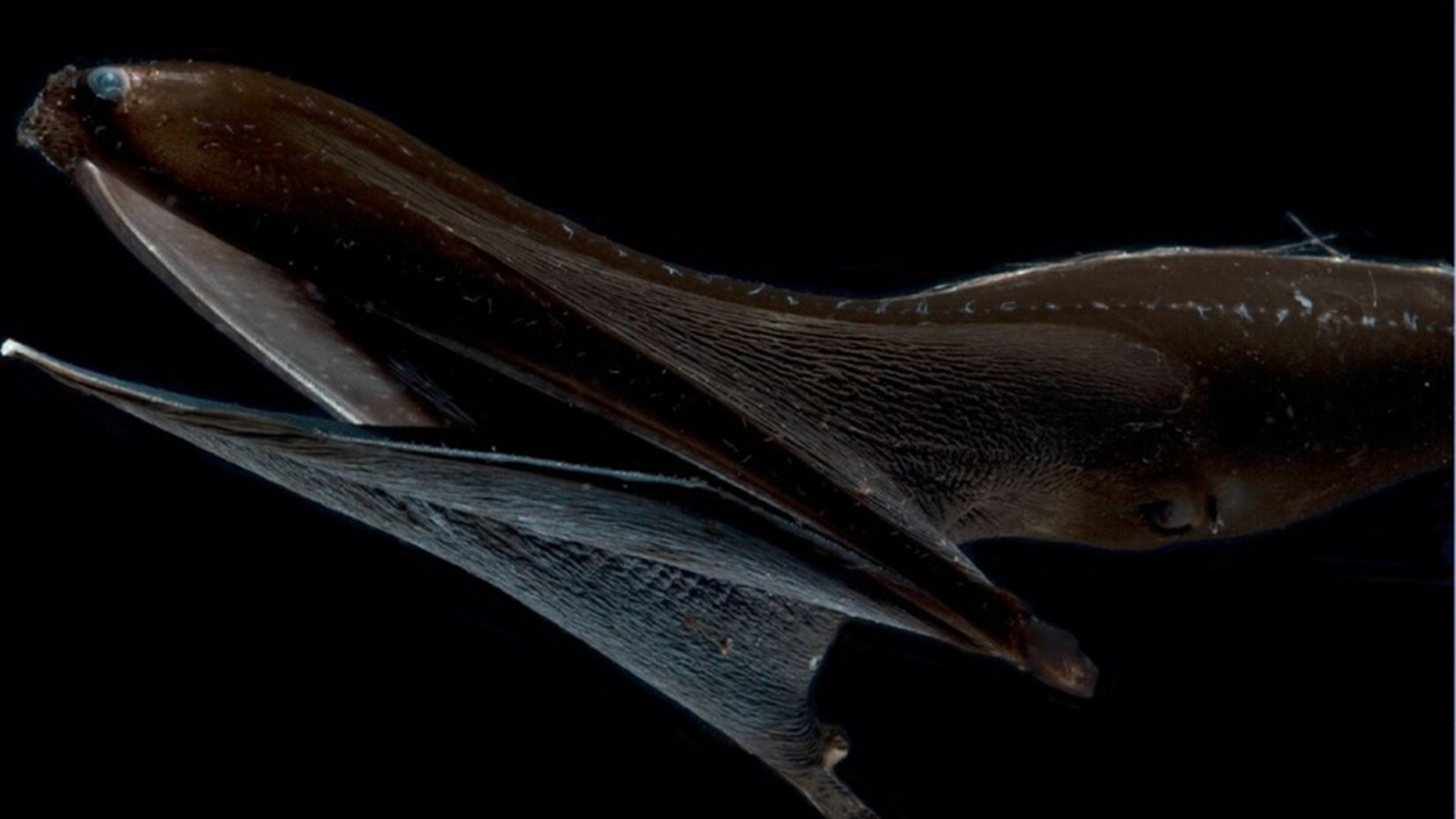
13. Pelican Eel 
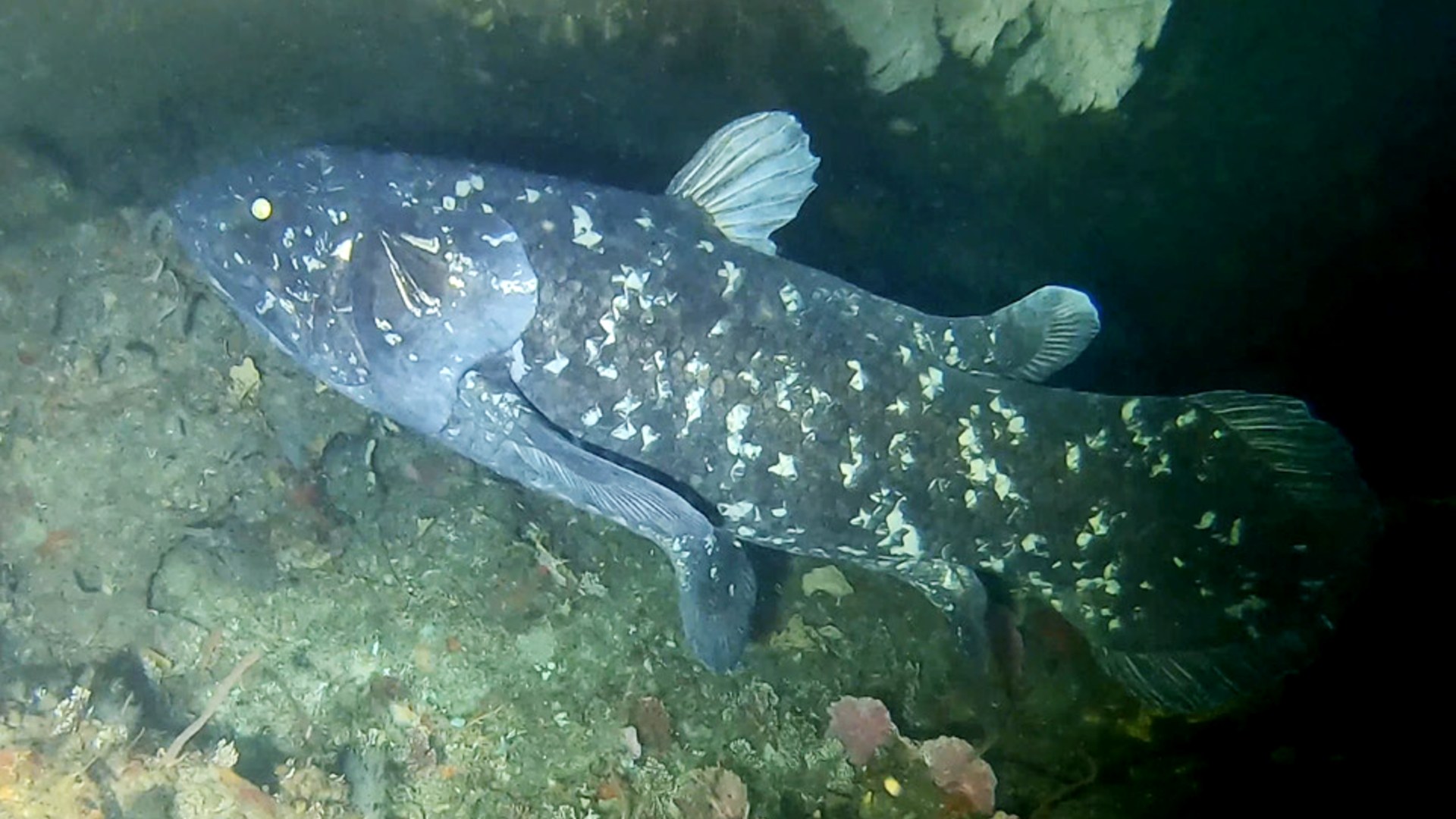
12. West Indian Ocean Coelacanth 
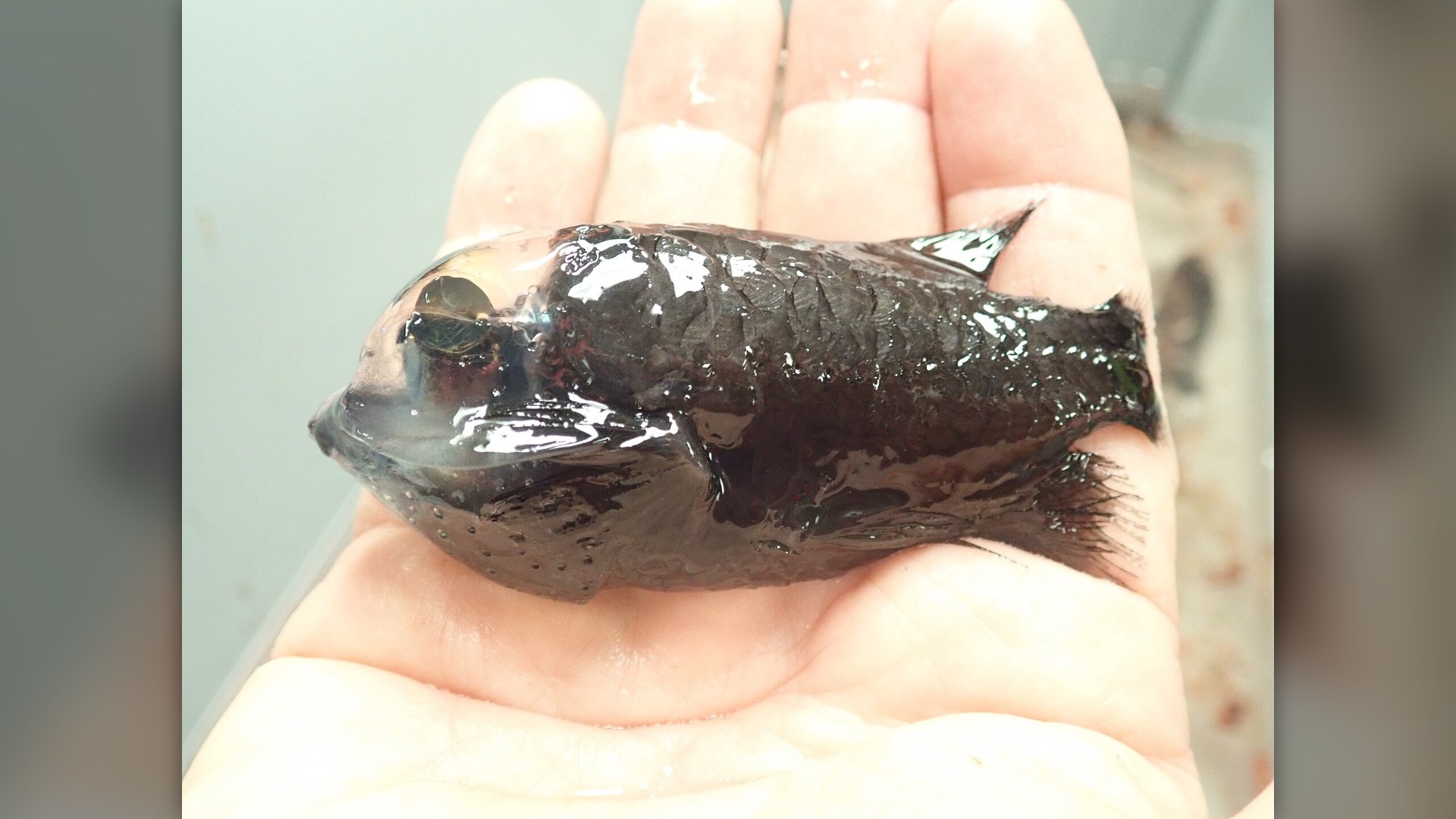
11. Pacific Barreleye - AdvertisementSwipe or tap ▶ to continue countdown

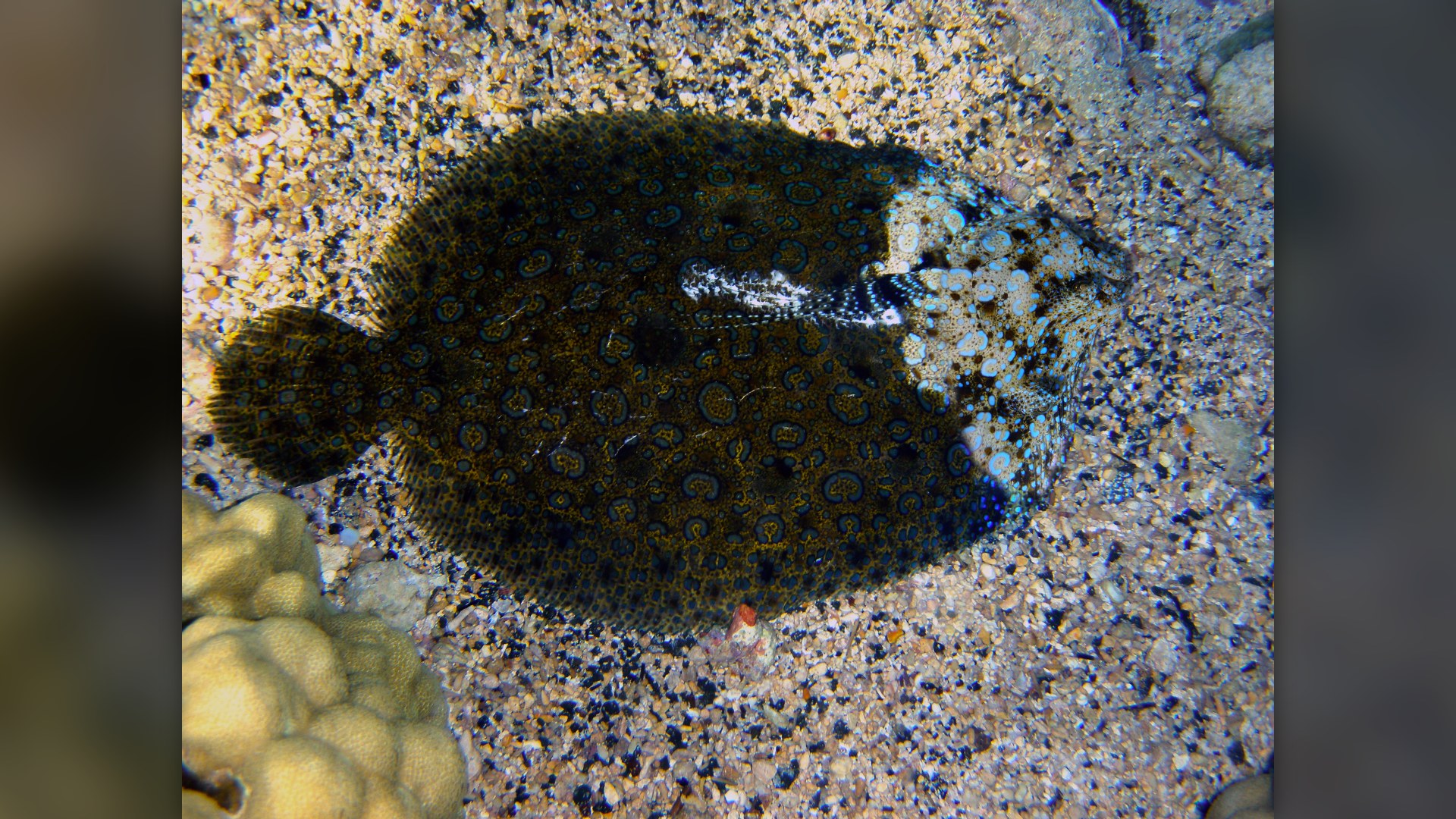
10. Peacock Flounder 
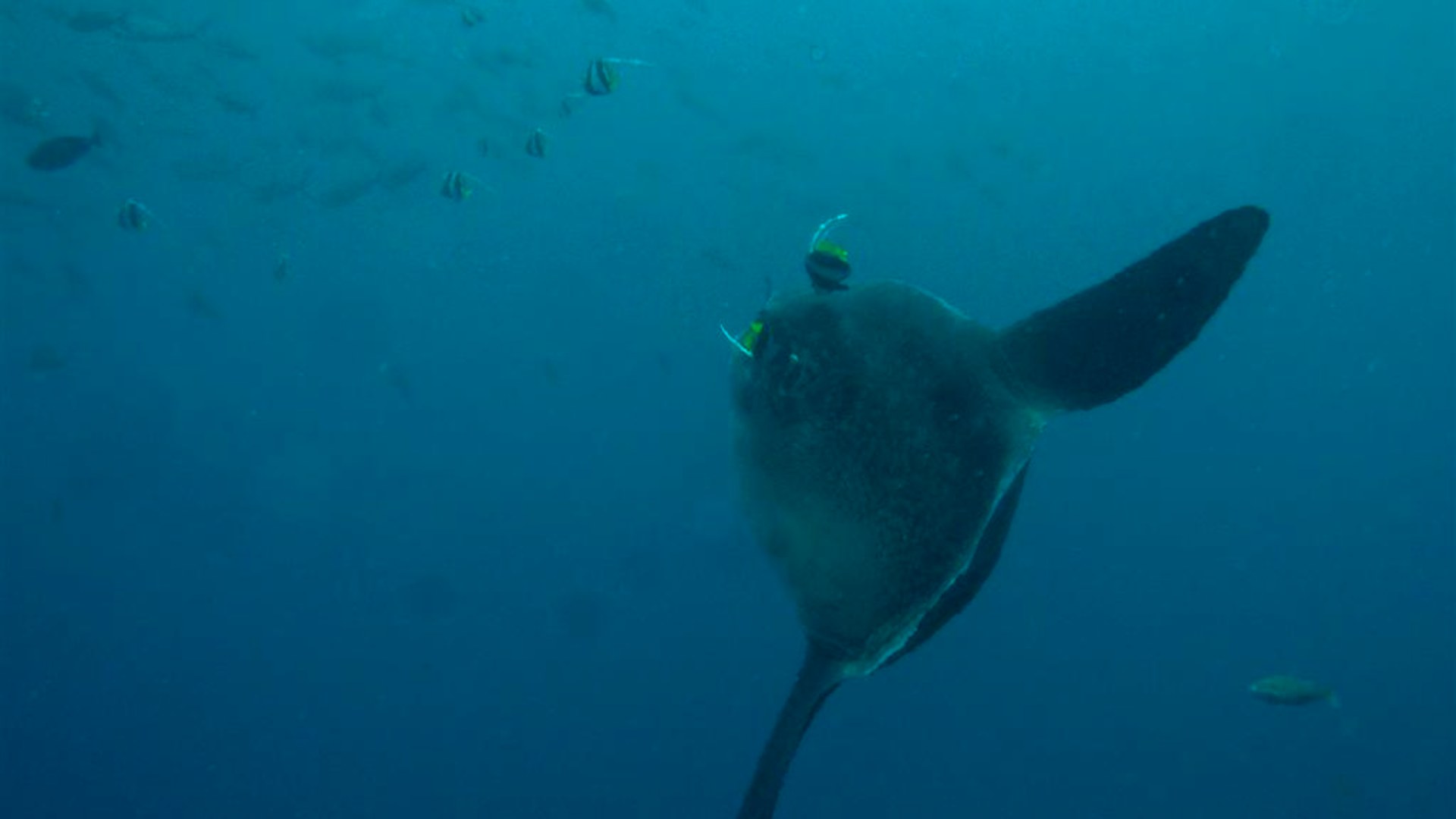
9. Ocean Sunfish 
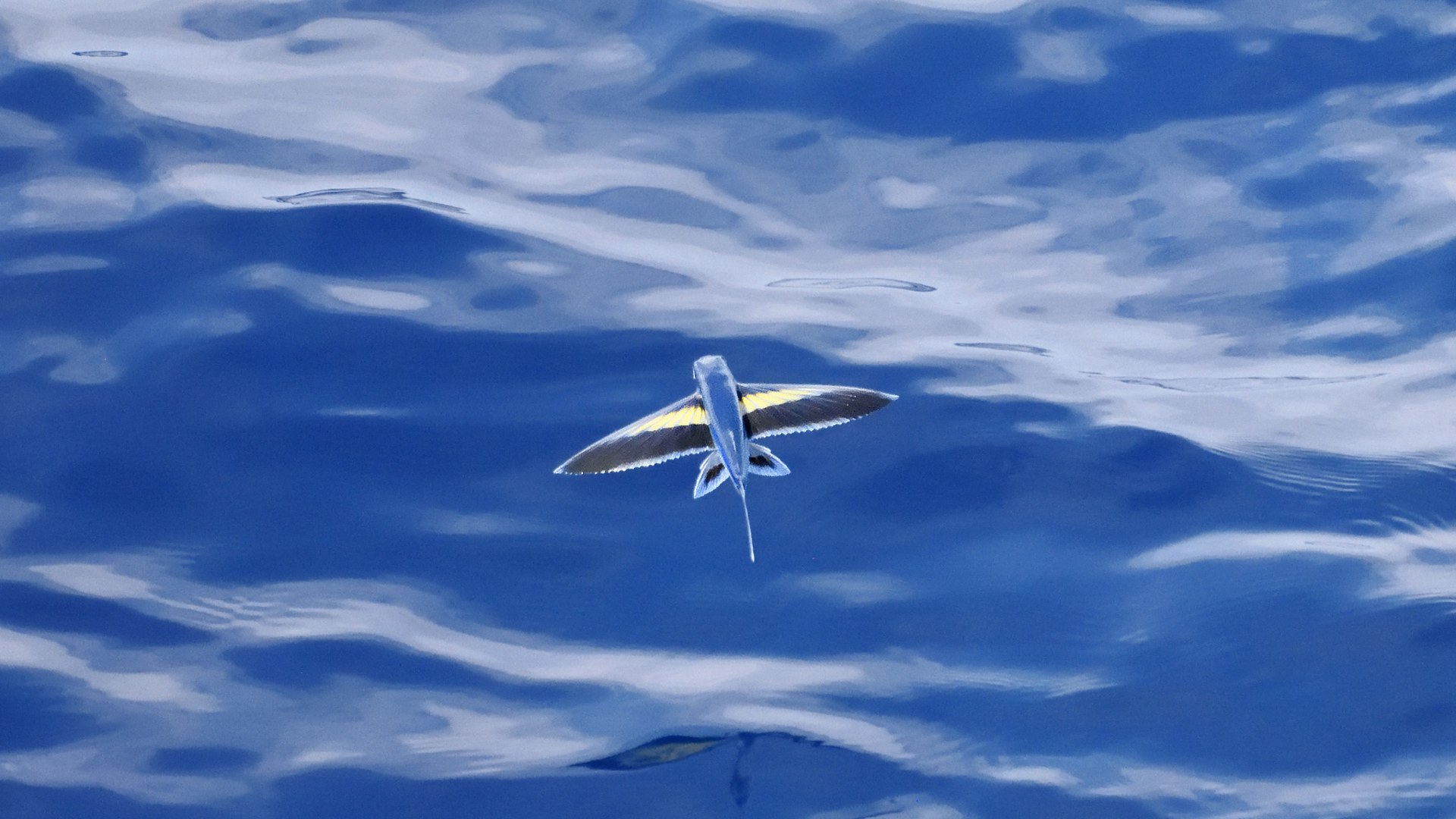
8. Abe's Flyingfish 
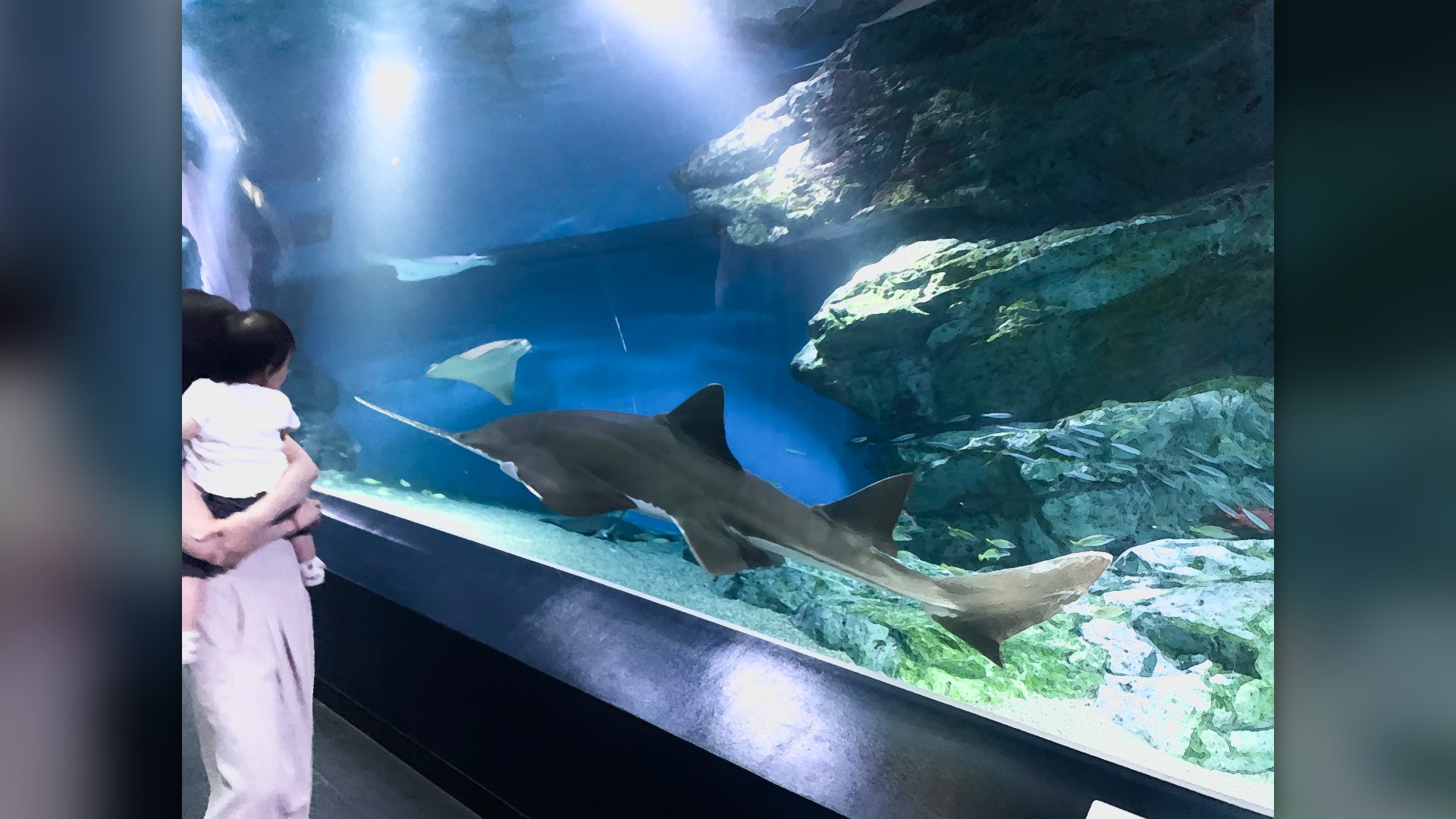
7. Largetooth Sawfish - AdvertisementSwipe or tap ▶ to continue countdown

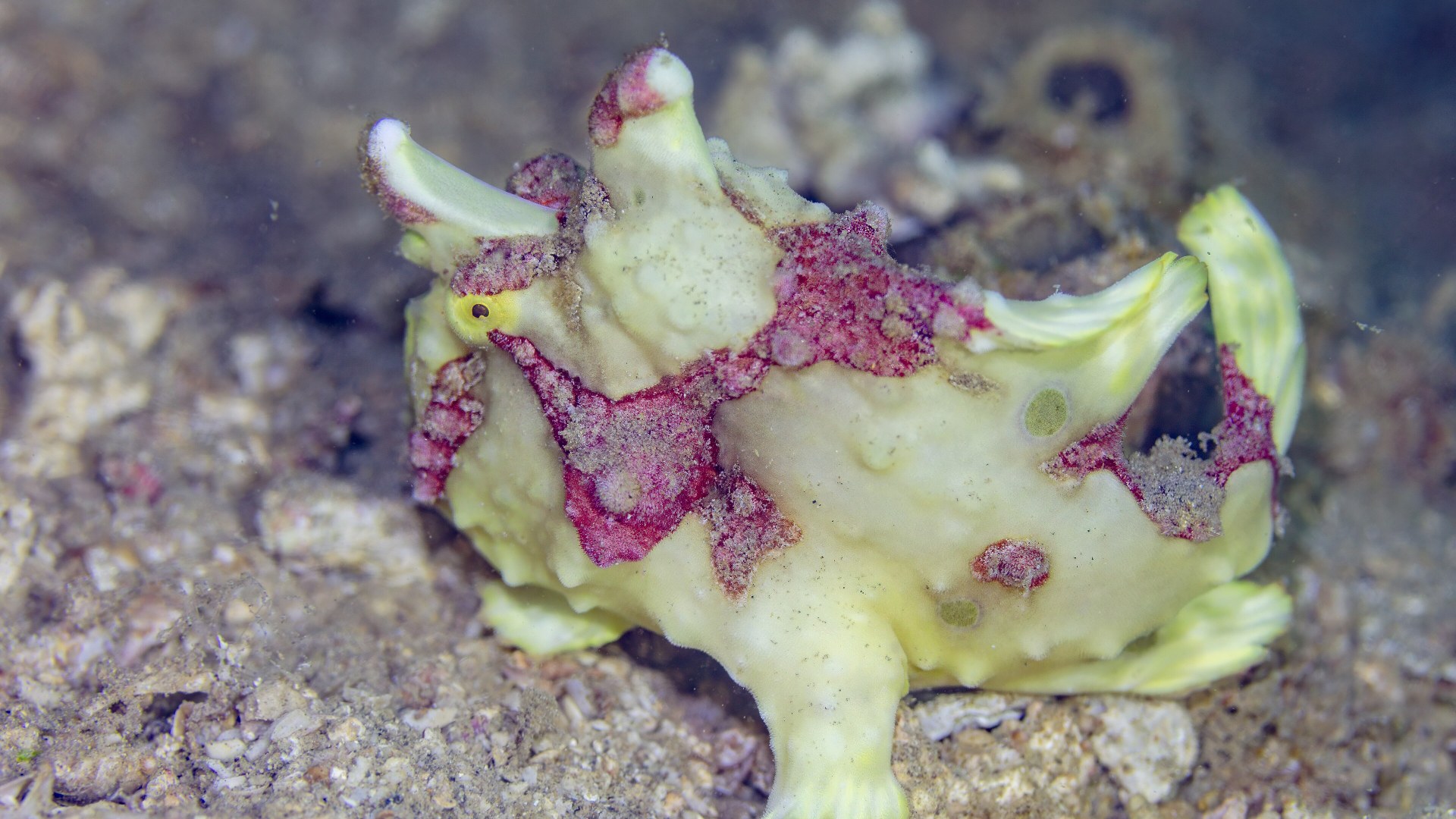
6. Clown Frogfish 
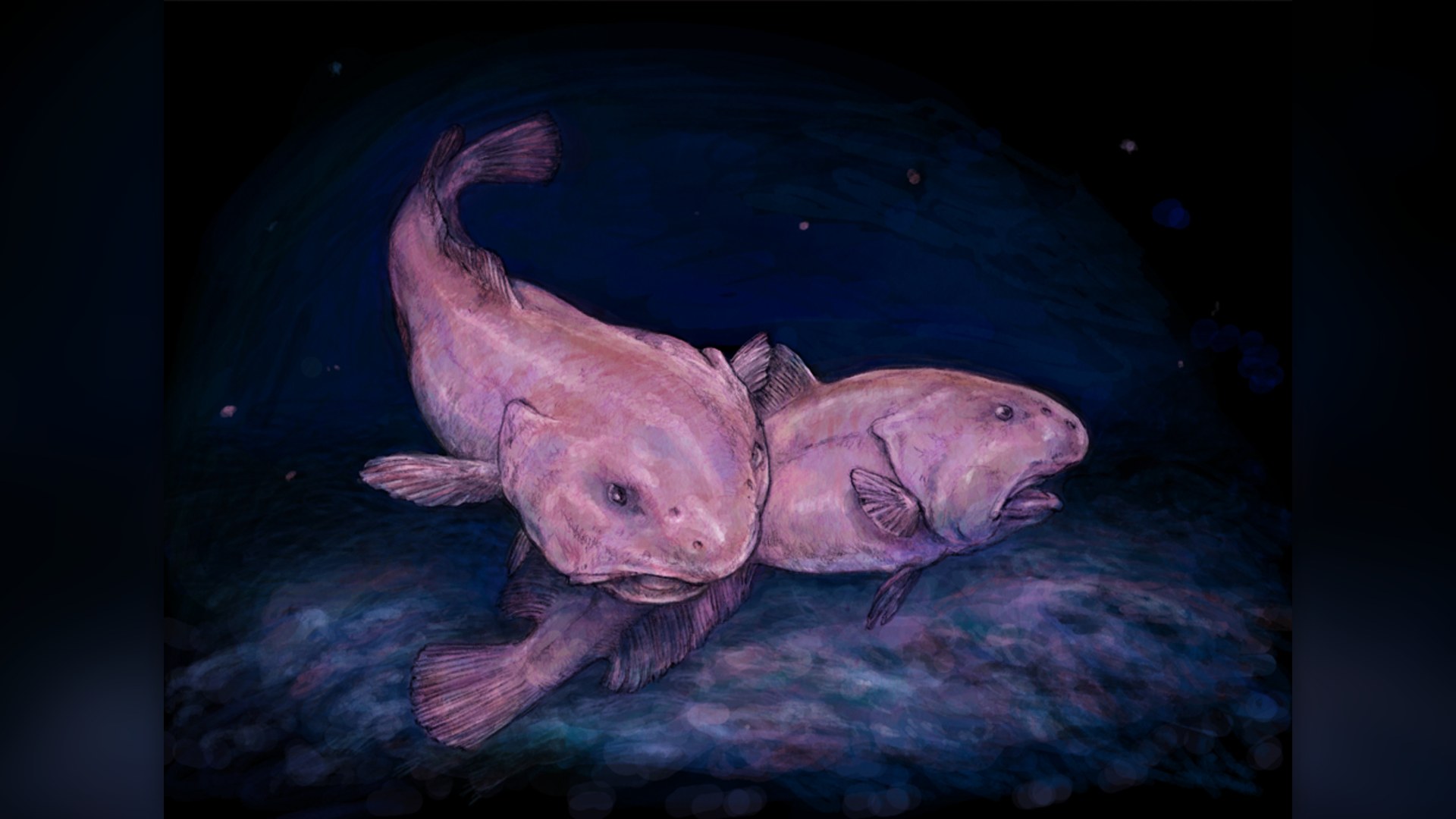
5. Smoothhead Blobfish 
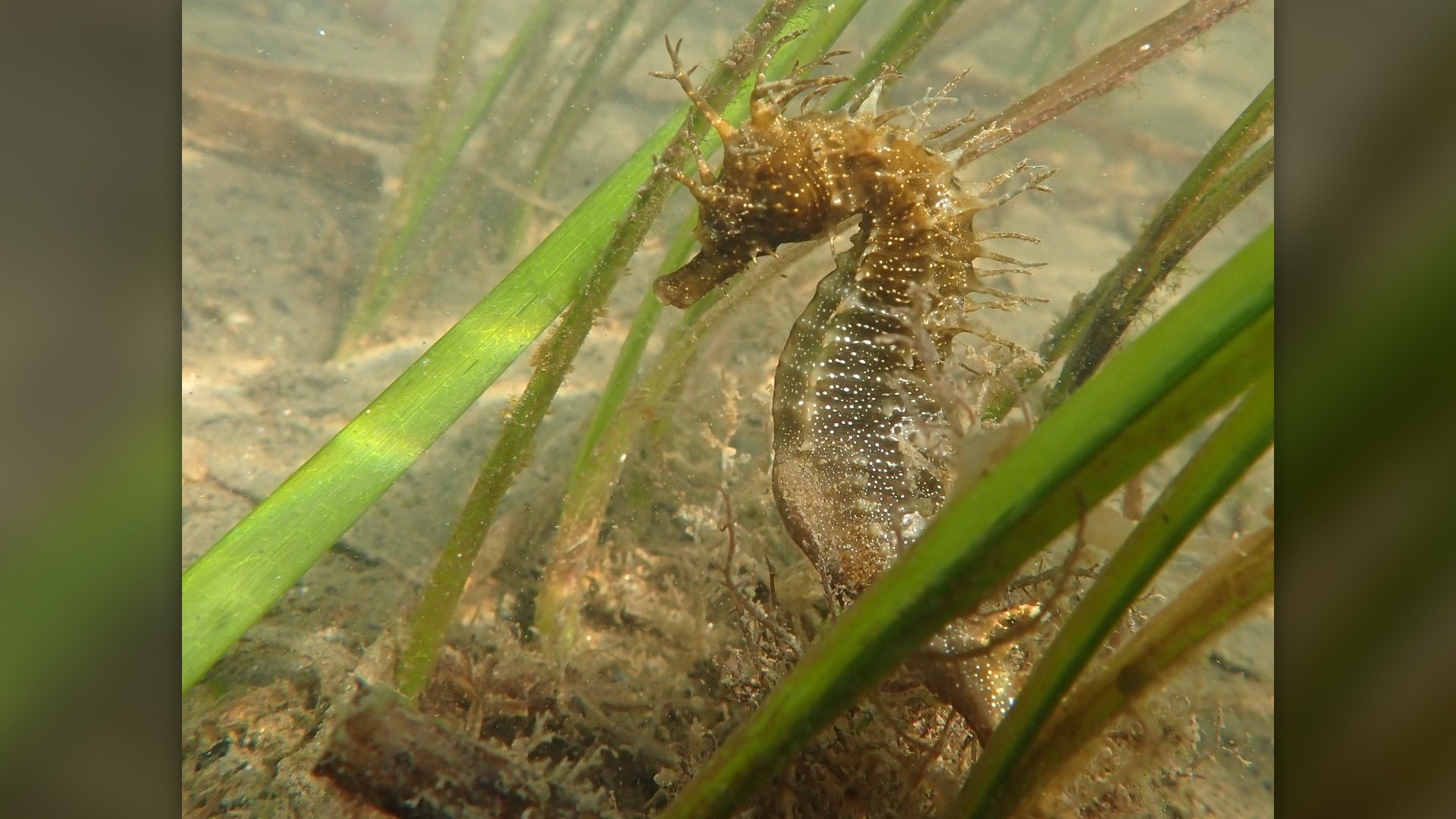
4. Long-Snouted Seahorse 
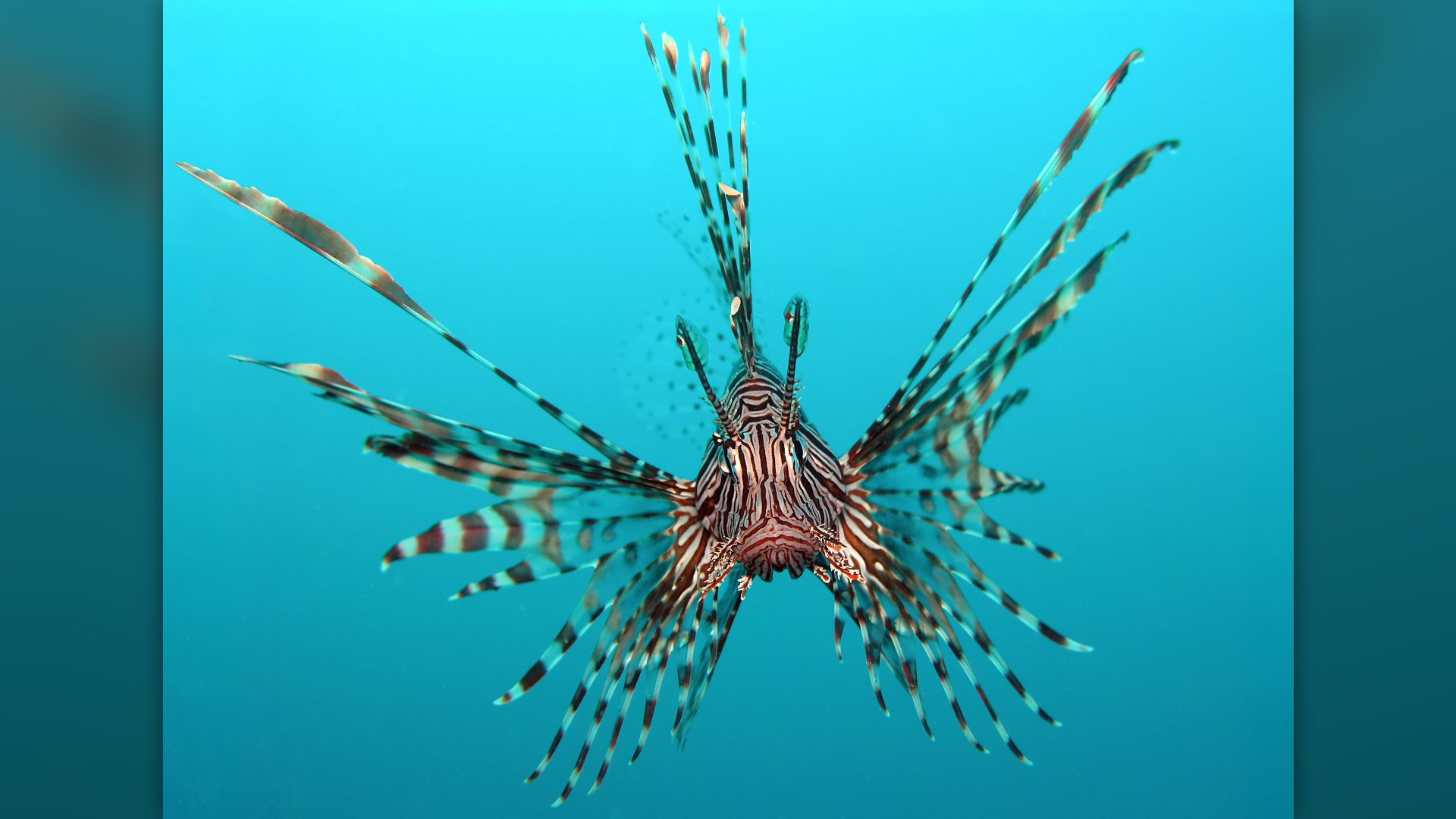
3. Red Lionfish - AdvertisementSwipe or tap ▶ to continue countdown

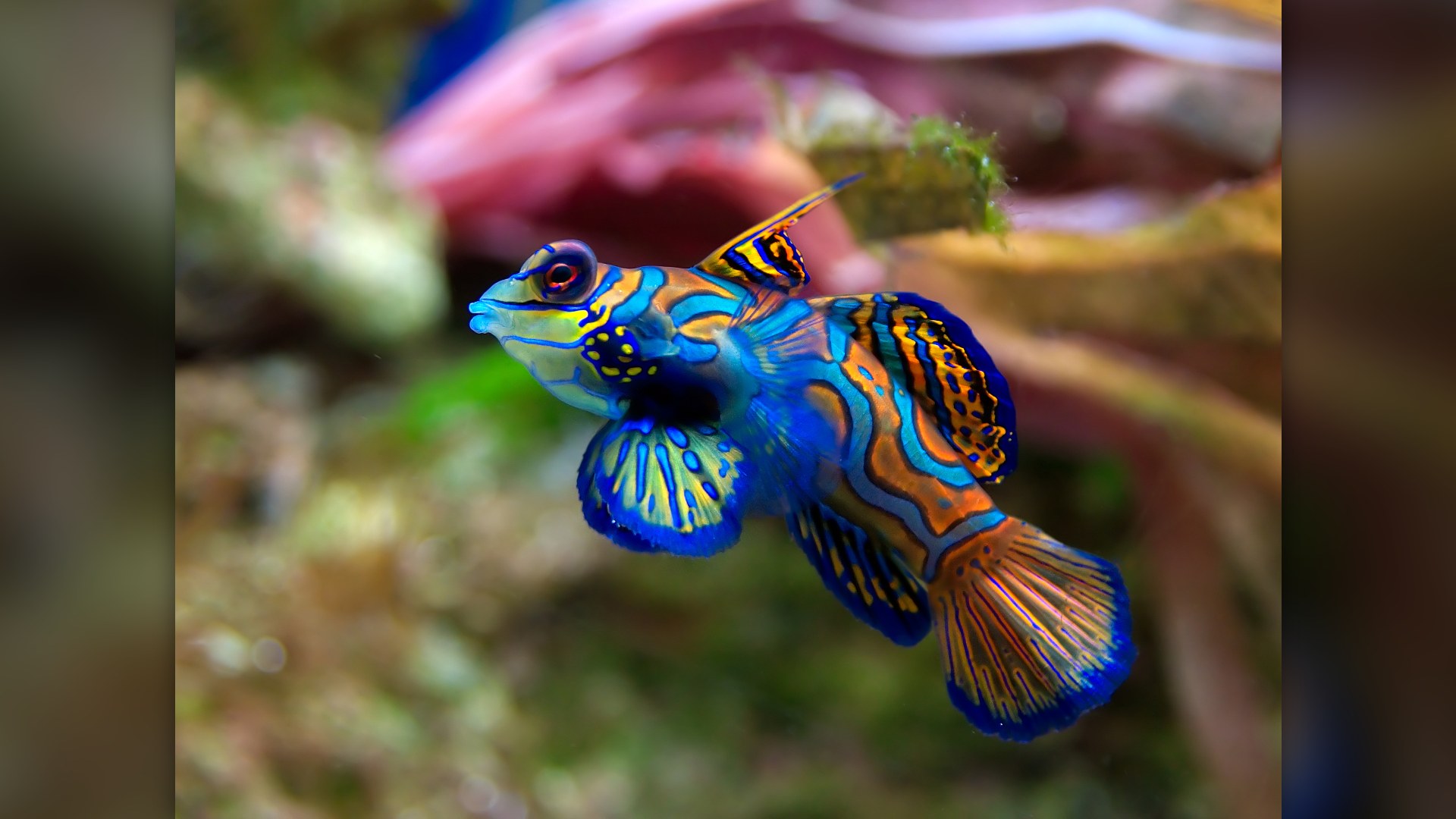
2. Mandarinfish 
1. Humpback Anglerfish - Advertisement🔥 UP NEXT IN THIS SERIES◫ 26 Slides

25 Animals That May Detect Fear Through Scent and Body Language
From specialized olfactory receptors to airborne alarm pheromones, numerous species possess the extraordinary ability to detect chemical distress signals. Based on research from Live Science, National Geographic, and peer-reviewed biology journals, here are twenty-five animals that can smell and sense fear.
From abyssal hunters equipped with glowing lures to masterfully camouflaged reef stalkers, these fish display evolutionary body designs that redefine aquatic survival. Discover twenty-five astonishing adaptations that allow marine creatures to walk, glide, and thrive across ocean depths.
Swipe or tap ▶ to begin the countdown
©Wikimedia Commons / James Rosindell
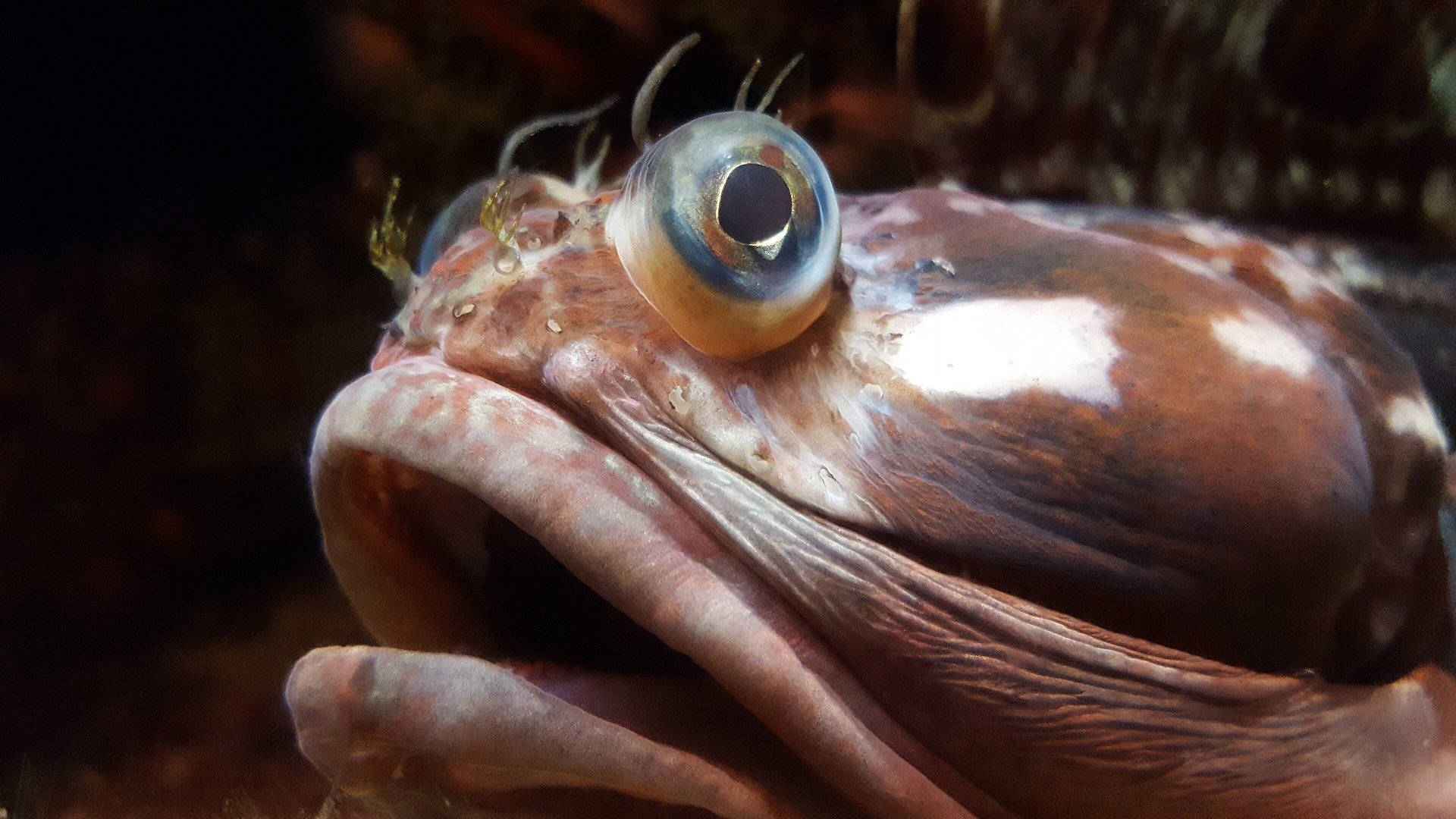
25. Sarcastic Fringehead
Native to the Pacific coast of North America, this territorial fish defends burrows with a dramatically expanding mouth. When confronted by an intruder, it spreads vivid yellow and blue buccal tissue into an intimidating circular fan to settle boundary disputes.
©Wikimedia Commons / Evan Baldonado
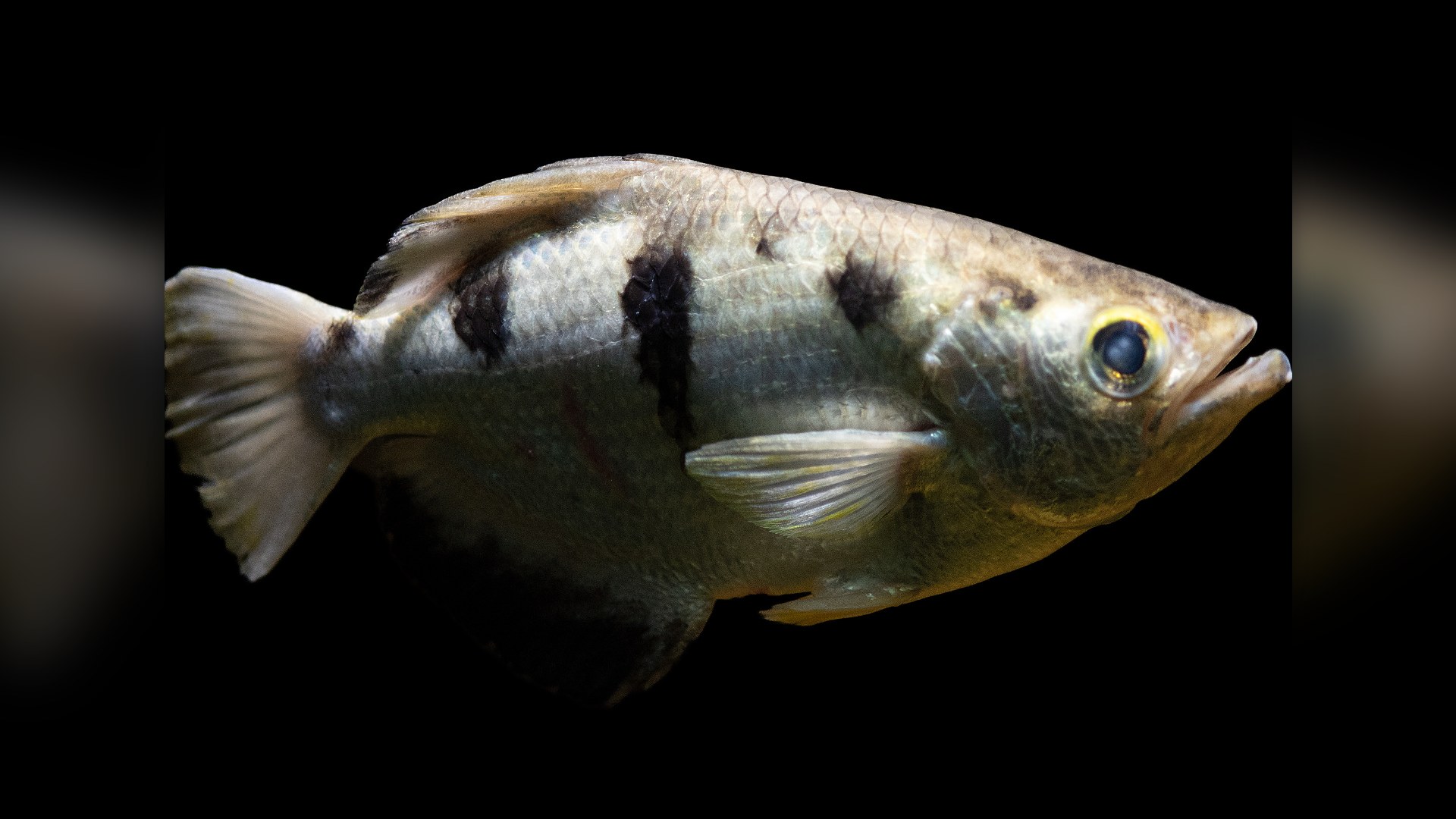
24. Banded Archerfish
Inhabiting brackish mangrove estuaries, the archerfish presses its tongue against a grooved palate to create a pressurized hydraulic barrel. By firing rapid water bursts through the surface, it knocks resting insects into the water from up to five feet away.
©Wikimedia Commons / Amada44
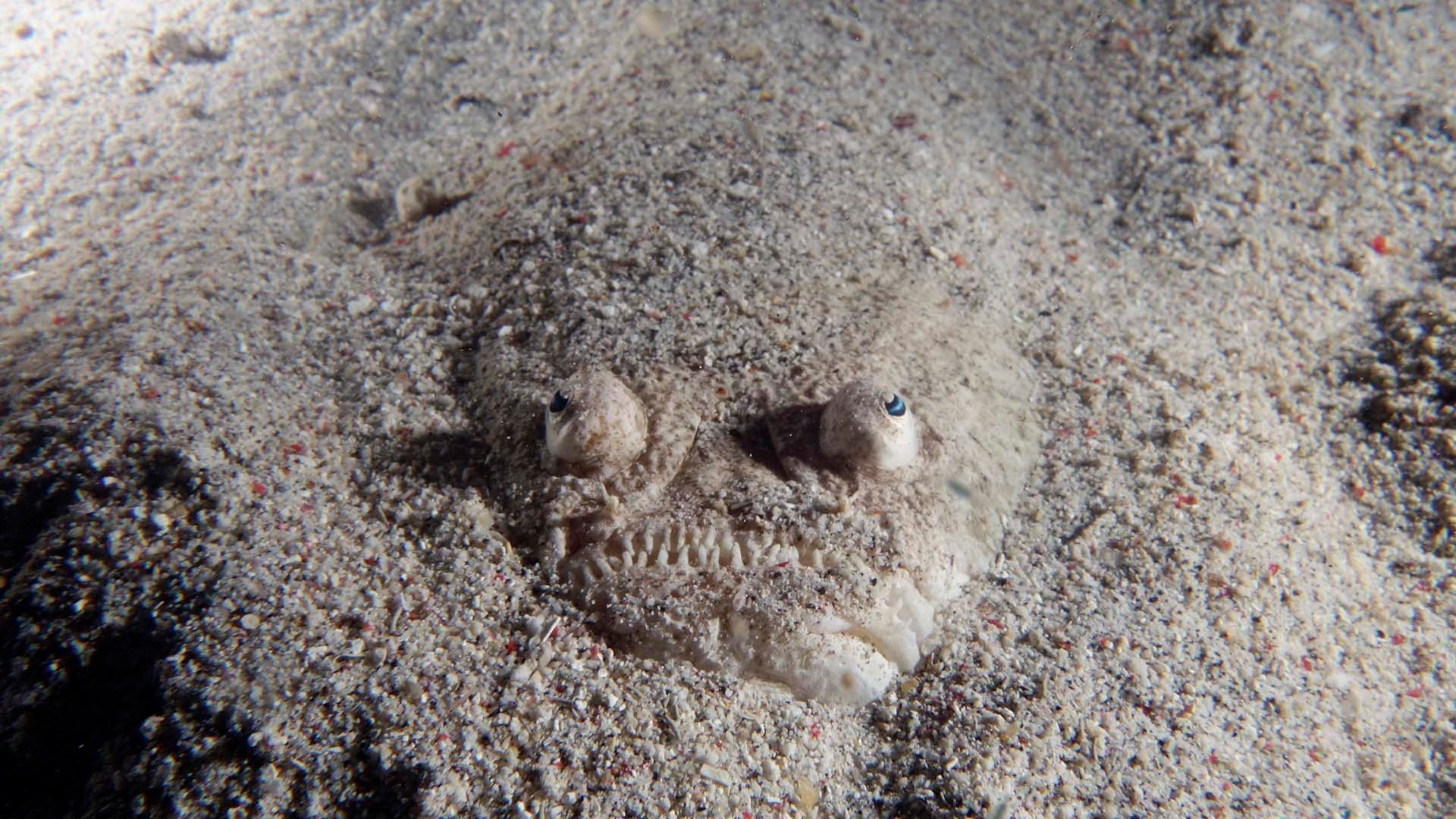
23. Whitemargin Stargazer
Resting beneath coastal sands with only its eyes and mouth exposed, this bottom dweller surprises passing prey with explosive strikes. Specialized cranial organs behind the eyes can generate electrical discharges up to fifty volts to stun prey and deter larger predators.
©Wikimedia Commons / Xs6615
Advertisement
Swipe or tap ▶ to resume the countdown.
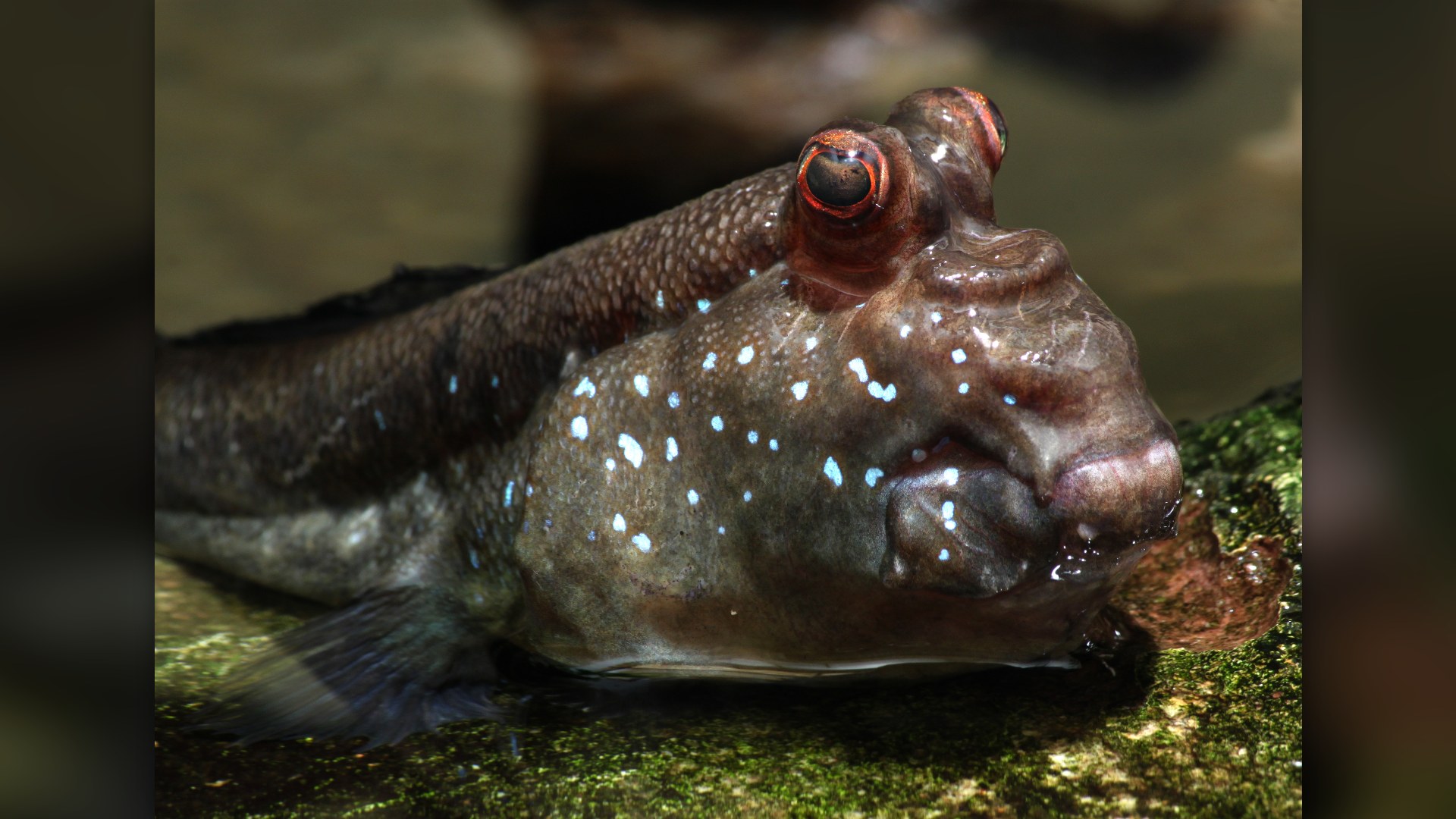
22. Atlantic Mudskipper
Equipped with strong pectoral fins that function like crutches, mudskippers climb across intertidal roots and shoreline rocks. They hold water in enlarged gill chambers and absorb oxygen through their moist skin, allowing them to remain active out of water for hours.
©Wikimedia Commons / Holger Krisp
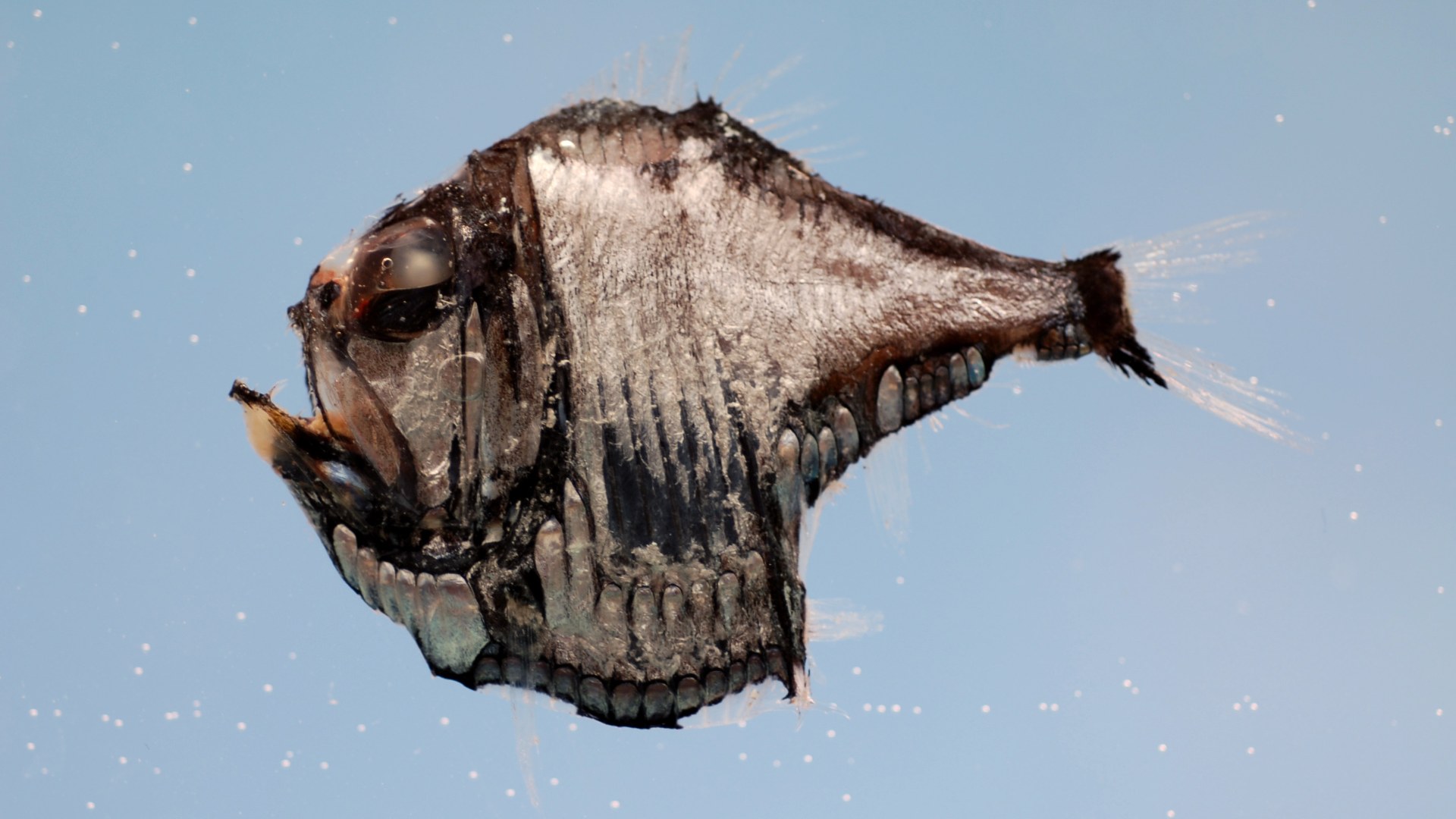
21. Deep-Sea Hatchetfish
Found hundreds of meters deep, this knife-thin predator possesses belly photophores that emit downward blue glow. This counter-illumination matches faint sunlight filtering from above, making the fish completely invisible to hungry carnivores cruising underneath.
©Wikimedia Commons / NOAA SEFSC
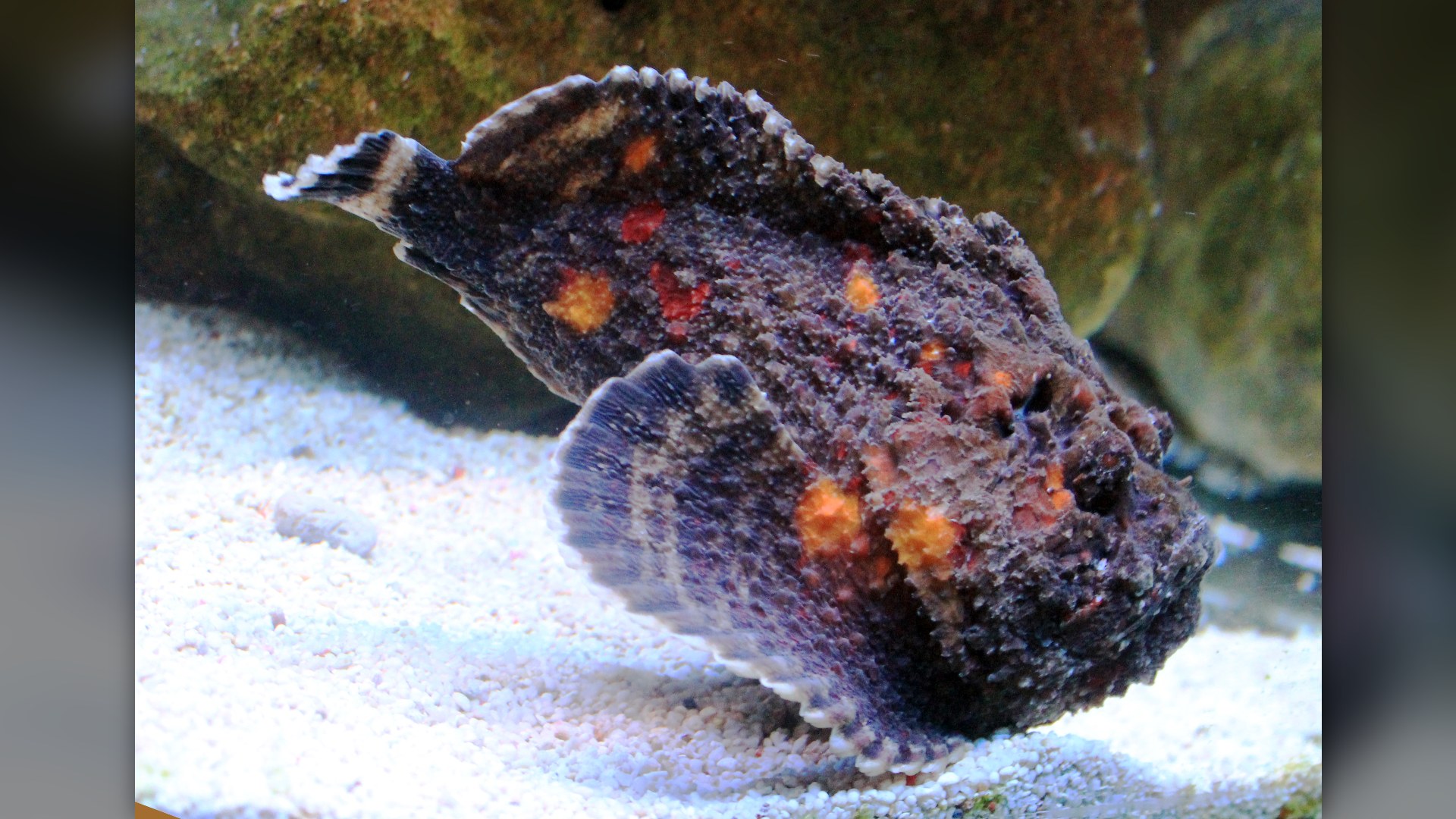
20. Reef Stonefish
Resembling an encrusted coral rock, the reef stonefish blends into tropical rubble. Along its back run thirteen stout spines linked to neurotoxic venom glands. When trodden on, the spines inject a lethal defensive payload that makes it one of the world's most venomous fish.
©Wikimedia Commons / Karelj
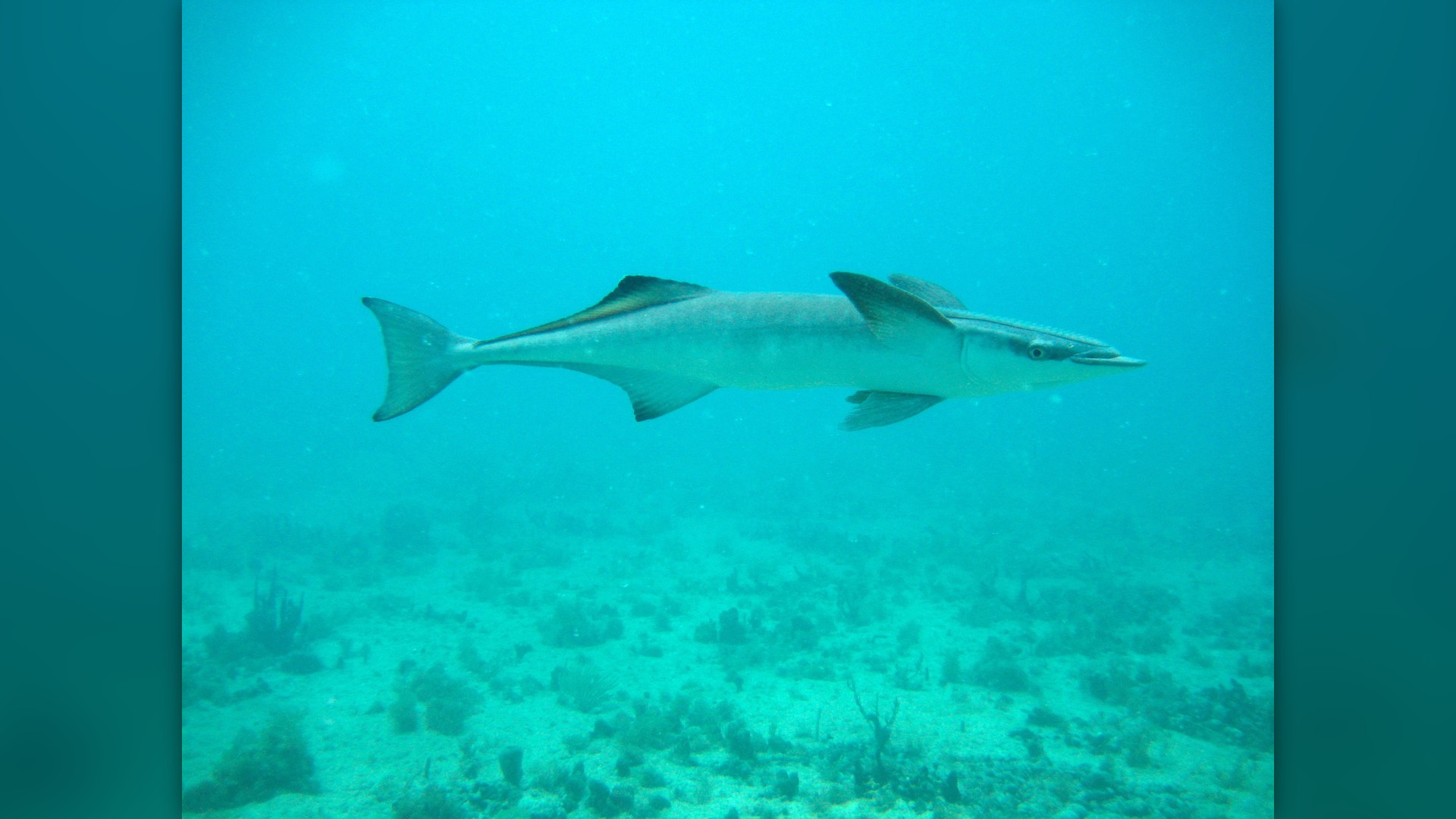
19. Live Sharksucker
Instead of a standard dorsal fin, this remora developed a flattened suction apparatus lined with flexible slat-like lamellae. By pressing the pad against sharks, rays, or boats and shifting the slats, it creates powerful negative pressure to secure free long-distance travel.
©Wikimedia / Remora
Advertisement
Swipe or tap ▶ to resume the countdown.
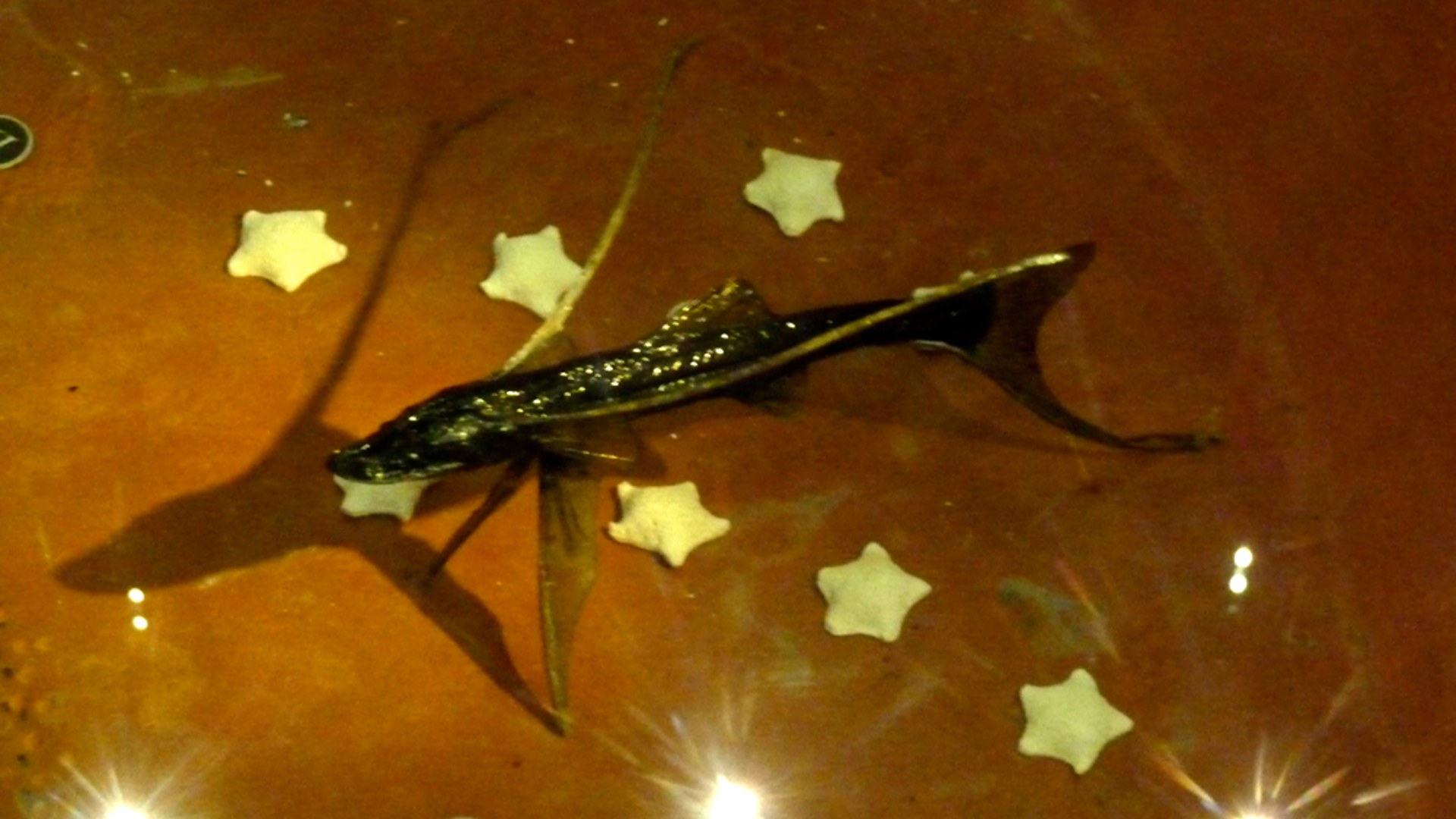
18. Tripodfish
Thriving in pitch darkness miles below the sea surface, the tripodfish stands motionless facing into deep currents. Its stiffened pelvic and tail fin rays act as sturdy stilts, elevating the body off soft silt so sensitive pectoral fins can detect approaching copepods and shrimp.
©Wikimedia Commons / Sitron
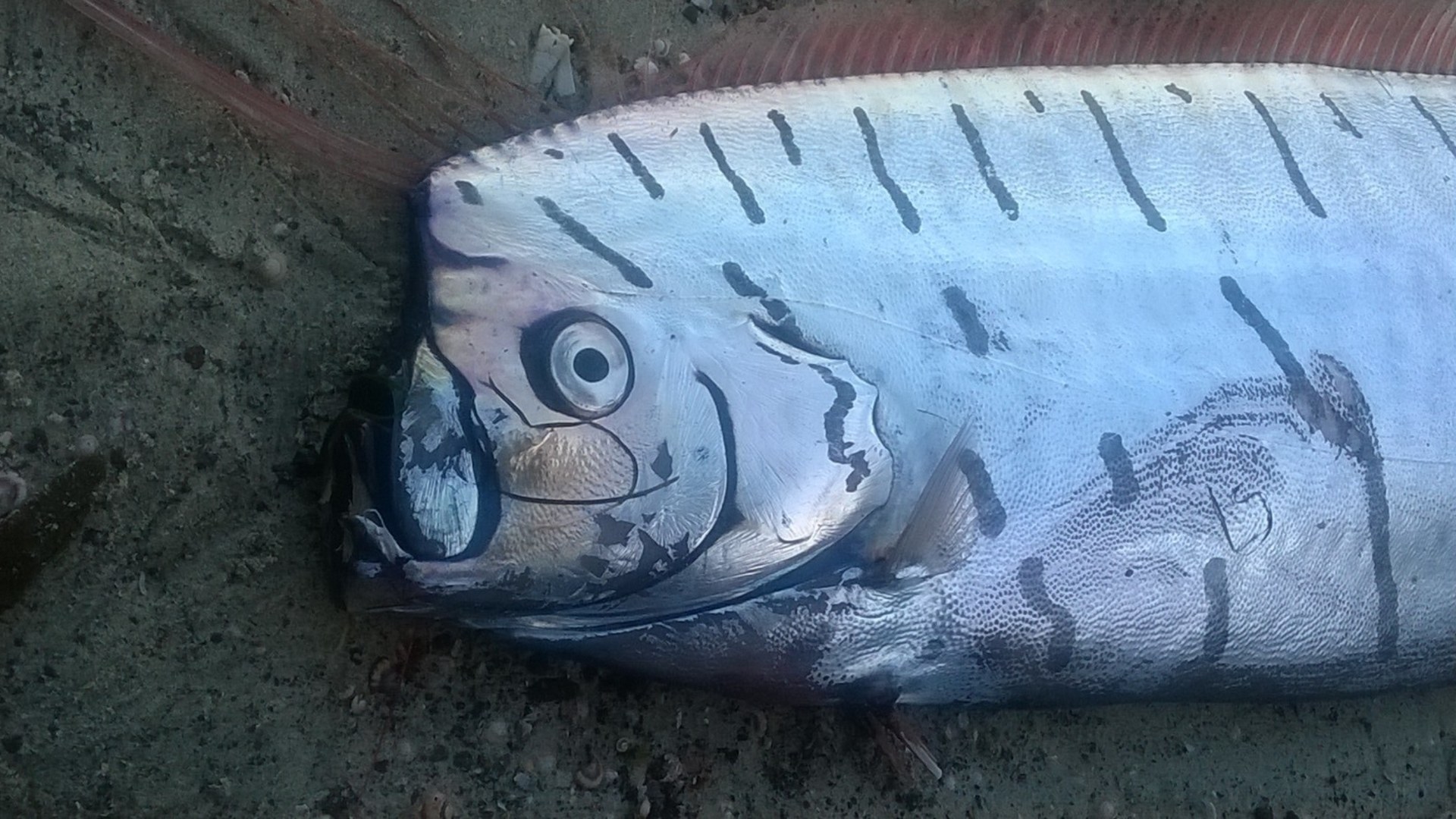
17. Giant Oarfish
Reaching lengths exceeding twenty feet, this pelagic giant swims by undulating an unbroken dorsal fin. With scaleless silvery skin and crimson fin crests, the creature gave rise to centuries of sea serpent folklore when washed ashore on storm-tossed beaches.
©Wikimedia Commons / John Barkla
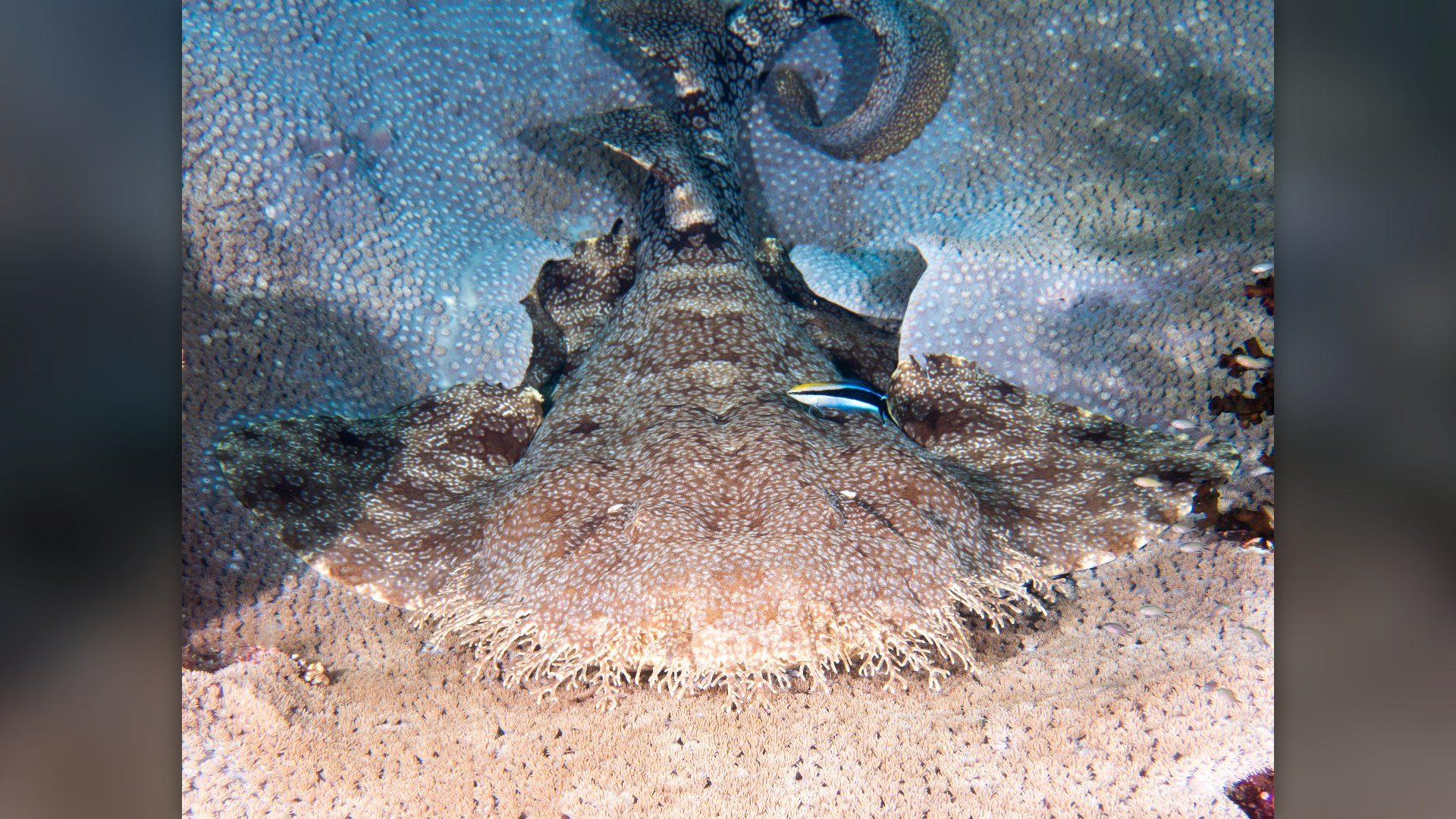
16. Tasselled Wobbegong
Dwelling on shallow coral reefs, this carpet shark lies completely motionless waiting for food. A fringe of branched dermal lobes encircles its broad snout, breaking up the head outline and perfectly mimicking surrounding algae so unwary reef fish wander into range.
©Wikimedia Commons / Rickard Zerpe
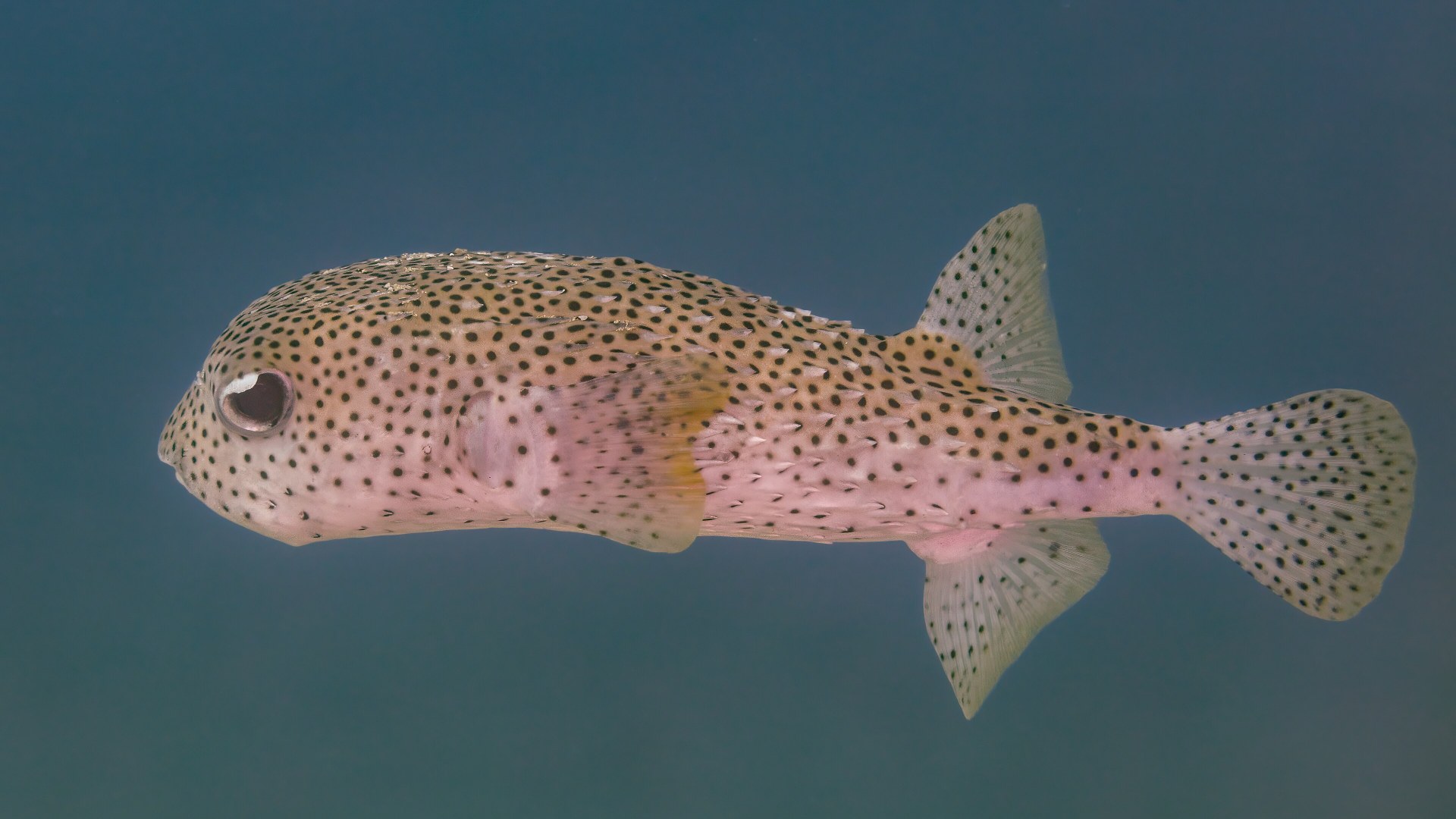
15. Spot-Fin Porcupinefish
When cornered by a larger predator, the porcupinefish swallows seawater into an elastic belly cavity, expanding into a rigid spiny ball. Modified dermal scales lock outward into sharp defensive spikes, transforming an easy meal into an unswallowable threat.
©Wikimedia Commons / Diego Delso
Advertisement
Swipe or tap ▶ to resume the countdown.
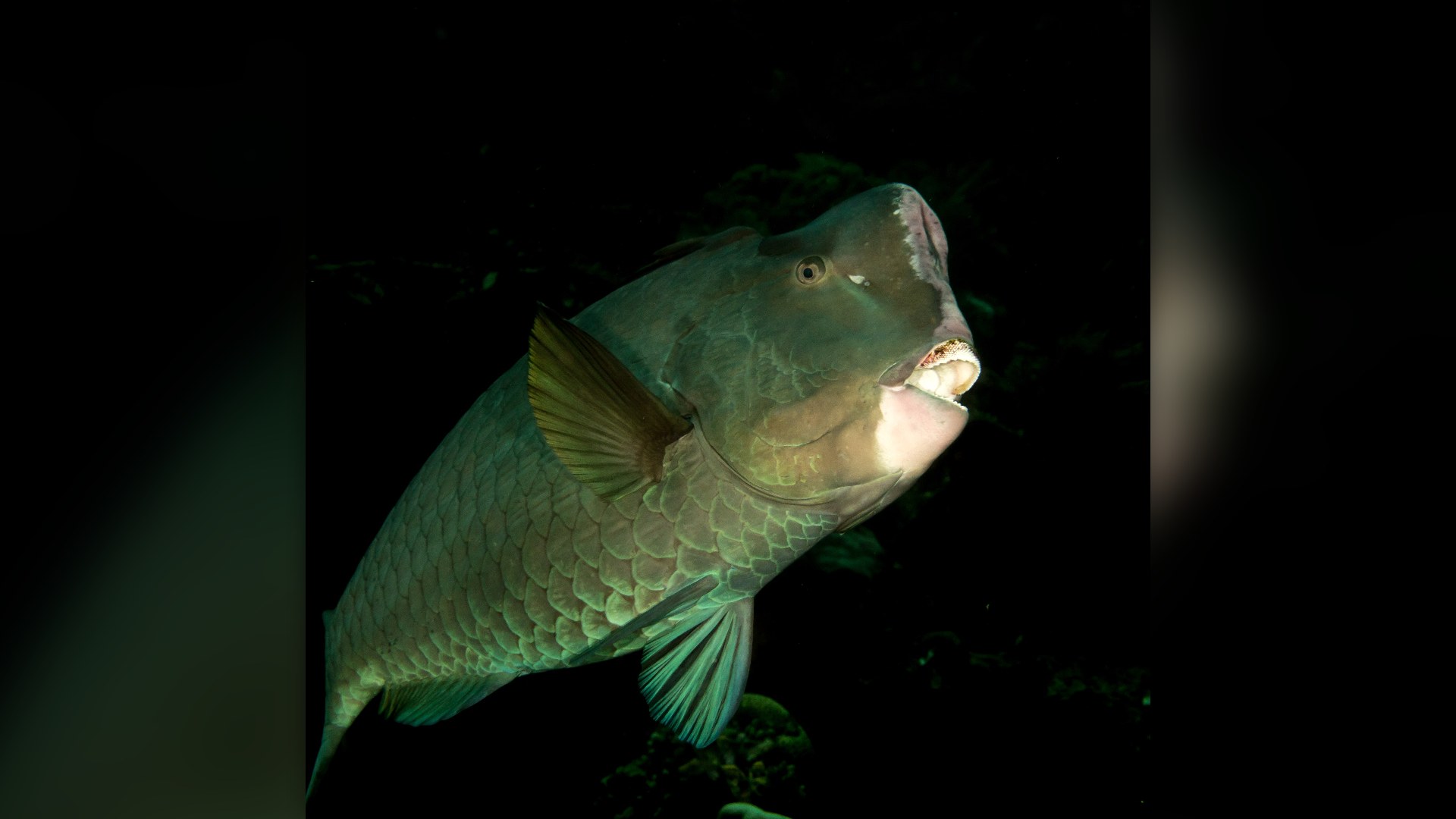
14. Green Humphead Parrotfish
Growing up to four feet long, this massive reef herbivore uses fused dental plates to snap off stony coral branches. Its solid forehead bump is used for headbutting rivals and smashing rock, excreting thousands of pounds of fine white coral sand each year.
©Wikimedia Commons / Rickard Zerpe
13. Pelican Eel
Cruising depths up to ten thousand feet, the pelican eel possesses mouth jaws far larger than the rest of its body. The enormous elastic pouch opens wide to engulf large prey in food-scarce waters, while a glowing organ on its whip-like tail attracts curious targets.
©Wikimedia Commons / David Shale
12. West Indian Ocean Coelacanth
Believed extinct for sixty-six million years until rediscovered in 1938, the coelacanth features paired fins built around internal bony stalks like four-legged land animals. It also features a unique hinged cranium that tilts upward to enlarge its bite.
©Wikimedia Commons / Bruce Henderson
11. Pacific Barreleye
Living in the oceanic twilight zone, this bizarre fish has a fluid-filled transparent head casing. Within this glass-like shield, two green cylindrical tubular eyes can rotate upward to spot silhouettes of jellyfish against surface light, or rotate forward when feeding.
©Wikimedia Commons / Contributor GoK
Advertisement
Swipe or tap ▶ to resume the countdown.
10. Peacock Flounder
Hatching as a normal upright fry, this flatfish undergoes a startling anatomical shift as its right eye migrates across the skull to the left side. It spends adulthood lying flat on its blind side, rippling dermal chromatophores to match sea floor sand and rocks instantly.
©Wikimedia Commons / Brocken Inaglory
9. Ocean Sunfish
Weighing up to five thousand pounds, the ocean sunfish lacks a true caudal fin. Instead, its rear anatomy terminates in a stiff scalloped rudder called a clavus, while massive dorsal and anal fins sweep side to side like wings to propel this oceanic giant through ocean currents.
©Wikimedia Commons / Andrepiazza
8. Abe's Flyingfish
To escape underwater predators like tuna and marlin, flying fish accelerate rapidly and launch clear of the water. Spreading expanded aerodynamic pectoral and pelvic fins like wings, they glide hundreds of feet above waves, beating their tail tips along the surface for extra boosts.
©Wikimedia Commons / Yi-Kai Tea
7. Largetooth Sawfish
Though resembling a shark, the sawfish is a ray whose snout extends into an elongated flat rostrum studded with razor teeth. Packed with thousands of electroreceptors, the blade detects subtle electrical fields of buried fish before swiping sideways to incapacitate them.
©Wikimedia Commons / Gant223
Advertisement
Swipe or tap ▶ to resume the countdown.
6. Clown Frogfish
Possessing jointed elbow-like pectoral and pelvic fins, the frogfish crawls deliberately over coral heads. On its forehead, a modified dorsal spine serves as a fishing rod tipped with a fleshy lure that wiggles like a worm, drawing prey right to its lightning-fast jaws.
©Wikimedia Commons / Diego Delso
5. Smoothhead Blobfish
Dwelling thousands of feet down off southern Australia, the blobfish survives pressures over one hundred times greater than at sea level. Its body consists of a low-density gelatinous mass without a gas bladder, allowing it to float effortlessly above the abyss floor without collapsing.
©Wikimedia Commons / Rachel Caauwe
4. Long-Snouted Seahorse
Defying standard fish anatomy, the seahorse swims vertically propelled by a tiny dorsal fin fluttering thirty times per second. Its body is encased in interlocking bony rings rather than scales, with a prehensile tail that anchors to seagrass and an abdominal pouch where males carry eggs.
©Wikimedia Commons / Florian Guyader
3. Red Lionfish
Equipped with thirteen needle-sharp dorsal spines charged with neuromuscular toxins, the red lionfish is a formidable predator. It slowly expands enormous fan-shaped pectoral fins to corner small fish against reef crevices before swallowing them in an explosive vacuum gulp.
©Wikimedia Commons / Jens Petersen
Advertisement
Swipe or tap ▶ to resume the countdown.
2. Mandarinfish
Unlike nearly all blue animals that rely on optical light refraction, the mandarinfish produces actual cellular blue pigment granules called cyanophores. Lacking protective scales, it secretes a thick layer of foul-tasting toxic mucus that protects it from reef infections and predators.
©Wikimedia Commons / Luc Viatour
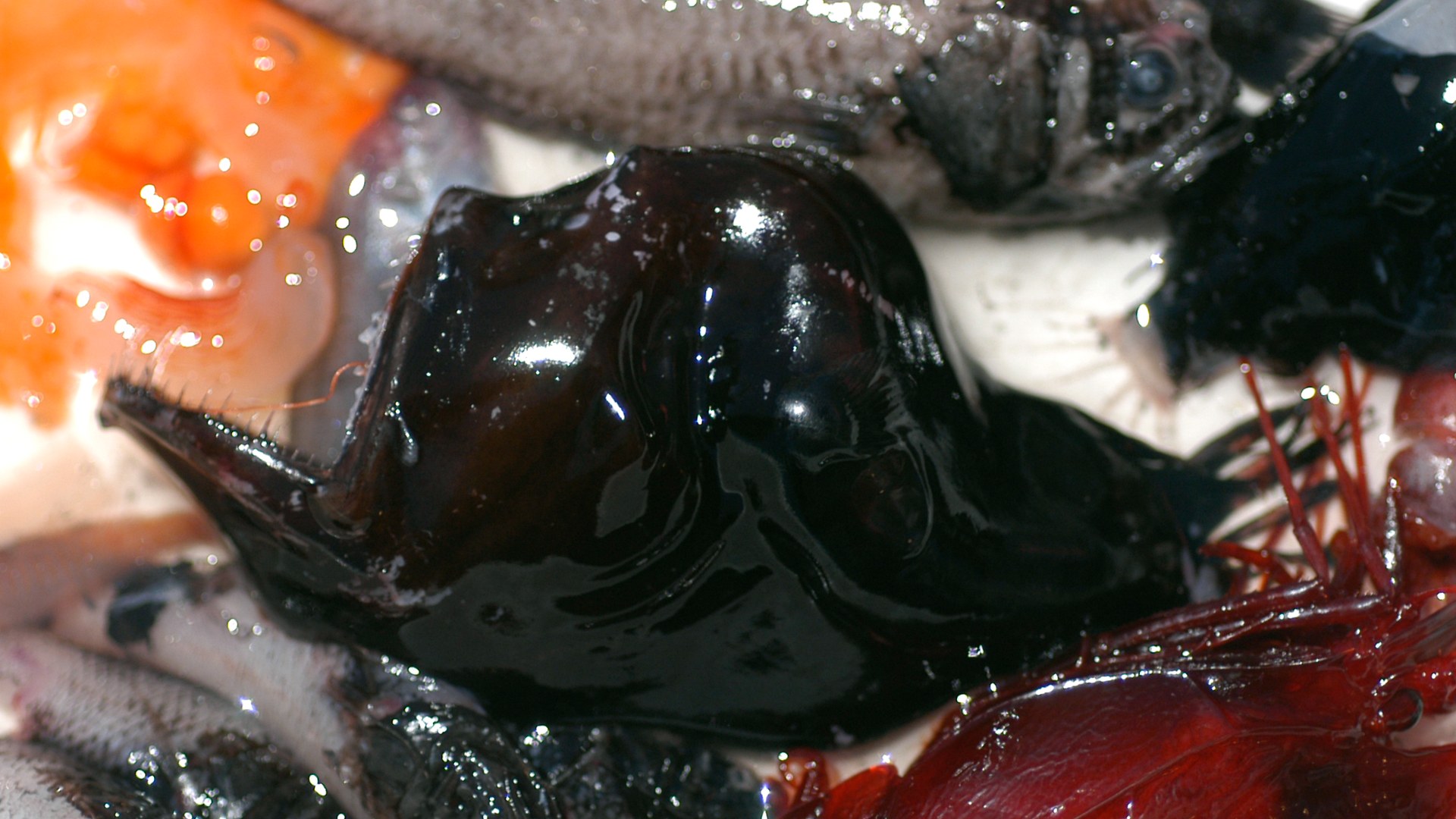
1. Humpback Anglerfish
Lurking in the sunless bathypelagic abyss, the female humpback anglerfish uses an elongated dorsal spine tipped with a bioluminescent bacterial bulb. When curious prey investigates the light, needle-sharp teeth and an extraordinarily elastic stomach enable it to swallow meals larger than itself.

©Wikimedia Commons / NOAA Ship DELAWARE II
Advertisement
You've reached the end of the story. Thanks for reading!

25 Animals That May Detect Fear Through Scent and Body Language
From specialized olfactory receptors to airborne alarm pheromones, numerous species possess the extraordinary ability to detect chemical distress signals. Based on research from Live Science, National Geographic, and peer-reviewed biology journals, here are twenty-five animals that can smell and sense fear.
All 25 Entries in this Story
25. Sarcastic Fringehead
Native to the Pacific coast of North America, this territorial fish defends burrows with a dramatically expanding mouth. When confronted by an intruder, it spreads vivid yellow and blue buccal tissue into an intimidating circular fan to settle boundary disputes.

24. Banded Archerfish
Inhabiting brackish mangrove estuaries, the archerfish presses its tongue against a grooved palate to create a pressurized hydraulic barrel. By firing rapid water bursts through the surface, it knocks resting insects into the water from up to five feet away.

23. Whitemargin Stargazer
Resting beneath coastal sands with only its eyes and mouth exposed, this bottom dweller surprises passing prey with explosive strikes. Specialized cranial organs behind the eyes can generate electrical discharges up to fifty volts to stun prey and deter larger predators.

22. Atlantic Mudskipper
Equipped with strong pectoral fins that function like crutches, mudskippers climb across intertidal roots and shoreline rocks. They hold water in enlarged gill chambers and absorb oxygen through their moist skin, allowing them to remain active out of water for hours.

21. Deep-Sea Hatchetfish
Found hundreds of meters deep, this knife-thin predator possesses belly photophores that emit downward blue glow. This counter-illumination matches faint sunlight filtering from above, making the fish completely invisible to hungry carnivores cruising underneath.

20. Reef Stonefish
Resembling an encrusted coral rock, the reef stonefish blends into tropical rubble. Along its back run thirteen stout spines linked to neurotoxic venom glands. When trodden on, the spines inject a lethal defensive payload that makes it one of the world's most venomous fish.

19. Live Sharksucker
Instead of a standard dorsal fin, this remora developed a flattened suction apparatus lined with flexible slat-like lamellae. By pressing the pad against sharks, rays, or boats and shifting the slats, it creates powerful negative pressure to secure free long-distance travel.

18. Tripodfish
Thriving in pitch darkness miles below the sea surface, the tripodfish stands motionless facing into deep currents. Its stiffened pelvic and tail fin rays act as sturdy stilts, elevating the body off soft silt so sensitive pectoral fins can detect approaching copepods and shrimp.

17. Giant Oarfish
Reaching lengths exceeding twenty feet, this pelagic giant swims by undulating an unbroken dorsal fin. With scaleless silvery skin and crimson fin crests, the creature gave rise to centuries of sea serpent folklore when washed ashore on storm-tossed beaches.

16. Tasselled Wobbegong
Dwelling on shallow coral reefs, this carpet shark lies completely motionless waiting for food. A fringe of branched dermal lobes encircles its broad snout, breaking up the head outline and perfectly mimicking surrounding algae so unwary reef fish wander into range.

15. Spot-Fin Porcupinefish
When cornered by a larger predator, the porcupinefish swallows seawater into an elastic belly cavity, expanding into a rigid spiny ball. Modified dermal scales lock outward into sharp defensive spikes, transforming an easy meal into an unswallowable threat.

14. Green Humphead Parrotfish
Growing up to four feet long, this massive reef herbivore uses fused dental plates to snap off stony coral branches. Its solid forehead bump is used for headbutting rivals and smashing rock, excreting thousands of pounds of fine white coral sand each year.

13. Pelican Eel
Cruising depths up to ten thousand feet, the pelican eel possesses mouth jaws far larger than the rest of its body. The enormous elastic pouch opens wide to engulf large prey in food-scarce waters, while a glowing organ on its whip-like tail attracts curious targets.

12. West Indian Ocean Coelacanth
Believed extinct for sixty-six million years until rediscovered in 1938, the coelacanth features paired fins built around internal bony stalks like four-legged land animals. It also features a unique hinged cranium that tilts upward to enlarge its bite.

11. Pacific Barreleye
Living in the oceanic twilight zone, this bizarre fish has a fluid-filled transparent head casing. Within this glass-like shield, two green cylindrical tubular eyes can rotate upward to spot silhouettes of jellyfish against surface light, or rotate forward when feeding.

10. Peacock Flounder
Hatching as a normal upright fry, this flatfish undergoes a startling anatomical shift as its right eye migrates across the skull to the left side. It spends adulthood lying flat on its blind side, rippling dermal chromatophores to match sea floor sand and rocks instantly.

9. Ocean Sunfish
Weighing up to five thousand pounds, the ocean sunfish lacks a true caudal fin. Instead, its rear anatomy terminates in a stiff scalloped rudder called a clavus, while massive dorsal and anal fins sweep side to side like wings to propel this oceanic giant through ocean currents.

8. Abe's Flyingfish
To escape underwater predators like tuna and marlin, flying fish accelerate rapidly and launch clear of the water. Spreading expanded aerodynamic pectoral and pelvic fins like wings, they glide hundreds of feet above waves, beating their tail tips along the surface for extra boosts.

7. Largetooth Sawfish
Though resembling a shark, the sawfish is a ray whose snout extends into an elongated flat rostrum studded with razor teeth. Packed with thousands of electroreceptors, the blade detects subtle electrical fields of buried fish before swiping sideways to incapacitate them.

6. Clown Frogfish
Possessing jointed elbow-like pectoral and pelvic fins, the frogfish crawls deliberately over coral heads. On its forehead, a modified dorsal spine serves as a fishing rod tipped with a fleshy lure that wiggles like a worm, drawing prey right to its lightning-fast jaws.

5. Smoothhead Blobfish
Dwelling thousands of feet down off southern Australia, the blobfish survives pressures over one hundred times greater than at sea level. Its body consists of a low-density gelatinous mass without a gas bladder, allowing it to float effortlessly above the abyss floor without collapsing.

4. Long-Snouted Seahorse
Defying standard fish anatomy, the seahorse swims vertically propelled by a tiny dorsal fin fluttering thirty times per second. Its body is encased in interlocking bony rings rather than scales, with a prehensile tail that anchors to seagrass and an abdominal pouch where males carry eggs.

3. Red Lionfish
Equipped with thirteen needle-sharp dorsal spines charged with neuromuscular toxins, the red lionfish is a formidable predator. It slowly expands enormous fan-shaped pectoral fins to corner small fish against reef crevices before swallowing them in an explosive vacuum gulp.

2. Mandarinfish
Unlike nearly all blue animals that rely on optical light refraction, the mandarinfish produces actual cellular blue pigment granules called cyanophores. Lacking protective scales, it secretes a thick layer of foul-tasting toxic mucus that protects it from reef infections and predators.

1. Humpback Anglerfish
Lurking in the sunless bathypelagic abyss, the female humpback anglerfish uses an elongated dorsal spine tipped with a bioluminescent bacterial bulb. When curious prey investigates the light, needle-sharp teeth and an extraordinarily elastic stomach enable it to swallow meals larger than itself.