Slideshow · Viral
25 Common Mistakes That Ruin Survival Supplies
From temperature swings to failing to rotate water, simple storage blunders can spoil vital reserves. Discover twenty-five common mistakes that destroy emergency supplies.
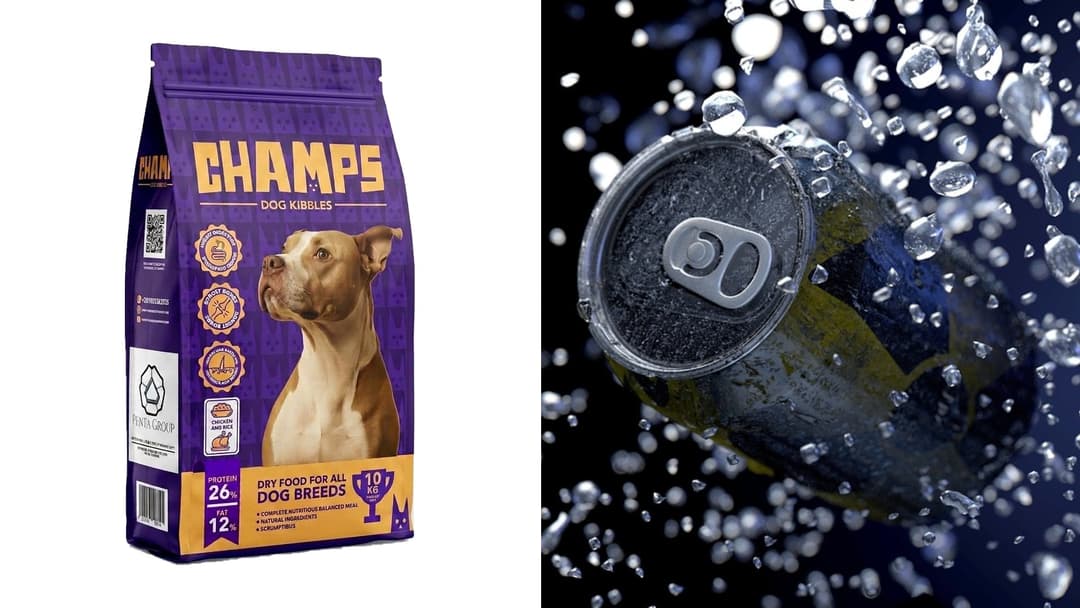
By Most Viral Today
24 min ago

Critical Storage Errors That Silently Destroy Home Emergency Supplies 
25. Storing Water In Milk Jugs 
24. Leaving Batteries Inside Flashlights 
23. Keeping Matches In Humid Areas - AdvertisementSwipe or tap ▶ to continue countdown

22. Storing Cans On Bare Concrete 
21. Neglecting Water Rotation 
20. Storing Seeds In Warm Attics 
19. Forgetting Manual Can Openers - AdvertisementSwipe or tap ▶ to continue countdown

18. Using Unvented Plastic Fuel Jugs 
17. Storing Grains Without Oxygen Absorbers 
16. Storing Water In Direct Sunlight 
15. Freezing Liquid Medications - AdvertisementSwipe or tap ▶ to continue countdown

14. Storing Flour In Original Paper Bags 
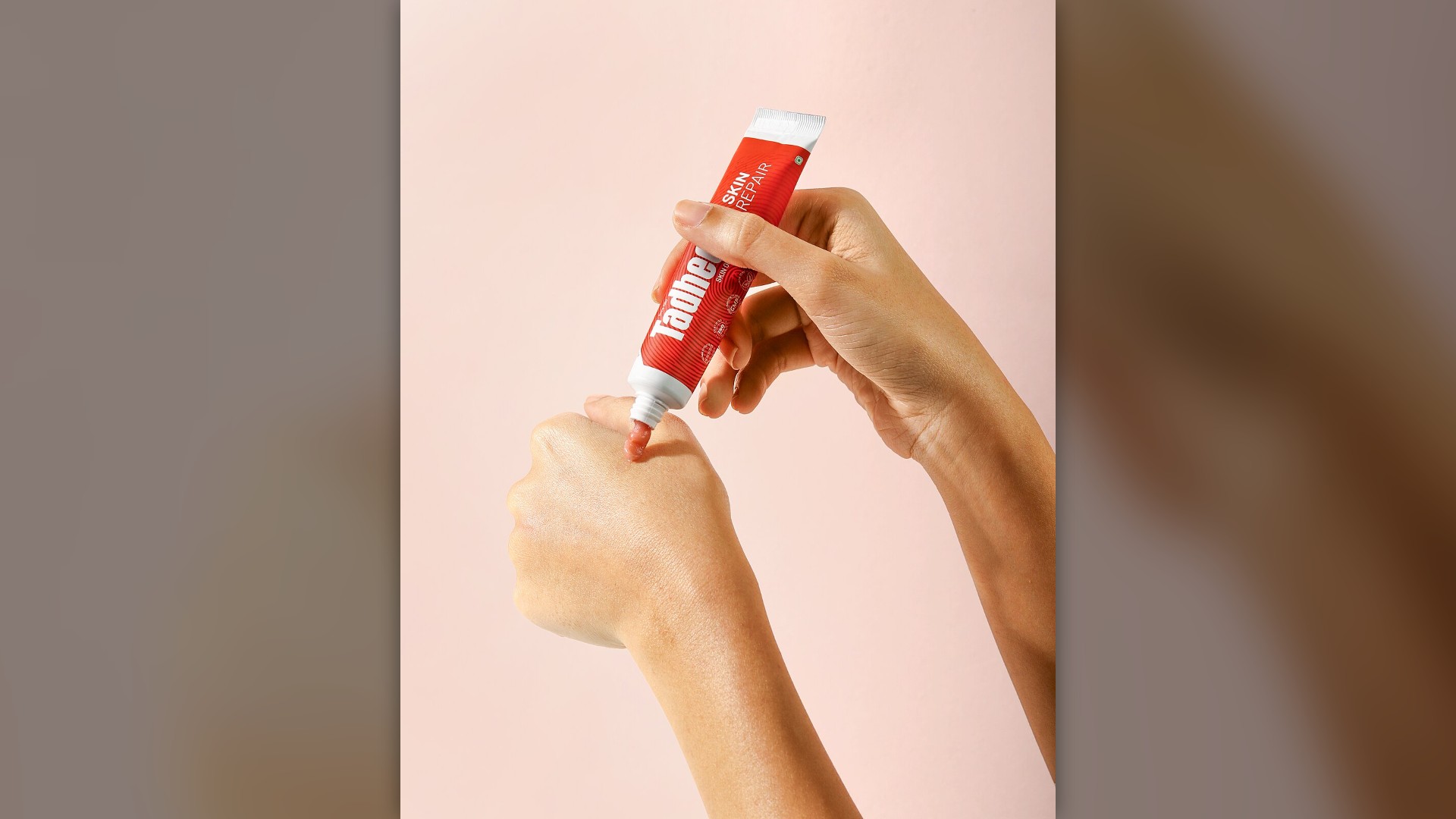
13. Leaving Ointments In Hot Cars 
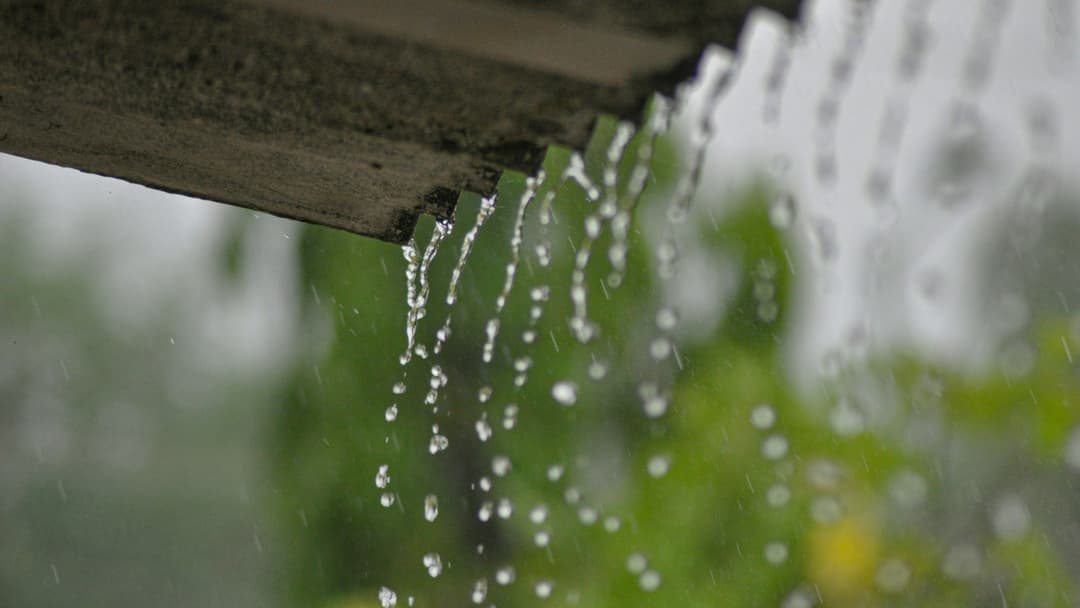
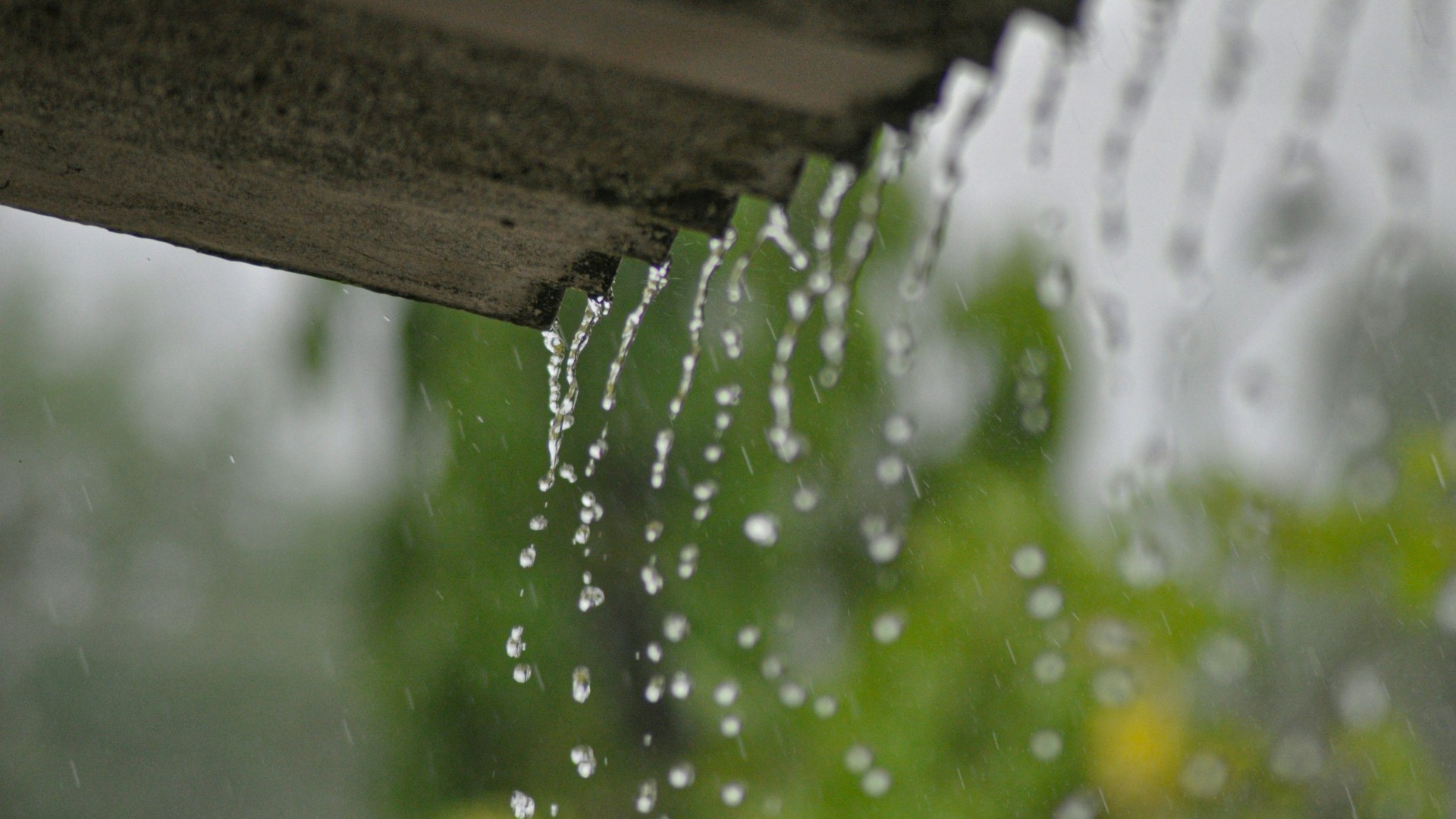
12. Forgetting Rainwater Treatment 
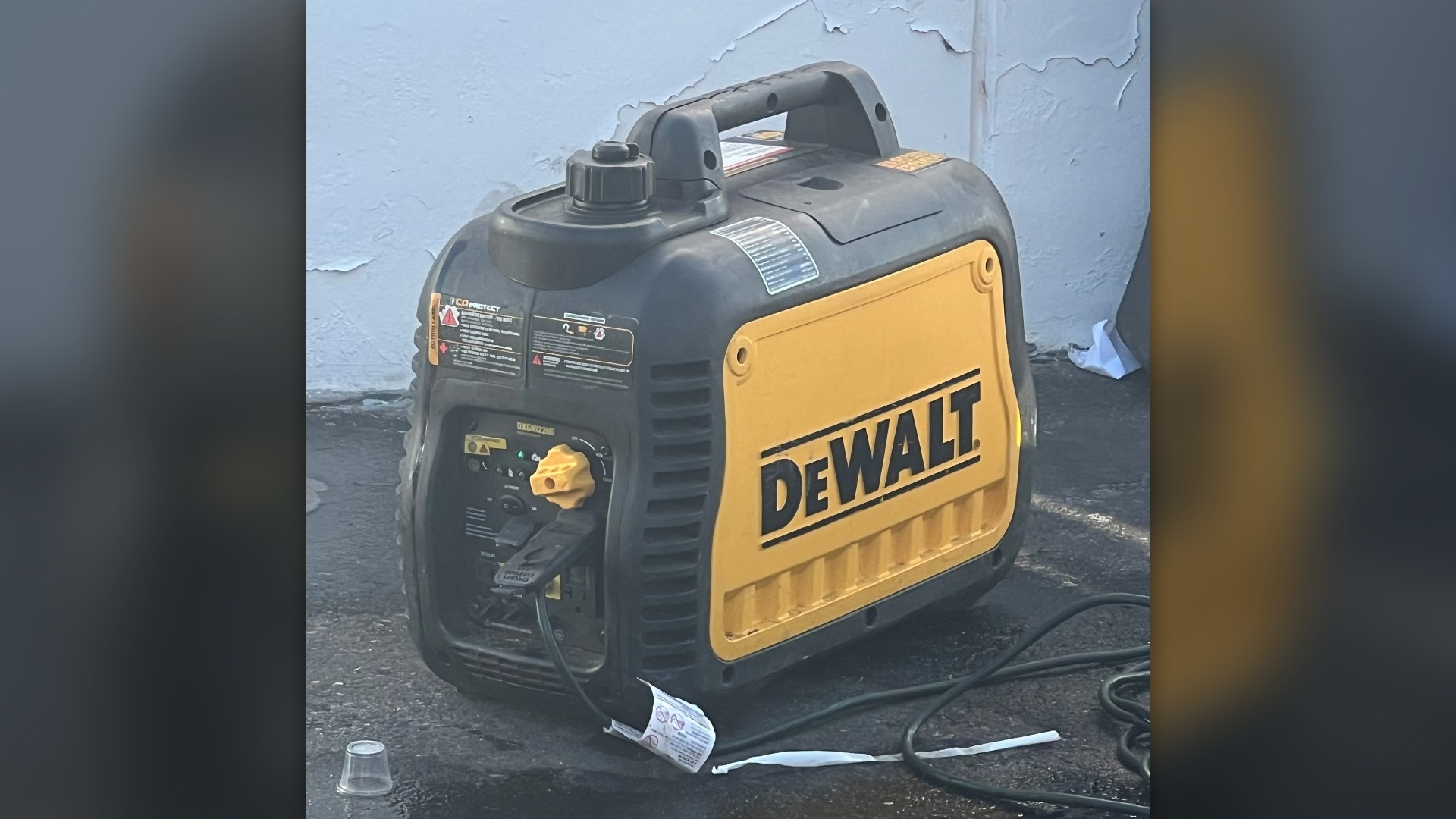
11. Storing Fuel Without Stabilizer - AdvertisementSwipe or tap ▶ to continue countdown

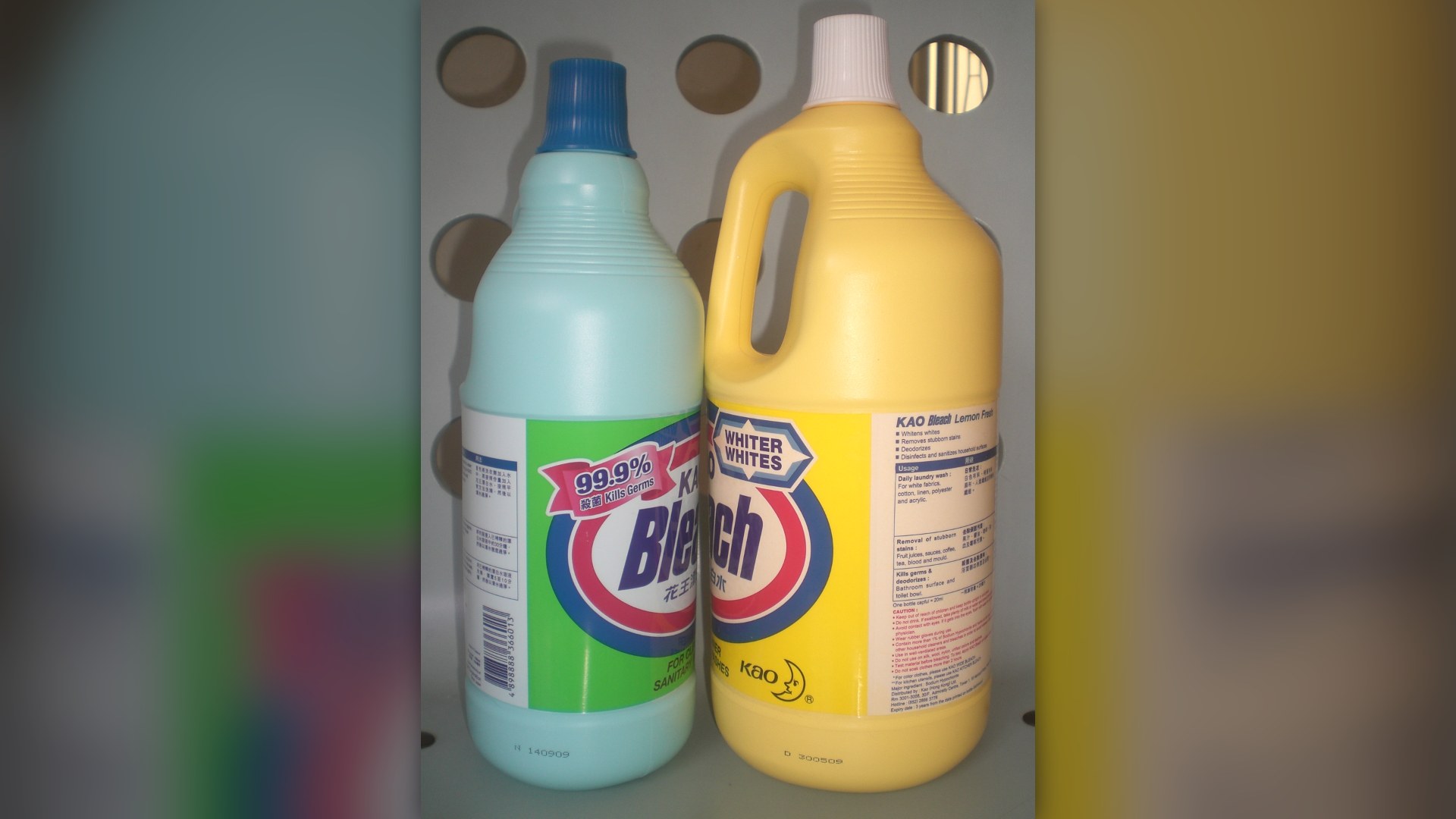
10. Using Scented Bleach For Water 
9. Adding Oxygen Absorbers To Sugar 
8. Leaving Pet Food In Unsealed Sacks 
7. Overlooking Water For Dried Meals - AdvertisementSwipe or tap ▶ to continue countdown

6. Storing Brown Rice For Long Terms 
5. Trapping Moisture In Fireproof Safes 
4. Storing Cans In Uninsulated Garages 
3. Skipping Radio Capacitor Checks - AdvertisementSwipe or tap ▶ to continue countdown

2. Using Industrial Utility Buckets 
1. Failing To Rotate Emergency Food - Advertisement🔥 UP NEXT IN THIS SERIES◫ 26 Slides

25 Political Leaders Who Changed the Course of Modern History
25 World Leaders Whose Decisions Defined the Modern Era
Building an emergency stockpile is only half the battle. Storing food, water, and tools in the wrong conditions can ruin your family's supplies long before a real disaster strikes.
Swipe or tap ▶ to begin the countdown
©Wikimedia / Pentagroup food & Pixabay / PIRO4D
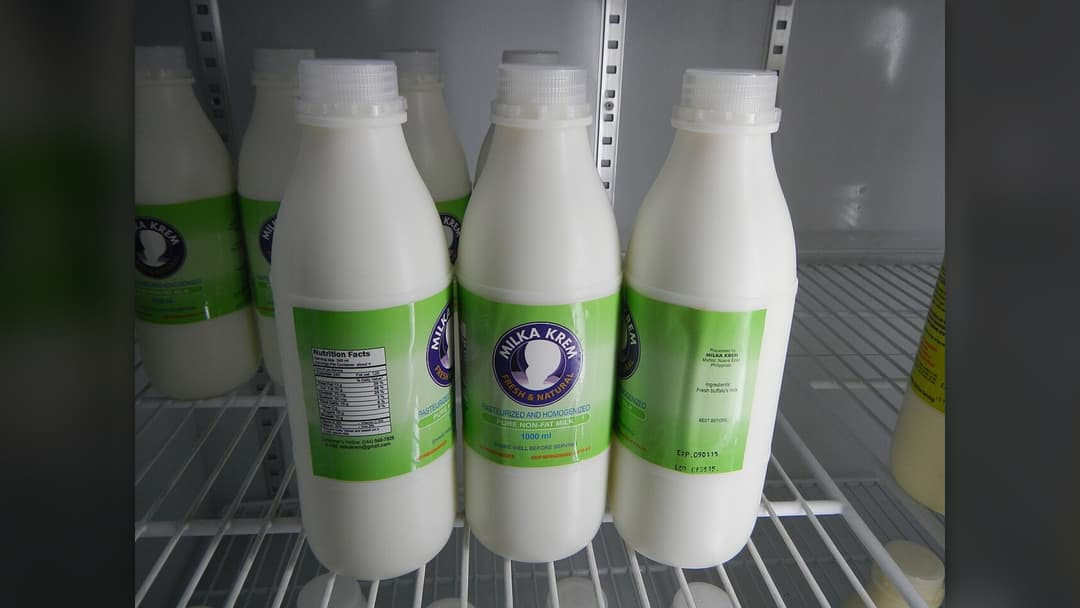
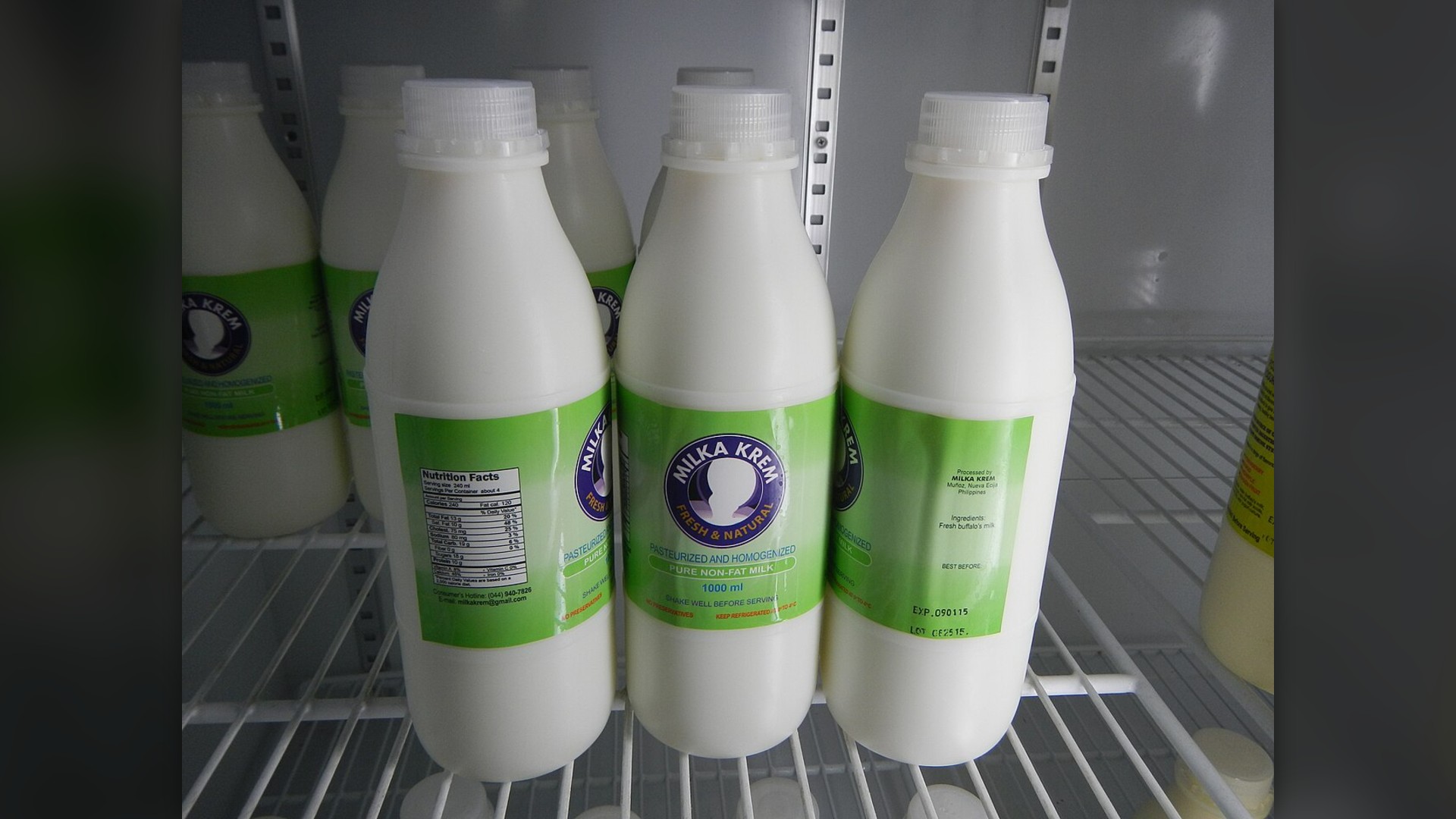
25. Storing Water In Milk Jugs
Translucent milk jugs are engineered to biodegrade quickly in landfills. Over several months, the plastic weakens, springing pinhole leaks that ruin surrounding supplies while residual milk proteins harbor harmful bacterial colonies.
©Wikimedia / Judgefloro
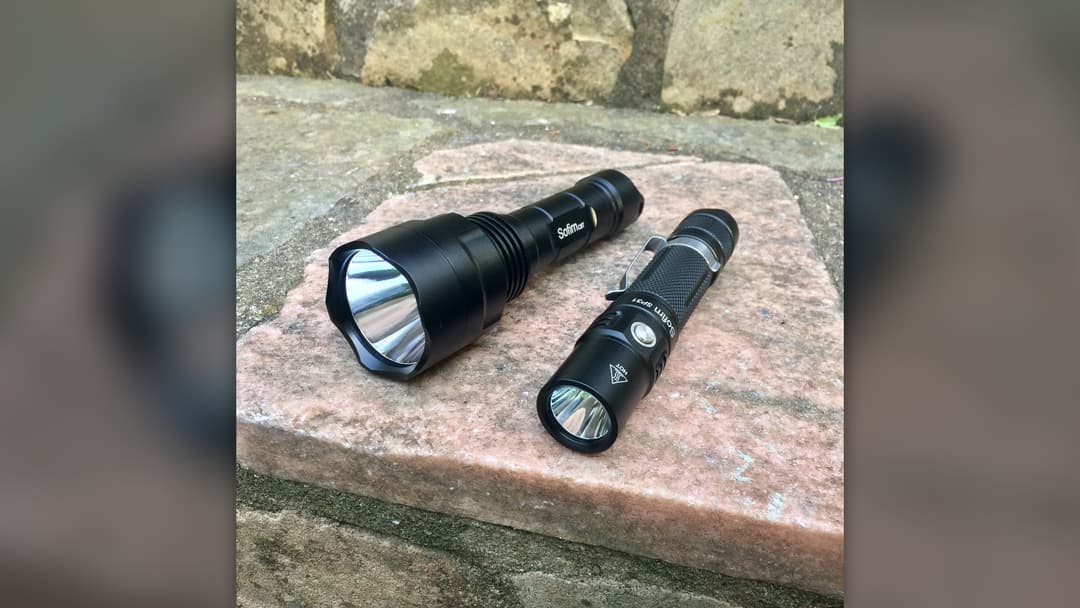
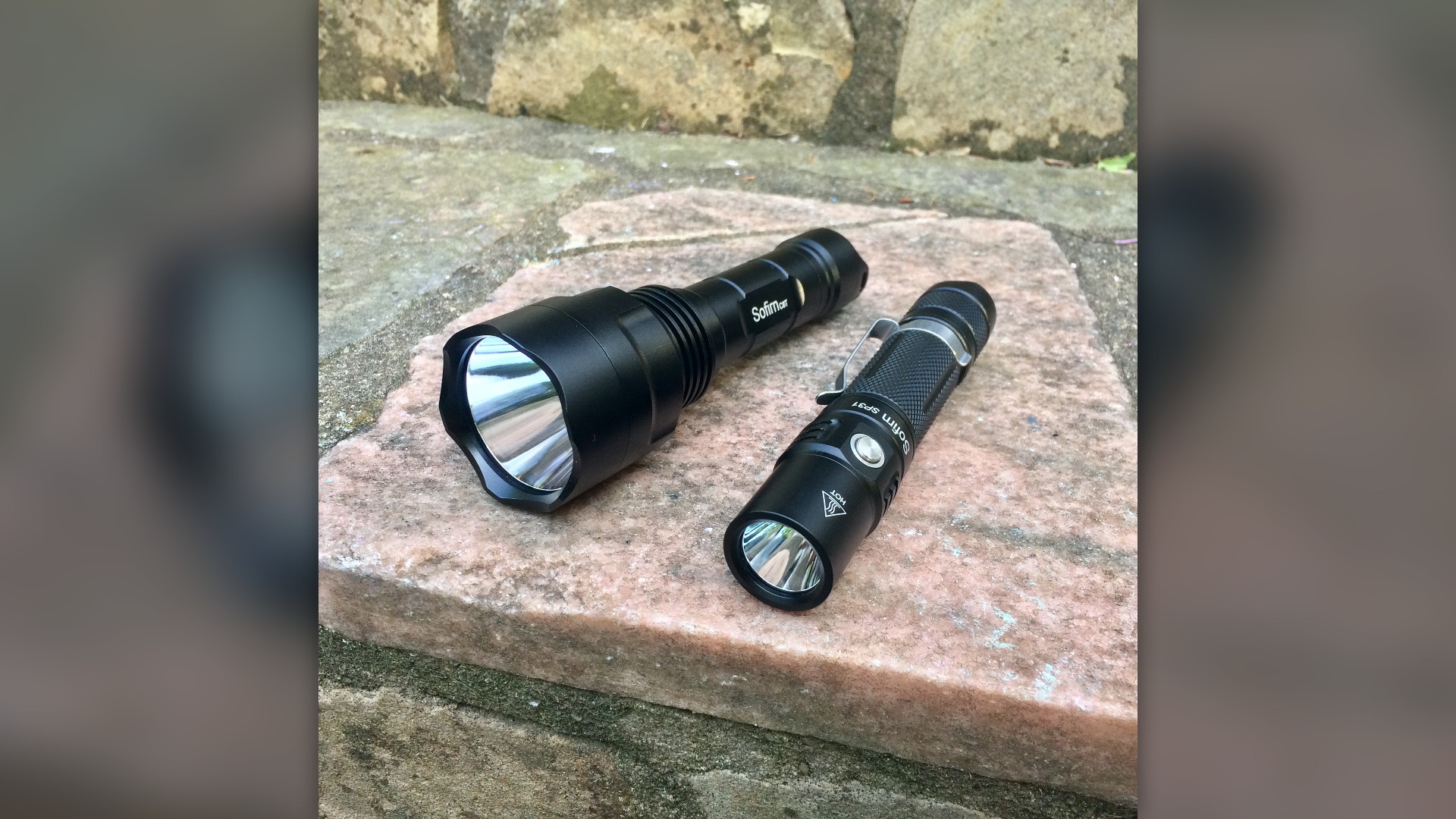
24. Leaving Batteries Inside Flashlights
Storing flashlights and radios with alkaline batteries installed is a recipe for gear failure. Over time, chemical seals break down, leaking corrosive white powder that eats through battery springs and leaves devices inoperable in a blackout.
©Wikimedia / Flashlight
23. Keeping Matches In Humid Areas
Basements and bathrooms experience high humidity swings that destroy standard match boxes. Without waterproof containers, phosphorus striker strips absorb ambient moisture, making it impossible to ignite matches when heat or fire is urgently required.

©Wikimedia / Dietmar Rabich
Advertisement
Swipe or tap ▶ to resume the countdown.
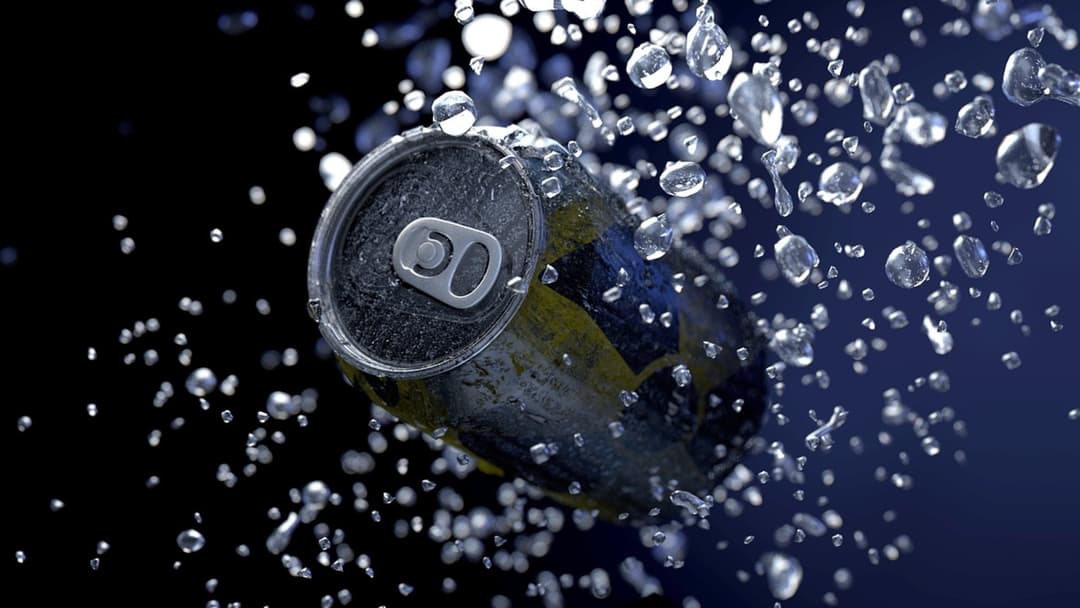
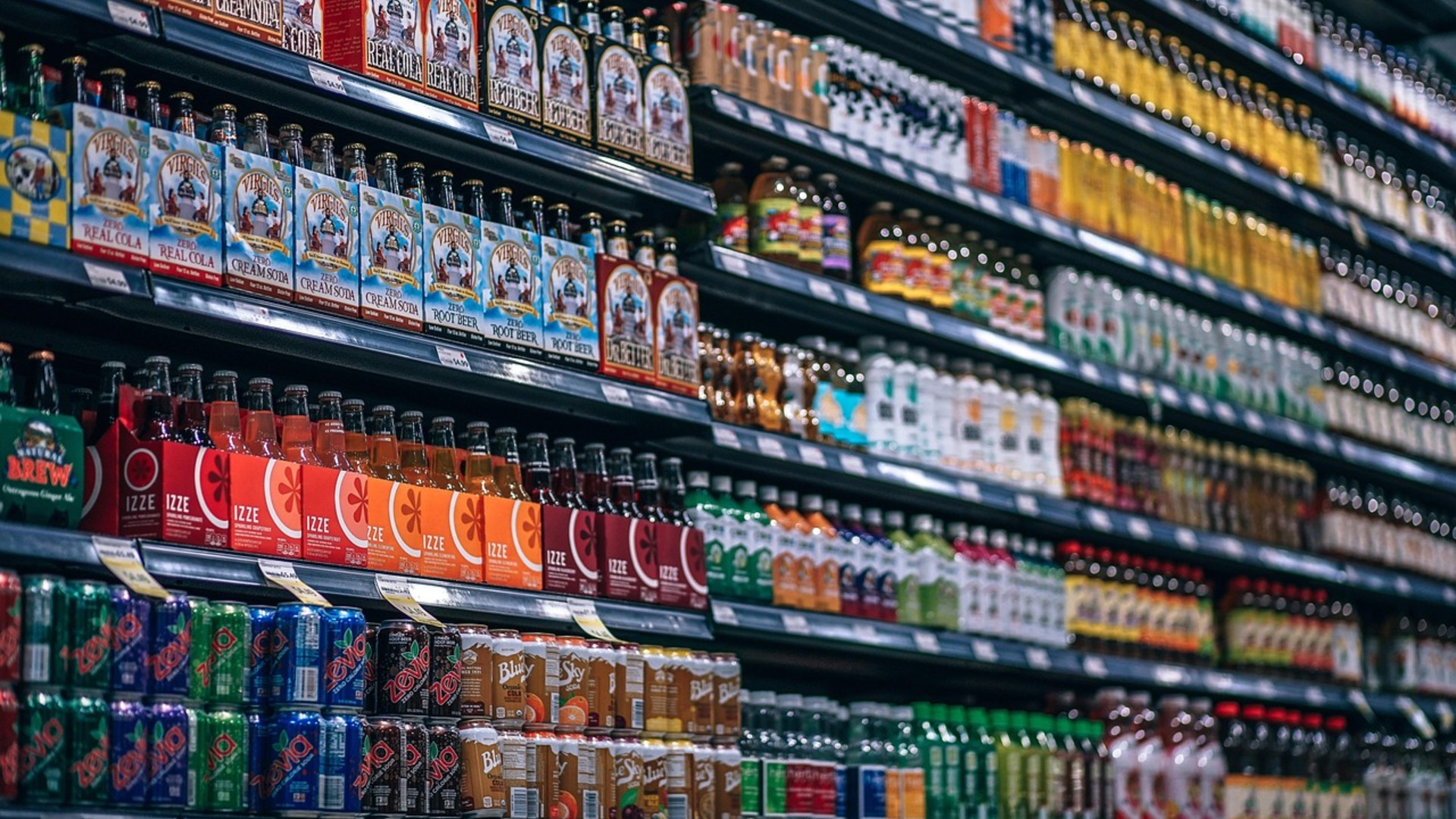
22. Storing Cans On Bare Concrete
Porous concrete floors constantly transfer moisture and cold temperature from the earth below. Placing canned goods directly on the floor leads to bottom corrosion, causing microscopic pinholes that allow botulism and bacteria to spoil your food.
©Pixabay / igorovsyannykov
21. Neglecting Water Rotation
Water does not technically spoil, but chlorine dissipates over time, allowing microbes to multiply in warm storage. Emergency planners recommend refreshing stored tap water every six months or rotating commercial containers past their printed dates.
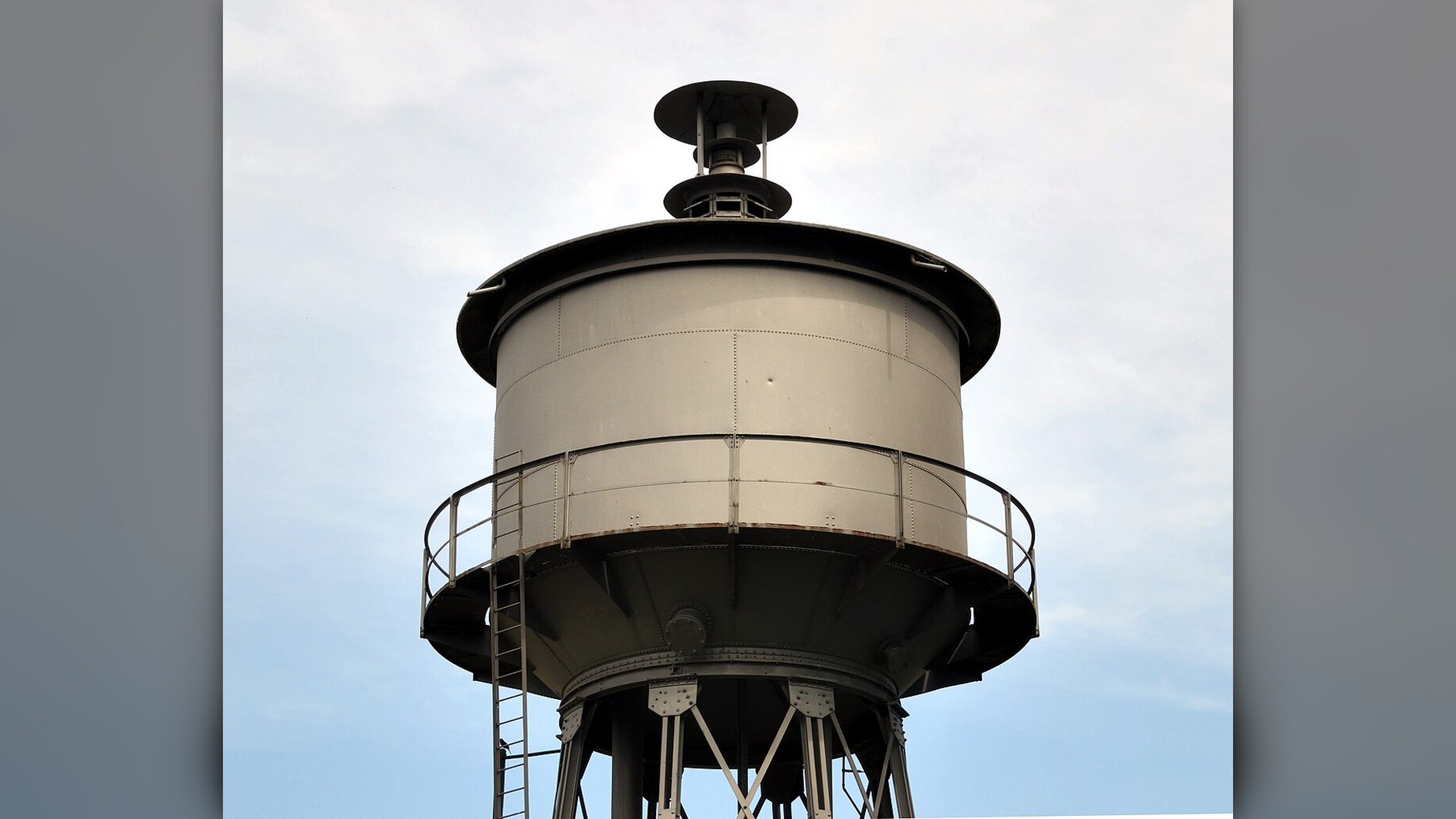
©Wikimedia / Taxiarchos228
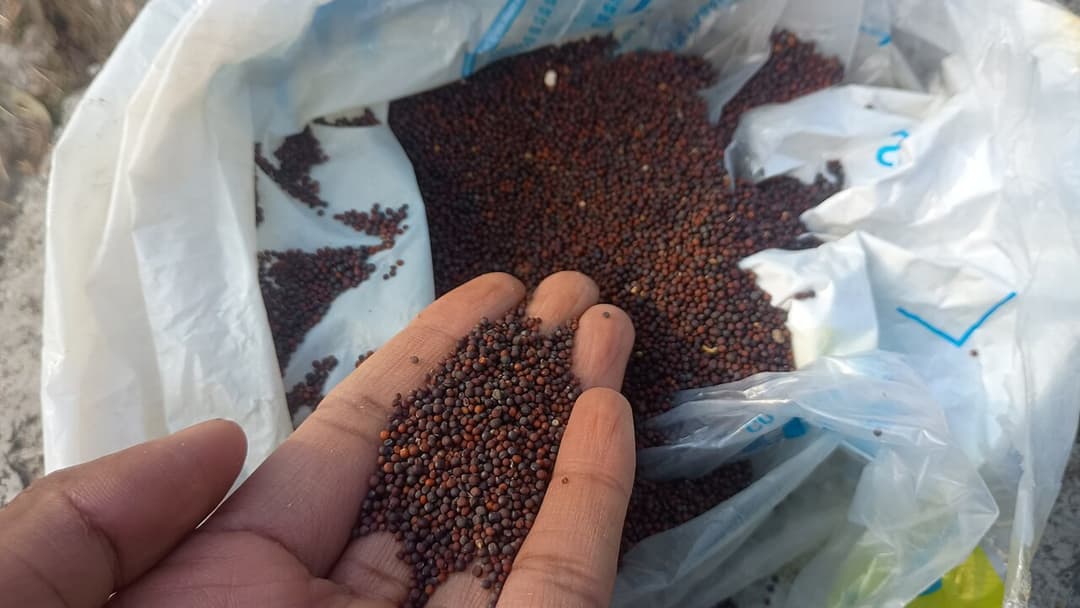
20. Storing Seeds In Warm Attics
Survival garden seeds require cool, dark, and dry conditions to remain biologically viable. Exposing heirloom seed packets to hot attic temperatures degrades vital plant embryos, cutting seed germination rates in half after just one summer.
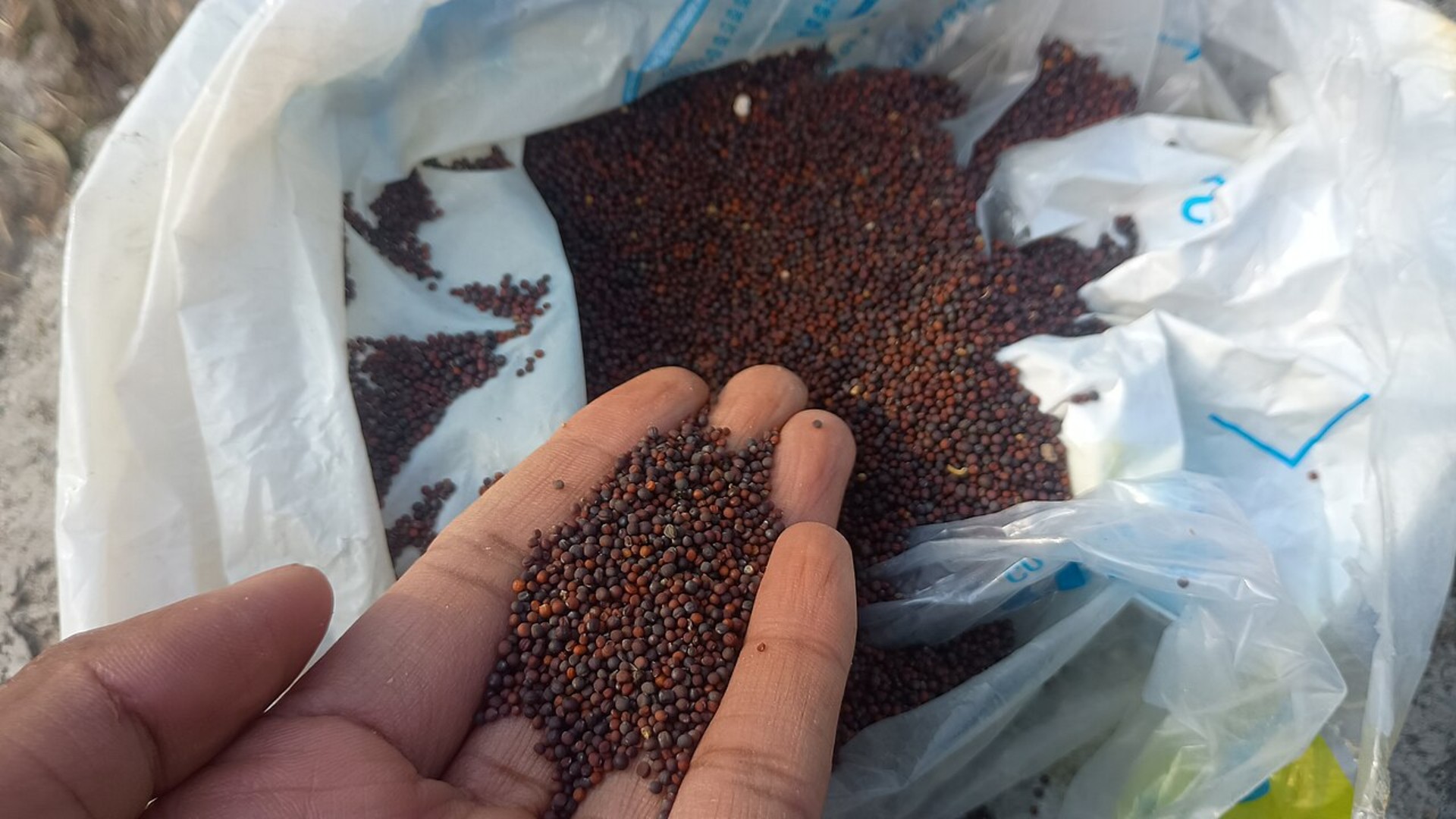
©Wikimedia / Rajani Gairshail
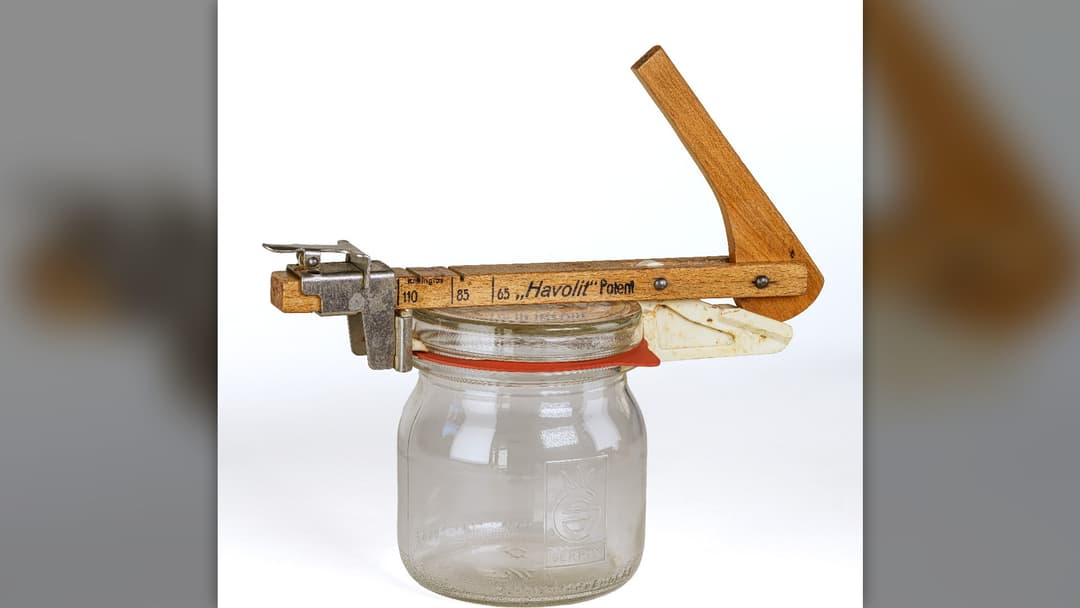
19. Forgetting Manual Can Openers
Stockpiling hundreds of canned meals does no good if you lack the manual tools to open them. Always keep multiple sturdy manual can openers or military P-38 openers taped directly to your emergency food bins.
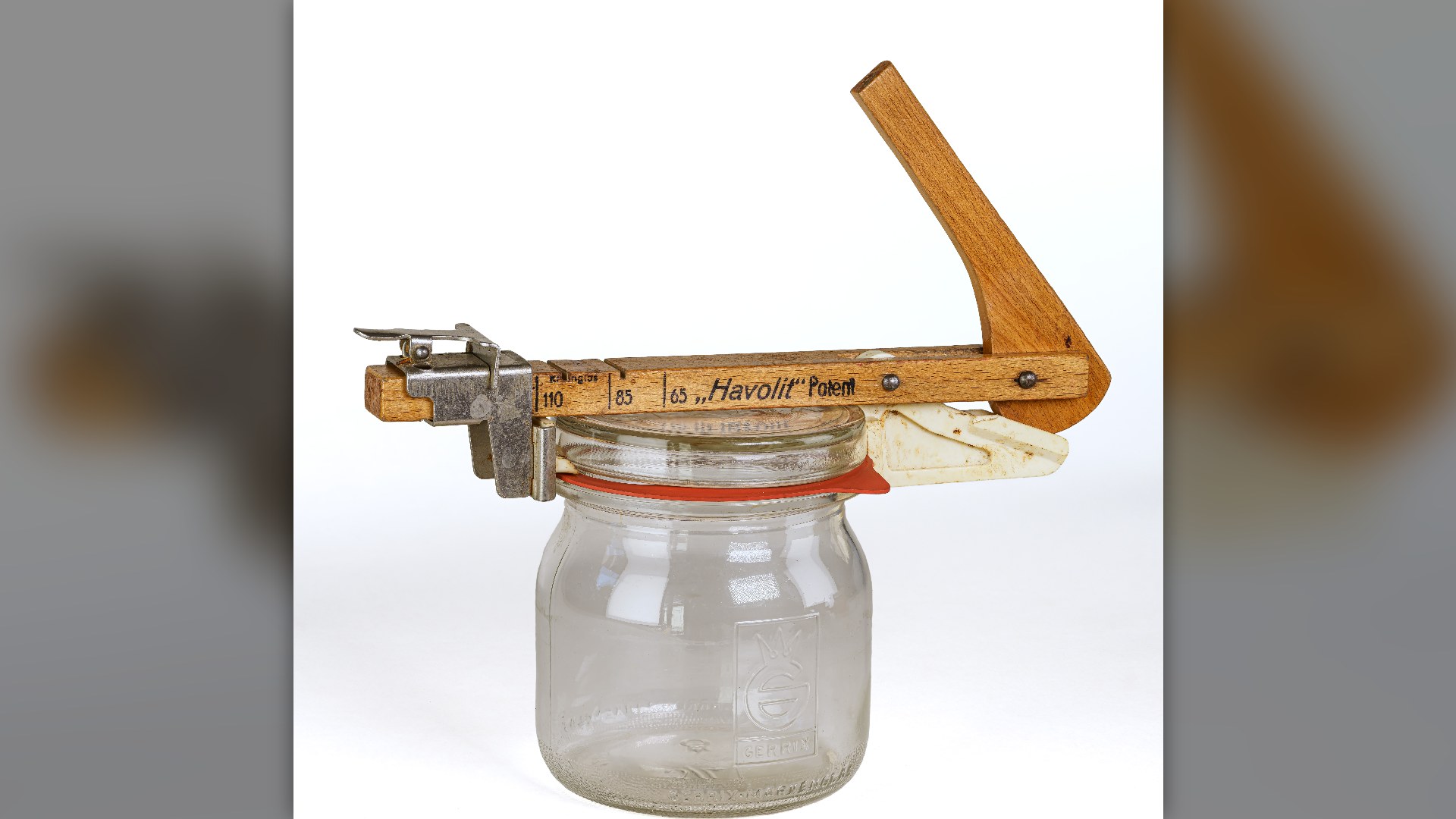
©Wikimedia / Franz van Duns
Advertisement
Swipe or tap ▶ to resume the countdown.
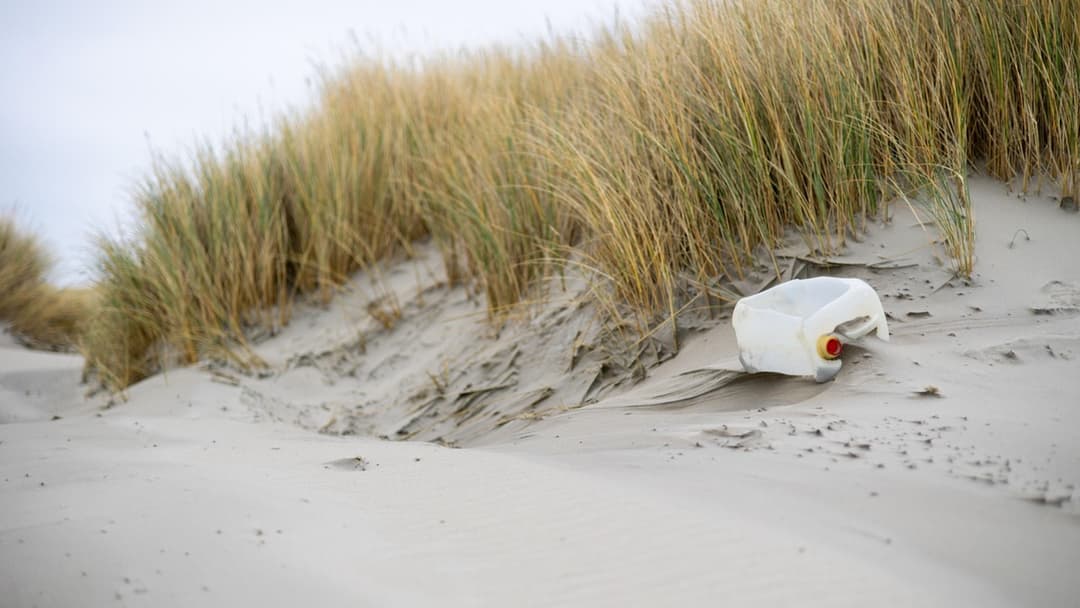
18. Using Unvented Plastic Fuel Jugs
Gasoline expands significantly when temperatures rise in garages and outdoor sheds. Storing fuel in cheap or non-vented plastic containers causes warping, dangerous vapor accumulation, and chemical degradation of fuel additives.
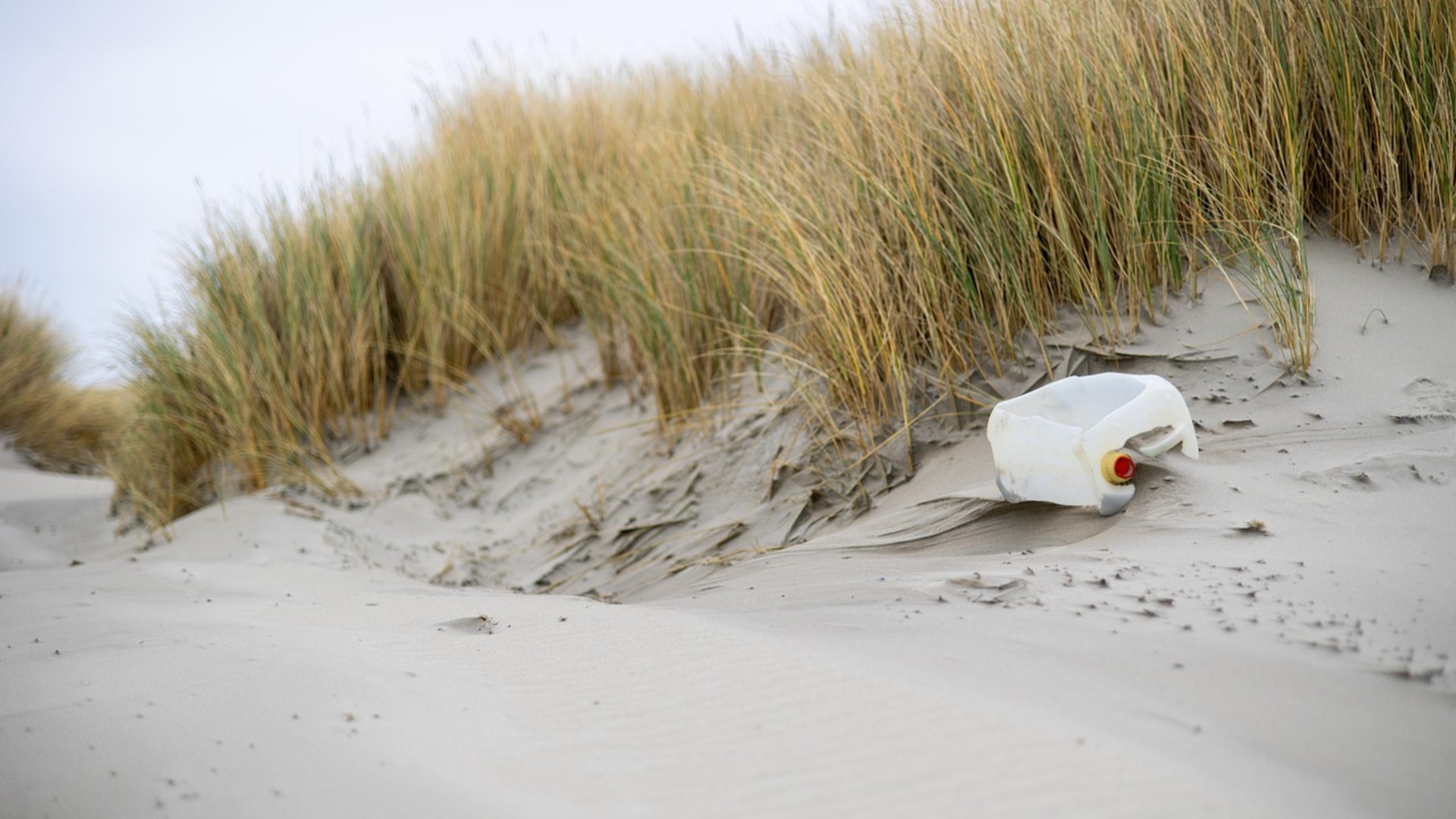
©Pixabay / OnzeCreativitijd
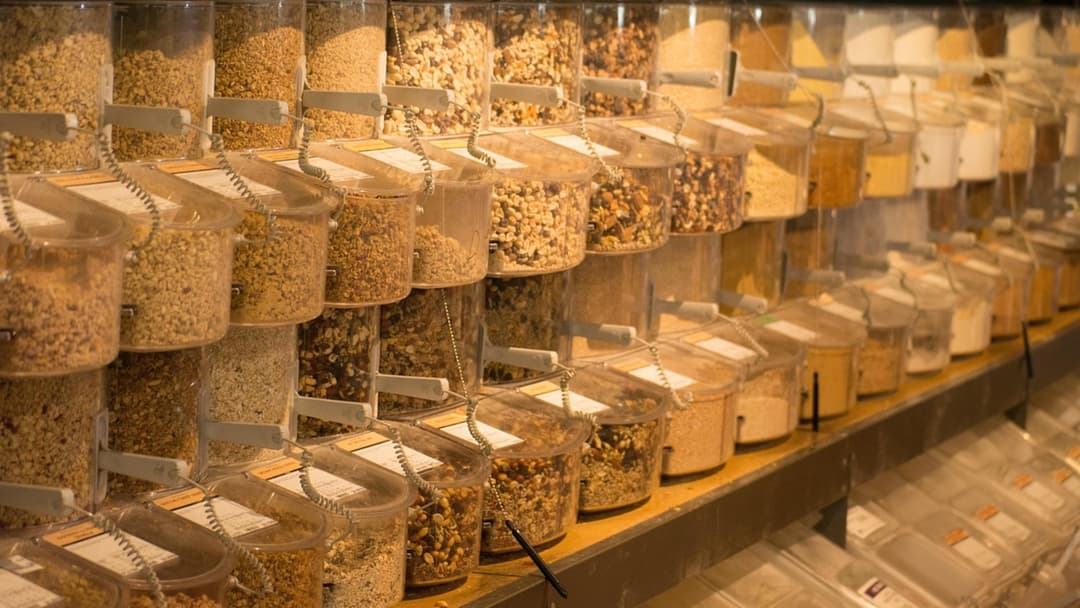
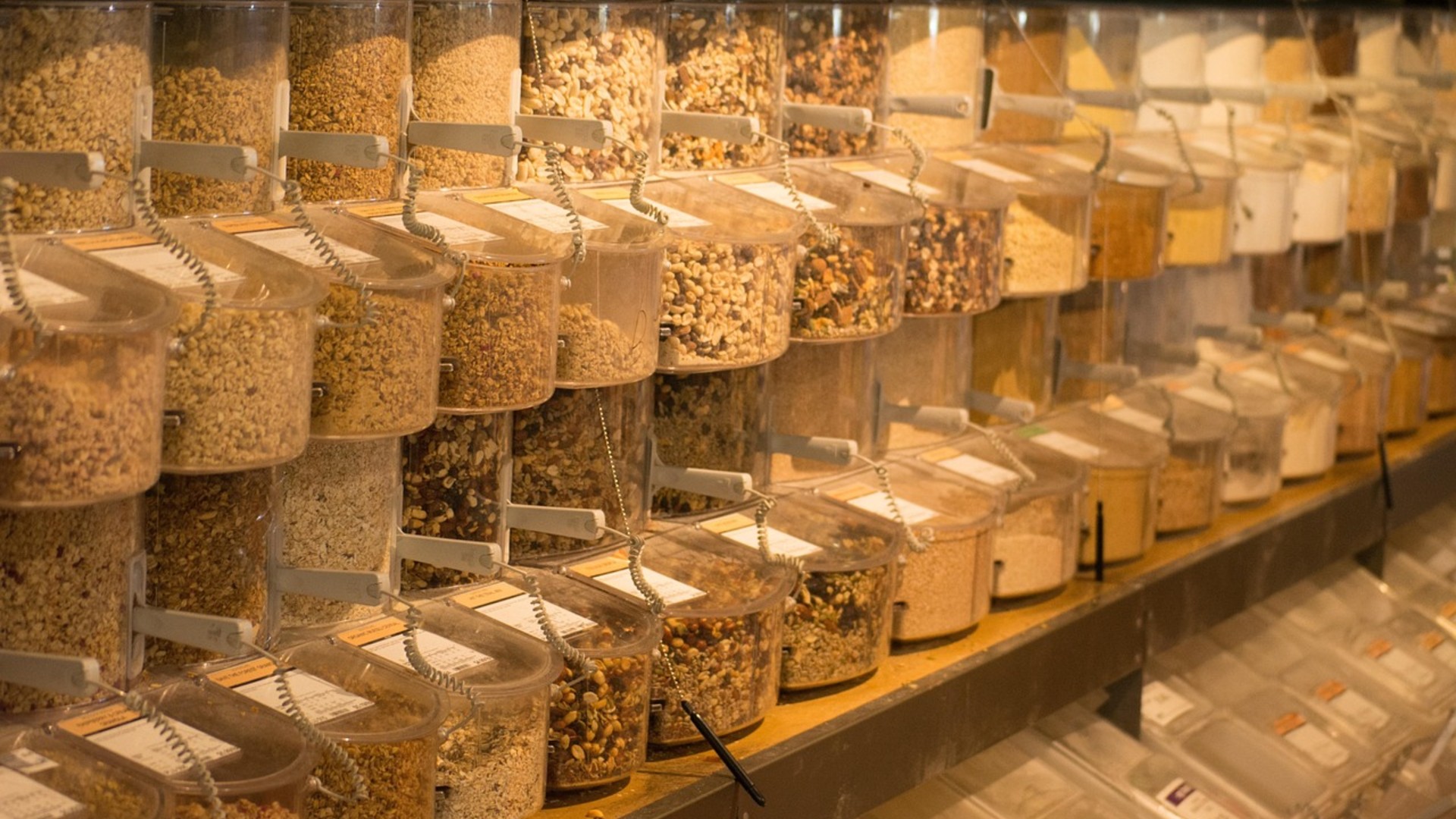
17. Storing Grains Without Oxygen Absorbers
Raw wheat, oats, and beans naturally harbor dormant insect larvae that hatch in warm, oxygen-rich environments. Sealing grains inside thick Mylar bags alongside food-grade iron oxygen absorbers suffocates pests and extends shelf life to thirty years.
©Pixabay / MelissaAnna
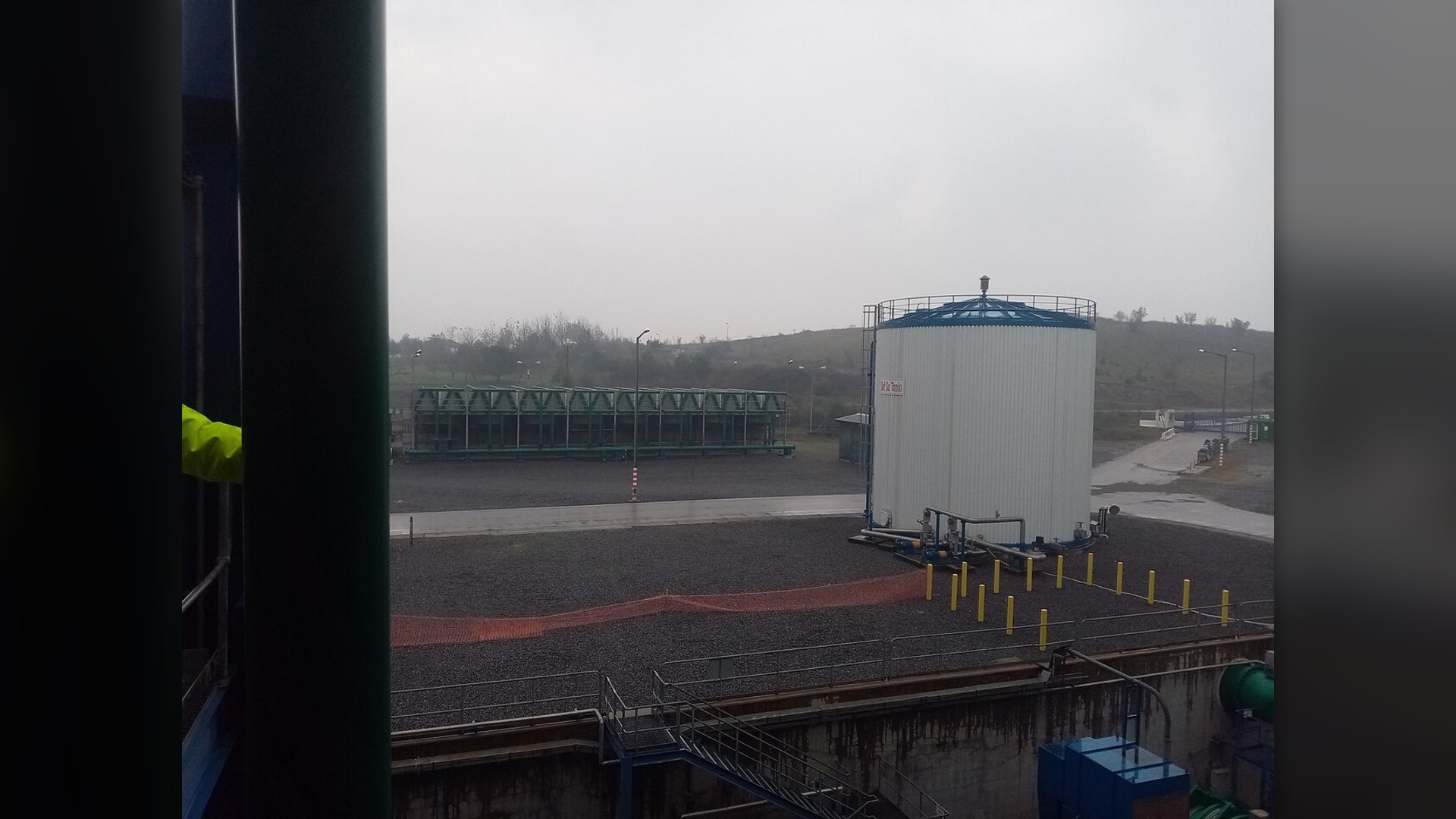
16. Storing Water In Direct Sunlight
Sunlight streaming through garage windows warms transparent water bottles and accelerates chemical leaching from plastic walls. UV exposure also triggers green algae blooms, turning clean drinking water into an unpalatable green soup.
©Wikimedia / Harald the Bard
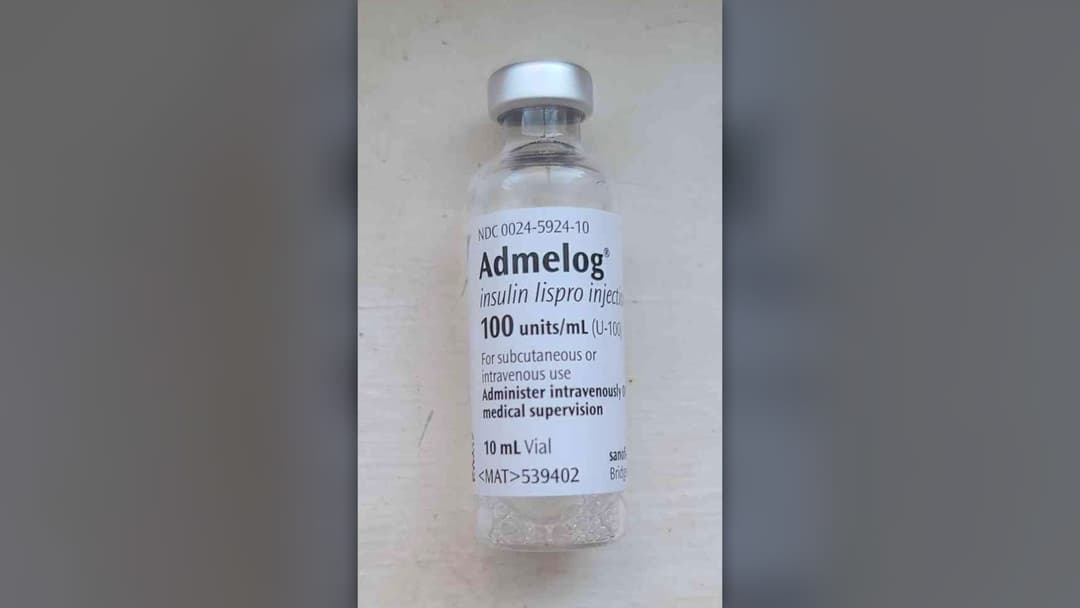
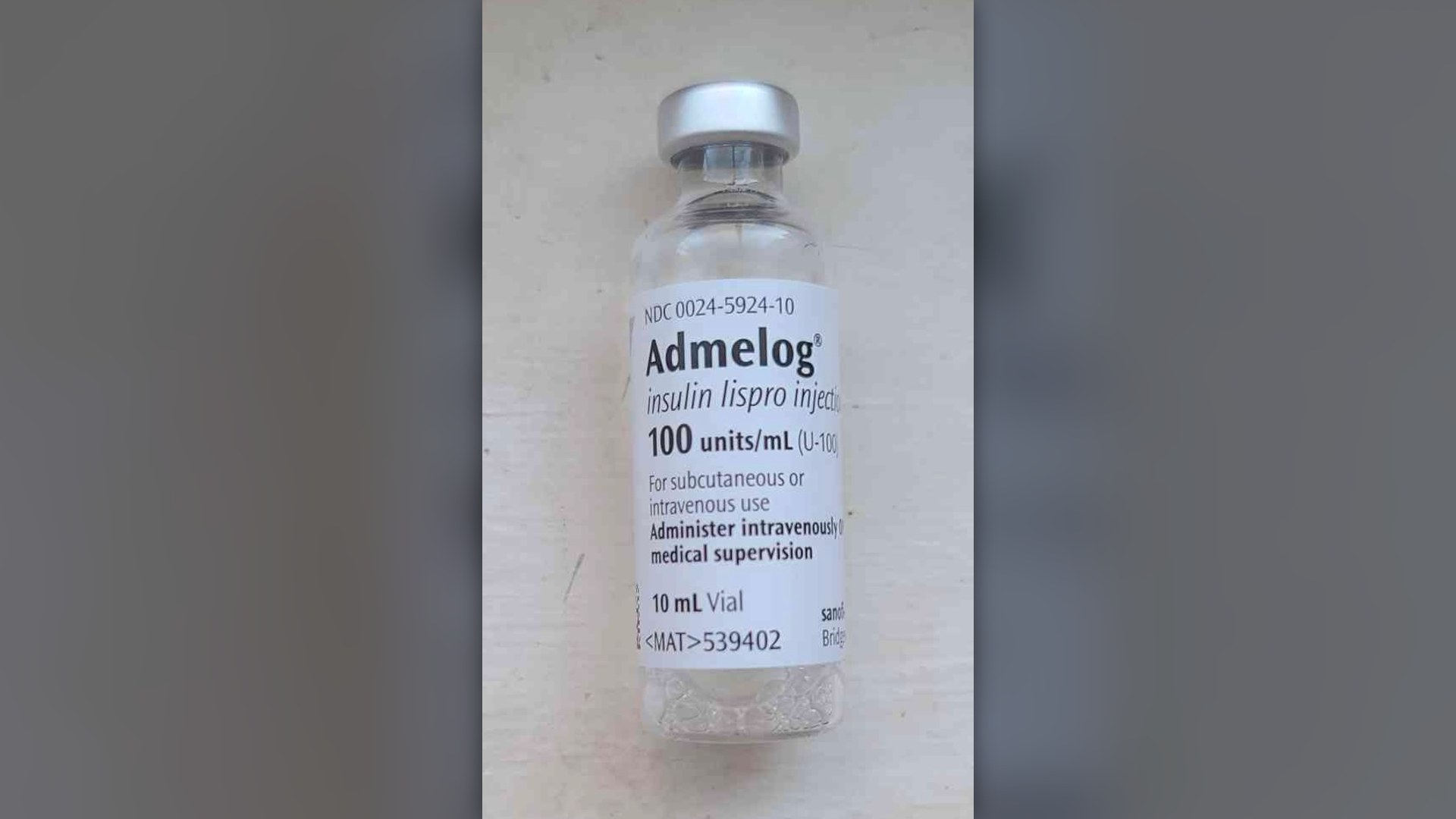
15. Freezing Liquid Medications
While keeping medicines cool is important, placing liquid prescriptions in freezing zones ruins their molecular potency. Insulin, cough syrups, and eye drops lose clinical efficacy when frozen, leaving patients vulnerable during medical emergencies.
©Wikimedia / MallardTV
Advertisement
Swipe or tap ▶ to resume the countdown.
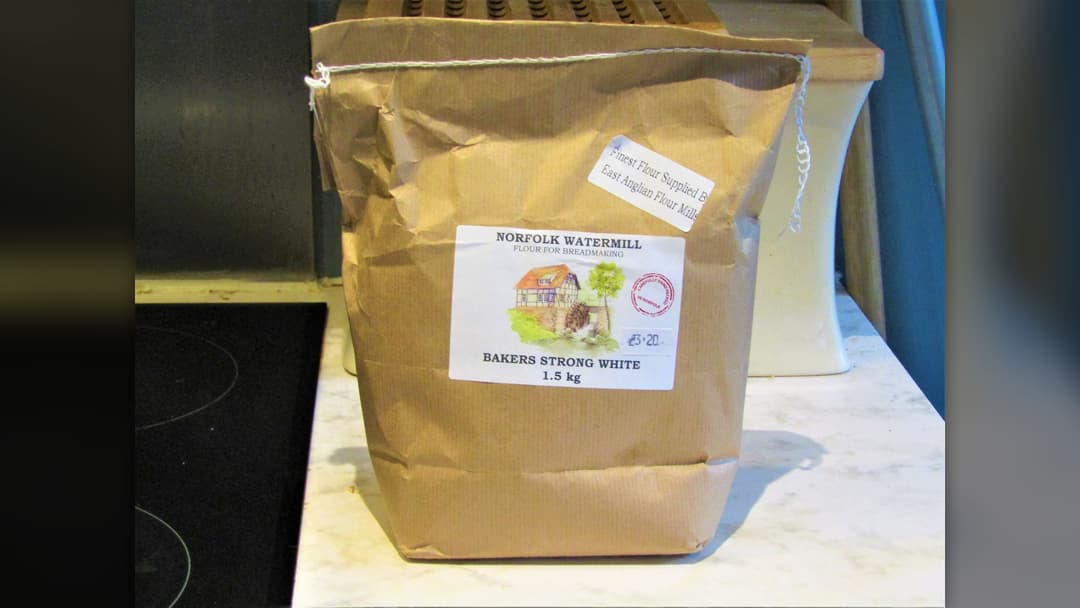
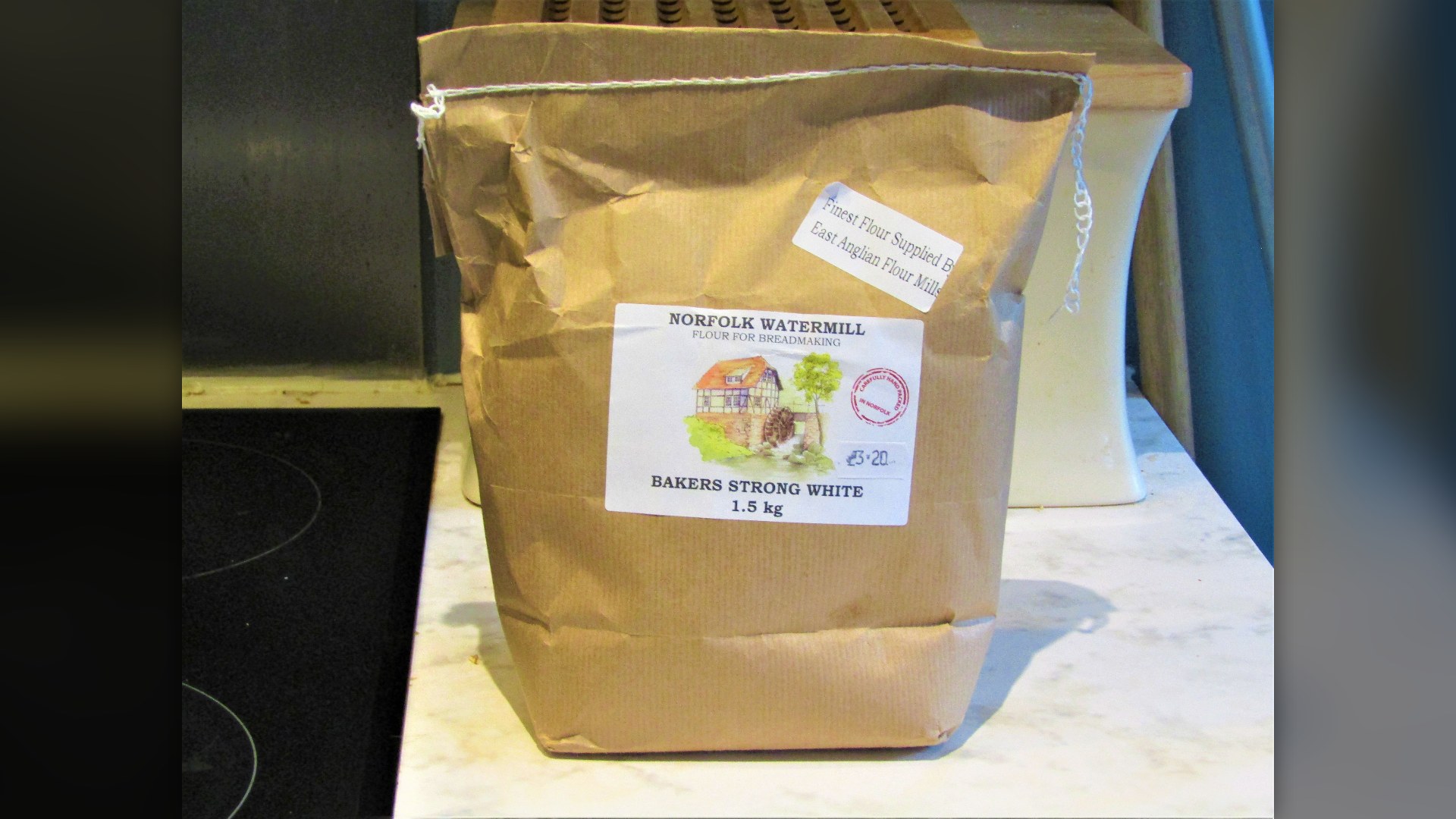
14. Storing Flour In Original Paper Bags
Grocery store paper sacks offer zero protection against ambient humidity, mold spores, or foraging rodents. Transfer white flour into airtight, food-grade containers with tight-fitting rubber gaskets to prevent spoilage and infestation.
©Wikimedia / Kolforn (Kolforn)
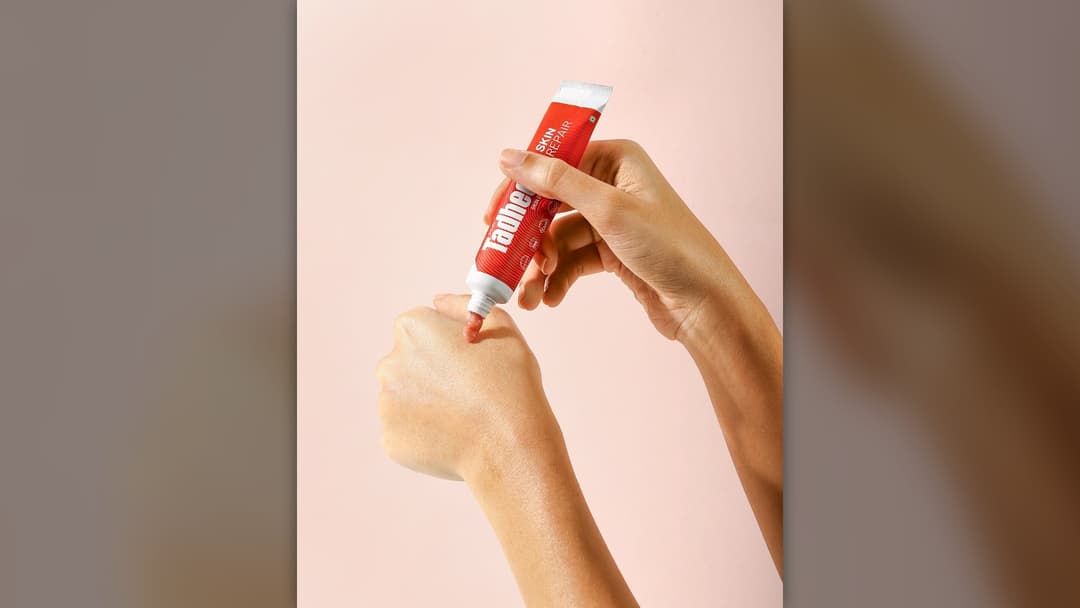
13. Leaving Ointments In Hot Cars
Automobile interiors frequently reach over one hundred and forty degrees during summer months. High thermal cycling liquefies burn gels, separates antibiotic creams, and degrades adhesive bandages stored in vehicle first aid kits.
©Wikimedia / Tadheen
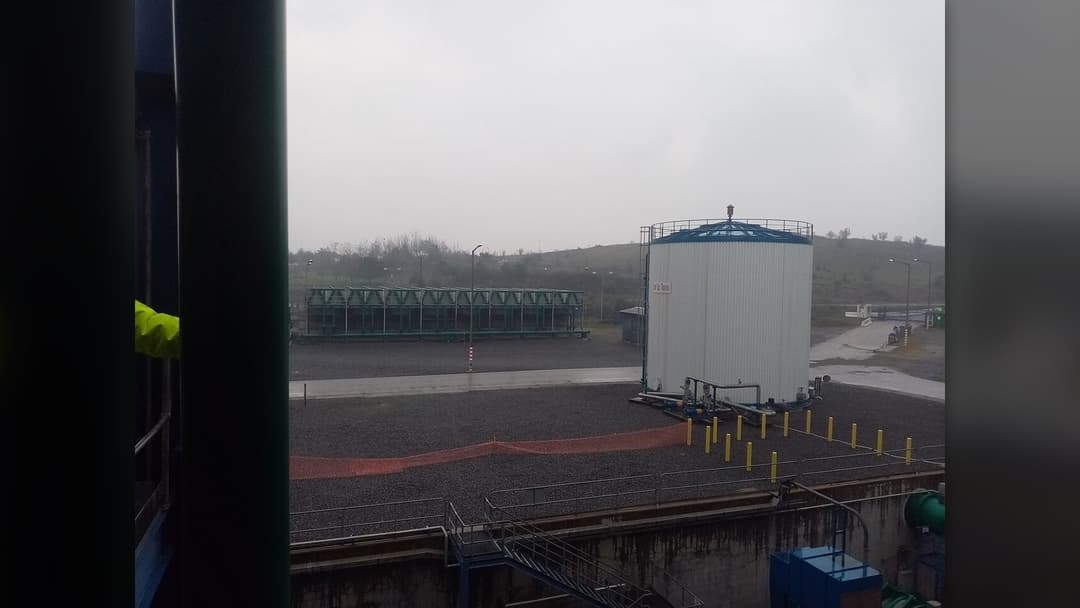
12. Forgetting Rainwater Treatment
Rainwater harvested from roof shingles carries chemical runoff and environmental contaminants. Failing to filter and chemically disinfect collected rainwater before drinking risks severe waterborne illnesses and gastrointestinal infections.
©Unsplash / Kenneth Adams
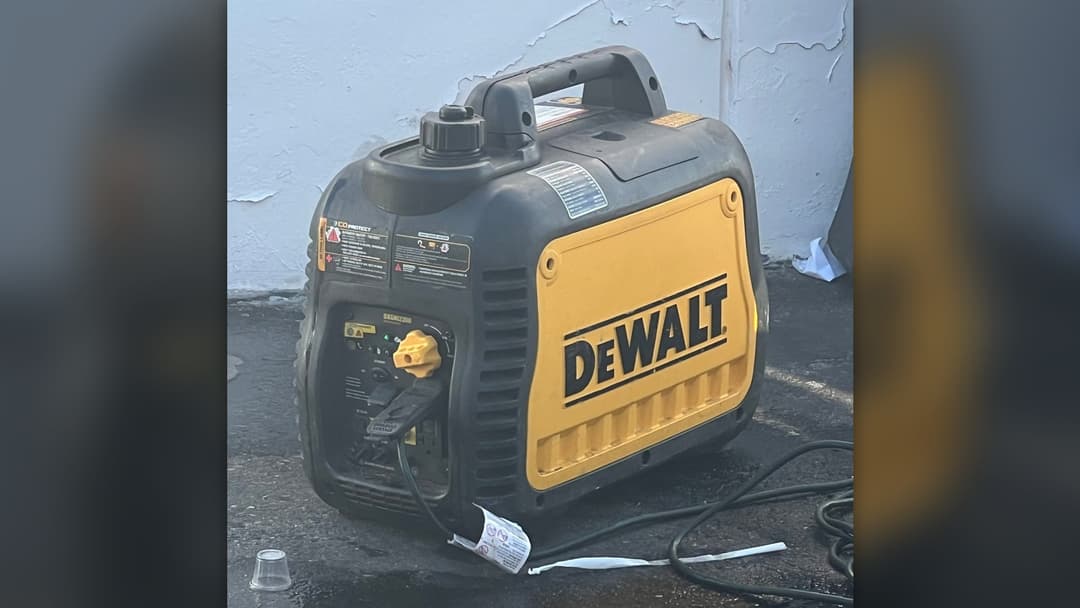
11. Storing Fuel Without Stabilizer
Modern ethanol-blended gasoline begins degrading within ninety days of leaving the pump. Adding commercial fuel stabilizer extends fuel usability up to two years, ensuring your backup generator starts reliably during winter ice storms.
©Wikimedia / TaurusEmerald
Advertisement
Swipe or tap ▶ to resume the countdown.
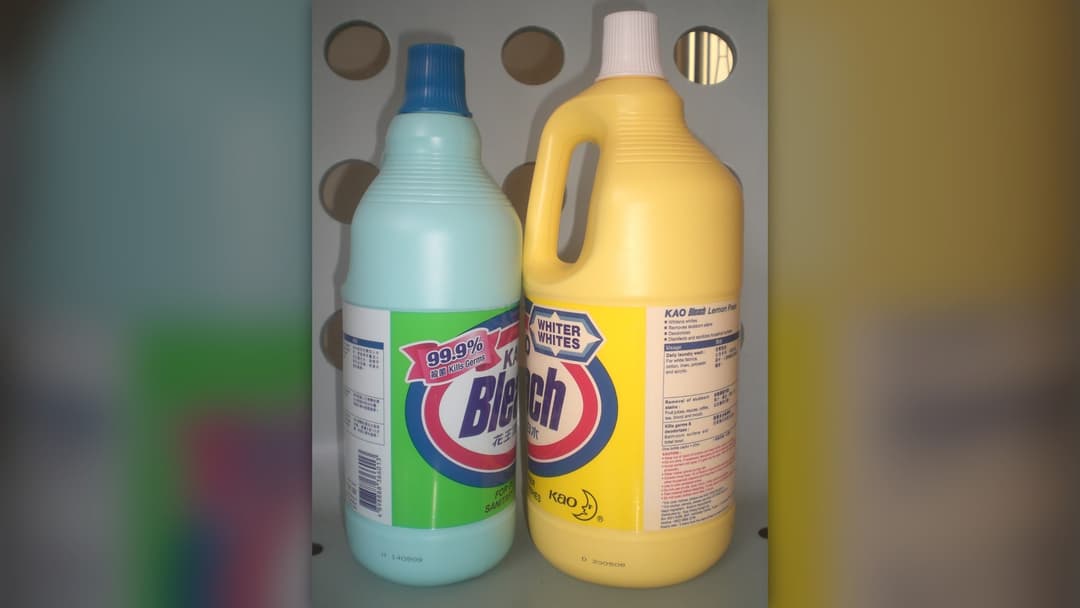
10. Using Scented Bleach For Water
Emergency water disinfection requires plain, unscented liquid household chlorine bleach containing six to eight percent sodium hypochlorite. Scented, splashless, or color-safe bleaches contain toxic surfactants that are dangerous to consume.
©Wikimedia / Meadohsum
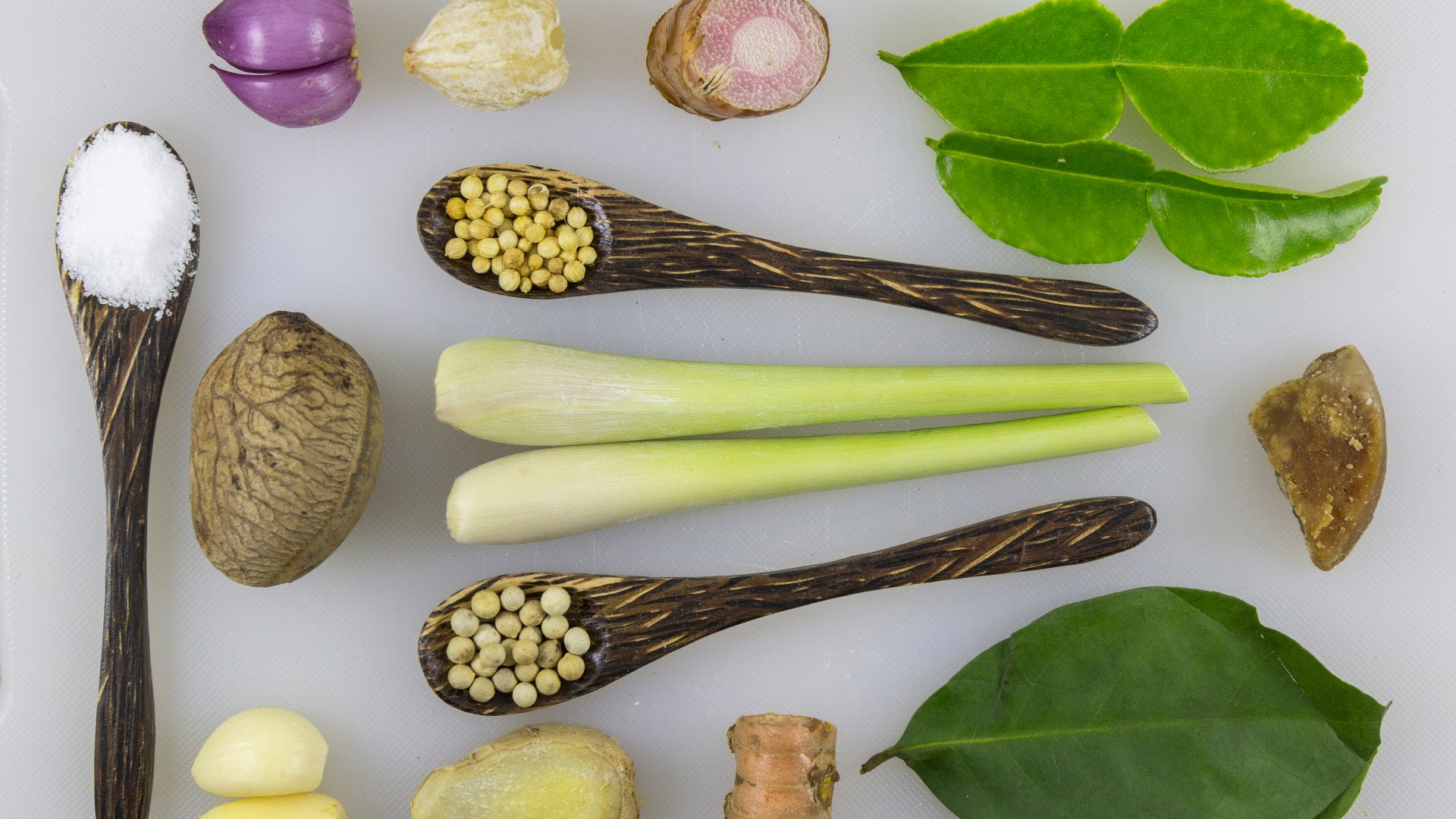
9. Adding Oxygen Absorbers To Sugar
Pure granulated white sugar and table salt do not support insect life or spoil from oxidation. Adding oxygen absorber packets to sugar pulls out essential moisture, fusing the entire container into an impenetrable solid block.
©Wikimedia / Herusutimbul
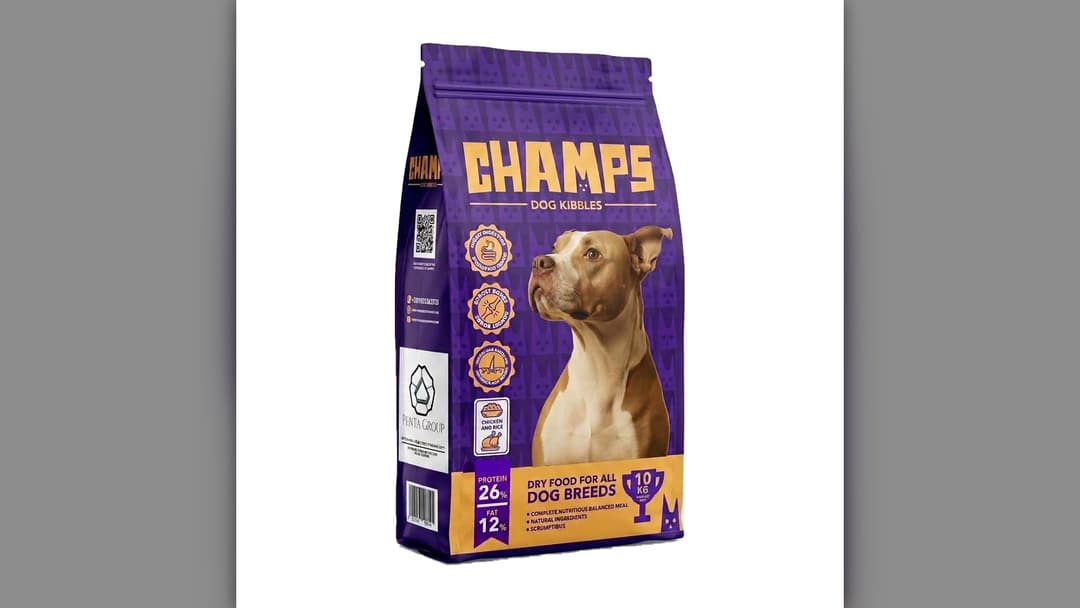
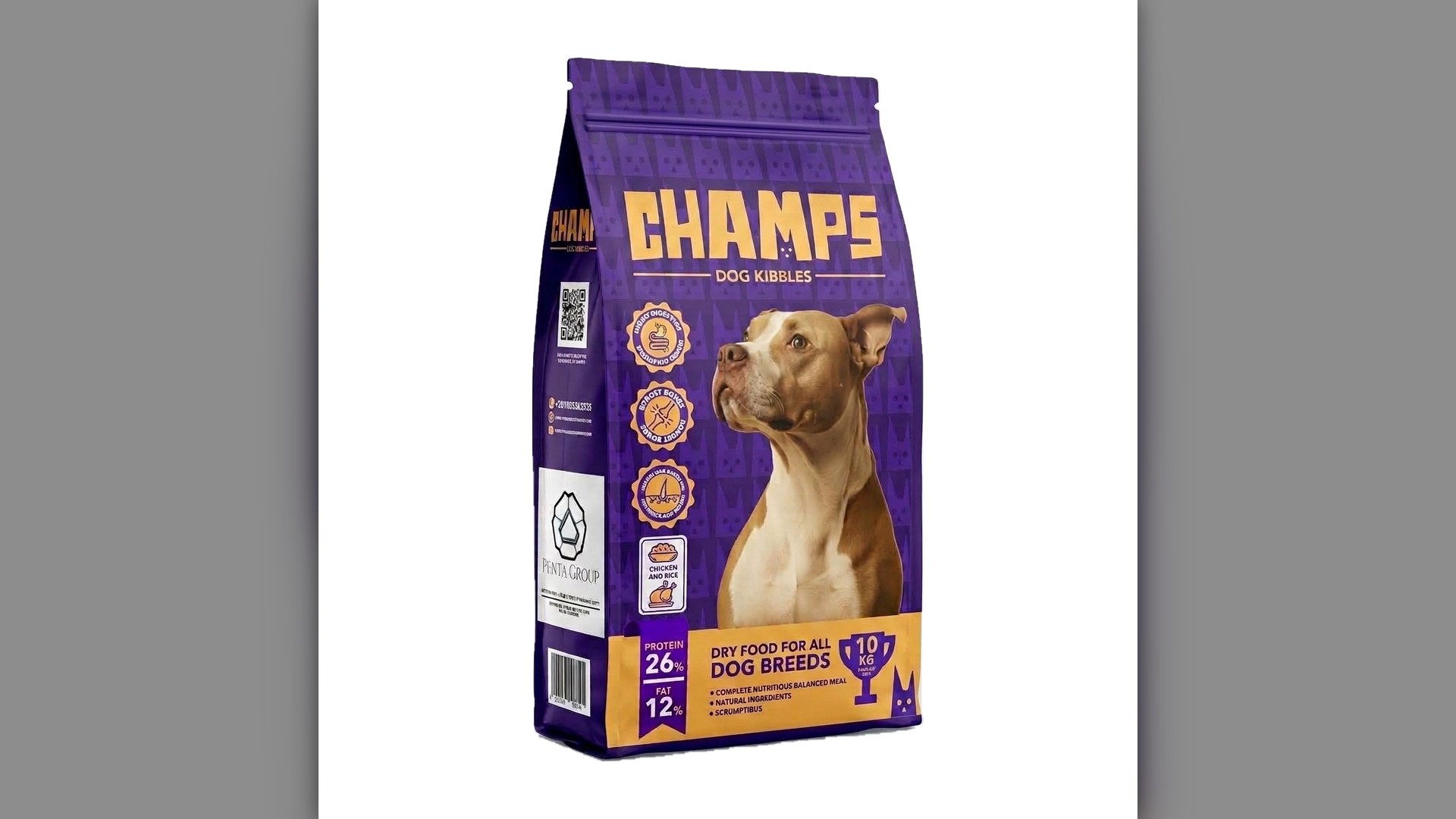
8. Leaving Pet Food In Unsealed Sacks
Pet kibble is coated in rich animal fats that spoil rapidly once manufacturer bags are opened. Store pet reserves in airtight plastic tubs with desiccants to preserve essential nutrients and protect food from scavenging insects.
©Wikimedia / Pentagroup food
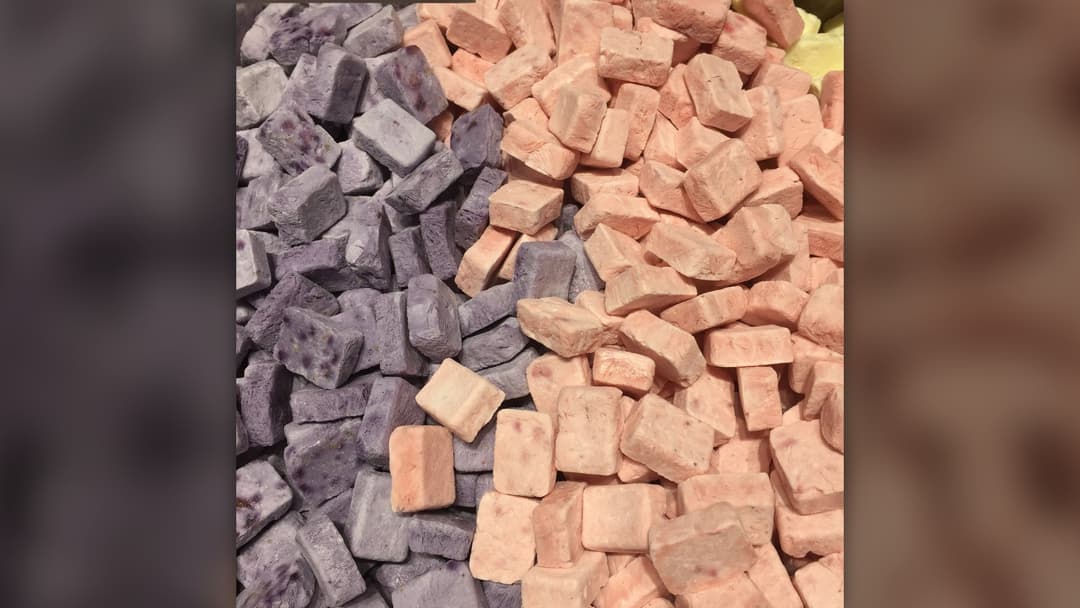
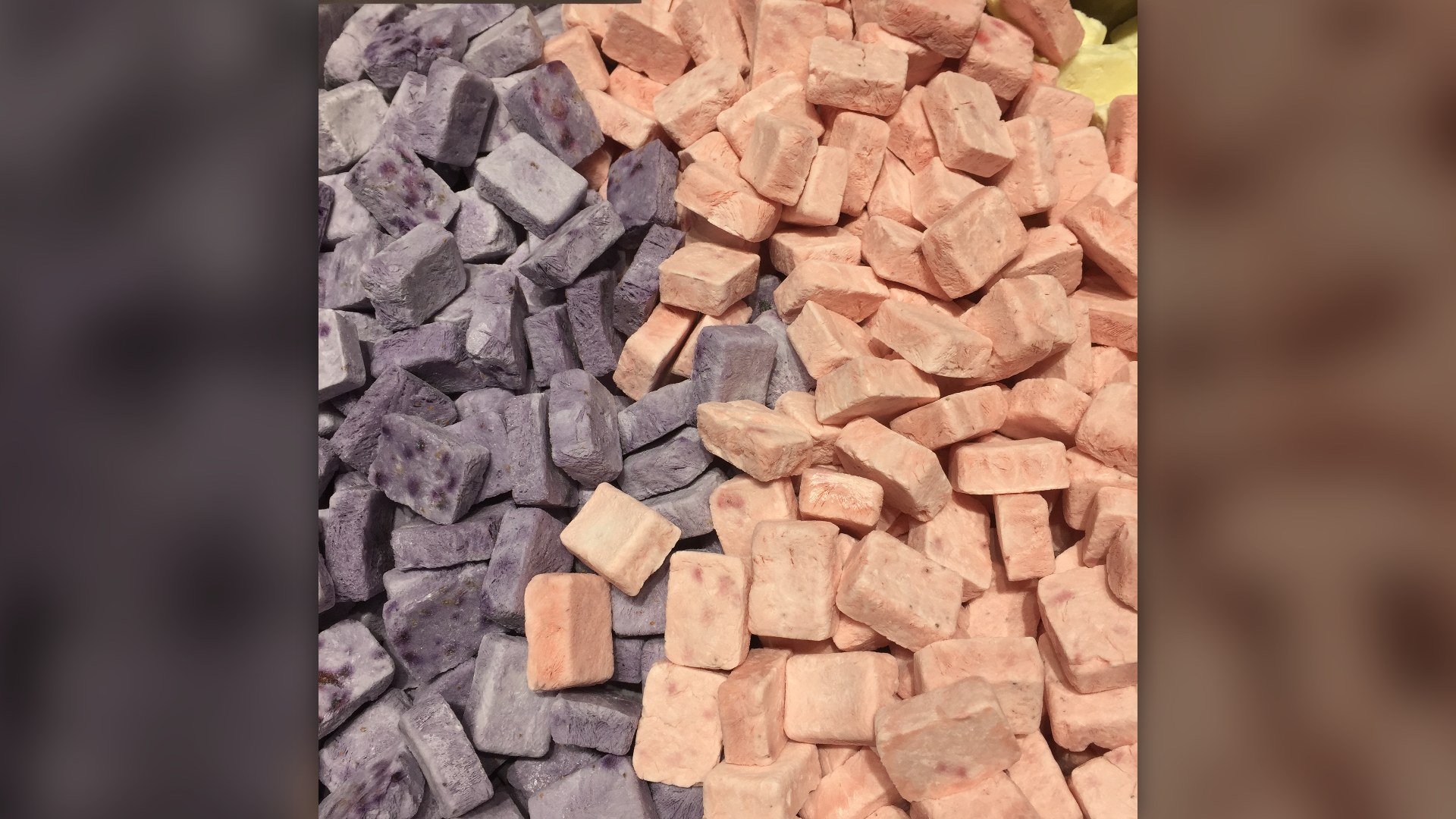
7. Overlooking Water For Dried Meals
Freeze-dried meals are lightweight and nutritious, but every serving requires one to two cups of boiling water to rehydrate. If you calculate drinking water without factoring in cooking water, your water supply will vanish twice as fast.
©Wikimedia / Fumikas Sagisavas
Advertisement
Swipe or tap ▶ to resume the countdown.
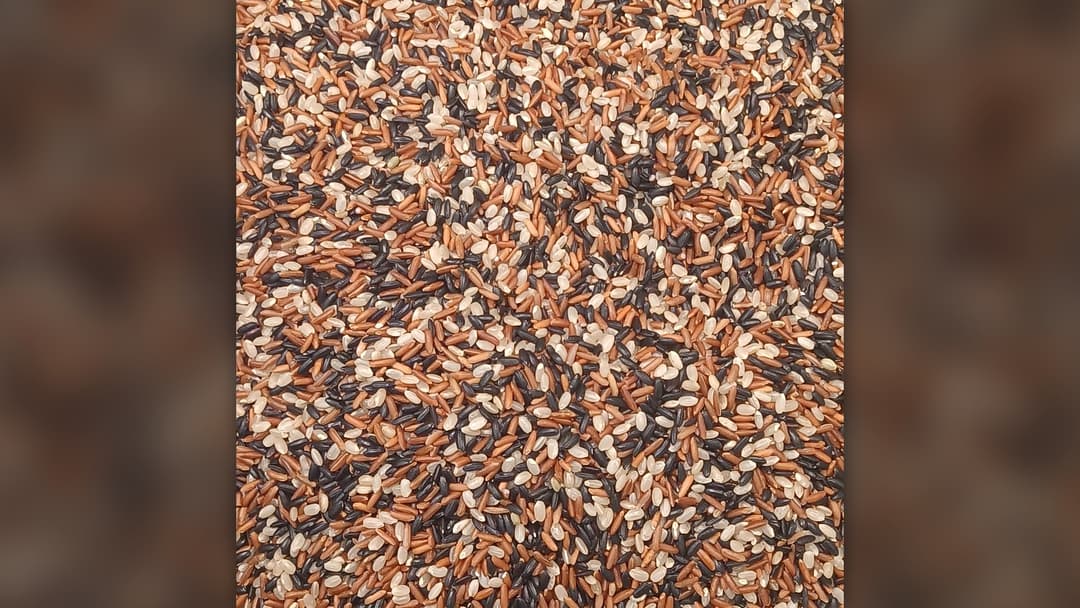
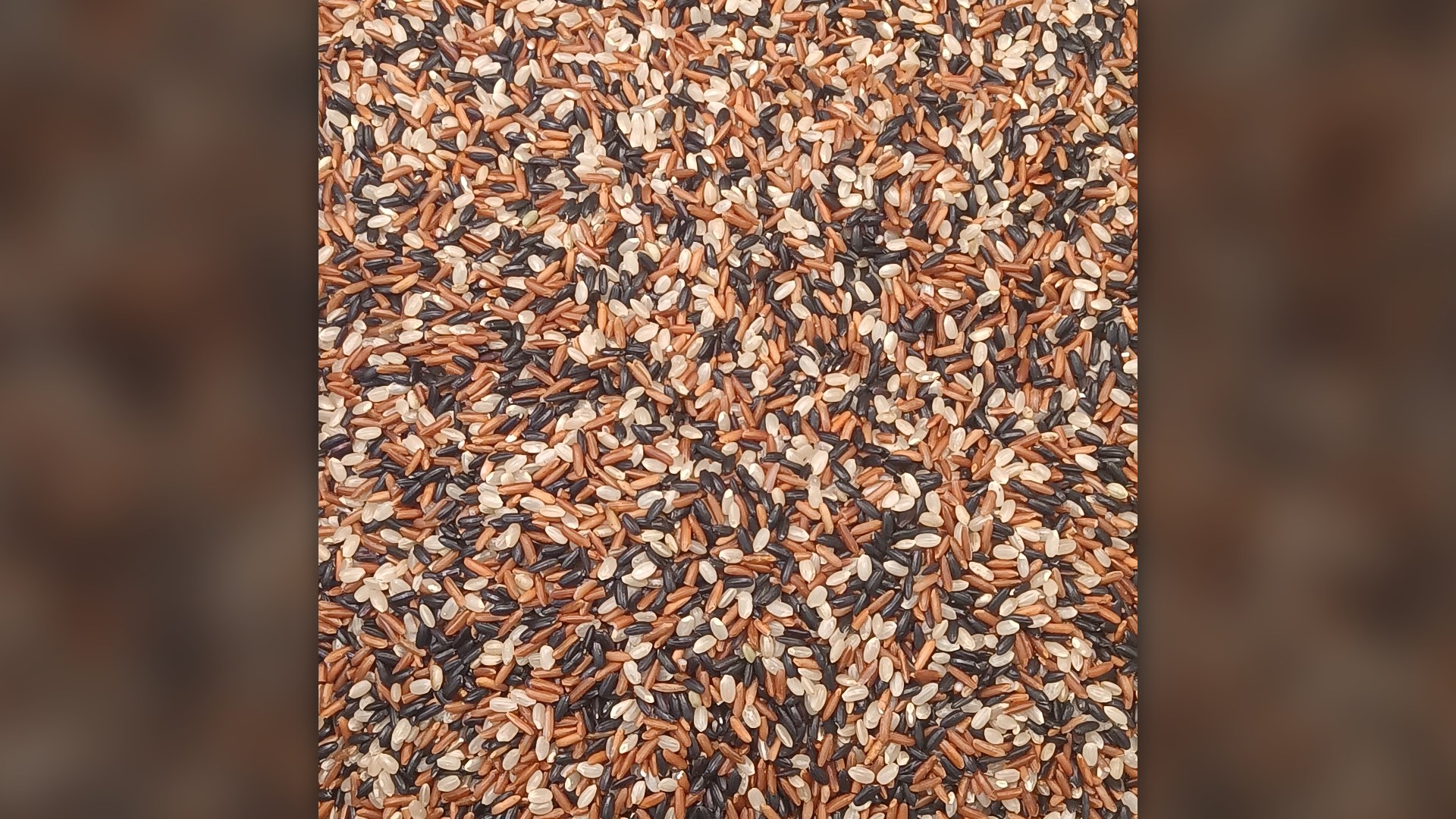
6. Storing Brown Rice For Long Terms
While brown rice offers superior daily nutrition, its oily bran coating causes it to spoil quickly in storage. For long-term emergency stockpiles, choose white rice, which lasts over twenty-five years when sealed properly with oxygen absorbers.
©Wikimedia / Fumikas Sagisavas
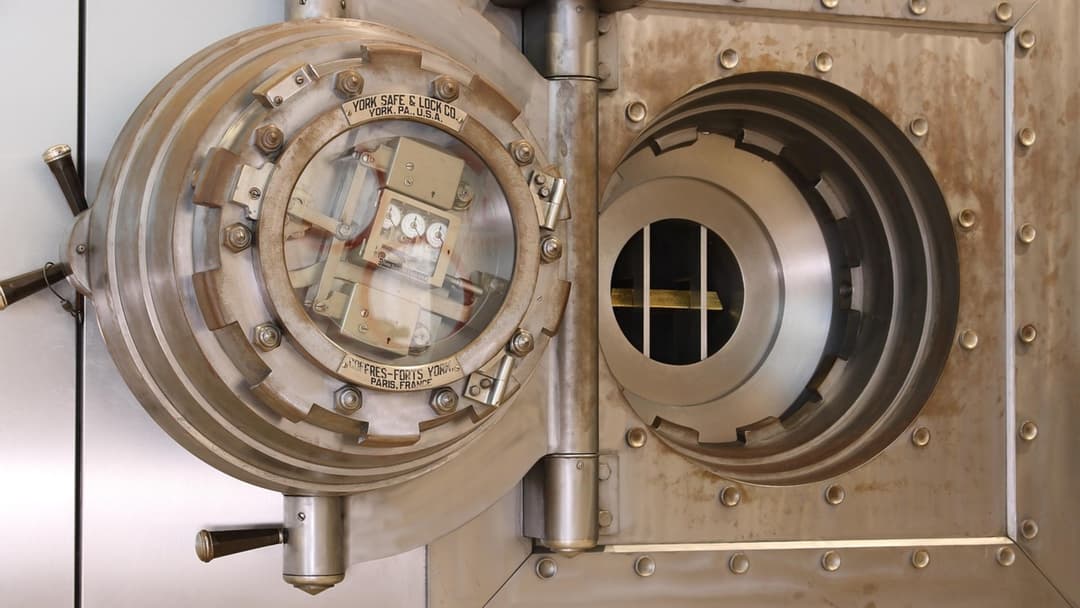
5. Trapping Moisture In Fireproof Safes
Fireproof document safes use concrete lining that releases water vapor during house fires. In normal storage, this trapped humidity causes passport pages and paper cash to grow mold, requiring silica gel packs to keep contents dry.
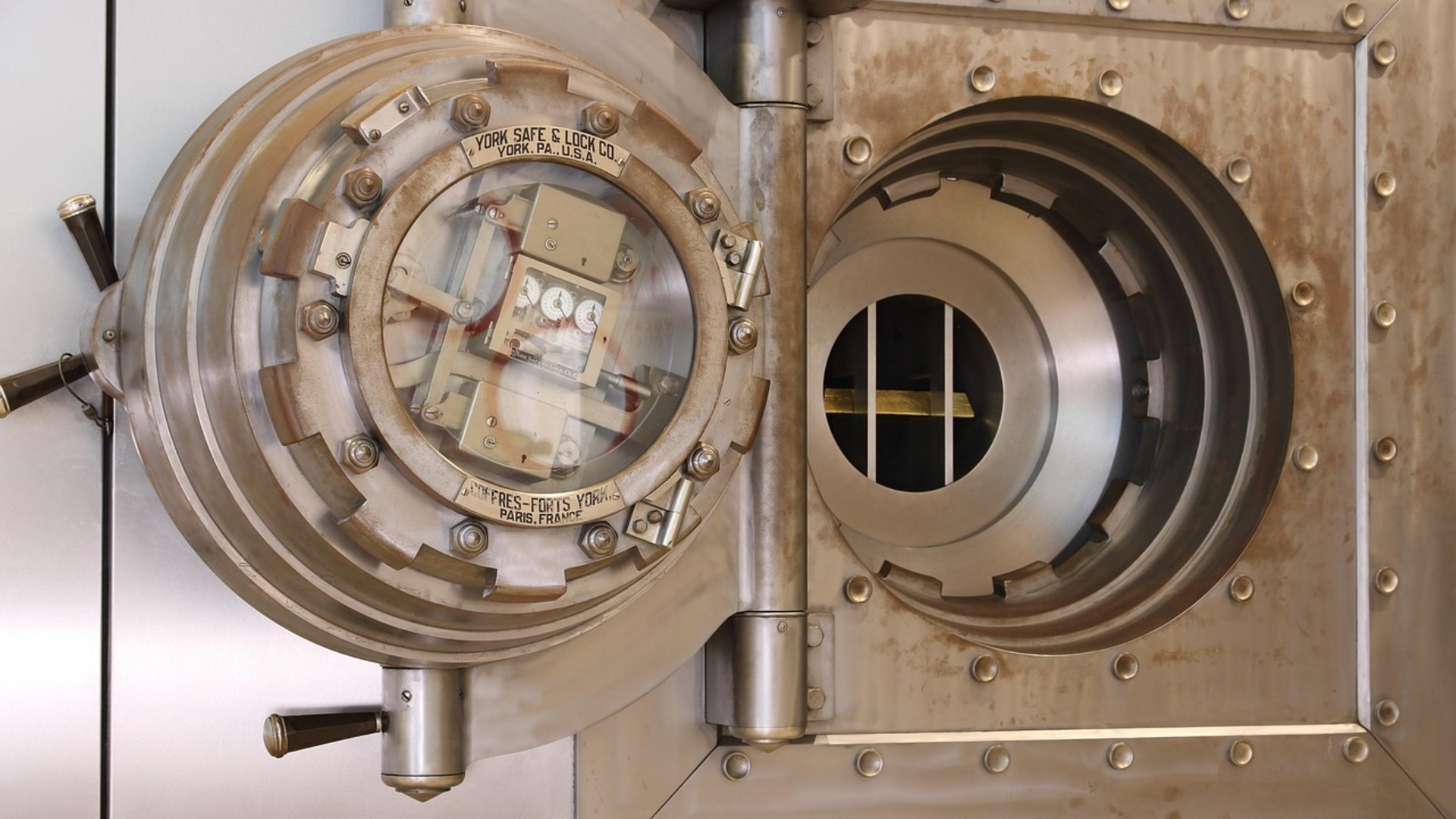
©Pixabay / 2427999
4. Storing Cans In Uninsulated Garages
Garages experience fierce summer heat and sub-freezing winter drops that stress canned goods. Thermal expansion compromises lid seals, allowing microscopic spores to enter and causing acidic foods like tomatoes to corrode can walls.
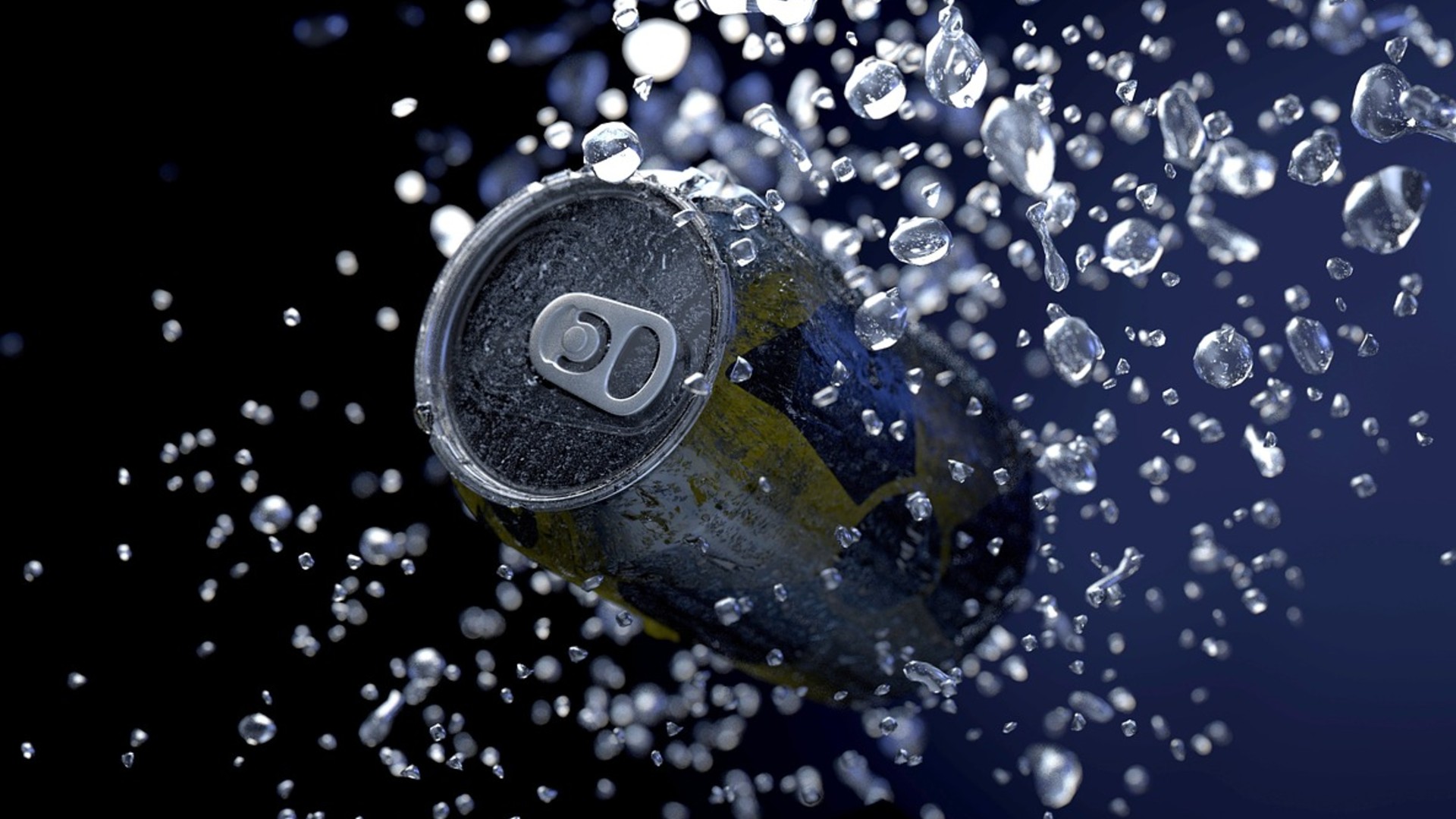
©Pixabay / PIRO4D
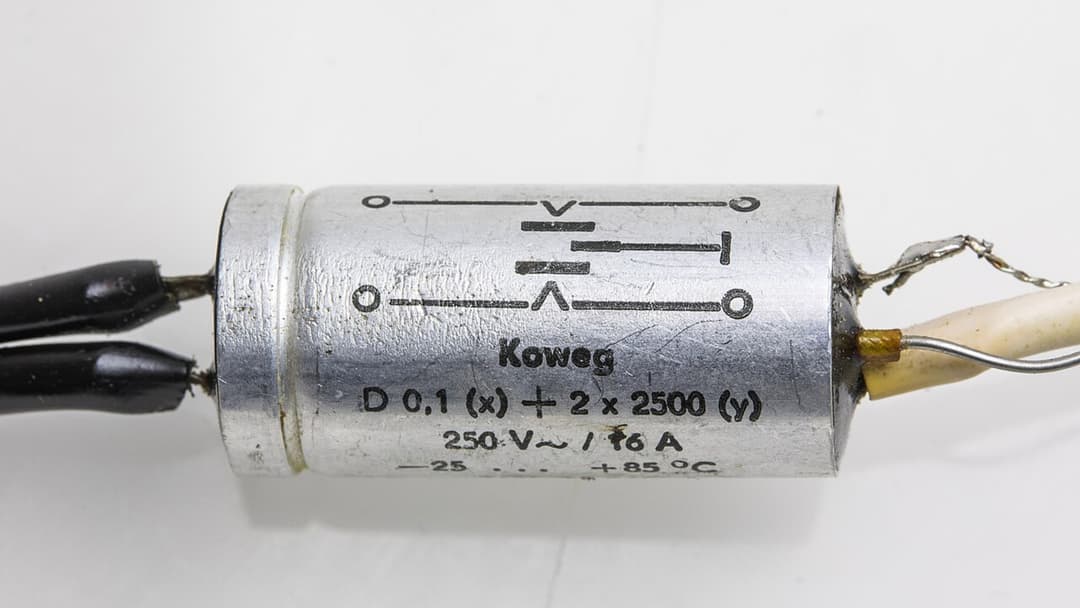
3. Skipping Radio Capacitor Checks
Emergency hand-crank radios sit idle in closets for years until storms hit. Leaving internal rechargeable cells uncharged causes battery degradation, meaning the unit will not hold power when emergency weather broadcasts are critical.
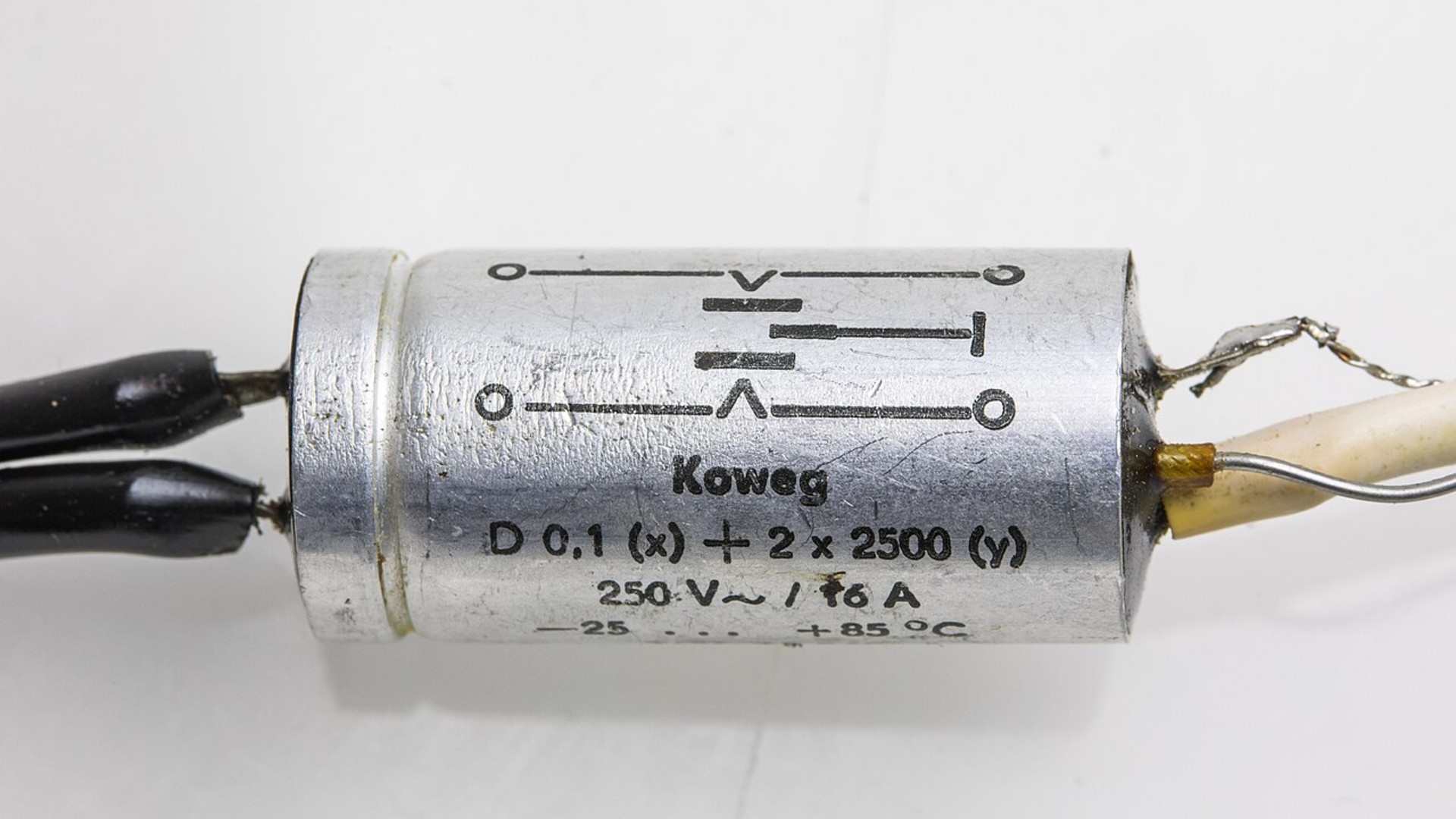
©Wikimedia / Raimond Spekking
Advertisement
Swipe or tap ▶ to resume the countdown.
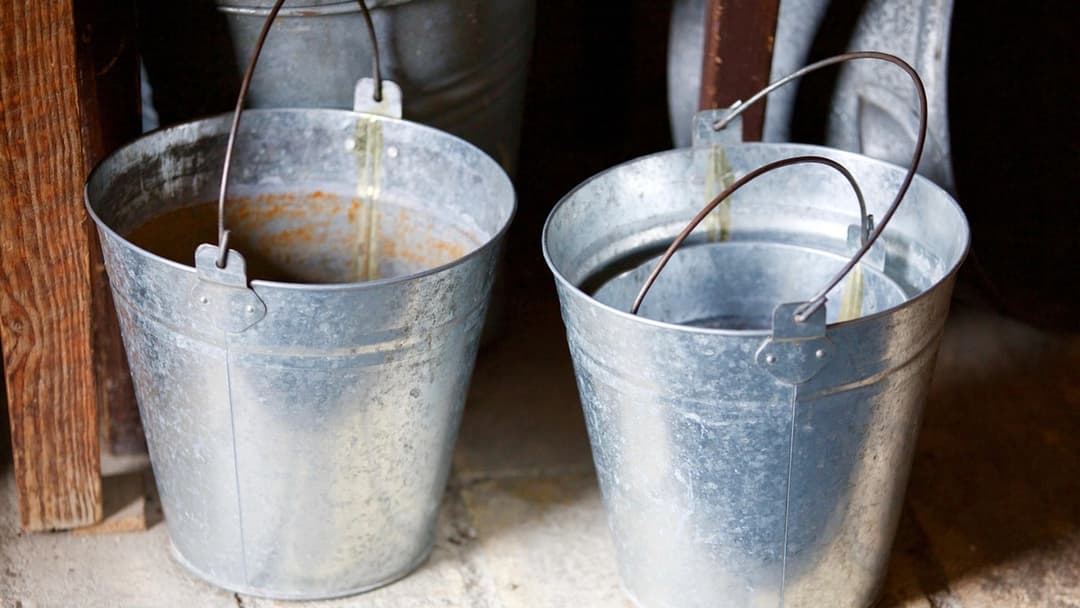
2. Using Industrial Utility Buckets
Standard plastic utility buckets are manufactured using industrial mold release chemicals that transfer into food. Always purchase certified food-grade HDPE buckets stamped with the number two recycling code to keep your dry supplies safe.
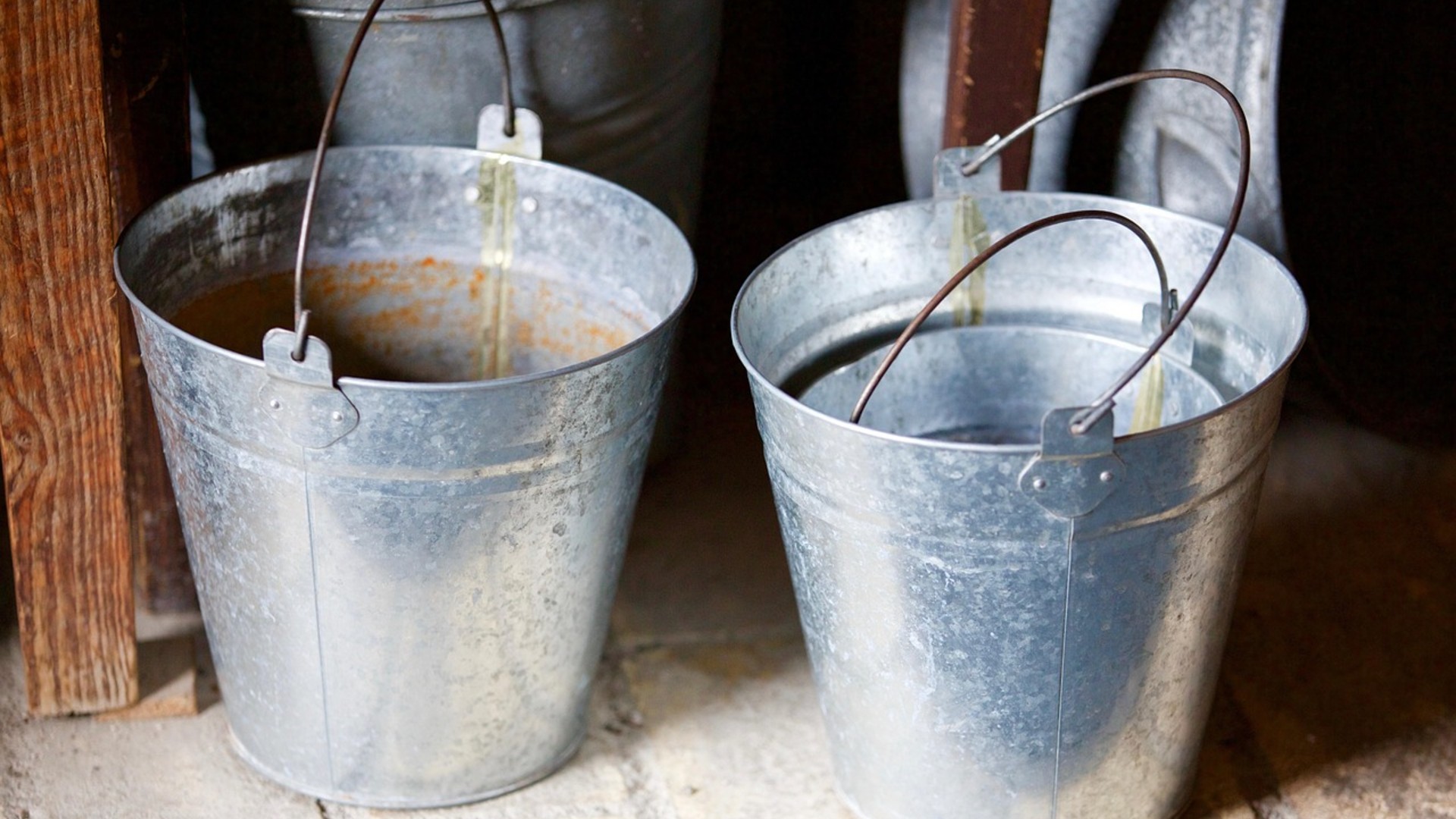
©Pixabay / Tjena
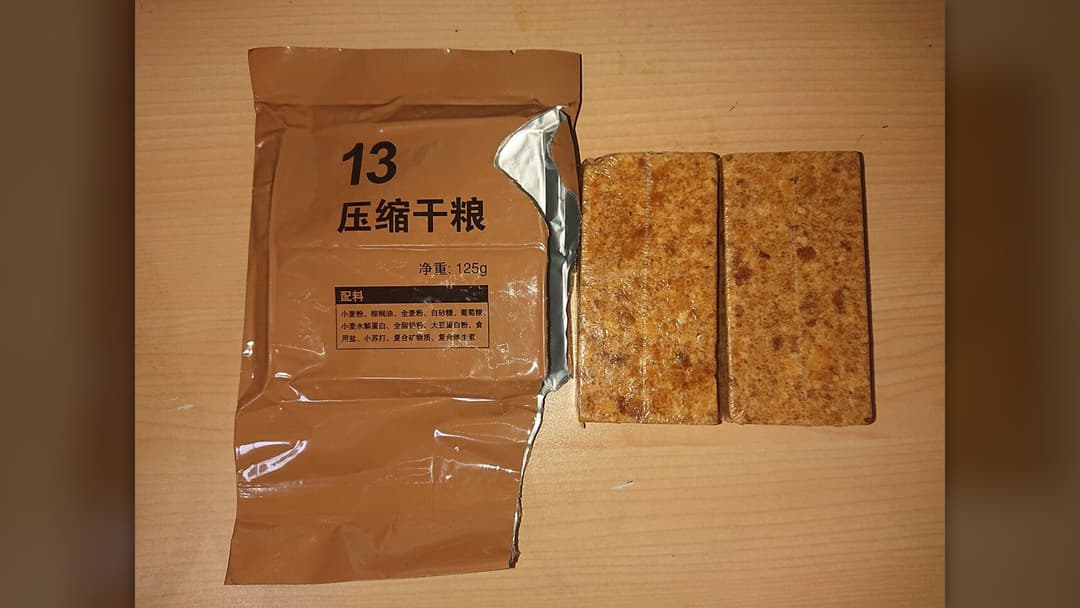
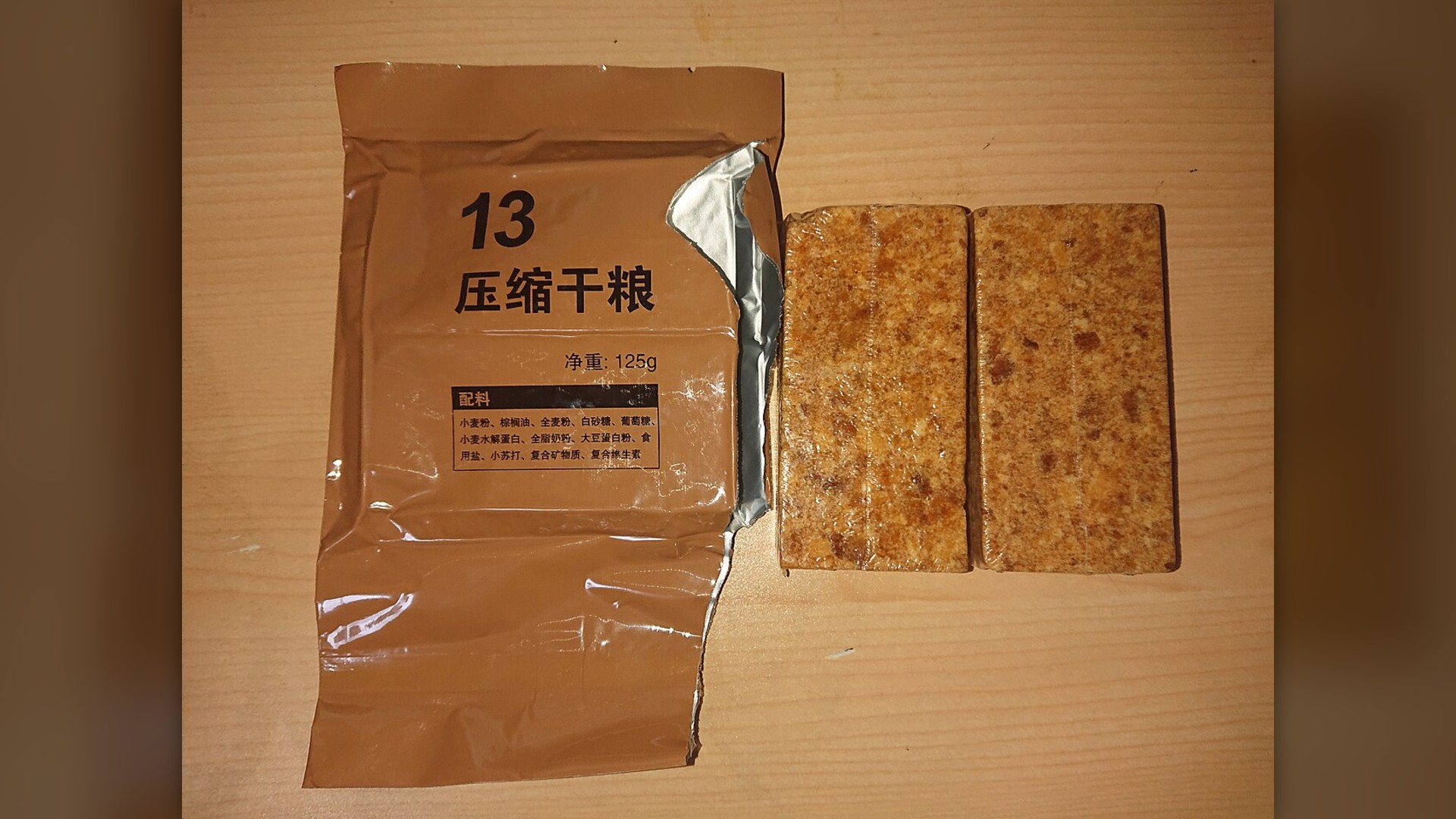
1. Failing To Rotate Emergency Food
The biggest mistake in emergency preparedness is adopting a set-it-and-forget-it mindset. Implementing a first-in, first-out rotation system ensures your family consumes and replaces groceries before dates expire, guaranteeing peak nutrition.
©Wikimedia / TurnOnTheNight
Advertisement
You've reached the end of the story. Thanks for reading!

25 Political Leaders Who Changed the Course of Modern History
25 World Leaders Whose Decisions Defined the Modern Era
All 25 Entries in this Story
25. Storing Water In Milk Jugs
Translucent milk jugs are engineered to biodegrade quickly in landfills. Over several months, the plastic weakens, springing pinhole leaks that ruin surrounding supplies while residual milk proteins harbor harmful bacterial colonies.

24. Leaving Batteries Inside Flashlights
Storing flashlights and radios with alkaline batteries installed is a recipe for gear failure. Over time, chemical seals break down, leaking corrosive white powder that eats through battery springs and leaves devices inoperable in a blackout.

23. Keeping Matches In Humid Areas
Basements and bathrooms experience high humidity swings that destroy standard match boxes. Without waterproof containers, phosphorus striker strips absorb ambient moisture, making it impossible to ignite matches when heat or fire is urgently required.

22. Storing Cans On Bare Concrete
Porous concrete floors constantly transfer moisture and cold temperature from the earth below. Placing canned goods directly on the floor leads to bottom corrosion, causing microscopic pinholes that allow botulism and bacteria to spoil your food.

21. Neglecting Water Rotation
Water does not technically spoil, but chlorine dissipates over time, allowing microbes to multiply in warm storage. Emergency planners recommend refreshing stored tap water every six months or rotating commercial containers past their printed dates.

20. Storing Seeds In Warm Attics
Survival garden seeds require cool, dark, and dry conditions to remain biologically viable. Exposing heirloom seed packets to hot attic temperatures degrades vital plant embryos, cutting seed germination rates in half after just one summer.

19. Forgetting Manual Can Openers
Stockpiling hundreds of canned meals does no good if you lack the manual tools to open them. Always keep multiple sturdy manual can openers or military P-38 openers taped directly to your emergency food bins.

18. Using Unvented Plastic Fuel Jugs
Gasoline expands significantly when temperatures rise in garages and outdoor sheds. Storing fuel in cheap or non-vented plastic containers causes warping, dangerous vapor accumulation, and chemical degradation of fuel additives.

17. Storing Grains Without Oxygen Absorbers
Raw wheat, oats, and beans naturally harbor dormant insect larvae that hatch in warm, oxygen-rich environments. Sealing grains inside thick Mylar bags alongside food-grade iron oxygen absorbers suffocates pests and extends shelf life to thirty years.

16. Storing Water In Direct Sunlight
Sunlight streaming through garage windows warms transparent water bottles and accelerates chemical leaching from plastic walls. UV exposure also triggers green algae blooms, turning clean drinking water into an unpalatable green soup.

15. Freezing Liquid Medications
While keeping medicines cool is important, placing liquid prescriptions in freezing zones ruins their molecular potency. Insulin, cough syrups, and eye drops lose clinical efficacy when frozen, leaving patients vulnerable during medical emergencies.

14. Storing Flour In Original Paper Bags
Grocery store paper sacks offer zero protection against ambient humidity, mold spores, or foraging rodents. Transfer white flour into airtight, food-grade containers with tight-fitting rubber gaskets to prevent spoilage and infestation.

13. Leaving Ointments In Hot Cars
Automobile interiors frequently reach over one hundred and forty degrees during summer months. High thermal cycling liquefies burn gels, separates antibiotic creams, and degrades adhesive bandages stored in vehicle first aid kits.

12. Forgetting Rainwater Treatment
Rainwater harvested from roof shingles carries chemical runoff and environmental contaminants. Failing to filter and chemically disinfect collected rainwater before drinking risks severe waterborne illnesses and gastrointestinal infections.

11. Storing Fuel Without Stabilizer
Modern ethanol-blended gasoline begins degrading within ninety days of leaving the pump. Adding commercial fuel stabilizer extends fuel usability up to two years, ensuring your backup generator starts reliably during winter ice storms.

10. Using Scented Bleach For Water
Emergency water disinfection requires plain, unscented liquid household chlorine bleach containing six to eight percent sodium hypochlorite. Scented, splashless, or color-safe bleaches contain toxic surfactants that are dangerous to consume.

9. Adding Oxygen Absorbers To Sugar
Pure granulated white sugar and table salt do not support insect life or spoil from oxidation. Adding oxygen absorber packets to sugar pulls out essential moisture, fusing the entire container into an impenetrable solid block.

8. Leaving Pet Food In Unsealed Sacks
Pet kibble is coated in rich animal fats that spoil rapidly once manufacturer bags are opened. Store pet reserves in airtight plastic tubs with desiccants to preserve essential nutrients and protect food from scavenging insects.

7. Overlooking Water For Dried Meals
Freeze-dried meals are lightweight and nutritious, but every serving requires one to two cups of boiling water to rehydrate. If you calculate drinking water without factoring in cooking water, your water supply will vanish twice as fast.

6. Storing Brown Rice For Long Terms
While brown rice offers superior daily nutrition, its oily bran coating causes it to spoil quickly in storage. For long-term emergency stockpiles, choose white rice, which lasts over twenty-five years when sealed properly with oxygen absorbers.

5. Trapping Moisture In Fireproof Safes
Fireproof document safes use concrete lining that releases water vapor during house fires. In normal storage, this trapped humidity causes passport pages and paper cash to grow mold, requiring silica gel packs to keep contents dry.

4. Storing Cans In Uninsulated Garages
Garages experience fierce summer heat and sub-freezing winter drops that stress canned goods. Thermal expansion compromises lid seals, allowing microscopic spores to enter and causing acidic foods like tomatoes to corrode can walls.

3. Skipping Radio Capacitor Checks
Emergency hand-crank radios sit idle in closets for years until storms hit. Leaving internal rechargeable cells uncharged causes battery degradation, meaning the unit will not hold power when emergency weather broadcasts are critical.

2. Using Industrial Utility Buckets
Standard plastic utility buckets are manufactured using industrial mold release chemicals that transfer into food. Always purchase certified food-grade HDPE buckets stamped with the number two recycling code to keep your dry supplies safe.

1. Failing To Rotate Emergency Food
The biggest mistake in emergency preparedness is adopting a set-it-and-forget-it mindset. Implementing a first-in, first-out rotation system ensures your family consumes and replaces groceries before dates expire, guaranteeing peak nutrition.