Slideshow · Travel
25 Charming Small Towns and Hidden Getaways to Visit, Ranked
From lakeside Midwest retreats to historic coastal harbors and mountain enclaves, these 25 American small towns offer standout architecture, scenery, and local character.
By Most Viral Today
40 min ago

These Quiet American Small Towns Outshine Every Crowded Tourist Resort 
25. Ogallala, Nebraska 
24. Grand Marais, Minnesota 
23. Wallace, Idaho - AdvertisementSwipe or tap ▶ to continue countdown

22. Apalachicola, Florida 
21. Madison, Indiana 
20. Bisbee, Arizona 
19. Bayfield, Wisconsin - AdvertisementSwipe or tap ▶ to continue countdown

18. Hermann, Missouri 
17. Port Townsend, Washington 
16. Jim Thorpe, Pennsylvania 
15. Decorah, Iowa - AdvertisementSwipe or tap ▶ to continue countdown

14. Eureka Springs, Arkansas 
13. Beaufort, North Carolina 
12. Hood River, Oregon 
11. Chincoteague, Virginia - AdvertisementSwipe or tap ▶ to continue countdown

10. Spearfish, South Dakota 
9. Natchitoches, Louisiana 
8. Stonington, Connecticut 
7. Red Lodge, Montana - AdvertisementSwipe or tap ▶ to continue countdown

6. Cape May, New Jersey 
5. Ouray, Colorado 
4. Harpers Ferry, West Virginia 
3. Mackinac Island, Michigan - AdvertisementSwipe or tap ▶ to continue countdown

2. Stowe, Vermont 
1. Camden, Maine - Advertisement🔥 UP NEXT IN THIS SERIES◫ 21 Slides

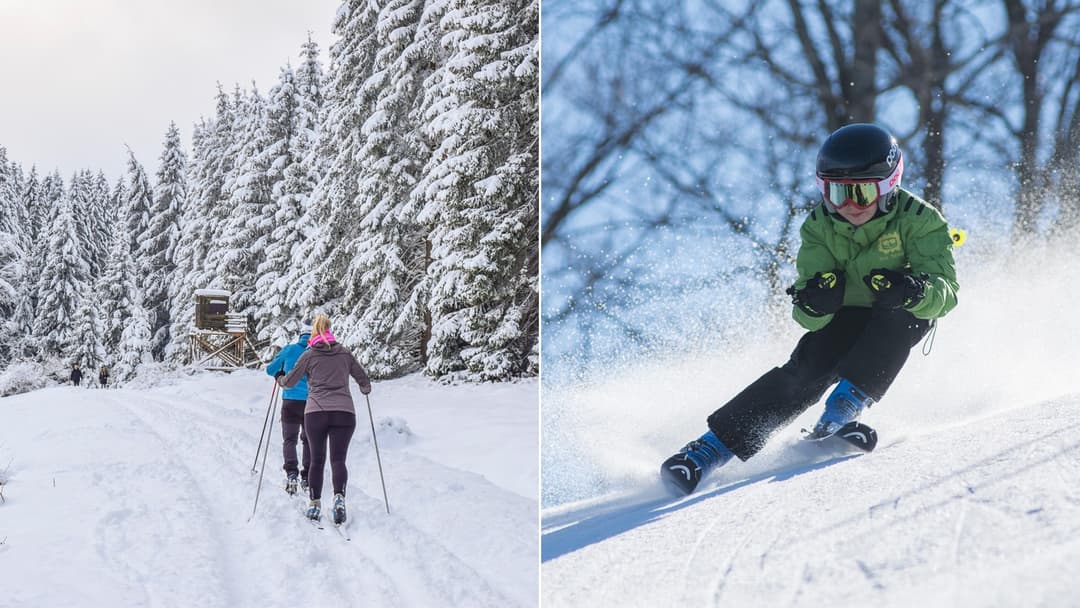
America’s 20 Top Ski Towns to Visit This Winter
American ski towns combine massive vertical drops, preserved mining architecture, and deep powder traditions. Based on 2026 National Ski Areas Association records, U.S. Forest Service terrain surveys, and official resort reports, here are 20 top mountain towns across the country ranked by their winter popularity.
Major resort cities draw millions of travelers, yet some of the finest getaways in the United States wait along two-lane highways and working harbors. We ranked 25 standout small towns for historic architecture, walkable main streets, and surrounding scenery.
Swipe or tap ▶ to begin the countdown
©Wikimedia / Publichall & Wikimedia / Joe Mabel
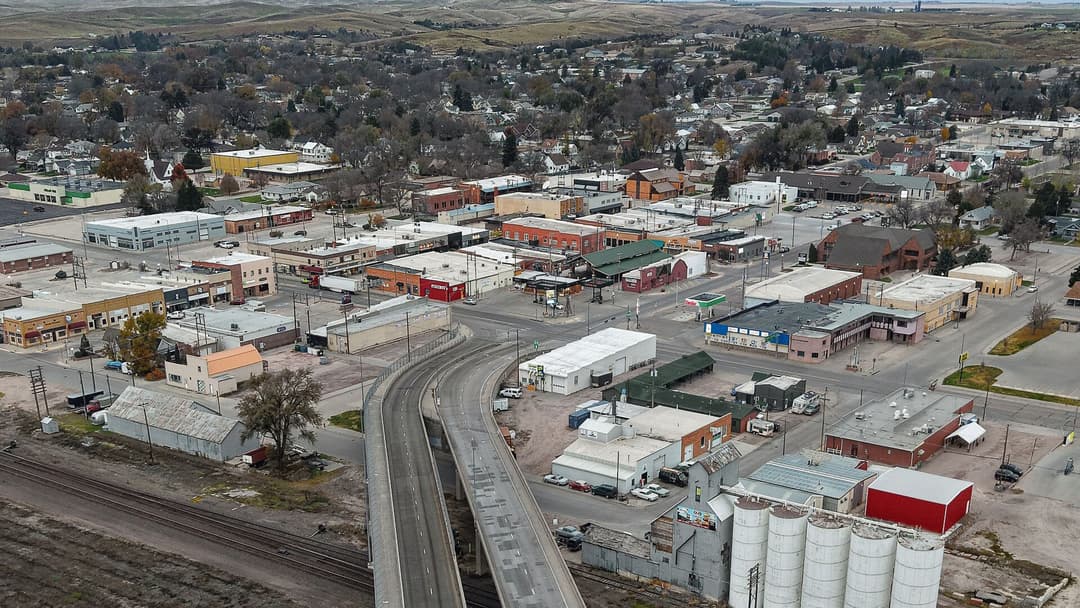
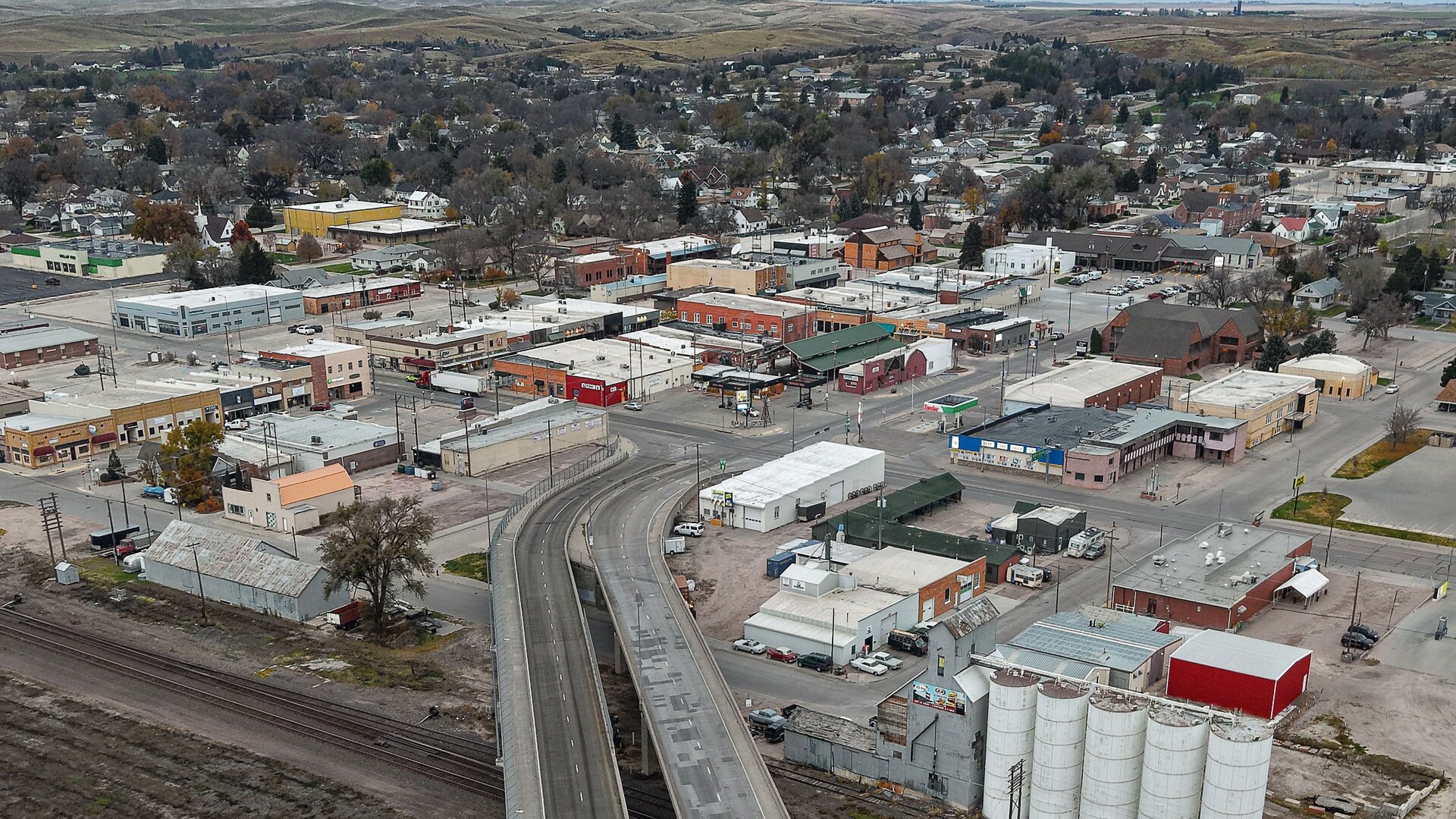
25. Ogallala, Nebraska
Once the northern terminus for Texas cattle drives in the 1870s, Ogallala borders 30,000-acre Lake McConaughy. Fine white silica sand lines over 100 miles of shoreline, drawing summer sailors, paddleboarders, and walleye anglers from across the Great Plains.
©Wikimedia / Ogallala, Nebraska
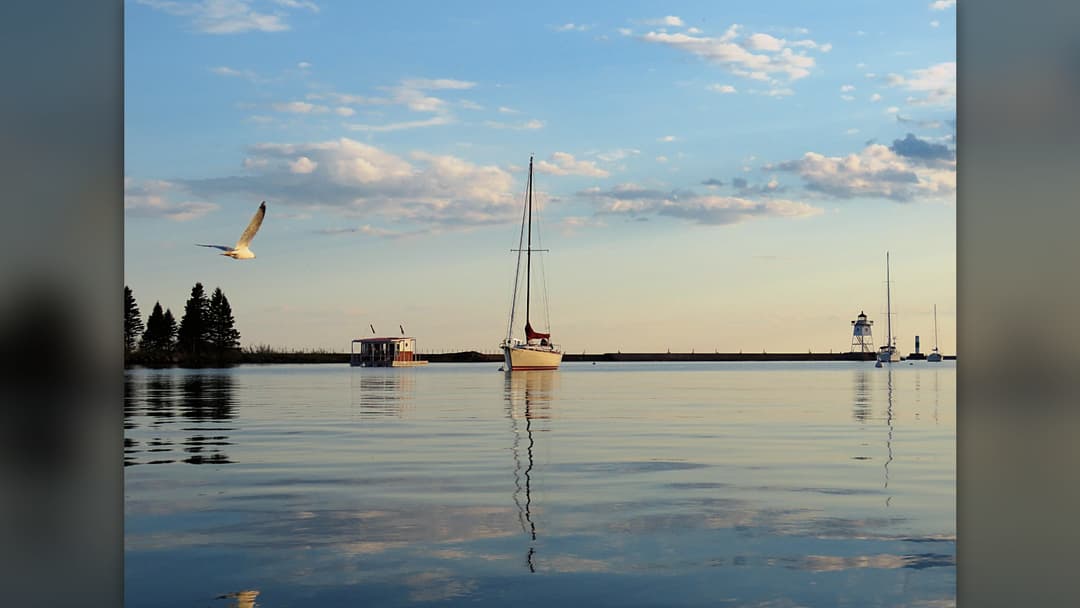
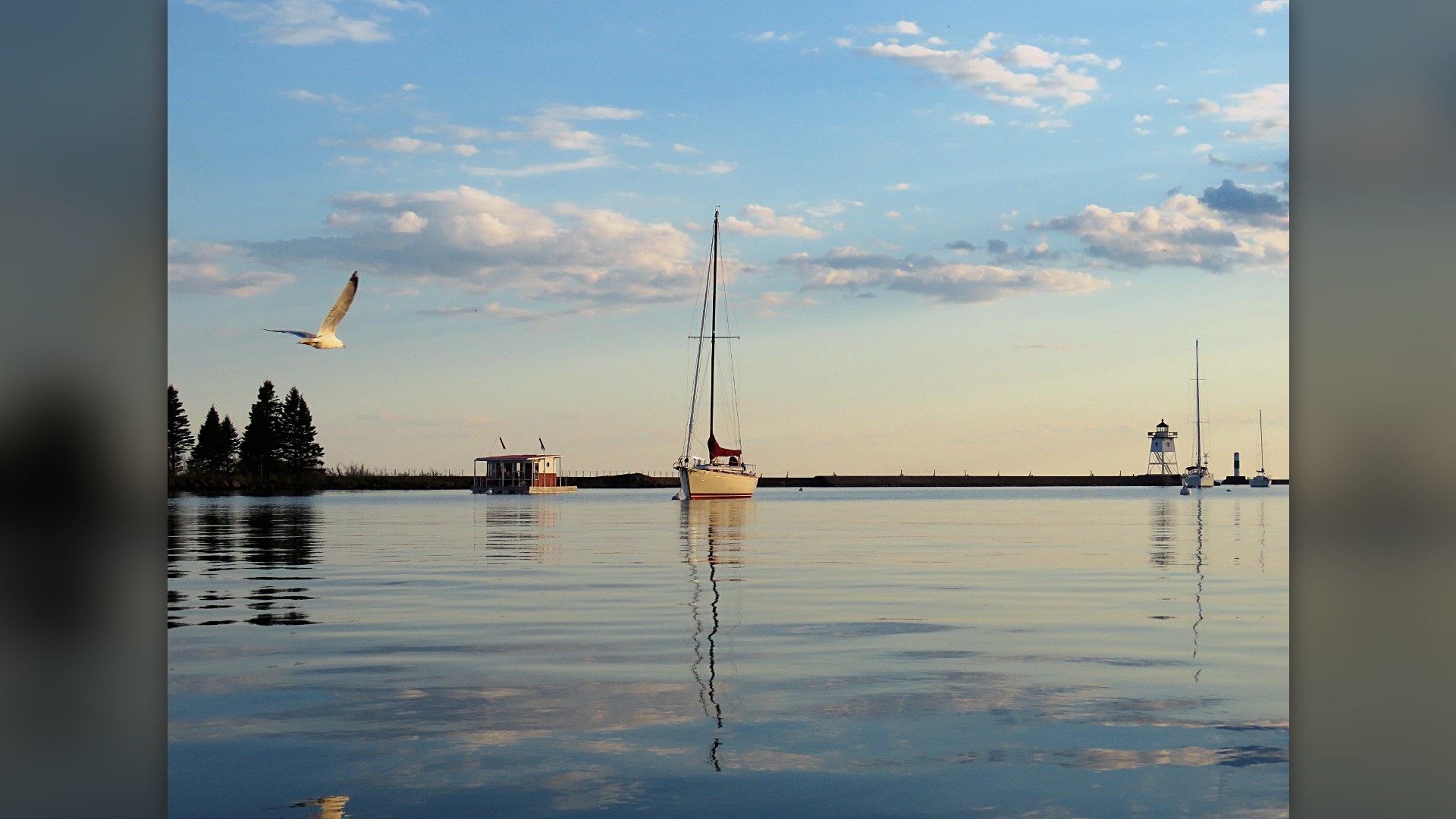
24. Grand Marais, Minnesota
Home to roughly 1,300 residents near the Canadian border, Grand Marais curves around a natural basalt breakwater on Lake Superior. Founded as a fur-trading post, the town anchors the Gunflint Trail into the Boundary Waters Canoe Area Wilderness.
©Wikimedia / Prosthetic Head
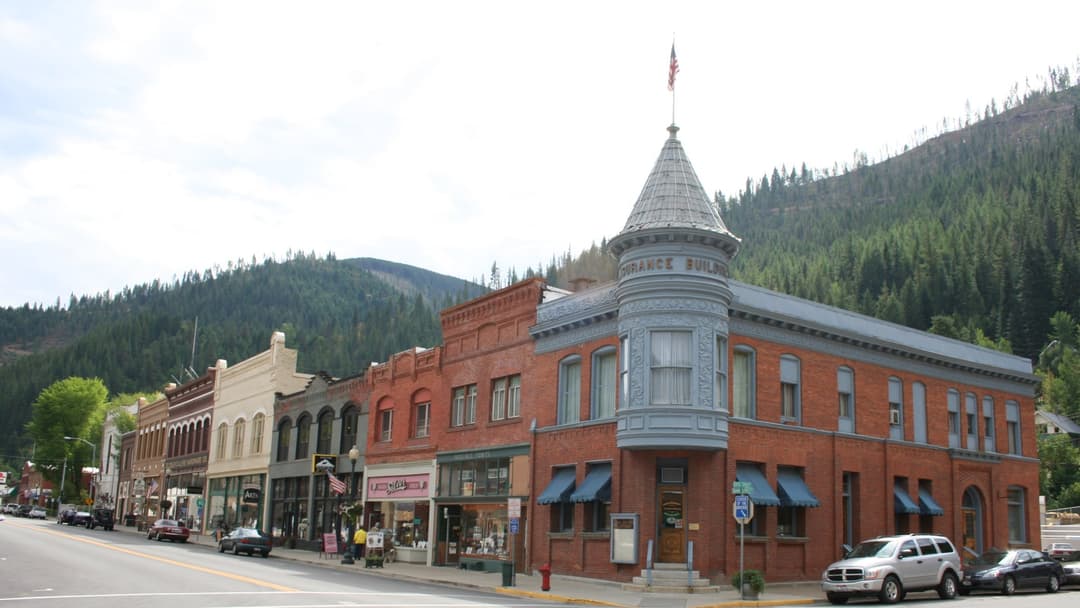
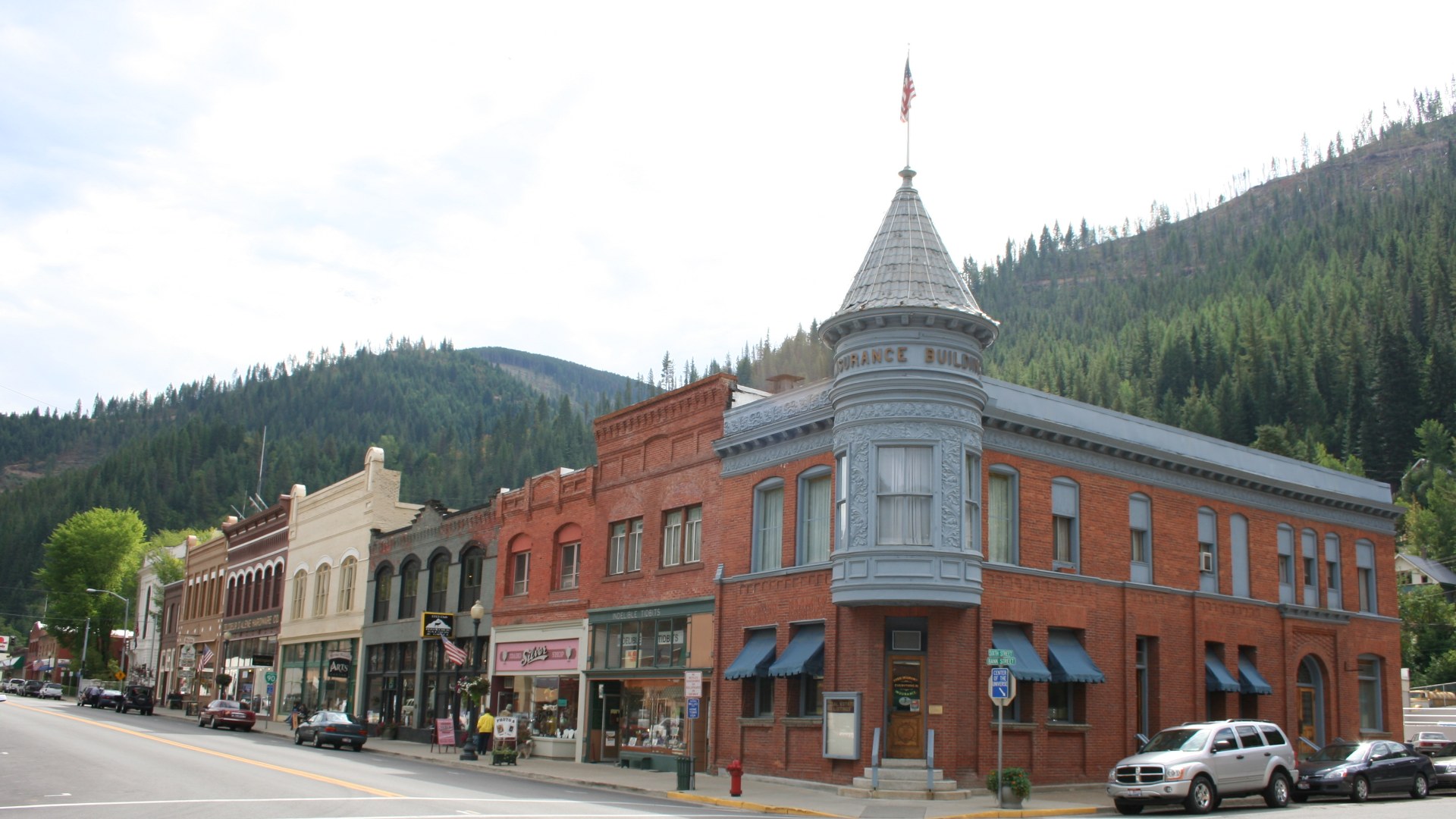
23. Wallace, Idaho
Located in the Silver Valley of the Idaho Panhandle, Wallace produced over one billion ounces of silver after its 1884 founding. When residents sued federal officials in the 1970s to reroute Interstate 90 onto an elevated viaduct, they saved their brick downtown intact.
©Wikimedia / Jayjayp
Advertisement
Swipe or tap ▶ to resume the countdown.
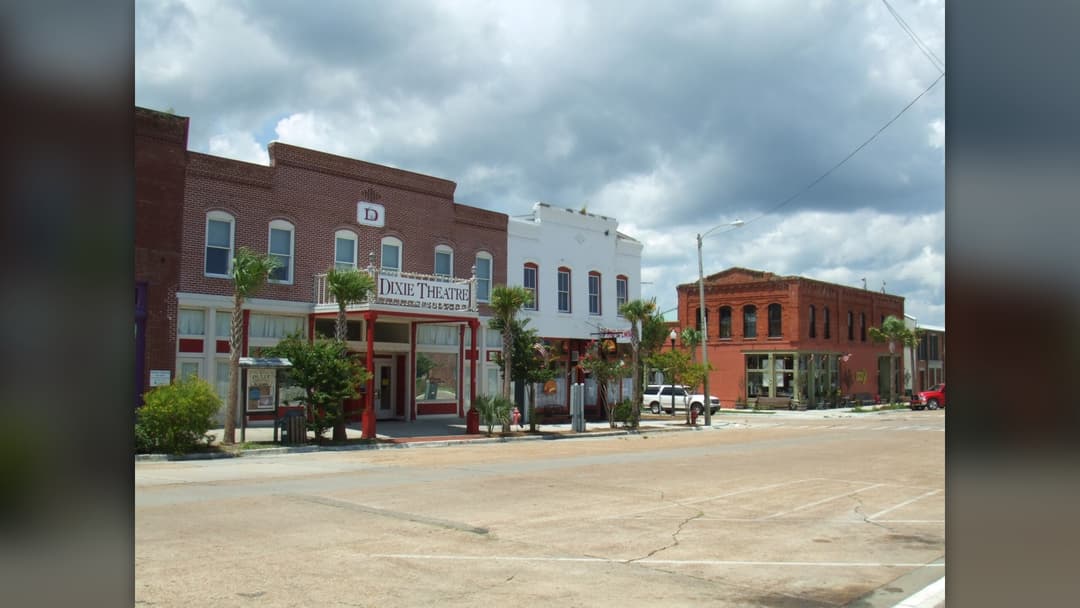
22. Apalachicola, Florida
Set where the Apalachicola River meets St. George Sound on the Florida Panhandle, this port shipped cotton steamboats in the 1830s. Today working shrimp trawlers tie up beside sponge warehouses converted into seafood markets, cafes, and maritime inns.
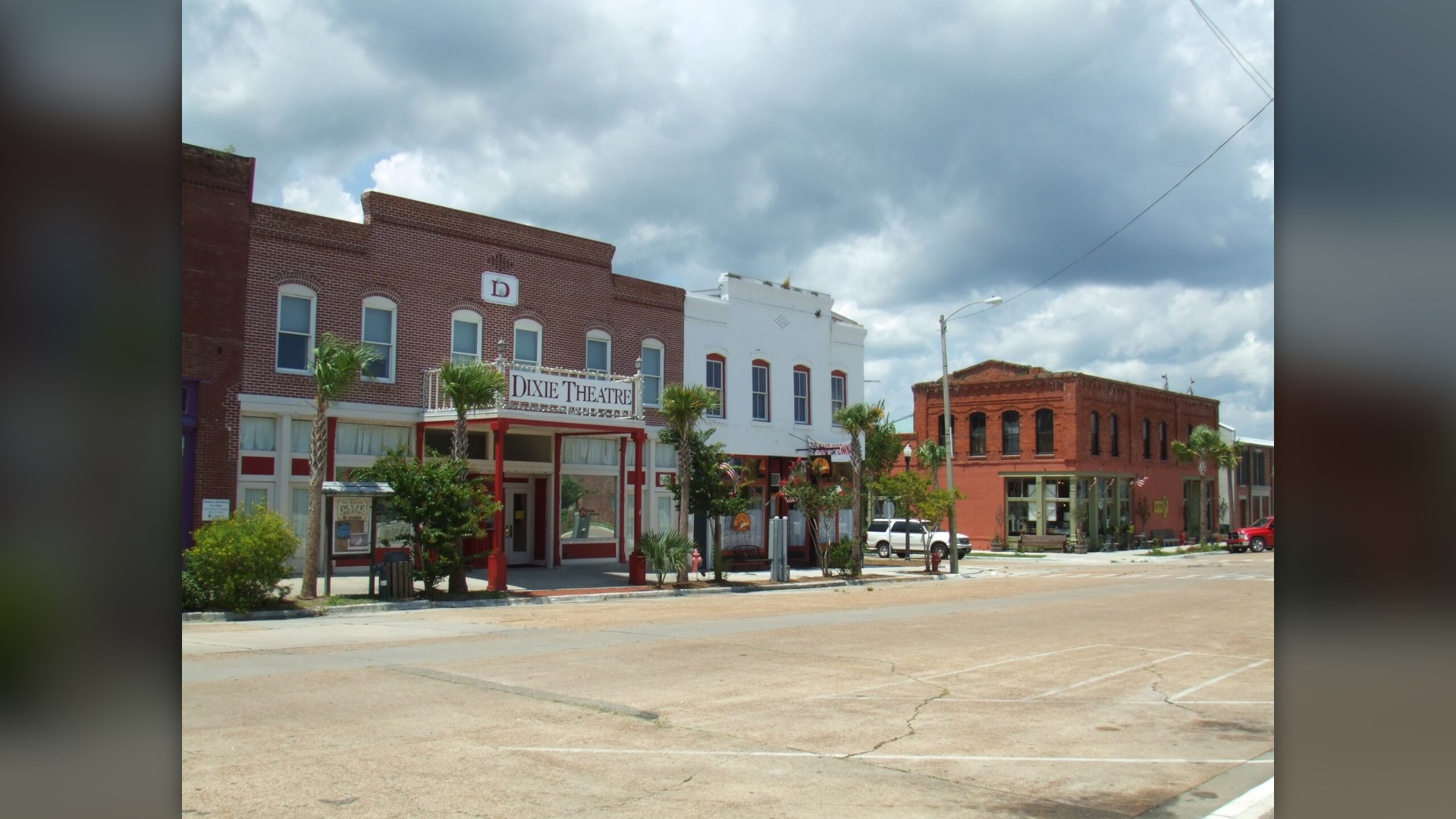
©Wikimedia / Apalachicola, Florida
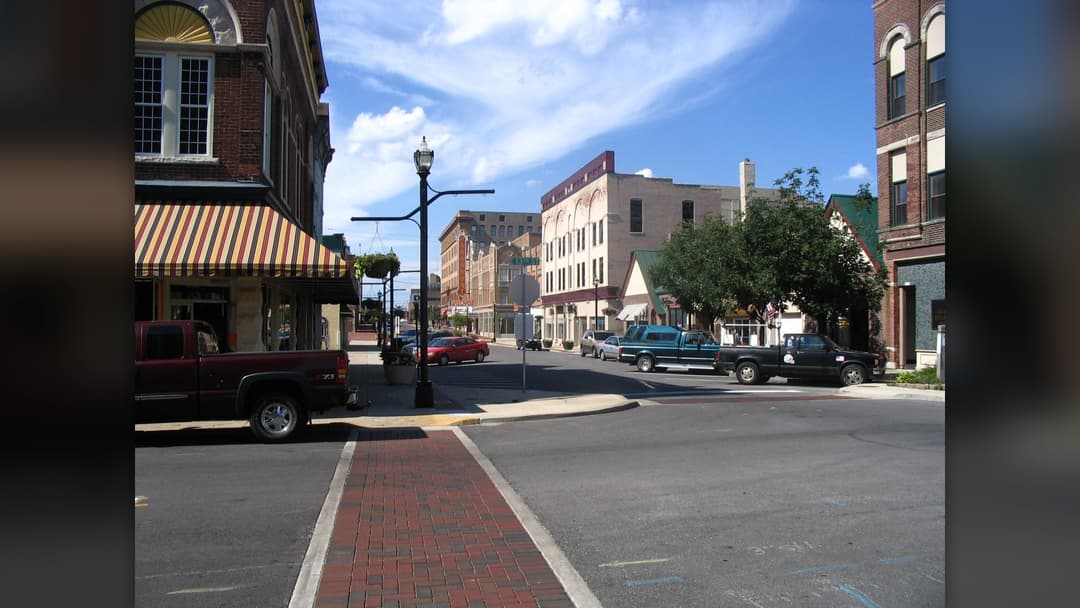
21. Madison, Indiana
Positioned along a scenic bend of the Ohio River between Louisville and Cincinnati, Madison holds the largest contiguous National Historic Landmark District in Indiana. Federal, Greek Revival, and Italianate townhouses from the 1840s railroad boom line Main Street.
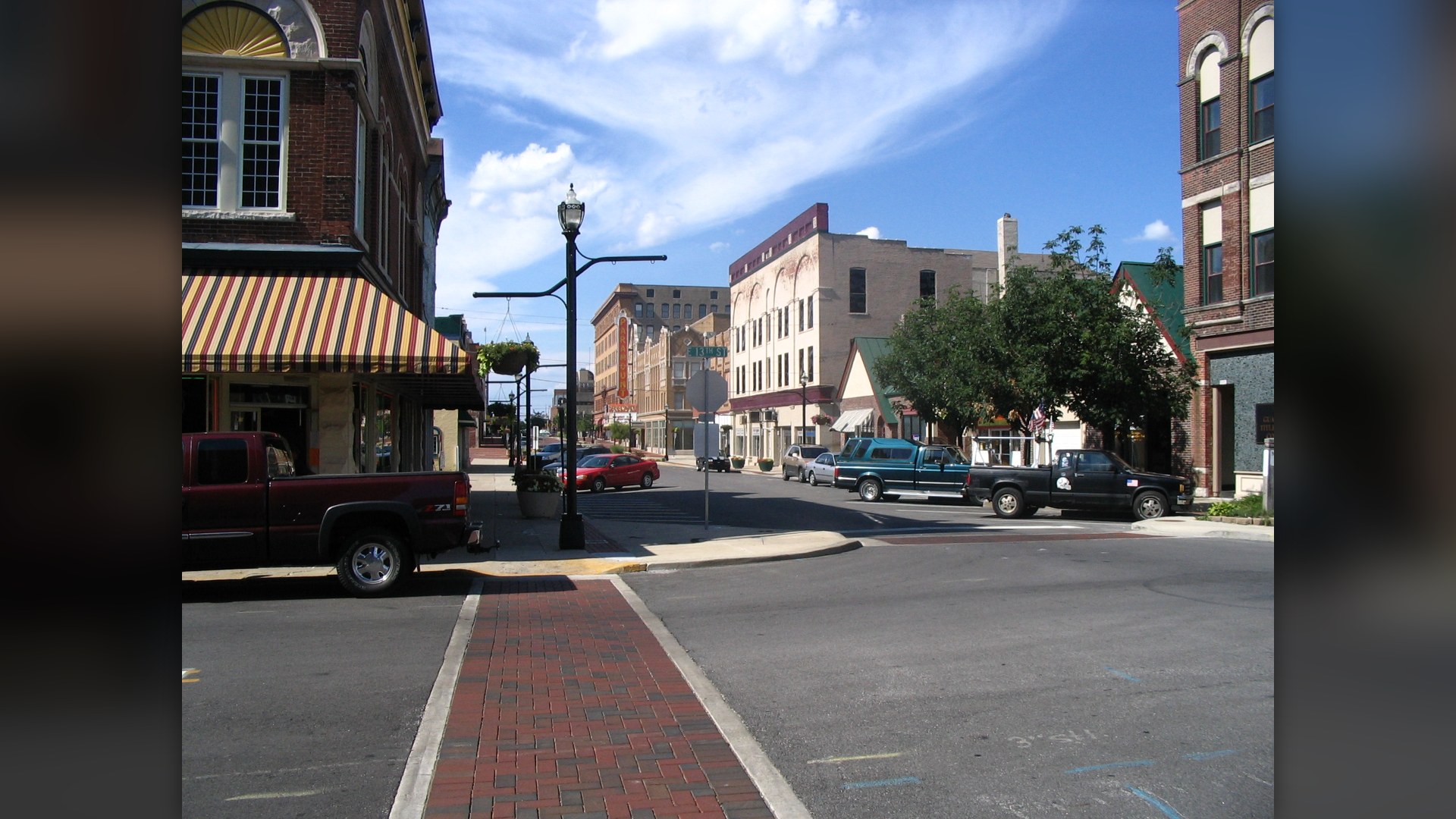
©Wikimedia / Publichall
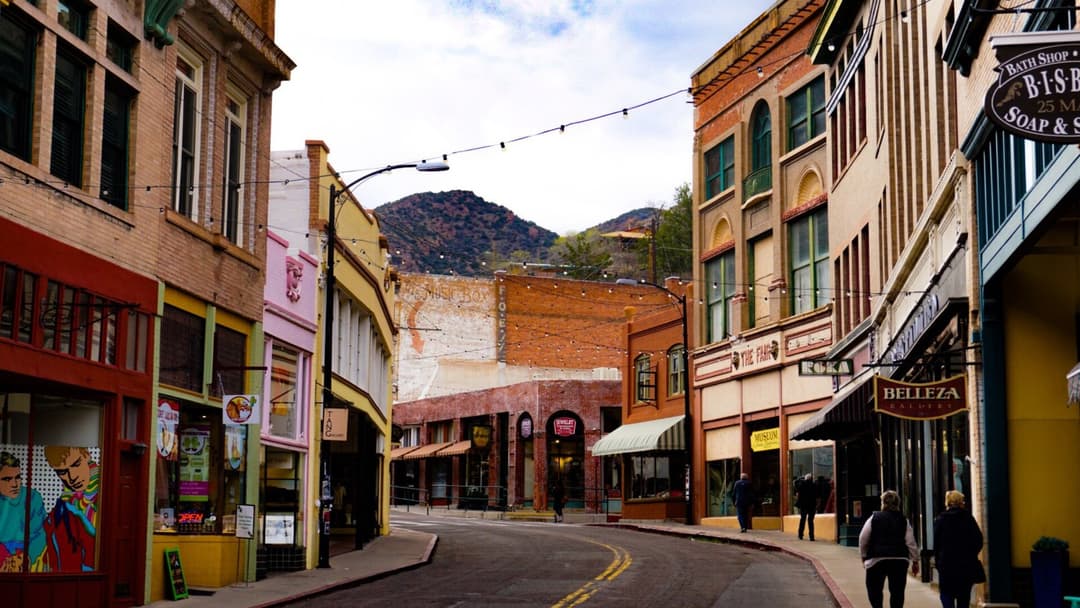
20. Bisbee, Arizona
Built a mile high in the Mule Mountains near the Mexican border, Bisbee grew rich mining copper, gold, and turquoise in the late 1800s. Narrow canyon streets leave no room for standard grids, so locals climb 1,000 concrete stairs linking hillside cottages to Brewery Gulch.
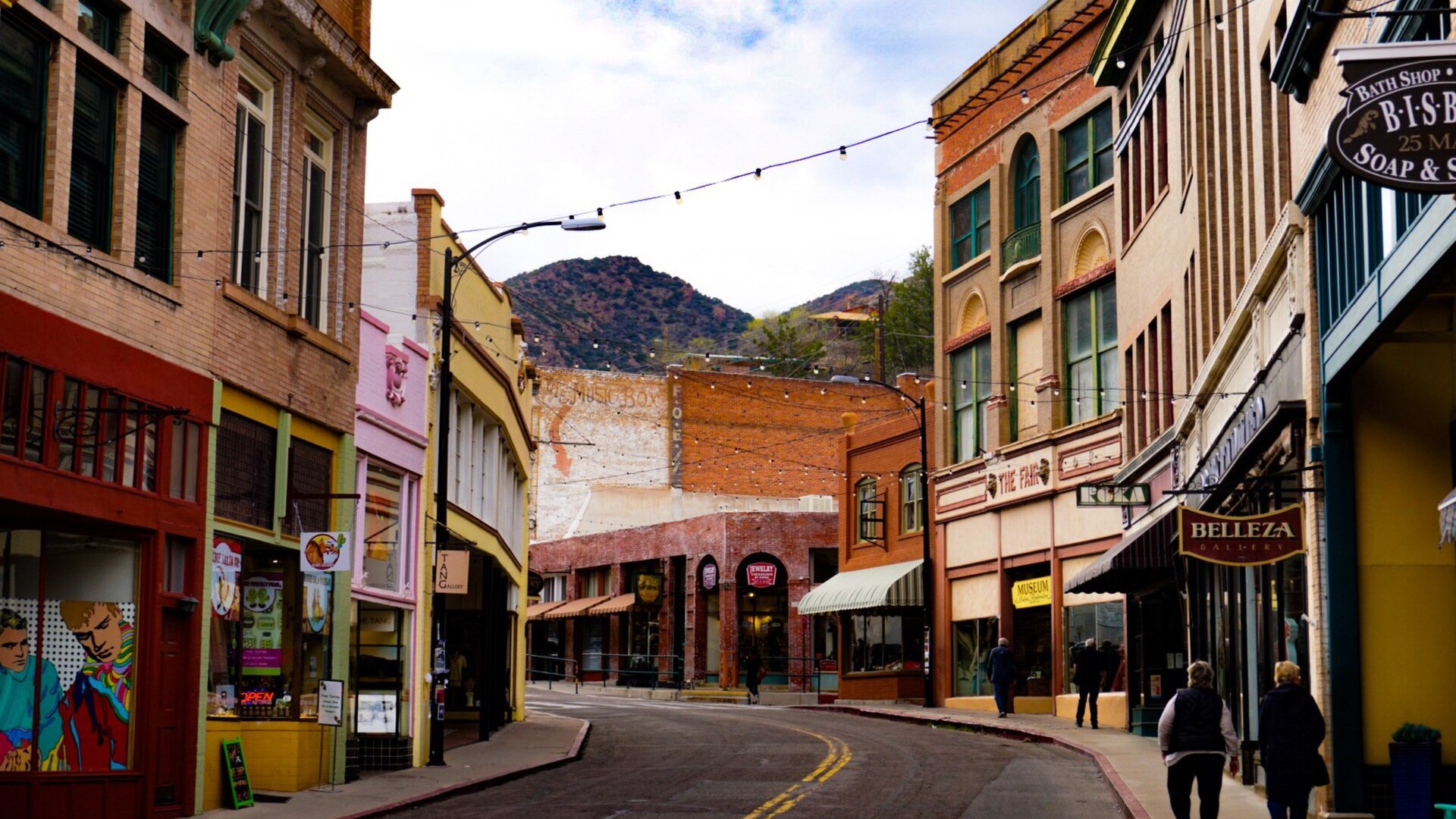
©Wikimedia / Bisbee, Arizona
19. Bayfield, Wisconsin
With fewer than 600 year-round residents, Bayfield serves as the mainland ferry gateway to Apostle Islands National Lakeshore. Red sandstone cliffs, 19th-century lighthouses, and orchard-covered hills overlook sailboats moored along Chequamegon Bay.
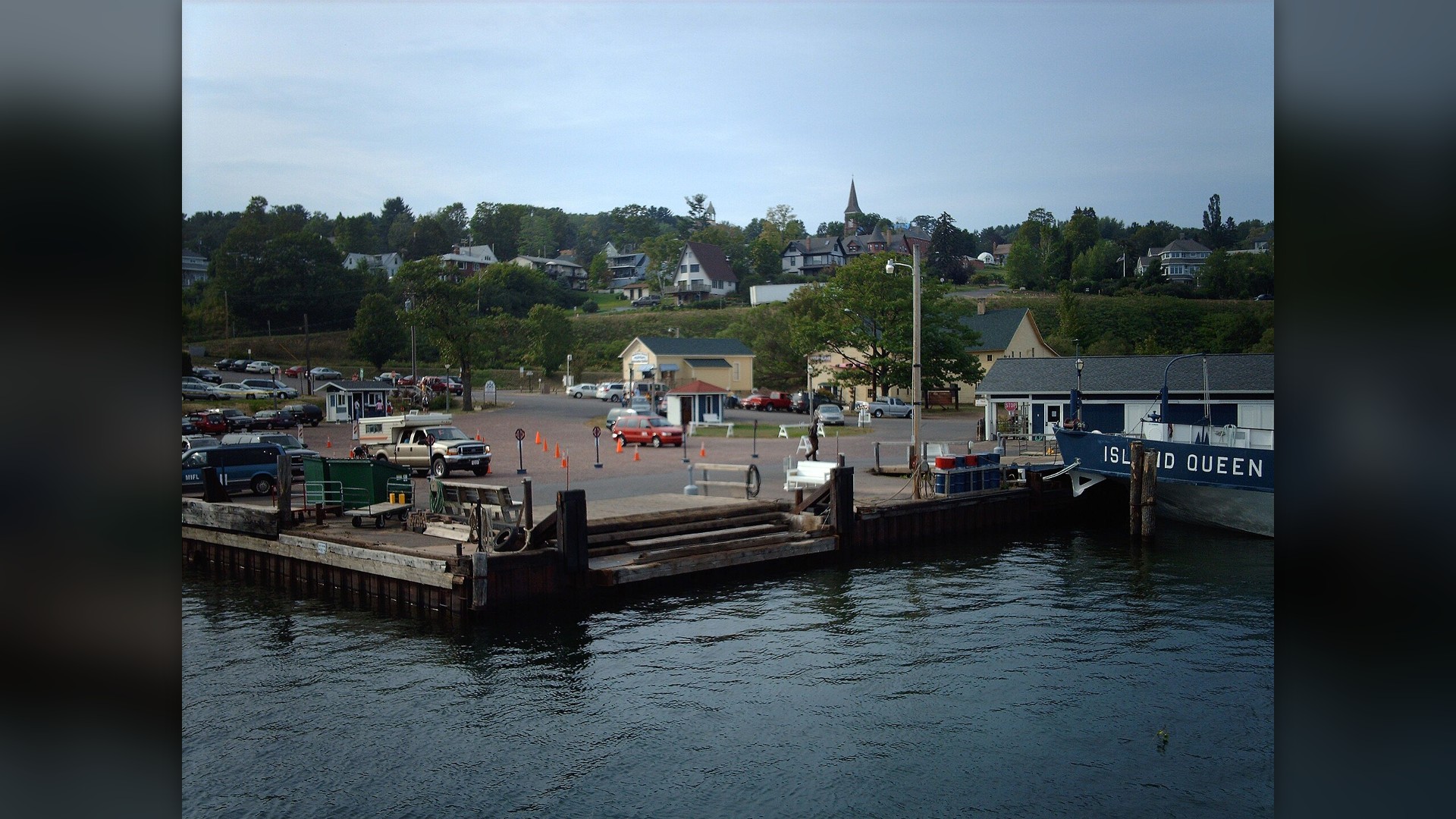
©Wikimedia / Bayfield, Wisconsin
Advertisement
Swipe or tap ▶ to resume the countdown.
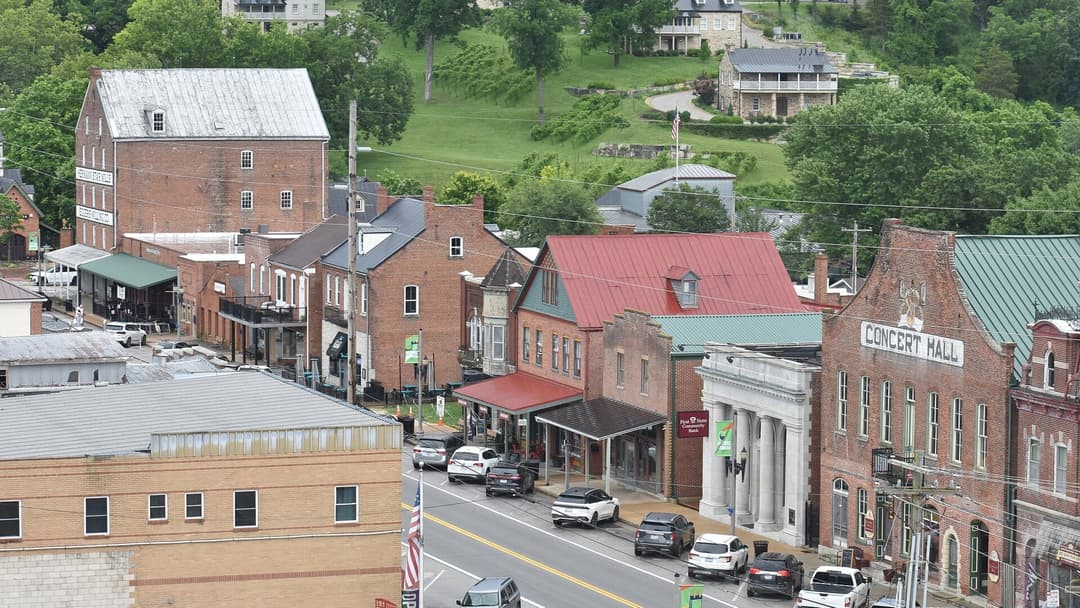
18. Hermann, Missouri
Founded in 1837 by the German Settlement Society of Philadelphia, Hermann chose steep limestone bluffs along the Missouri River that resembled the Rhine Valley. Brick cellars dug into hillsides before the Civil War still age regional Norton and Vignoles wines.
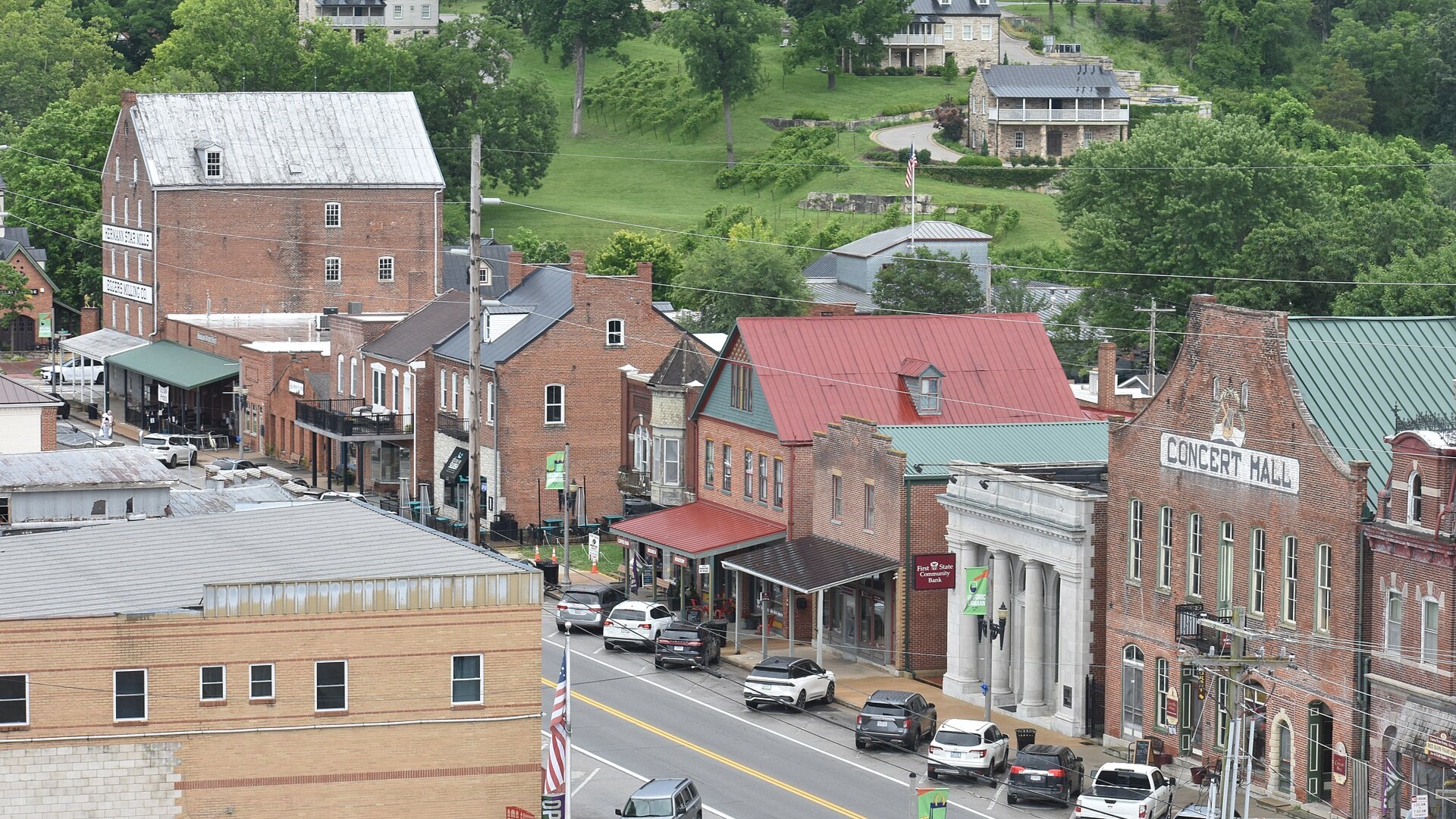
©Wikimedia / Hermann, Missouri
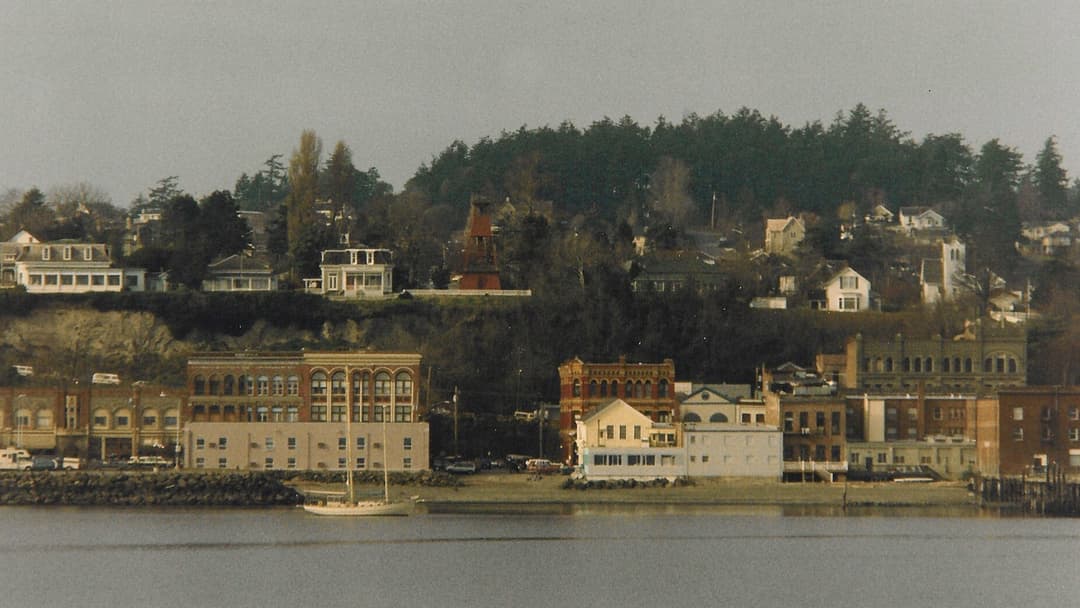
17. Port Townsend, Washington
Speculators in the 1880s built stone customs houses and ornate brick blocks expecting Port Townsend to become the top Pacific Northwest rail harbor. When the railroad stopped in Tacoma instead, the bust froze its seaside bluff neighborhoods and waterfront intact.
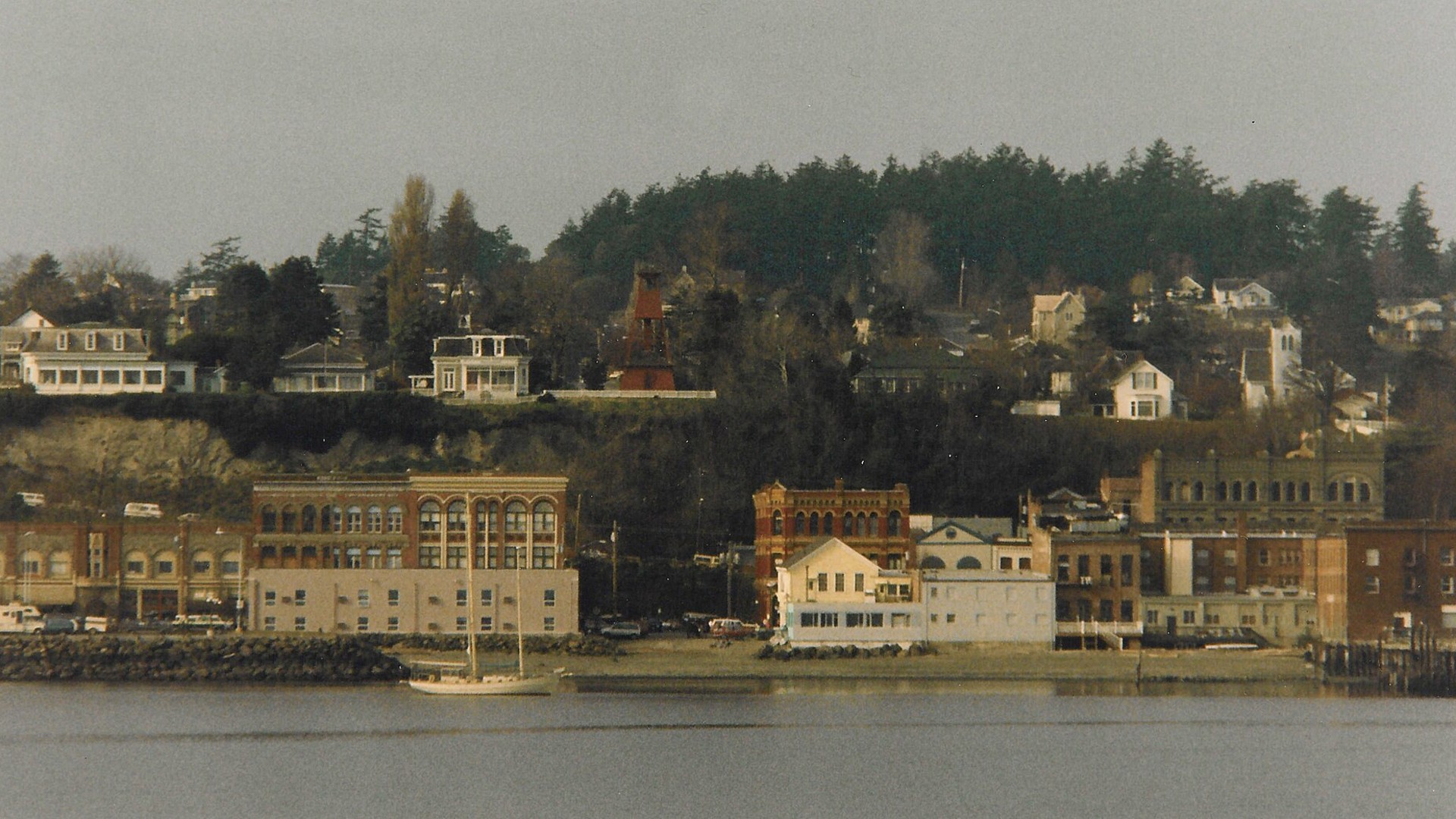
©Wikimedia / Port Townsend, Washington
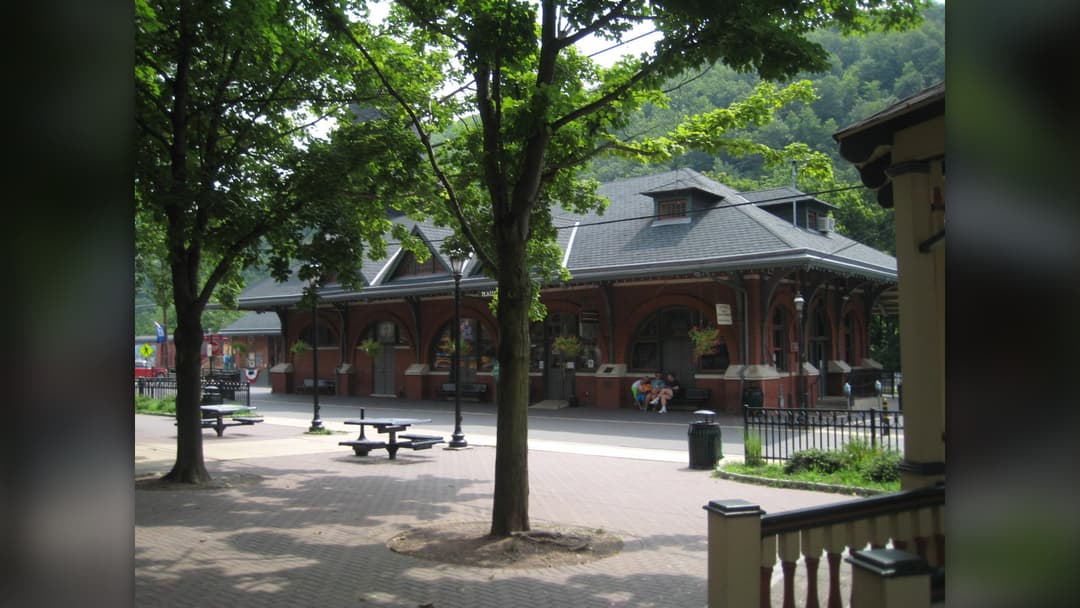
16. Jim Thorpe, Pennsylvania
Originally named Mauch Chunk, this narrow Lehigh Gorge town built America's earliest gravity switchback railway in 1827 to haul anthracite coal. Renamed in 1954 to honor Olympic champion Jim Thorpe, its stone courthouse and 1888 train depot anchor canyon trails.
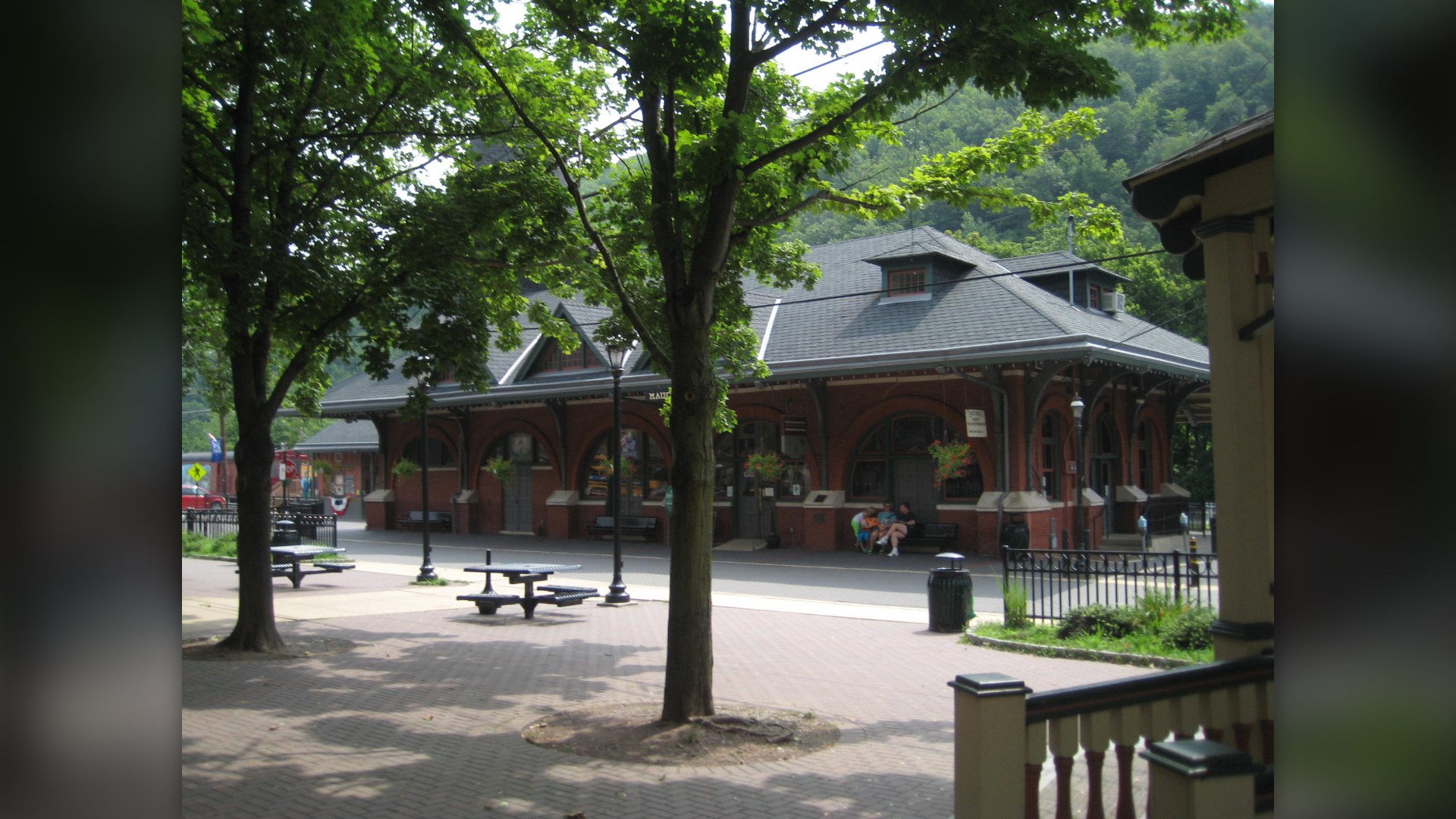
©Wikimedia / Fabartus
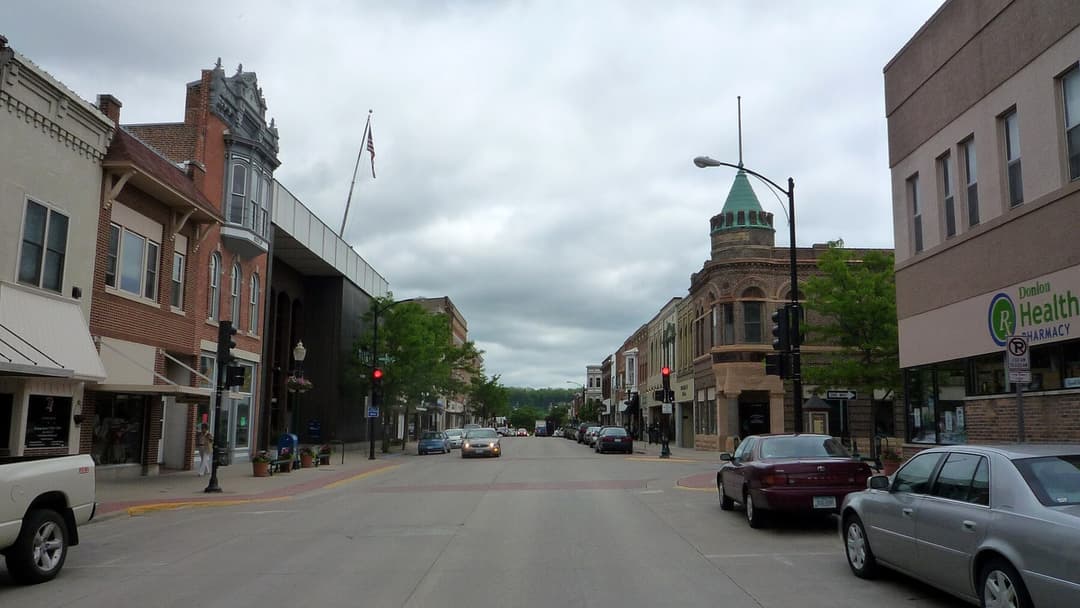
15. Decorah, Iowa
Ancient glaciers missed the Driftless Area of northeastern Iowa, carving deep limestone valleys around Decorah instead of flat prairies. Dunning's Spring drops 200 feet out of solid rock just minutes from downtown's Vesterheim Norwegian-American Museum.
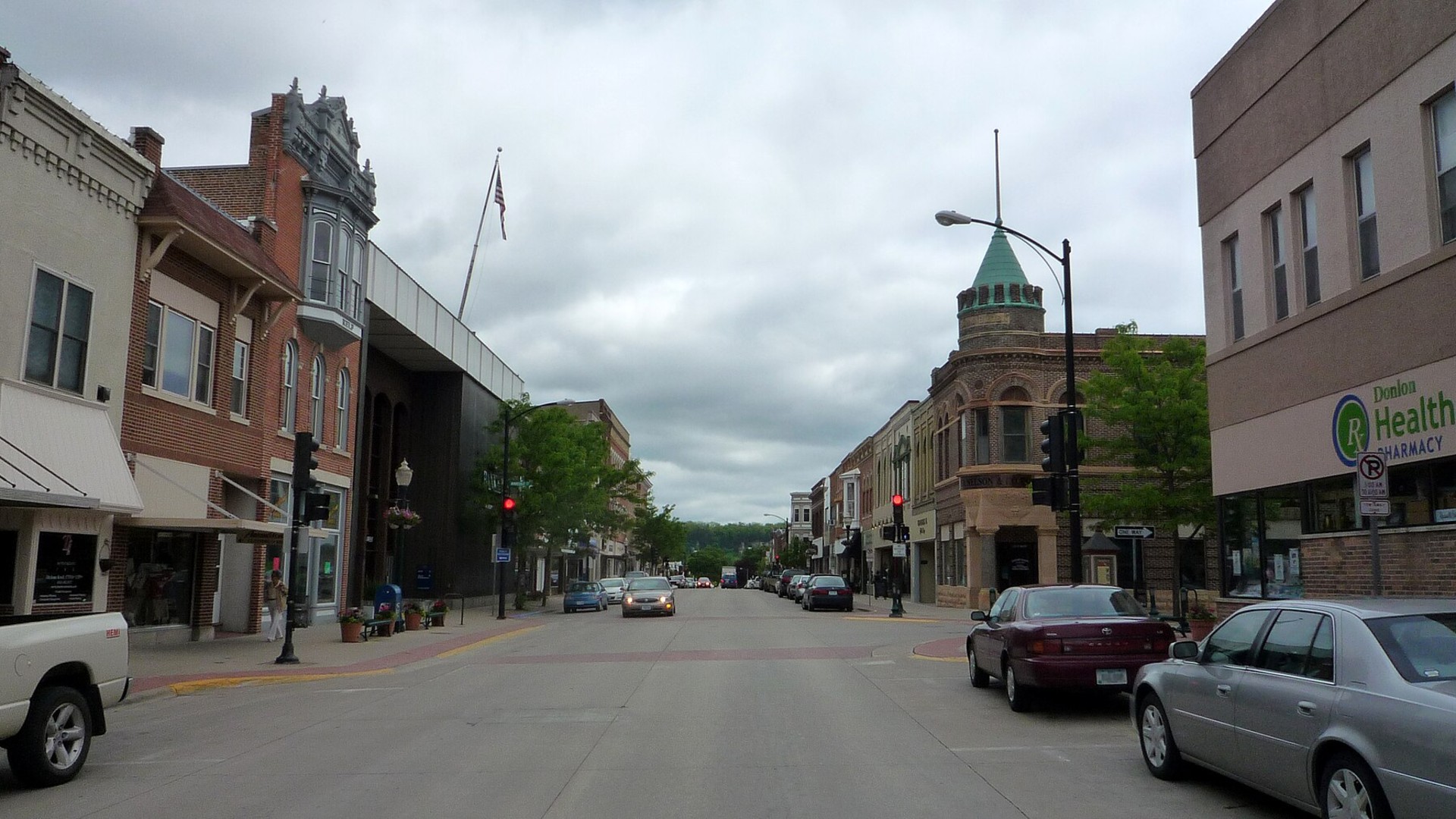
©Wikimedia / Decorah, Iowa
Advertisement
Swipe or tap ▶ to resume the countdown.
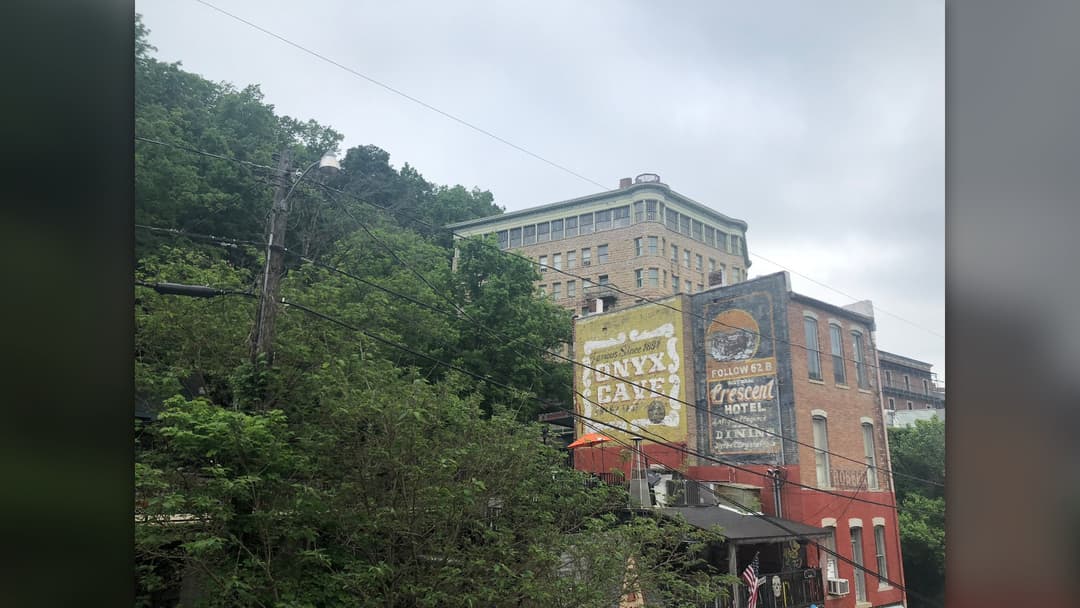
14. Eureka Springs, Arkansas
Built around 60 natural cold springs in the Ozark Mountains during the 1880s health resort era, Eureka Springs has zero perpendicular intersections. Limestone walls brace multi-story Victorian storefronts where ground-floor doors open onto two different street levels.
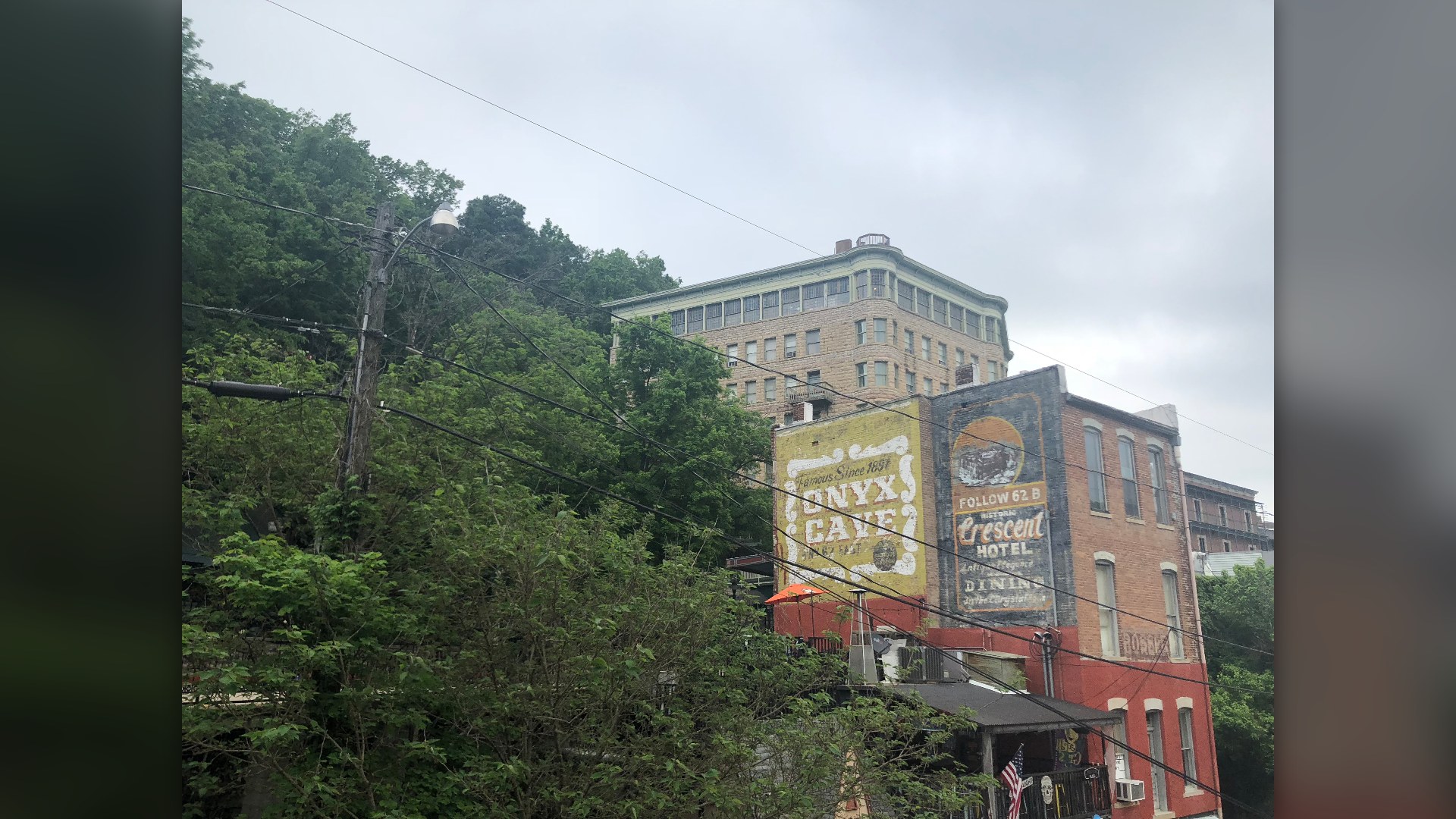
©Wikimedia / EurekaSpringsAR
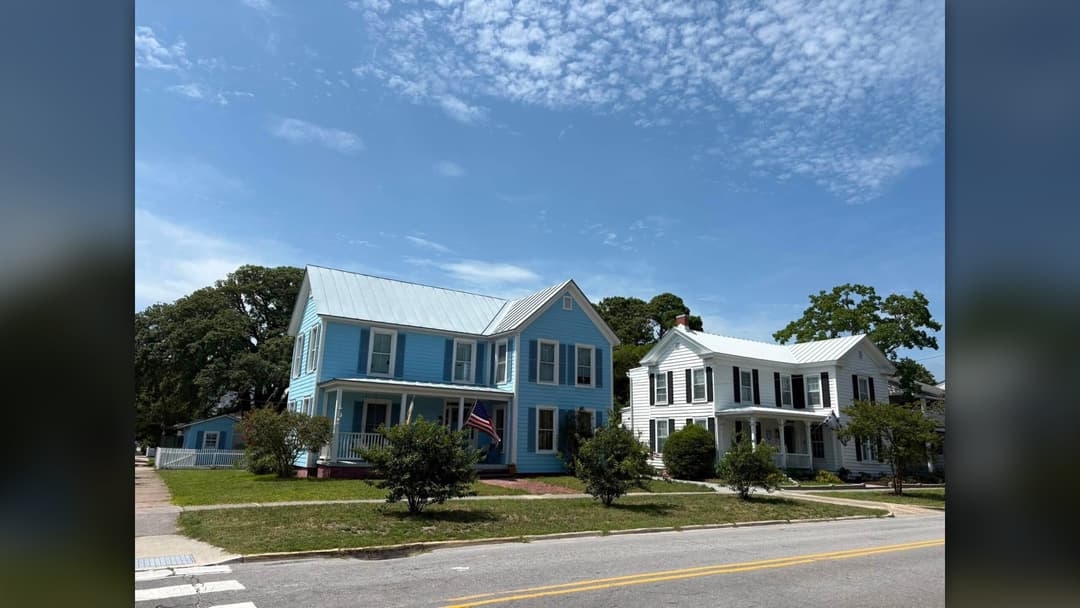
13. Beaufort, North Carolina
Chartered in 1709 as North Carolina's third-oldest town, Beaufort looks south across Taylor's Creek toward the Rachel Carson Reserve. Visitors watching wooden skiffs from Front Street porches regularly spot wild Colonial Spanish horses grazing on the sandbars.
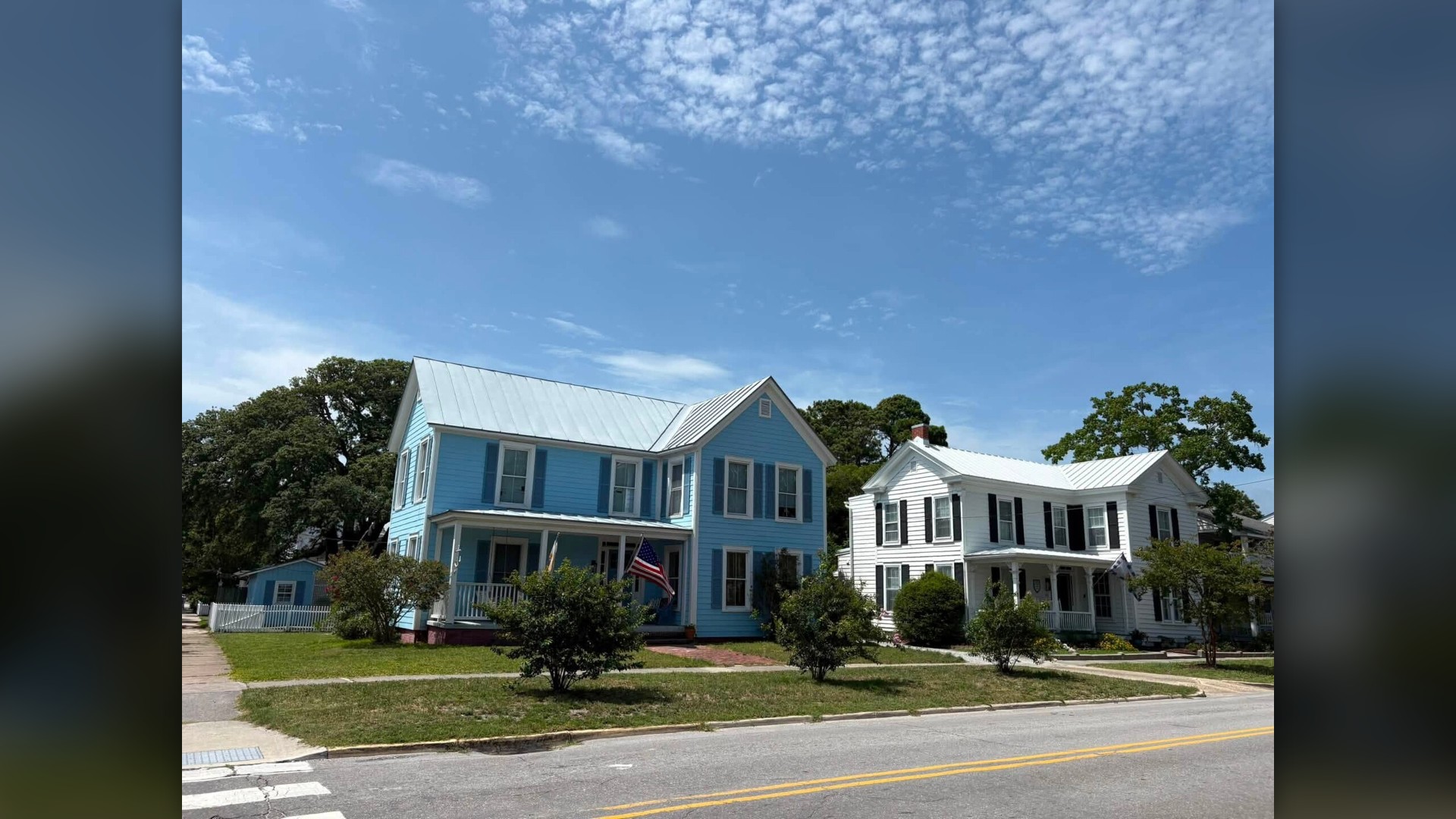
©Wikimedia / Willthacheerleader18
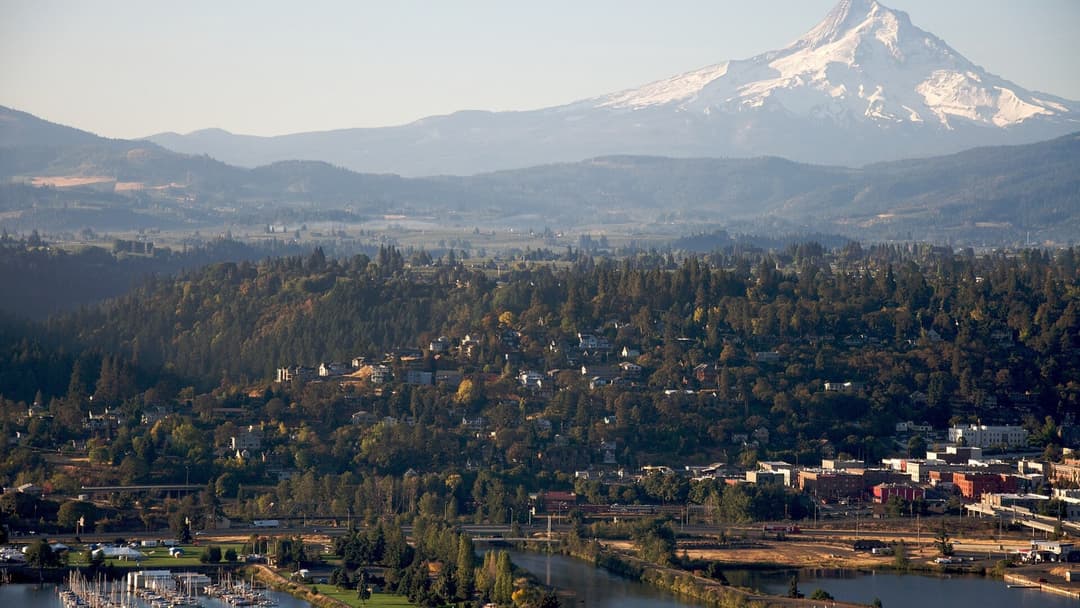
12. Hood River, Oregon
Set where the Hood River meets the Columbia River Gorge 60 miles east of Portland, this town sits between snowcapped Mount Hood and Mount Adams. Thermal canyon gusts make the river channel a premier kiteboarding launch while 15,000 acres of pear orchards bloom uphill.
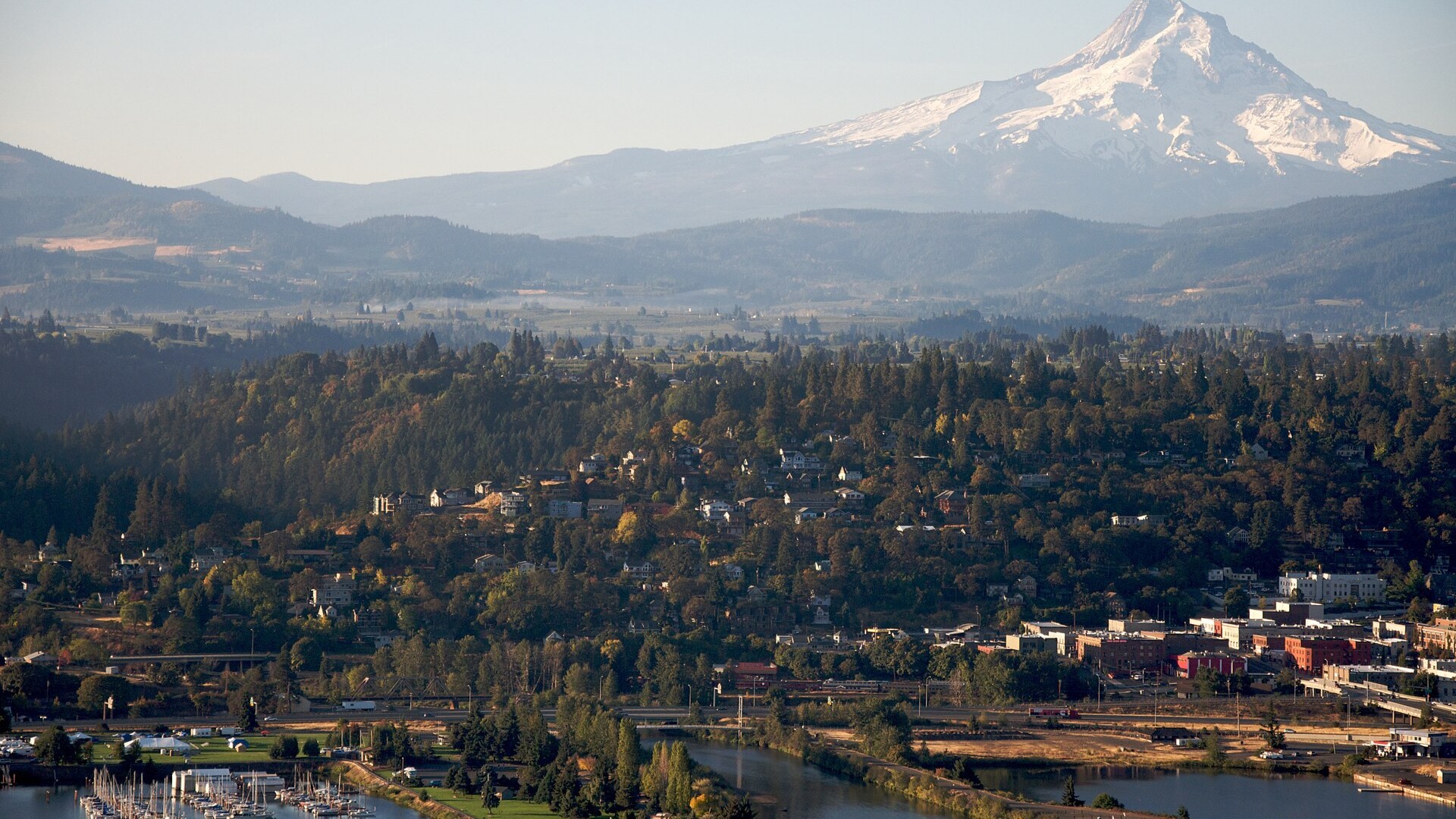
©Wikimedia / Hood River, Oregon
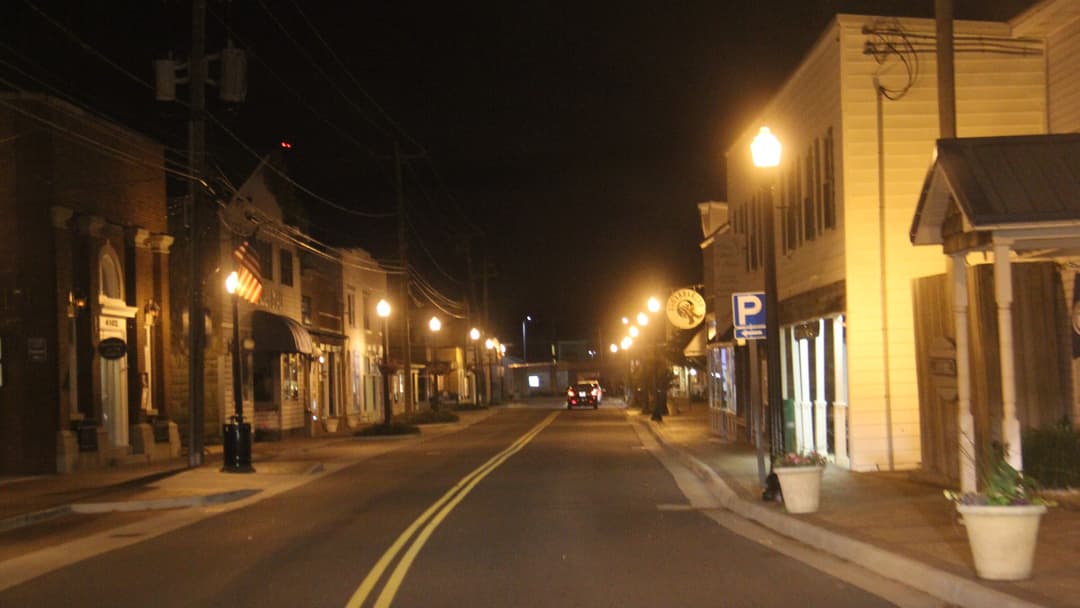
11. Chincoteague, Virginia
Separated from the Atlantic surf by undeveloped Assateague Island National Seashore, Chincoteague remains a working oyster and clamming community of 3,300 people. Each July, Volunteer Fire Company salt-water cowboys swim wild island ponies across Assateague Channel.
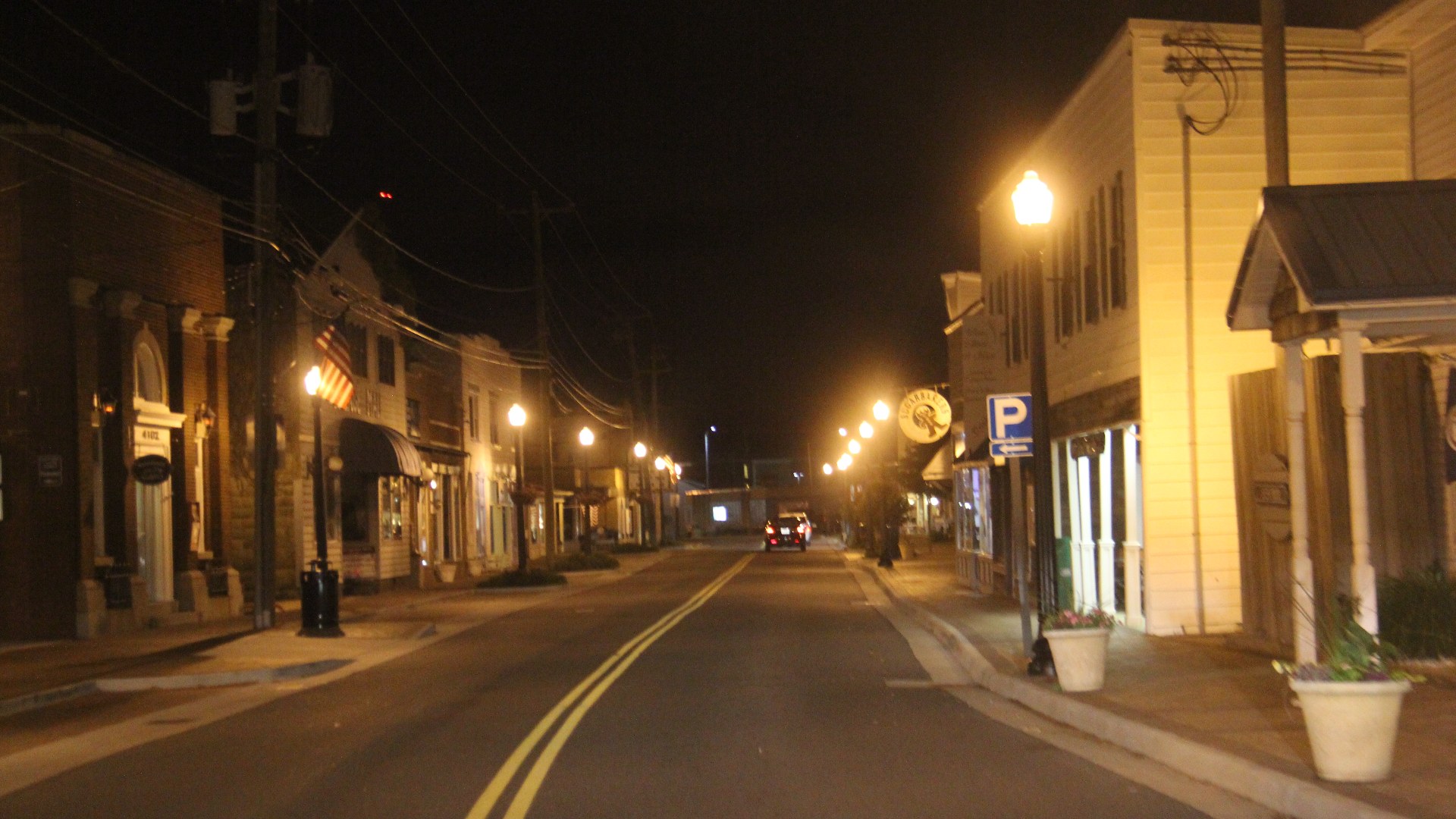
©Wikimedia / Ron Shawley
Advertisement
Swipe or tap ▶ to resume the countdown.
10. Spearfish, South Dakota
Sitting on the northern edge of the Black Hills, Spearfish opens directly into 19-mile Spearfish Canyon Scenic Byway. Spearfish Creek cuts through ancient Madison limestone walls older than the Grand Canyon, feeding Bridal Veil Falls and Roughlock Falls.
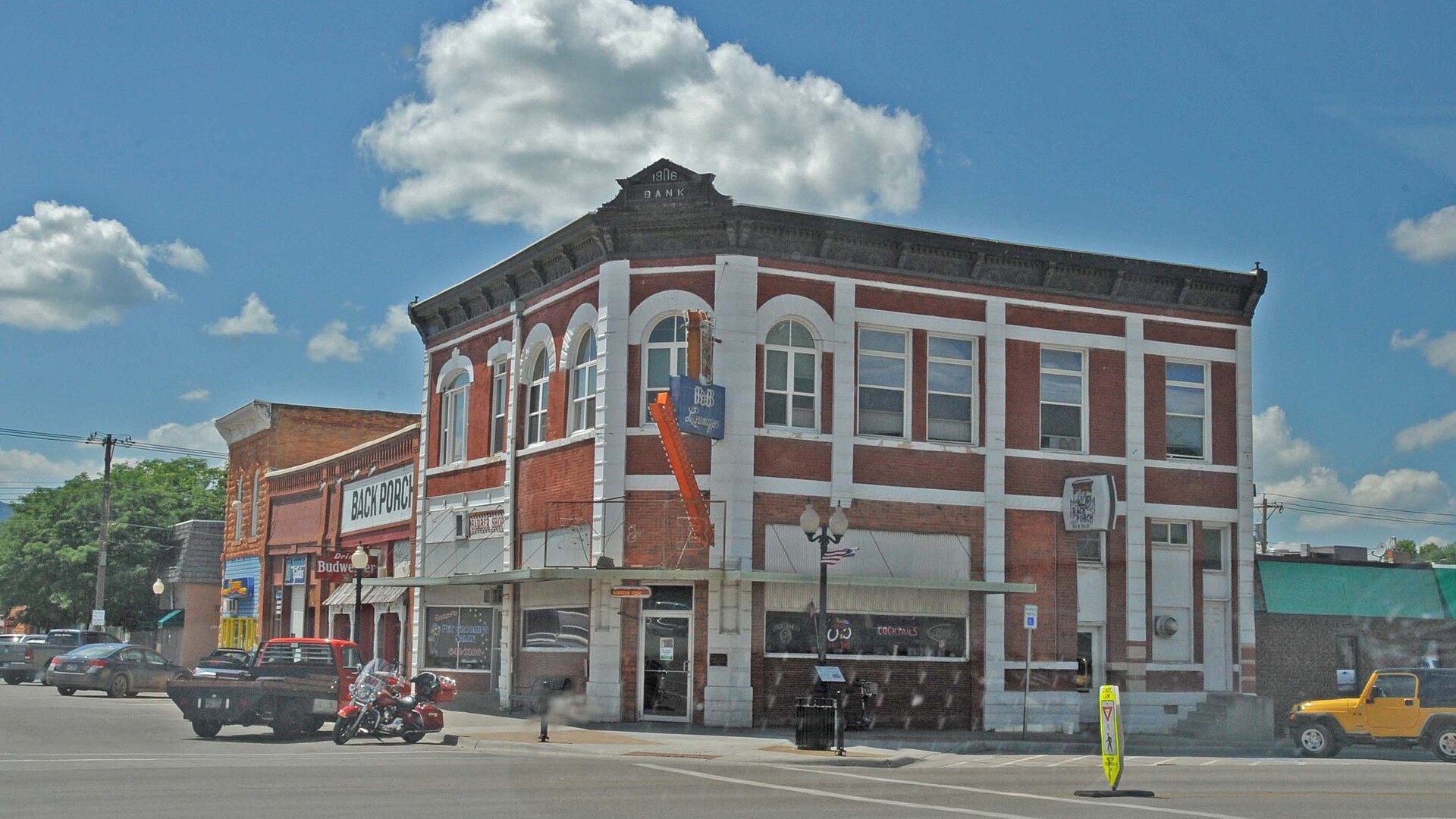
©Wikimedia / Spearfish, South Dakota
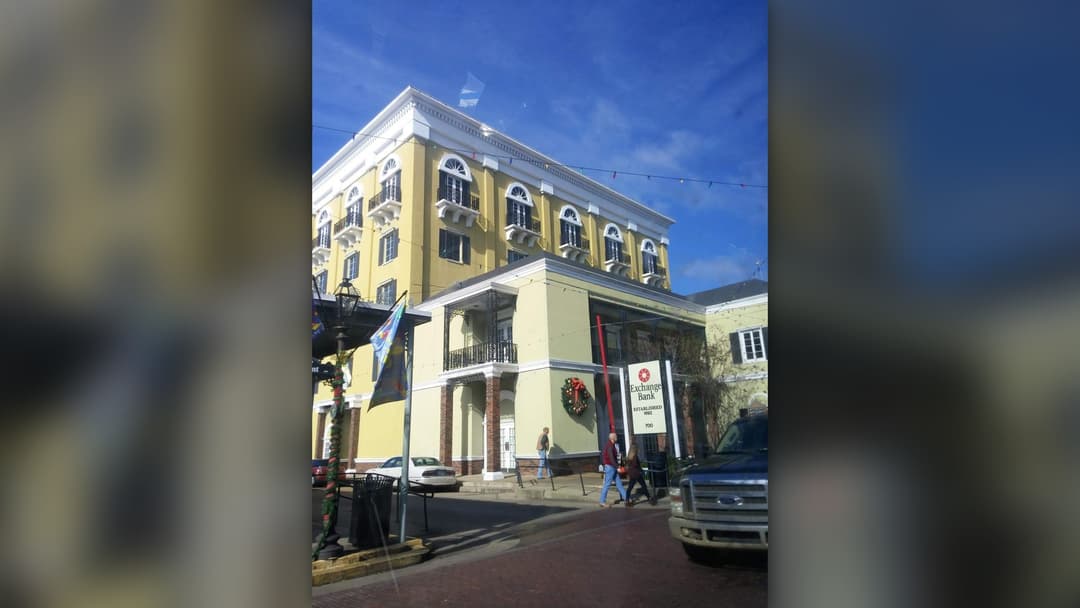
9. Natchitoches, Louisiana
Established by French explorer Louis Juchereau de Saint-Denis in 1714, Natchitoches is the oldest permanent settlement in the Louisiana Purchase. Thirty-three blocks along Front Street feature French Creole townhouses, brick paving, and century-old Kaffie-Frederick hardware.
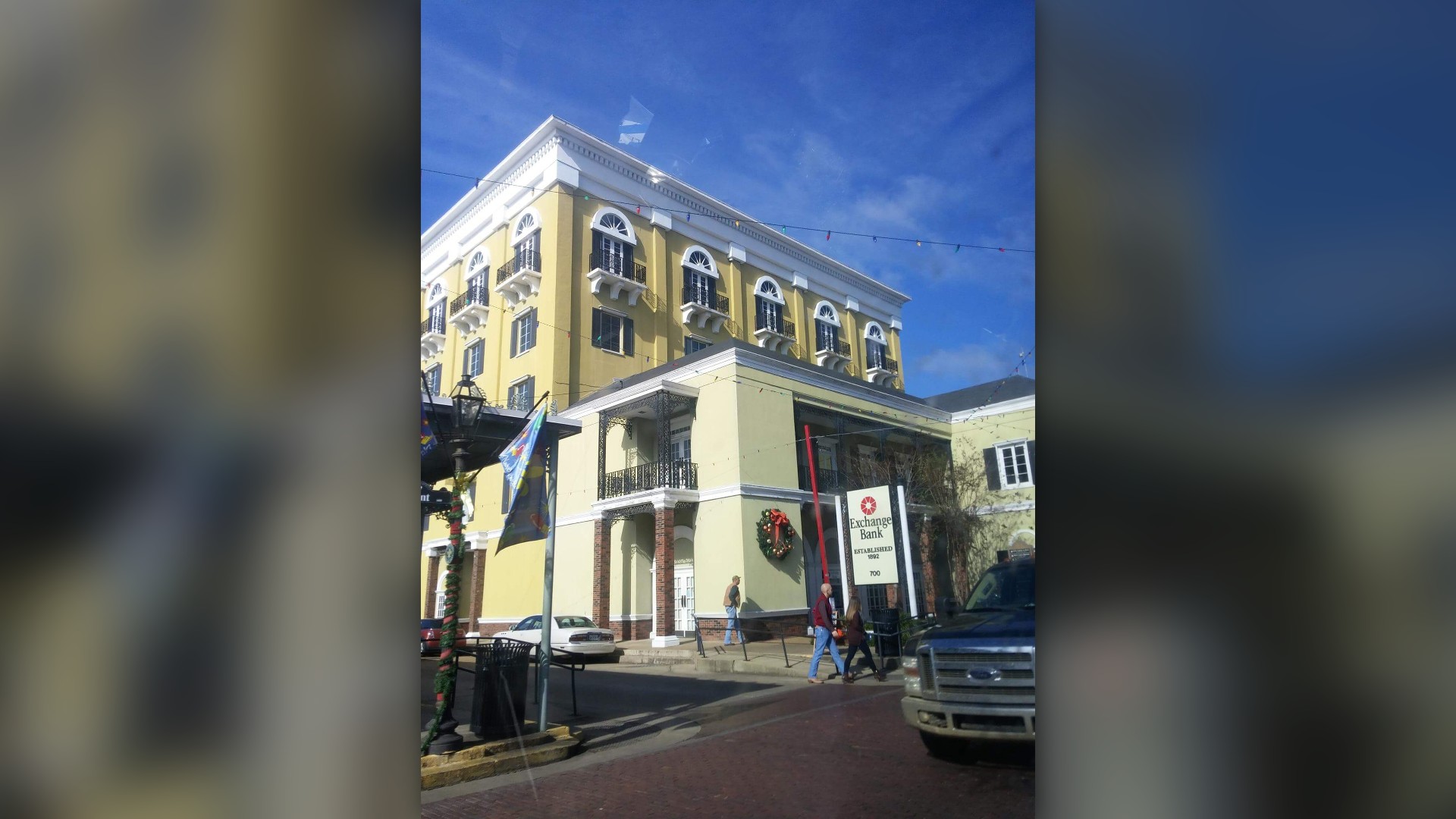
©Wikimedia / Natchitoches, Louisiana
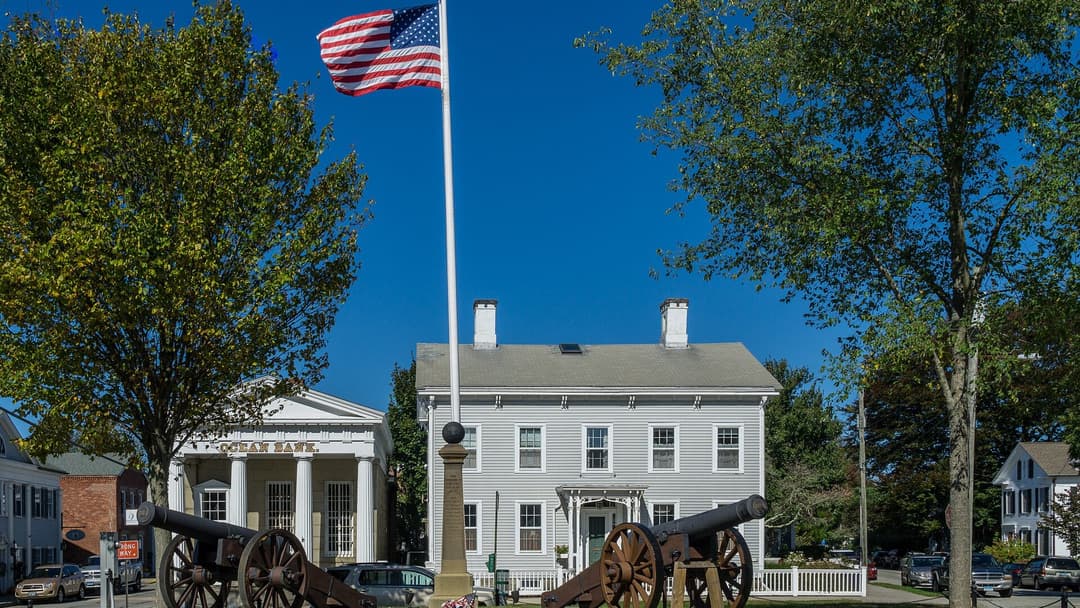
8. Stonington, Connecticut
Jutting into Fishers Island Sound near the Rhode Island line, Stonington Borough repelled British naval bombardments in both 1775 and 1814. Sea captains' clapboard houses crowd the half-mile peninsula down to the 1840 Old Lighthouse Museum at DuBois Beach.
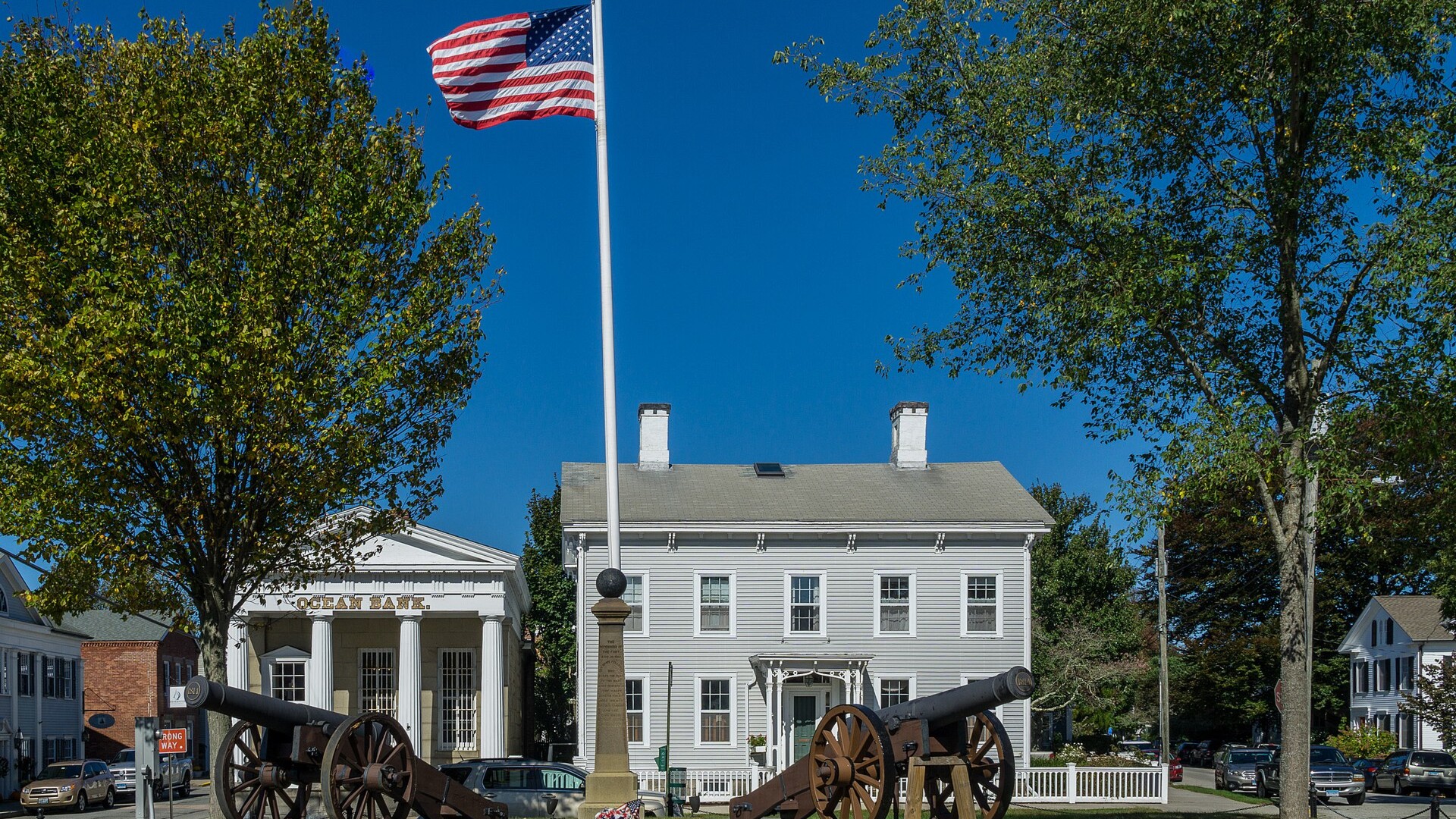
©Wikimedia / Kenneth C. Zirkel
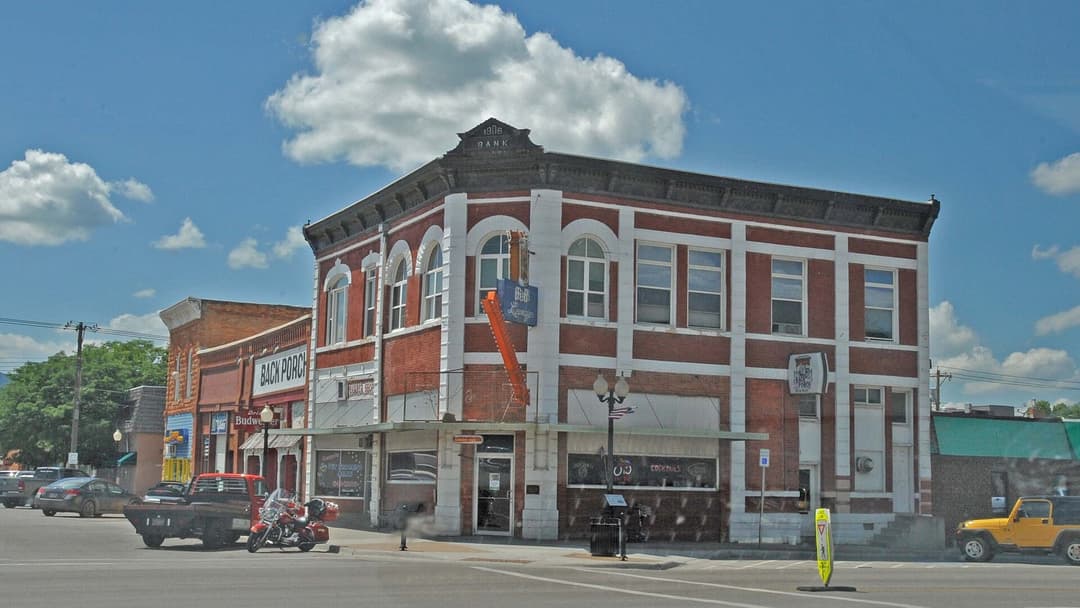
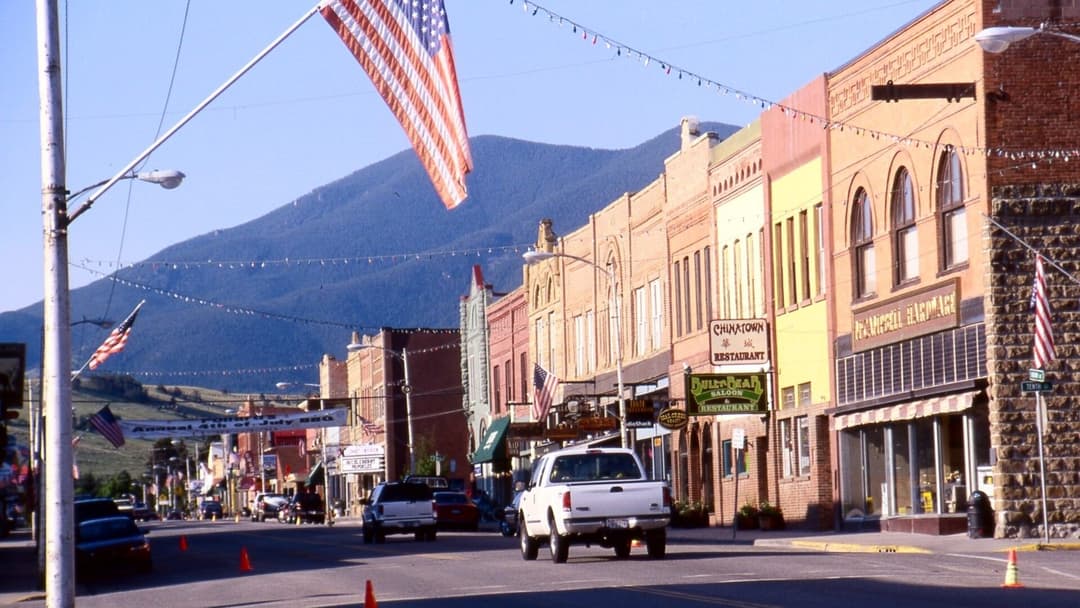
7. Red Lodge, Montana
At 5,568 feet beside Rock Creek, Red Lodge began in the 1880s drawing Finnish, Italian, and Slavic miners to the Custer National Forest foothills. South of Broadway Avenue, U.S. Route 212 switchbacks up to 10,947-foot Beartooth Pass toward Yellowstone.
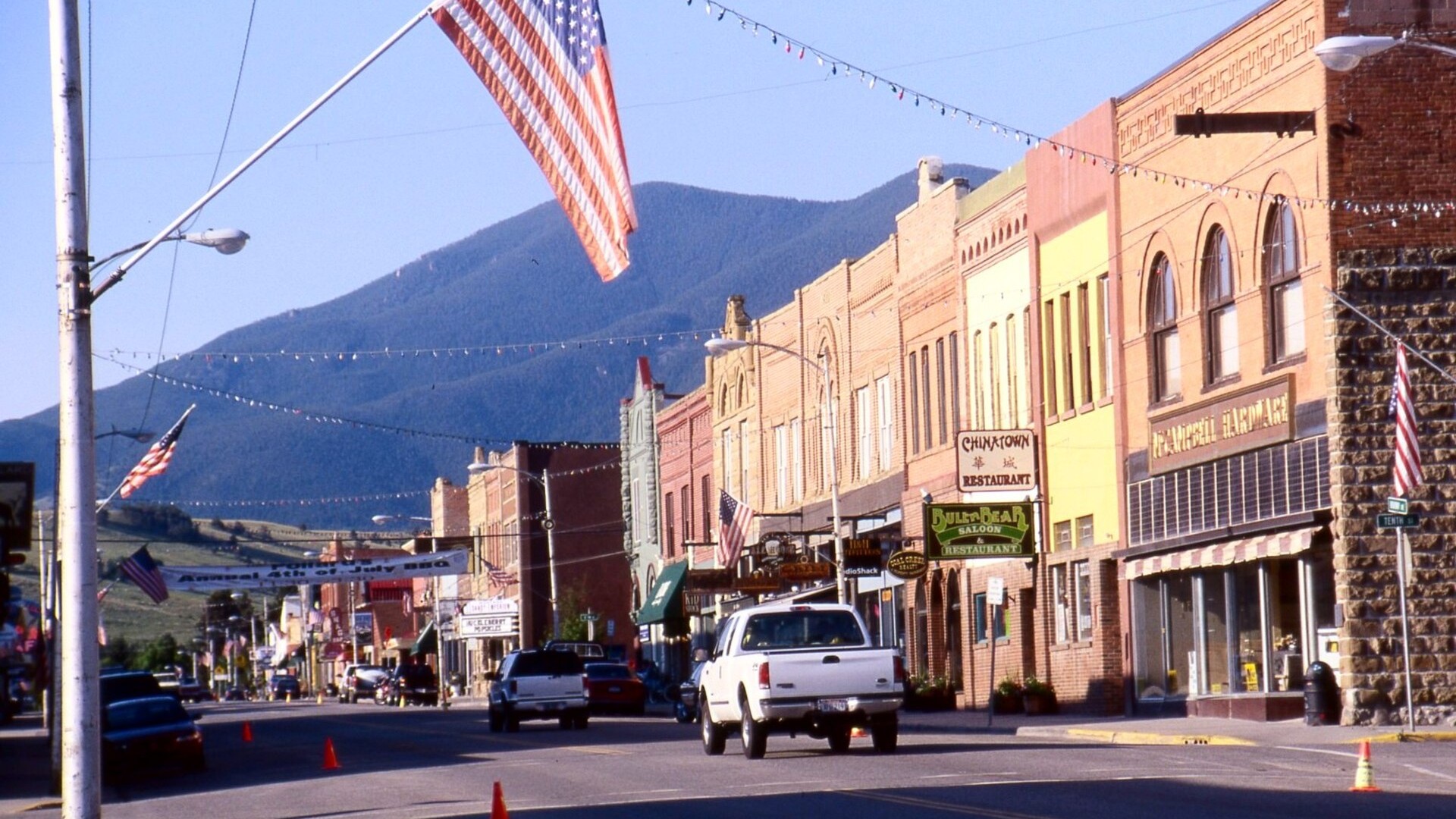
©Wikimedia / Red Lodge, Montana
Advertisement
Swipe or tap ▶ to resume the countdown.
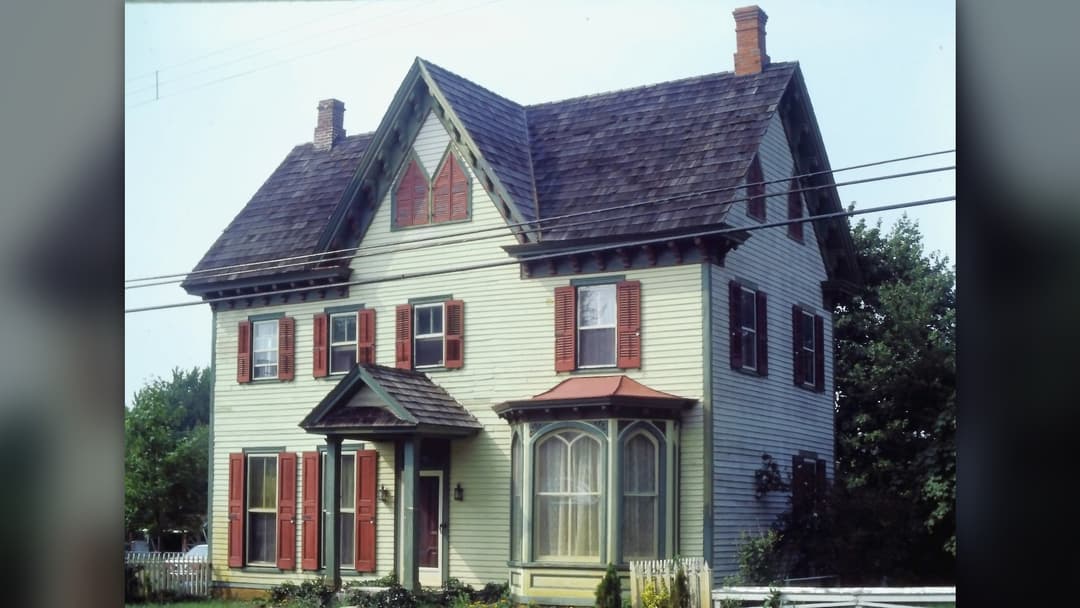
6. Cape May, New Jersey
Occupying the southern tip of the Cape May Peninsula where Delaware Bay meets the Atlantic Ocean, Cape May rebuilt in high Victorian style after an 1878 fire. Over 600 preserved late-19th-century summer cottages give the entire city National Historic Landmark status.
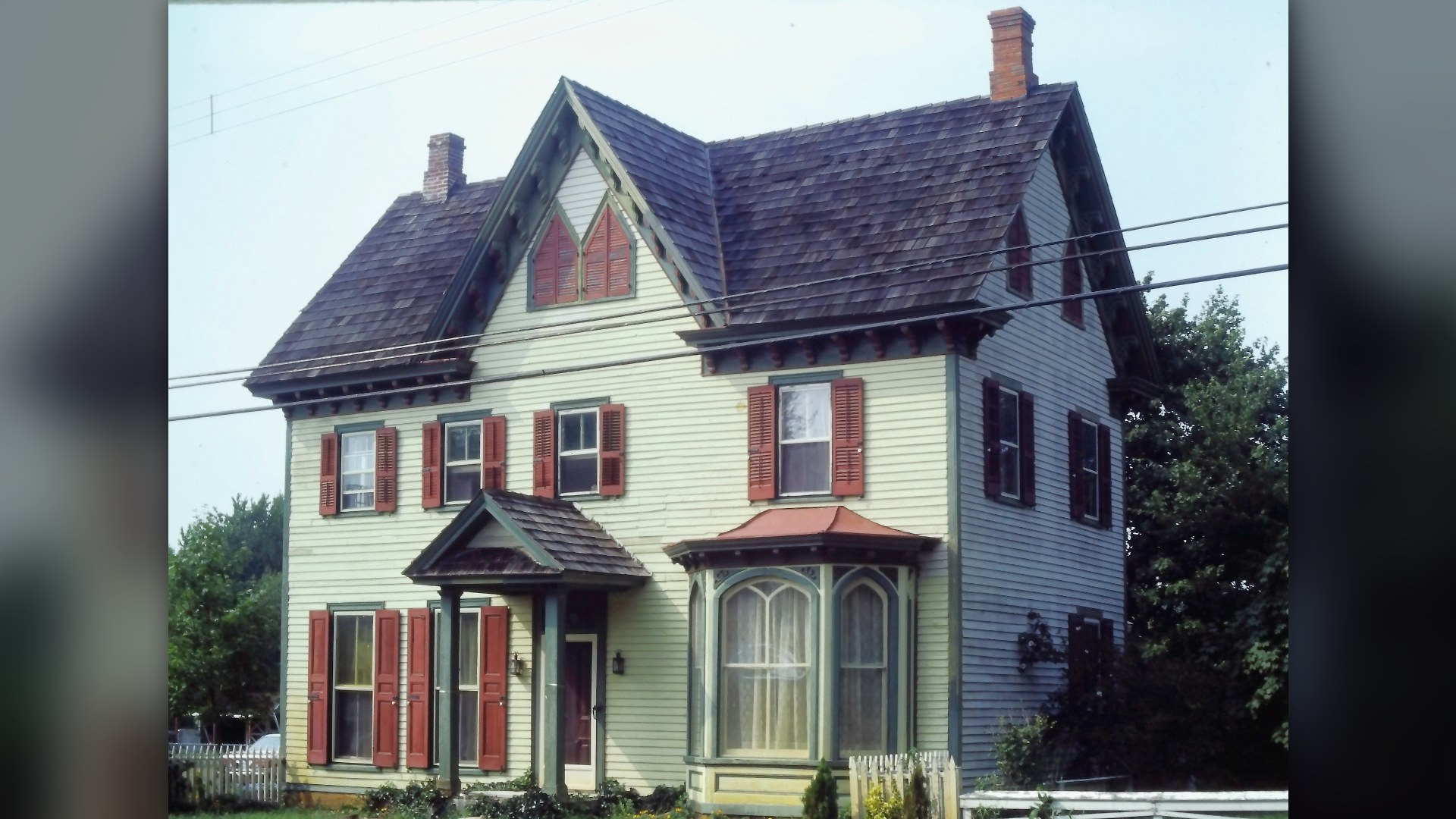
©Wikimedia / Bmzuckerman
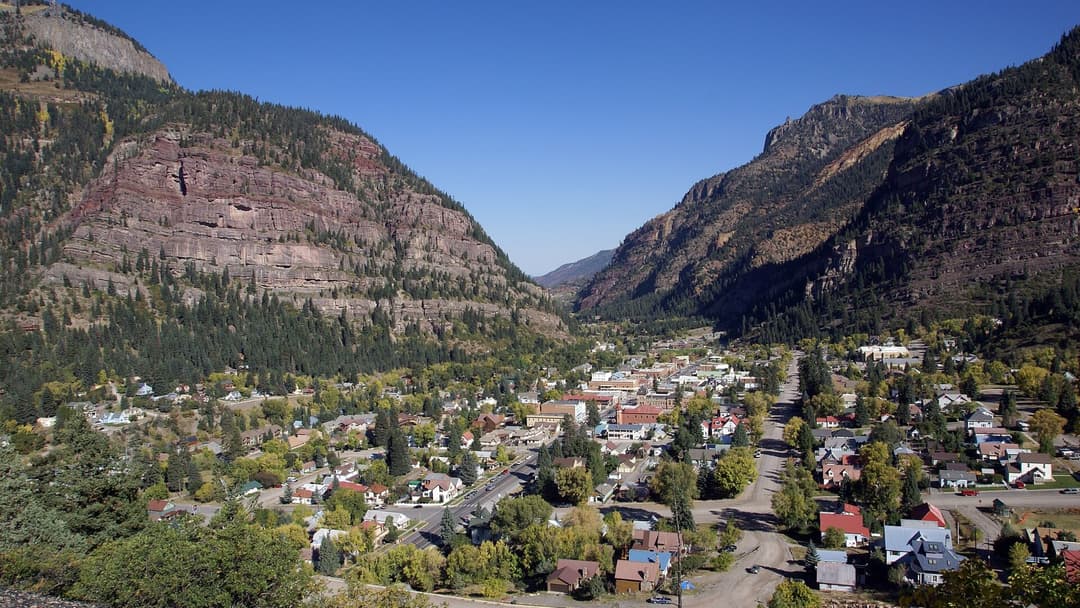
5. Ouray, Colorado
Sitting at 7,792 feet inside a natural rock amphitheater in southwestern Colorado, Ouray earned the nickname Switzerland of America during its 1880s gold rush. Natural geothermal hot springs steam at the edge of town while Box Canyon Falls thunders through quartzite.
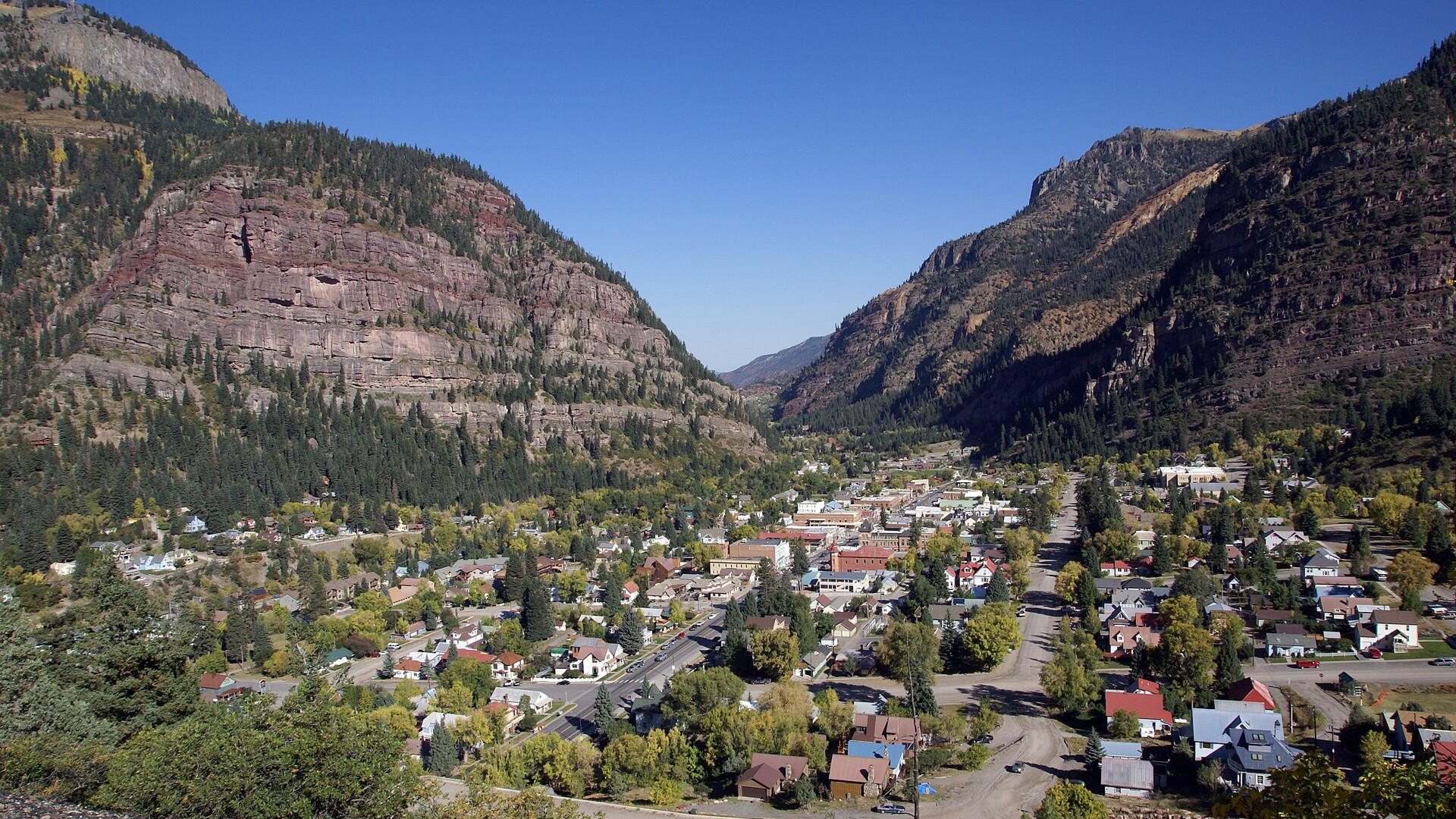
©Wikimedia / Ouray, Colorado
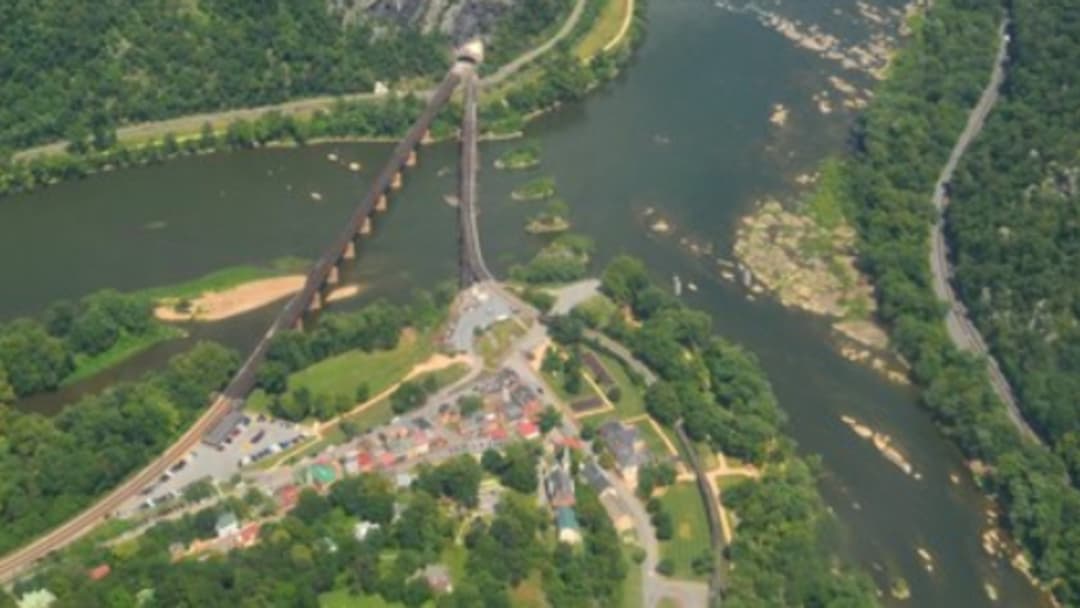
4. Harpers Ferry, West Virginia
Built on a steep shale point where the Shenandoah and Potomac rivers meet across West Virginia, Virginia, and Maryland, Harpers Ferry witnessed John Brown's 1859 armory raid. Today the Appalachian Trail crosses the pedestrian footbridge directly through Lower Town.
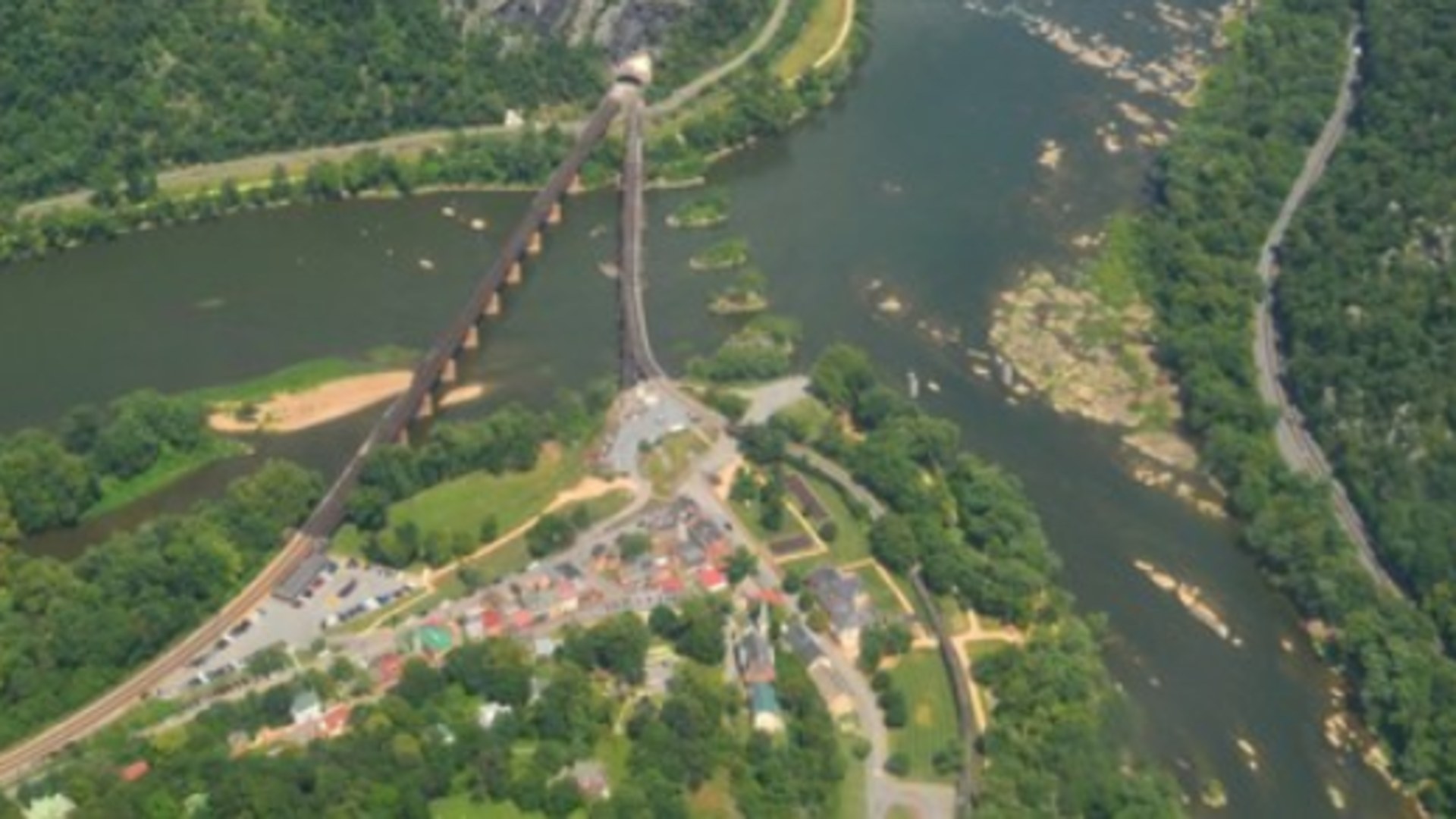
©Wikimedia / Unidentified National Park Service photographer
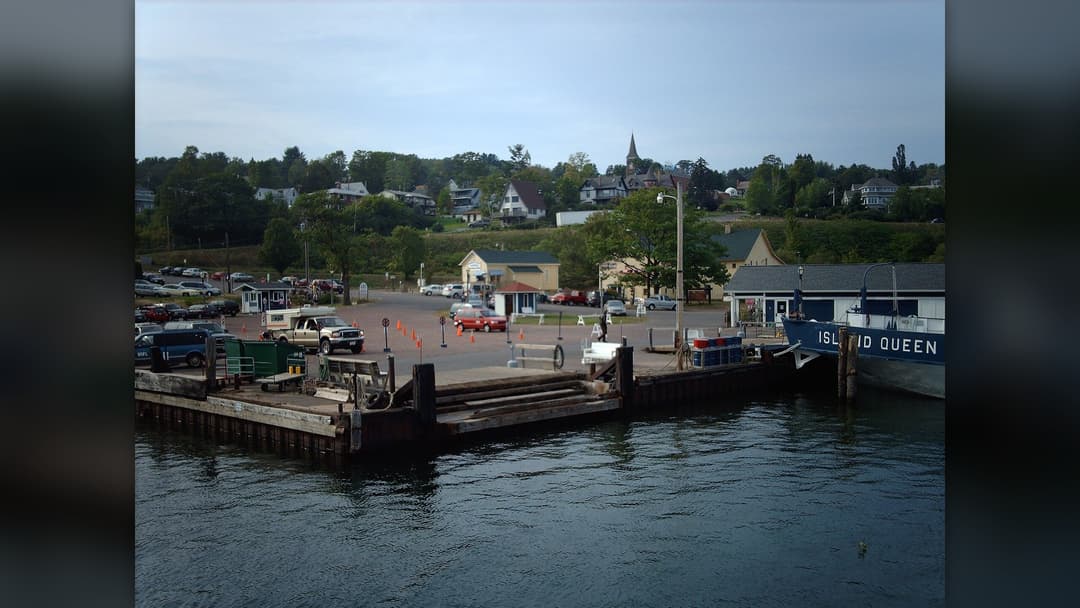
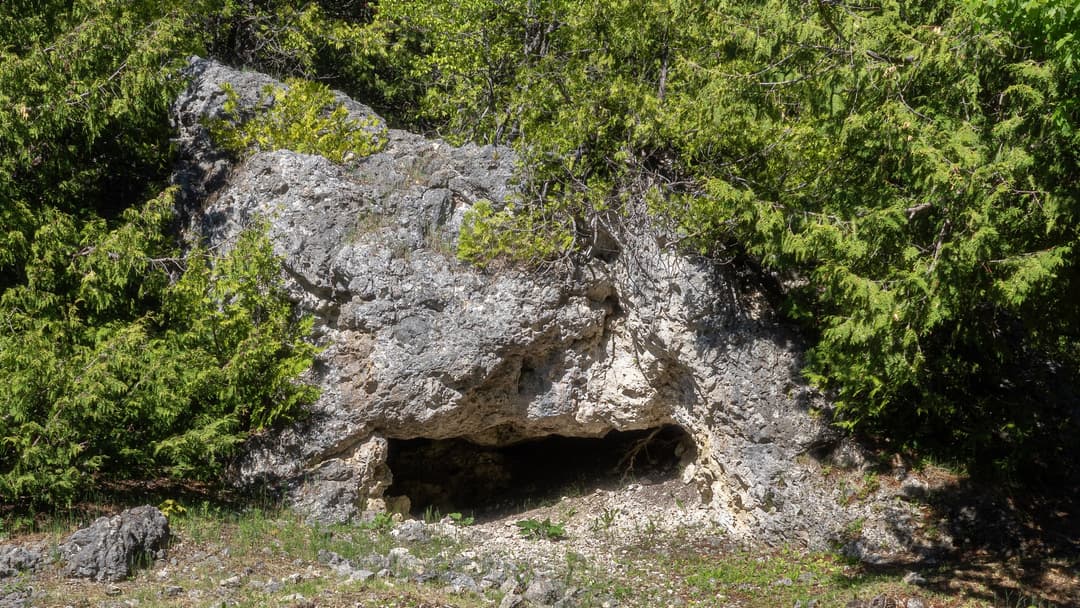
3. Mackinac Island, Michigan
Motor vehicles have been banned on 3.8-square-mile Mackinac Island since 1898, leaving Main Street to horse-drawn drays and bicycles. Limestone sea arches, 1780 Fort Mackinac ramparts, and fresh fudge shops overlook the Straits of Mackinac.
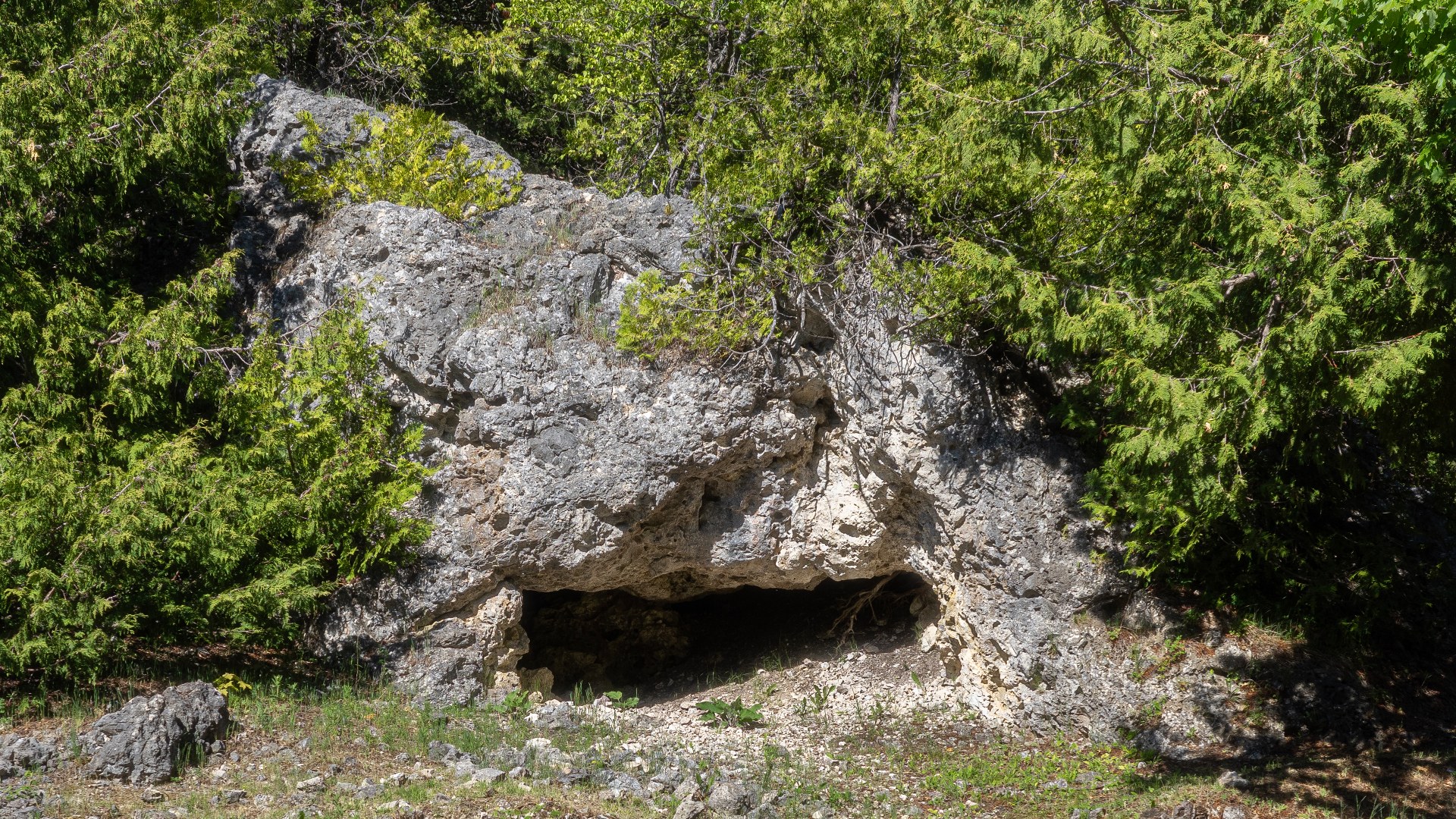
©Wikimedia / WMrapids
Advertisement
Swipe or tap ▶ to resume the countdown.
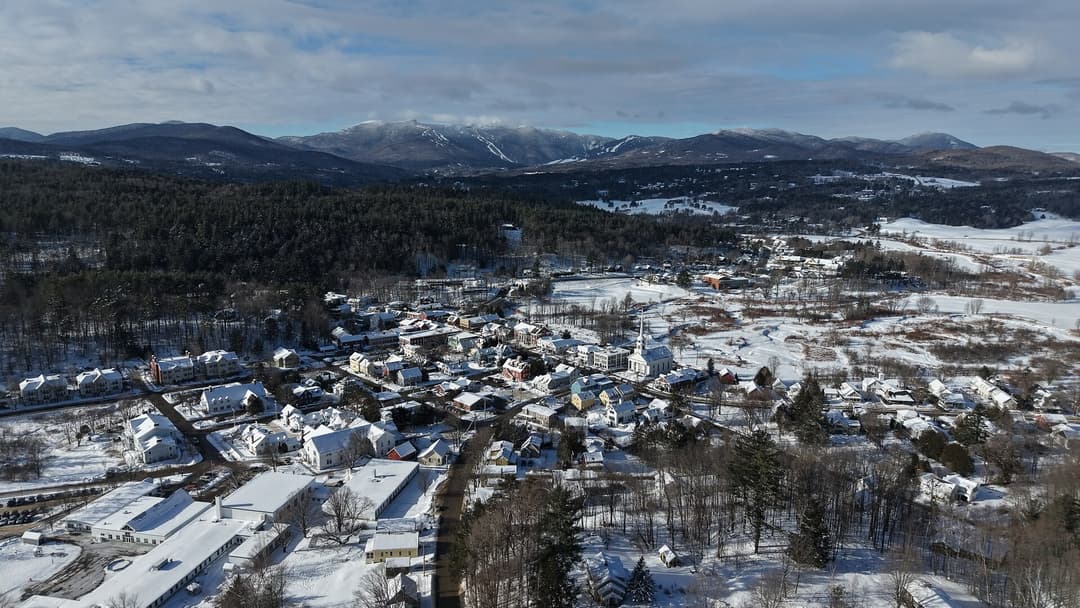
2. Stowe, Vermont
Set in the Little River valley below 4,393-foot Mount Mansfield, Vermont's highest peak, Stowe pairs classic New England village greens with four-season alpine trails. Covered wooden bridges cross clear mountain brooks between sugarhouses and historic country inns.
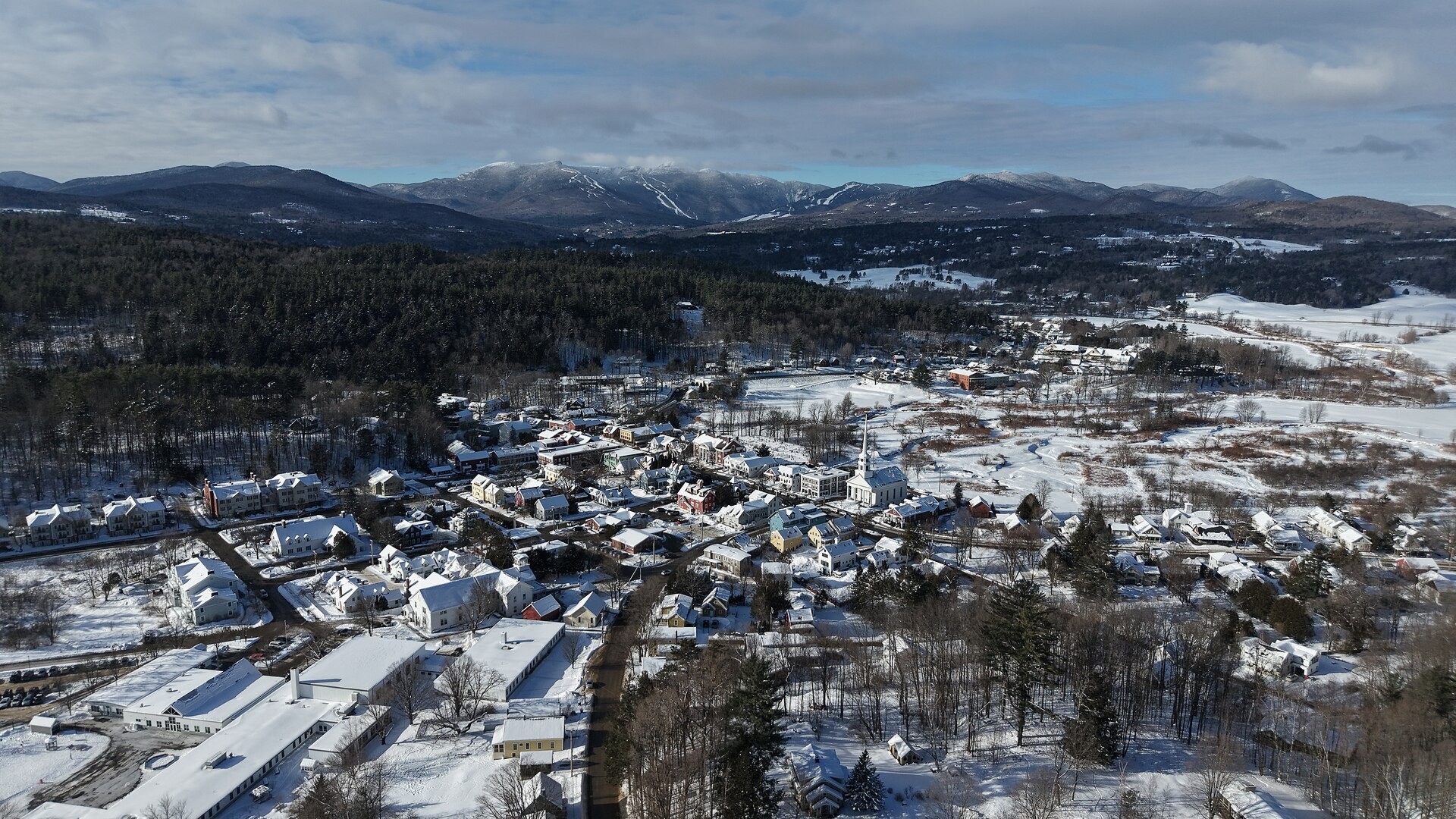
©Wikimedia / Stowe, Vermont
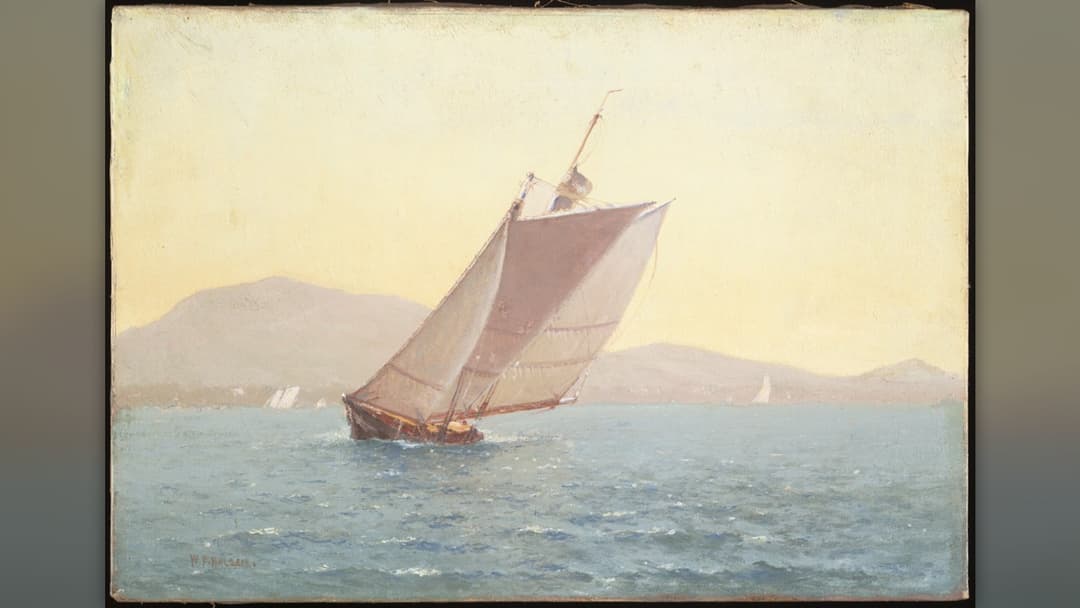
1. Camden, Maine
On Penobscot Bay along Midcoast Maine, Camden is one of the few Atlantic ports where coastal mountains meet salt water directly. Two-masted wooden windjammer schooners moor below a waterfall tumbling past Harbor Park, while Mount Battie views span dozens of islands.
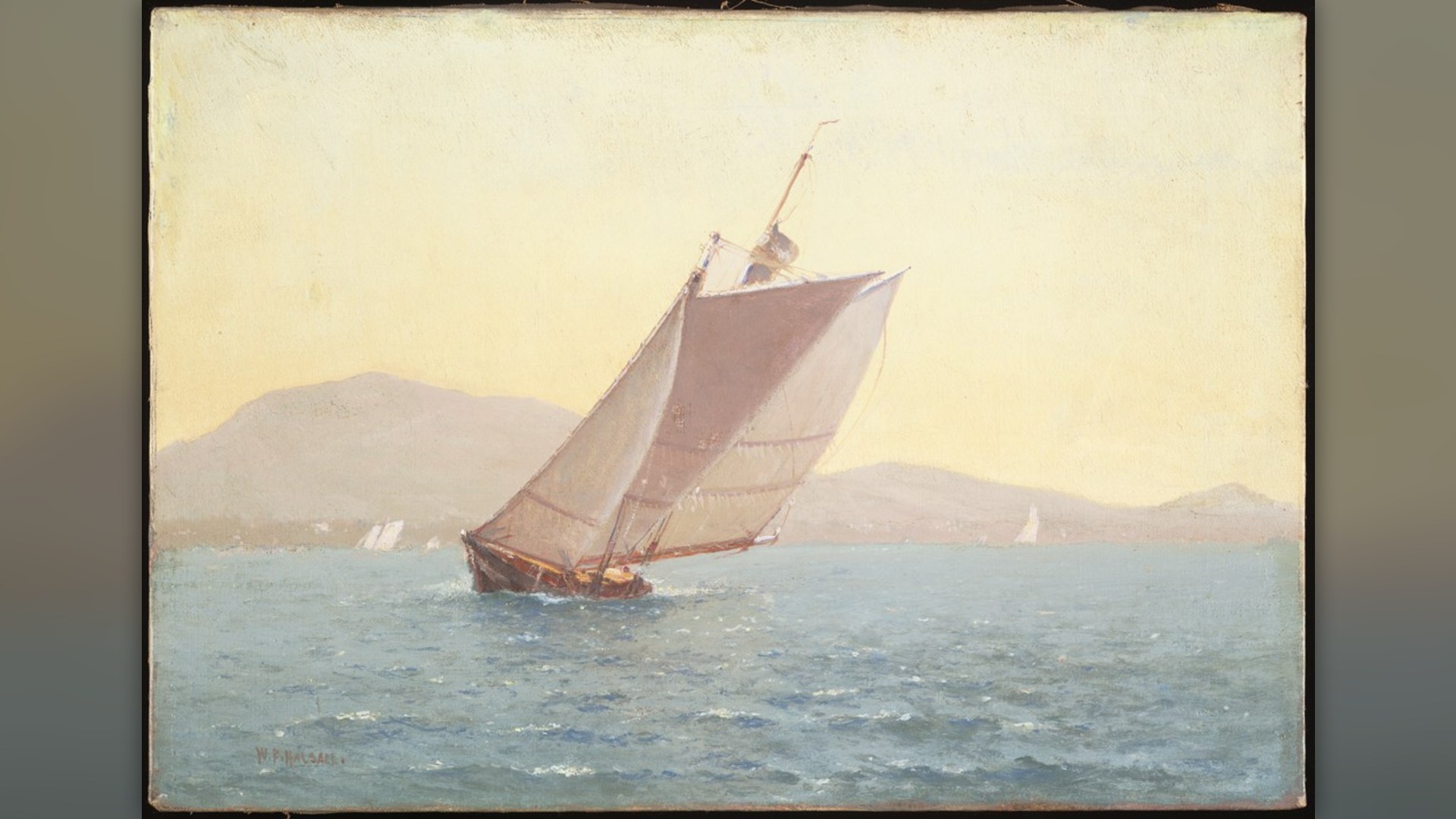
©Wikimedia / William Halsall
Advertisement
You've reached the end of the story. Thanks for reading!

America’s 20 Top Ski Towns to Visit This Winter
American ski towns combine massive vertical drops, preserved mining architecture, and deep powder traditions. Based on 2026 National Ski Areas Association records, U.S. Forest Service terrain surveys, and official resort reports, here are 20 top mountain towns across the country ranked by their winter popularity.
All 25 Entries in this Story
25. Ogallala, Nebraska
Once the northern terminus for Texas cattle drives in the 1870s, Ogallala borders 30,000-acre Lake McConaughy. Fine white silica sand lines over 100 miles of shoreline, drawing summer sailors, paddleboarders, and walleye anglers from across the Great Plains.

24. Grand Marais, Minnesota
Home to roughly 1,300 residents near the Canadian border, Grand Marais curves around a natural basalt breakwater on Lake Superior. Founded as a fur-trading post, the town anchors the Gunflint Trail into the Boundary Waters Canoe Area Wilderness.

23. Wallace, Idaho
Located in the Silver Valley of the Idaho Panhandle, Wallace produced over one billion ounces of silver after its 1884 founding. When residents sued federal officials in the 1970s to reroute Interstate 90 onto an elevated viaduct, they saved their brick downtown intact.

22. Apalachicola, Florida
Set where the Apalachicola River meets St. George Sound on the Florida Panhandle, this port shipped cotton steamboats in the 1830s. Today working shrimp trawlers tie up beside sponge warehouses converted into seafood markets, cafes, and maritime inns.

21. Madison, Indiana
Positioned along a scenic bend of the Ohio River between Louisville and Cincinnati, Madison holds the largest contiguous National Historic Landmark District in Indiana. Federal, Greek Revival, and Italianate townhouses from the 1840s railroad boom line Main Street.

20. Bisbee, Arizona
Built a mile high in the Mule Mountains near the Mexican border, Bisbee grew rich mining copper, gold, and turquoise in the late 1800s. Narrow canyon streets leave no room for standard grids, so locals climb 1,000 concrete stairs linking hillside cottages to Brewery Gulch.

19. Bayfield, Wisconsin
With fewer than 600 year-round residents, Bayfield serves as the mainland ferry gateway to Apostle Islands National Lakeshore. Red sandstone cliffs, 19th-century lighthouses, and orchard-covered hills overlook sailboats moored along Chequamegon Bay.

18. Hermann, Missouri
Founded in 1837 by the German Settlement Society of Philadelphia, Hermann chose steep limestone bluffs along the Missouri River that resembled the Rhine Valley. Brick cellars dug into hillsides before the Civil War still age regional Norton and Vignoles wines.

17. Port Townsend, Washington
Speculators in the 1880s built stone customs houses and ornate brick blocks expecting Port Townsend to become the top Pacific Northwest rail harbor. When the railroad stopped in Tacoma instead, the bust froze its seaside bluff neighborhoods and waterfront intact.

16. Jim Thorpe, Pennsylvania
Originally named Mauch Chunk, this narrow Lehigh Gorge town built America's earliest gravity switchback railway in 1827 to haul anthracite coal. Renamed in 1954 to honor Olympic champion Jim Thorpe, its stone courthouse and 1888 train depot anchor canyon trails.

15. Decorah, Iowa
Ancient glaciers missed the Driftless Area of northeastern Iowa, carving deep limestone valleys around Decorah instead of flat prairies. Dunning's Spring drops 200 feet out of solid rock just minutes from downtown's Vesterheim Norwegian-American Museum.

14. Eureka Springs, Arkansas
Built around 60 natural cold springs in the Ozark Mountains during the 1880s health resort era, Eureka Springs has zero perpendicular intersections. Limestone walls brace multi-story Victorian storefronts where ground-floor doors open onto two different street levels.

13. Beaufort, North Carolina
Chartered in 1709 as North Carolina's third-oldest town, Beaufort looks south across Taylor's Creek toward the Rachel Carson Reserve. Visitors watching wooden skiffs from Front Street porches regularly spot wild Colonial Spanish horses grazing on the sandbars.

12. Hood River, Oregon
Set where the Hood River meets the Columbia River Gorge 60 miles east of Portland, this town sits between snowcapped Mount Hood and Mount Adams. Thermal canyon gusts make the river channel a premier kiteboarding launch while 15,000 acres of pear orchards bloom uphill.

11. Chincoteague, Virginia
Separated from the Atlantic surf by undeveloped Assateague Island National Seashore, Chincoteague remains a working oyster and clamming community of 3,300 people. Each July, Volunteer Fire Company salt-water cowboys swim wild island ponies across Assateague Channel.

10. Spearfish, South Dakota
Sitting on the northern edge of the Black Hills, Spearfish opens directly into 19-mile Spearfish Canyon Scenic Byway. Spearfish Creek cuts through ancient Madison limestone walls older than the Grand Canyon, feeding Bridal Veil Falls and Roughlock Falls.

9. Natchitoches, Louisiana
Established by French explorer Louis Juchereau de Saint-Denis in 1714, Natchitoches is the oldest permanent settlement in the Louisiana Purchase. Thirty-three blocks along Front Street feature French Creole townhouses, brick paving, and century-old Kaffie-Frederick hardware.

8. Stonington, Connecticut
Jutting into Fishers Island Sound near the Rhode Island line, Stonington Borough repelled British naval bombardments in both 1775 and 1814. Sea captains' clapboard houses crowd the half-mile peninsula down to the 1840 Old Lighthouse Museum at DuBois Beach.

7. Red Lodge, Montana
At 5,568 feet beside Rock Creek, Red Lodge began in the 1880s drawing Finnish, Italian, and Slavic miners to the Custer National Forest foothills. South of Broadway Avenue, U.S. Route 212 switchbacks up to 10,947-foot Beartooth Pass toward Yellowstone.

6. Cape May, New Jersey
Occupying the southern tip of the Cape May Peninsula where Delaware Bay meets the Atlantic Ocean, Cape May rebuilt in high Victorian style after an 1878 fire. Over 600 preserved late-19th-century summer cottages give the entire city National Historic Landmark status.

5. Ouray, Colorado
Sitting at 7,792 feet inside a natural rock amphitheater in southwestern Colorado, Ouray earned the nickname Switzerland of America during its 1880s gold rush. Natural geothermal hot springs steam at the edge of town while Box Canyon Falls thunders through quartzite.

4. Harpers Ferry, West Virginia
Built on a steep shale point where the Shenandoah and Potomac rivers meet across West Virginia, Virginia, and Maryland, Harpers Ferry witnessed John Brown's 1859 armory raid. Today the Appalachian Trail crosses the pedestrian footbridge directly through Lower Town.

3. Mackinac Island, Michigan
Motor vehicles have been banned on 3.8-square-mile Mackinac Island since 1898, leaving Main Street to horse-drawn drays and bicycles. Limestone sea arches, 1780 Fort Mackinac ramparts, and fresh fudge shops overlook the Straits of Mackinac.

2. Stowe, Vermont
Set in the Little River valley below 4,393-foot Mount Mansfield, Vermont's highest peak, Stowe pairs classic New England village greens with four-season alpine trails. Covered wooden bridges cross clear mountain brooks between sugarhouses and historic country inns.

1. Camden, Maine
On Penobscot Bay along Midcoast Maine, Camden is one of the few Atlantic ports where coastal mountains meet salt water directly. Two-masted wooden windjammer schooners moor below a waterfall tumbling past Harbor Park, while Mount Battie views span dozens of islands.