Slideshow · Animals
24 Ocean Animals That Use Clever Tricks to Defend Themselves
The global ocean contains thousands of marine species with specialized chemical venoms, sharp barbs, and predatory teeth. From shallow coral reefs to the open pelagic sea, these marine animals developed complex chemical defenses to immobilize prey and deter predators across millions of evolutionary years.
By Most Viral Today
14 min ago

24 Ocean Animals With the Most Remarkable Defense Mechanisms 
24. Branching Fire Coral 
23. Crown Of-Thorns Starfish 
22. Long-Spined Sea Urchin - AdvertisementSwipe or tap ▶ to continue countdown

21. Red Lionfish 
20. Striped Pyjama Squid 
19. Great Barracuda 
18. Northern Stargazer - AdvertisementSwipe or tap ▶ to continue countdown

17. Atlantic Torpedo Ray 
16. Giant Moray Eel 
15. Whitespotted Eagle Ray 
14. Antarctic Leopard Seal - AdvertisementSwipe or tap ▶ to continue countdown

13. Coastal Bull Shark 
12. Pelagic Tiger Shark 
11. Humboldt Squid 
10. Toxic Flower Urchin - AdvertisementSwipe or tap ▶ to continue countdown

9. Blue Glaucus Sea Slug 
8. Portuguese Man O' War 
7. Dubois' Sea Snake 
6. Beaked Sea Snake - AdvertisementSwipe or tap ▶ to continue countdown

5. Textile Cone Snail 
4. Striped Pufferfish 
3. Greater Blue-Ringed Octopus 
2. Estuarine Reef Stonefish - AdvertisementSwipe or tap ▶ to continue countdown

1. Australian Box Jellyfish - Advertisement🔥 UP NEXT IN THIS SERIES◫ 25 Slides

24 Photos of Odd-Looking Animals From Around the World
Nature values function over glamour in extreme environments across the planet. Based on research from the Ugly Animal Preservation Society and Smithsonian records, these twenty-four creatures prove that unconventional traits like gelatinous flesh and naked skin serve vital roles for survival in harsh wild habitats.
Scientific data and venom classifications come from the National Oceanic and Atmospheric Administration, the Australian Institute of Marine Science, and Scripps Institution of Oceanography. Marine biologists document these physiological adaptations to understand marine ecology and treat severe ocean stings.
Swipe or tap ▶ to begin the countdown
©Pixabay / carolannbussieres & Wikimedia / Richard Ling
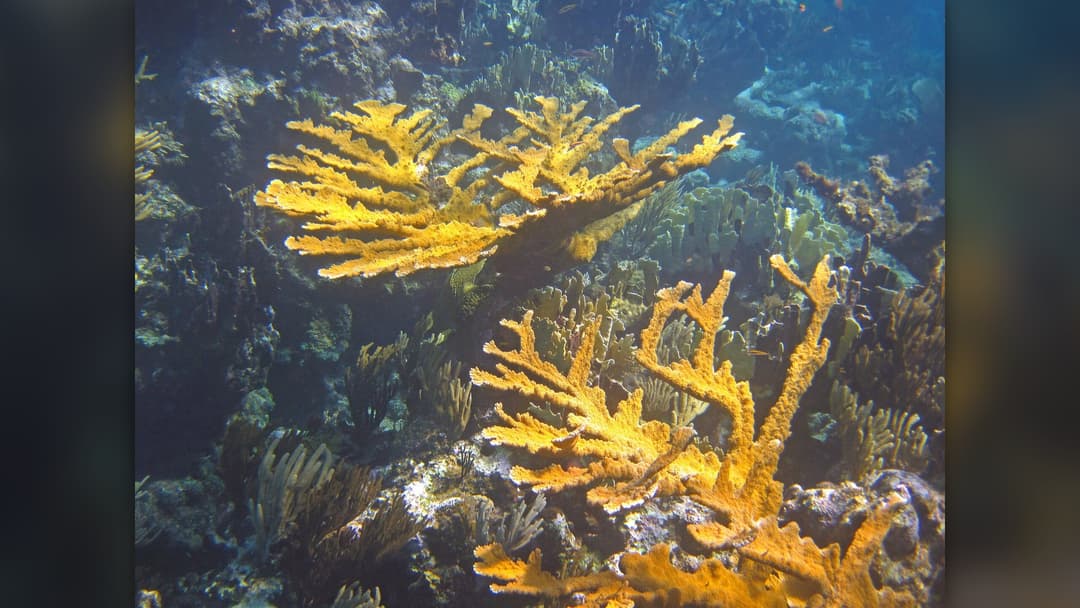
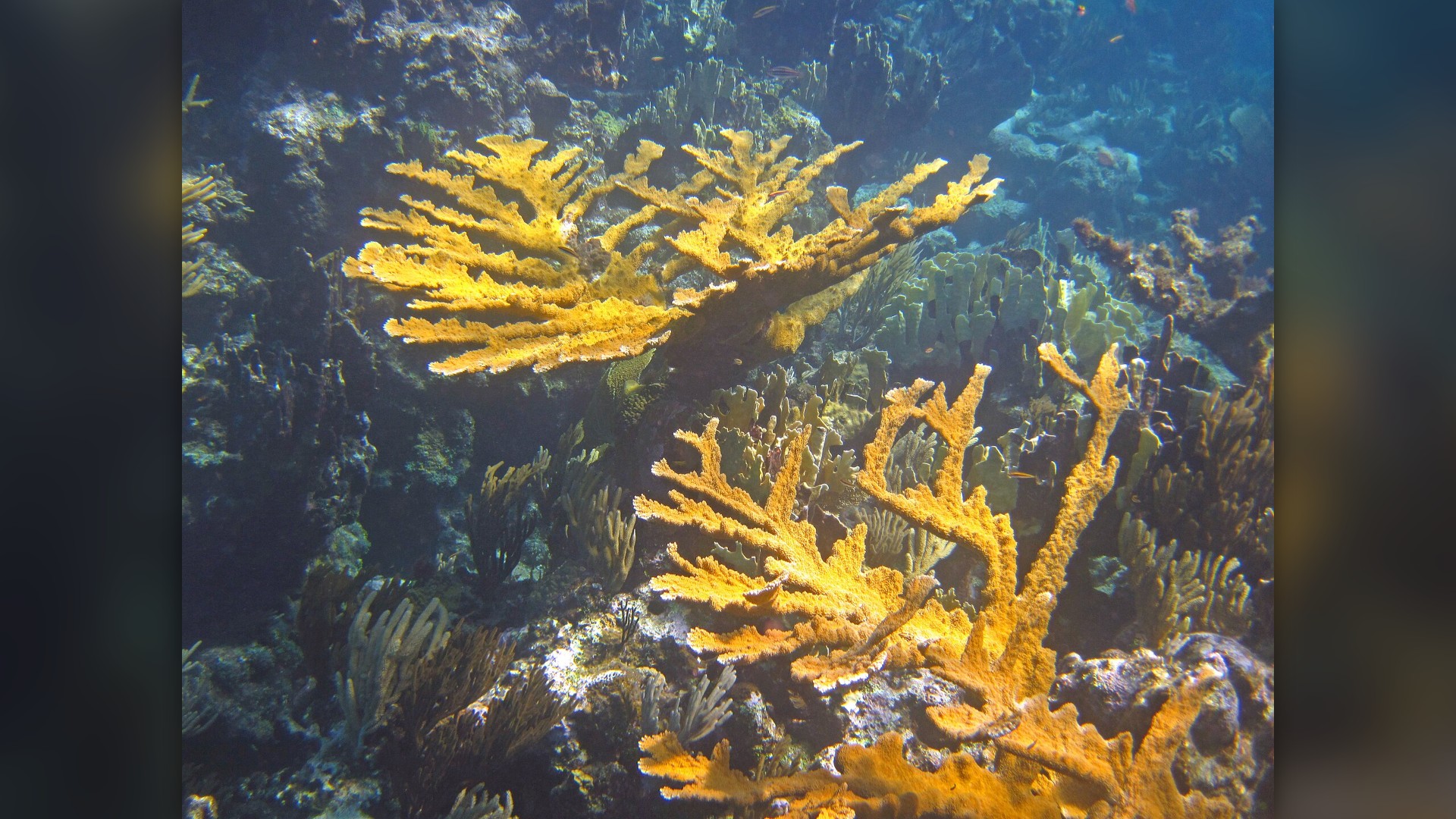
24. Branching Fire Coral
Despite its stony appearance, Millepora is not a true coral but a colonial hydrozoan. Its invisible microscopic polyps deploy hair-trigger nematocysts into diver skin on contact. The resulting sting causes burning contact dermatitis that persists for several days.
©Wikimedia / James St. John
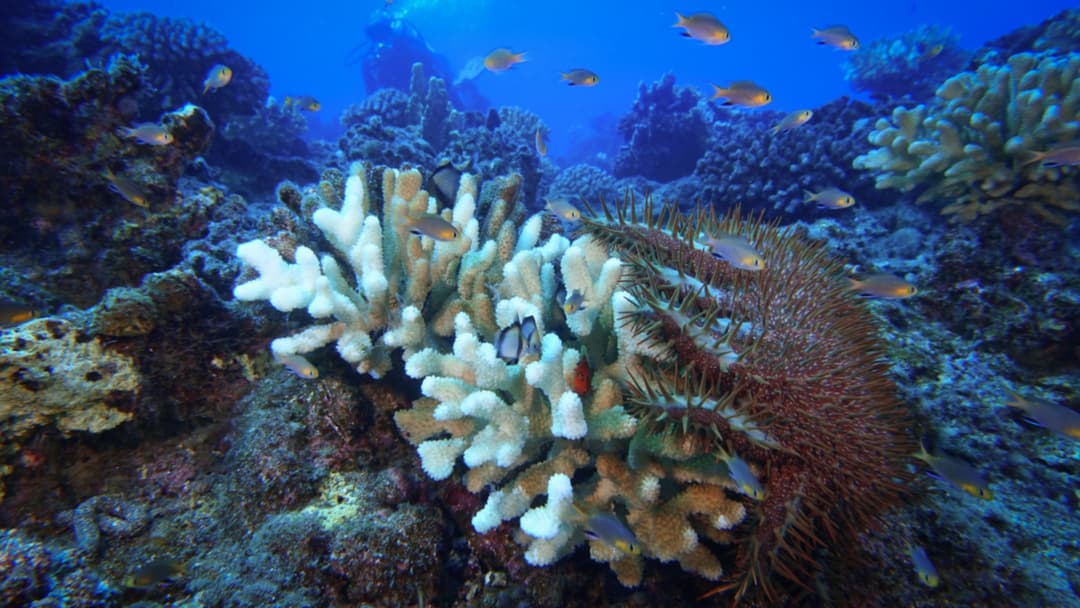
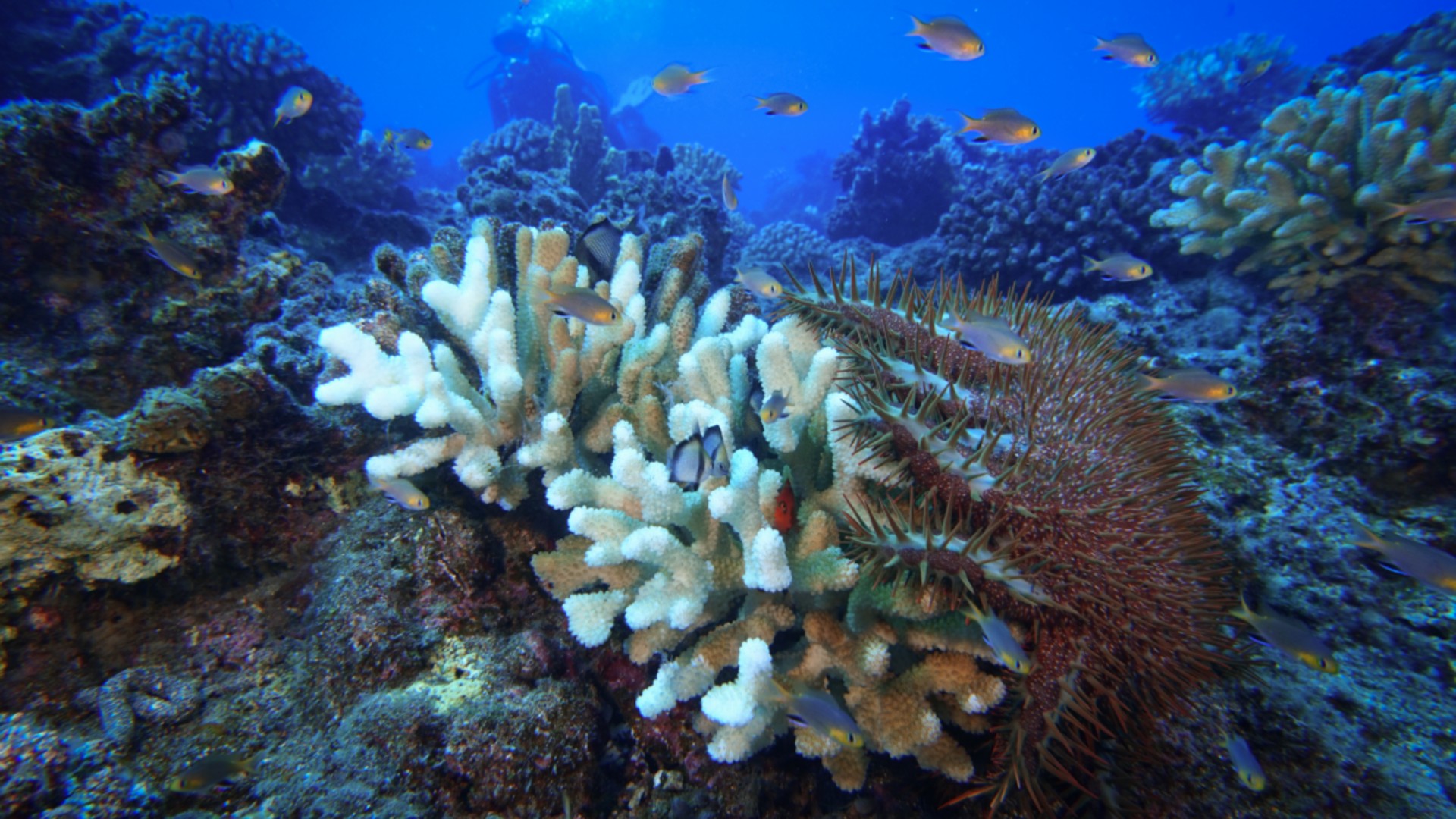
23. Crown Of-Thorns Starfish
Acanthaster planci possesses dozens of sharp, four-centimeter spines laced with saponin toxins. A single puncture causes sharp pain, severe local swelling, and persistent nausea. Puncture wounds frequently require surgical extraction to remove brittle spine fragments.
©NOAA / NOAA Fisheries, Andrew Gray
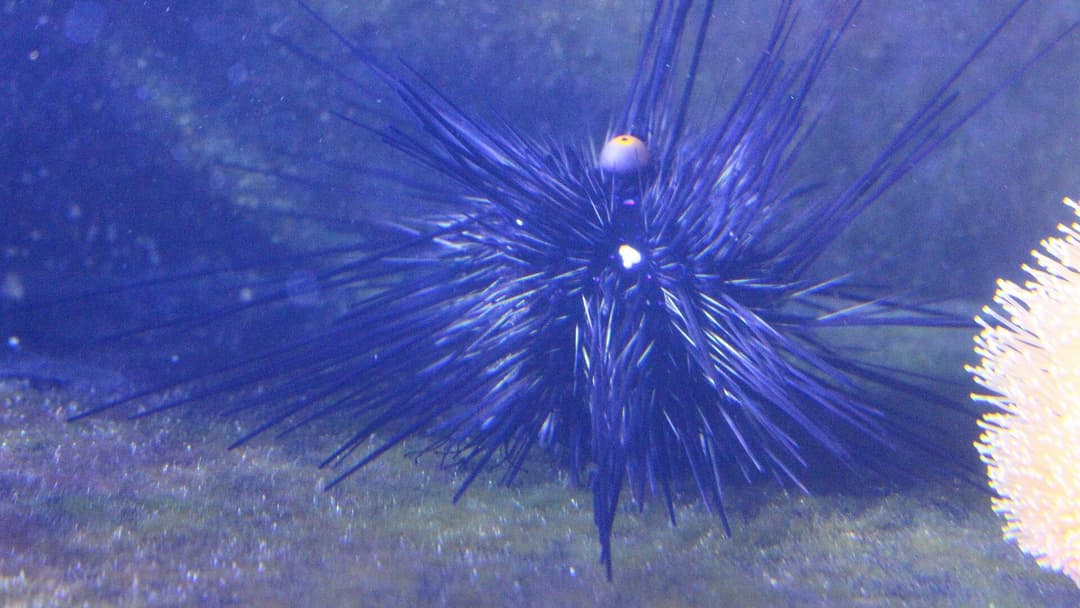
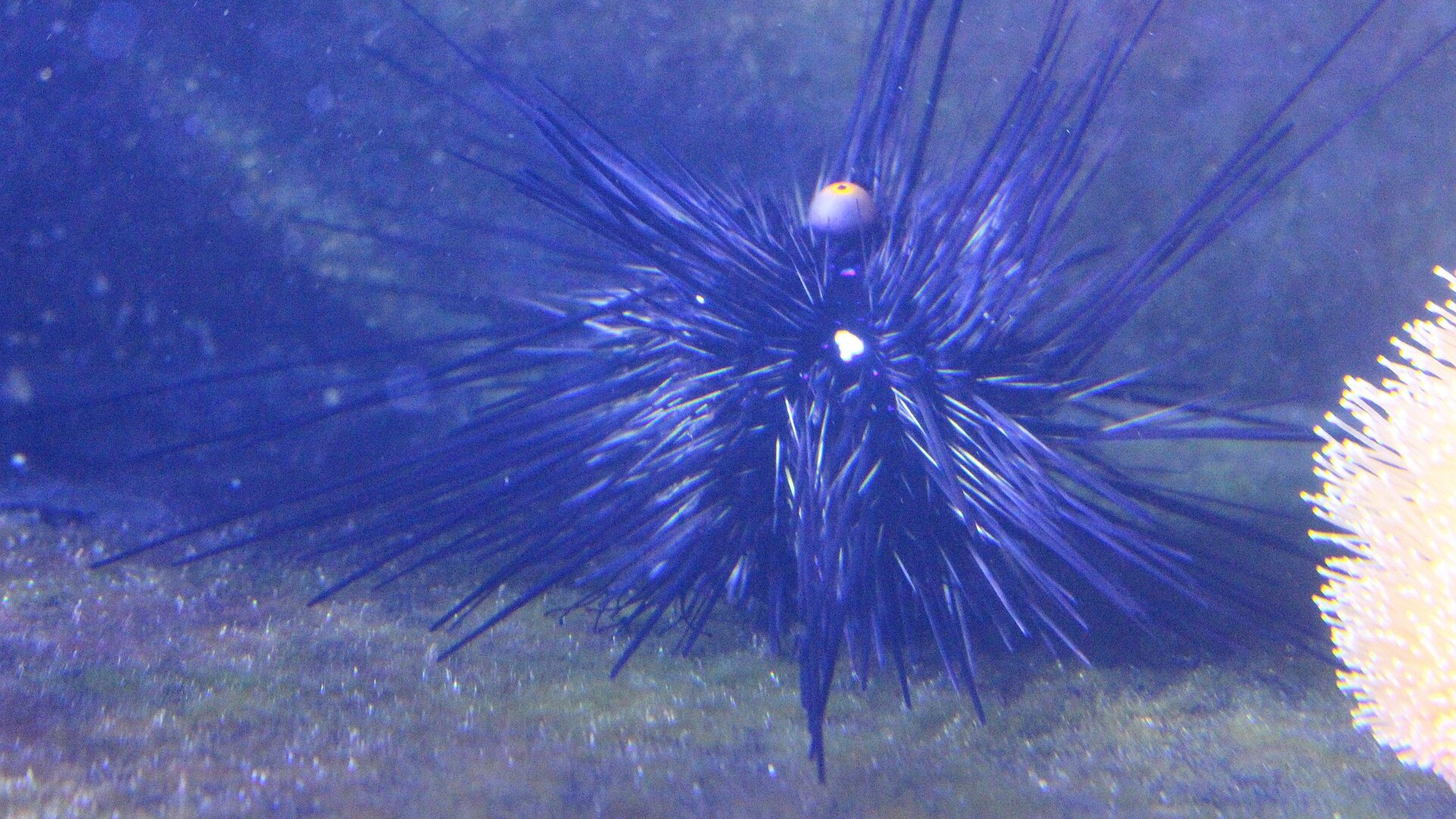
22. Long-Spined Sea Urchin
Diadema antillarum brandishes hollow calcium carbonate spines measuring up to thirty centimeters in length. The brittle needles shatter immediately upon entering muscle tissue, releasing mild irritant toxins that cause throbbing aches and secondary bacterial infections.
©Wikimedia / Emőke Dénes
Advertisement
Swipe or tap ▶ to resume the countdown.
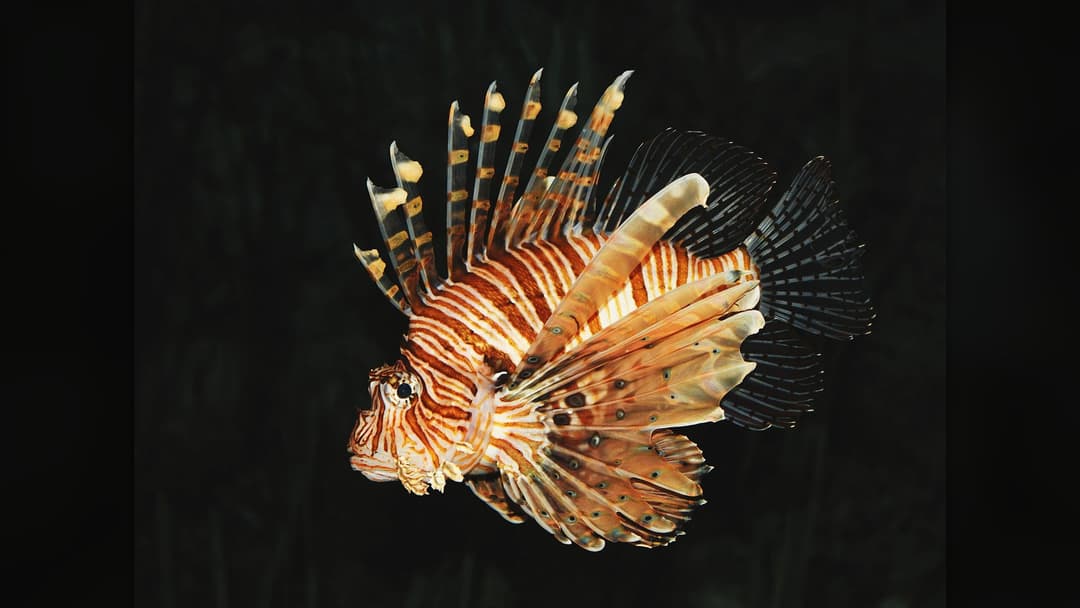
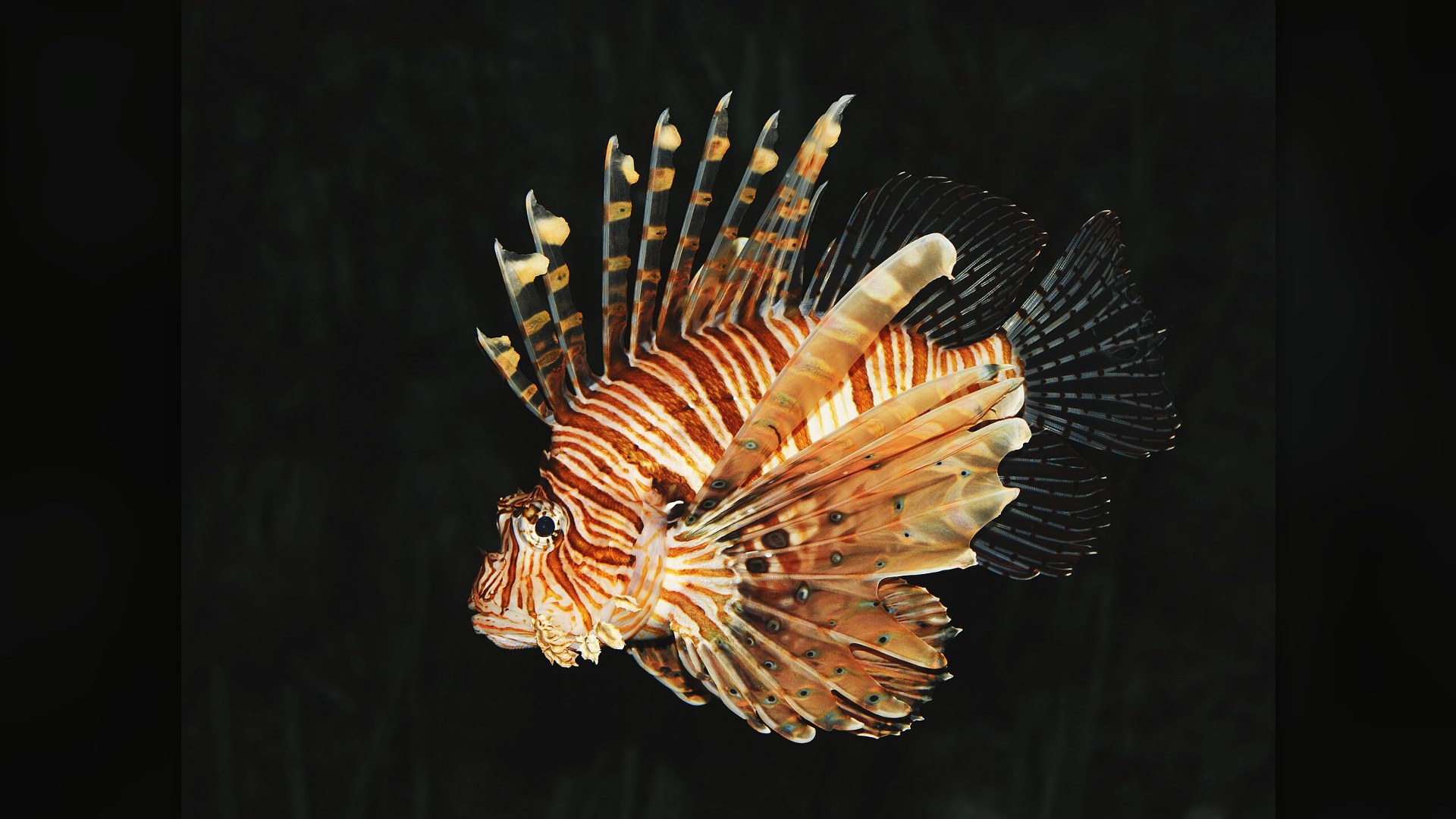
21. Red Lionfish
Pterois volitans carries eighteen defensive spines along its dorsal, pelvic, and anal fins. Each spine channels acetylcholine toxins that trigger extreme burning sensations, respiratory distress, and temporary muscle paralysis across warm Indo-Pacific and Caribbean reefs.
©Wikimedia / Michael Gäbler
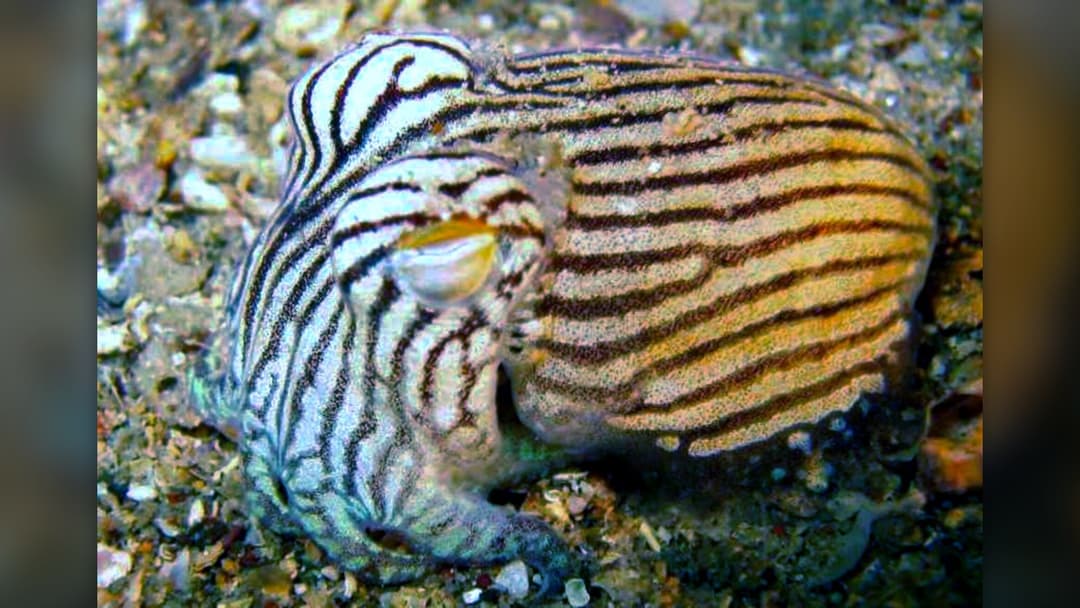
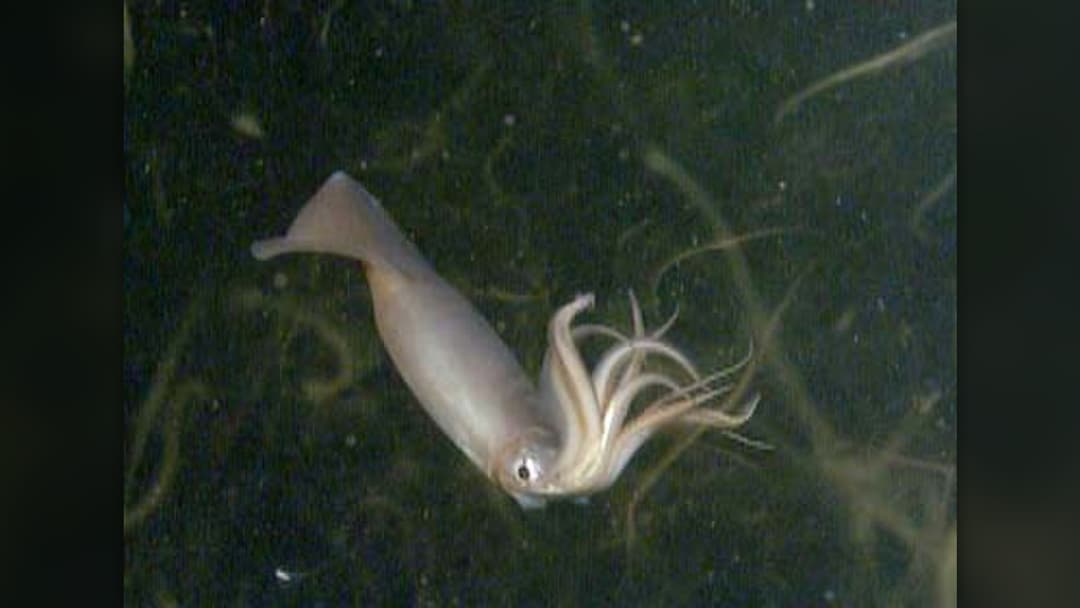
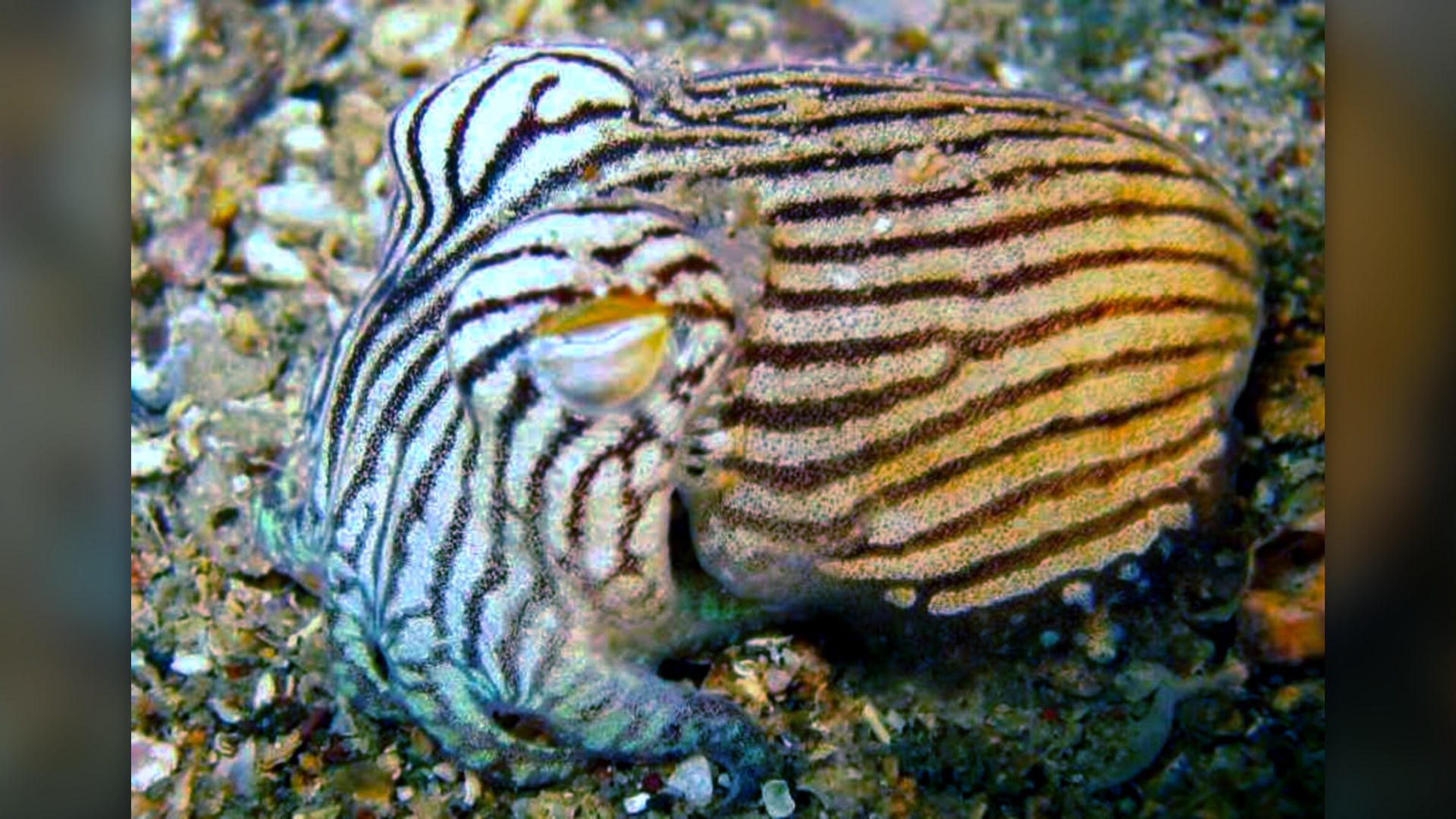
20. Striped Pyjama Squid
Sepioloidea lineolata measures only five centimeters long and inhabits shallow southern Australian sand flats. When threatened by bottom-feeding predators, its specialized skin glands secrete thick slime laced with lethal tetrodotoxin analogues that deter fish.
©Wikimedia / Richard Ling
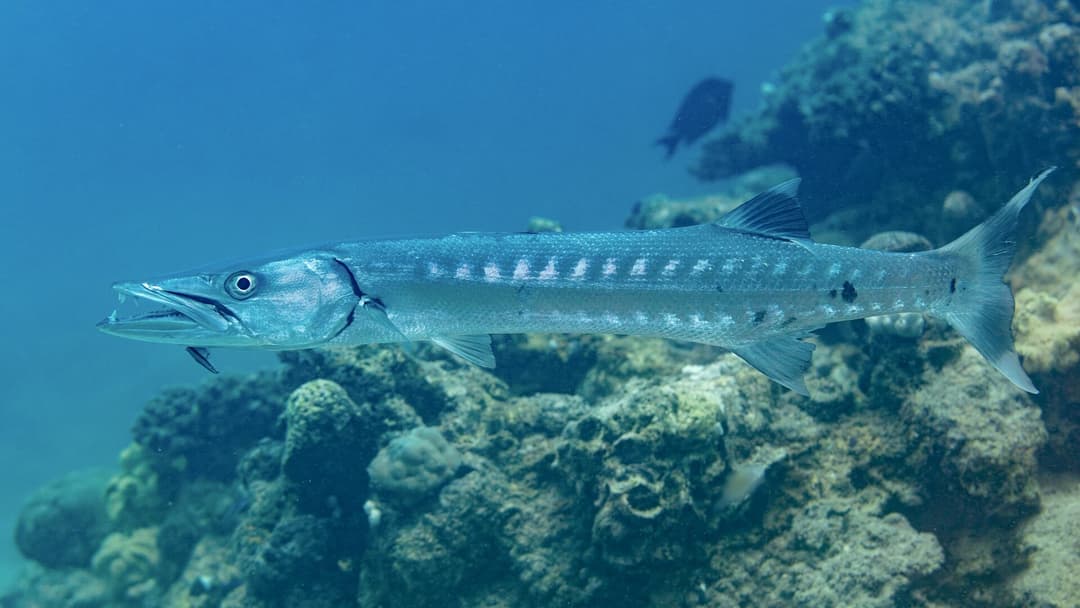
19. Great Barracuda
Sphyraena barracuda accelerates up to forty-four kilometers per hour in short bursts during shallow reef ambushes. Its dual rows of knife-like teeth inflict deep lacerations on shiny reflective objects, causing severe blood loss before medical aid arrives.
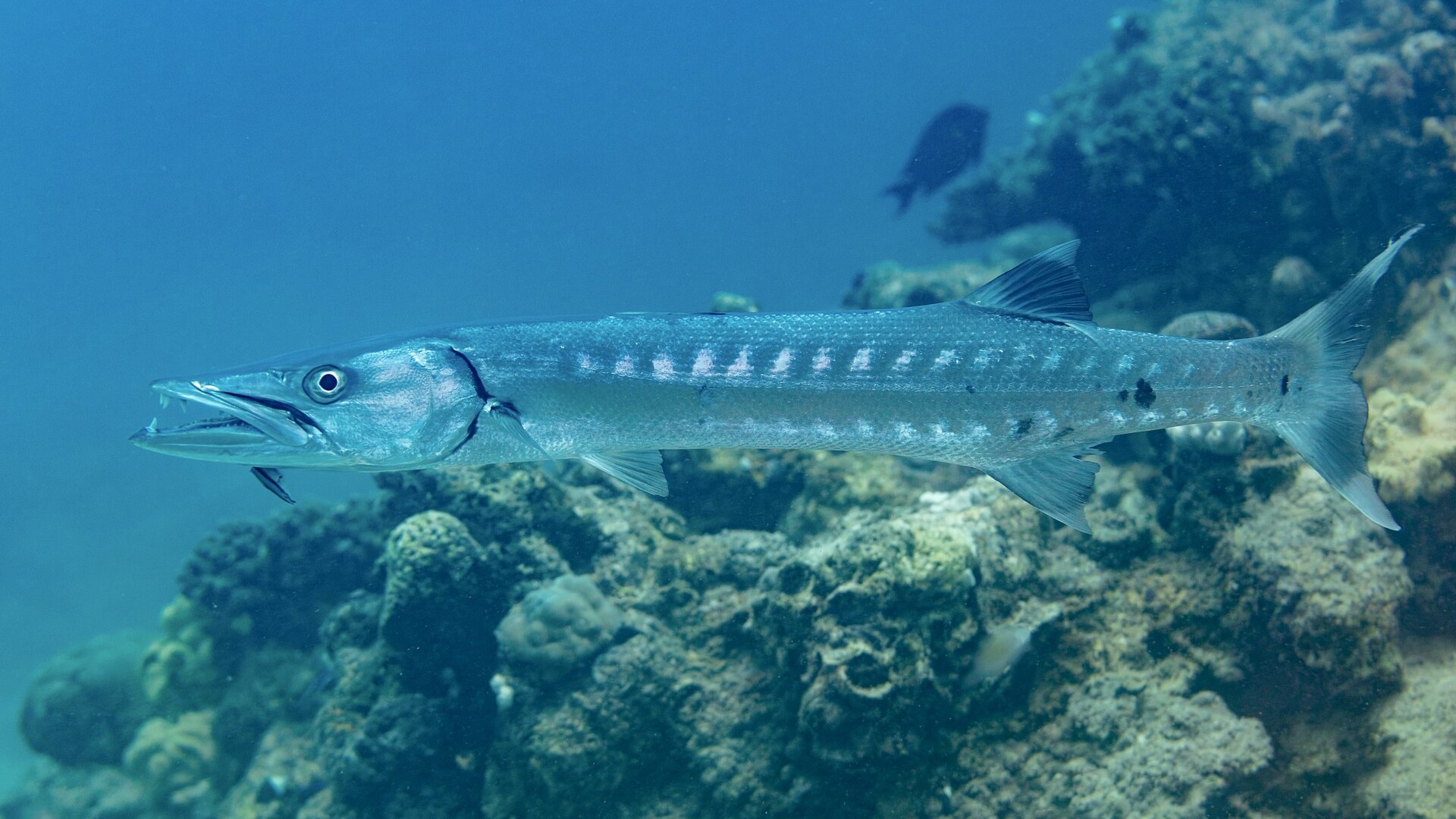
©Wikimedia / Great barracuda
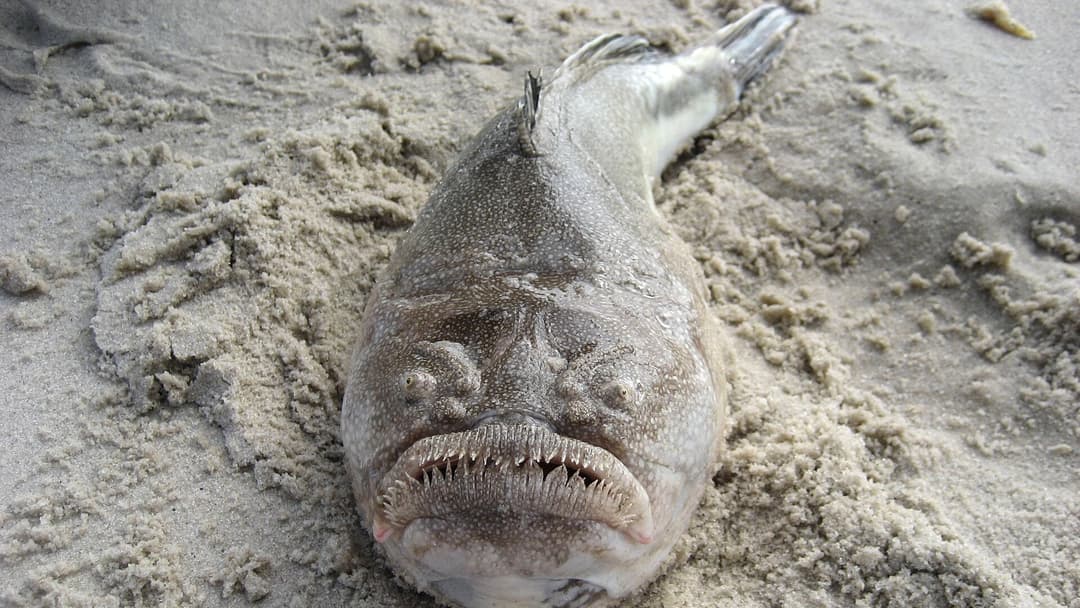
18. Northern Stargazer
Astroscopus guttatus conceals its stocky body entirely under coastal sand, exposing only upward-facing eyes. It delivers defensive electric shocks up to fifty volts from specialized ocular organs while puncturing intruders with two venomous shoulder spines.
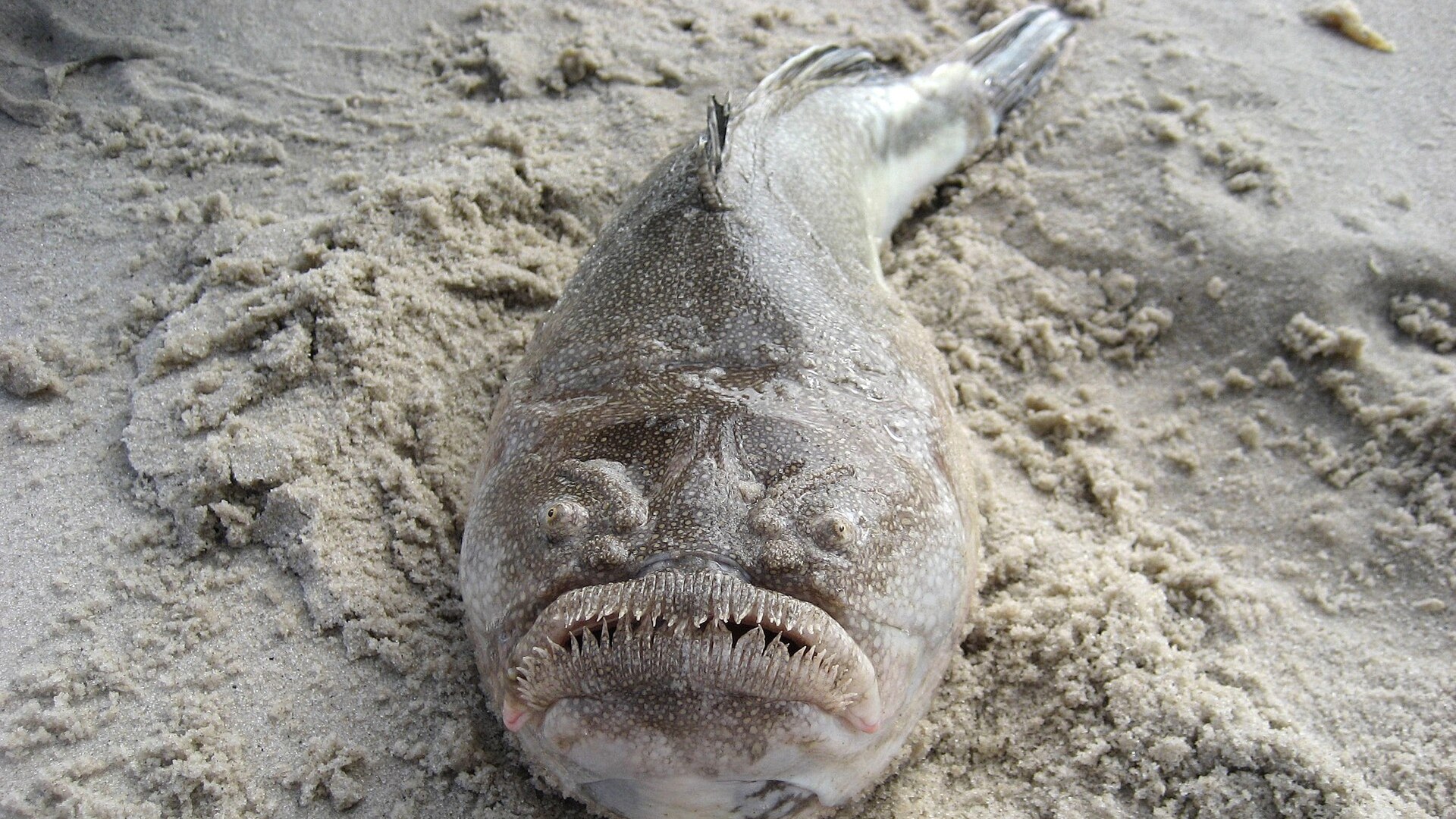
©Wikimedia / Canvasman21
Advertisement
Swipe or tap ▶ to resume the countdown.
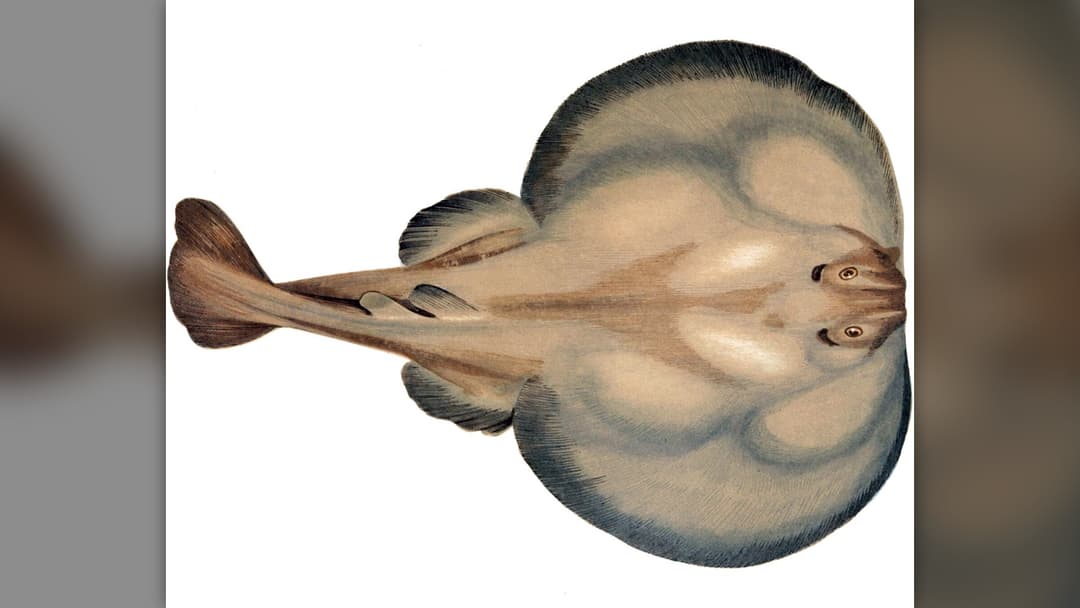
17. Atlantic Torpedo Ray
Tetronarce nobiliana can produce defensive electrical discharges exceeding two hundred volts from modified muscle tissue behind its head. While rarely fatal to humans, a direct underwater jolt causes sudden muscle spasms that pose immediate drowning hazards.
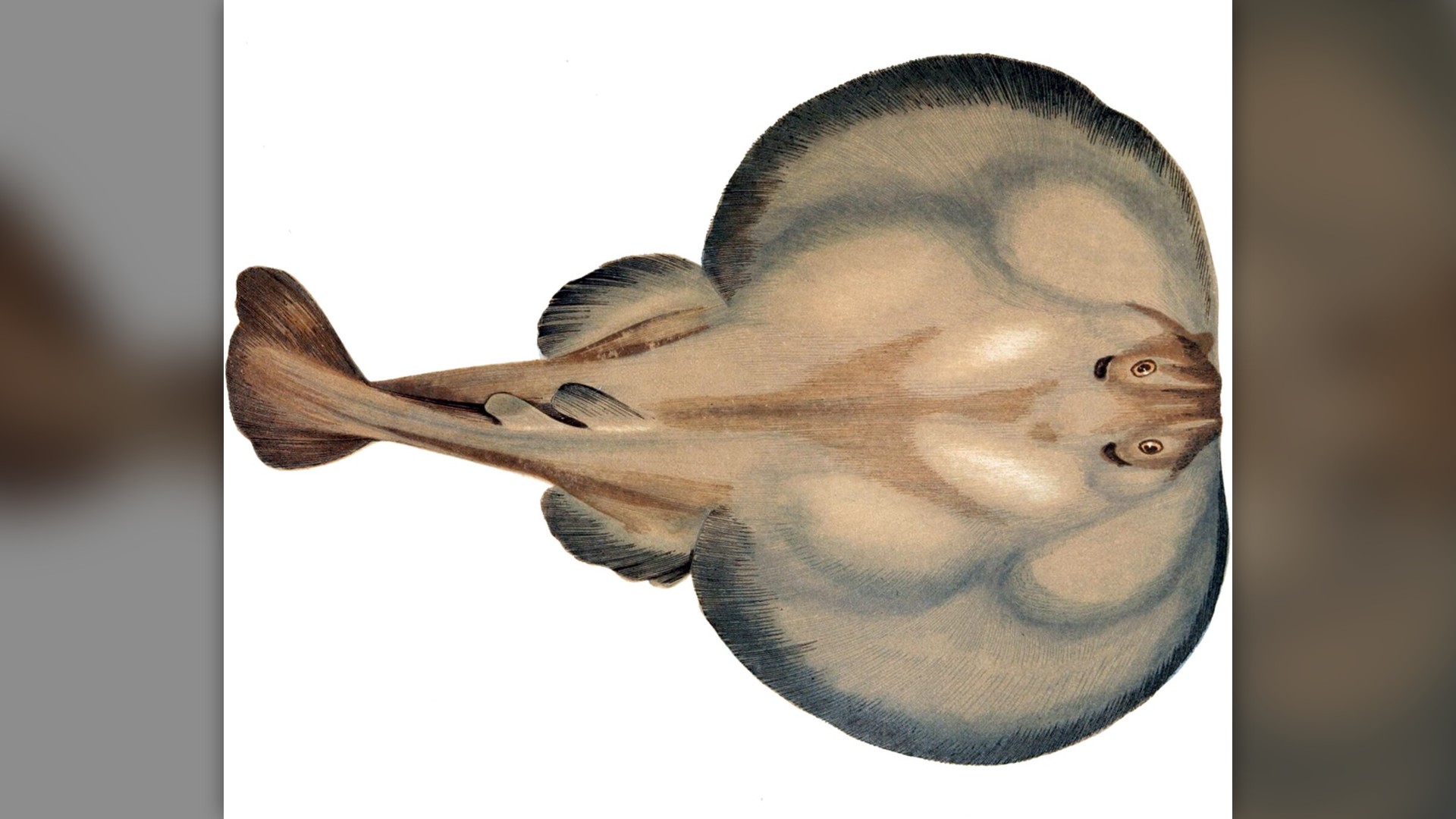
©Wikimedia / Gervais et Boulart
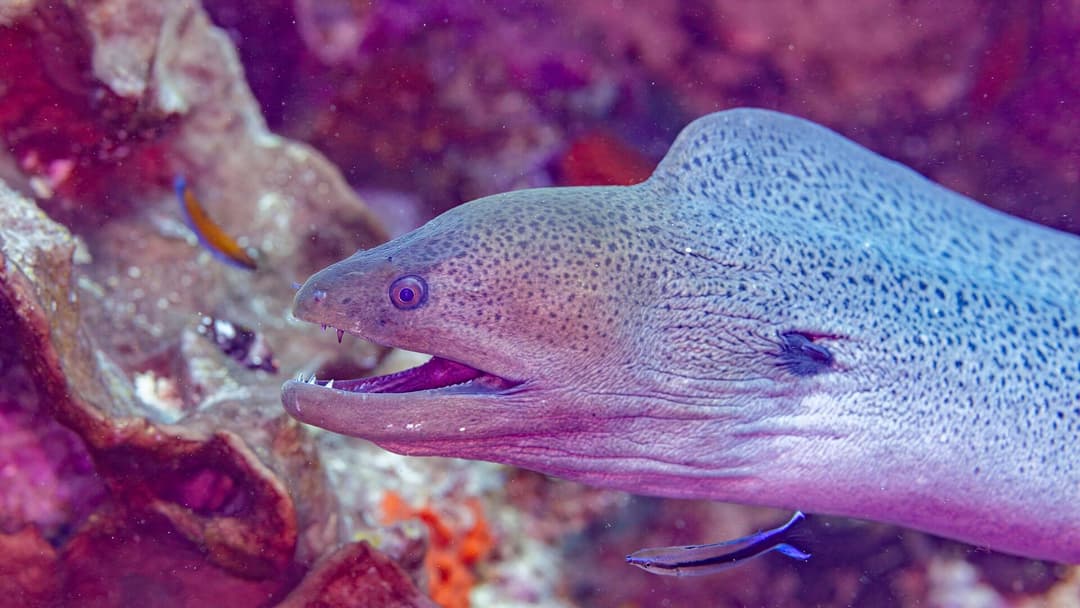
16. Giant Moray Eel
Gymnothorax javanicus utilizes secondary pharyngeal jaws to pull prey deep into its esophagus. Its sharp, backward-pointing teeth introduce complex oral bacteria and crinotoxins into puncture wounds, causing extensive soft tissue trauma and persistent infections.
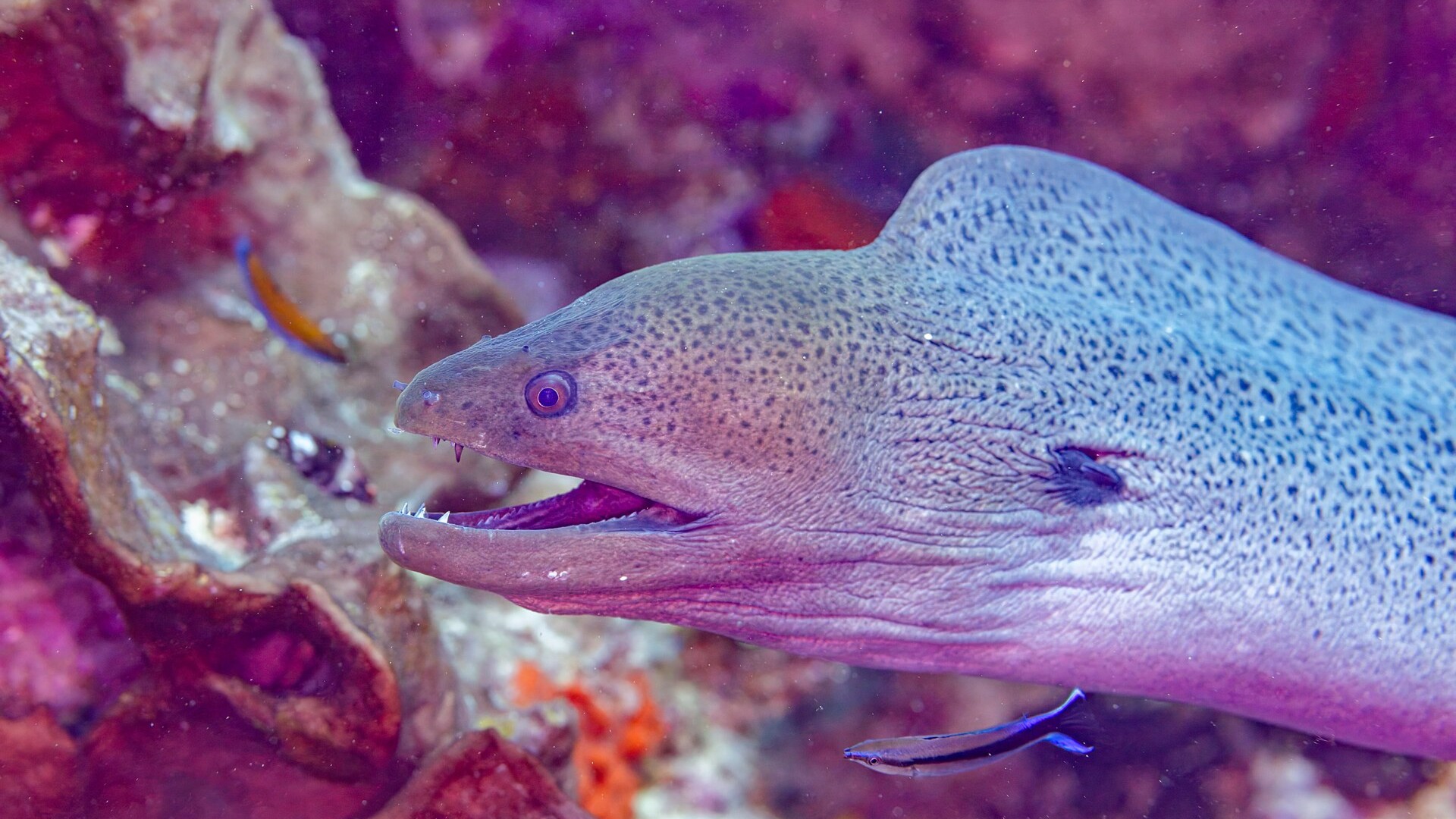
©Wikimedia / Diego Delso
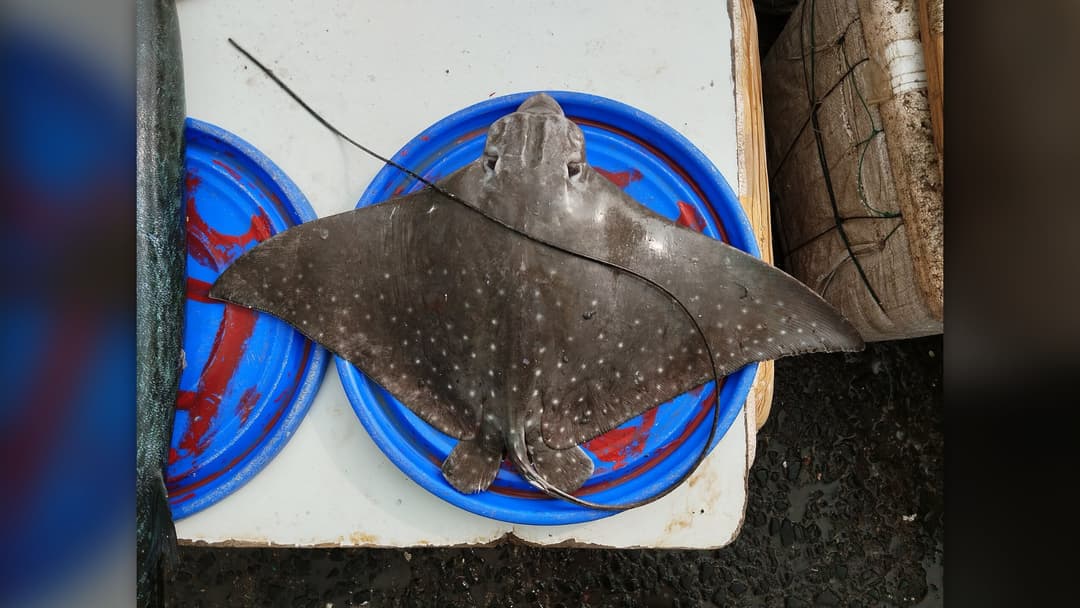
15. Whitespotted Eagle Ray
Aetobatus ocellatus defends its tail with up to four serrated venomous spines located near the base of its dorsal fin. When stepped on or trapped, the barbed spine pierces flesh like a jagged blade, releasing heat-sensitive proteins that cause agonizing cramps.
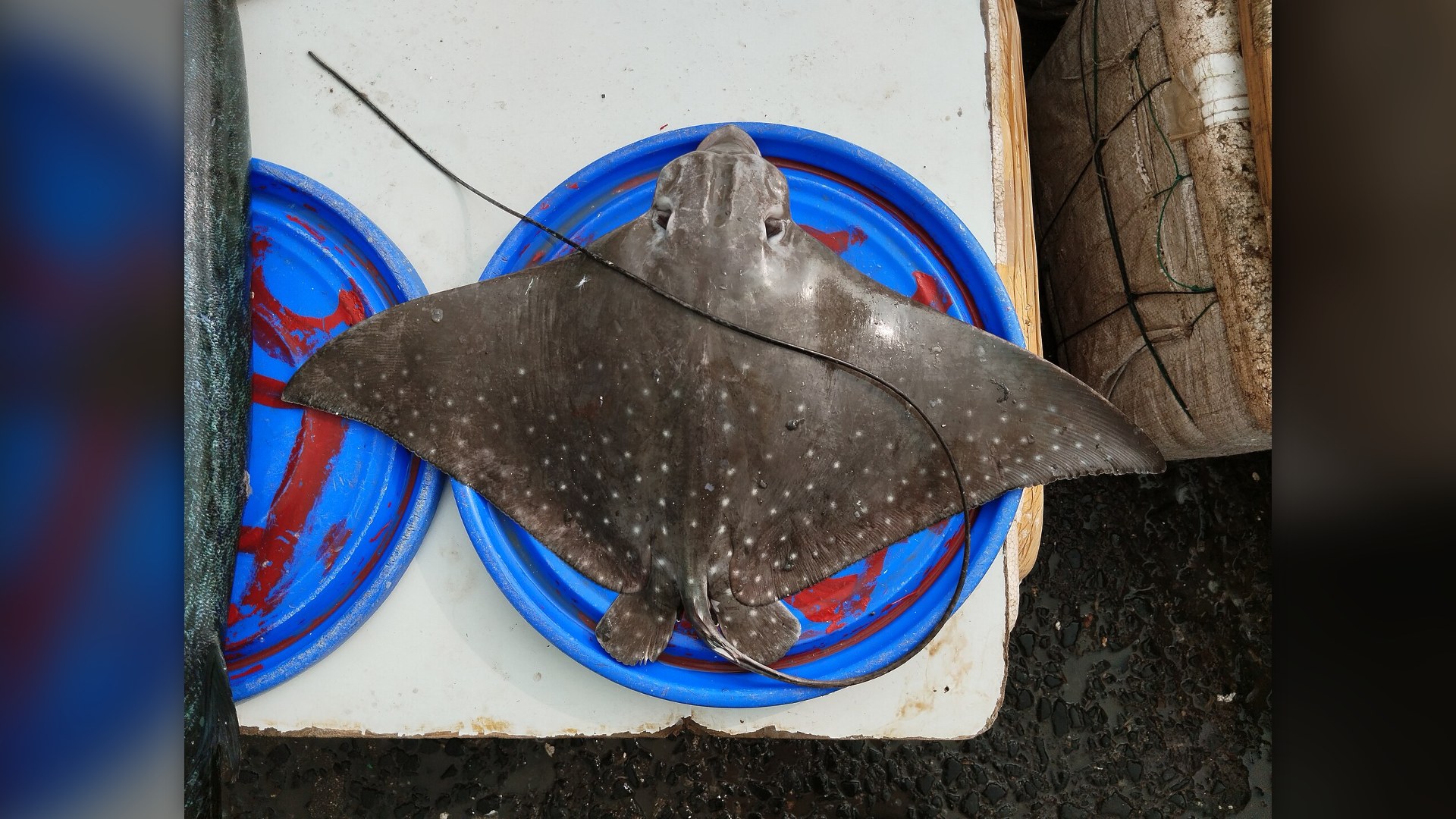
©Wikimedia / Dr. Raju Kasambe
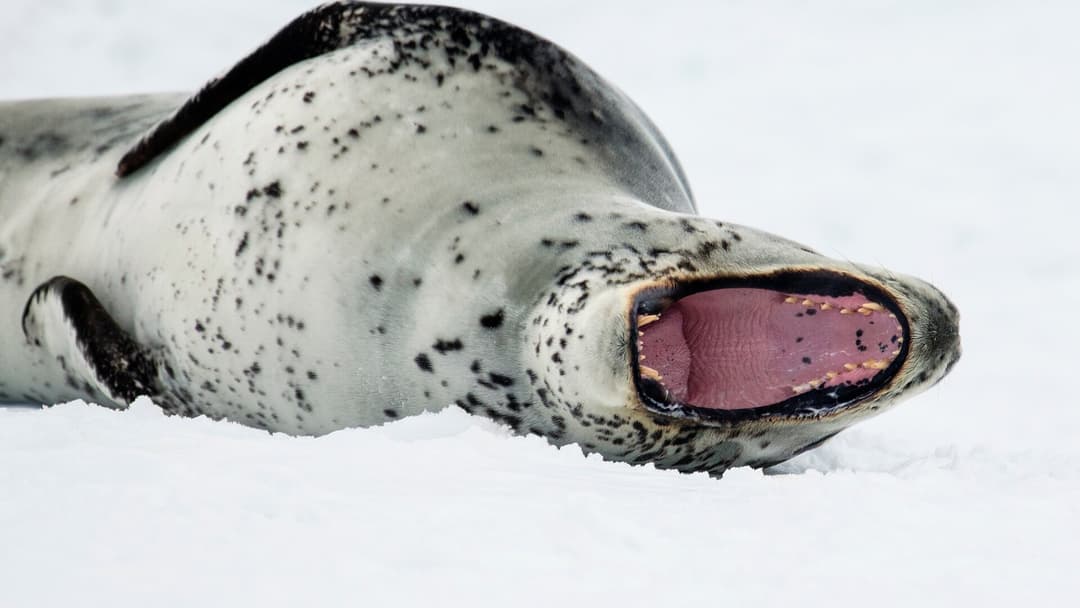
14. Antarctic Leopard Seal
Hydrurga leptonyx reaches three and a half meters in length and weighs nearly six hundred kilograms. Its massive skull houses two-inch canine teeth designed to ambush warm-blooded prey, presenting severe territorial hazards for marine researchers in Antarctic waters.
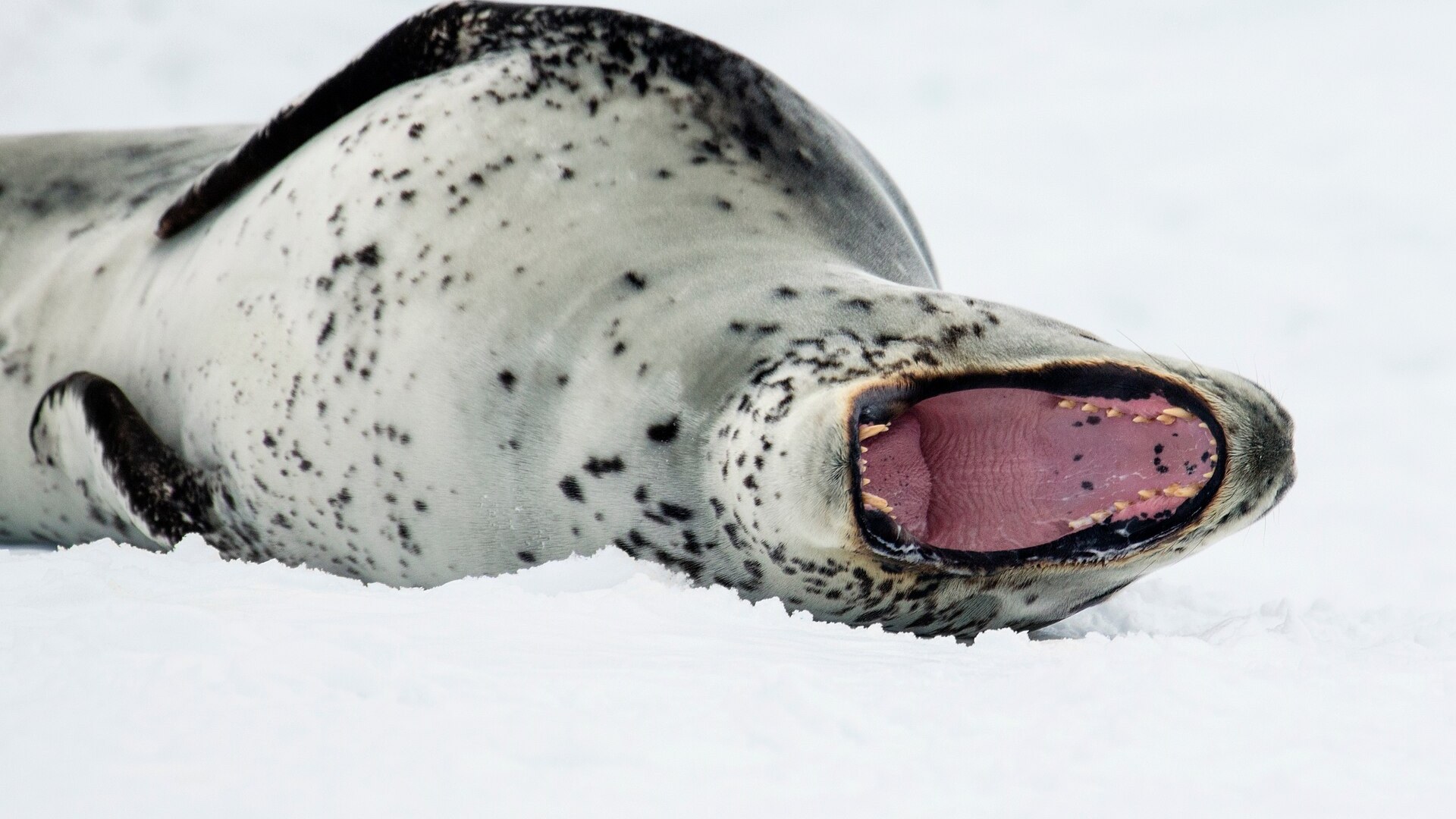
©Wikimedia / Godot13
Advertisement
Swipe or tap ▶ to resume the countdown.
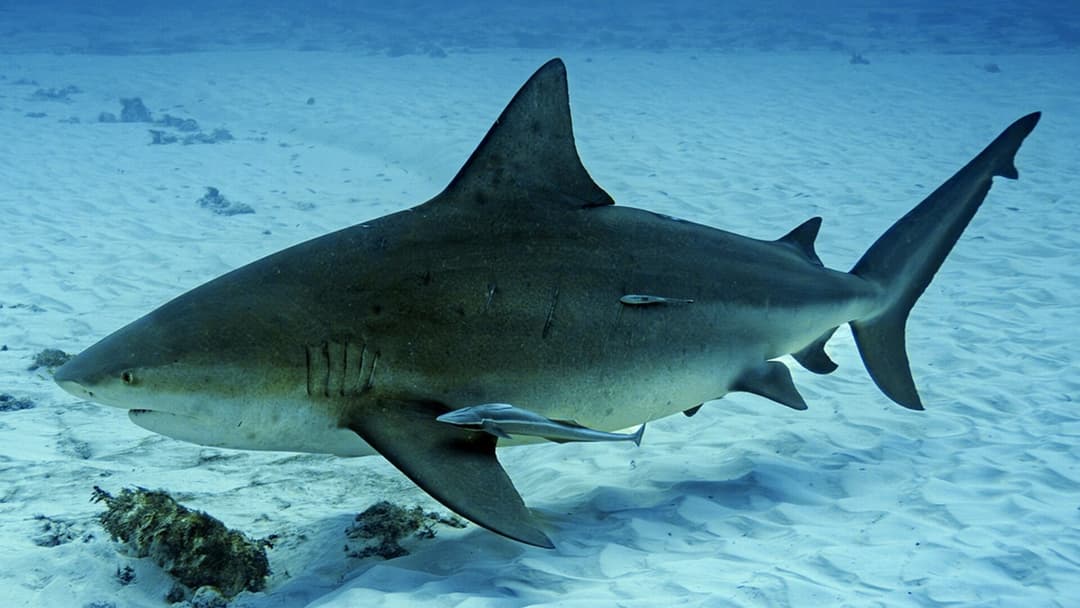
13. Coastal Bull Shark
Carcharhinus leucas boasts a bite force measuring nearly six thousand newtons, the highest relative bite strength among all cartilaginous fishes. Its ability to tolerate fresh water brings it into frequent contact with swimmers along estuaries and turbid coastlines.
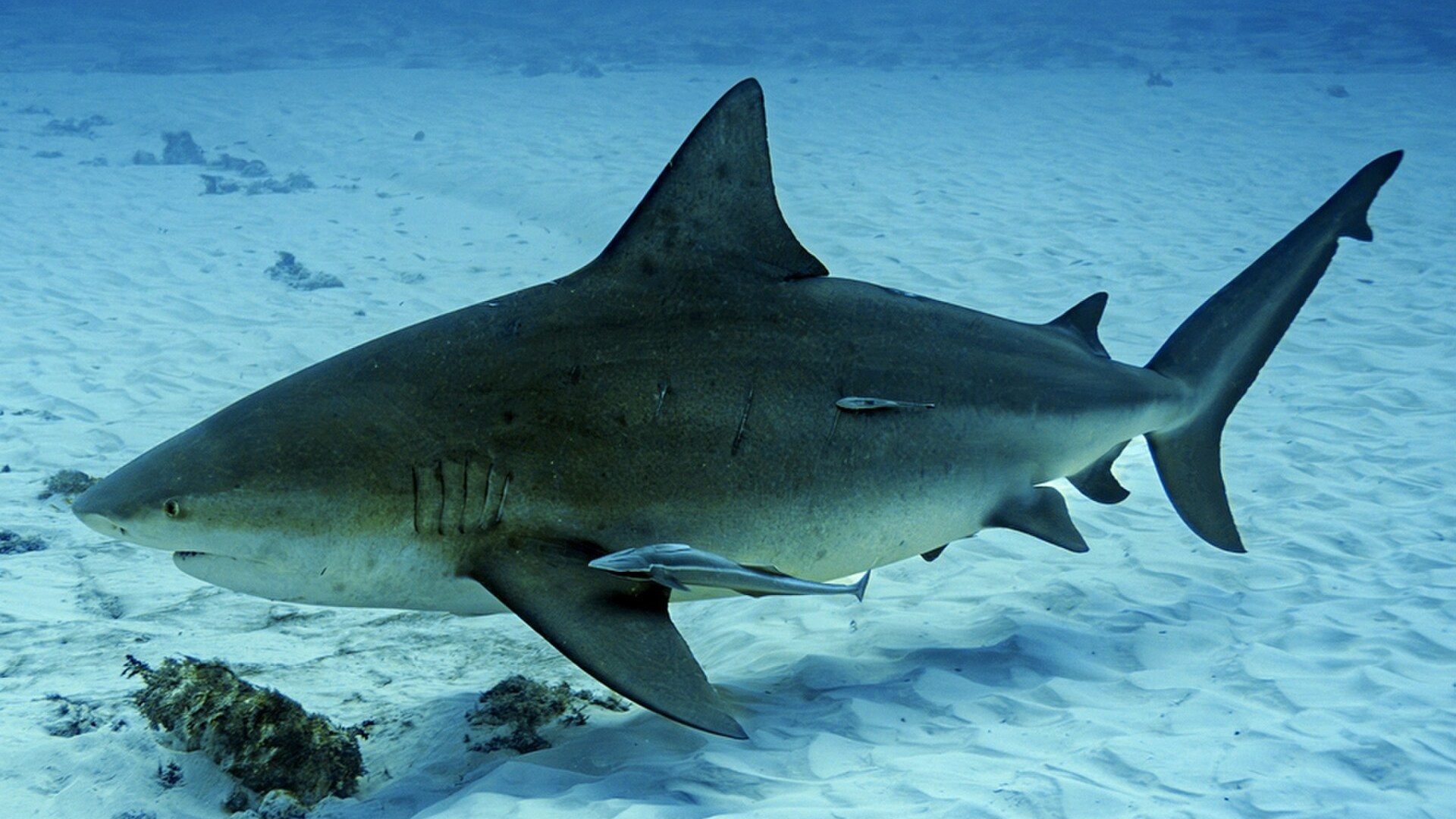
©Wikimedia / João D'Andretta
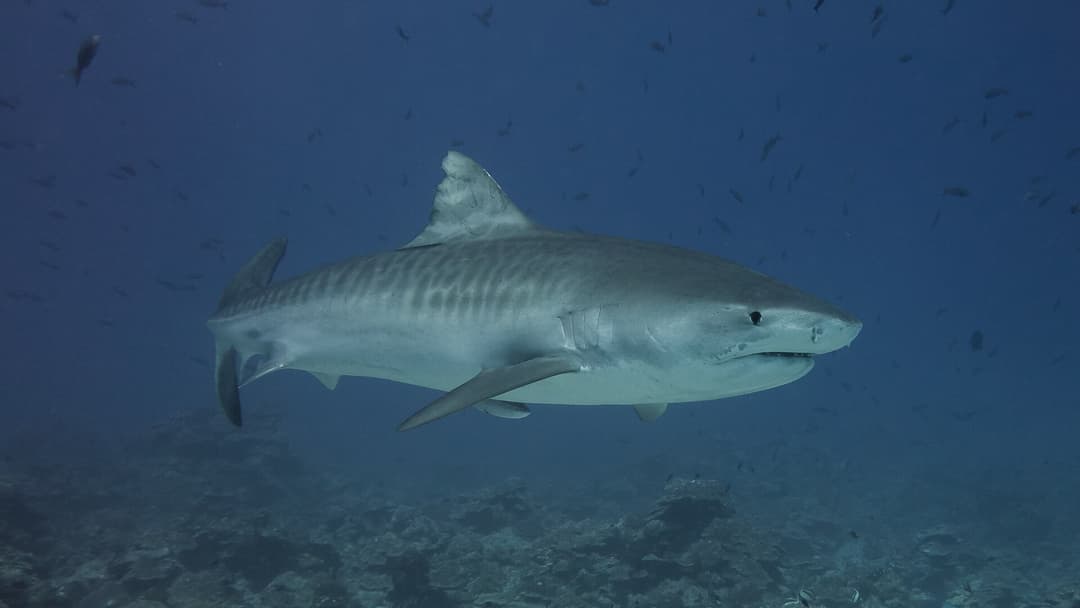
12. Pelagic Tiger Shark
Galeocerdo cuvier features heavy, curved teeth with serrated edges designed to slice through sea turtle shells. Growing over four meters in length, its indiscriminate feeding behavior and shallow nocturnal patrols make it a leading hazard for coastal swimmers.
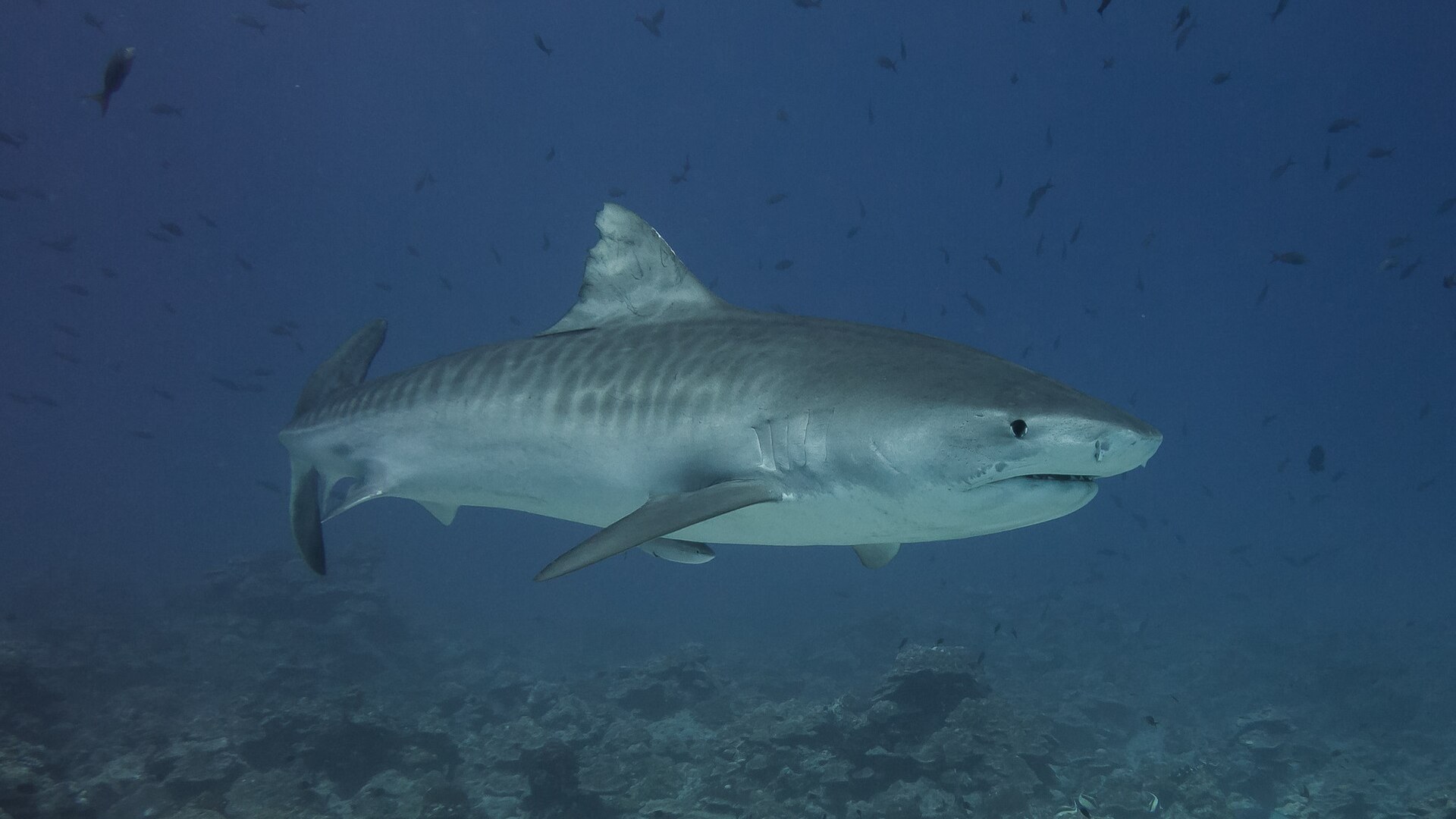
©Wikimedia / Kris Mikael Krister
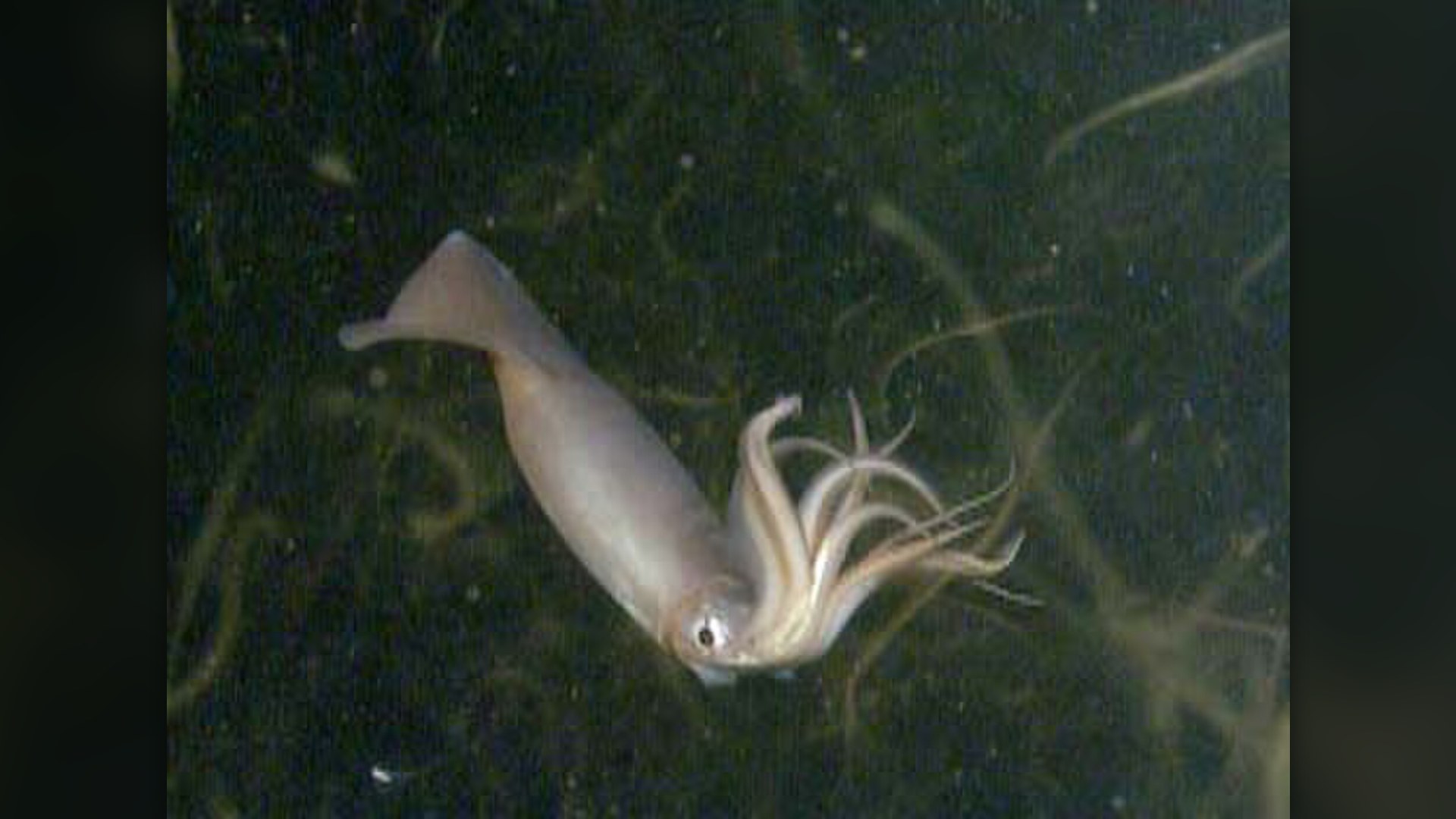
11. Humboldt Squid
Dosidicus gigas grows up to two meters long and hunts in coordinated groups across Pacific depths. Each of its eight arms carries hundreds of suckers ringed with razor-sharp chitinous teeth, while its parrot-like beak easily bites through thick diving suits.
©Wikimedia / Image courtesy of NOAA/MBARI 2006
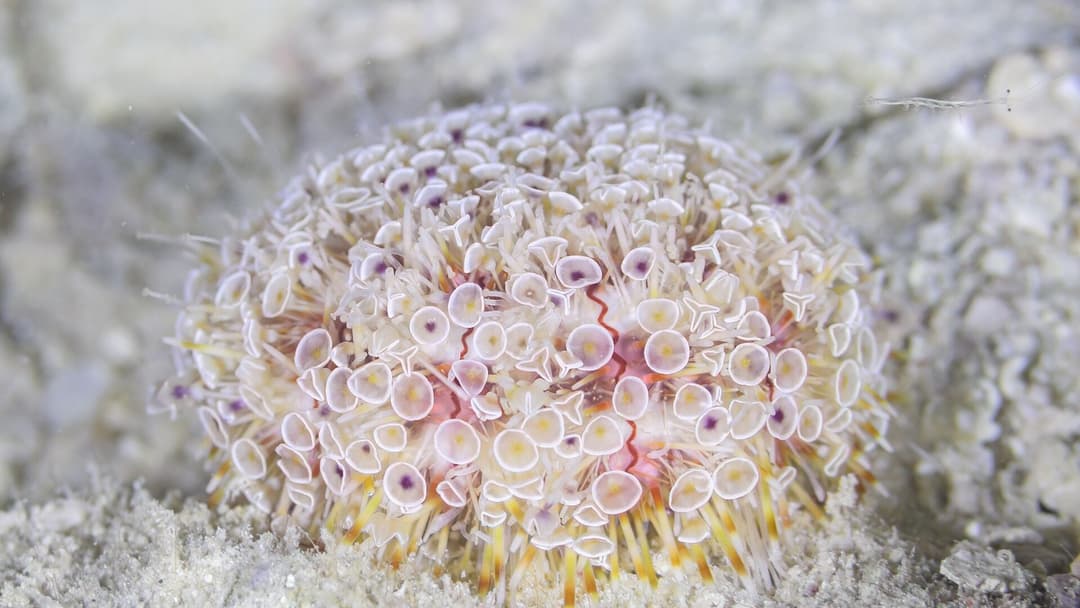
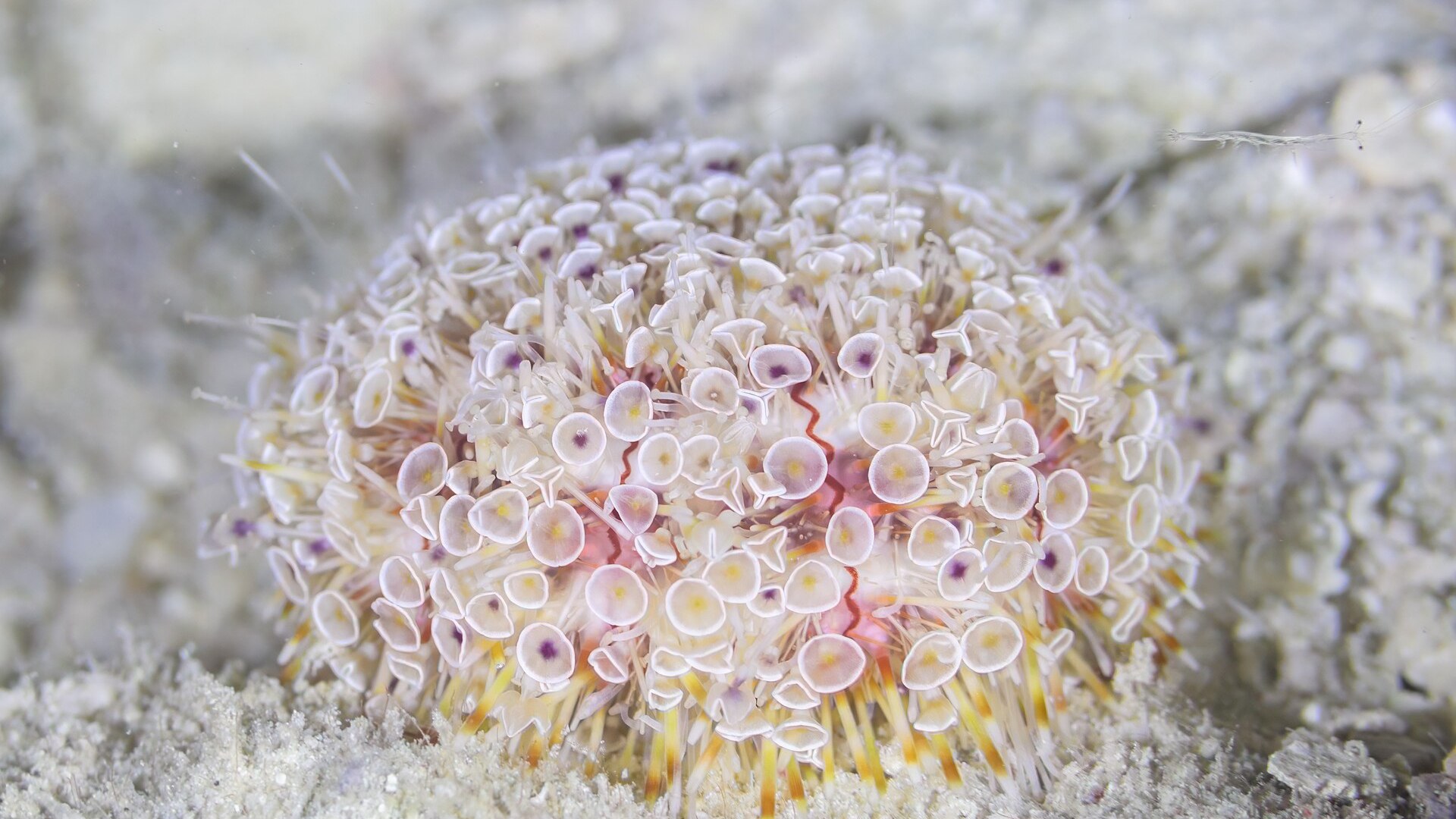
10. Toxic Flower Urchin
Toxopneustes pileolus resembles a harmless bed of tiny blossoms, but each petal is an active three-jawed pinching organ. Once triggered, the pedicellariae inject potent contractin toxins that cause muscular paralysis, respiratory distress, and severe shock.
©Wikimedia / Diego Delso
Advertisement
Swipe or tap ▶ to resume the countdown.
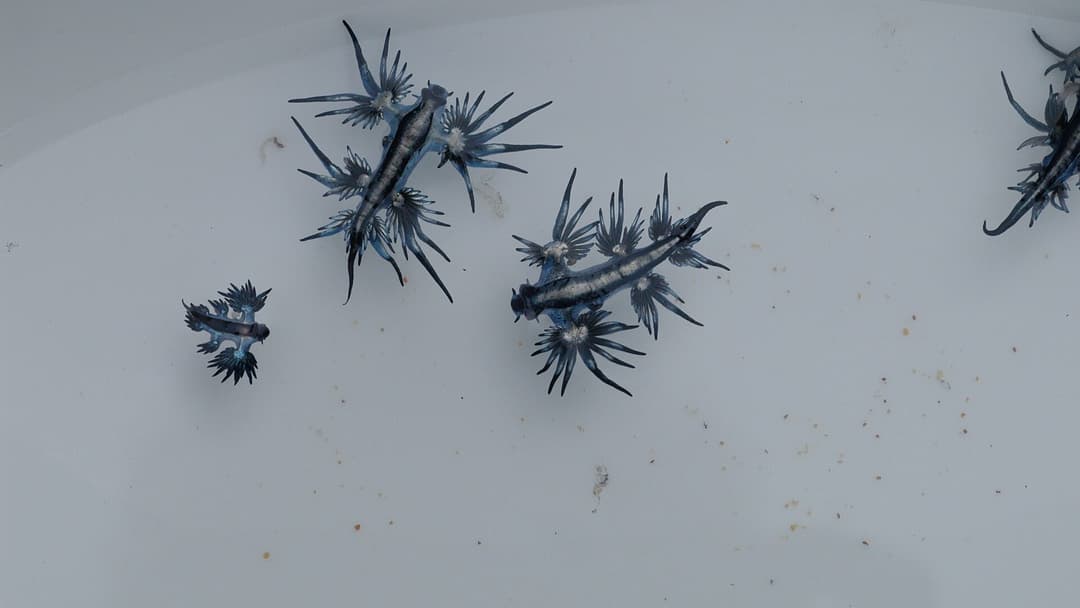
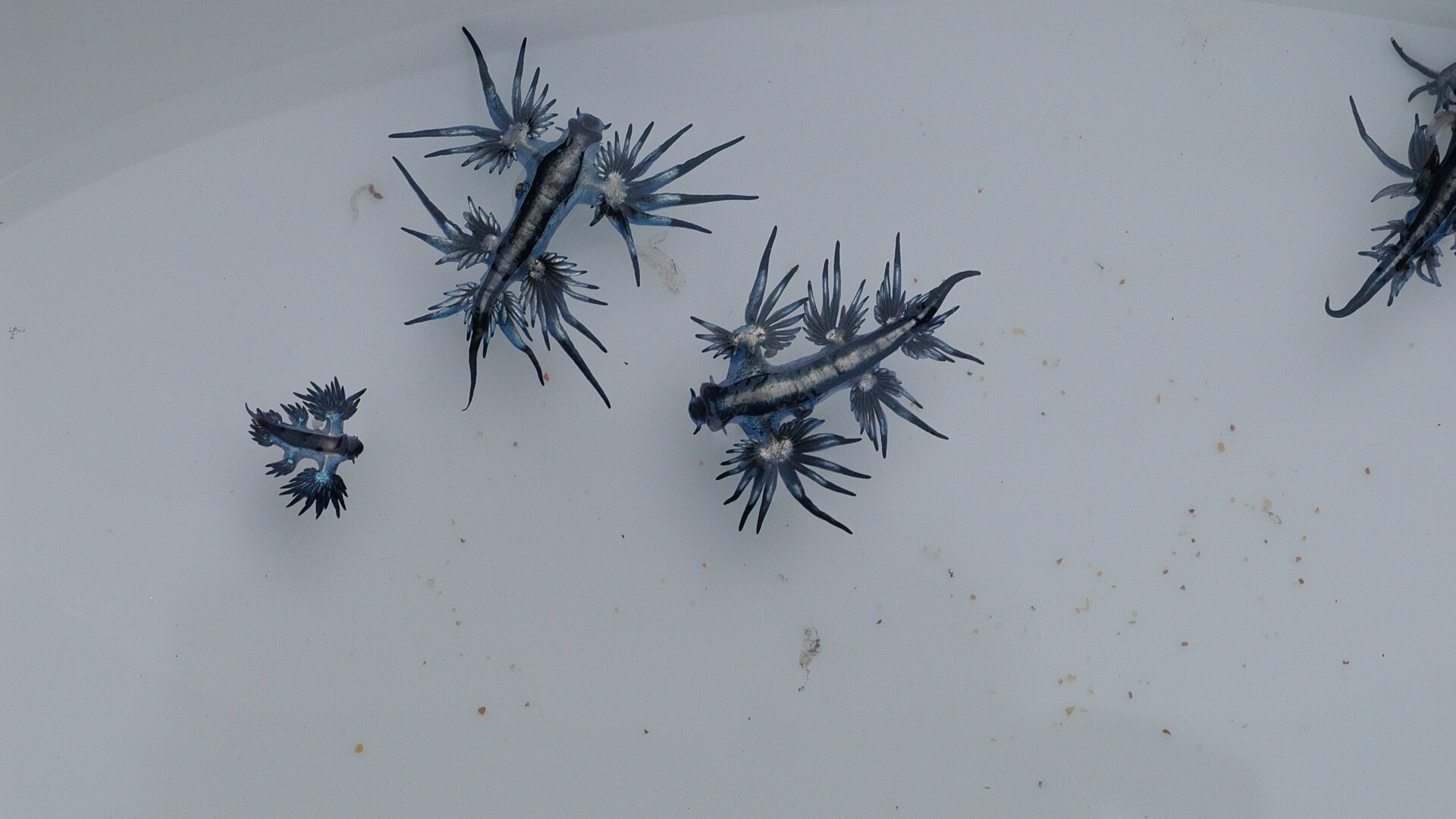
9. Blue Glaucus Sea Slug
Glaucus atlanticus floats upside down on open ocean currents, feeding directly on Portuguese man o war siphonophores. It absorbs and concentrates their venomous stinging nematocysts within specialized finger-like cerata, releasing a far more concentrated defensive sting.
©Wikimedia / Doug Beckers from Macmasters Beach
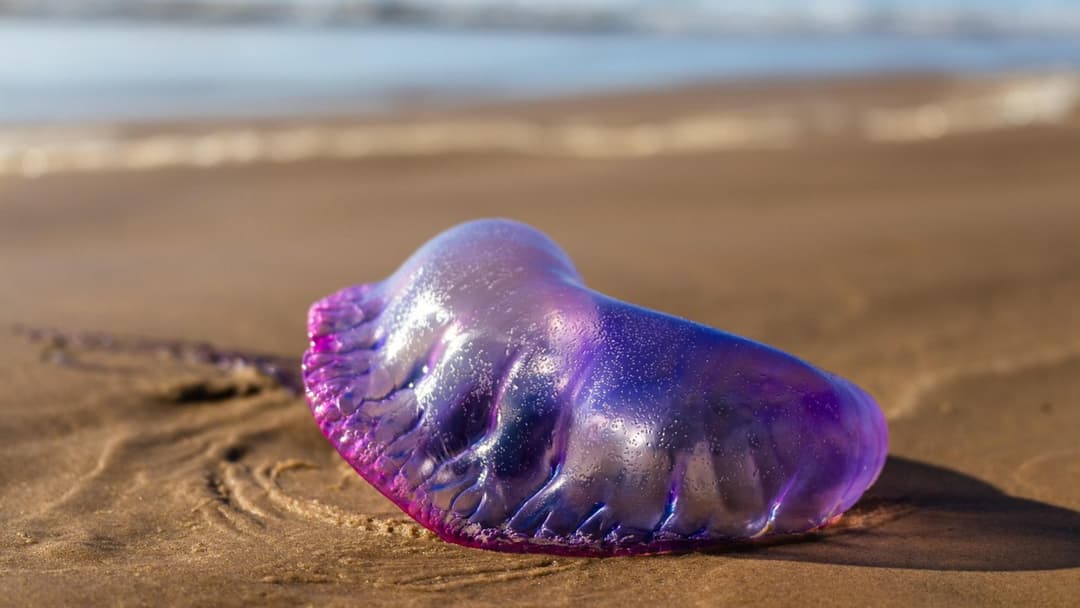
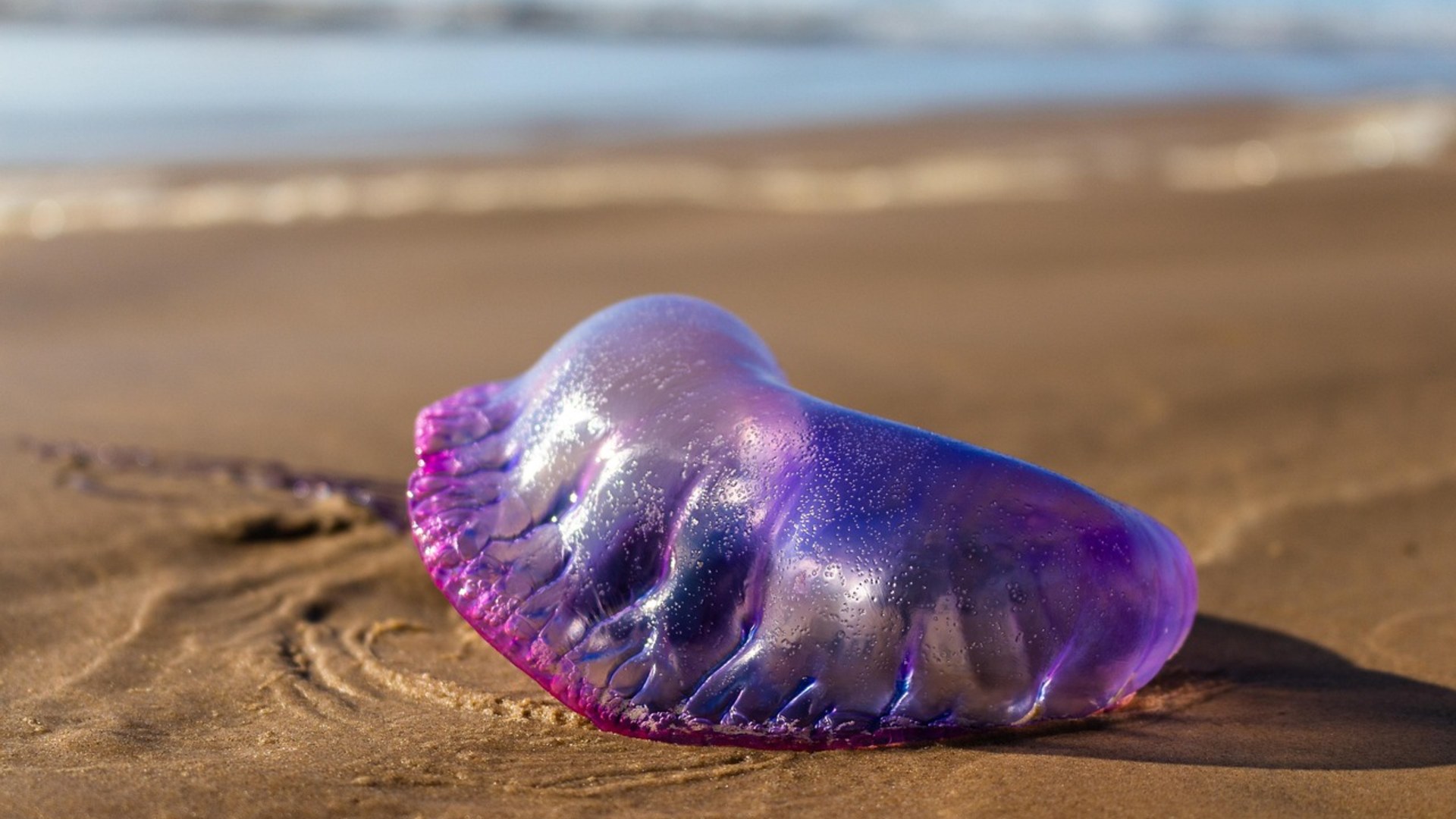
8. Portuguese Man O' War
Physalia physalis is not a single jellyfish but a specialized floating colonial organism. Its submerged tentacles stretch up to thirty meters, carrying millions of pressurized nematocysts that inject lethal cellular toxins capable of causing cardiovascular collapse.
©Pixabay / Sergio-sq
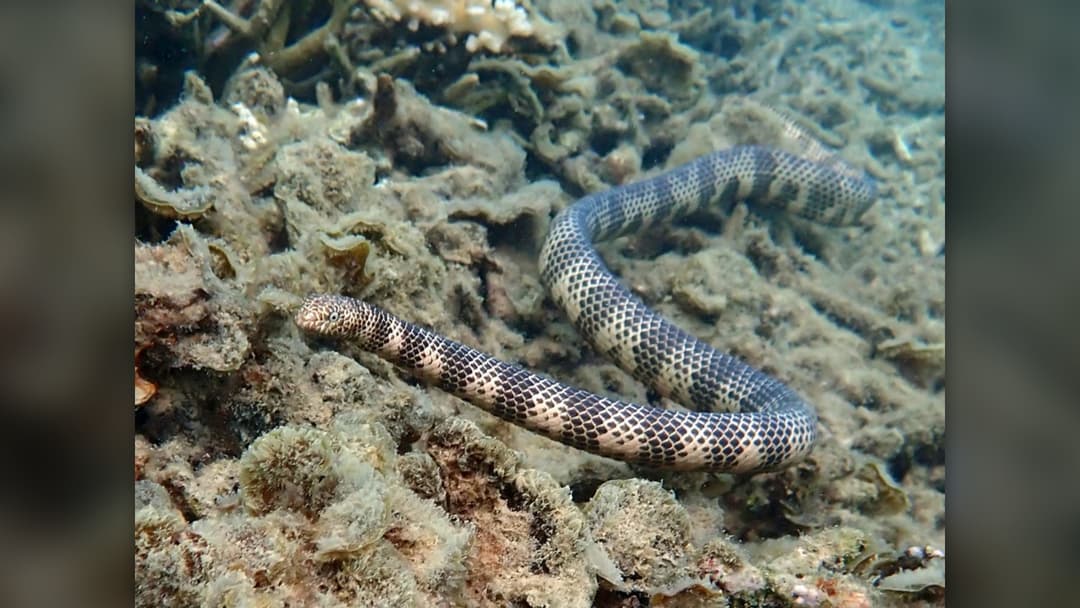
7. Dubois' Sea Snake
Aipysurus duboisii inhabits shallow coral reefs across the Coral Sea and western Pacific. Marine toxicologists rank its venom among the three most toxic animal secretions on Earth, utilizing post-synaptic neurotoxins that halt motor nerve impulses in minutes.
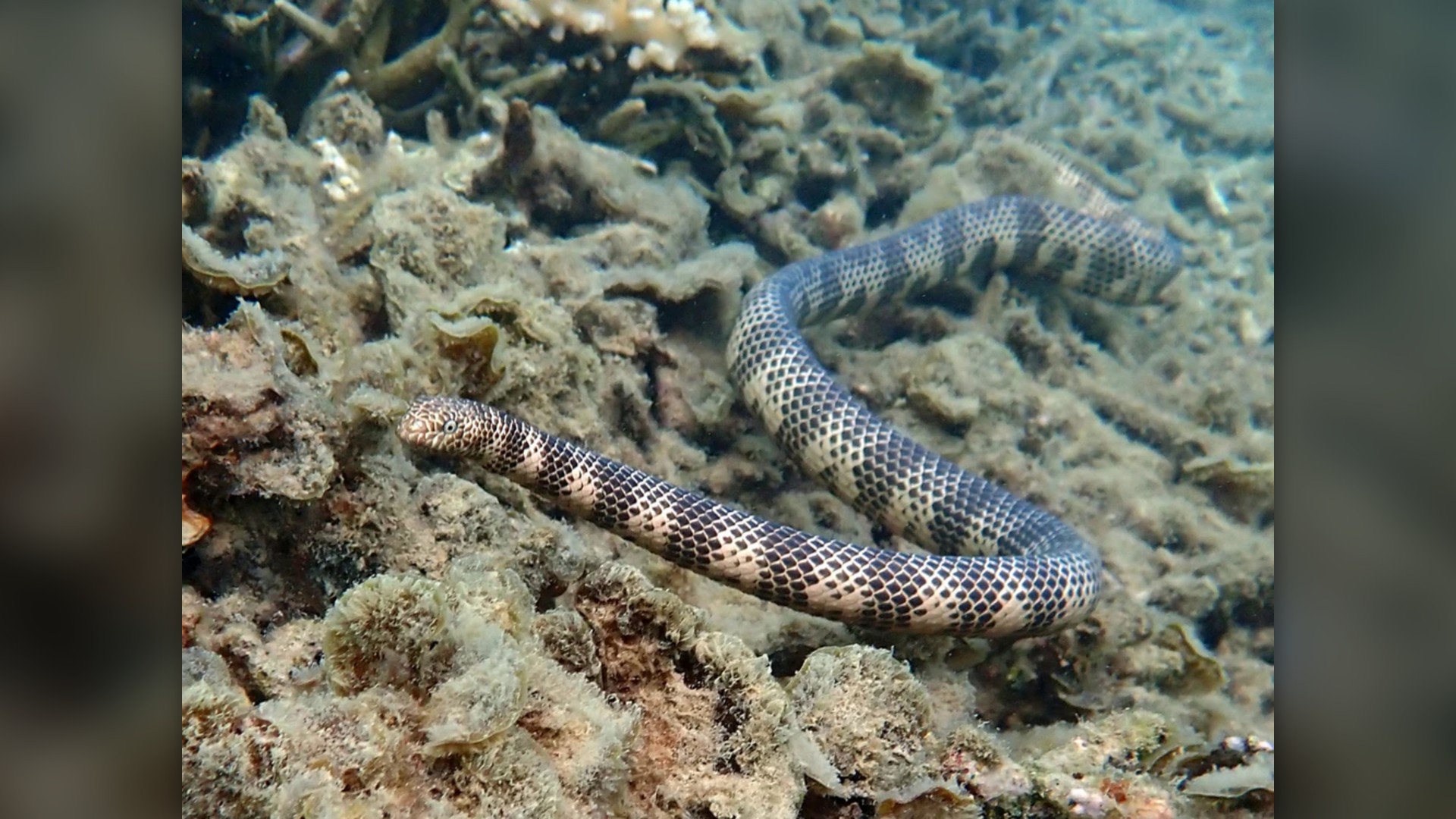
©Wikimedia / Cheese240
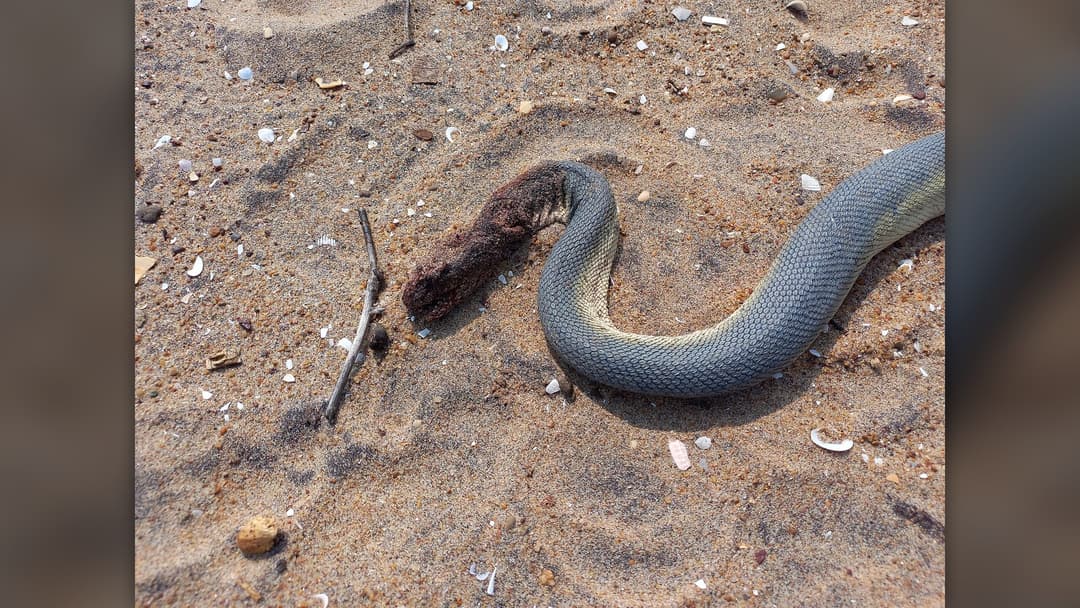
6. Beaked Sea Snake
Hydrophis schistosus accounts for more than ninety percent of all documented sea snake fatalities among tropical coastal fishers. Its venom contains both myotoxins and neurotoxins, triggering widespread muscle tissue breakdown and acute renal failure.
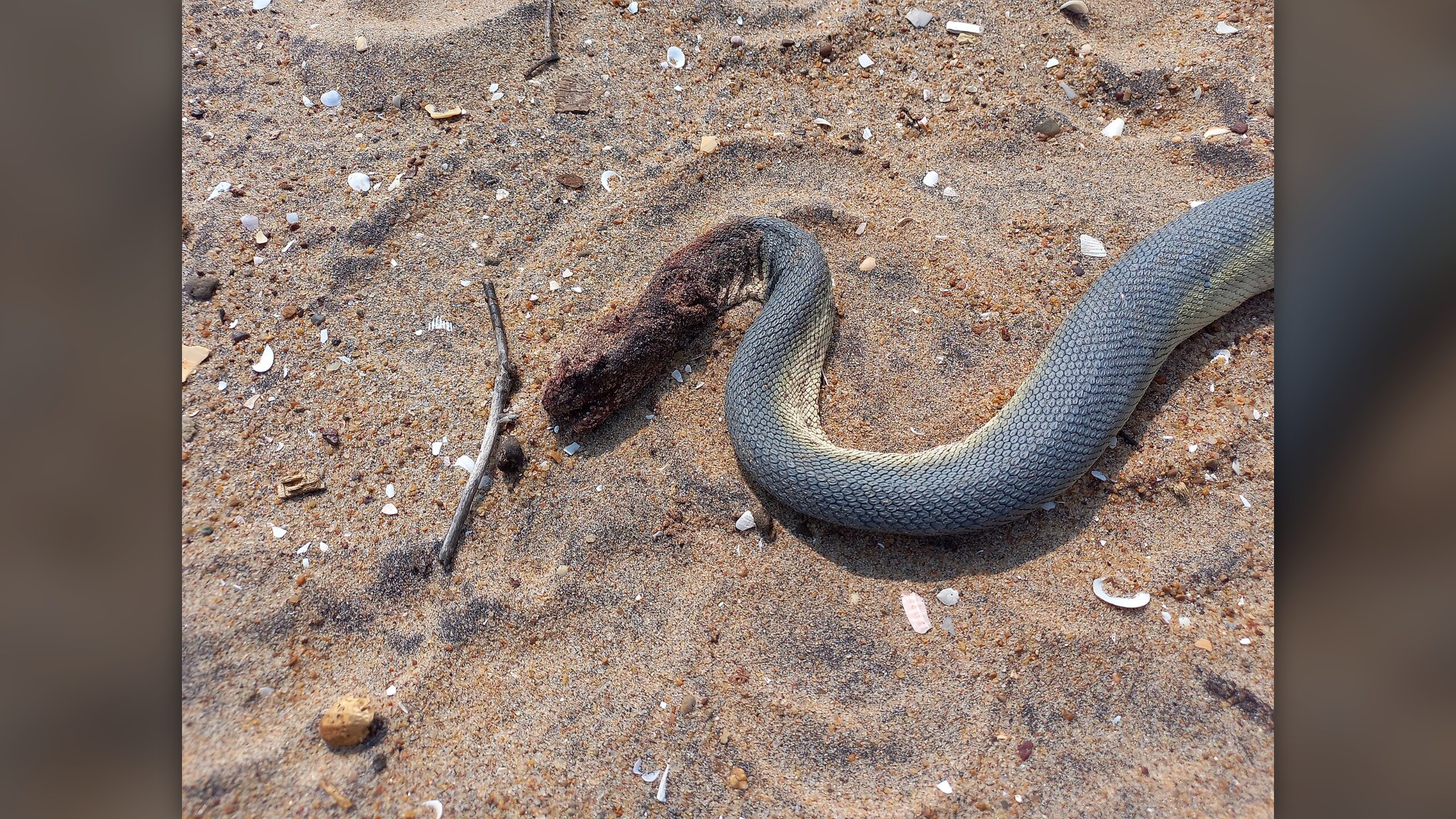
©Wikimedia / Adityamadhav83
Advertisement
Swipe or tap ▶ to resume the countdown.
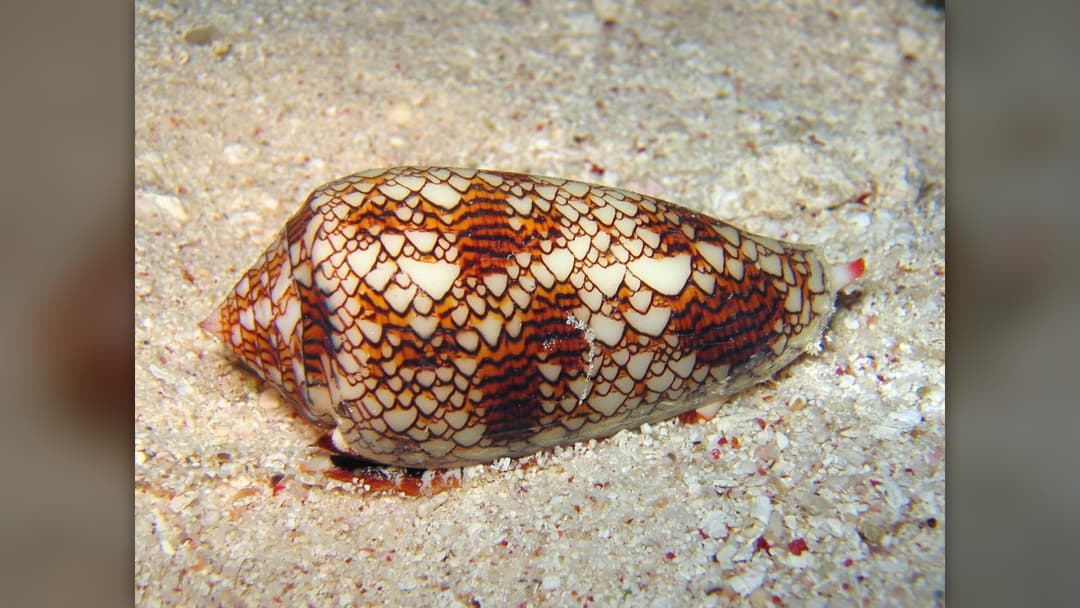
5. Textile Cone Snail
Conus textile hunts by shooting a hollow, barbed radula tooth pressurized with hundreds of distinct neuroactive peptides. The conotoxins block cardiac ion channels and voluntary muscle receptors, causing rapid paralysis before medical antivenom can be administered.
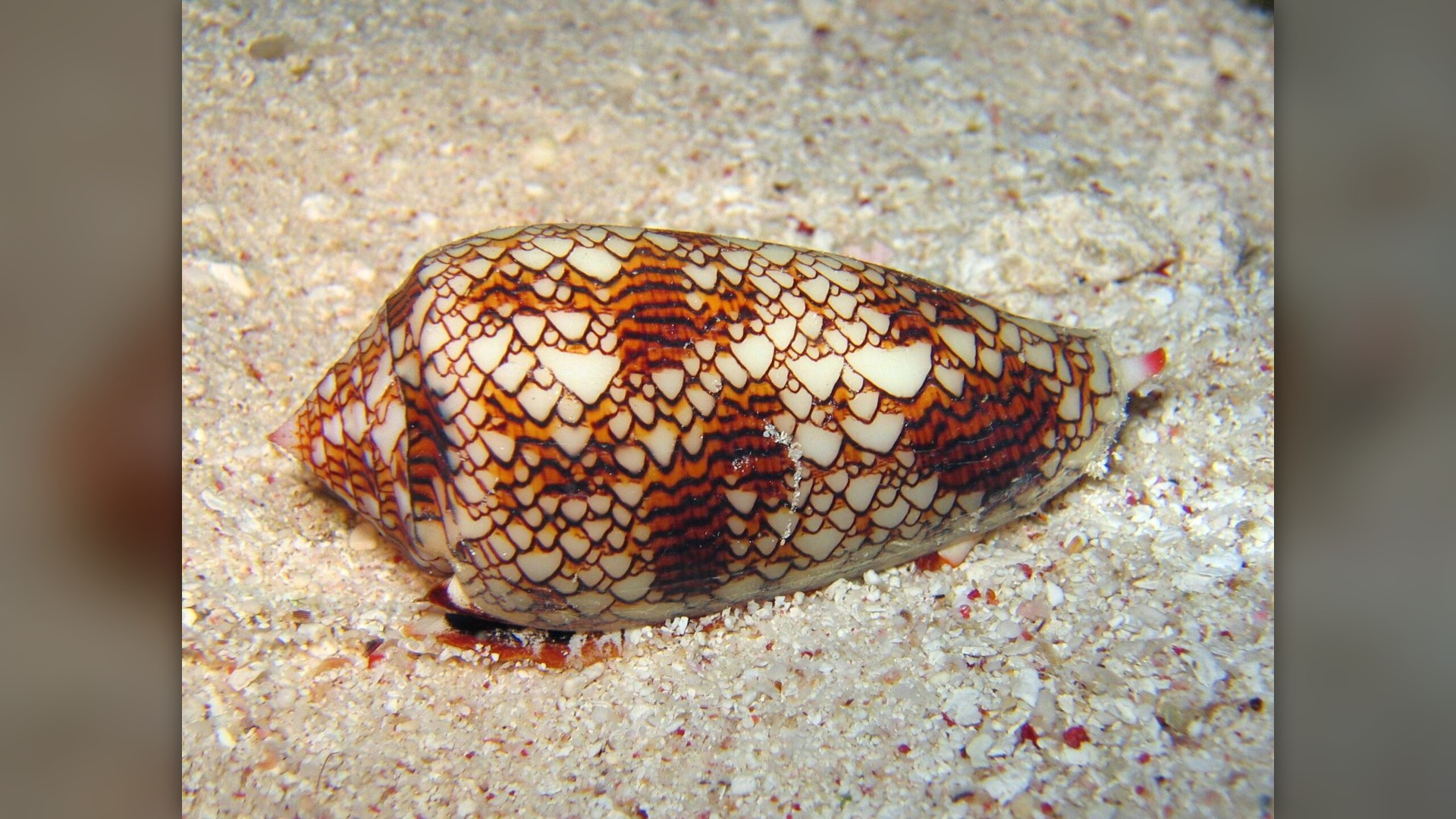
©Wikimedia / Richard Ling
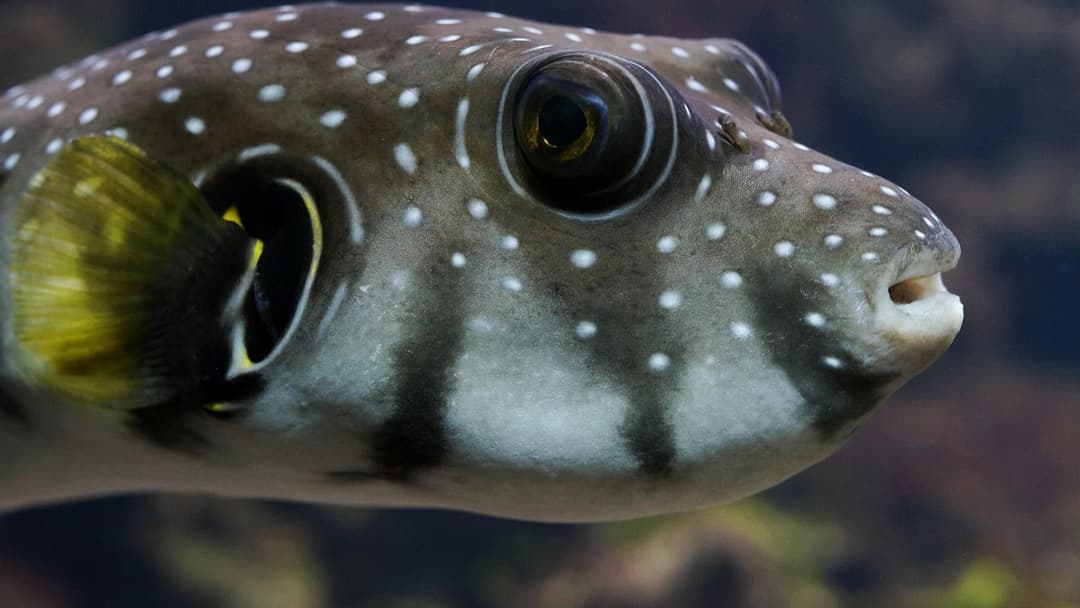
4. Striped Pufferfish
Arothron hispidus stores lethal levels of tetrodotoxin in its liver, gonads, and dermal tissue. This deadly neurotoxin is twelve hundred times more poisonous than cyanide, blocking cellular sodium channels and causing respiratory paralysis upon ingestion.
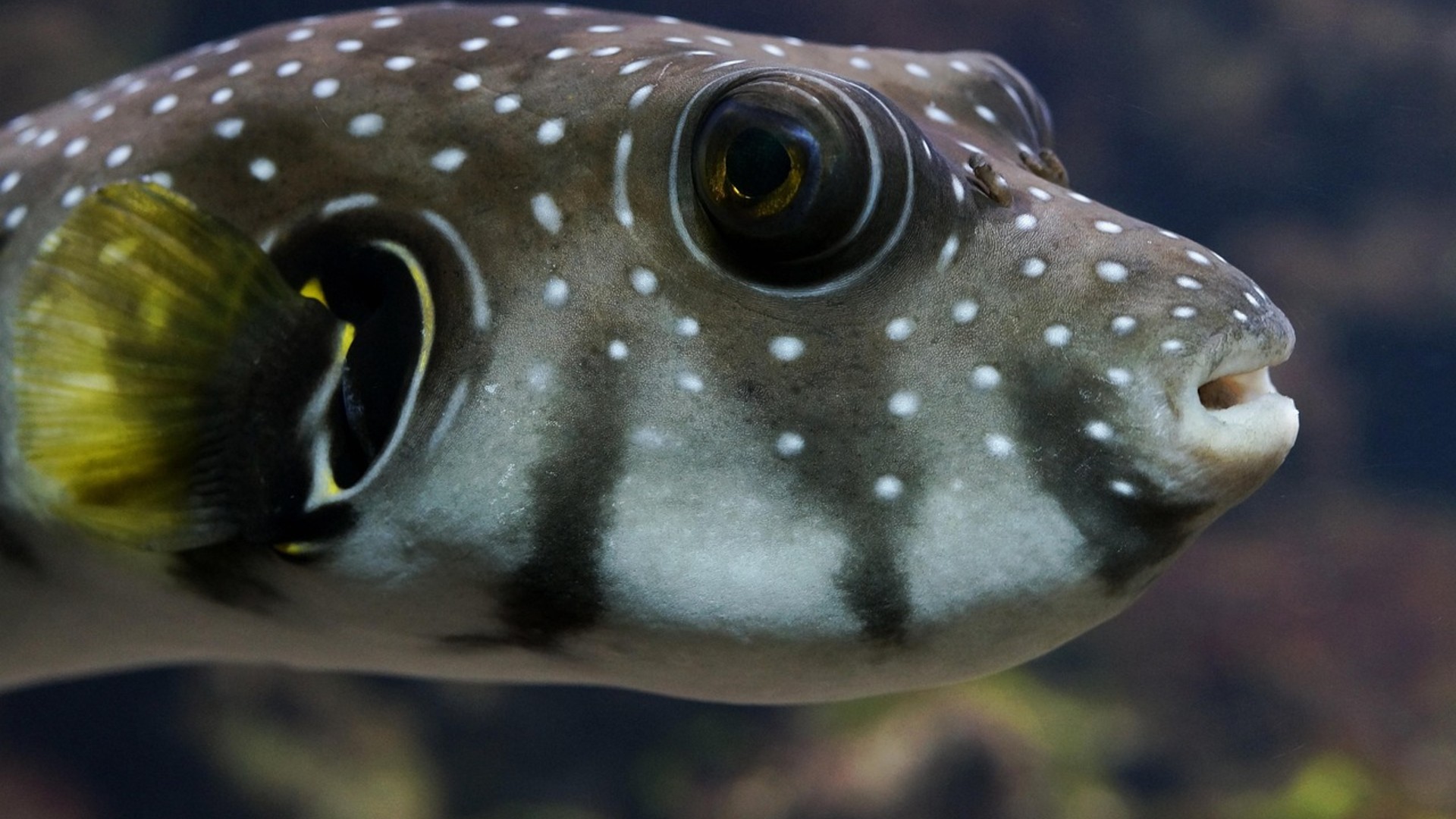
©Pixabay / papaalfa85
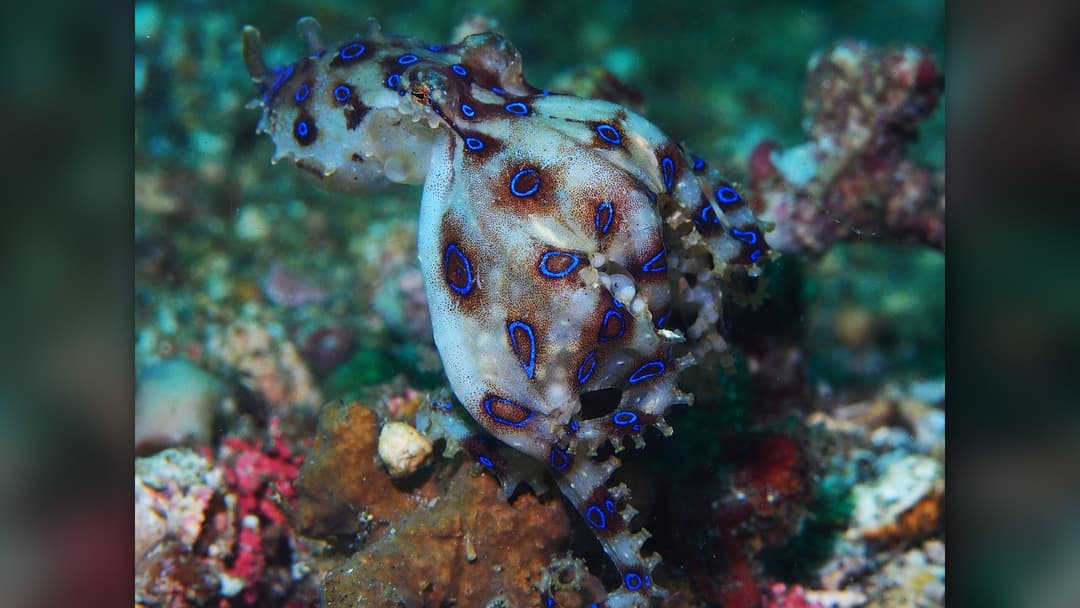
3. Greater Blue-Ringed Octopus
Hapalochlaena lunulata displays iridescent blue rings only when provoked into attack mode. Its salivary glands harbor symbiotic bacteria that synthesize maculotoxin, a lethal neurotoxin potent enough to cause fatal motor paralysis in twenty-six adult humans.
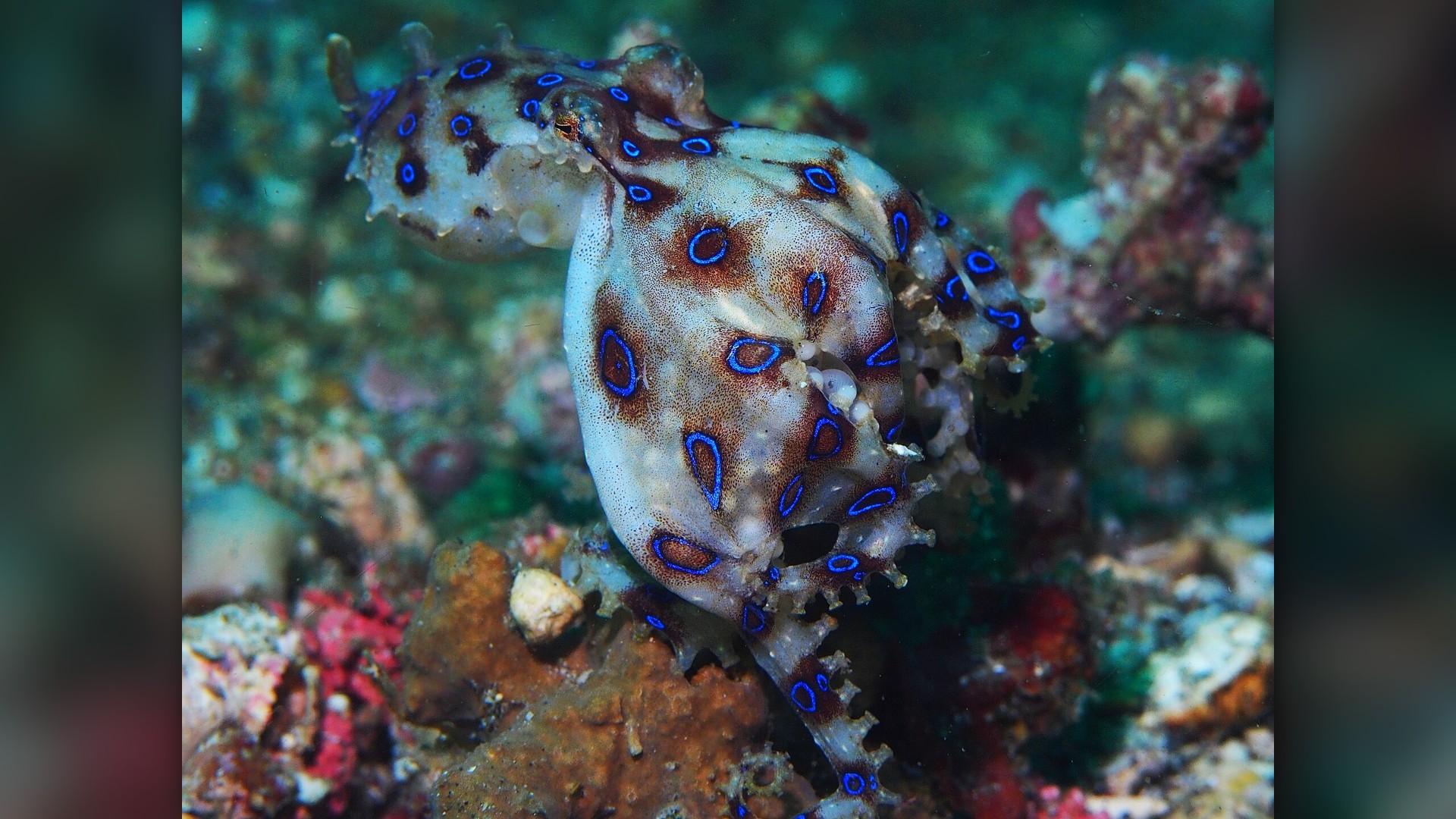
©Wikimedia / Rickard Zerpe
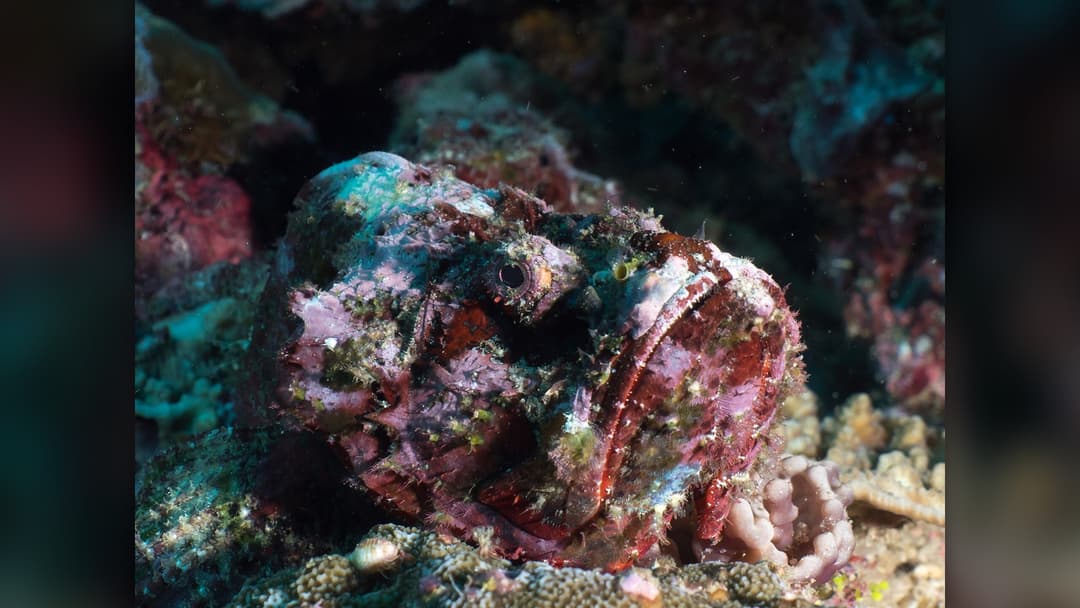
2. Estuarine Reef Stonefish
Synanceia verrucosa blends seamlessly into rocky reef bottoms, waiting for unsuspecting prey or waders. Thirteen thick dorsal spines penetrate rubber shoe soles easily, pumping verrucotoxin that causes agonizing pain, delirium, and heart failure within hours.
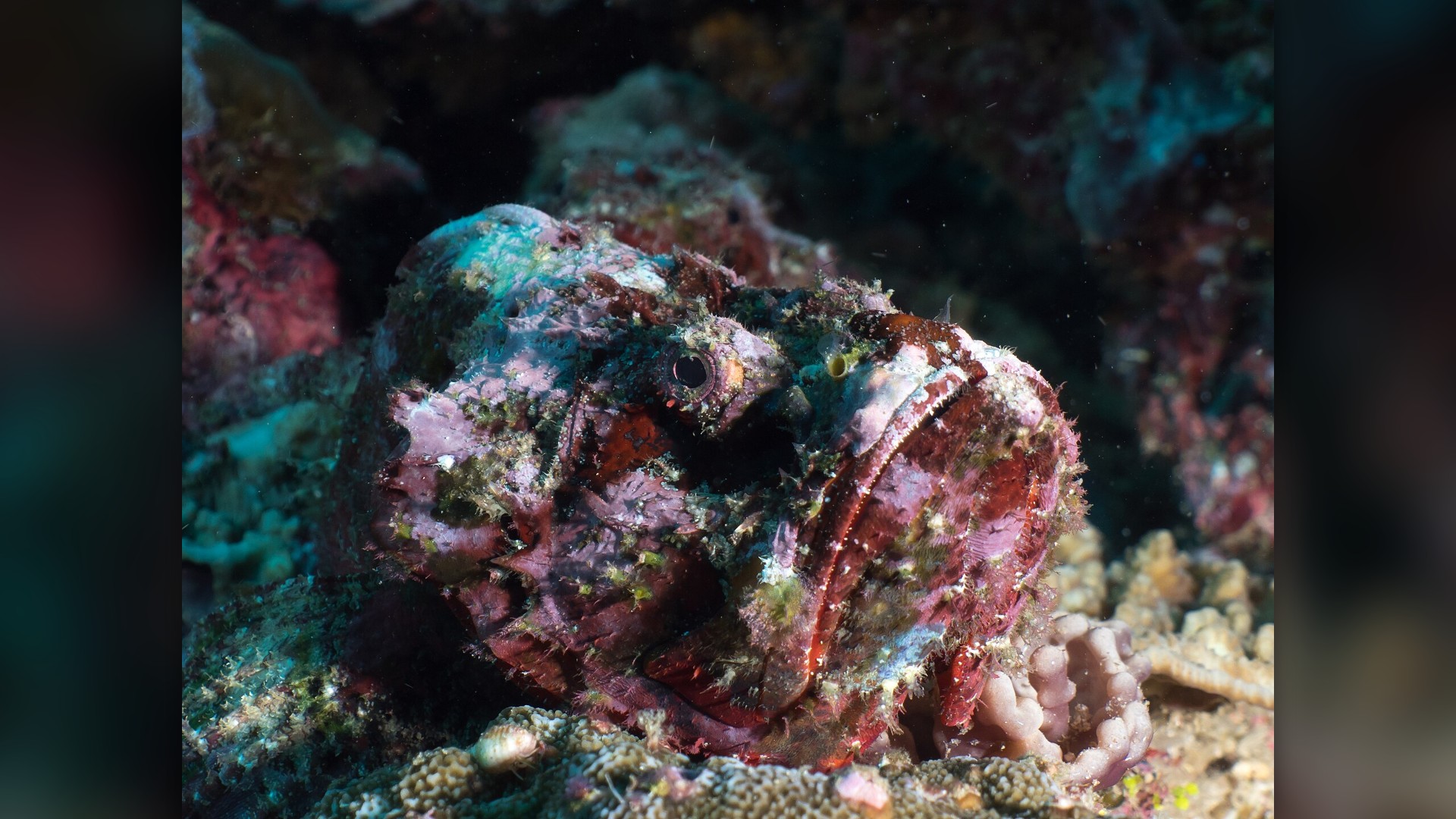
©Wikimedia / Rickard Zerpe
Advertisement
Swipe or tap ▶ to resume the countdown.
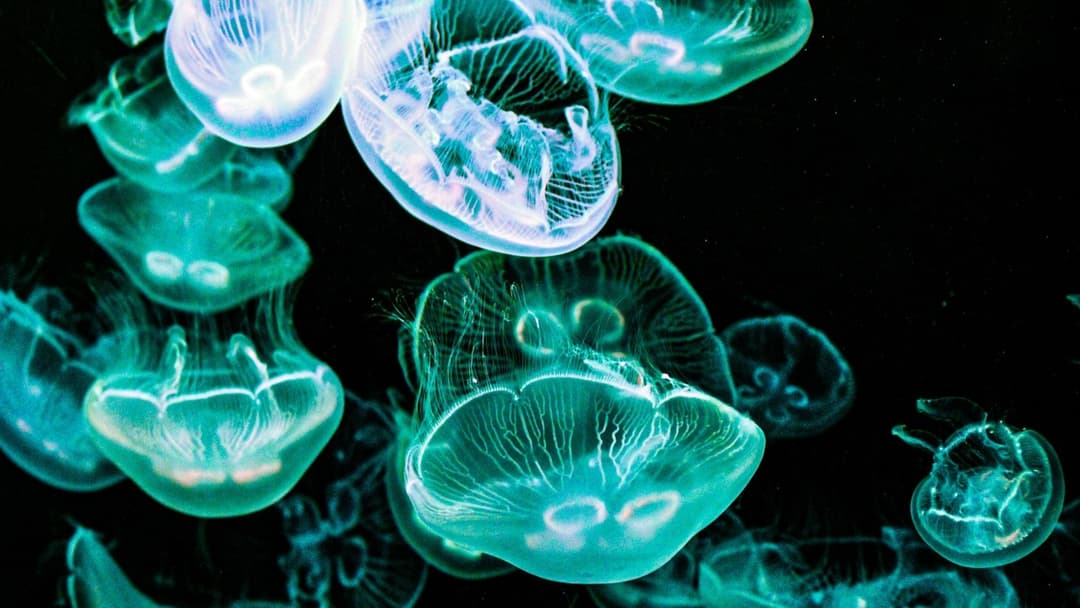
1. Australian Box Jellyfish
Chironex fleckeri trails sixty tentacles loaded with billions of microscopic harpoon-like cnidocytes. Its fast-acting cardiotoxin halts cardiac muscle contraction in under five minutes, making it the most lethally venomous marine creature on the planet.
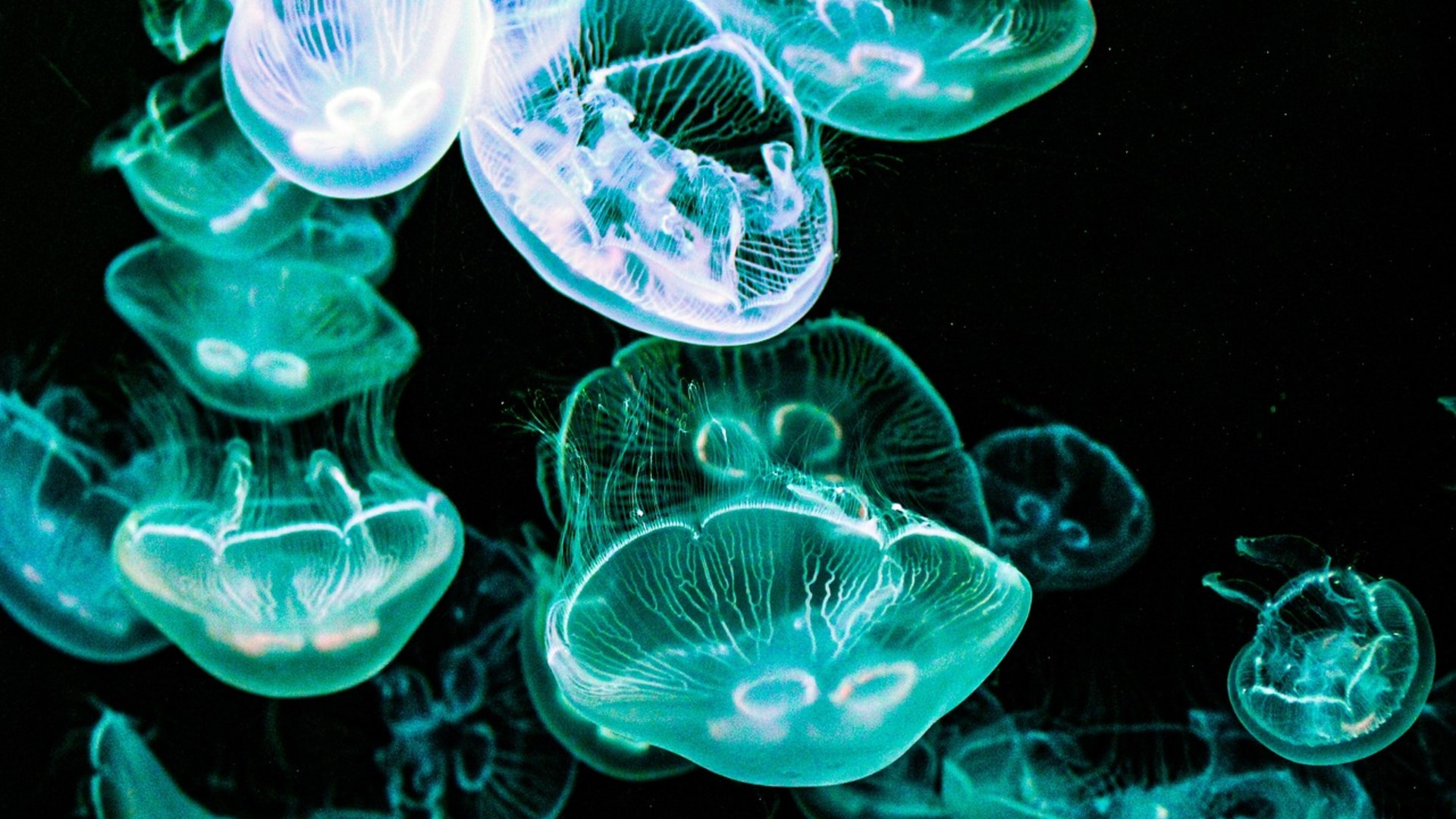
©Pixabay / carolannbussieres
Advertisement
You've reached the end of the story. Thanks for reading!

24 Photos of Odd-Looking Animals From Around the World
Nature values function over glamour in extreme environments across the planet. Based on research from the Ugly Animal Preservation Society and Smithsonian records, these twenty-four creatures prove that unconventional traits like gelatinous flesh and naked skin serve vital roles for survival in harsh wild habitats.
All 24 Entries in this Story
Branching Fire Coral
Despite its stony appearance, Millepora is not a true coral but a colonial hydrozoan. Its invisible microscopic polyps deploy hair-trigger nematocysts into diver skin on contact. The resulting sting causes burning contact dermatitis that persists for several days.

Crown Of-Thorns Starfish
Acanthaster planci possesses dozens of sharp, four-centimeter spines laced with saponin toxins. A single puncture causes sharp pain, severe local swelling, and persistent nausea. Puncture wounds frequently require surgical extraction to remove brittle spine fragments.

Long-Spined Sea Urchin
Diadema antillarum brandishes hollow calcium carbonate spines measuring up to thirty centimeters in length. The brittle needles shatter immediately upon entering muscle tissue, releasing mild irritant toxins that cause throbbing aches and secondary bacterial infections.

Red Lionfish
Pterois volitans carries eighteen defensive spines along its dorsal, pelvic, and anal fins. Each spine channels acetylcholine toxins that trigger extreme burning sensations, respiratory distress, and temporary muscle paralysis across warm Indo-Pacific and Caribbean reefs.

Striped Pyjama Squid
Sepioloidea lineolata measures only five centimeters long and inhabits shallow southern Australian sand flats. When threatened by bottom-feeding predators, its specialized skin glands secrete thick slime laced with lethal tetrodotoxin analogues that deter fish.

Great Barracuda
Sphyraena barracuda accelerates up to forty-four kilometers per hour in short bursts during shallow reef ambushes. Its dual rows of knife-like teeth inflict deep lacerations on shiny reflective objects, causing severe blood loss before medical aid arrives.

Northern Stargazer
Astroscopus guttatus conceals its stocky body entirely under coastal sand, exposing only upward-facing eyes. It delivers defensive electric shocks up to fifty volts from specialized ocular organs while puncturing intruders with two venomous shoulder spines.

Atlantic Torpedo Ray
Tetronarce nobiliana can produce defensive electrical discharges exceeding two hundred volts from modified muscle tissue behind its head. While rarely fatal to humans, a direct underwater jolt causes sudden muscle spasms that pose immediate drowning hazards.

Giant Moray Eel
Gymnothorax javanicus utilizes secondary pharyngeal jaws to pull prey deep into its esophagus. Its sharp, backward-pointing teeth introduce complex oral bacteria and crinotoxins into puncture wounds, causing extensive soft tissue trauma and persistent infections.

Whitespotted Eagle Ray
Aetobatus ocellatus defends its tail with up to four serrated venomous spines located near the base of its dorsal fin. When stepped on or trapped, the barbed spine pierces flesh like a jagged blade, releasing heat-sensitive proteins that cause agonizing cramps.

Antarctic Leopard Seal
Hydrurga leptonyx reaches three and a half meters in length and weighs nearly six hundred kilograms. Its massive skull houses two-inch canine teeth designed to ambush warm-blooded prey, presenting severe territorial hazards for marine researchers in Antarctic waters.

Coastal Bull Shark
Carcharhinus leucas boasts a bite force measuring nearly six thousand newtons, the highest relative bite strength among all cartilaginous fishes. Its ability to tolerate fresh water brings it into frequent contact with swimmers along estuaries and turbid coastlines.

Pelagic Tiger Shark
Galeocerdo cuvier features heavy, curved teeth with serrated edges designed to slice through sea turtle shells. Growing over four meters in length, its indiscriminate feeding behavior and shallow nocturnal patrols make it a leading hazard for coastal swimmers.

Humboldt Squid
Dosidicus gigas grows up to two meters long and hunts in coordinated groups across Pacific depths. Each of its eight arms carries hundreds of suckers ringed with razor-sharp chitinous teeth, while its parrot-like beak easily bites through thick diving suits.

Toxic Flower Urchin
Toxopneustes pileolus resembles a harmless bed of tiny blossoms, but each petal is an active three-jawed pinching organ. Once triggered, the pedicellariae inject potent contractin toxins that cause muscular paralysis, respiratory distress, and severe shock.

Blue Glaucus Sea Slug
Glaucus atlanticus floats upside down on open ocean currents, feeding directly on Portuguese man o war siphonophores. It absorbs and concentrates their venomous stinging nematocysts within specialized finger-like cerata, releasing a far more concentrated defensive sting.

Portuguese Man O' War
Physalia physalis is not a single jellyfish but a specialized floating colonial organism. Its submerged tentacles stretch up to thirty meters, carrying millions of pressurized nematocysts that inject lethal cellular toxins capable of causing cardiovascular collapse.

Dubois' Sea Snake
Aipysurus duboisii inhabits shallow coral reefs across the Coral Sea and western Pacific. Marine toxicologists rank its venom among the three most toxic animal secretions on Earth, utilizing post-synaptic neurotoxins that halt motor nerve impulses in minutes.

Beaked Sea Snake
Hydrophis schistosus accounts for more than ninety percent of all documented sea snake fatalities among tropical coastal fishers. Its venom contains both myotoxins and neurotoxins, triggering widespread muscle tissue breakdown and acute renal failure.

Textile Cone Snail
Conus textile hunts by shooting a hollow, barbed radula tooth pressurized with hundreds of distinct neuroactive peptides. The conotoxins block cardiac ion channels and voluntary muscle receptors, causing rapid paralysis before medical antivenom can be administered.

Striped Pufferfish
Arothron hispidus stores lethal levels of tetrodotoxin in its liver, gonads, and dermal tissue. This deadly neurotoxin is twelve hundred times more poisonous than cyanide, blocking cellular sodium channels and causing respiratory paralysis upon ingestion.

Greater Blue-Ringed Octopus
Hapalochlaena lunulata displays iridescent blue rings only when provoked into attack mode. Its salivary glands harbor symbiotic bacteria that synthesize maculotoxin, a lethal neurotoxin potent enough to cause fatal motor paralysis in twenty-six adult humans.

Estuarine Reef Stonefish
Synanceia verrucosa blends seamlessly into rocky reef bottoms, waiting for unsuspecting prey or waders. Thirteen thick dorsal spines penetrate rubber shoe soles easily, pumping verrucotoxin that causes agonizing pain, delirium, and heart failure within hours.

Australian Box Jellyfish
Chironex fleckeri trails sixty tentacles loaded with billions of microscopic harpoon-like cnidocytes. Its fast-acting cardiotoxin halts cardiac muscle contraction in under five minutes, making it the most lethally venomous marine creature on the planet.