Slideshow · Travel
22 World Landmarks Then and Now From Early Builds to Today
From half-built iron skeletons to marble shafts stalled for decades, these 22 archival photographs capture famous world landmarks long before modern city skylines surrounded them. Based on historical records from the Library of Congress, the U.S. National Archives, UNESCO, and the National Park Service.
By Most Viral Today
8 min agoimage-first:landmarks-then-now:2026-11-21:22-world-landmarks-then-and-now-from-the-half-built-eiffel-tower-to-today

22 World Landmarks Caught Half-Built Before Modern Skylines 
22. Times Square, New York 
21. Taj Mahal, Agra 
20. The Parthenon, Athens - AdvertisementSwipe or tap ▶ to continue countdown

19. The Colosseum, Rome 
18. Notre-Dame De Paris, France 
17. Sagrada Familia, Barcelona 
16. Tower Bridge, London - AdvertisementSwipe or tap ▶ to continue countdown

15. Machu Picchu, Peru 
14. Washington Monument, Washington, D.C. 
13. Lincoln Memorial, Washington, D.C. 
12. Panama Canal, Panama - AdvertisementSwipe or tap ▶ to continue countdown

11. Brooklyn Bridge, New York 
10. Chrysler Building, New York 
9. Empire State Building, New York 
8. Gateway Arch, St. Louis - AdvertisementSwipe or tap ▶ to continue countdown

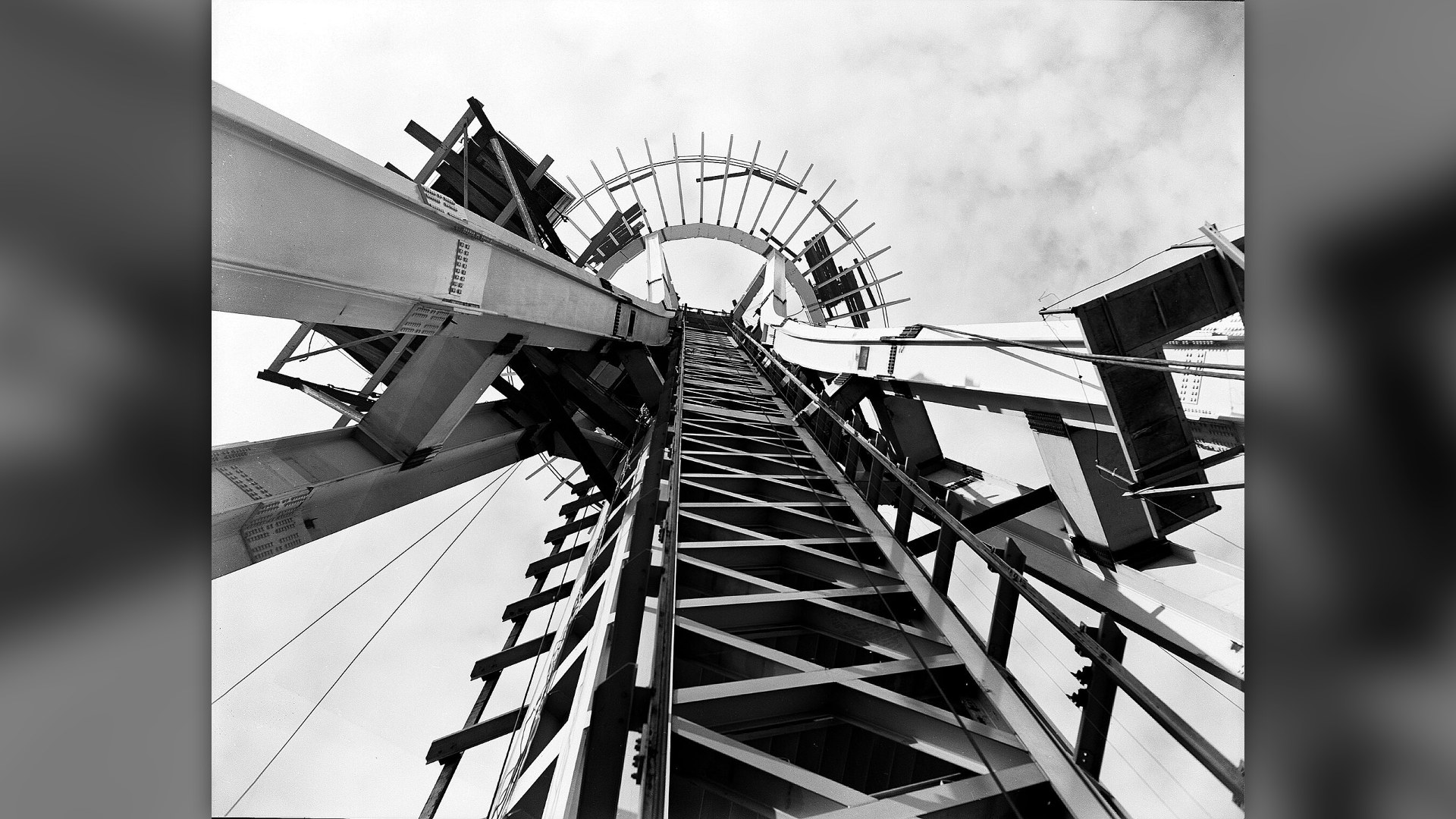
7. Space Needle, Seattle 
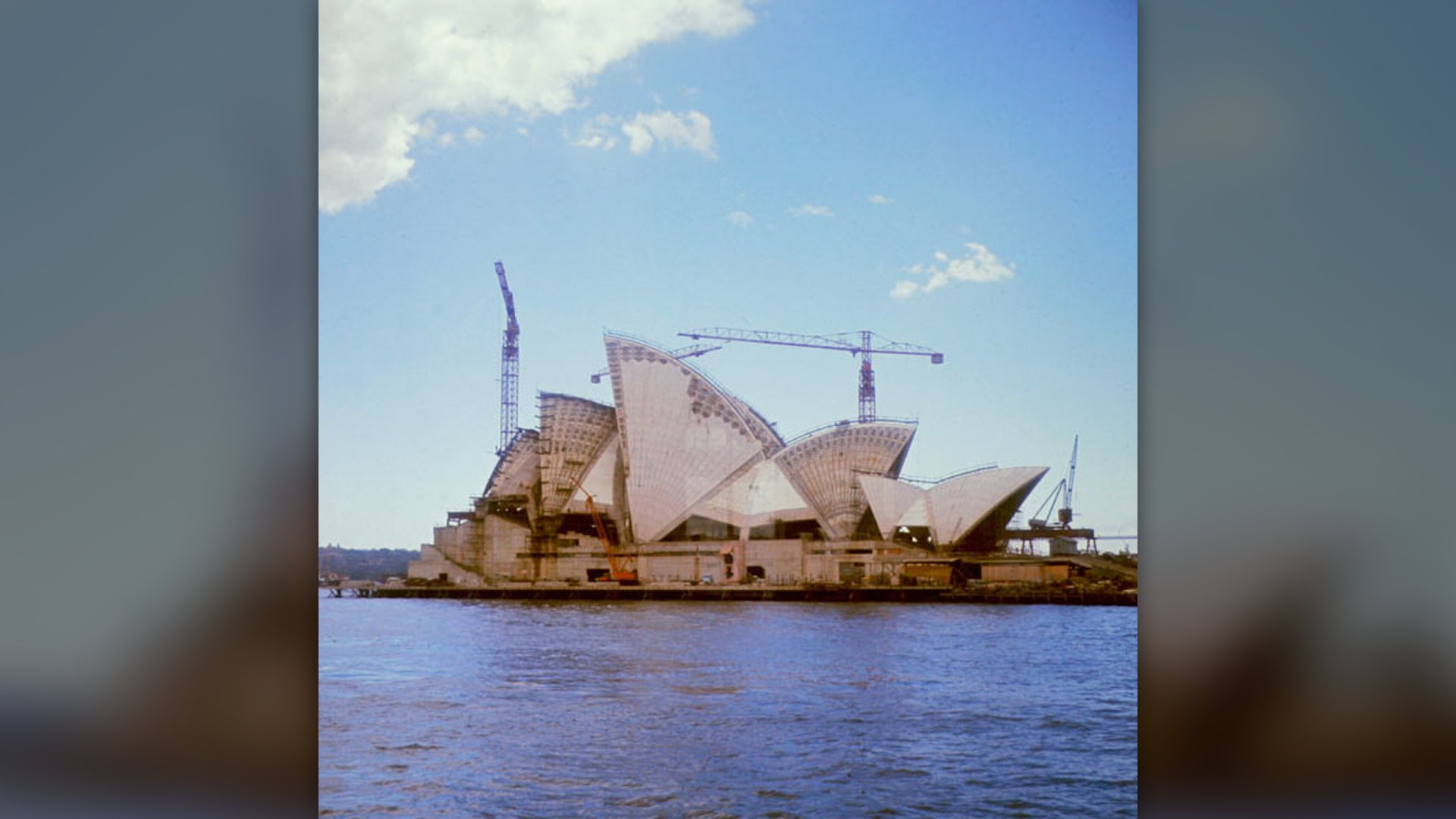
6. Sydney Opera House, Australia 
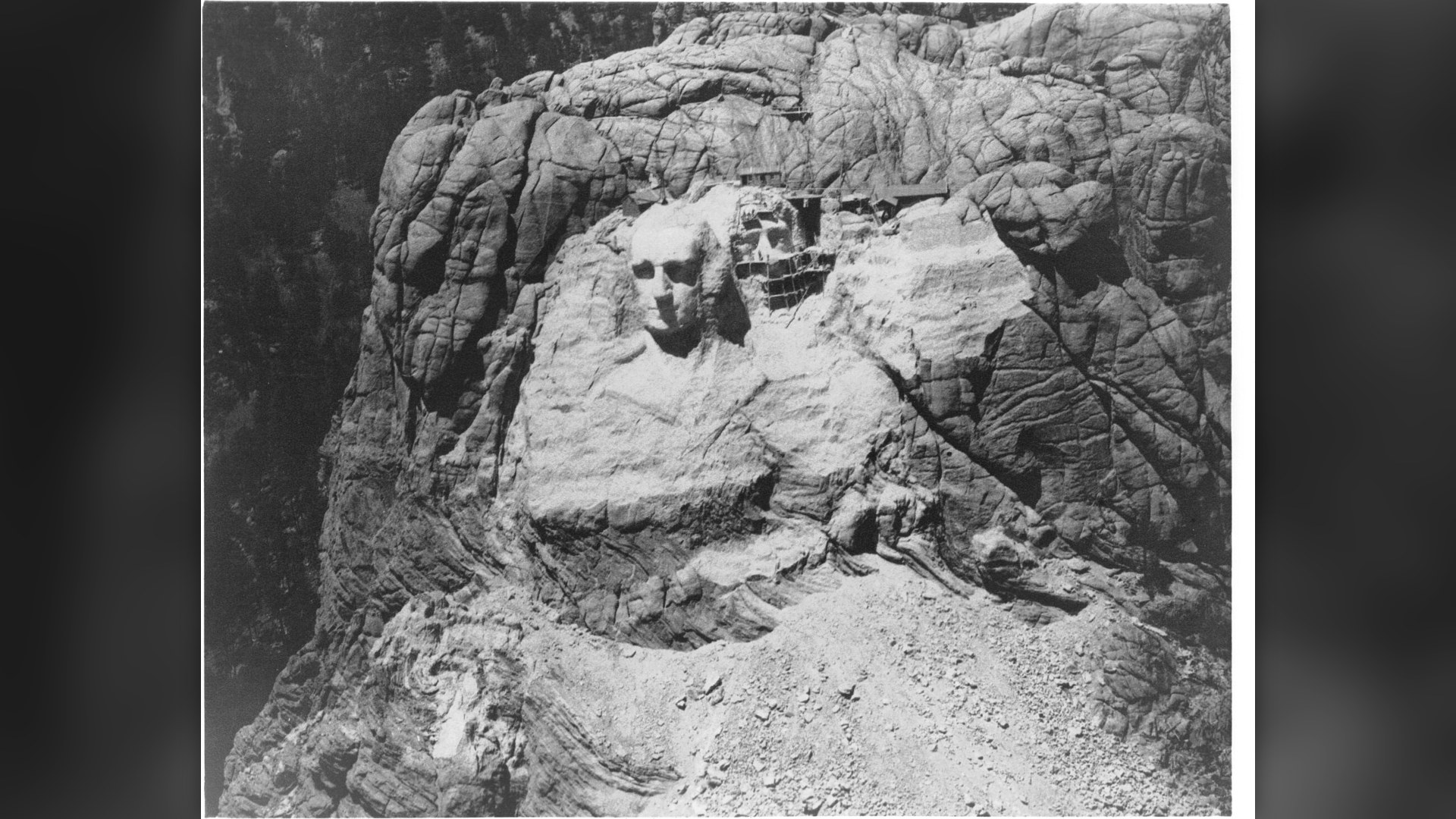
5. Mount Rushmore, South Dakota 
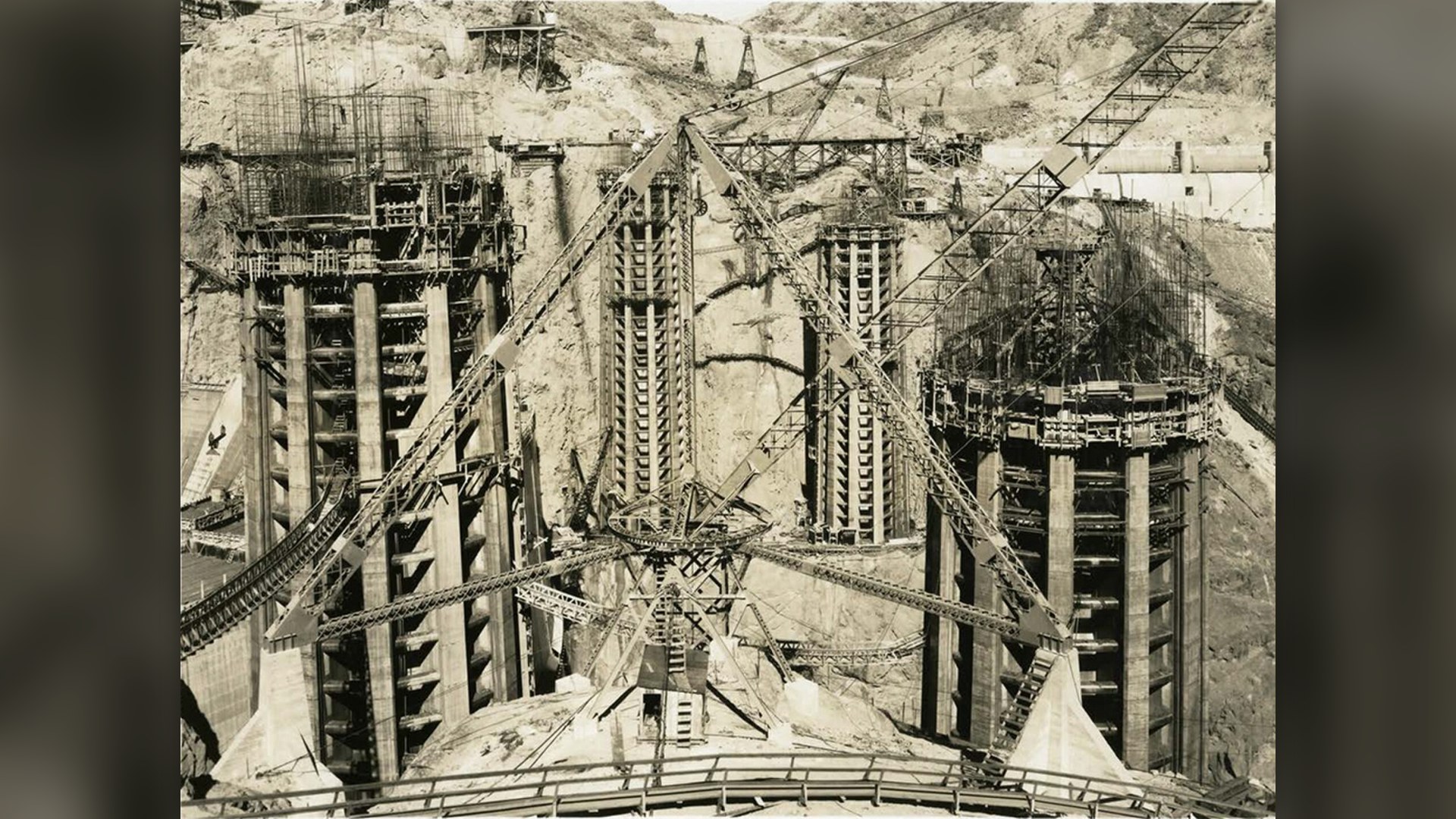
4. Hoover Dam, Nevada And Arizona - AdvertisementSwipe or tap ▶ to continue countdown

3. Golden Gate Bridge, San Francisco 
2. Statue Of Liberty, New York 
1. Eiffel Tower, Paris - Advertisement🔥 UP NEXT IN THIS SERIES◫ 23 Slides

22 Popular Destinations With Lighter Crowds in Shoulder Season
Peak summer crowds drive up room rates and pack narrow old towns across the globe. Shifting a trip by a few weeks into spring or autumn often brings milder walking weather and open tables. This countdown draws on World Meteorological Organization climate normals, UNESCO records, and park seasonal calendars.
From half-built iron skeletons to marble shafts stalled for decades, these 22 archival photographs capture famous world landmarks long before modern city skylines surrounded them. Based on historical records from the Library of Congress, the U.S. National Archives, UNESCO, and the National Park Service.
Swipe or tap ▶ to begin the countdown
©Wikimedia / Unknown artist
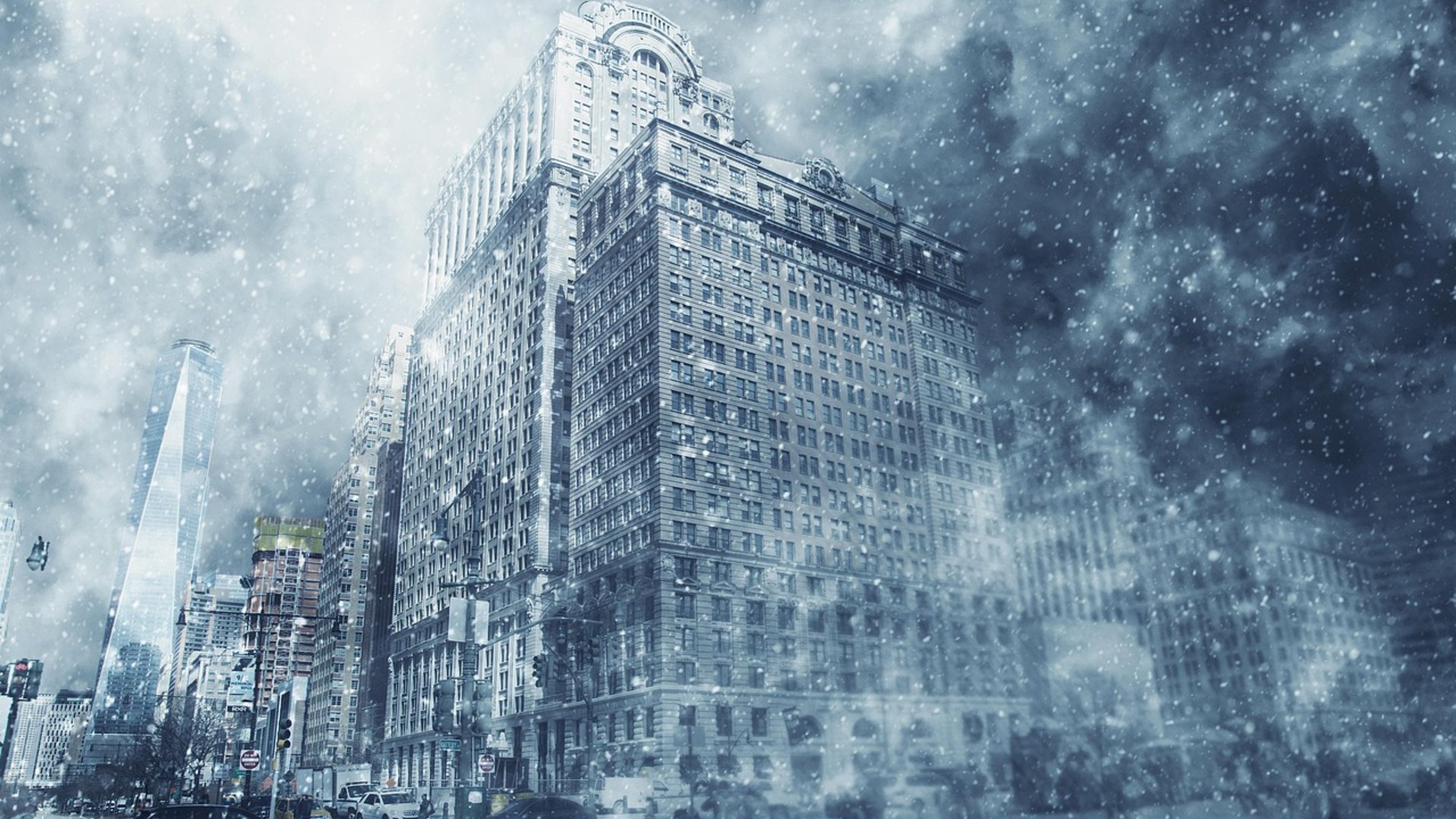
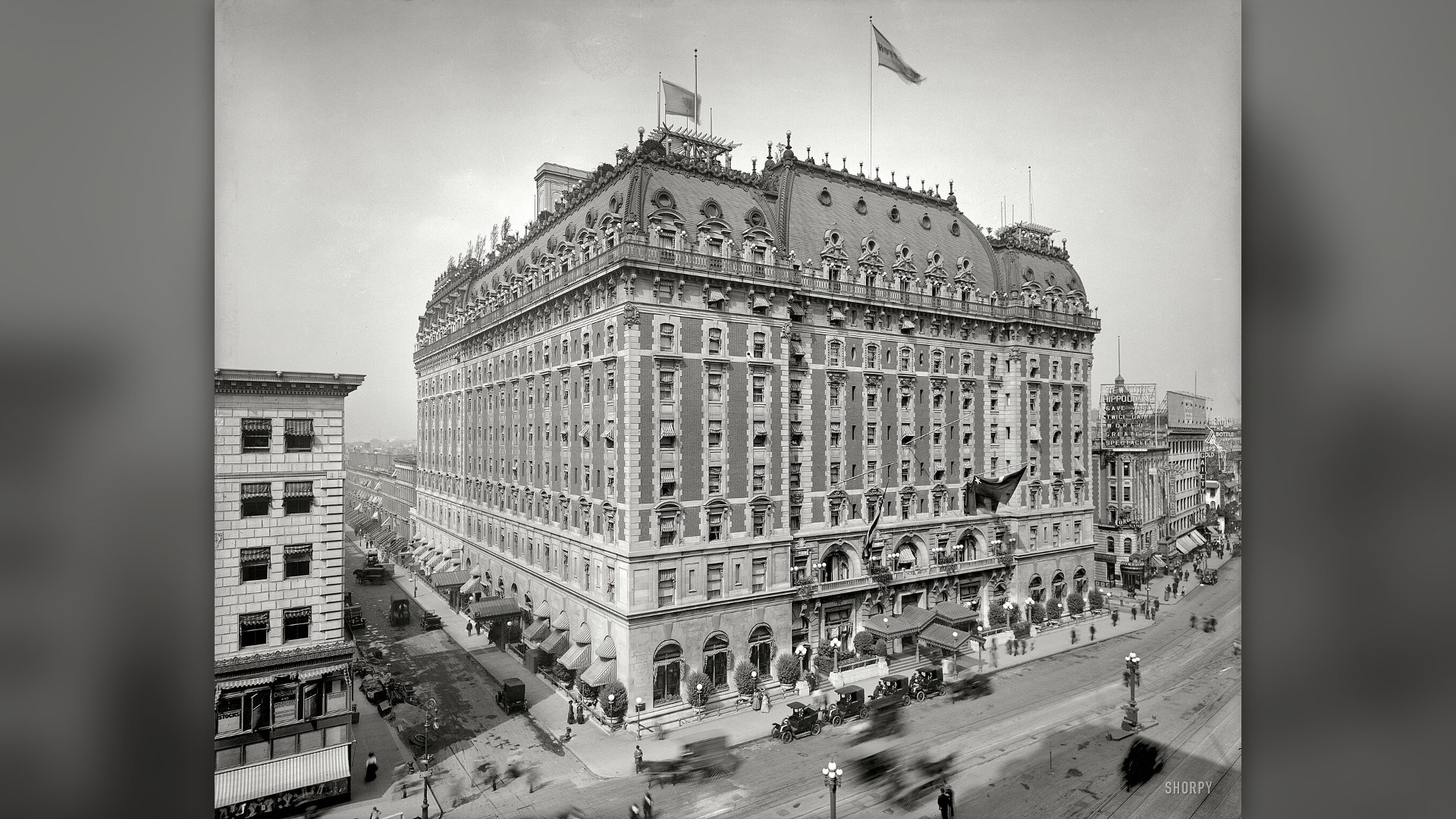
22. Times Square, New York
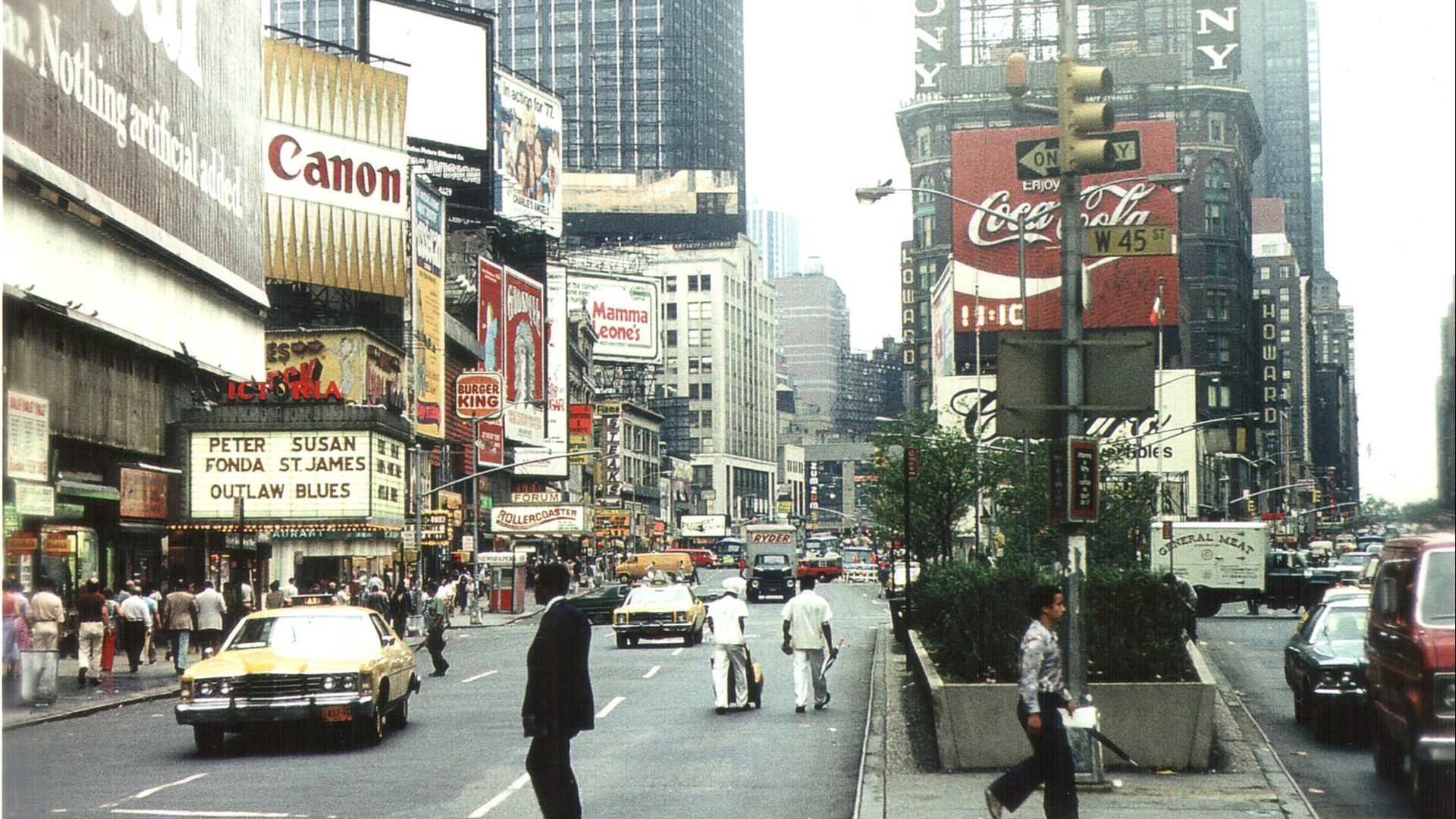
Renamed from Longacre Square in 1904 after The New York Times opened its tower, the crossroads in 1909 relied on streetcars, carriages, and early electric signs. Today, pedestrian plazas and wraparound LED screens draw hundreds of thousands of daily visitors.
©Wikimedia / This image was uploaded from Shorpy.com , a phot
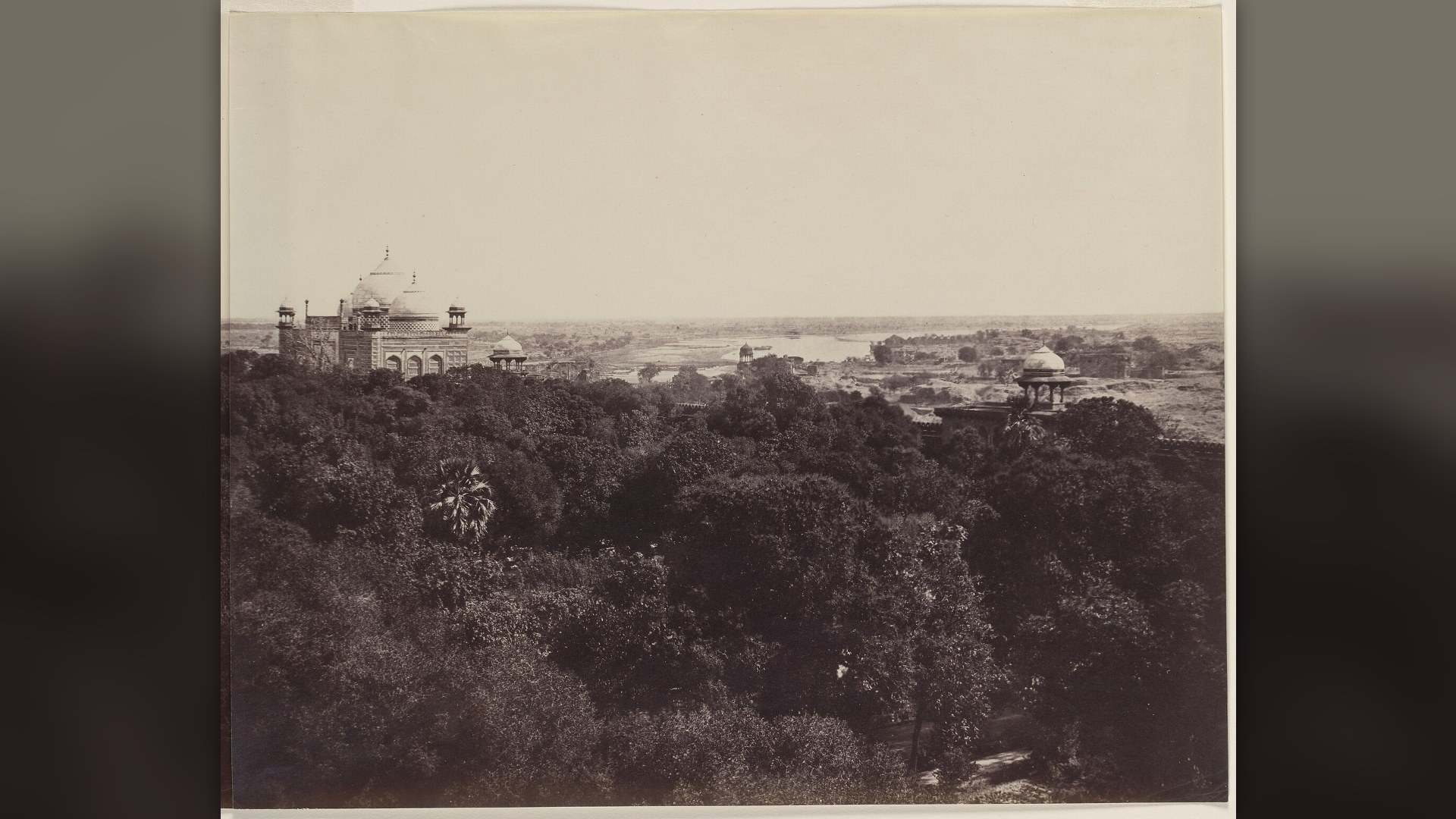
21. Taj Mahal, Agra
Built under Mughal Emperor Shah Jahan starting in 1632, the white marble complex stood surrounded by quiet gardens when early photographers set up large-format cameras in Agra. Modern conservation rules now restrict nearby vehicle traffic to protect the stonework.
©Wikimedia / John Murray
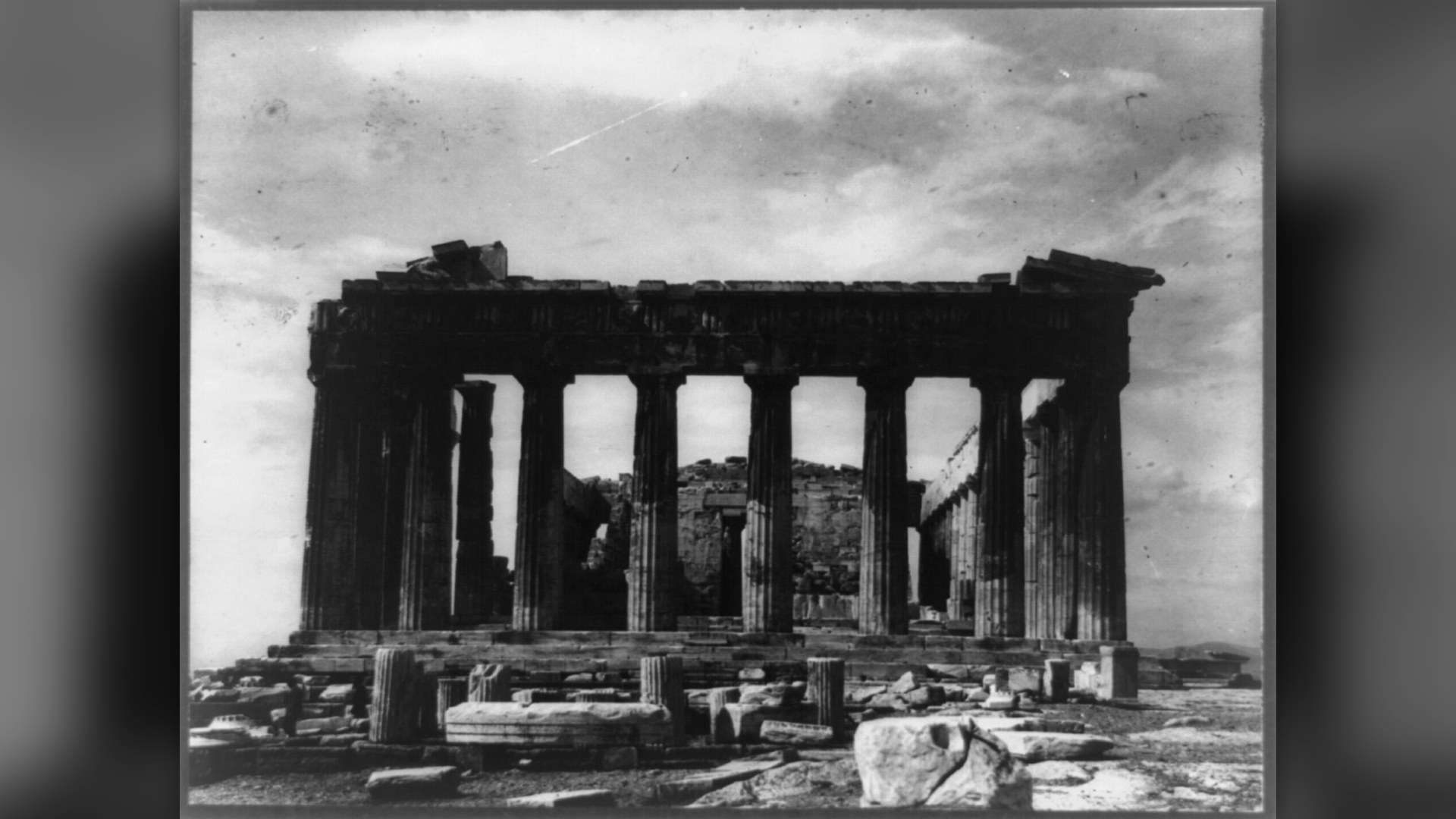
20. The Parthenon, Athens
Completed in 438 BC and damaged in a 1687 gunpowder explosion, the Parthenon sat among scattered rubble in early Library of Congress prints. Greek restoration teams have since re-erected fallen Pentelic marble drums and installed structural titanium reinforcement.
©Wikimedia / Miscellaneous Items in High Demand, PPOC, Librar
Advertisement
Swipe or tap ▶ to resume the countdown.
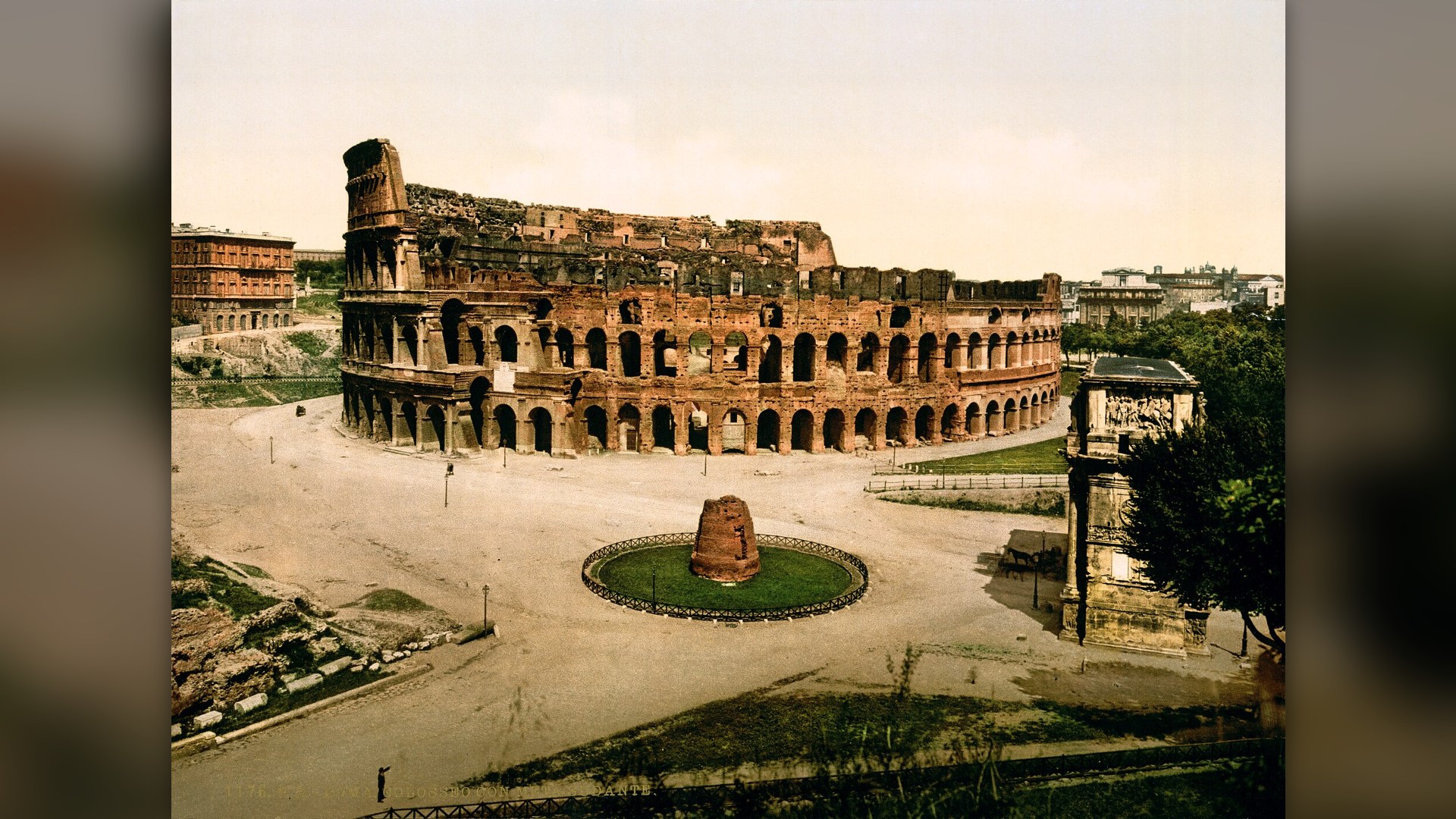
19. The Colosseum, Rome
Opened in 80 AD, the Flavian Amphitheater shared its piazza in the 1890s with the ruined Meta Sudans fountain, seen at the left before its demolition in 1936. Today a busy pedestrian plaza and metro stop border the restored travertine outer arches.
©Wikimedia / Detroit Publishing Co., under license from Photo
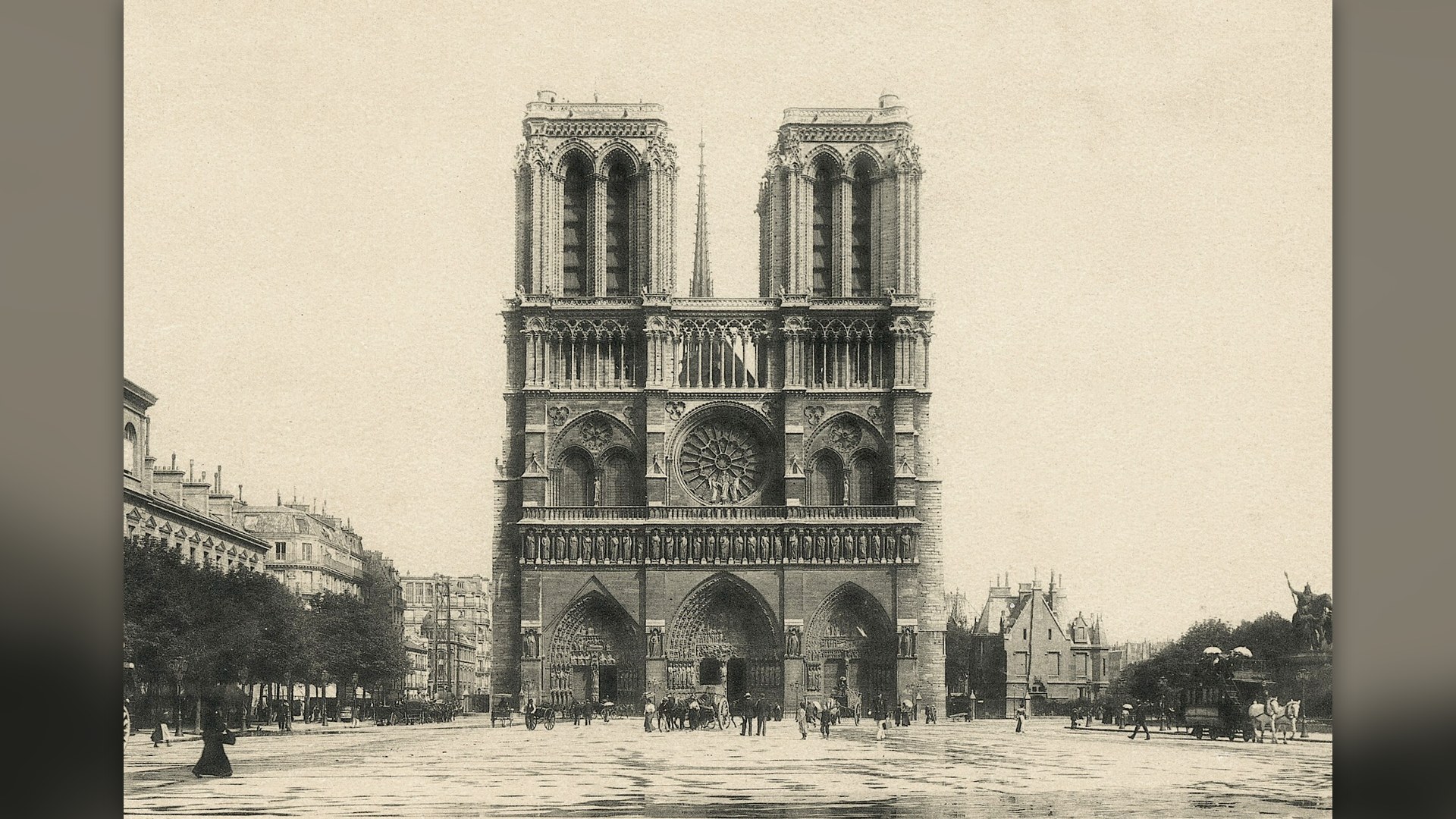
18. Notre-Dame De Paris, France
Begun in 1163 on the Île de la Cité, the Gothic cathedral stood intact in 1900 after its nineteenth-century restoration. Following the April 2019 roof fire, craftsmen rebuilt the timber framing and lead spire, reopening the cathedral in December 2024.
©Wikimedia / Paris - Parvis Notre Dame
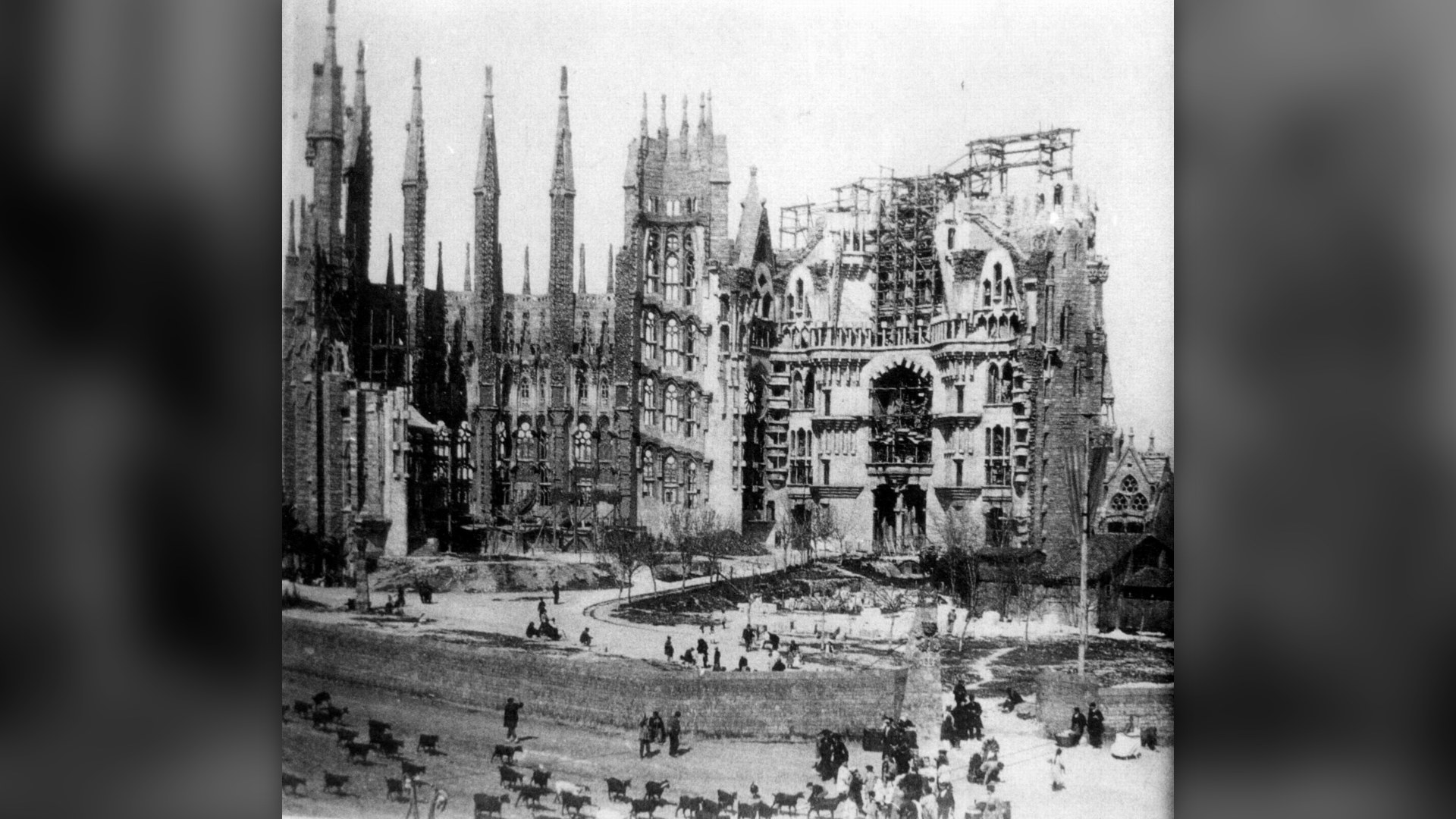
17. Sagrada Familia, Barcelona
Architect Antoni Gaudí took over the basilica in 1883 and worked on it until his death in 1926, when just one Nativity bell tower was finished. More than a century after this 1915 frame, Barcelona's Eixample blocks tightly pack around the rising central towers.
©Wikimedia / Templo Expiatorio de la Sagrada Familia
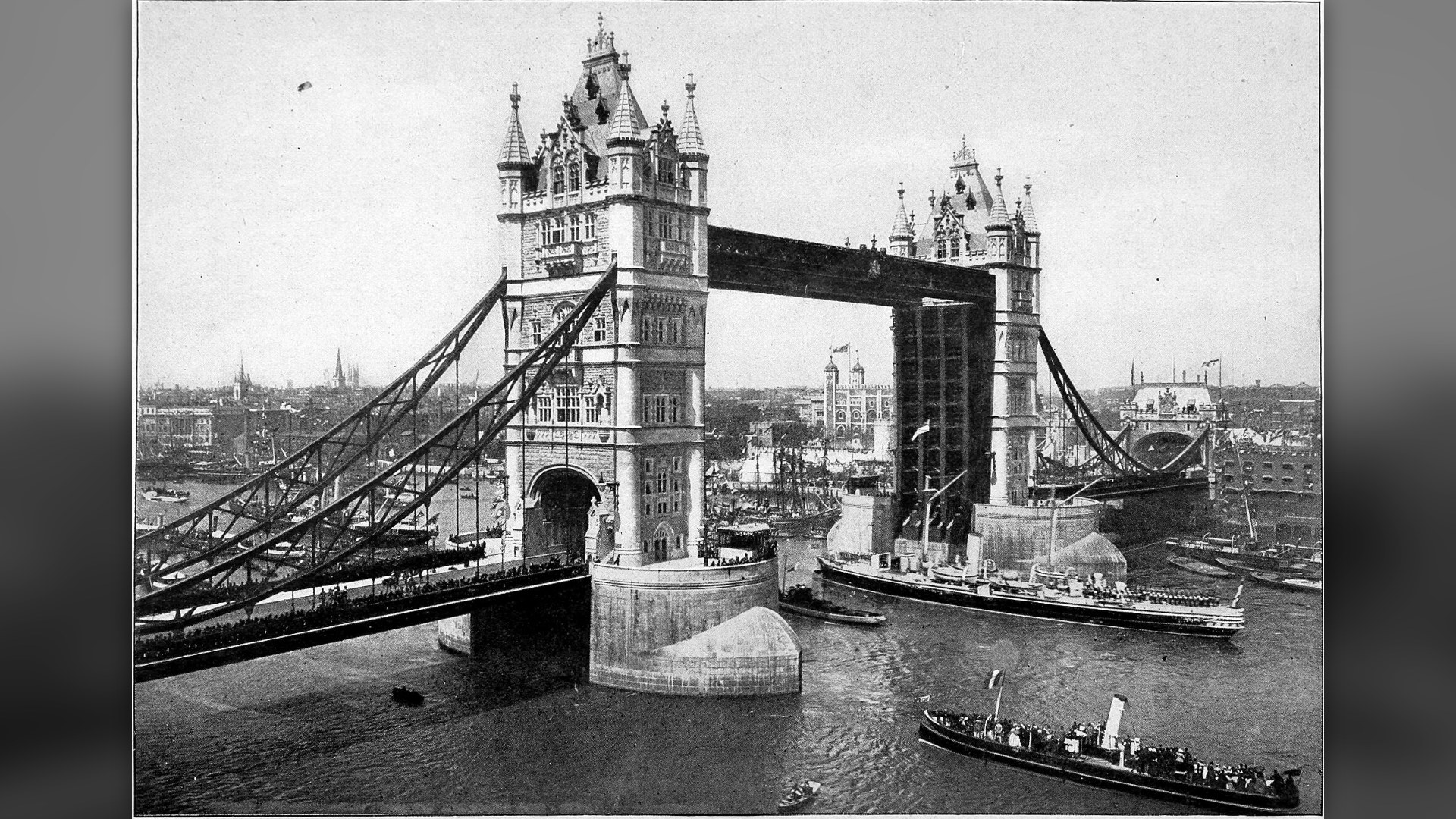
16. Tower Bridge, London
Built over eight years by John Wolfe Barry and Horace Jones, the crossing used coal-fired steam engines to pump water into hydraulic accumulators that raised its twin leaves. Converted to electro-hydraulic power in 1976, the bridge still lifts around 800 times a year.
©Wikimedia / Messrs. Valentine & Sons, Ltd
Advertisement
Swipe or tap ▶ to resume the countdown.
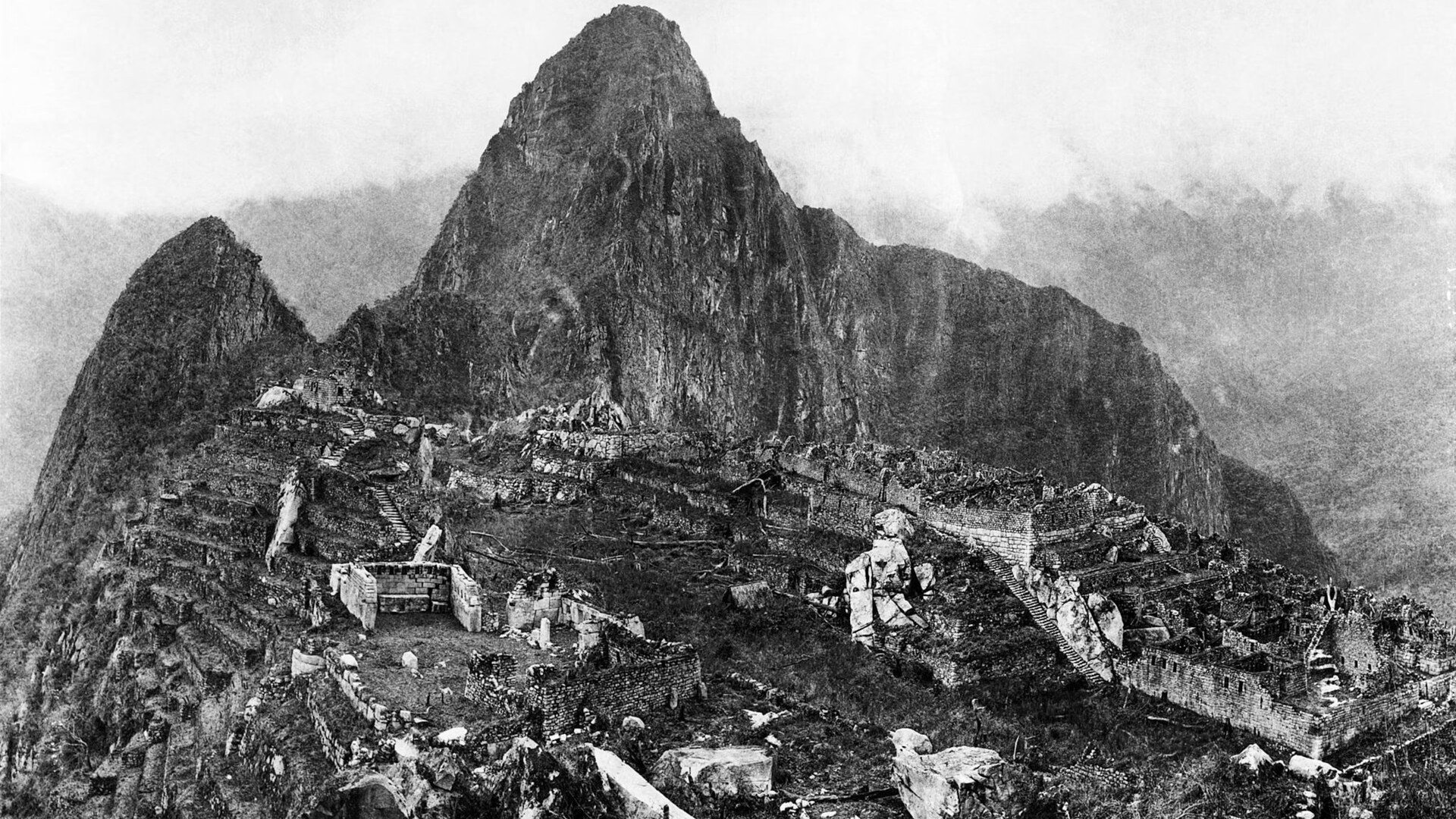
15. Machu Picchu, Peru
Constructed in the fifteenth century high above the Urubamba River, the stone citadel was tangled in cloud-forest vegetation until crews cleared the terraces during Yale expeditions in 1911 and 1912. Today Peru manages the UNESCO site with strict timed-entry tickets.
©Wikimedia / Hiram Bingham III , « Work Accomplished by the P
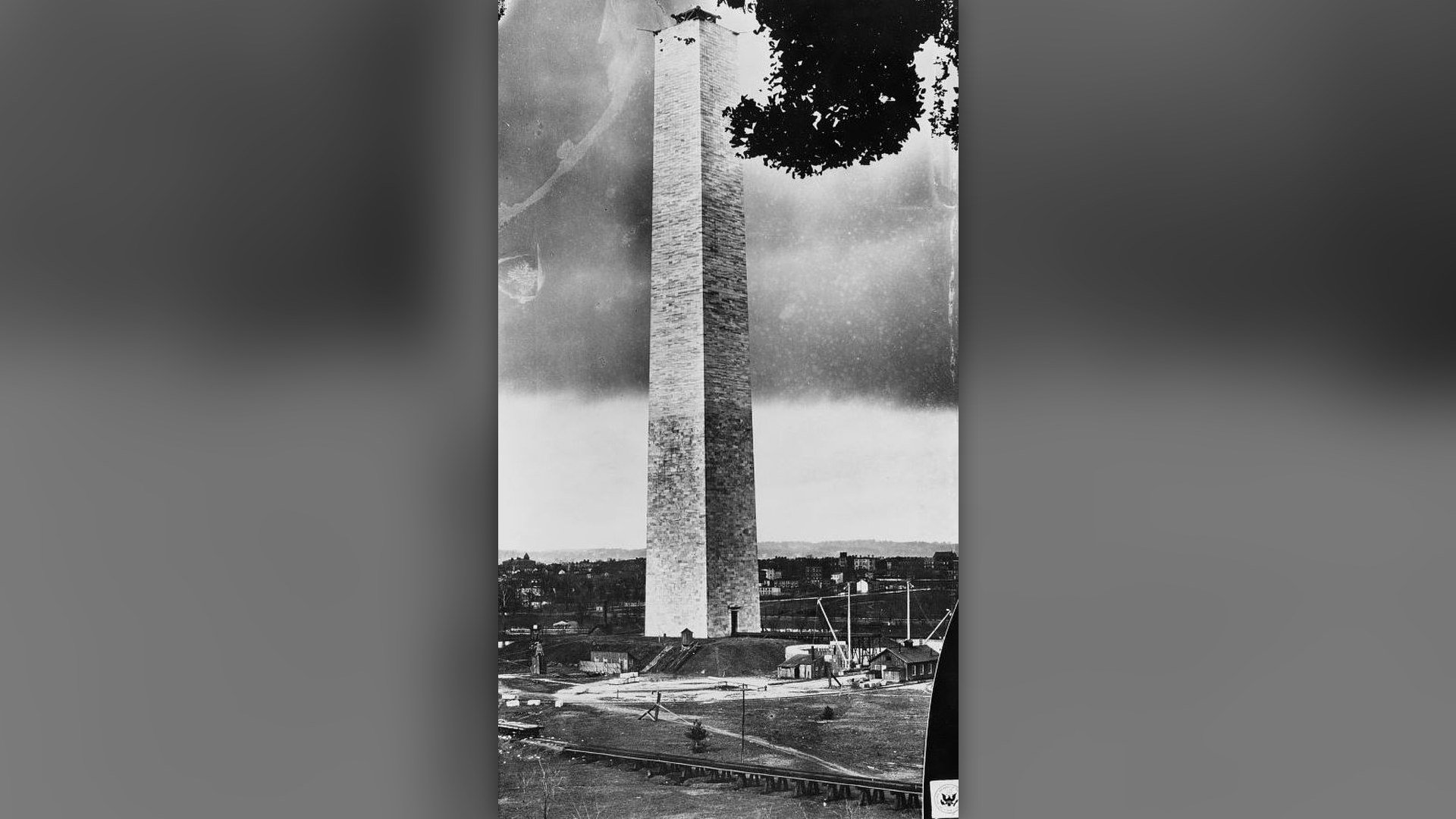
14. Washington Monument, Washington, D.C.
Construction halted in 1854 at roughly 152 feet after funding ran out, and resumed under Army Corps engineers in 1879 using marble from a different quarry. That pause left the famous two-tone color line visible along the 555-foot shaft standing on the National Mall today.
©Wikimedia / This image is available from the United States L
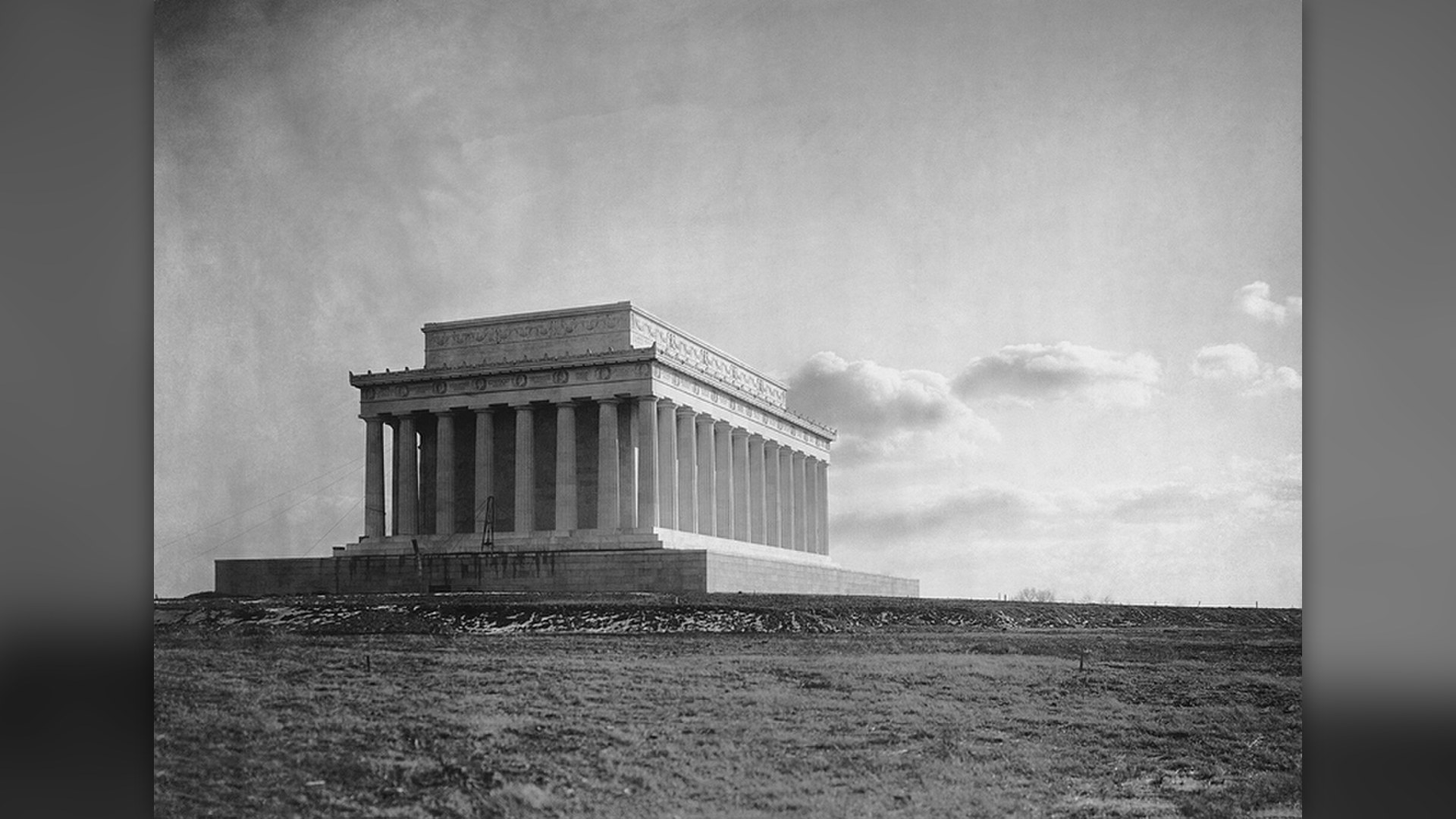
13. Lincoln Memorial, Washington, D.C.
Built between 1914 and 1922 on marshland reclaimed along the Potomac River, the Doric temple required deep concrete piers reaching bedrock. Dedicated in May 1922 with Daniel Chester French's marble statue inside, it now anchors the Reflecting Pool and millions of annual visits.
©Wikimedia / Harris & Ewing
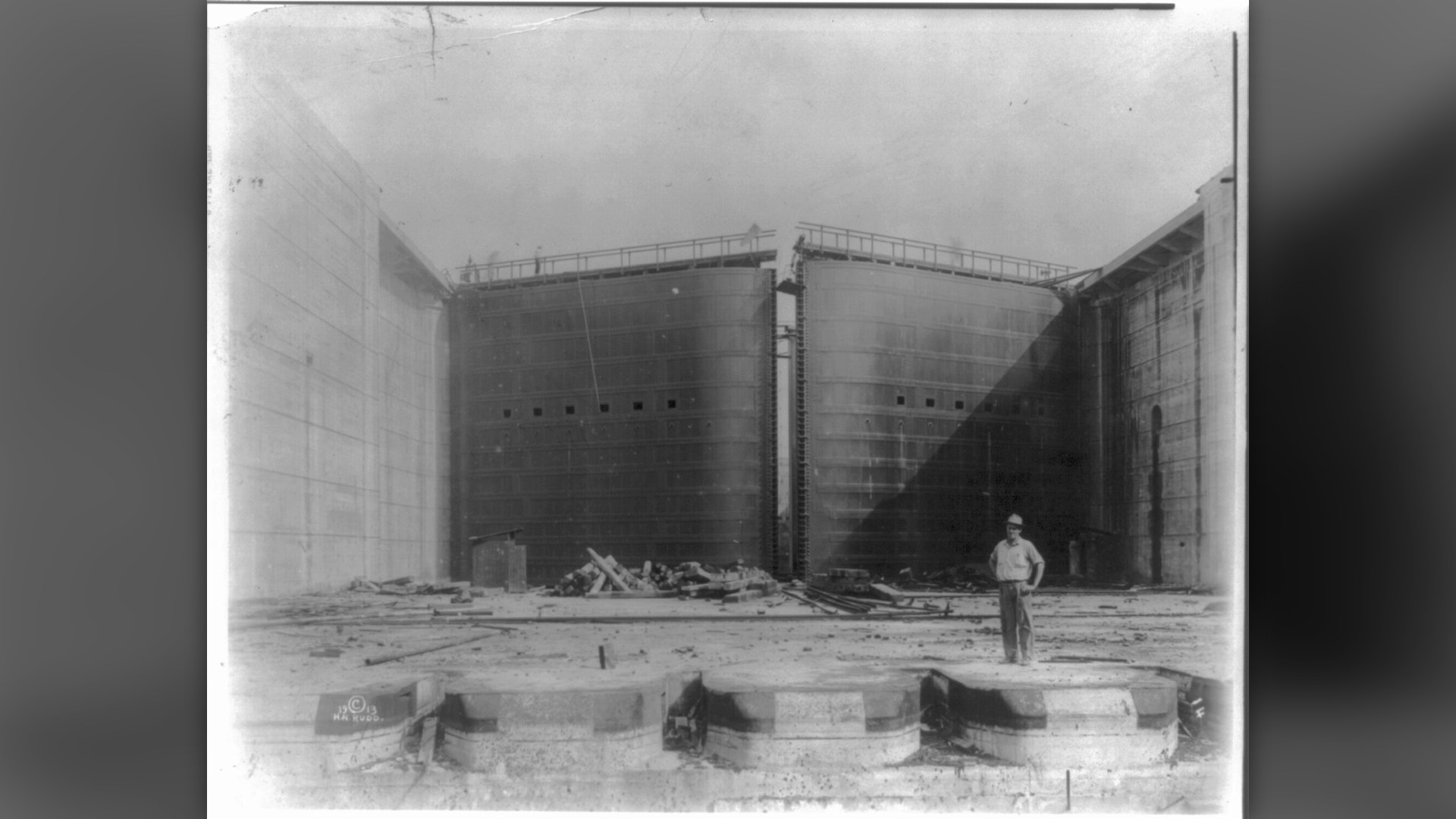
12. Panama Canal, Panama
American engineers took over the canal project in 1904 after earlier French attempts stalled, pouring millions of cubic yards of concrete for locks before ships first transited in August 1914. A third set of wider Neo-Panamax locks opened in 2016 to handle modern container vessels.
©Wikimedia / Miscellaneous Items in High Demand, PPOC, Librar
Advertisement
Swipe or tap ▶ to resume the countdown.
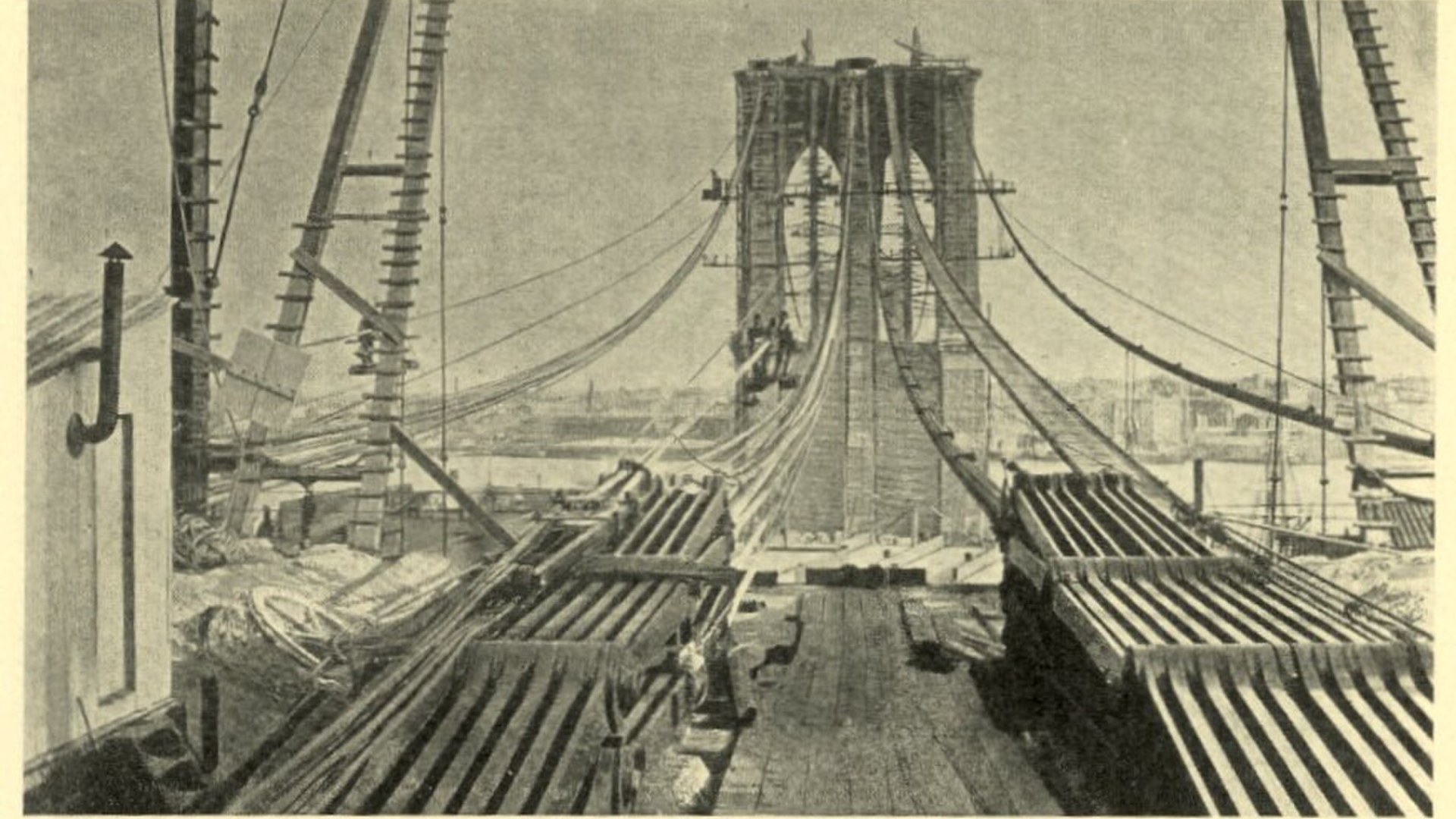
11. Brooklyn Bridge, New York
Designed by John Augustus Roebling and completed under Washington and Emily Warren Roebling, the bridge was the longest suspension span in the world when it opened in May 1883. Its elevated wooden promenade now carries pedestrians and cyclists high above Manhattan-bound traffic.
©Wikimedia / Newspaper photograph
10. Chrysler Building, New York
Architect William Van Alen secretly assembled the 185-foot Nirosta stainless steel vertex inside the tower and hoisted it into place in October 1929, briefly making the 1,046-foot Art Deco landmark the world's tallest building. Today its terraced crown still anchors the Midtown skyline.
©Wikimedia / Unknown artist
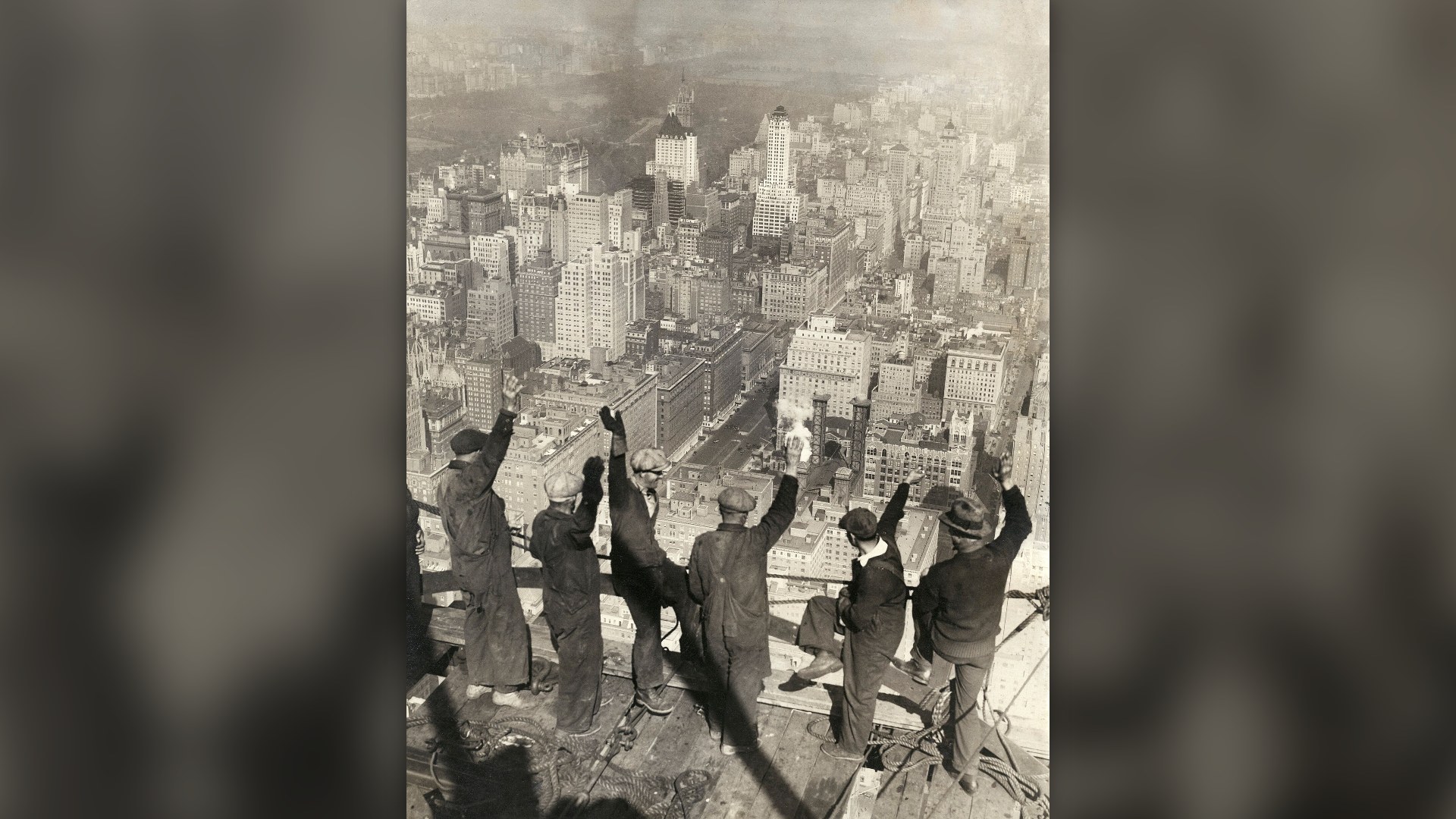
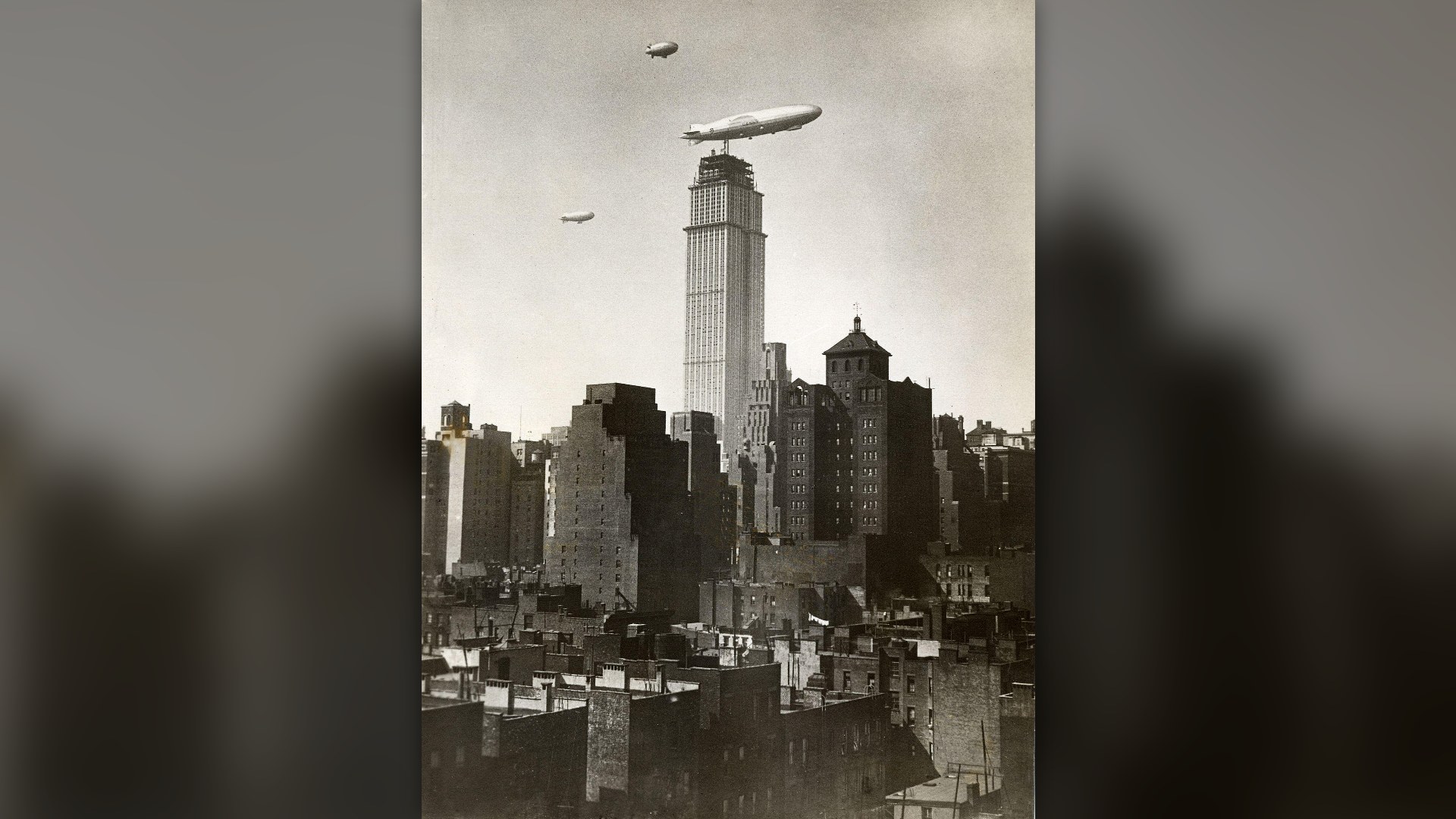
9. Empire State Building, New York
Crews erected the limestone-clad skyscraper in 410 days, opening on May 1, 1931 as the world's tallest building at 1,250 feet to the roof, a title it held until 1970. Today its 86th and 102nd floor observatories remain framed by far denser Manhattan supertall towers.
©Wikimedia / nationaalarchief.nl ] Nationaal Archief
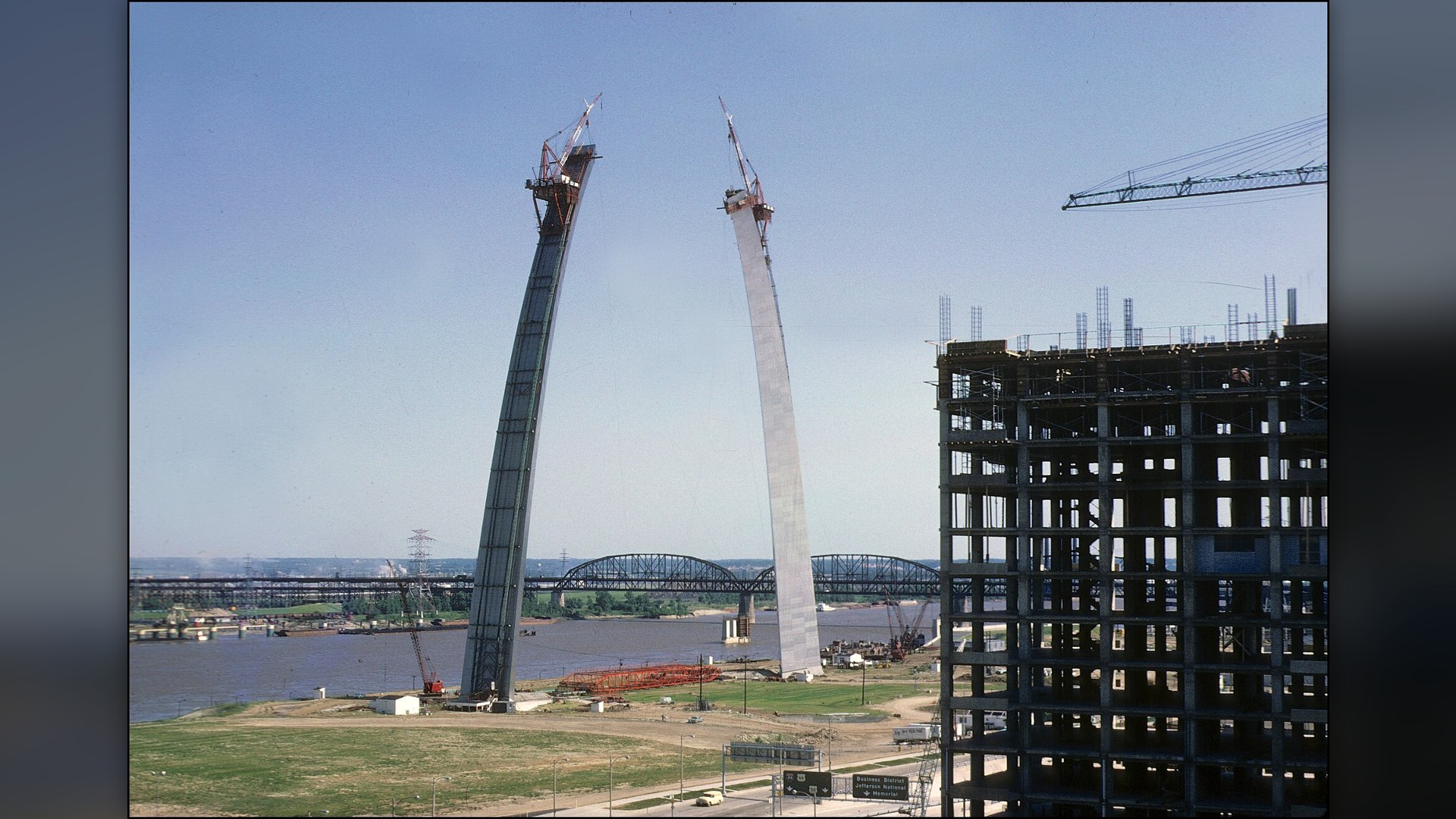
8. Gateway Arch, St. Louis
Designed by Eero Saarinen, the 630-foot weighted catenary arch had its final center section lowered by crane on October 28, 1965 after hydraulic jacks held the legs apart. Now part of Gateway Arch National Park, it overlooks a landscaped riverfront and underground museum.
©Wikimedia / Kevin William Kelly
Advertisement
Swipe or tap ▶ to resume the countdown.
7. Space Needle, Seattle
Built for the 1962 Century 21 Exposition, the tower's steel legs were bolted together in late 1961 above low-rise Seattle neighborhoods. A major renovation completed in 2018 added tilted glass walls and the rotating Loupe glass floor above today's much denser South Lake Union skyline.
©Wikimedia / Seattle Municipal Archives
6. Sydney Opera House, Australia
Designed by Danish architect Jørn Utzon, the harborside venue's interlocking shell vaults were formed from precast concrete segments cut from the surface of a single sphere. Opened in October 1973, the UNESCO World Heritage landmark now anchors Sydney Harbour's busy waterfront.
©Wikimedia / The original uploader was Robeyclark
5. Mount Rushmore, South Dakota
Sculptor Gutzon Borglum and roughly 400 workers blasted and carved the Black Hills granite between 1927 and 1941, with his son Lincoln Borglum finishing work after Gutzon's death. Today, a paved Avenue of Flags, amphitheater, and museum sit directly below the monument.
©Wikimedia / National Park Service employees prior to 1976
4. Hoover Dam, Nevada And Arizona
Built between 1931 and 1936 across the Colorado River, the 726-foot concrete arch-gravity dam was poured in interlocking columns cooled by embedded pipes. Lake Mead later submerged the lower gorge behind the intake towers, though drought-era water lines stain the canyon walls today.
©Wikimedia / National Archives, Herbert Hoover Presidential L
Advertisement
Swipe or tap ▶ to resume the countdown.
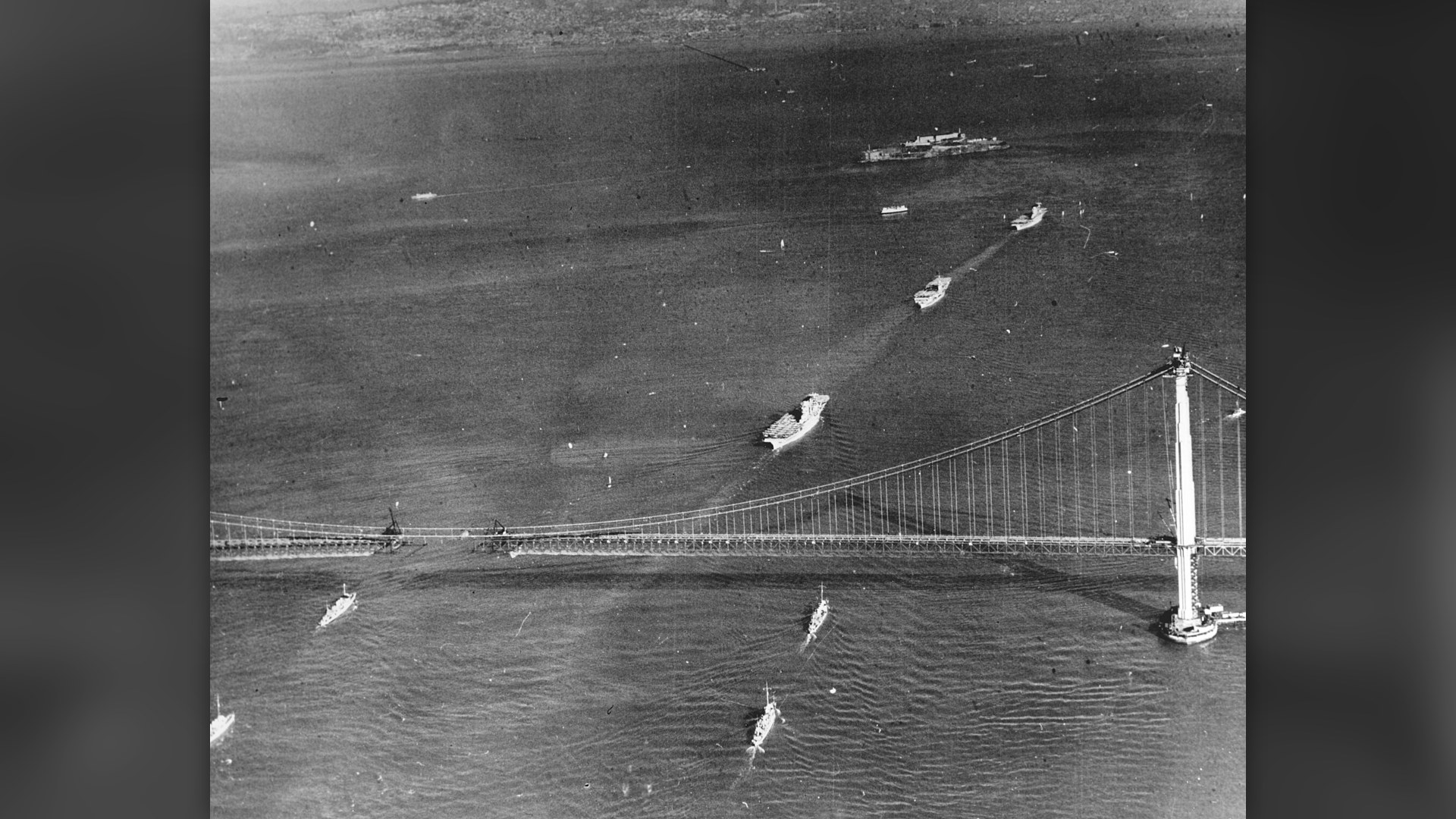
3. Golden Gate Bridge, San Francisco
Started in January 1933 under chief engineer Joseph Strauss, the 4,200-foot main suspension span used suspended safety nets below the deck during construction. Opened in May 1937 in its signature International Orange paint, it remains San Francisco's defining gateway.
©Wikimedia / U.S. Navy
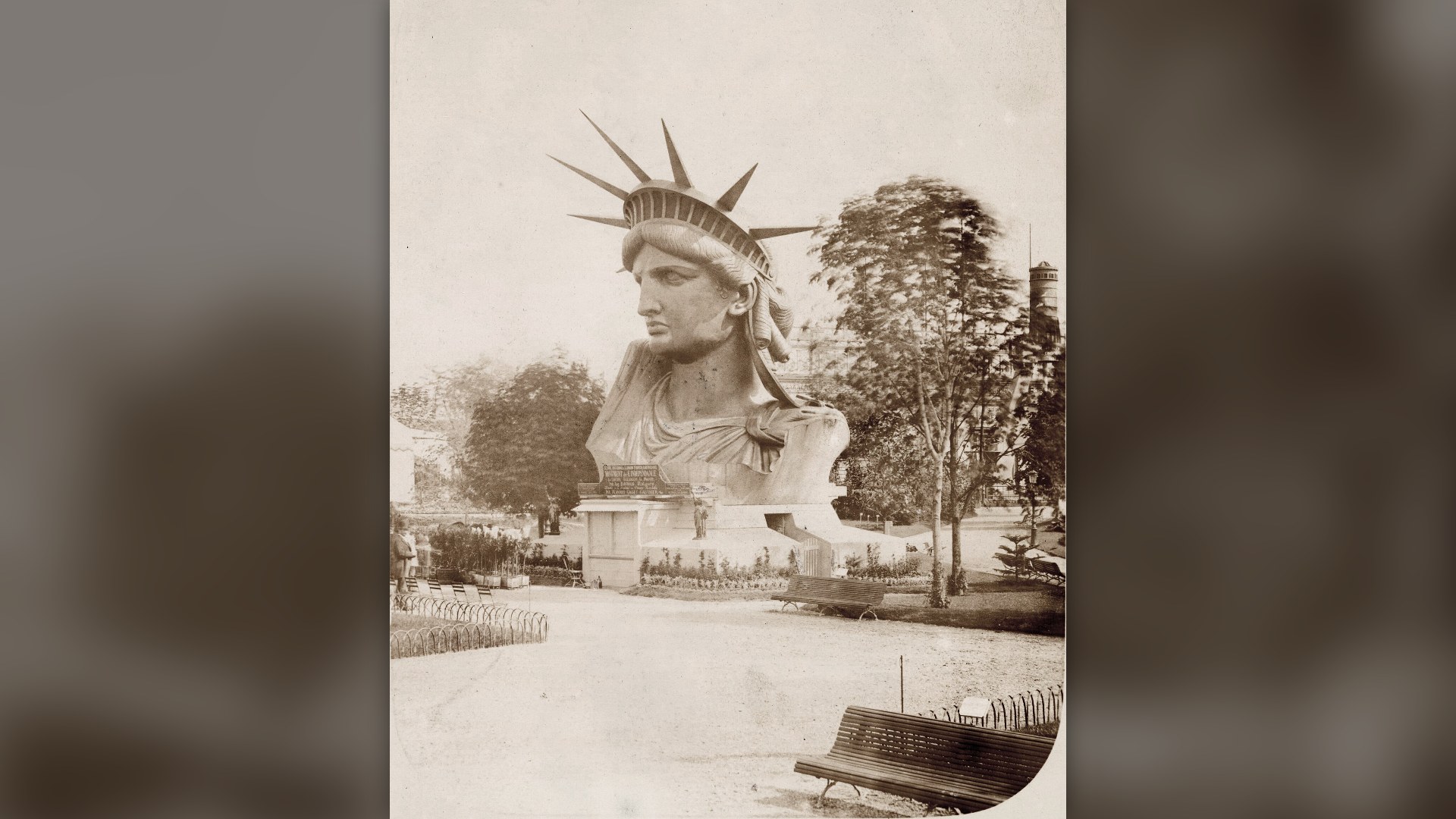
2. Statue Of Liberty, New York
Frédéric Auguste Bartholdi hammered copper sheets over an iron frame engineered by Gustave Eiffel, assembling the statue in Paris in 1883 before crating it for New York. Dedicated on October 28, 1886, its weathered green patina now greets ferries against Lower Manhattan's skyline.
©Wikimedia / Albert Fernique
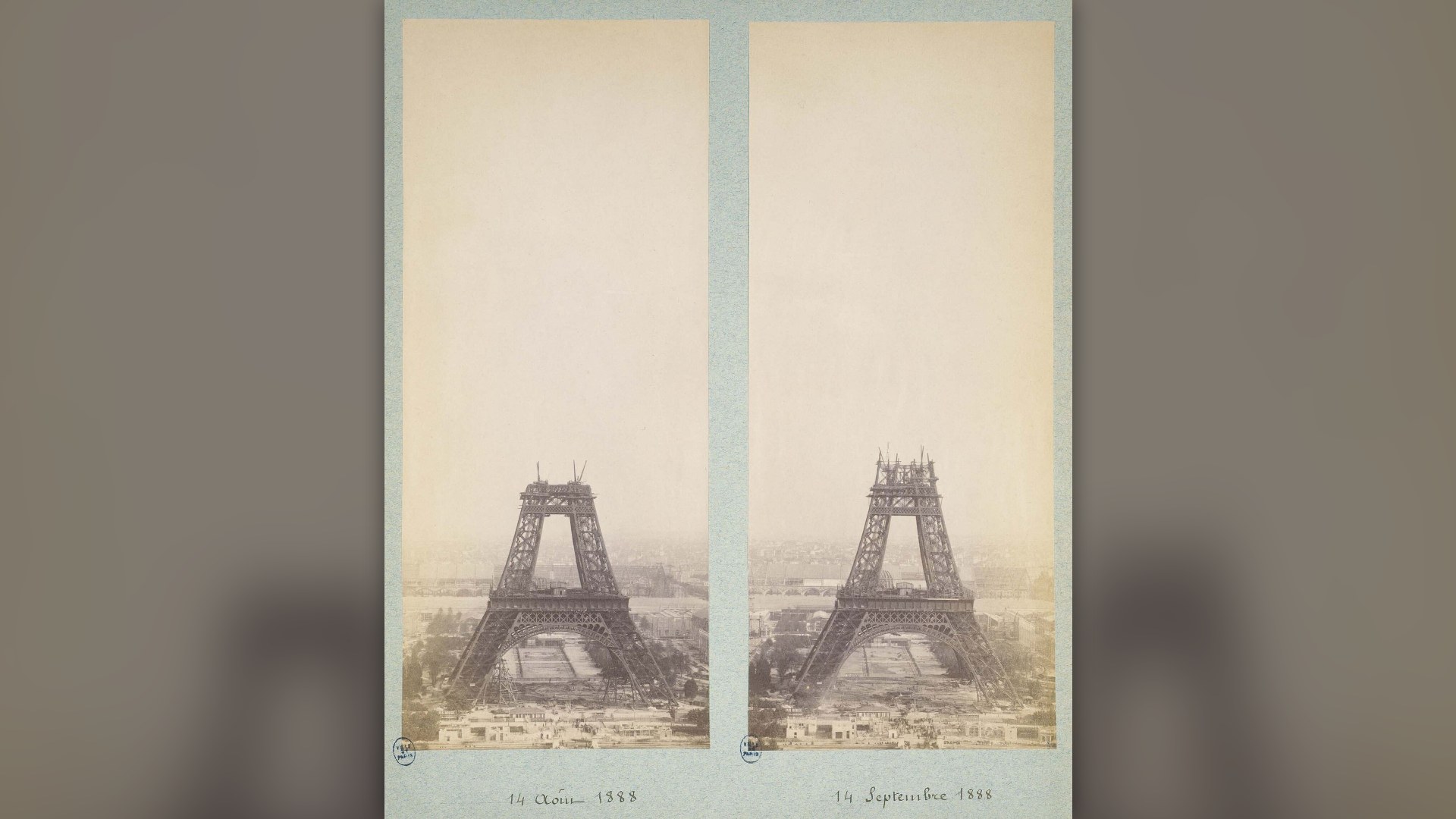
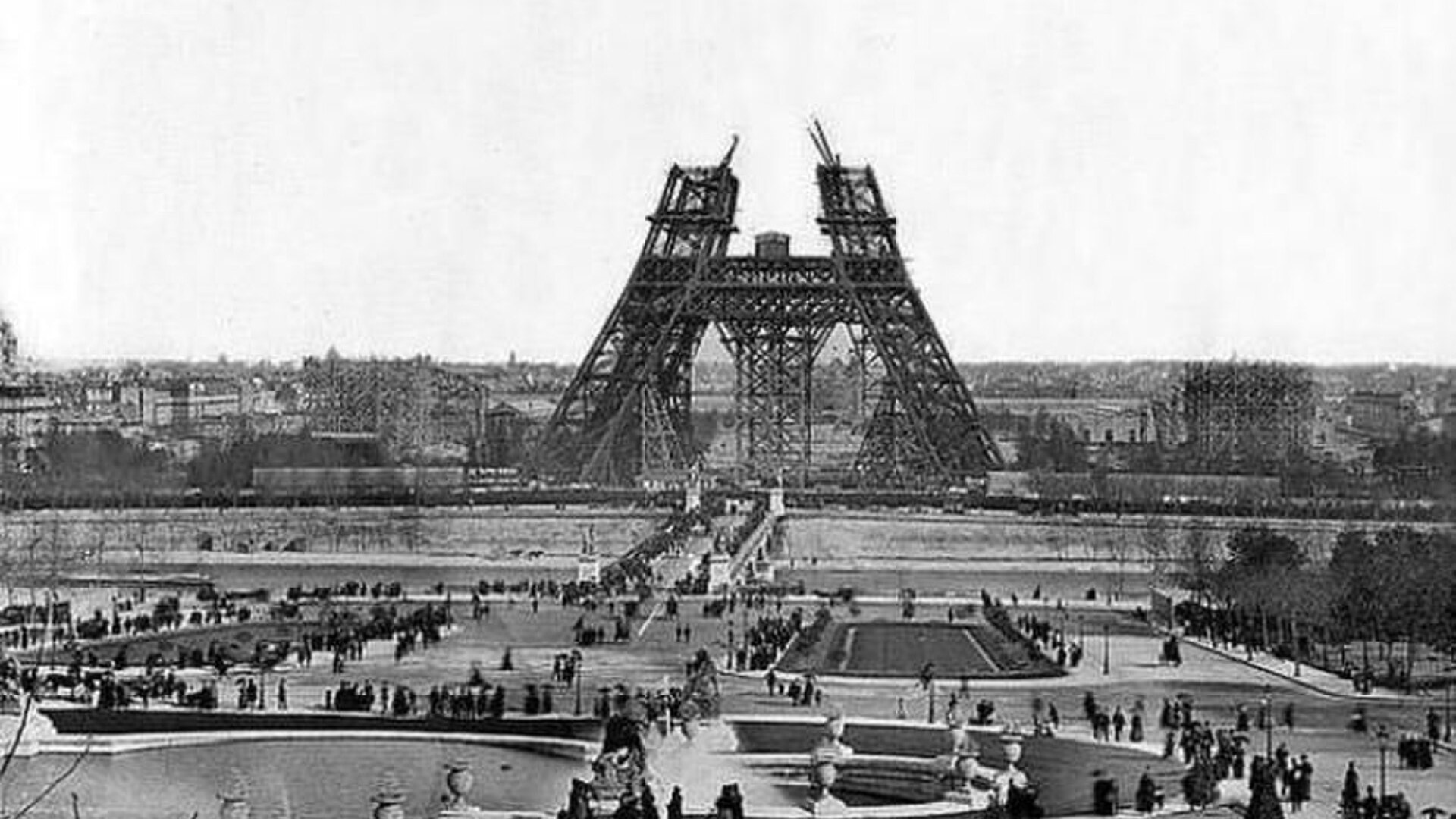
1. Eiffel Tower, Paris
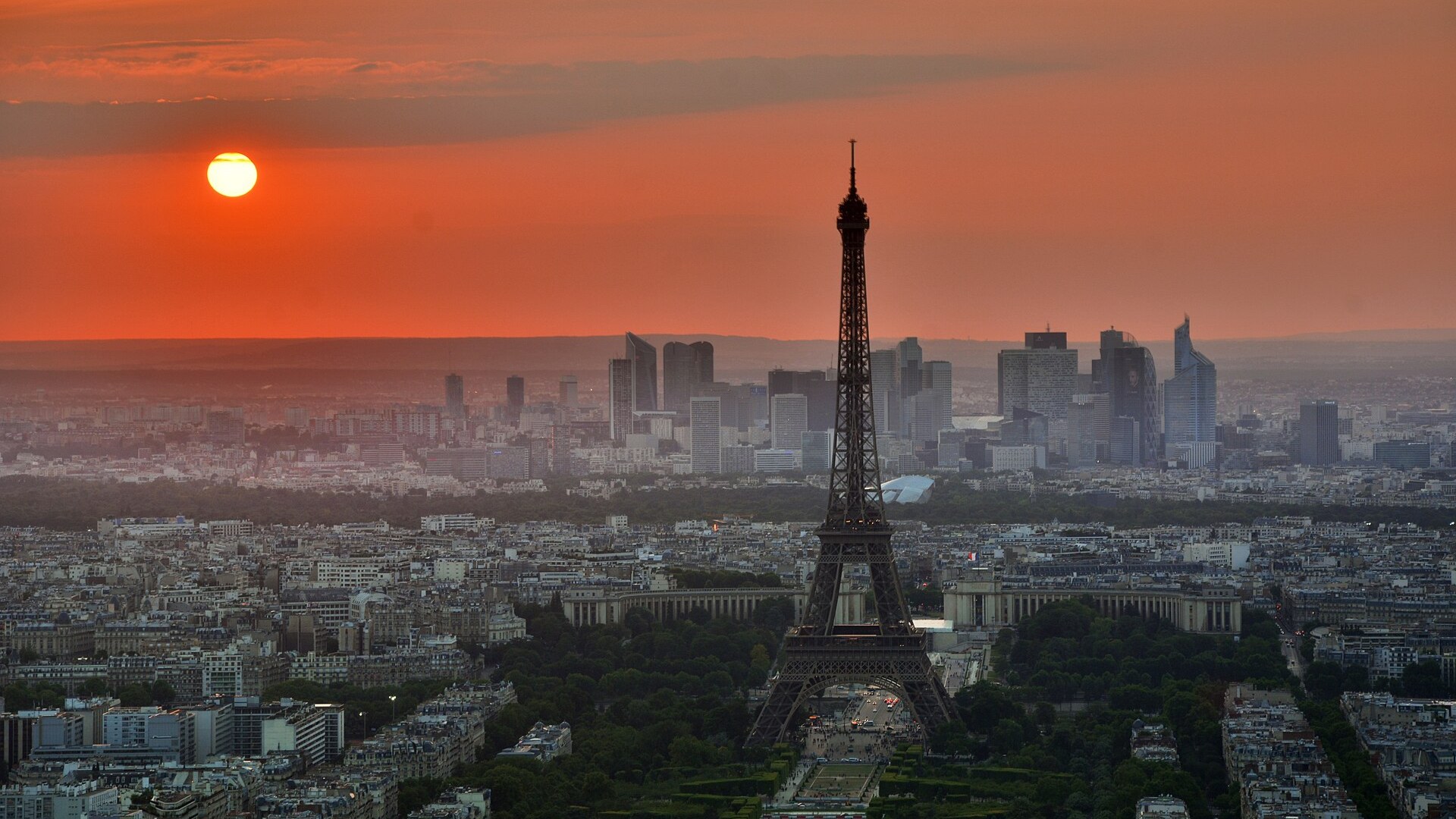
Built for the 1889 Exposition Universelle, Gustave Eiffel's puddled-iron tower rose in stages above open fairgrounds, opening on March 31, 1889. Standing 330 meters tall today after a 2022 antenna upgrade, it remains surrounded by modern Paris and security glass walls.
©Wikimedia / Feau, Théophile (Orléans, 08, 12, 1839, 2, 9, 19
Advertisement
You've reached the end of the story. Thanks for reading!

22 Popular Destinations With Lighter Crowds in Shoulder Season
Peak summer crowds drive up room rates and pack narrow old towns across the globe. Shifting a trip by a few weeks into spring or autumn often brings milder walking weather and open tables. This countdown draws on World Meteorological Organization climate normals, UNESCO records, and park seasonal calendars.
All 22 Entries in this Story
22. Times Square, New York
Renamed from Longacre Square in 1904 after The New York Times opened its tower, the crossroads in 1909 relied on streetcars, carriages, and early electric signs. Today, pedestrian plazas and wraparound LED screens draw hundreds of thousands of daily visitors.

21. Taj Mahal, Agra
Built under Mughal Emperor Shah Jahan starting in 1632, the white marble complex stood surrounded by quiet gardens when early photographers set up large-format cameras in Agra. Modern conservation rules now restrict nearby vehicle traffic to protect the stonework.

20. The Parthenon, Athens
Completed in 438 BC and damaged in a 1687 gunpowder explosion, the Parthenon sat among scattered rubble in early Library of Congress prints. Greek restoration teams have since re-erected fallen Pentelic marble drums and installed structural titanium reinforcement.

19. The Colosseum, Rome
Opened in 80 AD, the Flavian Amphitheater shared its piazza in the 1890s with the ruined Meta Sudans fountain, seen at the left before its demolition in 1936. Today a busy pedestrian plaza and metro stop border the restored travertine outer arches.

18. Notre-Dame De Paris, France
Begun in 1163 on the Île de la Cité, the Gothic cathedral stood intact in 1900 after its nineteenth-century restoration. Following the April 2019 roof fire, craftsmen rebuilt the timber framing and lead spire, reopening the cathedral in December 2024.

17. Sagrada Familia, Barcelona
Architect Antoni Gaudí took over the basilica in 1883 and worked on it until his death in 1926, when just one Nativity bell tower was finished. More than a century after this 1915 frame, Barcelona's Eixample blocks tightly pack around the rising central towers.

16. Tower Bridge, London
Built over eight years by John Wolfe Barry and Horace Jones, the crossing used coal-fired steam engines to pump water into hydraulic accumulators that raised its twin leaves. Converted to electro-hydraulic power in 1976, the bridge still lifts around 800 times a year.

15. Machu Picchu, Peru
Constructed in the fifteenth century high above the Urubamba River, the stone citadel was tangled in cloud-forest vegetation until crews cleared the terraces during Yale expeditions in 1911 and 1912. Today Peru manages the UNESCO site with strict timed-entry tickets.

14. Washington Monument, Washington, D.C.
Construction halted in 1854 at roughly 152 feet after funding ran out, and resumed under Army Corps engineers in 1879 using marble from a different quarry. That pause left the famous two-tone color line visible along the 555-foot shaft standing on the National Mall today.

13. Lincoln Memorial, Washington, D.C.
Built between 1914 and 1922 on marshland reclaimed along the Potomac River, the Doric temple required deep concrete piers reaching bedrock. Dedicated in May 1922 with Daniel Chester French's marble statue inside, it now anchors the Reflecting Pool and millions of annual visits.

12. Panama Canal, Panama
American engineers took over the canal project in 1904 after earlier French attempts stalled, pouring millions of cubic yards of concrete for locks before ships first transited in August 1914. A third set of wider Neo-Panamax locks opened in 2016 to handle modern container vessels.

11. Brooklyn Bridge, New York
Designed by John Augustus Roebling and completed under Washington and Emily Warren Roebling, the bridge was the longest suspension span in the world when it opened in May 1883. Its elevated wooden promenade now carries pedestrians and cyclists high above Manhattan-bound traffic.

10. Chrysler Building, New York
Architect William Van Alen secretly assembled the 185-foot Nirosta stainless steel vertex inside the tower and hoisted it into place in October 1929, briefly making the 1,046-foot Art Deco landmark the world's tallest building. Today its terraced crown still anchors the Midtown skyline.

9. Empire State Building, New York
Crews erected the limestone-clad skyscraper in 410 days, opening on May 1, 1931 as the world's tallest building at 1,250 feet to the roof, a title it held until 1970. Today its 86th and 102nd floor observatories remain framed by far denser Manhattan supertall towers.

8. Gateway Arch, St. Louis
Designed by Eero Saarinen, the 630-foot weighted catenary arch had its final center section lowered by crane on October 28, 1965 after hydraulic jacks held the legs apart. Now part of Gateway Arch National Park, it overlooks a landscaped riverfront and underground museum.

7. Space Needle, Seattle
Built for the 1962 Century 21 Exposition, the tower's steel legs were bolted together in late 1961 above low-rise Seattle neighborhoods. A major renovation completed in 2018 added tilted glass walls and the rotating Loupe glass floor above today's much denser South Lake Union skyline.

6. Sydney Opera House, Australia
Designed by Danish architect Jørn Utzon, the harborside venue's interlocking shell vaults were formed from precast concrete segments cut from the surface of a single sphere. Opened in October 1973, the UNESCO World Heritage landmark now anchors Sydney Harbour's busy waterfront.

5. Mount Rushmore, South Dakota
Sculptor Gutzon Borglum and roughly 400 workers blasted and carved the Black Hills granite between 1927 and 1941, with his son Lincoln Borglum finishing work after Gutzon's death. Today, a paved Avenue of Flags, amphitheater, and museum sit directly below the monument.

4. Hoover Dam, Nevada And Arizona
Built between 1931 and 1936 across the Colorado River, the 726-foot concrete arch-gravity dam was poured in interlocking columns cooled by embedded pipes. Lake Mead later submerged the lower gorge behind the intake towers, though drought-era water lines stain the canyon walls today.

3. Golden Gate Bridge, San Francisco
Started in January 1933 under chief engineer Joseph Strauss, the 4,200-foot main suspension span used suspended safety nets below the deck during construction. Opened in May 1937 in its signature International Orange paint, it remains San Francisco's defining gateway.

2. Statue Of Liberty, New York
Frédéric Auguste Bartholdi hammered copper sheets over an iron frame engineered by Gustave Eiffel, assembling the statue in Paris in 1883 before crating it for New York. Dedicated on October 28, 1886, its weathered green patina now greets ferries against Lower Manhattan's skyline.

1. Eiffel Tower, Paris
Built for the 1889 Exposition Universelle, Gustave Eiffel's puddled-iron tower rose in stages above open fairgrounds, opening on March 31, 1889. Standing 330 meters tall today after a 2022 antenna upgrade, it remains surrounded by modern Paris and security glass walls.