Slideshow · Viral
25 Surprising Things That Are Completely Legal in America
Based on statutory research from the Legal Information Institute and state legislative codes, these 25 unusual activities, items, and ownership rights remain fully permitted under United States law. Explore the surprising legal loopholes, historic exemptions, and cultural oddities across the nation in this 25-slide countdown.
By Most Viral Today
30 min ago

Unusual Activities and Items Permitted by United States Law 
25. Driving Barefoot 
24. Pet Kangaroo Ownership 
23. Civilian Military Tanks - AdvertisementSwipe or tap ▶ to continue countdown

22. Counting Cards In Blackjack 
21. Driving A Hovercraft 
20. Pet Alligator Ownership 
19. Civilian Flamethrowers - AdvertisementSwipe or tap ▶ to continue countdown

18. First-Cousin Marriage 
17. Roadkill Salvage 
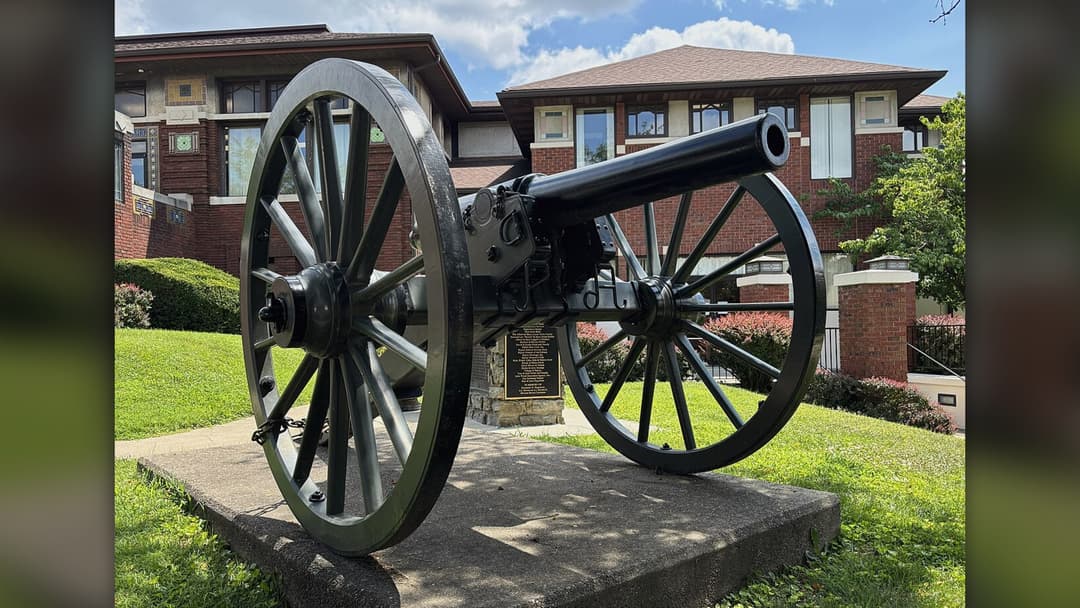
16. Historic Civil War Cannons 
15. Pet Skunk Ownership - AdvertisementSwipe or tap ▶ to continue countdown

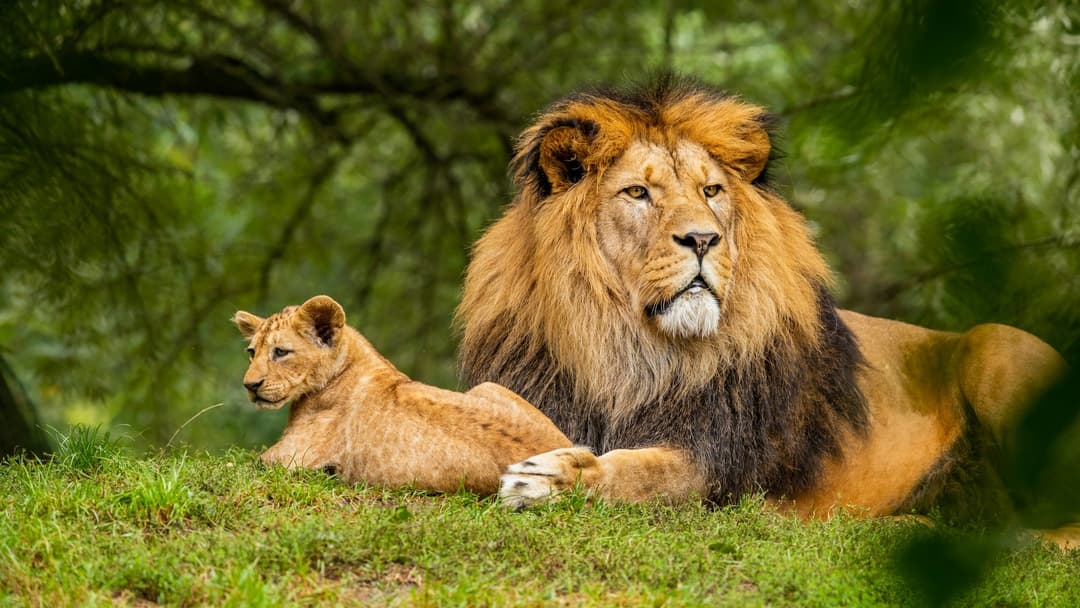
14. Exotic Pet Lions 
13. Filming Police In Public 
12. Dashboard Radar Detectors 
11. Human Bone Collecting - AdvertisementSwipe or tap ▶ to continue countdown

10. Private Submarines 
9. Highway Right-Side Passing 
8. At-Will Immediate Job Resignation 
7. Private Underground Bunkers - AdvertisementSwipe or tap ▶ to continue countdown

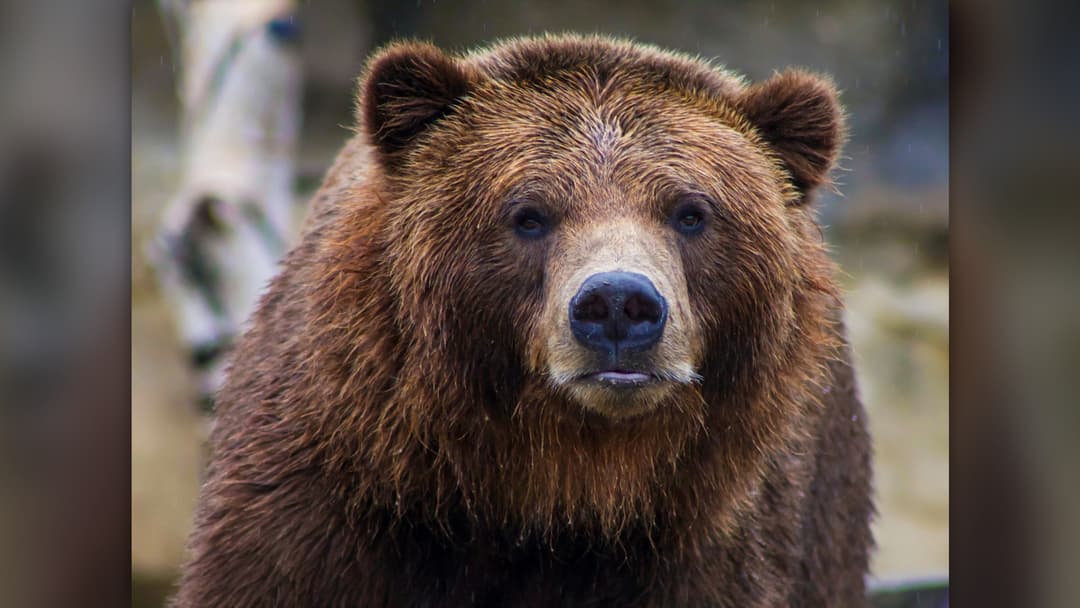
6. Pet Bear Ownership 
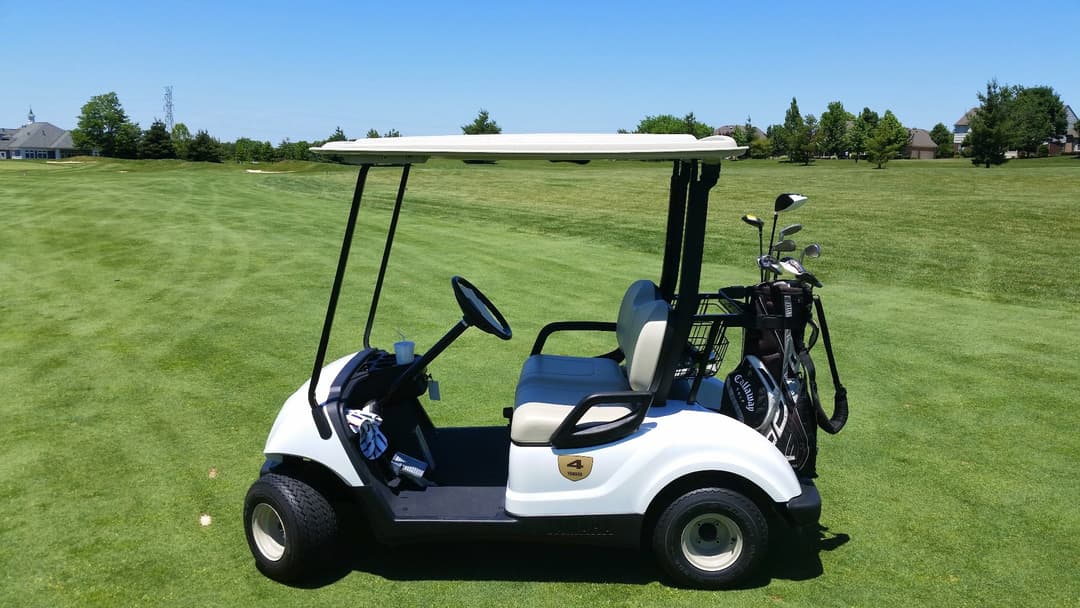
5. Driving A Street-Legal Golf Cart 
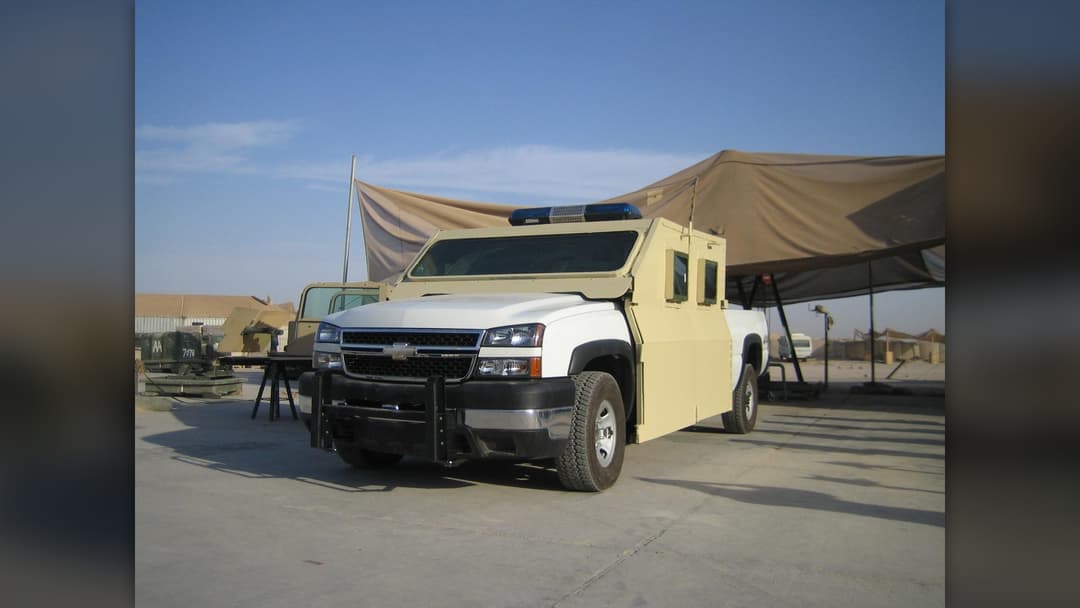
4. Private Armored Vehicles 
3. Collecting Rainwater - AdvertisementSwipe or tap ▶ to continue countdown

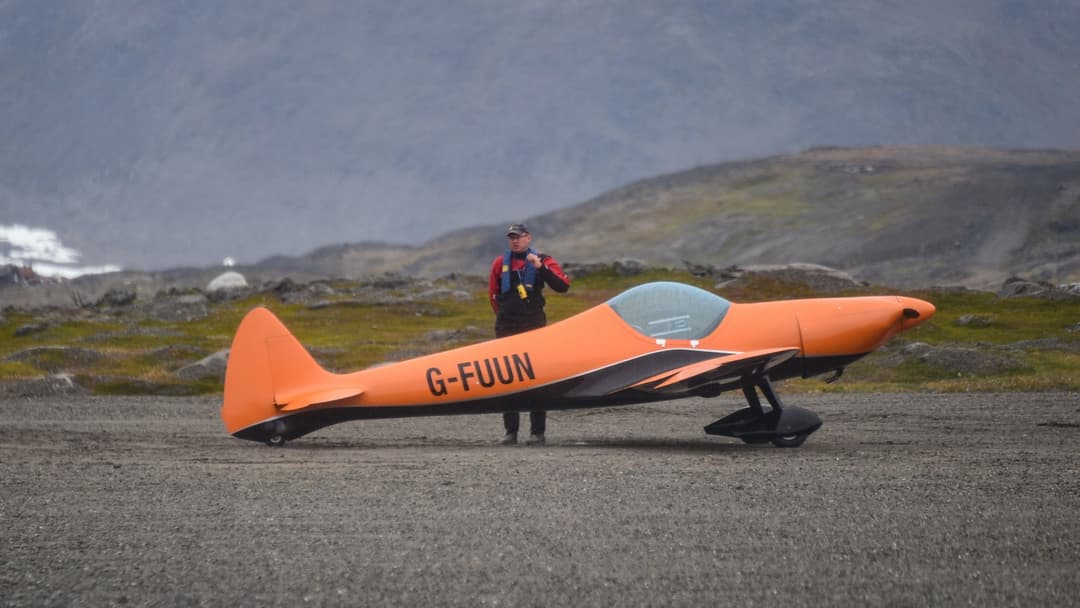
2. Flying An Ultralight Aircraft Without A License 
1. Private Jet Ownership - Advertisement🔥 UP NEXT IN THIS SERIES◫ 21 Slides

20 Key Facts About Zohran Mamdani
20 Fascinating Details About Zohran Mamdani
From driving barefoot to keeping exotic pets, American federalism and common law traditions permit dozens of unexpected rights that surprise citizens and international visitors alike.
Swipe or tap ▶ to begin the countdown
©Wikimedia / Gordon Leggett & Wikimedia / jamesdale10
25. Driving Barefoot
Every single state allows motorists to drive barefoot. While police safety officers recommend footwear to prevent feet slipping off the pedals, operating a motor vehicle with bare feet breaks zero traffic codes.

©Wikimedia / Barefoot
24. Pet Kangaroo Ownership
Wisconsin, West Virginia, and South Carolina place no ownership restrictions on kangaroos. Owners only need adequate outdoor enclosure space and veterinary care to keep these athletic marsupials on private property.

©Pixabay / pen_ash
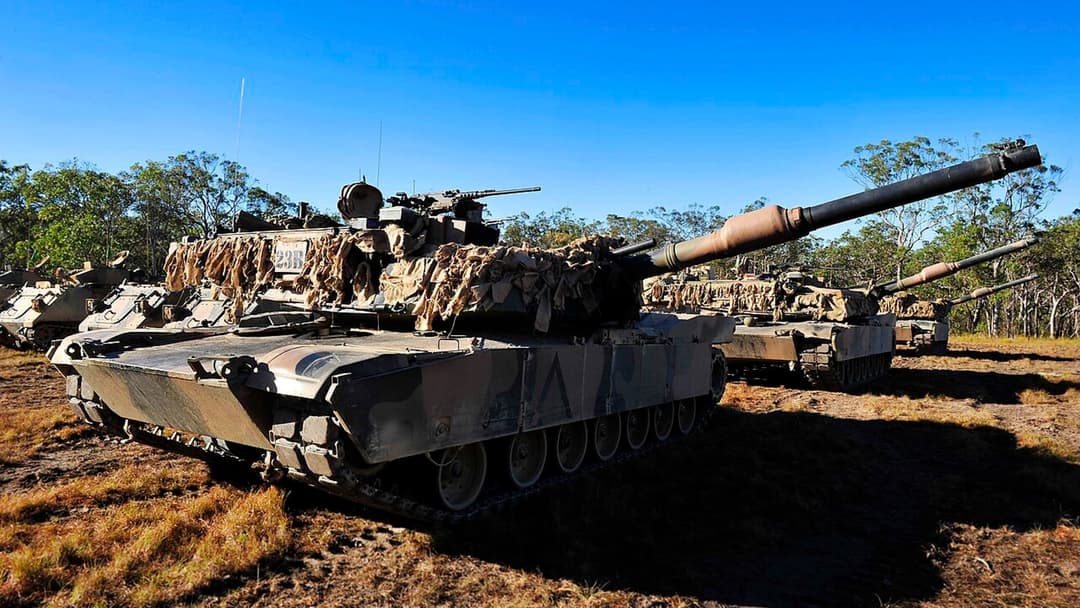
23. Civilian Military Tanks
Civilians can purchase surplus military tanks and drive them legally on public streets once the cannons are deactivated. Rubber track pads must be installed to prevent damaging municipal asphalt.

©Wikimedia / Andrew Dakin
Advertisement
Swipe or tap ▶ to resume the countdown.
22. Counting Cards In Blackjack
Card counting is simply using mental probability, which courts have repeatedly ruled isn't cheating. While private casino resorts can legally ban skilled players from tables, counting cards violates no criminal statutes.

©Wikimedia / Binbin245
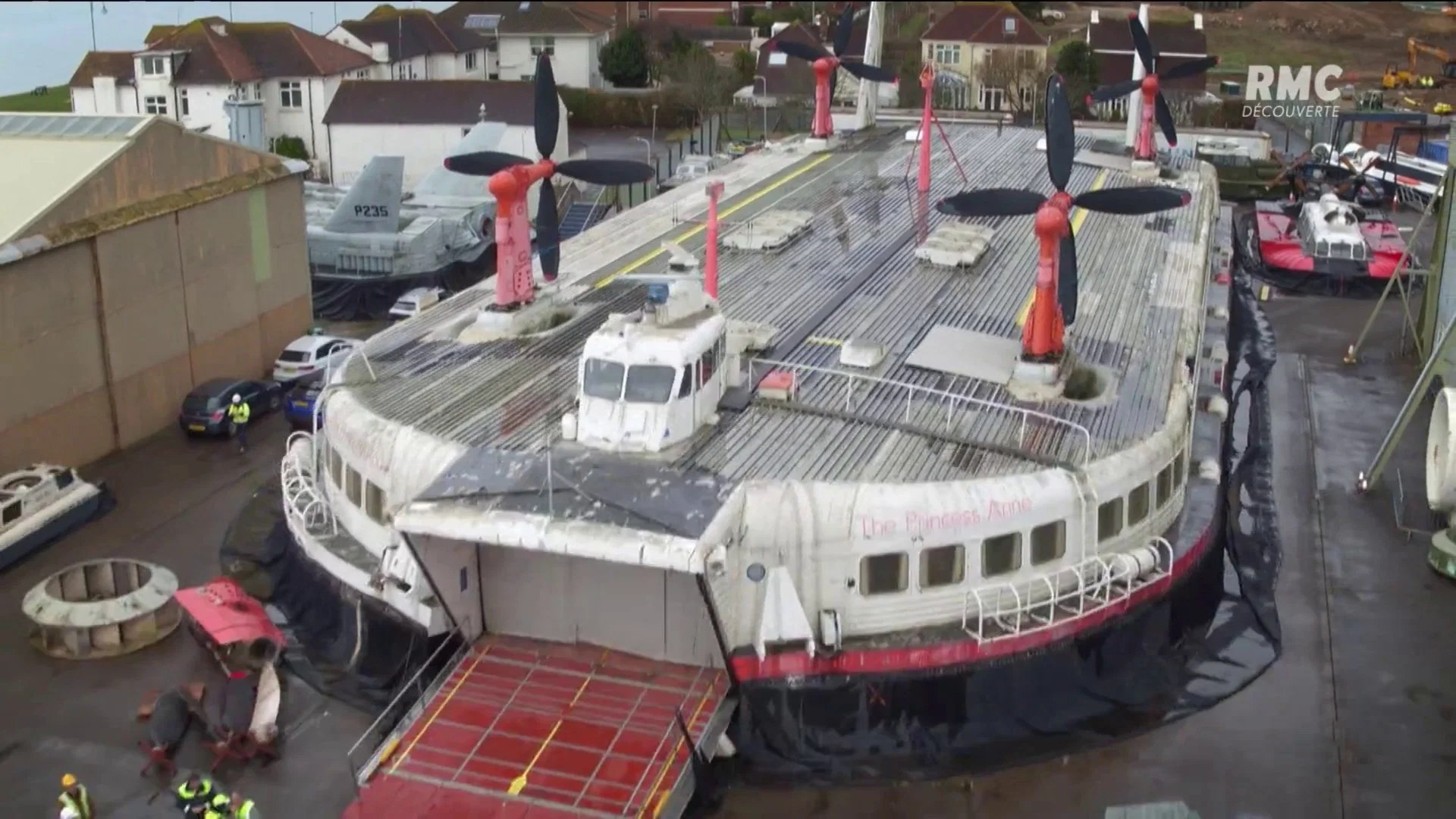
21. Driving A Hovercraft
Hovercraft are classified as recreational boats by the US Coast Guard. Civilians can pilot them across tidal mudflats, open rivers, and frozen lakes with standard boater registrations.
©TMDb / Smithsonian Channel
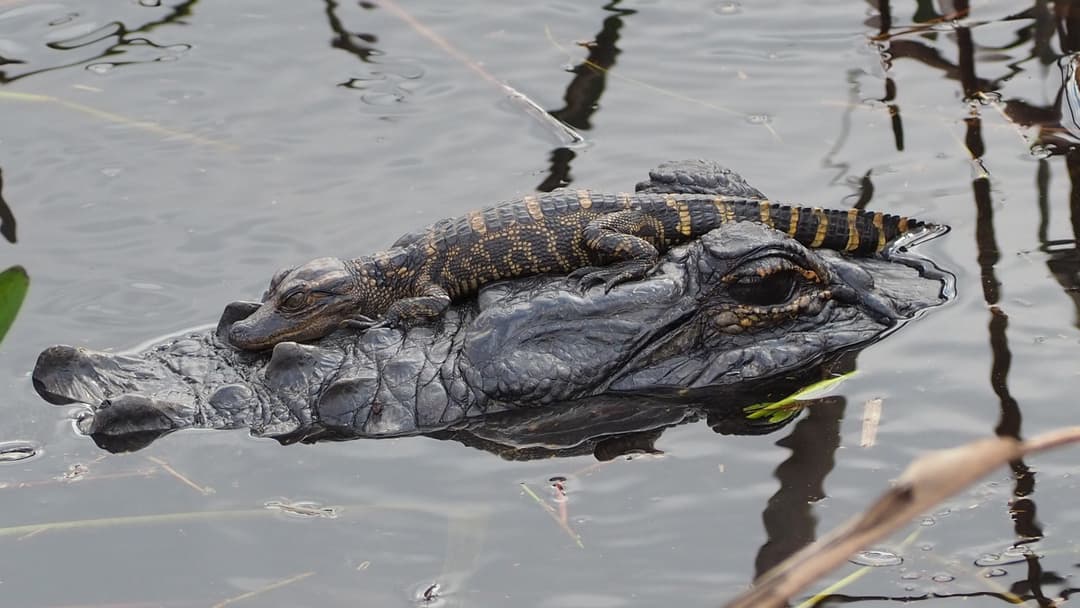
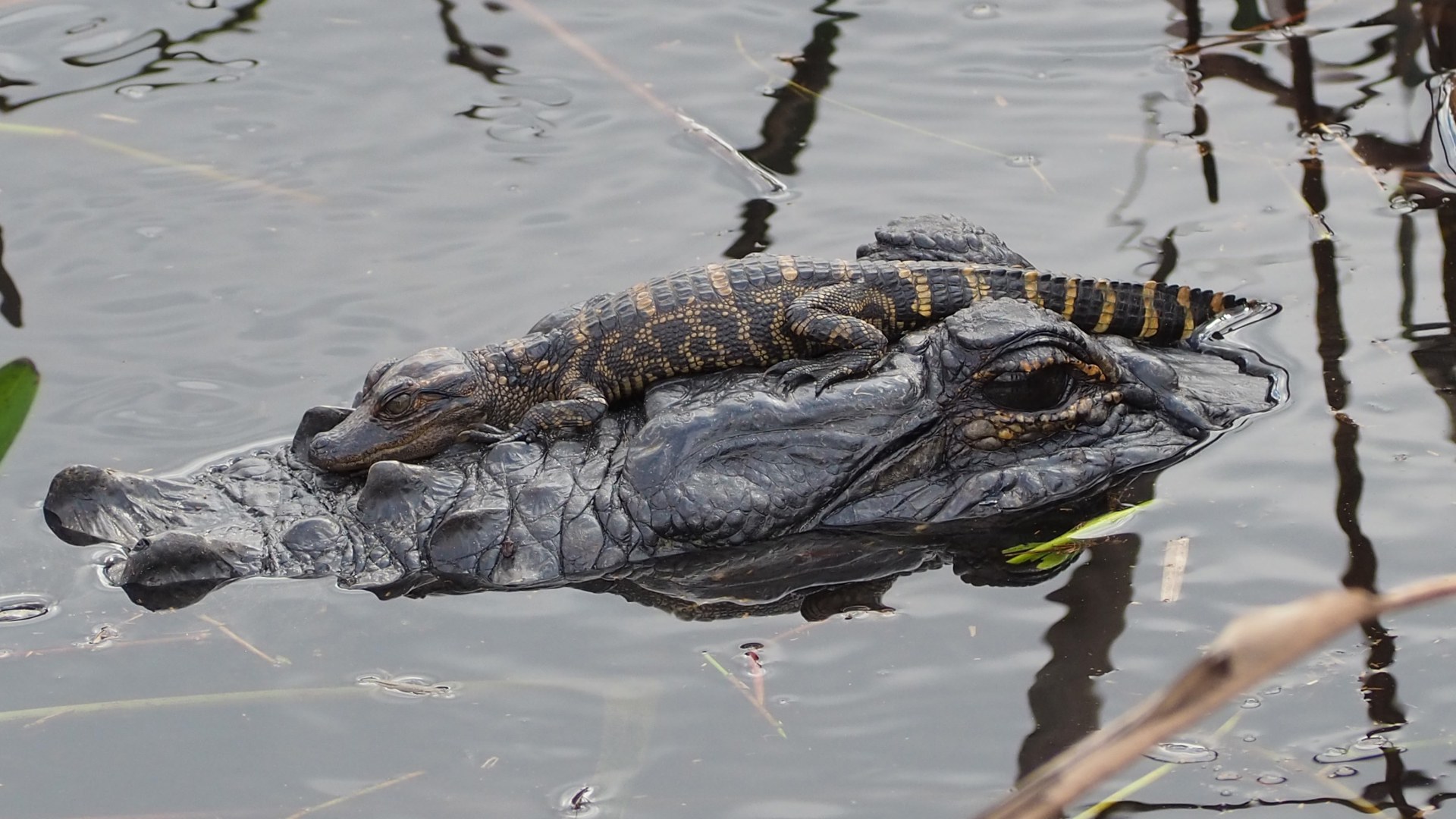
20. Pet Alligator Ownership
Florida and Texas permit civilians to own American alligators with standard state captive wildlife licenses. Facilities must pass periodic wildlife officer inspections to ensure secure perimeter fencing.
©Wikimedia / Zygy
19. Civilian Flamethrowers
Federal firearm laws don't classify flamethrowers as weapons because they don't fire projectiles. Only Maryland bans them outright, leaving landowners free to use them for agricultural clearing and snow melting.

©Wikimedia / User:Zafer
Advertisement
Swipe or tap ▶ to resume the countdown.
18. First-Cousin Marriage
States including California, New York, and Florida place no legal obstacles on first cousins marrying. Genetic researchers note risks of hereditary complications are significantly lower than commonly assumed.

© Photo by Jeremy Wong Weddings on Unsplash
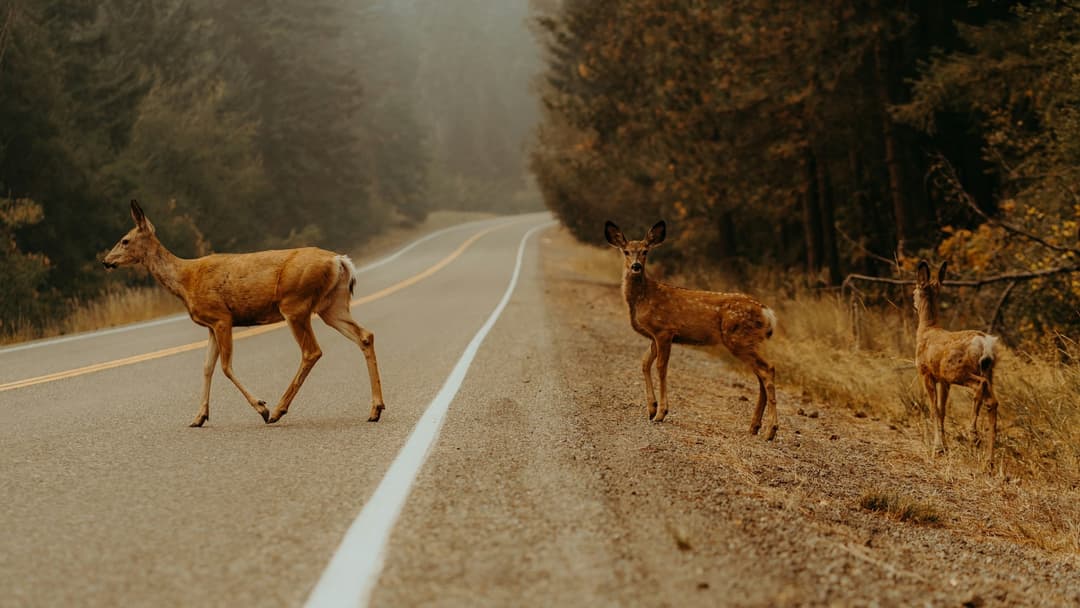
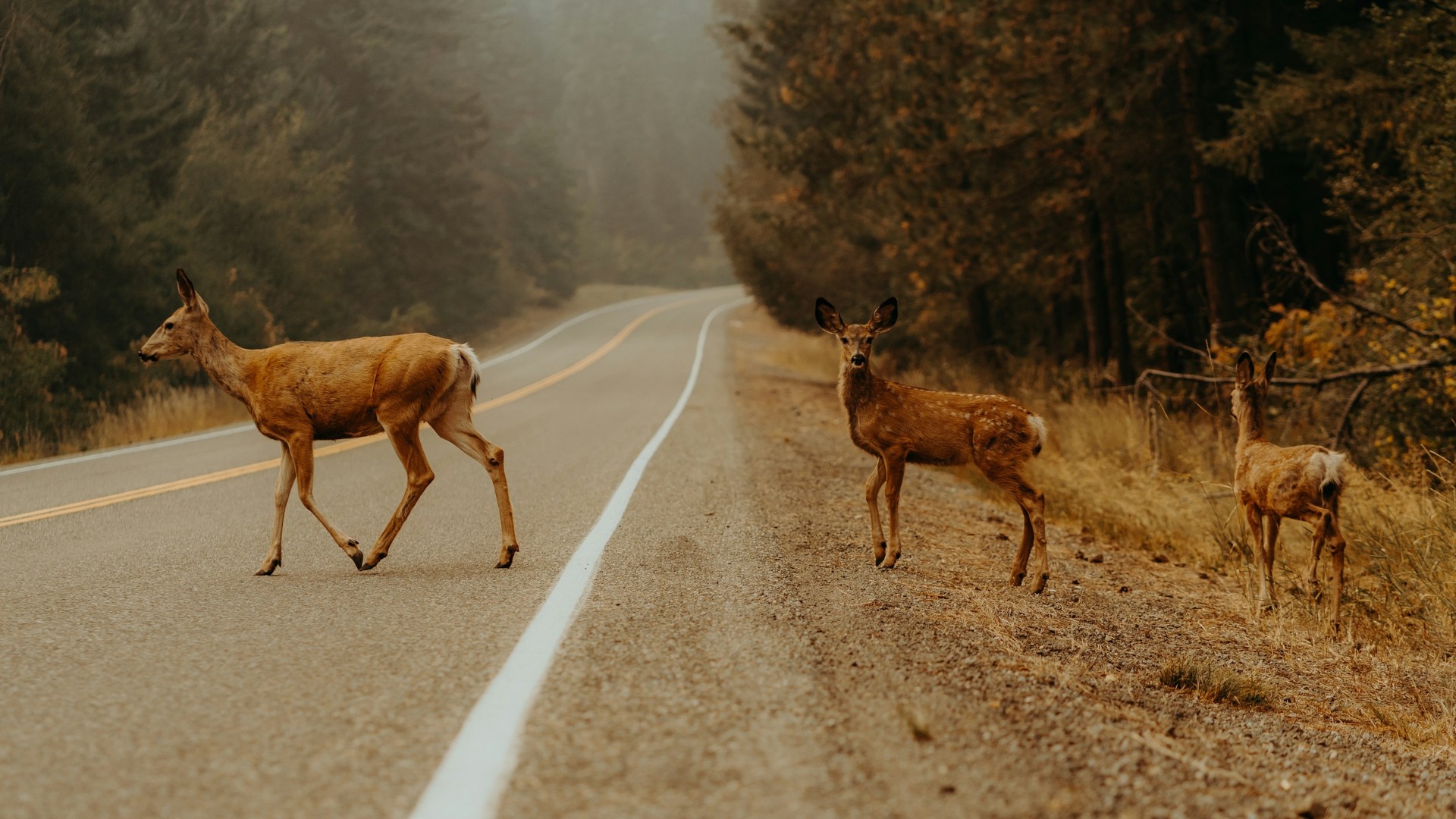
17. Roadkill Salvage
Montana and Oregon established digital permit programs allowing drivers to salvage deer and elk struck by vehicles. State wildlife departments encourage the practice to provide free wild game to local families.
© Photo by Emmanuel Munoz on Unsplash
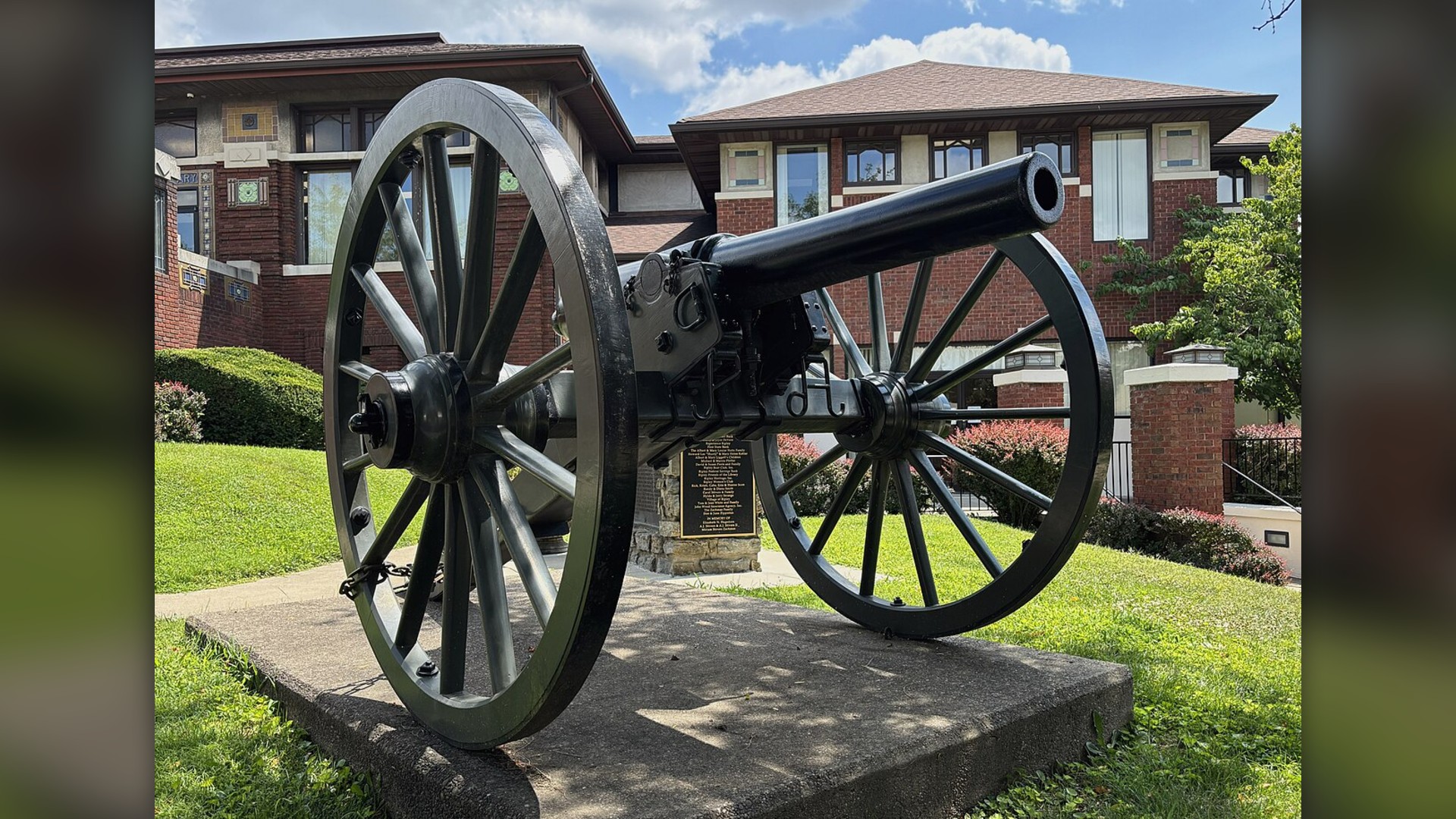
16. Historic Civil War Cannons
Under the Gun Control Act of 1968, black powder muzzle-loading cannons are classified as antique ordnance rather than destructive devices. Collectors can fire blank or solid projectiles on private rural land.
©Wikimedia / Nheyob
15. Pet Skunk Ownership
Skunks born in captivity that have their scent glands surgically removed make calm, intelligent house pets. States like Ohio and Pennsylvania issue simple breeding permits for domestic skunk owners.

©Wikimedia / Dan & Lin Dzurisin
Advertisement
Swipe or tap ▶ to resume the countdown.
14. Exotic Pet Lions
While the federal Big Cat Public Safety Act restricted direct contact, certain grandfathered licenses and state permits in Nevada still allow private big cat facilities. Proper containment enclosures remain mandatory.

© Photo by Zdeněk Macháček on Unsplash
13. Filming Police In Public
Multiple federal circuit courts have confirmed that citizens have an absolute constitutional right to record law enforcement officers in public spaces. As long as bystanders don't obstruct police work, recording is legal.

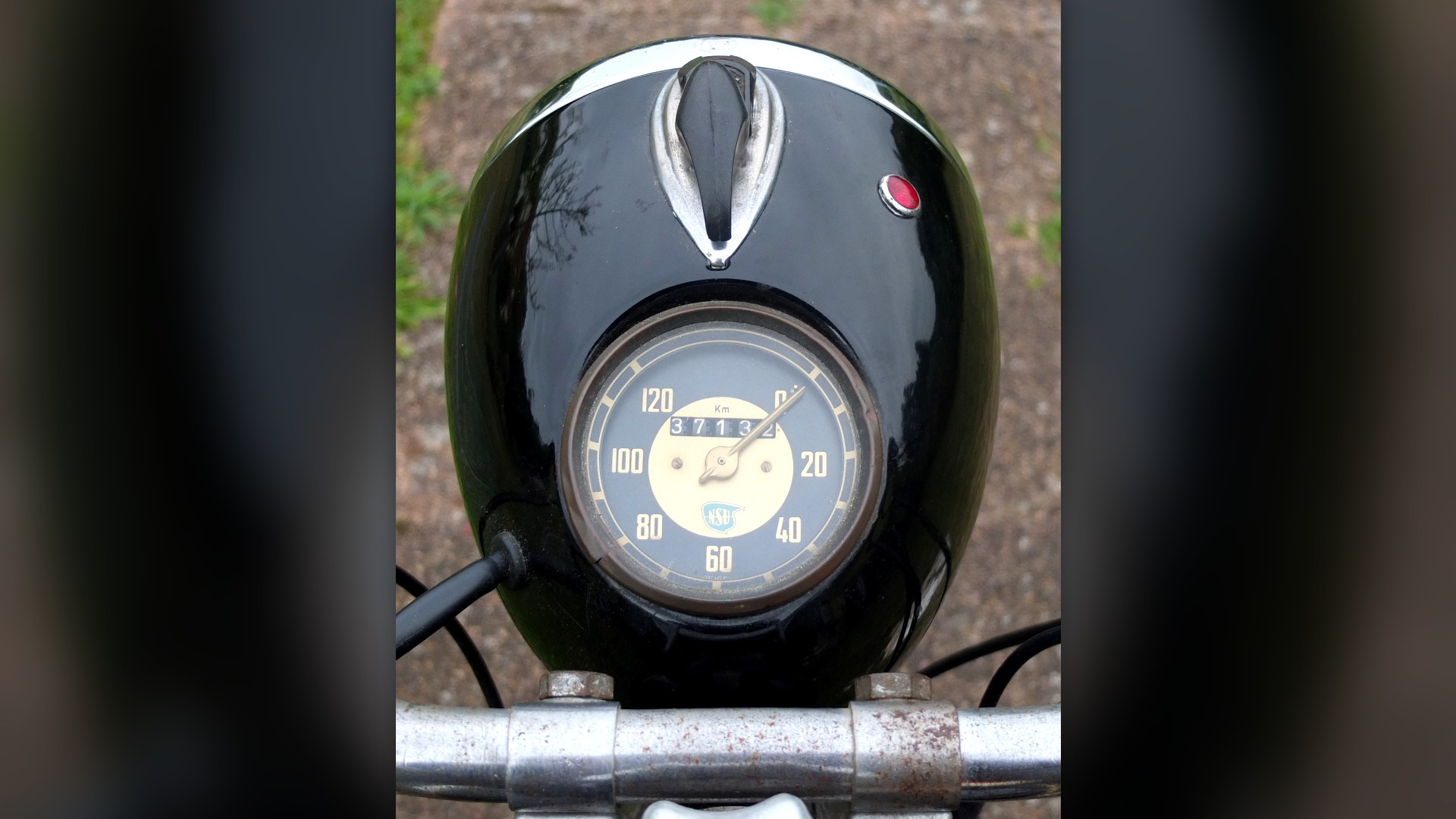
12. Dashboard Radar Detectors
Only Virginia and Washington DC ban radar detectors in private passenger cars. The Federal Communications Commission regulates radio wave reception, and listening to radar frequencies violates no federal law.
©Wikimedia / Palauenc05
11. Human Bone Collecting
Except in Georgia, Louisiana, and Tennessee, no federal statutes prohibit owning historical human bones. Medical specimen skeletons and osteological study pieces trade openly among private collectors.

Advertisement
Swipe or tap ▶ to resume the countdown.
10. Private Submarines
Private submarines require standard Coast Guard vessel documentation and navigation lighting. Dozens of wealthy ocean enthusiasts operate private submersibles to explore deep shipwrecks and marine reefs.

©Wikimedia / George Chernilevsky
9. Highway Right-Side Passing
Most state vehicle codes permit overtaking on the right whenever a roadway features two or more lanes of traffic traveling in the same direction. It keeps traffic flowing when drivers fail to yield left lanes.

©Wikimedia / PattayaPatrol
8. At-Will Immediate Job Resignation
Two weeks notice is merely a professional courtesy rather than a legal requirement. In forty-nine states, at-will workers can pack up and walk off the job at any moment without facing financial penalties.

© Photo by Sasun Bughdaryan on Unsplash
7. Private Underground Bunkers
Building an underground survival bunker is completely legal once local building and excavation permits are approved. Thousands of Americans maintain fortified shelters equipped with air filtration systems.

©Wikimedia / Kecko from Eastern Switzerland
Advertisement
Swipe or tap ▶ to resume the countdown.
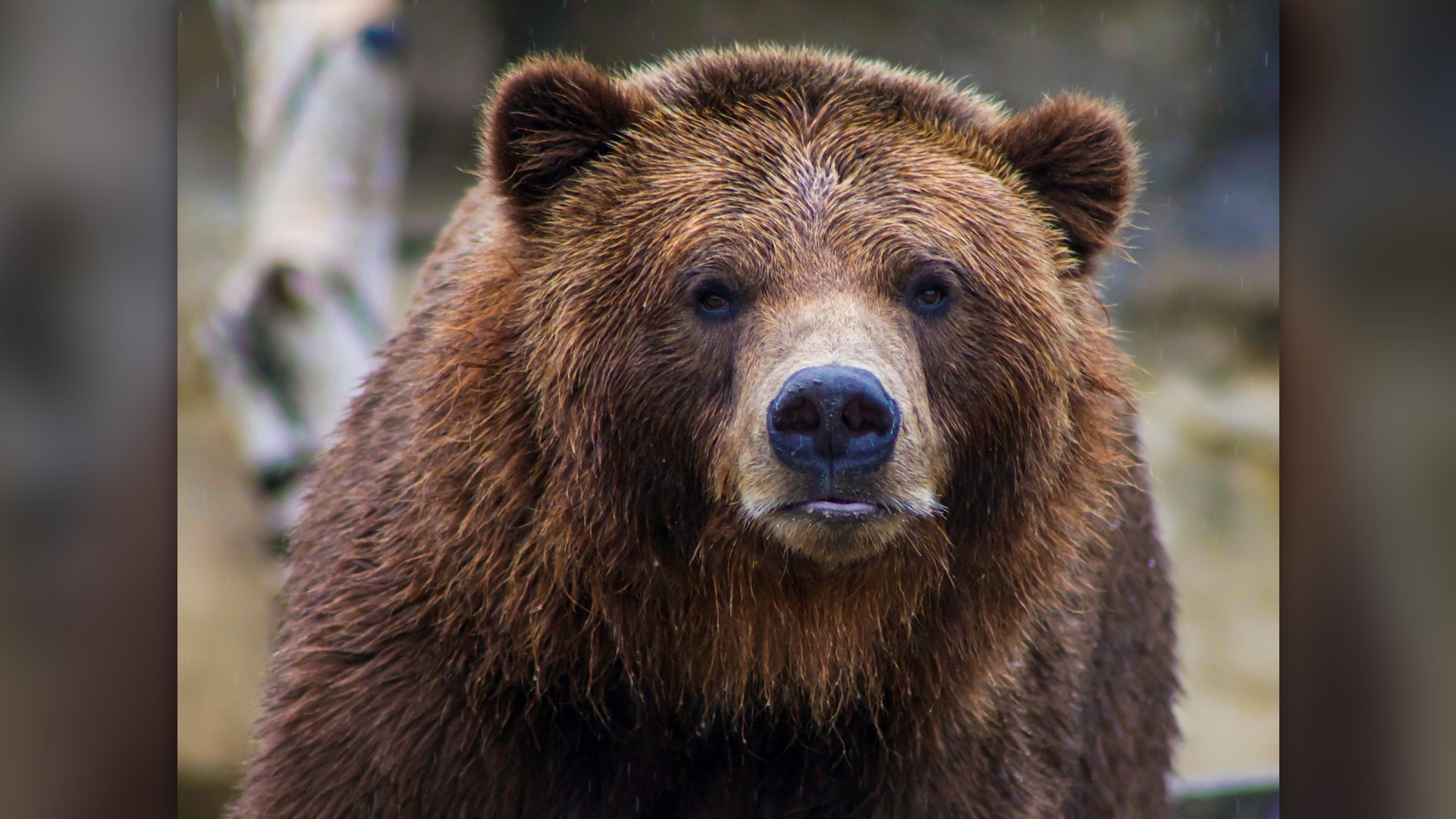
6. Pet Bear Ownership
Private animal sanctuaries and licensed handlers in several western states can keep captive-bred bears. Strict enclosure inspections and security barriers are required to ensure public safety.
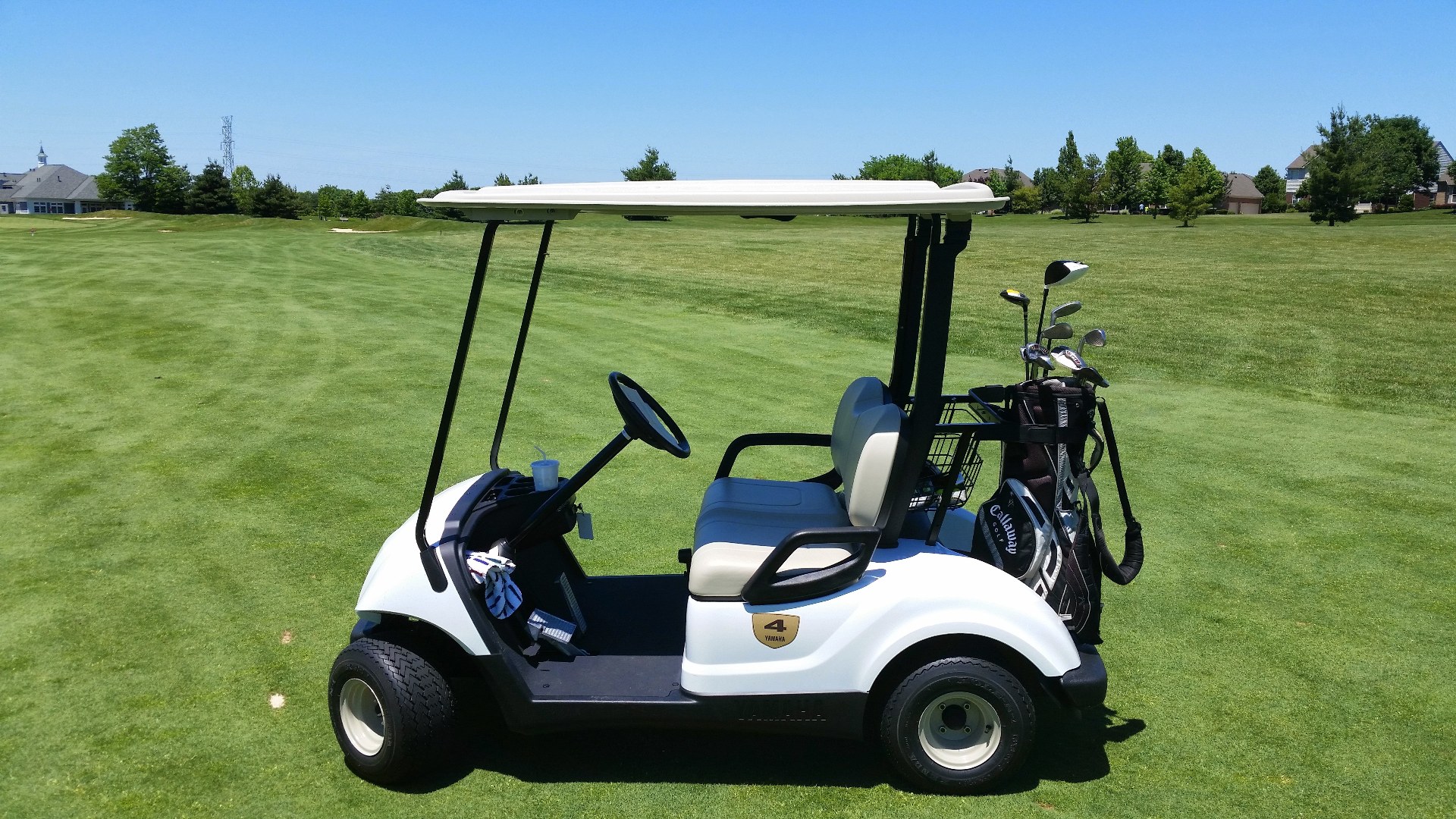
5. Driving A Street-Legal Golf Cart
Once retrofitted with headlights, turn signals, seat belts, and mirrors, low-speed vehicles can travel on public roads with speed limits up to thirty-five miles per hour in hundreds of retirement towns.
©Wikimedia / ingagestroliac
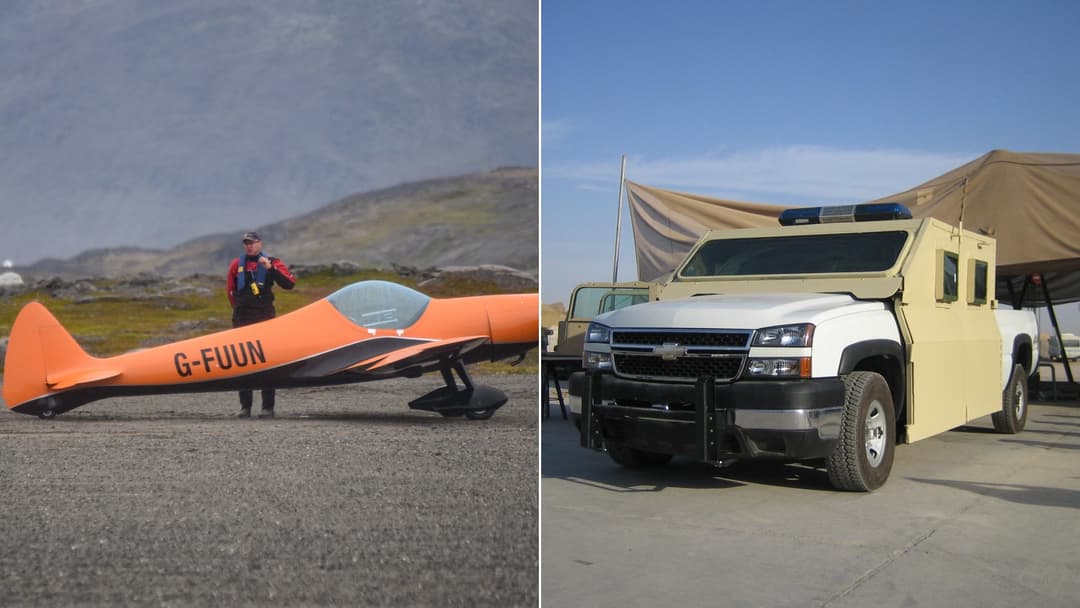
4. Private Armored Vehicles
Armored civilian SUVs and security sedans are entirely legal to buy, register, and drive. Specialized armoring firms add ballistic glass and Kevlar panels to protect high-profile executives and diplomats.
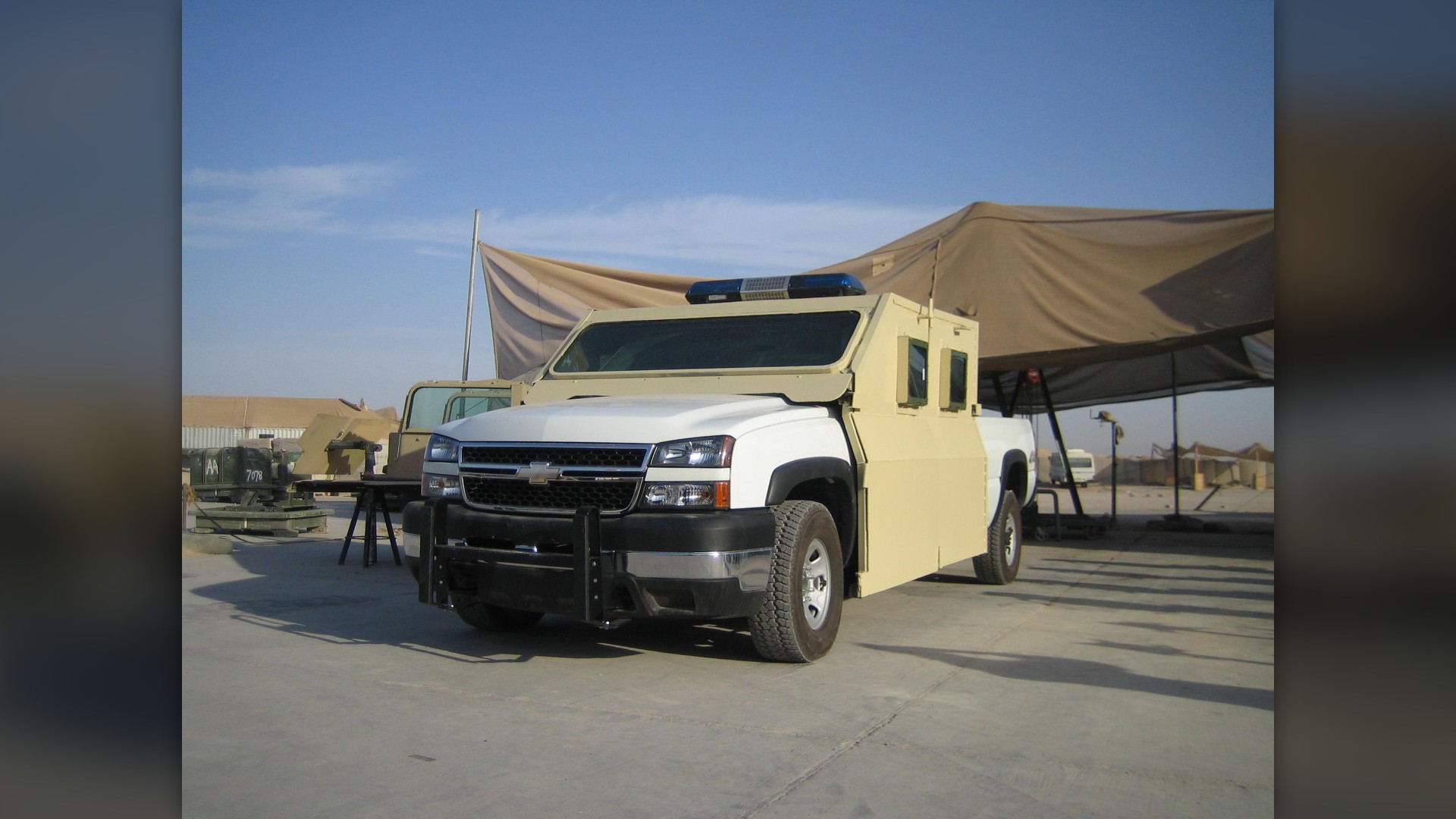
©Wikimedia / jamesdale10
3. Collecting Rainwater
While historic Western water rights once restricted rainwater collection, nearly all states have revised their statutes. Homeowners can install rain barrels to irrigate home gardens and conserve city water.

©Wikimedia / Skrissh2013
Advertisement
Swipe or tap ▶ to resume the countdown.
2. Flying An Ultralight Aircraft Without A License
Under FAA Part 103 regulations, ultralight aircraft weighing under 254 pounds require no pilot license, medical exam, or aircraft registration. Pilots are restricted to daylight flights over unpopulated areas.

©Wikimedia / Gordon Leggett
1. Private Jet Ownership
Federal aviation law welcomes civilian jet ownership as long as aircraft meet standard airworthiness inspections. Over twenty thousand private business jets operate across thousands of domestic general aviation airports.

©Wikimedia / Don Ramey Logan
Advertisement
You've reached the end of the story. Thanks for reading!

20 Key Facts About Zohran Mamdani
20 Fascinating Details About Zohran Mamdani
All 25 Entries in this Story
25. Driving Barefoot
Every single state allows motorists to drive barefoot. While police safety officers recommend footwear to prevent feet slipping off the pedals, operating a motor vehicle with bare feet breaks zero traffic codes.

24. Pet Kangaroo Ownership
Wisconsin, West Virginia, and South Carolina place no ownership restrictions on kangaroos. Owners only need adequate outdoor enclosure space and veterinary care to keep these athletic marsupials on private property.

23. Civilian Military Tanks
Civilians can purchase surplus military tanks and drive them legally on public streets once the cannons are deactivated. Rubber track pads must be installed to prevent damaging municipal asphalt.

22. Counting Cards In Blackjack
Card counting is simply using mental probability, which courts have repeatedly ruled isn't cheating. While private casino resorts can legally ban skilled players from tables, counting cards violates no criminal statutes.

21. Driving A Hovercraft
Hovercraft are classified as recreational boats by the US Coast Guard. Civilians can pilot them across tidal mudflats, open rivers, and frozen lakes with standard boater registrations.

20. Pet Alligator Ownership
Florida and Texas permit civilians to own American alligators with standard state captive wildlife licenses. Facilities must pass periodic wildlife officer inspections to ensure secure perimeter fencing.

19. Civilian Flamethrowers
Federal firearm laws don't classify flamethrowers as weapons because they don't fire projectiles. Only Maryland bans them outright, leaving landowners free to use them for agricultural clearing and snow melting.

18. First-Cousin Marriage
States including California, New York, and Florida place no legal obstacles on first cousins marrying. Genetic researchers note risks of hereditary complications are significantly lower than commonly assumed.

17. Roadkill Salvage
Montana and Oregon established digital permit programs allowing drivers to salvage deer and elk struck by vehicles. State wildlife departments encourage the practice to provide free wild game to local families.

16. Historic Civil War Cannons
Under the Gun Control Act of 1968, black powder muzzle-loading cannons are classified as antique ordnance rather than destructive devices. Collectors can fire blank or solid projectiles on private rural land.

15. Pet Skunk Ownership
Skunks born in captivity that have their scent glands surgically removed make calm, intelligent house pets. States like Ohio and Pennsylvania issue simple breeding permits for domestic skunk owners.

14. Exotic Pet Lions
While the federal Big Cat Public Safety Act restricted direct contact, certain grandfathered licenses and state permits in Nevada still allow private big cat facilities. Proper containment enclosures remain mandatory.

13. Filming Police In Public
Multiple federal circuit courts have confirmed that citizens have an absolute constitutional right to record law enforcement officers in public spaces. As long as bystanders don't obstruct police work, recording is legal.

12. Dashboard Radar Detectors
Only Virginia and Washington DC ban radar detectors in private passenger cars. The Federal Communications Commission regulates radio wave reception, and listening to radar frequencies violates no federal law.

11. Human Bone Collecting
Except in Georgia, Louisiana, and Tennessee, no federal statutes prohibit owning historical human bones. Medical specimen skeletons and osteological study pieces trade openly among private collectors.

10. Private Submarines
Private submarines require standard Coast Guard vessel documentation and navigation lighting. Dozens of wealthy ocean enthusiasts operate private submersibles to explore deep shipwrecks and marine reefs.

9. Highway Right-Side Passing
Most state vehicle codes permit overtaking on the right whenever a roadway features two or more lanes of traffic traveling in the same direction. It keeps traffic flowing when drivers fail to yield left lanes.

8. At-Will Immediate Job Resignation
Two weeks notice is merely a professional courtesy rather than a legal requirement. In forty-nine states, at-will workers can pack up and walk off the job at any moment without facing financial penalties.

7. Private Underground Bunkers
Building an underground survival bunker is completely legal once local building and excavation permits are approved. Thousands of Americans maintain fortified shelters equipped with air filtration systems.

6. Pet Bear Ownership
Private animal sanctuaries and licensed handlers in several western states can keep captive-bred bears. Strict enclosure inspections and security barriers are required to ensure public safety.

5. Driving A Street-Legal Golf Cart
Once retrofitted with headlights, turn signals, seat belts, and mirrors, low-speed vehicles can travel on public roads with speed limits up to thirty-five miles per hour in hundreds of retirement towns.

4. Private Armored Vehicles
Armored civilian SUVs and security sedans are entirely legal to buy, register, and drive. Specialized armoring firms add ballistic glass and Kevlar panels to protect high-profile executives and diplomats.

3. Collecting Rainwater
While historic Western water rights once restricted rainwater collection, nearly all states have revised their statutes. Homeowners can install rain barrels to irrigate home gardens and conserve city water.

2. Flying An Ultralight Aircraft Without A License
Under FAA Part 103 regulations, ultralight aircraft weighing under 254 pounds require no pilot license, medical exam, or aircraft registration. Pilots are restricted to daylight flights over unpopulated areas.

1. Private Jet Ownership
Federal aviation law welcomes civilian jet ownership as long as aircraft meet standard airworthiness inspections. Over twenty thousand private business jets operate across thousands of domestic general aviation airports.