Slideshow · Health
25 Signs Your Body May Be Low on Key Nutrients
Your body signals micronutrient shortages through visible changes in skin, hair, nerves, and muscles before blood tests show full depletion. Identifying subtle warnings helps reverse deficiencies before tissue damage occurs. Based on findings from the National Institutes of Health, Mayo Clinic, and Harvard Health.

















All 25 Entries in this Story
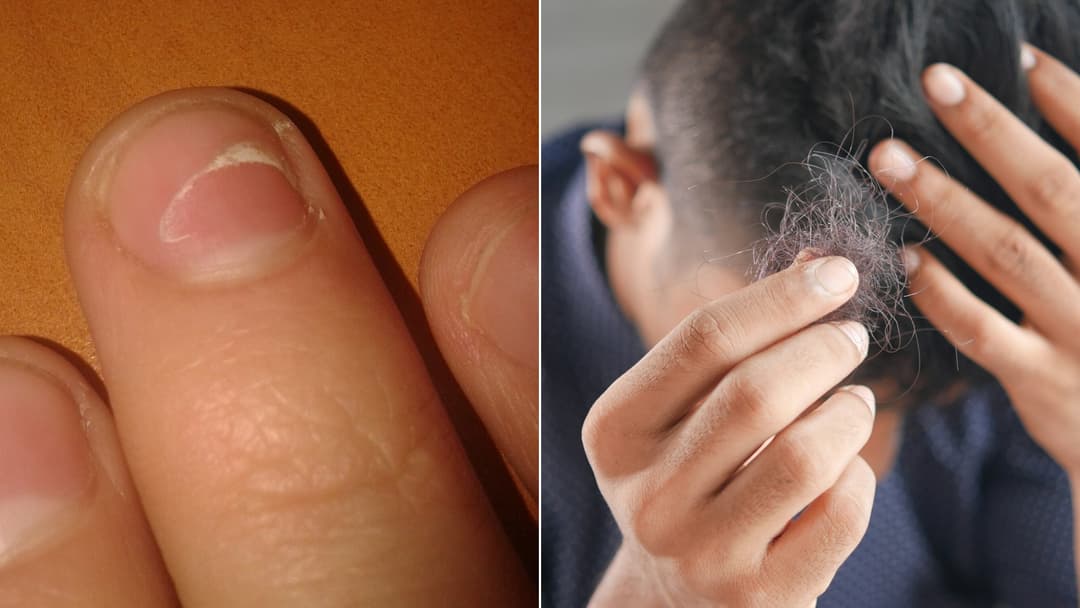
25. Brittle Hair And Thinning Nails
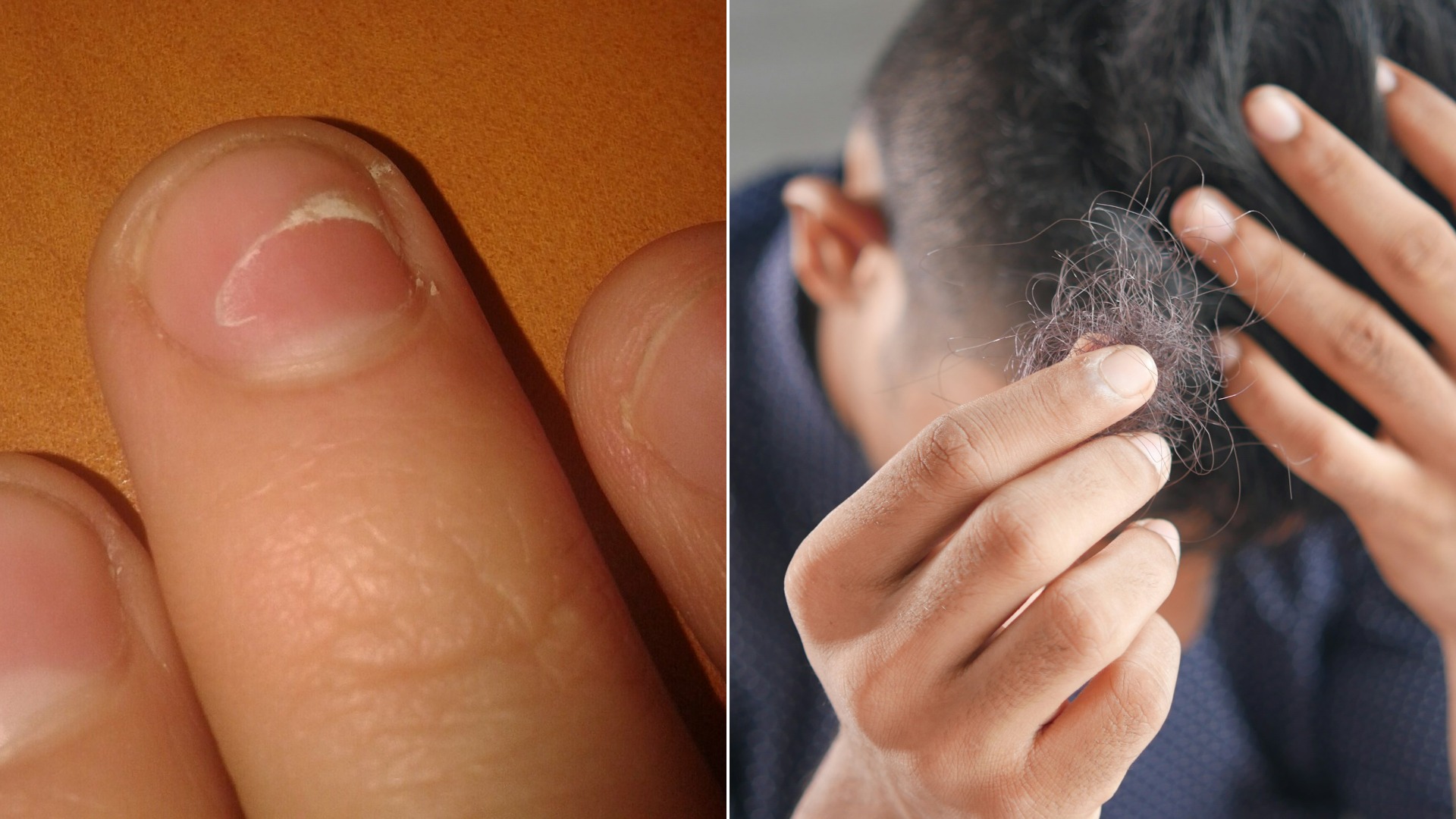
Biotin, or vitamin B7, helps the body convert food into cellular energy and build keratin proteins. The National Institutes of Health recommends an intake of 30 micrograms daily for adults. Severe shortages cause thinning hair, splitting nails, and persistent fatigue across daily activities.
24. Angular Cheilitis (Cracked Mouth Corners)
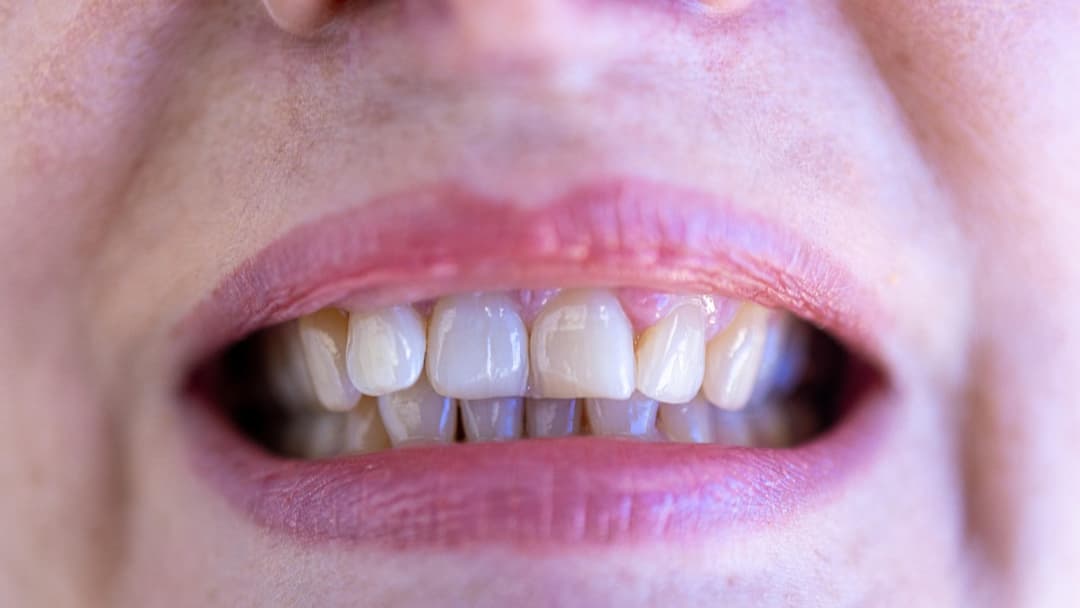
Angular cheilitis causes red, swollen fissures where the lips meet. Clinical evaluations from Harvard Health indicate that shortages of riboflavin, iron, and pyridoxine impair skin renewal around oral tissues. Restoring vitamin B2 intake to 1.3 milligrams daily helps heal cracked tissue rapidly.

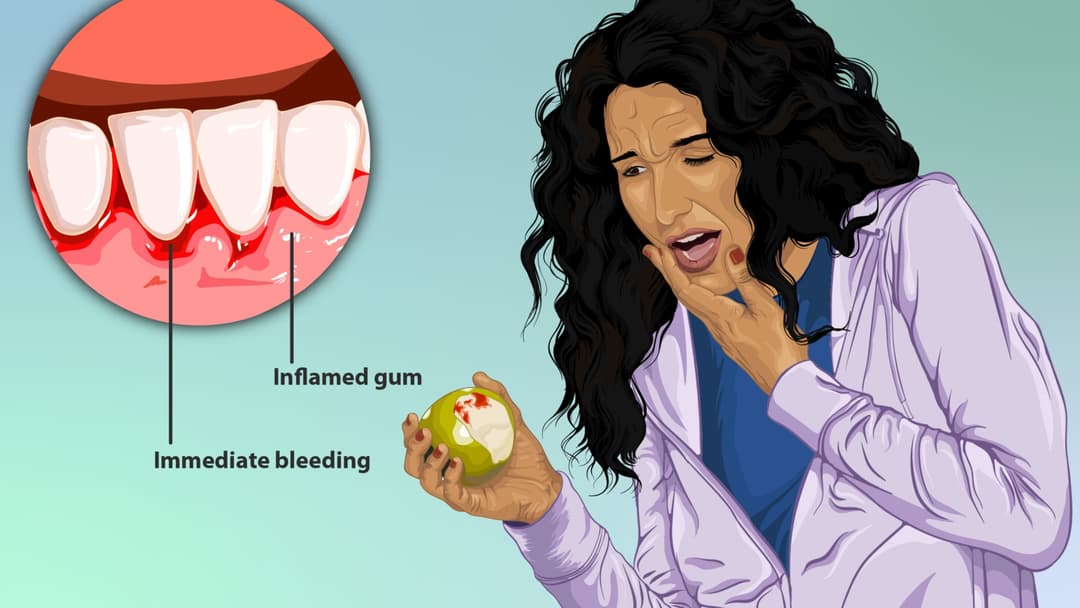
23. Bleeding Gums And Slow Wound Healing
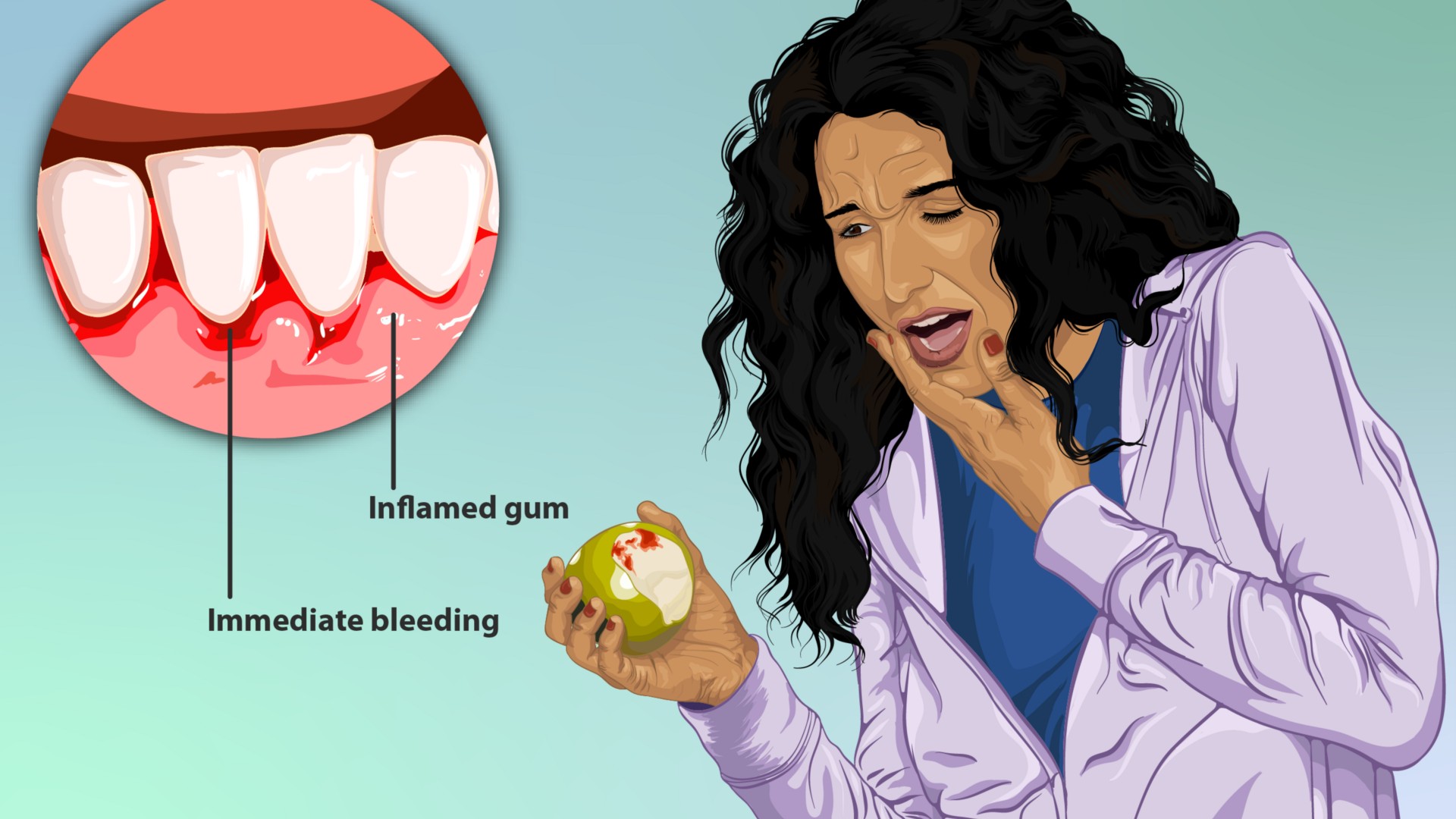
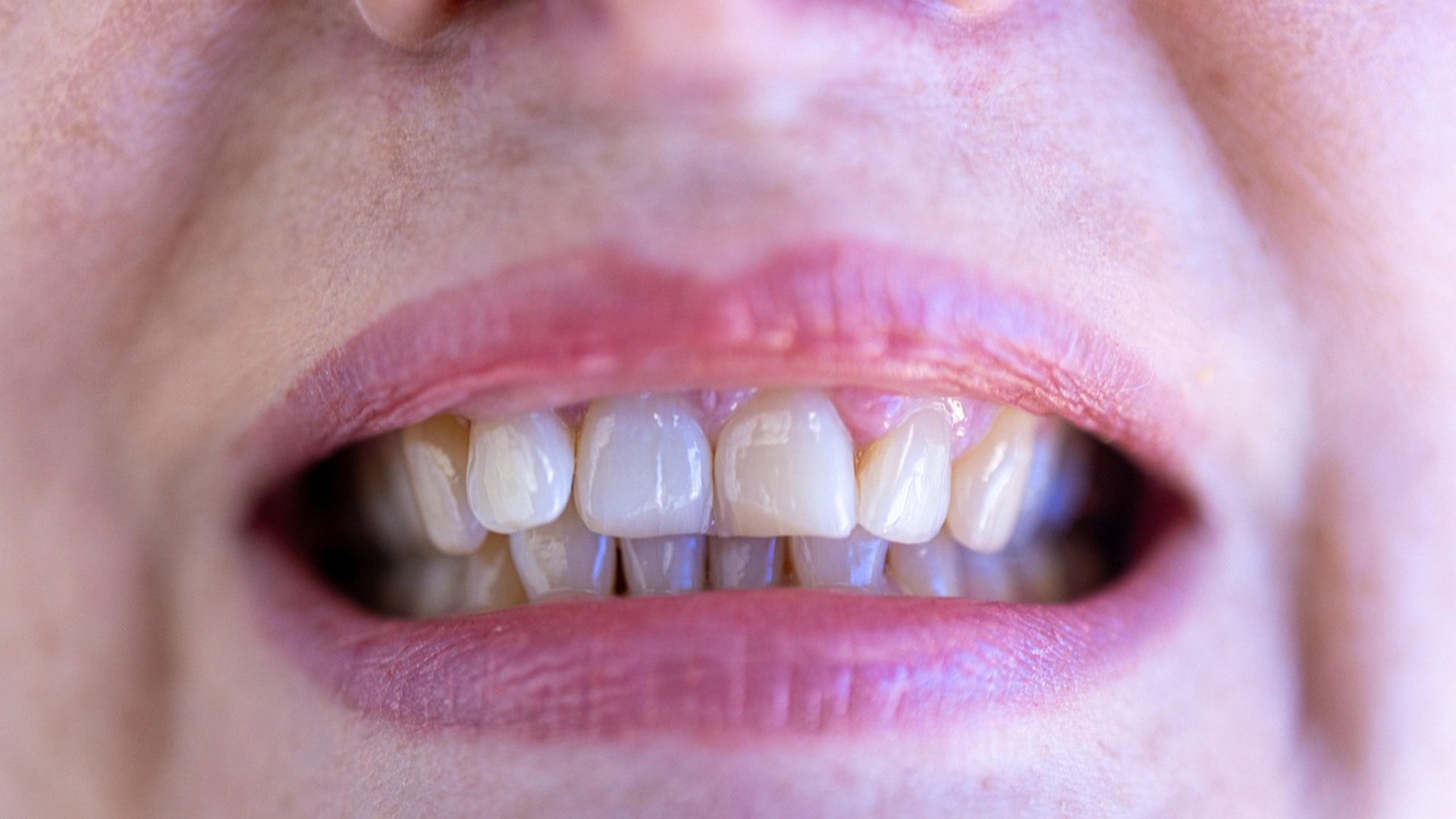
Vitamin C is essential for collagen synthesis and blood vessel integrity throughout oral tissues. According to the National Institutes of Health, adults need 75 to 90 milligrams per day. Severe depletion weakens capillary walls, leading to swollen gums, loose teeth, and delayed skin healing.
22. Impaired Night Vision (Nyctalopia)
Vitamin A produces rhodopsin, the light-sensitive pigment in retinal rods that allows eyes to adapt to darkness. World Health Organization clinical data confirms that prolonged deficits lead to night blindness and dry corneas. Daily adult allowances range from 700 to 900 micrograms of retinol.

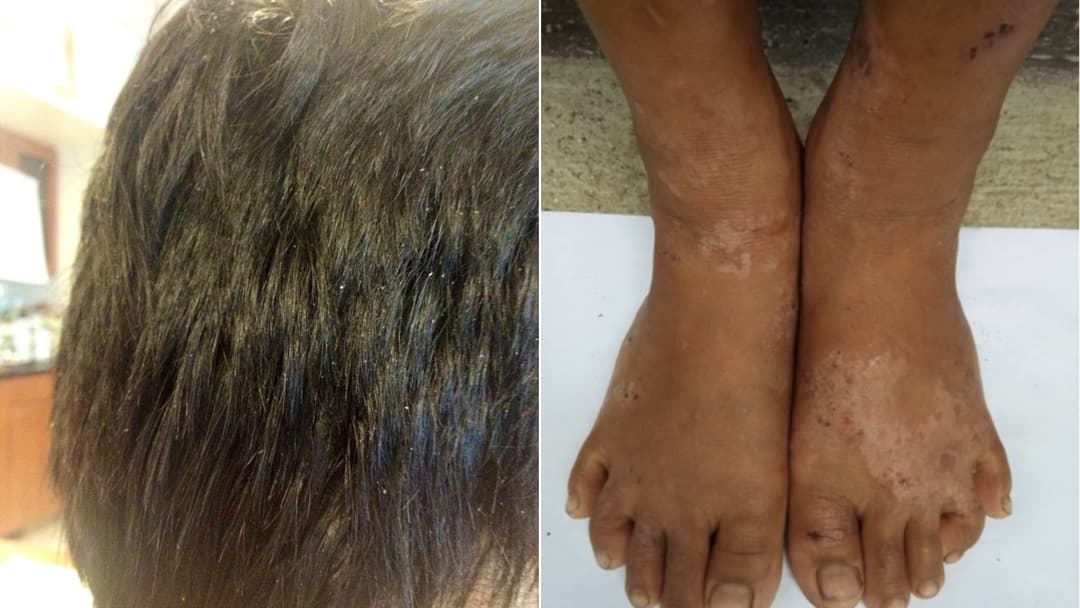
21. Stubborn Dandruff And Scaly Patches
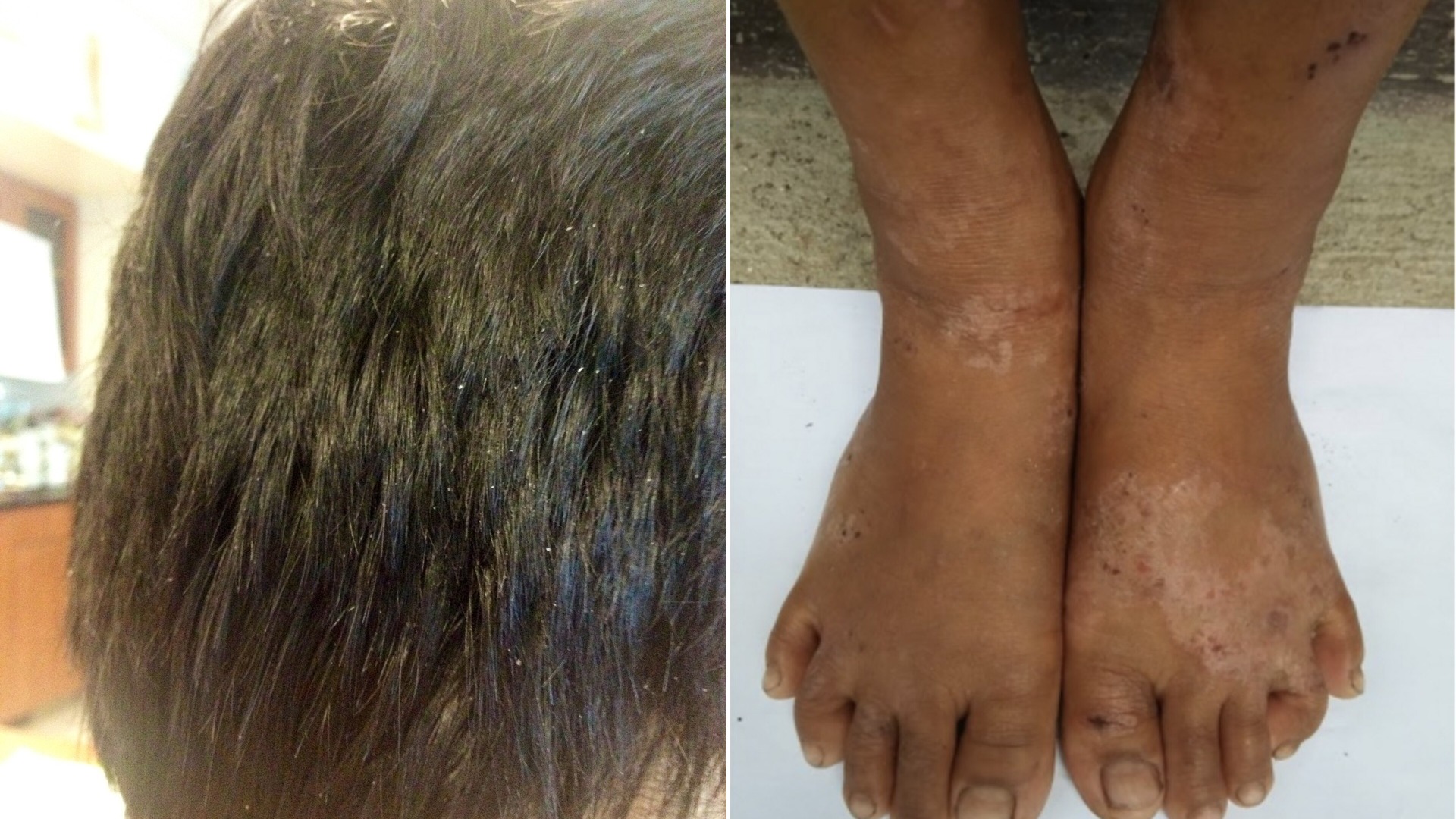
Seborrheic dermatitis often worsens when the body lacks sufficient zinc and niacin to regulate cutaneous oil production. Mayo Clinic dermatologists note that zinc modulates immune response and microbial balance on the scalp. Adults require 8 to 11 milligrams of elemental zinc each day for healthy skin.
20. Restless Legs Syndrome
Restless legs syndrome disrupts sleep through uncomfortable sensations in the calves and thighs. Research published by Johns Hopkins Medicine links low brain iron levels to dopamine dysfunction in motor pathways. Ferritin blood levels below 50 nanograms per milliliter frequently trigger evening flare-ups.

19. Keratosis Pilaris (Rough Bumpy Skin)
Keratosis pilaris occurs when keratin builds up and plugs hair follicles on the arms and thighs. Clinical studies from the American Academy of Dermatology show that inadequate dietary vitamin A and vitamin C accelerates follicular hyperkeratosis. Proper micronutrient intake smooths rough patches over time.

18. Unexplained Bruising
Vitamin K activates critical clotting proteins that prevent blood from escaping damaged capillary vessels. The National Institutes of Health cites 120 micrograms daily for men and 90 micrograms for women. Deficits cause blood to pool under the skin after trivial bumps, producing dark purple hematomas.

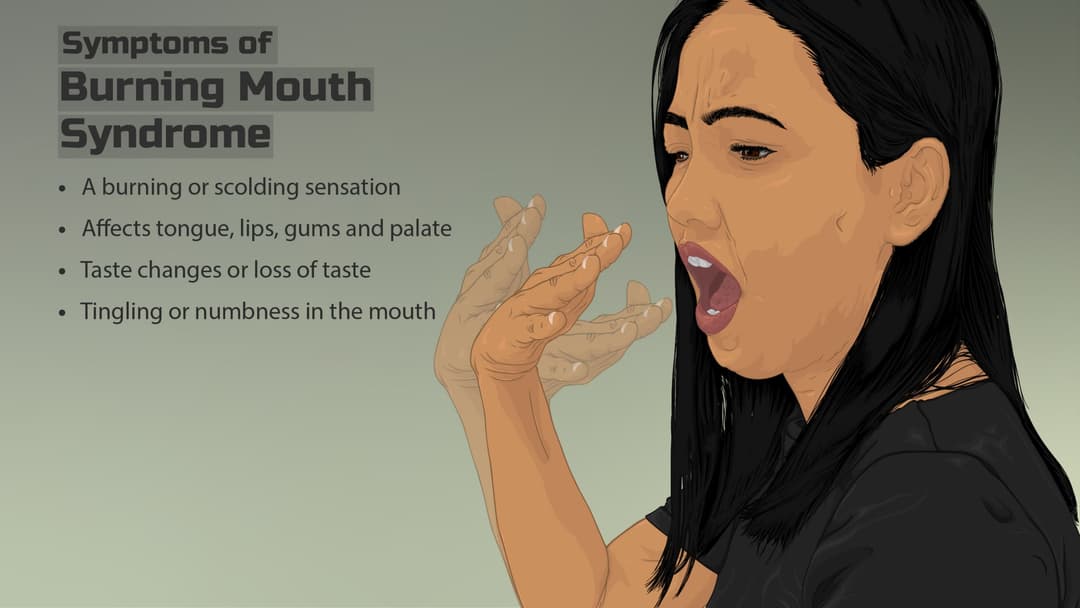
17. Burning Mouth Syndrome
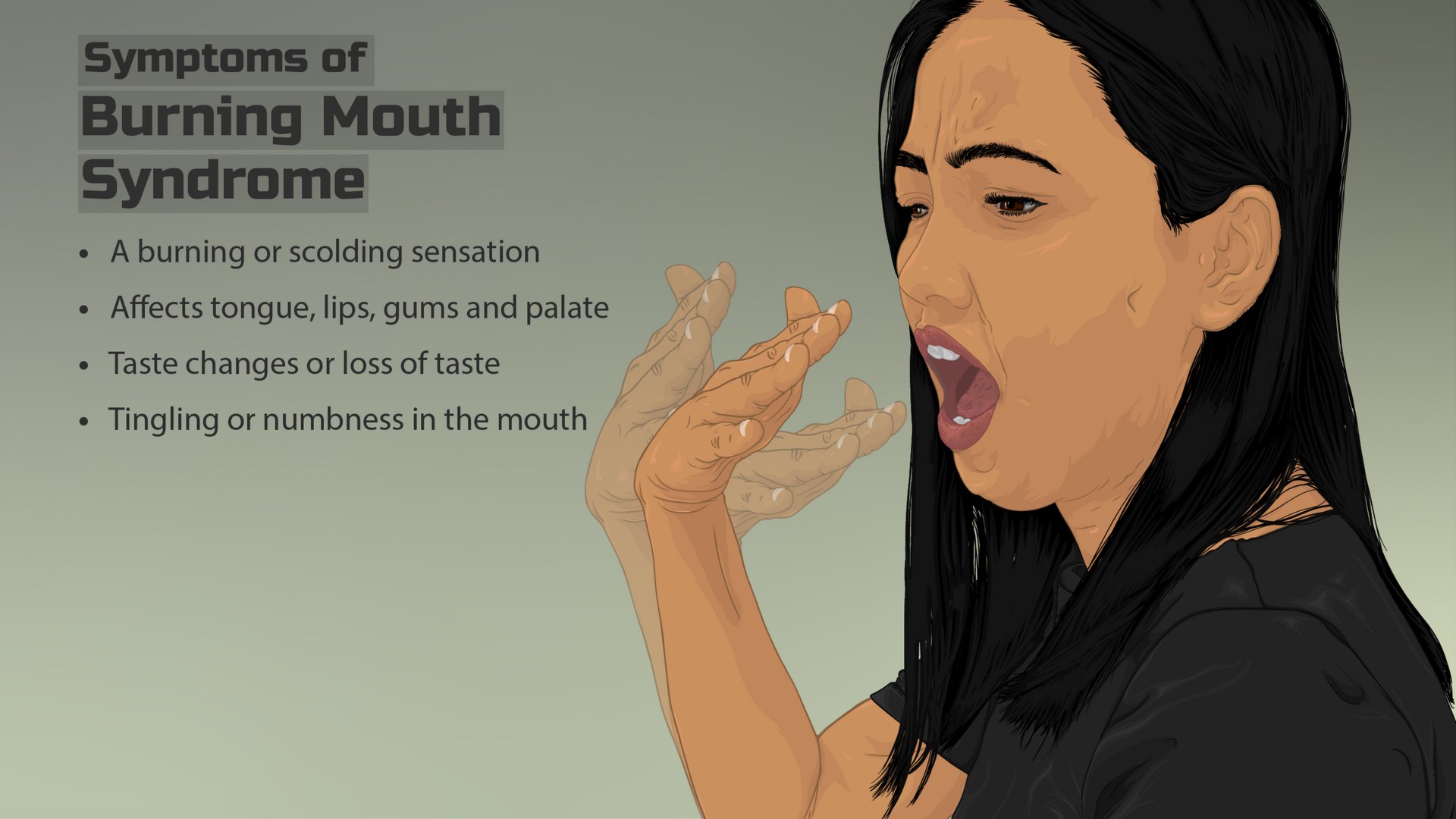
Burning mouth syndrome produces a persistent stinging feeling without visible dental lesions. Cleveland Clinic dental research connects this neuropathic pain to deficiencies in folate, riboflavin, and cobalamin. Replacing depleted B vitamins restores damaged peripheral nerve endings in oral mucosa.
16. Atrophic Glossitis (Smooth Swollen Tongue)
Atrophic glossitis causes tongue papillae to shrink and disappear, leaving a smooth, beefy surface that stings during meals. Harvard Health reports that deficits in vitamin B12, folate, and iron starve fast-dividing oral epithelial cells. Supplementation typically restores natural texture in several weeks.

15. Persistent Bone Pain And Aching Joints
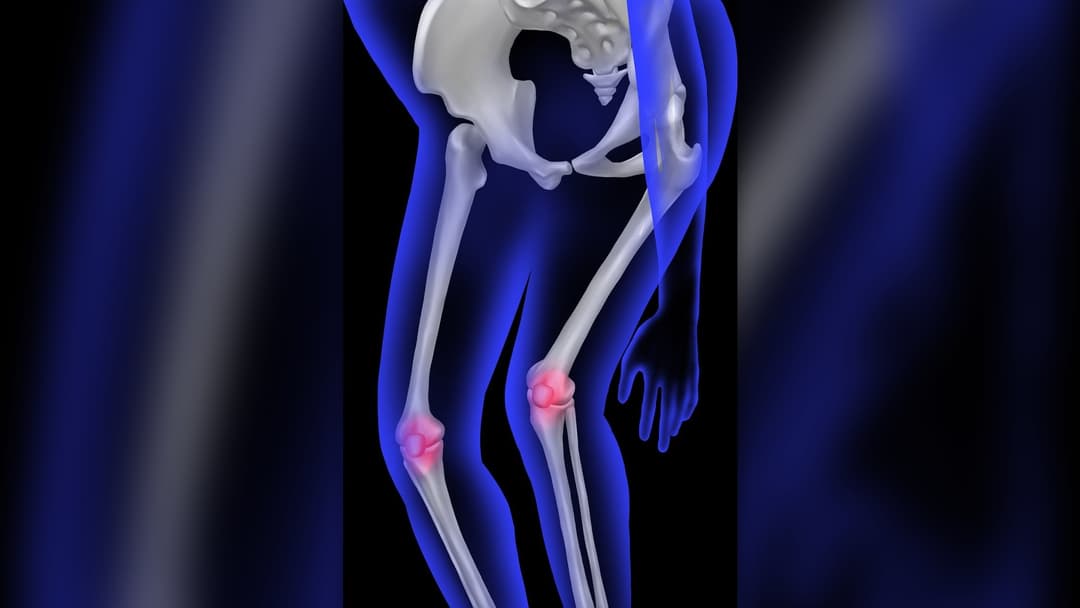
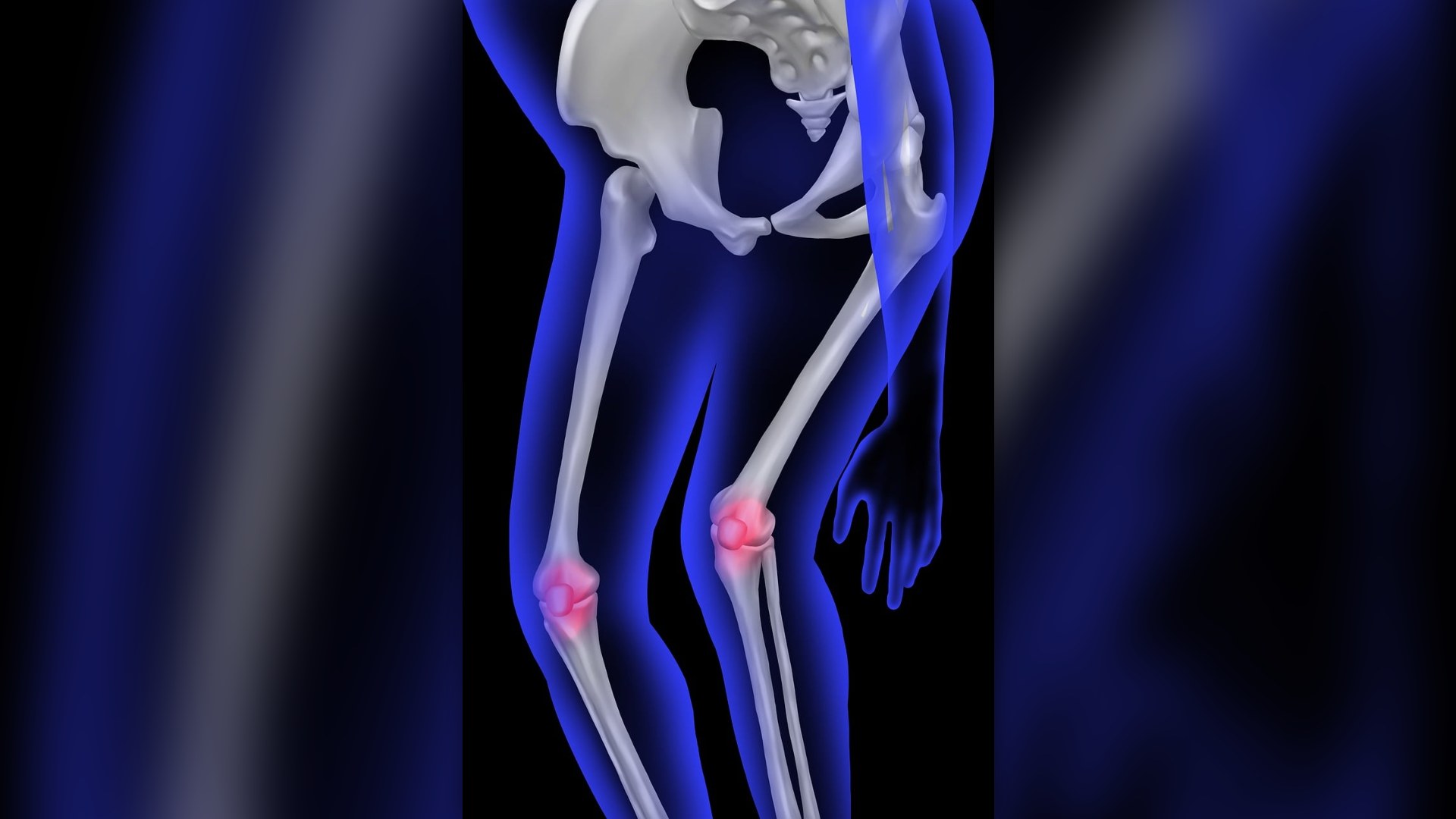
Vitamin D enables intestinal absorption of calcium to maintain structural skeletal density. Longstanding clinical guidance from the Mayo Clinic highlights osteomalacia, a painful softening of bones, in patients with severe vitamin D deficits. Blood levels under 20 nanograms per milliliter provoke chronic deep aches.
14. Frequent Inexplicable Muscle Twitches
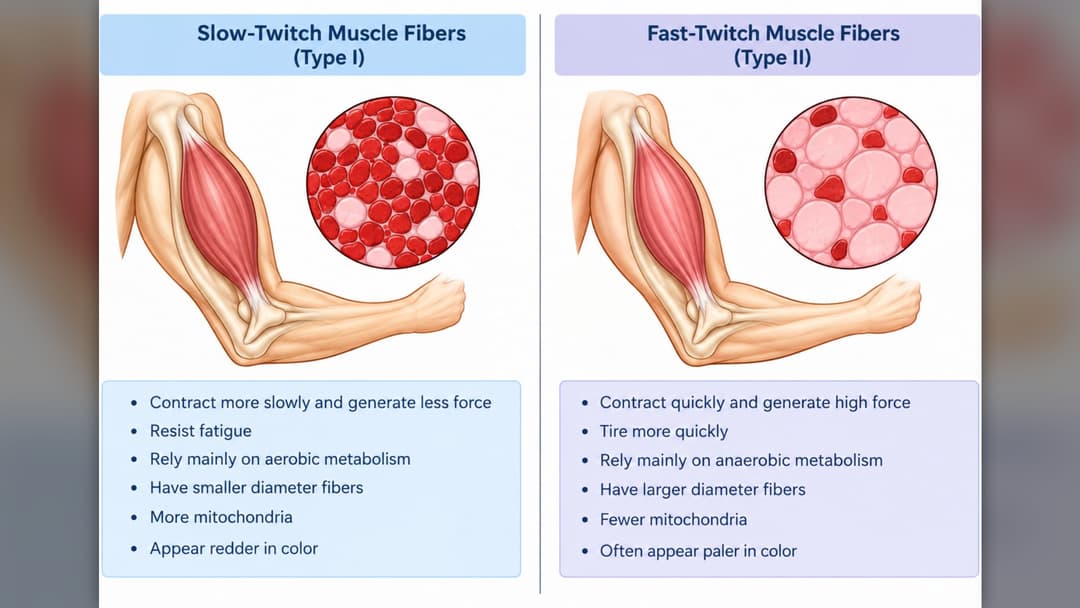
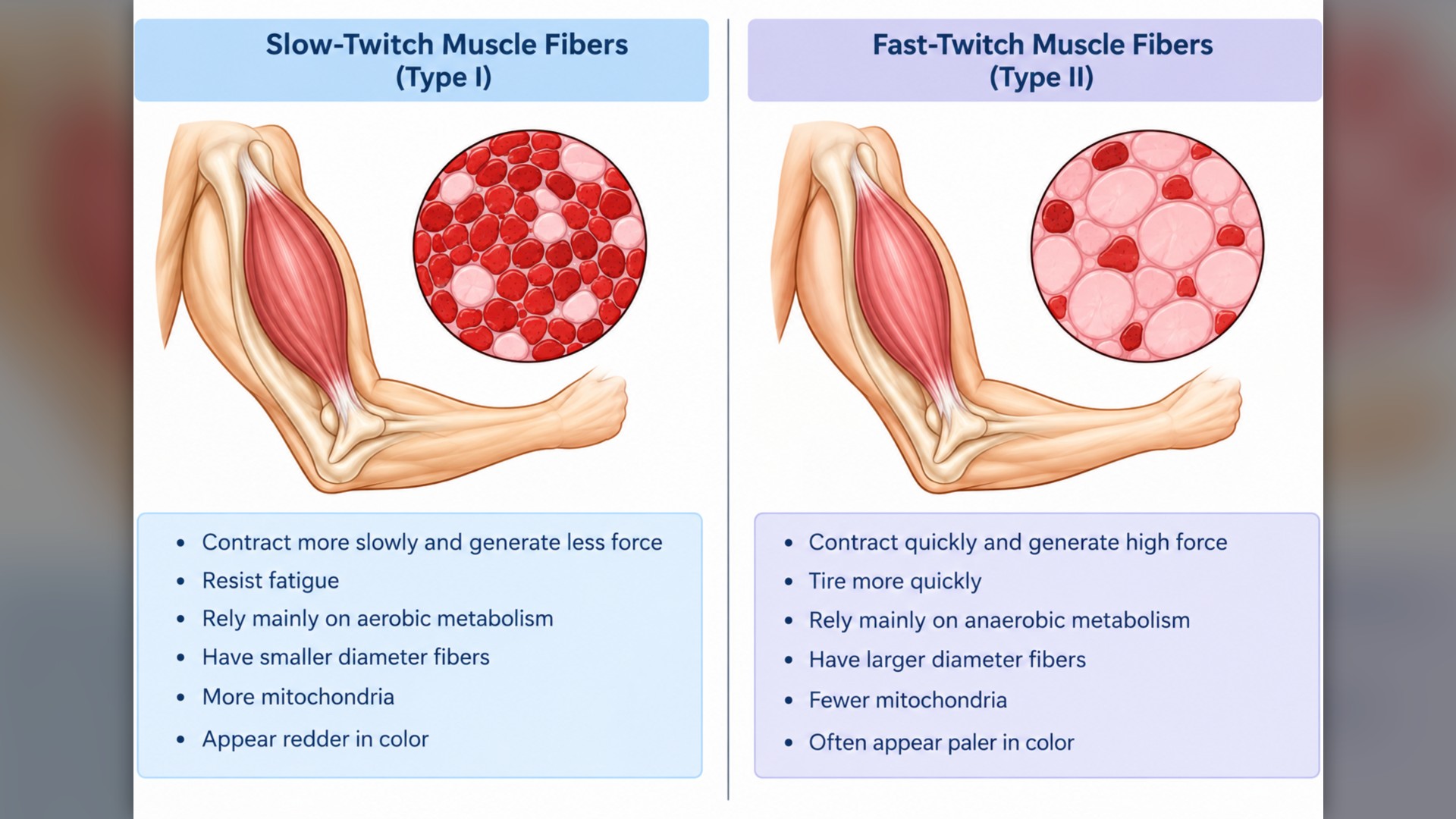
Magnesium regulates electrical impulses and neuromuscular contractions throughout the body. The National Institutes of Health notes that adult bodies require 310 to 420 milligrams daily. When levels drop, muscle fibers experience uncontrolled excitability, leading to eyelid spasms and nocturnal calf cramps.
13. Extreme Cold Sensitivity In Extremities
Iron forms the central core of hemoglobin, which carries oxygen to peripheral body tissues. Research from the National Heart, Lung, and Blood Institute confirms that inadequate iron reduces microvascular perfusion. Without adequate cellular oxygen, extremities struggle to retain heat in cool rooms.

12. Chronic Brain Fog And Memory Lapses
Vitamin B12 maintains the protective myelin sheath surrounding cerebral neurons and neurotransmitter synthesis. Oxford University clinical trials demonstrate that low cobalamin accelerates cognitive decline in older adults. Supplementing 2.4 micrograms daily reverses memory fog before nerve loss becomes permanent.

11. Chronic Fatigue Unrelieved By Sleep
Iron-deficiency anemia deprives muscle cells and organs of the oxygen necessary to produce ATP energy. World Health Organization records show iron deficiency affects over two billion people worldwide. Without sufficient iron, simple daily movements leave the cardiovascular system gasping for oxygen.

10. Spoon-Shaped Nails (Koilonychia)
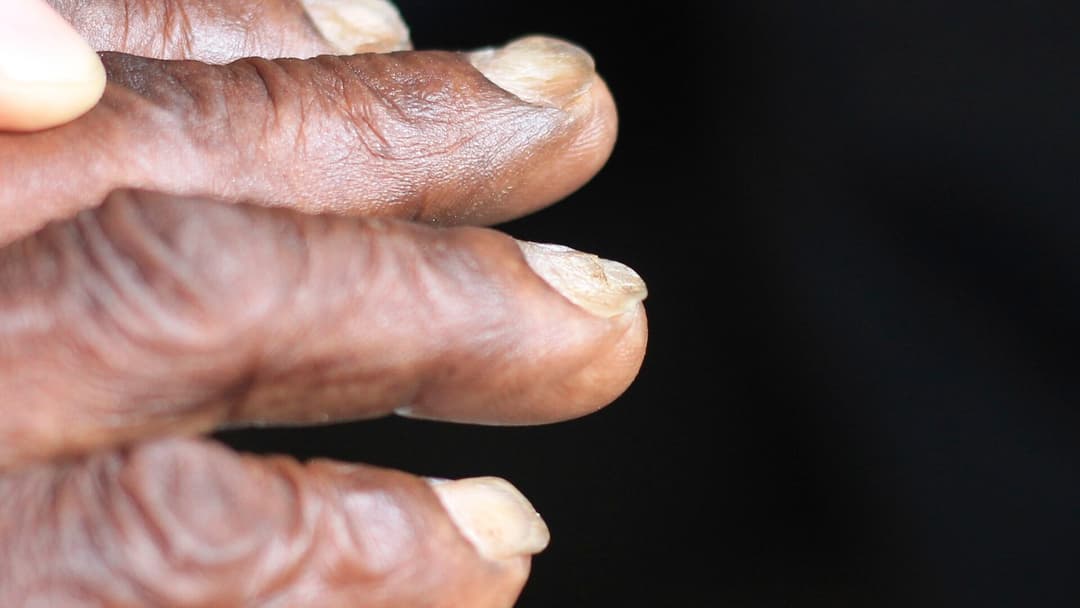
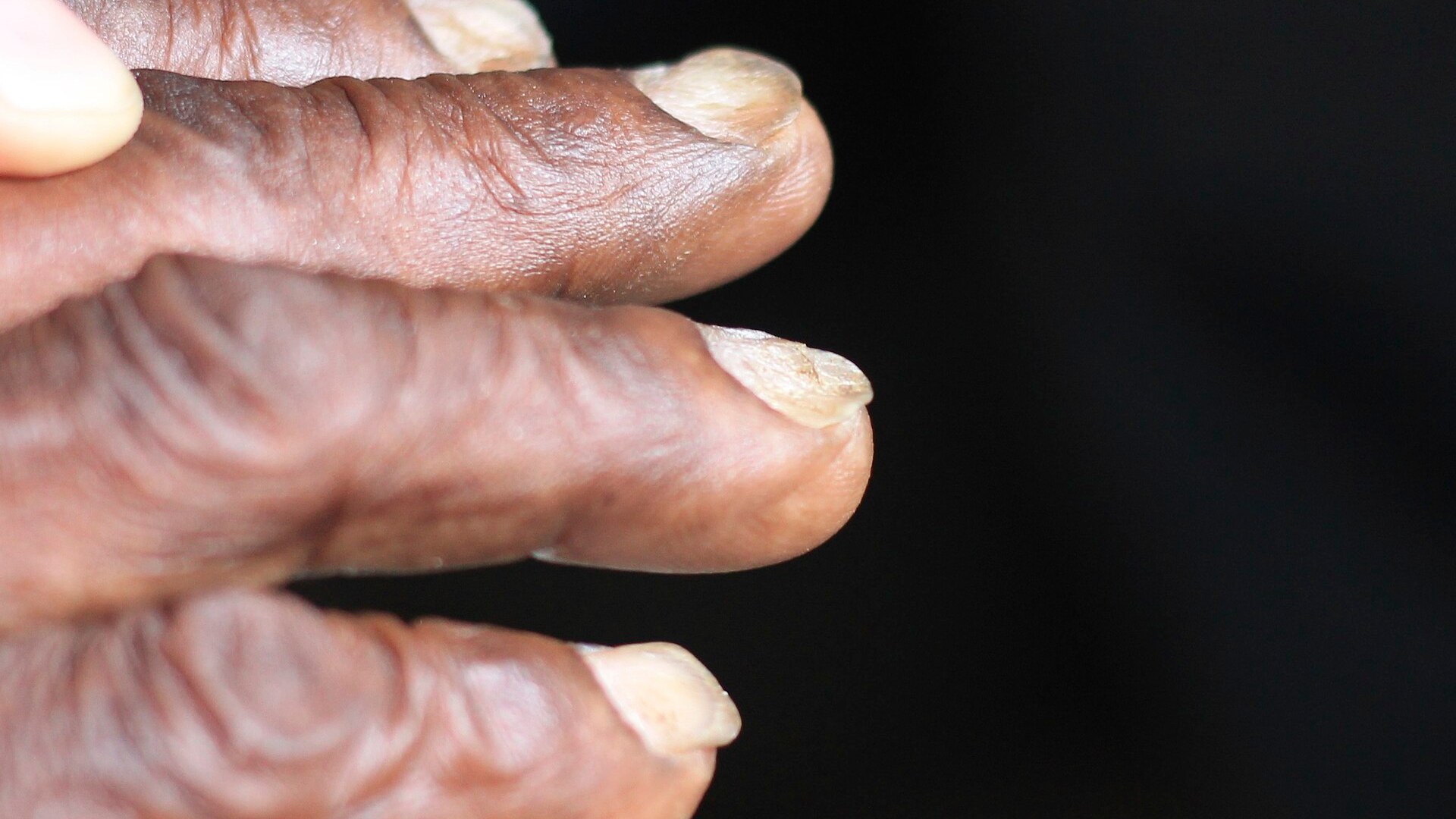
Koilonychia occurs when nail beds become thin and concave, allowing a water droplet to sit in the central depression. The British Medical Journal notes this sign appears during longstanding iron depletion. Replenishing elemental iron stores gradually straightens nail architecture over several growth cycles.
9. Pica (Craving Ice, Clay, Or Dirt)
Pica causes compulsive appetites for non-nutritive substances, most commonly pagophagia, or compulsive ice chewing. Mayo Clinic clinical reviews document that the exact mechanism involves brain oxygenation changes during severe anemia. Correcting iron levels eliminates the compulsion within days.

8. Recurrent Mouth Ulcers (Canker Sores)
Recurrent canker sores develop when mucosal immune defenses weaken due to micronutrient shortfalls. Clinical research in the Journal of Oral Pathology and Medicine connects frequent ulcers to low serum zinc and folate. Therapeutic supplementation cuts healing time and prevents painful recurrences.
7. Weakened Immunity And Frequent Infections
Zinc and vitamin D act as cofactors for T-cell proliferation and pathogen defense. Centers for Disease Control and Prevention reports demonstrate that individuals with low circulating 25-hydroxyvitamin D experience higher rates of respiratory illness. Meeting daily micronutrient goals strengthens mucosal barriers.

6. Tingling Pins And Needles In Hands And Feet
Paresthesia occurs when lack of cobalamin strips myelin from peripheral sensory nerves. A landmark review in the New England Journal of Medicine warns that untreated B12 deficiency produces irreversible neurological injury. Early clinical detection permits nerve repair before loss of balance develops.

5. Enlarged Thyroid Gland (Goiter)
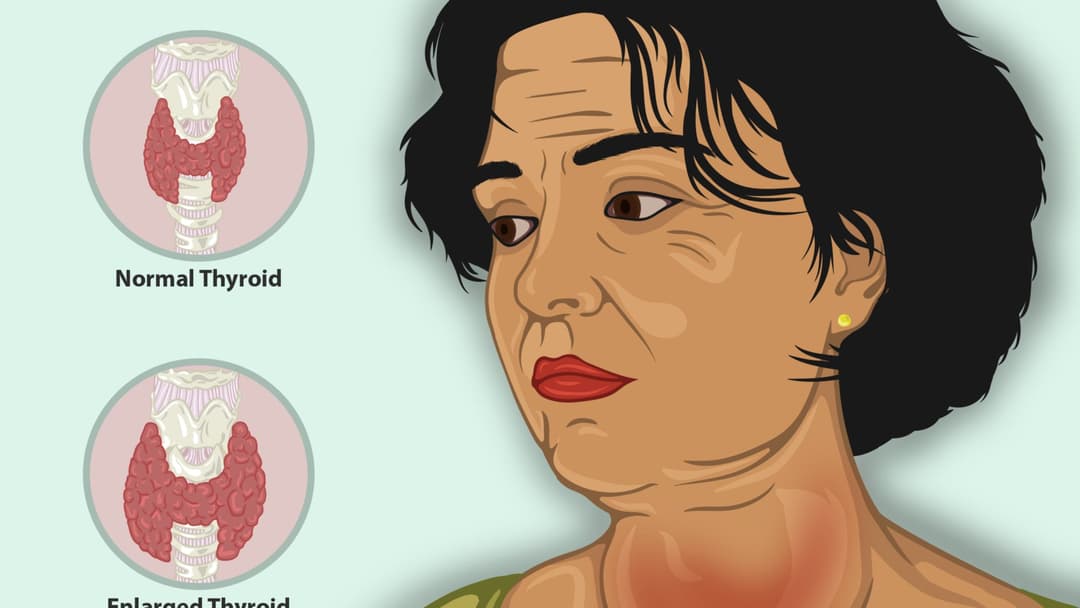
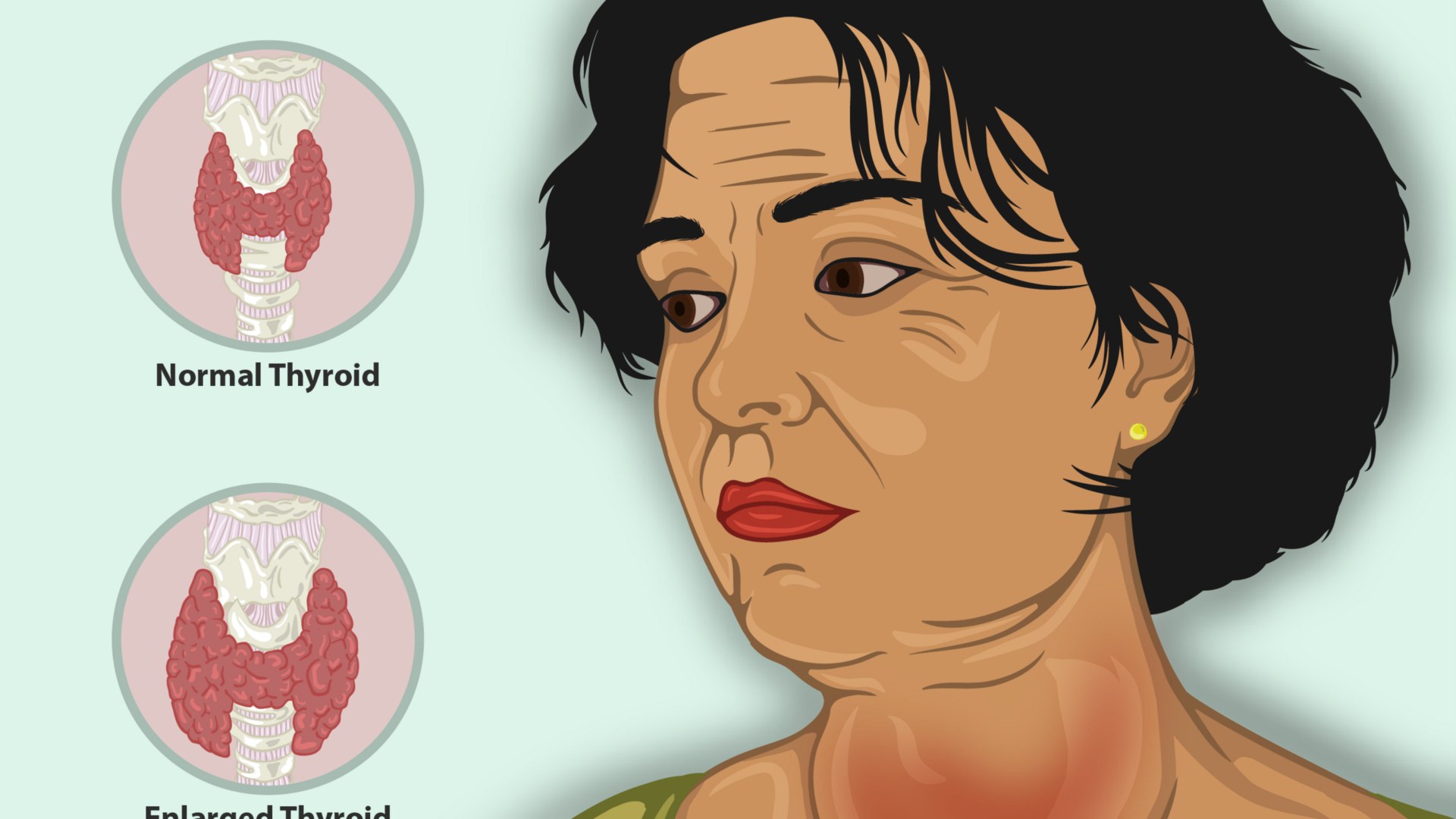
The thyroid gland requires iodine to synthesize thyroxine and triiodothyronine hormones that govern metabolism. World Health Organization guidelines recommend 150 micrograms of iodine daily for adults. When iodine runs low, thyroid tissue enlarges to capture trace circulating minerals from the bloodstream.
4. Sudden Loss Of Balance And Ataxia
Sensory ataxia develops when spinal cord dorsal columns degrade from prolonged vitamin shortages. National Institutes of Health neurology bulletins confirm that alpha-tocopherol protects peripheral axons against oxidative breakdown. Restoring fat-soluble vitamin E prevents irreversible spinal pathway loss.

3. Severe Muscle Spasms And Tetany
Hypocalcemia causes peripheral nerve membranes to depolarize spontaneously, triggering painful carpopedal spasms. Research from the Endocrine Society shows ionized calcium controls cardiac and skeletal muscle stability. A positive Chvostek sign on the facial nerve signals an urgent need for medical calcium.

2. Severe Heart Palpitations And Muscle Weakness
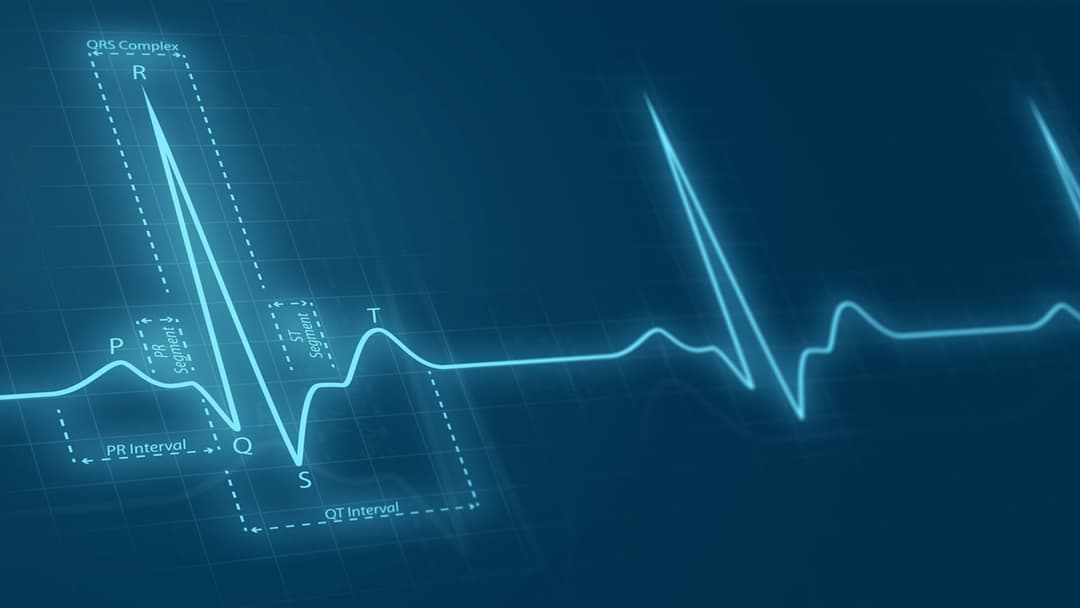
Potassium maintains the resting electrical membrane potential across myocardial cells. Clinical guidelines from the American Heart Association emphasize that hypokalemia under 3.5 milliequivalents per liter causes dangerous cardiac dysrhythmias. Prompt dietary and clinical correction stabilizes heart rhythms.

1. Severe Arrhythmia And Neurological Crisis
Magnesium acts as the essential cofactor for the sodium-potassium ATPase pump in cardiac tissue. Severe hypomagnesemia precipitates life-threatening torsades de pointes and ventricular fibrillation, according to the American College of Cardiology. Emergency intravenous repletion is vital to avert cardiac arrest.