Slideshow · Animals
32 Animals That Can Disappear Into Their Surroundings
Across rainforest canopies, coral reefs, deserts, and Arctic snowfields, evolution has equipped predators and prey with extraordinary biological disguises that let them vanish in plain sight.

All 32 Entries in this Story
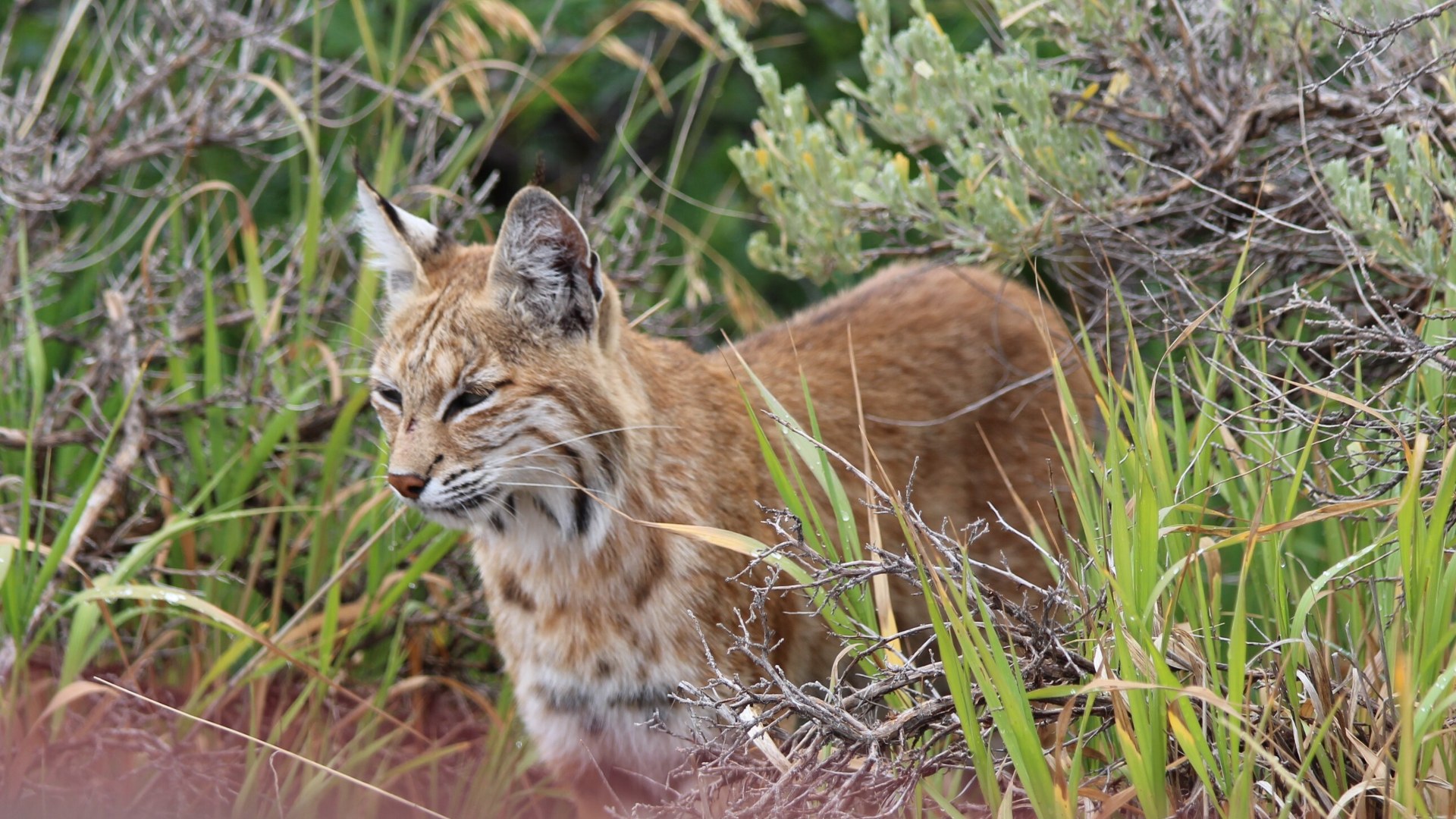
32. Bobcat Using Spotted Disruptive Fur In Scrubland
Ranging from southern Canada to Mexico, the bobcat (Lynx rufus) relies on textbook disruptive coloration to stalk rabbits and rodents. Its tawny coat is peppered with dark rosettes and streaks that mimic dappled sunlight filtering through chaparral shrubs, canyon boulders, and dry grass.
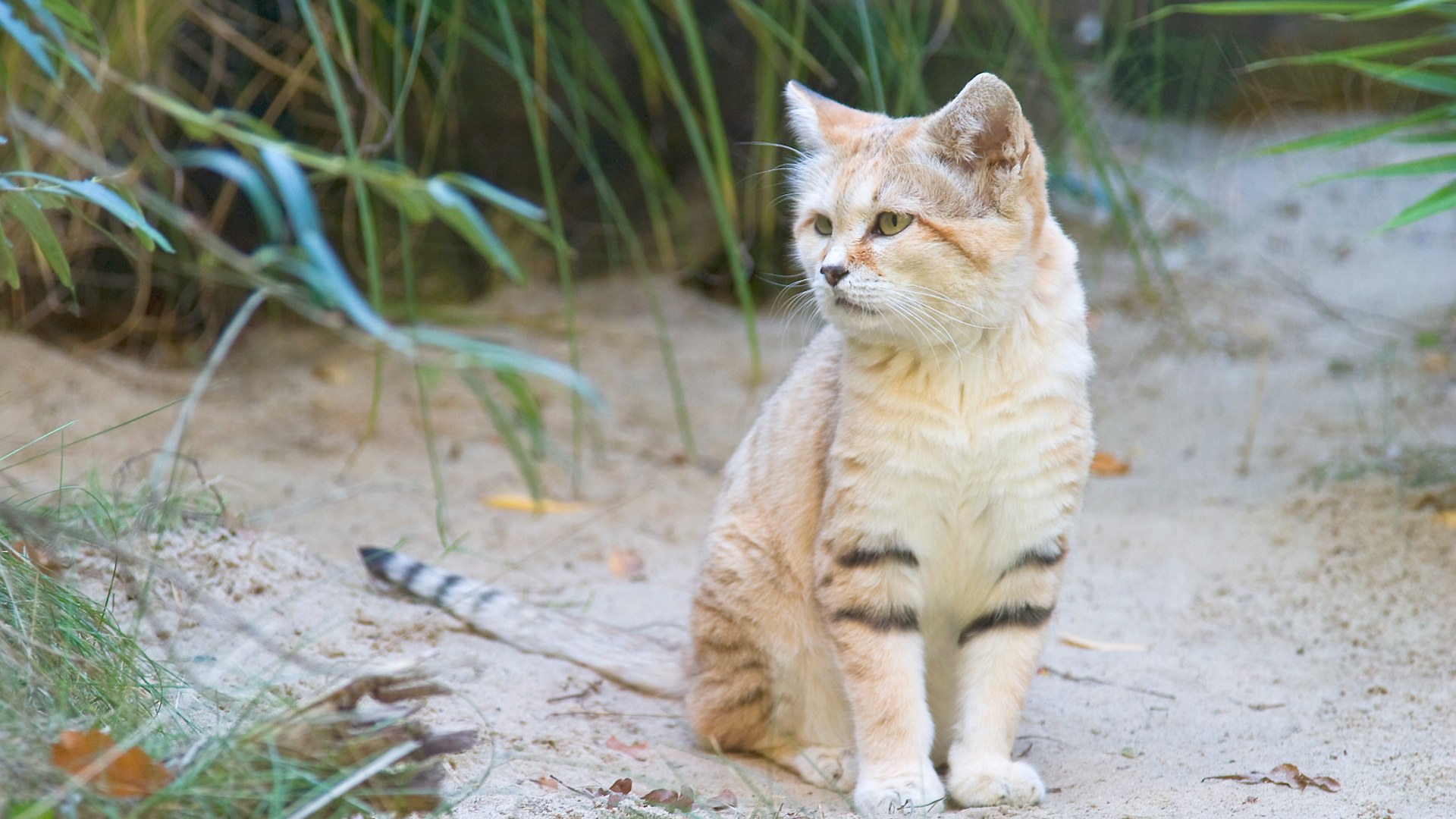
31. Sand Cat Crouching Unseen On Desert Dunes
The sand cat (Felis margarita) is the only felid native primarily to true deserts across North Africa, the Arabian Peninsula, and Central Asia. Its pale yellow-gray coat matches windblown sand, while dense black hair growing between its toes insulates against hot dunes and erases its footprints.
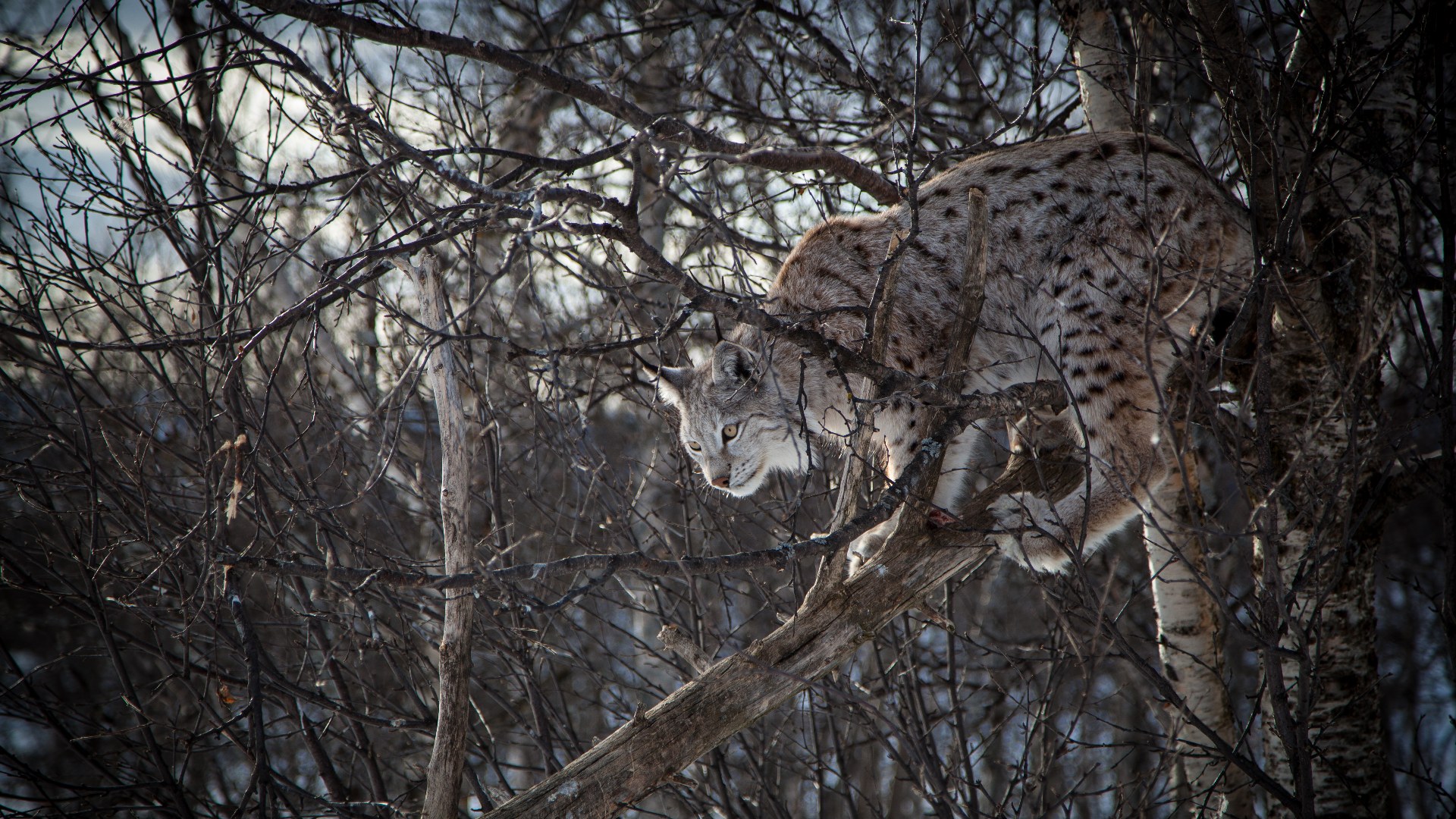
30. Eurasian Lynx
Stalking roe deer across dense forests from Scandinavia to Siberia, the Eurasian lynx (Lynx lynx) grows a thick, frosted winter coat that mirrors hoarfrost and tree bark. Even the black tufts atop its ears serve a dual role, enhancing directional hearing while breaking up its head silhouette.
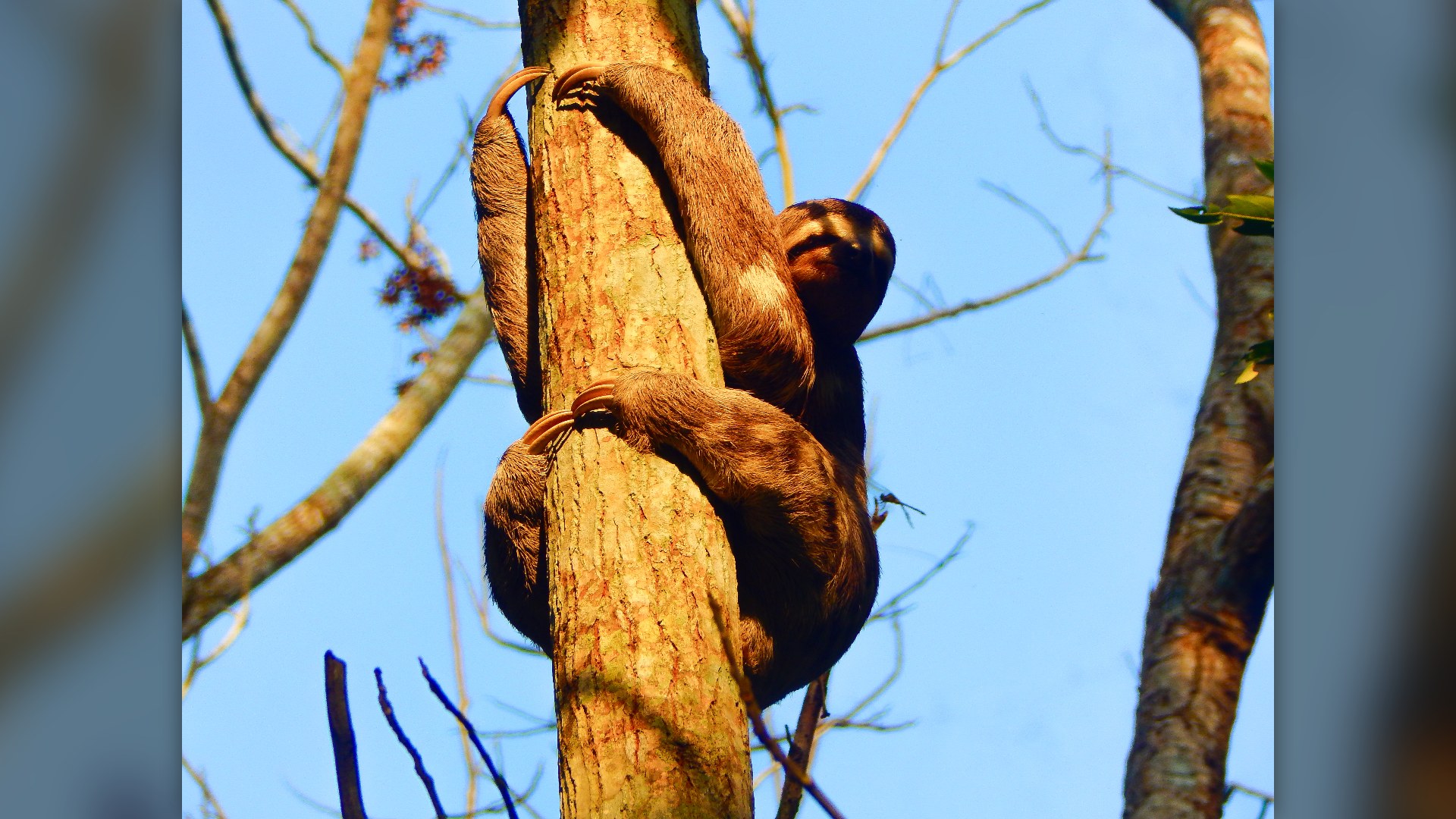
29. Brown-Throated Sloth Growing Green Algae In Its Fur
High in Central and South American rainforest canopies, the brown-throated three-toed sloth (Bradypus variegatus) cultivates its own living camouflage. Cracks in its coarse guard hairs absorb rainwater and shelter symbiotic Trichophilus green algae, tinting its coat to match lichen-covered branches.
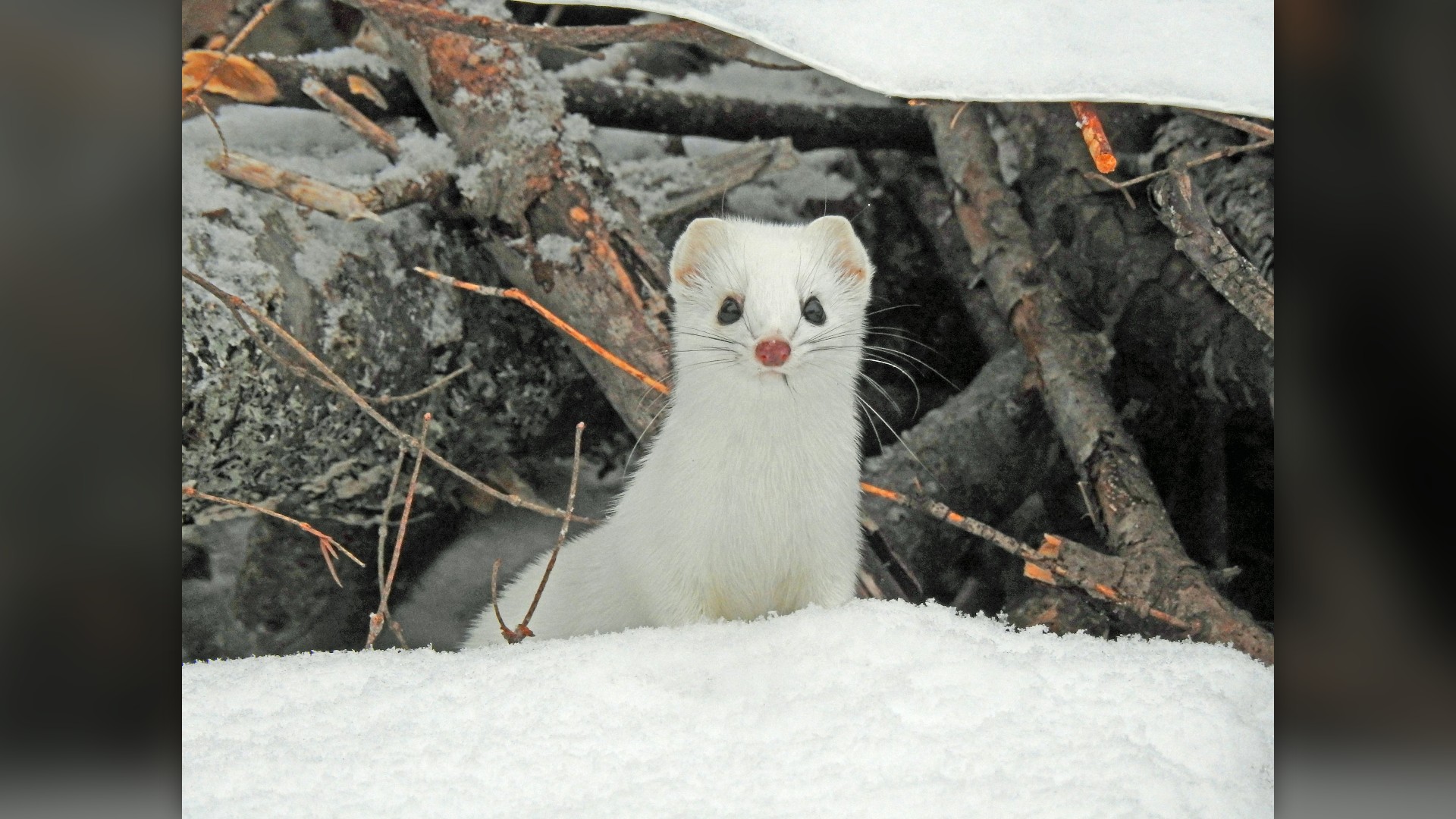
28. Stoat Turning Pure Ermine White
In northern latitudes, the stoat (Mustela erminea) undergoes a hormonally controlled autumn molt into its pure white ermine coat. Only the tip of its tail stays jet black, a feature field biologists found draws the strike of swooping hawks and owls away from the small carnivore's vital head and torso.
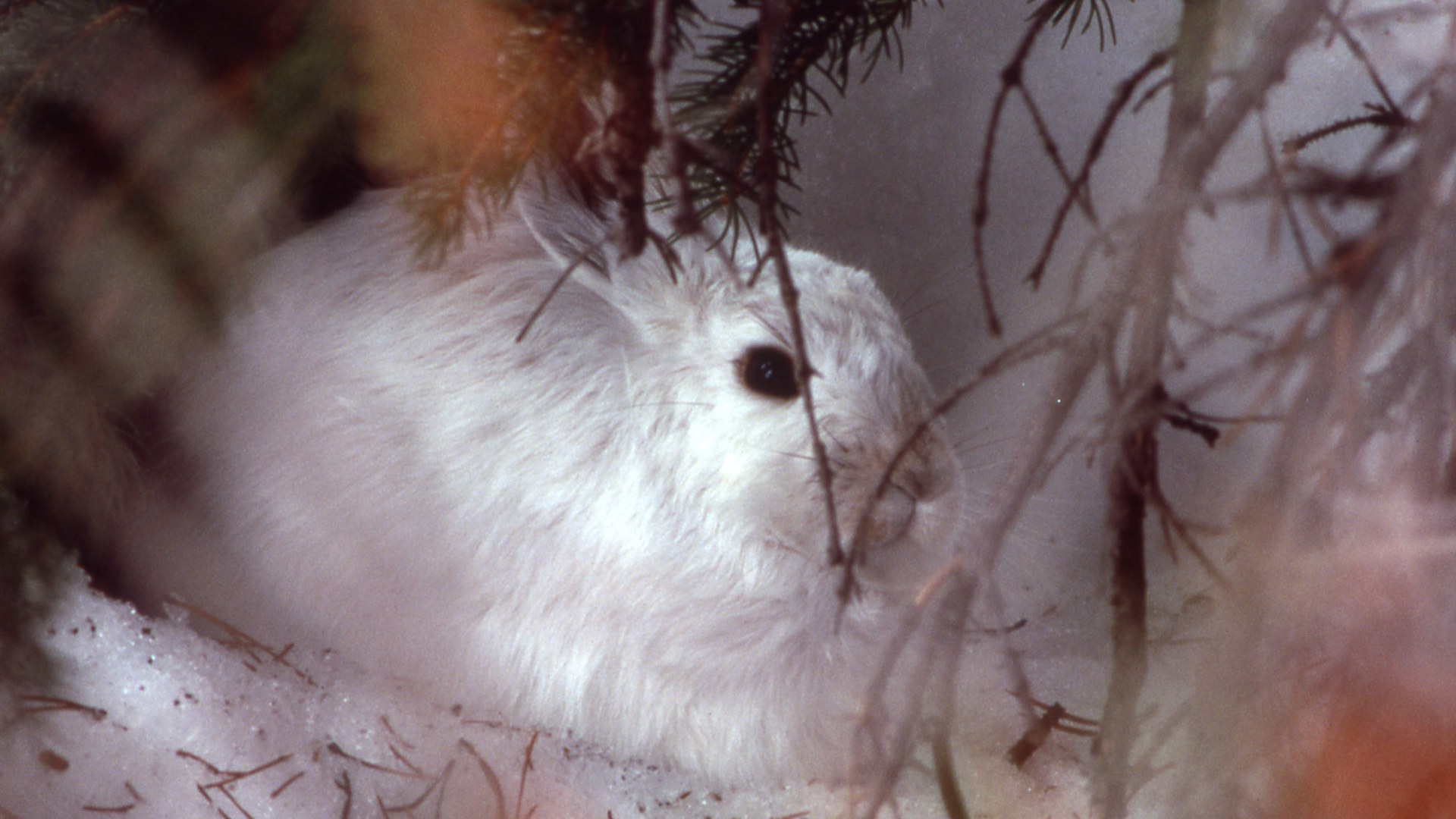
27. Snowshoe Hare
To evade lynx, coyotes, and goshawks across North America's boreal forests, the snowshoe hare (Lepus americanus) completely swaps its pelage twice a year. Its winter hairs lack melanin pigment and contain air-filled chambers that scatter light like fresh snow while trapping body heat in subzero cold.
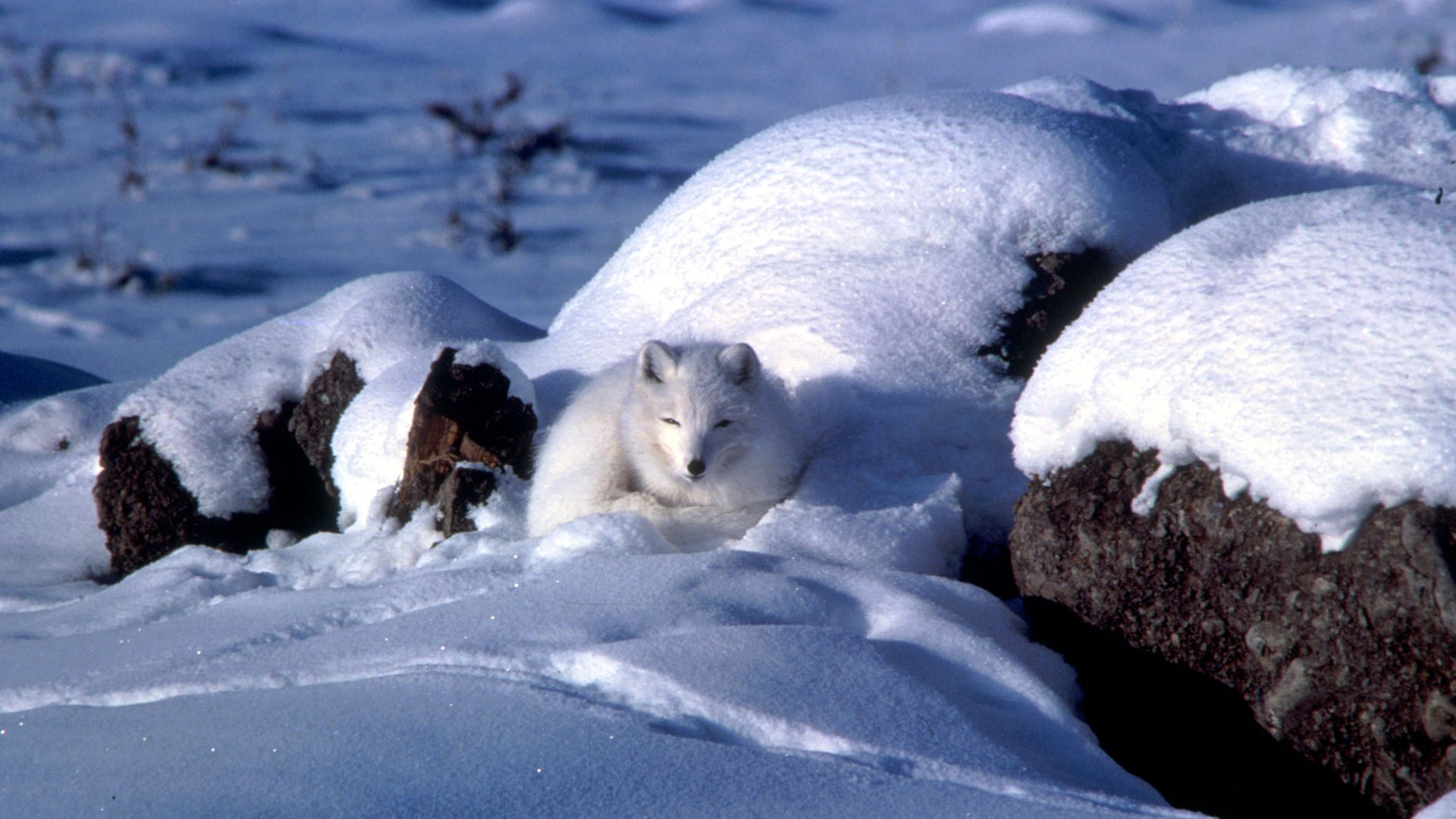
26. Arctic Fox
The Arctic fox (Vulpes lagopus) relies on seasonal crypsis to hunt lemmings across treeless polar plains. In May, it sheds its dense white winter coat for charcoal-and-brown fur that matches melting tundra moss and basalt rock, before molting back to pure white as September blizzards return.
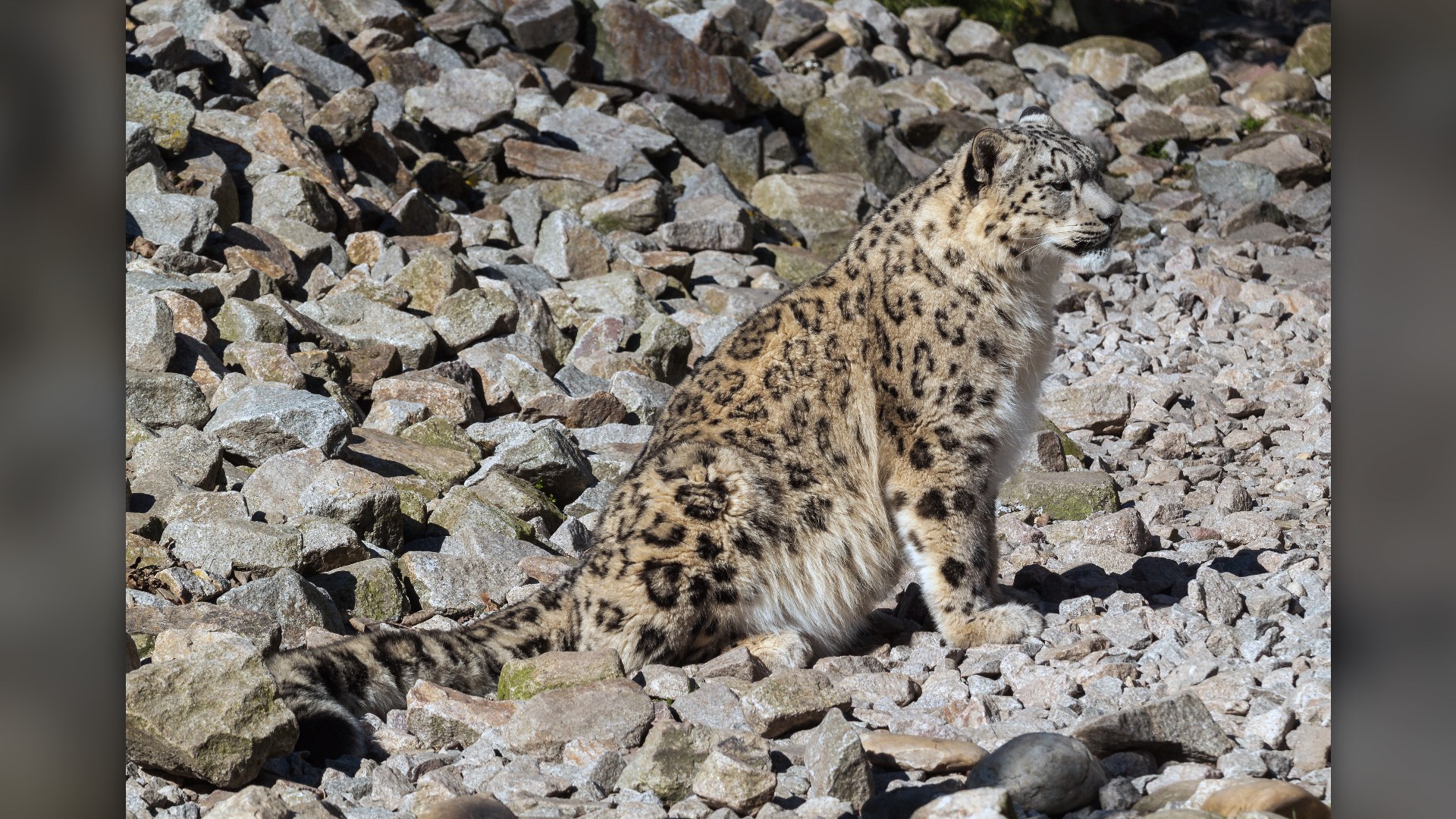
25. Snow Leopard Vanishing Against Himalayan Cliff Faces
Inhabiting alpine ridges between 3,000 and 5,500 meters across Central and South Asia, the snow leopard (Panthera uncia) is almost impossible to spot when motionless. Its pale gray-to-cream base coat and open charcoal rosettes match lichen-crusted granite boulders, scree slopes, and patchy mountain snow.
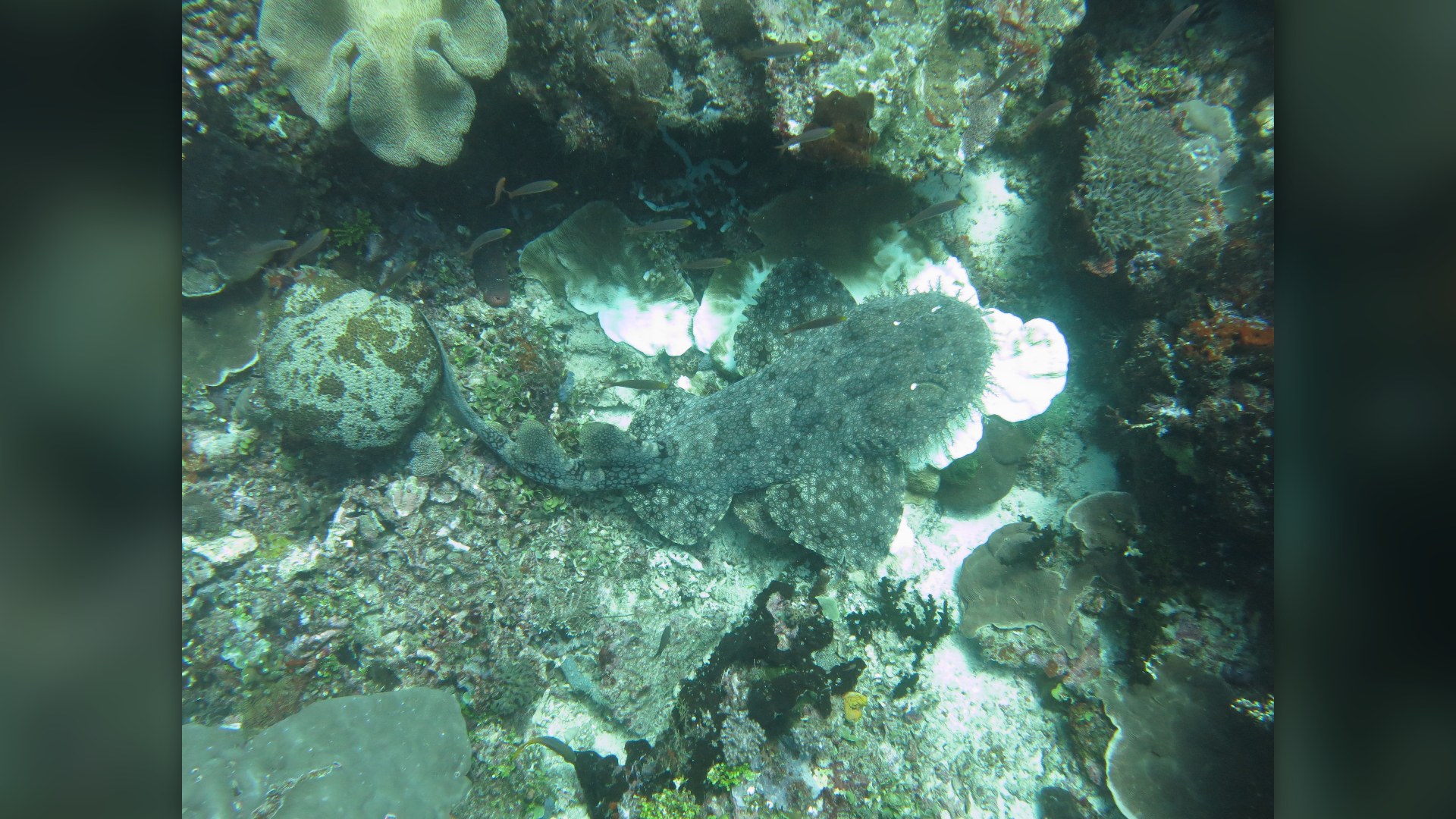
24. Tasselled Wobbegong Blending Into Coral Reef Ledges
Native to shallow coral reefs off northern Australia and New Guinea, the tasselled wobbegong (Eucrossorhinus dasypogon) is an ambush predator with a flattened body and symmetrical blotches resembling coral sponge. Fleshy, weed-like dermal lobes ringing its chin lure reef fish right to its jaws.
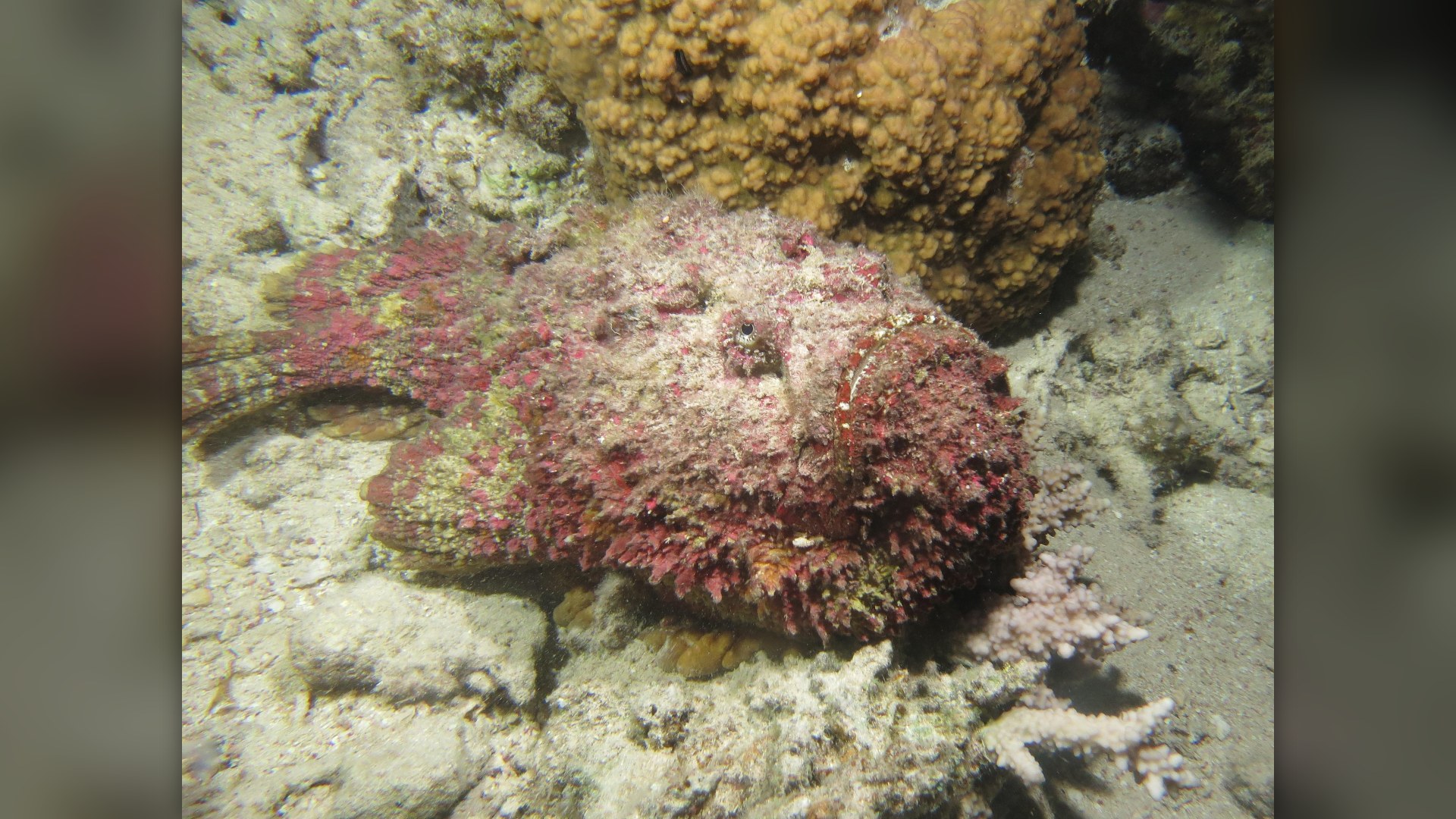
23. Reef Stonefish Masquerading As Algae-Covered Coral Rock
Resting on Indo-Pacific reef flats and rubble, the reef stonefish (Synanceia verrucosa) relies on complete stillness and rocky masquerade rather than speed. Its mottled brown, orange, and gray skin secretes a slime coat that traps sand grains and living algae, hiding 13 needle-sharp venomous dorsal spines.
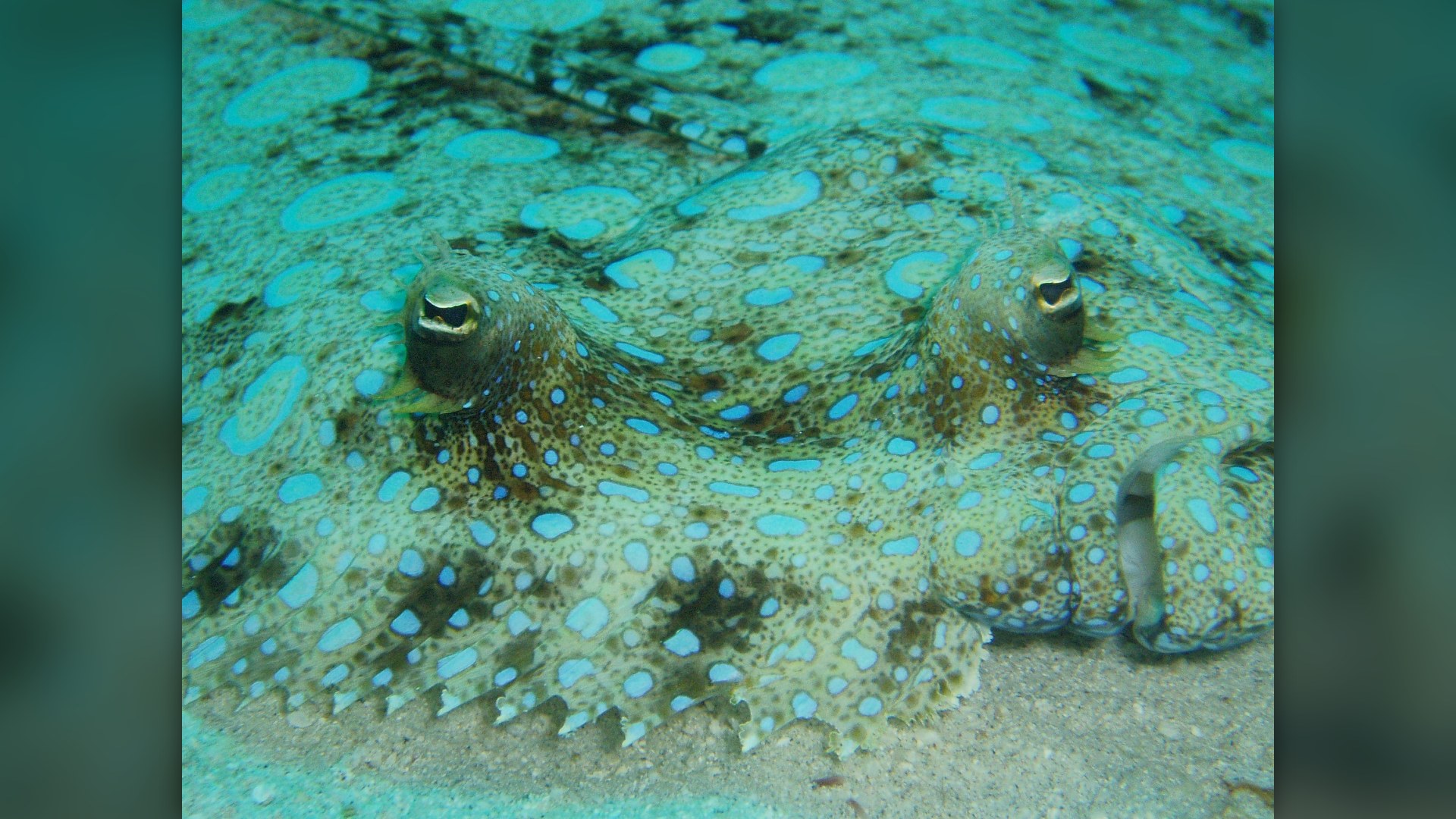
22. Peacock Flounder Copying The Exact Seafloor Pattern
Swimming sideways across warm Atlantic and Caribbean reefs, the peacock flounder (Bothus lunatus) uses visual feedback from its stalked eyes to adjust dermal chromatophores in two to eight seconds. After settling, it flicks its fins to toss a thin veil of sand over its body edges, erasing its outline.
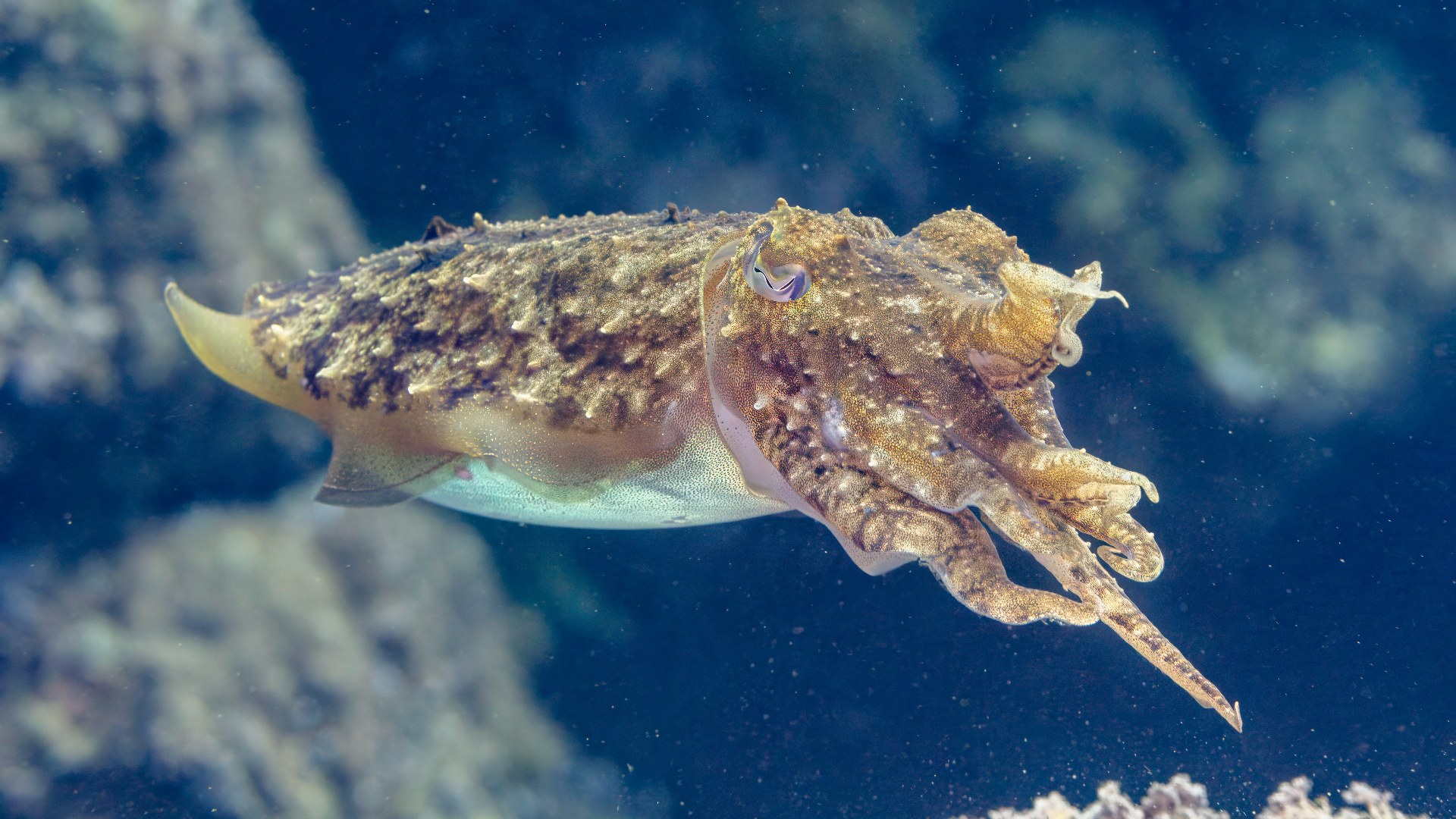
21. Common Cuttlefish Morphing Skin Texture And Color
Often called the "chameleon of the sea," the common cuttlefish (Sepia officinalis) controls millions of elastic chromatophores, light-reflecting iridophores, and muscular skin papillae directly from its brain. In under a second, it can match sandy ripples or raise spiky 3D skin bumps to mimic seaweed.
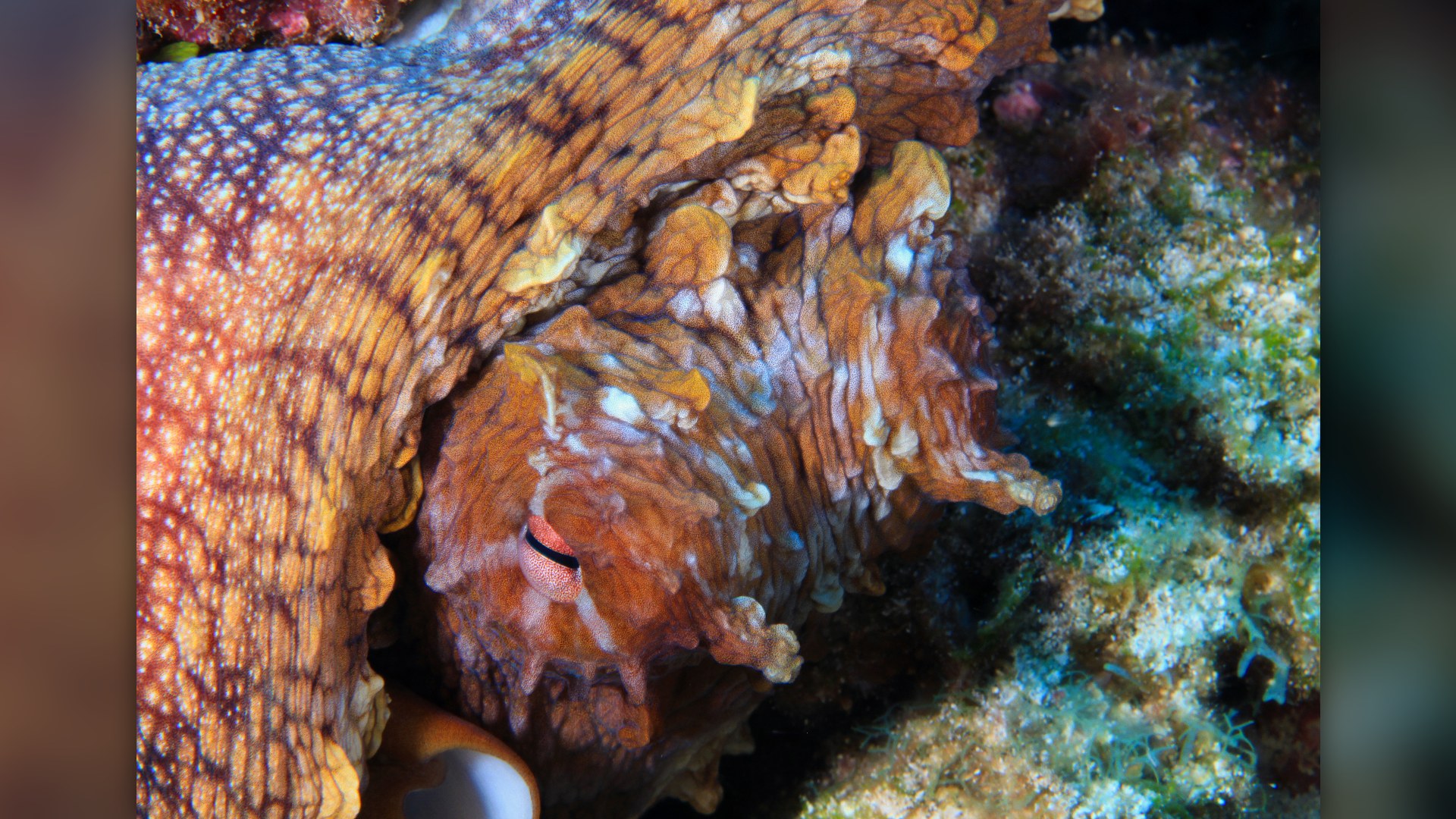
20. Day Octopus Matching Coral Texture And Hue Instantly
Unlike nocturnal octopuses, the day octopus (Octopus cyanea) hunts across sunlit Hawaiian and Indo-Pacific reefs by morphing its appearance every few seconds. By contracting muscular hydrostats beneath its skin alongside three layers of pigment and reflector cells, it transforms from smooth sand to spiky coral.
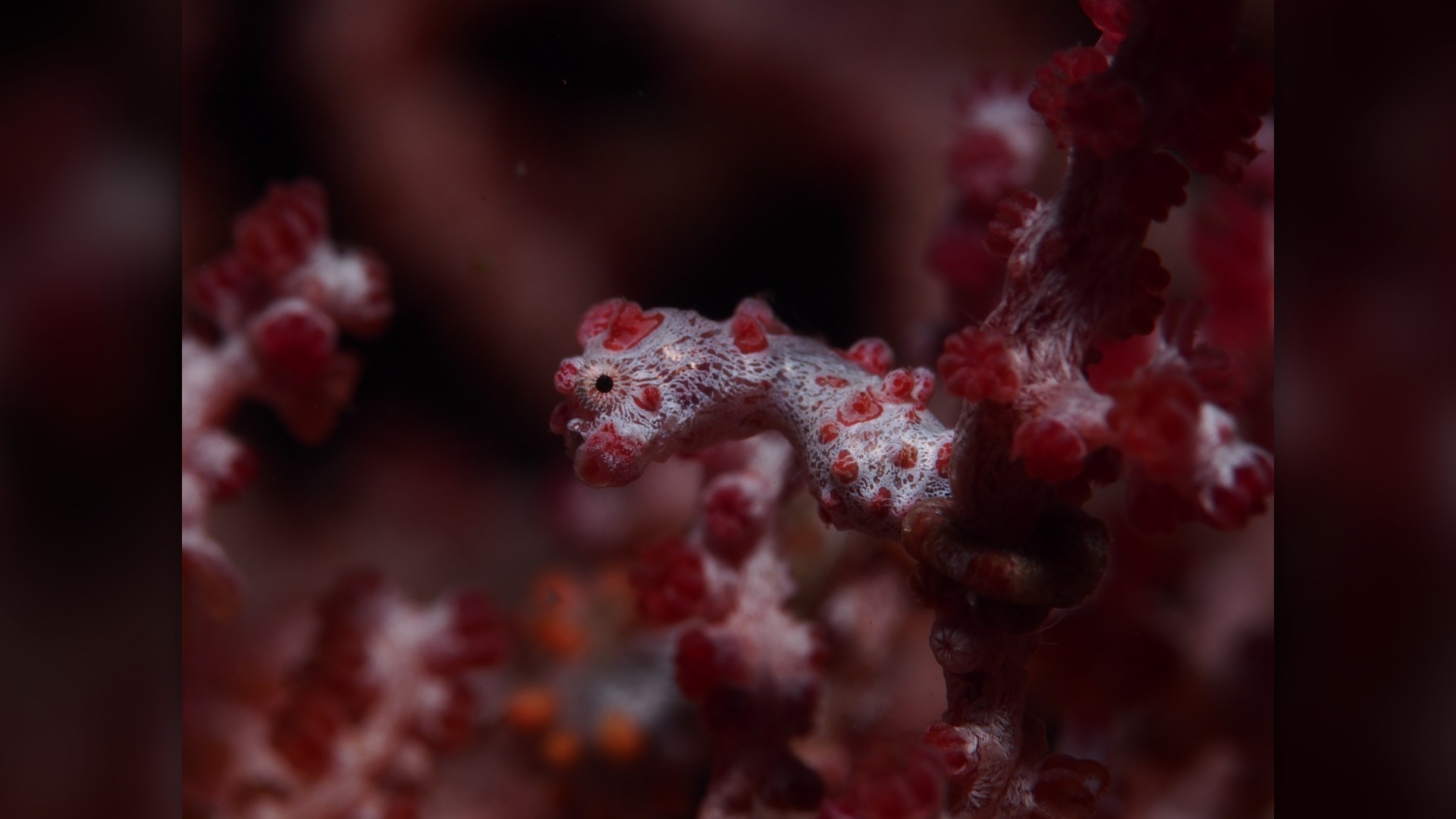
19. Bargibant's Pygmy Seahorse
Living exclusively on Muricella sea fans in the Coral Triangle, Bargibant's pygmy seahorse (Hippocampus bargibanti) is so well camouflaged that marine biologist Georges Bargibant only noticed it in 1969 while inspecting a coral specimen on his laboratory table. Its fleshy tubercles match the coral's polyps.
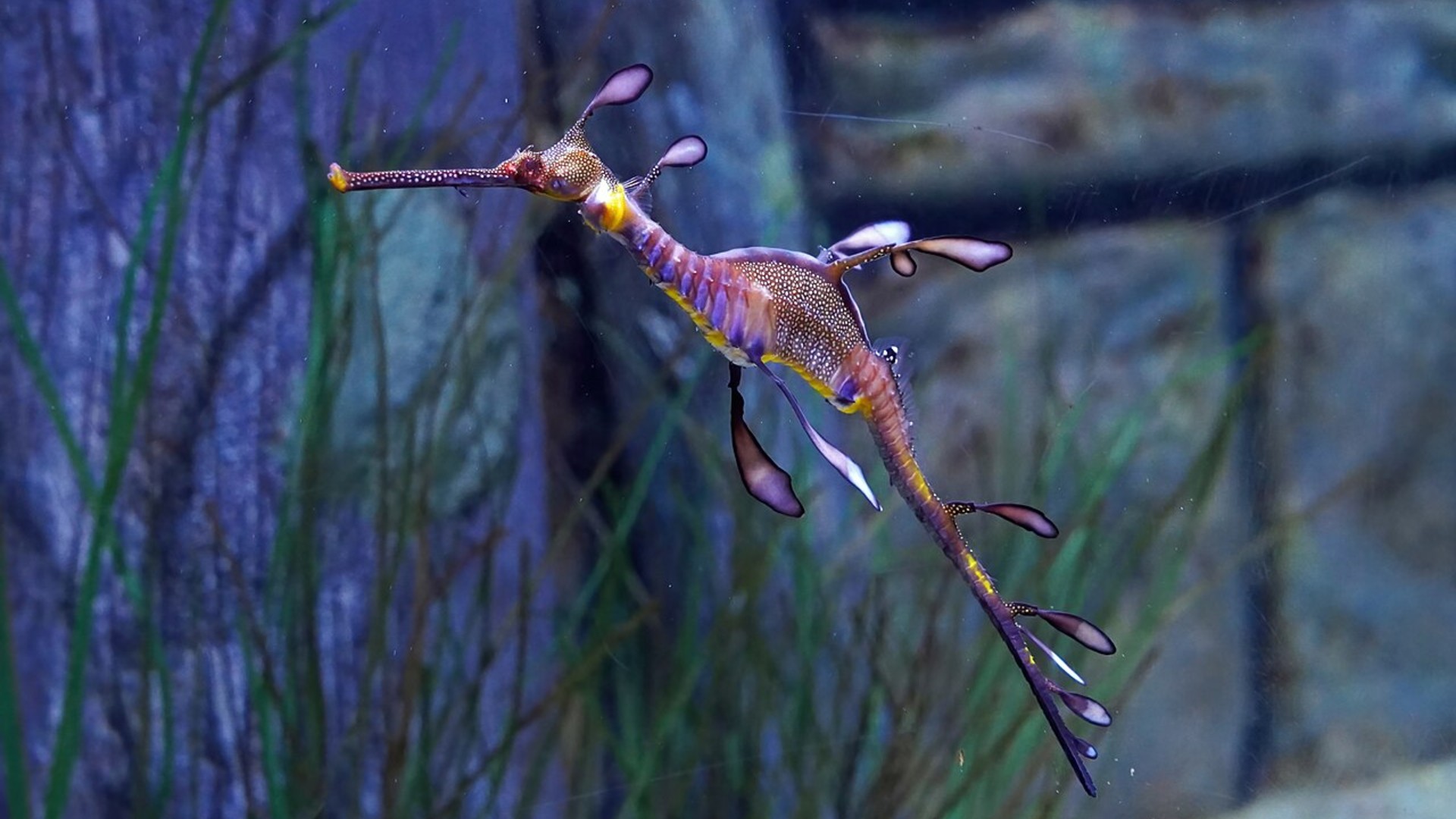
18. Weedy Seadragon Drifting Through Australian Kelp Beds
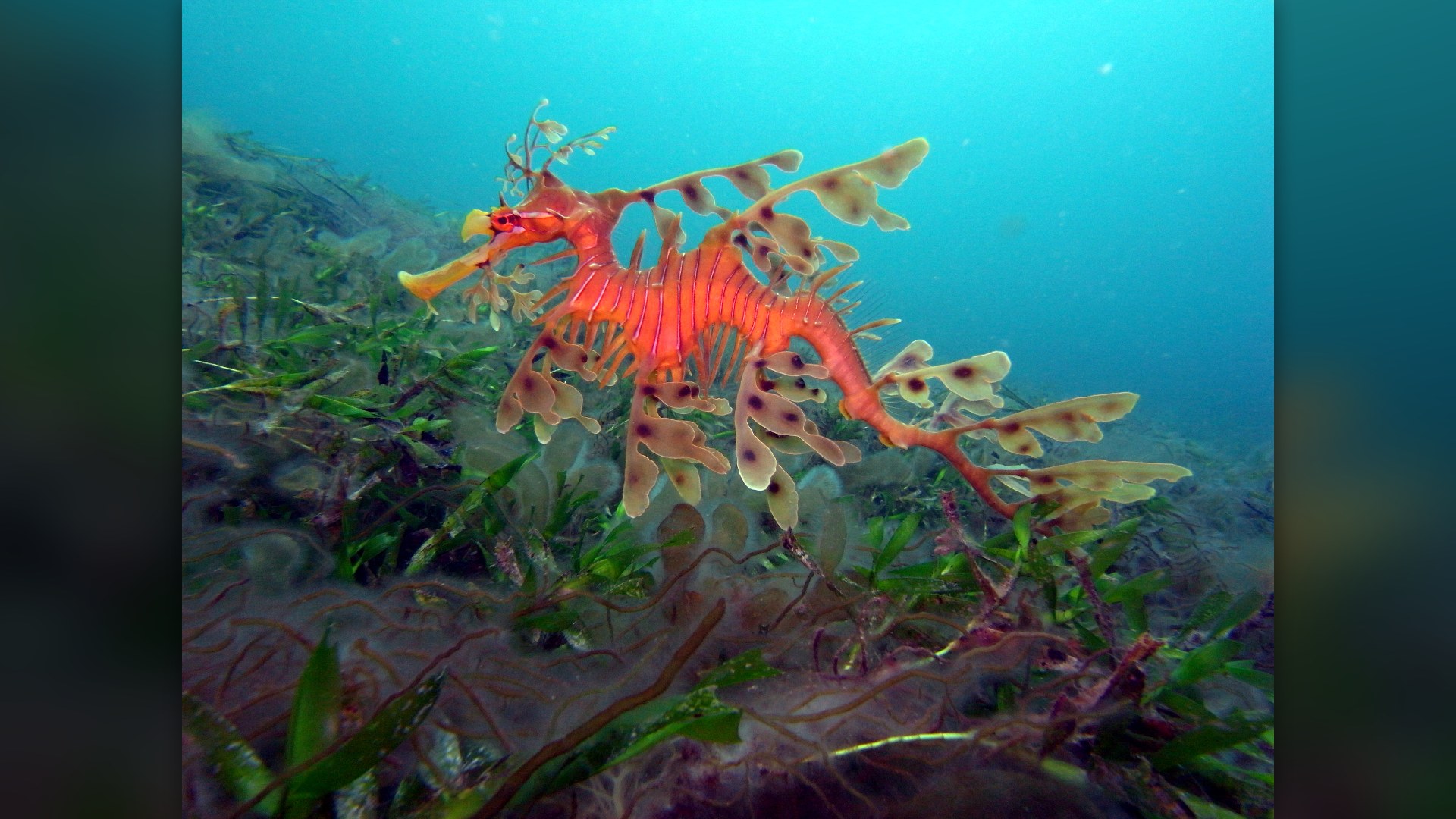
Endemic to southern Australian coastal waters, the weedy seadragon (Phyllopteryx taeniolatus) lacks a prehensile tail and instead drifts slowly among Ecklonia kelp beds and seagrass meadows. Its lobed skin appendages are purely for masquerade, while tiny translucent fins propel it without a ripple.
17. Leafy Seadragon Disguised As Floating Seaweed Fronds
Related to seahorses and pipefish, the leafy seadragon (Phycodurus eques) is one of the ocean's masterpieces of biological masquerade. Its elaborate leaf-like protrusions are not fins used for swimming, but skin extensions that sway in the current while transparent pectoral and dorsal fins steer it.
16. Texas Horned Lizard
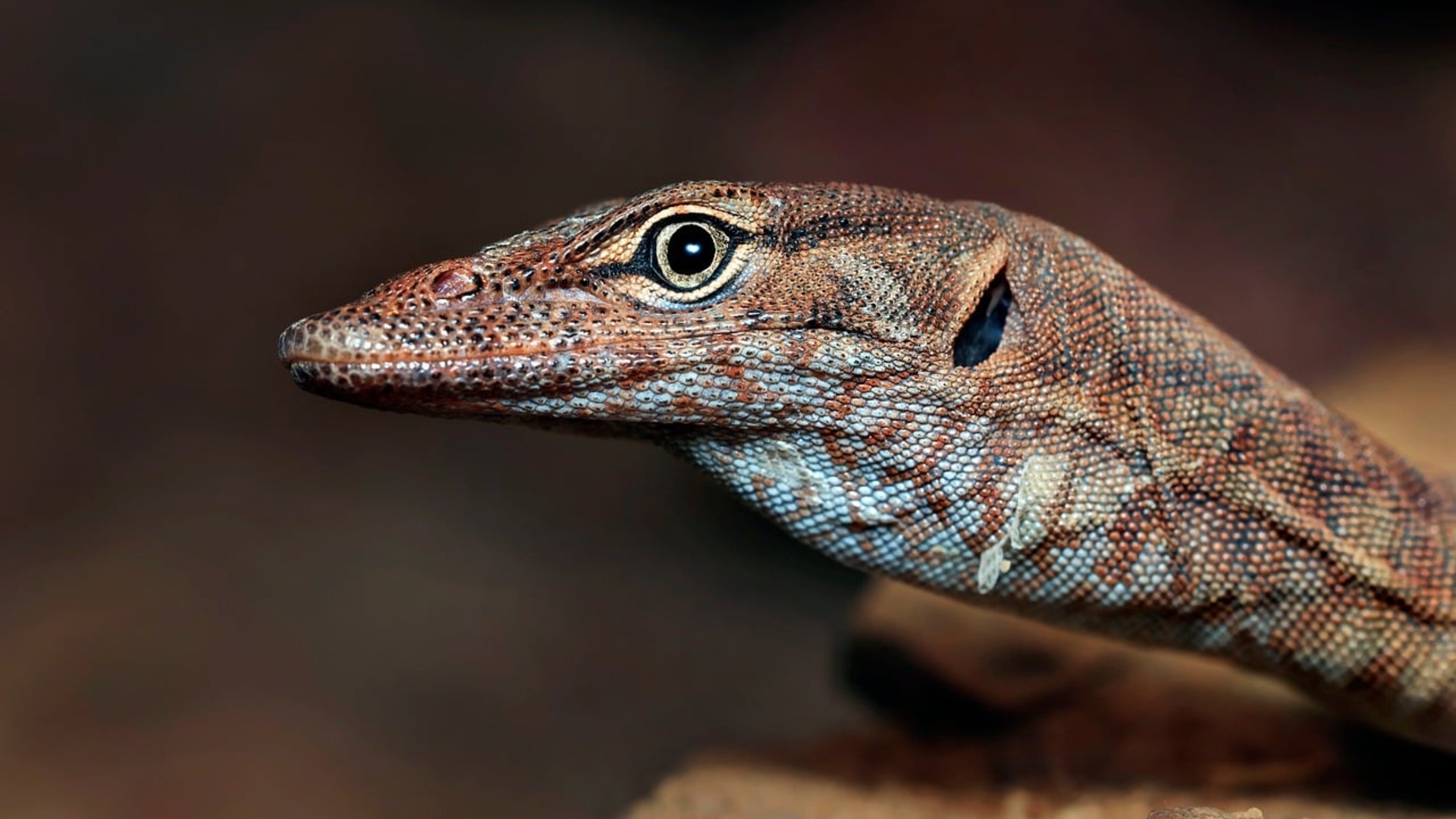
Across the arid plains of the American Southwest and northern Mexico, the Texas horned lizard (Phrynosoma cornutum) combines blotched tan-and-rust coloration with specialized lateral fringe scales. When a hawk passes overhead, the lizard flattens its ribs against the soil so its edges cast zero shadow.
15. Sahara Horned Viper Burying Into Dunes
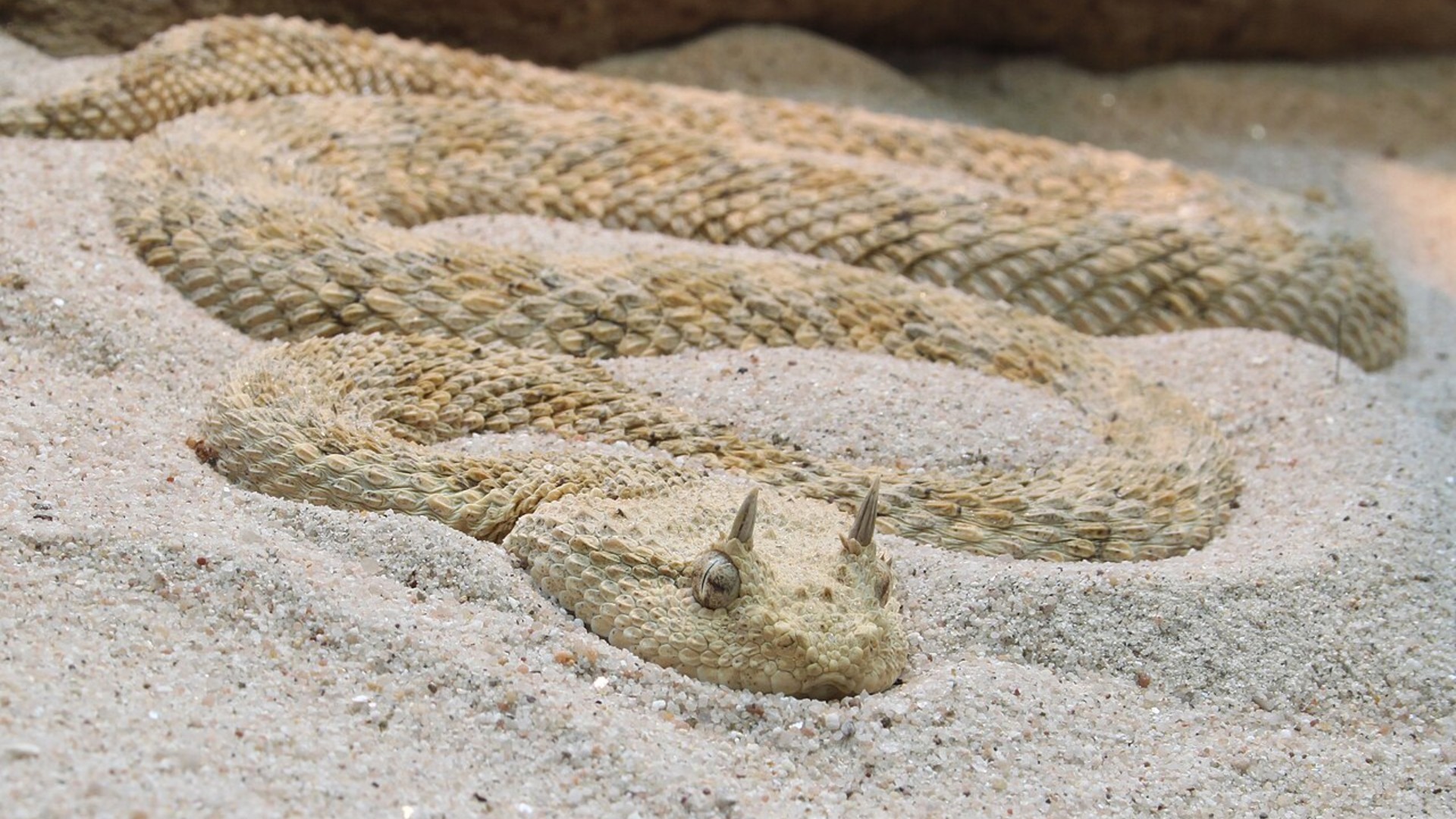
To escape extreme heat and ambush desert rodents across North Africa and the Middle East, the Sahara horned viper (Cerastes cerastes) shuffles its flattened body into loose sand until it disappears. The single horn-like scale above each eye prevents drifting sand grains from obscuring its upward vision.
14. Eyelash Viper Hiding In Mossy Rainforest Canopies
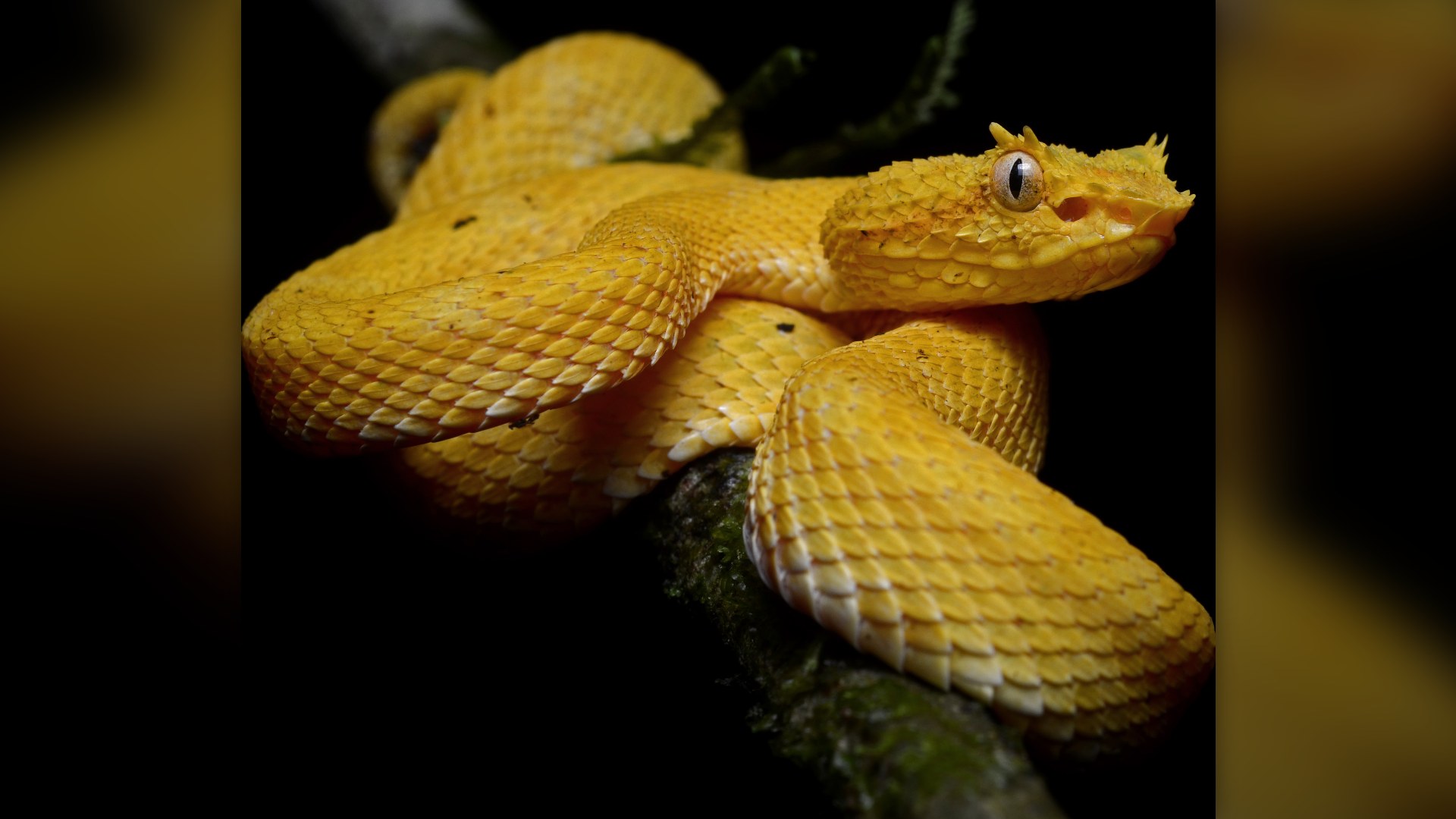
Found in humid Neotropical forests across Central and South America, the eyelash viper (Bothriechis schlegelii and the closely allied Bothriechis nigroadspersus) occurs in mossy green and golden-yellow morphs. Its namesake supraocular scales jut above the eyes to disrupt the oval shape of its head among epiphytes.
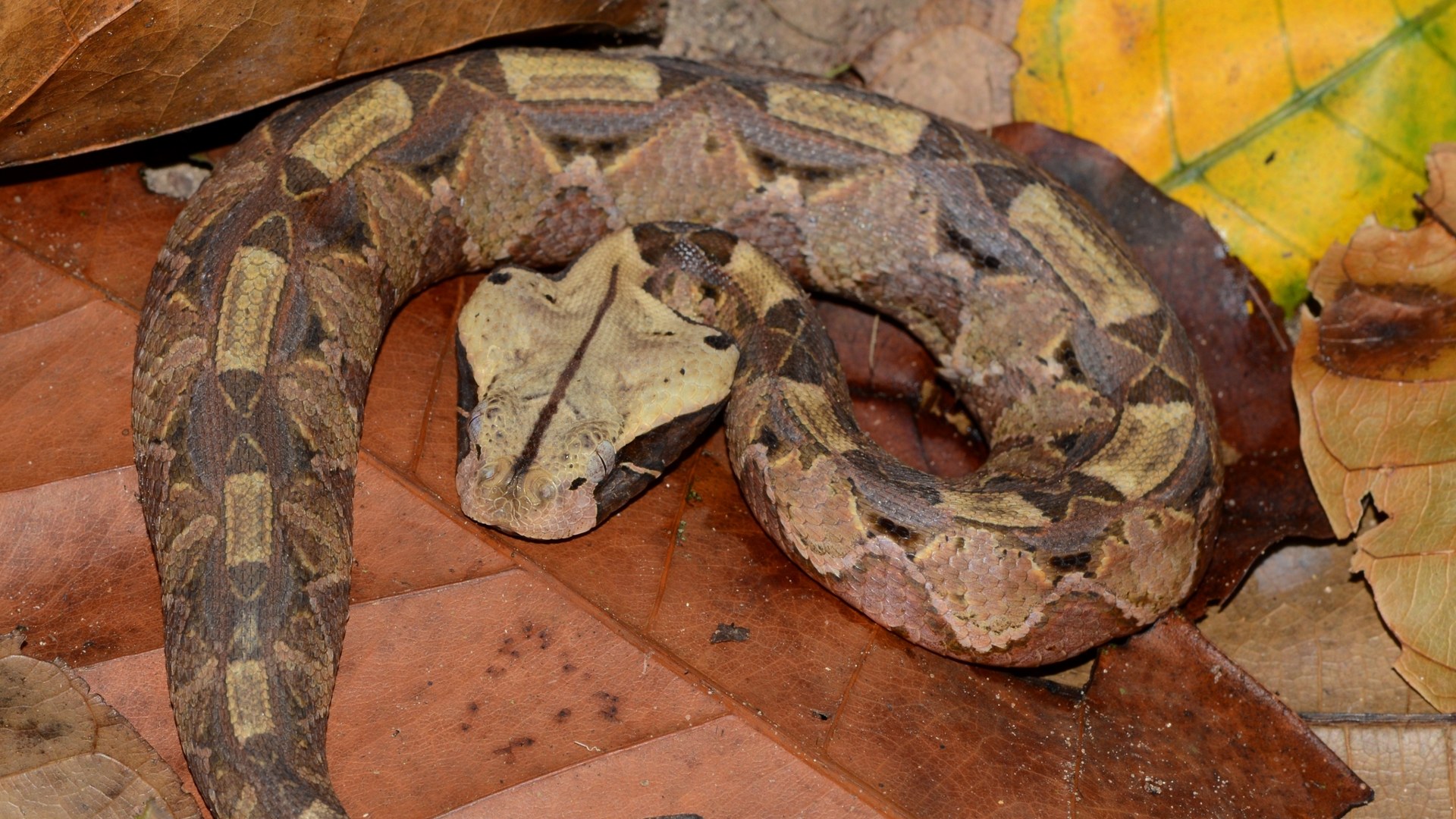
13. Gaboon Viper
Despite growing nearly two meters long and possessing the longest fangs of any venomous snake (up to five centimeters), the Gaboon viper (Bitis gabonica) can lie unseen inches from a footpath. Its symmetrical pattern of buff, purple, and mahogany blocks mimics sunlit and shadowed leaf litter.
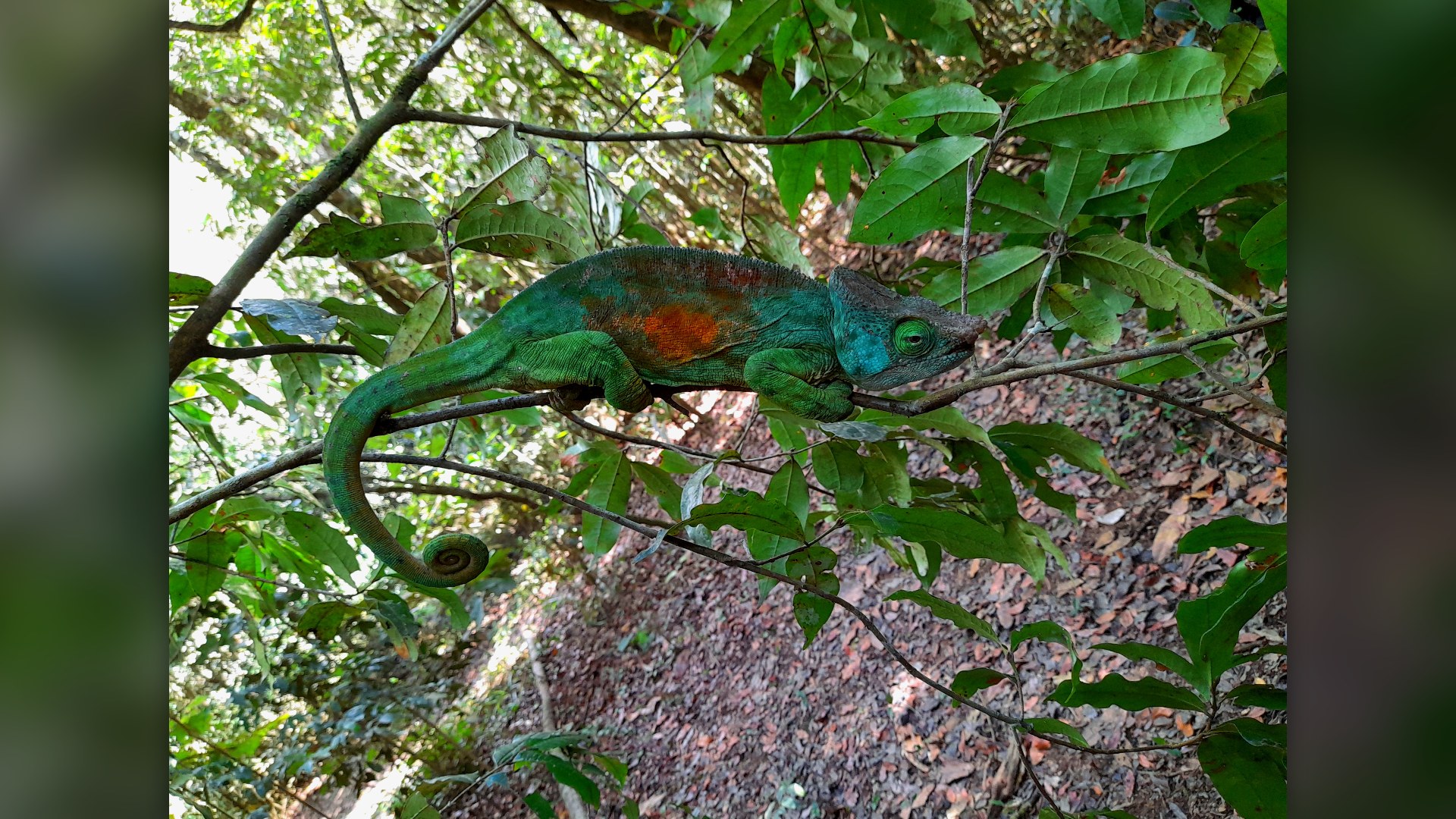
12. Parson's Chameleon
Endemic to pockets of primary rainforest in eastern and northern Madagascar, Parson's chameleon (Calumma parsonii) pairs emerald-and-turquoise skin with a slow, swaying gait that imitates a branch rocking in the wind. Independently rotating turret eyes let it scan 360 degrees without moving its head.
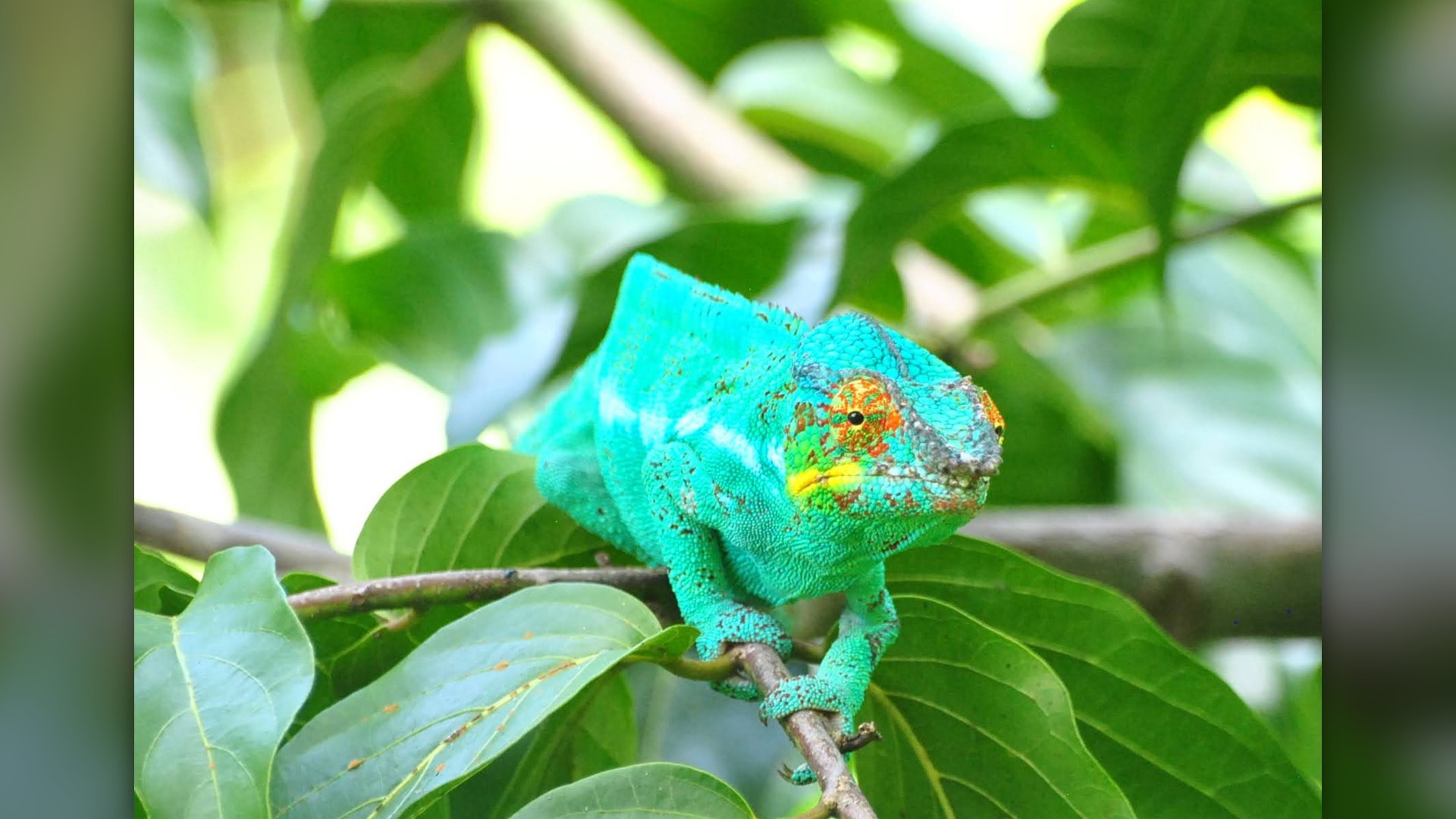
11. Panther Chameleon
Biophysicists studying the panther chameleon (Furcifer pardalis) of Madagascar discovered that its rapid color shifts are driven by structural optics. Beneath its pigment cells lies a layer of iridophores packed with guanine nanocrystals whose spacing changes like a prism to reflect green, blue, or red wavelengths.
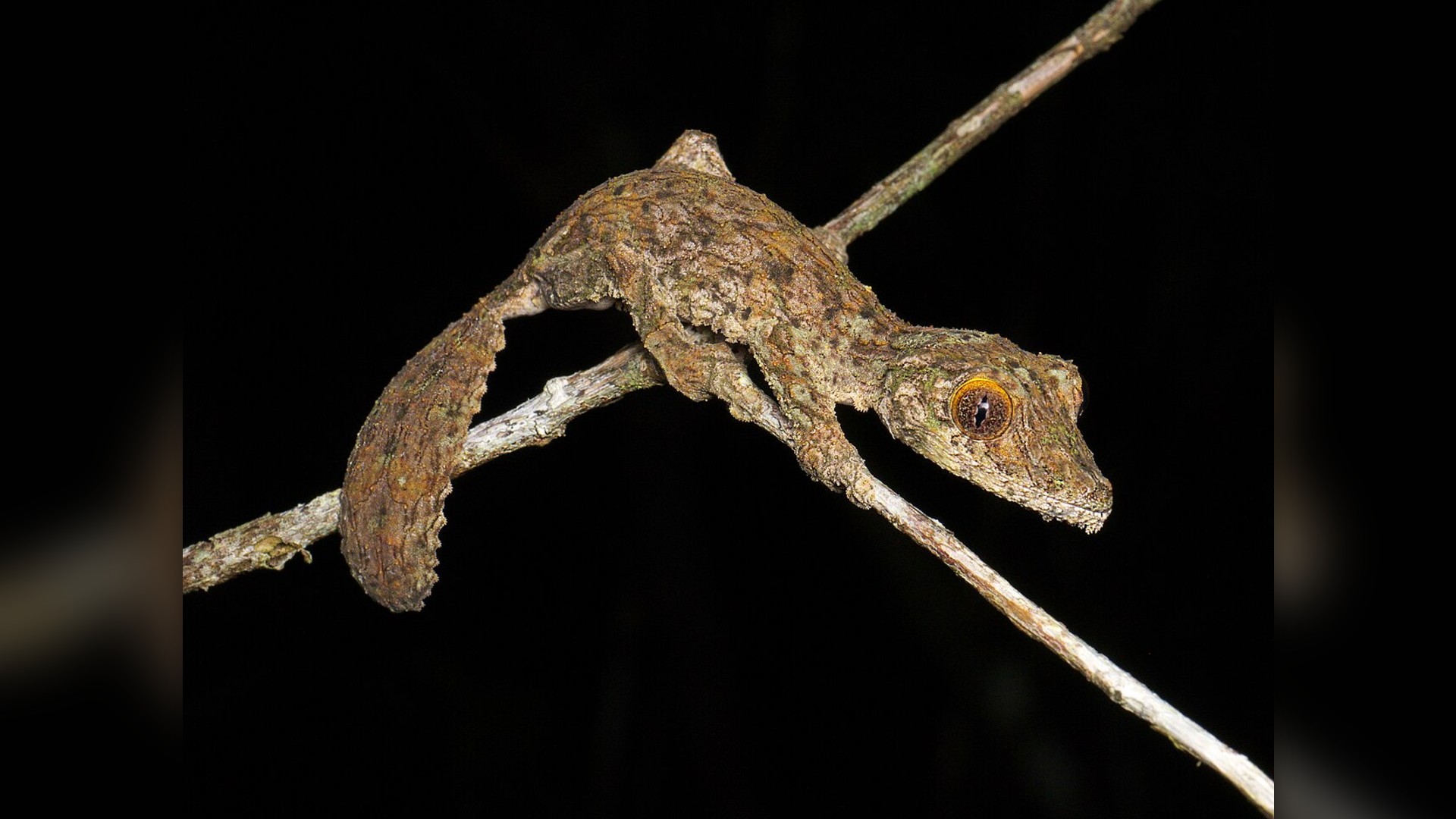
10. Mossy Leaf-Tailed Gecko
Resting head-down on mossy tree trunks in Madagascar's rainforests during the day, the mossy leaf-tailed gecko (Uroplatus sikorae) is nearly impossible to detect. In addition to bark-patterned skin that can lighten or darken, fringed dermal flaps around its body perimeter eliminate any telltale outline shadow.
9. Satanic Leaf-Tailed Gecko
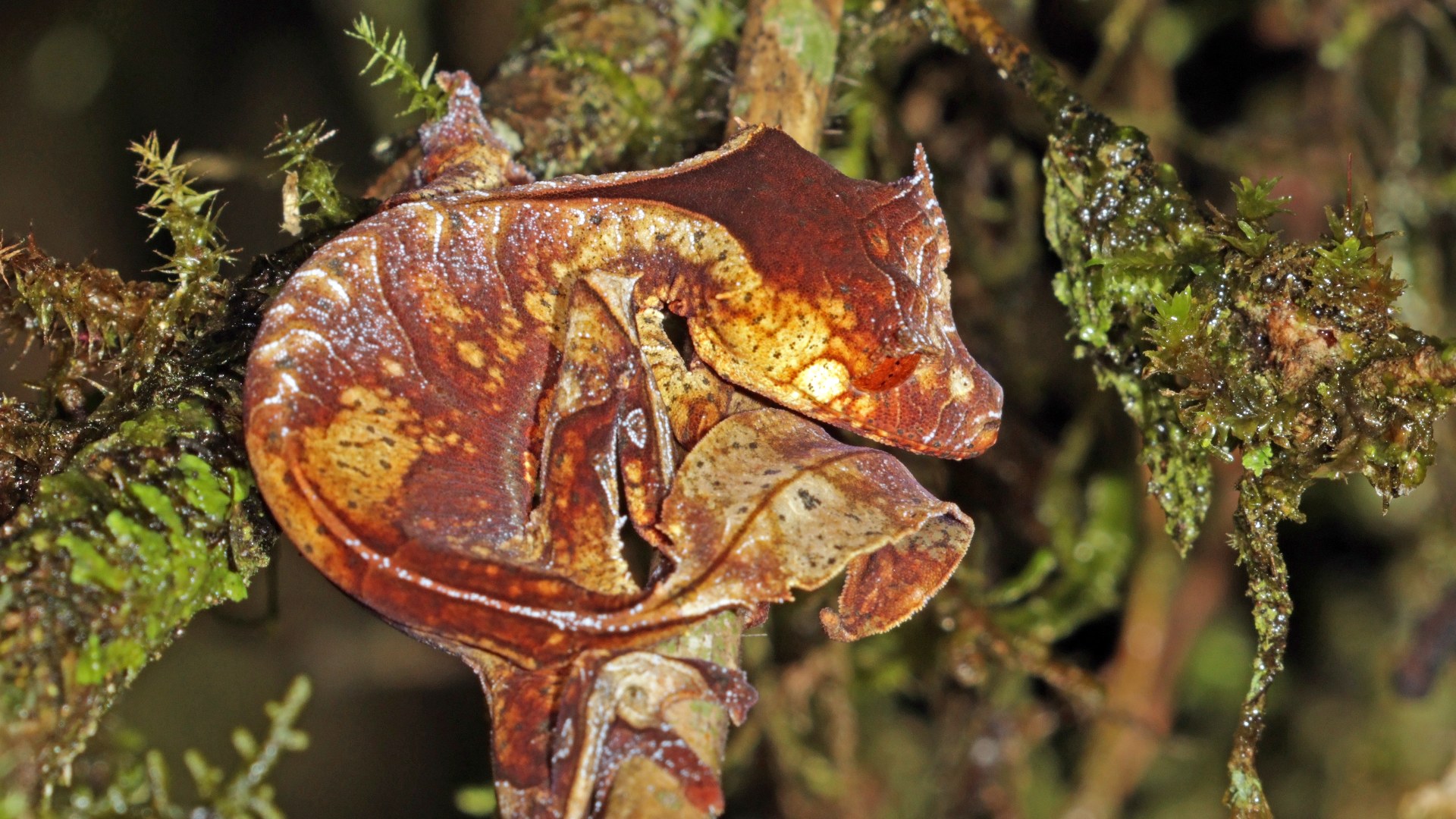
Native to the montane rainforests of Madagascar, the satanic leaf-tailed gecko (Uroplatus phantasticus) is a master of botanical masquerade. Its brown, tan, or orange skin features raised ridges that replicate leaf veins, while its broad tail includes jagged notches that mimic insect bites and fungal decay.
8. Thorn Bug
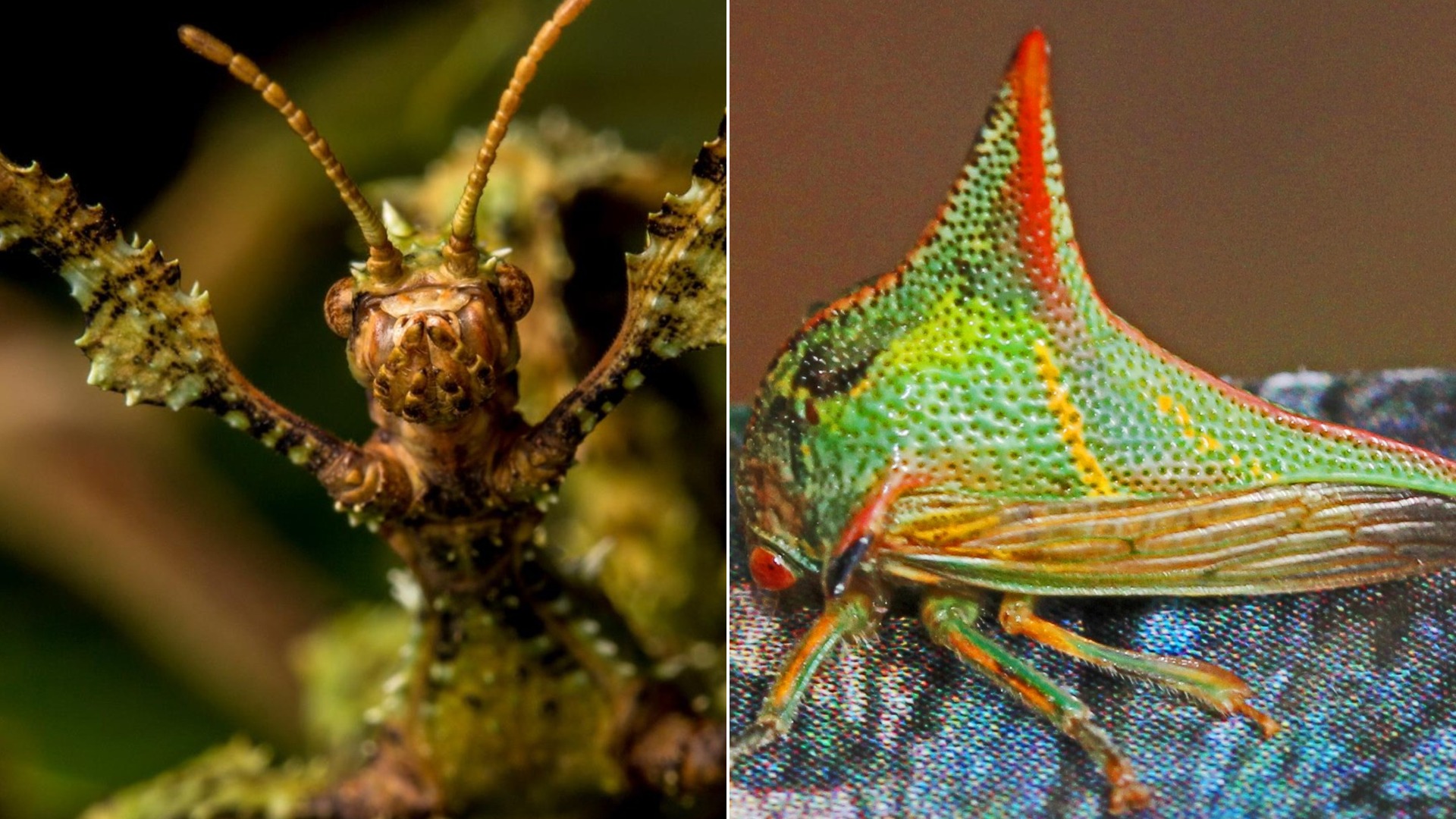
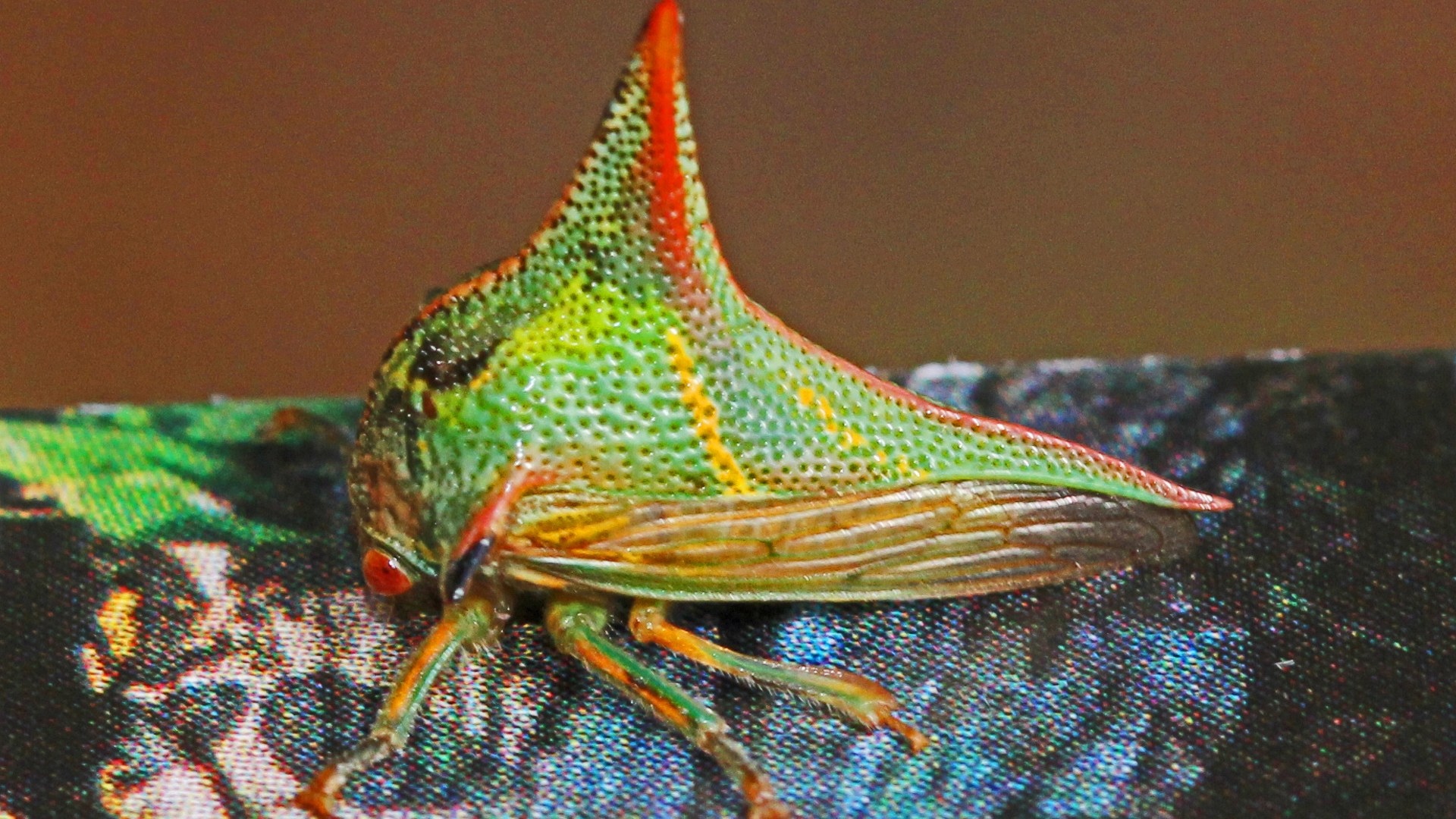
Found across subtropical Florida, Central America, and northern South America, the thorn bug (Umbonia crassicornis) hides in plain sight along woody stems. Its hard, horn-like dorsal shield not only fools insect-eating birds into passing it by as a plant spine, but also makes it painful to swallow.
7. Buff-Tip Moth
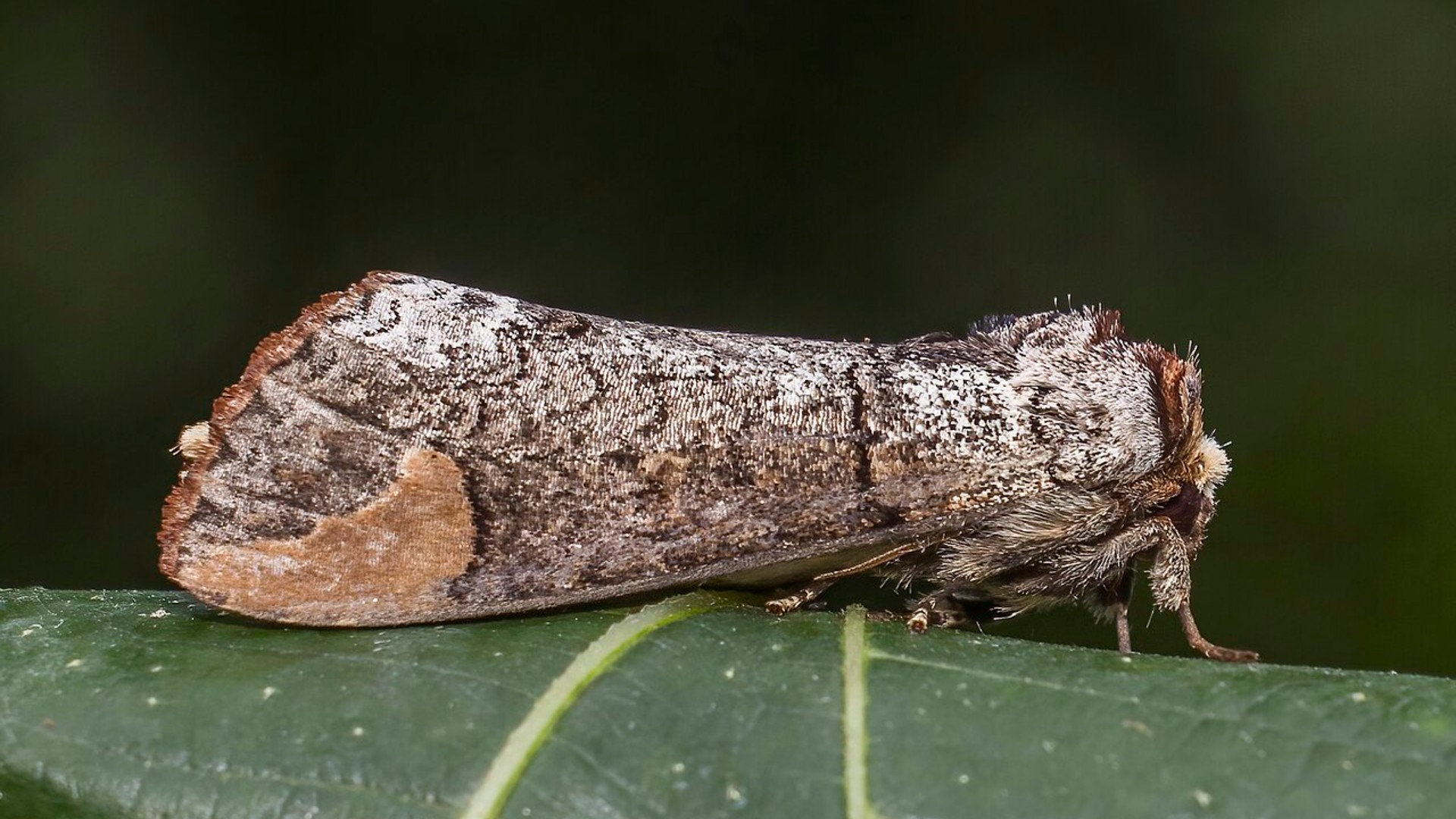
Across woodlands in Europe and Asia, the buff-tip moth (Phalera bucephala) spends daylight hours resting openly on the ground or among twigs. With its wings furled into a cylinder, its silvery bark texture and yellowish-buff patches at both ends replicate a broken piece of silver birch or hazel branch.
6. Peppered Moth
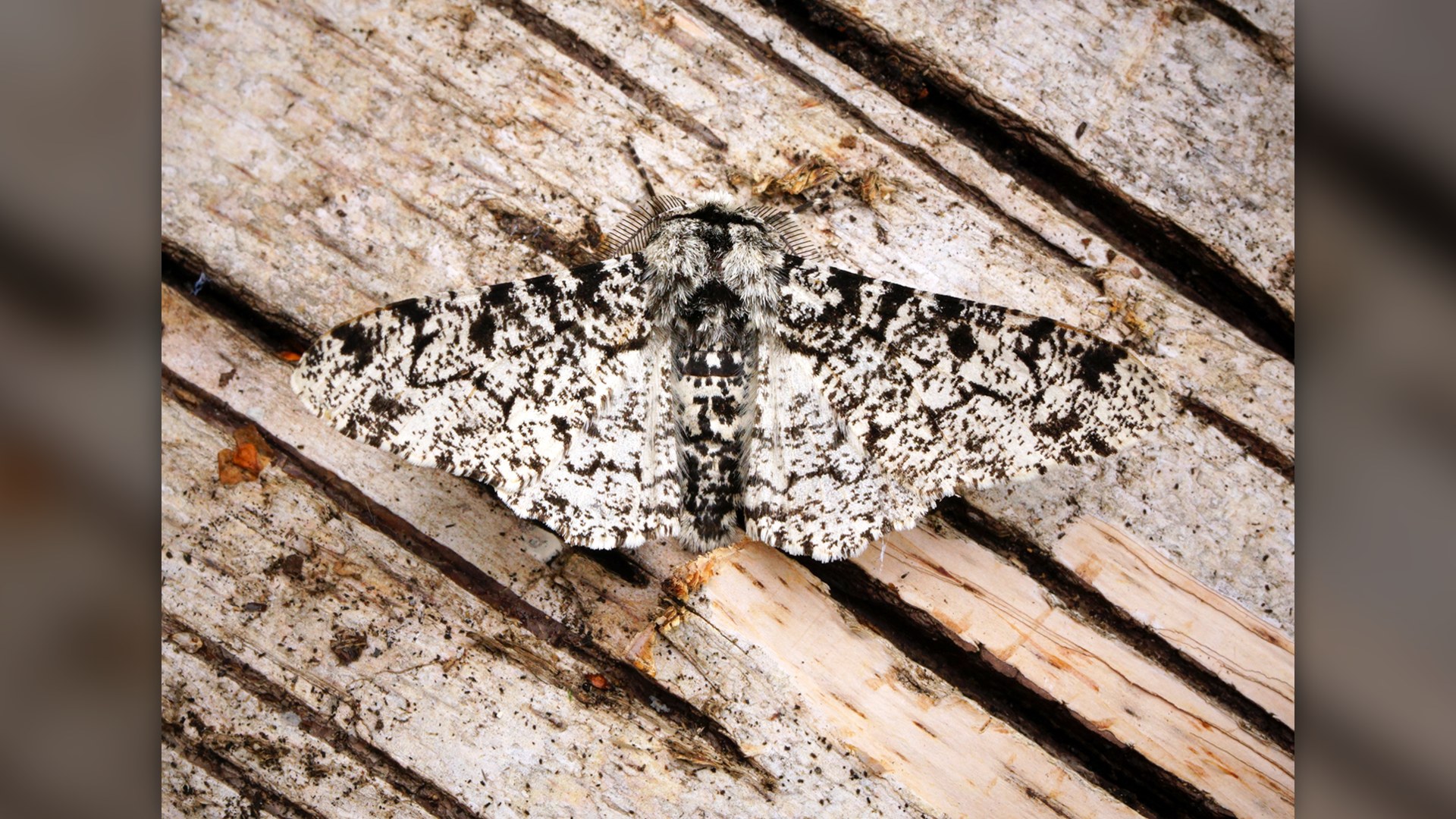
The peppered moth (Biston betularia) became an evolutionary icon when dark carbonaria morphs spread across soot-blackened 19th-century British cities before pale typica moths rebounded after clean-air laws. Even its caterpillars can sense branch color through their skin and shift between green and brown.
5. Orange Oakleaf Butterfly
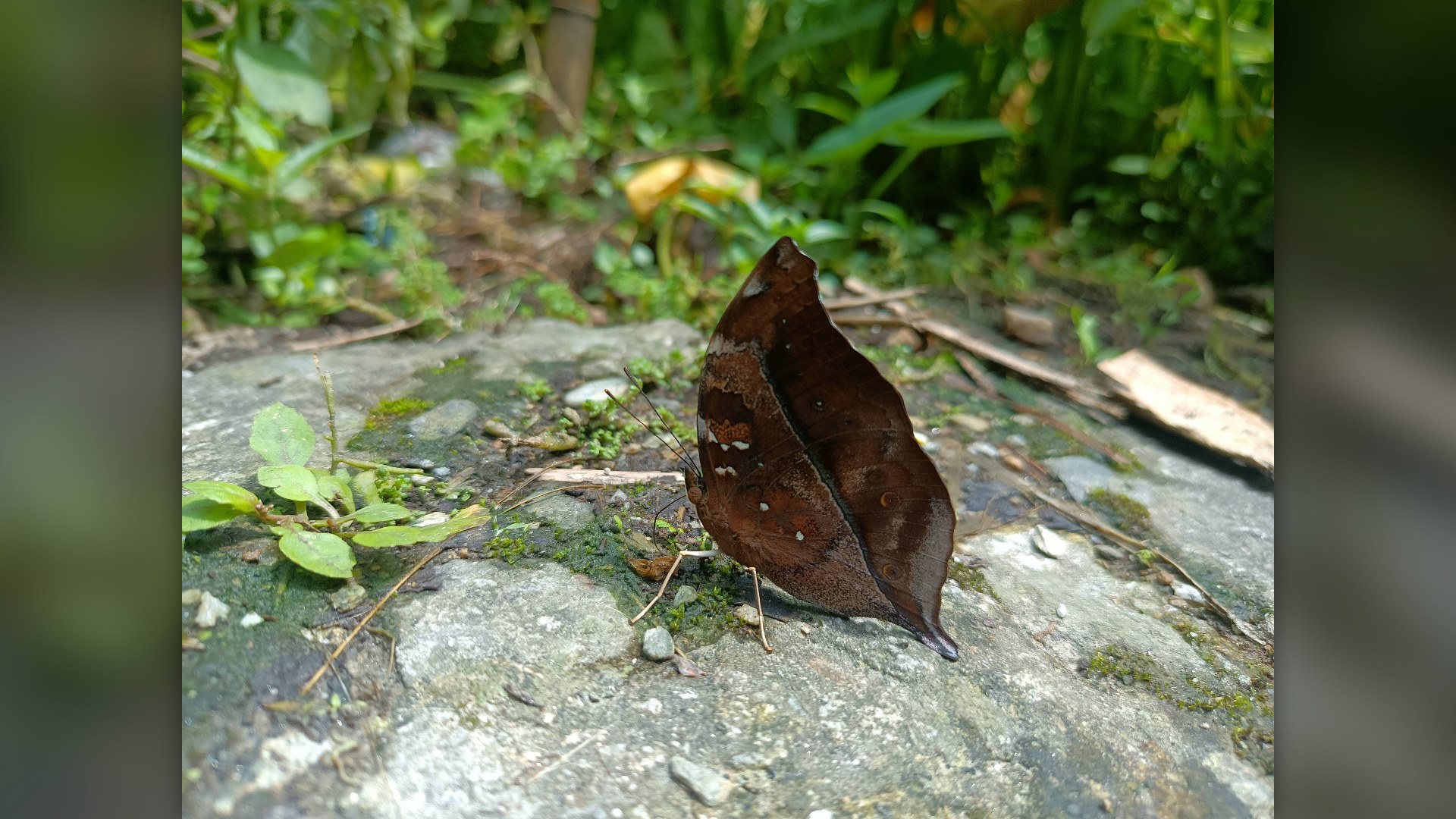
In flight through tropical Asian forests, the orange oakleaf butterfly (Kallima inachus) flashes bright orange and indigo bands. The moment a bird pursues it and the butterfly alights on a branch with closed wings, its underside reveals a complete false leaf stem, midrib, lateral veins, and mildew spots.
4. Spiny Leaf Insect
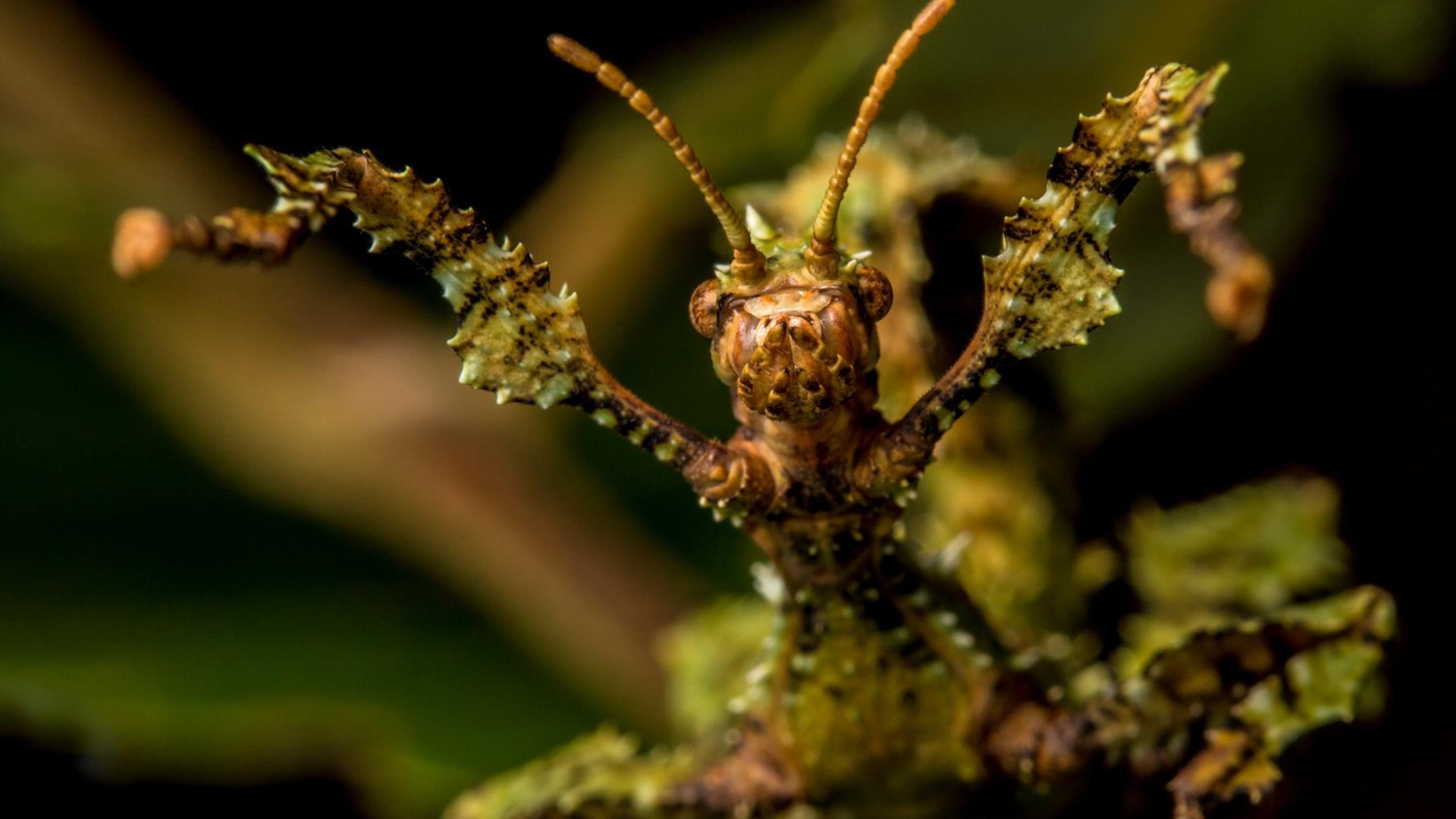
Native to eastern Australia, the spiny leaf insect or Macleay's spectre (Extatosoma tiaratum) combines physical leaf-and-bark mimicry with behavioral camouflage. When a breeze blows through its host eucalyptus tree, the insect rocks rhythmically side to side so its motion matches the surrounding leaves.
3. Walking Leaf Insect
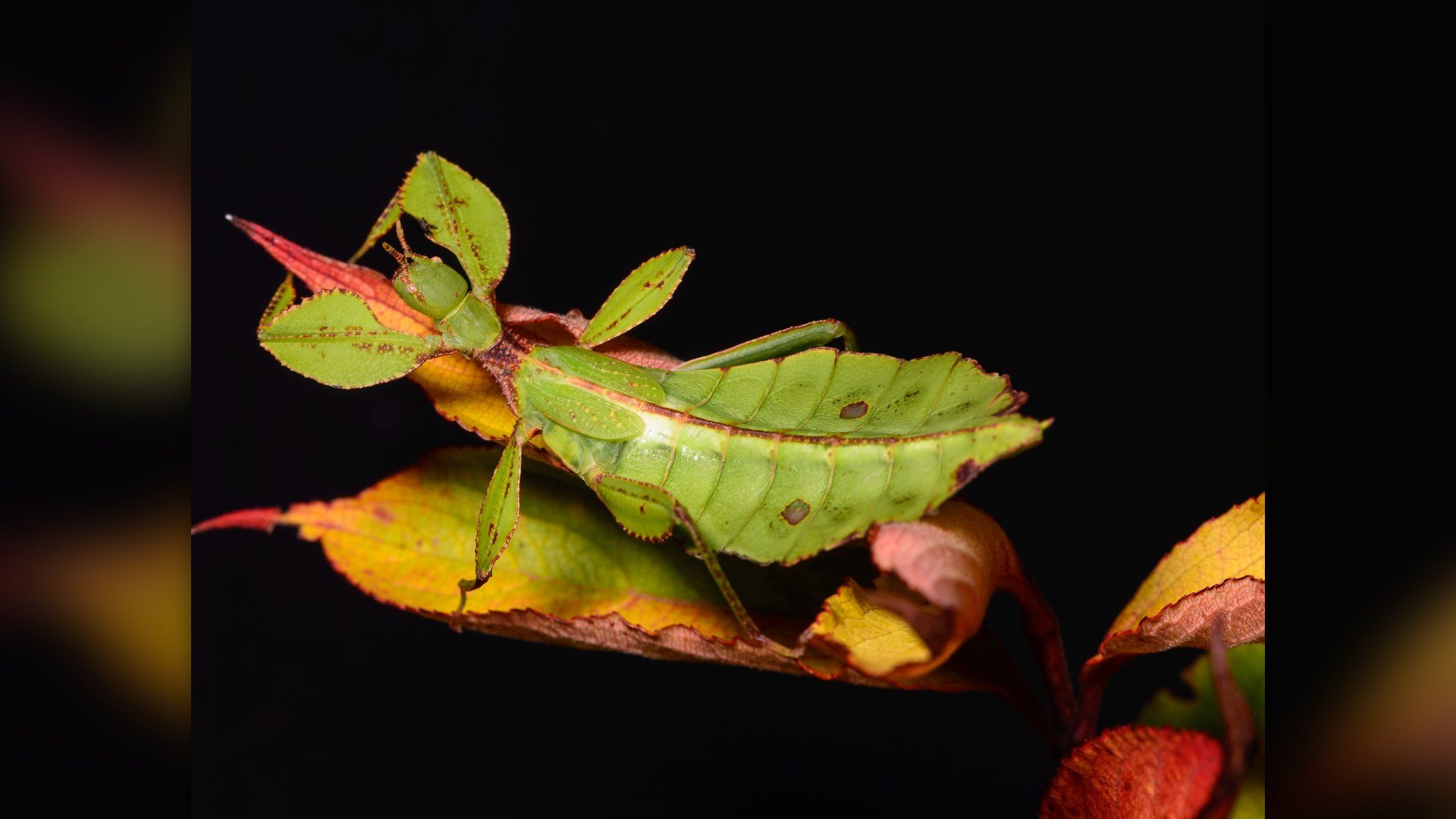
Belonging to one of the most specialized insect families in Southeast Asia, the walking leaf insect (Phyllium philippinicum) has a flattened abdomen and forewings patterned with a central midrib and branching veins. Browned, necrotic-looking patches along its edges even imitate caterpillar chew marks.
2. Dead Leaf Mantis
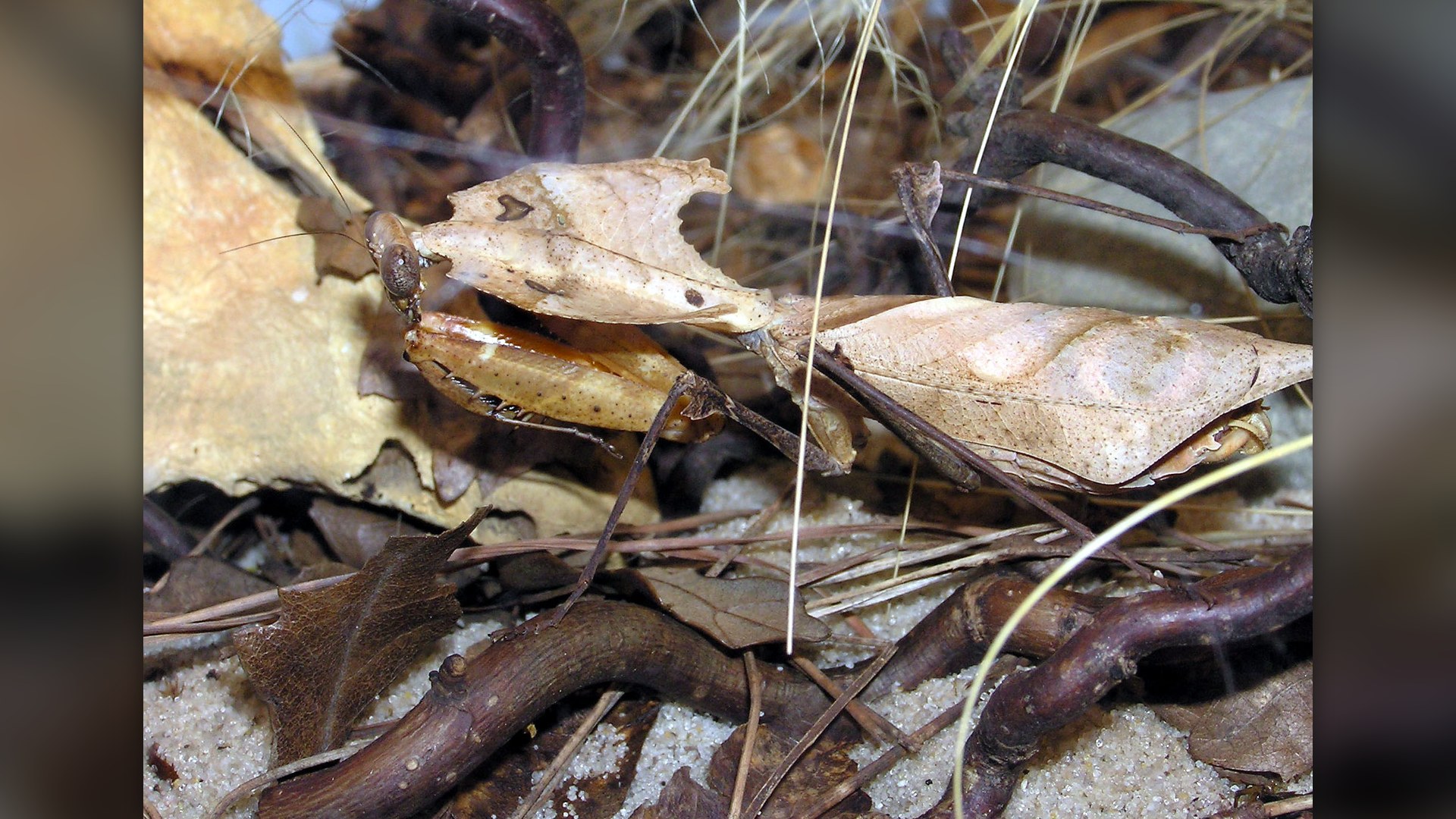
Found across Borneo, Sumatra, and the Malay Peninsula, the giant dead leaf mantis (Deroplatys desiccata) waits motionless in leaf litter for passing prey. Its crinkled brown pronotum, leaf-lobed middle and hind legs, and veined forewings fool both hungry birds and the insects wandering within reach.
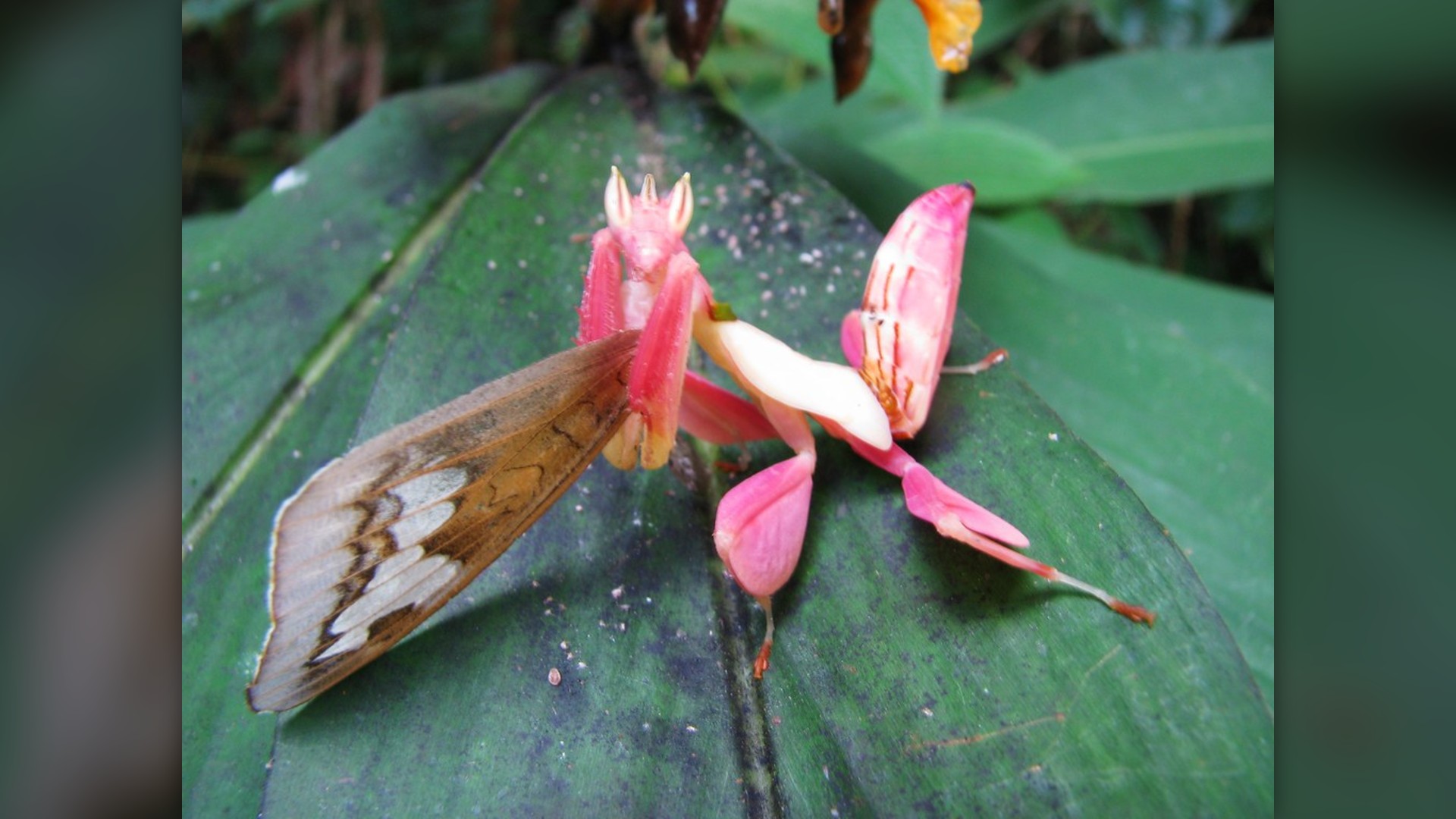
1. Orchid Mantis
Topping the list of nature's masters of disguise, the Southeast Asian orchid mantis (Hymenopus coronatus) practices aggressive mimicry. Instead of hiding inside an actual orchid, its four walking legs are flattened into pink and white flower petals that reflect ultraviolet light, luring bees straight into its grasp.