Slideshow · Animals
35 Animals That Depend on Other Species to Survive
From reef cleaner fish and African oxpeckers to specialized pollinators, discover 35 wild animals whose daily survival depends on another living species.

All 35 Entries in this Story
35. Ocellaris Clownfish
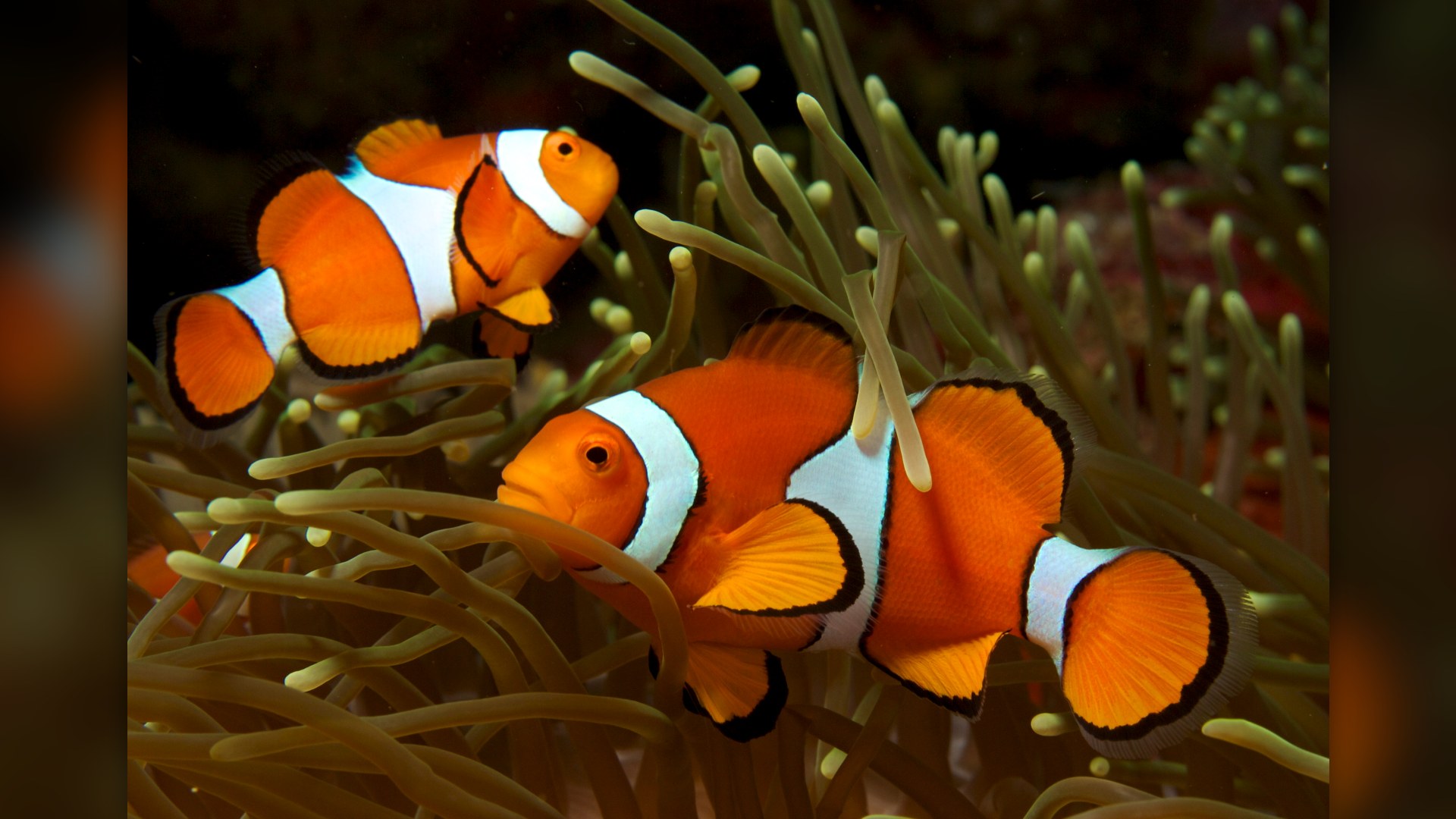
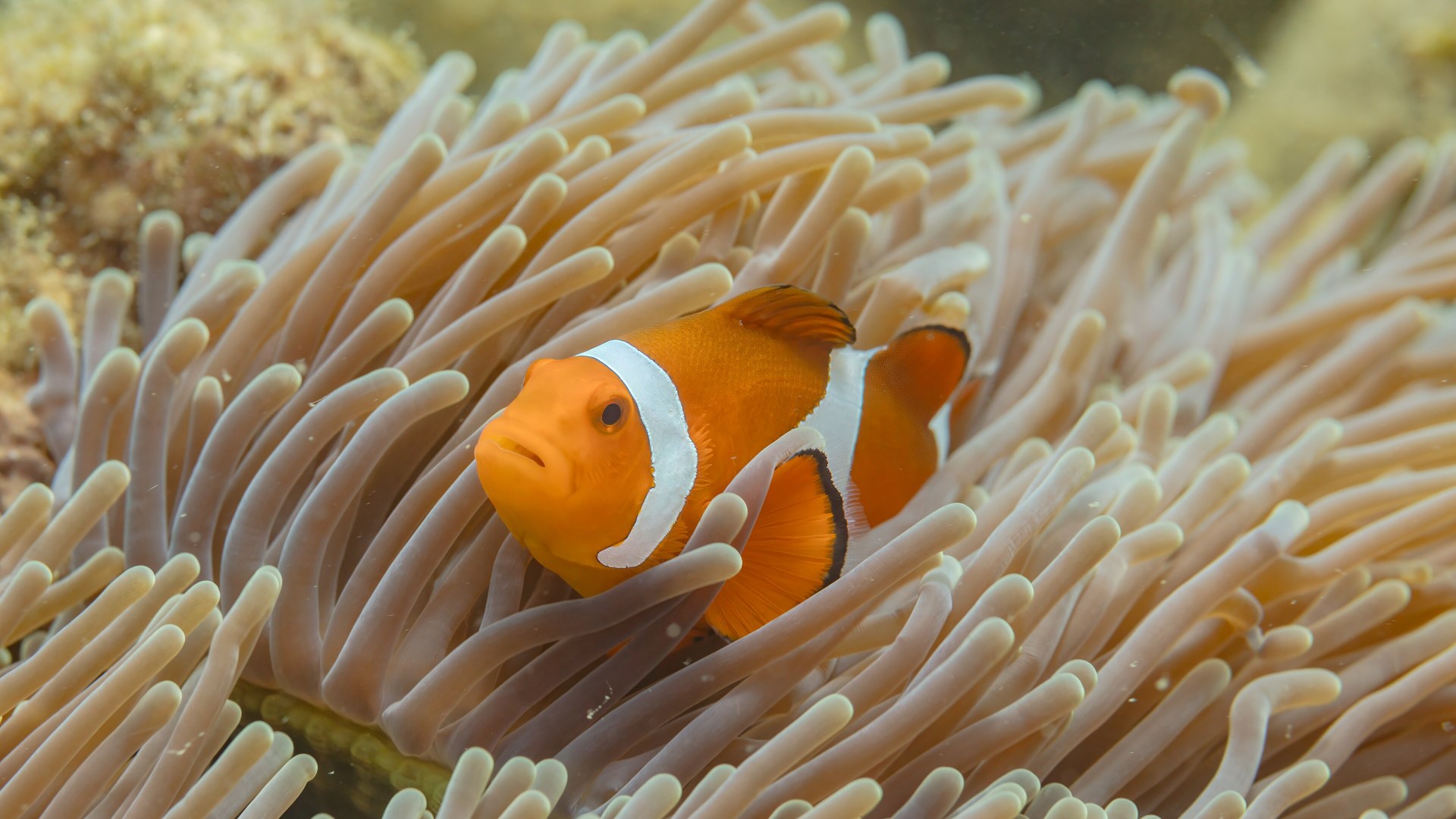
Ocellaris clownfish cannot survive long on open reefs without a host sea anemone. Coated in a protective mucus layer that blocks stinging nematocysts, the fish shelters among the tentacles while chasing away polyp-eating butterflyfish and fertilizing its host with nutrient-rich waste.
34. Red-Billed Oxpecker
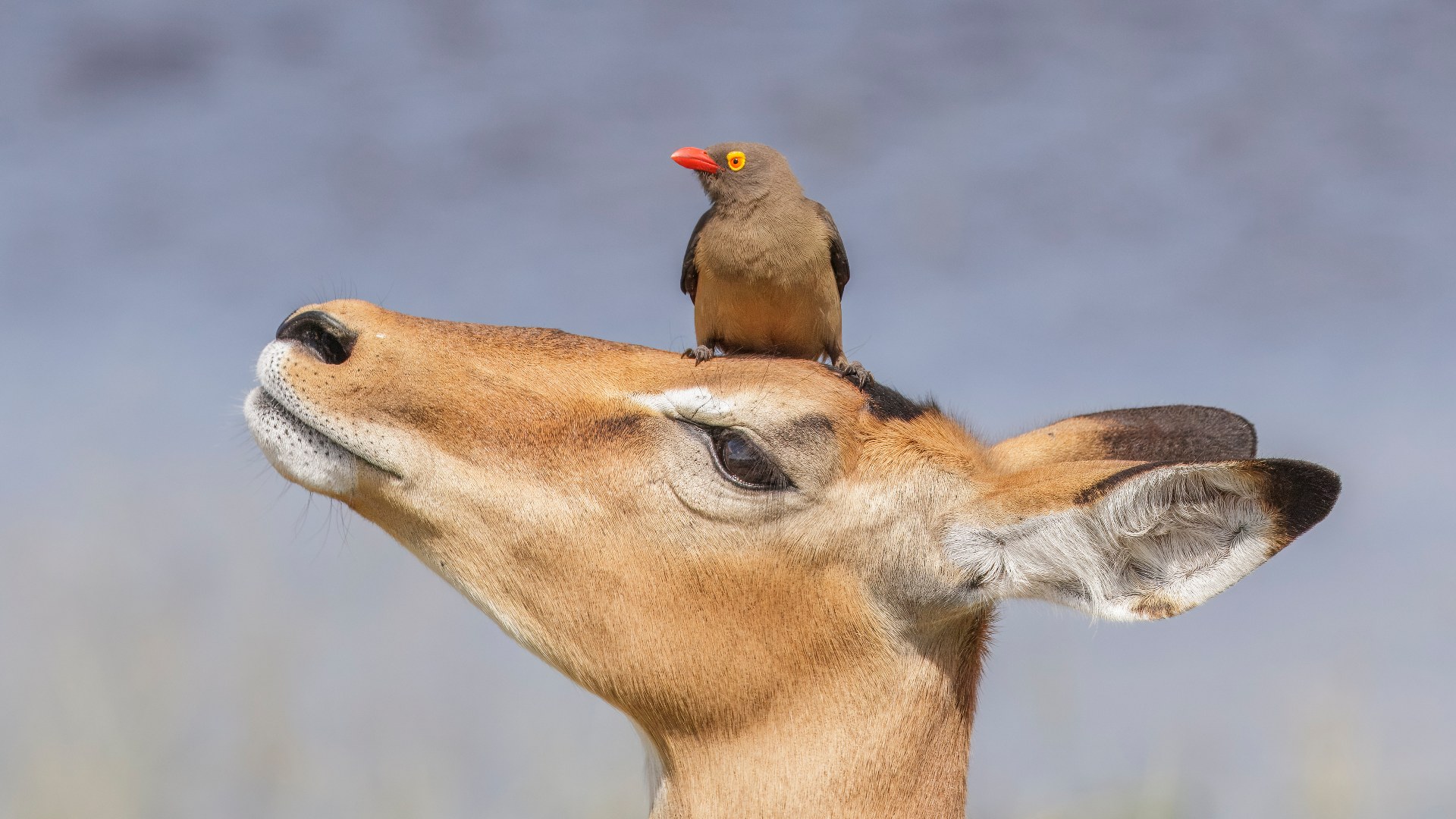
Across sub-Saharan savannas, red-billed oxpeckers hitch rides on impalas, rhinos, and giraffes to harvest hundreds of engorged ticks each day. Beyond grooming their mammal hosts, the birds emit sharp whistling calls whenever predators approach.
33. Bluestreak Cleaner Wrasse
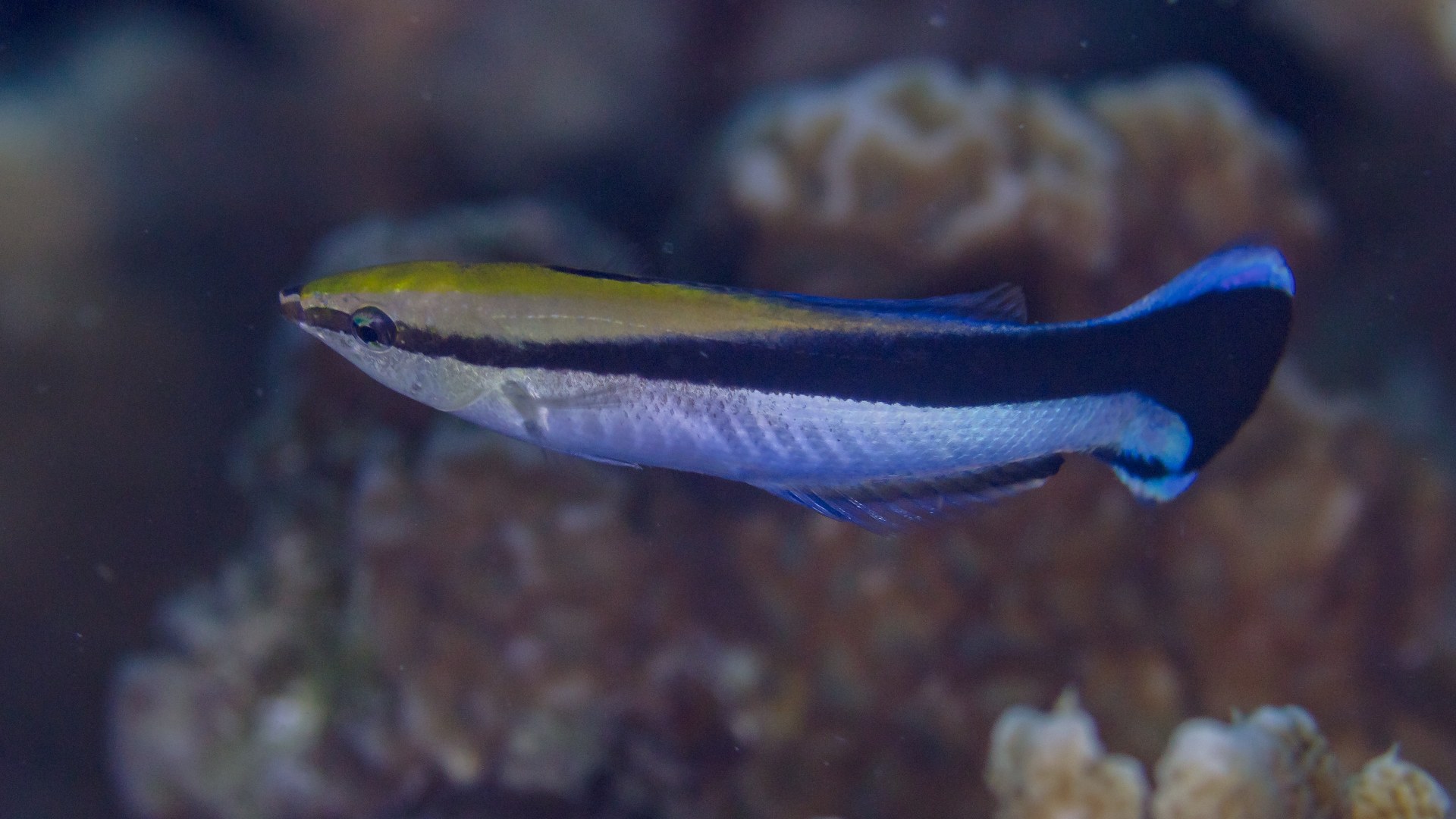
Operating dedicated reef cleaning stations, the bluestreak cleaner wrasse gets nearly all its nutrition by picking dead scales and blood-sucking gnathiid isopods off client fish. Even fierce predators hold still and flare their gills to let the wrasse work inside their mouths.
32. Remora Suckerfish
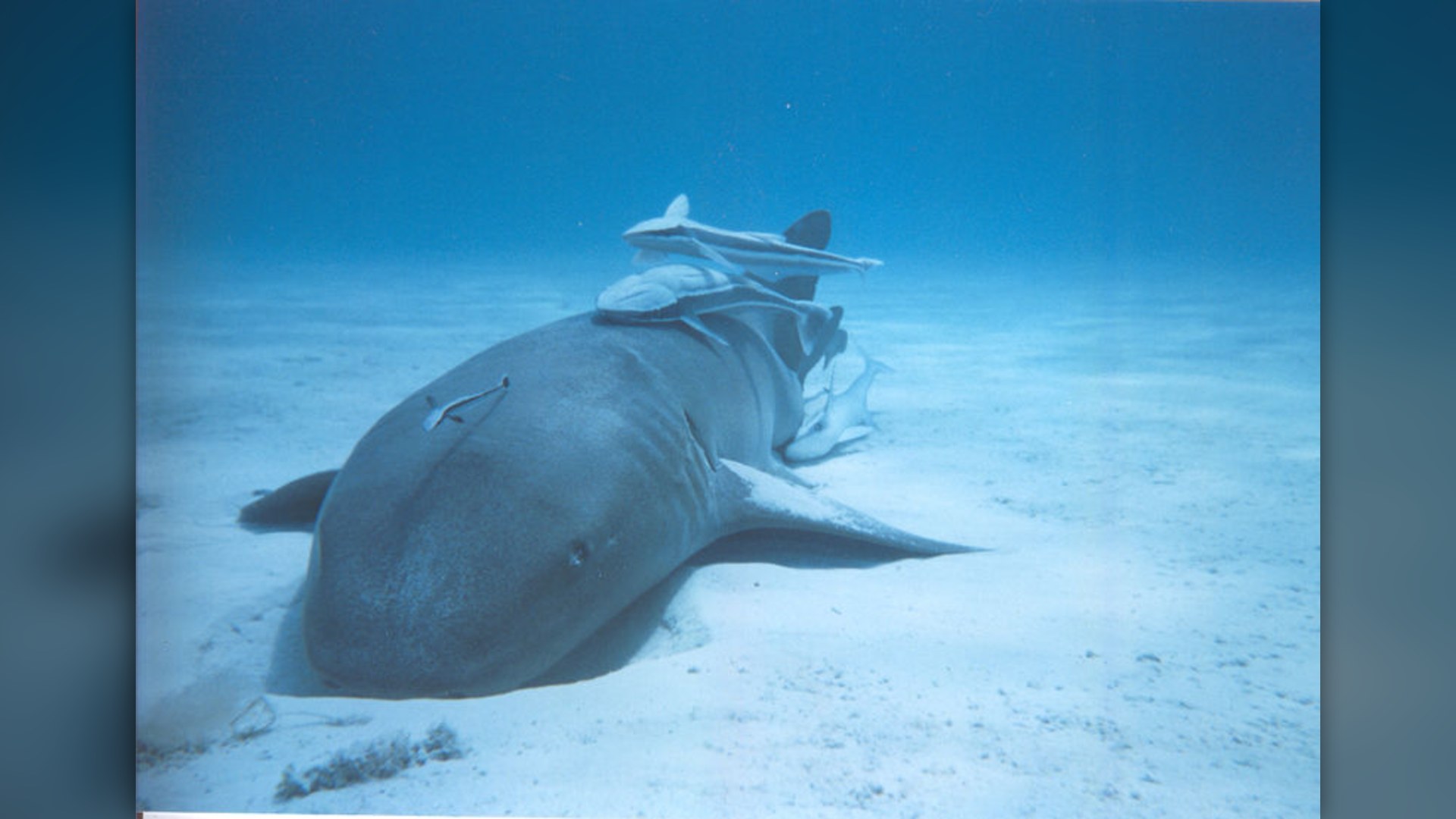
The remora carries a slatted suction pad on top of its head that locks onto nurse sharks, sea turtles, and manta rays. By riding in the host's slipstream, the fish saves energy, stays safe from predators, and feeds on parasitic copepods and meal scraps.
31. Snapping Pistol Shrimp
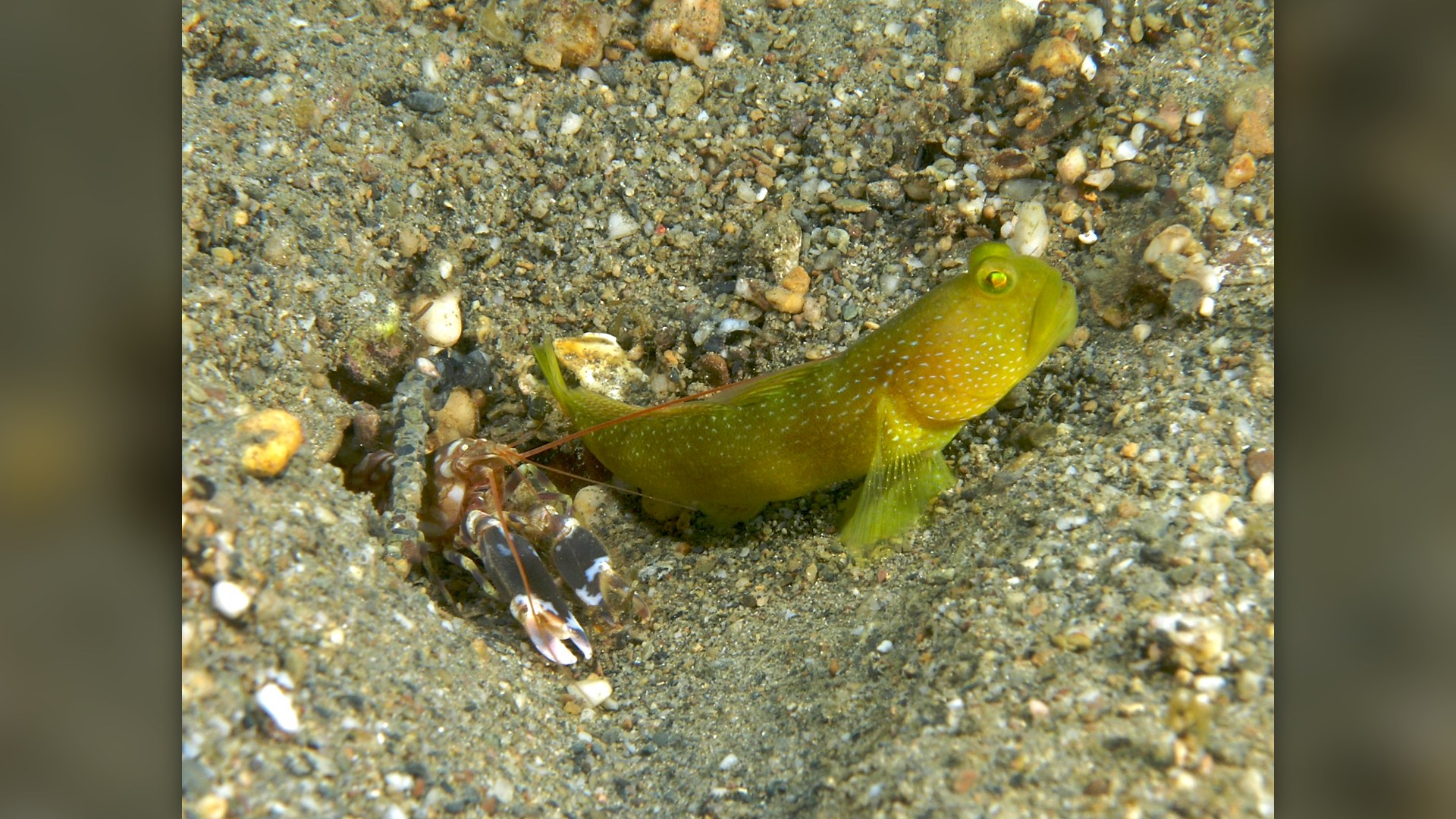
Snapping shrimp excavate and maintain deep sandy burrows on tropical reefs, yet poor eyesight leaves them vulnerable above ground. The shrimp keeps one antenna touching the tail of a sharp-eyed watchman goby, which flicks its fin to warn of approaching danger.
30. Pacific Cleaner Shrimp
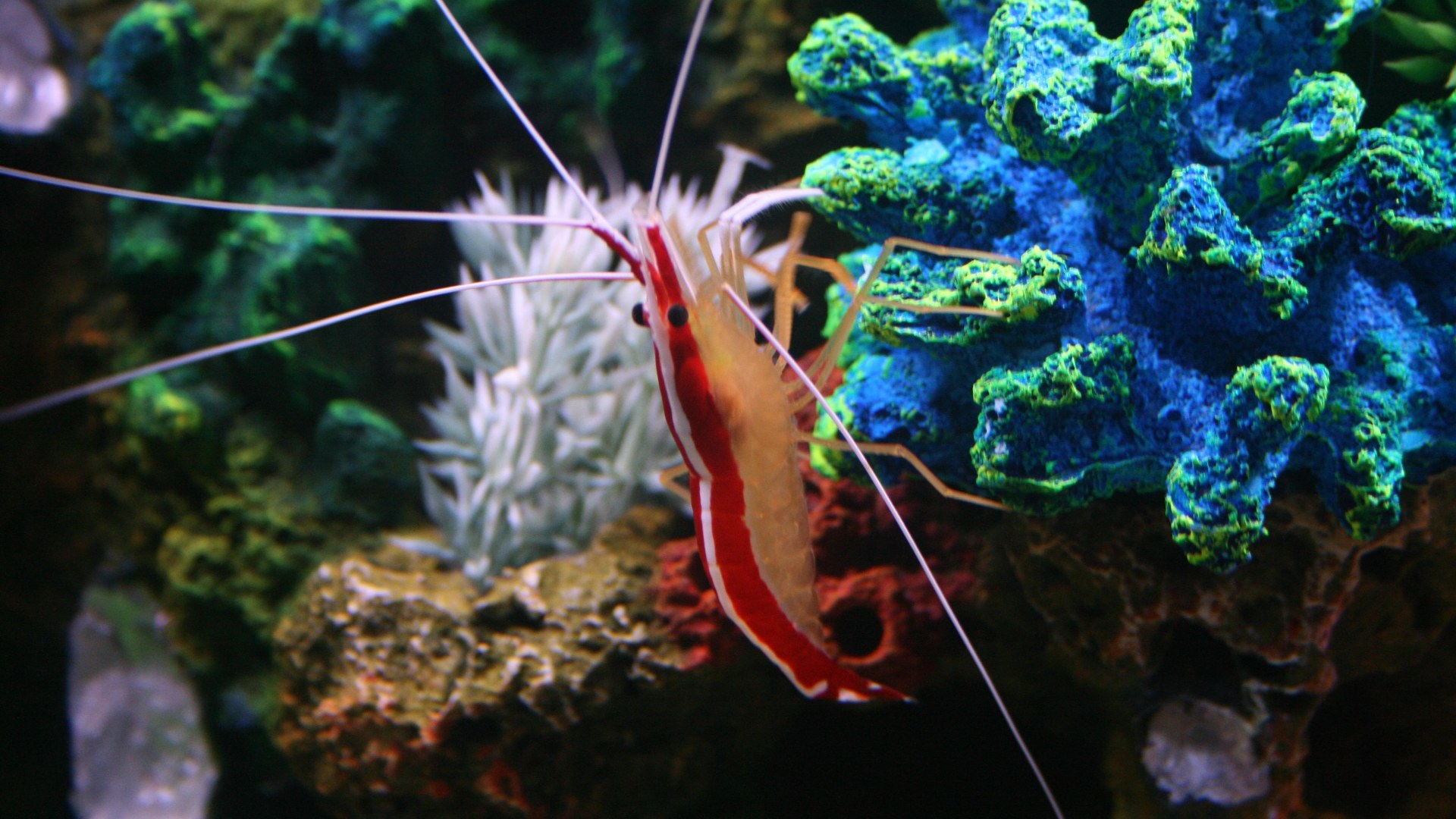
Pacific skunk cleaner shrimp gather in coral crevices and wave their bright white feelers to signal open cleaning stations. Reef fish visit daily so the shrimp can snip away external parasites and dead tissue without ever being eaten by their hosts.
29. Western Honeybee
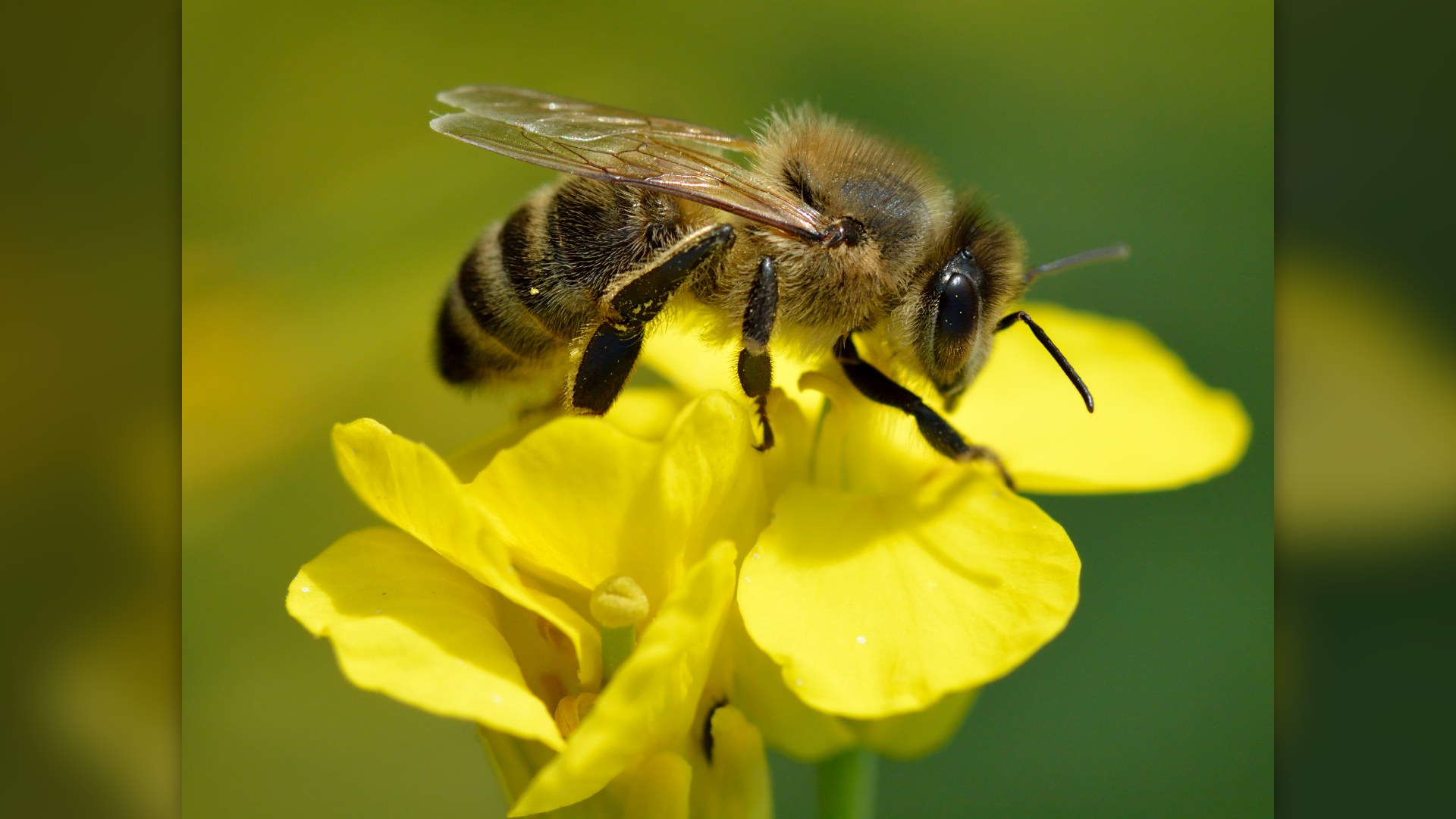
Western honeybees cannot raise brood or survive winter without floral nectar and pollen gathered from blooming plants. As worker bees move between blossoms collecting food for the colony, electrostatic hairs on their bodies transfer pollen grains that fertilize wild and cultivated crops.
28. Buff-Tailed Bumblebee
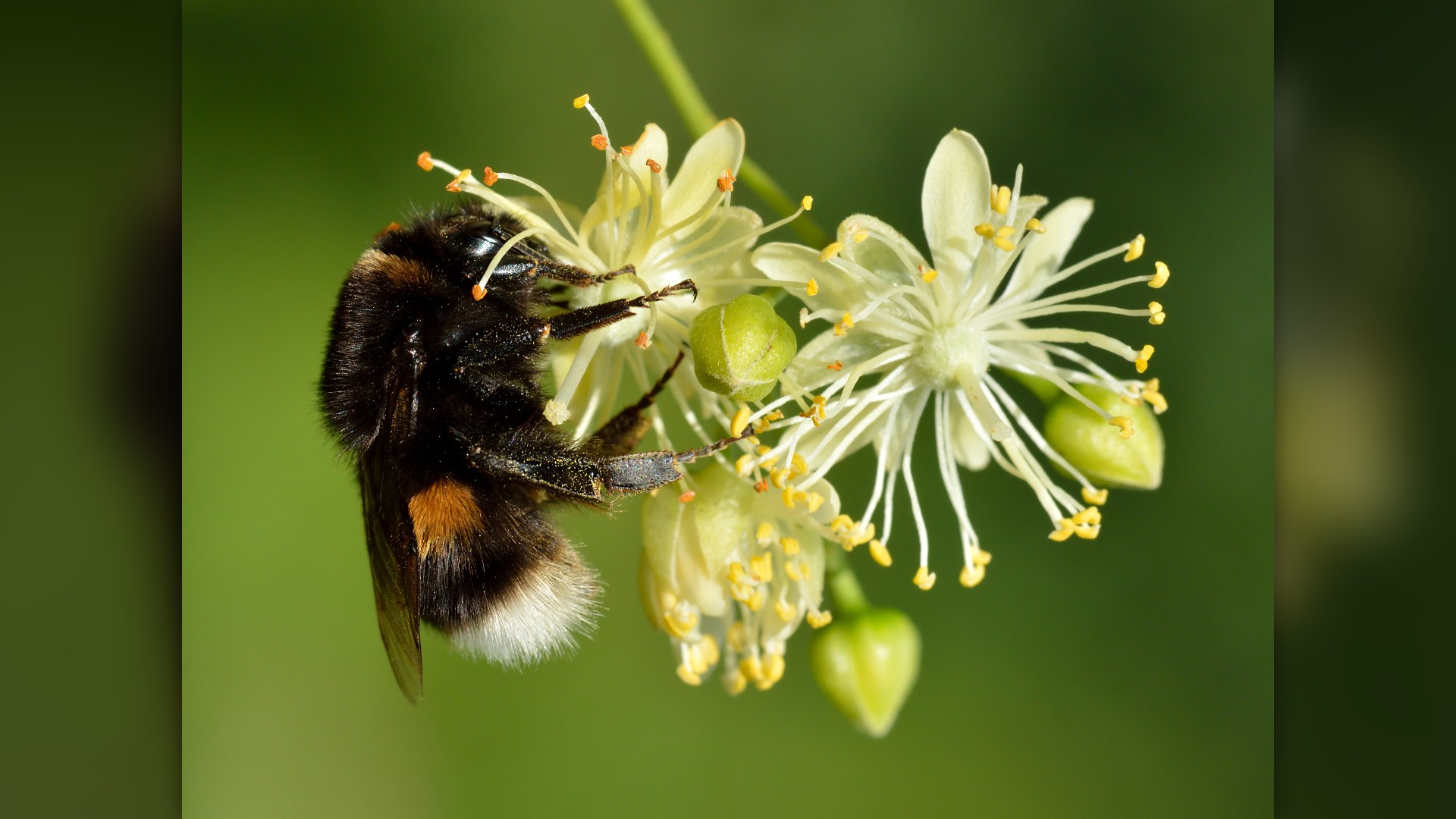
Buff-tailed bumblebees rely on early spring tree blossoms and meadow flowers to establish new underground colonies. By gripping a flower and vibrating their flight muscles rapidly, they release locked pollen grains from plants like tomatoes and blueberries.
27. Violet Carpenter Bee
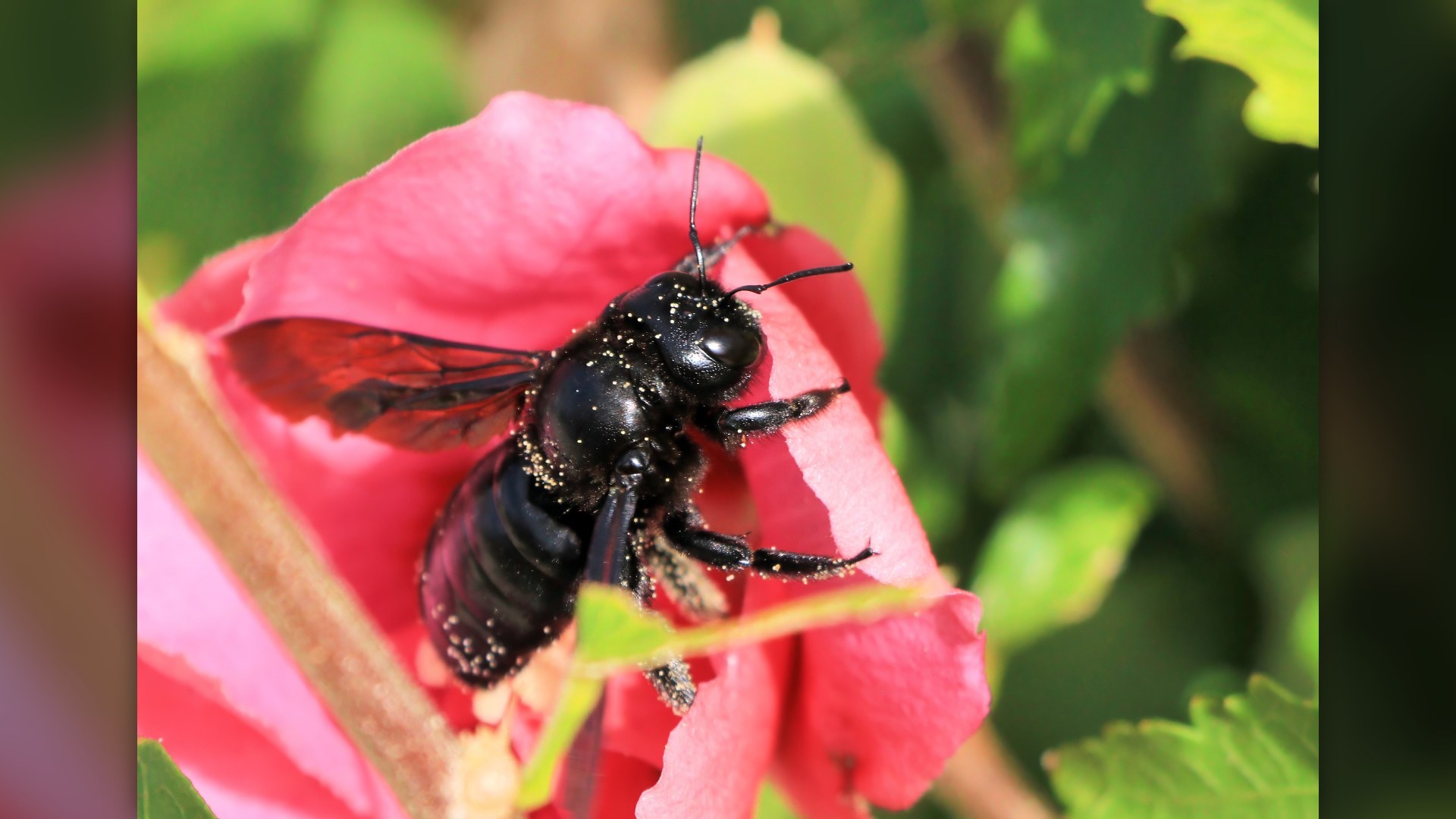
One of Europe's largest bees, the violet carpenter bee depends on aged timber to chew out brood chambers and wide-throated flowers like hibiscus and wisteria for daily fuel. Its heavy body presses against floral stamens as it reaches deep into nectar spurs.
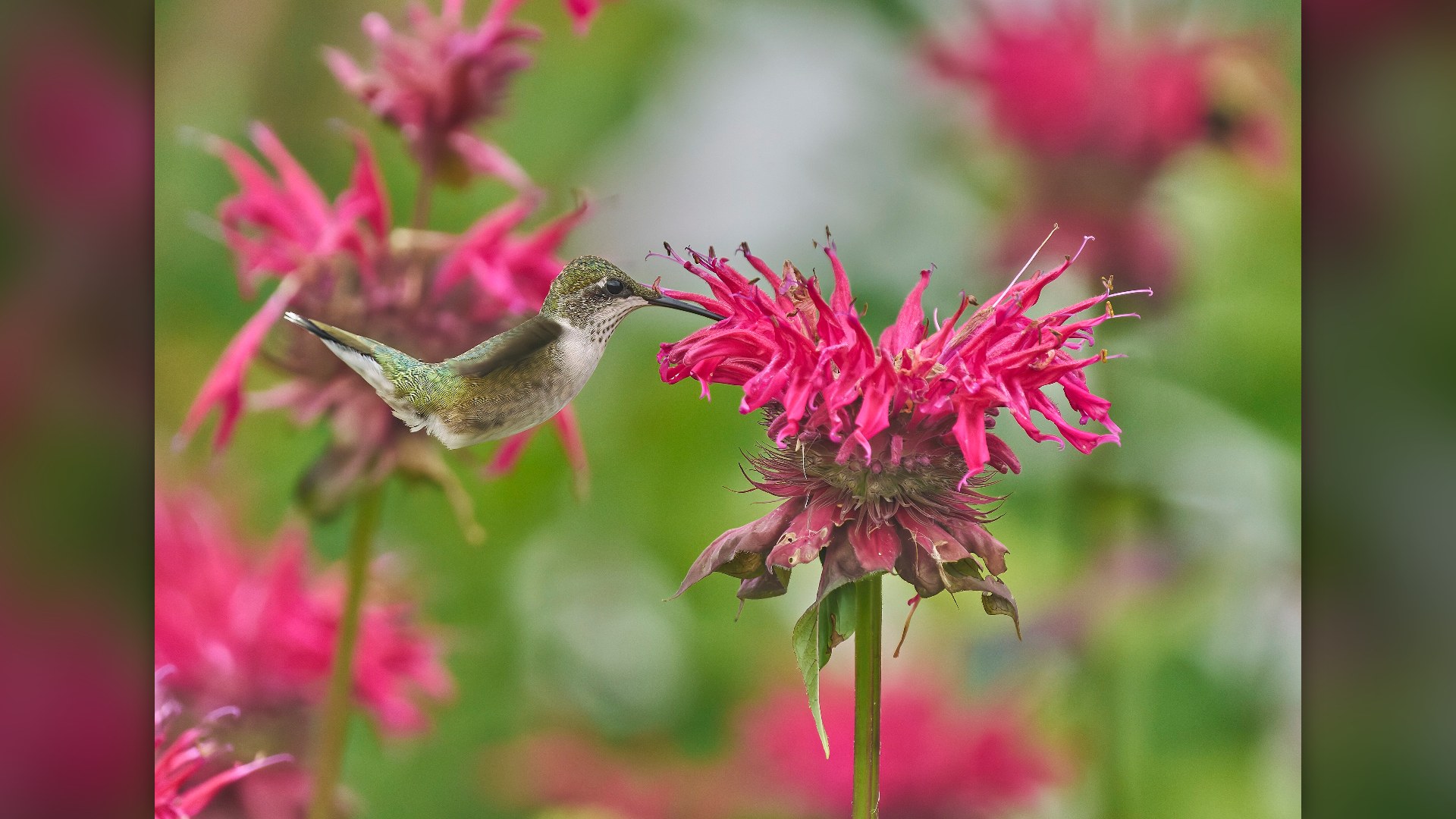
26. Ruby-Throated Hummingbird
Beating its wings more than fifty times per second, the ruby-throated hummingbird must feed on floral nectar every ten to fifteen minutes to avoid starvation. Red and orange trumpet-shaped wildflowers rely on the bird's long bill for cross-pollination in return.
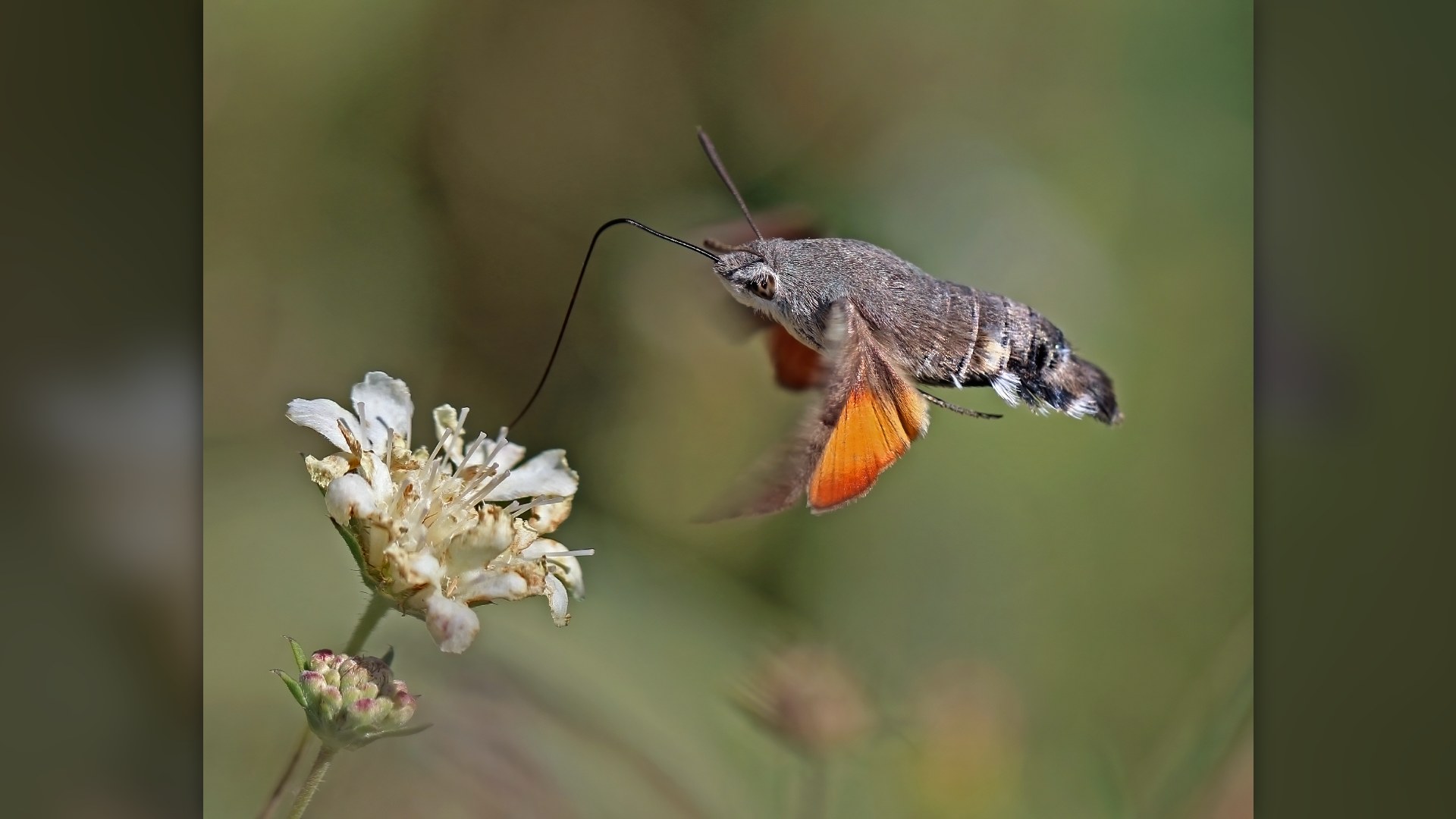
25. Hummingbird Hawk-Moth
The hummingbird hawk-moth feeds on the wing by extending a straw-like proboscis longer than its own body into narrow-necked flowers. It memorizes flower colors across meadows while its caterpillars depend strictly on bedstraw and madder plants to grow.
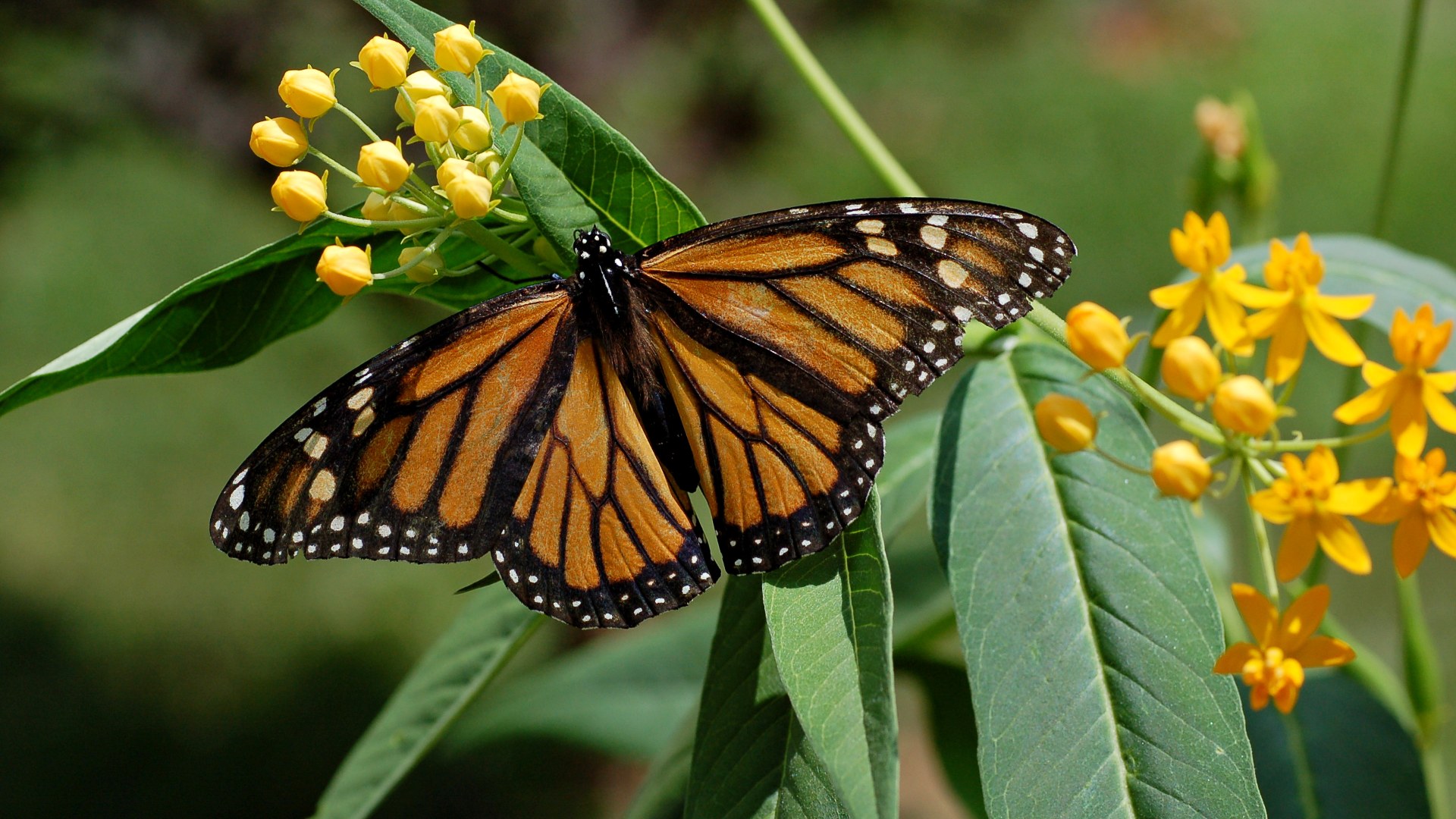
24. Monarch Butterfly
Female monarch butterflies lay their eggs exclusively on milkweed plants because their caterpillars will starve on any other foliage. As the larvae munch milkweed leaves, they store bitter cardiac glycoside toxins that make adult monarchs poisonous to bird predators.
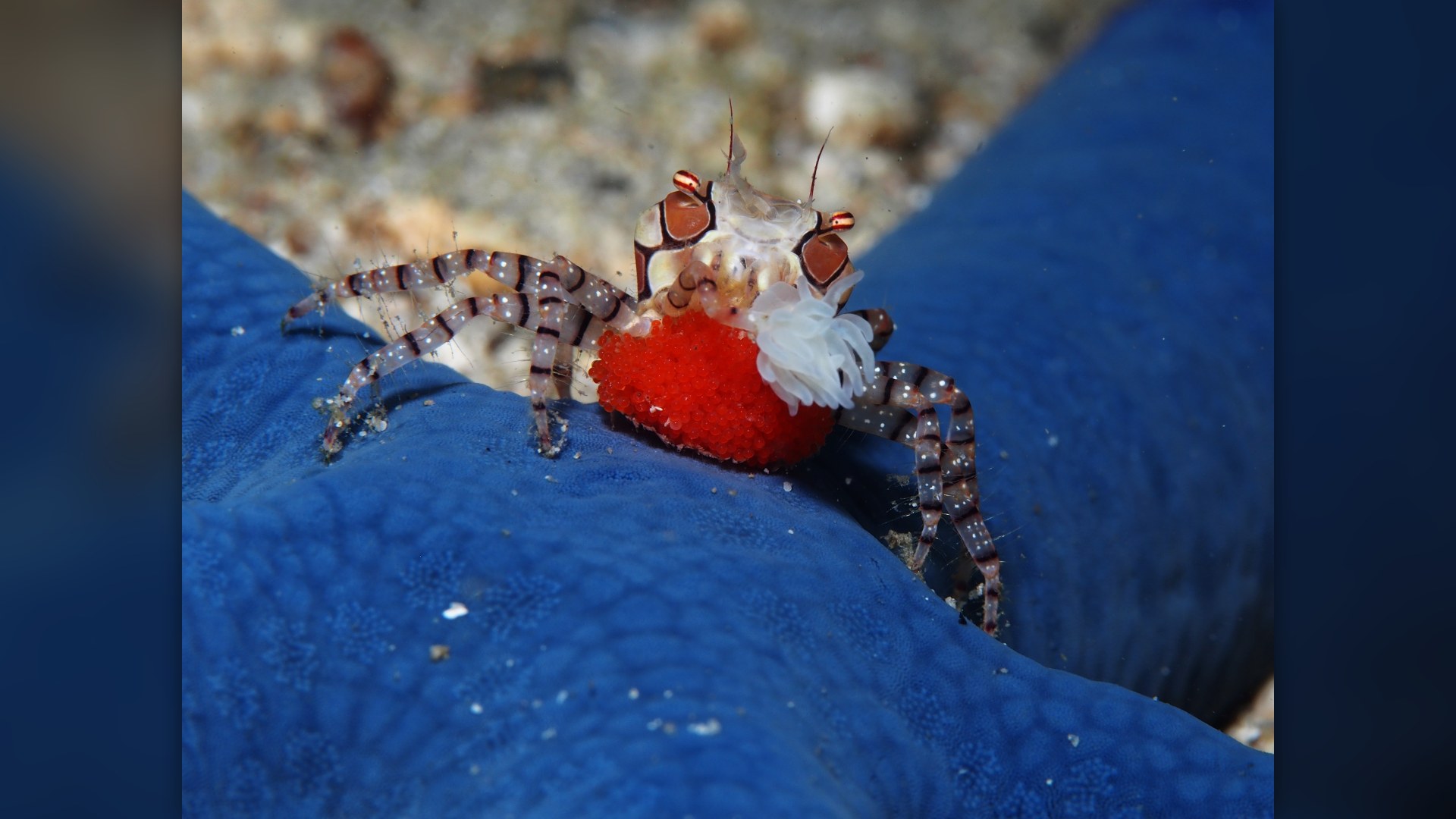
23. Pom-Pom Boxer Crab
Measuring less than an inch across, the mosaic boxer crab carries tiny Bunodeopsis sea anemones in its modified front pincers like boxing gloves. It waves the stinging tentacles at attackers and uses them to mop up food particles from the seafloor.
22. Blanket-Anemone Hermit Crab
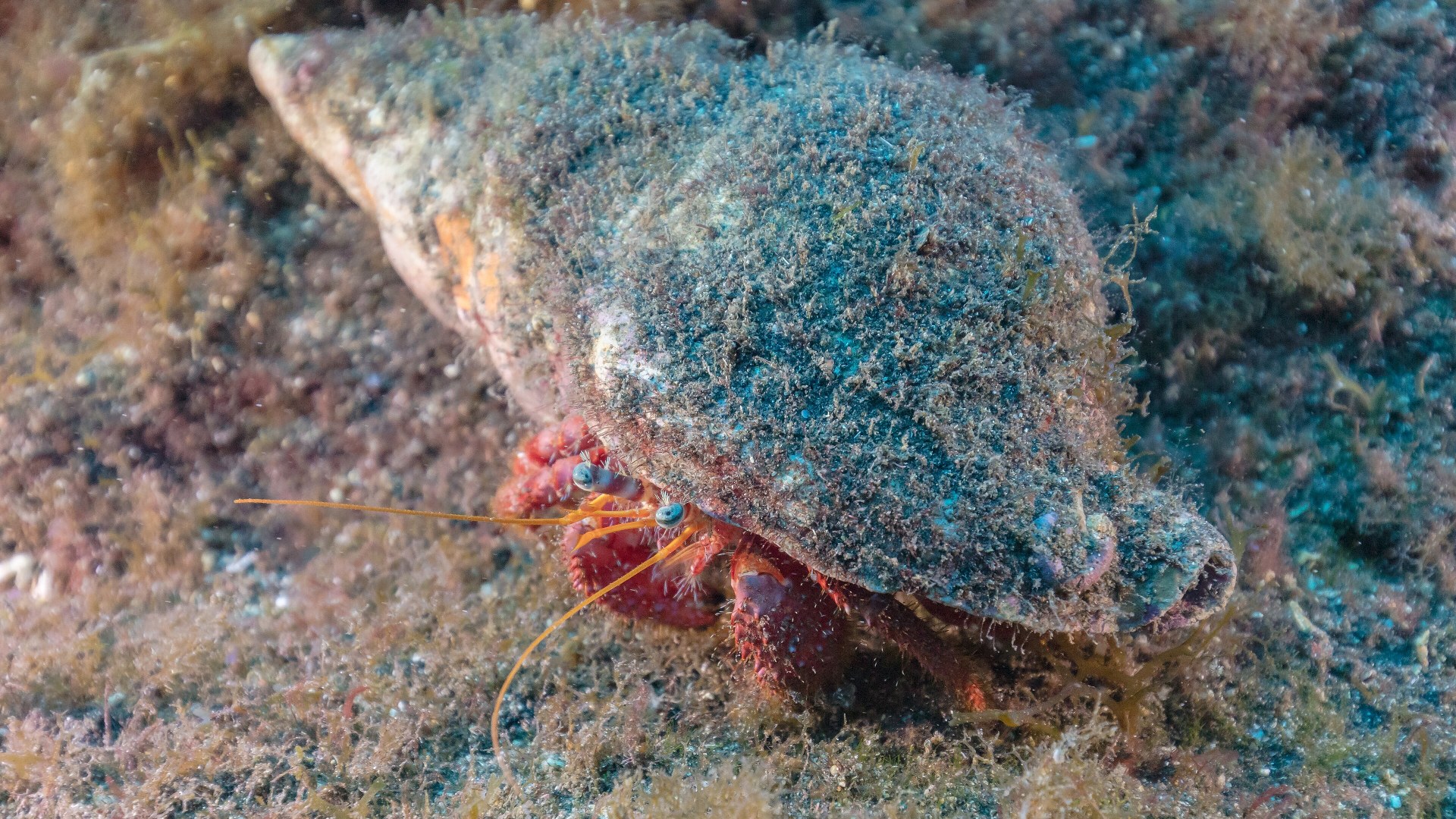
Hermit crabs cannot grow their own protective carapace over their soft abdomens, forcing them to scavenge empty sea snail shells as they molt. Many species also transplant stinging sea anemones onto their borrowed shells for mobile armor against octopuses.
21. Cattle Egret
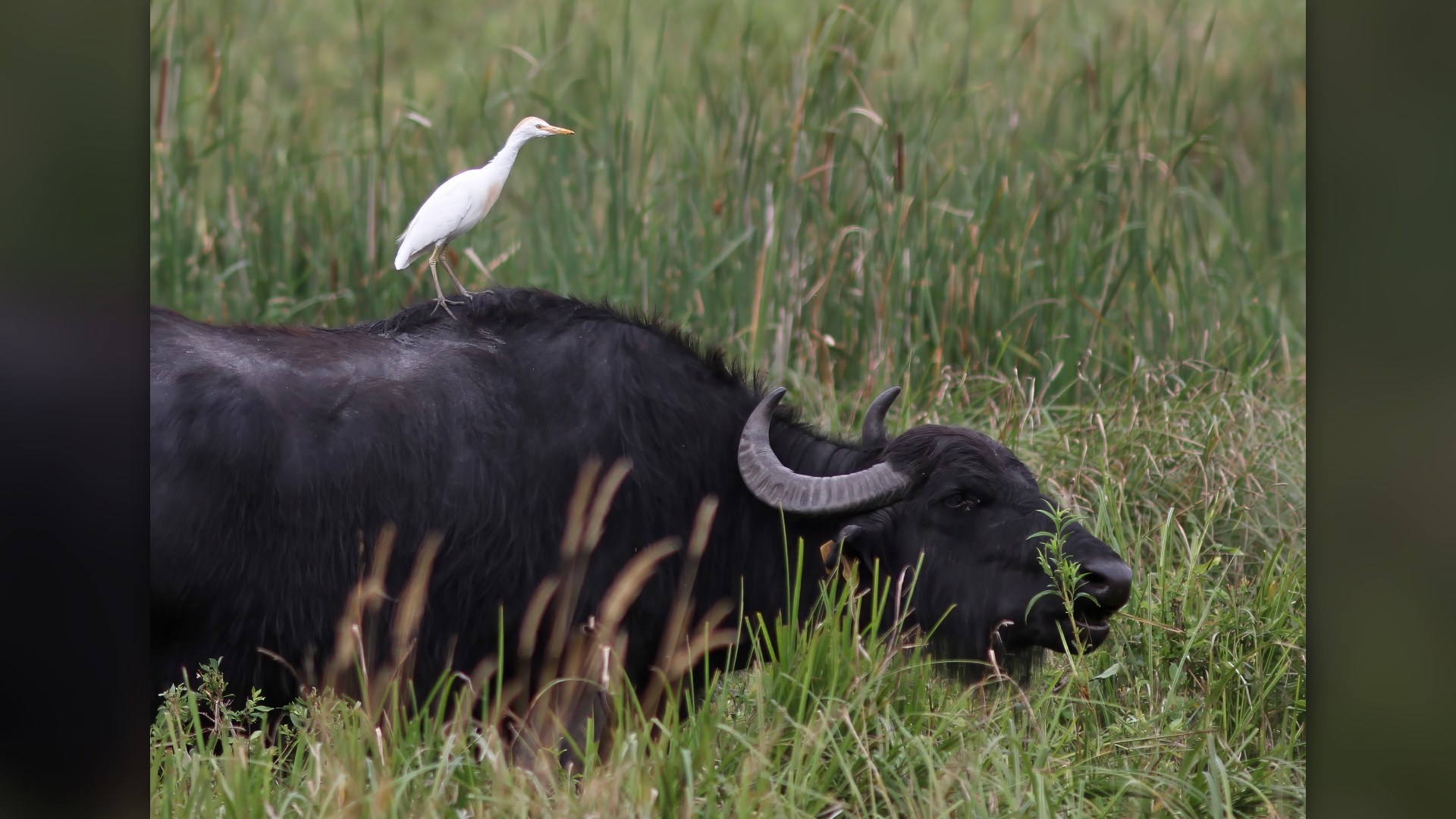
Rather than wading silently in streams for fish, the cattle egret stalks beside grazing water buffalo, elephants, and livestock. Studies show the birds capture three times more grasshoppers and frogs per hour by letting heavy hooves stir up hidden prey.
20. Emperor Shrimp
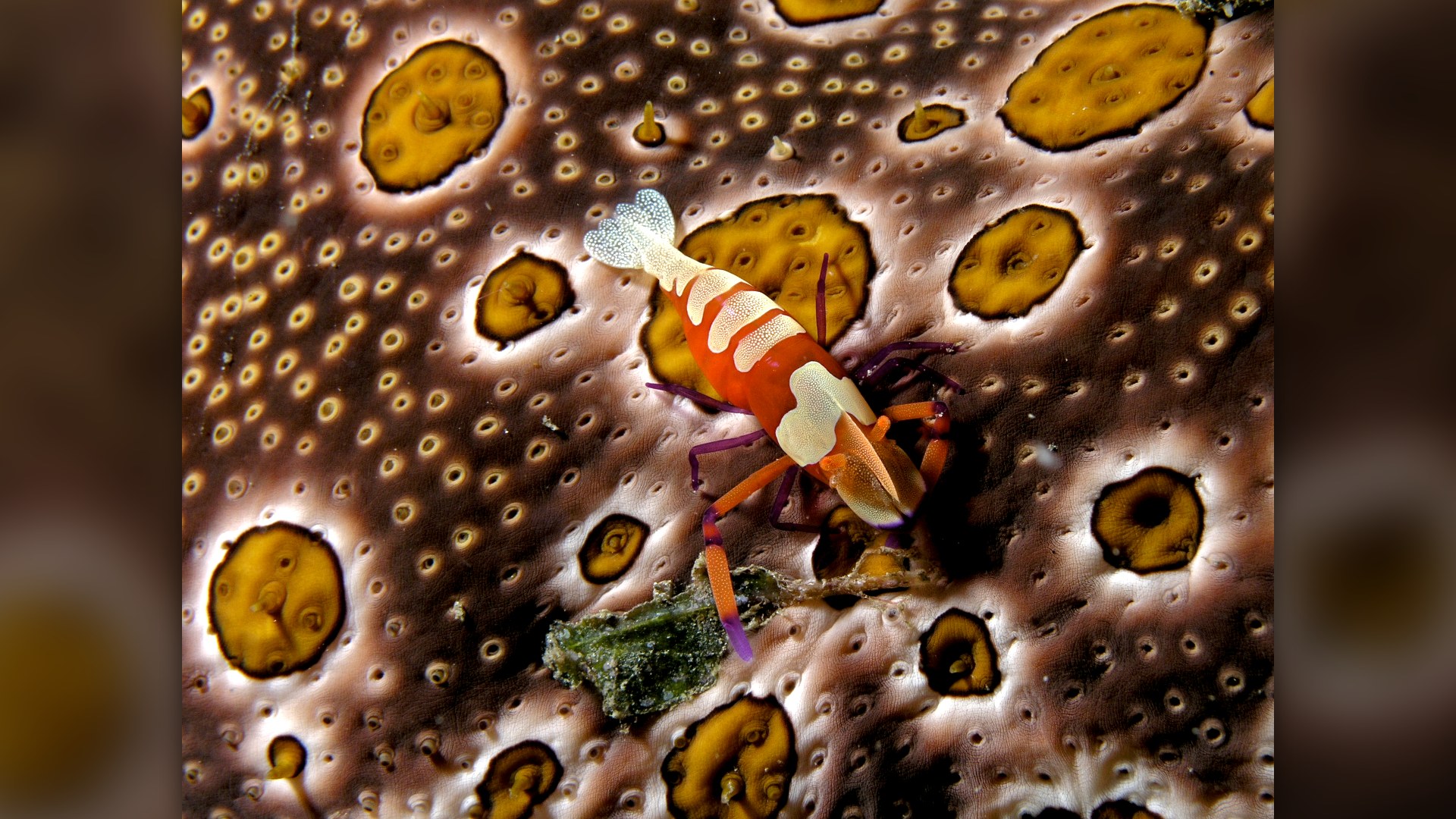
Emperor shrimp spend their adult lives clinging to slow-moving sea cucumbers and large nudibranchs. The host provides effortless transportation across nutrient-rich currents and protection from reef fish while the shrimp grazes on detritus and mucus.
19. Spotted Porcelain Crab
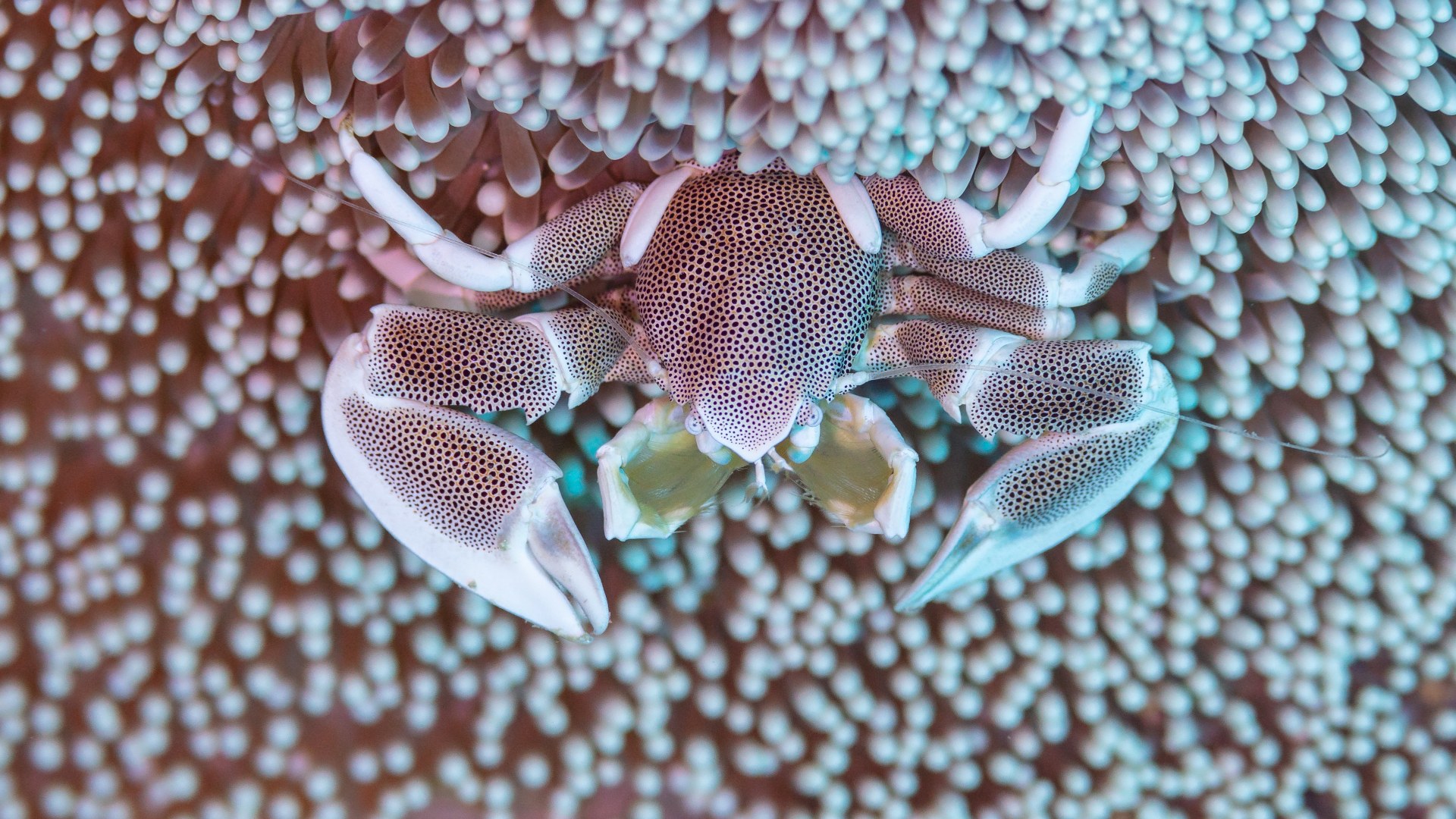
Unlike true crabs that hunt with their claws, the spotted porcelain crab uses feathery mouthparts to comb plankton from the water column. Because it is small and slow, it lives permanently inside the stinging folds of giant carpet anemones for safety.
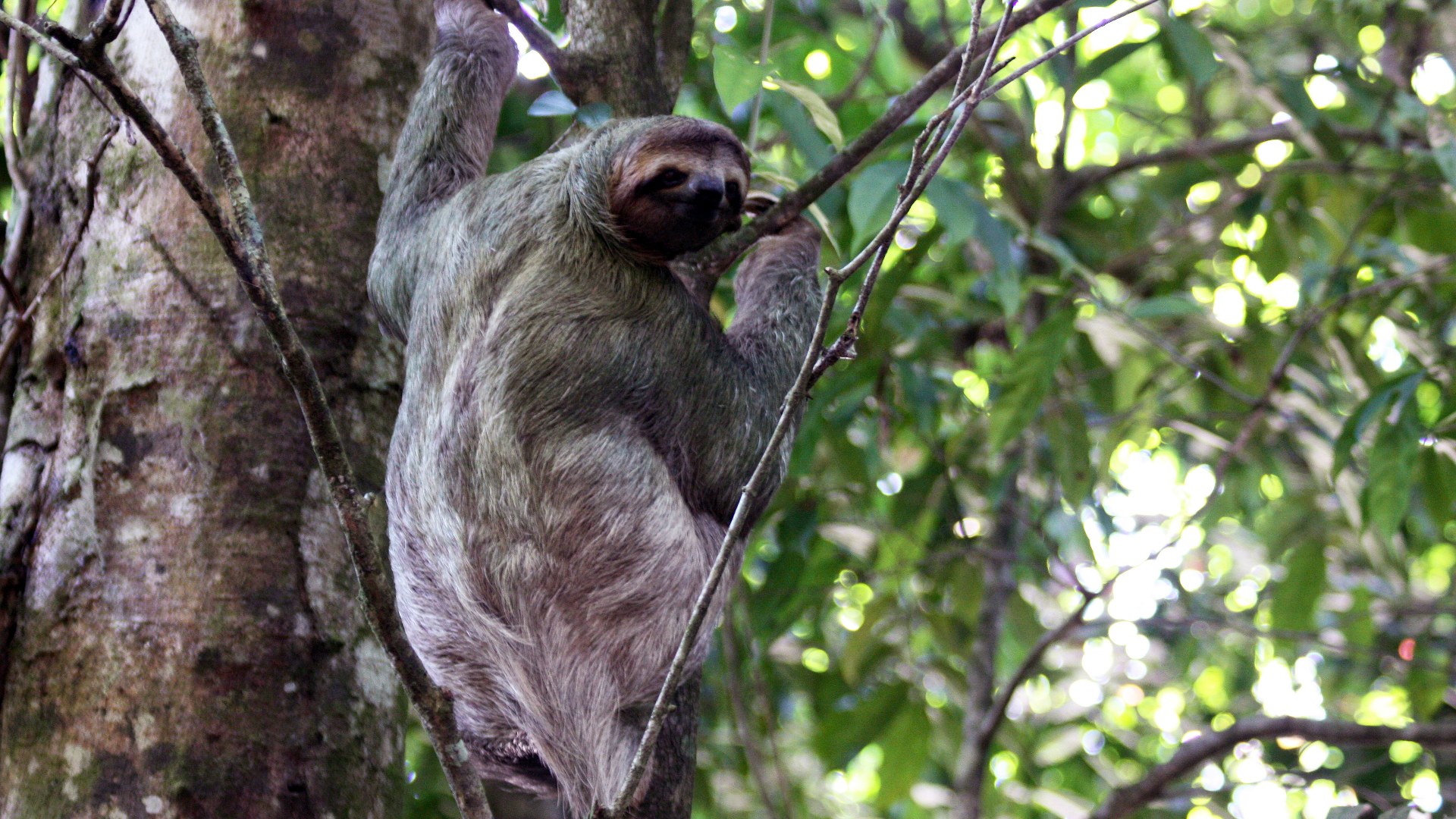
18. Brown-Throated Three-Toed Sloth
Three-toed sloths carry grooved hairs that trap rainwater and foster symbiotic green algae alongside specialized sloth moths. The moths lay eggs in sloth dung when the mammal climbs down once a week, while the algae tint the sloth's coat leafy green and provide lipid-rich nutrients.
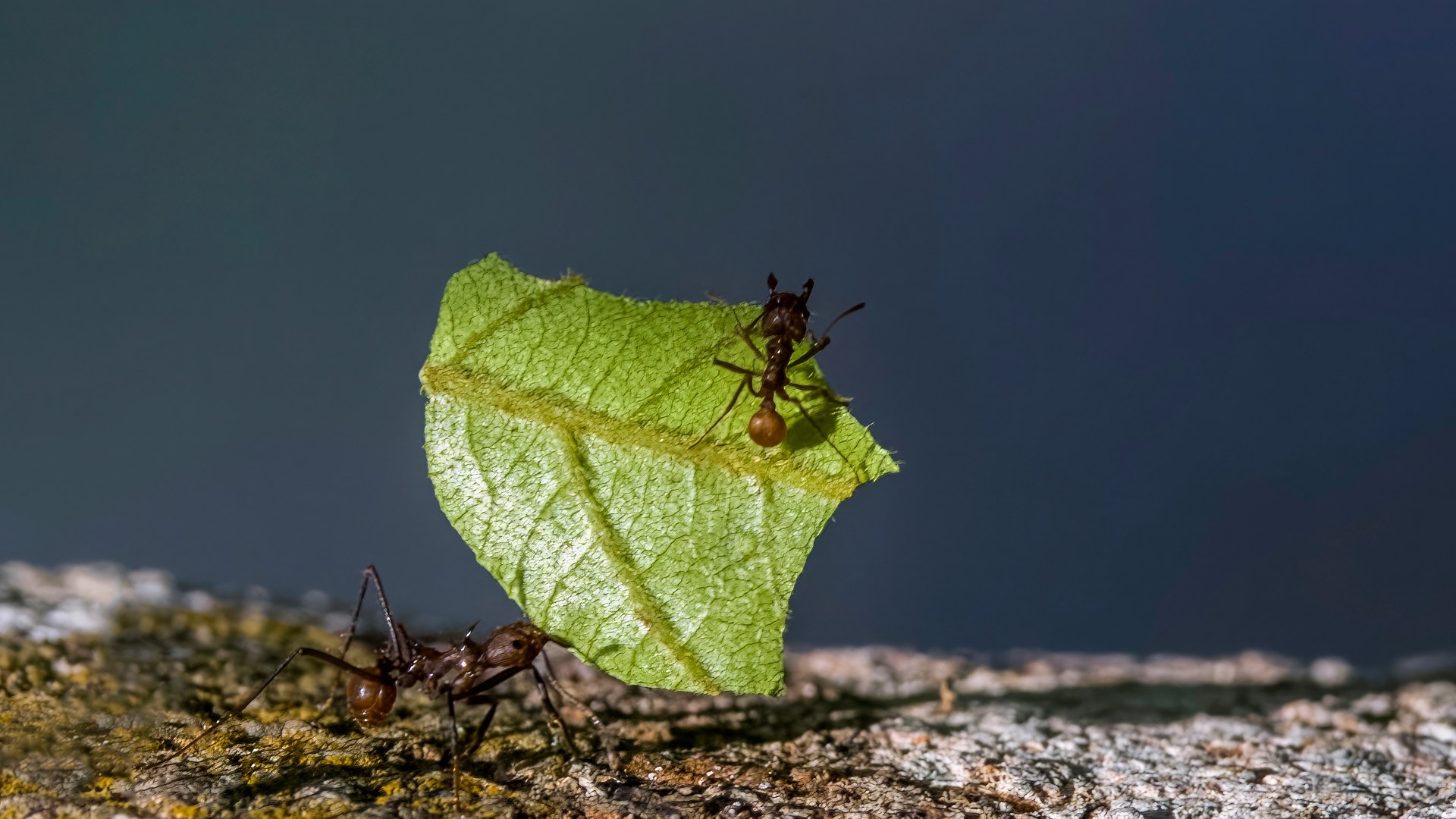
17. Leafcutter Ant
Leafcutter ants march through tropical rainforests carrying fresh leaf fragments back to subterranean chambers. Unable to digest tough plant cellulose directly, the colony chews the leaves into mulch to cultivate a specialized Leucoagaricus fungus that feeds their larvae.
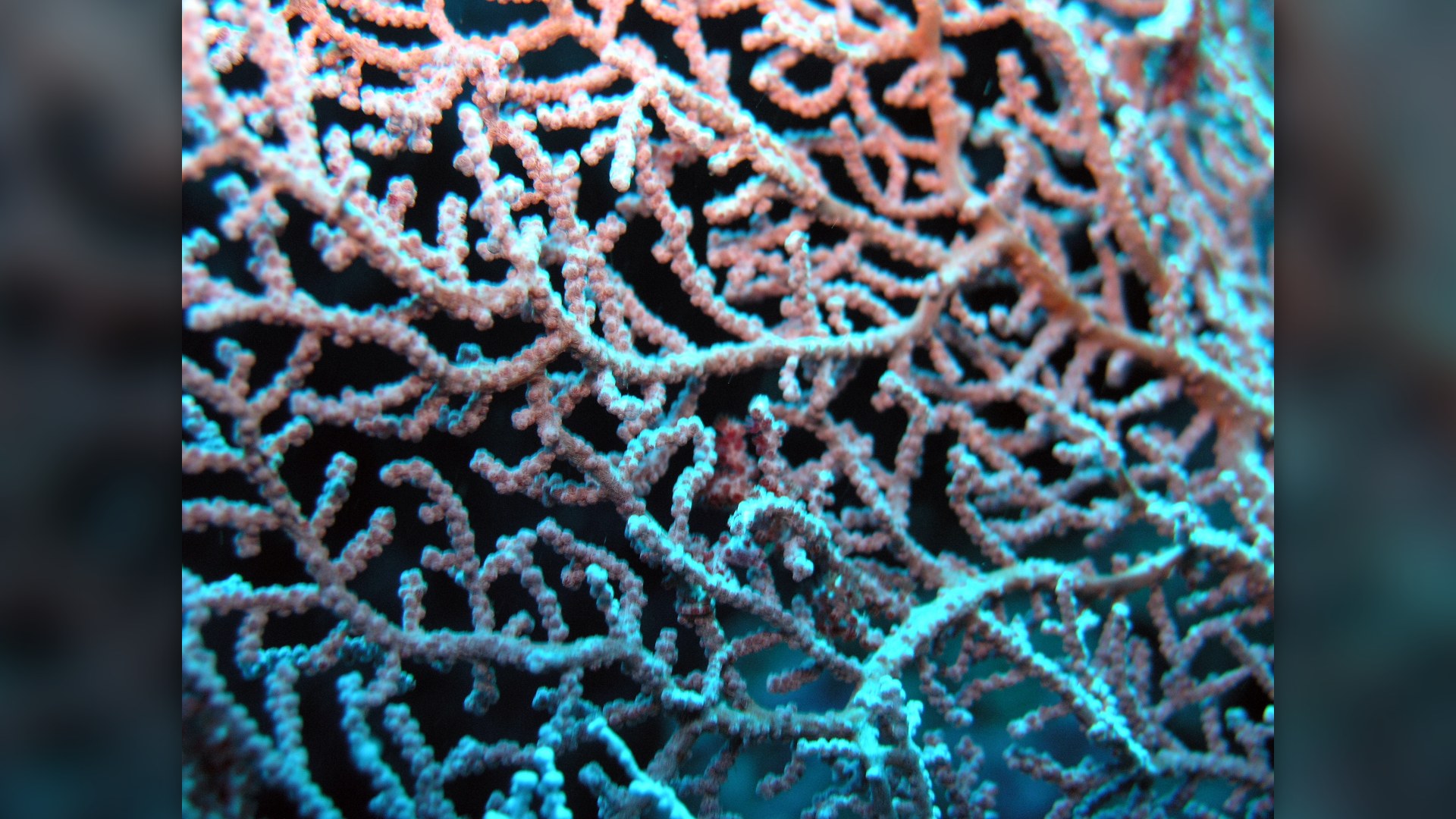
16. Bargibant's Pygmy Seahorse
Bargibant's pygmy seahorse cannot survive away from Muricella gorgonian corals. Covered in fleshy pink or yellow tubercles that match the coral's polyps down to the millimeter, the tiny seahorse remains virtually invisible to predators on its host branch.
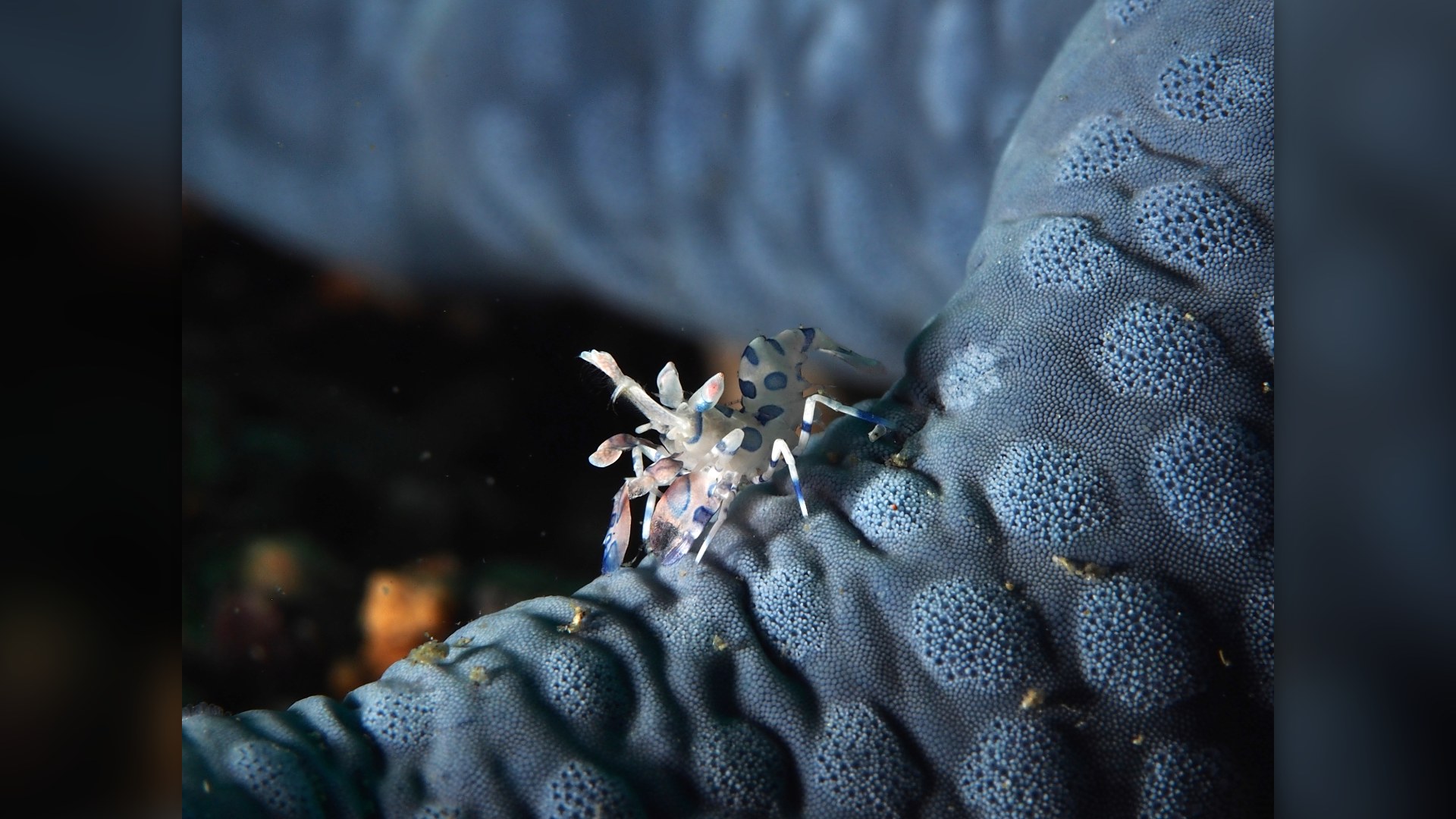
15. Harlequin Shrimp
Harlequin shrimp have evolved one of the most specialized diets in the ocean, eating nothing but live starfish. Working as lifelong mated pairs, the two-inch shrimp flip a sea star onto its back and coordinate their claws to carry it into their reef den.
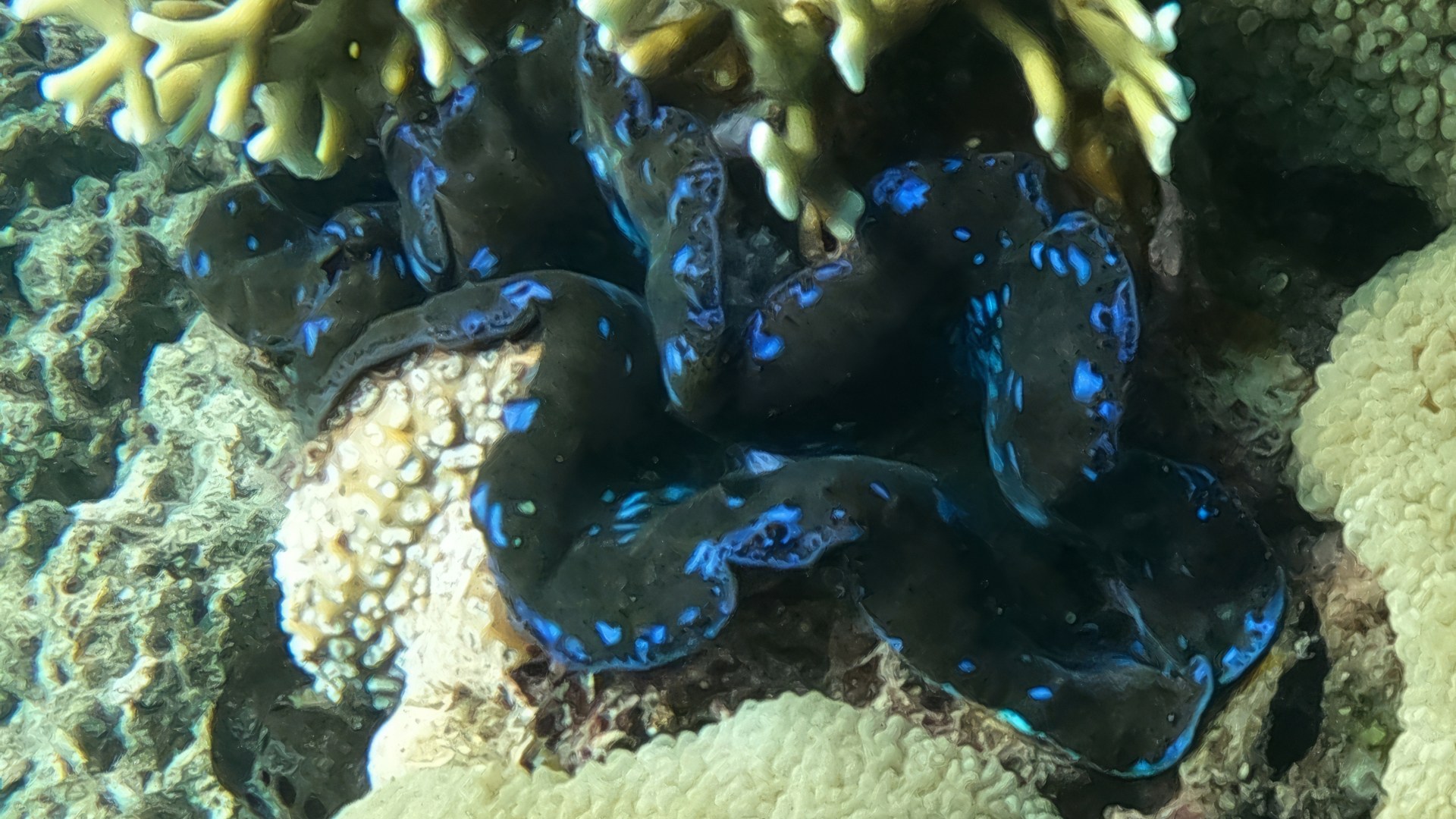
14. Small Giant Clam
Giant clams reach impressive sizes in nutrient-poor tropical waters thanks to photosynthetic zooxanthellae algae living inside their colorful mantles. By opening its shell toward the sun, the clam gives the algae safe housing in exchange for sugars and oxygen.
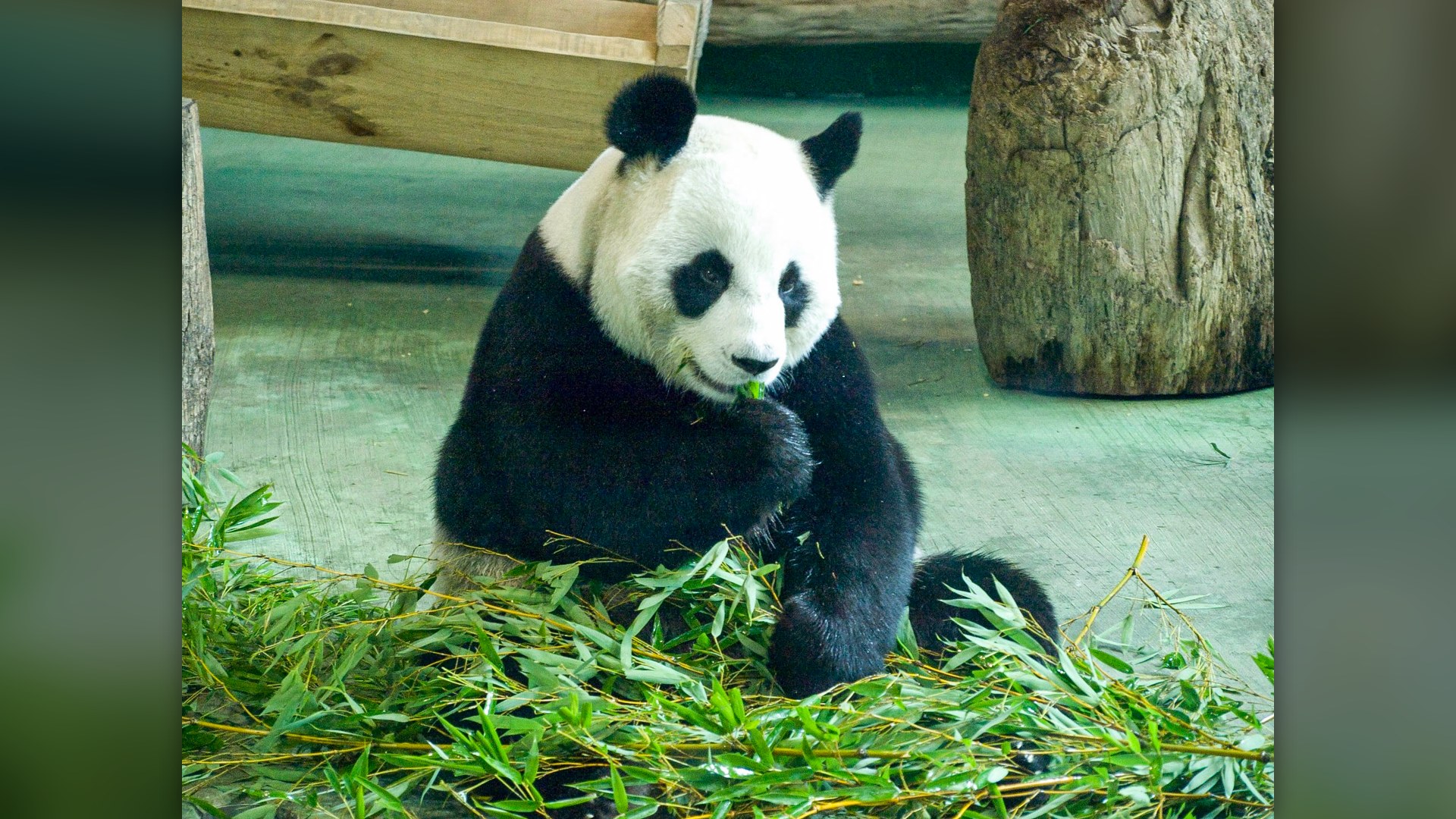
13. Giant Panda
Giant pandas depend almost completely on mountain bamboo forests and specialized gut bacteria that help break down fibrous shoots and stems. Because bamboo offers low caloric density, an adult panda must spend up to fourteen hours a day chewing twenty-five to eighty pounds of stalks.
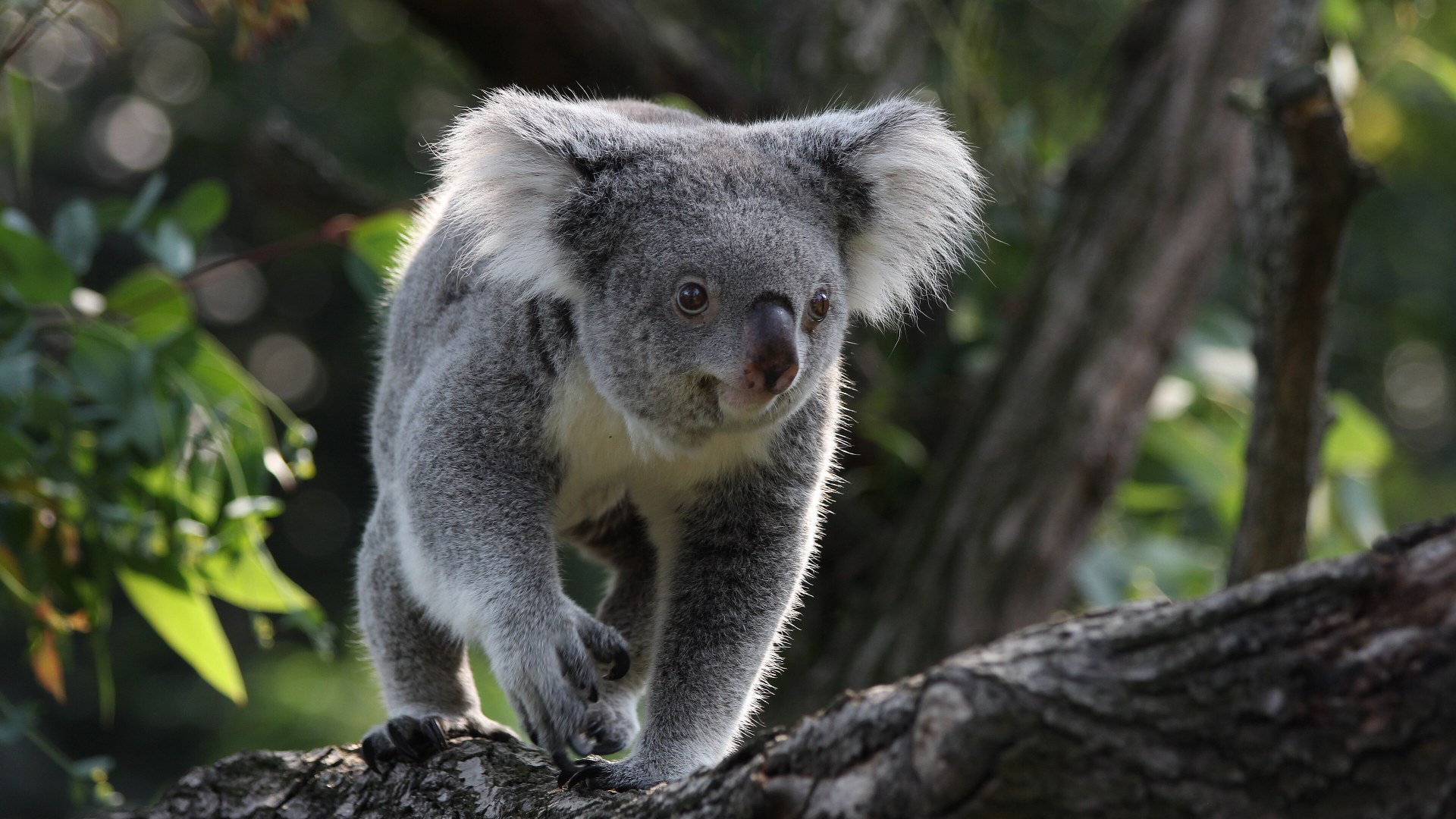
12. Koala
Koalas obtain nearly all their food and hydration from eucalyptus foliage that would poison most other mammals. Mothers pass down specialized tannin-digesting bacteria to their joeys through a substance called pap, allowing the young to transition onto tough gum leaves.
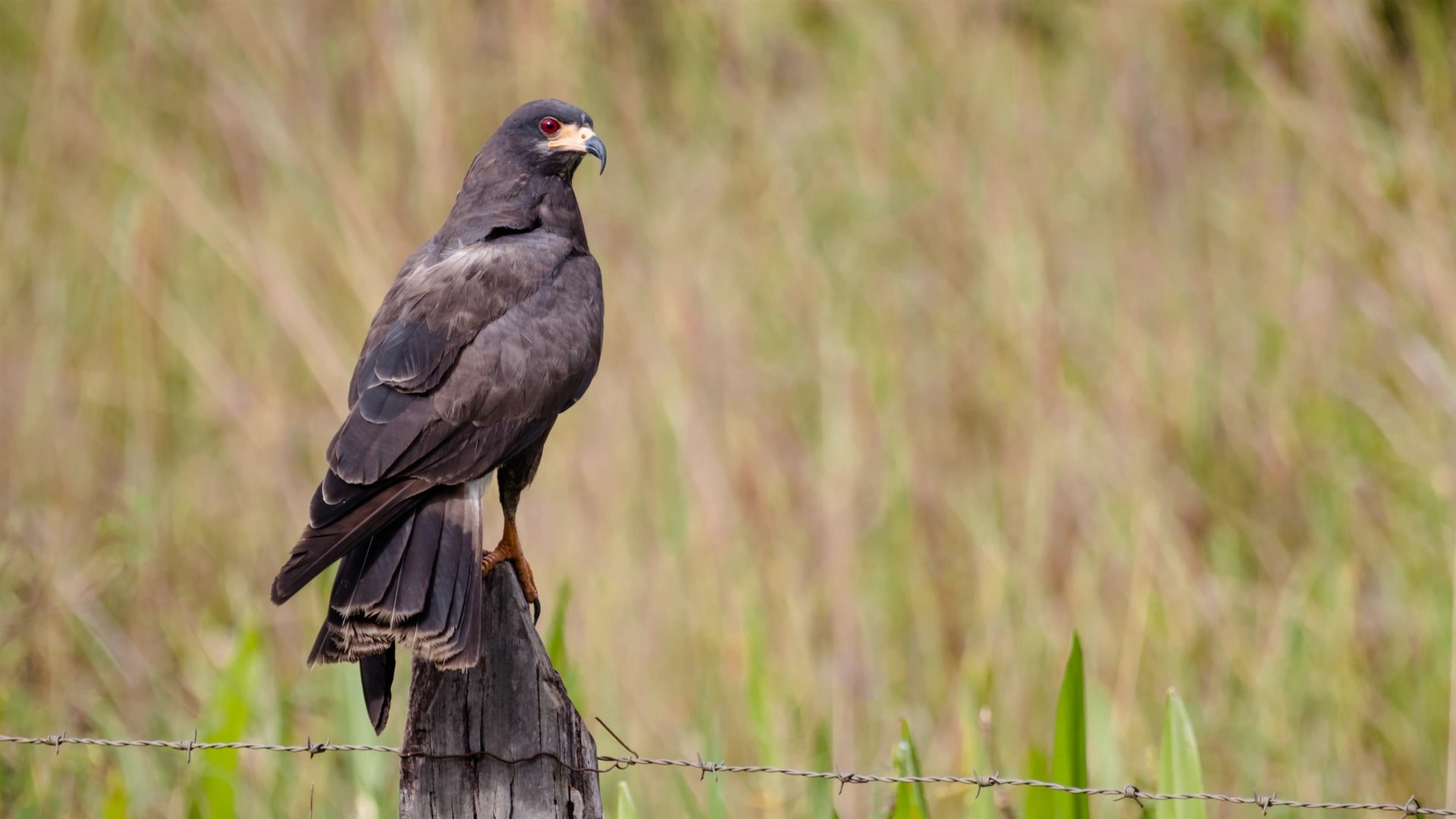
11. Snail Kite
Found across tropical wetlands, the snail kite feeds almost solely on large freshwater apple snails. Its long, needle-hooked bill slips inside the snail's spiral aperture to sever the muscle without crushing the shell, tying the bird's survival directly to healthy snail populations.
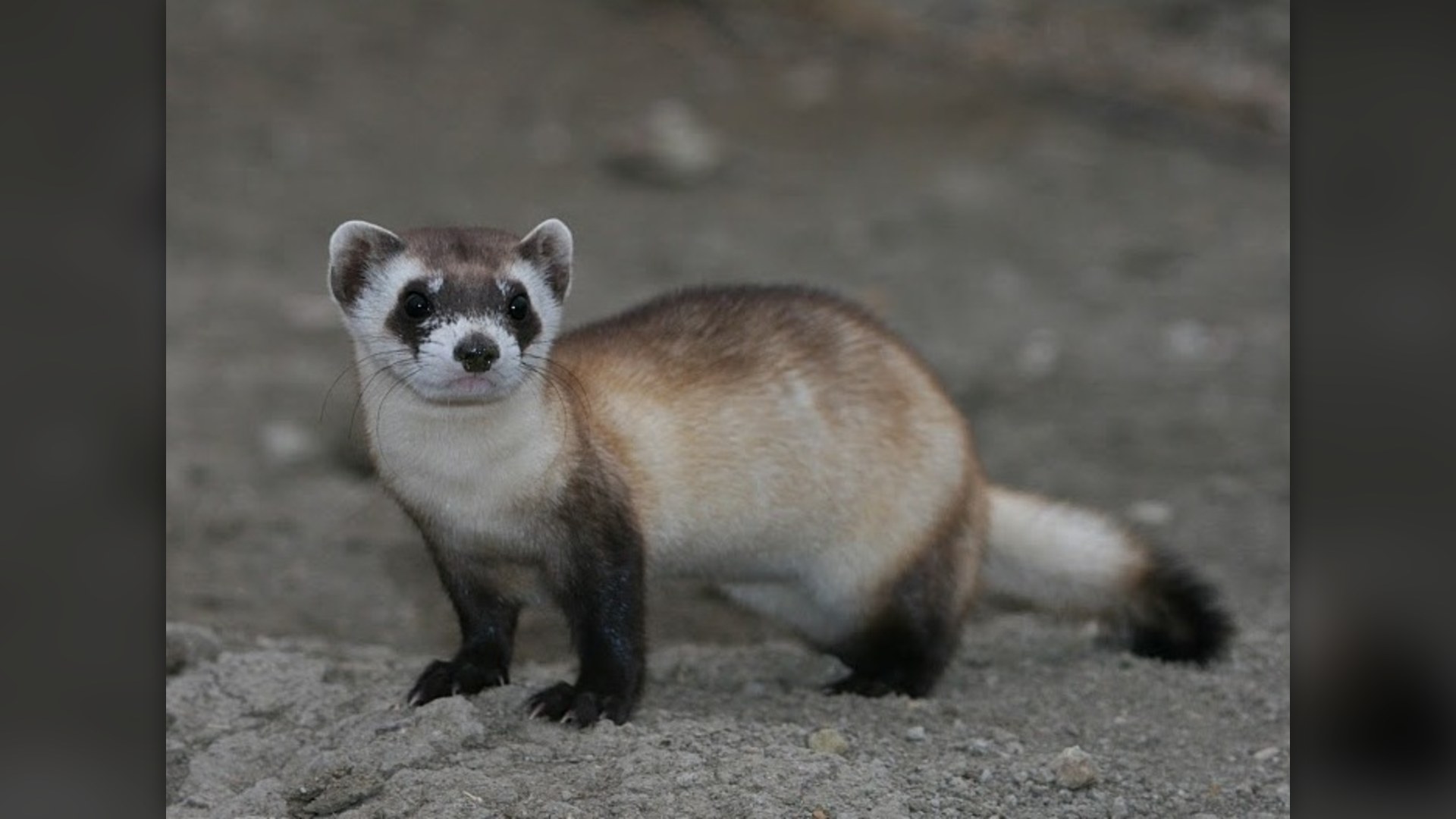
10. Black-Footed Ferret
Black-footed ferrets cannot dig their own complex tunnel systems and rarely hunt alternative prey. They live entirely inside active prairie dog burrows across the Great Plains, raising their kits underground while preying on the rodents that built the town.
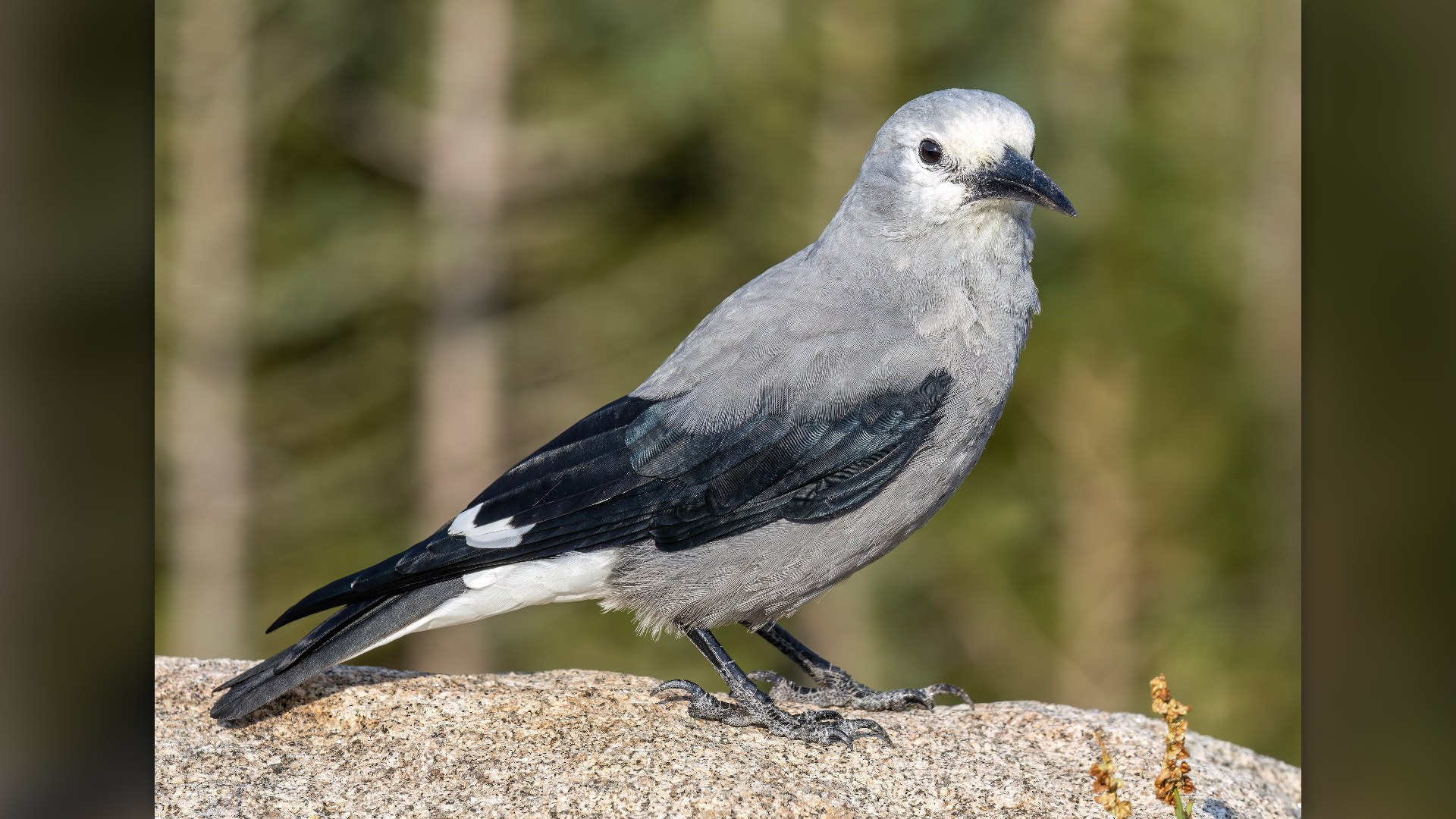
9. Clark's Nutcracker
Using a special sublingual throat pouch, a single Clark's nutcracker harvests and buries up to ninety thousand whitebark pine seeds each autumn. The bird relies on spatial memory to uncover those caches all winter, while forgotten seeds sprout into new alpine pine forests.
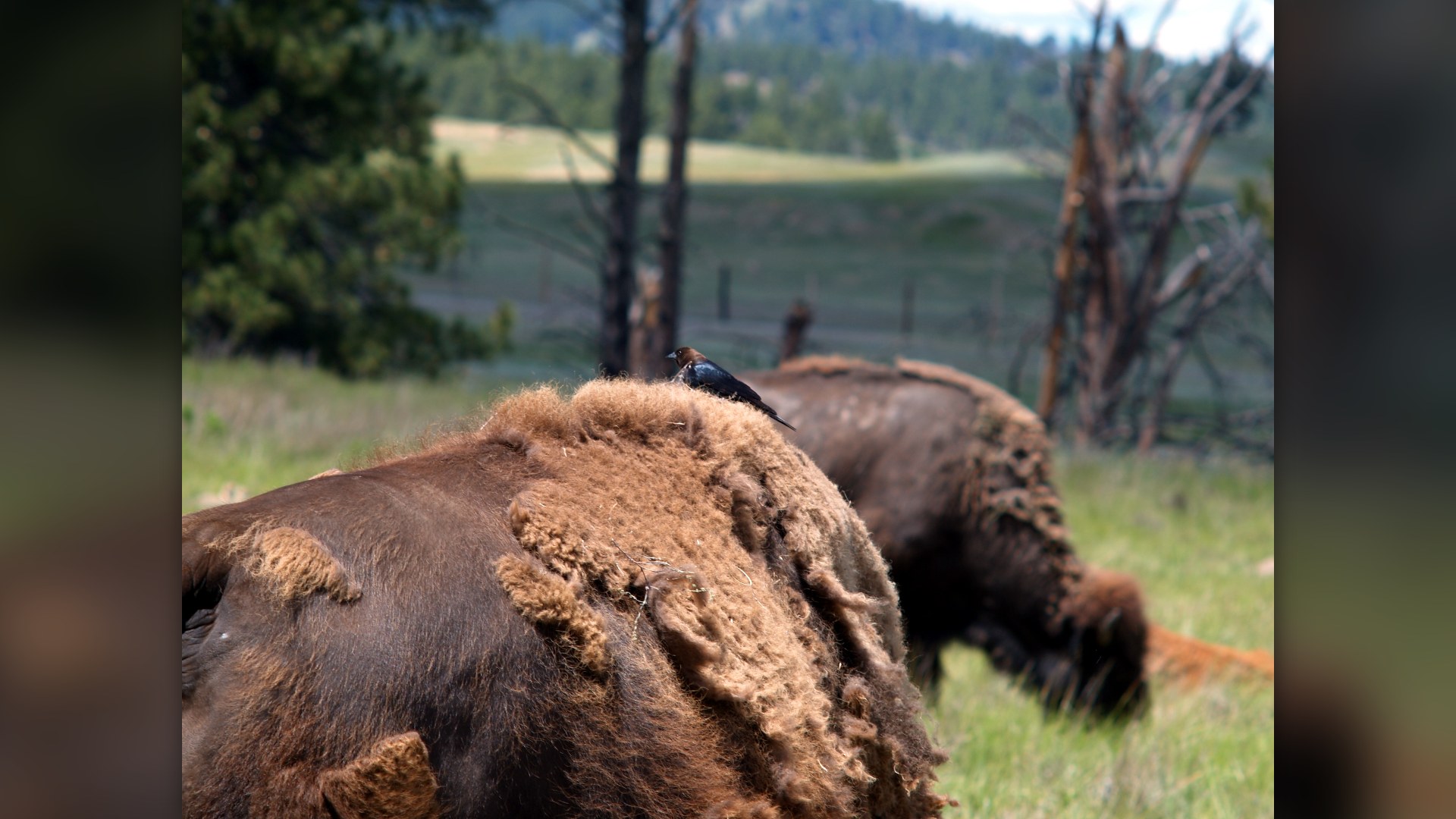
8. Brown-Headed Cowbird
Because ancestral brown-headed cowbirds stayed on the move with nomadic plains bison herds to catch kicked-up grasshoppers, they never paused to build nests. Instead, females lay their eggs in over two hundred host songbird species' nests, relying on foster parents to raise their chicks.
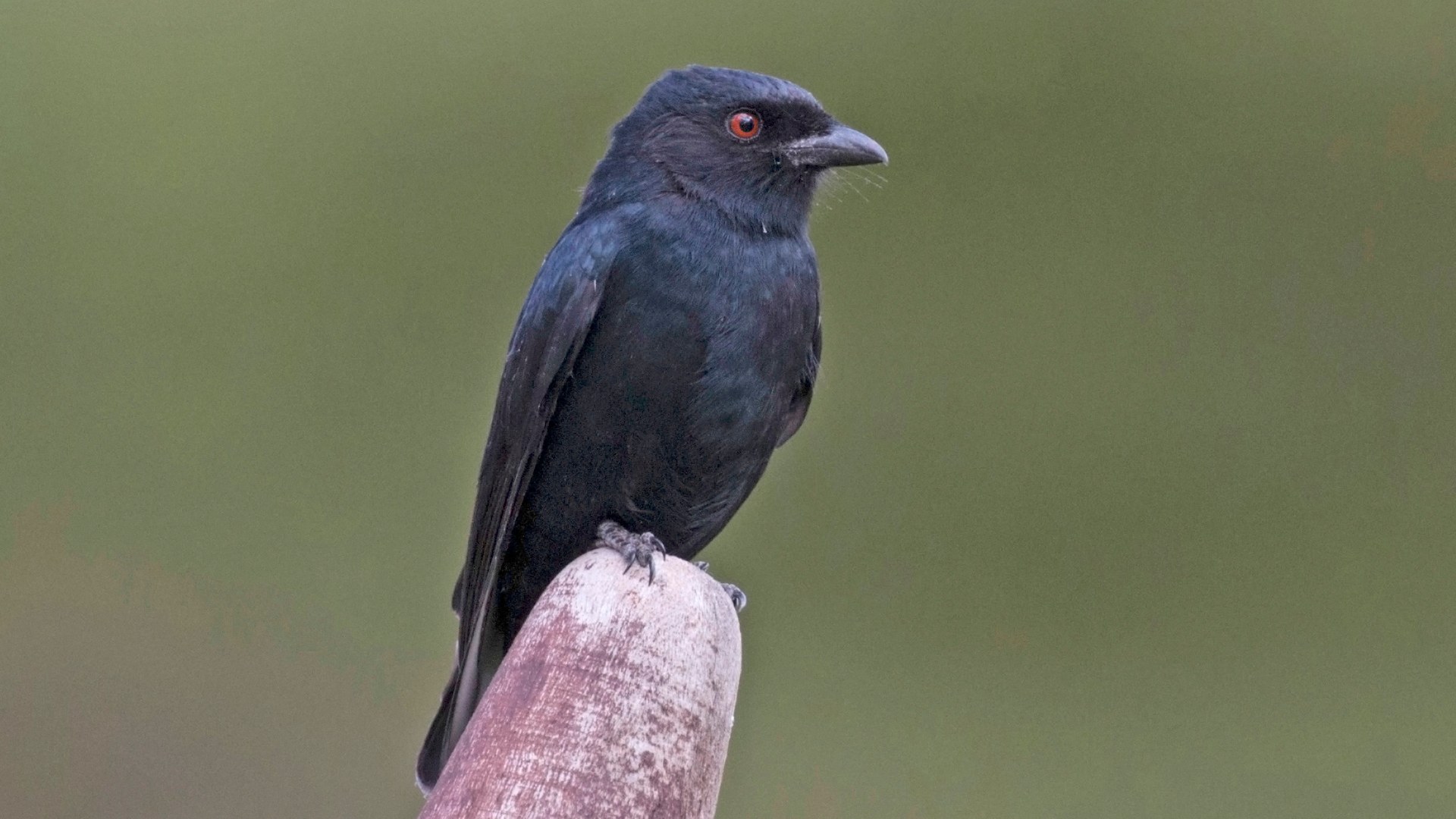
7. Fork-Tailed Drongo
In the Kalahari Desert, fork-tailed drongos perch above foraging meerkat mobs and call out authentic alarm cries whenever hawks or jackals approach. That trusted sentry service allows the meerkats to dig safely for scorpions and beetles while the drongo swoops in on flushed insects.
6. Greater Honeyguide
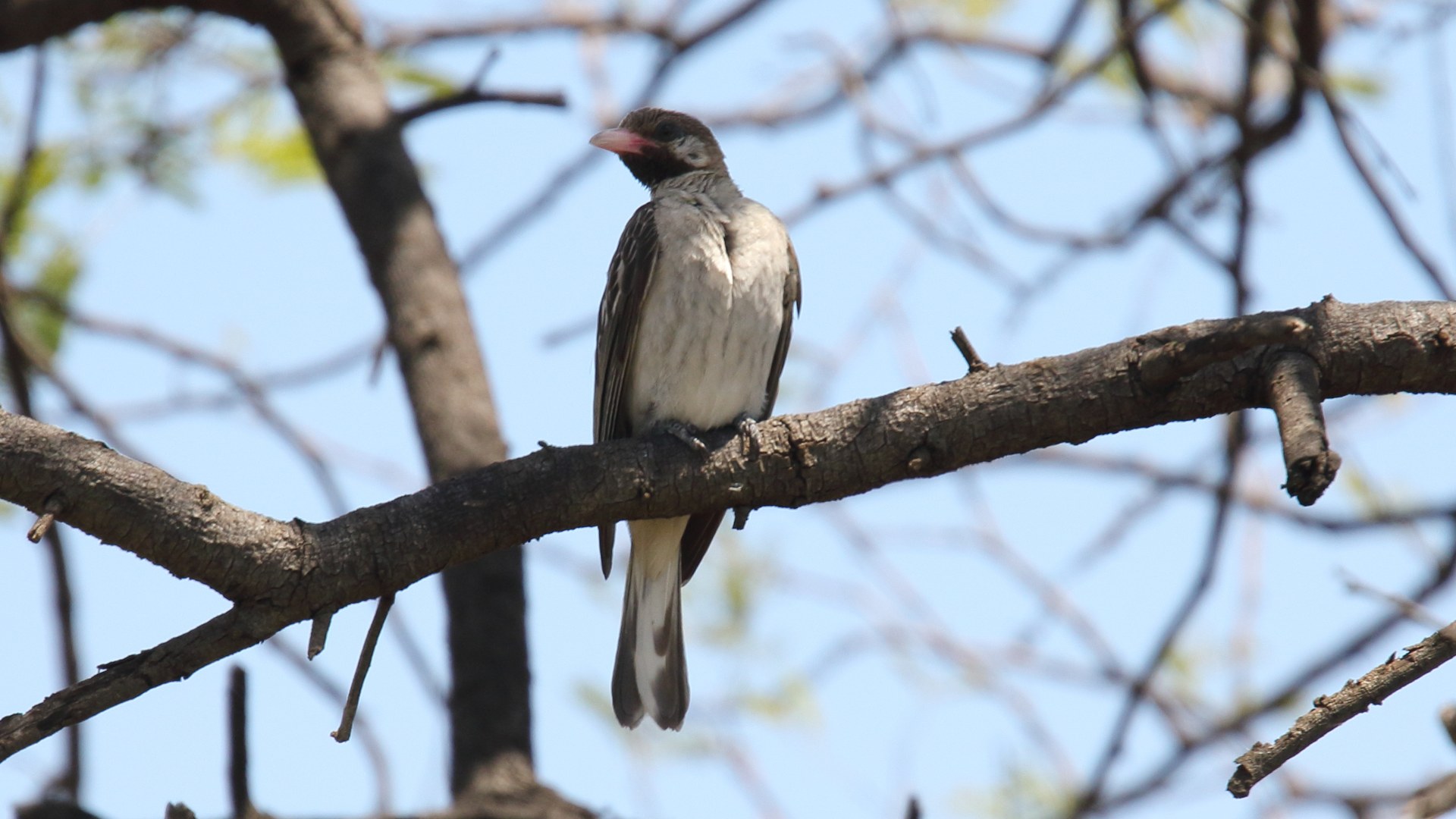
Greater honeyguides are among the few birds able to digest pure beeswax, yet they cannot break open defended tree hives alone. Using a distinct chattering call and short flights, the bird guides human honey-hunters to hidden nests and feasts on the leftover honeycomb.
5. American Badger
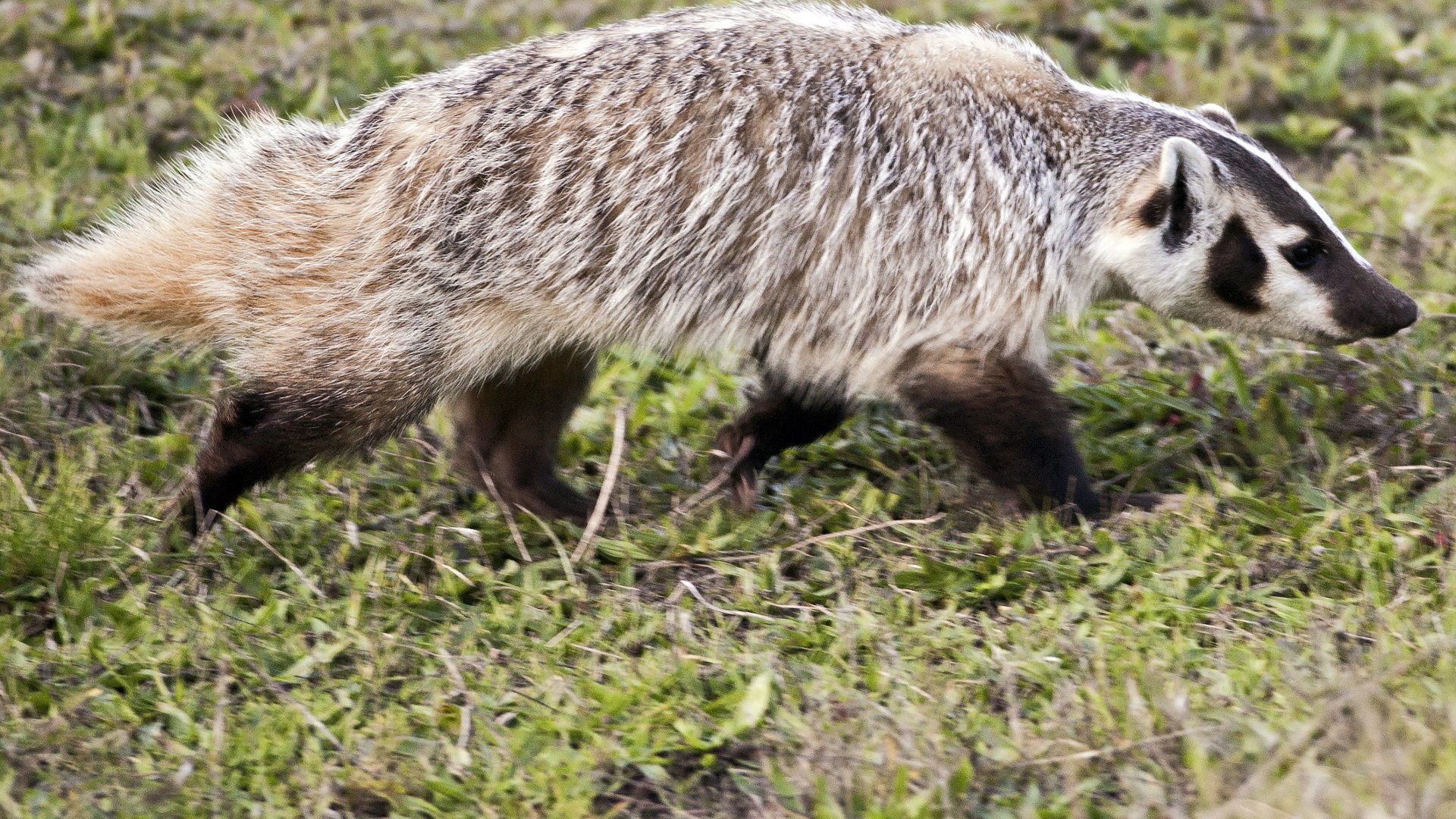
Field researchers have documented American badgers and coyotes traveling and hunting side by side across western grasslands. When a ground squirrel flees into its burrow, the badger digs down rapidly, either catching the rodent underground or flushing it into the waiting coyote's jaws.
4. Southern Ostrich
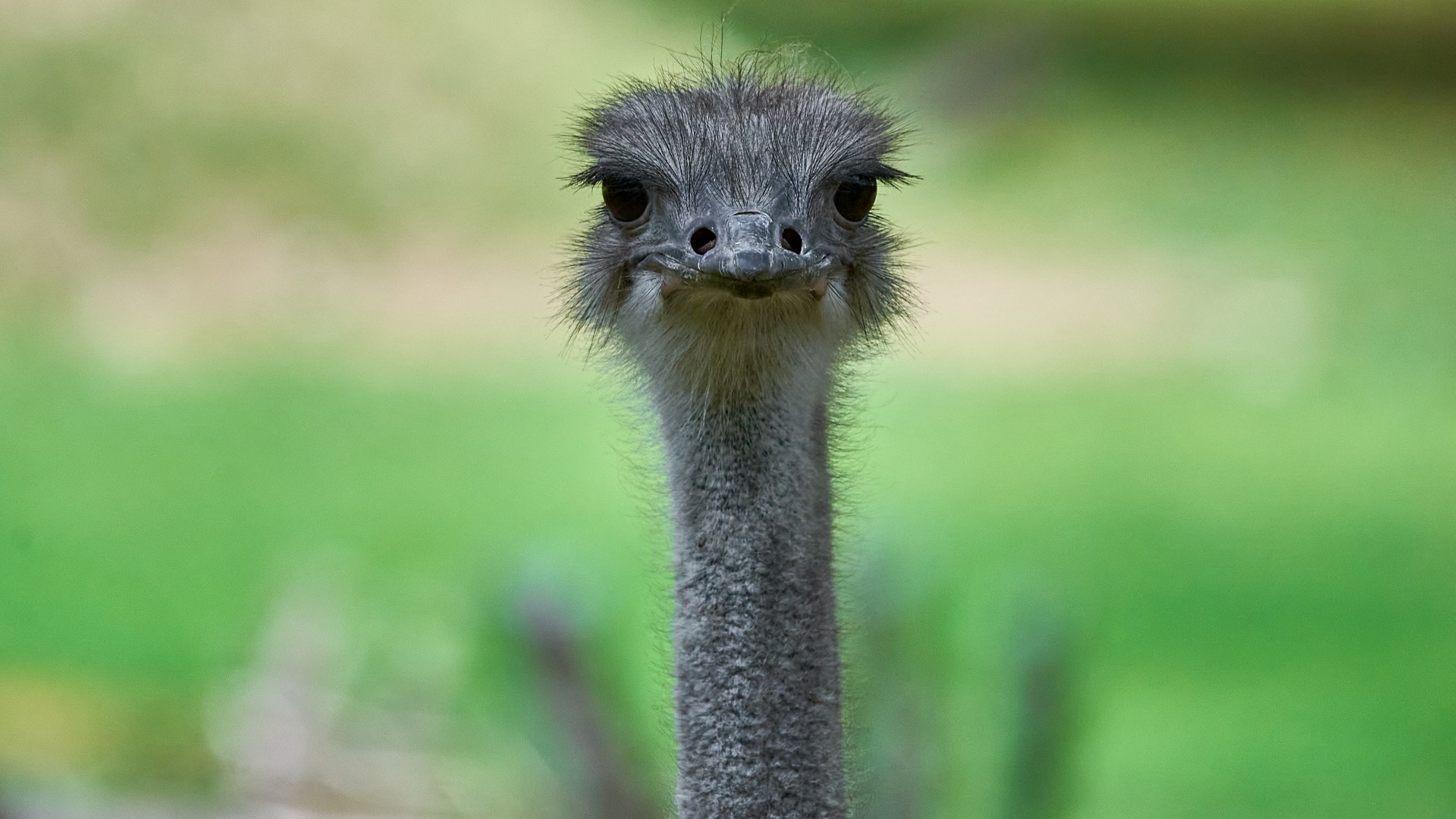
Southern ostriches possess towering vision across open African plains yet have a weak sense of smell, whereas plains zebras have acute hearing and scent detection. By grazing in mixed herds, the two species spot and smell stalking lions far earlier than either could alone.
3. Egyptian Plover
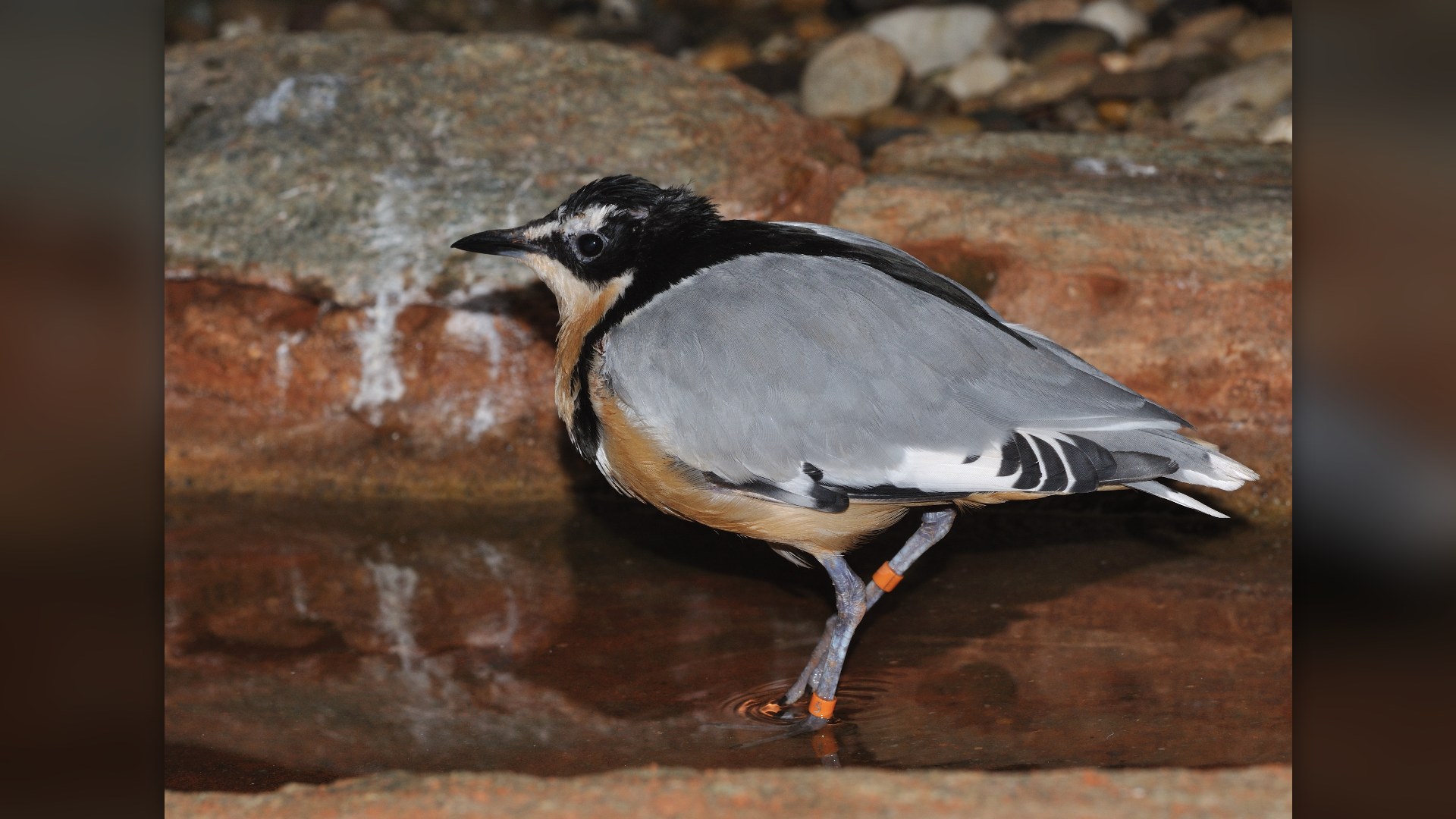
Long celebrated in ancient natural history lore for foraging near basking Nile crocodiles, the Egyptian plover buries its eggs in warm river sandbars where giant reptiles haul out. The presence of territorial crocodiles helps deter smaller mammal egg thieves along the shore.
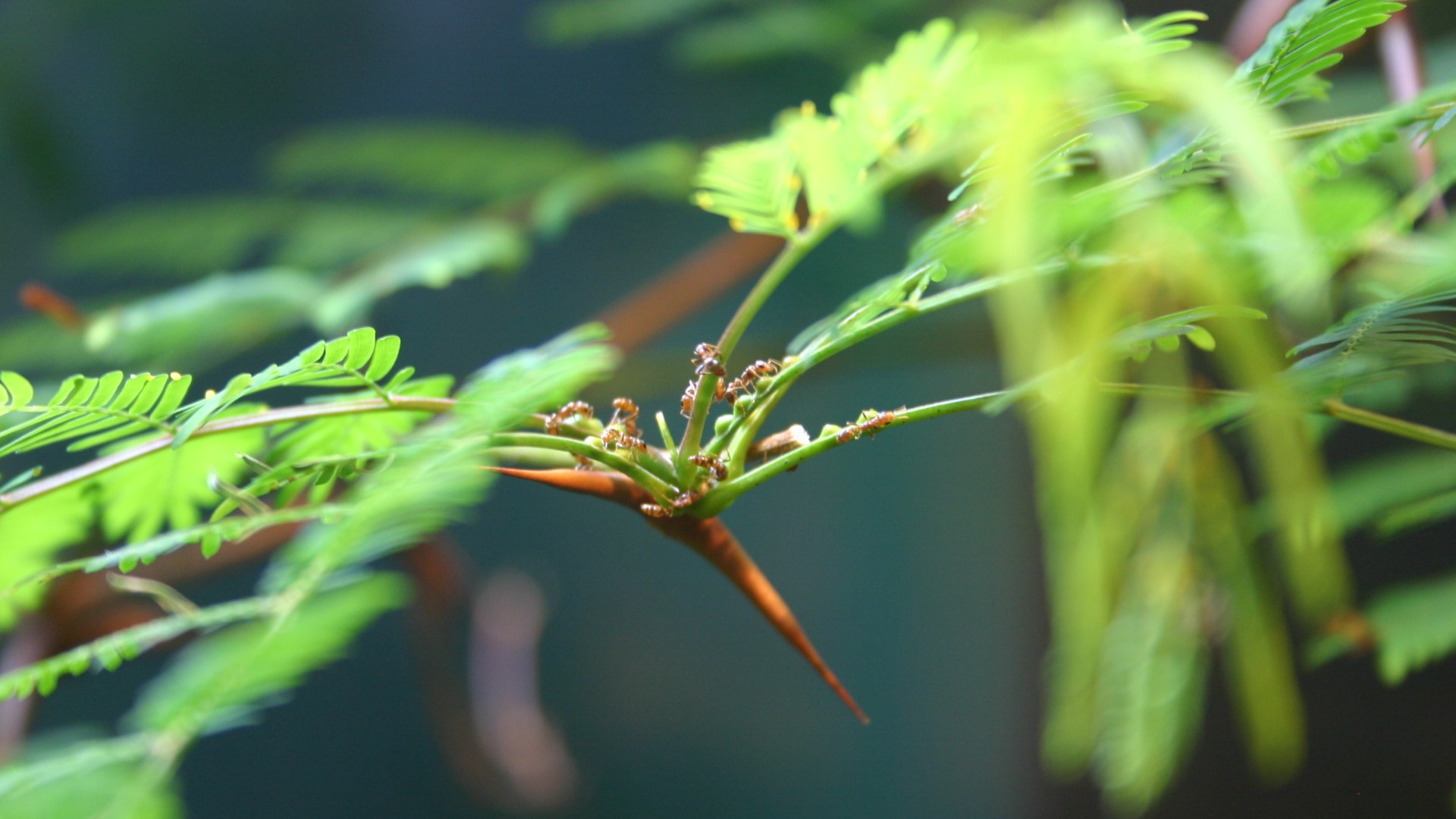
2. Bullhorn Acacia Ant
Pseudomyrmex acacia ants never have to hunt or forage on the forest floor. Their host bullhorn acacia tree provides hollow swollen thorns for housing, sweet extrafloral nectar, and protein-rich Beltian bodies, while the ants swarm any herbivore or vine that touches the bark.
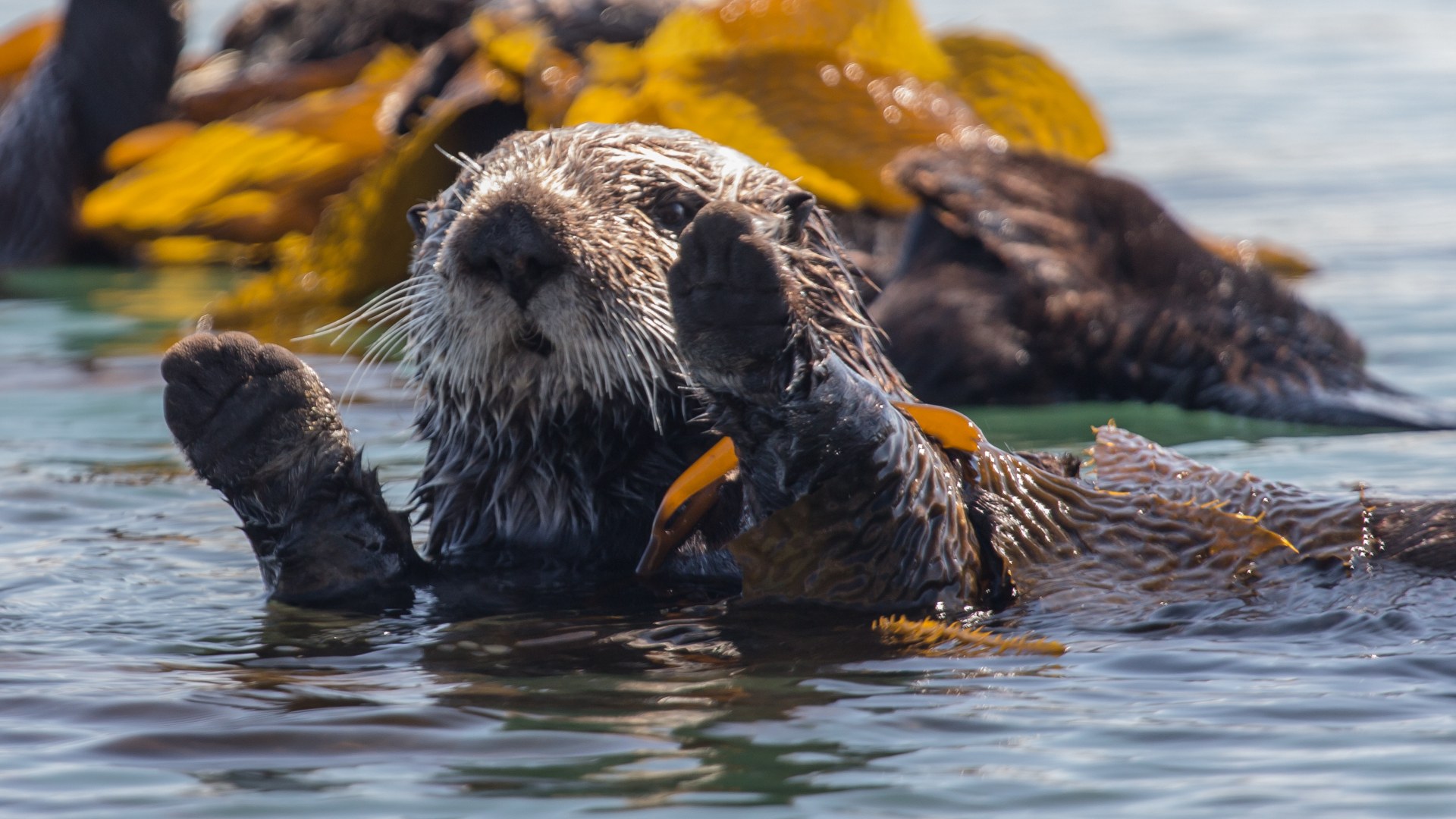
1. Southern Sea Otter
Southern sea otters wrap themselves in floating giant kelp fronds so ocean currents do not carry them out to sea while they sleep and nurse their pups. In return, the otters devour voracious purple sea urchins that would otherwise chew down the entire kelp forest.