Slideshow · Lifestyle
America's 20 Deadliest Occupations, Ranked by Fatality Rate
Based on the US Bureau of Labor Statistics Census of Fatal Occupational Injuries, these twenty civilian professions face fatality rates far above the national baseline of 3.3 per 100,000 workers. From heavy timber harvesting to deep-sea fishing, discover the dangerous duties and daily hazards behind every rank.
By Most Viral Today
27 min ago

From High Altitudes to Open Seas, Here Are the Deadliest Jobs in America 
20. Crossing Guards 
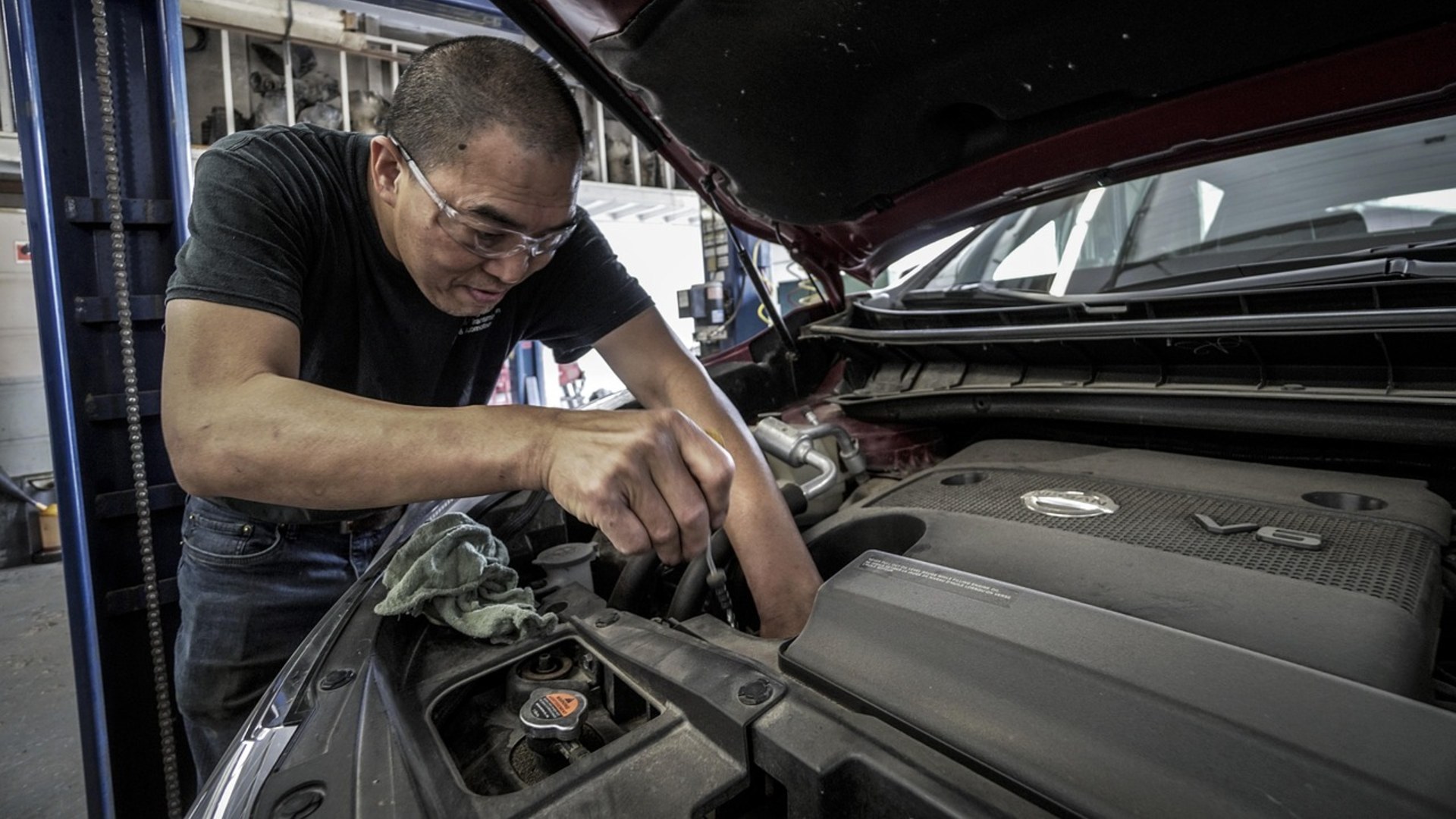
19. Maintenance And Repair Workers 
18. Police And Sheriff Patrol Officers - AdvertisementSwipe or tap ▶ to continue countdown

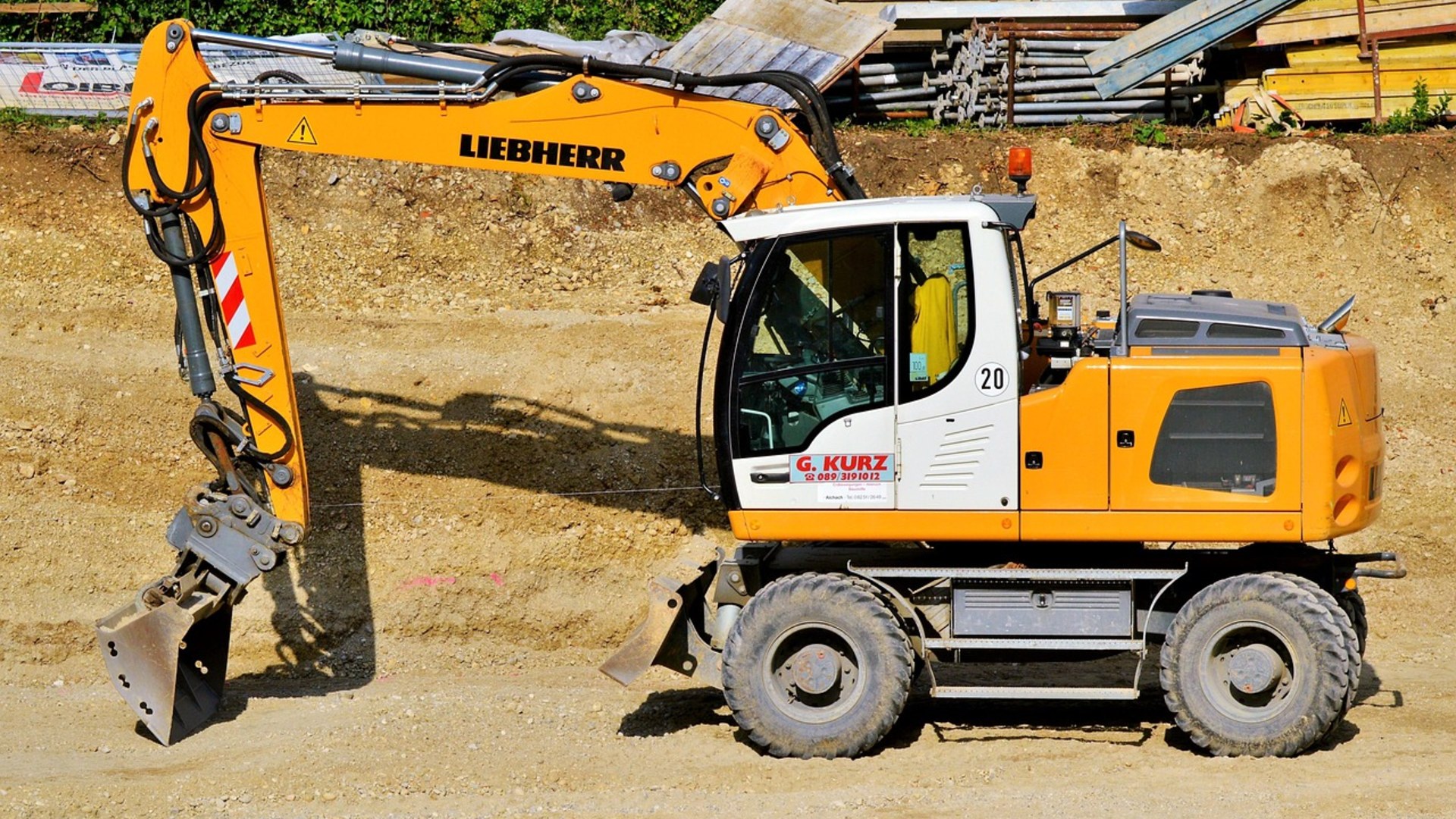
17. Heavy Construction Equipment Operators 
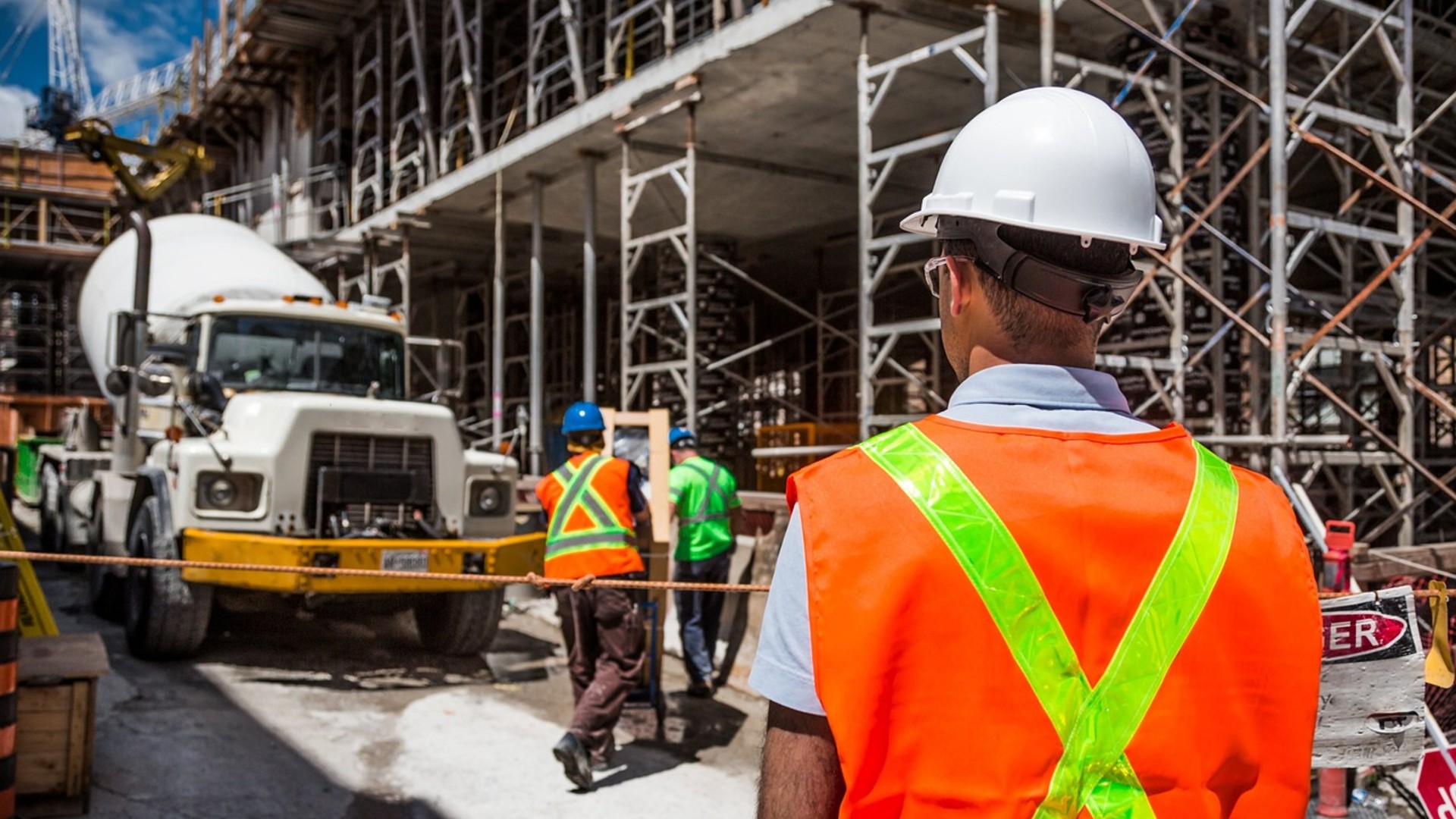
16. Construction And Extraction Supervisors 
15. Construction Laborers 
14. Landscaping And Groundskeeping Supervisors - AdvertisementSwipe or tap ▶ to continue countdown

13. Farmers, Ranchers, And Agricultural Managers 
12. Agricultural Workers 
11. Grounds Maintenance Workers 
10. Electrical Power-Line Installers - AdvertisementSwipe or tap ▶ to continue countdown

9. Driver Sales Workers And Truck Drivers 
8. Underground Mining Machine Operators 
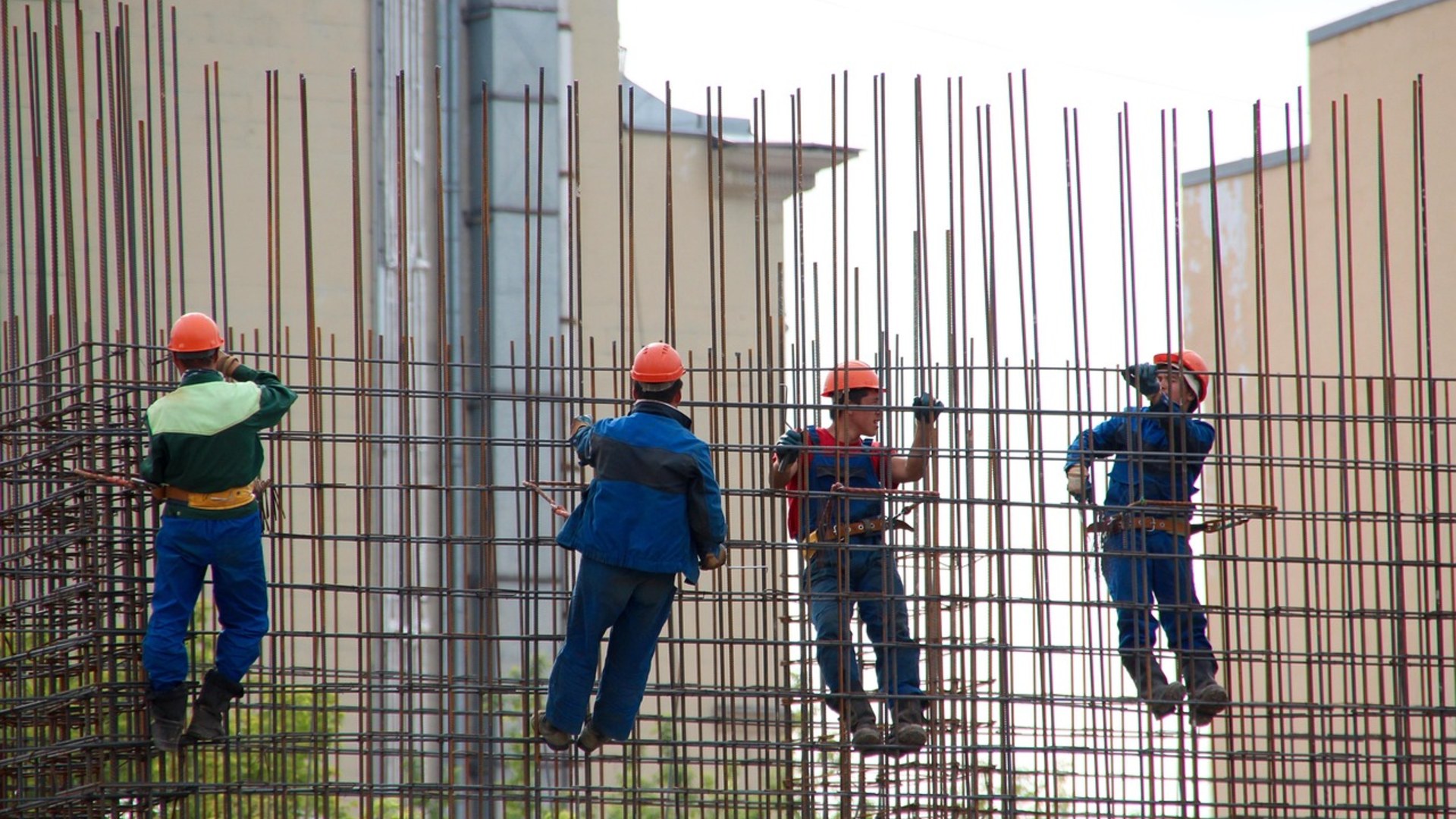
7. Construction Trades Helpers 
6. Aircraft Pilots And Flight Engineers - AdvertisementSwipe or tap ▶ to continue countdown

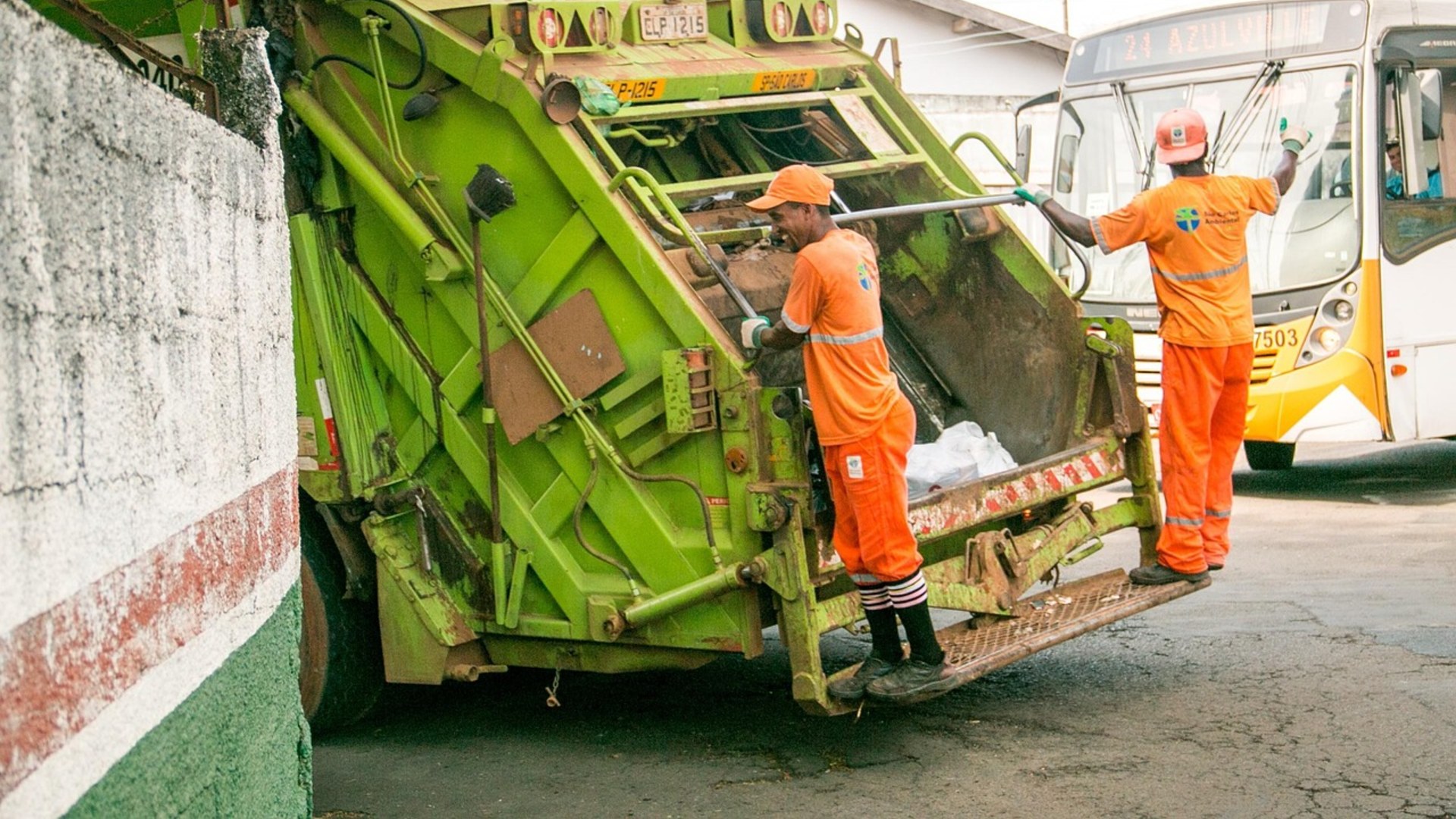
5. Refuse And Recyclable Material Collectors 
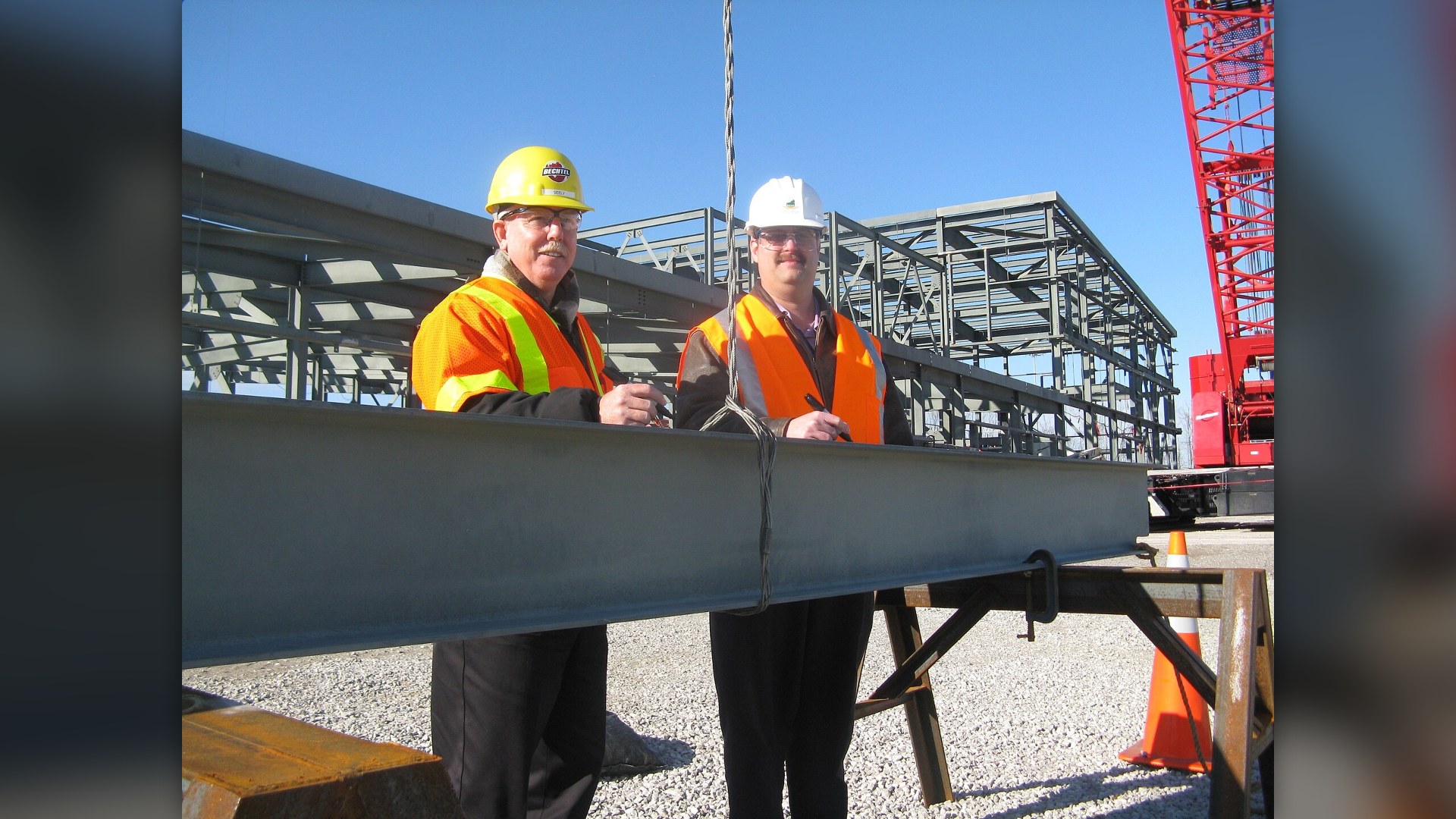
4. Structural Iron And Steel Workers 
3. Roofers 
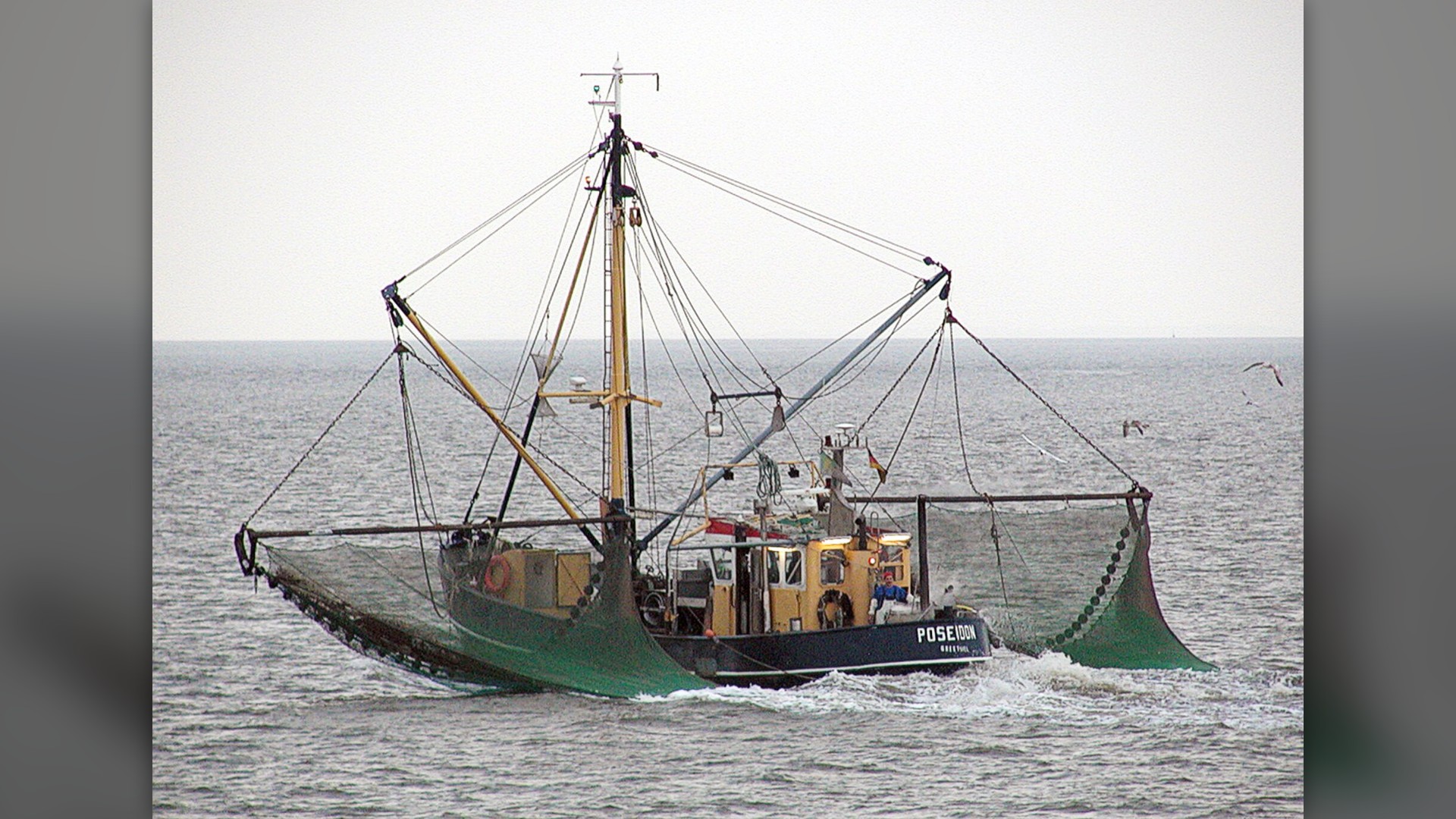
2. Fishing And Hunting Workers - AdvertisementSwipe or tap ▶ to continue countdown

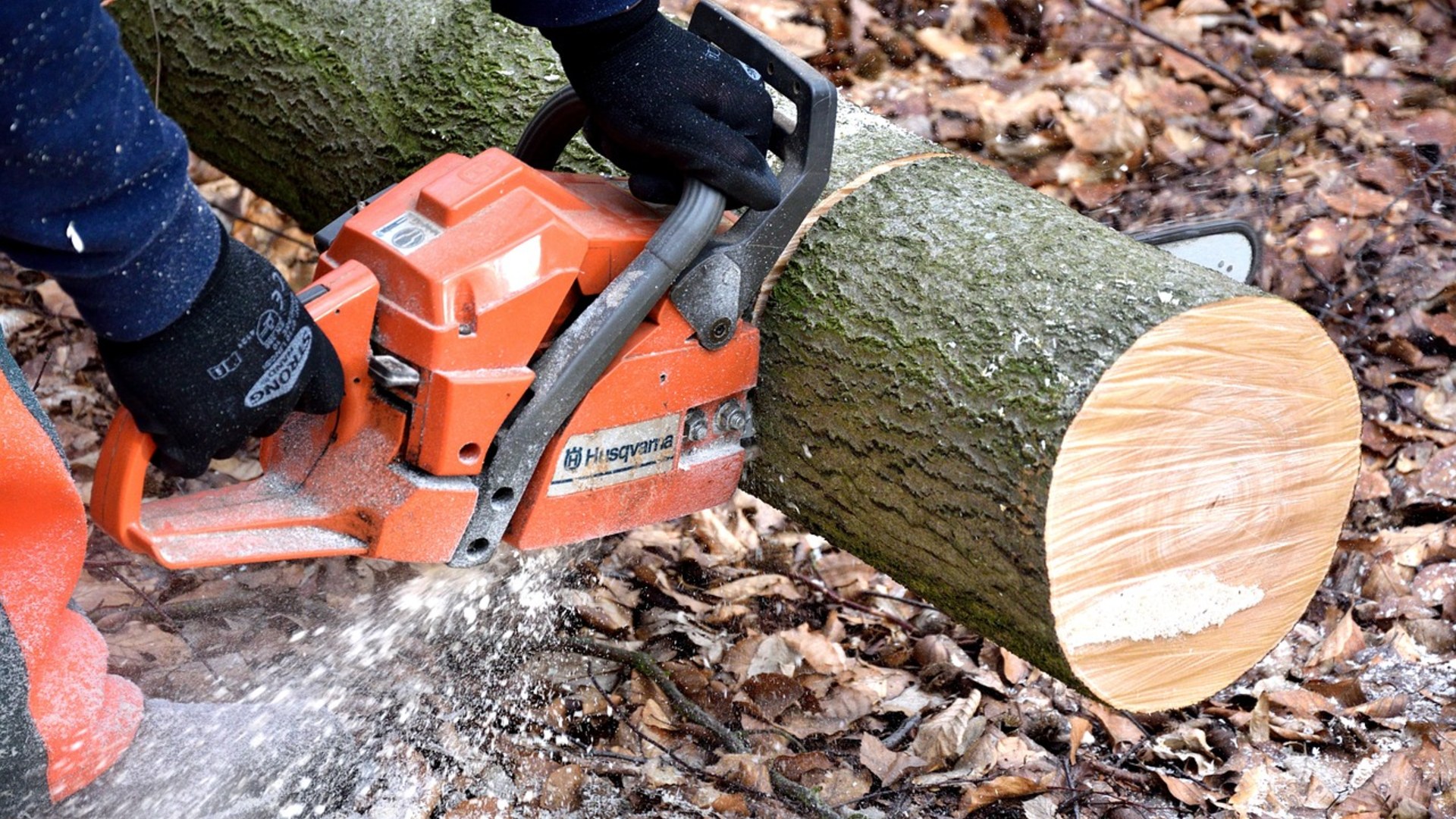
1. Logging Workers - Advertisement🔥 UP NEXT IN THIS SERIES◫ 21 Slides

20 Holiday Side Dishes That Compete With the Turkey
From bubbling macaroni and cheese to buttery cornbread dressing, holiday side dishes often outshine the roast centerpiece. This visual countdown explores 20 beloved feast recipes that deliver rich textures, comforting aromas, and bold seasonal flavors that keep dinner guests returning for second helpings every year.
Based on the US Bureau of Labor Statistics Census of Fatal Occupational Injuries, these twenty civilian professions face fatality rates far above the national baseline of 3.3 per 100,000 workers. From heavy timber harvesting to deep-sea fishing, discover the dangerous duties and daily hazards behind every rank.
Swipe or tap ▶ to begin the countdown
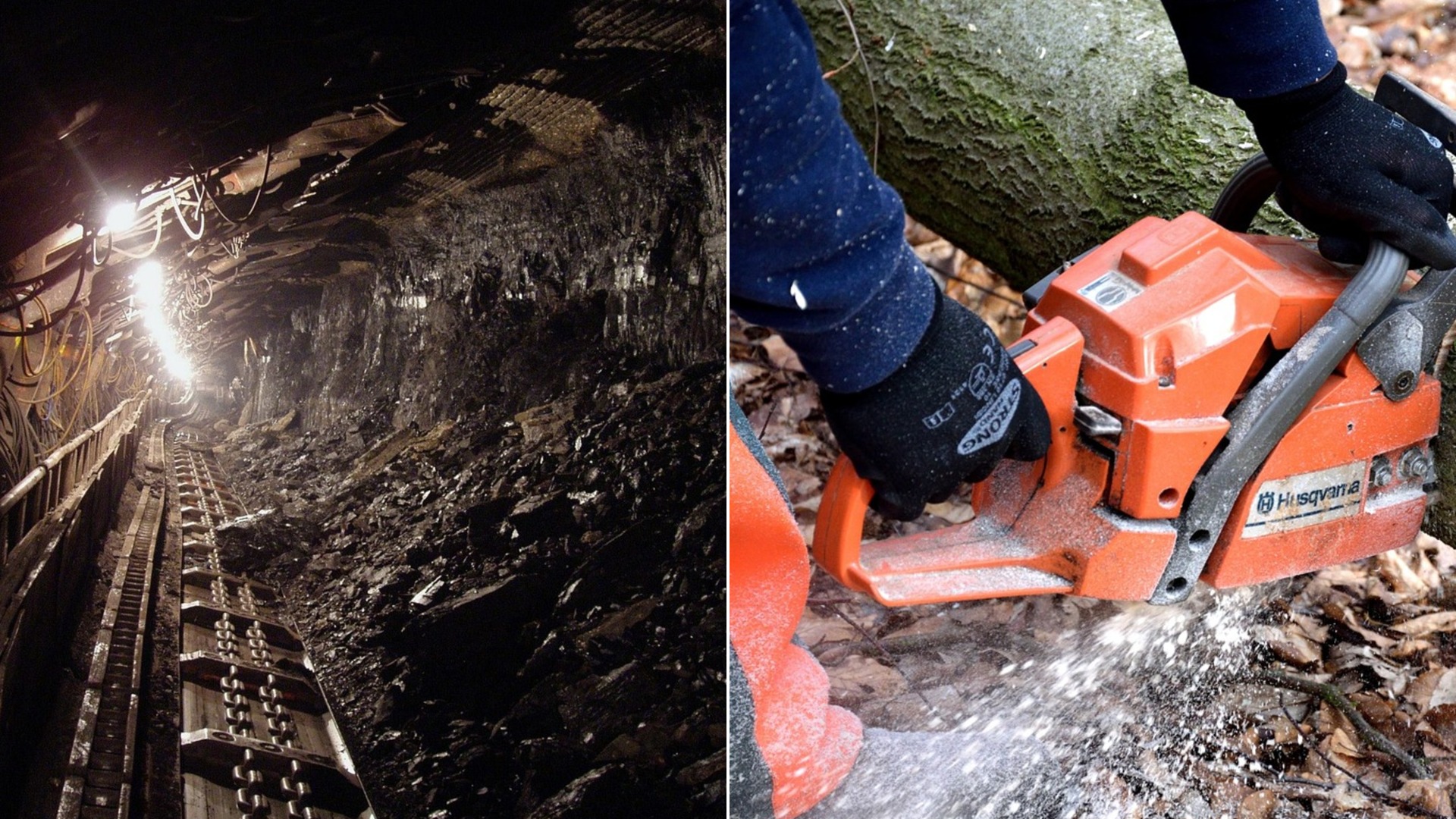
©Pixabay / hangela & Pixabay / HansLinde
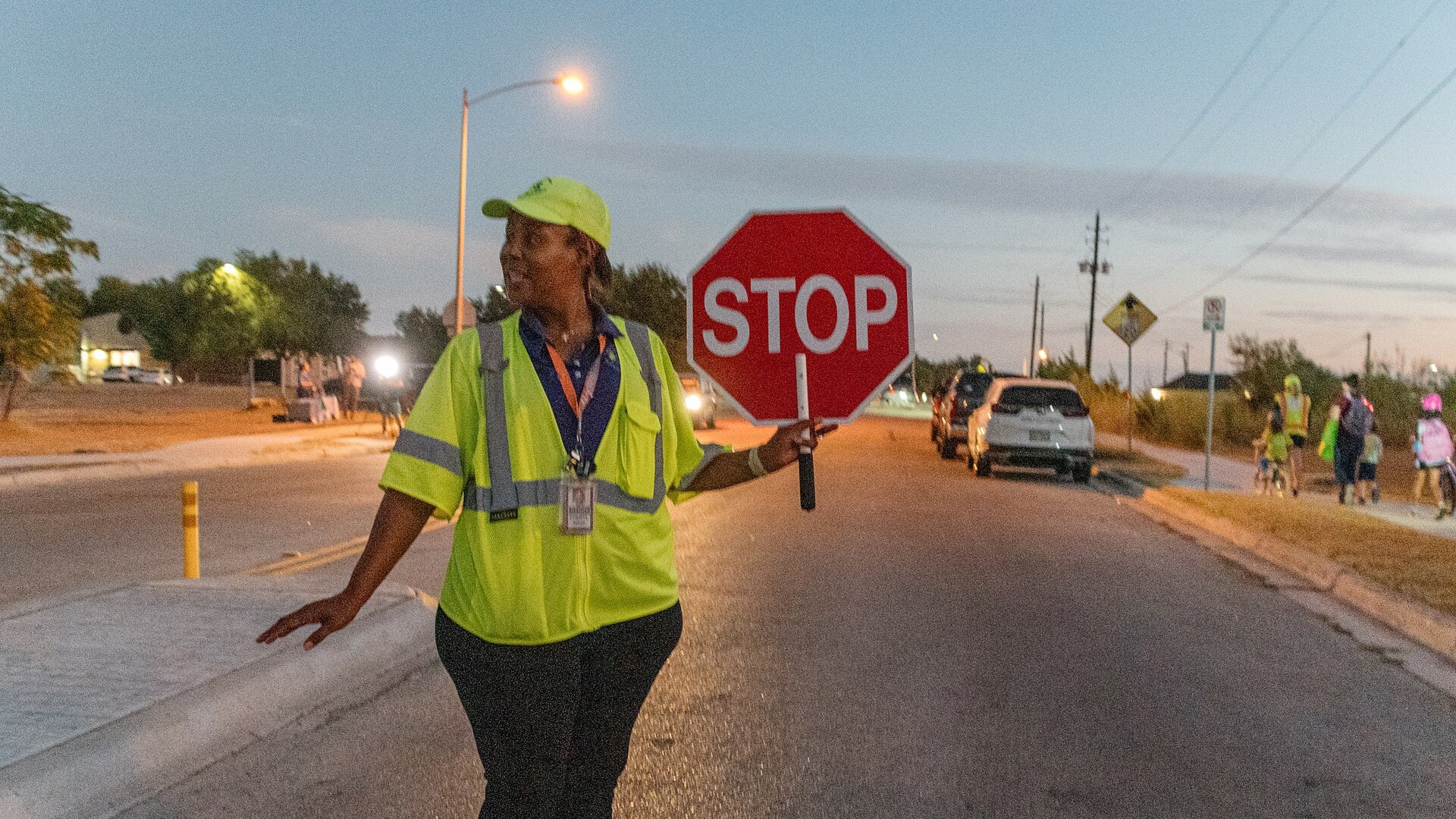
20. Crossing Guards
Crossing guards record a fatal work injury rate of 11.4 per 100,000 full-time workers. According to federal highway data, nearly all fatalities stem from distracted or speeding motorists entering school zones and pedestrian crosswalks during peak morning commute hours.
©Wikimedia / Austin Transportation and Public Works
19. Maintenance And Repair Workers
General maintenance technicians experience a fatal injury rate of 12.1 per 100,000 workers. Common workplace incidents include falls from elevated platforms, contact with energized electrical components, and blunt force injuries while troubleshooting heavy mechanical equipment.
©Pixabay / DokaRyan
18. Police And Sheriff Patrol Officers
Patrol officers face an occupational fatality rate of 12.8 per 100,000 full-time personnel. While physical assaults remain a major concern, vehicular collisions during high-speed emergency runs and routine highway traffic stops account for nearly half of all line-of-duty deaths.
©Pixabay / 652234
Advertisement
Swipe or tap ▶ to resume the countdown.
17. Heavy Construction Equipment Operators
Operating engineers face a fatal injury rate of 13.7 deaths per 100,000 full-time operators. Equipment rollovers on steep embankments, trench collapses during foundation excavation, and blind-spot collisions with ground workers represent the leading hazards tracked on job sites.
©Pixabay / Ralphs_Fotos
16. Construction And Extraction Supervisors
First-line supervisors in construction and extraction record 15.3 fatalities per 100,000 workers. Because supervisors coordinate crews in active hazard zones, they face severe risks from unexpected structural collapses, falls from open scaffolding, and heavy machinery movements.
©Pixabay / bridgesward
15. Construction Laborers
Construction laborers experience a fatal work injury rate of 16.2 per 100,000 full-time workers. This occupation suffers from high absolute casualty counts, primarily driven by OSHA fatal four hazards: falls from elevated scaffolding, struck-by debris, and trench wall collapses.
©Pixabay / Peggy_Marco
14. Landscaping And Groundskeeping Supervisors
First-line landscaping supervisors register an occupational fatality rate of 18.1 per 100,000 workers. Frequent dangers include roadway vehicle strikes along highway medians, fatal falls during tree limb removal, and accidental contact with concealed underground utility cables.
©Pixabay / minionsquad
Advertisement
Swipe or tap ▶ to resume the countdown.
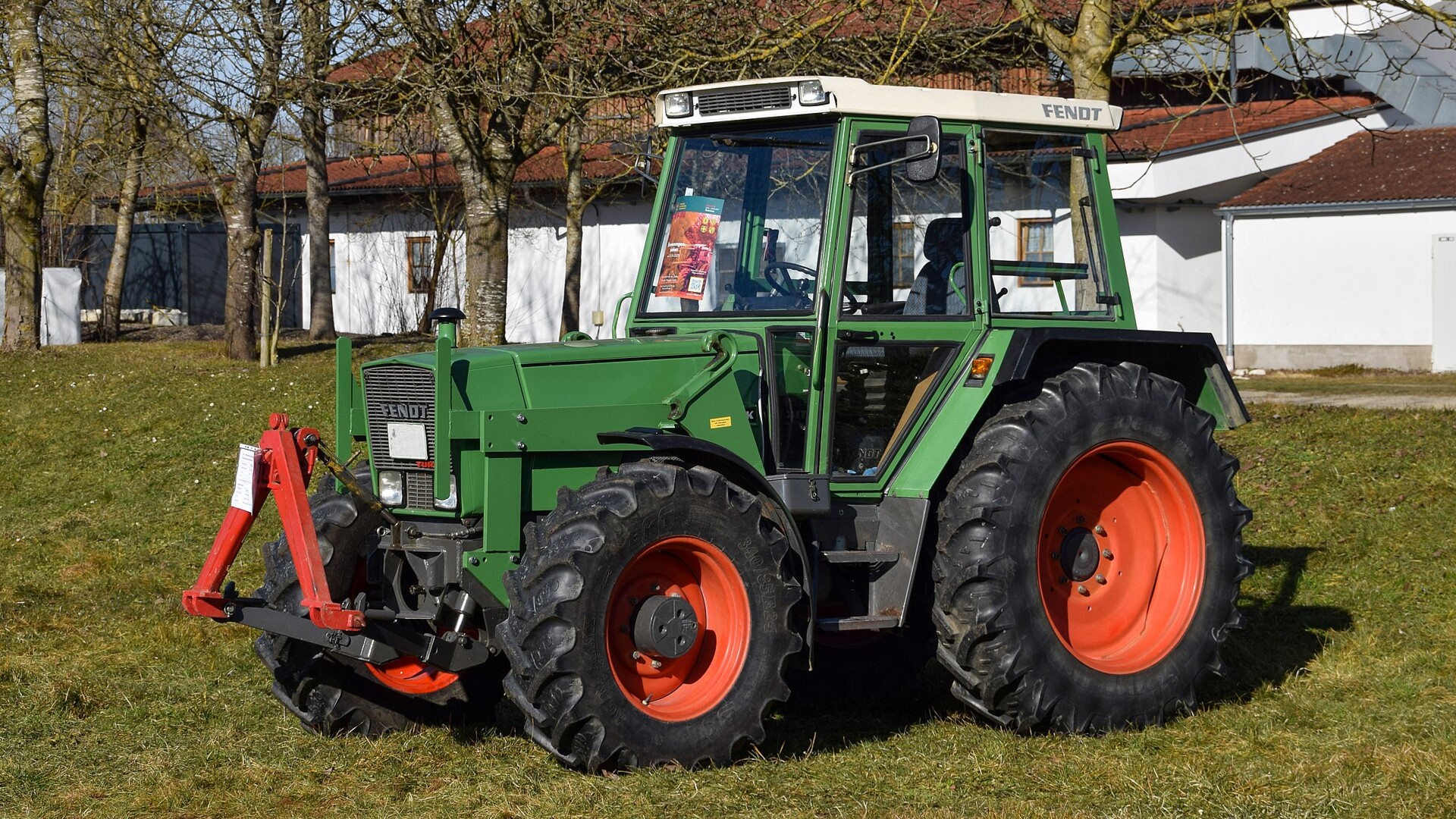
13. Farmers, Ranchers, And Agricultural Managers
Agricultural managers face an occupational fatality rate of 18.6 deaths per 100,000 workers. Tractor overturns on uneven terrain represent the most frequent cause of death, alongside grain bin engulfment incidents and physical crushing hazards when working around large livestock.
©Wikimedia / Photographer: Mosbatho
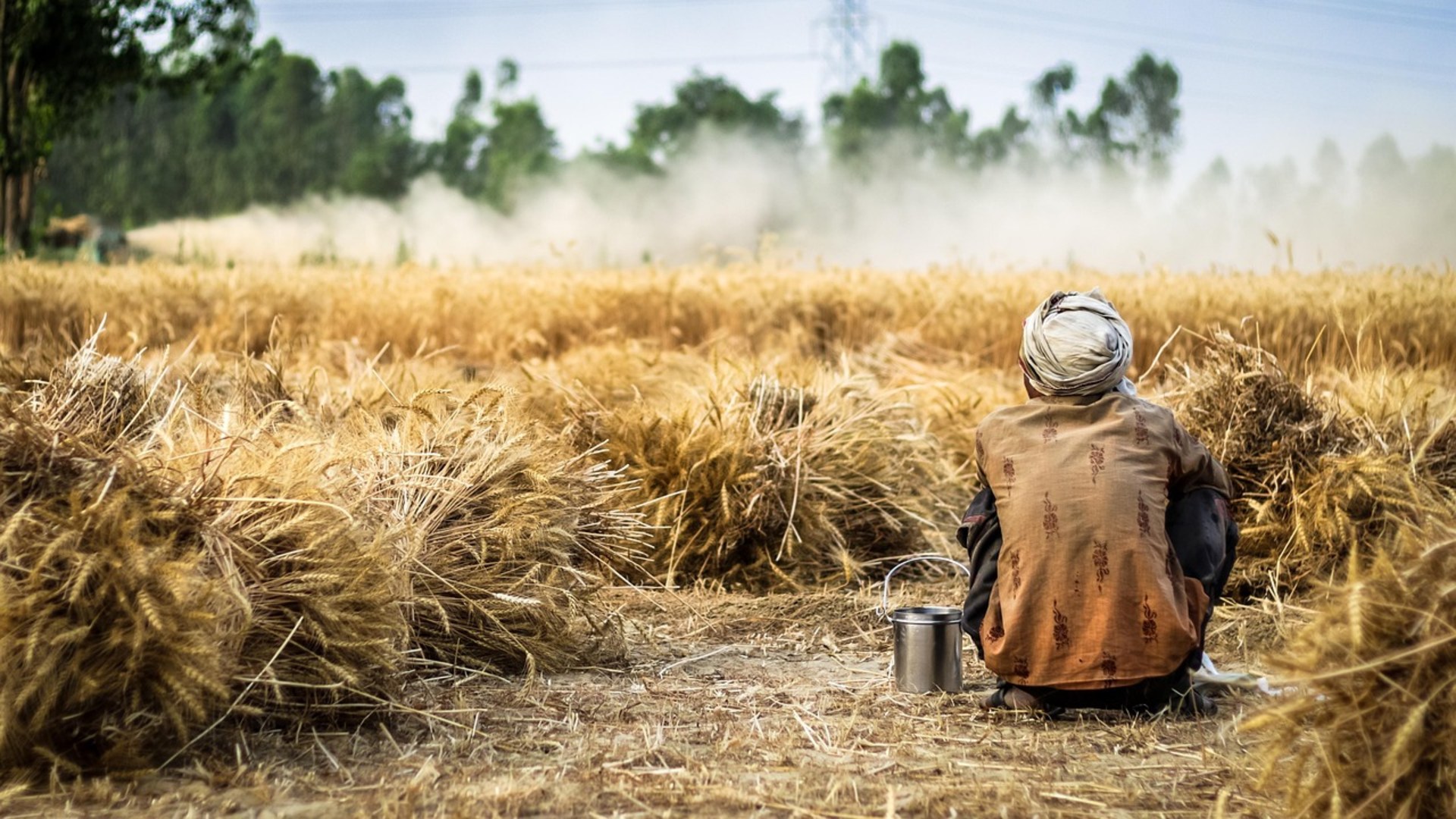
12. Agricultural Workers
Miscellaneous agricultural workers record 20.2 fatal injuries per 100,000 full-time laborers. Field crews face severe environmental and operational hazards, including extreme heat prostration, high-speed power take-off entanglements, and heavy equipment strikes across open farmland.
©Pixabay / aamiraimer
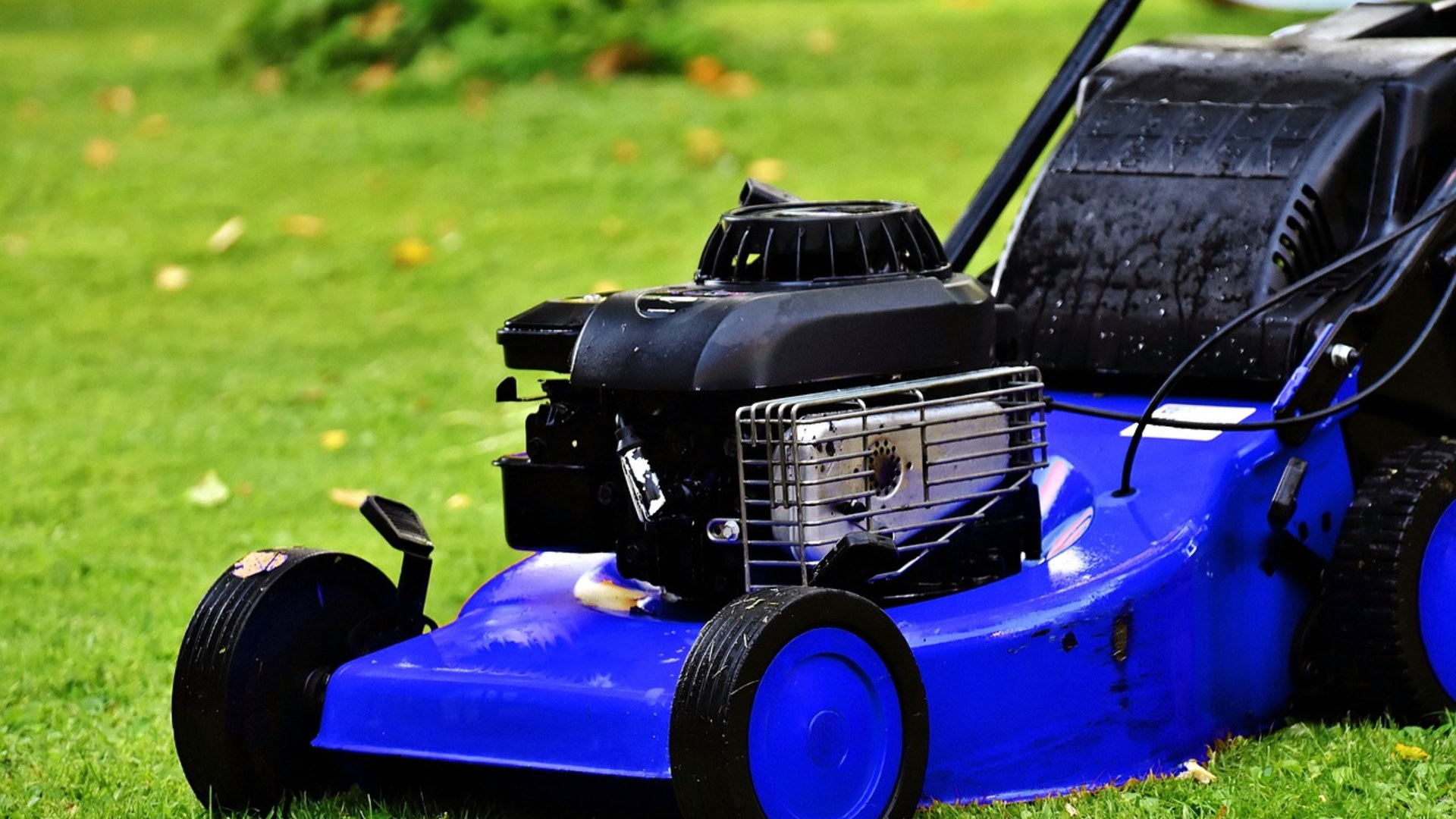
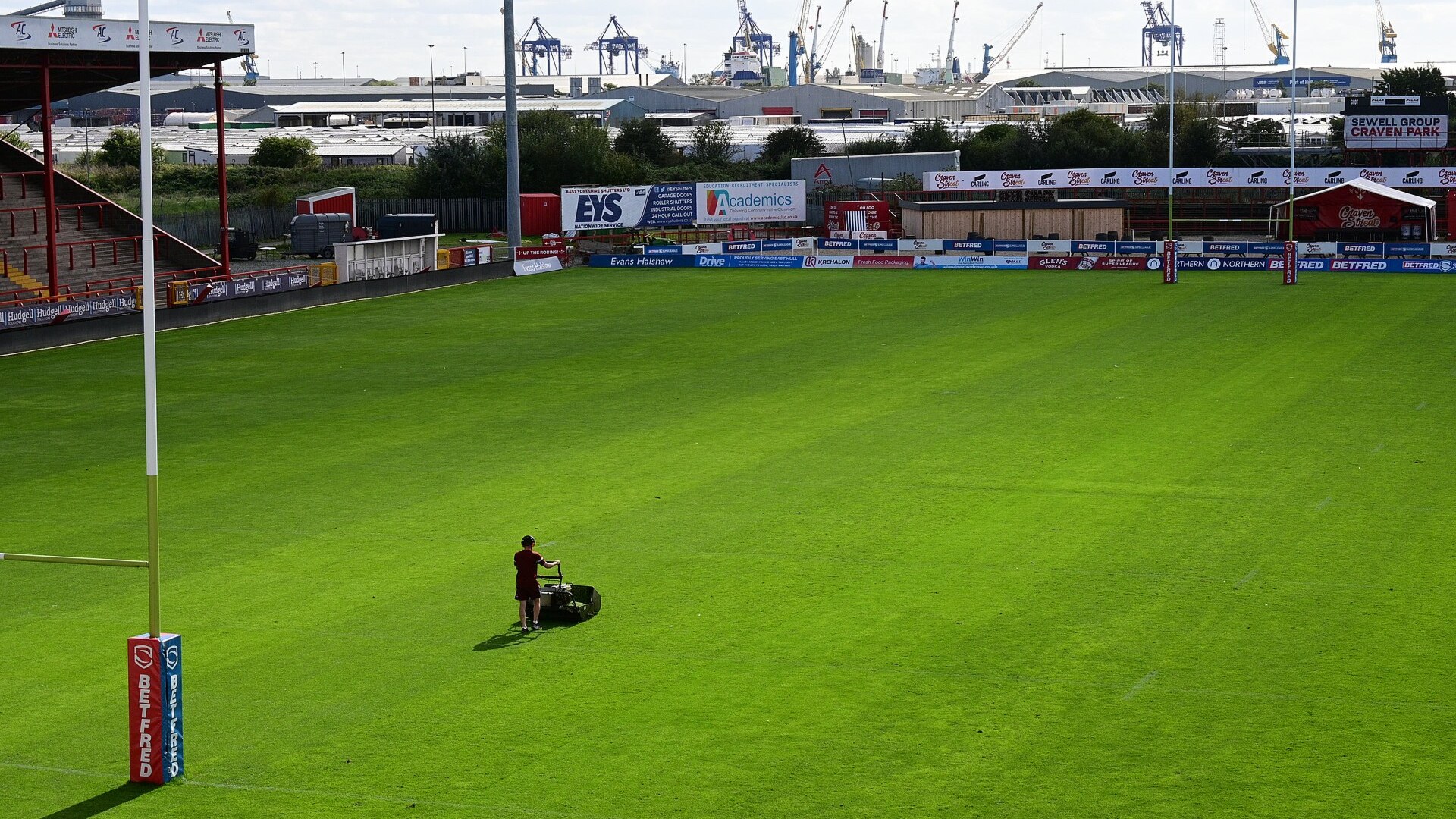
11. Grounds Maintenance Workers
Grounds maintenance workers experience a fatal work injury rate of 20.9 per 100,000 workers. Tree trimmers face the highest mortality within this sector, frequently suffering fatal falls from bucket lifts, strikes from heavy falling boughs, and accidental contact with power lines.
©Wikimedia / Hullian111
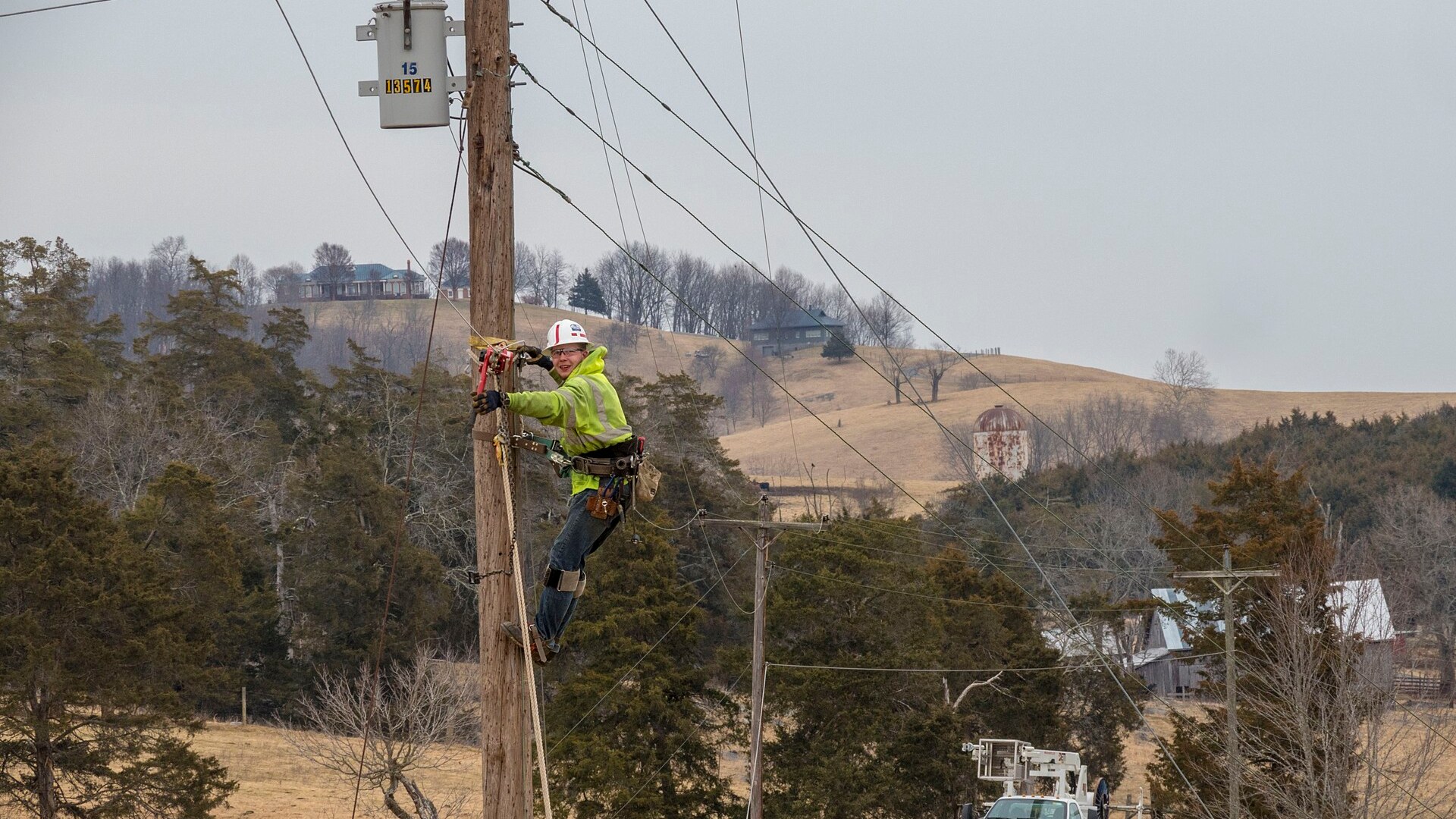
10. Electrical Power-Line Installers
Power-line technicians face an occupational fatality rate of 22.0 per 100,000 workers. Linemen work with voltages exceeding 500,000 volts, often during severe storms and blizzards. Primary mortality causes include high-voltage electrocution, arc flashes, and bucket truck falls.
©Wikimedia / U.S. Department of Agriculture Preston Keres/Off
Advertisement
Swipe or tap ▶ to resume the countdown.
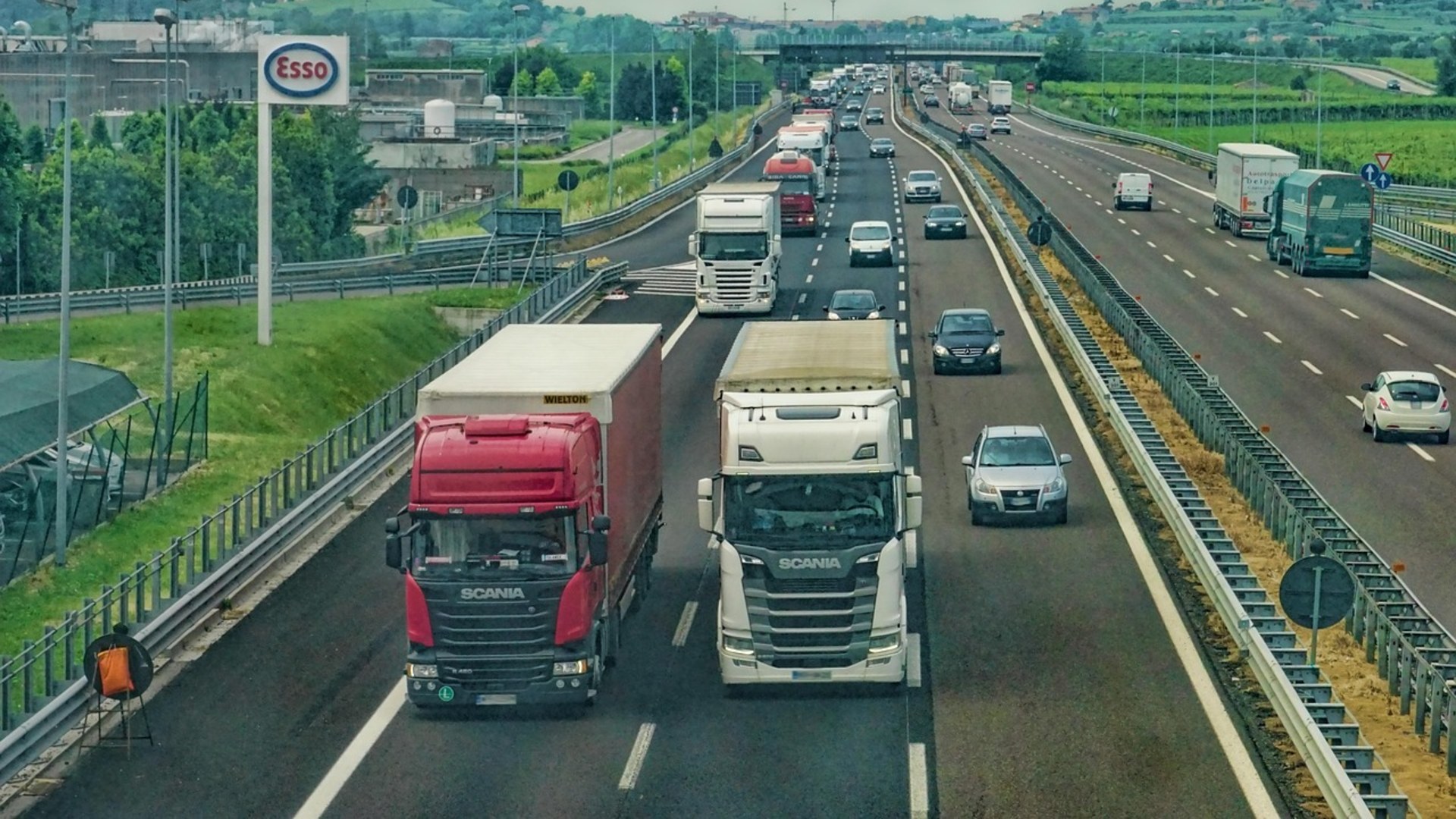
9. Driver Sales Workers And Truck Drivers
Heavy truck and delivery drivers register a fatal injury rate of 25.7 per 100,000 workers. Due to massive workforce numbers, this occupation records the highest total workplace fatalities in America, with roughly 950 drivers dying annually in highway collisions and rollovers.
©Pixabay / Schwoaze
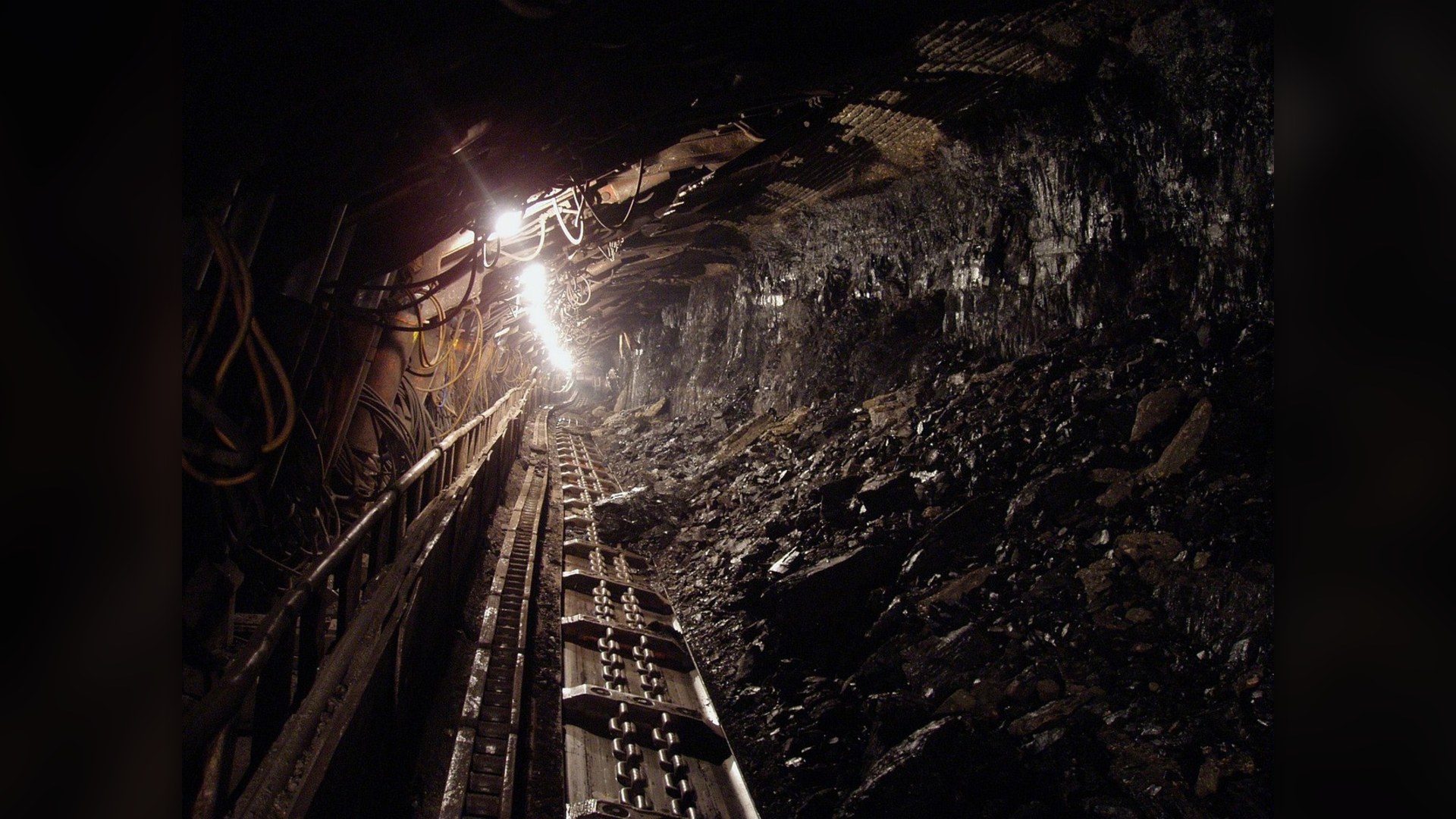
8. Underground Mining Machine Operators
Underground mining operators face a fatal injury rate of 35.6 per 100,000 workers. Personnel operate continuous mining equipment in confined subterranean tunnels, confronting constant risks of ceiling cave-ins, toxic methane gas pockets, and mechanical crushing from moving haulage cars.
©Pixabay / hangela
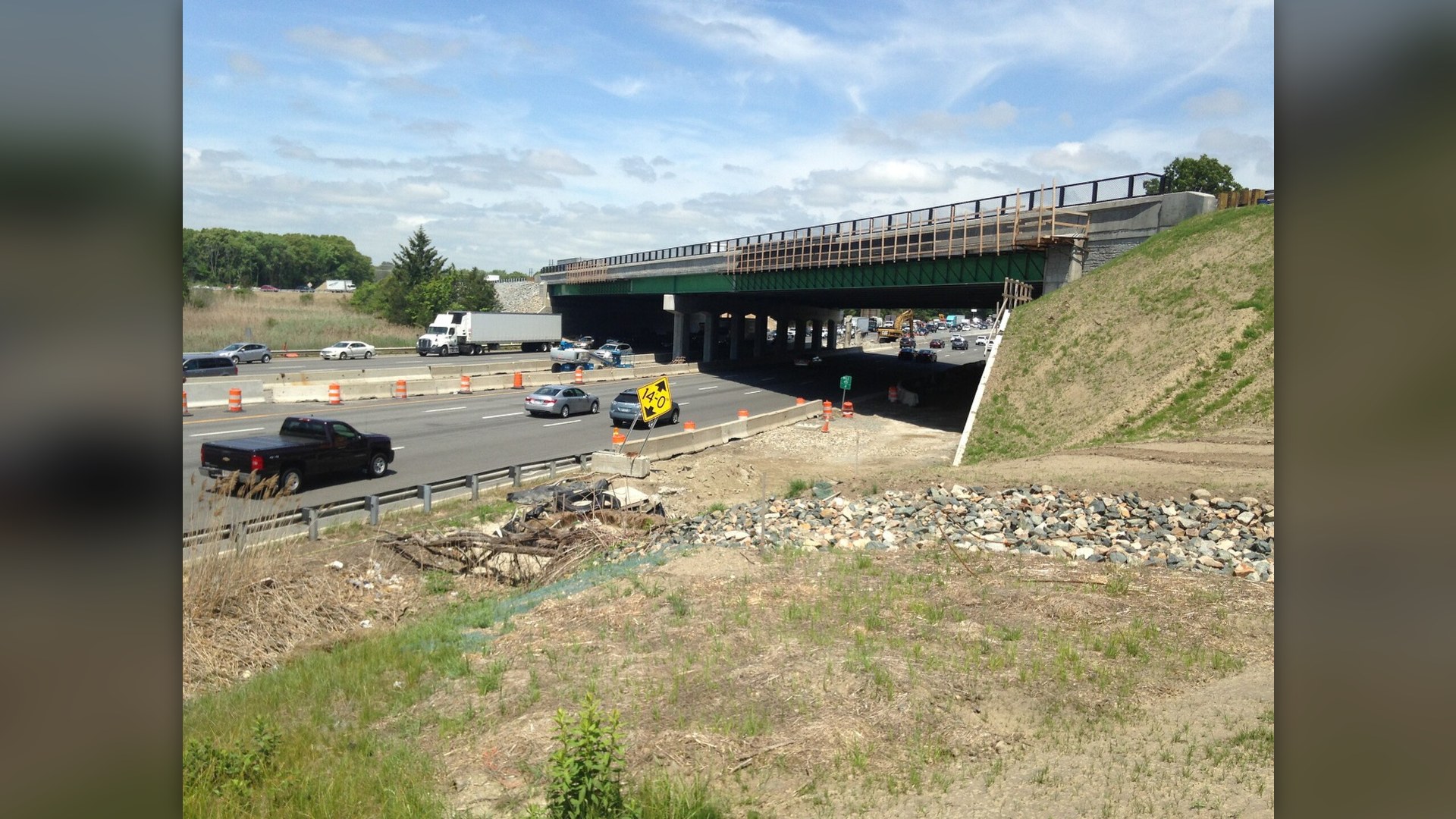
7. Construction Trades Helpers
Trade helpers register a fatal work injury rate of 35.8 deaths per 100,000 workers. Assisting carpenters, masons, and utility crews, these workers handle heavy material staging at height and face frequent risks from falling masonry, unstable scaffolding, and open elevator shafts.
©Wikimedia / MassDOT
6. Aircraft Pilots And Flight Engineers
Commercial pilots and flight engineers face an occupational fatality rate of 36.7 per 100,000 personnel. While major commercial airline travel is remarkably safe, high fatality rates are driven by agricultural crop dusting, bush plane transit in Alaska, and emergency rescue flights.
©Pixabay / moinzon
Advertisement
Swipe or tap ▶ to resume the countdown.
5. Refuse And Recyclable Material Collectors
Refuse collectors experience an occupational fatality rate of 37.4 per 100,000 workers. Daily routes expose collectors to moving traffic where impatient drivers strike workers on foot. Heavy hydraulic compactor mechanisms and slips while stepping off moving trucks cause further deaths.
©Pixabay / netkids
4. Structural Iron And Steel Workers
Ironworkers record a fatal work injury rate of 37.8 per 100,000 workers. Operating hundreds of feet in the air on narrow steel girders, these crews face devastating fall risks, sudden wind gusts, and severe crushing hazards during crane-assisted placement of multi-ton steel trusses.
©Wikimedia / PEO ACWA
3. Roofers
Roofers face an occupational fatality rate of 48.7 deaths per 100,000 workers, making it the deadliest standard construction trade. Falls from roofs, ladders, and staging platforms account for over 80 percent of deaths, compounded by slippery roof decking and intense summer heat.
©Wikimedia / Intermountain Region US Forest Service
2. Fishing And Hunting Workers
Commercial fishers record a staggering fatal injury rate of 88.8 per 100,000 workers. Operating in the Bering Sea and North Atlantic, crews face freezing temperatures, rogue waves, vessel capsizing, and heavy winch machinery that can drag crew members overboard into freezing waters.
©Wikimedia / Commercial fishing
Advertisement
Swipe or tap ▶ to resume the countdown.
1. Logging Workers
Logging workers rank as the deadliest occupation in America, suffering 110.4 deaths per 100,000 workers, more than 33 times the national average. Falling trees, spring-loaded branches known as widowmakers, rugged terrain, and massive harvesting machinery create constant fatal hazards.
©Pixabay / HansLinde
Advertisement
You've reached the end of the story. Thanks for reading!

20 Holiday Side Dishes That Compete With the Turkey
From bubbling macaroni and cheese to buttery cornbread dressing, holiday side dishes often outshine the roast centerpiece. This visual countdown explores 20 beloved feast recipes that deliver rich textures, comforting aromas, and bold seasonal flavors that keep dinner guests returning for second helpings every year.
All 20 Entries in this Story
20. Crossing Guards
Crossing guards record a fatal work injury rate of 11.4 per 100,000 full-time workers. According to federal highway data, nearly all fatalities stem from distracted or speeding motorists entering school zones and pedestrian crosswalks during peak morning commute hours.

19. Maintenance And Repair Workers
General maintenance technicians experience a fatal injury rate of 12.1 per 100,000 workers. Common workplace incidents include falls from elevated platforms, contact with energized electrical components, and blunt force injuries while troubleshooting heavy mechanical equipment.

18. Police And Sheriff Patrol Officers
Patrol officers face an occupational fatality rate of 12.8 per 100,000 full-time personnel. While physical assaults remain a major concern, vehicular collisions during high-speed emergency runs and routine highway traffic stops account for nearly half of all line-of-duty deaths.

17. Heavy Construction Equipment Operators
Operating engineers face a fatal injury rate of 13.7 deaths per 100,000 full-time operators. Equipment rollovers on steep embankments, trench collapses during foundation excavation, and blind-spot collisions with ground workers represent the leading hazards tracked on job sites.

16. Construction And Extraction Supervisors
First-line supervisors in construction and extraction record 15.3 fatalities per 100,000 workers. Because supervisors coordinate crews in active hazard zones, they face severe risks from unexpected structural collapses, falls from open scaffolding, and heavy machinery movements.

15. Construction Laborers
Construction laborers experience a fatal work injury rate of 16.2 per 100,000 full-time workers. This occupation suffers from high absolute casualty counts, primarily driven by OSHA fatal four hazards: falls from elevated scaffolding, struck-by debris, and trench wall collapses.

14. Landscaping And Groundskeeping Supervisors
First-line landscaping supervisors register an occupational fatality rate of 18.1 per 100,000 workers. Frequent dangers include roadway vehicle strikes along highway medians, fatal falls during tree limb removal, and accidental contact with concealed underground utility cables.

13. Farmers, Ranchers, And Agricultural Managers
Agricultural managers face an occupational fatality rate of 18.6 deaths per 100,000 workers. Tractor overturns on uneven terrain represent the most frequent cause of death, alongside grain bin engulfment incidents and physical crushing hazards when working around large livestock.

12. Agricultural Workers
Miscellaneous agricultural workers record 20.2 fatal injuries per 100,000 full-time laborers. Field crews face severe environmental and operational hazards, including extreme heat prostration, high-speed power take-off entanglements, and heavy equipment strikes across open farmland.

11. Grounds Maintenance Workers
Grounds maintenance workers experience a fatal work injury rate of 20.9 per 100,000 workers. Tree trimmers face the highest mortality within this sector, frequently suffering fatal falls from bucket lifts, strikes from heavy falling boughs, and accidental contact with power lines.

10. Electrical Power-Line Installers
Power-line technicians face an occupational fatality rate of 22.0 per 100,000 workers. Linemen work with voltages exceeding 500,000 volts, often during severe storms and blizzards. Primary mortality causes include high-voltage electrocution, arc flashes, and bucket truck falls.

9. Driver Sales Workers And Truck Drivers
Heavy truck and delivery drivers register a fatal injury rate of 25.7 per 100,000 workers. Due to massive workforce numbers, this occupation records the highest total workplace fatalities in America, with roughly 950 drivers dying annually in highway collisions and rollovers.

8. Underground Mining Machine Operators
Underground mining operators face a fatal injury rate of 35.6 per 100,000 workers. Personnel operate continuous mining equipment in confined subterranean tunnels, confronting constant risks of ceiling cave-ins, toxic methane gas pockets, and mechanical crushing from moving haulage cars.

7. Construction Trades Helpers
Trade helpers register a fatal work injury rate of 35.8 deaths per 100,000 workers. Assisting carpenters, masons, and utility crews, these workers handle heavy material staging at height and face frequent risks from falling masonry, unstable scaffolding, and open elevator shafts.

6. Aircraft Pilots And Flight Engineers
Commercial pilots and flight engineers face an occupational fatality rate of 36.7 per 100,000 personnel. While major commercial airline travel is remarkably safe, high fatality rates are driven by agricultural crop dusting, bush plane transit in Alaska, and emergency rescue flights.

5. Refuse And Recyclable Material Collectors
Refuse collectors experience an occupational fatality rate of 37.4 per 100,000 workers. Daily routes expose collectors to moving traffic where impatient drivers strike workers on foot. Heavy hydraulic compactor mechanisms and slips while stepping off moving trucks cause further deaths.

4. Structural Iron And Steel Workers
Ironworkers record a fatal work injury rate of 37.8 per 100,000 workers. Operating hundreds of feet in the air on narrow steel girders, these crews face devastating fall risks, sudden wind gusts, and severe crushing hazards during crane-assisted placement of multi-ton steel trusses.

3. Roofers
Roofers face an occupational fatality rate of 48.7 deaths per 100,000 workers, making it the deadliest standard construction trade. Falls from roofs, ladders, and staging platforms account for over 80 percent of deaths, compounded by slippery roof decking and intense summer heat.

2. Fishing And Hunting Workers
Commercial fishers record a staggering fatal injury rate of 88.8 per 100,000 workers. Operating in the Bering Sea and North Atlantic, crews face freezing temperatures, rogue waves, vessel capsizing, and heavy winch machinery that can drag crew members overboard into freezing waters.

1. Logging Workers
Logging workers rank as the deadliest occupation in America, suffering 110.4 deaths per 100,000 workers, more than 33 times the national average. Falling trees, spring-loaded branches known as widowmakers, rugged terrain, and massive harvesting machinery create constant fatal hazards.