Slideshow · Lifestyle
22 Everyday Food Myths People Still Believe, From MSG to Twinkies
From fortune cookies and spaghetti with meatballs to MSG and Twinkies, many kitchen beliefs fall apart under scrutiny. This countdown draws on U.S. Food and Drug Administration reviews, U.S. Department of Agriculture data, food science studies, and culinary history archives to debunk 22 enduring food myths.
By Most Viral Today
18 min agoradar-lead:c51d1929-4f51-4254-b771-f914a218719e

22 Everyday Food Myths Debunked 
22. Brown Sugar Is Unrefined And Healthier 
21. Crystallized Honey Has Spoiled 
20. Chili Pepper Heat Lives In The Seeds - AdvertisementSwipe or tap ▶ to continue countdown

19. Dark Roast Coffee Packs More Caffeine 
18. White Chocolate Is Not Real Chocolate 
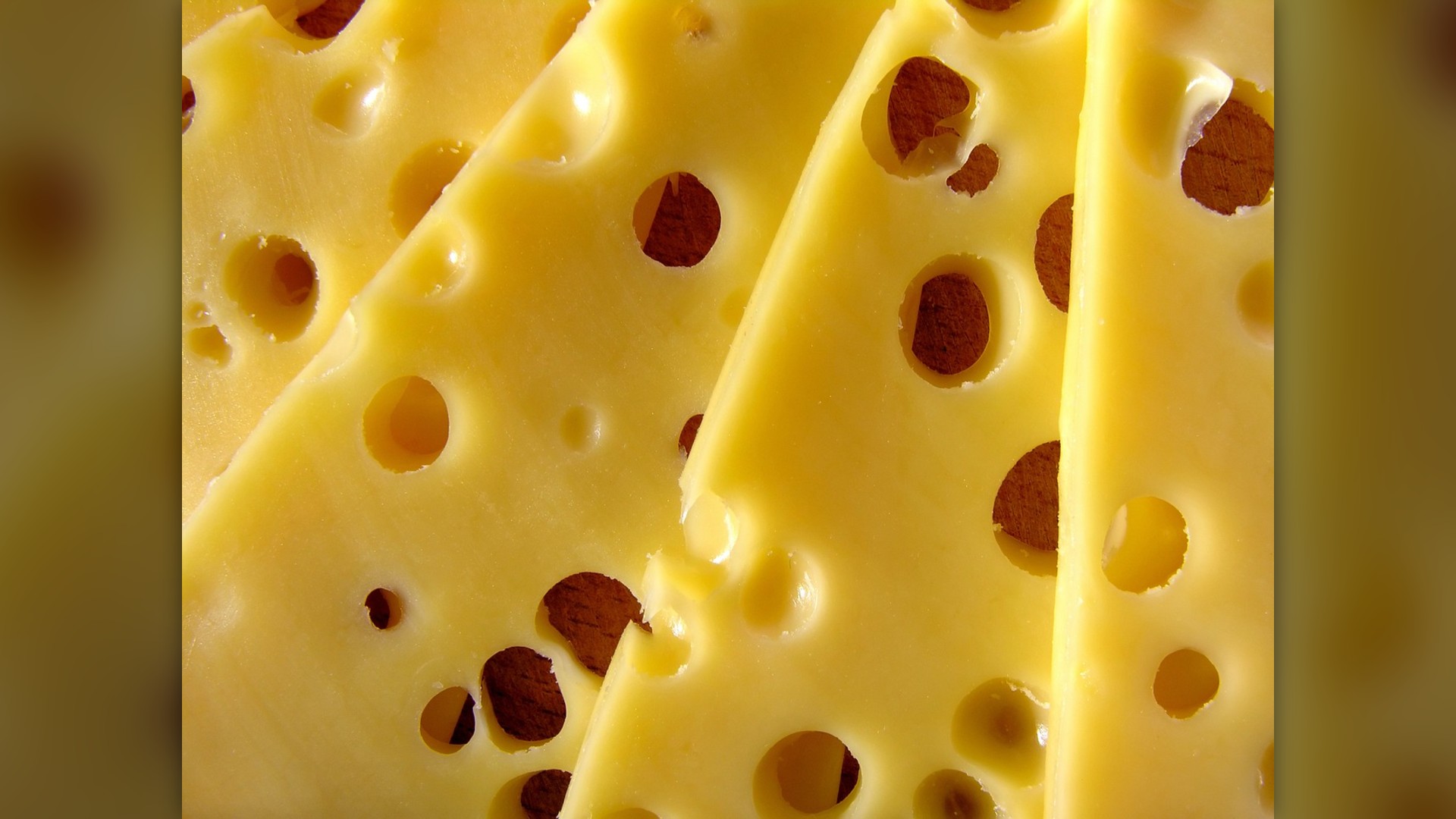
17. Swiss Cheese Holes Form Randomly 
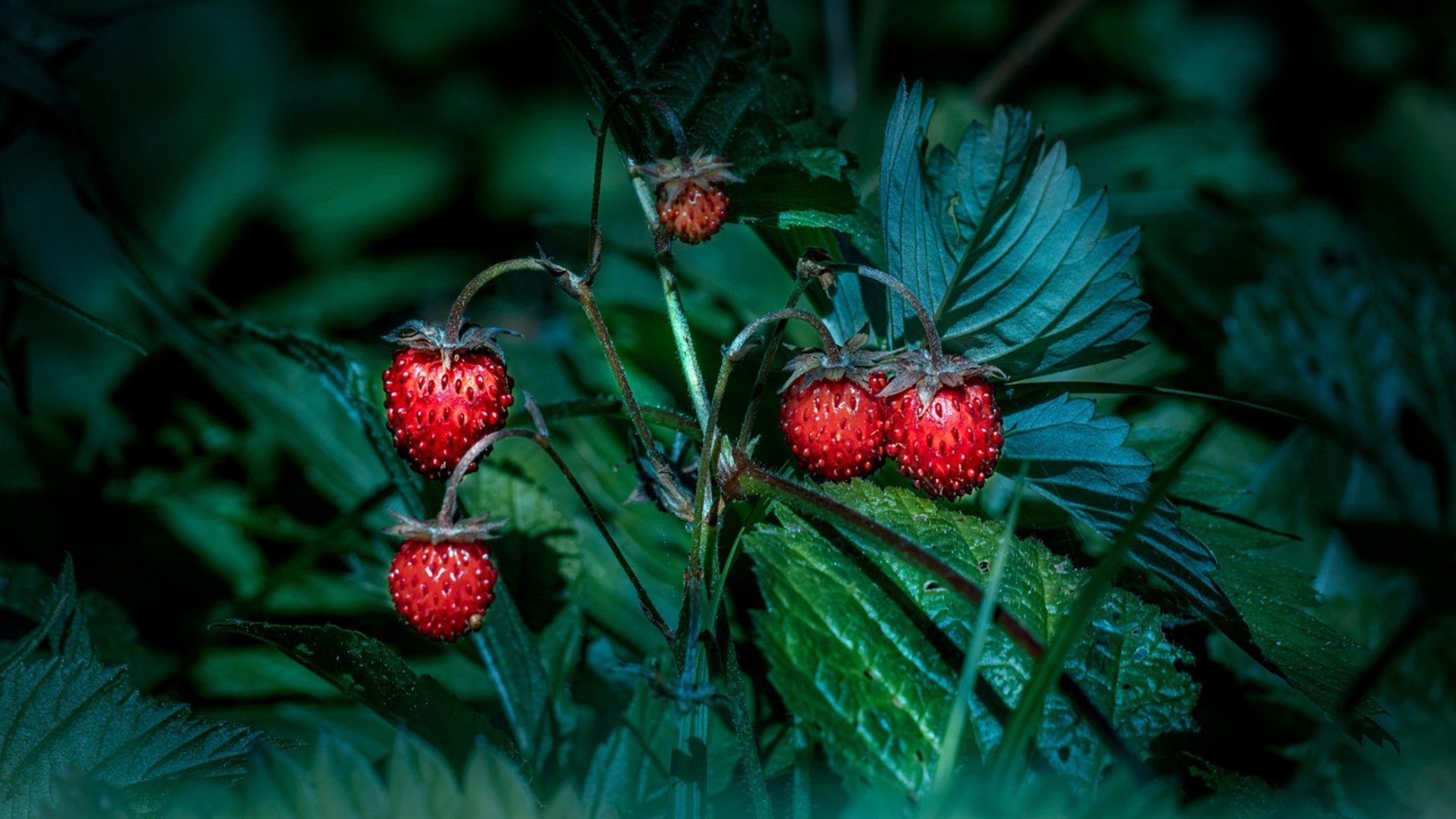
16. Strawberries Are True Botanical Berries - AdvertisementSwipe or tap ▶ to continue countdown

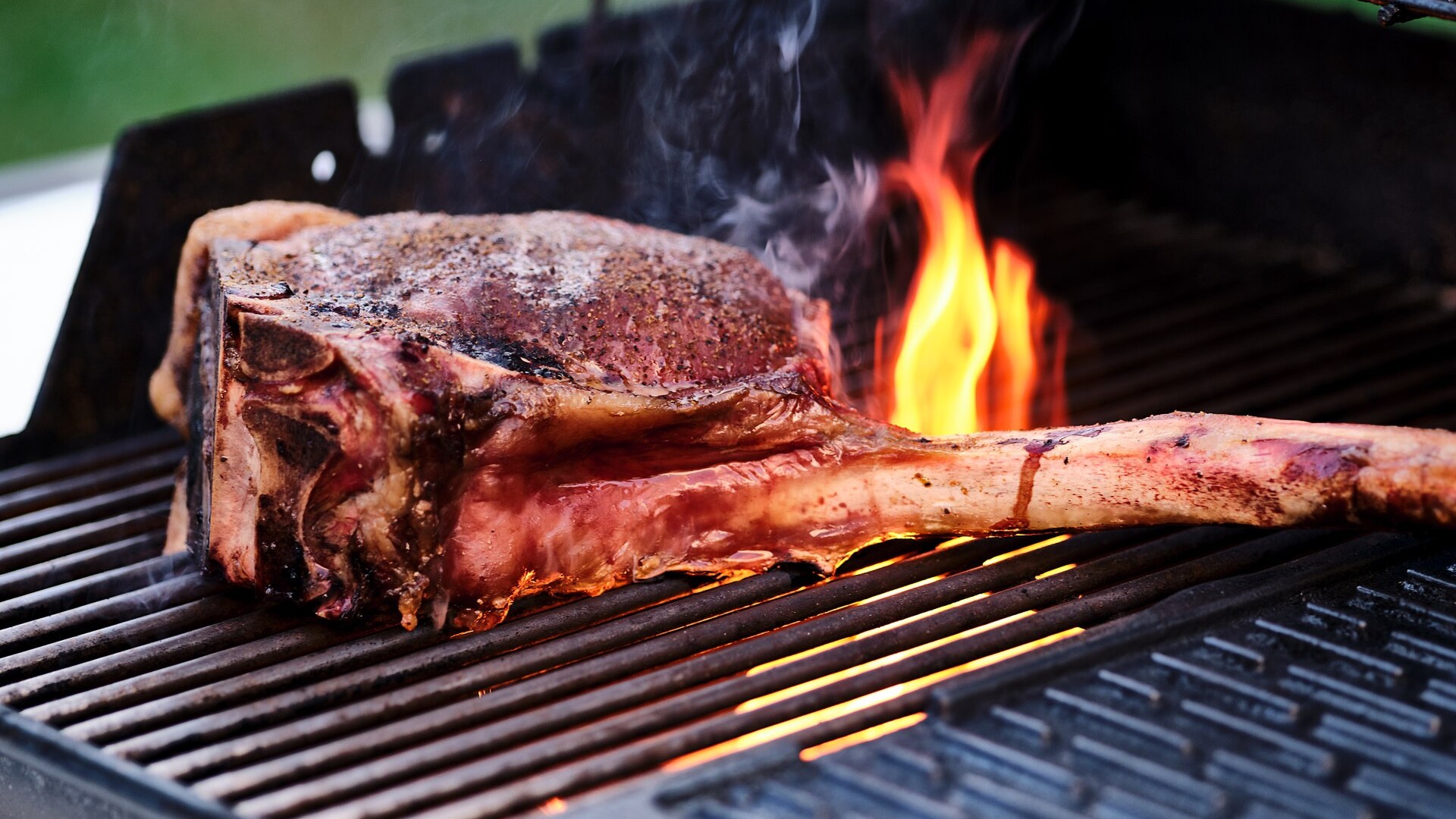
15. Searing A Steak Seals In The Juices 
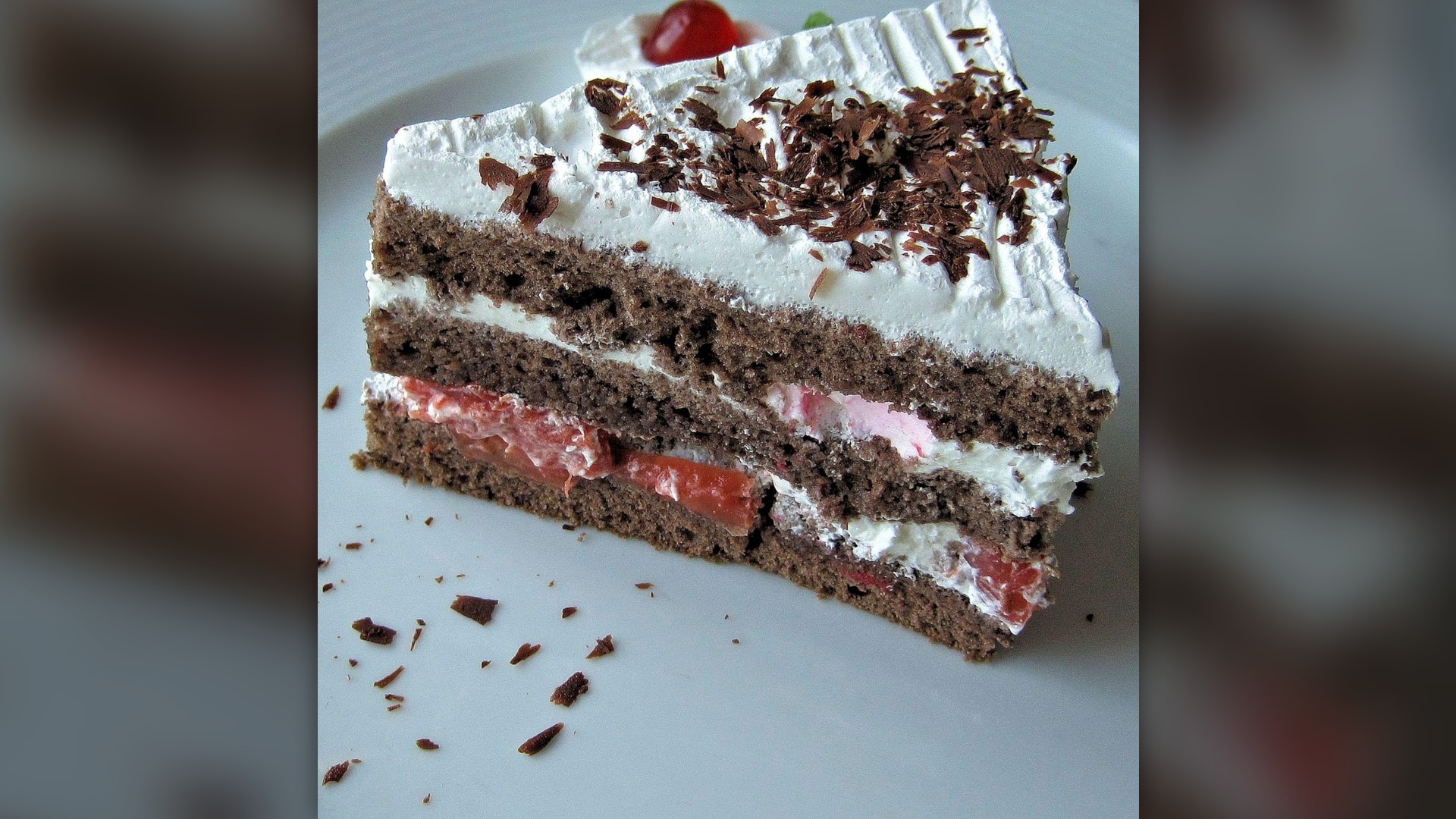
14. German Chocolate Cake Comes From Germany 
13. Most Restaurant Wasabi Is Real Wasabi 
12. Spinach Is An Unmatched Iron Source - AdvertisementSwipe or tap ▶ to continue countdown

11. Turkey Uniquely Causes Holiday Sleepiness 
10. Carrots Give You Superhuman Night Vision 
9. The California Roll Came From Japan 
8. Chicken Tikka Masala Is An Ancient Indian Dish - AdvertisementSwipe or tap ▶ to continue countdown

7. Hawaiian Pizza Originated In Hawaii 
6. Caesar Salad Honors Julius Caesar 
5. Croissants Started As A French Pastry 
4. Spaghetti And Meatballs Is Traditional In Italy - AdvertisementSwipe or tap ▶ to continue countdown

3. Fortune Cookies Come From China 
2. Twinkies Have An Infinite Shelf Life 
1. MSG Triggers Headaches And Illness - Advertisement🔥 UP NEXT IN THIS SERIES◫ 23 Slides

22 Historic Homes With Dark Pasts Open for Public Tours Today
These 22 preserved mansions, cottages, and palaces carry documented histories of murder, imprisonment, wartime bloodshed, and family tragedy, yet remain open for public tours. Compiled from National Park Service records, Historic Royal Palaces, and museum archives across North America, Europe, and Jamaica.
From fortune cookies and spaghetti with meatballs to MSG and Twinkies, many kitchen beliefs fall apart under scrutiny. This countdown draws on U.S. Food and Drug Administration reviews, U.S. Department of Agriculture data, food science studies, and culinary history archives to debunk 22 enduring food myths.
Swipe or tap ▶ to begin the countdown
©Pixabay / PublicDomainPictures
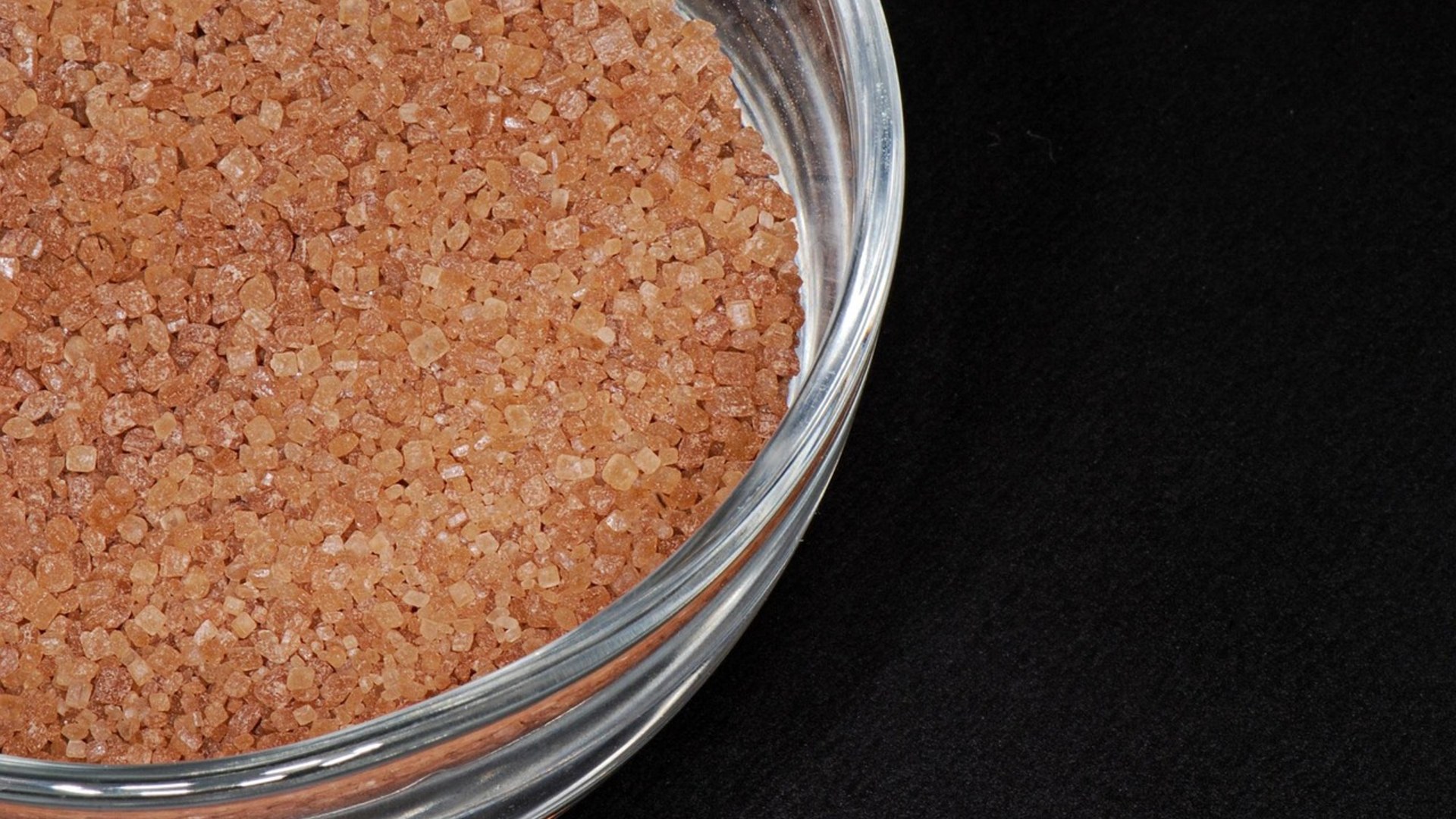
22. Brown Sugar Is Unrefined And Healthier
Commercial brown sugar is usually refined cane or beet sugar blended back with cane molasses for moisture and caramel flavor. U.S. Department of Agriculture data show only trace minerals like calcium and potassium in a typical teaspoon. Nutritionally, it affects blood sugar almost identically to white granulated sugar.
©Pixabay / Fotocitizen
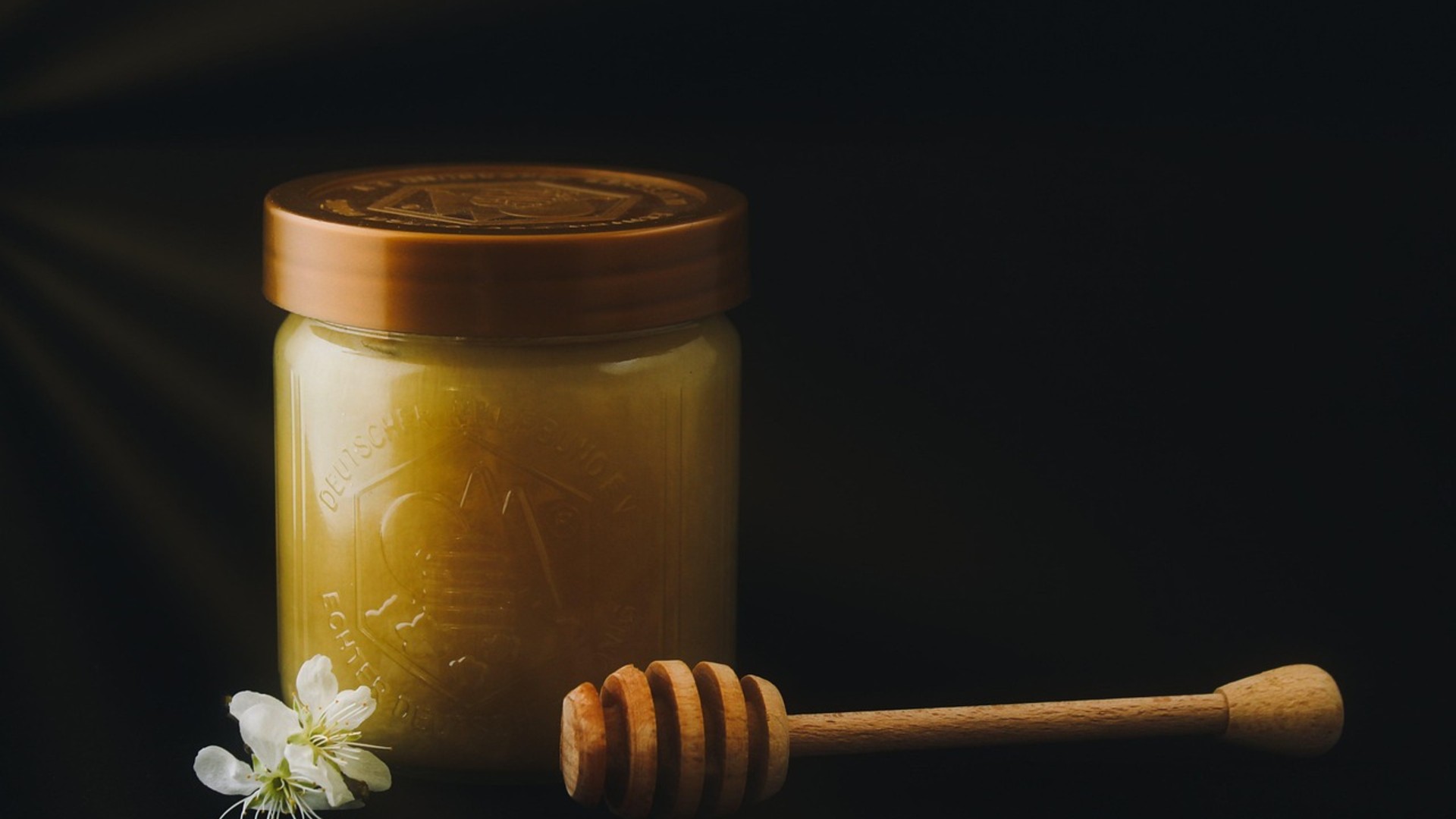
21. Crystallized Honey Has Spoiled
Pure honey contains very little moisture and an acidic pH that prevents bacteria from growing. Over months on a shelf, dissolved glucose naturally forms harmless crystals, especially in raw varieties. Placing the sealed jar in a bowl of warm water dissolves those crystals and restores liquid texture.
©Pixabay / Lolame
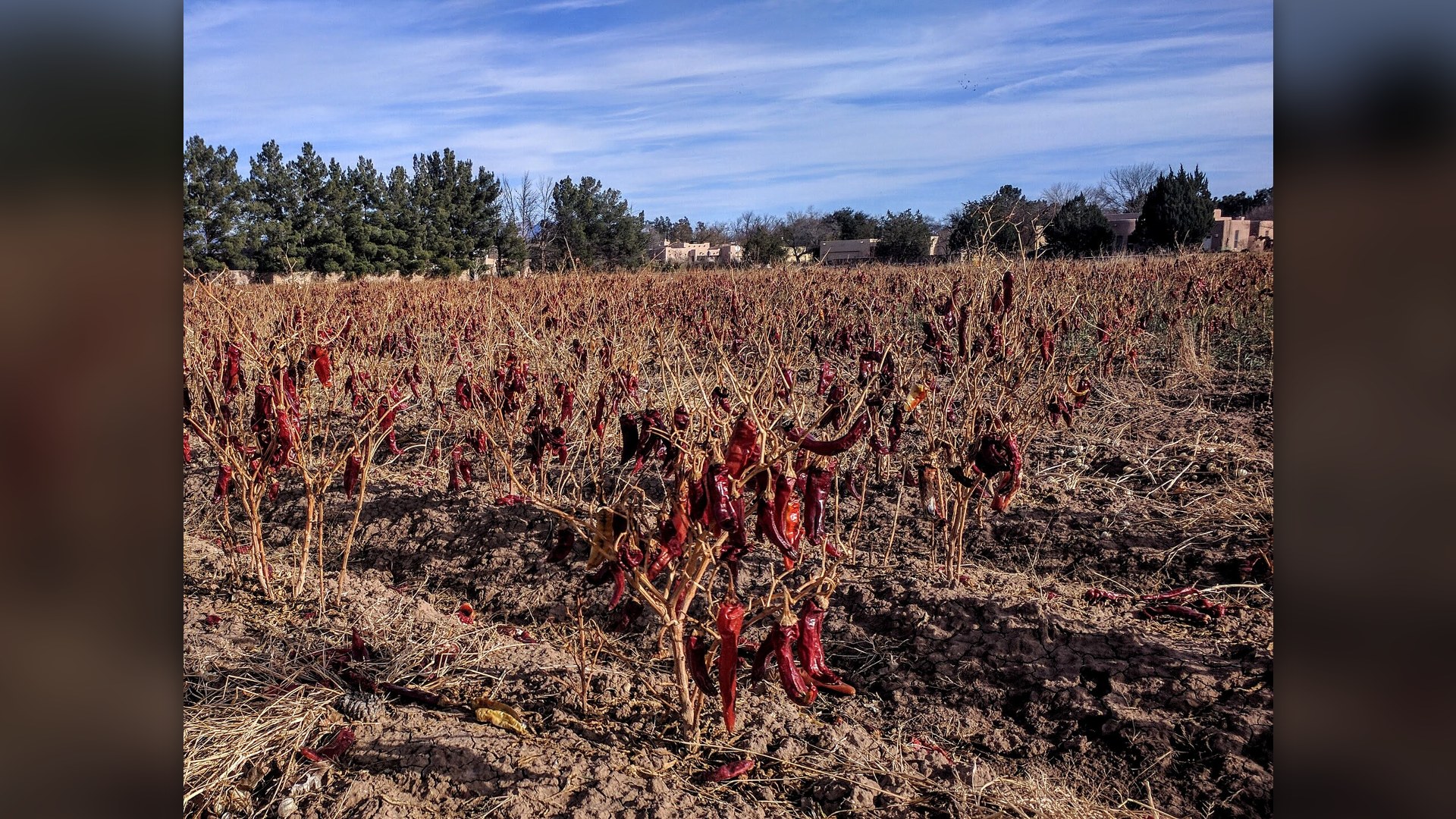
20. Chili Pepper Heat Lives In The Seeds
Capsaicin, the chemical that triggers heat receptors, is produced inside the pale placenta tissue running down the center of a chili pepper. Seeds only taste spicy because they rest directly against that membrane. Scraping out the white ribs removes far more heat than discarding loose seeds alone.
©Wikimedia / Dicklyon
Advertisement
Swipe or tap ▶ to resume the countdown.
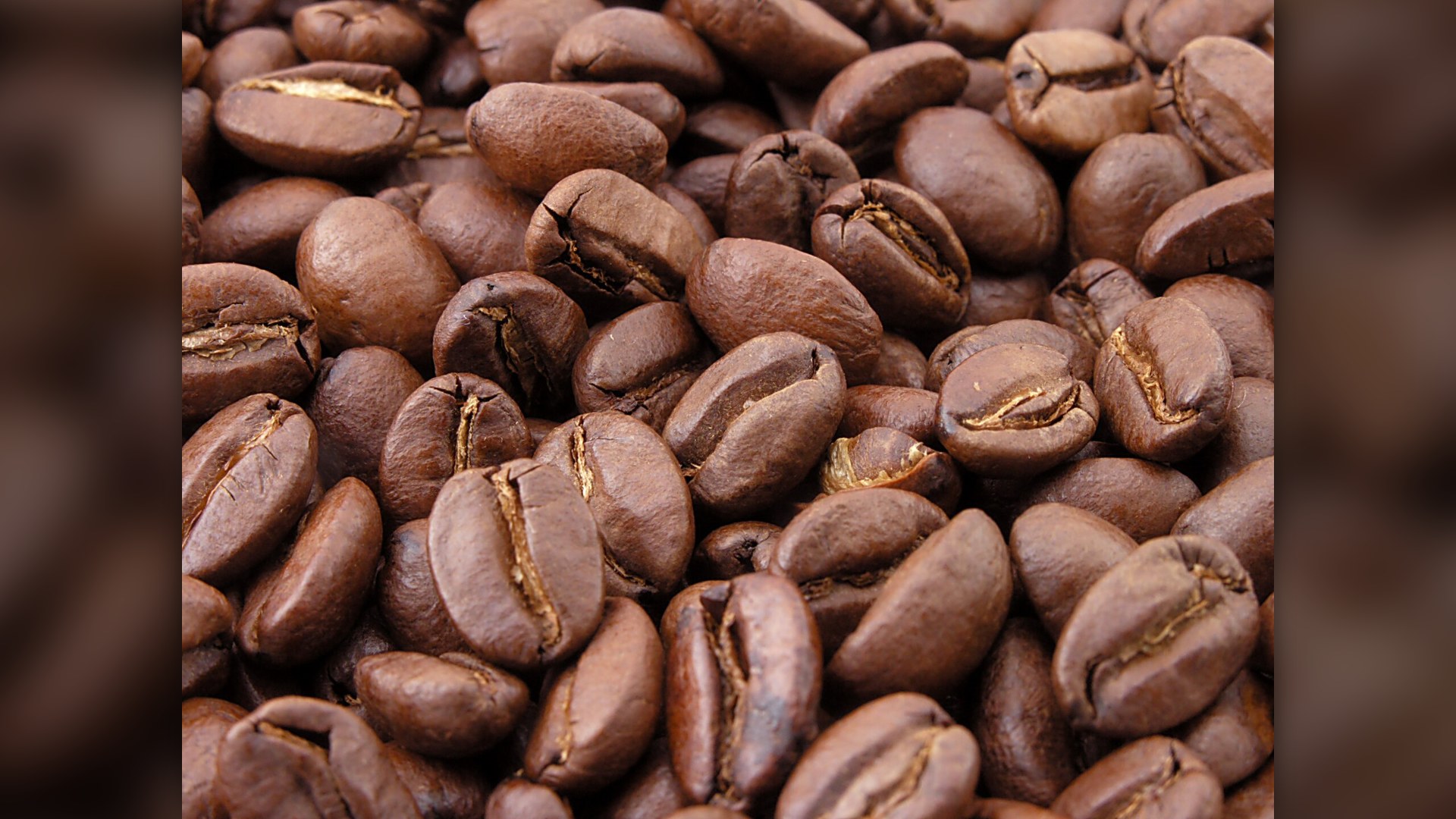
19. Dark Roast Coffee Packs More Caffeine
Coffee beans are the roasted seeds inside red or yellow coffee cherries, not legumes. Roasting changes flavor and density but adds no caffeine, which stays stable at roasting temperatures. Light-roast seeds are denser, so a scoop of light roast holds slightly more caffeine.
©Wikimedia / MarkSweep
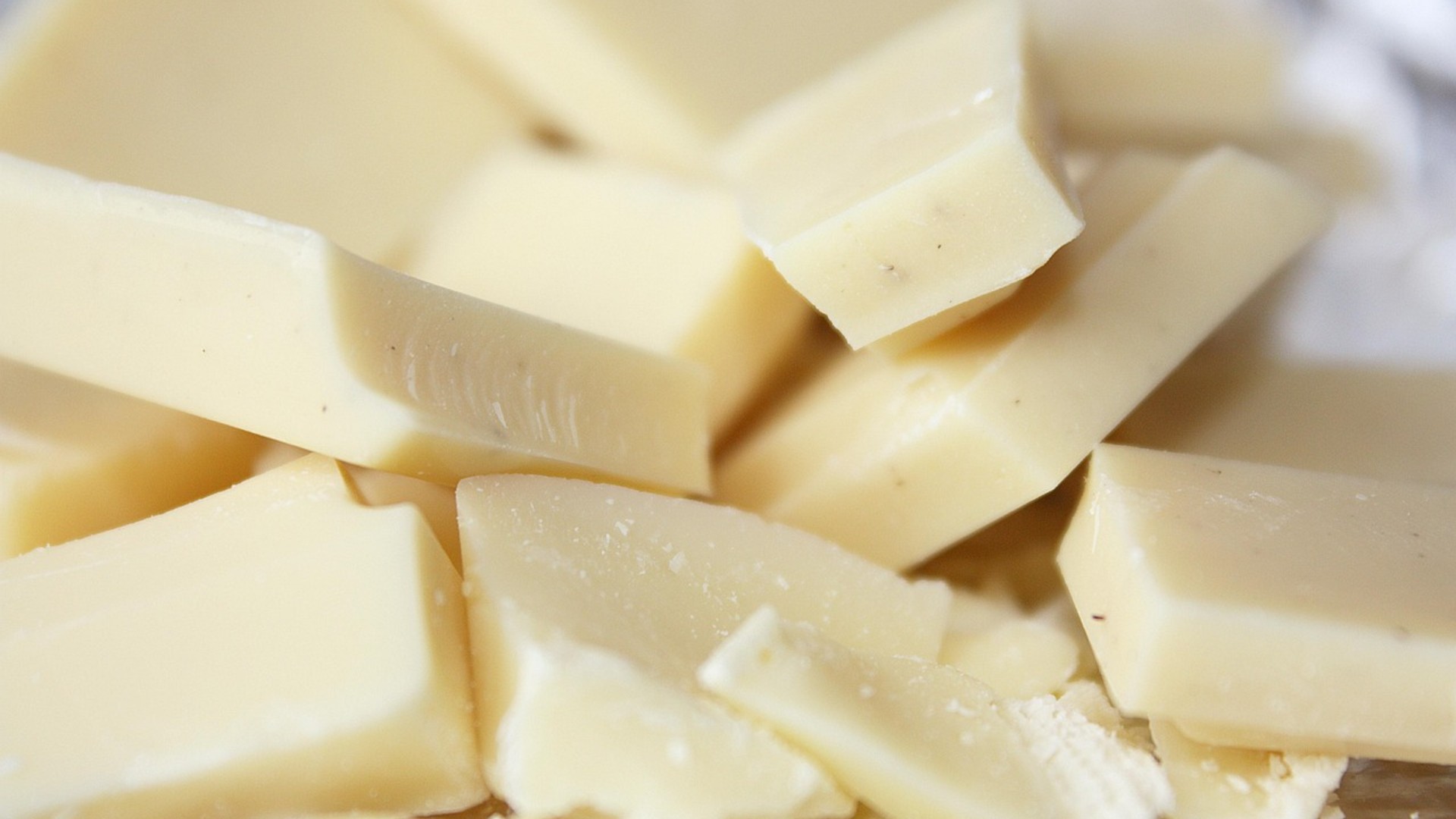
18. White Chocolate Is Not Real Chocolate
Unlike milk or dark chocolate, white chocolate omits roasted cocoa liquor and relies on cocoa butter pressed from cacao beans. Under U.S. Food and Drug Administration standards, a bar qualifies if it contains at least 20 percent cocoa butter. Makers blend that fat with sugar and milk solids.
©Pixabay / caja
17. Swiss Cheese Holes Form Randomly
As Emmental-style Swiss cheese ripens, Propionibacterium bacteria consume lactic acid and release carbon dioxide gas inside the curd. In 2015, Swiss researchers at Agroscope showed that tiny hay particles in milk buckets helped seed those bubbles. Cleaner modern milking actually shrank the holes.
©Pixabay / lipefontes0
16. Strawberries Are True Botanical Berries
In botany, a true berry develops from a single flower ovary with seeds embedded inside the flesh. Strawberries form from multiple ovaries on one flower, making them accessory fruits whose dry specks on the outside are tiny individual achenes. By strict plant science, bananas, kiwis, and grapes are berries instead.
©Pixabay / Erik_Karits
Advertisement
Swipe or tap ▶ to resume the countdown.
15. Searing A Steak Seals In The Juices
German chemist Justus von Liebig popularized the moisture-sealing theory in the 1840s. Kitchen experiments repeatedly disproved it. Food writer Harold McGee notes that high-heat searing drives off surface moisture rather than trapping it, and cooks sear meat for Maillard browning, which creates savory crust compounds.
©Wikimedia / Flo2323
14. German Chocolate Cake Comes From Germany
In 1852, American baker Samuel German created a sweetened dark baking bar for Baker's Chocolate Company in Massachusetts. A Dallas cook submitted a cake recipe using German's Sweet Chocolate to a Texas newspaper in 1957. The layered dessert caught on nationwide while dropping the apostrophe.
©Pixabay / pixel1
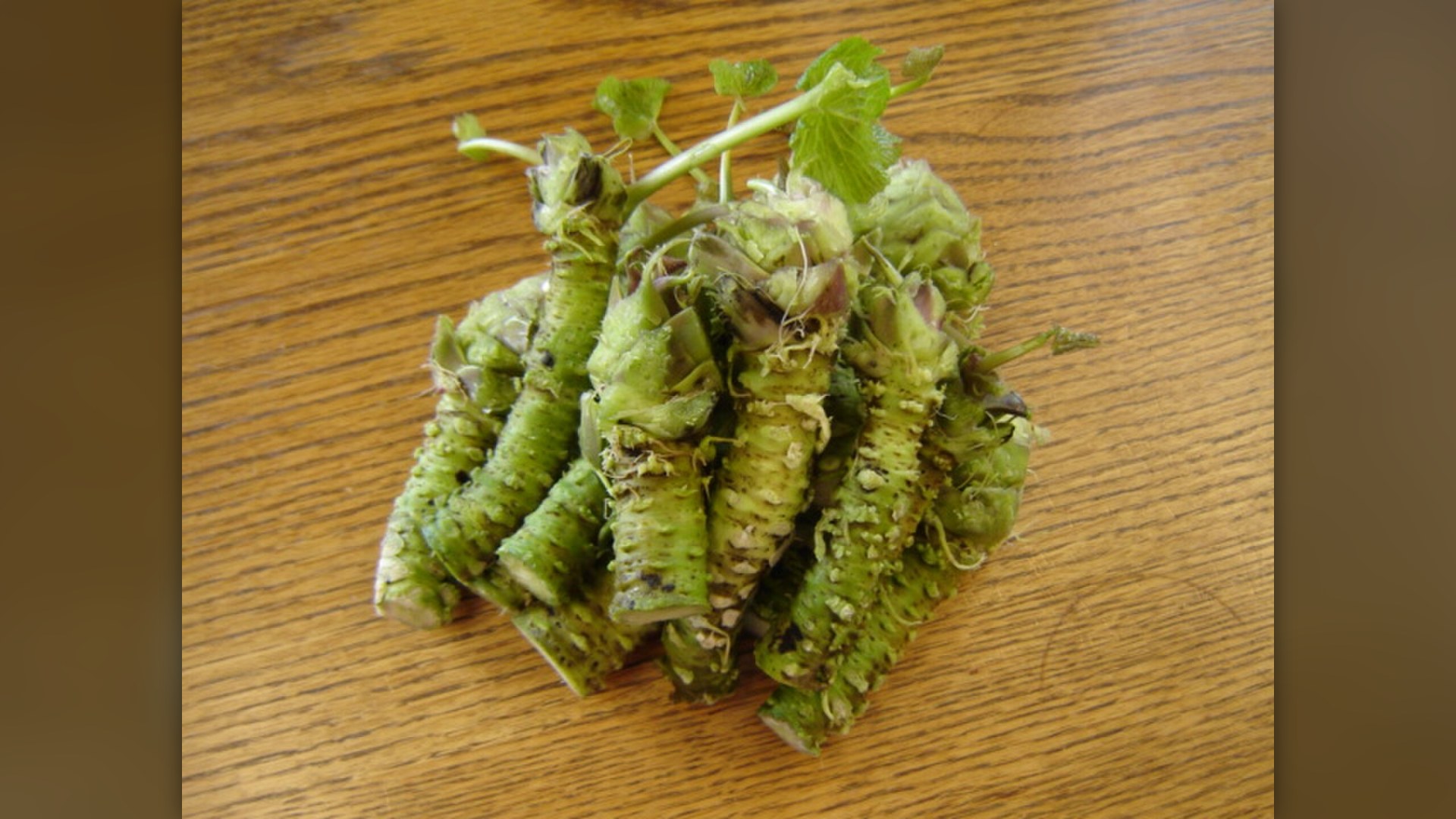
13. Most Restaurant Wasabi Is Real Wasabi
True wasabi comes from the grated rhizome of Eutrema japonicum, a semi-aquatic plant that is difficult and costly to grow. Freshly grated wasabi loses its punch within about 15 minutes. Outside upscale sushi bars, most diners eat European horseradish mixed with mustard powder and green food dye.
©Wikimedia / Sabigirl
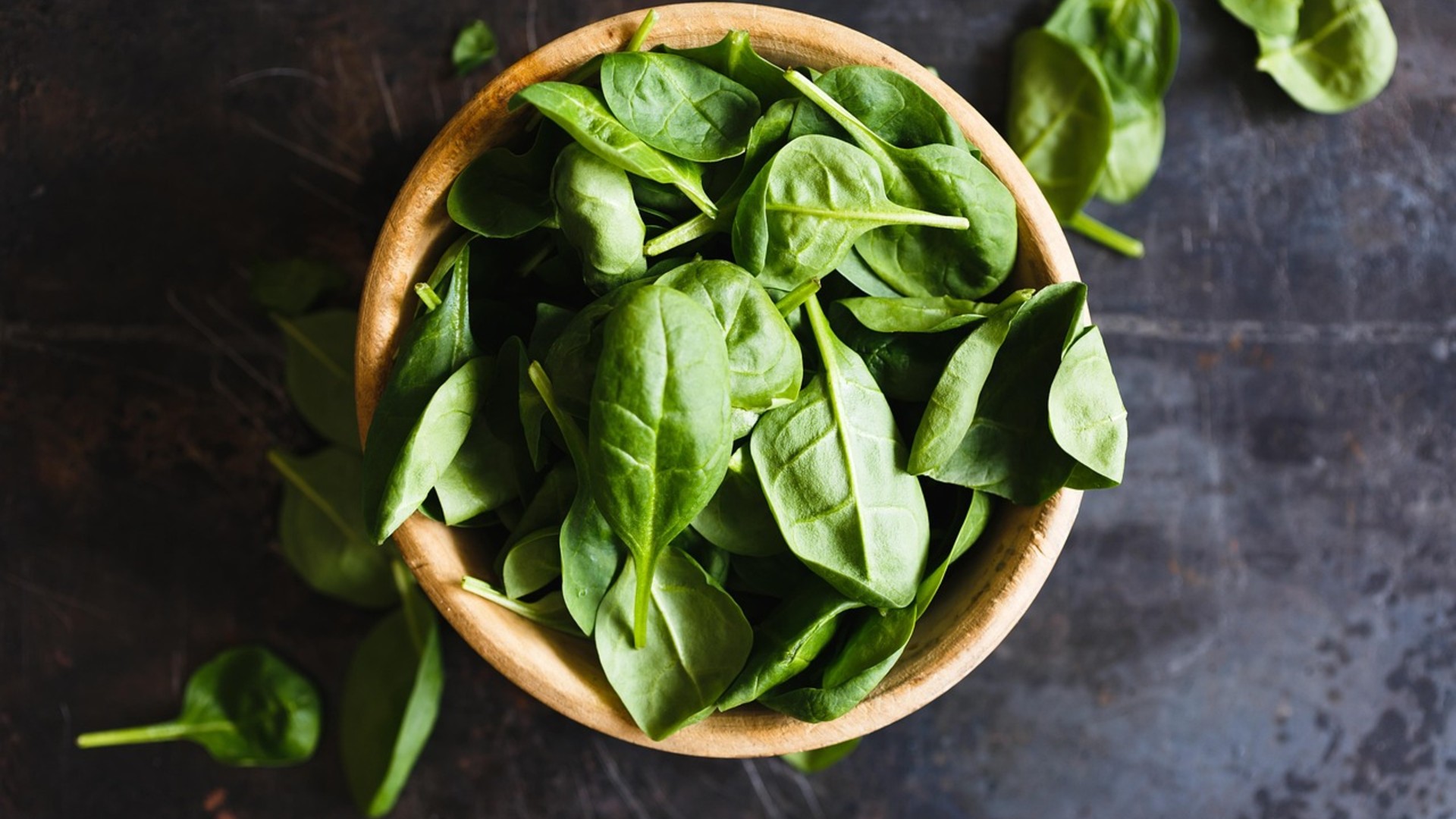
12. Spinach Is An Unmatched Iron Source
Raw spinach contains about 2.7 milligrams of iron per 100 grams, a solid amount that falls well short of its Popeye-era reputation. It also holds oxalic acid, a compound that binds minerals and limits how much iron the human gut absorbs. Pairing spinach with vitamin C sources like lemon juice helps improve uptake.
©Pixabay / Kost9n4
Advertisement
Swipe or tap ▶ to resume the countdown.
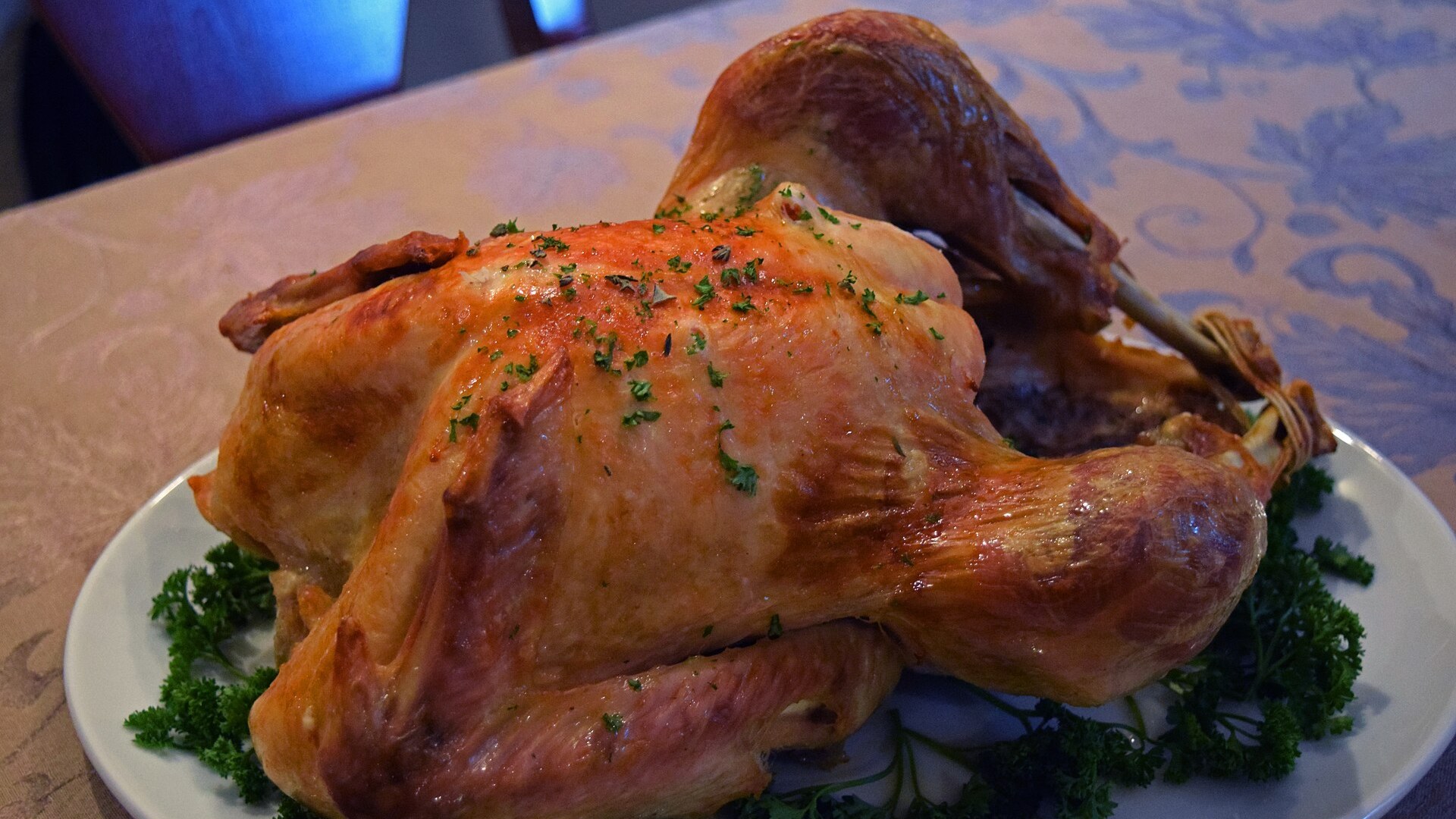
11. Turkey Uniquely Causes Holiday Sleepiness
Nutrition tables show turkey has roughly the same tryptophan per gram as chicken, beef, or cheddar cheese. Other amino acids in meat also compete to reach the brain, blunting any solo effect. Post-feast drowsiness comes mostly from overeating, heavy carbohydrate sides, and alcohol.
©Wikimedia / Mark Miller
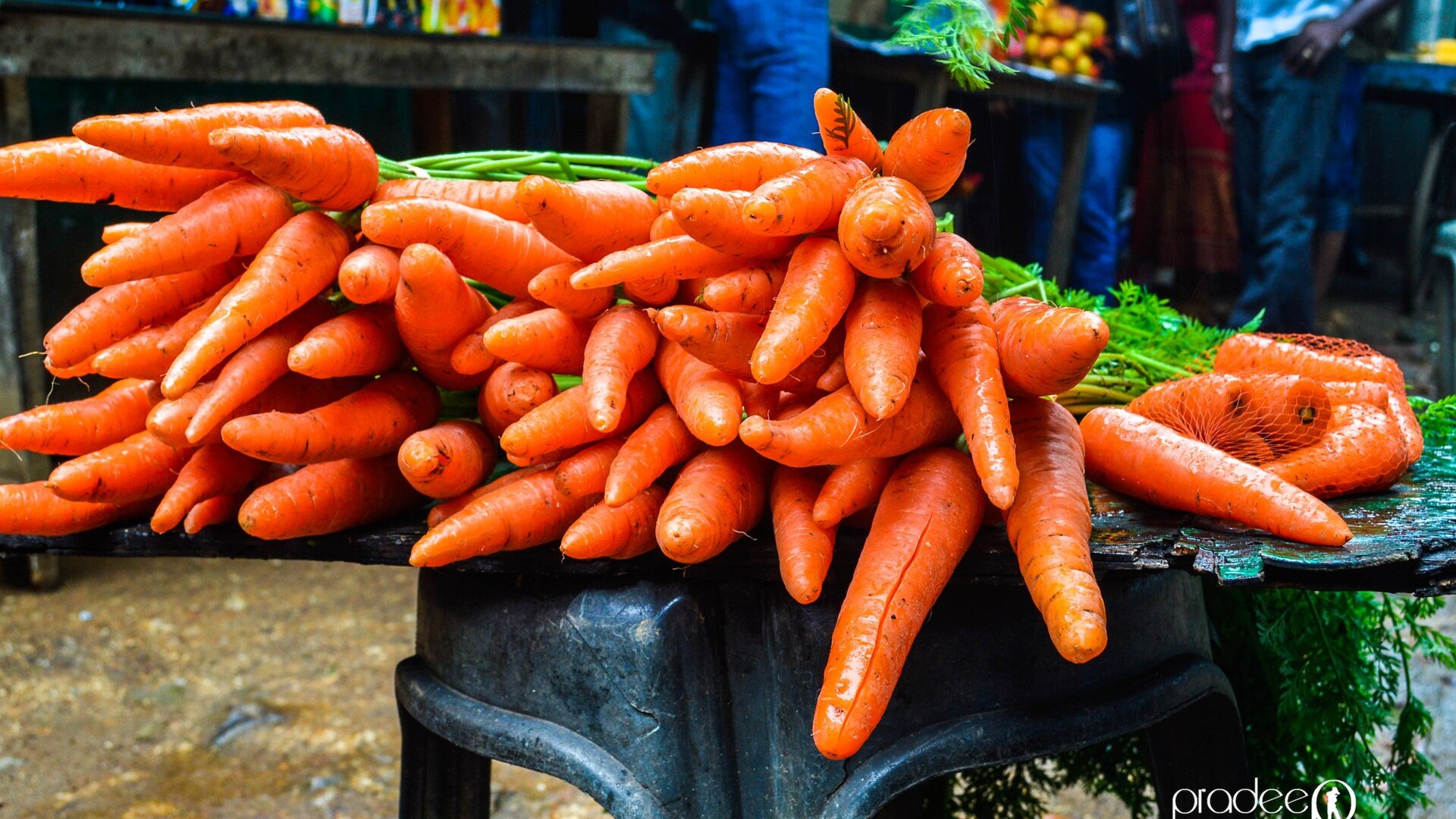
10. Carrots Give You Superhuman Night Vision
During the 1940 Blitz, Britain's Air Ministry promoted stories that Royal Air Force pilots spotted enemy planes at night by eating carrots. The campaign helped hide Britain's new airborne radar technology. Carrots supply vitamin A for normal eye health, yet extra servings will not grant night vision.
©Wikimedia / Präðéèp Jackson
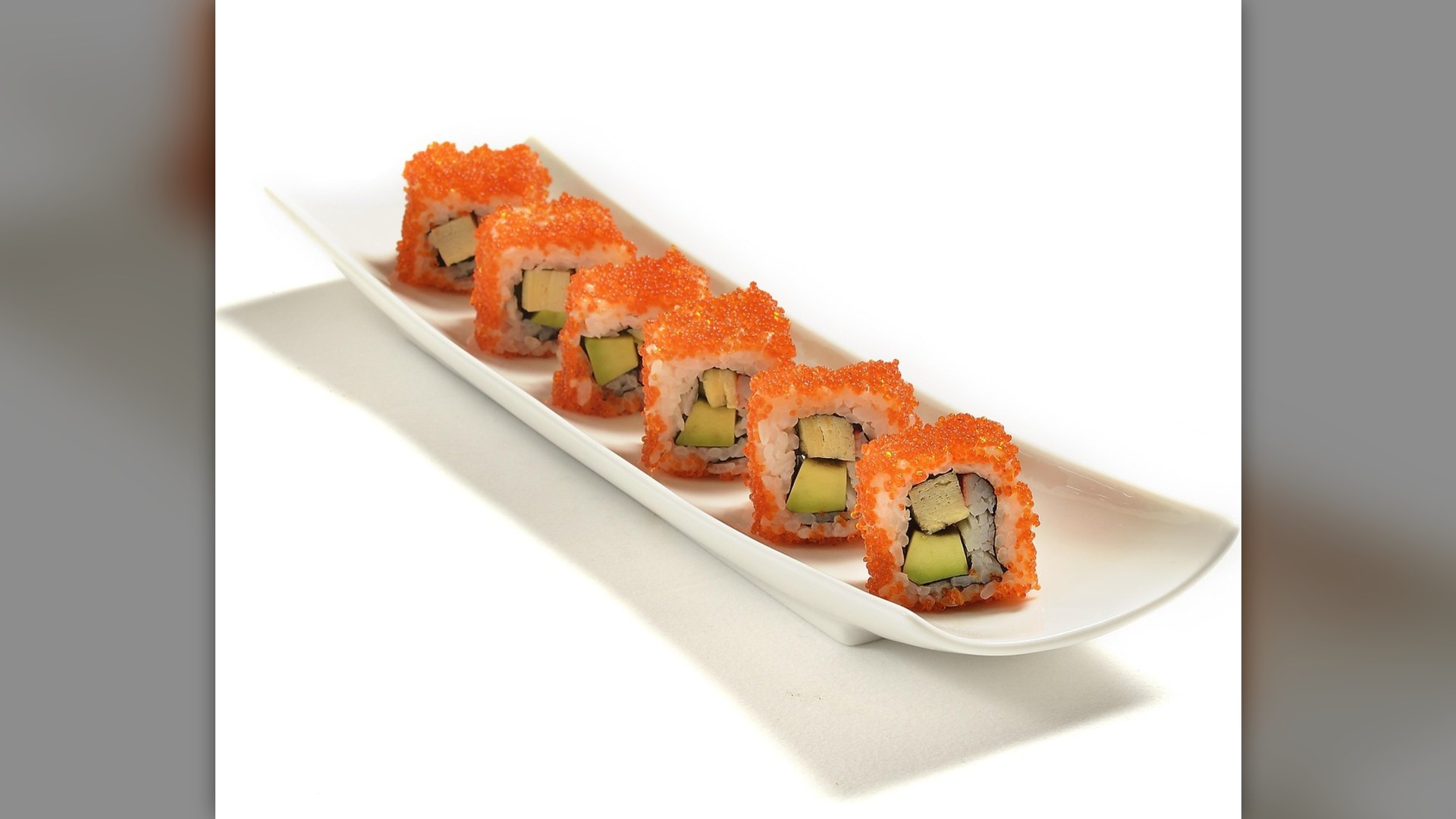
9. The California Roll Came From Japan
Japanese chefs working in North America during the late 1960s and 1970s created the California roll, with historians crediting kitchens in Los Angeles and Vancouver's Hidekazu Tojo. Swapping fatty tuna for ripe avocado and cooked crab appealed to local palates. Rolling the rice outside hid the dark nori seaweed sheet.
©Pixabay / jonathanvalencia5
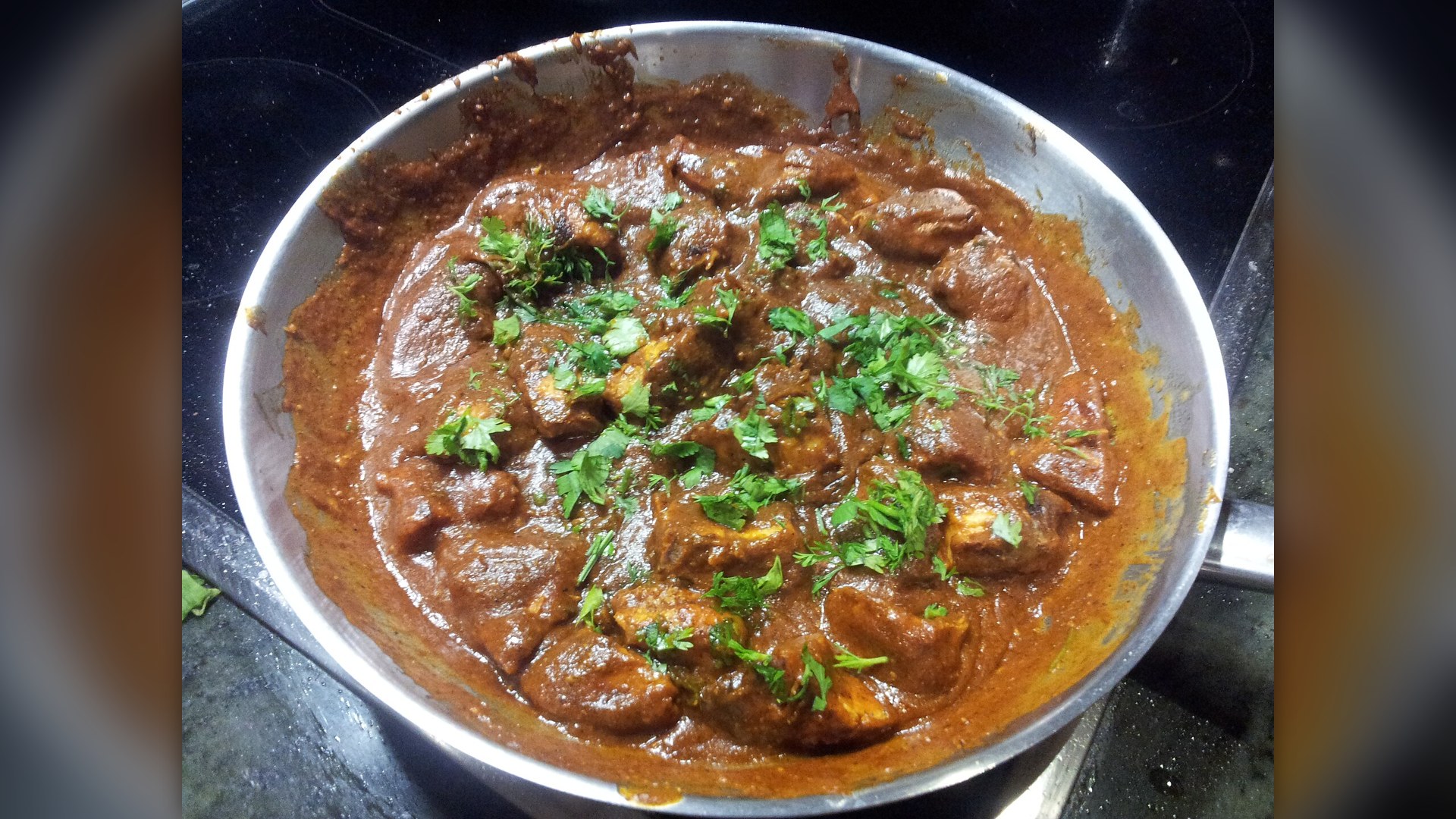
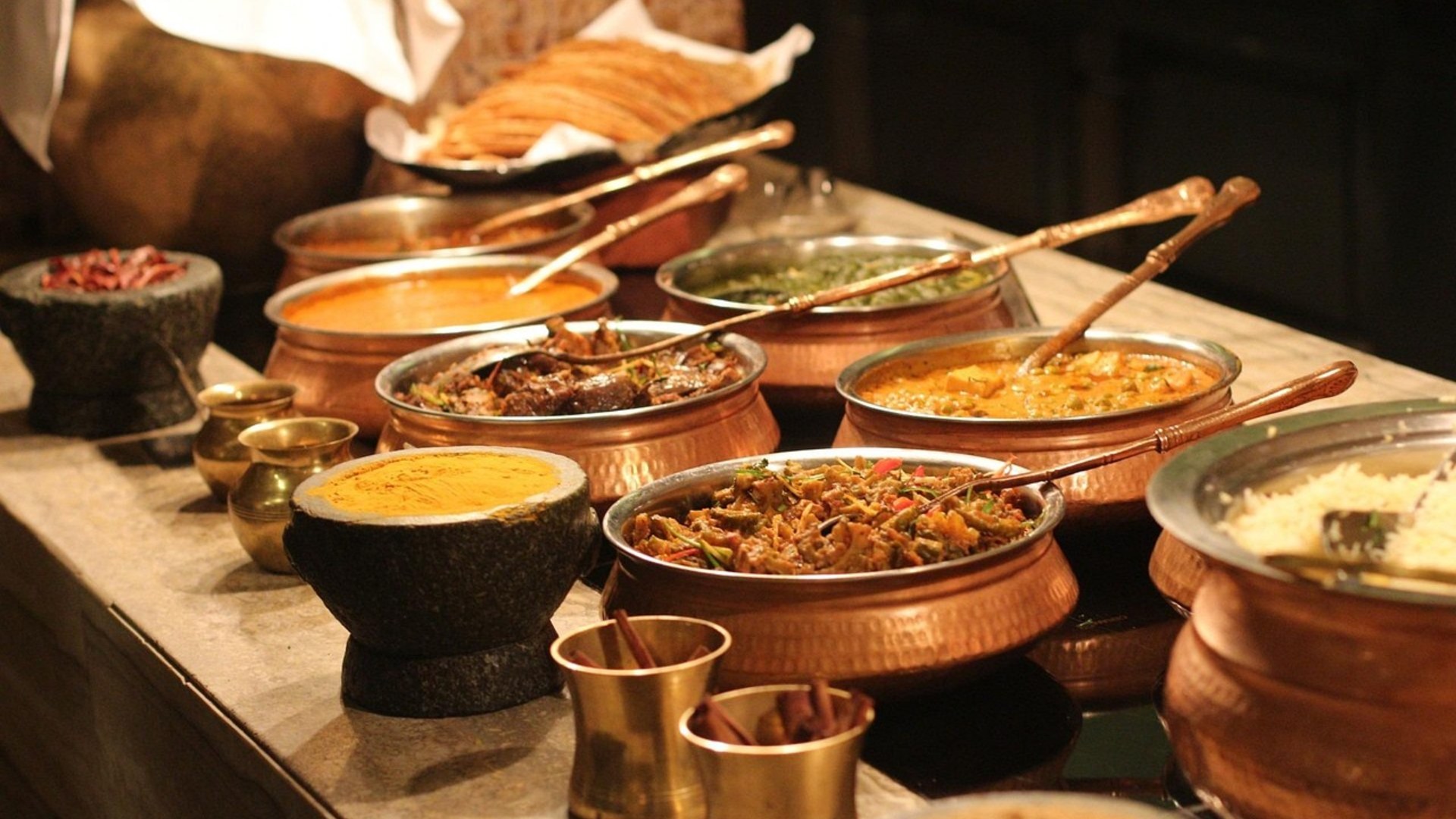
8. Chicken Tikka Masala Is An Ancient Indian Dish
Food historians widely trace chicken tikka masala to South Asian chefs in Britain during the late 1960s and early 1970s. A famous Glasgow account credits chef Ali Ahmed Aslam with adding a spiced tomato-cream sauce after a customer found dry chicken tikka too plain. It soon became a British staple.
©Wikimedia / Rezwalker
Advertisement
Swipe or tap ▶ to resume the countdown.
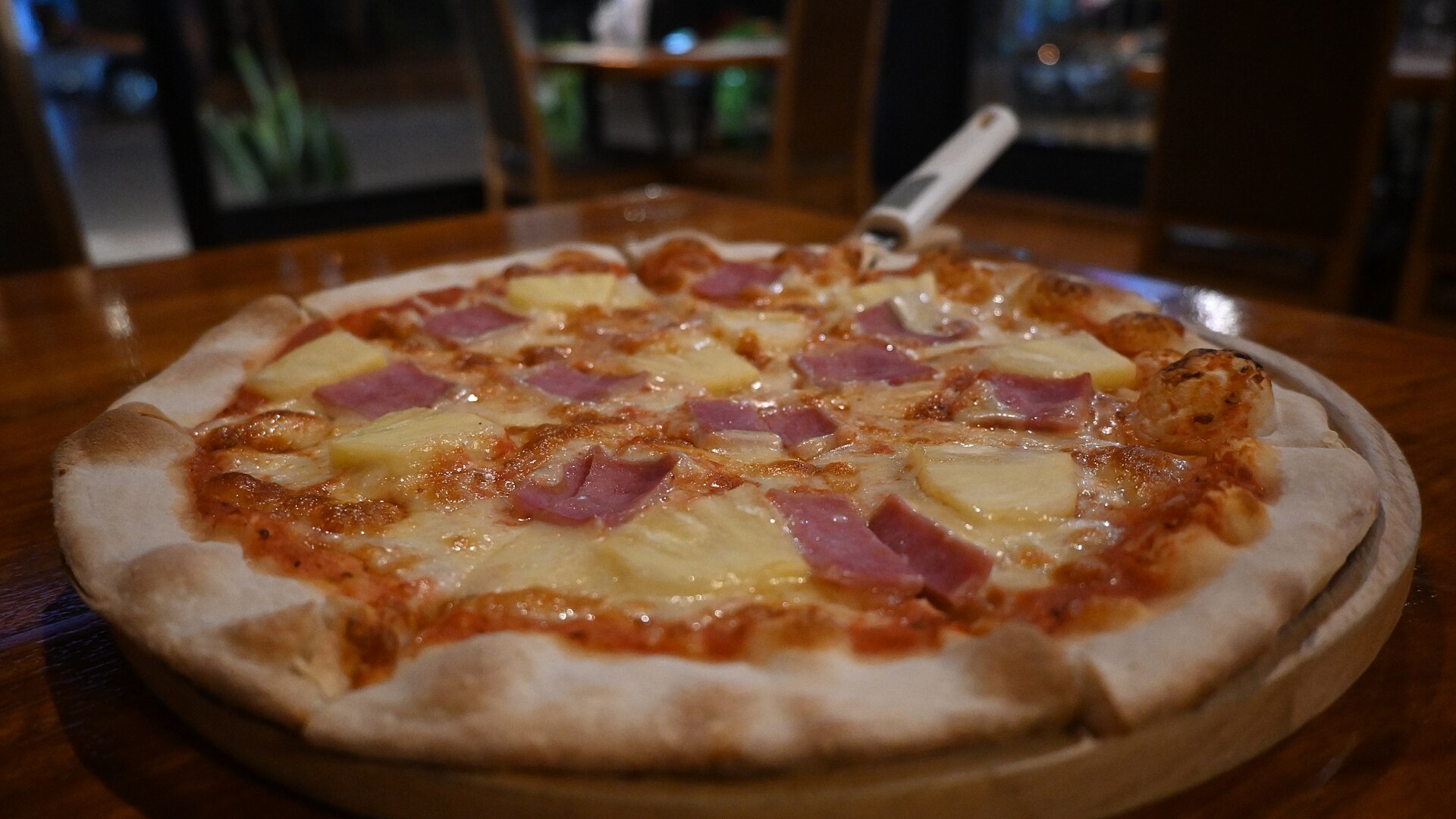
7. Hawaiian Pizza Originated In Hawaii
In 1962, Greek-born Canadian restaurateur Sam Panopoulos added canned pineapple and ham to a pizza at the Satellite Restaurant in Chatham, Ontario. Drawing on sweet-and-savory dishes he had served, he named it after the Hawaiian brand on the pineapple can. Island kitchens had nothing to do with it.
©Wikimedia / PattayaPatrol
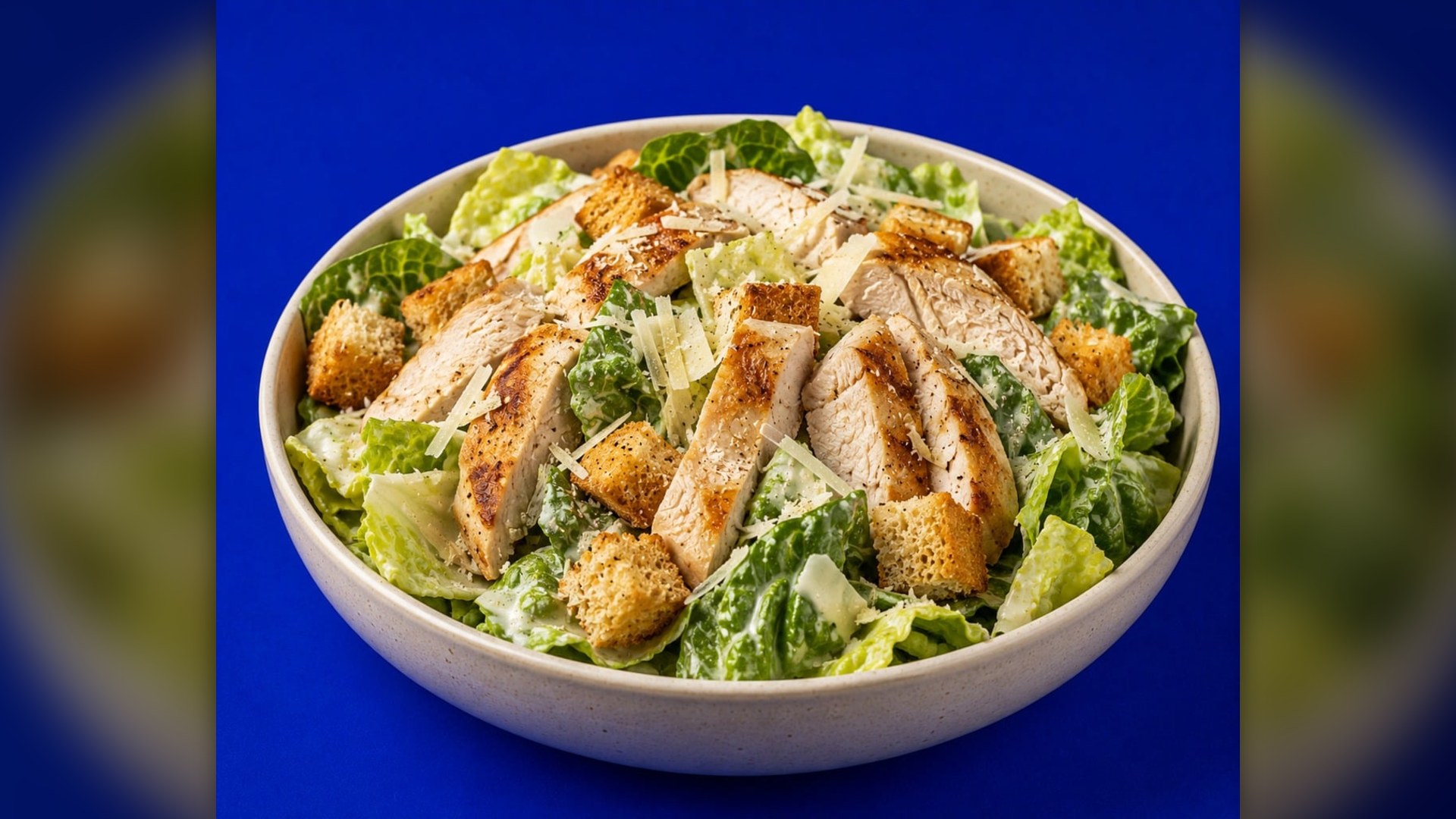
6. Caesar Salad Honors Julius Caesar
Italian immigrant Caesar Cardini invented the salad in Tijuana, Mexico, during the 1920s when Prohibition drove southern California diners across the border. Family accounts say he tossed romaine, garlic, croutons, Parmesan, lemon juice, and Worcestershire tableside when kitchen stock ran low.
©Pixabay / tehzeebkazmii
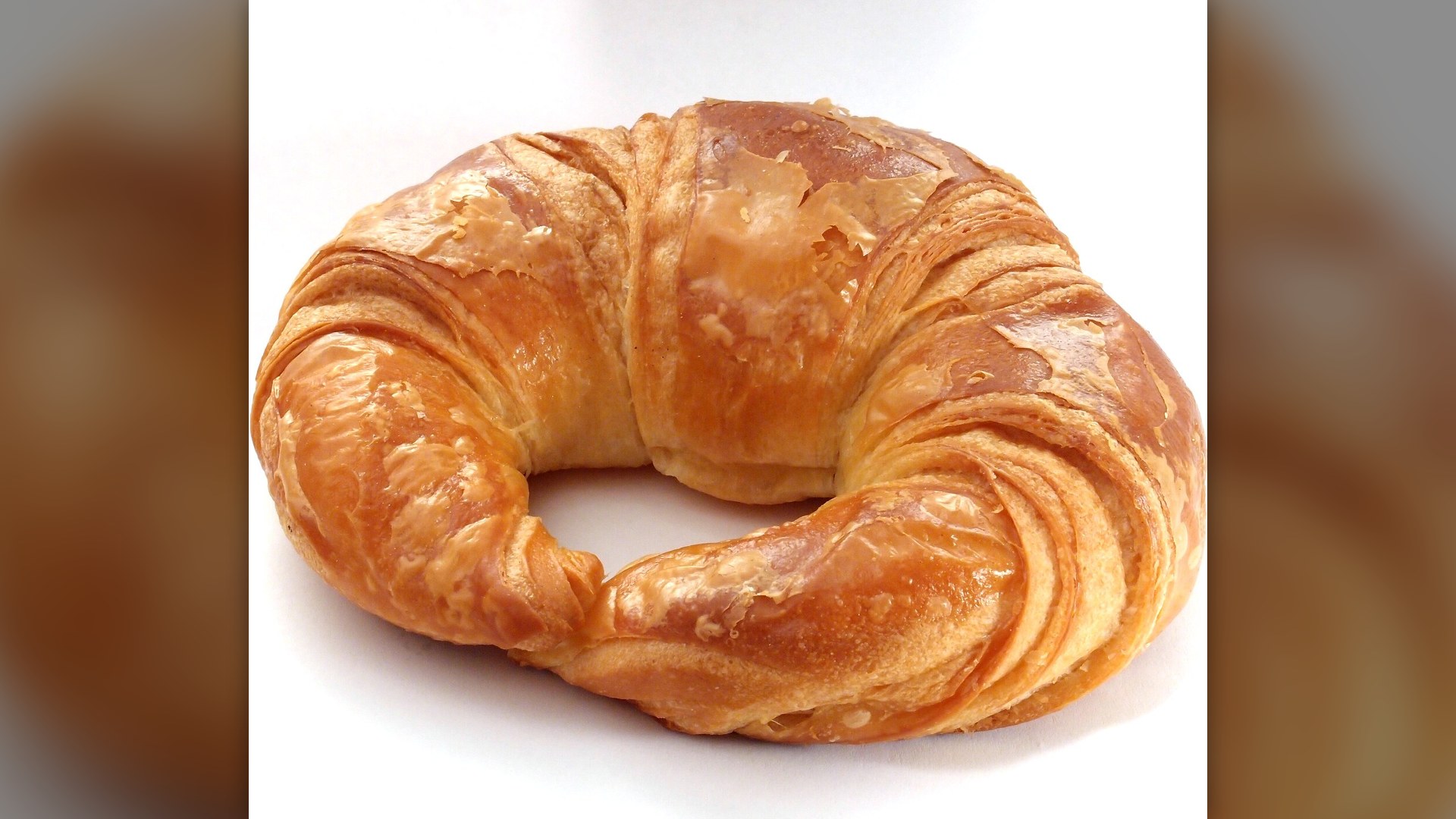
5. Croissants Started As A French Pastry
Vienna bakeries made crescent-shaped kipferl rolls long before Austrian entrepreneur August Zang opened a Viennese bakery in Paris around 1838. French bakers later adapted the shape using laminated, butter-layered yeast dough. That Parisian technique created the flaky croissant eaten worldwide.
©Wikimedia / SKopp
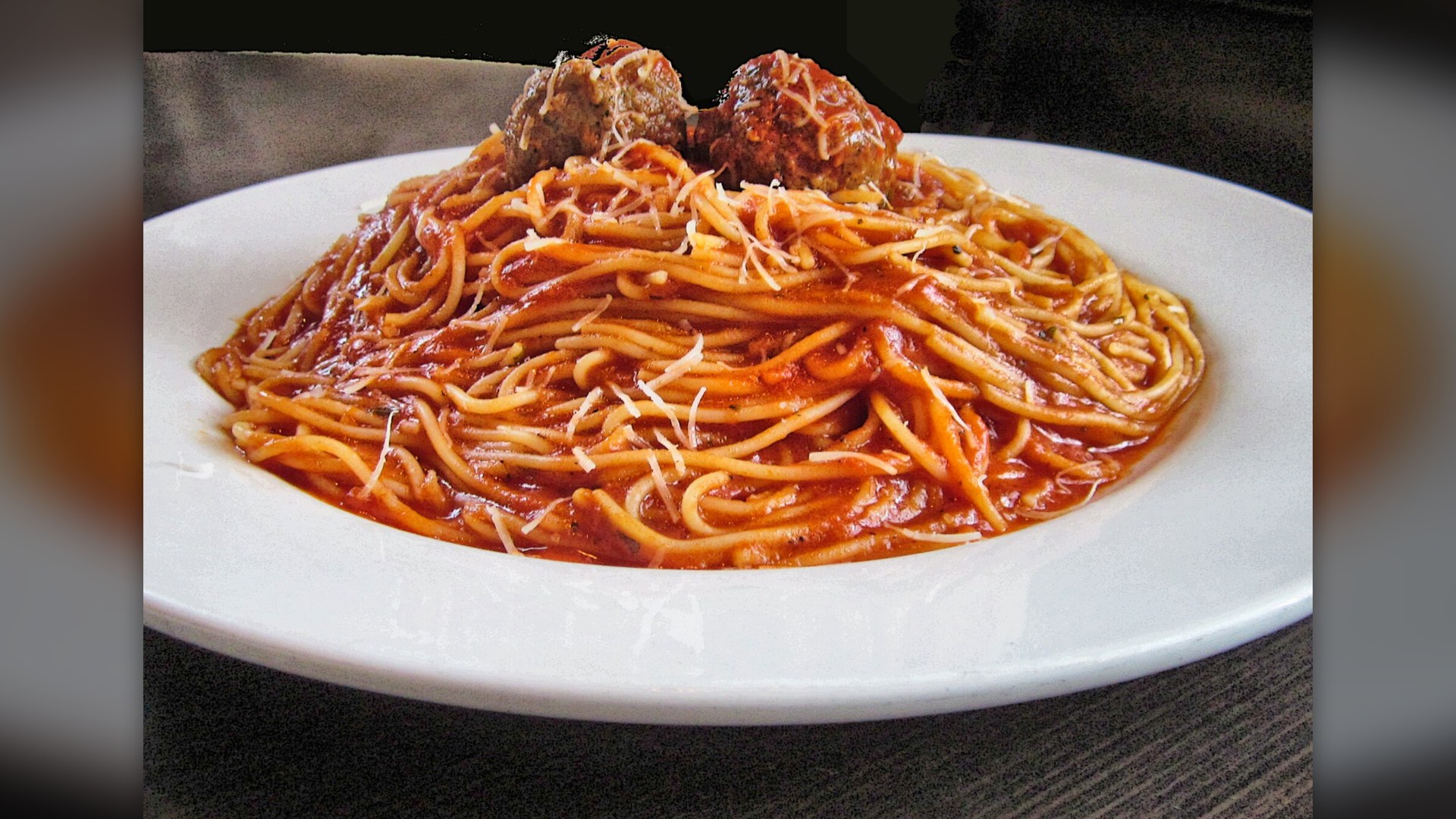
4. Spaghetti And Meatballs Is Traditional In Italy
In Italy, small meatballs called polpette are typically served as a separate meat course rather than piled onto spaghetti. When southern Italian immigrants settled in New York and other U.S. cities around the late 1800s, cheaper beef and canned tomatoes let cooks combine both into one hearty, affordable dinner.
©Wikimedia / D. Laird from Riverside County, USA
Advertisement
Swipe or tap ▶ to resume the countdown.
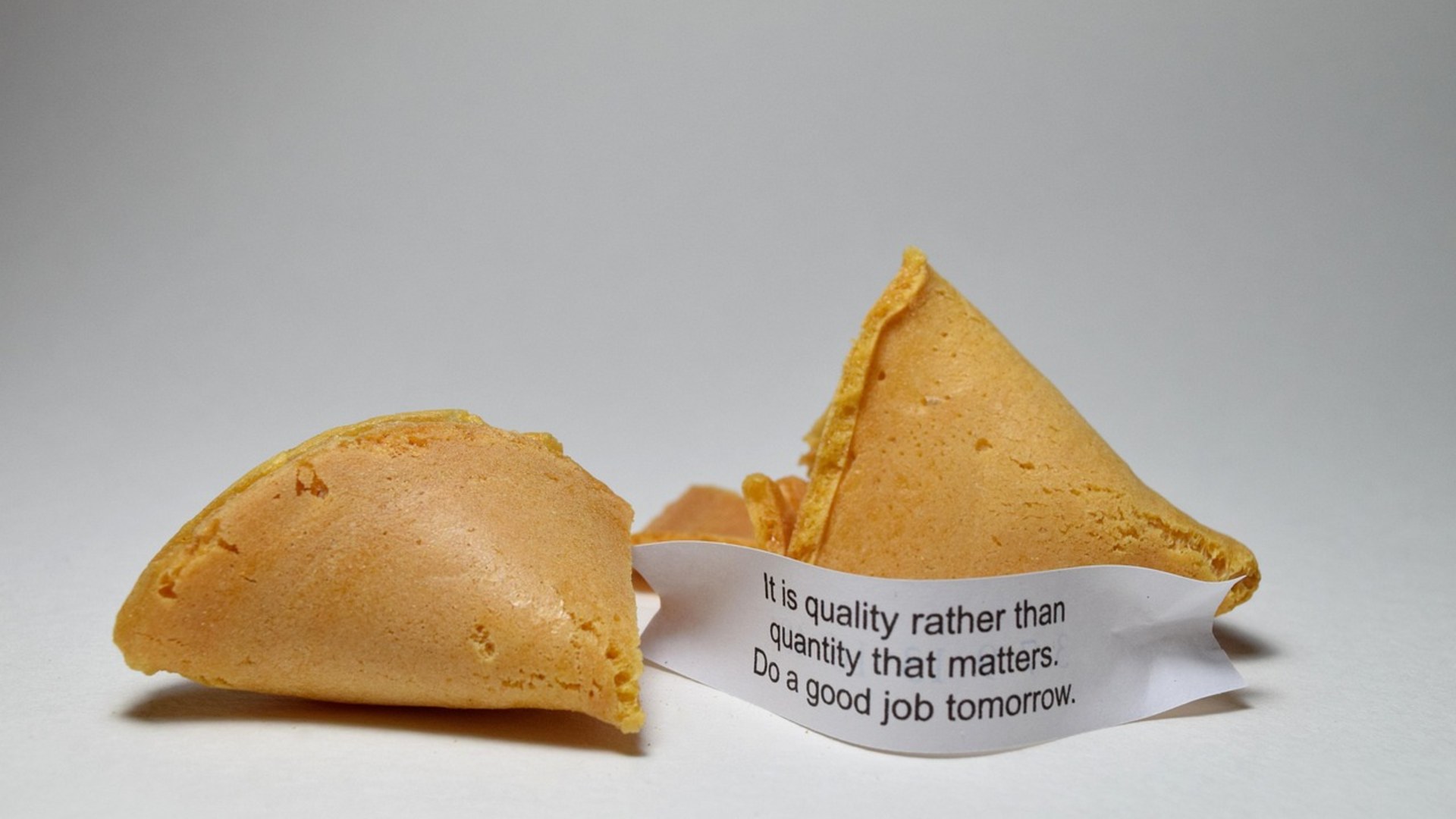
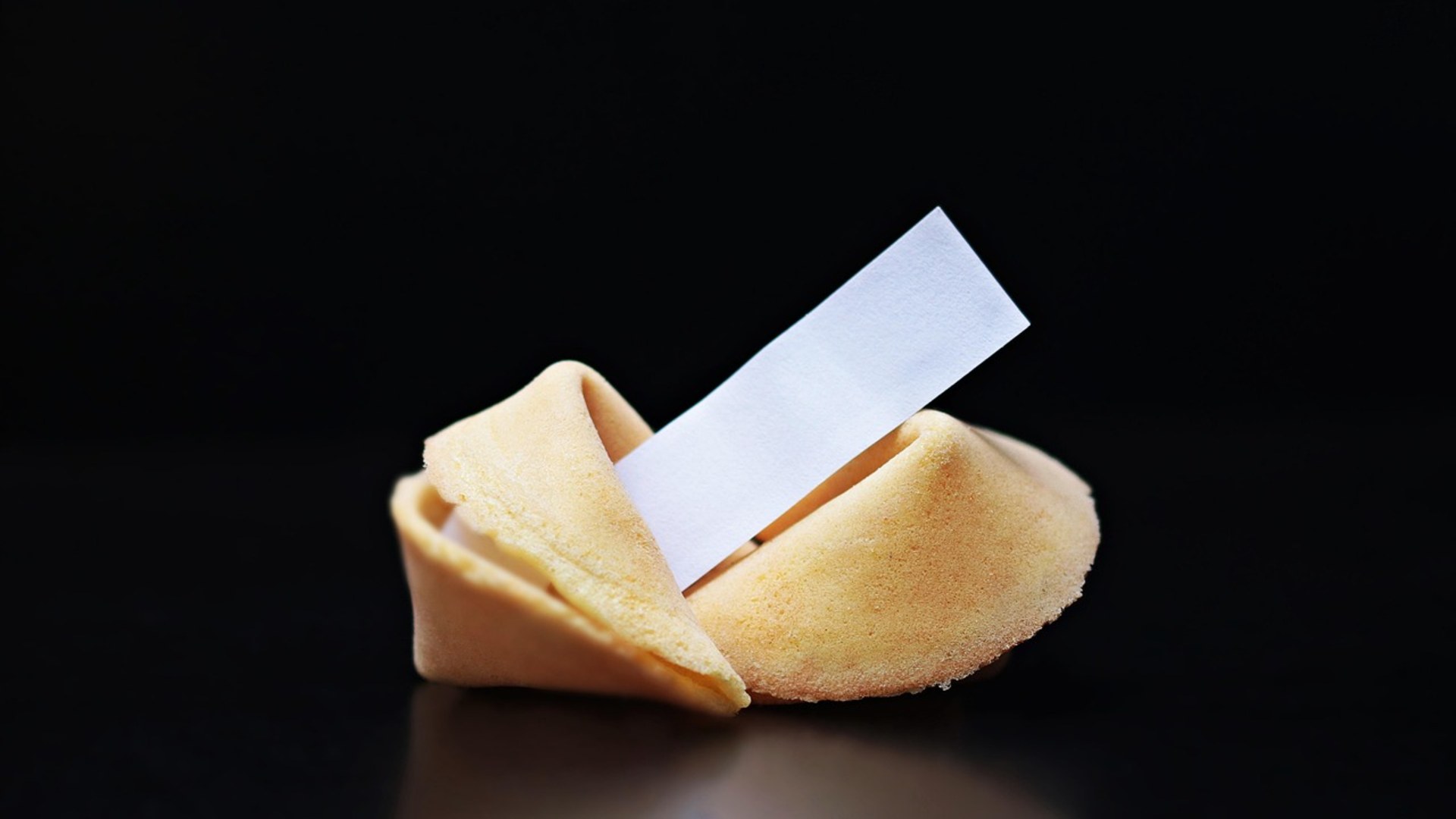
3. Fortune Cookies Come From China
Food writer Jennifer 8. Lee traced modern fortune cookies to Japanese tsujiura senbei crackers folded around paper slips near Kyoto. Japanese immigrants in San Francisco and Los Angeles popularized them in early 1900s California, and Chinese-American restaurants adopted them widely after World War II.
©Pixabay / pixel2013
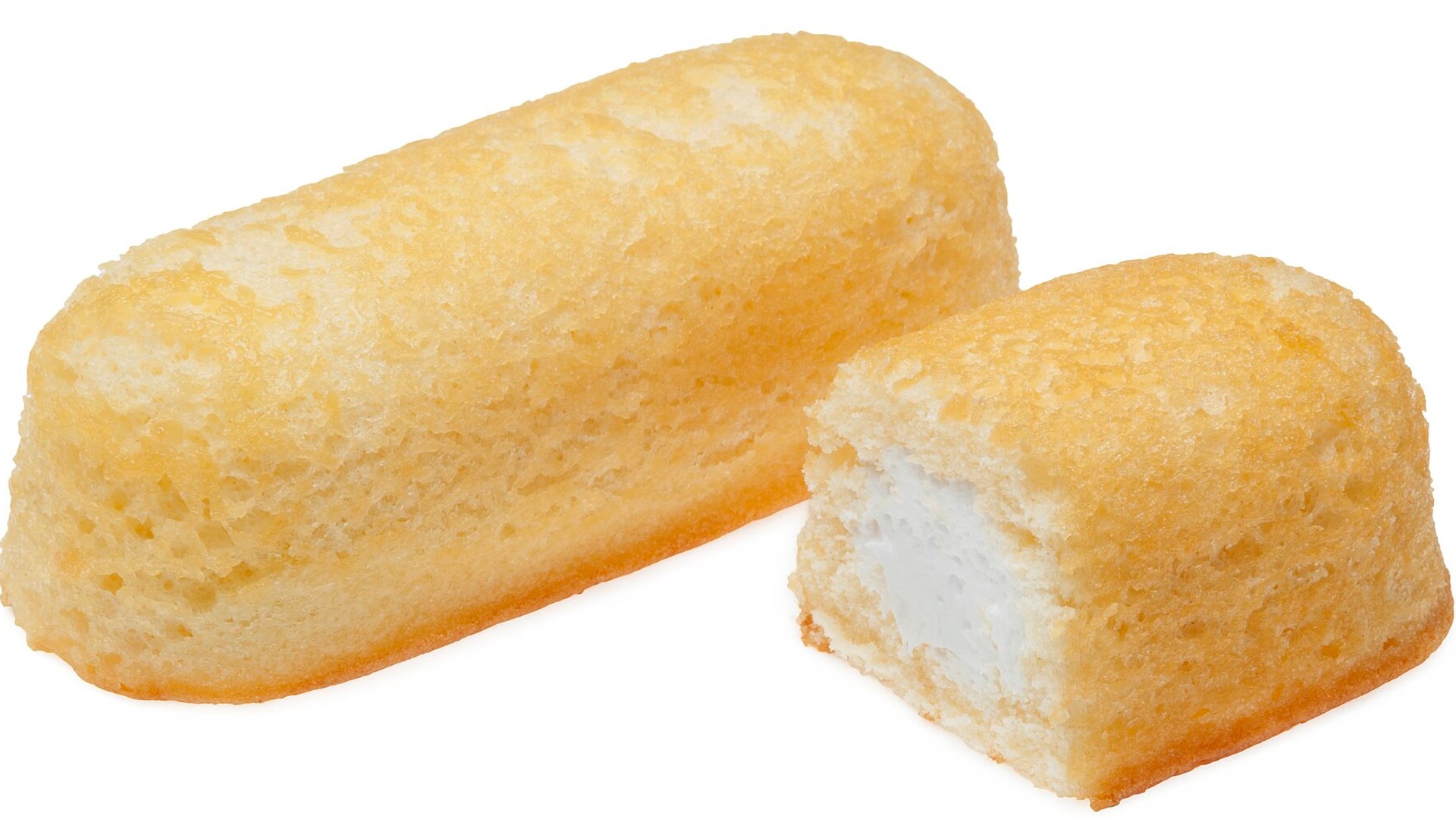
2. Twinkies Have An Infinite Shelf Life
Hostess originally rated Twinkies for about 25 days on store shelves, later extending packaged freshness to several weeks rather than decades. With no real dairy inside, they turn stale and brittle instead of molding fast. One 1976 Twinkie saved in a Maine high school lasted only as a dry relic.
©Wikimedia / Evan-Amos
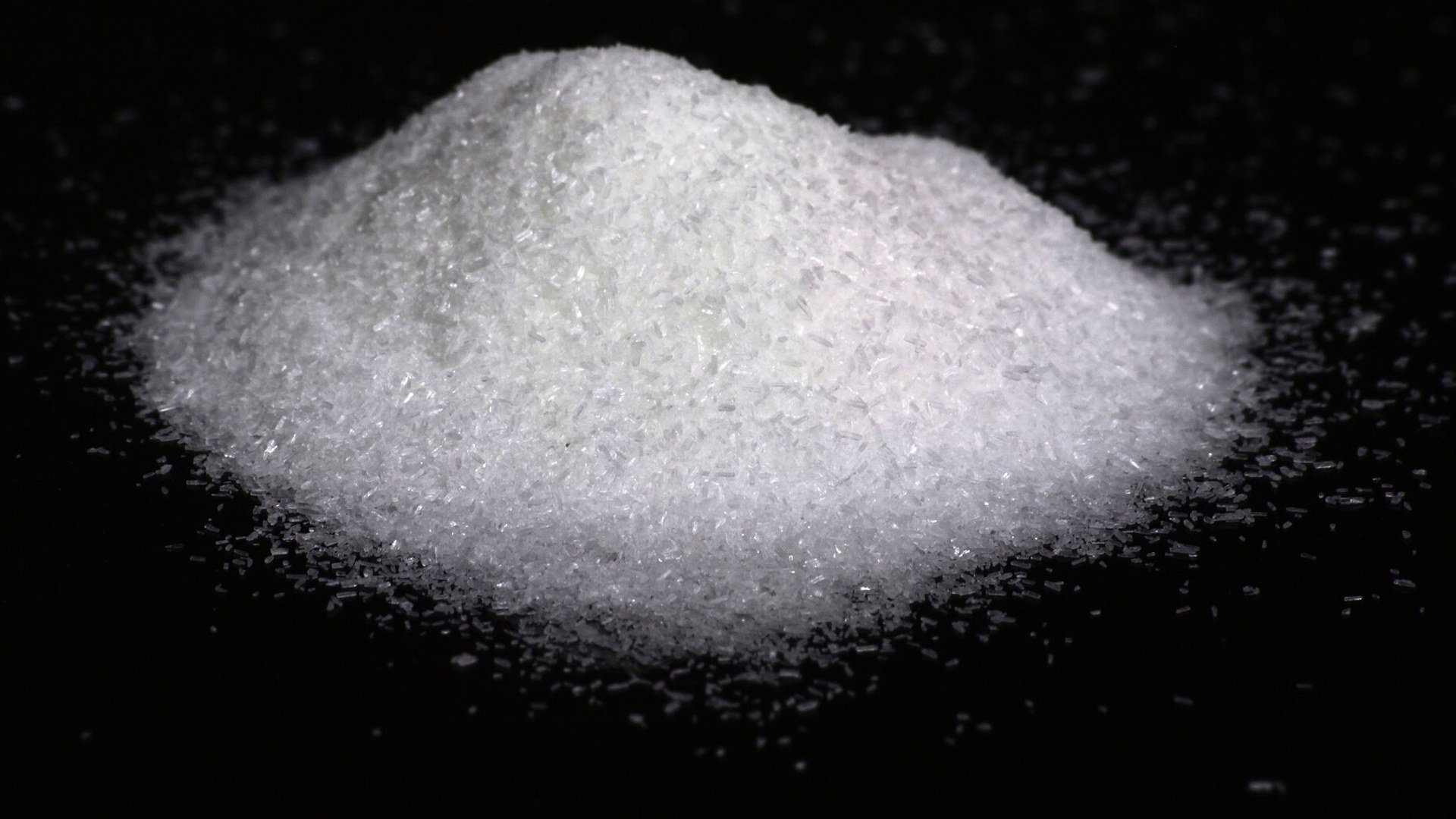
1. MSG Triggers Headaches And Illness
Chemist Kikunae Ikeda isolated glutamate from kombu seaweed in 1908 to capture savory umami flavor. Fears grew after a 1968 journal letter, yet double-blind clinical trials and U.S. Food and Drug Administration reviews found no consistent harm at food levels. Tomatoes and Parmesan contain the same glutamate.

©Wikimedia / Ragesoss
Advertisement
You've reached the end of the story. Thanks for reading!

22 Historic Homes With Dark Pasts Open for Public Tours Today
These 22 preserved mansions, cottages, and palaces carry documented histories of murder, imprisonment, wartime bloodshed, and family tragedy, yet remain open for public tours. Compiled from National Park Service records, Historic Royal Palaces, and museum archives across North America, Europe, and Jamaica.
All 22 Entries in this Story
#22: Brown Sugar Is Unrefined And Healthier
Commercial brown sugar is usually refined cane or beet sugar blended back with cane molasses for moisture and caramel flavor. U.S. Department of Agriculture data show only trace minerals like calcium and potassium in a typical teaspoon. Nutritionally, it affects blood sugar almost identically to white granulated sugar.

#21: Crystallized Honey Has Spoiled
Pure honey contains very little moisture and an acidic pH that prevents bacteria from growing. Over months on a shelf, dissolved glucose naturally forms harmless crystals, especially in raw varieties. Placing the sealed jar in a bowl of warm water dissolves those crystals and restores liquid texture.

#20: Chili Pepper Heat Lives In The Seeds
Capsaicin, the chemical that triggers heat receptors, is produced inside the pale placenta tissue running down the center of a chili pepper. Seeds only taste spicy because they rest directly against that membrane. Scraping out the white ribs removes far more heat than discarding loose seeds alone.

#19: Dark Roast Coffee Packs More Caffeine
Coffee beans are the roasted seeds inside red or yellow coffee cherries, not legumes. Roasting changes flavor and density but adds no caffeine, which stays stable at roasting temperatures. Light-roast seeds are denser, so a scoop of light roast holds slightly more caffeine.

#18: White Chocolate Is Not Real Chocolate
Unlike milk or dark chocolate, white chocolate omits roasted cocoa liquor and relies on cocoa butter pressed from cacao beans. Under U.S. Food and Drug Administration standards, a bar qualifies if it contains at least 20 percent cocoa butter. Makers blend that fat with sugar and milk solids.

#17: Swiss Cheese Holes Form Randomly
As Emmental-style Swiss cheese ripens, Propionibacterium bacteria consume lactic acid and release carbon dioxide gas inside the curd. In 2015, Swiss researchers at Agroscope showed that tiny hay particles in milk buckets helped seed those bubbles. Cleaner modern milking actually shrank the holes.

#16: Strawberries Are True Botanical Berries
In botany, a true berry develops from a single flower ovary with seeds embedded inside the flesh. Strawberries form from multiple ovaries on one flower, making them accessory fruits whose dry specks on the outside are tiny individual achenes. By strict plant science, bananas, kiwis, and grapes are berries instead.

#15: Searing A Steak Seals In The Juices
German chemist Justus von Liebig popularized the moisture-sealing theory in the 1840s. Kitchen experiments repeatedly disproved it. Food writer Harold McGee notes that high-heat searing drives off surface moisture rather than trapping it, and cooks sear meat for Maillard browning, which creates savory crust compounds.

#14: German Chocolate Cake Comes From Germany
In 1852, American baker Samuel German created a sweetened dark baking bar for Baker's Chocolate Company in Massachusetts. A Dallas cook submitted a cake recipe using German's Sweet Chocolate to a Texas newspaper in 1957. The layered dessert caught on nationwide while dropping the apostrophe.

#13: Most Restaurant Wasabi Is Real Wasabi
True wasabi comes from the grated rhizome of Eutrema japonicum, a semi-aquatic plant that is difficult and costly to grow. Freshly grated wasabi loses its punch within about 15 minutes. Outside upscale sushi bars, most diners eat European horseradish mixed with mustard powder and green food dye.

#12: Spinach Is An Unmatched Iron Source
Raw spinach contains about 2.7 milligrams of iron per 100 grams, a solid amount that falls well short of its Popeye-era reputation. It also holds oxalic acid, a compound that binds minerals and limits how much iron the human gut absorbs. Pairing spinach with vitamin C sources like lemon juice helps improve uptake.

#11: Turkey Uniquely Causes Holiday Sleepiness
Nutrition tables show turkey has roughly the same tryptophan per gram as chicken, beef, or cheddar cheese. Other amino acids in meat also compete to reach the brain, blunting any solo effect. Post-feast drowsiness comes mostly from overeating, heavy carbohydrate sides, and alcohol.

#10: Carrots Give You Superhuman Night Vision
During the 1940 Blitz, Britain's Air Ministry promoted stories that Royal Air Force pilots spotted enemy planes at night by eating carrots. The campaign helped hide Britain's new airborne radar technology. Carrots supply vitamin A for normal eye health, yet extra servings will not grant night vision.

#9: The California Roll Came From Japan
Japanese chefs working in North America during the late 1960s and 1970s created the California roll, with historians crediting kitchens in Los Angeles and Vancouver's Hidekazu Tojo. Swapping fatty tuna for ripe avocado and cooked crab appealed to local palates. Rolling the rice outside hid the dark nori seaweed sheet.

#8: Chicken Tikka Masala Is An Ancient Indian Dish
Food historians widely trace chicken tikka masala to South Asian chefs in Britain during the late 1960s and early 1970s. A famous Glasgow account credits chef Ali Ahmed Aslam with adding a spiced tomato-cream sauce after a customer found dry chicken tikka too plain. It soon became a British staple.

#7: Hawaiian Pizza Originated In Hawaii
In 1962, Greek-born Canadian restaurateur Sam Panopoulos added canned pineapple and ham to a pizza at the Satellite Restaurant in Chatham, Ontario. Drawing on sweet-and-savory dishes he had served, he named it after the Hawaiian brand on the pineapple can. Island kitchens had nothing to do with it.

#6: Caesar Salad Honors Julius Caesar
Italian immigrant Caesar Cardini invented the salad in Tijuana, Mexico, during the 1920s when Prohibition drove southern California diners across the border. Family accounts say he tossed romaine, garlic, croutons, Parmesan, lemon juice, and Worcestershire tableside when kitchen stock ran low.

#5: Croissants Started As A French Pastry
Vienna bakeries made crescent-shaped kipferl rolls long before Austrian entrepreneur August Zang opened a Viennese bakery in Paris around 1838. French bakers later adapted the shape using laminated, butter-layered yeast dough. That Parisian technique created the flaky croissant eaten worldwide.

#4: Spaghetti And Meatballs Is Traditional In Italy
In Italy, small meatballs called polpette are typically served as a separate meat course rather than piled onto spaghetti. When southern Italian immigrants settled in New York and other U.S. cities around the late 1800s, cheaper beef and canned tomatoes let cooks combine both into one hearty, affordable dinner.

#3: Fortune Cookies Come From China
Food writer Jennifer 8. Lee traced modern fortune cookies to Japanese tsujiura senbei crackers folded around paper slips near Kyoto. Japanese immigrants in San Francisco and Los Angeles popularized them in early 1900s California, and Chinese-American restaurants adopted them widely after World War II.

#2: Twinkies Have An Infinite Shelf Life
Hostess originally rated Twinkies for about 25 days on store shelves, later extending packaged freshness to several weeks rather than decades. With no real dairy inside, they turn stale and brittle instead of molding fast. One 1976 Twinkie saved in a Maine high school lasted only as a dry relic.

#1: MSG Triggers Headaches And Illness
Chemist Kikunae Ikeda isolated glutamate from kombu seaweed in 1908 to capture savory umami flavor. Fears grew after a 1968 journal letter, yet double-blind clinical trials and U.S. Food and Drug Administration reviews found no consistent harm at food levels. Tomatoes and Parmesan contain the same glutamate.