Slideshow · Animals
America's Wild Mustangs and the Landscapes They Call Home
From Atlantic barrier island dunes to windswept Rocky Mountain summits, journey through the rugged habitats where wild horses roam free.
By Most Viral Today
4 Nov 2026

Twenty Landscapes Where America's Wild Mustangs Roam 
20. Assateague Island 
19. Shackleford Banks 
18. Corolla Beach - AdvertisementSwipe or tap ▶ to continue countdown

17. Cumberland Island 
16. Salt River Oasis 
15. Cedar Mountain Basin 
14. Black Rock Desert - AdvertisementSwipe or tap ▶ to continue countdown

13. Onaqui Mountains 
12. Kiger Gorge Foothills 
11. Sand Wash Basin 
10. Virginia Range Foothills - AdvertisementSwipe or tap ▶ to continue countdown

9. Cold Creek Highlands 
8. McCullough Peaks 
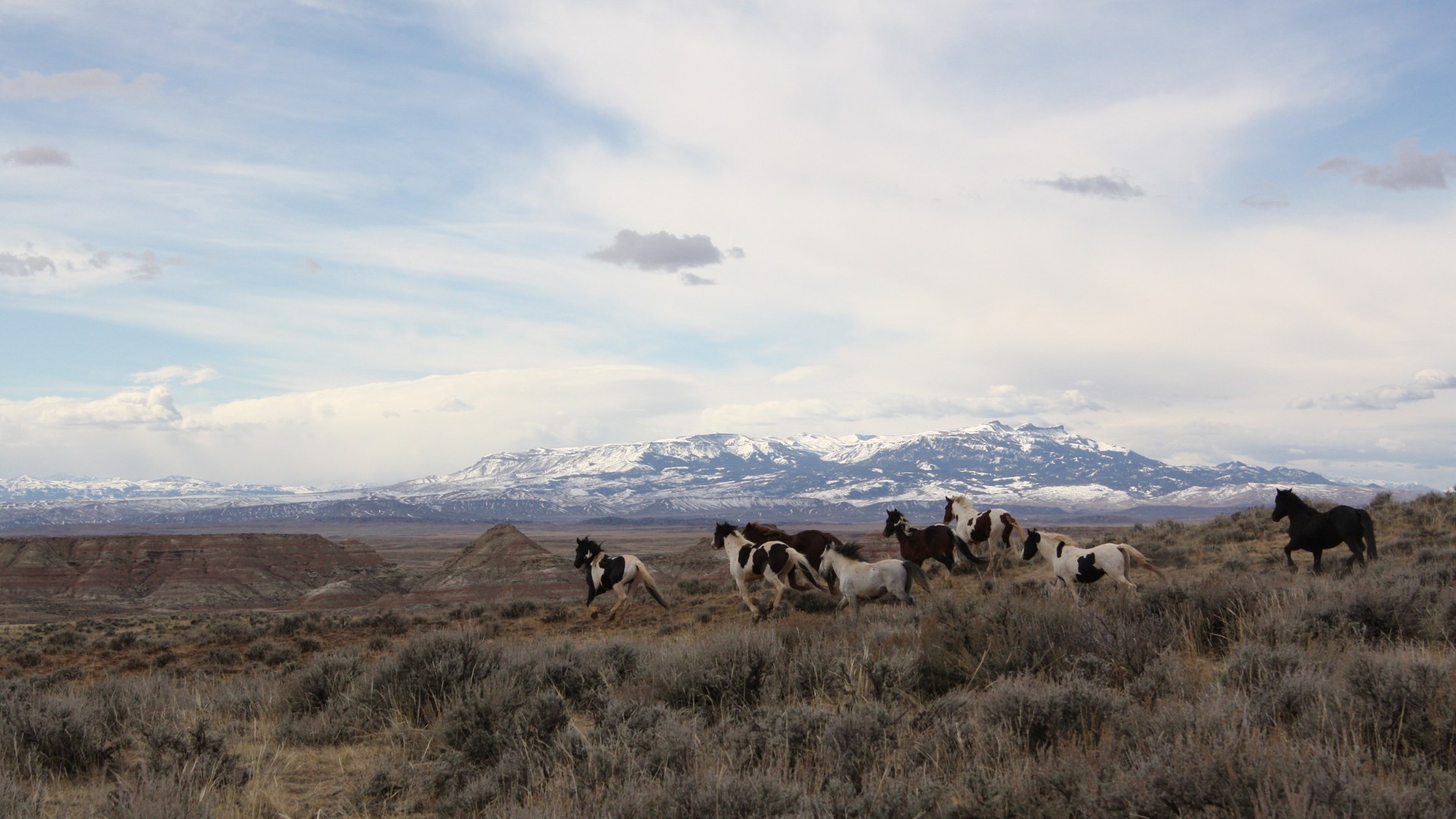
7. Wyoming Red Desert 
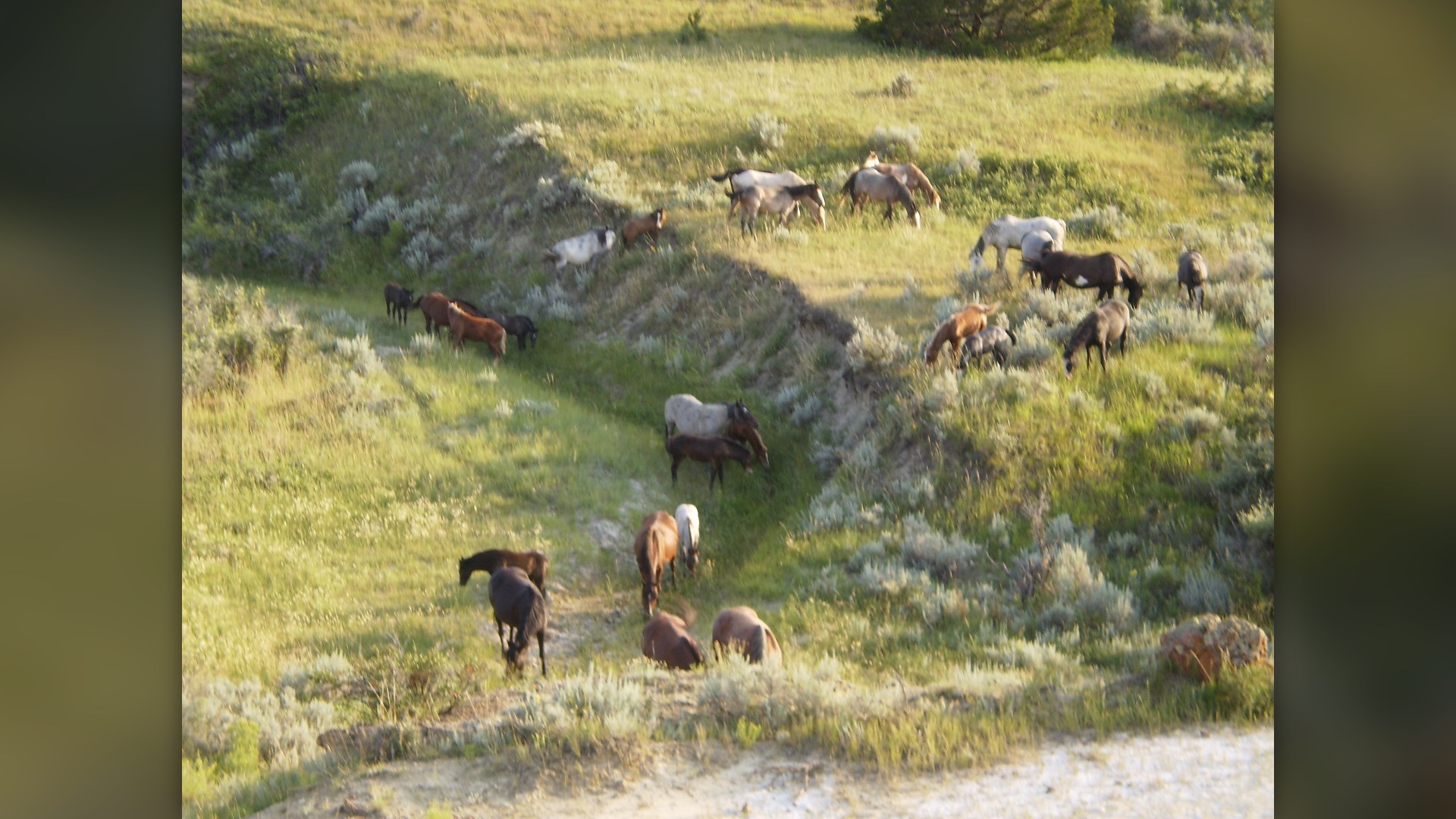
6. Theodore Roosevelt Badlands - AdvertisementSwipe or tap ▶ to continue countdown

5. Steens Mountain Summit 
4. Piceance Plateau 
3. Pine Nut Ridge 
2. Pryor Mountain Heights - AdvertisementSwipe or tap ▶ to continue countdown

1. White Mountain Alpine Crest - Advertisement🔥 UP NEXT IN THIS SERIES◫ 26 Slides

25 Animals That May Detect Fear Through Scent and Body Language
From specialized olfactory receptors to airborne alarm pheromones, numerous species possess the extraordinary ability to detect chemical distress signals. Based on research from Live Science, National Geographic, and peer-reviewed biology journals, here are twenty-five animals that can smell and sense fear.
From sea-level Atlantic barrier island sandbars to high alpine ridges over nine thousand feet, discover twenty breathtaking landscapes where America's wild horse herds thrive in ascending elevation order.
Swipe or tap ▶ to begin the countdown
©Wikimedia / Bureau of Land Management & Podruznik
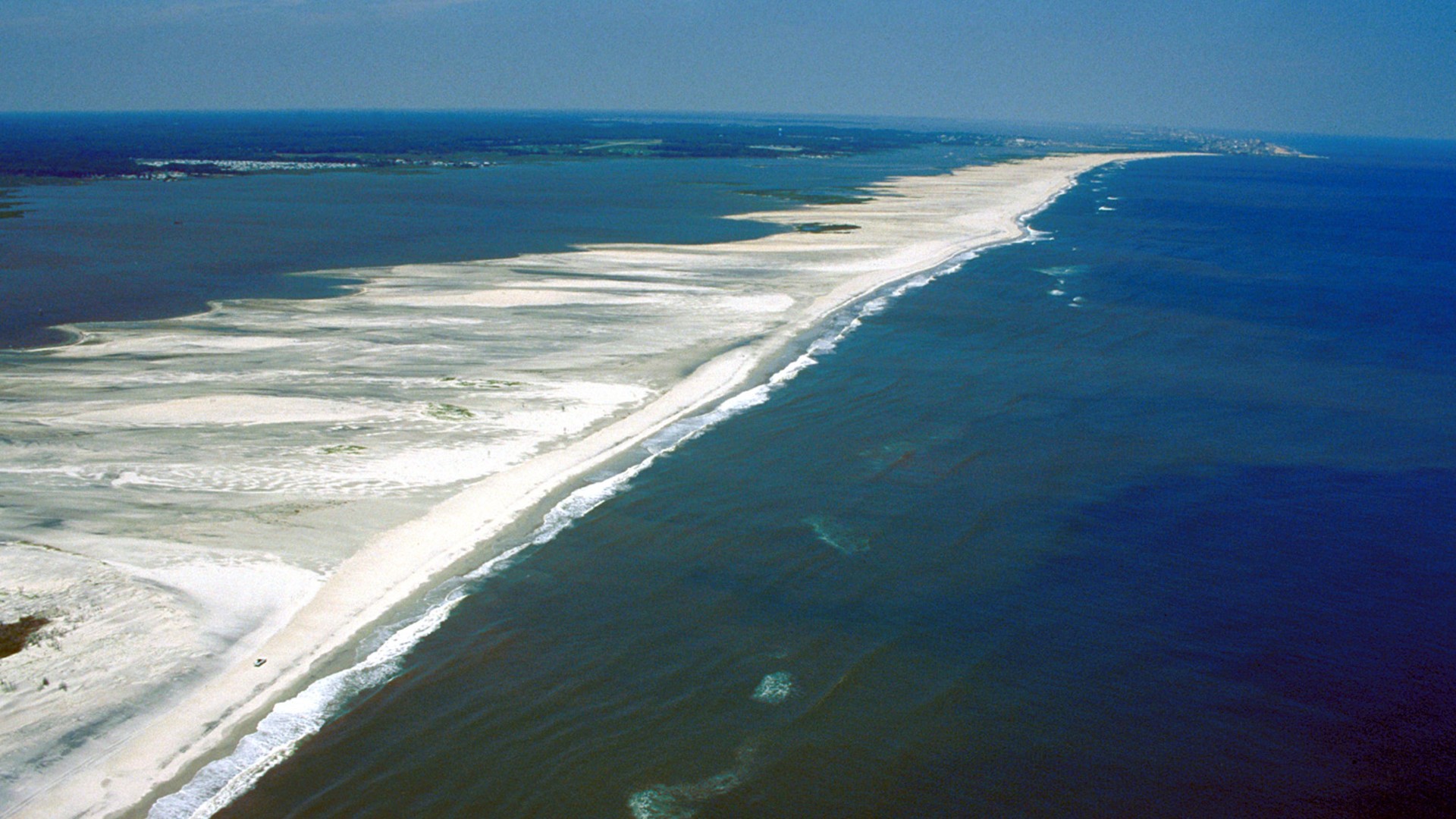
20. Assateague Island
Living along the windswept barrier beaches of Maryland and Virginia, the wild ponies of Assateague Island survive by grazing on cordgrass and drinking from freshwater marsh pools. Folklore traces their maritime ancestry to survivors of an ancient seventeenth-century Spanish shipwreck.
©Wikimedia / Assateague Island
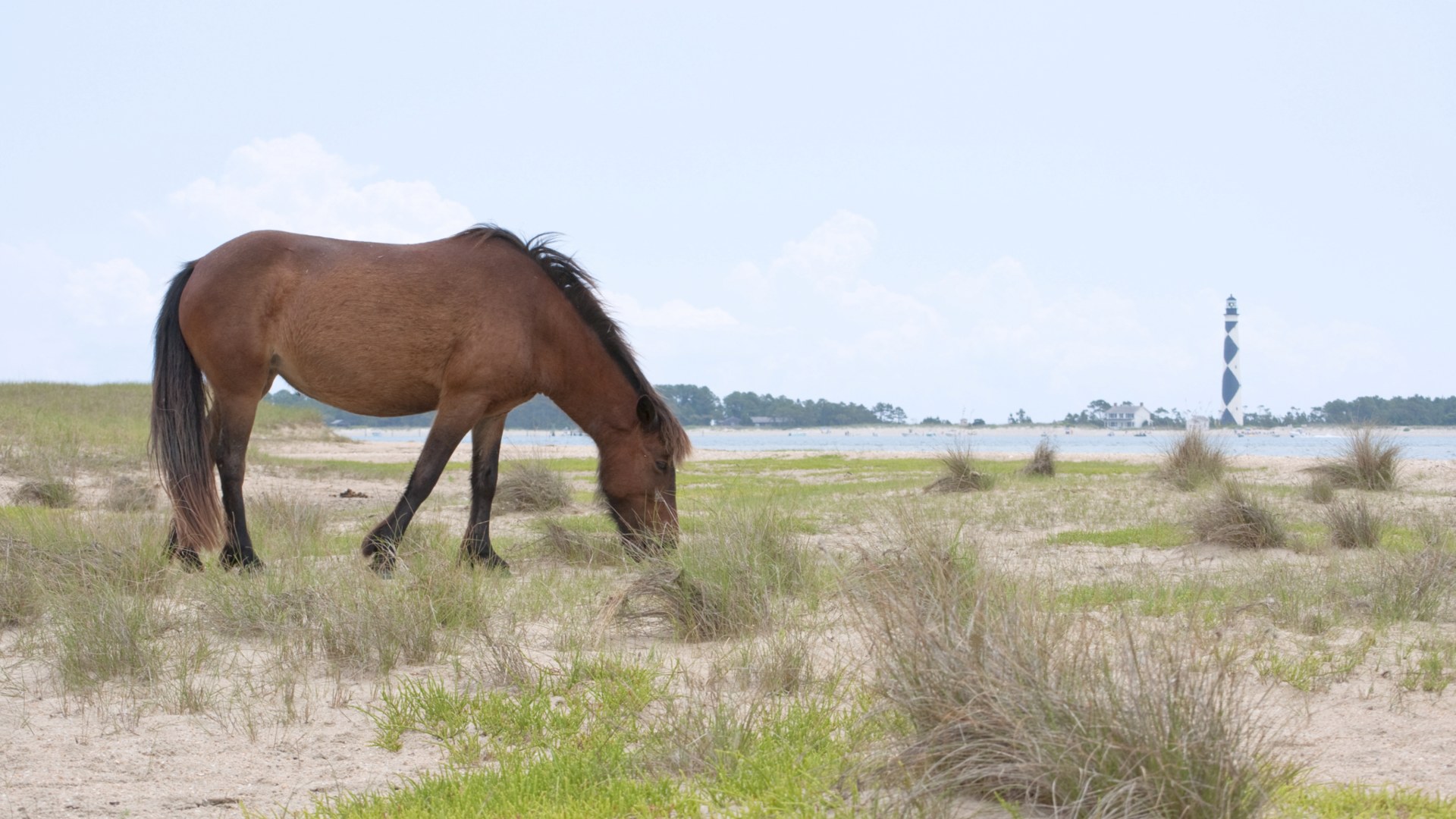
19. Shackleford Banks
Part of Cape Lookout National Seashore in North Carolina, Shackleford Banks is an isolated barrier island accessible only by boat. Over one hundred wild Banker horses thrive among maritime forests and sand dunes, digging into sandbars to find freshwater.
©Wikimedia / Bonnie Gruenberg
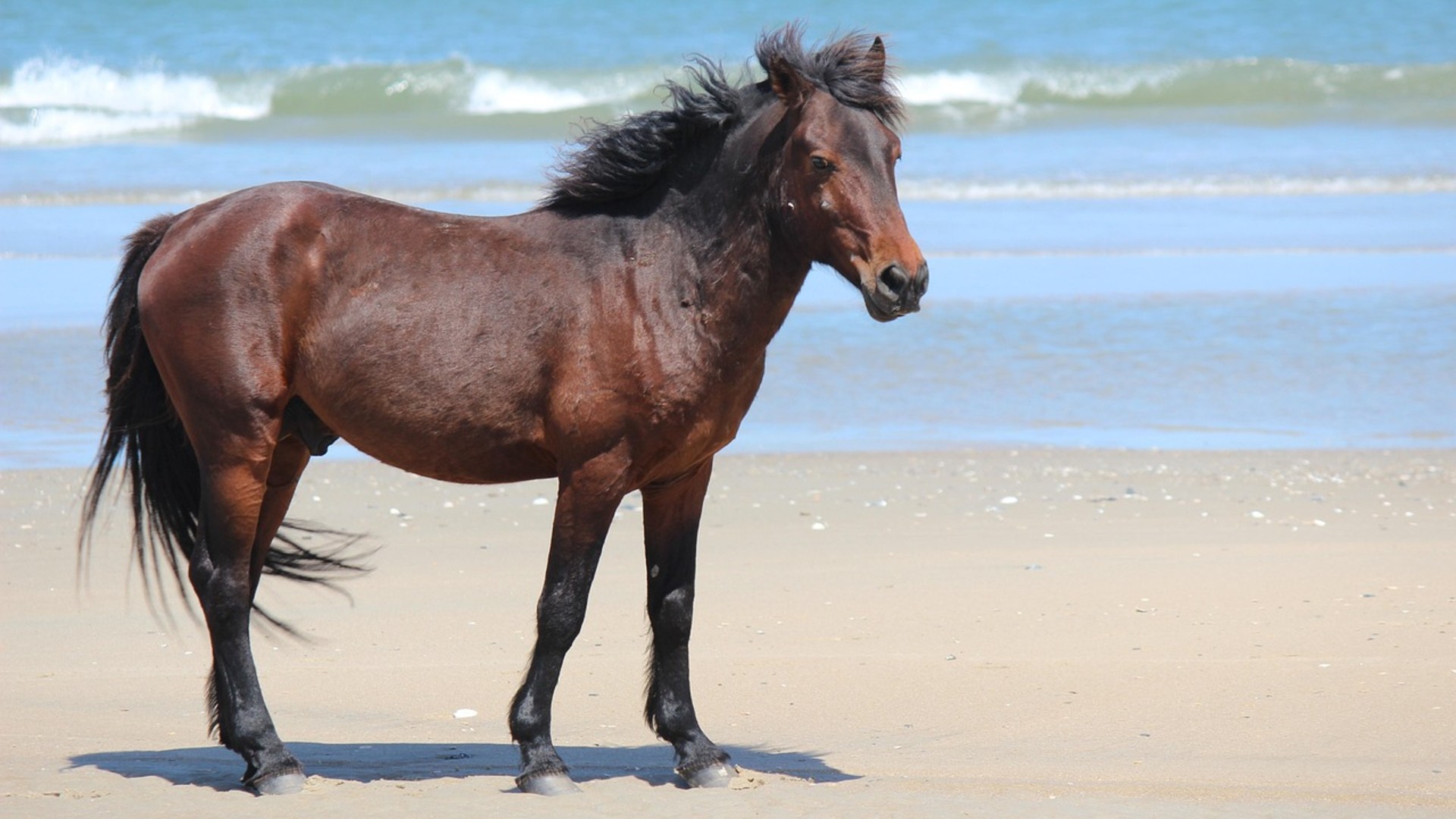
18. Corolla Beach
Roaming the northernmost stretches of North Carolina Outer Banks, the Corolla wild horses are direct genetic descendants of sixteenth-century Spanish colonial stock. These resilient herds graze on sea oats and wander freely across beaches and maritime dunes.
©Pixabay / pamelasperkins
Advertisement
Swipe or tap ▶ to resume the countdown.
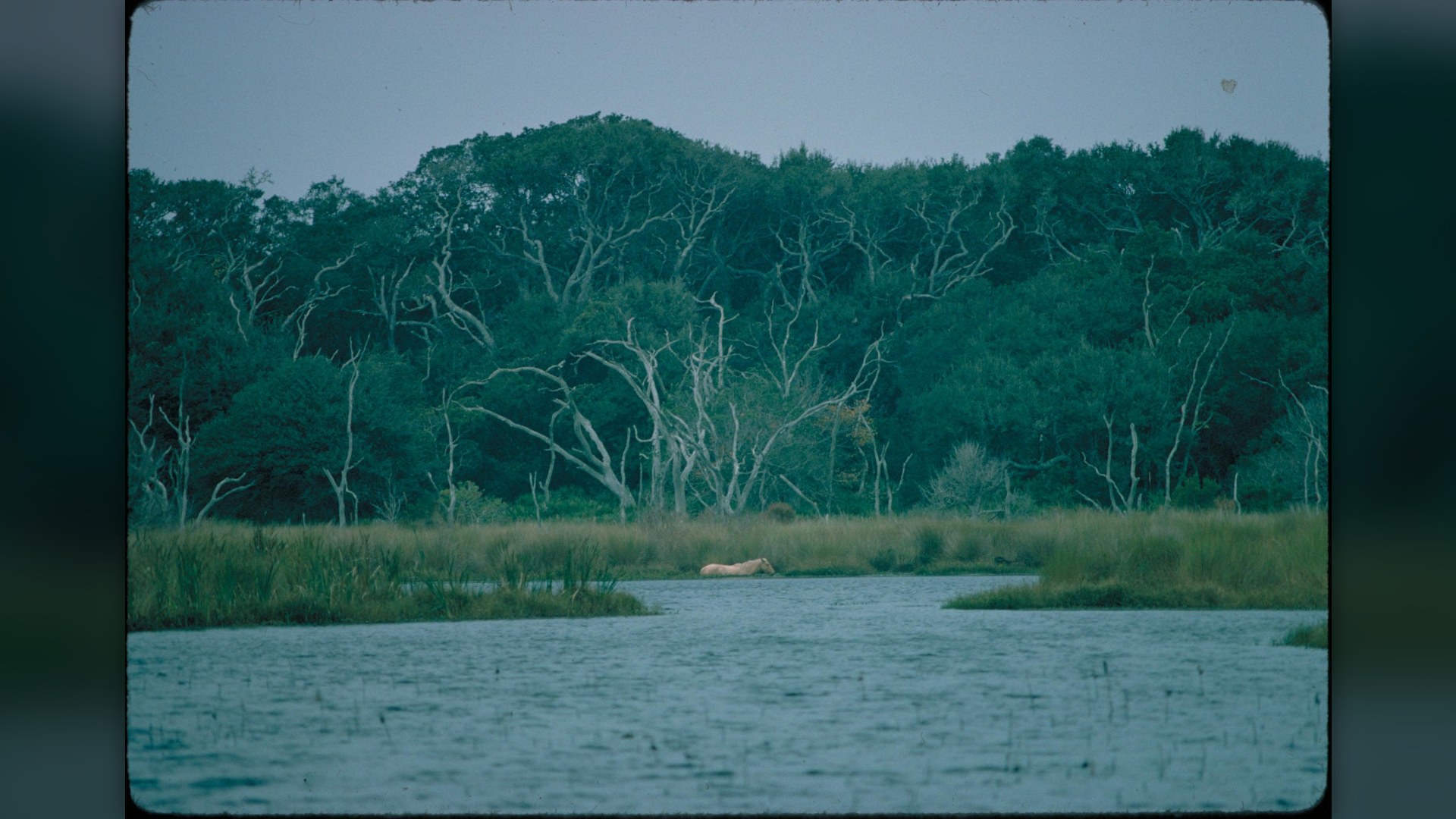
17. Cumberland Island
Georgia Cumberland Island National Seashore protects a wild horse population that wanders through ancient live oak hammocks draped in Spanish moss. Untouched by fences or corrals, the horses graze along tidal salt flats and pristine Atlantic beaches.
©Wikimedia / NPS staff
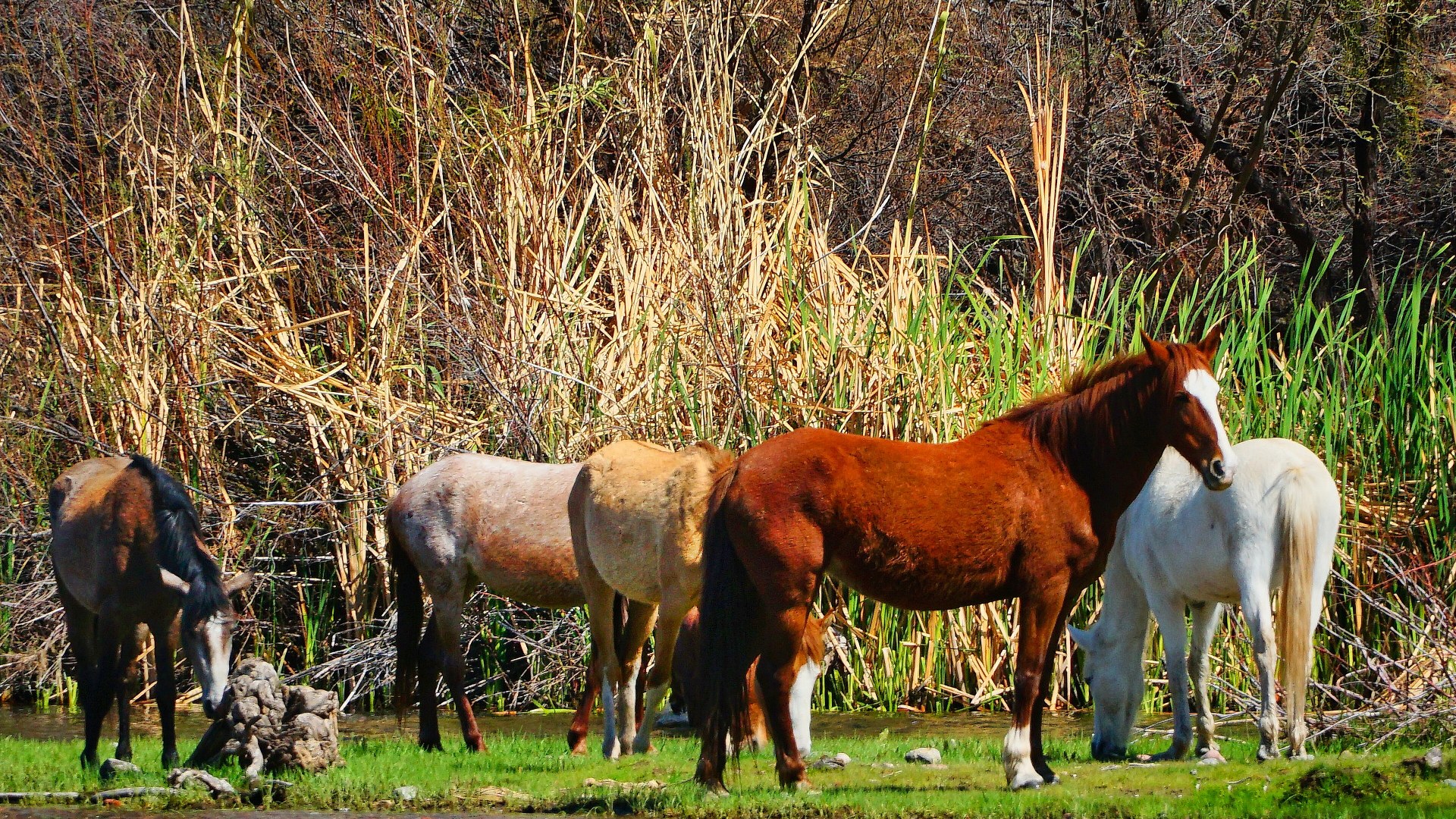
16. Salt River Oasis
Nestled in Arizona Tonto National Forest at thirteen hundred feet elevation, the Salt River wild horse herd cools off in winding riverbeds. Bands of mustangs dive underwater to forage on lush eelgrass beneath dramatic Sonoran desert mountain peaks.
©Wikimedia / Scotwriter21
15. Cedar Mountain Basin
Located in Utah western desert at forty-two hundred feet elevation, Cedar Mountain provides an expansive sagebrush sanctuary. The wild horses here endure extreme seasonal temperature swings, surviving bitter winter blizzards and scorching summer heat.
©Wikimedia / BLM Utah
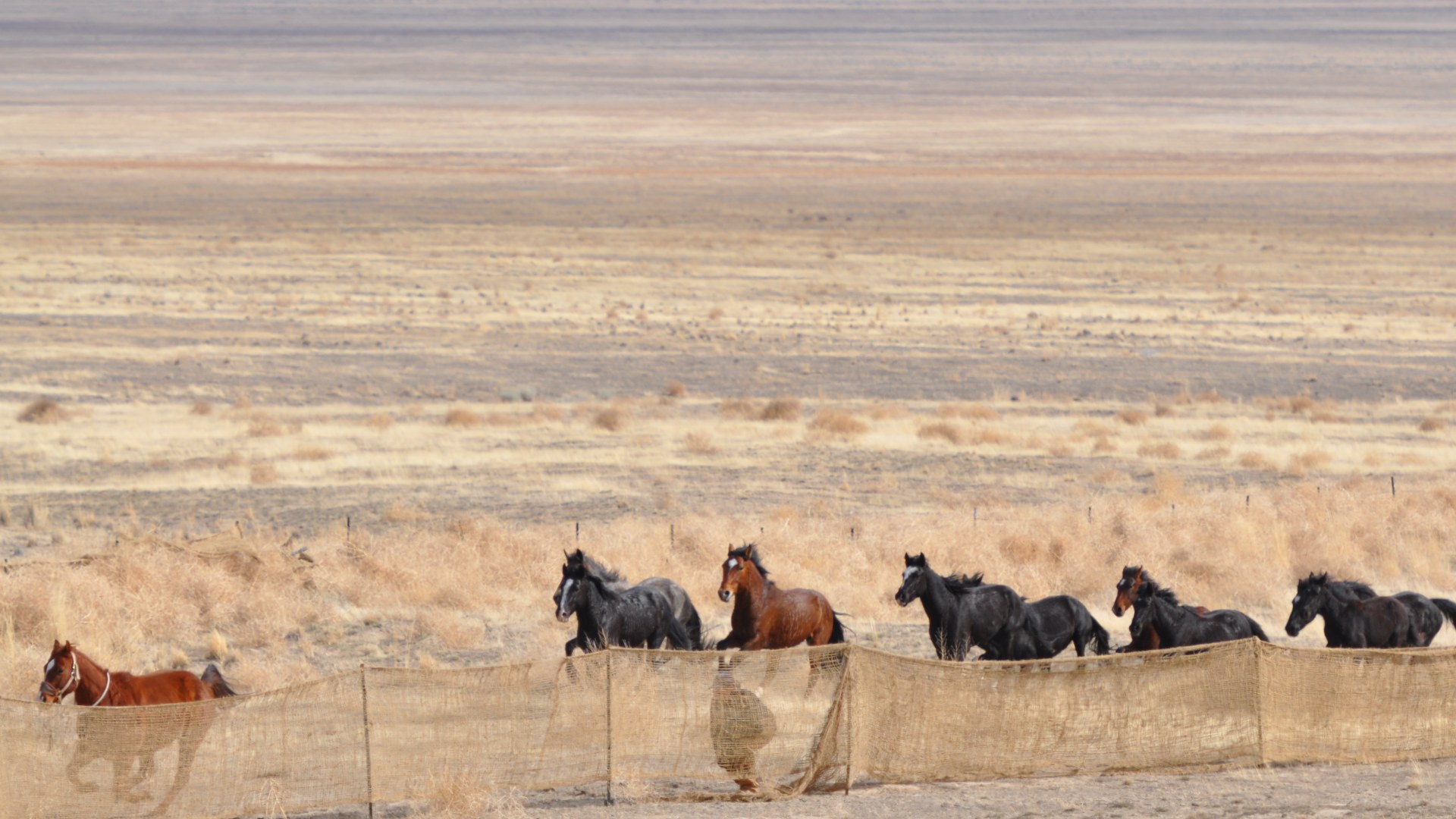
14. Black Rock Desert
At forty-five hundred feet elevation, Nevada Black Rock Desert features one of the most surreal landscapes on Earth. Wild mustang family bands traverse vast cracked mud playa beds and rocky volcanic foothills in search of hidden geothermal water holes.
©Wikimedia / BLM Nevada
Advertisement
Swipe or tap ▶ to resume the countdown.
13. Onaqui Mountains
Rising to forty-eight hundred feet in Utah Rush Valley, the Onaqui Mountains are home to one of America's most famously documented mustang herds. Family bands navigate rolling sagebrush steppes, grazing near natural mountain springs beneath panoramic western skies.
©Wikimedia / BLM Utah
12. Kiger Gorge Foothills
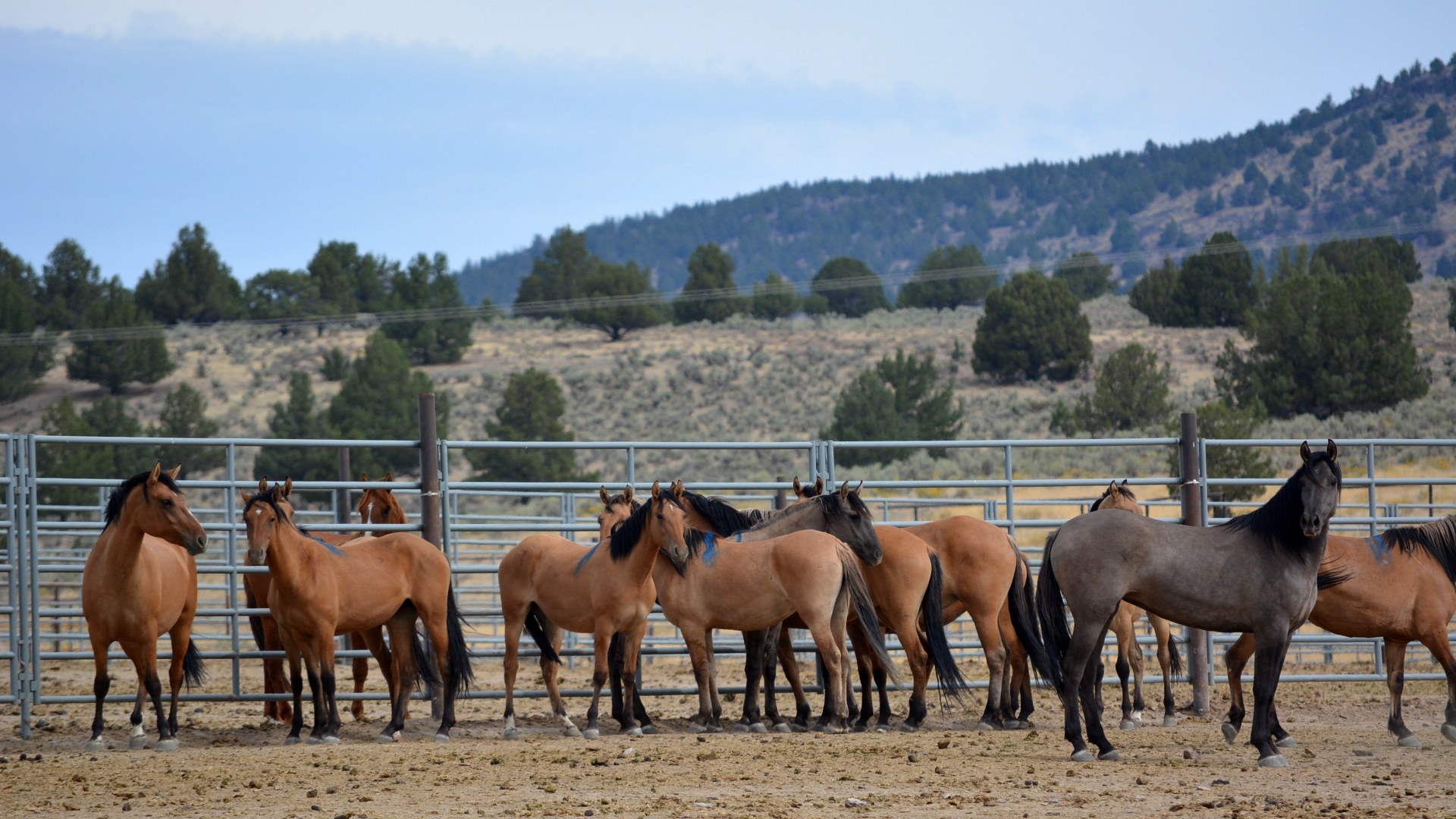
Perched around fifty-two hundred feet in southeastern Oregon, Kiger Gorge provides a rugged canyon haven for the rare Kiger mustang. Preserving distinct Spanish dun coloration and primitive zebra leg stripes, these hardy horses navigate steep volcanic scree slopes.
©Wikimedia / BLM Oregon
11. Sand Wash Basin
Spanning northwestern Colorado at fifty-eight hundred feet elevation, Sand Wash Basin is a dramatic labyrinth of sandstone ridges, dry washes, and sagebrush flats. Wild horses roam this vibrant high desert terrain in striking coat patterns, from appaloosas to pinto bays.
©Wikimedia / mypubliclands
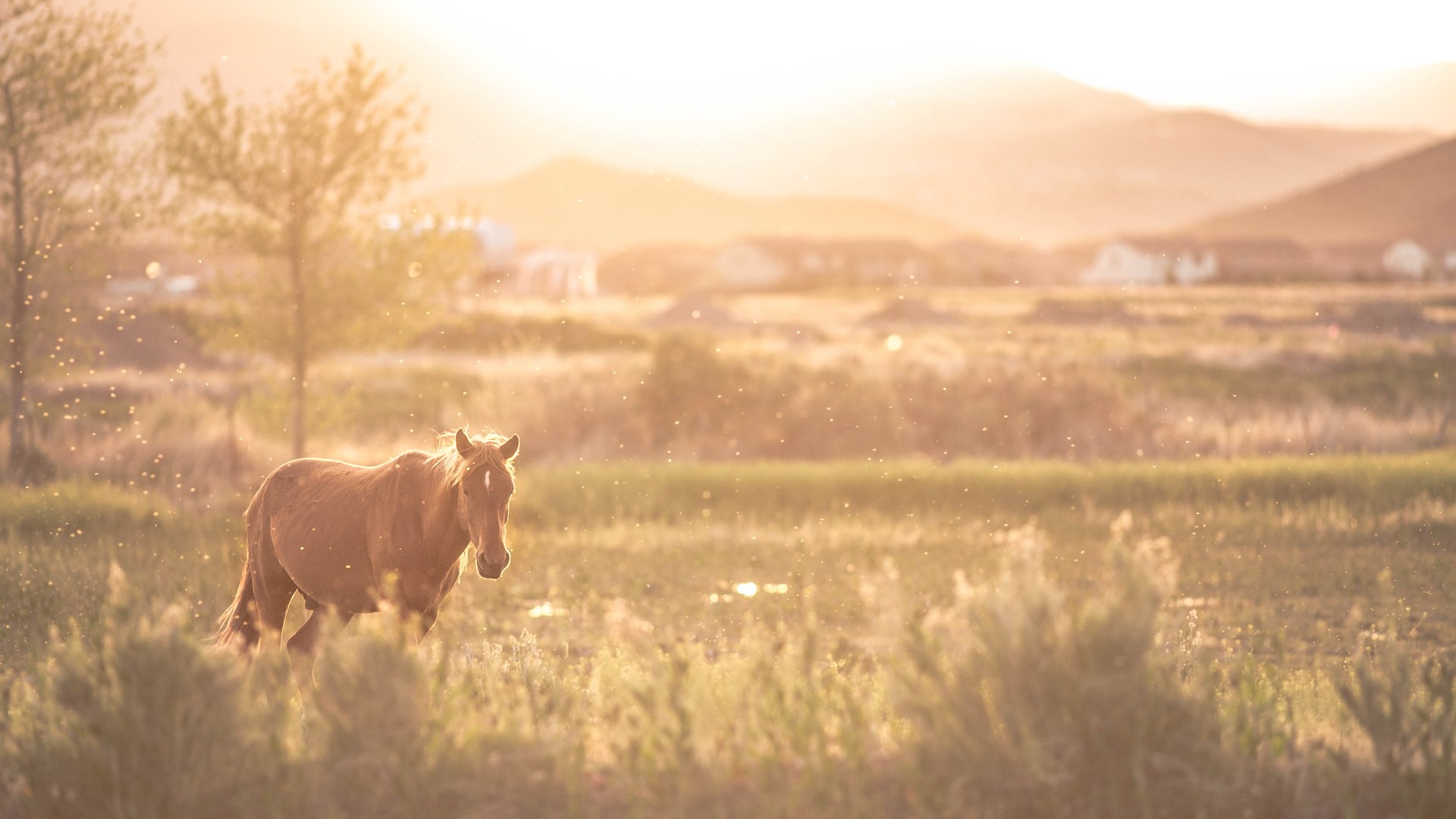
10. Virginia Range Foothills
Towering above Reno and Virginia City at sixty-two hundred feet, the Virginia Range is legendary as the birthplace of the wild horse conservation movement. Bands of free-roaming mustangs navigate rocky pinyon hillsides and desert ravines once trodden by Comstock miners.
©Wikimedia / Ken Lund
Advertisement
Swipe or tap ▶ to resume the countdown.
9. Cold Creek Highlands
Nestled in southern Nevada beneath the Spring Mountains at sixty-four hundred feet, Cold Creek offers vital perennial spring water. Wild mustangs gather along lush willow corridors and juniper woodlands just miles from the arid Mojave desert.
©Wikimedia / BLM Nevada
8. McCullough Peaks
Located east of Cody, Wyoming at sixty-six hundred feet elevation, McCullough Peaks features dramatic desert hoodoos, colorful clay buttes, and dry arroyos. This renowned herd is prized for exceptional conformation and striking coat colors against red badland cliffs.
©Wikimedia / mypubliclands
7. Wyoming Red Desert
Wyoming massive Red Desert covers millions of acres of high-altitude cold steppe at sixty-eight hundred feet. Here, hardy mustang bands share the boundless horizon with pronghorn, sheltering behind migrating Killpecker sand dunes and alkali greasewood flats.
©Wikimedia / Randy C. Bunney
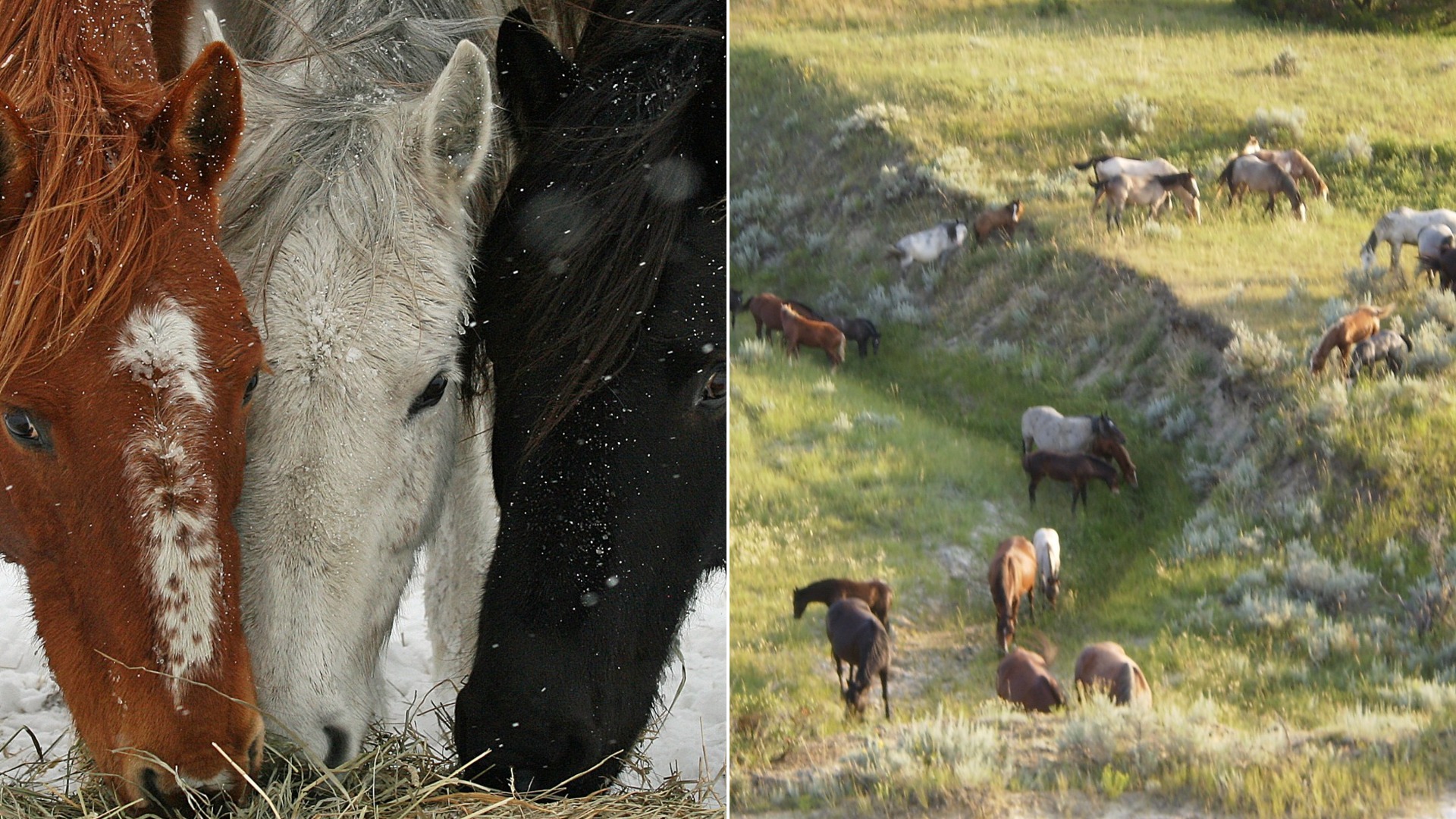
6. Theodore Roosevelt Badlands
In western North Dakota rugged Little Missouri badlands, bands of wild horses graze among multi-colored sediment layers and native grasslands. Preserved inside Theodore Roosevelt National Park, the horses honor the historical spirit of the early northern ranching frontier.
©Wikimedia / Podruznik
Advertisement
Swipe or tap ▶ to resume the countdown.
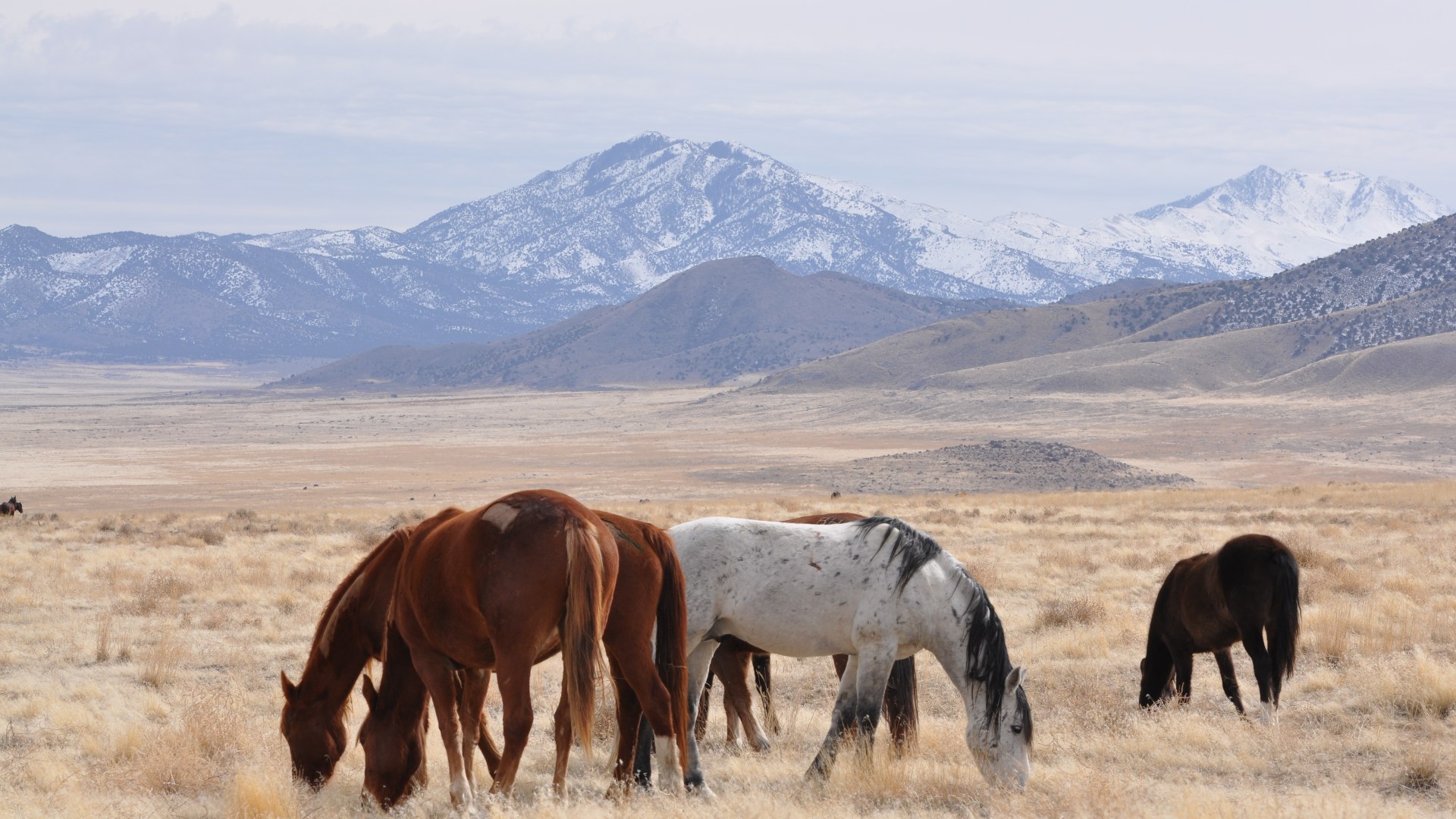
5. Steens Mountain Summit
Rising abruptly from the Oregon high desert floor to over nine thousand feet, Steens Mountain is an immense fault-block wonder. Wild horse bands congregate around seventy-five hundred feet, grazing across subalpine wild bunchgrass beneath sheer columnar basalt palisades.
©Wikimedia / Bureau of Land Management
4. Piceance Plateau
The Piceance Creek and East Douglas range in northwestern Colorado rises through dramatic limestone ledges to seventy-eight hundred feet. Mustang family bands navigate steep piñon and fir escarpments, drinking from crystal mountain runoffs in high aspen draws.
©Wikimedia / U.S. Department of the Interior
3. Pine Nut Ridge
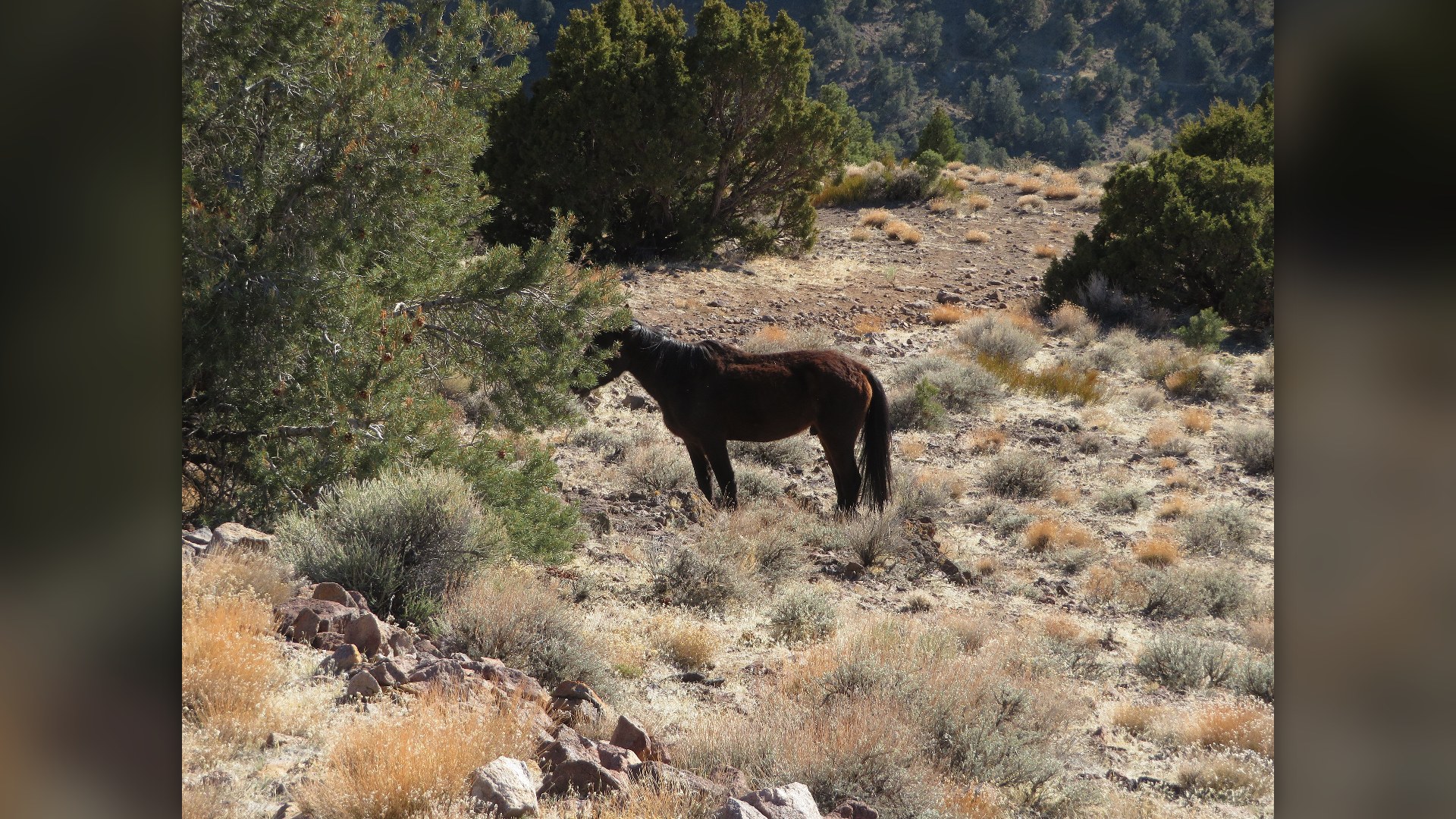
Forming the eastern wall of Nevada Carson Valley, the Pine Nut Mountains climb past eighty-two hundred feet elevation. Resilient wild horses navigate dense pinyon-juniper groves, steep granite ridgelines, and panoramic mountain saddles overlooking the Great Basin.
©Wikimedia / BLM Nevada
2. Pryor Mountain Heights
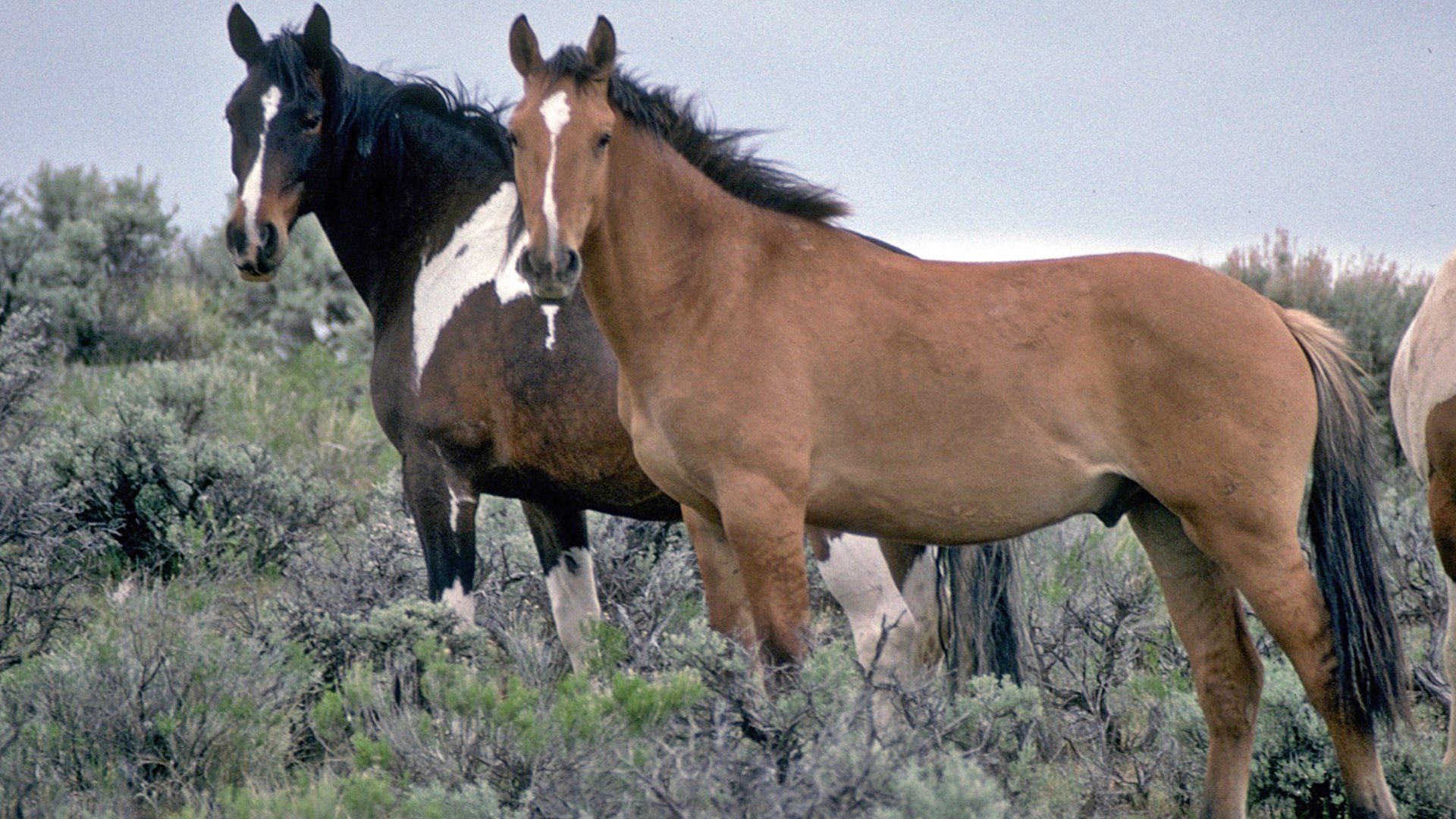
Straddling the Montana and Wyoming border at eighty-seven hundred feet elevation, the Pryor Mountains shelter America's premier Spanish Colonial mustang sanctuary. These horses roam high subalpine meadows carpeted in wildflowers beneath dramatic limestone crags.
©Wikimedia / Bureau of Land Management
Advertisement
Swipe or tap ▶ to resume the countdown.
1. White Mountain Alpine Crest
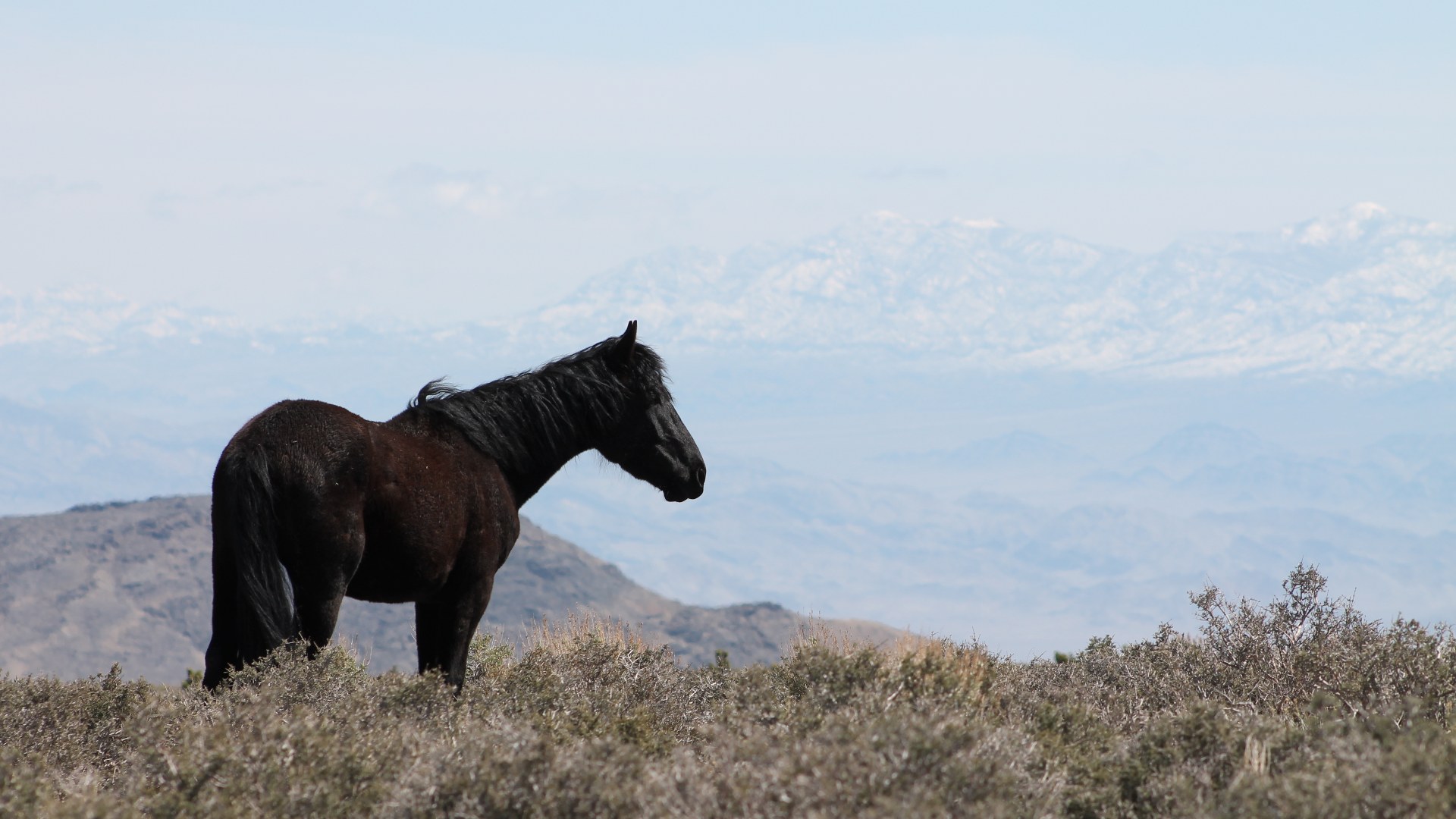
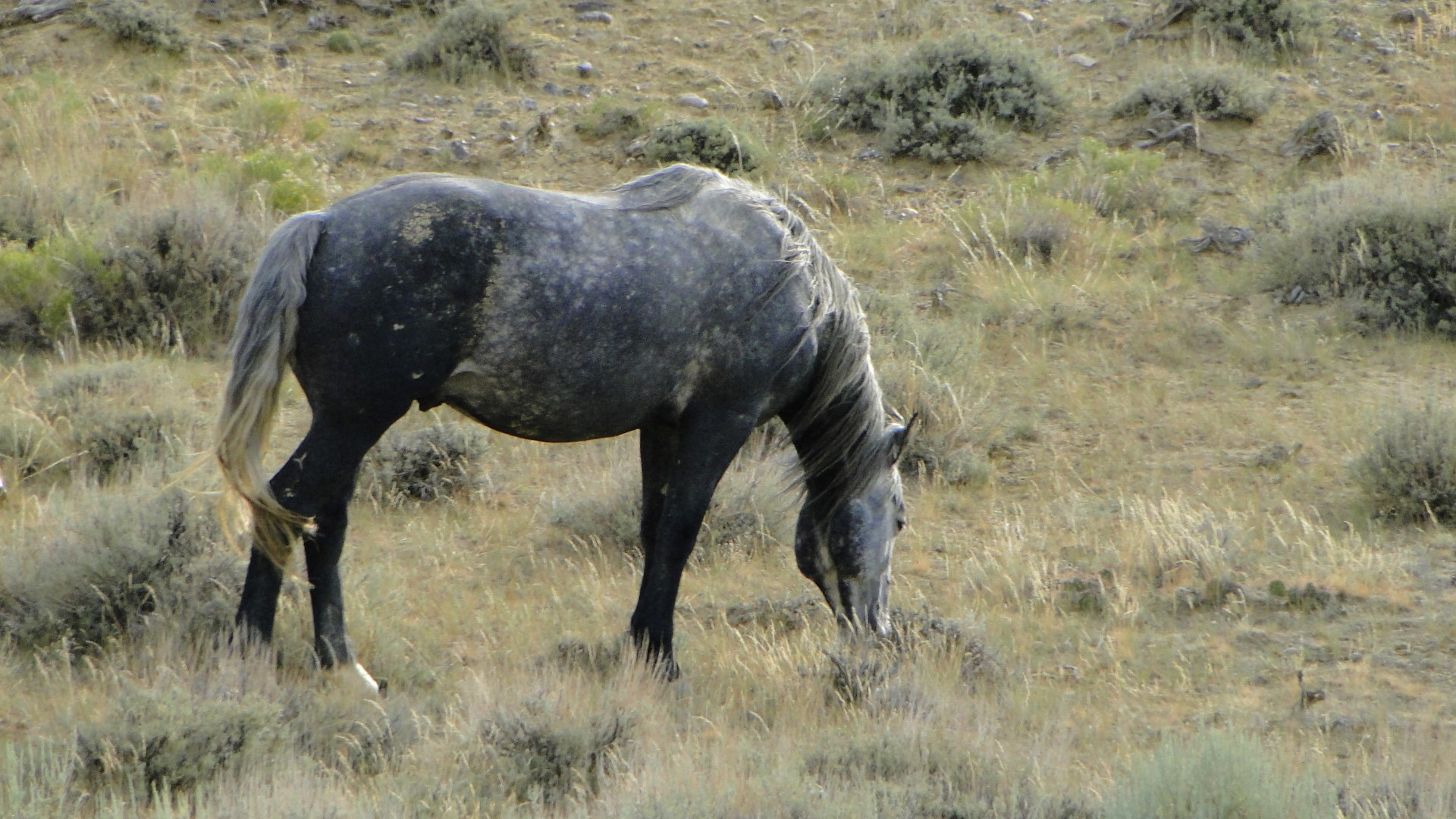
Towering above Wyoming high deserts at more than ninety-five hundred feet elevation, the White Mountain wild horse range is an unforgiving alpine domain. Mustang herds endure howling arctic winds and freezing blizzards, surviving on windswept ridgeline grasses high above the clouds.

©Wikimedia / Bureau of Land Management
Advertisement
You've reached the end of the story. Thanks for reading!

25 Animals That May Detect Fear Through Scent and Body Language
From specialized olfactory receptors to airborne alarm pheromones, numerous species possess the extraordinary ability to detect chemical distress signals. Based on research from Live Science, National Geographic, and peer-reviewed biology journals, here are twenty-five animals that can smell and sense fear.
All 20 Entries in this Story
1. Assateague Island
Living along the windswept barrier beaches of Maryland and Virginia, the wild ponies of Assateague Island survive by grazing on cordgrass and drinking from freshwater marsh pools. Folklore traces their maritime ancestry to survivors of an ancient seventeenth-century Spanish shipwreck.

2. Shackleford Banks
Part of Cape Lookout National Seashore in North Carolina, Shackleford Banks is an isolated barrier island accessible only by boat. Over one hundred wild Banker horses thrive among maritime forests and sand dunes, digging into sandbars to find freshwater.

3. Corolla Beach
Roaming the northernmost stretches of North Carolina Outer Banks, the Corolla wild horses are direct genetic descendants of sixteenth-century Spanish colonial stock. These resilient herds graze on sea oats and wander freely across beaches and maritime dunes.

4. Cumberland Island
Georgia Cumberland Island National Seashore protects a wild horse population that wanders through ancient live oak hammocks draped in Spanish moss. Untouched by fences or corrals, the horses graze along tidal salt flats and pristine Atlantic beaches.

5. Salt River Oasis
Nestled in Arizona Tonto National Forest at thirteen hundred feet elevation, the Salt River wild horse herd cools off in winding riverbeds. Bands of mustangs dive underwater to forage on lush eelgrass beneath dramatic Sonoran desert mountain peaks.

6. Cedar Mountain Basin
Located in Utah western desert at forty-two hundred feet elevation, Cedar Mountain provides an expansive sagebrush sanctuary. The wild horses here endure extreme seasonal temperature swings, surviving bitter winter blizzards and scorching summer heat.

7. Black Rock Desert
At forty-five hundred feet elevation, Nevada Black Rock Desert features one of the most surreal landscapes on Earth. Wild mustang family bands traverse vast cracked mud playa beds and rocky volcanic foothills in search of hidden geothermal water holes.

8. Onaqui Mountains
Rising to forty-eight hundred feet in Utah Rush Valley, the Onaqui Mountains are home to one of America's most famously documented mustang herds. Family bands navigate rolling sagebrush steppes, grazing near natural mountain springs beneath panoramic western skies.

9. Kiger Gorge Foothills
Perched around fifty-two hundred feet in southeastern Oregon, Kiger Gorge provides a rugged canyon haven for the rare Kiger mustang. Preserving distinct Spanish dun coloration and primitive zebra leg stripes, these hardy horses navigate steep volcanic scree slopes.

10. Sand Wash Basin
Spanning northwestern Colorado at fifty-eight hundred feet elevation, Sand Wash Basin is a dramatic labyrinth of sandstone ridges, dry washes, and sagebrush flats. Wild horses roam this vibrant high desert terrain in striking coat patterns, from appaloosas to pinto bays.

11. Virginia Range Foothills
Towering above Reno and Virginia City at sixty-two hundred feet, the Virginia Range is legendary as the birthplace of the wild horse conservation movement. Bands of free-roaming mustangs navigate rocky pinyon hillsides and desert ravines once trodden by Comstock miners.

12. Cold Creek Highlands
Nestled in southern Nevada beneath the Spring Mountains at sixty-four hundred feet, Cold Creek offers vital perennial spring water. Wild mustangs gather along lush willow corridors and juniper woodlands just miles from the arid Mojave desert.

13. McCullough Peaks
Located east of Cody, Wyoming at sixty-six hundred feet elevation, McCullough Peaks features dramatic desert hoodoos, colorful clay buttes, and dry arroyos. This renowned herd is prized for exceptional conformation and striking coat colors against red badland cliffs.

14. Wyoming Red Desert
Wyoming massive Red Desert covers millions of acres of high-altitude cold steppe at sixty-eight hundred feet. Here, hardy mustang bands share the boundless horizon with pronghorn, sheltering behind migrating Killpecker sand dunes and alkali greasewood flats.

15. Theodore Roosevelt Badlands
In western North Dakota rugged Little Missouri badlands, bands of wild horses graze among multi-colored sediment layers and native grasslands. Preserved inside Theodore Roosevelt National Park, the horses honor the historical spirit of the early northern ranching frontier.

16. Steens Mountain Summit
Rising abruptly from the Oregon high desert floor to over nine thousand feet, Steens Mountain is an immense fault-block wonder. Wild horse bands congregate around seventy-five hundred feet, grazing across subalpine wild bunchgrass beneath sheer columnar basalt palisades.

17. Piceance Plateau
The Piceance Creek and East Douglas range in northwestern Colorado rises through dramatic limestone ledges to seventy-eight hundred feet. Mustang family bands navigate steep piñon and fir escarpments, drinking from crystal mountain runoffs in high aspen draws.

18. Pine Nut Ridge
Forming the eastern wall of Nevada Carson Valley, the Pine Nut Mountains climb past eighty-two hundred feet elevation. Resilient wild horses navigate dense pinyon-juniper groves, steep granite ridgelines, and panoramic mountain saddles overlooking the Great Basin.

19. Pryor Mountain Heights
Straddling the Montana and Wyoming border at eighty-seven hundred feet elevation, the Pryor Mountains shelter America's premier Spanish Colonial mustang sanctuary. These horses roam high subalpine meadows carpeted in wildflowers beneath dramatic limestone crags.

20. White Mountain Alpine Crest
Towering above Wyoming high deserts at more than ninety-five hundred feet elevation, the White Mountain wild horse range is an unforgiving alpine domain. Mustang herds endure howling arctic winds and freezing blizzards, surviving on windswept ridgeline grasses high above the clouds.