Slideshow · Animals
The 15 Most Feared Animals That Even Lions Won’t Mess With, Ranked
From quill-armored defenders to towering giants, explore sixteen formidable animals that lions think twice before challenging, ranked in ascending order.
By Most Viral Today
5 Nov 2026

Sixteen Formidable Animals Even Lions Prefer to Avoid 
15. African Bush Elephant 
14. White Rhinoceros 
13. Hippopotamus - AdvertisementSwipe or tap ▶ to continue countdown

12. Black Mamba 
11. South African Giraffe 
10. Cape Buffalo 
9. Nile Crocodile - AdvertisementSwipe or tap ▶ to continue countdown

8. Plains Zebra 
7. Chacma Baboon Troop 
6. Spotted Hyena Clan 
5. African Ostrich - AdvertisementSwipe or tap ▶ to continue countdown

4. Common Warthog 
3. Ground Pangolin 
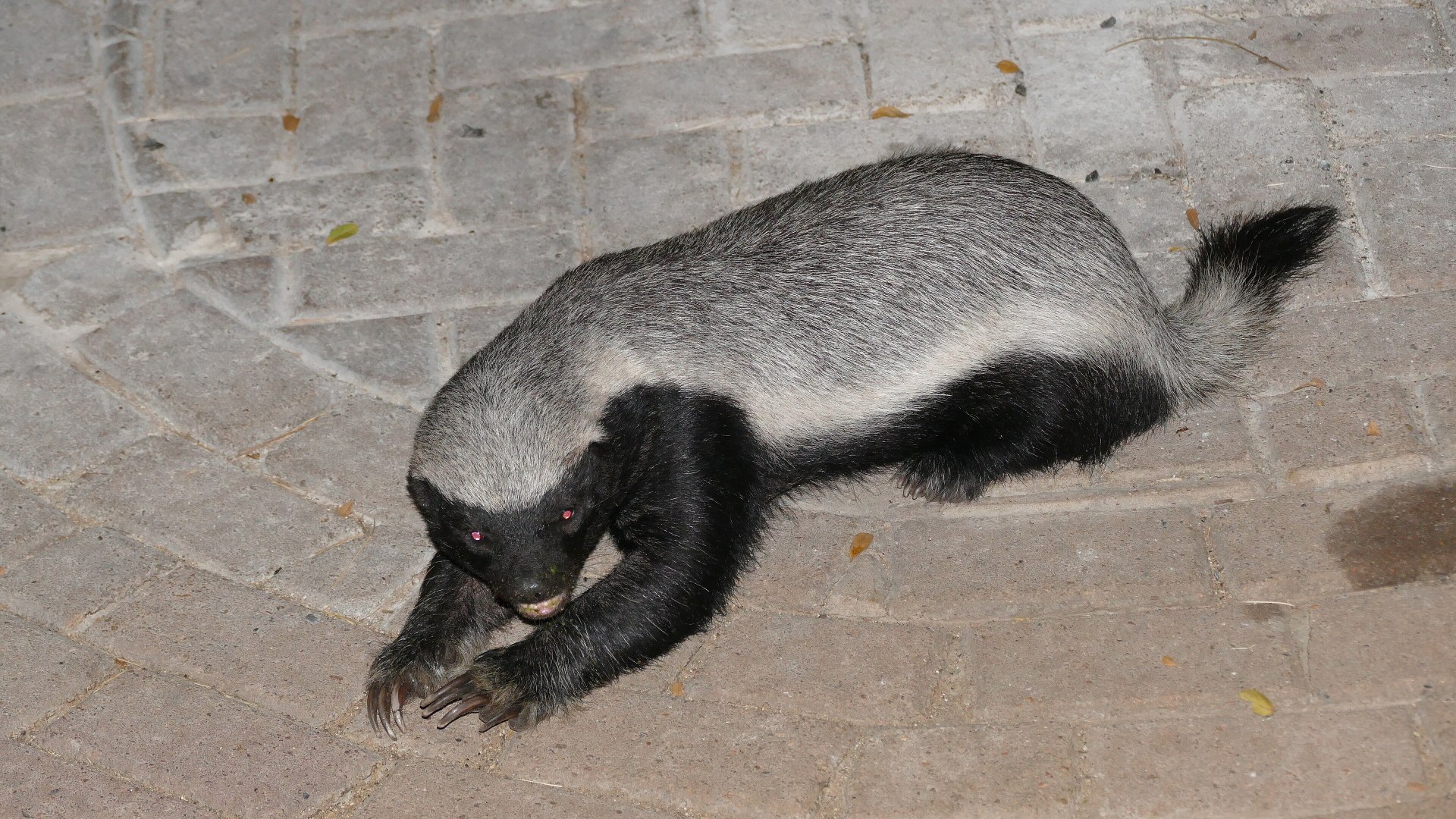
2. Honey Badger 
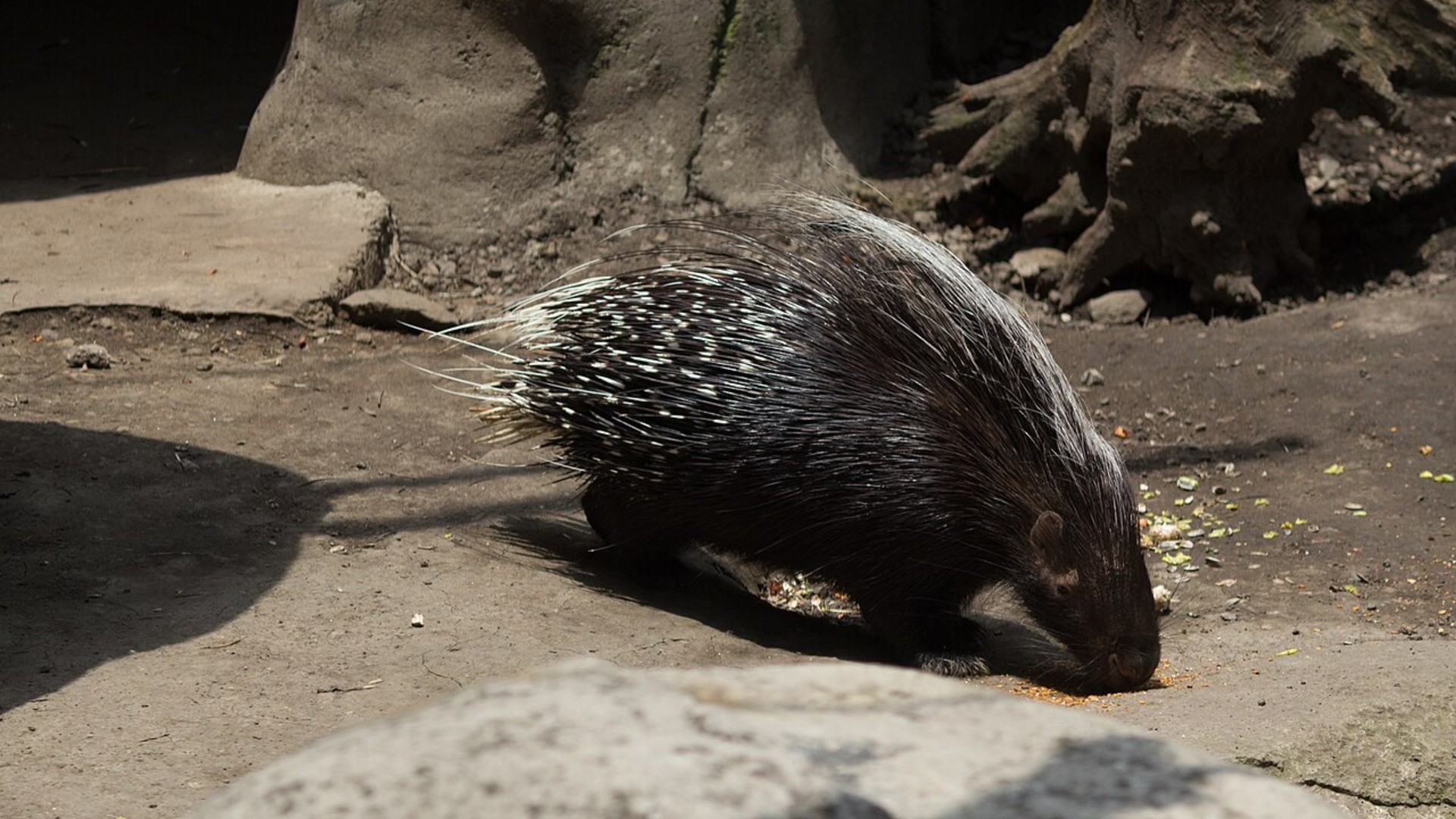
1. African Crested Porcupine - Advertisement🔥 UP NEXT IN THIS SERIES◫ 26 Slides

25 Animals That May Detect Fear Through Scent and Body Language
From specialized olfactory receptors to airborne alarm pheromones, numerous species possess the extraordinary ability to detect chemical distress signals. Based on research from Live Science, National Geographic, and peer-reviewed biology journals, here are twenty-five animals that can smell and sense fear.
From quill-armored defenders to towering giants, explore sixteen formidable animals that lions think twice before challenging, ranked in ascending order.
Swipe or tap ▶ to begin the countdown
©Wikimedia / South African giraffe & Bernard DUPONT from
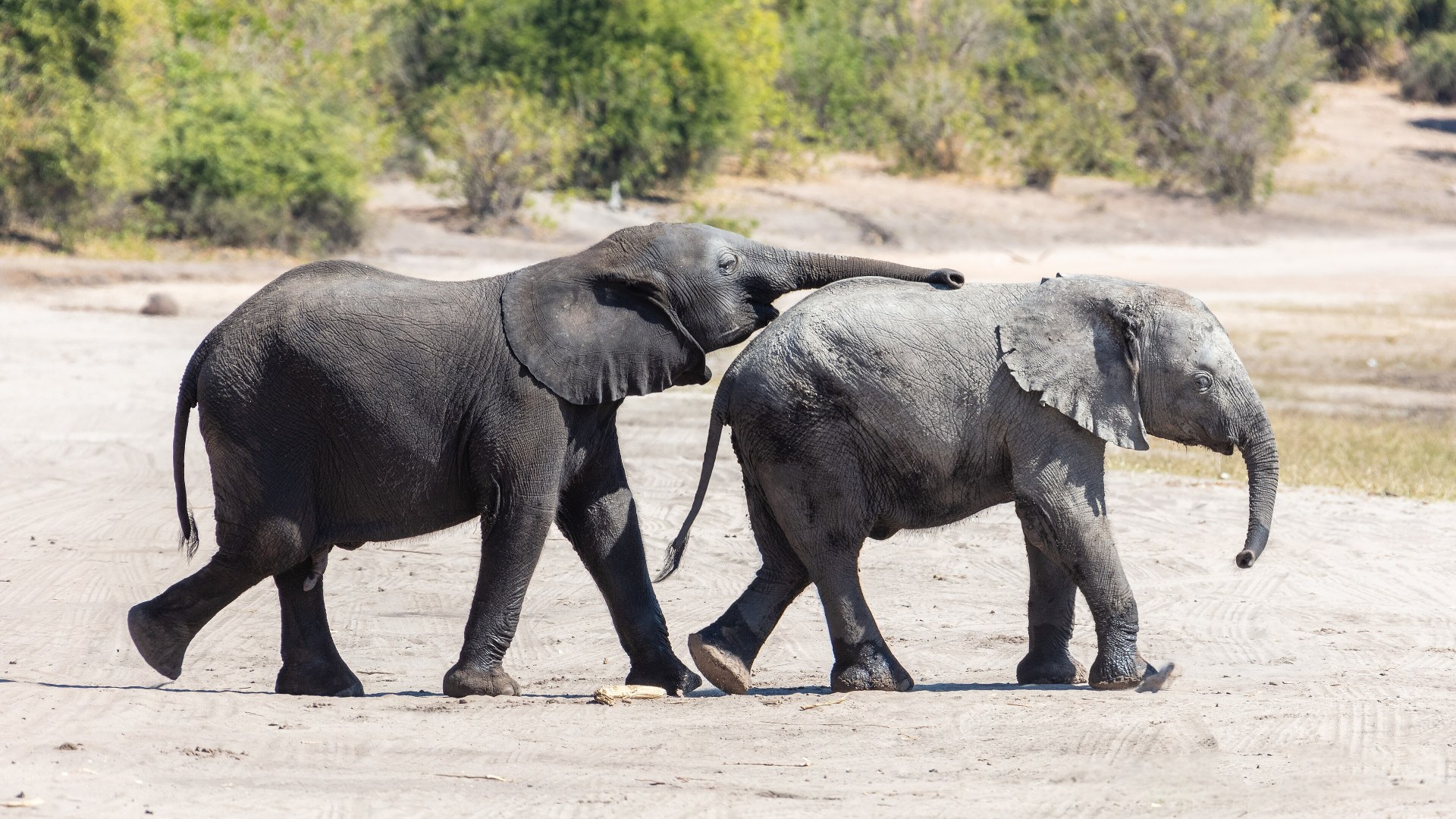
15. African Bush Elephant
Standing over thirteen feet tall at the shoulder, the African bush elephant is the undisputed sovereign of land mammals. An enraged bull or protective matriarch has zero fear of lions, frequently charging entire prides, breaking tree branches, and trampling any cat unable to evade its thundering advance.
©Wikimedia Commons / Diego Delso
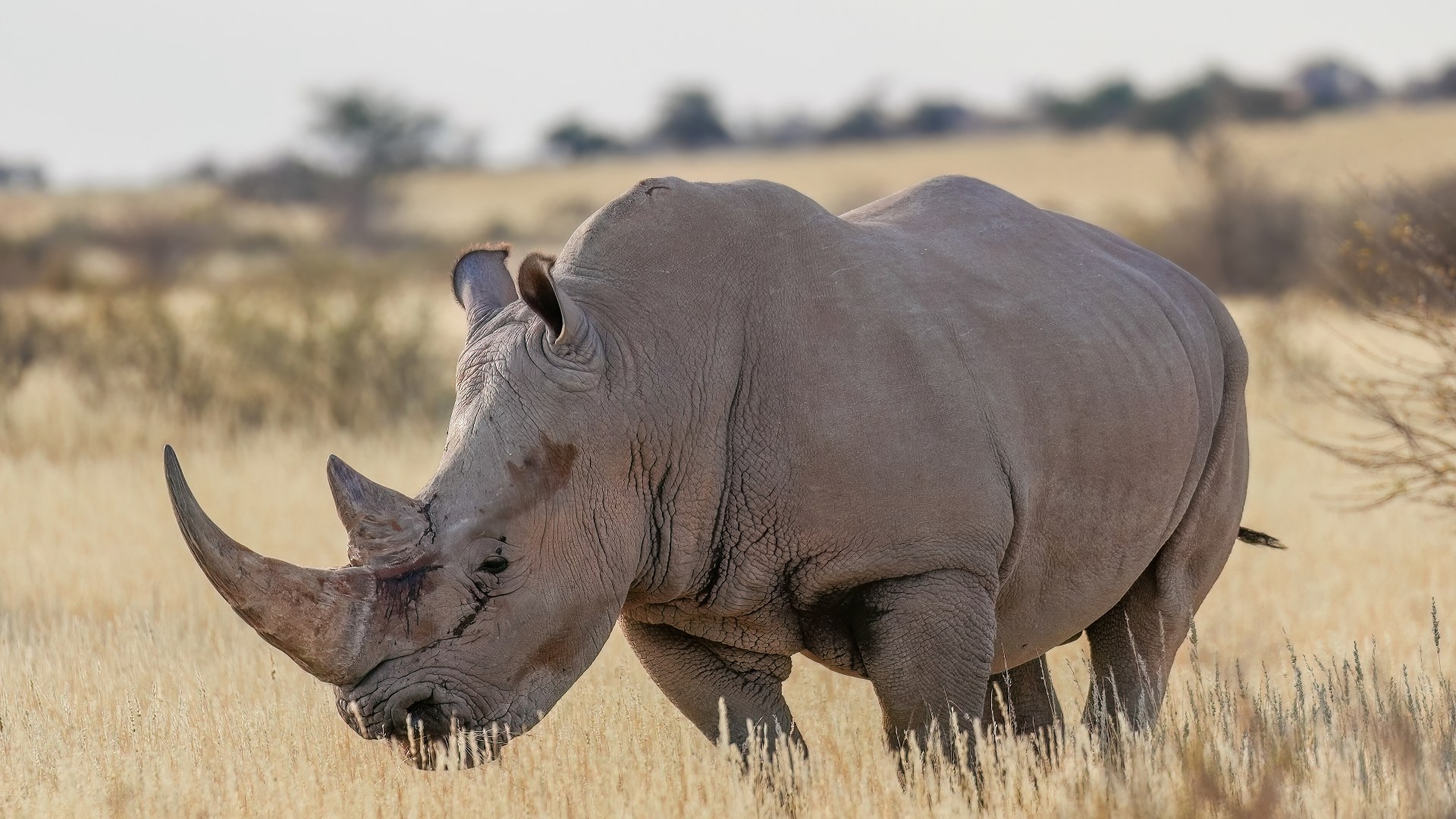
14. White Rhinoceros
Ranking among the heaviest terrestrial mammals on Earth, an adult white rhino can weigh between four and five thousand pounds. Equipped with a front horn measuring over three feet long and dense armor-plated hide, an angry rhino will charge headlong at any pride that ventures too close, sending lions scattering.
©Wikimedia Commons / Giles Laurent
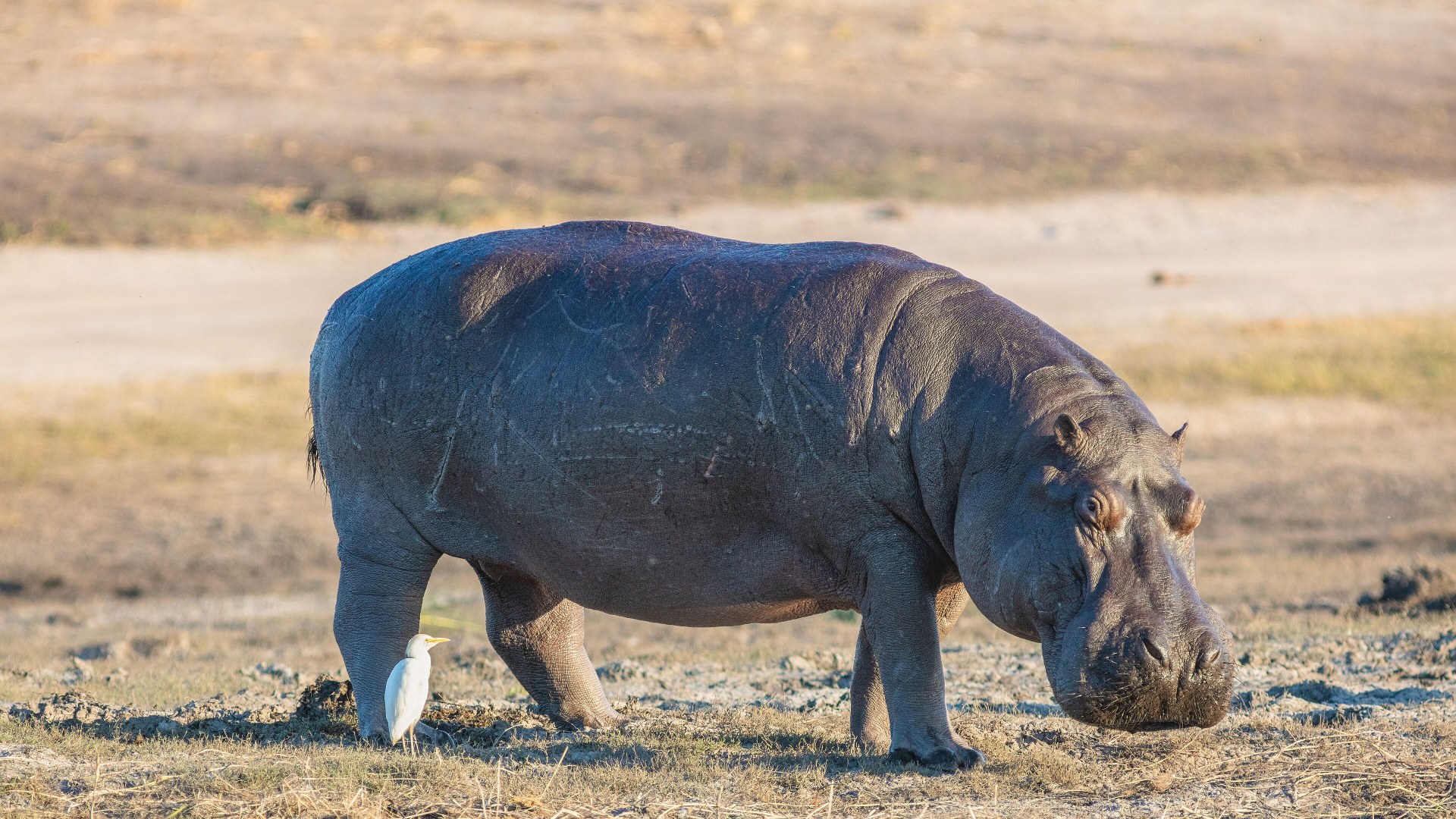
13. Hippopotamus
Despite their semi-aquatic herbivorous lifestyle, hippos are among the most aggressive animals in Africa. Territorial bulls possess twenty-inch curved canine tusks powered by over twelve thousand pounds of bite force. Lions crossing shallow rivers give pods an extremely wide berth.
©Wikimedia Commons / Diego Delso
Advertisement
Swipe or tap ▶ to resume the countdown.
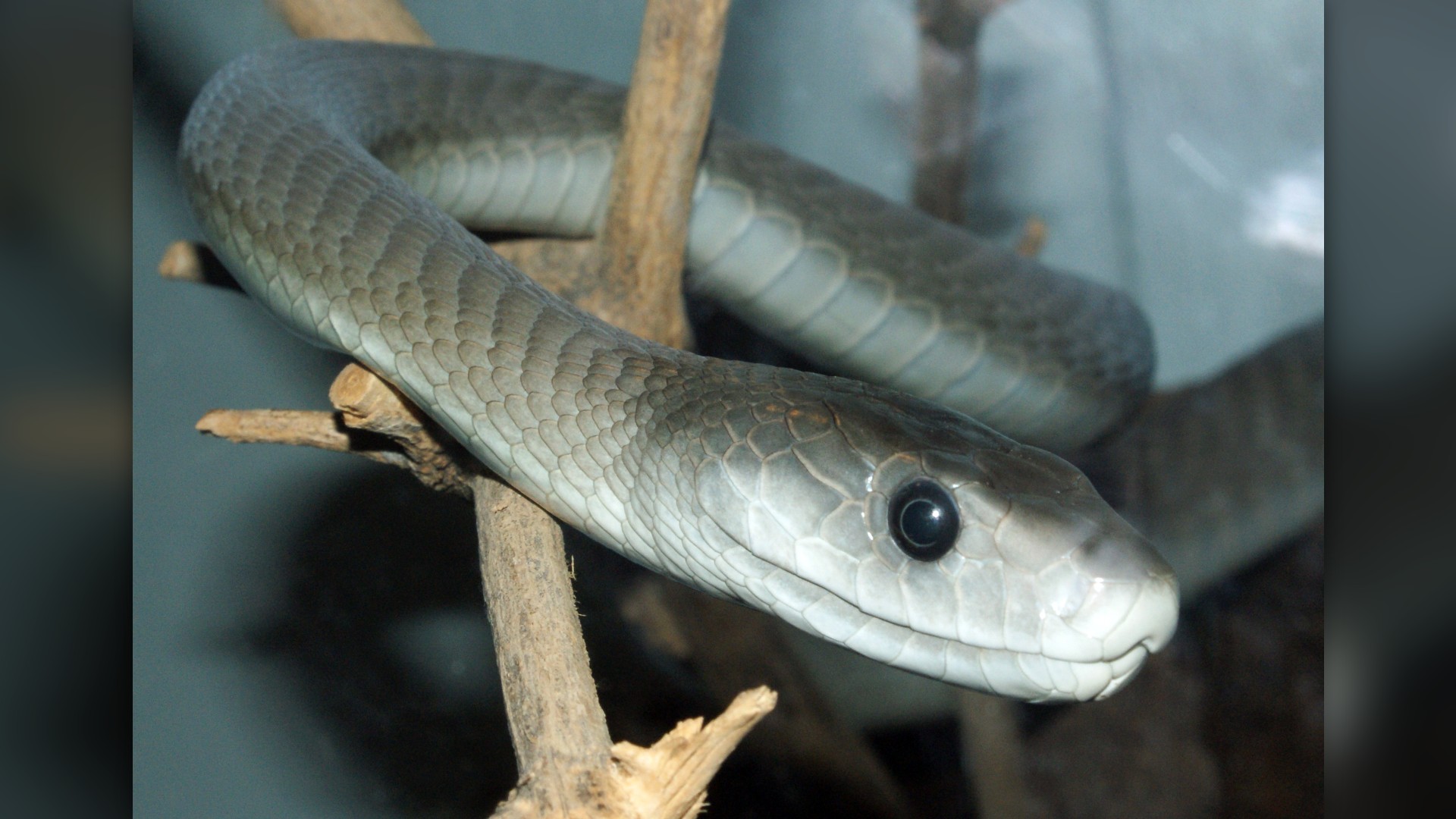
12. Black Mamba
Reaching lengths of over ten feet and striking with incredible speed, the black mamba carries potent neurotoxic venom. When resting in rocky crevices or low scrub, an unobservant lion that treads too close receives rapid consecutive bites that paralyze respiratory muscles, leading to death.
©Wikimedia / Black mamba
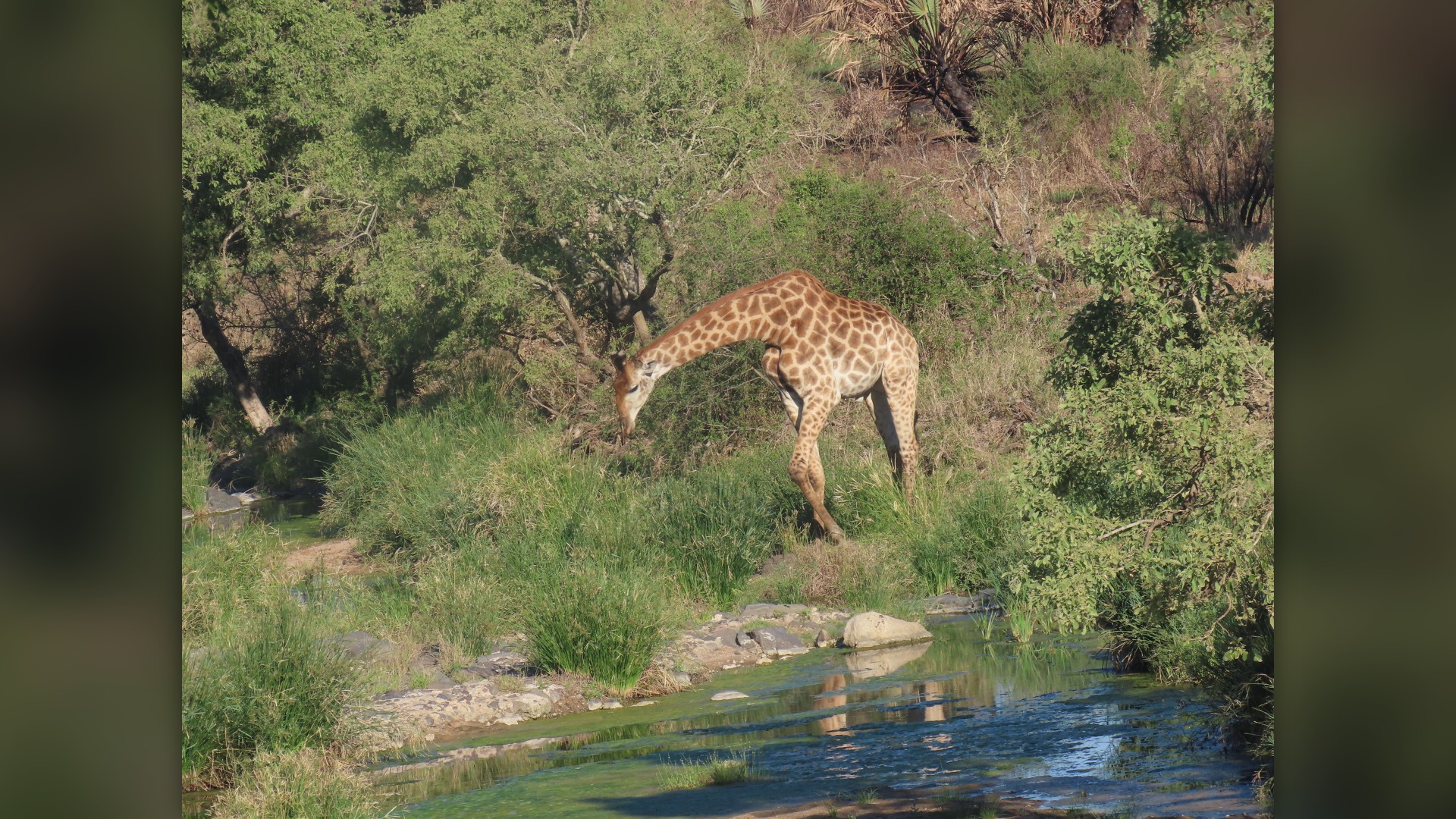
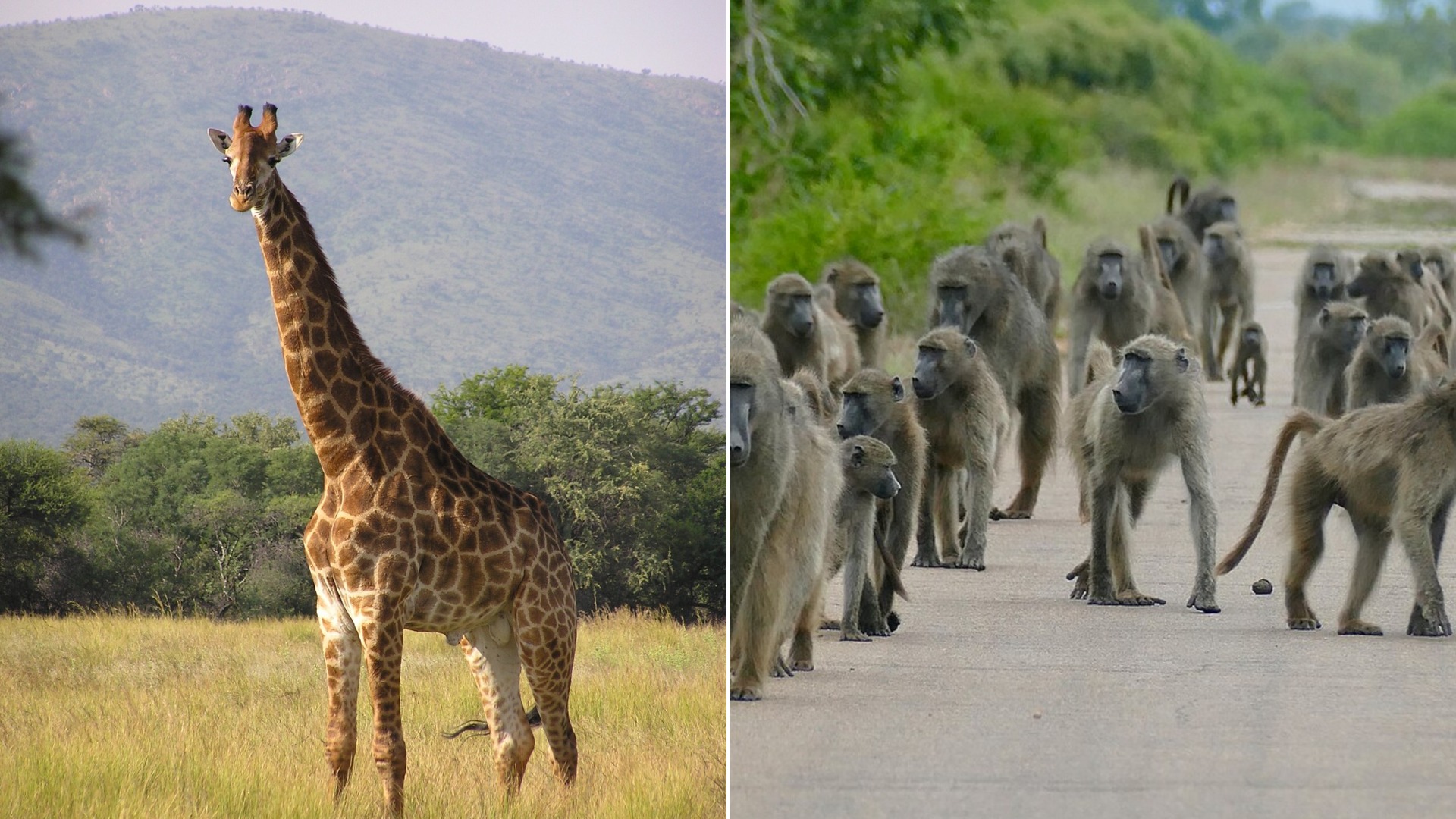
11. South African Giraffe
Standing up to nineteen feet tall and weighing over two thousand five hundred pounds, an adult giraffe is a daunting quarry. When cornered, it can kick in any direction with hooves the size of dinner plates. A single connected blow carries enough force to decapitate or crush a hunting lion skull.
©Wikimedia / Valentin Moser
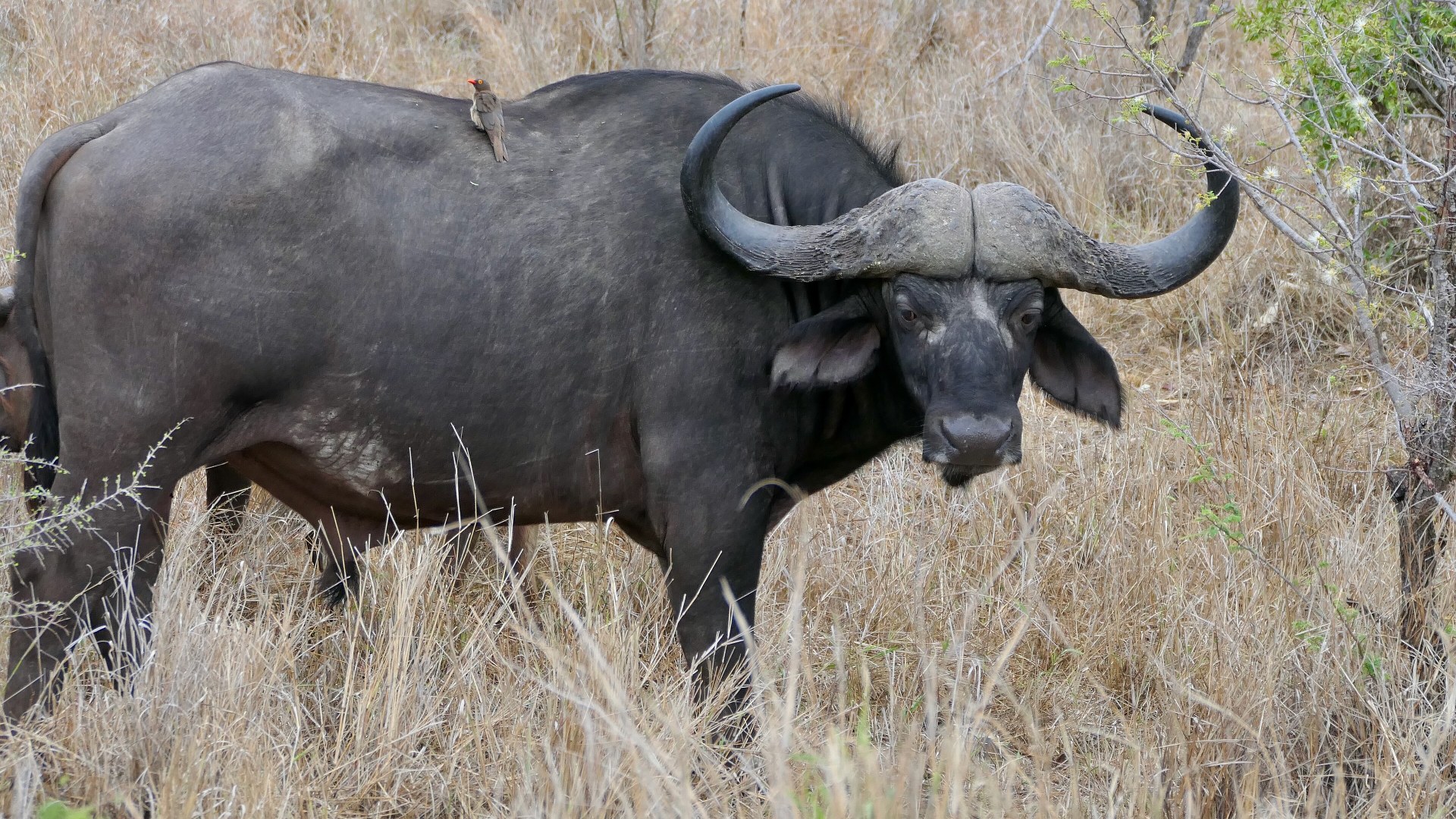
10. Cape Buffalo
Weighing up to two thousand pounds and crowned with a fused bone shield called a boss, the Cape buffalo kills more lions than any other herbivore. Buffalo herds actively respond to distress calls by counter-charging lion prides, tossing cats into the air with their horns and trampling them into the ground.
©Wikimedia Commons / Bernard DUPONT
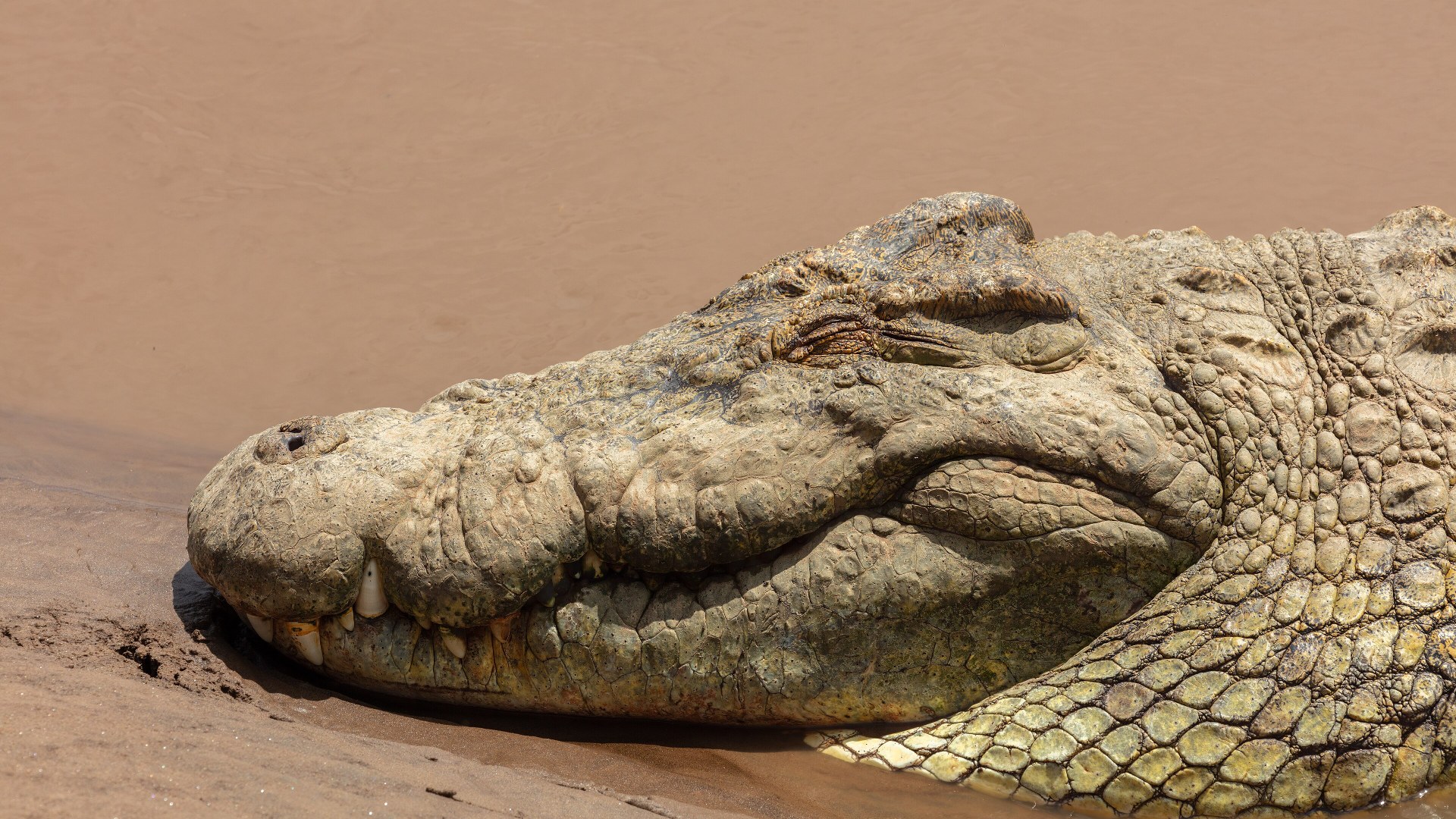
9. Nile Crocodile
At water crossings and riverbanks, the balance of power shifts completely. A large Nile crocodile weighing over a thousand pounds can snatch an adult lion by the snout and execute a violent death roll. Dragged into deep water, even the strongest male lion has little chance of survival.
©Wikimedia Commons / Diego Delso
Advertisement
Swipe or tap ▶ to resume the countdown.
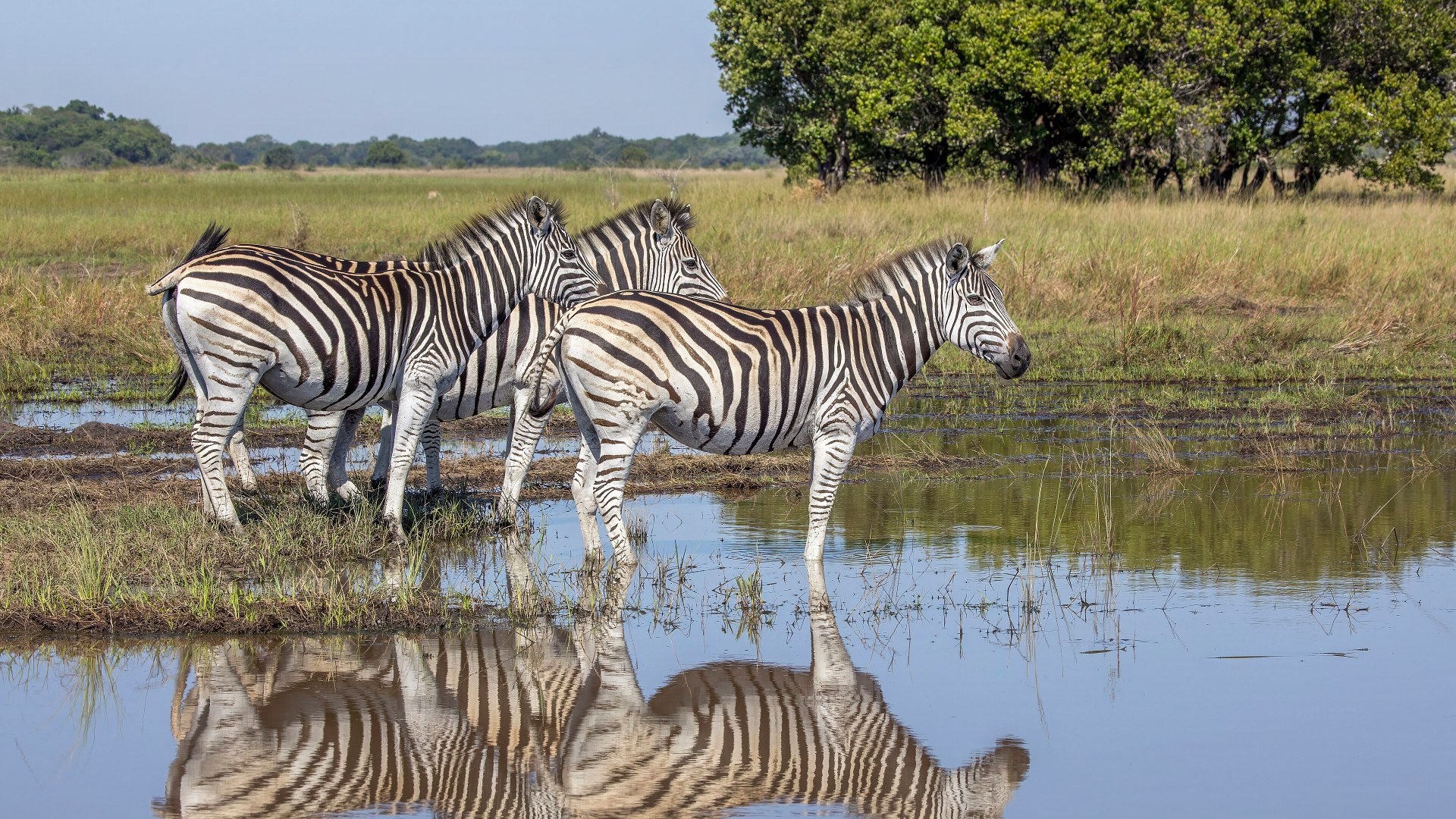
8. Plains Zebra
Although zebras are staple prey across African plains, hunting them carries catastrophic risks. When chased, a fleeing stallion can unleash a lightning-fast double-barreled kick. A shattered jaw leaves a predator permanently unable to hunt or eat, turning a defensive blow into a death sentence.
©Wikimedia Commons / Charles J. Sharp
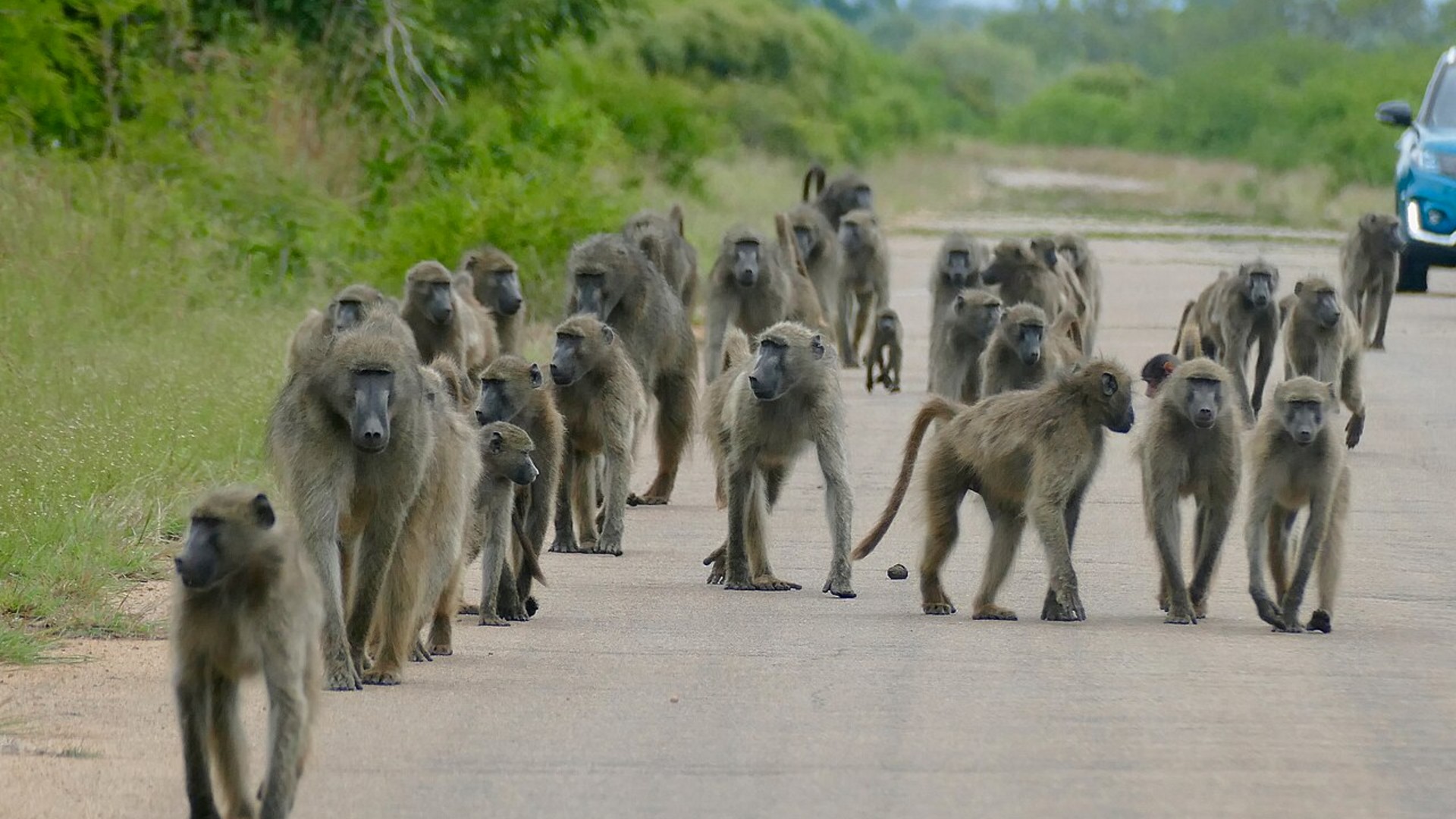
7. Chacma Baboon Troop
While a stray infant baboon can fall victim to ambush, confronting an entire troop is dangerous business. Large adult males possess canine teeth longer than those of a leopard. Working together, multiple screaming males will charge, bite, and claw an encroaching lion until it abandons the chase.
©Wikimedia / Bernard DUPONT from FRANCE
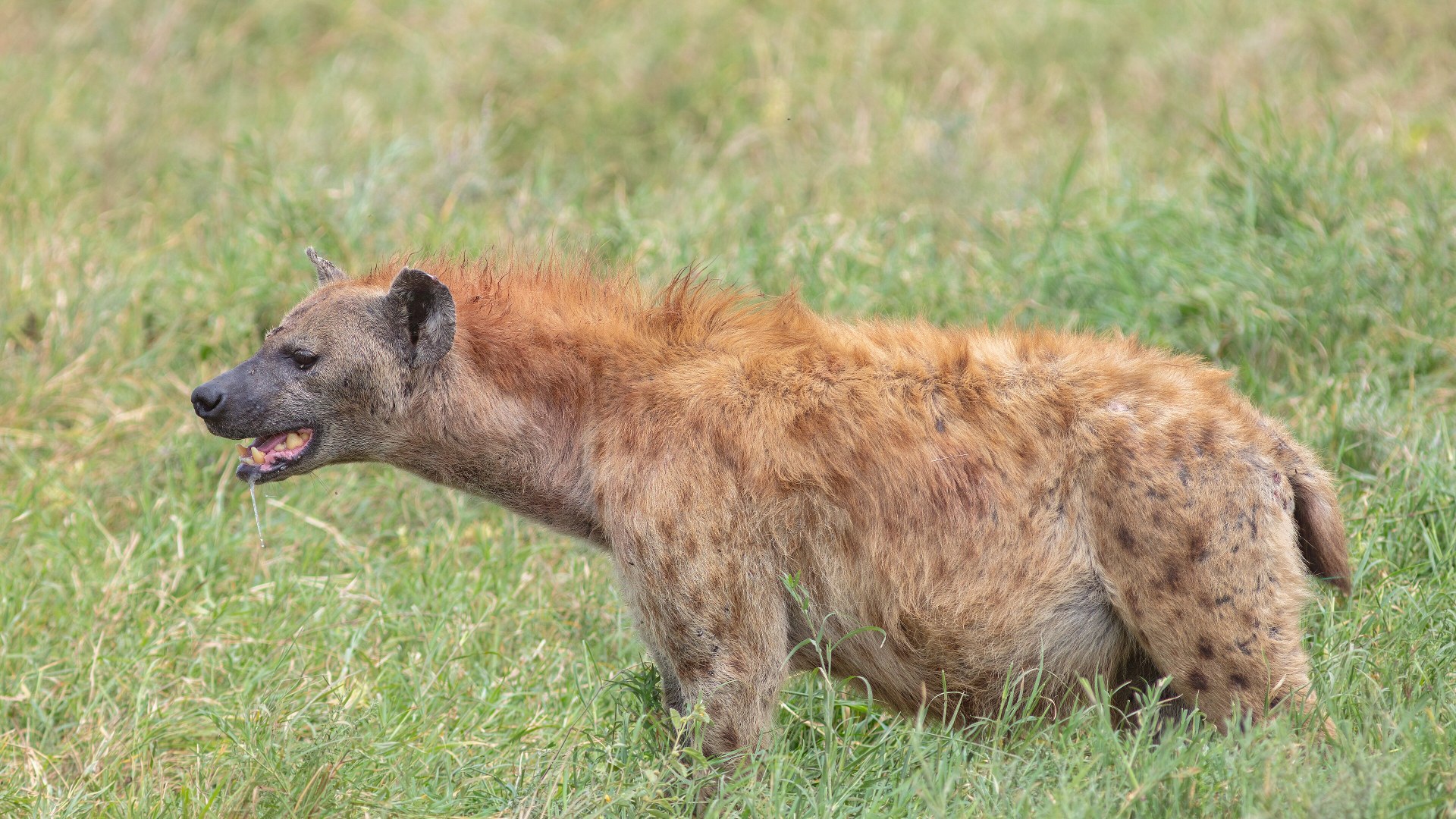
6. Spotted Hyena Clan
While a lone hyena is no match for a lion, an organized clan turns the tables through numerical coordination. With jaws capable of pulverizing giraffe femurs, a dozen whooping hyenas will encircle solitary lions or elderly lionesses, biting at flanks until the big cat retreats.
©Wikimedia Commons / Diego Delso
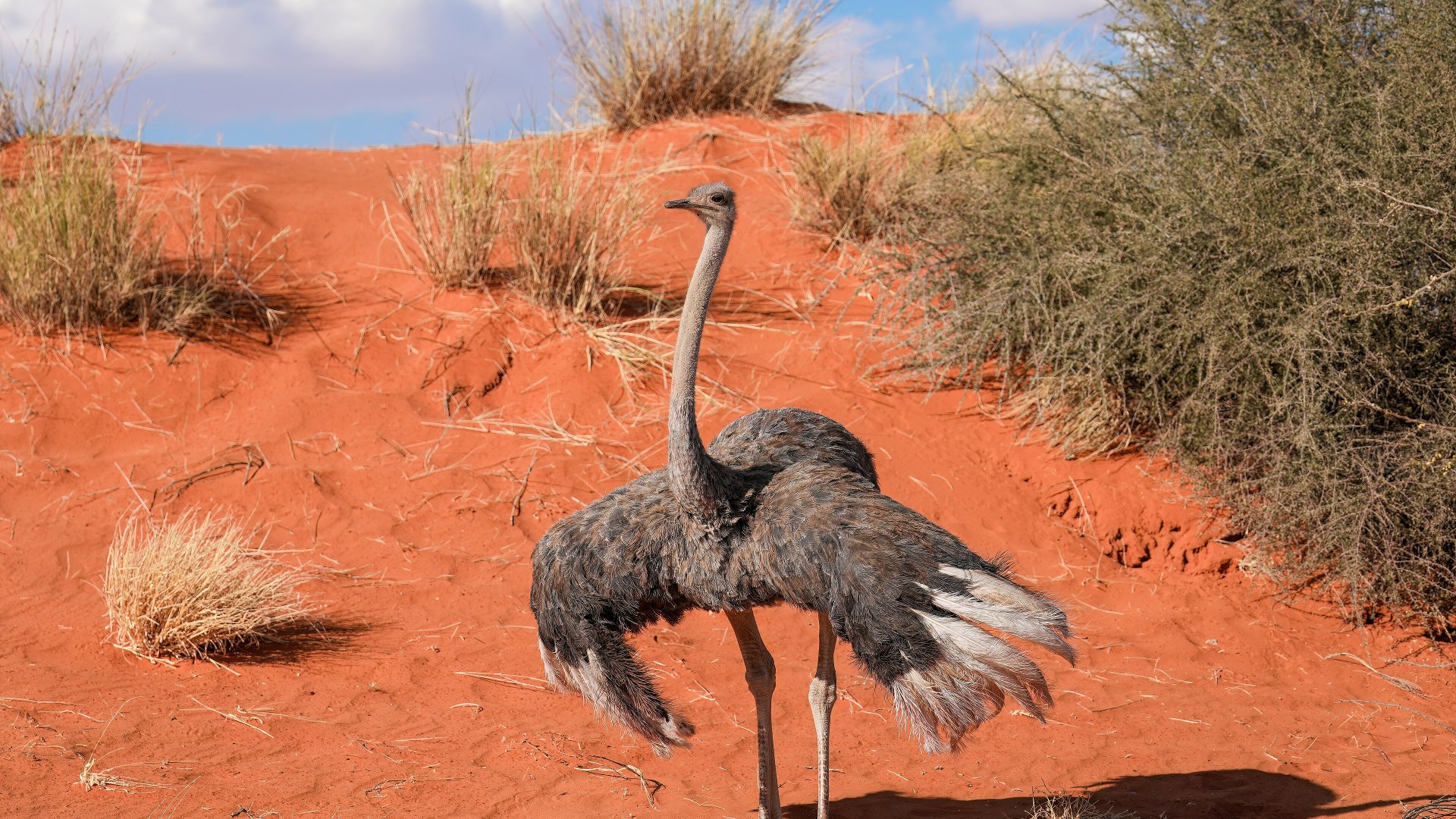
5. African Ostrich
As the largest living bird, an adult ostrich stands up to nine feet tall and weighs over three hundred pounds. Because its legs are engineered for high-speed sprinting, its forward defensive kicks carry immense force. A direct strike to a lion chest or head can shatter ribs and rupture organs.
©Wikimedia Commons / Giles Laurent
Advertisement
Swipe or tap ▶ to resume the countdown.
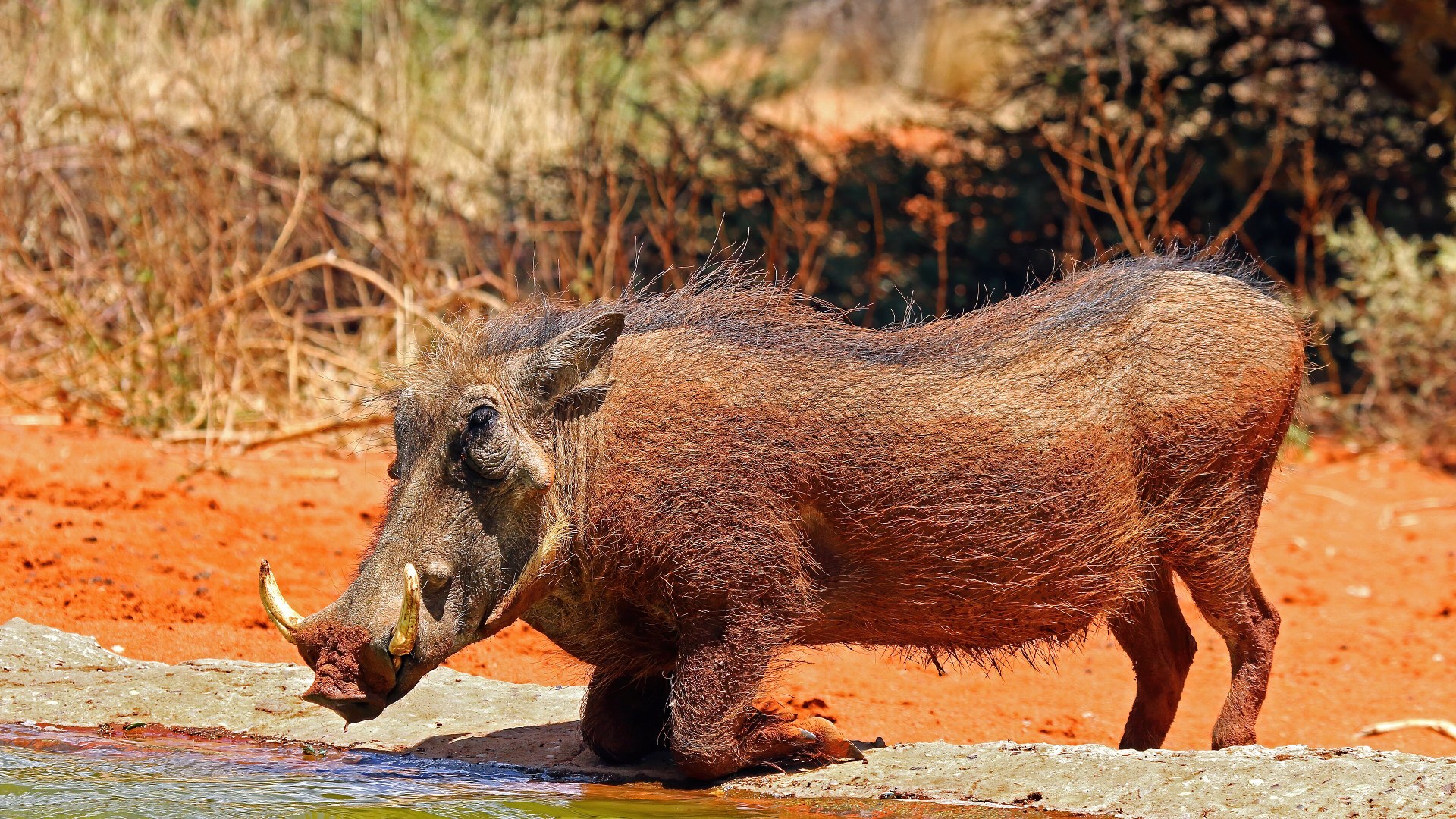
4. Common Warthog
While warthogs are regular prey for lions, a cornered boar is surprisingly lethal. Possessing curved upper tusks for digging and razor-sharp lower canines that sharpen against each other, warthogs reverse into underground burrows face-out, turning their dens into lethal gauntlets.
©Wikimedia Commons / Charles J. Sharp
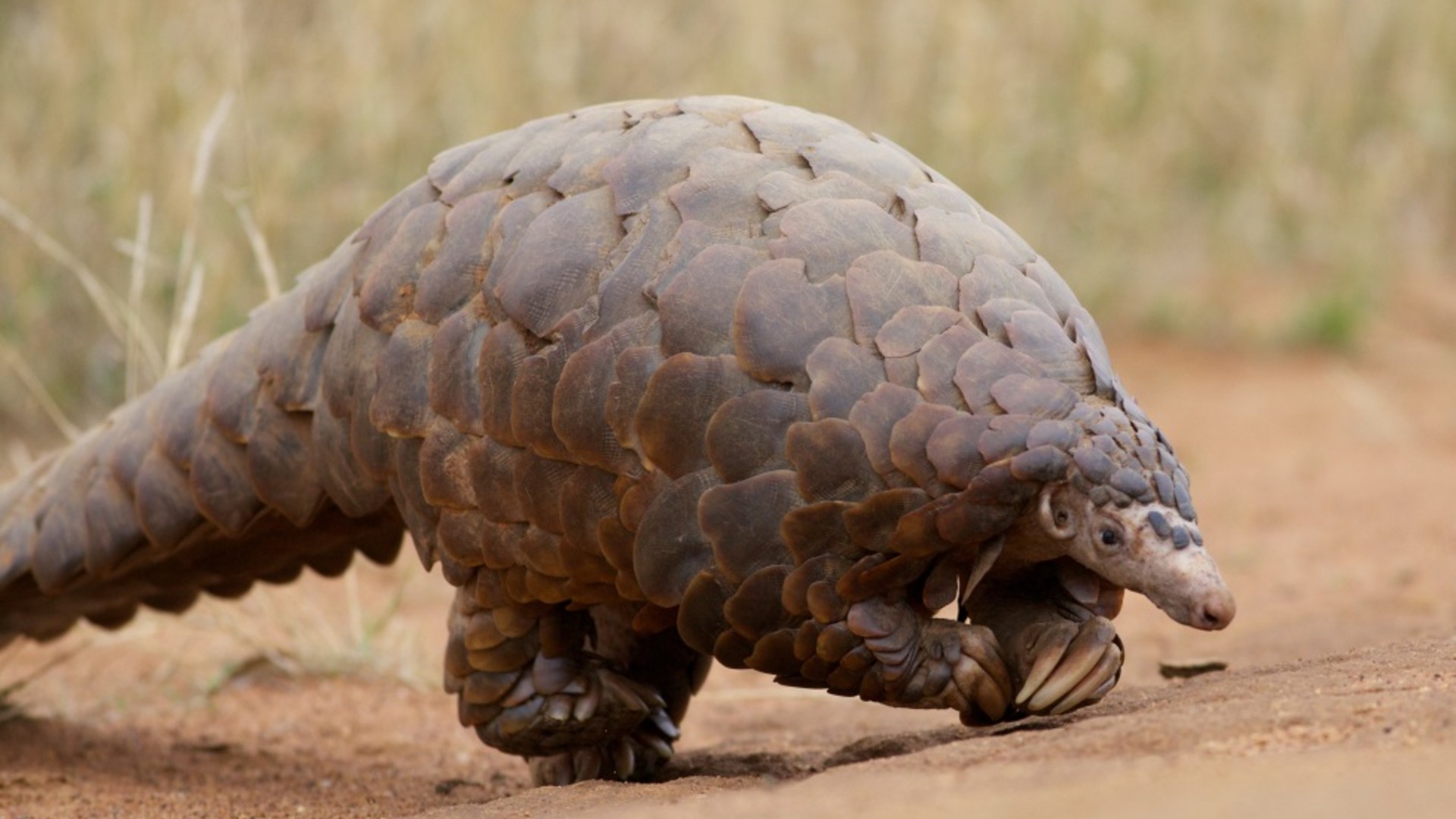
3. Ground Pangolin
When confronted by predators, the African pangolin rolls into a tight, interlocking sphere. Its scales are made of dense keratin and feature sharp outer edges. Even a full pride of lions batting the sphere around cannot penetrate the armor without breaking their own teeth, eventually walking away.
©Wikimedia / Ground pangolin
2. Honey Badger
Weighing under thirty pounds, the honey badger is legendary for attacking animals many times its size. Its skin is nearly a quarter-inch thick and impervious to dog bites and bee stings. When pinned by a lion, it twists freely within its loose pelt to slash at eyes and throats.
©Wikimedia Commons / Bernard DUPONT
1. African Crested Porcupine
Though weighing just thirty to sixty pounds, the crested porcupine possesses one of the most effective mechanical defenses on the savanna. When harassed, it rattles its hollow tail quills and reverses aggressively. The barbed quills detach deep into flesh, causing fatal abscesses in reckless lions.

©Wikimedia / Katie Chan
Advertisement
You've reached the end of the story. Thanks for reading!

25 Animals That May Detect Fear Through Scent and Body Language
From specialized olfactory receptors to airborne alarm pheromones, numerous species possess the extraordinary ability to detect chemical distress signals. Based on research from Live Science, National Geographic, and peer-reviewed biology journals, here are twenty-five animals that can smell and sense fear.
All 15 Entries in this Story
15. African Bush Elephant
Standing over thirteen feet tall at the shoulder, the African bush elephant is the undisputed sovereign of land mammals. An enraged bull or protective matriarch has zero fear of lions, frequently charging entire prides, breaking tree branches, and trampling any cat unable to evade its thundering advance.

14. White Rhinoceros
Ranking among the heaviest terrestrial mammals on Earth, an adult white rhino can weigh between four and five thousand pounds. Equipped with a front horn measuring over three feet long and dense armor-plated hide, an angry rhino will charge headlong at any pride that ventures too close, sending lions scattering.

13. Hippopotamus
Despite their semi-aquatic herbivorous lifestyle, hippos are among the most aggressive animals in Africa. Territorial bulls possess twenty-inch curved canine tusks powered by over twelve thousand pounds of bite force. Lions crossing shallow rivers give pods an extremely wide berth.

12. Black Mamba
Reaching lengths of over ten feet and striking with incredible speed, the black mamba carries potent neurotoxic venom. When resting in rocky crevices or low scrub, an unobservant lion that treads too close receives rapid consecutive bites that paralyze respiratory muscles, leading to death.

11. South African Giraffe
Standing up to nineteen feet tall and weighing over two thousand five hundred pounds, an adult giraffe is a daunting quarry. When cornered, it can kick in any direction with hooves the size of dinner plates. A single connected blow carries enough force to decapitate or crush a hunting lion skull.

10. Cape Buffalo
Weighing up to two thousand pounds and crowned with a fused bone shield called a boss, the Cape buffalo kills more lions than any other herbivore. Buffalo herds actively respond to distress calls by counter-charging lion prides, tossing cats into the air with their horns and trampling them into the ground.

9. Nile Crocodile
At water crossings and riverbanks, the balance of power shifts completely. A large Nile crocodile weighing over a thousand pounds can snatch an adult lion by the snout and execute a violent death roll. Dragged into deep water, even the strongest male lion has little chance of survival.

8. Plains Zebra
Although zebras are staple prey across African plains, hunting them carries catastrophic risks. When chased, a fleeing stallion can unleash a lightning-fast double-barreled kick. A shattered jaw leaves a predator permanently unable to hunt or eat, turning a defensive blow into a death sentence.

7. Chacma Baboon Troop
While a stray infant baboon can fall victim to ambush, confronting an entire troop is dangerous business. Large adult males possess canine teeth longer than those of a leopard. Working together, multiple screaming males will charge, bite, and claw an encroaching lion until it abandons the chase.

6. Spotted Hyena Clan
While a lone hyena is no match for a lion, an organized clan turns the tables through numerical coordination. With jaws capable of pulverizing giraffe femurs, a dozen whooping hyenas will encircle solitary lions or elderly lionesses, biting at flanks until the big cat retreats.

5. African Ostrich
As the largest living bird, an adult ostrich stands up to nine feet tall and weighs over three hundred pounds. Because its legs are engineered for high-speed sprinting, its forward defensive kicks carry immense force. A direct strike to a lion chest or head can shatter ribs and rupture organs.

4. Common Warthog
While warthogs are regular prey for lions, a cornered boar is surprisingly lethal. Possessing curved upper tusks for digging and razor-sharp lower canines that sharpen against each other, warthogs reverse into underground burrows face-out, turning their dens into lethal gauntlets.

3. Ground Pangolin
When confronted by predators, the African pangolin rolls into a tight, interlocking sphere. Its scales are made of dense keratin and feature sharp outer edges. Even a full pride of lions batting the sphere around cannot penetrate the armor without breaking their own teeth, eventually walking away.

2. Honey Badger
Weighing under thirty pounds, the honey badger is legendary for attacking animals many times its size. Its skin is nearly a quarter-inch thick and impervious to dog bites and bee stings. When pinned by a lion, it twists freely within its loose pelt to slash at eyes and throats.

1. African Crested Porcupine
Though weighing just thirty to sixty pounds, the crested porcupine possesses one of the most effective mechanical defenses on the savanna. When harassed, it rattles its hollow tail quills and reverses aggressively. The barbed quills detach deep into flesh, causing fatal abscesses in reckless lions.