Slideshow · Animals
Animals Known for Defensive and Territorial Behaviors
From tenacious small mustelids to massive territorial river megafauna, explore the biological adaptations and evolutionary strategies driving assertive behaviors in the wild.
By Most Viral Today
4 Nov 2026

20 Animals Known for Extreme Territorial and Defensive Behaviors 
20. African Bush Elephant 
19. White Rhinoceros 
18. Hippopotamus - AdvertisementSwipe or tap ▶ to continue countdown

17. Saltwater Crocodile 
16. Cape Buffalo 
15. Moose 
14. Polar Bear - AdvertisementSwipe or tap ▶ to continue countdown

13. Grizzly Bear 
12. African Lion 
11. Jaguar 
10. Leopard - AdvertisementSwipe or tap ▶ to continue countdown

9. Grey Wolf 
8. Wild Boar 
7. Spotted Hyena 
6. Chimpanzee - AdvertisementSwipe or tap ▶ to continue countdown

5. Southern Cassowary 
4. Black Mamba 
3. Wolverine 
2. Tasmanian Devil - AdvertisementSwipe or tap ▶ to continue countdown

1. Honey Badger - Advertisement🔥 UP NEXT IN THIS SERIES◫ 26 Slides

25 Animals That May Detect Fear Through Scent and Body Language
From specialized olfactory receptors to airborne alarm pheromones, numerous species possess the extraordinary ability to detect chemical distress signals. Based on research from Live Science, National Geographic, and peer-reviewed biology journals, here are twenty-five animals that can smell and sense fear.
From tenacious small mustelids to massive territorial river megafauna, explore the distinct biological adaptations and evolutionary strategies driving assertive behaviors in the wild.
Swipe or tap ▶ to begin the countdown
©Wikimedia / Bernard DUPONT & Wikimedia / Charles J. Sharp
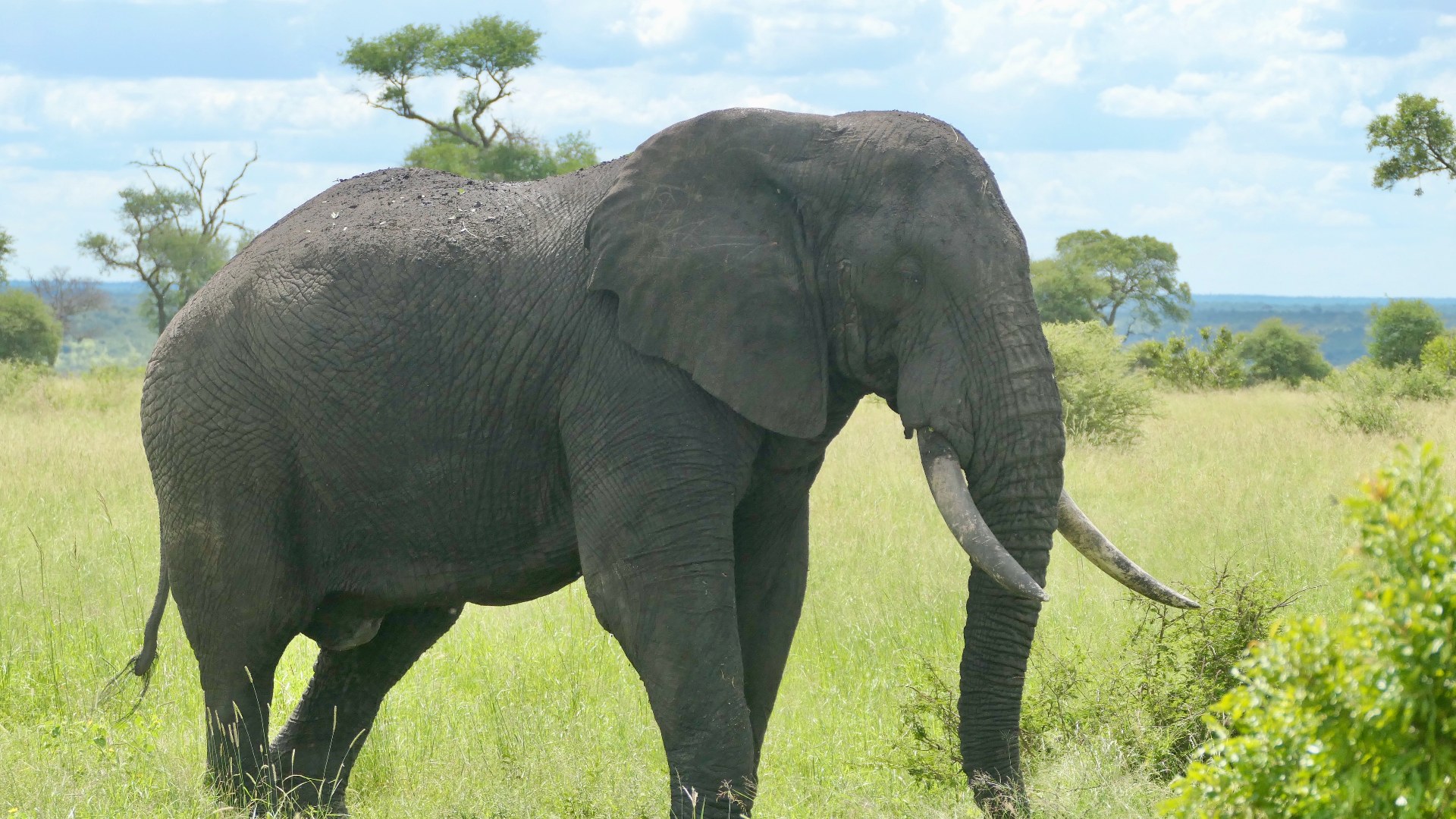
20. African Bush Elephant
Reaching weights up to six thousand kilograms, the African bush elephant is the largest living land mammal. During musth, bull elephants experience a massive surge in testosterone, driving destructive territorial aggression and aggressive mock or full-speed charges toward any perceived obstacle.
©Wikimedia / Bernard DUPONT
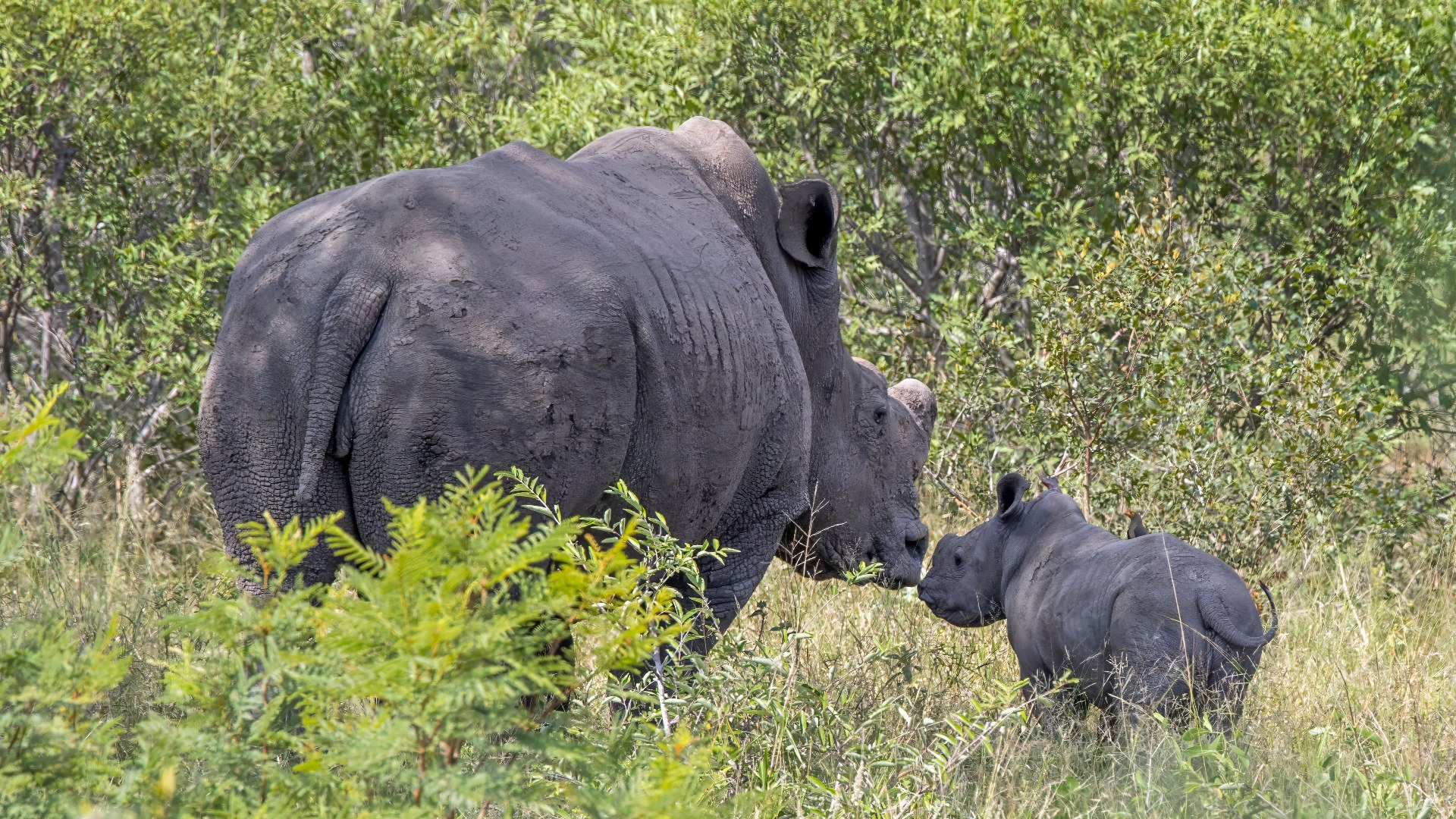
19. White Rhinoceros
Surpassing two thousand kilograms, white rhinoceroses rely on acute hearing and smell to offset poor eyesight. When startled or sensing a threat near their young, protective mothers will lower their massive heads and charge at speeds up to thirty miles per hour.
©Wikimedia / Charles J. Sharp
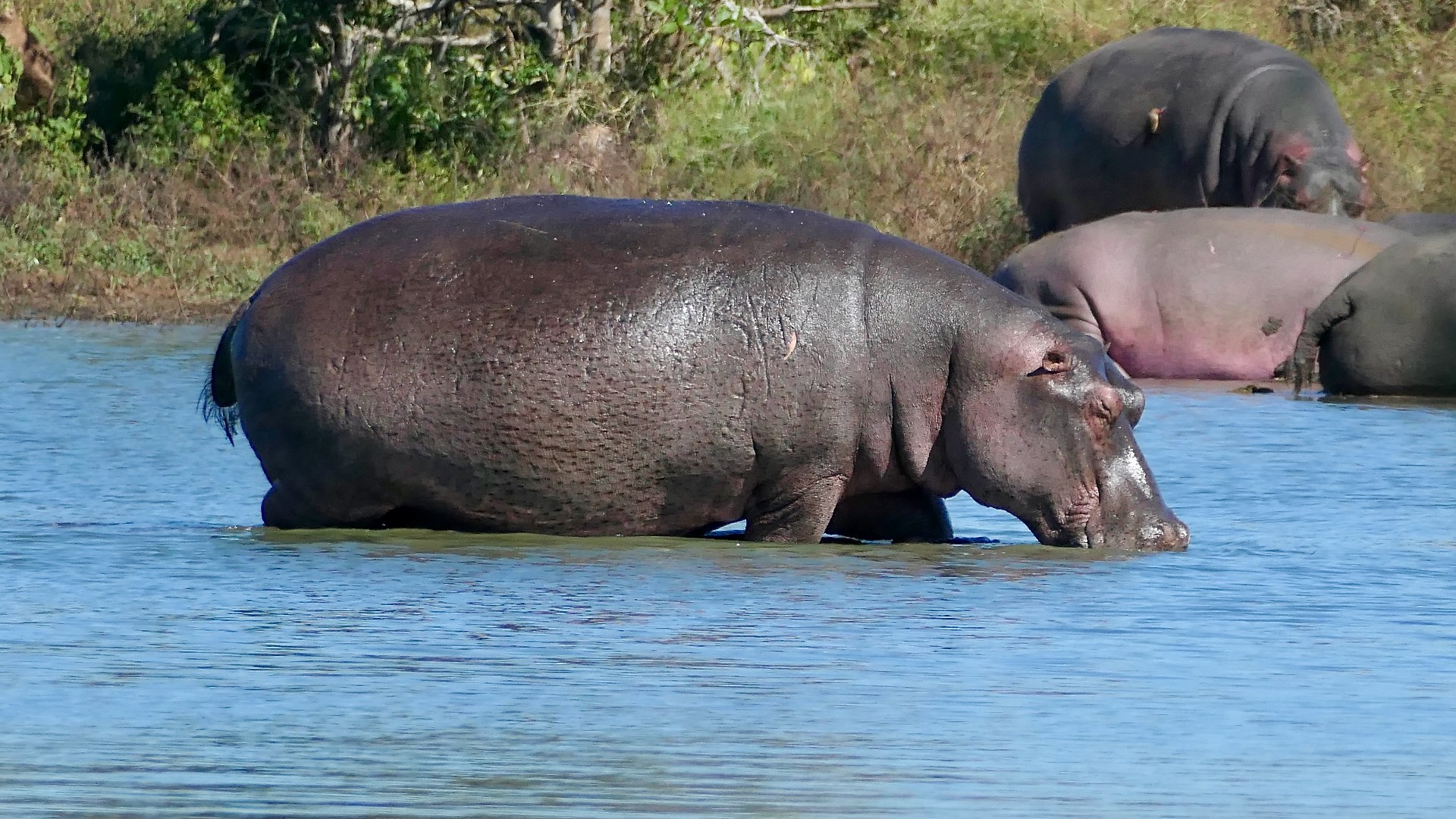
18. Hippopotamus
Weighing upwards of fifteen hundred kilograms, the hippopotamus is among the most aggressive animals in fresh water. Dominant bulls aggressively defend river stretches, executing gaping threat displays and charging any boats or intruders entering their territory.
©Wikimedia / Bernard DUPONT
Advertisement
Swipe or tap ▶ to resume the countdown.
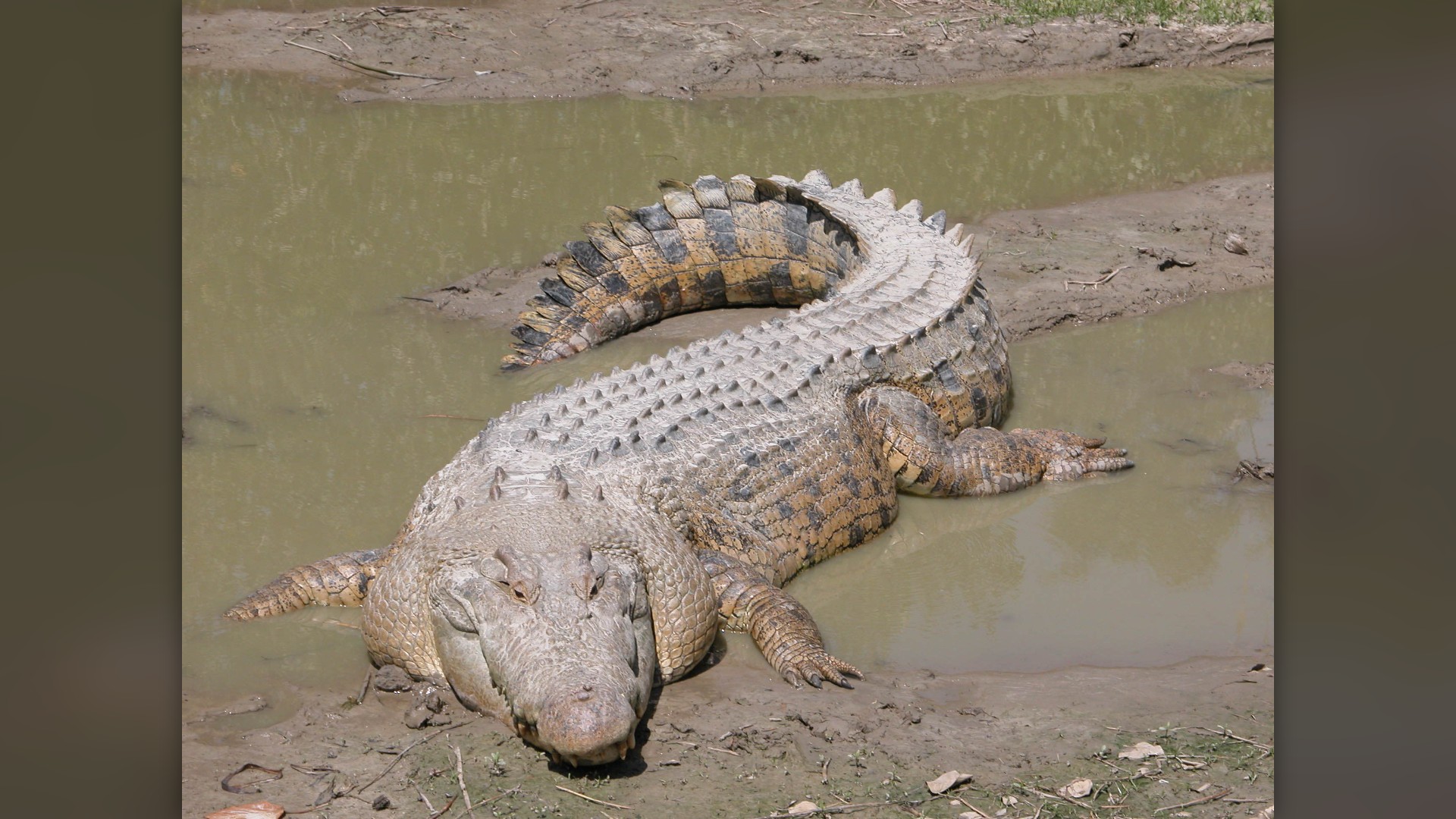
17. Saltwater Crocodile
As Earth largest living reptile, the saltwater crocodile rules brackish estuaries with extreme territorial dominance. Armed with a bite force measuring nearly four thousand pounds per square inch, mature bulls patrol extensive stretches of river and ambush any creature entering the shallows.
©Wikimedia / Saltwater crocodile
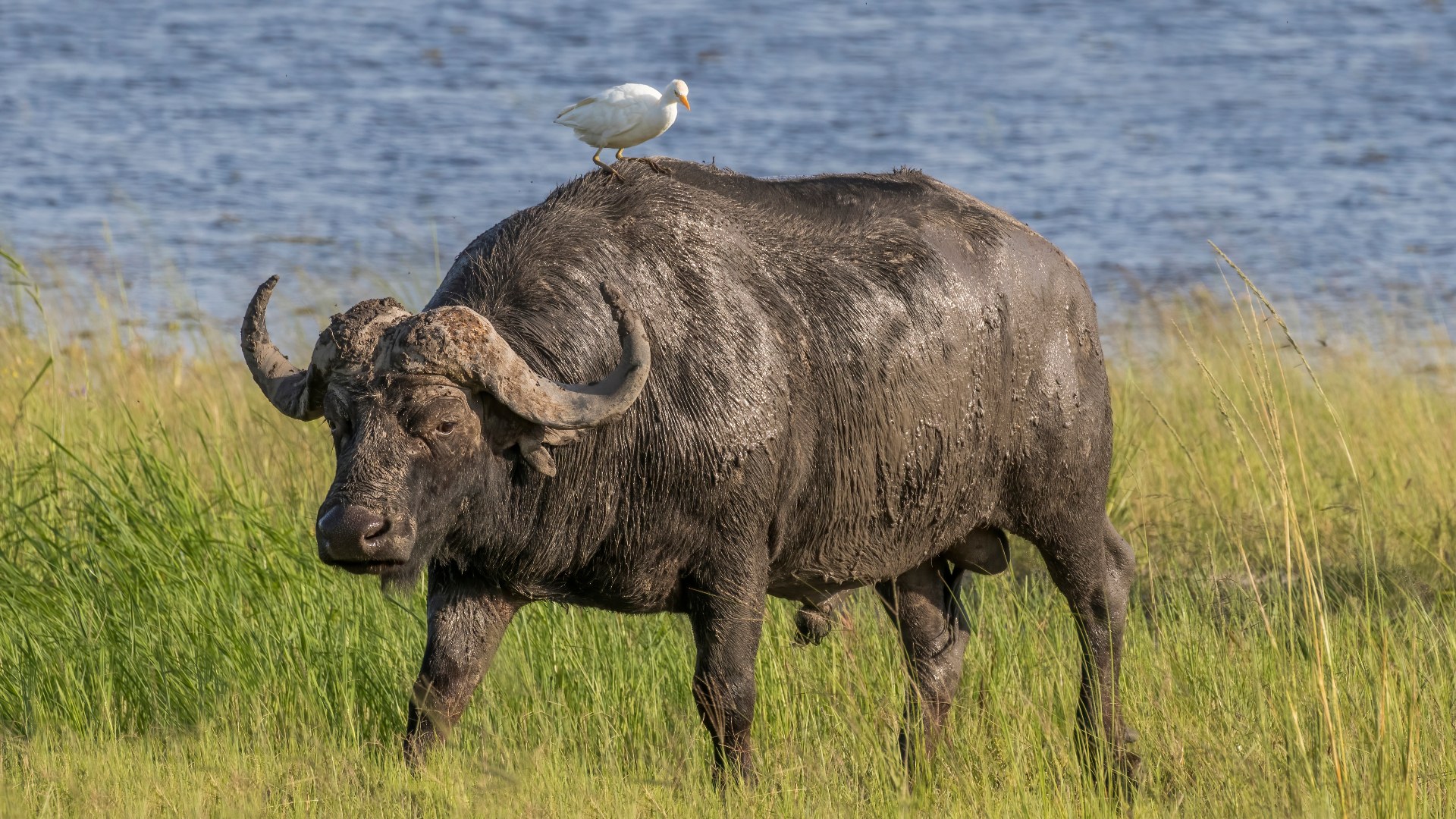
16. Cape Buffalo
Referred to across Africa as the Black Death, the Cape buffalo possesses a fused bone horn shield called a boss. Herds cooperate closely in mobbing defenses, aggressively chasing down predators, encircling vulnerable calves, and driving off entire prides of lions.
©Wikimedia / Charles J. Sharp
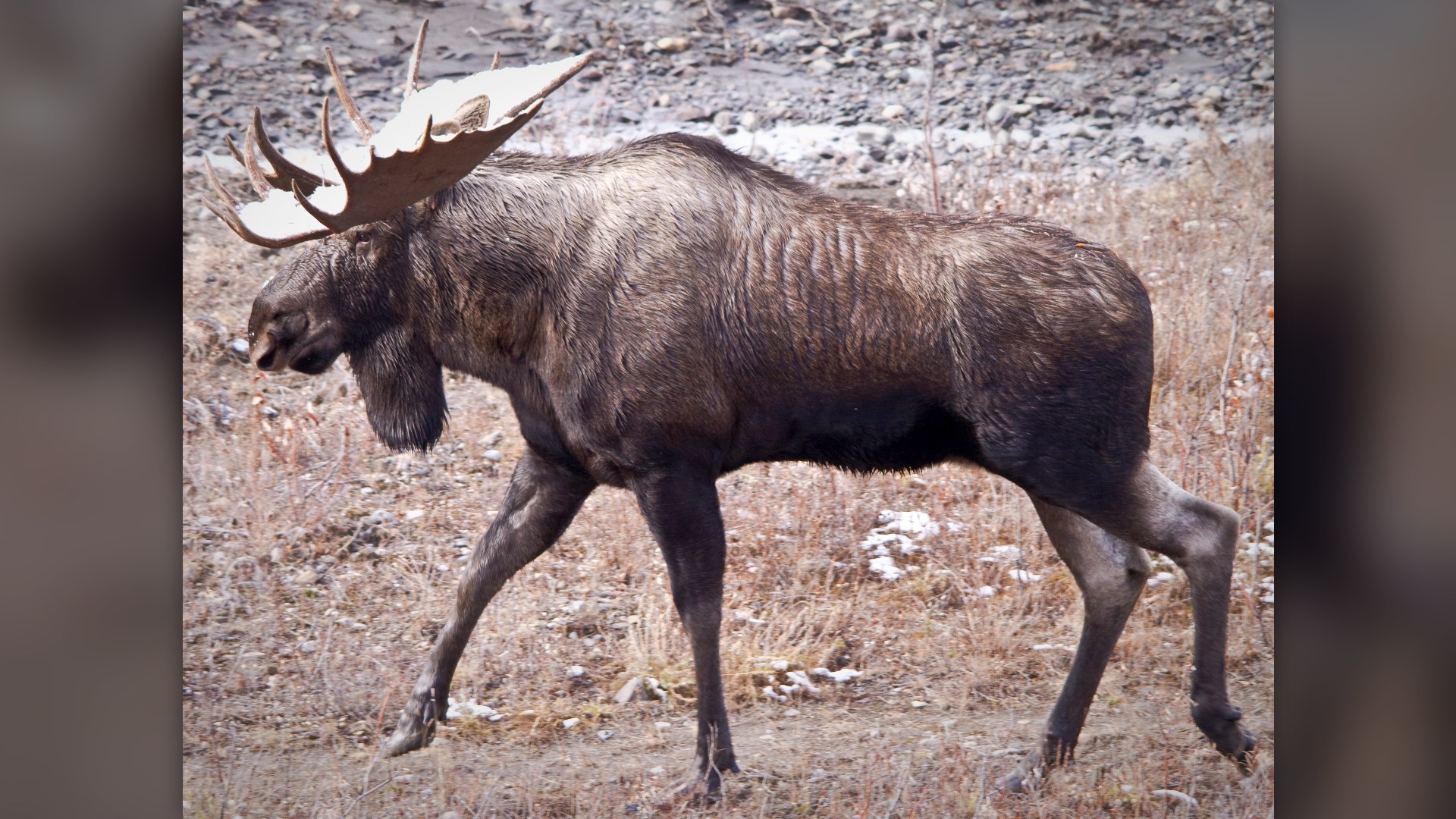
15. Moose
The largest member of the deer family, moose can become aggressively territorial during the autumn mating rut. Bulls thrash brush with massive palmated antlers to intimidate rivals, while protective cows with newborn calves will readily charge and trample perceived threats.
©Wikimedia / Jacob W. Frank
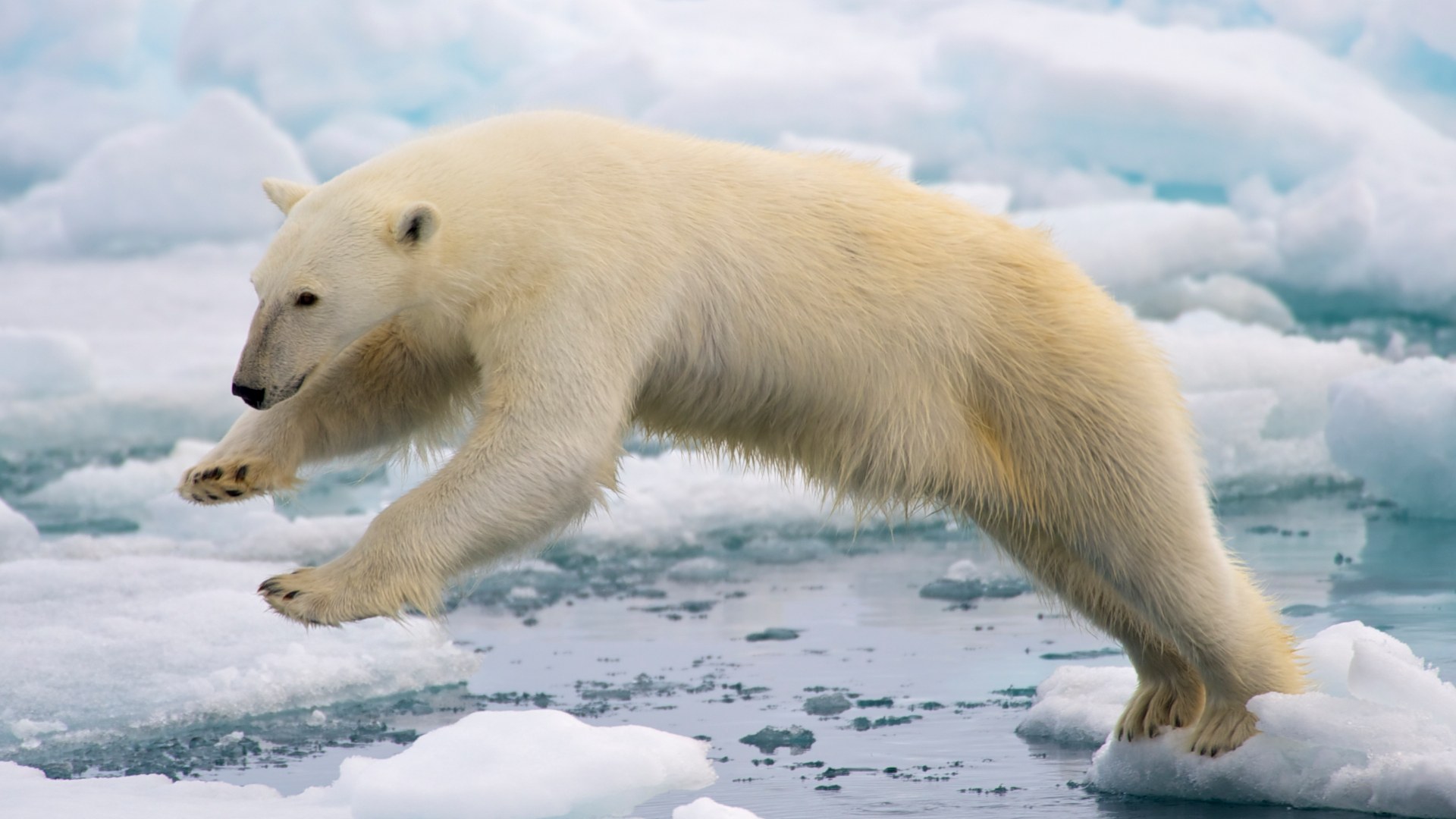
14. Polar Bear
Surviving across harsh Arctic sea ice, polar bears view almost any moving creature as potential food. Lacking natural predators, hungry adults display relentless determination and approach unfamiliar objects with aggressive investigative curiosity.
©Wikimedia / Arturo de Frias Marques
Advertisement
Swipe or tap ▶ to resume the countdown.
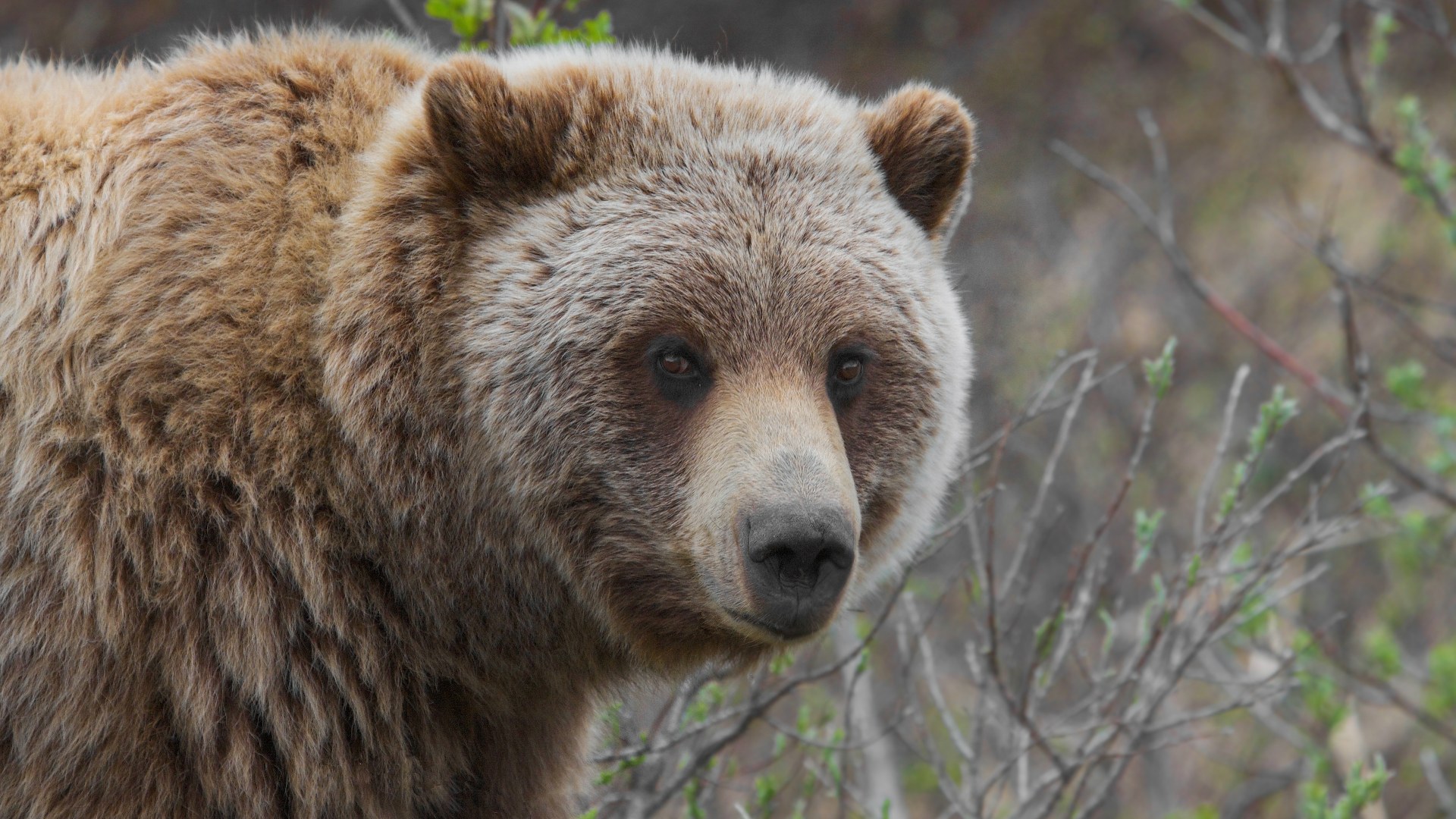
13. Grizzly Bear
Weighing over three hundred kilograms, grizzly bears possess remarkable speed reaching thirty-five miles per hour. While solitary foragers, mother grizzlies defend their offspring aggressively against perceived threats, delivering powerful swats capable of fracturing bone.
©Wikimedia / Gregory Smith
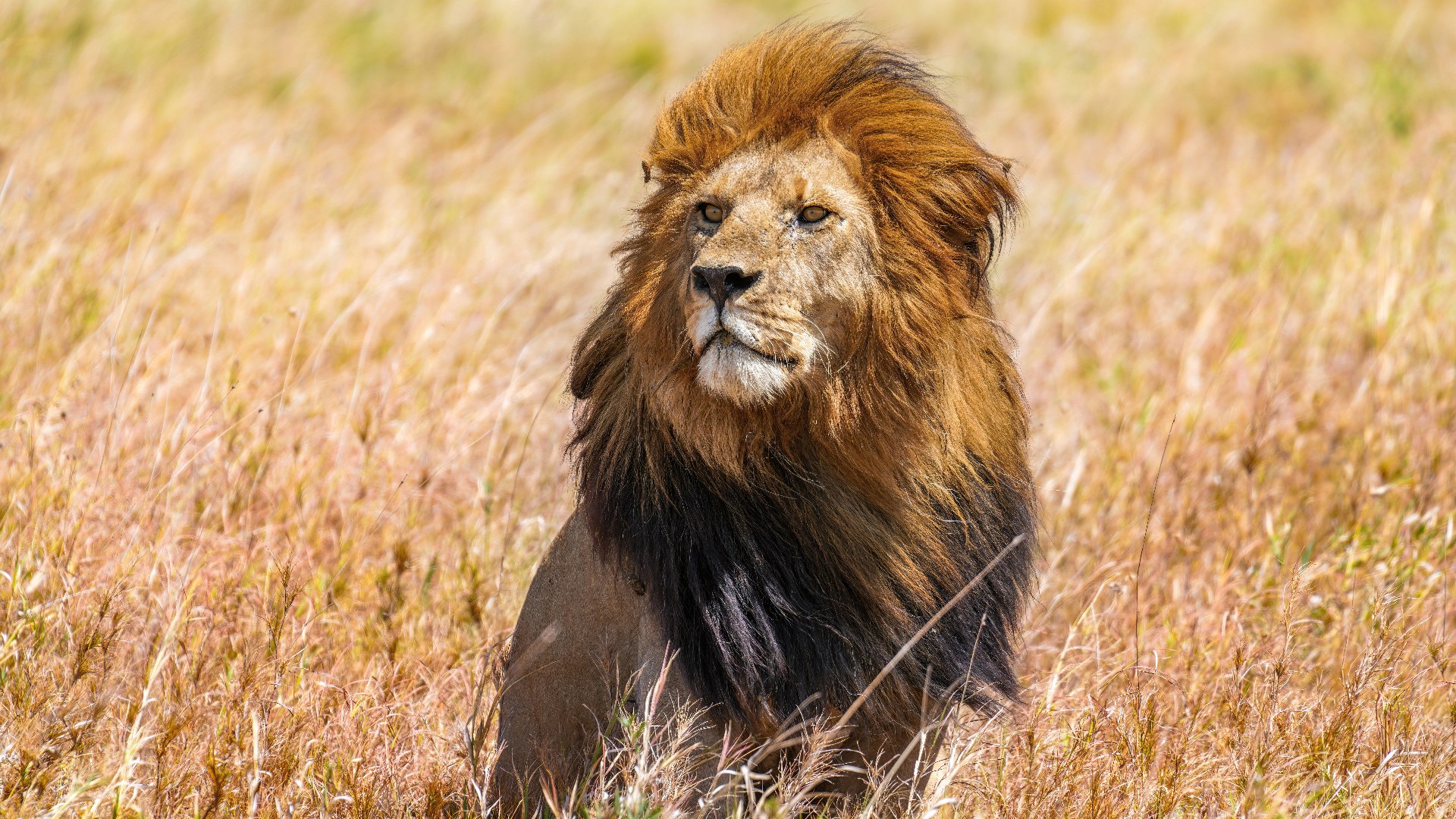
12. African Lion
African lion prides control hunting domains covering up to four hundred square kilometers. Resident male coalitions guard territory through resonant roars and chemical markings, mounting violent clashes against roaming nomadic competitors seeking to overthrow the pride.
©Wikimedia / Giles Laurent
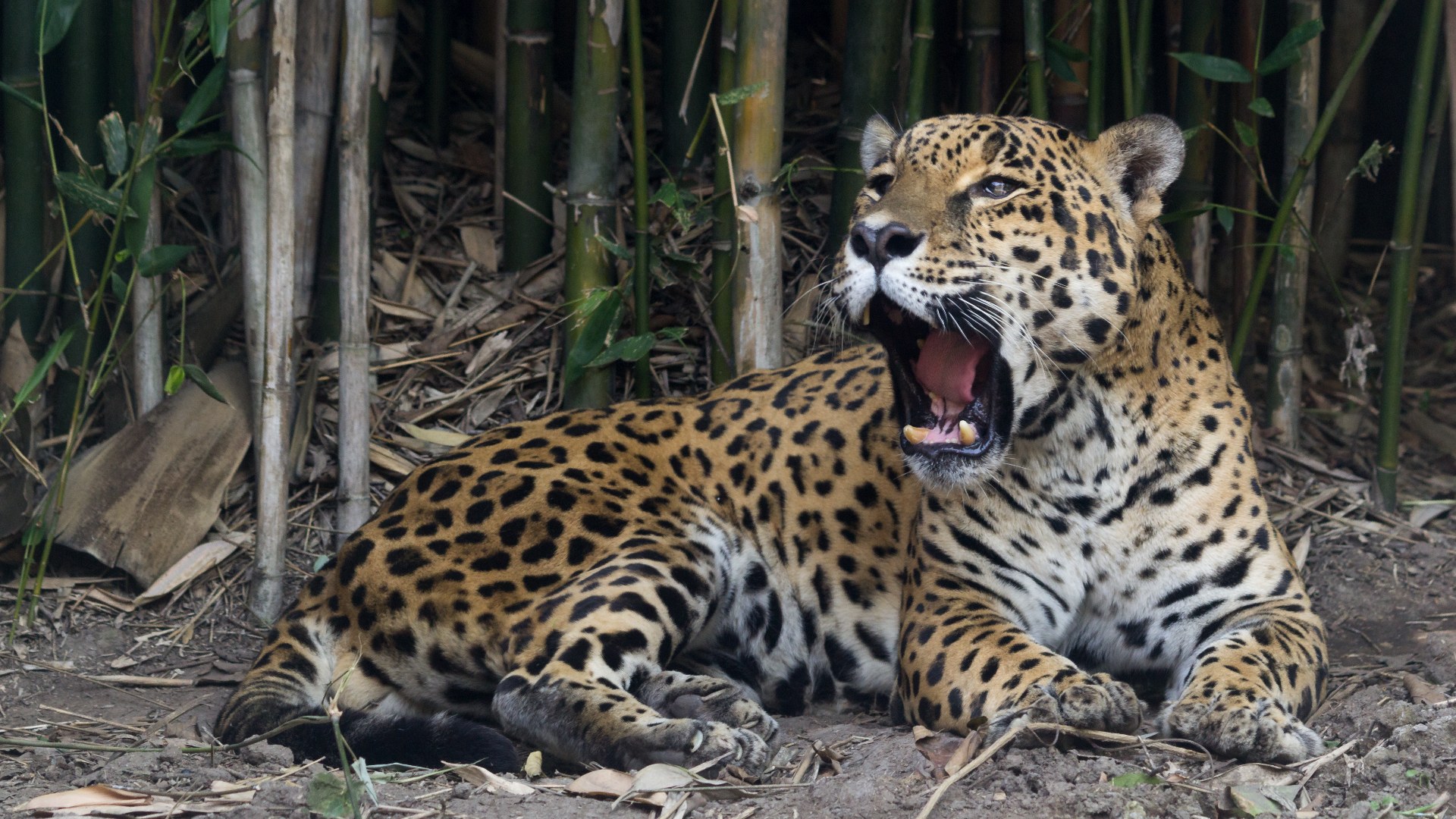
11. Jaguar
Possessing the strongest bite relative to body size of any big cat, the jaguar crushes turtle shells and pierces caiman skulls directly. Solitary adults aggressively patrol riverfront ranges, leaving claw scrapes on trees and vocalizing deep grunts to warn off competitors.
©Wikimedia / Katie Chan
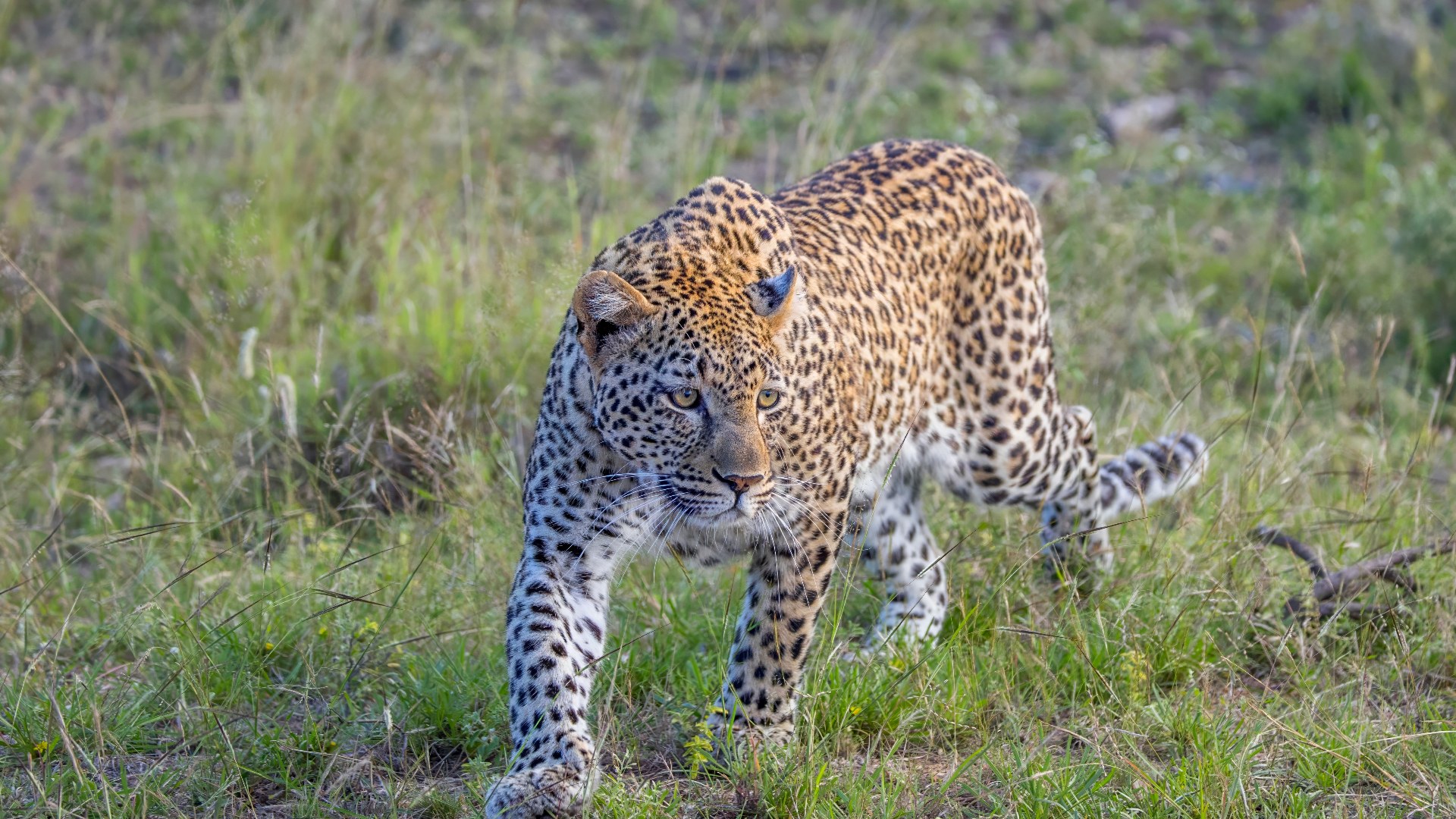
10. Leopard
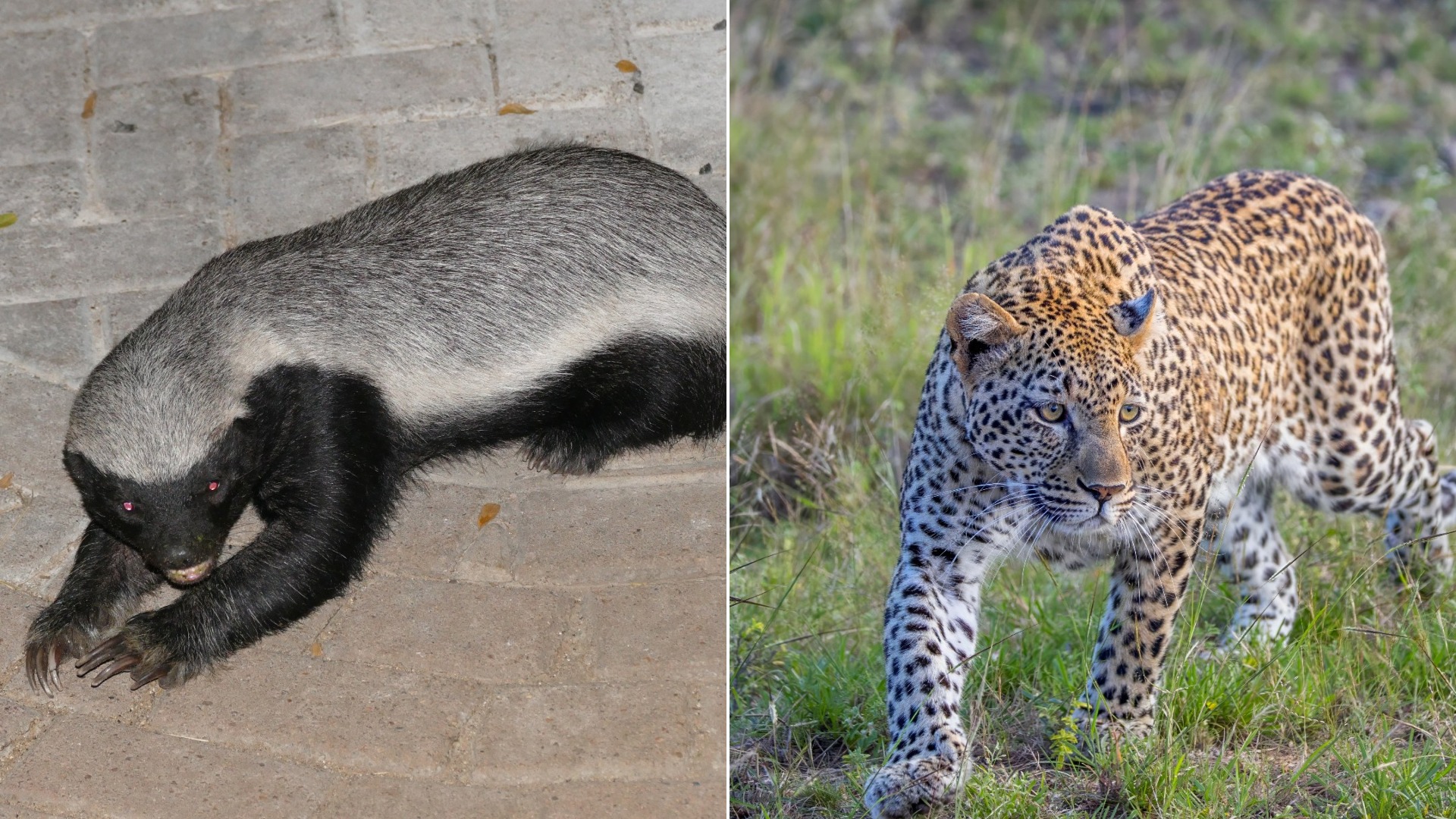
Leopards patrol extensive home ranges and enforce strict territorial boundaries against intruding conspecifics. Renowned for their immense upper-body strength, they aggressively hoist prey carcasses weighing more than themselves high into tree forks to secure them from ground scavengers.
©Wikimedia / Charles J. Sharp
Advertisement
Swipe or tap ▶ to resume the countdown.
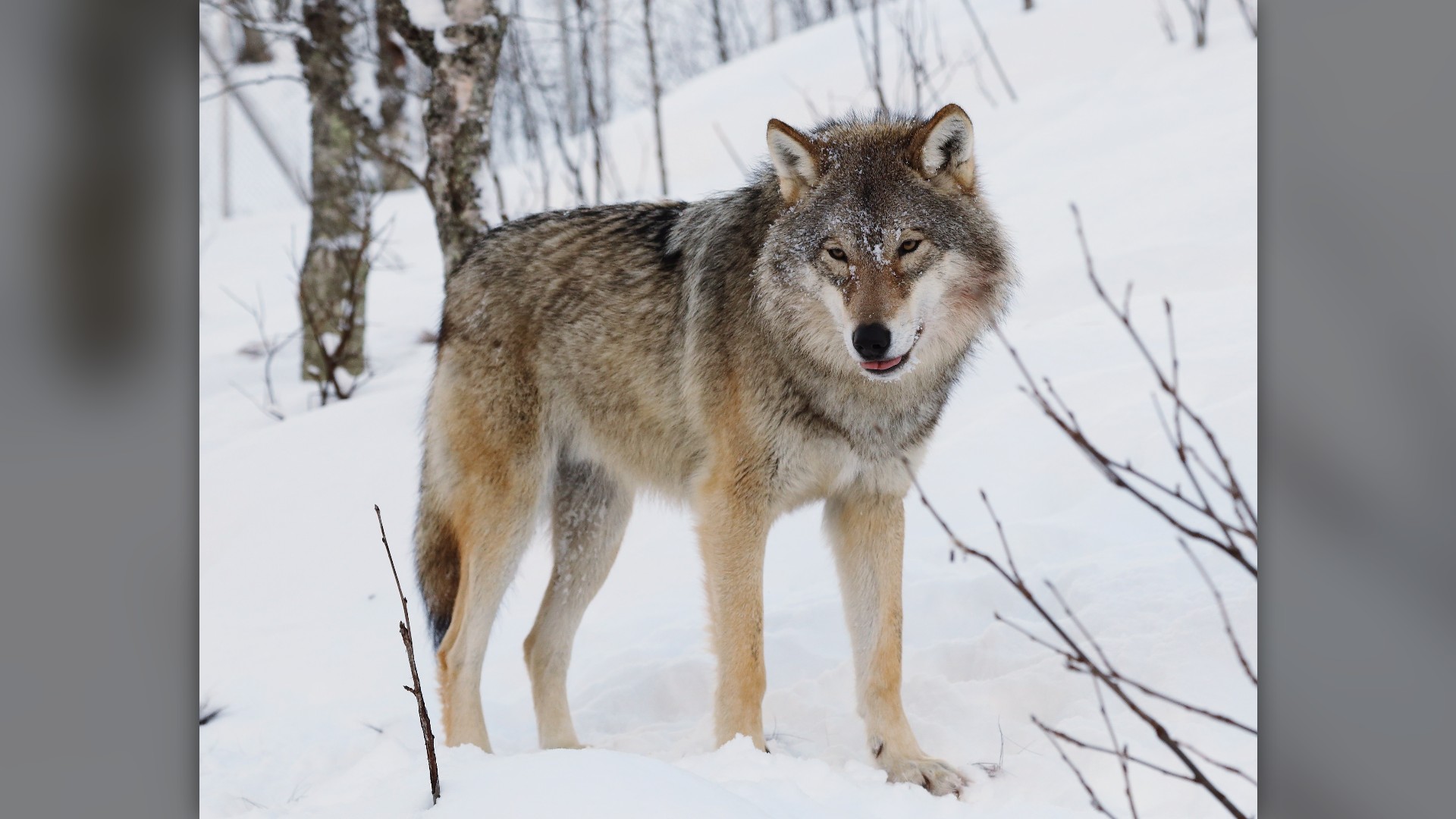
9. Grey Wolf
Grey wolves establish hunting ranges spanning hundreds of square kilometers. Pack members mark boundaries with scent posts and howls, mounting lethal collaborative attacks against intruding lone wolves or rival packs attempting to encroach on prime ungulate habitat.
©Wikimedia / Wolf
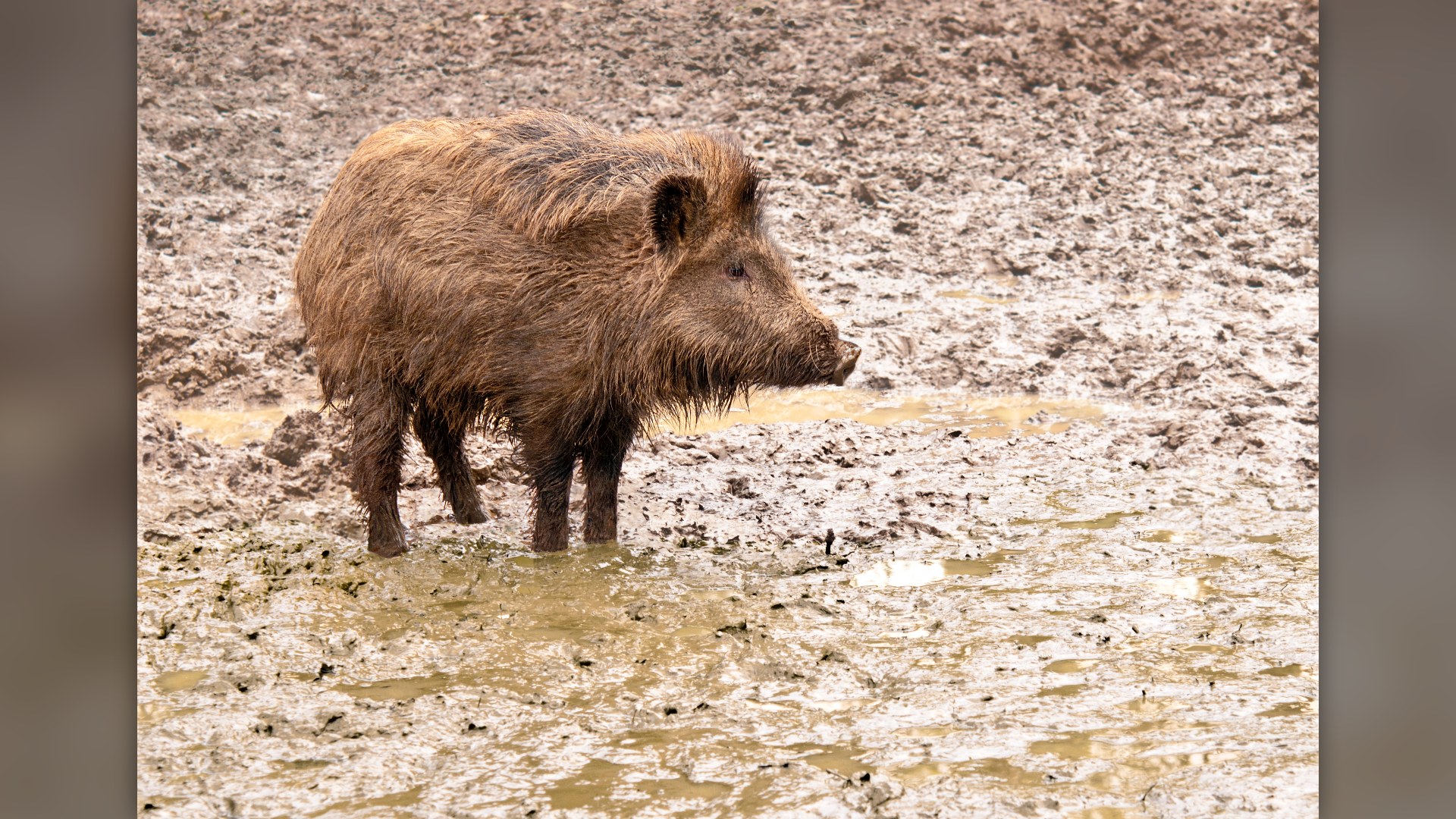
8. Wild Boar
Equipped with thick muscular shoulders and self-sharpening lower tusks, wild boars respond aggressively when surprised or defending family sounders. Sows defending litters will charge full-tilt at predators, inflicting severe lacerations with upward head jerks.
©Wikimedia / Michael Gäbler
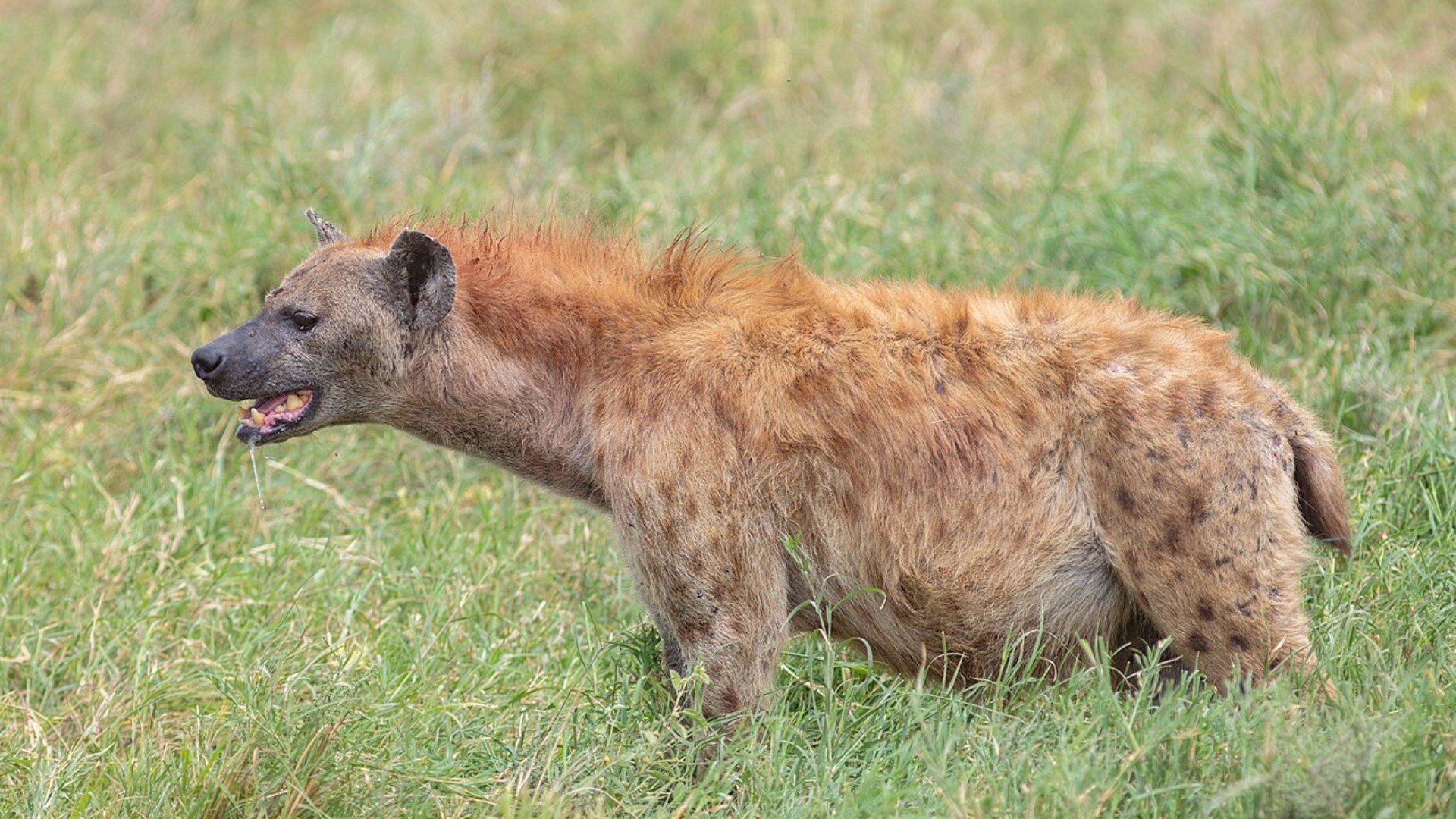
7. Spotted Hyena
Spotted hyenas live in complex clans led by dominant females. With bone-crushing jaw pressure exceeding one thousand pounds per square inch, coordinated packs aggressively patrol their boundaries and clash violently with neighboring clans and lion prides over territory.
©Wikimedia / Diego Delso
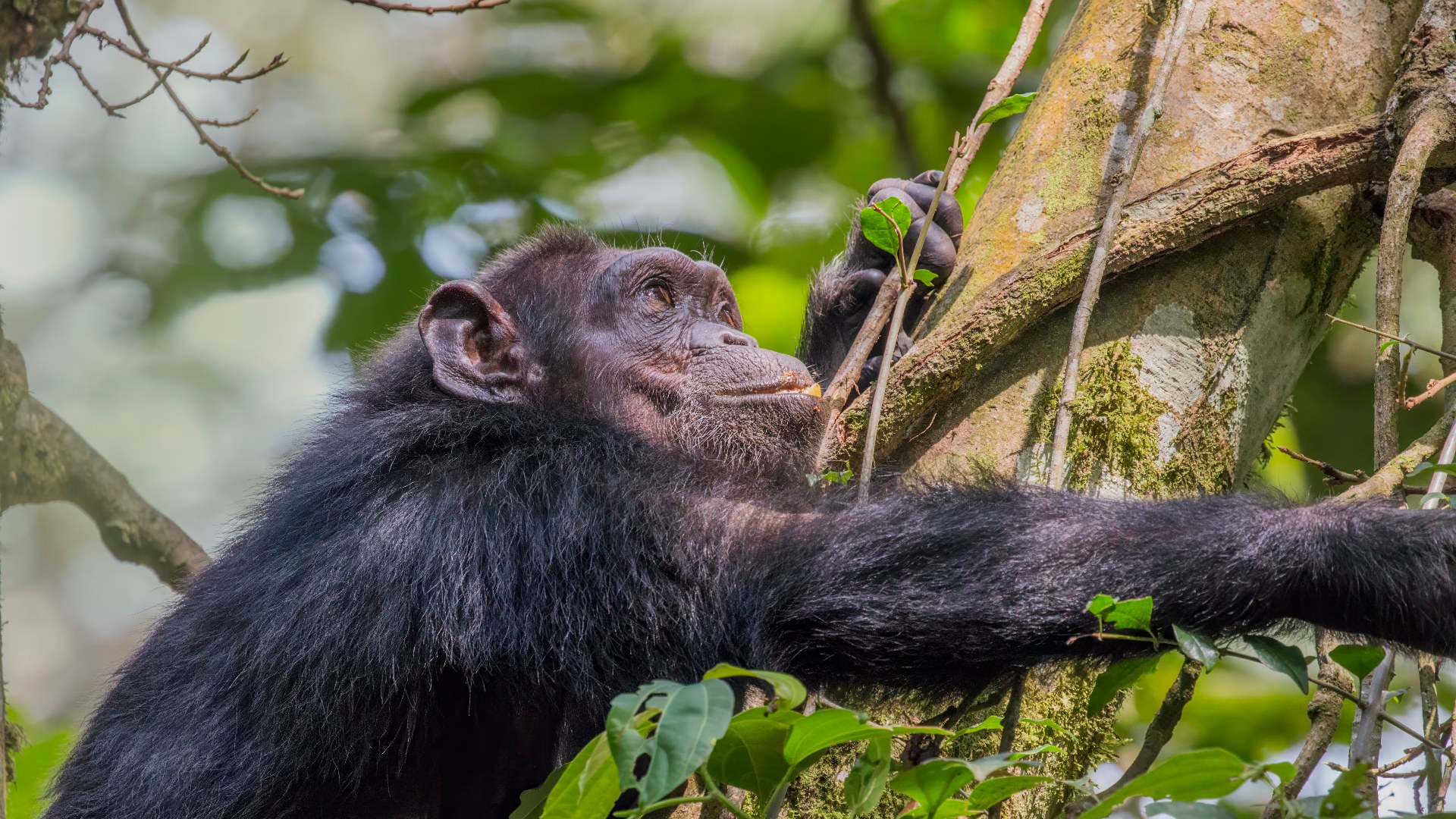
6. Chimpanzee
Living in complex fission-fusion societies, chimpanzees display organized territorial aggression. Male coalitions conduct silent patrols along territorial boundaries, aggressively driving off or ambushing rival groups to safeguard valuable fruit groves and protect their community.
©Wikimedia / Charles J. Sharp
Advertisement
Swipe or tap ▶ to resume the countdown.
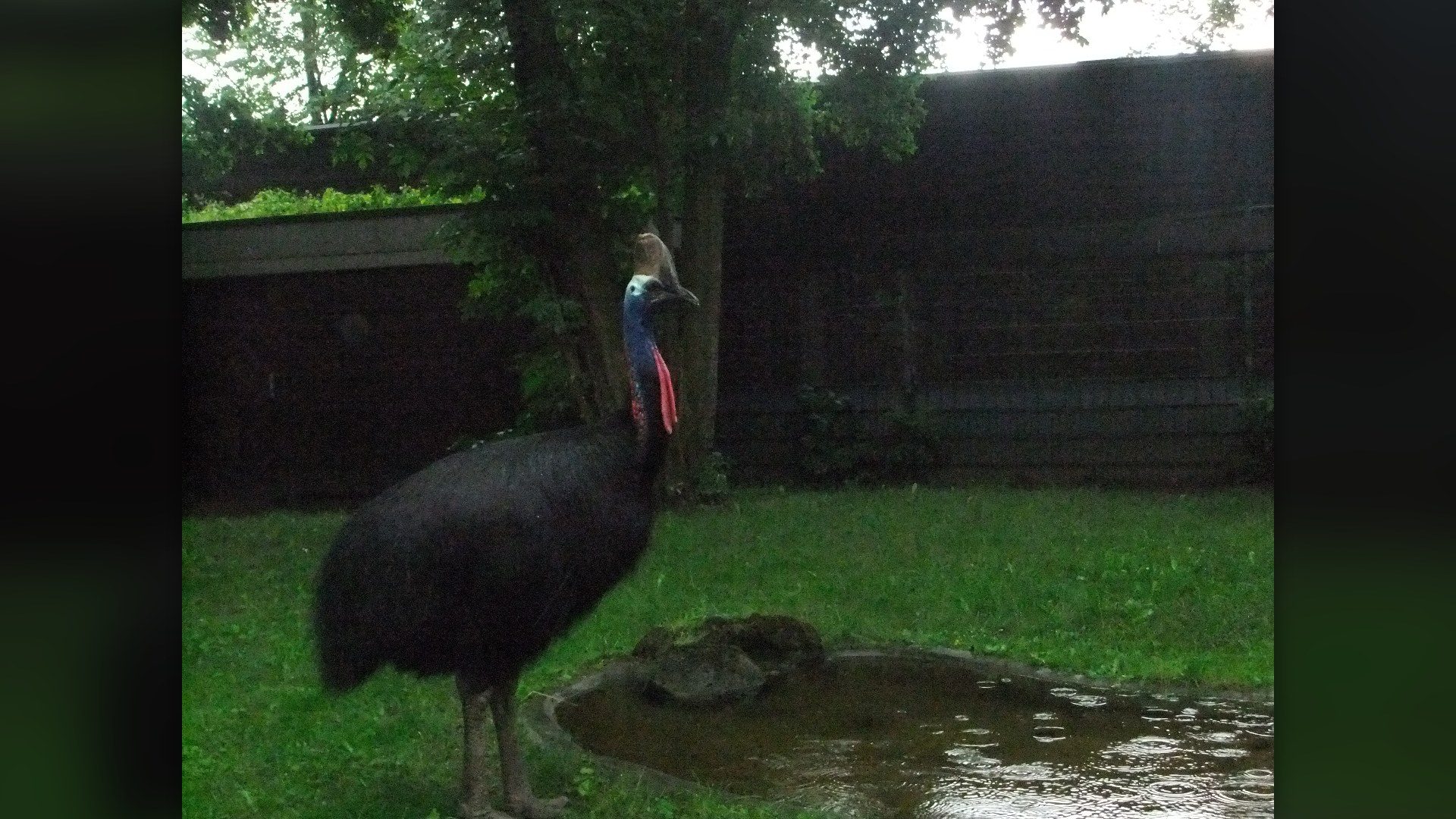
5. Southern Cassowary
Inhabiting the dense rainforests of New Guinea and northeastern Australia, southern cassowaries are powerful territorial runners. When defending their chicks or feeding territories, they leap into the air and deliver powerful downward kicks capable of causing severe trauma.
©Wikimedia / Frank Vincentz
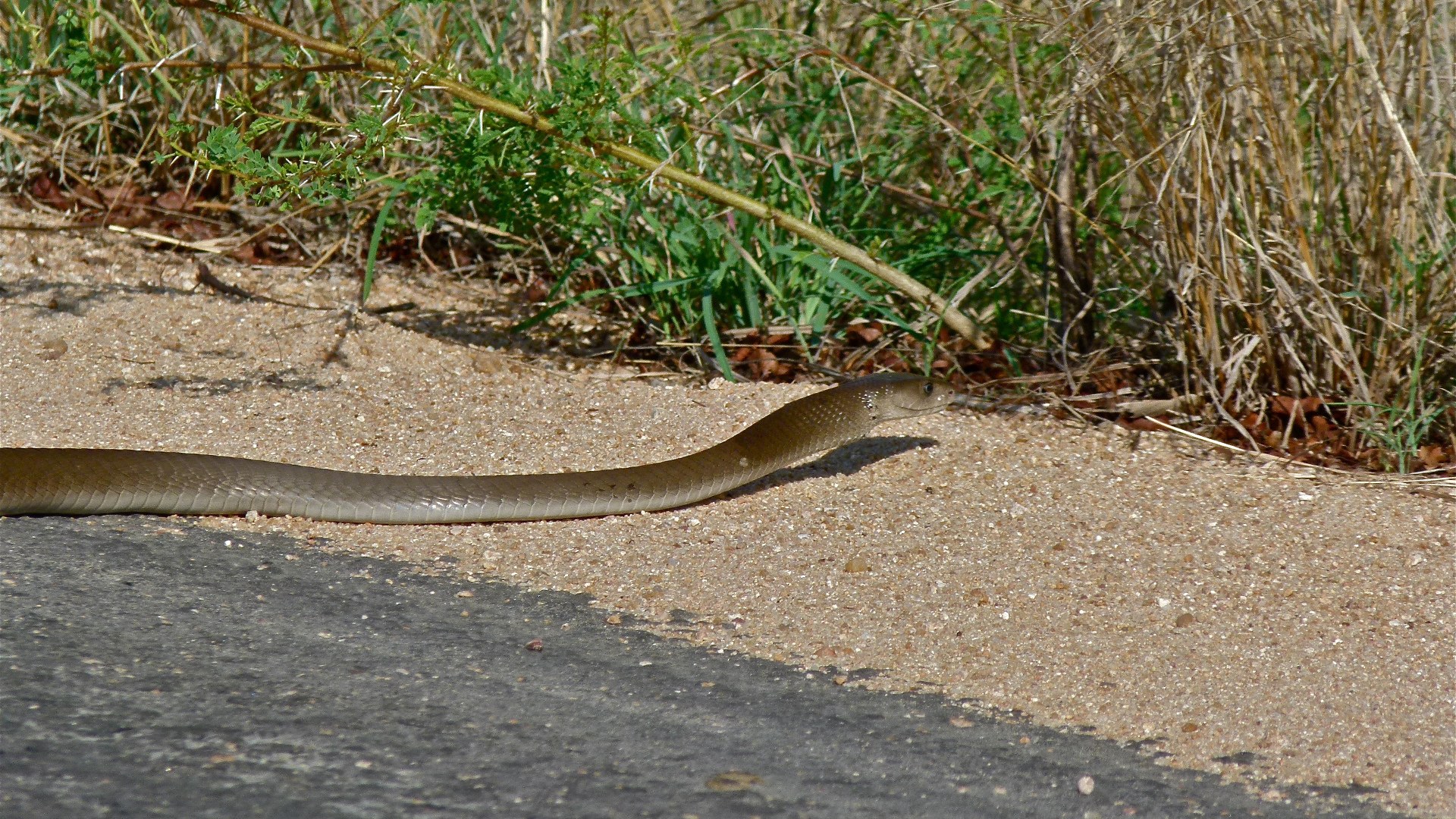
4. Black Mamba
Reaching lengths over nine feet, the black mamba is Africa longest venomous snake. While generally shy and quick to escape into brush, a cornered mamba spreads a narrow cobra-like hood, displays its inky black mouth interior, and delivers rapid defensive strikes.
©Wikimedia / Bernard DUPONT
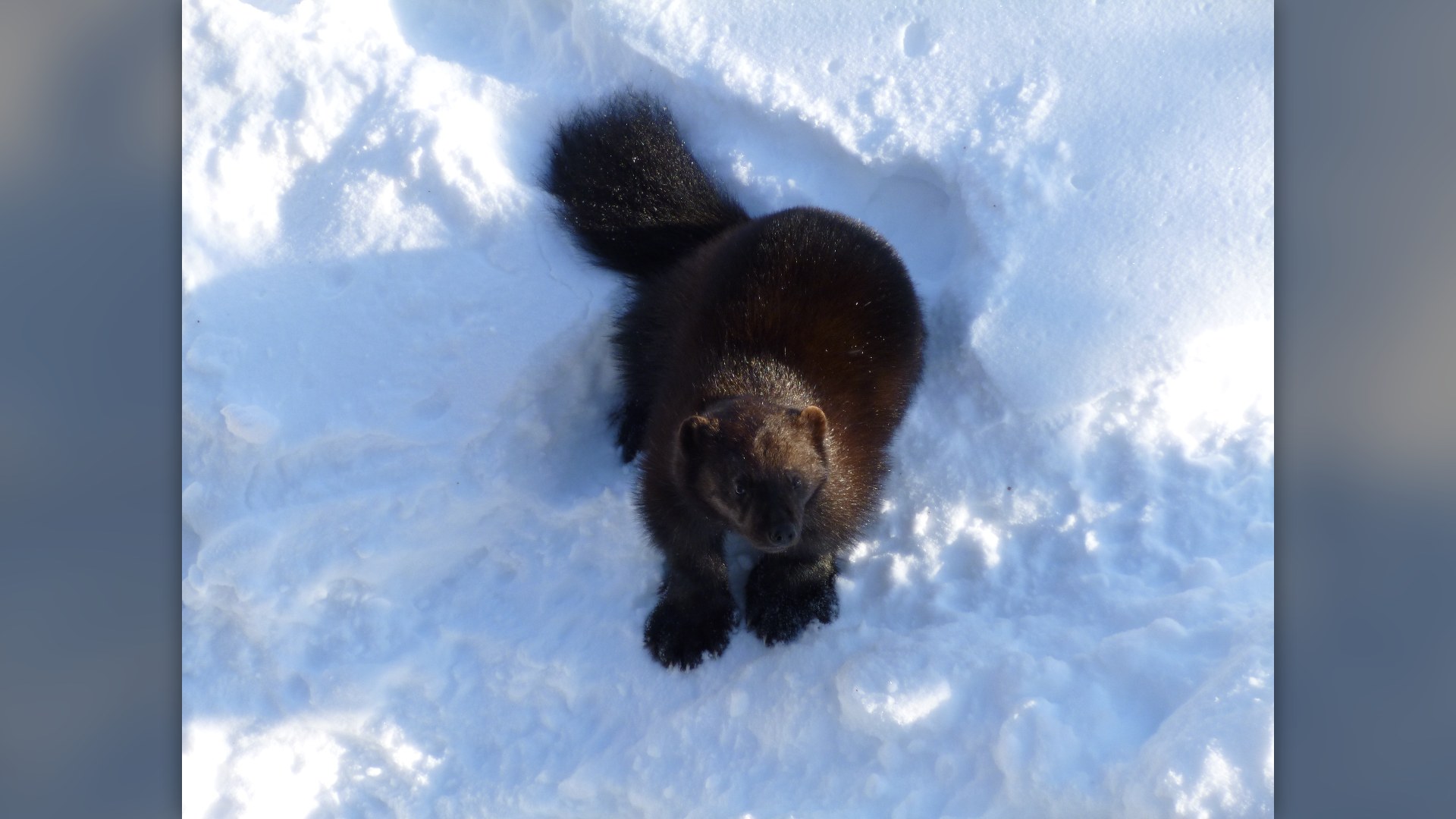
3. Wolverine
Armed with muscular necks, dense frost-resistant fur, and crampon-like claws, wolverines range across vast boreal territories. Their unyielding defensive tenacity allows them to protect food caches against much larger apex predators through raw ferocity.
©Wikimedia / Rorolinus
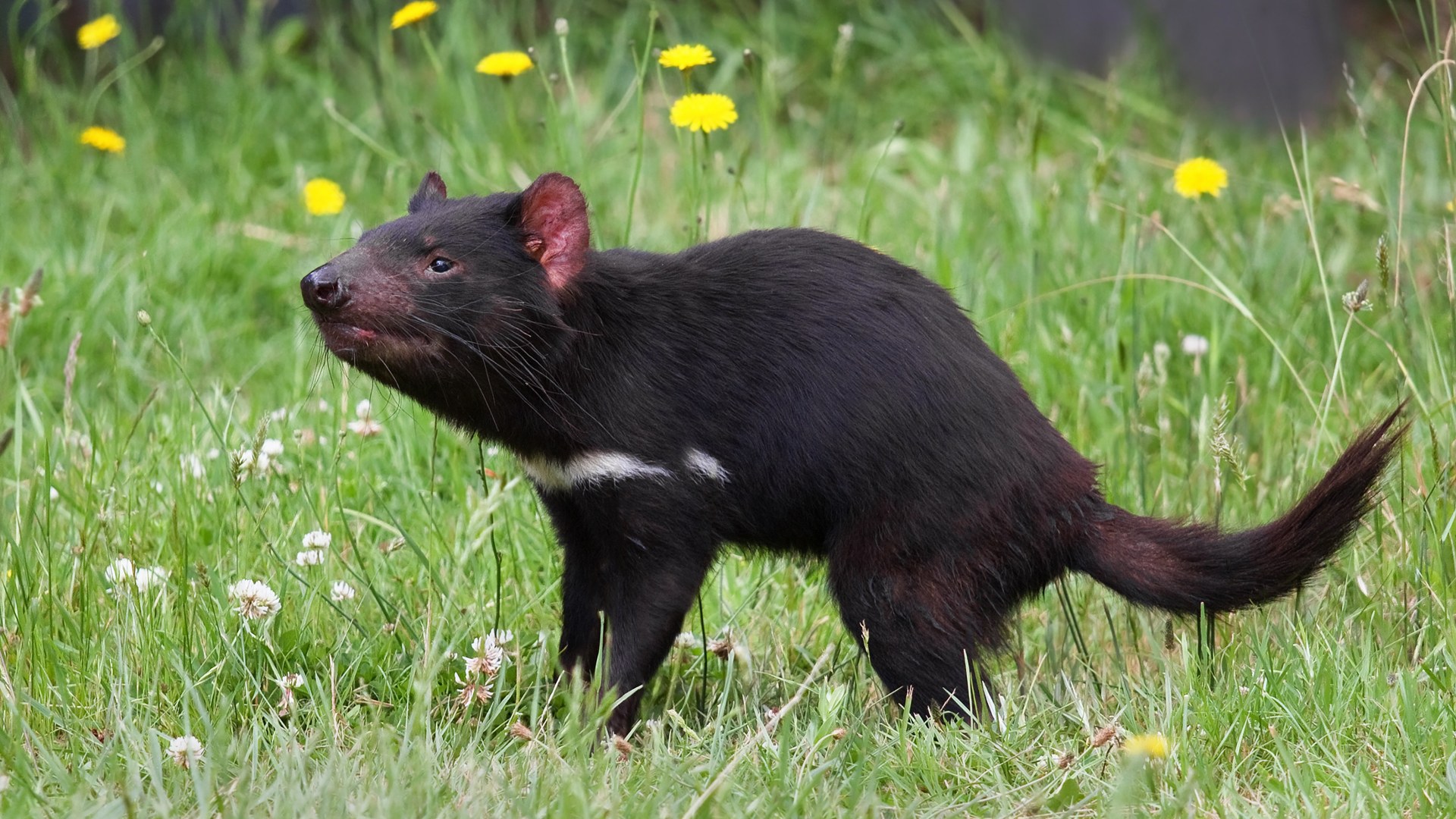
2. Tasmanian Devil
Despite weighing under twelve kilograms, the Tasmanian devil boasts a specialized skull that delivers bone-crushing jaw pressure equal to dogs four times its size. When feeding in communal groups, devils produce ear-splitting guttural shrieks and aggressive postures to protect meals.
©Wikimedia / Kkueke
Advertisement
Swipe or tap ▶ to resume the countdown.
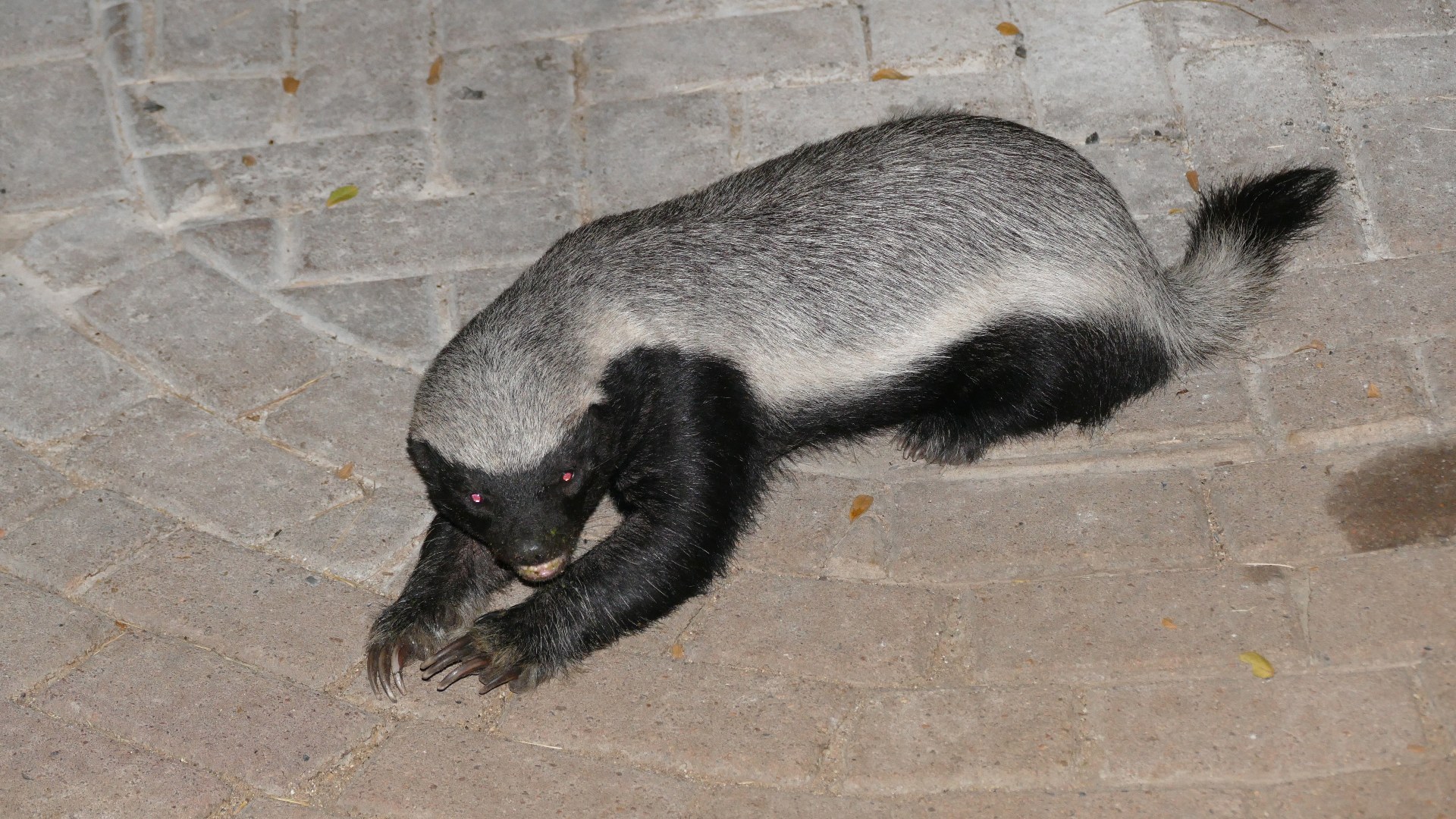
1. Honey Badger
The honey badger thick, loose skin allows it to twist around inside a predator grip to bite back violently. With natural immunity to cytotoxic viper venom and sharp claws capable of digging through concrete, this small carnivore routinely drives leopards away from kills.

©Wikimedia / Bernard DUPONT
Advertisement
You've reached the end of the story. Thanks for reading!

25 Animals That May Detect Fear Through Scent and Body Language
From specialized olfactory receptors to airborne alarm pheromones, numerous species possess the extraordinary ability to detect chemical distress signals. Based on research from Live Science, National Geographic, and peer-reviewed biology journals, here are twenty-five animals that can smell and sense fear.
All 20 Entries in this Story
20. African Bush Elephant
Reaching weights up to six thousand kilograms, the African bush elephant is the largest living land mammal. During musth, bull elephants experience a massive surge in testosterone, driving destructive territorial aggression and aggressive mock or full-speed charges toward any perceived obstacle.

19. White Rhinoceros
Surpassing two thousand kilograms, white rhinoceroses rely on acute hearing and smell to offset poor eyesight. When startled or sensing a threat near their young, protective mothers will lower their massive heads and charge at speeds up to thirty miles per hour.

18. Hippopotamus
Weighing upwards of fifteen hundred kilograms, the hippopotamus is among the most aggressive animals in fresh water. Dominant bulls aggressively defend river stretches, executing gaping threat displays and charging any boats or intruders entering their territory.

17. Saltwater Crocodile
As Earth largest living reptile, the saltwater crocodile rules brackish estuaries with extreme territorial dominance. Armed with a bite force measuring nearly four thousand pounds per square inch, mature bulls patrol extensive stretches of river and ambush any creature entering the shallows.

16. Cape Buffalo
Referred to across Africa as the Black Death, the Cape buffalo possesses a fused bone horn shield called a boss. Herds cooperate closely in mobbing defenses, aggressively chasing down predators, encircling vulnerable calves, and driving off entire prides of lions.

15. Moose
The largest member of the deer family, moose can become aggressively territorial during the autumn mating rut. Bulls thrash brush with massive palmated antlers to intimidate rivals, while protective cows with newborn calves will readily charge and trample perceived threats.

14. Polar Bear
Surviving across harsh Arctic sea ice, polar bears view almost any moving creature as potential food. Lacking natural predators, hungry adults display relentless determination and approach unfamiliar objects with aggressive investigative curiosity.

13. Grizzly Bear
Weighing over three hundred kilograms, grizzly bears possess remarkable speed reaching thirty-five miles per hour. While solitary foragers, mother grizzlies defend their offspring aggressively against perceived threats, delivering powerful swats capable of fracturing bone.

12. African Lion
African lion prides control hunting domains covering up to four hundred square kilometers. Resident male coalitions guard territory through resonant roars and chemical markings, mounting violent clashes against roaming nomadic competitors seeking to overthrow the pride.

11. Jaguar
Possessing the strongest bite relative to body size of any big cat, the jaguar crushes turtle shells and pierces caiman skulls directly. Solitary adults aggressively patrol riverfront ranges, leaving claw scrapes on trees and vocalizing deep grunts to warn off competitors.

10. Leopard
Leopards patrol extensive home ranges and enforce strict territorial boundaries against intruding conspecifics. Renowned for their immense upper-body strength, they aggressively hoist prey carcasses weighing more than themselves high into tree forks to secure them from ground scavengers.

9. Grey Wolf
Grey wolves establish hunting ranges spanning hundreds of square kilometers. Pack members mark boundaries with scent posts and howls, mounting lethal collaborative attacks against intruding lone wolves or rival packs attempting to encroach on prime ungulate habitat.

8. Wild Boar
Equipped with thick muscular shoulders and self-sharpening lower tusks, wild boars respond aggressively when surprised or defending family sounders. Sows defending litters will charge full-tilt at predators, inflicting severe lacerations with upward head jerks.

7. Spotted Hyena
Spotted hyenas live in complex clans led by dominant females. With bone-crushing jaw pressure exceeding one thousand pounds per square inch, coordinated packs aggressively patrol their boundaries and clash violently with neighboring clans and lion prides over territory.

6. Chimpanzee
Living in complex fission-fusion societies, chimpanzees display organized territorial aggression. Male coalitions conduct silent patrols along territorial boundaries, aggressively driving off or ambushing rival groups to safeguard valuable fruit groves and protect their community.

5. Southern Cassowary
Inhabiting the dense rainforests of New Guinea and northeastern Australia, southern cassowaries are powerful territorial runners. When defending their chicks or feeding territories, they leap into the air and deliver powerful downward kicks capable of causing severe trauma.

4. Black Mamba
Reaching lengths over nine feet, the black mamba is Africa longest venomous snake. While generally shy and quick to escape into brush, a cornered mamba spreads a narrow cobra-like hood, displays its inky black mouth interior, and delivers rapid defensive strikes.

3. Wolverine
Armed with muscular necks, dense frost-resistant fur, and crampon-like claws, wolverines range across vast boreal territories. Their unyielding defensive tenacity allows them to protect food caches against much larger apex predators through raw ferocity.

2. Tasmanian Devil
Despite weighing under twelve kilograms, the Tasmanian devil boasts a specialized skull that delivers bone-crushing jaw pressure equal to dogs four times its size. When feeding in communal groups, devils produce ear-splitting guttural shrieks and aggressive postures to protect meals.

1. Honey Badger
The honey badger thick, loose skin allows it to twist around inside a predator grip to bite back violently. With natural immunity to cytotoxic viper venom and sharp claws capable of digging through concrete, this small carnivore routinely drives leopards away from kills.