Slideshow · Animals
25 Animals That Actually Vote Before Making Decisions
By Most Viral Today
30 min ago

From sneeze ballots to dance elections, discover democracy in nature. 
25. African Wild Dog 
24. Western Honeybee 
23. Meerkat - AdvertisementSwipe or tap ▶ to continue countdown

22. Olive Baboon 
21. Red Deer 
20. Whooper Swan 
19. African Elephant - AdvertisementSwipe or tap ▶ to continue countdown

18. Tonkean Macaque 
17. Bottlenose Dolphin 
16. Leafcutter Ant 
15. White-Faced Capuchin - AdvertisementSwipe or tap ▶ to continue countdown

14. Jackdaw 
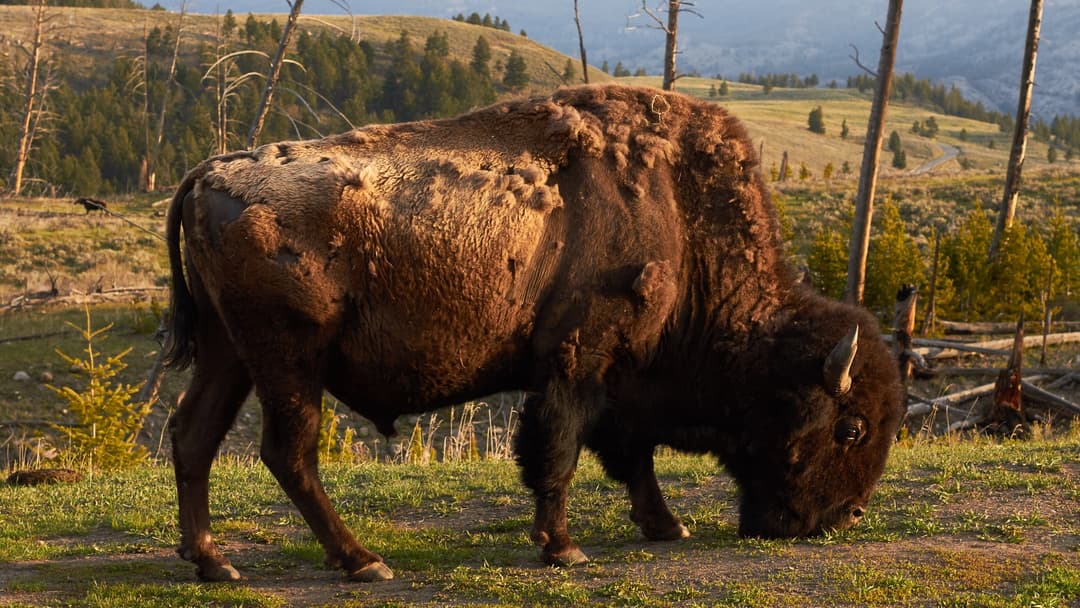
13. American Bison 
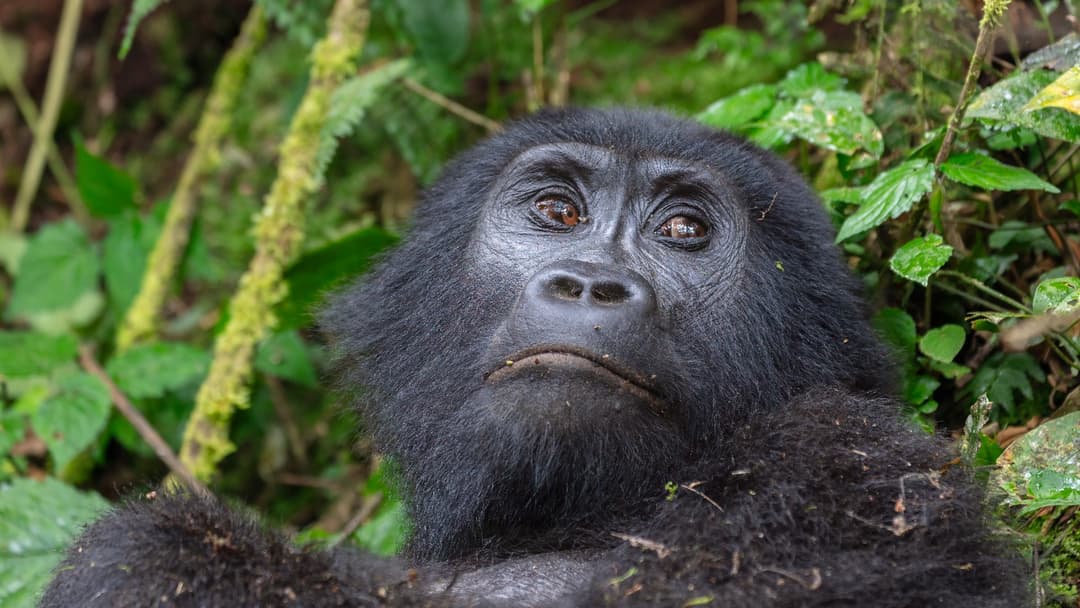
12. Mountain Gorilla 
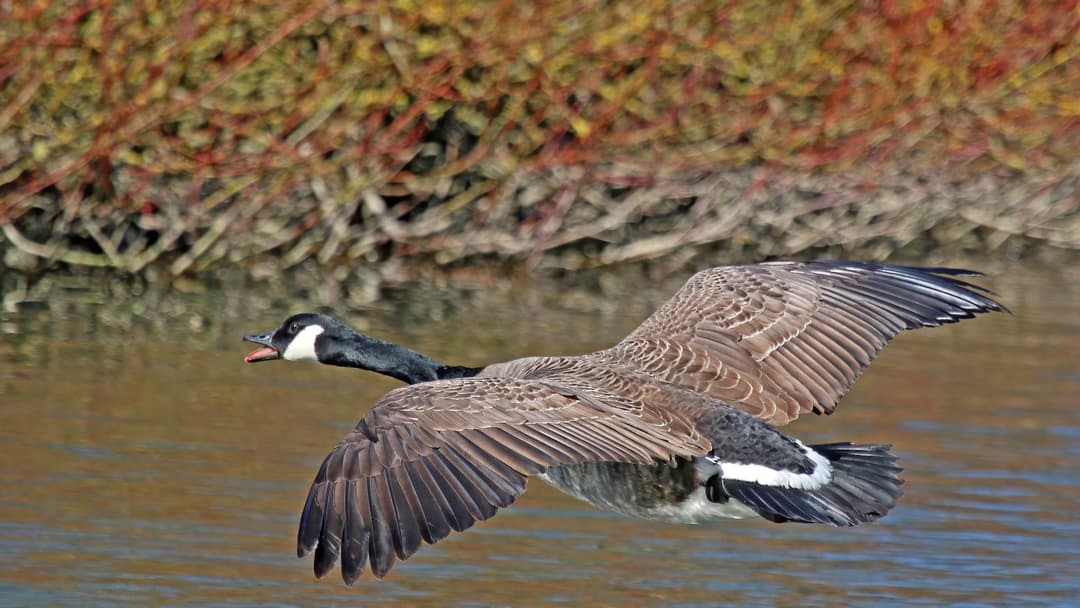
11. Canada Goose - AdvertisementSwipe or tap ▶ to continue countdown

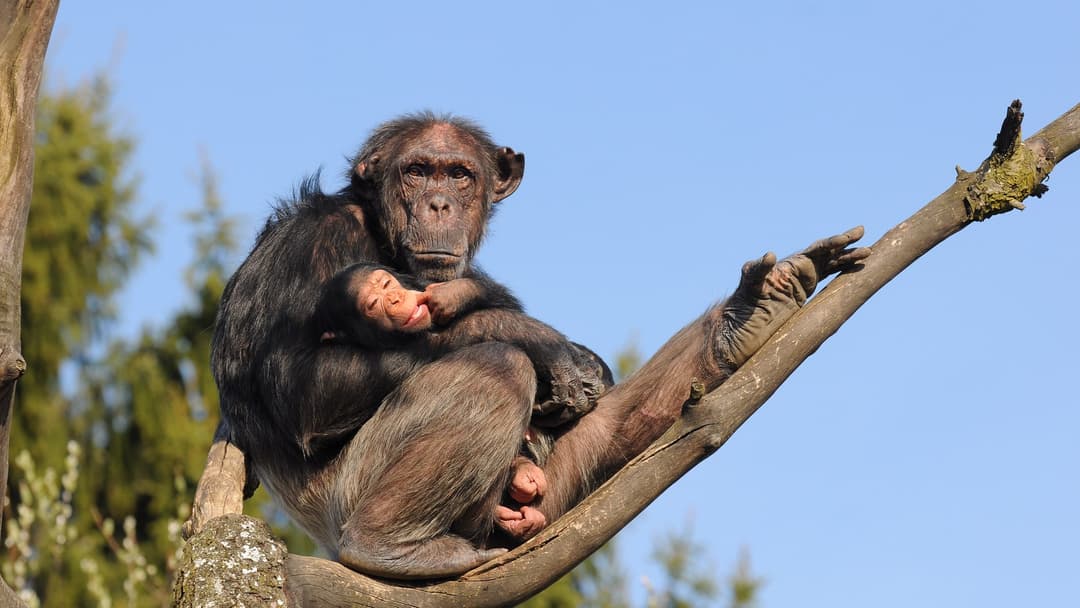
10. Chimpanzee 
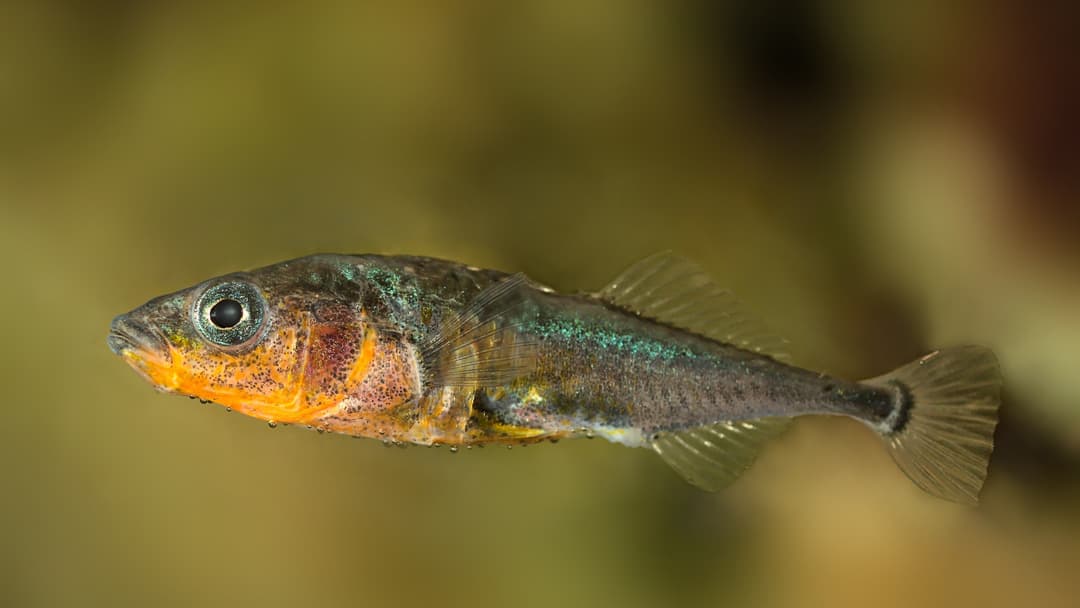
9. Three-Spined Stickleback 
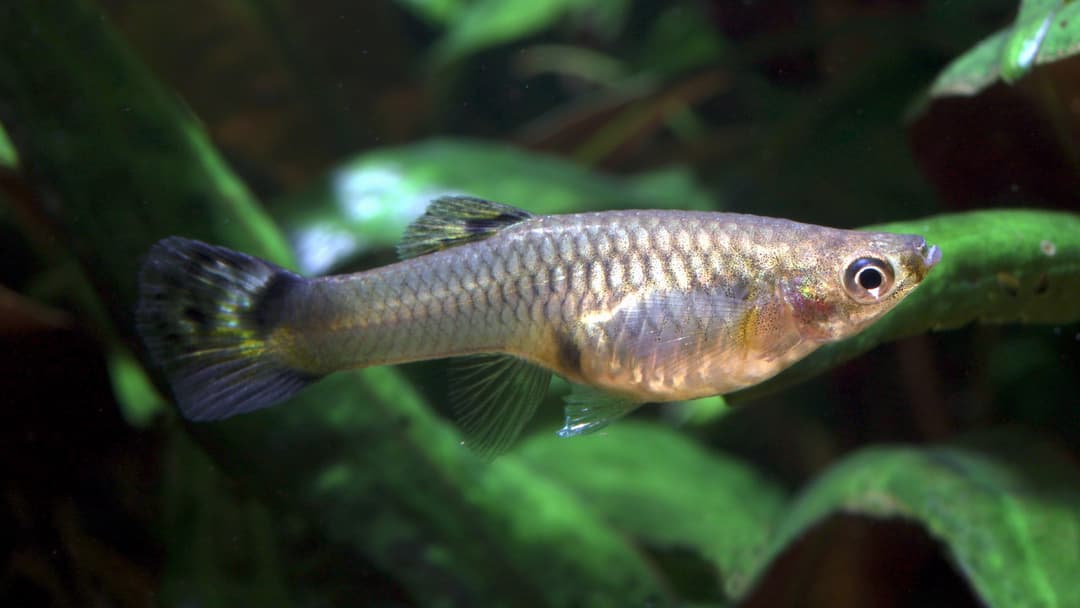
8. Guppy 
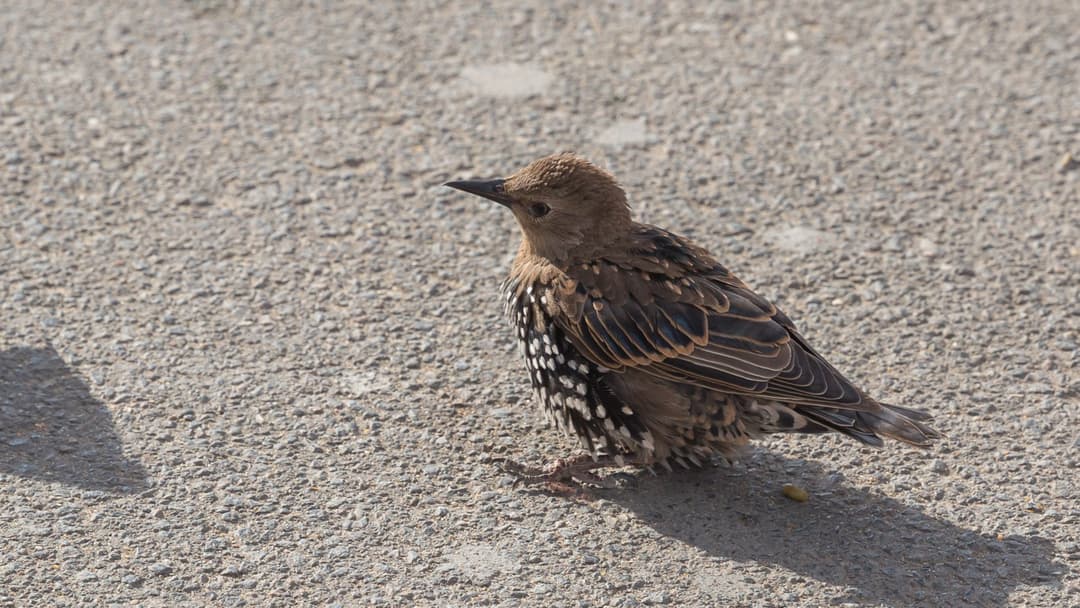
7. European Starling - AdvertisementSwipe or tap ▶ to continue countdown

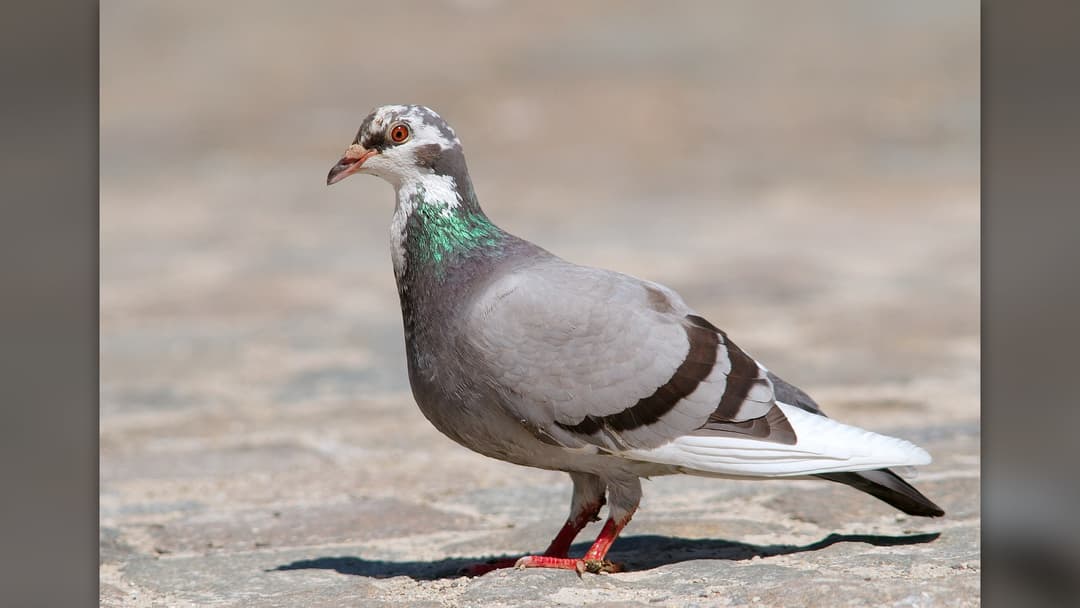
6. Homing Pigeon 
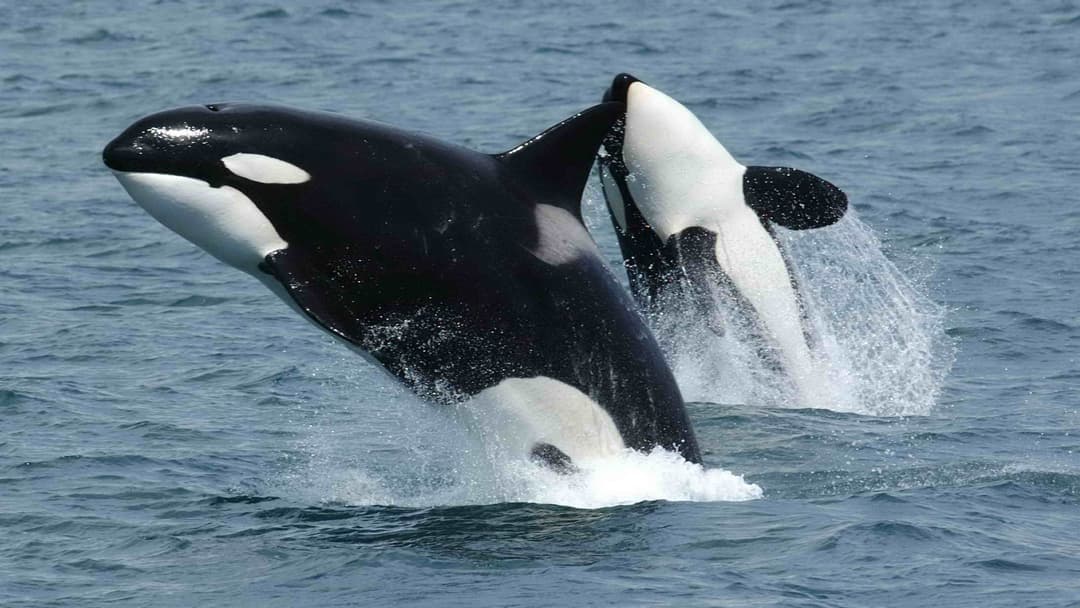
5. Killer Whale 
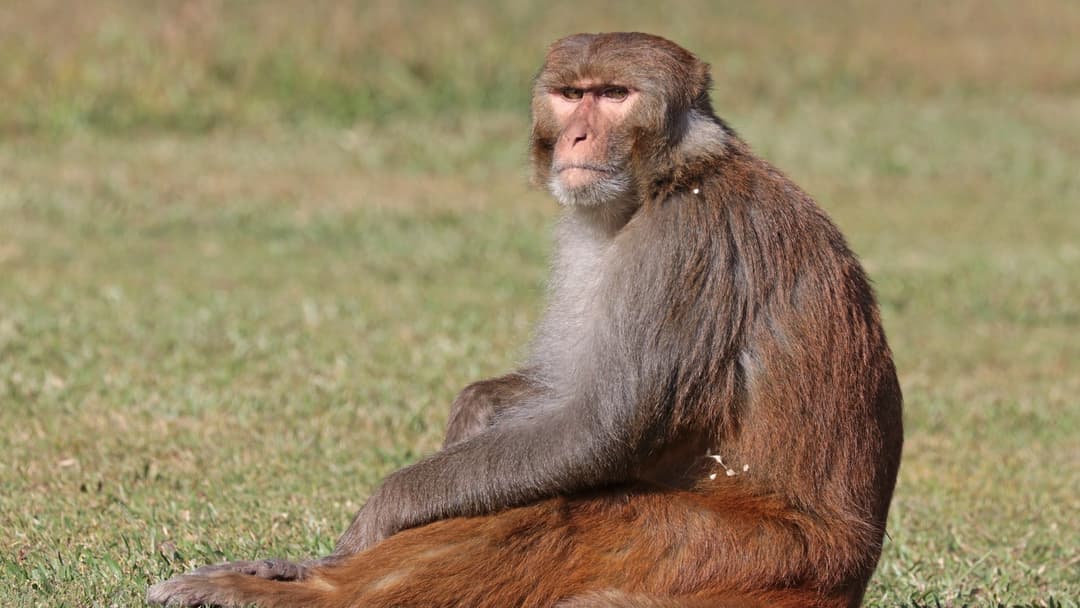
4. Rhesus Macaque 
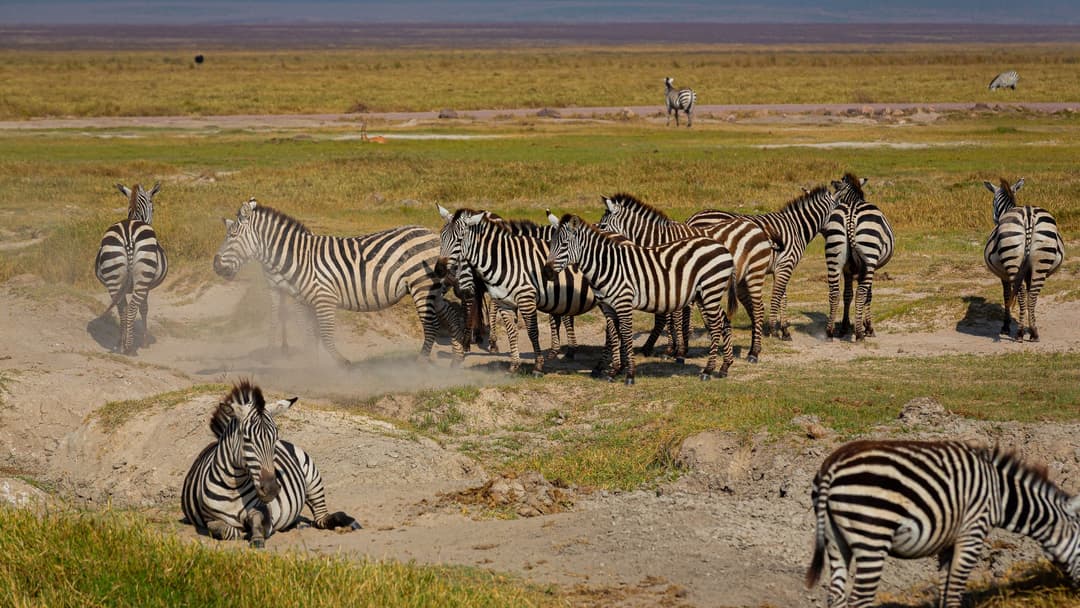
3. Plains Zebra - AdvertisementSwipe or tap ▶ to continue countdown

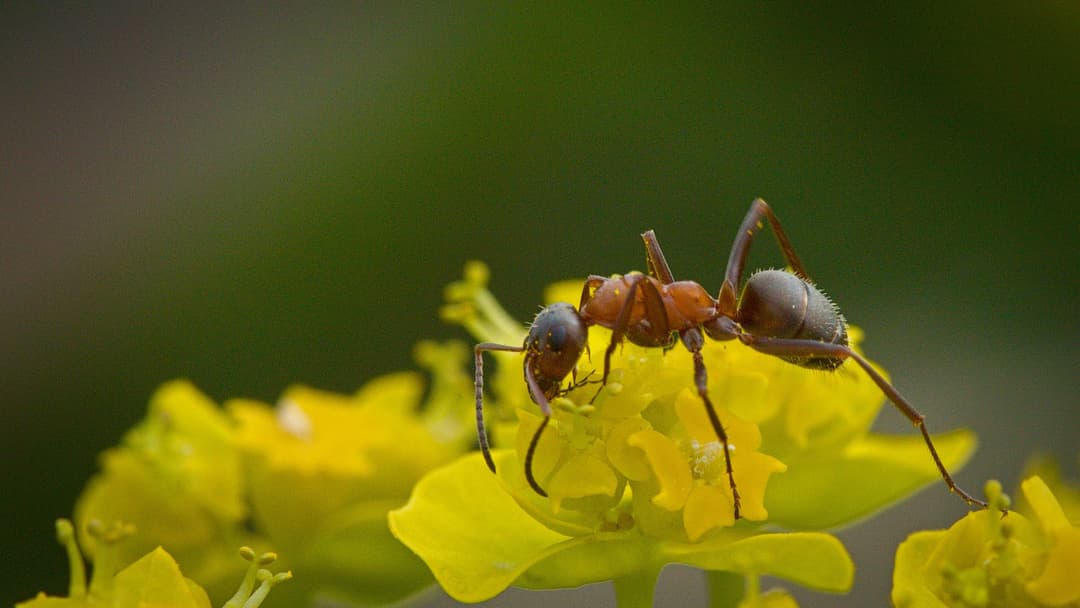
2. Red Wood Ant 
1. Chacma Baboon - Advertisement🔥 UP NEXT IN THIS SERIES◫ 26 Slides

25 Animals That Avoid Contact With Humans
Explore twenty-five social animals that use quorums, gestures, vocal ballots, and democratic consensus to make collective group decisions.
Swipe or tap ▶ to begin the countdown
©Wikimedia / Rasheedhrasheed & Wikimedia / Charles J. Sharp
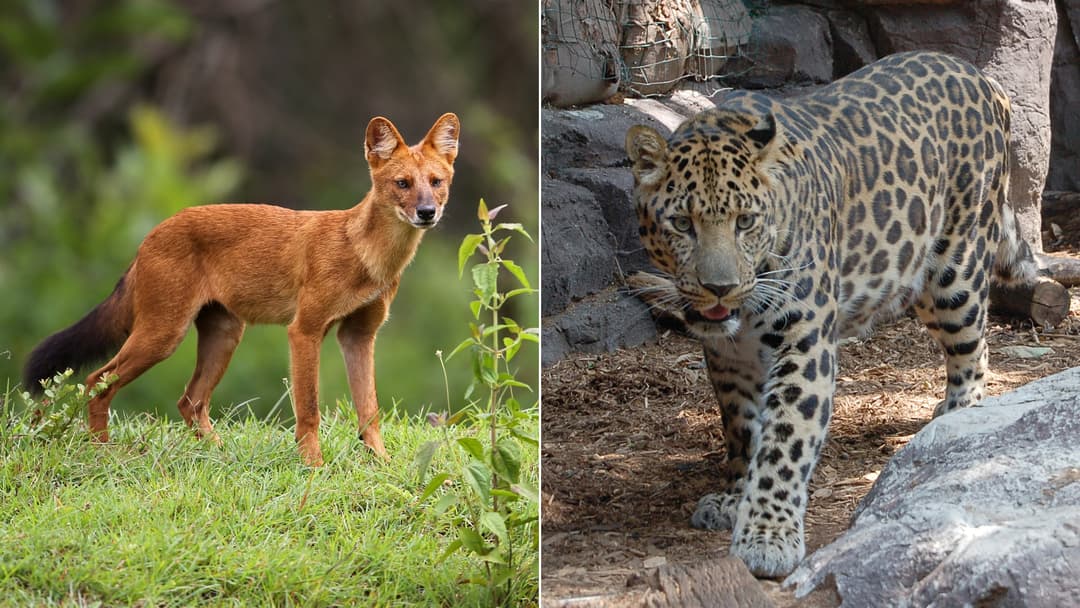
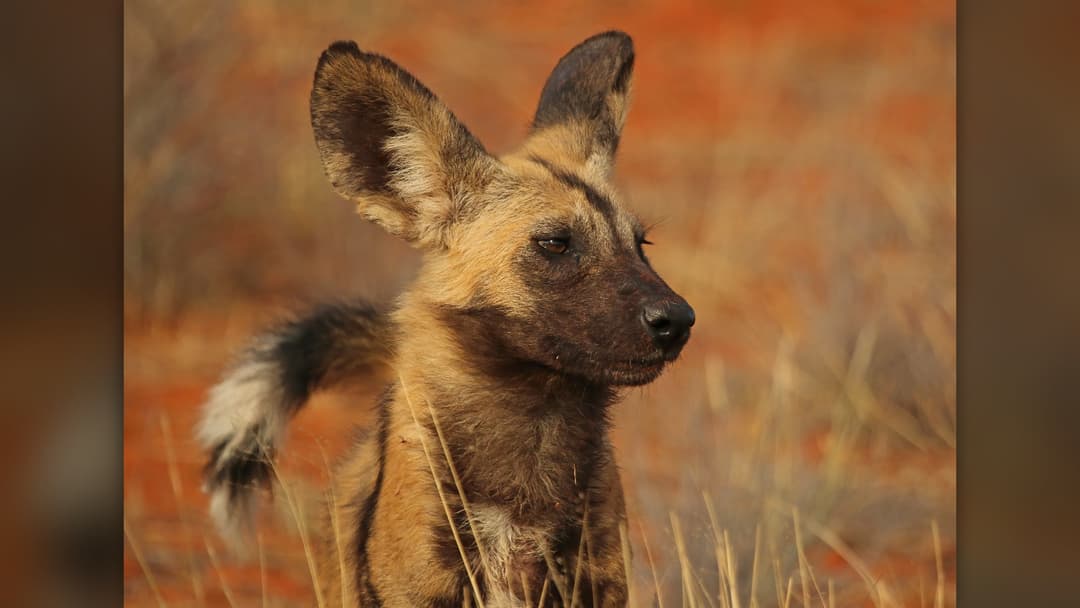
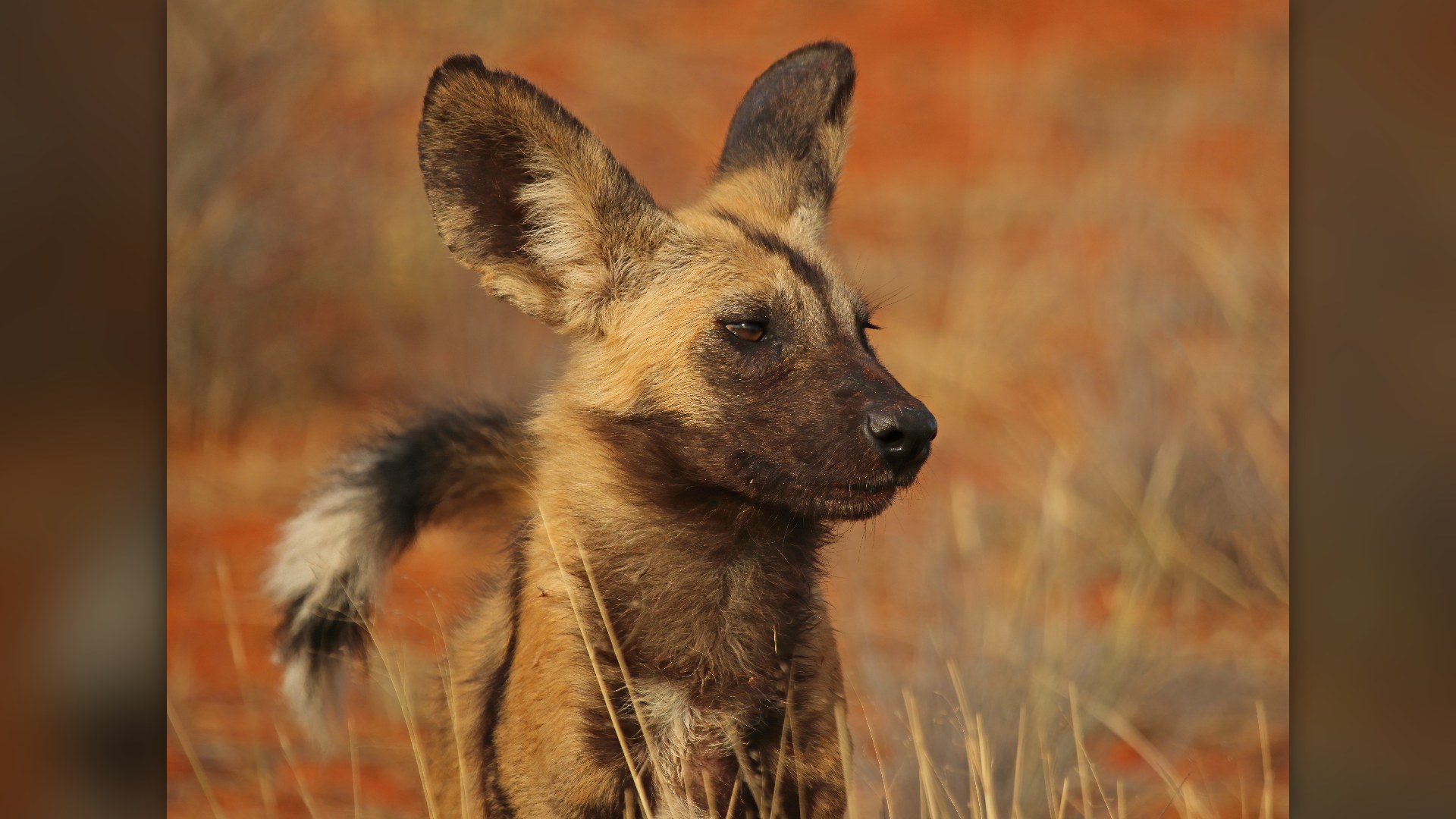
25. African Wild Dog
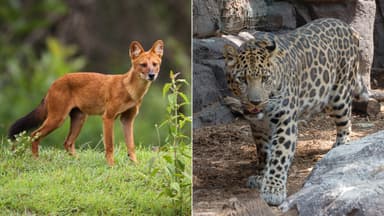
African wild dogs utilize a fascinating democratic process before setting off on collective hunts. During pre-hunt social rallies, individuals sneeze to cast their vote. Only when a quorum of sneezes is reached does the pack depart.
©Wikimedia / Charles J. Sharp
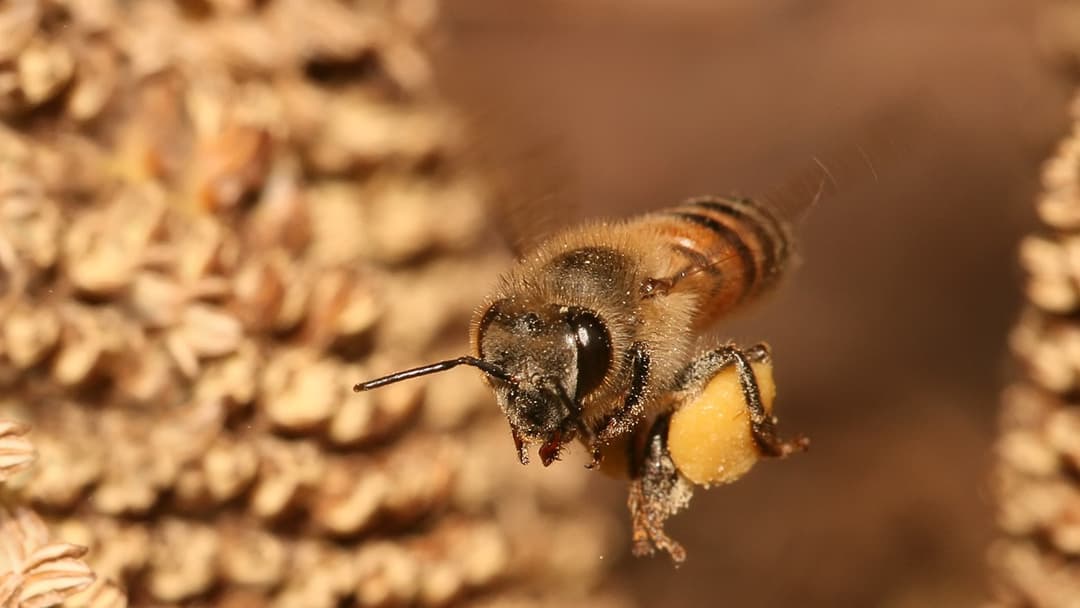
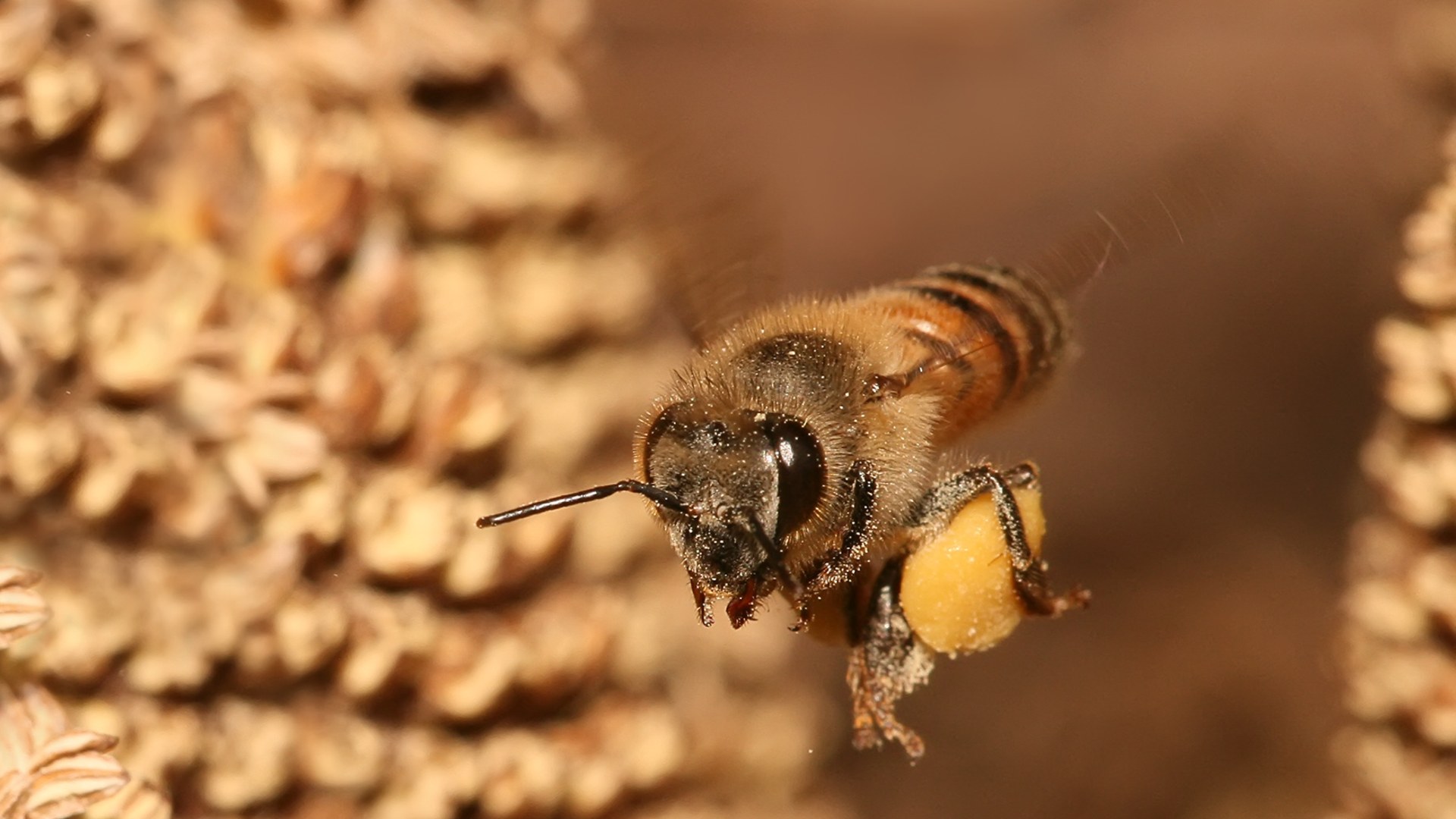
24. Western Honeybee
When a honeybee colony outgrows its hive, hundreds of scout bees inspect potential new cavities. Returning scouts perform waggle dances to indicate direction and quality. The swarm reaches a decision only when dance consensus converges on a single site.
©Wikimedia / Muhammad Mahdi Karim
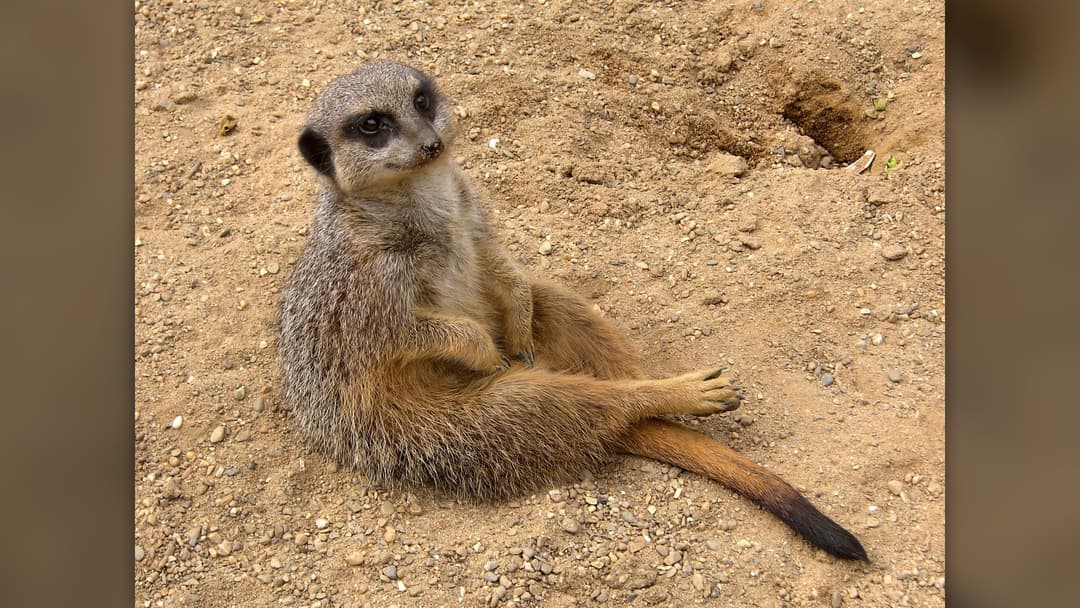
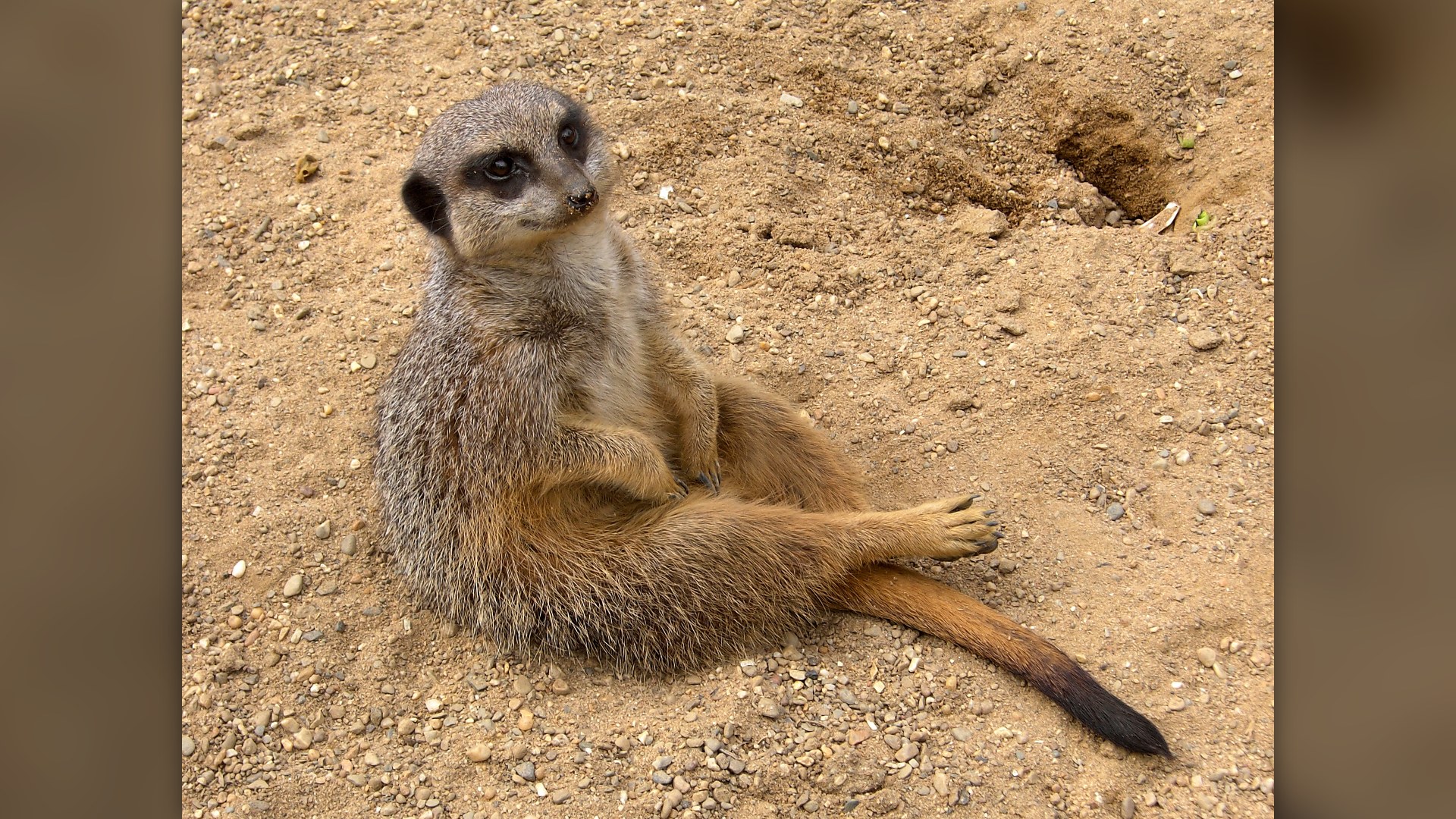
23. Meerkat
Meerkats live in highly cooperative family mobs in arid southern Africa. When an individual wants to transition to a new foraging ground, it emits a specific moving call. If three or more meerkats call within a short window, the entire group moves together.
©Wikimedia / Hans Hillewaert
Advertisement
Swipe or tap ▶ to resume the countdown.
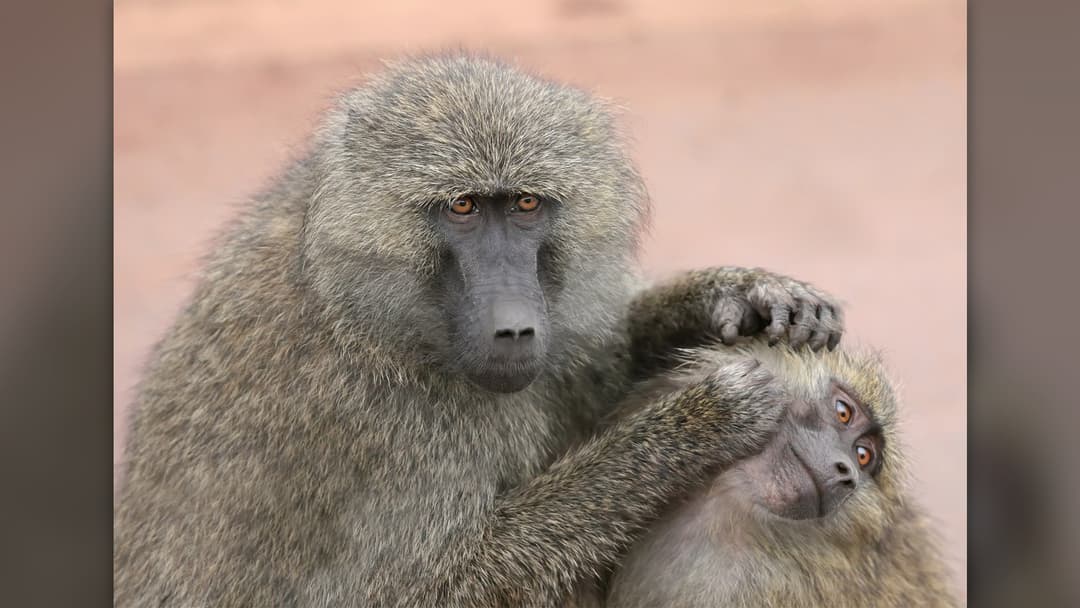
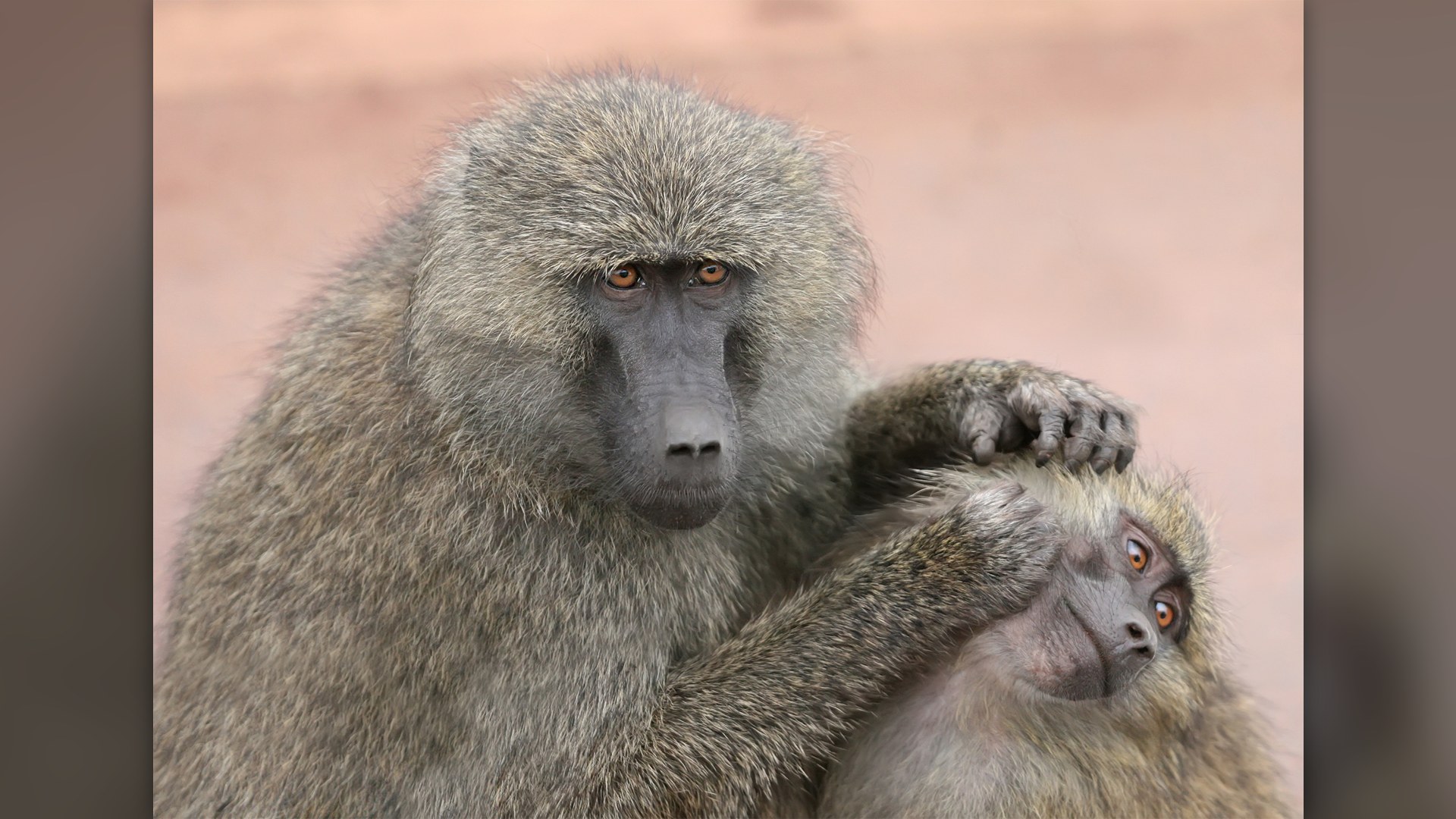
22. Olive Baboon
GPS tracking reveals that olive baboons resolve navigation disagreements democratically. When multiple individuals suggest different routes, the troop follows the path chosen by the majority, completely disregarding alpha rank or social hierarchy.
©Wikimedia / Muhammad Mahdi Karim
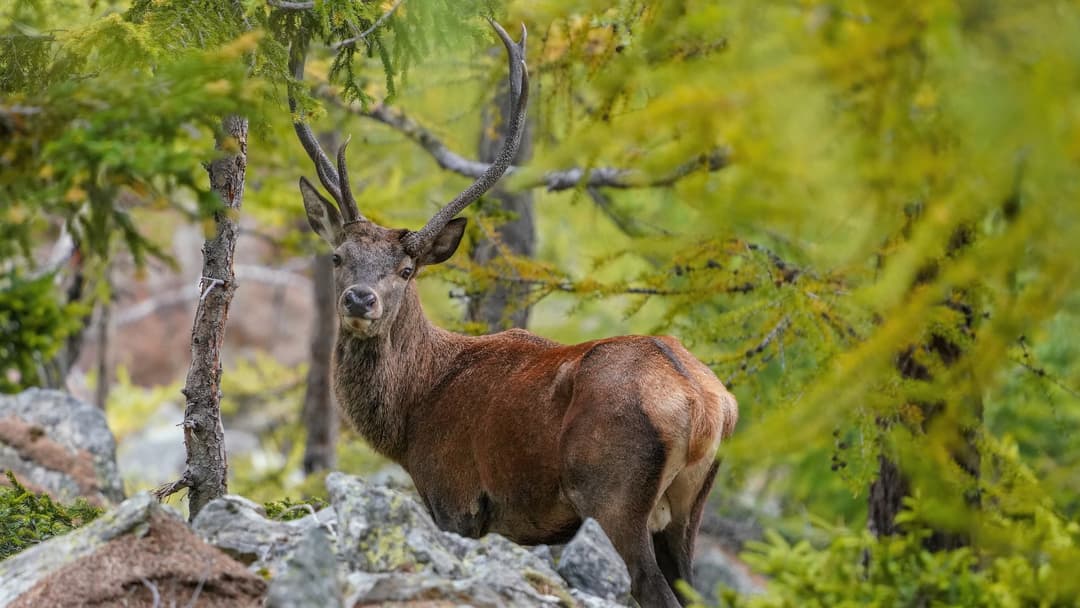
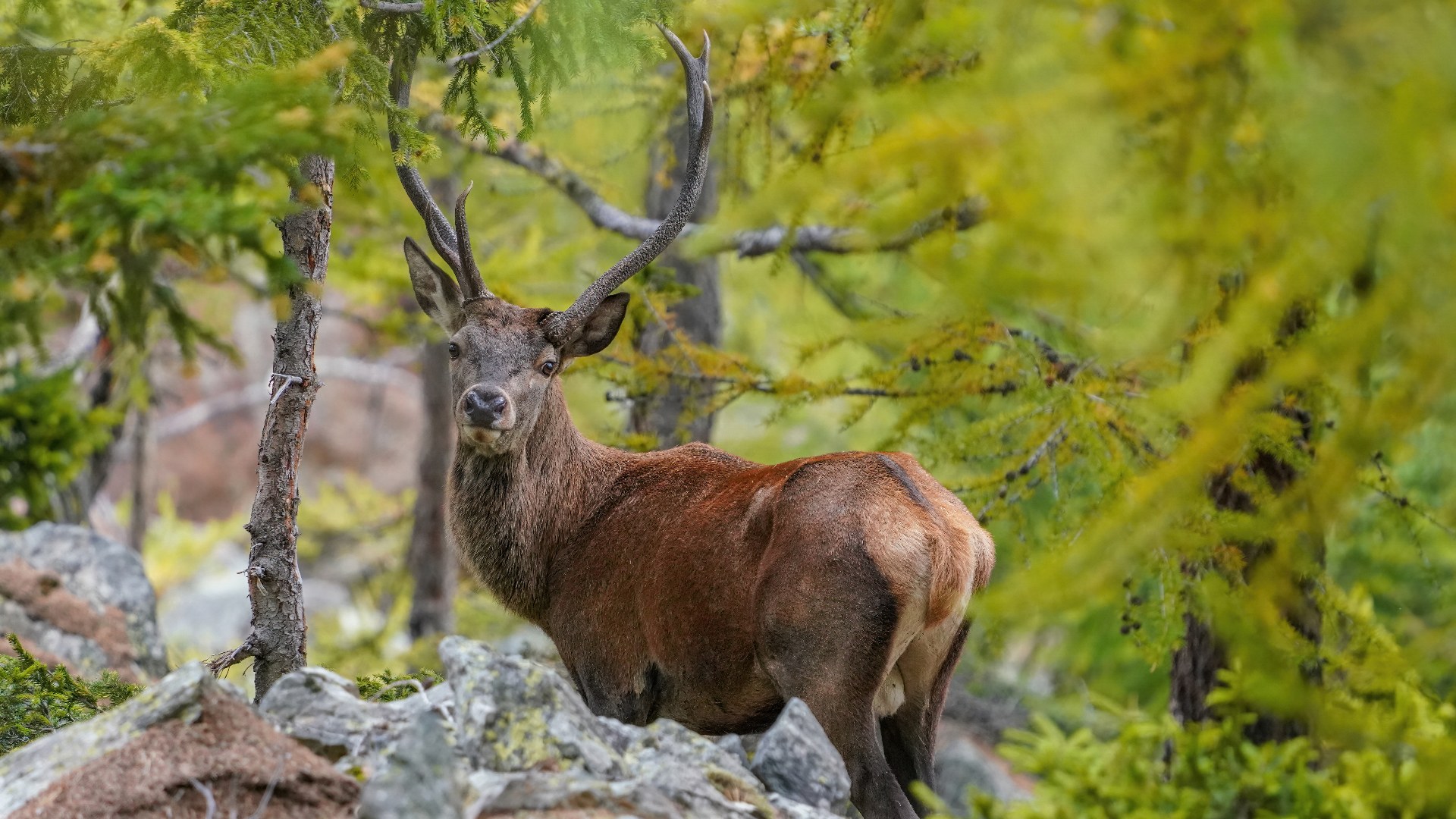
21. Red Deer
In European red deer herds, decisions to leave grazing areas are strictly collective. Individuals signal readiness by standing up and facing a direction. Movement begins only after roughly sixty percent of the adult hinds stand in agreement.
©Wikimedia / Giles Laurent
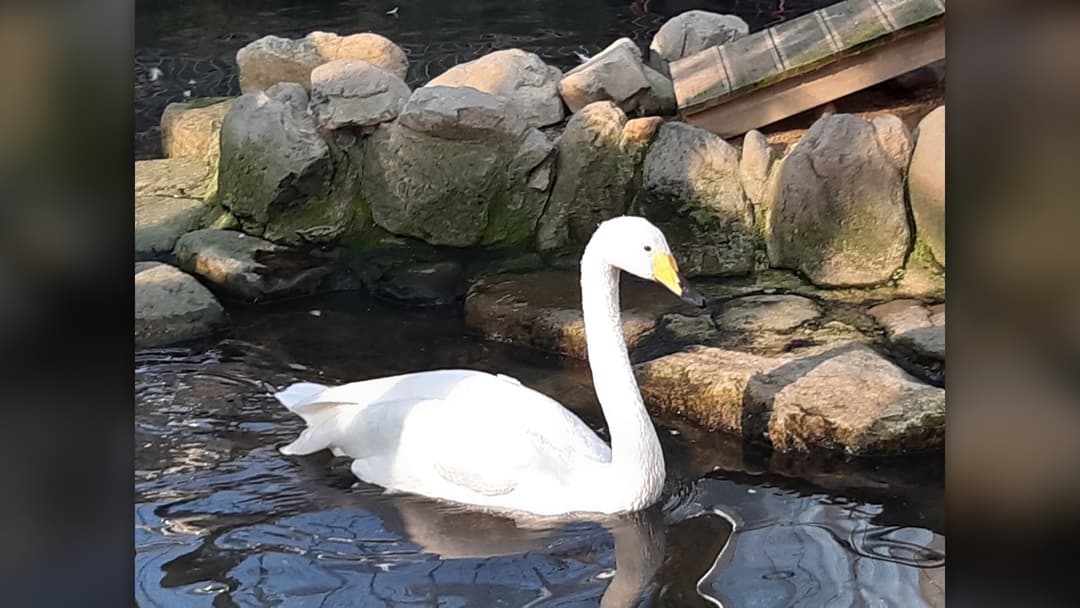
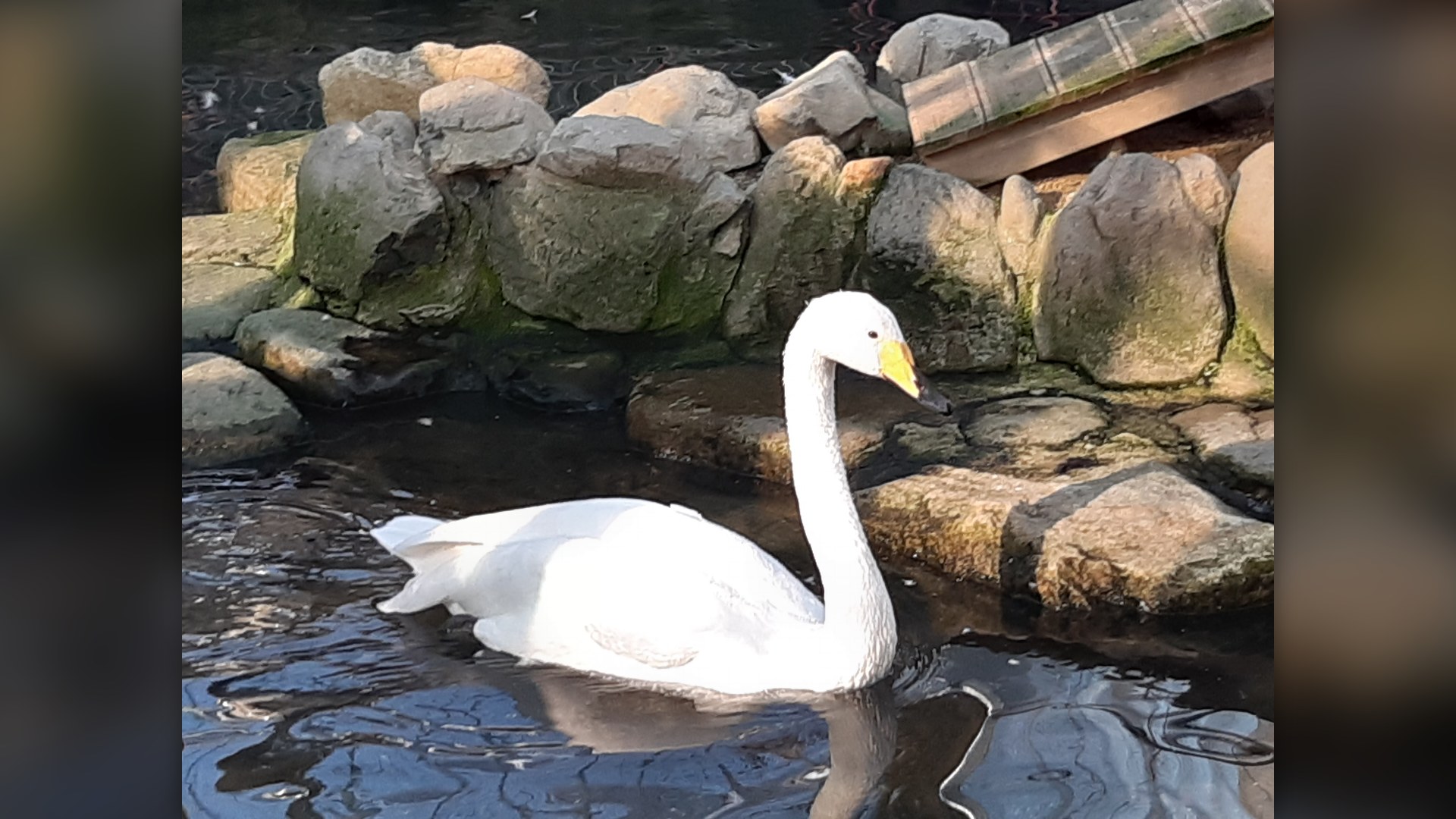
20. Whooper Swan
Whooper swans organize flock takeoffs through a distinct visual voting system. Individuals initiate rapid head-bobbing accompanied by calling. As more swans join the synchronized display, the tempo accelerates until reaching a threshold that launches the flock.
©Wikimedia / Drcbrothephotographer
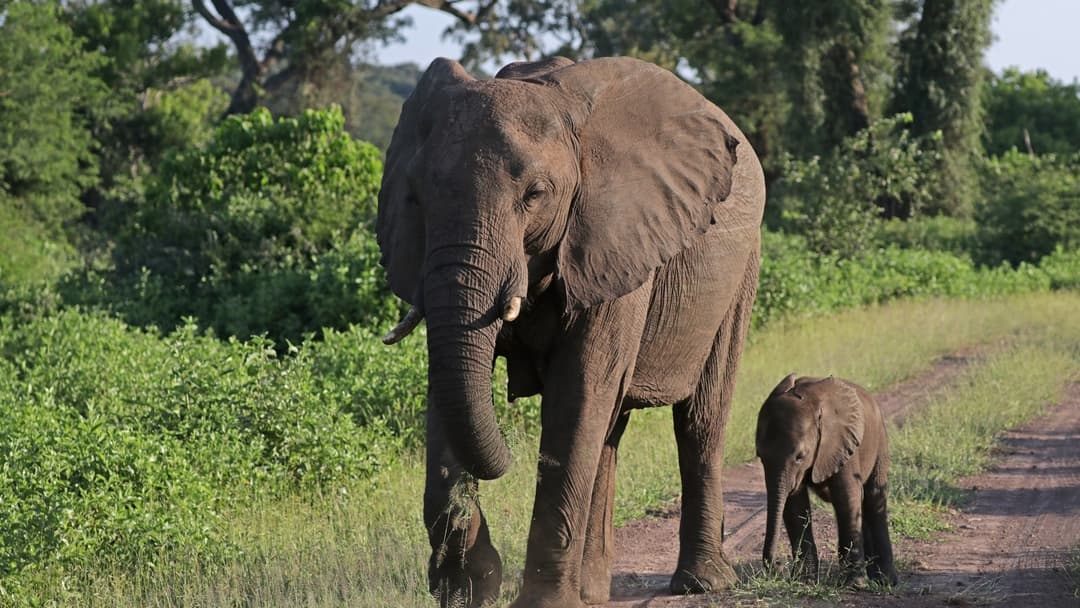
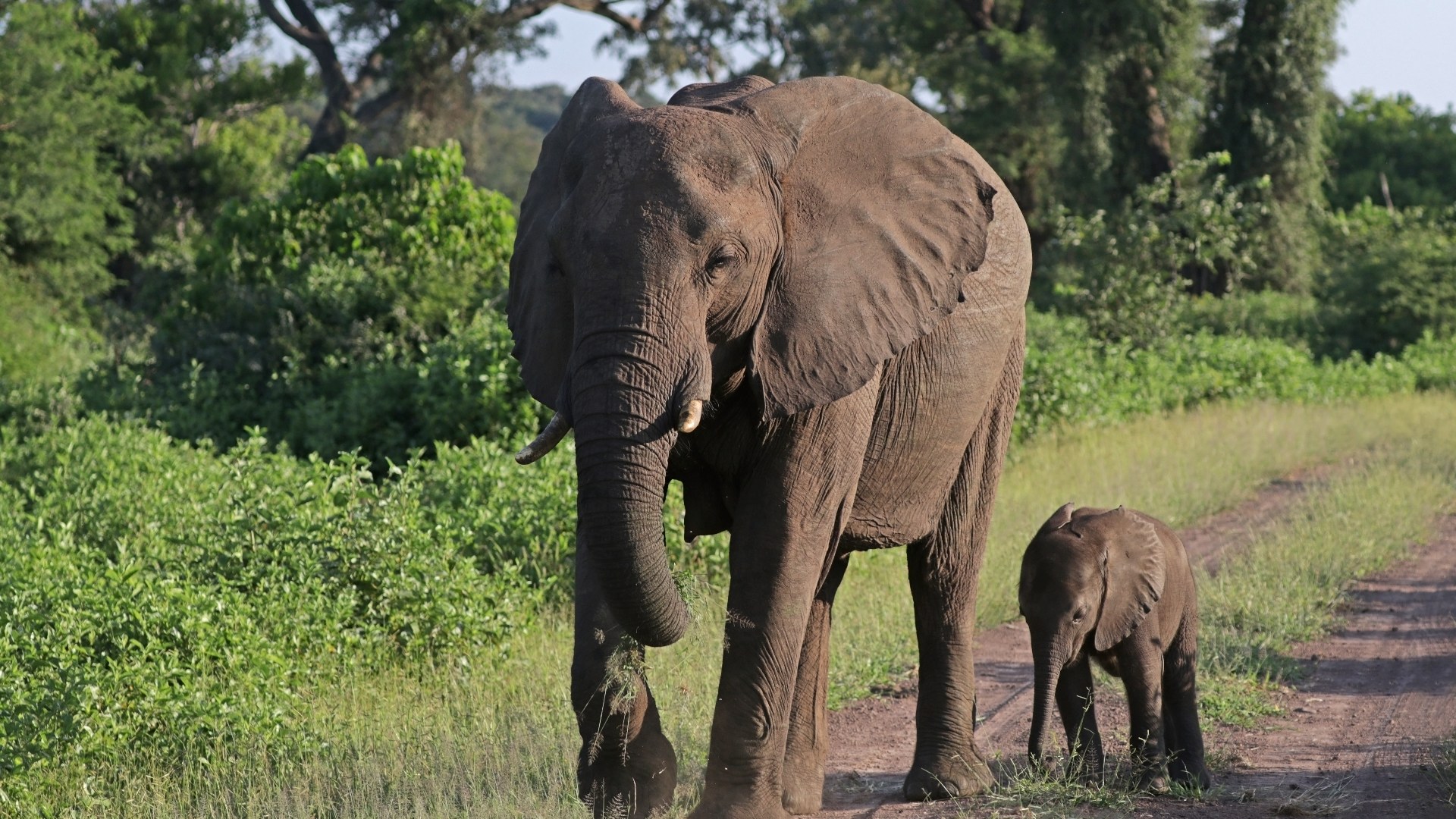
19. African Elephant
Before an elephant herd moves to a new watering hole, family members engage in acoustic negotiations. Adult females broadcast deep infrasonic rumbles back and forth. Only when multiple herd members echo the call does the matriarch lead the procession forward.
©Wikimedia / Charles J. Sharp
Advertisement
Swipe or tap ▶ to resume the countdown.
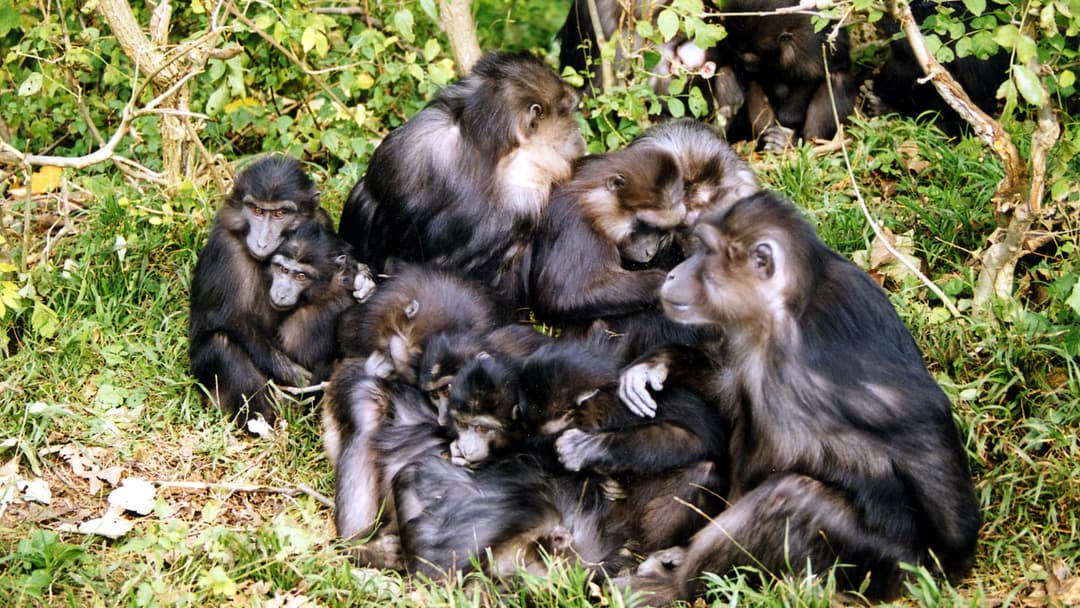
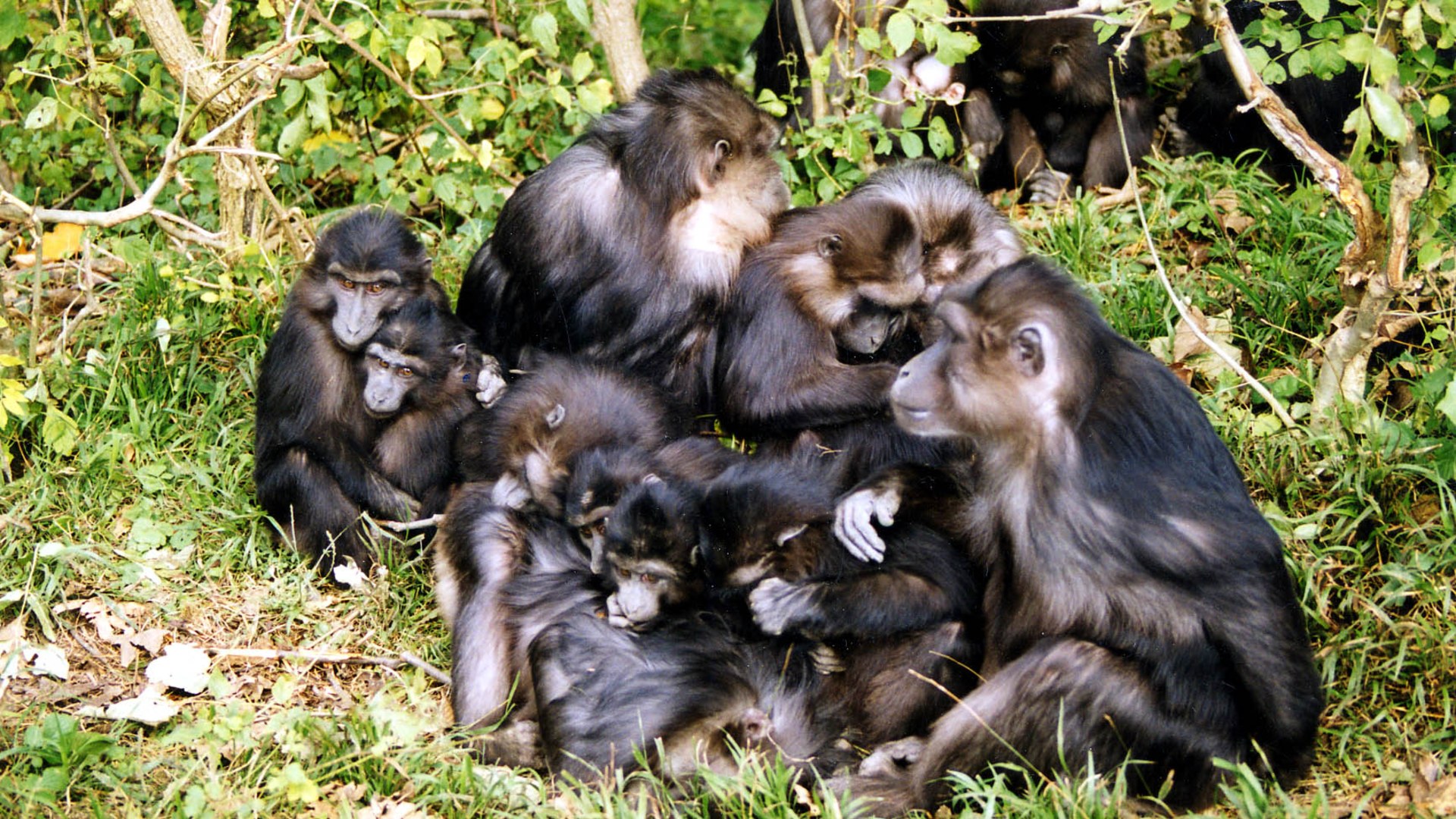
18. Tonkean Macaque
Tonkean macaques of Sulawesi maintain an remarkably egalitarian social structure. Any individual, regardless of rank or sex, can propose a travel route by walking in a direction and looking back. If a quorum of peers follows, the entire troop commits to the path.
©Wikimedia / Janekvorik
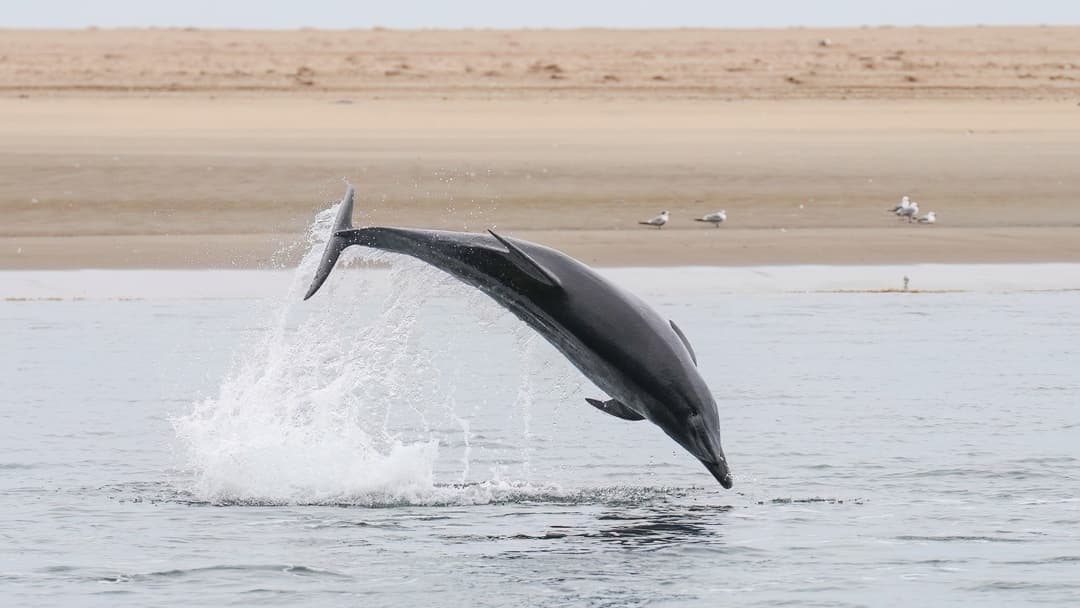
17. Bottlenose Dolphin
Bottlenose dolphins use coordinated whistling and side-by-side surface leaps to coordinate collective travel. When navigating complex coastal inlets, individual dolphins emit navigational whistles, adjusting swim headings once acoustic consensus forms.
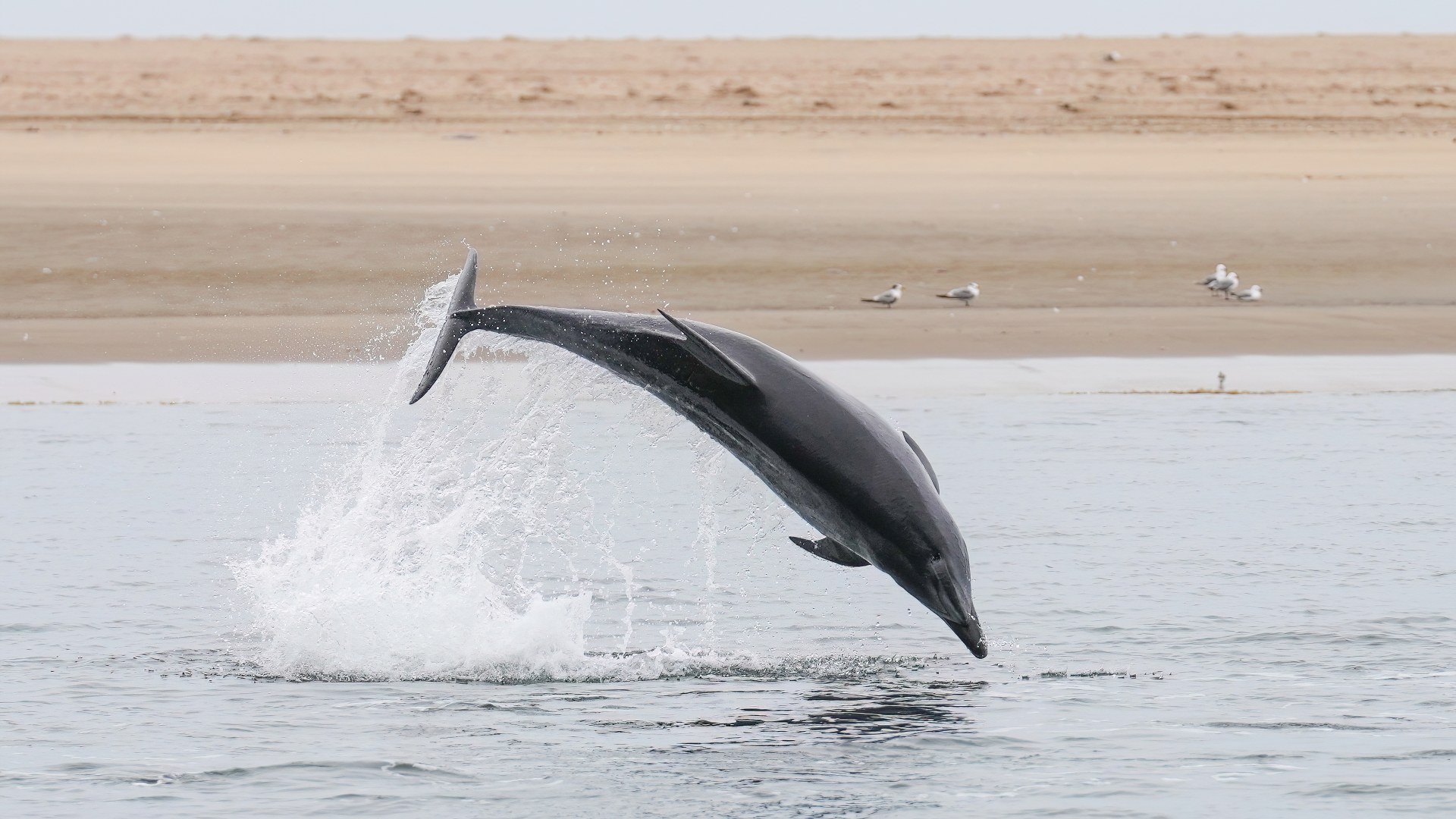
©Wikimedia / Giles Laurent
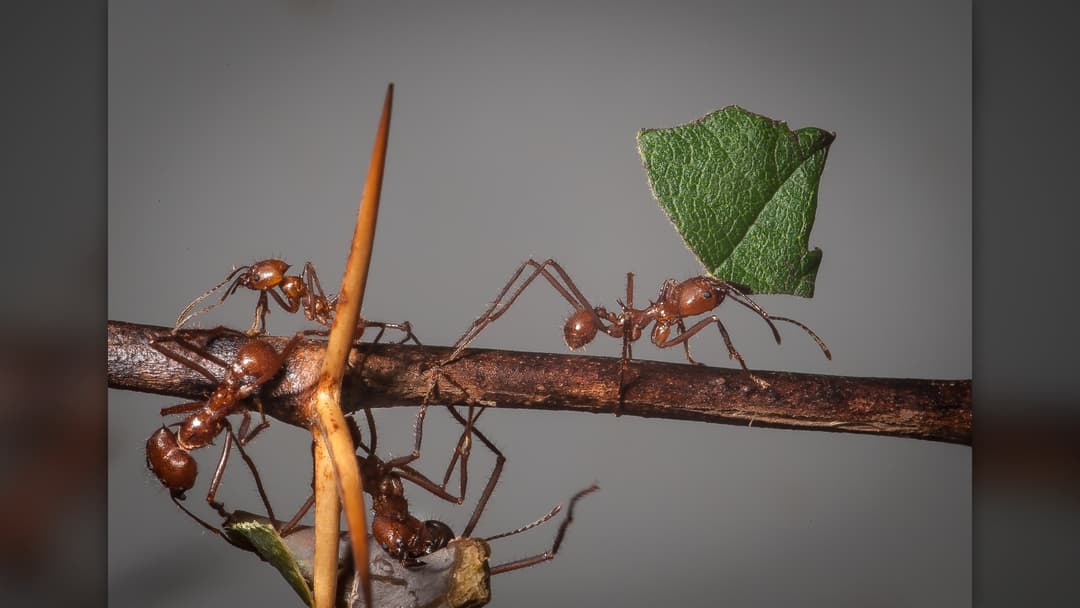
16. Leafcutter Ant
Leafcutter ant colonies deploy scout workers to explore competing vegetation sources. Scouts lay pheromone trails on their return journeys. The colony effectively votes by trail traffic, concentrating thousands of workers onto the most chemically reinforced trail.
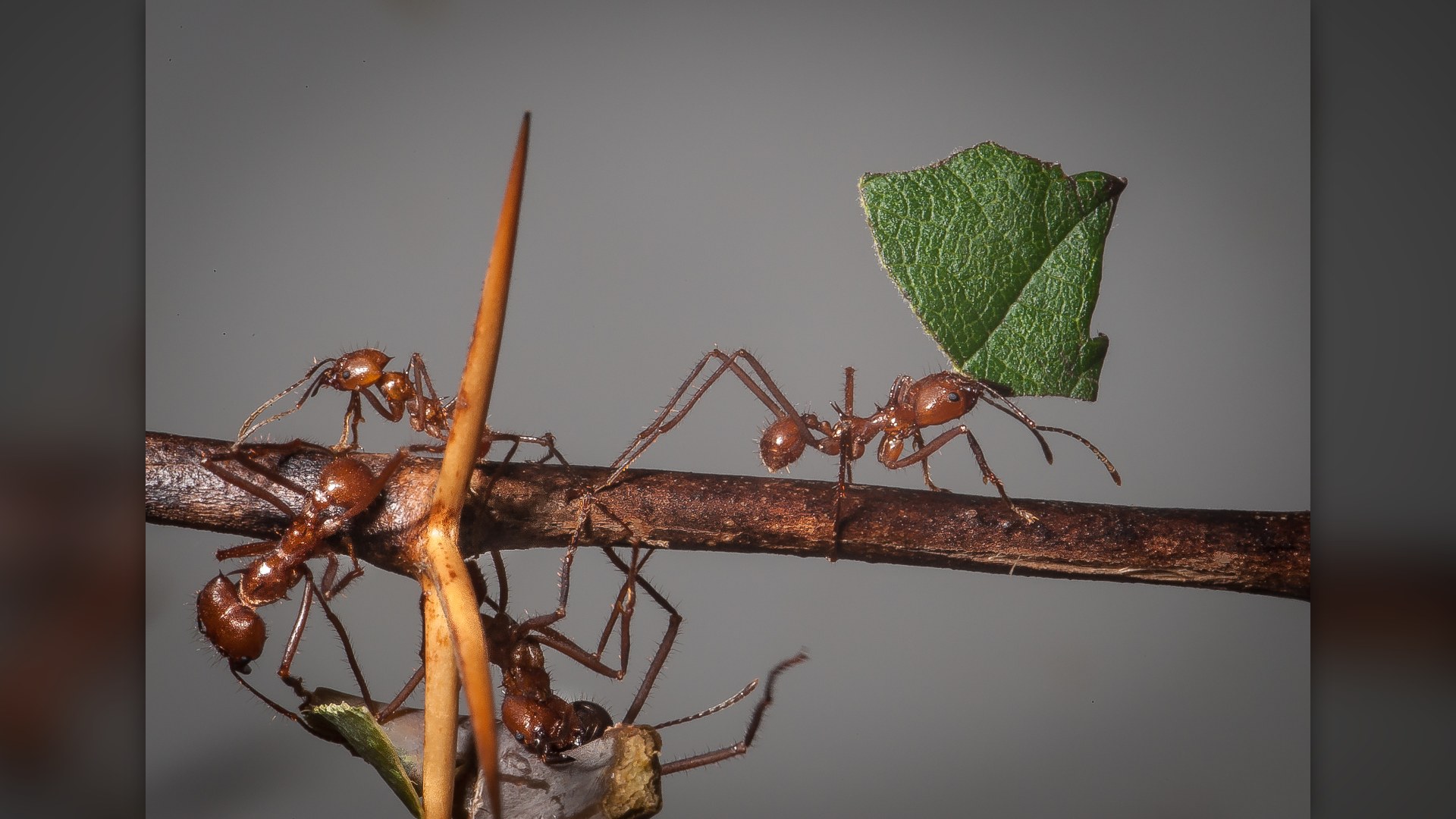
©Wikimedia / Pjt56
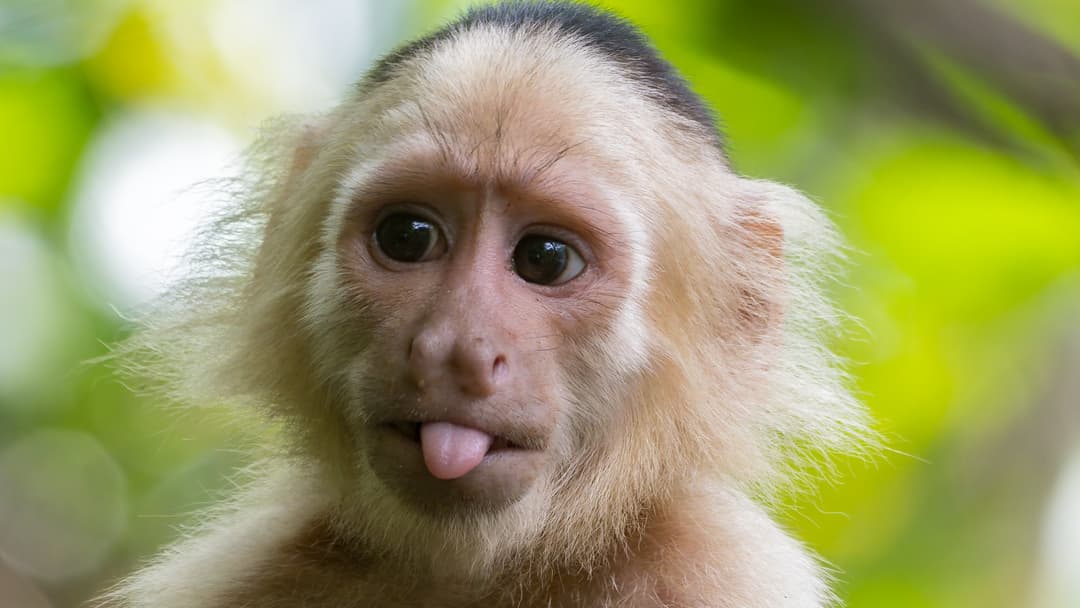
15. White-Faced Capuchin
White-faced capuchin monkeys use specialized trill vocalizations to propose moving the troop. Rather than obeying a dominant male, troop members begin moving only when multiple individuals join the trill chorus to reach a consensus threshold.
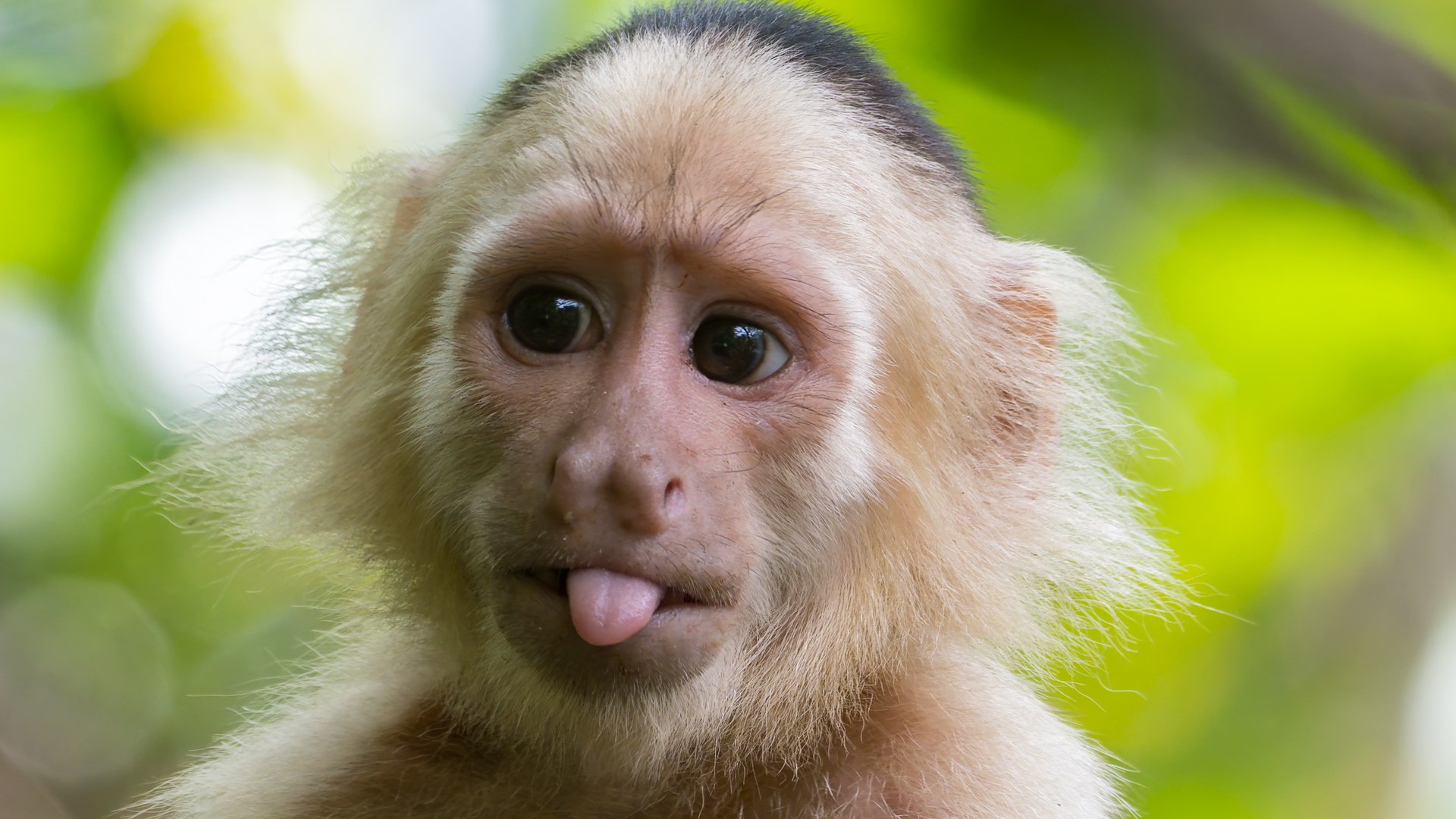
©Wikimedia / Hobbyfotowiki
Advertisement
Swipe or tap ▶ to resume the countdown.
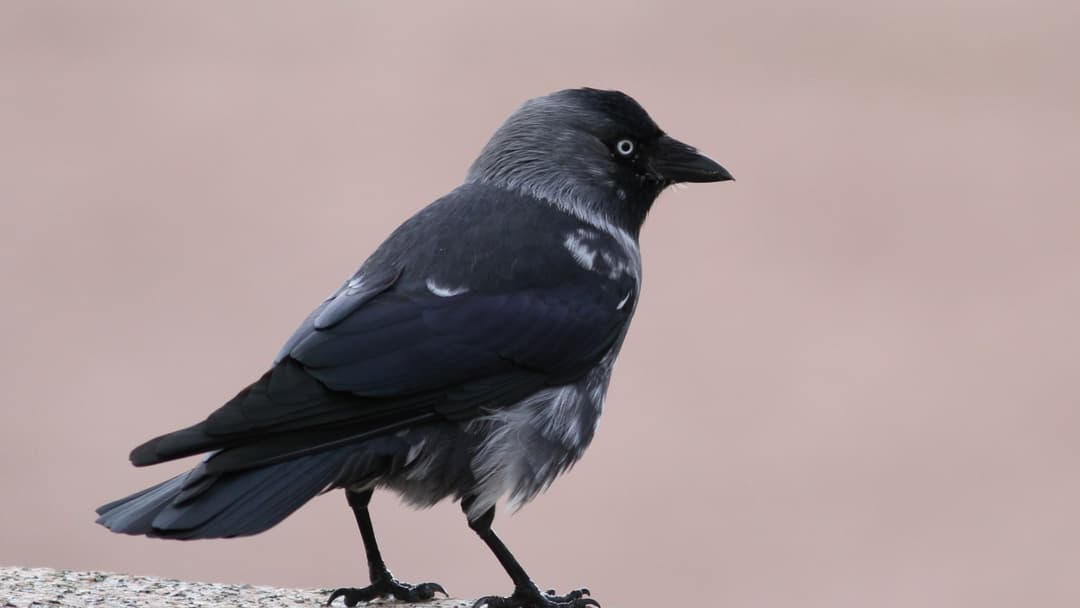
14. Jackdaw
Jackdaws sleep in massive communal winter roosts across European woodlands. Before launching morning foraging flights, birds call to each other. The flock takes flight en masse only when the collective calling volume and tempo surpass a democratic tipping point.
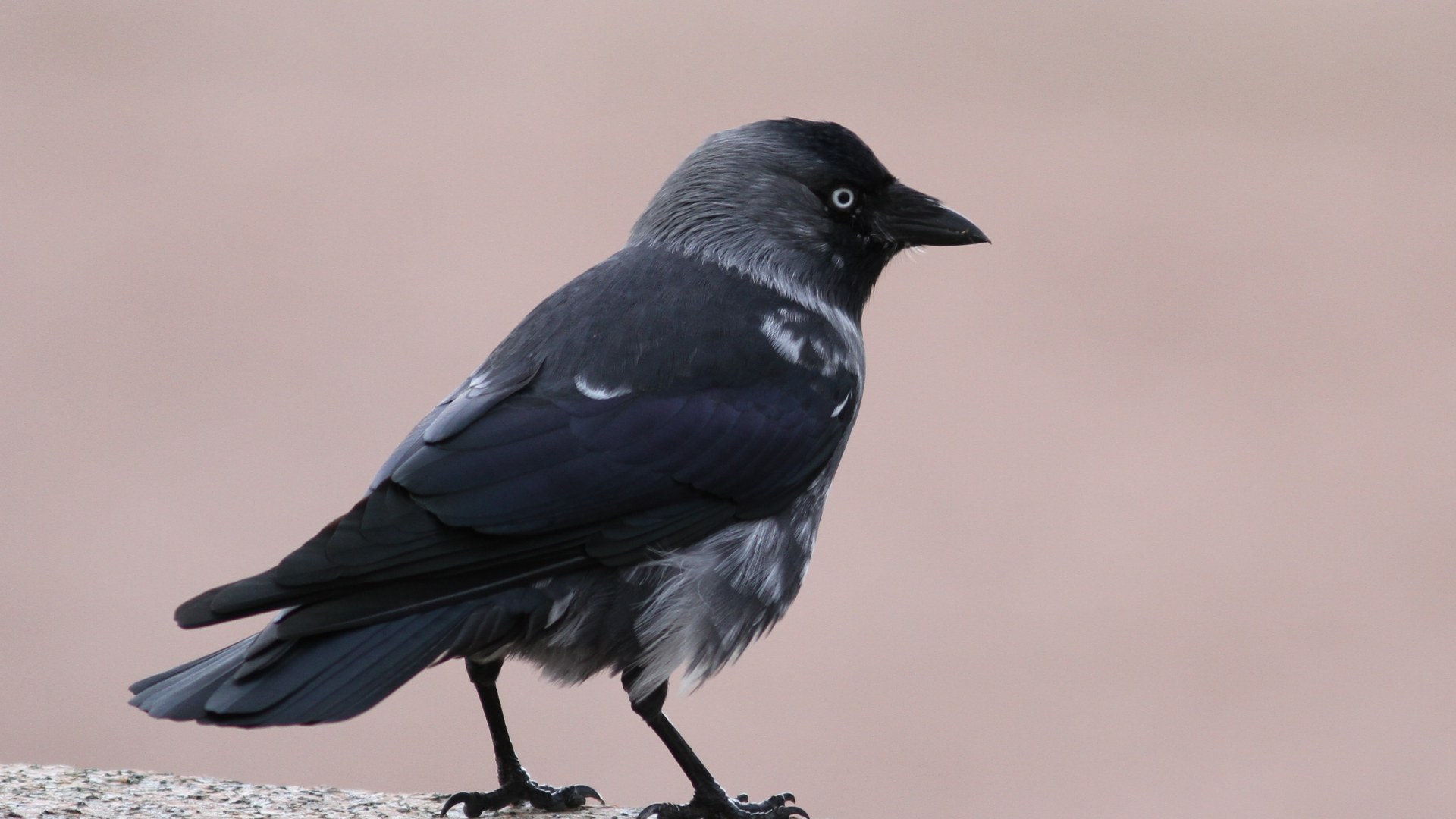
©Wikimedia / Markus Rantala
13. American Bison
In American bison herds, movement decisions are led democratically by adult females. Cows gradually align their standing bodies in the direction they wish to graze. The entire herd only begins walking when the majority of cows point toward the same trajectory.
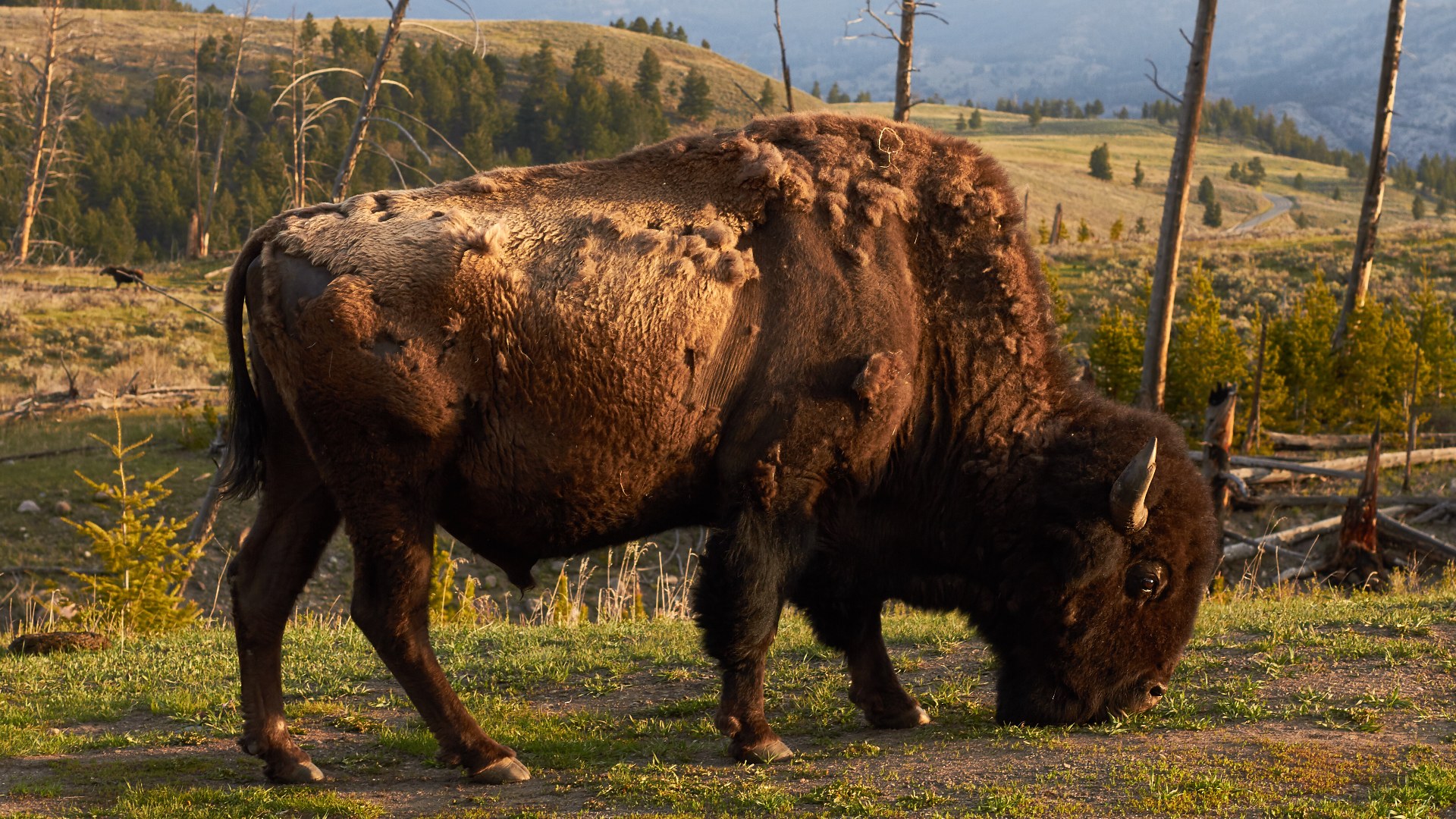
©Wikimedia / Frank Schulenburg
12. Mountain Gorilla
Although led by a dominant silverback, mountain gorilla troops rely on subtle female consensus. Before initiating a nest departure or foraging trek, the silverback pauses and waits for soft vocal grunts from adult females, moving only once collective assent is voiced.
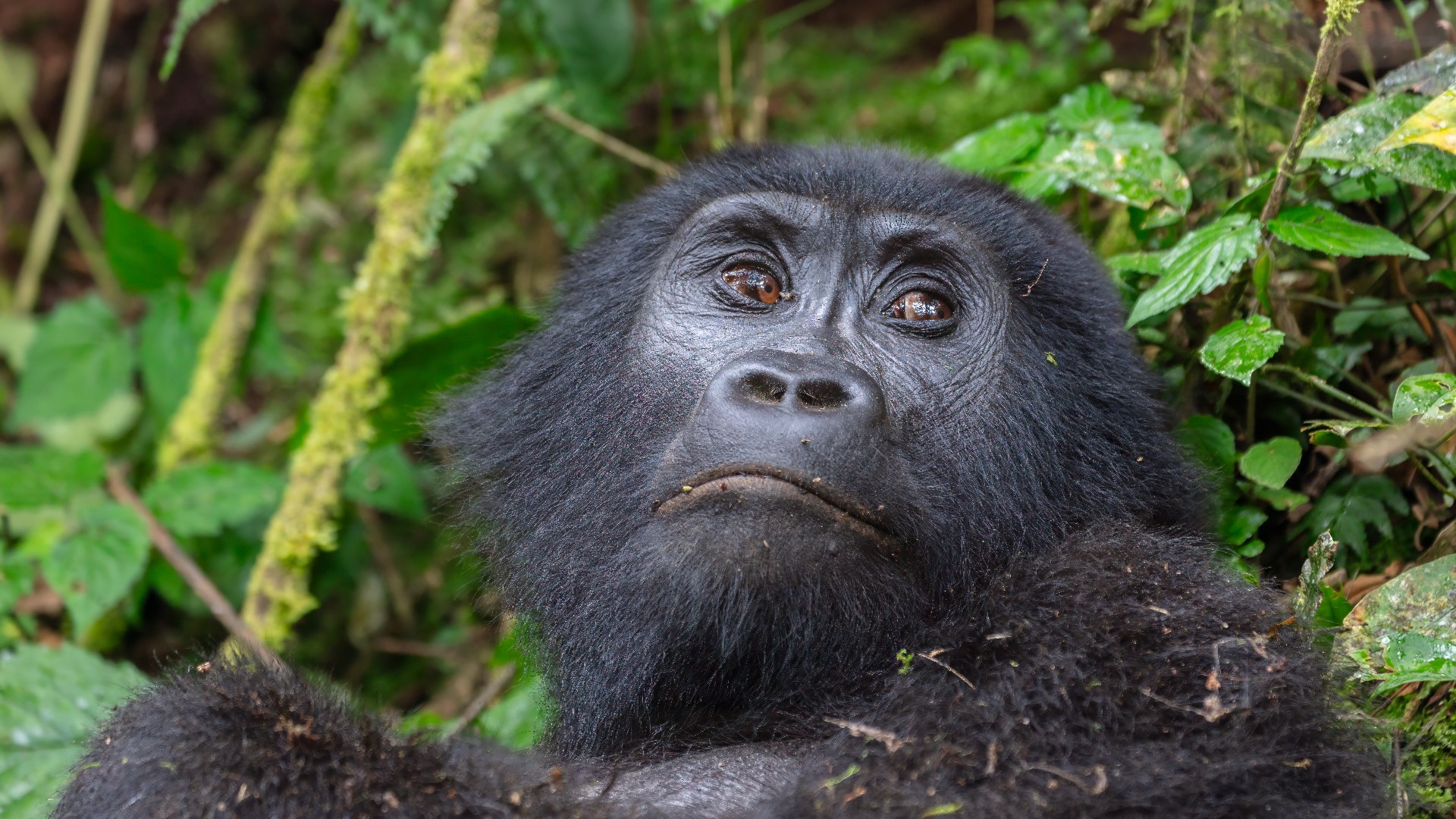
©Wikimedia / Diego Delso
11. Canada Goose
During long-distance seasonal migrations, Canada geese fly in coordinated V-formations. Continuous honking from trailing geese encourages lead flyers and signals collective fatigue, prompting democratic rotations at the front of the flock.
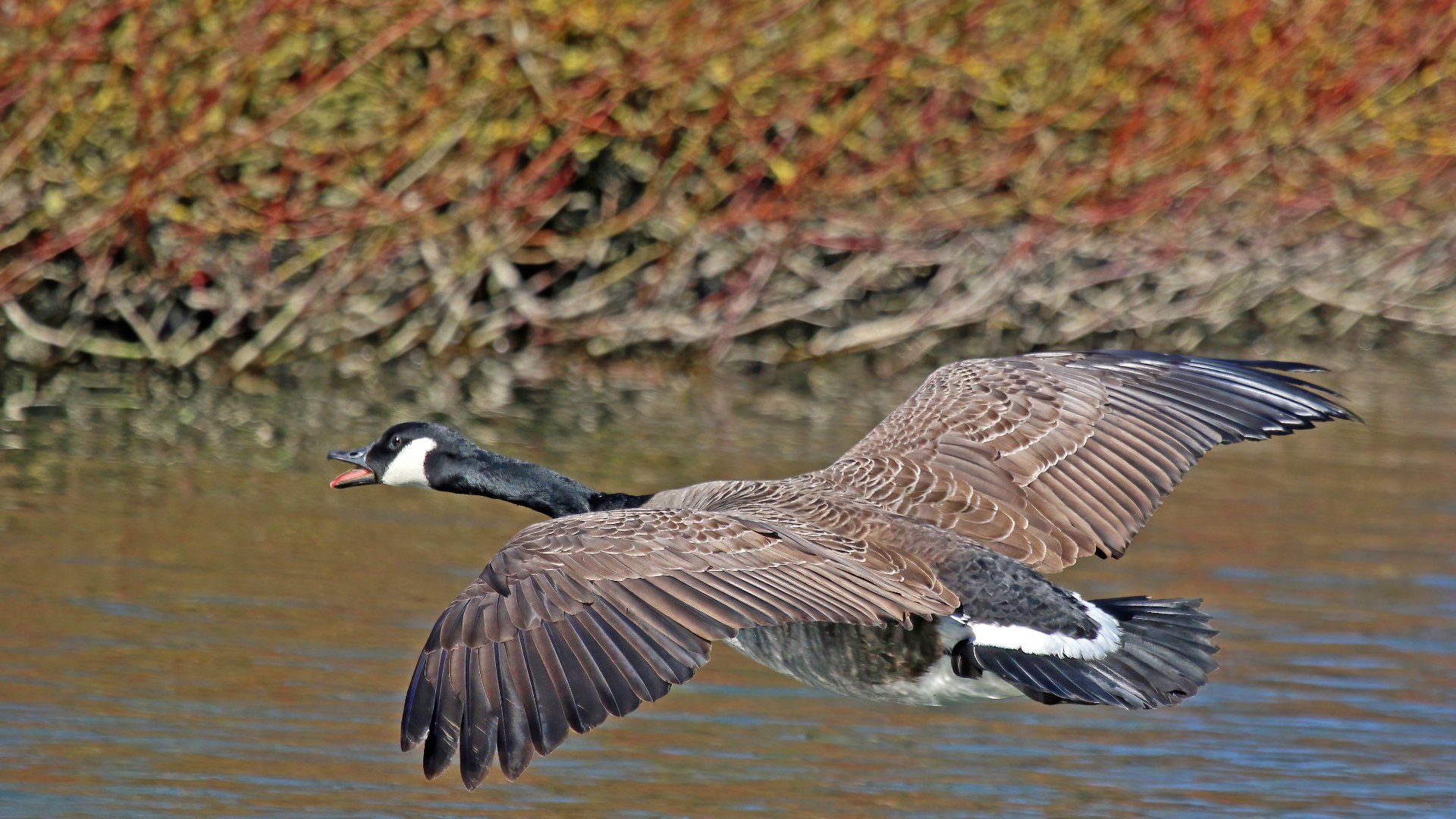
©Wikimedia / Charles J. Sharp
Advertisement
Swipe or tap ▶ to resume the countdown.
10. Chimpanzee
Chimpanzee border patrols require full group agreement before crossing into rival territories. Males gather in tense, silent grooming circles, making repeated eye contact and directional body shifts until all participants commit to advancing.
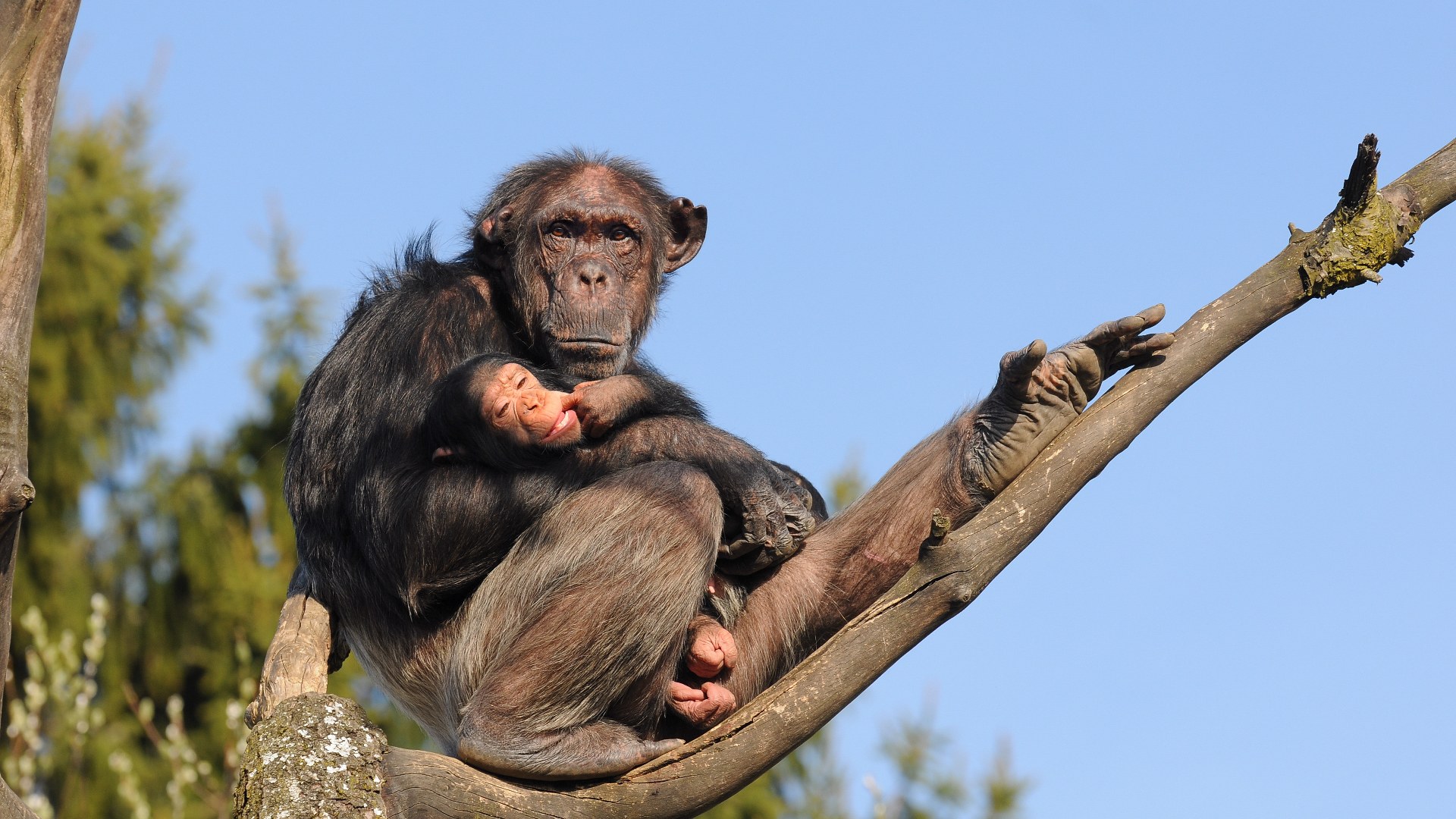
©Wikimedia / Friedrich Böhringer
9. Three-Spined Stickleback
Three-spined sticklebacks utilize mathematical quorum rules when exploring unfamiliar waters. If a single fish explores a path, others hesitate. Once two or three fish follow, the remaining shoal rapidly votes with their bodies, joining the majority.
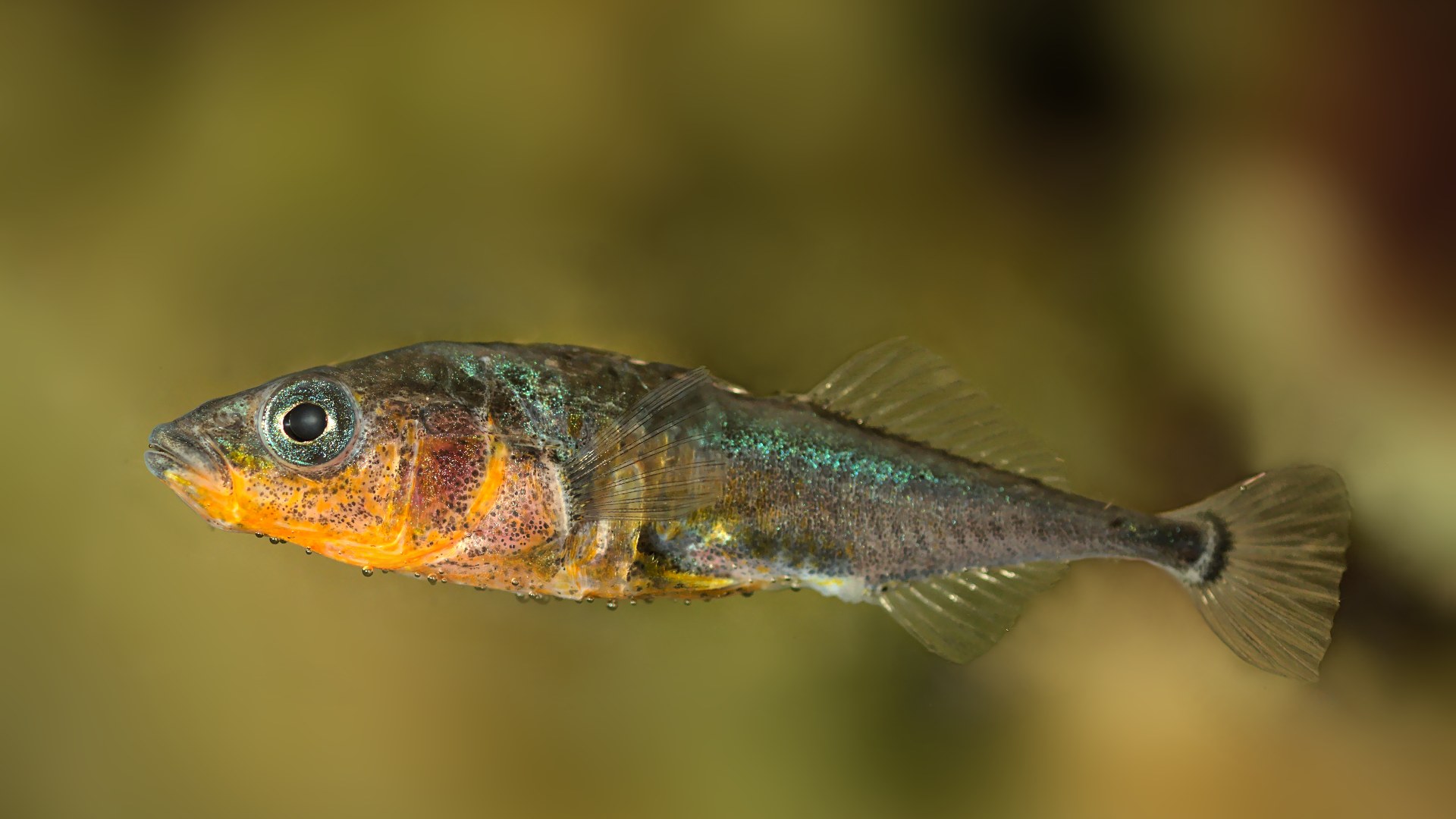
©Wikimedia / Gilles San Martin
8. Guppy
Guppies frequently inspect potential predatory fish to assess danger levels. Pairs approach through turn-taking moves, advancing only when both fish match forward motions. If one partner retreats, the voting process aborts and the pair swims to safety.
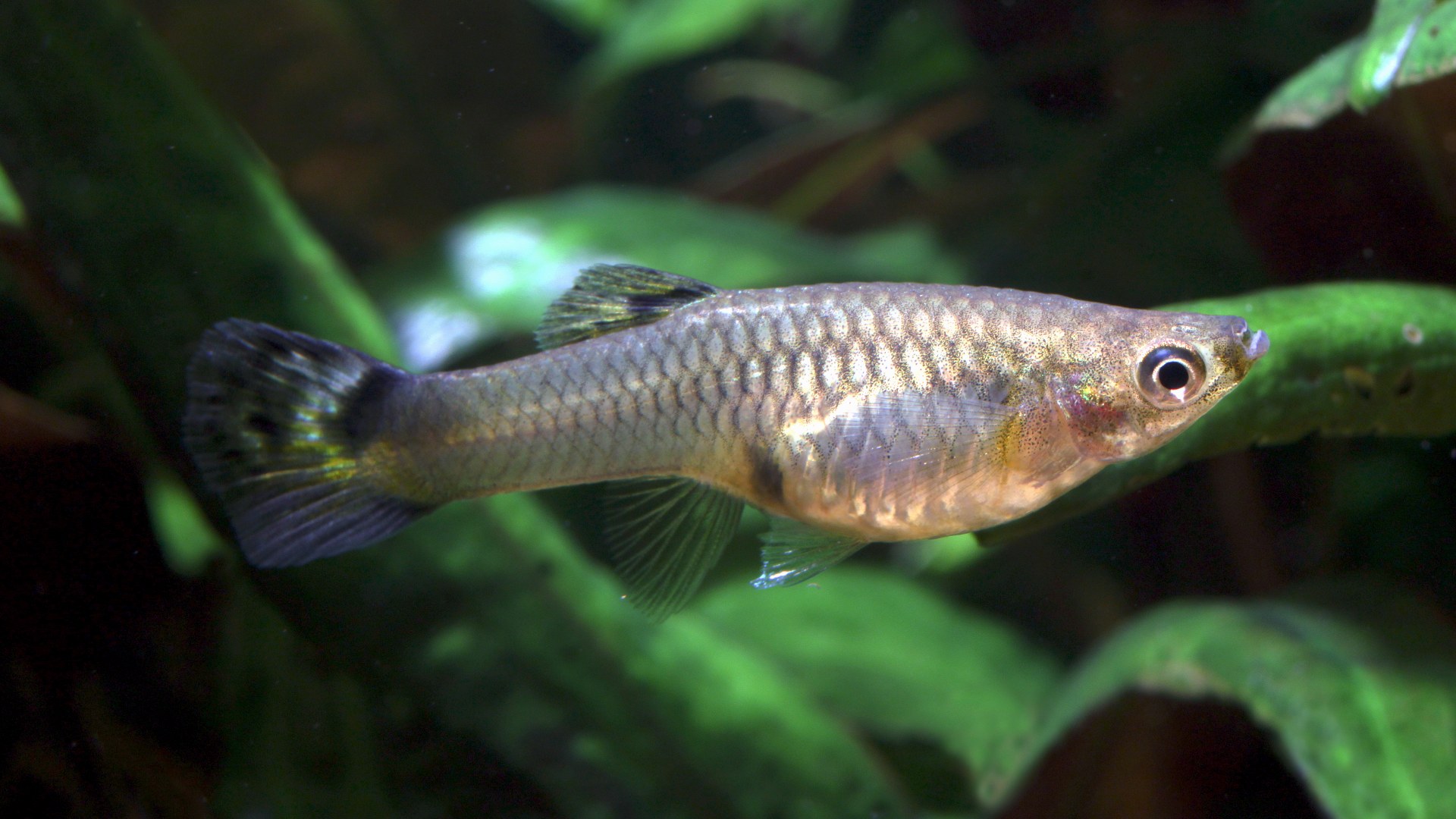
©Wikimedia / Holger Krisp
7. European Starling
During dramatic evening murmurations, starlings execute breathtaking aerial maneuvers without colliding. Physicists found that each bird tracks and matches the movements of exactly seven immediate neighbors, creating a rolling democratic wave across thousands of birds.
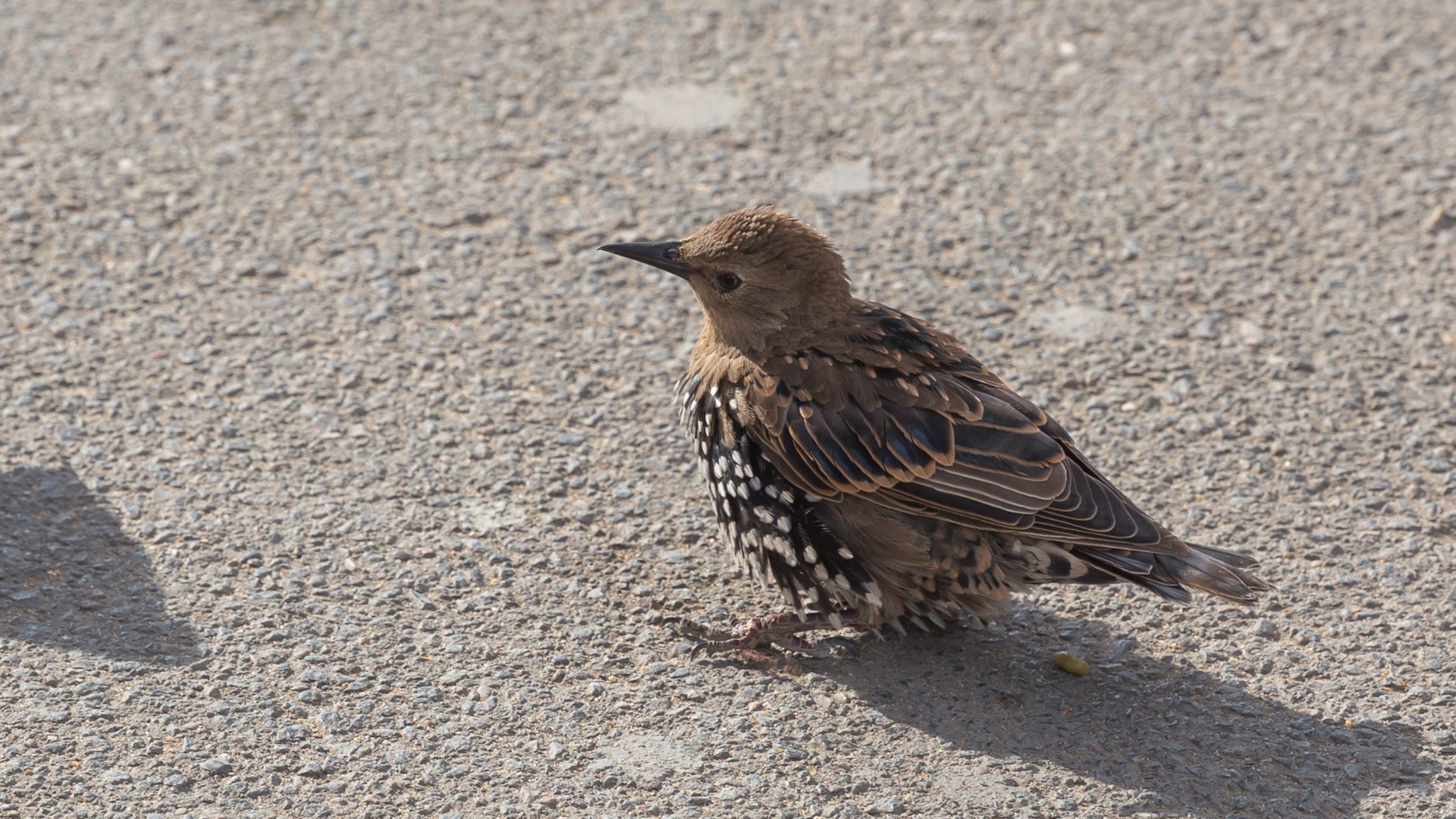
©Wikimedia / William Crochot
Advertisement
Swipe or tap ▶ to resume the countdown.
6. Homing Pigeon
Homing pigeon flocks navigate homeward through democratic negotiation. High-resolution GPS tracking reveals that when flock members disagree on compass headings, the flock averages their directional preferences rather than blindly following a single leader.
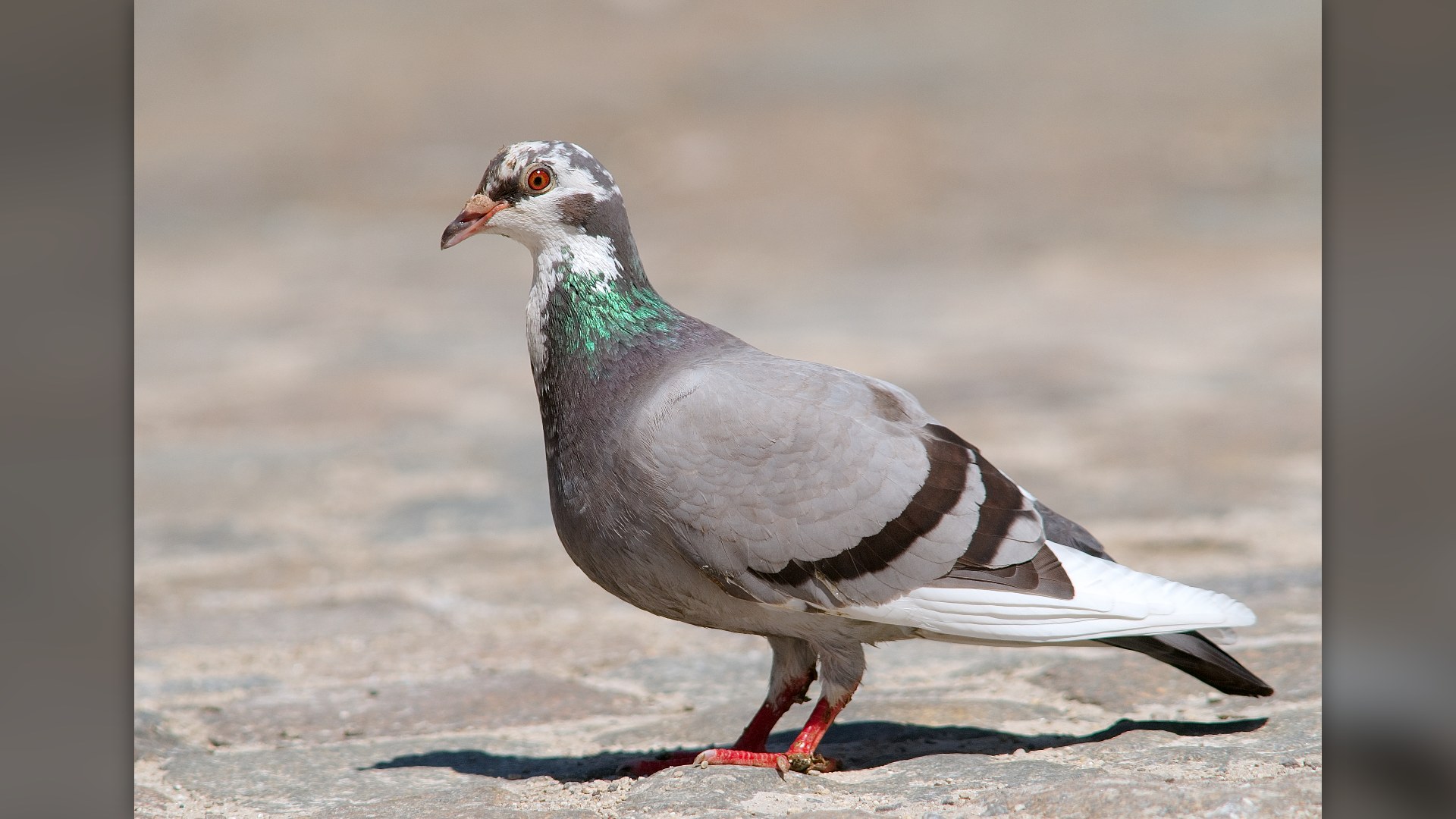
©Wikimedia / Luc Viatour
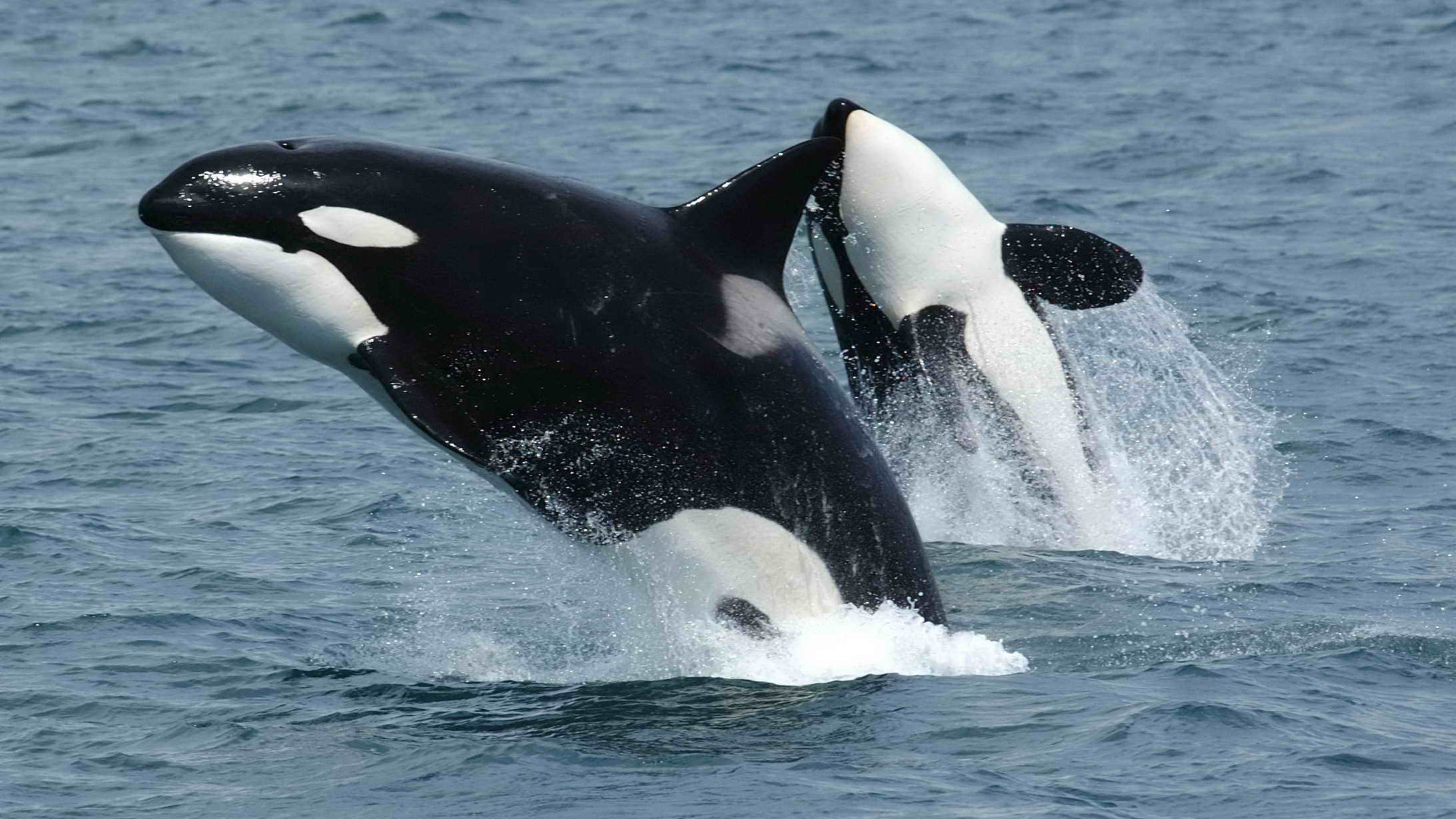
5. Killer Whale
Antarctic killer whale pods coordinate sophisticated wave-washing hunts through acoustic turn-taking. Matriarchs and pod members trade specialized pulsed calls before surfacing simultaneously, verifying mutual readiness before creating hunting waves.
©Wikimedia / Orca
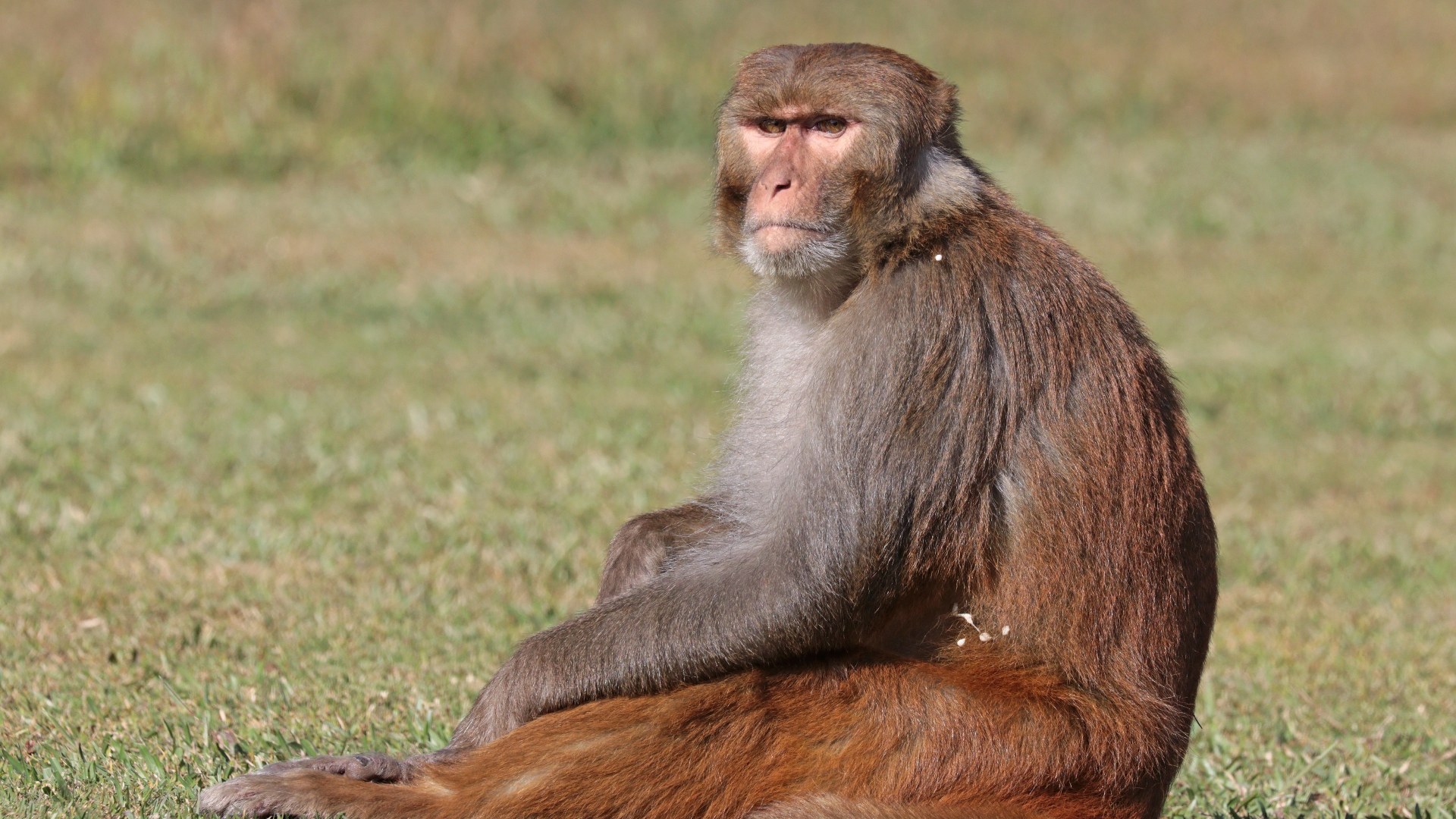
4. Rhesus Macaque
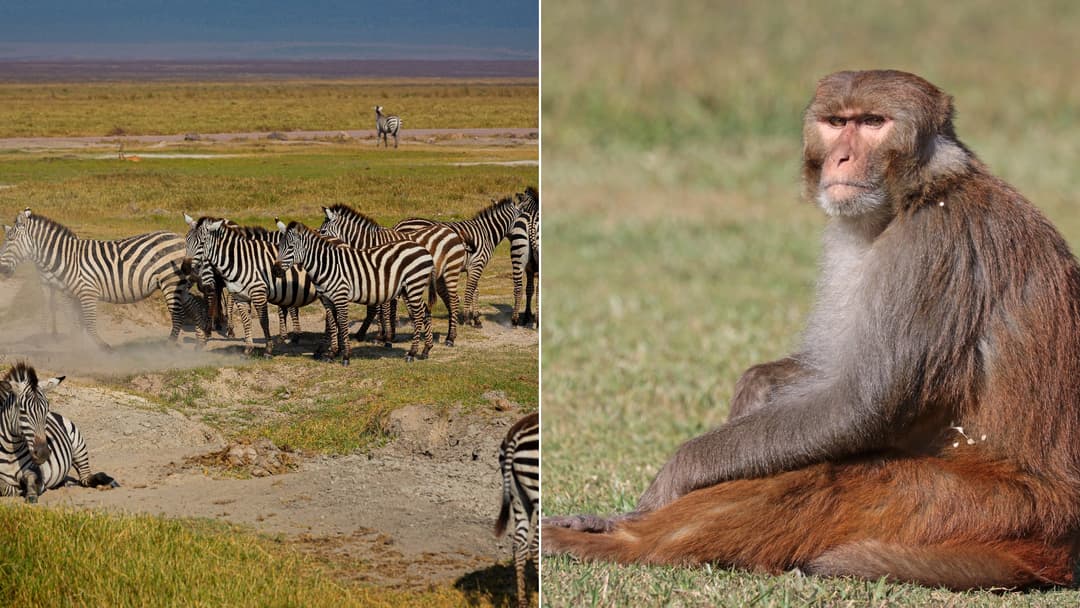
In rhesus macaque troops, movement proposals are not restricted to dominant males. Subordinate monkeys frequently initiate travel departures. The proposed route only succeeds if a critical quorum of peers chooses to follow, prompting the entire troop to follow.
©Wikimedia / Charles J. Sharp
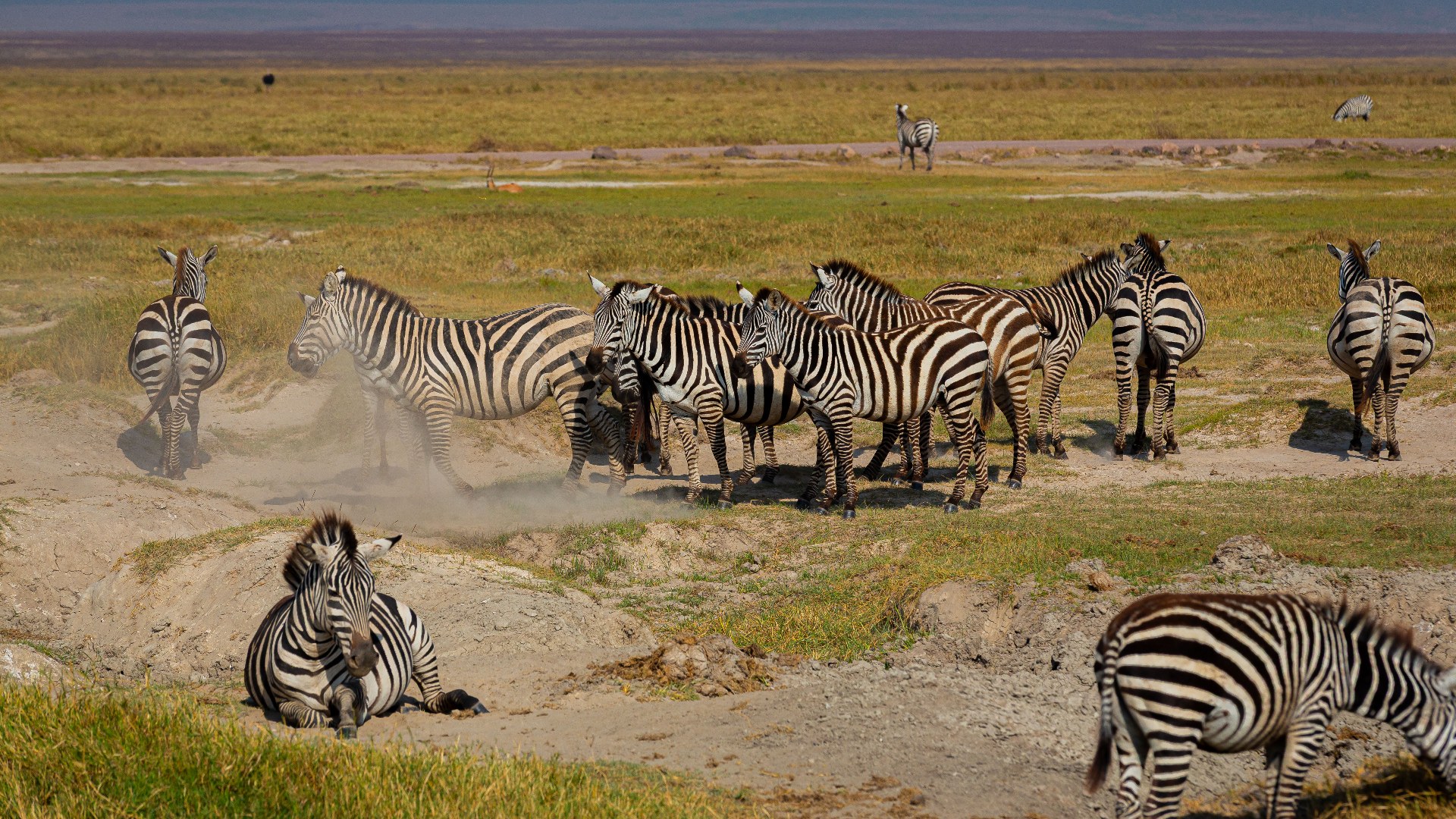
3. Plains Zebra
Plains zebra herds approach dangerous watering holes only after subtle body-language negotiations. Multiple family stallions position themselves and observe the shoreline, moving forward together only after achieving mutual visual consensus.
©Wikimedia / Rasheedhrasheed
Advertisement
Swipe or tap ▶ to resume the countdown.
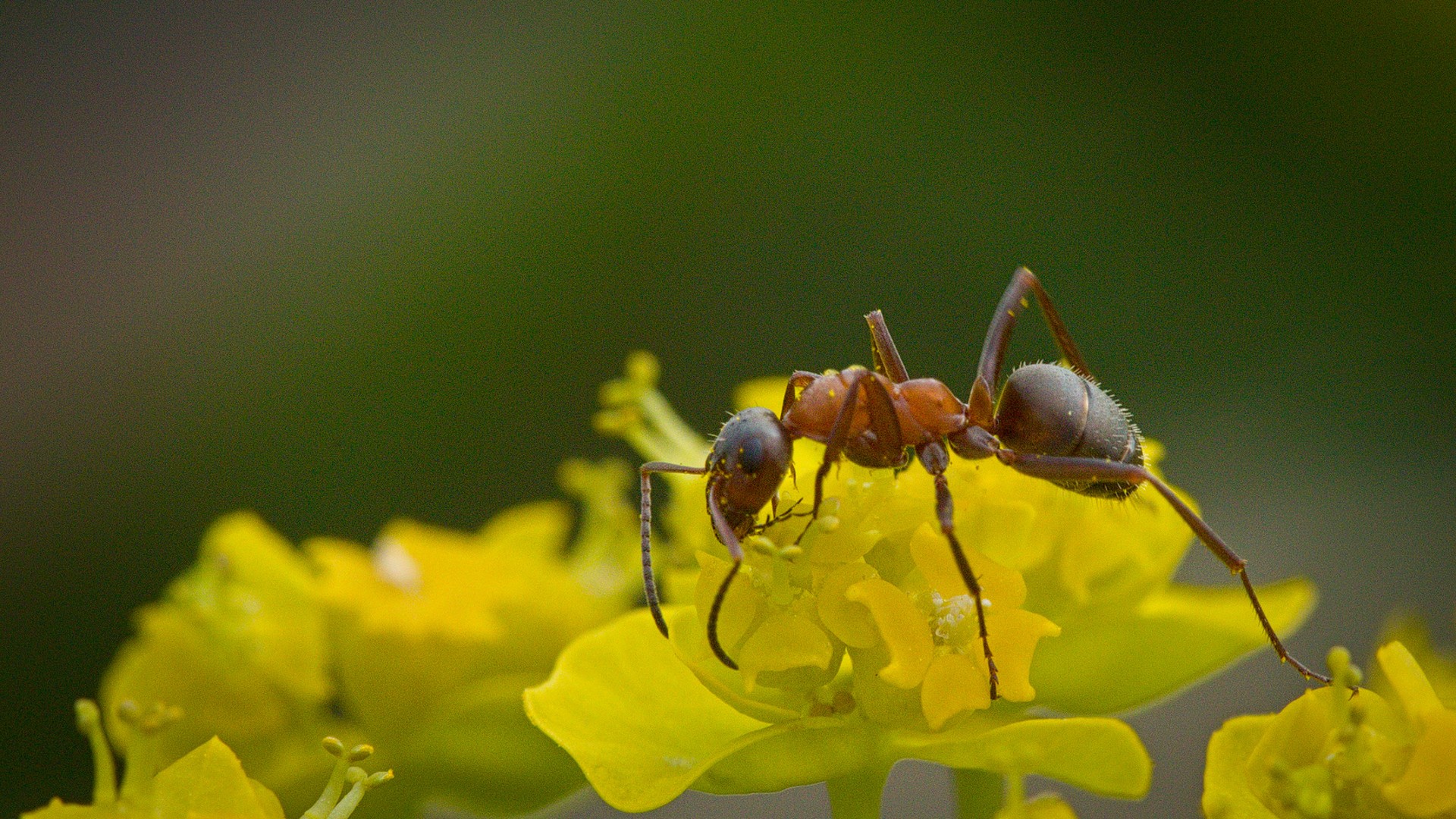
2. Red Wood Ant
Red wood ants create extensive trail networks across the forest floor. When scouts locate competing aphid colonies or carbohydrate sources, they reinforce pathways with scent markers. Collective trail density acts as a decentralized tally of votes.
©Wikimedia / hedera.baltica from Wrocław, Poland
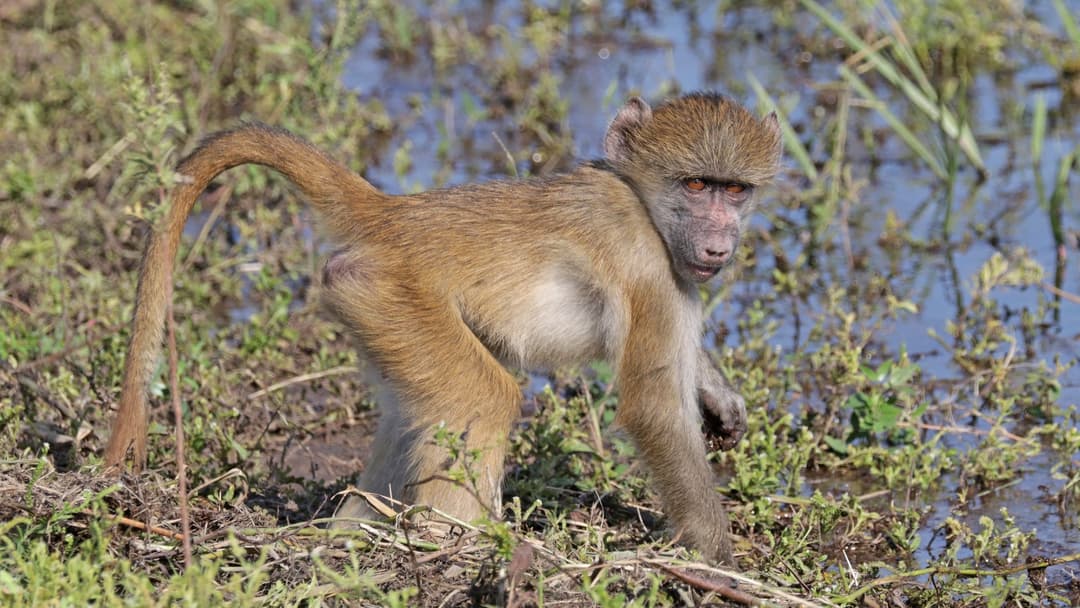
1. Chacma Baboon
Field studies on Chacma baboons in southern Africa prove that democratic consensus overrides authoritarian dominance. Even when the alpha male walks aggressively toward one destination, the troop regularly follows the path chosen by the female majority.
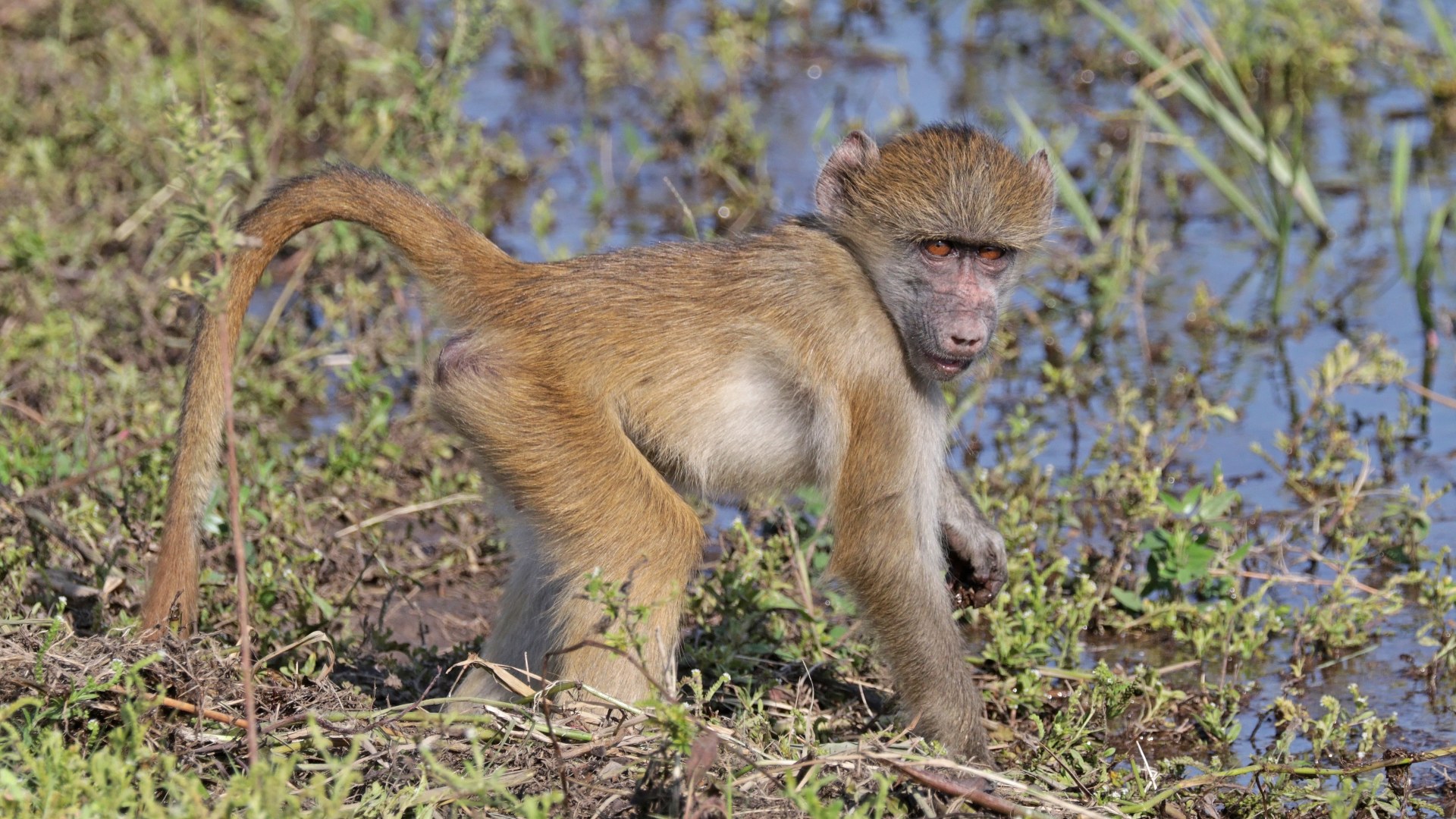
©Wikimedia / Charles J. Sharp
Advertisement
You've reached the end of the story. Thanks for reading!

25 Animals That Avoid Contact With Humans
All 25 Entries in this Story
25. African Wild Dog
African wild dogs utilize a fascinating democratic process before setting off on collective hunts. During pre-hunt social rallies, individuals sneeze to cast their vote. Only when a quorum of sneezes is reached does the pack depart.

24. Western Honeybee
When a honeybee colony outgrows its hive, hundreds of scout bees inspect potential new cavities. Returning scouts perform waggle dances to indicate direction and quality. The swarm reaches a decision only when dance consensus converges on a single site.

23. Meerkat
Meerkats live in highly cooperative family mobs in arid southern Africa. When an individual wants to transition to a new foraging ground, it emits a specific moving call. If three or more meerkats call within a short window, the entire group moves together.

22. Olive Baboon
GPS tracking reveals that olive baboons resolve navigation disagreements democratically. When multiple individuals suggest different routes, the troop follows the path chosen by the majority, completely disregarding alpha rank or social hierarchy.

21. Red Deer
In European red deer herds, decisions to leave grazing areas are strictly collective. Individuals signal readiness by standing up and facing a direction. Movement begins only after roughly sixty percent of the adult hinds stand in agreement.

20. Whooper Swan
Whooper swans organize flock takeoffs through a distinct visual voting system. Individuals initiate rapid head-bobbing accompanied by calling. As more swans join the synchronized display, the tempo accelerates until reaching a threshold that launches the flock.

19. African Elephant
Before an elephant herd moves to a new watering hole, family members engage in acoustic negotiations. Adult females broadcast deep infrasonic rumbles back and forth. Only when multiple herd members echo the call does the matriarch lead the procession forward.

18. Tonkean Macaque
Tonkean macaques of Sulawesi maintain an remarkably egalitarian social structure. Any individual, regardless of rank or sex, can propose a travel route by walking in a direction and looking back. If a quorum of peers follows, the entire troop commits to the path.

17. Bottlenose Dolphin
Bottlenose dolphins use coordinated whistling and side-by-side surface leaps to coordinate collective travel. When navigating complex coastal inlets, individual dolphins emit navigational whistles, adjusting swim headings once acoustic consensus forms.

16. Leafcutter Ant
Leafcutter ant colonies deploy scout workers to explore competing vegetation sources. Scouts lay pheromone trails on their return journeys. The colony effectively votes by trail traffic, concentrating thousands of workers onto the most chemically reinforced trail.

15. White-Faced Capuchin
White-faced capuchin monkeys use specialized trill vocalizations to propose moving the troop. Rather than obeying a dominant male, troop members begin moving only when multiple individuals join the trill chorus to reach a consensus threshold.

14. Jackdaw
Jackdaws sleep in massive communal winter roosts across European woodlands. Before launching morning foraging flights, birds call to each other. The flock takes flight en masse only when the collective calling volume and tempo surpass a democratic tipping point.

13. American Bison
In American bison herds, movement decisions are led democratically by adult females. Cows gradually align their standing bodies in the direction they wish to graze. The entire herd only begins walking when the majority of cows point toward the same trajectory.

12. Mountain Gorilla
Although led by a dominant silverback, mountain gorilla troops rely on subtle female consensus. Before initiating a nest departure or foraging trek, the silverback pauses and waits for soft vocal grunts from adult females, moving only once collective assent is voiced.

11. Canada Goose
During long-distance seasonal migrations, Canada geese fly in coordinated V-formations. Continuous honking from trailing geese encourages lead flyers and signals collective fatigue, prompting democratic rotations at the front of the flock.

10. Chimpanzee
Chimpanzee border patrols require full group agreement before crossing into rival territories. Males gather in tense, silent grooming circles, making repeated eye contact and directional body shifts until all participants commit to advancing.

9. Three-Spined Stickleback
Three-spined sticklebacks utilize mathematical quorum rules when exploring unfamiliar waters. If a single fish explores a path, others hesitate. Once two or three fish follow, the remaining shoal rapidly votes with their bodies, joining the majority.

8. Guppy
Guppies frequently inspect potential predatory fish to assess danger levels. Pairs approach through turn-taking moves, advancing only when both fish match forward motions. If one partner retreats, the voting process aborts and the pair swims to safety.

7. European Starling
During dramatic evening murmurations, starlings execute breathtaking aerial maneuvers without colliding. Physicists found that each bird tracks and matches the movements of exactly seven immediate neighbors, creating a rolling democratic wave across thousands of birds.

6. Homing Pigeon
Homing pigeon flocks navigate homeward through democratic negotiation. High-resolution GPS tracking reveals that when flock members disagree on compass headings, the flock averages their directional preferences rather than blindly following a single leader.

5. Killer Whale
Antarctic killer whale pods coordinate sophisticated wave-washing hunts through acoustic turn-taking. Matriarchs and pod members trade specialized pulsed calls before surfacing simultaneously, verifying mutual readiness before creating hunting waves.

4. Rhesus Macaque
In rhesus macaque troops, movement proposals are not restricted to dominant males. Subordinate monkeys frequently initiate travel departures. The proposed route only succeeds if a critical quorum of peers chooses to follow, prompting the entire troop to follow.

3. Plains Zebra
Plains zebra herds approach dangerous watering holes only after subtle body-language negotiations. Multiple family stallions position themselves and observe the shoreline, moving forward together only after achieving mutual visual consensus.

2. Red Wood Ant
Red wood ants create extensive trail networks across the forest floor. When scouts locate competing aphid colonies or carbohydrate sources, they reinforce pathways with scent markers. Collective trail density acts as a decentralized tally of votes.

1. Chacma Baboon
Field studies on Chacma baboons in southern Africa prove that democratic consensus overrides authoritarian dominance. Even when the alpha male walks aggressively toward one destination, the troop regularly follows the path chosen by the female majority.