Slideshow · Animals
25 Animals That Can Have Babies Without Mating
By Most Viral Today
29 min ago

Animals That Can Have Babies Without Mating 
25. The California Condor 
24. The Komodo Dragon 
23. The Wild Turkey - AdvertisementSwipe or tap ▶ to continue countdown

22. The Burmese Python 
21. The Central American Boa 
20. The Asian Water Monitor 
19. The Smalltooth Sawfish - AdvertisementSwipe or tap ▶ to continue countdown

18. The Zebra Shark 
17. The Blacktip Shark 
16. The Bonnethead Shark 
15. The Cottonmouth Snake - AdvertisementSwipe or tap ▶ to continue countdown

14. The Copperhead Snake 
13. The Caucasian Rock Lizard 
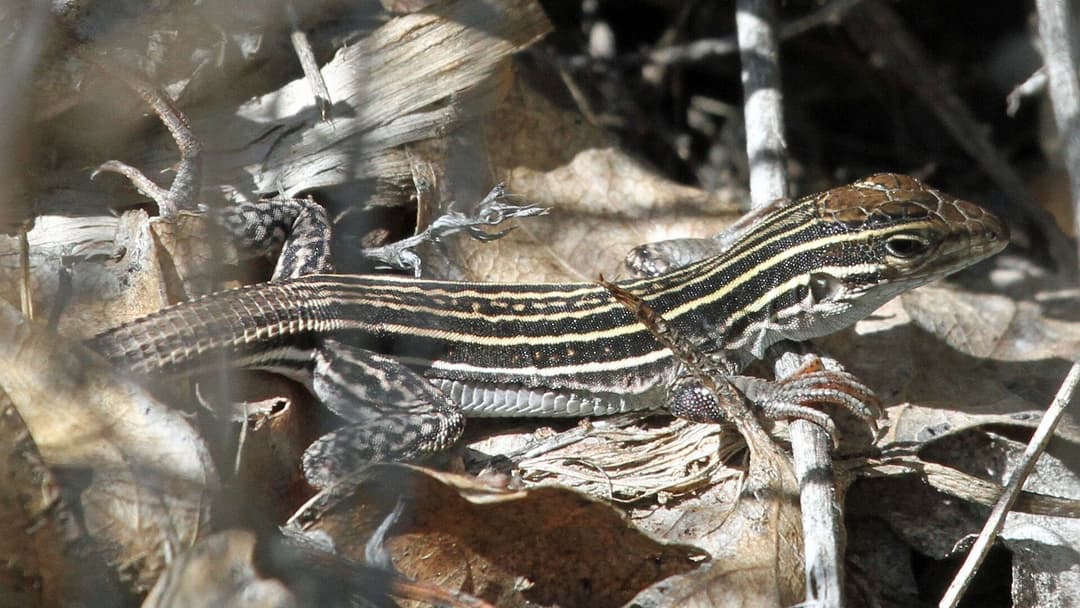
12. The New Mexico Whiptail 
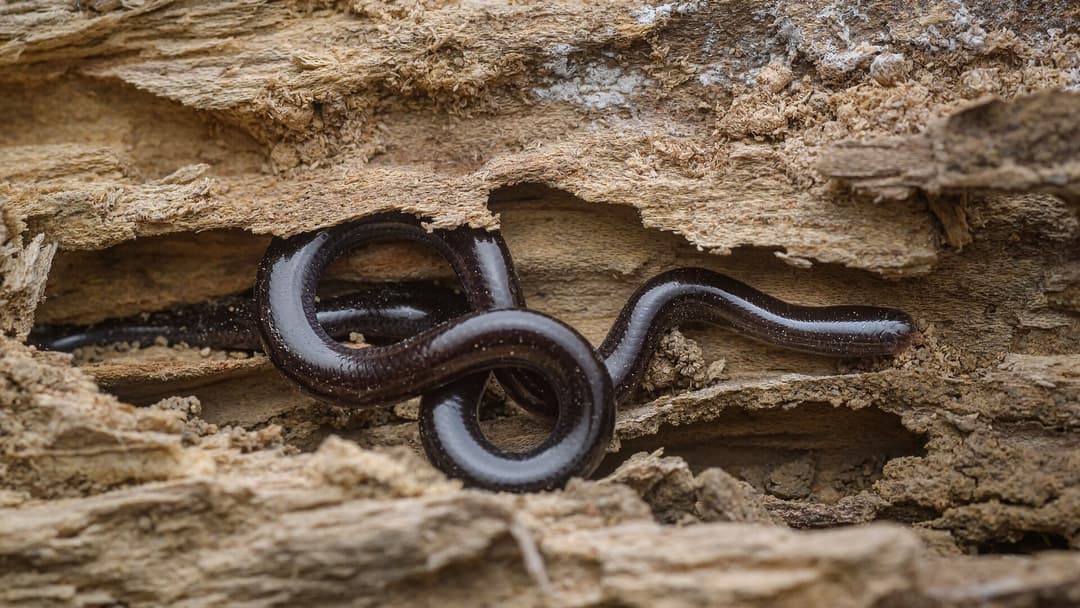
11. The Brahminy Blind Snake - AdvertisementSwipe or tap ▶ to continue countdown

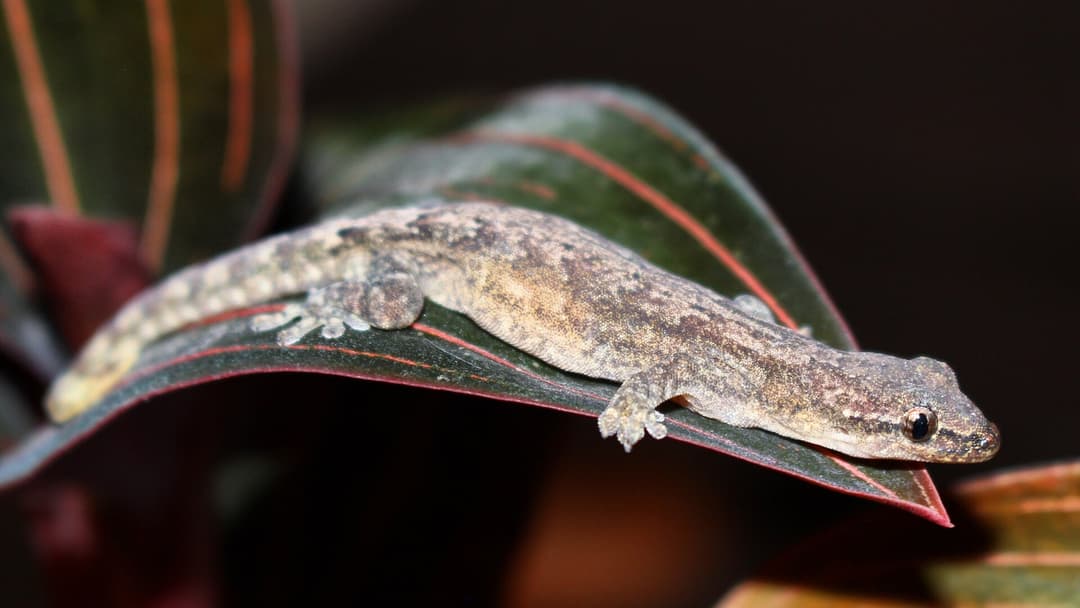
10. The Mourning Gecko 
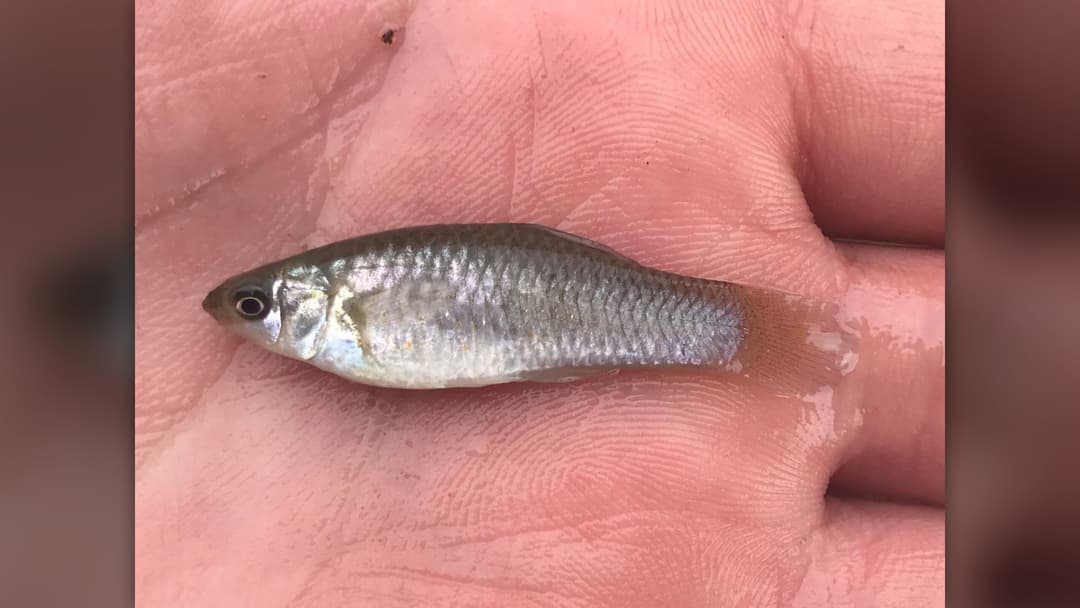
9. The Amazon Molly 
8. The Waratah Sea Anemone 
7. Guilding's Sea Star - AdvertisementSwipe or tap ▶ to continue countdown

6. The Marbled Crayfish 
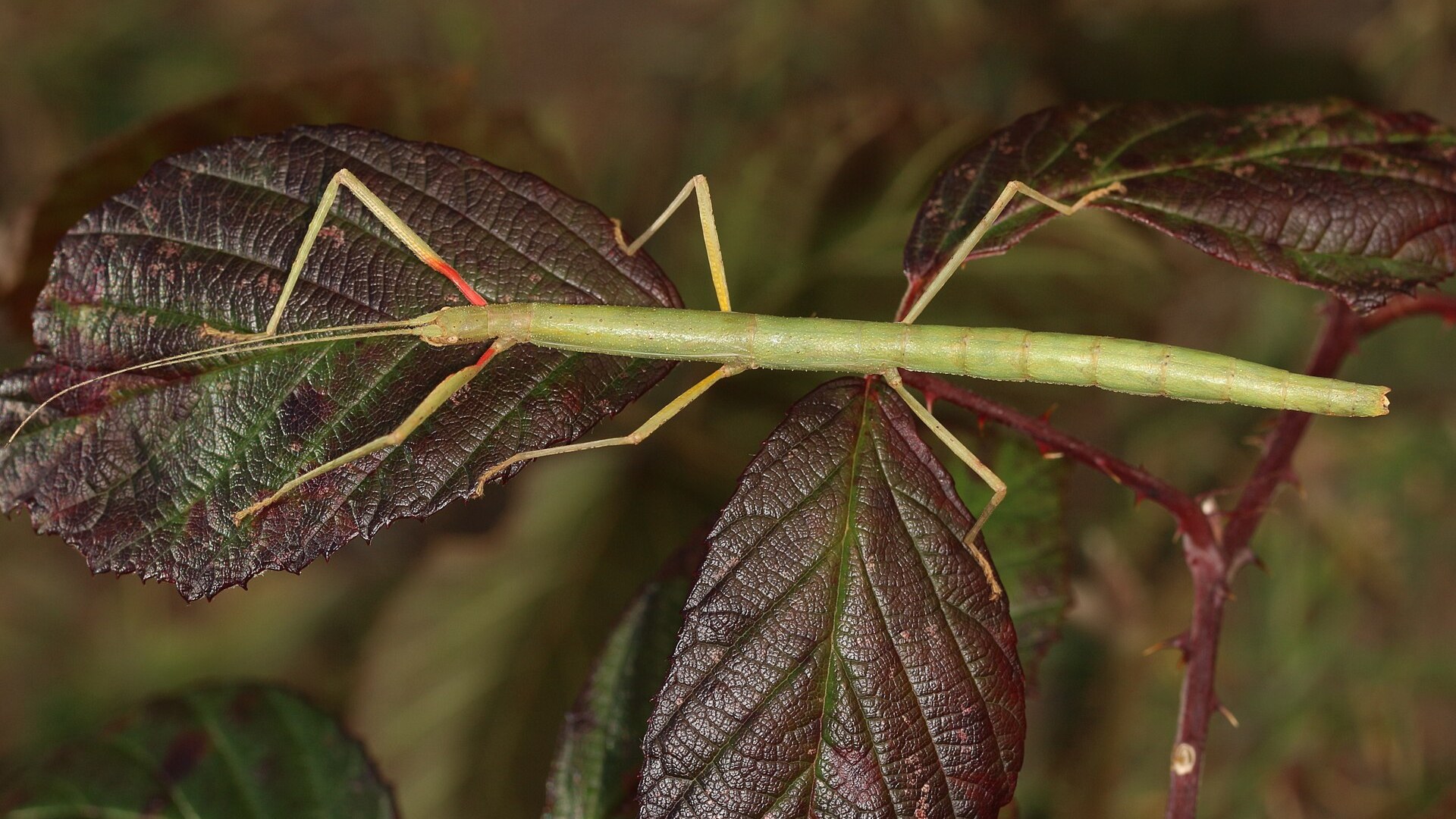
5. The Indian Stick Insect 
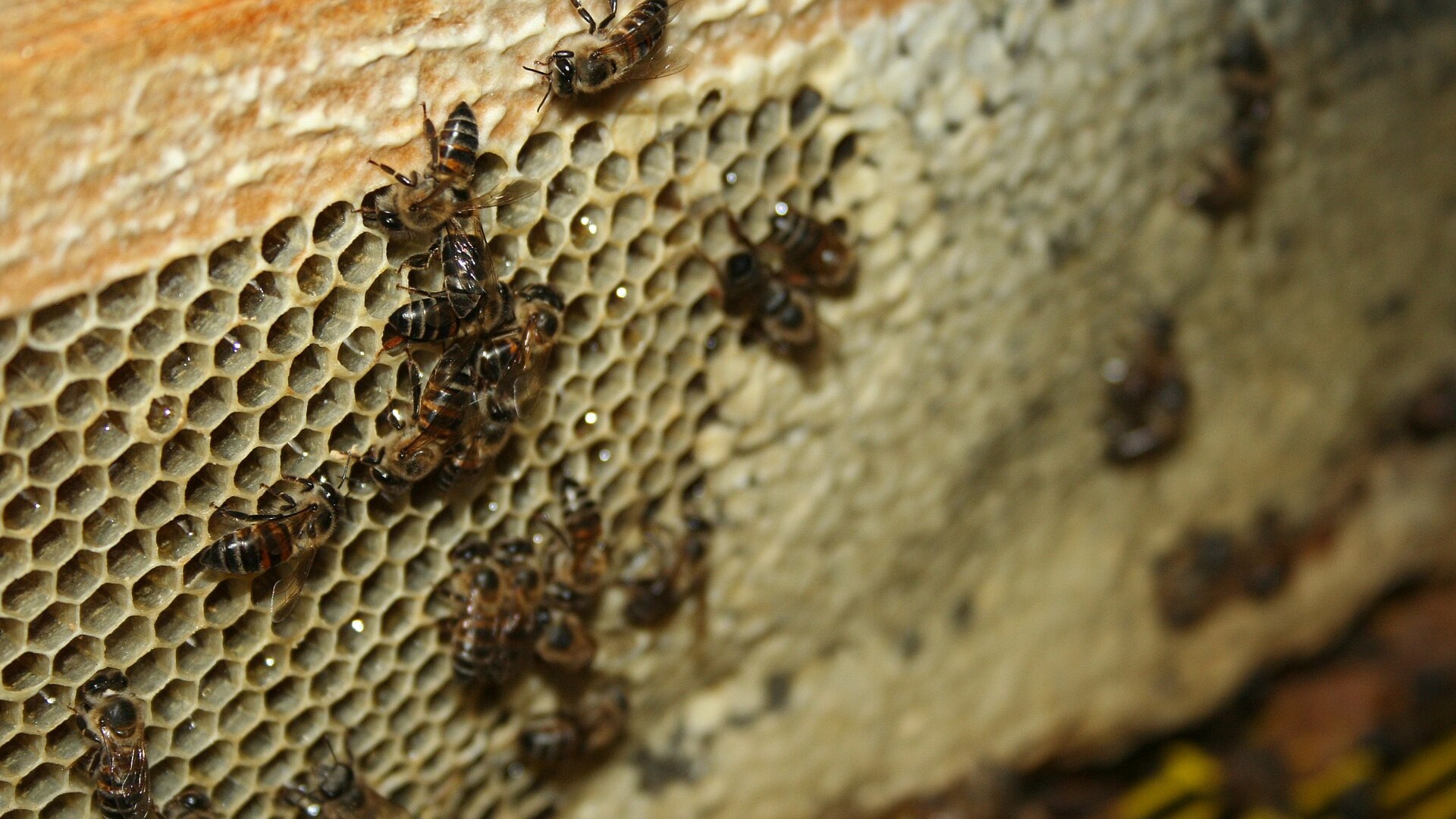
4. The Cape Honeybee 
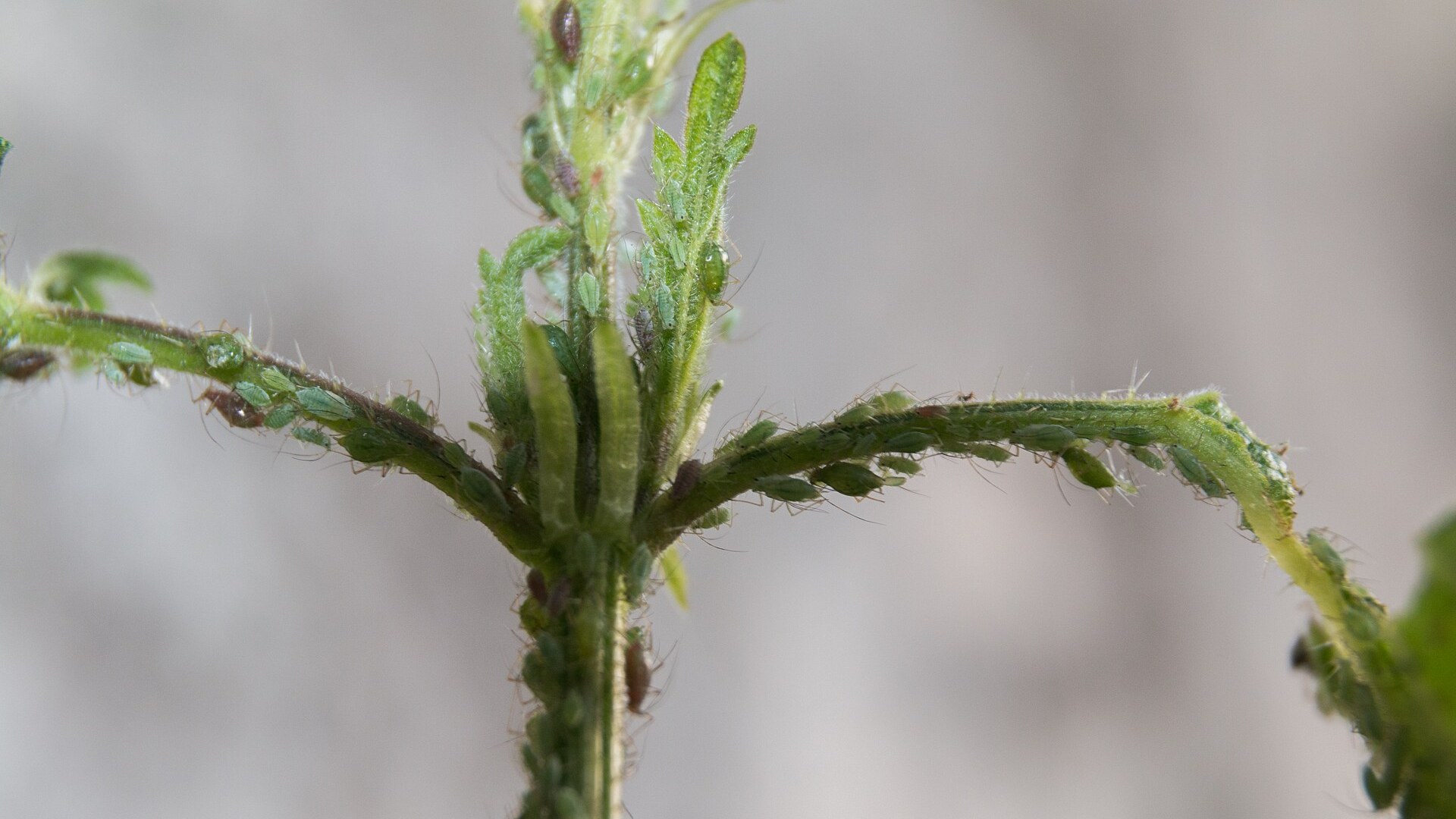
3. The Pea Aphid - AdvertisementSwipe or tap ▶ to continue countdown

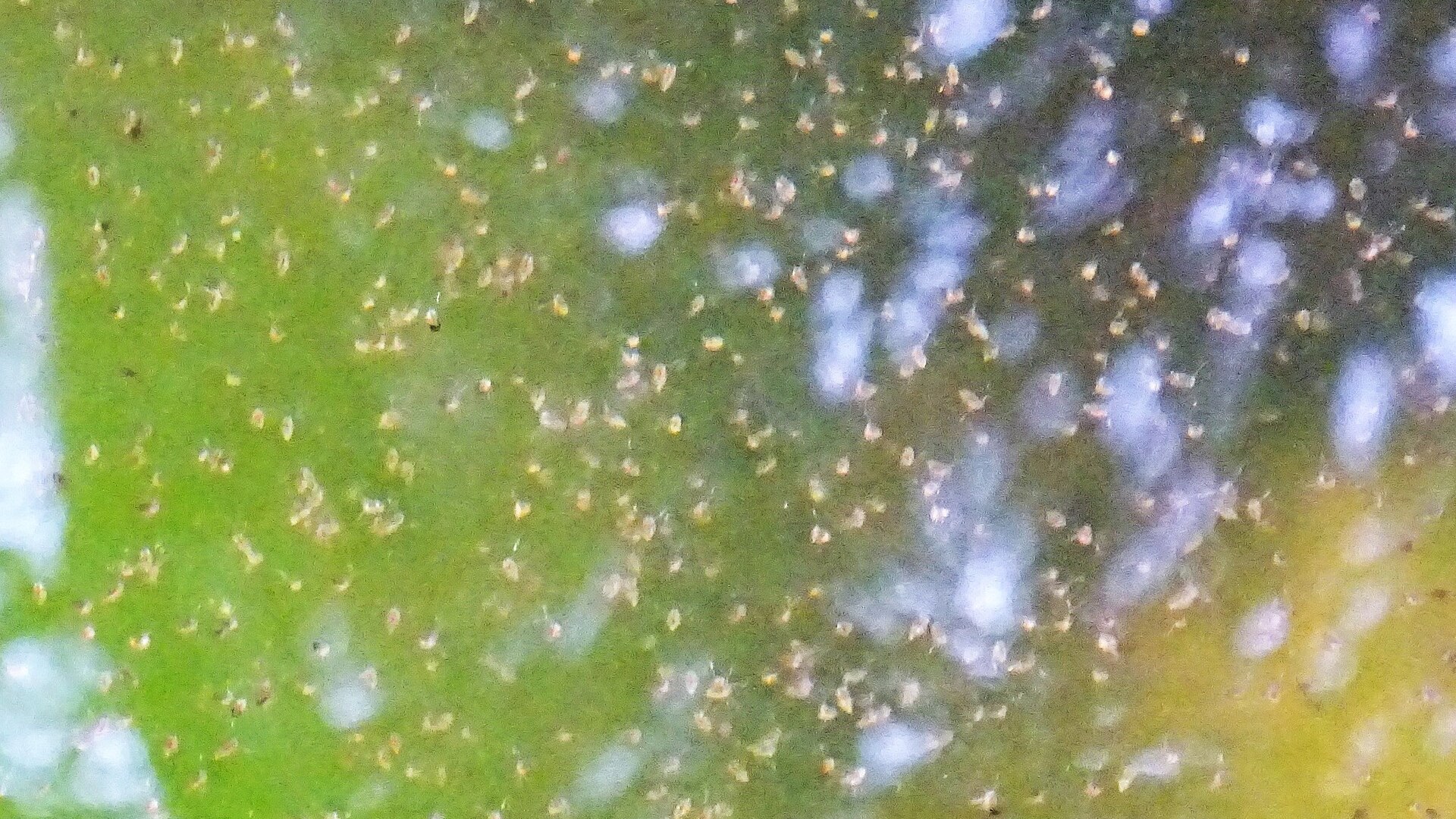
2. The Water Flea 
1. The Bdelloid Rotifer - Advertisement🔥 UP NEXT IN THIS SERIES◫ 26 Slides

25 Animals That Avoid Contact With Humans
From microscopic rotifers surviving 40 million years without males to giant Komodo dragons and California condors producing fatherless offspring, virgin birth is real. here are animals that reproduce without mating, arranged in ascending order from microscopic organisms to massive apex predators.
Swipe or tap ▶ to begin the countdown
©Wikimedia / The Cosmonaut & Wikimedia / Shadow Ayush
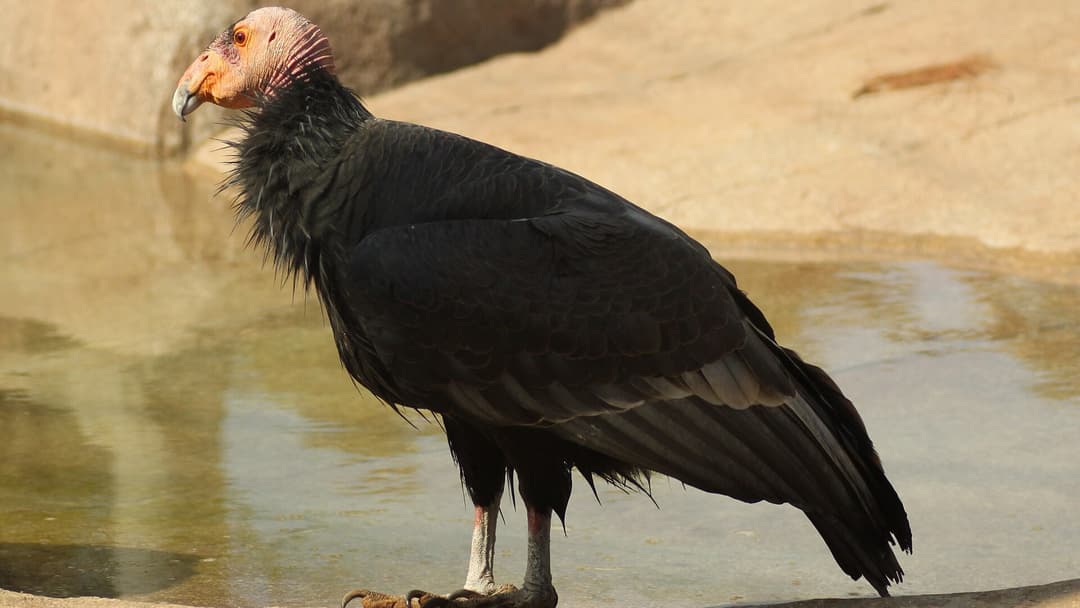
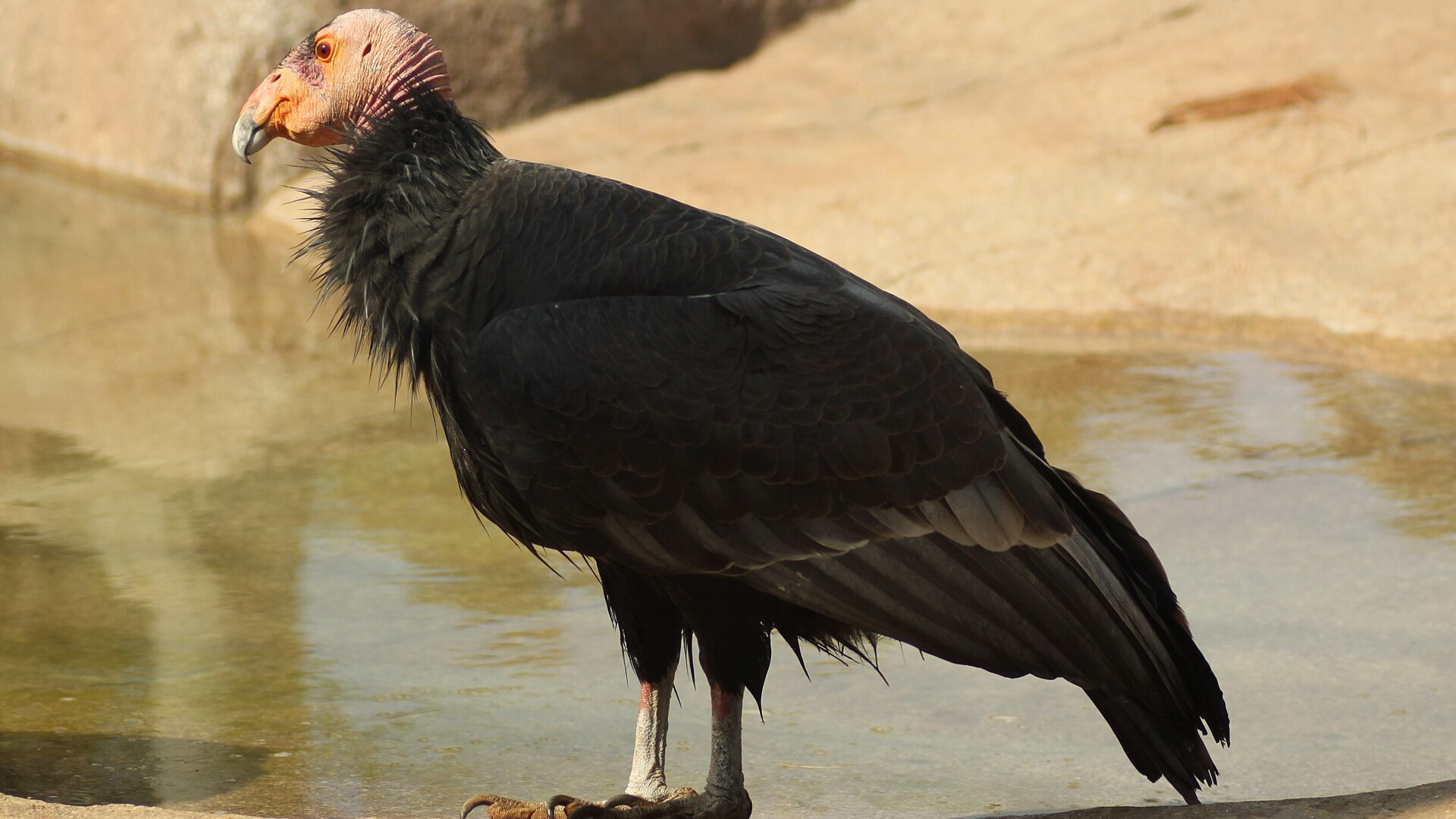
25. The California Condor
During routine genetic analysis of the captive breeding registry, San Diego Zoo Wildlife Alliance researchers found two male condors that possessed no paternal alleles. Produced by two different mothers who each lived with fertile males, this represented the first facultative parthenogenesis in wild birds.
©Wikimedia / Stacy
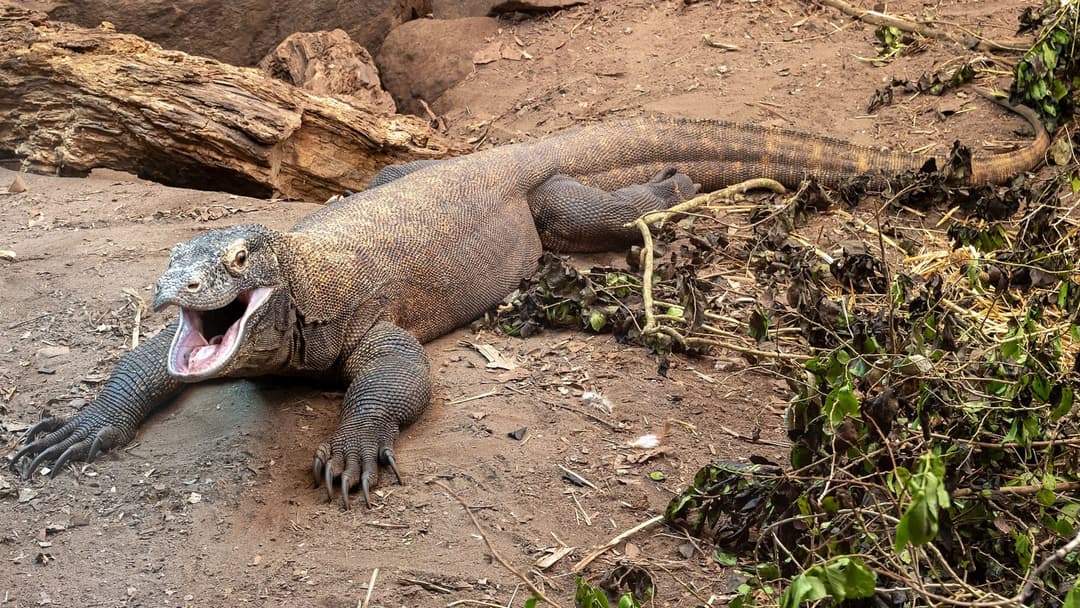
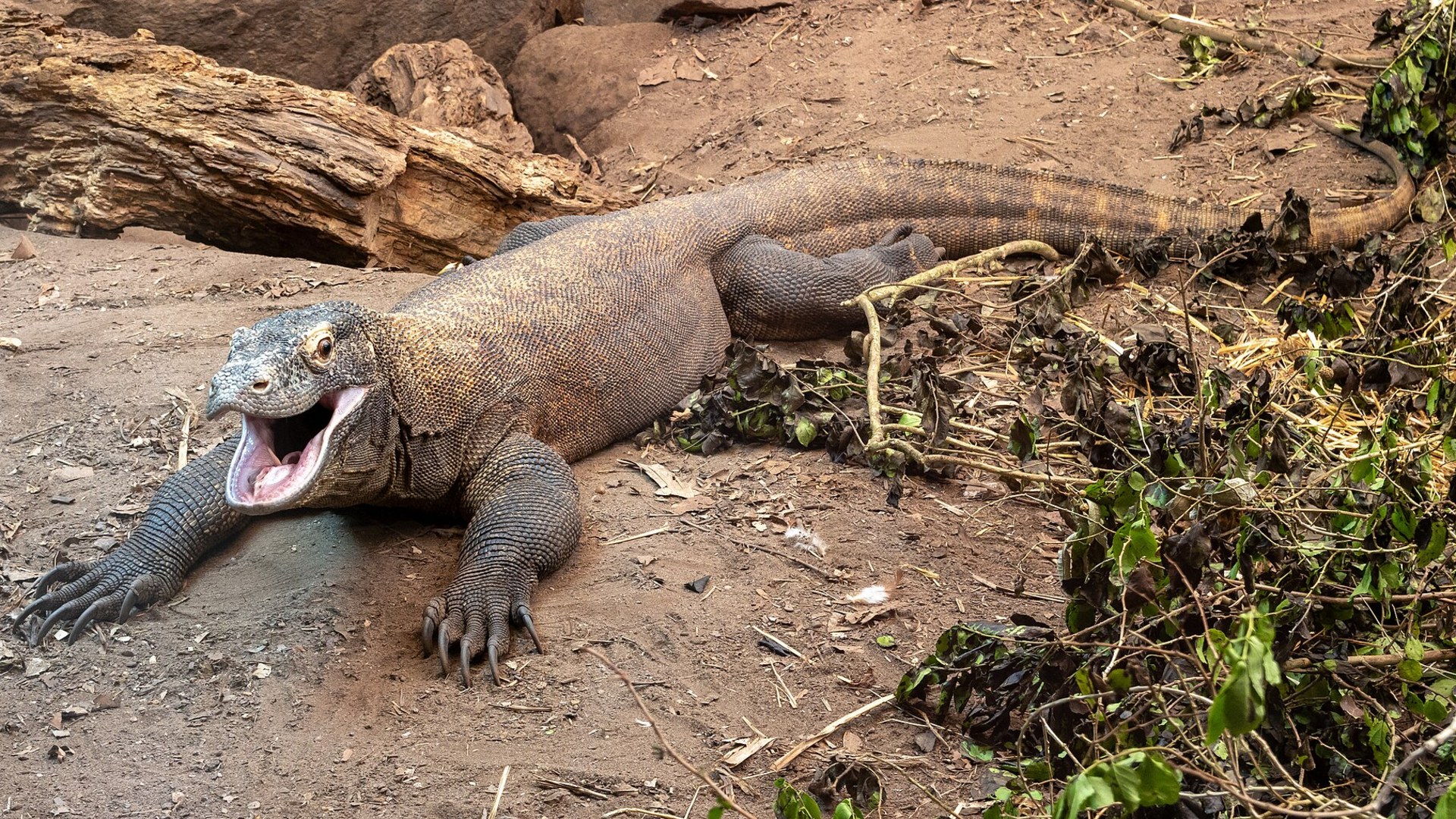
24. The Komodo Dragon
In 2006, Chester Zoo in England documented virgin birth in Flora, an isolated Komodo dragon. Because female Komodos have WZ chromosomes and terminal fusion produces ZZ combinations, all fatherless hatchlings were healthy males, offering an evolutionary lifeline on isolated islands.
©Wikimedia / Mike Peel
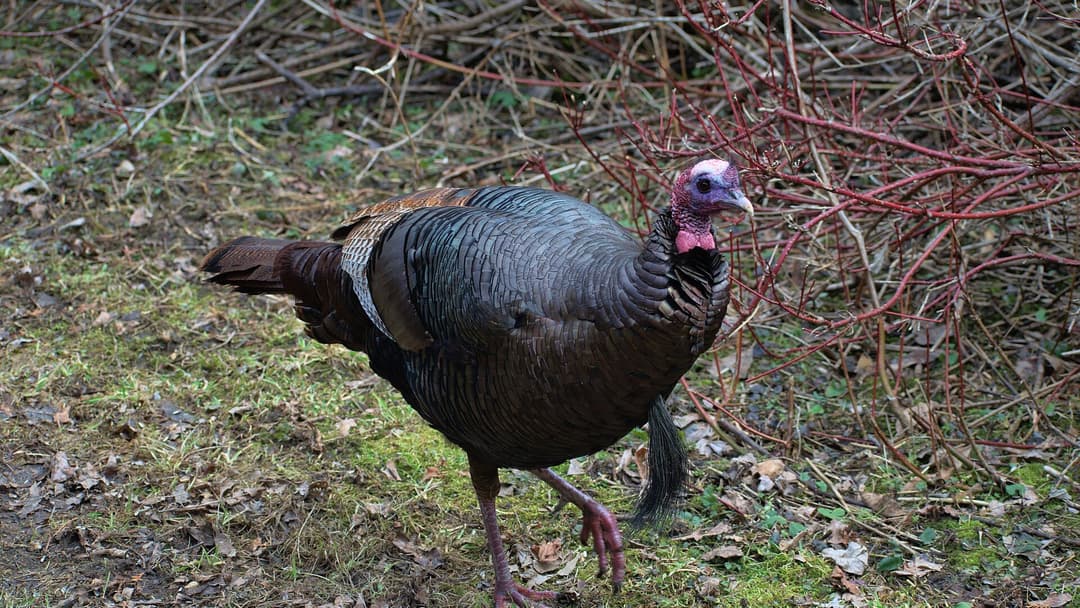
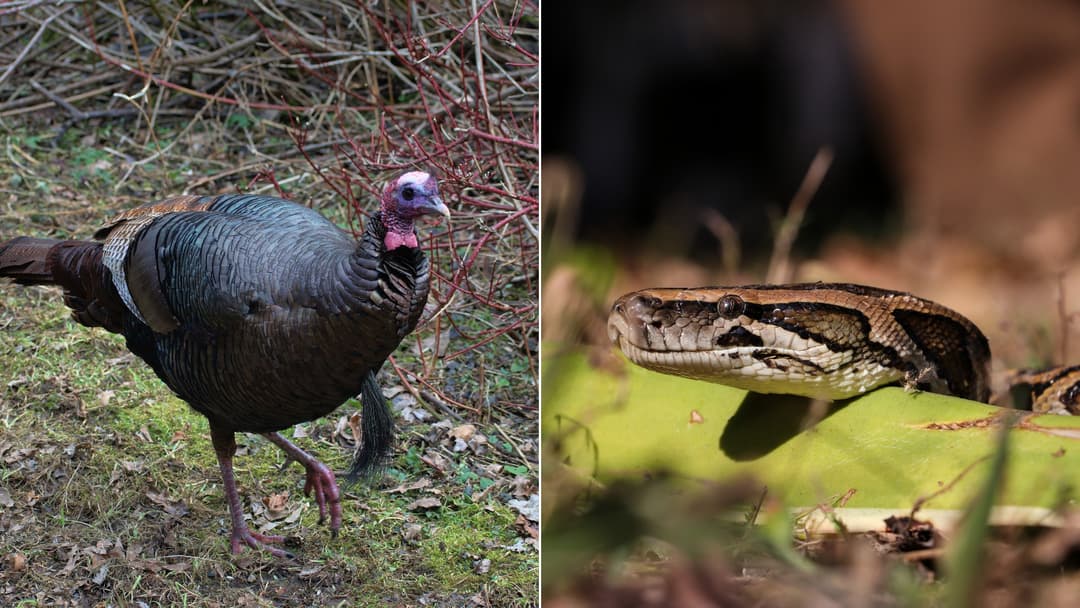
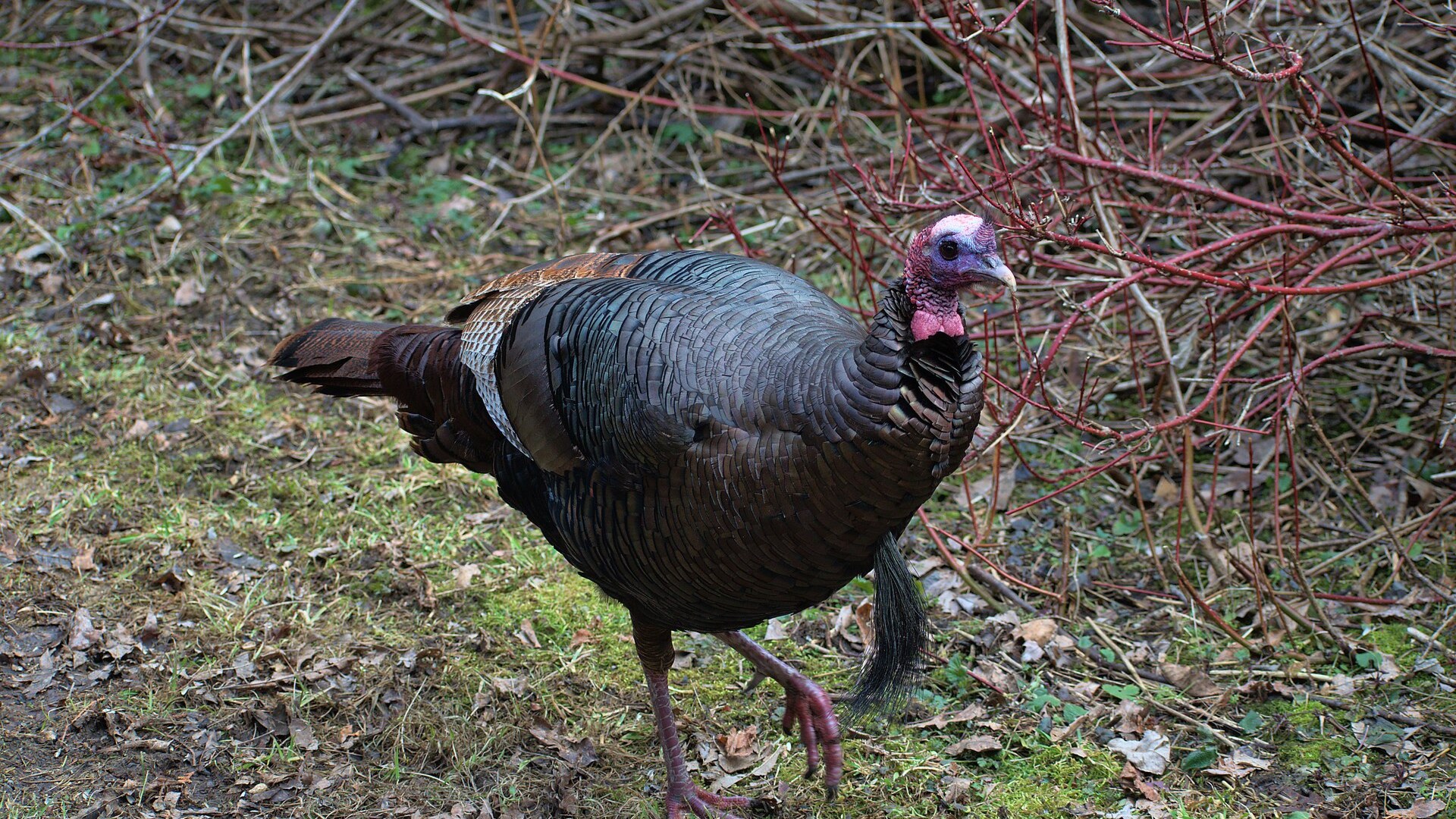
23. The Wild Turkey
During the 1950s, agricultural researchers discovered that unfertilized turkey eggs could develop into embryos. While most arrested early, selective breeding produced fully formed fatherless male turkeys, providing biology's first proof of parthenogenesis in avian species.
©Wikimedia / The Cosmonaut
Advertisement
Swipe or tap ▶ to resume the countdown.
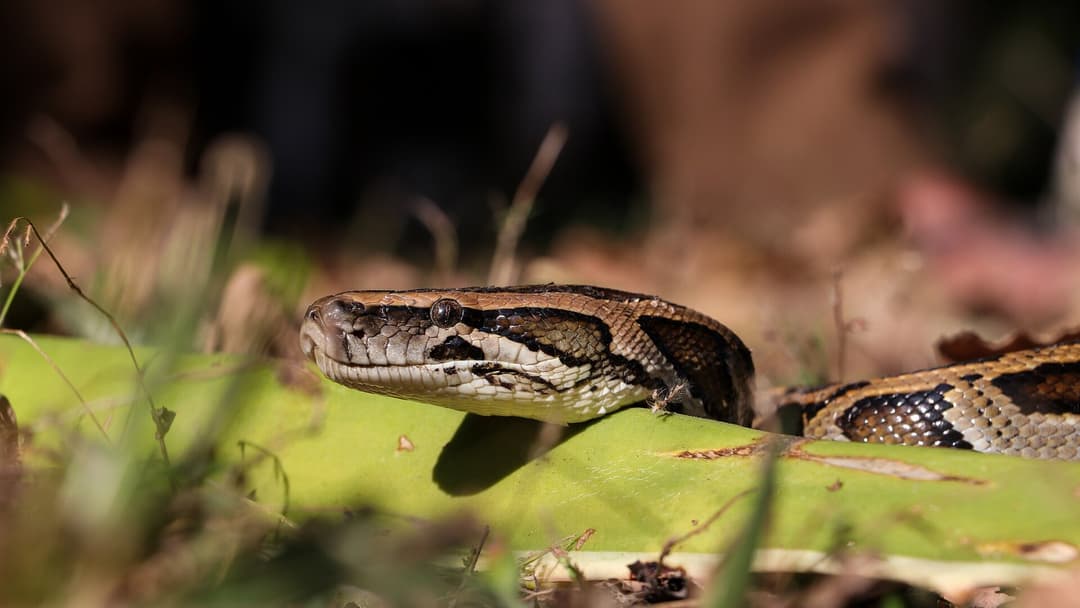
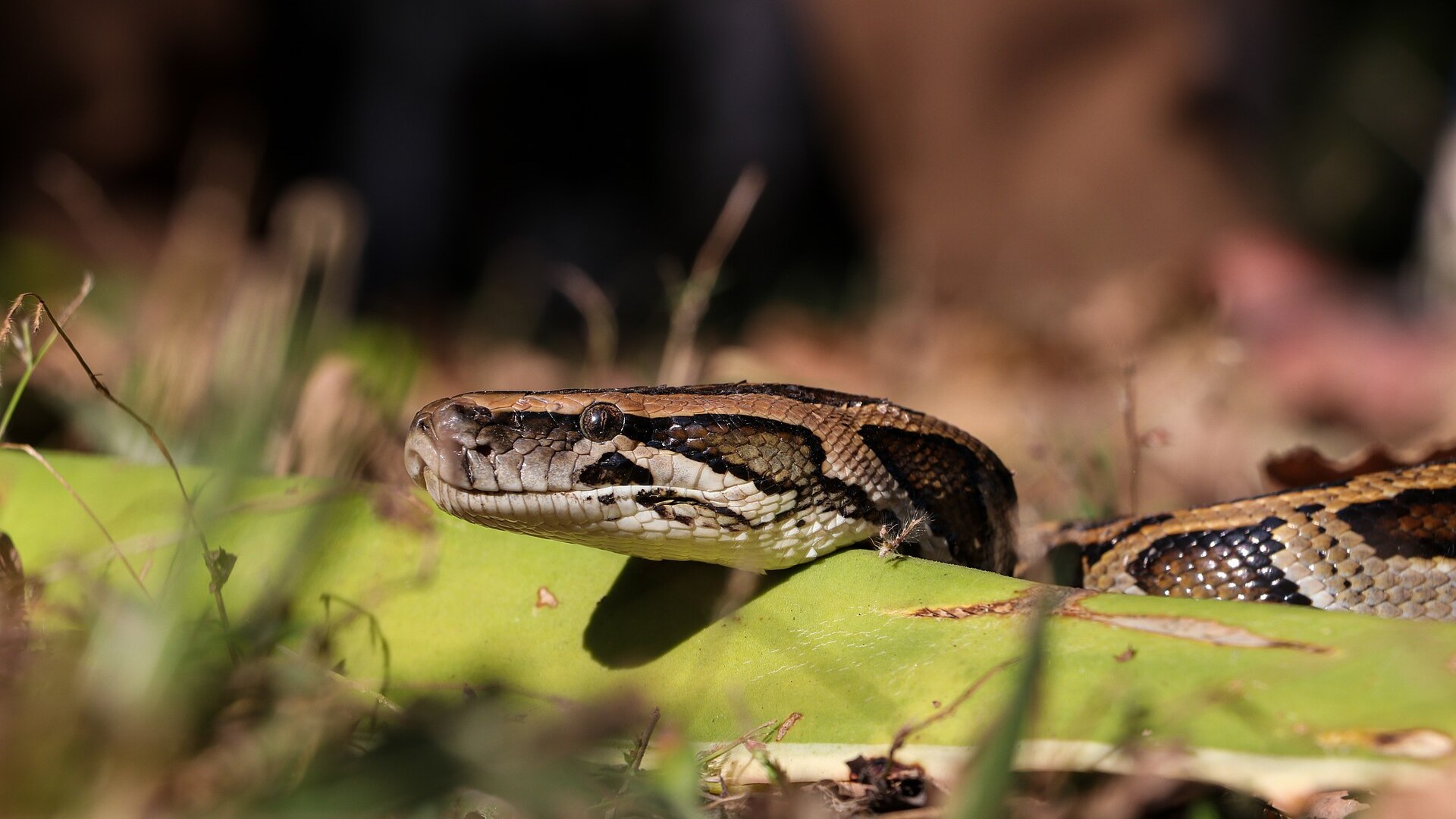
22. The Burmese Python
At the Artis Royal Zoo in Amsterdam, an isolated female Burmese python laid clutches of unfertilized eggs over several years. Genetic profiling confirmed the hatchlings were fatherless, demonstrating that giant constrictors can reproduce asexually when solitary.
©Wikimedia / Shadow Ayush
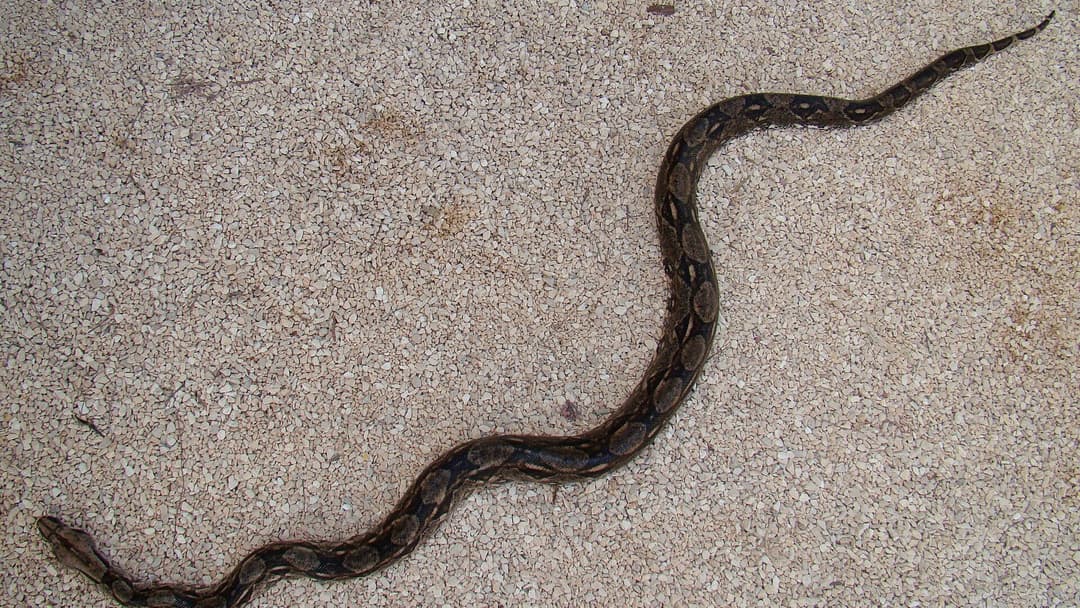
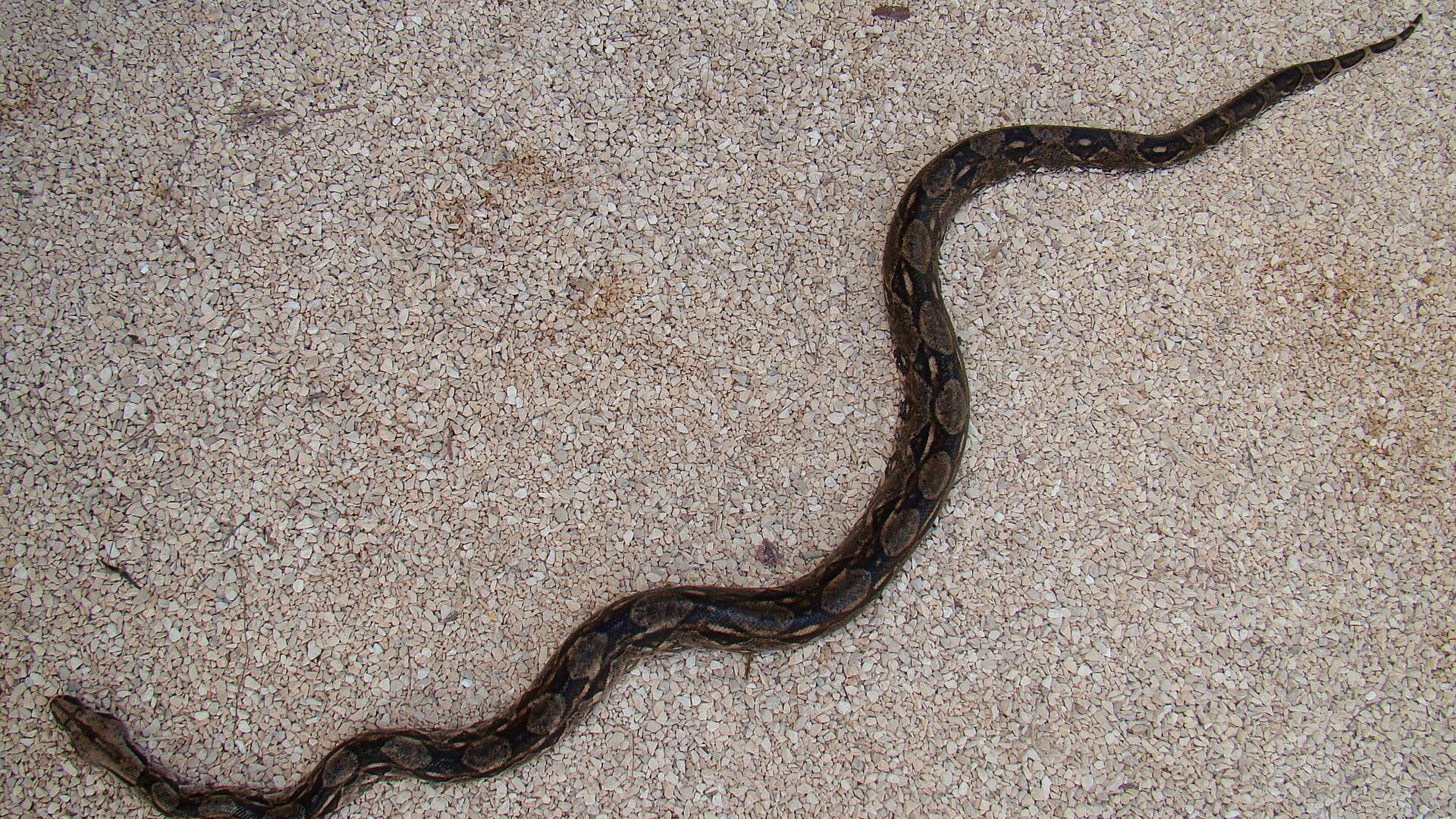
21. The Central American Boa
In a groundbreaking North Carolina State University study, a female boa constrictor produced multiple litters containing only daughters without male fertilization. Even more astonishing, the young carried WW chromosomes previously thought nonviable in reptiles.
©Wikimedia / Bjorn Christian Torrissen
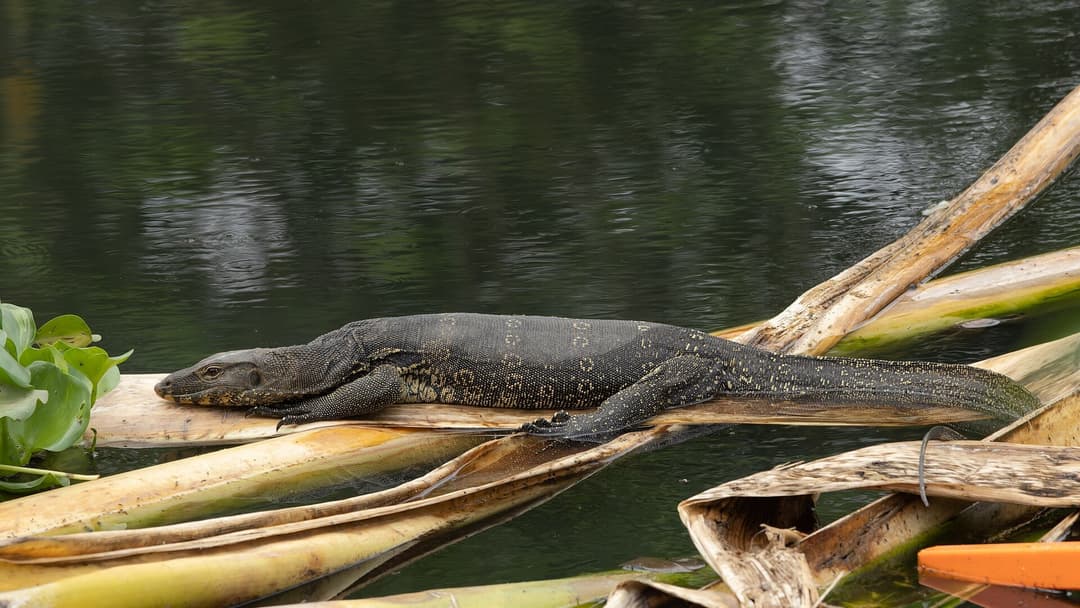
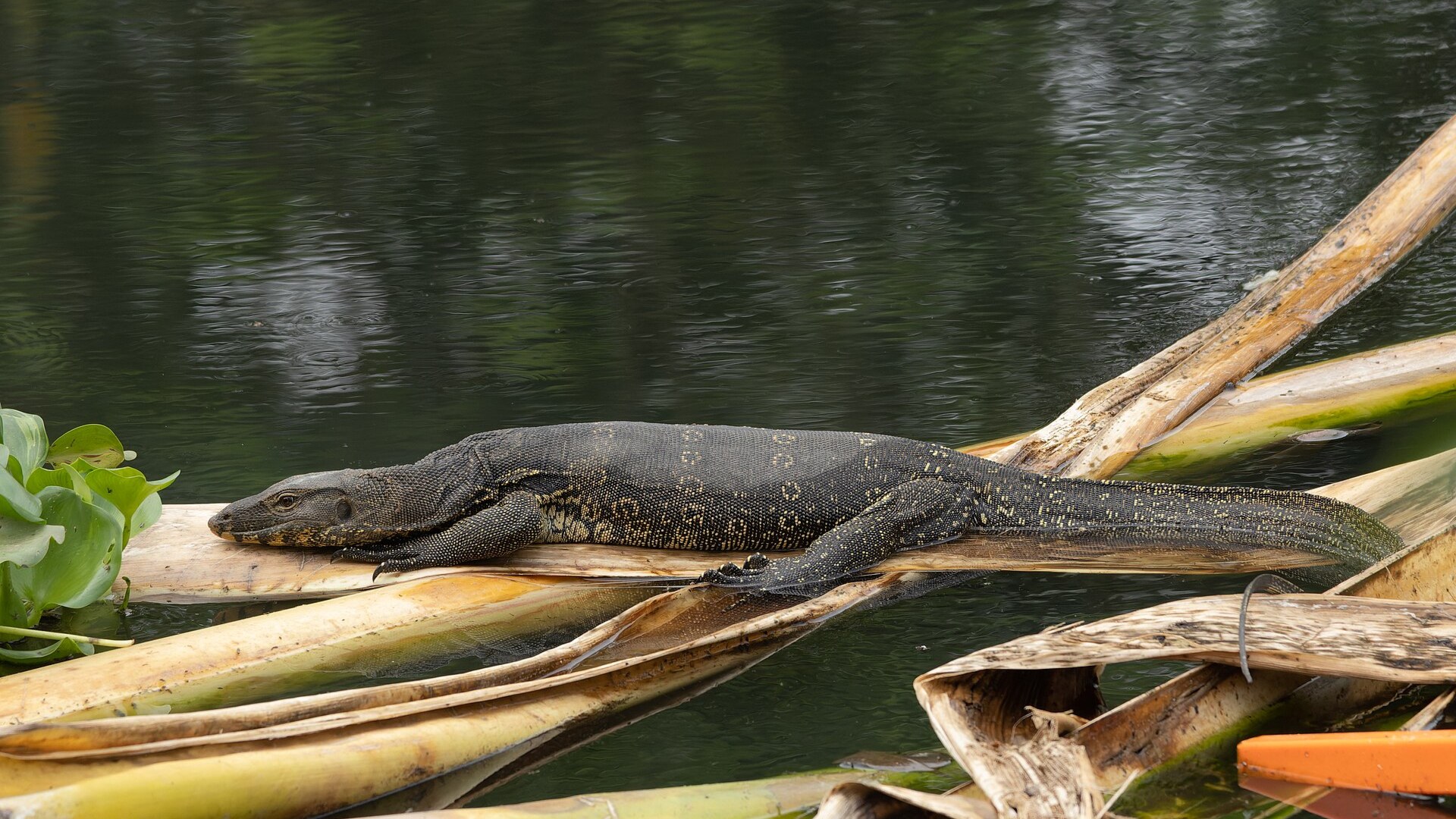
20. The Asian Water Monitor
Varanus salvator, among the largest lizards in the world, possesses facultative parthenogenetic capability. Captive females maintained in complete isolation have laid fertile clutches that hatched into healthy young monitors, proving monitor lizards share this ancient reproductive toolkit.
©Wikimedia / Tisha Mukherjee
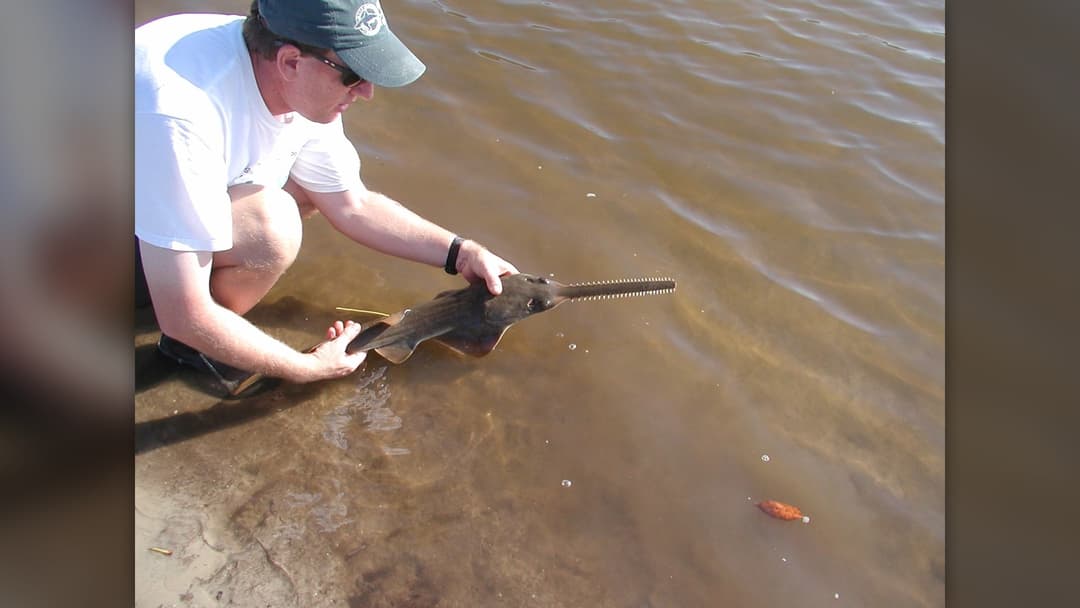
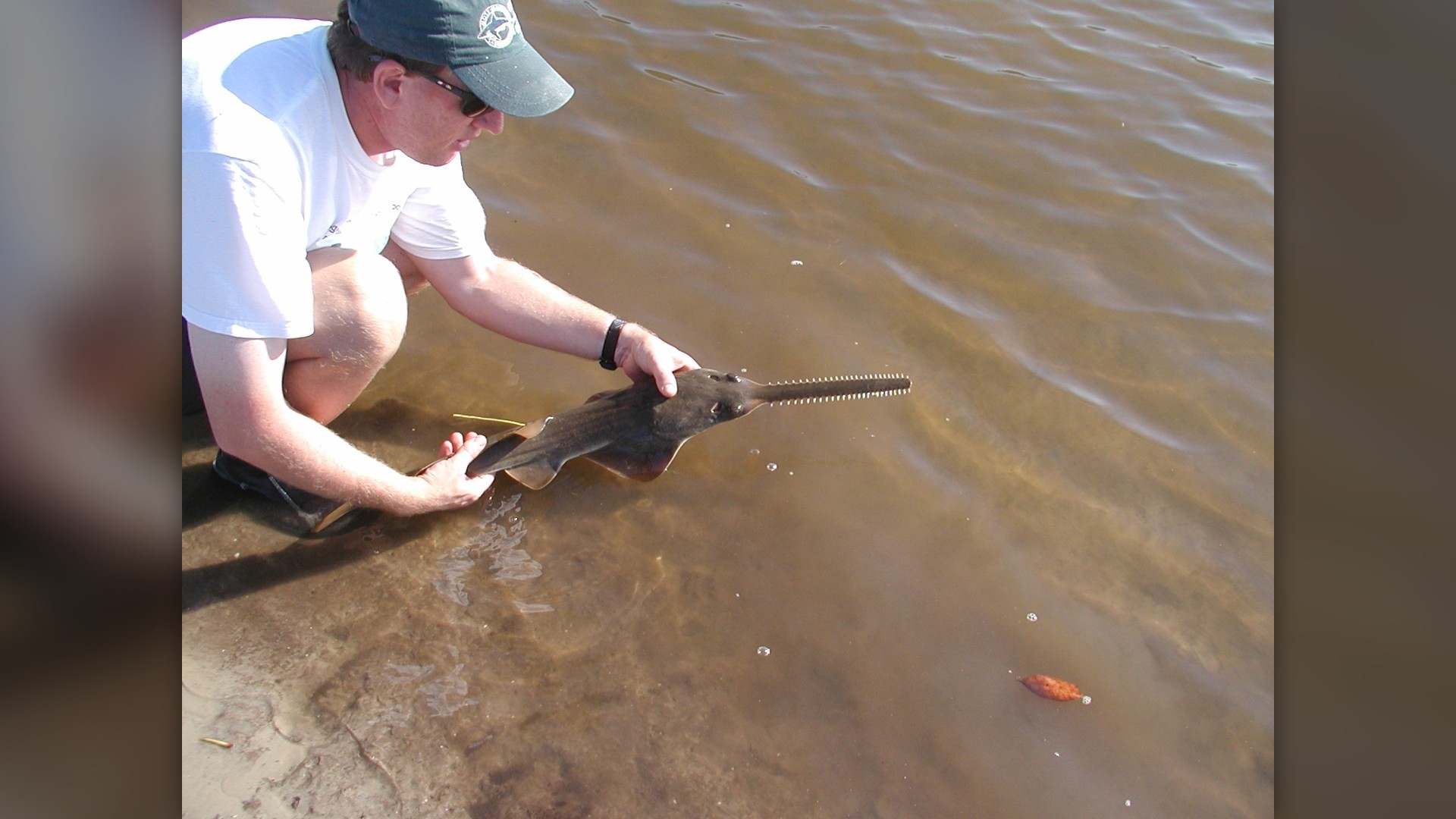
19. The Smalltooth Sawfish
During a 2015 genetic survey of critically endangered smalltooth sawfish in a Florida estuary, researchers made an astonishing discovery. Approximately three percent of sampled juveniles were fatherless clones, showing that wild vertebrates use parthenogenesis when mates are scarce.
©Wikimedia / NOAA
Advertisement
Swipe or tap ▶ to resume the countdown.
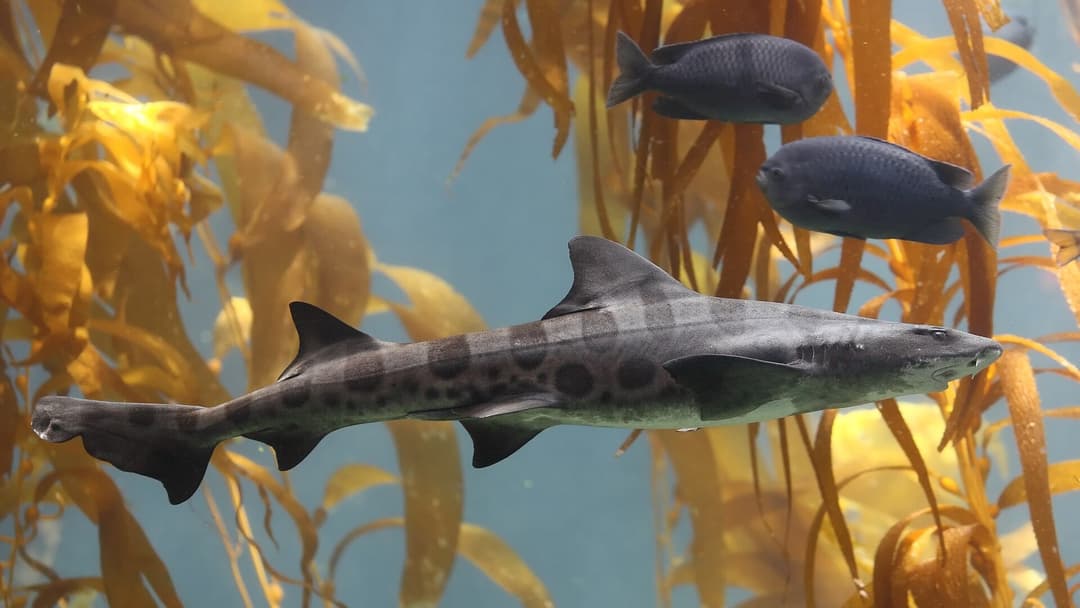
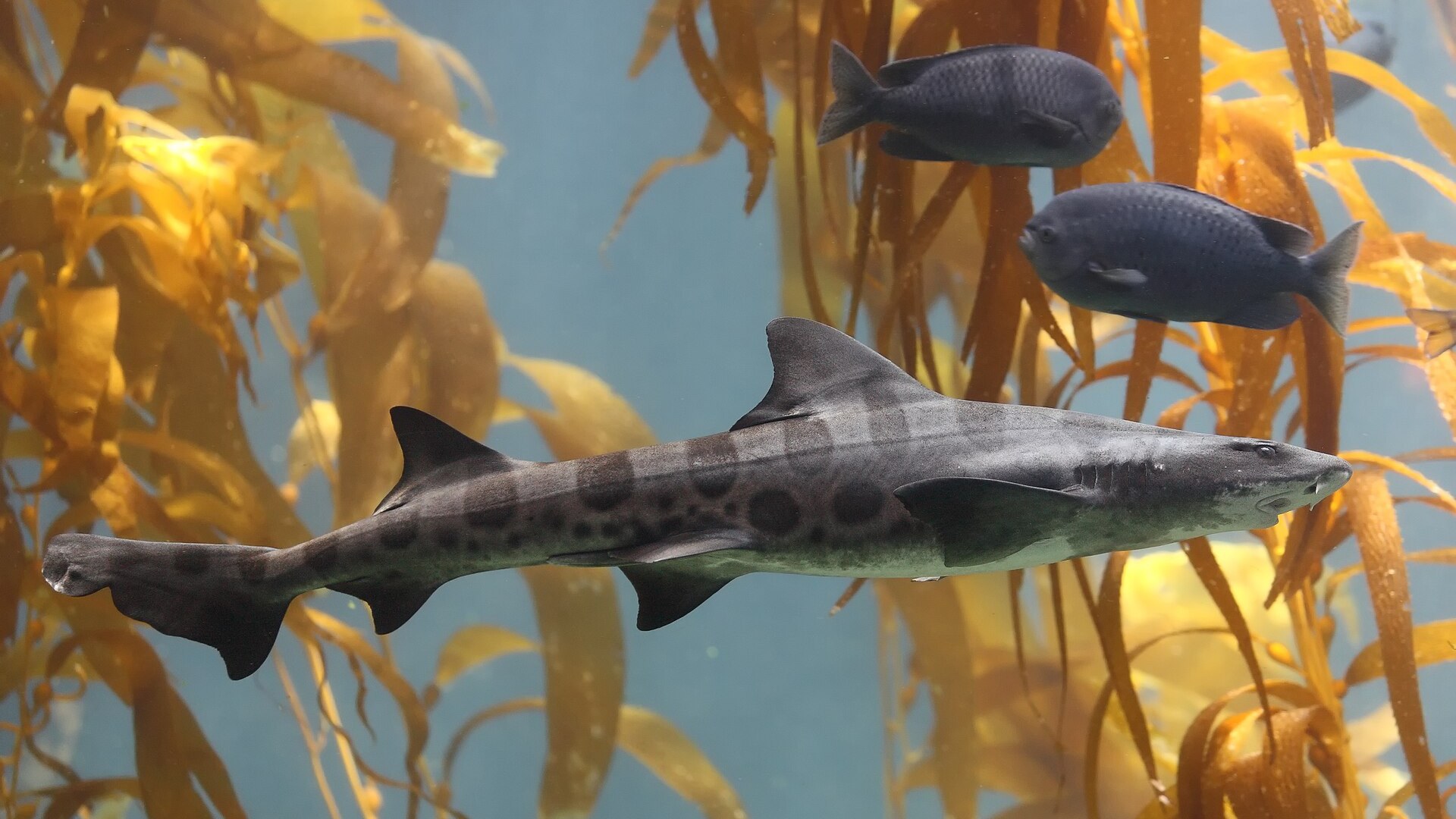
18. The Zebra Shark
At the Reef HQ Aquarium in Townsville, Australia, a female zebra shark named Leonie had previously mated with a male. Years after being placed in isolation, she hatched three viable pups. Genetic testing proved the offspring were purely hers, showing an unprecedented reproductive shift.
©Wikimedia / Matthew Field
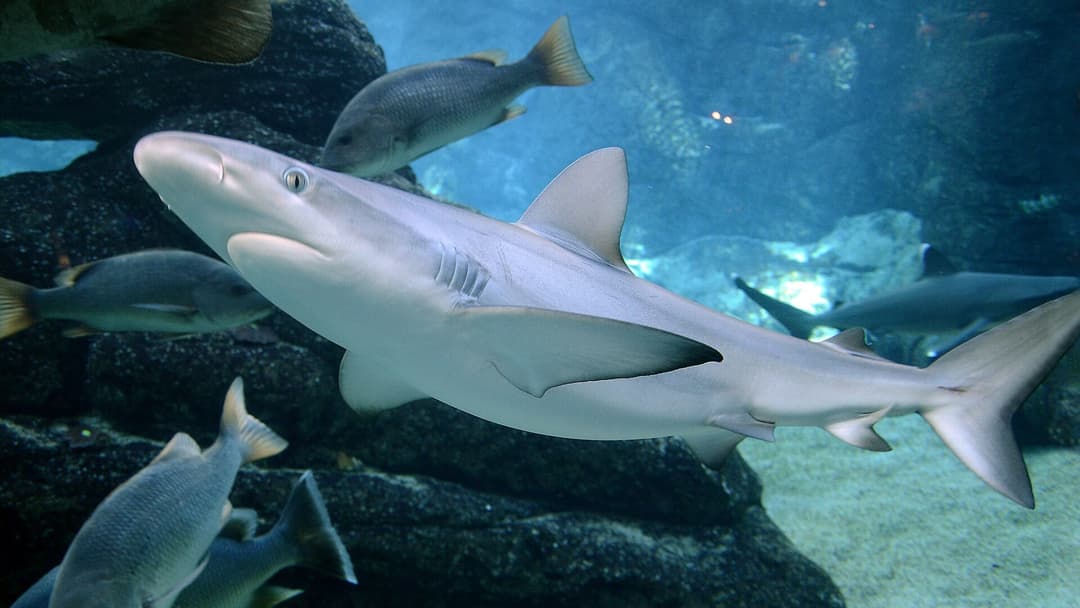
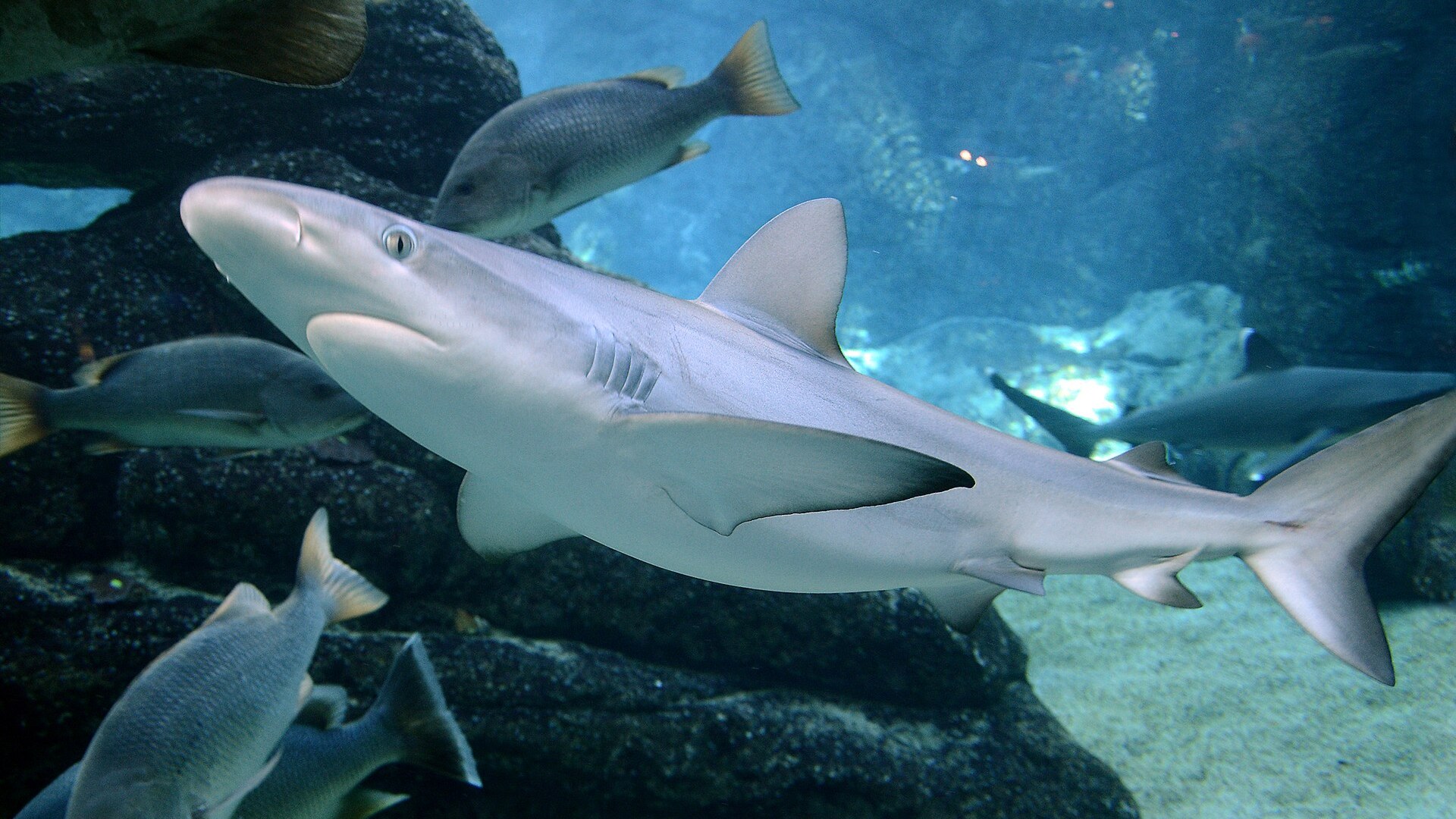
17. The Blacktip Shark
Following the bonnethead discovery, biologists confirmed virgin birth in a second shark species. A nine-year-old female blacktip shark living at the Virginia Aquarium gave birth to a fully formed embryo containing zero paternal markers through automictic parthenogenesis.
©Wikimedia / Amada44
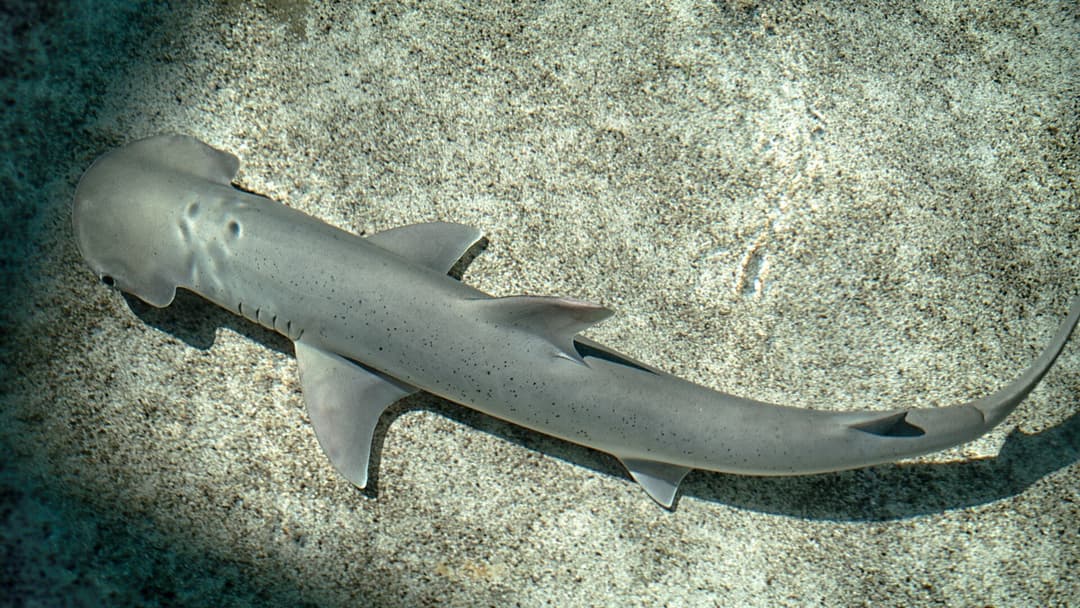
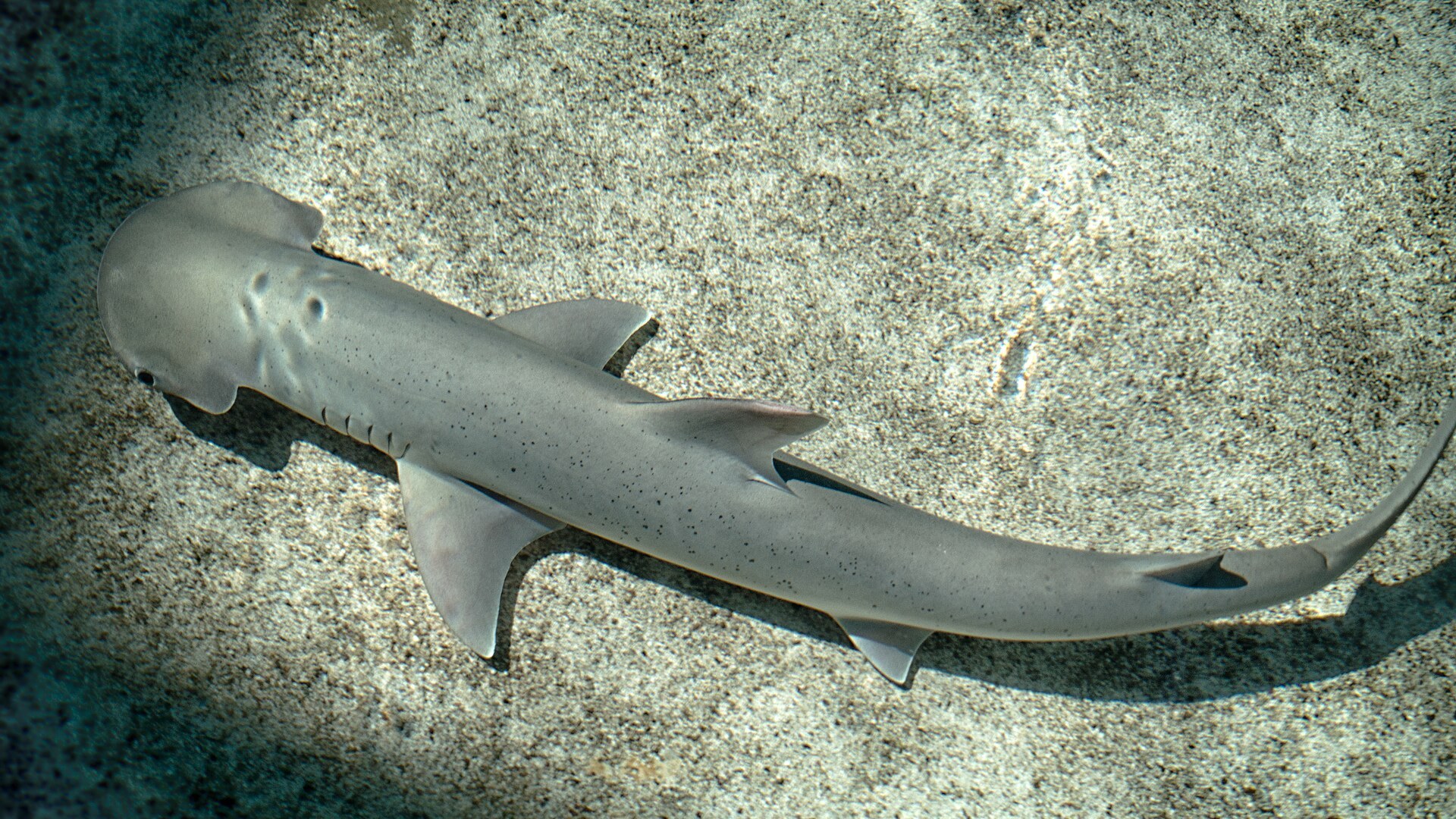
16. The Bonnethead Shark
In 2001, a female bonnethead shark housed at Nebraska's Henry Doorly Zoo without any male contact for three years gave birth to a pup. DNA testing published in 2007 confirmed the pup carried only maternal DNA, providing the first proof of parthenogenesis in cartilaginous fish.
©Wikimedia / Eric Kilby
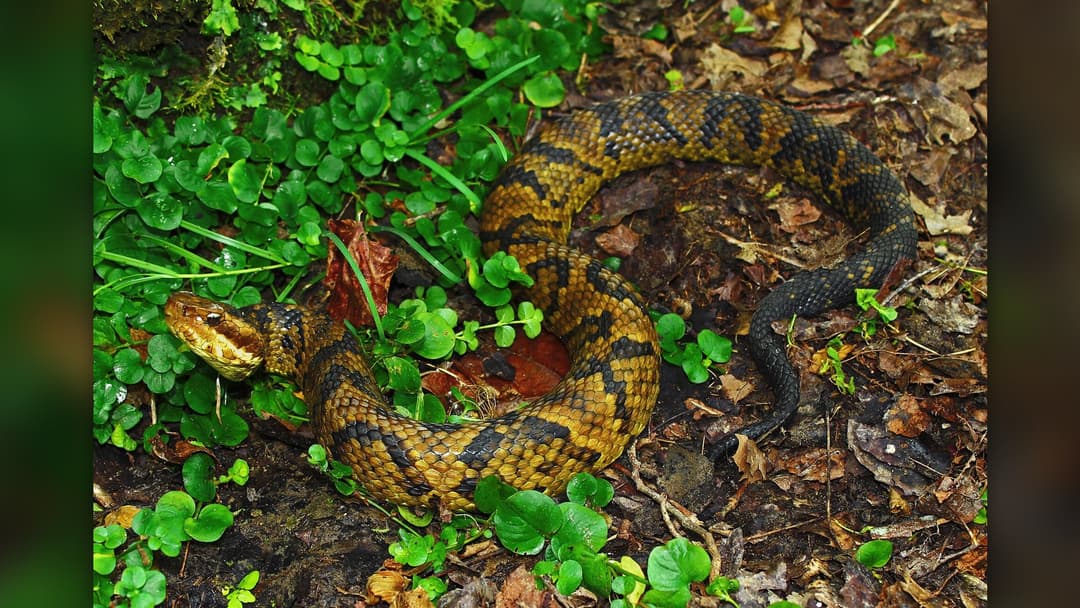
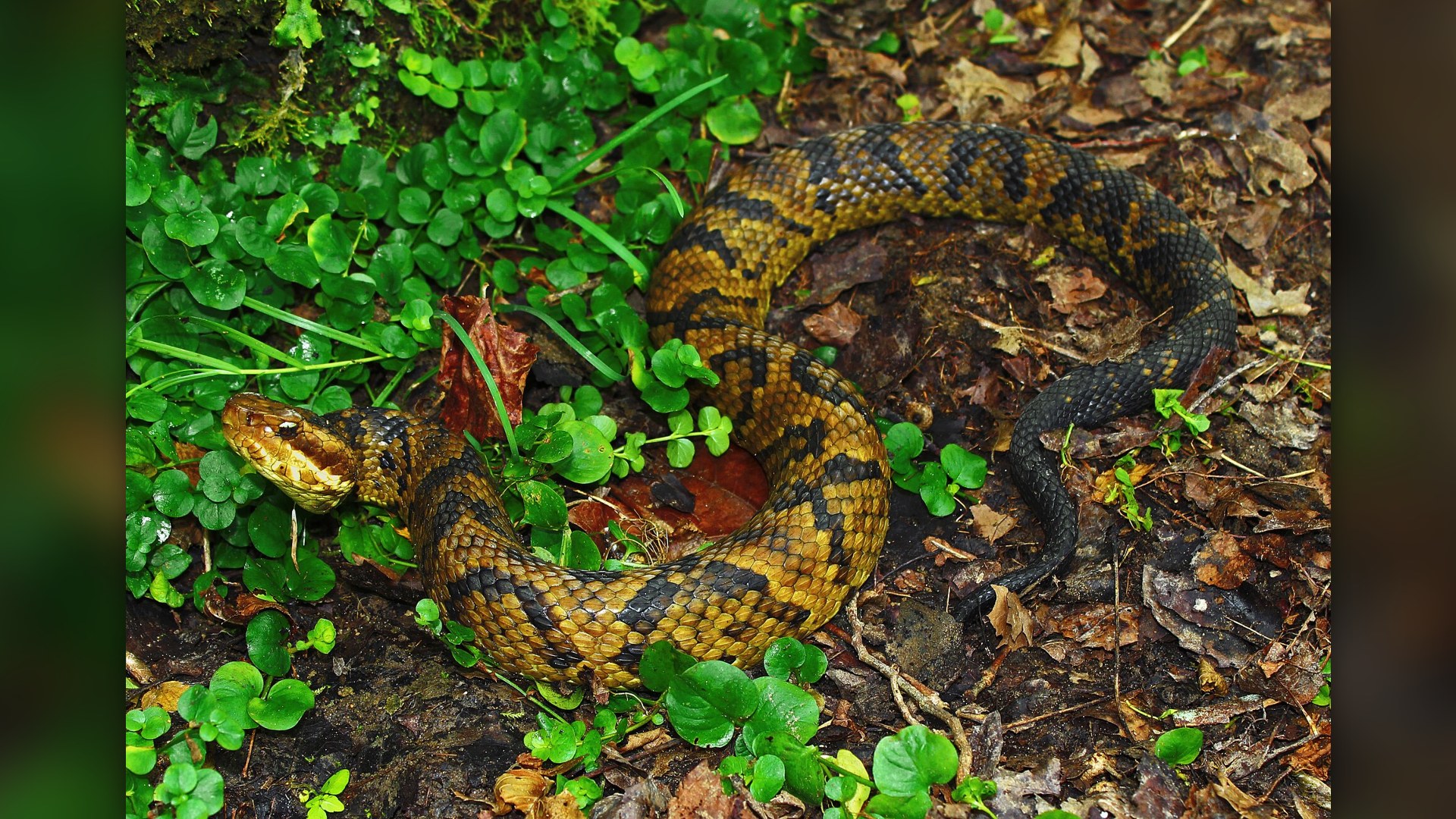
15. The Cottonmouth Snake
While virgin birth in snakes was long thought to be an artifact of captive isolation, a landmark 2012 field study confirmed that wild cottonmouths produce fatherless litters in natural wetlands, proving that facultative parthenogenesis occurs in free-living viper populations.
©Wikimedia / Peter Paplanus
Advertisement
Swipe or tap ▶ to resume the countdown.
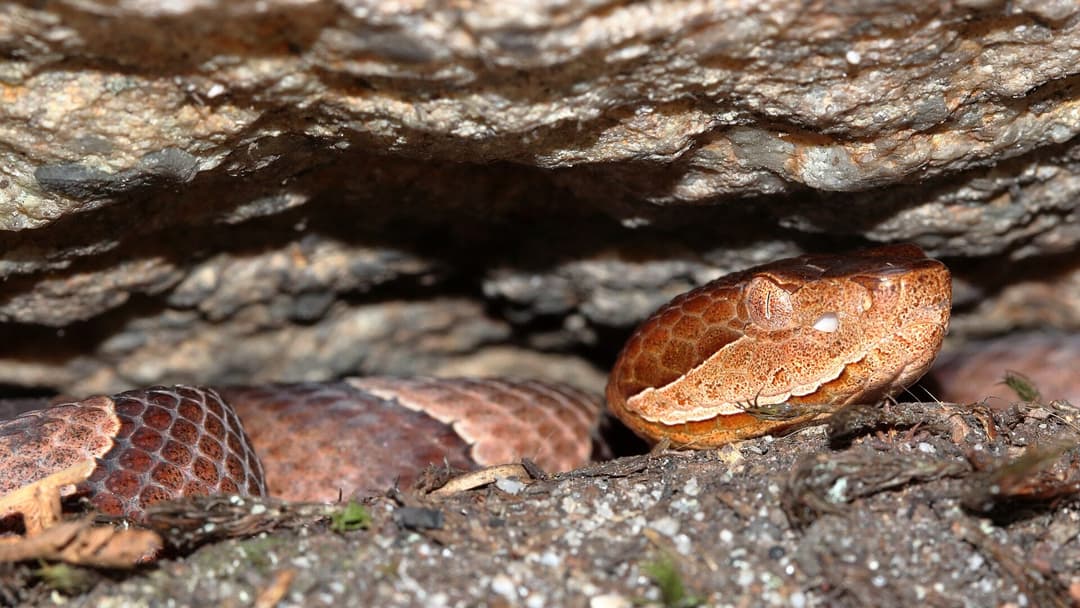
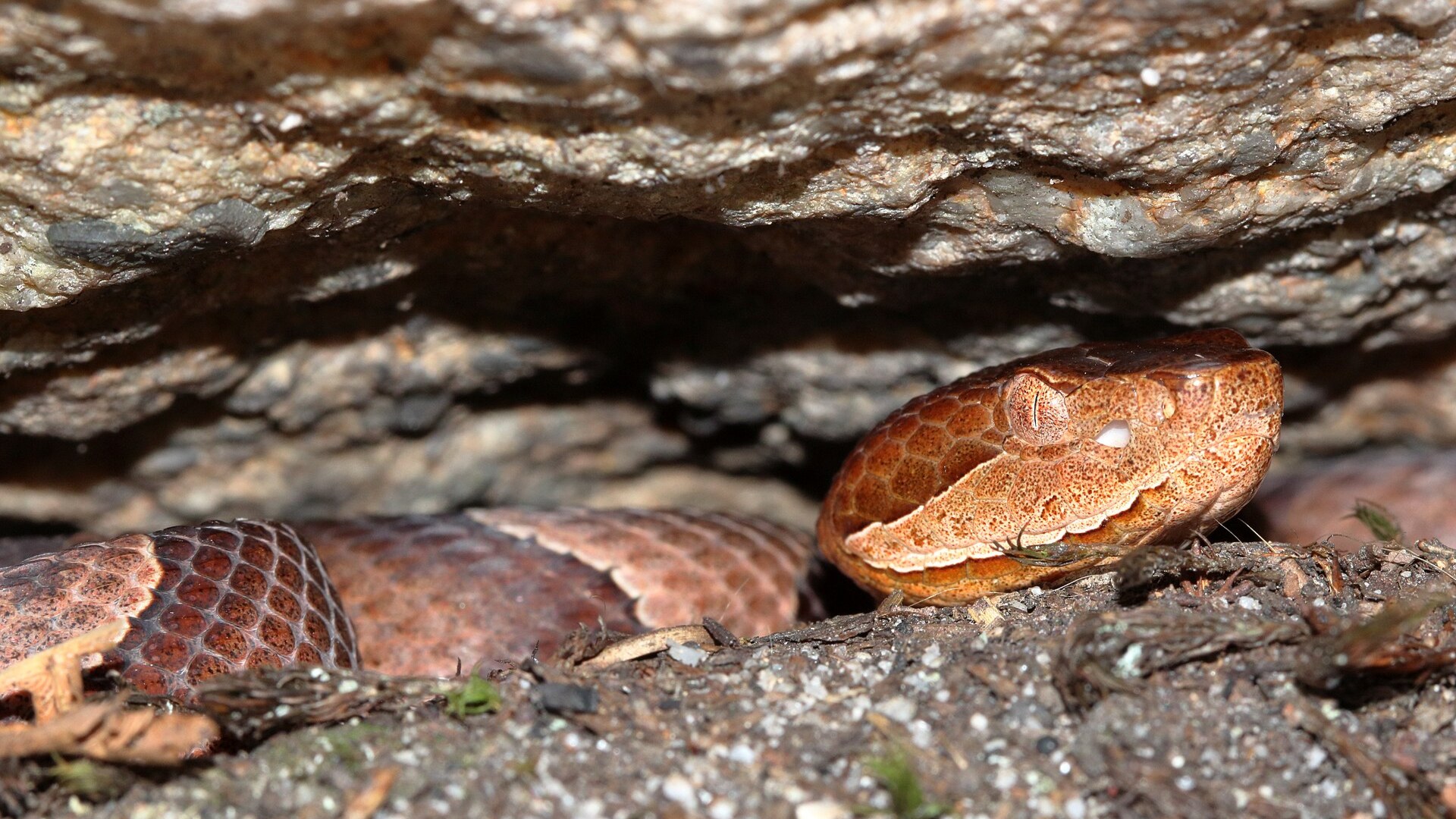
14. The Copperhead Snake
Copperheads typically mate sexually, but genetic testing of captive litters from isolated females revealed facultative parthenogenesis. Through terminal fusion, an unfertilized egg fuses with a second polar body, restoring a diploid chromosome count and producing viable male young.
©Wikimedia / Riley Stanton
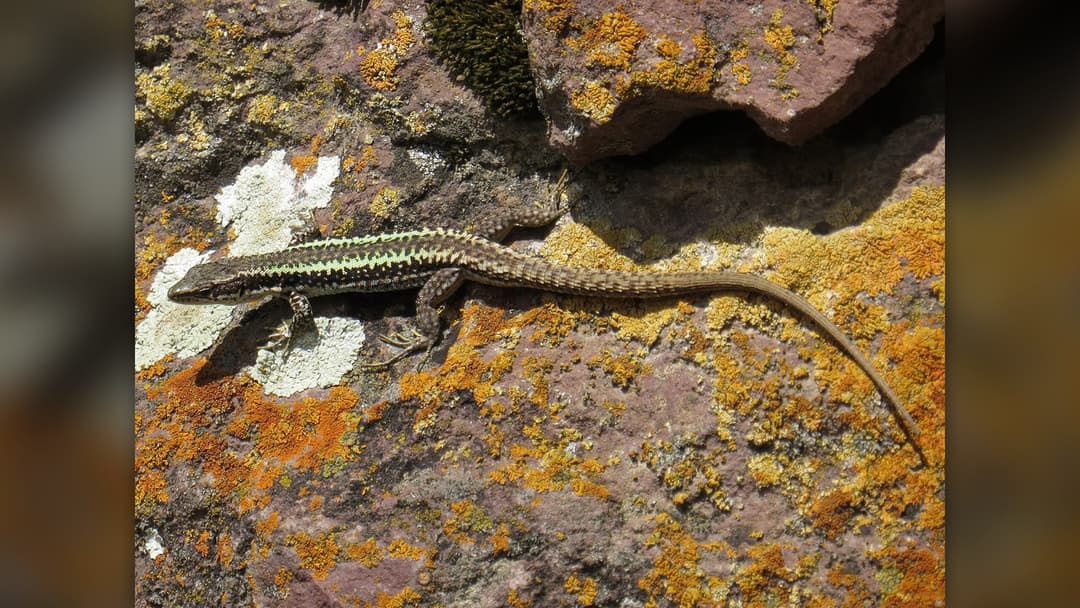
13. The Caucasian Rock Lizard
In 1958, Soviet biologist Ilya Darevsky discovered that populations of rock lizards in Armenia consisted entirely of females. This groundbreaking discovery provided the world's first verified proof of natural obligate parthenogenesis in amniote vertebrates.
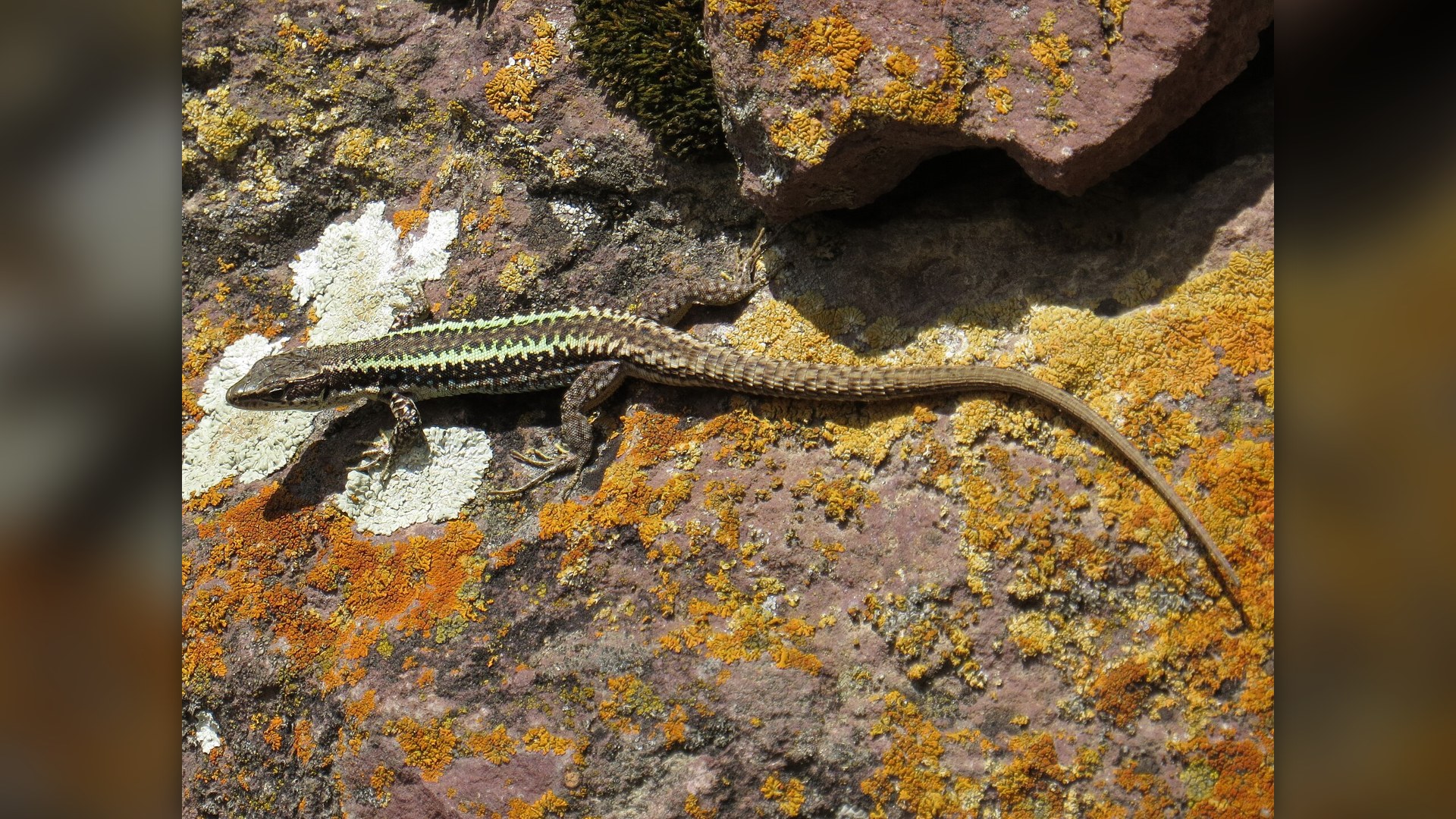
©Wikimedia / Alastair Rae
12. The New Mexico Whiptail
Aspidoscelis neomexicanus arose from hybridization between two sexual species, producing an all-female lineage. To stimulate ovulation, pairs of females engage in courtship behaviors mimicking mating, allowing unfertilized eggs to develop into genetically complete daughters.
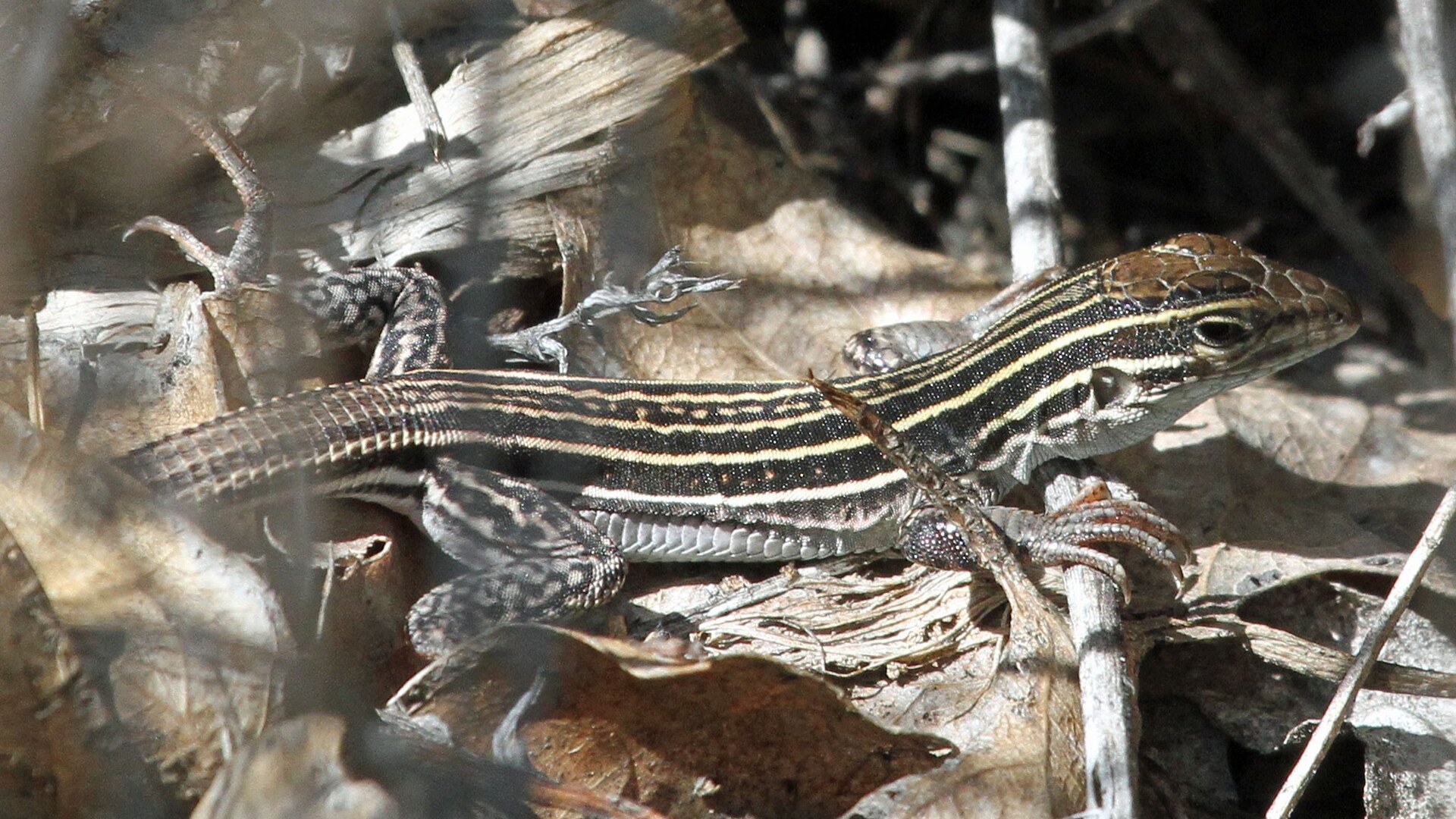
©Wikimedia / Greg Schechter
11. The Brahminy Blind Snake
Known as the flowerpot snake, Indotyphlops braminus is an obligate parthenogenetic reptile consisting exclusively of females. Because a single individual can lay fertile clutches without a mate, human nursery trade shipping has spread this species to every continent except Antarctica.
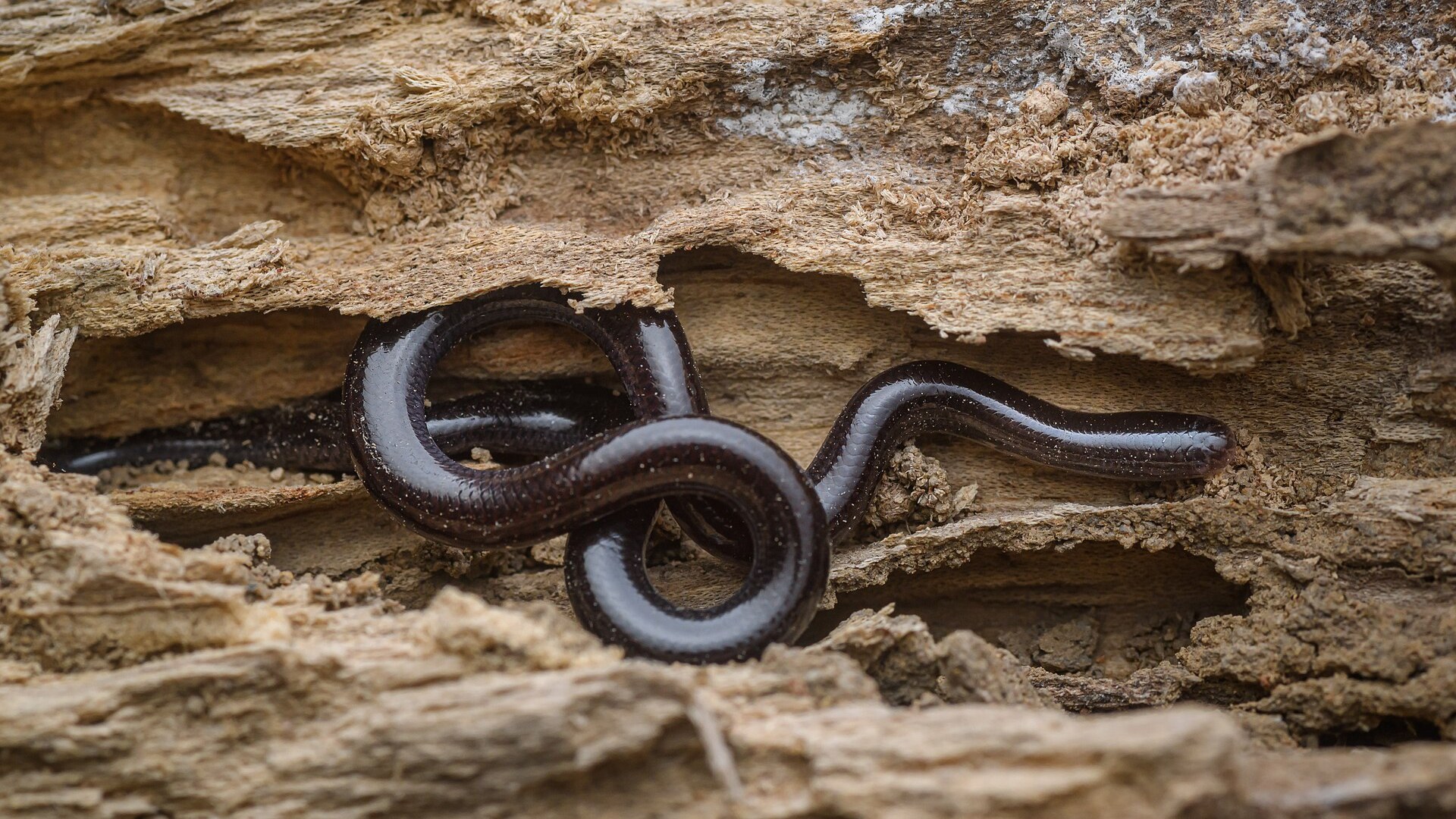
©Wikimedia / Rushen
Advertisement
Swipe or tap ▶ to resume the countdown.
10. The Mourning Gecko
Lepidodactylus lugubris is a triploid gecko species that reproduces through obligate parthenogenesis. Because a single solitary female can lay fertile clutches of two hard-shelled eggs, this species has successfully colonized remote Pacific islands on ocean driftwood.
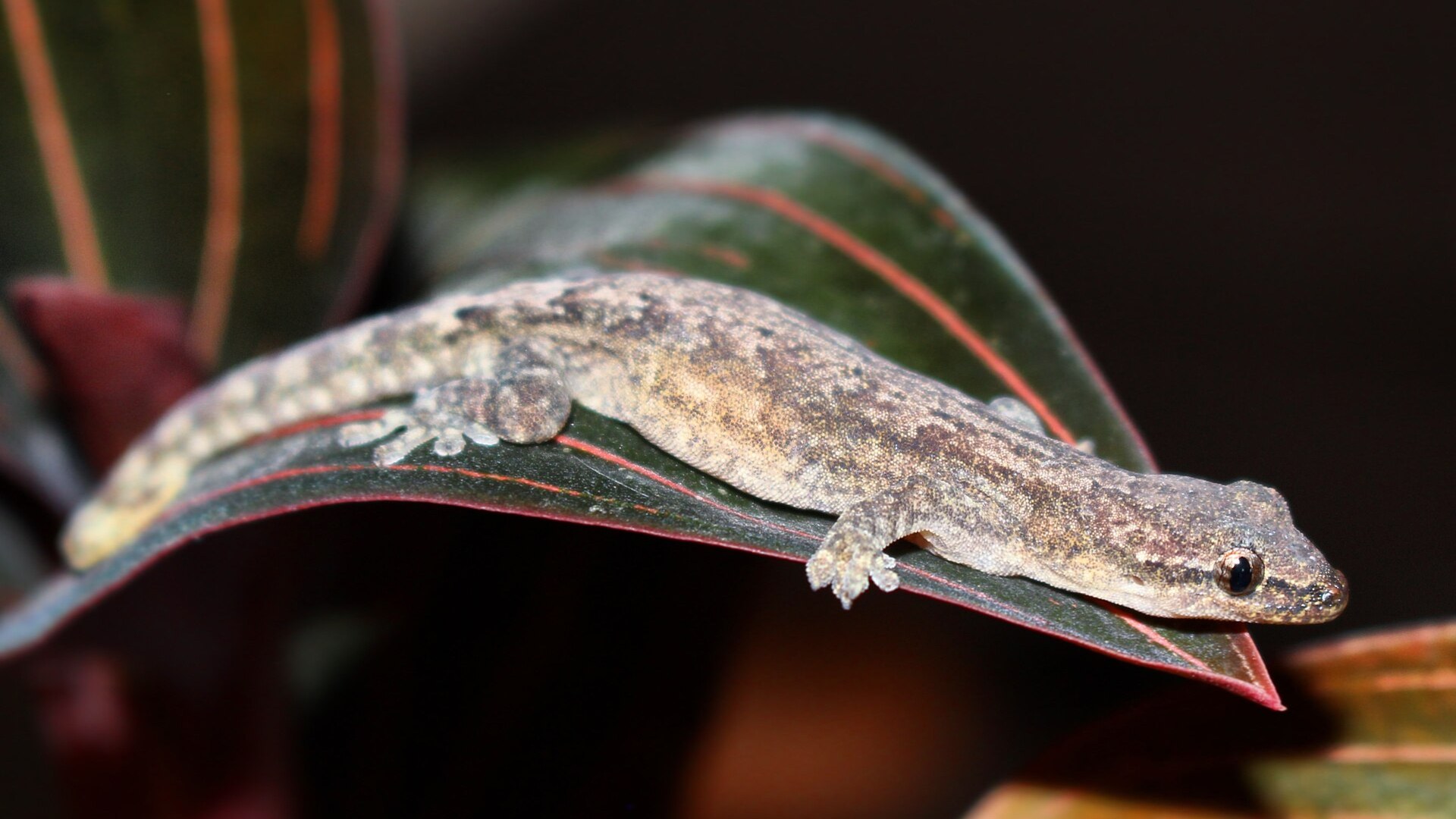
©Wikimedia / Connor Long
9. The Amazon Molly
Poecilia formosa practices gynogenesis, a form of asexual reproduction where females mate with males of related fish species solely to activate egg development. None of the male genetic material is incorporated, ensuring broods are pure maternal clones.
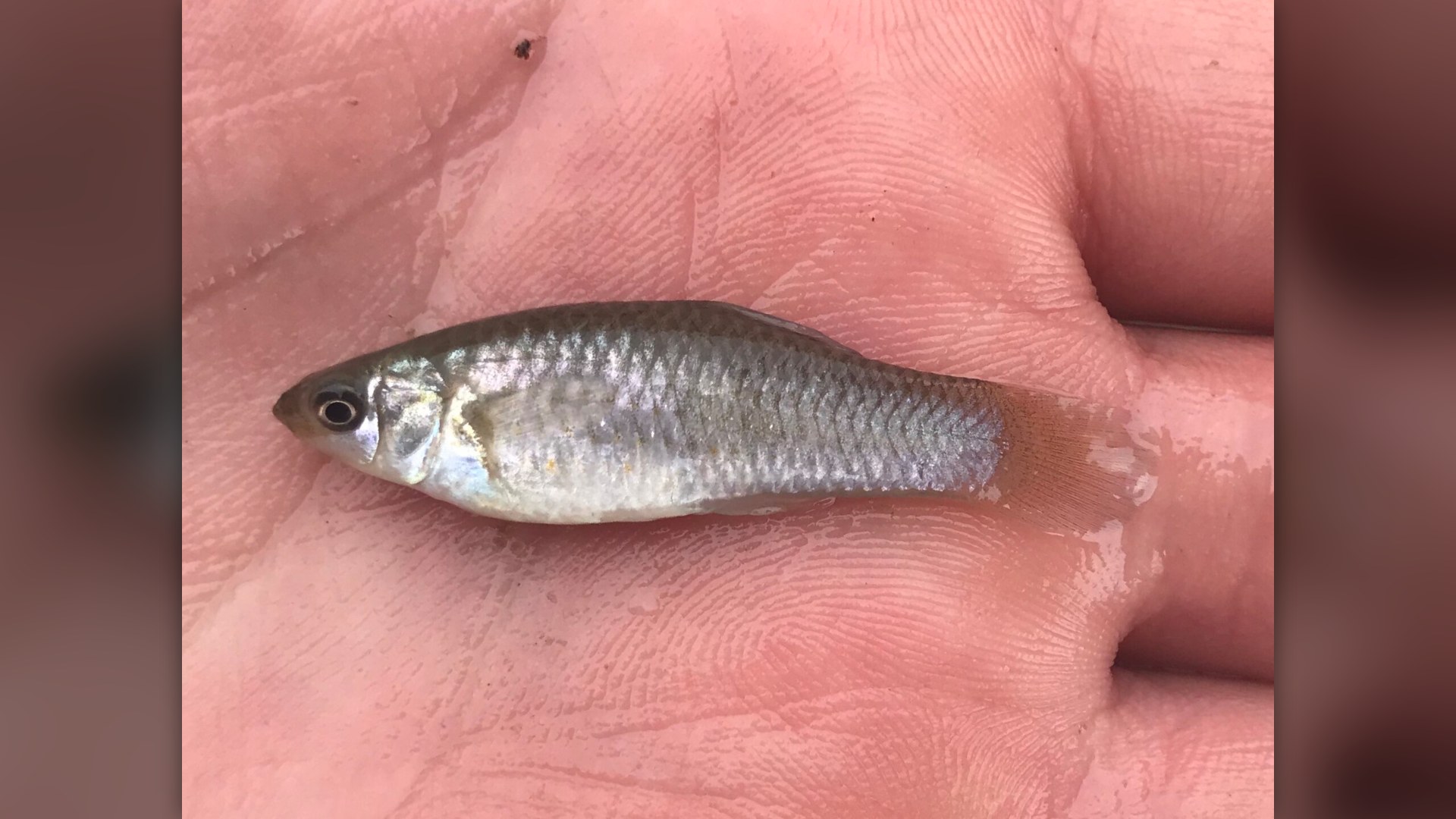
©Wikimedia / Nick Loveland
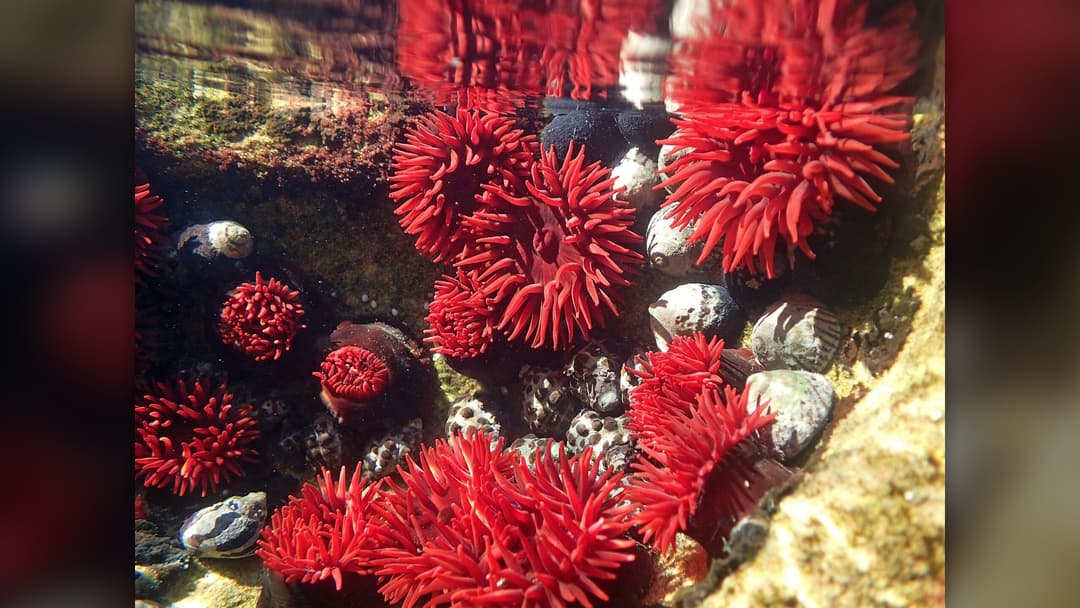
8. The Waratah Sea Anemone
Native to southern Australian and New Zealand tidepools, Actinia tenebrosa broods genetically identical juvenile clones inside its body cavity without fertilization. Once matured, the parent expels dozens of miniature anemones to settle on nearby rocks.
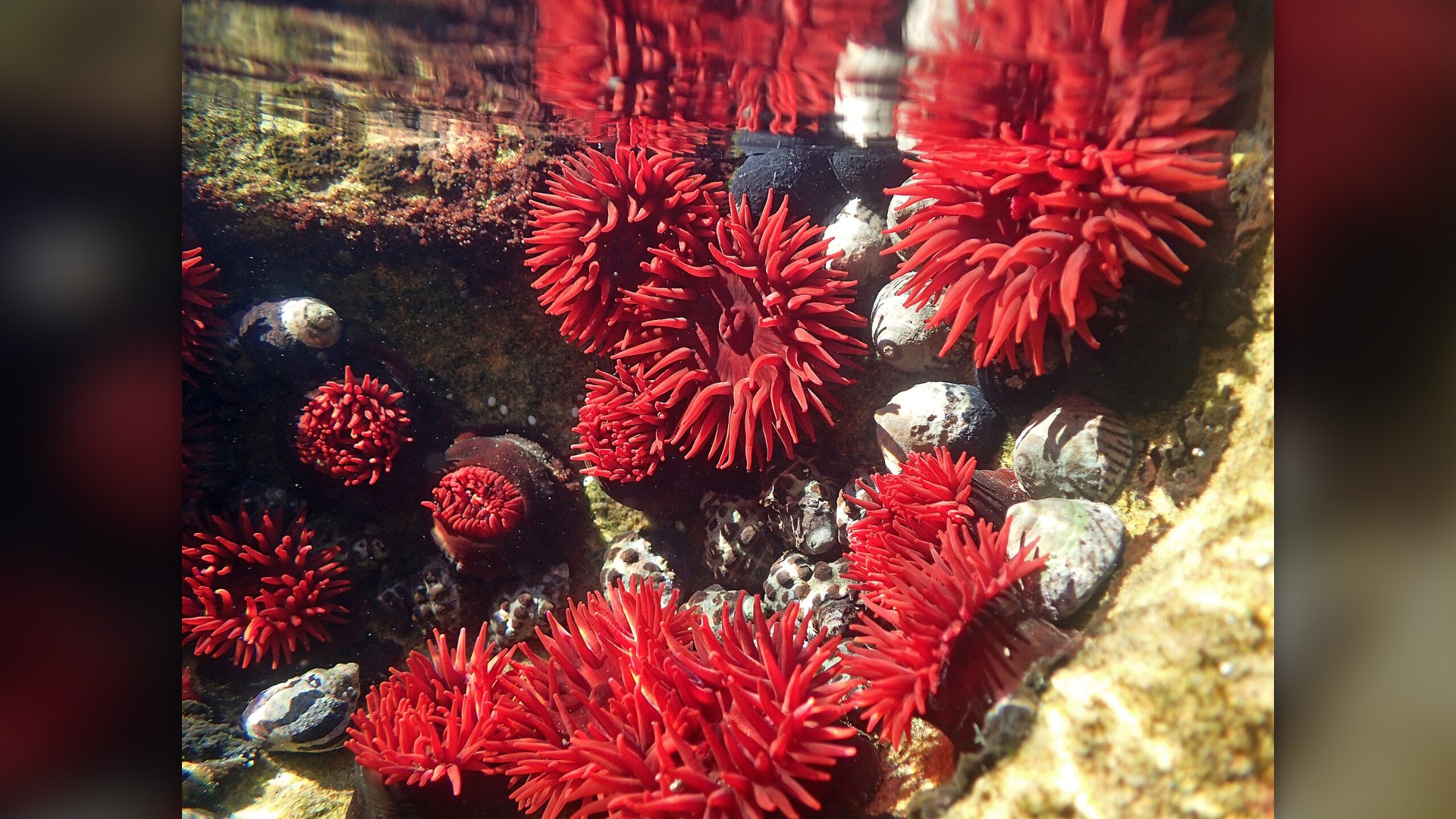
©Wikimedia / John Turnbull
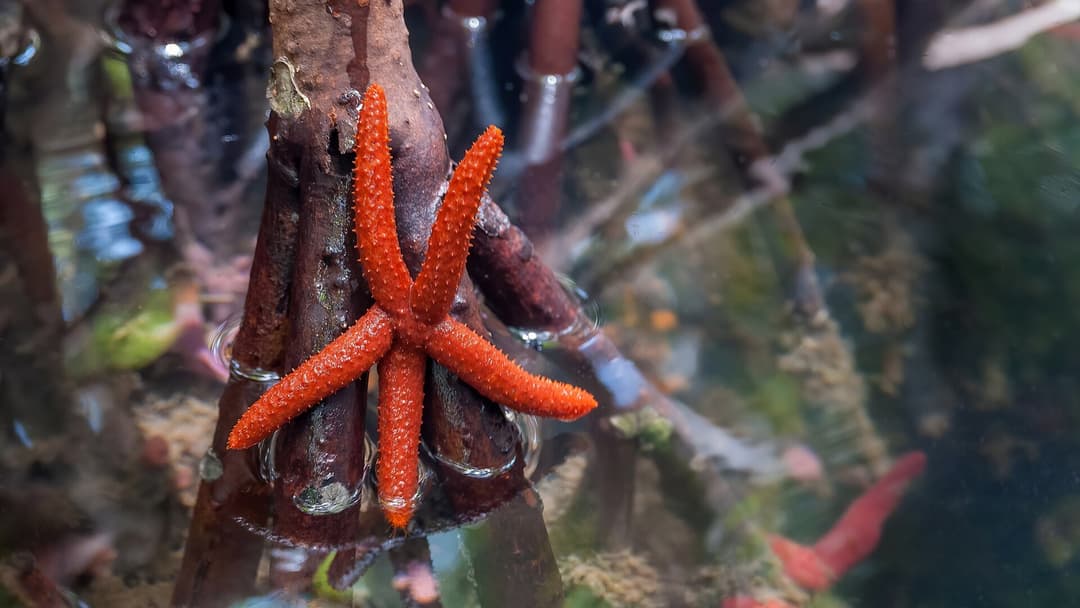
7. Guilding's Sea Star
Linckia guildingi reproduces asexually through autotomy. By casting off a single arm, known as a comet form, the detached limb regrows a central disk and four new arms over several months, resulting in an autonomous clone without any sexual mating.
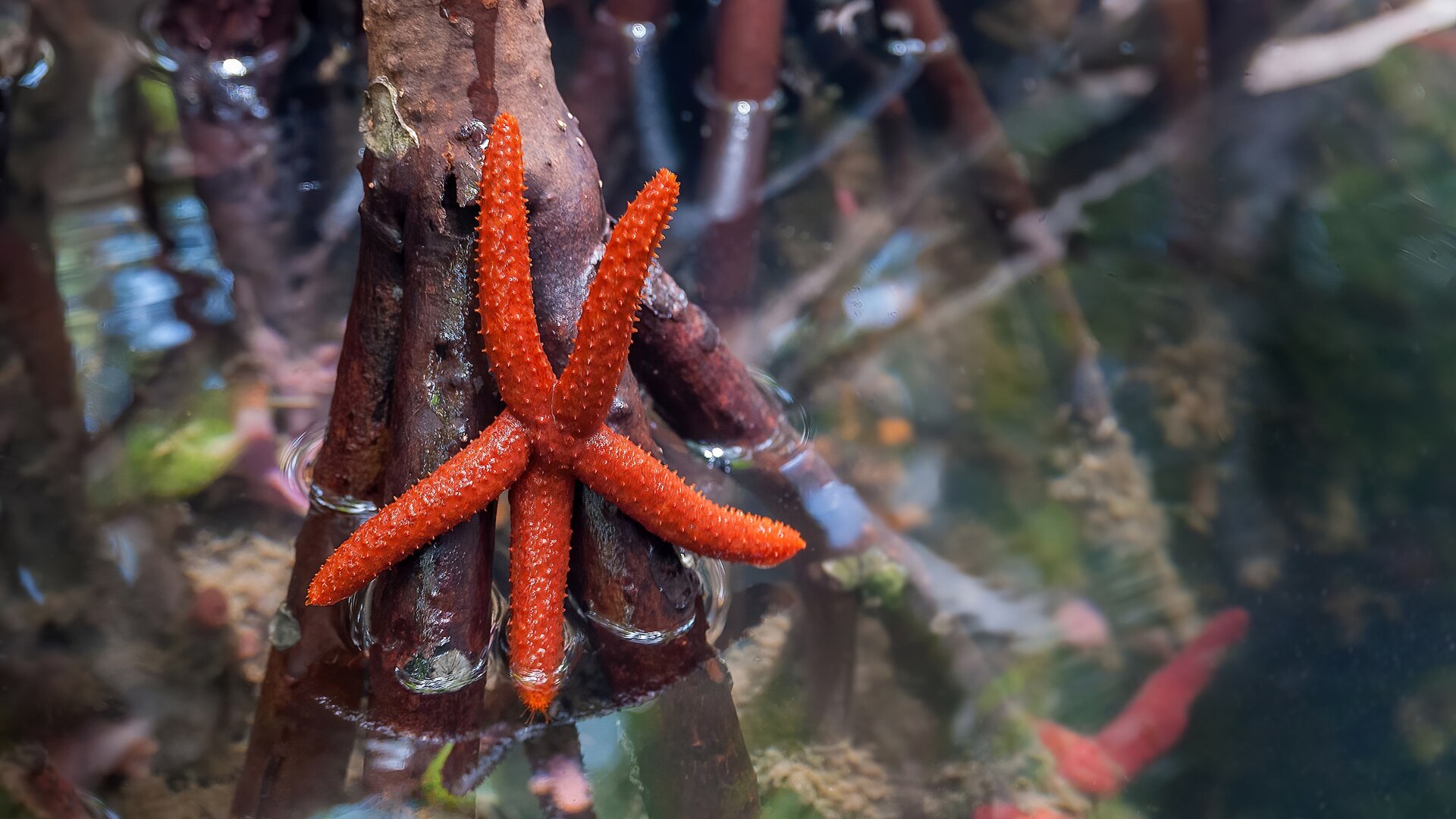
©Wikimedia / Wilfredor
Advertisement
Swipe or tap ▶ to resume the countdown.
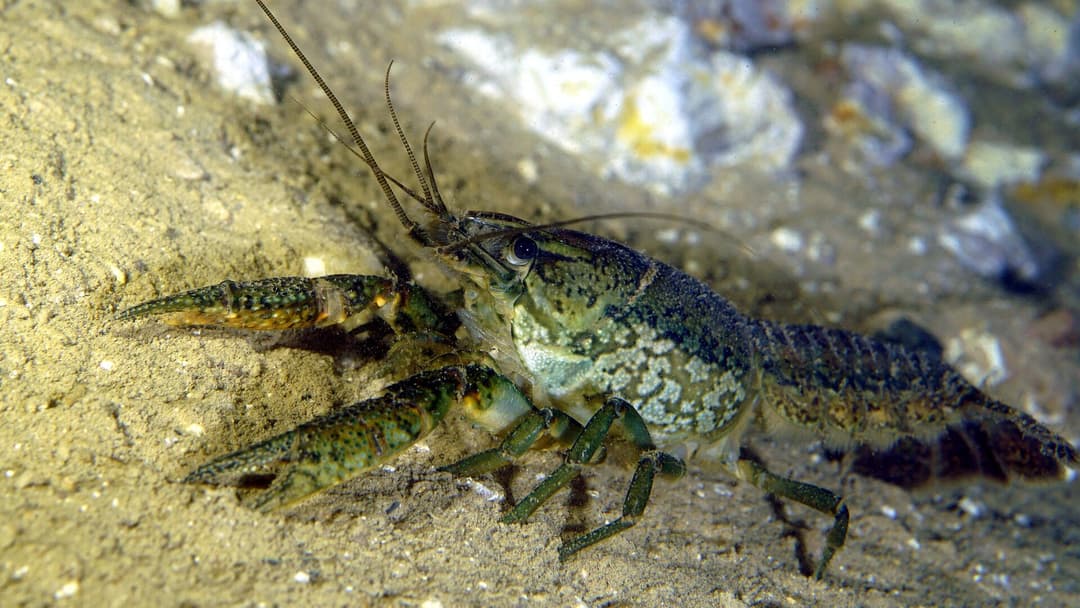
6. The Marbled Crayfish
Discovered in the German aquarium trade during the 1990s, the marbled crayfish originated from a single mutation producing a triploid all-female organism. Capable of laying hundreds of fertile eggs without mating, a single individual can establish an invasive wild population.
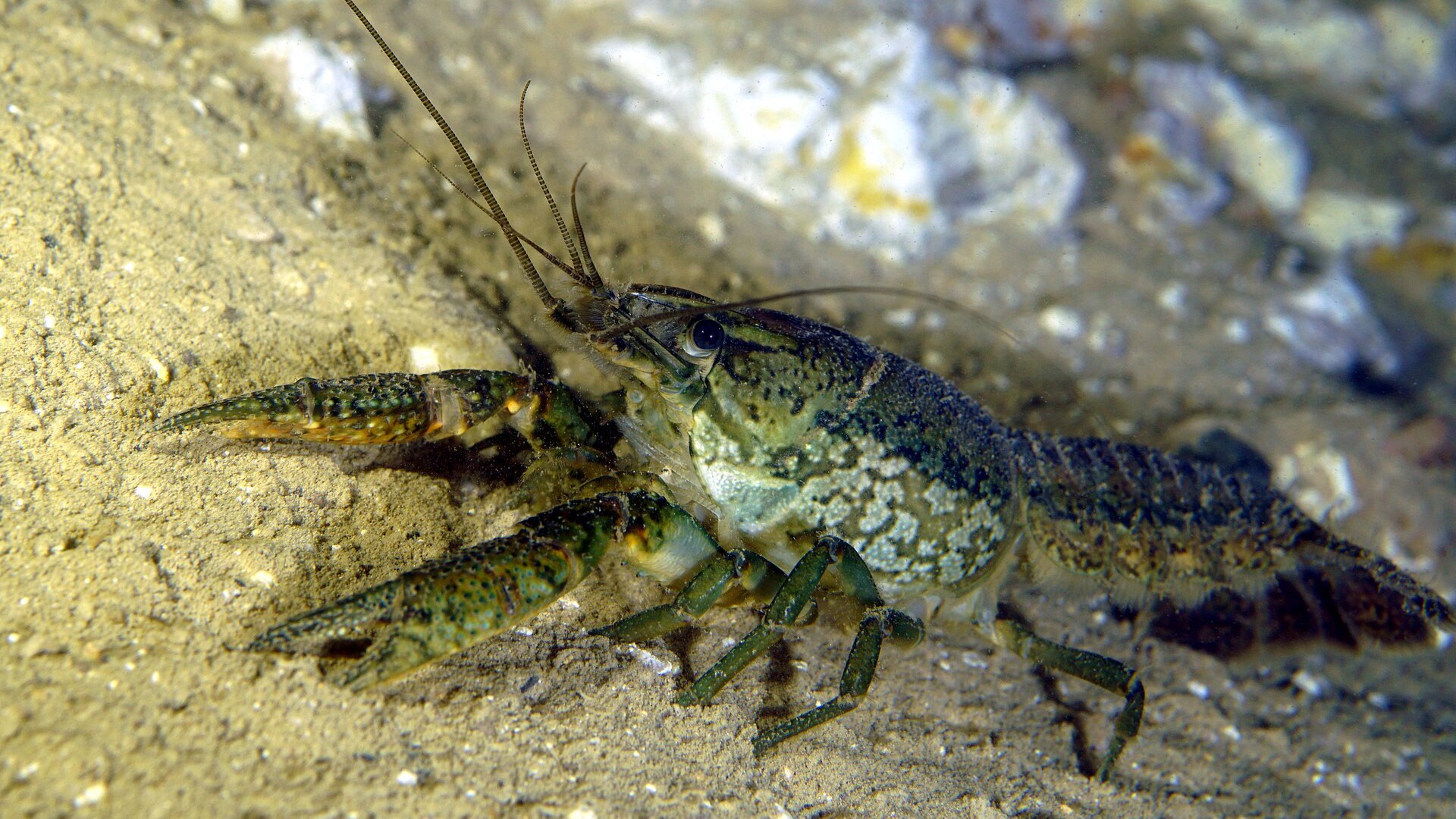
©Wikimedia / Lorenz Seebauer
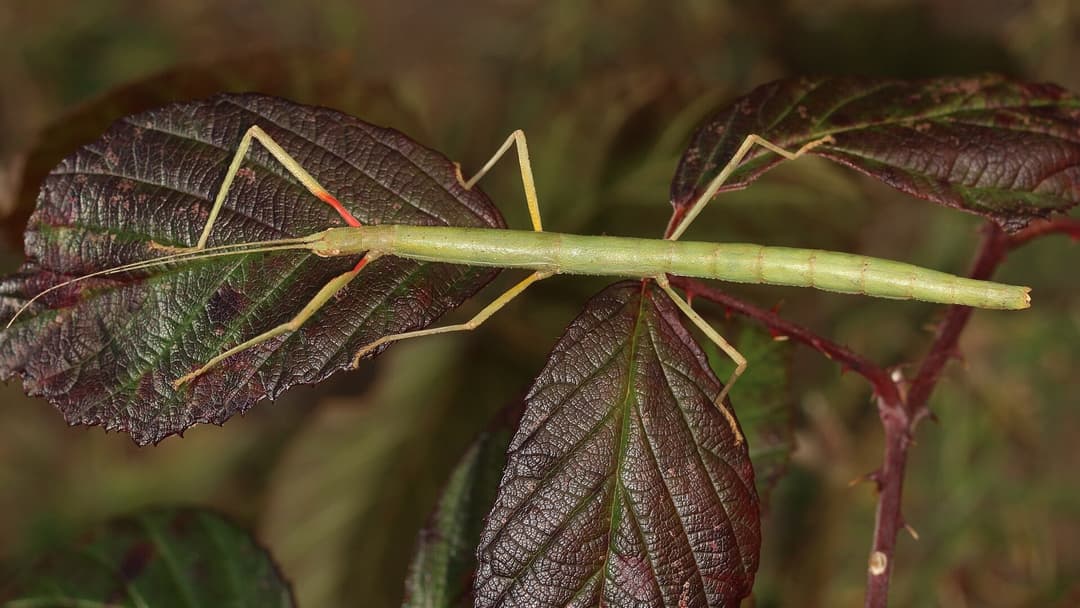
5. The Indian Stick Insect
Carausius morosus, the Indian stick insect, is famous among entomologists for reproducing without males. Captive populations and wild colonies are virtually one hundred percent female, laying fertile unfertilized eggs that hatch into healthy female clones.
©Wikimedia / Holger Krisp
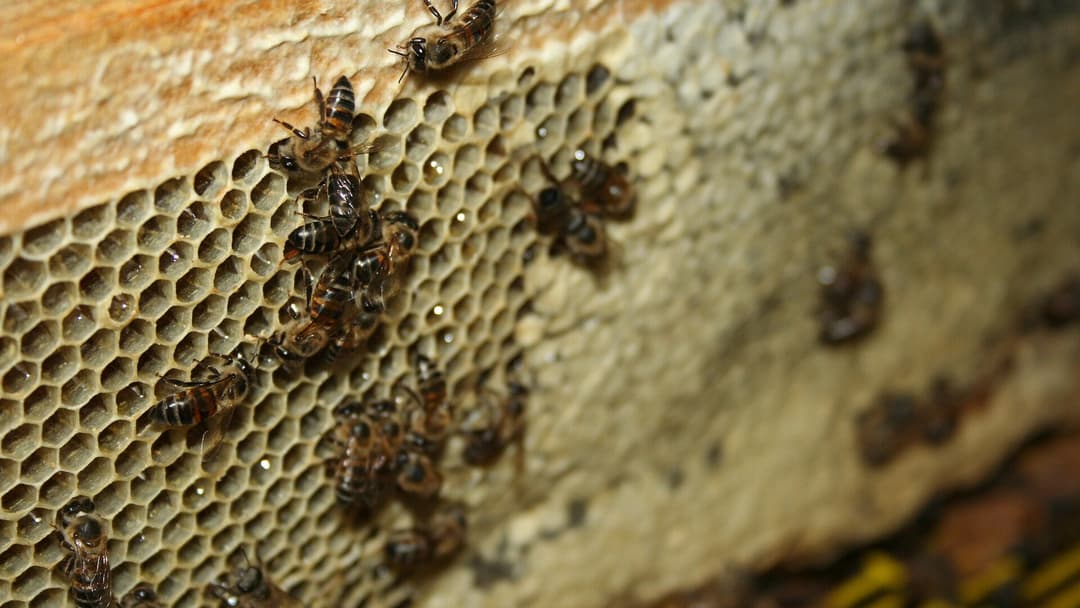
4. The Cape Honeybee
In typical honeybee hives, unfertilized eggs hatch into male drones. The Cape honeybee of South Africa is different. Worker bees can reproduce through thelytoky, laying unfertilized diploid eggs that hatch into female workers or potential replacement queens.
©Wikimedia / Discott
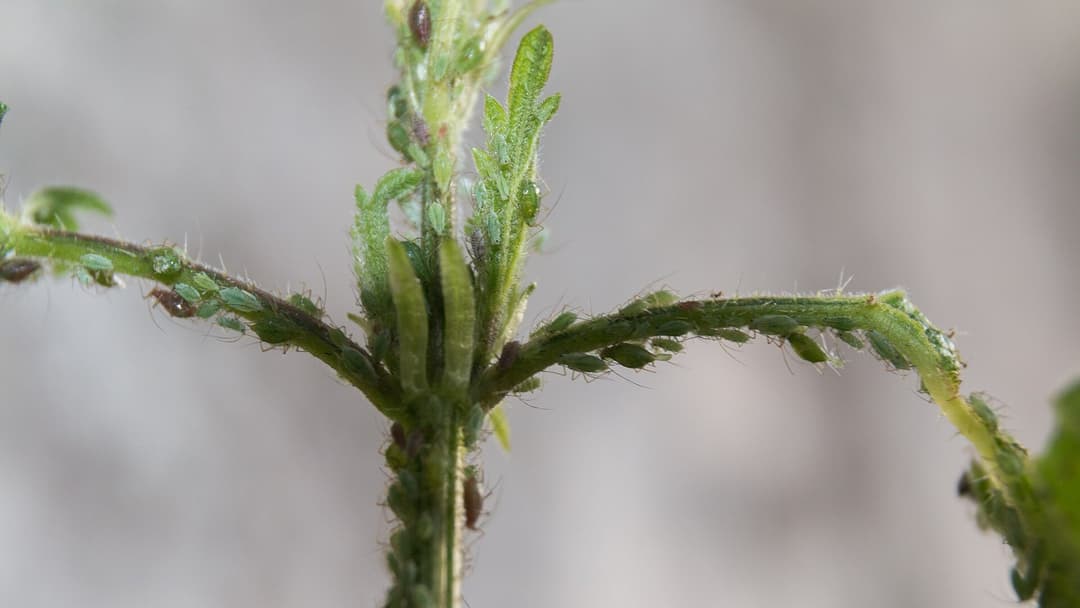
3. The Pea Aphid
Pea aphids possess telescoping generations. A developing unfertilized female embryo inside a mother already contains developing embryos of her own future daughters. This reproductive acceleration allows a single founding female to produce thousands of offspring in weeks.
©Wikimedia / Daniel Villafruela
Advertisement
Swipe or tap ▶ to resume the countdown.
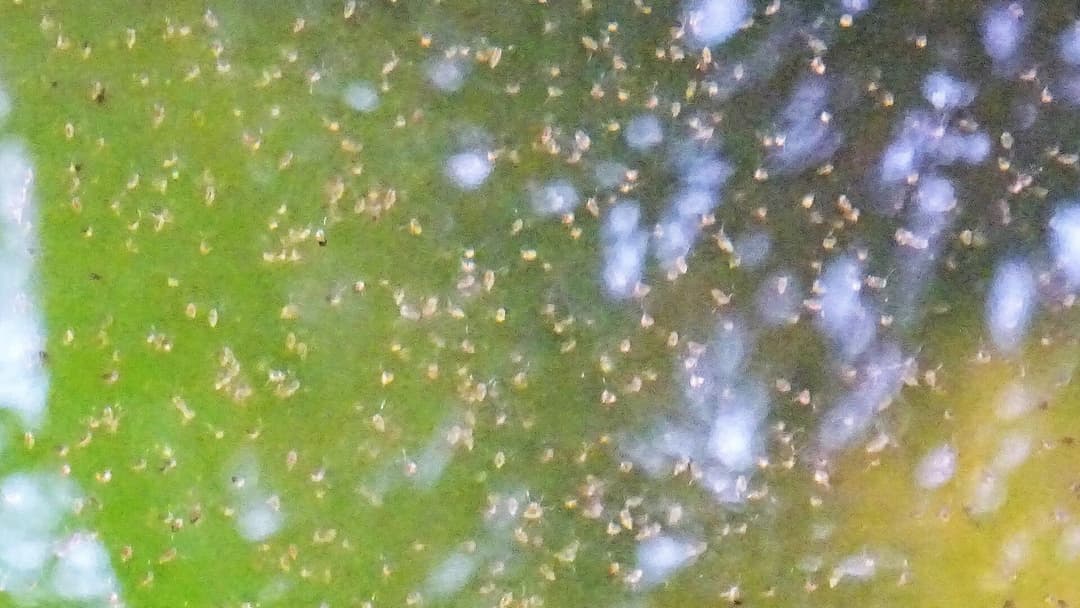
2. The Water Flea
Daphnia pulex, the common water flea, practices cyclical parthenogenesis. Throughout spring and summer when conditions are favorable, females produce clutches of genetically identical daughters from unfertilized diploid eggs, rapidly colonizing freshwater ponds.
©Wikimedia / Rosser1954
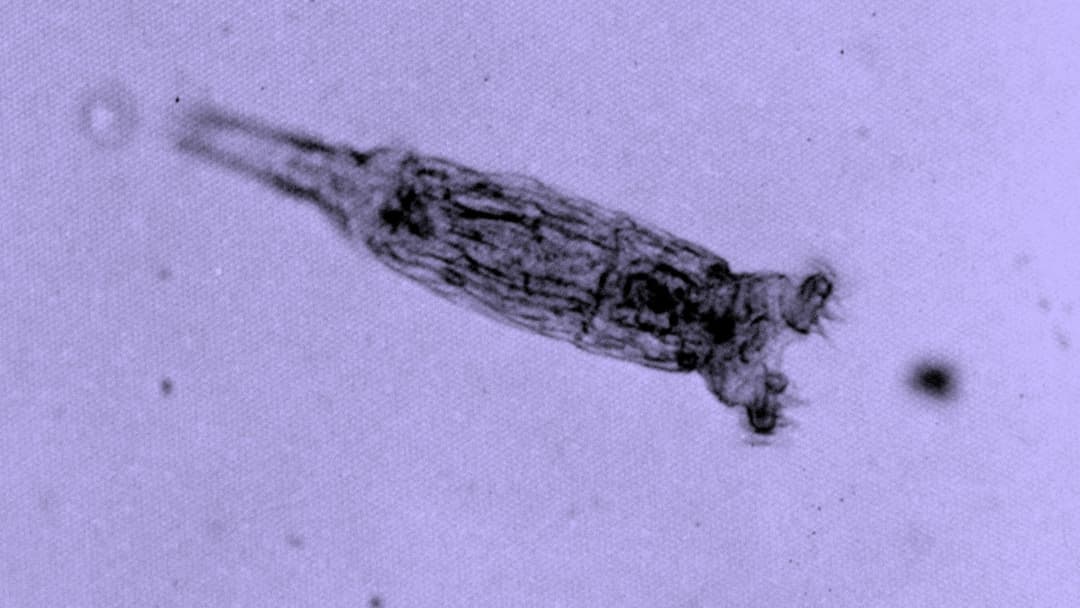
1. The Bdelloid Rotifer
Measuring less than half a millimeter, bdelloid rotifers represent one of nature's greatest evolutionary marvels. This entire class of freshwater microscopic invertebrates abandoned sexual reproduction over forty million years ago, diversifying into hundreds of species through obligate parthenogenesis.
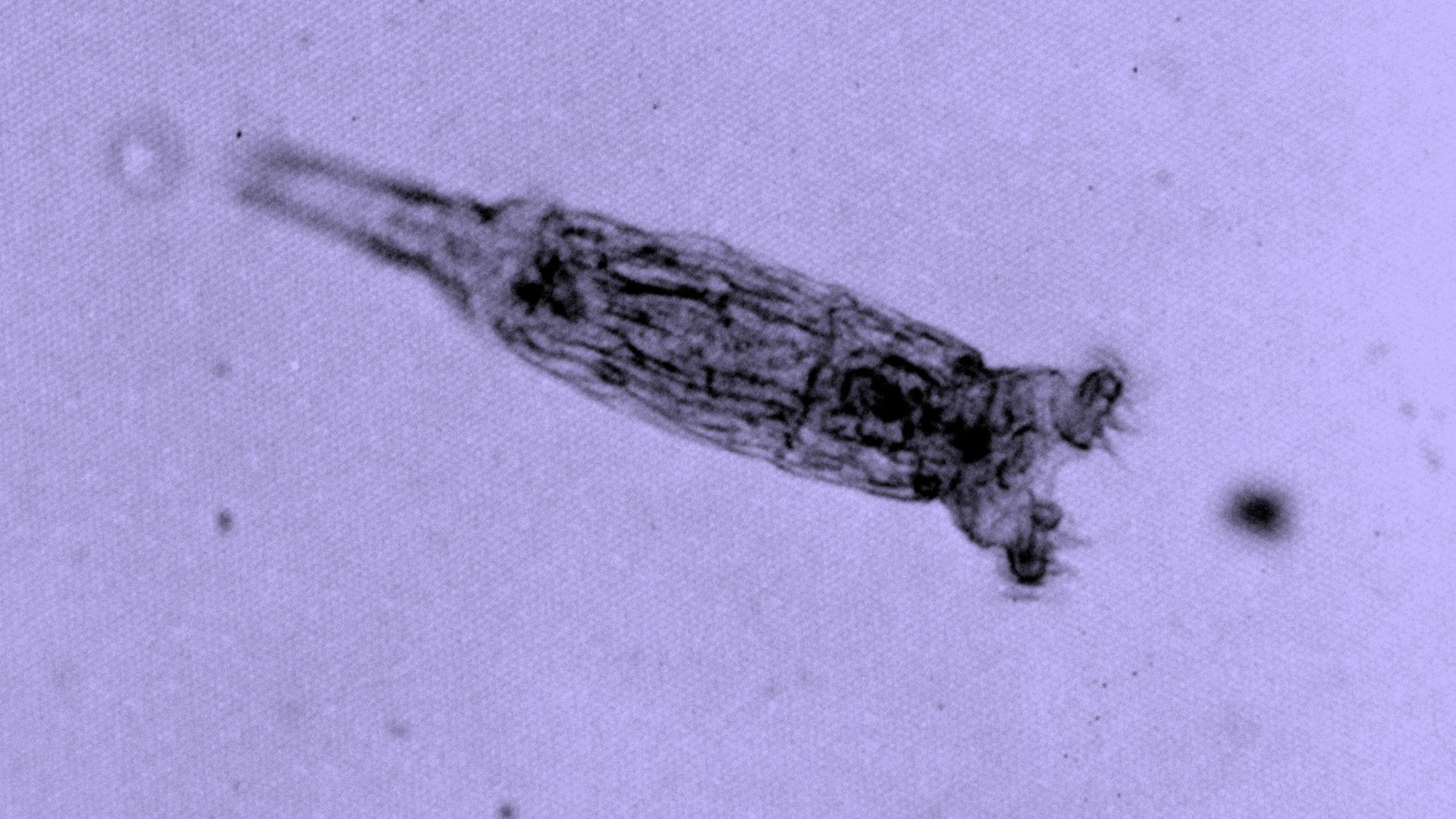
©Wikimedia / Ian Sutton from Oberon, Australia
Advertisement
You've reached the end of the story. Thanks for reading!

25 Animals That Avoid Contact With Humans
All 25 Entries in this Story
25. The California Condor
During routine genetic analysis of the captive breeding registry, San Diego Zoo Wildlife Alliance researchers found two male condors that possessed no paternal alleles. Produced by two different mothers who each lived with fertile males, this represented the first facultative parthenogenesis in wild birds.

24. The Komodo Dragon
In 2006, Chester Zoo in England documented virgin birth in Flora, an isolated Komodo dragon. Because female Komodos have WZ chromosomes and terminal fusion produces ZZ combinations, all fatherless hatchlings were healthy males, offering an evolutionary lifeline on isolated islands.

23. The Wild Turkey
During the 1950s, agricultural researchers discovered that unfertilized turkey eggs could develop into embryos. While most arrested early, selective breeding produced fully formed fatherless male turkeys, providing biology's first proof of parthenogenesis in avian species.

22. The Burmese Python
At the Artis Royal Zoo in Amsterdam, an isolated female Burmese python laid clutches of unfertilized eggs over several years. Genetic profiling confirmed the hatchlings were fatherless, demonstrating that giant constrictors can reproduce asexually when solitary.

21. The Central American Boa
In a groundbreaking North Carolina State University study, a female boa constrictor produced multiple litters containing only daughters without male fertilization. Even more astonishing, the young carried WW chromosomes previously thought nonviable in reptiles.

20. The Asian Water Monitor
Varanus salvator, among the largest lizards in the world, possesses facultative parthenogenetic capability. Captive females maintained in complete isolation have laid fertile clutches that hatched into healthy young monitors, proving monitor lizards share this ancient reproductive toolkit.

19. The Smalltooth Sawfish
During a 2015 genetic survey of critically endangered smalltooth sawfish in a Florida estuary, researchers made an astonishing discovery. Approximately three percent of sampled juveniles were fatherless clones, showing that wild vertebrates use parthenogenesis when mates are scarce.

18. The Zebra Shark
At the Reef HQ Aquarium in Townsville, Australia, a female zebra shark named Leonie had previously mated with a male. Years after being placed in isolation, she hatched three viable pups. Genetic testing proved the offspring were purely hers, showing an unprecedented reproductive shift.

17. The Blacktip Shark
Following the bonnethead discovery, biologists confirmed virgin birth in a second shark species. A nine-year-old female blacktip shark living at the Virginia Aquarium gave birth to a fully formed embryo containing zero paternal markers through automictic parthenogenesis.

16. The Bonnethead Shark
In 2001, a female bonnethead shark housed at Nebraska's Henry Doorly Zoo without any male contact for three years gave birth to a pup. DNA testing published in 2007 confirmed the pup carried only maternal DNA, providing the first proof of parthenogenesis in cartilaginous fish.

15. The Cottonmouth Snake
While virgin birth in snakes was long thought to be an artifact of captive isolation, a landmark 2012 field study confirmed that wild cottonmouths produce fatherless litters in natural wetlands, proving that facultative parthenogenesis occurs in free-living viper populations.

14. The Copperhead Snake
Copperheads typically mate sexually, but genetic testing of captive litters from isolated females revealed facultative parthenogenesis. Through terminal fusion, an unfertilized egg fuses with a second polar body, restoring a diploid chromosome count and producing viable male young.

13. The Caucasian Rock Lizard
In 1958, Soviet biologist Ilya Darevsky discovered that populations of rock lizards in Armenia consisted entirely of females. This groundbreaking discovery provided the world's first verified proof of natural obligate parthenogenesis in amniote vertebrates.

12. The New Mexico Whiptail
Aspidoscelis neomexicanus arose from hybridization between two sexual species, producing an all-female lineage. To stimulate ovulation, pairs of females engage in courtship behaviors mimicking mating, allowing unfertilized eggs to develop into genetically complete daughters.

11. The Brahminy Blind Snake
Known as the flowerpot snake, Indotyphlops braminus is an obligate parthenogenetic reptile consisting exclusively of females. Because a single individual can lay fertile clutches without a mate, human nursery trade shipping has spread this species to every continent except Antarctica.

10. The Mourning Gecko
Lepidodactylus lugubris is a triploid gecko species that reproduces through obligate parthenogenesis. Because a single solitary female can lay fertile clutches of two hard-shelled eggs, this species has successfully colonized remote Pacific islands on ocean driftwood.

9. The Amazon Molly
Poecilia formosa practices gynogenesis, a form of asexual reproduction where females mate with males of related fish species solely to activate egg development. None of the male genetic material is incorporated, ensuring broods are pure maternal clones.

8. The Waratah Sea Anemone
Native to southern Australian and New Zealand tidepools, Actinia tenebrosa broods genetically identical juvenile clones inside its body cavity without fertilization. Once matured, the parent expels dozens of miniature anemones to settle on nearby rocks.

7. Guilding's Sea Star
Linckia guildingi reproduces asexually through autotomy. By casting off a single arm, known as a comet form, the detached limb regrows a central disk and four new arms over several months, resulting in an autonomous clone without any sexual mating.

6. The Marbled Crayfish
Discovered in the German aquarium trade during the 1990s, the marbled crayfish originated from a single mutation producing a triploid all-female organism. Capable of laying hundreds of fertile eggs without mating, a single individual can establish an invasive wild population.

5. The Indian Stick Insect
Carausius morosus, the Indian stick insect, is famous among entomologists for reproducing without males. Captive populations and wild colonies are virtually one hundred percent female, laying fertile unfertilized eggs that hatch into healthy female clones.

4. The Cape Honeybee
In typical honeybee hives, unfertilized eggs hatch into male drones. The Cape honeybee of South Africa is different. Worker bees can reproduce through thelytoky, laying unfertilized diploid eggs that hatch into female workers or potential replacement queens.

3. The Pea Aphid
Pea aphids possess telescoping generations. A developing unfertilized female embryo inside a mother already contains developing embryos of her own future daughters. This reproductive acceleration allows a single founding female to produce thousands of offspring in weeks.

2. The Water Flea
Daphnia pulex, the common water flea, practices cyclical parthenogenesis. Throughout spring and summer when conditions are favorable, females produce clutches of genetically identical daughters from unfertilized diploid eggs, rapidly colonizing freshwater ponds.

1. The Bdelloid Rotifer
Measuring less than half a millimeter, bdelloid rotifers represent one of nature's greatest evolutionary marvels. This entire class of freshwater microscopic invertebrates abandoned sexual reproduction over forty million years ago, diversifying into hundreds of species through obligate parthenogenesis.