Slideshow · Animals
Animals That Can Solve Puzzles and Use Tools
From shell armor and stone hammers to intricate puzzle boxes, discover the most ingenious animal problem solvers in nature.
By Most Viral Today
3 Nov 2026

Animals That Can Solve Puzzles and Use Tools 
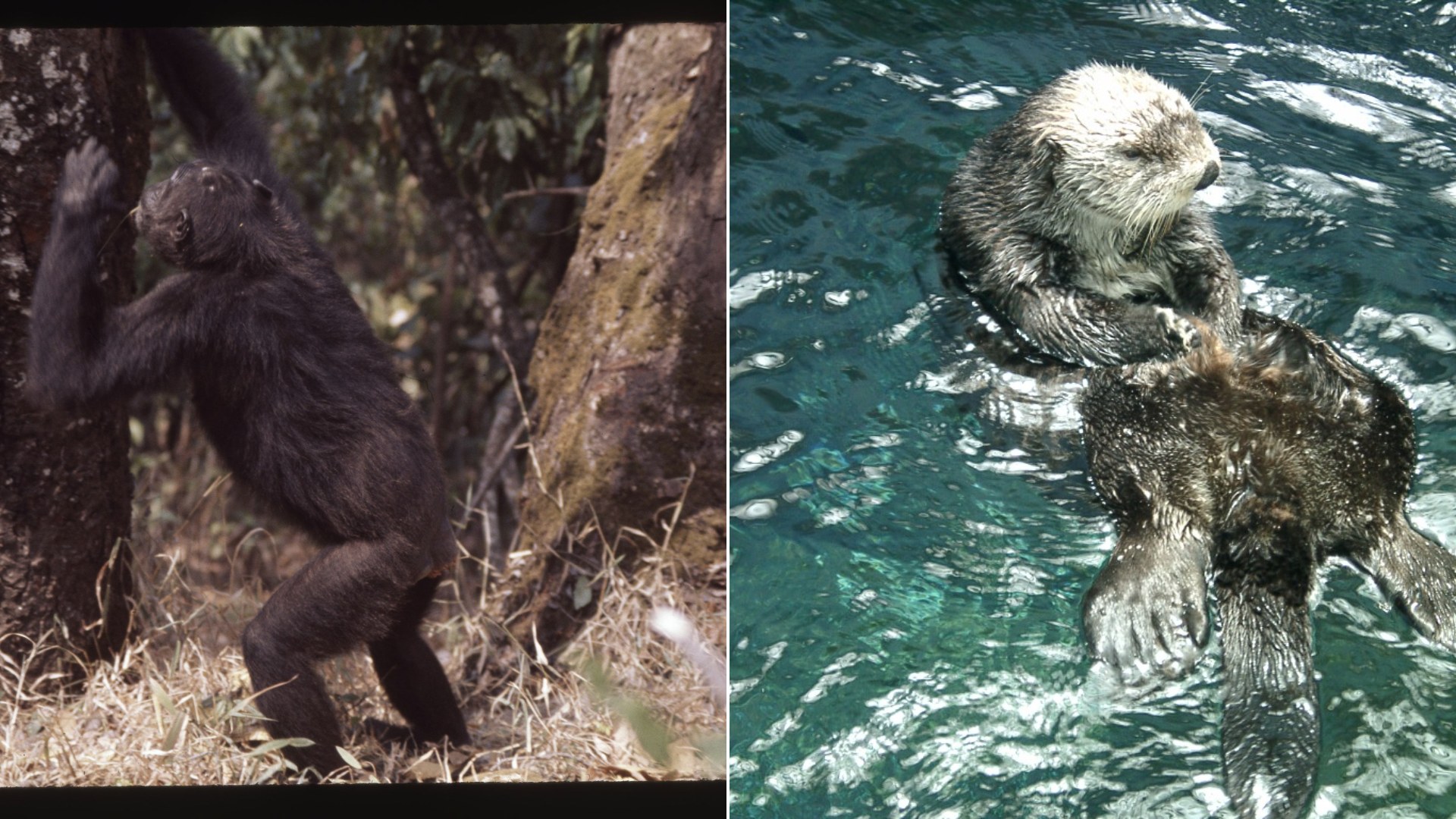
16. Chimpanzee 
15. New Caledonian Crow 
14. Bornean Orangutan - AdvertisementSwipe or tap ▶ to continue countdown

13. Sea Otter 
12. Common Raven 
11. Common Raccoon 
10. Capuchin Monkey - AdvertisementSwipe or tap ▶ to continue countdown

9. Bottlenose Dolphin 
8. Asian Elephant 
7. Kea Parrot 
6. African Grey Parrot - AdvertisementSwipe or tap ▶ to continue countdown

5. Coconut Octopus 
4. Egyptian Vulture 
3. Woodpecker Finch 
2. Green Heron - AdvertisementSwipe or tap ▶ to continue countdown

1. Archerfish - Advertisement🔥 UP NEXT IN THIS SERIES◫ 26 Slides

25 Animals That May Detect Fear Through Scent and Body Language
From specialized olfactory receptors to airborne alarm pheromones, numerous species possess the extraordinary ability to detect chemical distress signals. Based on research from Live Science, National Geographic, and peer-reviewed biology journals, here are twenty-five animals that can smell and sense fear.
From shell armor and stone hammers to intricate puzzle boxes, discover the most ingenious animal problem solvers in nature.
Swipe or tap ▶ to begin the countdown
©Wikimedia / Warren Garst & Júlio Reis
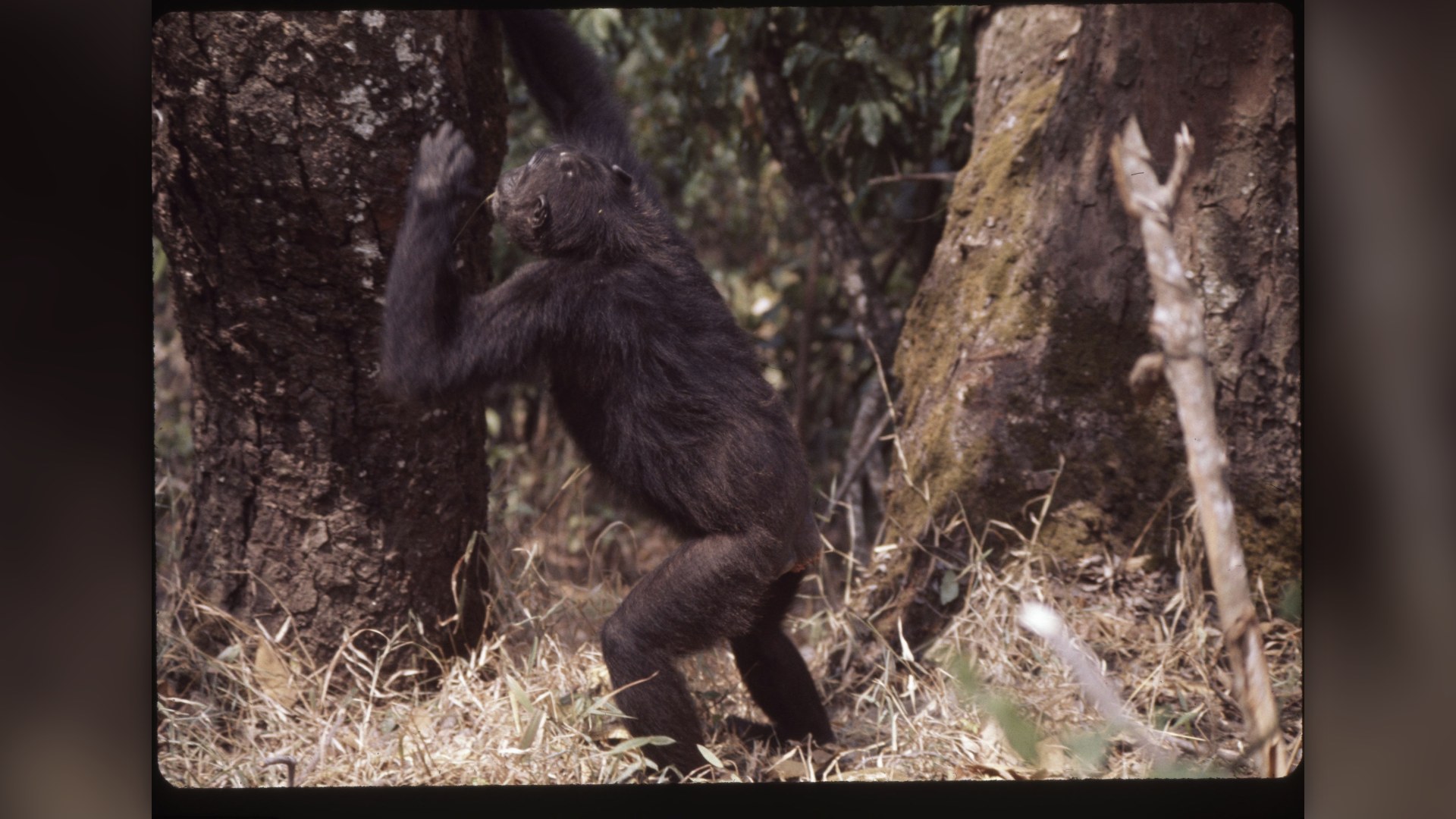
16. Chimpanzee
As humanity closest living relatives, chimpanzees display rich cultural tool sets across Africa. They strip twigs to fish for termites in subterranean mounds, chew leaves into absorbent sponges to drink water from tree hollows, and sharpen wooden spears to hunt bushbabies.
©Wikimedia / Warren Garst
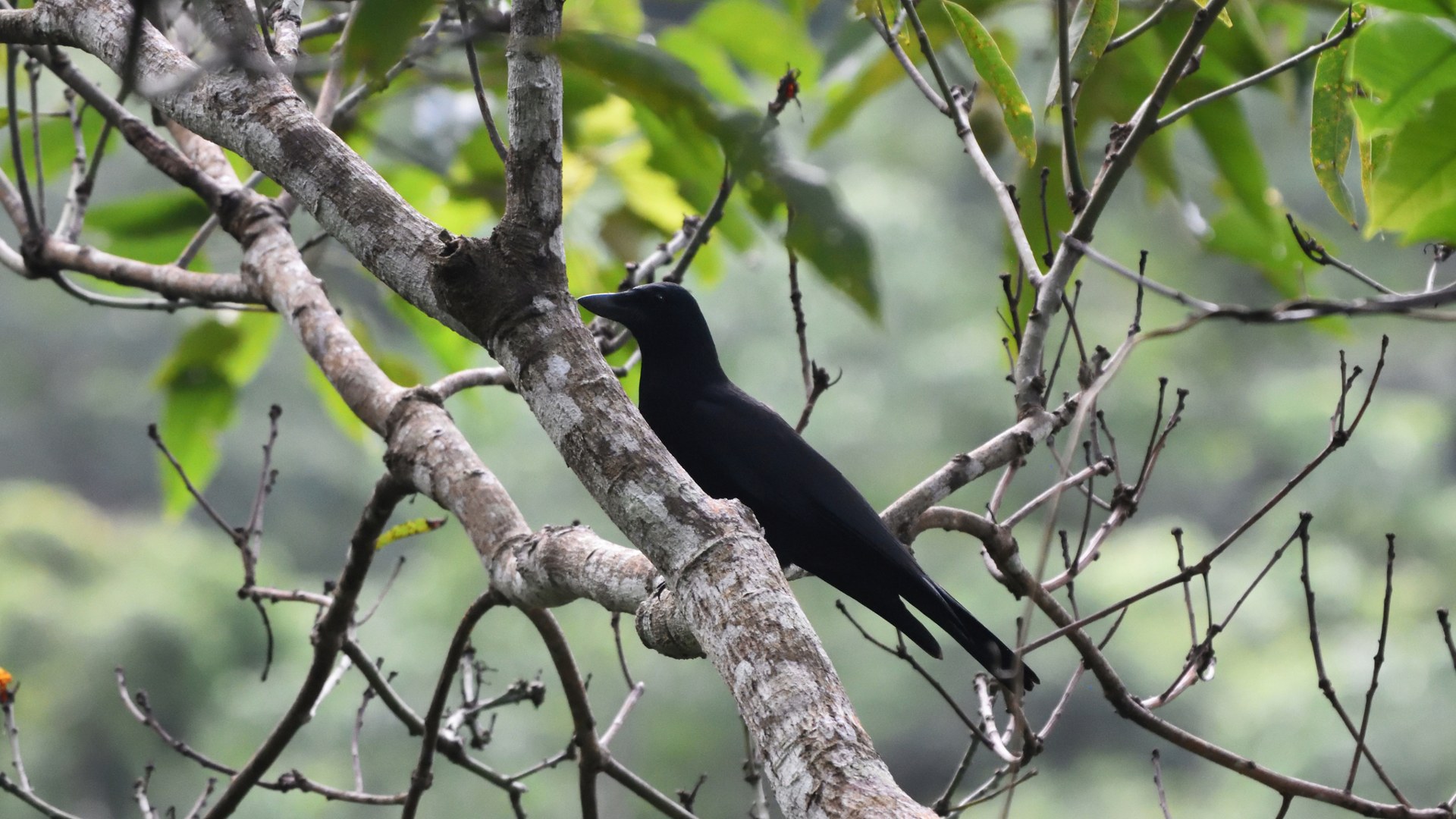
15. New Caledonian Crow
Renowned as non human tool manufacturing prodigies, New Caledonian crows craft hooked implements from forked twigs and serrated blades from pandanus leaves. They understand tool displacement, carry preferred tools between foraging sites, and pass designs culturally.
©Wikimedia / Yi-Kai Tea
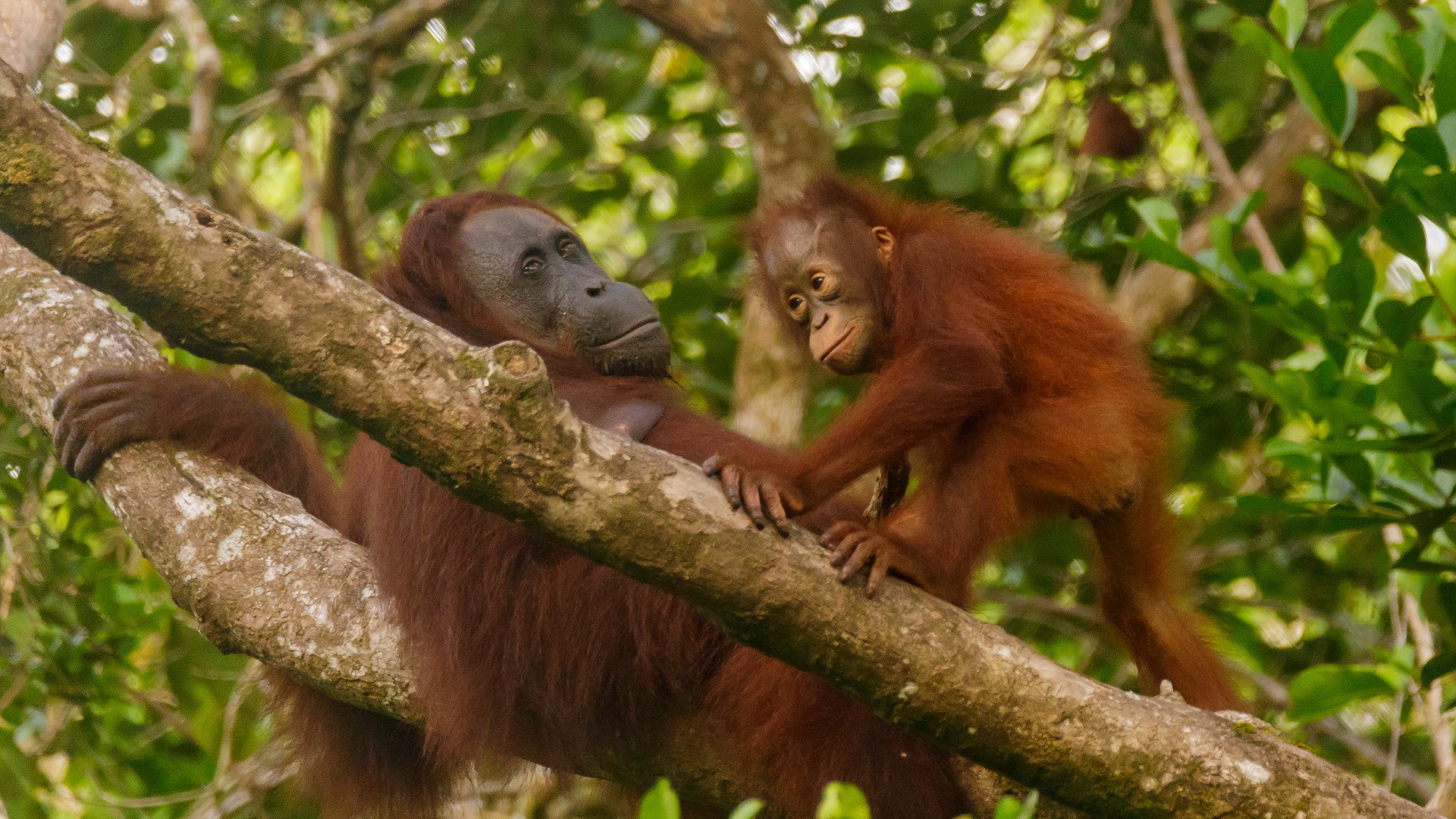
14. Bornean Orangutan
Bornean orangutans exhibit remarkable ingenuity in the wild. They sharpen poles into spears to strike catfish along riverbanks, fold wide leaves into waterproof umbrellas during rainstorms, and use leafy twigs as acoustic whistles to deter predators.
©Wikimedia / Thomas Fuhrmann
Advertisement
Swipe or tap ▶ to resume the countdown.
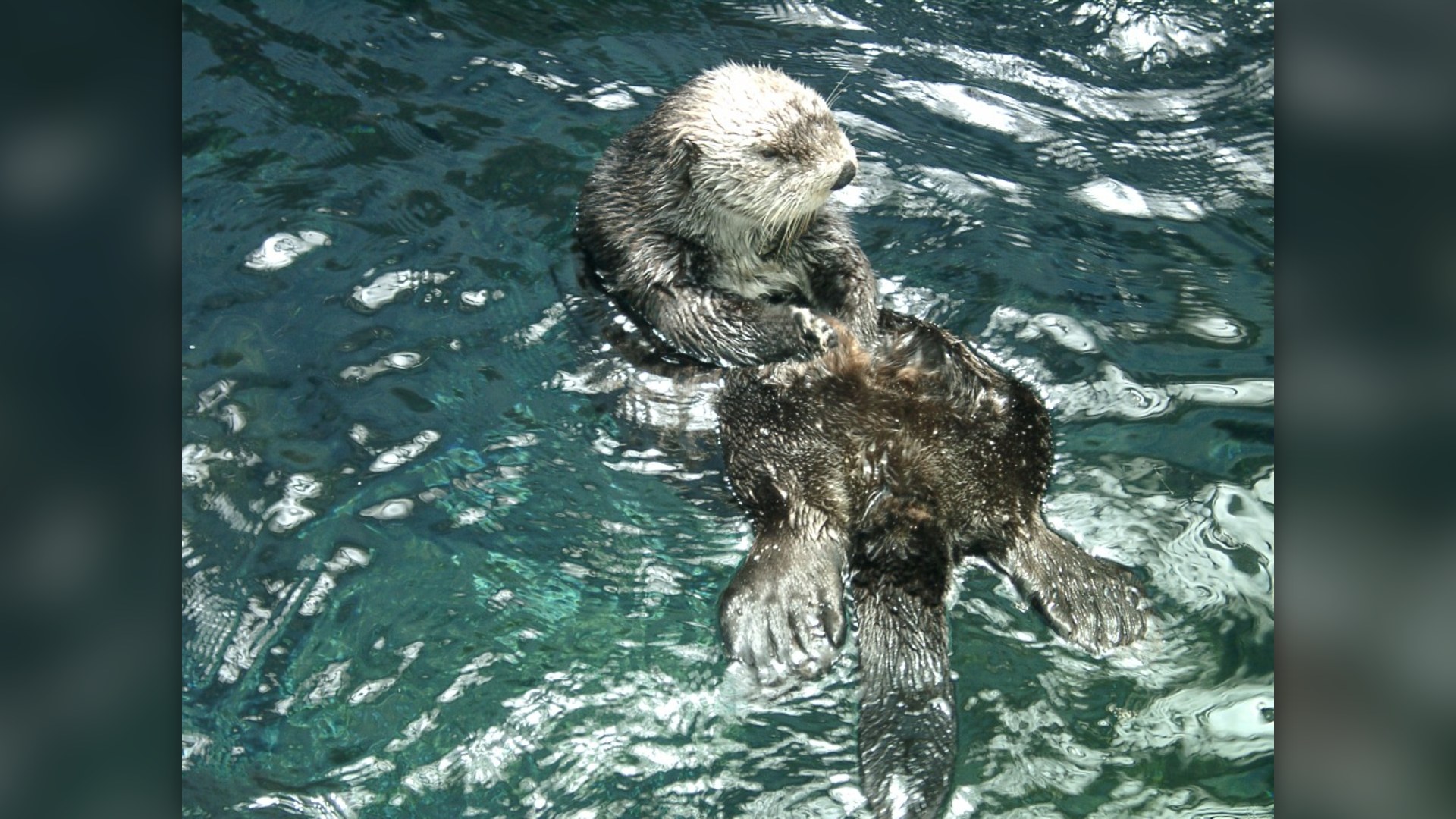
13. Sea Otter
As one of the only marine mammals known to use stone tools, the sea otter dives for rocks and stores favorites in armpit skin pouches. Floating on its back, it places the stone anvil on its chest and hammers shells against it at rapid speed.
©Wikimedia / Júlio Reis
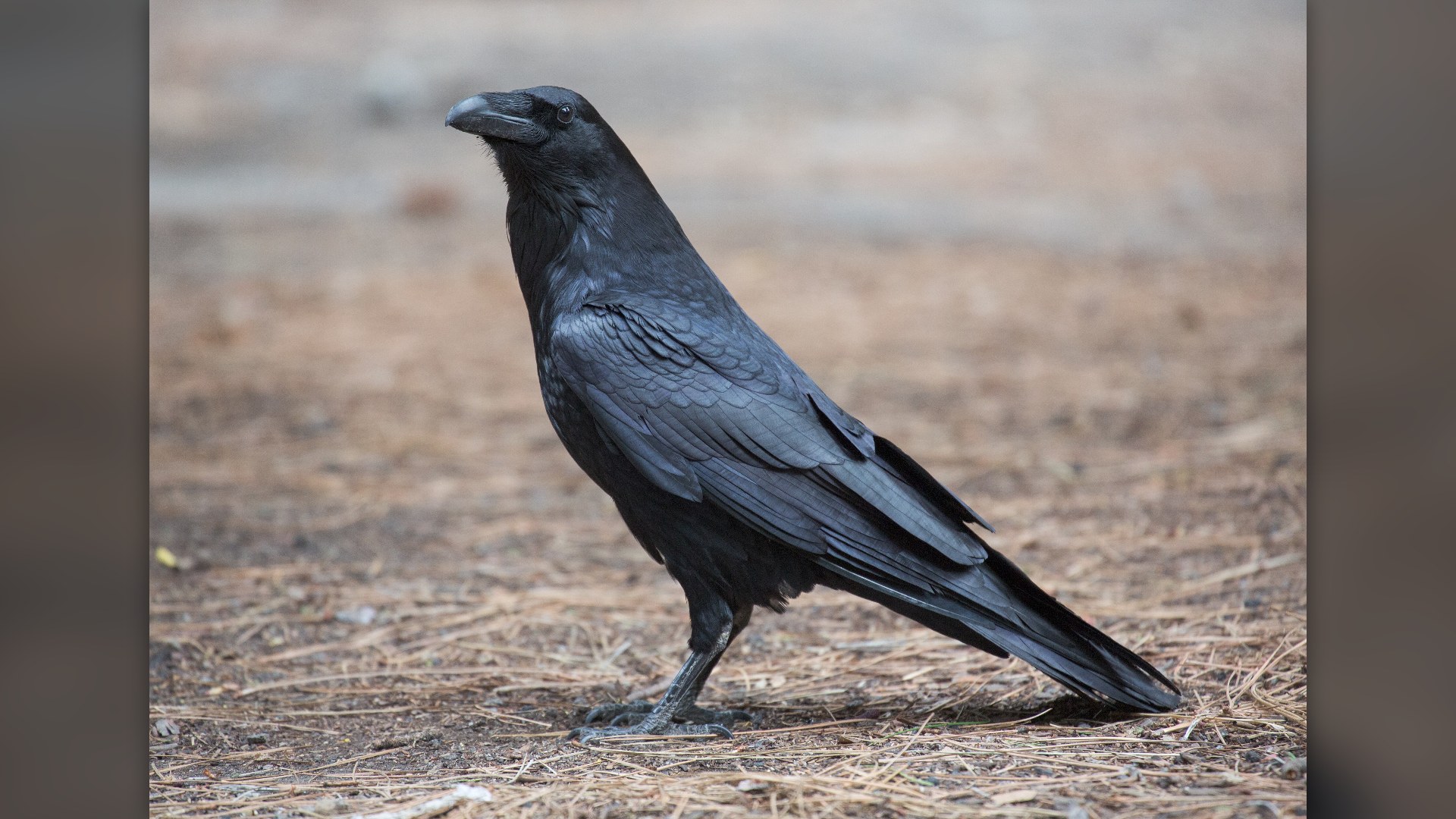
12. Common Raven
Ravens exhibit insight rather than trial and error when confronted with hanging food. In string pull experiments they systematically reel in twine with their beaks and anchor each loop with their talons without prior training.
©Wikimedia / Diliff
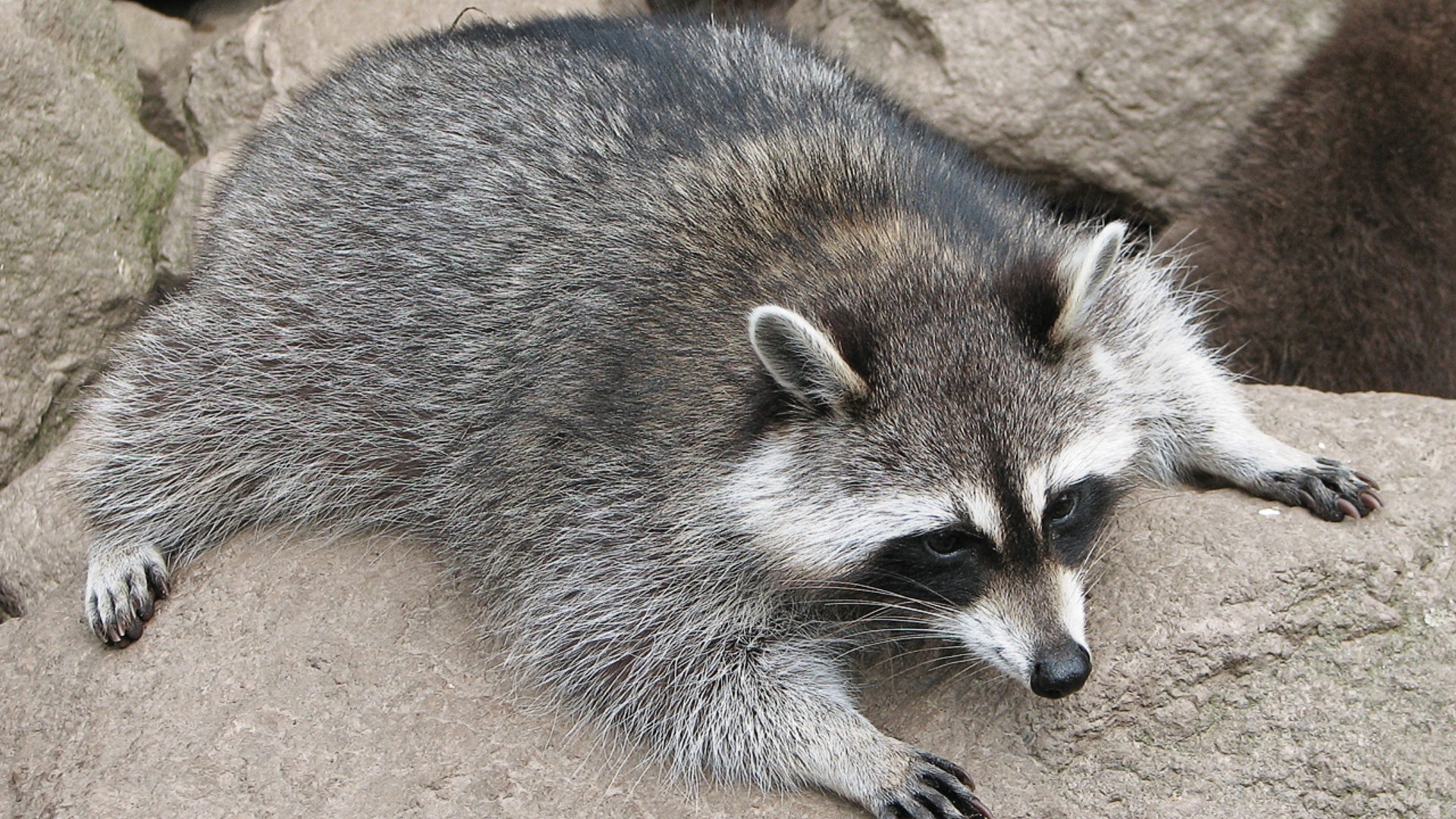
11. Common Raccoon
Endowed with sensitive nimble forepaws and sharp problem solving minds, raccoons excel in cognitive trials. They successfully pass Aesop fable tests by dropping stones to raise water levels and remember complex latch combinations for years.
©Wikimedia / Darkone
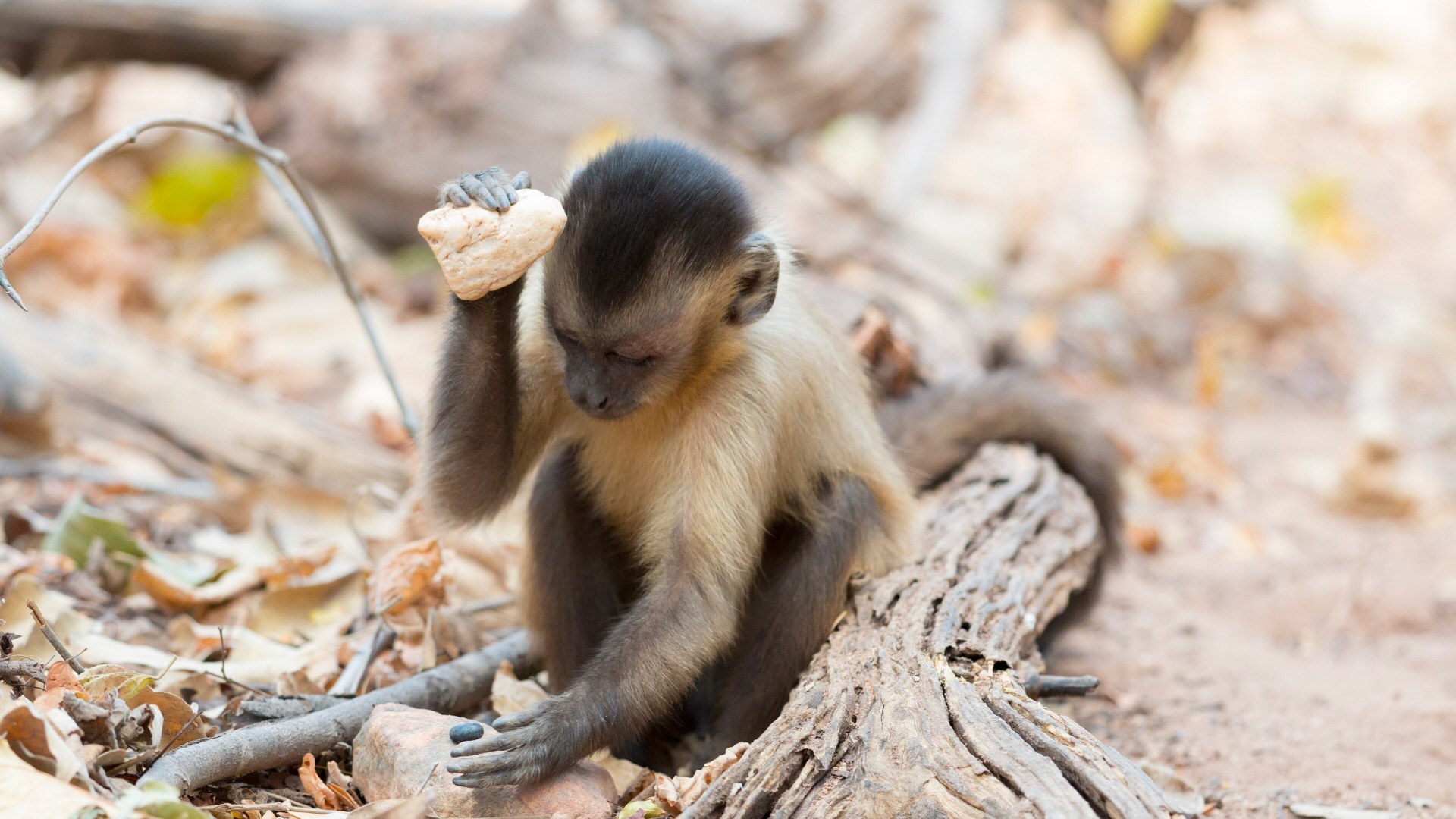
10. Capuchin Monkey
In northeastern Brazil bearded capuchin monkeys select hard quartzite river stones weighing up to half their body weight. They haul these hammers to flat sandstone anvils and smash tough palm nuts with precision strikes.
©Wikimedia / Tiago Falótico
Advertisement
Swipe or tap ▶ to resume the countdown.
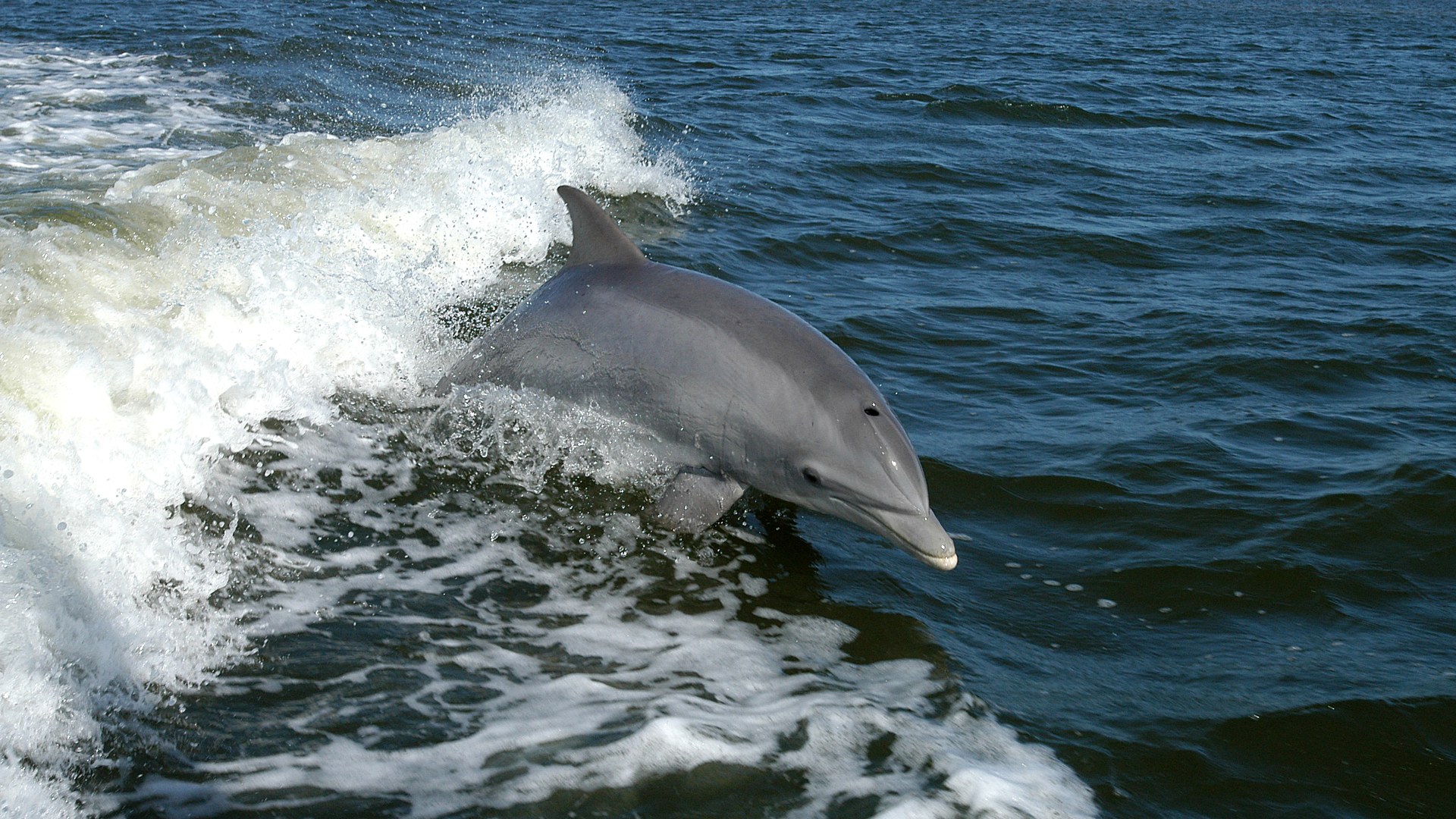
9. Bottlenose Dolphin
In Shark Bay Australia dolphins detach marine basket sponges and wear them like protective cones over their rostra. This specialized tool shields their sensitive snouts while probing rocky seabeds for spiny bottom dwelling fish.
©Wikimedia / Public Contributor
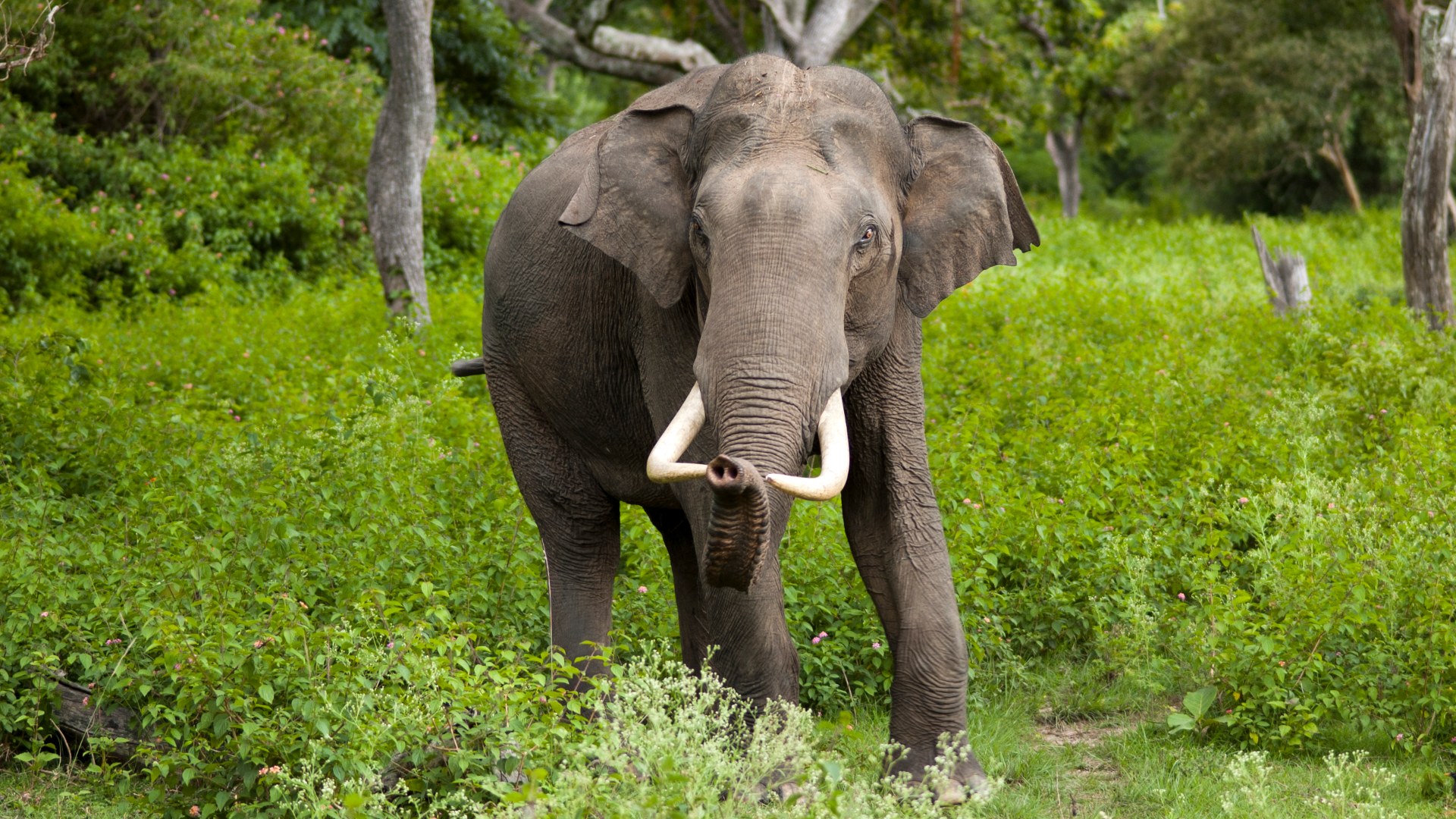
8. Asian Elephant
Elephants demonstrate sophisticated causal insight. They deliberately strip leafy branches to exact lengths to swat biting flies, chew bark plugs to seal watering holes, and coordinate pulling ropes simultaneously with partners to secure food trays.
©Wikimedia / Yathin S Krishnappa
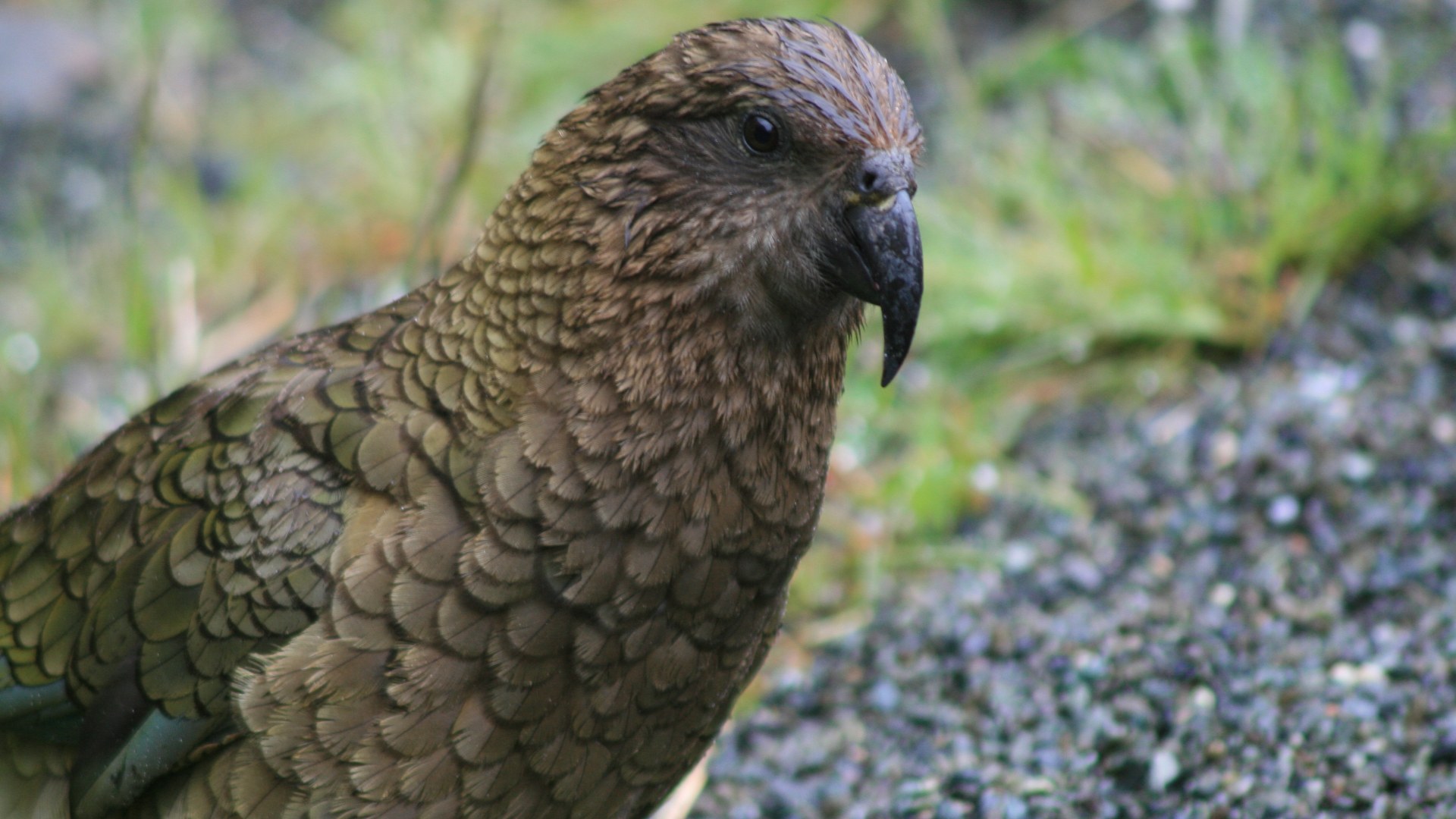
7. Kea Parrot
Inhabiting the rugged mountains of New Zealand, the kea possesses insatiable curiosity and mechanical aptitude. Wild keas work collaboratively to unscrew bolts, untie knots, and disassemble complex locks to obtain food.
©Wikimedia / Mark Whatmough
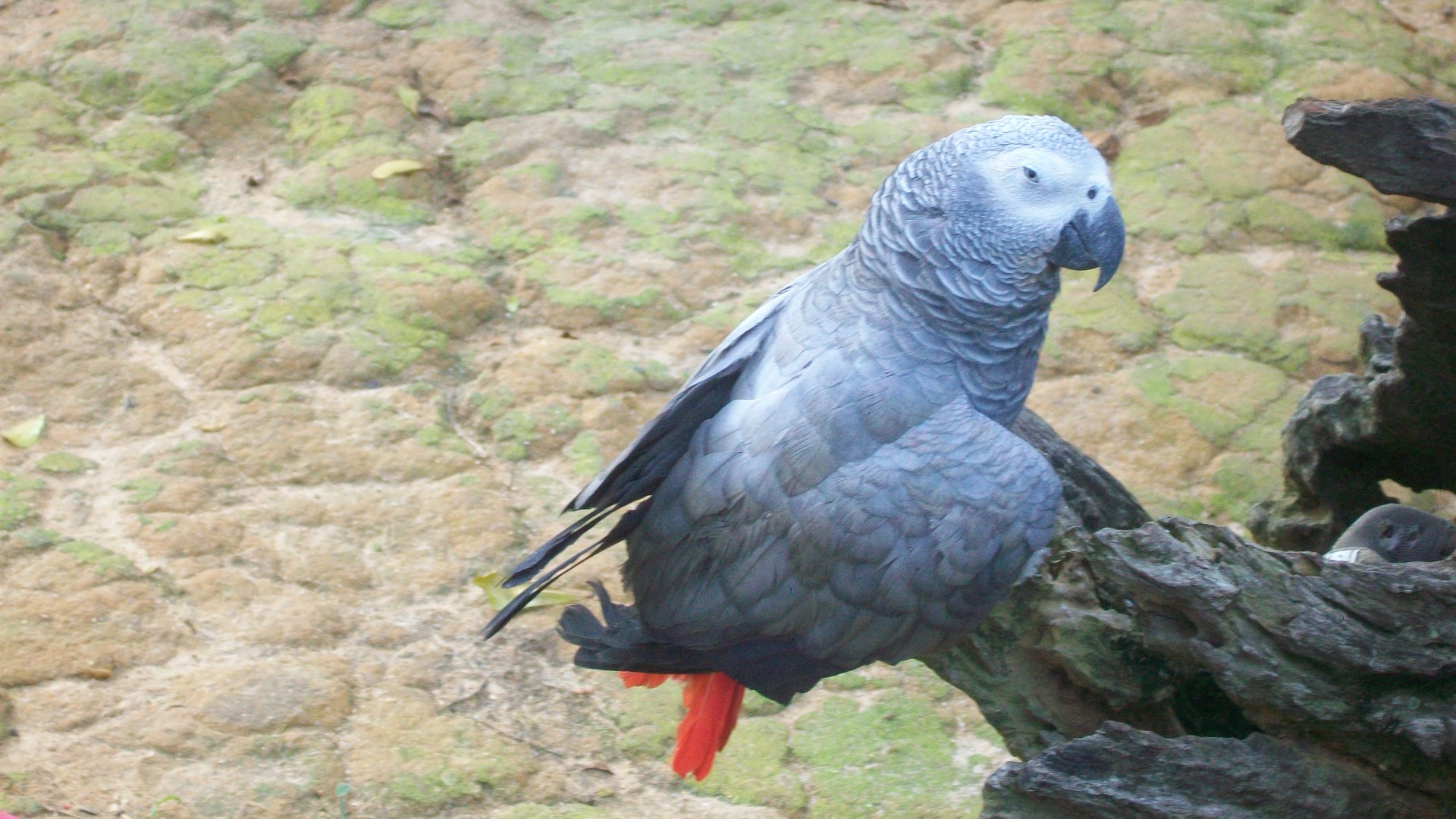
6. African Grey Parrot
Famous for extraordinary cognitive faculties, African greys comprehend abstract categories like color, shape, and quantity. In laboratory trials they effortlessly deduce which levers and pins to disengage to access enclosed seeds.
©Wikimedia / Public Contributor
Advertisement
Swipe or tap ▶ to resume the countdown.
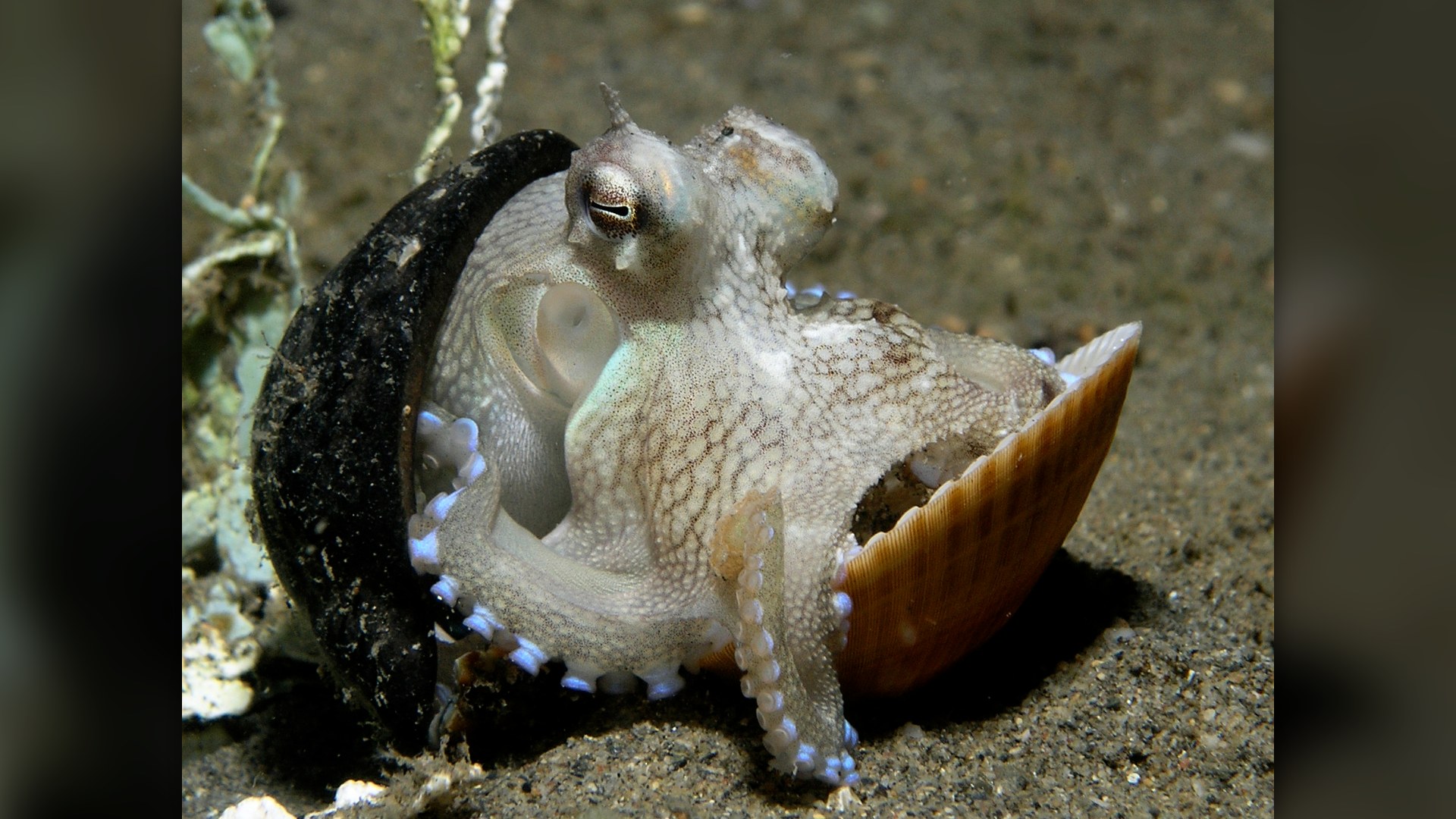
5. Coconut Octopus
In the coastal waters of Indonesia, the veined octopus excavates discarded coconut halves and bivalve shells from the seafloor. It stacks the shells beneath its body, stilt walks across open sand, and clamps them shut when threatened.
©Wikimedia / Nick Hobgood
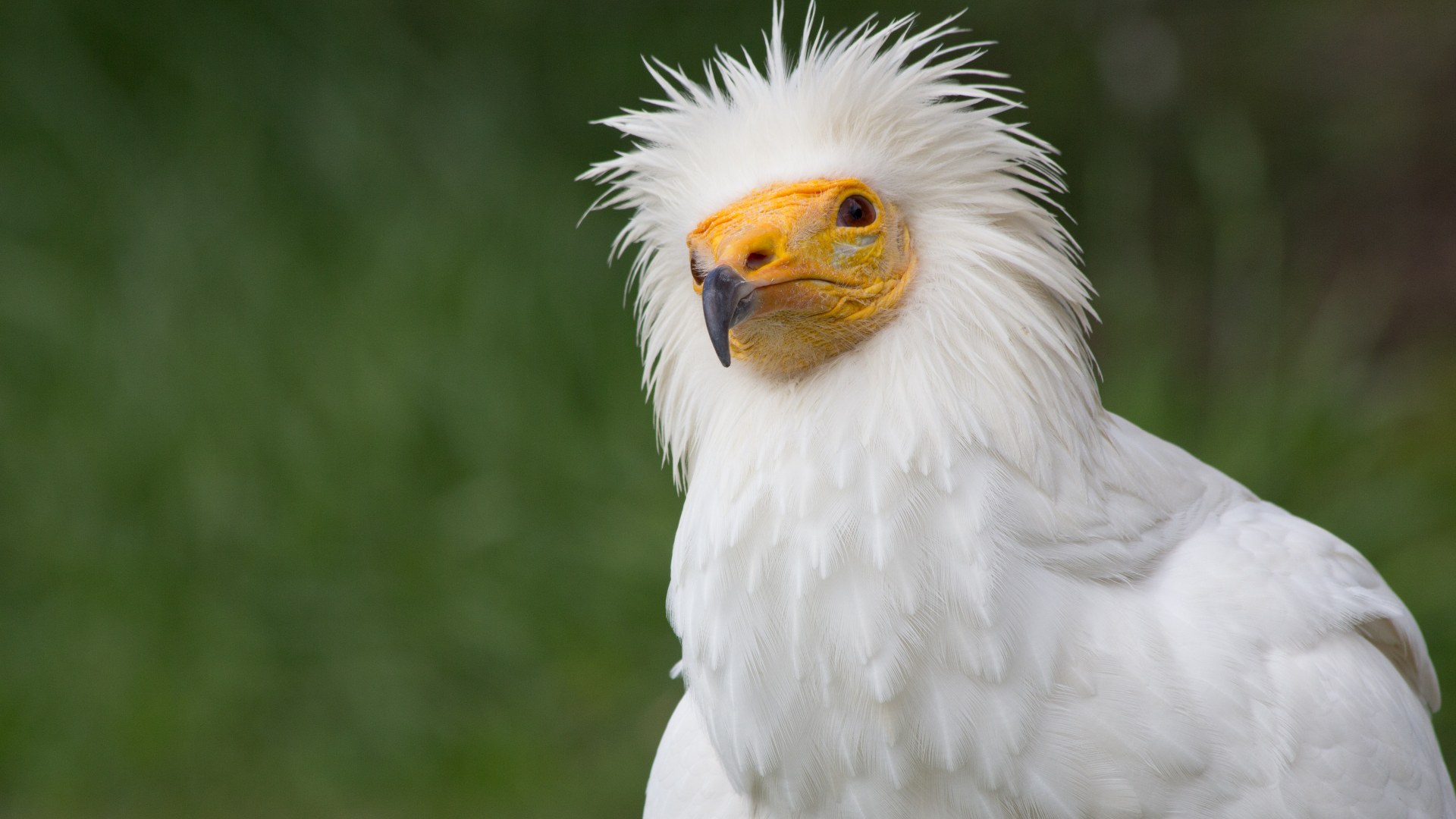
4. Egyptian Vulture
Ostrich eggshells are too tough for the slender beak of the Egyptian vulture to penetrate directly. The bird locates smooth stones, carries them to the nest, and repeatedly hurls them downward until the shell fractures.
©Wikimedia / Carlos Delgado
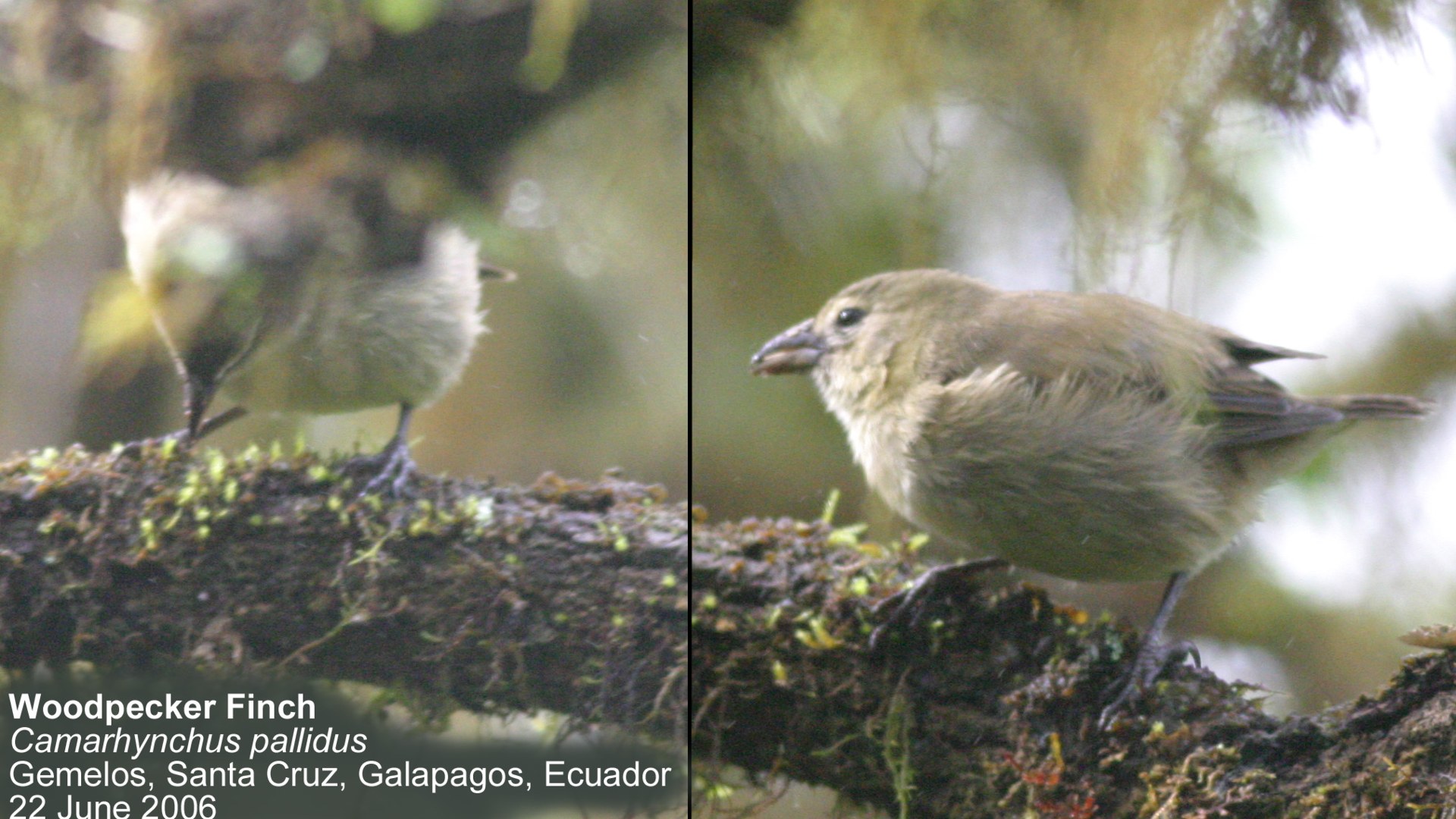
3. Woodpecker Finch
Endemic to the Galapagos Islands, the woodpecker finch lacks the long tongue of true woodpeckers. It compensates by carefully selecting and modifying cactus spines to impale beetle larvae buried deep beneath tree bark.
©Wikimedia / BBODO
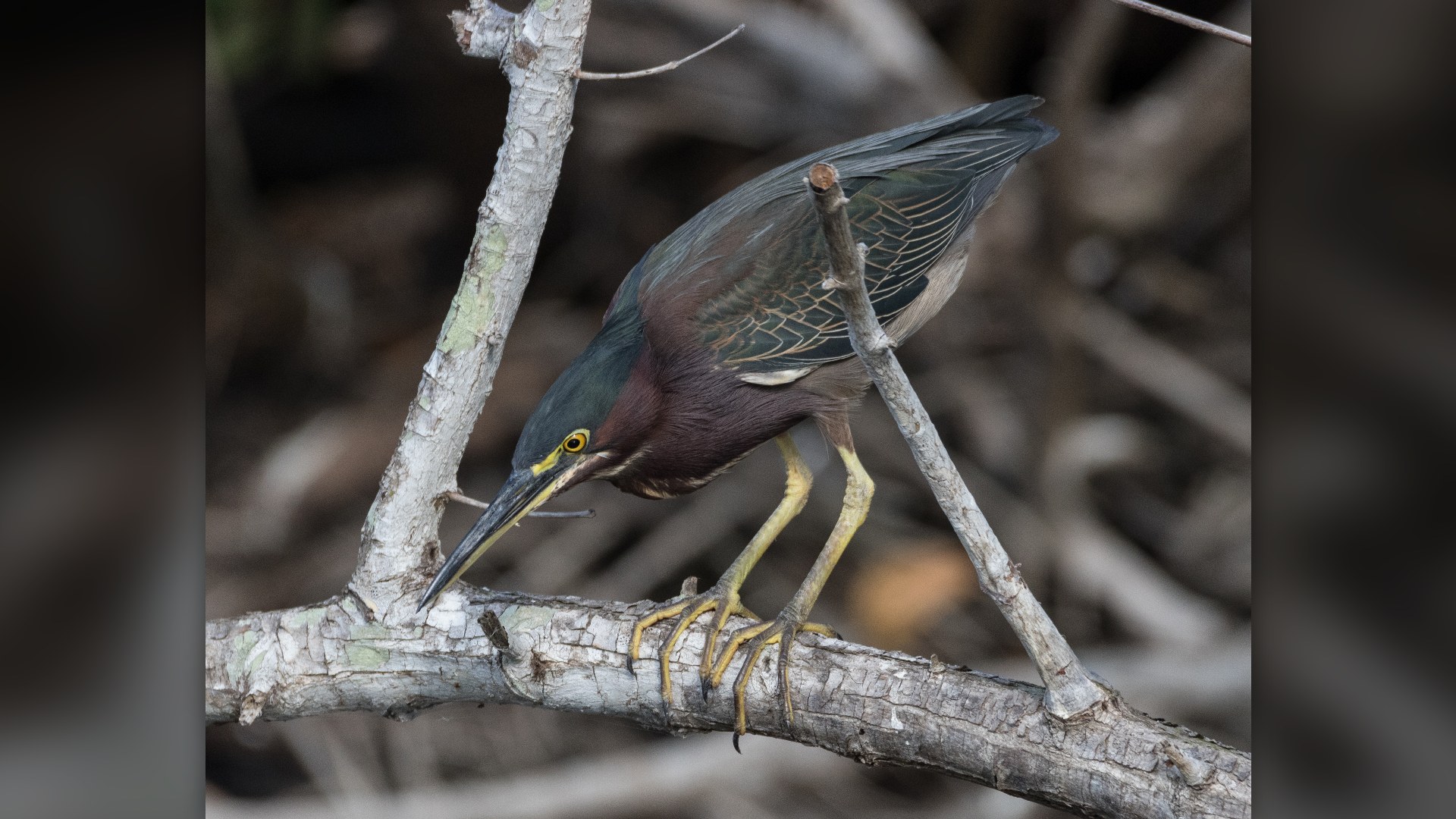
2. Green Heron
Among the few bird species known to use bait, the green heron intentionally drops bread crumbs, feathers, or berries onto the surface of ponds. When fish swim up to investigate the floating decoy, the heron strikes swiftly.
©Wikimedia / Tomascastelazo
Advertisement
Swipe or tap ▶ to resume the countdown.
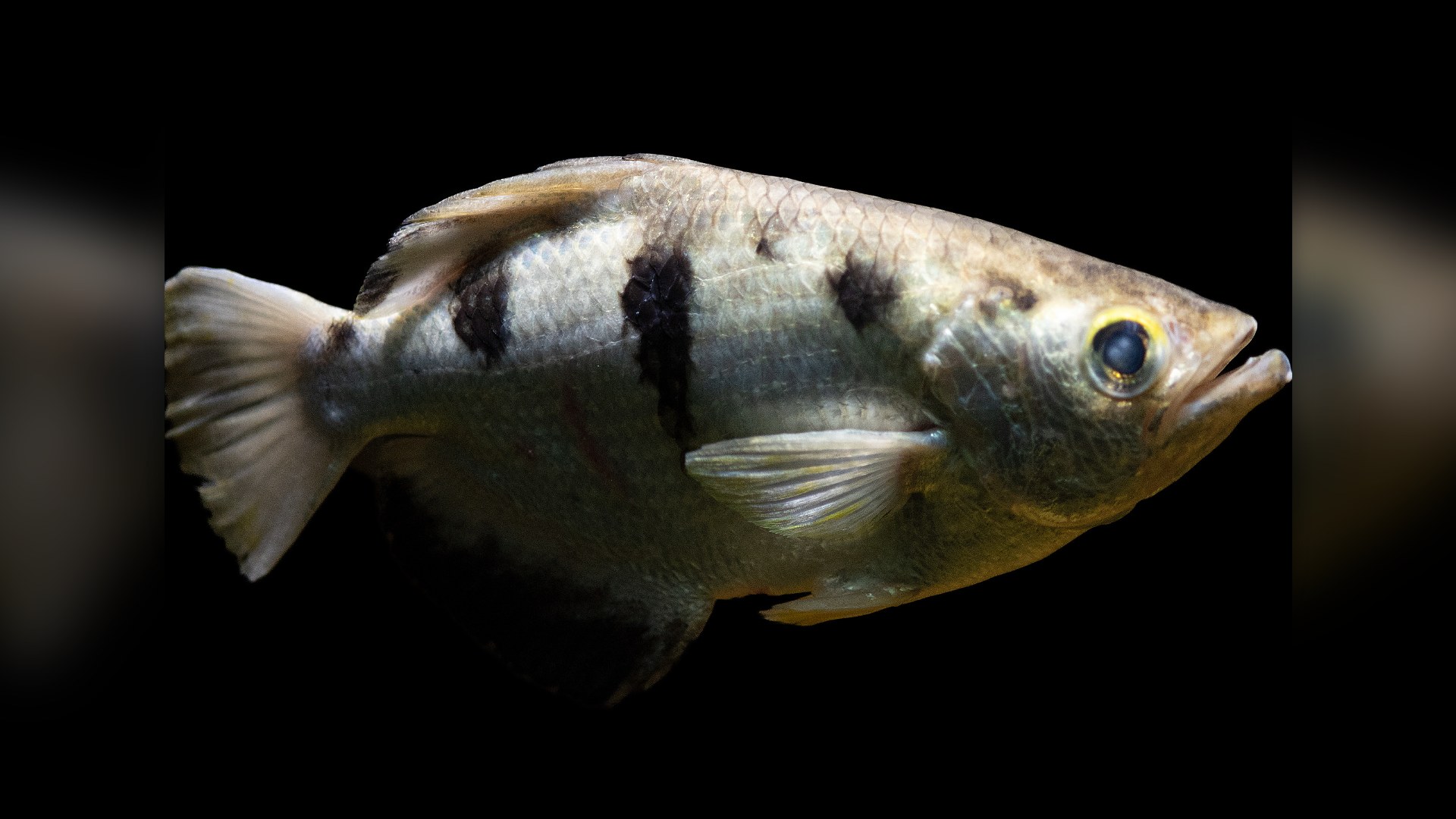
1. Archerfish
Archerfish calculate light refraction at the water surface before firing high velocity jets of water from their mouths. By compressing their gill covers and shaping their tongues into grooved barrels, they knock perched insects straight into the water.

©Wikimedia / Amada44
Advertisement
You've reached the end of the story. Thanks for reading!

25 Animals That May Detect Fear Through Scent and Body Language
From specialized olfactory receptors to airborne alarm pheromones, numerous species possess the extraordinary ability to detect chemical distress signals. Based on research from Live Science, National Geographic, and peer-reviewed biology journals, here are twenty-five animals that can smell and sense fear.
All 16 Entries in this Story
16. Chimpanzee
As humanity closest living relatives, chimpanzees display rich cultural tool sets across Africa. They strip twigs to fish for termites in subterranean mounds, chew leaves into absorbent sponges to drink water from tree hollows, and sharpen wooden spears to hunt bushbabies.

15. New Caledonian Crow
Renowned as non human tool manufacturing prodigies, New Caledonian crows craft hooked implements from forked twigs and serrated blades from pandanus leaves. They understand tool displacement, carry preferred tools between foraging sites, and pass designs culturally.

14. Bornean Orangutan
Bornean orangutans exhibit remarkable ingenuity in the wild. They sharpen poles into spears to strike catfish along riverbanks, fold wide leaves into waterproof umbrellas during rainstorms, and use leafy twigs as acoustic whistles to deter predators.

13. Sea Otter
As one of the only marine mammals known to use stone tools, the sea otter dives for rocks and stores favorites in armpit skin pouches. Floating on its back, it places the stone anvil on its chest and hammers shells against it at rapid speed.

12. Common Raven
Ravens exhibit insight rather than trial and error when confronted with hanging food. In string pull experiments they systematically reel in twine with their beaks and anchor each loop with their talons without prior training.

11. Common Raccoon
Endowed with sensitive nimble forepaws and sharp problem solving minds, raccoons excel in cognitive trials. They successfully pass Aesop fable tests by dropping stones to raise water levels and remember complex latch combinations for years.

10. Capuchin Monkey
In northeastern Brazil bearded capuchin monkeys select hard quartzite river stones weighing up to half their body weight. They haul these hammers to flat sandstone anvils and smash tough palm nuts with precision strikes.

9. Bottlenose Dolphin
In Shark Bay Australia dolphins detach marine basket sponges and wear them like protective cones over their rostra. This specialized tool shields their sensitive snouts while probing rocky seabeds for spiny bottom dwelling fish.

8. Asian Elephant
Elephants demonstrate sophisticated causal insight. They deliberately strip leafy branches to exact lengths to swat biting flies, chew bark plugs to seal watering holes, and coordinate pulling ropes simultaneously with partners to secure food trays.

7. Kea Parrot
Inhabiting the rugged mountains of New Zealand, the kea possesses insatiable curiosity and mechanical aptitude. Wild keas work collaboratively to unscrew bolts, untie knots, and disassemble complex locks to obtain food.

6. African Grey Parrot
Famous for extraordinary cognitive faculties, African greys comprehend abstract categories like color, shape, and quantity. In laboratory trials they effortlessly deduce which levers and pins to disengage to access enclosed seeds.

5. Coconut Octopus
In the coastal waters of Indonesia, the veined octopus excavates discarded coconut halves and bivalve shells from the seafloor. It stacks the shells beneath its body, stilt walks across open sand, and clamps them shut when threatened.

4. Egyptian Vulture
Ostrich eggshells are too tough for the slender beak of the Egyptian vulture to penetrate directly. The bird locates smooth stones, carries them to the nest, and repeatedly hurls them downward until the shell fractures.

3. Woodpecker Finch
Endemic to the Galapagos Islands, the woodpecker finch lacks the long tongue of true woodpeckers. It compensates by carefully selecting and modifying cactus spines to impale beetle larvae buried deep beneath tree bark.

2. Green Heron
Among the few bird species known to use bait, the green heron intentionally drops bread crumbs, feathers, or berries onto the surface of ponds. When fish swim up to investigate the floating decoy, the heron strikes swiftly.

1. Archerfish
Archerfish calculate light refraction at the water surface before firing high velocity jets of water from their mouths. By compressing their gill covers and shaping their tongues into grooved barrels, they knock perched insects straight into the water.