Slideshow · Animals
Animals That Can Survive Without Food for Remarkably Long Periods
From desert mammals and marine giants to deep sea isopods and microscopic survivors, discover how extreme creatures can endure months or years without eating.
By Most Viral Today
3 Nov 2026

20 Animals That Survive Without Food for Long Periods 
20. Tardigrade 
19. Bdelloid Rotifer 
18. Eastern Tiger Salamander - AdvertisementSwipe or tap ▶ to continue countdown

17. Soft Tick 
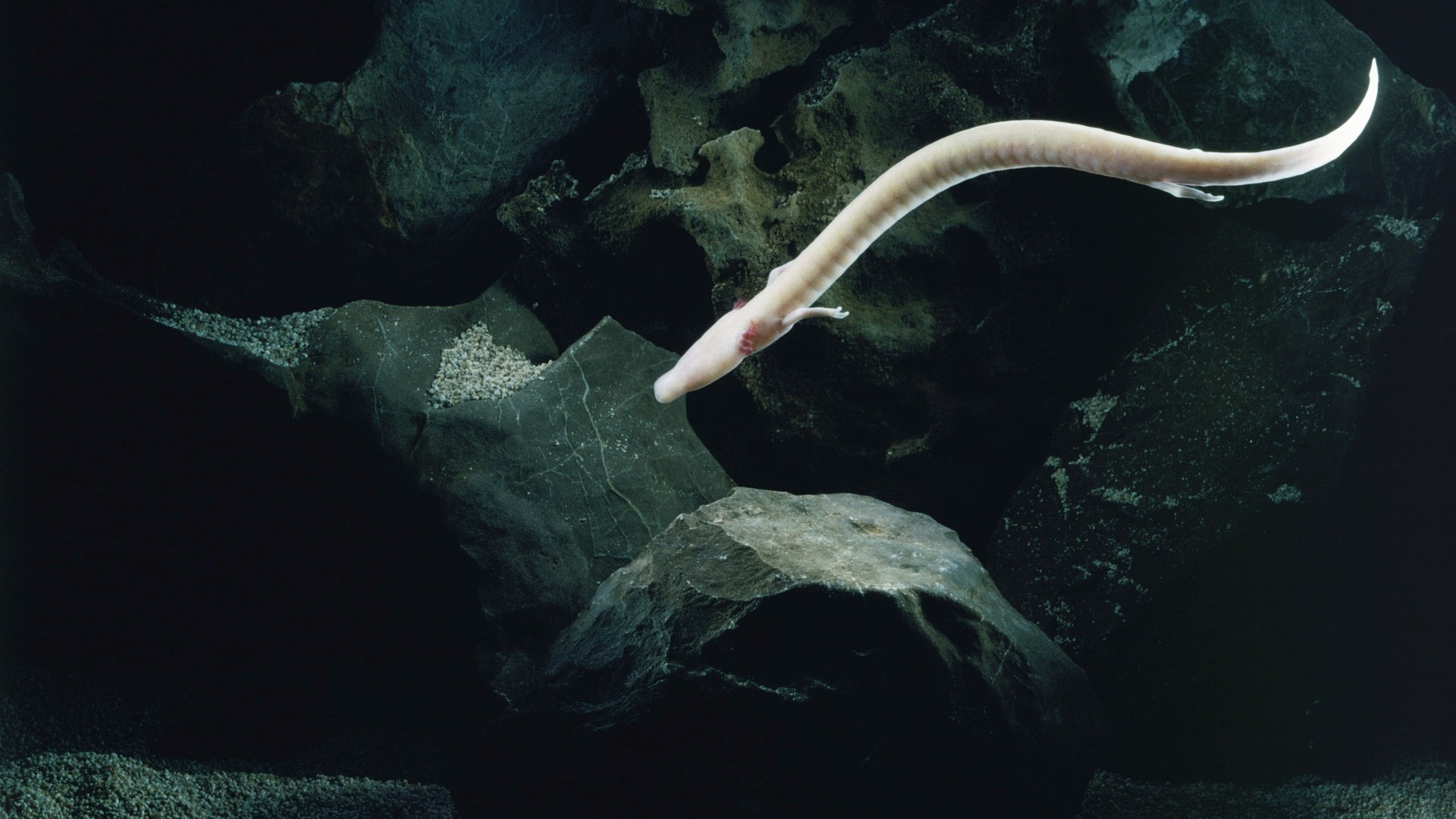
16. European Olm 
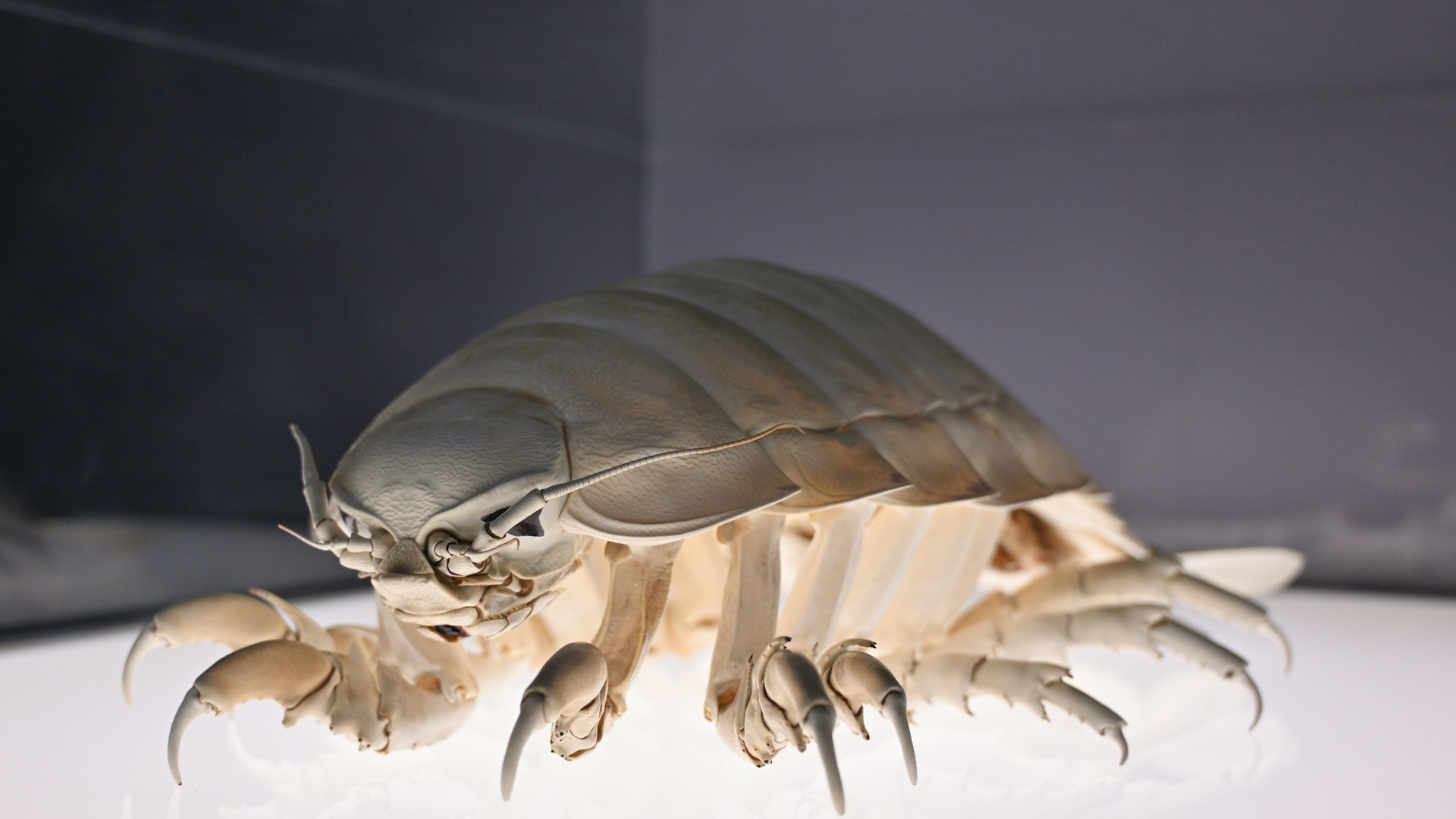
15. Giant Isopod 
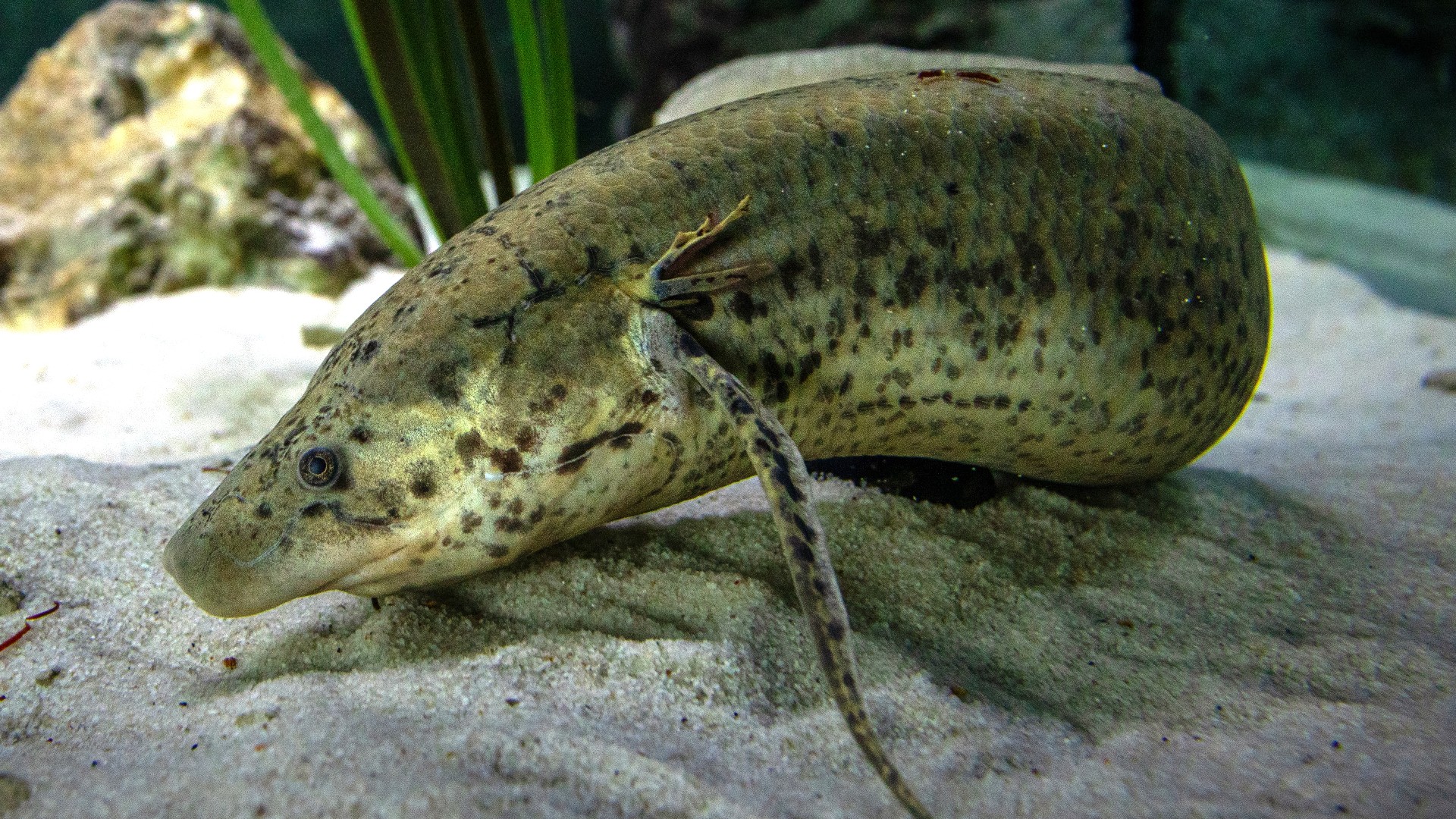
14. African Lungfish - AdvertisementSwipe or tap ▶ to continue countdown

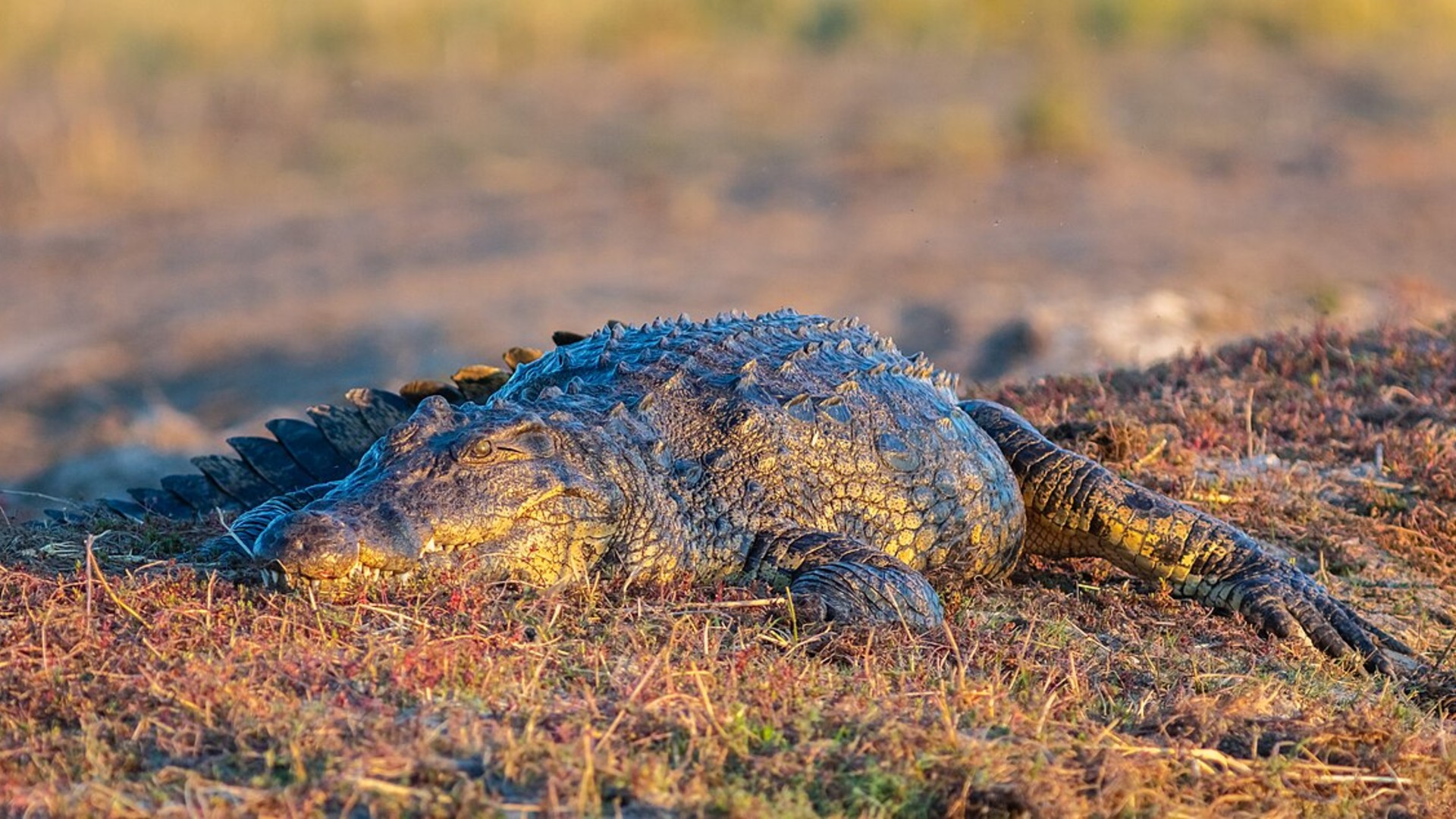
13. Nile Crocodile 
12. Chilean Rose Tarantula 
11. American Alligator 
10. Desert Bark Scorpion - AdvertisementSwipe or tap ▶ to continue countdown

9. Common Bedbug 
8. Galapagos Giant Tortoise 
7. Ball Python 
6. Gila Monster - AdvertisementSwipe or tap ▶ to continue countdown

5. Wood Frog 
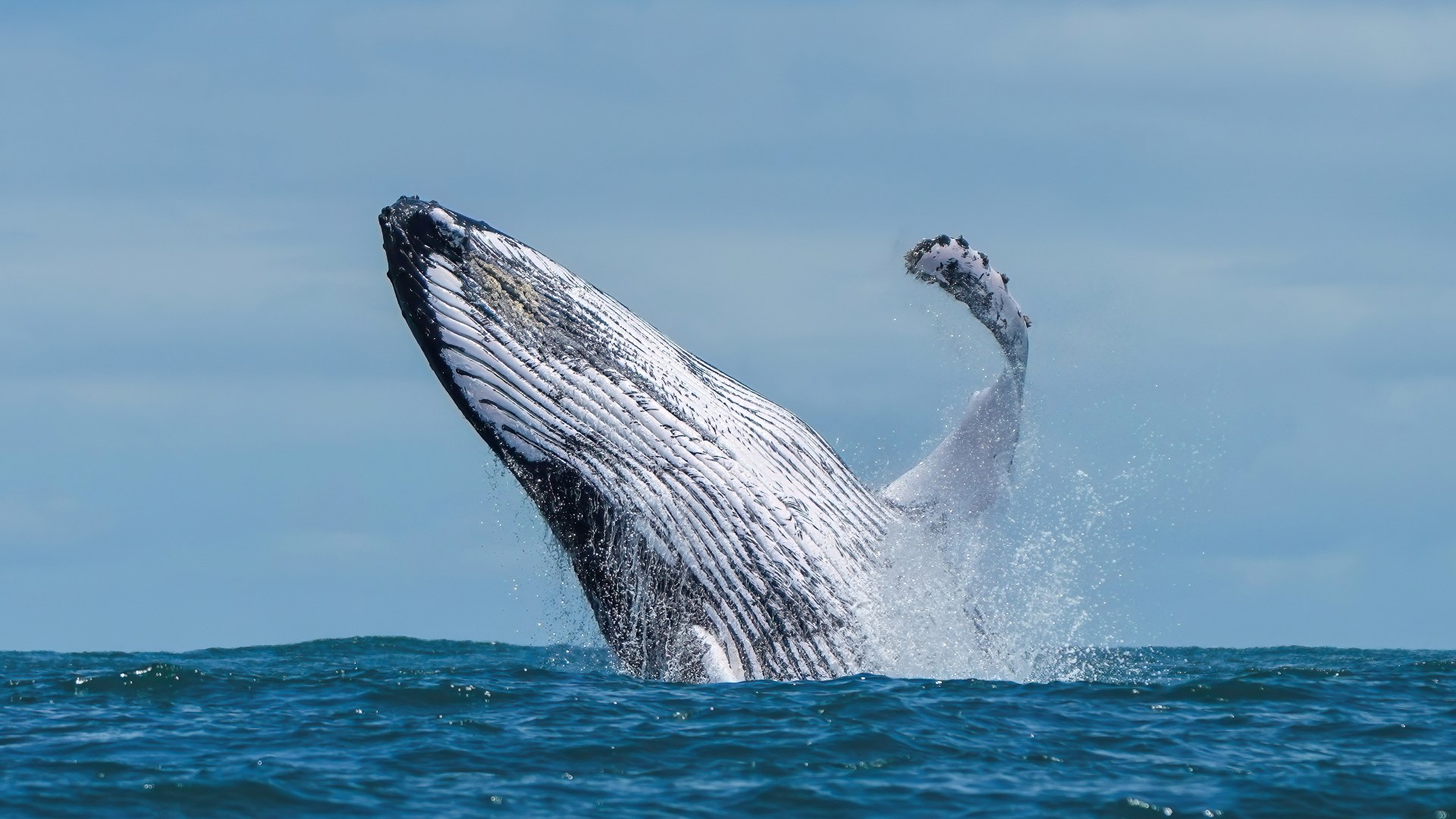
4. Humpback Whale 
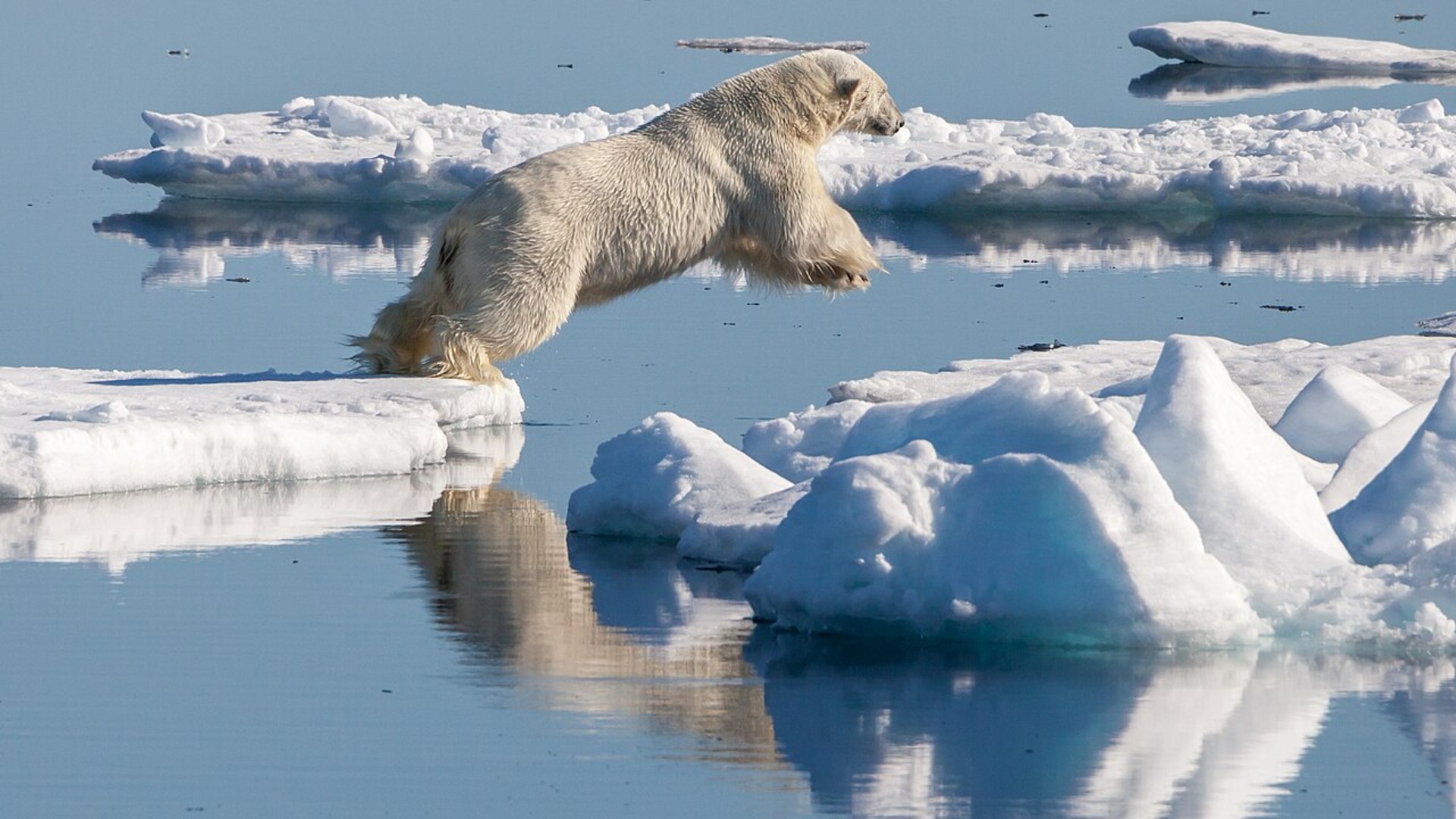
3. Polar Bear 
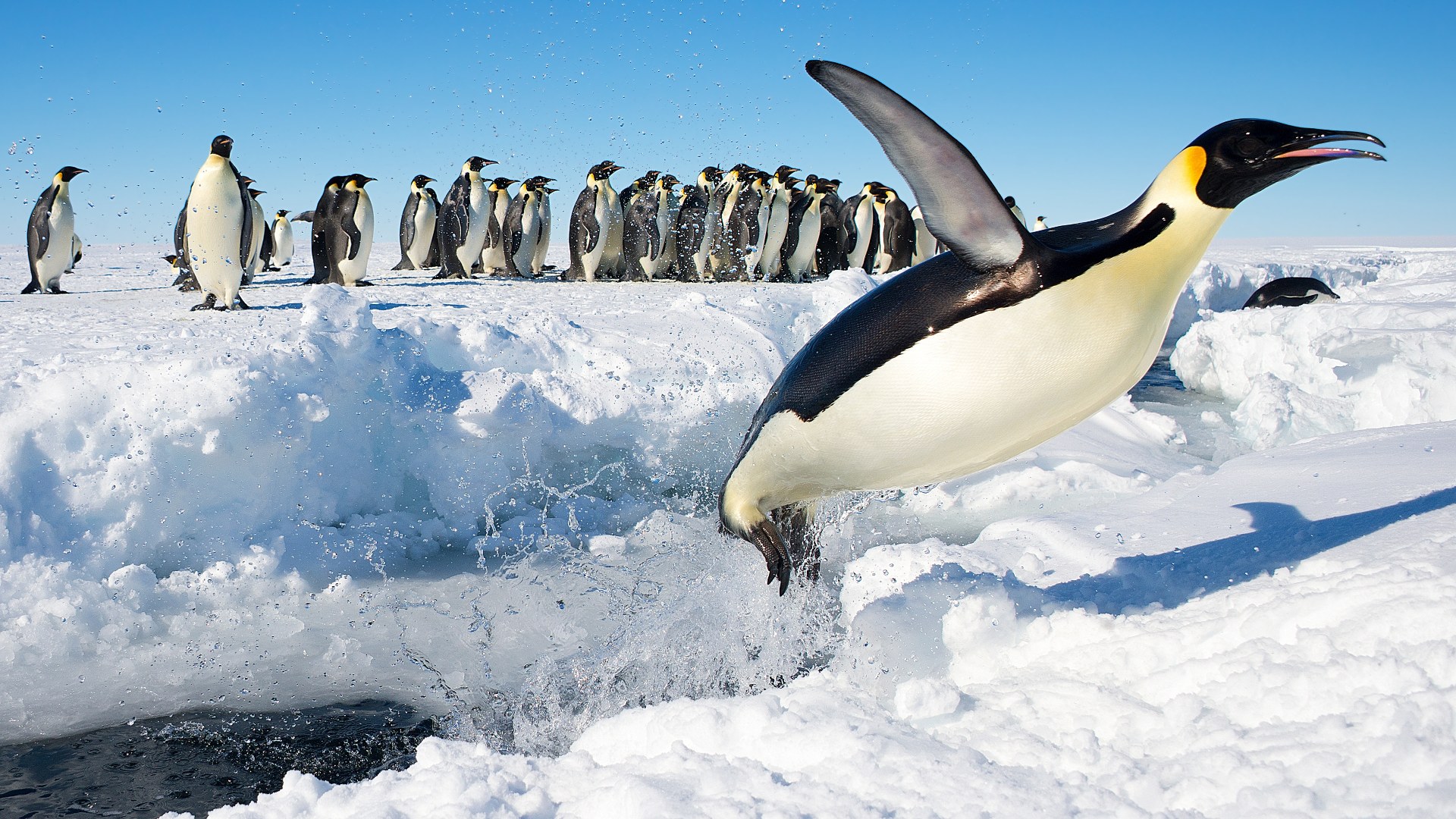
2. Emperor Penguin - AdvertisementSwipe or tap ▶ to continue countdown

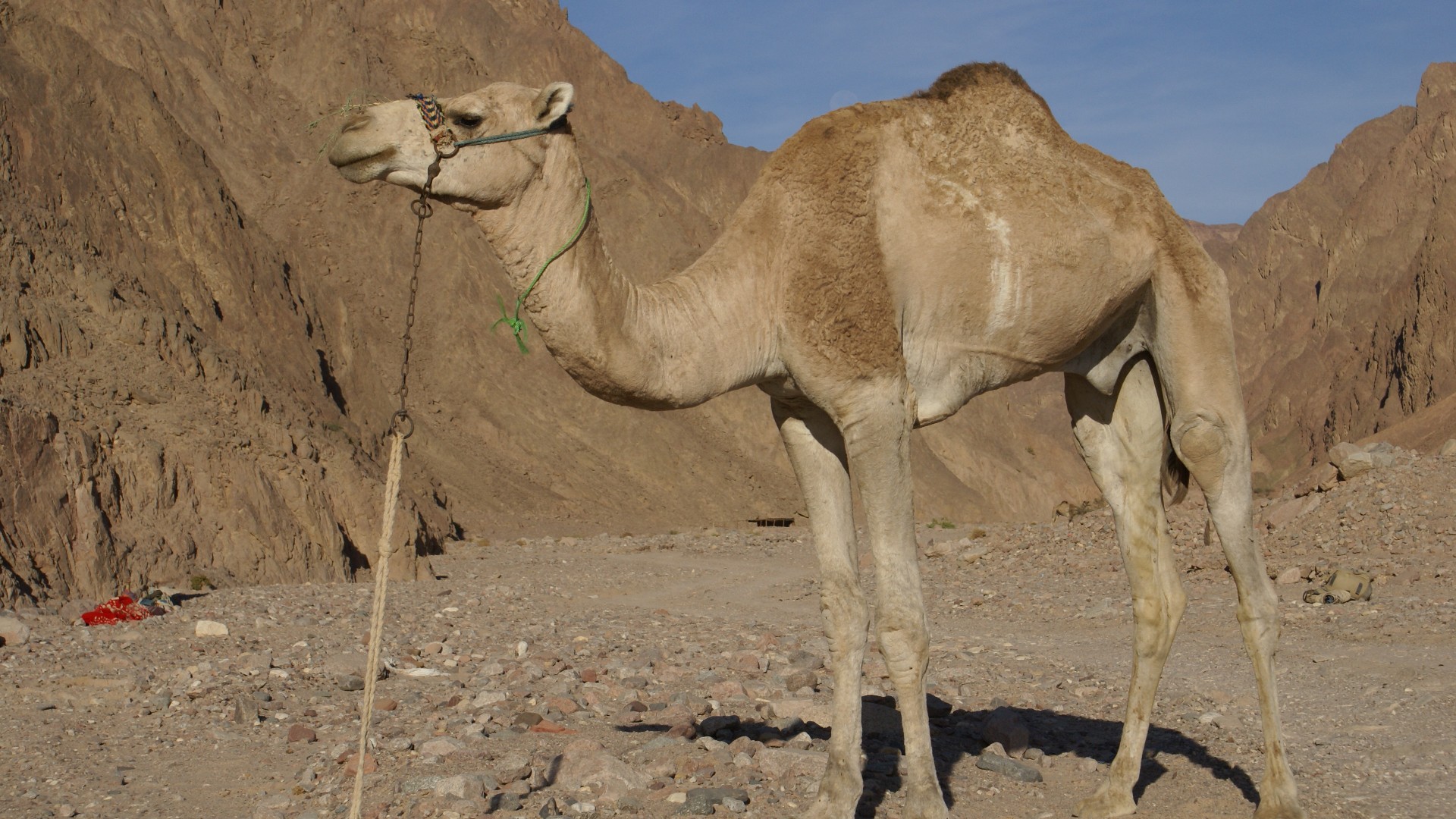
1. Dromedary Camel - Advertisement🔥 UP NEXT IN THIS SERIES◫ 26 Slides

25 Animals That May Detect Fear Through Scent and Body Language
From specialized olfactory receptors to airborne alarm pheromones, numerous species possess the extraordinary ability to detect chemical distress signals. Based on research from Live Science, National Geographic, and peer-reviewed biology journals, here are twenty-five animals that can smell and sense fear.
From desert camels and arctic bears to subterranean salamanders and dormant water bears, discover the extreme biological mechanisms allowing animals to endure months or years between meals.
Swipe or tap ▶ to begin the countdown
©Wikimedia / Giles Laurent & Wikimedia / Jolieokefenokee
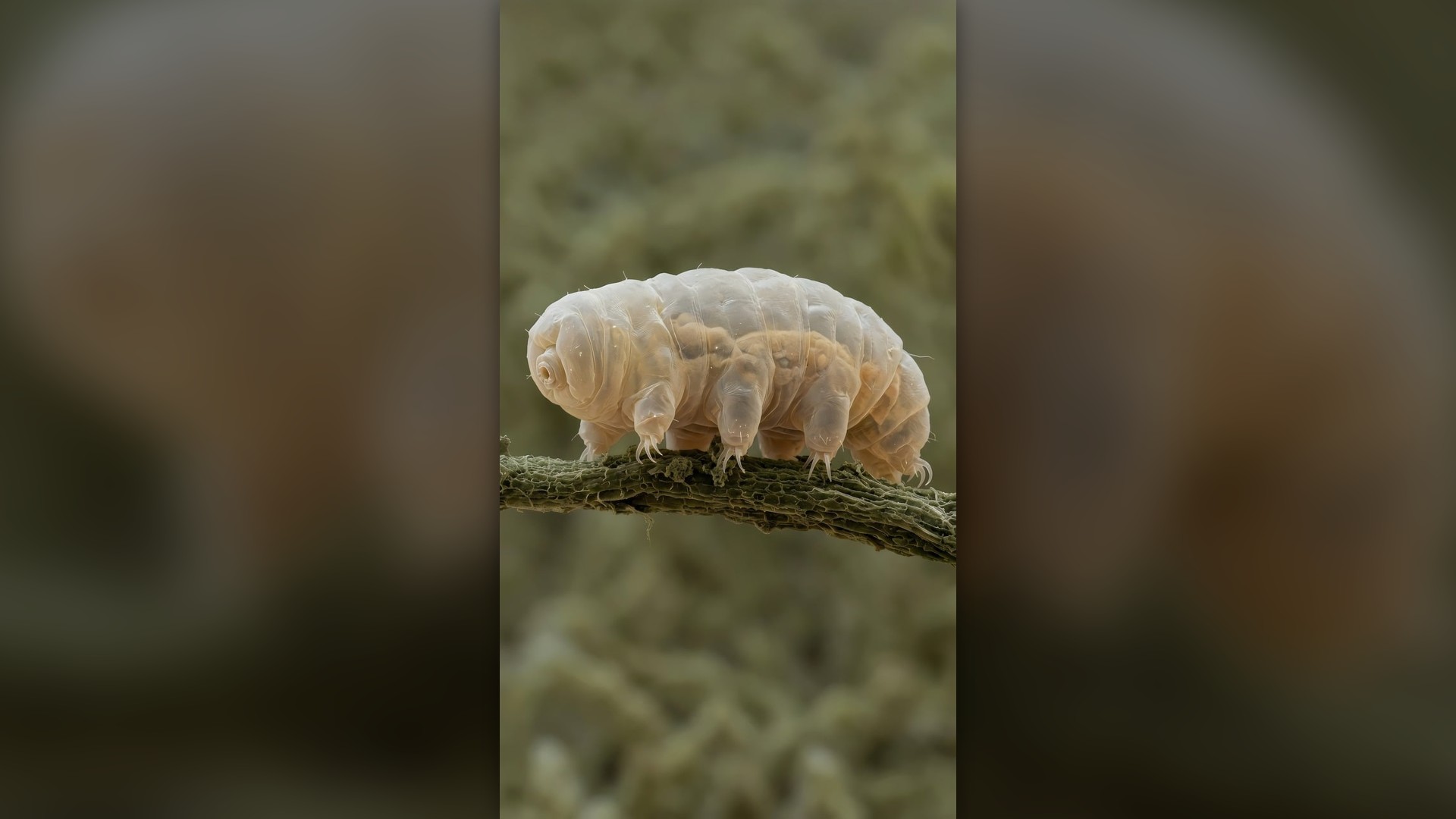
20. Tardigrade
When faced with complete dehydration or freezing cold, tardigrades expel nearly all water from their bodies and curl into a dormant tun state. Their metabolism drops to 0.01 percent of normal levels, allowing them to endure three decades without nutrients until rehydrated by water.
©Pixabay / GabruPawPixels
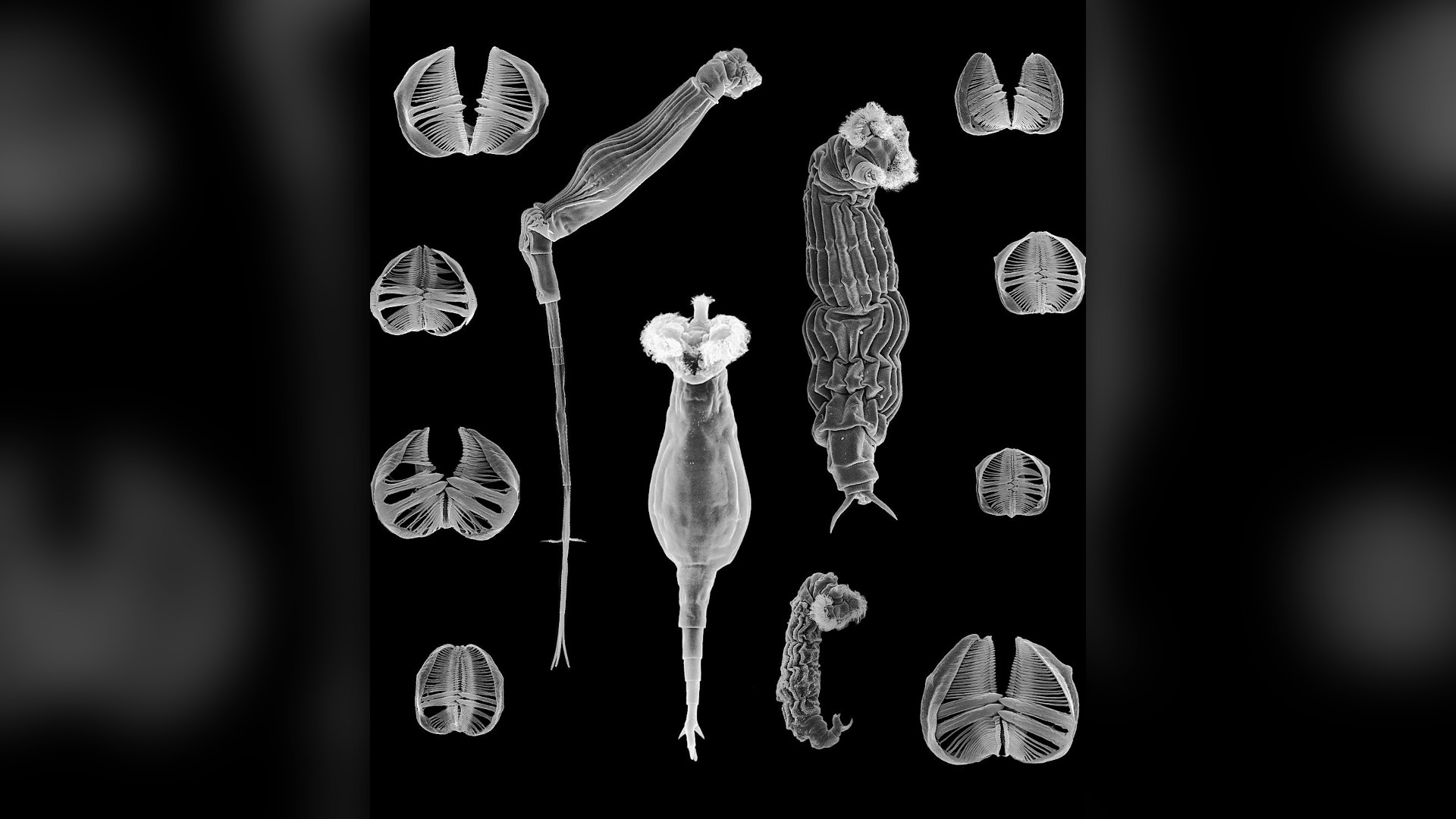
19. Bdelloid Rotifer
Bdelloid rotifers possess an astonishing ability to enter anhydrobiosis, pausing all metabolic activity when water freezes or evaporates. Russian scientists successfully revived rotifers preserved in Siberian permafrost for over twenty-four thousand years that resumed normal feeding.
©Wikimedia / Bdelloidea
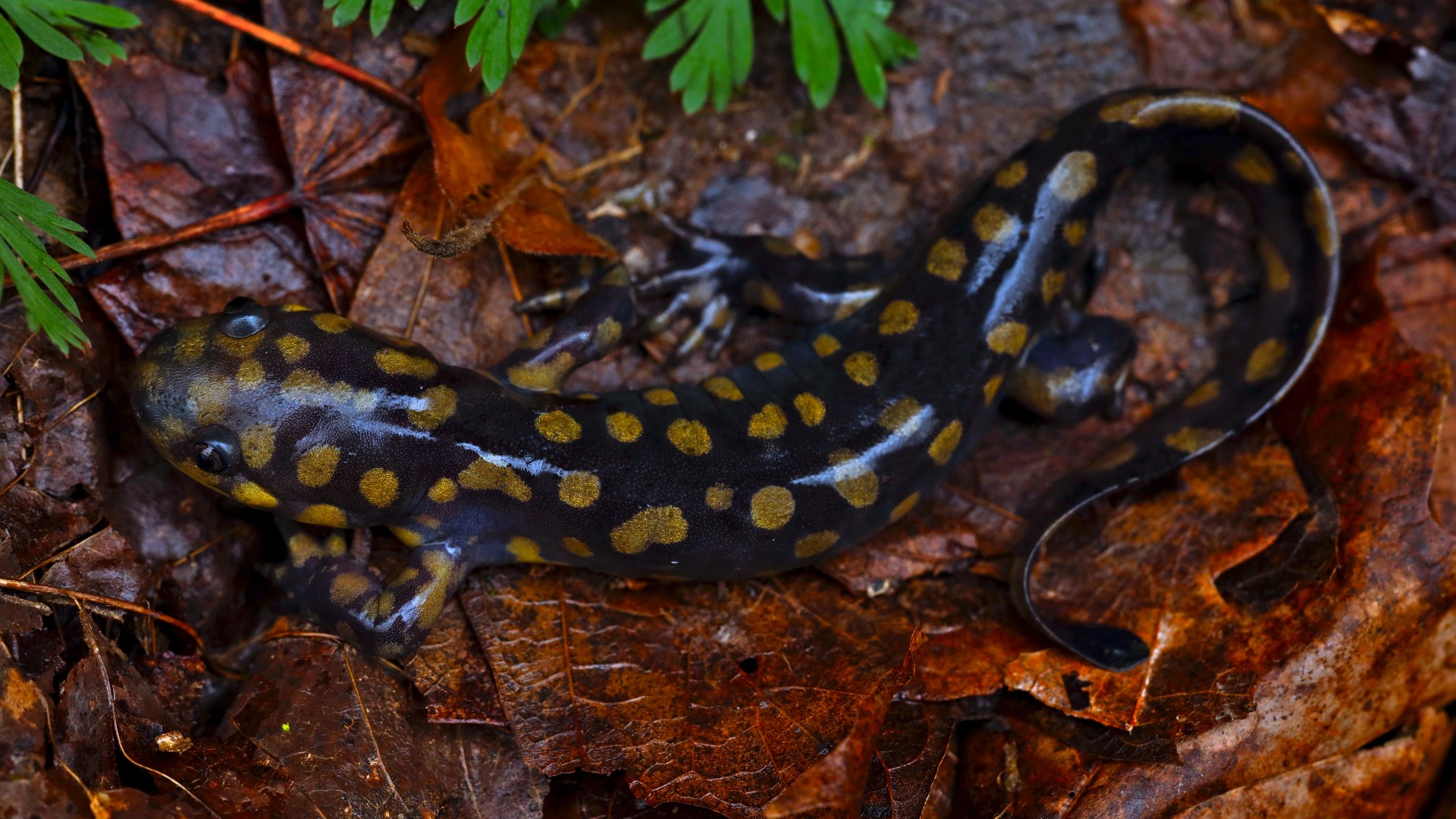
18. Eastern Tiger Salamander
Tiger salamanders spend most of their adult lives underground inside abandoned rodent tunnels. If extreme heat or winter freezes lock the surface, they enter extended dormancy, utilizing stored tail fat and reducing cutaneous respiration to survive for multiple years until conditions soften.
©Wikimedia / Peter Paplanus
Advertisement
Swipe or tap ▶ to resume the countdown.
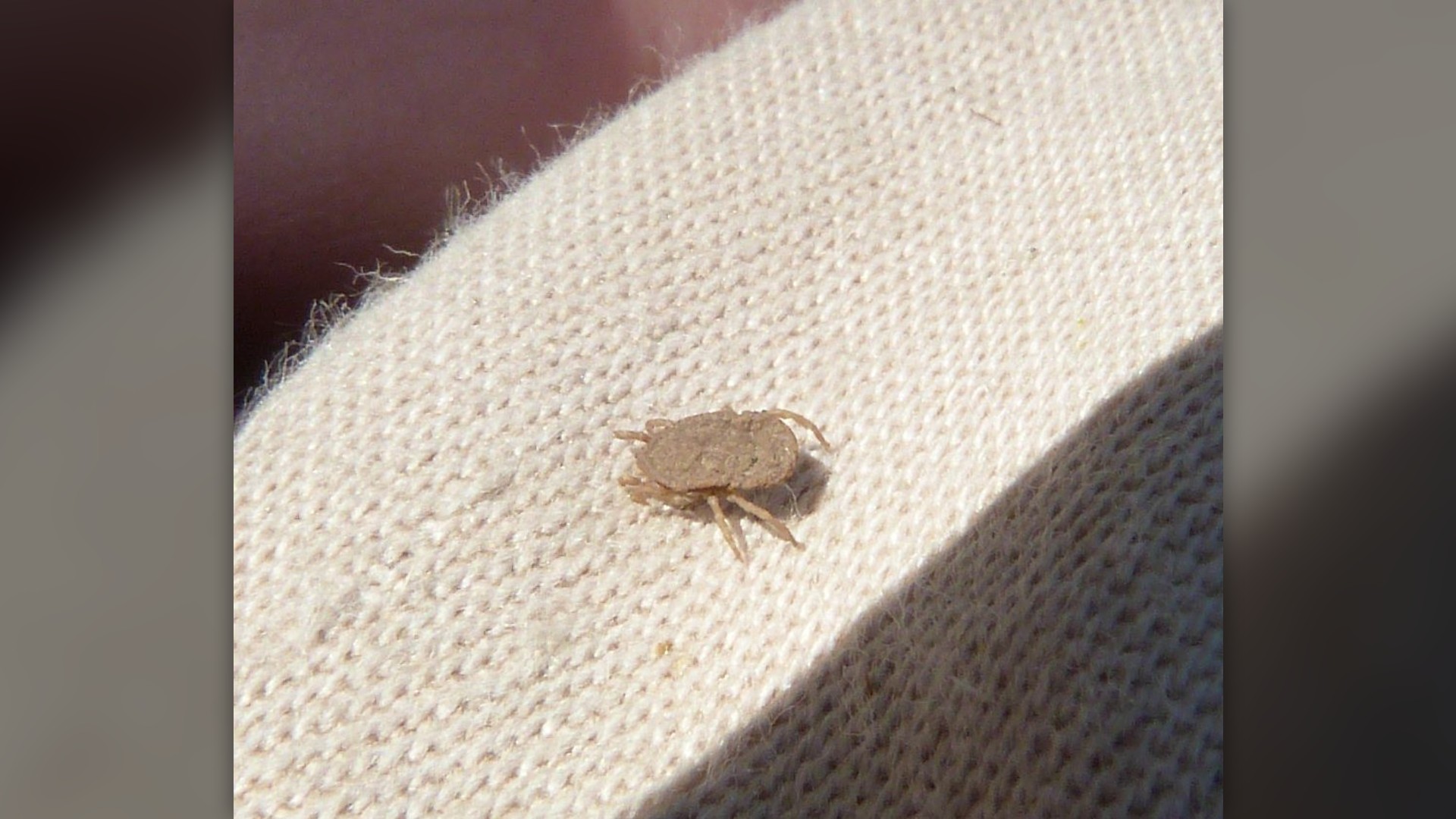
17. Soft Tick
Unlike hard ticks that feed for days, soft ticks engorge rapidly in minutes and can retreat into rock crevices. Biologists have recorded individual soft ticks surviving between ten and fifteen years inside laboratory containers without a single meal while waiting for a host.
©Openverse / Derell Licht
16. European Olm
Inhabiting dark underwater caves in central and southeastern Europe, this blind amphibian lives in an environment where prey rarely passes by. Olms reabsorb their own tissues and slow their metabolism to barely measurable levels, allowing them to endure a decade between meals.
©Wikimedia / Arne Hodalic
15. Giant Isopod
Inhabiting the frigid ocean floor thousands of feet below the surface, giant isopods experience scarce food delivery from above. A captive specimen kept in an aquarium in Japan survived for five years and forty-three days without consuming any food before finally succumbing.
© Photo by Po-Hsuan Huang on Unsplash
14. African Lungfish
When freshwater pools dry up during long dry seasons, the lungfish burrows deep into muddy soil and secretes a waterproof mucus cocoon. It breathes air through a small opening and digests its own muscle tissues at a snail pace, waiting up to five years for rains to return.
©Wikimedia / Commons
Advertisement
Swipe or tap ▶ to resume the countdown.
13. Nile Crocodile
With one of the most efficient digestive systems in nature, the Nile crocodile absorbs nearly every mineral and calorie from a kill. When prey migrations dry up, crocodiles can lower their metabolism by ninety-five percent and lie dormant along riverbanks for up to three years.
©Wikimedia / Diego Delso
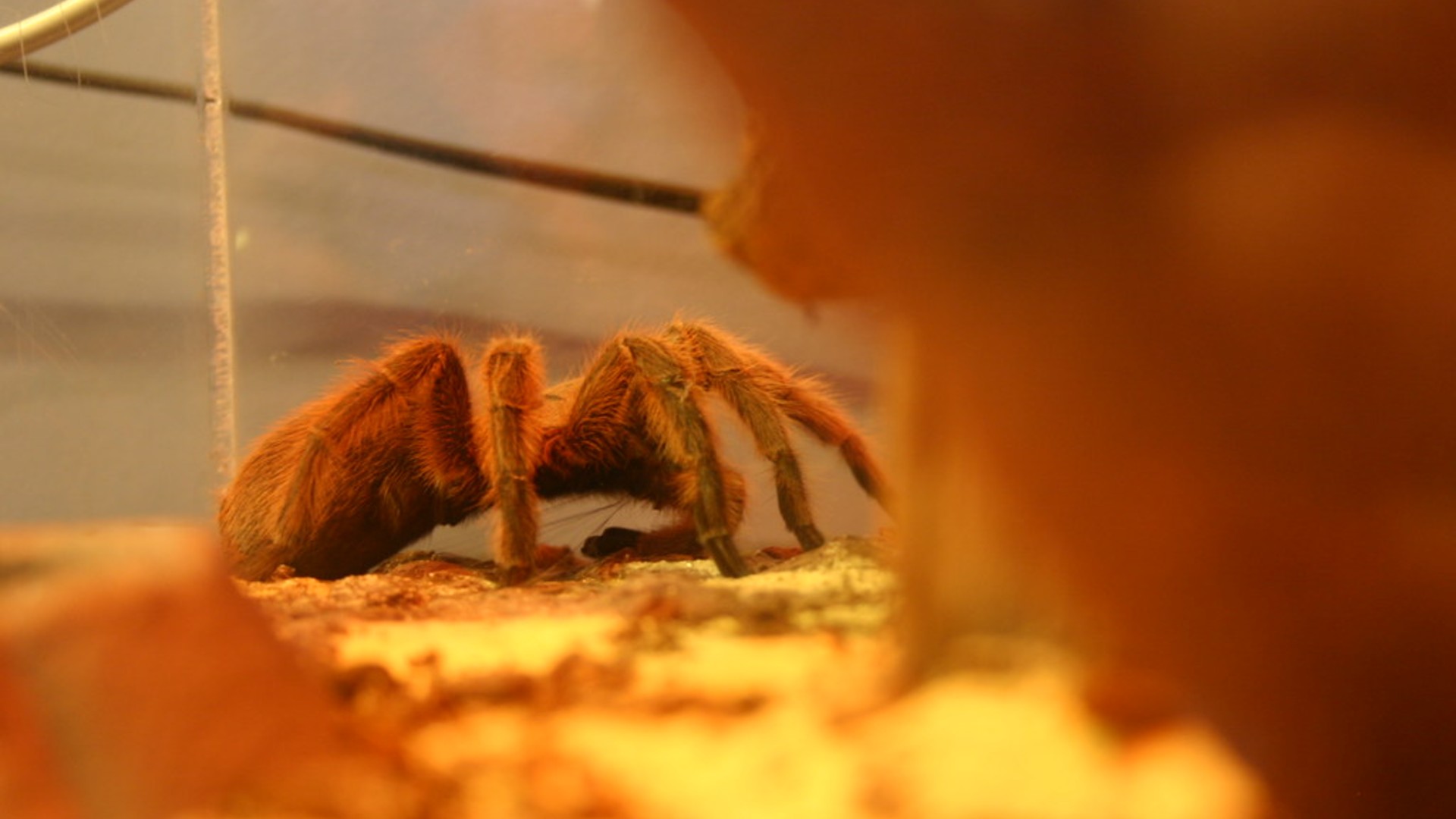
12. Chilean Rose Tarantula
Native to arid scrublands in Chile, these patient arachnids spend long periods sitting completely motionless in subterranean silk burrows. Their metabolic demand is so minimal that mature females frequently refuse food for eighteen to thirty consecutive months.
©Openverse / Ryan Somma
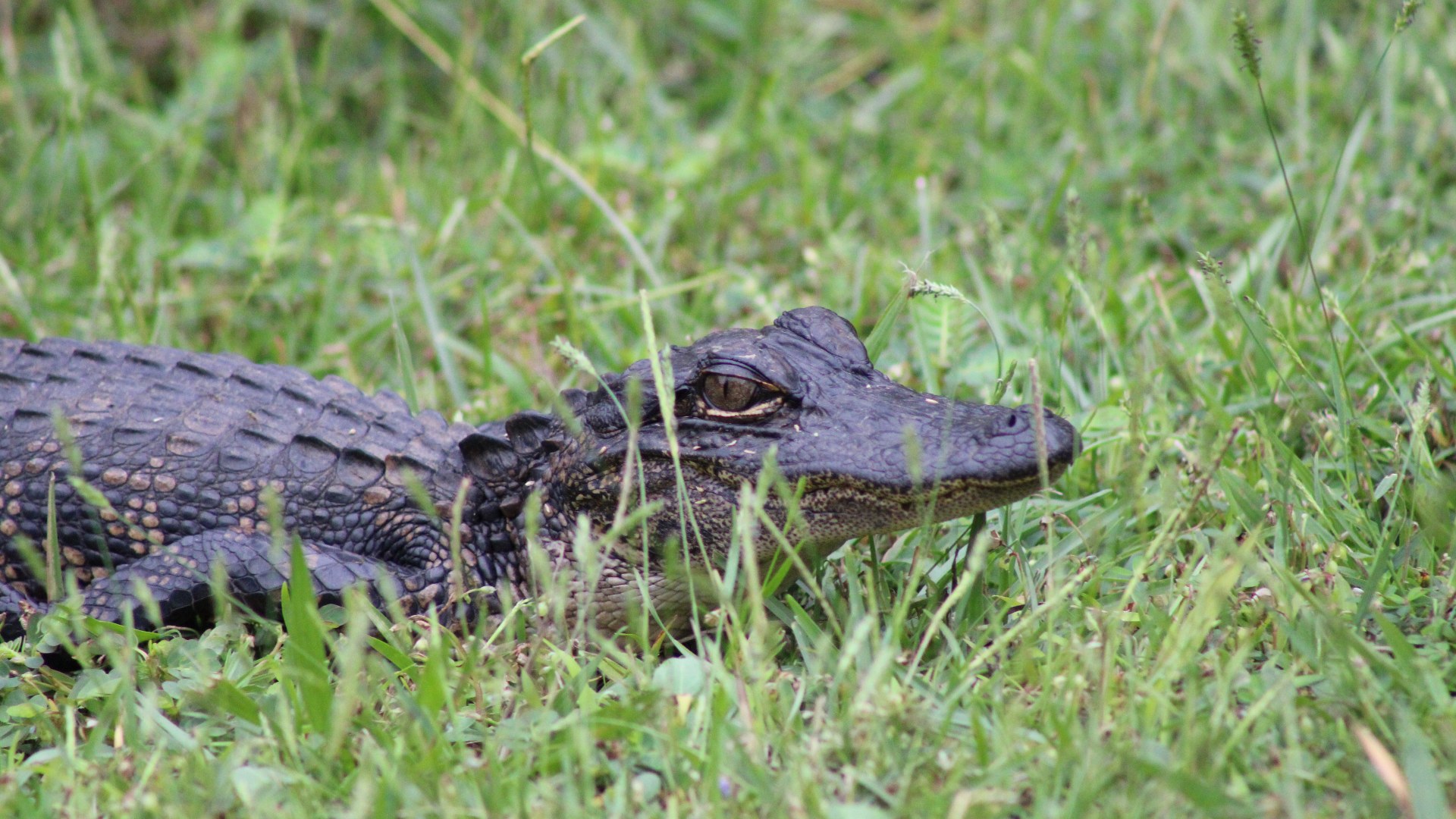
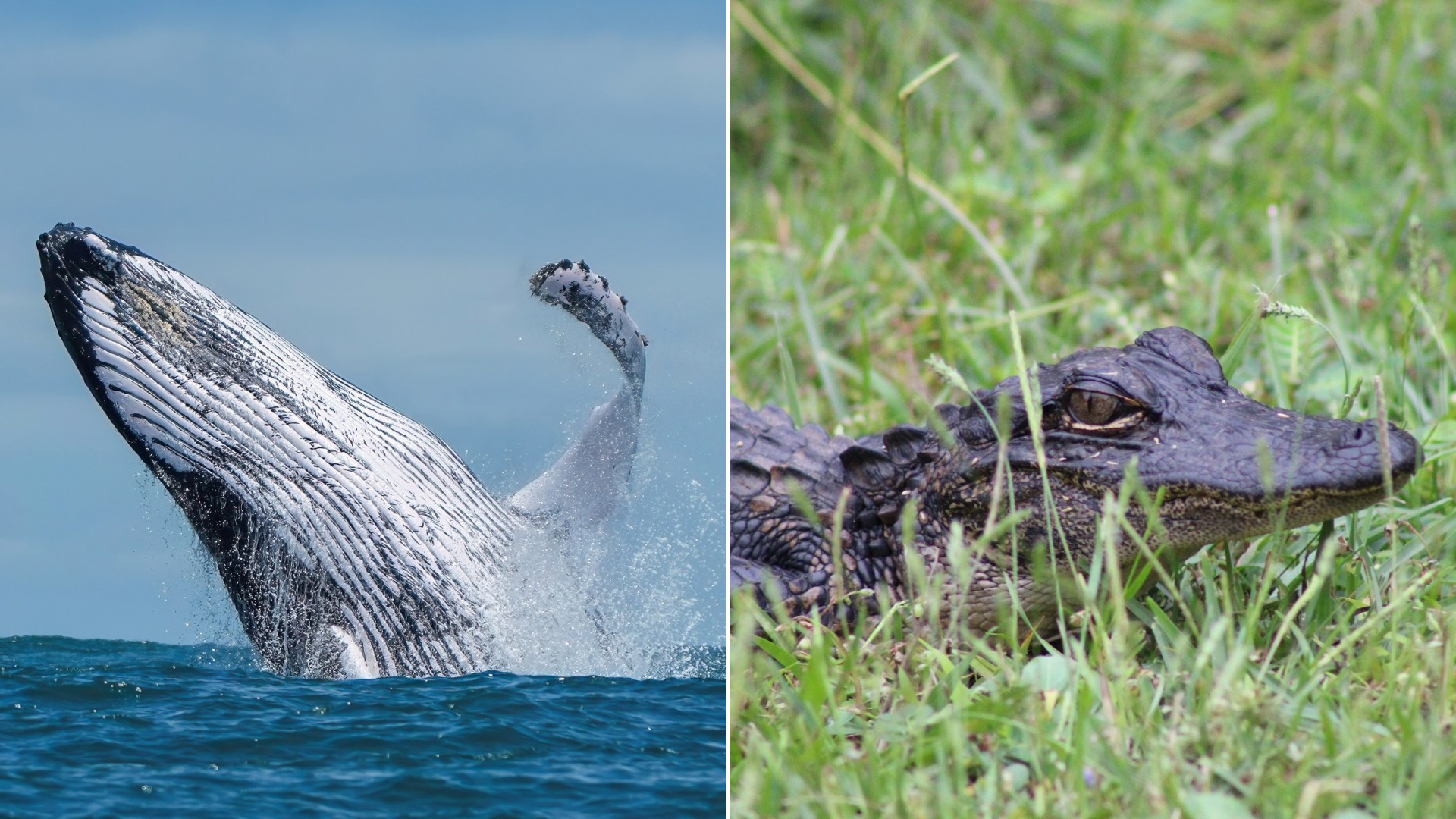
11. American Alligator
Alligators are ectothermic predators that do not expend energy to regulate internal body heat. In colder months, they enter brumation and allow their metabolic rate to drop drastically. A large adult that feeds heavily during spring can easily survive two years between meals.
©Wikimedia / Jolieokefenokee
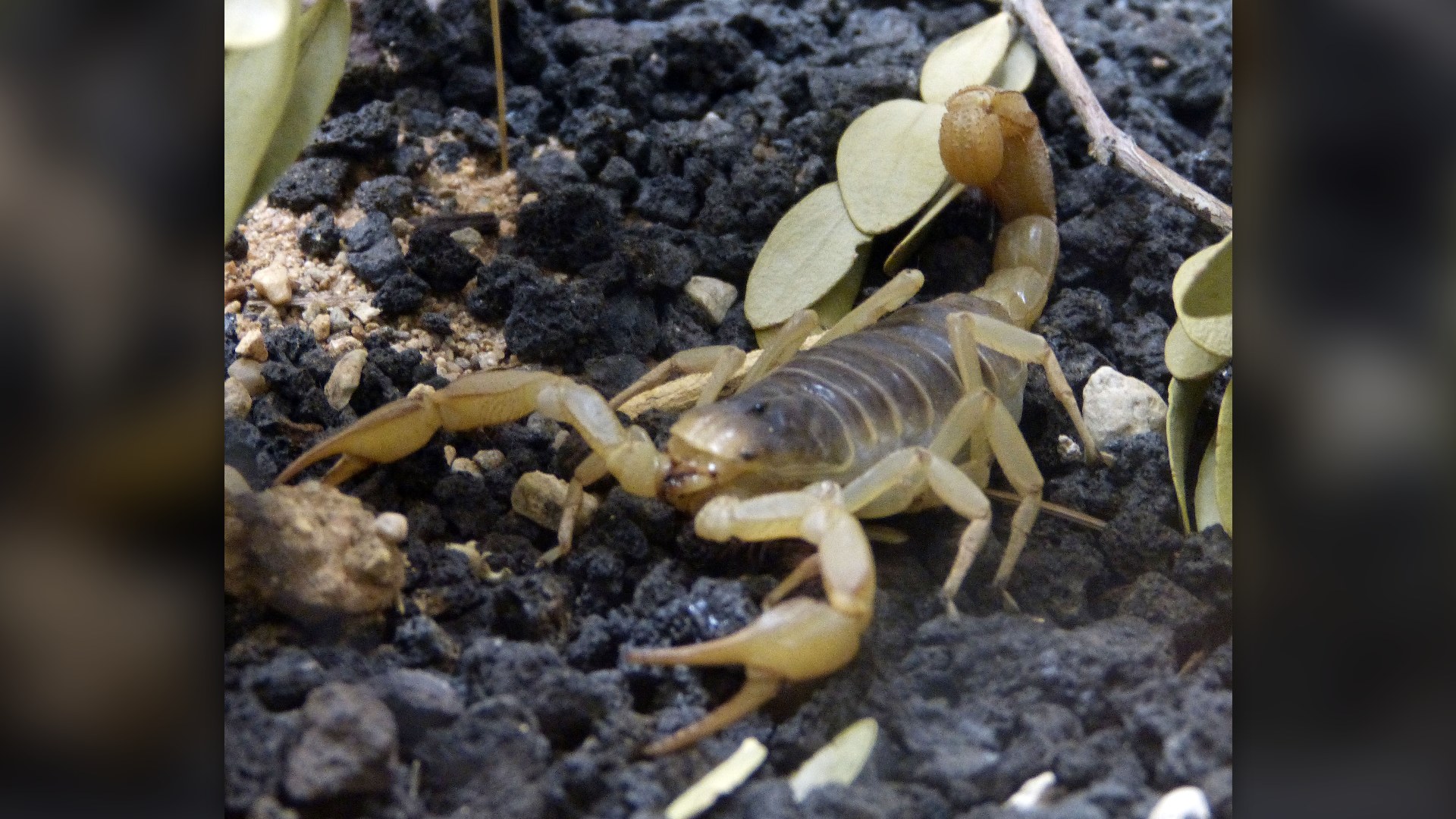
10. Desert Bark Scorpion
Scorpions are renowned desert survivors. When prey like crickets or roaches is absent, a bark scorpion drops its oxygen consumption to the lowest measurable rate among terrestrial arthropods, allowing it to survive for two years on a single meal.
©Wikimedia / Gail Hampshire
Advertisement
Swipe or tap ▶ to resume the countdown.
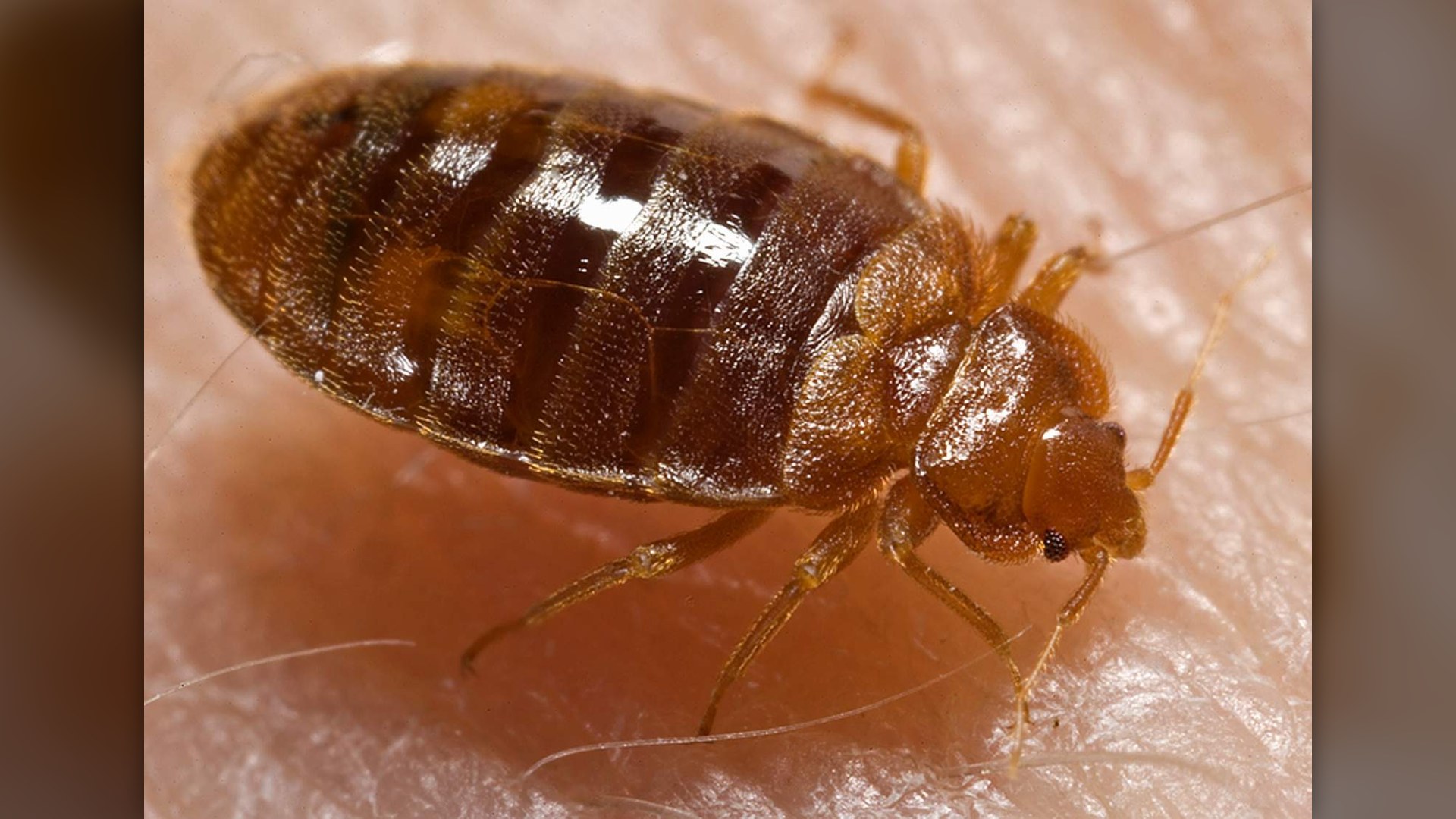
9. Common Bedbug
While active adults feed weekly, bedbugs are capable of slowing their bodily functions dramatically when hosts depart. In cool room temperatures, their metabolic rate drops to near zero, enabling them to wait out vacant rooms and empty buildings for over a year.
©Wikimedia / CDC Harvard
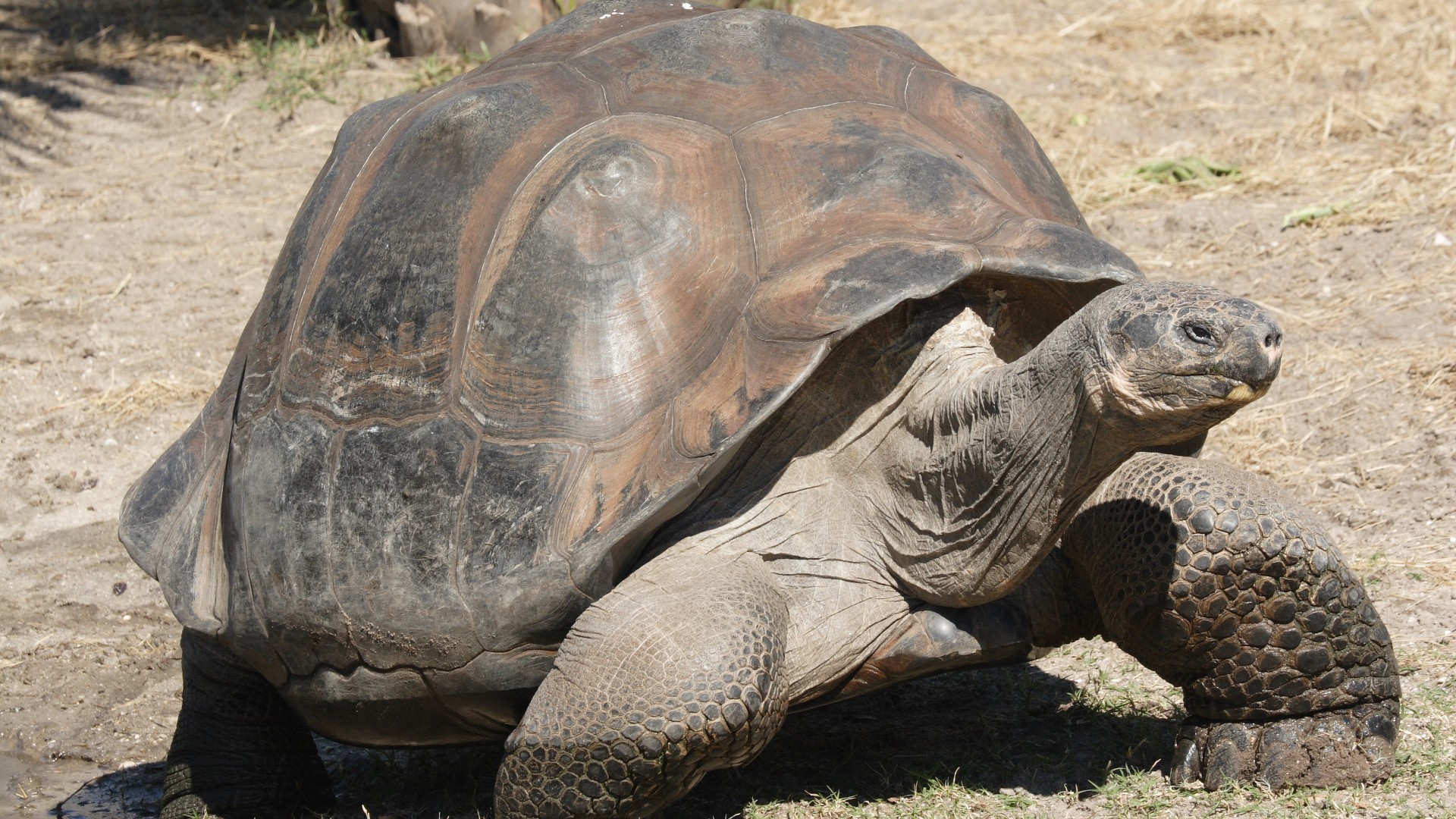
8. Galapagos Giant Tortoise
These enormous reptiles possess exceptionally slow metabolic engines and massive internal reservoirs for water and fat. In times of volcanic drought across the archipelago, adult tortoises can endure up to a year and a half without fresh vegetation or drinking water.
©Wikimedia / Galápagos tortoise
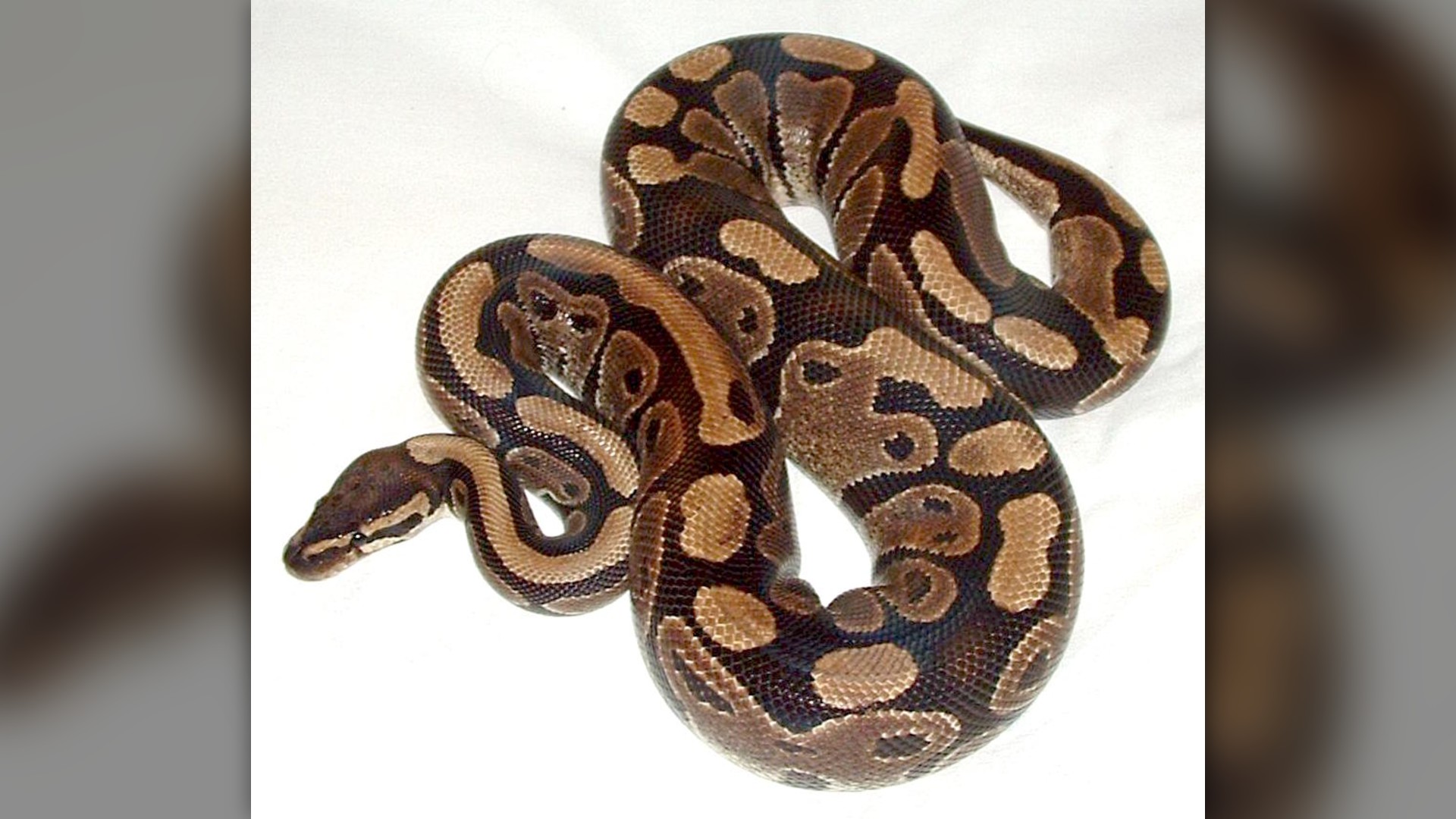
7. Ball Python
When prey is scarce in the African savanna, ball pythons slow their digestion to a crawl and reduce metabolic expenditure by up to seventy percent. Their organs actually shrink during prolonged fasts to conserve energy, rapidly rebuilding once a new meal is captured.
©Wikimedia / Ball python
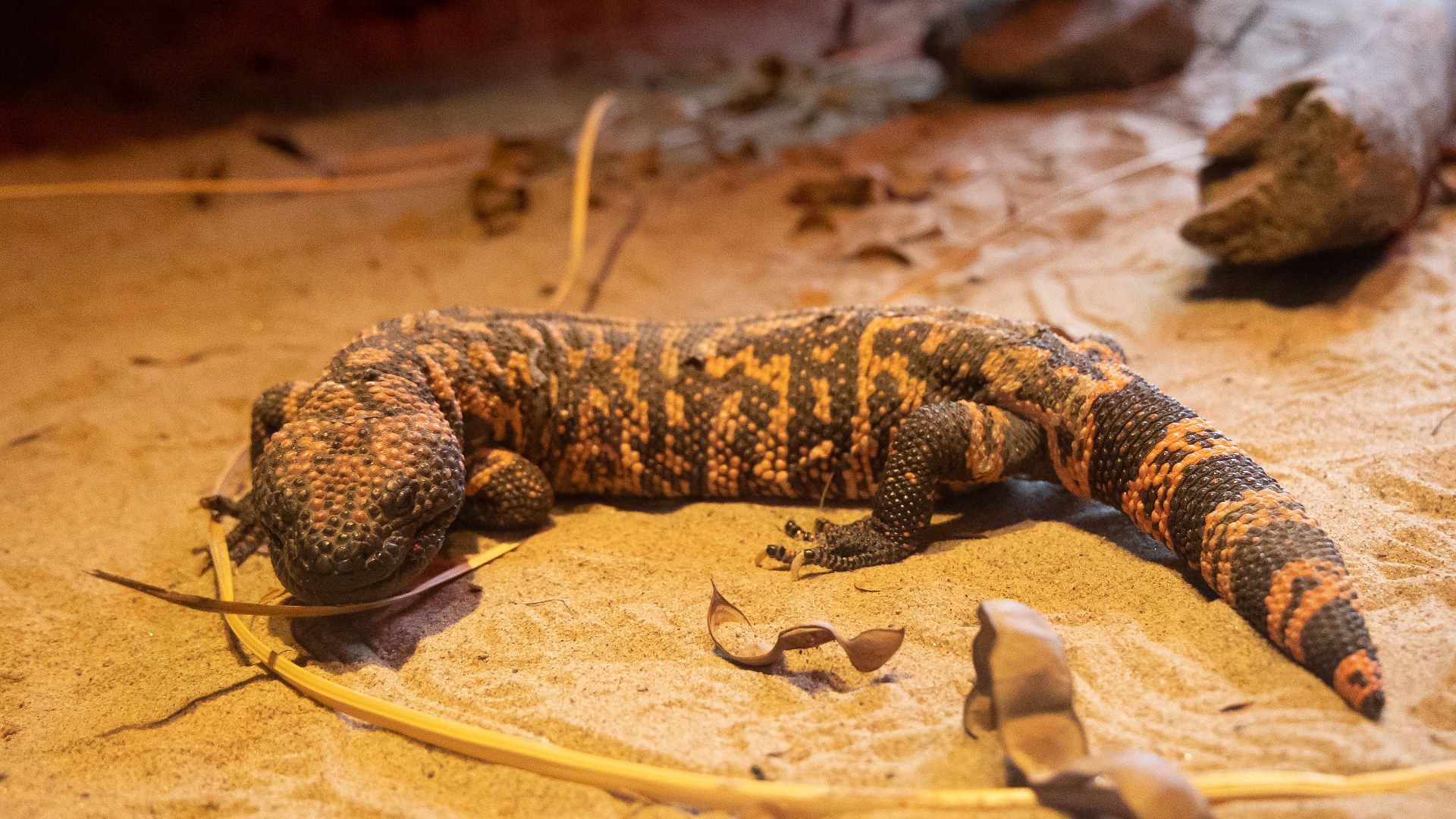
6. Gila Monster
Native to the southwestern deserts, Gila monsters spend up to ninety percent of their lives underground in cool burrows. They eat large, opportunistic meals of bird eggs and small rodents, storing extra nutrients directly in their tails to survive extended desert droughts.
©Wikimedia / Theo Kruse
Advertisement
Swipe or tap ▶ to resume the countdown.
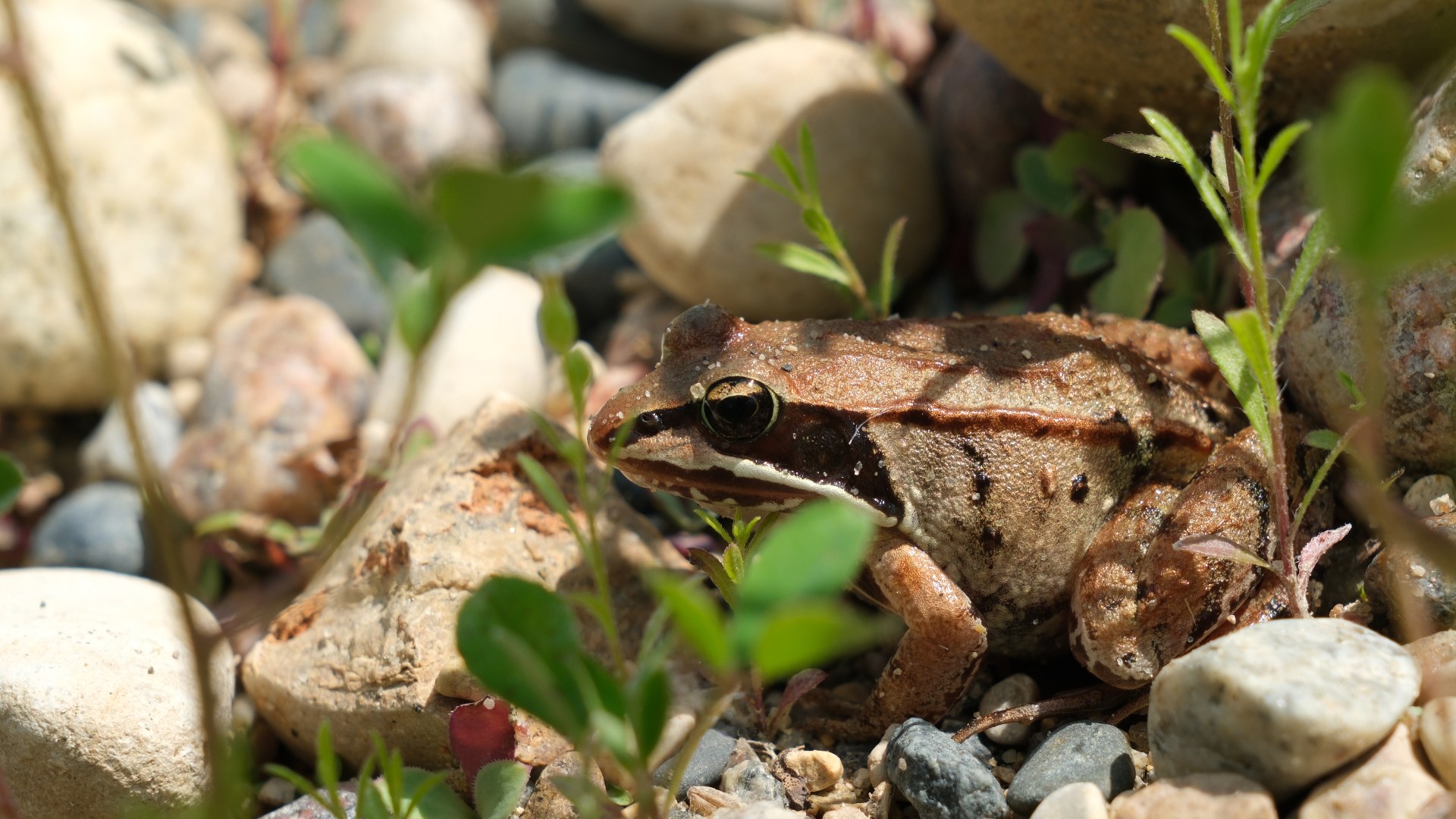
5. Wood Frog
To endure northern winters, wood frogs produce high concentrations of glucose that prevent their cell interiors from rupturing. Their breathing and heartbeat stop entirely as their body freezes solid beneath the snow, going up to eight months without a single calorie.
©Wikimedia / Jasper Shide
4. Humpback Whale
During polar summers, humpback whales gorge on krill and small fish to pack on tons of insulating blubber. They subsequently migrate thousands of miles to warm tropical waters to breed and nurse newborns, where they do not feed at all for up to seven continuous months.
©Wikimedia / Giles Laurent
3. Polar Bear
When sea ice recedes in late summer, polar bears are often forced onto land where hunting seals is almost impossible. They enter a physiological state called walking hibernation, drastically reducing their basal metabolic consumption while burning through massive blubber deposits.
©Wikimedia / Andreas Weith
2. Emperor Penguin
During the brutal Antarctic winter, male emperor penguins remain stationed on the pack ice while females return to open water to feed. Males huddle together against winds reaching one hundred miles per hour, subsisting entirely on accumulated subcutaneous fat reserves until their chicks hatch.
©Wikimedia / Christopher Michel
Advertisement
Swipe or tap ▶ to resume the countdown.
1. Dromedary Camel
Rather than storing water, a camel hump stores up to eighty pounds of dense fat. When vegetation is scarce, the camel breaks down this fatty tissue into vital energy and metabolic water, allowing it to survive for nearly a month without grazing.

©Wikimedia / Dromedary
Advertisement
You've reached the end of the story. Thanks for reading!

25 Animals That May Detect Fear Through Scent and Body Language
From specialized olfactory receptors to airborne alarm pheromones, numerous species possess the extraordinary ability to detect chemical distress signals. Based on research from Live Science, National Geographic, and peer-reviewed biology journals, here are twenty-five animals that can smell and sense fear.
All 20 Entries in this Story
20. Tardigrade
When faced with complete dehydration or freezing cold, tardigrades expel nearly all water from their bodies and curl into a dormant tun state. Their metabolism drops to 0.01 percent of normal levels, allowing them to endure three decades without nutrients until rehydrated by water.

19. Bdelloid Rotifer
Bdelloid rotifers possess an astonishing ability to enter anhydrobiosis, pausing all metabolic activity when water freezes or evaporates. Russian scientists successfully revived rotifers preserved in Siberian permafrost for over twenty-four thousand years that resumed normal feeding.

18. Eastern Tiger Salamander
Tiger salamanders spend most of their adult lives underground inside abandoned rodent tunnels. If extreme heat or winter freezes lock the surface, they enter extended dormancy, utilizing stored tail fat and reducing cutaneous respiration to survive for multiple years until conditions soften.

17. Soft Tick
Unlike hard ticks that feed for days, soft ticks engorge rapidly in minutes and can retreat into rock crevices. Biologists have recorded individual soft ticks surviving between ten and fifteen years inside laboratory containers without a single meal while waiting for a host.

16. European Olm
Inhabiting dark underwater caves in central and southeastern Europe, this blind amphibian lives in an environment where prey rarely passes by. Olms reabsorb their own tissues and slow their metabolism to barely measurable levels, allowing them to endure a decade between meals.

15. Giant Isopod
Inhabiting the frigid ocean floor thousands of feet below the surface, giant isopods experience scarce food delivery from above. A captive specimen kept in an aquarium in Japan survived for five years and forty-three days without consuming any food before finally succumbing.

14. African Lungfish
When freshwater pools dry up during long dry seasons, the lungfish burrows deep into muddy soil and secretes a waterproof mucus cocoon. It breathes air through a small opening and digests its own muscle tissues at a snail pace, waiting up to five years for rains to return.

13. Nile Crocodile
With one of the most efficient digestive systems in nature, the Nile crocodile absorbs nearly every mineral and calorie from a kill. When prey migrations dry up, crocodiles can lower their metabolism by ninety-five percent and lie dormant along riverbanks for up to three years.

12. Chilean Rose Tarantula
Native to arid scrublands in Chile, these patient arachnids spend long periods sitting completely motionless in subterranean silk burrows. Their metabolic demand is so minimal that mature females frequently refuse food for eighteen to thirty consecutive months.

11. American Alligator
Alligators are ectothermic predators that do not expend energy to regulate internal body heat. In colder months, they enter brumation and allow their metabolic rate to drop drastically. A large adult that feeds heavily during spring can easily survive two years between meals.

10. Desert Bark Scorpion
Scorpions are renowned desert survivors. When prey like crickets or roaches is absent, a bark scorpion drops its oxygen consumption to the lowest measurable rate among terrestrial arthropods, allowing it to survive for two years on a single meal.

9. Common Bedbug
While active adults feed weekly, bedbugs are capable of slowing their bodily functions dramatically when hosts depart. In cool room temperatures, their metabolic rate drops to near zero, enabling them to wait out vacant rooms and empty buildings for over a year.

8. Galapagos Giant Tortoise
These enormous reptiles possess exceptionally slow metabolic engines and massive internal reservoirs for water and fat. In times of volcanic drought across the archipelago, adult tortoises can endure up to a year and a half without fresh vegetation or drinking water.

7. Ball Python
When prey is scarce in the African savanna, ball pythons slow their digestion to a crawl and reduce metabolic expenditure by up to seventy percent. Their organs actually shrink during prolonged fasts to conserve energy, rapidly rebuilding once a new meal is captured.

6. Gila Monster
Native to the southwestern deserts, Gila monsters spend up to ninety percent of their lives underground in cool burrows. They eat large, opportunistic meals of bird eggs and small rodents, storing extra nutrients directly in their tails to survive extended desert droughts.

5. Wood Frog
To endure northern winters, wood frogs produce high concentrations of glucose that prevent their cell interiors from rupturing. Their breathing and heartbeat stop entirely as their body freezes solid beneath the snow, going up to eight months without a single calorie.

4. Humpback Whale
During polar summers, humpback whales gorge on krill and small fish to pack on tons of insulating blubber. They subsequently migrate thousands of miles to warm tropical waters to breed and nurse newborns, where they do not feed at all for up to seven continuous months.

3. Polar Bear
When sea ice recedes in late summer, polar bears are often forced onto land where hunting seals is almost impossible. They enter a physiological state called walking hibernation, drastically reducing their basal metabolic consumption while burning through massive blubber deposits.

2. Emperor Penguin
During the brutal Antarctic winter, male emperor penguins remain stationed on the pack ice while females return to open water to feed. Males huddle together against winds reaching one hundred miles per hour, subsisting entirely on accumulated subcutaneous fat reserves until their chicks hatch.

1. Dromedary Camel
Rather than storing water, a camel hump stores up to eighty pounds of dense fat. When vegetation is scarce, the camel breaks down this fatty tissue into vital energy and metabolic water, allowing it to survive for nearly a month without grazing.