Slideshow · Animals
Bird Behaviors That Signal Nearby Danger
From sudden canopy silence to massive aerial evasions, birds display unmistakable signals when dangerous predators or disasters loom.
By Most Viral Today
6 Nov 2026

Bird Behaviors That Signal Nearby Danger 
15. Sudden Forest Silence 
14. Rigid Freezing Postures 
13. Monocular Sky Scanning - AdvertisementSwipe or tap ▶ to continue countdown

12. Rapid Tail Flicking 
11. Feathers Sleeked Flat 
10. Dense Underbrush Diving 
9. High-Pitched Alarm Seet Calls - AdvertisementSwipe or tap ▶ to continue countdown

8. Broken-Wing Distraction Displays 
7. Sentinel Perching And Roster Calls 
6. Syntax-Coded Threat Calls 
5. Broad-Scale Forest Siren Alerts - AdvertisementSwipe or tap ▶ to continue countdown

4. Aggressive Dive-Bomb Mobbing 
3. Explosive Canopy Flushing 
2. Defensive Murmuration Formations 
1. Mass Atmospheric Evacuations - Advertisement🔥 UP NEXT IN THIS SERIES◫ 26 Slides

25 Animals That May Detect Fear Through Scent and Body Language
From specialized olfactory receptors to airborne alarm pheromones, numerous species possess the extraordinary ability to detect chemical distress signals. Based on research from Live Science, National Geographic, and peer-reviewed biology journals, here are twenty-five animals that can smell and sense fear.
Birds possess acute sensory instincts that detect nearby predators and incoming natural hazards long before humans notice. Reading their warning behaviors provides a direct window into hidden threats.
Swipe or tap ▶ to begin the countdown
©Wikimedia Commons / Chicken4War / Skander zarrad
15. Sudden Forest Silence
When woodland birds suddenly stop singing and chirping in unison, an ambush predator has entered the area. Cooper hawks and owls rely on stealth, prompting every small songbird to instantly clamp its beak shut. Silence prevents the hunter from pinpointing precise locations in the foliage.
©Wikimedia Commons / Joshua Tree National Park
14. Rigid Freezing Postures
Raptors detect movement far quicker than static shapes. When a hawk glides silently overhead, songbirds freeze completely motionless on their perches. They hold their bodies stiff and rigid for minutes at a time, relying on natural camouflage to blend into surrounding twigs and shadows.
©Wikimedia Commons / Charles J. Sharp
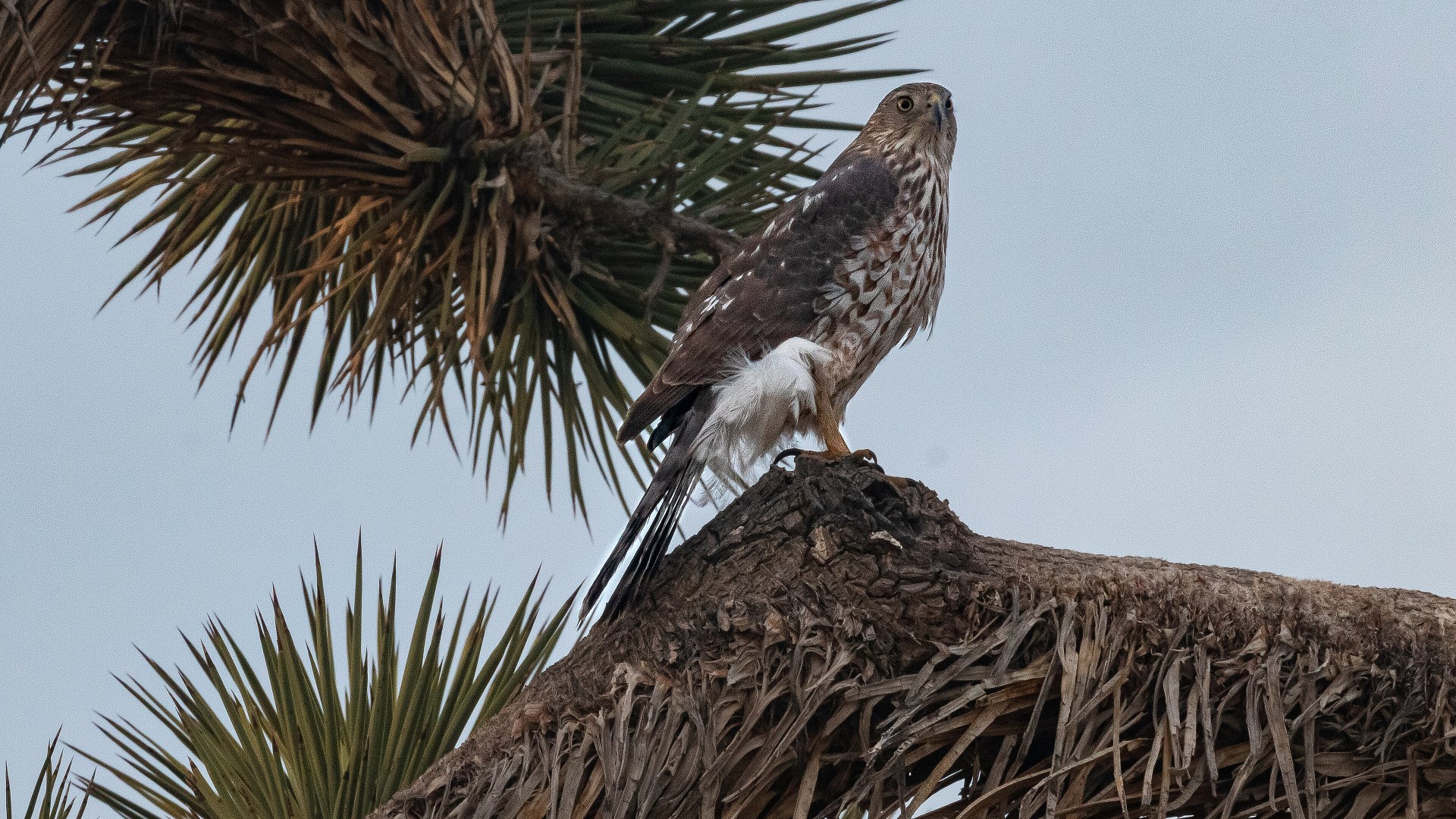
13. Monocular Sky Scanning
Most birds have eyes placed on the sides of their heads, granting wide peripheral vision. When sensing danger above, a bird tilts its head sideways to focus its monocular vision straight up into the sky. This characteristic head tilt indicates the bird is tracking a circling raptor.
©Wikimedia Commons / Hari Krishnan
Advertisement
Swipe or tap ▶ to resume the countdown.
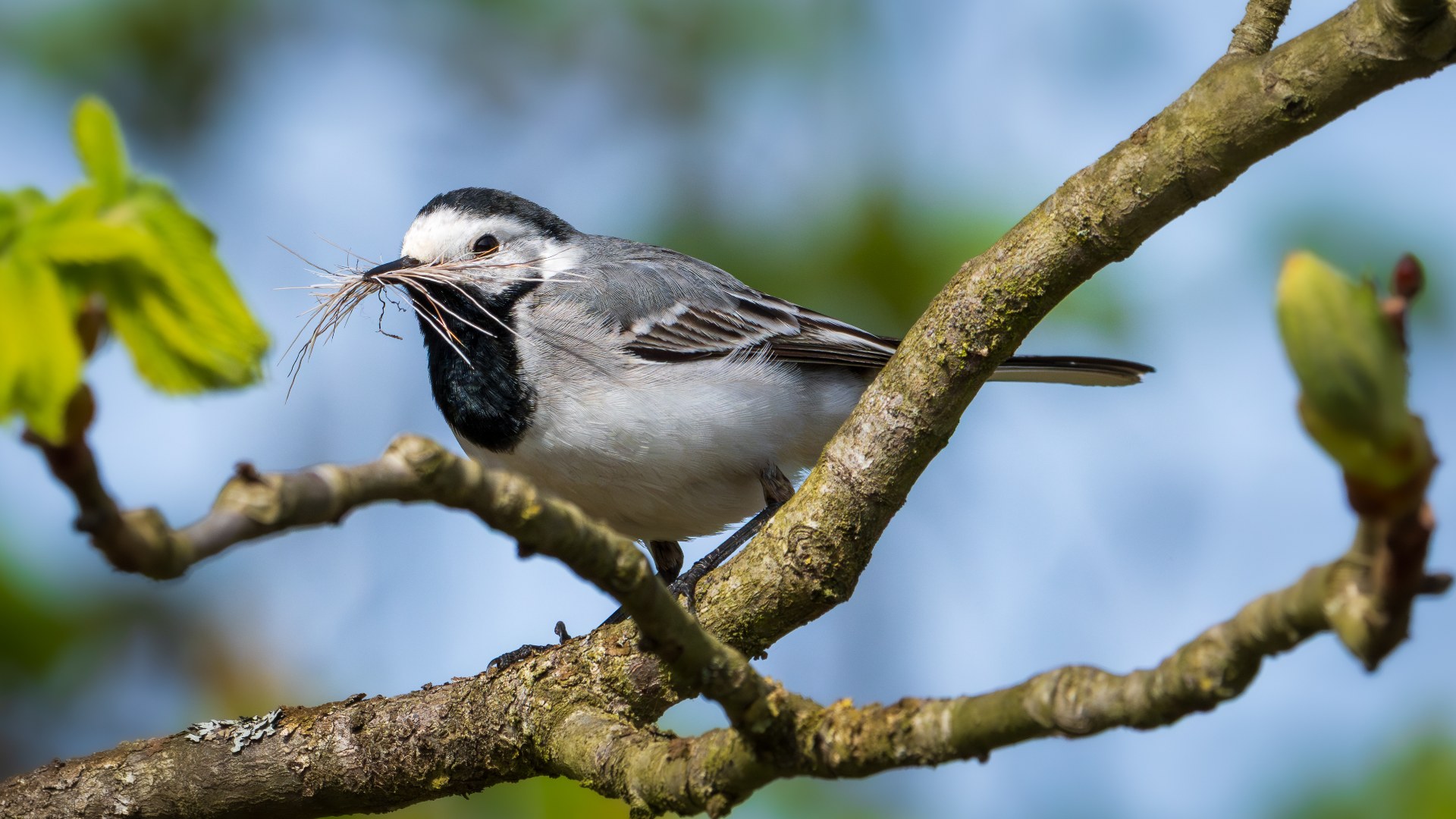
12. Rapid Tail Flicking
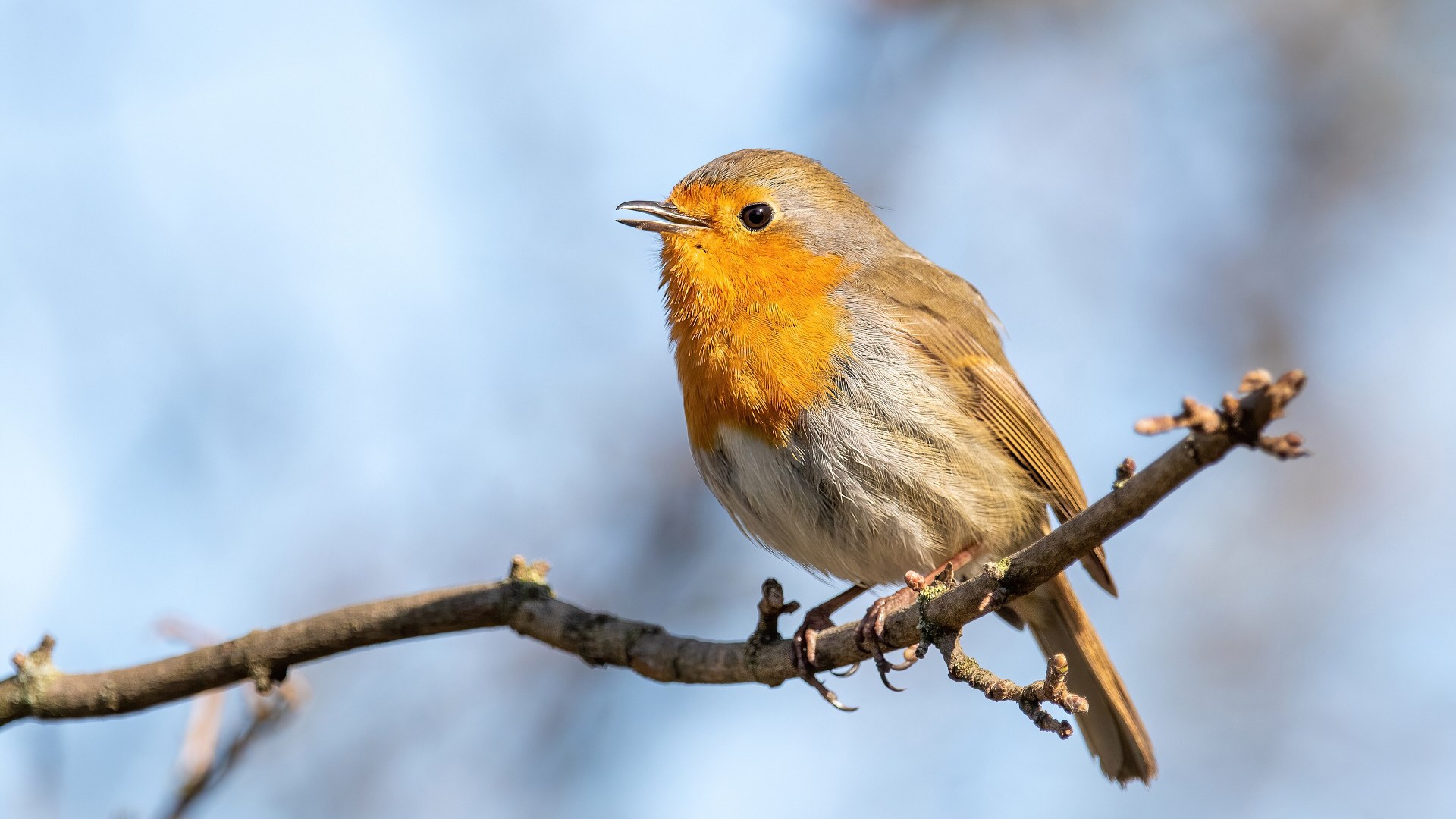
Nervous tail flicking serves as an involuntary stress reaction in thrushes, phoebes, and wagtails. Rapid, jerky upward tail pumps signal that a bird senses an approaching ground predator like a stalking feral cat. The repetitive motion communicates heightened alertness to nearby flock members.
©Wikimedia Commons / Norbert Nagel
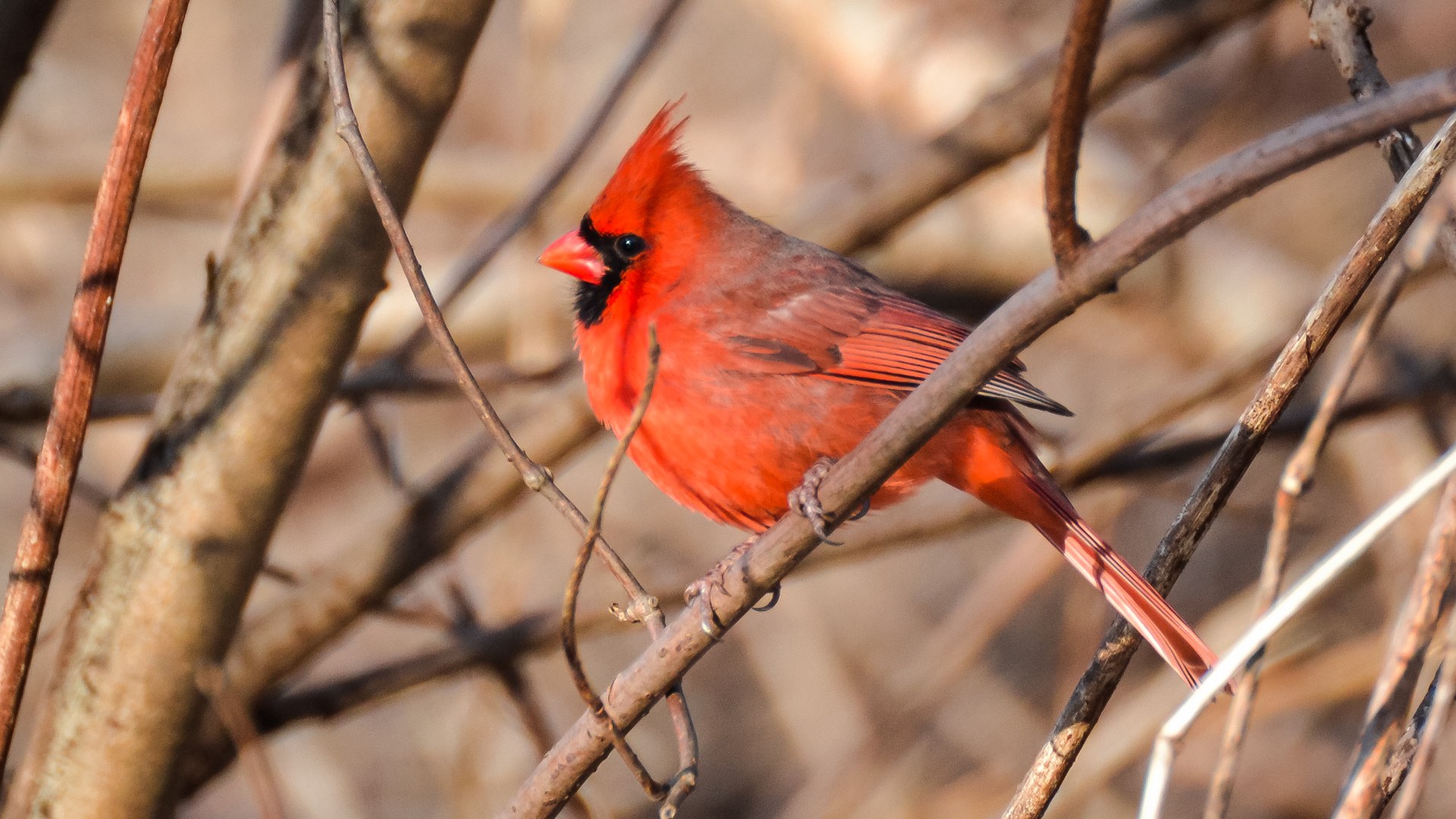
11. Feathers Sleeked Flat
Relaxed birds fluff their feathers to trap insulating air, appearing round and soft. In contrast, an alarmed bird compresses its feathers tightly against its body, making itself look remarkably thin. This sleek posture minimizes aerodynamic drag so the bird can launch into immediate escape flight.
©Wikimedia Commons / Alexis Lours
10. Dense Underbrush Diving
When open perches become hazardous, small songbirds dive straight into dense brambles, rose bushes, and brush piles. Thorny thickets prevent larger hawks and falcons from diving in with outstretched talons. Birds stay buried deep inside the tangle until the raptor leaves the vicinity.
©Wikipedia / none
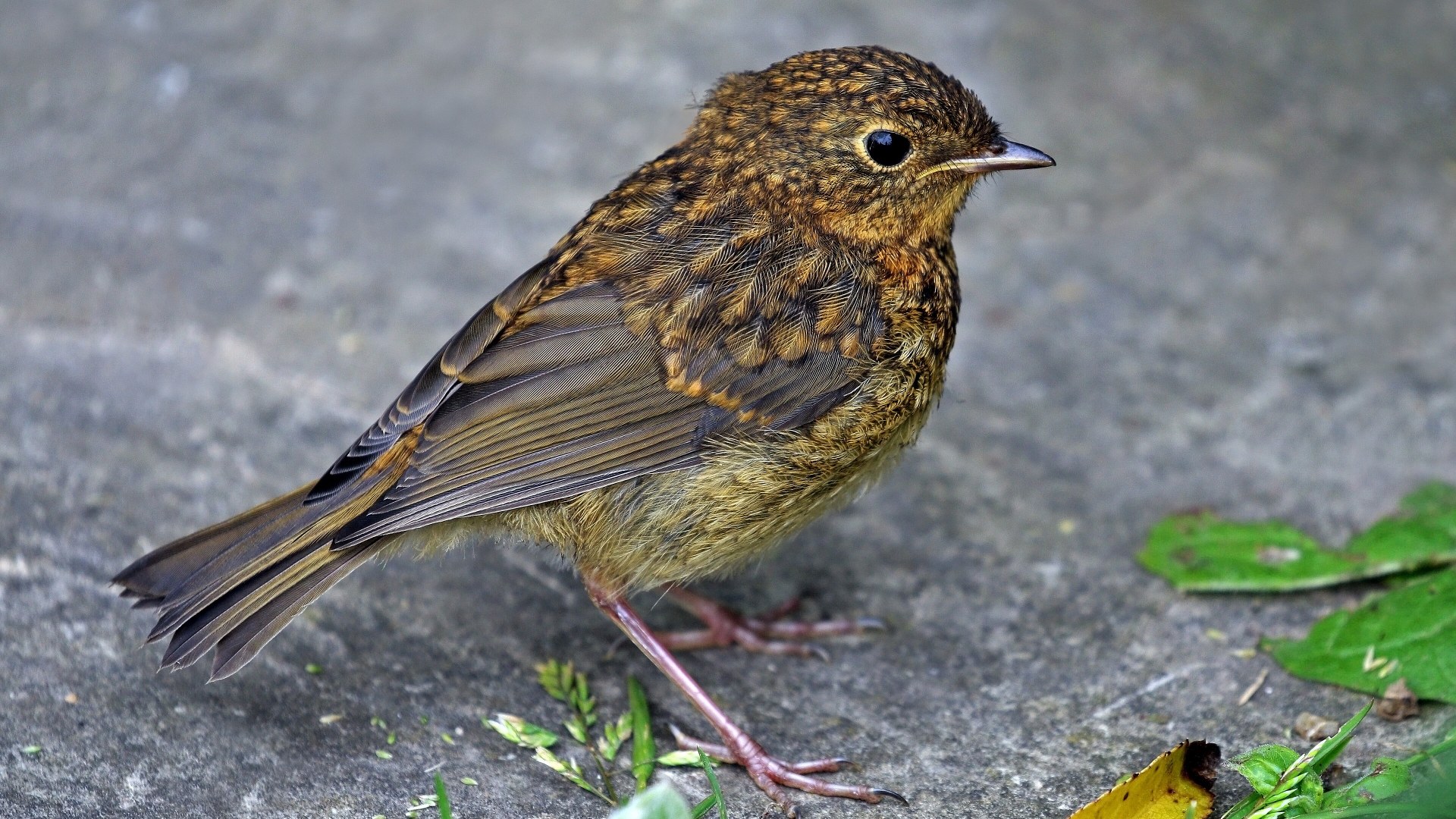
9. High-Pitched Alarm Seet Calls
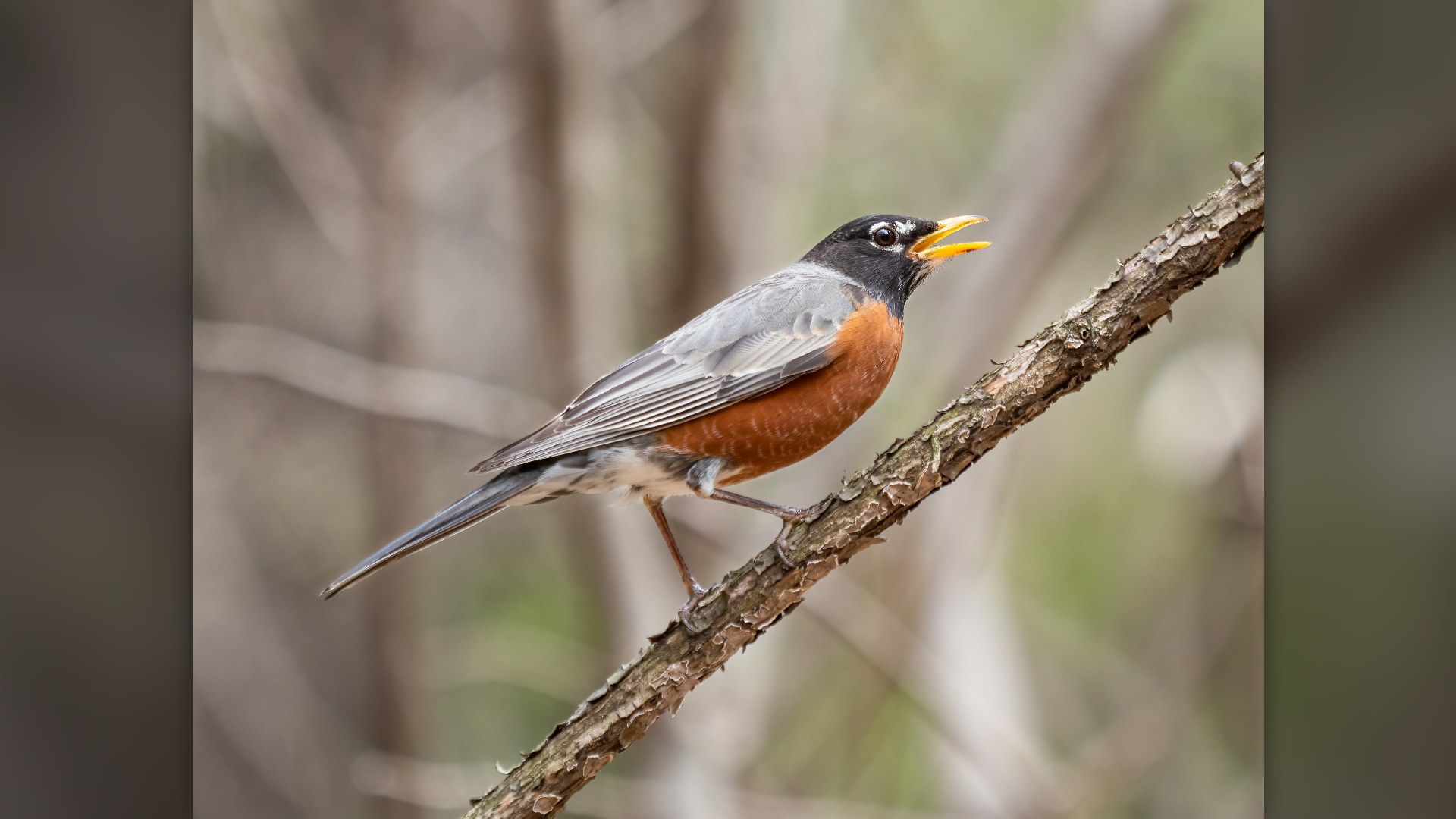
When spotting a gliding hawk, robins and finches emit a thin, high-frequency whistle called a seet call. Because high-pitched pure tones lack directional acoustic cues, raptors cannot locate the caller. Surrounding birds recognize the signal instantly and freeze or dash under protective cover.
©Wikimedia Commons / Rhododendrites
Advertisement
Swipe or tap ▶ to resume the countdown.
8. Broken-Wing Distraction Displays
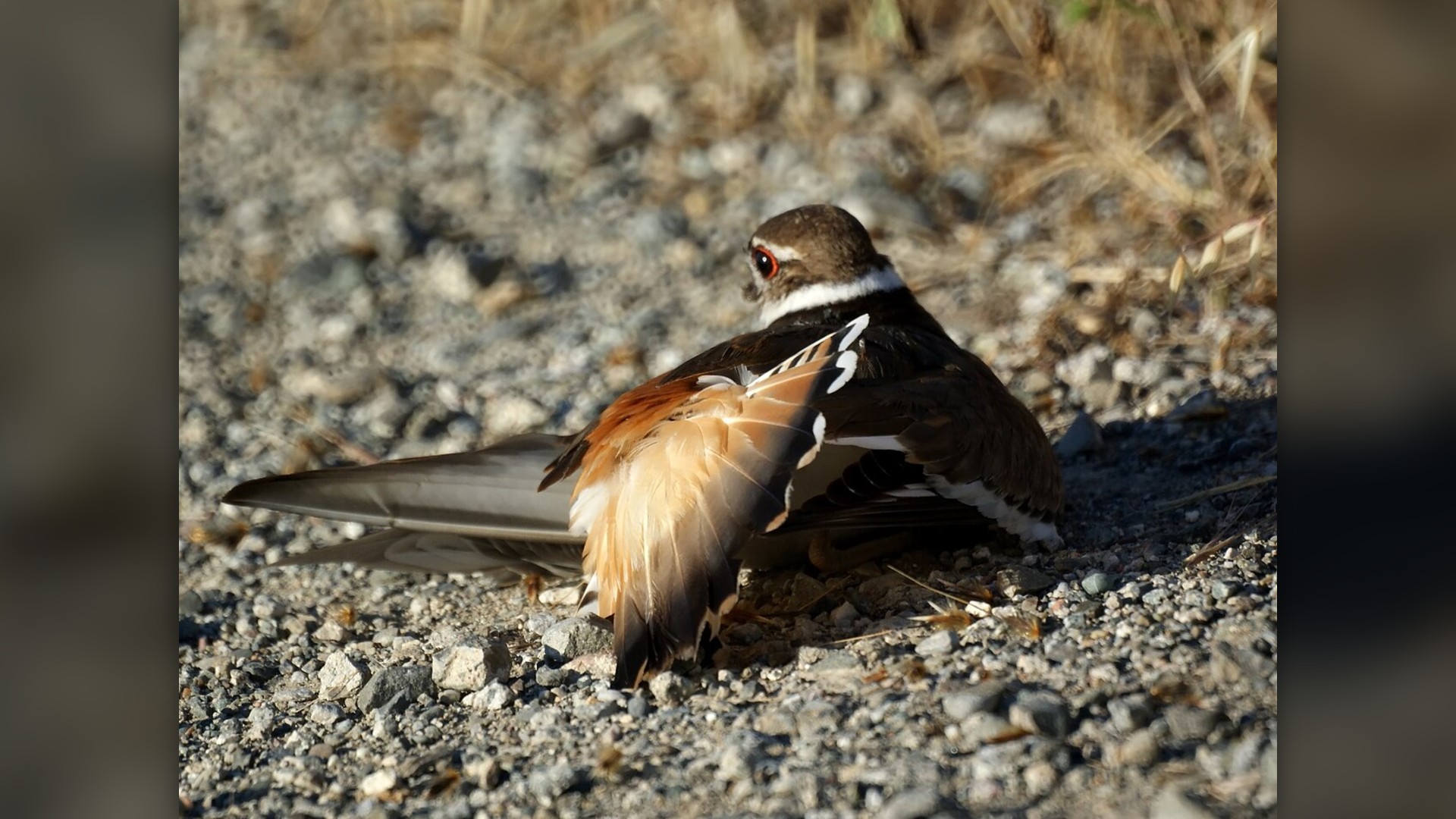
Killdeer and shorebirds perform a dramatic broken-wing display when ground predators approach their nests. The parent drags a wing, flutters helplessly in the dust, and cries out like an easy meal. Once the deceived fox or dog follows the parent far away from the eggs, the bird takes off safely.
©Wikimedia / Mike's Birds from Riverside, CA, US
7. Sentinel Perching And Roster Calls
Flocking species assign sentinel birds to high dead branches while companions forage on the ground. Sentinels maintain continuous soft contact calls that reassure the flock below. If the sentinel call changes pitch or abruptly stops, feeding birds know danger has arrived and flee to shelter.
©Wikimedia Commons / Brian Gratwicke
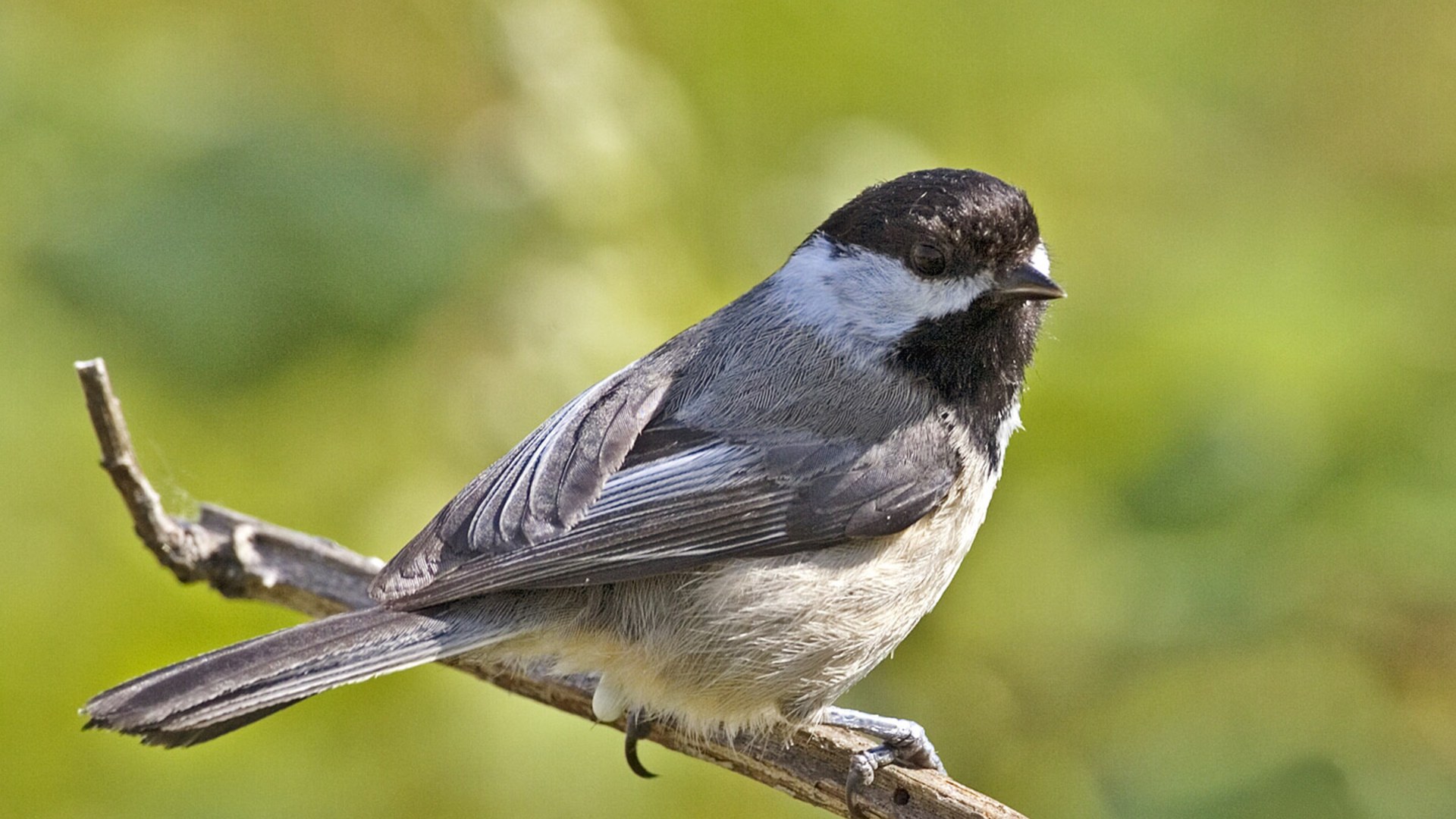
6. Syntax-Coded Threat Calls
Chickadees use complex acoustic language to describe approaching threats. Researchers discovered that small songbirds add extra dee notes to their signature chick-a-dee call when encountering smaller, agile raptors like pygmy owls. A call with ten dee notes signals extreme, imminent danger.
©Wikimedia Commons / Alan D. Wilson
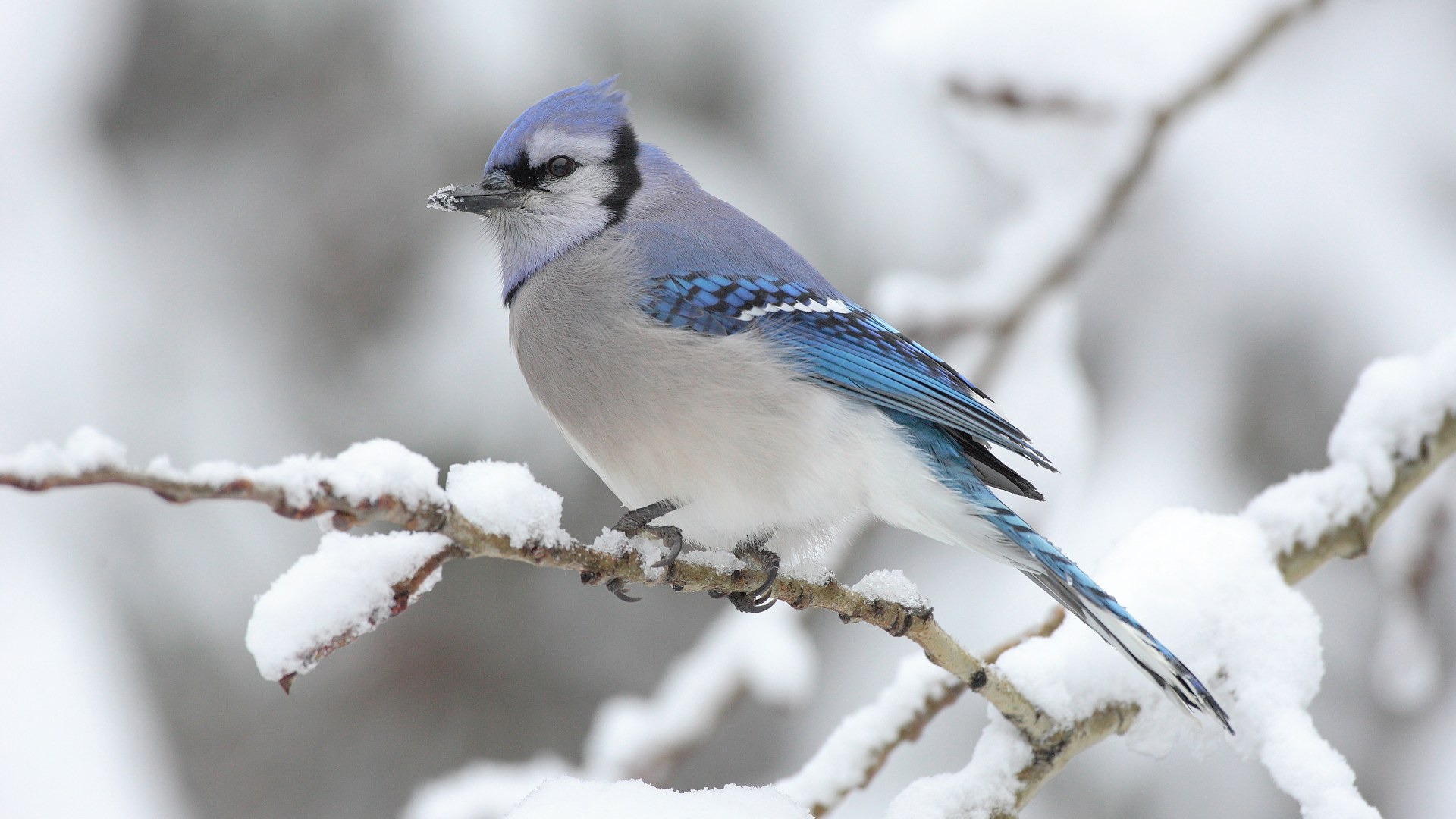
5. Broad-Scale Forest Siren Alerts
Corvids like blue jays act as forest sirens. When spotting a prowling bobcat or perched hawk, a blue jay unleashes harsh, grating alarm cries that carry hundreds of yards. Squirrels, deer, and small birds all recognize the jay alarm and take cover long before the predator gets close.
©Wikimedia Commons / Mdf
Advertisement
Swipe or tap ▶ to resume the countdown.
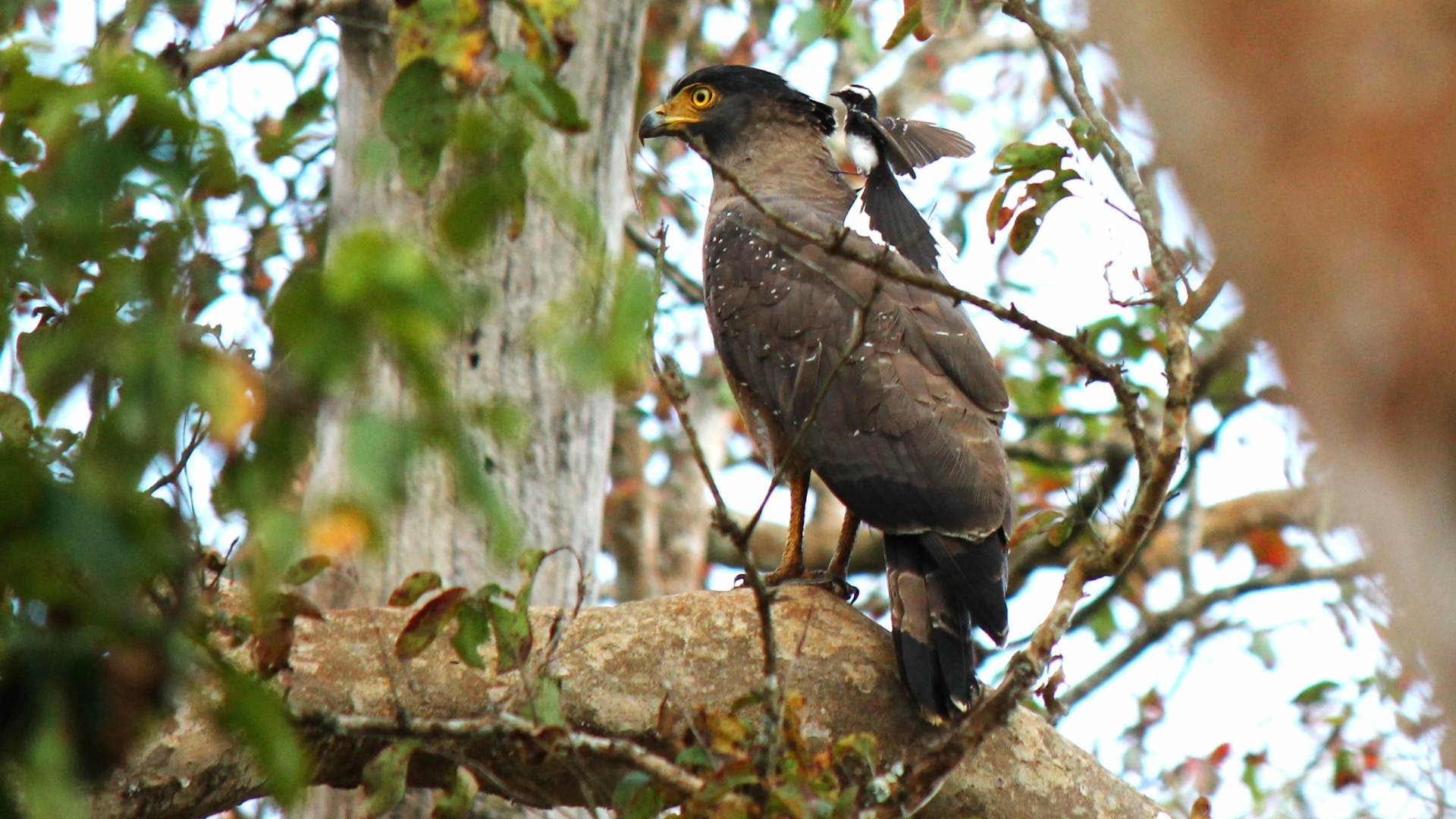
4. Aggressive Dive-Bomb Mobbing
When a perched owl or hawk is exposed, small birds transition from evasion to open counter-attack. Kingbirds, swallows, and crows swarm the raptor, swooping inches above its head and pecking its feathers. This collective mobbing strips the predator of surprise and forces it out of the territory.
©Wikimedia Commons / Akshay
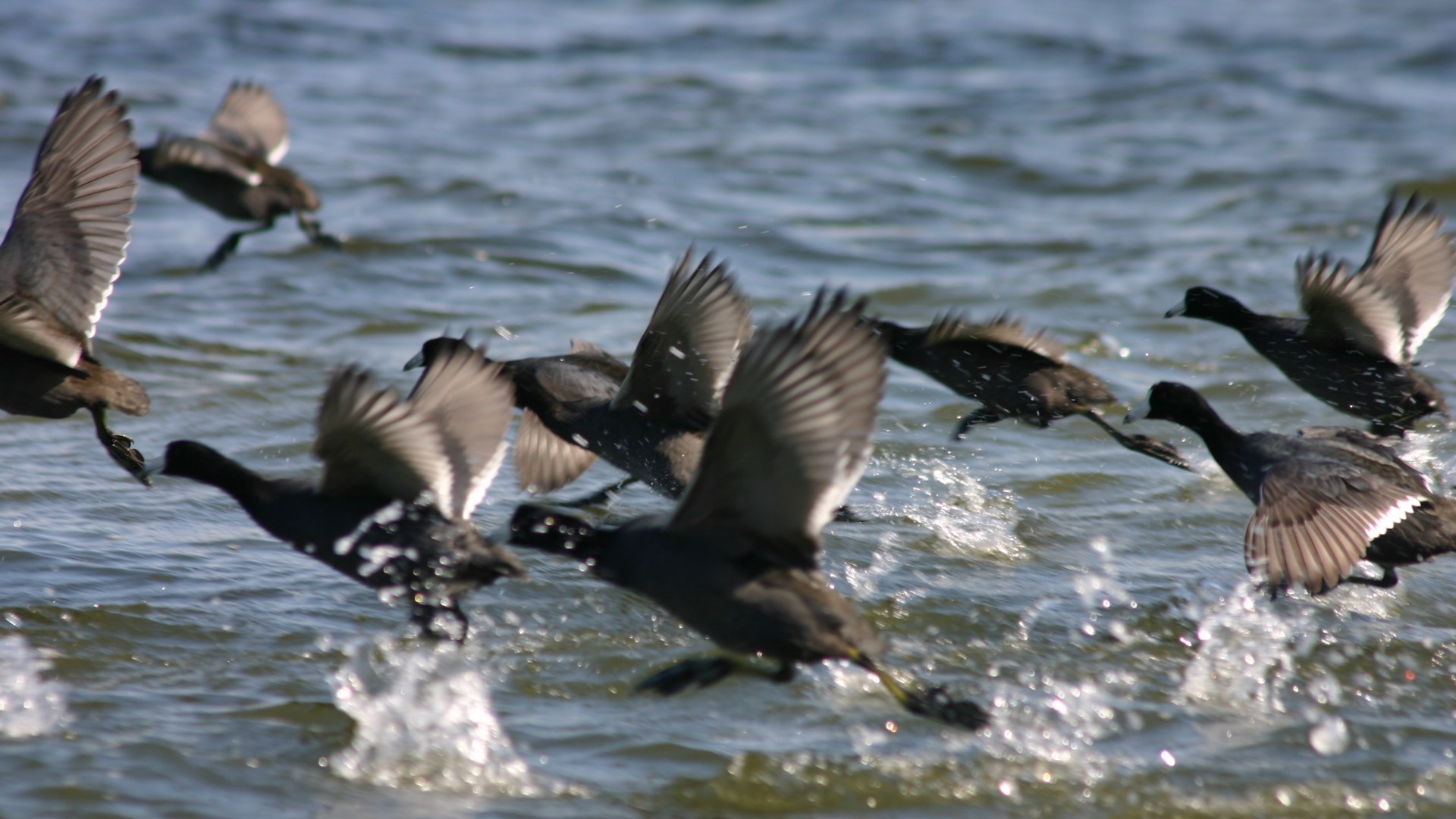
3. Explosive Canopy Flushing
A loud clatter of hundreds of wings exploding from trees or marshes means a predator has struck. Known as flushing, this synchronized panic launch overwhelms a hunting falcon with too many moving targets. If you hear a sudden explosive burst of wingbeats nearby, a predator is striking right now.
©Wikimedia Commons / Wing-Chi Poon
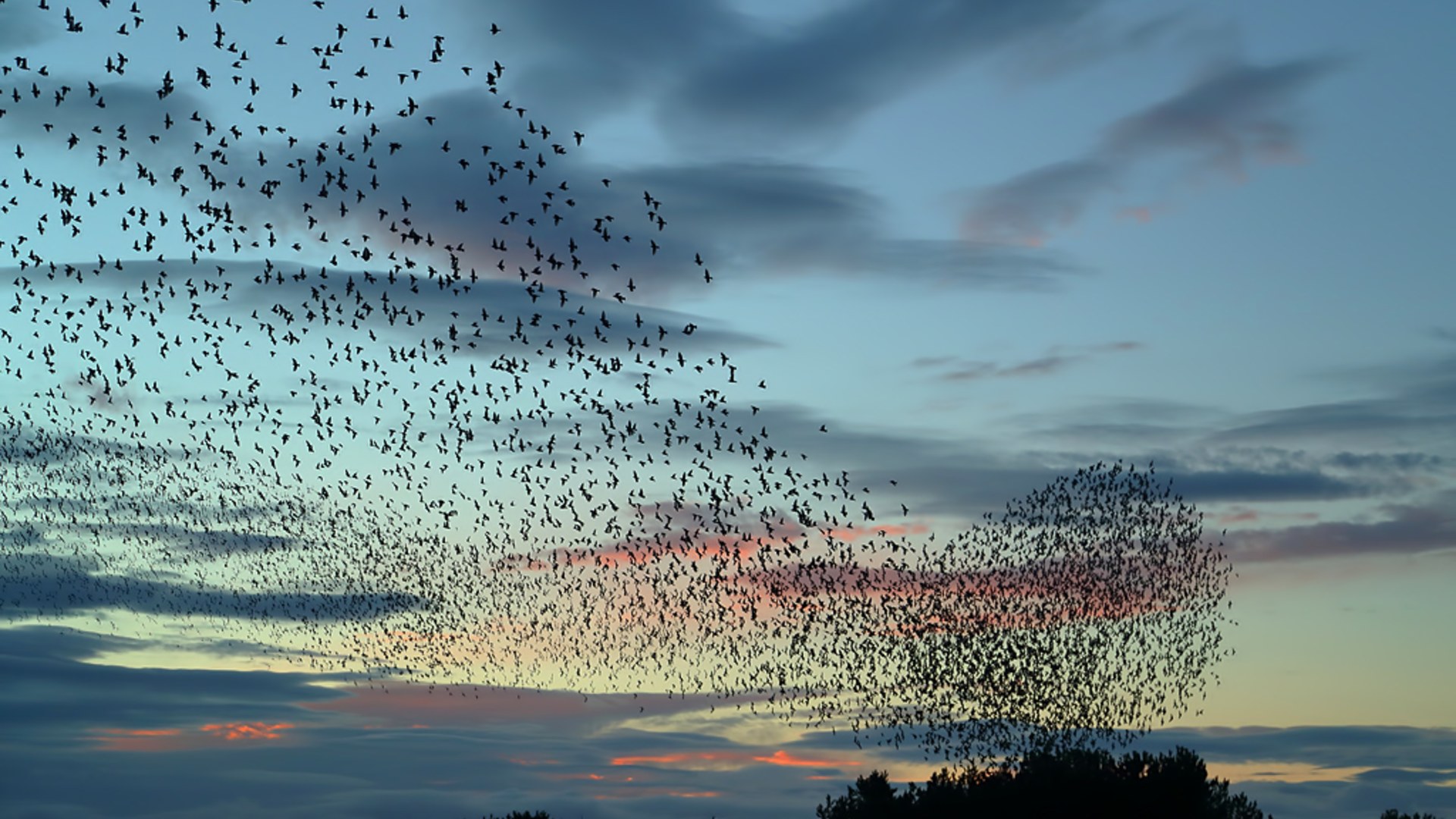
2. Defensive Murmuration Formations
When a peregrine falcon attacks a flock of starlings, the birds execute a breathtaking defense called a murmuration. Hundreds of thousands fly in tight, fluid waves that morph like dark clouds. The shifting swarm confuses the falcon binocular focus, preventing it from singling out an individual victim.
©Wikimedia Commons / Walter Baxter
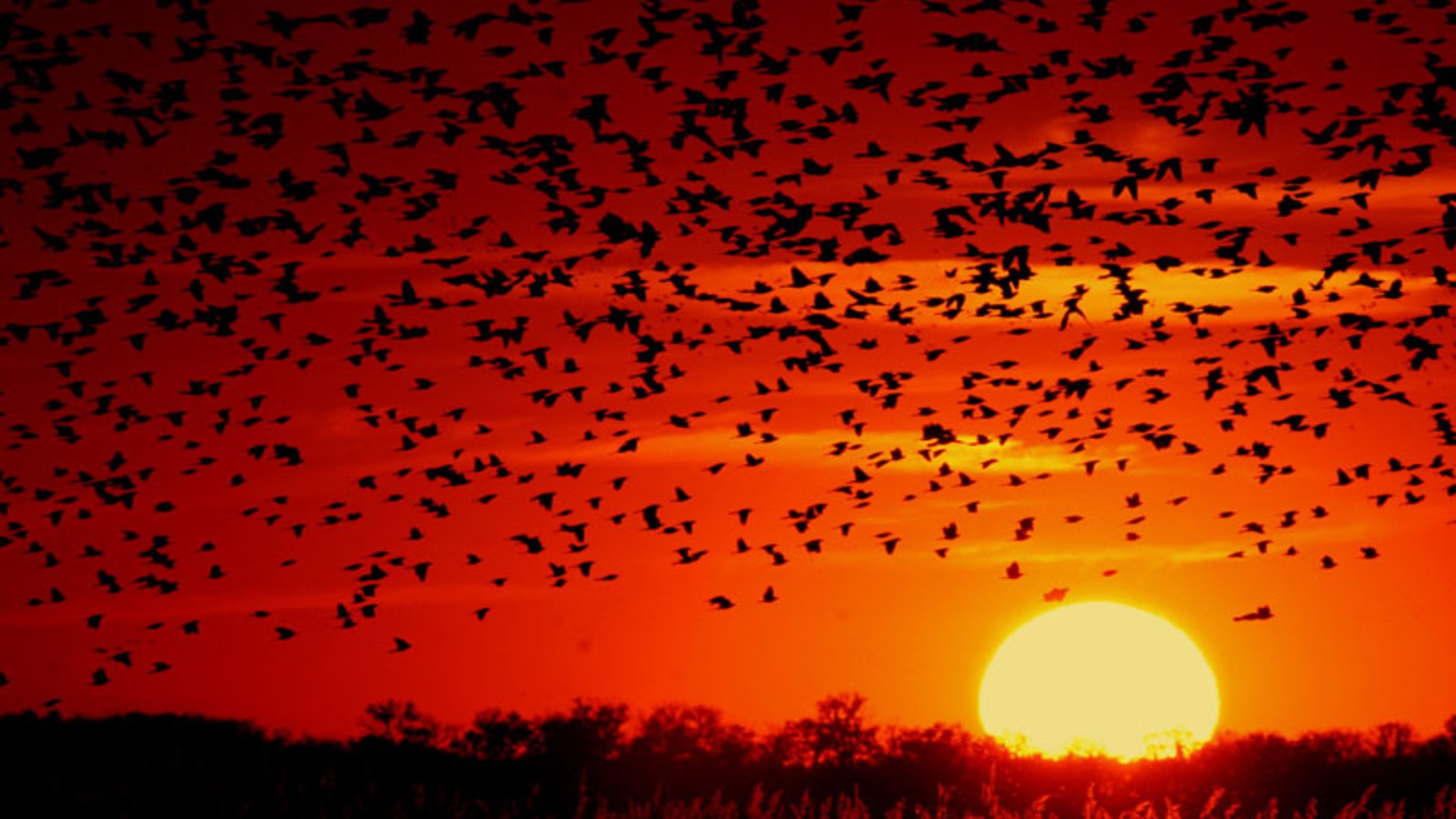
1. Mass Atmospheric Evacuations
Birds possess extraordinary sensitivity to barometric pressure drops and infrasound vibrations. Before major tornadoes, hurricanes, or earthquakes arrive, entire bird communities abandon their roosts in mass exoduses. Radar stations frequently track millions of birds fleeing hours before storms strike.

©Wikimedia Commons / Jerry Segraves
Advertisement
You've reached the end of the story. Thanks for reading!

25 Animals That May Detect Fear Through Scent and Body Language
From specialized olfactory receptors to airborne alarm pheromones, numerous species possess the extraordinary ability to detect chemical distress signals. Based on research from Live Science, National Geographic, and peer-reviewed biology journals, here are twenty-five animals that can smell and sense fear.
All 15 Entries in this Story
1. Sudden Forest Silence
When woodland birds suddenly stop singing and chirping in unison, an ambush predator has entered the area. Cooper hawks and owls rely on stealth, prompting every small songbird to instantly clamp its beak shut. Silence prevents the hunter from pinpointing precise locations in the foliage.

2. Rigid Freezing Postures
Raptors detect movement far quicker than static shapes. When a hawk glides silently overhead, songbirds freeze completely motionless on their perches. They hold their bodies stiff and rigid for minutes at a time, relying on natural camouflage to blend into surrounding twigs and shadows.

3. Monocular Sky Scanning
Most birds have eyes placed on the sides of their heads, granting wide peripheral vision. When sensing danger above, a bird tilts its head sideways to focus its monocular vision straight up into the sky. This characteristic head tilt indicates the bird is tracking a circling raptor.

4. Rapid Tail Flicking
Nervous tail flicking serves as an involuntary stress reaction in thrushes, phoebes, and wagtails. Rapid, jerky upward tail pumps signal that a bird senses an approaching ground predator like a stalking feral cat. The repetitive motion communicates heightened alertness to nearby flock members.

5. Feathers Sleeked Flat
Relaxed birds fluff their feathers to trap insulating air, appearing round and soft. In contrast, an alarmed bird compresses its feathers tightly against its body, making itself look remarkably thin. This sleek posture minimizes aerodynamic drag so the bird can launch into immediate escape flight.

6. Dense Underbrush Diving
When open perches become hazardous, small songbirds dive straight into dense brambles, rose bushes, and brush piles. Thorny thickets prevent larger hawks and falcons from diving in with outstretched talons. Birds stay buried deep inside the tangle until the raptor leaves the vicinity.

7. High-Pitched Alarm Seet Calls
When spotting a gliding hawk, robins and finches emit a thin, high-frequency whistle called a seet call. Because high-pitched pure tones lack directional acoustic cues, raptors cannot locate the caller. Surrounding birds recognize the signal instantly and freeze or dash under protective cover.

8. Broken-Wing Distraction Displays
Killdeer and shorebirds perform a dramatic broken-wing display when ground predators approach their nests. The parent drags a wing, flutters helplessly in the dust, and cries out like an easy meal. Once the deceived fox or dog follows the parent far away from the eggs, the bird takes off safely.

9. Sentinel Perching And Roster Calls
Flocking species assign sentinel birds to high dead branches while companions forage on the ground. Sentinels maintain continuous soft contact calls that reassure the flock below. If the sentinel call changes pitch or abruptly stops, feeding birds know danger has arrived and flee to shelter.

10. Syntax-Coded Threat Calls
Chickadees use complex acoustic language to describe approaching threats. Researchers discovered that small songbirds add extra dee notes to their signature chick-a-dee call when encountering smaller, agile raptors like pygmy owls. A call with ten dee notes signals extreme, imminent danger.

11. Broad-Scale Forest Siren Alerts
Corvids like blue jays act as forest sirens. When spotting a prowling bobcat or perched hawk, a blue jay unleashes harsh, grating alarm cries that carry hundreds of yards. Squirrels, deer, and small birds all recognize the jay alarm and take cover long before the predator gets close.

12. Aggressive Dive-Bomb Mobbing
When a perched owl or hawk is exposed, small birds transition from evasion to open counter-attack. Kingbirds, swallows, and crows swarm the raptor, swooping inches above its head and pecking its feathers. This collective mobbing strips the predator of surprise and forces it out of the territory.

13. Explosive Canopy Flushing
A loud clatter of hundreds of wings exploding from trees or marshes means a predator has struck. Known as flushing, this synchronized panic launch overwhelms a hunting falcon with too many moving targets. If you hear a sudden explosive burst of wingbeats nearby, a predator is striking right now.

14. Defensive Murmuration Formations
When a peregrine falcon attacks a flock of starlings, the birds execute a breathtaking defense called a murmuration. Hundreds of thousands fly in tight, fluid waves that morph like dark clouds. The shifting swarm confuses the falcon binocular focus, preventing it from singling out an individual victim.

15. Mass Atmospheric Evacuations
Birds possess extraordinary sensitivity to barometric pressure drops and infrasound vibrations. Before major tornadoes, hurricanes, or earthquakes arrive, entire bird communities abandon their roosts in mass exoduses. Radar stations frequently track millions of birds fleeing hours before storms strike.