Slideshow · Animals
Creatures That Can Regrow Parts of Their Bodies
From regrowing severed limbs and vital organs to self-decapitating sea slugs and cellular immortality, discover twenty creatures that regenerate their bodies.
By Most Viral Today
3 Nov 2026

Twenty Creatures That Can Regrow Parts of Their Bodies 
19. Immortal Jellyfish 
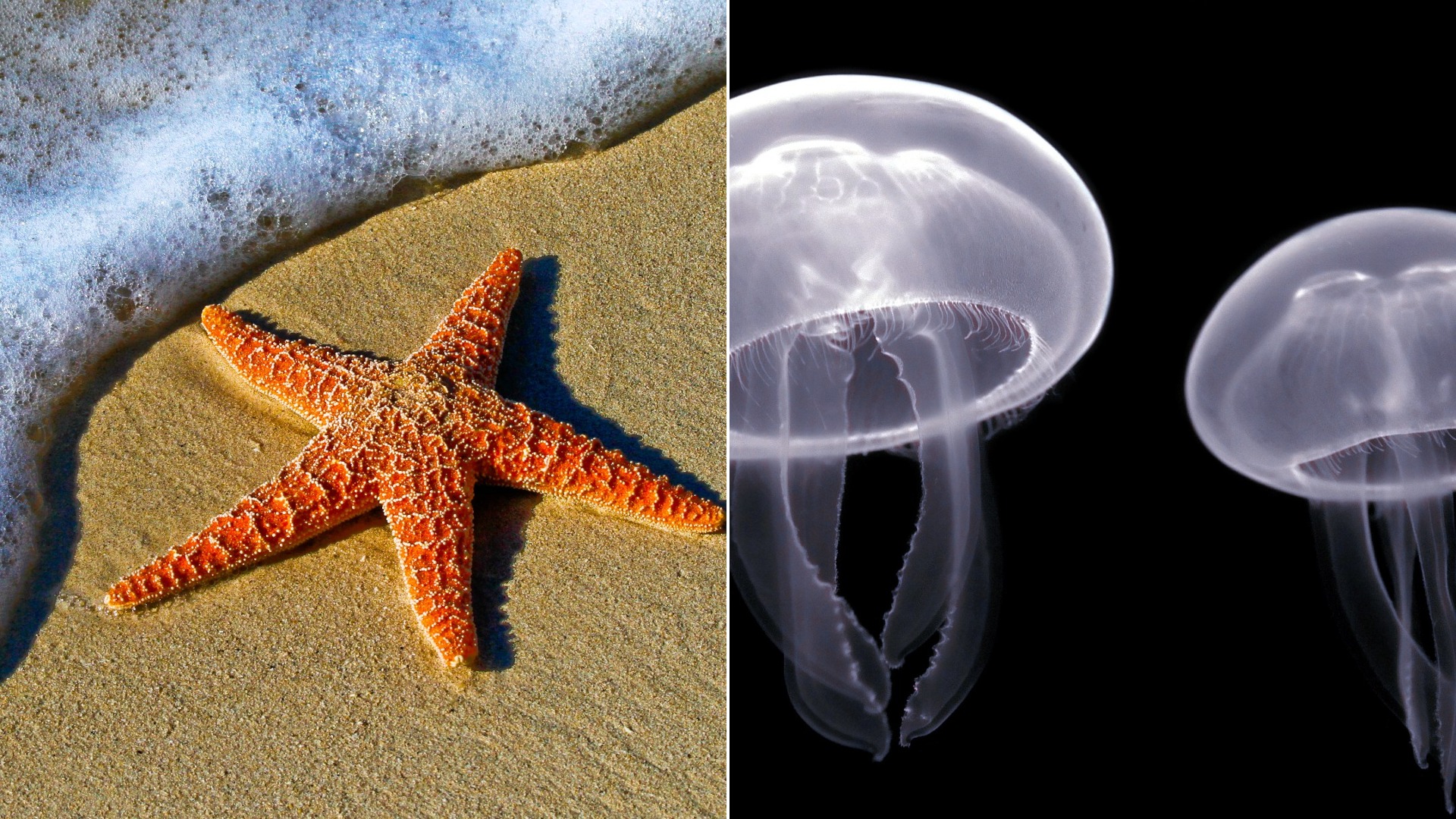
18. Moon Jellyfish 
17. Comb Jelly - AdvertisementSwipe or tap ▶ to continue countdown

16. Sacoglossan Sea Slug 
15. Planarian Flatworm 
14. Green Hydra 
13. Sea Anemone - AdvertisementSwipe or tap ▶ to continue countdown

12. Green Anole 
11. Sea Cucumber 
10. Polypterus Bichir 
9. Zebrafish - AdvertisementSwipe or tap ▶ to continue countdown

8. Great Crested Newt 
7. Axolotl 
6. Fiddler Crab 
5. Starfish - AdvertisementSwipe or tap ▶ to continue countdown

4. Leopard Gecko 
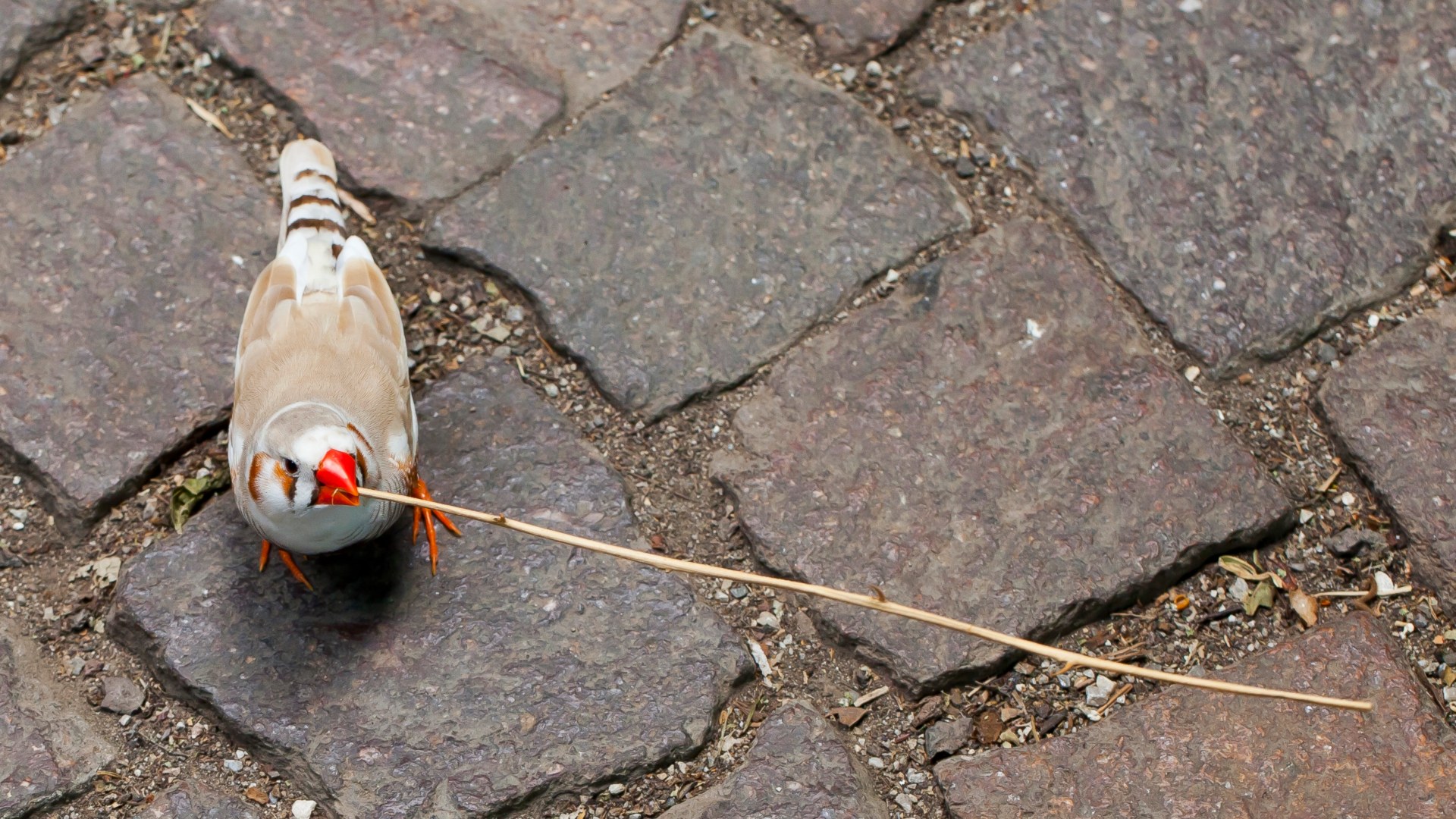
3. Zebra Finch 
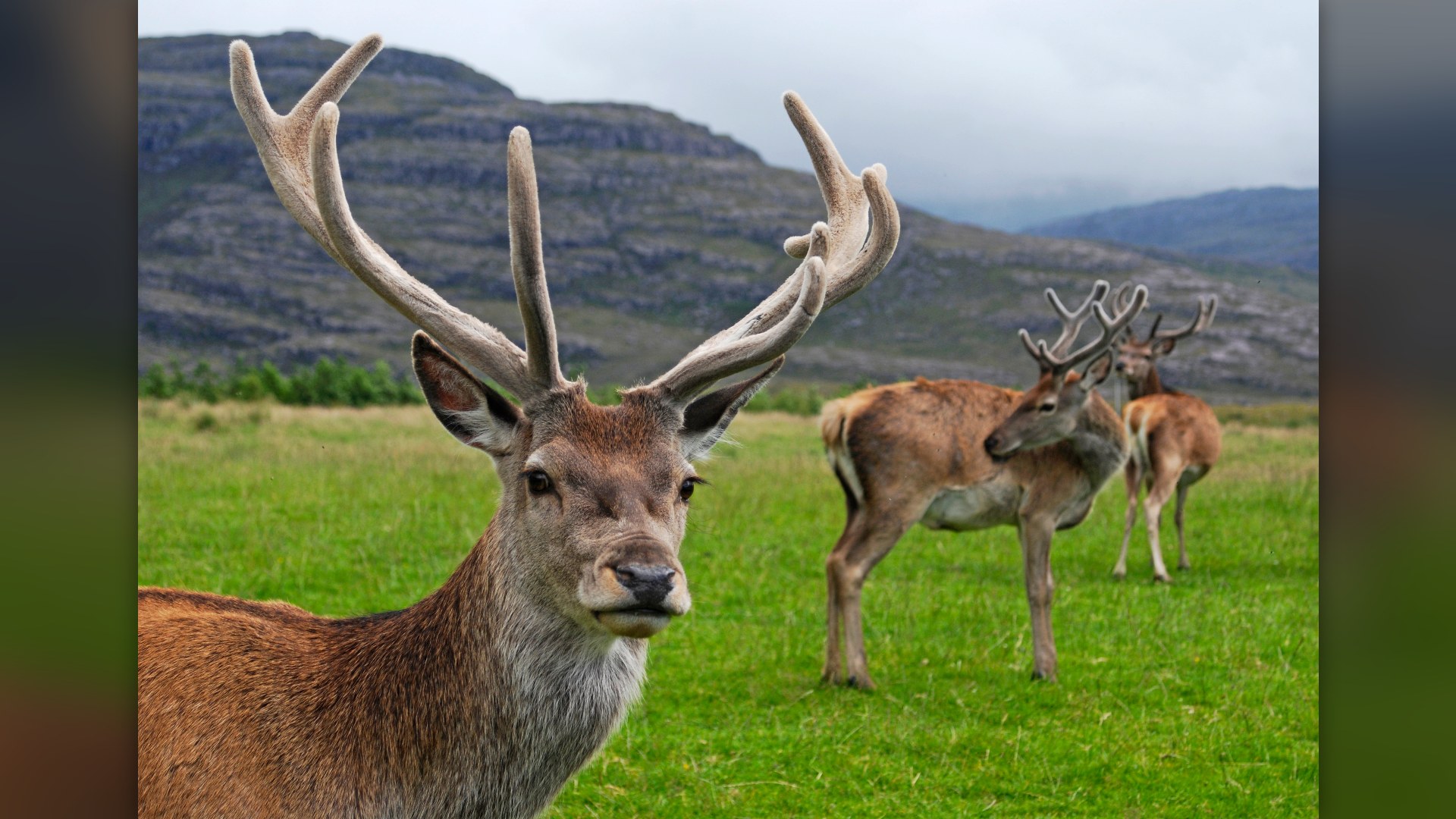
2. Red Deer Antlers 
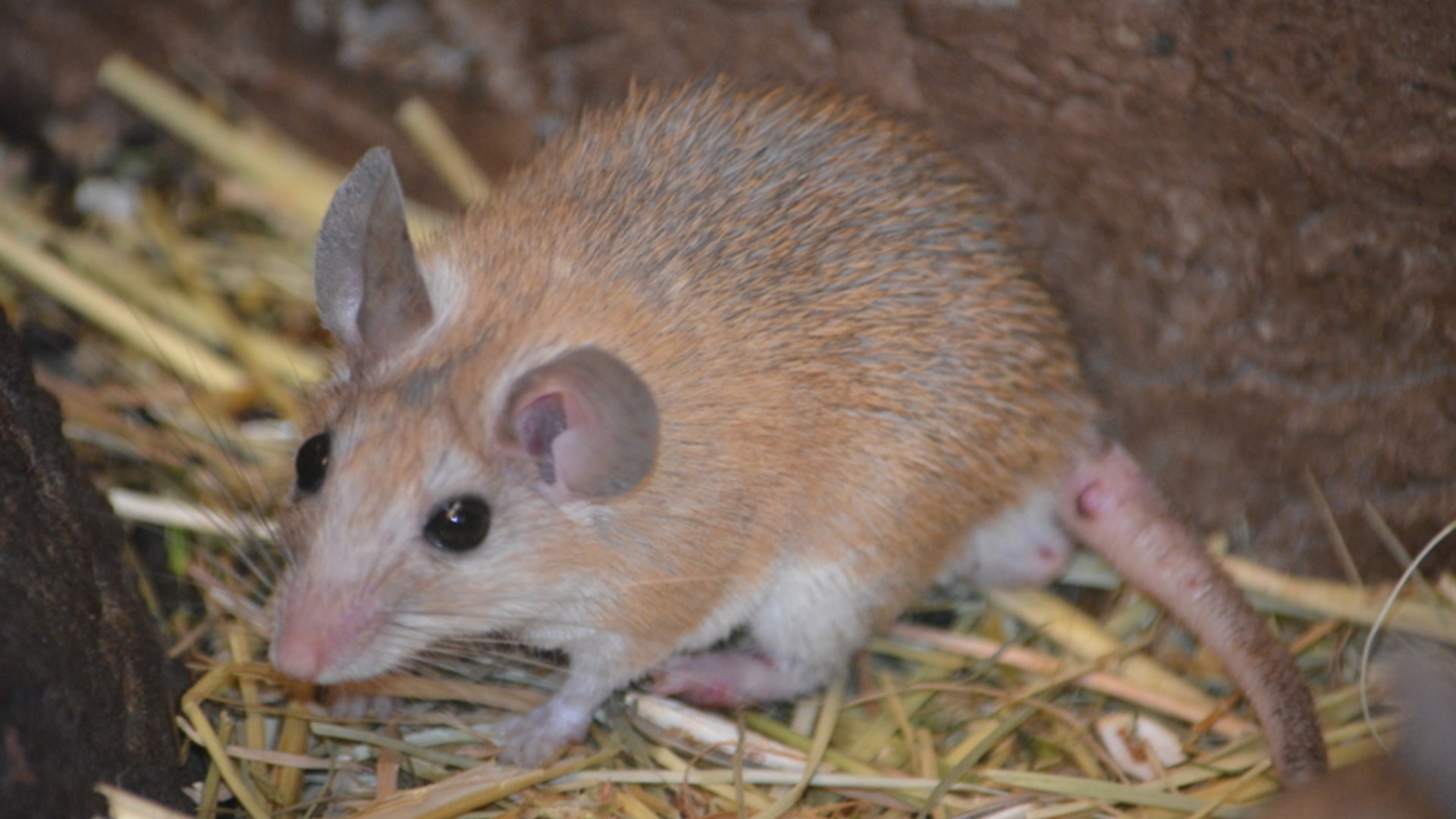
1. African Spiny Mouse - Advertisement🔥 UP NEXT IN THIS SERIES◫ 26 Slides

25 Animals That May Detect Fear Through Scent and Body Language
From specialized olfactory receptors to airborne alarm pheromones, numerous species possess the extraordinary ability to detect chemical distress signals. Based on research from Live Science, National Geographic, and peer-reviewed biology journals, here are twenty-five animals that can smell and sense fear.
Nature holds astonishing regenerative secrets that baffle modern medicine. From regrowing severed limbs and vital organs to self-decapitating sea slugs and biological immortality, explore twenty creatures capable of regrowing their bodies in ascending order.
Swipe or tap ▶ to begin the countdown
©Wikimedia / Pedro Lastra & Wikimedia / Luc Viatour
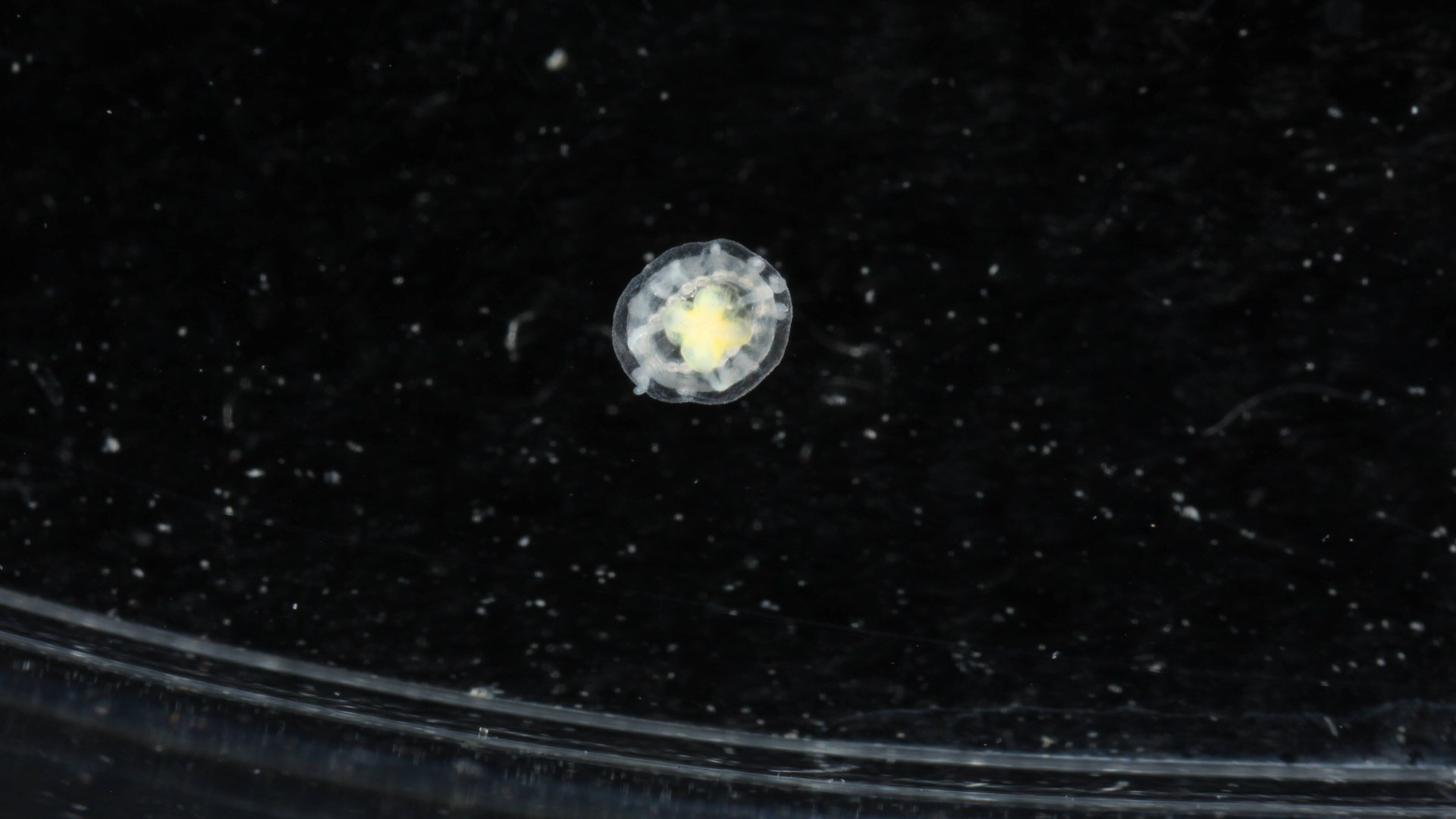
19. Immortal Jellyfish
Turritopsis dohrnii achieves the ultimate pinnacle of regeneration. When sick, starved, or physically damaged, its mature medusa cells undergo transdifferentiation, reverting into an immature polyp colony to begin its life cycle anew indefinitely.
©Wikimedia / Dr. Karen J. Osborn
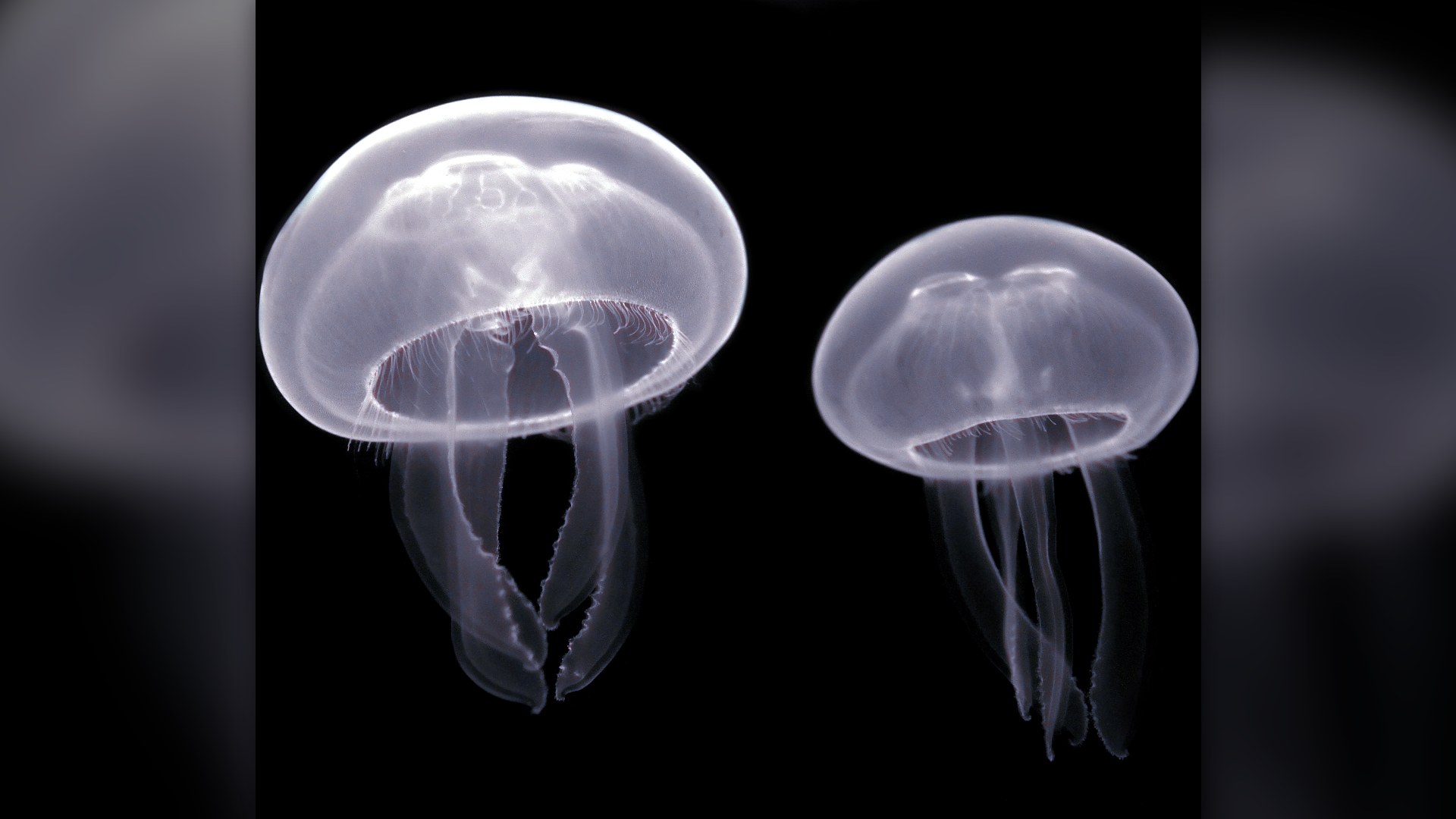
18. Moon Jellyfish
Moon jellyfish employ a unique physical recovery mechanism called symmetrization. Rather than waiting to grow new limbs, an injured jellyfish rearranges its remaining arms symmetrically using muscle contractions within twelve hours before regrowing lost tissue.
©Wikimedia / Luc Viatour
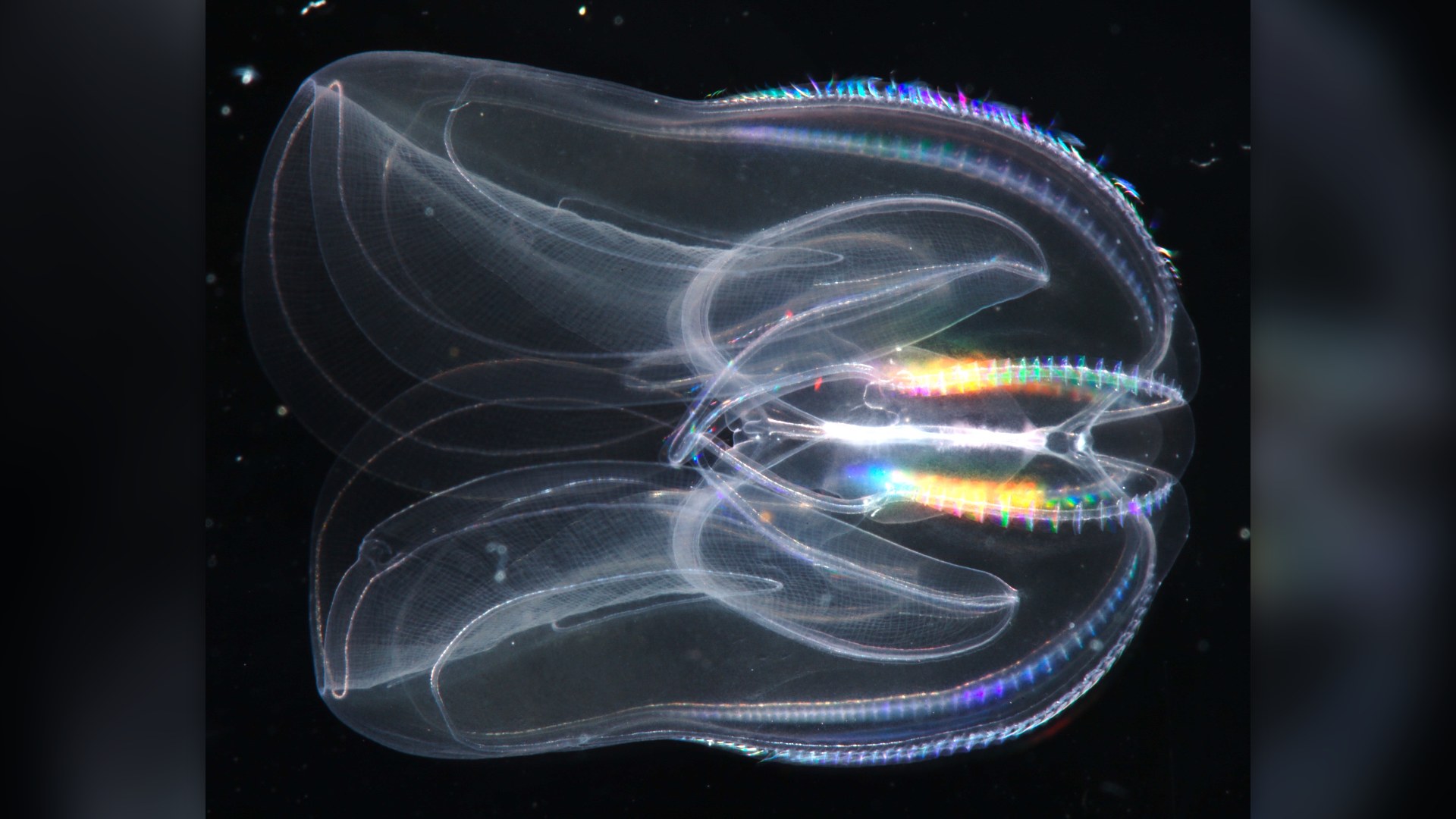
17. Comb Jelly
Comb jellies possess an unconventional nervous system distinct from all other animals. If sliced in half, a ctenophore regenerates its gravity-sensing aboral organ and nerve net in forty-eight hours. When two injured jellies meet, they can fuse into a single organism.
©Wikimedia / Bruno C. Vellutini
Advertisement
Swipe or tap ▶ to resume the countdown.
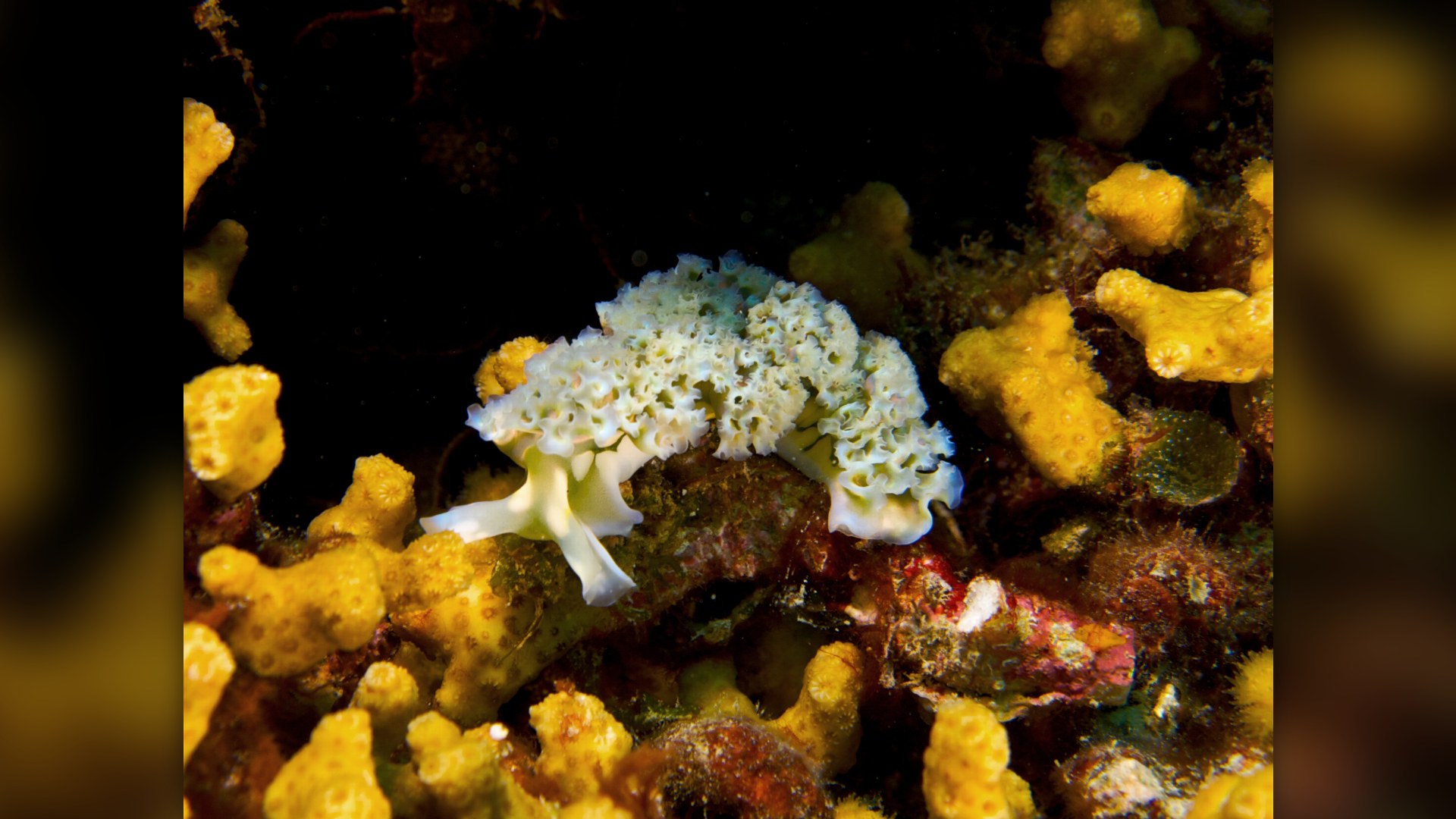
16. Sacoglossan Sea Slug
In one of nature's most startling survival strategies, the sacoglossan sea slug voluntarily decapitates itself at the neck. The detached head crawls away and uses solar energy from ingested algae to regenerate a new body, digestive system, and heart.
©Wikimedia / Nick Hobgood
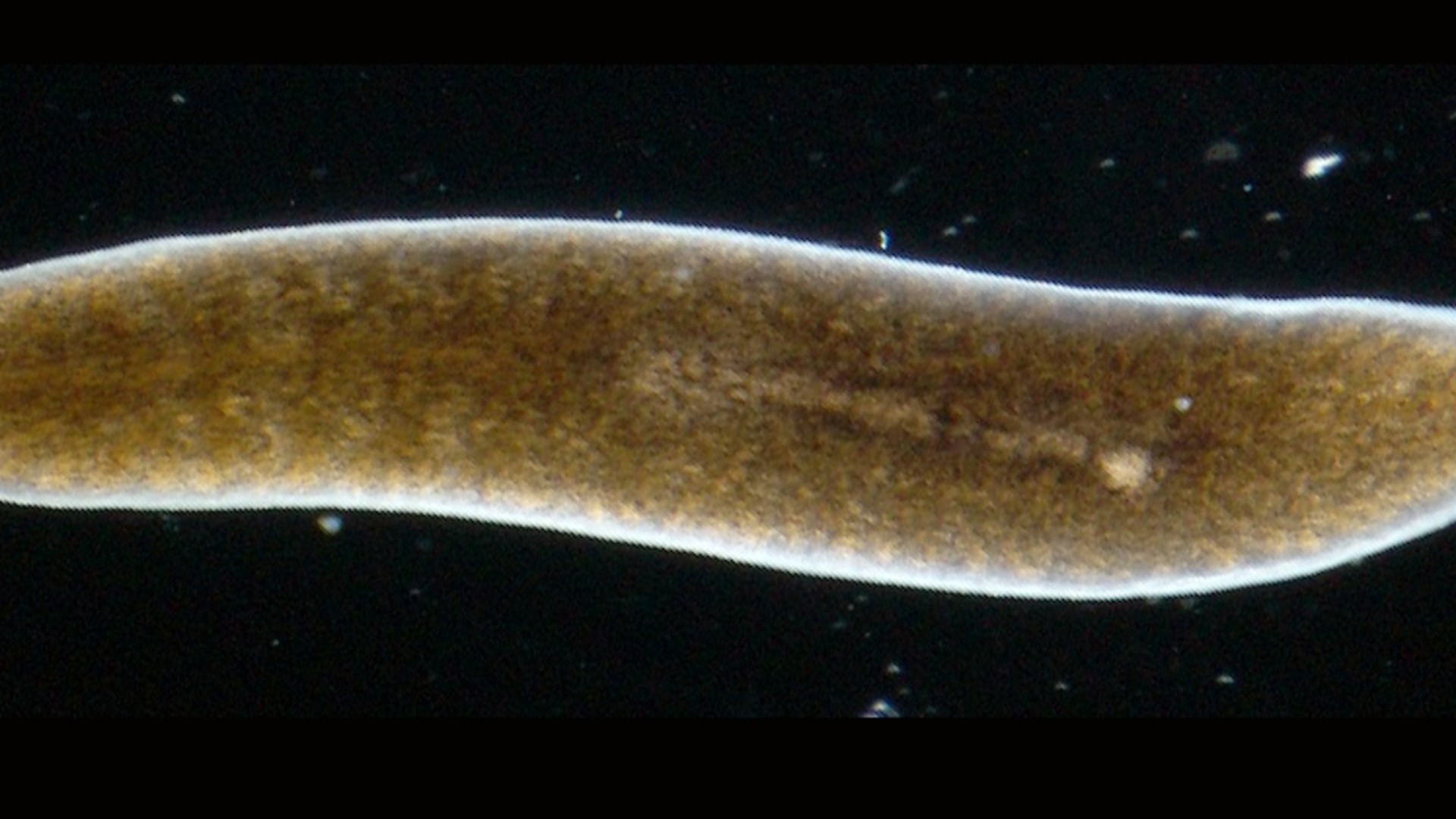
15. Planarian Flatworm
Planarians possess extraordinary pluripotent adult stem cells called neoblasts. Slice a planarian into nearly three hundred microscopic pieces, and every single fragment will regrow a functioning head, nervous system, and tail within two weeks.
©Wikipedia / Wikipedia
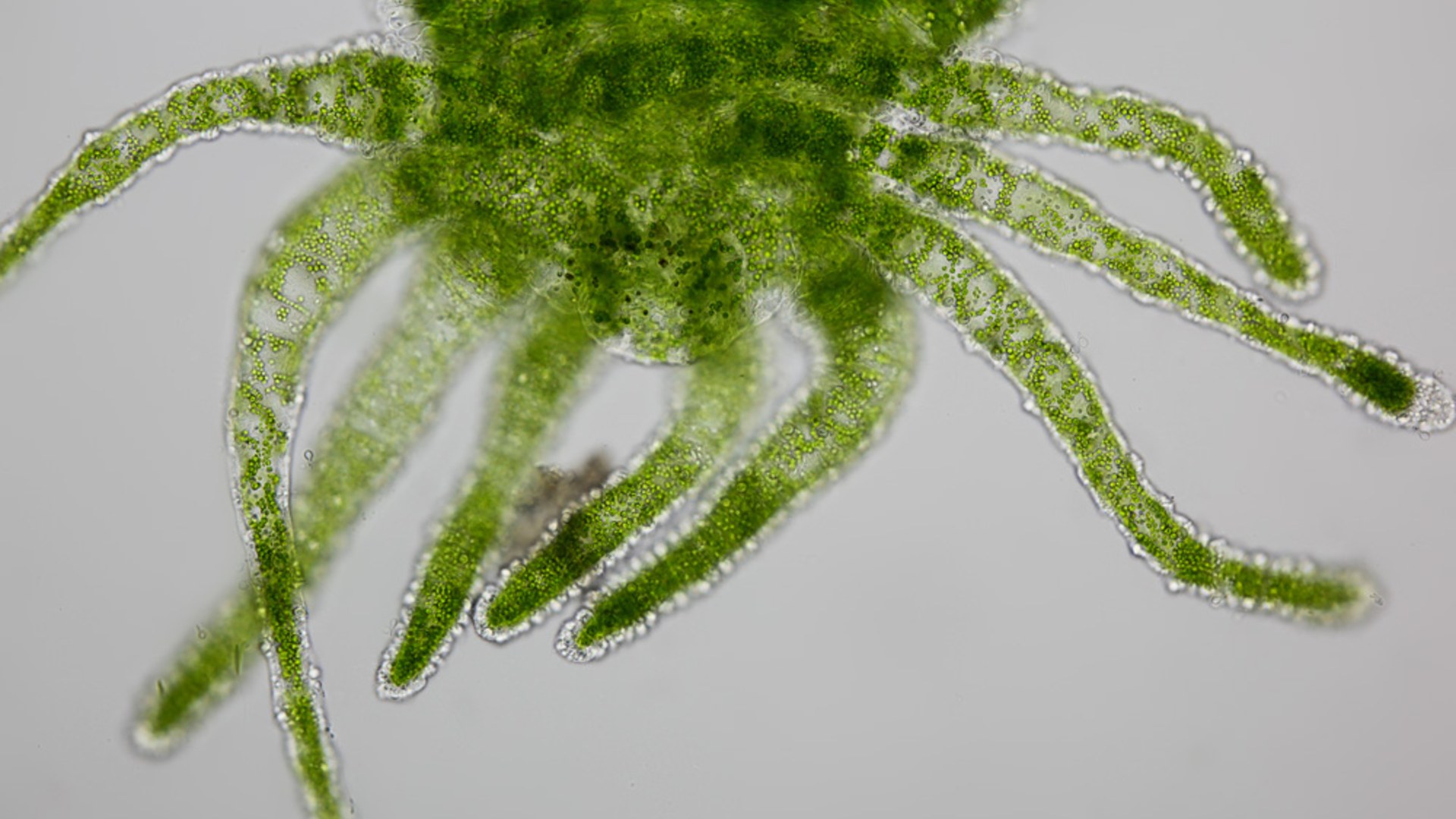
14. Green Hydra
Freshwater hydra consist almost entirely of perpetually dividing stem cells. When put through a fine mesh strainer, the dissociated cells reorganize, sort by tissue layer, and assemble into multiple complete, fully functioning adult polyps.
©Wikimedia / Frank Fox
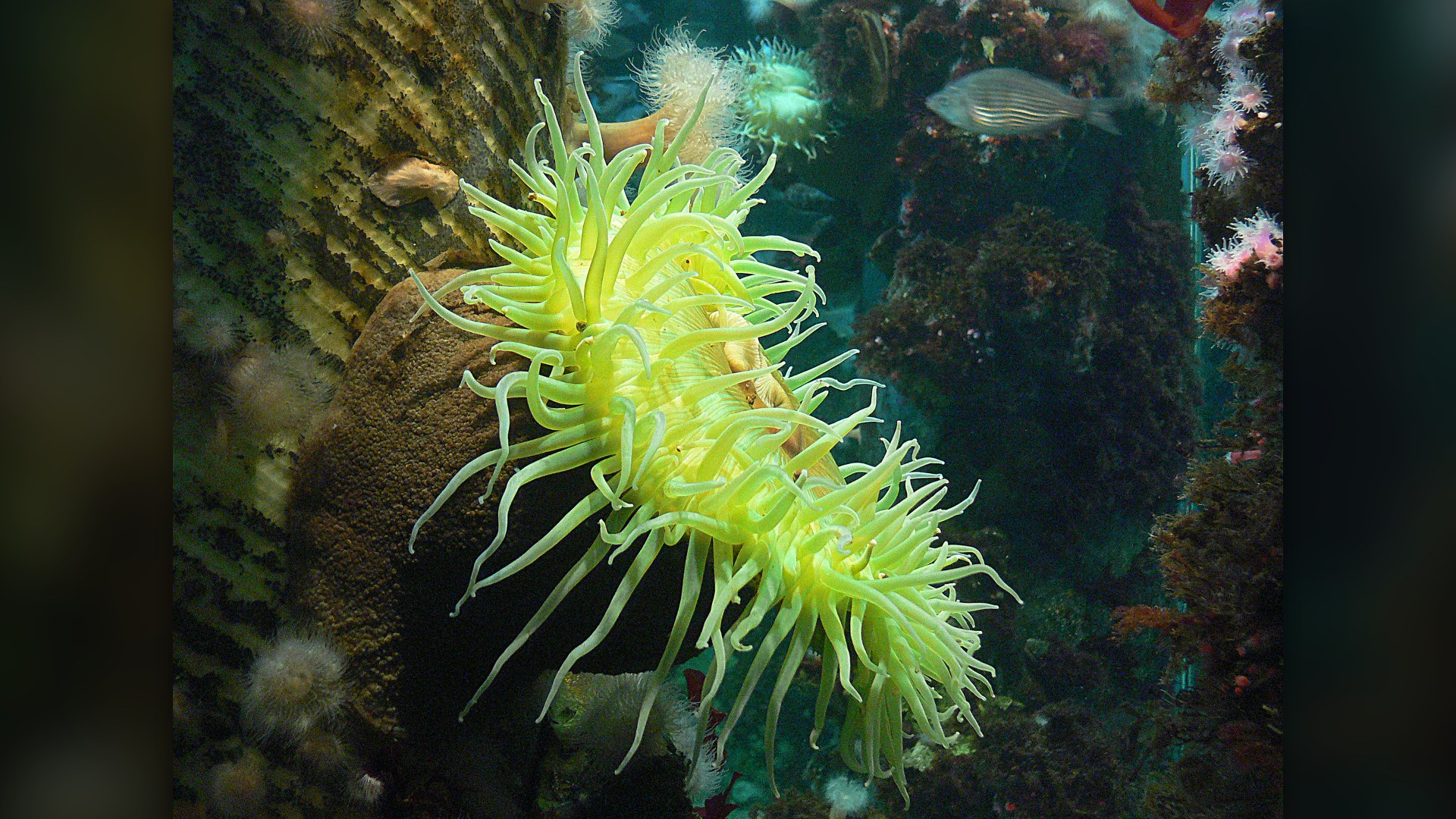
13. Sea Anemone
Sea anemones maintain continuous embryonic stem cell activity throughout their lives. When torn apart by tidal surges or attacked by nudibranchs, an anemone rapidly regenerates lost tentacles, oral discs, and pedal bases without leaving scars.
©Wikimedia / Bernard Spragg. NZ
Advertisement
Swipe or tap ▶ to resume the countdown.
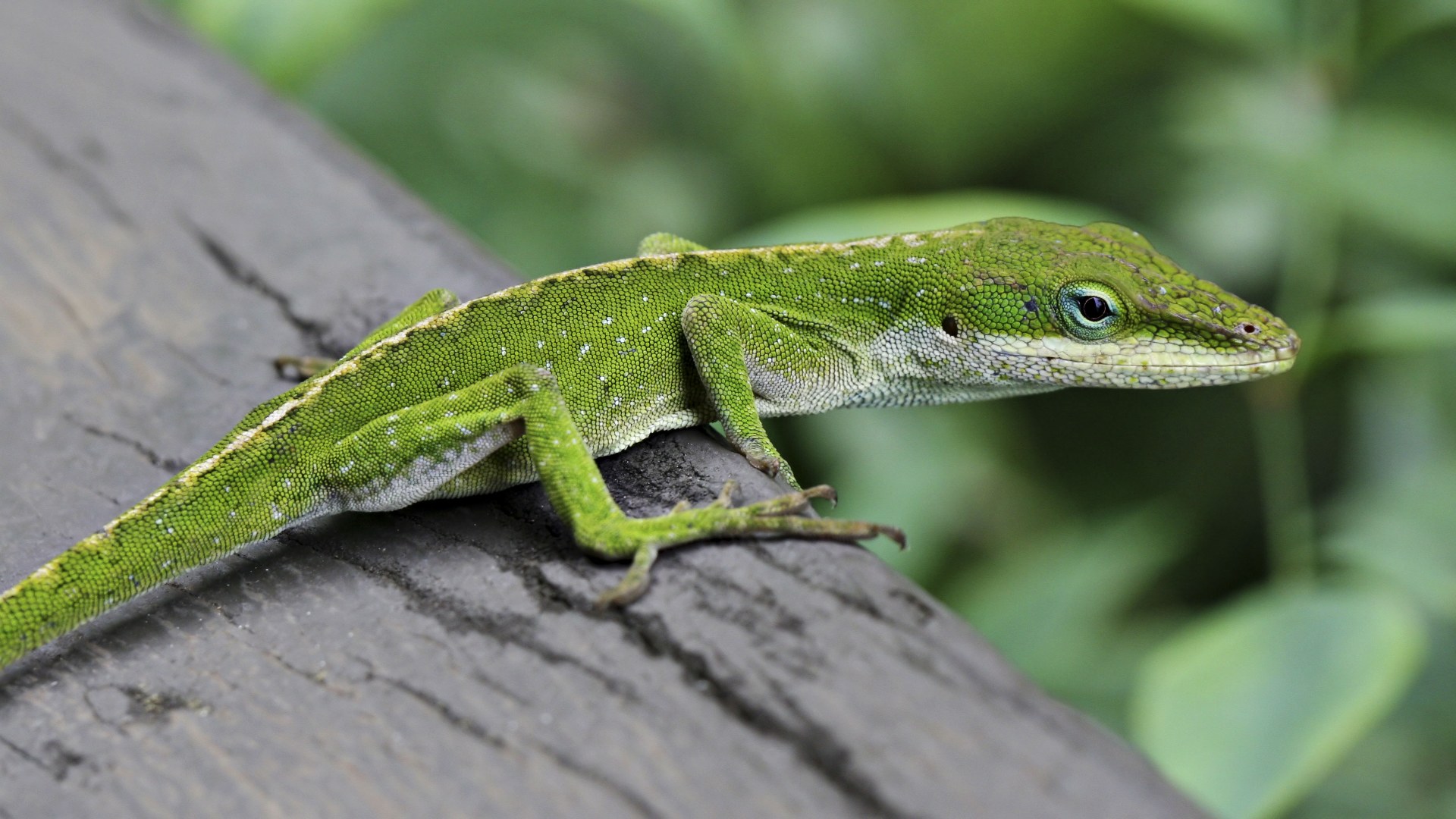
12. Green Anole
Green anoles can sever their tails along predetermined fracture planes to distract attackers. The lizard activates hundreds of genes to grow a replacement tail supported by a continuous unsegmented cartilage tube rather than bony vertebrae.
©Wikimedia / Paul Hirst
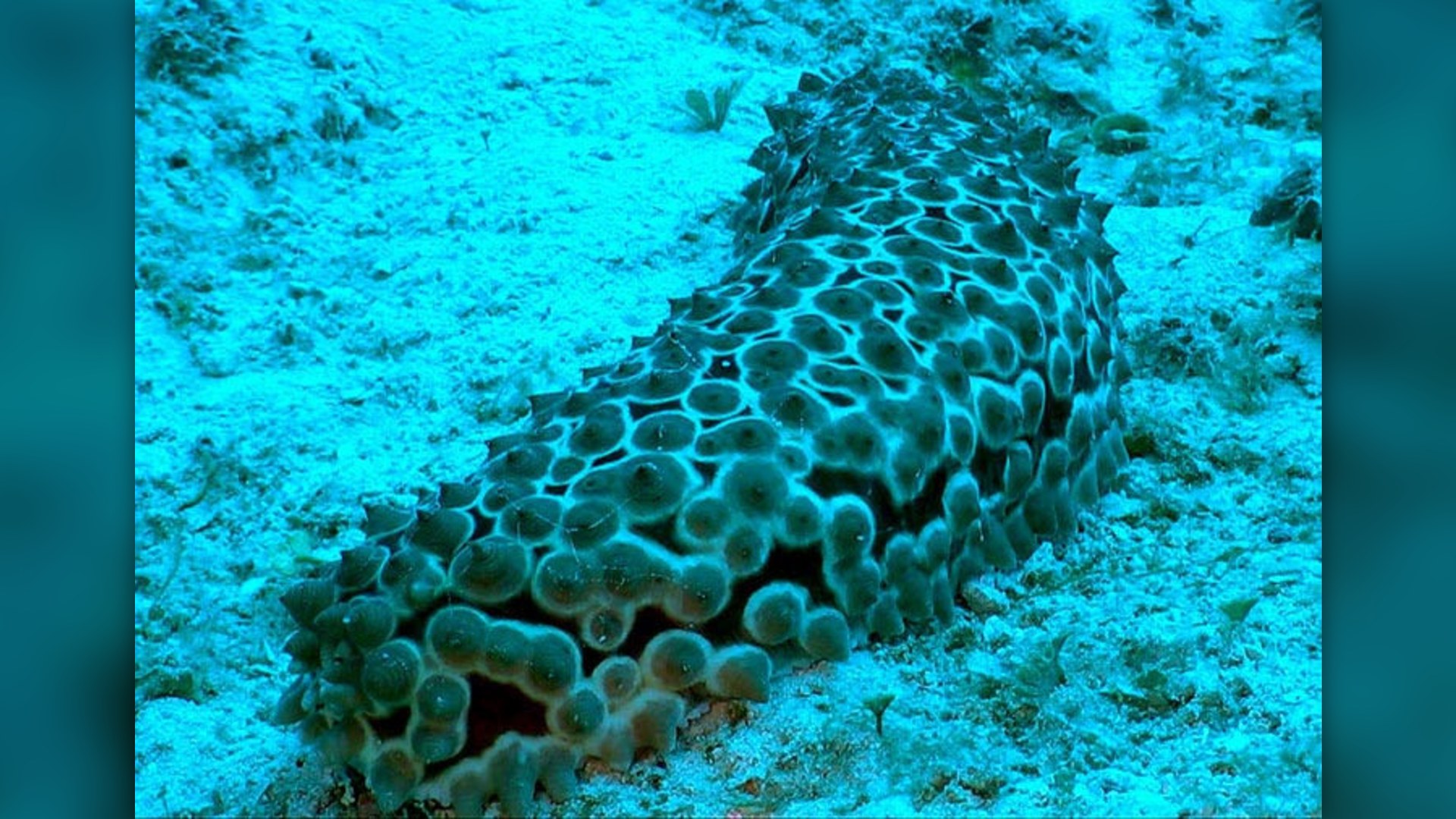
11. Sea Cucumber
In a drastic defensive reflex known as evisceration, sea cucumbers expel their toxic sticky viscera and intestines to entangle predators. Over the subsequent few weeks, remaining internal connective tissue regenerates an entire digestive tract.
©Wikimedia / NOAA's National Ocean Service
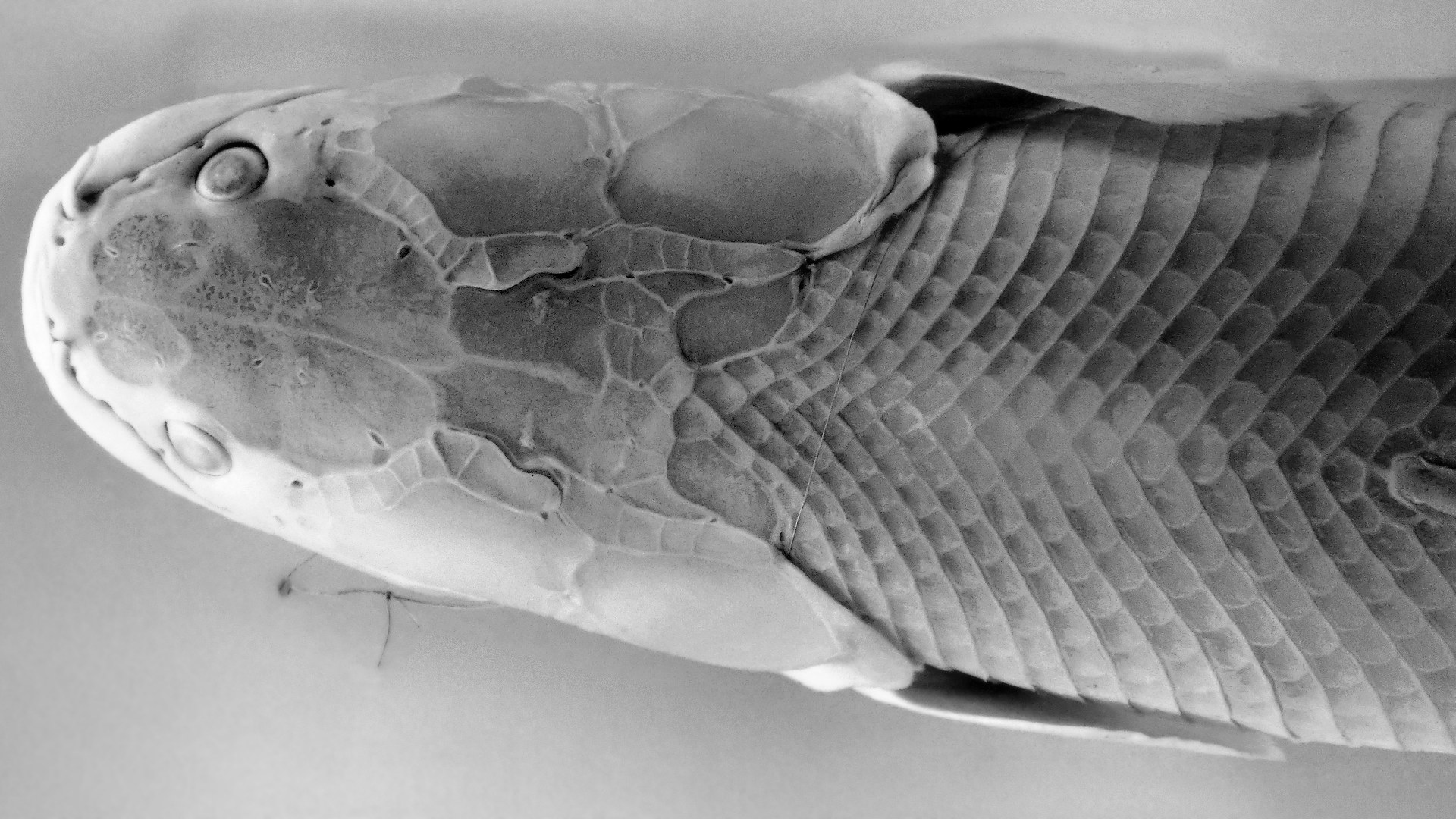
10. Polypterus Bichir
Ancient bichir fish bridge the evolutionary gap between fins and tetrapod limbs. When pectoral fins are severed, the bichir forms a regenerative blastema, fully reconstructing cartilage, lepidotrichia fin rays, and articulated endochondral bones.
©Wikimedia / Gunnar Creutz
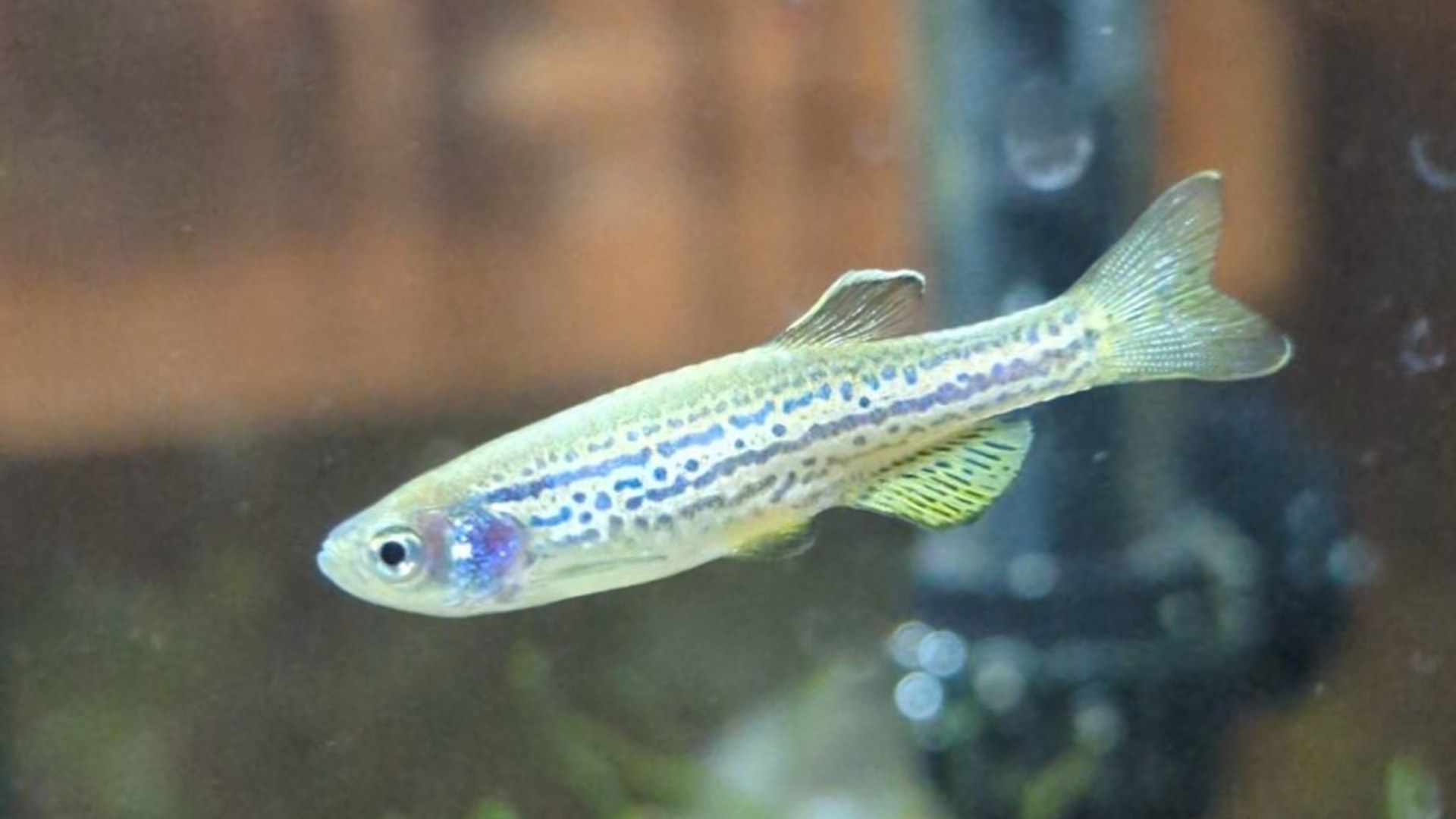
9. Zebrafish
Zebrafish serve as vital biomedical models because of their ability to mend severe organ trauma. When up to twenty percent of their heart ventricle is amputated, cardiomyocytes proliferate rapidly to rebuild undamaged heart muscle within two months.
©Wikimedia / Roundish
Advertisement
Swipe or tap ▶ to resume the countdown.
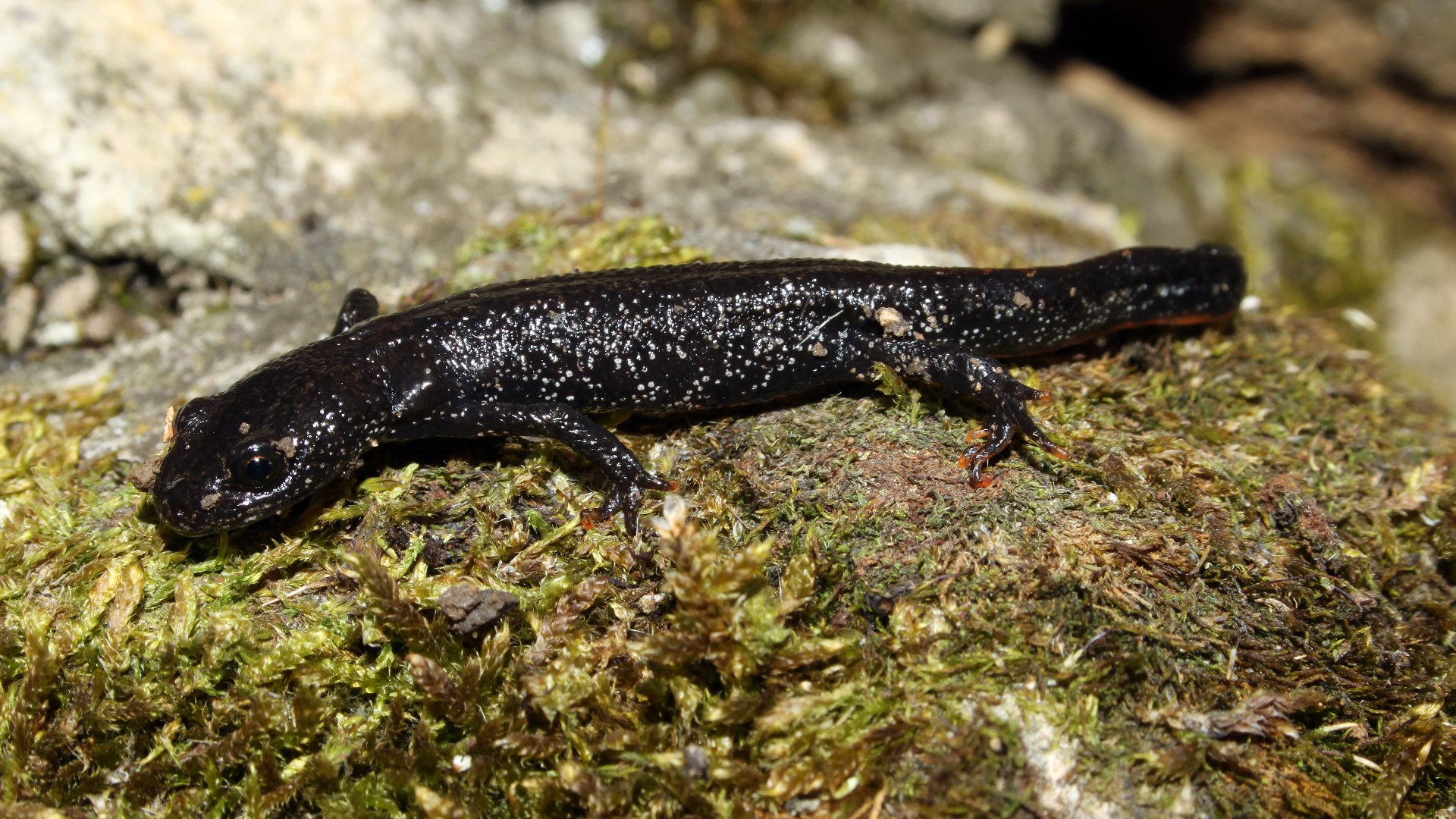
8. Great Crested Newt
Unlike mammals, adult great crested newts can regenerate their eye lenses throughout their lives by reprogramming pigmented iris cells into crystalline lens fibers. They also easily rebuild lost toes, jaws, spinal cords, and cardiac ventricles.
©Wikimedia / Holger Krisp
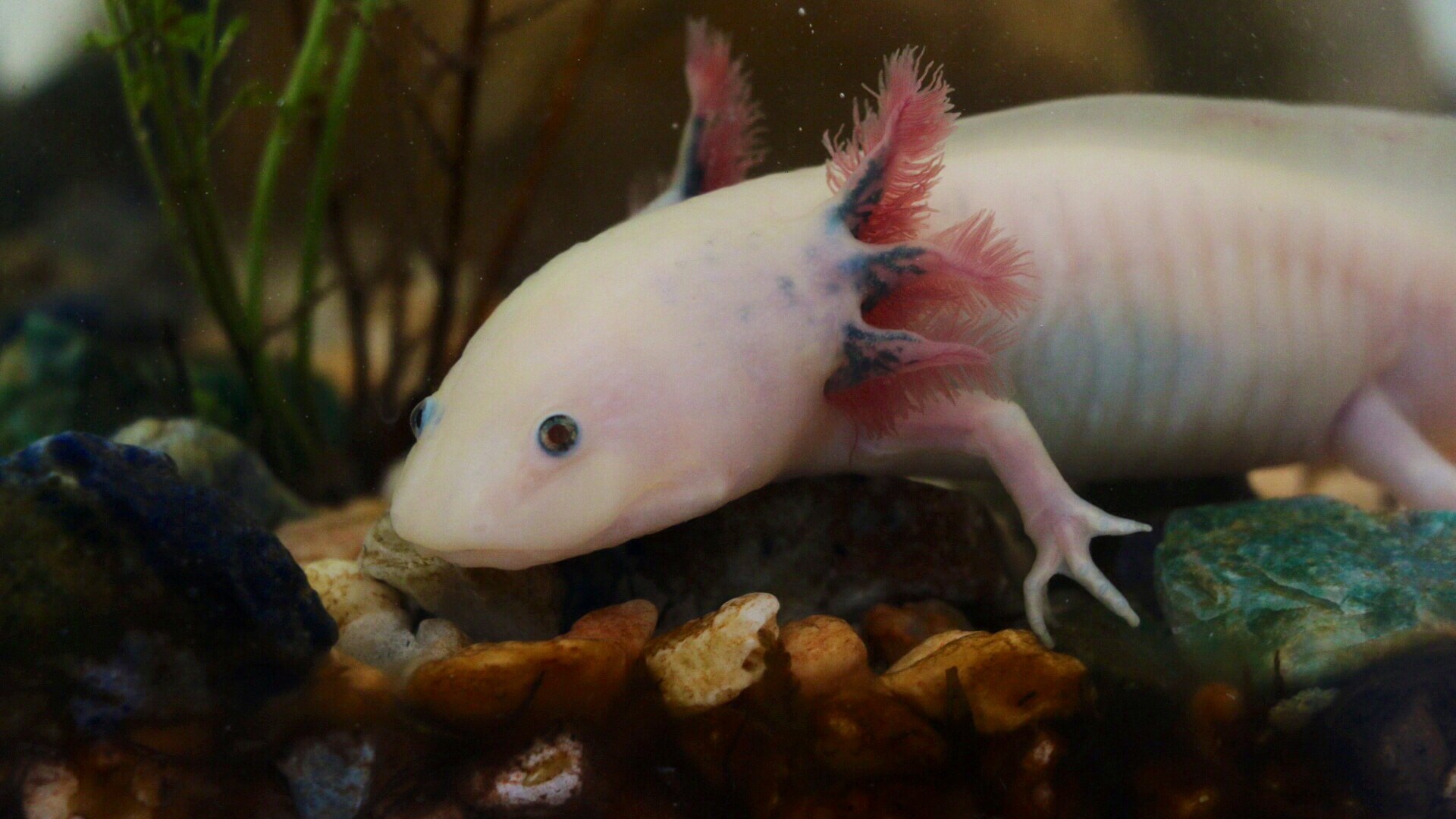
7. Axolotl
The critically endangered Mexican axolotl is the undisputed champion of vertebrate regeneration. It can repeatedly regrow full functional limbs, external gills, retinal tissue, and portions of its heart and brain without forming any scar tissue.
©Wikimedia / Amandasofiarana
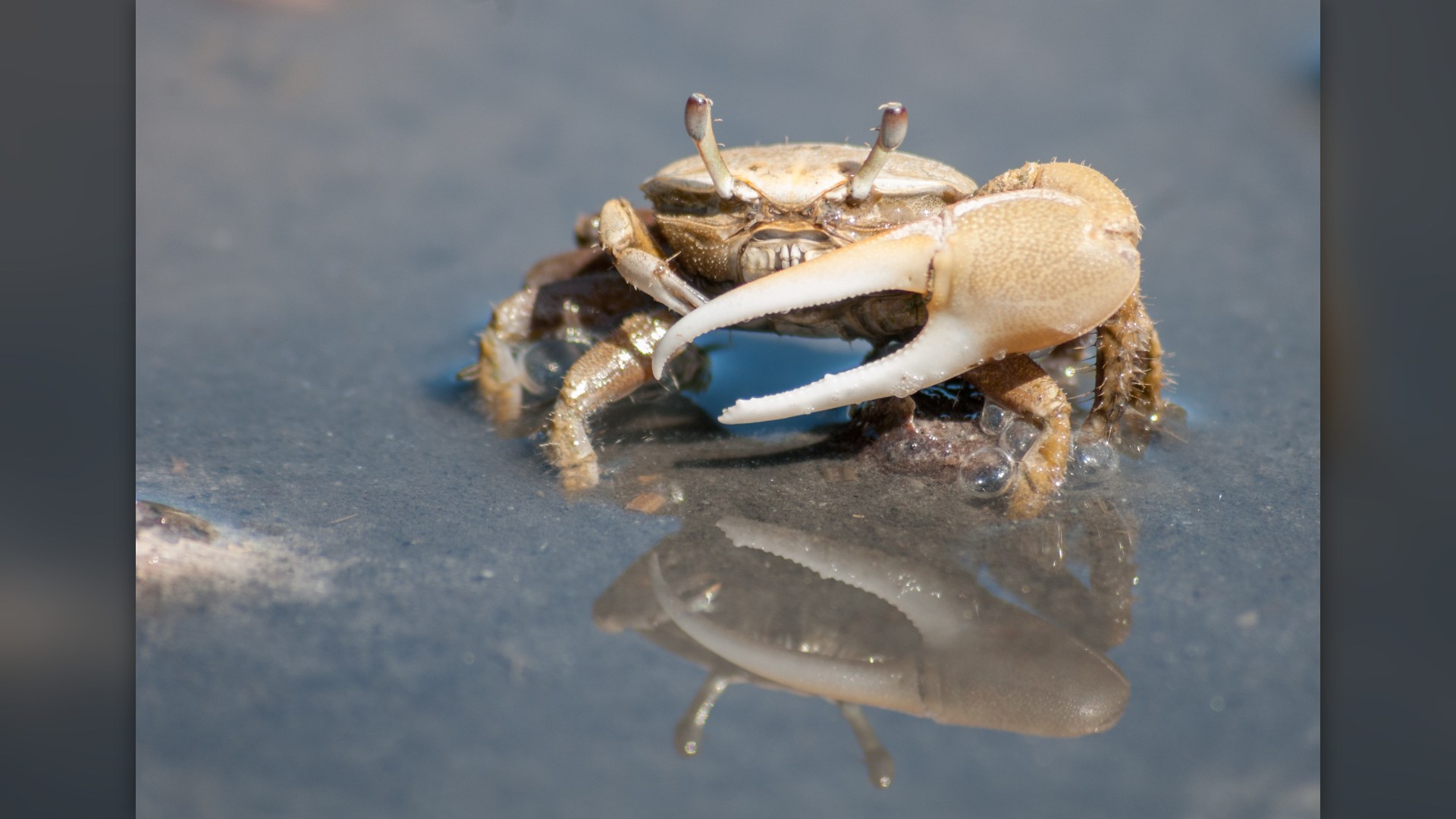
6. Fiddler Crab
Male fiddler crabs rely on an oversized major claw to attract mates and defend burrows. If lost in combat, the crab sheds its exoskeleton and regenerates a replacement claw over several molts, occasionally switching which side bears the giant limb.
©Wikimedia / Wilfredor
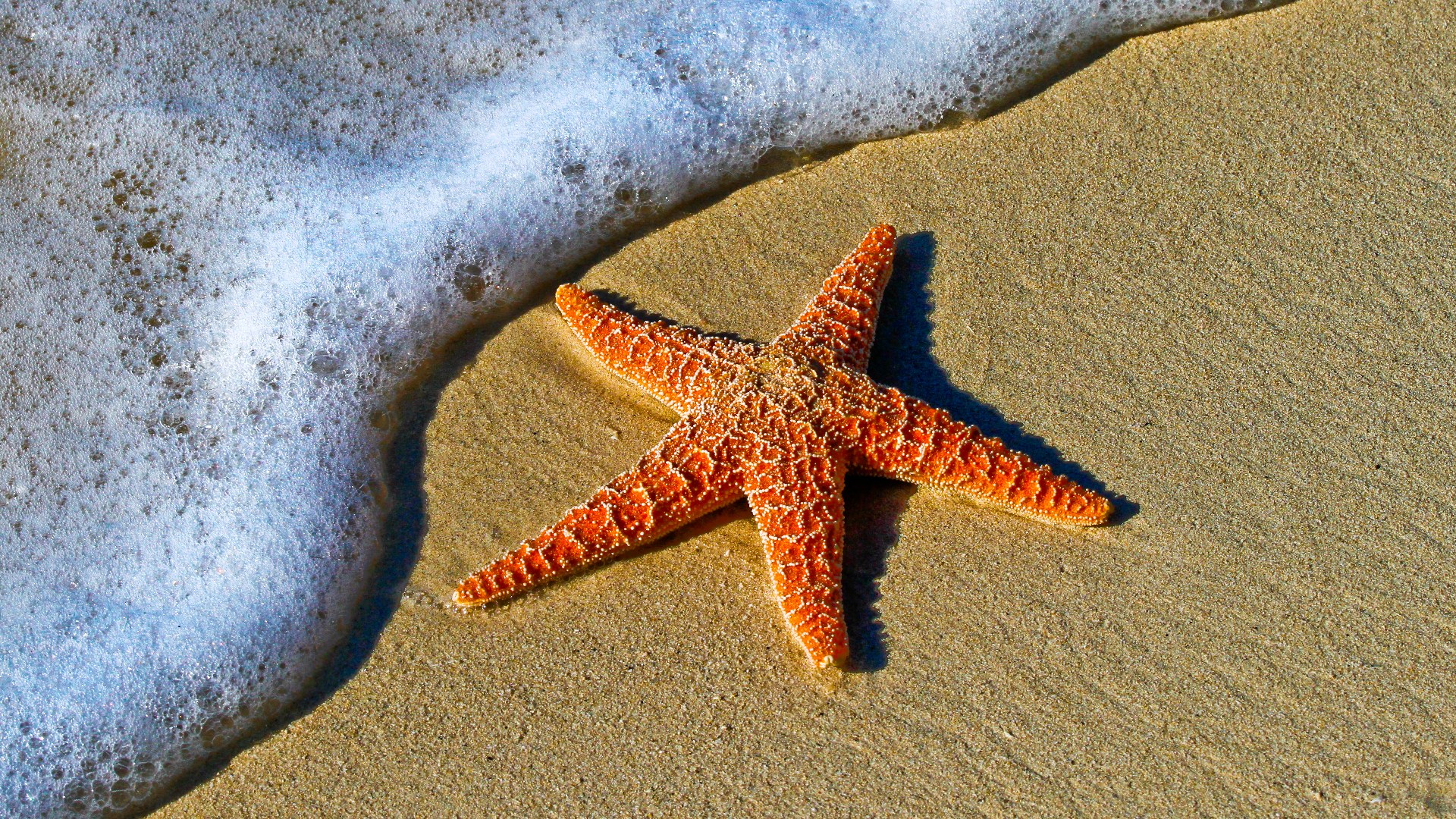
5. Starfish
Starfish possess remarkable restorative powers coordinated by their decentralized nervous system. If a predatory fish bites off an arm, the sea star seals the wound, regenerates lost tissue, and in some species, a single severed arm can grow an entire new body.
© Photo by Wikimedia / Pedro Lastra on Unsplash
Advertisement
Swipe or tap ▶ to resume the countdown.
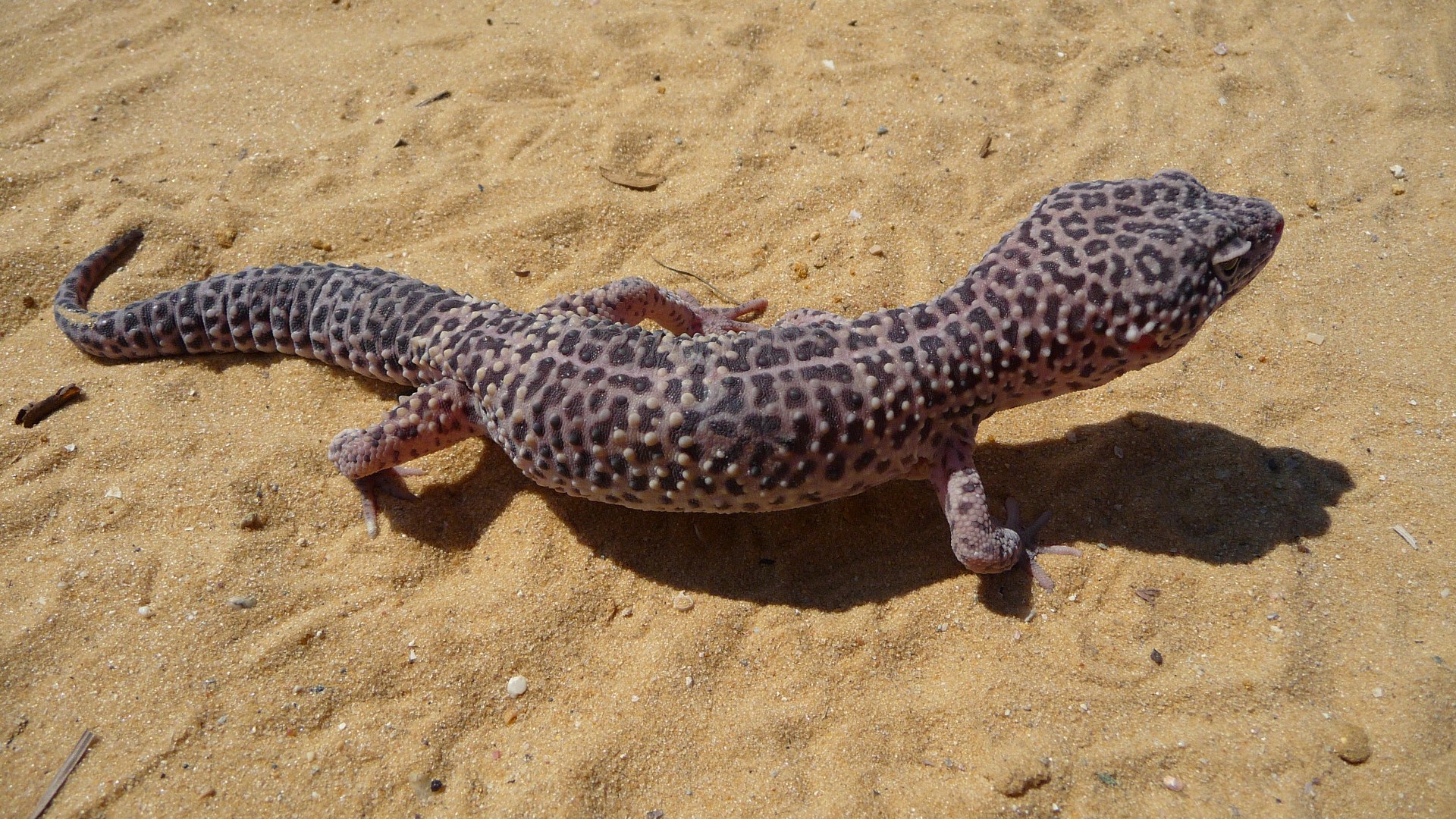
4. Leopard Gecko
When threatened by a hunter, a leopard gecko contracts specialized muscles to fracture its tail vertebrae. Stem cells at the wound site spring into action, constructing a functional replacement tail supported by a flexible cartilage rod within thirty days.
©Wikimedia / George Chernilevsky
3. Zebra Finch
While adult mammalian brains struggle to replace lost neurons, zebra finches exhibit robust neurogenesis. Their song-control centers continuously produce and integrate fresh brain cells, allowing adult birds to modify complex courtship melodies.
©Wikimedia / Diego Delso
2. Red Deer Antlers
Deer antlers represent the fastest growing bone tissue in the animal kingdom. Male red deer shed their heavy racks each spring and completely regenerate up to thirty pounds of bone, nerves, and blood vessels in under four months.
©Wikimedia / Massimo Catarinella
1. African Spiny Mouse
African spiny mice possess an extraordinary mammalian superpower. When grabbed by predators, their brittle skin tears free easily. Within weeks, they regrow full skin layers, sweat glands, fur, and ear cartilage with zero scar tissue.

©Wikimedia / Simon J. Tonge
Advertisement
You've reached the end of the story. Thanks for reading!

25 Animals That May Detect Fear Through Scent and Body Language
From specialized olfactory receptors to airborne alarm pheromones, numerous species possess the extraordinary ability to detect chemical distress signals. Based on research from Live Science, National Geographic, and peer-reviewed biology journals, here are twenty-five animals that can smell and sense fear.
All 19 Entries in this Story
19. Immortal Jellyfish
Turritopsis dohrnii achieves the ultimate pinnacle of regeneration. When sick, starved, or physically damaged, its mature medusa cells undergo transdifferentiation, reverting into an immature polyp colony to begin its life cycle anew indefinitely.

18. Moon Jellyfish
Moon jellyfish employ a unique physical recovery mechanism called symmetrization. Rather than waiting to grow new limbs, an injured jellyfish rearranges its remaining arms symmetrically using muscle contractions within twelve hours before regrowing lost tissue.

17. Comb Jelly
Comb jellies possess an unconventional nervous system distinct from all other animals. If sliced in half, a ctenophore regenerates its gravity-sensing aboral organ and nerve net in forty-eight hours. When two injured jellies meet, they can fuse into a single organism.

16. Sacoglossan Sea Slug
In one of nature's most startling survival strategies, the sacoglossan sea slug voluntarily decapitates itself at the neck. The detached head crawls away and uses solar energy from ingested algae to regenerate a new body, digestive system, and heart.

15. Planarian Flatworm
Planarians possess extraordinary pluripotent adult stem cells called neoblasts. Slice a planarian into nearly three hundred microscopic pieces, and every single fragment will regrow a functioning head, nervous system, and tail within two weeks.

14. Green Hydra
Freshwater hydra consist almost entirely of perpetually dividing stem cells. When put through a fine mesh strainer, the dissociated cells reorganize, sort by tissue layer, and assemble into multiple complete, fully functioning adult polyps.

13. Sea Anemone
Sea anemones maintain continuous embryonic stem cell activity throughout their lives. When torn apart by tidal surges or attacked by nudibranchs, an anemone rapidly regenerates lost tentacles, oral discs, and pedal bases without leaving scars.

12. Green Anole
Green anoles can sever their tails along predetermined fracture planes to distract attackers. The lizard activates hundreds of genes to grow a replacement tail supported by a continuous unsegmented cartilage tube rather than bony vertebrae.

11. Sea Cucumber
In a drastic defensive reflex known as evisceration, sea cucumbers expel their toxic sticky viscera and intestines to entangle predators. Over the subsequent few weeks, remaining internal connective tissue regenerates an entire digestive tract.

10. Polypterus Bichir
Ancient bichir fish bridge the evolutionary gap between fins and tetrapod limbs. When pectoral fins are severed, the bichir forms a regenerative blastema, fully reconstructing cartilage, lepidotrichia fin rays, and articulated endochondral bones.

9. Zebrafish
Zebrafish serve as vital biomedical models because of their ability to mend severe organ trauma. When up to twenty percent of their heart ventricle is amputated, cardiomyocytes proliferate rapidly to rebuild undamaged heart muscle within two months.

8. Great Crested Newt
Unlike mammals, adult great crested newts can regenerate their eye lenses throughout their lives by reprogramming pigmented iris cells into crystalline lens fibers. They also easily rebuild lost toes, jaws, spinal cords, and cardiac ventricles.

7. Axolotl
The critically endangered Mexican axolotl is the undisputed champion of vertebrate regeneration. It can repeatedly regrow full functional limbs, external gills, retinal tissue, and portions of its heart and brain without forming any scar tissue.

6. Fiddler Crab
Male fiddler crabs rely on an oversized major claw to attract mates and defend burrows. If lost in combat, the crab sheds its exoskeleton and regenerates a replacement claw over several molts, occasionally switching which side bears the giant limb.

5. Starfish
Starfish possess remarkable restorative powers coordinated by their decentralized nervous system. If a predatory fish bites off an arm, the sea star seals the wound, regenerates lost tissue, and in some species, a single severed arm can grow an entire new body.

4. Leopard Gecko
When threatened by a hunter, a leopard gecko contracts specialized muscles to fracture its tail vertebrae. Stem cells at the wound site spring into action, constructing a functional replacement tail supported by a flexible cartilage rod within thirty days.

3. Zebra Finch
While adult mammalian brains struggle to replace lost neurons, zebra finches exhibit robust neurogenesis. Their song-control centers continuously produce and integrate fresh brain cells, allowing adult birds to modify complex courtship melodies.

2. Red Deer Antlers
Deer antlers represent the fastest growing bone tissue in the animal kingdom. Male red deer shed their heavy racks each spring and completely regenerate up to thirty pounds of bone, nerves, and blood vessels in under four months.

1. African Spiny Mouse
African spiny mice possess an extraordinary mammalian superpower. When grabbed by predators, their brittle skin tears free easily. Within weeks, they regrow full skin layers, sweat glands, fur, and ear cartilage with zero scar tissue.