Slideshow · Animals
Wild horse Living along beaches and oceans.
From barrier island sandbars and salt marshes to windswept sea cliffs, explore the world's most remarkable feral and native horse populations living by the ocean.
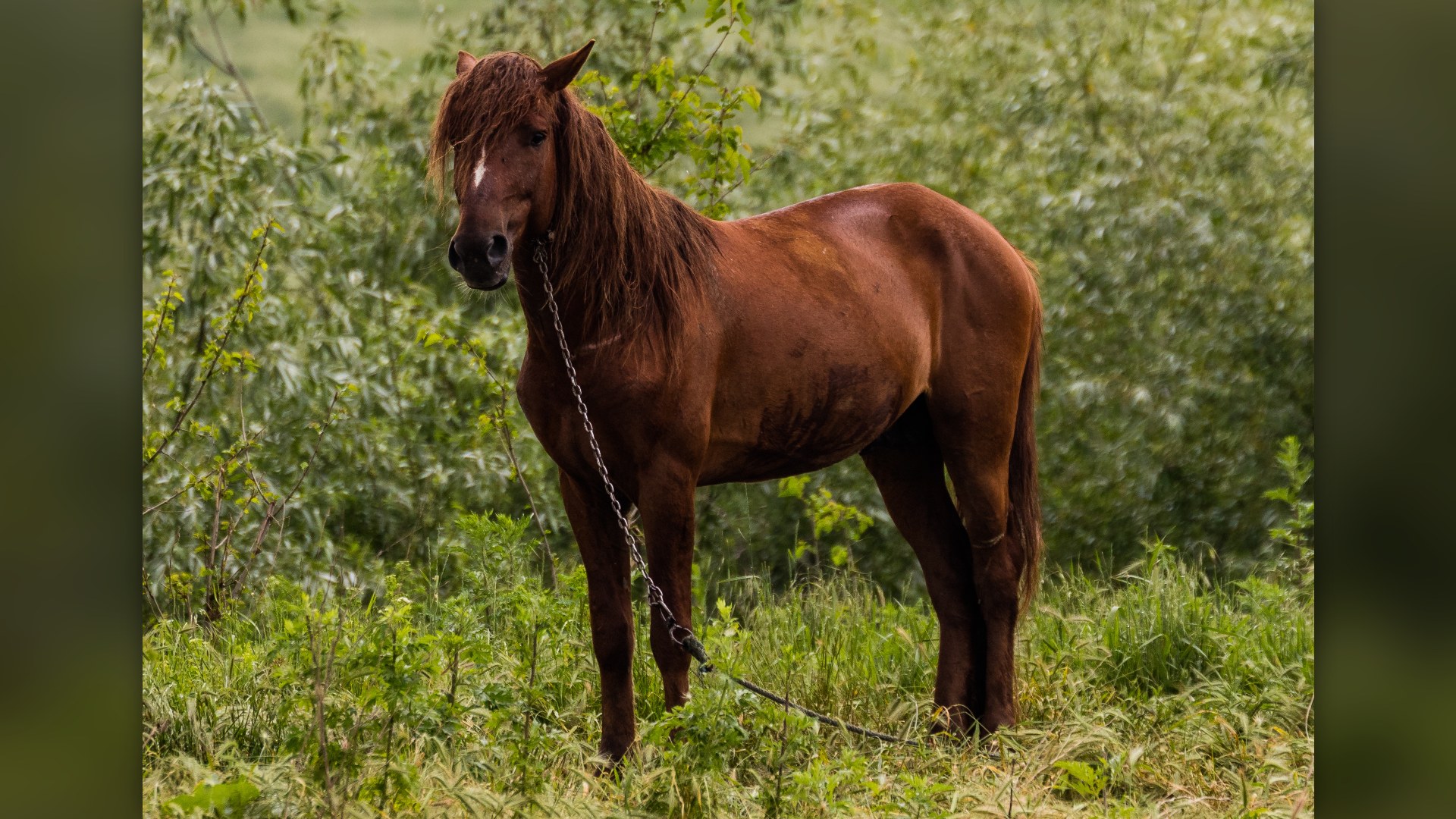
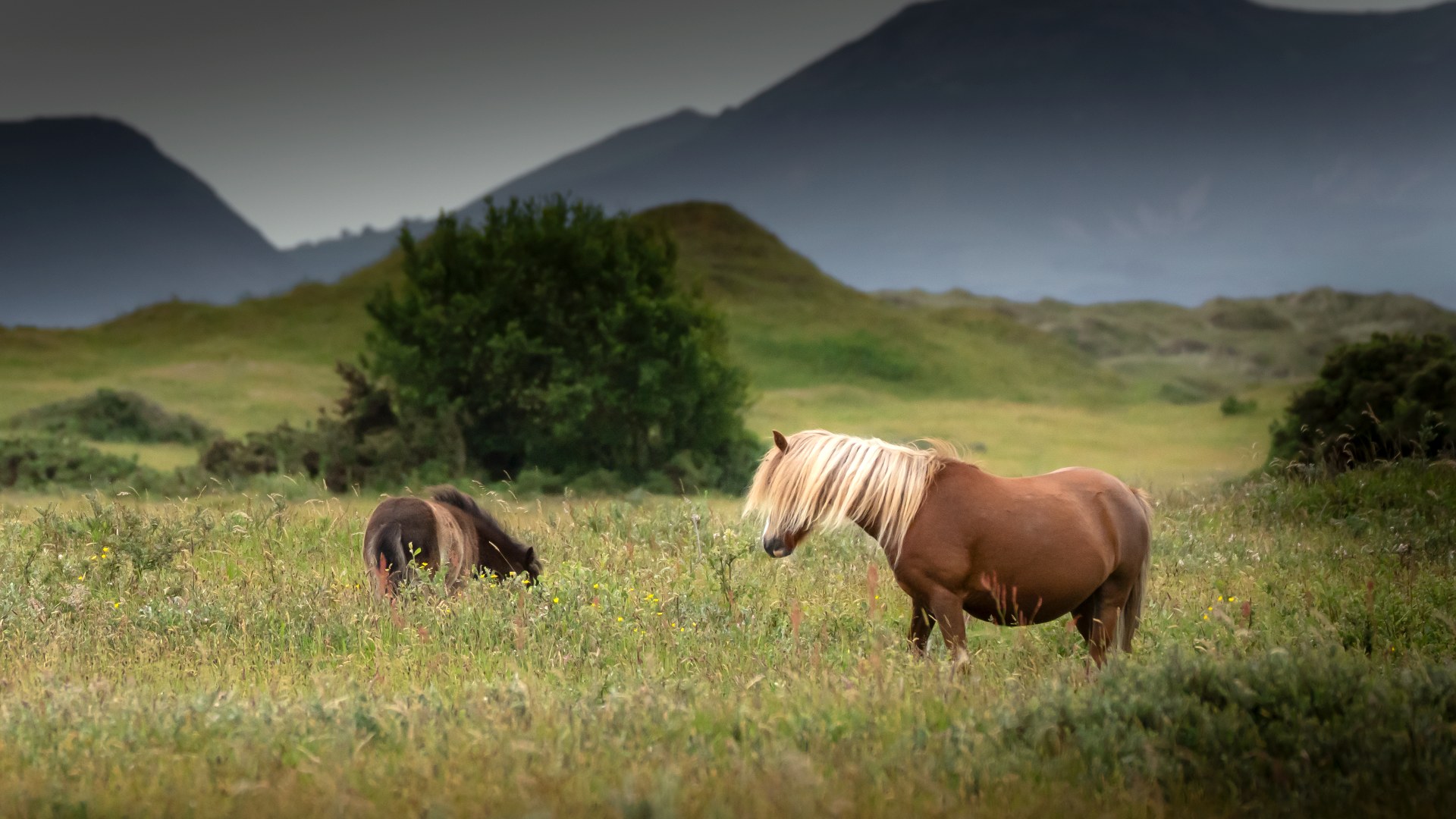
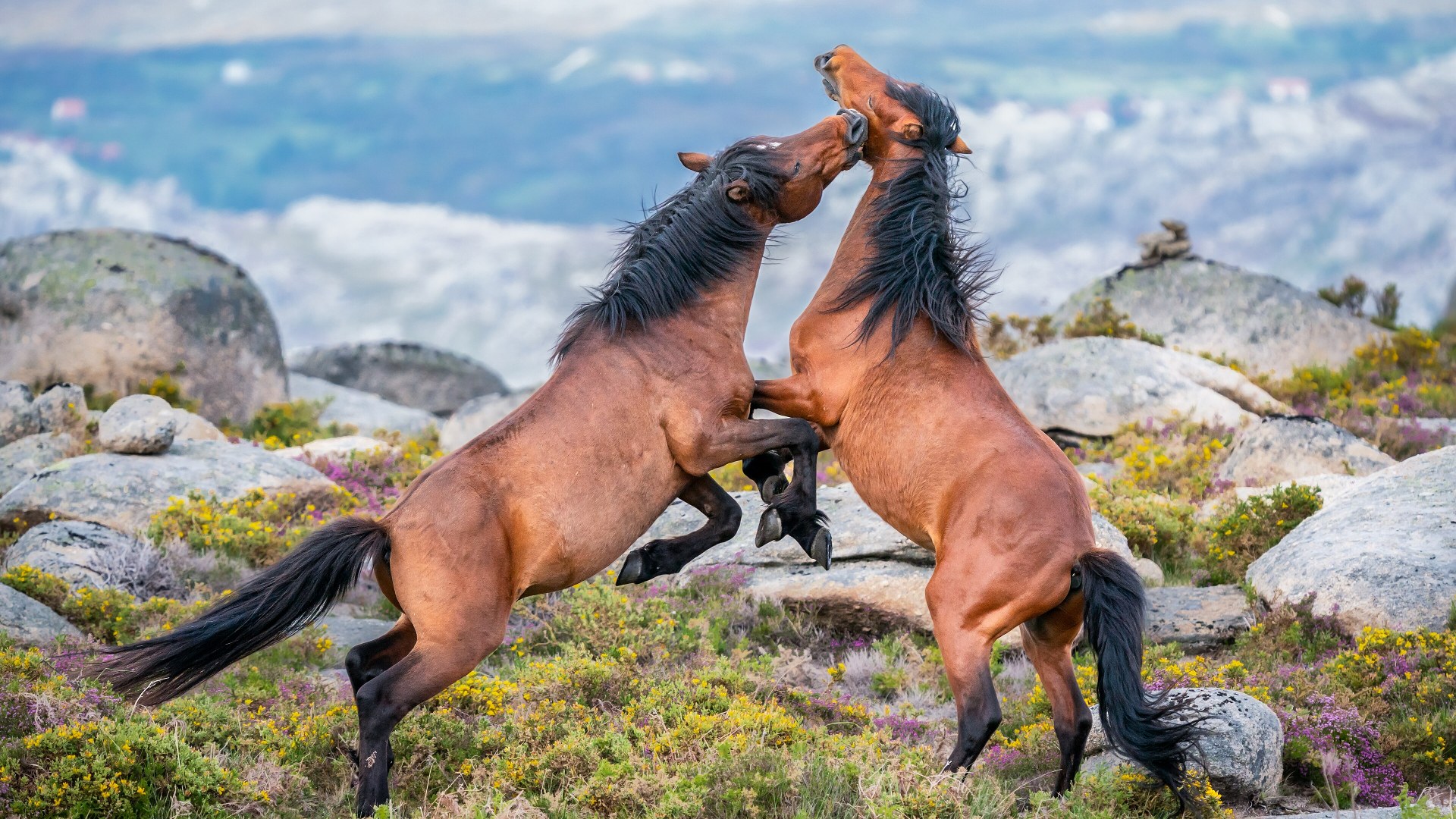

All 20 Entries in this Story
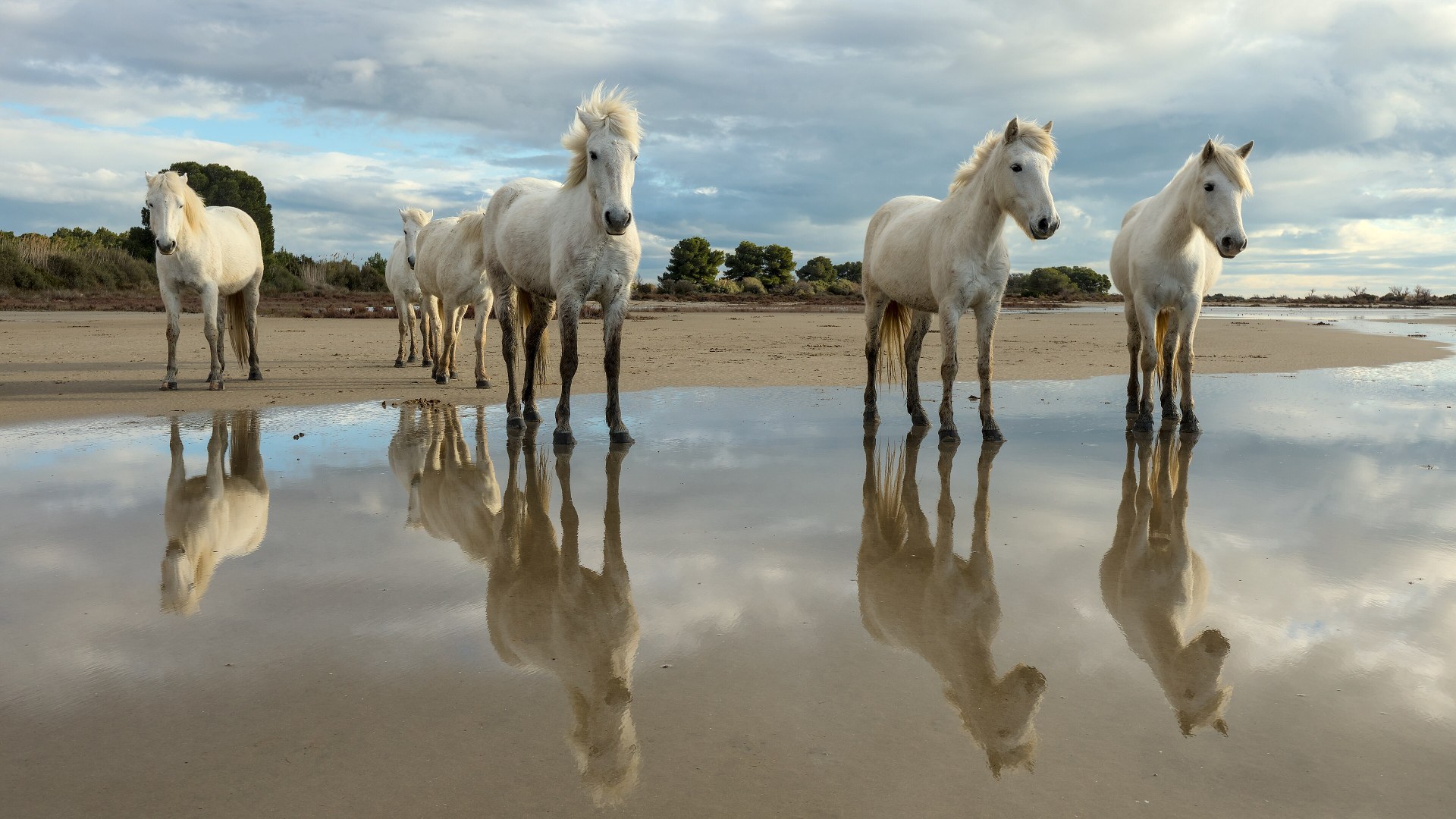
1. Camargue White Horses Of The Surf
In the marshy delta of southern France, wild Camargue horses have run through coastal shallows for thousands of years. Born dark brown or black, their coats turn snowy white by adulthood as they graze sea lavender and samphire.
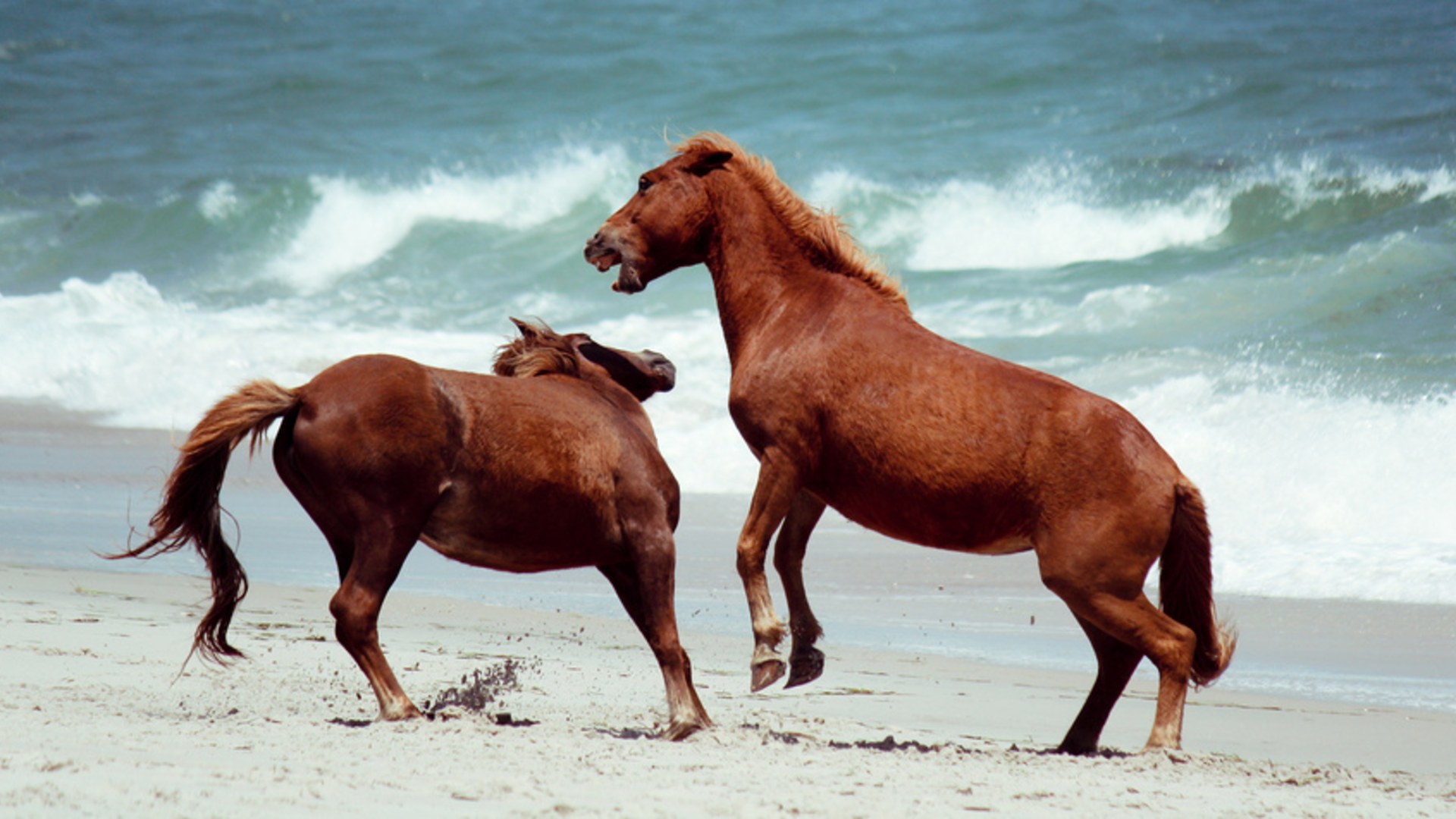
2. Assateague Island Atlantic Shoreline Ponies
Living year-round between ocean breakers and salt marshes, Assateague ponies drink twice as much water as domestic horses to process their high-salt diet. They cool off from summer heat and biting flies in ocean surf.
3. Chincoteague Channel Swimming Ponies
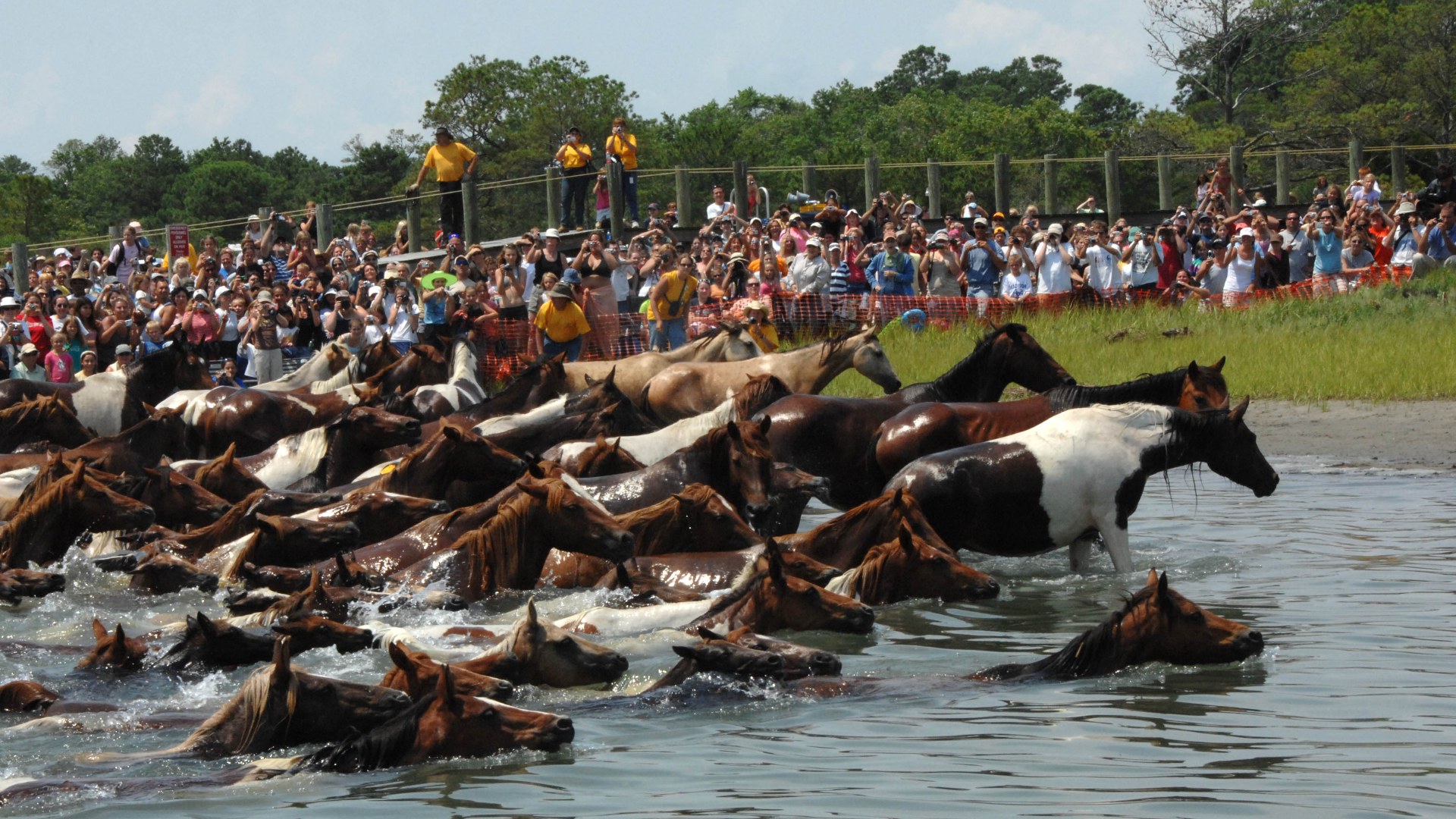
Dating to 1925, the annual Chincoteague Pony Swim moves the Virginia herd from Assateague to Chincoteague Island. The swim occurs during brief slack tide so young foals can safely make the saltwater crossing.
4. Sable Island Wild Horses Of Nova Scotia
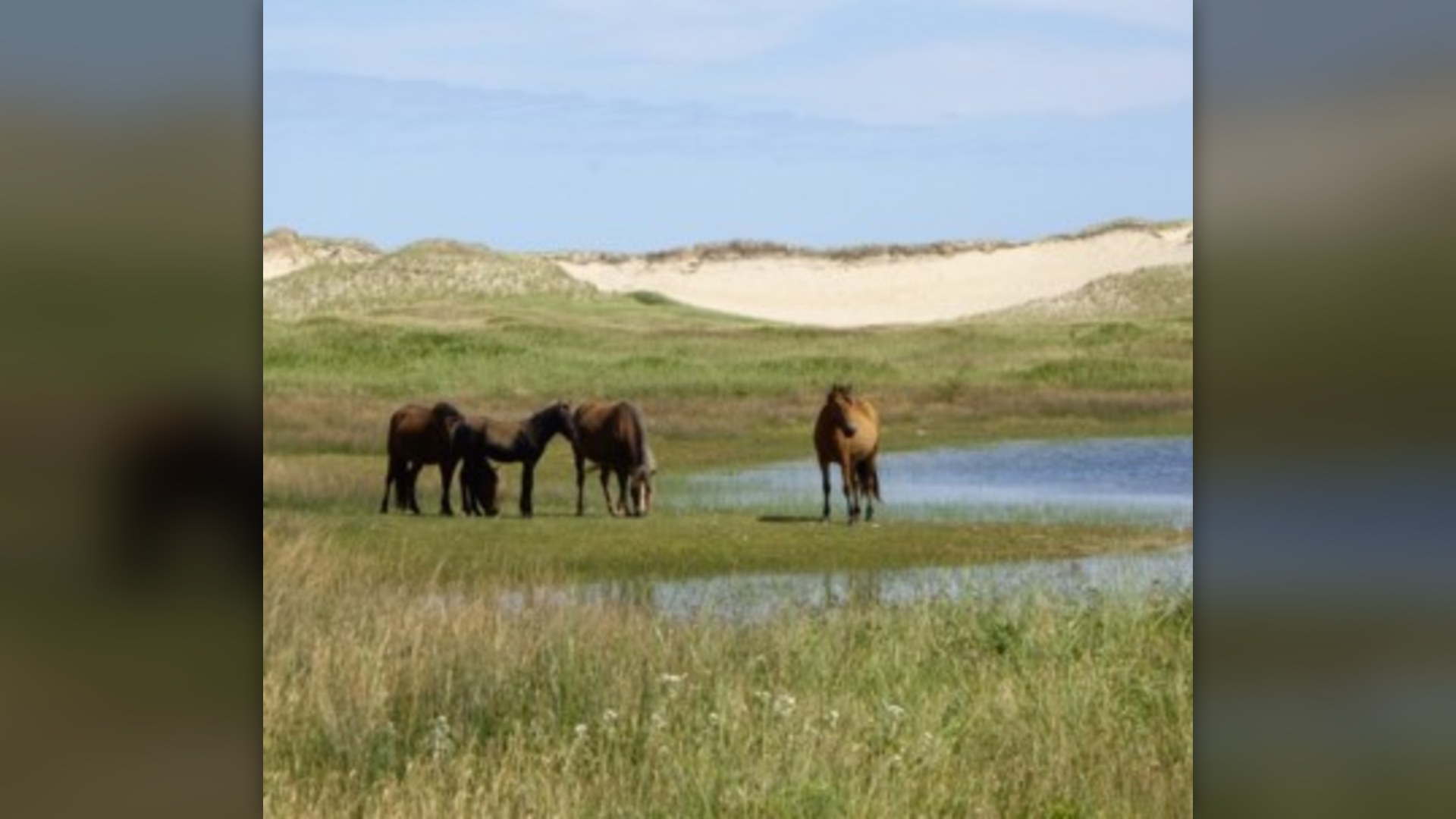
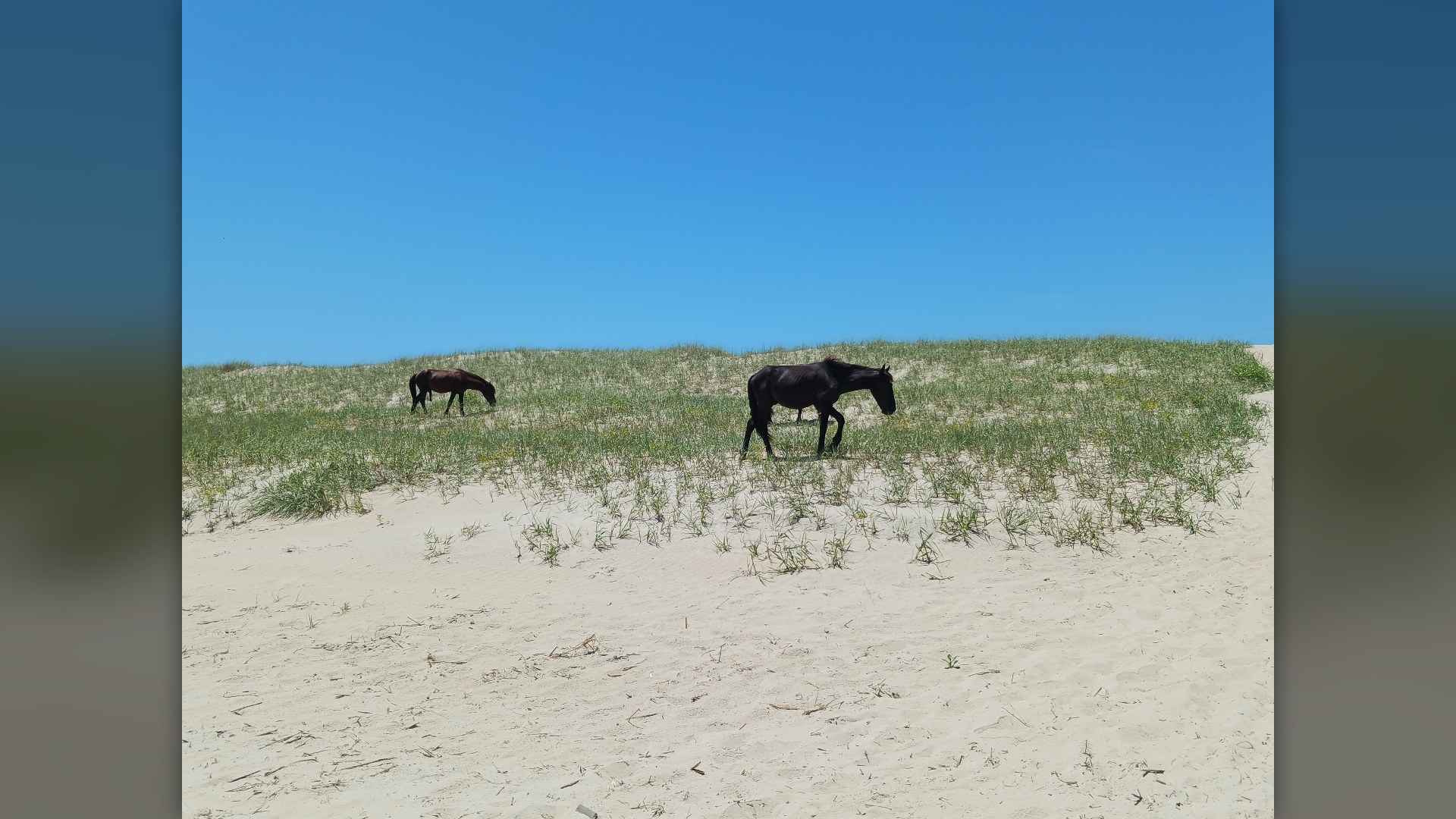
Isolated on Sable Island in the North Atlantic, these horses have roamed freely without human intervention since the mid-1700s. They shelter in dune hollows, drink from freshwater ponds, and feed entirely on beach grasses.
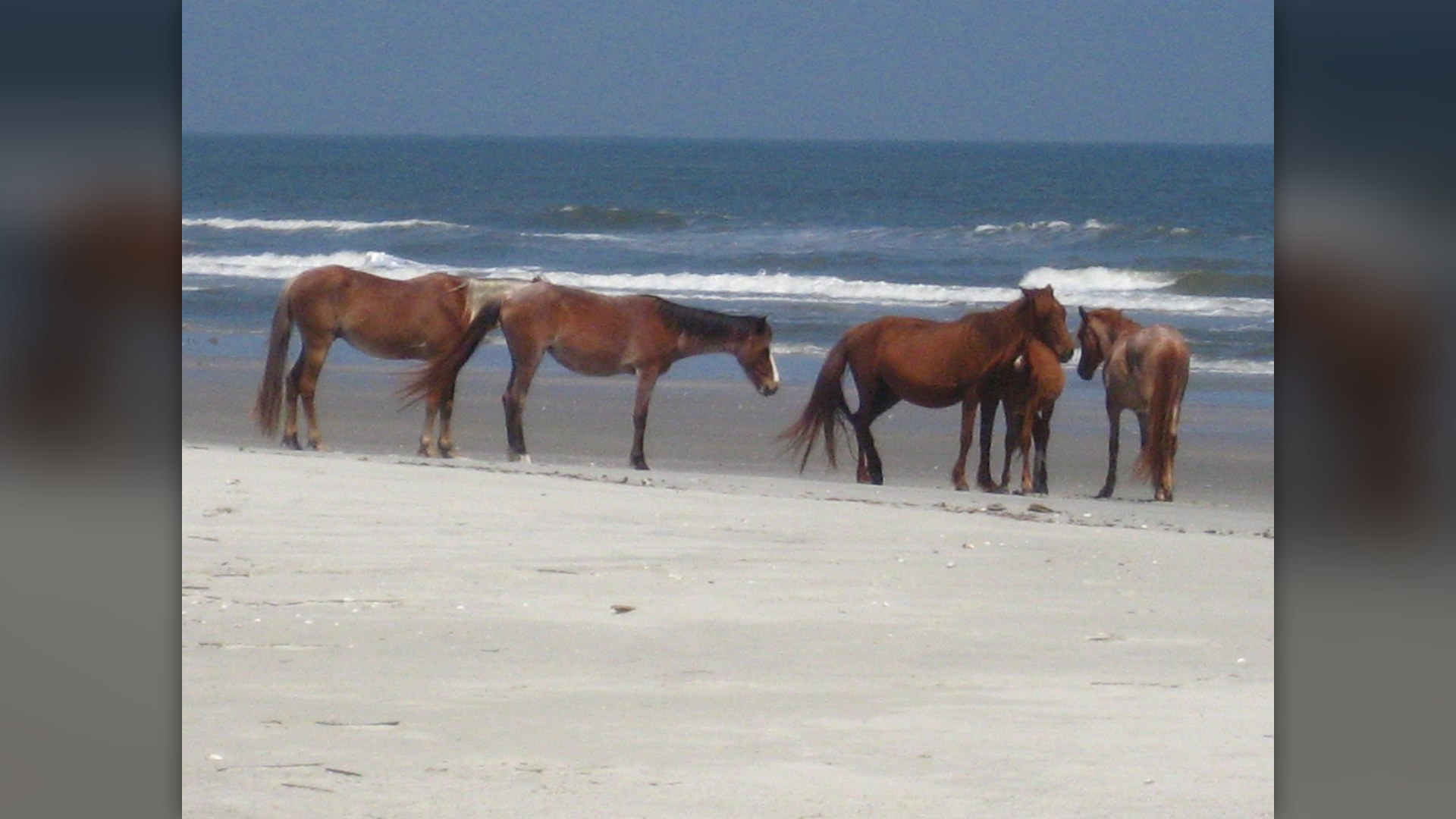
5. Corolla Spanish Mustangs Of The Outer Banks
Carrying distinct colonial Spanish genetic markers, Corolla mustangs roam roadless beaches and sand flats. State laws and local preservation trusts enforce a fifty-foot protective barrier to keep the herd wild.
6. Shackleford Banks Banker Horses
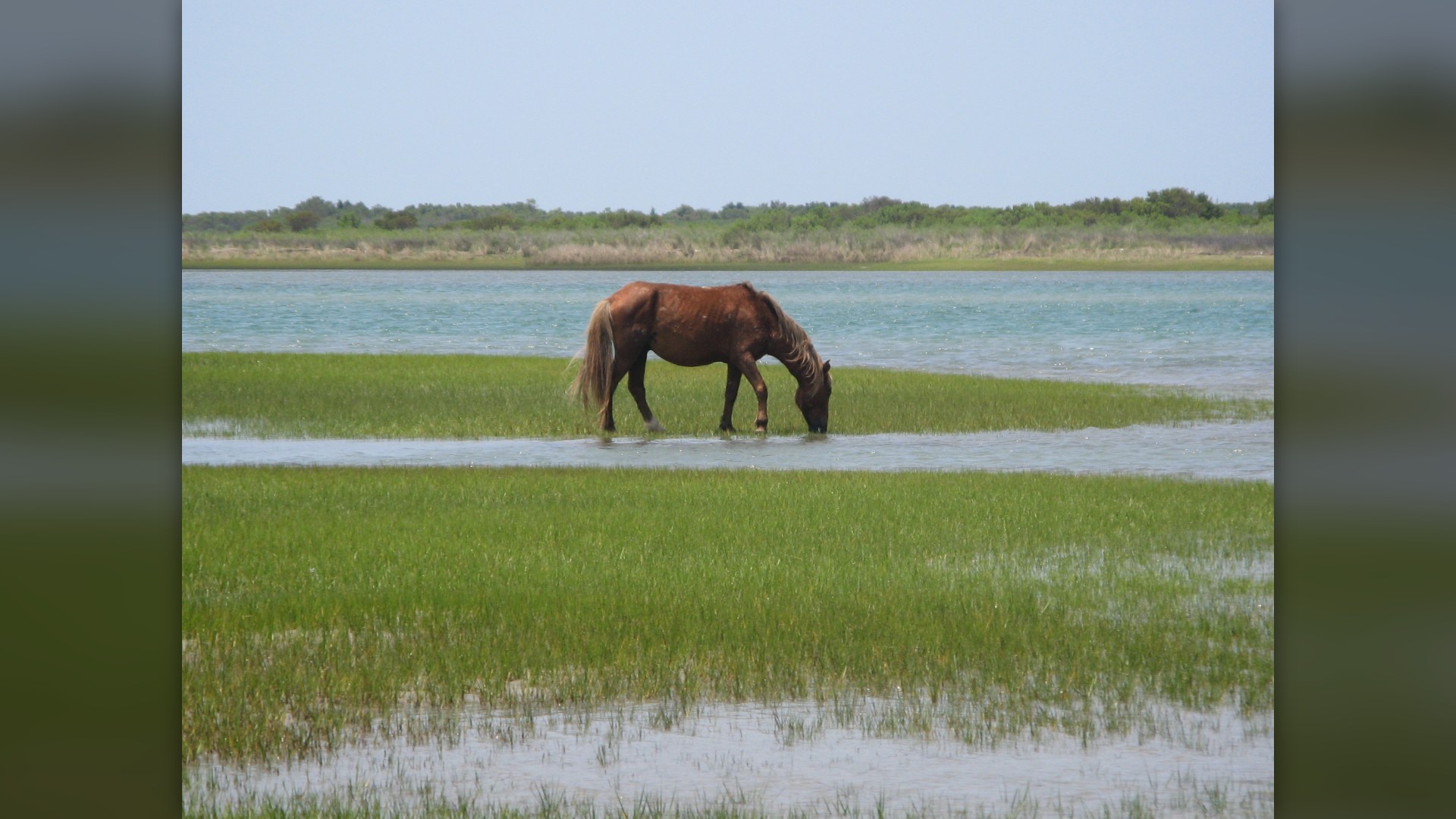
Shackleford Banks sits nine miles offshore in North Carolina, accessible only by private boat or ferry. Its wild horses survive by drinking from shallow freshwater pools dug in sand swales and eating salt meadow cordgrass.
7. Cumberland Island Feral Horses Of Georgia
Introduced across several centuries by Spanish settlers and Gilded Age landowners, the horses now live unmanaged on this Georgia barrier island. They shelter under Spanish moss in live oak forests and graze coastal dunes.
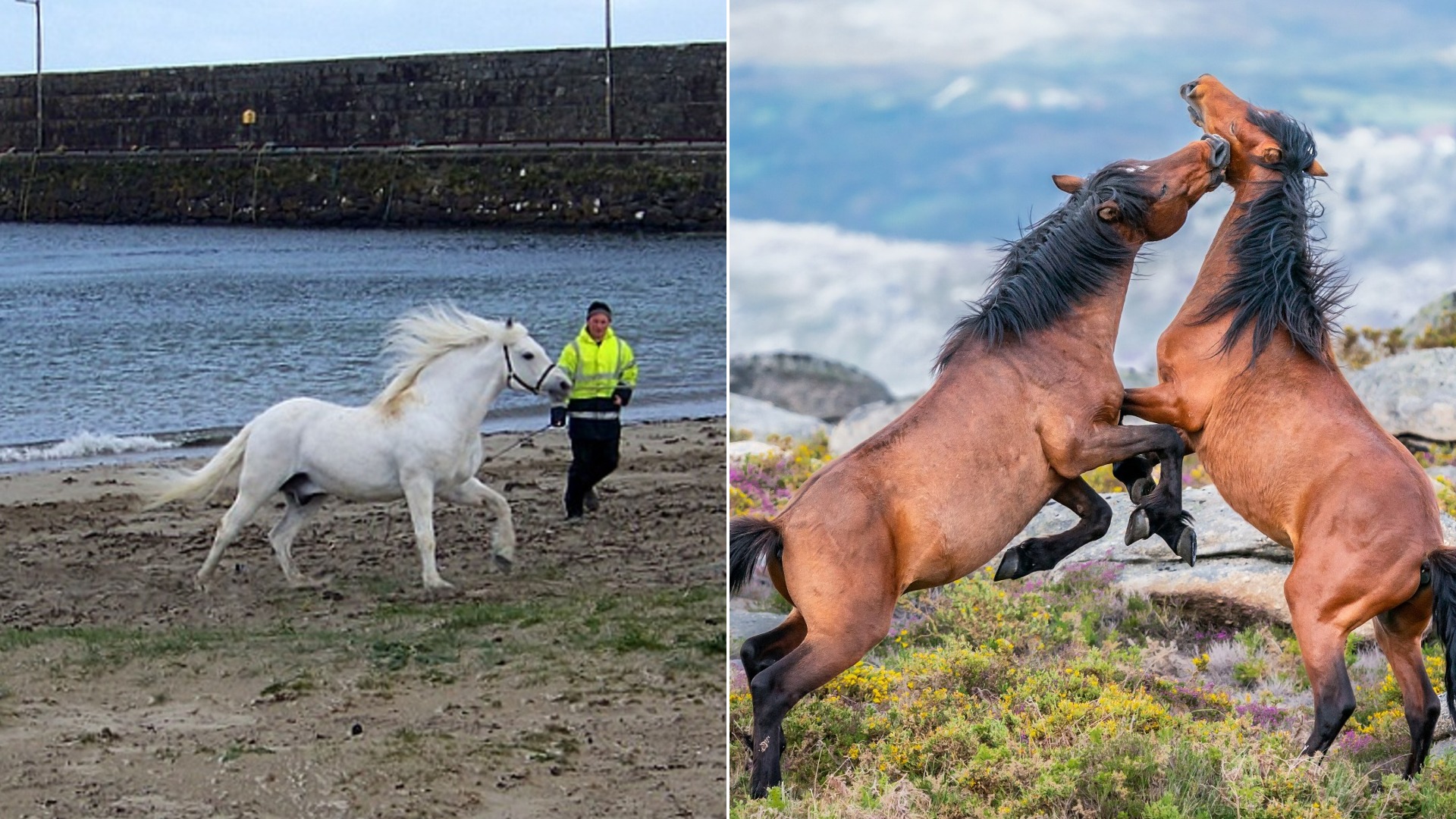
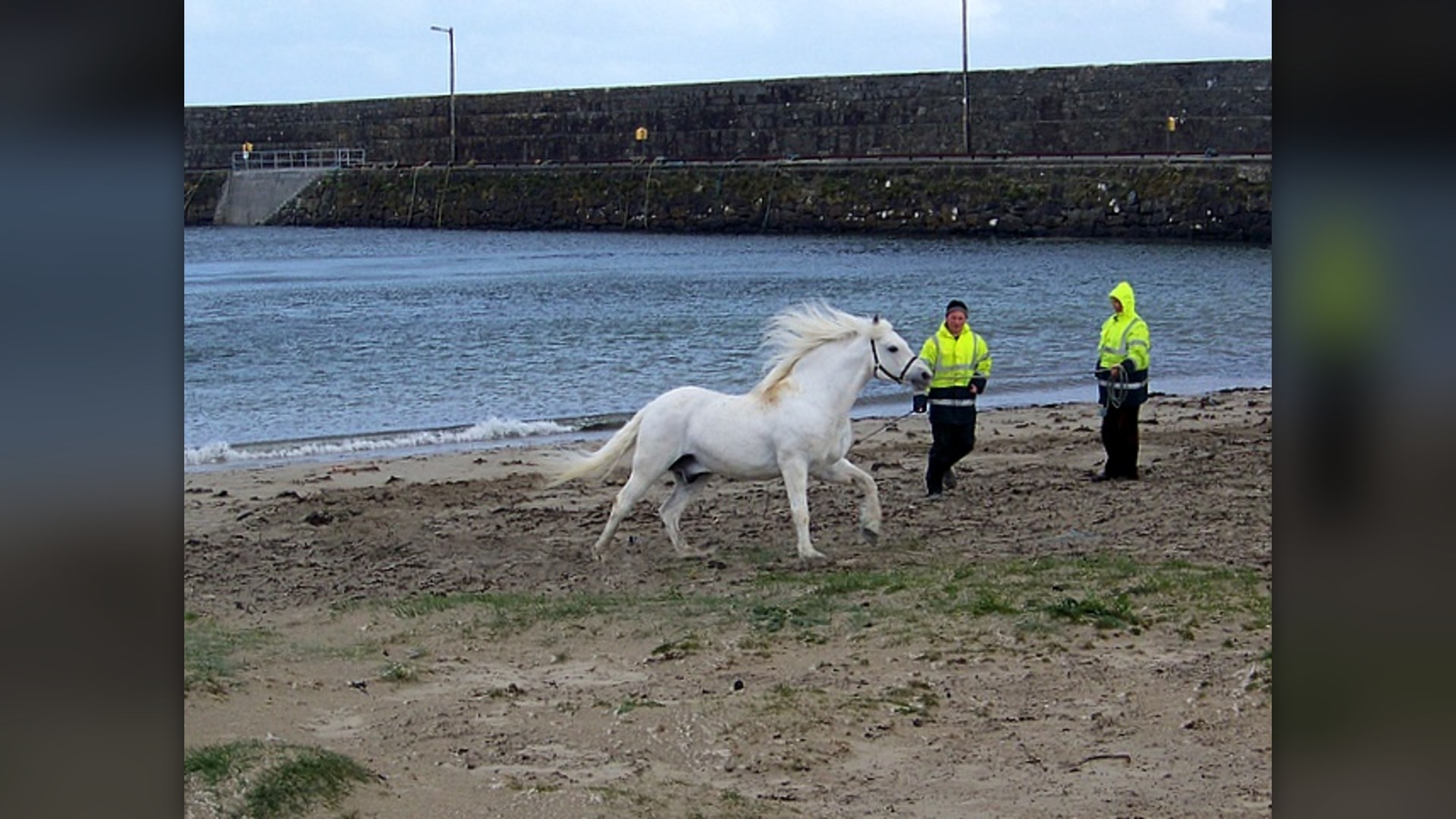
8. Connemara Ponies On Irish Tidal Strands
Developed along the stony Atlantic seaboard of County Galway, Connemaras are celebrated for athletic stamina. Horse owners regularly exercise their stock across broad, firm beach sands during low tide.
9. Icelandic Horses On Black Sand Beaches
Unbroken by foreign breeding for over a millennium, Icelandic horses perform five distinct gaits across rugged coastline. Their sure footing allows them to cross tidal estuaries, glacial rivers, and volcanic sand shores.
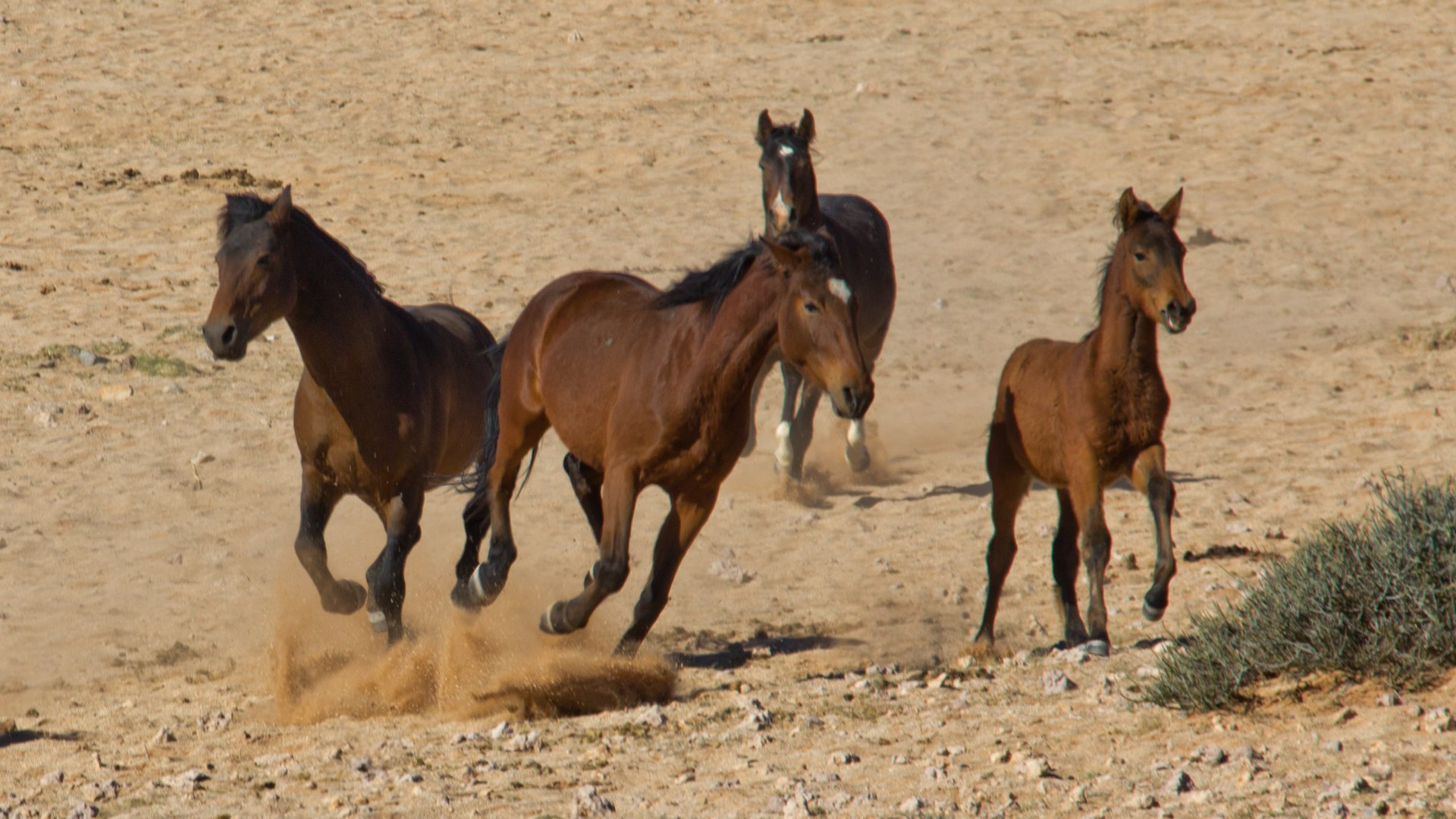
10. Namib Desert Horses Near The Atlantic
Descended from cavalry and mine horses displaced during World War I, these horses inhabit the fringes of the Namib Desert near Lüderitz. They rely on ocean fog banks and mineral springs to survive near the Atlantic.
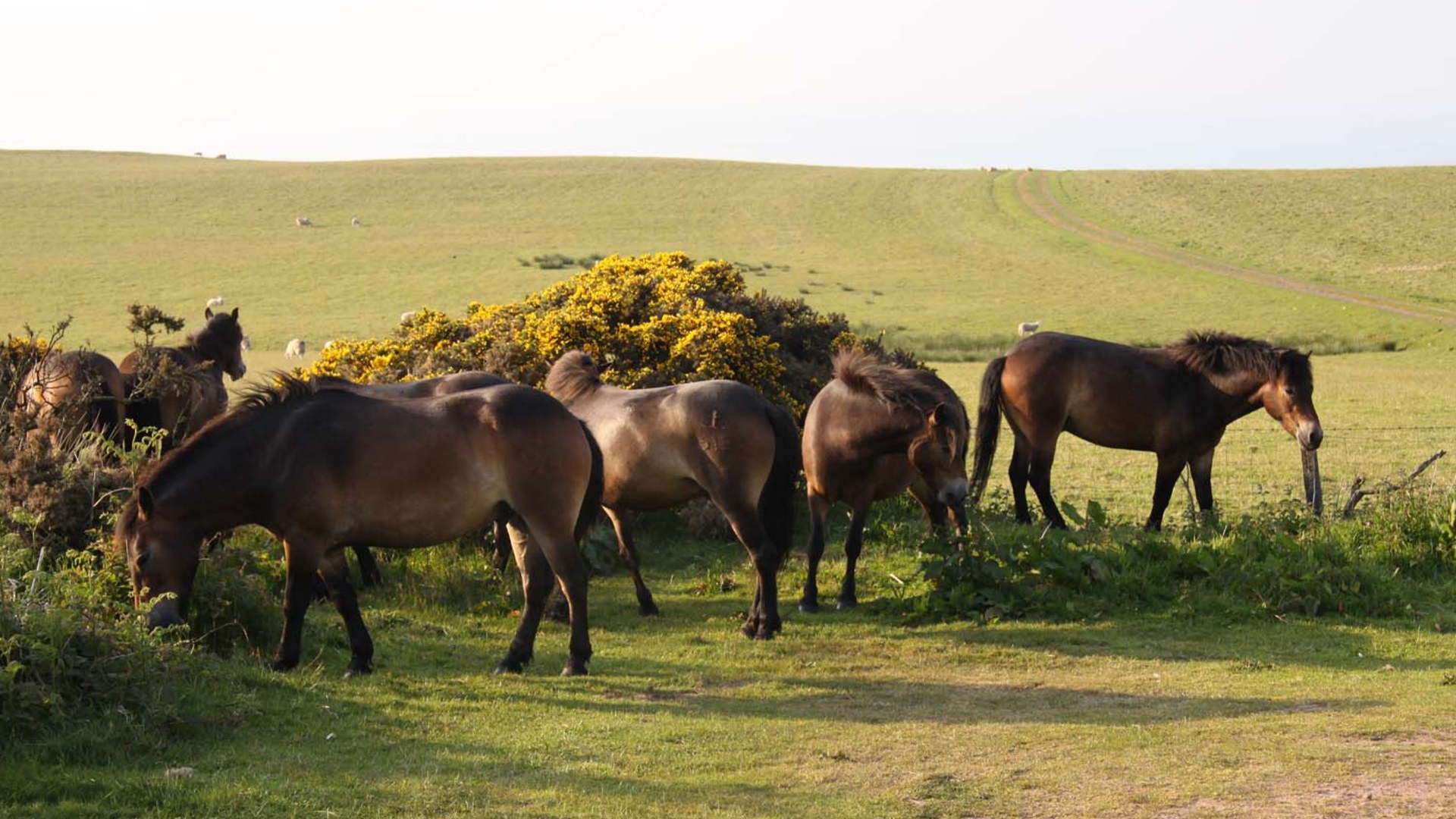
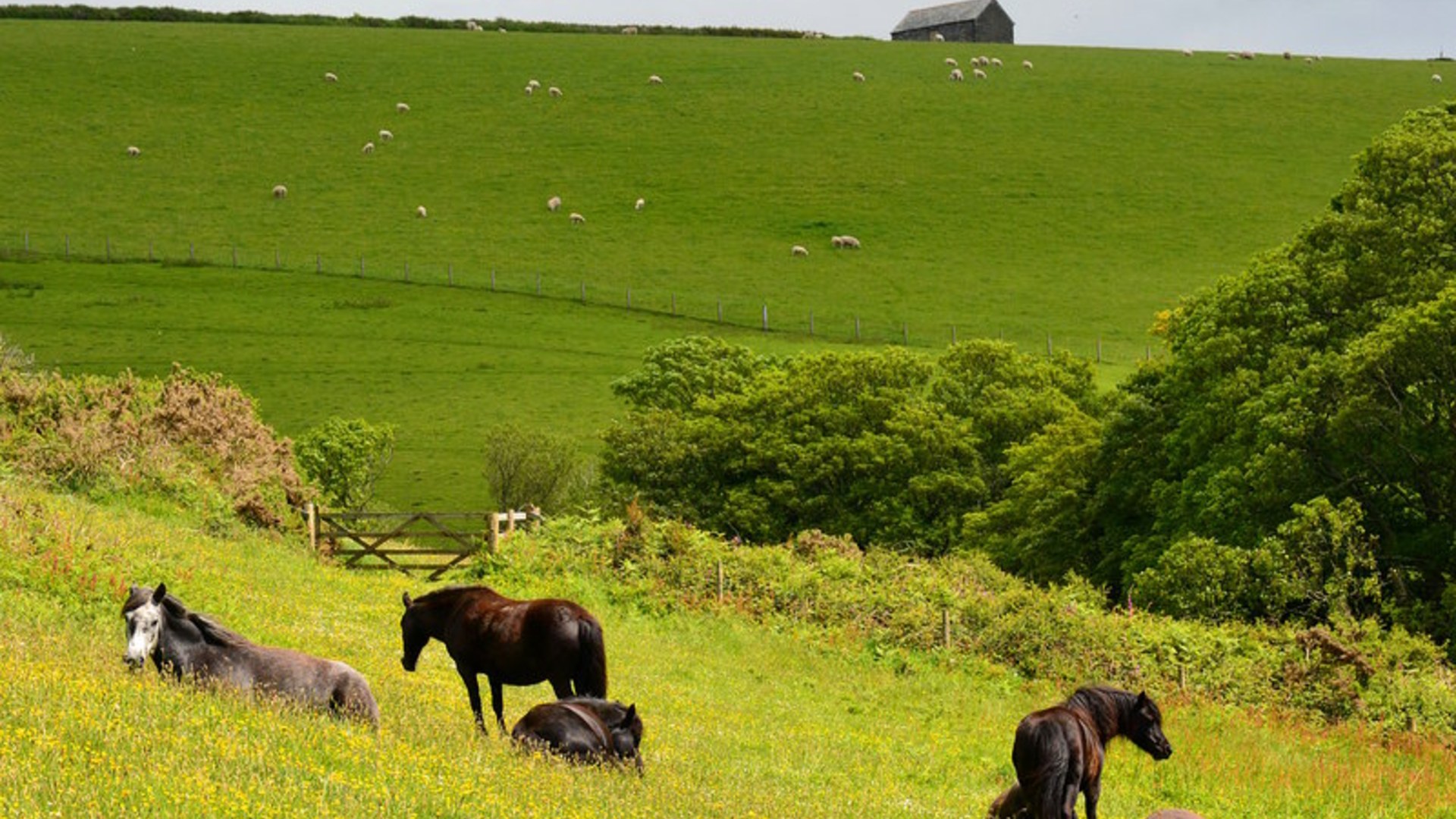
11. Exmoor Ponies Of The South West Coast
Exmoor ponies feature specialized hooded toad eyes and heavy water-resistant coats suited to coastal rainfall. Herds graze seaside cliffs, helping conserve native butterflies and plants along the coastline.
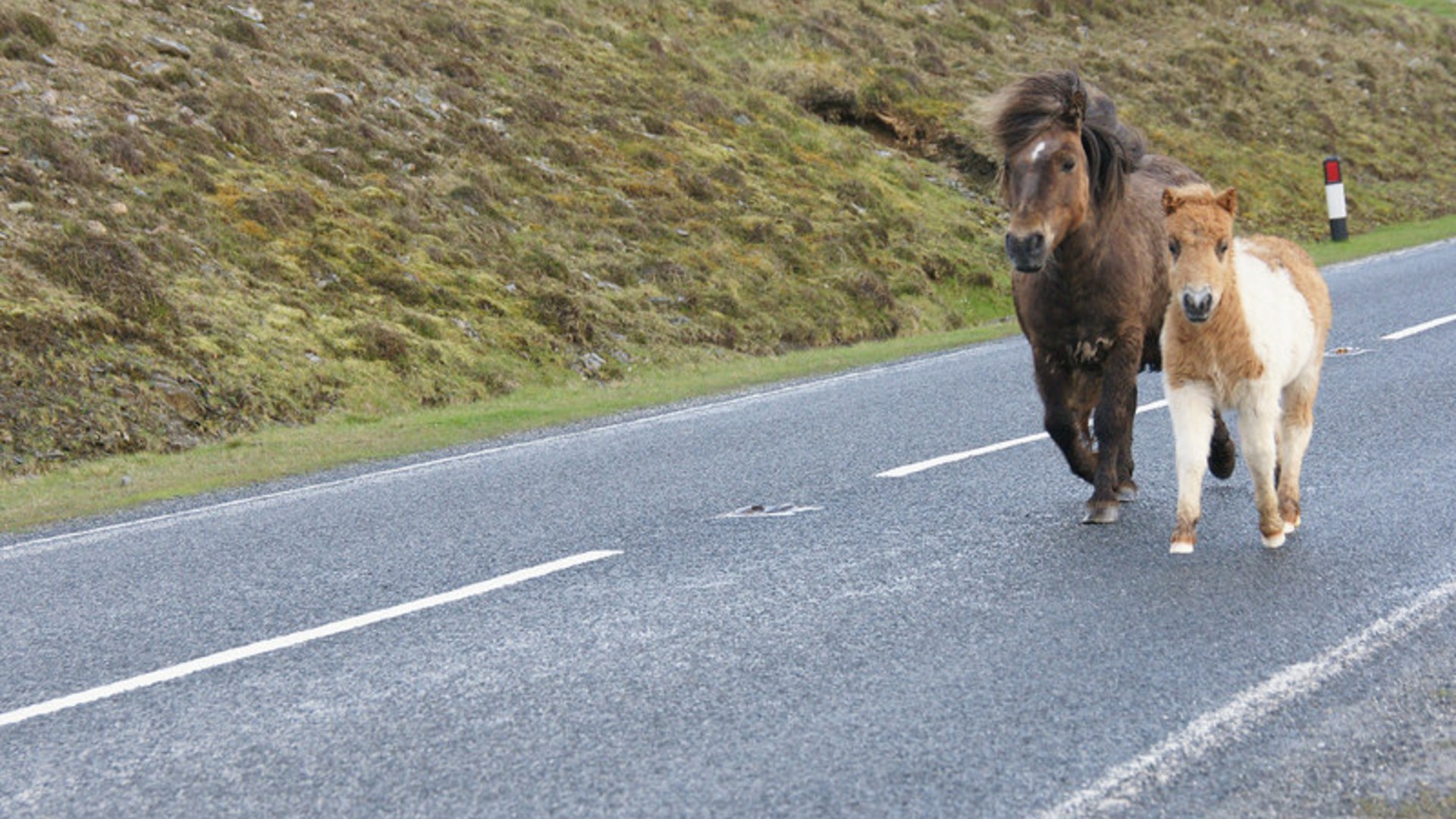
12. Shetland Ponies Of The North Sea
Inhabiting subarctic islands between Scotland and Norway, these miniature equines adapted to salty sea winds and sparse vegetation. During harsh winters, island ponies have even been observed foraging coastal seaweed along the tide line.
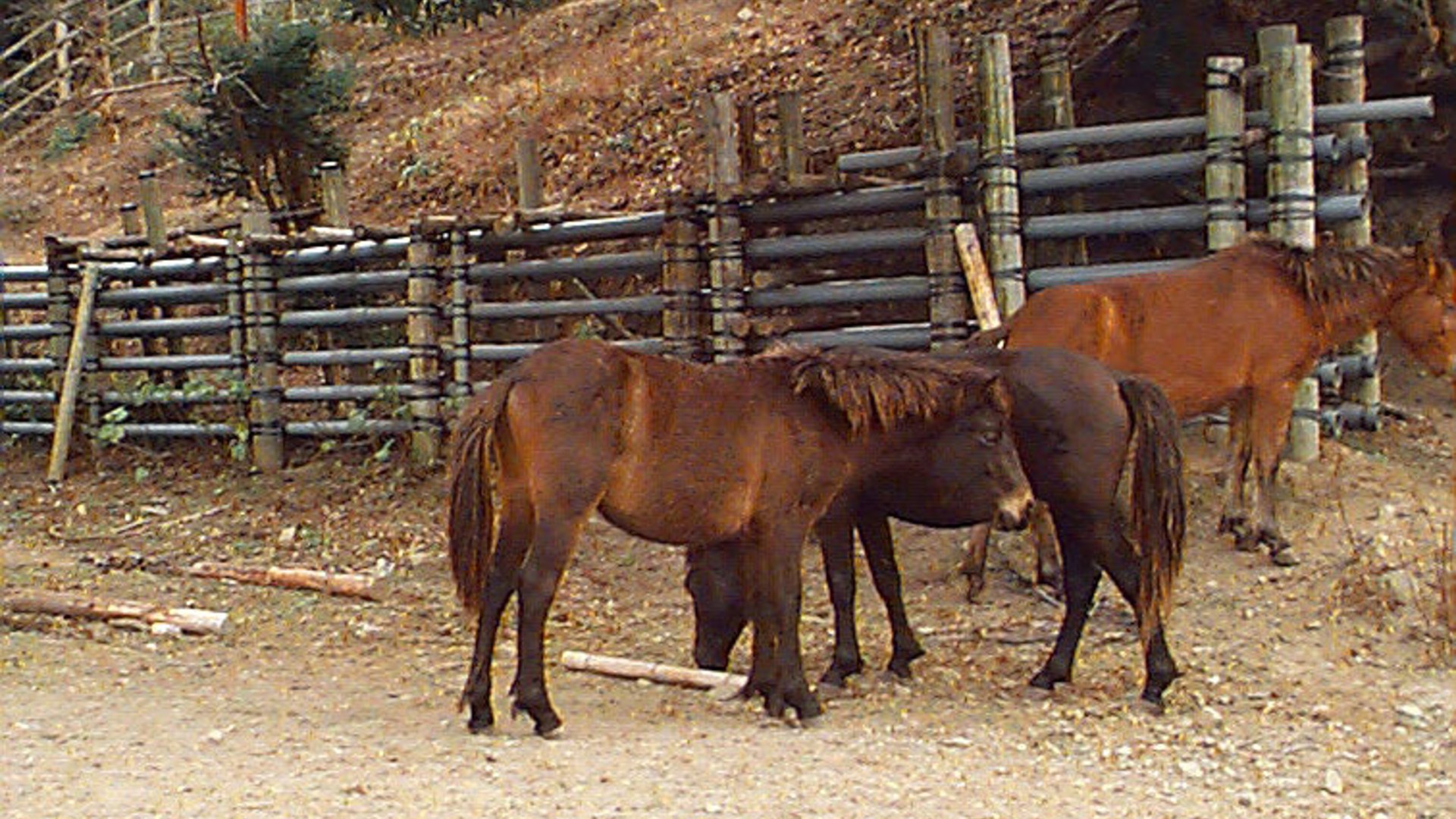
13. Misaki Horses Of Cape Toi Pacific Bluffs
Established in the seventeenth century as pasture for Samurai cavalry mounts, the herd became self-sustaining on Miyazaki's southernmost point. Today they graze peaceful subtropical slopes overlooking crashing Pacific surf.
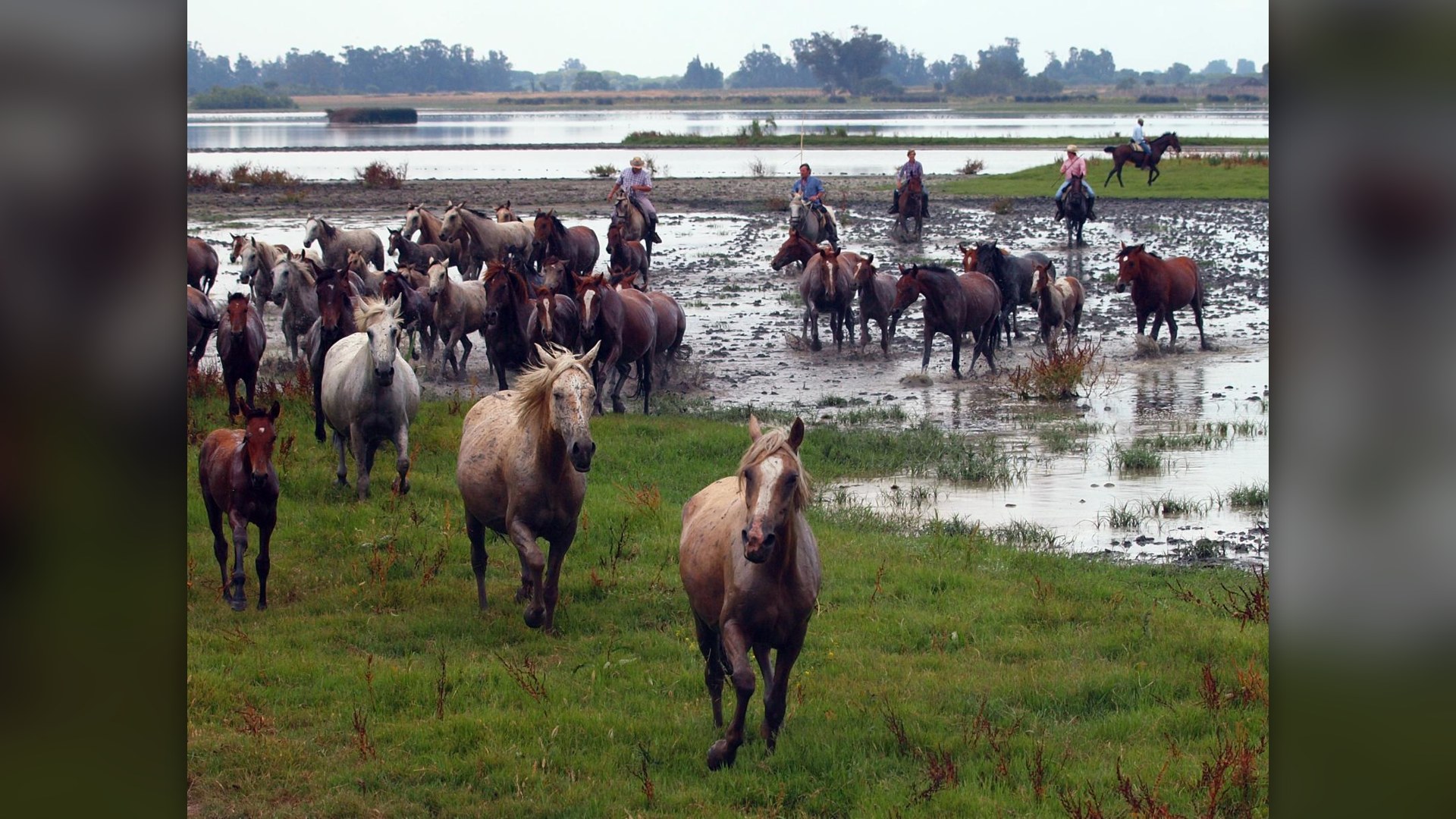
14. Donana Marismeno Marshland Horses
Living within Doñana National Park near the Gulf of Cádiz, these primitive horses wade through seasonal ocean marshes. Every June, local stockmen gather the wild mares in the centuries-old Saca de las Yeguas tradition.
15. Letea Forest Horses By The Black Sea
Abandoned during twentieth-century farm closures, these horses naturalized across the Letea maritime forest. They share coastal wetlands with white pelicans and graze among maritime sandbanks.
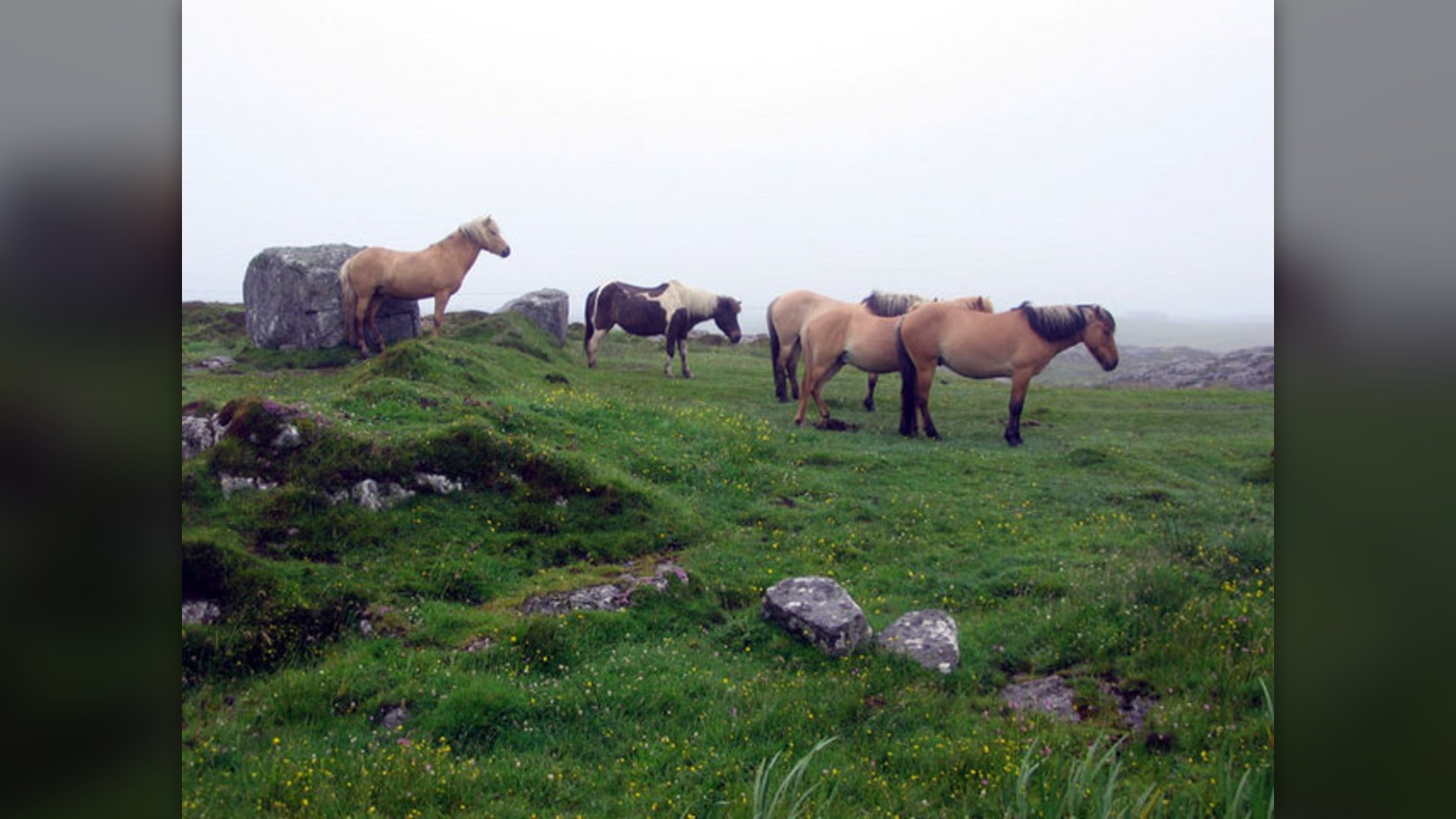
16. Carneddau Ponies Above The Irish Sea
With bloodlines dating back to Celtic times, these small horses endure harsh ocean gales on coastal Welsh hills. They survive year-round without supplemental feeding, digging through snow for coastal grasses.
17. Garrano Wild Horses Of The Iberian Coast
Recognized as one of the oldest equine lines in Europe, Garranos survive in semi-feral mountain bands. Coastal Atlantic rainstorms and rocky cliffs have shaped their thick build and resilient stamina.
18. Kerry Bog Ponies Of The Atlantic Strand
Bred for peat harvesting in County Kerry, these sure-footed small horses adapted to wet, boggy maritime terrain. Dedicated preservation programs restored the rare breed to coastal villages and pastures.
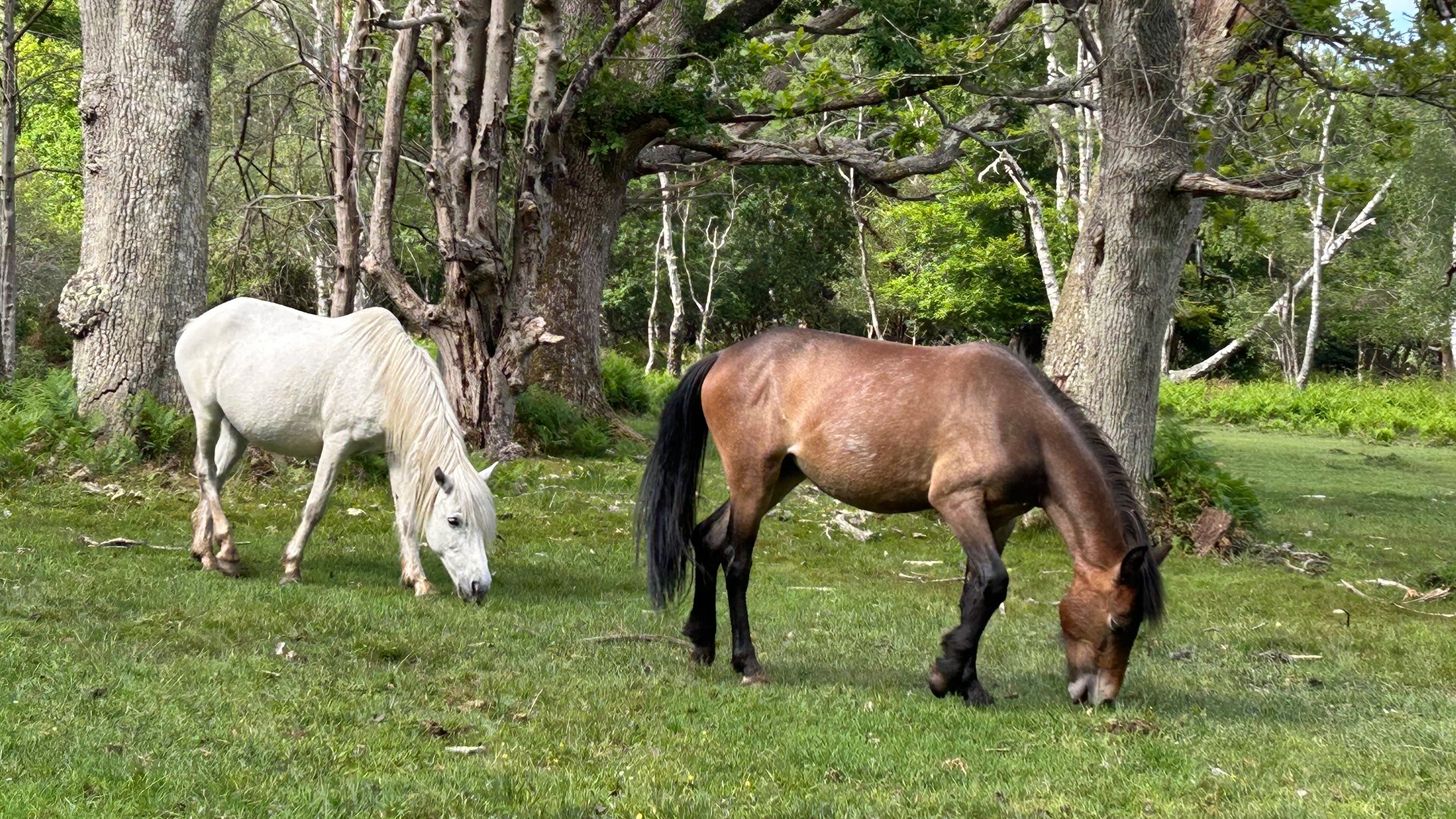
19. New Forest Ponies Along Solent Marshes
Protected under ancient common pasture rights, thousands of free-ranging ponies wander southern England down to the sea. They frequently feed on coastal shrubs and salt-tolerant grasses along estuary flats.
20. Dartmoor Ponies Of The English Channel
Feral and semi-feral herds have grazed the high moors and cliffs of southwest England for centuries. Their browsing helps preserve sensitive coastal heathland habitats along the Atlantic and Channel coasts.