Slideshow · Health
Heart-Healthy Foods Cardiologists Actually Eat
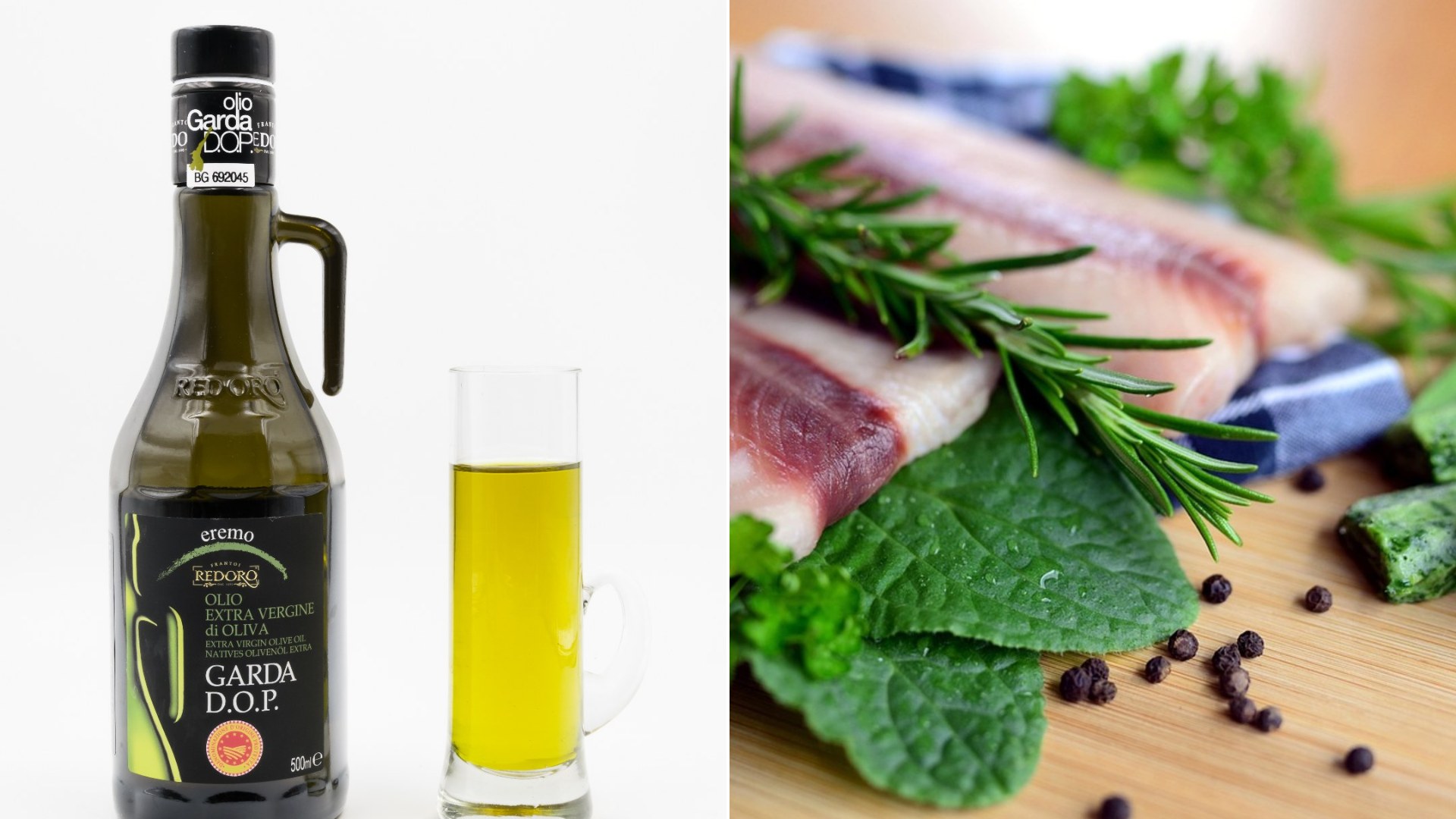
From artery-clearing polyphenols to cholesterol-trapping soluble fibers, these 15 nutrient-packed foods are clinical staples cardiologists rely on daily.
By Most Viral Today
12 Oct 2026

Heart-Healthy Foods Cardiologists Actually Eat 
15. Fresh Garlic 
14. Dark Chocolate 
13. Chia & Flax Seeds - AdvertisementSwipe or tap ▶ to continue countdown

12. Japanese Green Tea 
11. Ruby Pomegranate 
10. Vine-Ripe Tomatoes 
9. Baby Spinach - AdvertisementSwipe or tap ▶ to continue countdown

8. Earthy Beetroot 
7. Red & Brown Lentils 
6. Hass Avocados 
5. Raw English Walnuts - AdvertisementSwipe or tap ▶ to continue countdown

4. Wild Blueberries 
3. Steel-Cut Oats 
2. Wild Alaskan Salmon 
1. Extra Virgin Olive Oil - Advertisement🔥 UP NEXT IN THIS SERIES◫ 21 Slides

20 Everyday Ultra-Processed Foods to Rethink and Swap
Health agencies and nutrition researchers warn that diets heavy in ultra-processed foods raise cardiovascular and metabolic risks. Based on BMJ clinical reviews and Harvard Health guidelines, swapping packaged staples for whole foods protects gut health, curbs excess sodium, and supports steady daily energy.
From artery-clearing polyphenols to cholesterol-trapping soluble fibers, these 15 nutrient-packed foods are clinical staples cardiologists rely on daily.
Swipe or tap ▶ to begin the countdown
©Wikimedia / Jacek Halicki & Pixabay / congerdesign
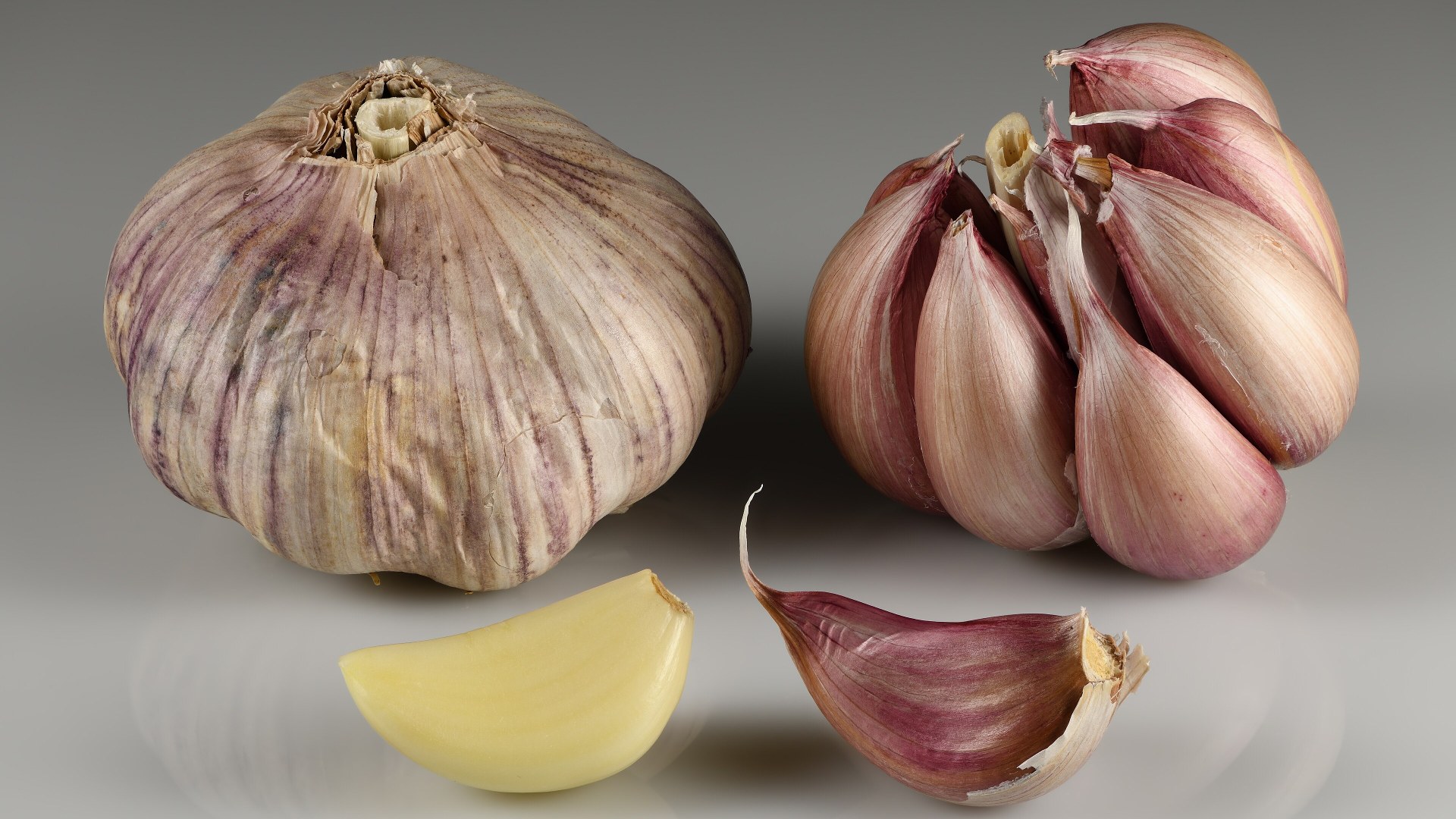
15. Fresh Garlic
Cardiologists prize raw and lightly crushed garlic for its high yield of allicin, an active organosulfur compound that boosts vascular nitric oxide production, helping relax arterial walls and manage blood pressure.
©Wikimedia / Ivar Leidus
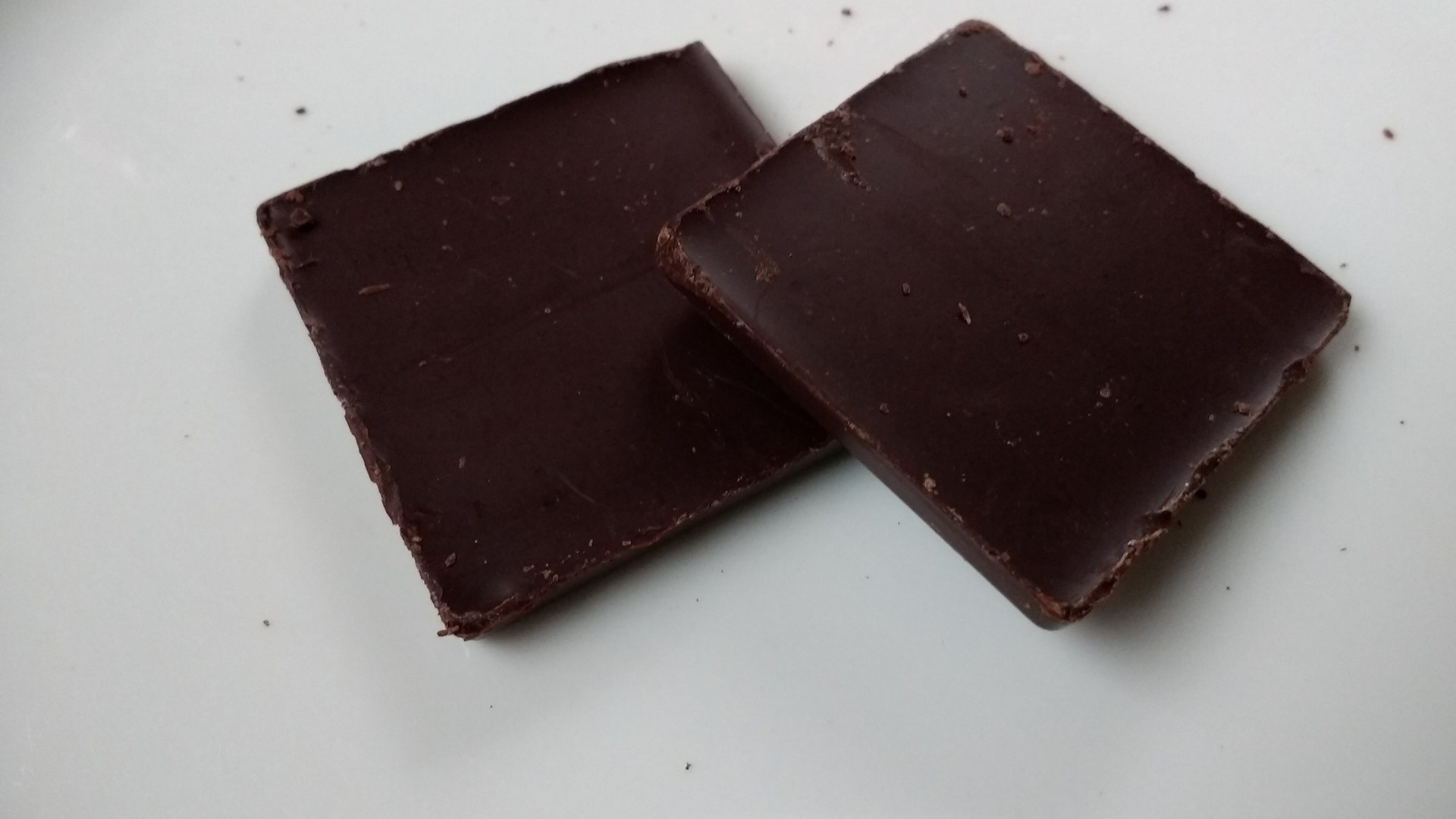
14. Dark Chocolate
Consuming moderate portions of minimally processed dark chocolate with 70% or higher cacao delivers concentrated flavanols like epicatechin, which enhance endothelial function and reduce systemic arterial stiffness.
©Wikimedia / Mx. Granger
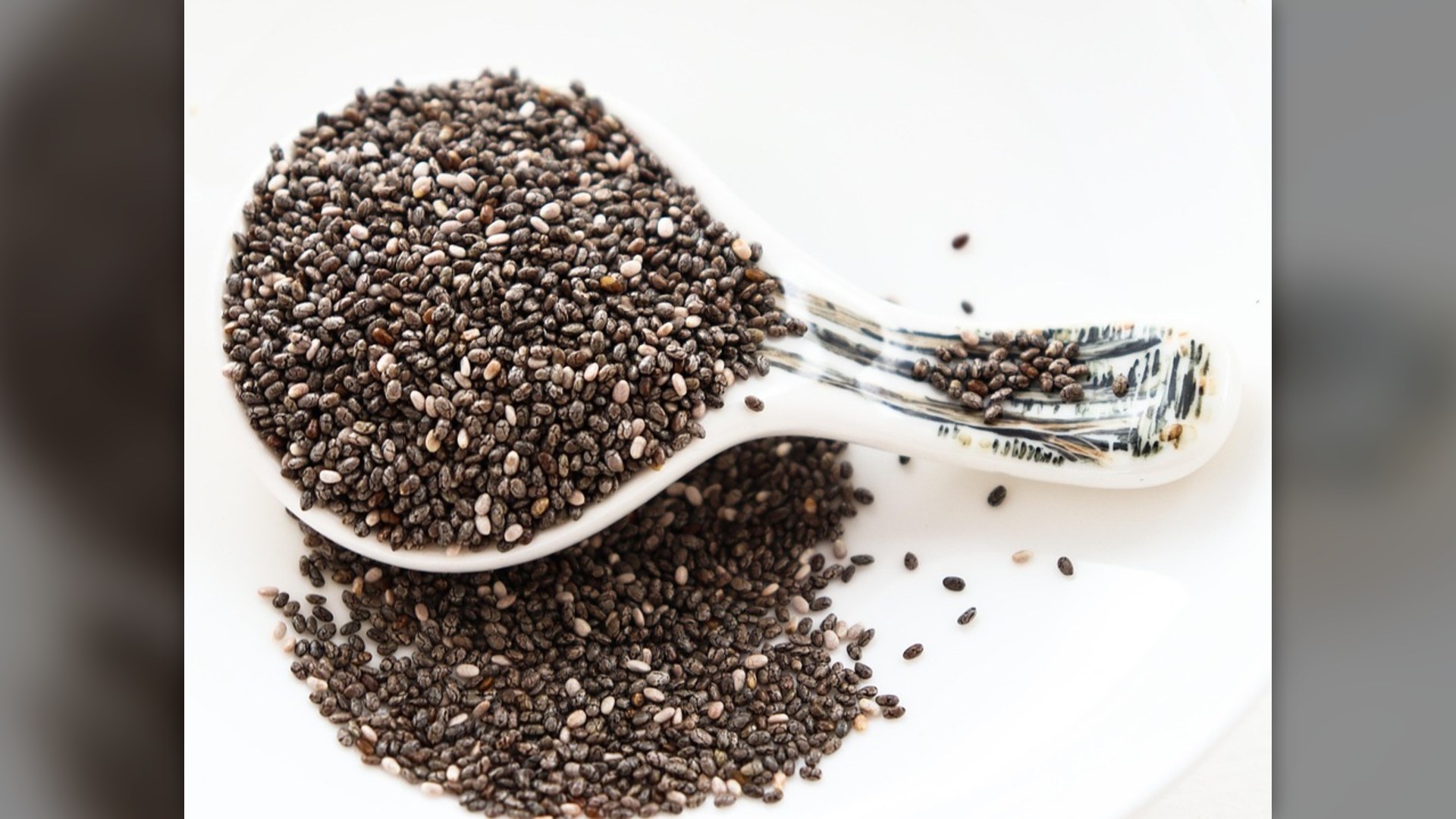
13. Chia & Flax Seeds
Just two tablespoons of chia or ground flaxseeds supply a potent dose of plant-based ALA omega-3 fatty acids and mucilage soluble fiber, which actively bind excess bile acids in the gut to lower circulating LDL cholesterol.
©Pixabay / allybally4b
Advertisement
Swipe or tap ▶ to resume the countdown.
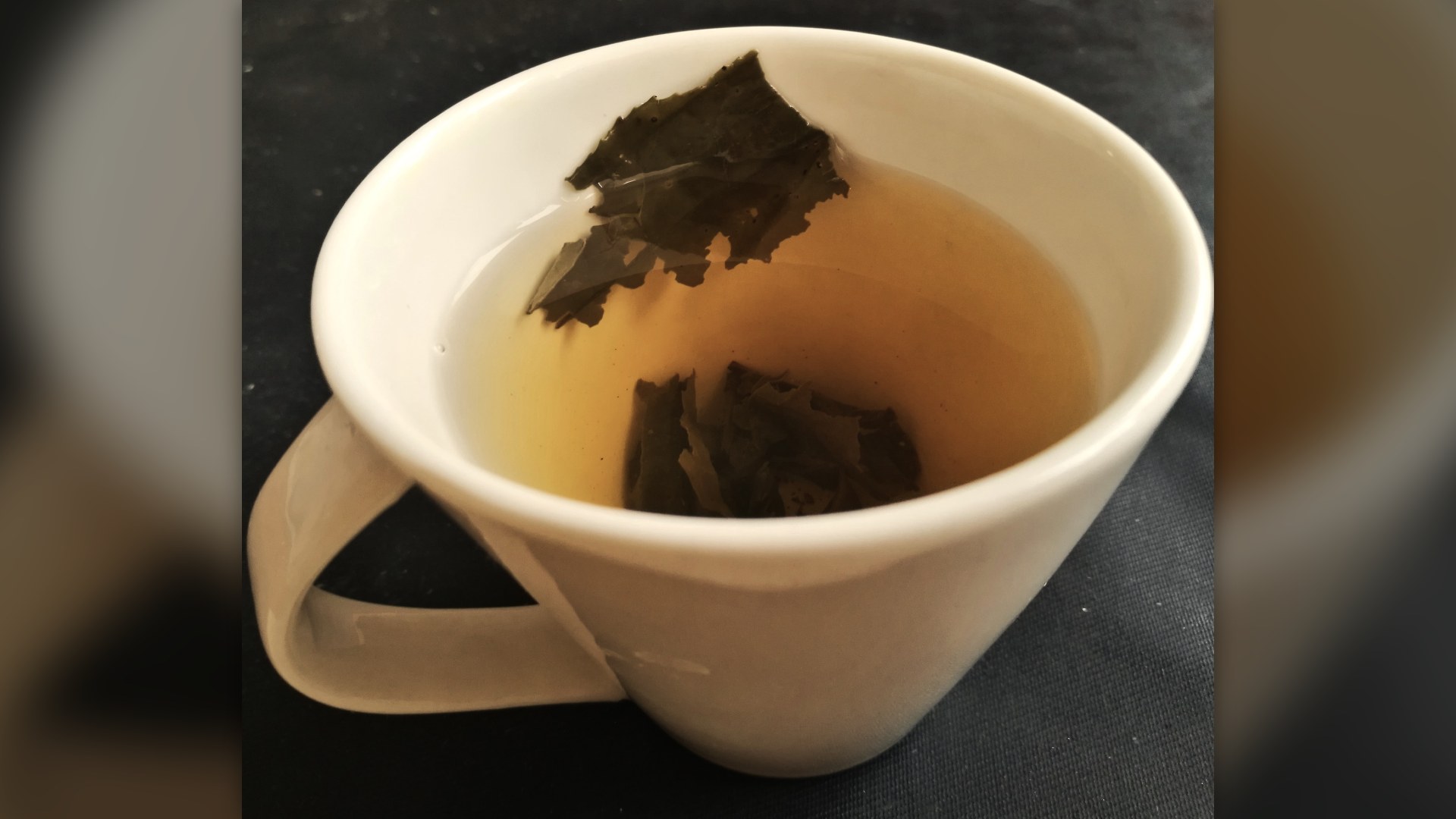
12. Japanese Green Tea
Cardiologists frequently substitute morning coffee with brewed green tea to harness epigallocatechin gallate (EGCG), a supreme antioxidant shown to inhibit lipid peroxidation and safeguard sensitive coronary endothelial cells.
©Wikimedia / BogTar201213
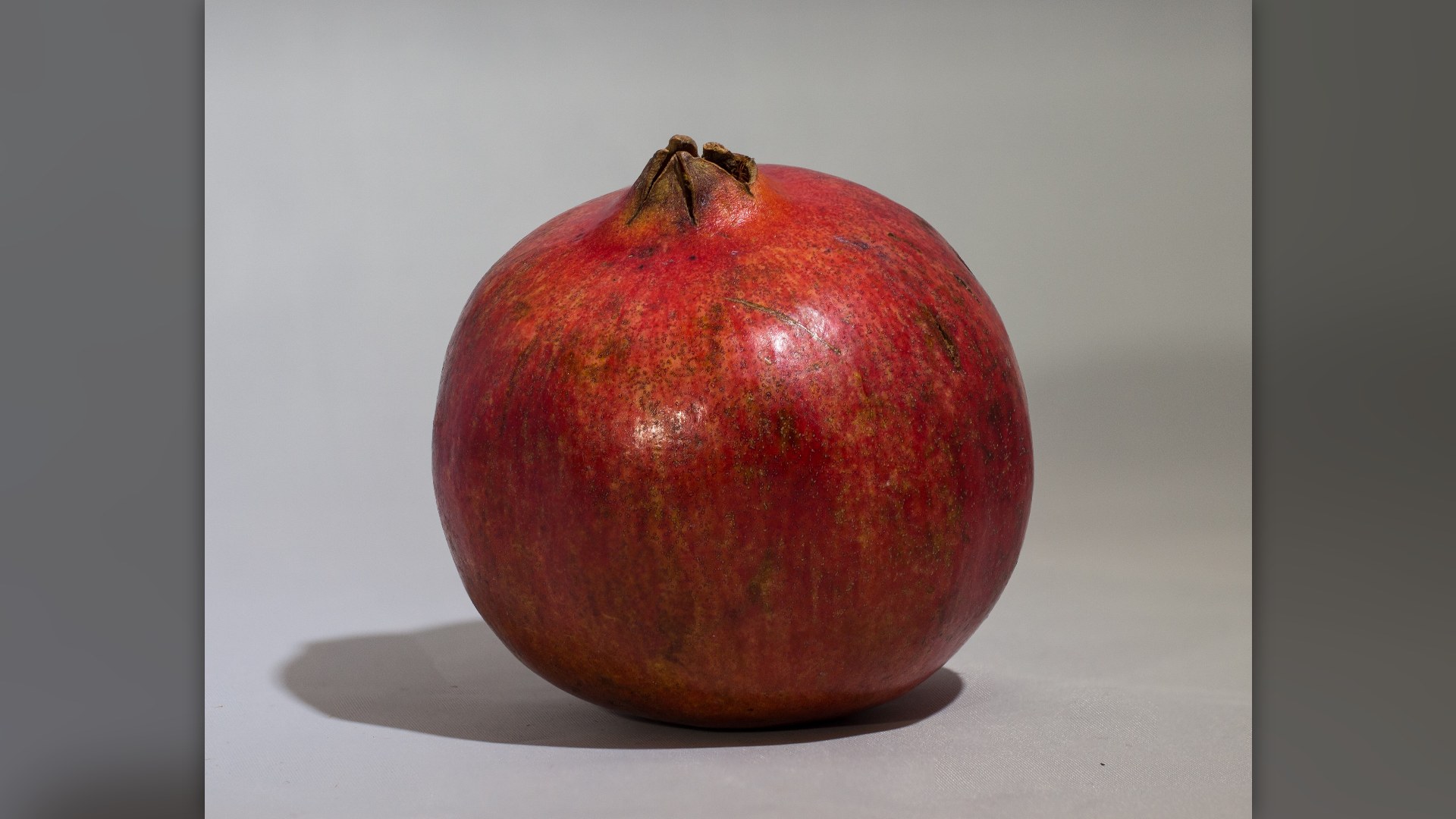
11. Ruby Pomegranate
Pomegranate arils are loaded with punicalagins, unique polyphenols that boost serum paraoxonase activity, preventing the oxidative modification of low-density lipoproteins and preserving healthy carotid blood flow.
©Wikimedia / Rhododendrites
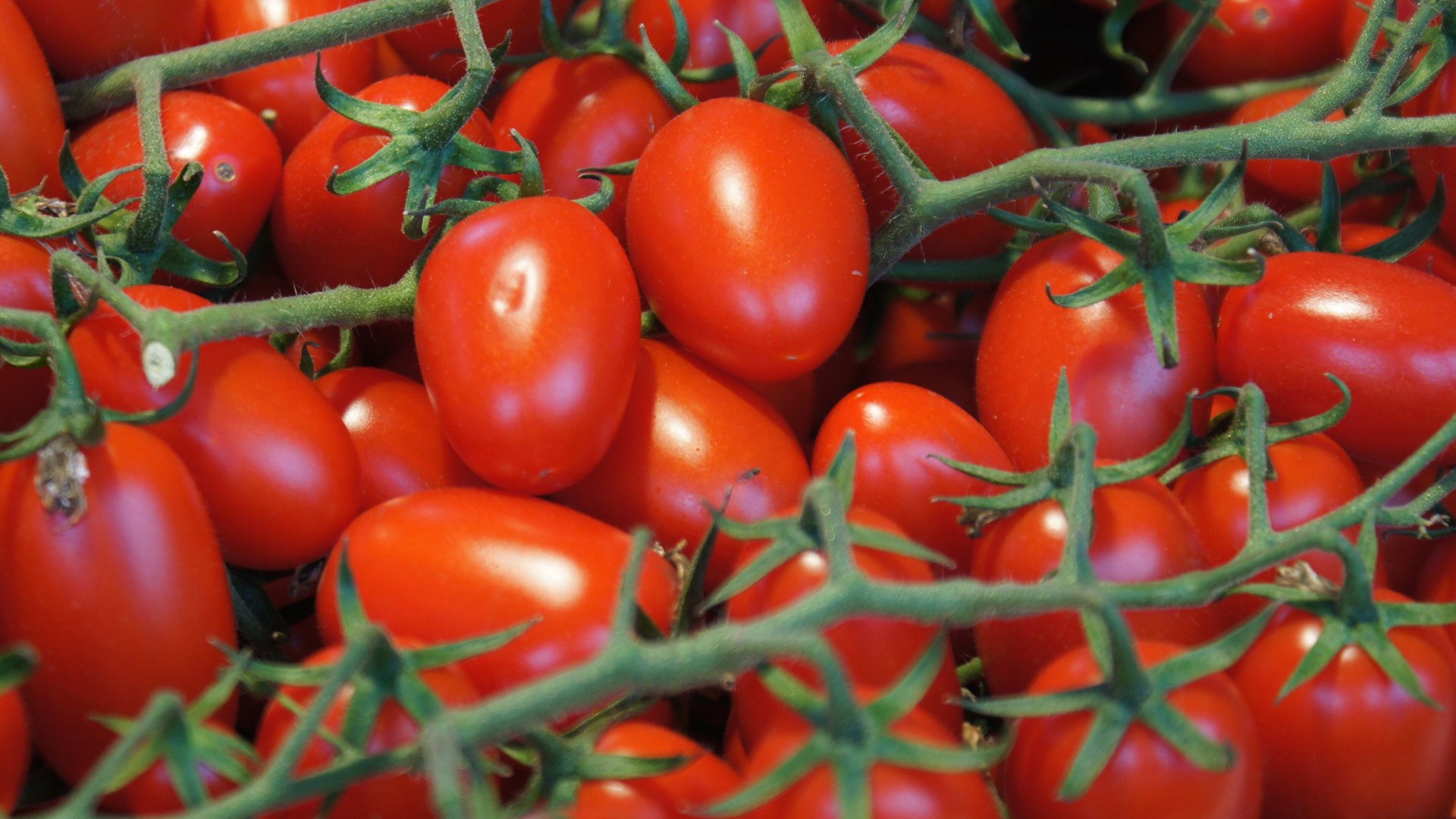
10. Vine-Ripe Tomatoes
Cooked or olive-oil-drizzled tomatoes liberate bioavailable lycopene, a powerful carotenoid that concentrates in plasma membranes to inhibit LDL oxidation and significantly lower the clinical risk of ischemic stroke.
©Wikimedia / domdomegg
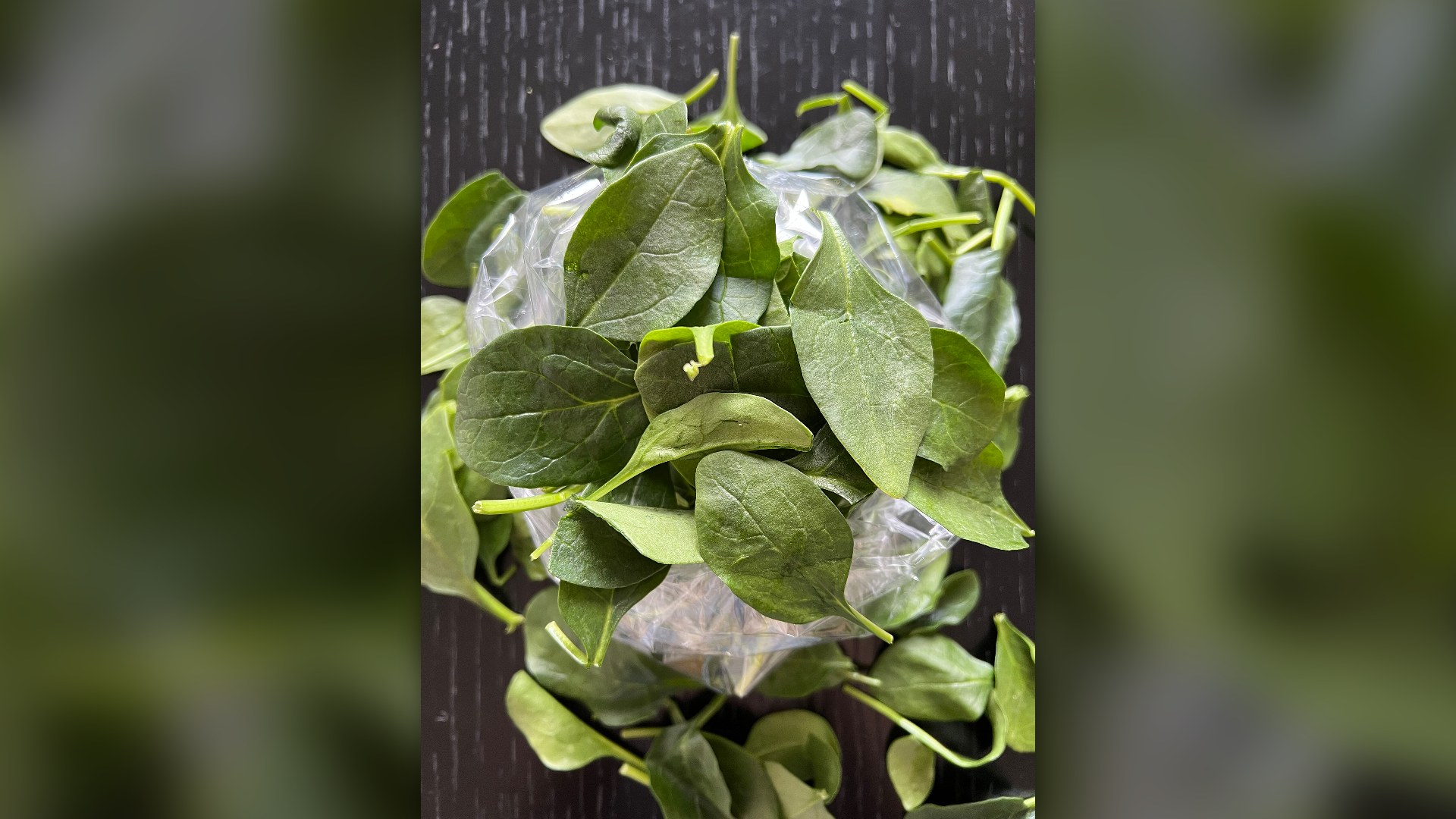
9. Baby Spinach
Dark leafy greens like baby spinach provide concentrated inorganic nitrates that convert into vascular nitric oxide upon ingestion, dilating stiff vessels, reducing cardiac workload, and naturally easing systolic pressure.
©Wikimedia / HaJunkiyada
Advertisement
Swipe or tap ▶ to resume the countdown.
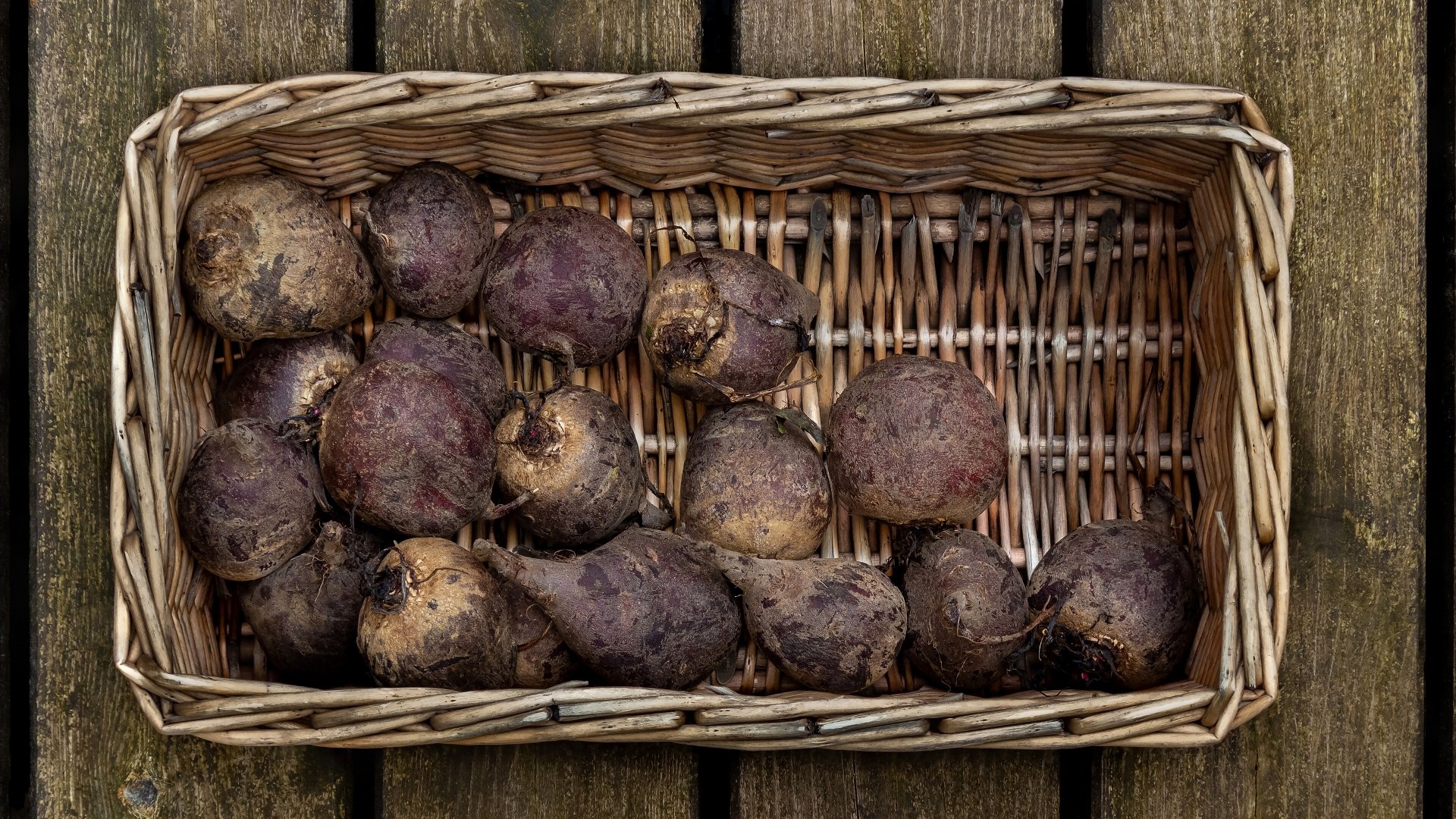
8. Earthy Beetroot
Beetroots are celebrated in clinical cardiology for delivering heavy concentrations of dietary nitrates and betalain antioxidants, rapidly optimizing peripheral circulation and lowering systemic vascular resistance.
©Wikimedia / W.carter
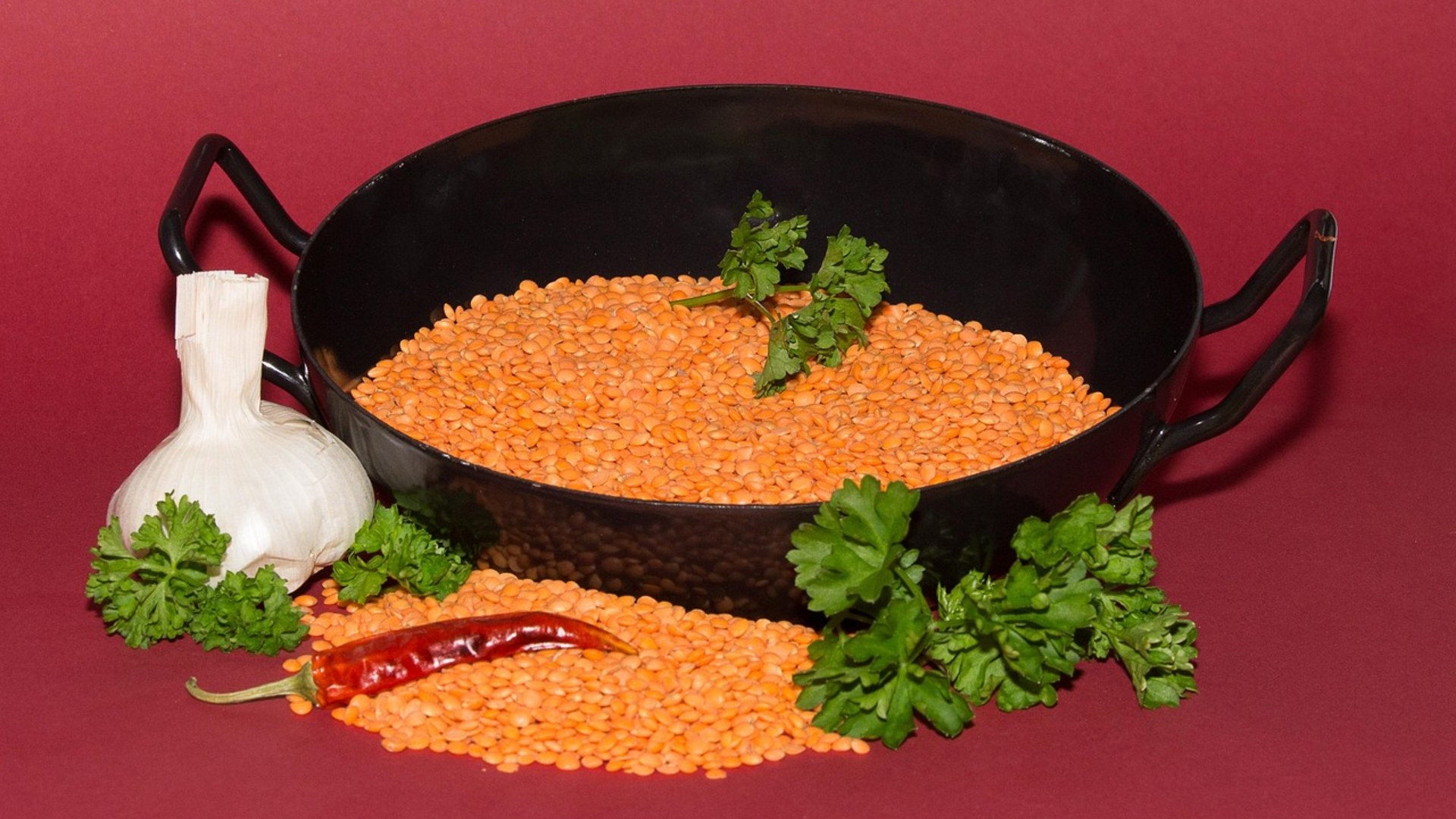
7. Red & Brown Lentils
A staple pulse across heart-protective dietary patterns, lentils provide magnesium, potassium, and resistant starch that curb blood glucose spikes while significantly reducing apolipoprotein B and total cardiovascular risk.
©Pixabay / maxmann
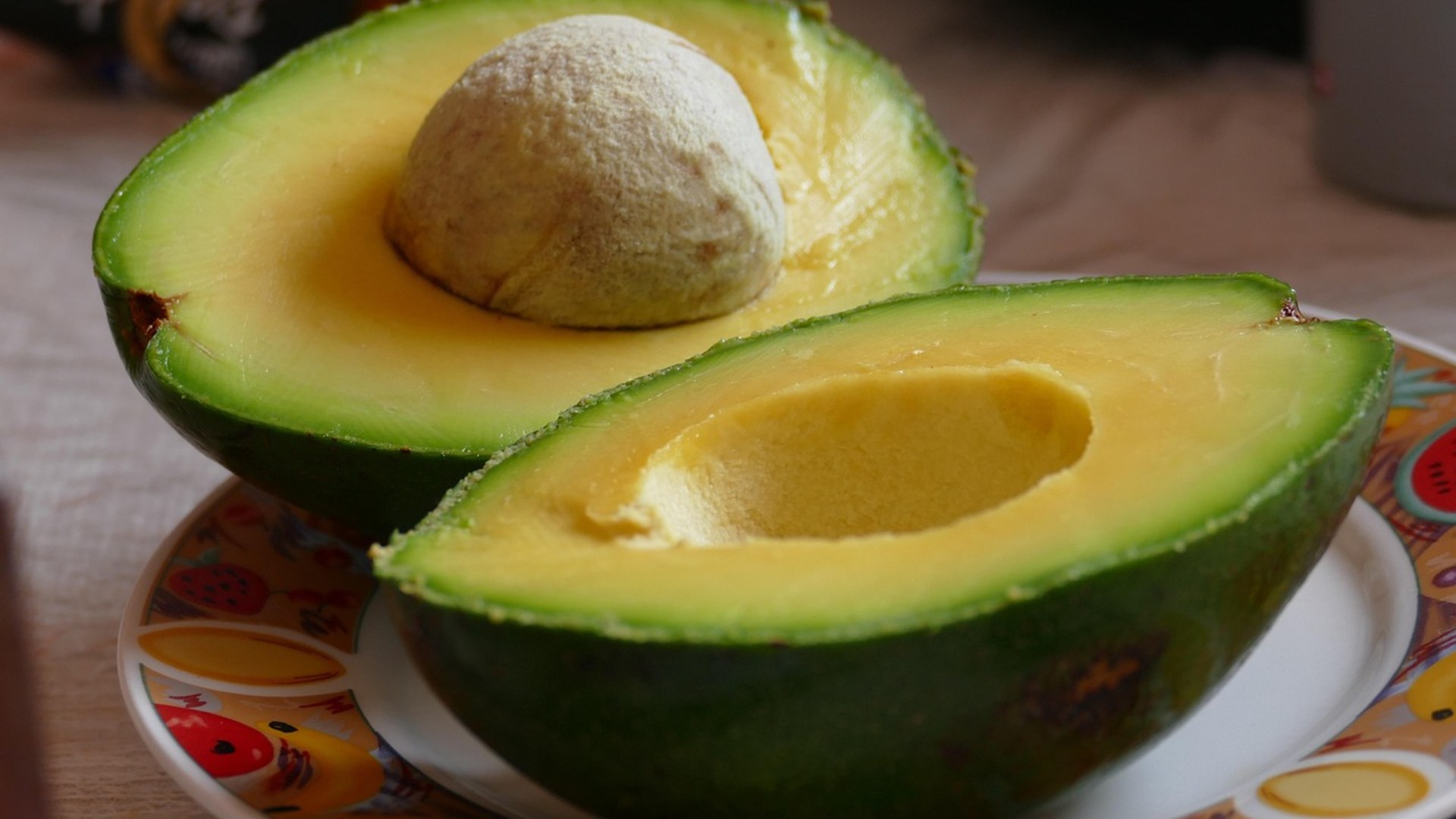
6. Hass Avocados
Abundant in heart-protecting oleic acid and potassium, avocados improve lipid particle quality by raising protective HDL cholesterol and displacing harmful saturated fats without raising glycemic load.
©Pixabay / silverstylus
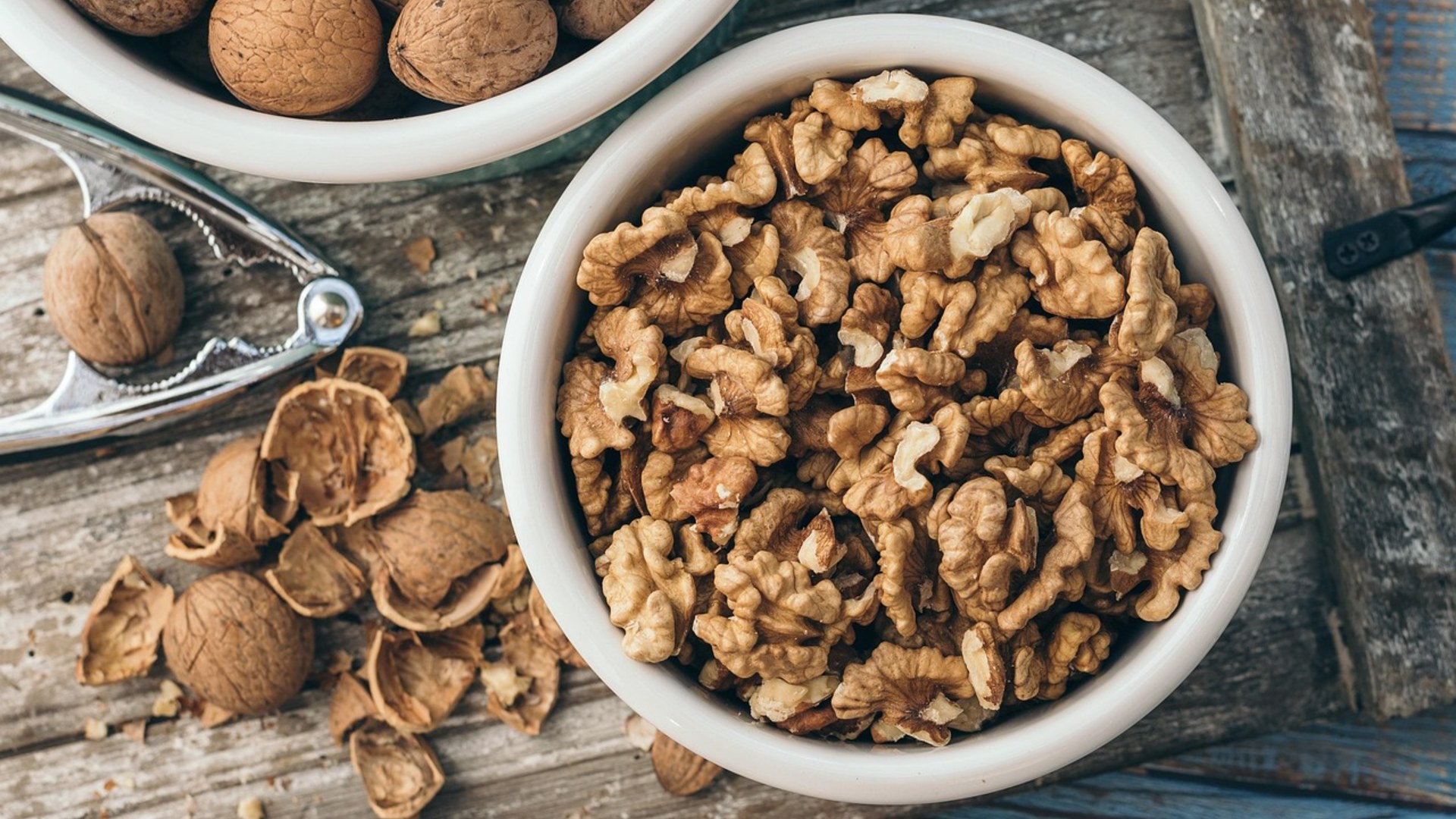
5. Raw English Walnuts
Walnuts stand apart in cardiovascular medicine as the premier tree nut high in plant omega-3 alpha-linolenic acid, enhancing brachial artery reactivity and reducing markers of cellular inflammation.
©Pixabay / Miller_Eszter
Advertisement
Swipe or tap ▶ to resume the countdown.
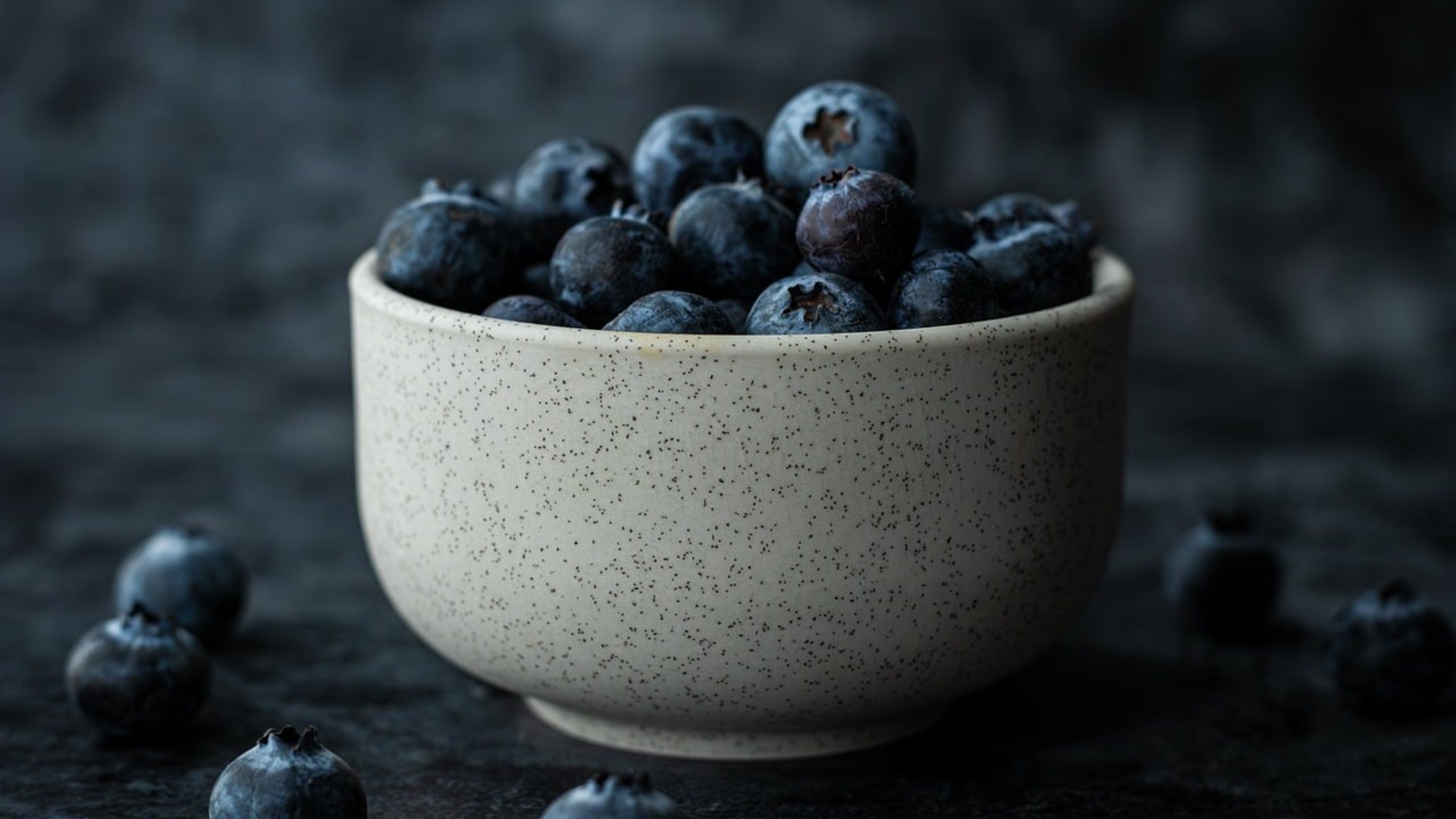
4. Wild Blueberries
Cardiologists advocate for daily blueberries because their rich anthocyanin pigments protect nitric oxide bioactivity, improving flow-mediated dilation and shielding arterial microvasculature from oxidative damage.
©Pixabay / TheDesignLady87
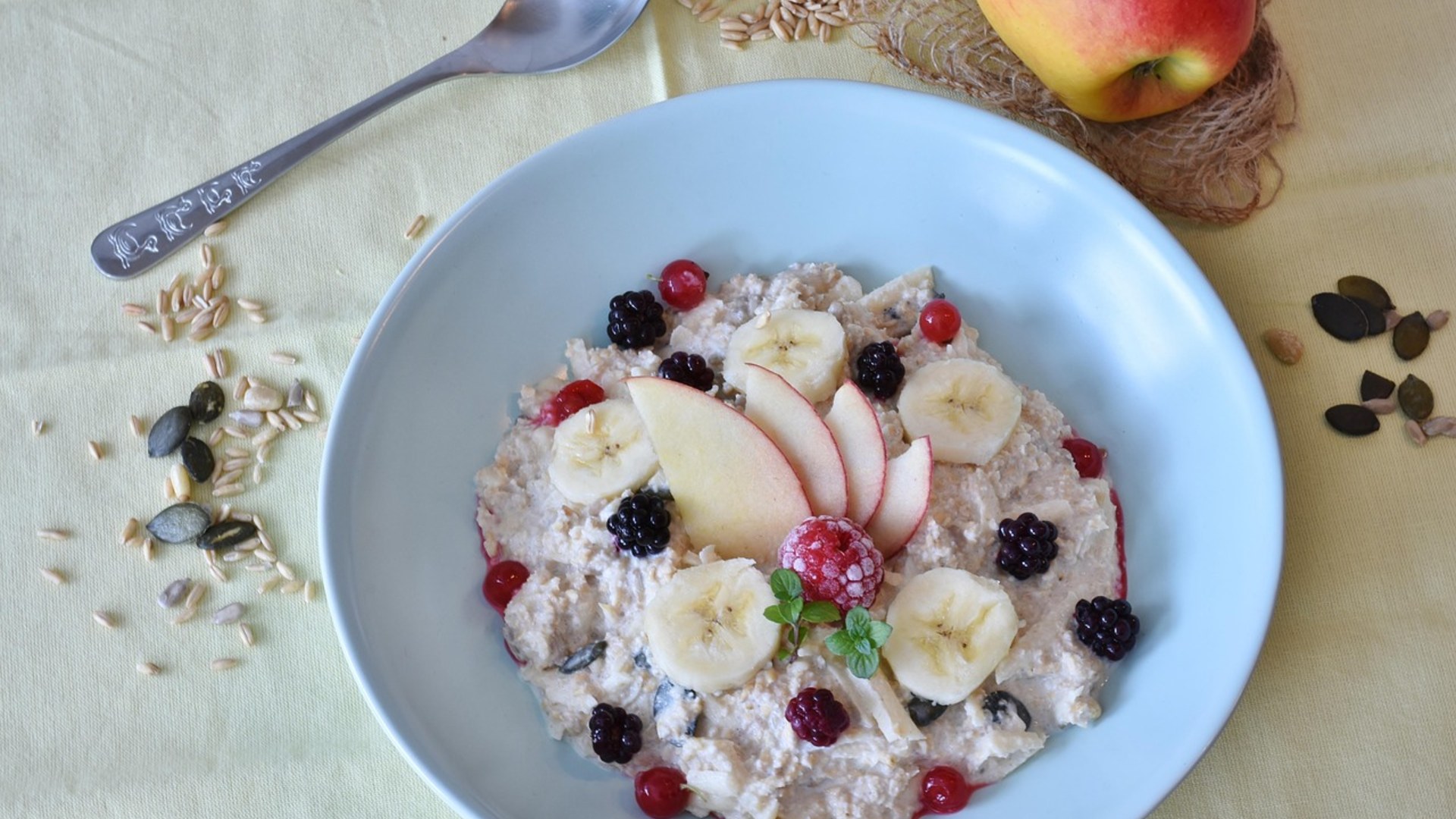
3. Steel-Cut Oats
Minimally processed steel-cut oats contain dense gel-forming beta-glucan, a soluble dietary fiber that binds cholesterol-rich bile acids in the digestive tract and excretes them before they can enter the bloodstream.
©Pixabay / RitaE
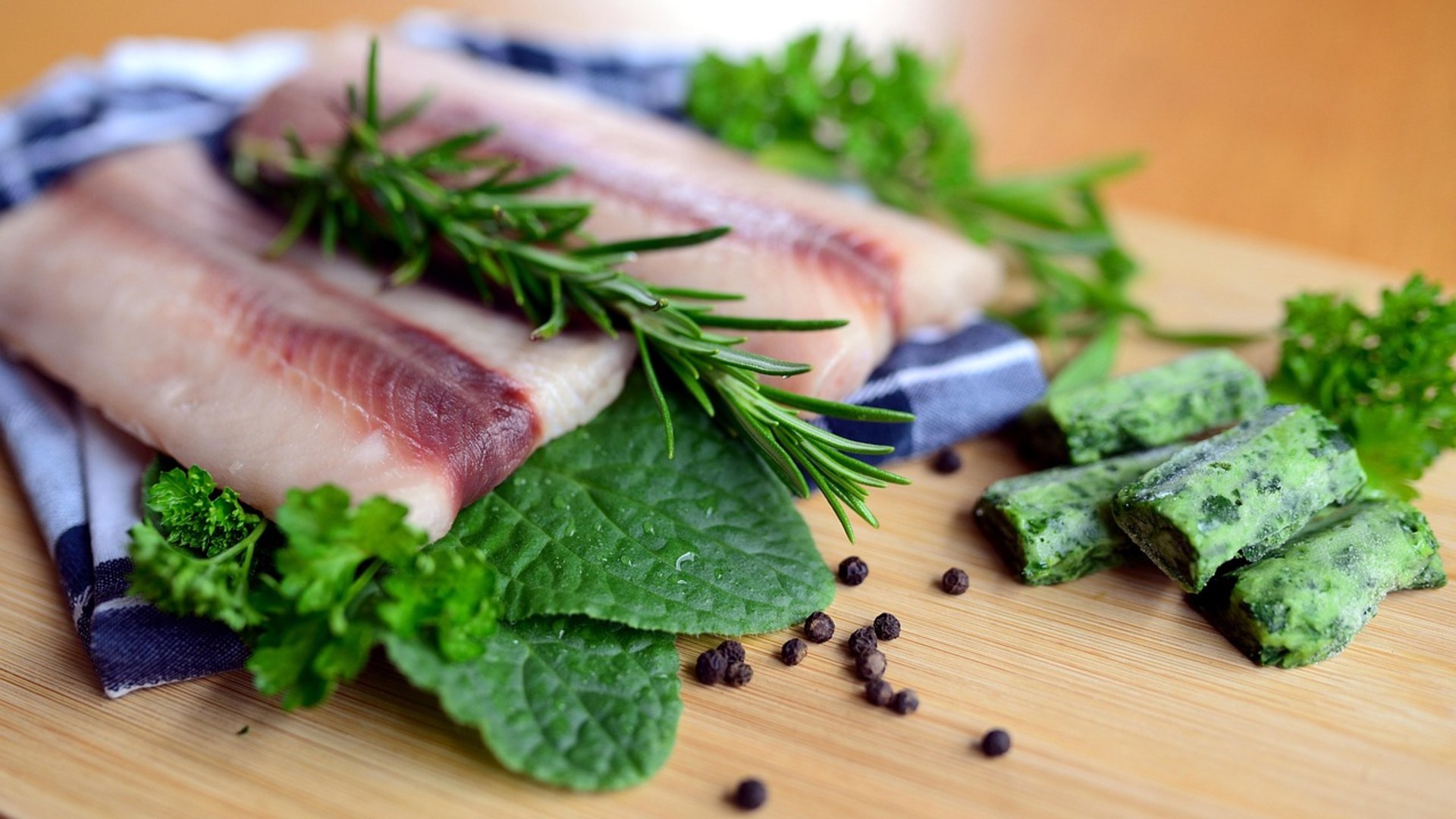
2. Wild Alaskan Salmon
Cold-water fatty fish delivers direct long-chain EPA and DHA omega-3 fatty acids that stabilize myocardial electrical membranes, reduce triglyceride levels, and curb the formation of dangerous arterial blood clots.
©Pixabay / congerdesign
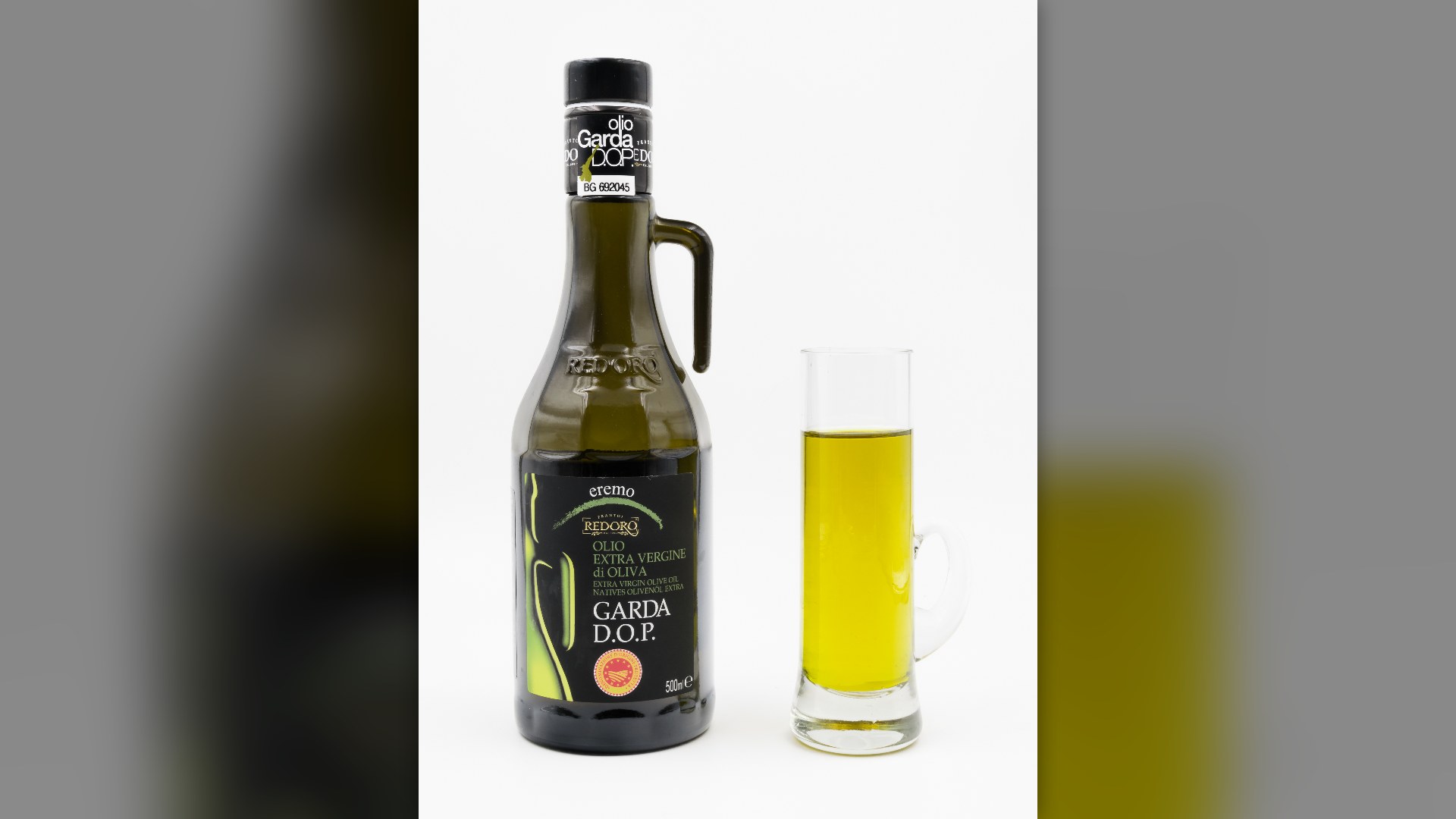
1. Extra Virgin Olive Oil
Consistently ranked as the holy grail of cardioprotective nutrition, cold-pressed extra virgin olive oil supplies monounsaturated oleic acid and potent polyphenols like oleocanthal that slash cardiovascular mortality.

©Wikimedia / Jacek Halicki
Advertisement
You've reached the end of the story. Thanks for reading!

20 Everyday Ultra-Processed Foods to Rethink and Swap
Health agencies and nutrition researchers warn that diets heavy in ultra-processed foods raise cardiovascular and metabolic risks. Based on BMJ clinical reviews and Harvard Health guidelines, swapping packaged staples for whole foods protects gut health, curbs excess sodium, and supports steady daily energy.
All 15 Entries in this Story
15. Fresh Garlic
Cardiologists prize raw and lightly crushed garlic for its high yield of allicin, an active organosulfur compound that boosts vascular nitric oxide production, helping relax arterial walls and manage blood pressure.

14. Dark Chocolate
Consuming moderate portions of minimally processed dark chocolate with 70% or higher cacao delivers concentrated flavanols like epicatechin, which enhance endothelial function and reduce systemic arterial stiffness.

13. Chia & Flax Seeds
Just two tablespoons of chia or ground flaxseeds supply a potent dose of plant-based ALA omega-3 fatty acids and mucilage soluble fiber, which actively bind excess bile acids in the gut to lower circulating LDL cholesterol.

12. Japanese Green Tea
Cardiologists frequently substitute morning coffee with brewed green tea to harness epigallocatechin gallate (EGCG), a supreme antioxidant shown to inhibit lipid peroxidation and safeguard sensitive coronary endothelial cells.

11. Ruby Pomegranate
Pomegranate arils are loaded with punicalagins, unique polyphenols that boost serum paraoxonase activity, preventing the oxidative modification of low-density lipoproteins and preserving healthy carotid blood flow.

10. Vine-Ripe Tomatoes
Cooked or olive-oil-drizzled tomatoes liberate bioavailable lycopene, a powerful carotenoid that concentrates in plasma membranes to inhibit LDL oxidation and significantly lower the clinical risk of ischemic stroke.

9. Baby Spinach
Dark leafy greens like baby spinach provide concentrated inorganic nitrates that convert into vascular nitric oxide upon ingestion, dilating stiff vessels, reducing cardiac workload, and naturally easing systolic pressure.

8. Earthy Beetroot
Beetroots are celebrated in clinical cardiology for delivering heavy concentrations of dietary nitrates and betalain antioxidants, rapidly optimizing peripheral circulation and lowering systemic vascular resistance.

7. Red & Brown Lentils
A staple pulse across heart-protective dietary patterns, lentils provide magnesium, potassium, and resistant starch that curb blood glucose spikes while significantly reducing apolipoprotein B and total cardiovascular risk.

6. Hass Avocados
Abundant in heart-protecting oleic acid and potassium, avocados improve lipid particle quality by raising protective HDL cholesterol and displacing harmful saturated fats without raising glycemic load.

5. Raw English Walnuts
Walnuts stand apart in cardiovascular medicine as the premier tree nut high in plant omega-3 alpha-linolenic acid, enhancing brachial artery reactivity and reducing markers of cellular inflammation.

4. Wild Blueberries
Cardiologists advocate for daily blueberries because their rich anthocyanin pigments protect nitric oxide bioactivity, improving flow-mediated dilation and shielding arterial microvasculature from oxidative damage.

3. Steel-Cut Oats
Minimally processed steel-cut oats contain dense gel-forming beta-glucan, a soluble dietary fiber that binds cholesterol-rich bile acids in the digestive tract and excretes them before they can enter the bloodstream.

2. Wild Alaskan Salmon
Cold-water fatty fish delivers direct long-chain EPA and DHA omega-3 fatty acids that stabilize myocardial electrical membranes, reduce triglyceride levels, and curb the formation of dangerous arterial blood clots.

1. Extra Virgin Olive Oil
Consistently ranked as the holy grail of cardioprotective nutrition, cold-pressed extra virgin olive oil supplies monounsaturated oleic acid and potent polyphenols like oleocanthal that slash cardiovascular mortality.