Slideshow · Animals
20 Most Unusual Ways Diseases Have Spread Between Animals and Humans
How have strange animal encounters sparked bizarre disease outbreaks in humans?
By Most Viral Today
6 Nov 2026

20 Unusual Ways Diseases Have Spread to Humans 
20. Cuddling Pet Hedgehogs 
19. Hugging Backyard Poultry 
18. Handling Nine-Banded Armadillos - AdvertisementSwipe or tap ▶ to continue countdown

17. Sweeping Dusty Mountain Cabins 
16. Handling Miniature Turtles 
15. Trading Exotic Prairie Dogs 
14. Drinking Raw Camel Milk - AdvertisementSwipe or tap ▶ to continue countdown

13. Eating Undercooked Bear Meat 
12. Playful Kitten Scratches 
11. Inhaling Parakeet Cage Dust 
10. Exploring Fruit Bat Caves - AdvertisementSwipe or tap ▶ to continue countdown

9. Cleaning Home Aquariums 
8. Consuming Raw Livestock Dairy 
7. Mowing Over Wild Rabbit Nests 
6. Wading In Water With Rat Urine - AdvertisementSwipe or tap ▶ to continue countdown

5. Inhaling Downwind Livestock Dust 
4. Foraging Unwashed Forest Berries 
3. Handling Sick Ground Squirrels 
2. Slicing Raw Wild Boar Liver - AdvertisementSwipe or tap ▶ to continue countdown

1. Drinking Bat-Visited Palm Sap - Advertisement🔥 UP NEXT IN THIS SERIES◫ 26 Slides

25 Animals That May Detect Fear Through Scent and Body Language
From specialized olfactory receptors to airborne alarm pheromones, numerous species possess the extraordinary ability to detect chemical distress signals. Based on research from Live Science, National Geographic, and peer-reviewed biology journals, here are twenty-five animals that can smell and sense fear.
Throughout modern medical history, unusual interactions with wildlife and household pets have sparked surprising zoonotic outbreaks. From kissing backyard poultry to breathing dust in rustic mountain cabins, these 20 documented disease spillovers reveal the complex biological bridges between animals and humans.
Swipe or tap ▶ to begin the countdown
©CDC / Public Health Image Library
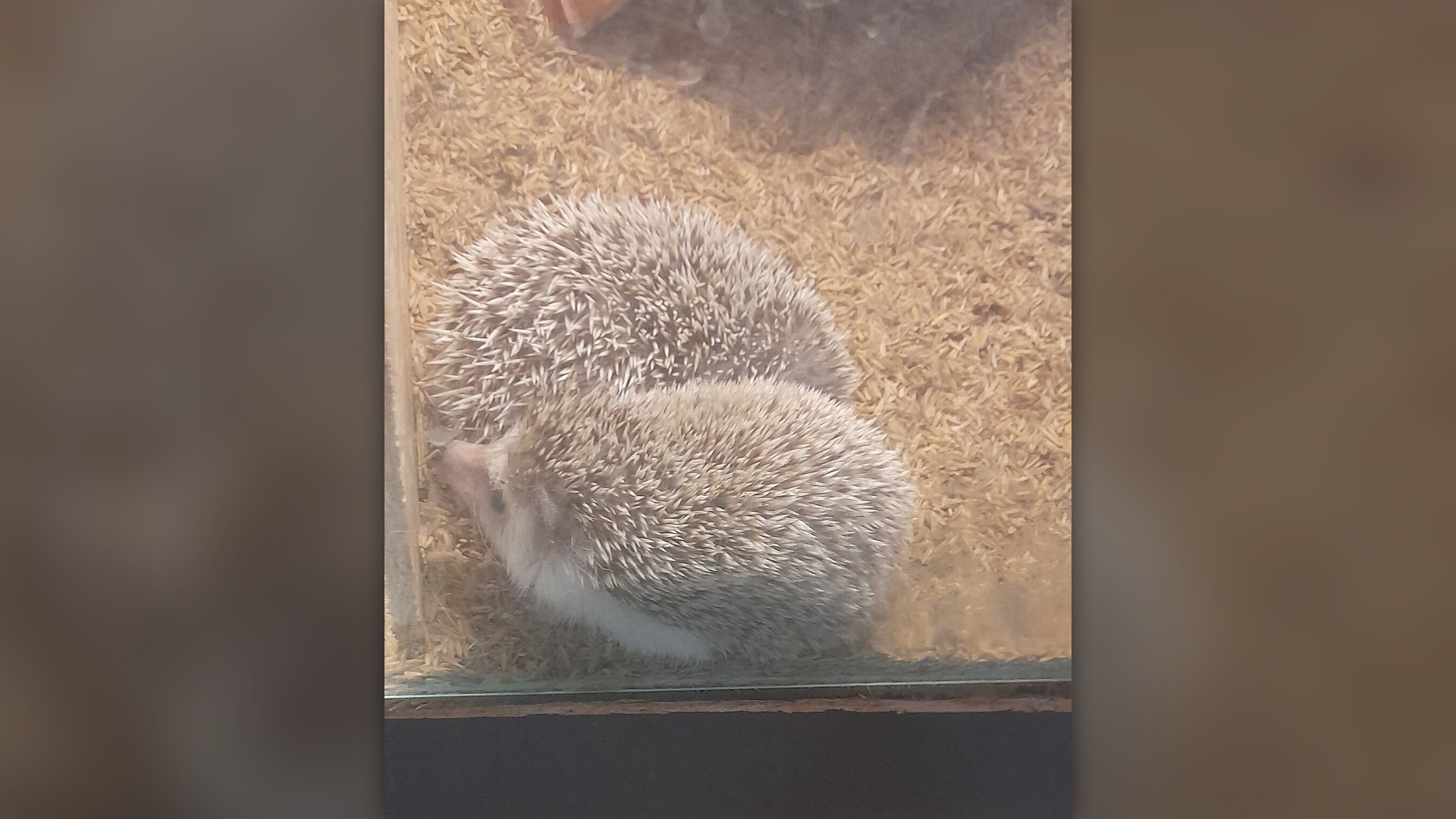
20. Cuddling Pet Hedgehogs
African pygmy hedgehogs frequently harbor Salmonella bacteria in their intestinal tracts and on their quills without appearing sick. Public health investigations by the CDC traced multiple multi-state salmonella outbreaks to owners nuzzling, kissing, and handling their pet hedgehogs without hand washing.
©Wikimedia Commons / Yercaud-elango
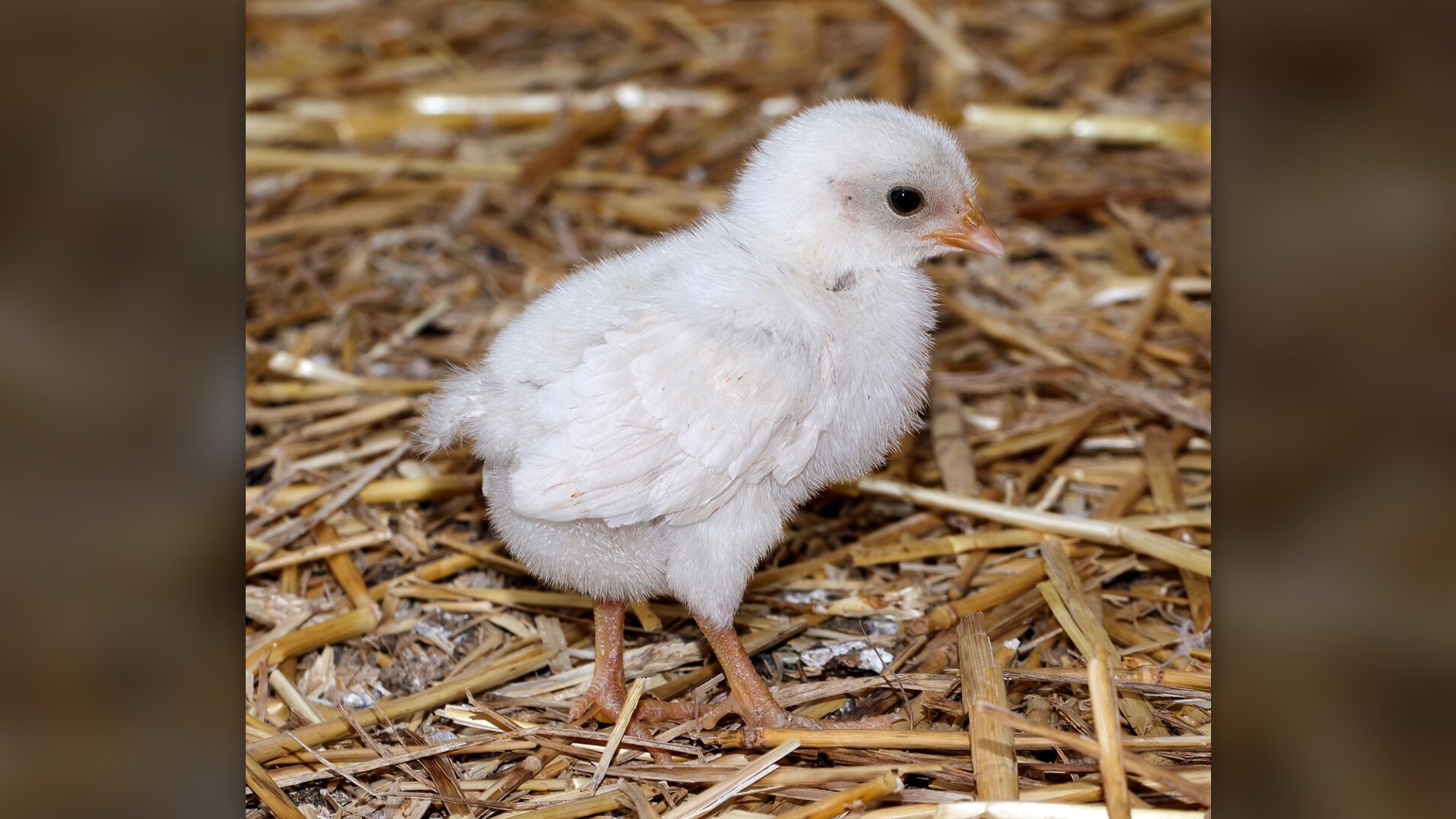
19. Hugging Backyard Poultry
The popular surge in backyard chicken coops brought unexpected health warnings from infectious disease experts. Chickens and ducklings shed Salmonella and Campylobacter across their feathers and beaks, causing severe intestinal illness when owners hug, kiss, or bring live birds into home living spaces.
©Wikimedia Commons / H. Zell
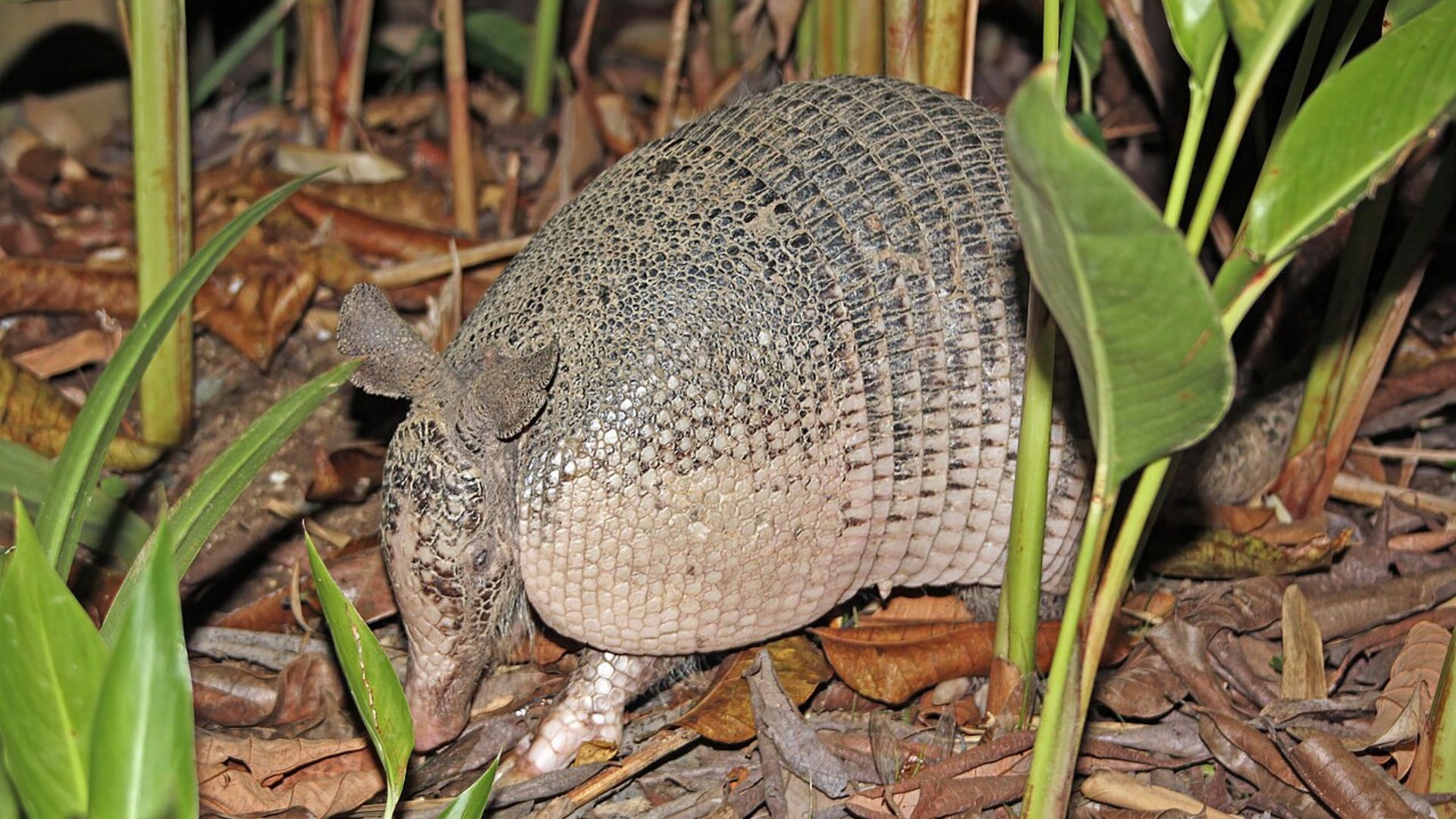
18. Handling Nine-Banded Armadillos
Due to their exceptionally low body temperature, nine-banded armadillos serve as natural animal reservoirs for Mycobacterium leprae. Genetic sequencing confirmed that hunters and gardeners in southern states contracted clinical leprosy through direct contact with wild armadillos and contaminated soil.
©Wikimedia Commons / Charles J. Sharp
Advertisement
Swipe or tap ▶ to resume the countdown.
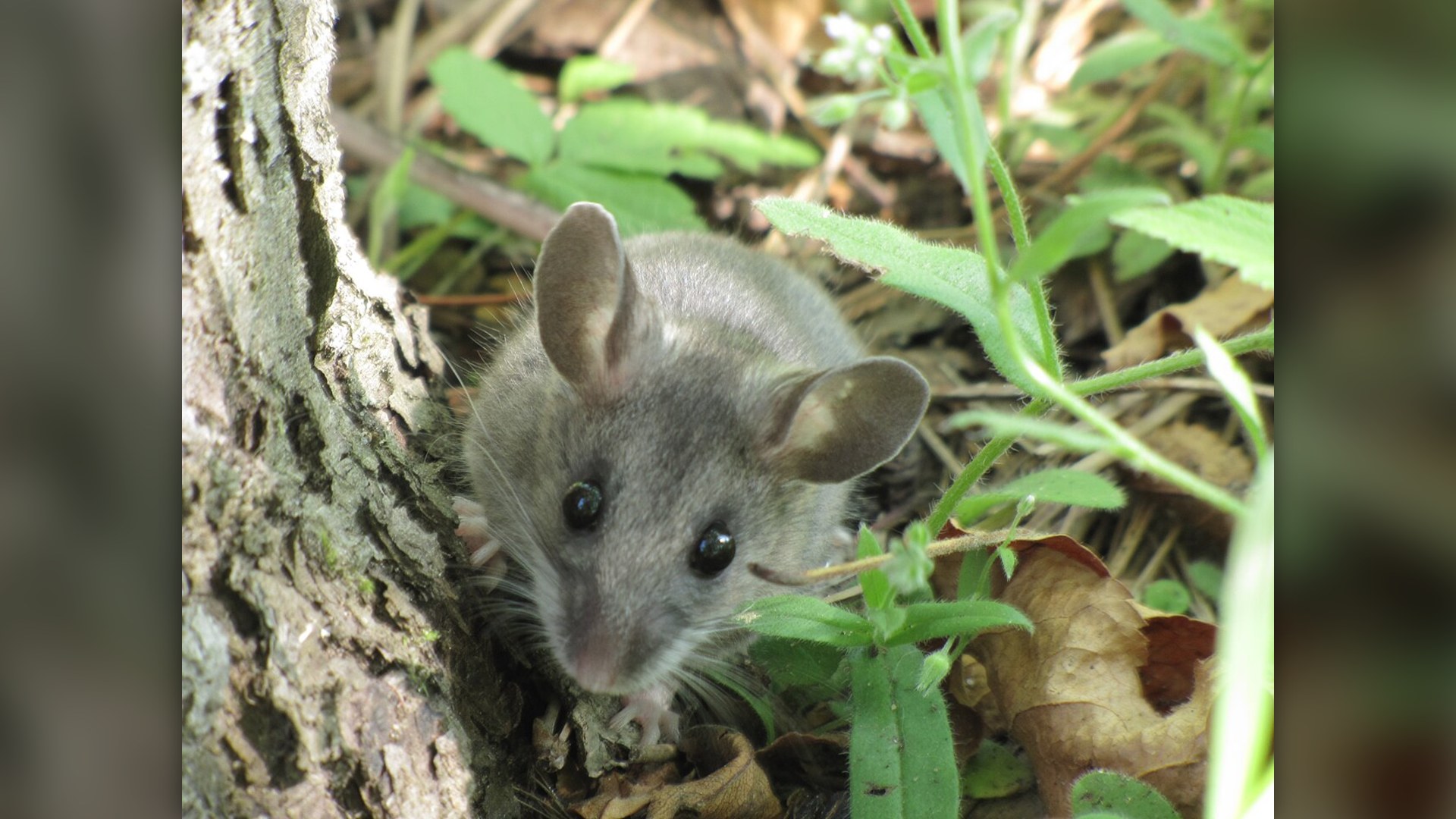
17. Sweeping Dusty Mountain Cabins
Opening rustic vacation cabins in spring carries hidden biological danger. When dry deer mouse droppings and urine nests are stirred by brooms or vacuum cleaners, microscopic Sin Nombre hantavirus particles become airborne, causing rapid pulmonary collapse in previously healthy homeowners.
©Wikimedia Commons / Seney Natural History Association
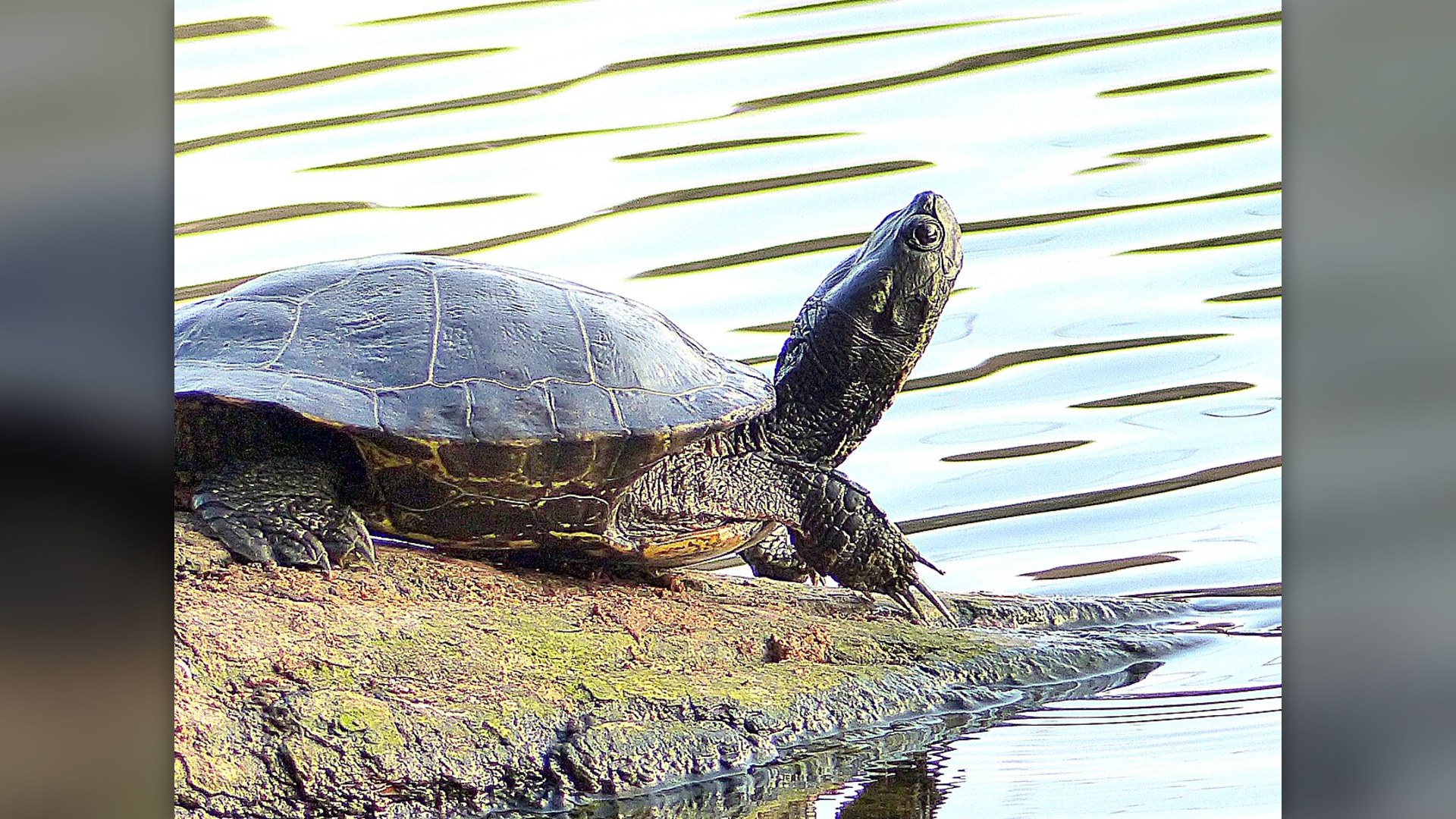
16. Handling Miniature Turtles
In 1975, the United States banned the commercial sale of turtles with shells under four inches long. Small children routinely place tiny red-eared sliders in their mouths or touch turtle tank water before eating, leading to recurrent hospitalizations for severe pediatric salmonellosis.
©Wikimedia Commons / Rolf Dietrich Brecher from Germany
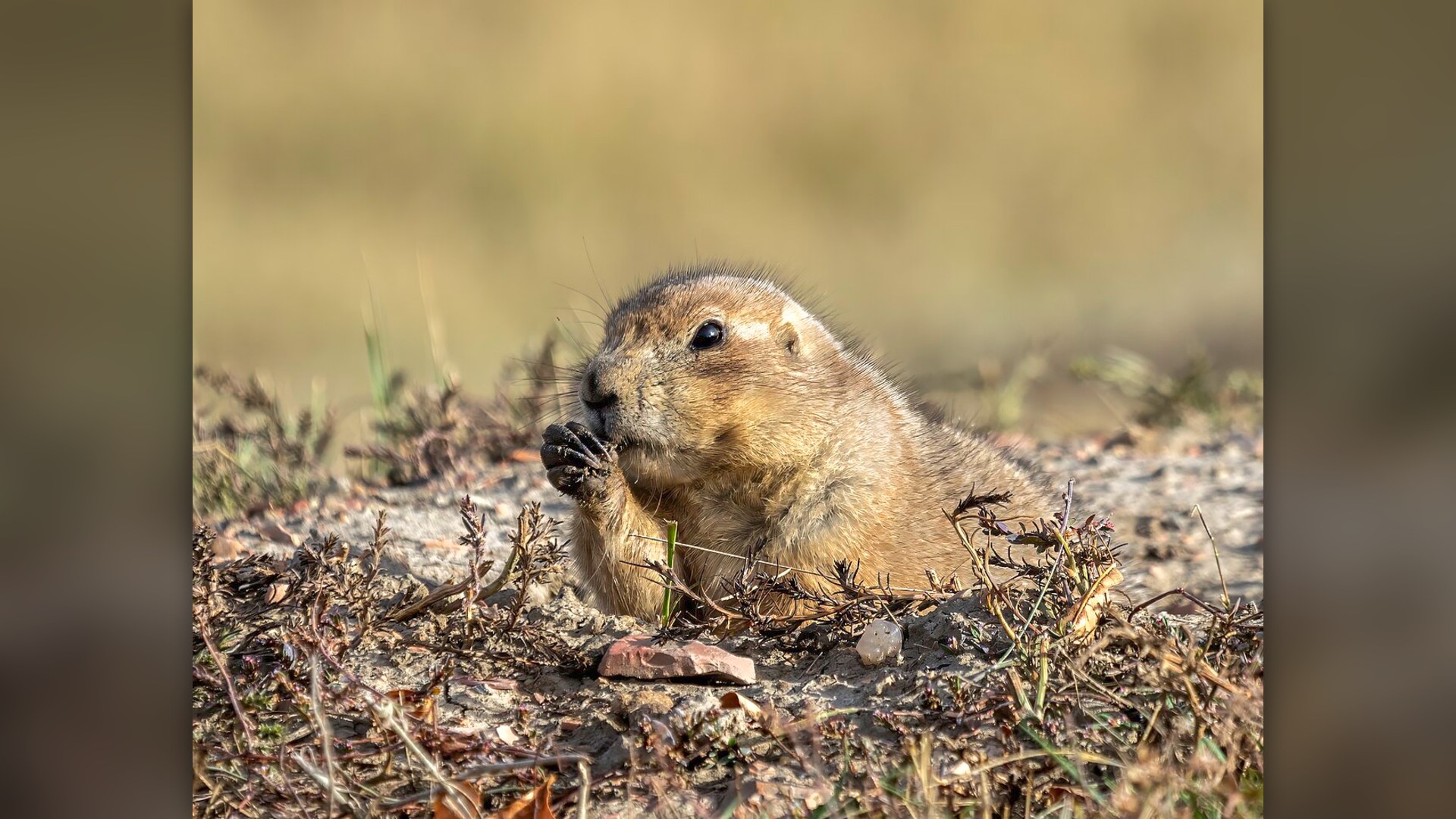
15. Trading Exotic Prairie Dogs
The first recorded human monkeypox outbreak in the Western Hemisphere occurred across the American Midwest in 2003. An exotic animal shipment from Ghana introduced the virus to captive black-tailed prairie dogs in pet distribution centers, which then transmitted mpox to dozens of pet owners.
©Wikimedia Commons / Acroterion
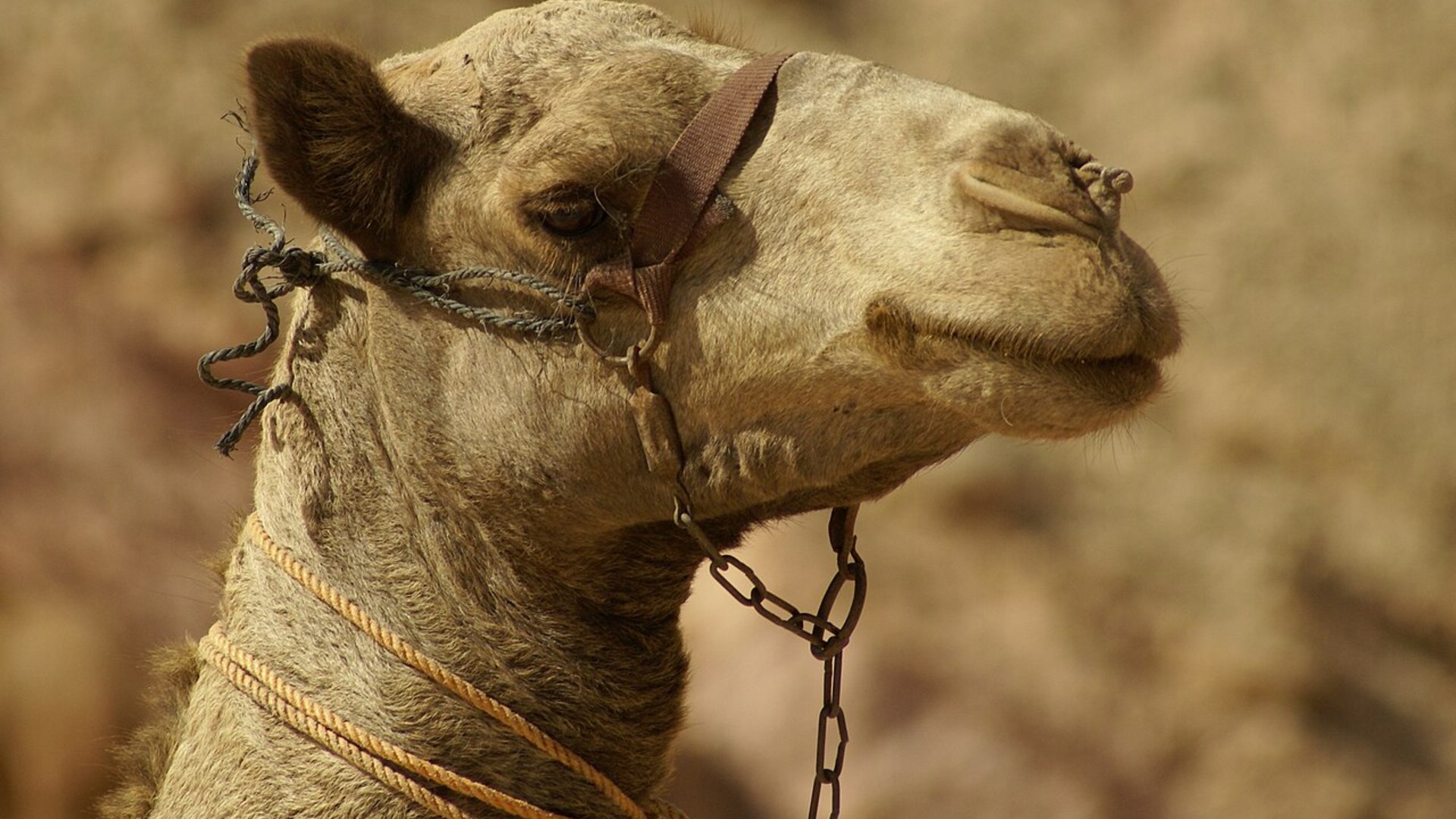
14. Drinking Raw Camel Milk
Middle East Respiratory Syndrome coronavirus originated in bats and established dromedary camels as its primary intermediate host. Public health studies identified human MERS cases linked directly to consuming unboiled camel milk or handling infected camels experiencing active nasal discharge.
©Wikimedia Commons / Florian Prischl
Advertisement
Swipe or tap ▶ to resume the countdown.
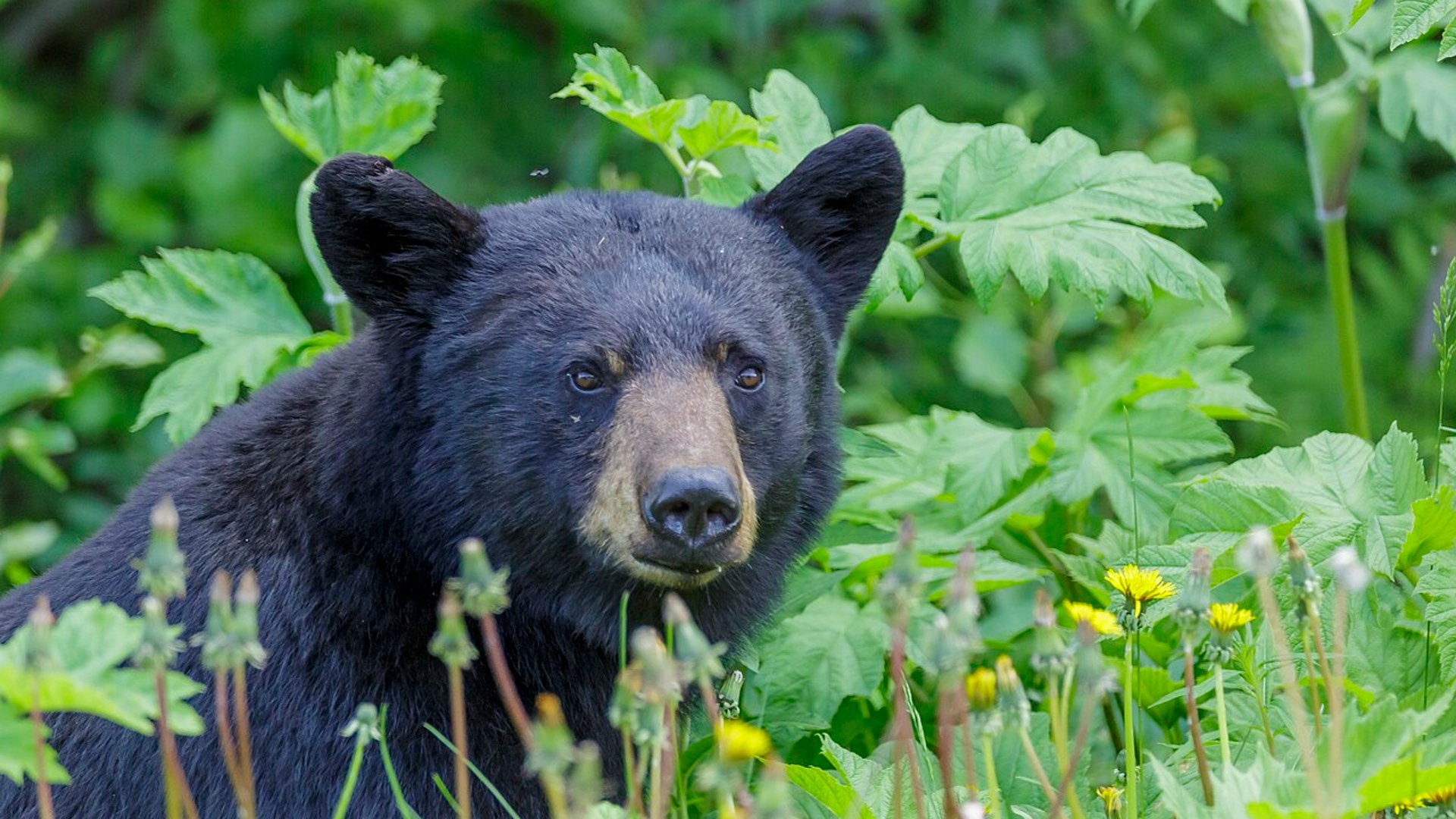
13. Eating Undercooked Bear Meat
Unlike pork trichinosis, the Arctic and temperate strains of Trichinella found in wild black bears survive deep freezer storage for months. Multiple hunting parties have fallen ill with severe muscle inflammation and fever after eating bear meat roasts prepared rare or smoked below safe kill temperatures.
©Wikimedia Commons / Thomas Fuhrmann
12. Playful Kitten Scratches
Cat scratch disease begins when young kittens groom themselves and trap infected flea dirt beneath their claws. A minor playful scratch or claw puncture deposits Bartonella henselae bacteria into human tissue, causing swollen regional lymph nodes, fatigue, and persistent low-grade fever.
©Wikimedia Commons / Larry Jacobsen
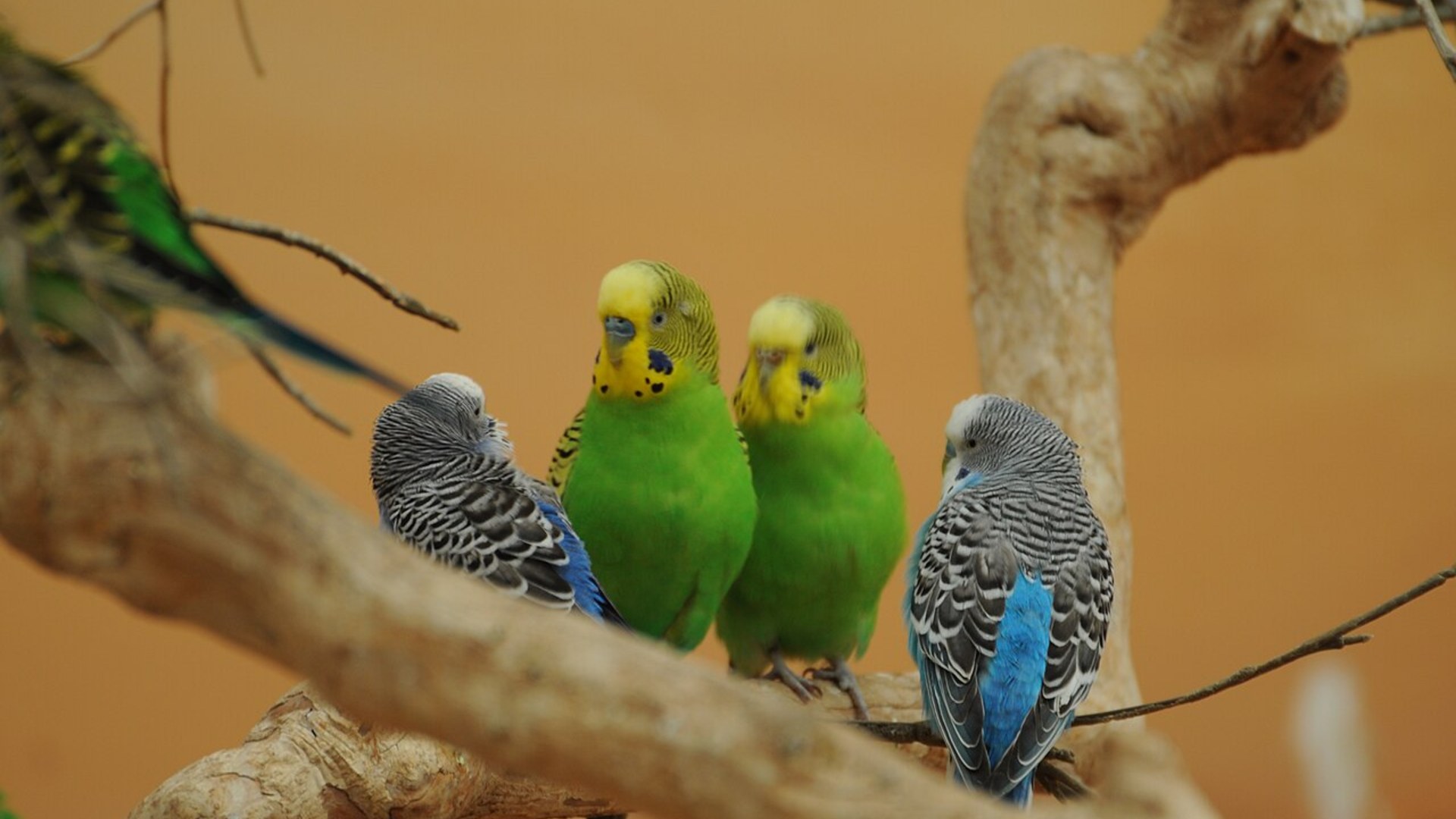
11. Inhaling Parakeet Cage Dust
Psittacosis, commonly called parrot fever, spreads when pet owners clean parakeet cages or handle infected birds. The bacterium Chlamydia psittaci becomes suspended in household air via desiccated fecal dust and feather powder, producing acute pneumonia and high fevers if inhaled without masks.
©Wikimedia Commons / Ganeshk
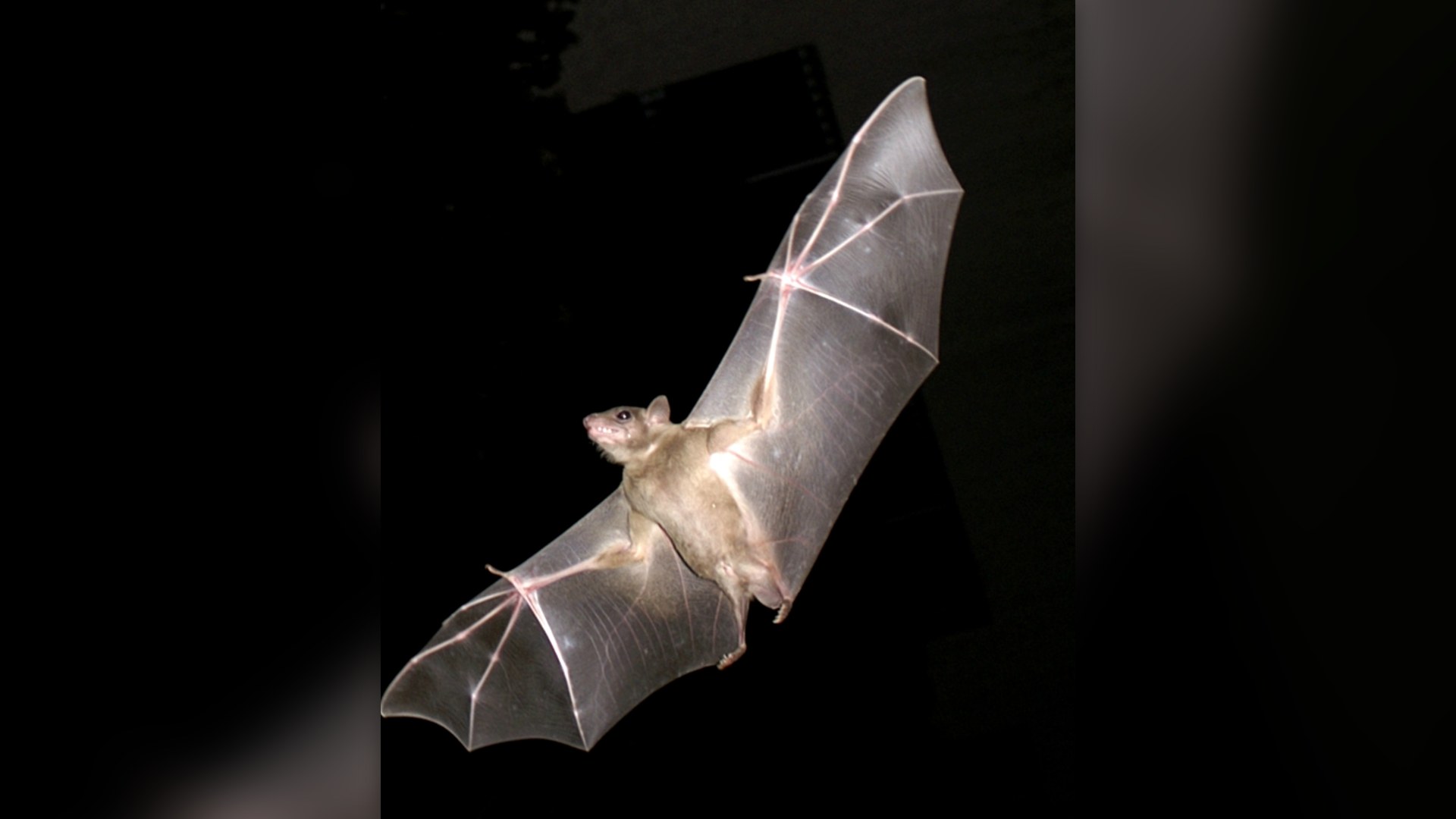
10. Exploring Fruit Bat Caves
Rousettus fruit bats naturally carry Marburg virus without suffering illness. In several high-profile medical investigations, tourists and miners visiting Kitaka Cave and Python Cave in Uganda inhaled bat guano aerosols or contacted rock walls, sparking fatal hemorrhagic fever outbreaks upon returning home.
©Israel Nature and Parks / PikiWiki
Advertisement
Swipe or tap ▶ to resume the countdown.
9. Cleaning Home Aquariums
Aquarium hobbyists who clean glass tanks or prune aquatic plants with bare hands risk contracting Mycobacterium marinum. Entering through microscopic scratches, the bacterium forms slow-growing purple granuloma nodules along the fingers and wrists that require months of specialized antibiotic treatment.
©Wikimedia Commons / Abhik.Mazumdar.73
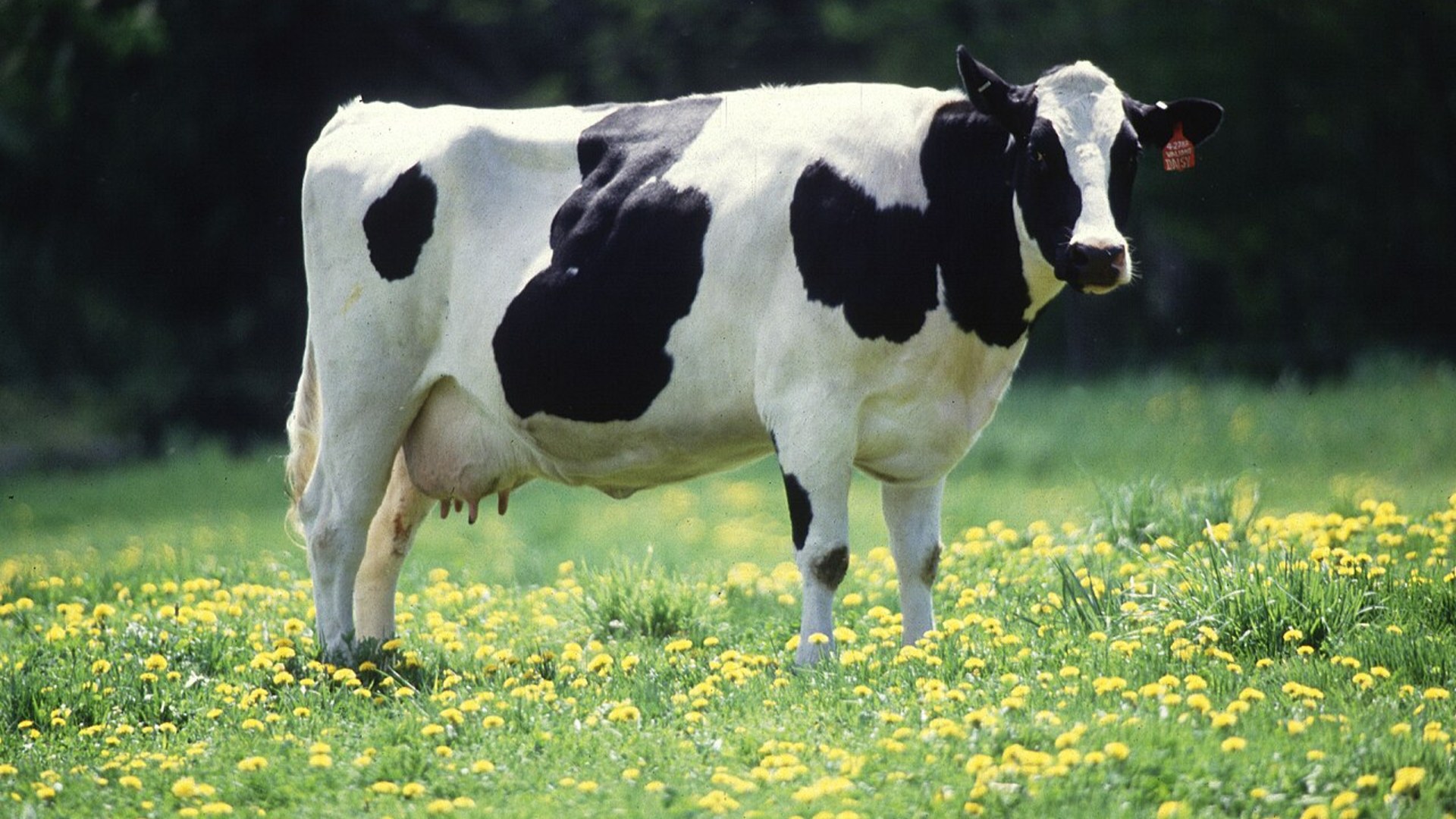
8. Consuming Raw Livestock Dairy
Brucellosis, also known as Malta fever, infects cattle, sheep, and goats, localizing inside mammary tissue. Consuming raw artisan cheese or unpasteurized farm milk introduces Brucella bacteria into the bloodstream, triggering recurrent undulating fevers, night sweats, and severe joint arthritis.
©Wikimedia Commons / Science Archive
7. Mowing Over Wild Rabbit Nests
On Martha Vineyard and throughout rural America, landscapers contracted pulmonary tularemia without ever hunting game. Running rotary lawnmowers over hidden wild cottontail rabbit nests aerosolized Francisella tularensis bacteria into fine mists that entered operators lungs with lethal efficiency.
©Wikimedia Commons / Paul Danese
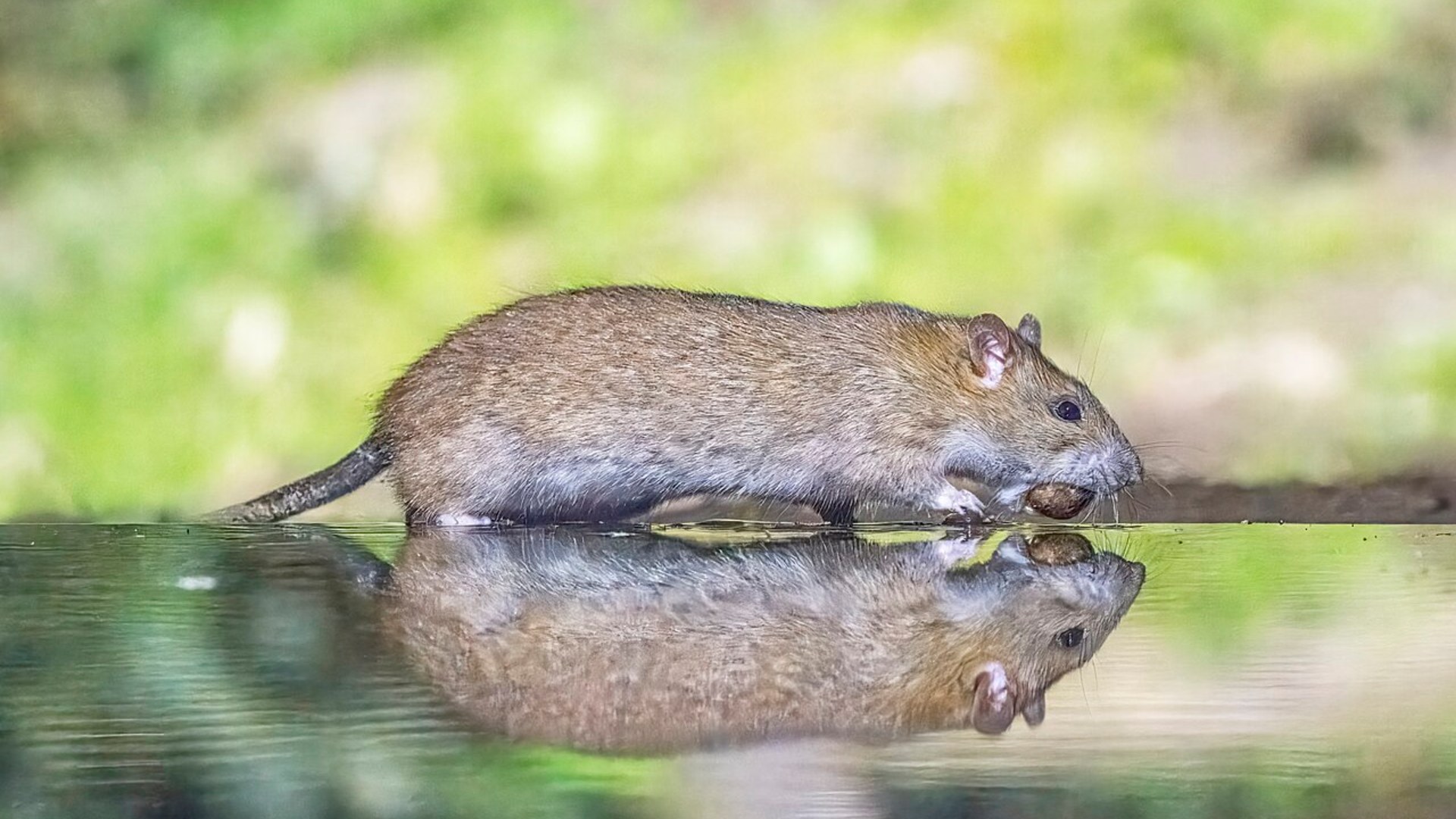
6. Wading In Water With Rat Urine
Urban rodents shed pathogenic Leptospira bacteria continuously through their urine into puddles and canals. Adventure athletes, flood rescue teams, and swimmers who enter contaminated freshwater can absorb the spiral bacteria through minor skin cuts, resulting in kidney damage and jaundice known as Weil disease.
©Wikimedia Commons / Charles J. Sharp
Advertisement
Swipe or tap ▶ to resume the countdown.
5. Inhaling Downwind Livestock Dust
During sheep and goat birthing seasons, placental fluids contain trillions of durable Coxiella burnetii organisms. These spore-like bacteria resist drying and drift miles on wind currents into nearby residential suburbs, triggering widespread Q fever outbreaks characterized by severe pneumonia and hepatitis.
©Wikimedia Commons / Terry Kearney
4. Foraging Unwashed Forest Berries
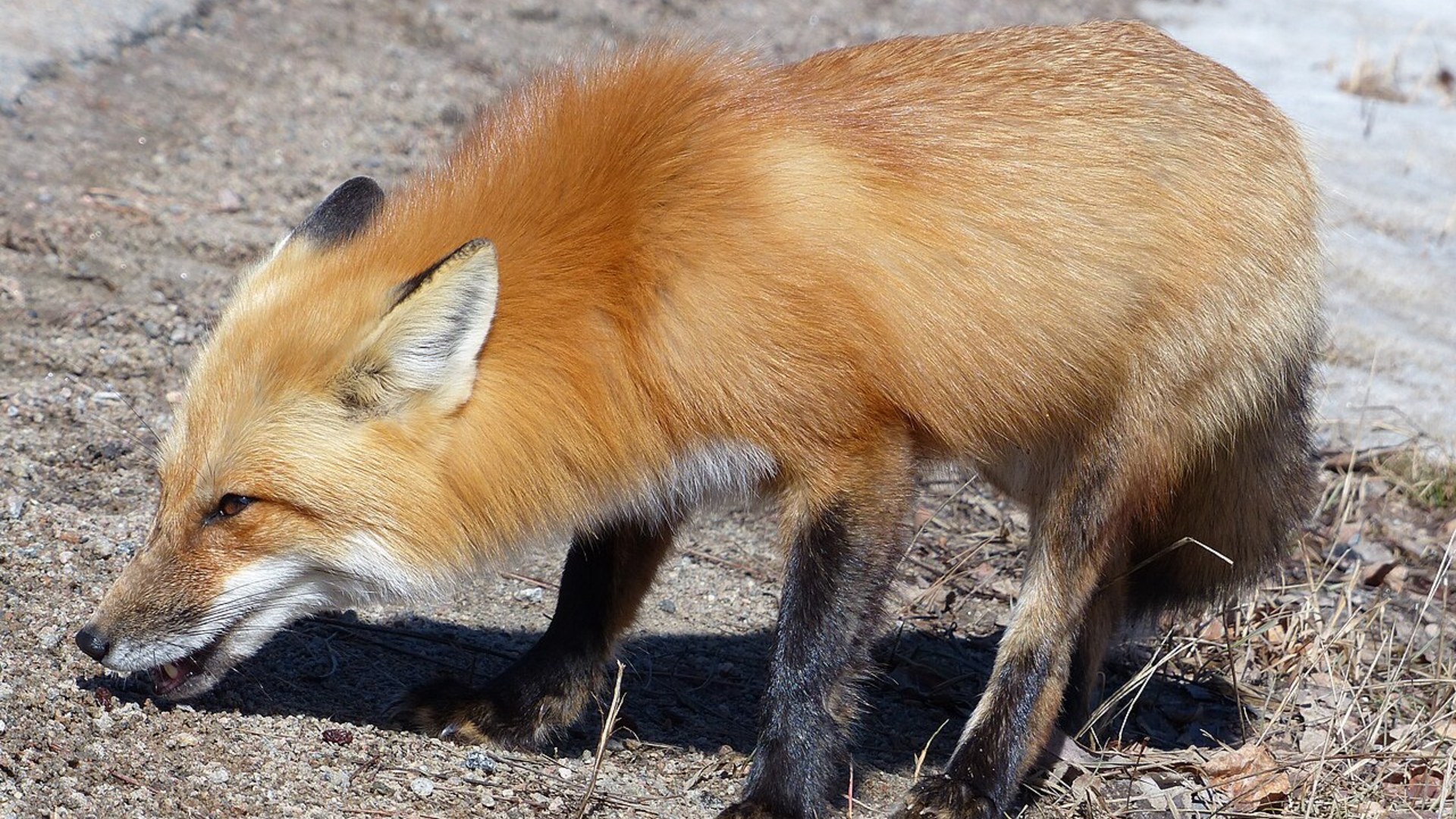
Red foxes in central Europe and North America shed microscopic eggs of Echinococcus multilocularis in their droppings. When berry foragers eat low-growing wild blueberries or strawberries without washing them, swallowed tapeworm eggs migrate to the human liver, forming destructive tumor-like parasitic masses.
©Wikimedia Commons / The Forest Vixen's CC Photo Stream
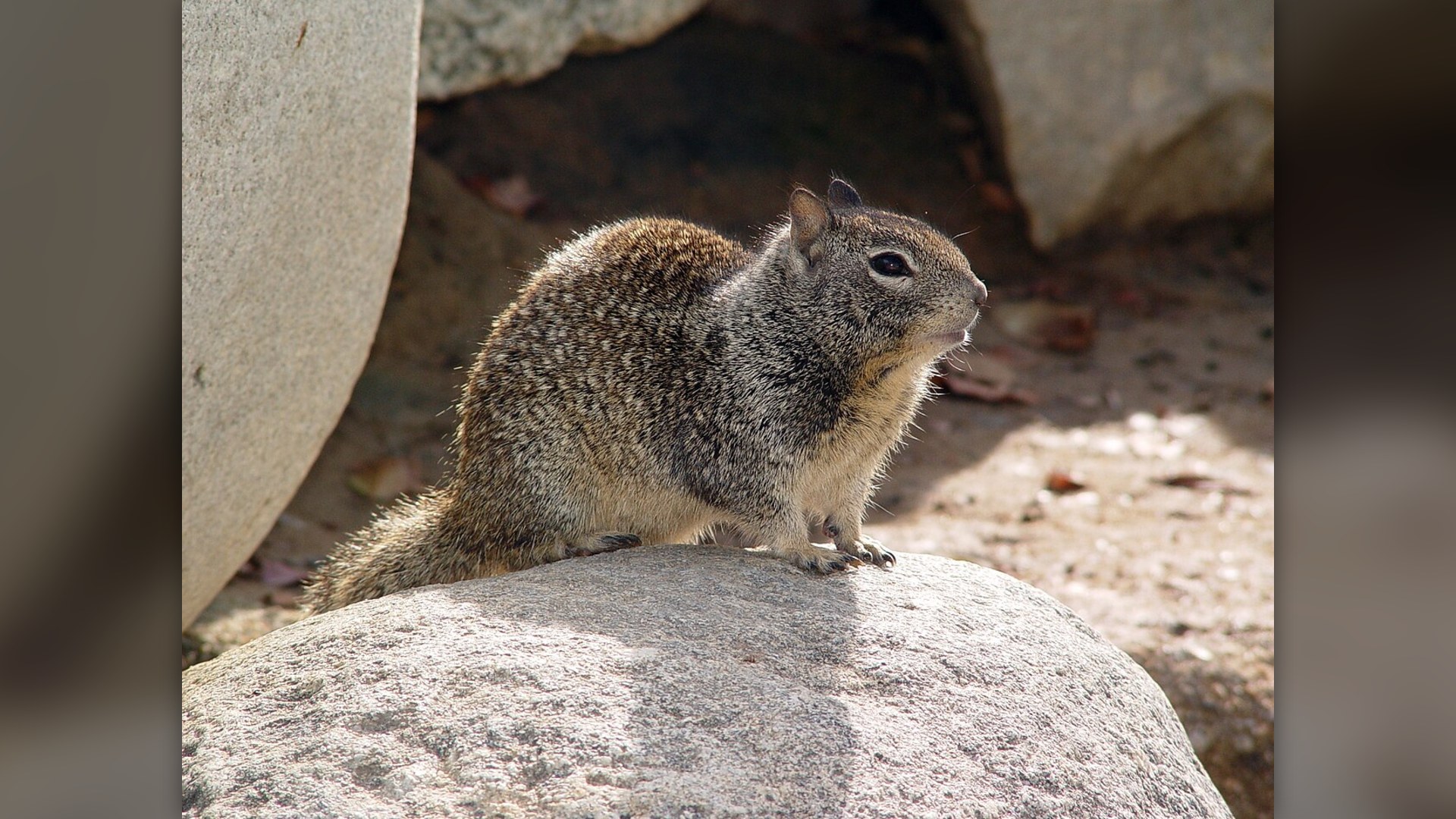
3. Handling Sick Ground Squirrels
Sylvatic plague remains endemic among wild ground squirrel and prairie dog colonies across the American West. When an infected rodent dies, hungry fleas carrying Yersinia pestis abandon the cooling carcass and jump onto passing hikers or domestic pets, transmitting classic bubonic plague.
©Wikimedia Commons / Holly Cheng
2. Slicing Raw Wild Boar Liver
Wild boars serve as major natural reservoirs for hepatitis E genotype 3 across Europe and East Asia. Hunters who prepare raw liver delicacies, unheated game sausages, or taste uncooked boar meat during field dressing contract severe acute liver inflammation that can turn life-threatening.
©Wikimedia Commons / Dominicus Johannes Bergsma
Advertisement
Swipe or tap ▶ to resume the countdown.
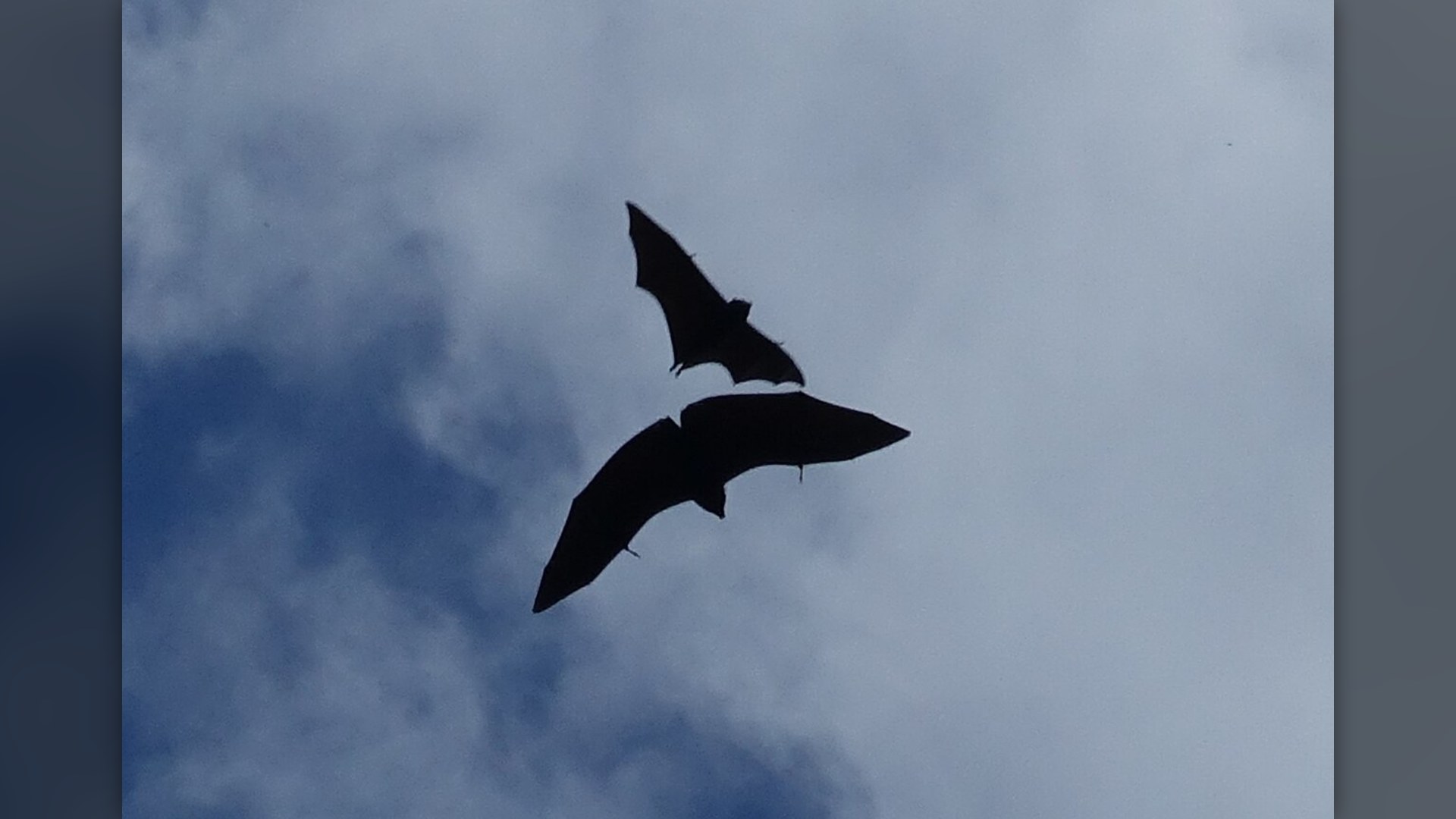
1. Drinking Bat-Visited Palm Sap
In rural Bangladesh, clay collection pots are hung from tapped date palm trees overnight to gather sweet sap. Pteropus giant fruit bats frequently lick the sap streams, shedding lethal Nipah virus through saliva and urine. Village families drinking the raw sap the next morning suffer severe viral encephalitis.

©Wikimedia Commons / Charlène Selva
Advertisement
You've reached the end of the story. Thanks for reading!

25 Animals That May Detect Fear Through Scent and Body Language
From specialized olfactory receptors to airborne alarm pheromones, numerous species possess the extraordinary ability to detect chemical distress signals. Based on research from Live Science, National Geographic, and peer-reviewed biology journals, here are twenty-five animals that can smell and sense fear.
All 20 Entries in this Story
20. Cuddling Pet Hedgehogs
African pygmy hedgehogs frequently harbor Salmonella bacteria in their intestinal tracts and on their quills without appearing sick. Public health investigations by the CDC traced multiple multi-state salmonella outbreaks to owners nuzzling, kissing, and handling their pet hedgehogs without hand washing.

19. Hugging Backyard Poultry
The popular surge in backyard chicken coops brought unexpected health warnings from infectious disease experts. Chickens and ducklings shed Salmonella and Campylobacter across their feathers and beaks, causing severe intestinal illness when owners hug, kiss, or bring live birds into home living spaces.

18. Handling Nine-Banded Armadillos
Due to their exceptionally low body temperature, nine-banded armadillos serve as natural animal reservoirs for Mycobacterium leprae. Genetic sequencing confirmed that hunters and gardeners in southern states contracted clinical leprosy through direct contact with wild armadillos and contaminated soil.

17. Sweeping Dusty Mountain Cabins
Opening rustic vacation cabins in spring carries hidden biological danger. When dry deer mouse droppings and urine nests are stirred by brooms or vacuum cleaners, microscopic Sin Nombre hantavirus particles become airborne, causing rapid pulmonary collapse in previously healthy homeowners.

16. Handling Miniature Turtles
In 1975, the United States banned the commercial sale of turtles with shells under four inches long. Small children routinely place tiny red-eared sliders in their mouths or touch turtle tank water before eating, leading to recurrent hospitalizations for severe pediatric salmonellosis.

15. Trading Exotic Prairie Dogs
The first recorded human monkeypox outbreak in the Western Hemisphere occurred across the American Midwest in 2003. An exotic animal shipment from Ghana introduced the virus to captive black-tailed prairie dogs in pet distribution centers, which then transmitted mpox to dozens of pet owners.

14. Drinking Raw Camel Milk
Middle East Respiratory Syndrome coronavirus originated in bats and established dromedary camels as its primary intermediate host. Public health studies identified human MERS cases linked directly to consuming unboiled camel milk or handling infected camels experiencing active nasal discharge.

13. Eating Undercooked Bear Meat
Unlike pork trichinosis, the Arctic and temperate strains of Trichinella found in wild black bears survive deep freezer storage for months. Multiple hunting parties have fallen ill with severe muscle inflammation and fever after eating bear meat roasts prepared rare or smoked below safe kill temperatures.

12. Playful Kitten Scratches
Cat scratch disease begins when young kittens groom themselves and trap infected flea dirt beneath their claws. A minor playful scratch or claw puncture deposits Bartonella henselae bacteria into human tissue, causing swollen regional lymph nodes, fatigue, and persistent low-grade fever.

11. Inhaling Parakeet Cage Dust
Psittacosis, commonly called parrot fever, spreads when pet owners clean parakeet cages or handle infected birds. The bacterium Chlamydia psittaci becomes suspended in household air via desiccated fecal dust and feather powder, producing acute pneumonia and high fevers if inhaled without masks.

10. Exploring Fruit Bat Caves
Rousettus fruit bats naturally carry Marburg virus without suffering illness. In several high-profile medical investigations, tourists and miners visiting Kitaka Cave and Python Cave in Uganda inhaled bat guano aerosols or contacted rock walls, sparking fatal hemorrhagic fever outbreaks upon returning home.

9. Cleaning Home Aquariums
Aquarium hobbyists who clean glass tanks or prune aquatic plants with bare hands risk contracting Mycobacterium marinum. Entering through microscopic scratches, the bacterium forms slow-growing purple granuloma nodules along the fingers and wrists that require months of specialized antibiotic treatment.

8. Consuming Raw Livestock Dairy
Brucellosis, also known as Malta fever, infects cattle, sheep, and goats, localizing inside mammary tissue. Consuming raw artisan cheese or unpasteurized farm milk introduces Brucella bacteria into the bloodstream, triggering recurrent undulating fevers, night sweats, and severe joint arthritis.

7. Mowing Over Wild Rabbit Nests
On Martha Vineyard and throughout rural America, landscapers contracted pulmonary tularemia without ever hunting game. Running rotary lawnmowers over hidden wild cottontail rabbit nests aerosolized Francisella tularensis bacteria into fine mists that entered operators lungs with lethal efficiency.

6. Wading In Water With Rat Urine
Urban rodents shed pathogenic Leptospira bacteria continuously through their urine into puddles and canals. Adventure athletes, flood rescue teams, and swimmers who enter contaminated freshwater can absorb the spiral bacteria through minor skin cuts, resulting in kidney damage and jaundice known as Weil disease.

5. Inhaling Downwind Livestock Dust
During sheep and goat birthing seasons, placental fluids contain trillions of durable Coxiella burnetii organisms. These spore-like bacteria resist drying and drift miles on wind currents into nearby residential suburbs, triggering widespread Q fever outbreaks characterized by severe pneumonia and hepatitis.

4. Foraging Unwashed Forest Berries
Red foxes in central Europe and North America shed microscopic eggs of Echinococcus multilocularis in their droppings. When berry foragers eat low-growing wild blueberries or strawberries without washing them, swallowed tapeworm eggs migrate to the human liver, forming destructive tumor-like parasitic masses.

3. Handling Sick Ground Squirrels
Sylvatic plague remains endemic among wild ground squirrel and prairie dog colonies across the American West. When an infected rodent dies, hungry fleas carrying Yersinia pestis abandon the cooling carcass and jump onto passing hikers or domestic pets, transmitting classic bubonic plague.

2. Slicing Raw Wild Boar Liver
Wild boars serve as major natural reservoirs for hepatitis E genotype 3 across Europe and East Asia. Hunters who prepare raw liver delicacies, unheated game sausages, or taste uncooked boar meat during field dressing contract severe acute liver inflammation that can turn life-threatening.

1. Drinking Bat-Visited Palm Sap
In rural Bangladesh, clay collection pots are hung from tapped date palm trees overnight to gather sweet sap. Pteropus giant fruit bats frequently lick the sap streams, shedding lethal Nipah virus through saliva and urine. Village families drinking the raw sap the next morning suffer severe viral encephalitis.