Slideshow · Animals
20 Things Elephants Can Do With Their Trunks
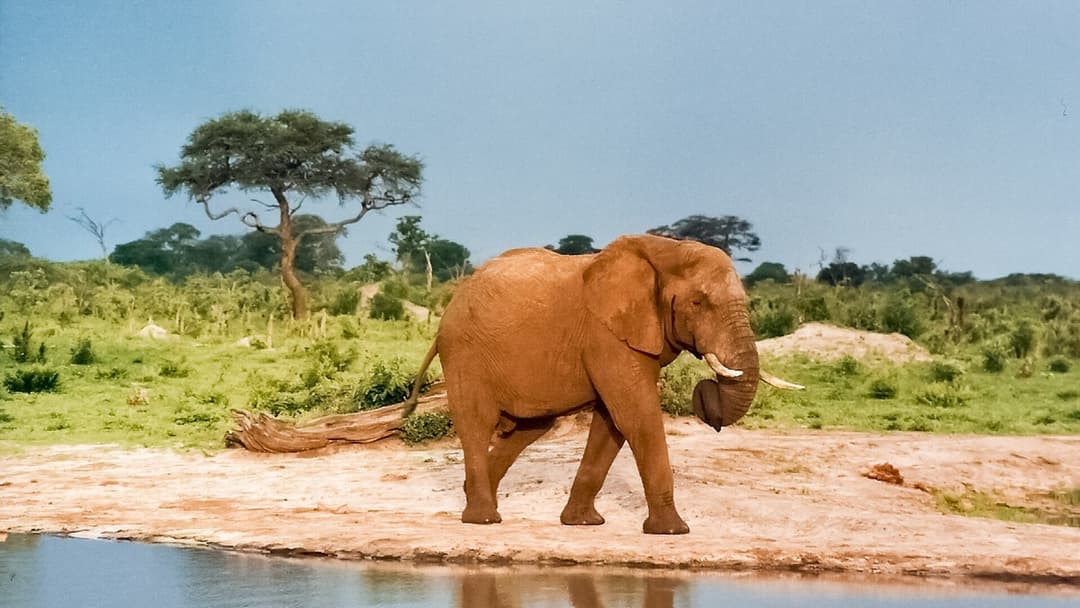
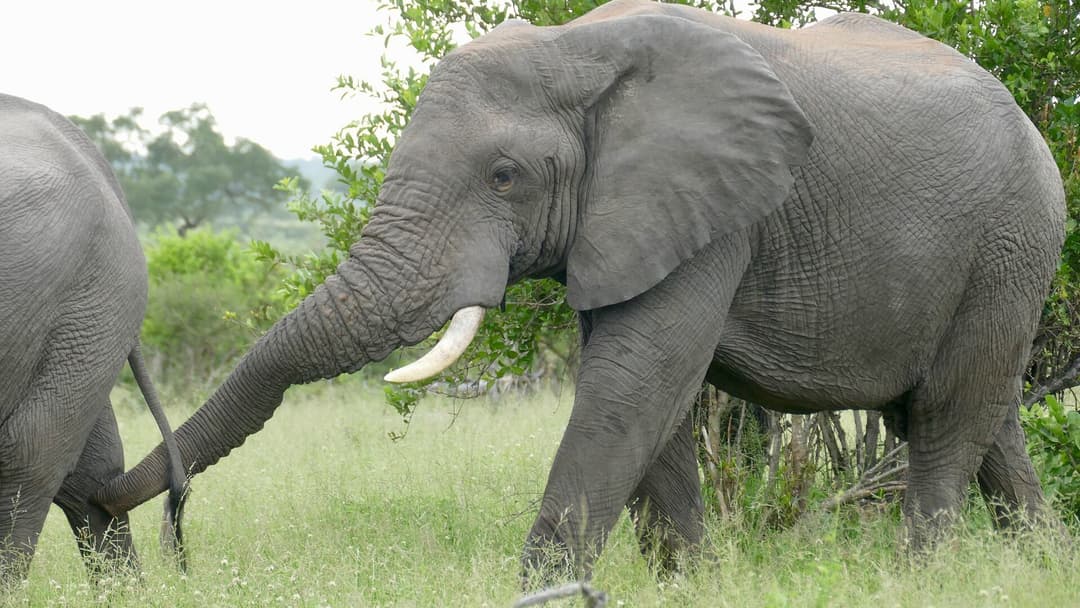
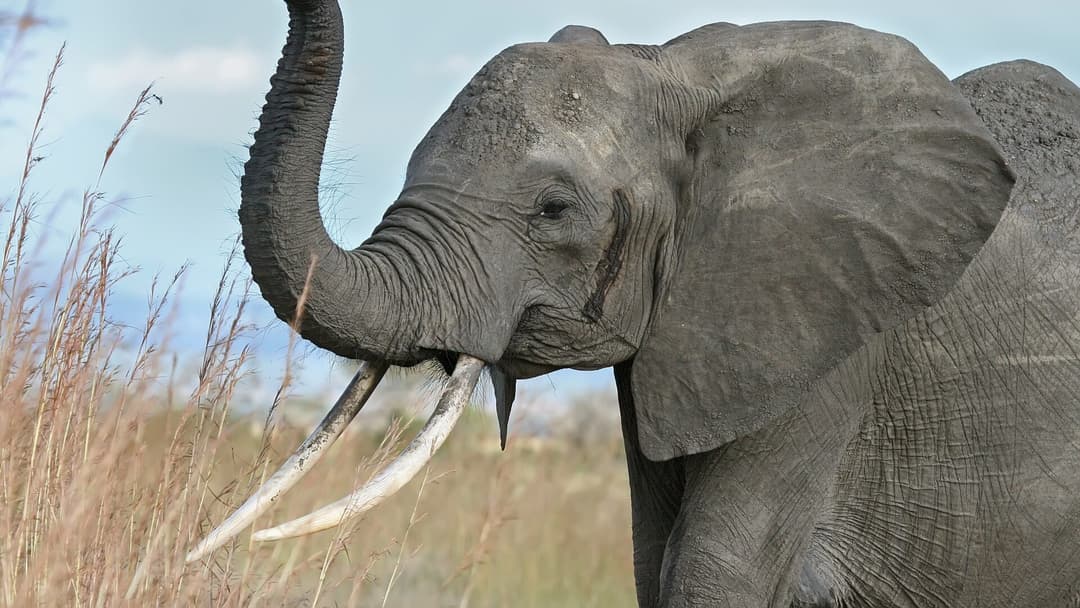
From lifting seven-hundred-pound timber logs to siphoning fragile food via vacuum suction, the elephant trunk is nature's most advanced muscular hydrostat. Forty thousand interwoven muscle units allow these gentle giants to navigate their world with awe-inspiring grace. Here are twenty of their most astonishing feats.
By Most Viral Today
15 min ago

The Biomechanical Marvel of Earth's Most Versatile Appendage 
20. Submarine Snorkeling 
19. High-Capacity Water Siphoning 
18. Mud And Dust Sunscreening - AdvertisementSwipe or tap ▶ to continue countdown

17. Heavy Timber Lifting 
16. Stripping Thorny Bark 
15. Swatting Flies With Branch Tools 
14. Excavating Groundwater Wells - AdvertisementSwipe or tap ▶ to continue countdown

13. Herd Rescue And Calving Guidance 
12. Affectionate Trunk Entwining 
11. Trumpeting And Infrasonic Calls 
10. High-Canopy Reaching - AdvertisementSwipe or tap ▶ to continue countdown

9. Shell Cracking Without Crushing 
8. Single Grain Of Rice Precision 
7. High-Speed Air Blasts 
6. Acoustic Suction Grasping - AdvertisementSwipe or tap ▶ to continue countdown

5. Long-Distance Water Olfaction 
4. Whisker-Based Sensor Navigation 
3. Forty Thousand Muscle Fascicles 
2. Scent Recognition Of Individuals - AdvertisementSwipe or tap ▶ to continue countdown

1. Seismic Ground Conduction - Advertisement🔥 UP NEXT IN THIS SERIES◫ 22 Slides

21 Birds That Feed on Wildflowers
Across North American meadows and woodlands, native birds rely on wildflowers, ornamental grasses and shrubs for vital nourishment. Whether sipping rich nectar from summer blossoms or harvesting nutrient-dense seeds throughout freezing winter months, these species maintain ancient ecological partnerships.
Based on anatomical research from the Smithsonian's National Zoo, National Geographic, the World Wildlife Fund, and the Royal Society. These twenty evolutionary feats demonstrate how forty thousand muscle fascicles combine raw lifting power with microscopic sensory precision, ranked in ascending order.
Swipe or tap ▶ to begin the countdown
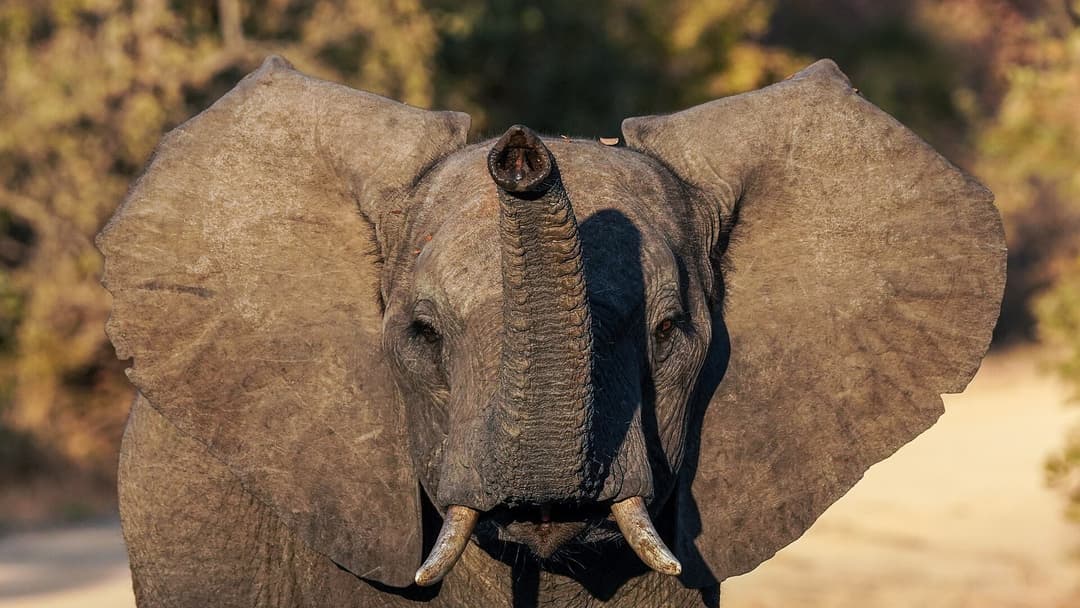
©Wikimedia / Muhammad Mahdi Karim & wikimedia / JackyR
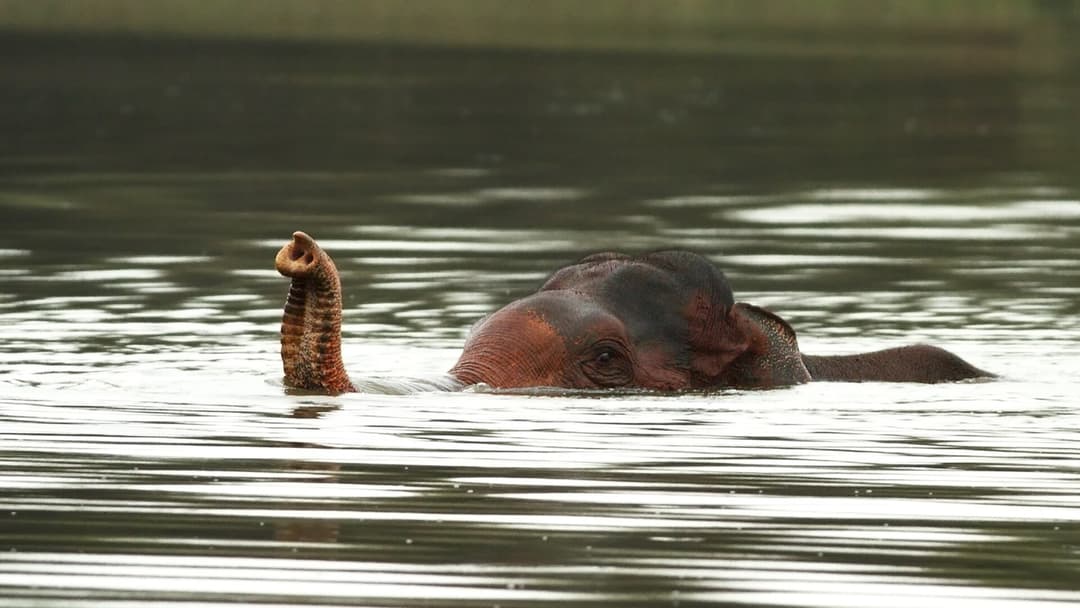
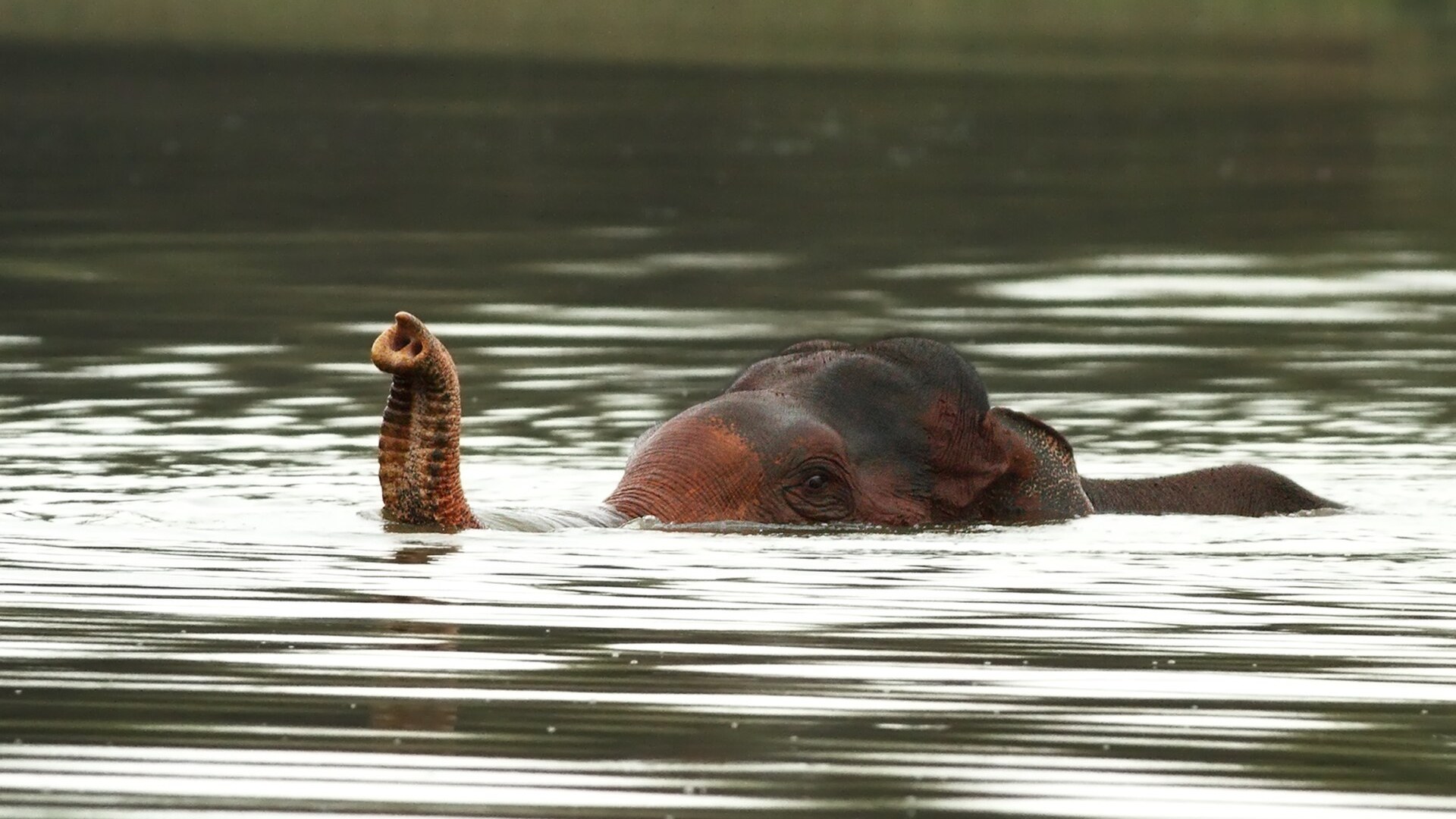
20. Submarine Snorkeling
Elephants are strong swimmers capable of crossing deep African channels and Indian lakes. By extending the trunk tip above the waterline, they create a functional snorkel that allows them to swim completely submerged for miles without surfacing.
©Wikimedia / Soumyajit Nandy
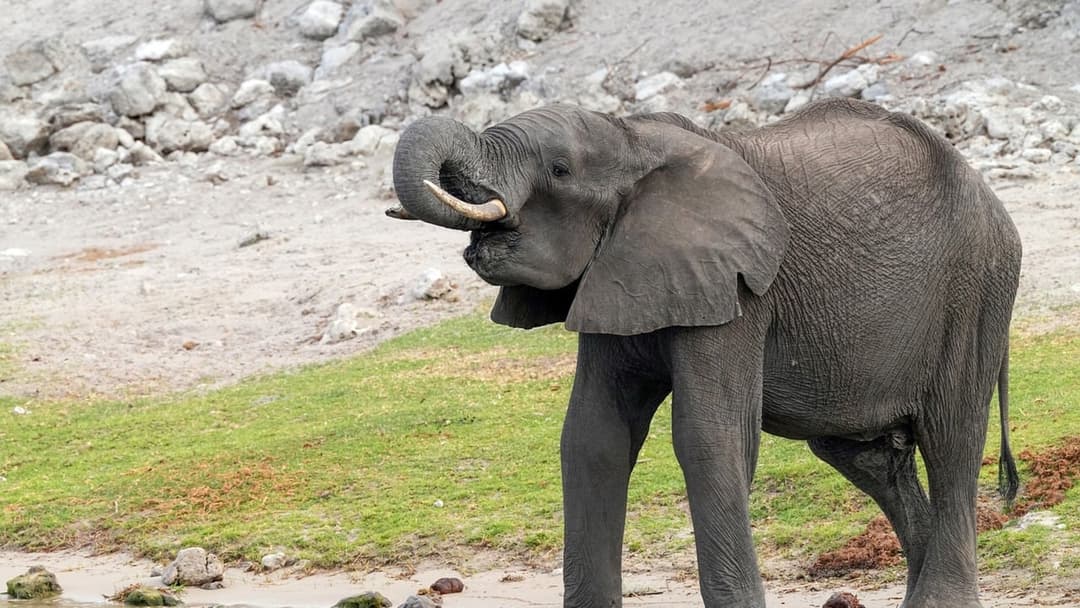
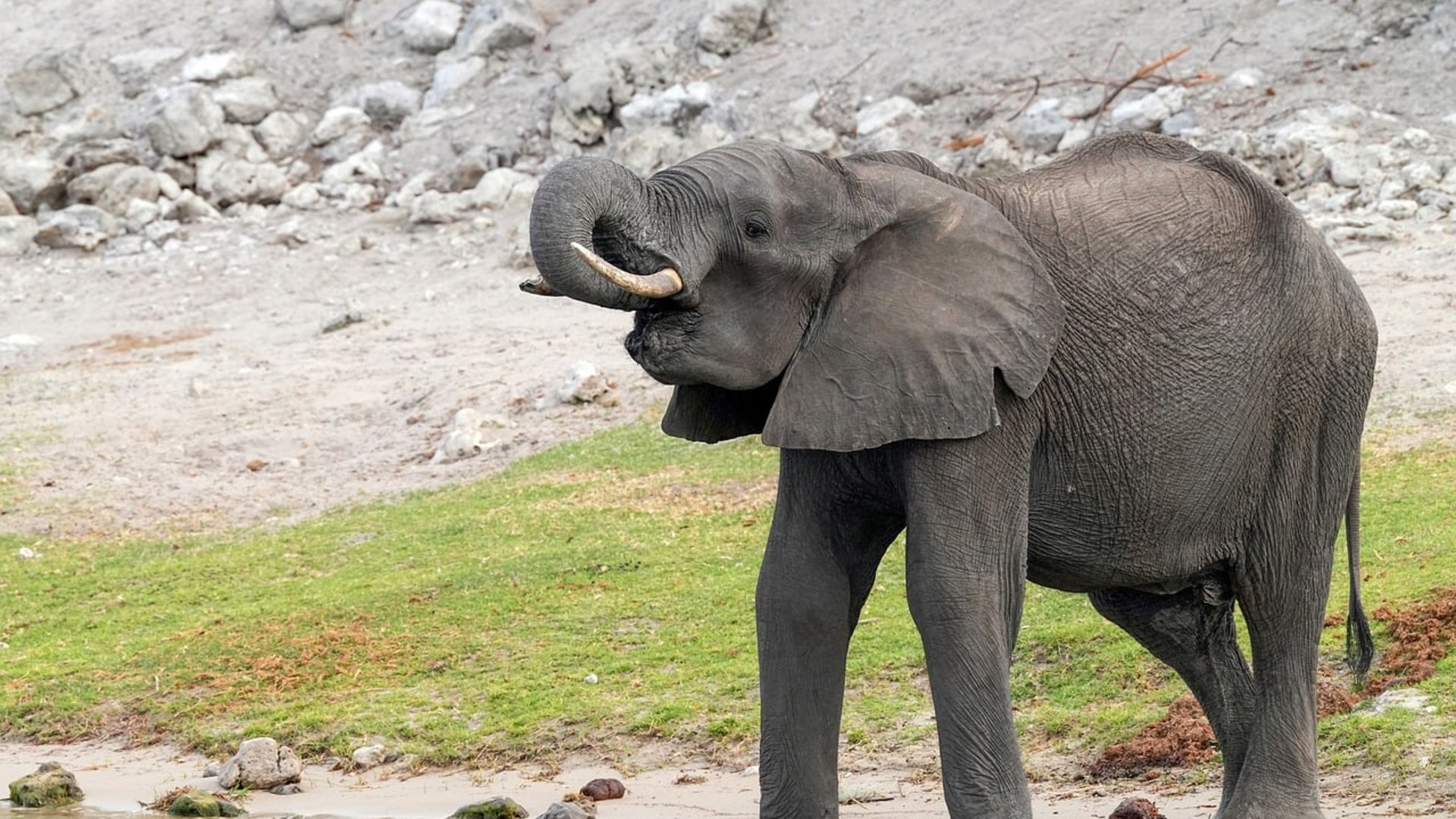
19. High-Capacity Water Siphoning
An adult elephant can inhale up to ten liters of water into its twin nasal chambers within two seconds. Rather than drinking directly through the trunk, the animal seals the internal airway before curling the tip into its mouth to release the liquid.
©Pixabay / makabera
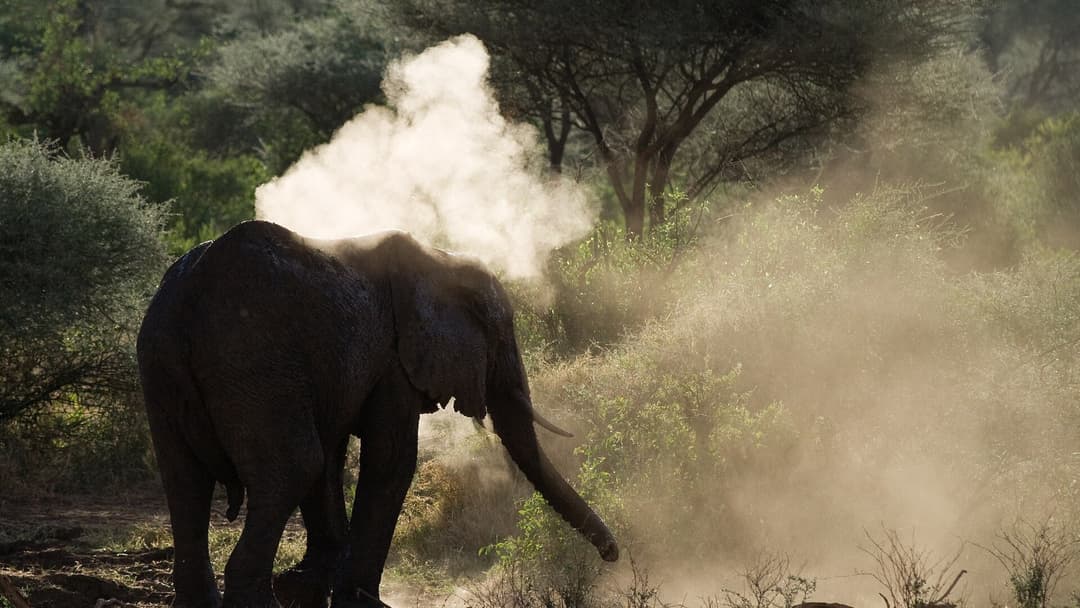
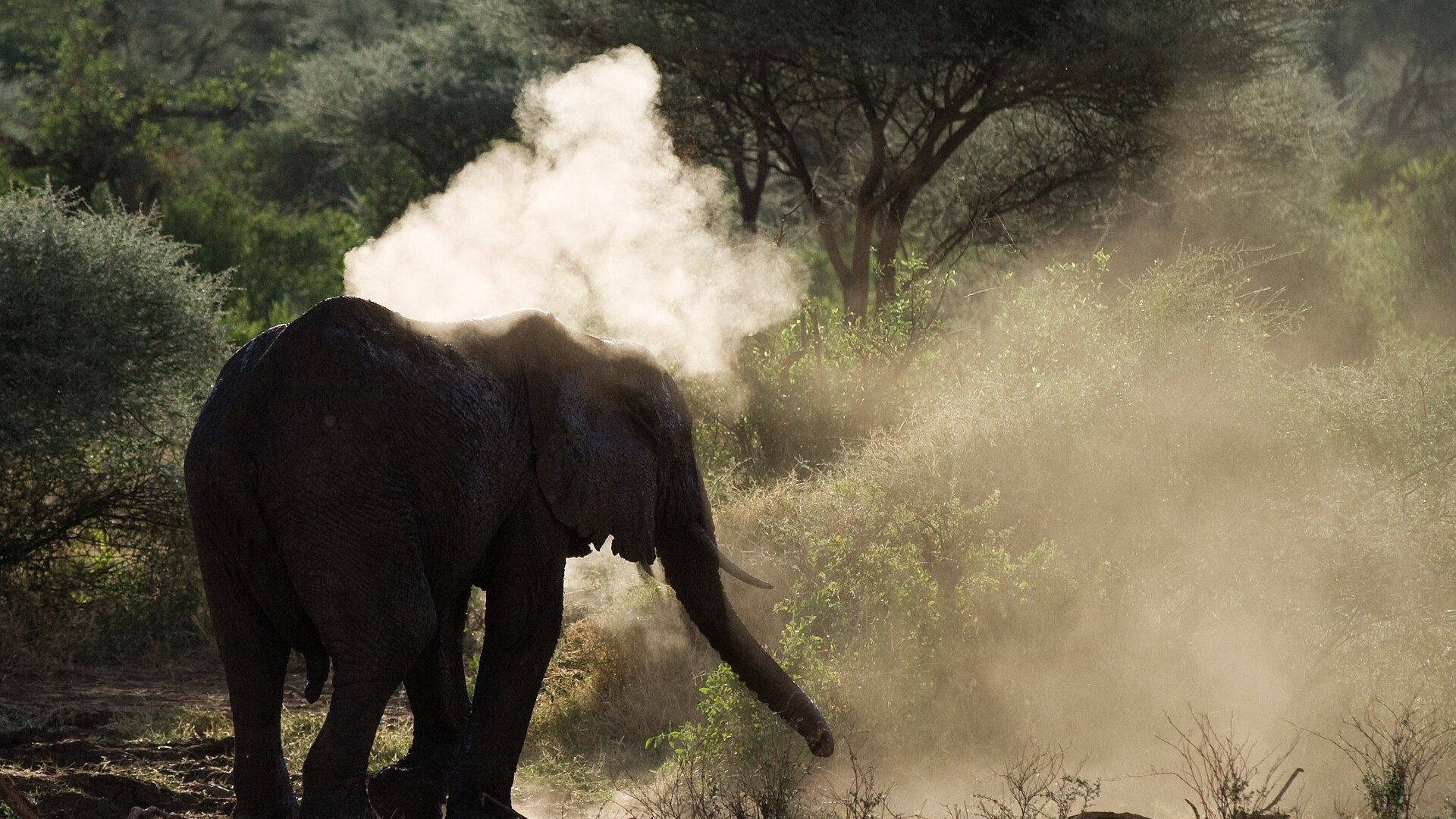
18. Mud And Dust Sunscreening
Lacking sweat glands, elephants regulate body temperature by siphoning thick mud and fine dust with their trunks to coat their backs. This mineral layer acts as a natural sunblock against harsh solar radiation and deters biting savanna flies.
©Wikimedia / Stig Nygaard from Copenhagen, Denmark
Advertisement
Swipe or tap ▶ to resume the countdown.
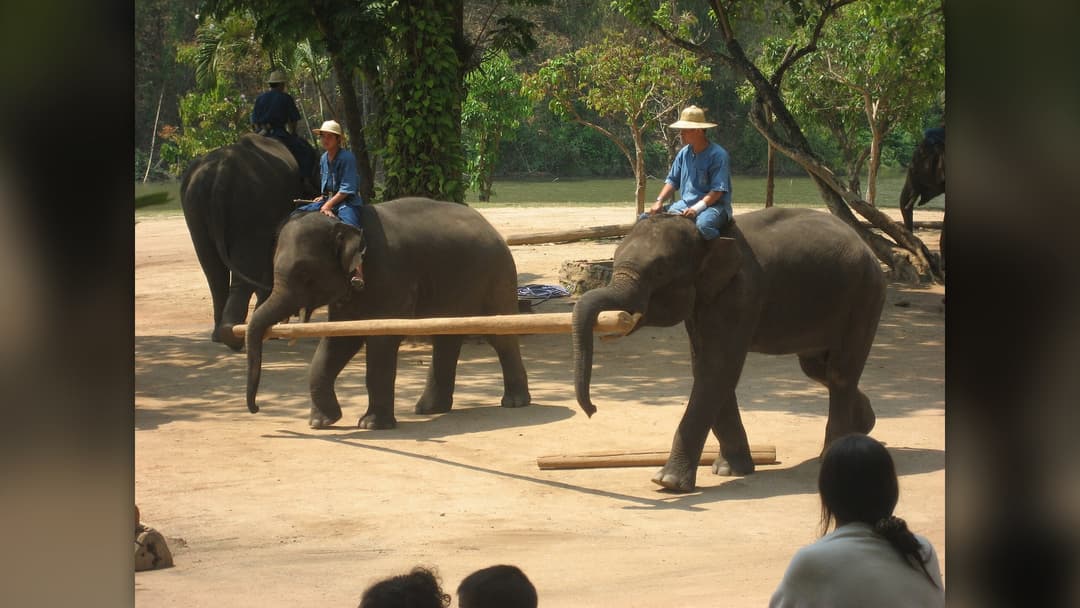
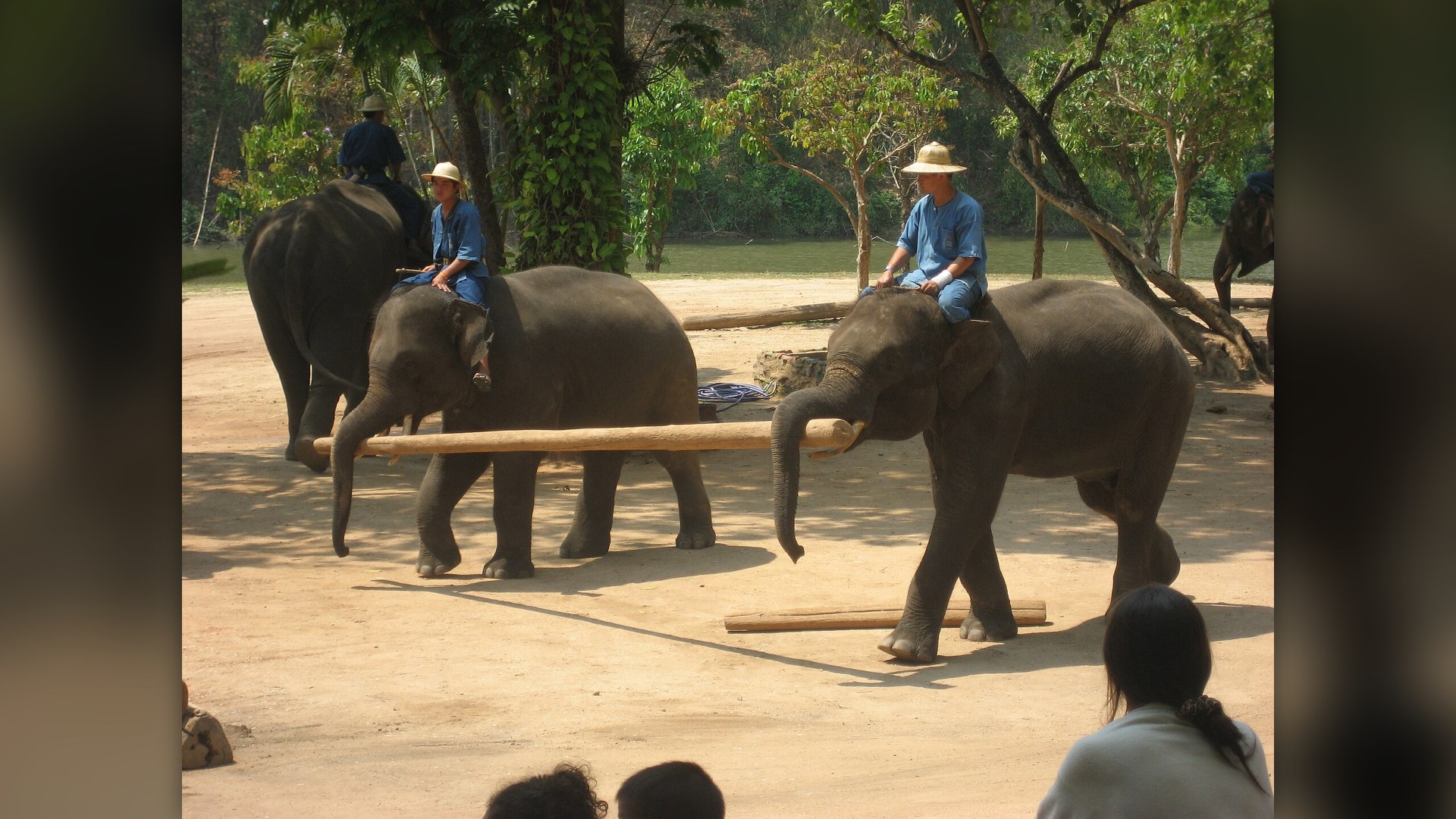
17. Heavy Timber Lifting
Operating without a single bone, the elephant trunk relies entirely on interwoven muscle fibers to lift heavy obstacles. Dominant bulls can wrap their muscular trunk around fallen logs weighing over seven hundred pounds to clear trails or forage.
©Wikimedia / Rlevse
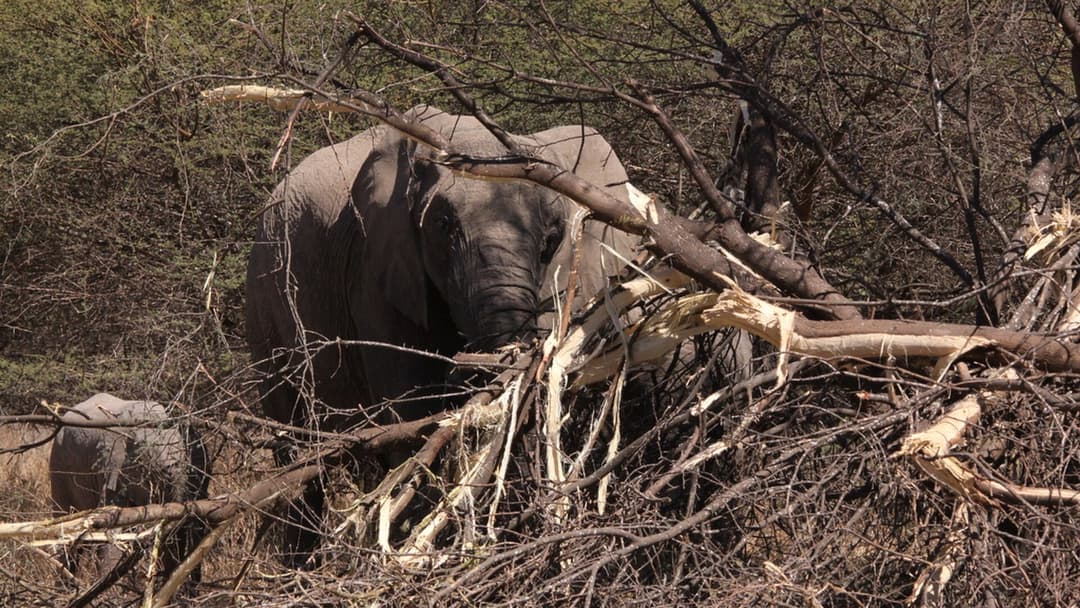
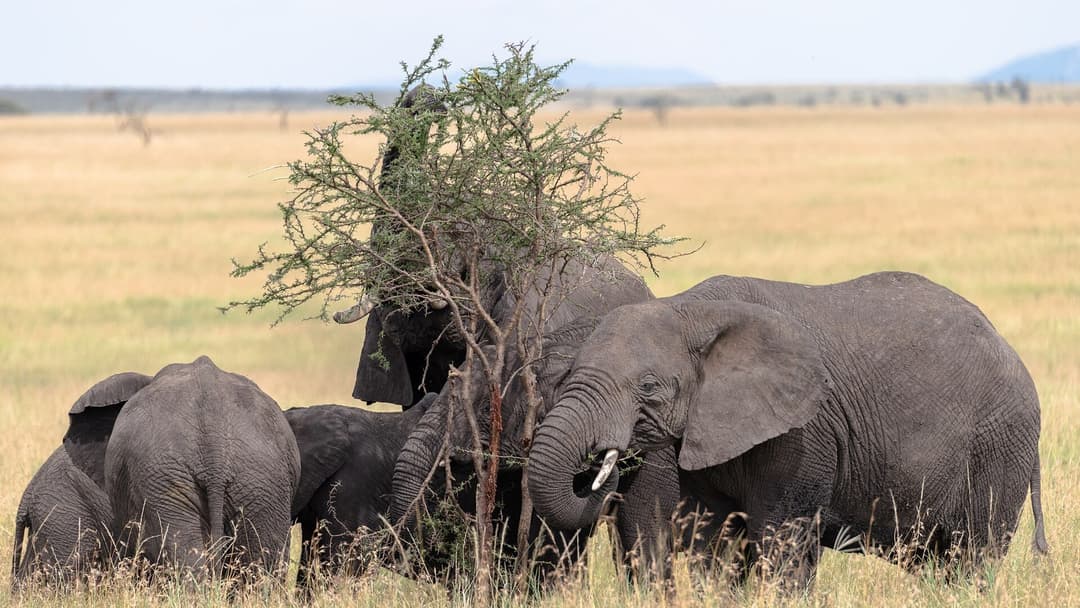
16. Stripping Thorny Bark
Acacia trees protect their moisture-rich bark with sharp thorns, yet elephants peel long ribbons with absolute precision. By anchoring the trunk base and rotating the tip, the animal shears away rough outer bark while avoiding defensive needles.
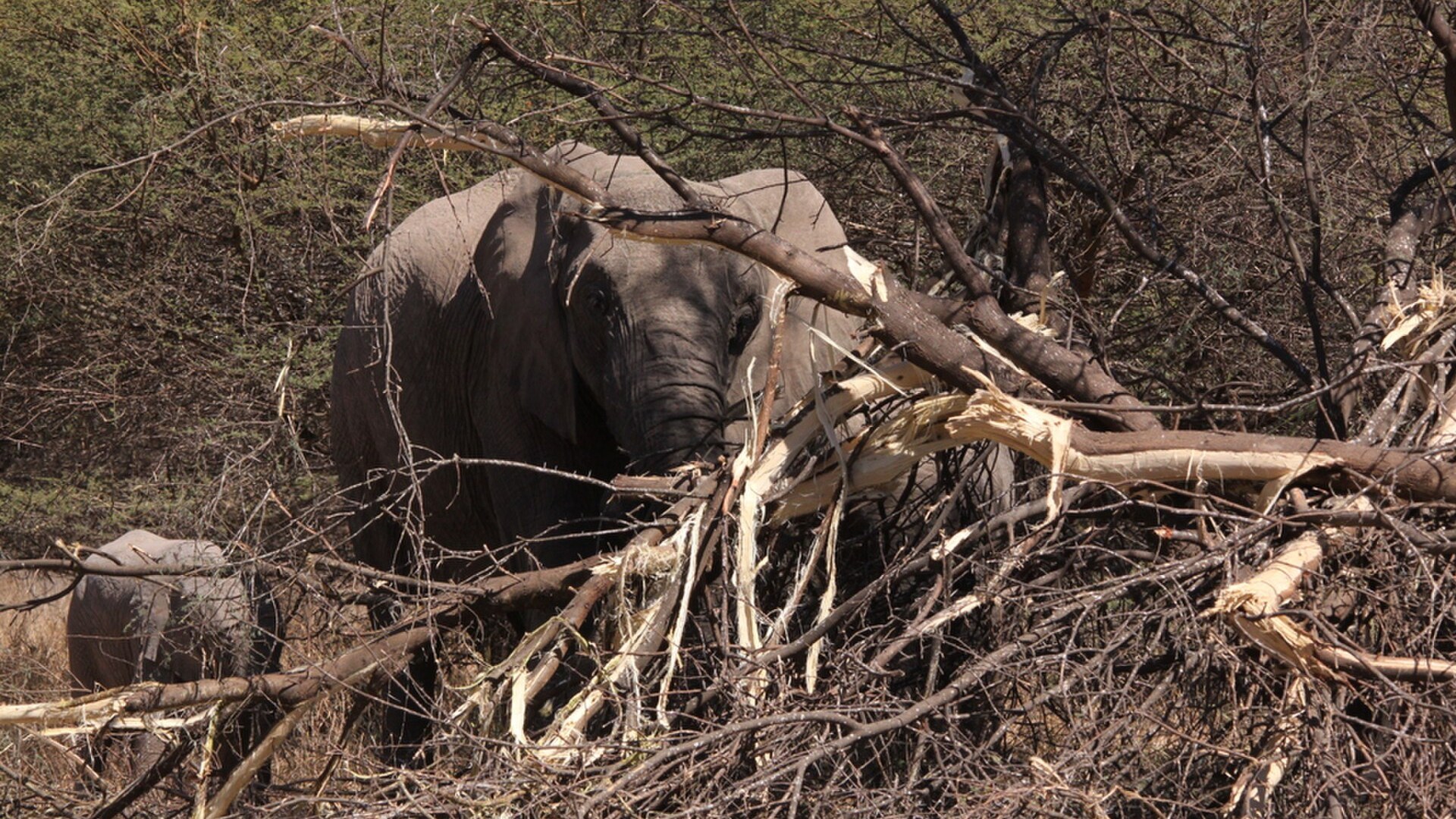
©Wikimedia / Derek Keats from Johannesburg, South Africa
15. Swatting Flies With Branch Tools
Elephants display deliberate tool manufacture by snapping leafy branches and modifying their length. They grip the stem firmly with the trunk tip to swat biting flies from inaccessible areas of their flanks, demonstrating active causal reasoning.
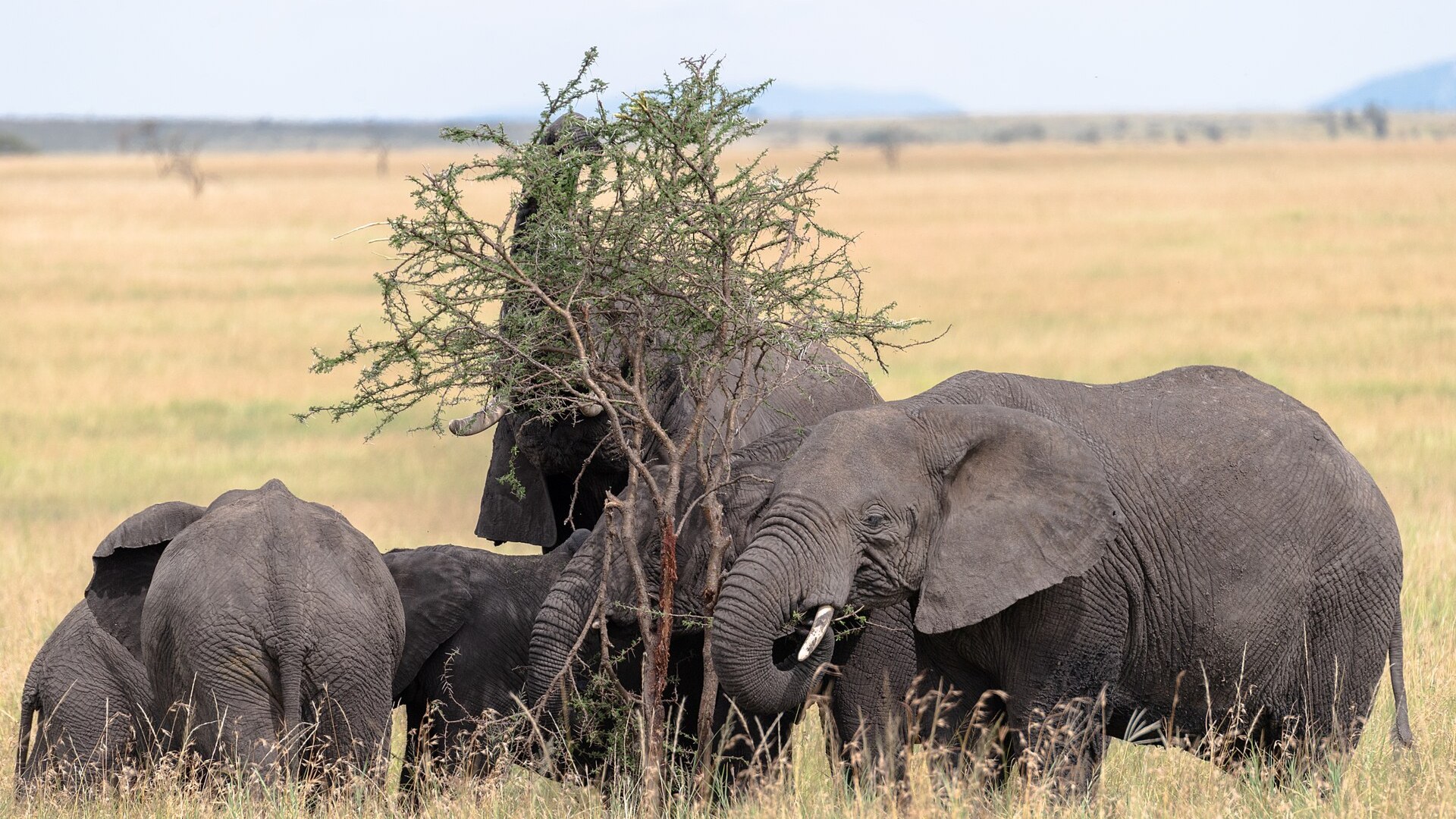
©Wikimedia / Eric Kilby
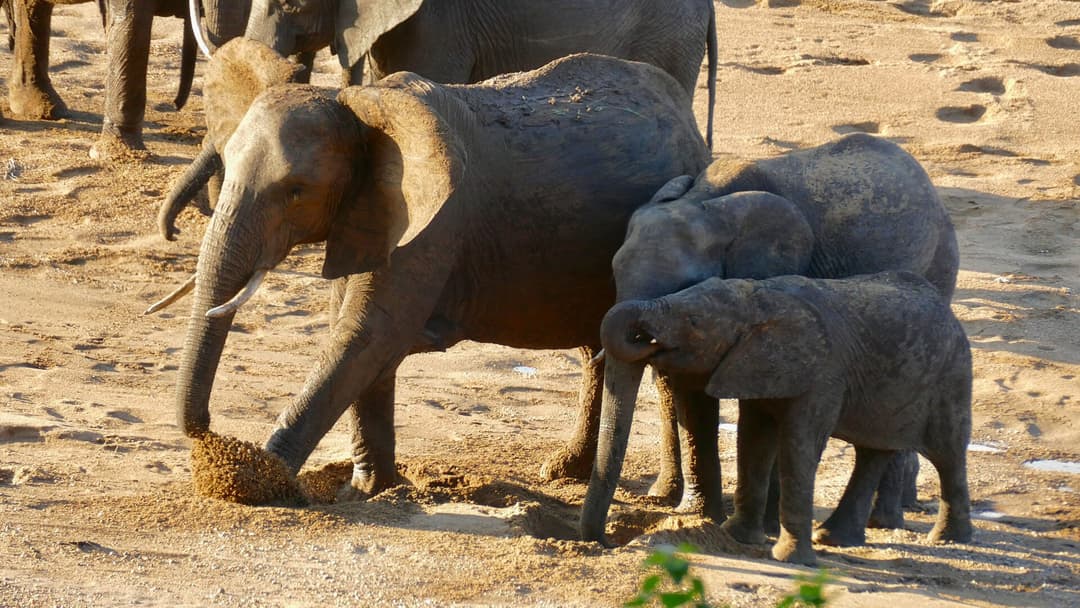
14. Excavating Groundwater Wells
During prolonged dry spells, elephants smell subterranean water and use their trunks like mechanical backhoes. By scooping away tons of sand in dry riverbeds, they create vital watering holes that sustain entire ecological communities.
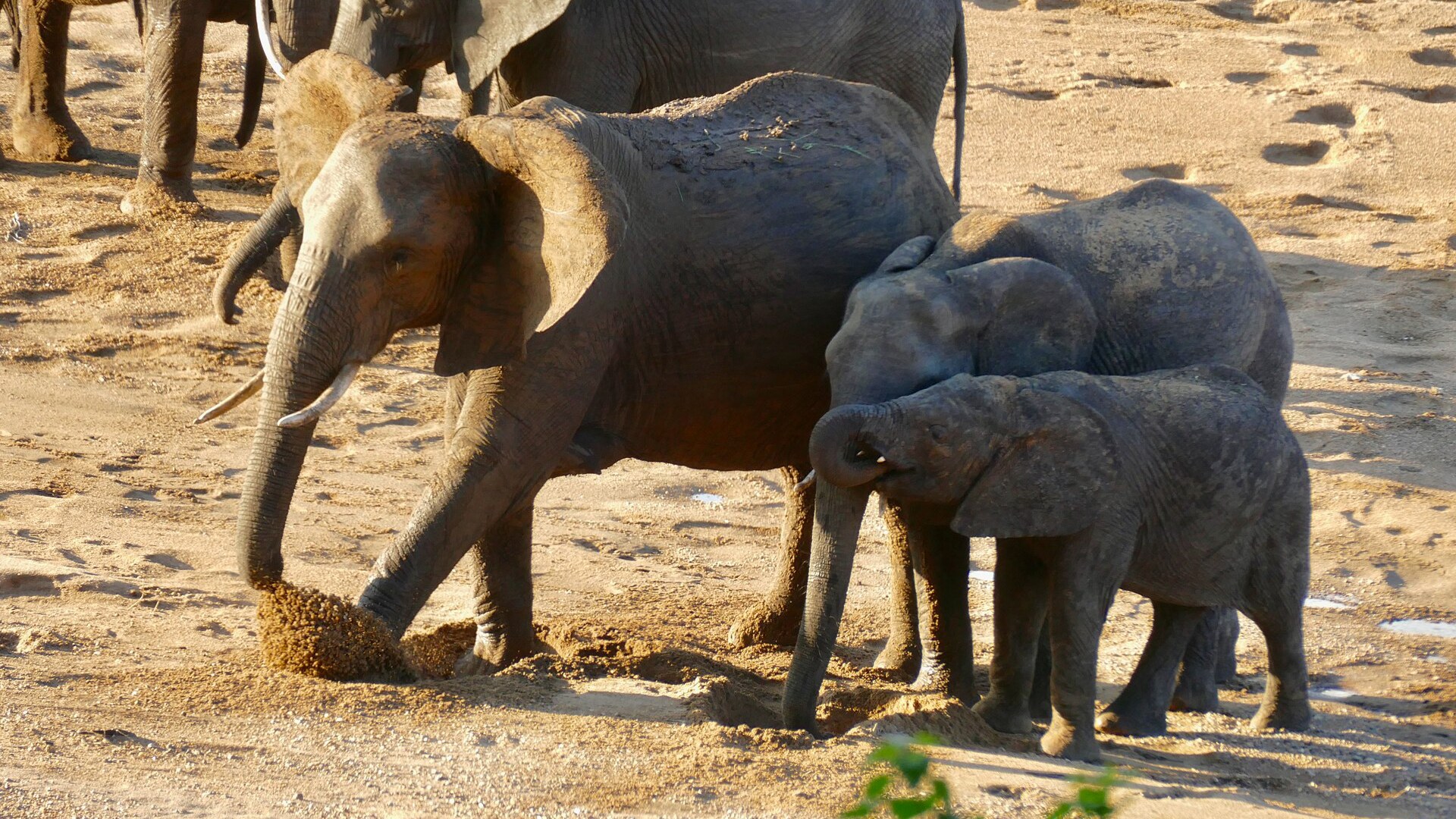
©Wikimedia / Bernard DUPONT from FRANCE
Advertisement
Swipe or tap ▶ to resume the countdown.
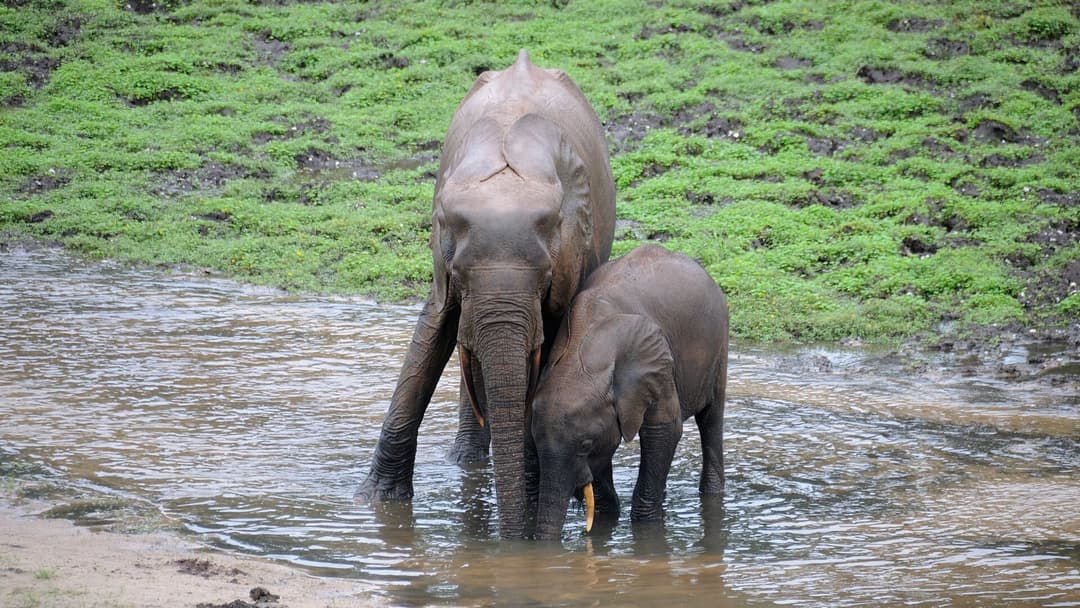
13. Herd Rescue And Calving Guidance
Mothers and allomothers use their trunks to steady wobbly newborns and pull distressed calves from deep mud pits. The trunk acts as a supportive safety harness, wrapping gently around the calf's torso to heave it up slick river embankments.
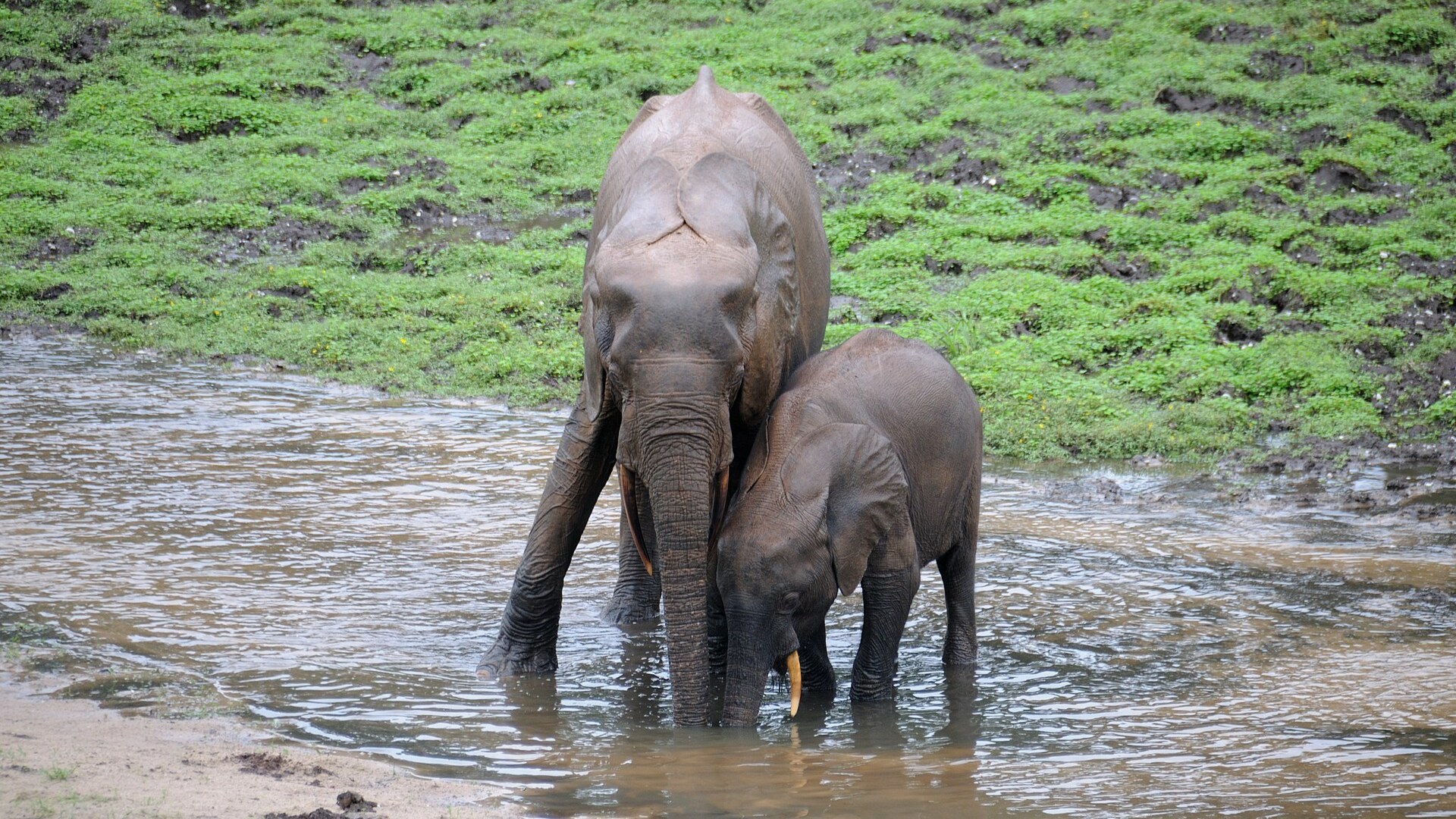
©Wikimedia / JosepMGracia
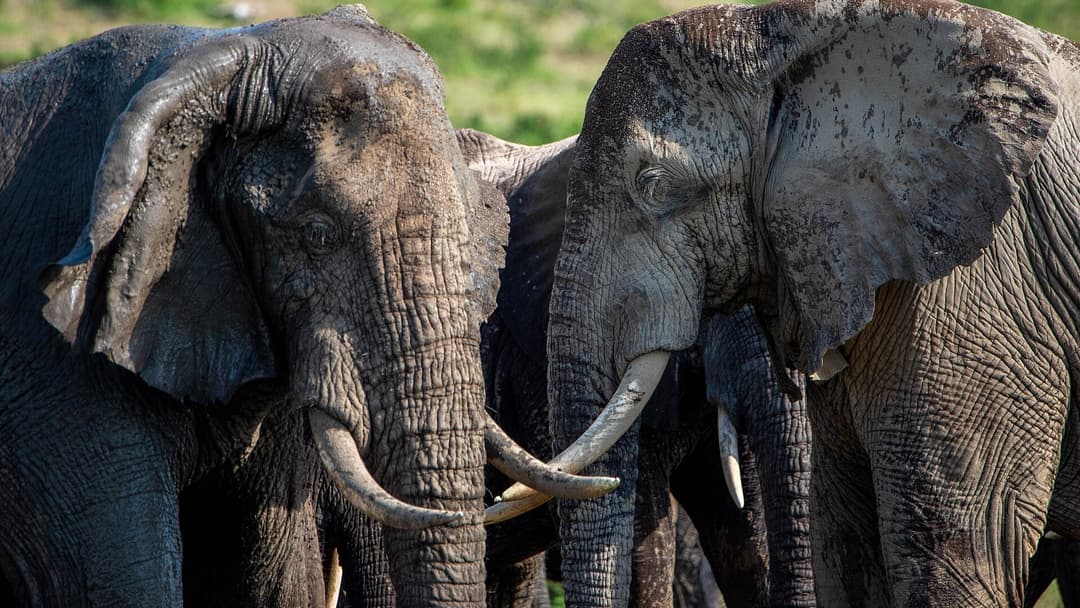
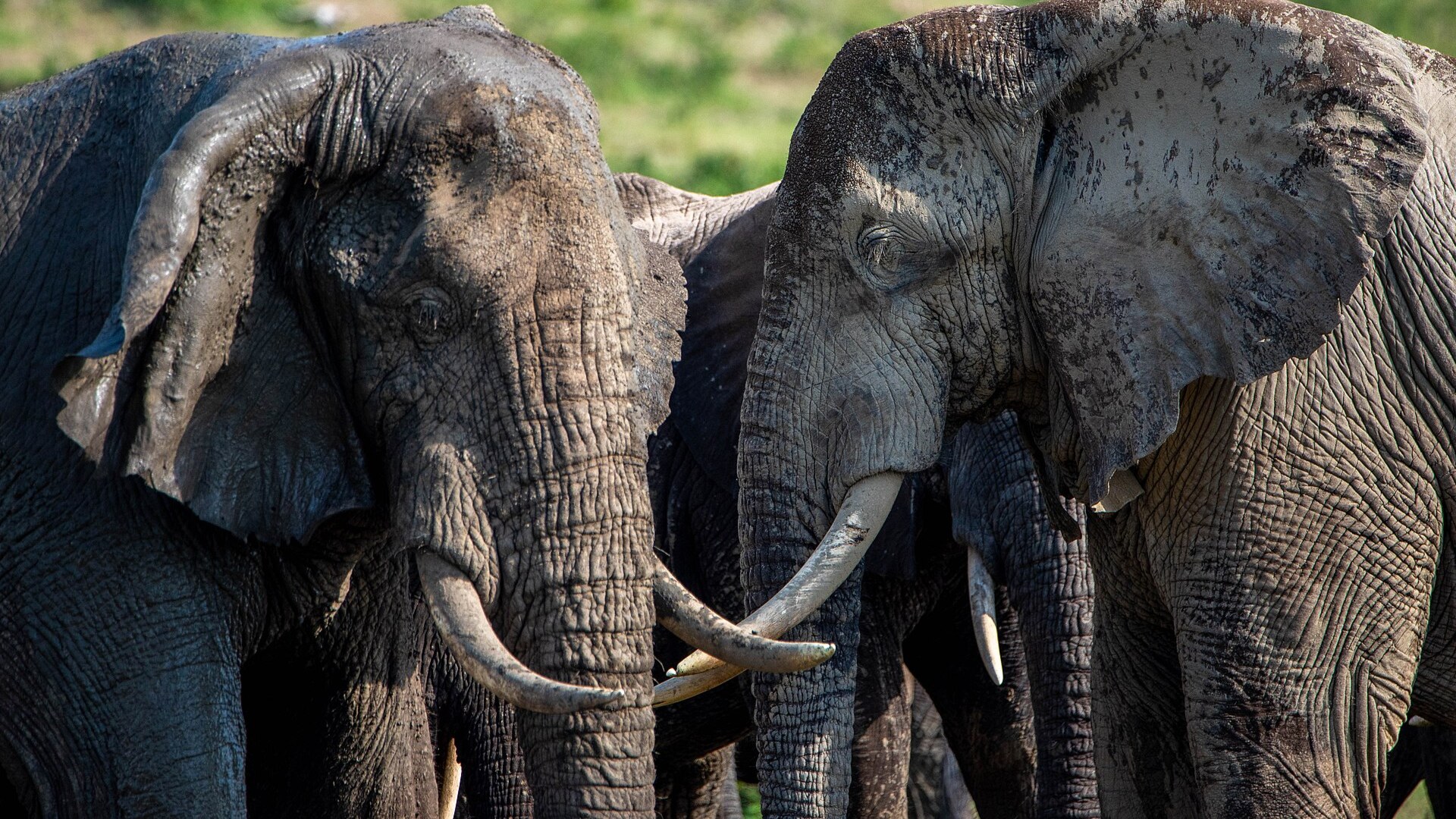
12. Affectionate Trunk Entwining
Social greetings between related elephants involve complex tactile rituals where trunks interlock like human handshakes. Calves place their trunk tips into their mother's mouth for comfort, while adults stroke nervous companions to reduce stress.
©Wikimedia / Timothy Akolamazima
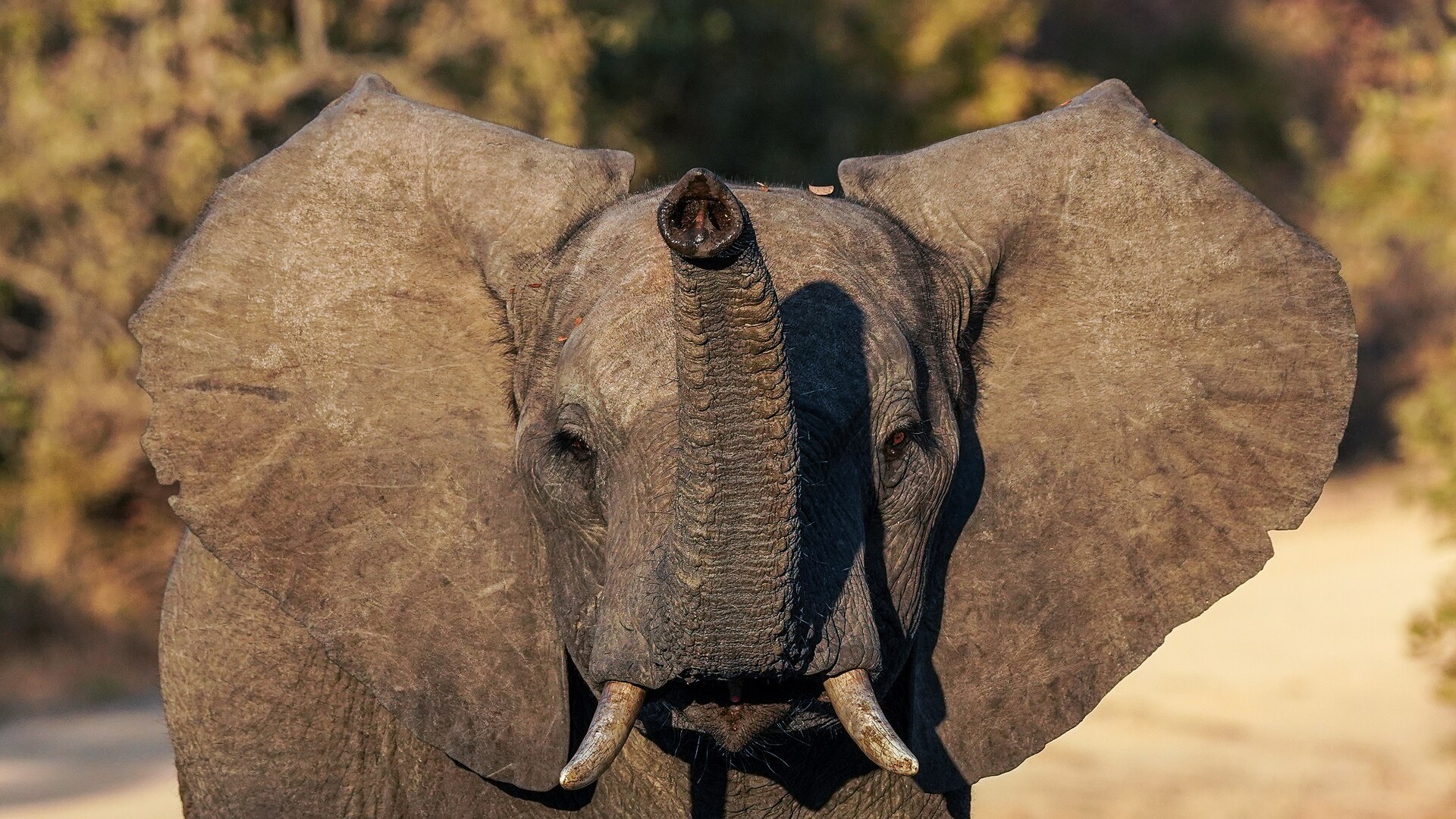
11. Trumpeting And Infrasonic Calls
The trunk acts as an acoustic trombone, elongating the vocal tract to amplify trumpet calls and infrasonic rumbles. By altering nasal aperture size, elephants broadcast low-frequency rumbles below twenty hertz that carry across vast savanna valleys.
©Wikimedia / This Photo was taken by Timothy A. Gonsalves . F
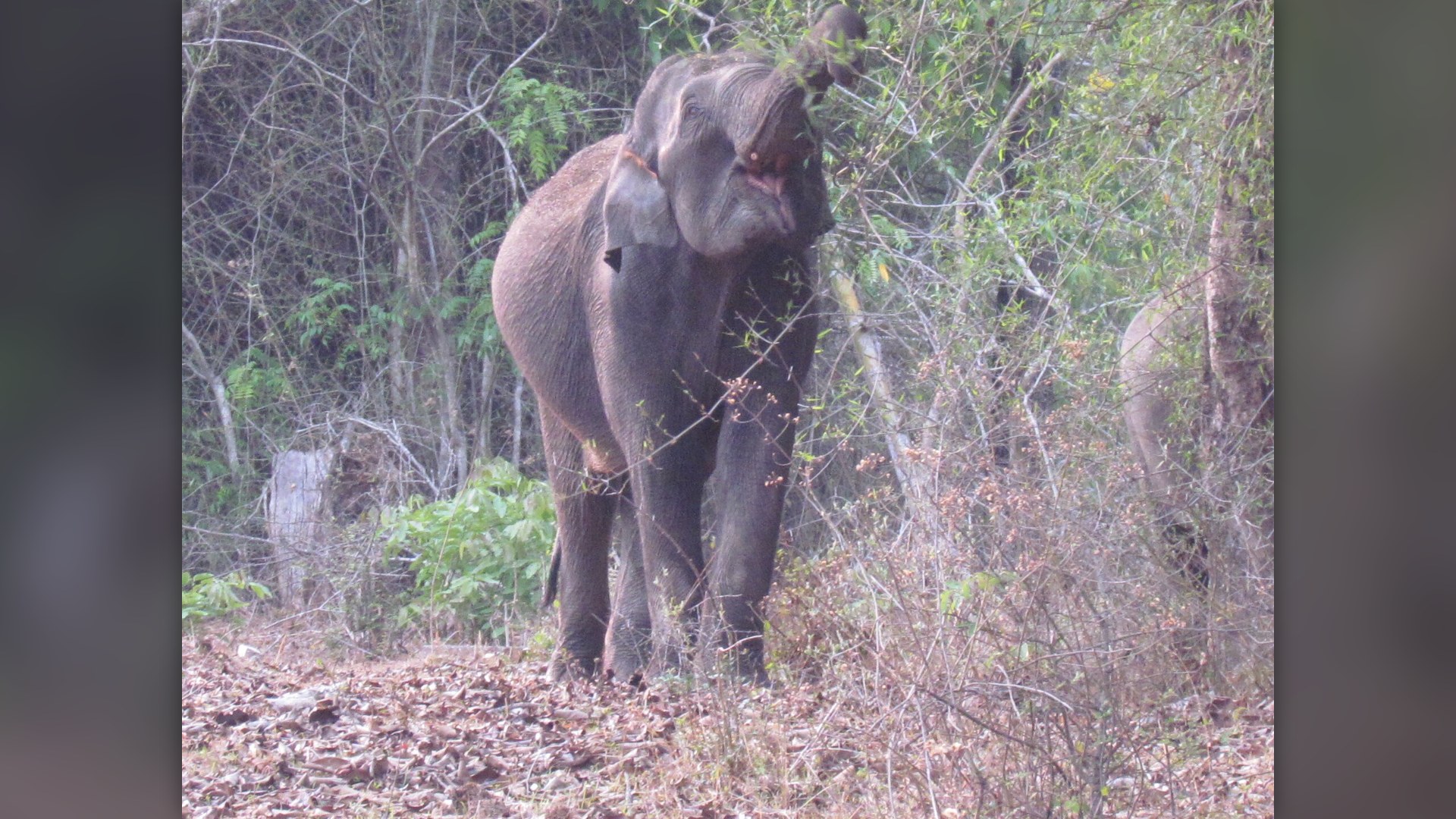
10. High-Canopy Reaching
When ground forage grows scarce, elephants rise onto their hind legs and extend their trunks skyward. This posture stretches the reach beyond twenty feet into the forest canopy, allowing them to strip tender seed pods out of reach for other herbivores.
©Wikimedia / Swamykanth
Advertisement
Swipe or tap ▶ to resume the countdown.
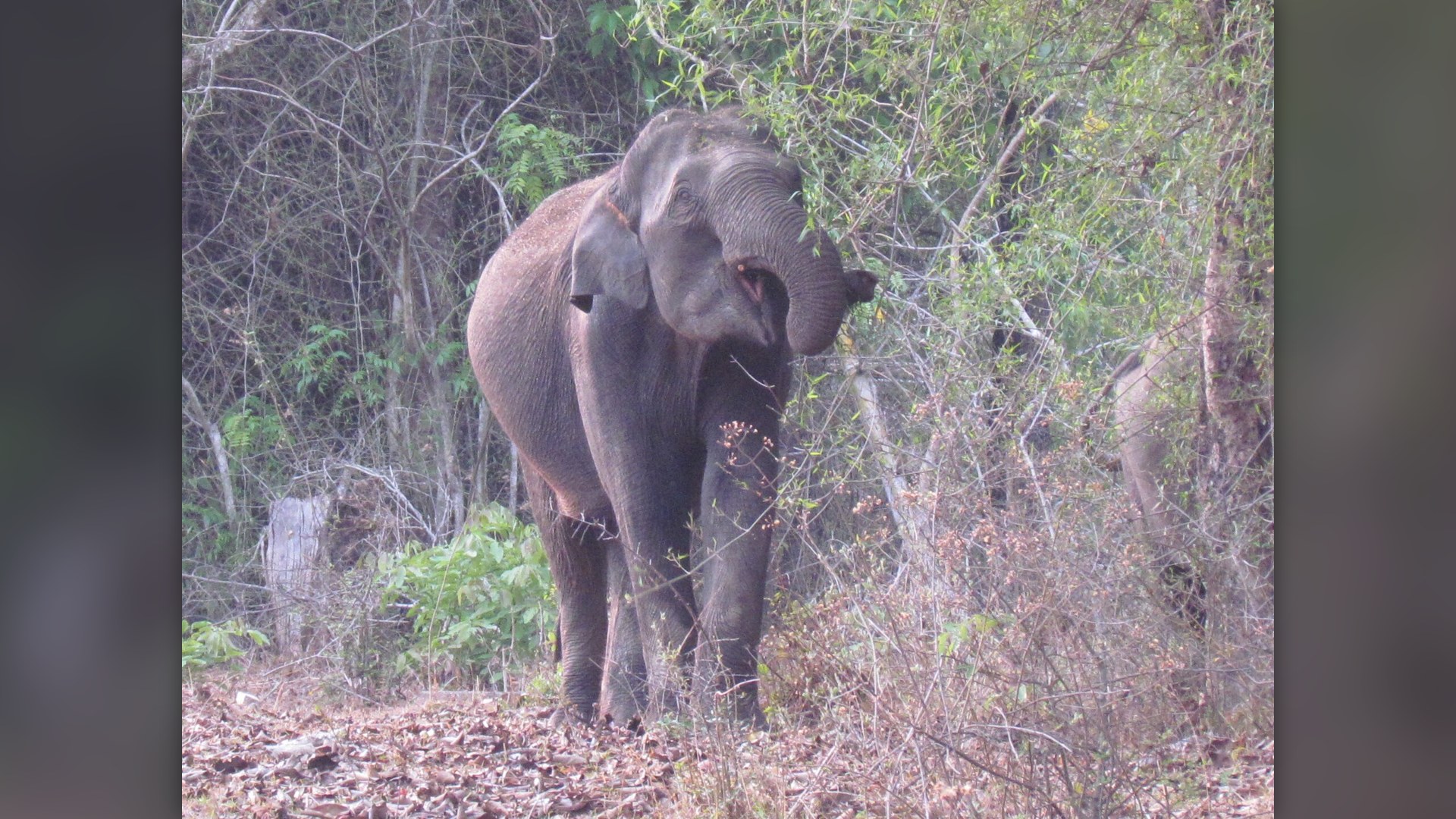
9. Shell Cracking Without Crushing
Elephants possess fine tactile sensitivity that allows them to measure applied pressure in real time. They can compress brittle peanut shells between their trunk folds with just enough force to crack the casing while leaving the edible kernel intact.
©Wikimedia / Swamykanth
8. Single Grain Of Rice Precision
The tip of an African elephant trunk features two prehensile projections, whereas Asian elephants have one. These sensitive finger-like lobes can locate and lift a single blade of grass or tiny seed from dusty ground with effortless finesse.
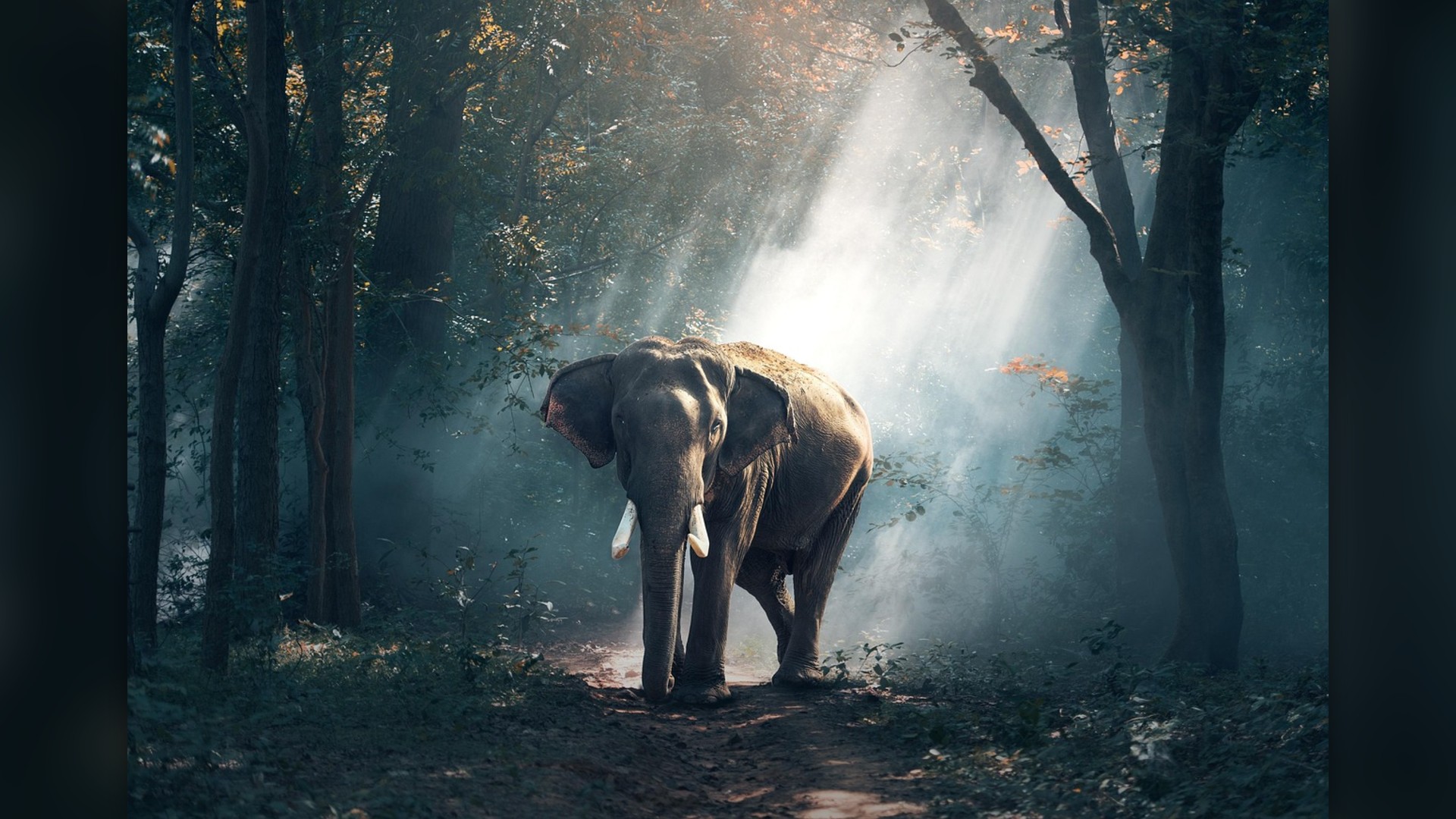
©Pixabay / sasint
7. High-Speed Air Blasts
Biomechanics researchers have recorded elephants exhaling through their trunks at velocities exceeding ninety miles per hour. They direct these forceful air blasts beneath fences or rocks to blow out-of-reach vegetation straight toward their feet.
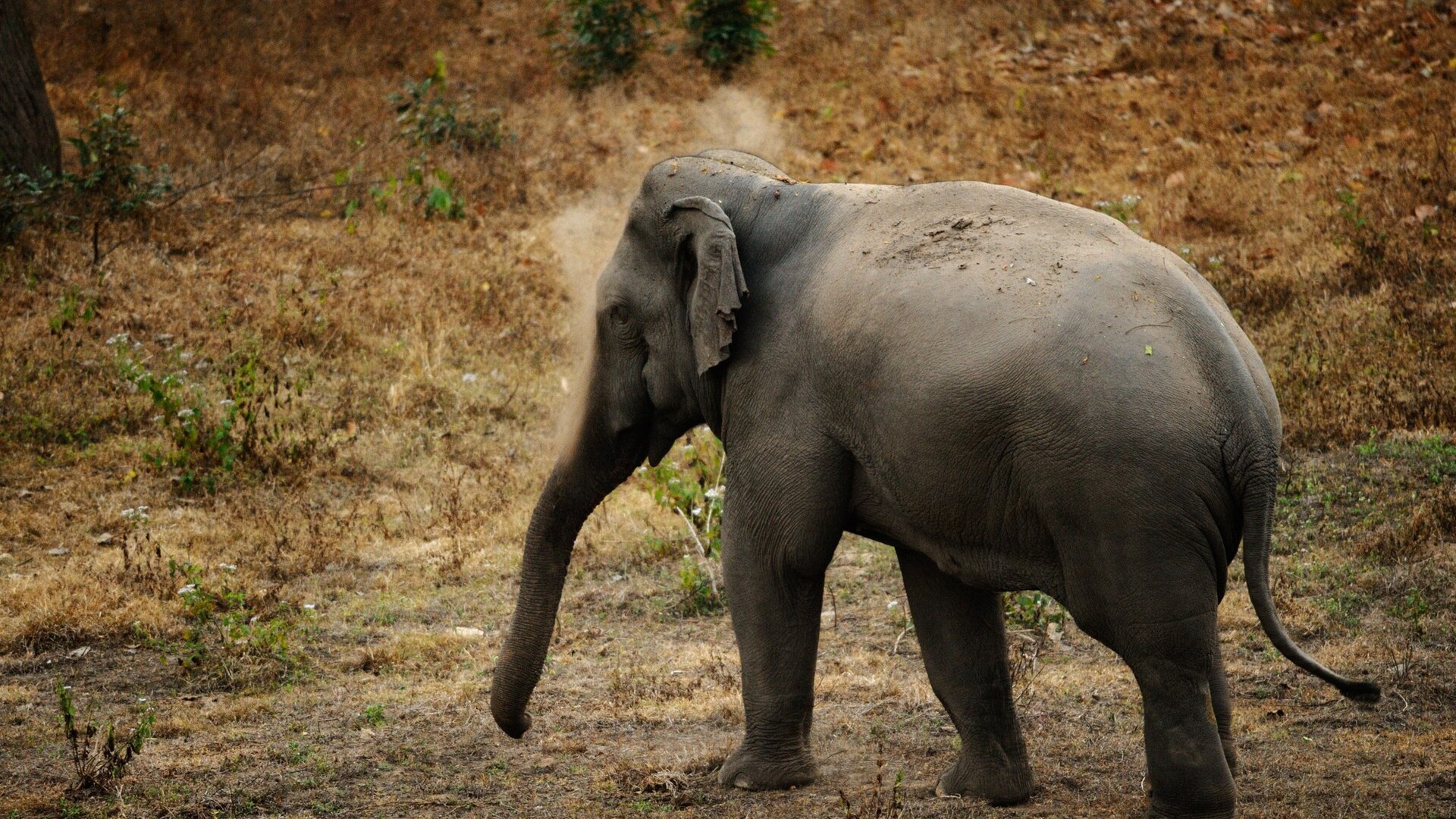
©Wikimedia / tontantravel
6. Acoustic Suction Grasping
A landmark Georgia Tech biomechanics study revealed that elephants dilate their nostrils thirty percent to create internal vacuum suction. This suction allows them to hoist delicate food items like tortilla chips without fracturing their fragile surfaces.
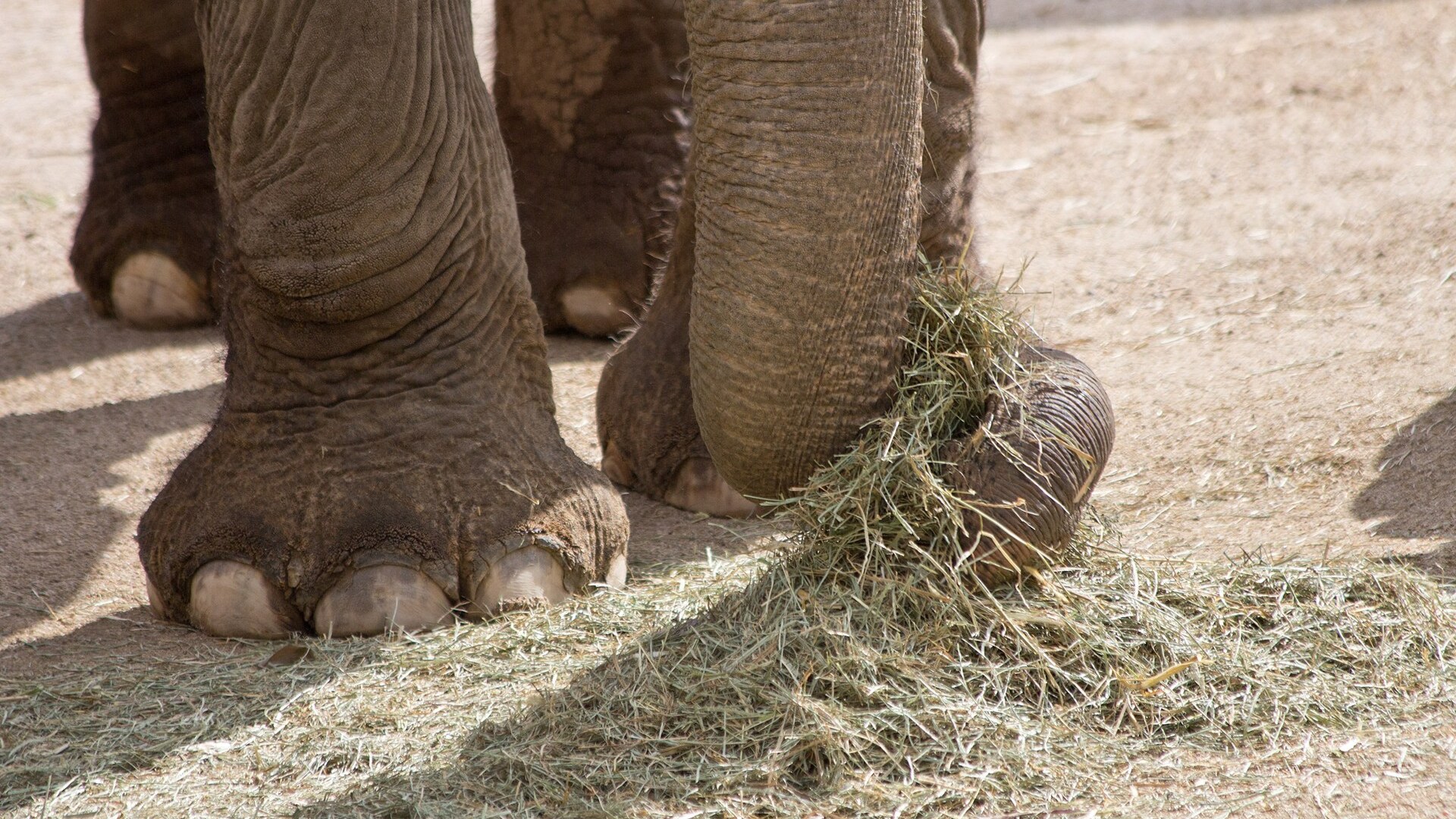
©Wikimedia / Carlos Delgado
Advertisement
Swipe or tap ▶ to resume the countdown.
5. Long-Distance Water Olfaction
Equipped with nearly two thousand olfactory receptor genes, elephants outshine bloodhounds in scent detection. Their trunks can identify the faint vapor trails of underground springs or fresh rainfall over twelve miles away across arid plains.
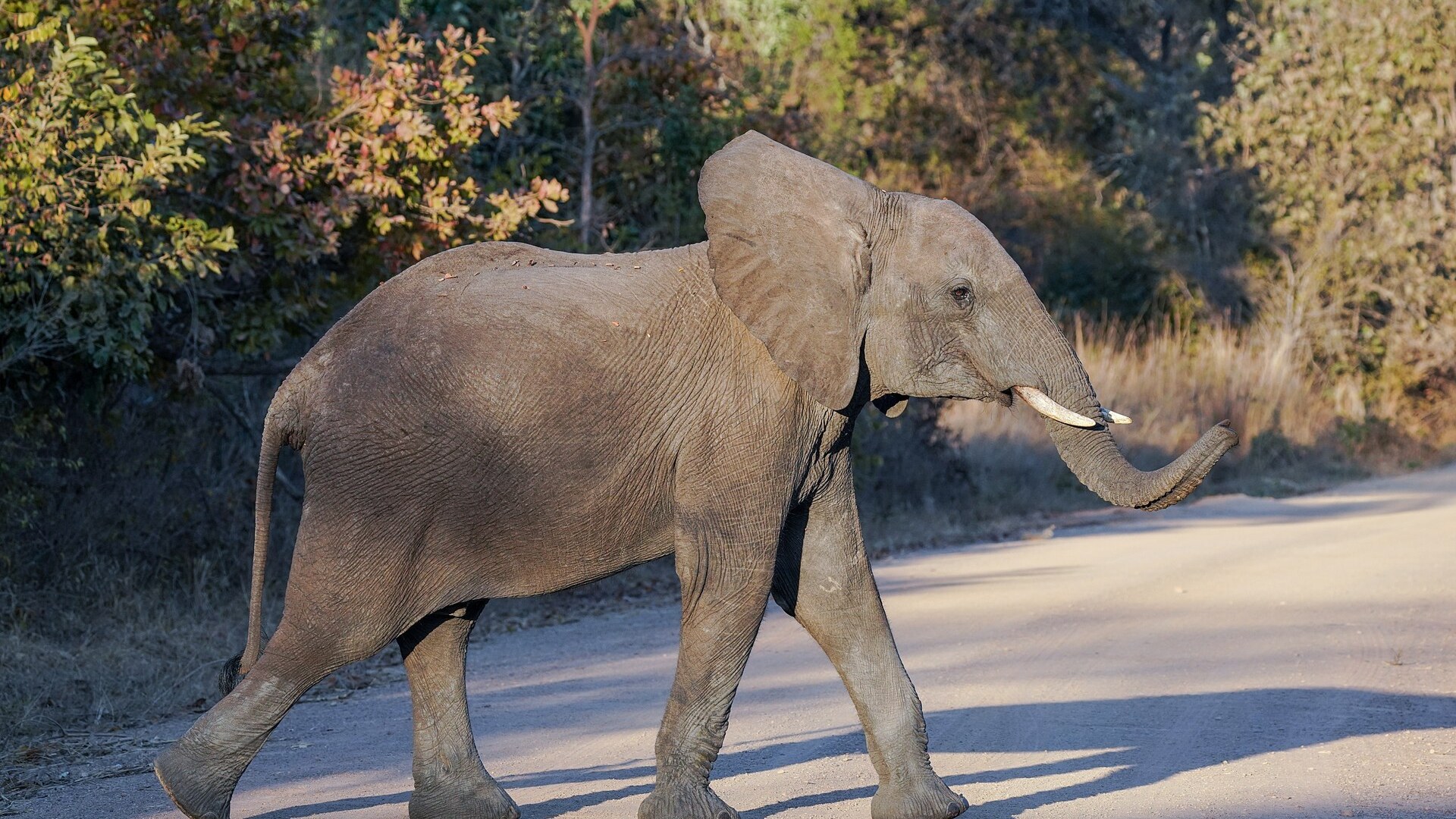
©Wikimedia / This Photo was taken by Timothy A. Gonsalves . F
4. Whisker-Based Sensor Navigation
Thousands of specialized sensory whiskers line the ventral rim of the trunk tip. These hairs detect microscopic air currents and electrostatic fields, warning elephants of electrified fence wires long before physical contact can occur.
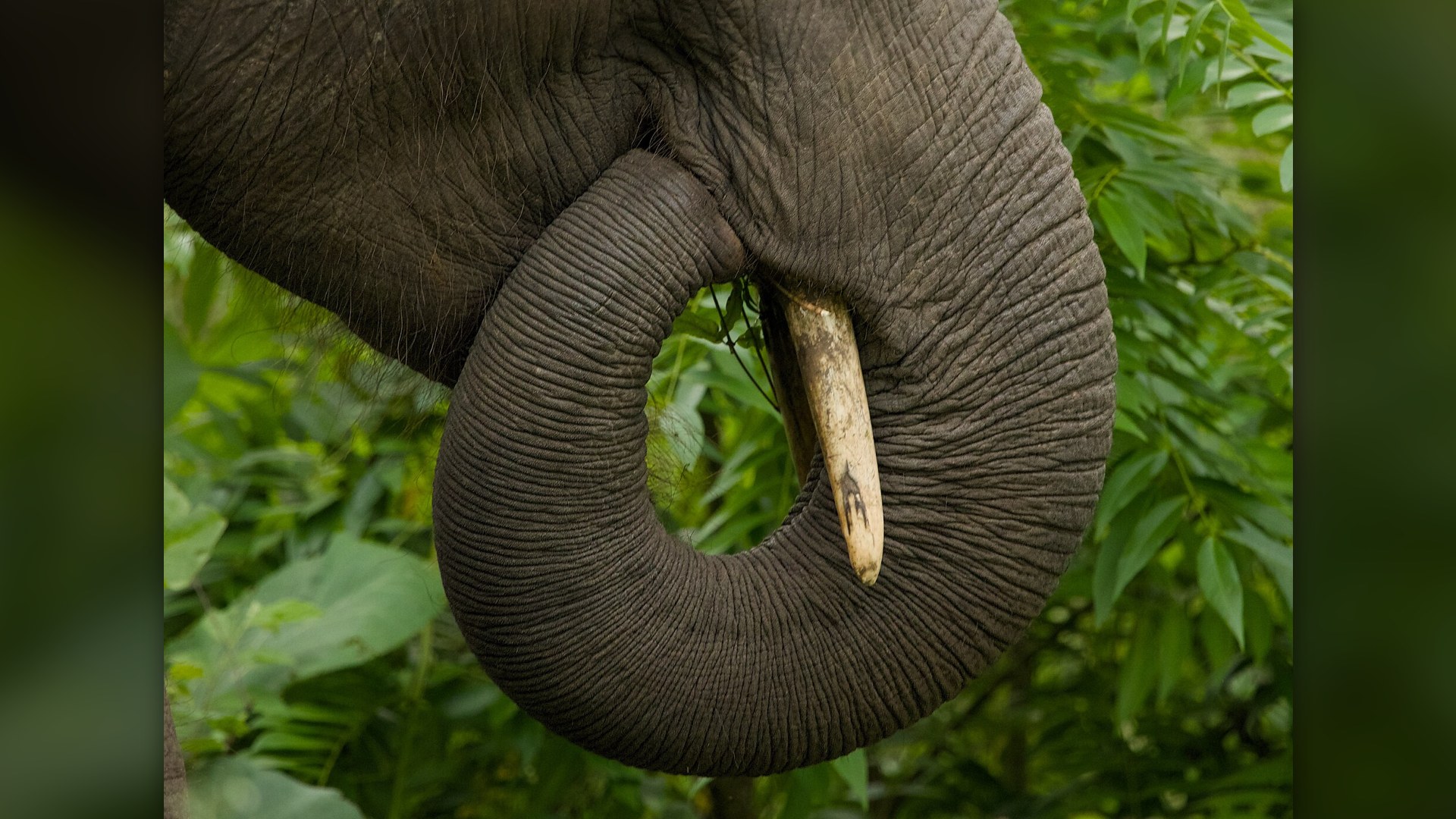
©Wikimedia / UdayKiran28
3. Forty Thousand Muscle Fascicles
The elephant trunk is a biological marvel composed of over forty thousand individual muscle units known as fascicles. Free of bones or cartilage, this hydrostat system bends in any three-dimensional vector with boundless flexibility.
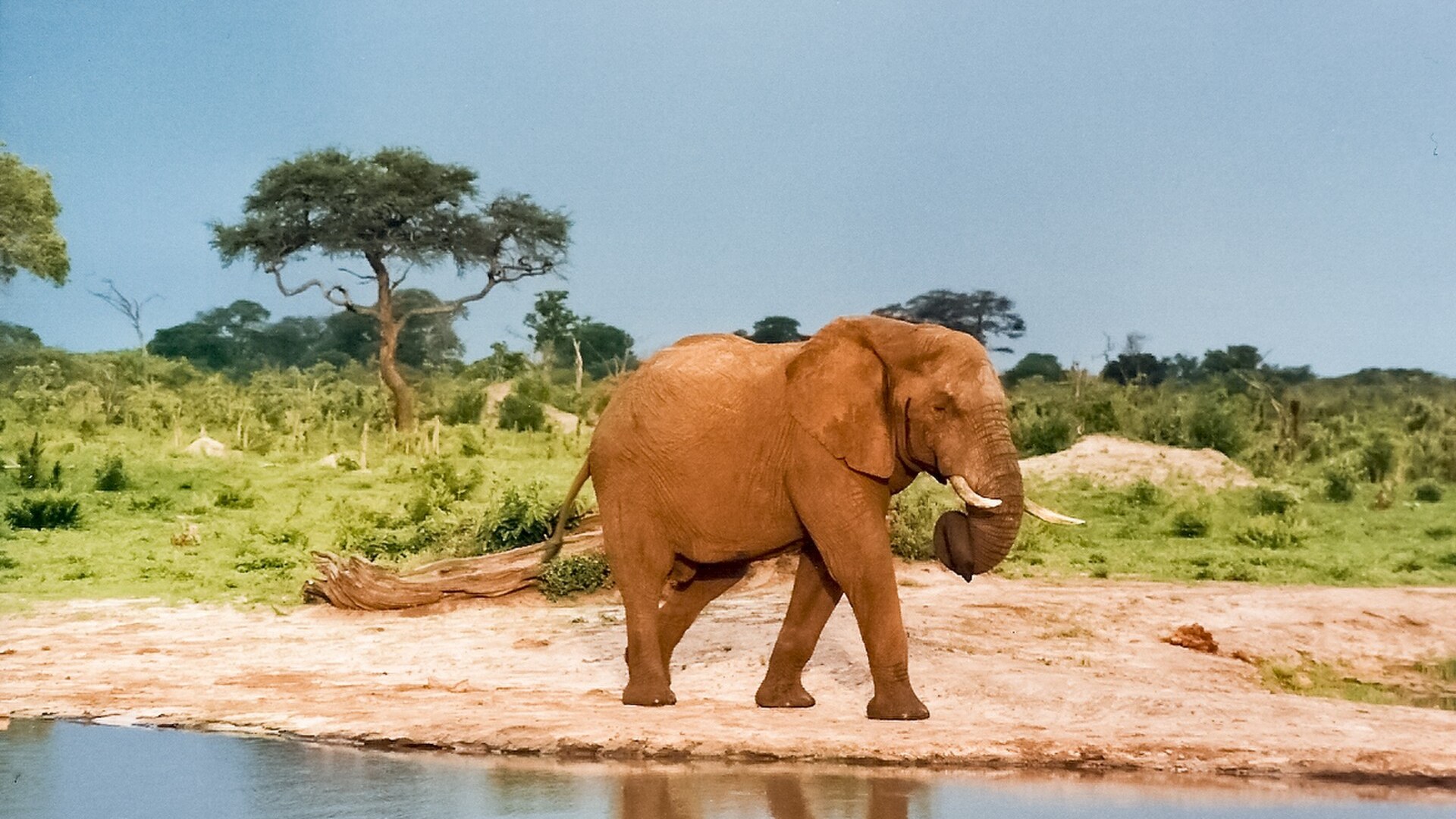
©Wikimedia / JackyR
2. Scent Recognition Of Individuals
Field experiments show elephants distinguish between human ethnic groups and identify individual herd members purely through trunk sniffing. They remember scent profiles for decades, assessing whether a nearby human scent poses an active threat.
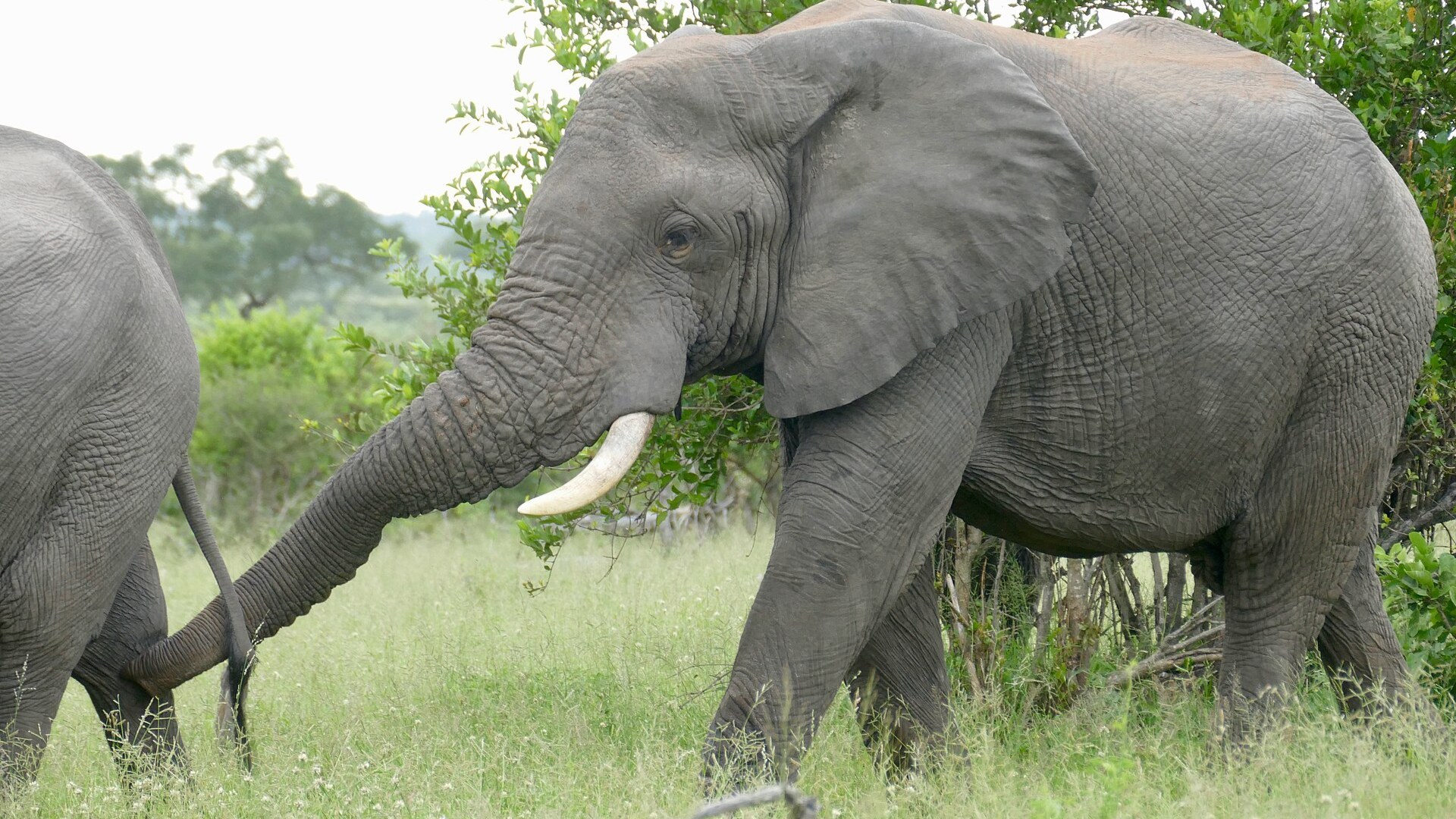
©Wikimedia / Bernard DUPONT from FRANCE
Advertisement
Swipe or tap ▶ to resume the countdown.
1. Seismic Ground Conduction
Elephants press the sensitive tip of their trunk firmly against the earth to register seismic waves generated miles away. These low-frequency ground vibrations travel through foot and trunk bones directly to the inner ear, warning of distant herds.
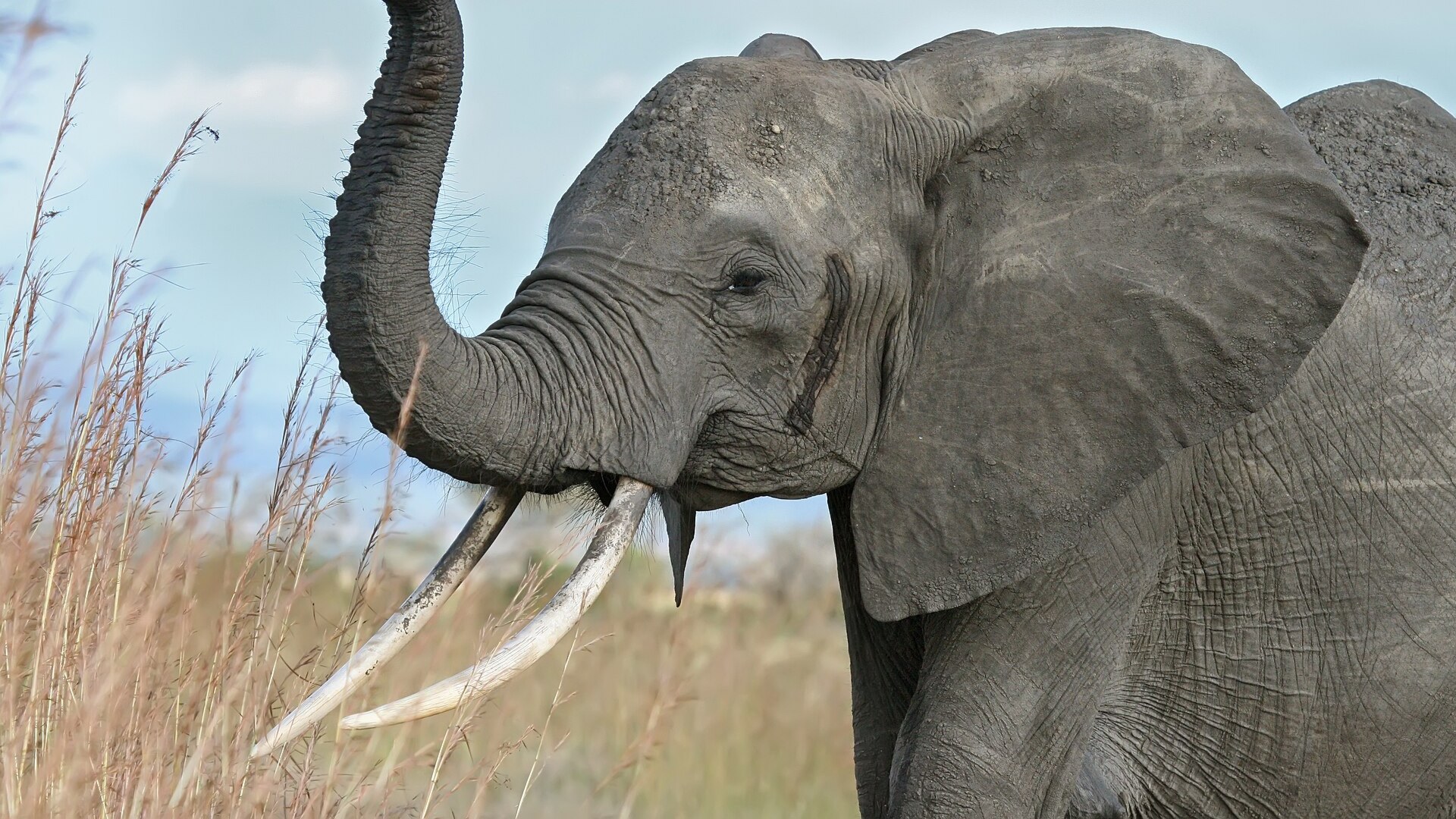
©Wikimedia / Muhammad Mahdi Karim Facebook The making of this
Advertisement
You've reached the end of the story. Thanks for reading!

21 Birds That Feed on Wildflowers
Across North American meadows and woodlands, native birds rely on wildflowers, ornamental grasses and shrubs for vital nourishment. Whether sipping rich nectar from summer blossoms or harvesting nutrient-dense seeds throughout freezing winter months, these species maintain ancient ecological partnerships.
All 20 Entries in this Story
20. Submarine Snorkeling
Elephants are strong swimmers capable of crossing deep African channels and Indian lakes. By extending the trunk tip above the waterline, they create a functional snorkel that allows them to swim completely submerged for miles without surfacing.

19. High-Capacity Water Siphoning
An adult elephant can inhale up to ten liters of water into its twin nasal chambers within two seconds. Rather than drinking directly through the trunk, the animal seals the internal airway before curling the tip into its mouth to release the liquid.

18. Mud And Dust Sunscreening
Lacking sweat glands, elephants regulate body temperature by siphoning thick mud and fine dust with their trunks to coat their backs. This mineral layer acts as a natural sunblock against harsh solar radiation and deters biting savanna flies.

17. Heavy Timber Lifting
Operating without a single bone, the elephant trunk relies entirely on interwoven muscle fibers to lift heavy obstacles. Dominant bulls can wrap their muscular trunk around fallen logs weighing over seven hundred pounds to clear trails or forage.

16. Stripping Thorny Bark
Acacia trees protect their moisture-rich bark with sharp thorns, yet elephants peel long ribbons with absolute precision. By anchoring the trunk base and rotating the tip, the animal shears away rough outer bark while avoiding defensive needles.

15. Swatting Flies With Branch Tools
Elephants display deliberate tool manufacture by snapping leafy branches and modifying their length. They grip the stem firmly with the trunk tip to swat biting flies from inaccessible areas of their flanks, demonstrating active causal reasoning.

14. Excavating Groundwater Wells
During prolonged dry spells, elephants smell subterranean water and use their trunks like mechanical backhoes. By scooping away tons of sand in dry riverbeds, they create vital watering holes that sustain entire ecological communities.

13. Herd Rescue And Calving Guidance
Mothers and allomothers use their trunks to steady wobbly newborns and pull distressed calves from deep mud pits. The trunk acts as a supportive safety harness, wrapping gently around the calf's torso to heave it up slick river embankments.

12. Affectionate Trunk Entwining
Social greetings between related elephants involve complex tactile rituals where trunks interlock like human handshakes. Calves place their trunk tips into their mother's mouth for comfort, while adults stroke nervous companions to reduce stress.

11. Trumpeting And Infrasonic Calls
The trunk acts as an acoustic trombone, elongating the vocal tract to amplify trumpet calls and infrasonic rumbles. By altering nasal aperture size, elephants broadcast low-frequency rumbles below twenty hertz that carry across vast savanna valleys.

10. High-Canopy Reaching
When ground forage grows scarce, elephants rise onto their hind legs and extend their trunks skyward. This posture stretches the reach beyond twenty feet into the forest canopy, allowing them to strip tender seed pods out of reach for other herbivores.

9. Shell Cracking Without Crushing
Elephants possess fine tactile sensitivity that allows them to measure applied pressure in real time. They can compress brittle peanut shells between their trunk folds with just enough force to crack the casing while leaving the edible kernel intact.

8. Single Grain Of Rice Precision
The tip of an African elephant trunk features two prehensile projections, whereas Asian elephants have one. These sensitive finger-like lobes can locate and lift a single blade of grass or tiny seed from dusty ground with effortless finesse.

7. High-Speed Air Blasts
Biomechanics researchers have recorded elephants exhaling through their trunks at velocities exceeding ninety miles per hour. They direct these forceful air blasts beneath fences or rocks to blow out-of-reach vegetation straight toward their feet.

6. Acoustic Suction Grasping
A landmark Georgia Tech biomechanics study revealed that elephants dilate their nostrils thirty percent to create internal vacuum suction. This suction allows them to hoist delicate food items like tortilla chips without fracturing their fragile surfaces.

5. Long-Distance Water Olfaction
Equipped with nearly two thousand olfactory receptor genes, elephants outshine bloodhounds in scent detection. Their trunks can identify the faint vapor trails of underground springs or fresh rainfall over twelve miles away across arid plains.

4. Whisker-Based Sensor Navigation
Thousands of specialized sensory whiskers line the ventral rim of the trunk tip. These hairs detect microscopic air currents and electrostatic fields, warning elephants of electrified fence wires long before physical contact can occur.

3. Forty Thousand Muscle Fascicles
The elephant trunk is a biological marvel composed of over forty thousand individual muscle units known as fascicles. Free of bones or cartilage, this hydrostat system bends in any three-dimensional vector with boundless flexibility.

2. Scent Recognition Of Individuals
Field experiments show elephants distinguish between human ethnic groups and identify individual herd members purely through trunk sniffing. They remember scent profiles for decades, assessing whether a nearby human scent poses an active threat.

1. Seismic Ground Conduction
Elephants press the sensitive tip of their trunk firmly against the earth to register seismic waves generated miles away. These low-frequency ground vibrations travel through foot and trunk bones directly to the inner ear, warning of distant herds.